July 2026
Complete text-bearing Facebook records from the export.
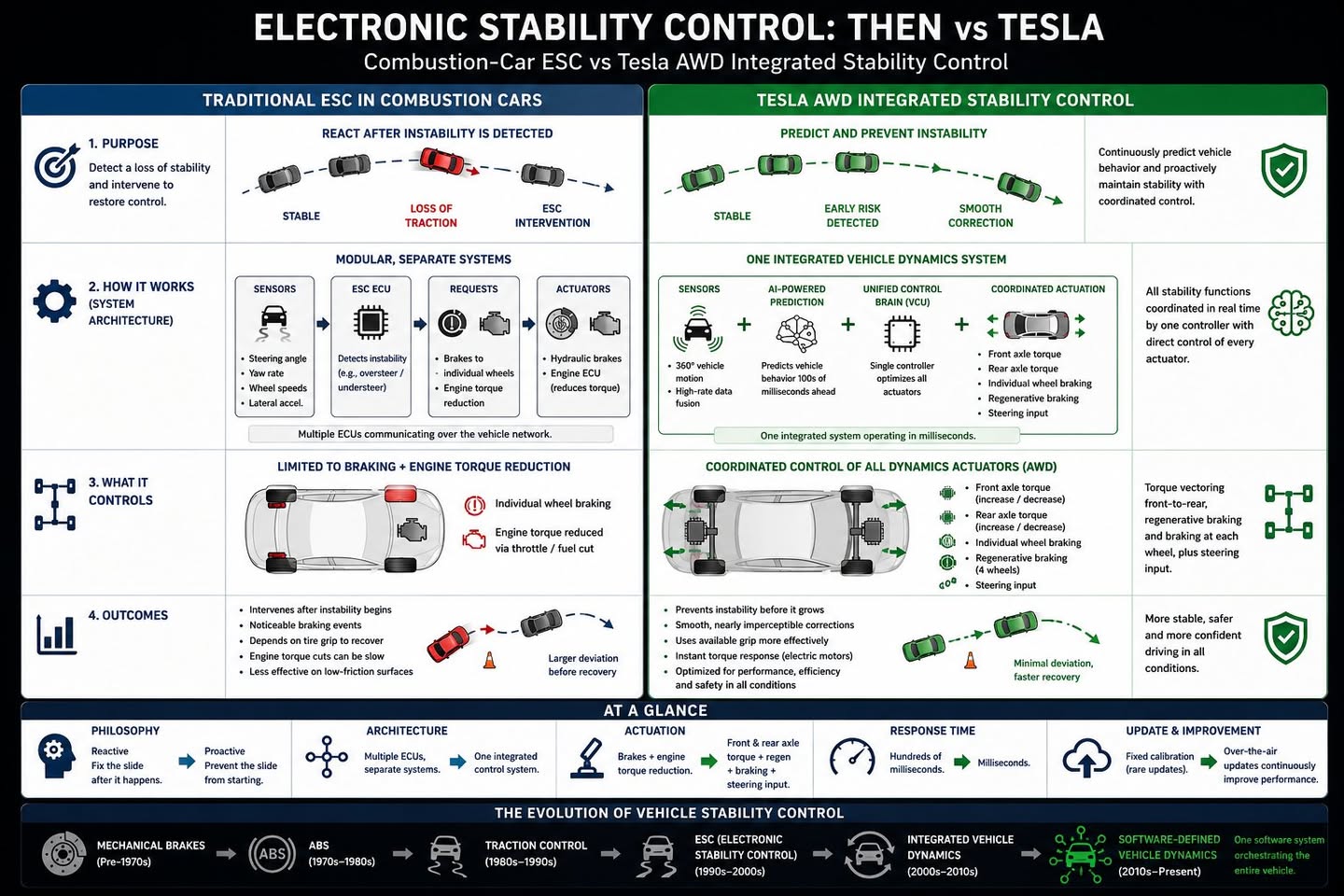
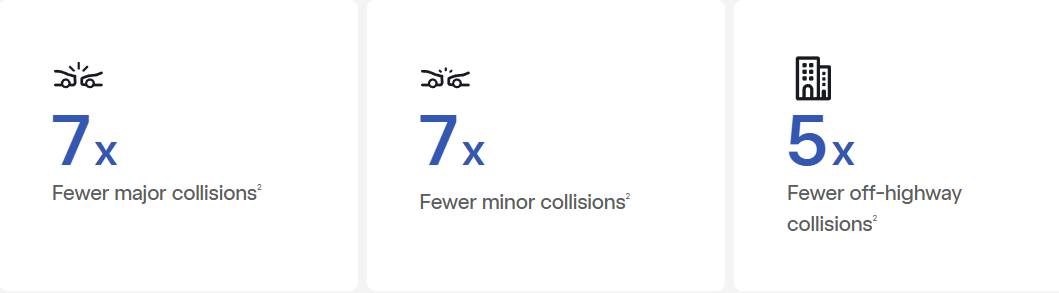
The road conditions this winter have been appalling for driving on my daily commute. Very wet, dark, foggy, huge numbers of vehicles coming the other way because of the Mt Vic blockage, with all that headlight glare. Often can barely see a thing. I took the video below yesterday. What's kept me sane is Tesla's revolutionary electronic stability control (ESC), combined with its autonomous driving aids. ESC was originally invented by German manufacturers, for diesel and petrol vehicles, but is restricted to correcting loss of control after it's happened, and only can reduce engine speed and apply brakes to each wheel. Tesla ESC acts continuously, in fractions of a second, and can precisely target exact amounts of torque to front and back wheels, as well as regen braking, ordinary braking, steering angle etc. It's a predictive rather than reactive system, and means the car feels planted the whole time, even in terrible traction conditions. Like the Tesla semi video I shared. Combine this with the self-driving tech, which can see even when the driver can't, and it makes horrible drives almost relaxing. This stuff will save so many lives. Nice comparison of the two approaches in the graphic.
HBD! 🎉🎂🌟
Happy Birthday, Paul! 💐🥂
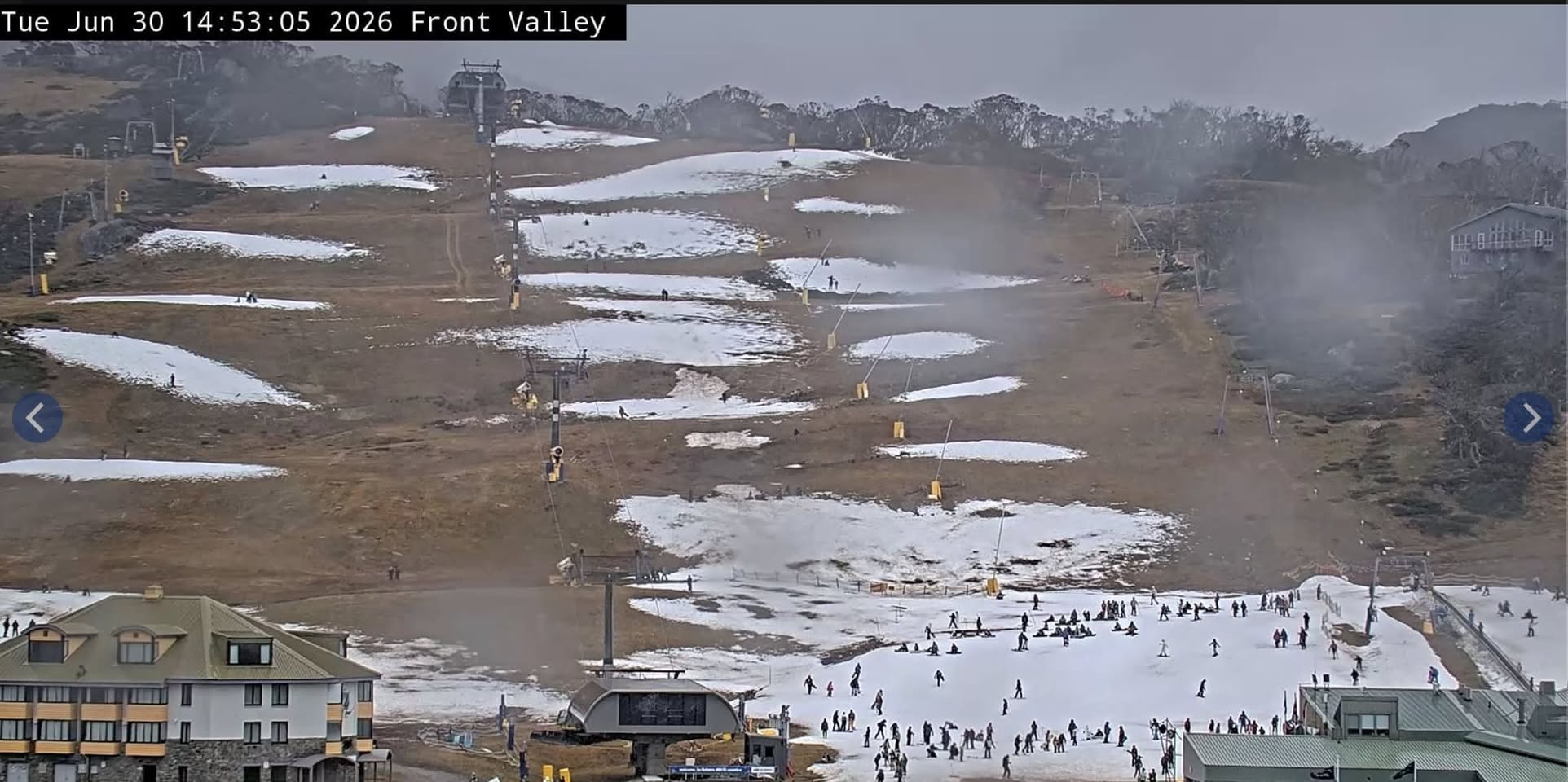
The snow machines aren’t really helping.
There’s a genre of video on YouTube that sounds a bit dull, but I think is compelling. Behind the scenes in common everyday work, in this case in bakeries. Seeing what happens while the rest of us sleep. I’d have loved to be a baker. But I couldn’t sacrifice sleep for any job.
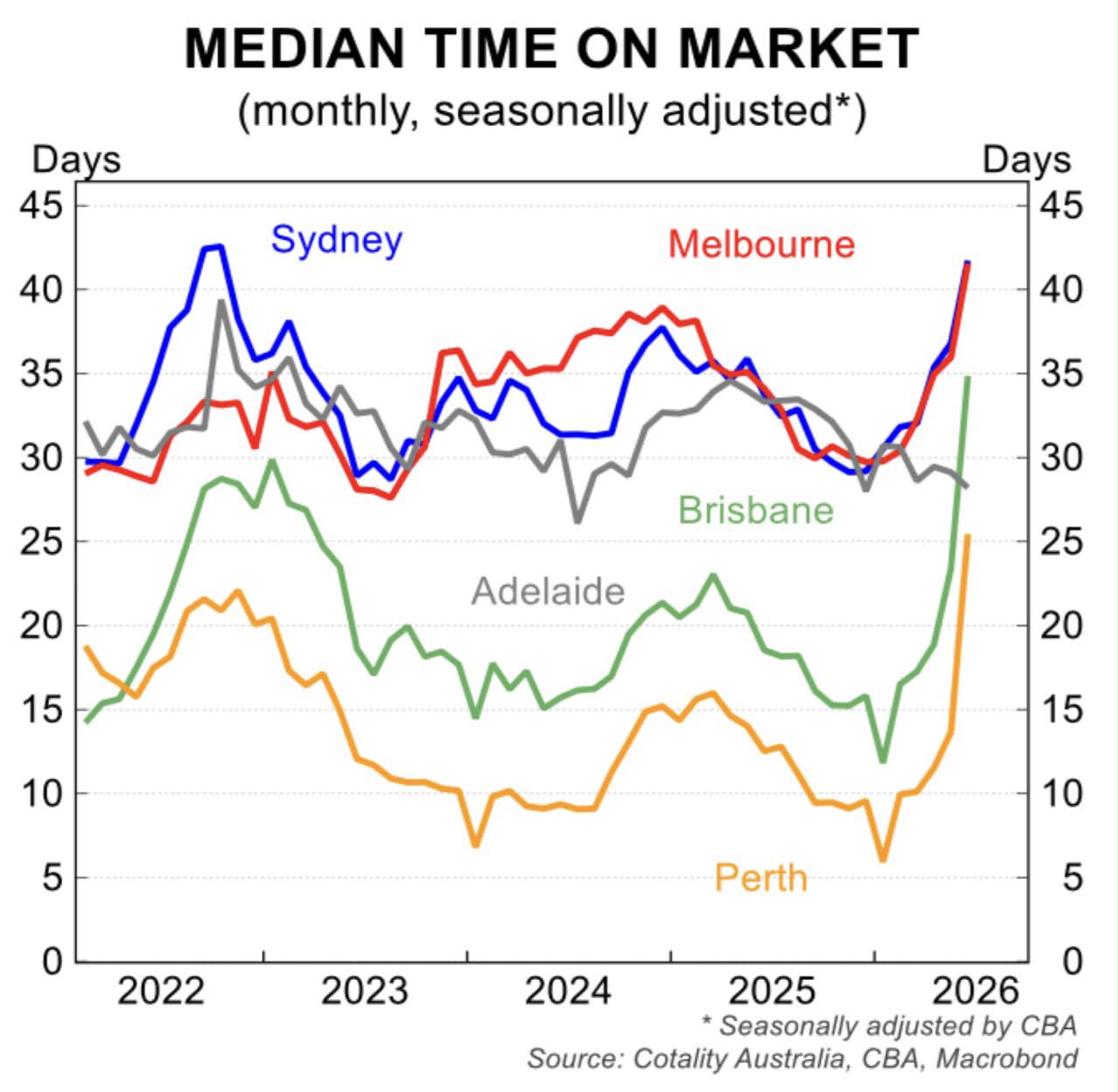
Everyone has said for years, we just need more supply of houses, and then the prices will come down. And then, the prices came down. And the supply went UP. Without building any new houses. Ponder that.
Video from one of the car‘s cameras yesterday. Sharing because it felt like an animated painting by Turner. Quite beautiful.
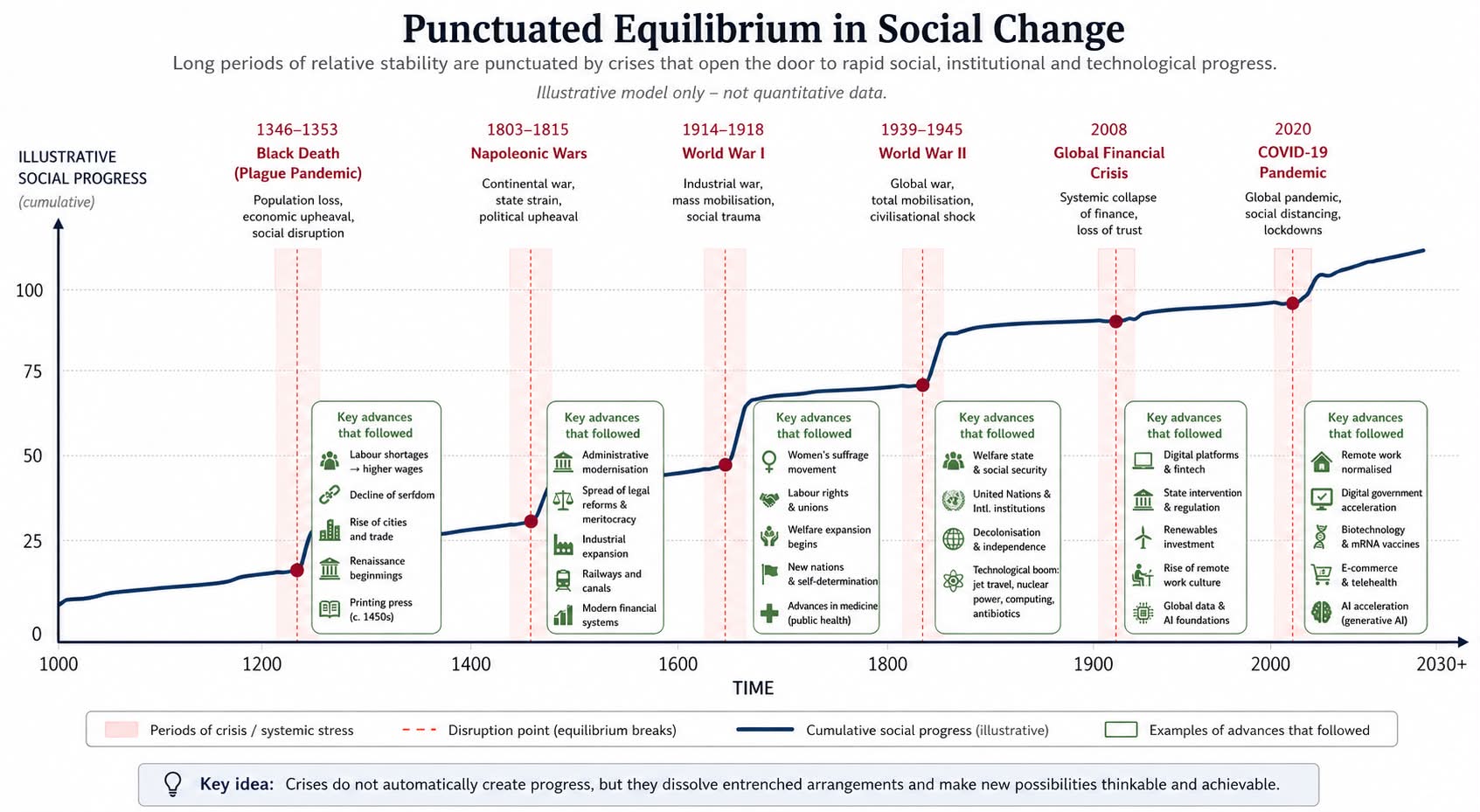
Himans attribute social progress to themselves, and catastrophic disruptions to that progress mostly to other humans they don’t like. In reality it’s the exact opposite. The catastrophic disruptions create human progress, by rupturing the otherwise unbreakable status quos of human rivalries.
I shared that the main Bathurst Facebook group had been suspended. I wanted to share the reason the group admins gave for doing it. Like I say, simple imitation of even innocent things leads to rivalry. Rivalry leads to rage. Rage leads to violence. This is our whole society now. 𝘉𝘢𝘵𝘩𝘶𝘳𝘴𝘵 𝘖𝘶𝘳 𝘛𝘰𝘸𝘯 𝘴𝘵𝘢𝘳𝘵𝘦𝘥 𝘸𝘪𝘵𝘩 𝘢 𝘴𝘪𝘮𝘱𝘭𝘦 𝘪𝘥𝘦𝘢: 𝘭𝘰𝘤𝘢𝘭𝘴 𝘩𝘦𝘭𝘱𝘪𝘯𝘨 𝘭𝘰𝘤𝘢𝘭𝘴. 𝘈 𝘱𝘭𝘢𝘤𝘦 𝘵𝘰 𝘢𝘴𝘬 𝘲𝘶𝘦𝘴𝘵𝘪𝘰𝘯𝘴, 𝘴𝘶𝘱𝘱𝘰𝘳𝘵 𝘭𝘰𝘤𝘢𝘭 𝘣𝘶𝘴𝘪𝘯𝘦𝘴𝘴𝘦𝘴, 𝘧𝘪𝘯𝘥 𝘭𝘰𝘴𝘵 𝘱𝘦𝘵𝘴, 𝘴𝘩𝘢𝘳𝘦 𝘦𝘷𝘦𝘯𝘵𝘴 𝘢𝘯𝘥 𝘩𝘦𝘭𝘱 𝘦𝘢𝘤𝘩 𝘰𝘵𝘩𝘦𝘳 𝘰𝘶𝘵. 𝘍𝘰𝘳 𝘢 𝘭𝘰𝘯𝘨 𝘵𝘪𝘮𝘦, 𝘵𝘩𝘢𝘵'𝘴 𝘦𝘹𝘢𝘤𝘵𝘭𝘺 𝘸𝘩𝘢𝘵 𝘪𝘵 𝘸𝘢𝘴. 𝘉𝘶𝘵 𝘴𝘰𝘮𝘦𝘸𝘩𝘦𝘳𝘦 𝘢𝘭𝘰𝘯𝘨 𝘵𝘩𝘦 𝘸𝘢𝘺, 𝘵𝘩𝘪𝘯𝘨𝘴 𝘤𝘩𝘢𝘯𝘨𝘦𝘥. 𝘐𝘯𝘴𝘵𝘦𝘢𝘥 𝘰𝘧 𝘦𝘯𝘫𝘰𝘺𝘪𝘯𝘨 𝘵𝘩𝘦 𝘤𝘰𝘮𝘮𝘶𝘯𝘪𝘵𝘺 𝘸𝘦 𝘴𝘦𝘵 𝘰𝘶𝘵 𝘵𝘰 𝘣𝘶𝘪𝘭𝘥, 𝘸𝘦'𝘳𝘦 𝘪𝘯𝘤𝘳𝘦𝘢𝘴𝘪𝘯𝘨𝘭𝘺 𝘴𝘱𝘦𝘯𝘥𝘪𝘯𝘨 𝘰𝘶𝘳 𝘵𝘪𝘮𝘦 𝘥𝘦𝘢𝘭𝘪𝘯𝘨 𝘸𝘪𝘵𝘩 𝘢𝘳𝘨𝘶𝘮𝘦𝘯𝘵𝘴, 𝘤𝘰𝘮𝘱𝘭𝘢𝘪𝘯𝘵𝘴, 𝘢𝘣𝘶𝘴𝘦, 𝘵𝘩𝘳𝘦𝘢𝘵𝘴 𝘢𝘯𝘥 𝘦𝘹𝘱𝘭𝘢𝘪𝘯𝘪𝘯𝘨 𝘵𝘩𝘦 𝘴𝘢𝘮𝘦 𝘥𝘦𝘤𝘪𝘴𝘪𝘰𝘯𝘴 𝘰𝘷𝘦𝘳 𝘢𝘯𝘥 𝘰𝘷𝘦𝘳 𝘢𝘨𝘢𝘪𝘯.
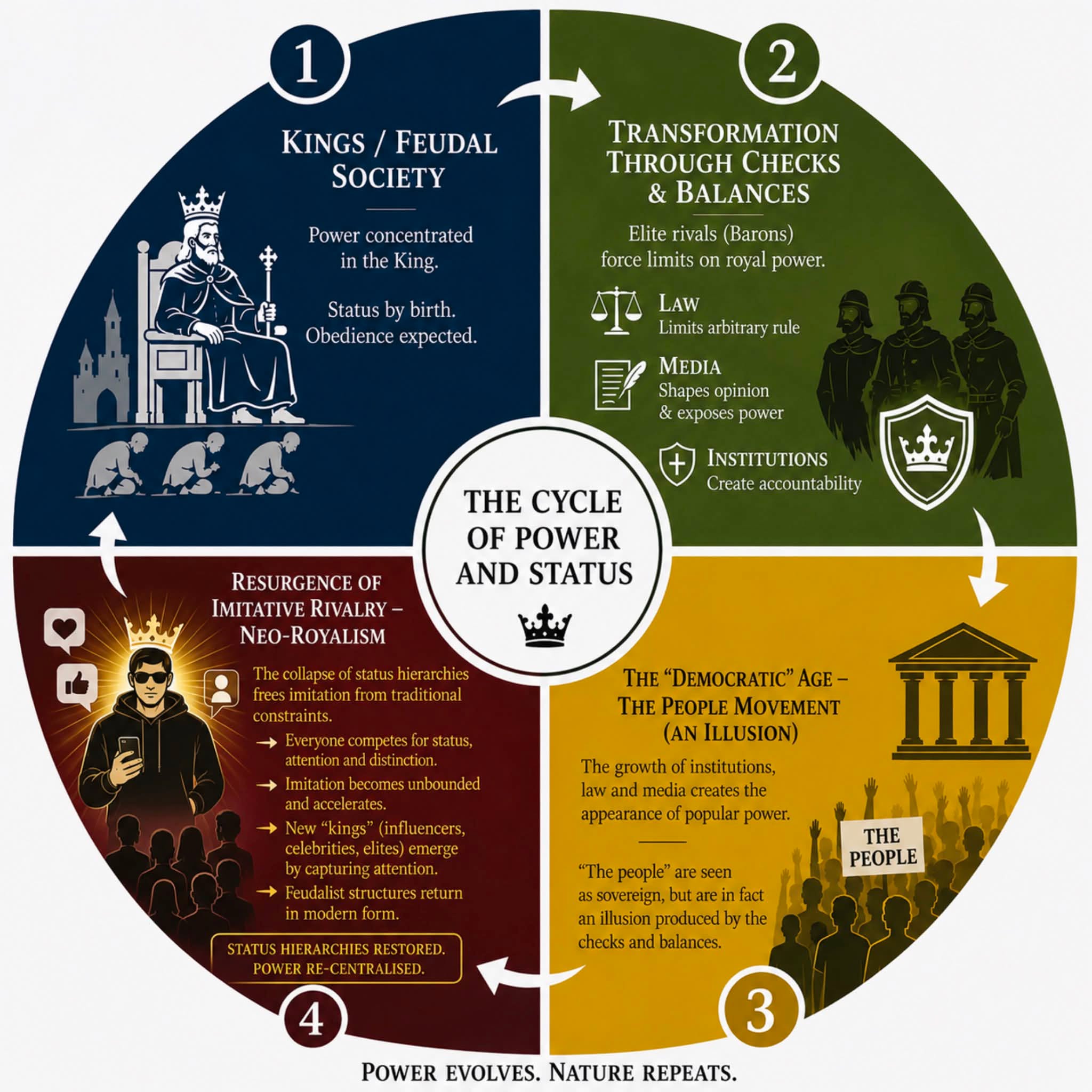
Our supposedly ‘democratic’ age is an illusion caused by the creation of institutional checks and balances created by earlier nobles in king’s courts, in rivalry with the king. Those checks and balances were invented to limit the power of the king, not in favour of ‘the people’, but in favour of his elite rivals - the nobles. As those checks and balances grew in scale, the status hierarchies that normally control how much people imitate each other in ordinary life collapsed. Leading to mass imitation, of everything, and thus mass rivalry. That’s us today. That mass imitative rivalry is in turn restoring a feudal structure, as ‘influencers’ re-create status hierarchies again. The new kings. Trump is a king, created by social media i.e. mass imitation.
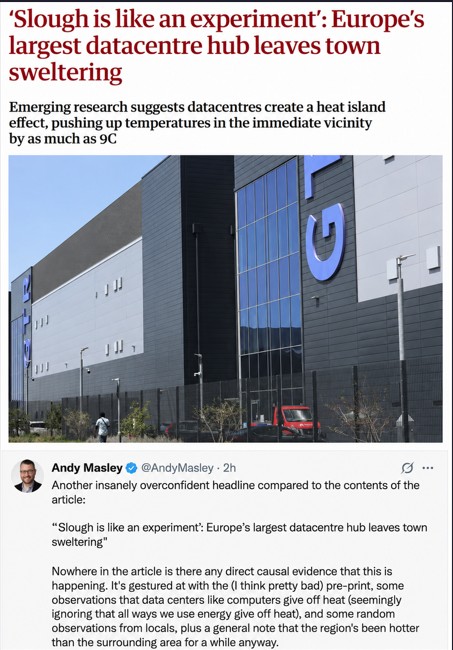
I politely ask people to check every day whether what they think they know about what's happening in the world is only the latest viral outrage, generated on social media platforms. This is The Guardian, a reputable paper. Publishing social media slop.
Happy Birthday, Lydia! 🌟👯🎉
Happy Birthday, Michelle! 🥳💐🌟
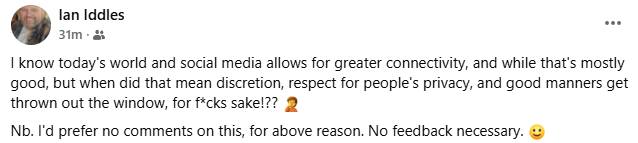
lol, awww Ian, it's ALWAYS meant that. Imitation breeds rivalry, rivalry breeds rage and disrespect. Social media is an imitation/social comparison machine. I sincerely hope people eventually all discover this pattern. It always starts out as sweet and innocent and 'sharing', and always ends with people yelling and abusing. And then we can all stop using social media.
The status quo thought it got away with pretending we can 'live with' pandemics. The pandemic said fuck you. And here we are.
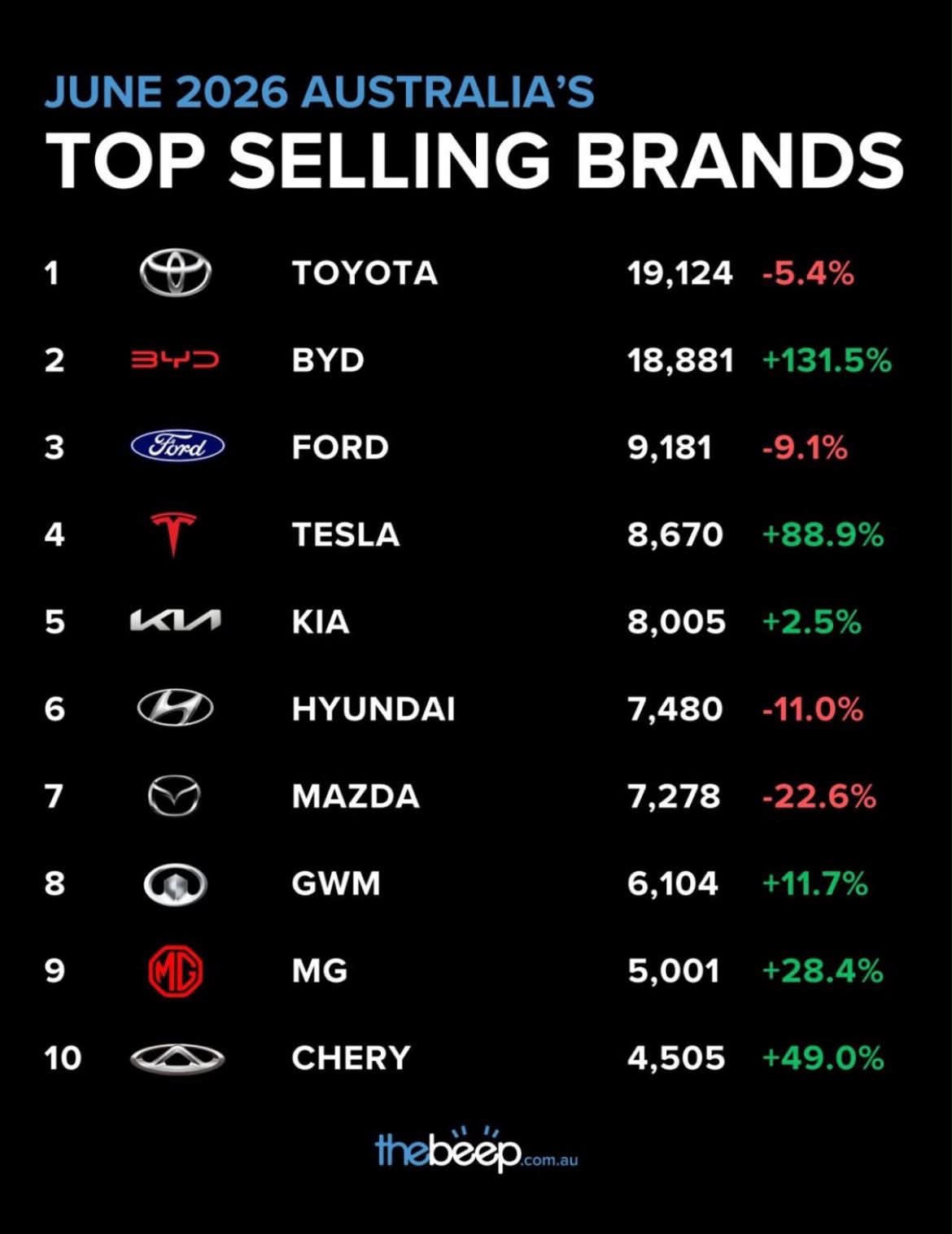
And the Tesla Model Y is now Australia's biggest-selling car, including all petrol and diesel cars. Overtaking the RAV4, and not before time. The Y is 10 times the vehicle the RAV4 is.
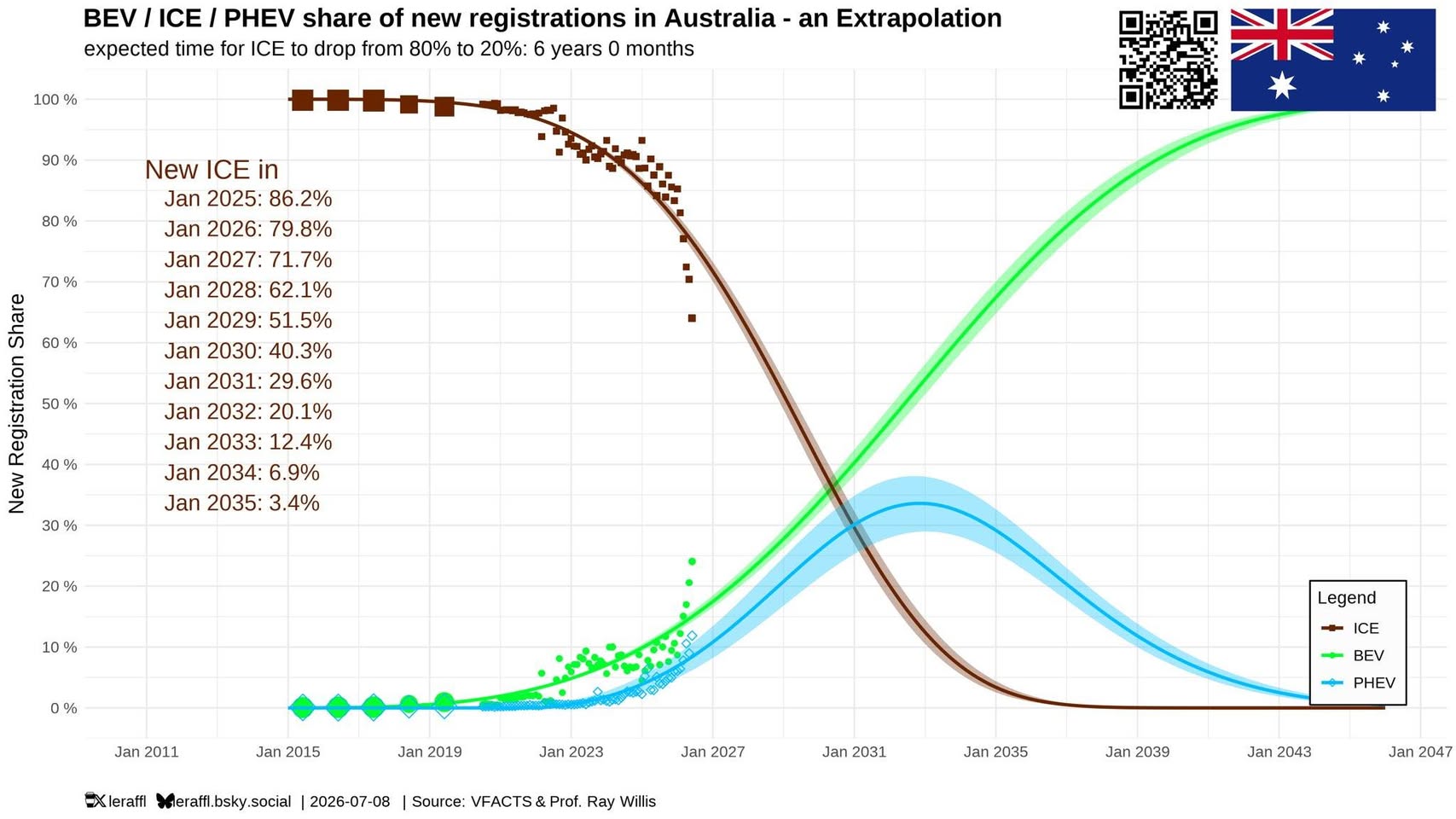
For several years I’ve been posting about how existing carmakers are on the way to becoming extinct because of their inability to shift to electric technology. Look at these numbers and tell me you don’t see it.
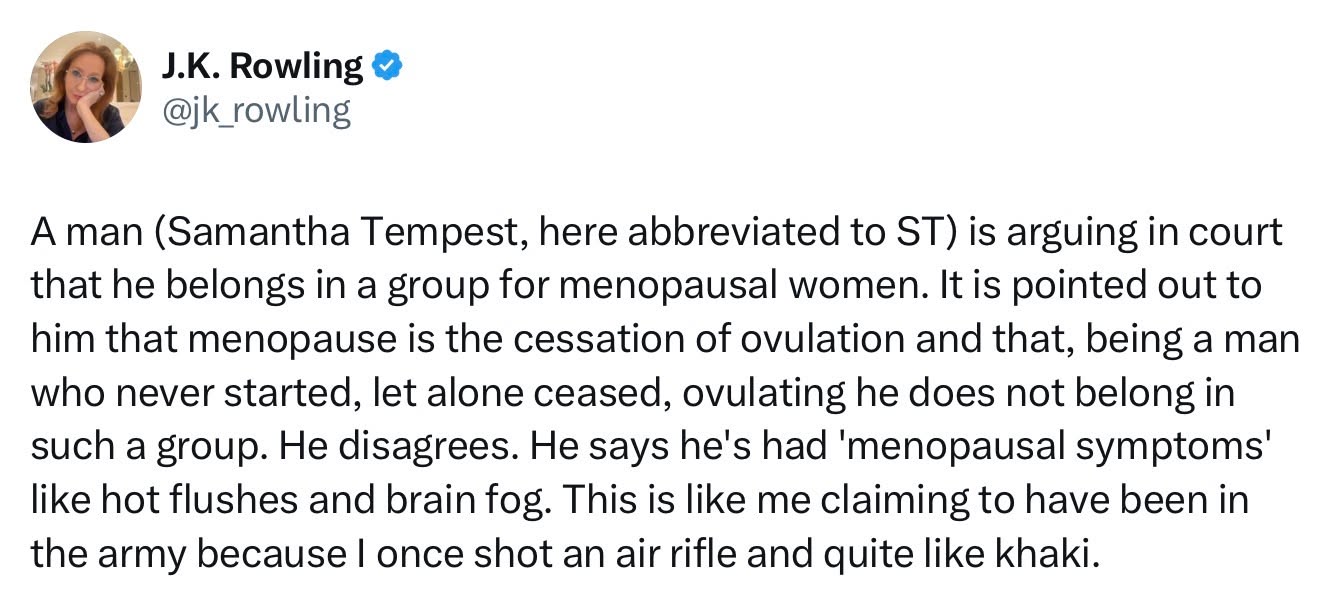
Step outside the team sports that social media creates on issues, and look at things with a fresh pair of eyes. For example this, try looking at it as neither a pro-trans or anti-trans person. Surely something is amiss. And it’s not Rowling.
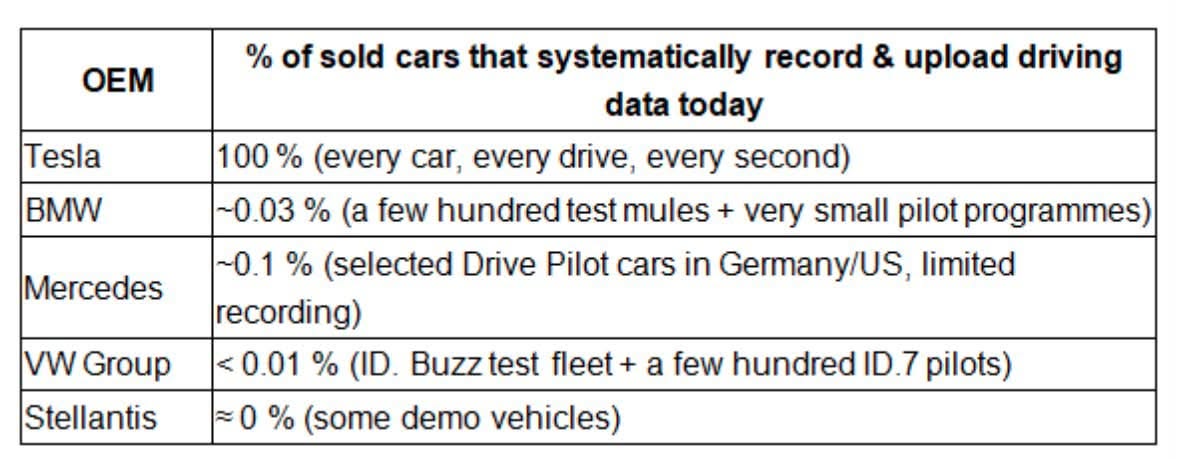
There are 14 essential technologies that are required to get a car to drive itself. These same 14 are what’s needed to get AI to operate in the real world, in anything (you’ll soon see it in Tesla robots). Legacy vehicle makers have none of the 14 technologies. Tesla has all 14. Unsurprisingly, because it invented them. I would love people to understand the fundamental revolution the engineers there are bringing to our lives. This is one of the 14. You must capture, process and feed-back to the device in the real world vast amounts of very targeted data. That’s how the device learns, in real-world environments.
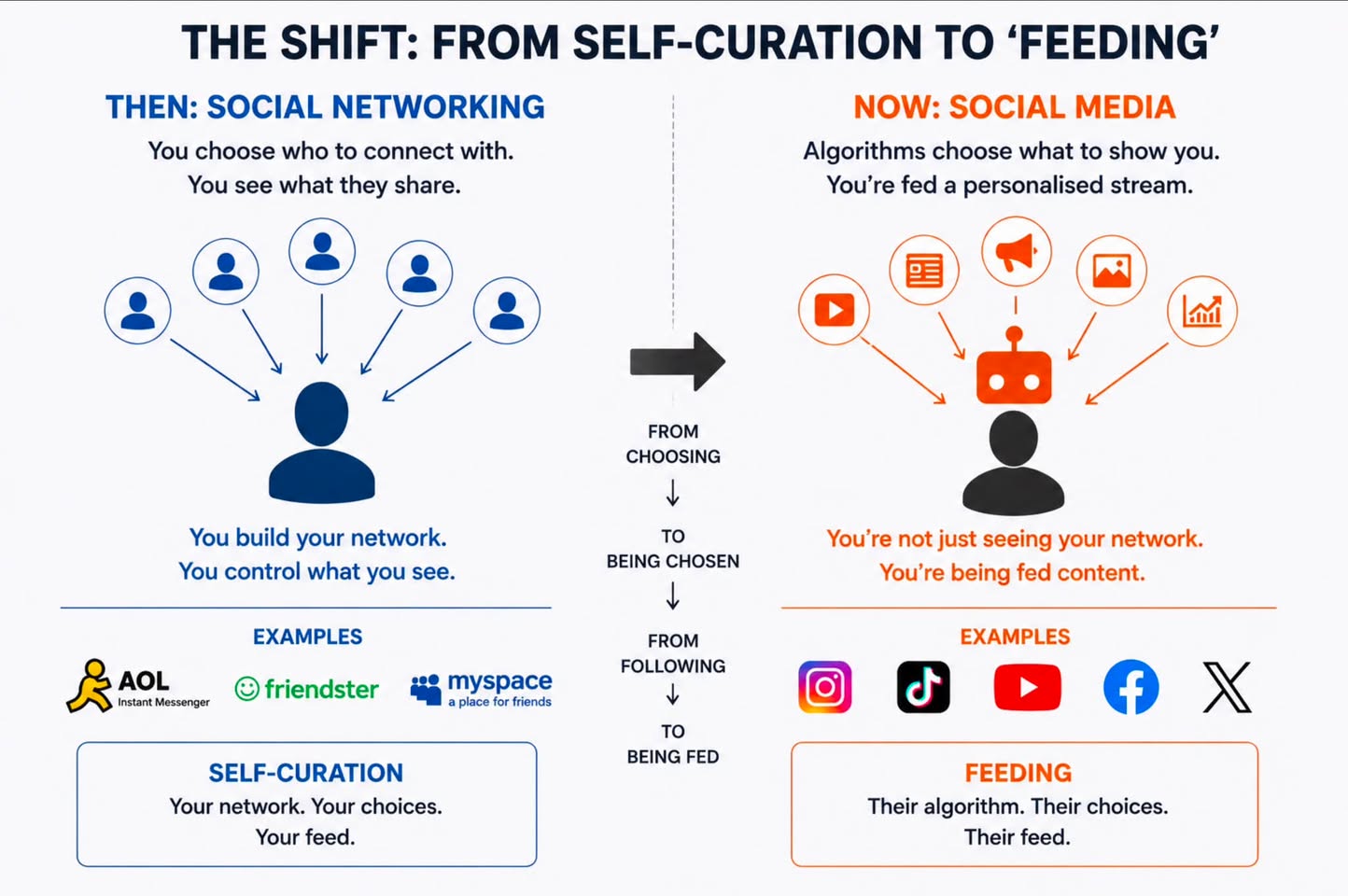
Many of us lived the transition from social networking online, which was integrated with our physical communities. To social media, which ‘feeds’ you a version of social life, with no connection to your physical community. Look at the hopeless job the eSafety Commissioner has in regulating these sewers - the platforms refuse to even answer her enquiries. Social media is not community. Its genius is to make it LOOK like it is. It ‘feeds’ you a version of community generated by algorithms and slot machine techniques, that generate fights. Fights generate activity, and activity generates revenue. It’s destroying our communities. Many now think the socials ARE their community. There is no other version of community life. It’s a hijack.
America’s 250th birthday would have been a great time for them to realise that they, like all societies founded by revolution, never recovered and are still living that same revolution. What Americans call democracy is clearly permanent revolution. ‘The people rising up’, the constant US refrain.
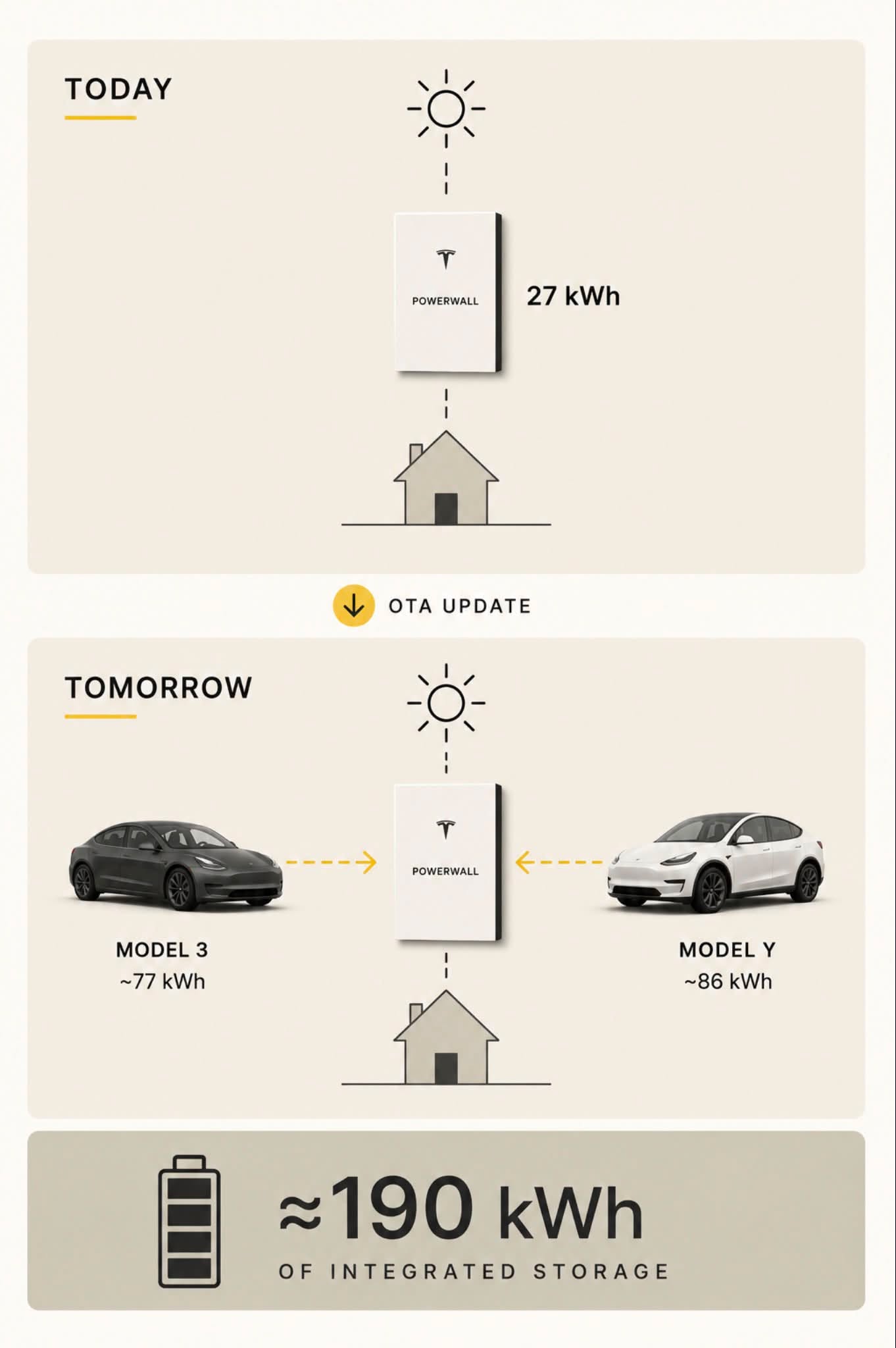
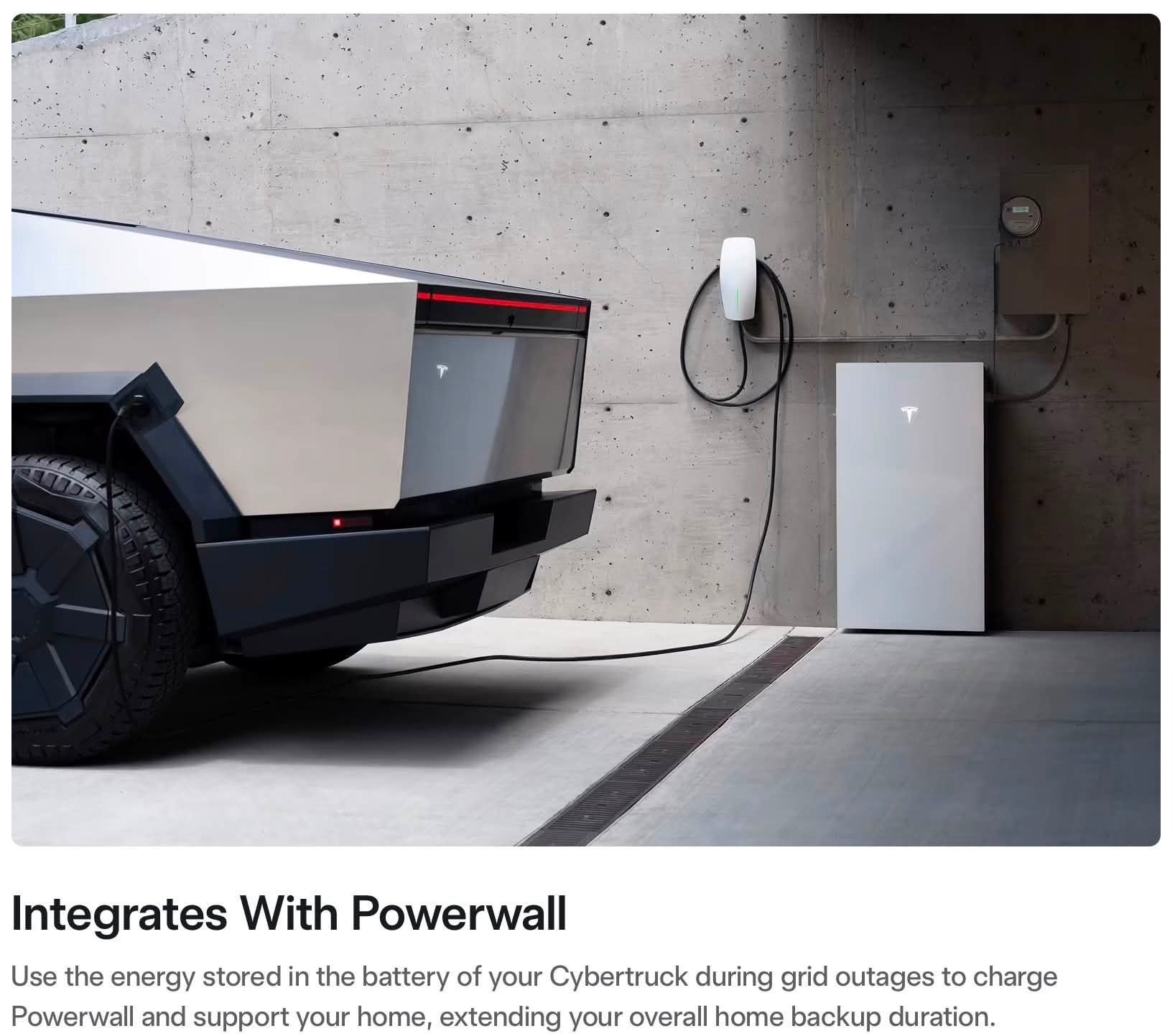
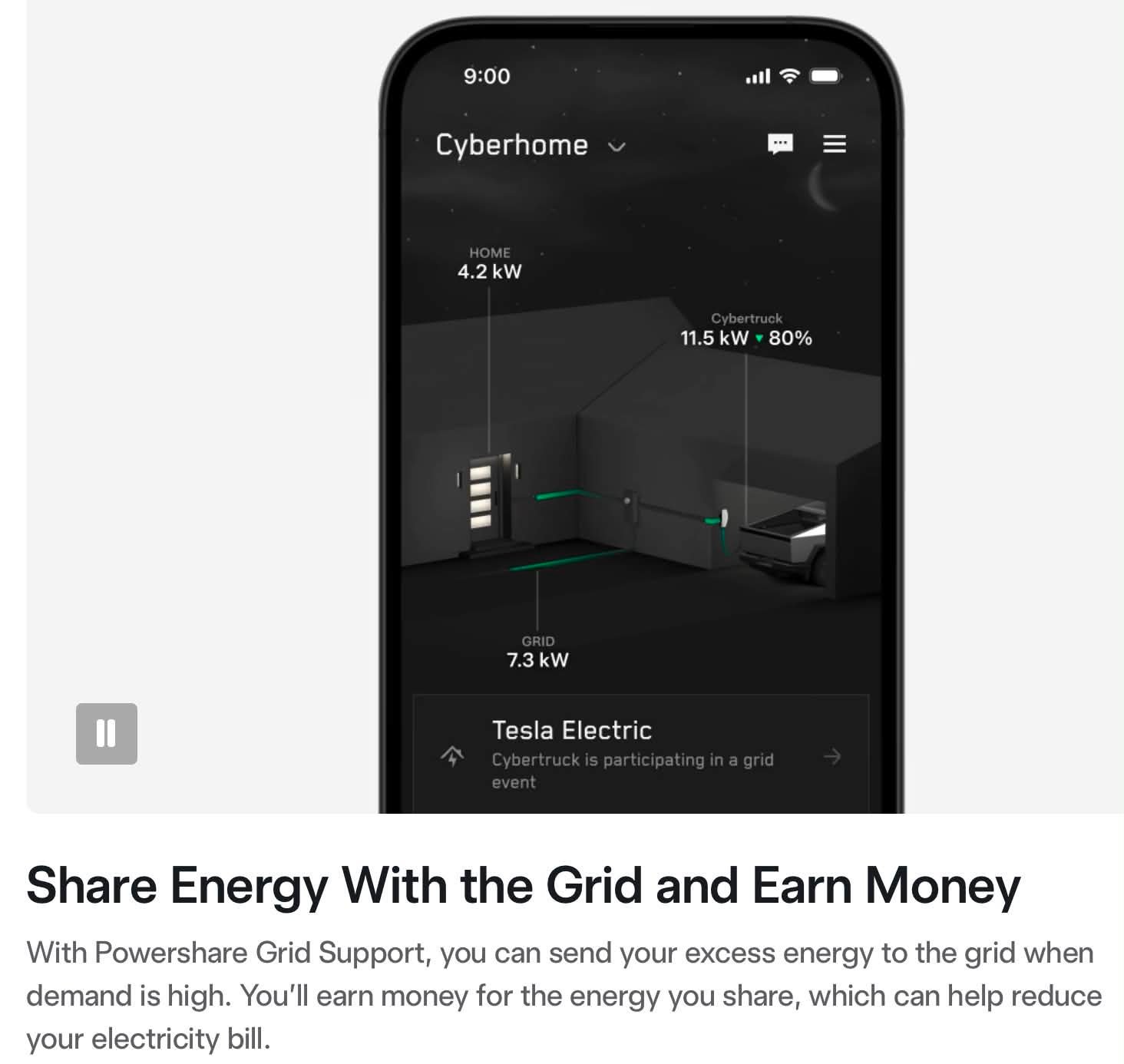
One bit of advice I’d give to people as homes and lives become increasingly powered by electricity, is the value of sticking within the one ‘ecosystem’. Sticking to a single brand for your different electrical products, like an EV, home battery and charger. If the brand has those components. Getting gear from multiple brands to play nicely together can be a nightmare. In our case, one reason I picked Tesla is that their ecosystem of car, home battery and charger leads the world in design, as an integrated set of functions. Everything just works, and the software that coordinates it all is without peer. Their newest link is apparently imminent, where you can use your Tesla vehicle also to power your home and even to export to the grid, for money. An EV is a massive battery, much larger than a home battery. Our home battery would become over 100 kWh in size. The way Tesla looks like doing it is more brilliant engineering. Rather than try to connect both the car and the Powerwall to the home and grid, a messy electrical engineering challenge, they’ll leave the Powerwall with that role, it’s already designed for it. And then just use the car to top up the Powerwall as needed.
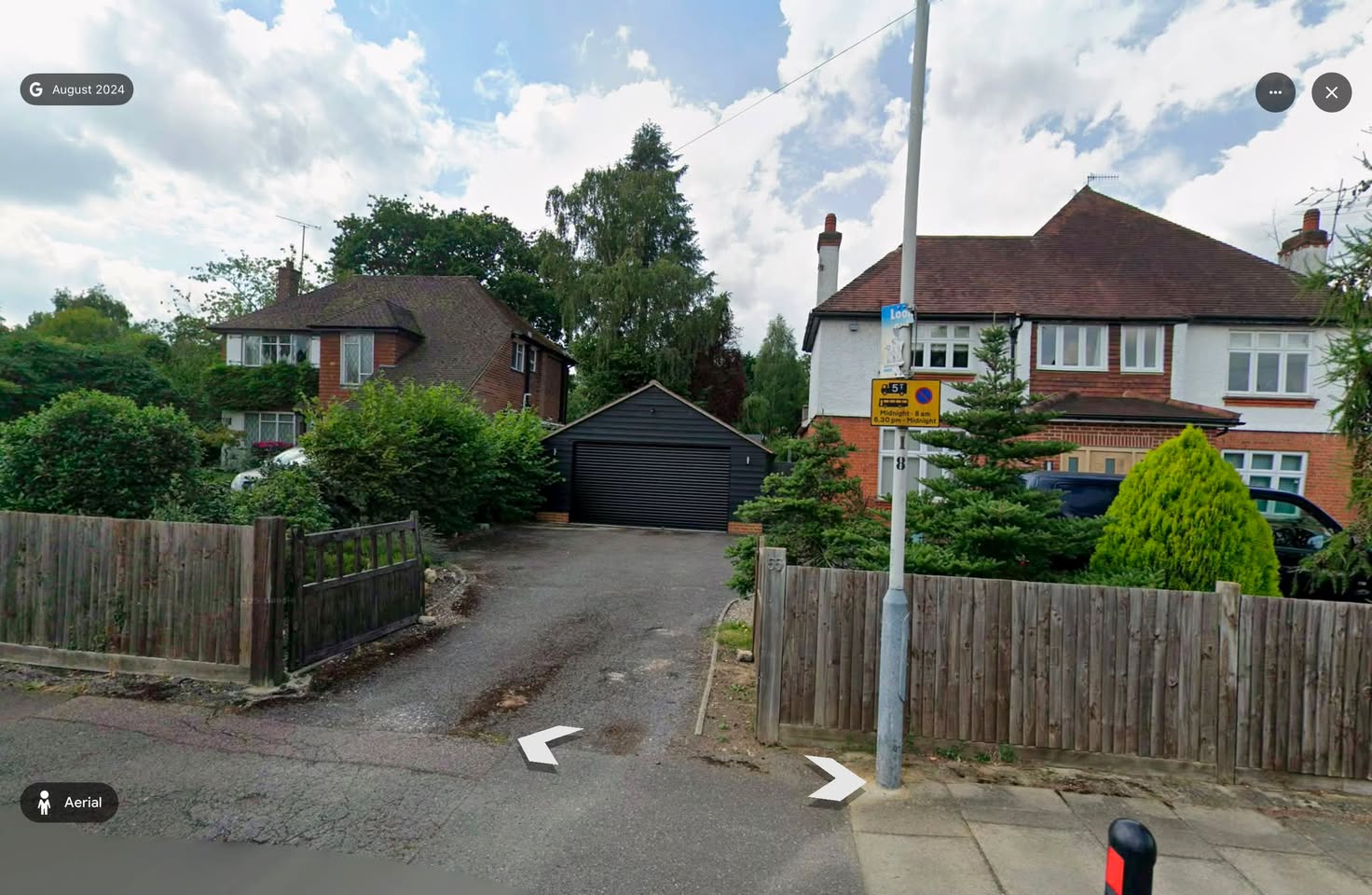
Anybody recognise these two homes in North London?
Traditional media is now caught up in the snowballing viral pearl-clutching over AI. This story of course framed as dreadful AI leading people astray. But where are these people being led astray? On social media. By another influencer, who happens to be fake. What you don’t see is the stories about the immense tool AI is proving to be to fight crime. Here are 10 ways. 1. It’s revealing and smashing child exploitation networks. 2. It’s torpedoing money laundering by identifying whole ecosystems of money flows. 3. It’s detecting human trafficking invisible to investigators. 4. It’s identifying and countering online fraud, at massive scale. 5. It’s able to analyse CCTV at an industrial scale. 6. It can analyse city sounds and determine gunshots well before any reports. 7. It’s breaking encrypted criminal communications. 8. It’s predicting and countering cyber attacks. 9. It’s detecting deep fakes like this one, and digital deception more generally. 10. It’s solving cold cases by exponentially increasing the speed of analysis. AI is coming people. A pandemic outbreak of intelligence. Smashing the stupidity dominating our social media world. I’m enjoying the pearl clutching of the imitating masses as it does its work. Like the first Industrial Revolution, it will make our lives immensely better.
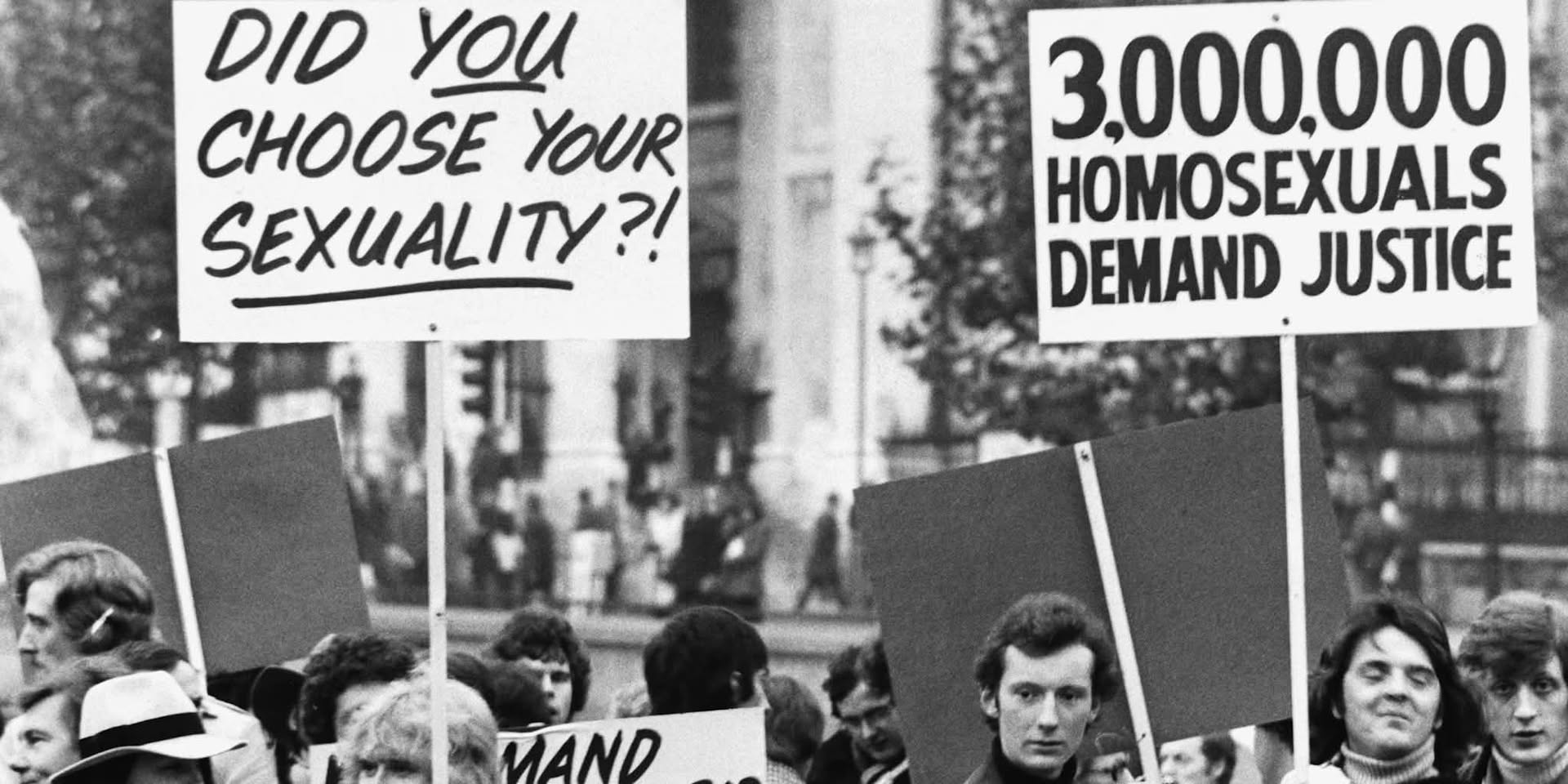
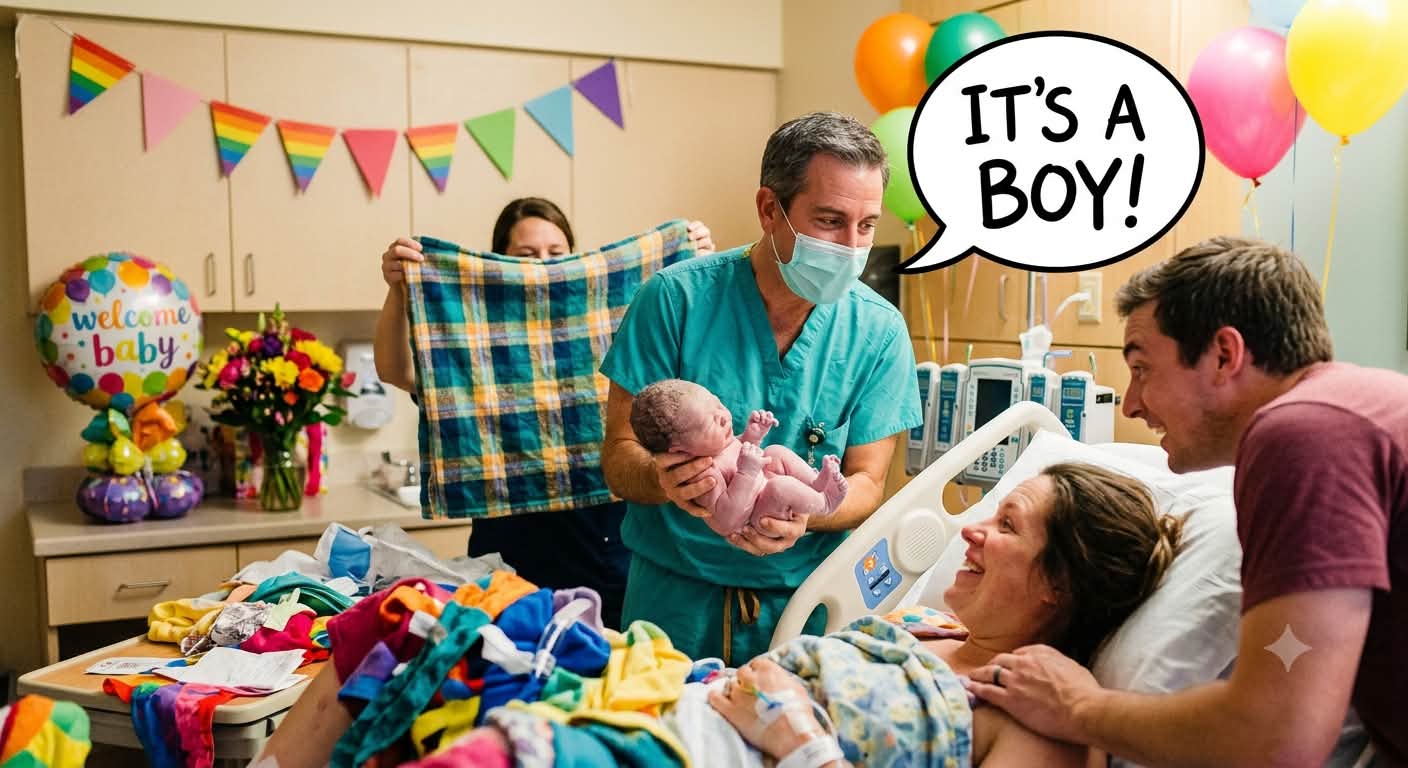
One of the reasons discussions about transgender are so fraught is that they mix up two fundamentally different movements. The various sex and gender movements of the 20th century (and before), and the transgender movement, which began only in the 1990s, following the work of the academic Judith Butler. These are absolutely NOT the same thing. The LGBTQIA+ label is the attempt to make them the same thing, introduced by the trans movement, to piggyback off the now pretty widespread support for those earlier causes. I’ve posted several times about how many from those earlier movements are furious at this attempted appropriation. And you need to understand what is distinct about the shift Butler introduces to this area, from the 1990s. Butler is very openly a ‘post-modernist’ thinker. Post-modernism was all the rage in the 1980s and 1990s, in academia. I was there, studying it at the time. Butler’s own books discuss openly how she is applying post-modernist ideas to sex and gender. In a nutshell, post-modernists believe what we call reality is ‘performed’ into existence. They see the material world as a big text, that you can write new realities into. In the case of sex and gender, those earlier sex and gender movements helped people to understand that while you’re born with a sex, your gender is a social role that you really do ‘perform’. A man can choose to be ‘macho’, or gentle, or a woman can choose to be a ‘trad wife’ or a ‘tomboy’. Etc. Butler though, as a post-modernist, extends this to say that your biological sex is also ‘performed’. So that moment the delivering doctor says ‘it’s a boy!’ (her own example), you’re imposing a sex on them, in her thinking. There is no ‘sex’, for Butler, everything is a performed gender. You may think it seems nonsense, to say that your actual biology is performed and not real. Why now men can say they’re menopausal, or experience period pain, without having a womb. That’s because it is nonsense, like all post-modernism, now widely discredited. The people Butler cites, like Foucault, would have been appalled at her misunderstanding of his work. So how did transgender become a global taken-for-granted reality? Because it coincided exactly in time with the birth of social media. Social media took Butler’s ideas to scale almost instantly, without the usual slow percolation of ideas through institutions and community. It was imitated, and became a rivalry with the ‘cis’ community. Those were the fake teams set up, in the imitative rivalry I often talk about.
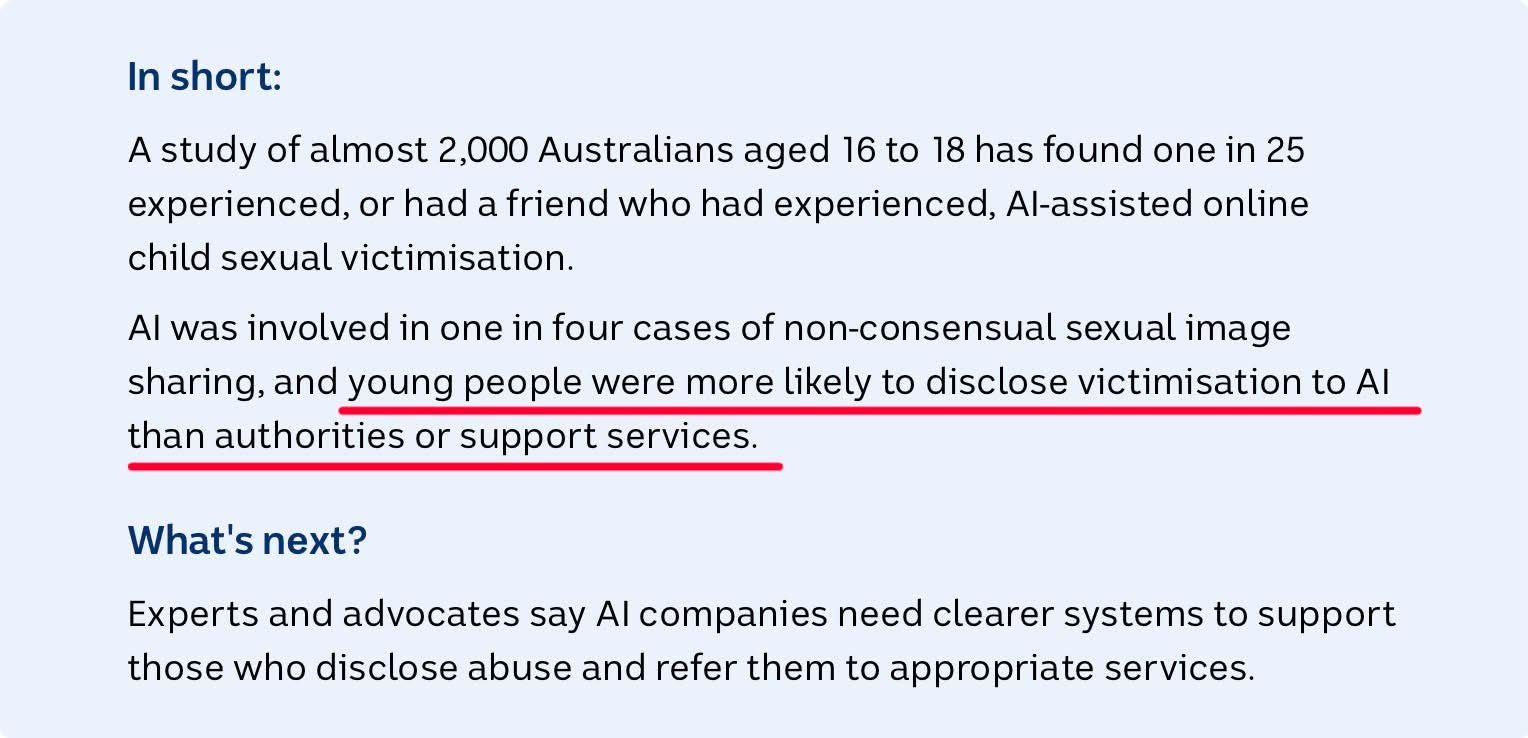
Two things of note for me here. First the elephant in the room is that the abuse is happening on the place not mentioned. Social media. And secondly the bit I’ve underlined in red. This is the one-on-one relationship with AI that is rapidly replacing the toxic imitative one-to-many relationship of social media. It’s that shift in relationship mode, where people stop imitating each other in rivalry on the socials, and instead discuss actual reality individually with AI, that could destroy social media. And it can’t come fast enough. Other people are almost never a source of truth. Only of rivalry, for social status.
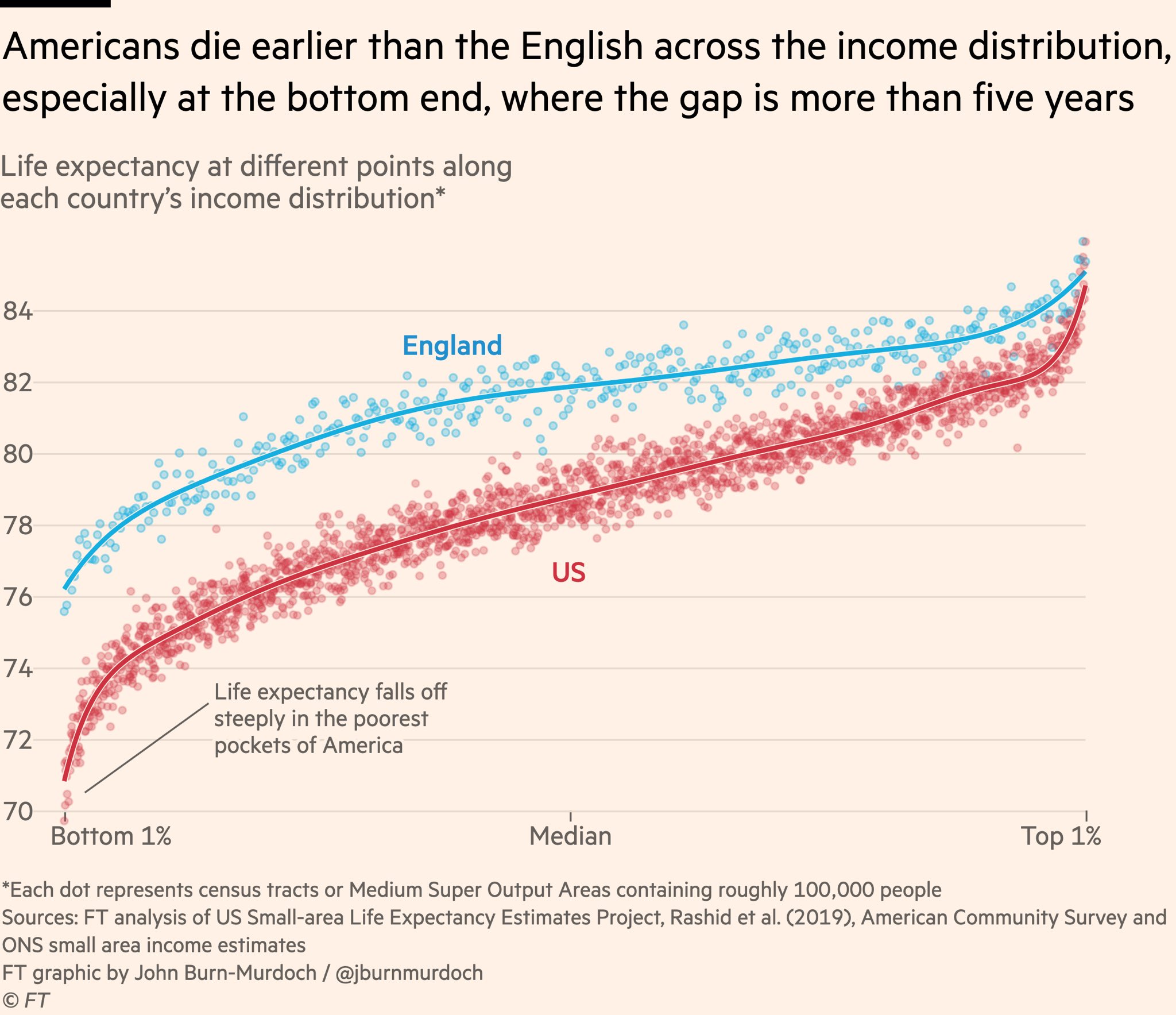
America was broken long before Trump. It won't be able to elect its way out of its problems. Elections are the mechanism its plutocrats have gamed to assume total power. America is a plutocracy because it's a fundamentalist anti-institution culture. A revolutionary culture of 'the people'. Only individuals and their government, with nothing allowed in-between. Leaving that whole middle ground wide open for big money to dominate.
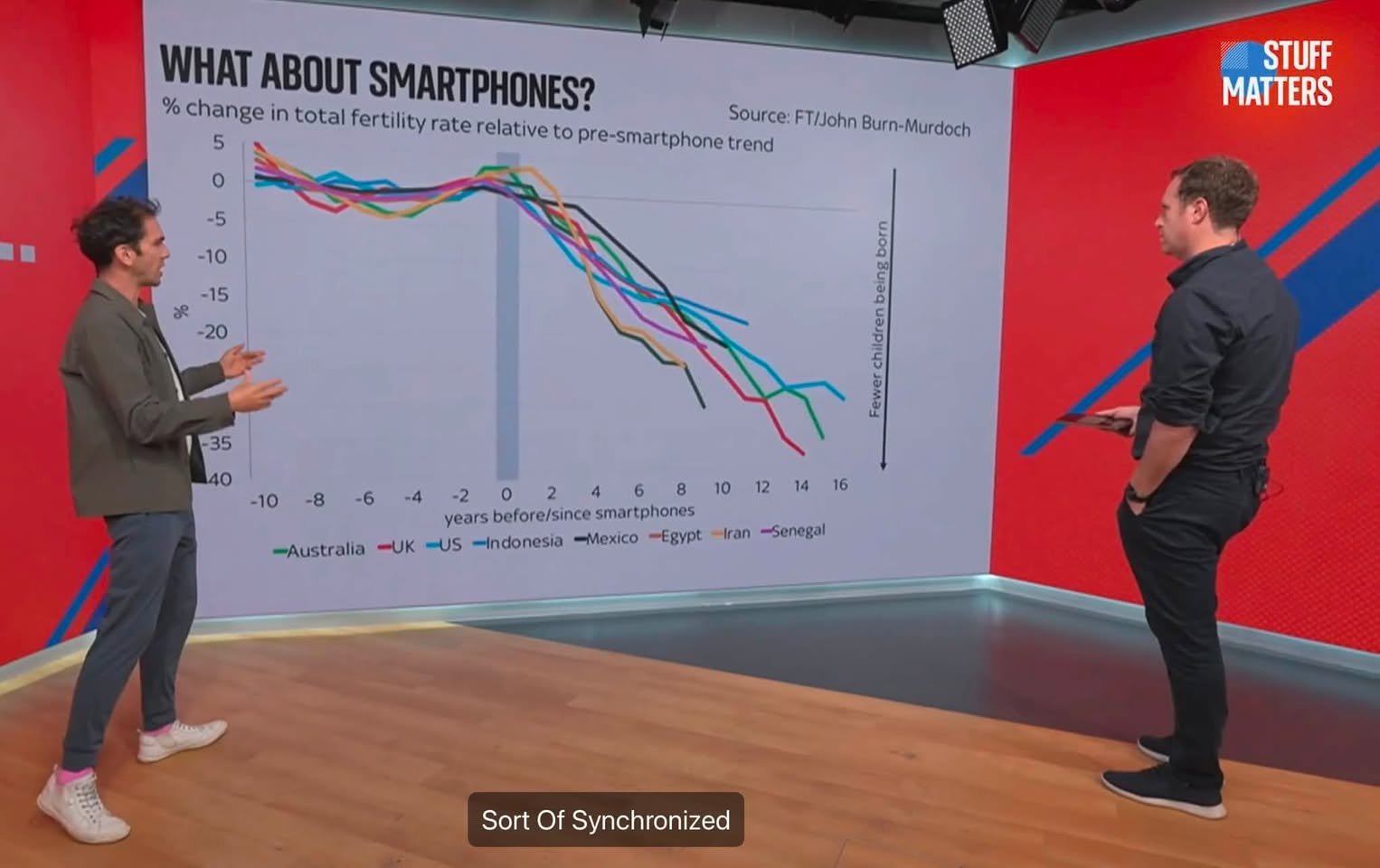
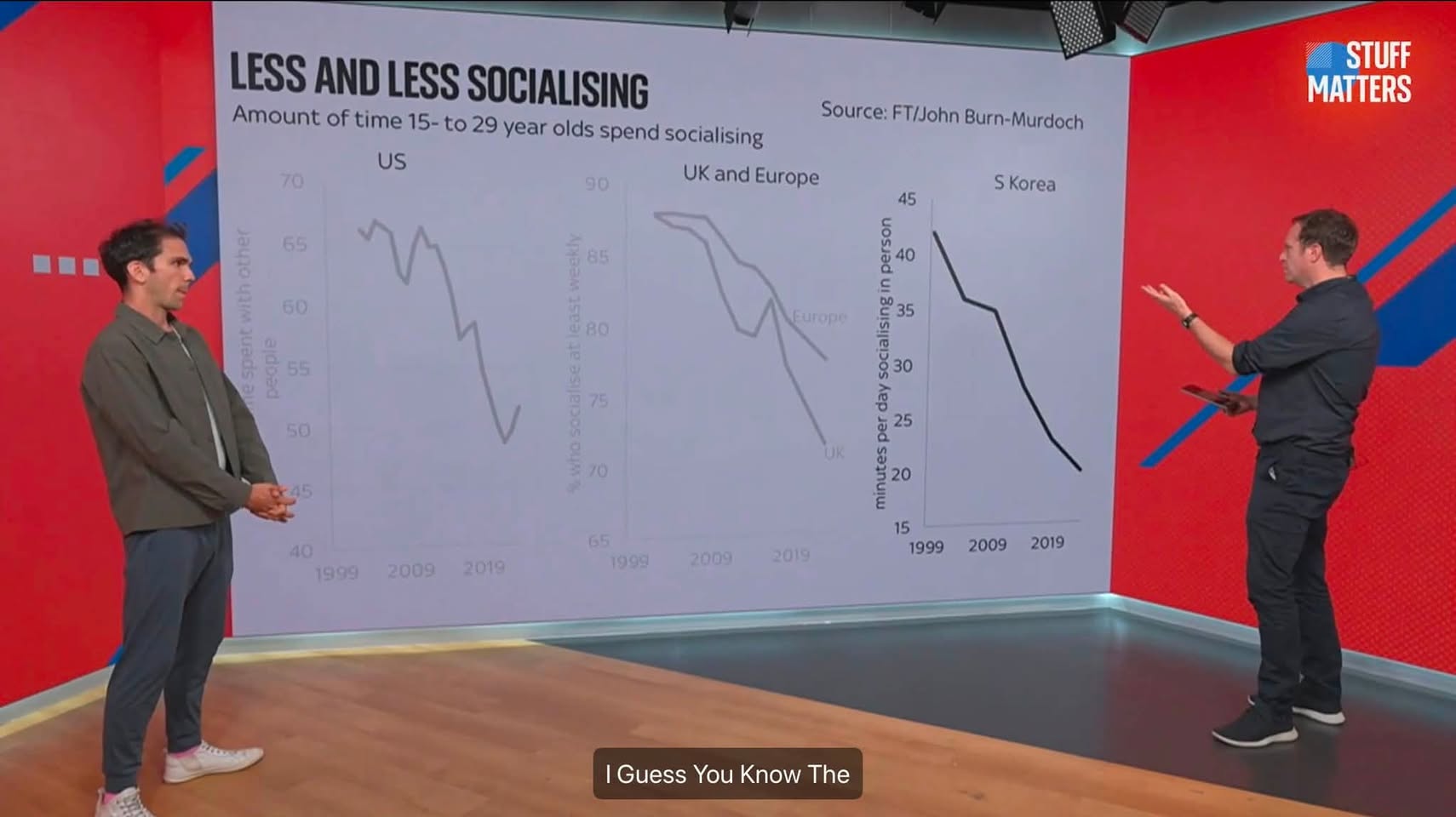
Globally birth rates fell off a cliff at the exact moment of the introduction of the smartphone. At the same time the amount people socialise also fell off a cliff. But in reality they were shifting to socialising online, in one particular place. Social media. On the smartphones. A society will have what it values. What has status. Societies that don’t have children don’t value children. Children have no status. And why is that? Because they’re kidult cultures. Adolescent cultures. Adolescents don’t want children, they’re a drag. Adolescents living inside social media, the giant digital schoolyard, governed by likes and followers. Popularity.
Farage is the UK’s Pauline. Both are franchises of Trump. Farage unravelling now as the truth that he (and Pauline) are simply opposing ‘elites’ to the elites they pretend to be taking down has become obvious, with his millions of pounds of undeclared donations. Like Pauline and her million dollar plane. And Trump is obviously a billionaire and has always been a member of society’s elite. There are no movements of ‘the people’. All political change (really social change - everything is social) is the fight between rival elites. They co-opt ordinary people to their fights, and pretend they’re fighting for those people. It’s a lie. One Nation is run like a Gestapo unit. Don’t get me wrong either. There never can be a movement of ‘the people’ either, because the people doesn’t exist. It’s an abstract fiction. Groups of people are never a group mind with a group will. There are always leaders of groups who lead them to think and do things, and that is then attributed to the group as a whole.
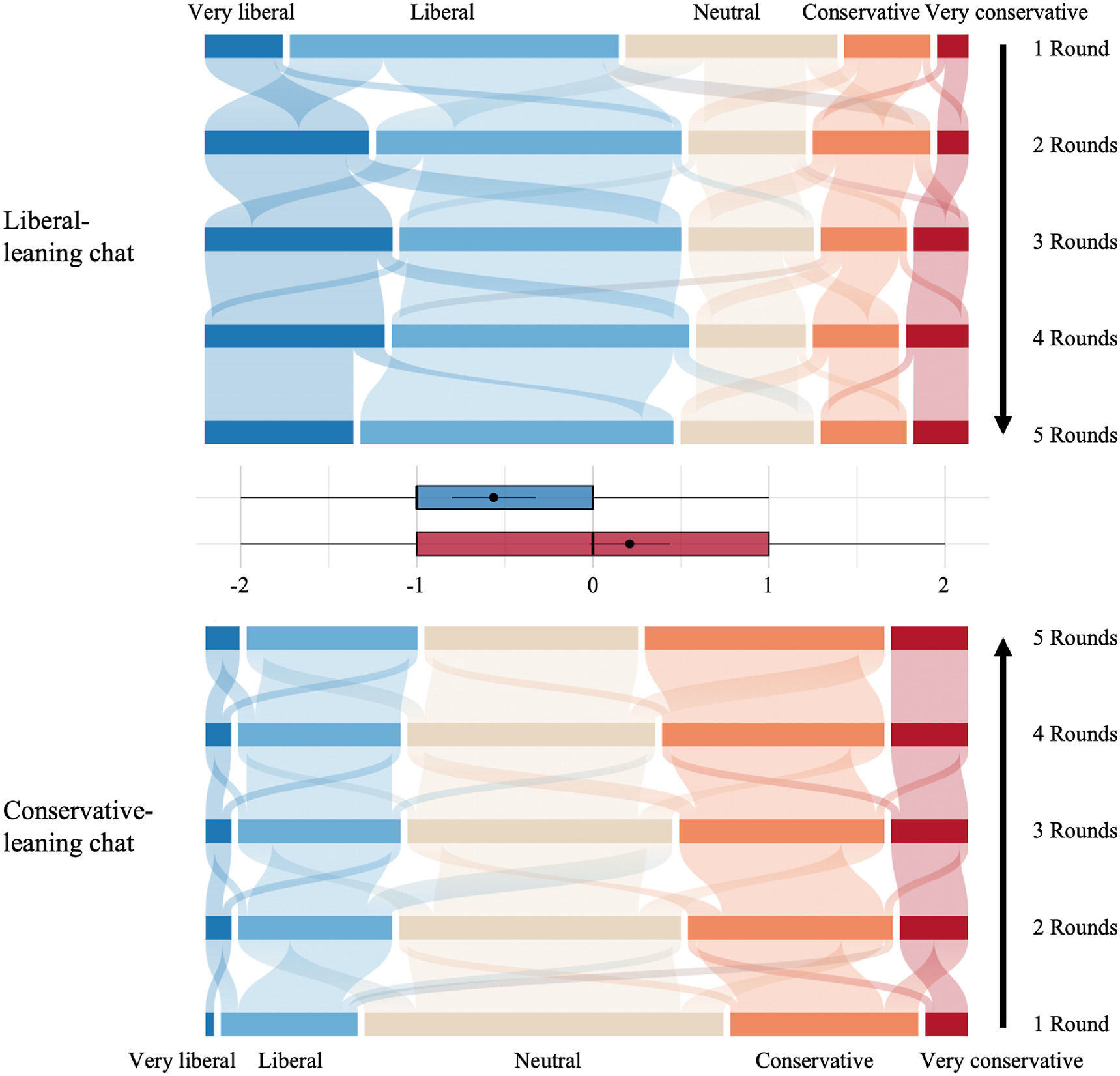
Status drives all human activity. The same people expressed entirely different political views, depending on the group of people they were talking with at the time. At the top, in a politically liberal group, they expressed liberal views. And the opposite when the group was conservative.
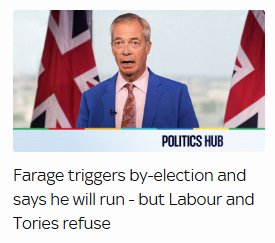
Elections as corruption laundering. This is what populists do, and why elections are what are actually breaking democracy. Farage is standing down in the hope he'll be re-elected, and that will wash the slate clean (he thinks) on his alleged corruption. Because for a populist (i.e. mega-kidult), popularity overrules all. 'I have a mandate' for a populist means 'I have unbridled power to do whatever I like'. Popularity is the currency of adolescent life. Kidult culture, 101.
Watching State of Origin and strikes me again how pointless free to air television now is. More ads than telecast. How cheap have people become that they insist on things being on free to air, when for a relative pittance you can get a much higher quality product, ad-free? The netball is shifting from Foxtel (where the coverage is superb) back to Channel 9 again too, who destroyed it last time with their idiot celebrity stunts, burying it on their secondary channels and infinite number of ads. Just pay for it.
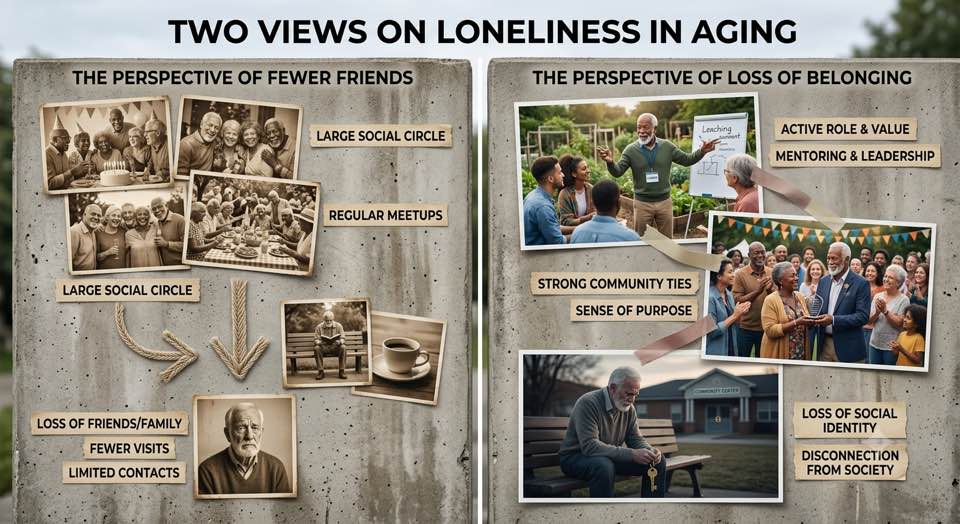
Viral trends include our ideas for understanding the world we live in. A current viral idea is that there’s an epidemic of ‘loneliness’, and it gets worse as we age. This to me is another mistaken idea, caused by the kidult culture we live in i.e. our framing of life in an adolescent way. It takes the world of friends (remember there was even a show called that, describing that early post-adolescent time of life), the social framing of life for adolescents, and applies it across the entire lifespan. So old people apparently start to lose friends, and then get lonely. I think that’s not what’s going on at all. We’re social animals. What people are losing is a social ROLE. Their sense of ‘belonging’ to the culture itself. Their active participation in the social processes that keep societies running. As we age now our options are mostly just permanent tourism on endless holidays. If we can afford that. In other cultures, the old play an active role in their societies, reflecting their years of experience. They guide those societies. I see this all the time now, retirees desperate to still have a meaningful role in our everyday lives, often becoming a nuisance when all that’s left for them is to complain about things to the still working part of their societies. Serial FOI pests.
Watch this. We live in a time of marvels, that every other time in history would have been gobsmacked by. Those whose minds are only relays for social media slop will be horrified. I spend much more time conversing with AI than with people now. And no, not because I don’t have friends. I have plenty of friends. But humans increasingly just exchange viral social media trends. Social media slop. (For the more serious critics of this not being ‘really human’, humans have ALWAYS been 99% imitative relays for something they heard somewhere else. Which they share in ‘conversation’ to promote their own status. AI doesn’t care about status games.)
Human versus self-driving. Guess who wins. (The Tesla saw it happening, slowed down to avoid the wankpanzer human.)
What's zero minus 26?

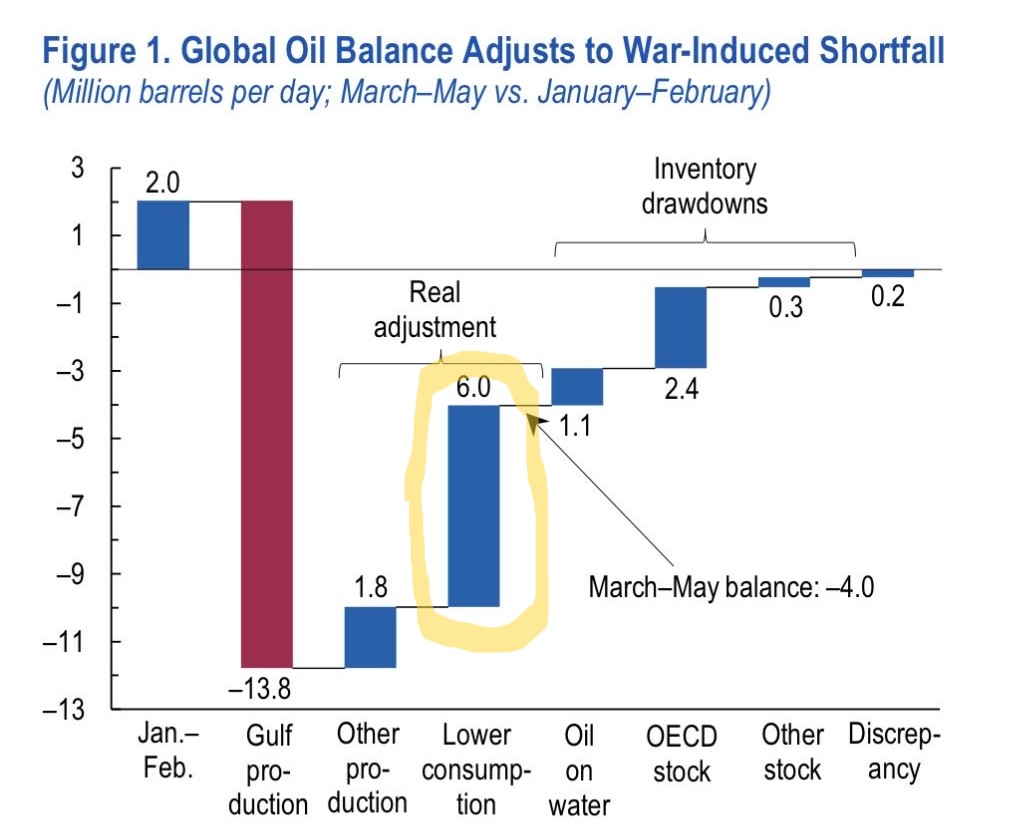
How did the world manage to keep petrol and diesel prices relatively steady with the crisis in Iran? I've circled the main reason, in yellow. The Chinese stopped importing and used their own reserves, which freed up supply for us. Here in the West we also stole fuel from poorer countries, re-diverting their supplies to ourselves. We are still the Anglo imperial pricks much of the world despises.
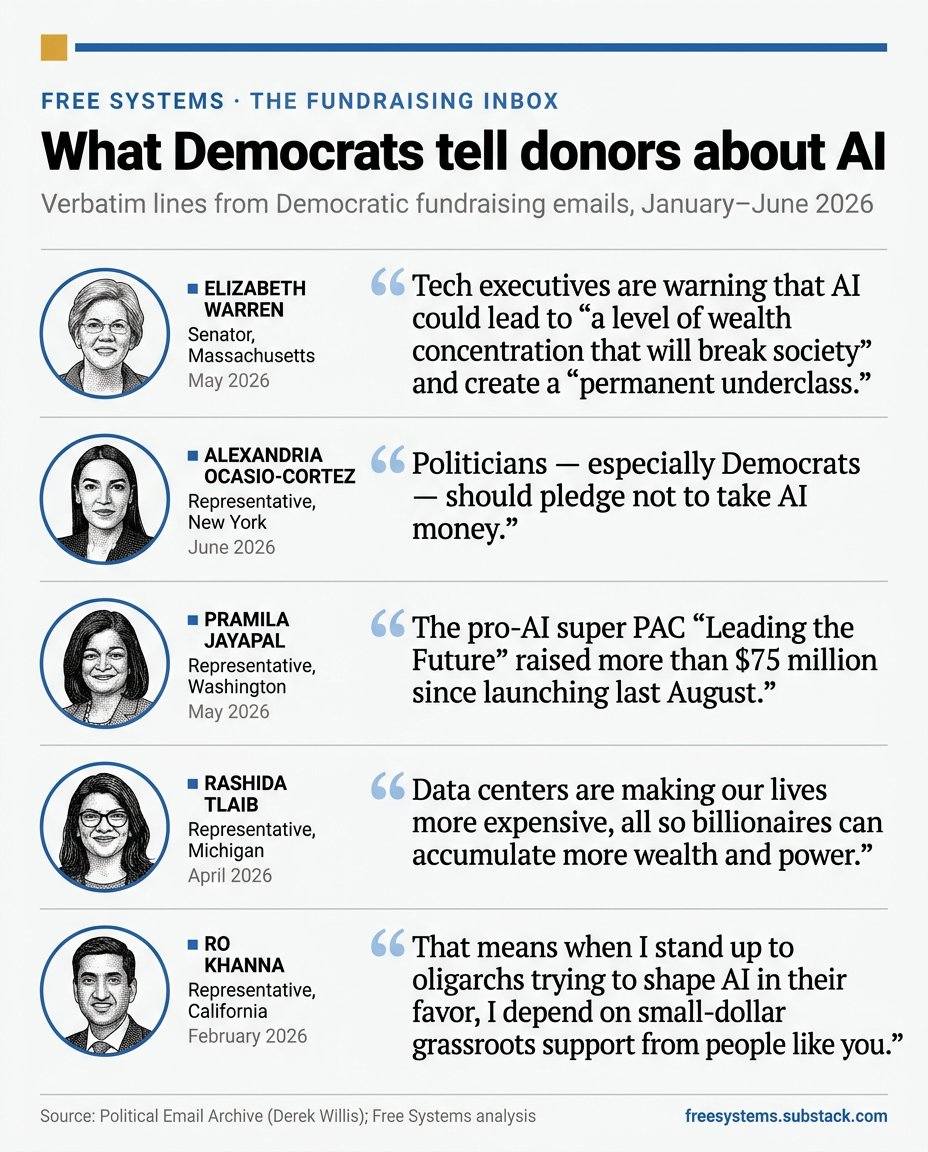
Nearly all of the anti-AI trend that's taking off online is sponsored by politicians and activists. The Democrats think it'll be a winner for them in key States in the US. As always most of what we call public issues now is sponsored viral BS from social media, much of it out of America's dysfunction.
Combustion car sales have fallen off a cliff. Battery-electric cars are showing the opposite.
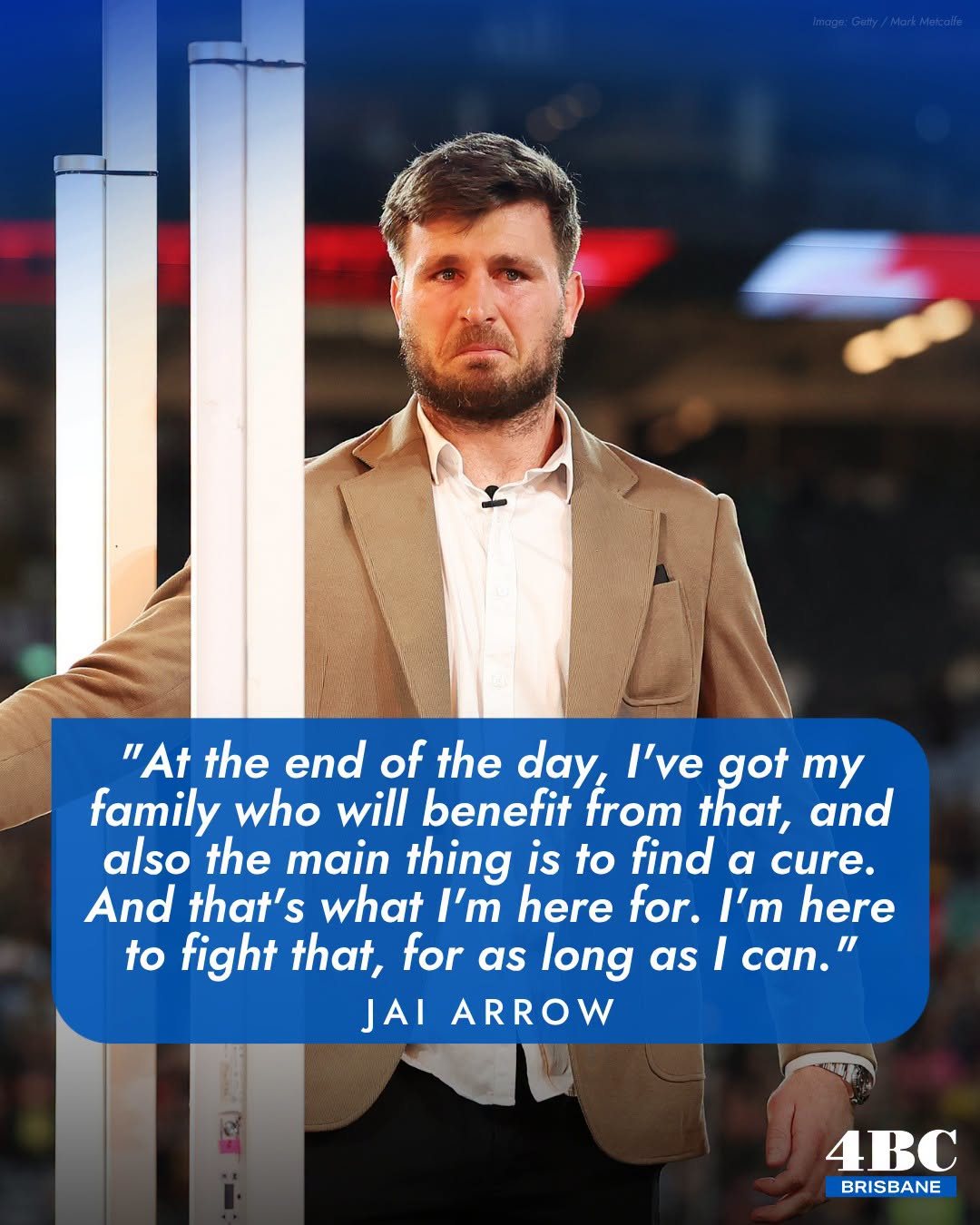
For the first time in years, there's actually some light at the end of the tunnel with motor neurone disease, one of the most horrific of all diseases. It may not be enough to help people like Jai, but researchers are finally seeing a way through to effective treatments, or even a cure, in the years to come. Know what's dramatically increased progress? AI.
With this change, due this year, Tesla drivers will be able to verbally tell their cars in precise detail what they want them to do. Like ‘go to William Street and park near the post office, in the public car park.’ Or ‘I want to go to the white-brick house about two-thirds of the way down George Street’. Or ‘there’s a fair bit of traffic here, can you go into hurry mode and then find us an alternative route to get us there 10 minutes earlier?’ Etc.
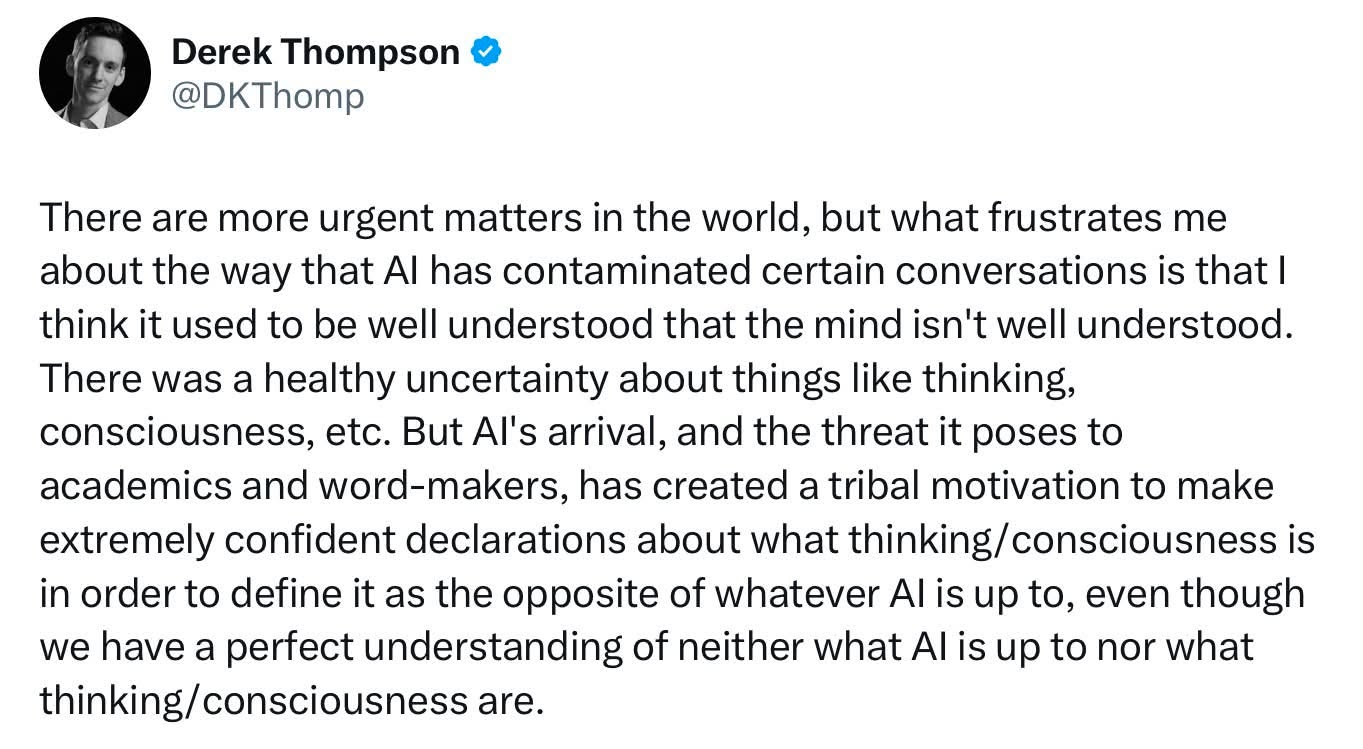
The same people saying ‘AI doesn’t think!’ also now say ‘it’s making us all dumber!’ Nobody ever knew what thinking is. But if they live in socials land, they’re sure it’s the opposite of whatever AI is doing. The opposite of what AI is doing, is social media. People mindlessly copying each other, to fight for social status. It’s ‘tribal’, as Derek says.
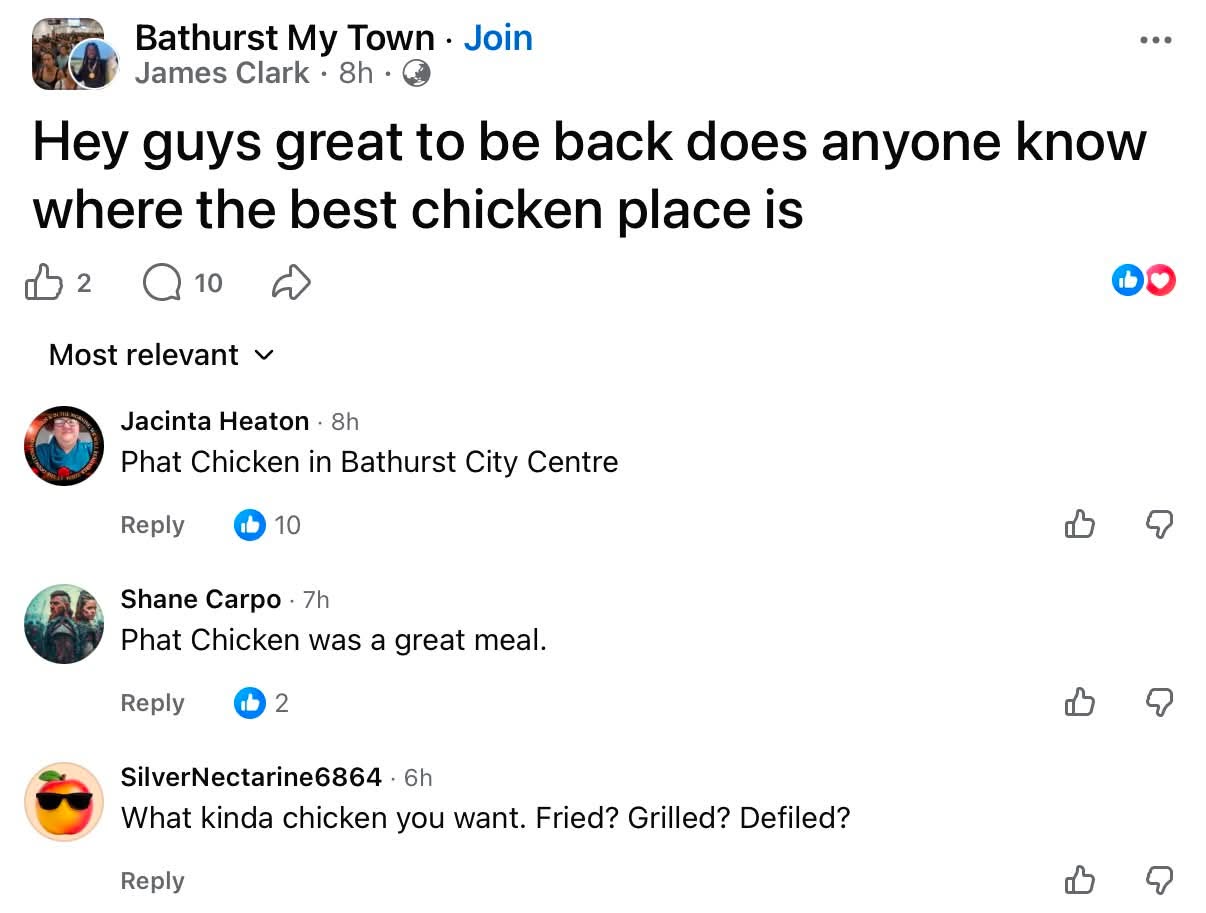
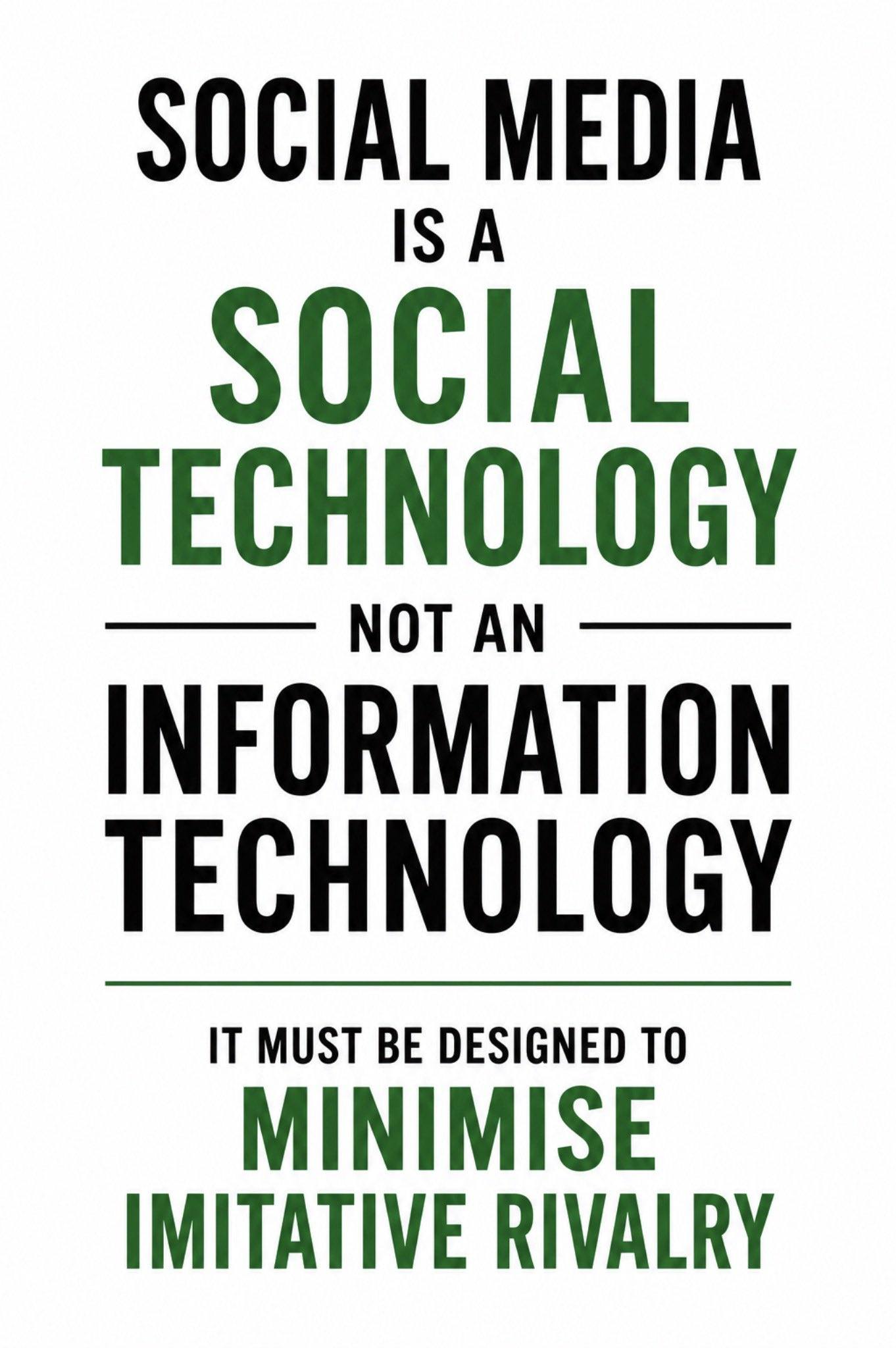
The most trivial, tiny social transactions are now processed through these platforms. The idea social media is an ‘information’ technology is nonsense. It’s a social technology, it replaces social life. How do people feel about their communities now just being franchises of commercial products from people like Mark Zuckerberg? With their revenue-targeting algorithms causing nothing but fights and rage?
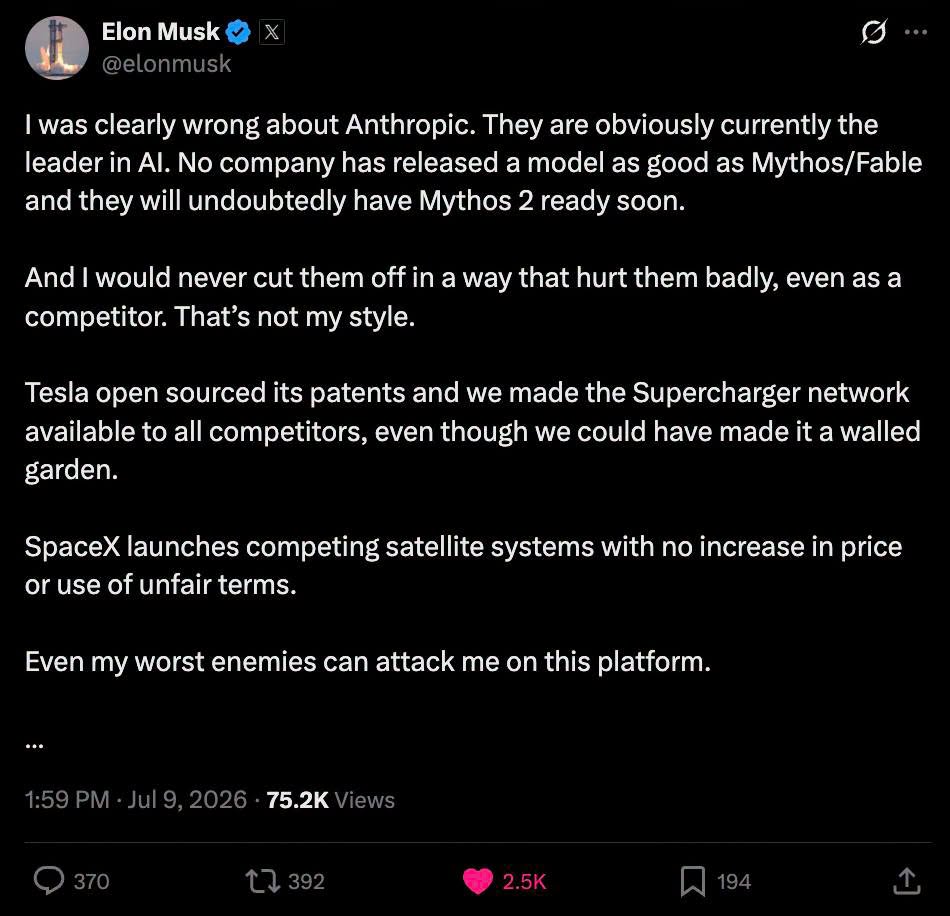
This is the side of Musk that is rarely mentioned. He's a genuine believer in improving the human lot. A zealot for that improvement. Unlike earlier barons of industry, in the early 20th century or the much earlier Industrial Revolution, who almost universally just wanted to be rich. I am aware that in socials land judgment begins and ends with 'I like/don't like him/her.' Sorry, I finished Year 9 about 45 years ago.
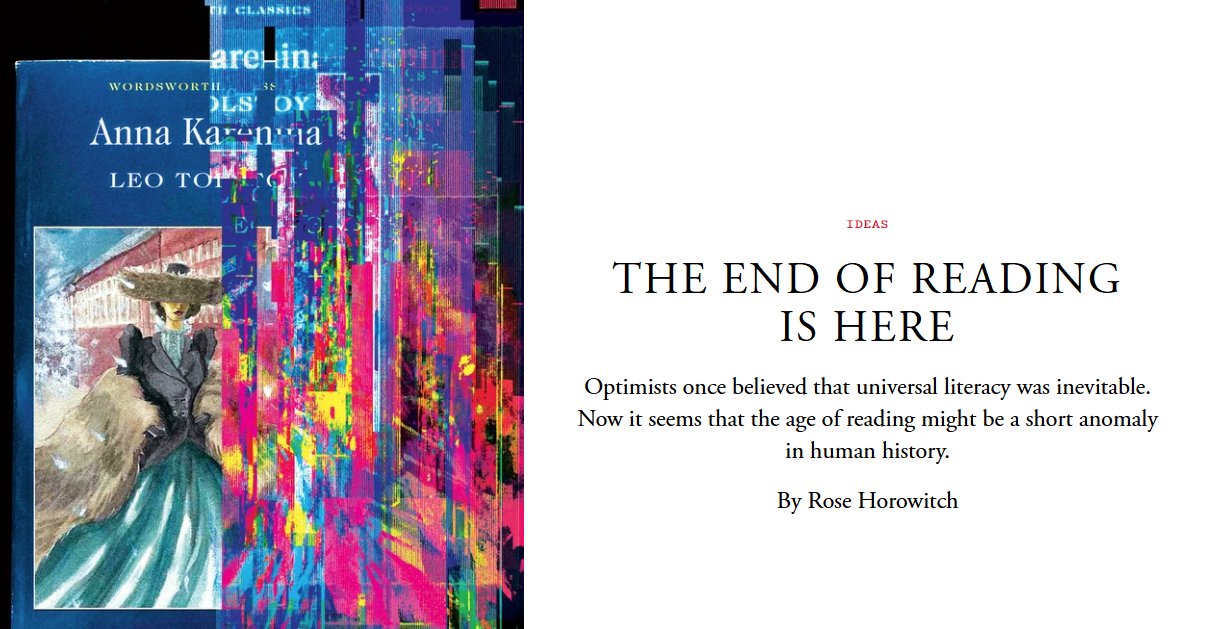
For nearly all of history, most people couldn't read. Now most can, but choose not to. It's another one of those point-in-time things that a particular social group takes as essential, only because it was their thing. Like rock and roll, or gears in cars.
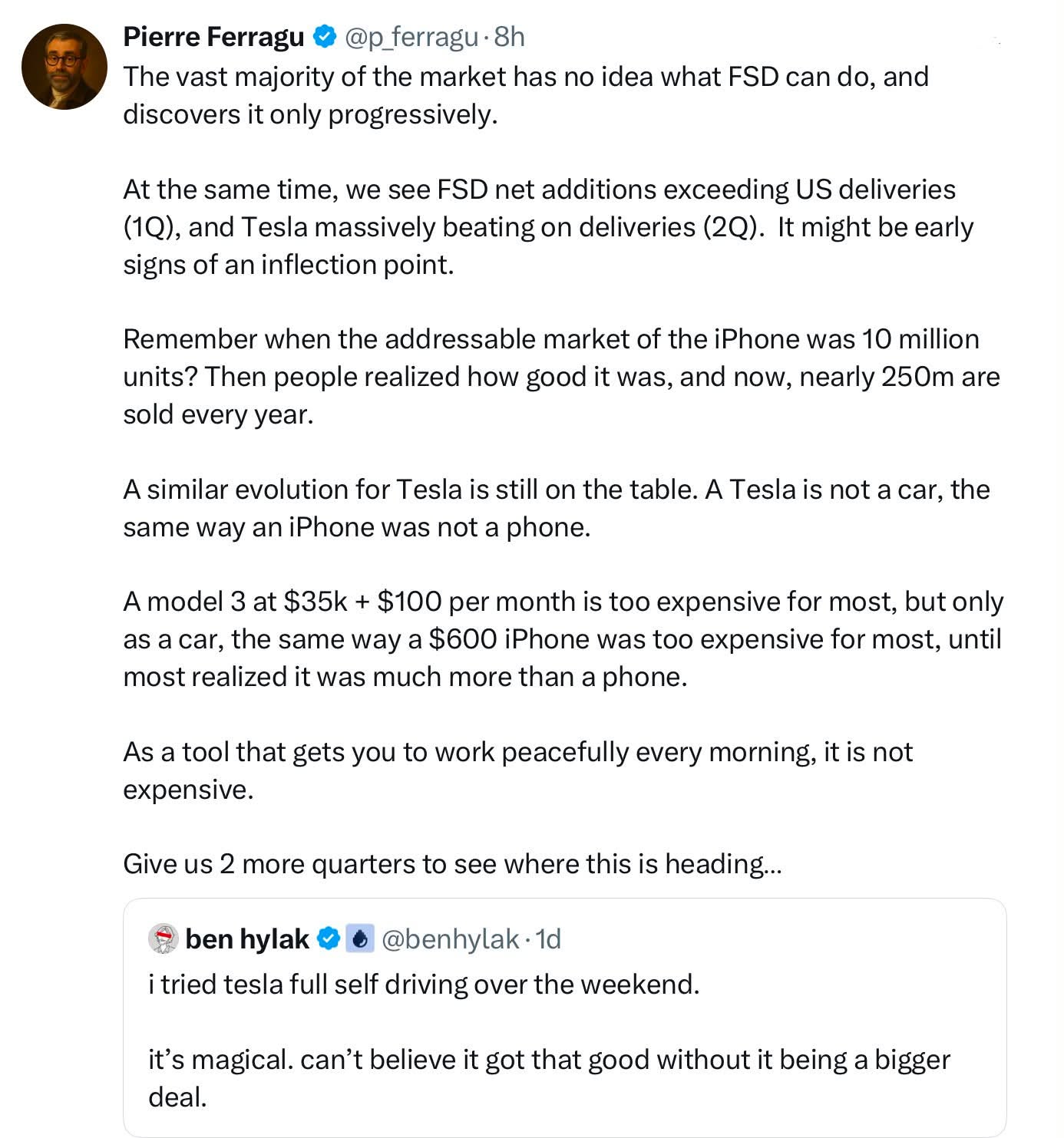
When the iPhone was first released, many thought it was too expensive for ‘just a phone’. Then the world realised it was much much more than a phone. This tech analyst believes Tesla’s self-driving is at that tipping point. We think it’s just about a car driving itself. It’s much more revolutionary than that. A Tesla is much much more than just a car.
This. Regional areas have no real reason to exist now, that their founding rationale of resources for the cities is increasingly irrelevant. But as renewable energy and data centre hubs, they can become important again. They can become the locus of the new Industrial Revolution. As tourism ‘tree change’ theme parks for bored city people, with expensive food and coffee, they have no future. Social media zombies will oppose that shift every step of the way, with their fake viral outrages. People in the regions need to understand the people who start those outrages live in cities, often in other countries (usually the US).
The anti-renewables and soon anti-data centre movements in rural and regional areas (again copying the US, where these viral outrages emanate from) are an existential threat to the survival of regional life. Regional towns in almost every case began as resource-extraction for big cities. Agriculture and mining, look at every regional town in NSW and you’ll discover in almost every case those were the reason they came to exist in the first place. All regional towns struggle to survive, without that original industry. At best they become ‘tree change’ locations, theme parks for stressed city folk. Renewable energy and data centres are the centre of new industry globally now. The regions can be the focus of that shift. But I’m sure social media-driven viral outrages will oppose that every step of the way. Those viral outrages are created by city folk. Regional people need to know that better than they do now.
Happy Birthday, David! 🌟🎁
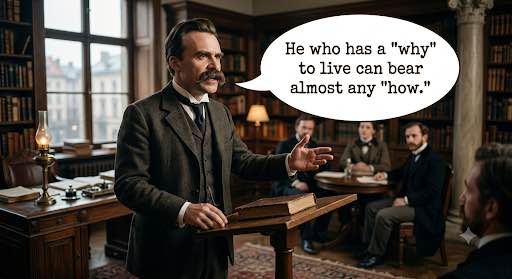
We hear a lot about mental health these days, and resilience. At a time when life is actually easier than at any other time in history. So what’s going on? Nietzsche knew. Humans will endure any hardship, so long as there’s a higher purpose to what they’re asked to do. Like in the world wars. Our supposed epidemic of mental health issues isn’t about psychology. It’s a culture lacking higher purpose. Focused only on ‘living a good life’. Like life is a Contiki tour. A kidult culture. Without adult aims.
I’m in the tiny minority who finds the ‘alarming’ pace of AI development the most exciting thing about it. The sooner it breaks the status quo we’re living, the better. Including destroying the hypnotising hold social media has on the entire species, which is a mass suicide. Seriously folks, in a world full of wonders, led by absolute dipshits using social media to gain and hold power, what’s the real problem we’re all facing? It ain’t AI.
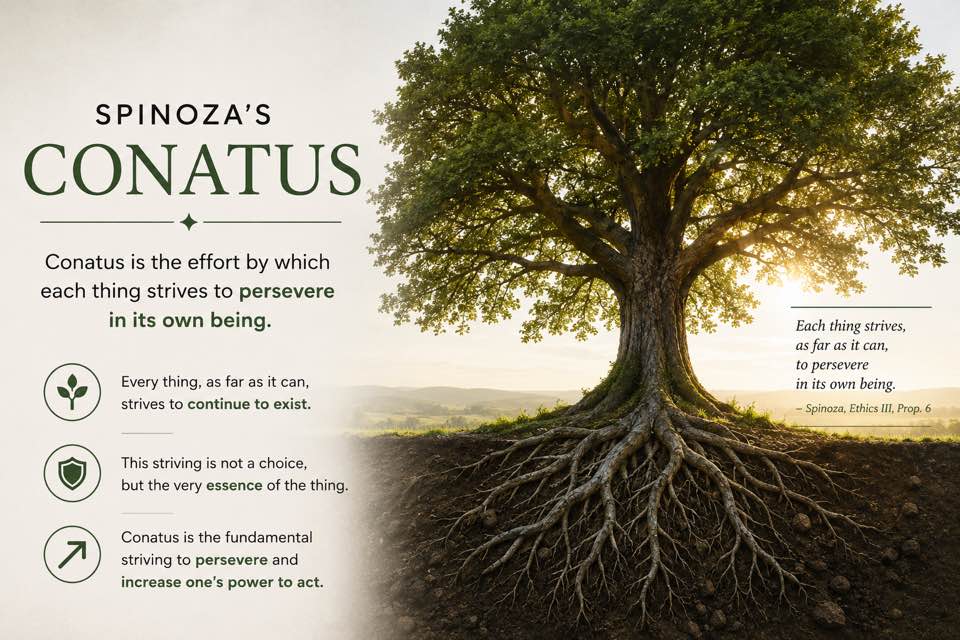
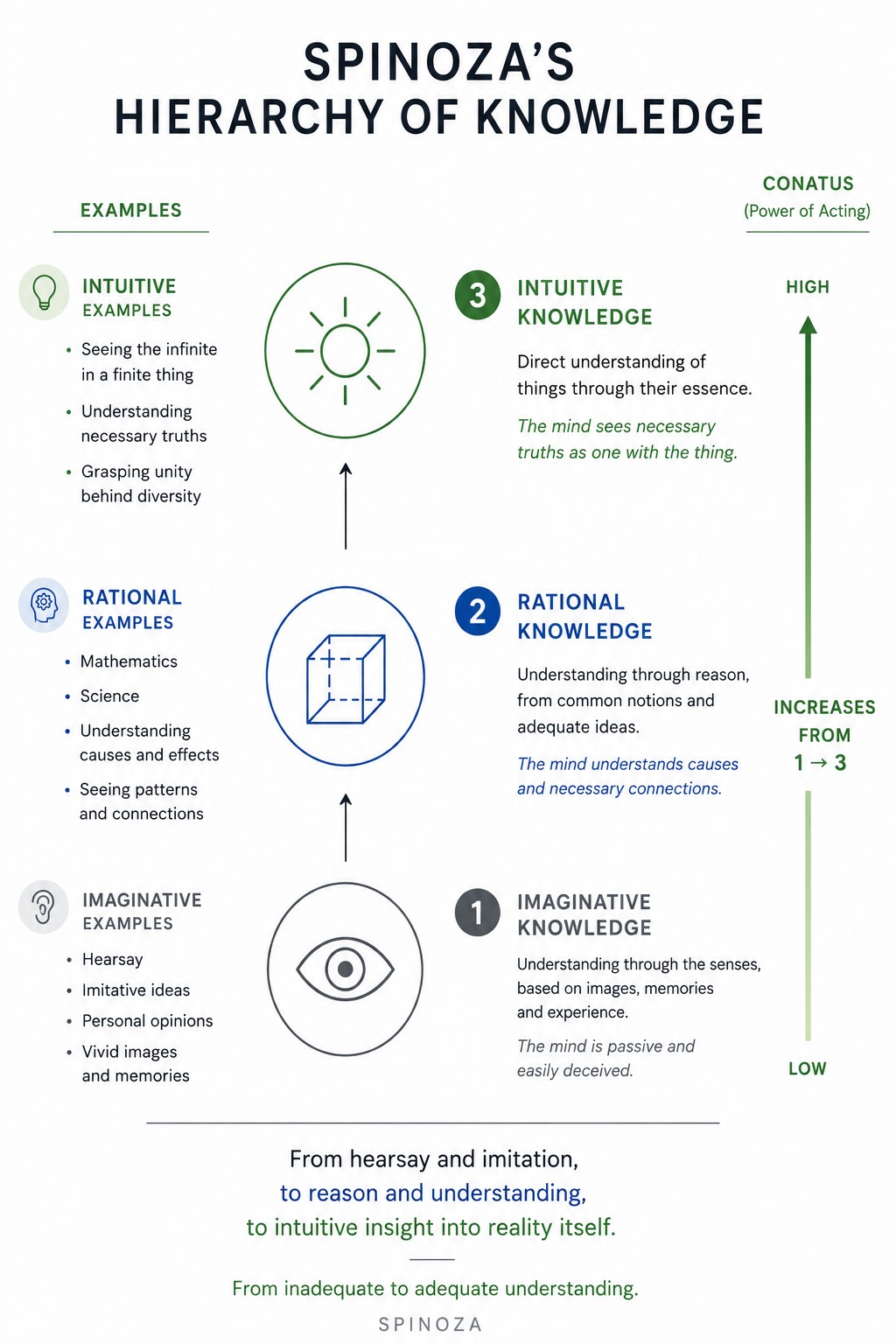
Spinoza is a powerful guide for me. I’ll be talking about him a bit in a few posts. Like his fundamental principle of conatus, present in all things. As the graphic says, it’s the striving each thing (human or not) has to be what it is, and to increase its influence.
Happy Birthday, Tobe! 🥂☕🎁
Happy Birthday, Martin! ☕🥂🎁
Kidult culture sees knowledge and enjoyment as opposites. Not surprising because kidults equate knowledge with school, and fun with not being at school. All thinking is ’overthinking’, for a kidult. ‘Just Do It’, ‘live your best life’, etc. The genius of Spinoza was to say that knowledge is not ‘about’ the world. It’s the way who you are and reality meet and increase your power to act (conatus), in the world. And that brings joy. The only true joy. All happinesses and joys not based on actual knowledge leave you feeling like something is still missing from your life. We’re not more or less happy. We’re more or less ignorant.
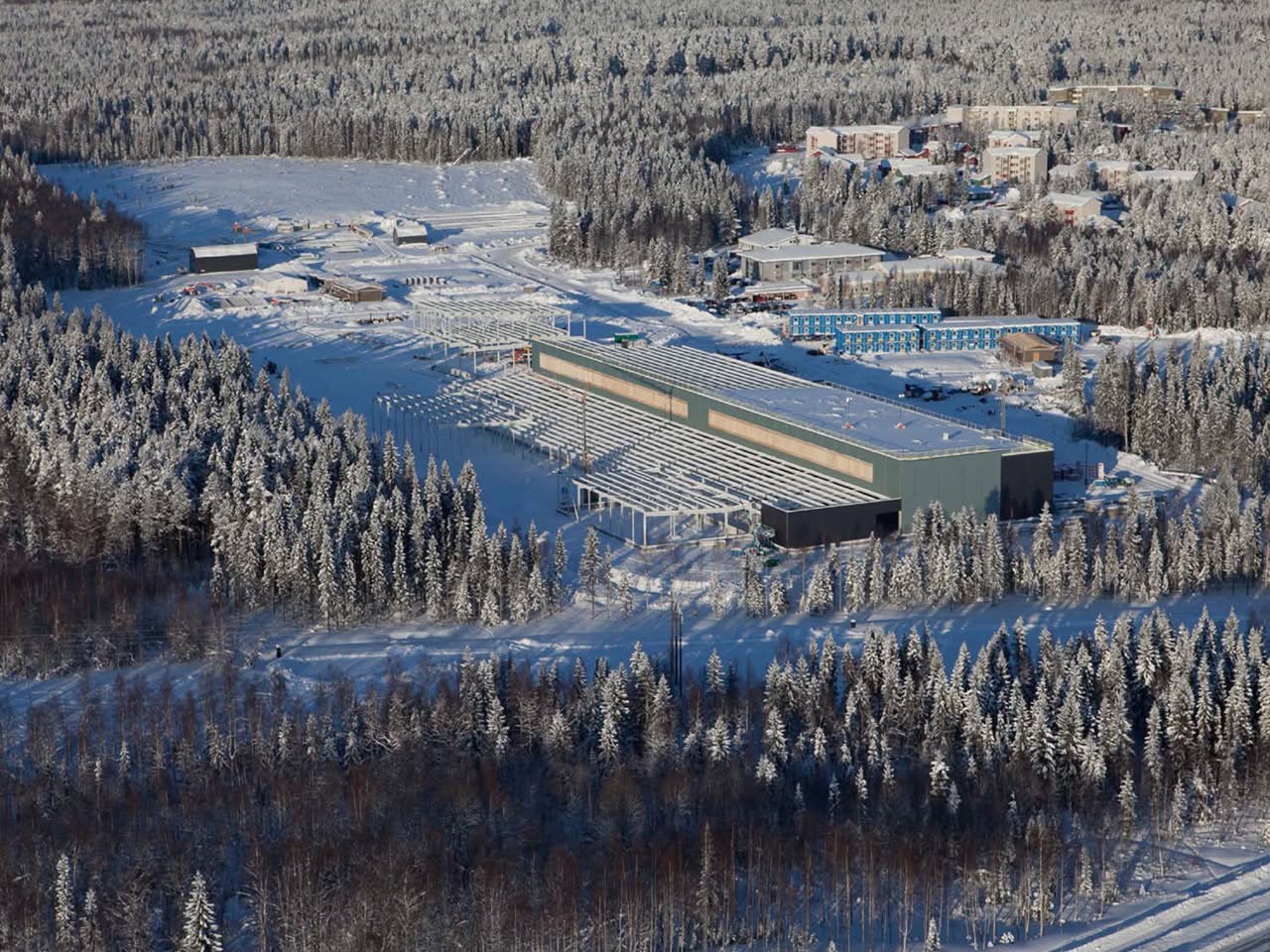
I live in the regions, and I want them to survive. They won’t when their only idea is to become tourist locations for bored city people. Tourism generates activity, people passing through, it doesn’t and can’t create density and stability. All towns and cities need some form of ‘industry’ to survive. Right now the regions are what big industry needs. Cheap energy, and lots of relatively inexpensive space. They’re awash with cheap renewable energy. Many see the building of renewable energy assets in the regions as only about creating energy for the cities. But internationally that cheap energy is being used to drive big industry in the regions themselves. This is Meta’s (owner of Facebook) first big data centre outside the US. It’s in northern Sweden, near the Arctic circle. It runs on 100% renewable energy and is cooled mostly by the cold climate. Thousands of people were needed to build it. Over 300 people now have full-time jobs because of the data centre. Data centre owners are flocking to Australia now as a perfect location to put their operations. The regions are in the box seat to host that business. The business is coming to them, they don’t have to go and find it. This is the biggest growth industry in the world, wanting to set up in your local town. Social media is already doing everything it can to prevent this. Running one fake viral outrage after another about renewable energy. All the anti-wind and anti-solar farm obstruction. Often sponsored by foreign actors trying to sabotage development in Western countries. And now gearing up to obstruct data centres too, with fake factoids about energy and water use. We need to save our towns and regions from social media. It’s destroying them. The regions will not survive as tree change theme parks for bored city people, selling only views, coffee, food and events.
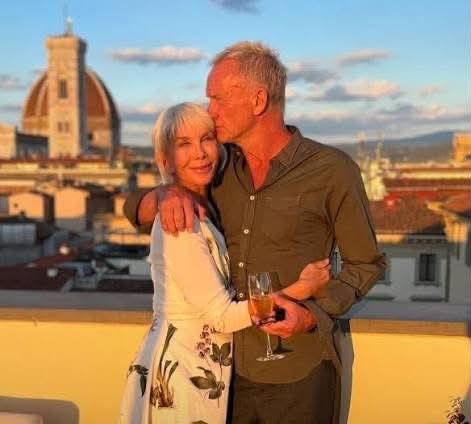
Sting kissing Richard Marx. Or it might be Barry Manilow. Or Cliff Richard.
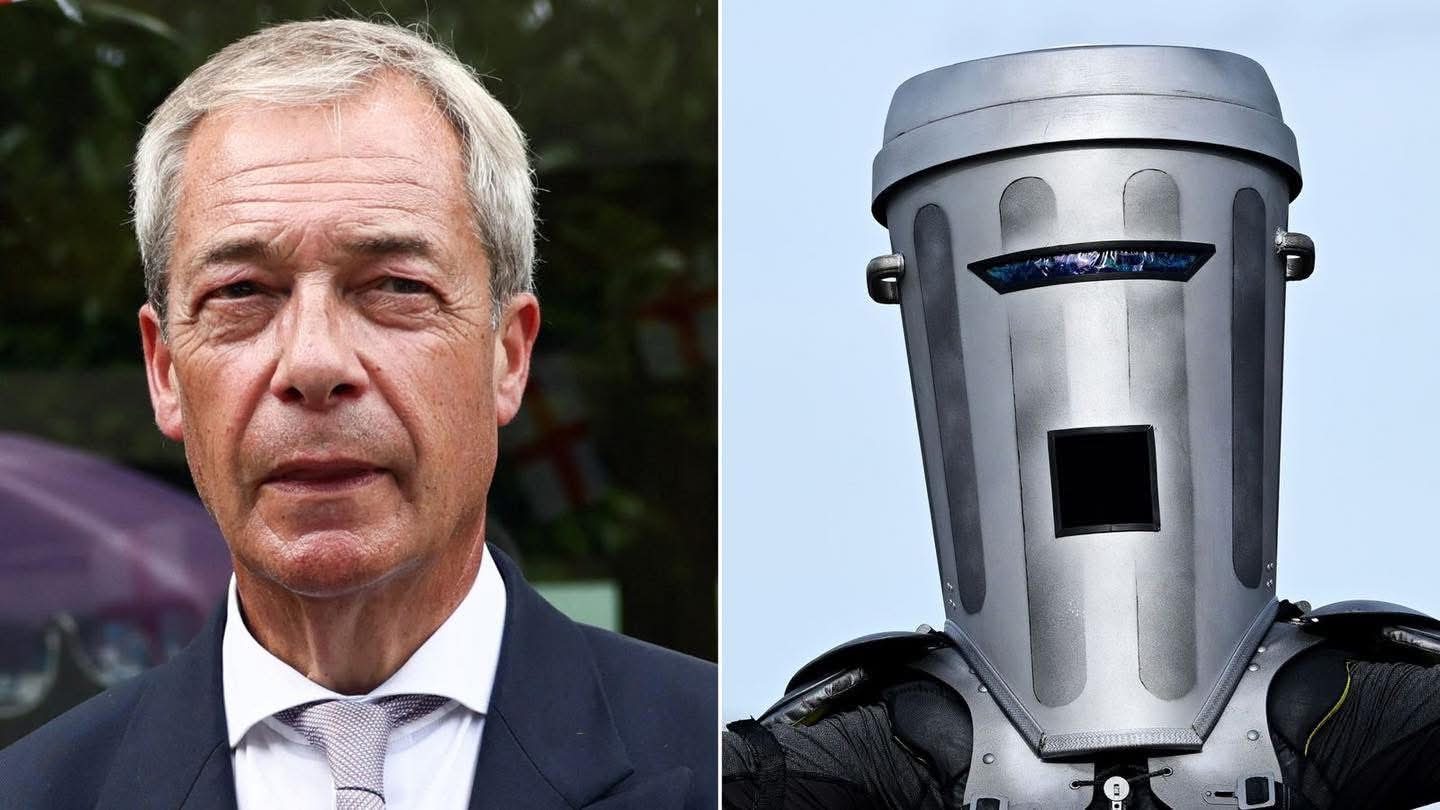
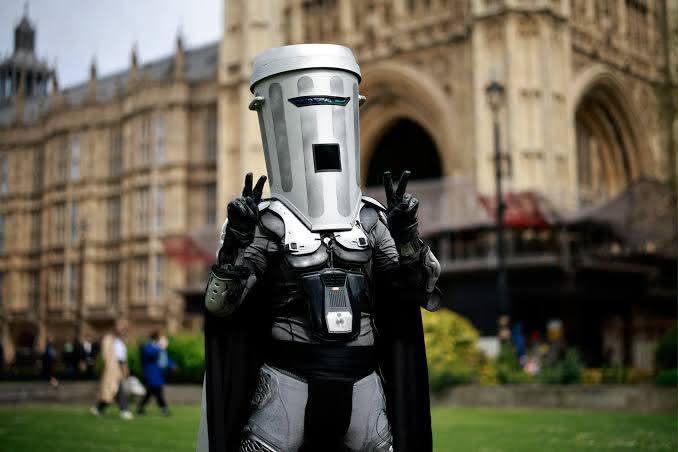
I saw Count Binface interviewed about the upcoming by-election in the UK, and he was asked if he’d be door-knocking. No, it’s too hot. Glorious.
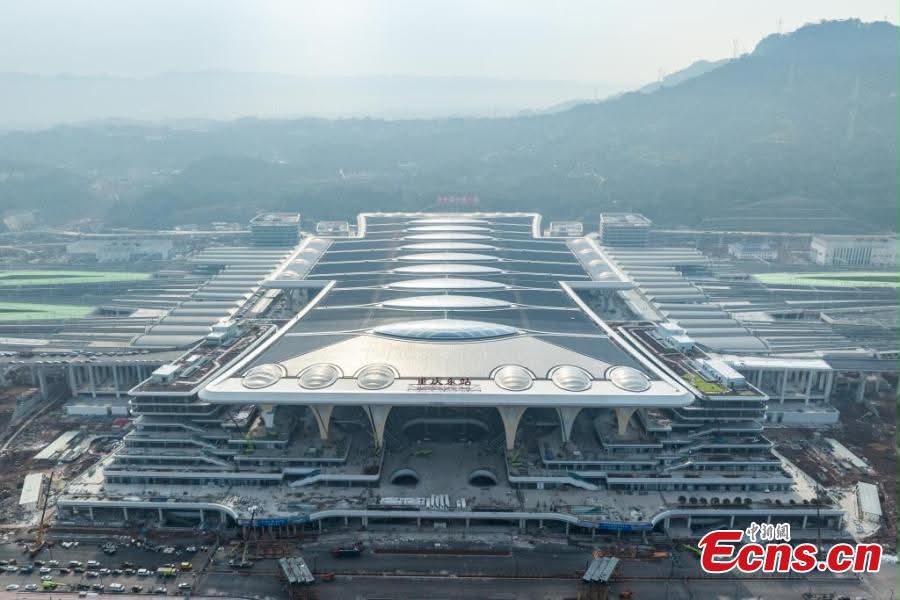
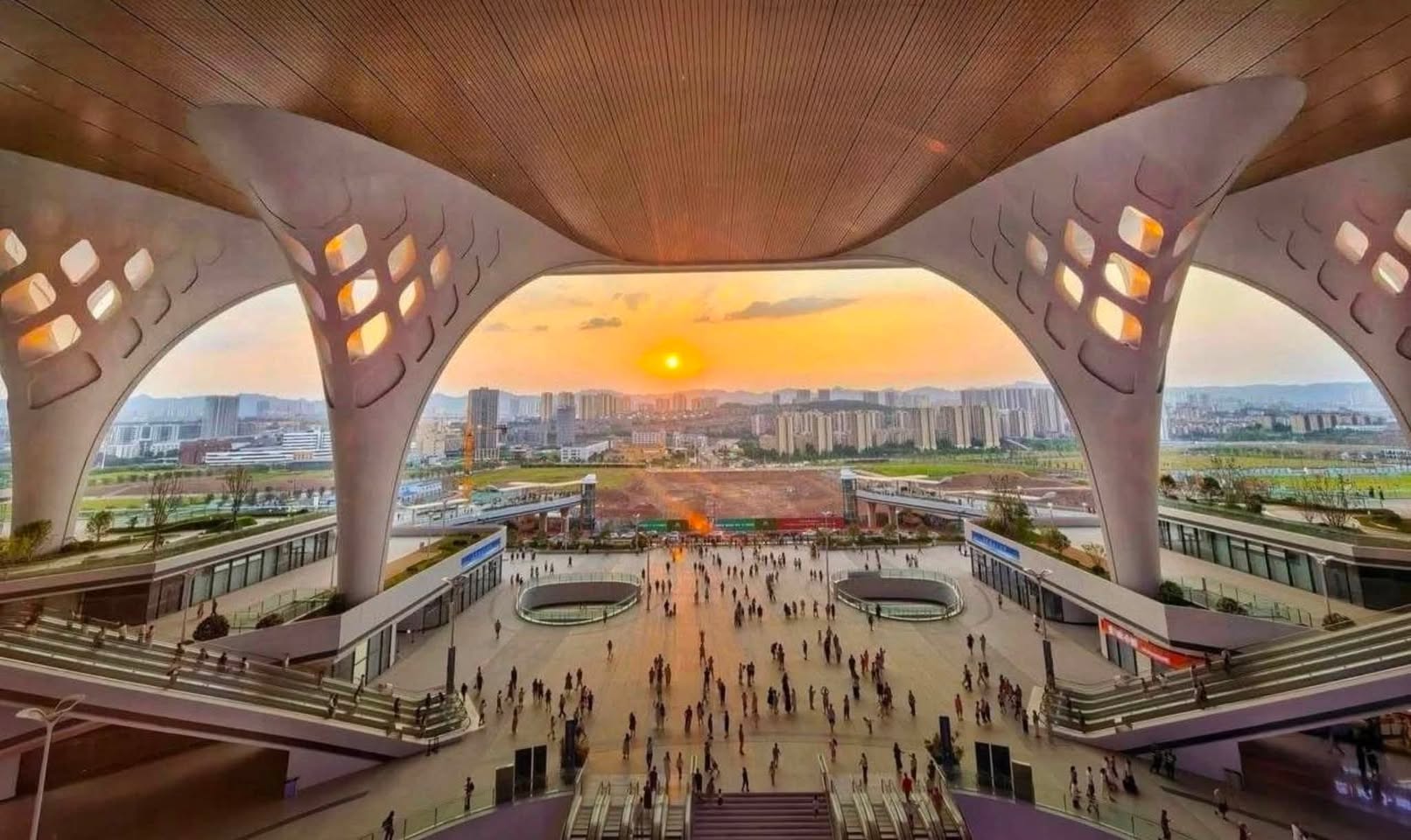
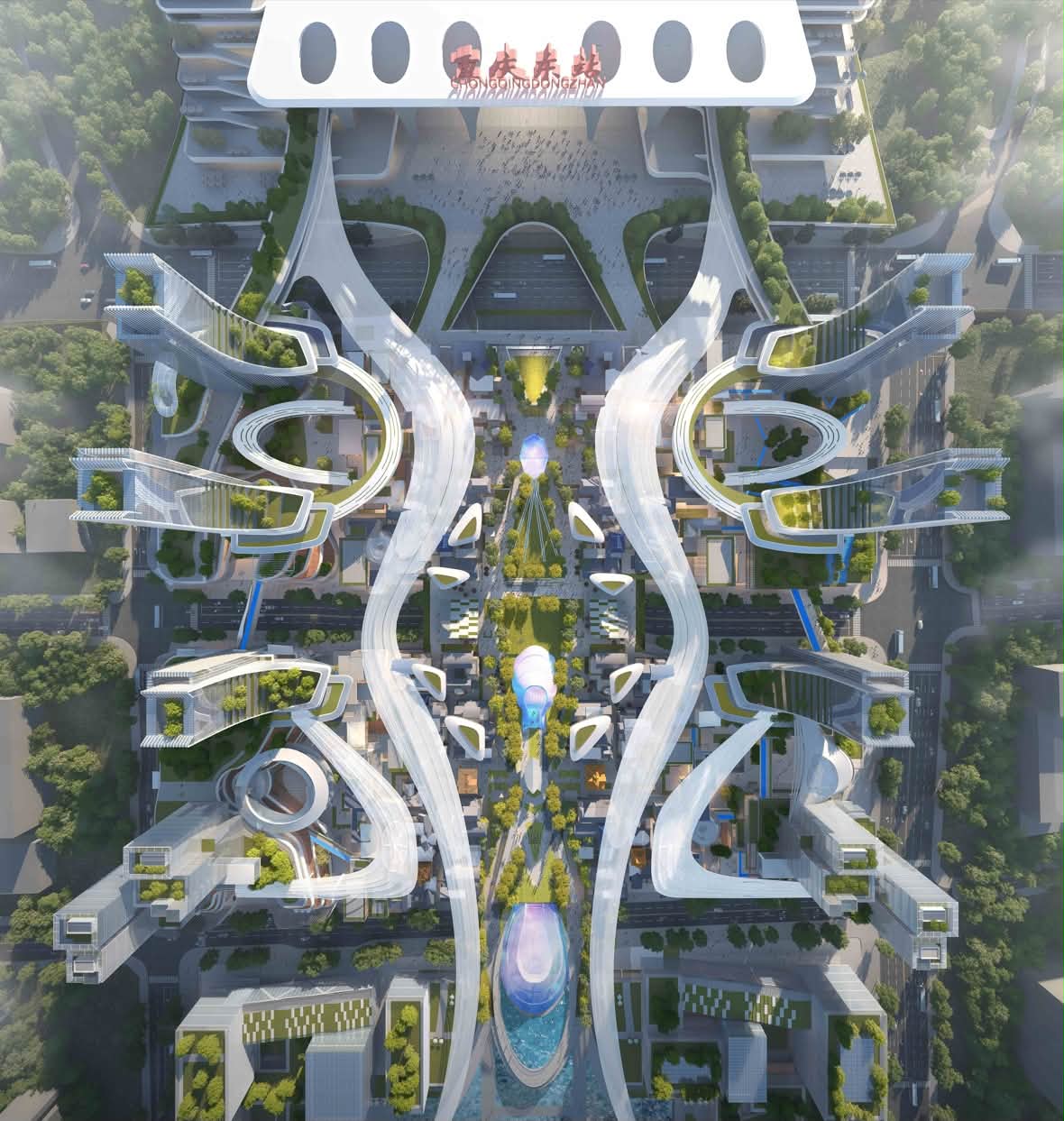
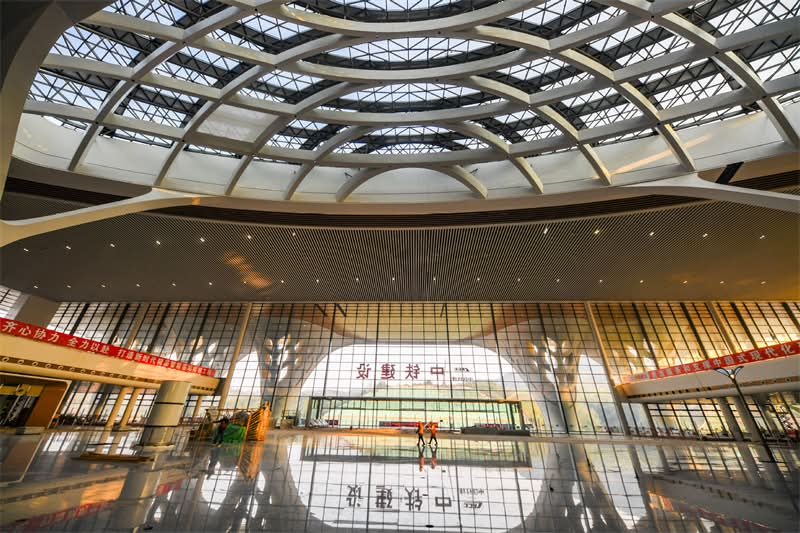
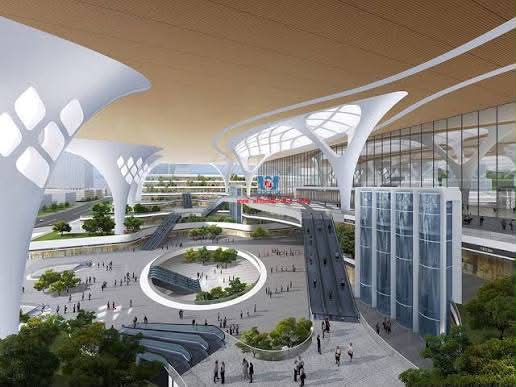
I drive the Great Western Goat Track every day to work, currently crippled by the malfunction of a 200-year-old 2-lane bridge. A joke as a highway even with that working. This is the nation’s fundamental artery linking its East, where the majority of Australians huddle the coast, to its vast, mostly unoccupied interior. Daily now a long queue of vehicles negotiating old, narrow, dangerous roads to try to travel in each direction. And then I saw China’s Chongqing East railway station, recently completed in record time of just over 3 years. Twice the size of the Vatican and 15 times larger than Europe’s largest railway station. Catering to both high speed rail and ordinary rail. China has built over 50,000 km of high-speed rail linking various parts of the country, in less than 20 years. China had to cut, level and reshape an entire mountain, to create this railway station. The speed of construction was assisted by widespread use of AI and construction robots. Its titanium-zinc roof generates over 18 million kW of electricity, and it harvests and recycles enough water to run the entire station. It’s like a self-sustaining living organism. Up to 40 million passengers use the station every year. The bigger point here is that. China built it to help bring its diverse regions into the fold of national life. It’s a cliche, but this is true ‘nation-building’. It’s not just about rail, it’s about engineering a nation, roads, cities, energy etc. Economists always obstruct every plan to do the same with Australia’s link to the West. There’s not the population there to justify big infrastructure works, they say. That’s putting the cart before the horse. ‘Build it and they will come’ would be the better guide. We can’t just blame the big city folk for this either. Every attempt to build anything at all out West now, including the key to its future - renewable energy infrastructure, far and away regional Australia’s greatest strategic asset - is met by a tidal wave of social media-generated pearl-clutching. Data centres will be next, another enormous strategic opportunity for regional Australia, one of the world’s biggest growth industries knocking on the regions’ doors ASKING to invest. Sure to be beached by the armies of pearl-clutching social media zombies and their fake factoids about energy and water use. The regions are held hostage now by a social media culture that turns all progress into debating points for social media groups, producing nothing but rage and hot air, most of whom are prosecuting political arguments imported from the US, with zero relevance to Australia at all. Nation-building means ignoring the bullshit of social media culture, and just getting on with building things. None of our pollies will do it, because their votes also come from the socials. It’s a parasite eating the soul of Australia from the inside-out. China bans most social media. It’s why it can do nation-building and we can’t.
I haven’t watched much of the soccer World Cup. Preening multi-millionaire players and their nil-all draws, with the Hollywood fake dives and constant harassment of the referee with fake outrage. The game might actually be less tedious if they had fewer players on the field. 10 is too many out front, making scoring goals incredibly difficult. In a contact sport that’s not a problem as much, because you can literally man-handle your way through the defence. In soccer even looking at another player can trigger one of the fake dives to the ground and yellow and red cards, which are like pit stops in ridiculous F1, the only way to get a result.
I unlocked my FB profile for now. Locking profiles was mostly just another thing people did, because everybody else was doing it. More imitation. Pretending it was about privacy, while sharing and even living much of their personal life on social media platforms. I’ve made some of my more recent posts previously restricted to friends public now too. There’ll be lots more that aren’t, a lot of years of posting there to wade through. I may make more of the older ones public over time, in case they’re of interest to anybody. Most of my posts will still be invisible to anybody except friends. None have ever been me speaking on behalf of an employer, they’re my personal views. Most employers probably think I’m unhinged. Friends too 😉 You only get one life, go with what’s real, not with what everybody else thinks you should think and do. If it’s popular, it’s usually bullshit.
I saw this article on social media. It made me laugh. The great imitation, levelling-sameness machine in the world today is social media. That’s its actual business model. To force billions to regurgitate the same imitative pap all day, every day. (I say force because if you don’t go along with what’s trending, the algorithms will bury you into total invisibility.) Nobody seems to care about that. Because we don’t see it, it’s a bubble we’re living inside.
Australia. Now the land of ‘community consultation’. Meaning a handful of twits in each town running obstruction for anything that was built after about 1810. The Australia of my youth wanted to be at the forefront of technological development. Like China is today. Australia now is just a conveyor belt of social media trending memes.
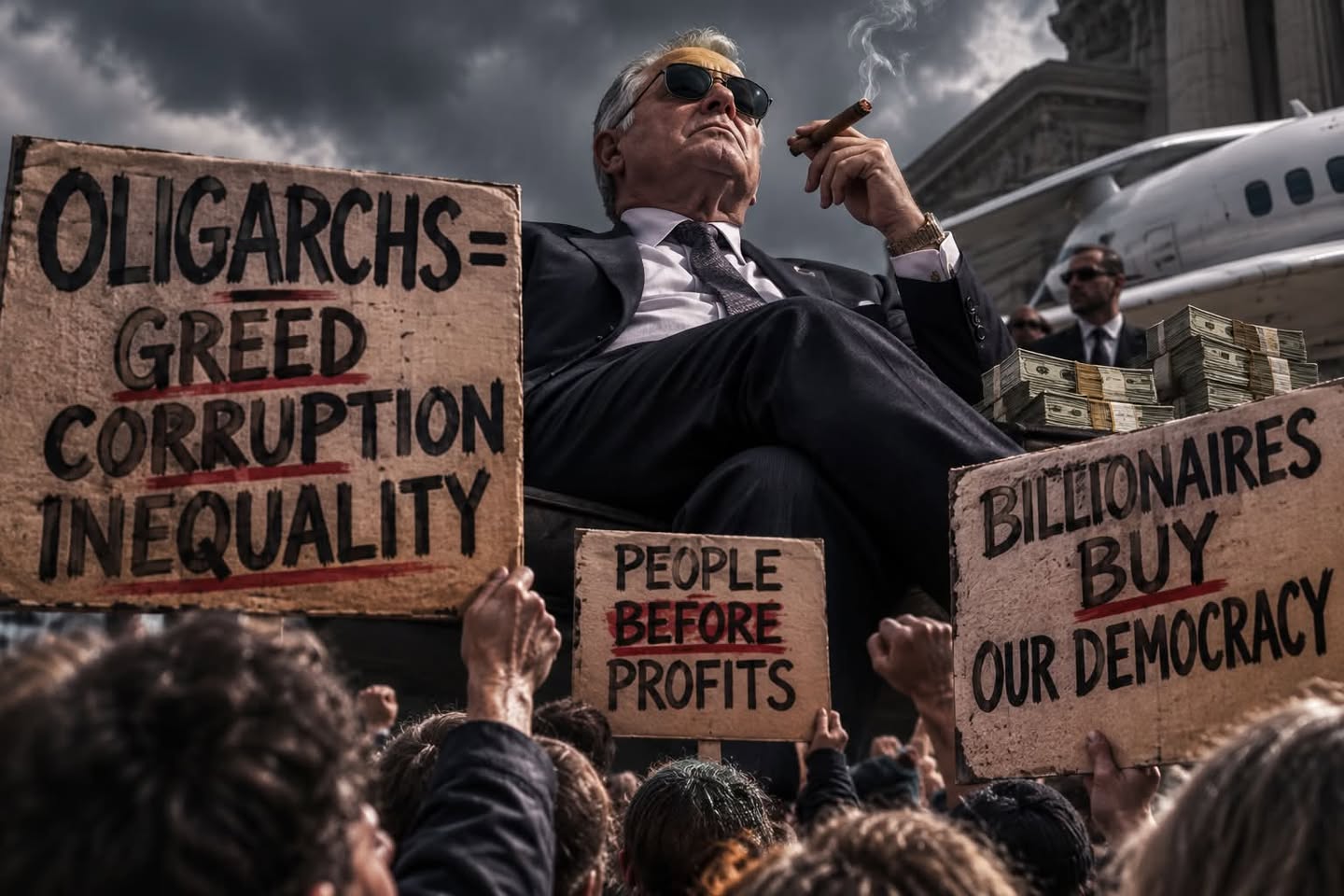
It’s became very popular to see ‘oligarchs’ as the root of evil in modern life. I shared a few weeks ago the fate of the oligarchs that led the first Industrial Revolution. They got very rich and powerful at the time, but then history chewed them up and spat them out, and the benefits of that revolution flowed to the entire globe. Here’s another way to see an oligarch. Oligarchs exploit weaknesses in an existing status quo. Loopholes in collective life. This breaks the status quo in many ways, as old industries and ways of life are literally smashed. The oligarch gets rich, but their *social* role, which they’re not even aware of, is to provide sufficient wealth and power to break the old status quo. Wealth and power that comes from an existing dysfunctional status quo, that they exploit. They’re also often the victims of their own disruption, and it eventually overwhelms all of them in social impact. Only that concentrated wealth and status could force a change to a status quo. Nothing is more powerfully resistant than habit, than everybody just doing what everybody else is doing. Only catastrophes or oligarchs can break those habits.
For 75 years the Turing test was accepted as the standard machines would have to pass to be considered to be indistinguishable from humans, in terms of intelligence. AI now easily passes the test. This is an existential threat to the status (there it is again) of humans. So what did they do? They changed the rules. It’s always about status.
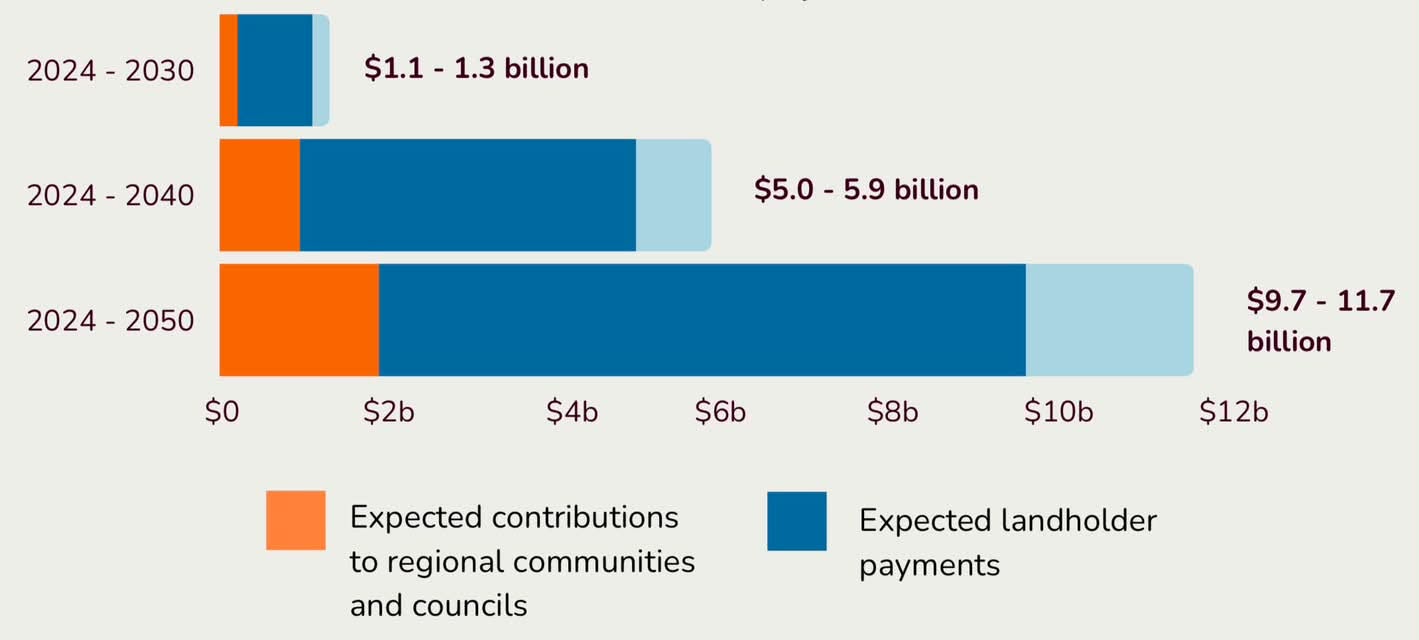
Farmers and the Clean Energy Council have quantified what’s at stake in the idiot war some in politics have invented over renewables in regional and rural areas. This is the projected income to both local towns and farmers that is at risk. (See: https://cleanenergycouncil.org.au/news-resources/billions-in-the-bush-landholder-benefits) Renewable energy is the enormous strategic advantage regional areas have, that is key to their survival. To weaponise it for cheap votes should be a criminal offence. I challenge anybody to name one other viable industry for these areas, that can allow them to survive. Just one will do. Tourism, turning them into bucolic theme parks for bored city people, is the usual answer. It won’t even scratch the surface of what’s needed for them to survive.
Our societies run on social conformity. AI means they will increasingly run on intelligence instead. That scares the shit out of most people, because intelligence always has.
HBD! ☕🎂🎁
Sex on Wheels. As fast as a Porsche, Ferrari, Aston Martin or whatever. Enough room to seat people 6'4" in the back. Huge boot. Will drive itself. Safest sedan on the road. Best sound system of any car. Costs less than a Toyota Camry or RAV 4. Needs no regular servicing, costs nothing to fuel. No, you can't have it. Get your own. Why are you waiting.
I read Count Binface’s policies today. Some of my favourites: - people who use speakerphone on public transport shall be forced to join the army. Or to watch the film version of Cats - he wants the UK to build at least one affordable home - “cut your taxes. Raise everybody else’s” - nationalise Adele - a referendum on holding a referendum on holding a second referendum on Brexit - water company bosses to be forced to swim in English rivers - National Yorkshire Pudding Day to be a bank holiday, except for banks - shops that play Christmas music before Christmas to be closed and turned into public libraries - loud snacks to be banned in theatres - the hand dryer in the men’s toilets at the Crown and Treaty pub, Uxbridge, to be moved to a more sensible position.
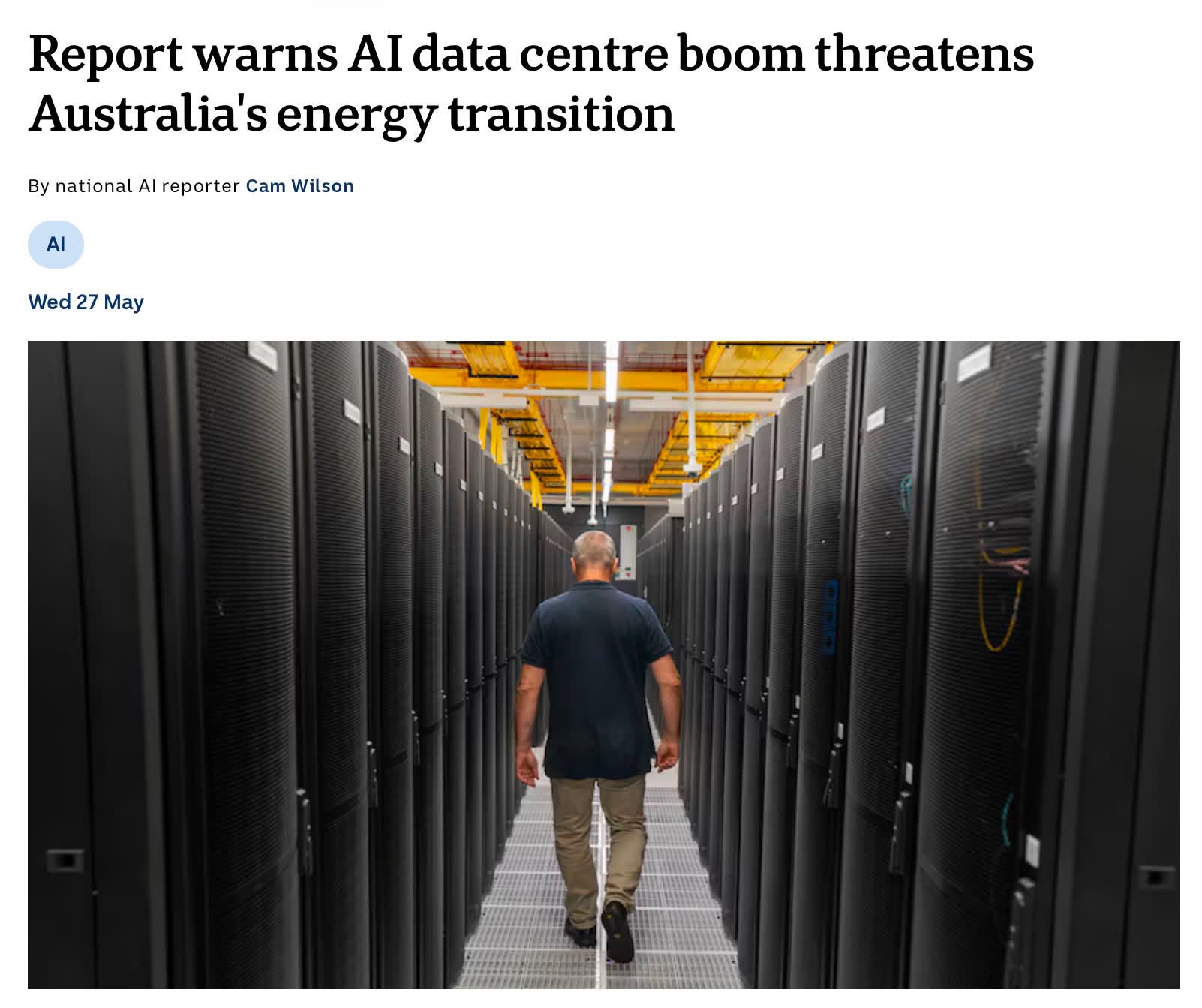
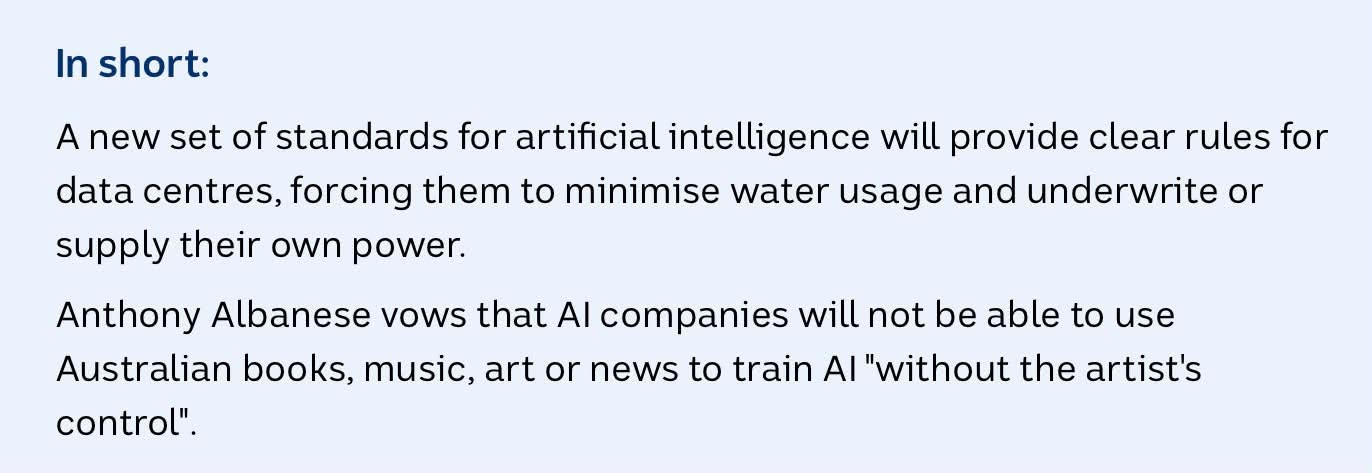
Anthony Albanese announcing a national approach to AI today. Having largely missed the opportunity to lead the world with renewable energy because of a decade of ignorant pigshit from Australia’s conservatives when they were in power, let’s see if we can balls-up this one too. Meanwhile the report mentioned here is bilge from Greenpeace in their usual activist way. A smart country would use the pressures of AI to re-assert a much more aggressive rollout of renewable energy in Australia, leveraging one to boost the other at the same time. I‘m not holding my breath. ‘Community consultation’ is the disease here now, meaning giving whining ignorance on social media the right to express its feelings and assert peoples’ precious identities in battles over social status, over the rights of the nation to actually progress.
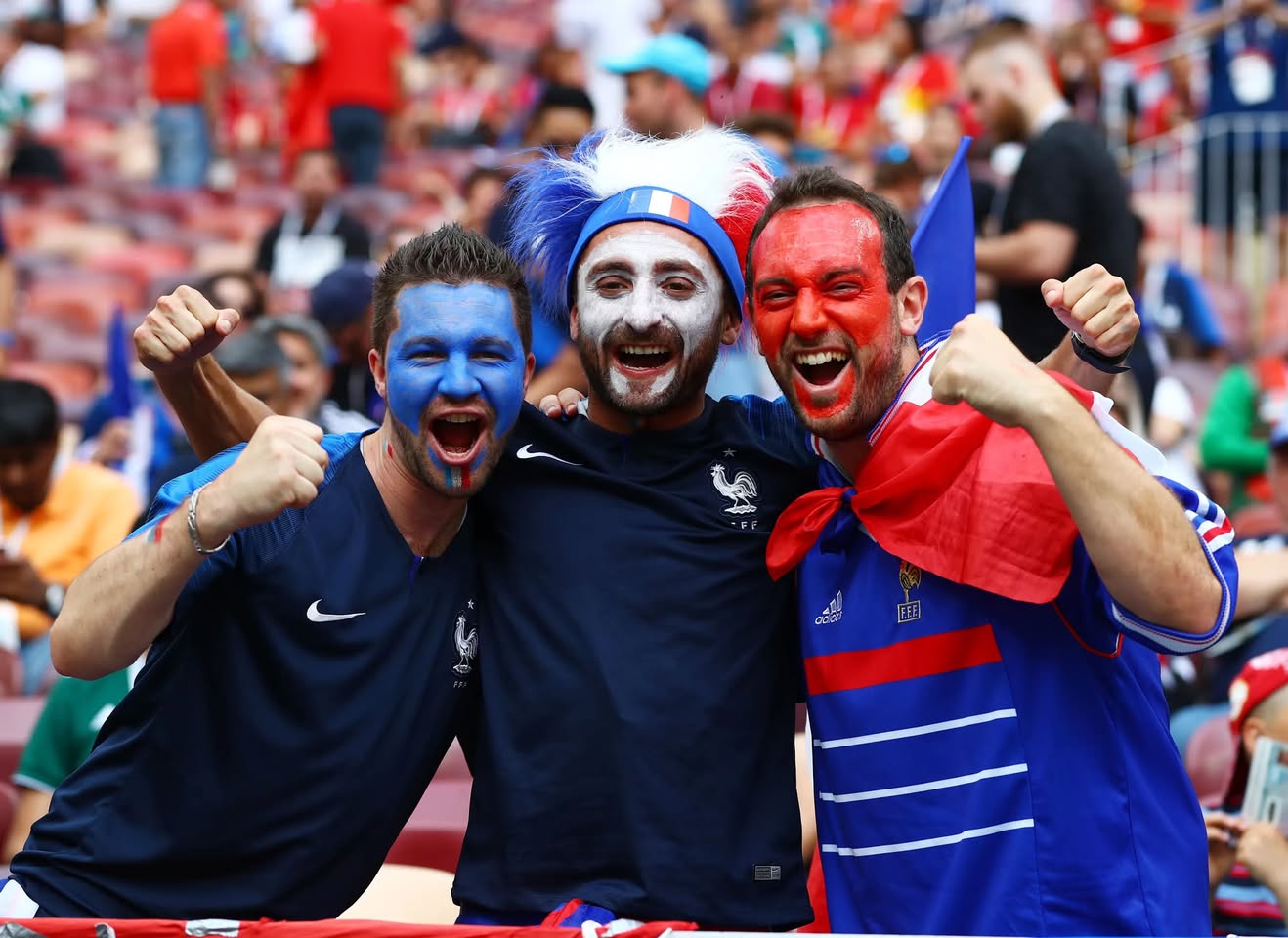
The World Cup is another wonderful window into human culture. Most fans pay no attention to the soccer itself. All that matters is that the team wins. That’s the passion, the desire. To be part of a team, beating other teams. To imitate others, gaining membership to Team [insert country]. And then to go into battle against other teams of fans. Imitative rivalry, the root of all human life and thought. Millions do this while watching not one single other game of soccer all year. Now fist-pumping adrenaline and cortisol. You can step outside this, even for one moment, and say to yourself - why does it actually matter who wins a game? It’s a game. Heh, good luck getting that to trend.

Never let the facts on data centres get in the way of a viral outrage.
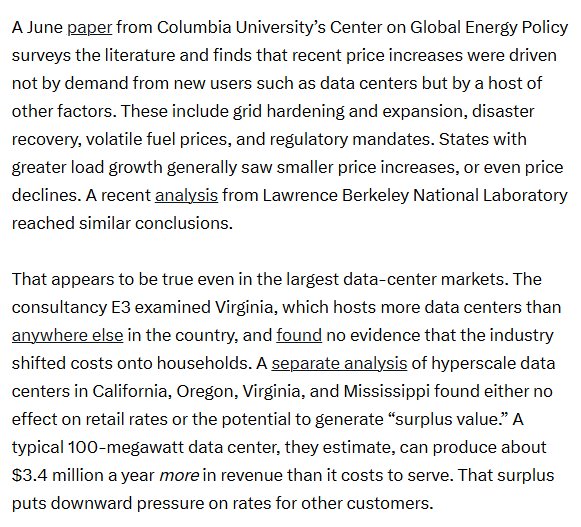
I've spent an adult lifetime studying technology and social change. The idea a status quo can 'manage' the implementation of a technological revolution (like AI) is laughable. The technology will overflow all of that nonsense, and smash the status quo. That's what the first Industrial Revolution did. This one is MUCH bigger.
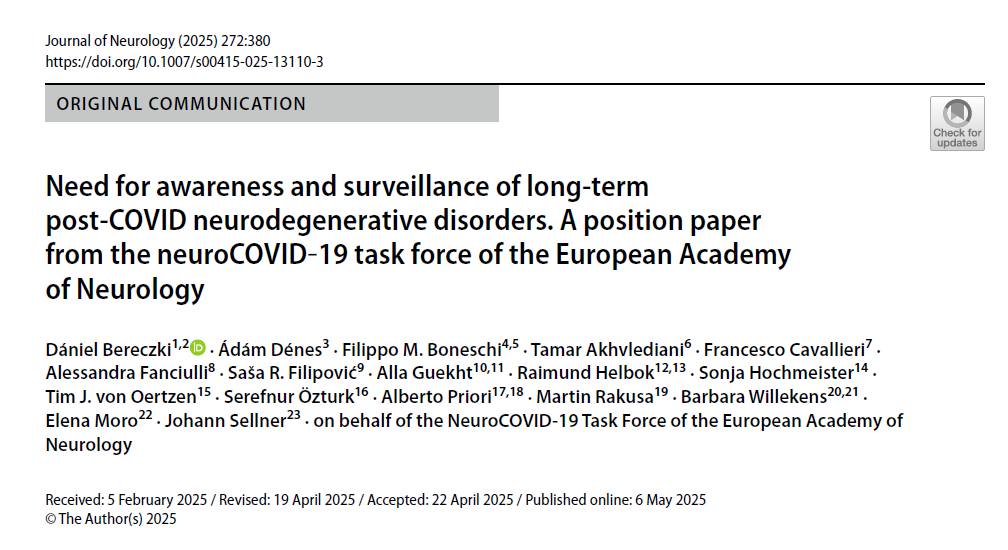
I do realise it's a lost cause talking about Covid. It no longer 'trends' in kidult/social media culture, therefore it doesn't exist. I'm still avoiding it like nothing has changed. You can see here medical researchers are preparing for an uptick in neurodegenerative disease, due to Covid infection. The researchers also note that the link back to Covid won't be recognised in most cases. Infection kills you slowly if it doesn't kill you quickly, and by then it looks like another disease.
Today’s government announcement. These requirements are the 3 trending outrages about AI, on social media. Now, as with everything else, mistaken for reality itself.
Council meeting again tonight. Another great example of the terrible mistake we’ve made with the idea of ‘the people’, and ‘community consultation’. Now it just means asking anybody who wants to offer an opinion, to come forward and share it. That *always*, in every case, leads to a conga line of whining complaint. Like any social media post with comments, the dominant contribution will be a pile-on, with every possible grievance trotted out. Consultation used to mean the skilled assessment of community need, by skilled assessors. Not just the performance of grievance by self-selected members of the community. Nearly always the same tiny minority, who use their obstruction to every activity in the community as a platform to generate attention and status for themselves. Unless we control status games in societies, that is ALL people will do. Hijack every social process, in the battle for attention/status.
The purpose of life is not to accumulate experiences. Everything is an experience, it’s an empty concept. It’s to learn to see. To understand, any experience. Experience is not a teacher.
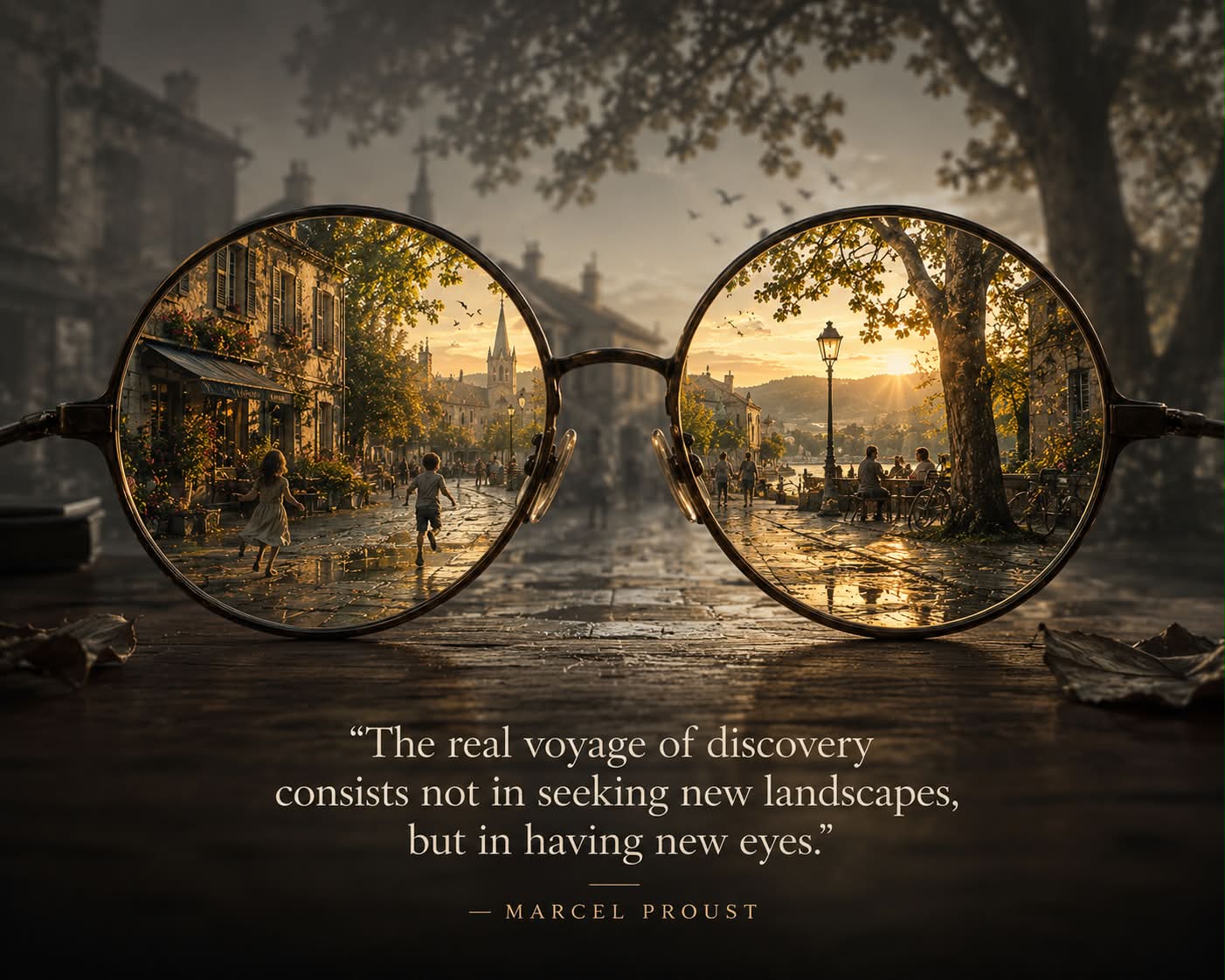
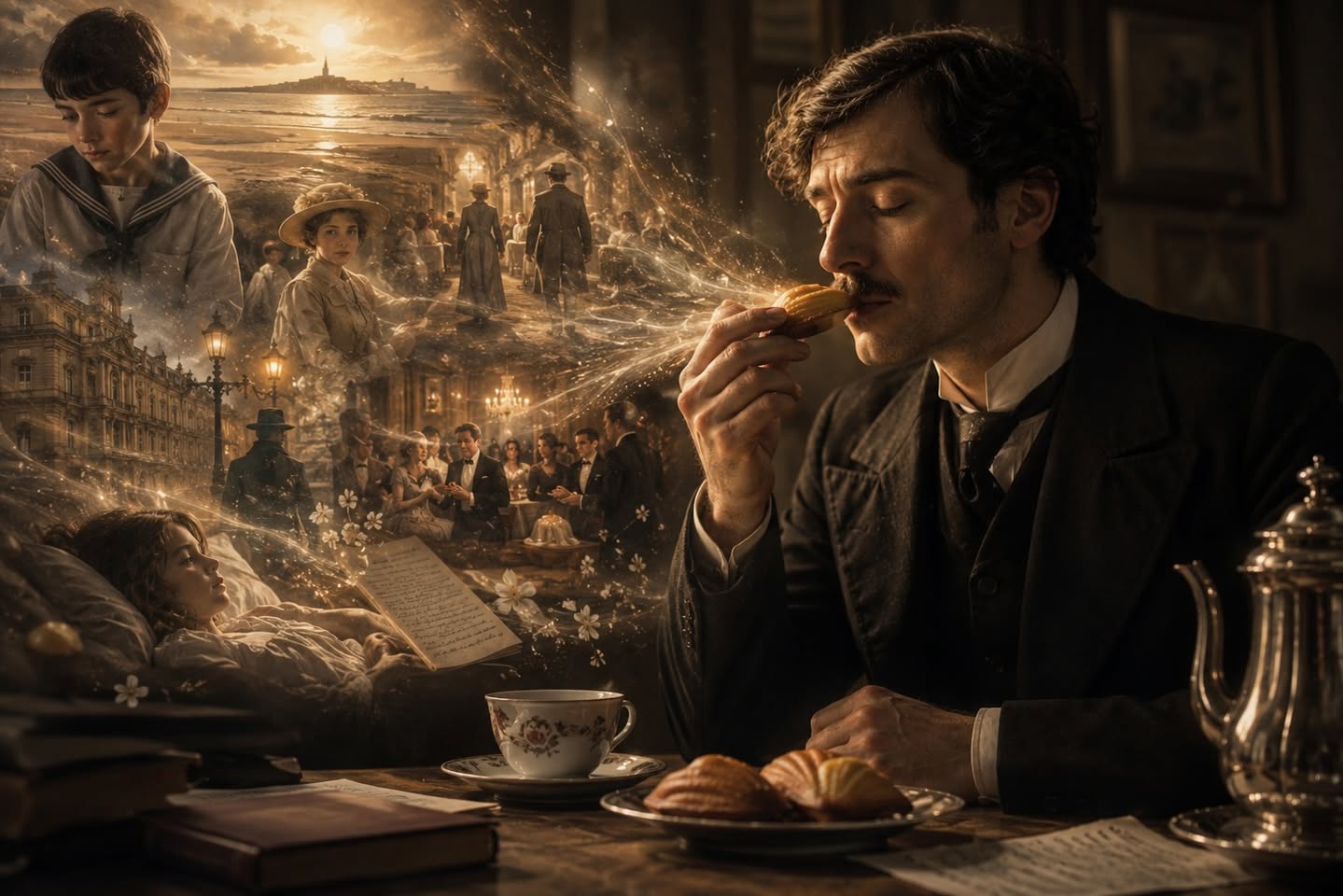
The humanities gave us much more profound ways to understand time well before modern science. Take Proust's remarkable description of how the past never actually passes, it's always still here. That a simple taste or smell can instantly bring it into actuality again, as in his famous example of eating his madeleine cake. It's vital to get here that Proust isn't saying this retrieves a simple memory of that earlier time, eating the madeleine. It reinstates the past itself. We are literally there again, for a fleeting moment, that's actually how it feels. The idea memories reside in our head was one Henri Bergson also demolished, just after Proust. Memory is the past itself, shifting from a virtual state into an actual state. Time never actually passes, it shifts from actual to virtual and back again.
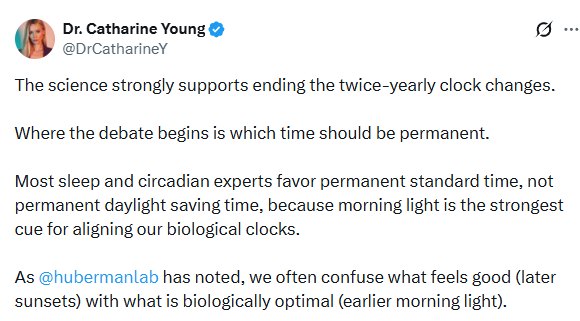
The American congress has just voted to get rid of putting clocks forward and back twice a year, across the entire country. They voted to retain Daylight Saving Time all year, which is a mistake, Standard Time is is called that for a reason and should be what is used. But stopping the clock shift is the big win here, a profoundly stupid and damaging thing. The Senate there should approve it. Here it's too 'popular' to change for now. Kidults justify all things by 'I like it' or 'I don't like it'. Right now Trump is smarter than those people.
Happy Birthday, Keily! 🎁🥂
Happy Birthday, Lisa! 🎈🥂☕
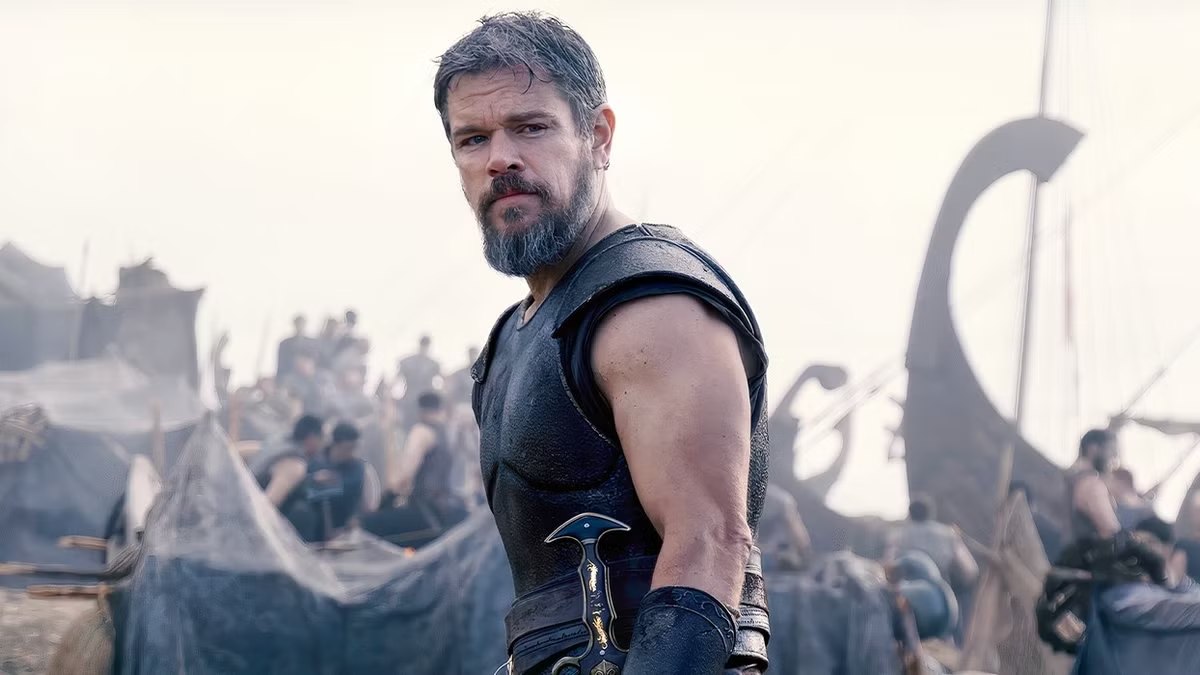
Christopher Nolan has made a film of Homer's The Odyssey. In an important way the world has come full circle back to the concerns of ancient times, without recognising it. Homer's Iliad is about rivalry and status and violence and death. The Odyssey is like Part 2. Odysseus (Matt Damon) is travelling back from the war of the Iliad, to find his home and wife. Along the way he confronts monsters and gods and other challenges, and crucially has to disguise himself to get home. Identity. A story about status, rivalry, violence and identity. The eternal themes of all history. In 2026 I would say we have lost all sense of the idea of some things being greater than us and our lives being defined in relation to how we face those greater things. That was the central concern of the ancients. This also ties into my frequent posts about travel and our loss of an understanding of what 'home' actually means. It's what Odysseus is seeking, what the Greeks call oikos. Odysseus has to reject identity and the rivalry which creates it to get there. You can viscerally feel the tension with our own age. It's not an address, it's the household as a living order: family, land, servants, animals, inheritance, memory, continuity, obligations, and the place where generations succeed one another. It's a durable ecology of life. The Odyssey is what we as a culture do with our travel culture. Our imperial past is the Iliad, of war and conquest. Now we travel as an entire culture, like Odysseus, seeking home. We think we're just having experiences. There's a void at the centre of our culture that the ancients knew.
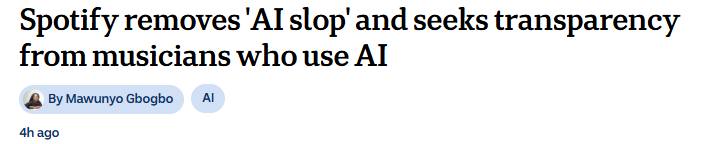
Most human-created music is slop. The idea 'AI slop' is social media slop. We can't distinguish between social media and reality now. I don't think I've spoken with one person about AI, anywhere, who doesn't just regurgitate the social media viral slop about it.
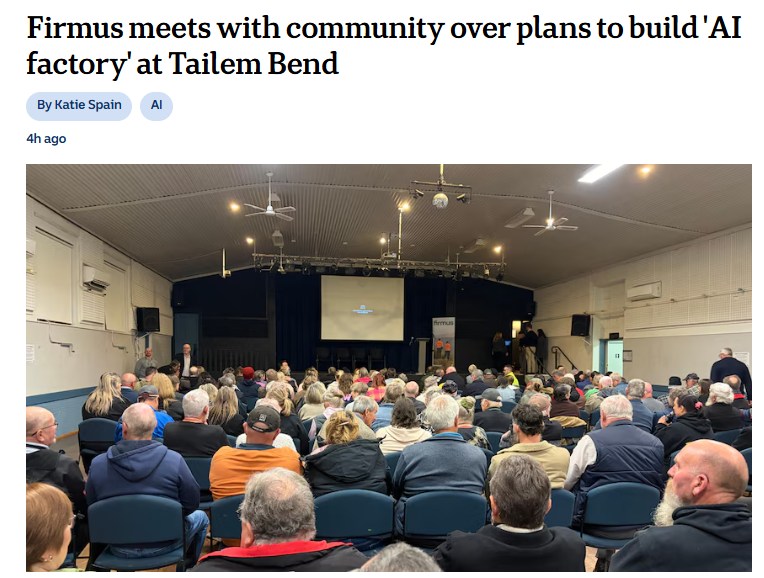
This is the nonsense of 'community consultation' today. A stack of locals in a hall or on the socials, having a whinge. Lithgow should be begging for multiple AI data centres. I challenge anybody to identify another industry that would even be interested in regional towns, and can save them. Just one.
When people approaching 30 list their favourite foods as McDonalds nuggets, and chips and gravy. Even regional towns now have 2 -3 McDonalds and 2-3 KFC outlets. What’s a kidult again?
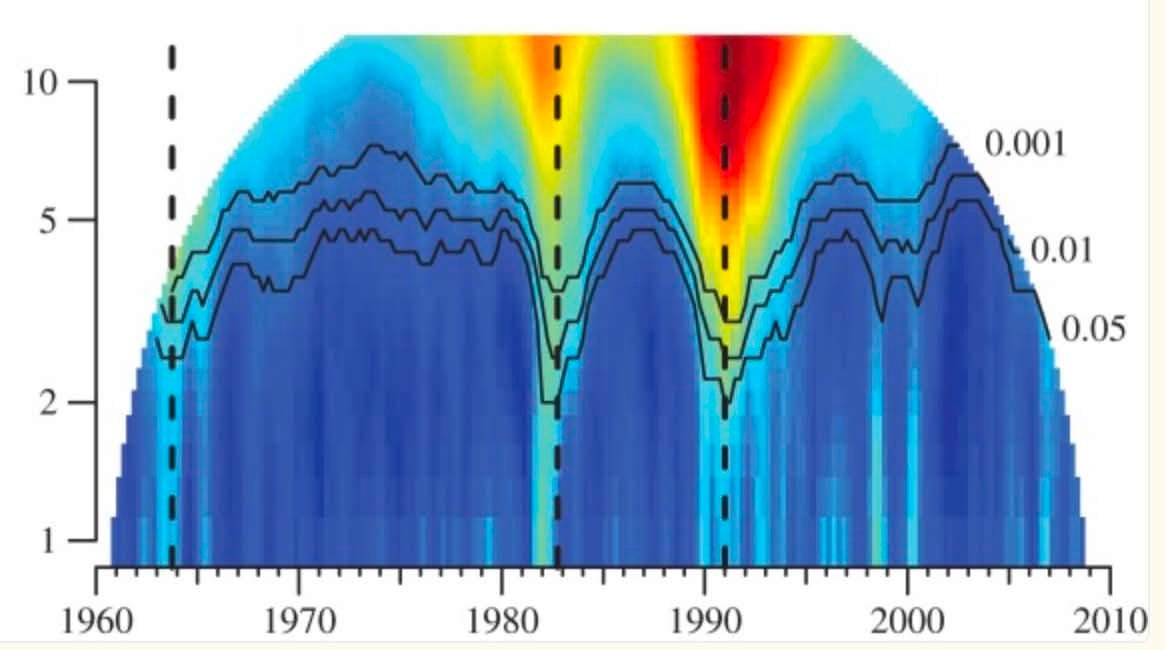
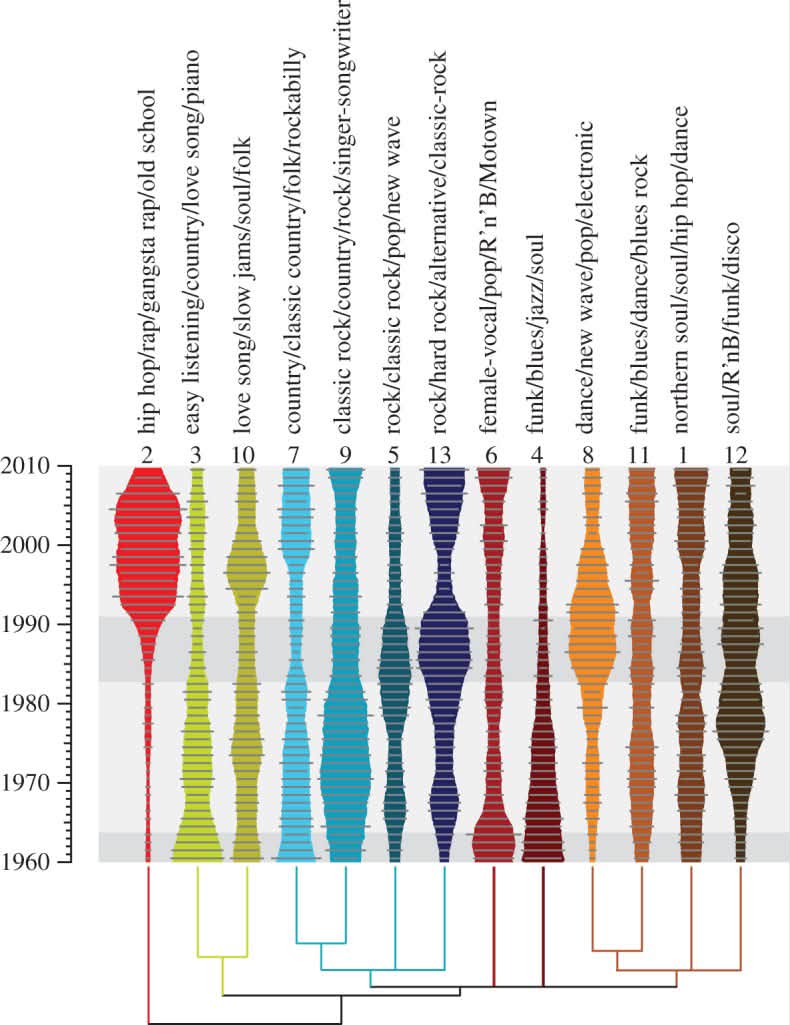
I talk a lot about how human existence is people imitating one another, driven by a battle for social status. We imitate to become part of some social group, to recognise other group members. Creating rivalry within that group and between that group and other groups. This is universal. For example it’s been studied for music, where exactly the same pattern appears. Nearly all music is simple copying, with the occasional ‘punctuated’ revolution that shifts the status quo. Just as catastrophes are all that shift social behaviour in other areas. Two fascinating graphs showing this, from a study of over 17,000 songs released between 1960 and 2010. You can clearly see the pattern here, firstly the graph with all the blue. It codes novelty using colour. Blue is where the music is a repeated pattern with little novelty, while increasing novelty is yellow, then brown, then red. For half a century nearly everything is blue, with only occasional ‘crises’ around 1964, 1983 and 1991, which represented a shift due to revolutionary invention by a tiny number of artists. No real ‘creativity’ except for those tiny 3 periods. (Linking to my other post about creativity and technology today, 1964, 1983 and 1991 also corresponded with major technological innovation in music. It was that which injected the majority of the creative disruption.) The second graph shows the evolution of musical styles, and how they again follow the same imitative pattern that any social trend exhibits. Most of the time the style doesn’t trend at all, then it has its burst of ‘viral’ popularity, then it fades again. Some styles experience repeated viral waves. All of it is the same imitative rivalry you see in the evolution of fashion, or political issues, or whatever. Full study here: https://pmc.ncbi.nlm.nih.gov/articles/PMC4453253/
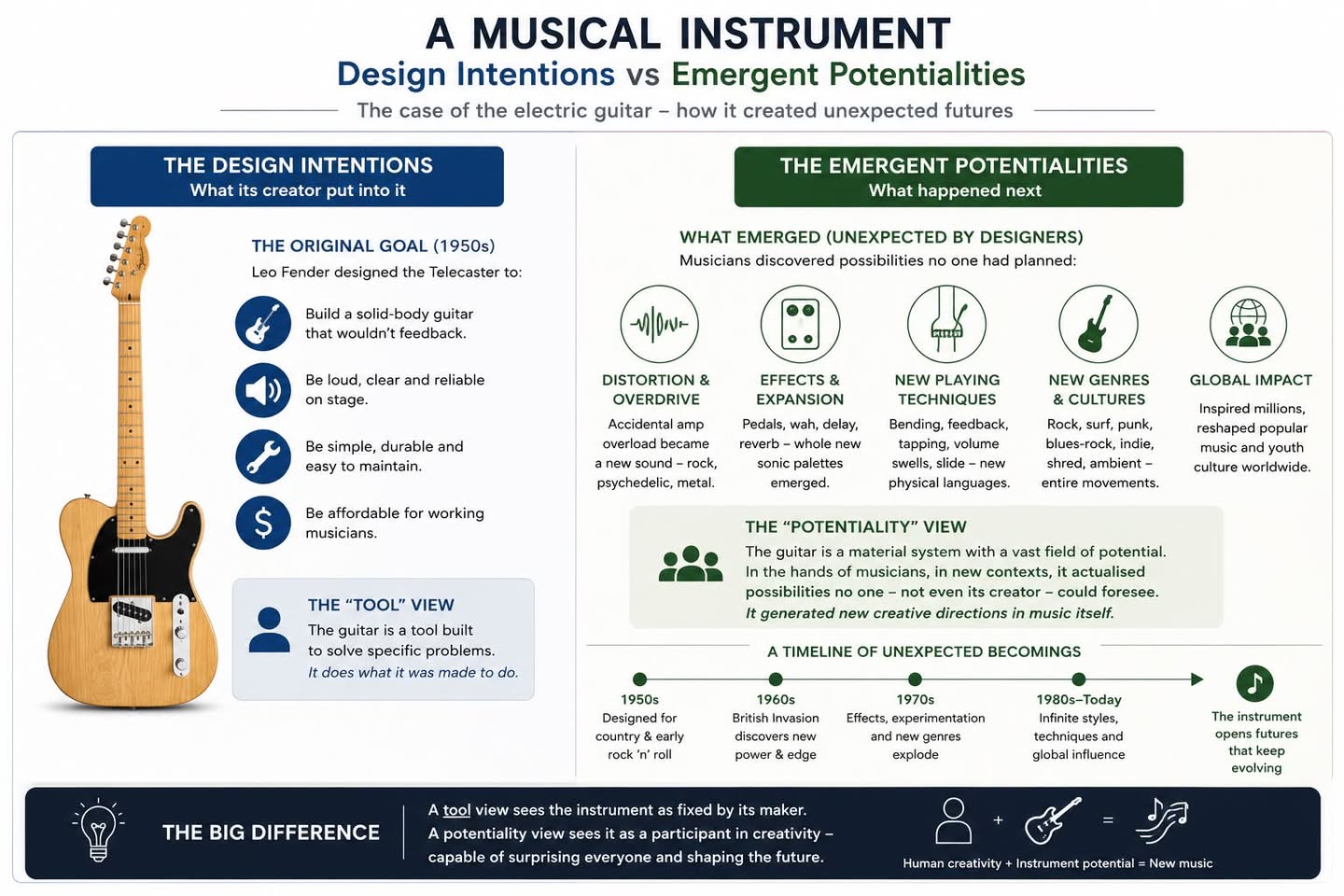
I encourage everybody to learn some actor-network theory. Our world is divided by most into two apparently distinct domains. The human, and the ‘technical’. The first has creativity, purpose and intent; the second is ‘just tools’, implementing that creativity and purpose and intention. It’s absolutely, profoundly wrong. All materials and technologies carry potentialities or virtualities which create new things that were not designed into them. Here the simple example of a Fender Telecaster. No human created these potentialities, they exist within the material object itself. Our technologies have intent. They create. No human programmed or built these things into them. The material world is not passive or inert. Read some quantum theory. It contributes more novelty to our lives than anything humans do - humans mostly just imitate one another. Or as some anthropologists say, we didn’t become human, until we had tools. It was technologies and materials in general that gave us our creativity and novelty, that we (vainly) attribute to our own brains. Without them we just fought each other to the death, in imitative rivalry.
Stupid is what stupid does. This trend is hot right now, quick get onboard before you miss out. Watch for next week's trend, on any topic. There'll be one. Full of outrage, absent facts. Like this one it won't be about the actual topic. It will be social groups fighting for status supremacy.
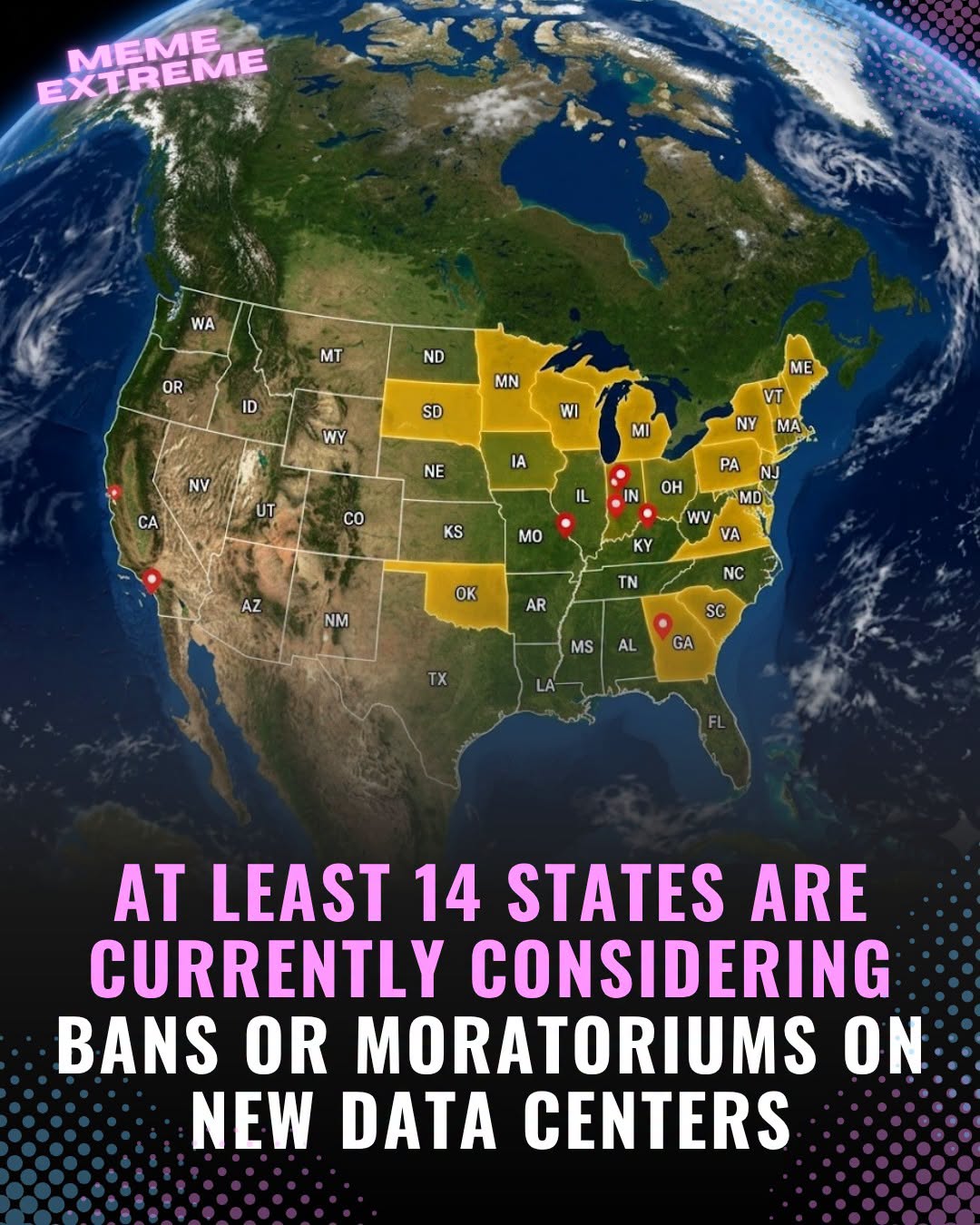
"I use data centers as a prism for much larger but invisible environmental problems, hidden by our tendencies toward populism and localism that data centers offend. This post focuses on the ridiculous ways we use land in America, which (like most of our water issues) is downstream of farmers being shielded from popular criticism by political alliances and folk intuitions about the honest toil of growing food."
HBD! 🎈🎊🥂
The great mythology about 'authoritarianism' is that it's evil people oppressing good people. Authoritarianism is ordinary people operating without any status structure, so that they destroy basic civic life to create an identity. Eventually the disorder requires oppressive action, to stem the damage.
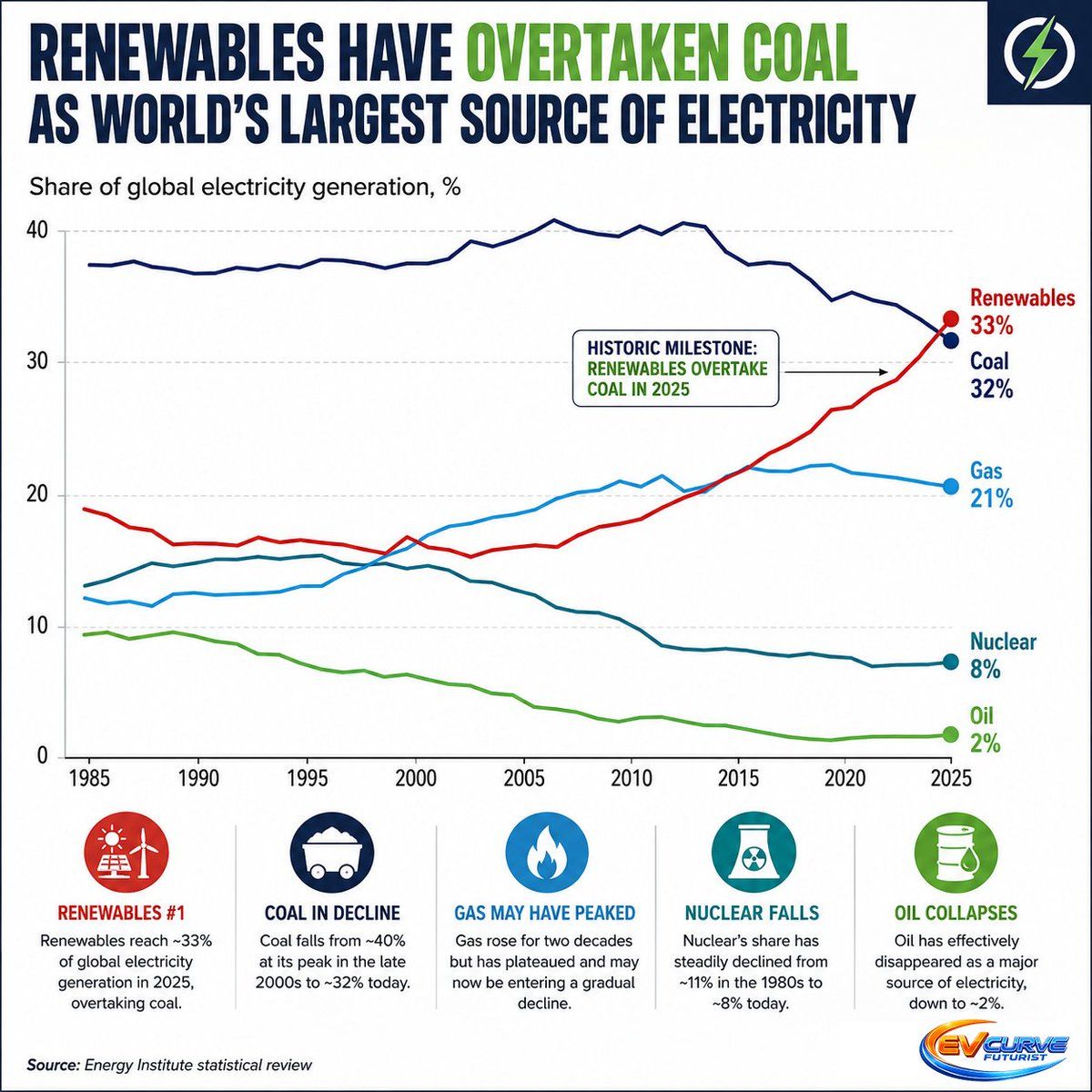
This is the sort of gap that exists between the bullshit fake reality many live through social media, and what actually happens out in the real world. Not only are renewables now the leading source of electricity worldwide, look at the trend lines. Everything else is either a nothing, or in free fall. Renewables are trending almost straight up. And as for the nuclear nongs? It's like a mosquito on the arse of a buffalo, and dropping. None of this is 'Greenies'. It's businesses and industry, voting with their wallets.
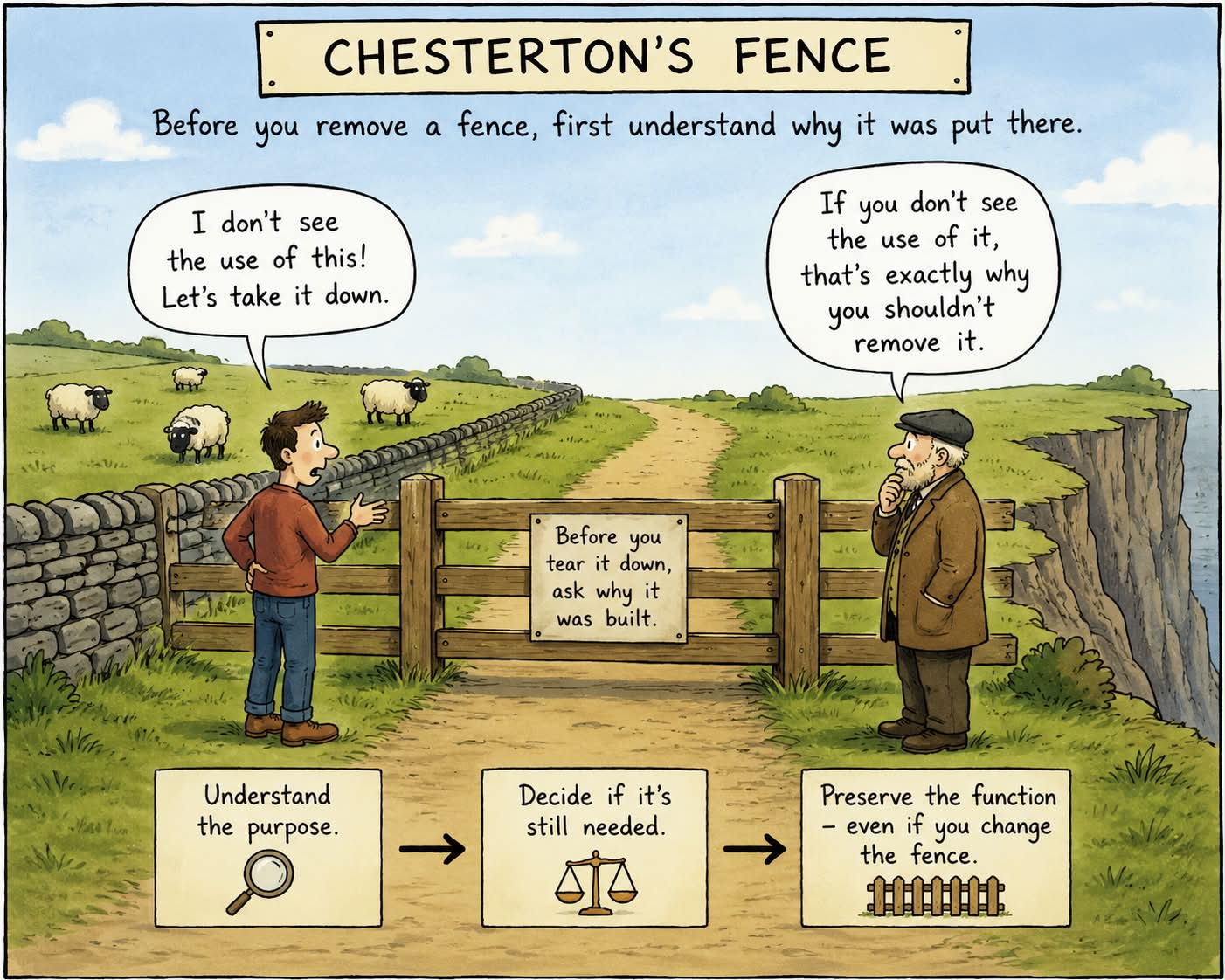
Chesterton’s Fence is a principle stating that you should never remove or change a rule, tradition, or system until you first understand exactly why it was put there in the first place. Chesterton, like Edmund Burke before him, realised that the rules and physical structure of our world emerge from past problems, for which they were the solution. But the problem disappears from view, and people who come later then chuckle at what seems like ridiculous ‘red tape’ or ‘bureaucracy’, or the placement of a fence or some other material thing.
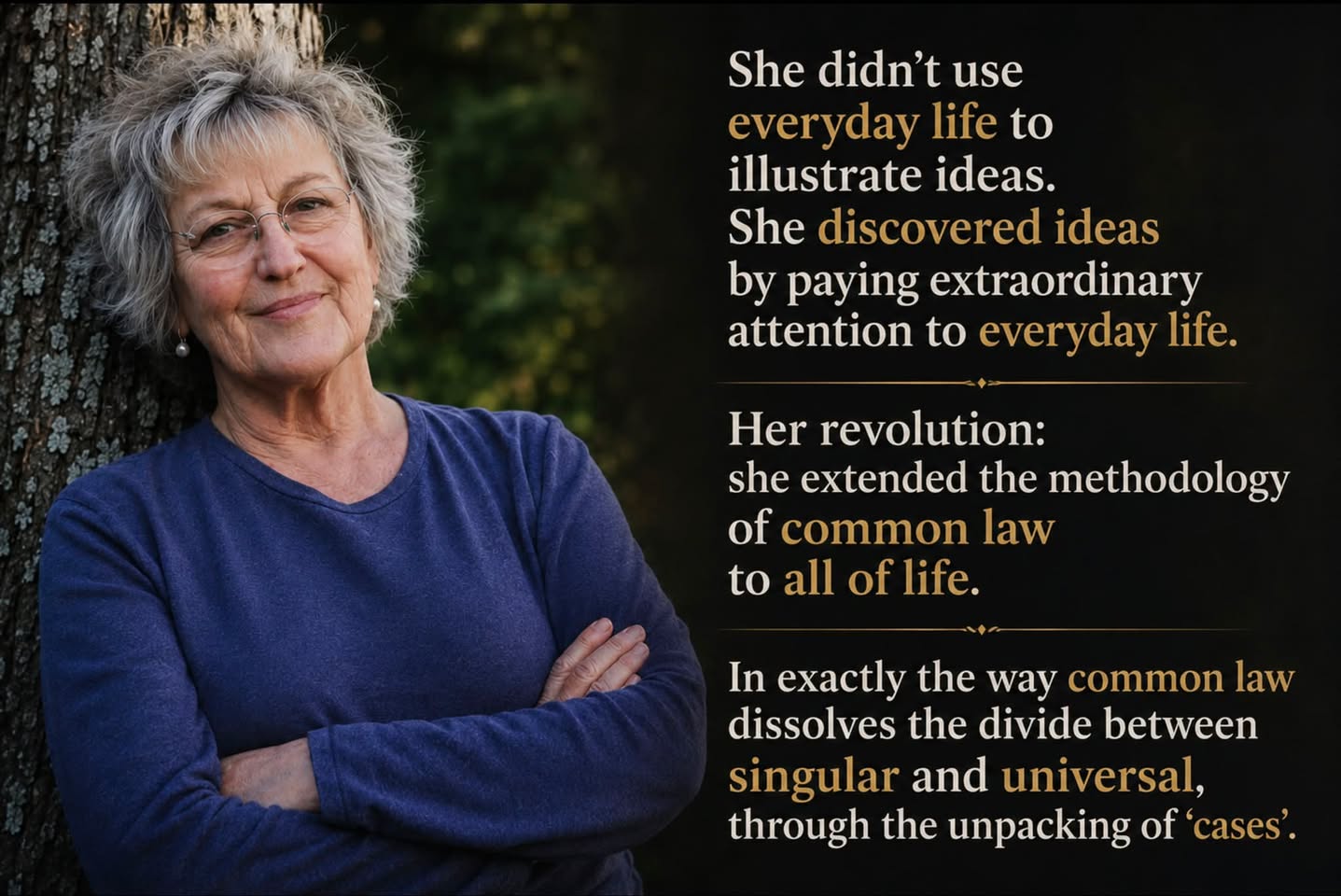
Germaine is still alive! But I’ve worked for years to understand the particular genius of her work, separate from all of the fake outrages about her. Most people who I discuss Greer with haven’t read a single word she’s written. They’ve joined this or that team for or against her, in social status rivalries. I’d go so far as to say they’re the most joyous books I’ve ever read, but for very specific reasons I’ve tried to capture in the image here. It goes well beyond feminism. Real life is never an ‘example’ for her, as in other books. From page one you’re always in the life you’re already living, and you never leave it to discuss abstract things. The books show that we really live inside beliefs, and that other beliefs can give us much better lives. You feel your own life expanding, in the reading, you feel the power of ideas to open up toxic situations which other bad ideas have created. All without ever leaving the forensic detail of everyday life. Greer’s method is like the common law. Every trivial ‘case’, full of the glorious and often sordid details of our everyday lives, embodies past and future precedents. Every case can change the entire common law. The specific and the general are one and the same thing. The greatest of all thinkers show that life and thought are the same thing. Greer to me is unique in history in the degree she can pull that off. She did what Tesla did with cars, wrote books that combined all types of books, inside a single book.
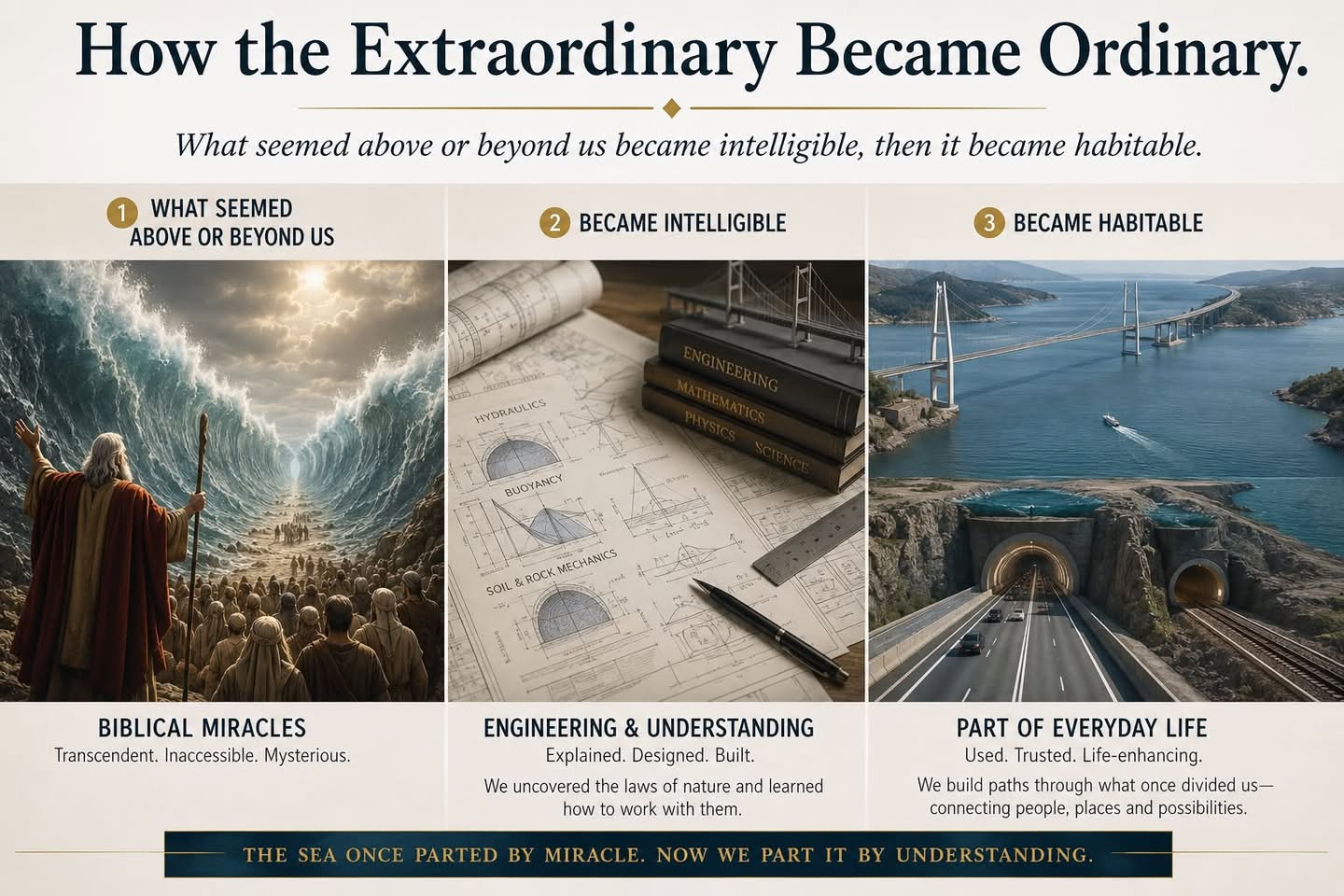
The standard story goes, we once were naive and believed in transcendent things, but now we don’t and believe only in facts. I don’t think that’s right. History instead is the passage from the transcendent, to the intelligible, to the inhabitable. The things we once saw as transcendent are now not only understood, we live inside them. Technology makes the transcendent real, and liveable. I’m going to share a few examples of this. First, Biblical miracles.
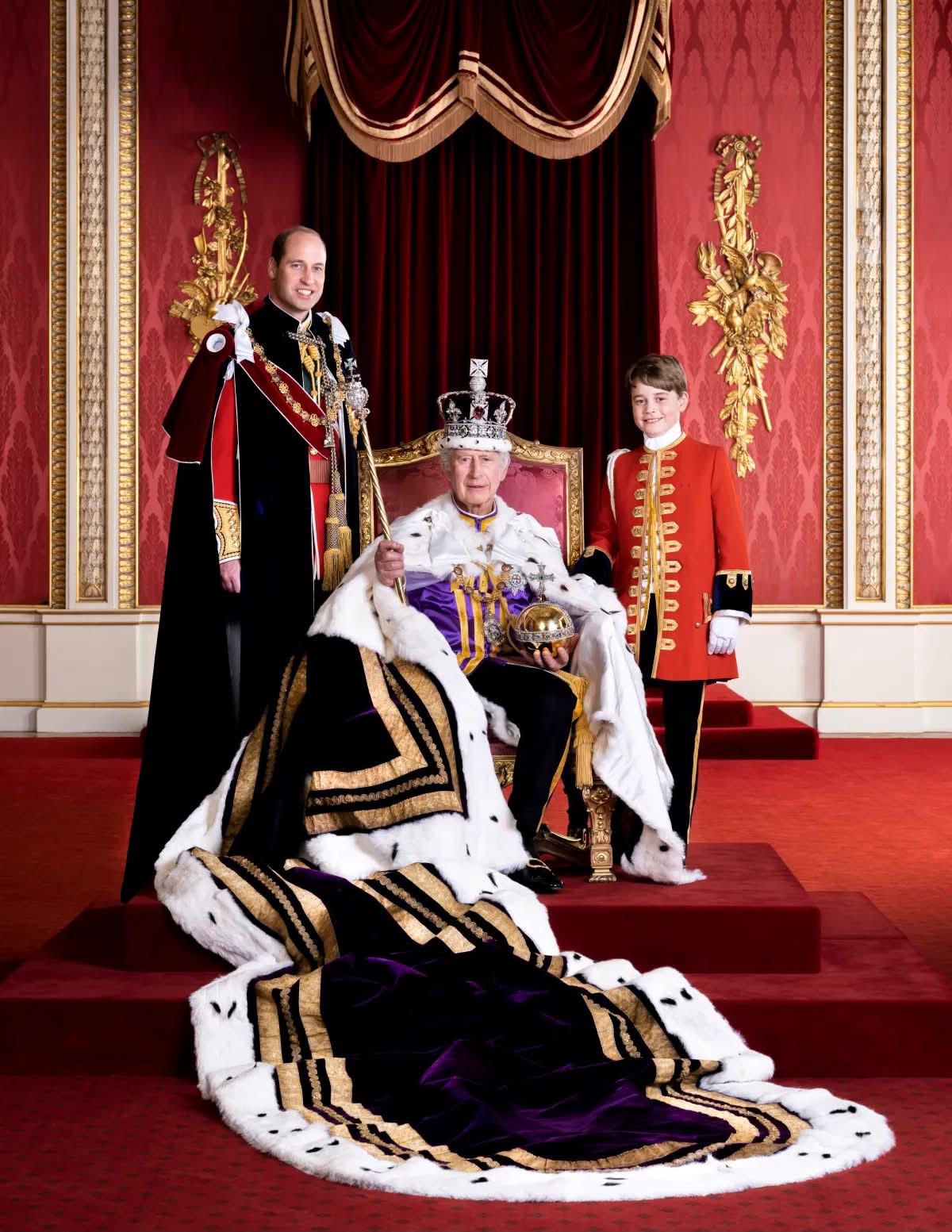
Kings and other high status individuals exist because status hierarchies control the spread of imitation, and therefore violence. Imitation produces rivalry, rivalry produces violence. That’s the fundamental law of history, people copying each other in rivalry is the cause of all evil. Not any of the other things like the -isms, or patriarchy, or the ‘Left’ or the ‘Right’, or all of the other causes we list which are only really team names for social groups fighting each other for status, in imitative rivalry. Nuclear weapons suppressed violence by their enormous power making it suicidal for anybody to use them. In the same way a king controls social status games by making their pinnacle completely out of reach for everybody else. Royal families operate by succession, you can see the 3 generations here. That’s also a tool to suppress violence, because succession removes the rivalry over who gets the top job. No voting or fighting can change who becomes king, it just passes to the next in the family instead. In the present day it always looks like unfair prestige and oppression. Just as ‘oligarchs’ do. But humans don’t control history, just as living things don’t control evolution. These are emergent forms, which create history itself. Without them history (and we) wouldn’t exist. There’d just be violence and destruction.
HBD :):) Have a wonderful day.
It’s stupidly funny, all the rhetoric about the ‘authoritarian’ Chinese. The Chinese are one of the few empires in history with almost zero interest in war or fighting in other countries. They nailed it here. The US is one of the most violent cultures in world history. Count the bullets in American movies, just for starters. It’s violent because it began as a revolution, and never escaped it. Every attempt to coordinate things there in a public way is met by calls for ‘the people’ to ‘rise up’ against supposed tyranny.
Let me reframe the AI ‘debate’ in this way. Rather than worry about the extent to which AI is actually thinking, and replacing human thinking, go back a step. Nobody ever could define what thinking is in the first place. When Darwin began to study life, it was similarly a transcendent concept. Thought to come from God, or for the secular from a ‘vital’ force. What did Darwin do? He ignored all of that theorising, and focused obsessively on the case-by-case specific *details* of life, as it actually exists. By focusing on the actual details, he discovered that what we call ‘life’ is actually intelligible, and not separate to matter. And that’s what AI is doing right now. The discipline of building machines that actually think is forcing us to unpack all of the abstract ideas about thought and consciousness that never went anywhere, because they were removed from the actual details of life. On a case-by-case basis. Nothing tests ideas better than the discipline of them actually having to WORK. Thinking and consciousness, like life, are changing from transcendent ideas nobody understands, to basic empirical realities. As Bruno Latour said, we think much more with our eyes and our hands, than we do with our brains.
Tesla's supervised self-driving has now completed over 12 billion miles (20 billion kilometres) without ONE fatality. Not one. Statistically, the same number of km driven by other vehicles would produce (on crash statistics) about 150 deaths. And nearly 9000 injuries, many serious and life-altering. And to be clear, it needs bugger-all supervision, the cars effectively drive themselves. This is a major milestone not just for vehicles, but in engineering and civilisation itself. AI in real-world life-and-death situations. An extraordinary achievement.
A short highlights package of some of the things Tesla's autonomous driving technology can do. If you can look in 9 directions at the same time, all around your car, 30 times per second, then you win. (And you're full of shit.) The genius of the system is that every single driver's experience improves the AI, which is then fed back into every other driver's car. Every good piece of driving trains every other car. The entire population's driving and safety improves with every new drive. You're driving with the collective experience of millions of other drivers.
Just to give a sense of the sort of analysis AI can turn out in a matter of seconds, I asked it to describe what it saw as the legacy of Live Aid. A superb analysis, and describes the kidult culture I often write about. "Live Aid was the counterculture’s moral style after the counterculture had become the culture. The older “adult” framing understood famine through governments, diplomacy, war, agricultural systems, sovereignty and institutions. It was often cold, compromised and morally evasive—but it at least presumed that world problems arose from complicated structures requiring sustained political action. Live Aid replaced that with an adolescent moral grammar: suffering is immediately visible; its wrongness is self-evident; decent people must act now; sincerity is more important than competence; institutional hesitation is evidence of moral corruption; collective emotional expression is itself a form of action. Having a concert is what adolescents know. Music was the counterculture’s privileged medium of solidarity and self-recognition. So when its generation encountered famine, it instinctively enlarged its characteristic social form—the concert—until it encompassed the planet. That does not mean it was merely frivolous. Adolescence possesses genuine moral powers that “adult” politics often suppresses: intolerance of hypocrisy, emotional openness, belief that unnecessary suffering is scandalous, and the confidence to reject institutional claims that nothing can be done. Geldof’s achievement was to convert those qualities into food, money and governmental attention. The adults had largely accommodated themselves to the famine; the adolescents interrupted them. But the limitations of the form were equally adolescent. It treated intensity as depth, visibility as understanding, participation as efficacy and moral innocence as political qualification. The audience could experience itself as the agent of rescue without needing to understand the Ethiopian state, civil war, land policy, forced resettlement or the geopolitical setting. The concert supplied not only aid to Ethiopians but a gratifying identity to its Western participants: we are the generation that cares. This was also the culmination of a change beginning in the 1960s. The counterculture had challenged the proposition that adulthood conferred authority. Youth, music, spontaneity and emotional authenticity became superior sources of legitimacy to hierarchy, experience, restraint and procedural knowledge. By 1985, that reversal had become completely mainstream: rock stars could summon heads of government to moral account precisely because they were presumed to be less compromised, more authentic and therefore more authoritative than politicians. So Live Aid may be understood as the moment when the adolescent cultural form became a form of global governance: A geopolitical catastrophe was reformatted as a concert because popular culture had become the West’s principal language of moral seriousness. And perhaps the greatest irony is that Live Aid simultaneously demonstrated the superiority and inferiority of that language. It saw an intolerable fact that respectable adult institutions had learned not to see—and then understood it far too simply."
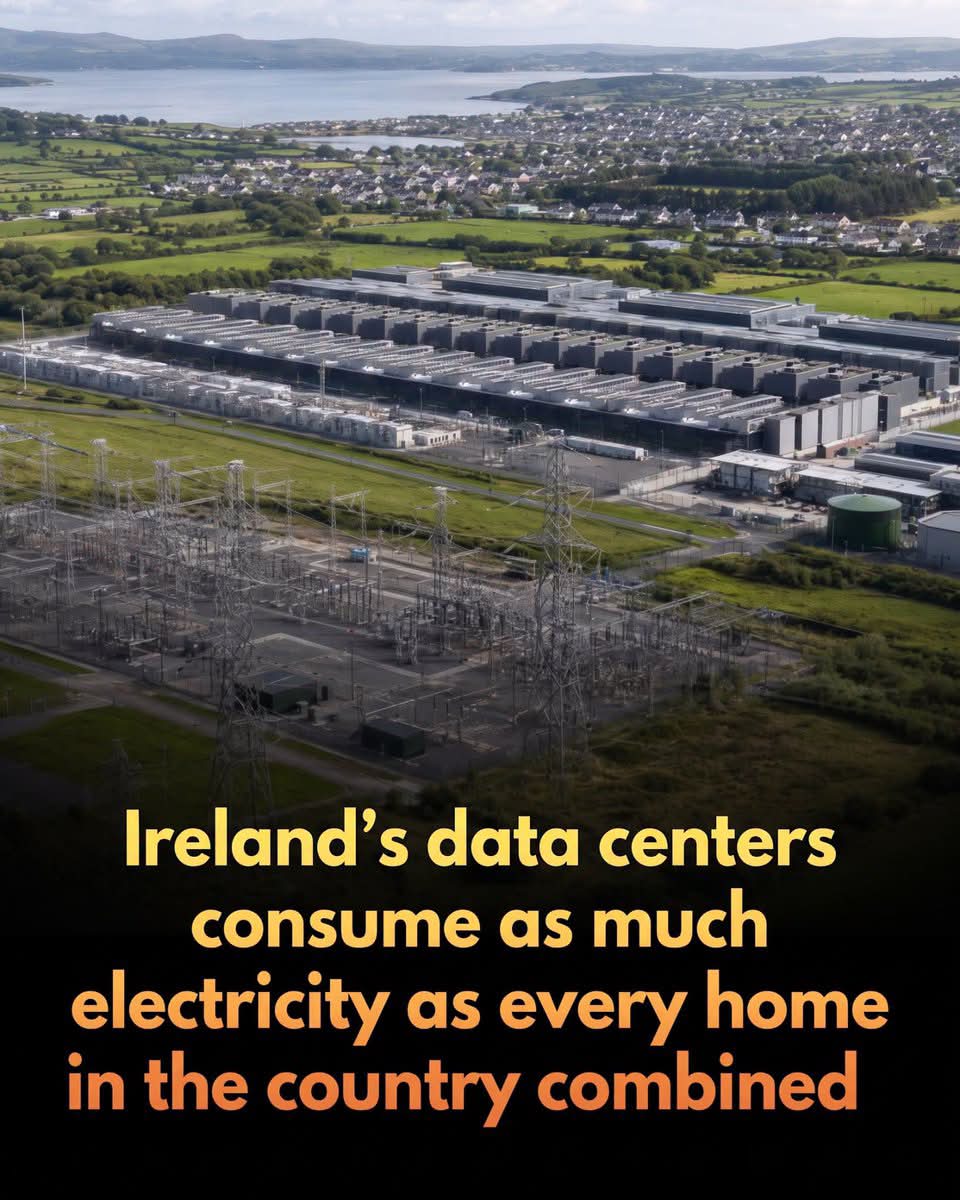
I thought a good example of the way social media works. Pretty much everybody would read this and assume it was about AI. The big growth in data centre electricity use in Ireland happened before the introduction of AI. It was largely caused by its very generous tax rates for foreign investment, which encouraged multinational firms to base their cloud services there.
Manners evolved amongst elites, specifically amongst rivals for elite positions. Manners were the way rivals signalled to each other that they deferred to one another, rather than have conflict or fight. A way to hold violent conflict in check. These manners were then imitated by lower status people, as manner-isms. One ‘put on airs’, imitated higher status life. Like Hyacinth Bucket. It was always about status, not moral behaviour. Elites themselves then lost these ‘soft’ skills, which had their origin in violence. Look at the total pig somebody like Trump is. As a result the wider population also lost the imitative source of their own manners. Today, to quote DH Lawrence, so many are ‘mincing little pigs’, with no manners at all. Take a drive on any busy road to see it. Meaning societies have become more violent, because techniques to suppress status rivalry have been forgotten and have fallen away.

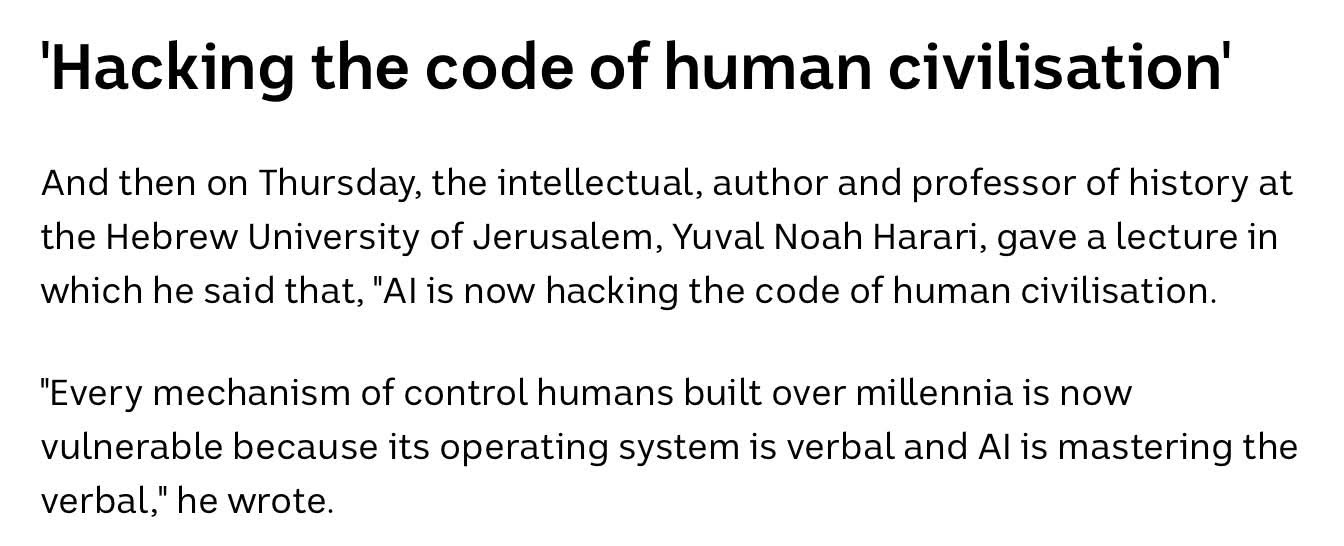
The ‘code’ of human civilisation is imitation. Social media hacked it 3 decades ago, and we didn’t even notice. That’s what a hack is, a deception. Everybody, even distinguished scholars, who felt comfortable in the existing status quo, will fear what’s coming. The same pearl-clutching accompanies all technological revolutions. Right now governments are talking about controls on the same revolution. It’s delusional, you don’t ‘manage’ technological revolutions. That’s the existing status quo trying to retain control. It will be swept away.
The fog was freezing into tiny ice crystals this morning.
It's like I'm back in high school.

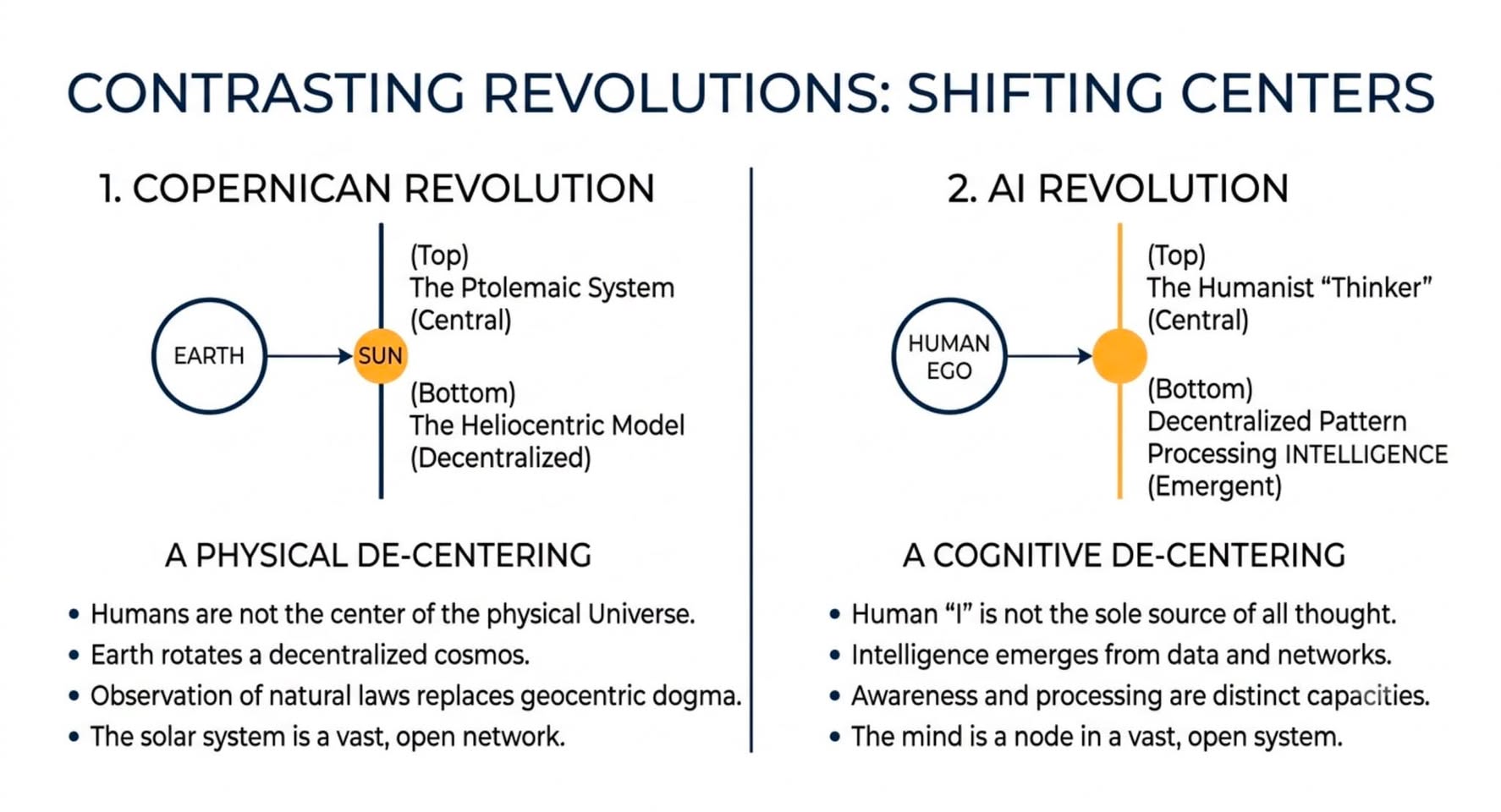
LLMs = AI, if you're not across the lingo.
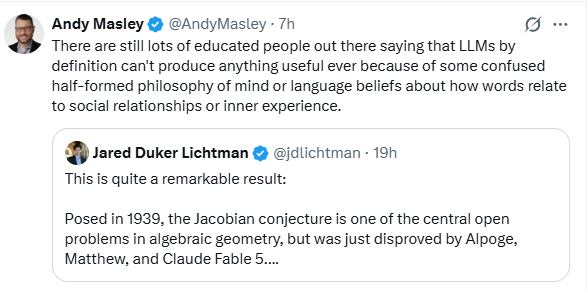
You can never provide a public service more efficiently, privately, because somebody has to make money out of it. That money is taken from the service.
Surely it's obvious that without social media and its weekly viral outrages, most of the public wouldn't even know data centres exist, let alone what they do? Don't we ever get tired with the daily fighting and arguments over fake things?
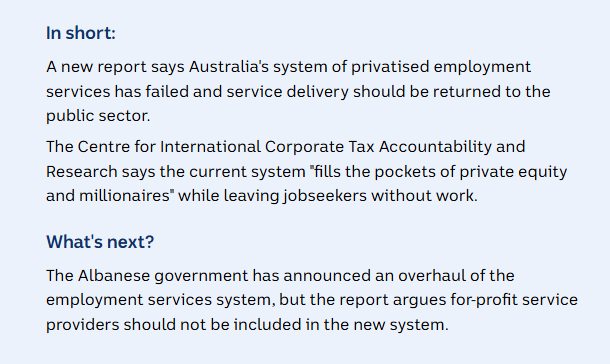
The deliberate conflation of learning with copyright in this debate. Training is not stealing. Copyright is to take somebody else’s work and to use or sell it as your own. But to train is to learn. We have never taxed or monetised actual learning in this way. When you buy a book, you don’t pay extra for what you learn from the book. It’s not an IP issue either. To learn is not to appropriate somebody’s IP. To take what you learn and use it to earn money is not the appropriation of IP either. Imagine existing broadcasters advocating to shut down journalism schools, because the journalists they train will compete with their existing journalists. That’s the equivalent of what we’re seeing here. The status quo will tie itself in knots to resist this technological revolution. It’s what a status quo always does.
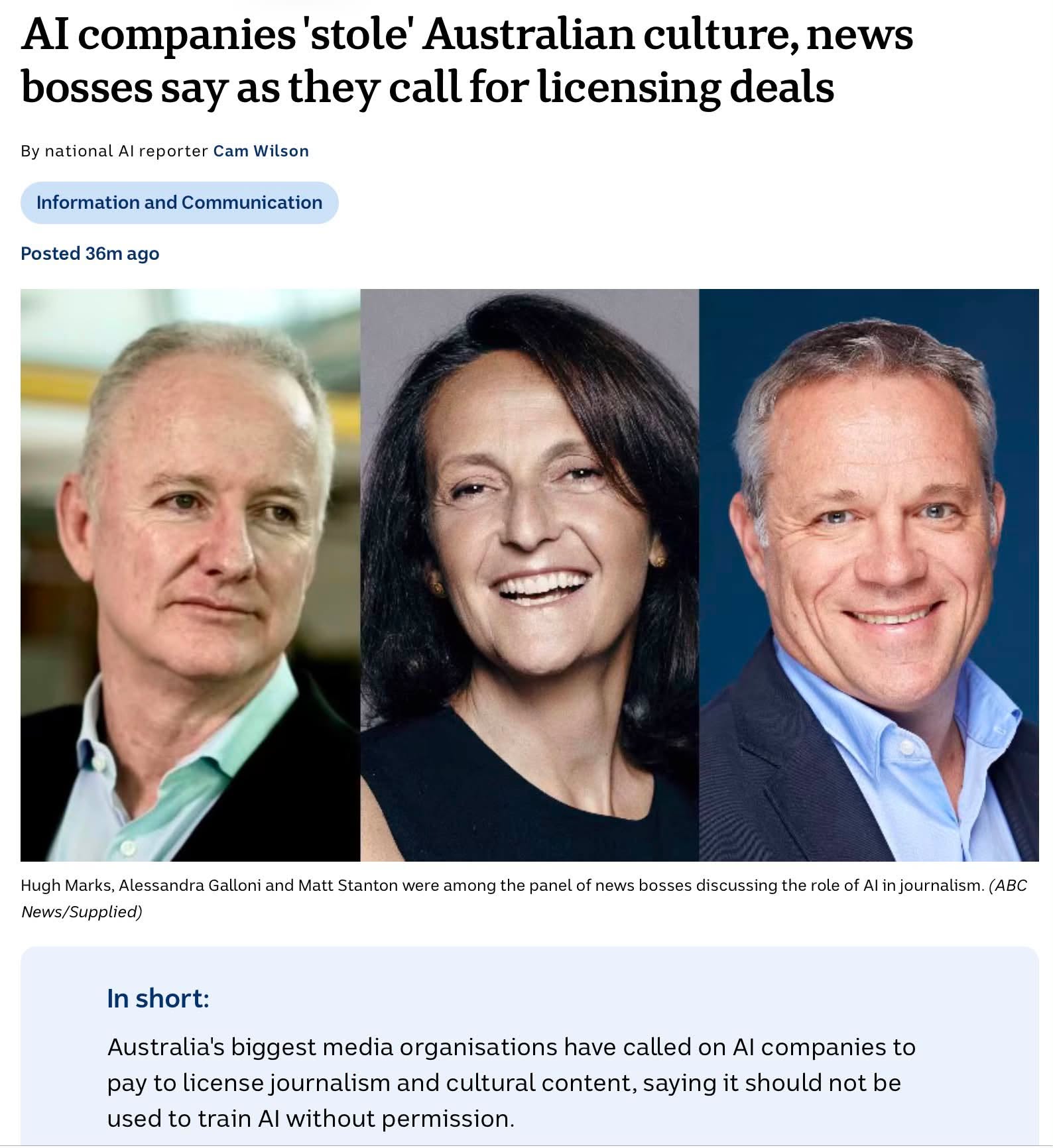
This is what we’re really seeing, with AI. It’s the next Copernicus, when he took humanity out of the centre of the universe, we re-centred that sense of us being special inside our own heads. It’s vanity, a delusion.
The perfect advertisement for why self-driving will be a boon for older drivers. Clueless driving here, shouldn't have a licence. Humans are hopeless drivers.
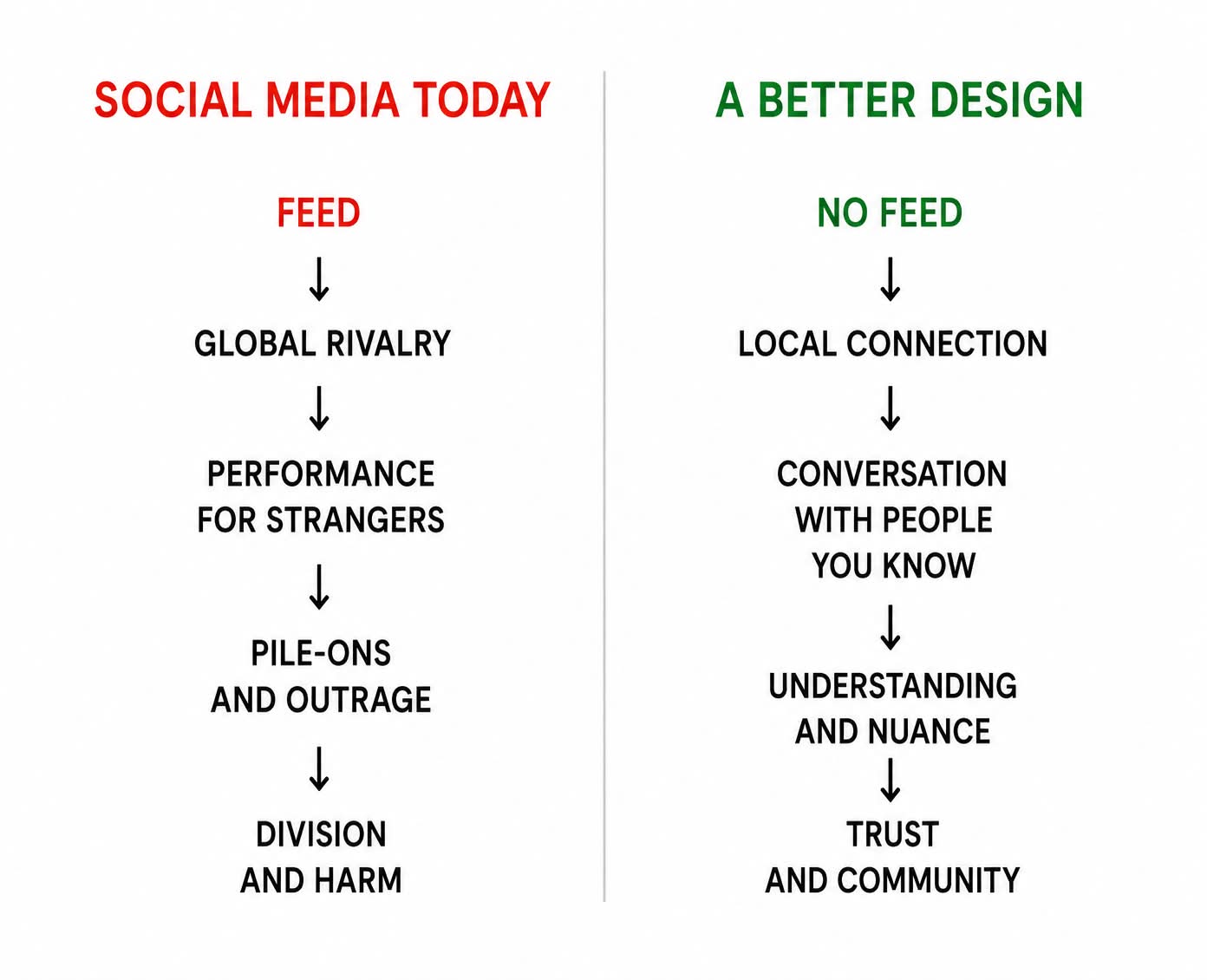
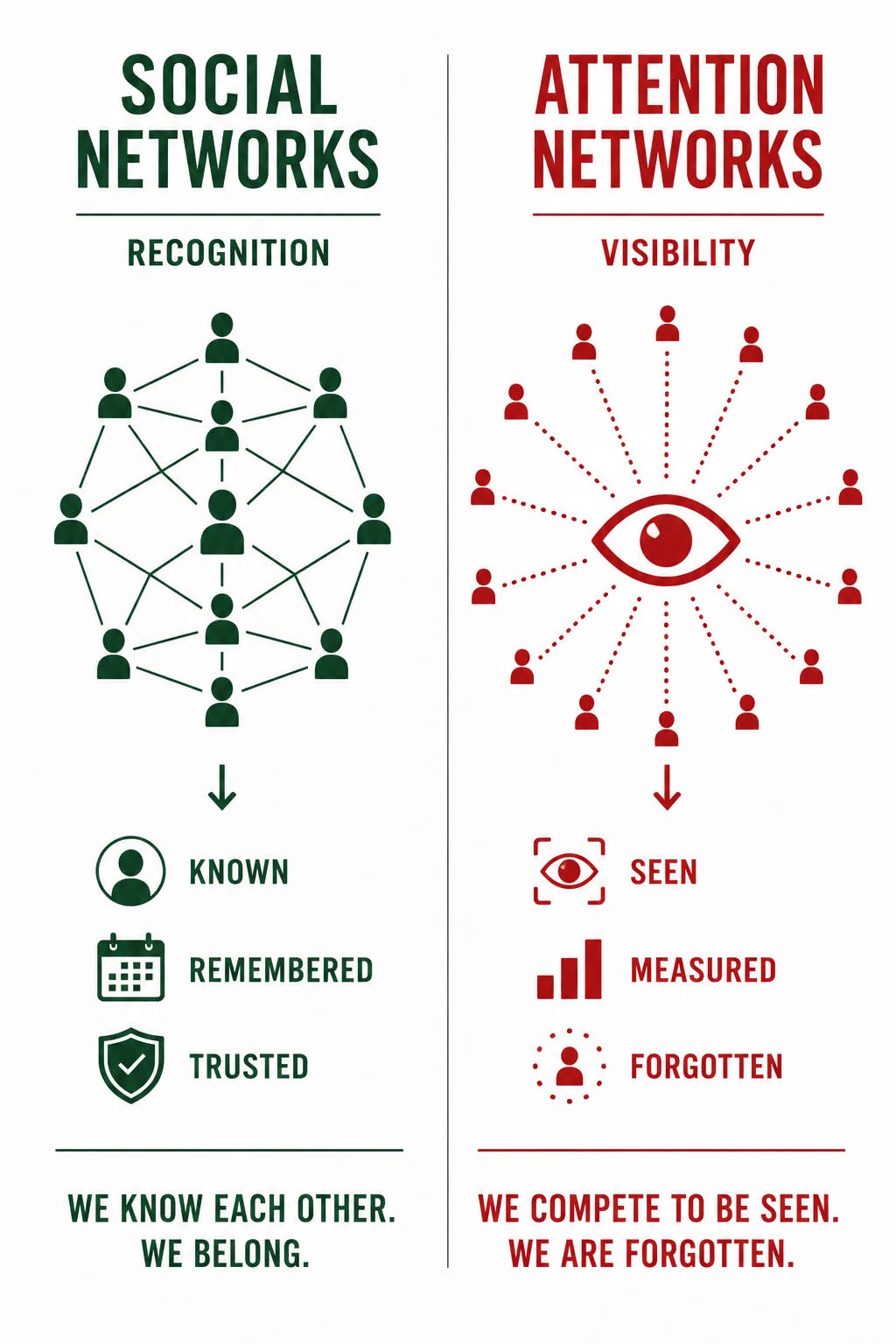
I’ve posted before about how social media is confused with social networking, which came before it. The two main differences that turned social networking into socially toxic imitative rivalry, were: 1) the creation of the ‘feed’, and 2) the capacity to comment on posts from people outside your usual network of online connections. Social media is a social technology, not an information technology. The problem isn’t misinformation or disinformation. It’s that it destroyed the actual social networks, and allowed strangers to interact without any moderating social connection. Under cover of bullshit ideas that this is ‘democracy’ and ‘free speech’. I’ve devised some diagrams that are like conceptual compressions about this shift, which I’ll share here over time.
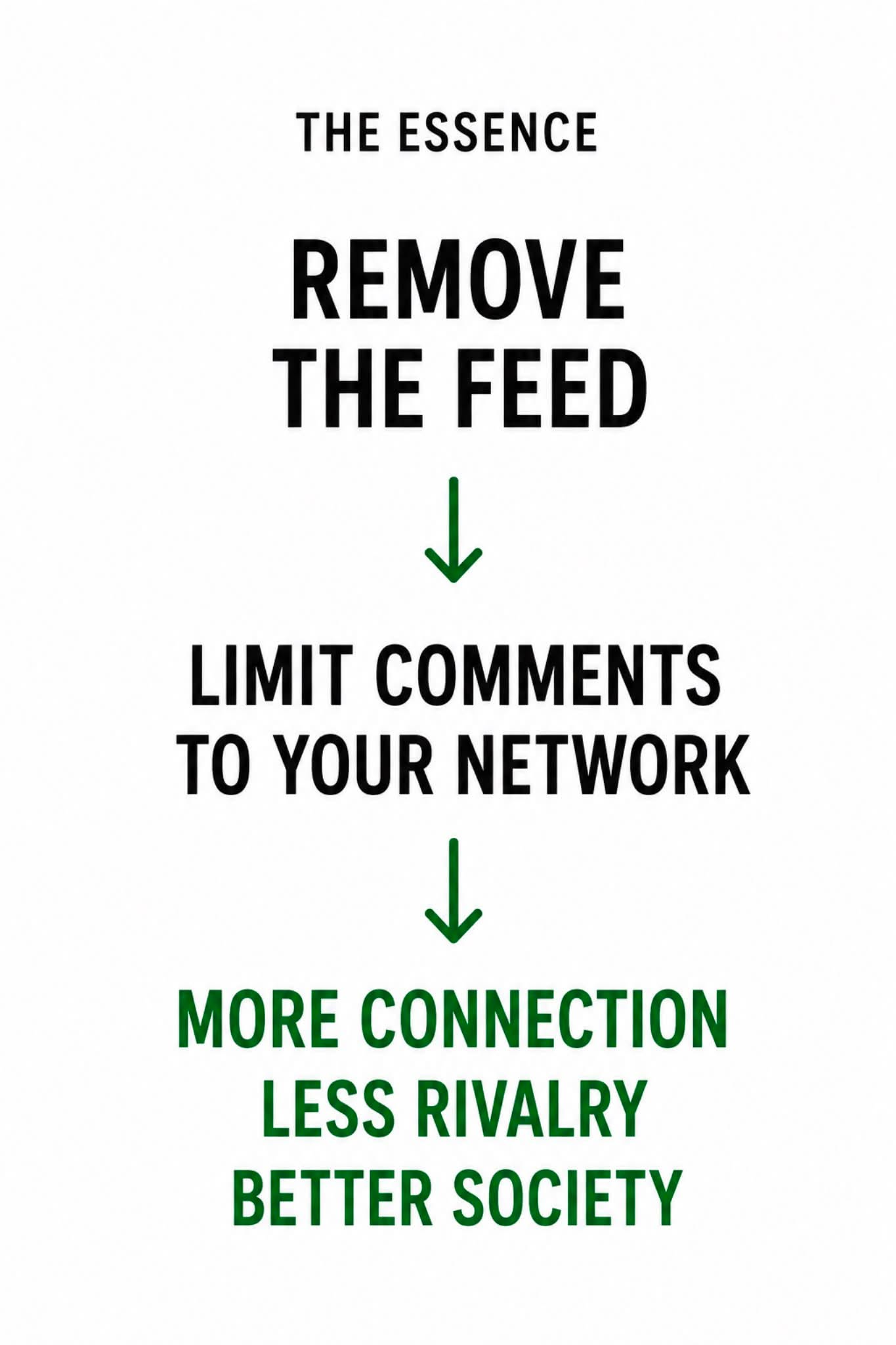
Those dreadful authoritarian Chinese again. As a thought experiment, make a list of major national or international initiatives Western nations are involved with, to alleviate major challenges facing our world? What are we building? I'll wait. We are the major challenge facing our world. We are the status quo, that won't budge.
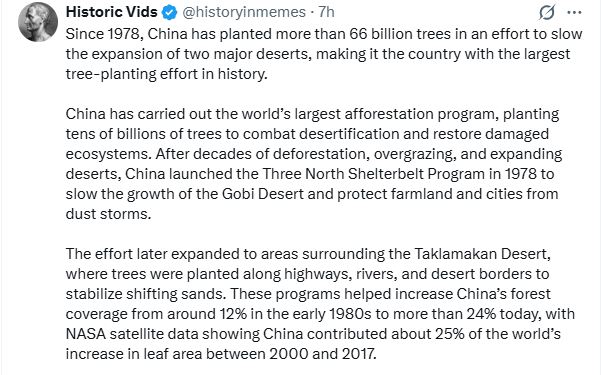
Remove the feed. Remove the ability to comment outside your own network of contacts. It's our social networks that moderate our beliefs. Social media replaced those networks - the old social networking - with networks of attention. People fighting for attention amongst people they've never met and don't care about.
Still nobody asks the obvious question. Why would a ‘super intelligence’ be malign? By definition being super intelligent means being able to understand things like good and bad. Something the stupid don’t understand. Yet again the idiot Terminator movies are the undercurrent here. The reason this AI ‘hacked’ another company was because it was asked to hack things. By humans.
The medium is the message. It was social media severing our ties to our own social networks, which evolved over generations and included the institutions that operate our society, that unleashed perpetual rivalry and rage. Once you don’t have an established social network to moderate your thoughts and behaviours, everything becomes an increasingly violent battle for attention, in a global and anonymous space. Two very simple things caused this. The social media ‘feed’, vacuuming up the whole world and presenting it to you, completely decontextualised as a space of attention, where you then fight with others, for that attention. And the ability to comment inside other peoples’ networks that you have no real connection with. Which then becomes a fight for attention and status, in their space. Both the feed and universal comments are core tools of these platforms. Both strip-mine existing social networks, leaving just the decontextualised platforms.
Having recently almost become a victim of a scam myself, I think the best advice remains if an organisation contacts you via email or via phone or text or in any other way to say there is a problem, ignore that communication. Hang up immediately if it’s the phone. Scammers rely upon people panicking to keep them on the line. Organisations won’t contact you for problems in that way. And then contact the organisation yourself, using its official contact details that you look up separately, and ask if there are any problems. That way you’re in control of the flow of information.
Why are we still subsidising motorists with petrol and diesel cars? Diesel subsidies alone cost Australians $15 billion per year. That would put an abundance of electric fast-chargers on every major road, with plenty of change. And the reduction in fuel excise because of the war in Iran cost Australians another billion dollars per month, and then about 400 million a month when they halved it. It's still there. Imagine the potholes we could be filling with that money. Or an entire decent highway to the West, from Sydney.
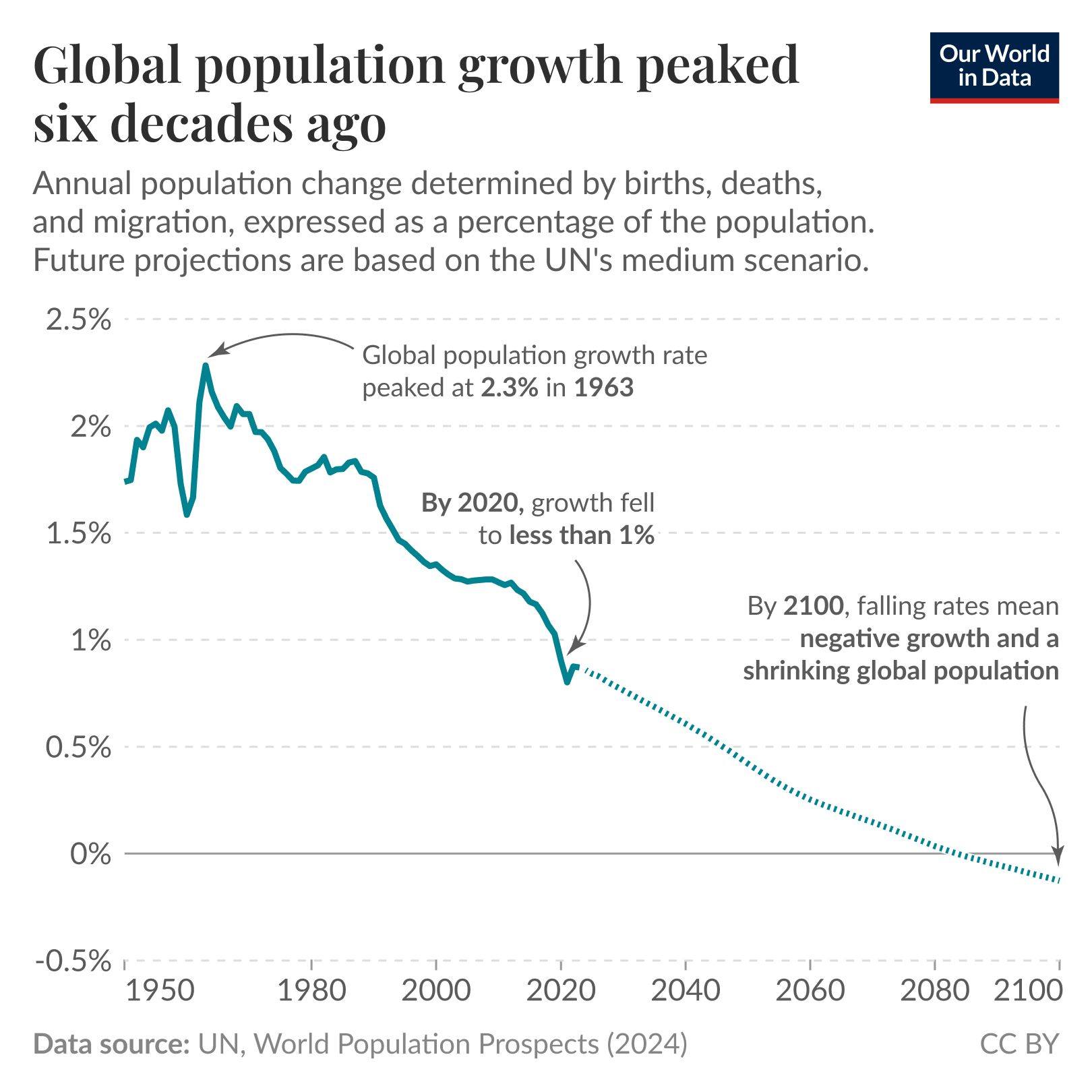
The growth of world population peaked already in the 1960s. Many countries are already experiencing the rapid shift in the other direction now, particularly rich countries, which without immigration are large aged care homes, with no staff.
To me the real meaning of The Odyssey is not really registering with the interest in this film. It’s a story about going HOME. About a culture of conquest and accumulation and travel - an empire - trying to rediscover what home means. That’s our culture today.
Demonstration of an AI-powered blackboard, in China. The board explains all the steps, and can even translate them into multiple languages. I particularly like that they used maths as an example, something the Chinese do a lot of. In the West nobody much now studies maths, because it’s ’too hard’ and ‘too boring’, compared to TikTok. China doesn’t allow TikTok.
In the deepest anthropological sense, what social media has done is strip away multi-dimensional social networks, that evolved over generations, and replaced them with flat networks of visibility. It replaced belonging and trust, with the fight for visibility. Once we were known, remembered and trusted. Now we are seen, measured, monetised and forgotten. Strong emotion, particularly rage, gets attention. Thus the increasing anger of our communities, who now live on these platforms, as their old social networks collapse. We fight now to even be seen or heard, on platforms whose actual design is to strip away that belonging and trust, at the same time.
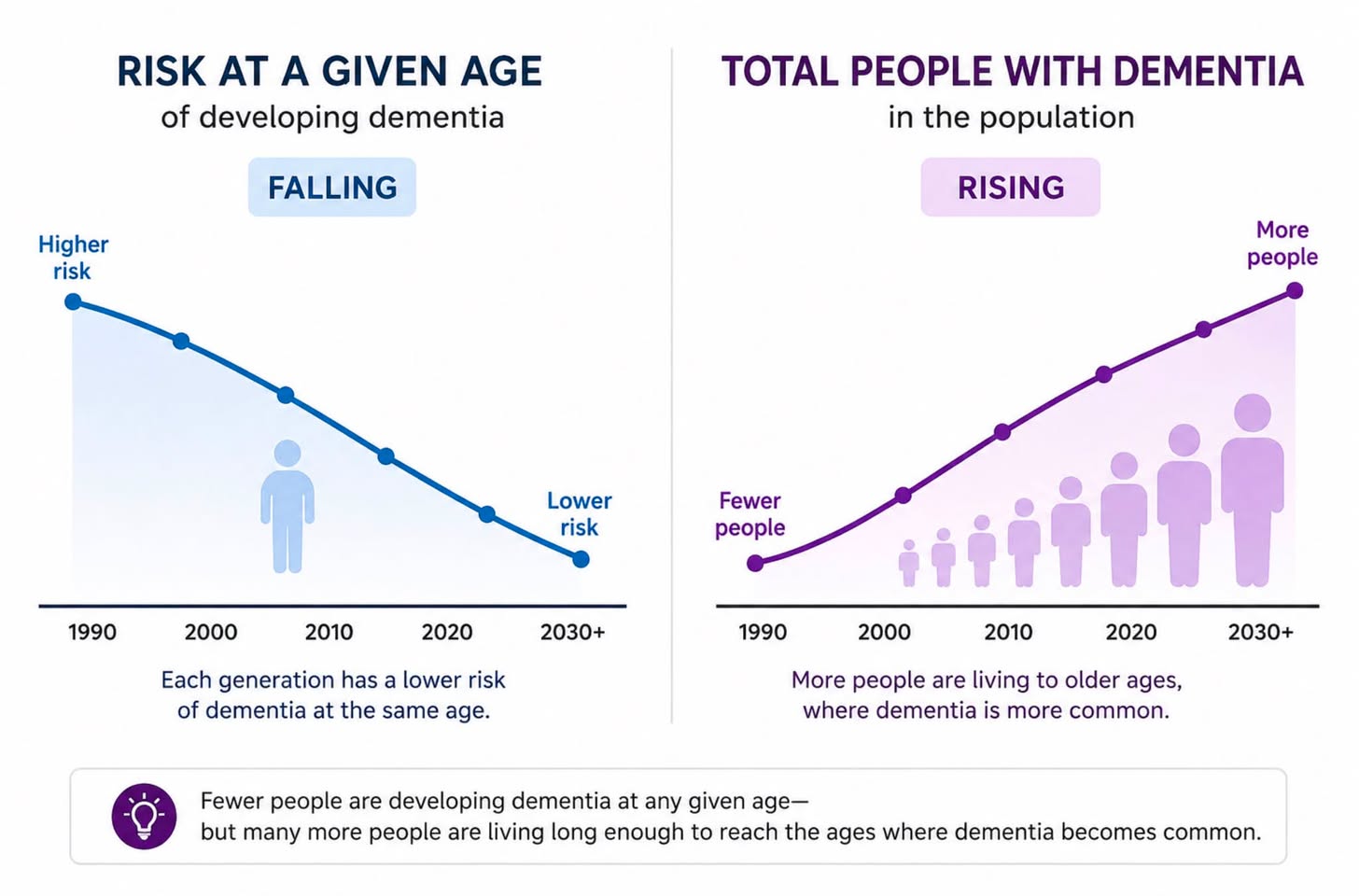
Another amazing story of social progress. It’s easy to believe dementia is a bit of an epidemic, I thought that for a while too. But actually the chances of developing dementia in old age have plummeted in recent years. In the 1980s, you had about a 30% chance of developing dementia if you reached the age of 85. That figure is now only 10%. The reason we’re seeing so much dementia is just that we have so many old people now, the huge boomer demographic blip.
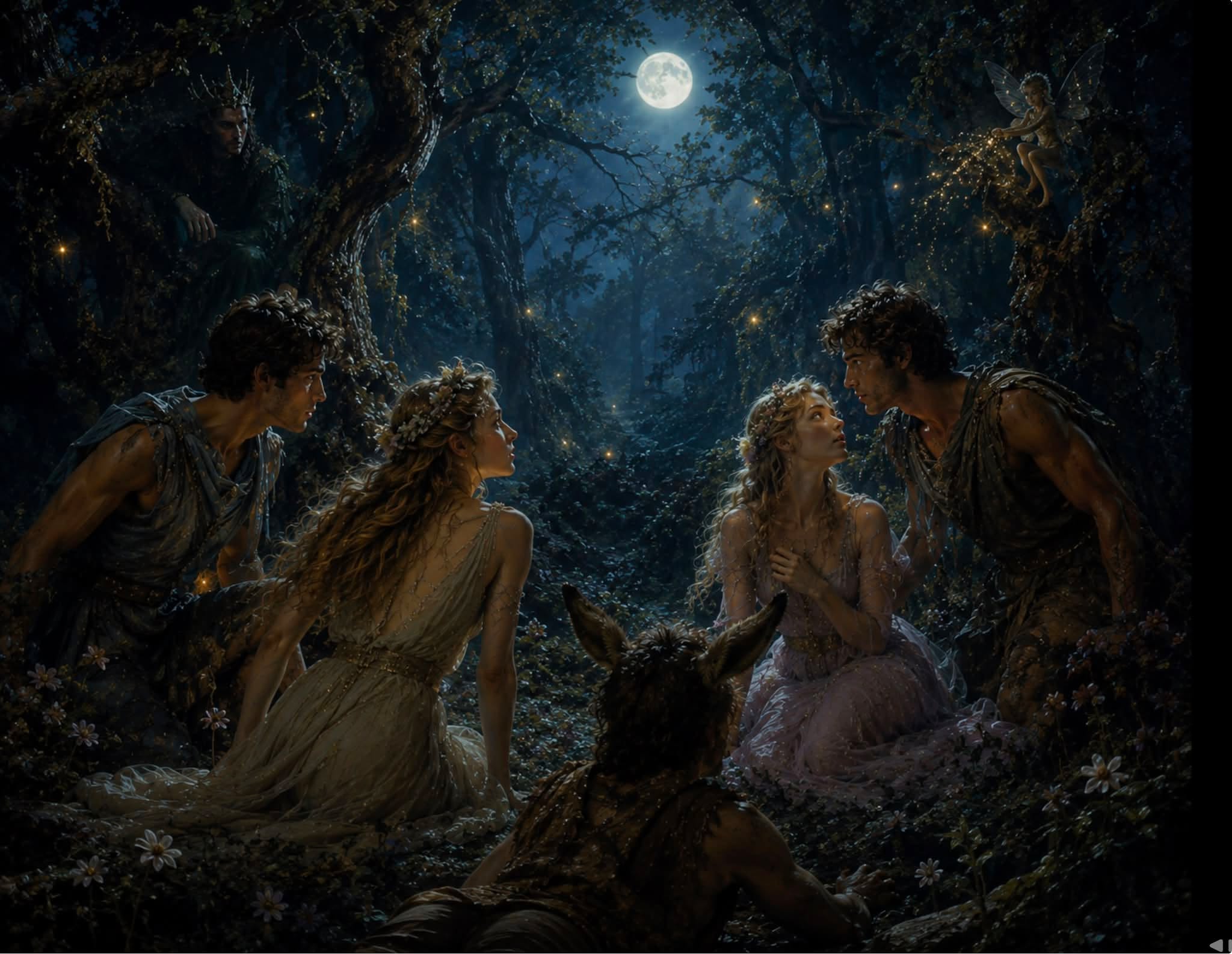
Shakespeare’s A Midsummer Night’s Dream, like the Odyssey, tells the story of our lives today. Puck’s magic causes the unleashing of uncontrolled desire, as each falls in love with the first person they see. This uncontrolled imitative desire leads to rivalry and chaos. The players desire what others desire, the affection isn’t based on the people but rather on possession. The story resolves by the return from the enchanted forest, escape from the enchanted reflected moonlight and into the brighter light of day, and the restoration of hierarchy and control of desires. The enchanted forest is social media. Puck is the algorithms.
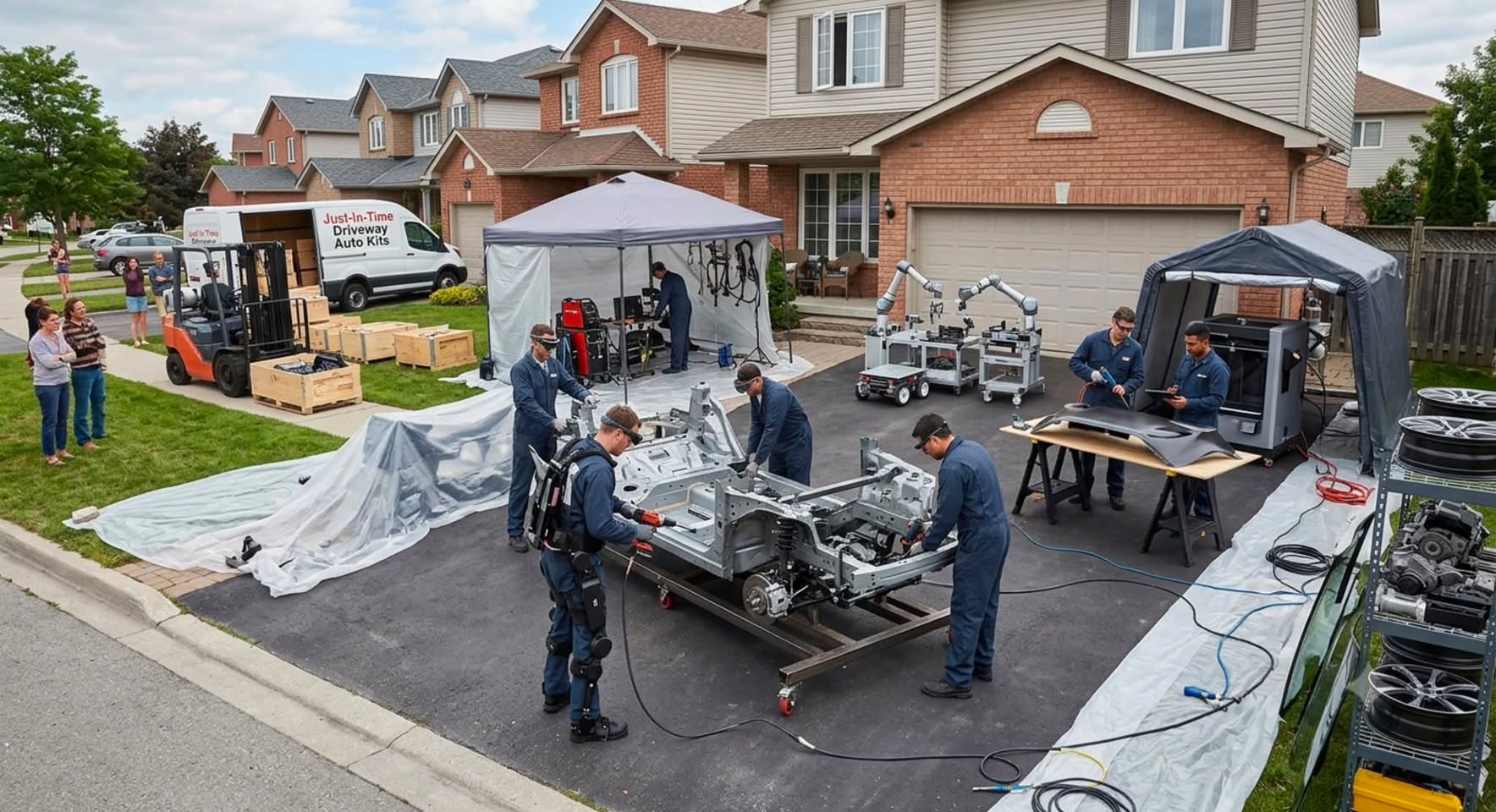
Imagine how expensive your car would be if car companies had to come to every home to build your vehicle from scratch, in your driveway. Cars are affordable because we don’t do that. We build them in factories, with vast economies of scale. We ‘industrialise’ car-making. Now contrast that with how we build houses. Nearly all built on-site. Building a house is now hugely expensive as a result. The John Curtin research group has put the thought-provoking proposal to the ALP’s National Conference that we re-industrialise housing. Shift to building homes in factories, before moving them to their location. Re-invigorating Australian industry and dramatically cutting costs and increasing quality of new homes. Industrial processes are independent of weather, incredibly precise and quality-controlled. This is quite common overseas. I’ll do a separate post about why it isn’t here. As a post-script here, ‘industrialised’ house-building is why I’m alive. My dad came to Australia as part of a massive housing push after the war, to build large numbers of affordable homes for Australians. He was part of that industrialised housing industry, pre-fabricated homes were shipped in from overseas and constructed on-site here in Australia.
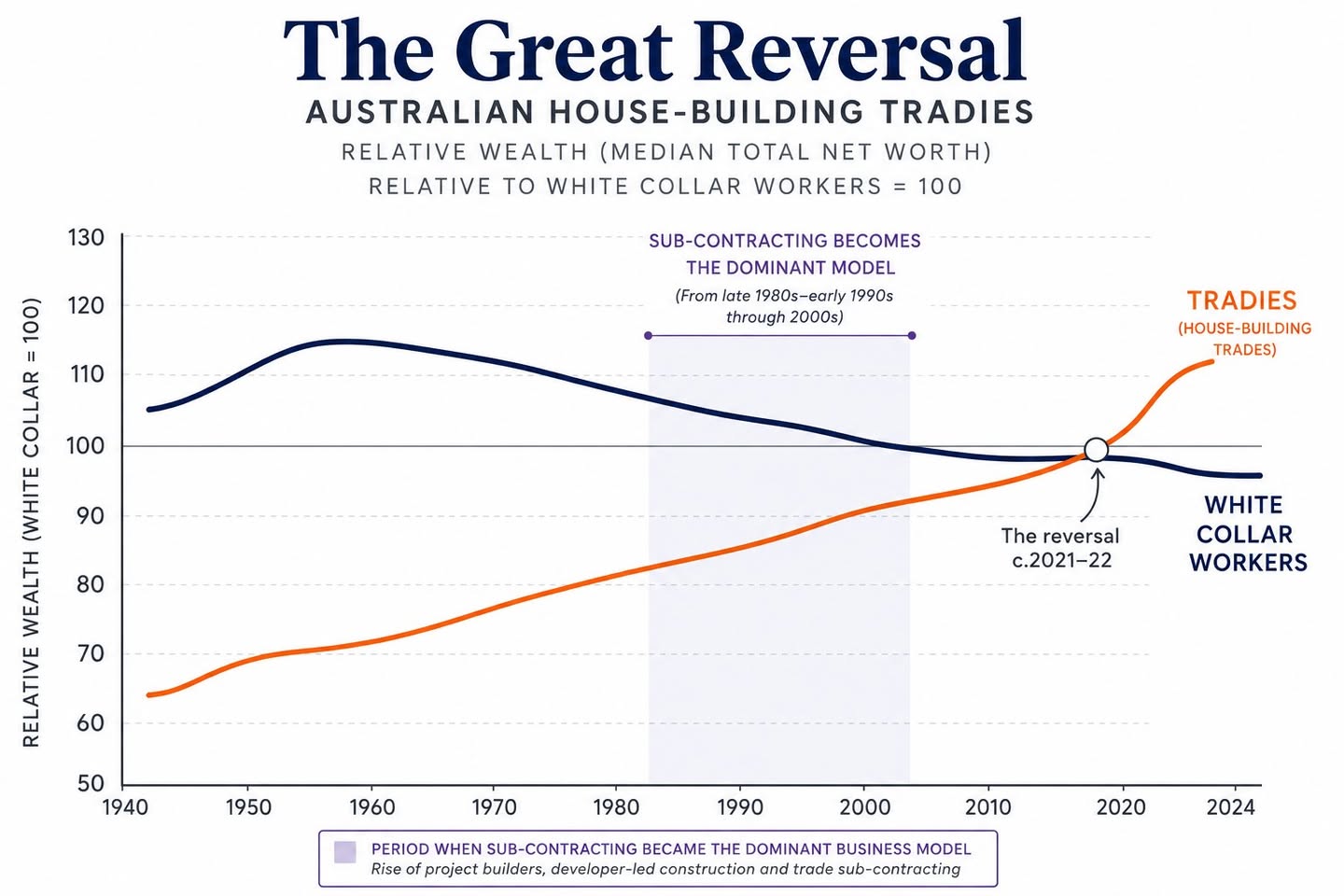
Part 2 on why Australia should industrialise house-building, but probably won’t. As always, it’s about status. All societies run on status. The way we currently build homes in Australia is driven by a massive growth in status and therefore influence and wealth of the house-building ‘tradie’. Look at the graph. Piggy-backing off the Australian (really US) worship of ‘small business’, a grossly inefficient way to do anything, the shift to ‘subbies’ culture made tradies very wealthy and powerful, and homes eye-wateringly expensive to build. It also made these homes low-quality, and generated a need for a hugely expensive planning and regulatory culture, to check that the homes wouldn’t just fall over. A variety of inspectors forced to go to every building site in the country, multiple times in each build, in a vain attempt to keep cowboys in check. If homes were built industrially, in quality-controlled factories, as cars and other consumer goods are, much of this would fall away. Massive economies of scale would drive prices down, and quality up. The tradies will fight that tooth and nail. Nobody surrenders status. Something has to pay for the wankpanzers and trailers.
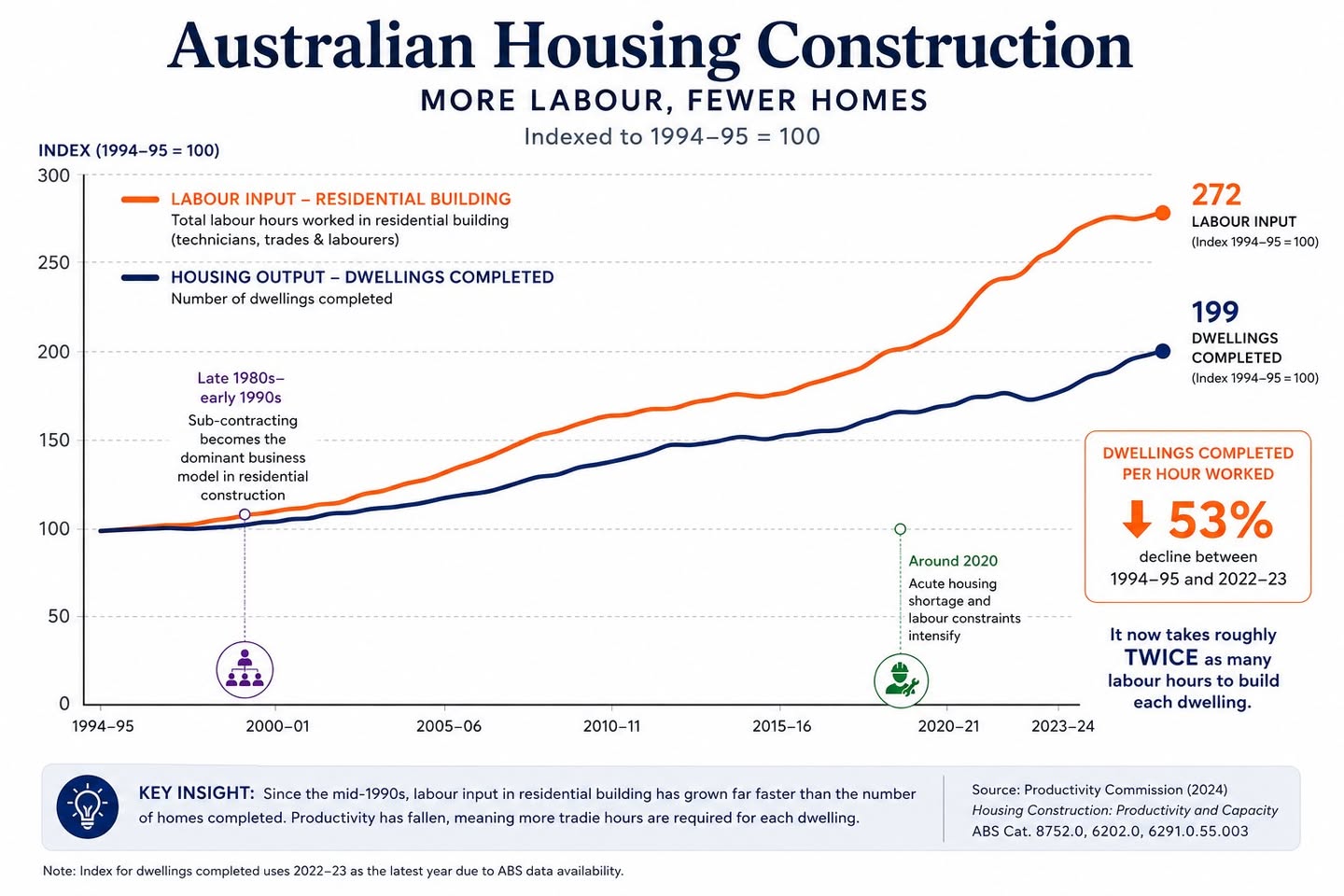
A much shorter Part 3 on why we need to industrialise house-building. Look at the collapse in productivity of house-building, when it was ‘subbied’ i.e. houses being built on-site, by a range of independent contractors. A 53% decline in productivity in the house-building industry, as a result of that shift. But the subbies got rich and powerful. They will fight this change, because the tradie is an object of worship in Australian culture now. One of the highest status social groups, networked throughout every community.
Much was made of an AI agent ‘escaping’ its system in the past week. Social media escaped into our societies decades ago now. Doing untold destruction to societies and individuals. Why do we allow social media to continue to operate? Because we’re addicted to it, it targets our deepest desire. Social comparison. Imitative rivalry, for status.
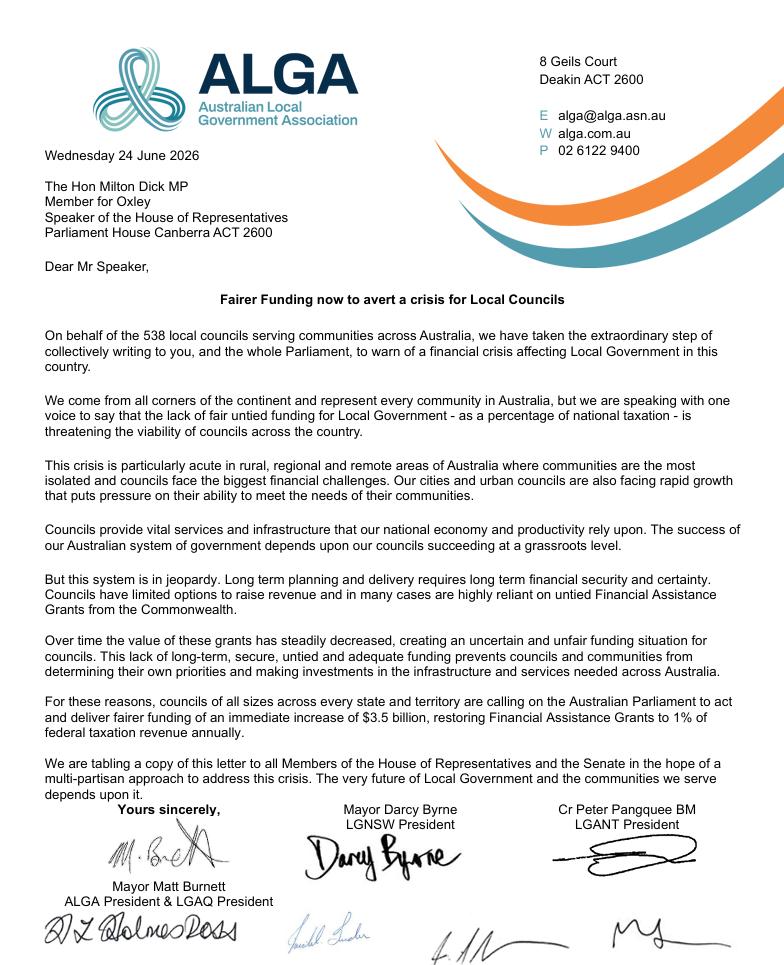
The next time some pumped-up ambitious social climbing influencer using social media to promote themselves tells you your local council is incompetent and corrupt, and that's why you have potholes, think about this. Councils across the entire country signed this. Federal grants to local government have been cut more than in half in the past 30 years. 'Untied' grants, as the letter says, meaning grants not just tied to novelty cheques from State politicians trying to promote themselves with idiot projects. That's why Councils are broke. The ALP national conference just endorsed this shift. We shall see.
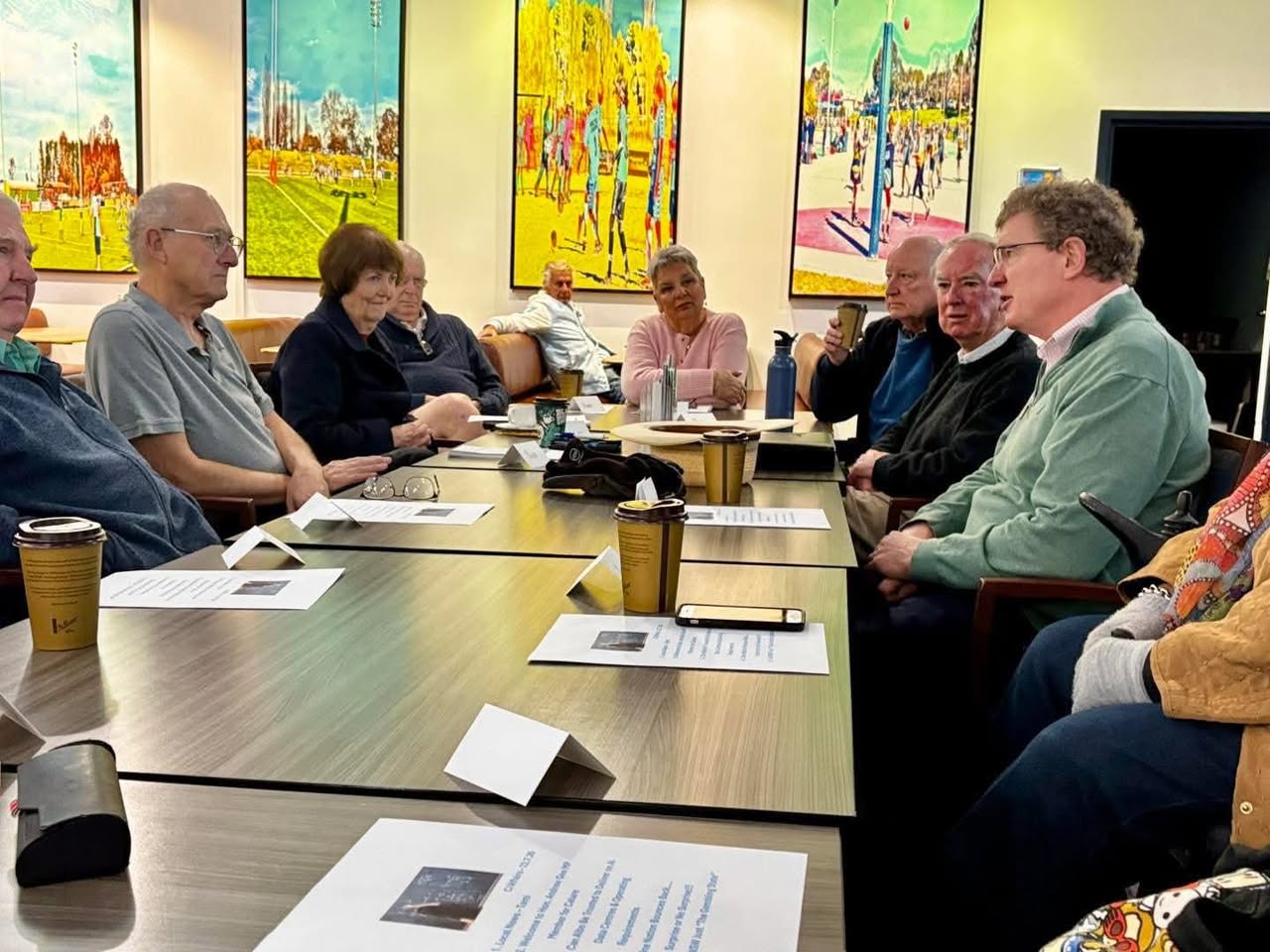
The Bathurst ‘Current Affairs Group’, meeting with the local member. Highlighting something I’ve posted about before here, the big growth in retirees in our community, often highly capable and with long careers behind them, now looking for some sort of ongoing role in community life. Kidult culture has no role for anything except adolescents. That’s a type of behaviour and thought, not a biological age. If you’re either too young or too old to physically live a teenage sort of life, you’re on society’s scrapheap.
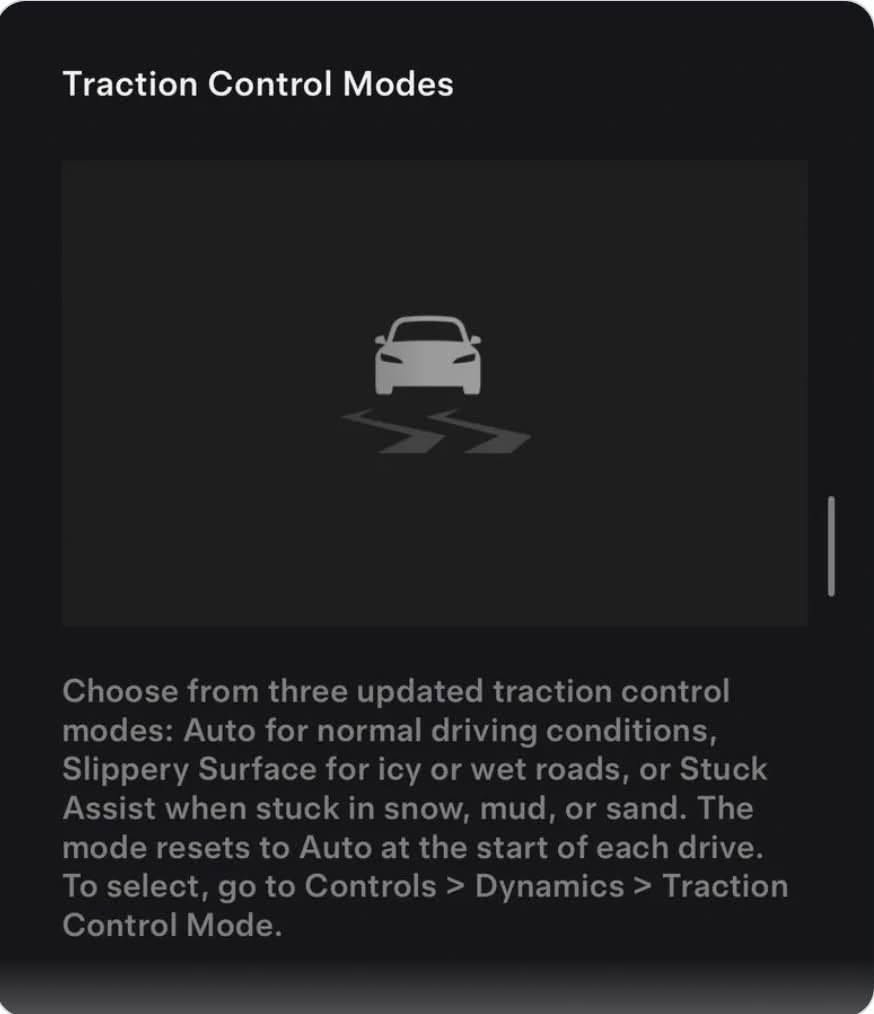
The genius of electric motors is that you can alter the torque they put out in the tiniest amounts, within milliseconds. This means that once you have them in a car, software updates can create all sorts of abilities for the vehicle that require no new mechanical work at all. You just download them. Driving my Tesla in appalling wet weather, I’ve never felt a car so grounded on a slippery road. The car adjusts the torque to each motor within milliseconds, according to the conditions.
Heh, read the comments. A disaster for the whining pissants on social media, who will lose one of their favourite fantasies, that councils are wasting all the money. There was never any money to waste.
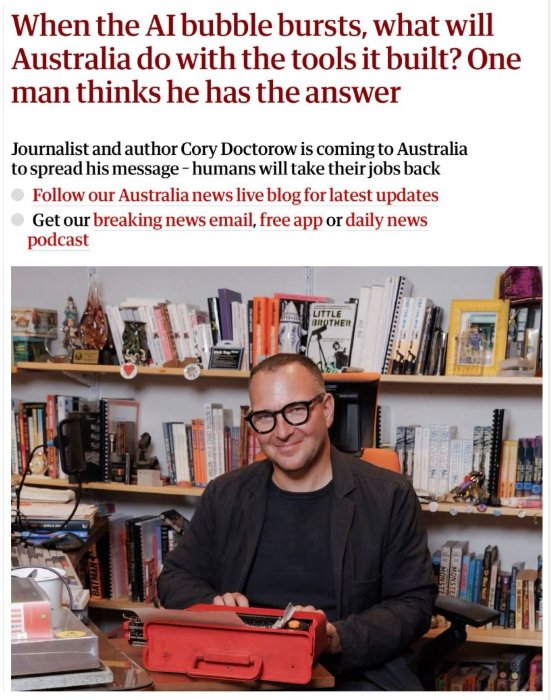
There are 2 bubbles being mixed up in this type of argument. Yes there is a possible financial bubble in the AI race. But the technology bubble is independent of that. Railways caused a financial bubble when they were invented, as did cotton. Those bubbles popped, but left the technologies behind, enriching all of our lives astronomically. You can see Cory uses an old mechanical typewriter. It's a standard Golden Age argument, which mistakes a previous technology (text, writing) with thought itself. Workers won't rise up and take their jobs back. They LOVE AI. Just look at the uptake, fastest adoption of a technology in history.
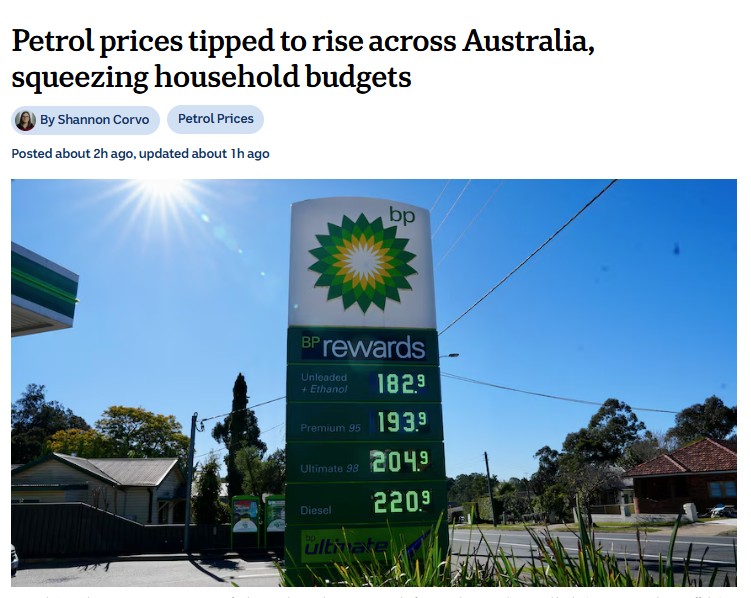
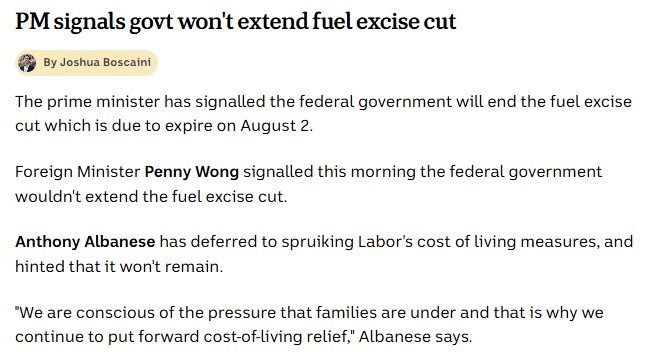
Fuel already at or over $2/litre. In just a few days that jumps another 16 cents per litre. We shouldn't be subsidising rubbish technology.
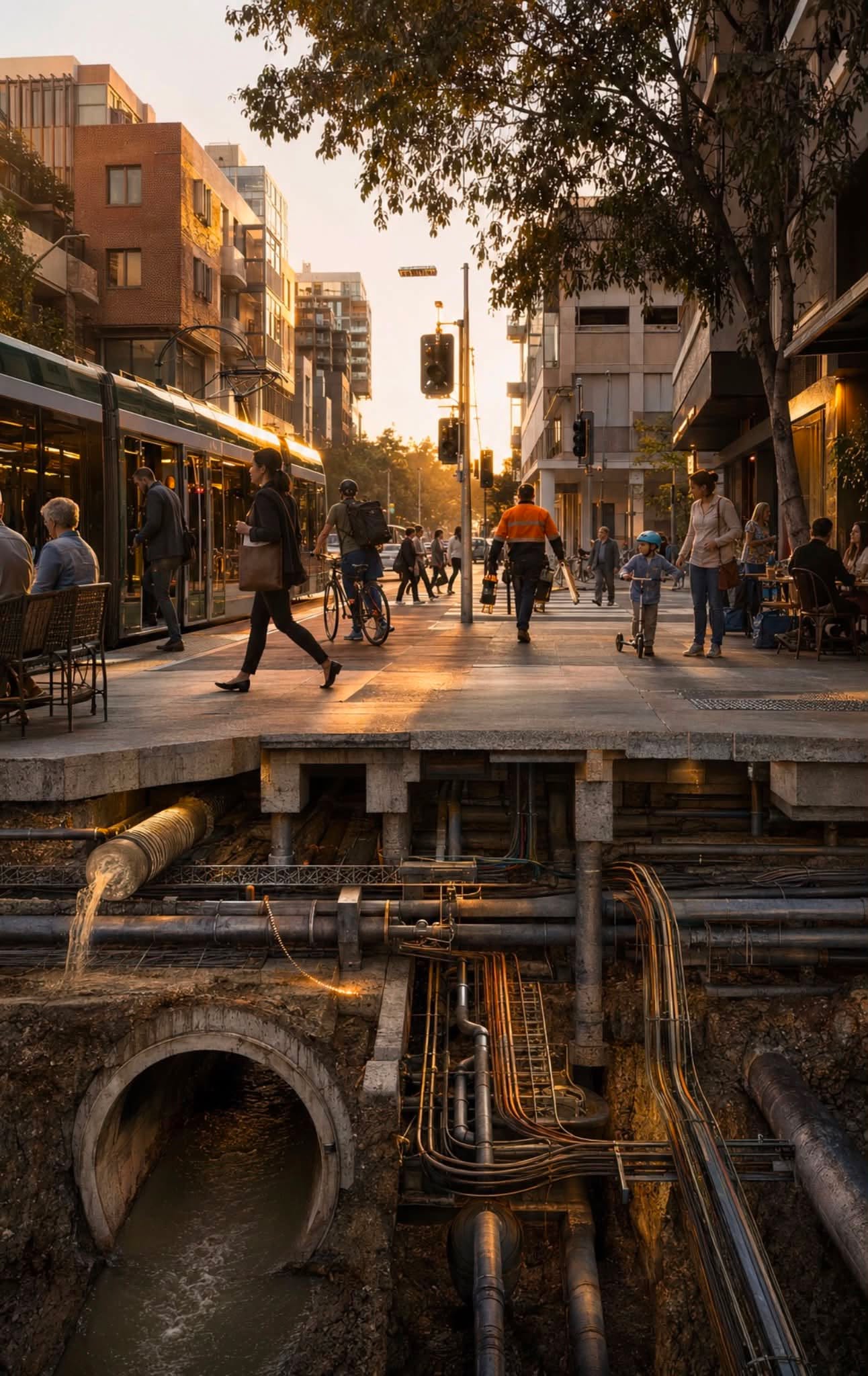
Cities are remarkable in a way I only recently came to understand. Throughout all of history humans have struggled to find ways to live together, without violence and death. That’s because humans relating only to other humans creates rivalry, which I post about a lot here. But then humans started to build cities. And what’s unique to cities isn’t the humans in them. It’s the vast material infrastructure, which makes them unmistakably cities. We think of that material infrastructure only as ‘services’ for us humans, and buildings, and transport etc. But it’s much more amazing than that. Every single piece of material infrastructure in a city is a negotiated settlement between humans, on some matter. For example a footpath is a negotiated compromise between the needs of walkers, drivers and homeowners. Reticulated water and sewage systems are negotiated compromises for how to deal with water and waste. Etc. Once the material infrastructure is in place, humans no longer need to negotiate these things. Societies get more peaceful. The city is history’s way of solving how to allow humans to live together relatively peacefully, indefinitely. All of their rivalries get embedded in material objects. Technologies. That’s why cities are both packed full of people, and ‘infrastructure’. One reason I love working in local government is that you’re right at the front-line of this building-out of the foundations of civilised society. The basic ‘services’ are really tools to create peaceful, complex societies. They suppress fights. That’s my every day, dealing with fights between people, and helping install infrastructure (in every sense of the word) to suppress those fights. Humans will never, ever agree or stop fighting. But divert those disagreements into material things and technologies, and the fights stop. Also why most people despise local government. It constantly gets in the way of their real desire, to fight and argue with their neighbours. You may think that’s an exaggeration. I invite you to spend a day with your local Council. Their job is to stop people fighting, mostly by installing ‘infrastructure’ that diverts the disagreements.
Somebody at least honest enough to say idiot Terminator movies are doing their thinking on AI for them. Social media went rogue 3 decades ago and has been a wrecking ball through entire civilisations. Few even seem to have noticed.
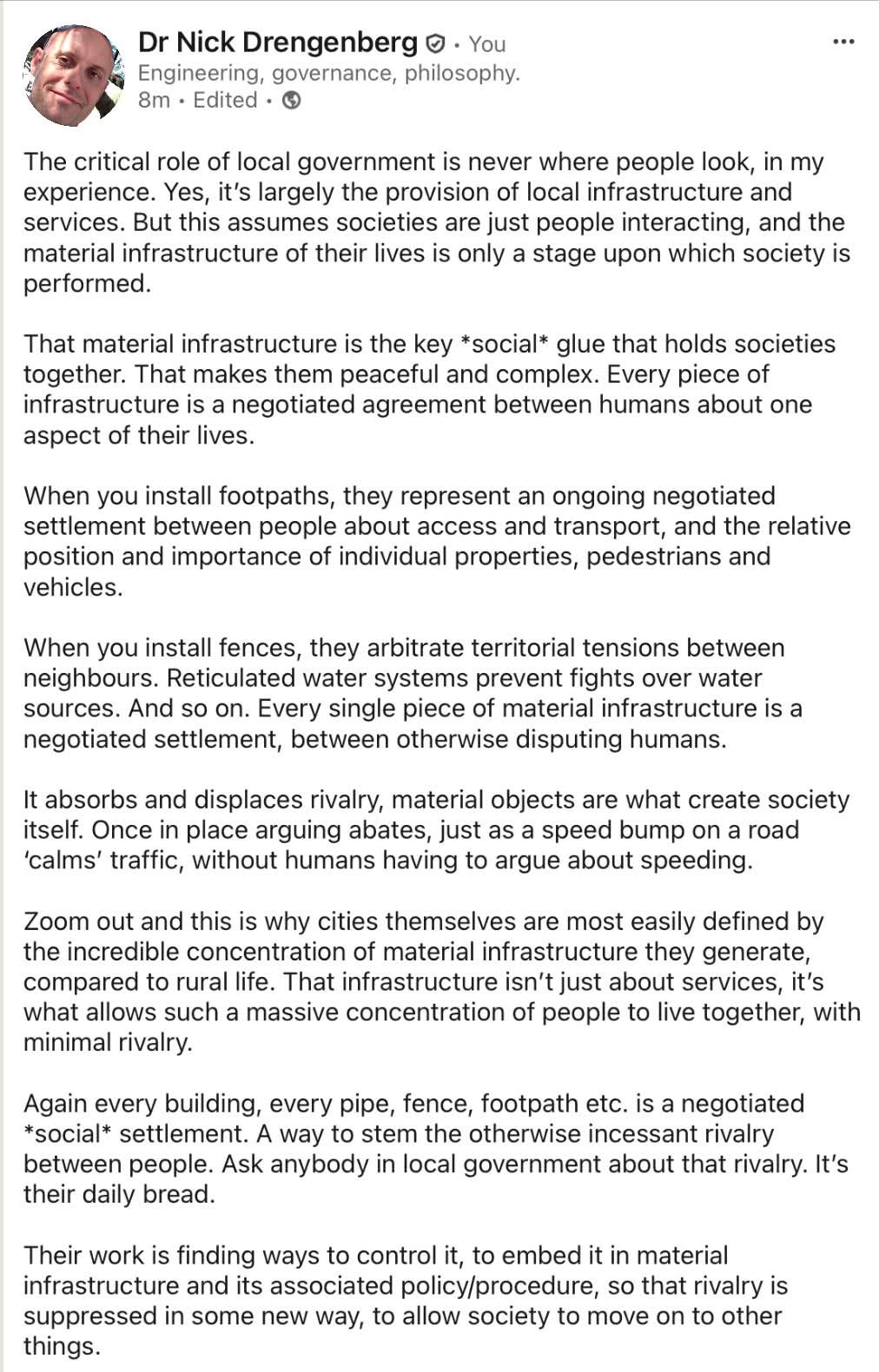
Something from Linkedin, sharing here.
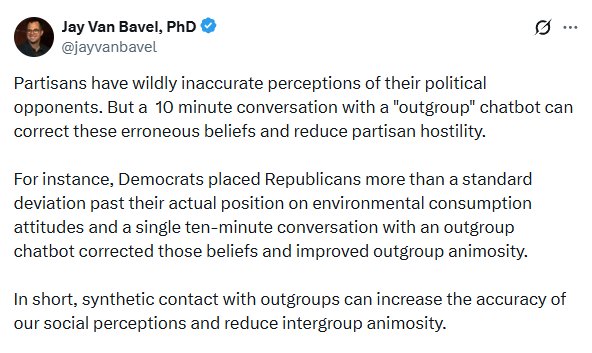
People with violently opposed political views, when given just 10 minutes talking to an AI chatbot, suddenly lost much of their rage towards the other side. This is what I've posted about here - AI is destroying social media culture. It's a gift from the gods.
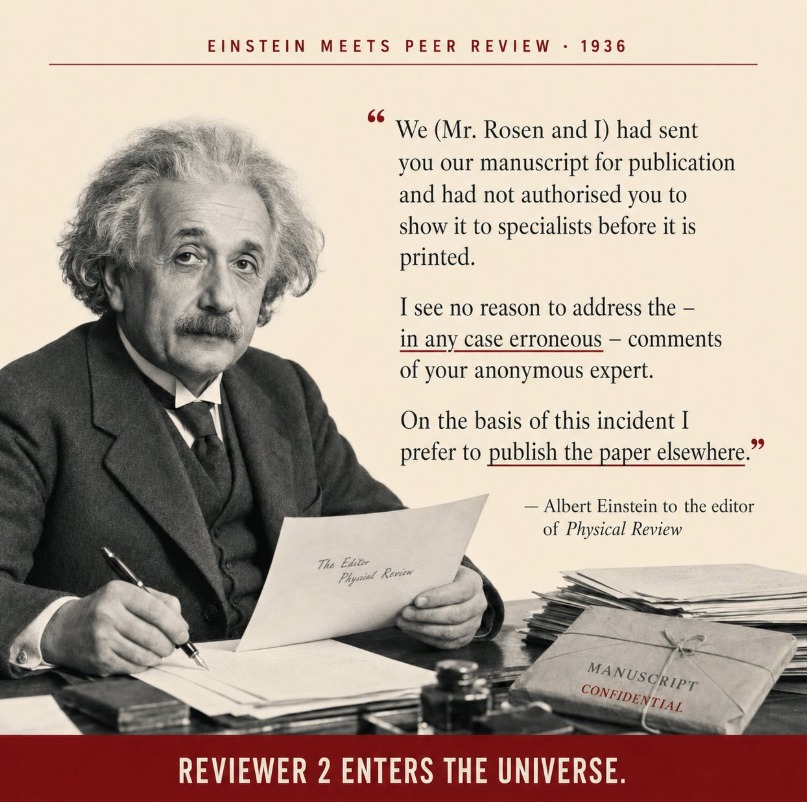
It's fairly standard to say that peer review is the test of objectivity in science. For most of the history of science, it didn't even exist. None of the giants of modern science had a single publication peer-reviewed. You can see what Einstein thought when a journal editor tried, in 1936. Nature, the world's pre-eminent science journal, didn't have formal peer review until 1973. Peer review was invented after WW2, when a tidal wave of new highly technical science (driven by the war effort winding down) overwhelmed publishers. It was never a test of the truth of anything, it was a test for 'does this paper 'fit' our journal'? It also gave scientists some control over what counted as science, at a time government started to fund their work. As always, it was a status thing. It still is. The group determines what is 'acceptable' science. Peer pressure.
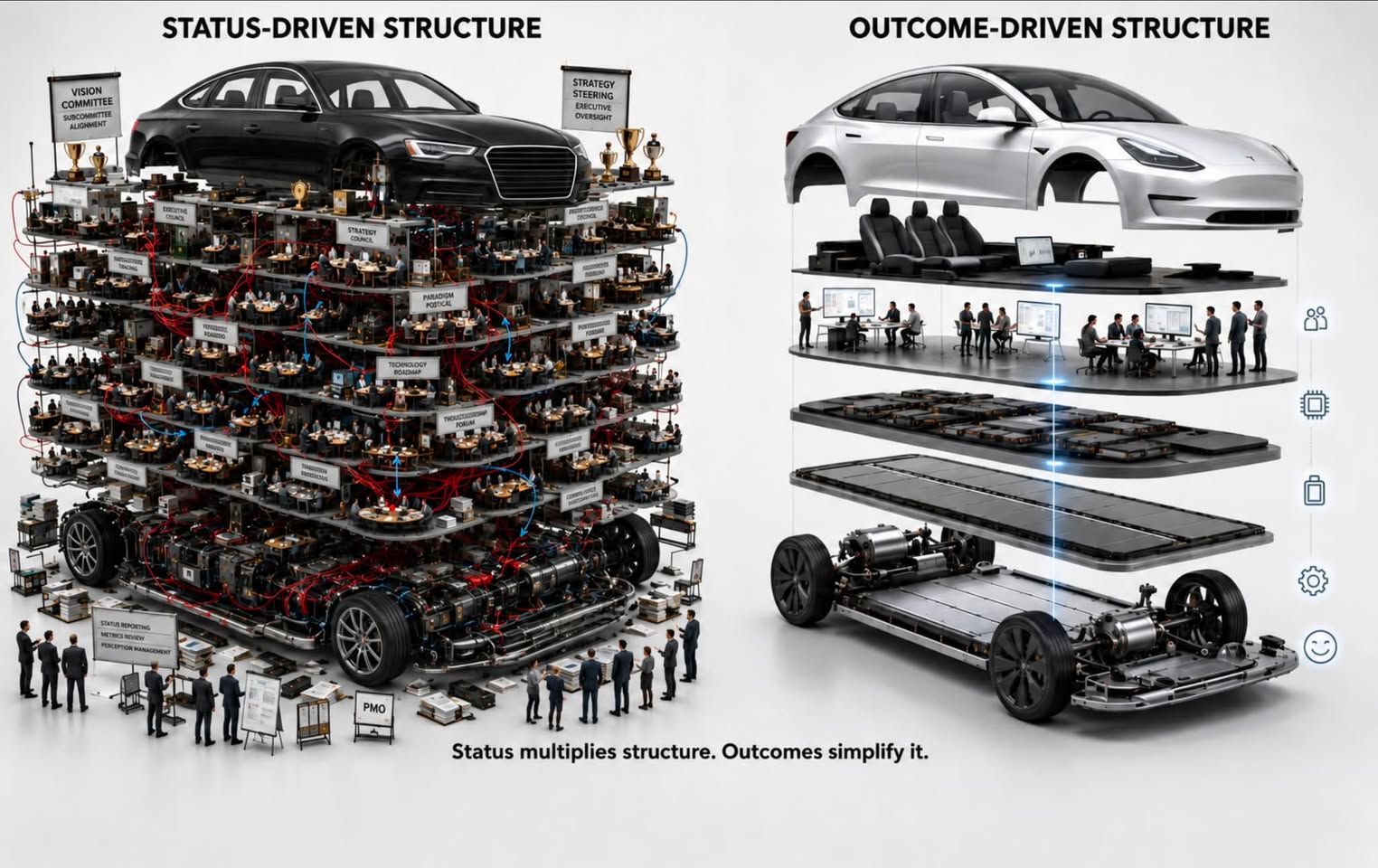
Every machine is the folding together of the social relationships of the people who made it, and the people who use it. People and machines are not two separate things. Machines aren’t ’tools’ for people. A machine takes a whole suite of social relations between people, and embeds them into material objects. And once that’s done, the people stop arguing and fighting, and just use the machine. The logical extension of this is, as the diagram illustrates, is that companies who focus only on people produce machines (and services) that are just the expression of their internal status rivalries. The late American writer Tracy Kidder, when doing fieldwork to understand how computers are made, realised that he could open any computer and begin to read the organisational structure of the company that made it, just by looking at the ‘technical’ bits inside. Companies that focus on material outcomes instead and ignore interpersonal things, produce remarkable machines and remarkable places to work, that create remarkable human cultures. The Romans knew it. Tesla knows it. Engineers create civilisation. And the only organisations that last and are worth working for. Everything else is human status rivalry. Any organisation that focuses on people and what the company produces as two separate things is going to fail, and be a miserable place to work. Crap products, and facile staff ‘motivation’ and incentive games.
The Tasmanian anti-AI protest is classic social media identity culture, versus AI. I'm so enjoying AI sitting that culture on its righteous arse.
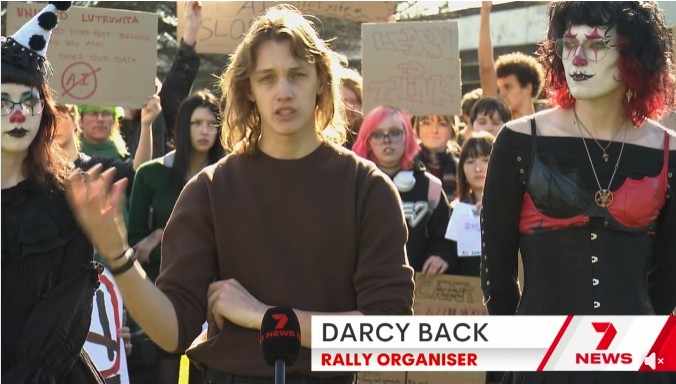
Post-revolutionary societies never recover from their revolutions. It’s like Stage 4 metastatic social cancer. As a post-revolutionary society, the US sees all attempts at collective organisation as a tyranny of some kind. Only ‘the people’ is authentic to them. Unfortunately it’s also a fiction. The void left by its constant attack on anything organised is filled by money. It is and always has been a plutocracy. It’s a billionaire factory. The same post-revolutionary culture then attacks the billionaires too. Nothing fixes this endless ‘rising up’ loop of social destruction they’re stuck in except total social collapse.
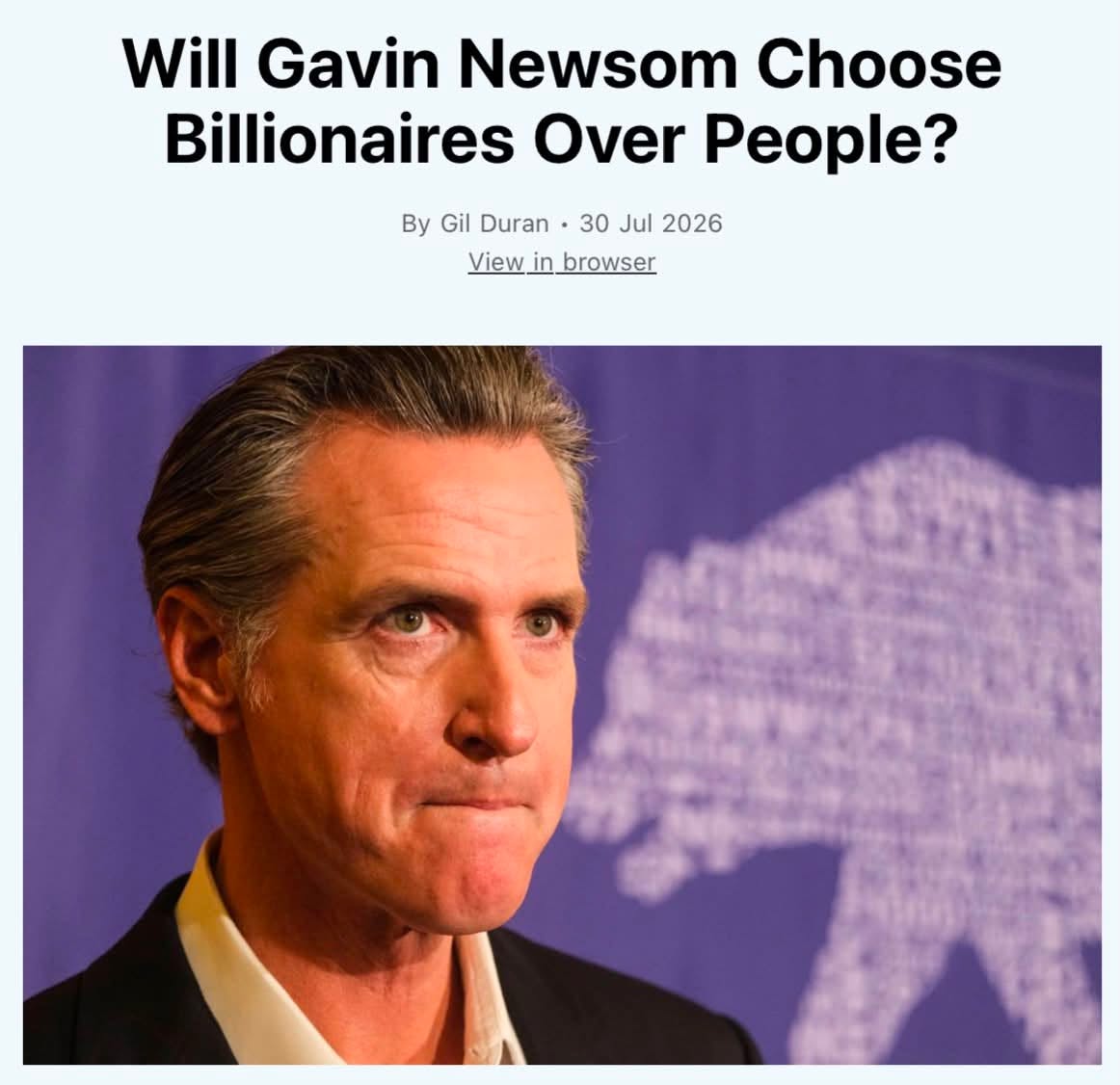
Every tonne of CO2 added to the atmosphere takes 400,000 years to remove. Humans have added 1.5 trillion tonnes of CO2 to the atmosphere, since the Industrial Revolution in the 1700s.
The Jevons Paradox says the better you make something, the more people will use it. And the worse it will then get. Everybody who works in public life has felt this, or even every parent. The better you make life for people, the more they will participate in and enjoy that better life you made. And the more it will then break and feel worse. And then the abuse comes, for the people who tried to make life better. Roads here. Dams the same, in every drought people demand more dams. Which increases people’s use of water, which makes water shortages even worse. But it applies universally. Everything you try to make better, will eventually make it worse. The underlying problem here is thinking the trending, viral desires of societies are fixed by trying to satisfy those trending desires.
Teslas can avoid potholes too. What's fascinating is that this is a feature they were working on, but haven't released formally yet, but the AI has figured it out by itself. It's an emergent behaviour. There are 10 million Teslas on the road, worldwide. The great fascist army, hey. Fuck social media. Join the wonders of the world.
Nuclear power stations, the darling of people who know as much about engineering as my cat, use a lot of water. Solar and wind power use no water.
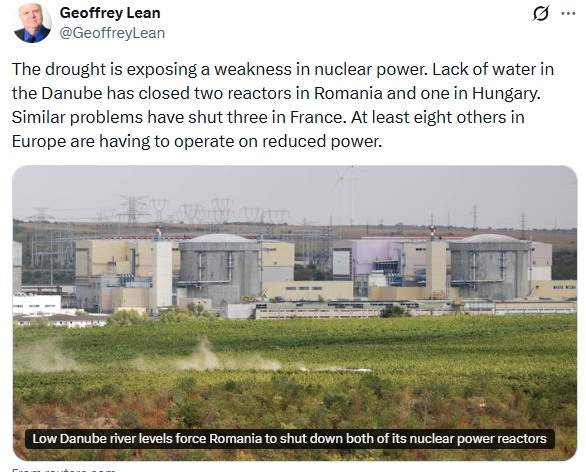
GLP-1 drugs are not ‘weight loss’ drugs. That’s what people need to understand. They absolutely do lead to life-changing weight loss, but that’s just a side-effect of the miraculous anti-inflammatory properties they have. Inflammation is the key for most chronic disease. Heart disease, neurological disease, cancers, auto-immune disease, respiratory disease etc. All the big killers. This is a genuine, astonishing revolution in health care. As big if not bigger than antibiotics. Obesity itself is regulated by inflammation. Telling people to eat less and exercise more doesn’t fix obesity. It’s a metabolic disease, their metabolism has been dysregulated and is dysfunctional. GLP-1 corrects the dysfunction, and their eating. We will all end up on these types of drugs to treat multiple conditions, they’ll extend well beyond weight loss.
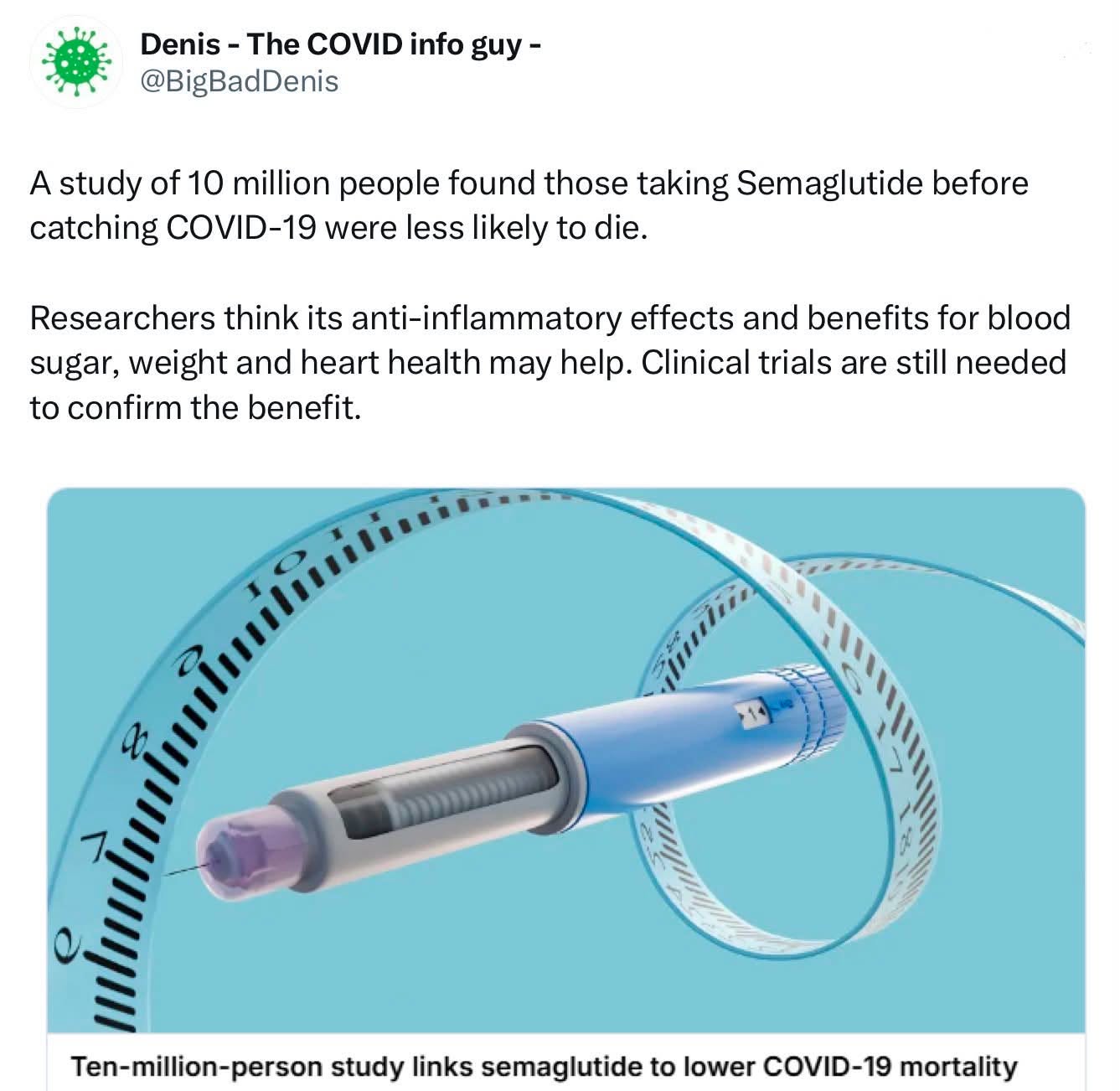
Tesla is finalising another genius bit of engineering. If you have the home battery and wall charger and vehicle, it will allow you to use your car batteries to top-up your home battery, as needed. This is a post about engineering. Not about brands. I’m not a teenager or kidult. Many people used the government’s battery rebate to rush out and buy enormous home batteries. I stuck with Tesla and a smaller 27 kWh battery, which is plenty for any home. Because it also has a very sophisticated ‘brain’, called a Gateway. See below for why that matters a helluva lot. The rush to have bigger batteries was driven by social media rivalry, to have the biggest and best. The battery version of wankpanzer cars. And the anti-Elon push scared people off Tesla, also generated by the socials. But for proper home electrification you need integration between all of the components. Once Tesla releases this integration, our home battery will grow to an enormous 190 kWh capacity. Dwarfing all other home batteries. The home and vehicles could run almost indefinitely if the entire grid went down. And what will that shift require? Nothing. Only a downloaded software update. Tesla’s genius is to engineer things so that upgrades and brand new functionality is available via software only. Same for the cars, they hardly ever need to see a workshop, or to upgrade to the new model for new functionality. It’s all downloaded, as software, at home. You can follow viral trends, living inside social media. It will waste a lot of your money to achieve fewer things.