6 July
6 July · 18:45 UTC
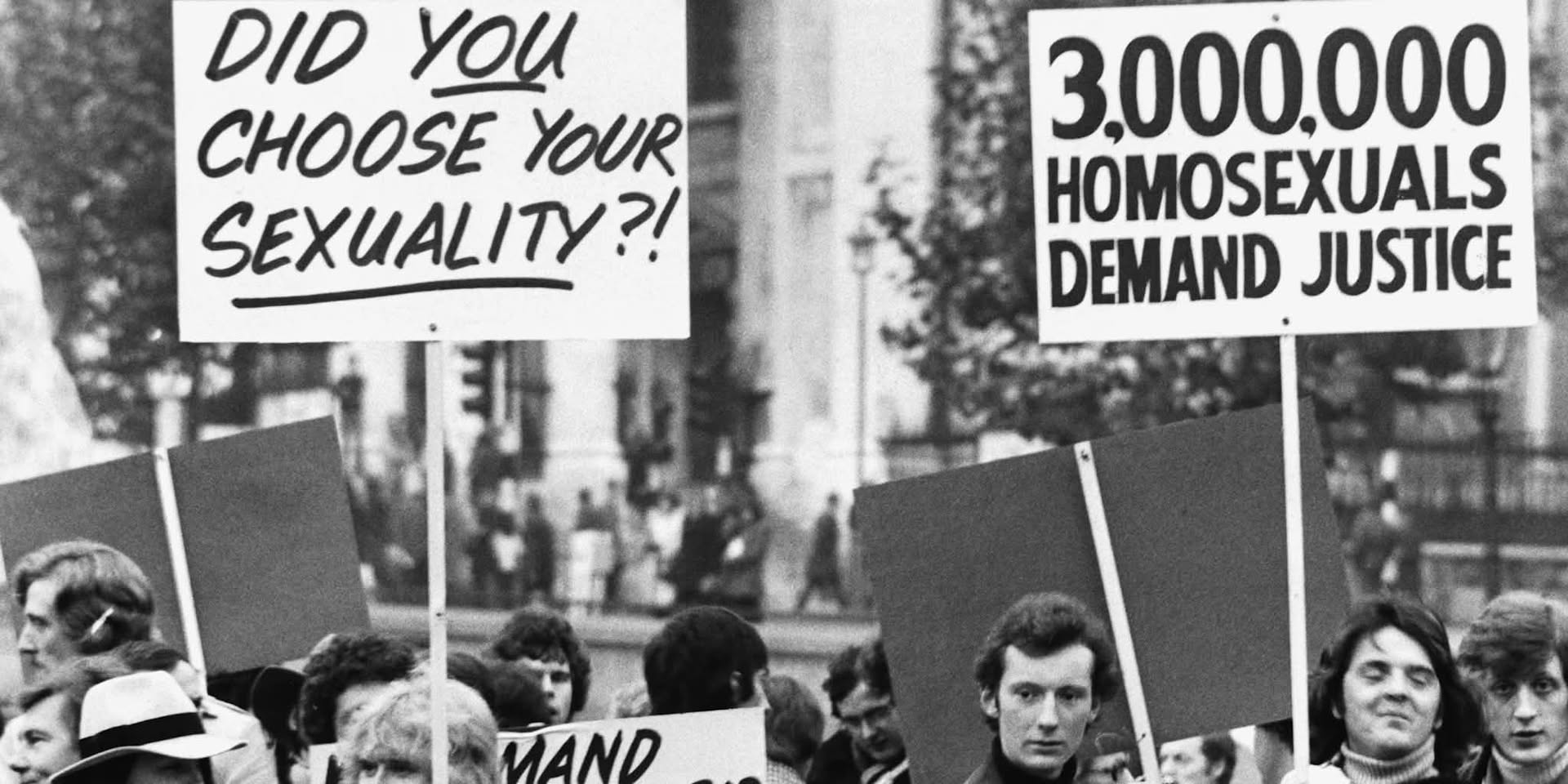
One of the reasons discussions about transgender are so fraught is that they mix up two fundamentally different movements. The various sex and gender movements of the 20th century (and before), and the transgender movement, which began only in the 1990s, following the work of the academic Judith Butler. These are absolutely NOT the same thing. The LGBTQIA+ label is the attempt to make them the same thing, introduced by the trans movement, to piggyback off the now pretty widespread support for those earlier causes. I’ve posted several times about how many from those earlier movements are furious at this attempted appropriation. And you need to understand what is distinct about the shift Butler introduces to this area, from the 1990s. Butler is very openly a ‘post-modernist’ thinker. Post-modernism was all the rage in the 1980s and 1990s, in academia. I was there, studying it at the time. Butler’s own books discuss openly how she is applying post-modernist ideas to sex and gender. In a nutshell, post-modernists believe what we call reality is ‘performed’ into existence. They see the material world as a big text, that you can write new realities into. In the case of sex and gender, those earlier sex and gender movements helped people to understand that while you’re born with a sex, your gender is a social role that you really do ‘perform’. A man can choose to be ‘macho’, or gentle, or a woman can choose to be a ‘trad wife’ or a ‘tomboy’. Etc. Butler though, as a post-modernist, extends this to say that your biological sex is also ‘performed’. So that moment the delivering doctor says ‘it’s a boy!’ (her own example), you’re imposing a sex on them, in her thinking. There is no ‘sex’, for Butler, everything is a performed gender. You may think it seems nonsense, to say that your actual biology is performed and not real. Why now men can say they’re menopausal, or experience period pain, without having a womb. That’s because it is nonsense, like all post-modernism, now widely discredited. The people Butler cites, like Foucault, would have been appalled at her misunderstanding of his work. So how did transgender become a global taken-for-granted reality? Because it coincided exactly in time with the birth of social media. Social media took Butler’s ideas to scale almost instantly, without the usual slow percolation of ideas through institutions and community. It was imitated, and became a rivalry with the ‘cis’ community. Those were the fake teams set up, in the imitative rivalry I often talk about.