16 July
16 July · 05:41 UTC
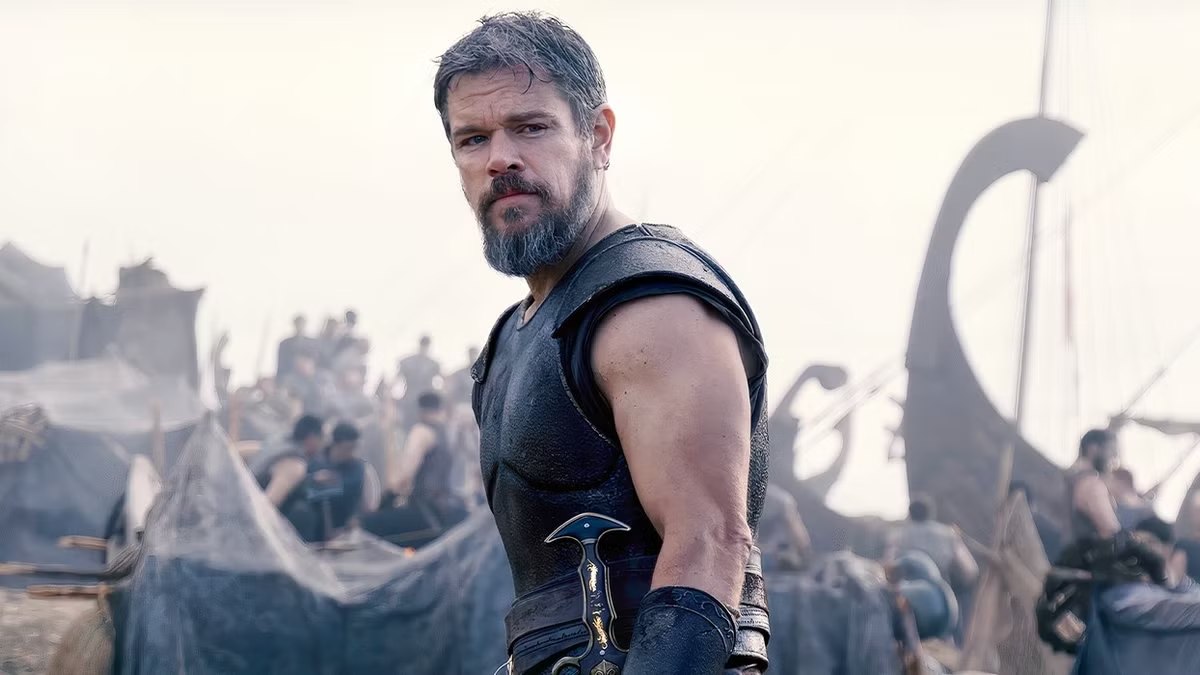
Christopher Nolan has made a film of Homer's The Odyssey. In an important way the world has come full circle back to the concerns of ancient times, without recognising it. Homer's Iliad is about rivalry and status and violence and death. The Odyssey is like Part 2. Odysseus (Matt Damon) is travelling back from the war of the Iliad, to find his home and wife. Along the way he confronts monsters and gods and other challenges, and crucially has to disguise himself to get home. Identity. A story about status, rivalry, violence and identity. The eternal themes of all history. In 2026 I would say we have lost all sense of the idea of some things being greater than us and our lives being defined in relation to how we face those greater things. That was the central concern of the ancients. This also ties into my frequent posts about travel and our loss of an understanding of what 'home' actually means. It's what Odysseus is seeking, what the Greeks call oikos. Odysseus has to reject identity and the rivalry which creates it to get there. You can viscerally feel the tension with our own age. It's not an address, it's the household as a living order: family, land, servants, animals, inheritance, memory, continuity, obligations, and the place where generations succeed one another. It's a durable ecology of life. The Odyssey is what we as a culture do with our travel culture. Our imperial past is the Iliad, of war and conquest. Now we travel as an entire culture, like Odysseus, seeking home. We think we're just having experiences. There's a void at the centre of our culture that the ancients knew.