March 2019
Complete text-bearing Facebook records from the export.
This. How many famous trials have been in the press in the past year (Rush, McLachlan, Pell, for example) where this principle has been openly ignored? If people don’t like the rule of law, or pay lip service to it as the author says, there are countries without it that they can emigrate to at any time. We love to smash our institutions, and then idiotically we complain about people like Trump, who come to power only because we smashed all the checks and balances that stopped them before.
If you’ve never watched Rumpole, it’s not too late to start. Rumpole is like the Yes Minister of Law, a hugely entertaining chance for people to learn how ancient institutions actually work in practice, the institutions that give us happy and peaceful lives. One of the great episodes was titled Rumpole at Sea, as Rumpole and his wife take a cruise and a woman goes missing. It was a genius plot by John Mortimer (himself a barrister), because it allowed the intersection of the law and the public to be explored in hilarious and profound ways. Messages desperately needed in our time. Couple of small snippets below.
One of the most beautiful examples I think of the difference between the freedom from something, and the freedom to do something. Lots of people might argue that making voting compulsory takes away freedom, but it actually creates it I think. Where voting isn’t compulsory, only those with strong views tend to turn up to vote. Apathetic voters are the natural balancing that calms things down. It’s one example I like of how apathy can be a very productive thing.
The genius of England for me is the common law. One of the things shock jocks get very wet in the underpants about is what they call ‘activist judges’, judges making law. But that IS common law. Law made from precedents, precedents from lots of individual cases before the courts. I think it’s genius because (have mentioned before) with this case-based system, there is no distinction between specific and general. Between the individual and the collective. Every specific case can form a precedent for every other case, every precedent is not a general thing, it’s just another specific case. All the boring debates about the individual versus society or the individual versus government are almost irrelevant, in the common law. England doesn’t have a written constitution. It doesn’t need one. It uses precedent and tradition, rather than ‘general’ principles. That’s also the real beef with Europe for Brexiteers, Europe uses mostly civil law (general principles). It’s a fundamentally different way of understanding society.
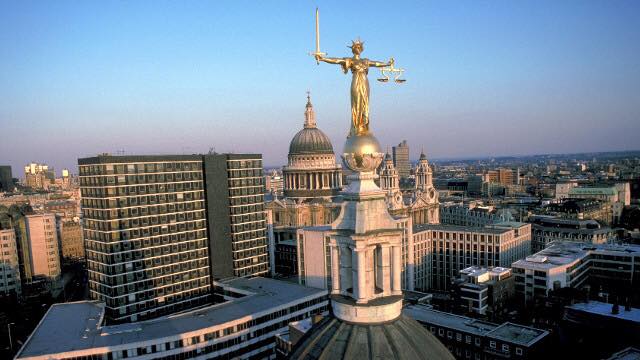
Always follow the money. ‘Self-funded retirees’ is an oxymoron, a huge chunk of their wealth is tax concessions, which we all pay for. The political battle of our times is between the old and young, not Left and Right. Wealthy retirees with minimal costs get showered with handouts, while working families with unaffordable mortgages (if they can afford a house over their heads at all) and sky-high energy prices get nothing. Disgusting. “Over 60s will be the big winners from a re-elected Liberal National government, which would extend shopping discounts usually reserved for seniors working less than 20 hours a week to all over 60s from July 1 with a new “Senior Saver Card”. A further 400,000 seniors living in regional areas would also trouser a $250 a year travel card to use on trains and buses under a Nationals $100 million a year bid to secure vulnerable seats. Around 130,000 self-funded retirees would also enjoy $200 energy bill rebates under a Liberal National government.”

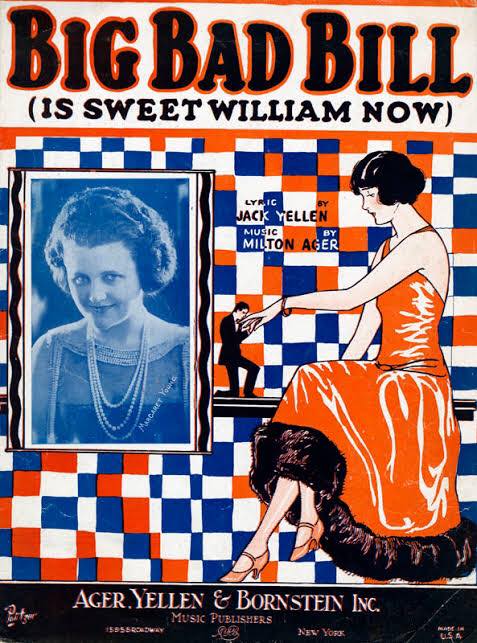
One of the recurring patterns in history that I think doesn’t get noticed much is how the powerful end up civilised by those they rule over. Big Bad Bill was a bad boy, civilised by marriage. Many men are civilised in that way, by the ‘weaker’ sex. The Romans were invaders, bullies civilised over time by the lands they invaded. Facebook and Google are now being dragged back to civic values. It’s a question of numbers, you can crash through for a while as an invader or dominant force, but eventually the need to keep everyday life running at scale overwhelms you. Weakness and strength aren’t opposites I don’t think, weakness is just strength looked at over long times and distances. Like gravity.
Closing the loop. Entertainment beats virtue-signalling. Is there anything more pompously ‘correct’ than the Oscars?
How often are real-life situations really between what’s good and bad? Hardly ever in my experience. In real life we evaluate everything we do, what brand of cheese to buy, what to let our kids watch, whether to buy a clothes dryer, an electric or diesel or petrol car etc. Moralism I see as an attempt to extract general principles out of that vast everyday evaluating process. I’m yet to find an example of it that isn’t just one person trying to impose their evaluations on others. Some say that’s cynical and creates ‘moral relativism’ - anything goes. But not at all I don’t think, it replaces morality with evaluation, which we all do, all the time, in very sophisticated ways.
Scott Morrison, talking about tax cuts again this morning. "We want to give people back more of their own money." This is classic ultra-conservative framing at work, the 'tax relief' nonsense, gotta call it out. There is no such thing as personal money. Try making or destroying it at home and see how many years you get in jail. You don't own your money, you have certain rights with it, all defined in law, law produced by society. I think we really need to challenge every time one of these libertarians tries to paint government as some big pirate ship, stealing your personal belongings.
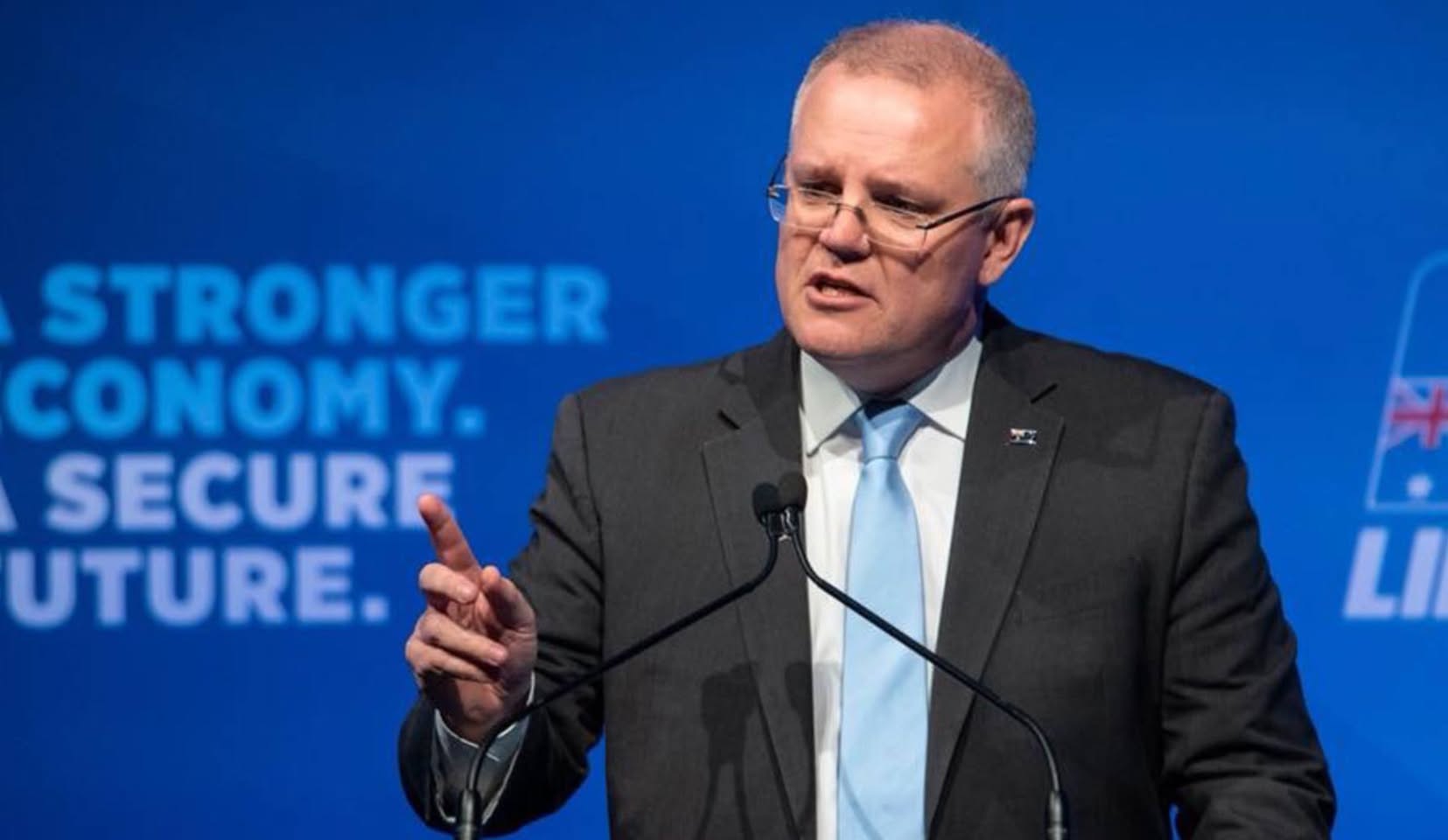
Lots of talk about how the Catholic Church is a toxic institution, with the recent child abuse scandals. It got me to thinking, on that measure, probably the most toxic institution in the world is the family. The overwhelming majority of child sexual abuse happens in families. On top of that, the overwhelming majority of violence against women also occurs in families. Not for everybody, but for a significant minority. And the scale would dwarf what happens in churches.
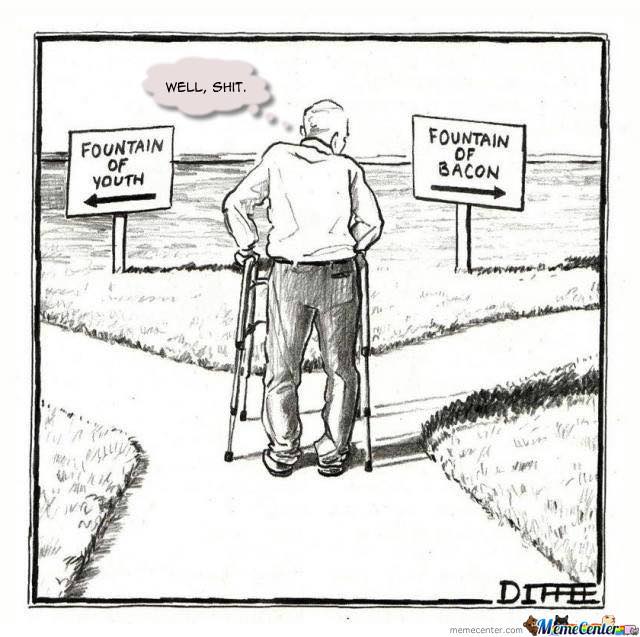
Stephen Toulmin is one of my heroes. Now departed, his life work was the study of arguments, reasoning and how to make good decisions. Toulmin always got frustrated by people looking for either absolute answers to things, or no answer (‘it’s all just personal opinion’). The truth is always ‘maybe, it depends’. Toulmin introduced me to casuistry - case-based reasoning. Thus my interest in common law, the child of casuistry, which was invented in the Middle Ages and is sometimes used in ethics. I’ve posted before about how I think it’s the most sophisticated way to understand all things, because it rejects the distinction between the general and specific, singular and universal. Each ‘case’ is both specific, and general. Extended even further, it’s also why everyday conversations for me are the secret to everything. There is no truth outside those everyday contexts, there are no absolute principles, you have to look at each case separately. Patterns will appear between cases, but you can’t avoid needing to look at each case on its own merits too.
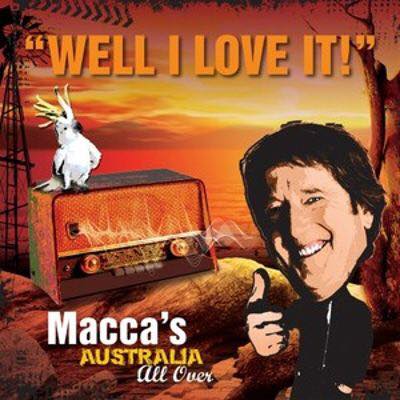
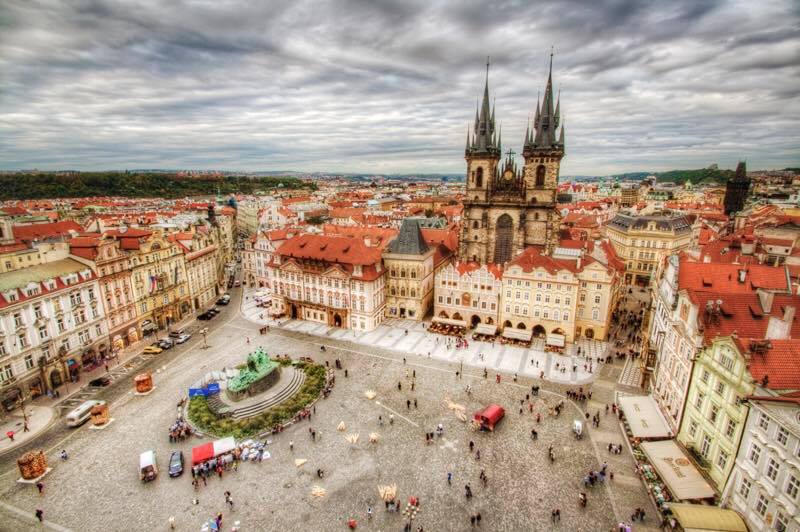
Macca taps into the ‘Big Lap’ culture. Where travel becomes an accumulation of places, like collecting stamps. I’ve been everywhere man, the old song. It all seems a bit phoney and desperate, as if you can somehow repair our lack of connection to place, by accumulating more and more places. I still think our obsession with travel is like a desperation, trying to fill a void that is our culture. Nowhere people, people of no-place, the grass is always greener somewhere else. We experience the world as a big map, we consume other places that people have made beautiful, because we’ve forgotten how to do that to our own spaces. Children of empire, empire was the big passion to accumulate places. It hasn’t left us.
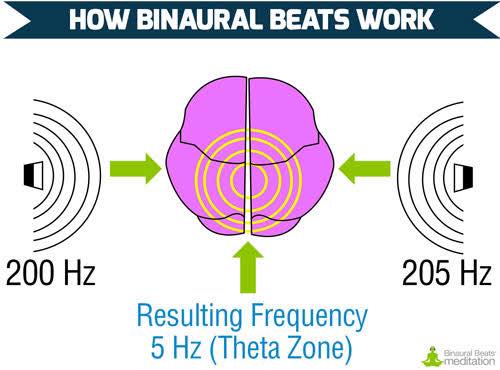
Binaural beats are one of a range of sound technologies used now to target specific mental states. They play a slightly different frequency in each ear, and if done correctly your brain waves become ‘entrained’. So they can induce a whole range of states just by listening to sounds, like deep relaxation, intense focus or creativity. The Insight CD is one of the best products in this area. I used it for years, it induces the types of extremely deep states that normally only yogis achieve after decades of meditation practice. If you have anxiety or depression it can lift it in super-quick time. But much more than that, you notice that it lets you see connections between things that you hadn’t noticed before. It’s incredibly powerful.
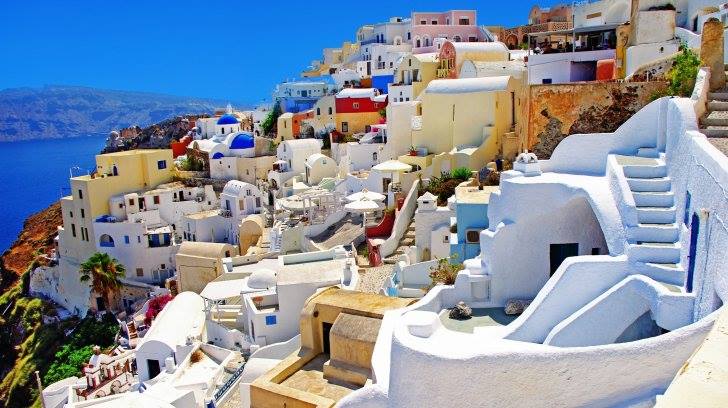
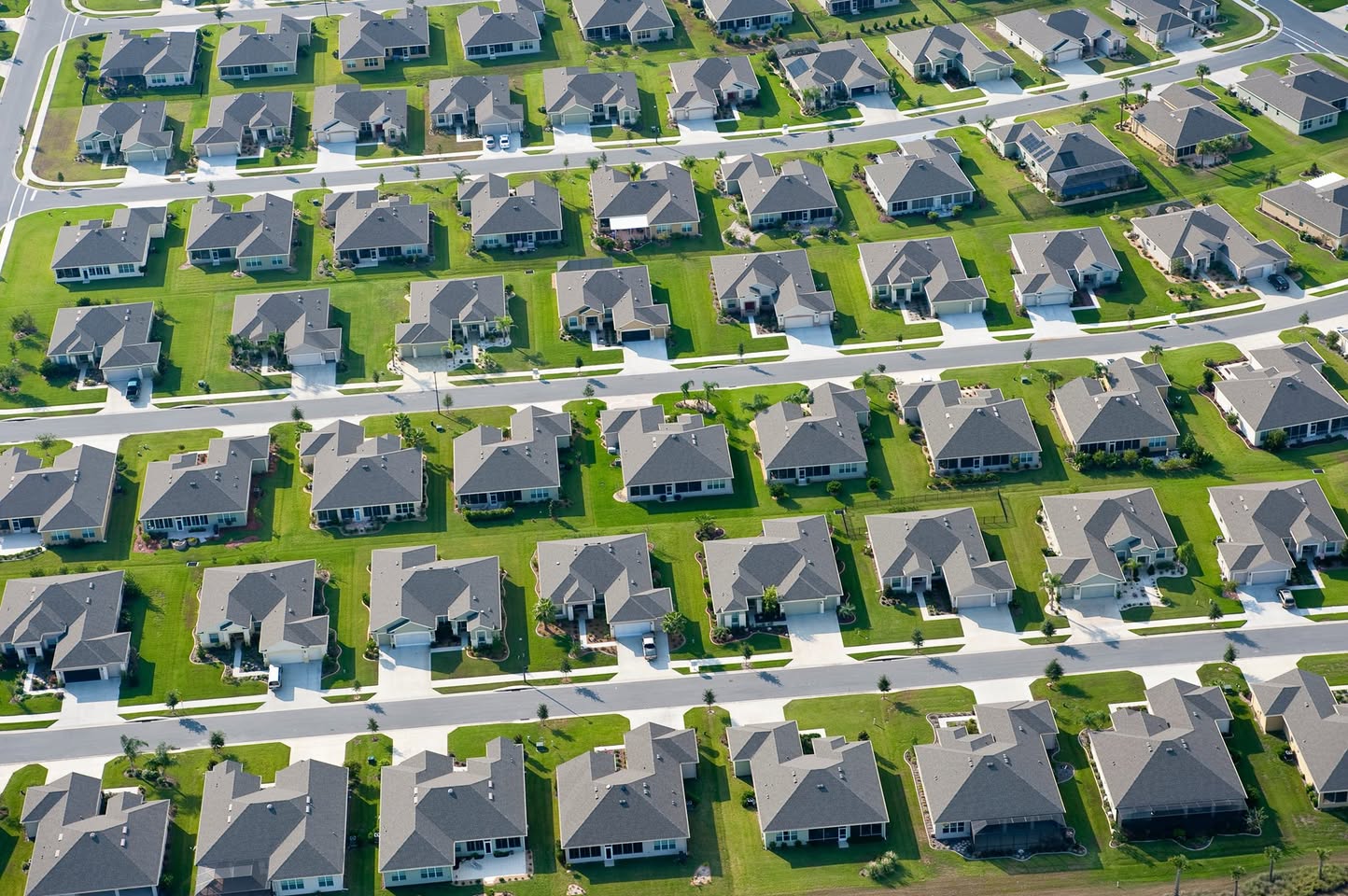
What I mean by the idea that we don't occupy space any more. We live 'in' space instead, we see the world as one big set of coordinates, a map. Look at this Greek village. Nothing there is built to allow easy passage from one part to another, every part of the space is fully occupied, and unique. Compare it with our modern car-driven suburbs, where everything is done to facilitate movement, to being somewhere else, and every house and block is almost interchangeable. Our obsession with travel is an extension of how we organise our own suburbs. We're a culture of no-place.
So @[783412914:2048:Kyle], talk to me about MJ, and Pell. It appears MJ’s abuse could have been on a semi-industrial scale, compared to Pell. And it hasn’t been to court (though apparently some has been settled out of court in the past), but you were keen to include Pell’s pre-court past in the pedophilia discussion, so as the law would say - I think it’s admissible. https://www.theguardian.com/tv-and-radio/2019/mar/06/leaving-neverland-review-michael-jackson-documentary?CMP=Share_iOSApp_Other
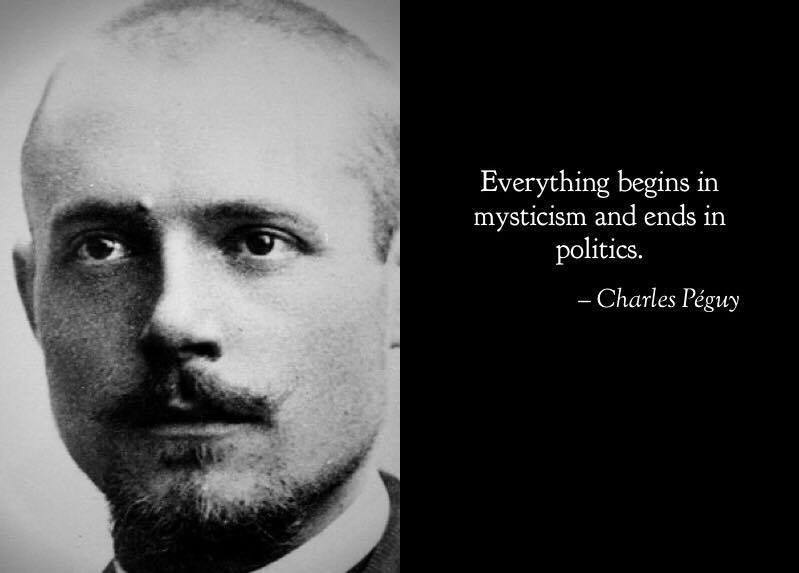
Another hero of mine, Charles Péguy. He became a Catholic later in life, but understood religion in a much different way to others then and now. I only recently discovered he shared the same belief, that the ‘modern’ world is defined by the belief that we sit ‘in’ time and ‘in’ space. And then all that’s left for religion is belief in a supernatural being ‘outside’ time and space. Disastrous nonsense, Péguy said. I love this insight of his too. I think idealism is the disease of the planet, meaning trying to live by ideals. Mysticism, the belief in ‘objective’ truths separate to our lives. Péguy lived that disaster firsthand, his life ended young with a bullet to the forehead, fighting for others’ ideals, on the battlefields of WW1.
Another big framing that ultra-conservatives use. Government 'debt'. Treating public finances like a household - debt is bad, surplus is good. The justification for 'austerity' policies, that are really nothing more than shifting government handouts to the rich, away from the poor. Governments are nothing like households, another fantasy that needs to be popped. https://www.forbes.com/sites/francescoppola/2018/04/30/governments-are-nothing-like-households/#2302dfb454f8
For International Women's Day. I read a lot of the earlier feminists, and to be honest I think they'd be a bit bemused by this hypothesis. Confident girls become fearful women because of 'violent misogyny'? Yes I'm sure that plays a part. But is there a single thing in this article that isn't us saying to girls "hold up on being confident, we just need to get rid of violent misogyny first"? Those earlier feminists talk also about how women need to stop framing things from inside that co-dependent bubble with the men in their lives, to really begin to assert their place in the world. Stop defining themselves in relation to men. The way this article is written, you'd think all women were in some hopelessly co-dependent bondage with men, and couldn't exist outside it.
Such an important article. Both sides of politics have become infected with purity and righteousness. And that flows into the community, the sides of debates are so righteous. My interest in all things is diplomacy, compromise. But people aren’t much interested in that, in my experience, they want the purity of their own view, and they hold it righteously. Or at best they believe there is a ‘moderate’ view everybody should believe in, which is a total fantasy. They don’t want to do the hard work of discussion and compromise.
Love this quote. What’s it’s about is even more interesting.
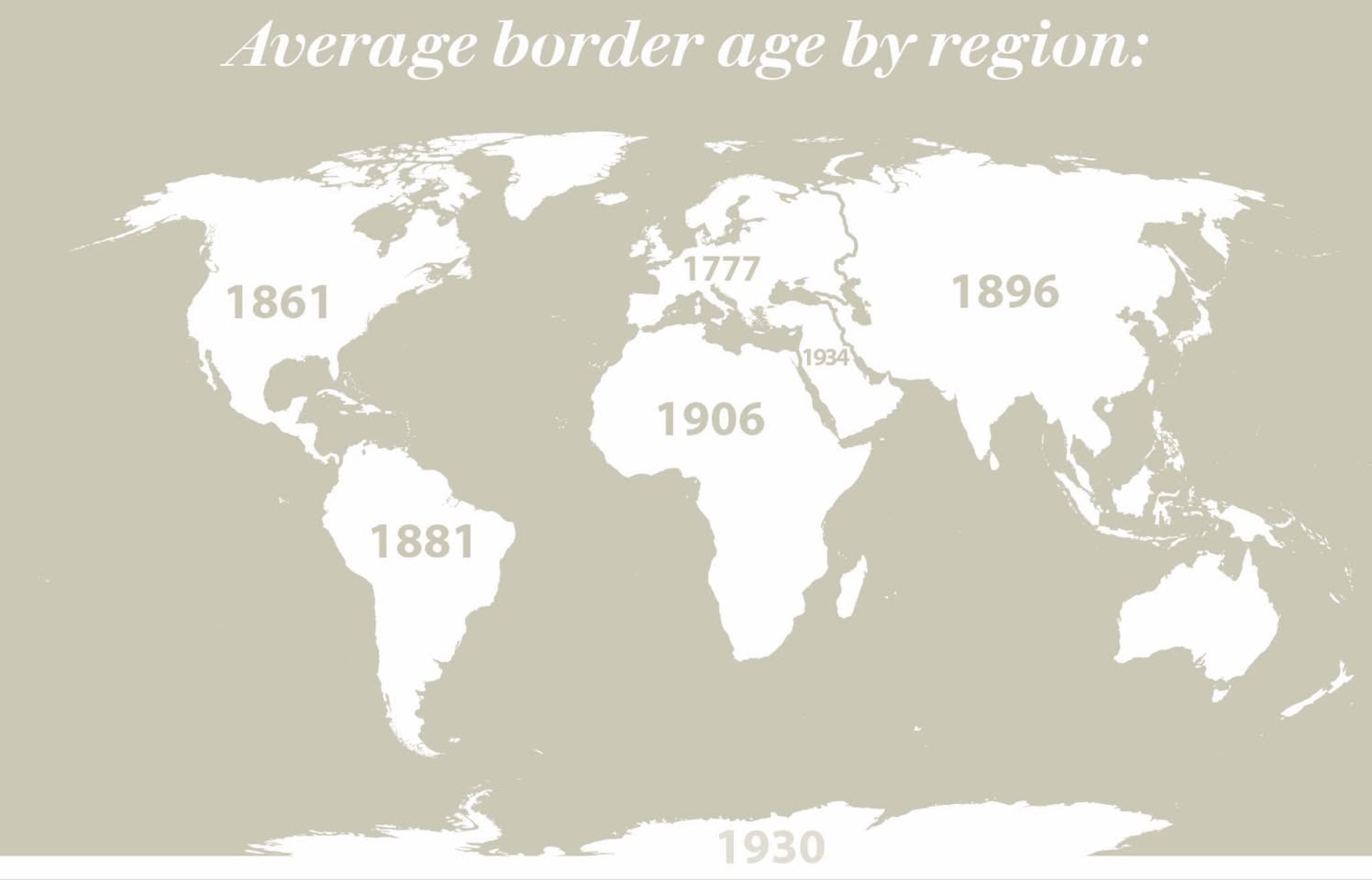
This is the average date that countries in most major parts of the world came into existence. Notice Europe has the oldest date here - it was from Europe that the big modern empires came, and it was them who divided the world up into ‘countries’. The people in these countries didn’t invent the countries, we did. We forced them to live inside our maps. I’m fascinated that we map-people don’t really see this, but it is hardest to see when you’re living it as your own culture. Every time we book a trip to these countries, we’re living our old empires.
Fish don’t know water exists until they’re caught. That’s how I see living in a rich and privileged country too, we often don’t see that privilege, we assume that’s just how the world is. For example, the idea of ‘changing the world’. It seems so noble. But look at it as an idea, the assumption that we can change the entire world. Only privilege makes a person think that, like the dire prospectus I once read for an elite private school in Sydney, talking about ‘preparing leaders for the next generation’. Similarly, when our privileged lives start to unravel a bit, like the West is experiencing right now, it’s tempting to think something has gone wrong, our politicians are corrupt, can’t we all just go back to partying and gigging and drinking and stop ‘taking things so seriously’? Pure privilege speaking, there. What can change the world is conversation. Re-connecting to others, doing the difficult job of compromise and trying to understand other viewpoints. You can put that off by slagging politics, or just ignoring anything except your own personal comfort and enjoyment, but the world will catch up with you. It’s doing that right now. https://www.huffingtonpost.com/hildy-gottlieb/change-the-conversation-c_b_4445238.html
There’s an old (sexist) saying that if you have people by the balls, their hearts and minds will follow. There’s real wisdom there I think, notice how people rarely agree on major issues, and yet society today is the most peaceful time in history? I think that’s because agreement has 2 big meanings - agree on ideas (rarely happens), and agreement as in legal agreement - mutual obligation. Our society is absolutely chock-full of the second type of agreement. Every time you buy something, or hire somebody, or install a new household device, etc. etc., you set up a new obligation and therefore agreement between you and other parties. You don’t have to agree on anything else, but you will follow the terms of that agreement because otherwise neither gets what they want. Multiply those agreements/obligations enough, and you get a society so mutually implicated in each other’s obligations, that you get what we see today - peace.
We’ve probably all worked in organisations that have been ruined by people who are on ‘career paths’. They come for a few years, throw the place into a blender so it looks like they’ve made big changes, to add to their CVs, and then piss off to the next stepping stone in their career, leaving the mess for everybody else to clean up after them.
“What is society? It could be defined, from our point of view, as each individual’s reciprocal possession, in many highly varied forms, of every other. Unilateral possession, such as that in ancient law of the slave by the master, of the son by the father, or of the wife by the husband, is only a first step towards the social link. Thanks to the development of civilization, the possessed becomes more and more a possessor, and the possessor a possessed, until, by equality of right, by popular sovereignty, and by the equitable exchange of services, ancient slavery, now mutualized and universalized, makes each citizen at once the master and the servant of every other.” (Gabriel Tarde)

This is a very difficult question. Note that complainants in legal cases often can remain anonymous, while those accused do not. I think Cliff is right that 'mud sticks' and it can be impossible to ever remove the stain of an accusation like this, even if a person is found not guilty. What we've seen with Geoffrey Rush and Craig McLachlan and to some extent Cardinal Pell is the same issue - were they 'tried' by the public before they even got to trial?
Green parties have never been very successful in politics. They tend to be fringe parties. My sense of why that is, is that their main historical interest - the ‘environment’ - is impossible to define. How could you define that in any way that makes sense? Chuck some trees in a photo? What about foxes thriving in urban areas eating out of dumpsters - is that the environment too?
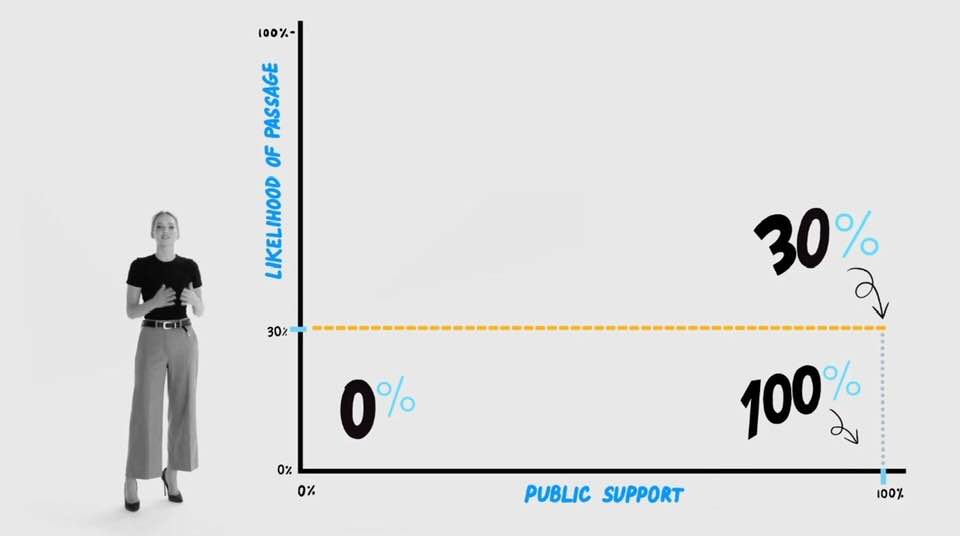
Saw a vid on the problem with politics in America. This is a telling graph. You can see that the level of public support for a given issue has no impact whatsoever on the vote in Congress. That’s why Trump is popular.
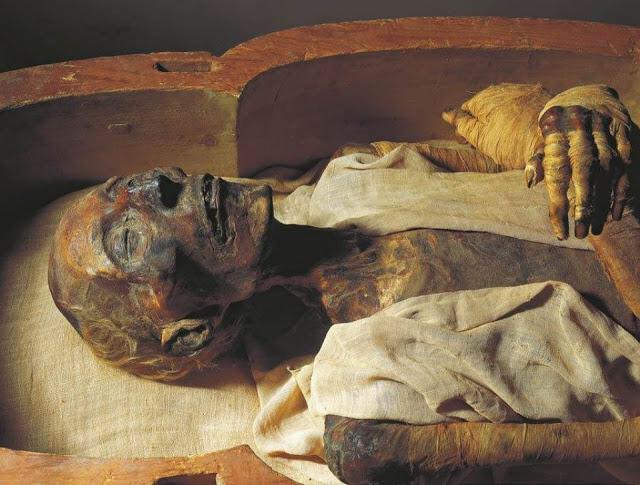
Space and time. Ramesses II died over 3000 years ago. This is him. Some suspect him to have been the Egyptian Pharaoh who dealt with Moses. Recent studies suggest he may have died of tuberculosis. If you found a machine gun in ancient Egyptian tombs, you’d suspect that somebody modern had been there and left it? But we don’t pause for a second in saying Ramesses died of tuberculosis, even though it wasn’t isolated in a lab until 1882. The TB bacterium is as much a technological object as a machine gun, without a laboratory you wouldn’t even know it existed. So why can it travel in time, but not a machine gun?

What Einstein sort of meant by relativity. If you raced a F1 car against a Toyota Corolla, which car would win?


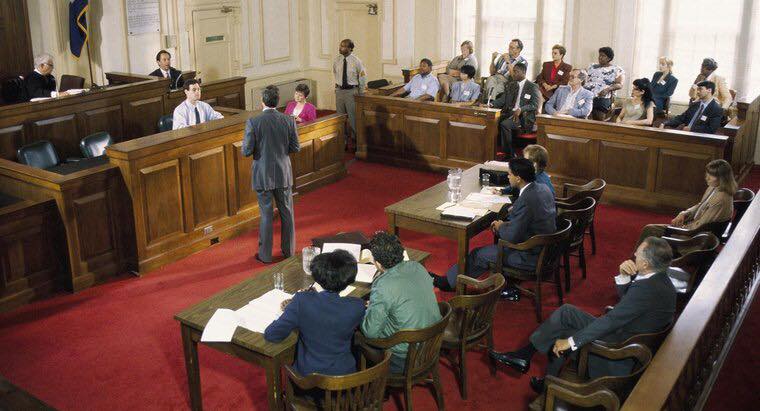
Sometimes a book can help change a life. Latour’s Science in Action was one of those, for me. Always hated the title, it sounds so boring, but it’s one of the most revolutionary books of our time, it can change how you see the entire world. One thing Latour (and also Toulmin) describe is how science shifted to a legal model of knowing. A laboratory is really just a courtroom for objects, where they’re put through repeated trials to ‘prove facts’. That’s not an analogy, it was literally the introduction of the legal model of knowing, into science. At school we’re taught that this is just how science is, but it hasn’t been like this for most of our history. After the vicious wars of the 16th and 17th century, people wanted ways to have more certain knowledge, rather than having to argue. The scientific laboratory and ‘method’ was the direct result of that. Facts on trial. It’s unravelling now, with ‘fake news’ and kangaroo courts. Certainty has been lost, and that should teach us that certainty is not a given, ever. Science could actually be liberated by moving away more from this legal model.


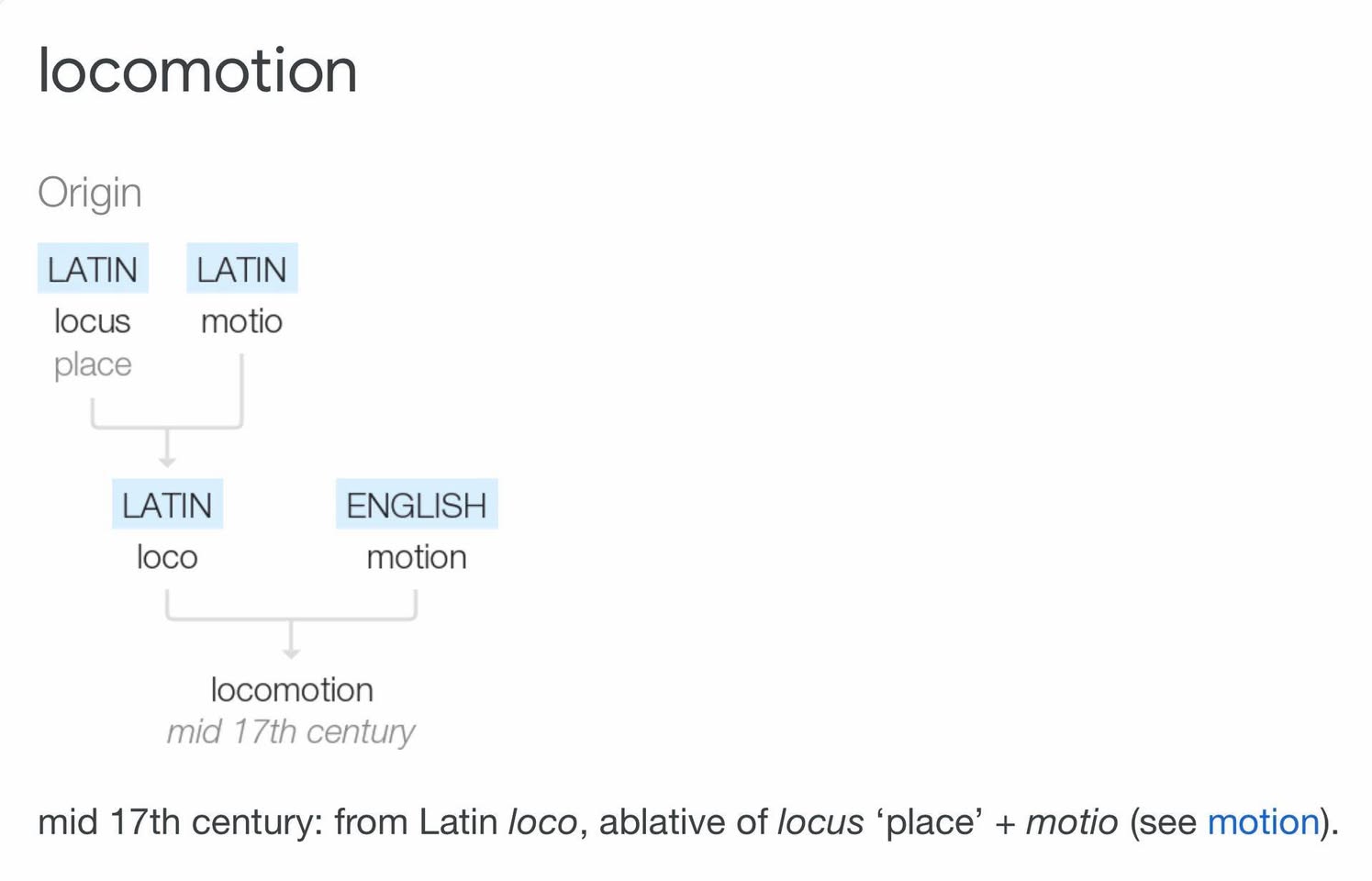
An idea for my LM and Alexander friends, or anybody else. Common ideas about gravity and movement prevent many of us I think from ever experiencing our bodies/minds for what they really are. Take the idea of 'locomotion' - the etymology is below. It means 'to move a place'. Not to move a person, or car, or anything else 'in' space, but to move a PLACE. What does that mean? Say you're standing somewhere and want to move 'over there'. Our ideas of movement suggest this means moving from point A, here, to point B, there. We think space is made up of separate places, like that. So that's how we behave - we start here at A, and strain or use effort to 'move' to point B. We move 'in' space. But, who says B and A are separate in the first place? Isn't 'over there' part of 'here'? Can't you move towards there while still being present here? If you do that, you'll notice there's no strain or effort, you're not trying to move in space, you're changing the entire context of A, to include B. You're moving the 'place' itself, your 'locus' of activity (loco-), so that 'moving' becomes changing the context of your present situation. Not moving 'in' space.
Waleed nails the Pell issue, this is a SUPERB piece. Highly recommended reading. Societies whose only moral emotion is outrage, and who mistake vengeance for justice, don’t survive. We have no clue how government works, and now also not how our justice system works. It's like the last days of Rome. The UK and the US are ahead of us in this collapse of old empires, we're following them into the abyss.
The FB outage yesterday made me think of public squares. Cities used to revolve around them, a place that was a dedicated space for the public, as a group. In modern times I think TV played this role for a long time, it became the public space. Now I think it might be Facebook. We love and hate FB, all at the same time. But like a lonely old person turning on the TV to feel connected to society, I think its importance is not so much what’s on it, as the social space it provides.
Porn has sullied the word, but one thing Tarde did that is unique is reshape all of our ideas, around the concept of penetration. There isn’t a part of life that doesn’t rely on the idea of individual isolated ‘bits’ (people, atoms, countries) and aggregated groups of these bits. People argue about the individual versus the State, for example, or the UK versus Europe, my rights versus society’s rights, victim versus perpetrator etc. Tarde threw that all away. He said every ‘bit’ is already mutually penetrated by all other bits. Every person is already social in all their most individual thoughts, every country is already connected to everywhere else. It also means there is no separate individual and no separate group, there are just different degrees of penetration. I couldn’t stress enough how much this changes every part of life. (The graphic is from an IT ad, IT people do penetration testing to see how easy it is to breach their systems.)

A beautiful example of penetration in action. The perfect way to understand migration. "Now imagine the world as a giant vat subdivided into a number of smaller containers (nations) separated from each other by semipermeable membranes (borders). Instead of salt, provide each container with differing amounts of food, shelter and essential services. In this scenario, population flow from nation to nation will be a direct function of the degree of difference of goods, opportunities and hope."
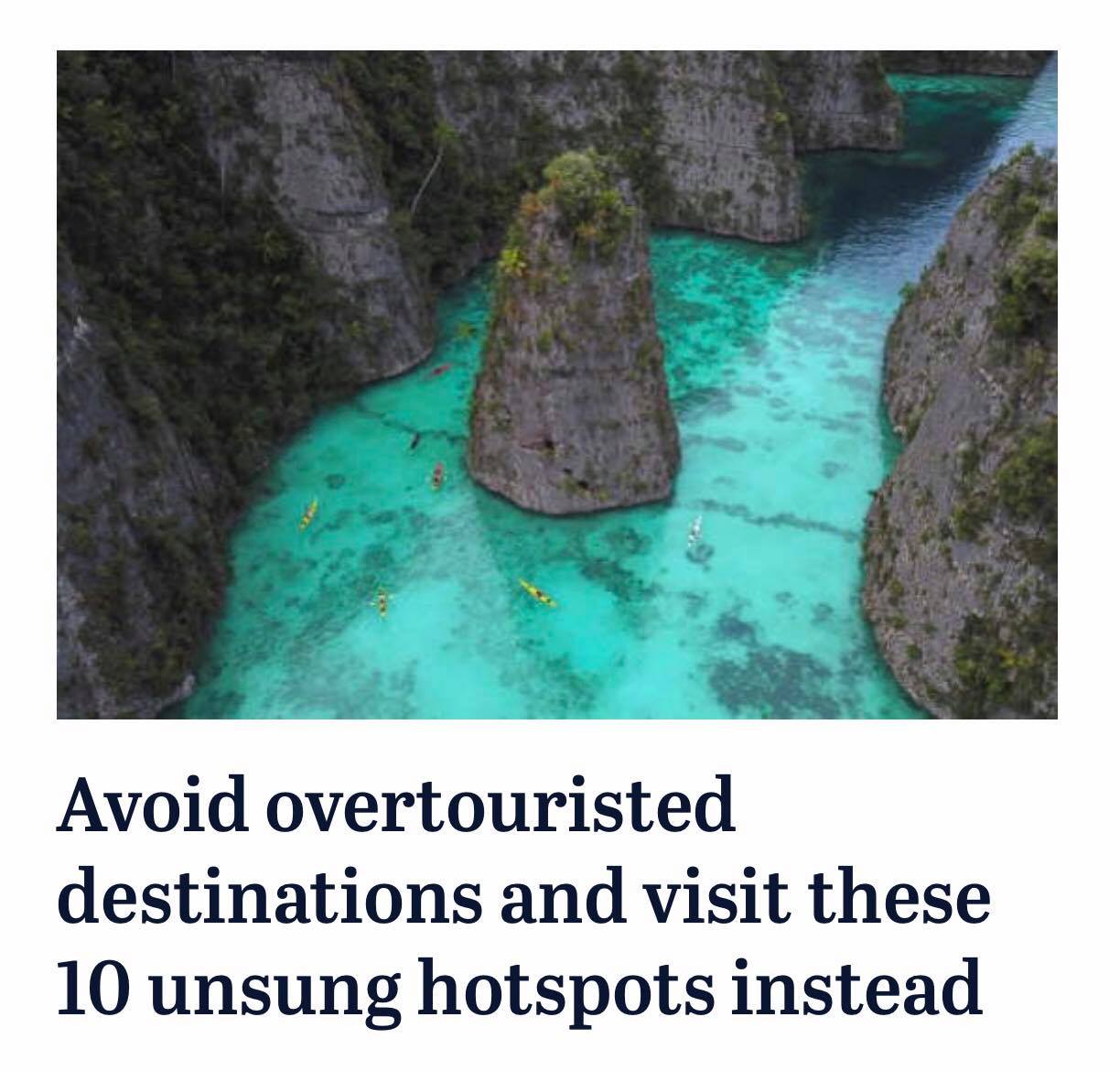
If you live in an ‘unsung hotspot’, be afraid.
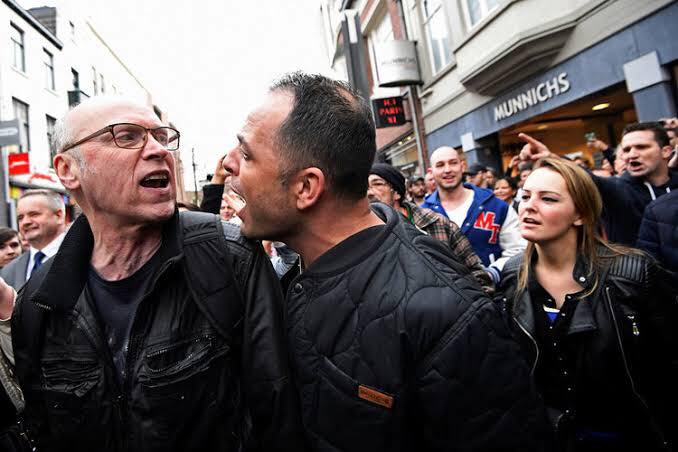
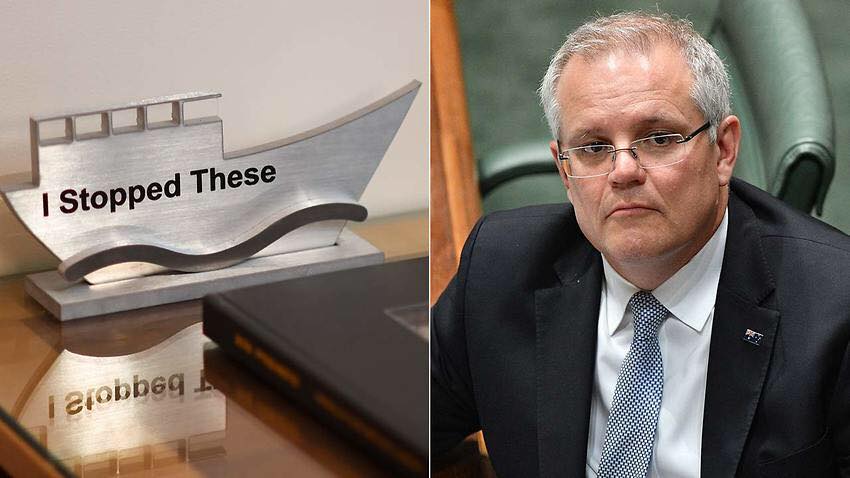
The face of ‘sovereign borders’. Sovereignty is the issue of our time, it’s the most dangerous and difficult idea in world history. It also explains climate change, you get 2-for-1. But then, most of us don’t study history. And we don’t discuss sovereignty. Or anything much at all, really. We send thoughts and prayers, and memes. And thus people like this are winning. The ‘Far Right’ will get the blame for this (and yes, they did it), because that plays into our culture wars, which we love. For us issues are just another form of sport, with two sides. Sovereign borders is a mainstream political idea, we’re *all* implicated. We prepared the soil.

Imagine you have a child who is sensitive to loud noises. Then, you go and buy everybody in the house their own drum kit, and ask them to play all day. Then imagine unhinged, violent people who feel like we’re being overrun by Islamic migrants. Do you: A. start wide discussions in society about the complexity of migration? or B. bang on all day every day about how our borders are under siege by foreigners, to win votes? We have a winner. Drum kits for all, you can buy them with the tax cuts ScoMo will promise before the election.
Bought this apple slicer on a whim today. Genius.

People sell us the idea that we need to be free ‘from’ things. Free from rules, free from taxes, free from work, free from obligations, free from gravity, free from uncomfortable emotion, free from challenge. But...I think it’s our connections and ties that make us free. Nobody is less free than somebody whose connections and ties to others are cut away. It’s why the worst punishment for most humans is solitary confinement. Which if you believe the freedom-from people, should be paradise. Put another way, it’s another false opposition, freedom and obligation. Our obligations make us free. You don’t have to choose between selfishness and altruism. What is good for you is, at the same time, what is good for others too.
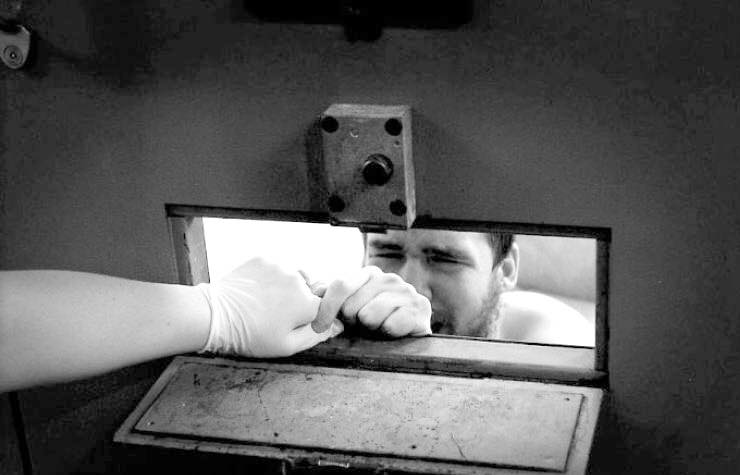
Derren Brown’s best work shows how desire and suggestion are the most fundamental part of who we are. The fascinating techniques he uses here are used by politicians and advertisers too, for example. Suggestion isn’t the overcoming of rational thought, it’s deeper than rationality. Rationality is itself another form of suggestion and desire. All of life is about persuasion, I think. How well you can tap into others’ desires.
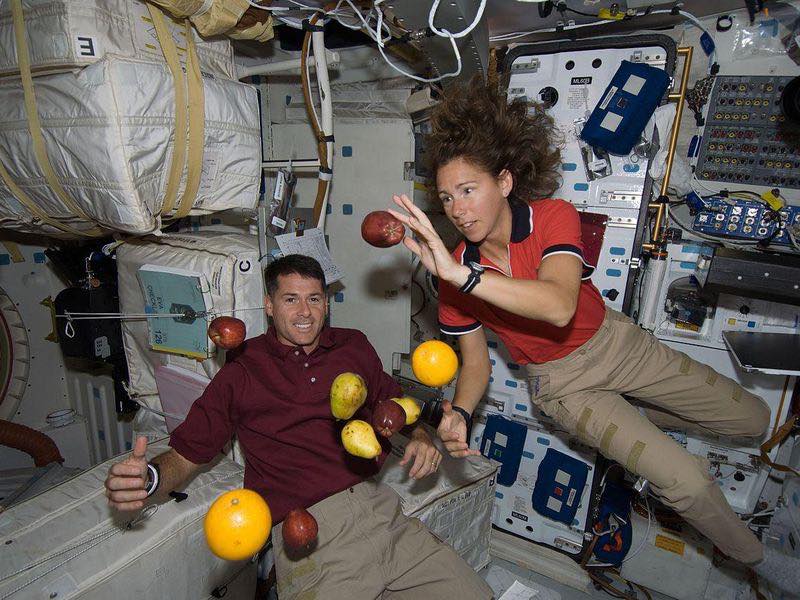
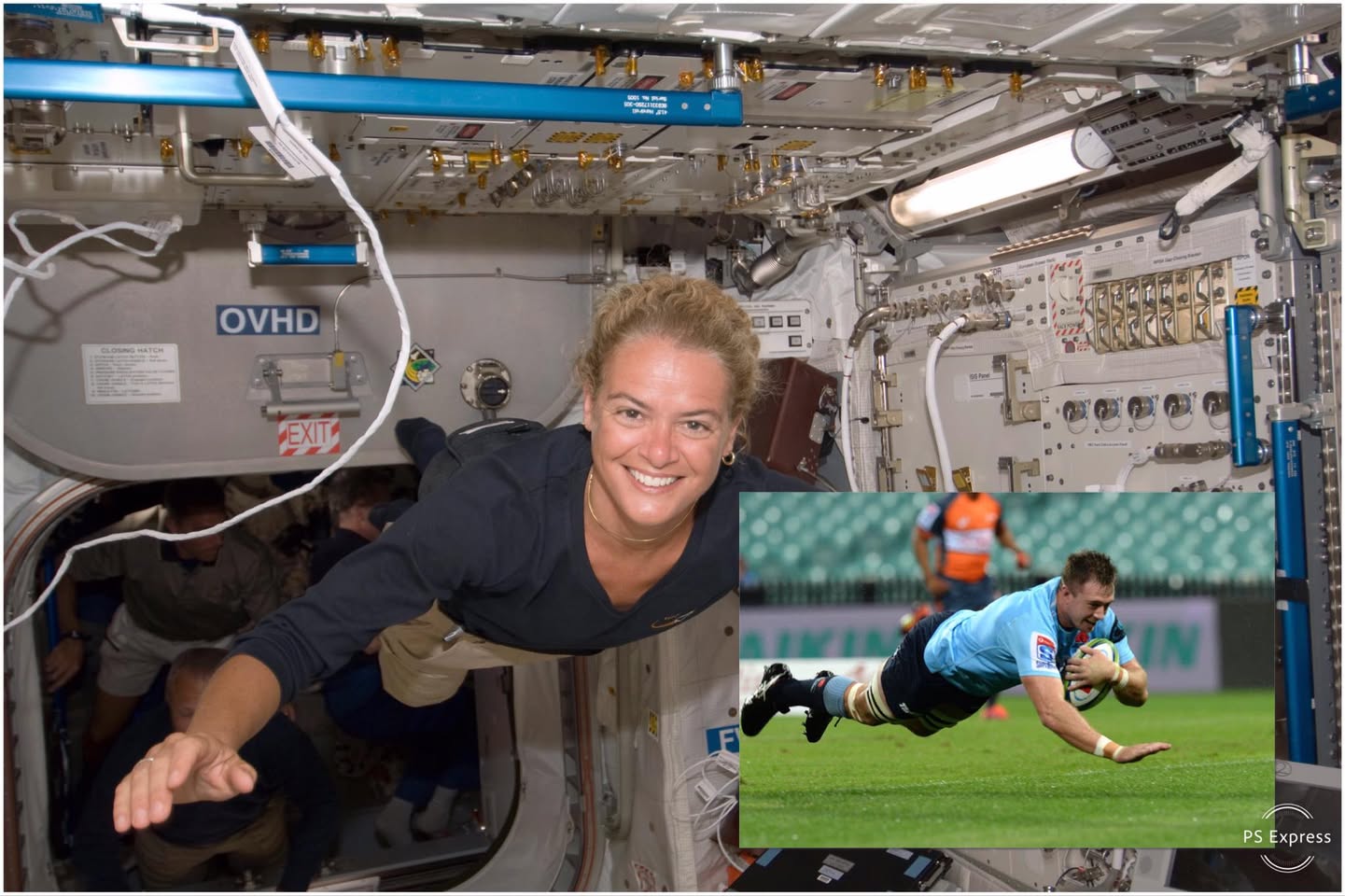
Shouldn’t the fact that astronauts like this come home to Earth often with irreversibly damaged bodies tell us we’re misunderstanding gravity? You’re in space too, space doesn’t start outside the atmosphere. Try this? You’re floating in space as much as they are. With one difference, you have a huge planet coming UP underneath you. Coming into contact with that planet doesn’t stop you floating, it just means you have that huge mass pushing UP into you, all day, as you float. Change your baseline to floating in everything you do, but with Earth pushing up into you as you float around. It’s a fundamentally different experience, and takes practice. You have to abandon the idea that here on the ground you’re pulled down by gravity. These astronauts have as much gravity on them as you do, and they’re floating.
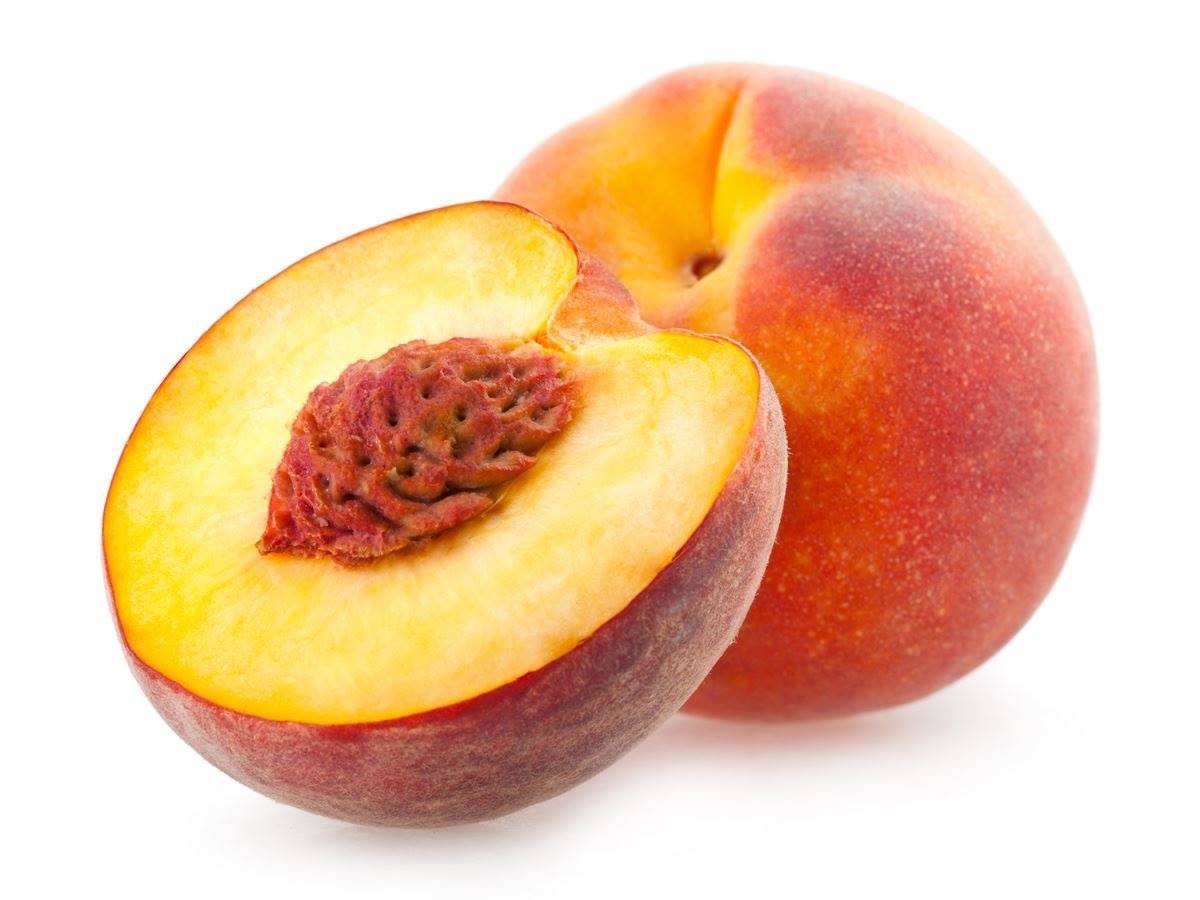
A straw poll. Do you prefer your fruit: A. A bit under-ripe B. Just ripe, but still firm and crunchy C. Ripe, and juicy I prefer A for bananas. And B for everything else. Can't stand ripe or over-ripe fruit that drips everywhere. It also has too much sugar in it by that stage, for me.
Another ultra-conservative political trick, on debt. 'Debt' is obviously a combination of revenue, and spending. What ultra-conservatives do is slash revenue, by cutting taxes, and then when the budget goes into deficit because of the shortfall, say "we're living beyond our means, we need to cut spending!" And there they have their trigger, to do what they actually wanted to do - cut the size of government. If you think that's a win for you, notice how the more they cut government, the more you pay out of your pocket for services. And private corporations get huge, as they paddle into the gap, and privatise the cut services, for profit.
In my experience, there is again only one true indicator of understanding - a feeling of surprise and joy. If you feel anything else, you’re not understanding something. Take politics, which many despair about, and feel outraged by. Add a dollop of Walter Lippmann - below - and see if it helps reframe the despair and outrage. “But even these differing tendencies are very small as compared with the immense area of agreement, established habit and unavoidable necessity. In fact, one might say that a nation is politically stable when nothing of radical consequence is determined by its elections. There is, therefore, a certain mock seriousness about the campaigning for votes in well established communities. Much of the excitement is not about the fate of the nation but simply about the outcome of the game.”
How would you answer if somebody asked, who runs Australia? Or who runs the world, or the place where you work, or your household? My guess is many would name a person or people to answer each of those. My answer is - routine. Routine runs all of those things. The complexity of our society is way too big for any individual or even group of people to manage. What keeps the lights on and food on our plates and everything else, is routines, routines set up by generations of different people. The past acts right now in the present, our routines or habits are the way the wisdom of millions, alive and dead, keep the world running. Also why I think it's mostly irrelevant who our leaders are. Not because the country is run by big business, or some other conspiracy theory, but because routines do most of the work. Nobody owns them, they evolve, you can't control them. Without them we'd be living in trees.

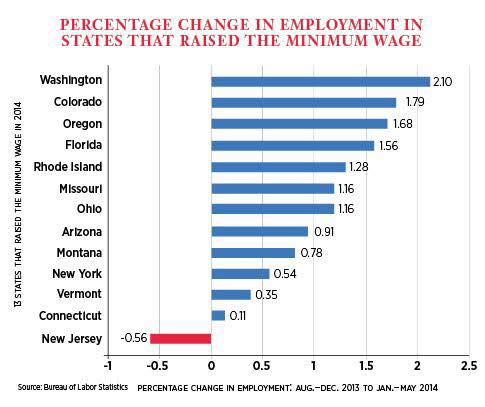
Another example of the ideas of penetration. ‘Higher wages kill jobs’. Hearing that a lot with the election coming up. If you see every individual as isolated from everybody else, then that might be true. But wage-earners are also customers, and more money for them means more cashed-up customers. Customers and business mutually penetrate. The numbers on wage growth and jobs are clear, wherever they’re studied. If you pay people more, they have more money to spend, at businesses. Everybody wins. If you want to stimulate the economy, give the money to workers, not business. It will then flow to businesses. Workers are the engine room of every economy, not businesses.
Happy Birthday! So young!
I have a daughter now old enough to drive. It's a tension for me, because: 1. I don't think kids should be driving cars. 2. I think society already has way too many cars and drivers. 3. The greatest killer of adolescents is road accidents. 115,000 adolescents every year die on the roads, worldwide. I also think we let kids drink way too young. But alcohol and cars are sacred cows for Australians. I wish education was. The countries that put education first are already taking over the world, while Australia is producing...can anyone think of something?
Look at that piece of ridiculously complex, inefficient junk on the left. There will come a time I'm sure when we'll wonder how we ever put up with stinking, loud internal combustion engines. 100% torque available from 0 rpm on electric motors too.

Trolls are the sort of people who live amongst us all the time. So I see social media doing again what it often does, making us visible to ourselves. We don’t often like to look in that mirror.
Australia, the world’s first immigration (Ponzi) economy. Demography explains so much, have a look at how much of modern Australia is explained in here. I don't get a lot of traction with the idea that our societies are run by routines and patterns (which are just us), not leaders, but you can see it all in black and white again here.
Have never understood why the person who prepares a briefing paper on a complex topic, is paid orders of magnitude less money than the people who read it.
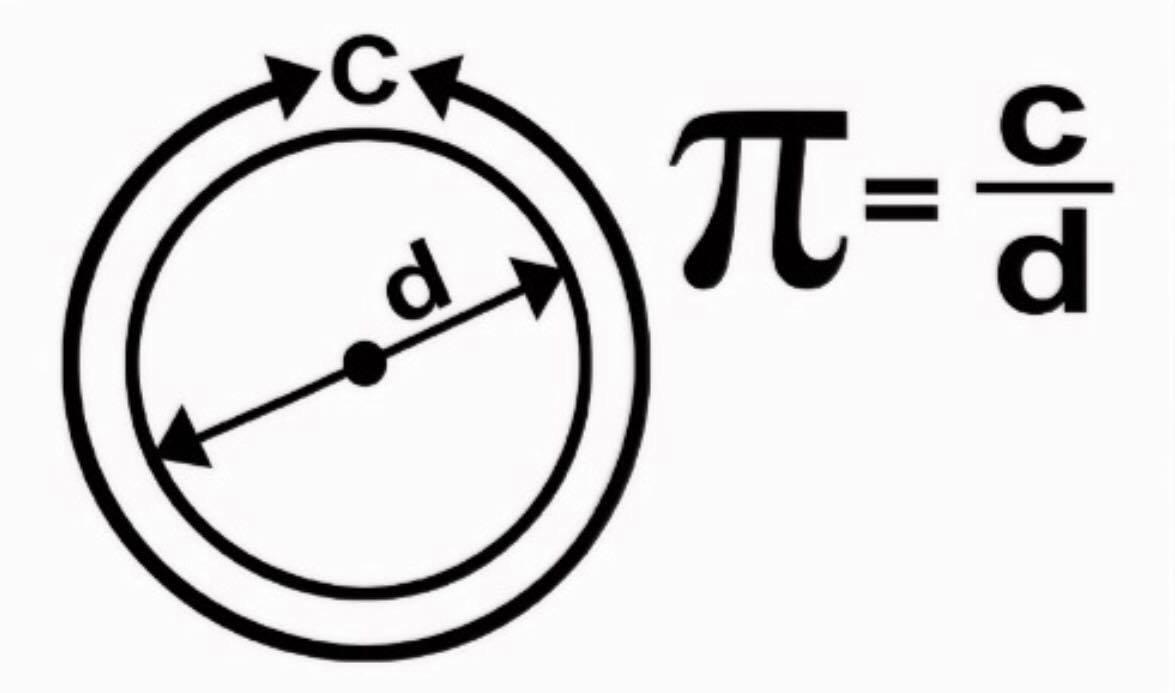
At school they teach you Pi is defined as the circumference of a circle, divided by its diameter. And that’s true, but what they don’t explain is - why do two perfectly simple finite lines, with clear beginning and end, divide to produce a number that goes on forever, without ever repeating? It’s why the Greeks called the numbers irrational, they made no sense. It was a real crisis in thought. It still is. It also means most circles you get asked to find the area of, don’t have a fixed area. Even though you can see that clearly they do.
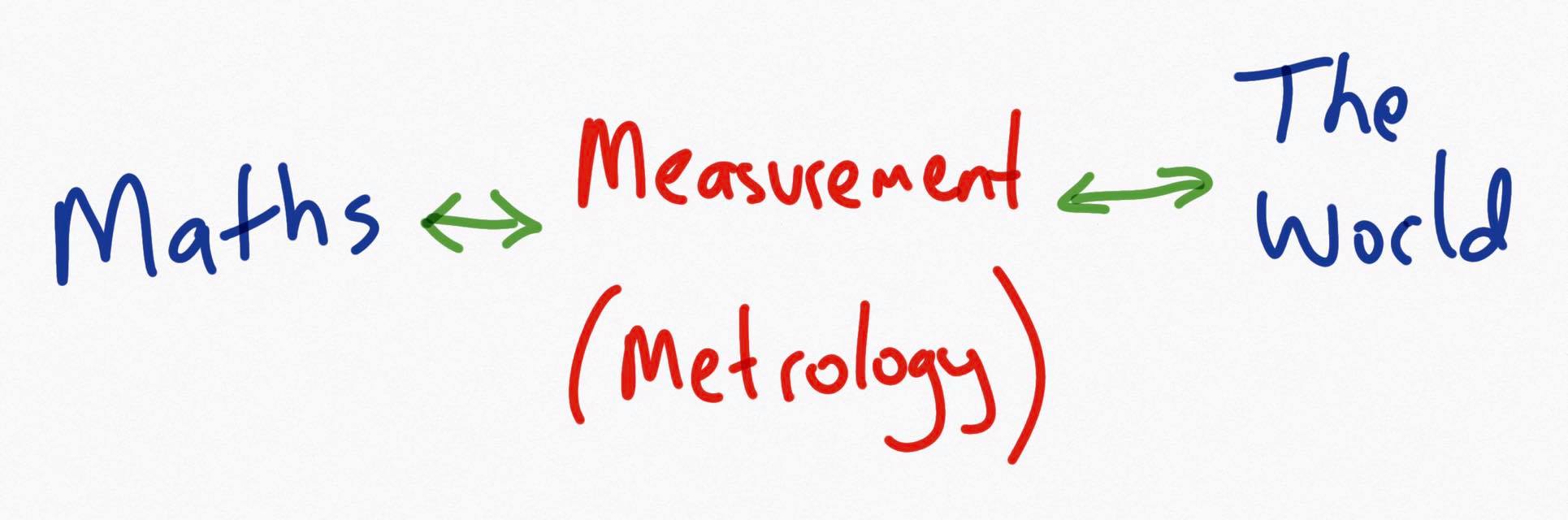
Metrology isn’t well known. It’s the science of measurement. There are lots of debates about how ideas and words and numbers and theories ‘apply’ to the world. None of them do. Metrology is what builds the bridge between words, numbers, theories and ideas, and everyday life. Metrology is also *hugely* expensive, it’s worth checking out just how much it costs society.
Happy birthday!
Could you see ‘society’ without some sort of screen, a TV or computer, for example? What if that’s all society is, a representation of ourselves, on screens? How else would you ‘see’ society? We’re the actors AND the viewers, society is us watching ourselves.
“Think about how powerless a mayor is,” West says. “They can’t tell people where to live or what to do or who to talk to. Cities can’t be managed, and that’s what keeps them so vibrant. They’re just these insane masses of people, bumping into each other and maybe sharing an idea or two. It’s the freedom of the city that keeps it alive.” Patterns and routines. Yes, I’m obsessed 🙂 I promise, they’re the window into all of the mysteries of existence.
I think pollies are very misunderstood. Take this one - that they ‘lie’. It’s been clearly shown that we all lie, all of the time, about just about everything. They are us. But on top of that, the job of a politician is to find compromises between groups of people who don’t agree. A political statement is a statement of compromise. But we’re often so pure and righteous in our views, that compromises sound like lies.
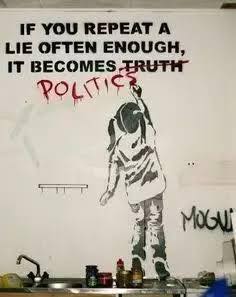
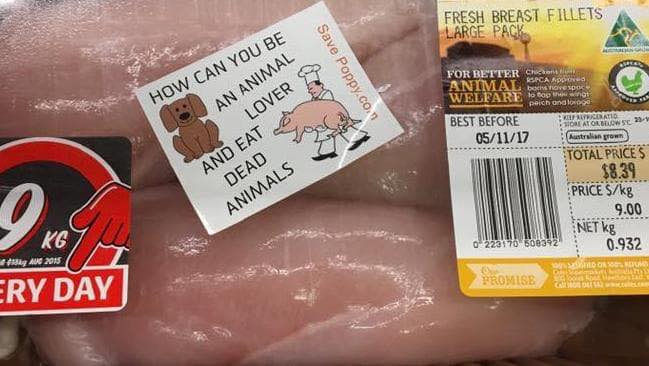
It’s difficult to find bigger zealots than some vegan activists, like the ones who put stickers on meat in supermarkets. The cause isn’t even based in reality. Avoiding meat: 1) isn’t better for the environment 2) isn’t more ethical, and 3) isn’t better for your health.
If your familiarity with Queen is mostly the hits, one thing that can get missed is what a kick-arse rock and roll band they were. Just a short clip here, but listen to that power trio go. Brian May said they built a ‘wall of sound’ for Freddie to sing over, and you can hear it here. Roger Taylor’s cymbal work is so underrated, he was a percussionist in his thinking sometimes, more than a drummer, it fills spaces amazingly.
4 minutes of wonder. Underneath the veneer of anxiety and apocalypse, there are patterns in the world and society that we don’t see. But when somebody finds them, everything else falls into place. https://youtu.be/jbkSRLYSojo
Both weightless, both falling. I thought it was a nice illustration of how life here ‘on the ground’ isn’t really that different to life ‘in space’. If you land on the ground, it stops you falling, but it doesn’t suddenly give you ‘weight’. You had weight the whole time.
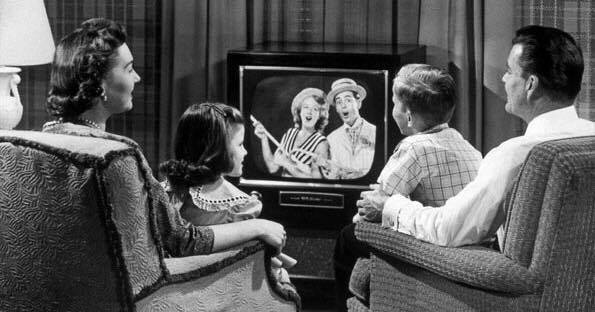
Here’s another reframing. A ‘world in crisis’ is just our usual channels, of TV and film and now social media, feeding back to us the complexity of the world we’d ignored before. ‘No politics please!’ is the voice of privilege, we had decades of pretending life was simple and easy and comfortable. That comfort was due to our power, and now it’s unravelling. We watched the world for a long time, on TV, from the comfort of our lounge rooms. Now the world is coming to us, and the more it does, the more scary the stories get on our screens.
How many relationship problems are due to the fact that people mature at different rates? We tend to blame individual personality for a lot of these problems, just as we say the problem with politics is individual character traits of politicians, like greed and dishonesty. We like to play the (wo)man, and not the ball.
Boeing is in lots of trouble here. Flying is something to me that's like an essential service, it makes me profoundly nervous that it was turned into a 'competitive industry'. When you read this you'll see what I mean, corners were cut here, and so far several hundred people are now possibly dead as a result.
Elections and leaders to me are like picking the colour of your car. Society is the car, a very complex piece of engineering, needing large numbers of smart people, hard work and tradition to keep running. It doesn’t matter what colour you pick for the car, it has only a tiny connection with all those smarts and work that actually build it and run it. We’re obsessed with leaders, reality is like a big TV show for us, with the leaders being the main actors.

Happy Birthday Miff!
Happy birthday Amanda :)
White meat and red meat, it's only in recent years I learned why there two main types. It's all to do with the fibres, fast-twitch (white) or slow-twitch (red). White meat is muscle used for short (anaerobic) explosive bursts of energy, and tires quickly. Red meat is aerobic muscle, used for basic support or 'posture', and doesn't tire, it can be active all day. Fish meat is white because fish don't need to support themselves, water does it for them. So their muscles are generally fast-twitch (white), for explosive bursts of swimming. Humans and some other animals have both red and white meat, because we need to be supported as well as needing to occasionally do 'explosive' things. What's truly amazing, and my friend David Gorman has done a lot of work on this, is that red and white can change into each other, depending on how you use a body. Two people can have quite different distributions of red and white muscle in their bodies, and the same person can have a different proportion over time. For example, if you strain against 'gravity' all day, or do a lot of high intensity gym work, you'll tend to develop more white, easily-tired muscle. Whereas if you learn the types of skills David teaches, of using gravity to support you and energise your tissue, your proportion of red muscle will increase, you'll live without feelings of strain and won't tire easily.

"Big country. Small minds." (New Zealander, describing Australia.)
Good on Ross Gittins, himself a boomer, for calling out the real injustice of our time. (It doesn’t mean boomers are horrible people, this isn’t about personal characteristics, it’s about demographics.) “Not enough people realise that our system of taxes and benefits is explicitly designed to move money between the generations.”
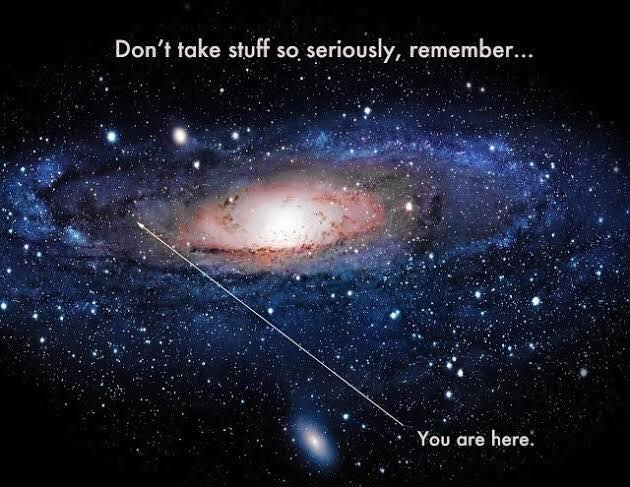
This is cute, but I think there’s something very important about it at the same time. It’s the same thinking that points at a map and says ‘you are here’. None of us live in maps. And none of us live in space, like this, it’s a construct. A very powerful one, that *is* our culture, and so we don’t see it.
I got nothin’.
Why I think Waleed Aly is important for Australia. 1) He makes being smart and informed sexy. 2) He shows that answers are complex and usually not where you think they will be. 3) He shows that migrants and Muslims rock. 4) He doesn’t drink, and is still cool. 5) He crosses the usual divide between highbrow and lowbrow.

Overpopulation is another rich and privileged person’s way of seeing the world. Got a tinge of racism about it too, it’s very common to think all those poor brown and black people are too stupid to control their own fertility. I miss Hans Rosling, a genius educator. https://vimeo.com/122112096
Happy birthday! Only a year until the half century!
All of the retailers charge about the same, about the best this can achieve is a nice chat with some poor call centre person. This pervasive fantasy, that informed customers will drive a supply of cheaper energy with their demand for it - who still believes it? I spoke with a pensioner the other day who spends all day in bed, in winter, because he can't afford heating.

In this book I co-wrote with Alan Bain, we looked at why education usually fails. Kids learn, but the schools and universities they go to contribute very little to that learning. It’s hard to raise that without insulting teachers (it’s not their fault), but it’s easy to prove and hasn’t changed in generations. I was a teacher, this is the reason I’m not any more. Plenty of teachers try to deal with this situation, but they can’t do it alone. For decades it’s been known how to teach anybody just about anything. But our schools and universities are not set up to use that knowledge, it’s as simple as that. The response from schools and universities is usually a ‘retreat to relationship’, where it becomes about teaching the ‘whole child’, like a proxy parent. The response from outside schools is to have more and more external testing. Both approaches have no effect on learning. Not one tiny bit.
Happy Birthday mate!
Happy Birthday Kim, I imagine a day of being completely spoiled. I have to share my birthday this year with Mothers Day, doomed.
:)
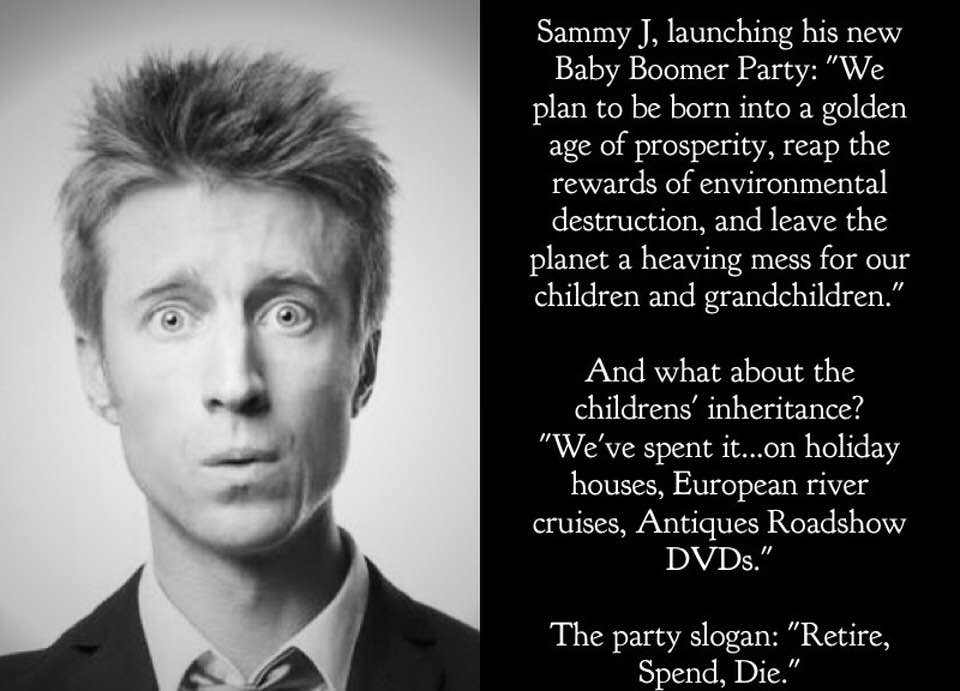
More reframing. The people of the UK can’t agree, on Brexit. Is it a crisis, or could disagreement be the basis of a society, not just agreement? Compromise as the basis for society, rather than the false gods of agreement, like ‘the economy’, or ‘sovereignty’, or ‘Left’ or ’Right’? Why can’t we say compromise between *disagreeing* people is the new way our societies will run? We have very little appetite for compromise, we’re all extremists, all so sure our view is the right one. Including the ‘no politics please’ view, probably the most extremist of the lot.
I have no problem with the old, that’ll soon be me too. But we need to see society for what it is, and at the moment society is outrageously skewed to the old at the expense of the young. There isn’t one political issue today that doesn’t ultimately reduce to this inter-generational injustice. “The relative affluence of today’s elderly is historically unprecedented. Never before have the 75+ had the highest median household net worth of any age bracket. Today, the typical 80-year-old household has twice the net worth of the typical 50-year-old household. As recently as 1995, they were about equal.”
Science copied the law when it invented laboratories. It put facts on trial, an experiment is a type of trial. I think you can see this in the real problems forensic science is having, once scientific facts enter the courtroom, they suddenly lose a lot of their certainty. https://www.theatlantic.com/magazine/archive/2016/06/a-reasonable-doubt/480747/
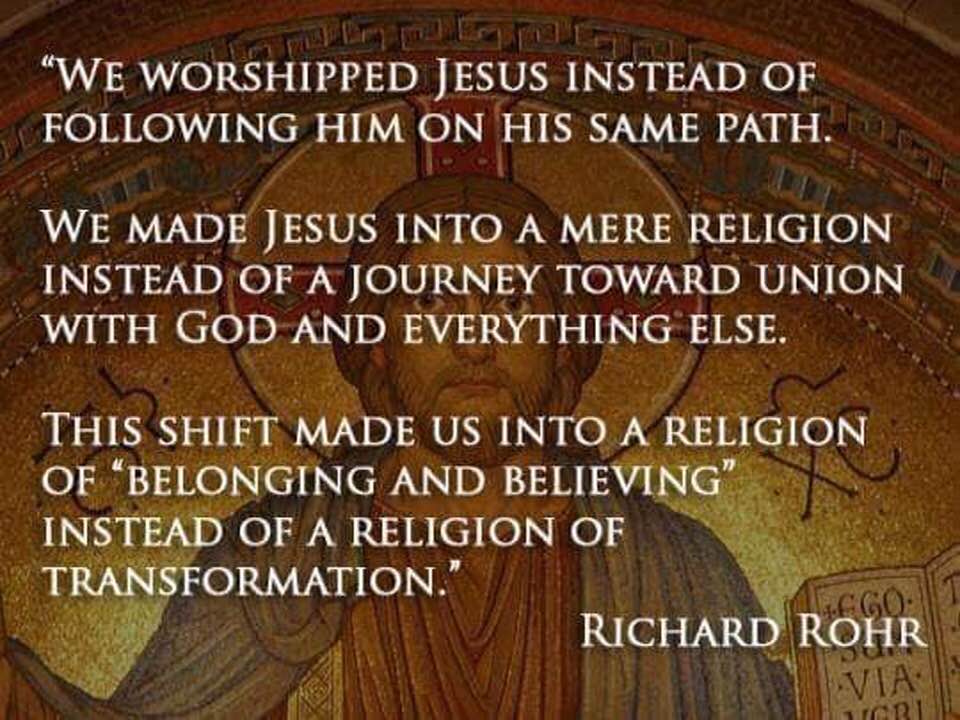
I’m not a church-goer, but yup, this is exactly what happened. Religion became ‘belief’ in things, and ’faith’, that these beliefs are true. It’s why I’m deeply religious, but not at all in a way that is widely understood, today. I don’t ‘believe in God’ or ‘have faith that God exists’, or ‘belong to a religion’. None of those is religion. Religion is the transformative power of presence. I think we idolise and worship people to this day, people who give us that sense of magic and presence. And therefore make the same mistakes.
Water is soft and gentle. The hard always looks stronger, in the moment. But soft and gentle shapes the world. Like gravity, the weakest force, that creates everything. My kids are gentle, I try to teach them that gentleness is the ultimate strength.

The skills of disagreement and compromise. They should be more explicitly taught? https://youtu.be/QQmqMZ-1v7c
Good eating, apparently.