April 2019
Complete text-bearing Facebook records from the export.
Thank you @[1630792649:2048:Peter] for this wonderful piece. It’s difficult being between those who believe and those who don’t believe. It’s not about believing ‘in’ anything.
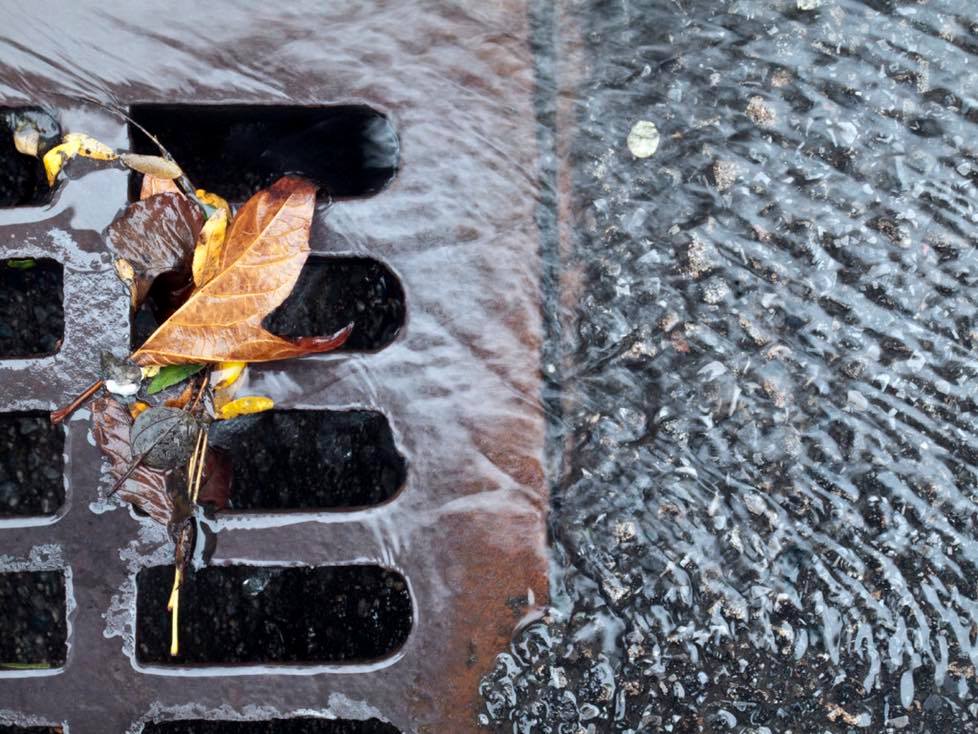
Being a homeowner teaches you, I think, the same thing civil engineers and plumbers know. That civilisation is mostly about drainage. Get the drainage wrong, even a small amount, and everything crumbles. I love the behind the scenes work that goes on in society, for example with drainage, that is invisible to most but which keeps us all alive and comfortable. Drainage is a particular favourite, because it tends to use gravity to do the work. Extremely elegant.
Watching the big election bribery cash splash. I mean budget. The usual stuff both sides trot out, idolising small business. There’s nothing wrong with small business. But it isn’t the engine room of our economy, or any economy. The fact Australia has so many of them is I think a sign of our economic immaturity and fragility. Also, the LNP is edging closer and closer to a flat tax structure. I don’t think the danger and injustice of flat taxes is really understood. And tax cuts, what’s going to pay for the services our old population needs? More burden on the young?
I’m proud to say I’m an expert on committees, it’s a big part of my job, I get paid to do it. Some observations about committees from years of working with them: 1) everybody hates them, but take them away and people will just reinvent them and call them something else 2) people think smaller committees are more sensible, because it’s easier to get agreement. The problem is, you still have to do the work of convincing everybody who’s *not* on the committee to go along with its decisions, so it’s a false saving 3) committees are central to civic society, they’re extremely sophisticated, formal ways to get agreement amongst people 4) every formal committee is a mini-parliament, connected in law to our main parliament 5) most committees are run very badly, and so get a terrible name, and 6) the fact that it can be a struggle to get even a handful of people around a table to agree shows our hypocrisy in hating politicians, when they can’t get millions to agree.
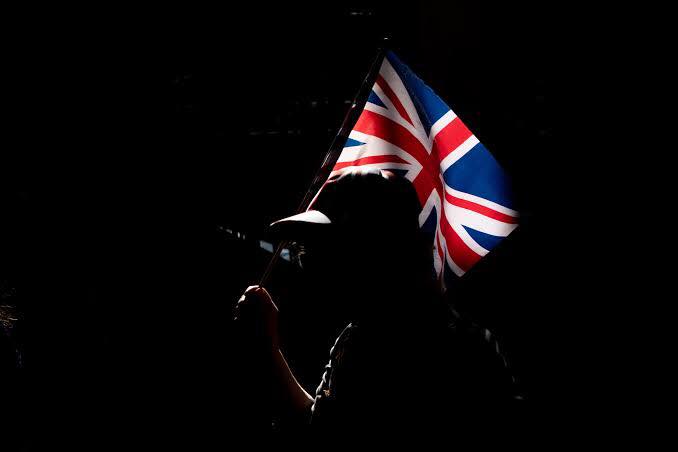
I think I drove some of my friends mad by always asking ‘what does ‘we’ mean?’ We is one of society’s genuine mysteries. What is it? Yes it’s all of us, as a group, but how does that group actually hold together and work? What’s brilliant about Brexit is that I think it’s showing us that we don’t have any idea what ‘we’ is. While things are working ok, it seems an obvious question. But look at the UK right now, nobody can say what ‘we’ want. Nobody even knows what ‘we’ is. But everybody talks about what ‘we’ should be doing.
Pensioner, living alone, quoted in the news today. “How a person can live on $67 a day, this is supposed to be the land of plenty. Plenty for who? Not for us," he said. "Our generation, we worked hard and all the parties, Labor and Liberal, have neglected us." The voice of entitlement? Newstart people didn’t even get the energy cash splash, to help cover power costs, and they’re often raising families. And their allowance is way below the agenda pension. Every generation works hard their whole lives, I’m so sick of that one. Why didn’t they save some money? They spent the lot at the cheapest time in world history, and expected the pension to fund their entire comfortable retirement.
Selfishness - it’s all about me - versus altruism - it’s all about you. It’s a bizarre choice? I think the animal kingdom shows a much more sophisticated range of relationships, which are all part of society too: Symbiosis - one benefits, the other is unaffected Mutualism - both benefit from each other Amensalism - one is harmed, the other is unaffected Parasitism - one benefits, the other is harmed. What’s really important here I think is that *all* options are negotiations. Selfishness and altruism are myths. What’s good for me is usually good for others, what’s good for others is usually good for me, and other permutations in between.
"But I wonder also if it is us — entertained to death, with a closet full of our team’s favorite colors hoping to beat the hell out of the other guys." I agree with this. Politics needs sides, but we need to be doing more than lining up behind one of them. For example so often people will default to a bit of Trump/Shorten/Morrison bashing, rather than engage with actual ideas.
In 1991 about half of teenagers drank. Now the number is about 15%. (Young people today, go you.) That 15% who do drink tend to binge though, which is not good. And they also tend to be kids whose parents introduced them to alcohol in the home, hoping it would make them more responsible drinkers. Research suggests it tends to do the reverse.
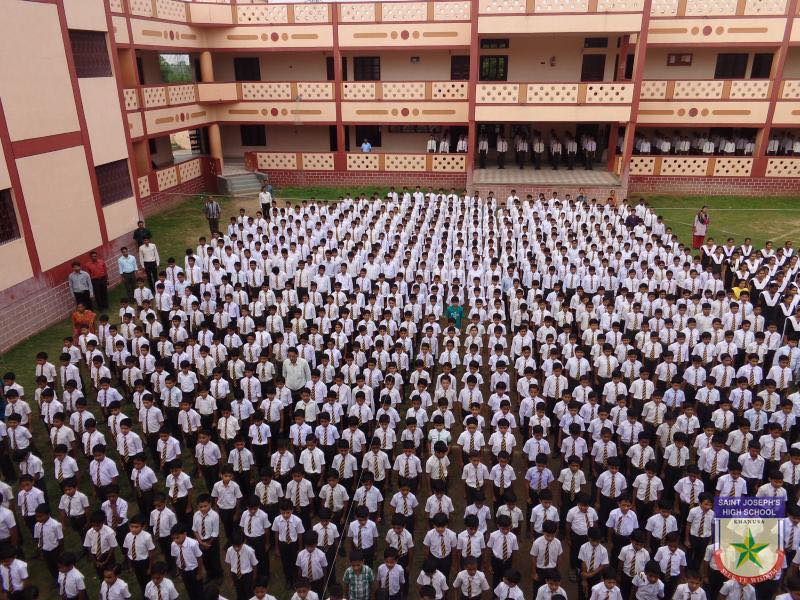
I still think we often have society upside down, in our thinking. Take kids, and school. We often assume society is made and driven by adults. I think it’s the opposite. Not only does our own social circle of adult friends often derive from the connections our kids make at school, I think you can also ‘read’ a society through its schools. Kids invent society, with each generation - they take their experiences at school and those shape how they act as adults, but also shape society while they're still kids. It’s been shown this extends even to language, where kids invent most new forms of language. Have a look at this school, it screams at you that this particular society is probably pretty regimented. The circle of life is more like a percolation between generations.
Politics as sport, an example. Brexit again. Divided into pro-Brexit and anti-Brexit forces, which is how politics should work. However outside politics, this is also how the public is tending to line up, backing their respective 'side'. What I don't see is the discussion that should come before all that taking of sides, it's mostly just like watching sport. For example, I think the idea of leaving the EU and being a 'sovereign Britain' is a fantasy. However I also see that there are actually very good reasons that the UK and Europe are not compatible. They have fundamentally different ideas about societies, as you can see in their legal systems. Common law versus civil law. On that issue, I'm on the side of the Brexiteers, common law society is far superior to civil law society.
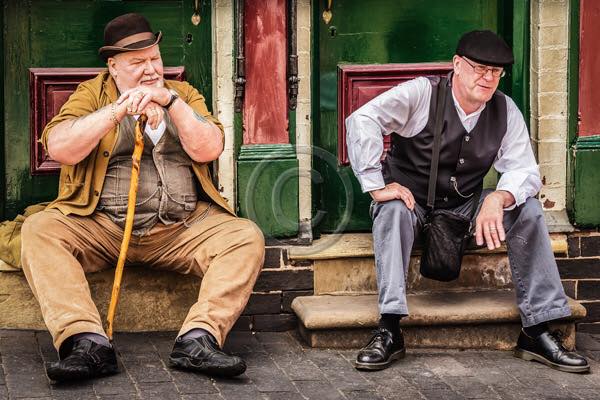
You can’t feel your own weight. Learning that changed my life. ‘Taking the weight off your feet’ (title of this pic) is impossible, because there’s never any weight *on* your feet.
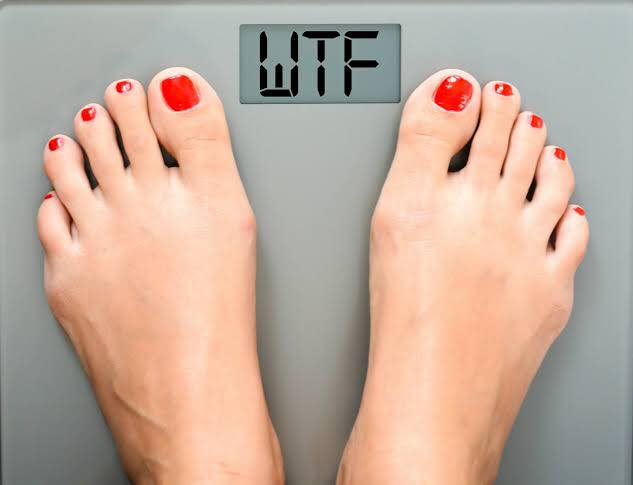
The expression ‘losing weight’ is actually pretty bizarre. As if you have something called weight, that you can add or lose. Weight is a force, it’s a relationship between you and the planet. I think it betrays a way of thinking about our bodies. We think of weight as a type of heaviness. Those feelings of heaviness are not weight, you can’t feel your weight. They’re feelings of unbalanced forces between you and the Earth. No matter what size and shape you are you can be completely free of any feelings of weight or heaviness, just by re-balancing the forces.
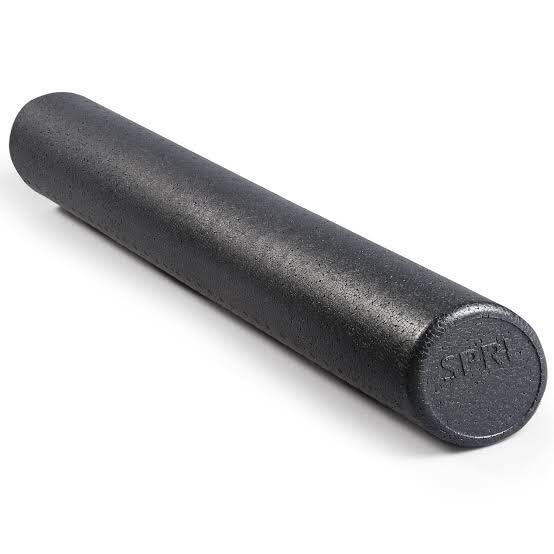
I discovered something a few years ago, and others may have before me. If you have a foam roller like this one (useful in so many ways), place it vertically, down the midline of your back, between you and the back of any chair you’re sitting on. You’ll likely find that it causes your upper body to be effortlessly suspended, it prevents all slumping and slouching and instantly removes lower back pain. One reason I suspect these rollers do this is because with flat surfaces, it’s easy for us to forget that all standing and sitting is really a balancing. We tend to slump onto the flat surface. When you curve the surface you’re supported by, you can’t actually slump onto it, it forces your body to achieve a dynamic ongoing balancing. We evolved on uneven surfaces, and many of those have been removed from our environments. We sometimes curve our seating, but the other way, because we think it will be more comfortable because those curves match our slumps and slouches. But if we flip the curvature the other way, it’s like magic. You can sit or stand on a roller or other curve too, and get a similar effect. It’s like standing on a tree branch, and we did a lot of that in the last few million years.
One of the reasons the metoo movement disturbs me is that it often identifies behaviours in men, but has no insight or even interest as to the cause of these behaviours. Men, like women, can carry emotional issues for a long time, and it can come out in their behaviour. But it’s very common to mock the behaviours instead, and put them down to a sort of general dickheadedness, or some gender studies fantasy construct, like ‘toxic masculinity’. Most of us go through life doing our best to make sense of it all. But the ways we do that won’t always look the same. The righteous moral categories we apply to people are terribly damaging to the complexity of human experience.
So the EU has now voted to get rid of Daylight Stealing. And Trump has endorsed that the US do the same. We may finally be seeing the end of this staggeringly stupid thing.
Kids have to learn to balance. Adults think they don’t. But all human activities need balance, and as we do more complex things as we get older, we should be learning new balancing as we do. But we often don’t, we tighten and hold on to ourselves, usually without realising this is what we’re doing. A slumping and slouching person, for example, is an unbalanced person. I wonder if one of the causes of our bodily woes as we age is our rectilinear towns and cities. Dominated by straight lines and flat surfaces, even at the furniture level. Balancing is easier on flat surfaces, but it can also encourage us to forget that everything we do is actually an act of balance. So we stop learning to balance in our new activities, we hold and tighten ourselves instead. If our environment were more irregular, balance might be more forced on our awareness.
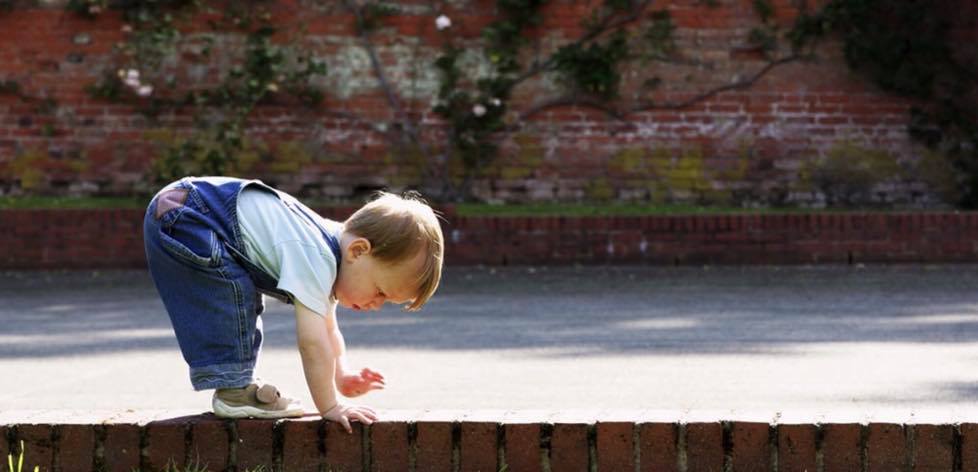
Watched some election talk today. It comforts me thinking that society is way too complex for anybody to really be able to lead or run. No person would know how to keep society running for even 5 minutes. Elections and politics are a sideshow, the tiniest veneer sitting on top of that mass of complexity, which they barely scratch.
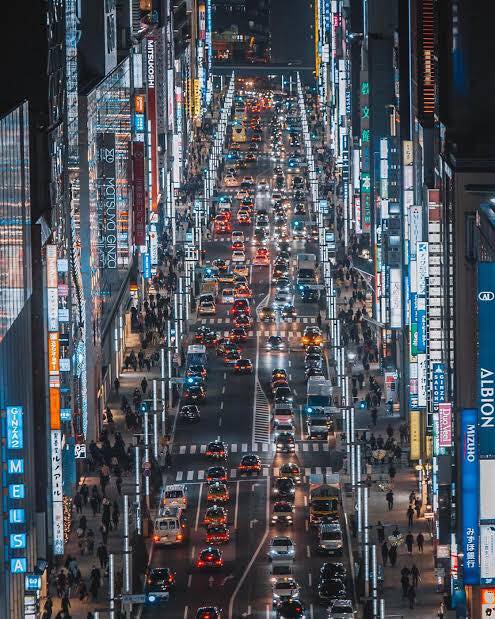
Interesting what the ‘creatives’ come up with sometimes in marketing land 🙄
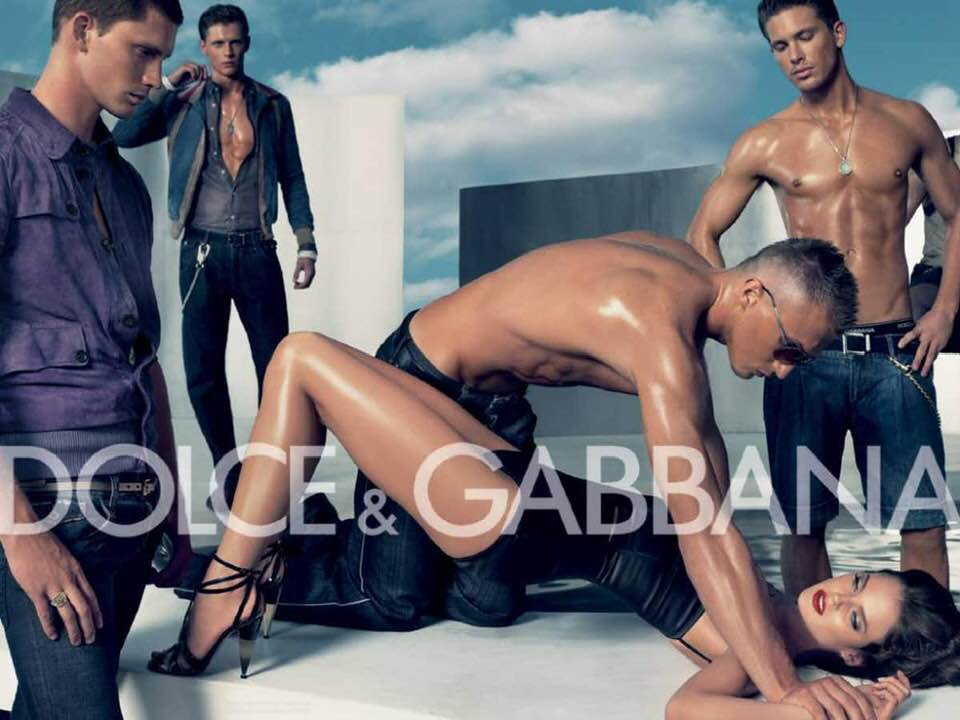
The thing that isn't often mentioned on this topic is that a nation of 'small business' is rarely going to have a lot of jobs for graduates. Investing in and building things will, but the LNP call that 'spending', and so it's apparently bad.
Those poor boomers, so glad they got another big super top-up from the rest of us :) https://theconversation.com/the-budget-super-change-that-helps-the-wealthy-at-the-expense-of-the-young-114811
Hunger will make people do weird things.
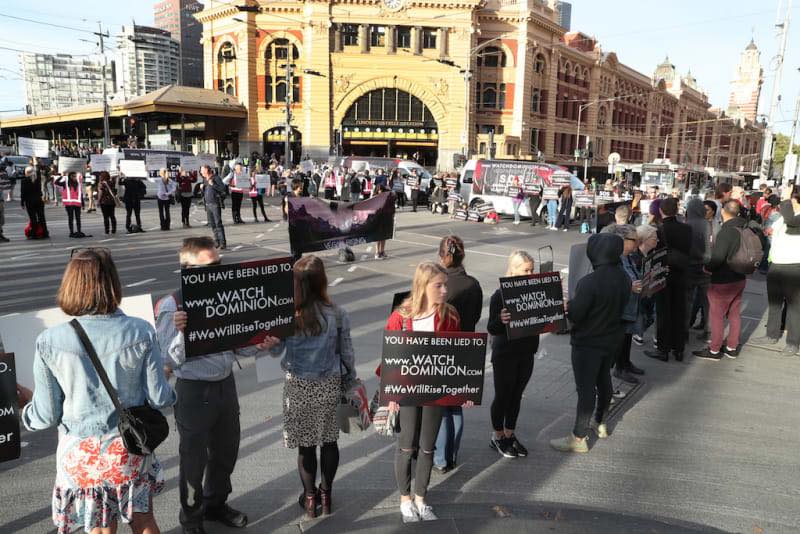
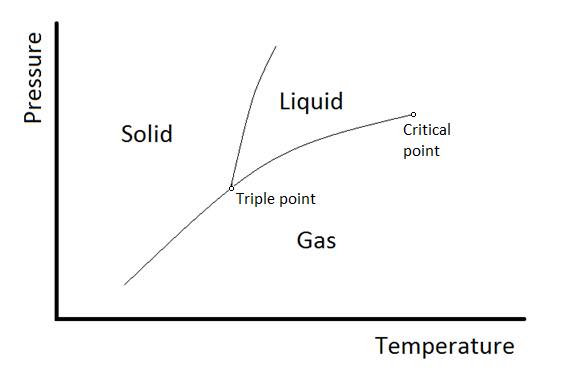
Metaphors shape how we understand and act in the world. The overwhelmingly dominant metaphor for organisations and society is the ‘top and bottom’ metaphor. Leaders are at the top, everybody else is at the bottom, and actions flow ‘top-down’ or ‘bottom-up’. Phase diagrams like this one are a much better metaphor, I think. You can see here, it’s all water. But it changes phase depending on conditions. That’s how organisations and societies work too. It’s all us, what we call leaders and top and bottom are just different phases of us. There is no top and bottom.
Think I posted this a while back. Mike could teach fanatical vegans a thing or too. If they’d listen, which is unlikely.
Happy birthday mate
Timberrrrrr!
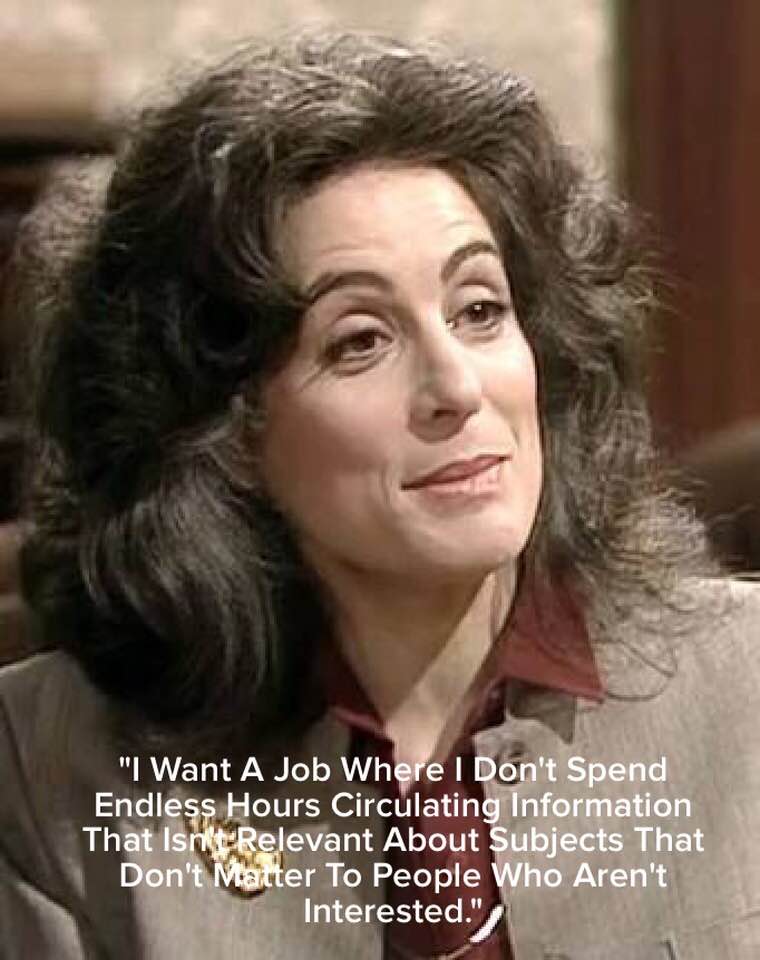
Deserves a re-post. I know a lot of people with jobs like these.
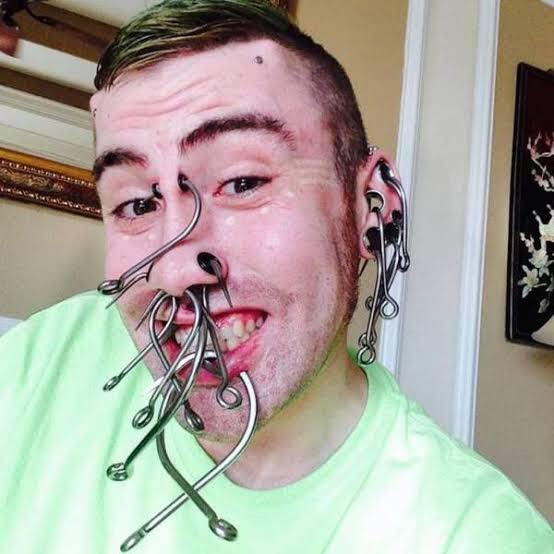
I bring this up on the iPad when my kids fight. They stop fighting, eye-roll me, and then go back to fighting.
If you don’t make education interesting...
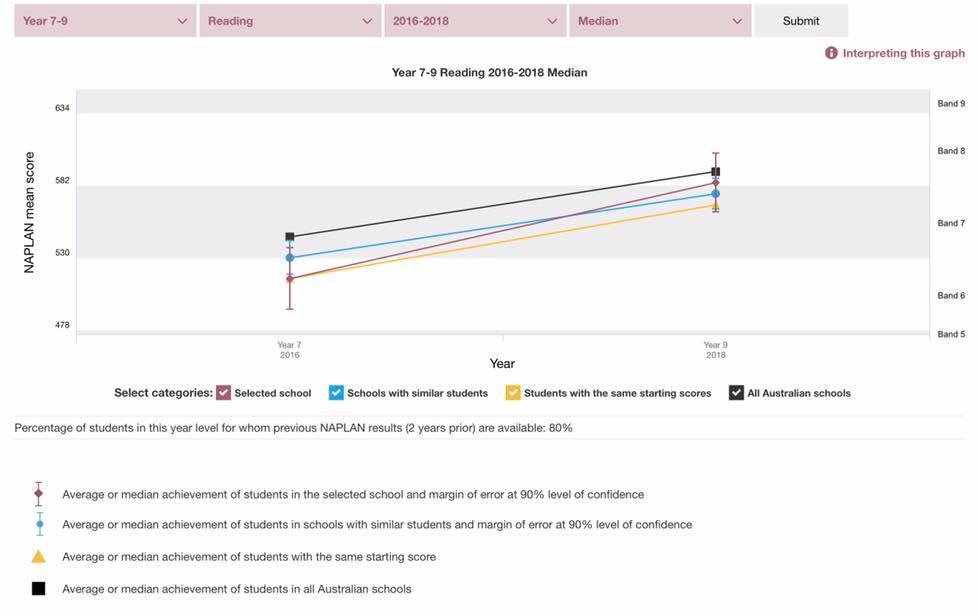
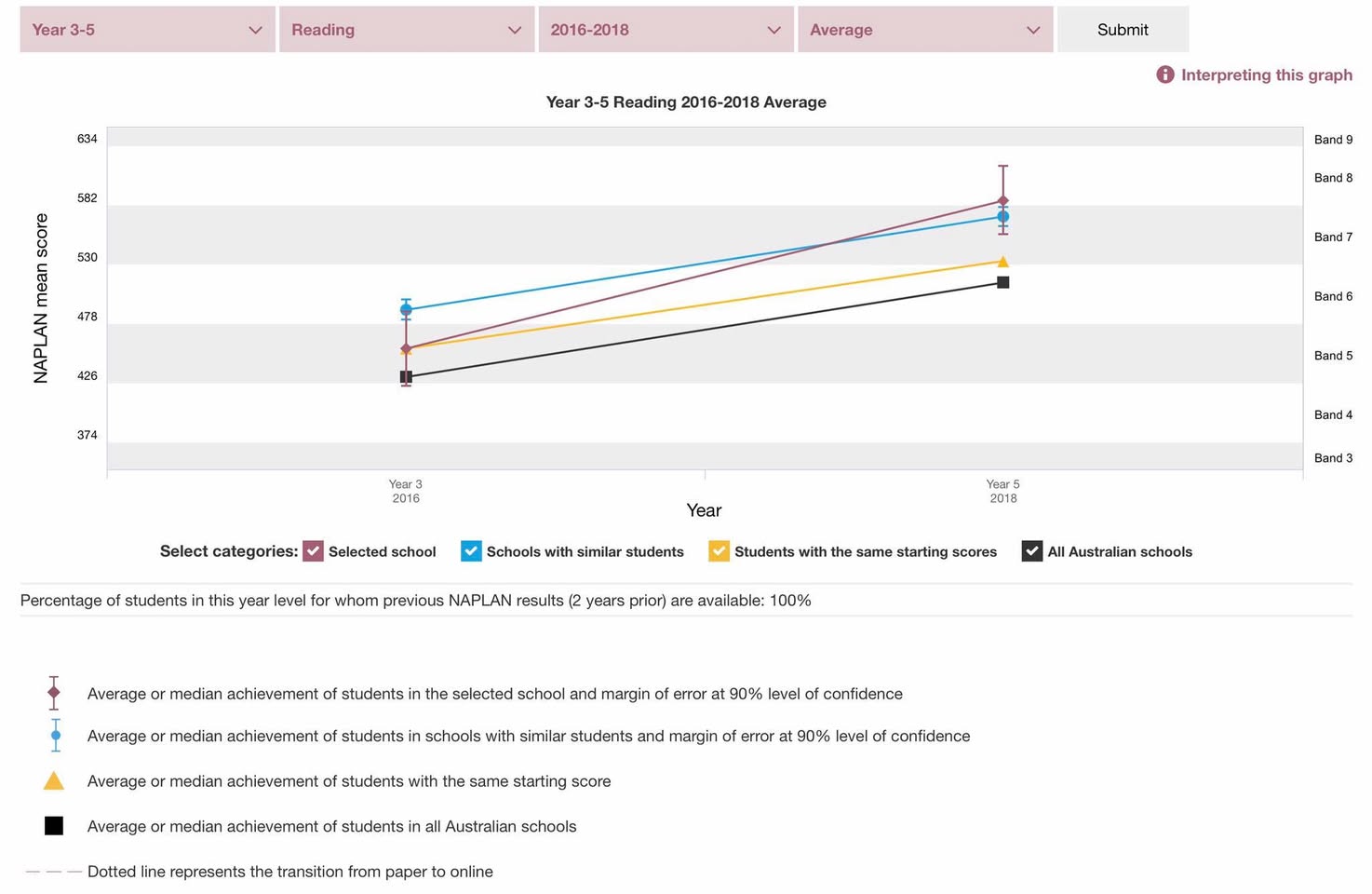
My annual trawl through NAPLAN. These are two schools said to have made ‘remarkable’ gains, by strategies such as employing a writer in residence, and having regular meetings to track student progress. Both ‘gains’ are within the margin of error. And these are schools said to be doing well, the ones that supposedly aren’t don’t even bother the error bars.
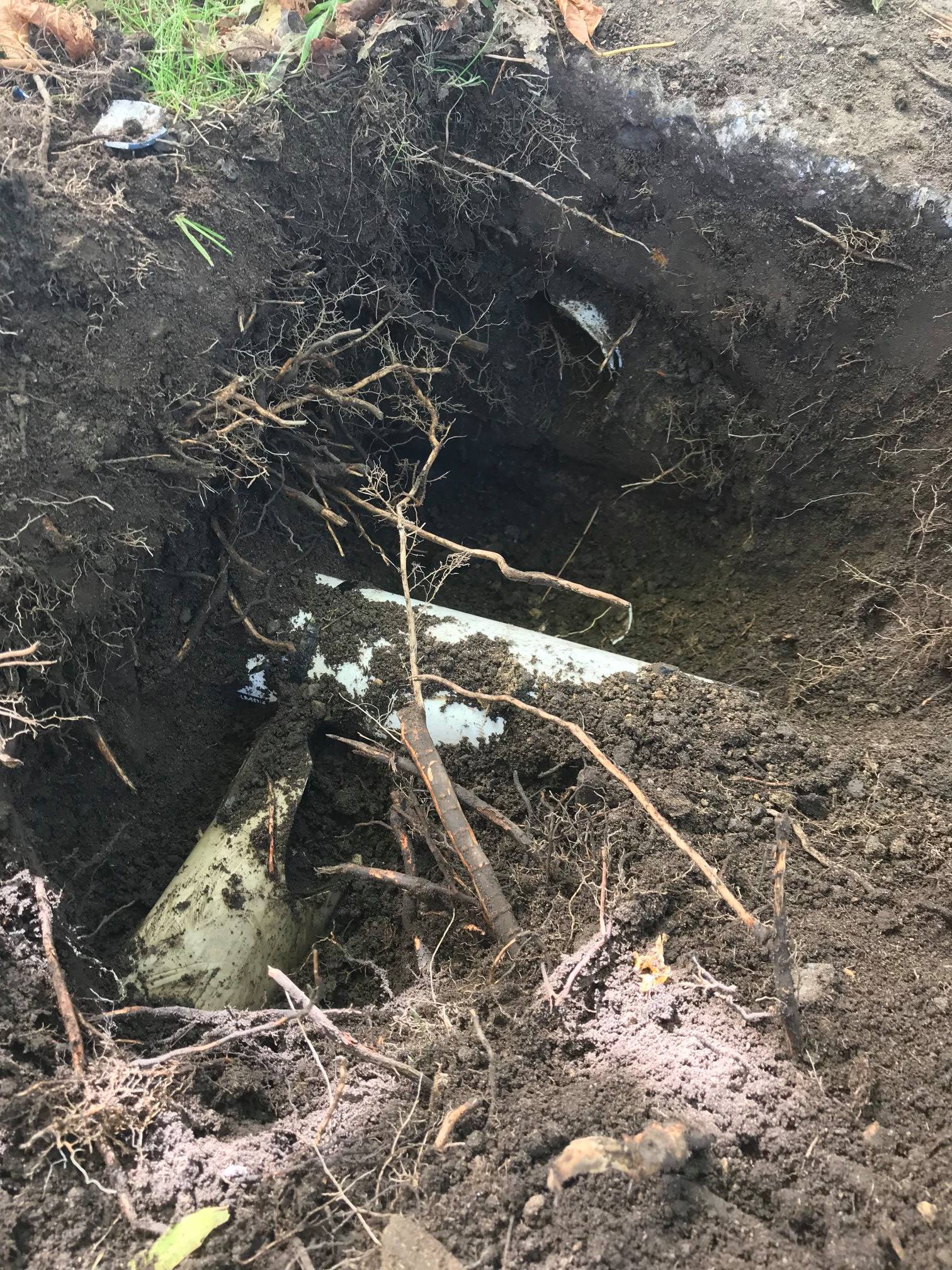
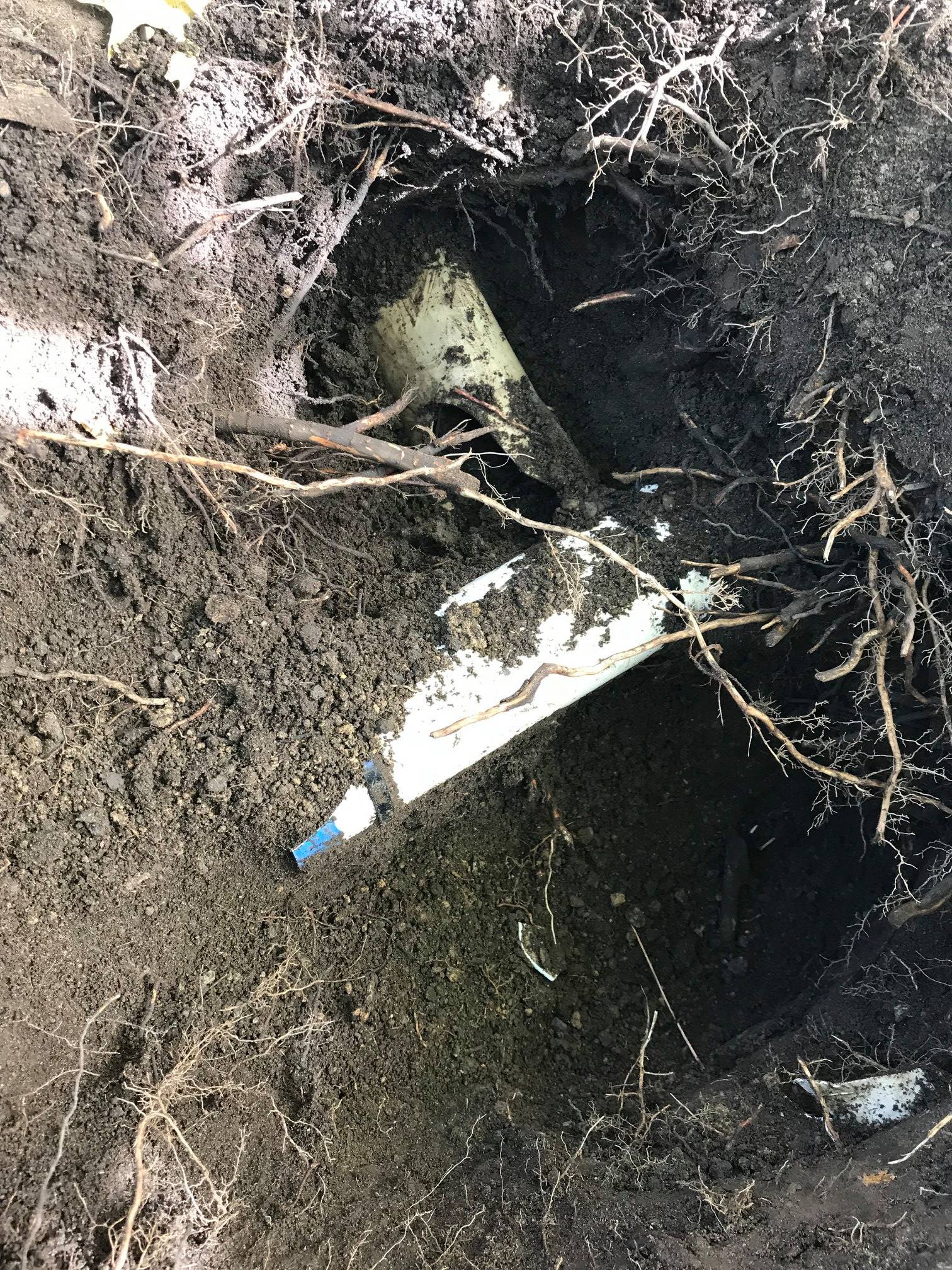
I'm eagerly awaiting NBN at my place. If you're getting Fibre to the Curb (FTTC) in Lithgow, might be worthwhile checking your stormwater connection to the street though, look at what the NBN conduit did to ours.
The perennial. I think an important topic because so many of our assumptions about physicality are bound up in this one. I think smacking is vital to the psychological health of all children, without it they become whimpering, anxious wrecks. Many will make any sort of touch = physical abuse. And that's it, in a nutshell, for me. We have no nunace in our thinking at all in relation to touch. Whether it's smacking, affectionate touch between relative strangers etc. Touch is where a lot of curious assumptions we carry around come to a head.
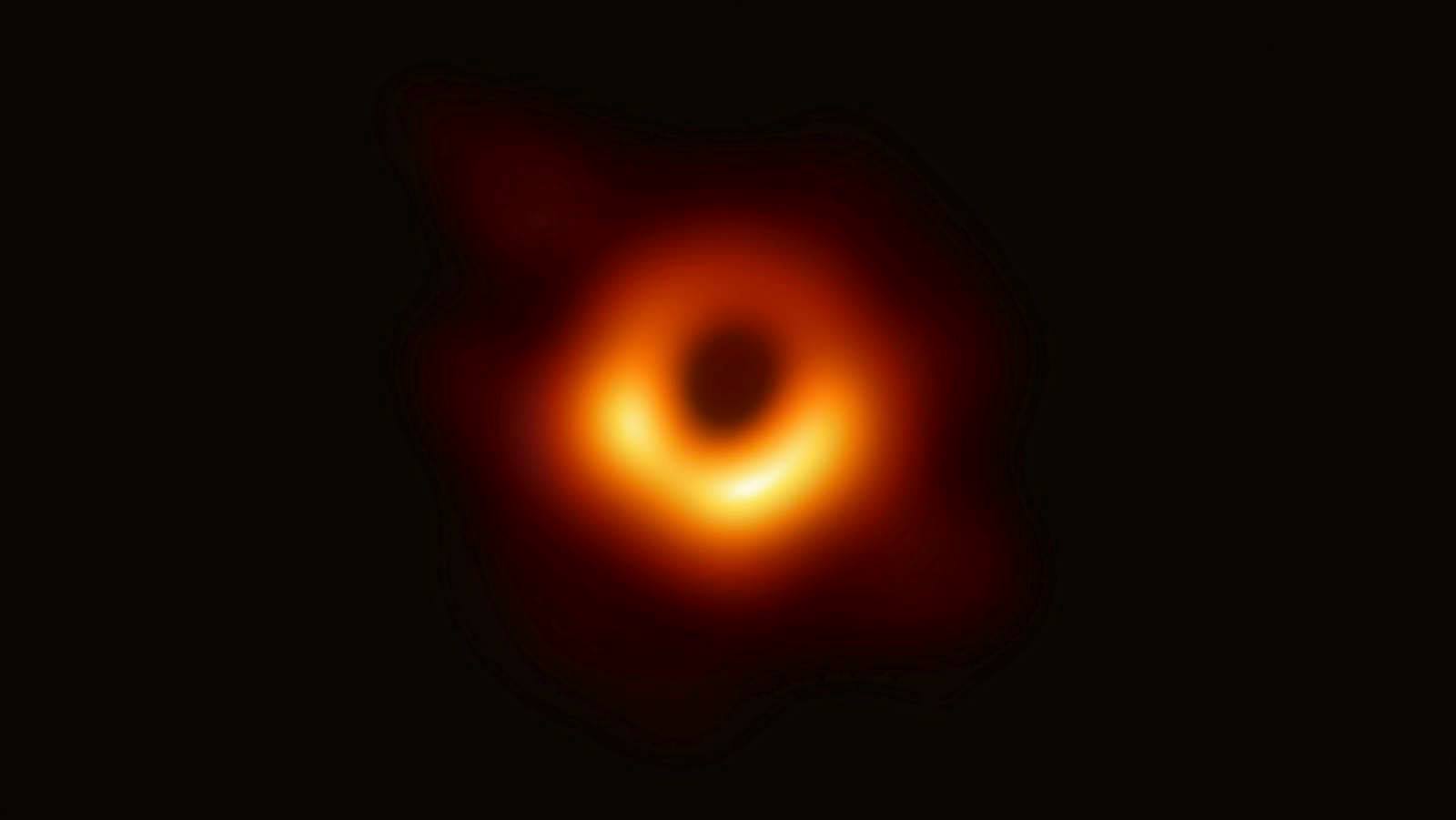
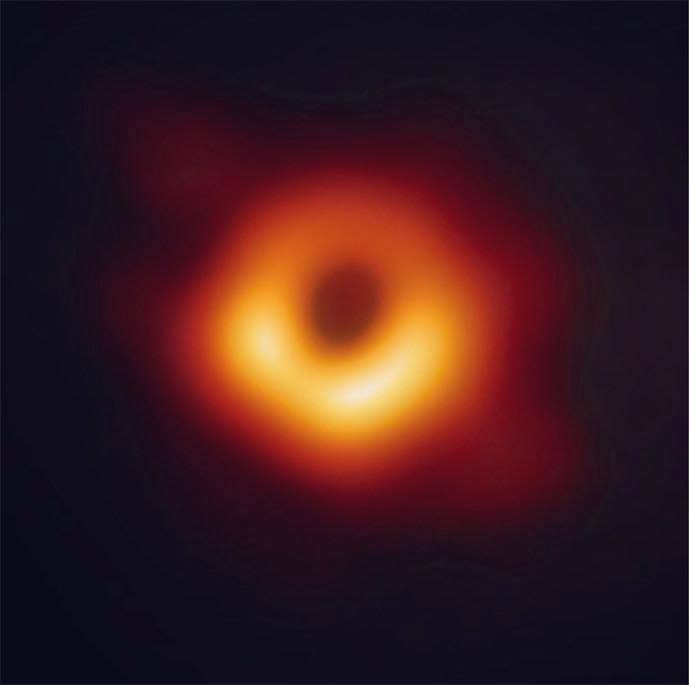
So, the first ever image of a black hole. Ring of fire? 🙂 Interesting that we say we’ve now ‘seen’ a black hole. There’s nothing visual about how they did this, in terms of our eyes. It’s a constructed image, just like radio astronomy doesn’t really ‘hear’ in the way we use that word.
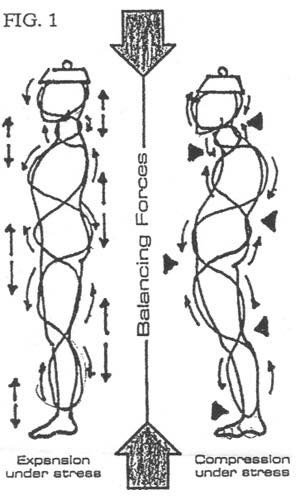
I do this every day, it’s my workout. It’s not well understood that you can’t feel your body. You are your body, you can’t step outside it to feel it. That feeling in your back, or knees, or neck, or wherever, is the feeling of *forces* acting on your body, forces generated by your interaction with the world underneath you and the things around you. Those feelings are guiding you in every tiny thing you do every day, they’re telling you when forces have become unbalanced. They’re not ‘sore backs and knees’ that you need to stretch in some way. They’re forces, you start to feel the forces of the *interactions* you’re engaged with. You don’t have to ‘go in’ to try to change these forces, they’re things you feel *in activity*, while you’re in the middle of doing things. They belong to the whole activity, not to your body. Just knowing that modulates your activity, it’s like learning to ride a bike, over time you automatically stop creating unbalanced forces in the things you do, everything becomes effortless and feeling-free. And as this diagram suggests, when you do that, you’ll notice that forces can either expand you, or compress you. Most of us are compressed, damaging our bodies. Use the forces to open you right up, to free breathing, elastic and effortless movement, phenomenally increased strength. We’re Earth-powered, these forces come from our relationship with the planet.
I'm sure that there are profound things about our society that are unspoken. My strong guess is that the idea of touch would reveal a lot of those profound things. There's a real anxiety I sense around the idea of touching another person, except in extremely narrow and defined ways. Touch has almost disappeared from medicine (a tragedy), education, and ordinary social interaction, where it gets mired in debates on appropriate and inappropriate touching. Smacking is seen as abuse (instead of just a different type of touch). But at the same time the demand for massage, 'cuddle buddies' etc. is growing hugely. Skin-hunger is actually a technical term psychologists use. https://www.w24.co.za/SelfCare/Wellness/Body/you-think-you-need-sex-but-could-you-just-be-suffering-from-skin-hunger-20181017
All political movements are grounded in promoting particular interests. I think this helps focus what we see in politics, always look to the actual interests involved. The ALP: - is the oldest political party in Australia - is the oldest political party organised by workers in the world - is the oldest social democratic political party in the world, and - was the first party to win a majority in either house of parliament, in 1910. The LNP is a coalition of two separate parties that have almost nothing in common, set up by existing vested interests in business and agriculture, to counter this workers' movement. Organised wealth counters organised labour.
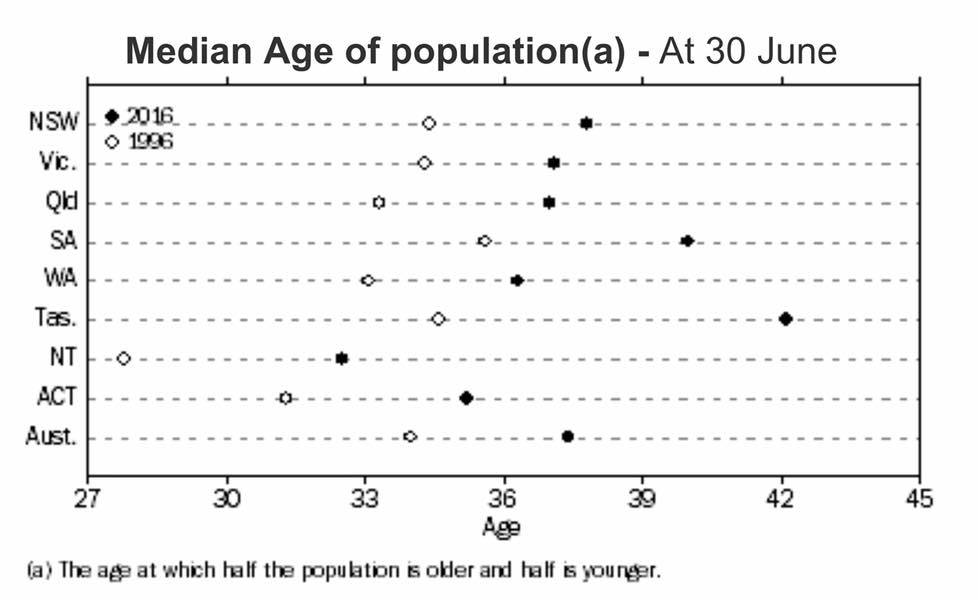
For years elections were won and lost in Queensland, because that’s where the population was going. This election though will probably be won and lost in Victoria and NSW, where the bulk of the immigration to Australia ends up. That’s where the Australian population is growing. So it’s a genuine State of Origin type contest, but the Blues are NSW and Vic. If you’re not keen on migrants, look at the graph. Without them Australia would be an old peoples’ home, somebody has to do the actual work. (2016 data.)
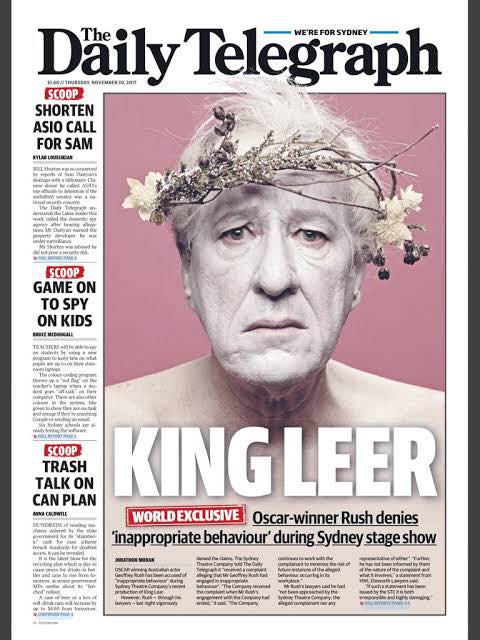
This story is now going to cost the Daily Telegraph millions of dollars. I hope it emboldens others to take more Murdoch-driven filth to court, Murdoch thinks he’s a law unto himself, he’s a key player in wrecking all of the Anglo democracies. The Rush case ended up as a metoo case in the public imagination. That’s because the scum at the Daily Telegraph dragged the poor woman involved into court as part of their defence. There’s no limit to Murdoch’s filth. And the irony is his papers and TV channels paint themselves as the champion of ordinary people, when in fact they’re political warriors for the extremely wealthy.
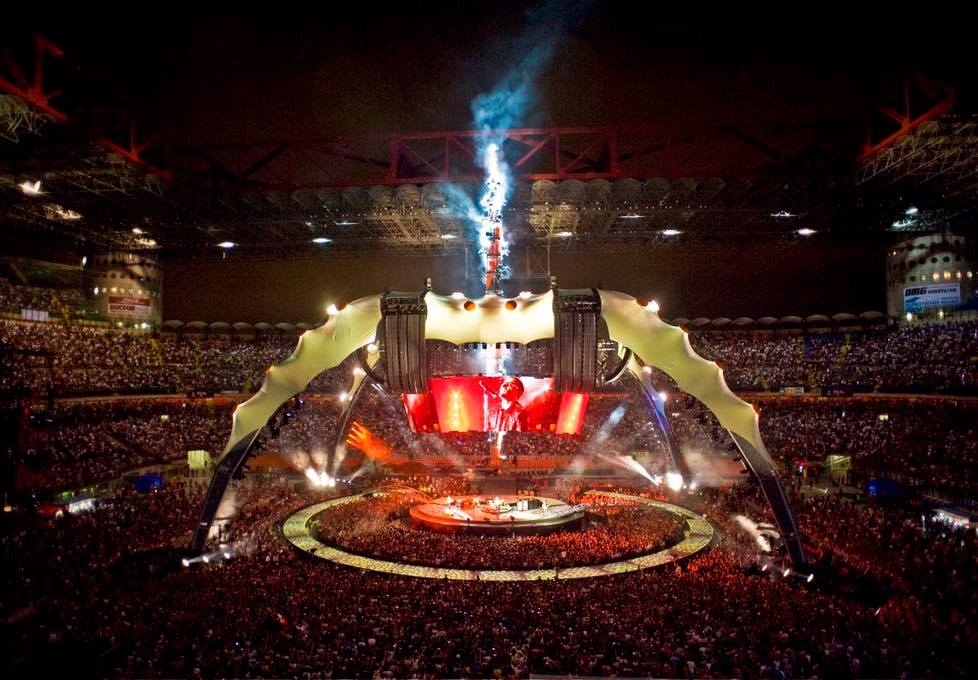
I don’t think there’s a way to make a stadium gig genuinely good. I know some love them, but: - crap sound - crap performance by band overwhelmed by the scale of it, it’s almost impossible to do nuance at that scale - crap view, only mitigated by large screens that are worse than watching tv at home - sharing a toilet with 100,000 people, and - 2 hours to clear the traffic after. Add to that ridiculous ticket prices, crap online ticketing systems, and inflated food and drink prices, and I wonder anybody bothers.
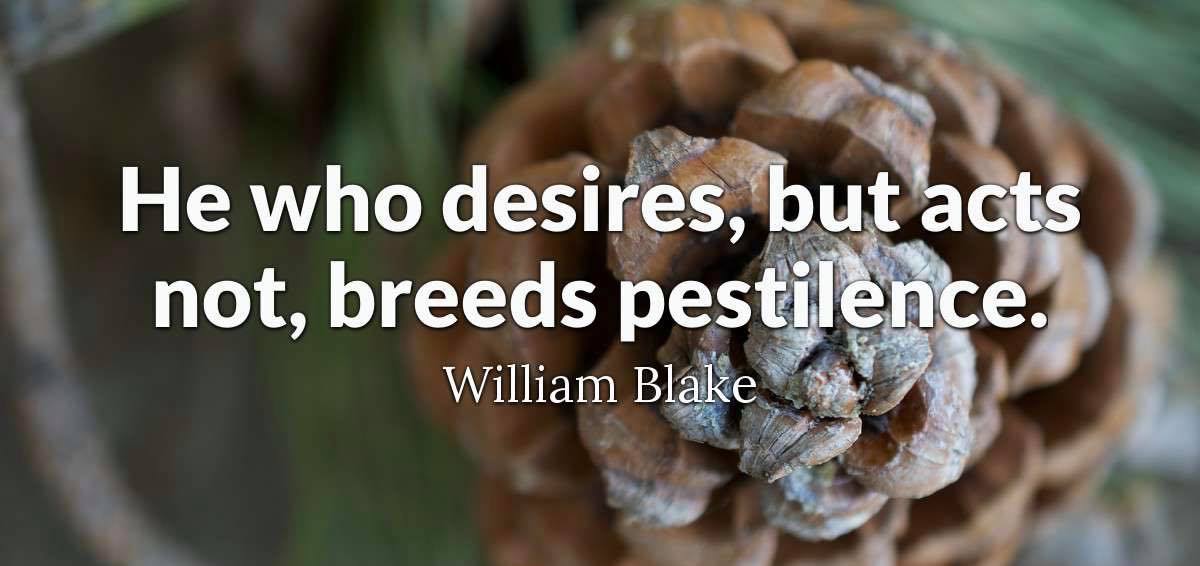
We’re sort of brought up to think that desire is something to be controlled. That following our desires would lead to a Iife of excess and ruin. But what if that’s backwards? Do we end up in situations where what we desire is opposed to what we have, because we’ve already separated desire and life? So what we desire must always be something else - the grass is always greener?
Back to this remarkable image. This black hole has a mass 6.5 *billion* times that of or own sun. It’s ginormous. The ‘image’ though is interesting, because I think it should challenge what we mean by seeing. It was constructed from radio waves. You can’t see radio waves. So we’ve now ‘seen’ a black hole, but what we’ve actually seen is a created image.
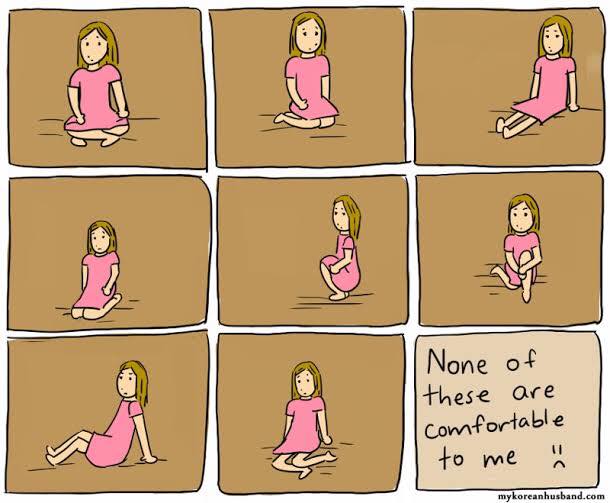
Ever wondered why many of us can’t sit on a floor for any length of time, comfortably? I think it’s one of the quickest ways to expose how blind we are to the relationship we have with the planet beneath us. With gravity. Our furniture is often a way of coddling our unbalanced bodies, allowing us to function just enough with our compromised poise.
Achievement is one of the strongest motivations. I’d bet the reason millions of students in schools worldwide find school meaningless is that they’re not actually being taught. Schools aren’t set up to teach, they’re set up to look after kids. Mark Weston here shows how schools could be fundamentally transformed, in quick time. I’ve worked with him and the Alan he refers to, they’ve already transformed a school in the US using these ideas. Really worth watching.
Shock ending to Game of Thrones leaked.
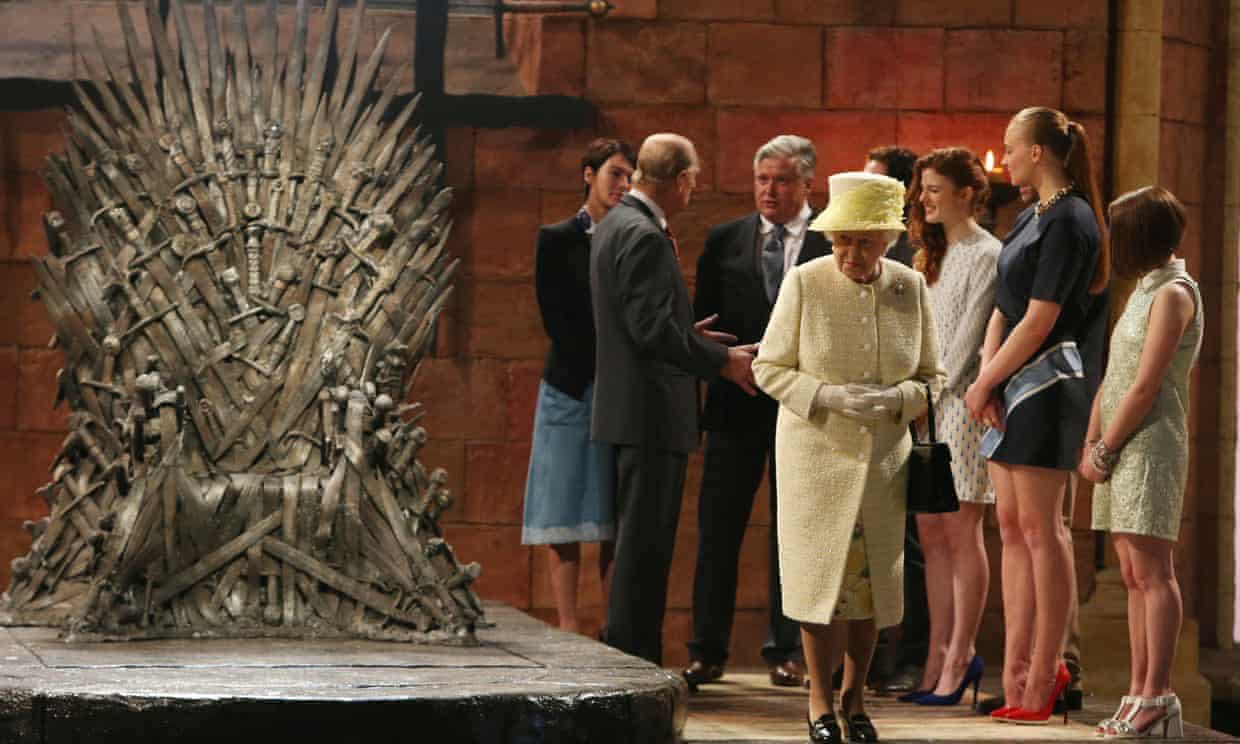
All the world's a stage, And all the men and women merely players... (Shakespeare, As You Like It) I think Shakespeare’s genius is that this is literally true, not a metaphor or analogy. Society is like a huge story or play, and each person has a role, most of us are extras with no lines. Doesn’t mean society is made up or fictional, it means stories create reality. Look at how people perceive society, as a big story, with their chosen goodies and baddies.
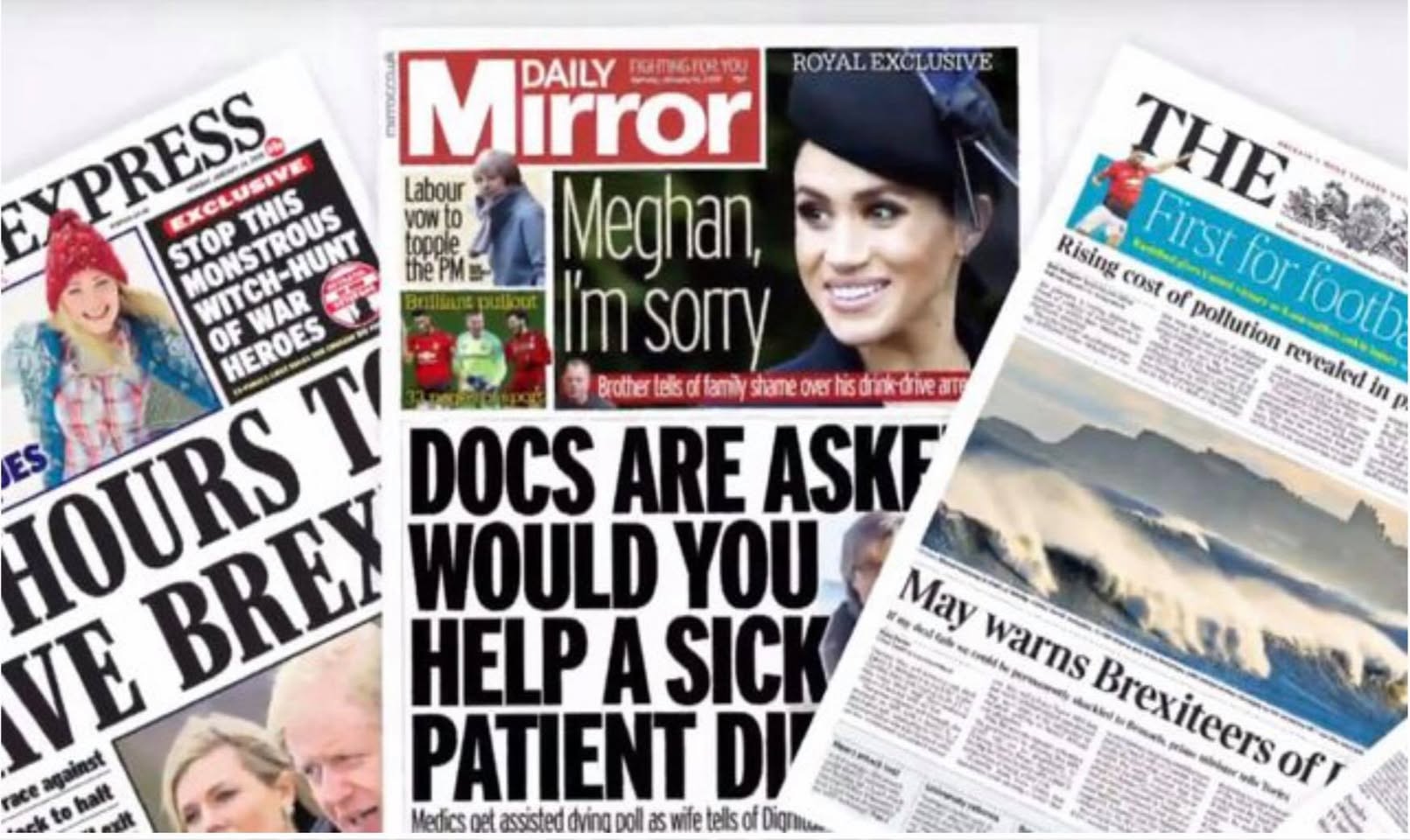
One of the beauties of English is that it has a vast vocabulary. There are probably more words in the English language than in many other languages combined. It’s the universal language, it’s picked up words from other languages in its imperial travels over time. To me this is interesting because it makes a lie of the idea that ‘globalisation’ and scale are homogenising things. Scale is what allows differences to flourish. But we’re very passionate in believing the ‘local’ is always more authentic and more variable than the global.
Can you name a current public issue that isn’t split into two ‘sides’? With champions for each ‘side’ that people back, like they back a horse?
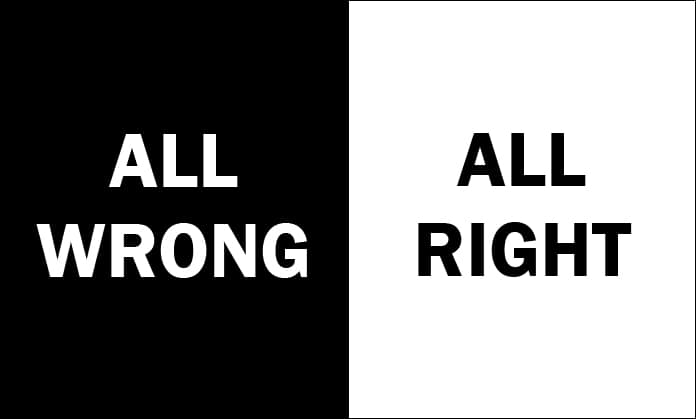
*whistle* the tolls out to 2060 in Sydney. 40 years. M4 (between Parramatta and Homebush): $4.21 each way, from 2017 to 2060. M5 East (between Beverly Hills and Mascot): $6.82 each way, from 2020 to 2060. M5 South-West (between Prestons and Beverly Hills): $5.75 each way, from 2026 to 2060.
Are you a lumper or a splitter? Do you prefer the big picture - laws and big ideas - or details? A hedgehog (lumper) or a fox (splitter)? I’m neither, because to me the lumps are only patterns created by the splits. It’s the same stuff, just acting differently. For example, a lumper might say ‘all women are more nurturing and are scared of spiders’. A splitter might say ‘you’re generalising, not all women are the same.’ I would say not all women are the same, but generally they play more nurturing roles, and are more scared of spiders.
Happy Birthday to you :)
Presence, what does it mean? Here's Freddie Mercury just saying hello to an audience (sorry that FB keeps causing sound and vision to go out of sync). This is presence, it electrifies a situation. Anybody could just say 'hello', only rare people can turn that into an event. An event is something new and unexpected, that produces an upwelling of joy and surprise. Some lessons at school, with a bad teacher, are just lessons. A great lesson is an event. Any tiny part of life can be turned into an event. Events are where the eternal meets the finite. Religion began as a method of producing presence - events. Of electrifying each moment, that electricity *is* 'God'. Then religion got hijacked by people who thought it was about God being some separate being, up in the sky, handing down moral laws. Eternity and mortality were split in two, God occupied eternity, we occupied finite time. But God is where those two meet. Good teachers, speakers, sportspeople, or whoever, can all show us 'God', if they turn what they do into events. And one of my main passions for Queen isn't the music - which is great - but this presence Mercury had, in everything he did. He would electrify every room he was in, in everything he did.
Google had a hiring policy based on a strong view that the second you let an idiot into an organisation, it’s like a virus. That idiot hires other idiots, creates informal networks of idiots, and soon you’re overrun by idiots. This has always been my experience too.
It’s a bit weird to me that people can go an entire year following not one Christian tradition or ritual. And yet on Good Friday the thought of eating meat horrifies them.
Religion never lost its power, it just changed venues. We maybe don’t recognise it when we see it.
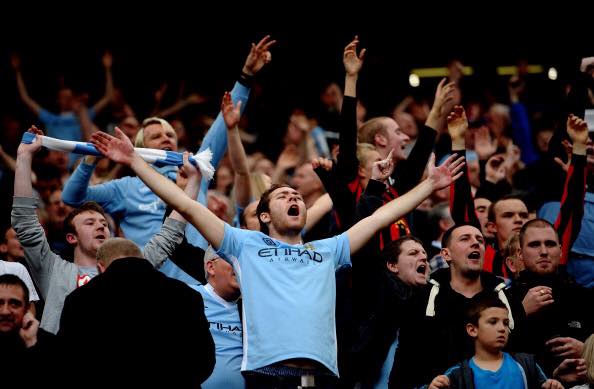
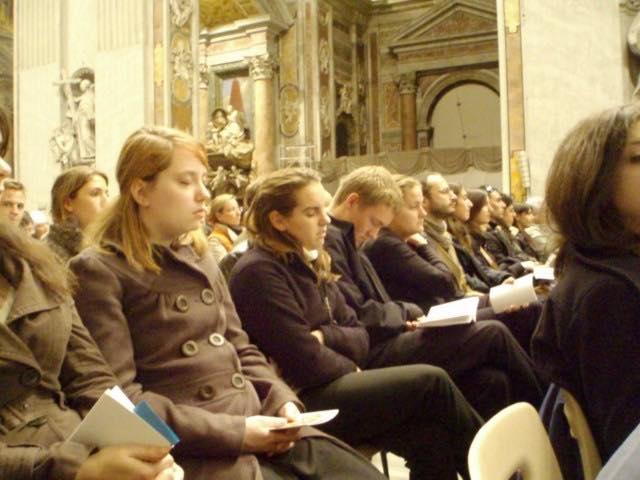
I have many friends and acquaintances who identify with the ‘centre’ in politics. I’m genuinely interested to hear of policies that would count as ‘centre’ policies. Specifics always tell the real story. Interested because not only do I think the centre is a myth, but the use of the term is actually condescending, as if centrists are somehow more reasonable than their excitable fellow citizens who identify with a ‘side’. Everything is a side, there is no fence-sitting alternative.
The Coalition has added more government debt in the past 5 and a half years, than was added by all governments in the 118 years previously, since Federation. Adds some colour to the 'better economic managers' slogan.
"Where there is no law, but every man does what is right in his own eyes, there is the least of real liberty." Henry M. Robert
All modern democracies share this same fantasy. “The American political system has evolved several mechanisms to protect its own dysfunction. One of them is fantasy. Like a spouse who manages to remain monogamous by continually imagining the affairs she is going to have but never does, the political process protects itself by imagining an alternative in which a third party or independent presidential candidate will emerge any day now, sweep away partisanship, polarization, corruption, and stasis, and enact lots of sensible policies.” Democracy, A Journal of Ideas
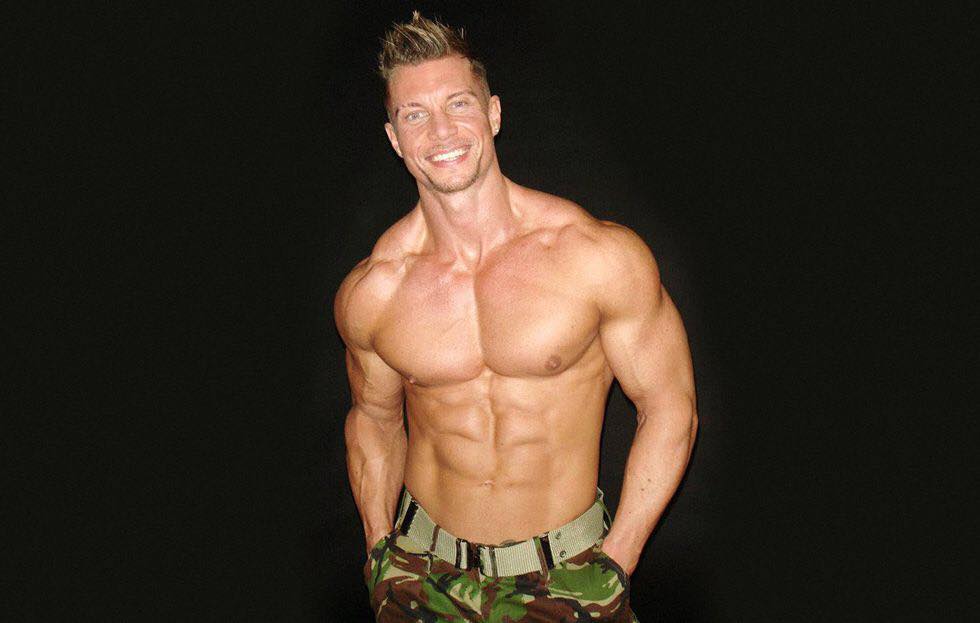
We often think we have a mind, and a body, and the mind gives directions to the body. There are 2 extremes, one where the 'mind' does nothing at all and lets the body slump, and the other where the mind dominates and you get the ‘ripped’ body, which is a body shaped by an idea. It’s a pathology, a genuine illness. (This particular ripped fella is now dead, a result of his body-shaping.)
Happy Birthday Aunty Bev! Have a wonderful day :)
Some pollsters say the election will be very close, and Scott Morrison may still win. If he does, it’ll be, again, the old winning over the young, as it was in the 2016 election. The circle of life has been broken for a long time, demographics explains much more than political views.
More myths of the middle. The middle class, it probably doesn’t exist. The spatial metaphors around middle or centre are misleading I think. Yes you can find a middle point between two other points, in space. But there is no middle point between political views or ideas, and in this case ‘class’ is more a perception of status, than an actual physical thing. Most people will say they are middle class, just as most people will say their political views are in the centre. As John Lennon said of America, “You think you’re so clever and classless and free, but you’re still fucking peasants as far as I can see”. Like most developed societies, the vast majority of people are ‘poor’, meaning they have to work to survive. The real divide is between wealth - rent, living off accumulated money, without work - and labour. What gives an appearance of wealth to non-wealthy ‘middle class’ people is the use of credit. Debt. Where is wealth concentrated in our society? In the old, overwhelmingly. That’s historically unprecedented.
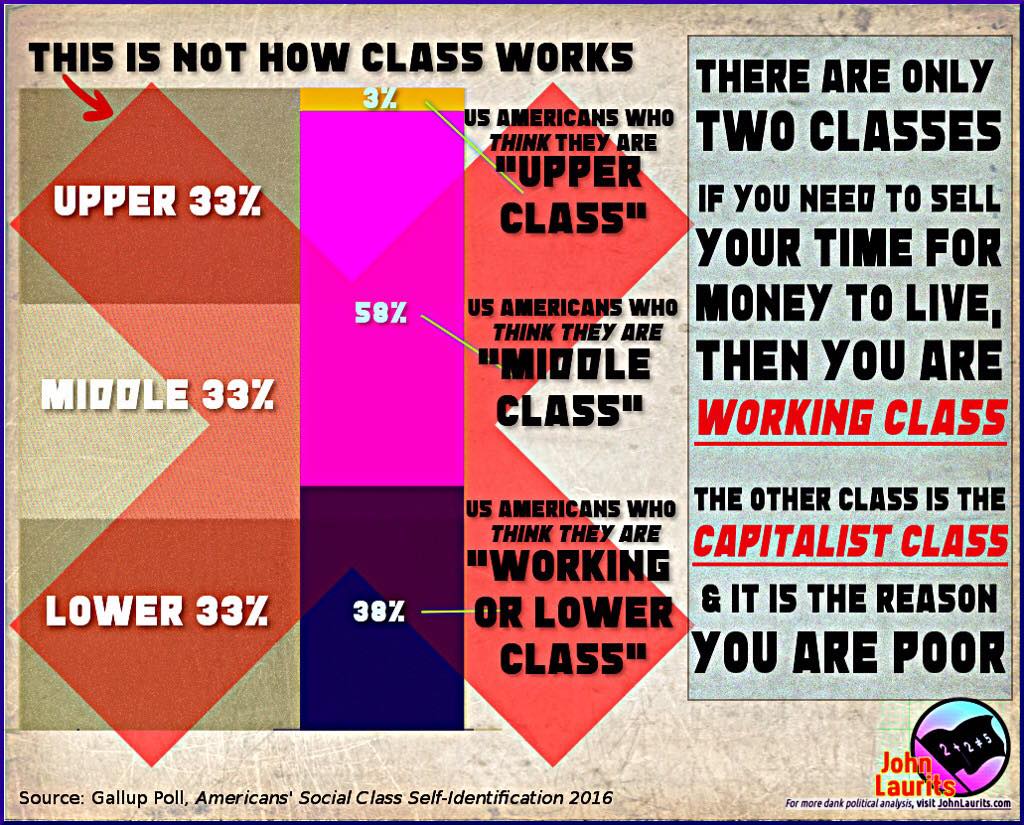
The usual pathway through life is seen as, person is born an individual, and then has to learn to socialise. But...what if it’s the other way around? We’re born fundamentally social, and growing and maturing is about learning to be individual, to wrestle yourself away from social, group behaviour? It changes just about everything.
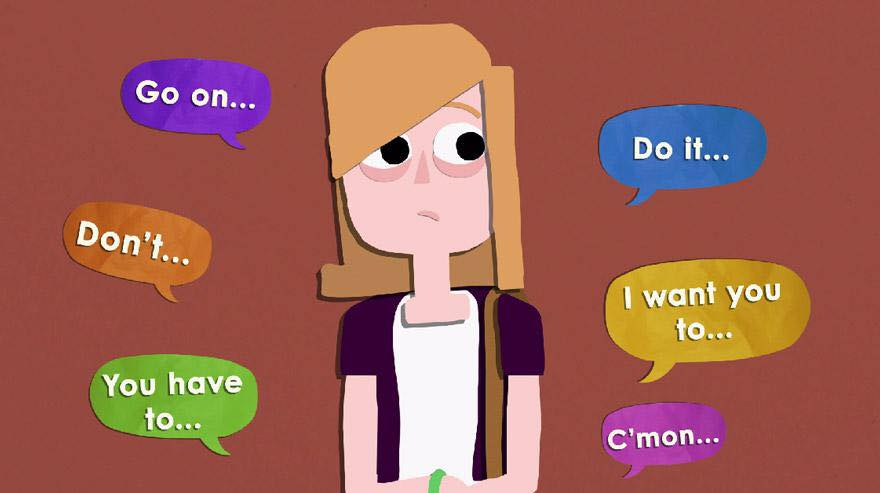
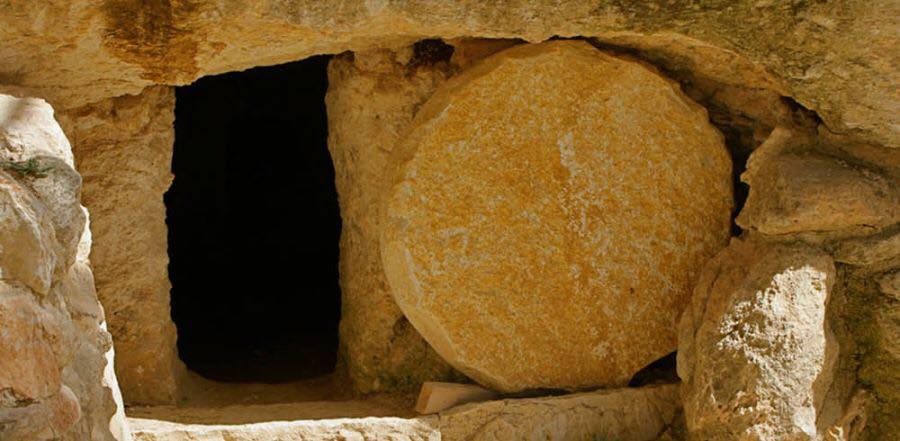
Easter has a message for everybody I think, its true original message, before religion got sidetracked around belief in things. Where did the message get lost? I think the message of Easter is that what we see as some individual’s finite life, and death, are just moments in the wider movement of life itself. What some call the circle of life. Life itself is eternal, it goes on. We have ancestors and descendants, we inherit and pass on traditions. That wisdom has been largely forgotten in our forgetting of tradition and habit. Tradition and habit are the eternal aspects of our lives, which we increasingly sacrifice in favour of our individual ‘lifestyles’. The circle of life has become an extended straight line, an attempt to find eternity in a single, botoxed, age-defying life.
I defend institutions. It seems a boring and unintelligible cause to some, for me it’s the last defence against total social chaos. Read this, what’s going on out there, in this in case schools. All of our institutions are under assault, schools, the legal system, science, universities, journalists, social workers. Etc. Institutions are society’s wisdom accumulated over generations. Once destroyed they’re almost impossible to replace. Look at the US and UK right now, the social disaster underway. Every time you let outrage be your guide, think about the damage you might be doing. We’ve all become shock jocks, evil is winning.
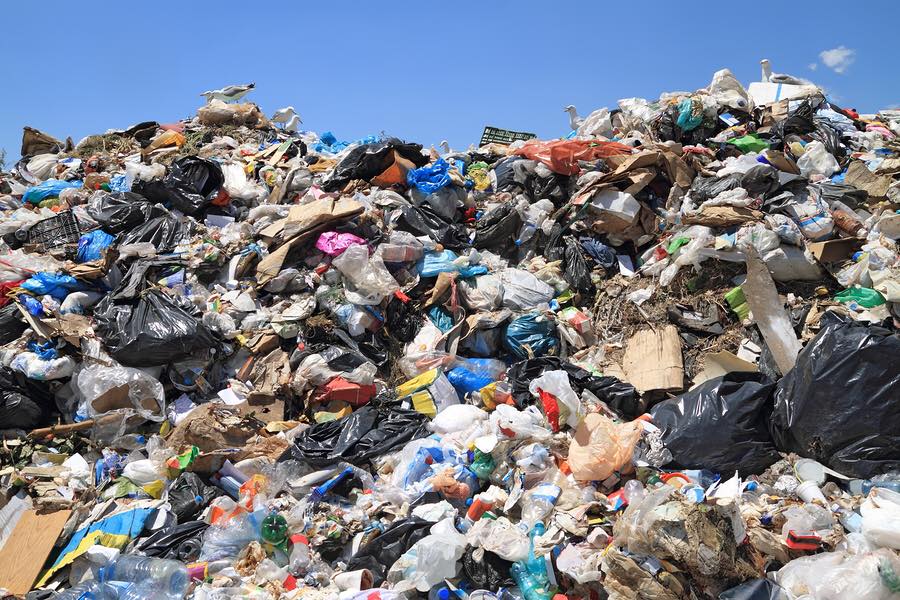
Consumerism, and the great piles of rubbish it produces, is often said to be evidence that we’re a ‘materialistic’ society. But I think it shows exactly the opposite. We consume and throw away so much because we don’t value material things. Easter is a message of incarnation, of the divinity of material things. The Word made Flesh. We’re all about words, much less about material things. If we loved and valued material things, our world might be transformed. That’s the message of incarnation, of Easter.
If you’re one of those outraged by the Borce Ristevski verdict, here’s the full judgment. They should begin publicising full judgments for every controversial case, it would be an education for the public. Incredibly sophisticated reasoning goes into these judgments, they’re amazing to read.
Have been discussing the right to silence. I don’t think its importance is well understood, good summary here. Justice is as much about the accused as it is about the victim of crime, that gets forgotten very easily. Years of tabloid journalism has trained us for outrage, our single moral emotion.
Australians see government as a service provider. Something to make sure the basic infrastructure of society is in place, working and affordable. I think it’s a very healthy framework for government, and have actually wondered if a political party focused on infrastructure (of all kinds) would do well here. In many other countries on the other hand this issue is more about individual freedom versus government. The sort of rubbish idea ultra conservatives try to introduce into Australian politics too. Identity politics. As if the State were some separate evil social actor. I don’t think it’s a surprise that many behind this narrative push have deep, conservative religious backgrounds, with a history of State versus Church battles.
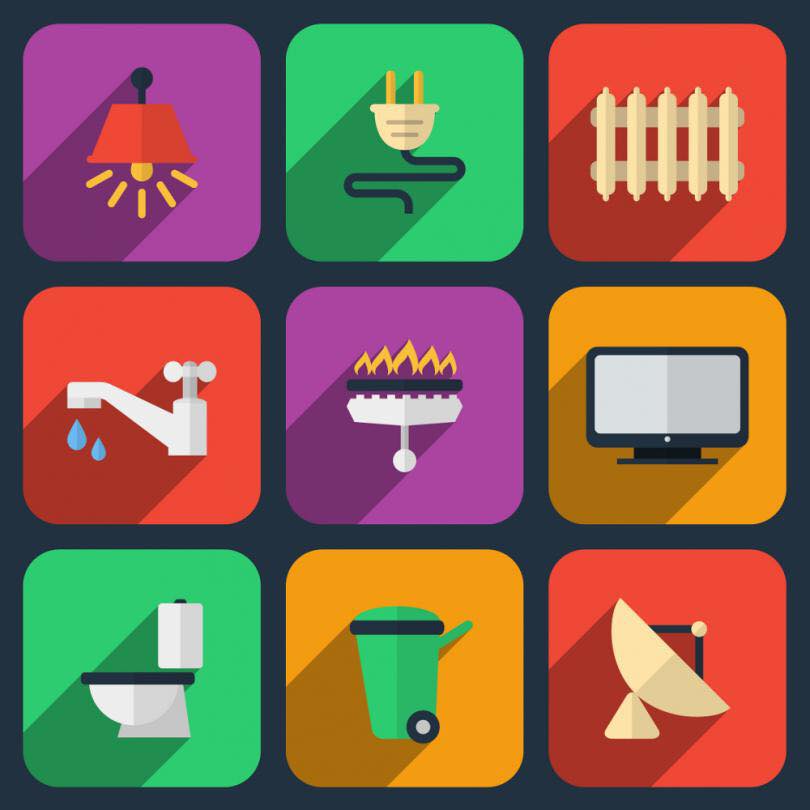
This happened in Lithgow recently. The investigation as to why turned up the interesting fact that nobody even knew how the Lithgow reticulated water supply works. They still don’t, some of it is still a mystery. The basic infrastructure of the town is not even understood, let alone maintained properly. In Australia, the overwhelming majority of tax dollars go to the federal government, much less to State governments and tiny amounts to local governments. Vertical fiscal imbalance, the economists call it. It’s backwards, the levels of government which actually provide the services we want are starved of funds. Why most local councils are also forced to raise rates all the time.
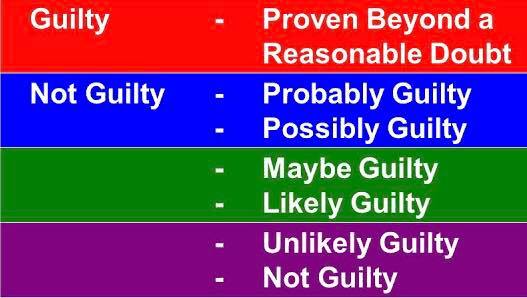
It’s the blue and green rows here, and one of the purple, that I think are not well understood. It’s there that the presumption of innocence mostly lives, and also why you have the right to remain silent - silence has no effect on judgment of your innocence or guilt, you’re innocent unless somebody proves otherwise. Tabloid outrage culture doesn’t like this, which should give us comfort.
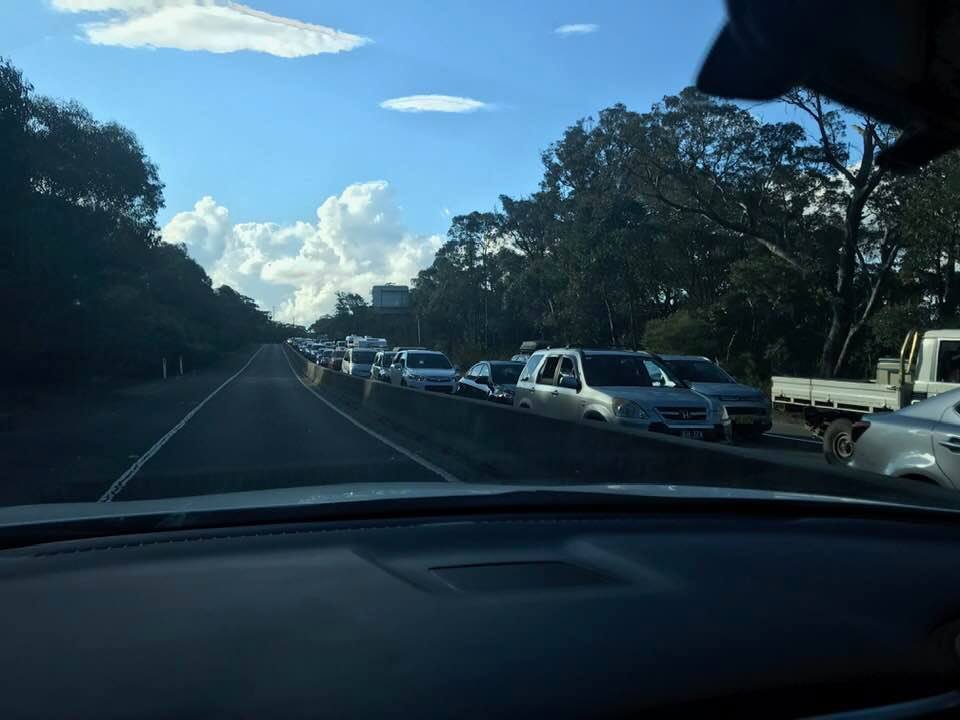
I figured out that the Australian definition of a long weekend is, “an ordinary weekend, with a day of driving added to it.”
Always some new outrage, every day. Anzac biscuits now, apparently you can even be locked up for varying the ingredients. Interesting that it seems likely that most Anzacs didn’t even eat them. And nobody really knows where they came from in the first place. So you can go to jail for breaking a tradition that doesn’t even exist. There’s jingoism for you. The War Memorial site even encourages people to share their recipes (plural) for the biscuits.
The disaster of averages! The average voter doesn’t exist, it’s a statistical calculation. And it turns out, when you survey actual voters, they’re *more* extreme in their specific views than most politicians. This is another way to look at the myth of moderation, balance, the ‘sensible centre’, in politics, food or whatever. As the researchers actually describe it in the article, it’s ‘bullshit’. It’s an error based on a misunderstanding of averages. Moderates are usually the *most* extreme of all people, but because their extreme views are in multiple directions, they average out to something that looks like a ‘sensible centre’. Somebody who eats or drinks in moderation, for example, tends to alternate between binge and abstain, and this averages to something that looks like balance.
Annual Anzac Day Quiz! What is it we’re not supposed to forget, when we say ‘Lest We Forget’? (Hint: it’s not the sacrifice of our soldiers.)
Trivia time.
A consensual encounter with one partner ‘in charge’. Makes about as much sense as most ideas of consent.

Teenagers’ bedrooms are maybe the perfect way to change how we think about climate change. Their habits create their HABITat, a much better word than ‘environment’. Environmental politics never really gets traction I think because the idea of the environment itself, as some sort of container we live inside, is so flawed. (Darwin himself never really used the concept, for that reason.) The struggle to get a teenager to change their room - their habitat - is the same struggle as getting social change on climate change. People don’t live ‘in’ space, they inHABIT the world, with their habits. It’s those habits we need to understand, and to try to change. Starting with our habit of not actually occupying any space at all - our travel culture.
This interests me more all the time. Look at this GOT scene through the lens of ideas of consent. Incidentally I think the scene is great, it’s the ideas of consent that are the problem here. TV reflects public attitudes. - violent killer interrogates partner, with previous history of being abused, on their previous sexual history, demanding to know about their past lovers - violent killer instigates sex with partner, no consent is sought or explicitly given.
Eternity is not one unending life. It’s a life that uses the PAST - tradition - in the PRESENT, to create the FUTURE.
Perfectly said. The circle of life is broken. I don’t think this is as easily fixed as the article suggests, you don’t just choose to have rituals again, that’s how we end up with ‘bloated’ weddings and sickeningly sentimental Anzac Days. “So great is our hunger for rituals that when we come upon one of the few remaining ones - weddings, bar mitzvahs - we tend to overload them and turn them into expensive bloated versions of themselves...We've become pretty casual over the years. We've become reasonably present-oriented. As a result, we've shed old rituals without coming up with new ones. We've unwittingly robbed ourselves of a social architecture that marks and defines life's phases.”
The bullshit of positive thinking ideas. Just do it, be part of the solution etc. As if you’ll be happy by choosing to be happy, rather than happiness being the *result* of your life working well. Working well because you’re thinking it through. Often the real action we need is thinking, and discussion, to figure out what to do. We’re not a culture who likes that, we’re rich folk who are used to things just going our way. Until they don’t. We don’t like debate, argument, working hard to understand something. We like to rush about being mindlessly busy to hide that we don’t understand. Or we switch off completely and go on holiday, or get wasted. But the more you think and understand about life, the better life gets. Thinking is life.
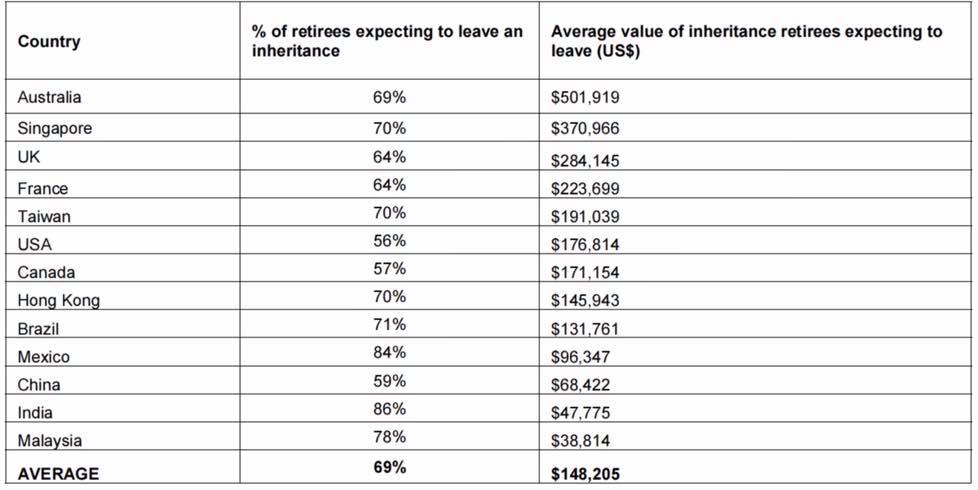
* Australian baby boomers spent $556 million on cruises in 2017. * Australian inheritances are easily about the largest in the world (see table). Always follow the money.
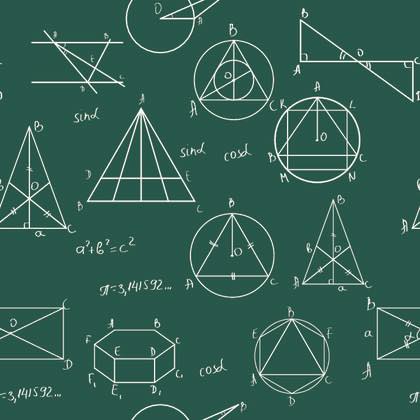
Geometry means ‘measurement of the Earth, or land’. Geo-metry. We learn it (badly) as ‘maths’. The original meaning gets lost. Ancient inventors of geometry would measure a piece of land to have a way to say ‘this piece is yours’. Geometry was designed as a way to reach agreement on shared things. If you look at how geometry reaches that agreement, by creating and combining shared, agreed axioms, you have a model for how to reach agreement on anything. The Greeks extended the model into rhetoric, the art of argument, one of the cornerstones of their education system. Today rhetoric only really survives in legal procedure. I vote for bringing back rhetoric.
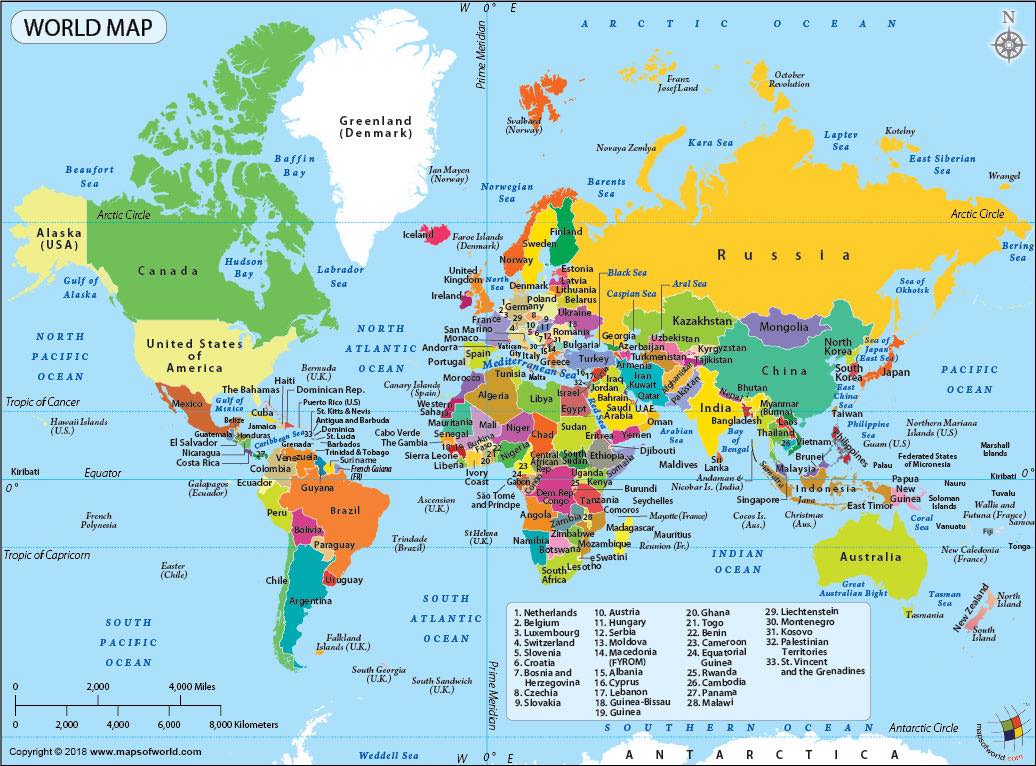
I think the seduction of lenses over the ages has been that sense of magic, of bringing distant things closer, without leaving where you are. But it’s an illusion, what you gain in depth you lose in width. My favourite example - maps again. Nobody actually lives in a space that would give you a view of the world in this way. It doesn’t exist. And yet we’ve come to feel it as ‘the world’.
If you think science produces ‘facts’ that tell us how the world is, and those facts speak for themselves, then like most scientists you’re probably horrified that we now live in a fake news society, where facts mean nothing. But it’s your belief that produced that, not stupid people. Philosophers diagnosed this some time ago, it’s fascinating to see scientists now coming back to them for help, eating humble pie.
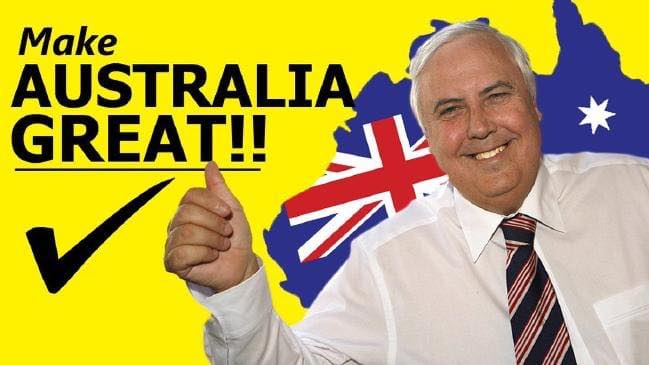
Outrage that Clive Palmer seems to be ‘buying’ his way back into parliament. Actually the LNP and Labor have always bought their way into parliament too, politics always costs money. Is it time to make all elections public-funded, and remove donations completely? That way we would at least be able to see and control what’s being spent.
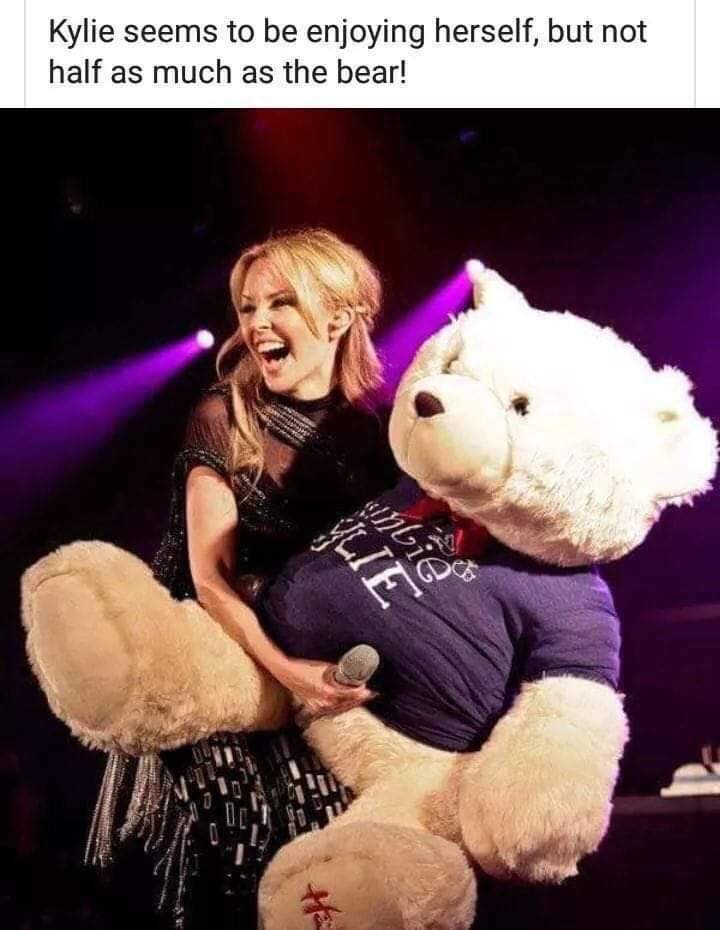
Even soft toys can be, err, hard.
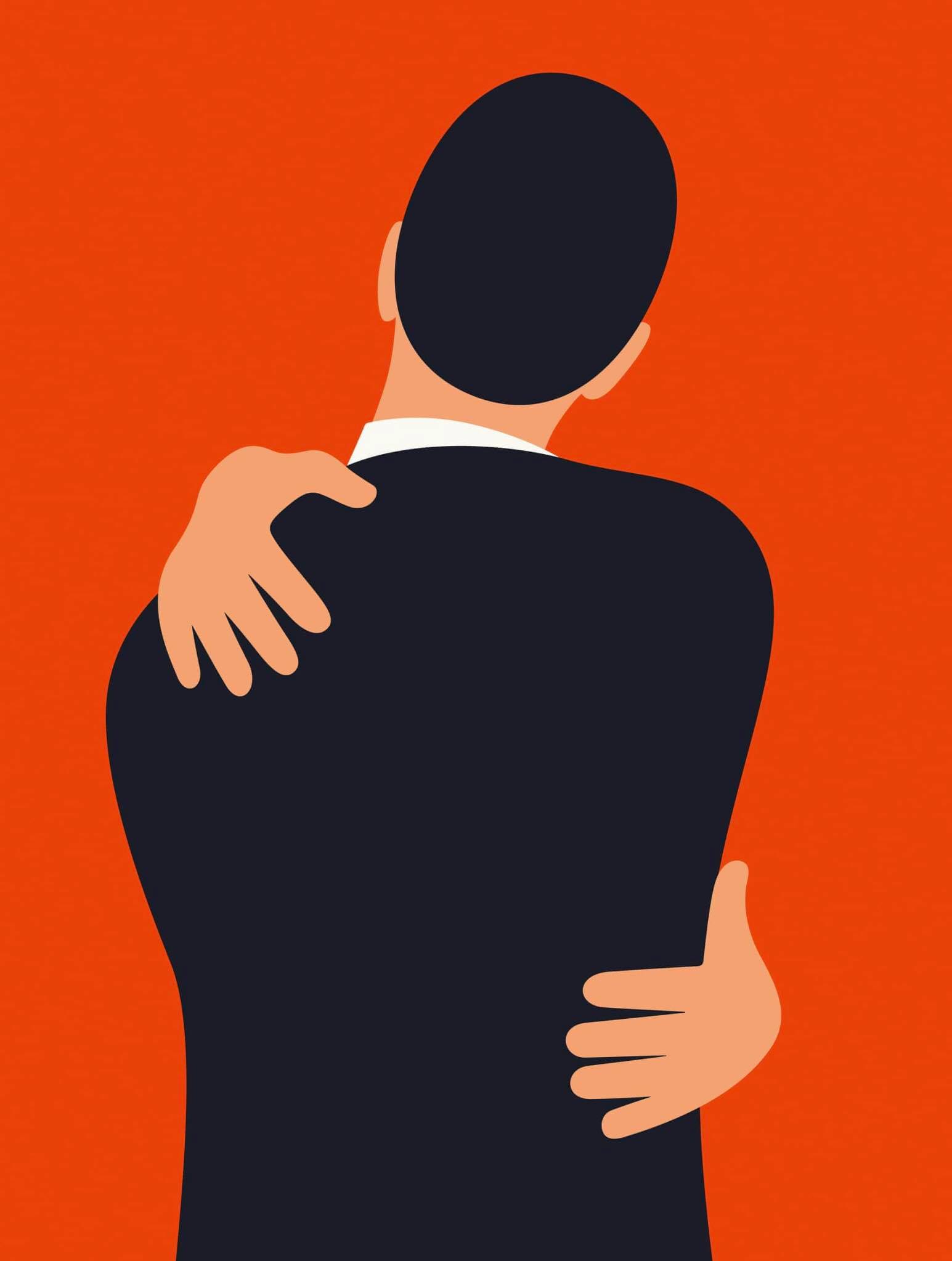
I think the power of social media is that it’s making visible the way that how we think and feel, as individuals, has always been a profoundly social thing. The split between individuals (psychology) and society was always fake. Now you can see in real time how society makes us and we make society, every moment. You can see for the first time how what ‘we’ is changes, from moment to moment.
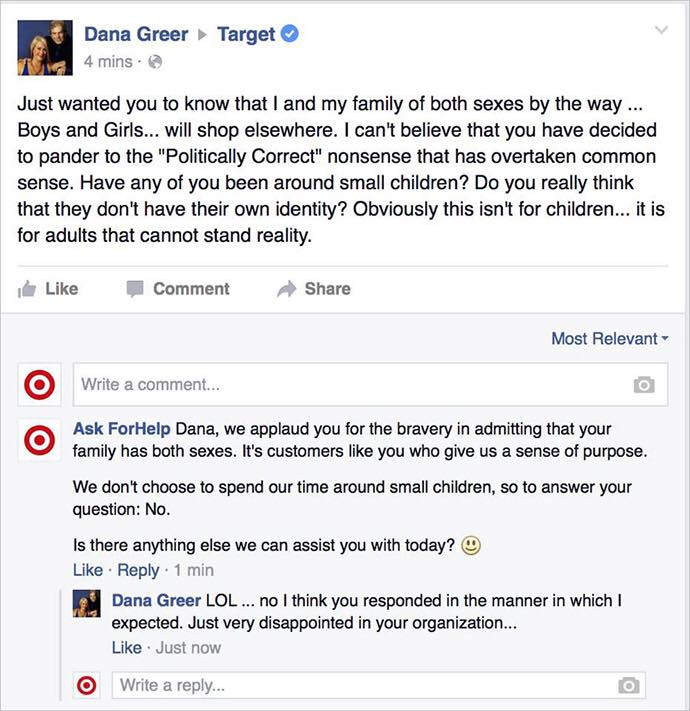
Private lives displayed in public spaces, hmm. Sounds like most FB posts. https://www.nzherald.co.nz/world/news/article.cfm?c_id=2&objectid=11743813
Hazardous air quality in Sydney, headline. Caused by ‘hazard reduction burning’. Seeing the stupidity here, anybody? This one is right up there with daylight savings. If somebody builds a home in the middle of the bush, let it burn down, it’s called natural selection. Houses can be rebuilt, lungs can’t.
“The thing that Daniel and most others haven’t internalized is the fact that if they have 800 Facebook friends, only about 10 or 15 love them. For an especially lovable person, maybe it’s as high as 30. Between 1 and 4%. That means that between 96- and 99% of your Facebook friends DO NOT LOVE YOU. People who don’t love you don’t care about you or your day or your life that much, they’re probably not especially rooting for you, and they certainly want nothing to do with your worst qualities. And you doing something purely to serve your emotional or egotistical needs really should not show up on their computer screen—it just shouldn’t.”
Selfish and selfless. Another toxic false opposite, I think. As if we either look after ourselves, or look after others. If you frame it like that, you have no choice but to either be a dick to other people, or to be a slave to them. There’s no middle, unless that’s being a dick sometimes and a slave other times. The way out of this toxic opposite? Stop seeing what is good for you as different to what is good for others. They’re the same thing, because yes you’re an individual, but the raw material for that is social. Each one of us is a whole society. This toxic opposite extends into politics and business too, where people would have you believe you either look after the individual, or the group. Each individual is already a group, each group is nothing but individuals.
I don’t like the term re-wilding, because it’s not about letting the landscape be ‘wild’, just about letting far more things live in it. It turns out all landscapes need as many animals, plants and people in them as possible, to really work. Which as Monbiot says, makes for a much more exciting life too. This is what I mean about our culture being a culture of no-place, our landscapes are dying because we don’t occupy space. We move through it, like we’re living in a map. We live in cars on roads, in planes and tractors and in houses, all shaped by maps.