October 2019
Complete text-bearing Facebook records from the export.
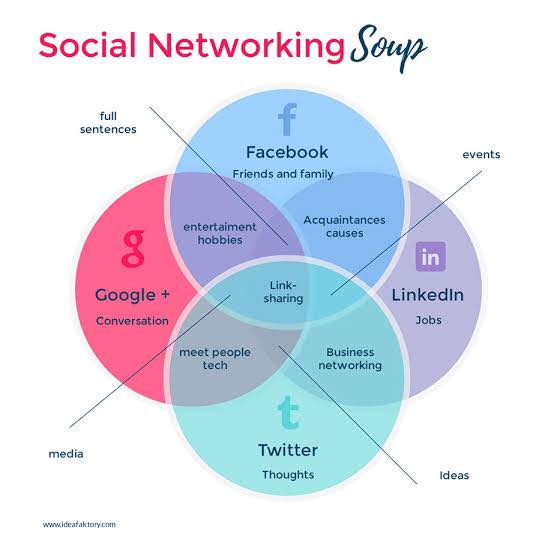
Hmm, another interesting Venn. So Google+ was conversation? No wonder it didn't succeed. Seriously, once you start looking at overlaps between things, the world comes into focus. Our world is nothing but overlaps.
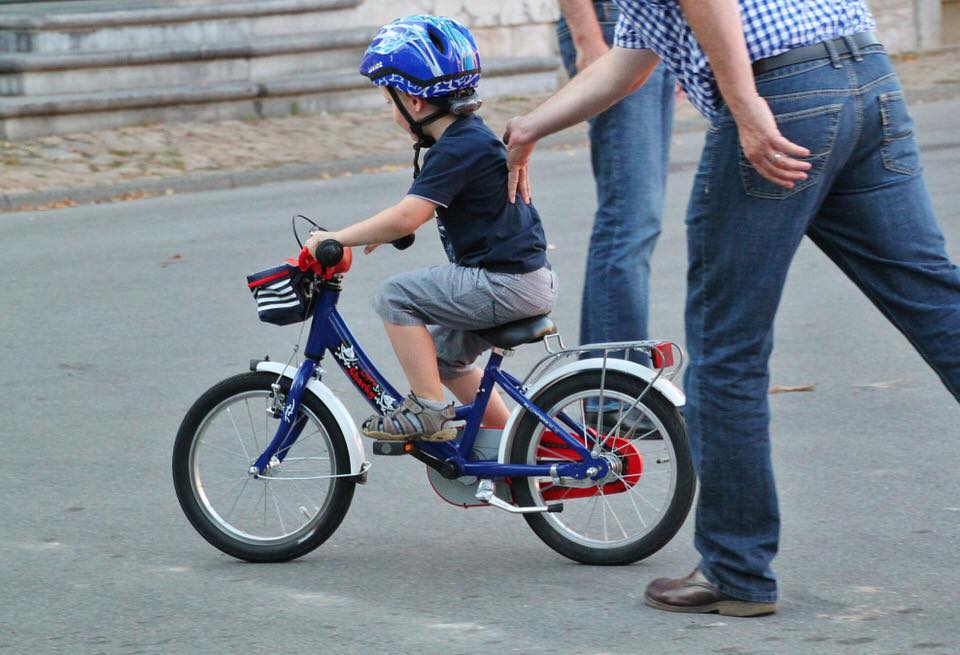
Learning to ride a bike is one of those early balance skills, like standing, walking and running. Somewhere in the transition between those early years and adolescence, humans do something weird. They stop balancing, they start to think they have to hold themselves up, and push and pull to move. They're 'held', and to move they push and pull against this holding. Part of it is being taught gravity is pulling them down. Which it isn't, they're on the ground, the ground is supporting them. They just have to balance over this support.
In some countries mortgage rates are negative, meaning you pay back less than you borrowed. Depositors then pay to have their money in the bank. There may not be a better illustration of how countries are really just giant casinos in our time, run on borrowed money. Mostly private borrowing too, not government.
I think this shift could be just the tip of an iceberg. The whole idea of ‘exercise’ is problematic and unthinking.
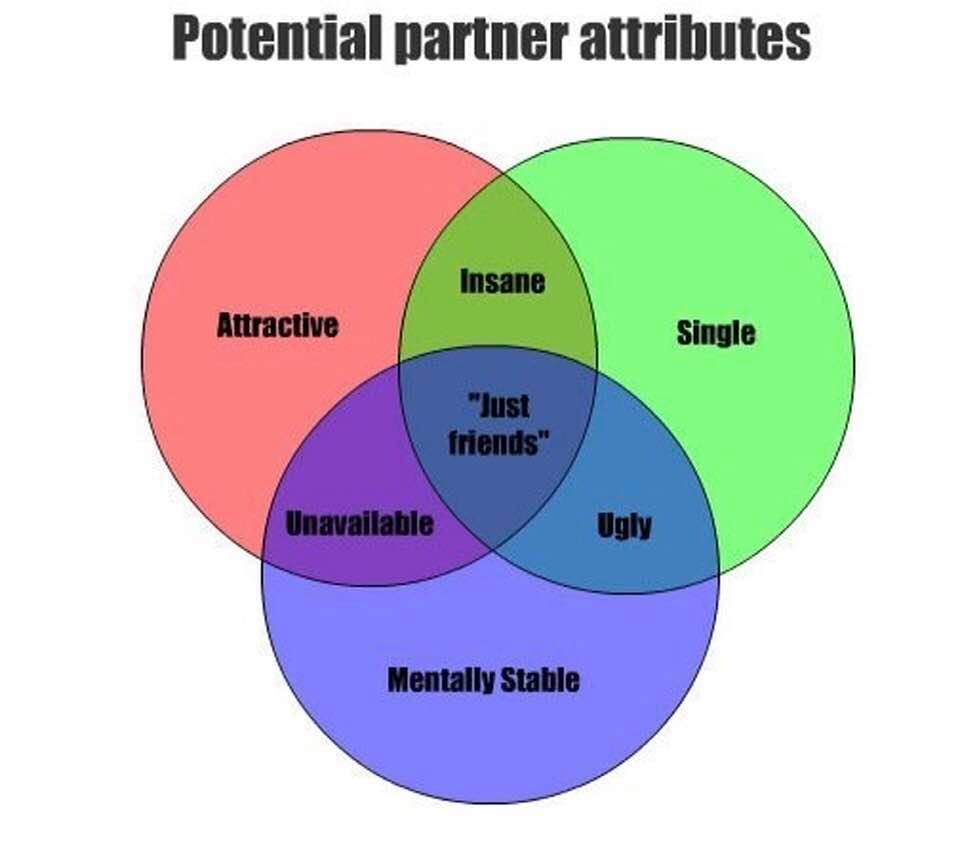
Venns can be funny, but doing one is a really interesting process, you start to really see the overlap between things, and you don't usually get the outcome you're expecting.
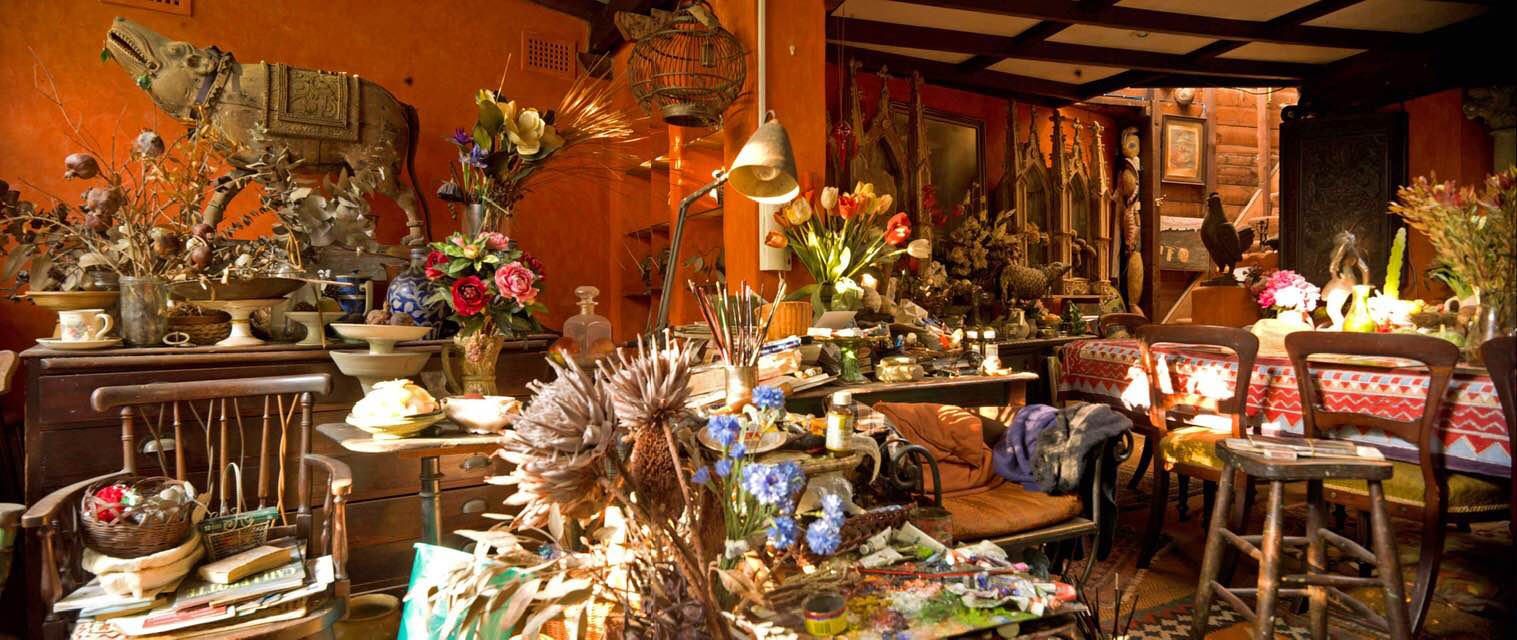
Artists often have amazing homes, it's part of their work. Steve Alderton captured Margaret Olley's in this shot. None of the tedious 'luxury' of modern homes that makes them look more like hotels (because, as compulsive travellers, that's our experience). Artists know that the whole universe can be found in a house, whereas our travelling culture thinks real magic is always somewhere else than where we are now. Home is sacred and infinite, it's not a refuge from life or the world. The places we travel to know that, that's why they're beautiful places. We're parasites on them.
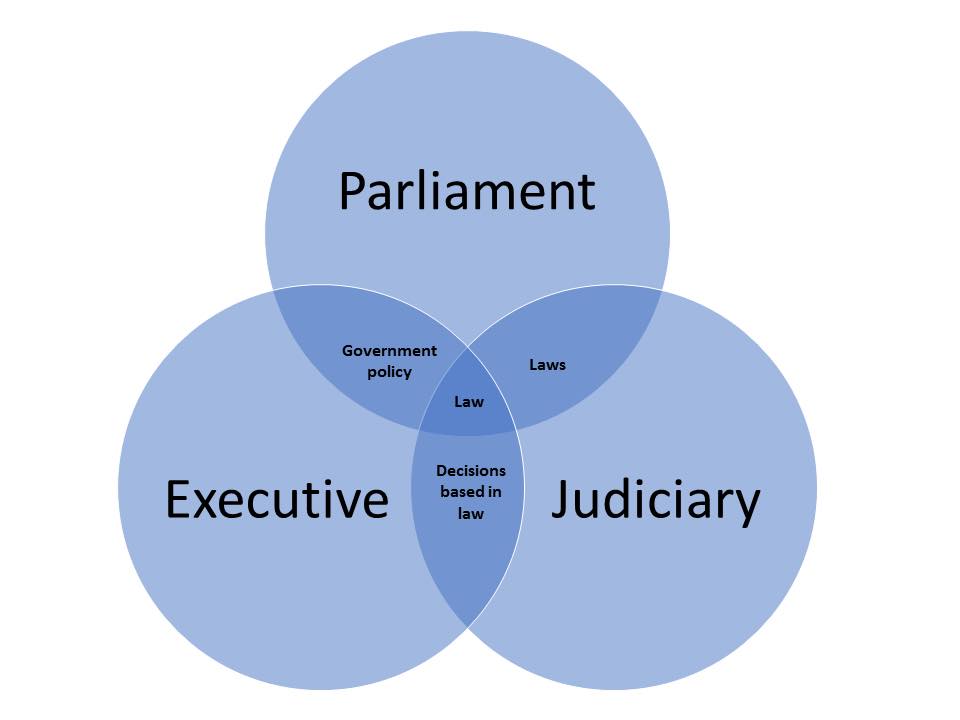
A Venn I did yesterday. I think it's ok, that it's law that is the connecting thread to all of the 3 main separated 'powers' of our society. Why both Trump and Johnson are currently struggling to take over the world, law is our last defence against populism.
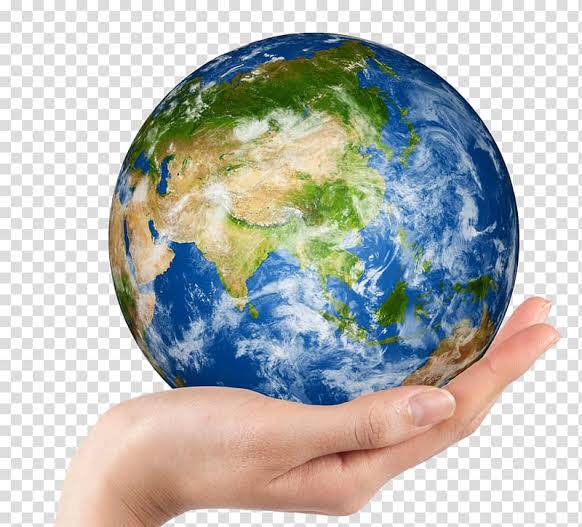
Say the Earth was only this big, and you were floating in space and touched it. What would happen? Nothing much, you'd still be just floating in space, and you'd feel the Earth like a ball you were hitting. Now scale up the Earth to its actual size. You come into contact with it and stay in contact. At no time, if it was tiny or big, has it created any feelings in you until you came into contact with it. That feeling of 'weight' in your body is not weight, or gravity.
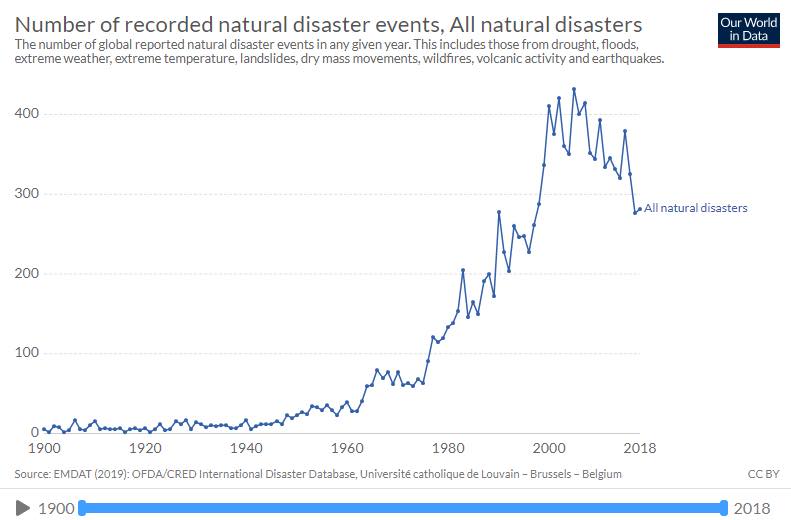
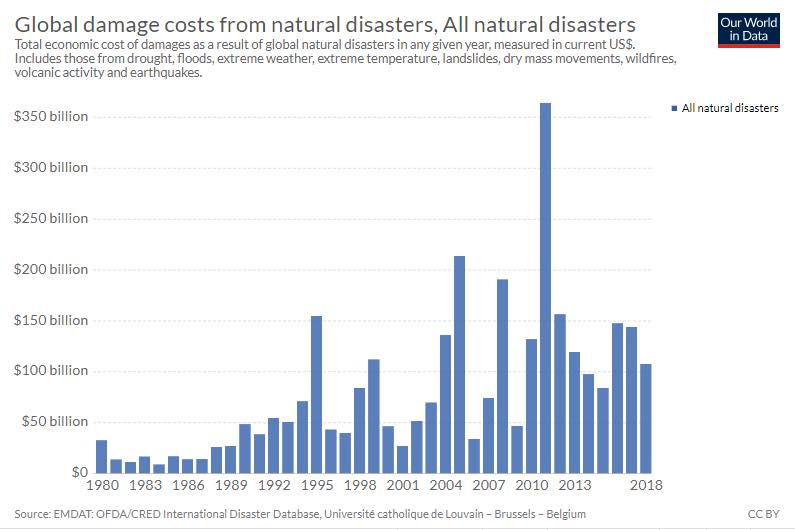
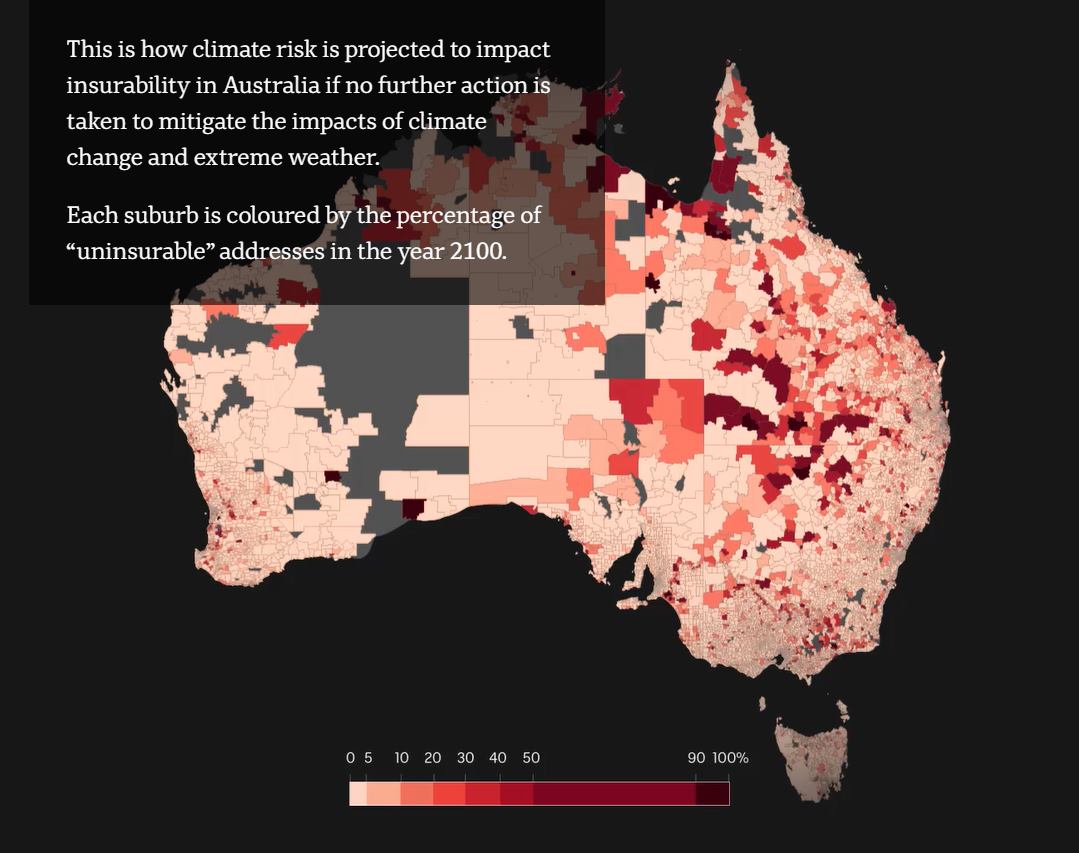
The insurance industry (if it survives, predictions are it won’t) may convince remaining climate change doubters. Some predictions say the average person may end up with no access to insurance. Look at the natural disaster stats and costs below. In Australia alone natural disasters have cost insurers $8.5 billion in less than 5 years.
There are billions of different things in the world, but any of them can be identified in 20 questions or less. That's worth thinking about, I think. At a time when the world seems crazy and chaotic, there's obviously way more commonality between things than we recognise.
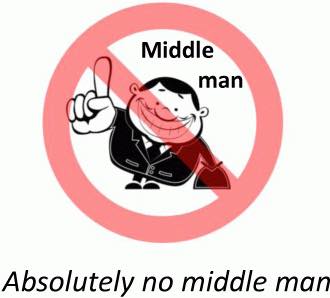
Hatred of: - referees - politicians - local and State governments - bureaucrats - call centres, etc. I think our populist age could be summed up as - hatred of the 'middle man'. We want our stuff direct. Uber and social media. Video replays. The danger with this is that the 'middle man' is the actual work to make things, um, work. It says a lot about us, we're classic rich aristocrats in our thinking, we think things just magically happen.
Always follow the money. Real business people with real money at stake aren't even listening to the bullshit that passes for public debate on this..."insurers cannot afford to indulge the denialist fantasies". I take no pleasure out of this either, I live in a town that wouldn't exist without these mines. Planning needed now, and fast.
"Despite the common cliché that German people are hard workers, statistics on the average annual hours actually worked per worker show that Germans actually work the least hours of any OECD country, and this hasn't changed since the statistics started in 2000. In 2014 each worker totalled 1371 hours per year, which is a bit over 26 hours per week in average."
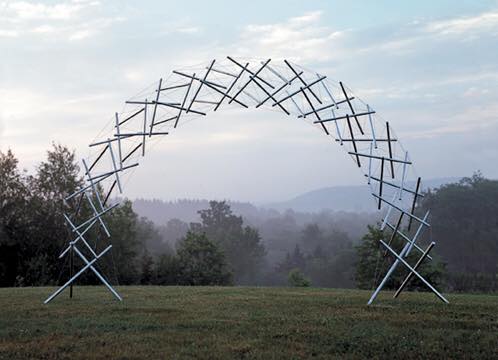
The sculptor Kenneth Snelson created what he called 'floating compression' sculptures, like this one. In engineering they're now called tensegrity structures, the compressive rods float in a continuous tension matrix (they don't touch in any way). It got even more interesting, because the biologist Donald Ingber then realised that organisms operate using tensegrity. This is why I sometimes say we are born to float on the surface of the Earth - I mean it absolutely literally. Look at that sculpture - our bodies are like this, suspended effortlessly in space. Floating. But you won't feel that unless you allow your body to operate in this way. Most of us don't, we think we're weighed-down by 'gravity'.
The long weekend, where homes are relocated through hours of traffic jams to a tent city of other homes. Apparently it's called getting back to nature.
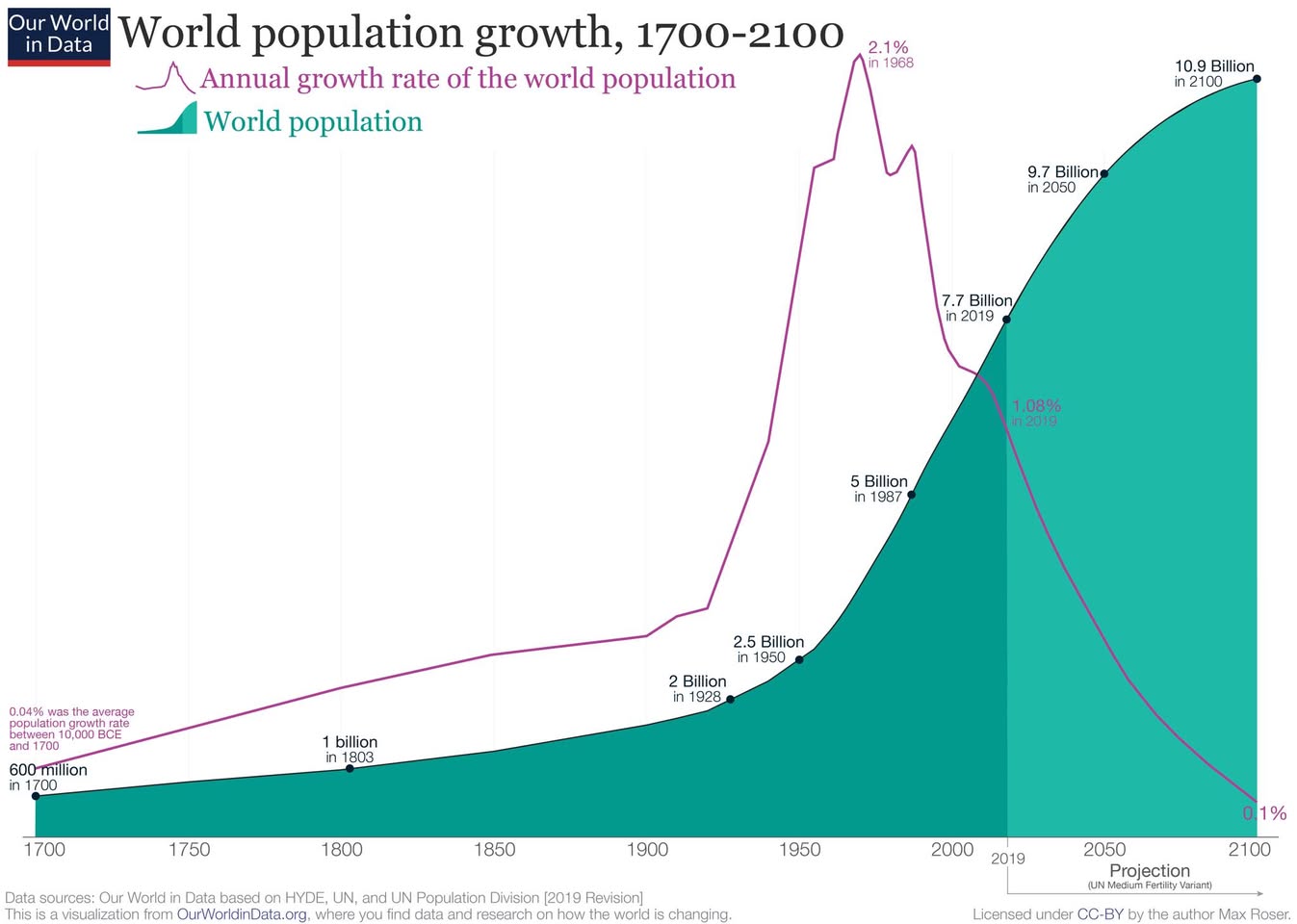
A surprising number of educated people will tell you the real problem in the world is over-population. The actual story is much more interesting. From 1950, the huge increase in world population has had NOTHING to do with extra babies being born. It's entirely due to fewer children dying. (Before 1950 about half of all children died.) The world population growth rate peaked in 1962. It's been plummeting since.
A challenge. I'm back to prices of things. I would bet that nobody can explain why a particular price is the number it is, without using other prices as the explanation. Prices explaining prices, a circular loop.

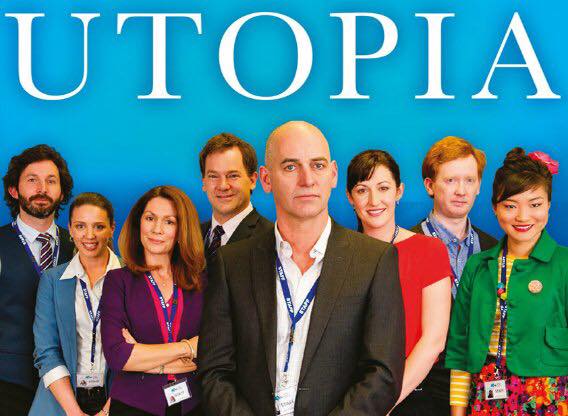
Trump has arrived in Australia. ScoMo actually plagiarised Trump directly this week. Populism I think is politics for utopians, meaning people who don't think politics should exist at all, that we shouldn't have arguments or bureaucracies but instead things will somehow just work by themselves. Utopia. Hats off to the show for a genius title, the Rob Sitch character is the institutional memory of society, being constantly trashed by populist utopians. At the same time the US president is openly breaking multiple laws, while millions cheer him on.
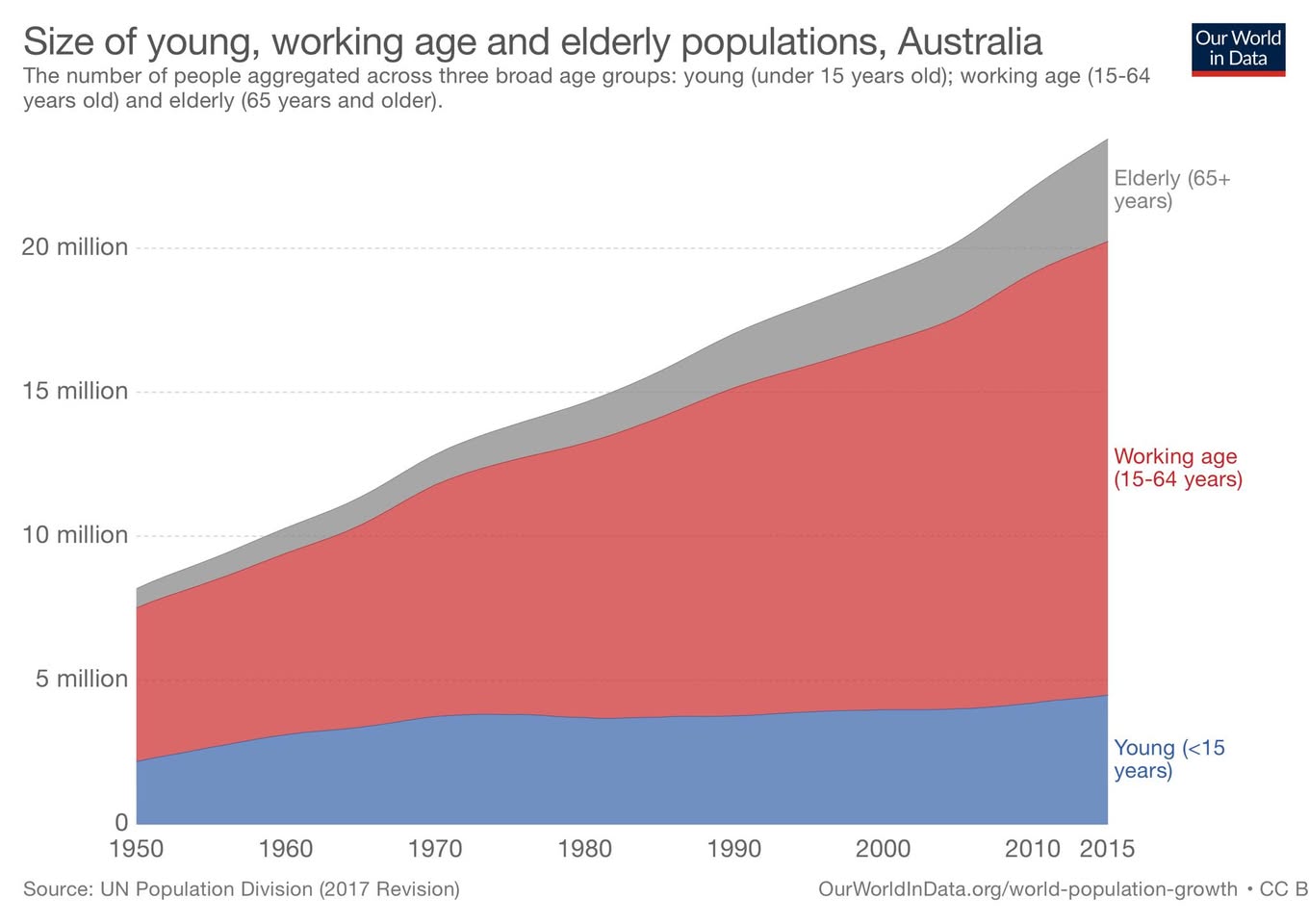
In 2018, for the first time in history, there were more people aged 64+ in the world than there are people aged 5 or younger. (Those who think poor nations are filling the world with too many babies should let that sink in I think.) Have a look at the data for Australia below - here, the number of 64+ people overtook the 5 and younger group in 1976. In the US, it was 1966. Scarily, look at that *enormous* mass of elderly and working age people who will need that tiny band of blue under-15s to support them in retirement. Our society is old and being run by and for the old.
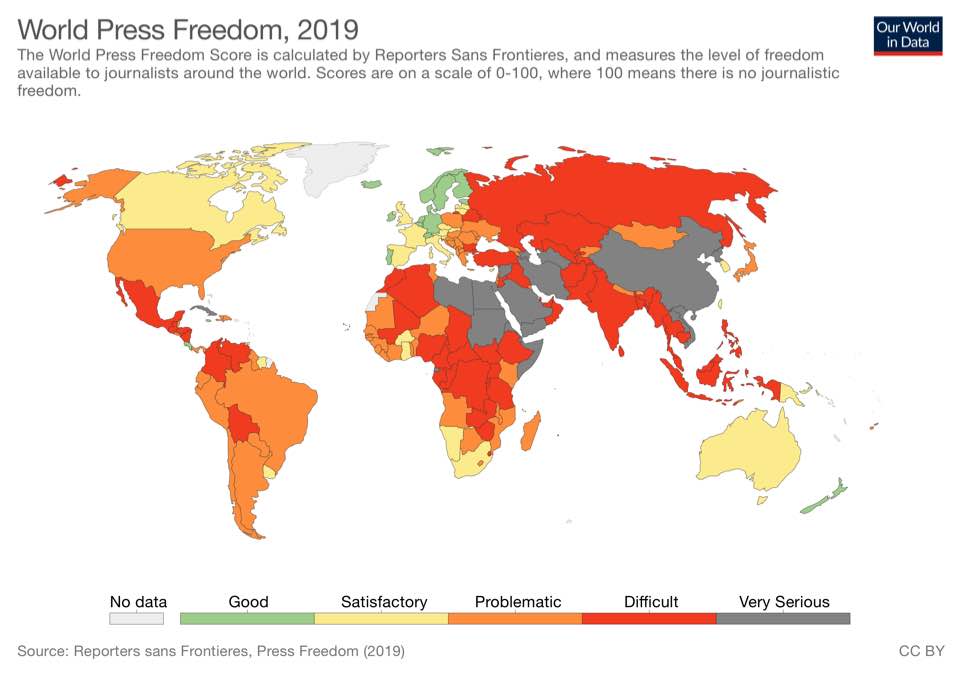
With just a little more effort, we could stamp out those last few sources of fake news, in the green. Straya is working hard to get to orange, like our good buddies in the US.
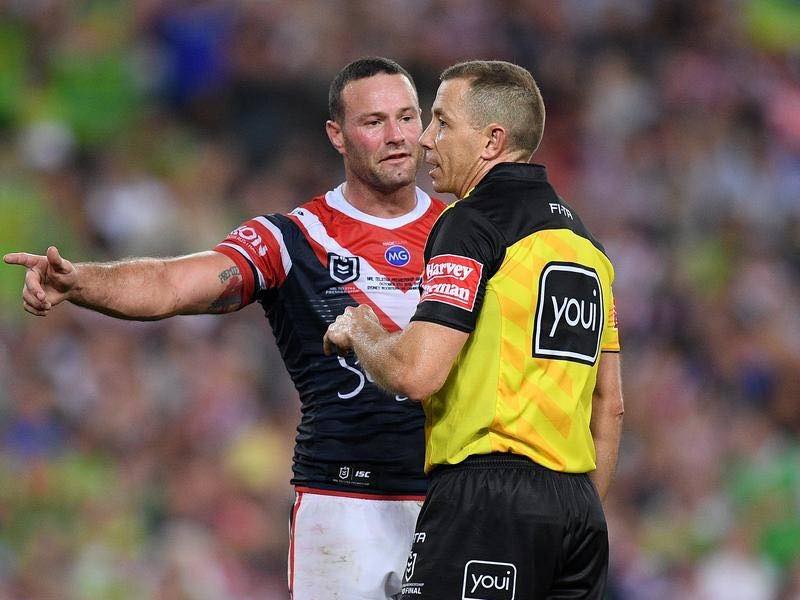
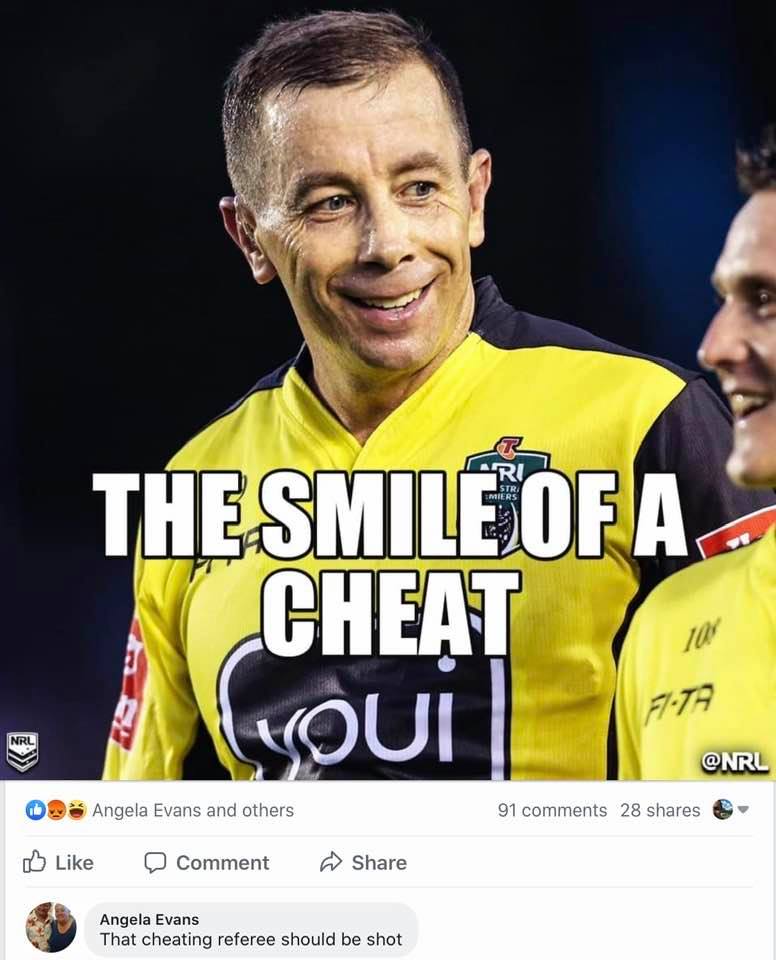
Two things happened yesterday. Ginger Baker, the drummer from Cream, died, and the refs apparently ruined the NRL grand final. Our response to these two events interests me. Firstly referees - I haven't seen a single major sporting fixture this year where people didn't whinge about the refs, it's relentless childish moaning and complaint. We don't like authority, we expect it to be perfect and without fault. We're utopians. At the same time we treat the death of rock stars as some great social tragedy, our cult of celebrity. We attack officials, who have hugely complex tasks to do, and worship celebrities, who have no real responsibility for anything, and are often deeply flawed humans to boot. We're all really Trumpians, the celebrity president, I think we just don't see it. All these behaviours are connected. I like music and musicians, but to be honest I'm at an age where if I'm more interested in them than in Brexit, for example, I'd seriously question if I actually grew up. Teenagers worship musicians.
Happy birthday Den, public holiday even called for it, bonus.
Hmm, did wonder about this. If nothing else, clubs may struggle to get any insurance at all. "Studies have been done in the US - in just one game of (American) football, a child receives about 50 blows. Some of them are like a car travelling at 30 miles an hour running into a brick wall."
Isn't this big anti-officals thing going well? How about Rexit, get rid of refs altogether? Look in a mirror folks, politicians can't govern us because we don't like officials, of any kind.
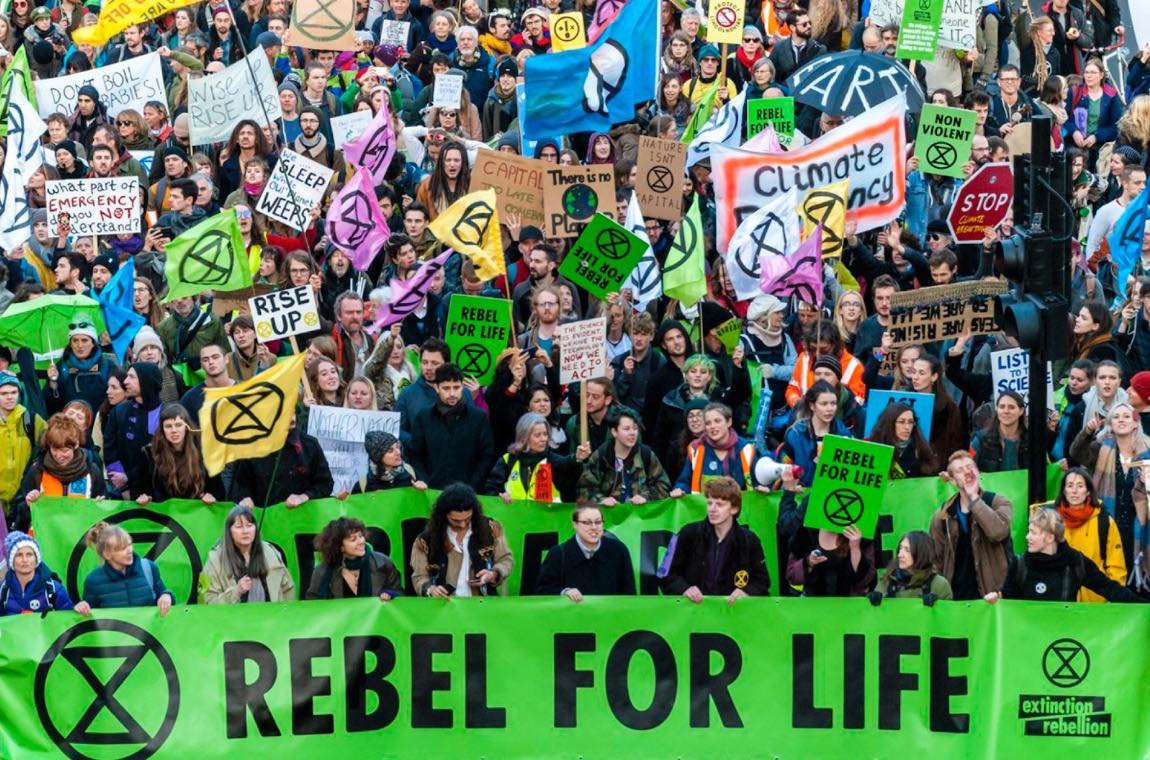
Extinction Rebellion will probably be in the news a lot this week. I know some really believe protest raises awareness - it must to some extent. But for me again the bad guys are winning because only they have sat down and thought about how to talk to people on the other side in persuasive ways. Progressive people are idealists, they think their cause is so noble, it just looks after itself. When it doesn't, they throw a tantrum, like these protests. So I think they need to do 2 things. Learn to persuade again. And if they want direct action, join a union and do it at scale, the only way it will have an effect. Stop being so bloody pure and righteous and start thinking and fighting.
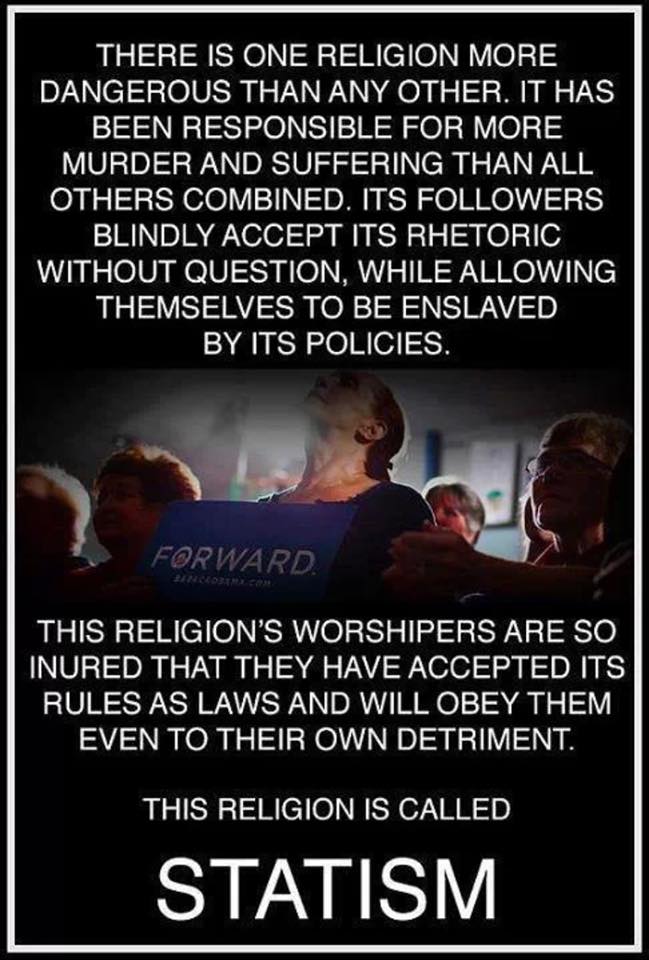
The same people who are now saying global institutions are evil, and the State and patriotism are the way forward, also believe this (picture). So, they're either really stupid, or lying about what they're really up to. (My money is on the 2nd.)
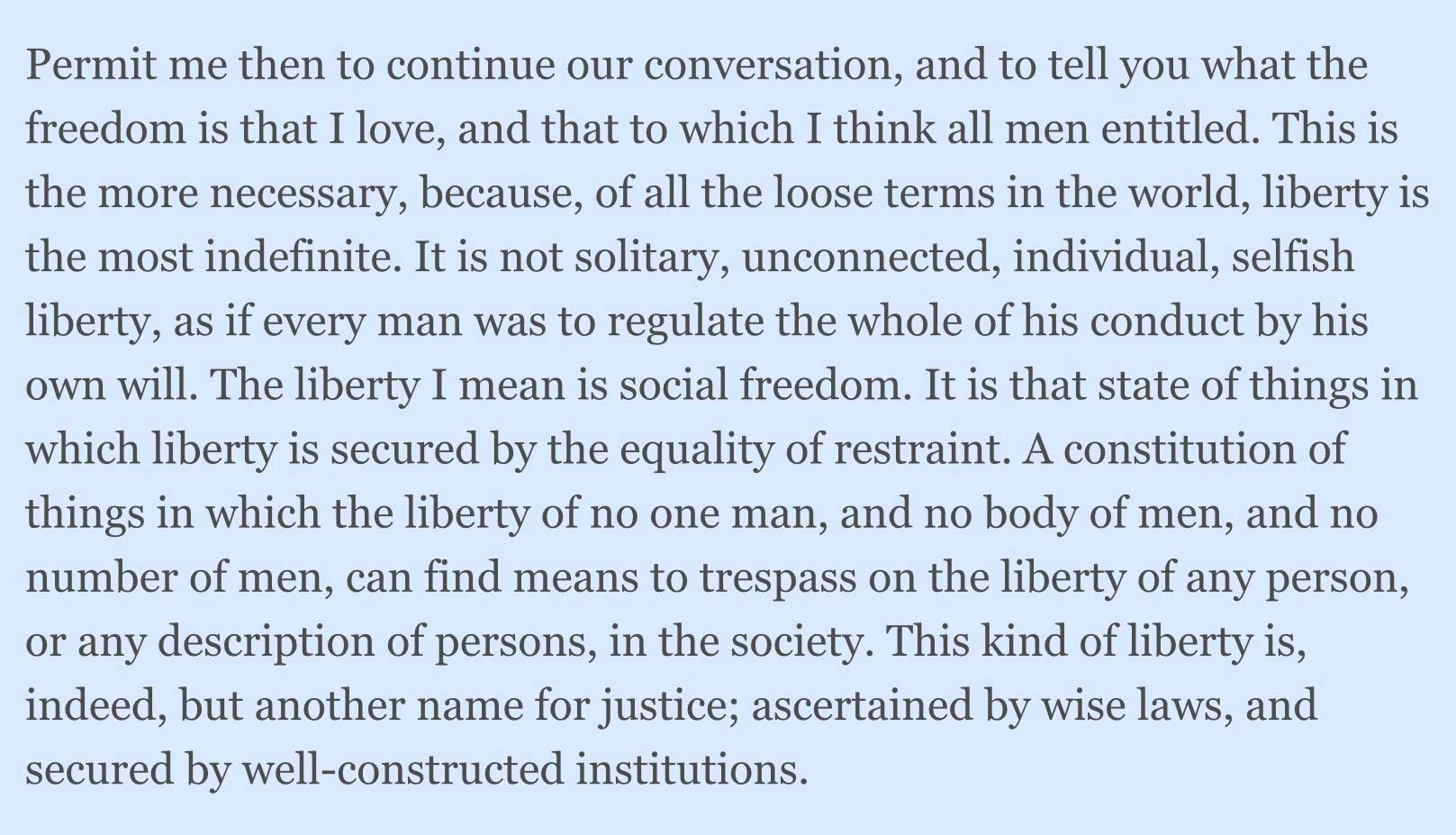
In the 18th century Edmund Burke watched the French Revolution murdering thousands of people. What he took from those events is an idea of freedom opposite to how we've been taught to think of it - he's one of the reasons I have a passion for institutions. We've been taught that to be free is to be free *from* things, from connections and ties. Burke thought exactly the opposite, that we can only be free if we put in place restraints to individuals trying to hog everything for themselves. And the way humans do that is through their institutions, which do the job of managing that social restraint. As he says below.
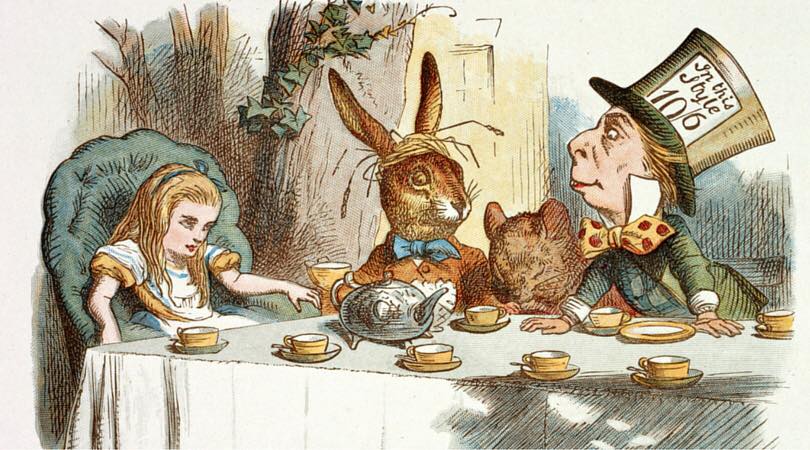
When people evoke 'common sense' in my experience, it always means the same thing. I don't agree with you, my ideas are sensible (common sense) and yours aren't. The literal meaning of common sense sense is 'common meaning' - the meaning most widely shared by people. The problem with common sense as an idea is - it doesn't exist. There are hardly any widely shared beliefs in the world. For example in politics, many assume there are fringe radicals, but that the vast majority - the 'quiet majority', as ScoMo calls them - have sensible, common sense views, in the 'centre' of the radicals. It's rubbish, time and again when tested it's been shown that those people have as widely divergent views as the radicals. Lewis Carroll, a favourite of mine, played with common sense his whole life. He used non-sense to do it. Some assume this was just for fun, but he was a serious thinker with serious intents. A bit like Zen for the West, to snap people out of their lazy 'common sense' un-thinking.
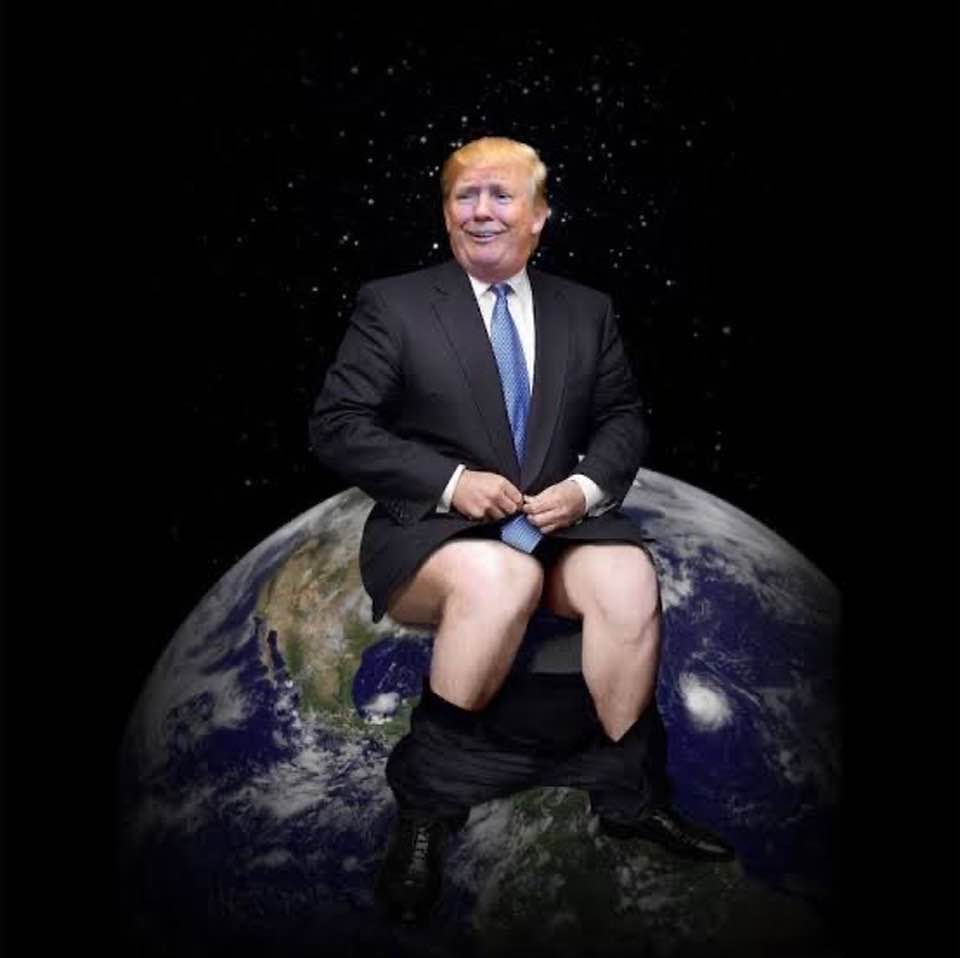
Do you like Donald Trump? And if so, can you say why?
Here’s the double standard in public life. The Commonwealth Bank has been charged with 87 criminal offences, by ASIC. Does it register in the news? Not a lot. One union official is charged with 2 offences and is national news and outrage for weeks. On the same day I noticed that Scandinavia, with some of the healthiest economies and quality of life indicators in the world, has union membership rates of nearly 70%. Join a bloody union. Even if you don’t like them, they can save the world. In fact they may be the only thing that can.
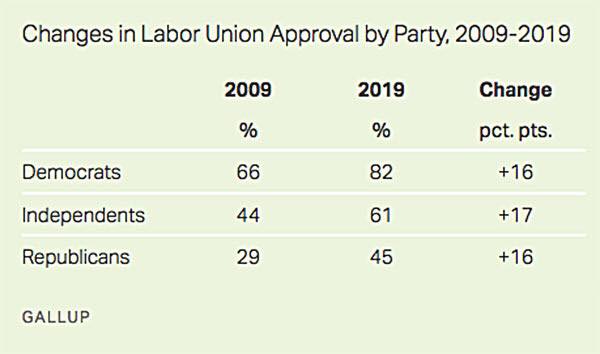
Notice the shift, and this is the US, a really tough battleground. The battle of ideas is turning. If you grew up hearing how vicious and corrupt unions are, you grew up in the middle of the massive assault on them - it was just spin. Again, when even the Governor of the Reserve Bank pleads for workers to fight for higher wages, you know society is totally out of balance.
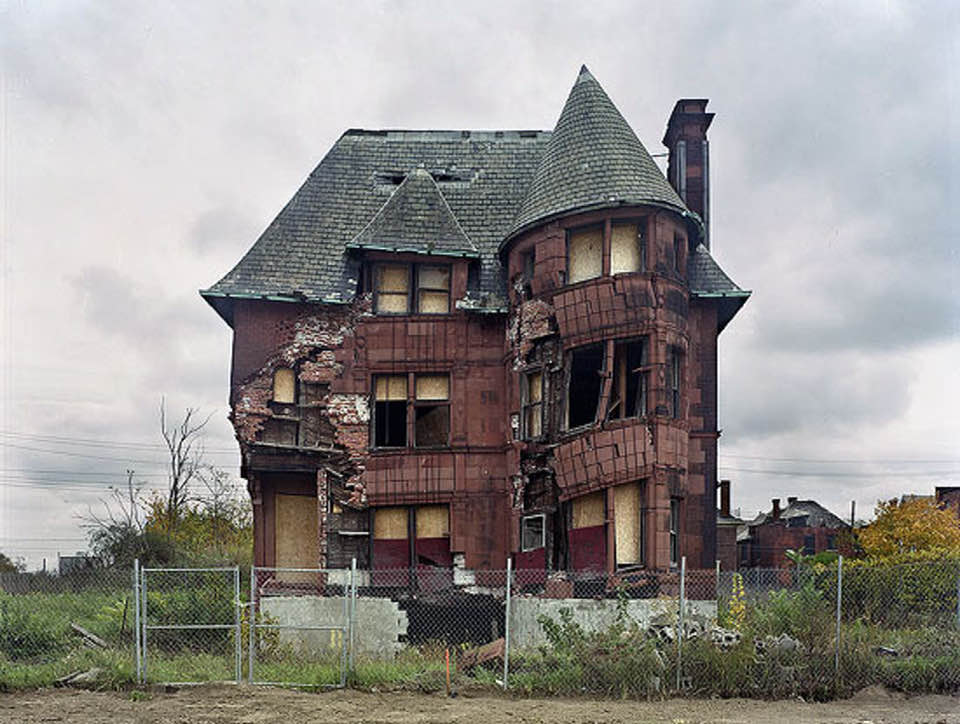
A huge proportion of the world's houses are either badly maintained or not maintained at all. If people move out of a house it quickly falls apart, like this one. Technologies are I think our most social things. You can name any technology, and not only will it need to be (socially) maintained, but the 'function' it carries out will be 100% social as well. Technologies are society's glue, the raw material engineers use is more social than it is 'technical'.
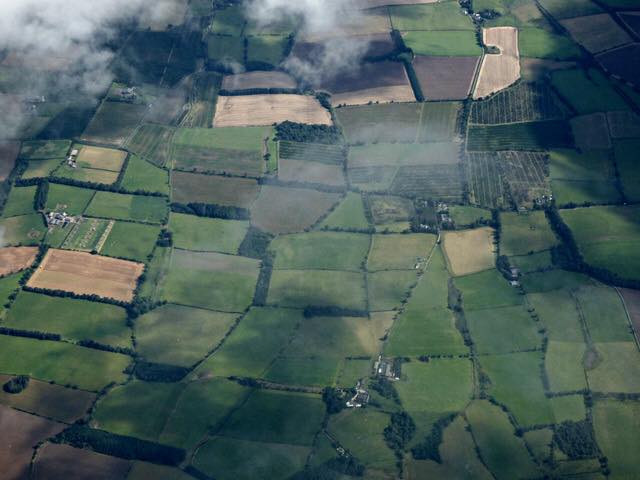
One of the things I think farmers could teach city folk about climate change is that the idea of an 'environment' that we have to 'protect' is a fantasy. Nature, a meaningless term really, makes you work. Climate change isn't a result of us doing too much with the environment, it's the result of us doing too little with it.
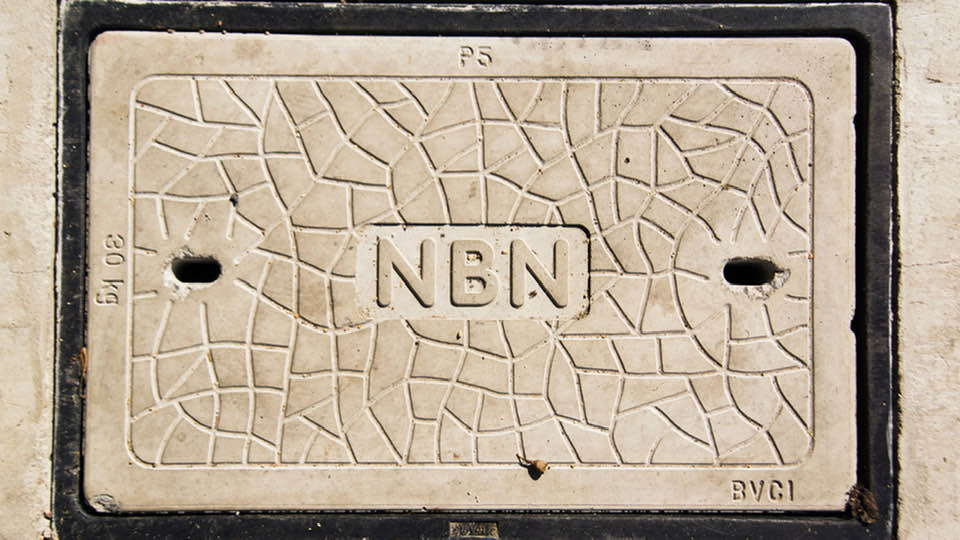
It's kind of cool that the world is literally held together by ribbons of light, circulating underground, under our feet. We walk over these every day, they're where our own street is physically connected to every other place on Earth.
This little civil engineering cartoon shows multiple amazing things. For decades now the US Army Corps of Engineers have been trying to stop the Mississippi from being captured by the Atchafalaya River, itself a product of the Mississippi cutting the old Red River in half. The Atchafalaya is much lower than the Mississippi, and without the engineers all of the water would head that way, massively flooding New Orleans and surrounds, and devastating a large part of the US' transport infrastructure. Louisiana only exists in its current form because of this diversion. This is what climate change means, I think. Humans and nature are not two separate things. We will need to be much more involved in 'natural' processes, more interventionist, not less.
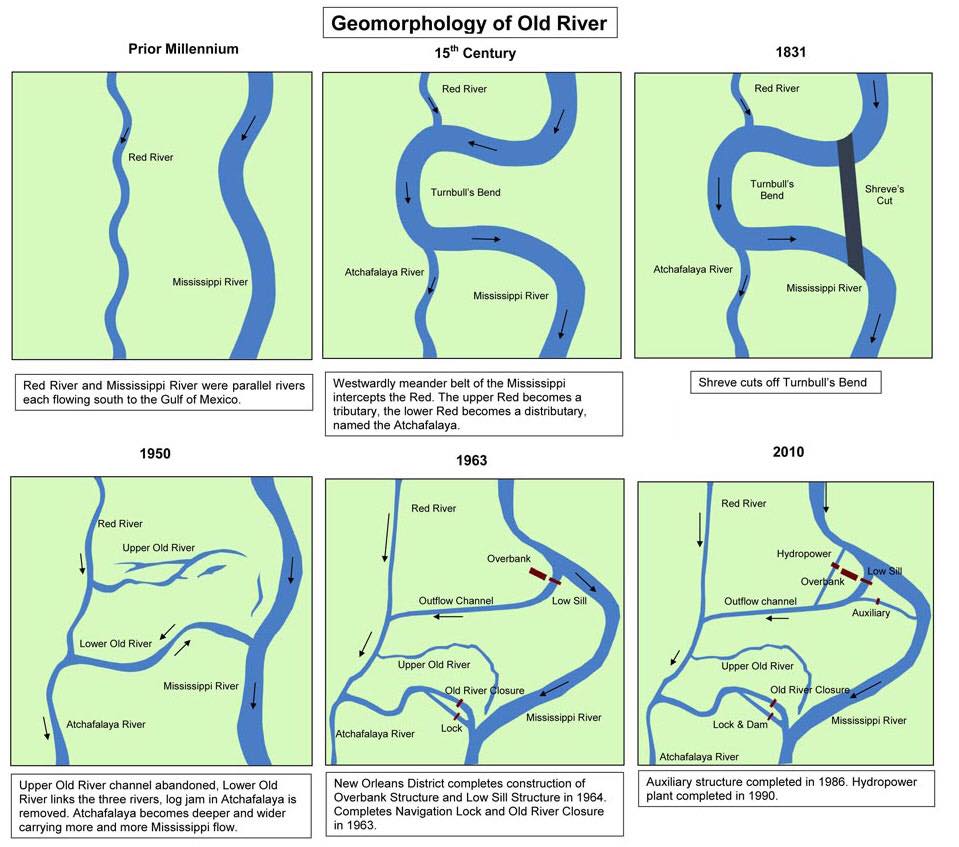
I think this is the most astonishing thing I've ever read. It's the story of how the US has grappled with the Mississippi River over the past couple of hundred years. It makes Jurassic Park seem like an episode of the Teletubbies. It's long, but nearly every paragraph tells you something more jaw-dropping. None of the habitual ways we think can handle this story. It's way beyond anything fiction could dream up, and it's absolutely true.
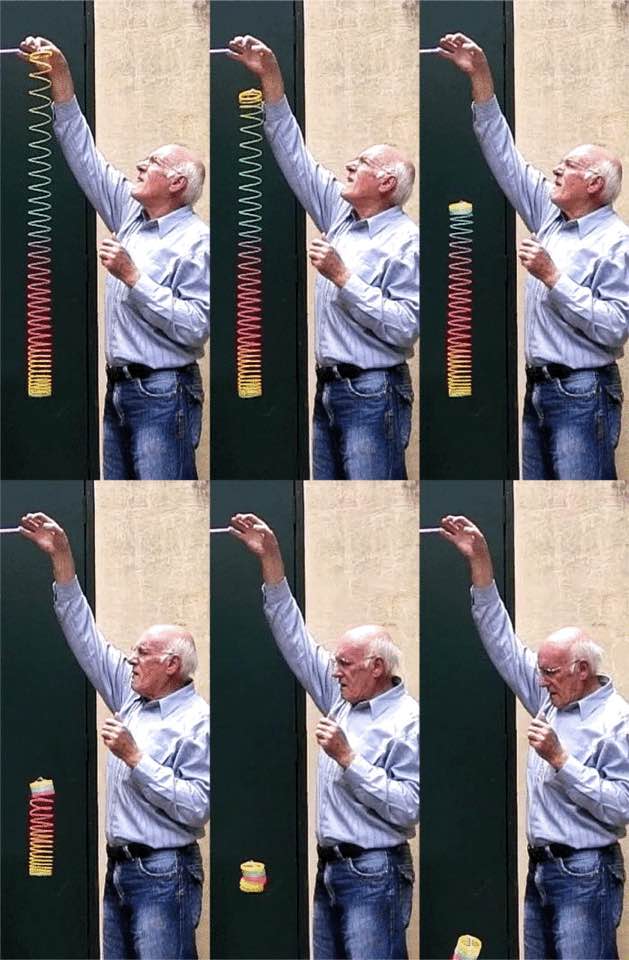
If you drop a slinky spring, it hangs suspended in the air for a moment before falling. 'Defying gravity', the elastic potential energy of the spring acts against the gravitational force downwards. When I say our bodies are suspended in space, this is what I mean. The tissue in our bodies is elastic. Our bodies are not symmetrical, so just being upright makes us permanently unstable. That instability is absorbed by the tissues of our bodies, which are wrapped around us in a spiral, preventing the instabilities from making us fall. It's those instabilities which charge up those tissues in each moment, like constantly re-dropping the slinky spring. 'Gravity' is what holds us up - we're suspended effortlessly in space - not what pulls us down.
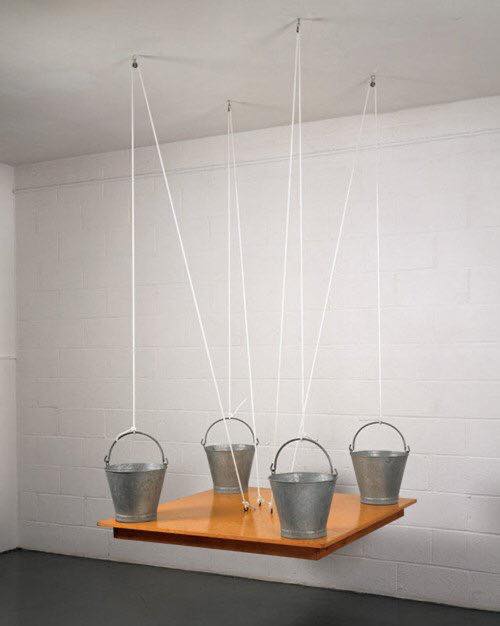
Thanks to Jason for reminding me of this one. Is the table holding the buckets up, or are the buckets holding the table up?
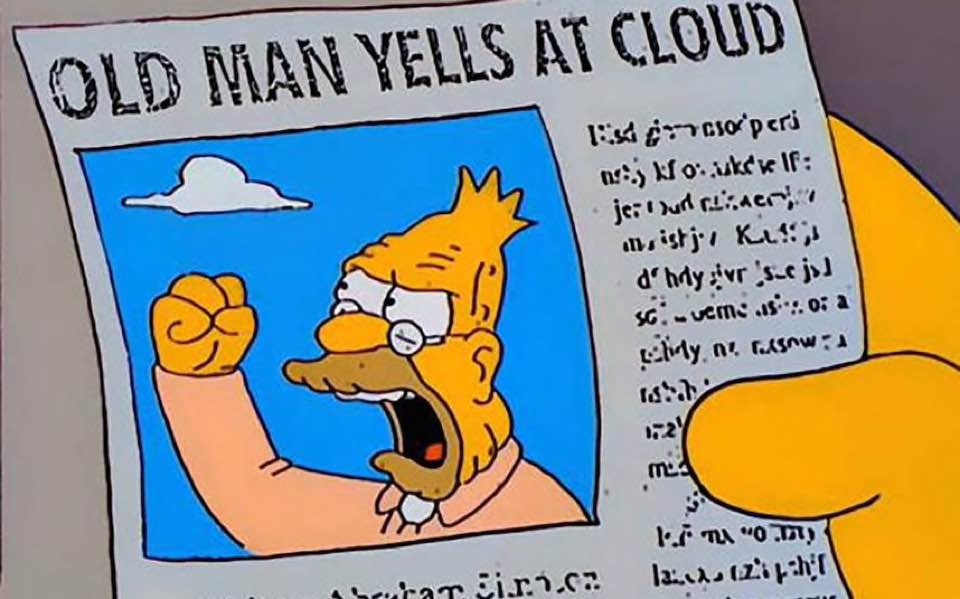
If the country seems cranky and irrational, it's probably because it is literally old.
Thousands of lives ruined, millions spent on a Royal Commisson. No banker went to jail or was even charged. The current outcome of this? Shared advice from the banks and government, to us all as borrowers: "personal responsibility". Join a union.
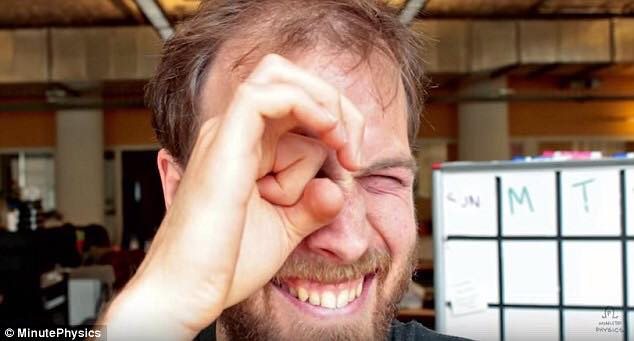
If you wear glasses, and don't have them with you, looking through a tiny aperture can sharpen what you're seeing pretty significantly. You can do it with your hand (as in the pic), or use anything that will give you a small hole to look through, like a pinhole in a piece of paper. There are explanations for why this works, though not entirely convincing ones to me. Vision is one of those things where I think most of the science is completely bonkers.
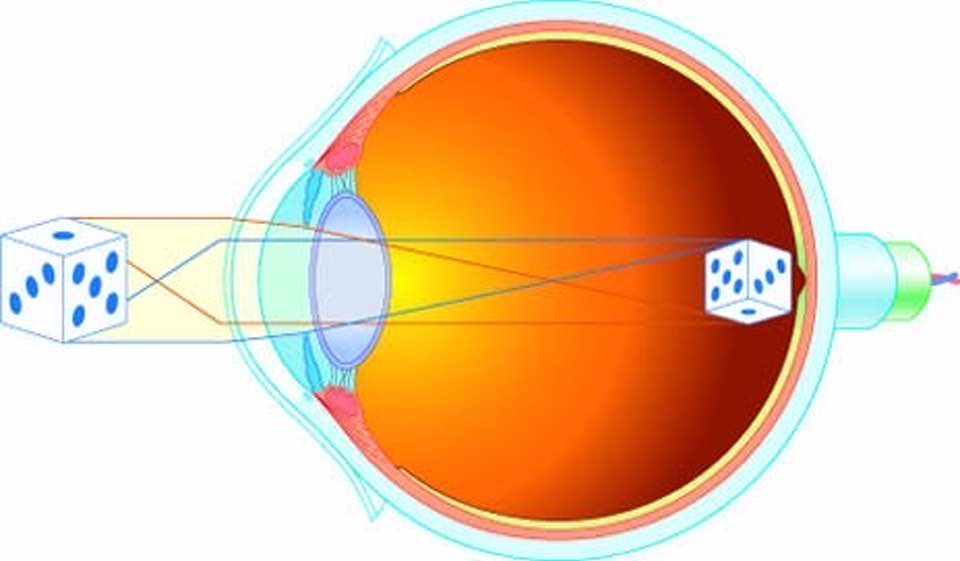
Vision is an amazing topic. Mostly the science of it focuses (ha) on the eyes. That would seem common sense to most. The Earth being flat does to many too. In fact the obsession with the eyes and vision goes so far as to make a lot of the research on eyes dependent on actually strapping people down to tables, so instruments can prod and study the eyes alone. Here's just one peculiar, common idea about vision. That an image falls onto our retina, as in the picture. How does an image travel through the air? Anybody ever seen an image flying through the air?
Good on the Daily Tele for pointing out that Knox Grammar, latterly famous for abusing boys, will have more income ($277 million) in the next 3 years than the island nation of Kiribati. How good is that?
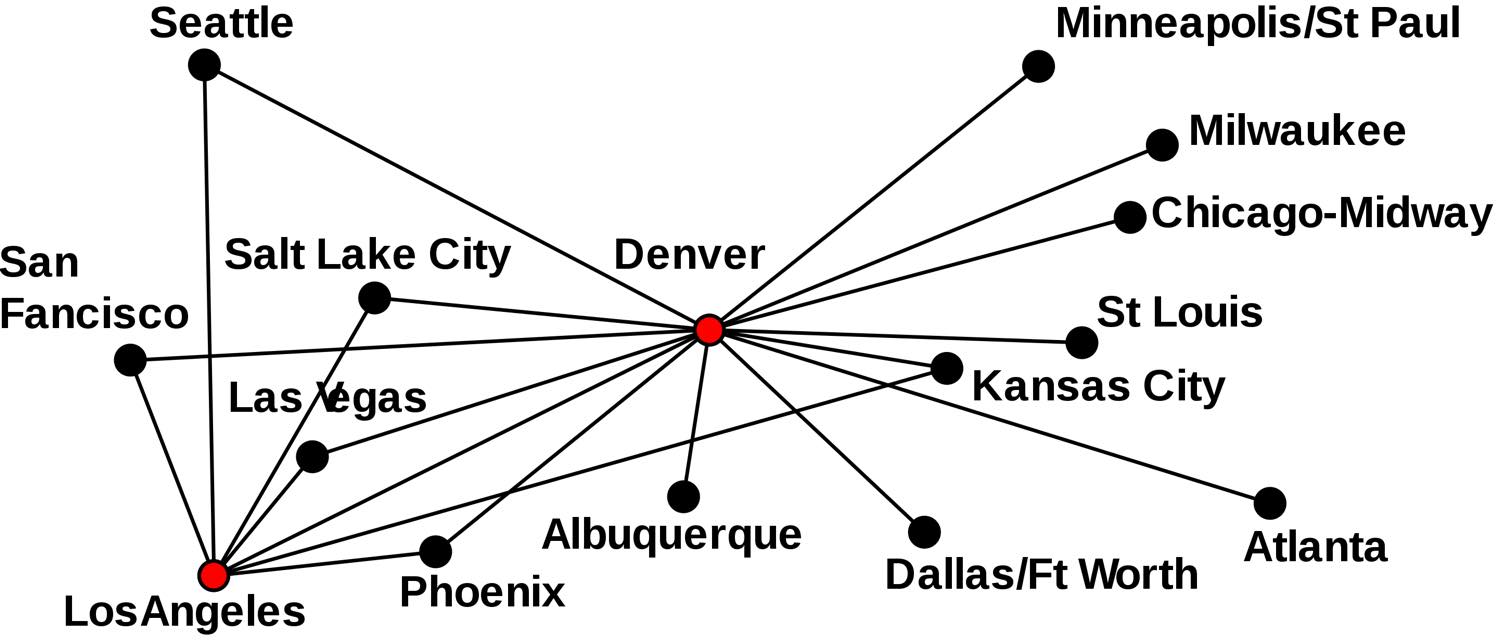
One of the great mysteries and frustrations for planners and people who live in regional areas, is why no matter what they try, people keep moving to big cities. Big cities are getting bigger and bigger. Mega-cities. I think there's a simple explanation, and it comes back again to how we think about space. Cities and towns are no longer places, they're hubs (mega cities) and spokes (towns) in a network. They're the materialisation of our travel-culture. Airlines already know this, it's how they do their planning. Towns and cities are just inter-connection points for our constant movement, we don't really settle anywhere.
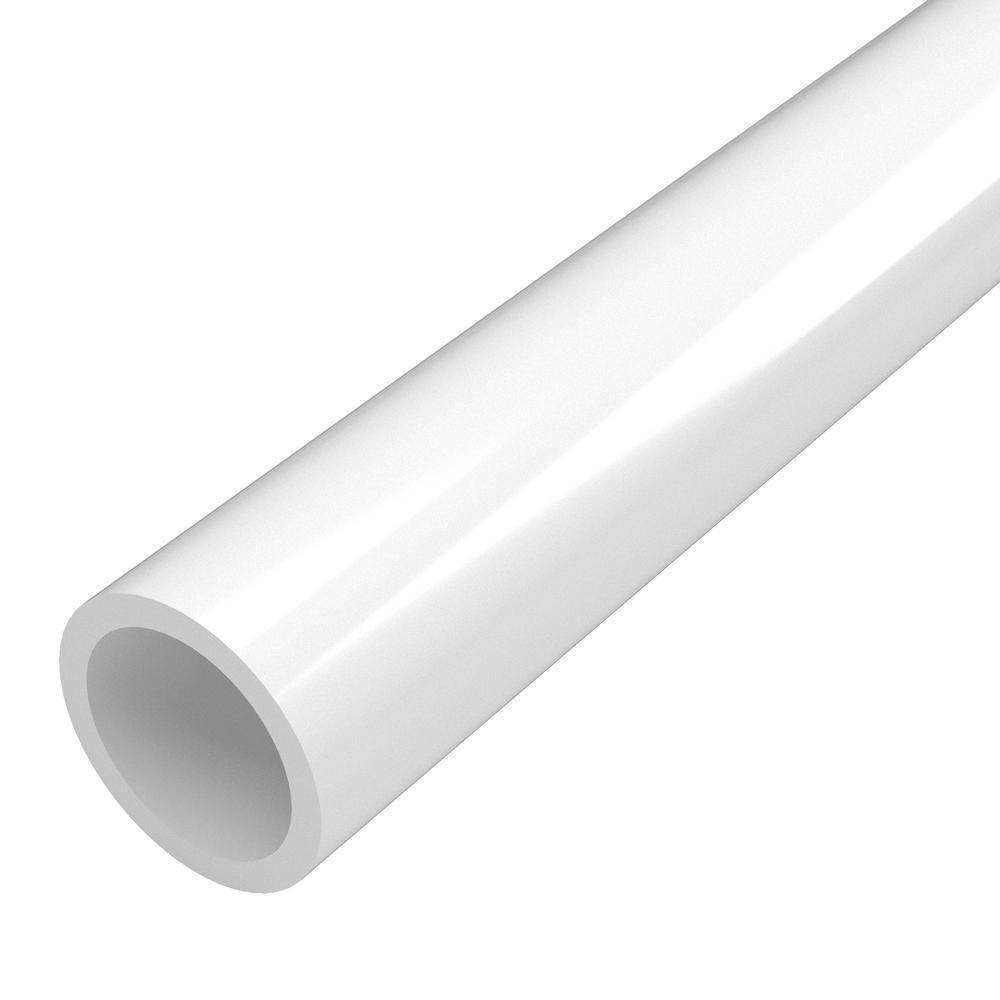
To me the most extraordinary things in the world are always the most ordinary things. Take pipe. Our entire civilisation would collapse without it. Know that puzzle - what happens when an unstoppable force meets an immovable object? Pipes happen. A pipe is pure genius, it allows things to move (unstoppable force) while being constrained at the same time (immovable object). A simple pipe is mostly empty space - it's empty space with direction. A way to extend a hole indefinitely. Just mindblowing really.
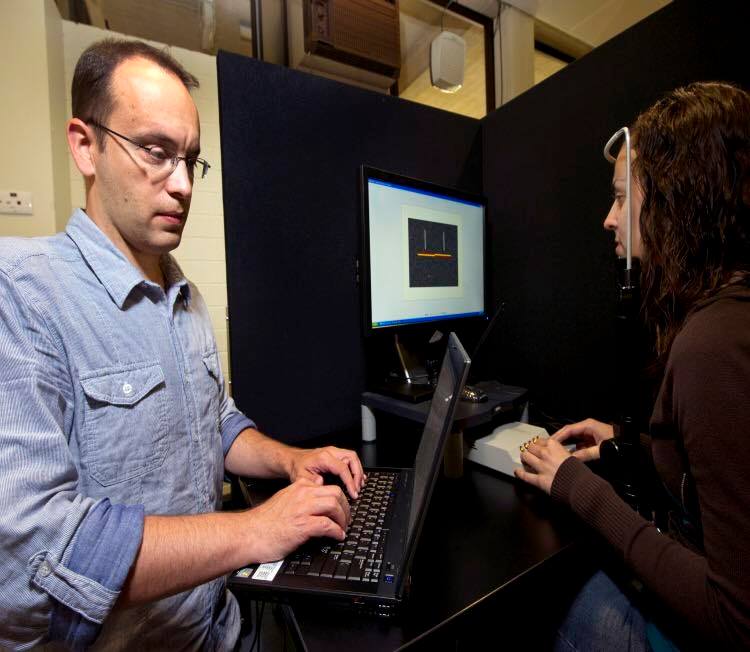
We don't think with our brain. Tobias Loetscher (in the pic) did some research showing that he could predict with a high degree of accuracy what numbers a person was thinking of, just by tracking the movement of their eyes. He linked those eye movements to physical activities the people undertook in the world. His research is showing that even abstract reasoning, with numbers for example, is something the whole body does, in the world.
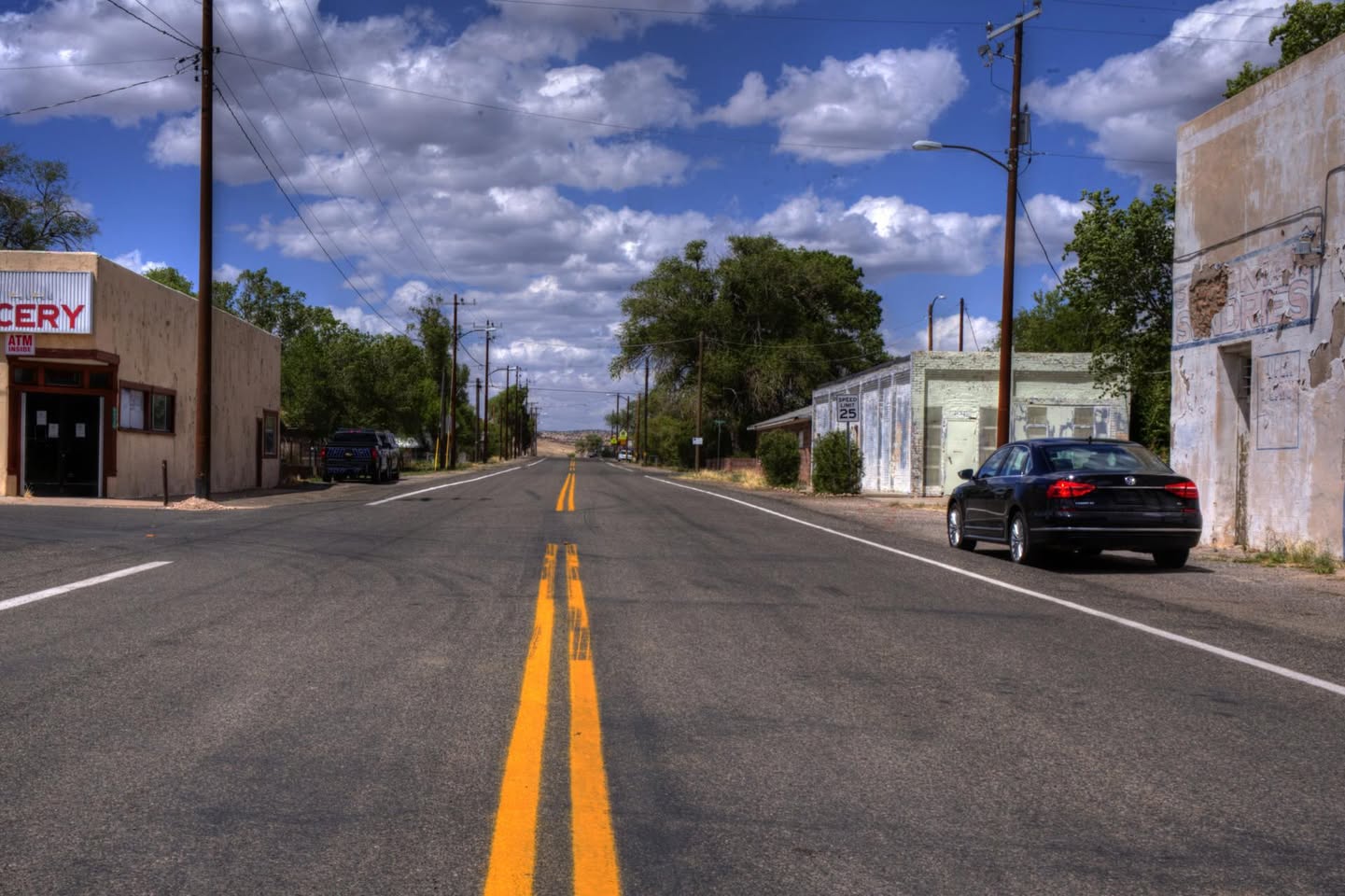
I like walking on roads when they're empty. Part of it is to reclaim the space from vehicles. But it's also because of one property they have that I find interesting. Road space is unbounded space. The function of a road is always to go somewhere else. Put a road anywhere - in a town, or countryside - and you immediately add a a space permanently at odds with its surroundings. You can feel that directly walking on a road, the clash of the two types of space.
A car is an institution. I think all successful technologies are institutions. For a car: - the car company itself is an institution - the parts and spares industries are institutions - road building and maintenance are institutions - road safety and policing are institutions - the car is made from parts and technologies and patents from many countries, so is a multi-national institution - the materials in the car can be up to millions of years old, so the car is a blend of times crossing multiple generations. And so on. I think it also shows how technologies are what actually hold society together, unpack any technology and you'll find thousands of people whose lives are dependent on it, as well as national and international agreements. Take all that away and you have no car.

MND is motor neurone disease. A really, really nasty thing (Stephen Hawking was one of the most famous sufferers of it). This bacteria is in all our waterways and dams, and the warming climate is making it much worse. Scary stuff. "Research in America found that regular participation in water-based recreational activity resulted in a threefold increase in the risk of developing MND. Satellite mapping also revealed that lakes prone to algal blooms were often surrounded by clusters of MND patients." https://www.theguardian.com/society/2019/mar/09/its-scary-motor-neurone-disease-spikes-sevenfold-in-rural-nsw?CMP=Share_iOSApp_Other
Modern conservatives puzzle people, because many of their policies go against conservative thinking. This is why, their actual motivation is to undermine the separation of Church and State. This from the home page of the US Secretary of State.

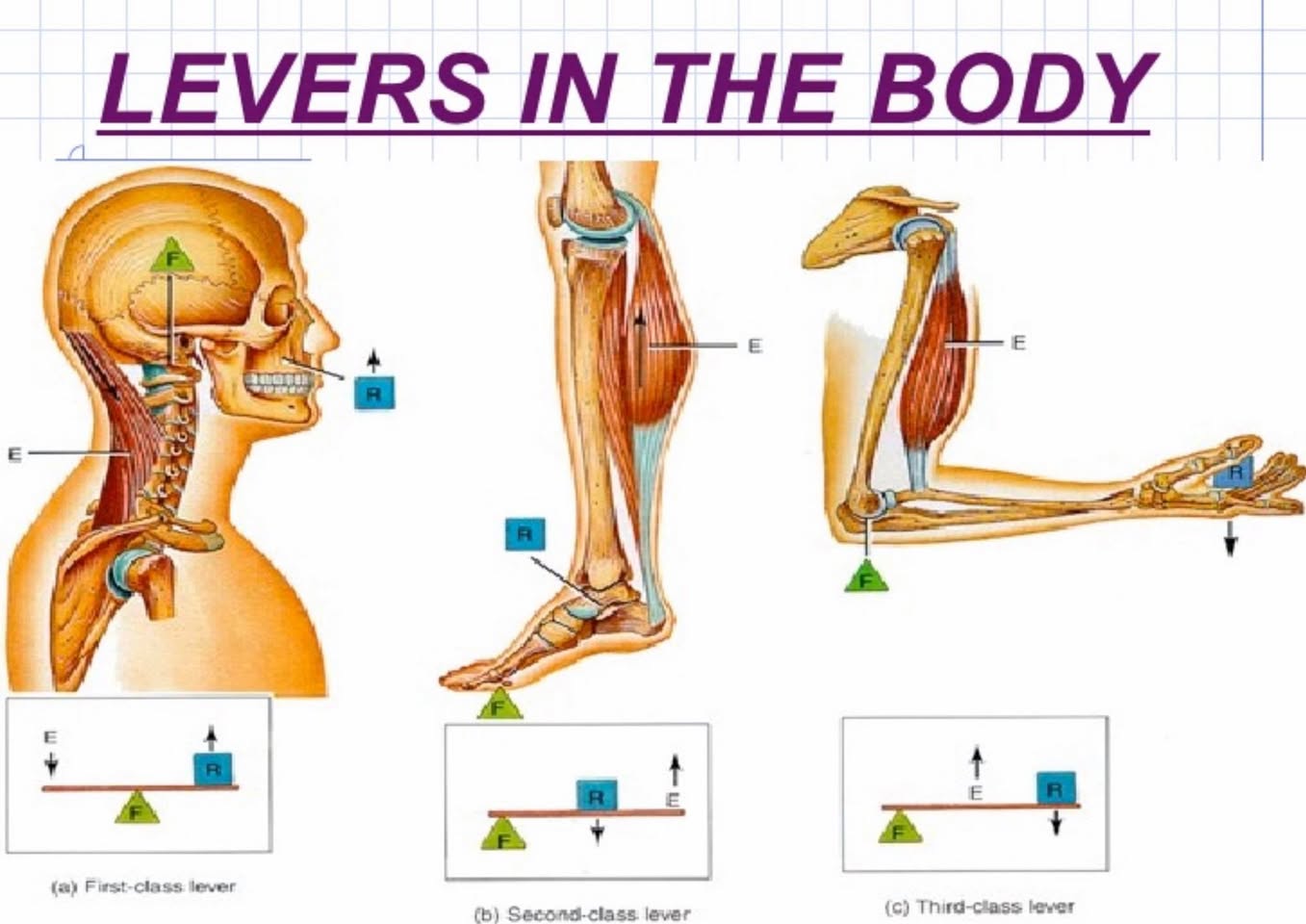
This is how most of us come to experience our bodies, we push and pull all day, like we're operating levers. The problem is, how do all these supposed levers connect together to form an integrated body? (They can't.) And the elephant in the room is - you can't lever yourself. It's like trying to lift yourself up with your own shoelaces. Try this instead. Simply open your awareness to where you want to go or to what you're doing, and *allow* your body to release into your activity, at the same time. Like seeing a friend in the distance and saying "hey there, how are you?" as you walk over to them, at the same time. You'll feel your body release as you're doing that, following your awareness, springing you towards them. Your body is elastic, not a set of levers. Takes practice, but it can change your life.
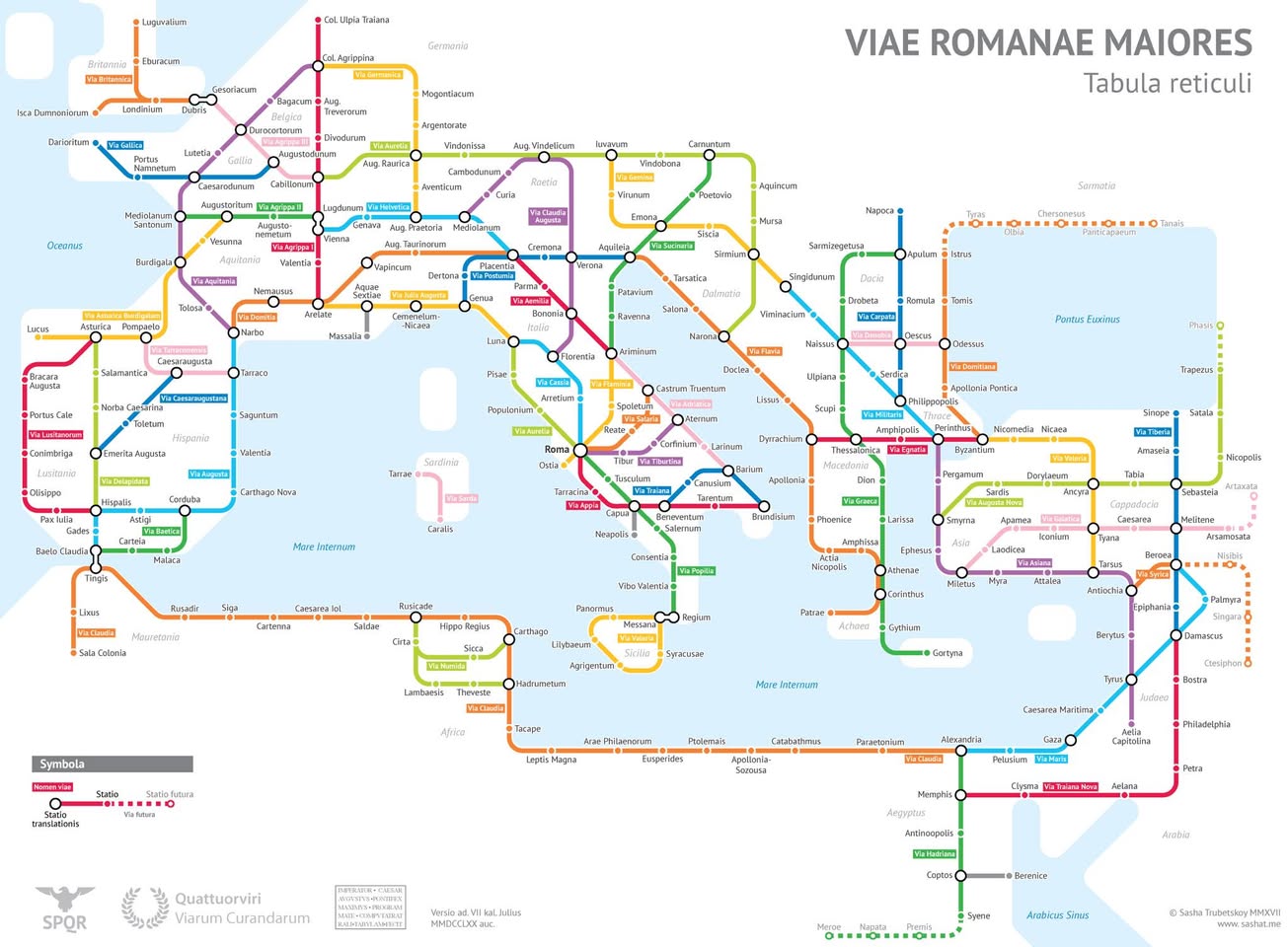
Our civilisation is part Greek, part Roman. The Greeks gave us democratic ideas, the Romans built things. Like their roads, in the picture. The Romans survived over 1000 years, the Greeks, just over 300. Maybe there's a lesson there, infrastructure isn't just stuff. Maybe our social chaos is too much Greece, not enough Rome.
The Left of politics talks about facts without values. The Right talks about values without facts.
I've worked in governance for two decades. Whether it's a sporting club, or a major organisation, or a parliament, you only have to spend a day in these places to know the real reason governing people is hard. People are just plain fucking crazy. And they don't compromise. And they're always sure they're right. And they're lazy. And they lie, they nearly always lie. And all of that is fine. What isn't is blaming politicians for it, or the boss, or the local club executive. But shifting blame is another thing people do, so there we have it.
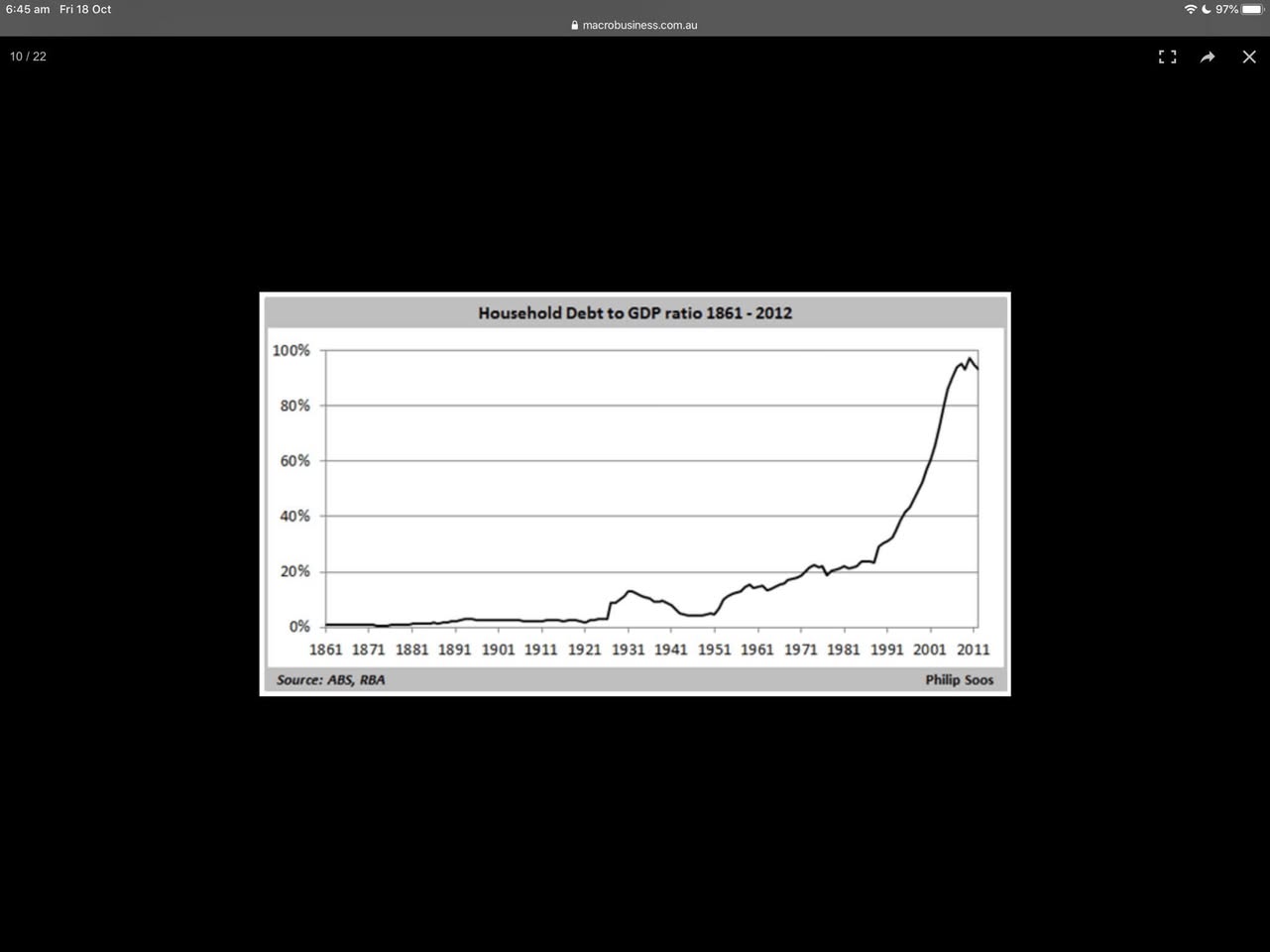
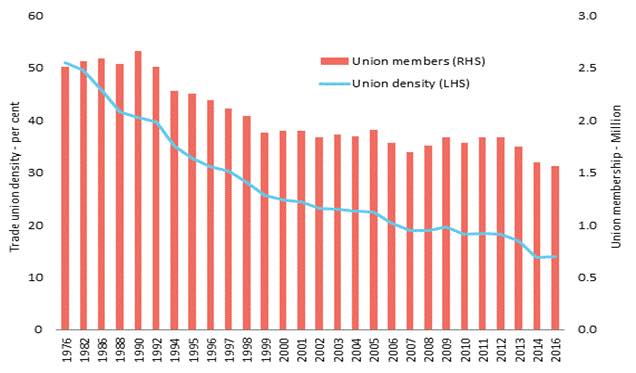
Same story, different angles. Late 1970s is when union membership started to plummet. Late 1970s is when personal debt started to skyrocket. We traded a share of national income for our own personal debts. How good do those debt repayments feel?
John Lennon is idolised for this anti-establishment view. And then we wonder where Trump came from. A world that believes only in itself, and getting rid of all 'elites'. It's why me and many boomers don't really get on in our thinking. I don't believe in magic I don't believe in I-Ching I don't believe in Bible I don't believe in tarot I don't believe in Hitler I don't believe in Jesus I don't believe in Kennedy I don't believe in Buddha I don't believe in mantra I don't believe in Gita I don't believe in yoga I don't believe in kings I don't believe in Elvis I don't believe in Zimmerman I don't believe in Beatles I just believe in me Yoko and me And that's reality
What I love about social media is that it's real-time evidence of why politicians are not the problem. People are nuts.
“An individual’s responsibility for leadership is not dependent on authority.” US Marine Leadership Manual. Nobody is in charge. Once you really understand that, everything is possible.
The 'false consensus effect' is a widespread cognitive bias where people overestimate how many other people agree with their beliefs. It's one of the main reasons people hate pollies, they think there's broad consensus in the community, and only arguing politicians stand in the way of that consensus. They're wrong, everyday people agree even less than pollies do. https://en.wikipedia.org/wiki/False_consensus_effect
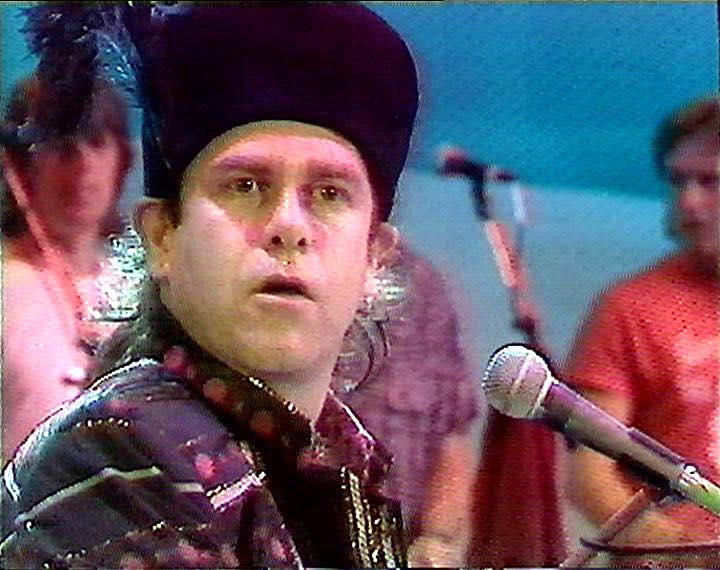
"What was with that hat you were wearing up there, darling? You looked like the Queen Mother." Freddie Mercury, talking to Elton John after his set at Live Aid.
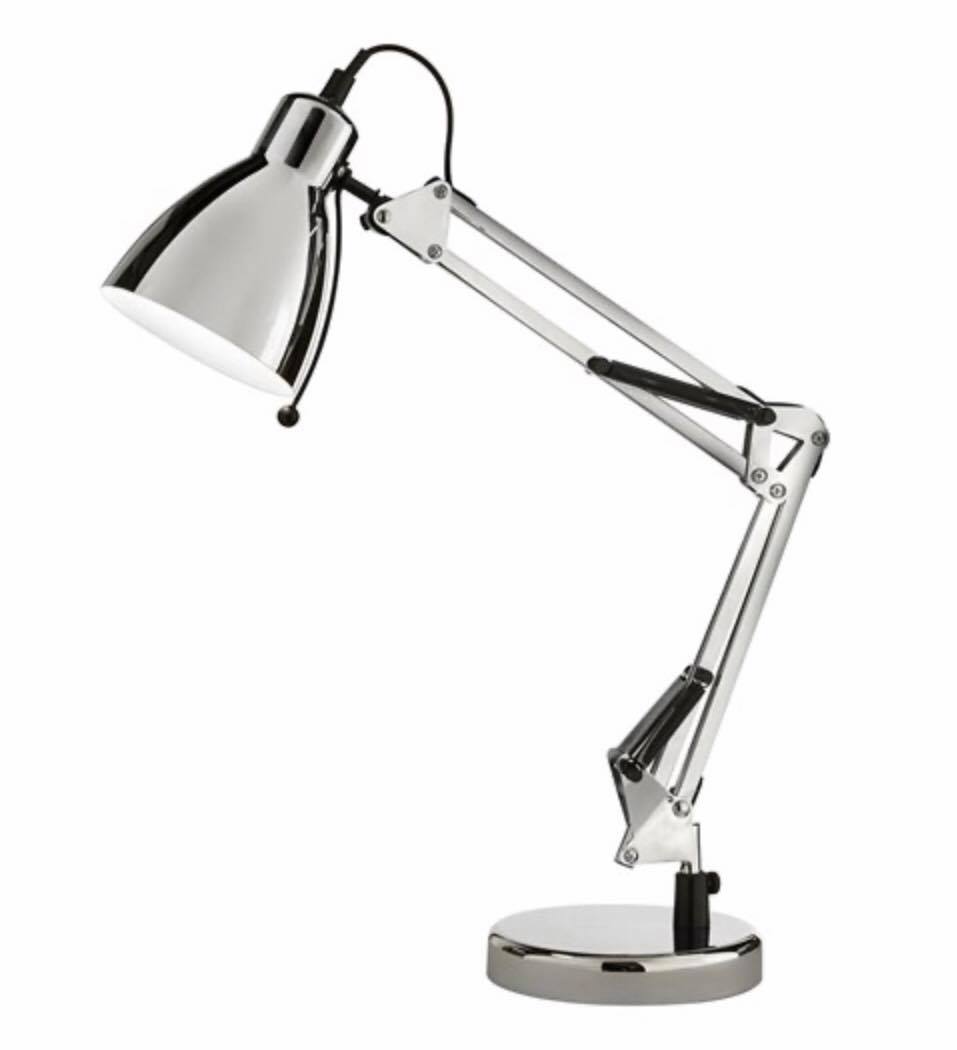
A balanced-arm lamp. Sometimes called a floating arm lamp. Designed so that the force of gravity is always exactly balanced by the tension of the springs, so that the lamp can be put in any position without effort and stay there without effort. This is how our body works too, it suspends us effortlessly in space in whatever position we like, provided we're not off balance. Maybe a majority of people don't know this and therefore don't float. Thus, as I often say. We can float. ('Floating' arm lamp.) If we know how to use our body properly.
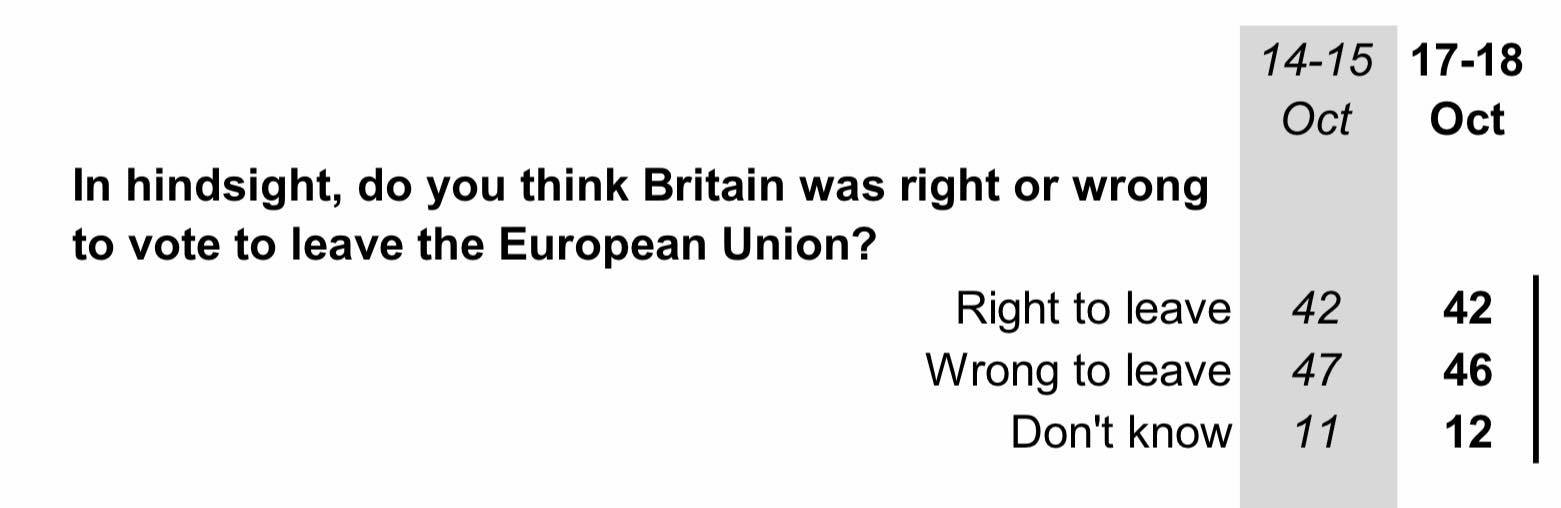
Those damn politicians, hey? If it wasn't for them Brexit would be all decided? 🤔
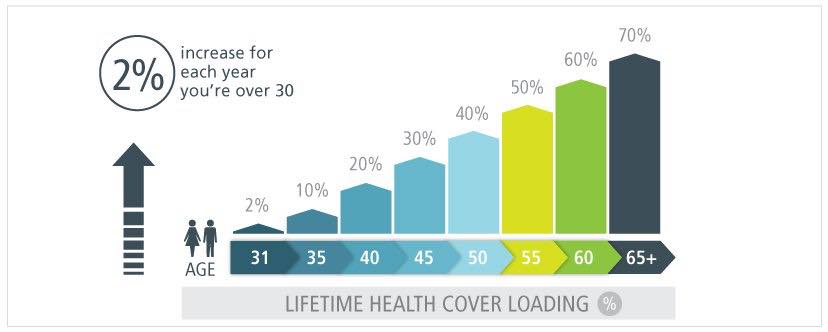
People get upset at inter-generational justice questions, but here's a cracker. Old people are swamping the health system, and to make their private health insurance funded gold-plated healthcare affordable, younger people are penalised by law if they ditch private health insurance.
This may be a genuine crisis. Even bigger towns, like Bathurst and Orange and Tamworth, may soon have no water. And Sydney's dams are not pretty either. Like Brexit in politics, I wonder if we need this sort of crisis to finally change our thinking. My two cents - we need to stop thinking of water as rain, falling from the sky, filling dams. We don't live in the UK, where it rains every other day. Water that sustains us is water in the landscape, in the soil. Rain can only recharge that occasionally, vegetation does the rest. Peter Andrews knows it, but still not enough are listening to that insight imo.
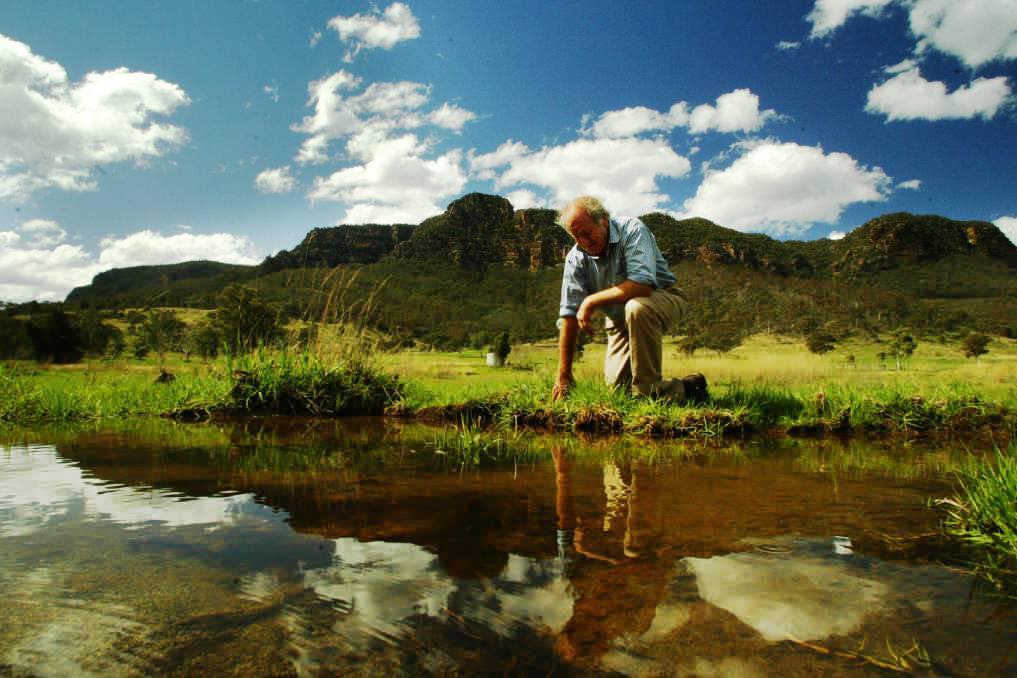
I travel through degraded farmland every day. I think NSF is a wonder of the world, slowly making inroads. Everybody wins, farmers, biodiversity, water etc.
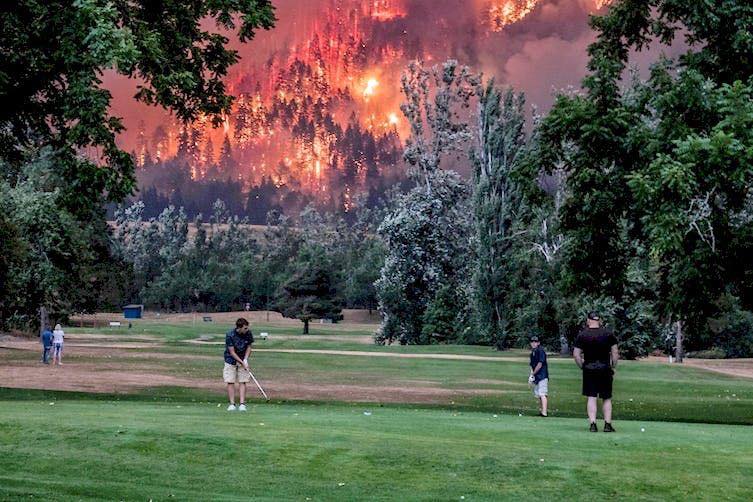
Donald Trump maybe invented golfing on in the face of genuine emergencies.
Who remembers that it was Cate Blanchett in this old ad?
Proven by the fact the human even had a typo in the sub-heading.
I've said before and still strongly believe that people who have no time for politics are like spoiled children who have no time for chores. Privileged, spoiled brats, who think the world just works without them having to do anything to make it work. There isn't anything Hollywood can produce that could match the gripping events of Brexit right now.
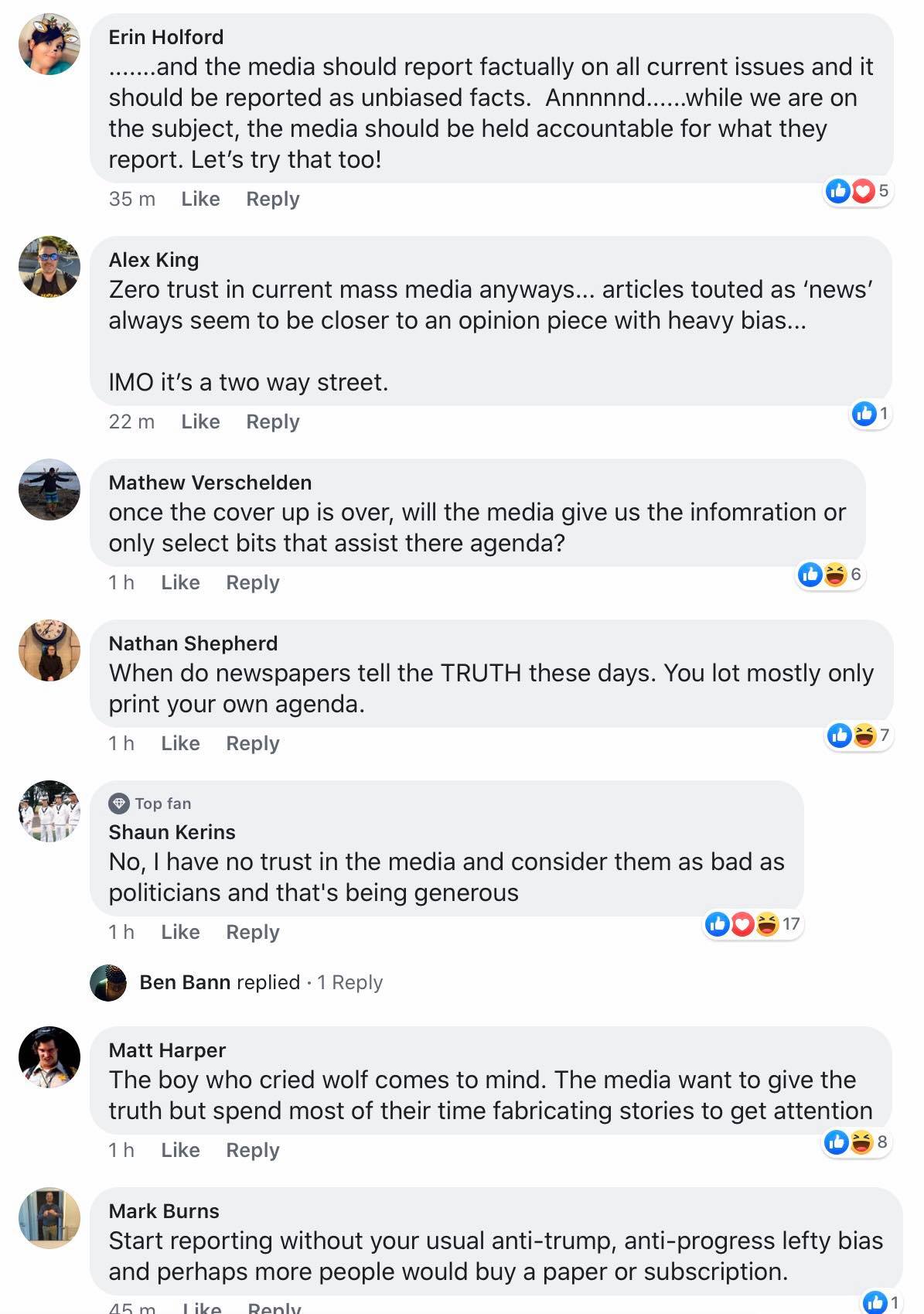
I thank Kato and the good people of Newcastle for evidence that we're ripe for our own Aussie Trump. And that hatred of institutions has been the defining characteristic of society since the 1960s. These comments in response to the media action today to highlight attacks on press freedom.
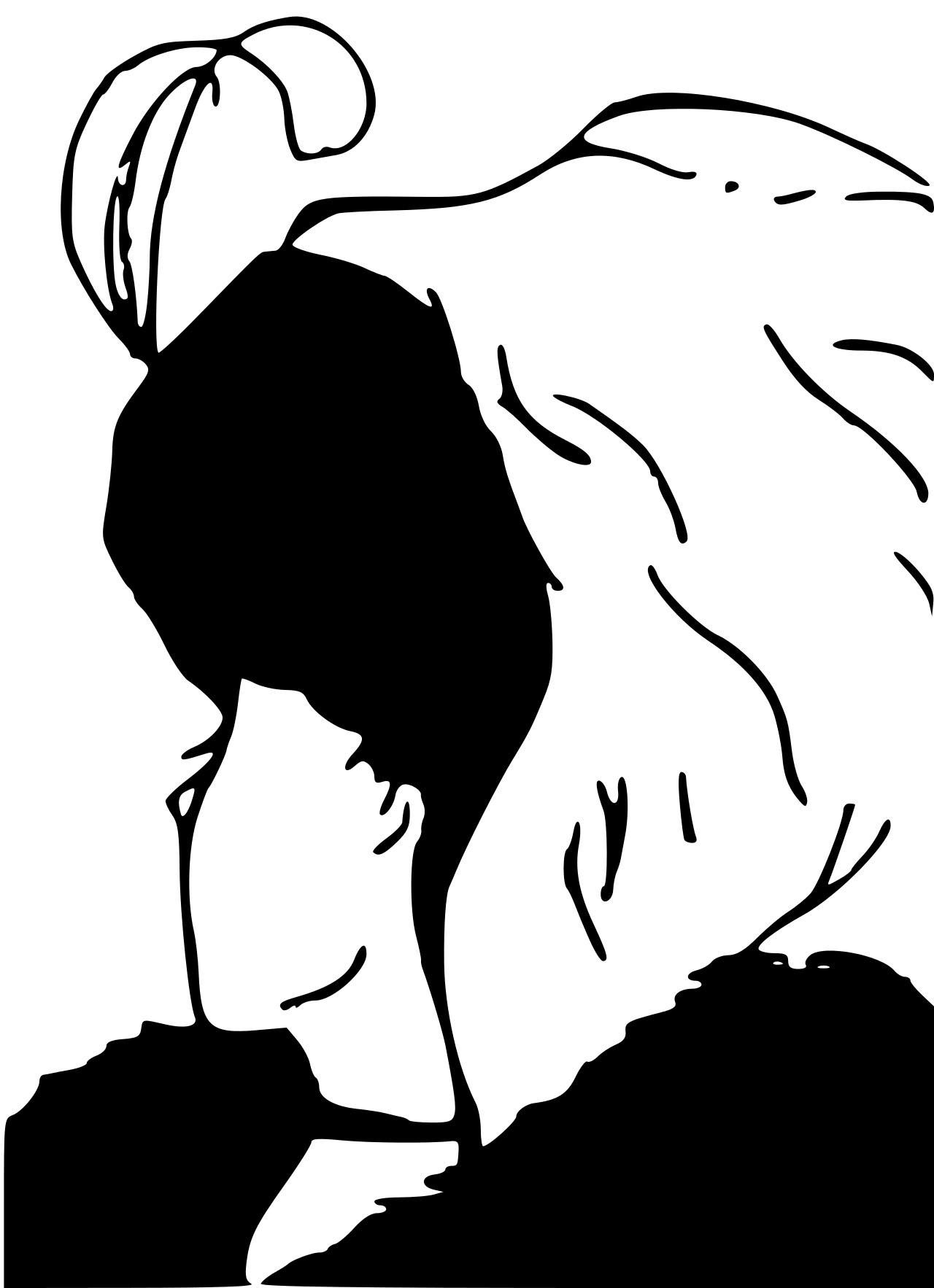
Edwin Boring was an American psychologist. He made the picture below famous. And his surname meant every time somebody cited him in research, it read something like: Boring (1967, p.223)
A day late, but many happy returns, especially any crap gifts ;)
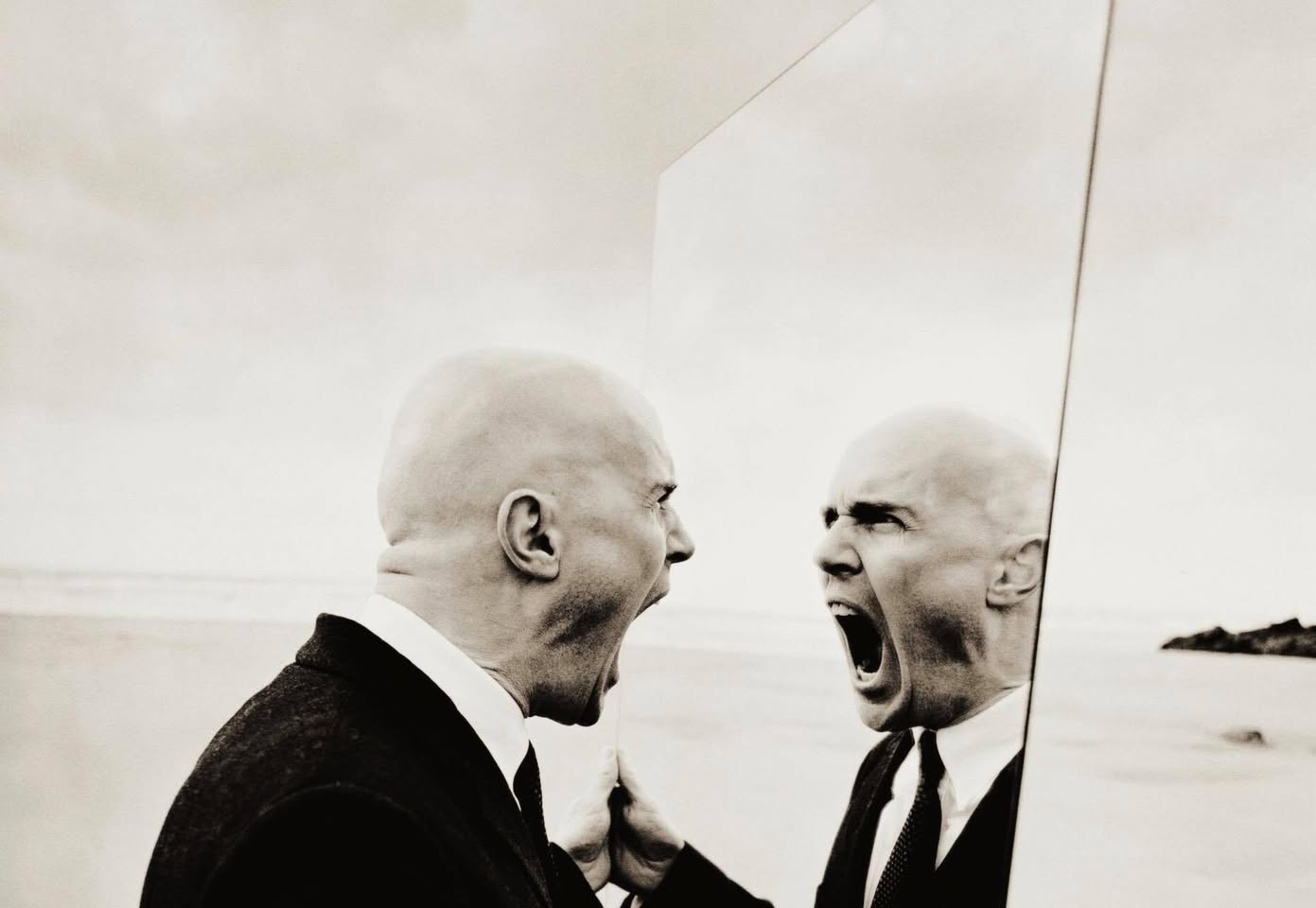
Every time you feel angry at a politician, remember a majority of your fellow people voted for them. It's like screaming into a mirror. Scratch the surface of the people around you, and you might be surprised at what you find. We don't know ourselves.
There are still about 1.5 million people in Australia who are members of unions. No political party has a membership greater than 50,000 🤔
To me it’s ridiculous that modern countries like Australia can only offer people 4 weeks of leave in a year. Other counties are even worse. My sense is this won’t change in Australia for one main reason - our worship of small business. Small business often can’t afford these sorts of conditions, and there’s the rub. While we worship it, we can’t actually afford to change peoples’ working lives. Conservatives love small business because it's also not usually unionised, so is putty in their hands. Incidentally the government said yesterday its response to the tanking economy will be - industrial relations reform. That’s code for more attacks on wages and working conditions. Low wages are the reason the economy is tanking. If all you have is a hammer, everything begins to look like a nail.
Cool body stuff. If you do this, the closer to the ground you get, the tighter the muscles in your legs and elsewhere will feel. A common explanation for this is that you’re ‘stretching’ your muscles. In fact you’re not, proven by the fact that with practice that tight feeling will start to disappear. That tightening is your body trying to stop you from falling forward onto your head. From overbalancing. Tightening or effort you feel in your body is one part of your body working against another part of your body. In this case the legs tighten to stop your torso from toppling over.
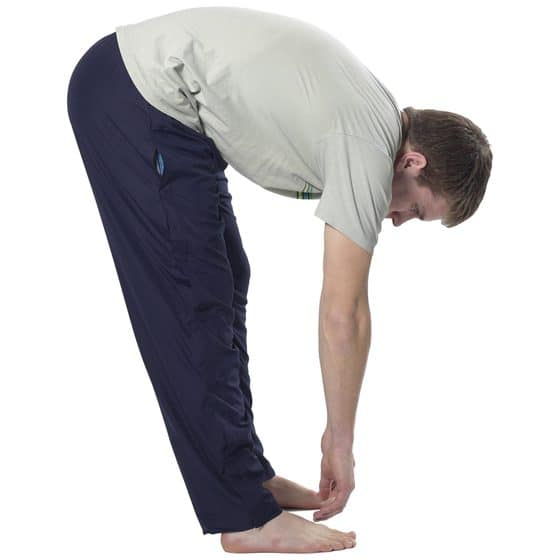
Ideas shape how we use our bodies. Why is this called bending 'down'? Why down? The guy was on the ground the whole time, he can't get any further down.
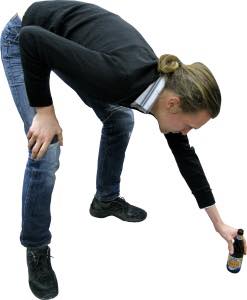
Microsoft Excel is considered by some to be the most dangerous piece of software on the planet. Tens of billions of dollars of financial transactions worldwide are managed with Excel spreadsheets every year, as well as other critical business and public services. Many of those spreadsheets are created and maintained by only one or two people, or a handful at best, without much double-checking of the data or coding. When those people leave an organisation, often the spreadsheets continue to be used.

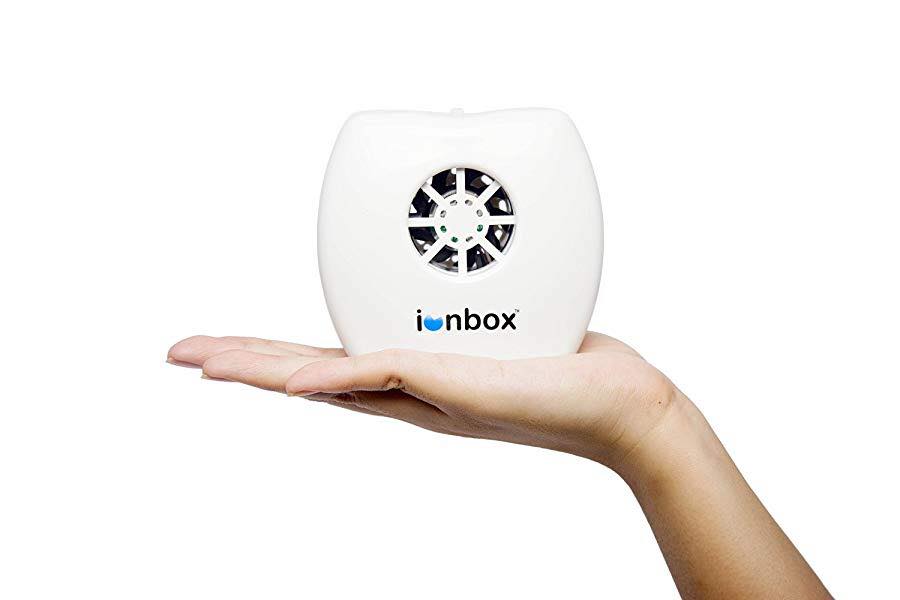
I periodically talk about negative ion generators, because they're pretty amazing. Clear evidence now that this simple technology strips the air of pollution like dust and spores, but also bacteria and viruses. In fact it's so effective it removed 100% of airborne pathogens in a hospital in tests. It also deactivates bacteria sitting on surfaces. And it's just charged particles of air. I carry this portable ionbox model with me everywhere, it's great for public transport or events with lots of people, especially in flu season. (No, they don't pay me.) But it's also good in offices, and for hayfever sufferers. Reverse-cycle aircon units sometimes have it built-in now too, like Panasonic models. No filters to install or clean, and much cheaper than filter-based systems.
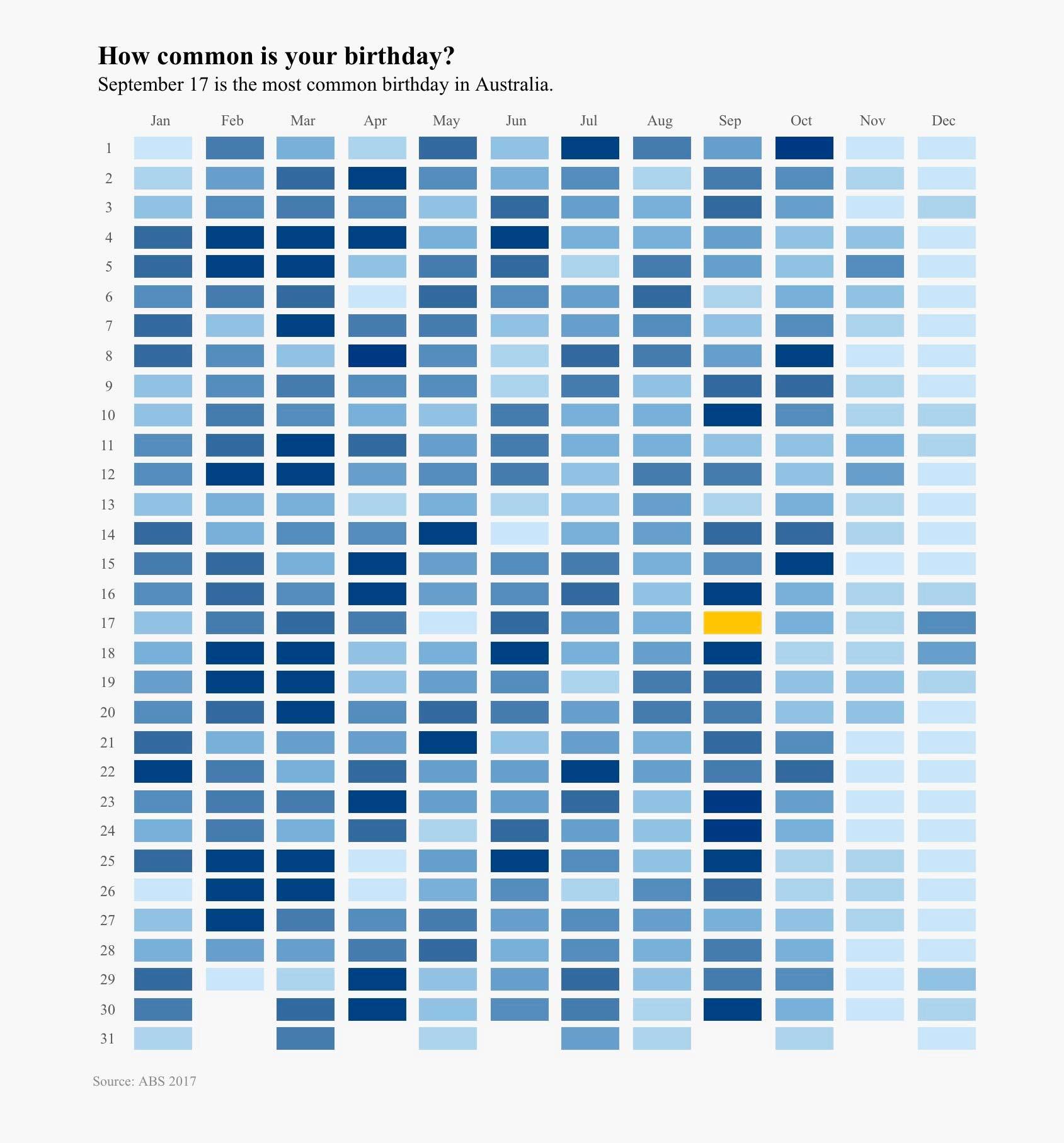
The distribution of birthdays in Australia. September 17 is the most common birthday. Across the Western world September/October are the most common birth months. Nobody is really sure why birthdays follow the patterns they do. I love patterns because we all make them, as a group, but nobody can actually explain how or why we do it. To me that's why we feel there is something bigger or greater than us, pulling the strings in life, because of these patterns. 'We' is what makes these patterns, but we don't understand what us acting collectively really is - we don't understand 'we'.
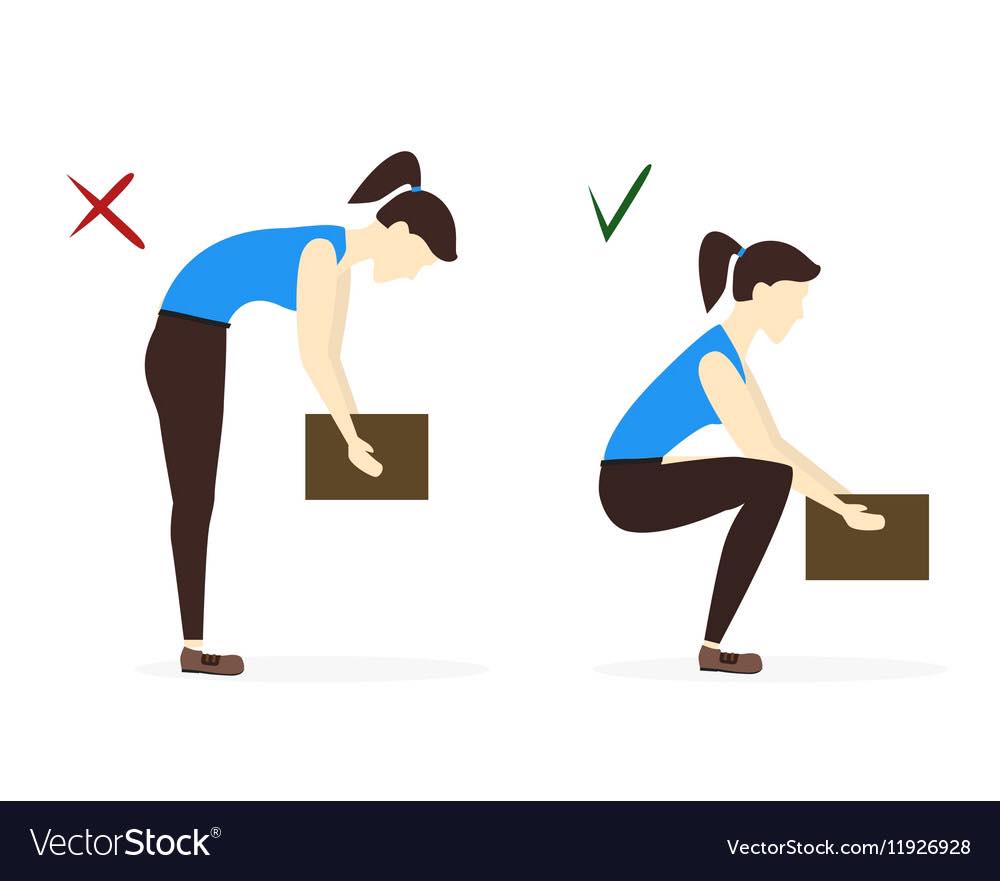
What if the best lifting is not to 'lift' at all? The concept has built in the idea that you and the object you're lifting are two separate things. 'I'm going to lift that off the ground'. What any mother implicitly knows when carrying kids is that you don't actually need to lift like that, far better to attach what you're lifting to you first, like a child holding you, and then you as a single connected entity come up. You're not lifting a separate thing then, you and the thing - a box, child, whatever - are a single connected entity, that goes up as one single thing. I don't think you can separate bodies and minds, our idea of 'exercise' is based on that separation. Ergonomics and WH&S the same, like this poster. (Interesting that 'good' lifting in WH&S is at least a clear whole-body thing. Not a head directing traffic to a slave body.)
Happy birthday!
If you think it'd be cool to have a crystal ball, I think insurance data might be the best you can do. All the debates over climate change are mostly froth and bubble, serious businesses have already decided it's real. You'll see that in your insurance premiums over time, insurance does future-based assessments. Here's the Australia map.
Anti-consumerism to me attacks all the wrong things. Our 'material' well-being is the most human part of us, and the way we are woven into the fabric of the world. I think the rejection of it is part of a wide escape to fantasy, ideals and metaphysics, to avoid the complexities of modern life. Societies that run on ideals end in the blood of millions, materialistic societies are always peaceful.
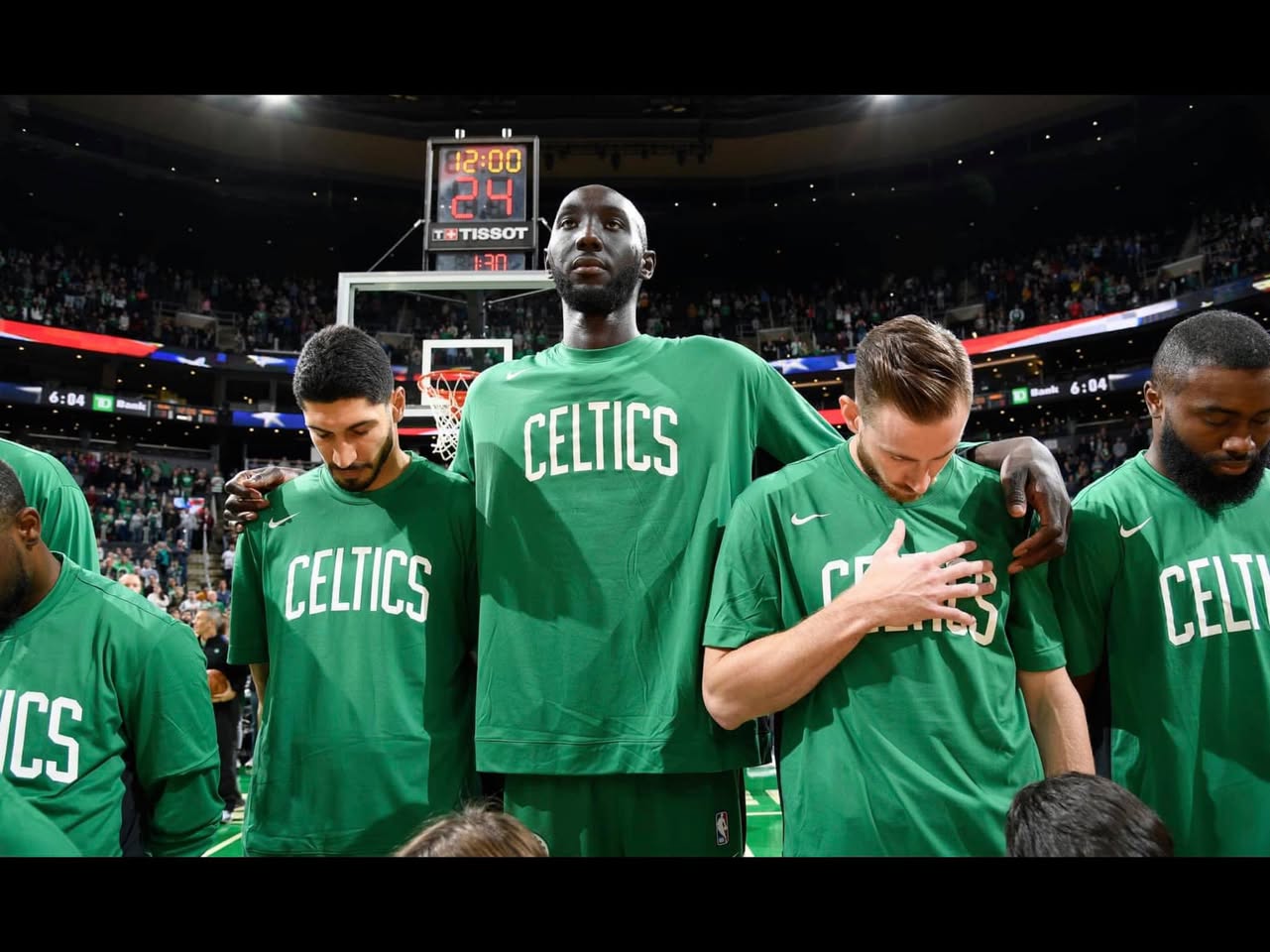
I love that 7ft 5in Tack Fall, centre, is having an enforced concussion injury break because he hit his head on the ceiling while washing his hands.
"The proliferation of protests is no guarantee that things will change. “Staging [demonstrations] is no longer the difficult part,” says Youssef Cherif, a political analyst and one of the authors of new Carnegie Endowment research on the success of protest movements. “The problem is what to do after the protests, how to make your point and achieve the goals you’re protesting for. That proves to be the most difficult part.” Protests and revolutions are defined by idealised slogans, he says, but systematic change is harder work. “You can break off part of a system, but it’s very hard to break the whole structure, which is formed of institutions and networks that are difficult to break.”
The obsession we have with locating our minds and even our identities in our brains is unravelling. People like Descartes invented that idea, we came to live it as common sense. To me it's one of the weirdest, silliest ideas in all of history. Most existential misery can be traced back to this one idea.
Happy birthday Guy, hope you have a fab day
I think one of the simplest ways of showing that all laws are just patterns, is this little video on how the law of gravity is entirely different, depending on what scale you're talking about.
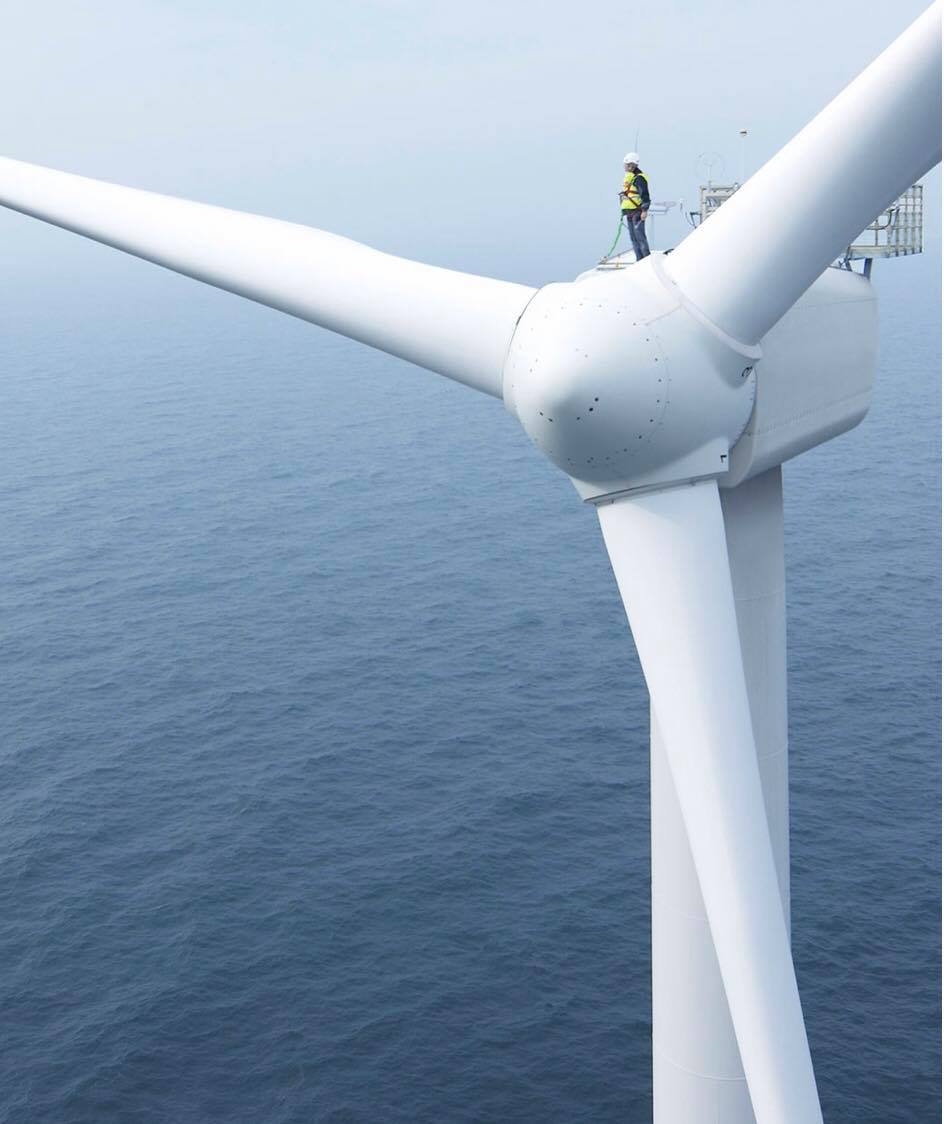
The next generation of floating wind turbines capable of operating further from the shore could generate enough energy to meet the world’s total electricity demand 11 times over in 2040, according to International Energy Agency estimates. The debates we take to be how the world is, are mostly hot air at the margins.
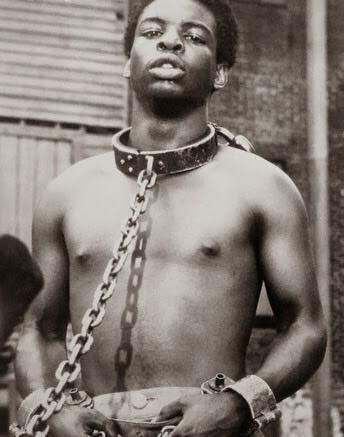
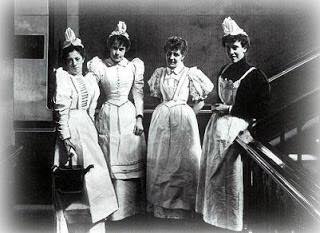
One of the things keepers of slaves and domestic servants discovered was that they introduced all sorts of obligations and responsibilities for owners. They had to be looked after as well as ordered to work. This shift from possession to mutual obligation is likely how society developed. The same happens with our technologies, which we take to be our servants, but which introduce increasing numbers of obligations for us. It's the same process.
Happy birthday sir. I hope the dogs got you something nice, like demands for walks, food and couch-space.
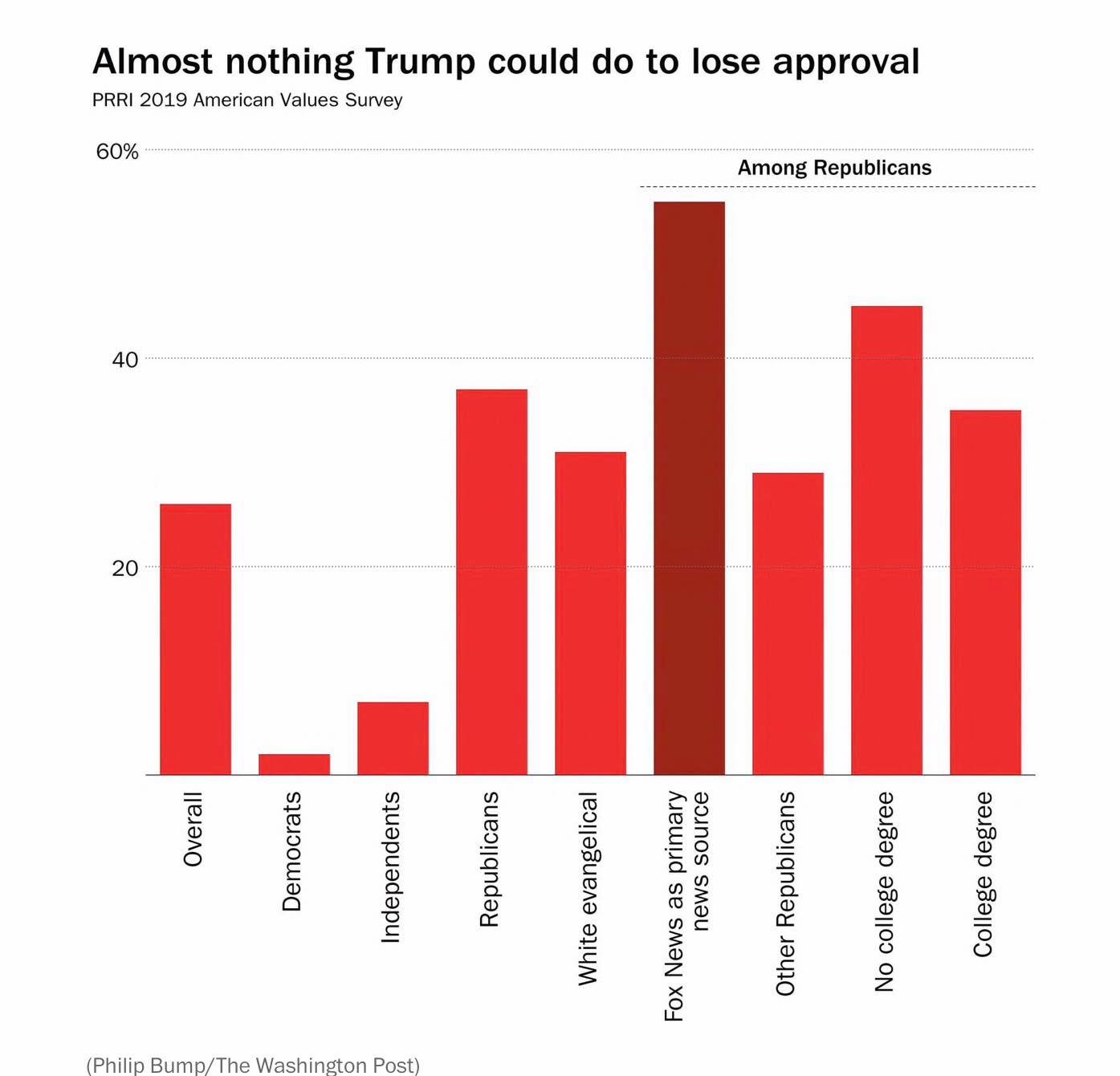
I'm not sure my interest in institutions always makes sense to others. Here's a simple example of what I mean. The people in the US who will vote for Trump no matter what he does are drawn heavily from the people who watch FOX News. FOX is an institution, set up by conservatives, to promote their worldview 24/7. Because of it, Republican politicians have a lot less work to do to persuade people, they privatised and outsourced that work. It's genius, people watching it don't even think they're watching politicians at work. The network can trash politicians all day long, and then their political colleagues simply run on a platform of 'down with elites', and win in landslides. What do opposing sides do? They protest, mostly. Ineffectual, low impact, short-term. The only institutions that already exist they could draw upon are unions. But they don't like those, because they're not pure enough, they seem a bit rough. Purity is death. FOX is street-fighter rough.
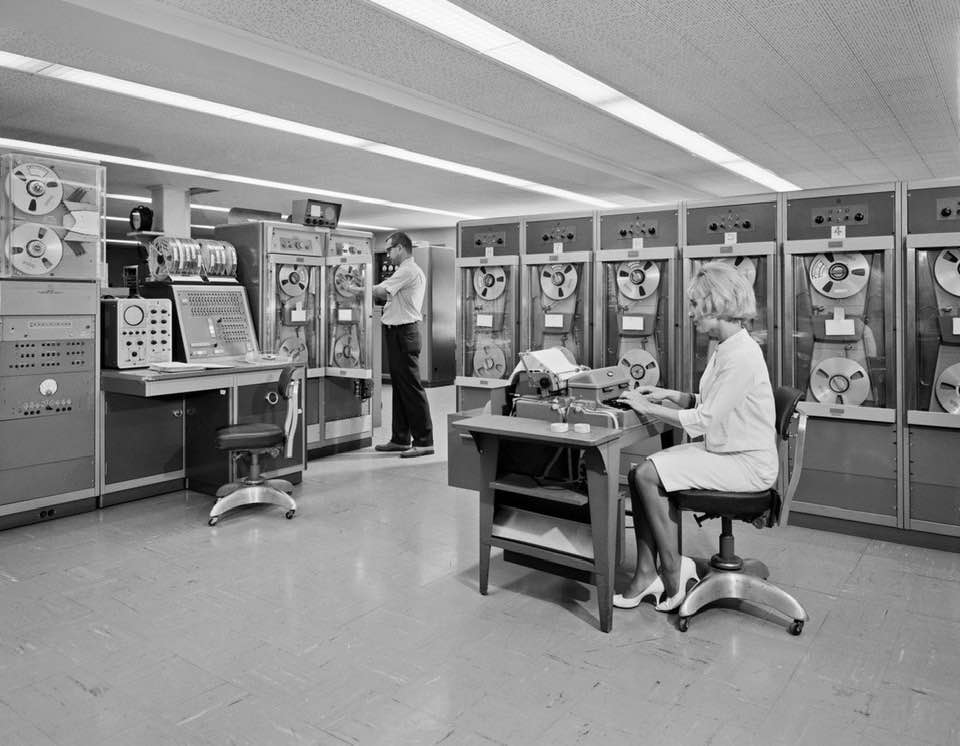
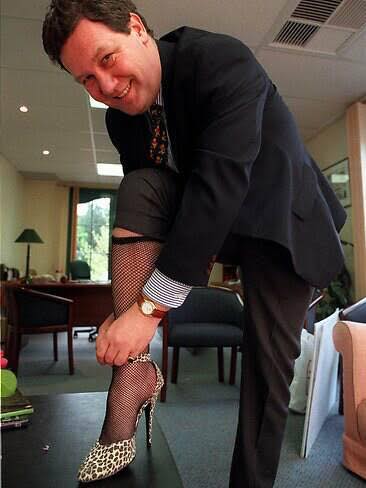
This computer would now fit in your watch. Things get smarter when they get smaller. And I'm no expert, but is that a nice pair of ladies shoes?
The evolution of the Australian arm. Permanently bent at the elbow, for beer, wine, coffee and phones.
Some say people are a mind in a brain in a head, on a body. I see people in a very different way, as a combination of beliefs and desires. What they believe is the more fixed part of them, and what they desire is the more changeable part of them. Humans even project their beliefs and desires into the world - their beliefs become 'facts' and their desires become 'forces' or 'energy'. Also, beliefs and desires are shared: a person's beliefs for example may seem individual - their 'opinions' - but are part of a community of people who share those beliefs. The same with desires.
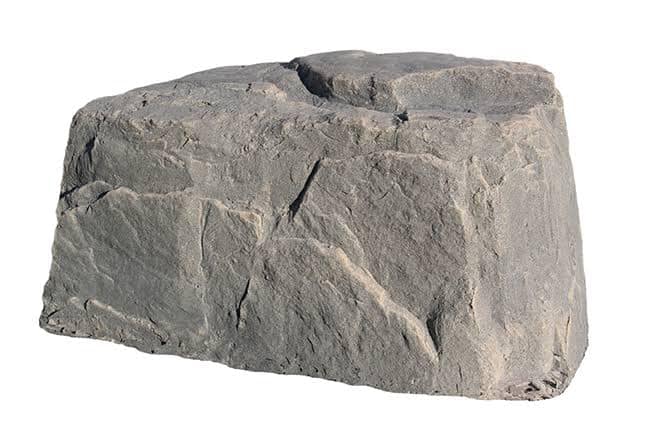
Purpose and meaning. This is a rock. Does it have a purpose without humans giving it one? Purpose or meaning means ‘the reason for which something exists’. There are lots of reasons this rock exists, most of them nothing to do with humans at all.
One thing I've noticed that is shared by most of the competing beliefs in society right now, is a retreat to the ideal. Whether it's spirit in religion, or New Age metaphysics, or absolute truth in science, or the economy in politics, or 'no politics please', or the retreat to escapist art and music and holidays etc. A common response to a complex world is to retreat to a more ideal version of that world, and then seeing the actual world we live in as some fallen version of those ideals. I see most opposing arguments in public debate as actually coming from the same side - this ideal side. Nobody has much appetite for the messiness of actual life.
And now we've emptied our above-ground dams, we'll empty the big underground dam. If all you have is a hammer, everything starts to look like a nail.
The culture warriors' latest obsession is dams. They're not interested in the actual issues, they just love to keep starting new culture wars. In this case, assuming water problems will be fixed by building new dams I think is like assuming buying a bigger money box will make you richer.
Trivia with Cameron Nicole and Kell
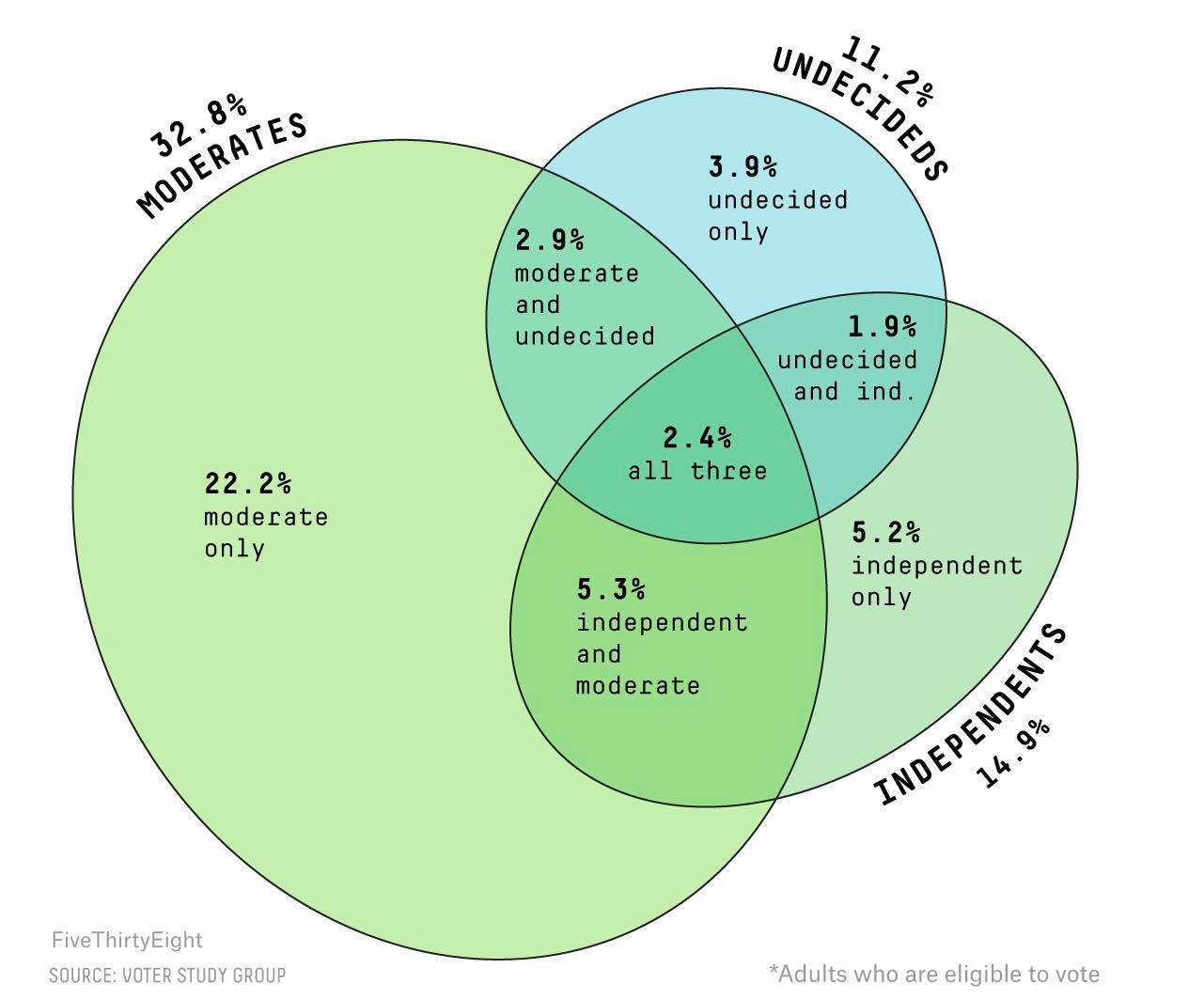
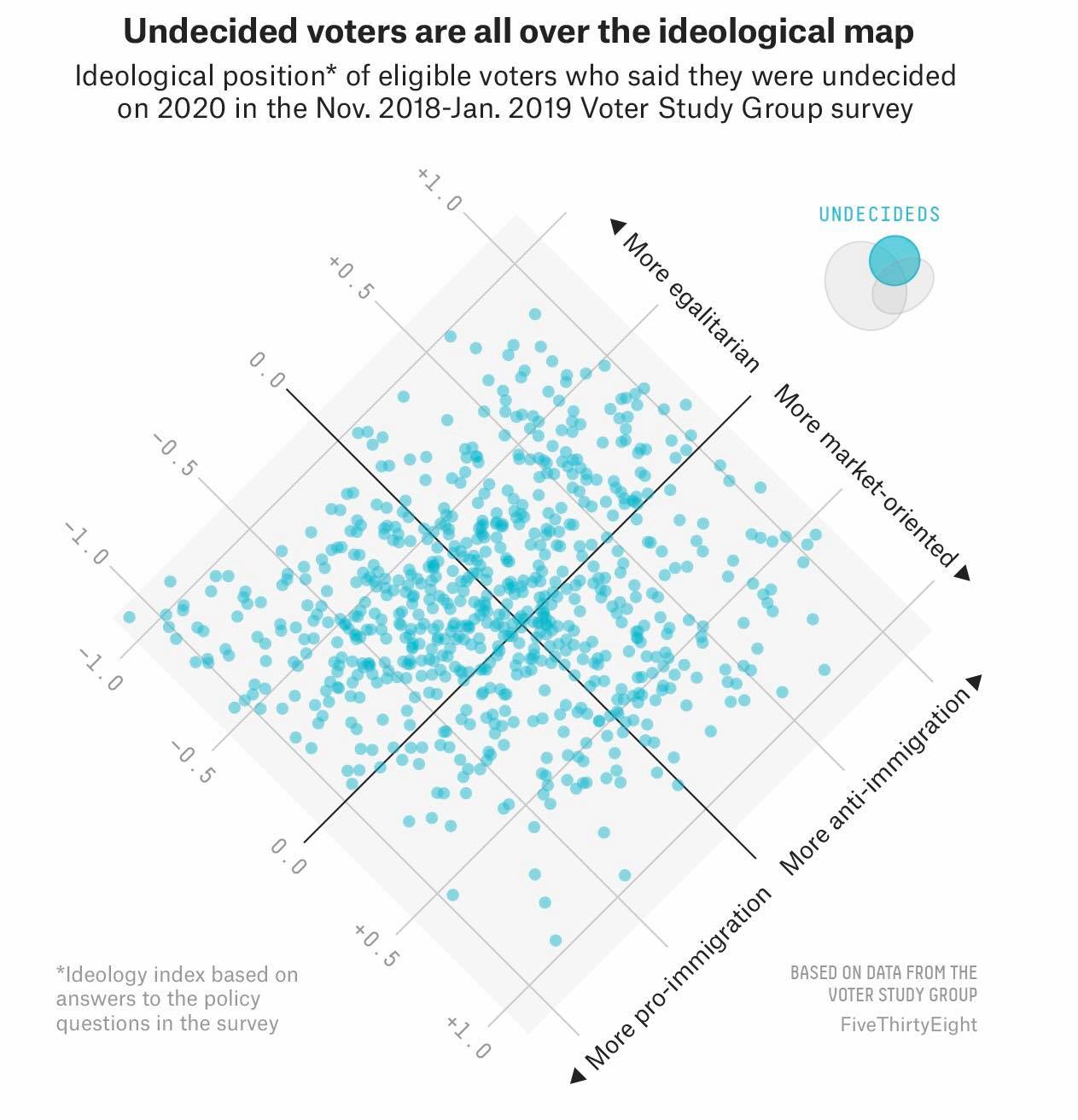
Have a look at this, if you believe in moderate or centre-based politics. This is for the US, but the same patterns occur everywhere. They captured all varieties of non-aligned voters: those who vote for independents, those who identify as moderates, and those who identify as undecided (swinging voters). Firstly there's very little overlap between any of those non-aligned positions. Secondly when you look at the views of each of these groups separately (the scatter graphs), they're all over the shop, as extreme as any voter who identifies as Left or Right. Differences abound, everywhere. The centre and moderation are a dangerous myth, invented by privileged people who find the arguments of politics distasteful. It takes them out of the game, freeing the way for the extreme folk to keep winning.
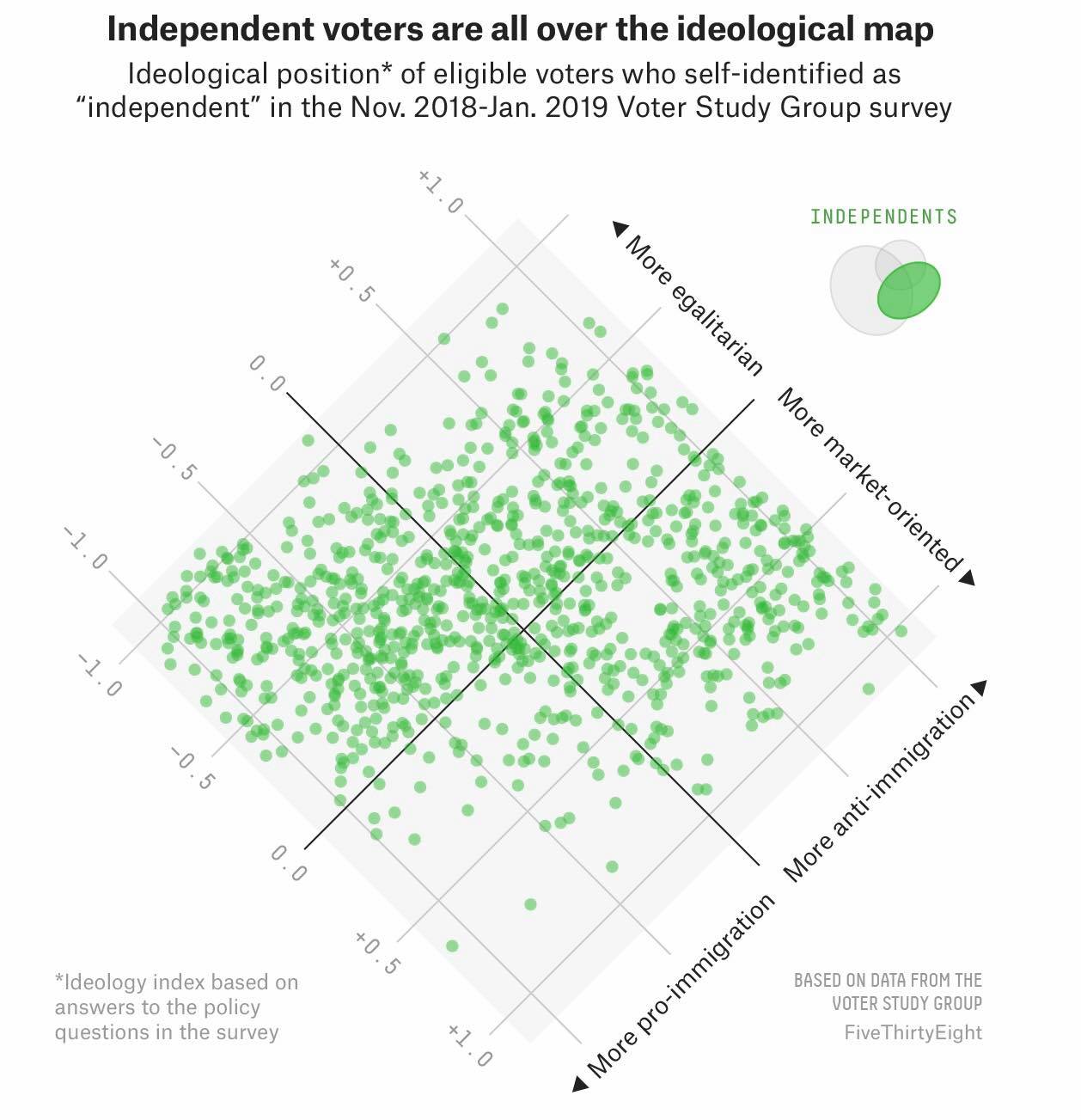
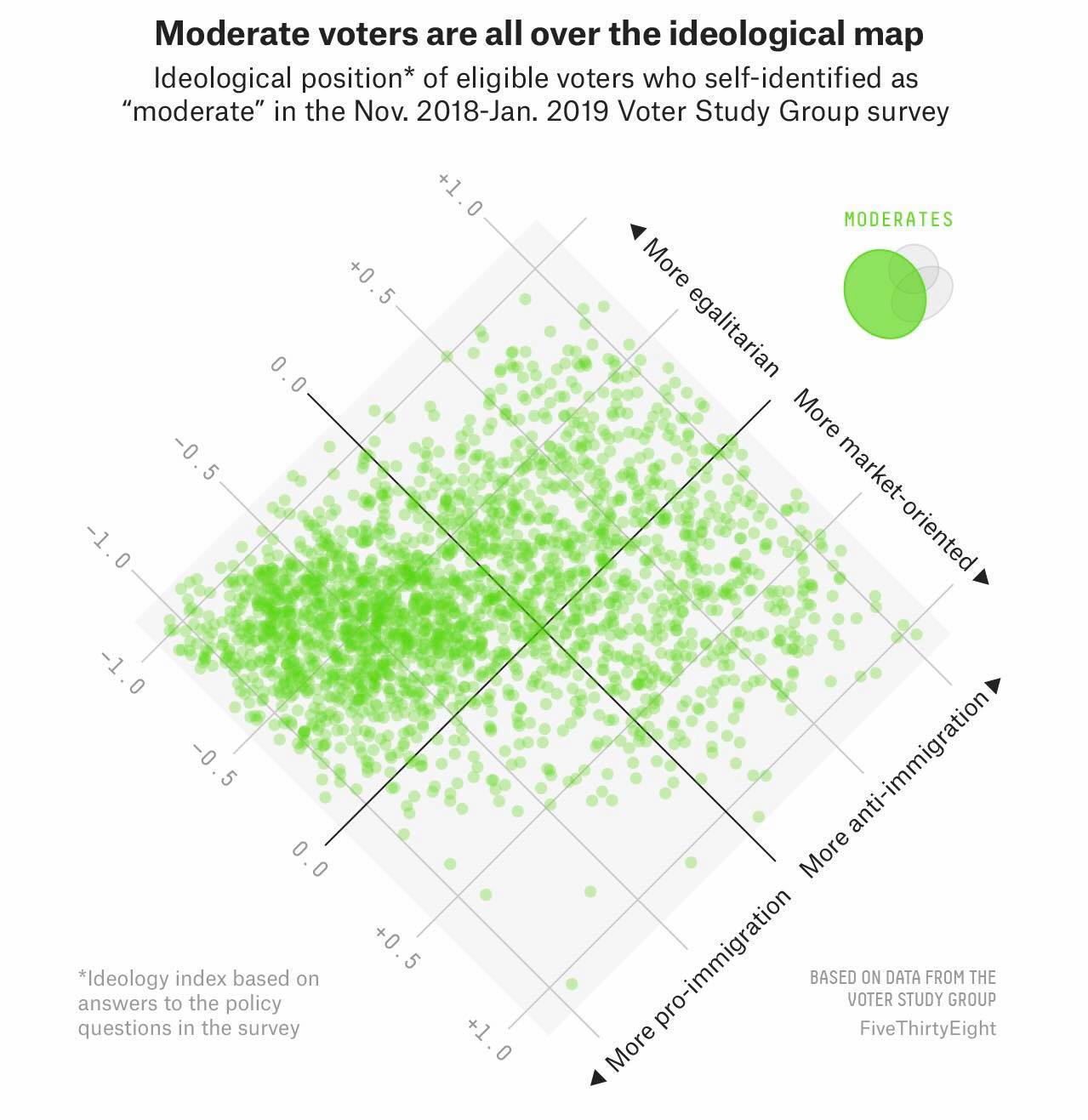
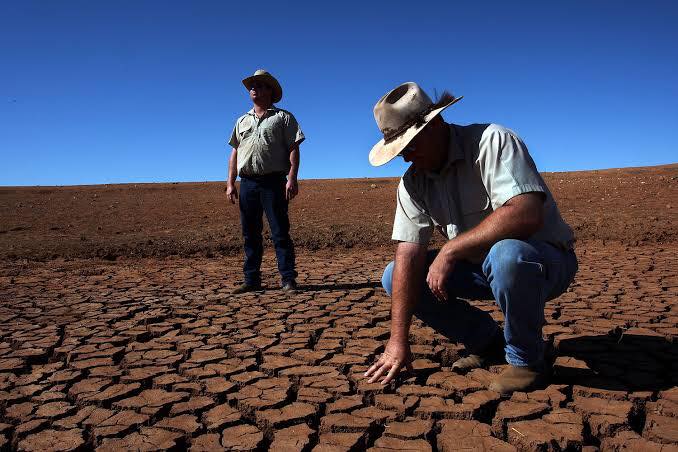
Saw a farmer accidentally give the explanation for the drought yesterday. He said people had 'de-coupled' water from the land. He believed water rights mean that somebody far away can buy water that flows right past your front door, which you can't touch. It's not quite what he intended (he was still separating land and water), but I think this is why we have droughts, because we separate land and water in our thinking. We think water falls out of the sky, onto our land.
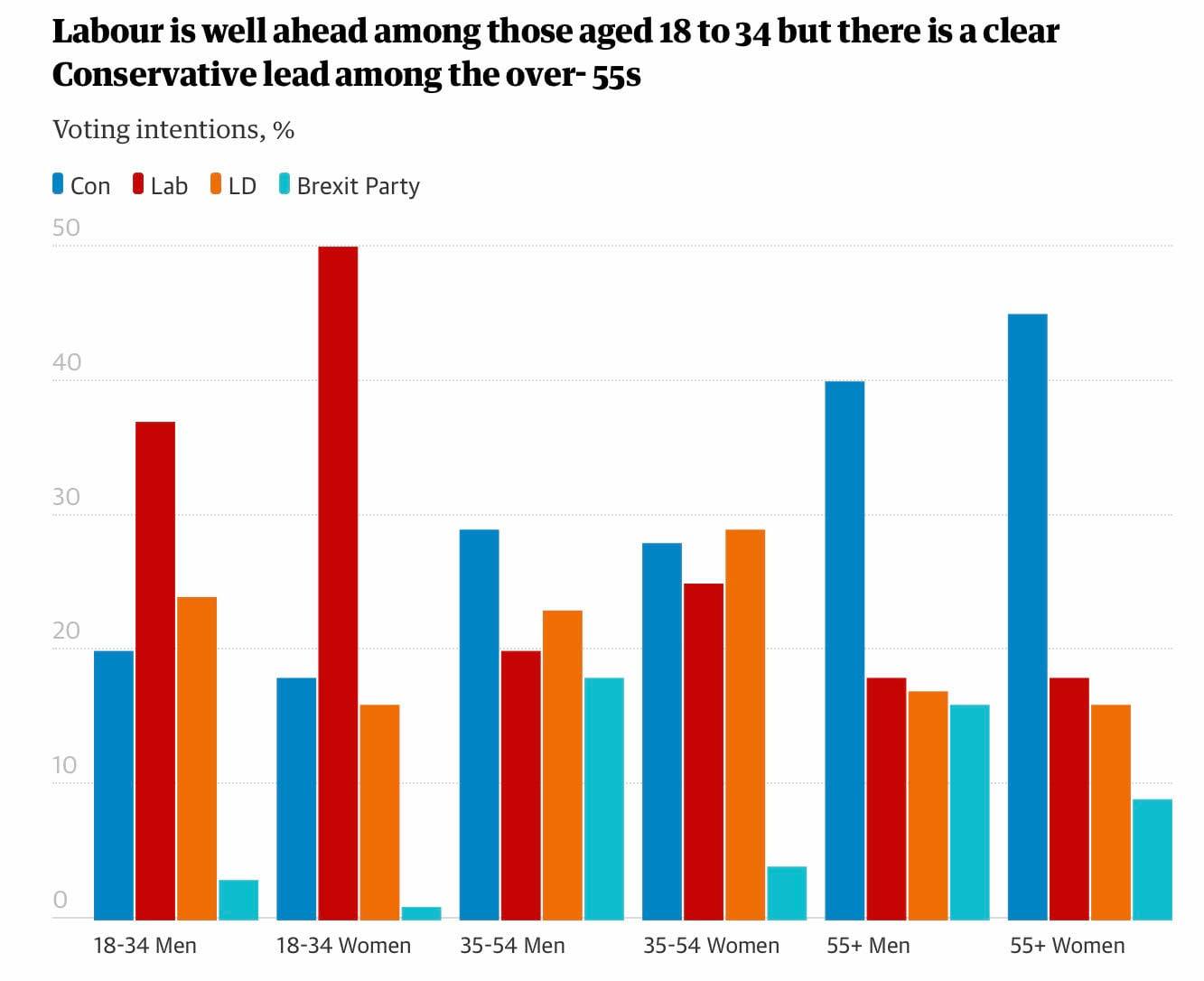
Old people want Brexit. So often I think the clash of ideas is actually a clash of generations.
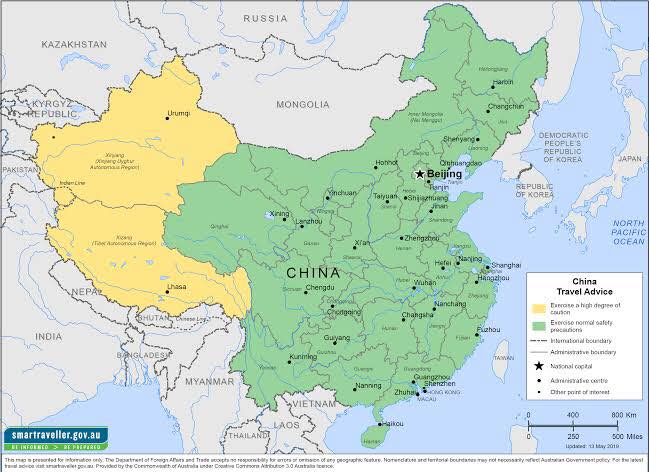
If you wanted to know something about China, you'd get some statistics. Statistics are always a simplification, you won't find out much about the individual billion+ Chinese, only simple patterns they make as a group. An average rock has ZILLIONS of particles in it, so what we know about it is an *enormous* statistical simplification. I think our assumption that we're way more complex than ordinary objects is because we're only seeing really drastic statistical simplifications of what goes on in those objects. Humans seem more complex because we're seeing them up closer, there are so few of them compared to the number of particles in an object. Objects are the statistical patterns zillions of things make, not a mere billion.
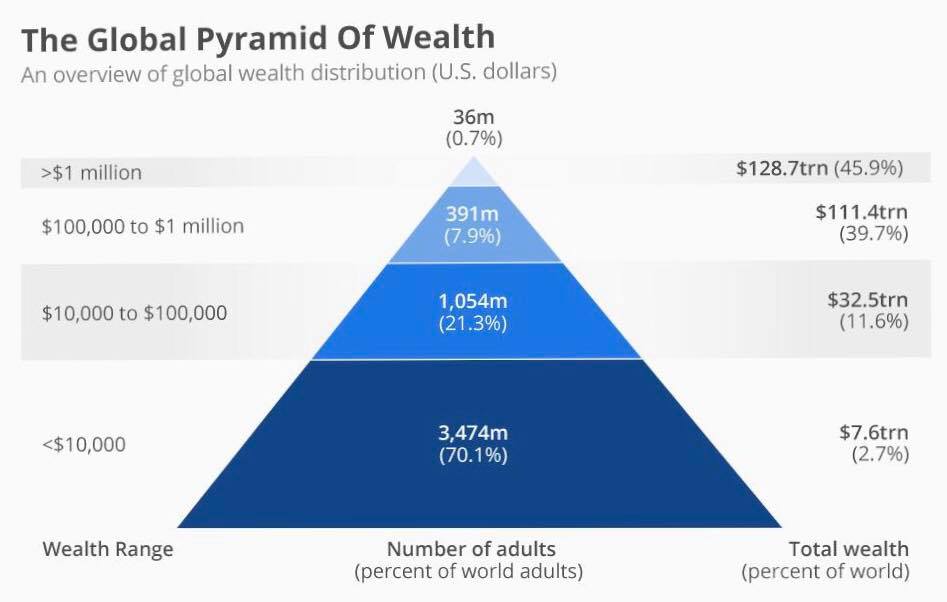
"Society is divided". Well, it always is, you can't even run a small sporting club without everybody disagreeing. People are different. I think society seems more divided now because: 1) disagreements are more visible, through social media, and 2) society itself is actually not very well divided, as the graphic shows. On 2), I think we often forget that to divide also means to share. Society is not divided enough, more division is needed. That's why we argue more.
This is a contradiction I see. On the one hand, people say technology is just a tool. On the other they say it's taking over the world. Both can't be right.