September 2019
Complete text-bearing Facebook records from the export.
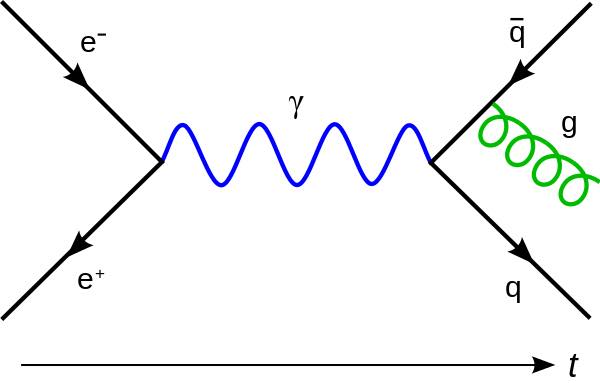
This is a Feynman diagram, used in quantum mechanics to show how particles interact. Posted because there's one extremely cool aspect of this diagram, and your mobile phone and TV and computer use this every day. See that little e+ on the left? It's moving backwards in time. You're carrying a time machine in your pocket.
Queen Vic yesterday made me think. Every 2 minutes humans take more photos than existed in the entire world 150 years ago. There are an estimated 700 billion pictures uploaded to social media every year. Add to that all the other pictures and movies and CCTV, and the world is absolutely awash in images. The thing it makes me think though is - WHY this enormous passion for images? Why do we produce so many? My guess: it's about time again. Our culture of the present - we trash traditions (the past) and don't think much about the future - tries to preserve every aspect of that present, at all costs.
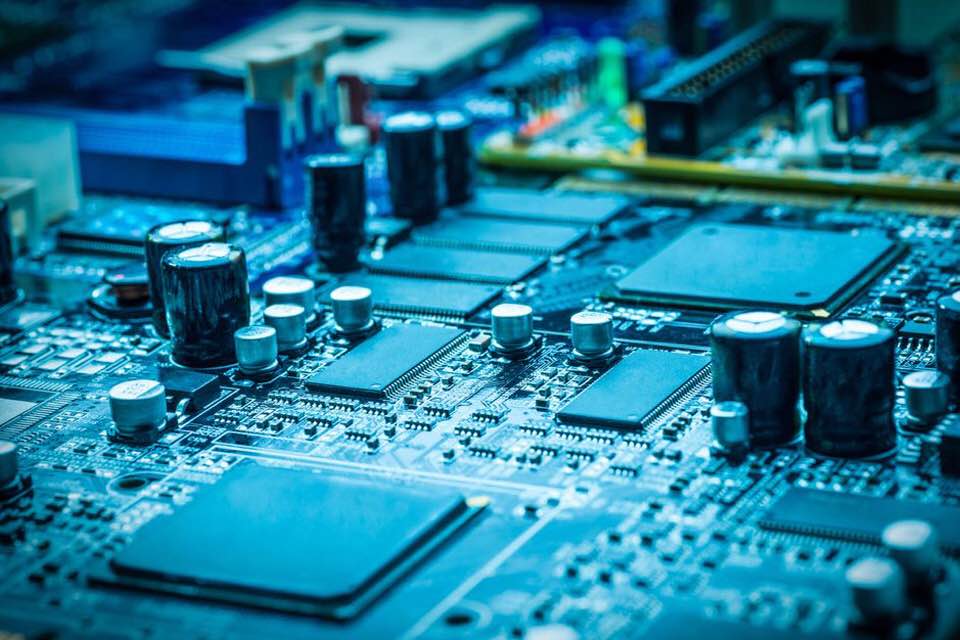
Circuit boards look a bit like mini-cities. I don't think that's just an analogy, they're cities for sub-atomic particles. The amazing things we do with electronics - talk to people anywhere in the world instantaneously, for example - are made possible by the spooky (Einstein's word) quantum behaviour of the particles in these mini-cities. I don't think that's seen clearly, how the magic of modern technology is largely the real magic of quantum science. The small is the secret to everything, just as with microbes, all the rules of time and space are thrown away there.
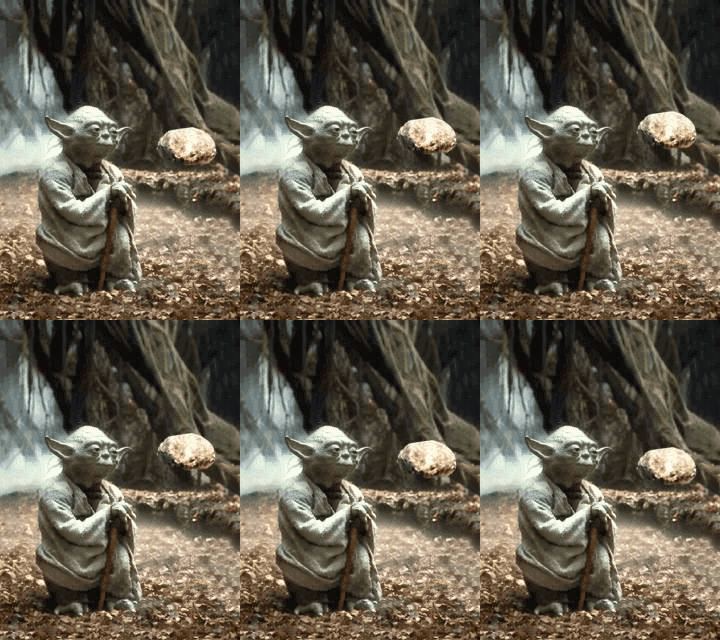
"In fact, Rovelli explains, there are actually no things at all. Instead, the universe is made up of countless events. Even what might seem like a thing—a stone, say—is really an event taking place at a rate we can’t register." Yep.
Innocent people will confess to crimes 43% of the time. One to keep in mind when somebody says our legal system is 'soft on criminals'. It's doing its job.
Sadly, agree entirely. They should use the same format as The Pledge in the UK: get rid of the moderator, have only a handful of opposed views around a table, and let them just talk to each other.
3 minutes of fascination. Tracks the birth of cities over 5700 years. (Watch the explosion of cities around 1900 - fuelled by? Fossil fuels.) Notice cities preceded States by a long way, and some say 'sovereign' States are now making way for cities again. This is also, for me, the real story of climate change, the shift of people from land to city. Once we empty the landscape of people, those people become divorced from their interactions with the natural world. And fossil fuels power that shift.
Conservatives are using populism to turn people against their own parliaments. Every ‘bloody politicians’ means they’re winning.
As a kid I really wanted telekinesis to be real. Mind over matter. And now I think - it is real. My 'mind' is telling my arms ('matter') to move as I type right now. Why do we think mind and matter are two separate things in the first place?
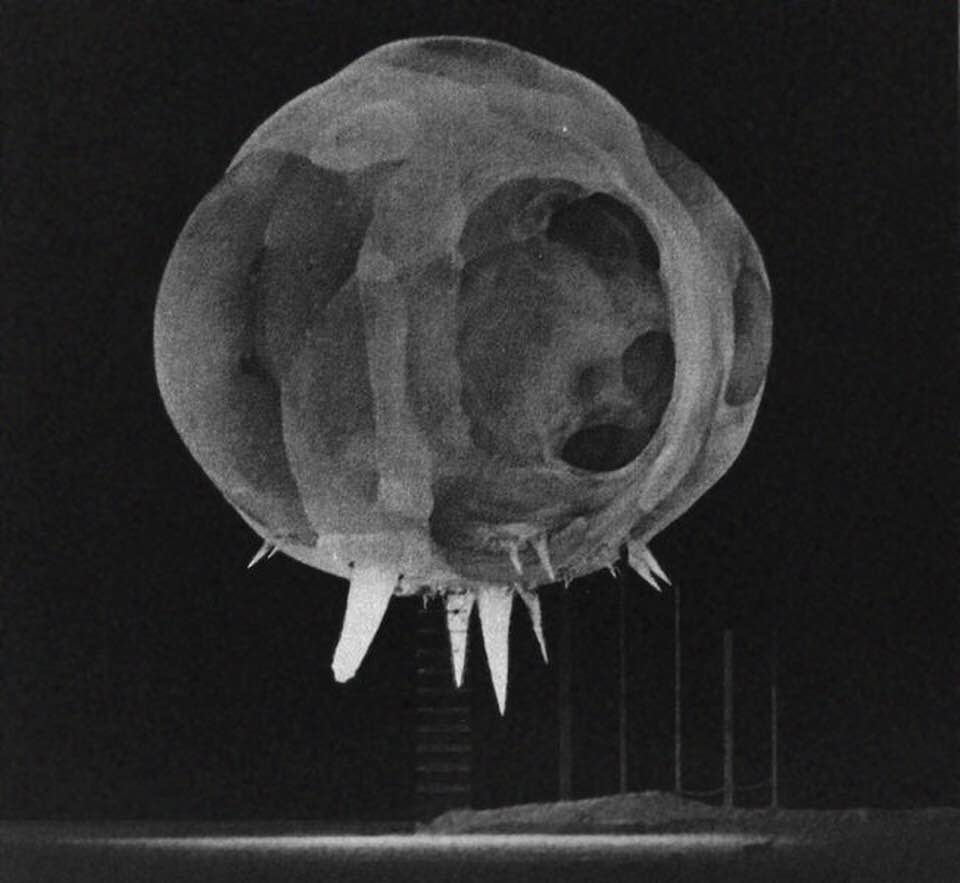
An atomic bomb less than one millisecond after detonation. Not only are tiny things much more complex than big things (the opposite to what I was taught), but they're also infinitely more powerful.
This is a beautiful bathroom. The fascination with luxury scares me a bit. All civilisations that collapse flirt with luxury towards the end. I think what keeps a society alive is curiosity - questioning things to adapt our ideas to circumstances. It's hard work, challenging ideas. When that curiosity dies, that thinking energy is diverted to over-working the basics of everyday life. Which is really all luxury is, using our thinking to decide the best tap, the best coffee, the best holiday or phone. We end up with private luxury and public squalor.

Happy Birthday Rach!
If your household budget is in surplus, but you don't feed your kids enough, don't maintain your home or garden, and don't buy your kids new clothes or shoes when they need them, are you: - a good economic manager, or - a knob?
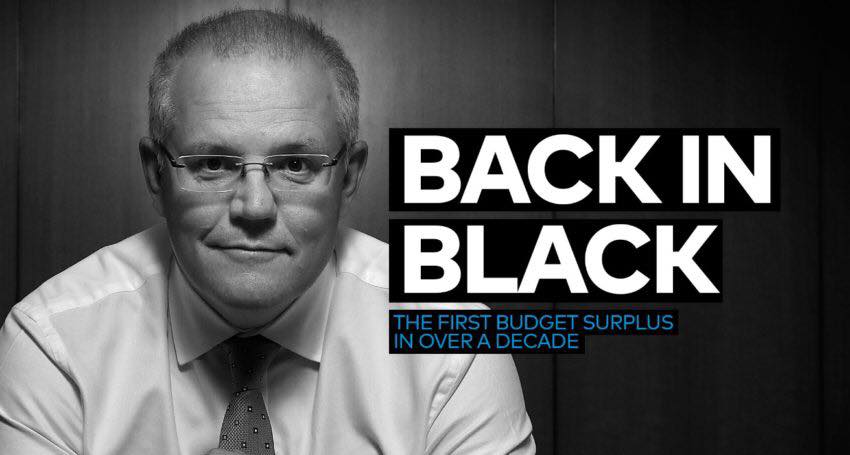
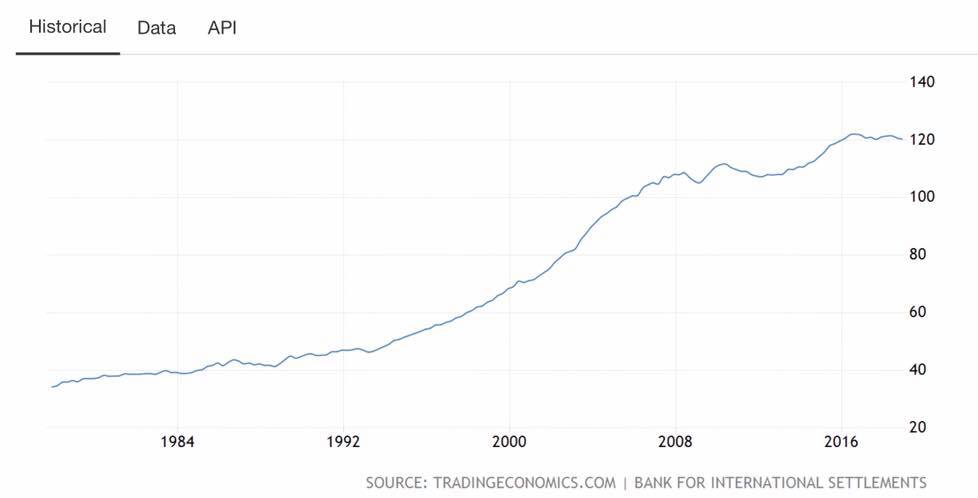
Since the Second World War, the increasing prosperity of average people has been a mirage. We've looked and felt richer, but it's mostly the result of increasing levels of personal debt. While the well-off have taken the overwhelming share of society's wealth, everybody else is having to borrow to get ahead. At the same time governments have thumped their chests about surpluses. Those surpluses are bought by the average person using debt to maintain their standard of living. Check out the personal debt to GDP ratio graph below for the past 40 years. Any government who crows about a surplus is spitting in the eyes of its own citizens.
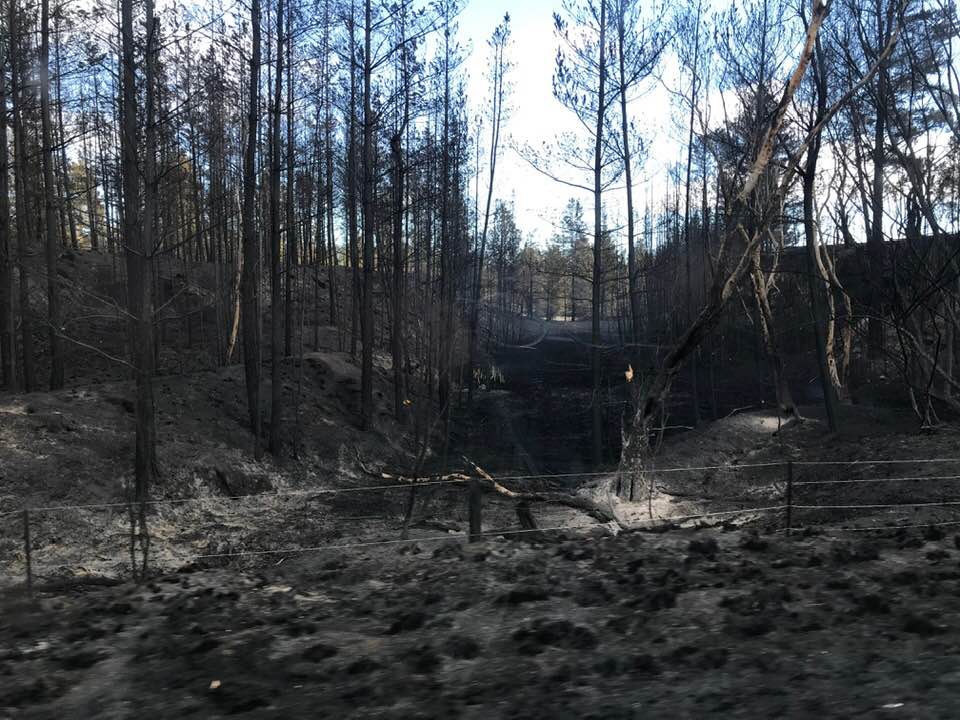
I snapped this in Lidsdale on the weekend. It really resonates with me, because it's an old creek bed. Some of the ancient Greeks divided the world into Earth, Air, Fire and Water. I say we're a civilisation seduced by fire, and it's destroying all of the other elements. Fire came from lightning, and then we learned how to start it (not make it - we can only start it). Then we learned how to do 'internal combustion' - engines and furnaces, mostly. The gases they produce are the main reason earth, air and water are now either polluted or destroyed, as in this creek bed, and climate change more generally. A heating, drying, soil-less planet is a planet made for fire. Fire as an element has agency, it's tricked us into doing its work for it, and it's taking over the world.
Updating the old tree falling in a forest koan. If somebody travels and no photos were taken, did the trip happen?
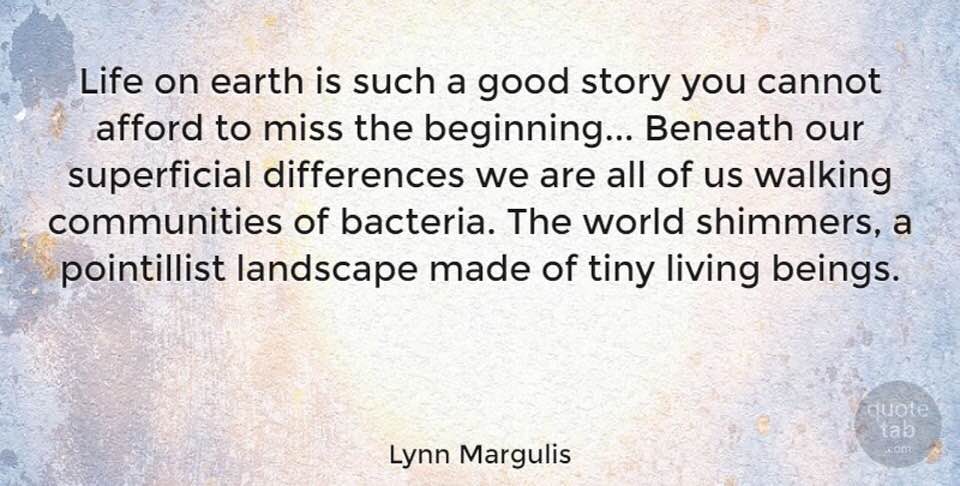
The world as a pointillist landscape. Beautiful. I know this is a fascination for me, but the story is so remarkable, I encourage everyone to dive in. It changes everything.
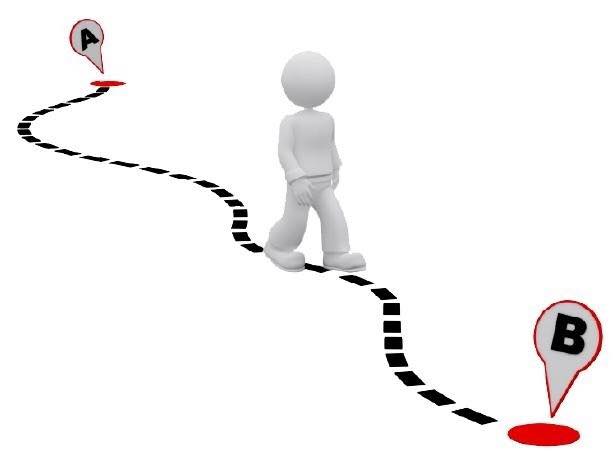
Why I think 'abstract' ideas really matter. Galileo and Newton saw the world as made up of independent things 'in' space and time. Like in the picture, a person 'moves from A to B', with A and B separate points in space and time. If you try to move with that framework, which most of us do, movement becomes effortful, because you have to do something to get from A, to B. The problem with this framework is, that A and B are never separate places. B is already part of A before you even 'leave' A. If you're standing on one side of a room and you want to walk to the other side, that other side of the room is still the room, it's not a separate place. You're 'in' both sides of the room the whole time, you don't have to check out at A and say 'sorry, have to do some work now to get to B'. If you change your framework like that, and stop trying to get from A to B, but instead just have where you are and where you want to go as part of the same experience in each moment, together, all effort will disappear. And all sorts of damage to your body will disappear too. Try it getting 'up' out of a chair too, don't check out of the chair to try to go anywhere, just expand your experience to include being on the chair *and* where you want to go to, at the same time.
Electric cars are a great step. But the bigger problem I think is - there are far, far too many cars. More mass/public transport options is an option, but even more than that is changing cities and towns so you don’t always have to use a vehicle to do basic things. All of our towns and cities were re-designed to service vehicles, it destroyed public life. Where do the public gather now? And we wonder why society seems fractured.
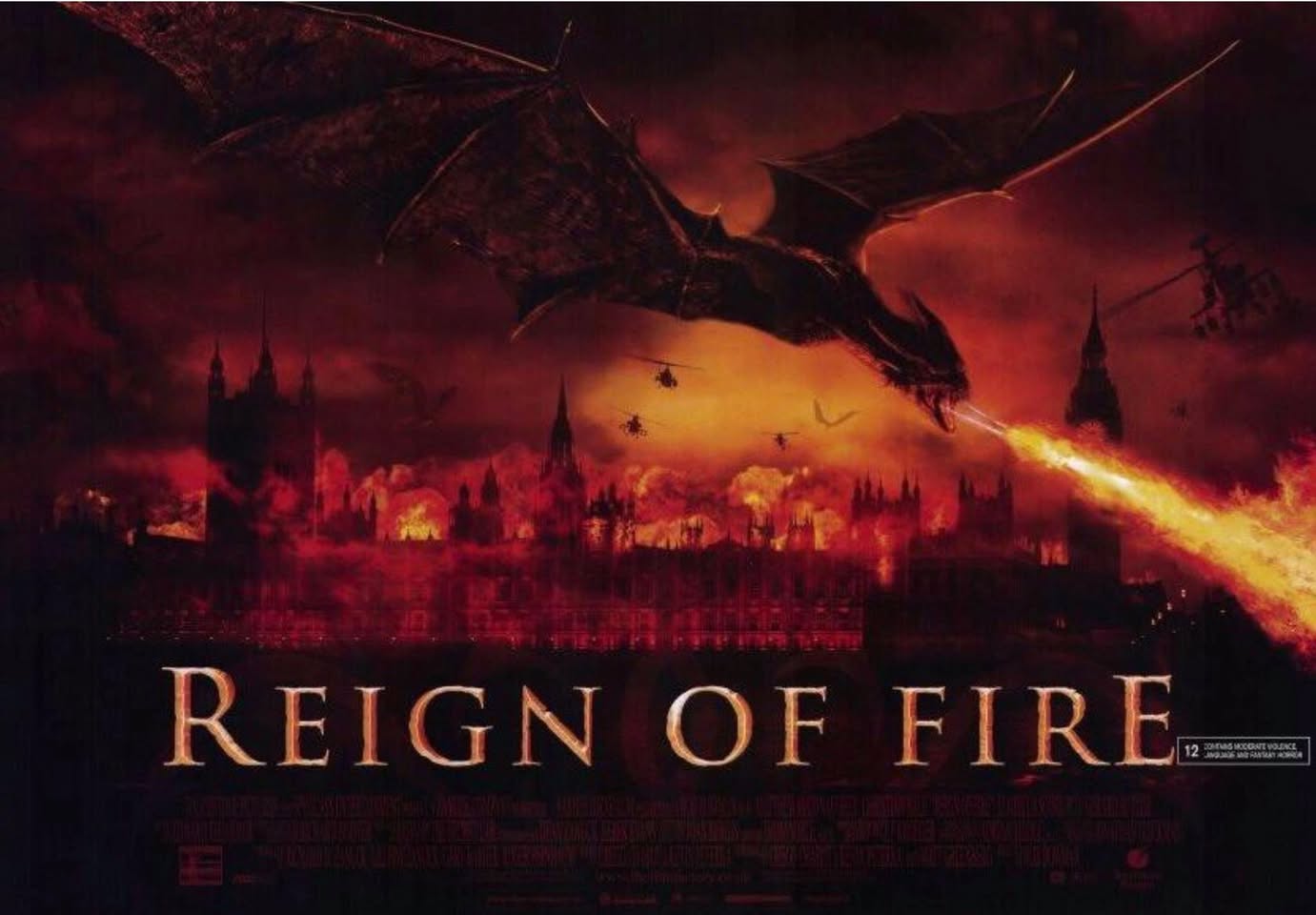
Some numbers on climate change. Between 1751 and 1987 (236 years), humans released about 737 billion tonnes of CO2 into the atmosphere. Between 1987 and 2014 (27 years), humans released about 742 billion tonnes of CO2 into the atmosphere. That's the equivalent of burning 1.5 billion acres of forest *per year* for those 263 years. However that's just an average over those 263 years. Right now we're releasing about 40 billion tonnes per year, the equivalent of burning 10 billion acres of forest, every year. Makes me think of the Reign of Fire. A perfect description of the past 270-odd years. A huge amount of that burning has been 'internal' (inside engines and furnaces), old forests in the form of oil and coal, so not as visible to us. But the Earth may end up looking a lot like that film.
I never dated as a teen. 70% of that was me being chronically shy. 30% was me not sure what the point of dating was. I'm still not sure. Relationships, sure, central to life. But it's not clear to me even today that dating is good training in relationships, I've known serial daters who are in completely dysfunctional long-term relationships. And vice versa. I'm glad these studies are showing teens who don't date actually seem to be better adjusted, most teen dating I've observed over the years hasn't seemed a great use of anybody's time. It can freeze people at certain stages of development, and they don't seem to recover, they're adolescents well into middle-age.
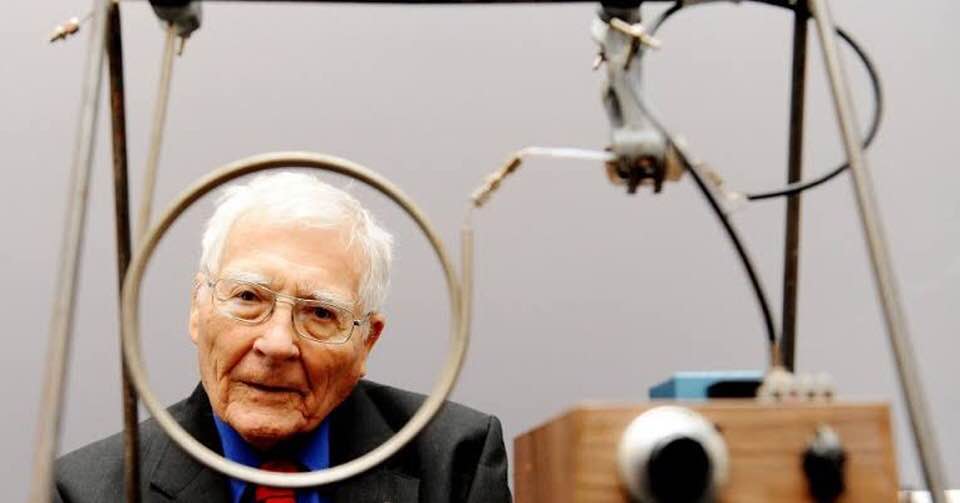
James Lovelock has turned 100. A scientist and inventor, here he is with one of his early devices, a gas chromatograph. Some now call his work (together with Lynn Margulis, now sadly gone) the greatest shift in human understanding since Galileo. What they did is amazing, to me anyway. They replaced the idea of 'objects' that obey laws in science (Galileo's idea) with the idea that all things have agency, whether we would call them alive or dead. They behave in unpredictable ways, and are connected to each other. With Galileo (and all knowledge after him), those connections didn't exist, and scientific laws did all the connecting, as well as animating the objects - providing the reason they behaved they way they do. Lovelock and Margulis' ideas would say - those laws, aren't they just fiddles you need to introduce when you strip the agency and connections out of things themselves? How are they any different to a God directing traffic?
The 'snooze this person for 30 days' function is remarkably useful when somebody announces they're about to go on a trip.
This is brilliant, and I love the music too. At the end though they say the view from space is obviously the best projection for a map. Which I think goes completely against everything they said up to that point. A separate post about that, because I love maps :)
Happy birthday Brett, hope it's so good you don't see all of the FB posts until tomorrow!
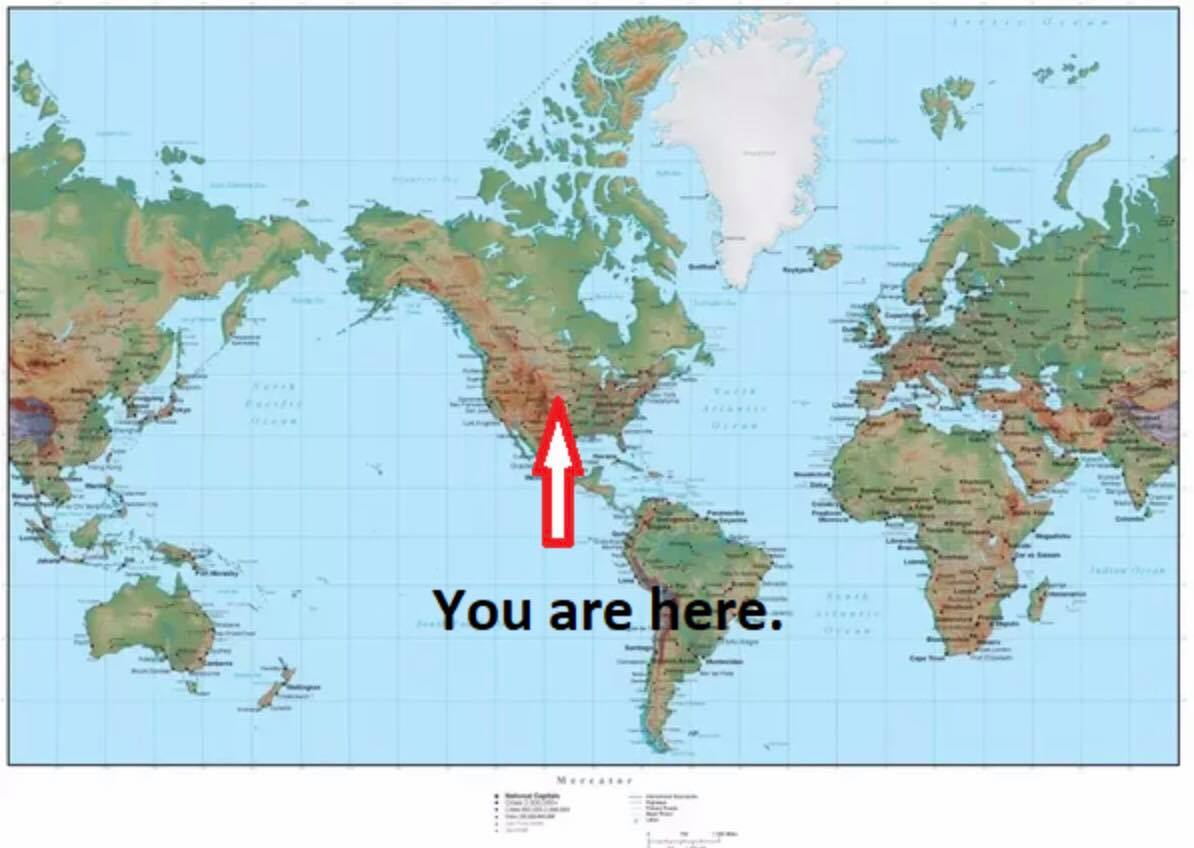
Here's another way I think to describe why maps are actually pretty sinister, and define our culture. Before maps, there was no 'local' and no 'global'. Anywhere you lived was a whole world to itself, it wasn't 'part' of anything else. Look at that expression - You Are Here. Who occupies the viewpoint that says that? No person. The empire occupies that viewpoint, it produced the map by conquering territories and mapping them. Nobody actually *lives* in the viewpoint of a map, the viewpoint that says "You Are Here". It's about power, to define all the places people live as just 'local' parts of the no-place, a God's-eye-view created by empires.
When we 'fall down' it means not just fall over, it means lose our connection to the world around us. I think they're the same meaning. But have you ever tried falling UP? It seems ridiculous, but bear with me. If you take your attention fully out into the world around you, you'll notice that your body will follow that attention, all by itself (it is you). *Up* and into the world around you, in your activity. With your attention fully out into the world you can't actually go back inside to try to hold yourself up, your attention can't do 2 things at once. Deep in our daily habits is this constant attempt to 'hold ourselves up' in everything we do, physically and emotionally, that is totally unnecessary. That letting go we usually associate with collapsing and falling down, should be a letting go UP and into what we're doing. If you try this you'll notice too that what you're calling 'gravity' will also disappear.
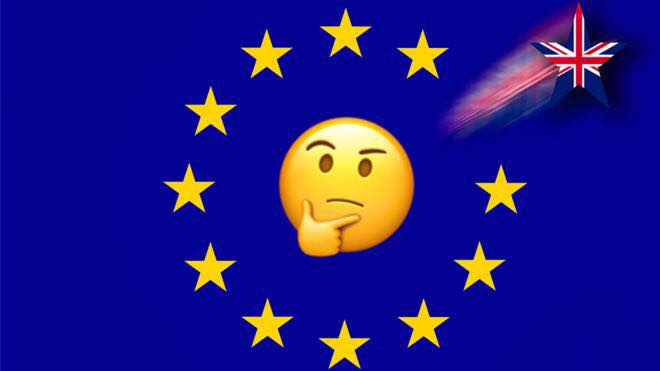
People watch something like Married at First Sight or The Bachelor for the drama and interpersonal politics. And yet right now, with Brexit, we have something that is real and so important, and infinitely more dramatic and interesting, completely brutal and unpredictable, like a Shakespeare play come to life, and what do people feel? Boredom and anger. Many tear their hair out, just wanting it 'done'. Has it occurred to them that this brutal debate IS the 'it', that the outcome of it is actually secondary? This is the battle and debate for our democracies, the debate IS the outcome, for me.
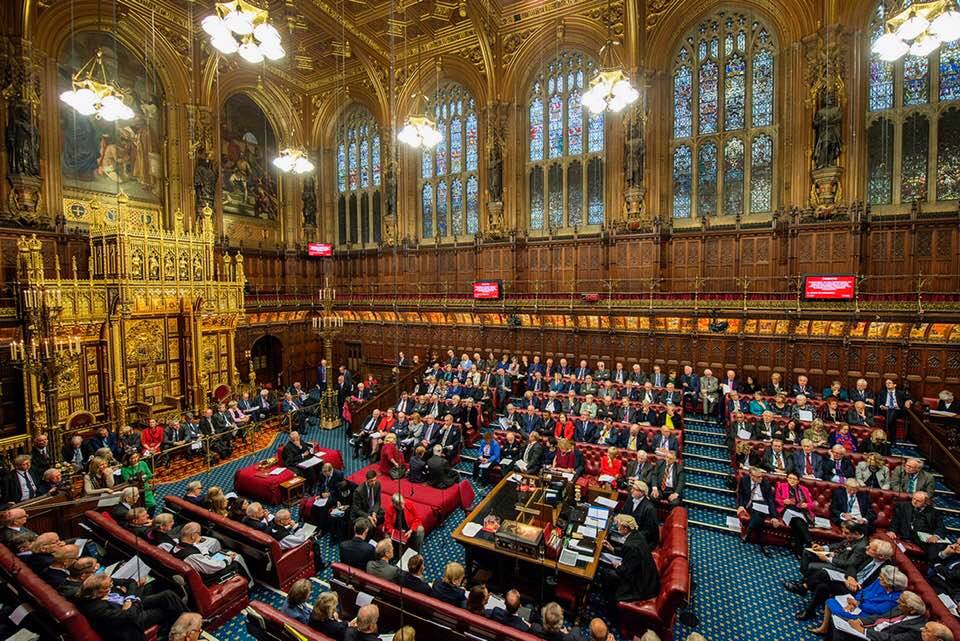
Isn't this magnificent? The House of Lords has its problems, but one of them isn't its full name: "The Right Honourable the Lords Spiritual and Temporal of the United Kingdom of Great Britain and Northern Ireland in Parliament assembled." And certainly not the chambers, from the Queen's throne through to the breathtaking architecture. The UK is the real origin of our democracy, and the sophistication of the UK system is one of the wonders of the world, if you spend some time learning it. No written constitution, but a balance between convention, law, the throne, peerage and Church (Lords) and the people (the Commons). Most countries pick one of those aspects and go with it, in the UK it's all there at once, beautifully blended. It's all there in this one chamber to see. And Lords Spiritual (bishops) and Temporal (peers). I work in governance so I'm biased, but if more people understood the magnificence and sophistication of how our countries are governed, they wouldn't be such easy prey for every shonk trying to sell them 'freedom' from government.
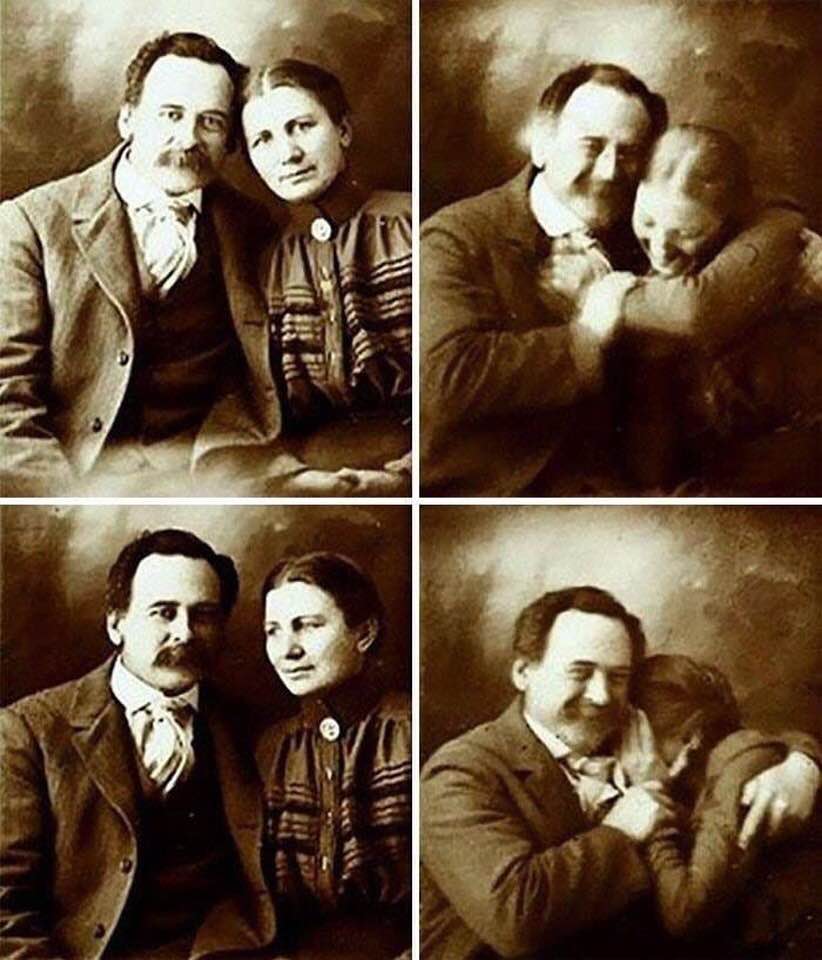
For some interesting reason, in the 19th century people were asked to look very stern in photos. This one is rare, you get to see both the posed and unposed shots.
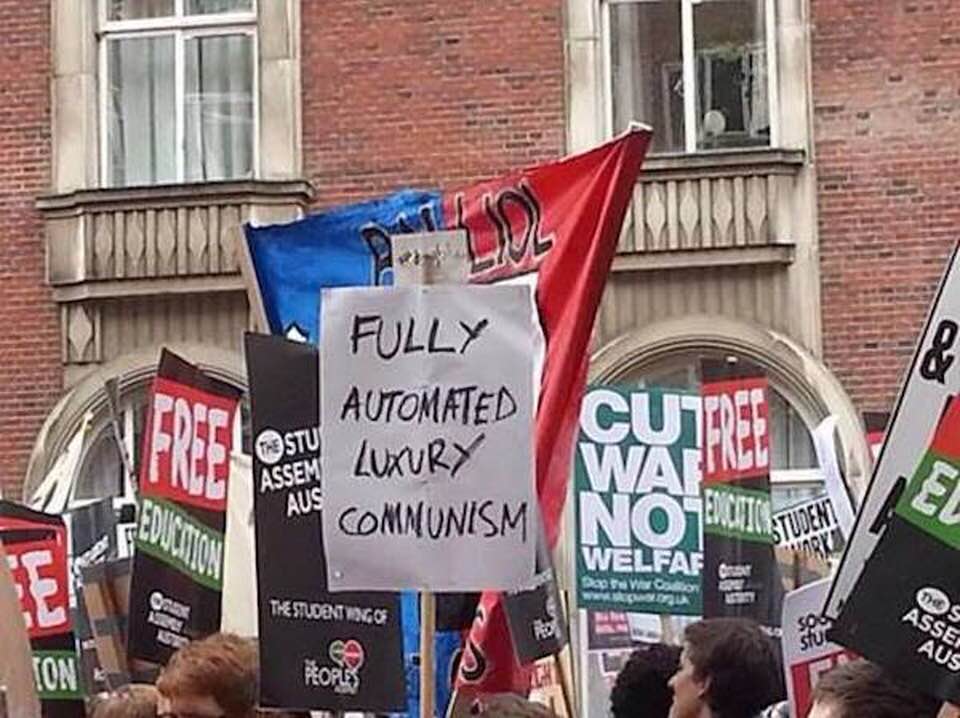
Was the problem with communism the idea, or the implementation? The idea is straight out of the Bible - a society based on sharing. (It's bizarre that modern conservatives evoke the Bible so much actually, nothing they do policy-wise is morally justifiable by the Bible at all.) I think what the Russians stuffed up was the implementation. They tried to act too fast based on a misunderstanding of how change happens. In *exactly* the same way modern managers do. And the proof? The 5-year plans and strategic plans you find in modern business? All invented by the commies.
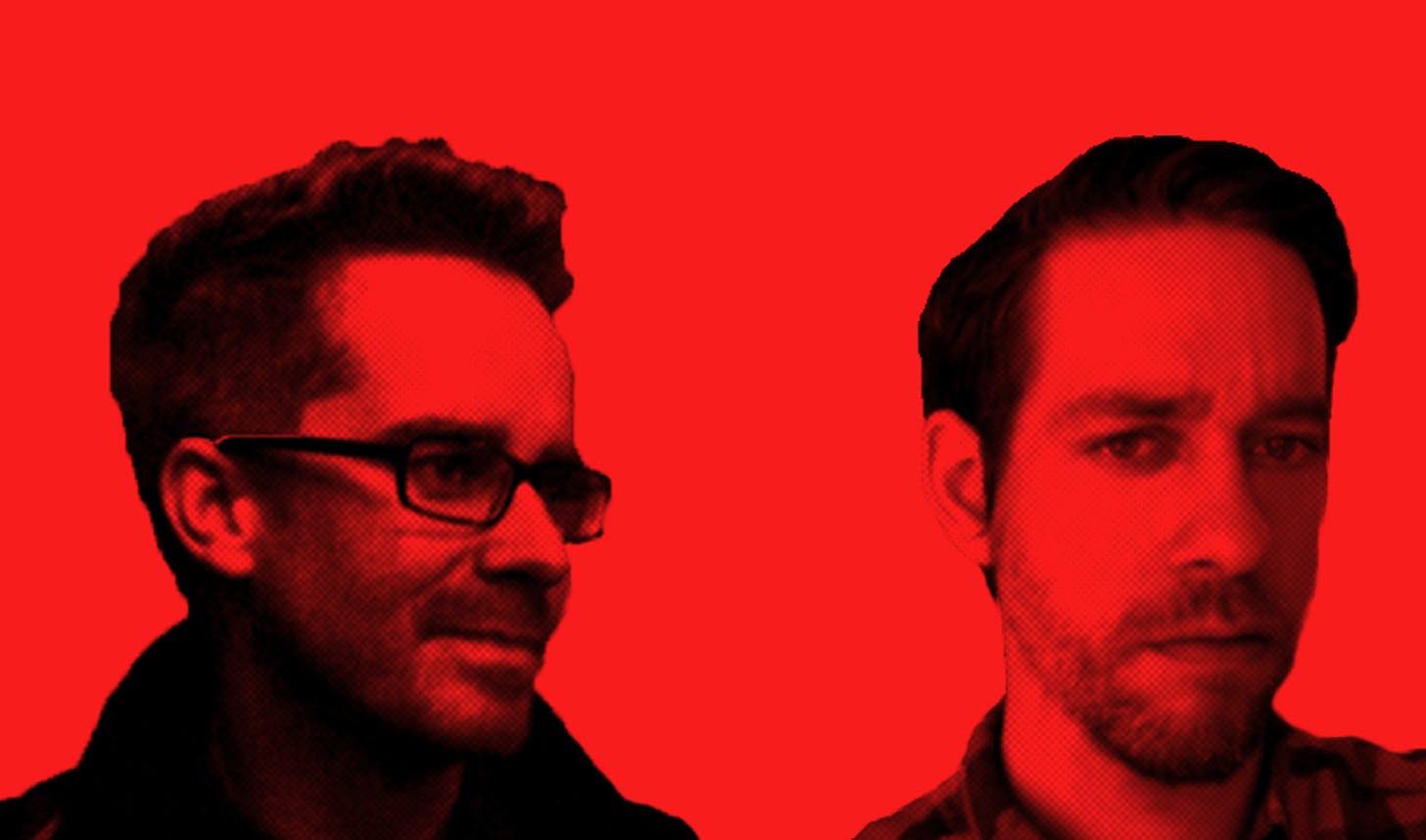
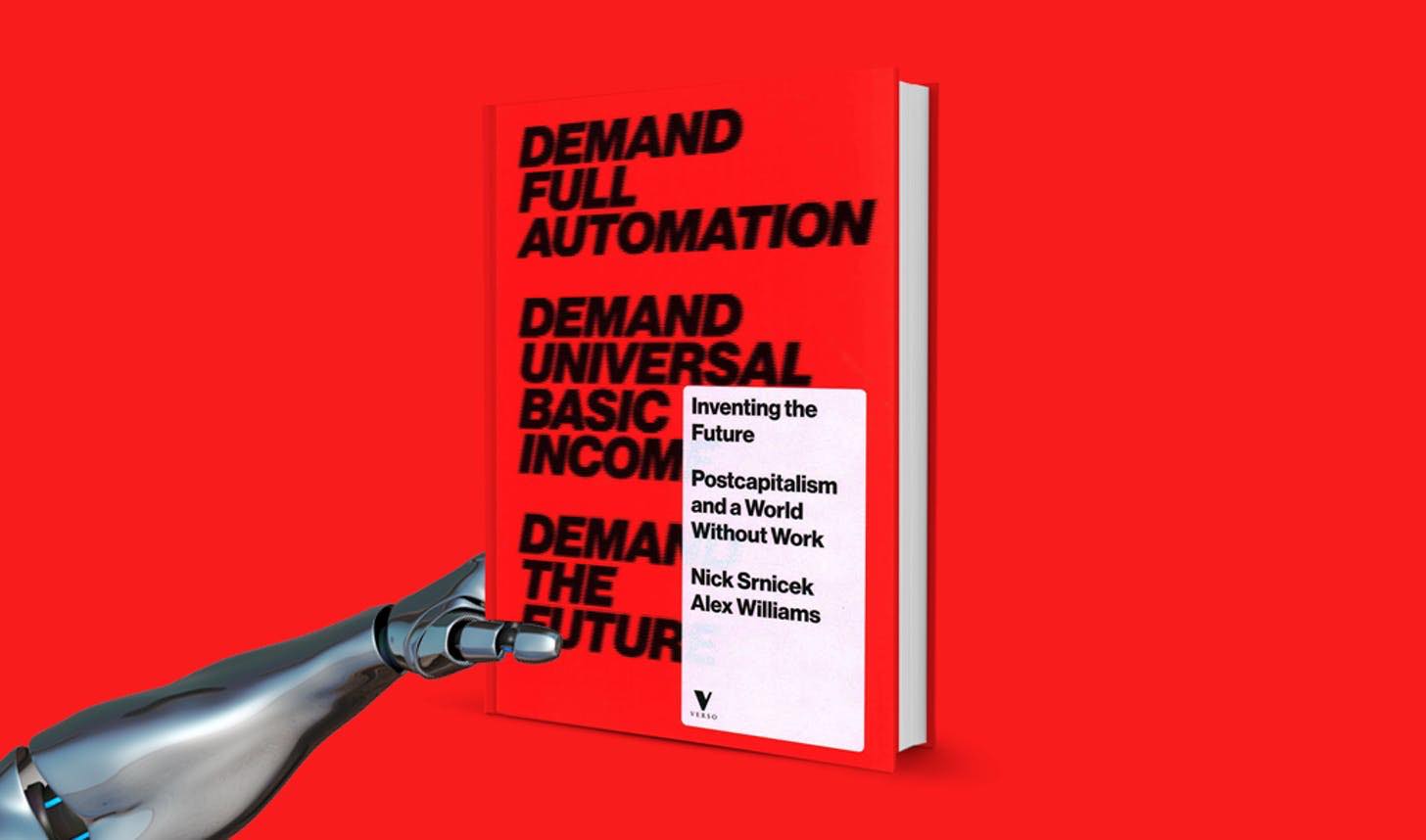
If you want to know why total dickheads keep winning elections around the world, these 2 fellas (Srnicek and Williams) know. They studied how the Left of politics, in its big anti-establishment push, moved to 'folk politics' - politics of the present moment, of the individual and local, of reaction and protest. Causes, and identity politics. By doing this, they surrendered the institutional arms of society (big media, government, corporate power) to the Right, who looked on in incredulous glee as the Left retreated to the politics of the personal. As a result only the Right can now get political action to scale, and they're wiping the floor with the Left. It's always institutions that get things to scale and give you lasting (not just present) change. To quote the fellas, "If we want to transform the political fabric today, we need to be placing issues of scale at the forefront of our strategic analysis."
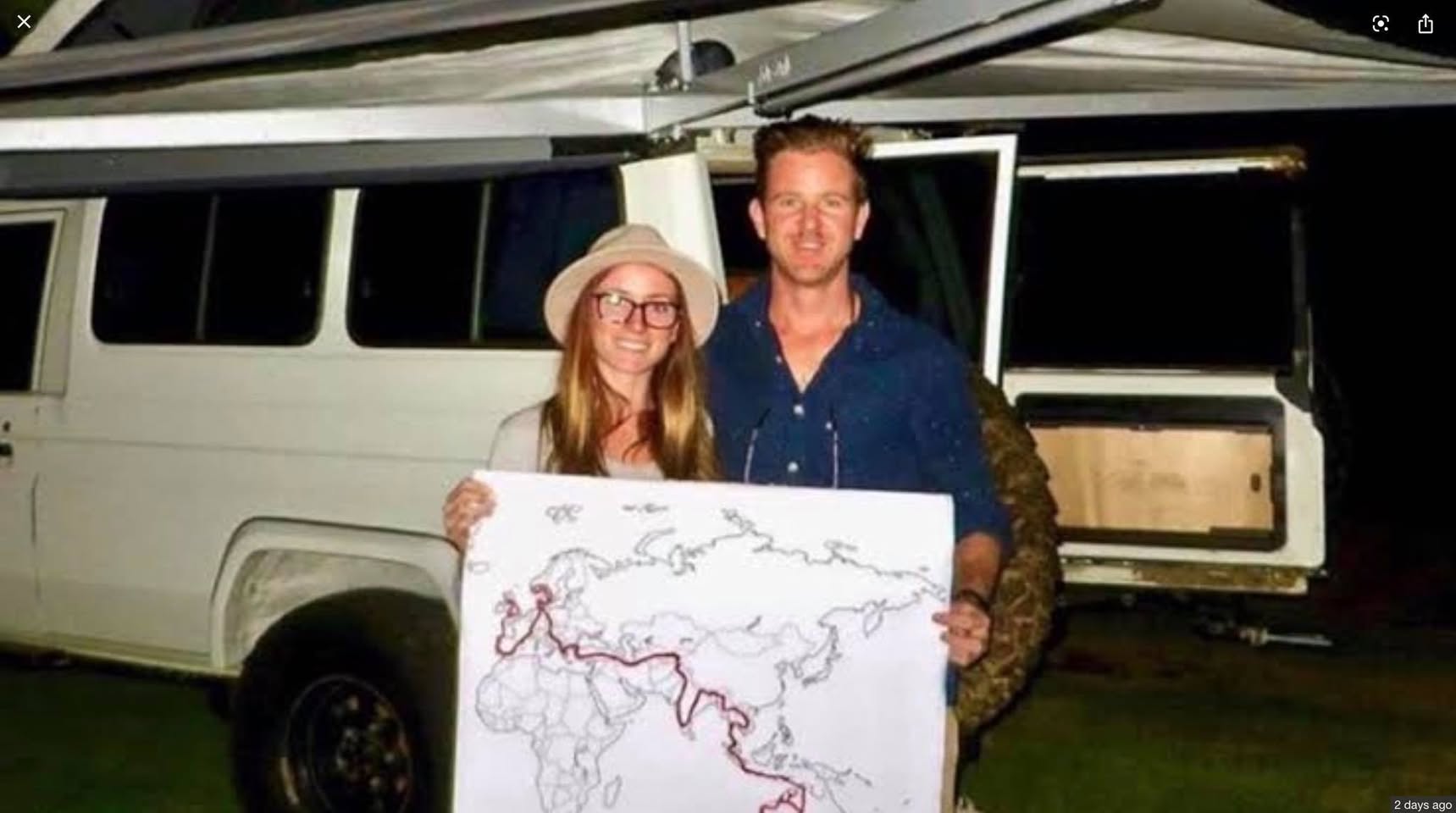
Here's a perfect example of what I mean when I say maps define our culture. This is the couple the Iranians have detained. The photo shows how their entire trip was motivated by a map, how they saw the world as a map to be travelled through. 'Sights' to be accumulated.
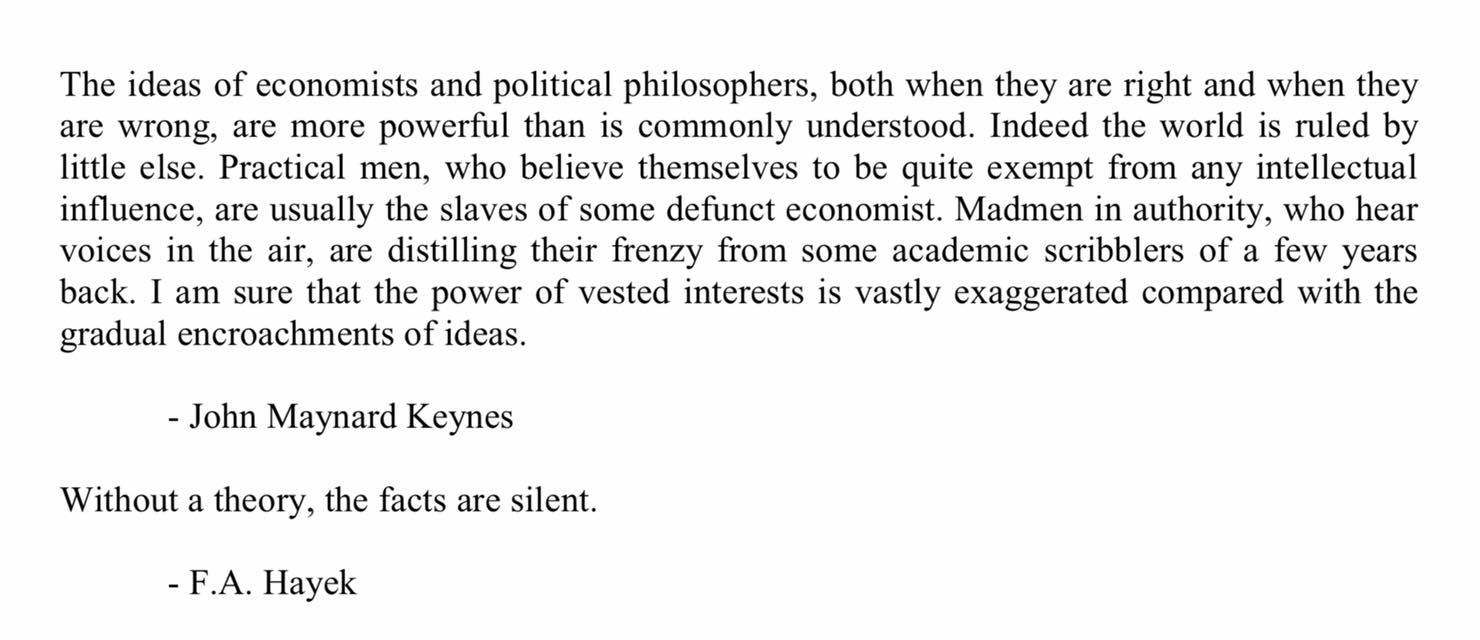
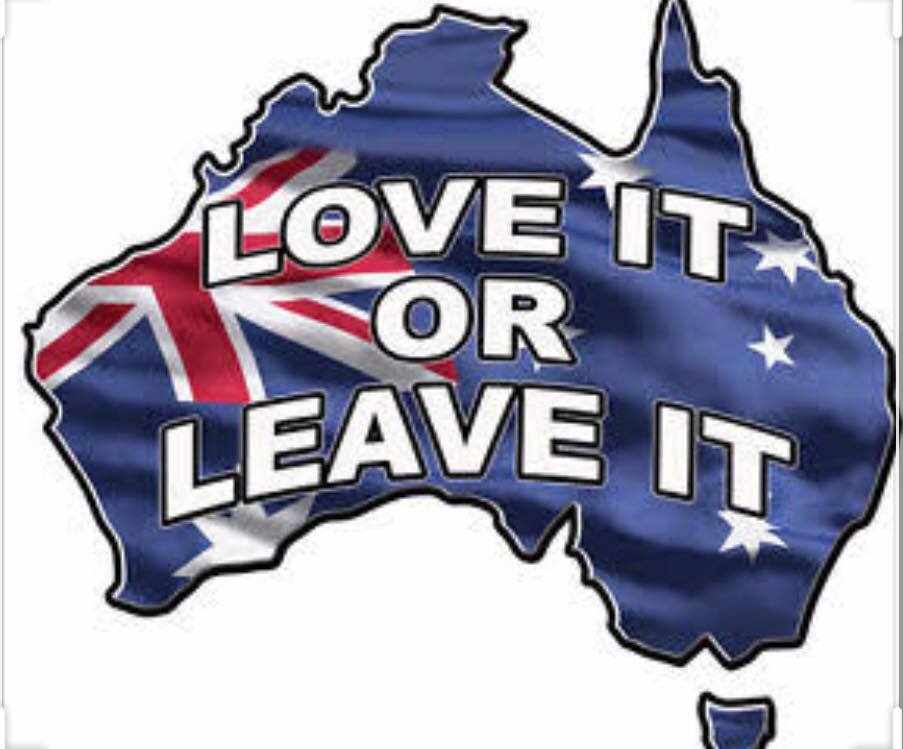
Keynes and Hayek were like chalk and cheese. But they both agreed that ideas are the heart of life. Even 'vested interests' are based in ideas - power and money derive from ideas. Australian public life is a wasteland as far as this goes, Australia finds ideas threatening. Our TV and radio is mostly games and gimmicks, or sentimental pathos and bathos. Challenge ideas in Australia and you'll usually be told to 'love it or leave'. Patriotism is one of the key indicators of an empty, dumb public life, the repeated assertion of superiority, without any content.
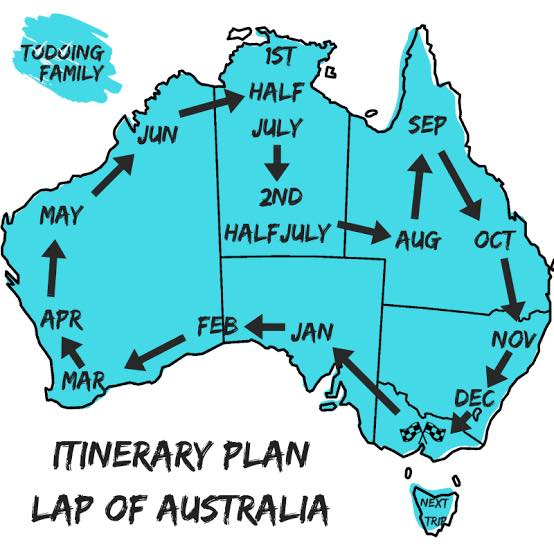
There's a desperation about the 'big lap' I think. A dream of many Australians. As if the more we see of the country, the more we somehow understand it. To me it's a last-gasp leftover from our imperial past, empires of course defined themselves by the places they accumulated (I've been everywhere, man; Macca's Australia All Over etc.). Ask us what 'Australia' is and the best we can do is a map, which we drive around inside.
This guy discovered what I wish more could see. Breaking up unions has nearly destroyed society, and not just for working people. Unions are the institutions that keep society balanced, without them businesses end up with customers with no money, just for starters.
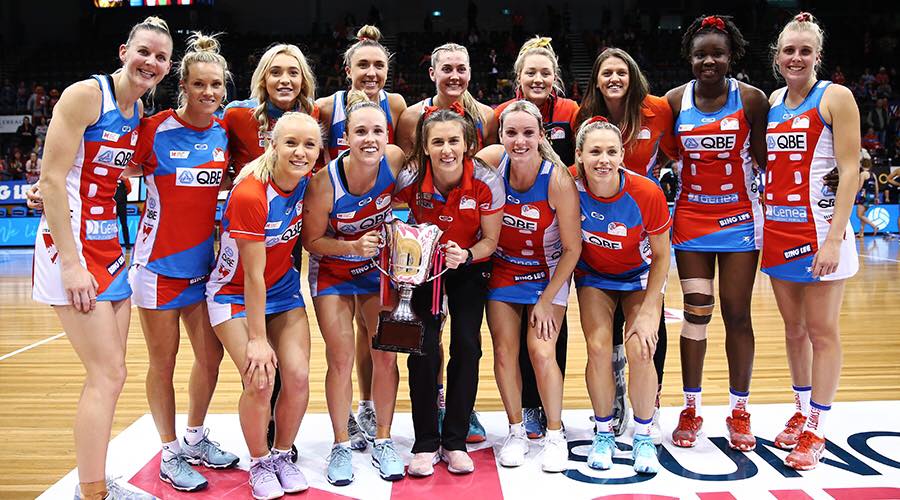
The Eels getting most of the media and social media attention tonight, but for me this is the best sporting team in the world right now. Awesome grand final win today Swifts.
One of my obvious passions is trying to show how our model of the world, where we make big things complex and little things simple, is backwards. One of the most beautiful examples of this is sand. Up close (little) it's a wonderland of colour and complexity, far away (big) it's a fairly homogeneous mass of single-coloured stuff. (William Blake had it mixed up too, he thought you could 'see the world in a grain of sand'. There is no such thing as a grain of sand.)
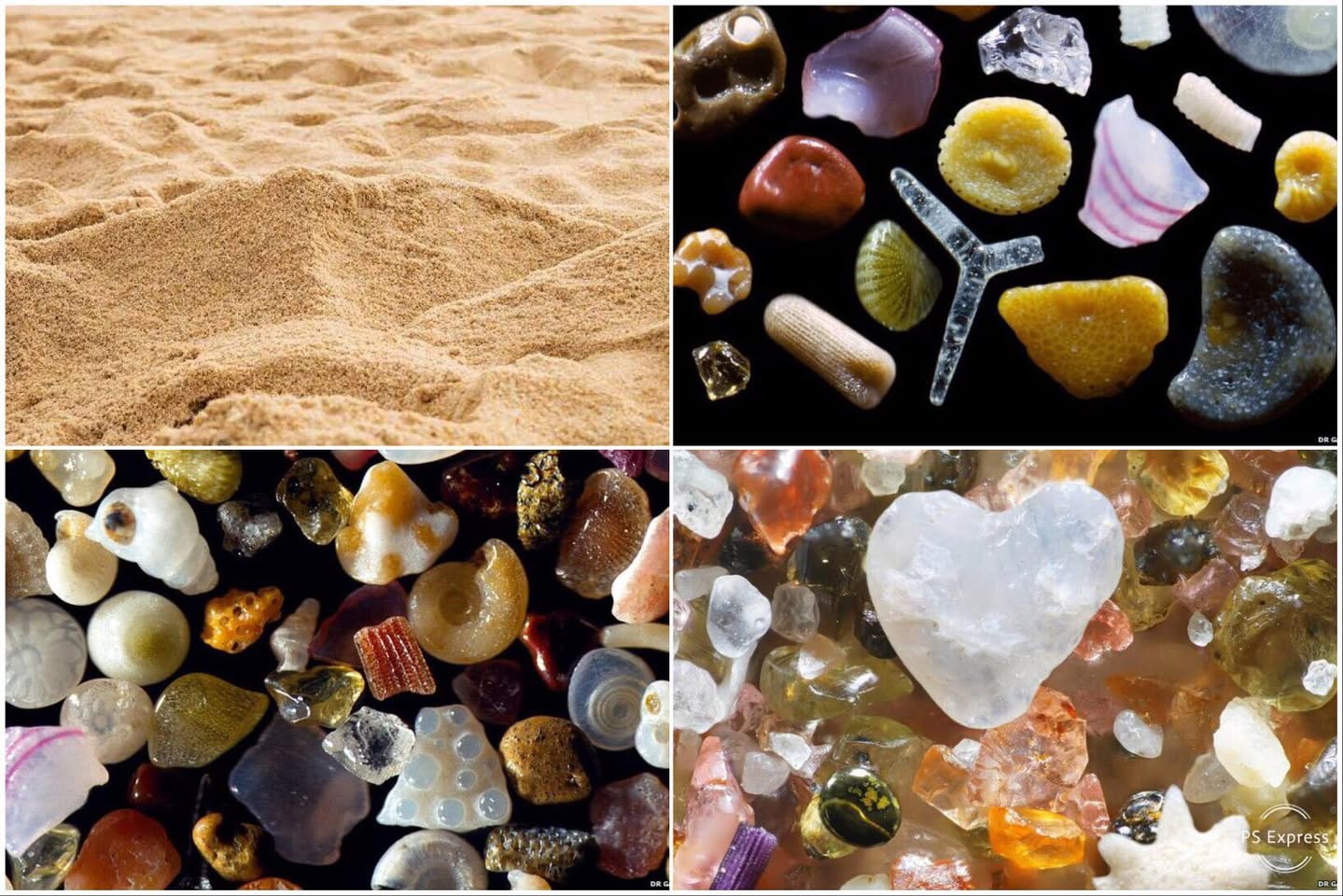
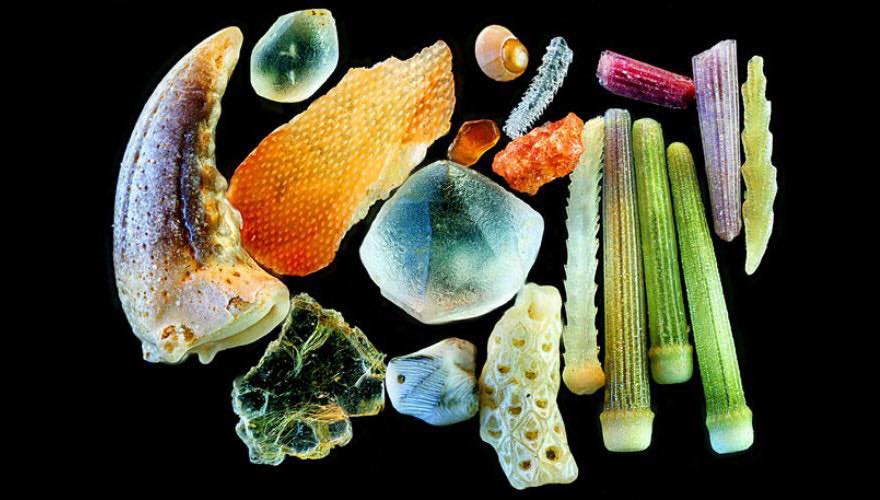
More sand, magnified 300+ times. 'Sand' isn't actually a thing, there are no 'grains of sand'. It's a statistical construct to describe a highly complex and mixed range of microscopic things.
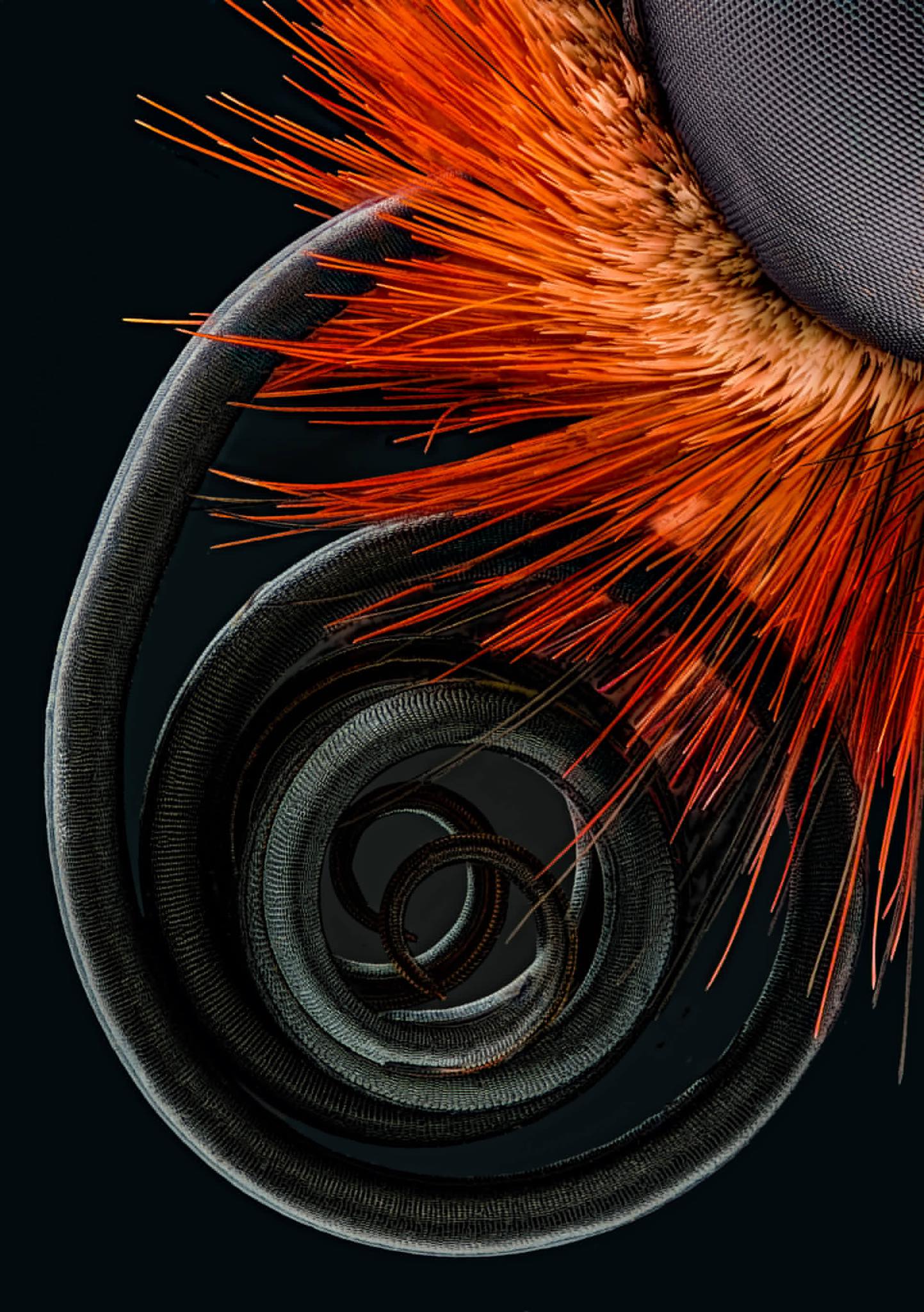
So I figure, rather than only talk about how the small is always more complex than the large (the opposite of what we're taught), it's easier to show some of it. This applies to whatever scale though, for example a single person is much more complex than a group of people, any 'part' of your body is much more complex than all of your body together, etc. This is a butterfly's tongue (well, proboscis, similar).
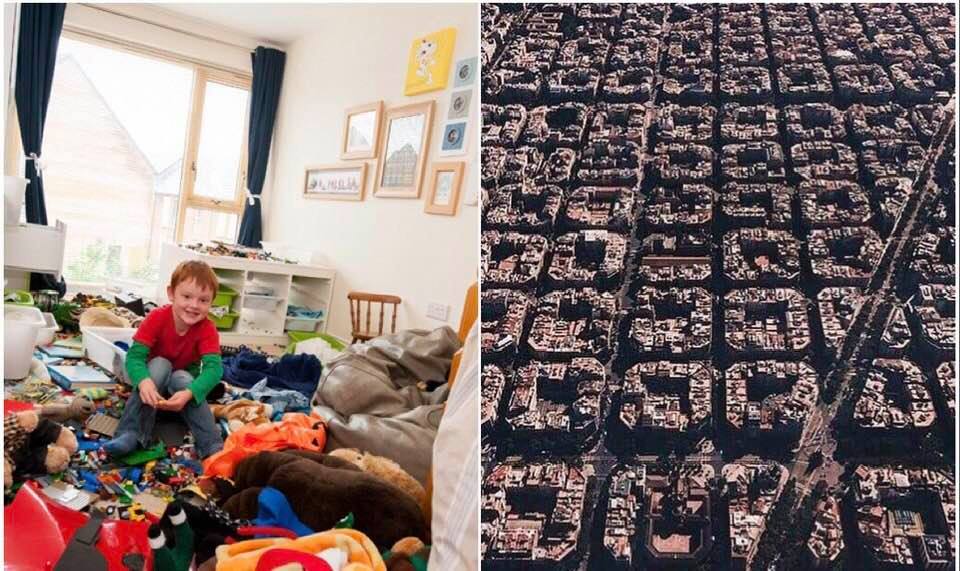
The small and the big. At the individual level, humans are complex and messy. At the social level, they're simple and structured. So why do we see it so often the other way around, thinking society is complex and individuals are simple? Or we think an organisation is complex, but the individual employees are simple parts. Backwards.
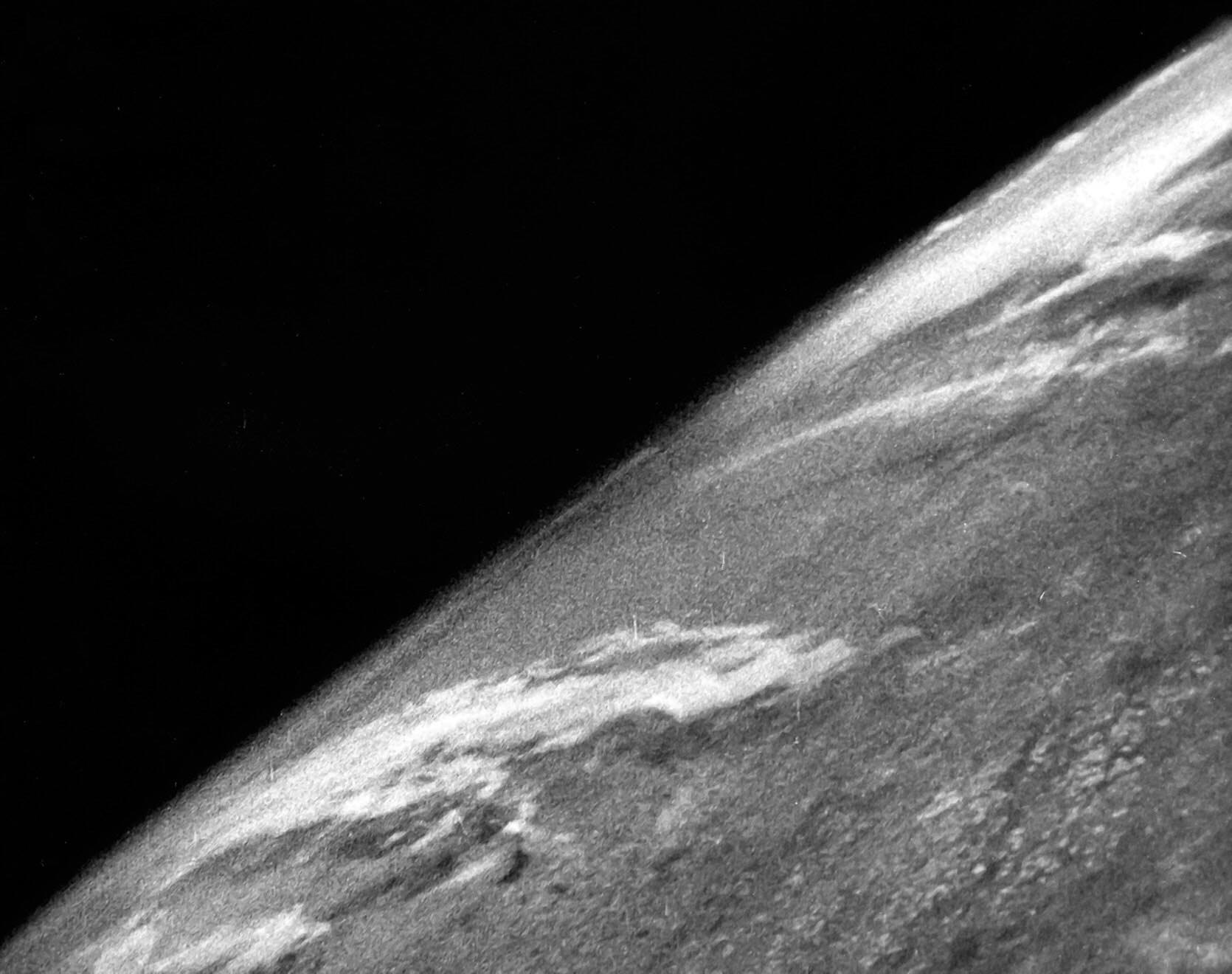
This is the first ever picture of the Earth from space, taken in 1946 by a V2 rocket the Americans captured. What did the guy who created the camera for this rocket say about the picture? "The entire land area of the globe could be mapped in this way." Maps are us.
How can people look out for themselves while at the same time looking out for others? Normally we oppose those. I think Dixieland jazz knows. Every musician is a soloist here, at the same time. All of those simultaneous solos create harmonies. Counterpoint. Politics could use the same model.
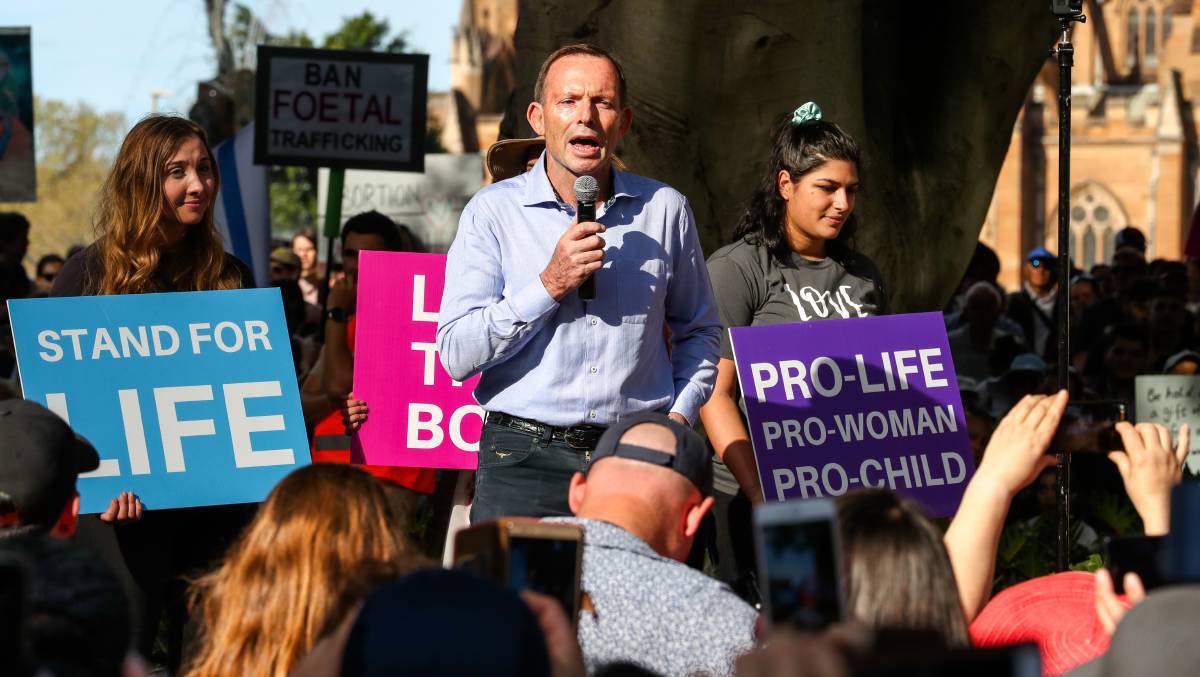
Divided means 2 things - a disagreement, and to share. They seem opposite meanings but I think are actually the same. Shared goods and shared understandings. I think debates like abortion are tough to resolve because we're actually not divided enough, we don't discuss major issues amongst ourselves much, leaving it all to public figures. And then we wonder why they can't resolve them. Brexit a perfect case too, a whole country paralysed. That paralysis can only be fixed by every person debating with their fellow people, dividing up the issues so that they're shared. Abortion can be divided and shared just as bread and money can. We need to break up or divide big issues like this into millions of individual pieces, for each person, to resolve them. To create a shared understanding of this idea. If we all just leave tough issues to politicians, the country will seem divided, because they can't resolve them. But really the problem is that we're nowhere near divided enough.
If you can't get kids interested in Shakespeare, try the bits where in old English an s was written as an f.

Happy Biryhday :)
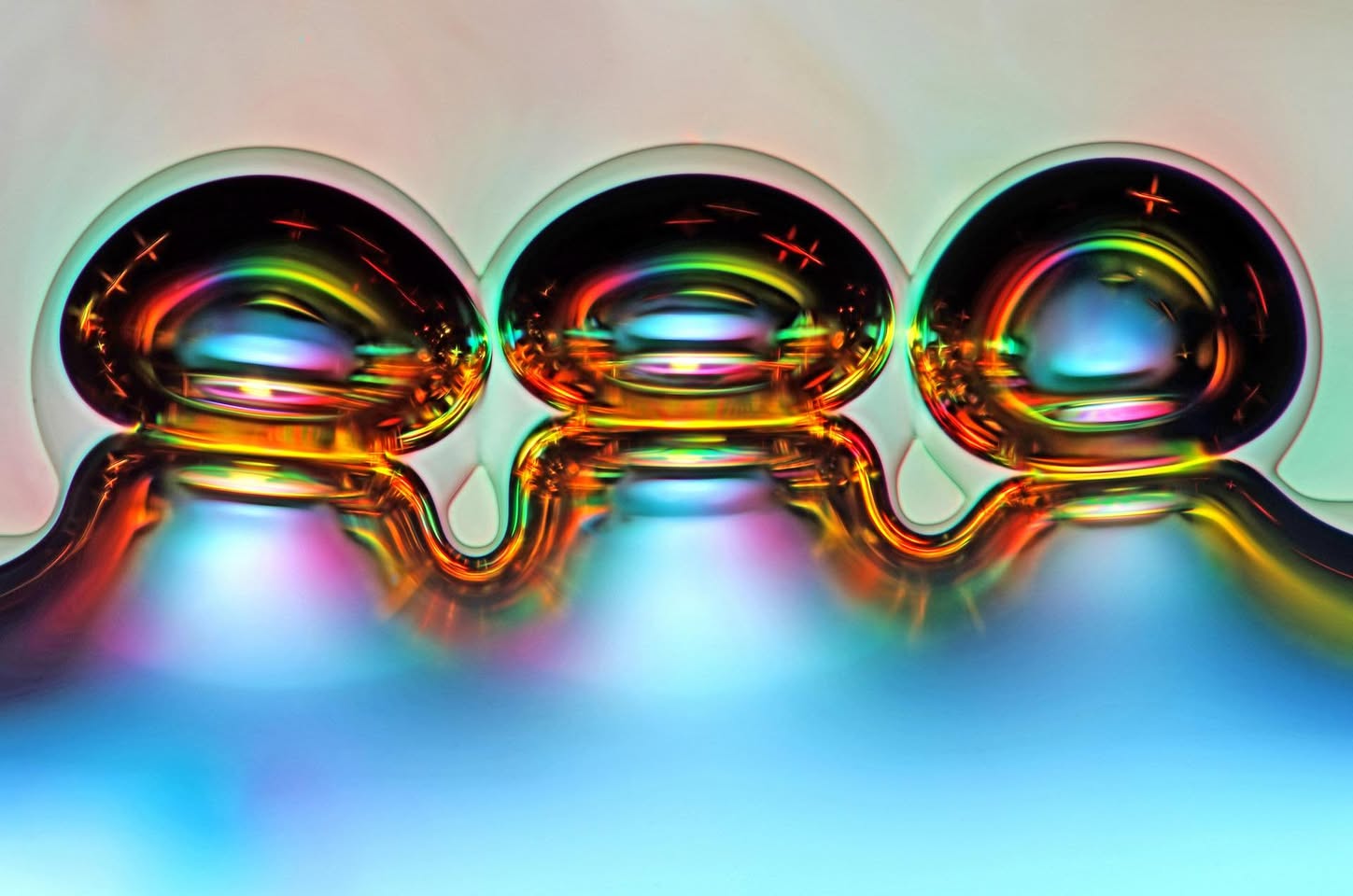
Ascorbic acid being heated.
Trivia night
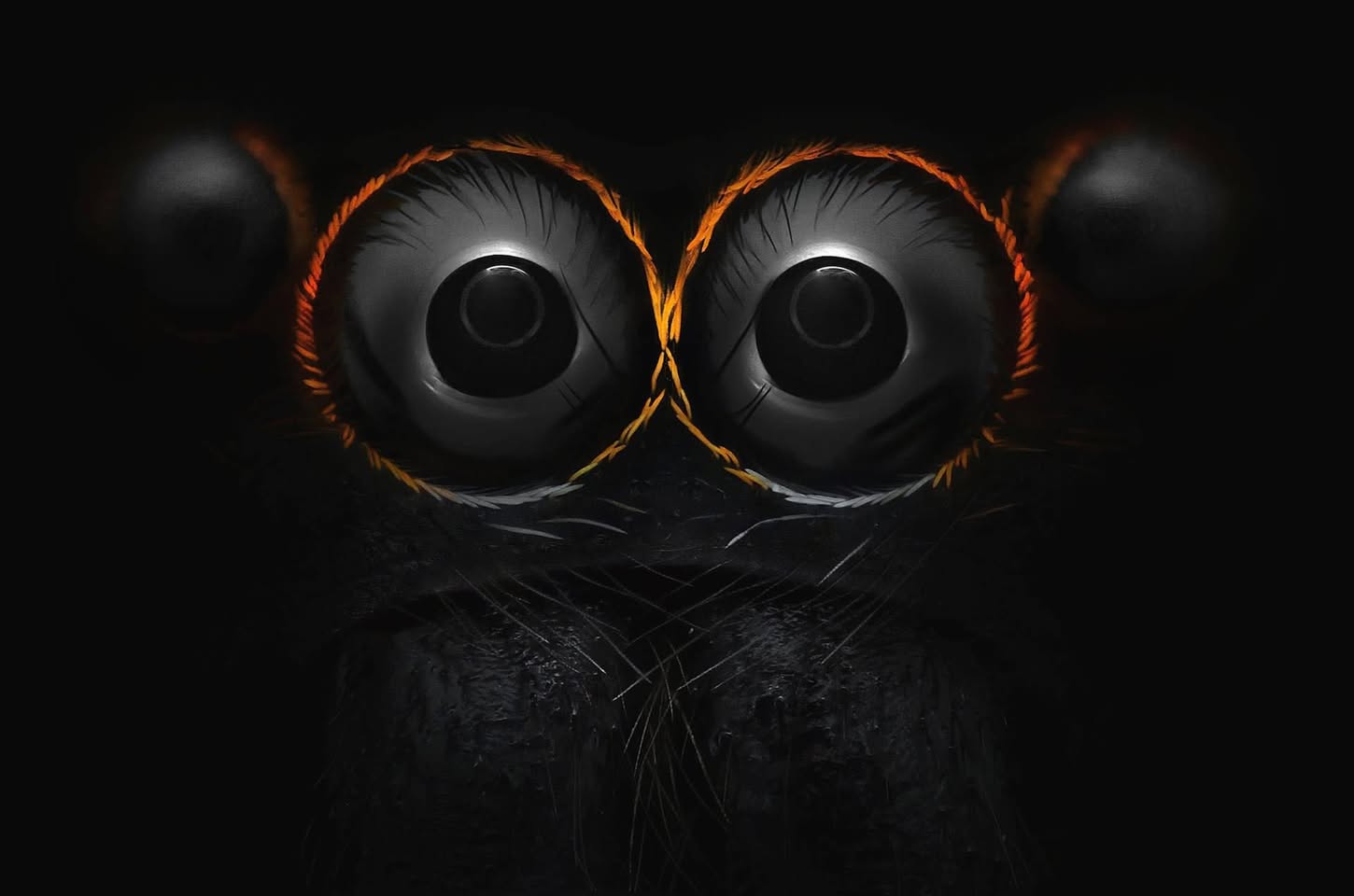
A spider's eyes.
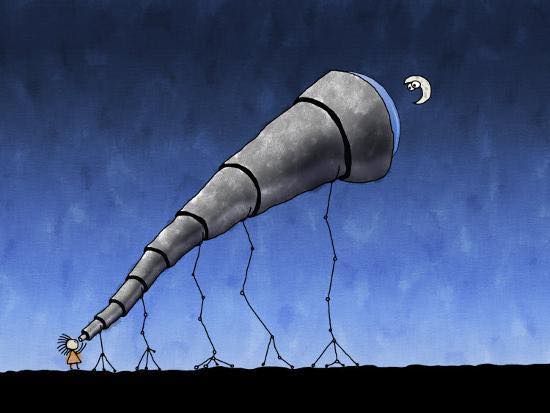
Common sense is usually a terrible guide. For example, a telescope, or a zoom lens on a camera. Do they let us get to things 'far away'? Common sense says yes. But when you use a telescope or zoom lens, you don't move an inch from where you are. So whatever you're seeing, is right 'here' with you. Common sense says 'yes but it brings the image from over there, to here'. So now we have magical images moving through the air, courtesy of common sense.
Happy birthday!
Saw an ad, "Not Ready to Retire? Become a part-time school bus driver." They should have added "and you'll be ready to retire in no time."
Alan Joyce, Qantas CEO, makes $96,000 per day. (Yes, per day.) And the problem with the country is people on Newstart, on about $40 a day 🤔
I call this the Newstart-Joyce Law. "The poor don't work because they have too much money. The rich don't work because they don't have enough money. If you believe that, you'll believe anything."'-- J.K. Galbraith
I feel the world would be a happier, smarter place if we: 1) recognised that what we feel as 'love' is a projection of our feelings onto other people, and 2) realised that all of our actions are intrinsically selfish. Everything we do we do for ourselves, even the most 'selfless' acts. Sounds cynical and sad. But common sense is always a bad guide. What's good for you is what's good for others too. And there's a much deeper love than what we feel.
Australia emits between 1-2% of the world’s greenhouse gas emissions, which some say is reason to do nothing about it. These same people often think abortion is an emergency. Australia has 0.001% of the world’s abortions.
Happy birthday cuz :)
"The price of everything and the value of nothing" is one of those feel-good statements that I think is actually completely wrong. To measure is to value, they're the same thing. Putting a price on something is a sophisticated negotiation between multiple people, who each evaluate the value of the thing to themselves. Money was the greatest invention ever to create shared values.
The Right to Life debates made me think this week. Why isn't extinction of species a Right to Life question? Why isn't climate change the same? We're looking at the death of millions, perhaps even billions, of living things, in both of those cases. (I would place a bet that if you ask Right to Life people that, you may get an insight into their real motivations.)
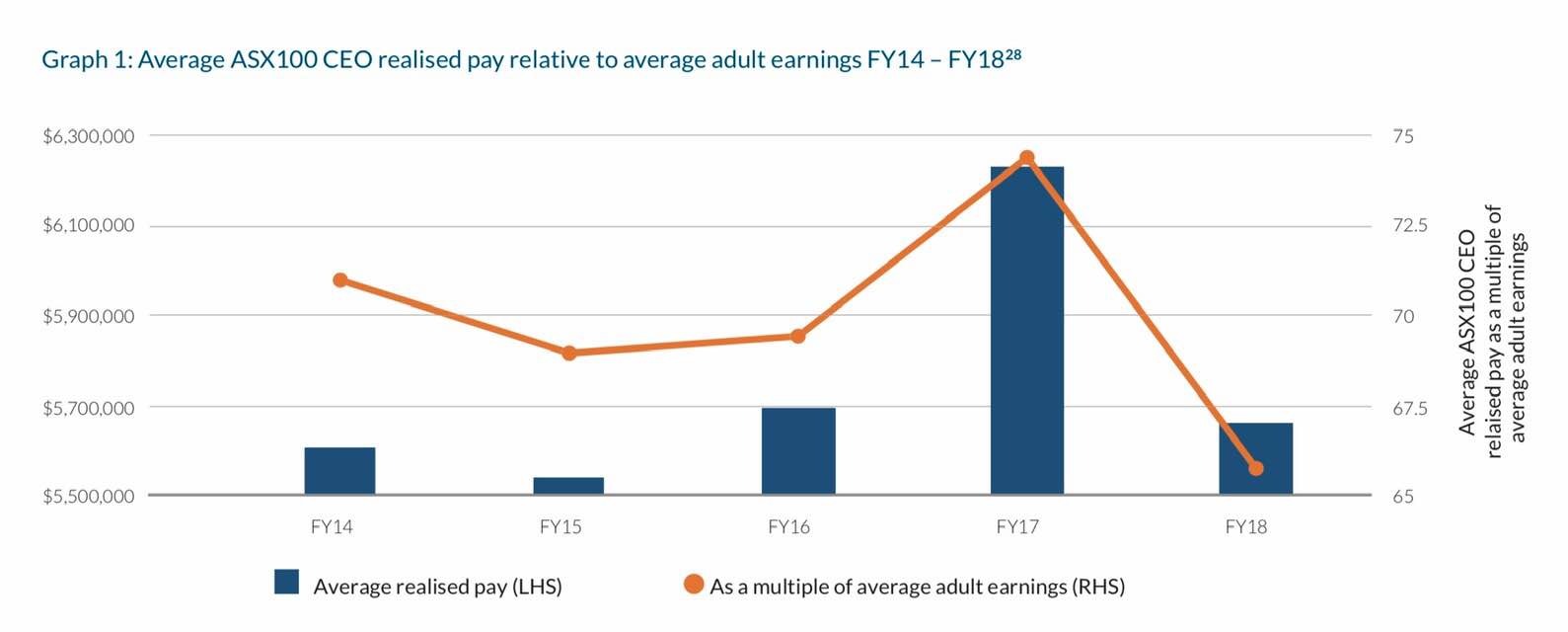
Look on the bright side, in the low year of 2015, the average CEO in our top 100 companies only earned 65 times as much as you. They say this 'incentivises' them to deliver results. They must be extraordinarily lazy.
Try this filter in your reality goggles. What things do we do in our lives or work that will last beyond our lifetime? Or even for eternity?
Happy Birthday!
I love files. They created the modern world. Not those big words like capitalism or socialism, those are fairy tales for grown ups. If you want to know what built our societies, I say this is it - files. It's where all of the complexity of society is drawn together and managed. They're also society's memory.

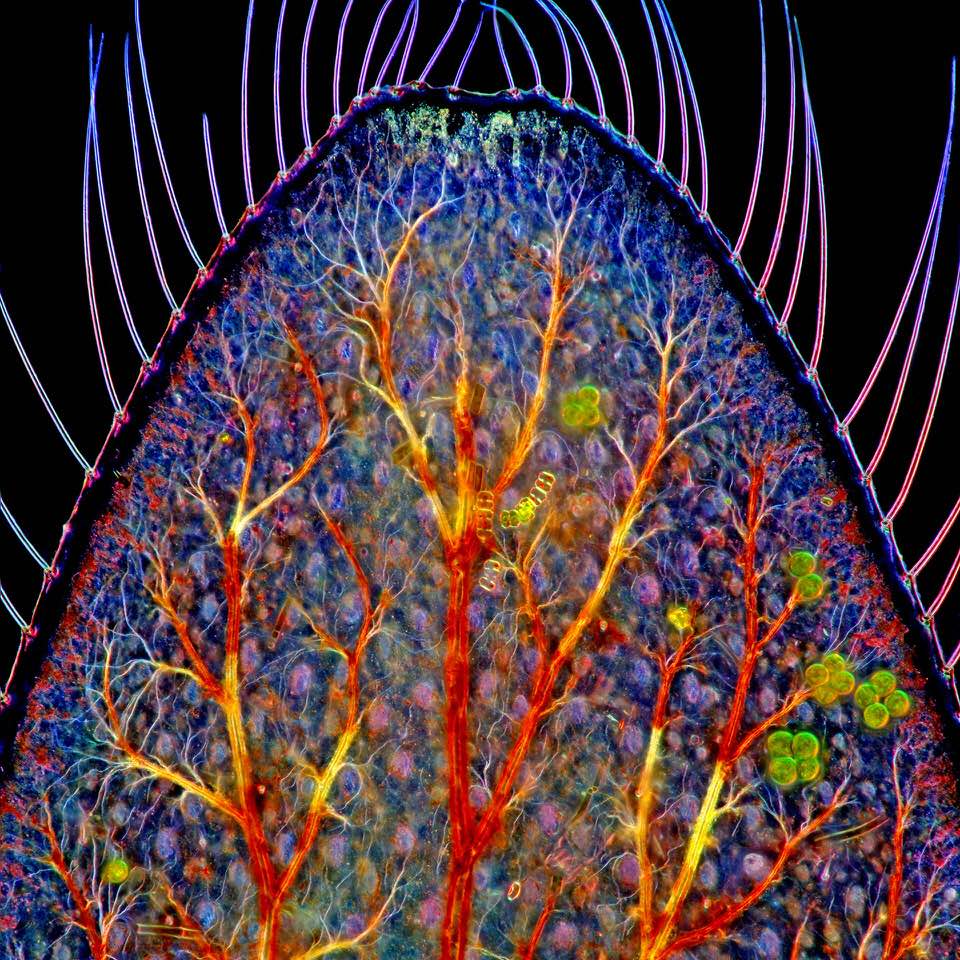
Caudal gill of a dragonfly larva.
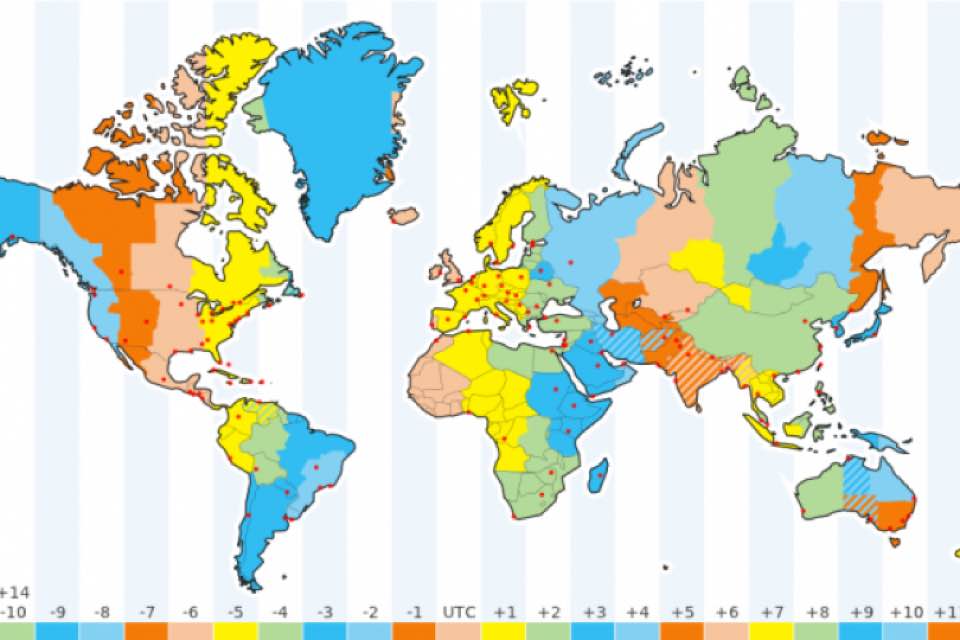
Our curious ideas about time. If you ask 'what time is it?', there are at least 38 different answers, depending on where you are in the world. The same day here on Earth is lived 38 times, separately. How do people reconcile that? Are we all using 'time machines'?
Happy birthday Miss Ames. Party hard 🙂
I think the cause of and biggest obstacle to addressing climate change, is the idea of 'the environment'. I'm still seeing even those who know climate change may kill most of us try to 'save the environment'. Or they say 'get behind the science', as if scientists actually have a clue how to fix it. The climate changing is a SYMPTOM of something else, it's not the problem itself. We may need to do urgent climate-related things to stay alive, but to fix this permanently we need to understand the problem itself.
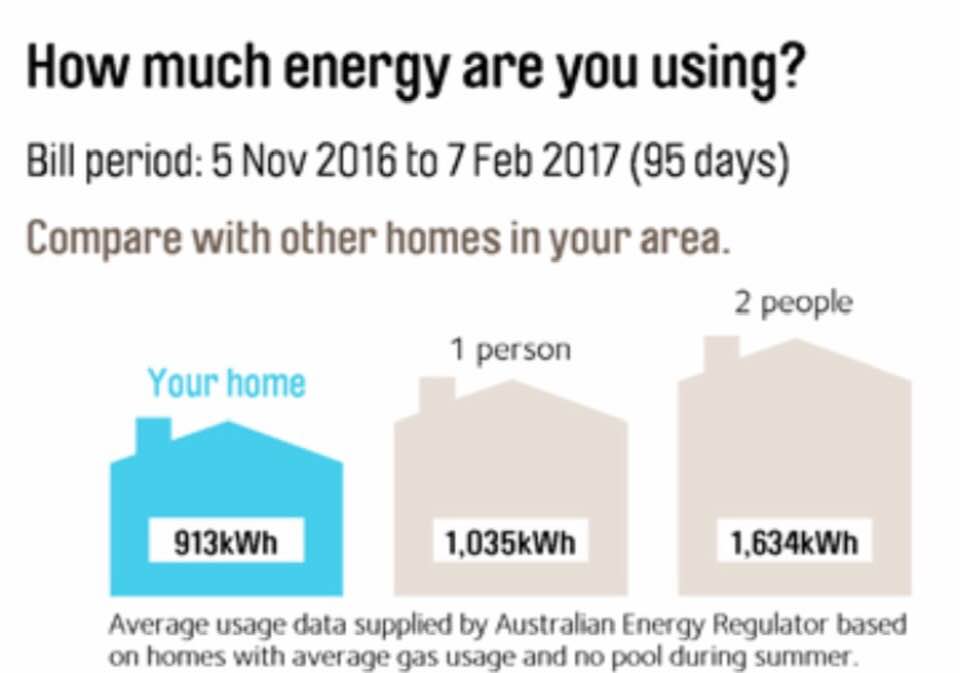
Humans are driven by comparison and imitation. Notice they added these to energy bills? Research told them to. Just telling people how much they use doesn’t work. Comparing them to their neighbours is dynamite. (This isn’t my bill btw.)
If you're scared of sharks, don't look at pictures of them that are upside down.

More modern curiosities. Why is that that people can get really passionate about working out their bodies. But you don't hear people say, "gee, I don't know much about history, or science, or maths, or how the legal system works, or how bridges work, or psychology, or art, or philosophy"? Why is it much rarer that somebody would 'workout' their mind? Interestingly for me, our minds and bodies aren't 2 things. They're one thing. There's an 'exercise' that combines the 2 - it's called poise. Balance. In 'body' and 'mind', at the same time.
Notice how the more sophisticated and powerful technology gets, the smaller it gets? Micro-electronics is what lets us have instant global effects from wherever we are. Dang if that micro part of reality isn't key to everything.

Want action on climate change? Get the millions who protested or who are concerned to join a union. If they’re not old enough, get their parents and relatives who are to join. Those who oppose climate change action yawn at protests. They would literally shit themselves if the same people joined unions.
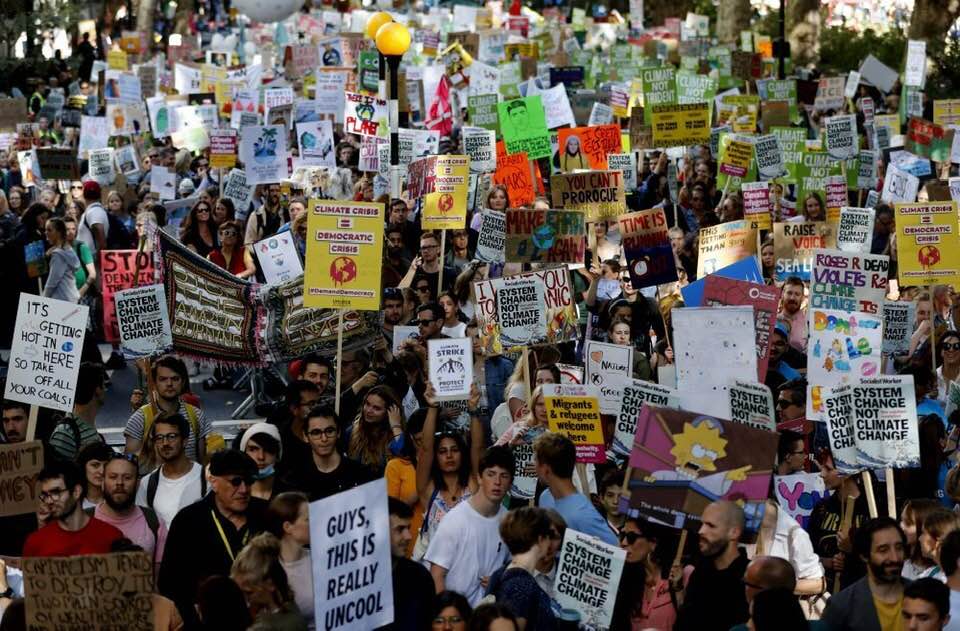
Isn't the problem obvious here? A whole bunch of individuals (with views I agree with btw), whose only collective action is to stand together and complain. They have an industrial-scale political weapon they can use, but they don't. Unions. I don't bang on about unions because I'm a union organiser, but everything that started going wrong in society started the second these same people stopped joining their unions. Their wages and working conditions went backwards. Politics was overtaken by a deeply conservative ageing population. What even the smart people in the top end of the town like the Governor of the RBA now acknowledge is that without strong political institutions representing people, the whole 'economy' tanks too. It's a win for everybody, not just unions. Progress has two fronts. Persuasion, and force. You need industrial muscle to bring the other side to the table, otherwise they just ignore you.
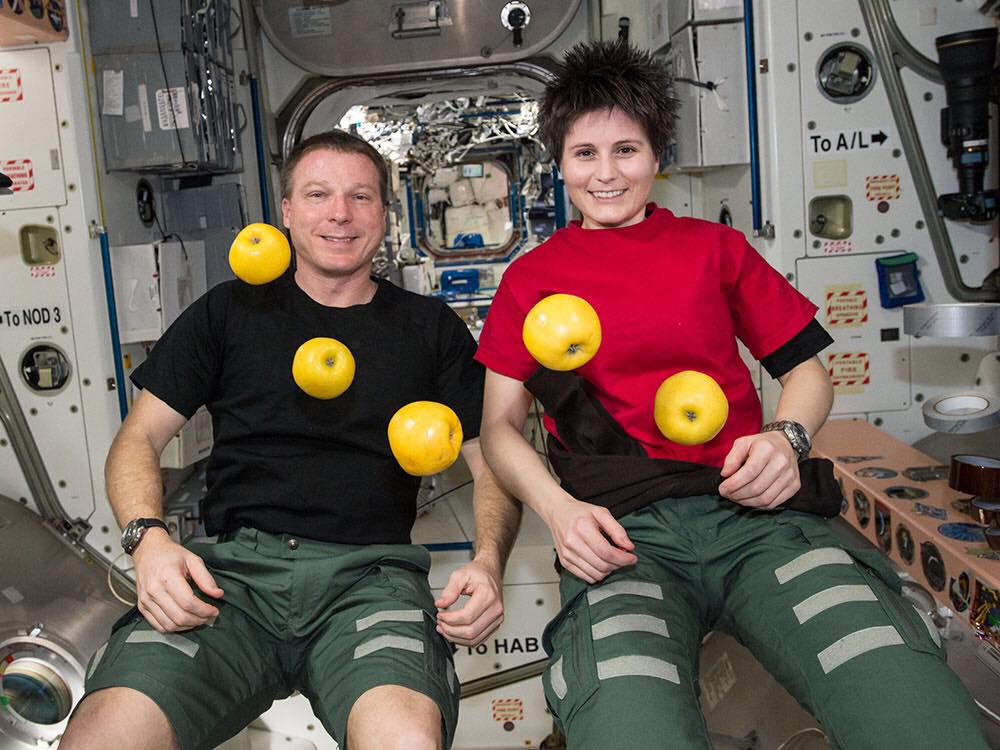
An astronaut like these can flap their arms and legs about, but they won't actually move a single millimeter in any direction. So why when they stand on the ground here on Earth, can they suddenly move? Understanding that is the key to understanding why 'exercise' and 'thinking' are silly opposites, that we set up through misunderstanding some basic concepts.
After trashing: - parliament through populism - the press by constant talk of 'fake news' - universities by constant attack on academics - civil service by constant attack on bureaucrats - unions by constant attacks, and - schools by constant attack on teachers, modern neoconservatives have hit a wall with the last institution that resists them. The law. They've tried to trash it too, by talking about 'activist judges' for example, and in the US you can even buy yourself a judge. But for now it's holding on, barely. Institutions are the real battlefield, it's why the neocons destroy them. We cheer them on! 🙄
I rarely drink now, though used to. I think you need to not drink to see alcohol clearly, and to be able to see addiction. Most drinking I see is addiction, dressed up as social drinking. It's a pretty simple test - say you like green cordial. Do you have 5, 6 or more cordials in one sitting? No. Are people thirsty enough to need 5, 6 or more drinks? Also no. It's as simple as that, it's seductive and quickly becomes addiction.
Think globally, act locally. Greeting card philosophy. I bet nobody could name a single thing that isn’t both local and global, at the same time.
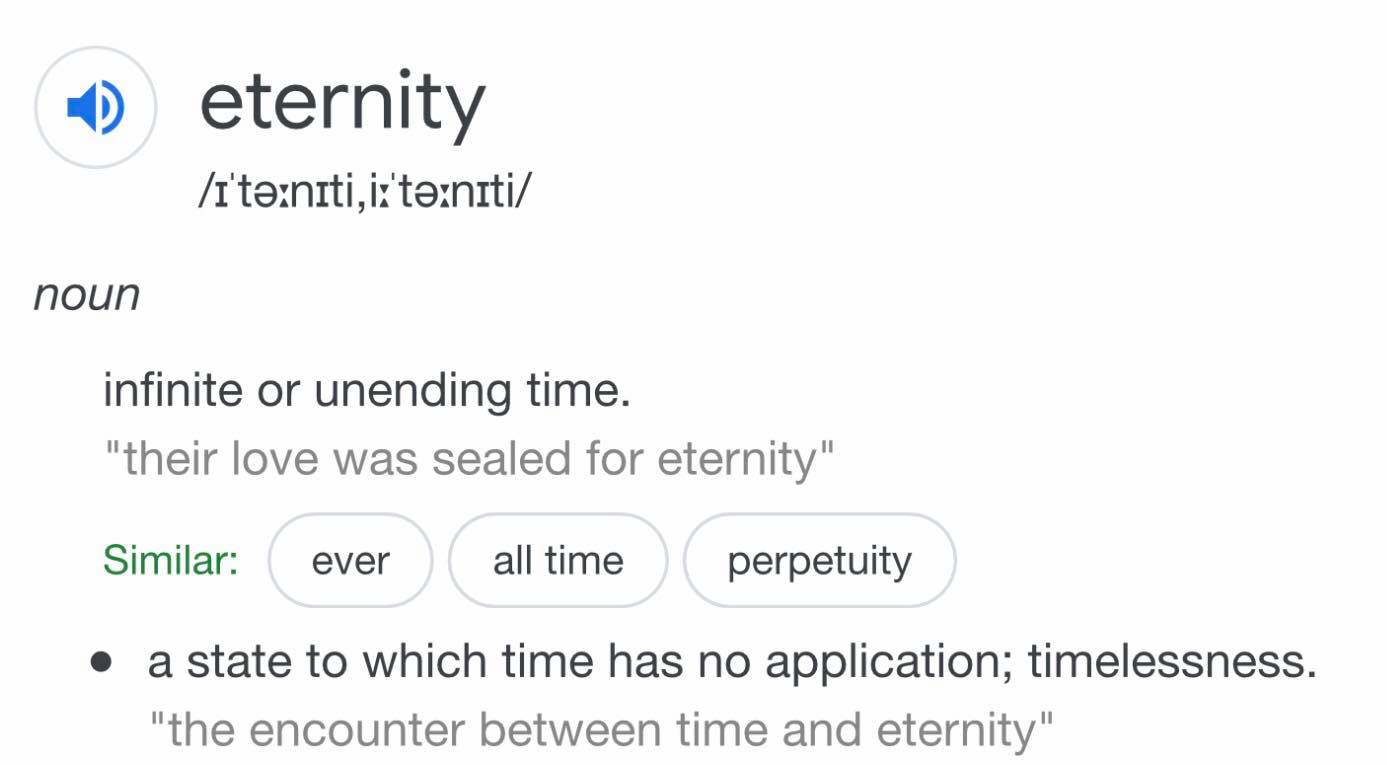
Have a look at these two definitions. The first one, eternity as 'infinite or unending time'. Our river of time idea, extended off forever. Which is impossible nonsense - in this definition, eternity is apparently what you get if you wait long enough, except there would always still be more 'time' to come, so it never actually arrives. (And rivers don't 'flow' anyway.) The second definition is the one that's been forgotten, and is what I think eternity means in reality. Timelessness, the parts of our lives every single day that don't change. Time is about change, not about flowing.
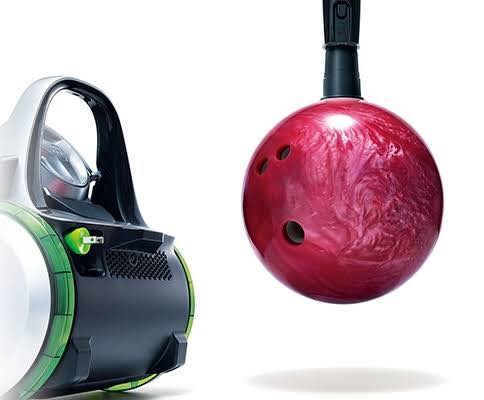
This vacuum cleaner isn't 'sucking' this bowling ball off the ground. The entire atmosphere of the Earth is *pushing* the ball onto the end of the vacuum cleaner. Just as you don't suck in air, when you breathe in it's actually the atmosphere pushing the air into you. This all matters a lot because I think the body moving - exercise, again - is not something you 'do' either. More on that in later posts, for my interest at least.
“Behind massive street demonstrations there is rarely a well-oiled and more-permanent organization capable of following up on protesters’ demands and undertaking the complex, face-to-face, and dull political work that produces real change in government.” (That last complex and dull stuff is institutions. Bureaucrats, heroes.)
One of the best predictors of how a person will vote is their attitude towards raising children. For many politics is just an extension of family, at a social level. These 4 questions are used to do it. Should children: 1) have independence or respect for their elders 2) have curiosity or good manners 3) have self-reliance or obedience, and 4) be considerate or be well-behaved.
The Local Government Act has this quite intriguing clause in it. Glad to see it made it as far as legislation, one of the greatest justice issues of our time. (d) Councils should have regard to achieving intergenerational equity, including ensuring the following: (i) policy decisions are made after considering their financial effects on future generations, (ii) the current generation funds the cost of its services.
Even smaller bags of cement like this are bloody 'heavy'. So, say you weigh 60kg. That's 3 of these bloody heavy bags. When you stand on the ground or sit on a chair, does it feel like all of that weight is pressing down on the ground through your feet, or your bum? I bet it doesn't, not even close. It probably feels like 5-10 kg at most. The reason for that is fascinating - what you're feeling under your feet or bum is not your weight. In fact, you can't feel your weight, in any situation.

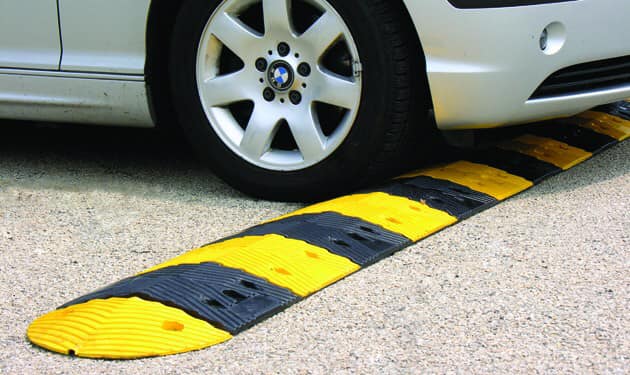
Normally translation is used to mean converting a message into another language. But one of the neatest things I learned from a range of people is that all messages are translations, even in the same language. The meaning of a message is always what the receiver thinks it is. And it gets even more interesting, because meanings can be translated into objects too. Like ‘slow down’, which can be translated into a speed bump. Once you know that, the whole world reads like a book.
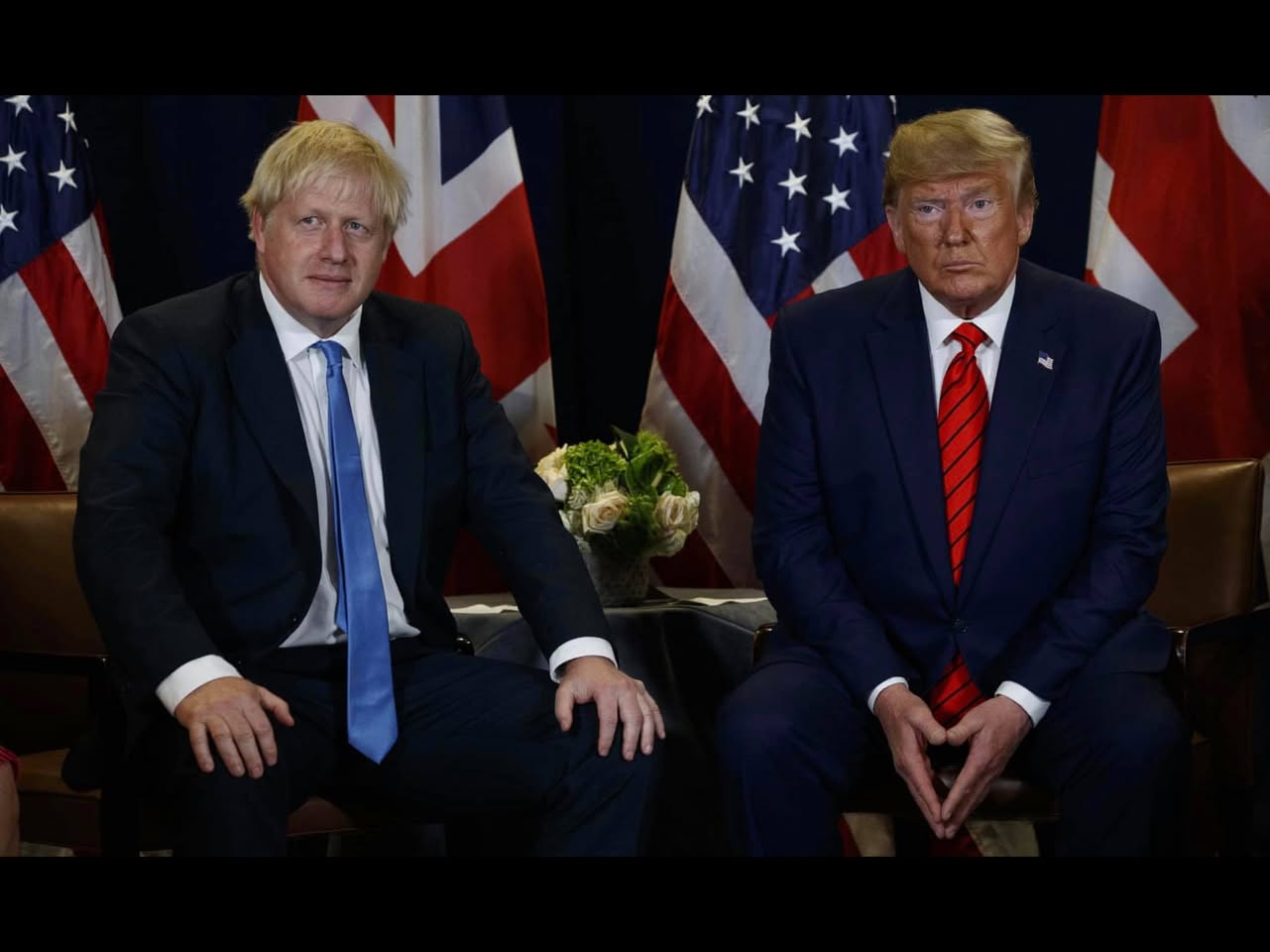
This pair, who promote themselves as the champion of the ordinary person against 'the elites', come from the very top level of elite society. Super-rich and privileged families, and leading parties funded by the top-end of town. At what point do people who support them join these dots? Probably never. Which is why the time for talking is over, as with climate science. Fighting is needed. Not protest, not retreating to a fictional middle or moderate ground, both of which are abject surrenders. Join a union.
Ideas and exercise can't be separated. Why do we strain to go up stairs? Mostly because, I think, we feel that we need to 'climb' them. Climbing as an idea has a set of other assumptions, about needing to pull or push yourself up. We feel we need to push ourselves up on each step, to get to the next one. Notice though that most of your body is *already above* the level of the next step. If you just smoothly transfer your supporting surface (your foot on the step) to the next step, there's no pulling or pushing needed at all.

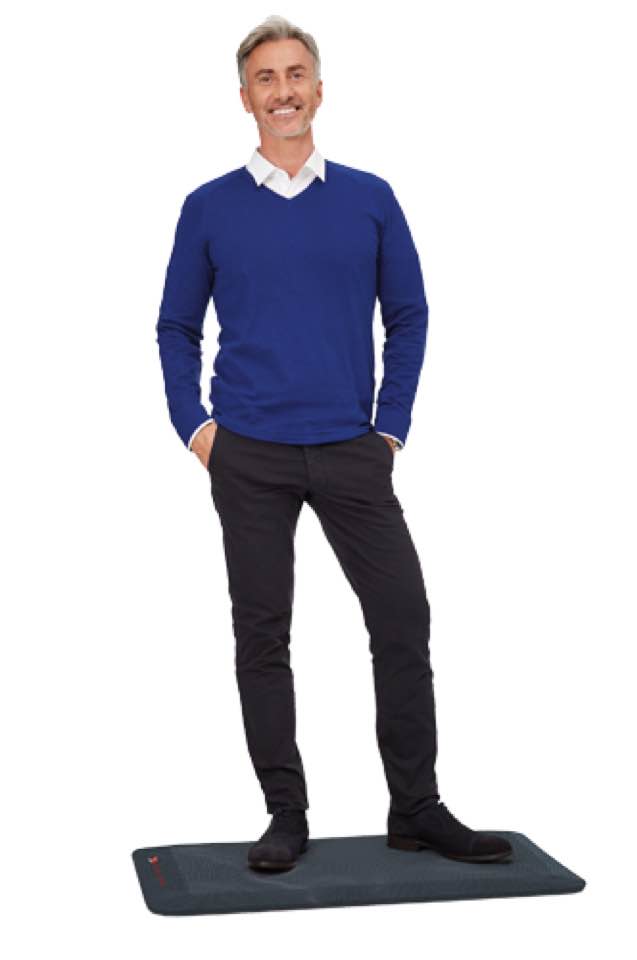
How long can you stand in one position, without shifting, without pain or tiredness? (I'm betting this fella might last about a minute, standing like this.) Sounds super simple, but it's likely even a majority of adults can't master this basic act of balance. Mostly because they're trying to hold themselves up.
I've lost count of the times I've heard: 1) 'technology is just a tool', and 2) 'machines will take over humanity'. 1 and 2 completely contradict each other. To me technology is really just us, and the most social part of us. Take any technology, and if you think about it, it was invented to meet some social need. Technologies even give us brand new ways to be human and social. Engineers are the world's greatest social innovators, by a country mile.

You know which politicians never argue? Dictators. That should be all we need to know before we make some idiot statement about politicians arguing too much. They argue so we don't have to, and the more we're too lazy and stupid to discuss and debate things ourselves, and assume our comfortable lives will just continue by magic, without argument, the more they'll have to argue for us. We're looking in a mirror.
Happy birthday, I miss those big lippy kisses!
Happy Birthday, such a beautiful age. All the best people are around that age, I think..
I'm sure people tell her to stop over-thinking and post some humblebrags of her kids and holidays, like normal people ;)
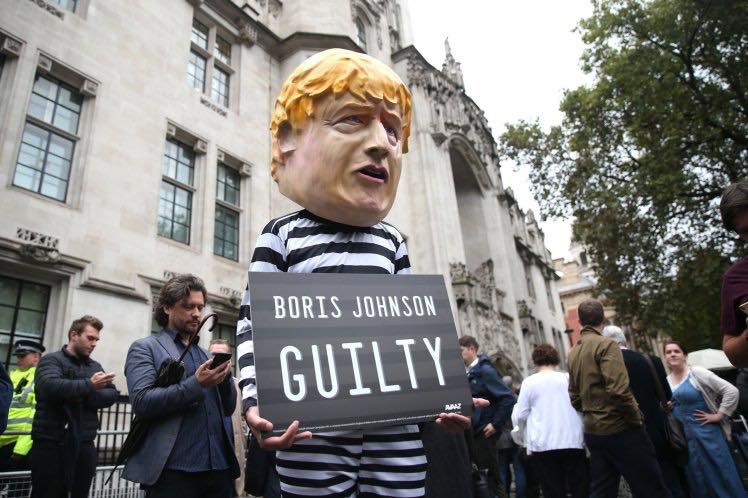
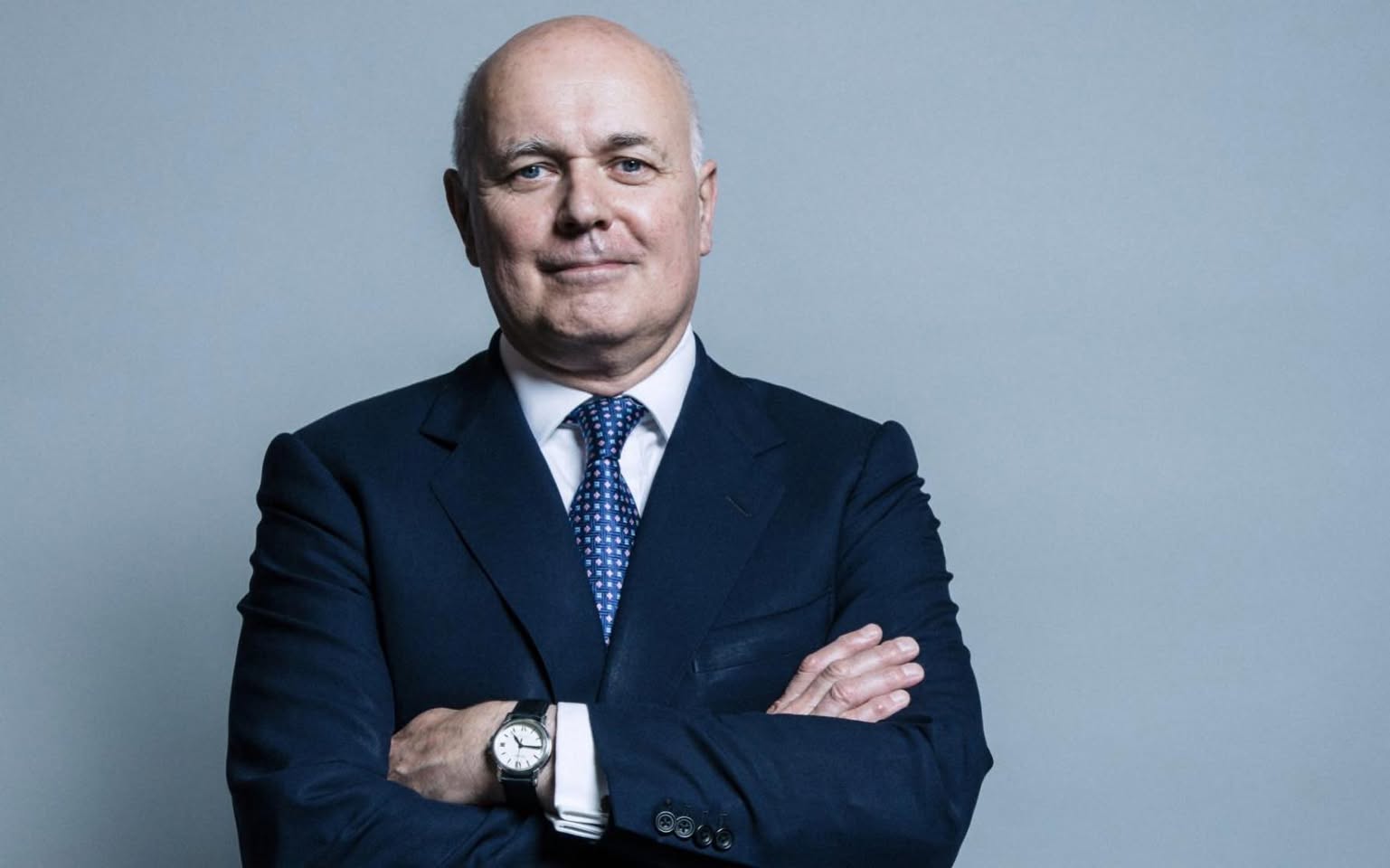
This is Iain Duncan Smith, former leader of the UK Tories. On TV just now, saying "parliament isn't sovereign, the people are sovereign." I believe that any politician who sets parliament up in opposition to the people is far more dangerous than any terrorist. A terrorist tries to disrupt society by blowing up things in individual incidents. These populists are trying to blow up the entire democratic system. Parliament is the people. Dipshit.
Where does grown-up discussion of grown-up issues mostly happen in society? A genuine question. I don't see it in many places at all. You can find small tribes of people focused on more grown-up things, but that's the problem, it's not a wide public discussion so goes nowhere. If difficult social issues never get discussed, don't they just build up over time and eventually explode? Isn't that the world we're seeing right now?
It still befuddles me that I see adults even into middle age talking about their BFFs. And I think there's a sort of worship of friendship, when it's actually the most superficial of all human interactions. Nothing wrong with a bit of superficiality either, but making it the centre of things is what creates cultures of 'mateship', which tend to be unthinking, brutal cultures. https://www.abc.net.au/life/why-friend-break-ups-can-be-worse-than-relationship-endings/11533668?sf220353971=1
Here's a suggestion. Don't do this (in any city). The people who live in Florence don't want bloody tourists now invading their private areas as well.
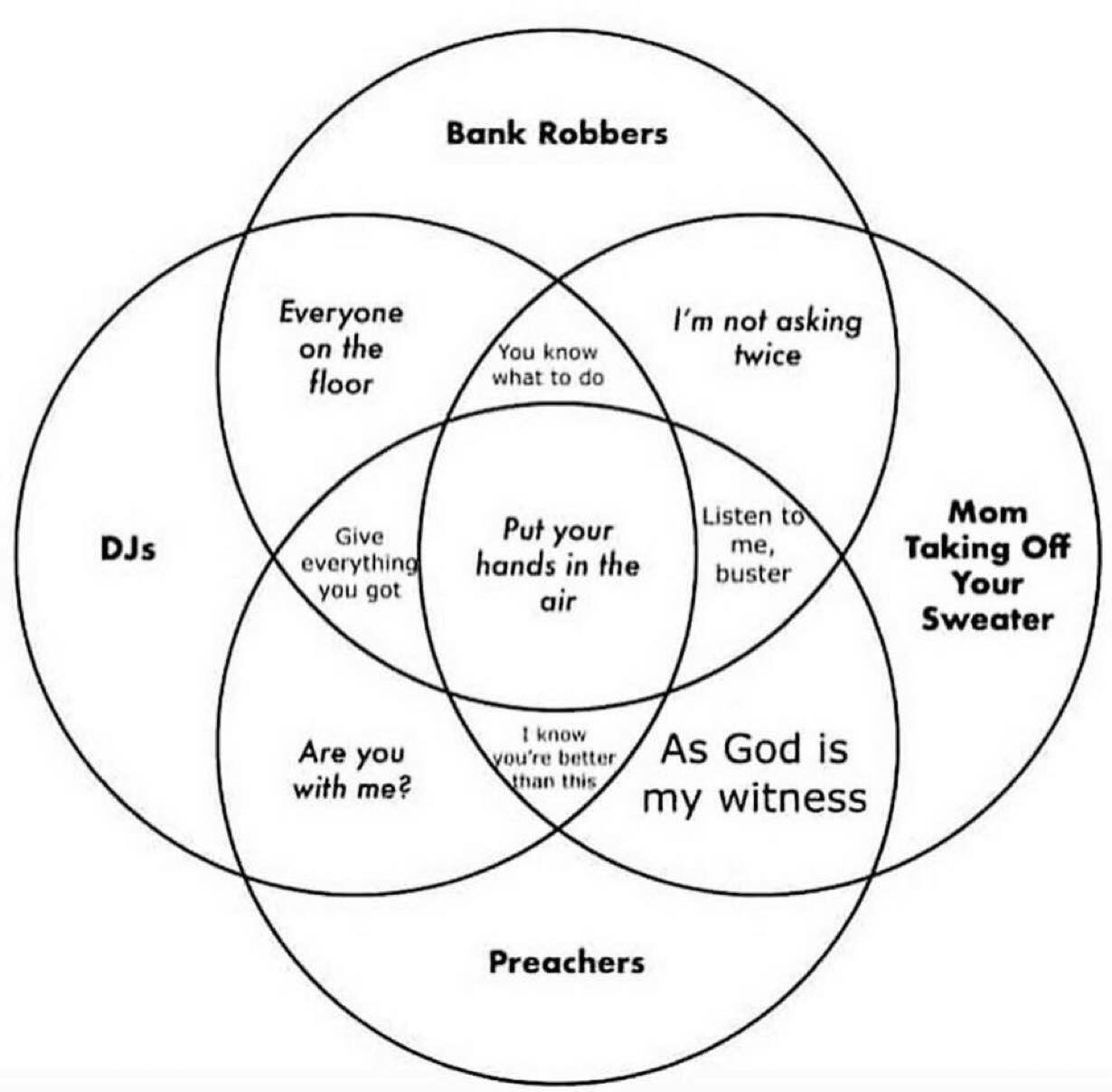
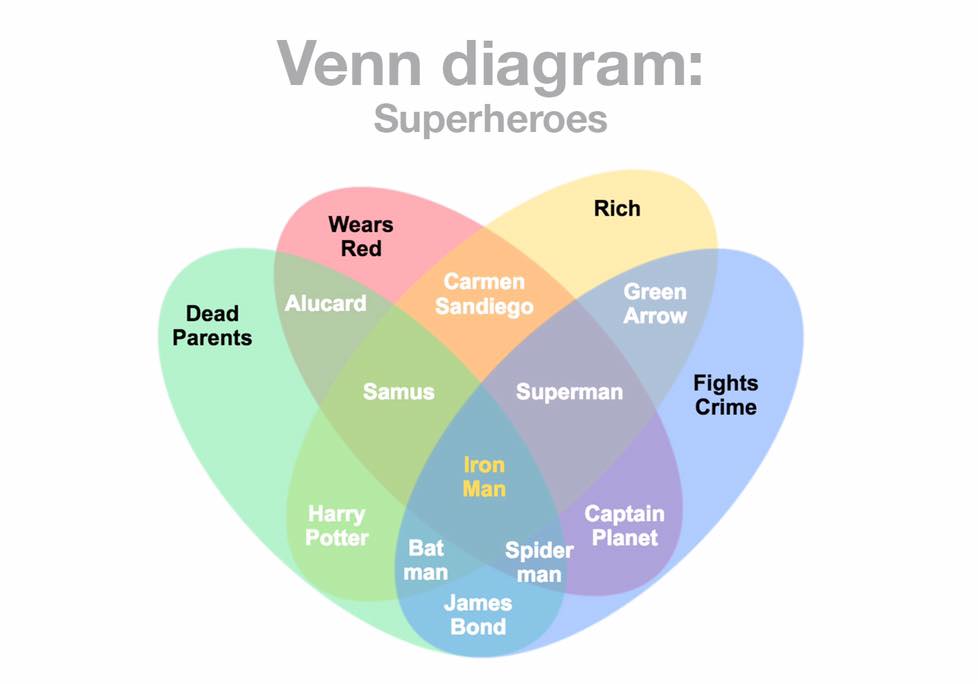
I think Venn diagrams could save the world. We're so used to seeing everything as lots of separate small bits that somehow magically create new big things, that we don't stop to think - who said the bits and the bigger things are two separate things in the first place? There isn't one part of life that wouldn't change by shifting our thinking like this.
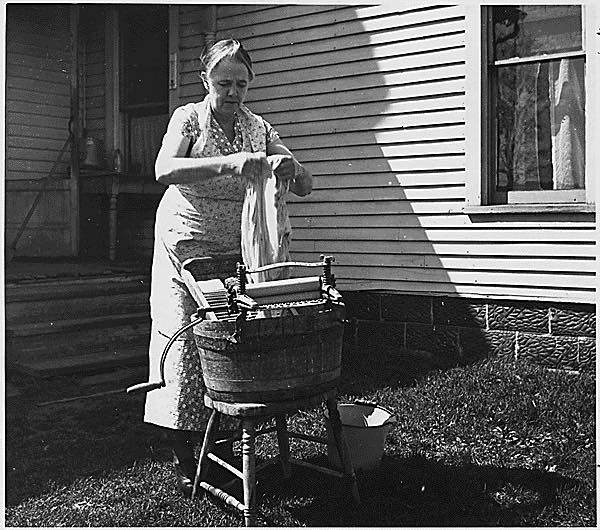
The washing machine. If you play the standard 'machines don't have morals, it's how we use them' line, how does that even work with a washing machine? How do you use it 'morally', or not? The machine is nothing BUT morality, it changed the lives of tens of millions of women around the world. Not because of *how* they used it, but because it even exists. It was designed to change those lives, to re-distribute social relations and human labor.
More Venn. This is how I see people. Say you're discussing a topic, in politics for example. No person is just an issue, that issue is part of their entire way of seeing everything. It'll link to what washing powder they use, how they dress, whether they go to church, what they think about every other issue etc. Everything. Their circle on the Venn diagram contains all of it. Society is what you get where everybody's circles overlap.