July 2018
Complete text-bearing Facebook records from the export.
More we. Often LGBTQI people are said to be a ‘community’. Think I’ve asked here before - are they really a community? Does sexuality define a community? Or is this just another way to marginalise people who are a bit different, by saying they’re ‘all the same’? Patrick White first made me wonder about this, when he criticised the Mardi Gras as not representative of him, as a gay person. Hanna Gadsby makes the same point ironically, calling the LGBTQI community ‘her people’. There are however groups of people in all walks of life with overlapping desires and interests. That’s something a bit different I think. Similarly as a straight white male, I think it’s important to understand the ways in which that category is real, without necessarily believing that it's a community too. That’s what I suspect irks people most, to be linked to categories or communities to which they don’t feel they belong. But at the same time we need to understand in what ways categories like that are also real, although not communities in the way we normally use that word. It’s more about minorities and majorities I think, not about communities.
Have lived this firsthand. Steiner was an occultist, and occultism was very big in the 19th and earlier 20th century. The term occult and 'cult' are related - occult thinking tends to produce cults, a word that has significant negative connotations in our era, because of what some cults have done, but the occult can be discussed separately to that as well. The specific meaning of occult is ‘knowledge of the hidden', of saying there is a deeper spiritual knowledge going beyond common knowledge. Steiner's Theosophy was one of several occult movements that emerged in the 19th century. They're all marked by claims to access deep, esoteric truths that are separate to common knowledge - that's what occult actually means, as a word. Occult thinking produces cults because if this hidden esoteric knowledge is outside common knowledge, then those who believe in it also have to organise themselves, outside common life. One of the defining characteristics of all occult traditions is a hostile reluctance to engage with the details of common life and knowledge - those are seen to be deluded. Occultists also commonly believe in ancient knowledge (often magic), that has been lost and which they can access. People may at times be surprised what they're getting into bed with in occultist movements, as these parents found out. And many of our other private schools are similar, based on philosophies which would make most peoples' hair curl, that are kept pretty quiet in public debate. The BBC have also looked at this, at: https://www.bbc.com/news/education-28646118
I watch this show a lot, the English countryside is one of the wonders of the world. One thing that people moving to the country often say on the show is that they’re doing it because where they’re living now has become overcrowded. This is my pet hate about travel in general too, people spoil the places they already live in, and go searching for new places, which they then spoil...and so on. We’re a culture of somewhere else, somewhere else is always better than where we are. The grass is always greener, there’s a deep unhappiness and inability to just be.
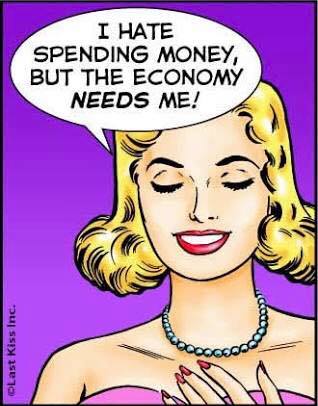
Has anybody actually seen ‘the economy’? I think it’s the most powerful political myth of our times. By believing there’s this thing called an economy that has to be driven like a truck, you can bypass the due process of actually consulting people. It’s no coincidence I think that the people who believe most firmly in the economy are fairly anti-social, highly conservative folk who are uncomfortable dealing with others.
Happy Birthday Lydia!
Happy Birthday Michelle :)
I think families, organisations and whole societies are really all just conversations. Not as an analogy or metaphor - literally conversations. Even when you think about the more 'solid' things, like buildings and roads, economies and all the other infrastructure of life, those come into existence and are maintained through conversations.

I wonder if political debates, like the one currently surrounding David Leyonhjelm, would get further if people actually made the effort to understand the beliefs and ideas that drive the different views. Leyonhjelm for example is a libertarian, and libertarians are currently taking over the world. Trump is a libertarian, Tony Abbott and his followers are, most modern ultra-conservatives are. But there’s not much talk about libertarianism, and what it means. Libertarians think all freedom is freedom of the individual. So they see all social things, all groups or institutions, as restricting freedom in some way. That’s the biggie in politics, that’s what we should be arguing, but I suspect it’ll just be more outrage for a week, and then moving on. Libertarians, like Ayn Rand, in many ways a vile, hypocritical woman, simply don’t see the freedom that comes from humans associating into institutions, and that these institutions actually are the only way humans are ever free. That’s the debate to have. Her books are flying off the shelves, we need to be battling these ideas, not the manifestations of them in individual incidents, like Leyonhjelm’s. These ideas are gaining traction, and we’re not understanding or fighting them. Libertarians are often bullies, grown ups who don’t want to share their toys, they see that as a healthy assertion of their individuality.
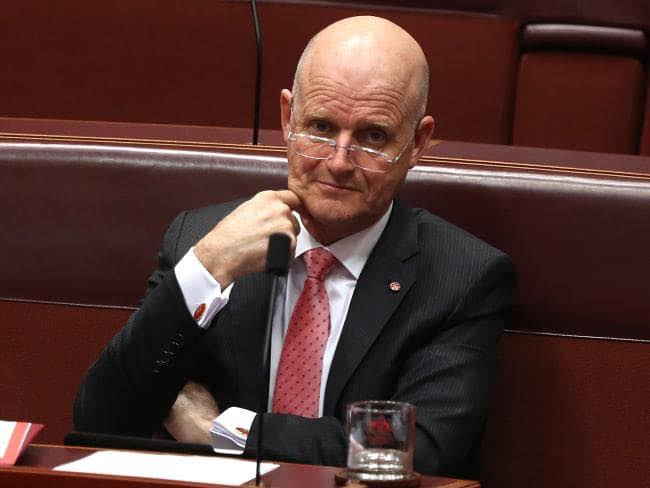
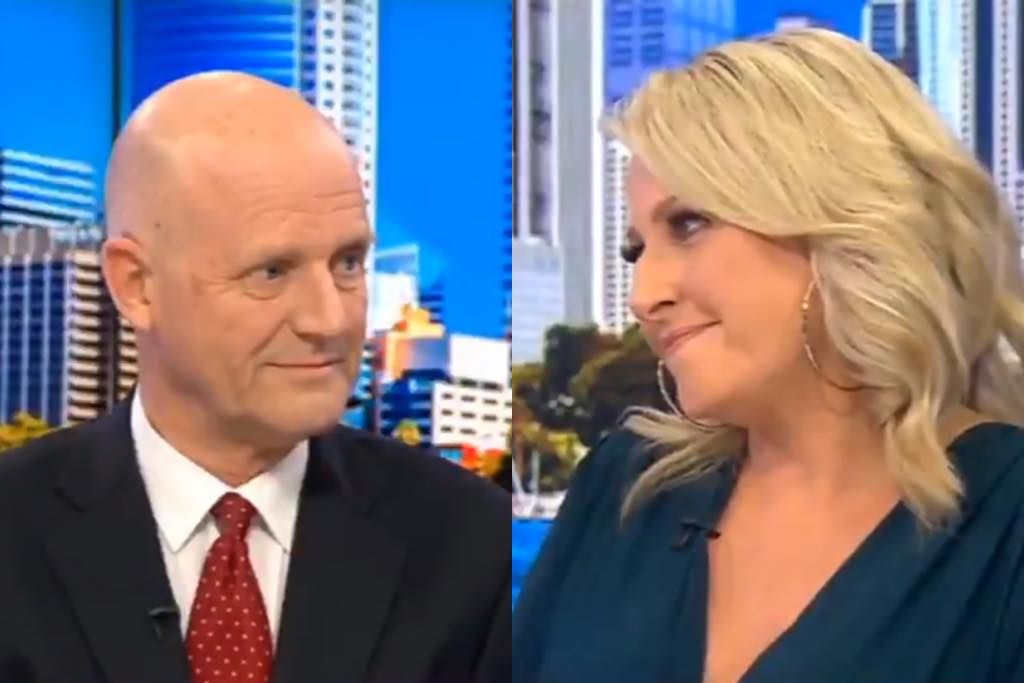
David Leyonhjelm was overheard saying to Angela Bishop today, whom he called a ‘bitch’, that he was sorry if she had ‘taken’ offence. And he went on to explain to her that offence is never given, it’s always taken - that people are only offended if they choose to be. This is classic libertarianism. I’d be interested to hear what others think of the argument.
A few days ago I started talking about the occult. Today some more connection to it, when it turns out the person who defaced the Eurydice Dixon memorial was an occultist. This is the fastest growing set of beliefs in the world, which is why I want to talk about them. Andrew Nolch, the comedian and perpetrator: - is a Scientologist, one of the most prominent occult traditions - is fascinated by UFOs - thinks the mainstream media is brainwashing all of us - thinks vaccines cause autism - is paranoid about ‘government powers’ and has a string of favourite conspiracy theories about what government is up to, and - is passionately anti-feminist. The occult mind works in this way. Society is a web of conspiracies, and the ‘truth’ is being hidden from us. It’s actually a form of paranoia, technically. And I think very, very dangerous, these minds are rigid and absolutely closed, there is no reasoning with them. http://www.dailymail.co.uk/news/article-5916991/Fellow-comedian-charged-painting-offensive-graffiti-memorial-Eurydice-Dixon.html
Bruno Latour was one of my mentors, and also one of the examiners of my PhD, years ago now. He’s internationally renowned for his brilliant and breathtaking recasting of science and technology, but also religion and many other fields. Here he talks about a day he had with Jim Lovelock, now 98, the founder of the Gaia hypothesis, and he talks about the ways this crucial idea has been misunderstood. Also mention of Lynn Margulis, I think one of the greatest scientists of our generation, now sadly gone. Lovelock in a way is the next Galileo, and most fundamentally what he and Margulis did was replace objects in science (Galileo’s invention) with agents. Agency, the way all parts of our Earth act to create the world we know.
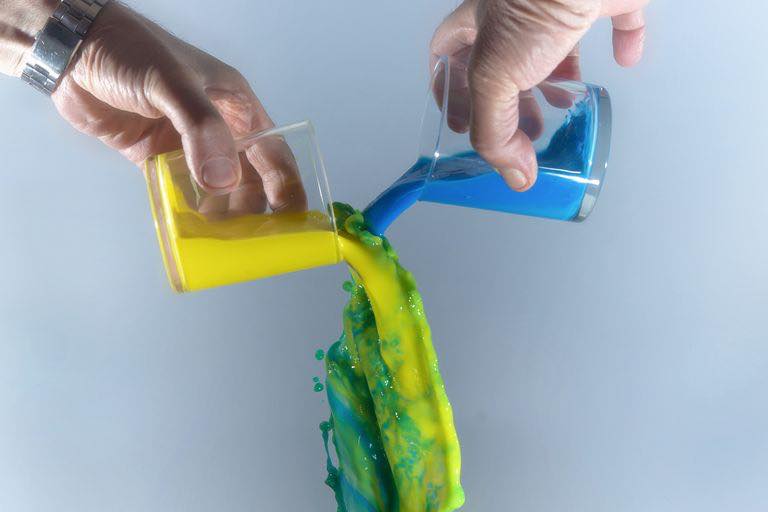
What if the entire world, no matter what scale you look at, was nothing but mixtures? Our thinking and feelings can make us want there to be pure things, that are not mixed. But in reality, everything is a mixture. Everything is messy. There isn’t order and disorder, there are just mixtures of varying degrees of messiness. This is, I find, a profoundly liberating way to look at everything. It’s how the ancient atomists looked at the world too. People are mixtures, societies are, politics is, relationships, rocks, paint, clouds - it’s all mixtures. There are no opposites, things are not hot or cold, subject or object, science or religion - they’re mixtures.
The world is swimming in debt. The Chinese as much as anybody. If it all goes boom, they're much smarter than us, they used their debt to build things. The rest of us used it mostly to turn our housing markets into giant casinos, and bid up the value of existing homes. Which means if it all blows up, we'll have absolutely nothing to show for it. At the same time most of our governments are madly rushing to undermine government itself - get rid of it or make it much smaller with free market fantasies, and tax cuts to undermine government, and leaders like Trump - meaning the Chinese and Russians will increasingly have the global stage to themselves. They must look at us and chuckle at how stupid we are. https://www.news.com.au/finance/economy/world-economy/will-australia-die-by-the-chinese-sword/news-story/cb1a9462931889f8160966b51cafda08
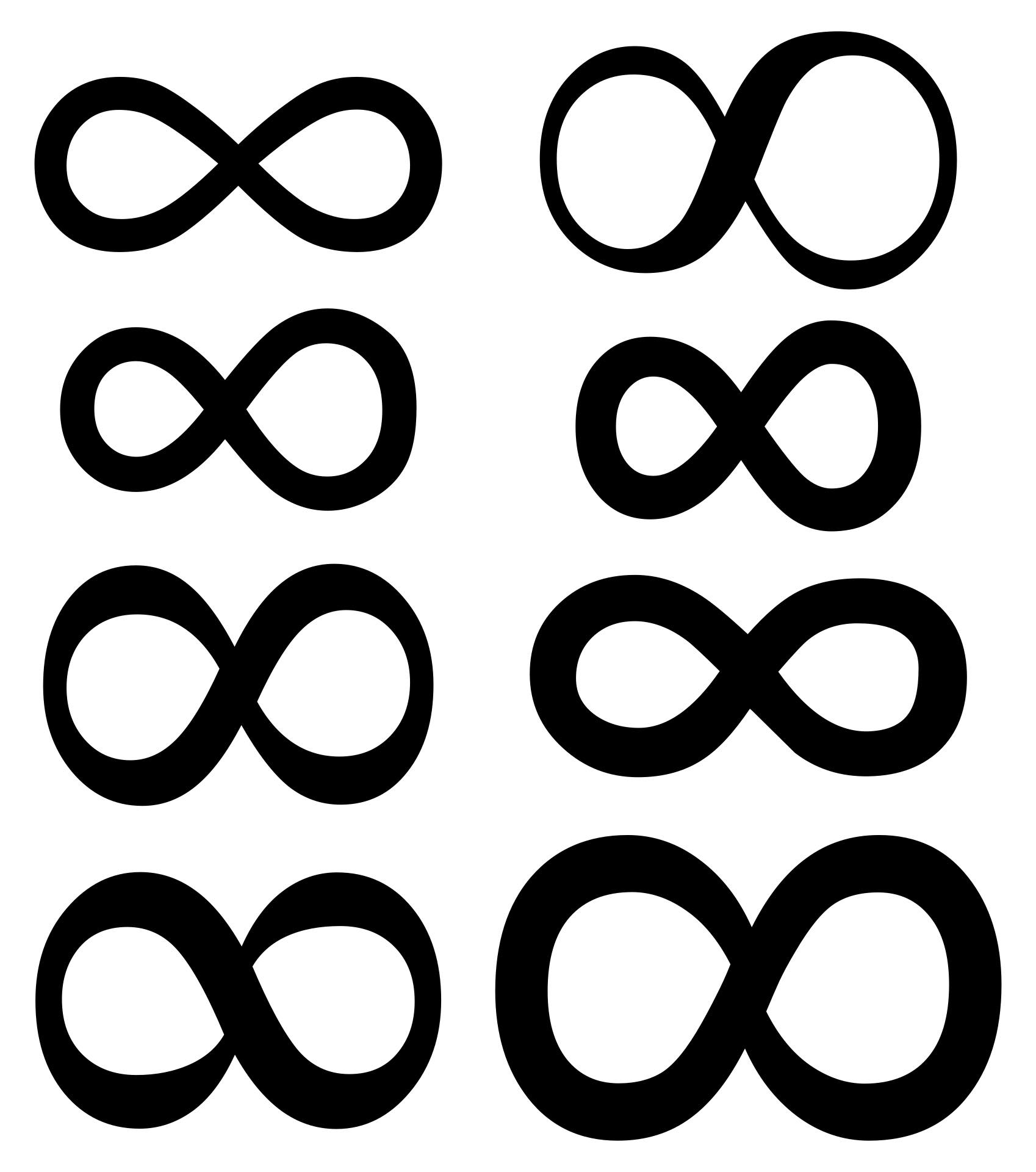
I remember being fascinated by the idea of infinity as a kid. Many kids are, the idea of something that goes on forever. For example kids often ask, what’s the biggest number in the world? Or they ask, if there’s an end to the universe, what’s on the other side of that end? Using numbers as an example, we assume there’s an infinite number of numbers. But is there? In maths they sometimes distinguish between actual infinity and potential infinity. We assume there are an actual infinity of numbers, somewhere - but where would they be? Hidden in a cupboard somewhere? In reality I think there are only potentially infinite numbers, we could potentially keep counting forever. But there’s the rub, we don’t live forever, so it’s an abstraction. Infinity is one of those sleeper ideas that points to something profound about our world that we maybe don’t fully think through. I think the answer lies in understanding the possible or potential, as a full part of reality. We’re too focused on the actual, and forget the potential. Both infinity and eternity are about the potential, not the actual, whereas we try to understand them as actual things.
Happy Birthday Captain Nimmo!
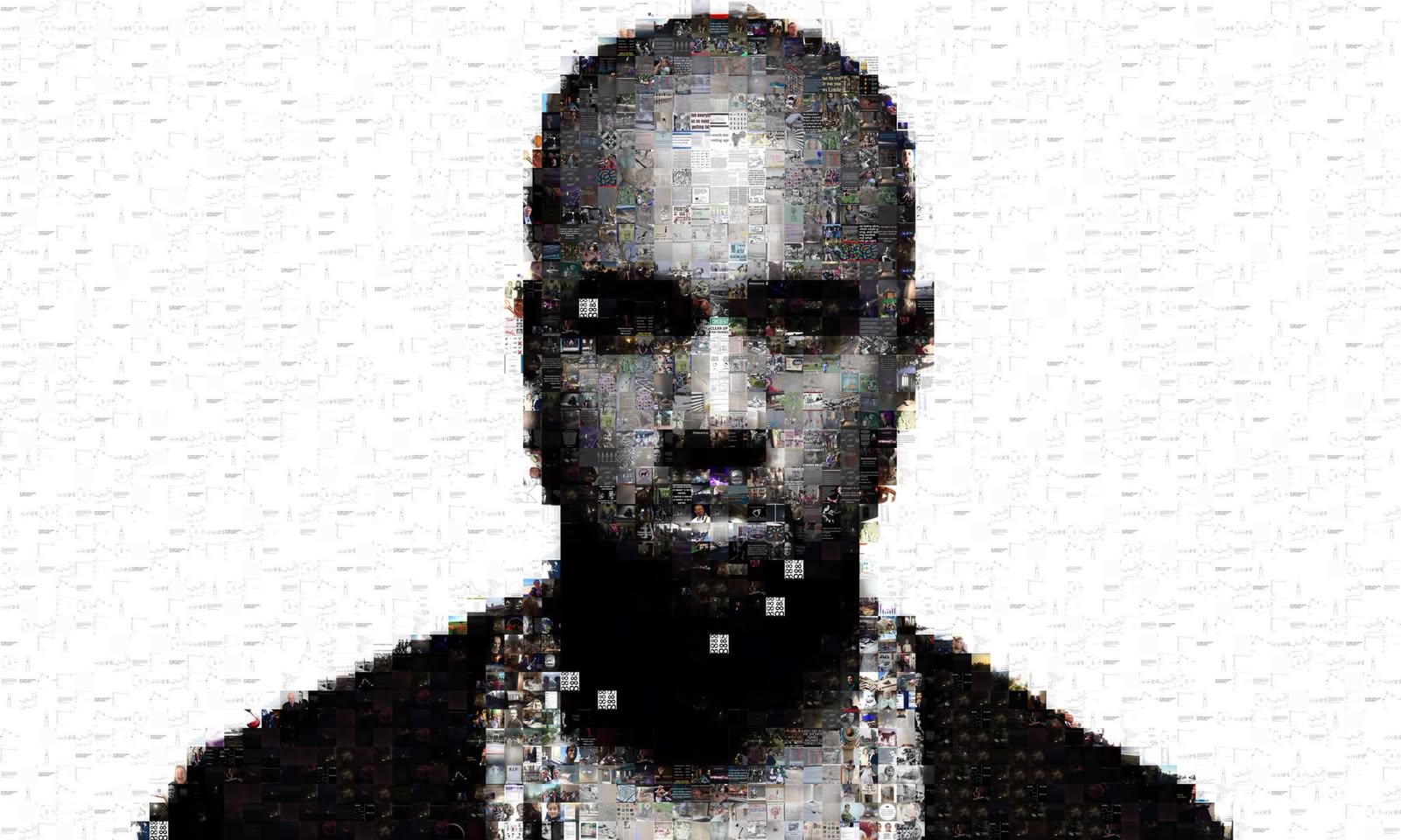
Photomosaics may be a good model to show that ‘parts’ and ‘wholes’, or local/global, are not two separate things. Each part of a photo mosaic is itself a whole image. What we call society is all of us, obviously, but each of us is a global viewpoint on the entire society. We’re not parts, each of us is a whole. The global is not lots of little locals, added up, each local is a global already. What Koestler called holons.
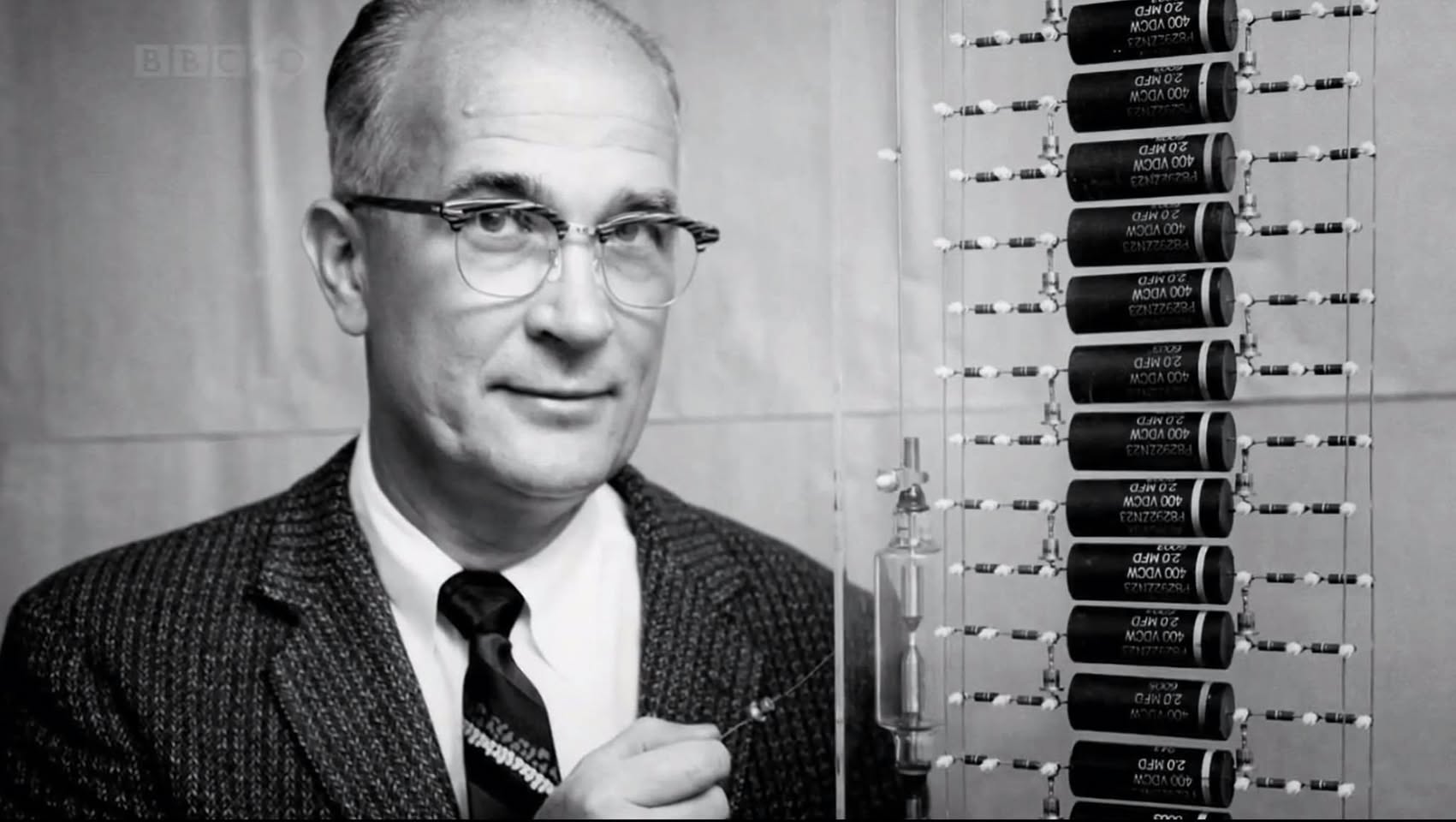
This is William Shockley, Nobel Prize winner as part of the team that invented the transistor. The transistors are in the pic with him. There are over 2 billion transistors in the integrated circuits we have in our computers and phones, which shows how extraordinary the miniaturisation since has been. The invention of semiconductors, which transistors are made of, required quantum theory. As the saying goes, if you’re not gobsmacked by quantum theory, you haven’t understood it. The phone in your hand works because of it, fantasy fiction is huge in our time, but your phone is orders of magnitude more magical and weird than anything out of Harry Potter or Game of Thrones.
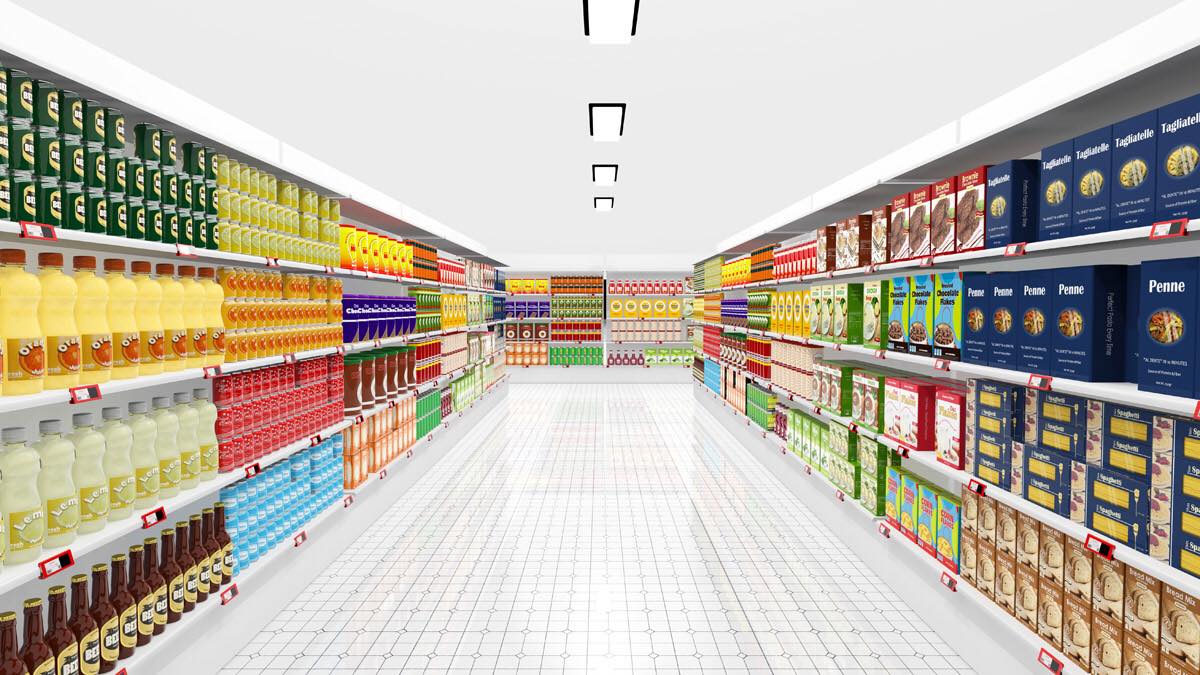
Imagine our great grandparents seeing the range of foods and other items in a supermarket. Something we take for granted, a true wonder. I don’t trust the modern search for the more authentic life, the passion for the ‘local’. People often think the past was a golden age, but it rarely was.
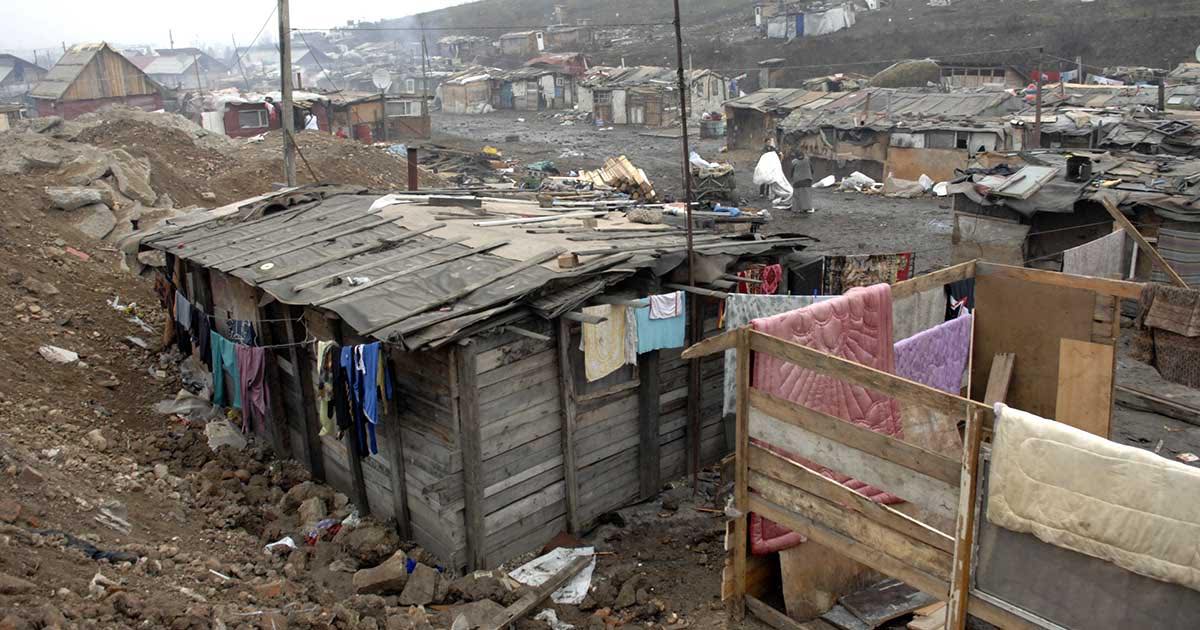
Anti-materialism is a philosophy only the rich have. About a billion people in the world live in slums, and for them material comfort, or the lack of it, dominates their lives. I think material comfort, and the basic love of material well-being and material things, is the most unifying thing on our planet. Civilisations in history who have made the love of material things central to their societies have been peaceful. Those who put ideals or principles first have always been violent.
Writers can make us really think, I reckon.
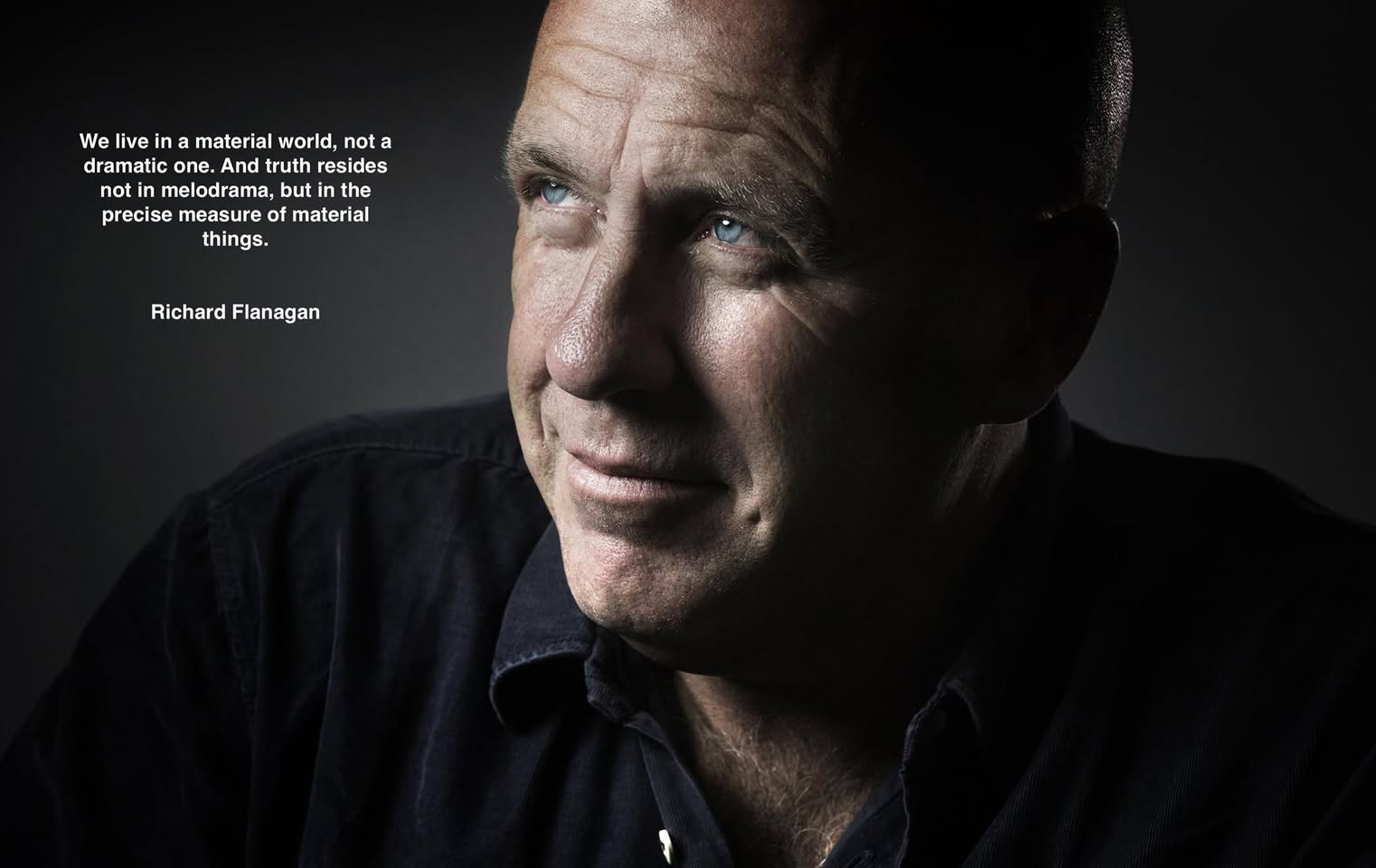
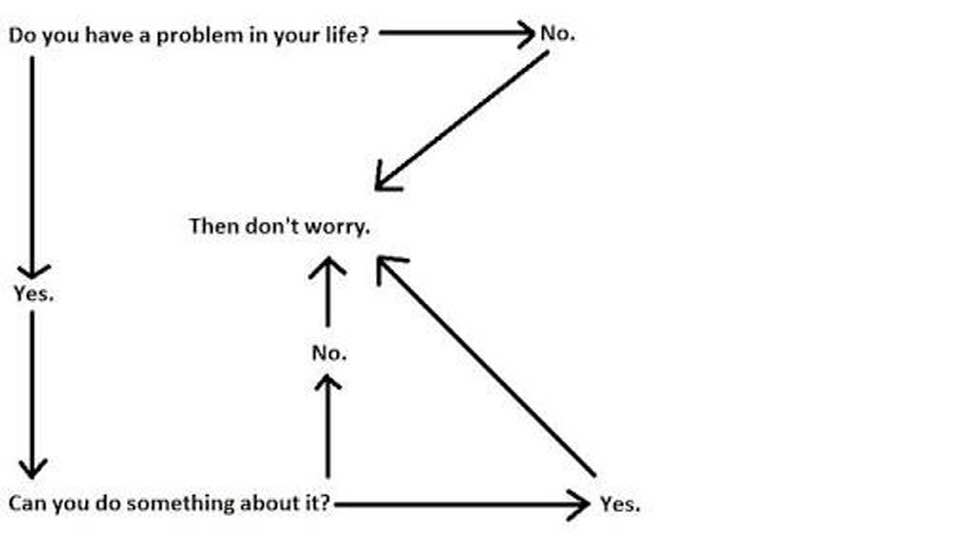
Stoic wisdom. I post this once a year.
I think that attempted man bun can’t be allowed to disappear into history @[783412914:2048:Kyle].
Margaret Thatcher famously said "there is no such thing as society". I agree with her, but for different reasons. Maggie didn't think society existed at all - she thought it was a fiction. She was like Ayn Rand and the libertarians. I think it exists, but that it isn't a separate thing to the individuals within it. It's those same individuals acting in different, collective, ways. It's another 'we' problem - we talk about 'society' a lot, but where is it? Can you touch it? See it?
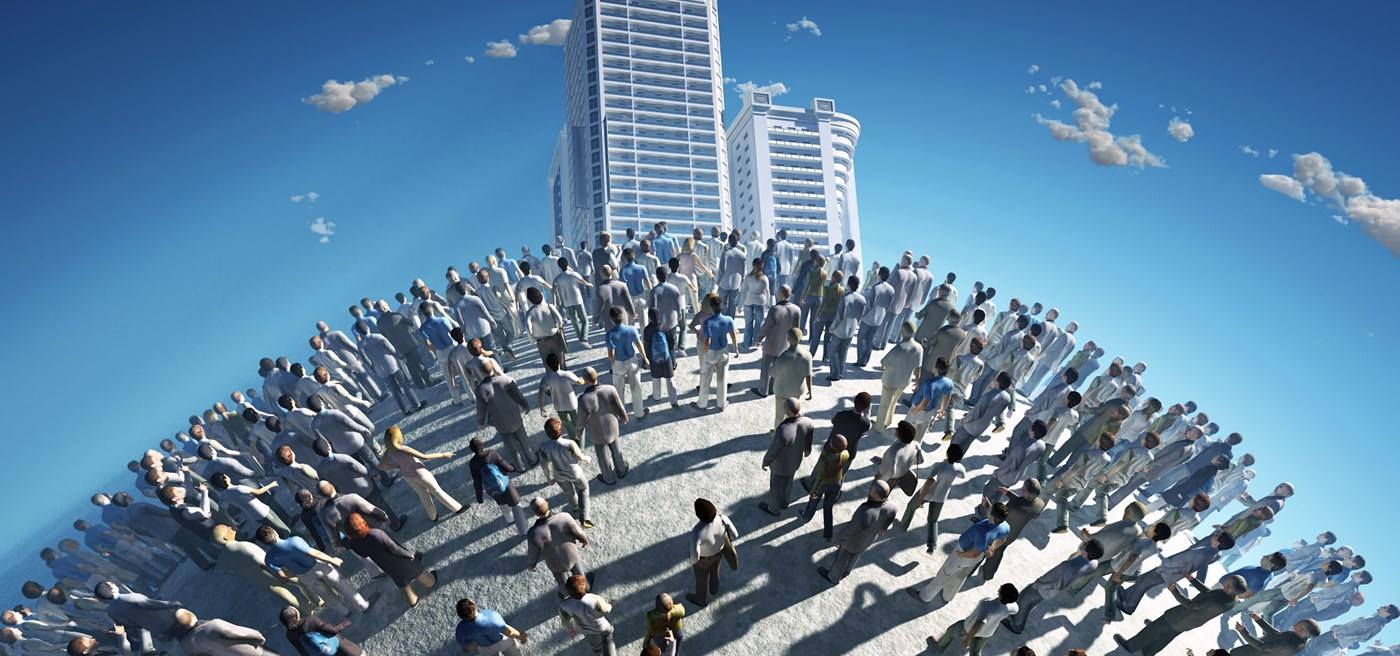
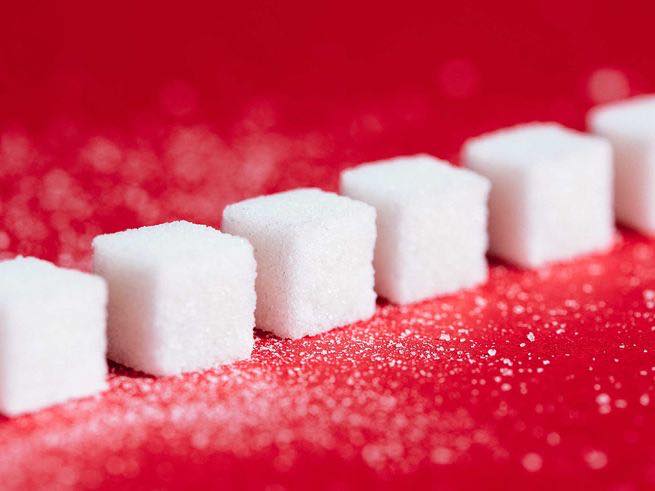
Most of the universe is ‘empty space’. For example if all of the empty space inside human beings were removed, the entire population of the planet would fit in a space smaller than a sugar cube. That space isn’t empty though, it’s a quantum soup of potentials. Particles popping in and out of existence in unpredictable ways. Stranger than any fiction, I think our everyday models of the world are out of date.
Happy birthday Tobe! Left you a message, will call again later
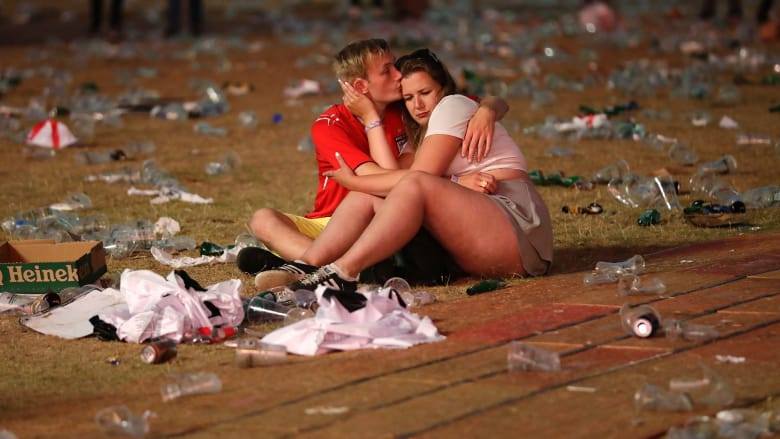
It's difficult to feel much sympathy for England, given so many fans act like yobs win, lose or draw. Plus soccer is like cycling for me, so professionalised now and the athletes are such pampered, precious, cheating darlings that it's difficult to have any interest in the sport.
2 + 2 = 4, but only very rarely. Mostly, it doesn't.
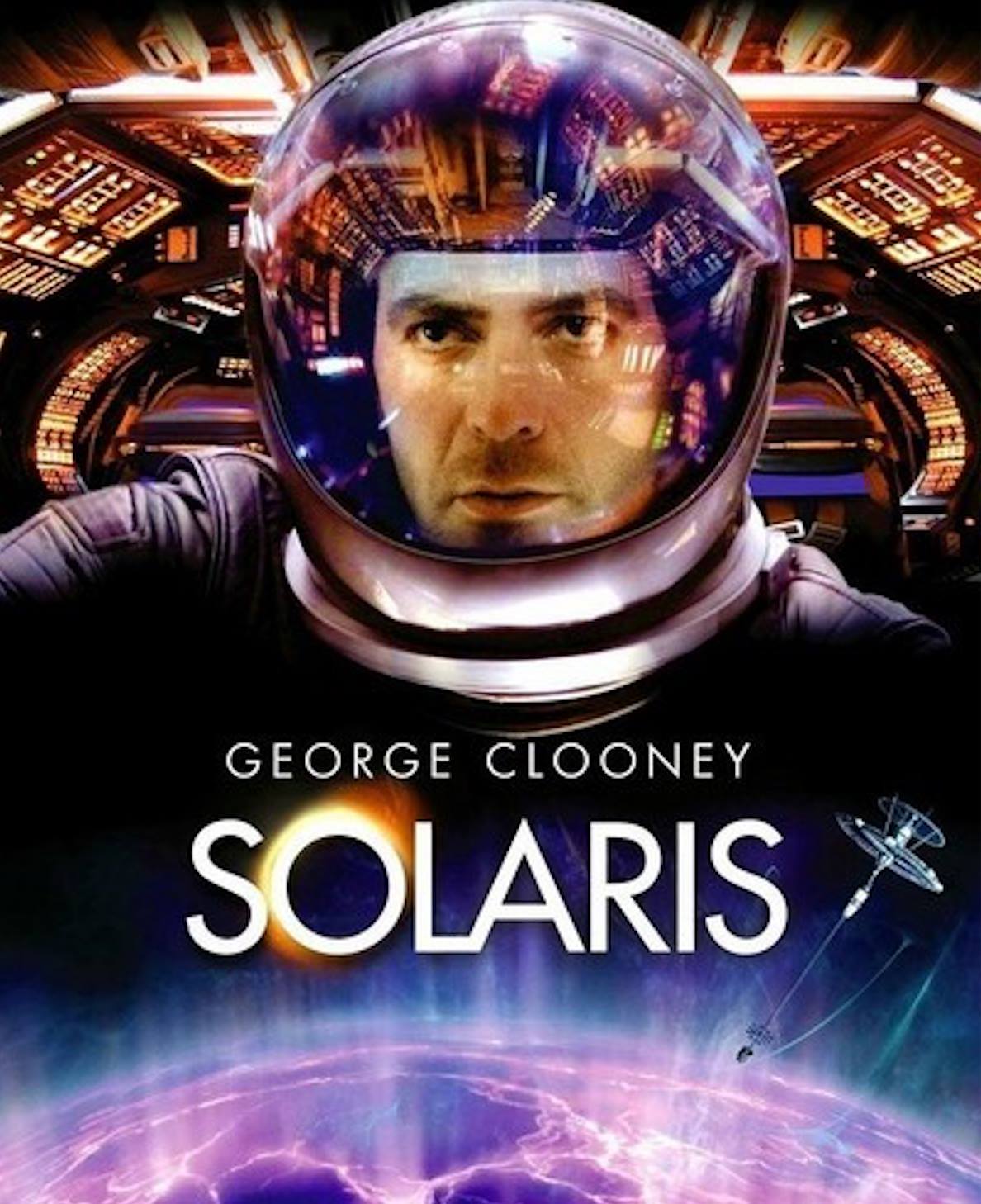
This movie was a Soderbergh remake of a Russian classic, and didn't make many waves at the time (although is now retrospectively praised as a work of cinematic art). The theme is interesting - what would happen if the people we know and love were replaced with copies that are based only on what we know and feel about them? Follows the idea that we can never really know another person, our feelings about them and what we think of them are projections of ourselves, it's not actually them.
“The usual explanation of why humans are so successful as a species is simply that we are smarter, with huge brains and uniquely flexible intelligence that allows us to figure everything out through sheer force of logic. But it turns out that other animals are not so different.” What humans do superbly is copy. Imitate. Imitation is usually considered an inferior thing, but it’s the heart of being a human. https://aeon.co/essays/forget-the-lone-genius-it-s-copycats-who-drive-progress
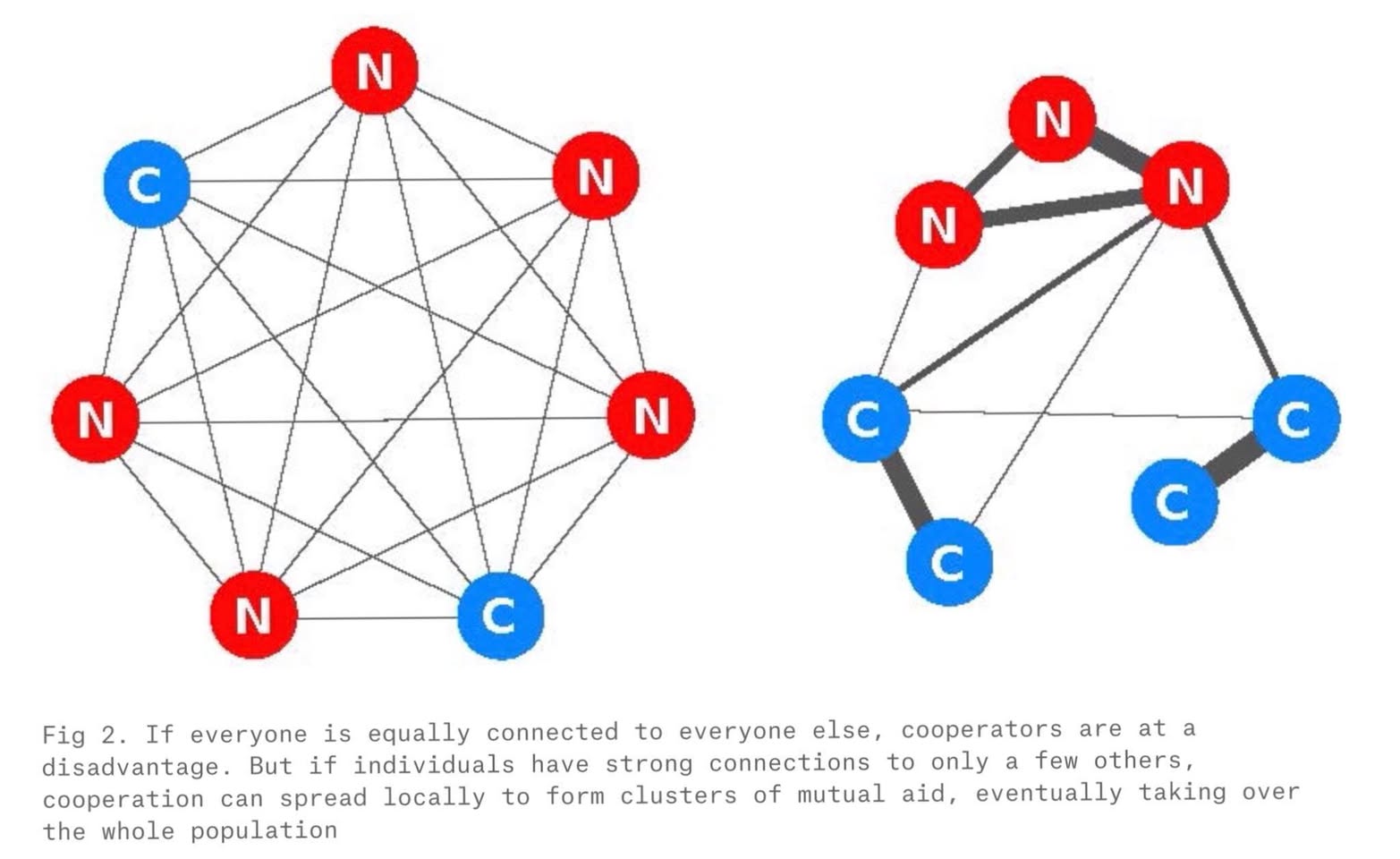
More ‘we’. For cooperation to spread, it turns out you don’t want everybody just connected to everybody else. Companies make this mistake a lot, they think connecting everybody to everybody else, and good communication between everybody, will create a unified group. But what you really need is people able to form small groups of very close friends and colleagues, creating their own networks. Cooperation then spreads. FB works a bit like this, people use their friends as their main experience, but these friends in turn have their own networks, who gradually become connected. Our societies are similar, we have friendship groups, in towns or suburbs, inside larger cities, then regions, then States, then nations etc. Nested wholes, at every scale. Most interesting I think is that there is no ‘local’ or ‘global’, each scale talks about the same things.
If you find money on the footpath, what do you do? The papers yesterday were talking about how it’s actually illegal in some situations to keep found money, without trying to find the owner. What interested me more about the story was how we struggle with ethics and morality in deciding what’s good for individuals, and what’s good for groups. How do you decide whether an individual or group should be the most important consideration?

Happy Birthday :)
This short and honest film by Charlie Lyne explores why conspiracy theories appeal to people, including himself. I think it’s a type of paranoia, possibly brought on by a world that is poorly understood and therefore confusing. A genuine disease, a sad world of fantasy with almost no opening to the outside.
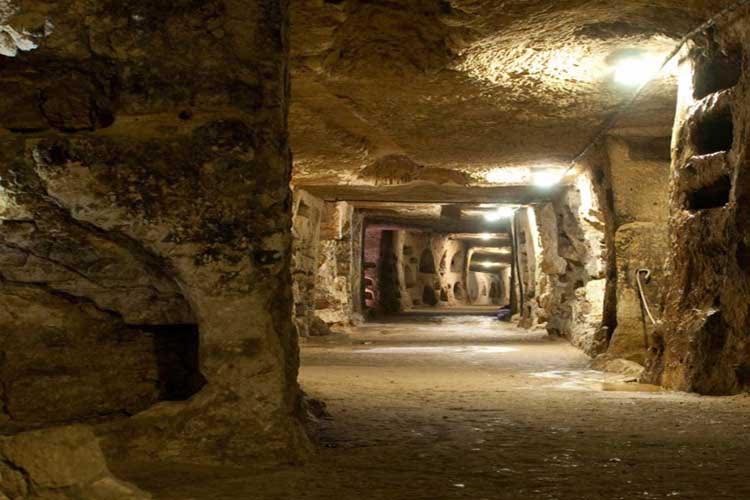
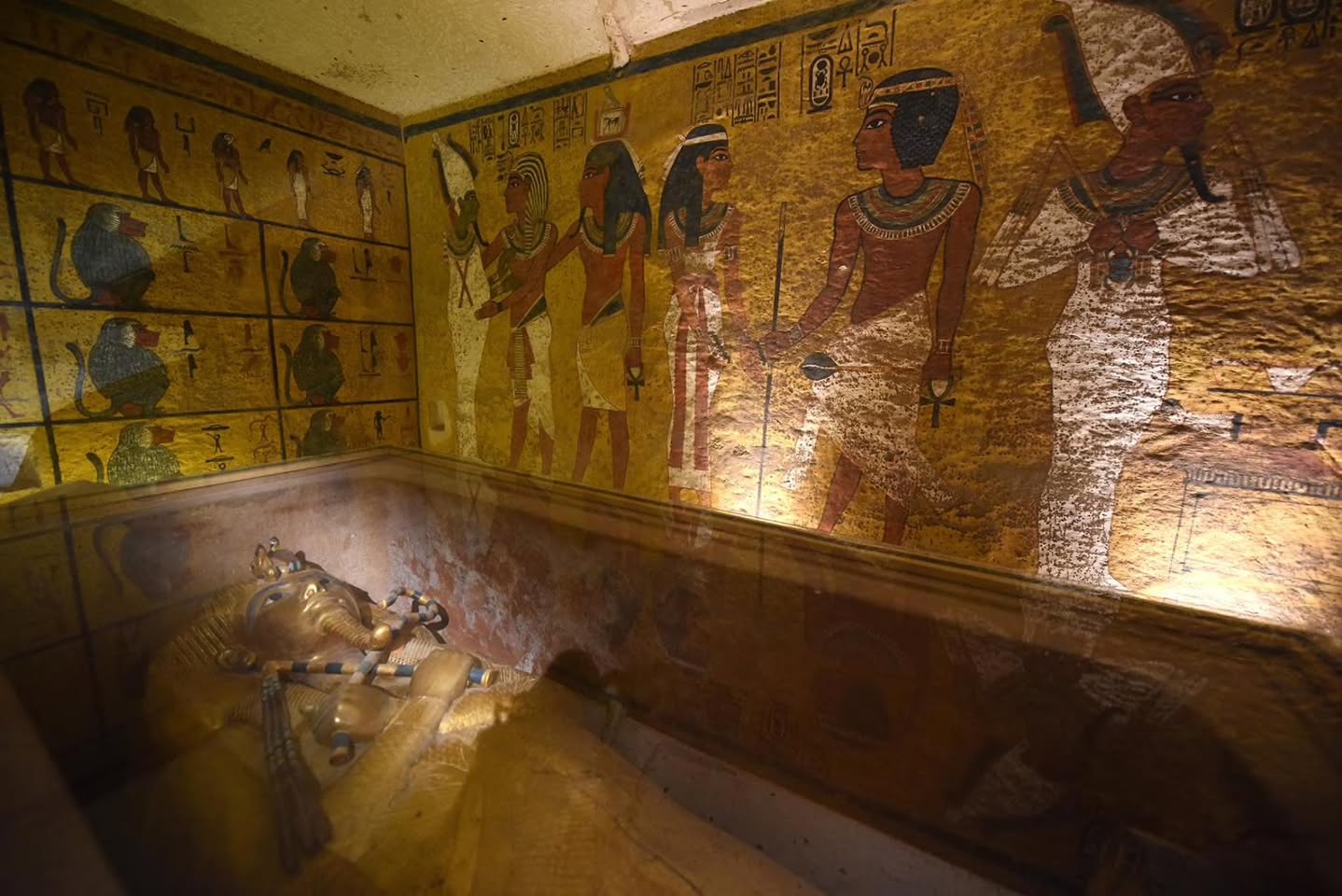
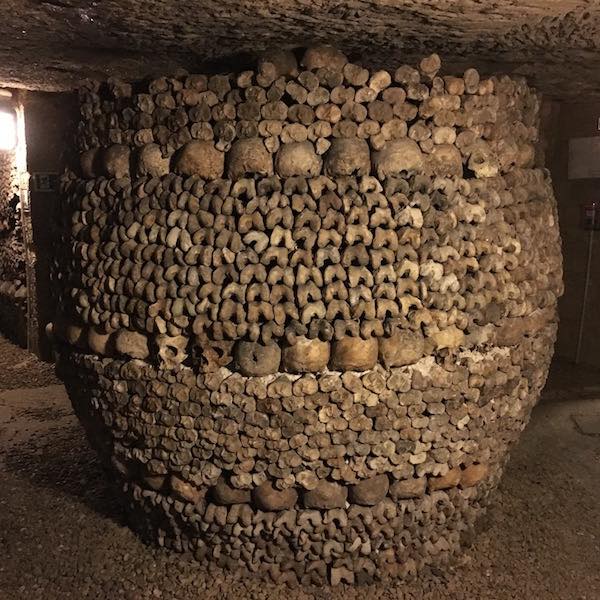
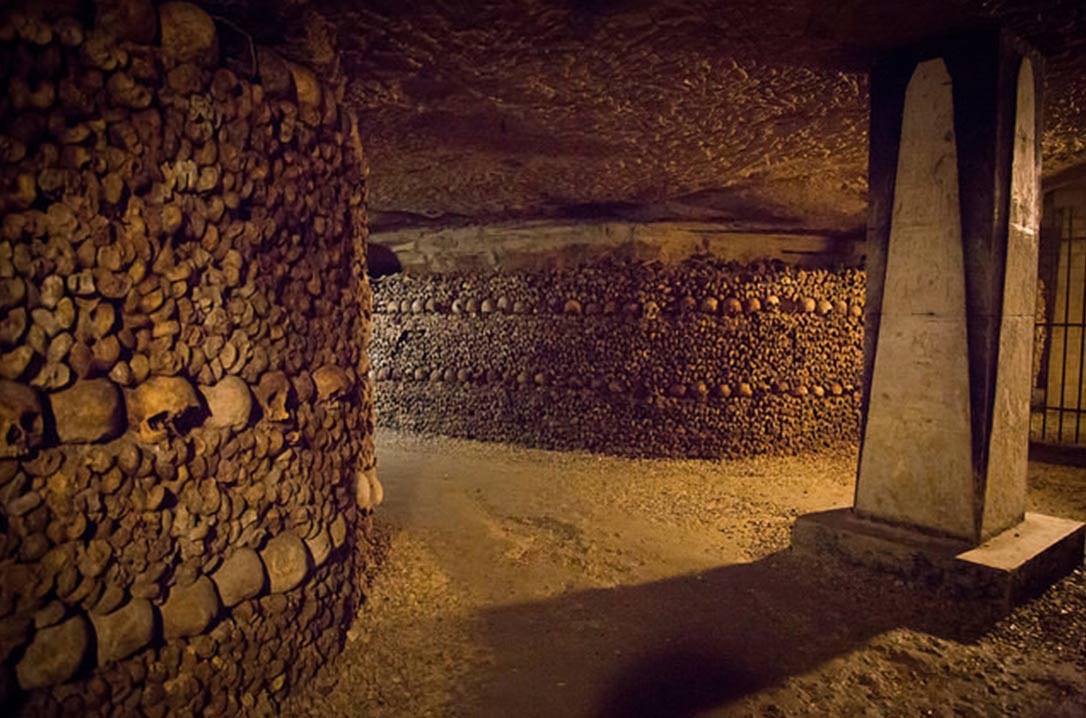
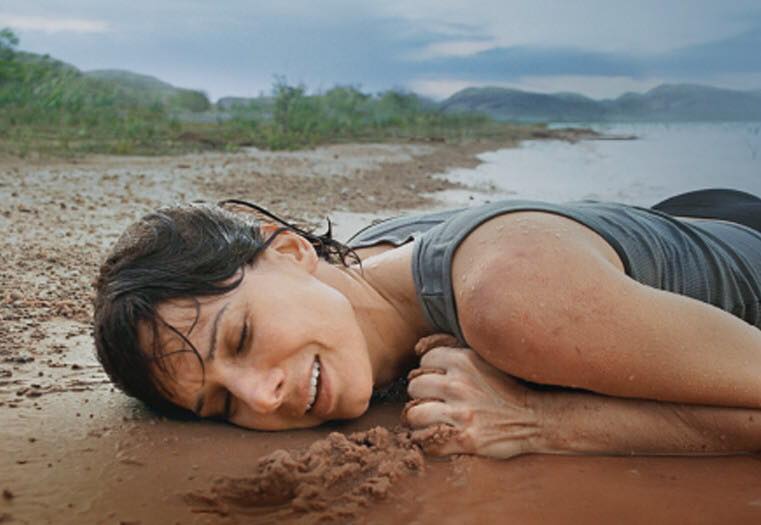
Catacombs in Paris and Rome, tombs in Egypt. It’s important I think that historically people looked for the source of life and the afterlife in the ground beneath us, not up in the sky in some Heaven. Tombs and catacombs kept the dead amongst the living, to be entombed was thought to be the pathway to eternal life. Life comes from the Earth, and returns to it, to create new life. The Earth or ground is the source of all life, also I think the message of the movie Gravity, in that final scene with Sandra Bullock embracing the ground beneath her.
One of our greatest prejudices is against 'the crowd' or 'mob' (of which we're all a part - it's a bizarre set of beliefs). Philip Tetlock is famous for studying expertise, and showing that groups of people - the crowd or mob - when properly organised, are always smarter than any individual. Much smarter. https://www.newyorker.com/magazine/2005/12/05/everybodys-an-expert
I love villages, I think they're the healthiest and nicest form of human settlement. Everything at just the right human scale, not so small as to destroy privacy but not so large that people feel alone. And a balance of human and landscape. What destroyed villages was the car. Once people can travel anywhere with ease, everything else changes and suddenly food, education, shopping, social relationships, entertainment etc. can be had wherever people like. Once we had cars, human settlements became slaves to them and roads, rather than the other way around. Modern towns and cities are like huge car parks. The development of the suburb is a re-growth of the village, but cars make all spaces equally accessible to us. So we don't really occupy space, we don't nourish it and enrich it. And then we travel to try to find the beauty we've lost. The classic sign of this is how many houses now have 4-5 or even more cars, often parked even in the garden.
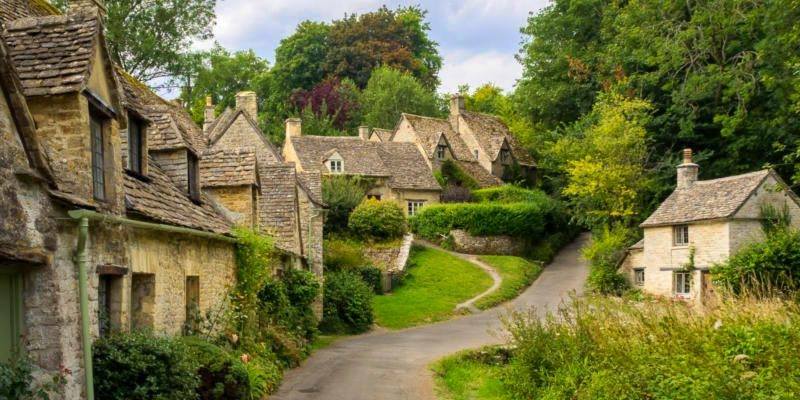
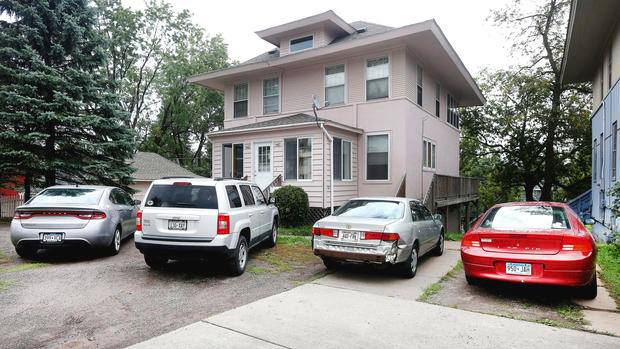
Happy birthday :)
Happy birthday :)
Immigrants should move to regional areas, again on the TV today. I can't decide where to rank this on the scale of stupidity and hypocrisy. How about some of you city dwellers stop hugging the coast in desperate denial of the reality of your own country, and move inland yourselves? Rather than send people with no connections, little chance of getting a job and a mega chance of feeling total isolation?
I rarely post anything about my personal life, or that of my family, but Facebook is full of that sort of stuff, people can’t seem to get enough of telling the world about everything they’re doing. Often the same people who now will opt out of this scheme, because they’re worried about privacy. We’re strange. In fact some who don’t post personal things are asked if they have a personal life, as if the fact it isn’t on FB suggests it doesn’t exist. You couldn’t make this stuff up.
I think there’s truth in this, women have historically not done ‘leisure’? And not out of choice. Even shopping is rarely leisure. Maybe wine o’clock is a sort of pushback on this, although not sure it’s a positive one. Is it a way of thinking that is something women themselves are learning to have as well, now that the time is sometimes available? https://www.theguardian.com/commentisfree/2006/may/04/gender.consumerandethicalliving?CMP=Share_iOSApp_Other
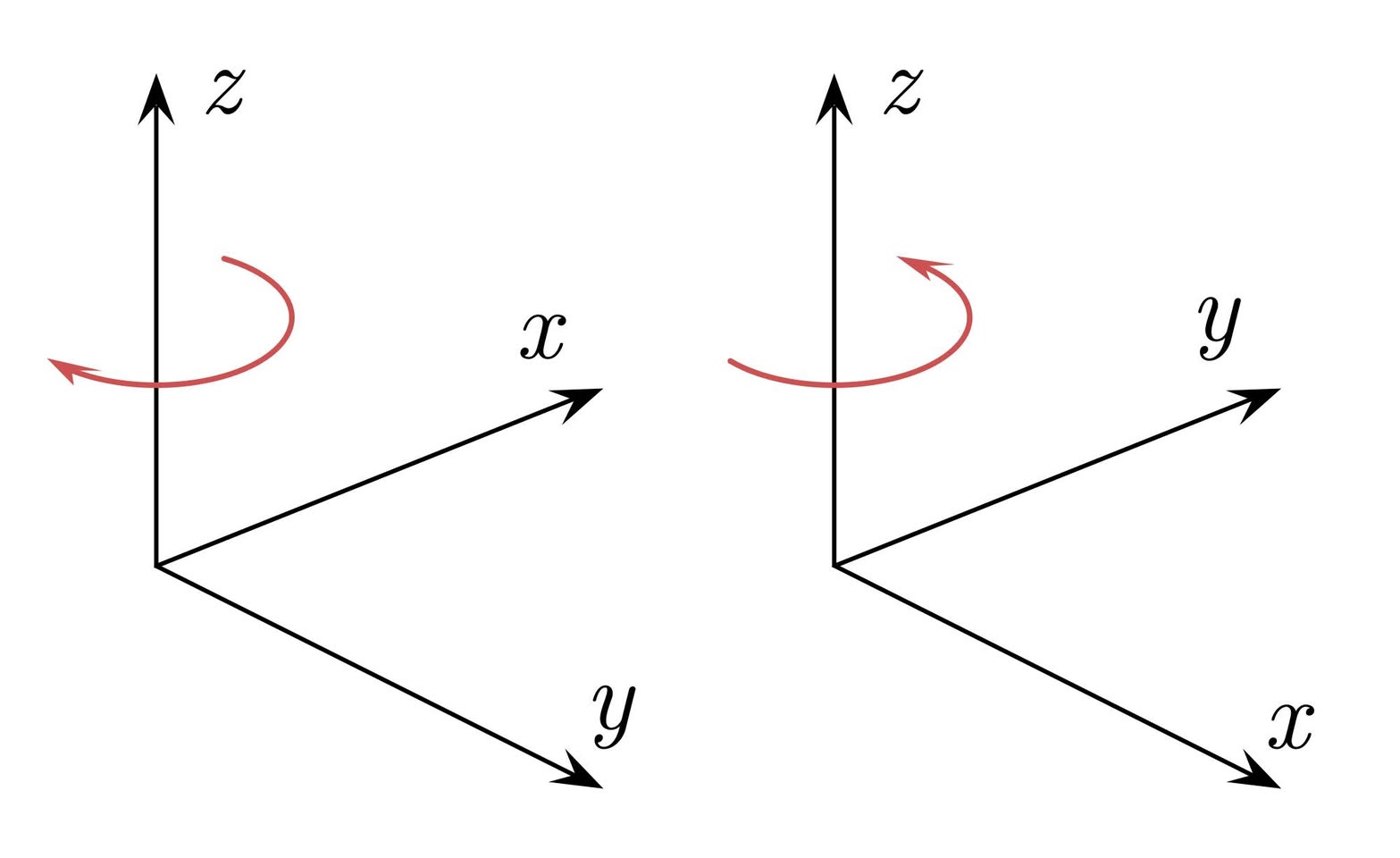
Cartesian coordinates. Named after Descartes, although Fermat developed the idea separately too, and there were others before them. One of those things you learn in school and maybe wonder why. For me, this is how we tend to think about space, in everything we do, as a collection of points. That assumption has repercussions everywhere in our lives. For example, it makes us struggle to understand relationships, between anything, because we see relationships as something happening between independent points in space, whether that’s objects or people. But there are no independent points in space. ‘Space’ itself in the way we usually understand it is an idea invented by Cartesian coordinates. Another example I think of how what we learn in maths (like infinity) has really profound links to some of our most basic experiences.
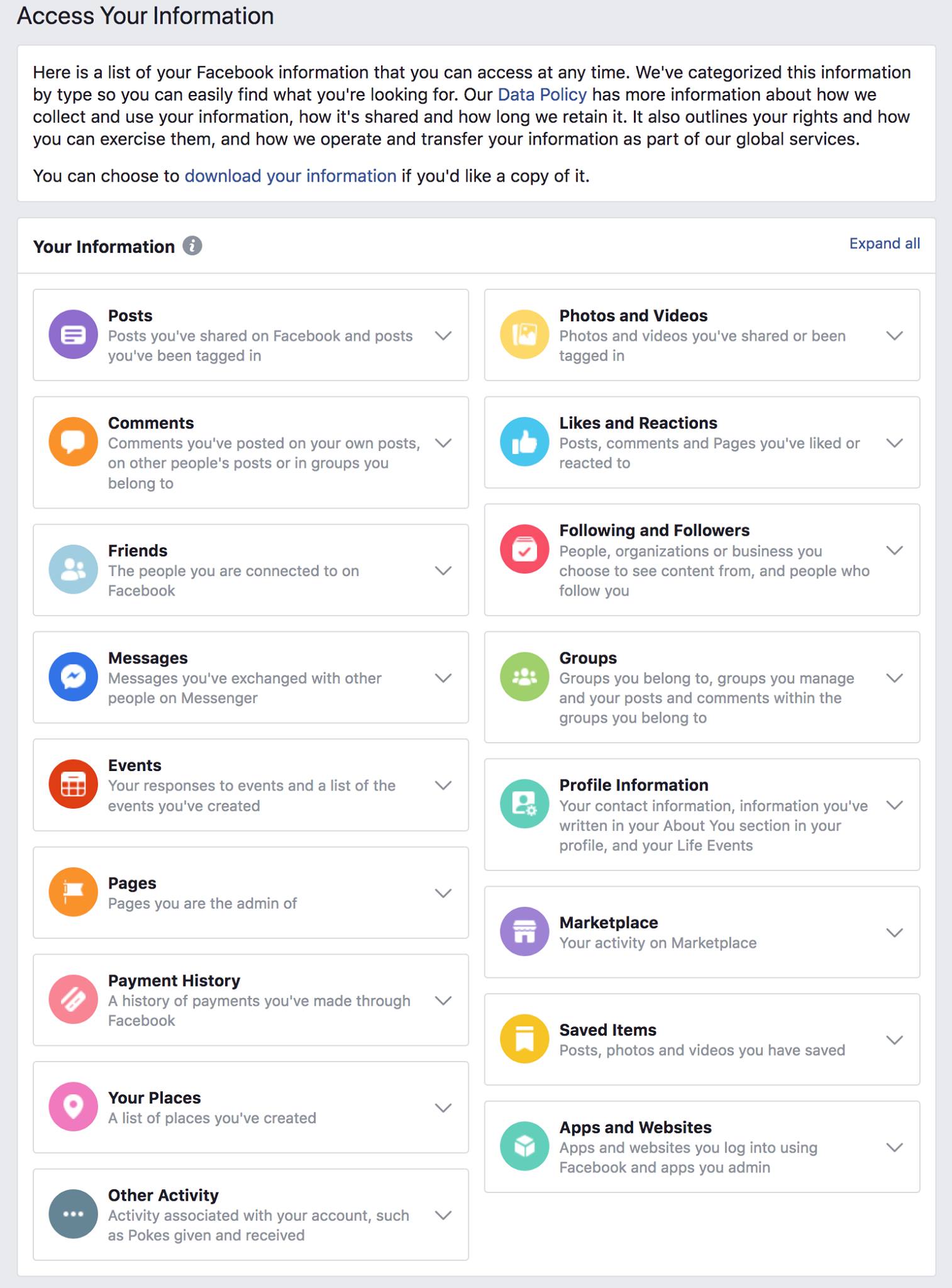
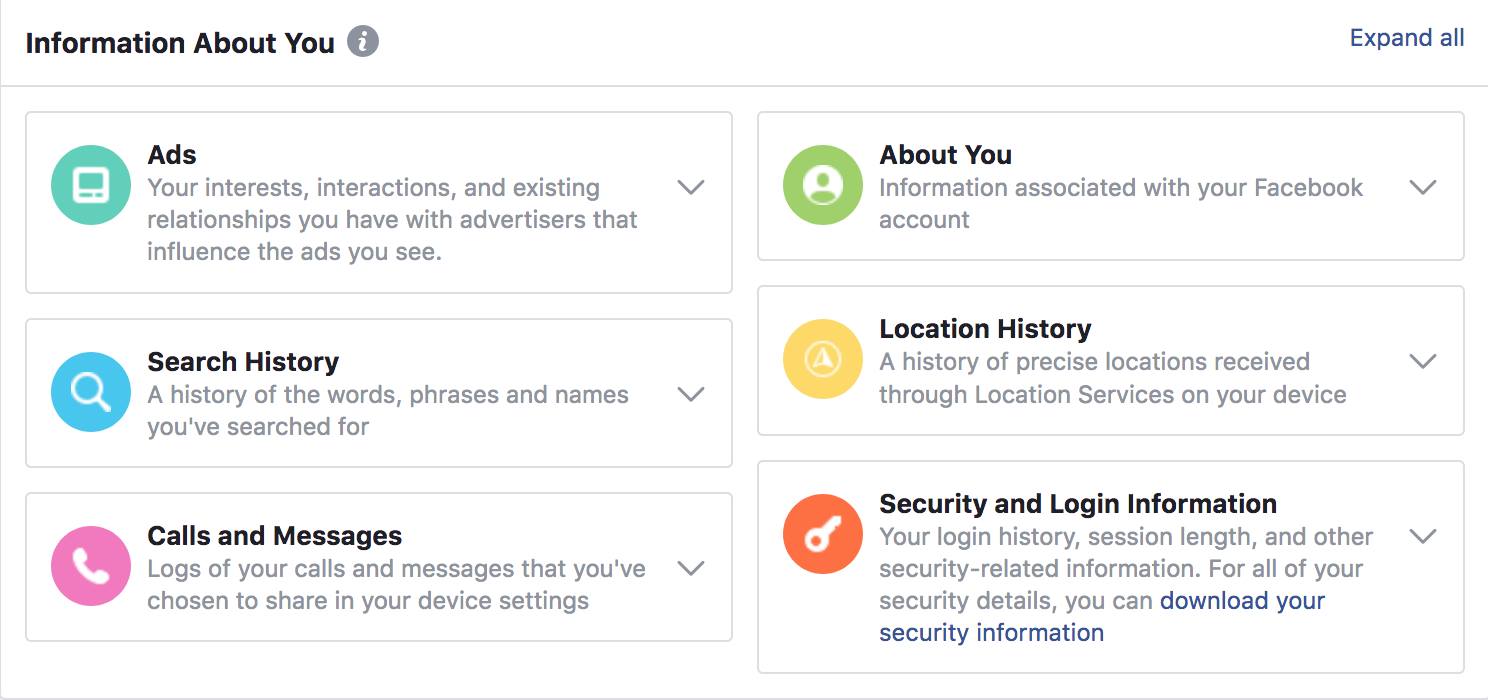
Not sure how many have had a close look at the Facebook "Access Your Information" function that's now available? Hats off to FB, it's bloody well done. Superb even. I was just able to get a nicely formatted single document of everything I've ever posted to FB, in only a few minutes. Plus there are so many more reporting options available (see images.)
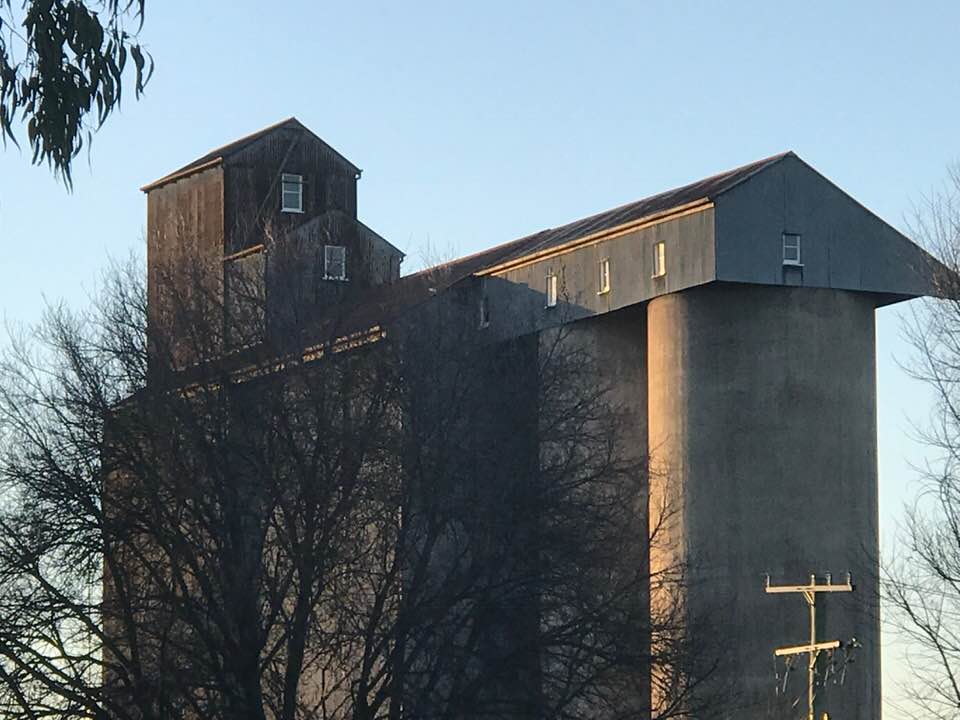
Bathurst people. Anybody know what’s inside these windows, at the top of the silos?
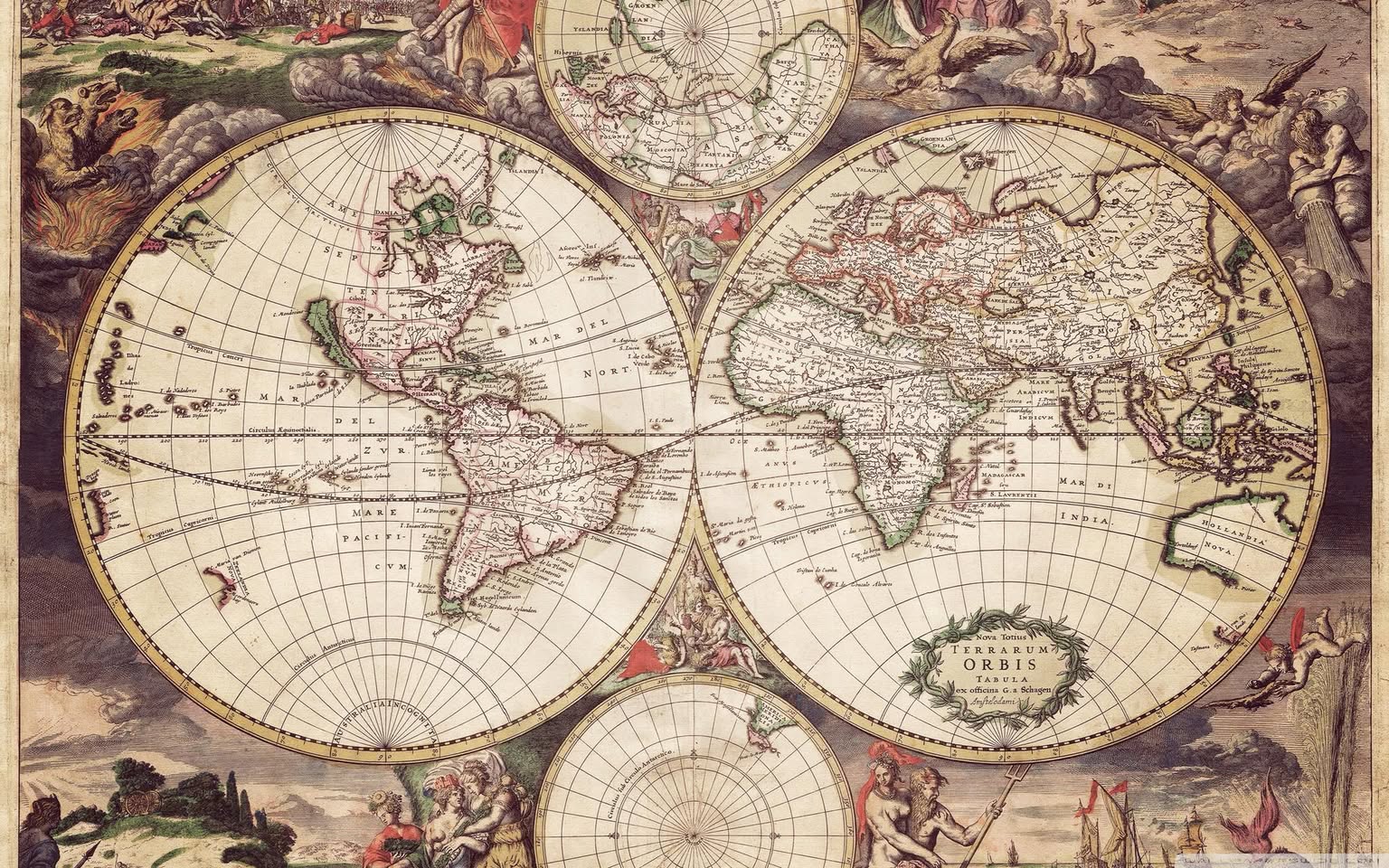
There’s a famous expression, “the map is not the territory”. What people who study maps realised though, is something much more interesting: 1) the map *creates* the territory. There is no country with boundaries, for example, before there are maps of it. 2) maps have never been pictures, they get confused with paintings. They’ve never been about trying to picture a territory, they’ve been about navigation. No map really resembles much what it’s mapping, because its job is to help a person navigate, not to give them a picture of something. I love maps because they’re another window into what I see as the biggest misunderstanding we have about our world. That the world is something ‘out there’, to be ‘represented’ to us ‘in here’ (in our heads). Maps don’t represent a thing, nothing does. They re-present some information, which we use to do some thing, in the world. No picture or drawing or theory or word represents the world, it’s pictures which have created the fantasy of the world being something ‘out there’.
I think it’s going to do well.
lol. https://youtu.be/-rMo87P-nDc
When Trump came to power, my view was people were focusing on the man, and not on what the man means. If anything I think that’s now worse. People honestly seem to think that getting rid of Trump is the important thing? I don’t think we’ll ever understand politics if we keep focusing only on leaders. The real challenge here is to understand why so many people like Trump, and will vote for him, that’ll tell us what’s really happening in our societies.

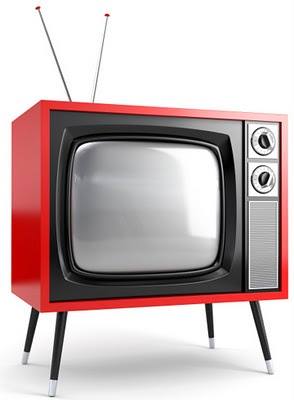
Are TV images 'in' the TV set? A serious question - where are they? Another question about space and images that I think opens up new ways to understand stuff.
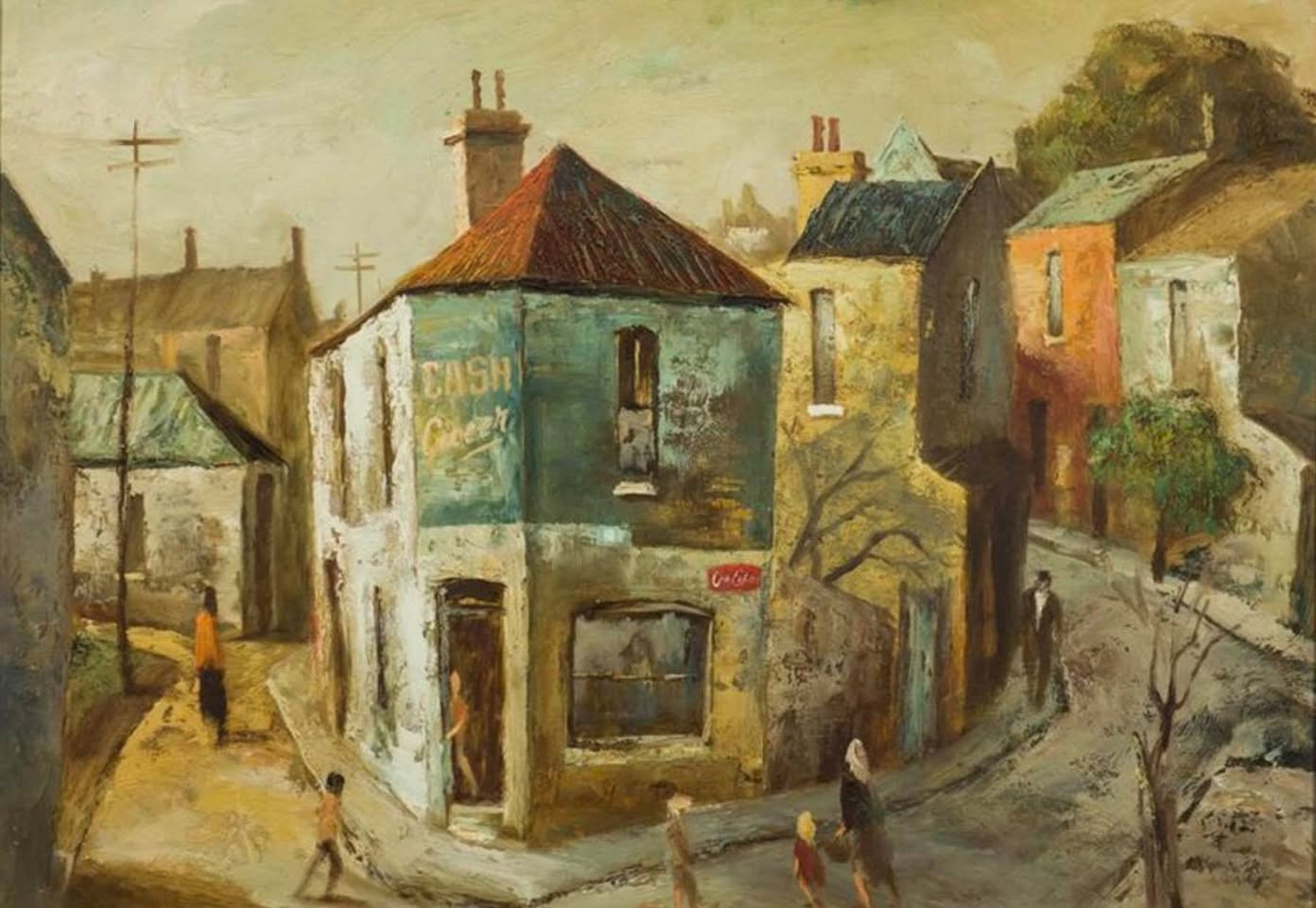
Every Australian town has buildings that you can tell used to be corner shops. Shops in the middle of neighbourhoods where people got most of their groceries, and some other things often too. Here’s a business idea for the big supermarket chains - what if they were to reactivate this model, fill towns with corner shops again, but this time with the backing of their massive supply chain advantages, so that prices were comparable to supermarkets?
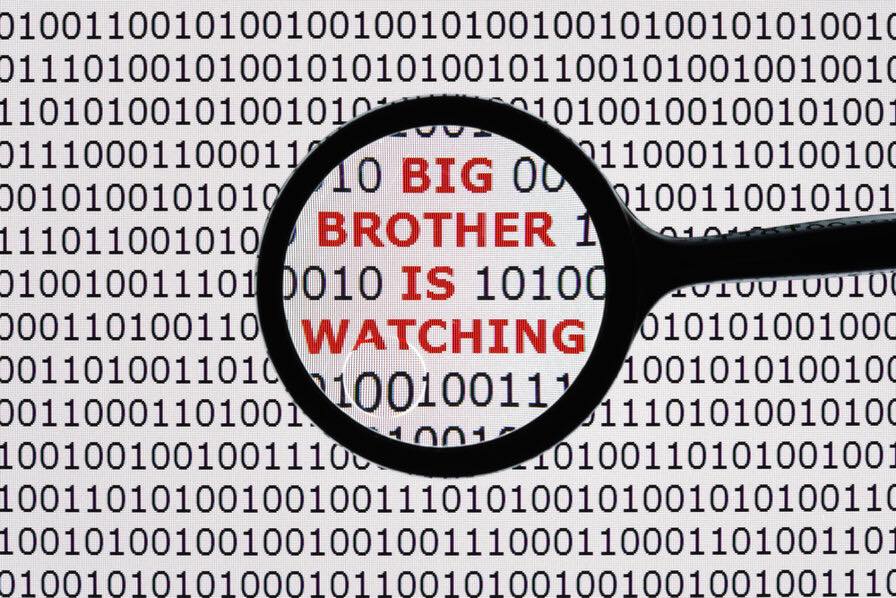
Maybe our increasing anxiety around privacy tells us a lot about how we see our own society. A lot of it seems focused on ideas about somebody - corporations, governments mostly - spying on us and using what they find to manipulate us in all sorts of ways. The problem is, corporations and government are us. They’re full of ordinary people, like me and you. We can’t seem to shake this Big Brother idea that big things like corporations and governments are somehow not us. There are obvious abuses of information, but a shift away from a society of isolated individuals firewalled in their own homes is actually a good thing, in my books. And again, we don’t tend to act in ways that match our beliefs anyway. We overshare the details of our private lives, it’s almost the default thing people can’t wait to put into places like FB.
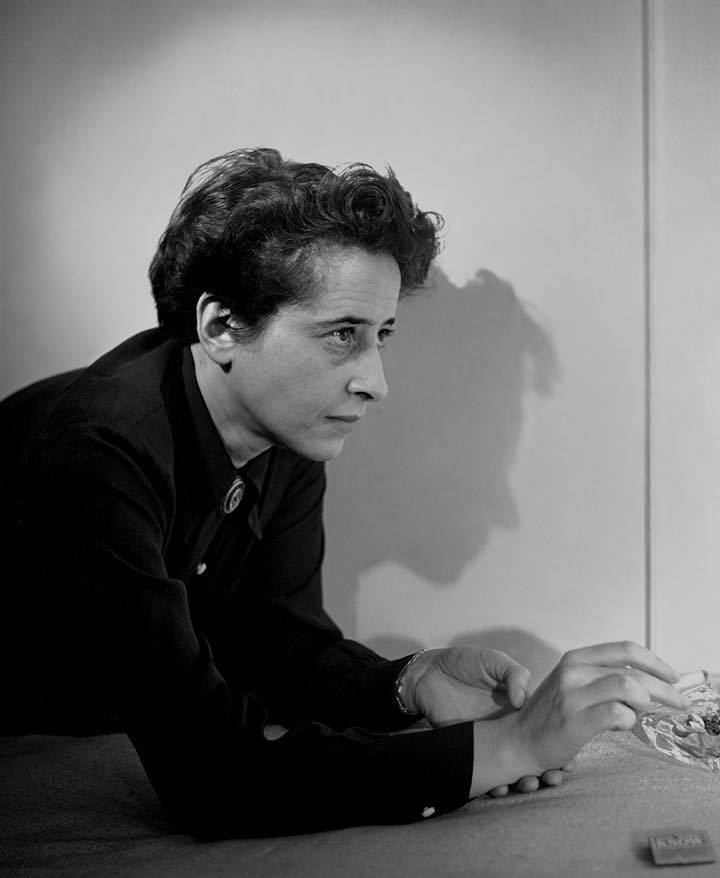
Hannah Arendt saw loneliness as the root of all extreme thinking. Not the loneliness of not having friends - lonely people often have many friends - but the loneliness of not fitting in. The breakdown of social institutions leaves some feeling like they have no place, no recognition of their value by others, no shared life project. In this dangerous form of solitude, most importantly a person’s internal dialogue, the one that weighs up the good and bad of actions, is destroyed and replaced by big single ideas, that are supposed to explain everything. As Jabeelah Jaffer says, “It happens when someone begins to see the world through the lens of a single story.” These lonely extremists do still have a sort of internal dialogue between two positions, but the two positions are now a caricature - a simple binary. Good versus Evil. East versus West. Left versus Right. Objective vs Subjective, Religion vs Science, Government vs Individuals, etc. Binary thinking has its roots in this unhealthy sort of loneliness, of a world stripped of institutions and increasingly full of individuals without an exterior or interior social dialogue.
More on loneliness. This short, powerful film shows that grown ups can have dolls too. And that human desire and connection is much more complicated than we probably like to admit. Disturbing too, but the man is very self-aware of the strangeness of what he’s doing, and it helped save his life. And he makes the powerful point that relationships between real people are often more rigid and unfeeling than what he currently experiences. @[584373168:2048:Peita] also going back to the other post, notice how he talks about finally having a dialogue (of sorts) back in his head, which is what he didn’t have before. Sad, but also human and complex.
Mihaly Csikszentmihalyi’s (try typing that in a hurry) ‘flow’ is a way of being. Once you get good at it, it beats anything else - it makes it possible for everything you do to become transcendent, no matter how trivial. (The main reason I’m not fussed about travel.) Many traditions have realised that basic presence is what gives you this transcendent experience, and it’s built right into the world. One of the reasons the debates between religion and other traditions seem so empty and pointless, arguing over different transcendences, when in fact the world is already transcendent.
Nabellah Jaffer again, in conversation with extremists. This is a common pattern as well, the fear and caricature of the ‘collective group’, or ‘crowd’, or ‘mob’. This binary thinking is very widespread, even in ordinary society, I think the more de-institutionalised we become, the more ordinary social interaction is replaced with these big binary caricatures - me and my friends, all good; society or the crowd or corporations or government - bad. “‘I sometimes go a bit too far online,’ Tom admitted to me once, before gently asserting that he didn’t have a problem with me. He was invoking a common distinction: between the collective group – which he fears and stigmatises – and the individual member of that group whom he professes to know and like. It is a sentiment that often begins with the words: ‘Some of my best friends are…’ Knowing me has made little difference to Tom’s broader ideology, and to his conviction that immigrants in general and Muslims in particular are the great enemy of our time. Factual debate also makes no impact. When our mutual friends disagree at length with Tom’s extreme opinions, he hardens into polarised opposition. He is quiet but stubborn, retreating into his shell with a wounded air. Of course, all of us suffer at times from confirmation bias – a tendency to favour information that supports our existing beliefs. But Tom does not simply prefer certain facts to others – he seems almost uninterested in them. Instead, he returns repeatedly to cliché...”
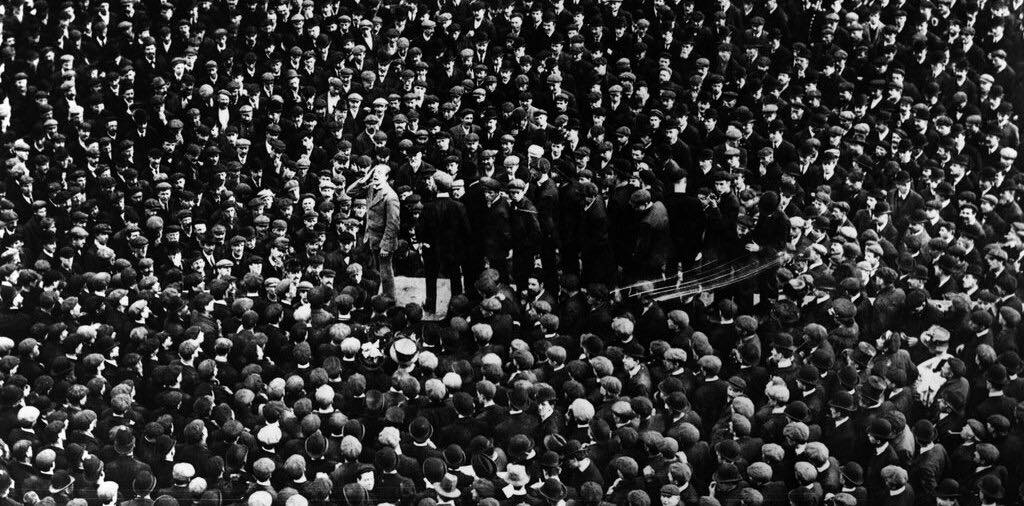
Utilities markings can vary from one local Council area to another, anybody know what this one signifies, on my front path? Blue is often water, or sewer, but apparently it can be other things too.
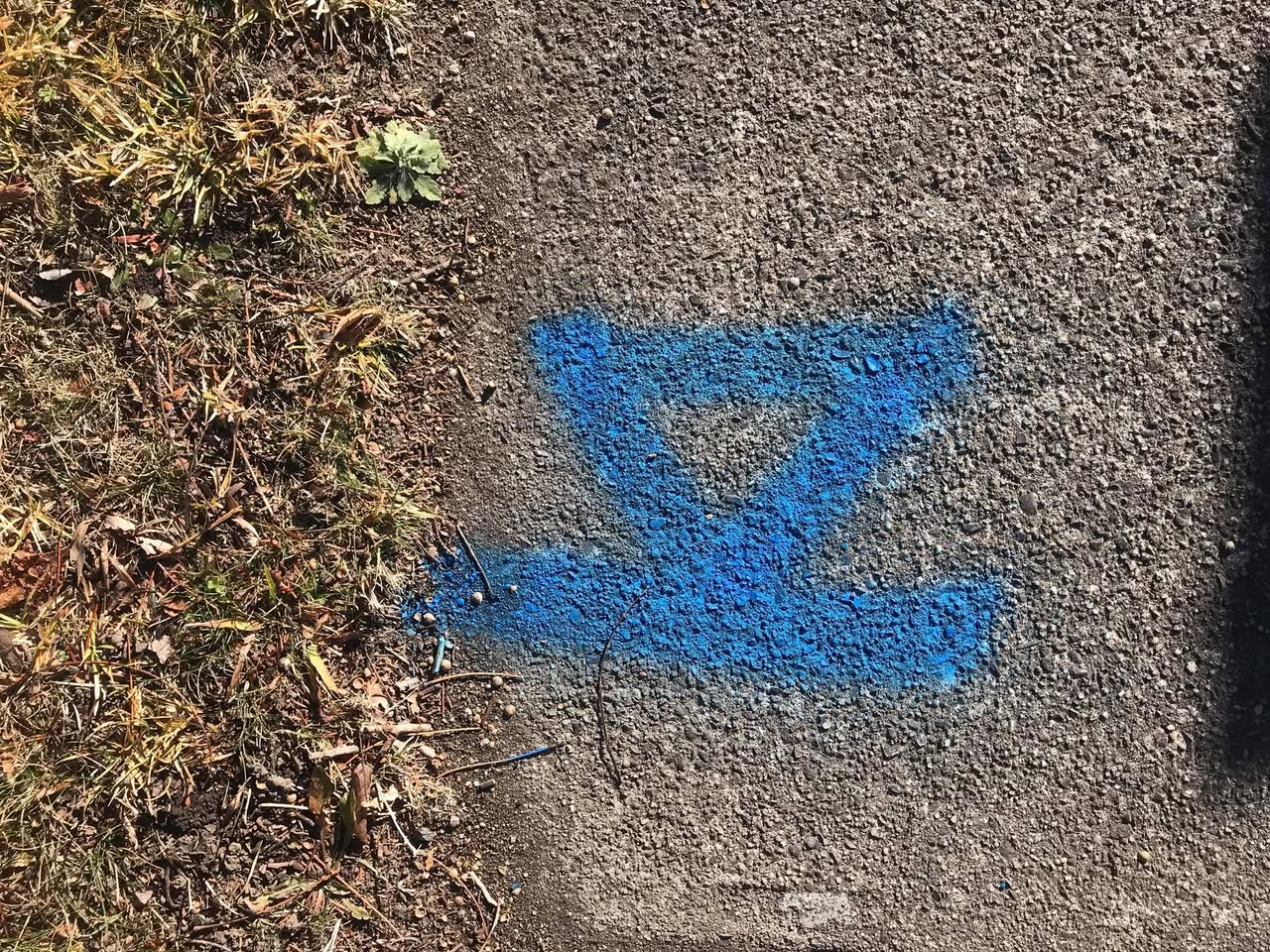
Have you ever put the TV on to feel less alone? Often if you’re travelling alone for work, for example, turning on the TV can suddenly produce a feeling of social connection. Many people have TV or radio on in the background at home all day, for that reason. I think it may even be the main function of TV, to give people a direct feeling of connection to society - watching programs is almost secondary. It’s not what’s ‘on’ TV that is important, it’s the fact that it’s a connection with the wider society in some ways. And for many Eleanor Rigbys, I think TV is a real lifeline. The internet now too.
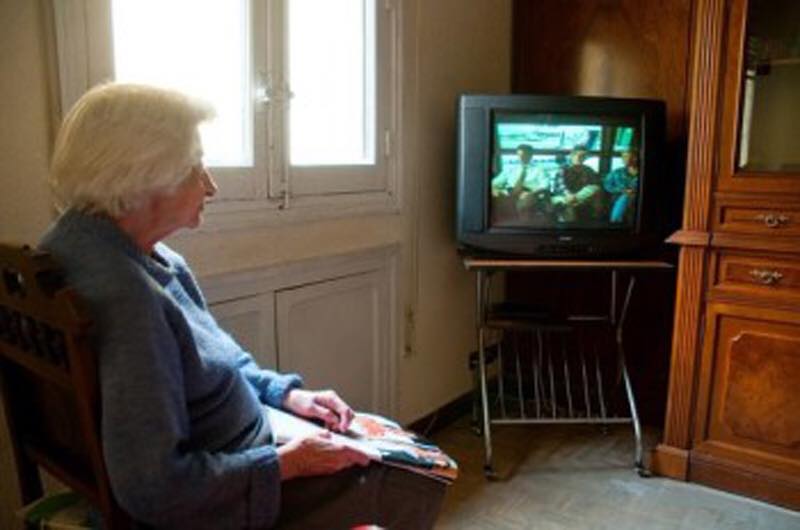
I find that IT experts will generally tell you IT systems aren’t safe, particularly ones they didn’t build themselves, because it keeps them in a job and the centre of attention. A lot of the modern data hysteria seems a bit like that, just as hackers say they’re doing a public service by trying to break IT systems. The IT industry is a bunch of cowboys, still, often populated by people with a history of social disconnection, and fantasies about the online world that make them the hero characters. Anyway, I’ll probably opt in to this.
The modern world seems peculiar. On the one hand life has never been more complex and connnected and rich. But on the other we seem to often be in a state of panic about it all, for example: - belief in conspiracies is rife - we hate governments, corporations, churches, crowds; pretty much anything that involves large groups of people - we can’t get enough technology, but at the same time we seem to feel it’s making our lives less authentic - we retreat to ‘local’ things like farmers markets, and beliefs that only face to face interaction is authentic - fantasy is the dominant genre of story we consume, and - money is said to be evil, but we can’t get enough of it. We enjoy the lives we live, but at exactly the same time we feel that ‘morally’ these lives are going backwards. Peculiar.
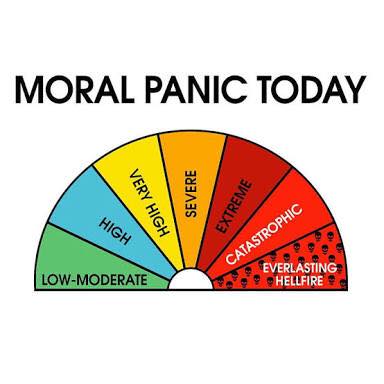
Going back to copies and originals. It’s a chicken and egg thing, the original comes after the copy. Before something is copied, there are no originals. With music, rock and pop music is obsessed with originals, whereas all other types of music do ‘covers’ all the time. A symphony orchestra is really just a big covers band. Have posted about this before, but now with a slightly different slant. What defines humans more than anything else is that they imitate, or copy. What do you think or do that is original, and not just copied from some other person or group? Can you think of anything?
Have you ever been or are you now a manager of people? I think managers are most challenged by their employees' personal lives intersecting with their work roles. Most management advice and theory says a good manager does both, but is that true? What would be wrong with saying an employee's personal life, and their interpersonal relationships with other staff, are none of the manager's business, and if that interrupts their work role, they should think about leaving? While on the face of it that might sound brutal, isn't it actually the deepest respect, to tell staff that their personal lives are their own to deal with?

There are two main stories around climate change. One is that humans have interfered with the Earth’s climate, and the other is that they haven’t. I’d suggest these are actually the same story. Opposites again, opposites aren’t opposite. Both say that the ‘Earth’ is something separate to humans, with the first vainly suggesting we take it a bit easy on the Earth, and the second (even more vainly) saying nah she’s fine, nothing to see here. Climate change is as Jim Lovelock probably tires of trying to explain to people. It’s the planet-sized wake-up call to the fact that we are part of the Earth. It’s not just a lump of rock we live on to be treated more or less gently. Climate change isn’t telling us to ‘fix the Earth’, and it’s not a conspiracy of the Left or ‘utter crap’. We need to get over ourselves, in both directions.
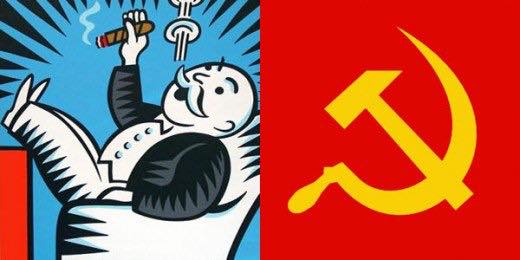
What decides ideas in the end is whether they work. In the world right now it’s interesting to see how the major Western countries, especially the Anglo ones, have been flirting for decades with anti-State ideas. The State is the big enemy, that’s the line which has been winning elections. What this has created though I think is a vacuum at the international level, which is the table States sit at. While the West retreats from the international stage, under the banner of freedom for its people from the terrible State, the big communist States and others are more than happy to take over international decisions. I think the West is shooting itself in both feet, with machine guns. Free market, anti-government ideas won’t give us freedom, they’ll just hand over international control to the countries who are less stupid. Which is maybe what we deserve.
Chinese whispers. All meaning is the meaning made by the person receiving a message. All messages are translations, even in the same language. An extension on the idea that you can’t ever really know another person - you also can’t ever be really understood by another person, the meaning of what you say will always be made by them, not you. I think school teachers know this better than anybody. And I think the world would be a better place, if we acted with this truth in mind.
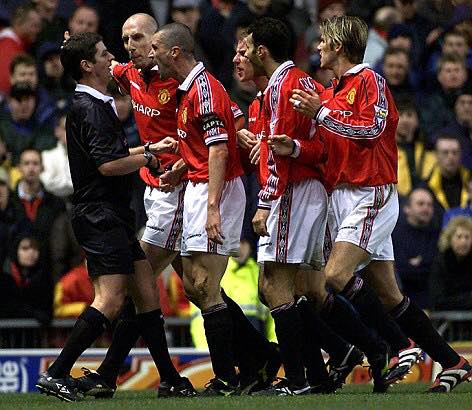
Whinging about and harassing referees, and players crying after losing a game. Two things that are...pathetic.

Love this image of power. It’s difficult to persuade people that there is no such thing as power, as some thing that a person can hold and wield. When a person ‘has’ power, it’s because others are granting it, others are allowing the person to make decisions, and are implementing the decisions, for them. Politicians and corporations are the same, alone they have no power at all. Not a drop. They only have the power we grant them, they are us. All leaders and governments and corporations are just us, everything is pawns.

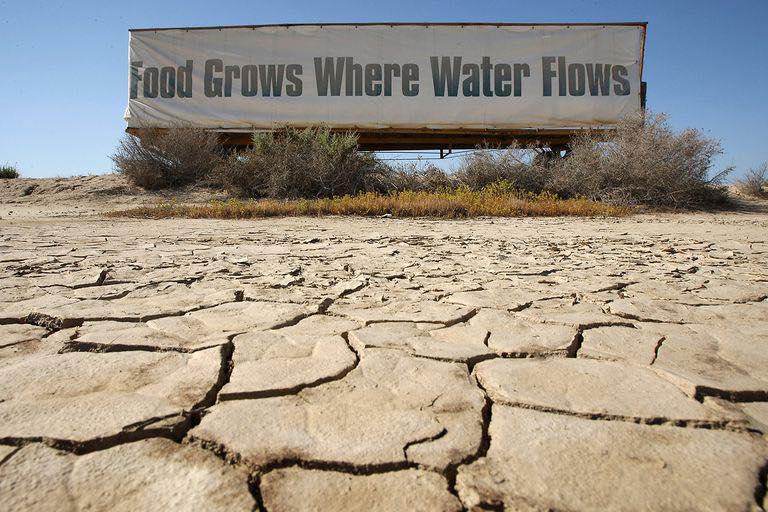
I just donated for drought relief, I bought a bale. Very worthy cause. No immigrants or welfare recipients were harmed, no flags waved. You have to shell out a lot of personal details too 😳 Maybe data hysteria and drought relief could go head to head.
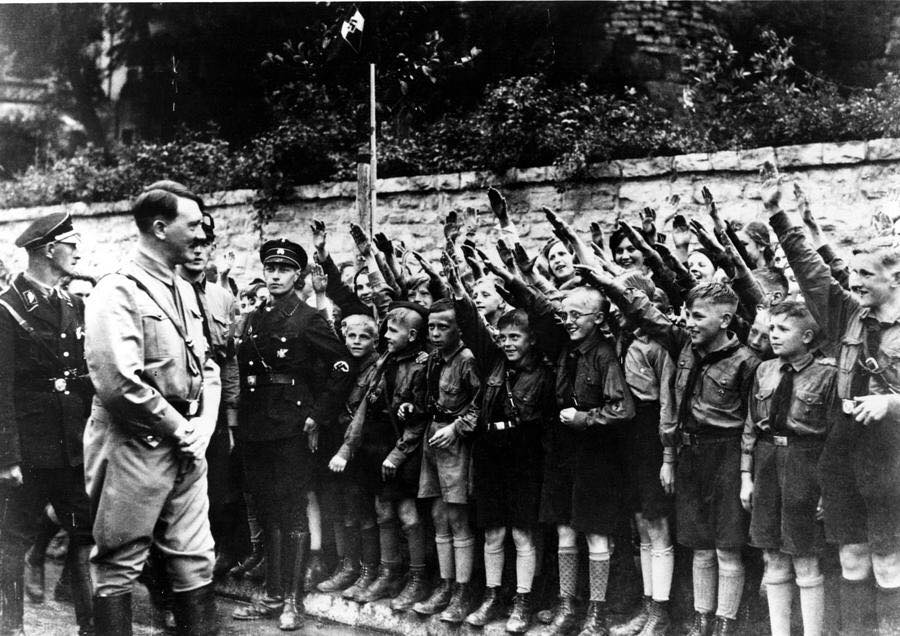
The Hitler Youth are an example of the power of children. The Nazis targeted children specifically, and nearly every child in Germany at the time became part of the Hitler Youth. The process was so successful that the Allies after the war had to do an enormous amount of work to de-programme these same children. These were Hitler’s most zealous soldiers and supporters (except for maybe that little fella second from the right). Many assume Hitler bullied his way to power, but you can’t bully your way to power - he seduced the young. All power is seduction. Who has today’s children’s hearts and minds?
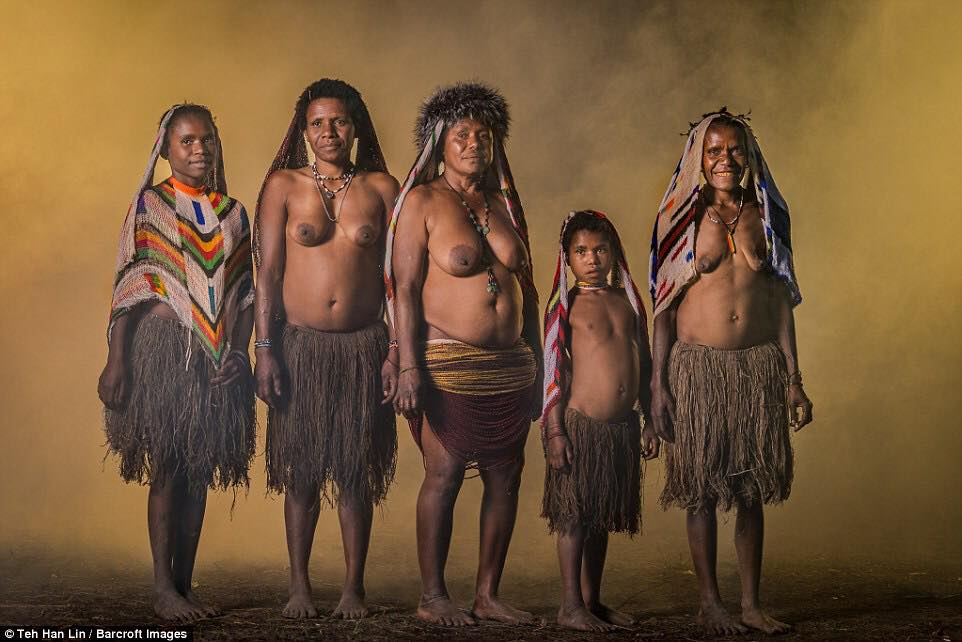
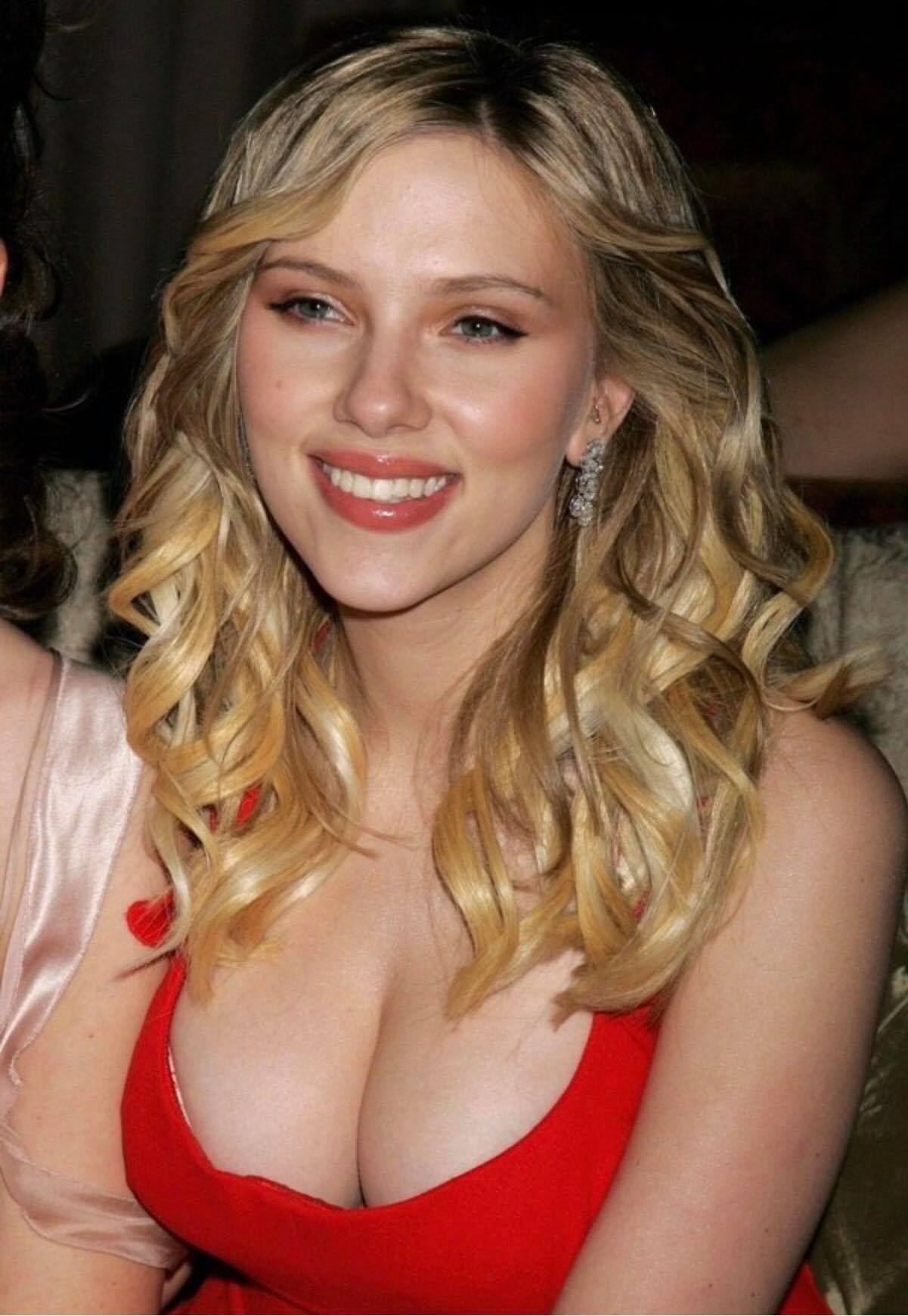
One of those interesting flipped chicken and egg things. Clothes weren’t invented for modesty, modesty was invented by clothes. Every invention at the same time invents its opposite. Before clothes there was no such thing as nudity. With clothes nudity suddenly became a thing - the opposite of clothes. Comparing these photos, notice how ‘cleavage’ is an invention of clothes, without clothes it doesn’t exist.
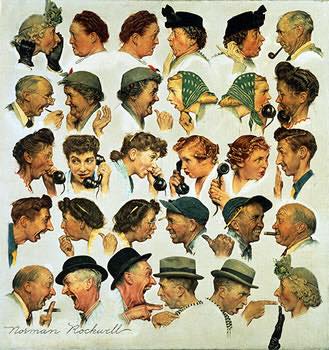
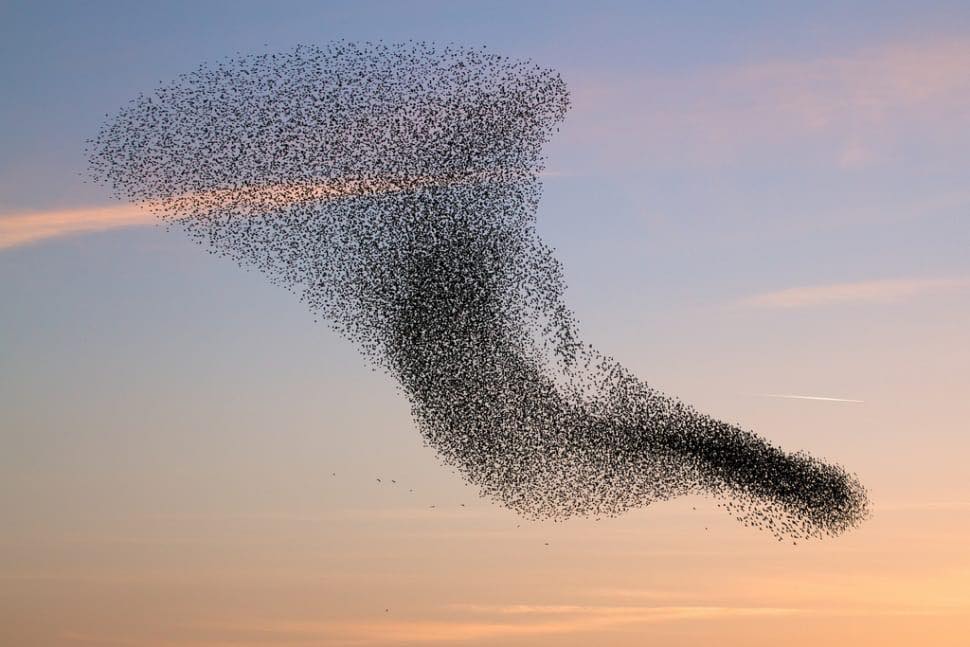
This flocking behaviour has a beautiful name - murmuration. Murmuration is when individual and group behaviour is indistinguishable. The thing I call the mystery of the ‘we’, and of patterns. Watching the patterns of society is the same. Science admits it has little idea how it all works, but I think murmuration is telling us there are no individuals and groups. All individuals are already groups, all groups are made up of individuals. Society is a murmuring, the ‘we’ murmurs.
The Bad Boy. (Or girl.) Not always recognised as being extremely socially timid, like kids who struggle to make the transition from family to wider society. Which is in fact the space where most bad boys come from, that gap between family and society. A maturity gap, as sociologists might say.

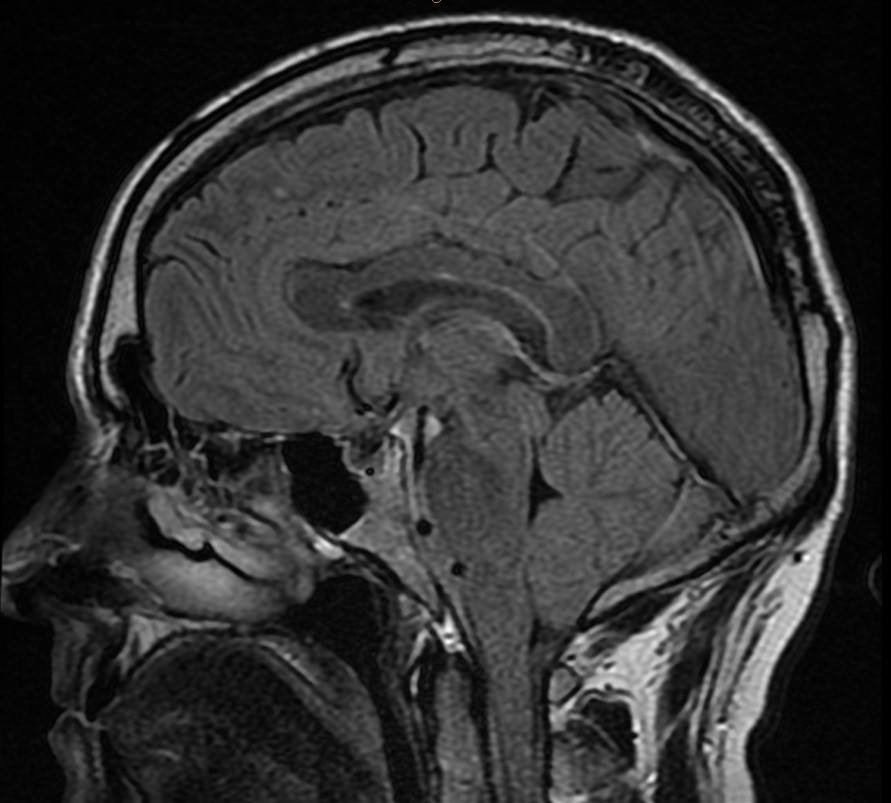
Here's some porn. (One for the brain-junkies, I think it got my profile well.) I’m sure I just violated my own privacy in some sort of terrible way. The inside of my own head.
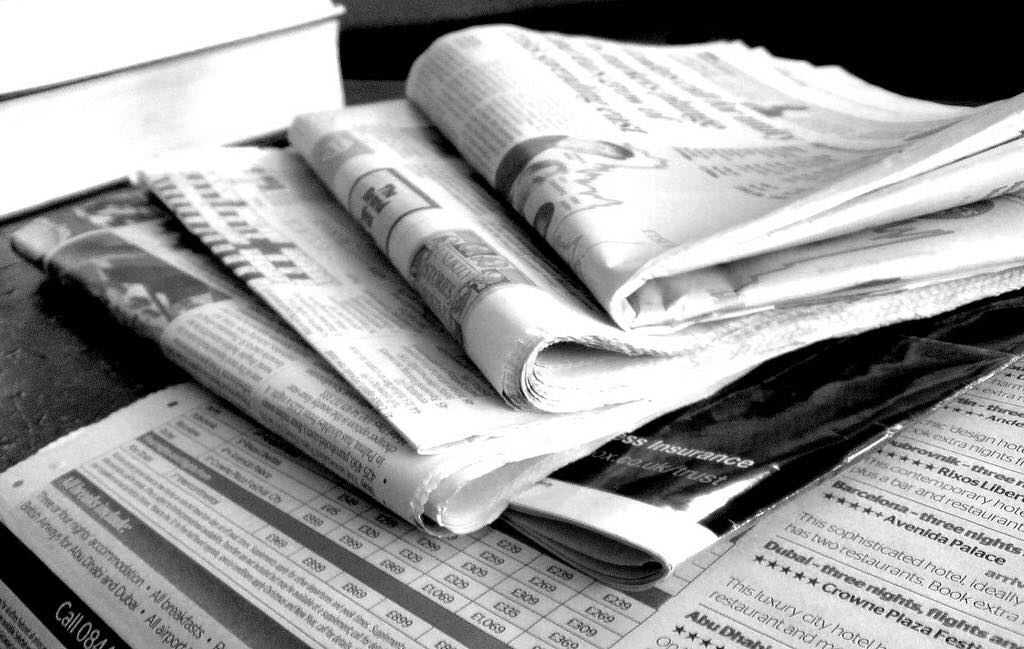
A prominent journalist on the weekend said that nobody in the media could think of a way to save serious journalism. In a situation like this, it usually means I think that the ideas we’re using don’t fit. In the case of news, here’s my two cents. All news is fake news. It always has been. Not because it’s made-up, but because news has always been a highly selective way of presenting reality to people. It’s always been stories. With the growth of social media and other information technology, people suddenly had thousands of ways to get stories about societies, and even more importantly could now be part of the writing of the stories too, not just reading. I think the ‘serious’ press is disappearing because society doesn’t need people to write stories for them as much any more. What the serious press could do instead - that’s a more interesting question.
Another lens to view our world through (see link). This example comes from business, but applies to anything society does I think. Most of what’s seen as disruption in business is really that companies are dumber than their customers. Smart customers, dumb businesses. People are connected now, they have many ways to ask each other what’s going on, what’s a good deal, etc. Applies to politics too, or journalism, or education etc. The old days where institutions of any kind ‘serviced’ people are mostly over, now people are creating their own institutions, driven by them, in real time. It’s sometimes very clumsy in early stages, but this Is the fundamental shift happening in our time, as I see it. https://hbr.org/2000/11/smart-customers-dumb-companies