August 2018
Complete text-bearing Facebook records from the export.
Think we performed this about 35 years ago.
Gabriel Tarde on life in a big city, another paradox. Rich social environments are environments of intense imitation, not of thought. Facebook is another rich social environment - do we see much thought on it? Or mostly imitation and comparison? “...whenever a man lives in an animated environment, in a highly strung and diversified society which is continually supplying him with new books and music and with constantly renewed conversation, he gradually refrains from all intellectual effort; his mind, growing more and more stultified and, at the same time, more and more excited, becomes, as I have said, somnambulistic. Such a state of mind is characteristic of many city dwellers.”
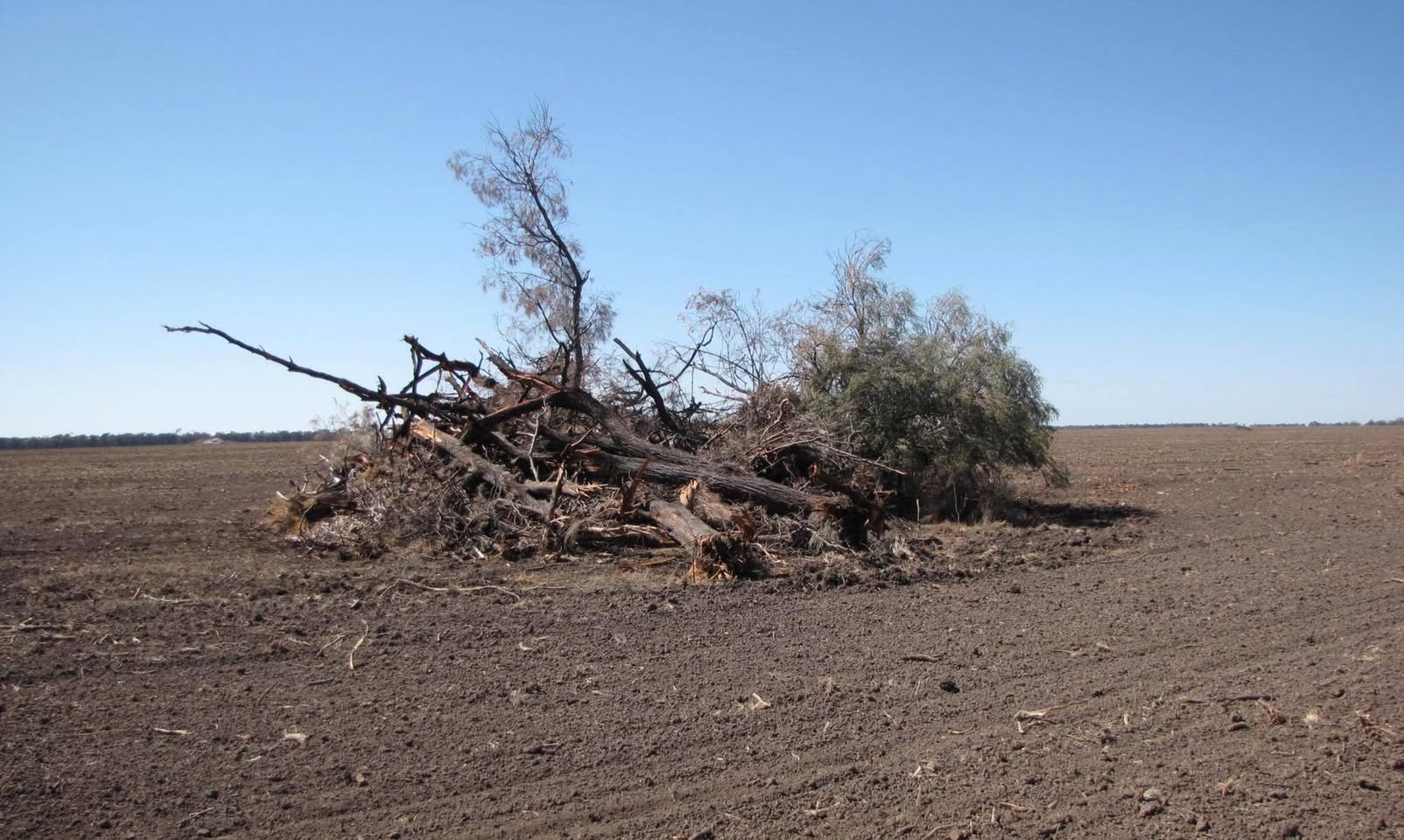
The farmers we need to support most, I think, are the ones who recognise that a lot of our agriculture hasn’t been farming at all, it’s been soil mining. Stripping the land of vegetation and using whatever nutrients are already in the soil to grow for forage or cropping. And then adding super and other nutrient supplements to make up for the gap. The whole idea of ‘drought’ is part of that view, the idea that water in the landscape falls from the sky, and/or comes from underground or rivers, dams etc. To survive in Australia I think we need to urgently understand again that water should be stored in the soil. And to do that you need vegetation. That vegetation will in turn actually produce rain, if we have enough of it. (Rainforests for example generate most of their own rain, they don’t wait for it to fall from the sky.) Drive through farmland in this current drought and look at just how many properties have barely a single plant growing on them. That’s disastrous, this is another chicken and egg thing we have backwards. We don’t need to wait for rain to grow plants, we need plants to produce rain and hold it in the soil. Whole civilisations have been destroyed by the wrong sort of agriculture.
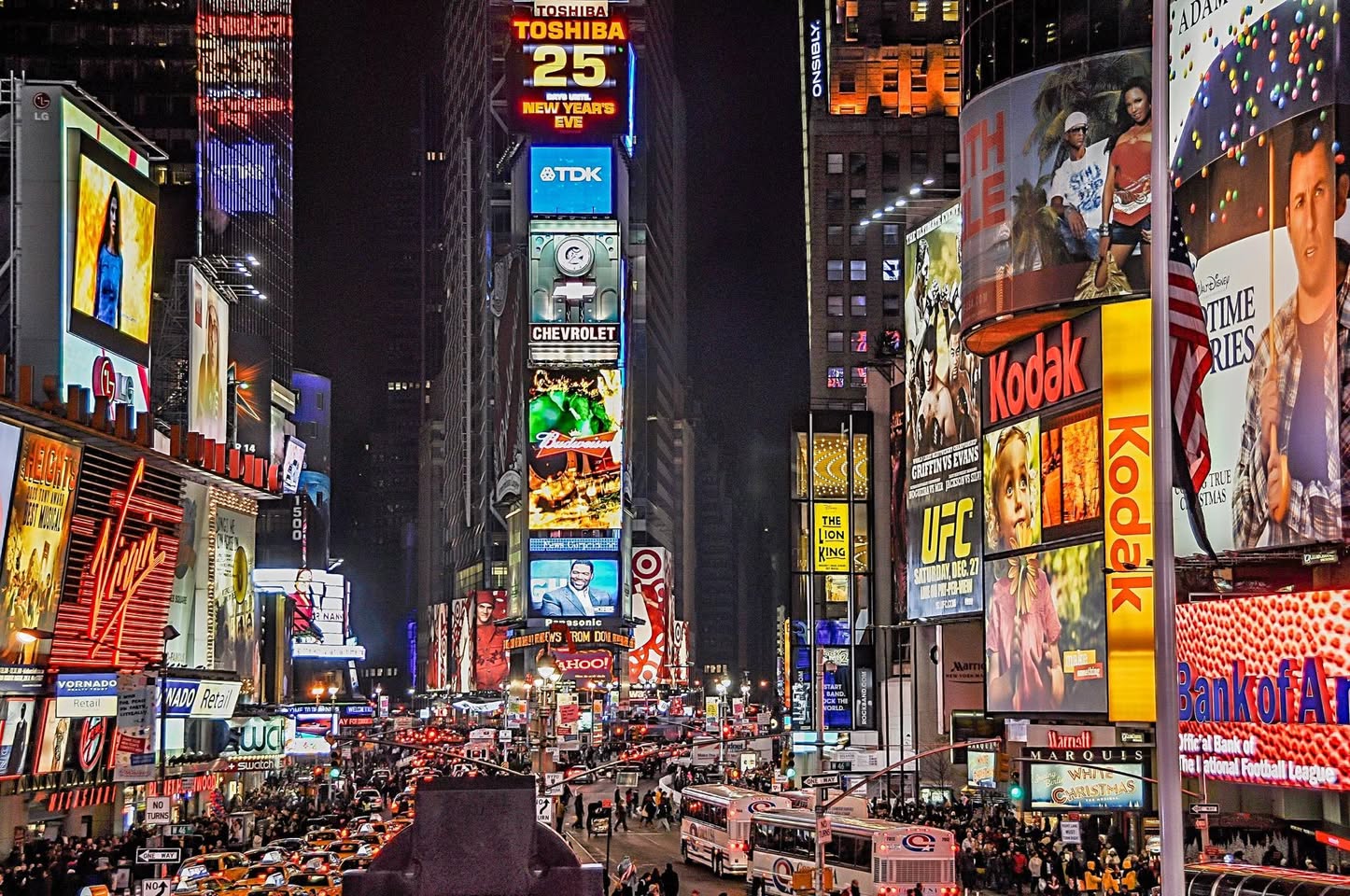
“A life of wishing you were elsewhere is really no life at all.” Never thought I’d see the core truth of travel, written by a professional traveller. I think it’s nice that at least one person who’s used multiple tonnes of fuel and trashed other peoples’ homes on their own personal development finally understood. Humans are suggestible, foreign places always seem so much more ‘amazing’. But they’re just somebody’s home, like ours, and that first flush of wow fades to everyday life as we know it. Just as it does for human relationships.
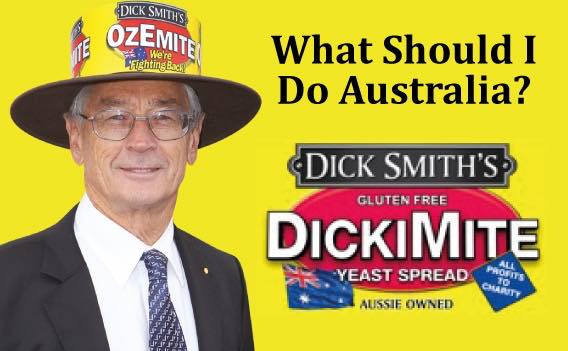
There’s lots to like about Dick Smith. But he really doesn’t seem to like foreigners. His latest rant about Aldi was nonsense, it seems when pressed Dick is...a bit of a dick. And his Aussie Foods and immigration crusades are that sort of jingoistic xenophobia that Australia specialises in, complete with flags, we’re seeing a bit of it now in drought relief too. As the son of an immigrant, I call this crap out when I see it.
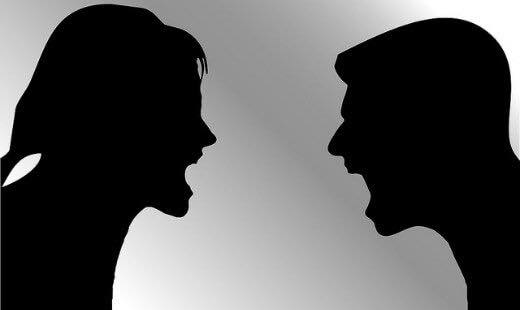
If you look up images of ‘arguing’, nearly all of them will come back as people shouting at each other. Why are we so afraid of argument, and why do we think it means shouting at each other? In my experience most people are really distressed about the thought of arguing about anything. “Chill” is a common response to people arguing. By not arguing, I would argue (ha) we’re creating a society that we see right now - of complaining about everything, outrage, polarised views etc. Our refusal to argue means tensions get bottled up, and then they explode. Families should all fight and argue. Schools should be places of argument. Facebook and other social places should be too. People have no way to learn how to deal with difficult situations otherwise. To me the number of people emerging with depression is directly linked to this timidity we have around avoiding argument, so that when somebody does have a confrontation, they freak out and become anxious, and then eventually depressed. We’ve forgotten how to argue our differences.
The healthiest weight is ‘overweight’. There are a lot of assumptions in the diet and exercise industries that have no basis in reality at all. Driving a lot of that ‘research’ is really nothing more than an aesthetic prejudice - the preference for a particular body ‘look’.
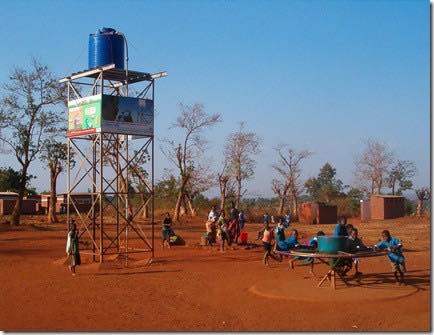
The drought relief passion reminded me about PlayPumps. PlayPumps seemed a fantastic idea, water pumps in Africa linked to children’s play equipment, so that as the children played they also pumped water. Ads on the pumps were supposed to generate income to pay for pump maintenance. The pumps generated a lot of interest, the sort of passion we’re seeing for drought relief now. The PlayPumps were a complete failure. Children found them tiring and lost interest in them quickly, and mothers ended up having to mount the play equipment to try to pump water, something that was much harder for them than the old hand pumps the PlayPumps replaced. As Peter Singer has said, too often we’re making the mistake of focusing on a charitable project’s ability to raise awareness and money, and not at all on the effectiveness of the outcomes. Marketing, PR and above all else emotion and sentiment shouldn’t be steering charitable work.
Happy Birthday!
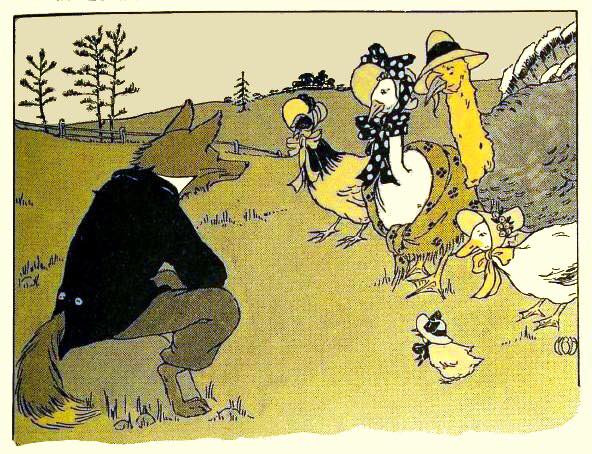
Henny Penny thought the sky was falling because an acorn fell on her head. She created mass hysteria amongst her friends, and a fox used the hysteria to trick them into being eaten. Is this the definitive fable for our times? How many of us feel the world is going to hell, that the sky is falling? How many of us think and act in ways driven by those fears? How many Foxes are out there, feeding the hysteria?
“...’life’ is an idea. We find it useful to think of some things as alive and others as inanimate, but this division exists only in our heads.” There are amazing insights into life and death, that our centuries-old prejudices aren’t letting us see or understand. Including the insight that life and death are probably a fiction.
Give a kid lenses to play with and you can change their lives, I think. Lenses have fascinated people forever, not just in the way they shape images but also in the colours they produce from light. What’s less known is that a concave mirror can also act as a lens, you can try this with any shaving mirror. It won’t just reflect light onto a nearby wall, it’ll reflect an entire image. Do images float through the air, and get ‘bent’ by lenses and mirrors? Think I’ve asked that one before. We all tend to learn that images do this, move through the air in some way, and even enter our eyes. I think that’s bollocks, seriously how would that work?
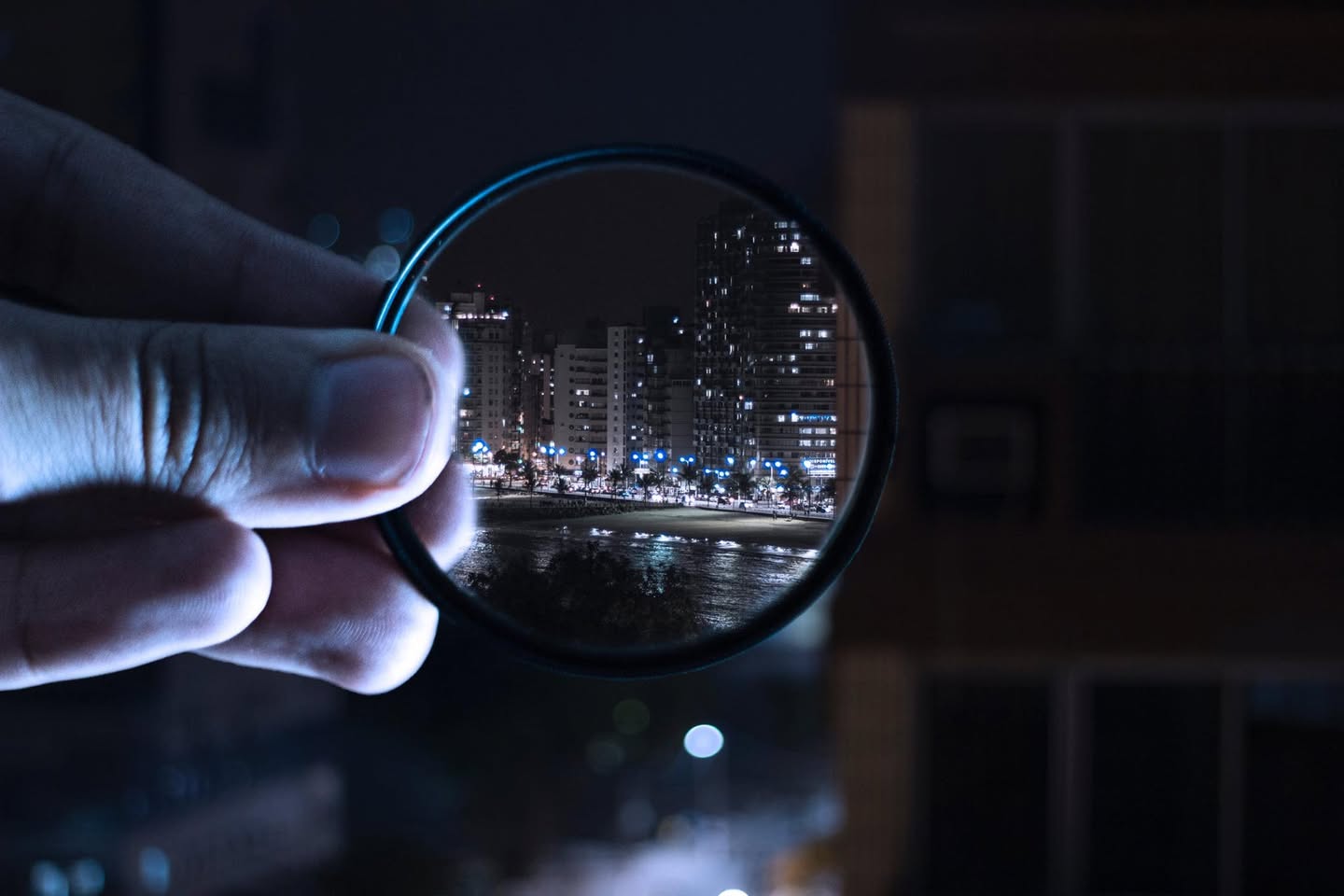
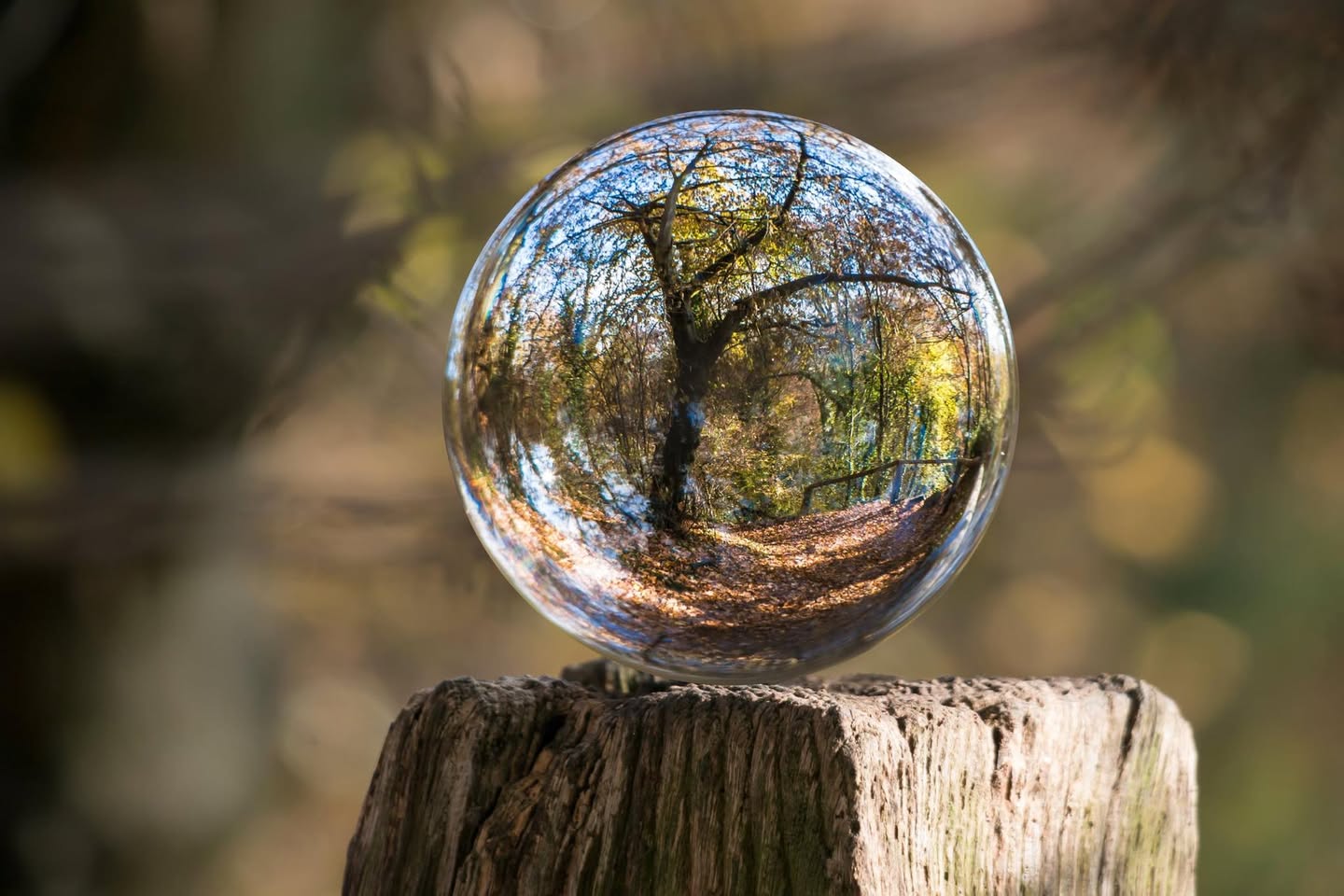
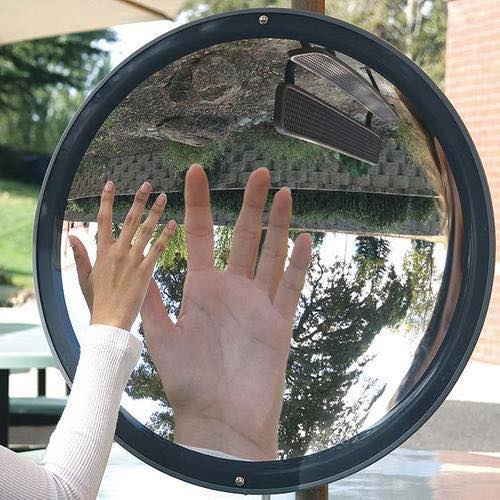
Re-posting this because it’s an image sort of week, and I’m really curious to know whether others can have the same experience. You might be amazed and astonished.
Plastic bag ban ends up with people using more plastic bags. Farmers come out and say hey, those farmers whose stock are dying in the drought and have no feed are just bad farmers. The law of unintended consequences, the road to hell is paved with good intentions.
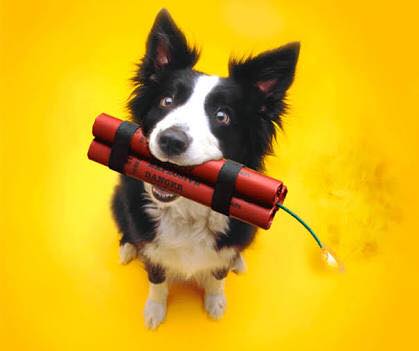
If you look at some of the discussion about film and photography, for a long time it’s been accepted that one thing photography has showed us is that images are in things themselves. Cameras are a non-human eye. Most of the imagery we see on TV or in films for example isn’t human, the points of view used would be physically impossible for a human to have. Cuts and montage make a film or TV show the perception of no person, but rather the ‘eye’ of the story itself. Still photography is the same though, we don’t really ‘take’ pictures, we extract them from within things, where they already were.
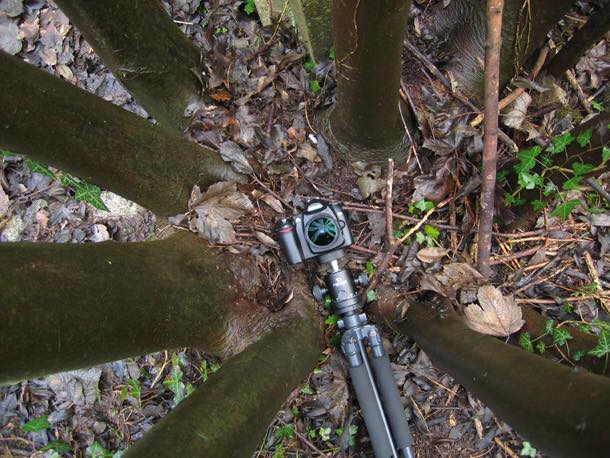
Masterful example of the way film images aren’t a record of any particular person’s seeing or hearing. From Tinker, Taylor, Soldier, Spy. Nearly all of it is a recollection, so is shifted in time, but also each of the images is not a particular person seeing or hearing things, it’s the perception of the story itself, as a Being or person. As a viewer the whole lot hangs together as a ‘story’ but that unity is felt, not just strung together. The story is an actual Being, made of percepts and affects, which we engage with.
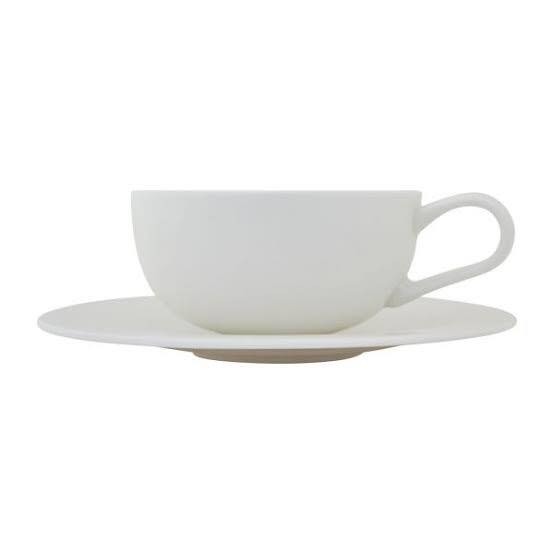
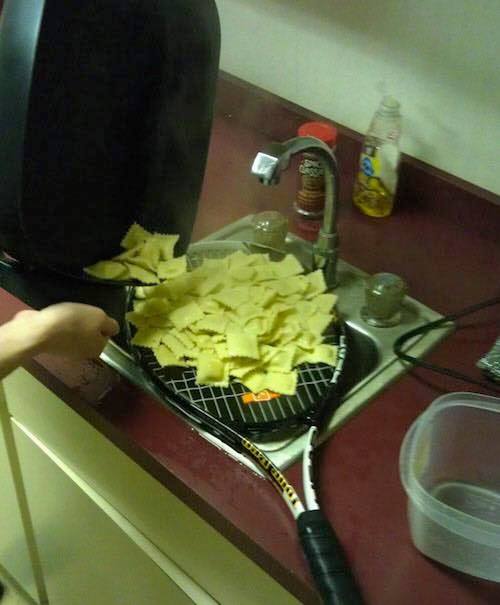
James Gibson noticed that the things in our environments have meanings. Normally we say that only humans deal with meaning and purpose. Every object or technology has what he called affordances, ways in which the thing is supposed to be used and which restricts and enables at the same time. For example a person without hands or fingers can’t use a tea cup very easily, and the handle on the cup is specifically designed for the fingers of a human hand - that’s part of the cup’s affordances. The tennis racket here shows that sometimes the affordances are richer than the traditional use of the thing. The affordances aren’t ‘in’ in the object or thing, the meaning and purpose of each thing comes from its context of use. Objects and technologies are part of an ecological, social context, they’re not separate ‘things’. Sometimes TV shows play on this when they give people an old object whose context is now no longer there, and ask them to guess what it was used for. Normally they can’t.
So language people, why do people ‘have’ sex? They don’t have gardening, or shopping, cleaning or driving.
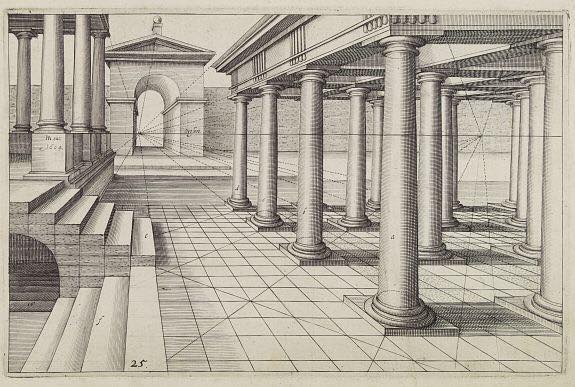
Brian Rotman studies the physical roots of mathematics. One of his passions is to ‘take the God out of mathematics’. By which he means the number of ways people have taken the patterns of mathematics to derive from somewhere outside the world. There’s always been an association between magical thinking and maths, for this reason, extending to gambling, numerology and even cosmology. Mathematical patterns and truths seem to exist separately to people. Rotman traces the ways this magical thinking starts. How the actual everyday, ‘physical’ origins of mathematics get forgotten. One of those ways is perspective drawing, one of art’s little society missiles that led to whole generations of people, up until today, feeling that reality can be ‘captured’ on a sheet of paper or screen. Once you believe that, and lose track of how that actually works, the next step to entirely separate transcendental spaces, through the ‘vanishing point’, is much easier.
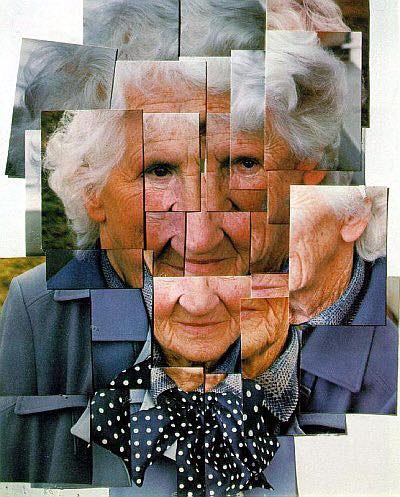
David Hockney is an incredibly important artist, not least because he challenges a lot of our assumptions around pictures more generally. We live in the age of photography and film/video, and Hockney strongly believes this has made us forget how images work, and most importantly it has made us incapable of seeing or understanding space. He uses photography too, but one of his collage techniques, that he calls ‘joiners’, attempts to use photography against itself. Trying to restore how we actually perceive and experience space, using multiple perspectives in the one image. This collage of an old woman, Hockney would say, is much more real and accurate than a single snapshot of her would be.
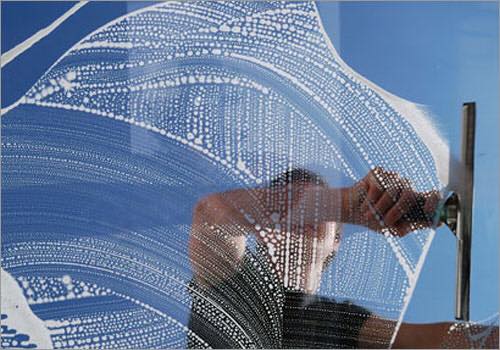
Growing up in the 1970s, I remember house window cleaning being a much more prominent thing, and even local businesses specialising in it. Do people still regularly wash house windows? I hardly ever see it being done.
This was a superb story, if you’re interested in drought and drought relief, it should be compulsory viewing. Lots of very smart farmers out there, doing incredibly smart things, and using very different ideas about the Australian climate and climate change. Some even quite unhappy at the attention being given to what they see as poor farming in the current drought relief publicity, and even refusing to use the word ‘drought’, seeing it as lazy thinking. Also some unhappiness at the blaming of government, they see more change needed in farmers themselves.
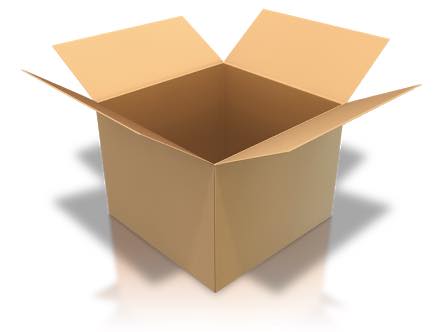
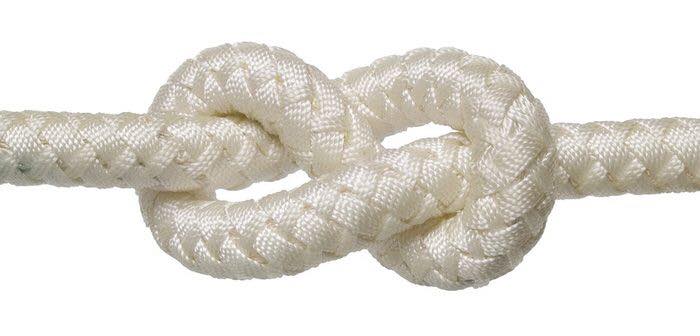
If thinking and language is mostly metaphors, here’s one that I think might matter. Knots versus boxes. We tend to think in box ways, we separate things and our ideas about things into boxes, with an inside and an outside. Organisational charts in companies are another example of box thinking, anything that separates and isolates, and then looks to try to connect the separations. Government is another example, a box with politicians and a box for the rest of us. What if we shifted to knots as the metaphors for how things work and how we think about them? To build and to know is then to weave or knot yourself in relationships with other things. There is no inside or outside. Weaving and knitting as models of reality. Women have historically done most of the weaving and knitting, possibly why these metaphors haven’t been as prominent as they should be, with women being marginalised.
Supply and demand. Hay has gone past $300 a bale, with the current lack of feed for farm animals. People will reflexively say "that's just supply and demand". But what does that mean? Doesn't it just mean people are profiteering off others' misfortune? No amount of demand for hay will create a fresh supply of it, in the current environment. And while the theory goes that increased demand will lead to increased supply, there's no reason price has to go up, except if people are robbing other people.
I’ve worked at a few large organisations, and something that never works is the idea of having everybody in the company unified. Mission statements and visions and values and plans are supposed to bring people together, but overwhelmingly in my experience people think that stuff is meaningless bullshit. Here’s an idea I reckon would be worth a try. Large organisations should have an opposition, as in politics. Maybe even led by an opposition CEO. It could be done in various ways but the basic idea being that decisions of the organisation have to be debated, and voted upon at the end of the debate. At the moment organisations have a veneer of unity, under one leadership team and Board, but it’s nonsense, a lot of company time is spent debating what the leadership is doing anyway, so why not make debate the core of the company? Have the big company ideas and decisions debated forcefully, get it all out on the table, with power to both sides of each argument, not just one.
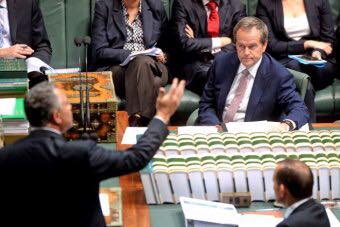
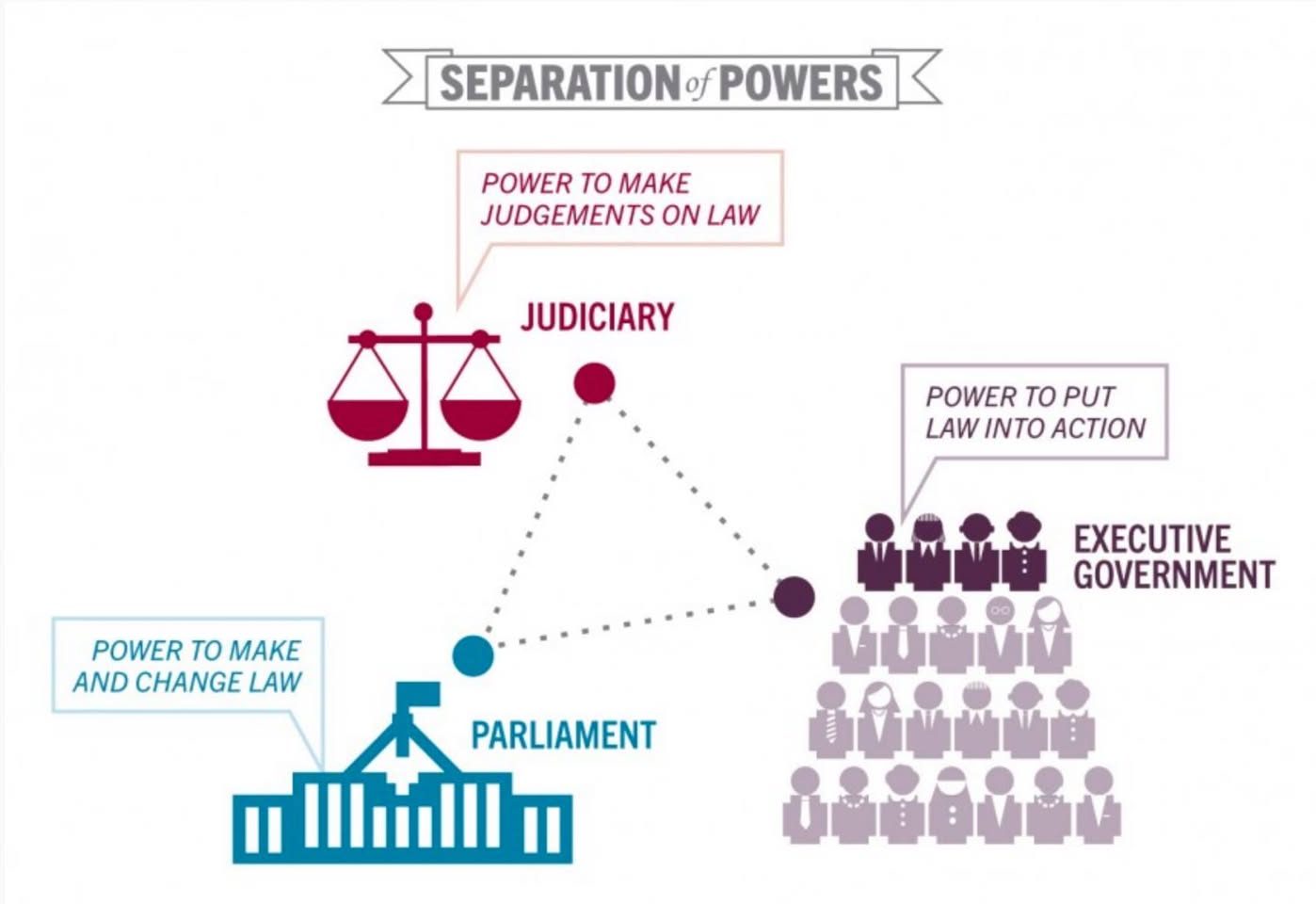
A sort of Part 2 from earlier, about whether organisations should have an 'opposition', in the way politics does. Here's the famous separation of powers in our societies. One thing that's not mentioned that I've seen, is that both the parliament and the judiciary are run along exactly these lines - as binary oppositions. In parliament government and opposition, in the law a defence and a prosecution. The 'executive' arm, which is all other things in society, including organisations, isn't organised in that dual way. That's the gap I'm pointing at - that if it were there, we'd have far fewer problems in society. At the moment a lot of the civil strife from that executive arm ends up in parliament or the courts for resolution, because we don't have the mechanisms in companies and elsewhere in society to really fight and argue opposing viewpoints.
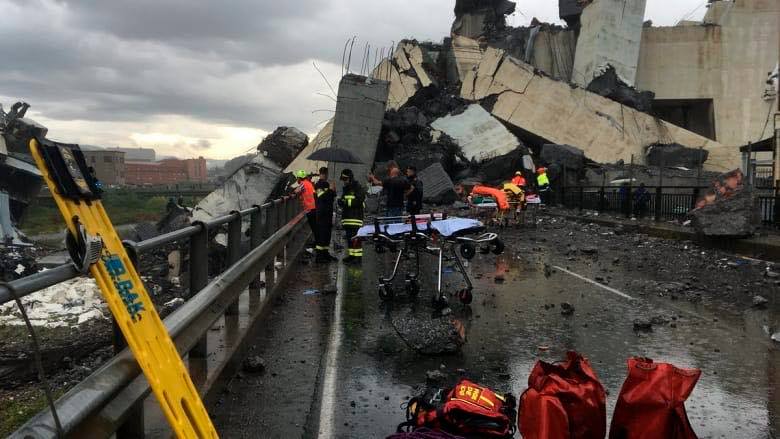
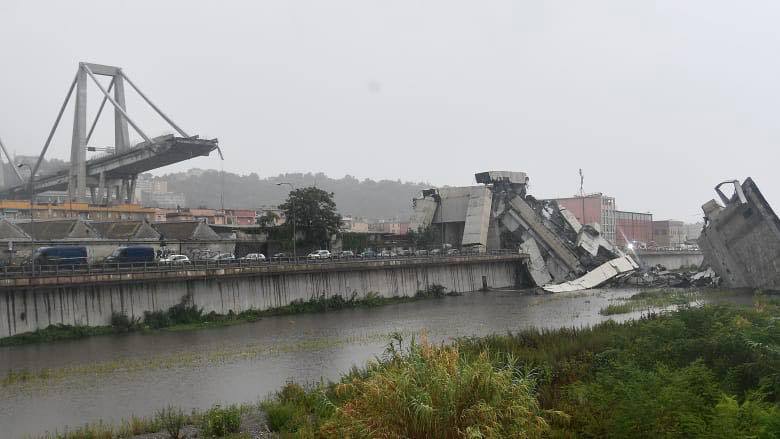
The bridge collapse in Europe overnight. Stories. The story of the collapse is ‘wasn’t properly maintained’. Which means the story of maintenance wasn’t one that resonated with enough people. Vast amounts of the infrastructure of our societies is poorly maintained, not least the concrete we use, which is all a ticking time bomb, due to concrete cancer. We treat the things we build as ‘objects’, our stories about objects is that they just are, you build them and then leave them. Nothing is an object, all things need to be constantly maintained. The statistics on the number of ordinary homes worldwide that don’t get even basic maintenance are pretty horrifying. Add that to the public infrastructure like this that isn’t maintained, and I think it’s clear the consequences the stories we tell ourselves have. If we don’t discover how to love and nurture what we create, it will crumble around us. Objects and technologies are members of our society, but right now they’re invisible to democracy.
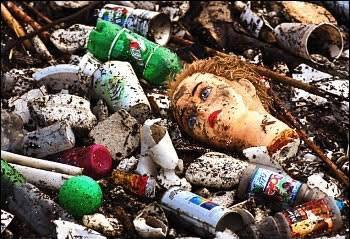
I find this a powerful image. You can tell an awful lot about a society by what they throw away. That idea is actually quite strange - to 'throw away'. Not many cultures in pre-modern times threw things away. This isn't an environmental thing for me, it's not really about waste, it's about how we relate to the physical things in our lives. We're a culture that loves objects (a common theme for me), but at the same time they're meaningless to us. We throw them away. That's telling us a defining thing about our societies, paradoxically the fact objects are the central defining thing about our societies is also the reason we throw them away. Our objects are the 'solid' part of our social relations, so when those social relations change, we throw the old objects away. Our garbage tips are our collective unconscious.
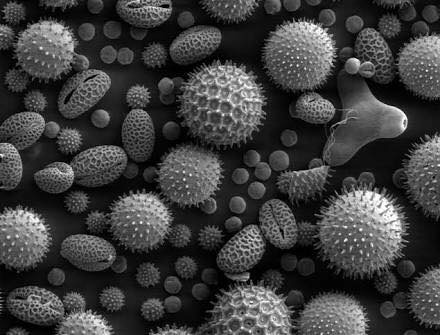
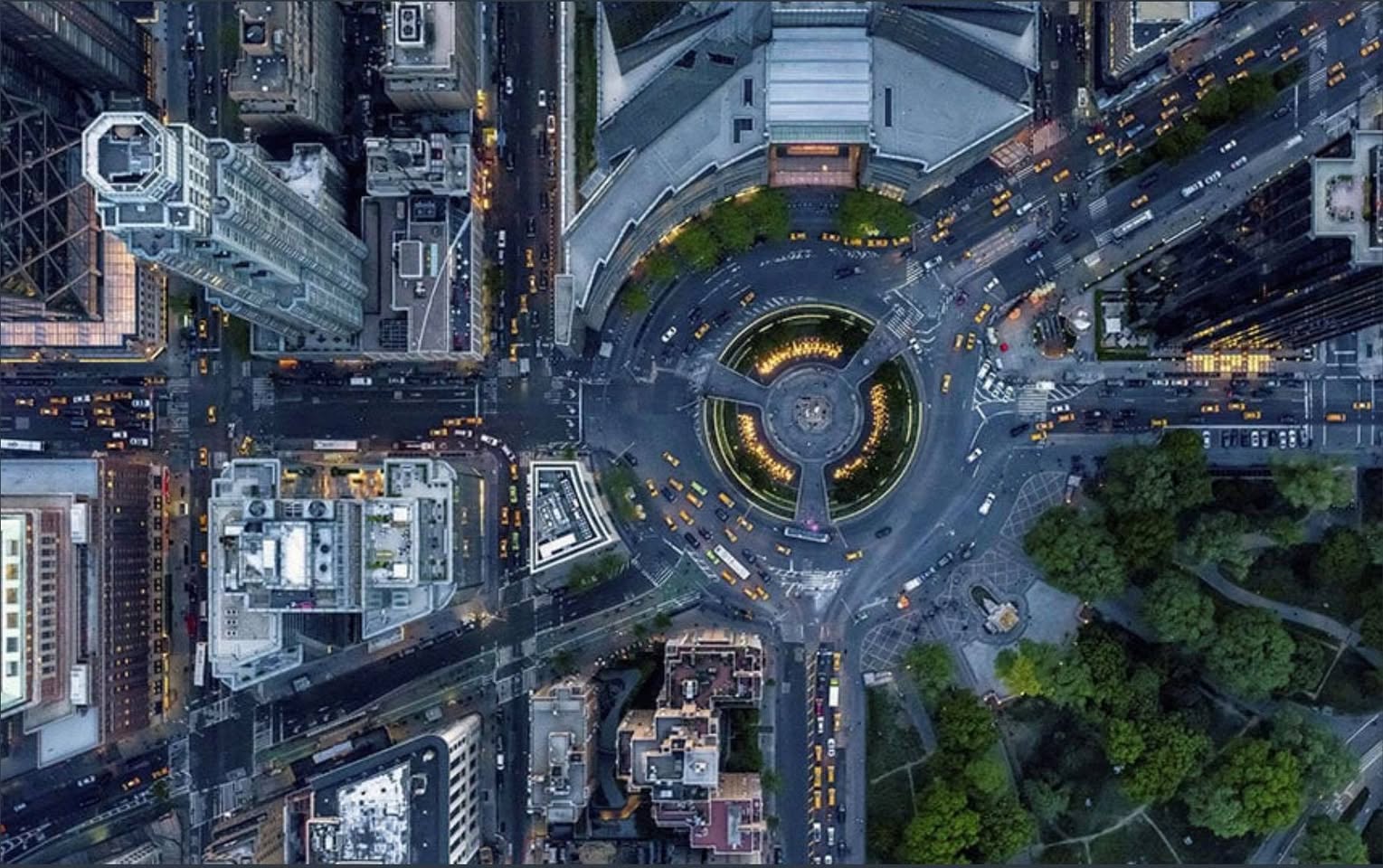
Something about size. If you use a microscope, telescope, or even climb to the top of a building, you’ll feel like you’re seeing more in some ways. But actually that’s not true, you’re definitely seeing things you couldn’t see without doing those things, but notice how what you gain in one dimension you lose in another. Looking from the top of a building let’s you see a wider extent of the city, but what you gain in width you lose in detail. Ditto for a microscope or telescope, what you gain in magnification you lose in width, dramatically. The point being, every point of view sees roughly the same amount of stuff. There isn’t a better one that lets you see more than another, it’s always a trade-off between detail and width. And I think that’s also true for any part of life where we use ‘point of view’. A CEO looking at graphs about their company is not seeing more about the company than the employees, they’re just swapping detail for width. A government doesn’t see more of the country than me or you, they see a width while we see focused details. You can’t go ‘deeper’ into things, and a bird’s eye view is just a view, you’re not seeing more. The metaphors are wrong, everything is at the same level.
Happy Birthday :)
“Civilization advances by extending the number of operations which we can perform without thinking about them.” Alfred North Whitehead
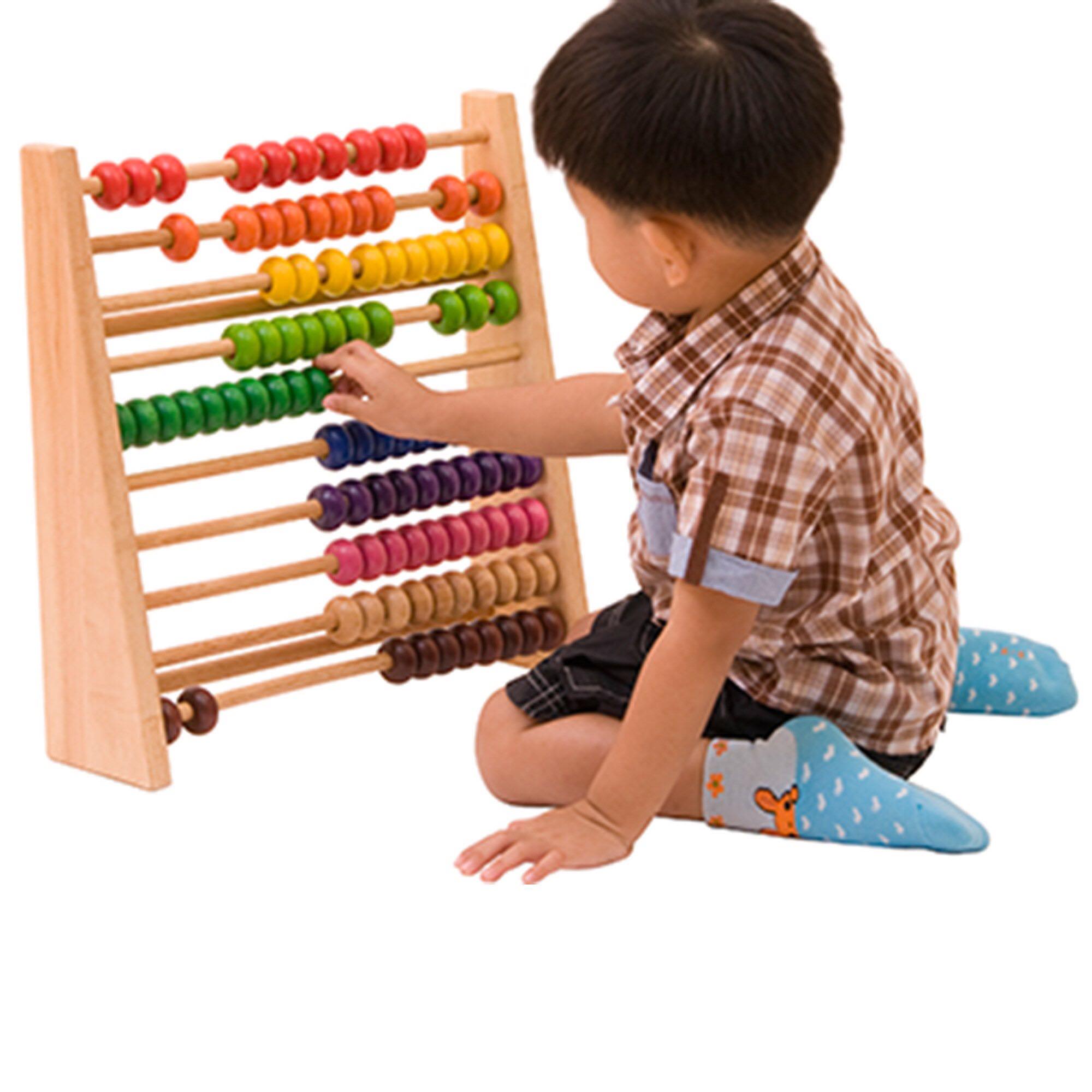
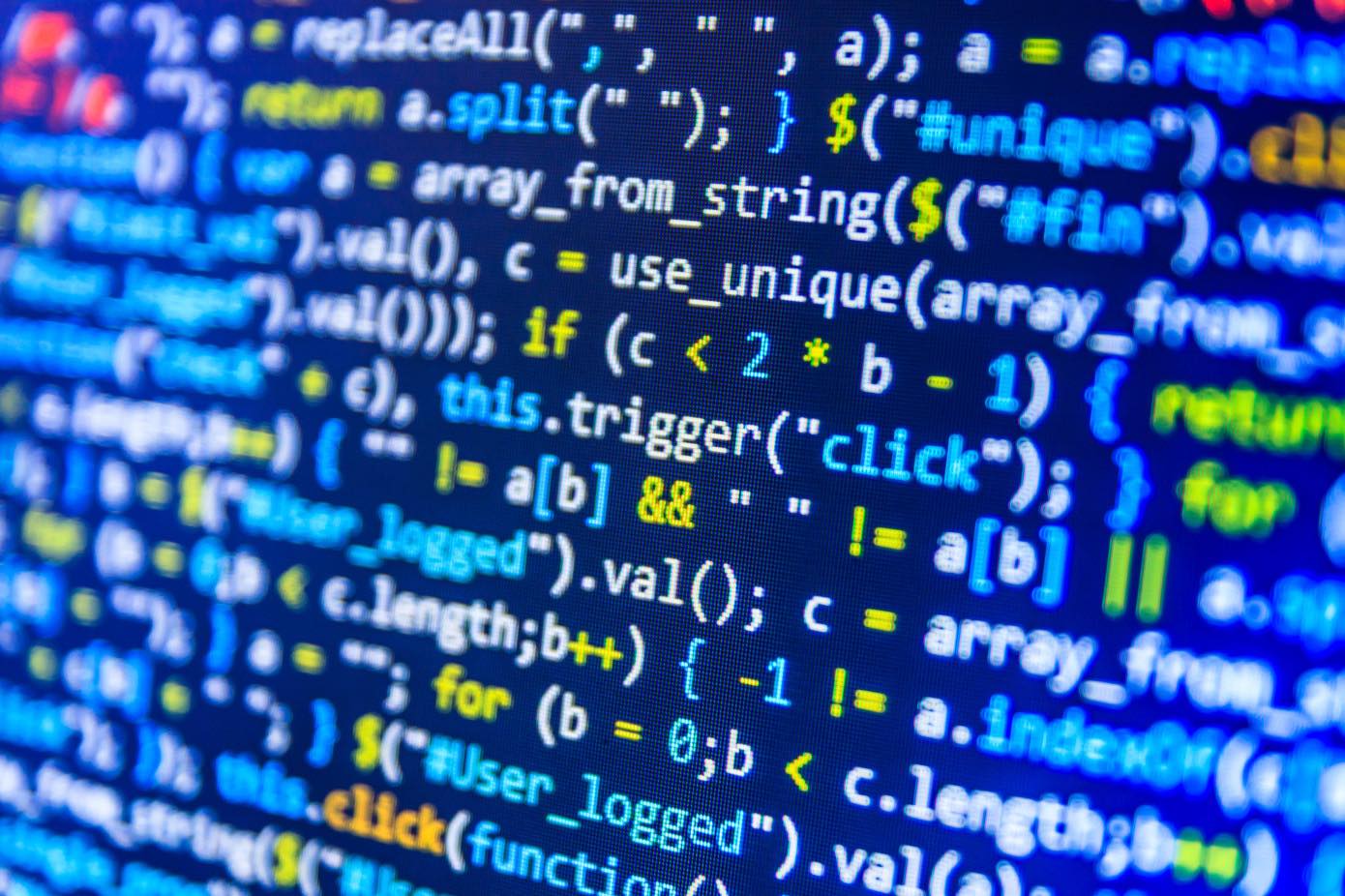
An interesting question - what *is* language? Is it a material thing, or not? If it’s not material, what is it? I think words are real, ‘material’ things, like chairs, or cars. Words have real physical effects, saying them alters our bodies, hearing them does too. Writing them makes our bodies move. We can make things happen by using language, asking somebody to do something for example, or writing an ad. Computer code is a type of language. Type it in and it directly changes the functioning of the machine it’s on. It drives most of our modern world. I don’t think you can find any meaningful difference between material and non-material things.
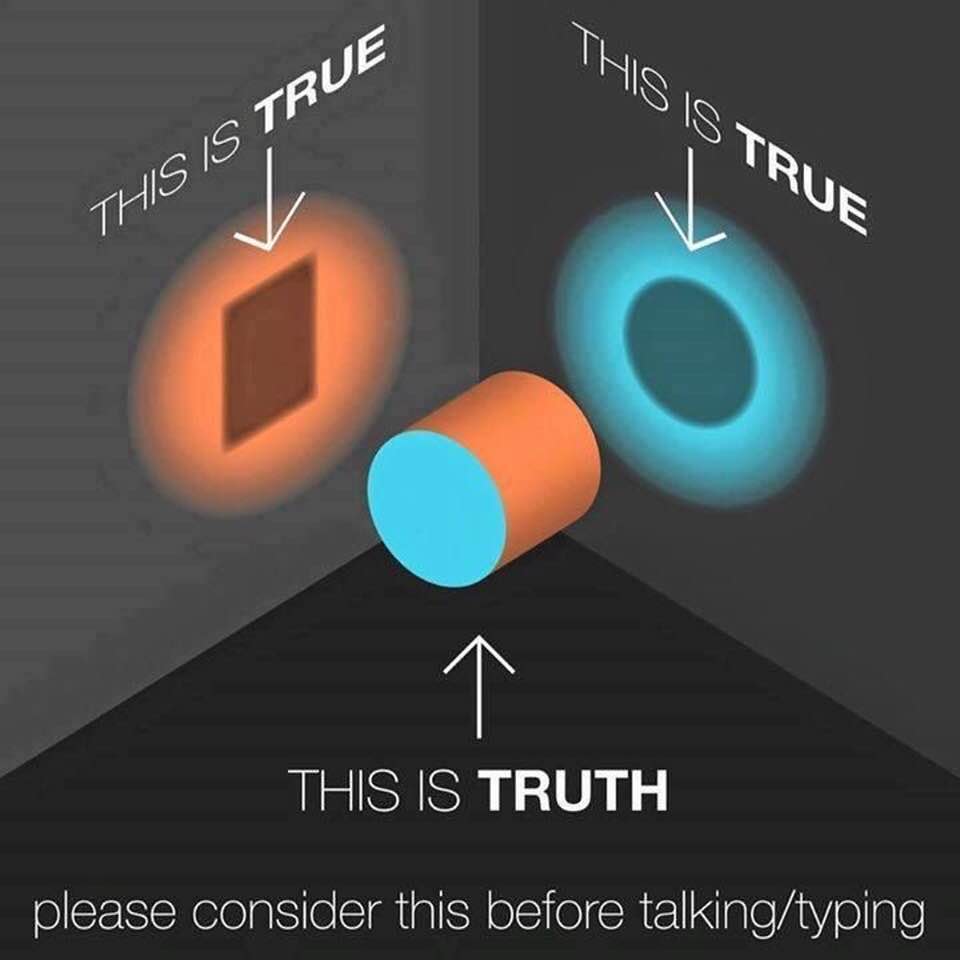
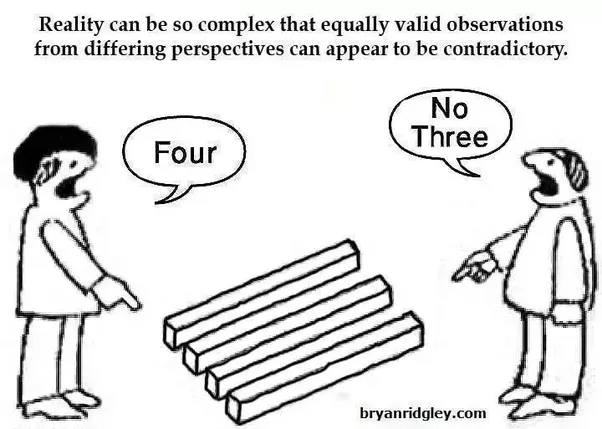
Truth is relative, or relational is a better word. There are many ways something can be true. (Though the diagram isn't quite 'true', for me - there isn't some single 'truth' in the middle which people just see perspectives of. Those perspectives are real things, not viewpoints.)
A thought piece for the latest hysteria, Roundup. Moving on from the plastic bag hysteria and drought hysteria. Lessons from past hysterias, detention for not reading.
Film makers know that a close up is much more than just a closer view of something. A close up shifts you away from observing a scene towards suddenly feeling present in the scene yourself. Faces are the most powerful close ups, but any close up can have the same effect. Hitchcock was a master at this, one moment you could be looking at a bathroom with a scared woman in it, and you knew a murder was coming. But then he’d shift quickly to a close up of her face, and you *felt* as if you were there in the bathroom with her. I think that feelings are not add-ons to situations, they are those situations, embodied through one viewpoint. When we feel fear, it’s not a separate feeling called fear, that feeling is also how we act and perceive in that situation, it’s the entire situation, including other people present, wrapped up into a unified experience. Which is why film makers use close ups, to express entire situations with nothing more than a look on a face. Or put another way, we don’t think, act and feel, as 3 different things. Thinking, acting and feeling are the same thing.
I’m not an ‘exercise’ person, but am still very active. This long (but brilliant) quote from the great Australian scientist Raymond Dart is the sort of exercise I do, every day, in everything I do. It makes your body work with sublime ease, and the impact on your health is enormous. (Also why I think standing desks are a waste of money.) “Man may be defined as a being who...should be able to maintain without strain the erect posture (or move about with the erect posture) and respire rhythmically through the nostrils, whilst engaged in eating and speech and actively employing his hand with tools. Individuals unable to behave in this complex, and highly skilled, neuromuscular way; folks whose breathing is arrhythmical and not confined to their nostrils as soon as they eat, speak, write or work; people who cannot eat or speak, write or work unless they are supporting their bodies with their elbows, rolling their tongues or lolling against a piece of furniture, have failed to experience the bodily capacities of equilibrated human beings. They have arrested their progress in bodily equilibrium at any one of the numerous stages at which it can be arrested by postural fixation... If a person is squatting, sitting, or standing in an equilibrated fashion, the tensions of the muscles on both sides of the body are equally distributed, each weight-bearing point or area taking spontaneously its appropriate part in the support of the body; and in such equilibrated positions the upper limbs hang freely, or hold implements, or move across surfaces without being employed simultaneously as secondary body supports. Similarly, the head, somewhat forward inclined, pivots freely on the vertebral column; and the musculature of the neck, without displaying any stiffness, pain or tension, freely suspends the jaws, tongue and laryngeal apparatus, so that unimpeded chewing, swallowing, breathing or speech can occur concurrently.”
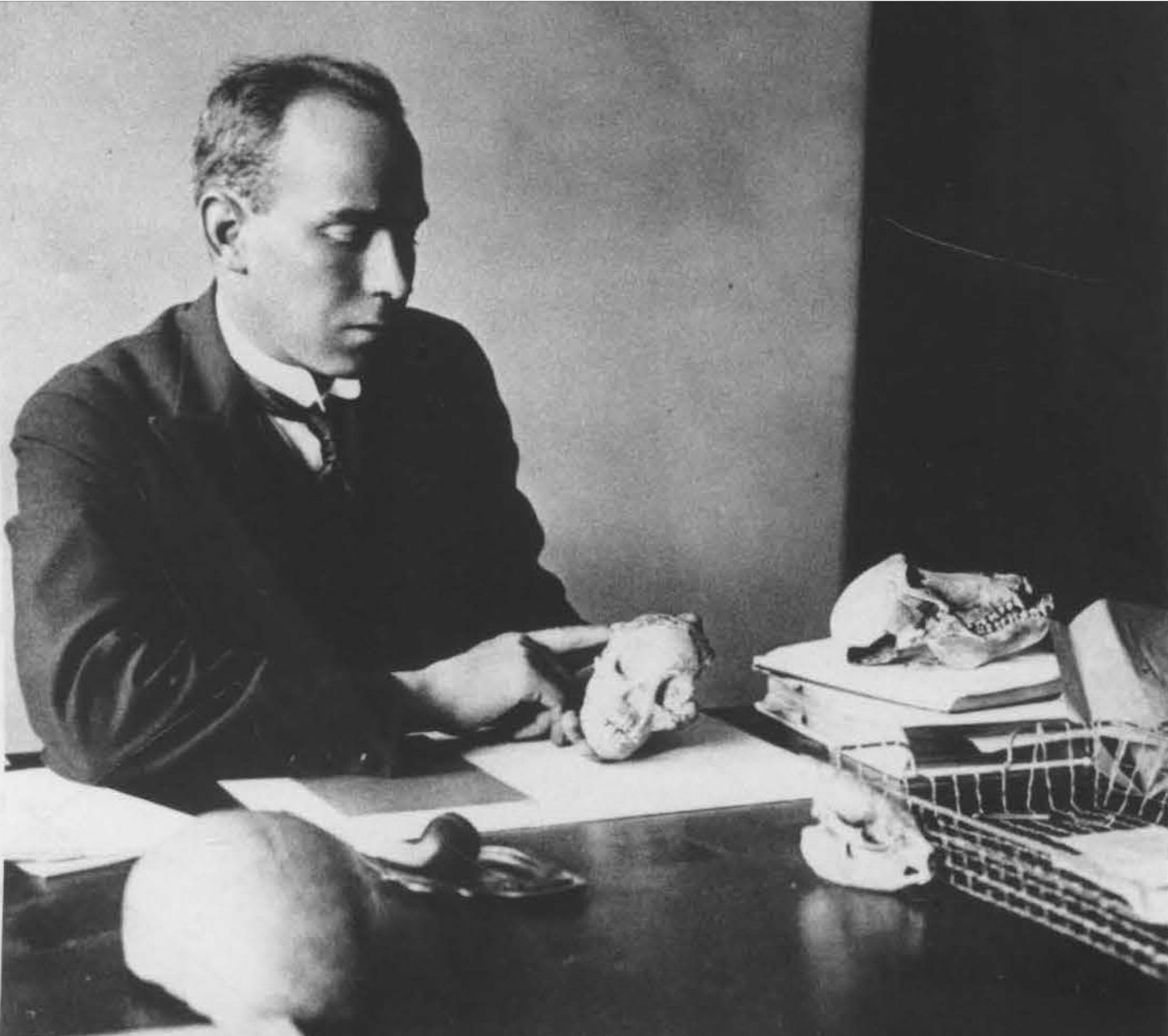
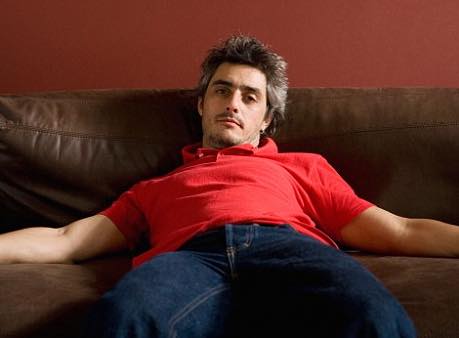
Kidult, the child-adult. Hadn’t heard the word before, but adults with the mindset of adolescents, and adolescents aping what they see as adult behaviour seems very real. People well into middle age, often with no education or training or career, going to gigs and endless holidays, and reading fantasy books. No savings, huge debts. Boomers are some of the worst savers in history, and some of the best preachers of their tremendous saving at the same time. Gen X is the screwed generation, doing the heavy lifting.
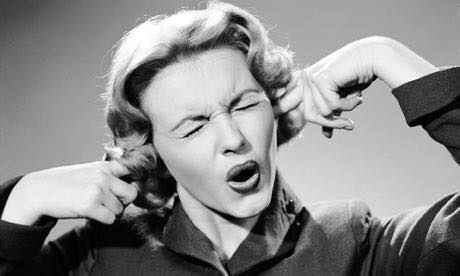
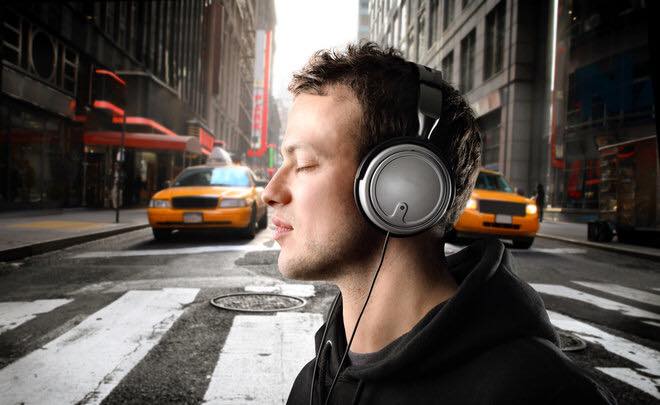
Like Serres, my first love is music. But I’ve mentioned before, it’s starting to feel like noise. Noise is the way to occupy territory, as birds and other animals know. Music is about territory, that’s its main function, the homilies about Aretha Franklin this week reminded me of that again, how much peoples’ personal identity and territory is defined by their music. Challenge a person’s favourite music and you will ignite anger in them faster than in just about any other way. It took me 50 years to understand that, to hear music as a highly repetitive tiny territorial subset of the vast soundscape of the world. I think others are arriving there too, for example the ASMR movement, and its focus upon the exquisite sounds of our everyday world. It was through Serres that I started really listening to the world, like right now, with a wind blasting outside. There are complex messages and meanings in that sound, which we push away in favour of our repetitive musical refrains. It takes enormous time to understand those other sounds, you have to listen and learn, and the more you do, the more annoying the repetitive refrains of music become. (I still love music by the way, but it’s a much more nuanced and sparing love.) What Serres says below about noise chasing out other noise was so prescient, look today at how people have retreated to the noise inside their headphones to shut out all the other noise. Serres: “Music has been a fundamental part of my life. I could not conceive of life without music. But now, I’ve begun to hate it. It is everywhere nowadays, trapping me everywhere. I knew that we had entered the motor age when the noise coming from motors filled space everywhere. There was no space without a motor...Noise is stercoral: it makes the occupation of an expanse intolerable and thus gets it for itself...A noise is not chased out but covered. From this point, (we) make motors that backfire in the street. (Others) counterattack with loudspeakers. Hi-fi, full-strength, earphones: the motor is beaten.”
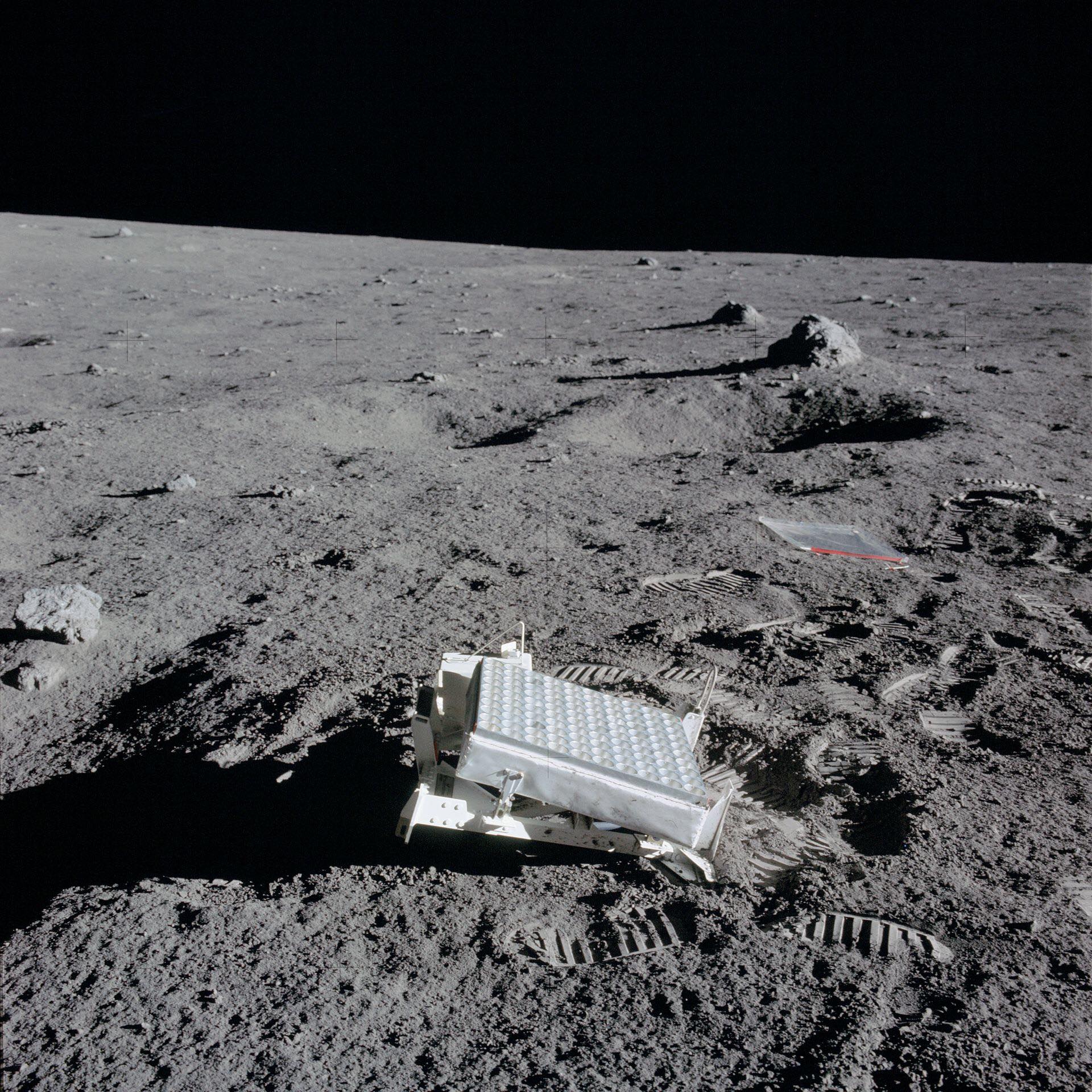
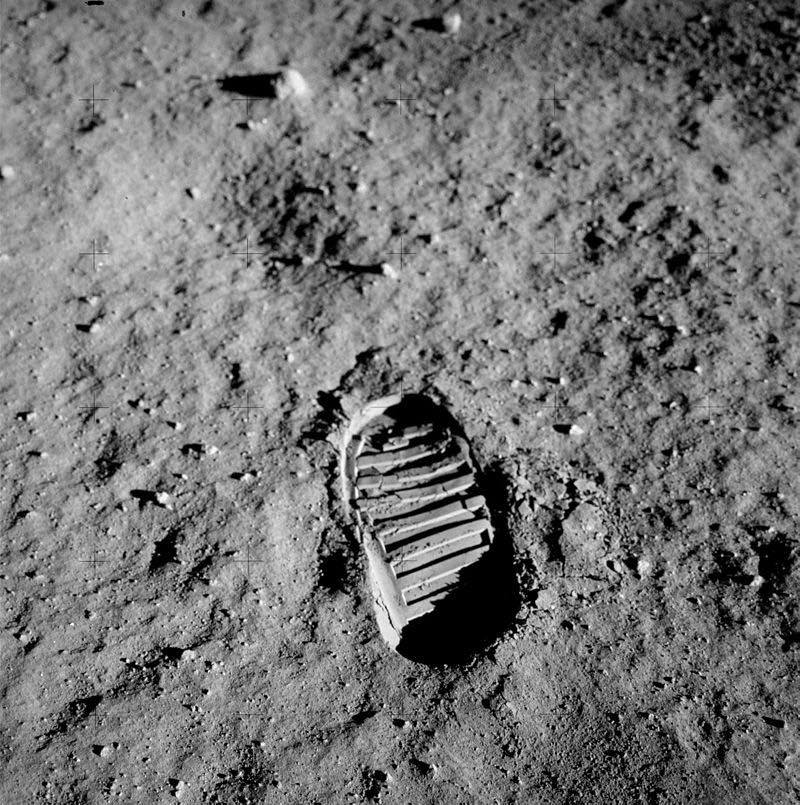
When teaching physics I noticed that not many people are aware of the mirrors 3 of the Apollo missions (11, 14 and 15) left on the moon. Since the moon landings, lasers have been fired at these mirrors from Earth to give very accurate readings of the distance of the Moon from Earth, and to do other research. This is the mirror Apollo 14 left on the Moon. The Russians also have two sets of mirrors on the Moon, and a private company is sending some more in 2019. Also a photo of Buzz Aldrin’s footprint from the Apollo 11 mission, just because it’s a great shot.
As a kid it never made sense what adults saw in politics. But I see it now. Many hate politics, but it’s an amazingly rich teacher about life. Take the current fight between Turnbull and Abbott. We’re all so used to living and working in environments where that couldn’t happen, where a boss or parent would step in and force a resolution. Politics teaches us that life ultimately isn’t like that, you always - always - have to persuade people to do as you do, you can never force them. Turnbull is powerless to force Abbott to do anything, he has to persuade his colleagues to stick with him. In our lives we do sometimes see glimpses of this. The teenager who walks out of home, the families who split up with irreconcilable differences, the workplaces that become dysfunctional. What I think politics teaches us is that *this* is the baseline, not the other way around. The whole world works by persuasion, not by force. What looks like force is persuasion that has failed, but even then force doesn’t fix it. The default is disagreement, not agreement, anybody who believes the reverse is freeloading off the work of the people who generate agreement.
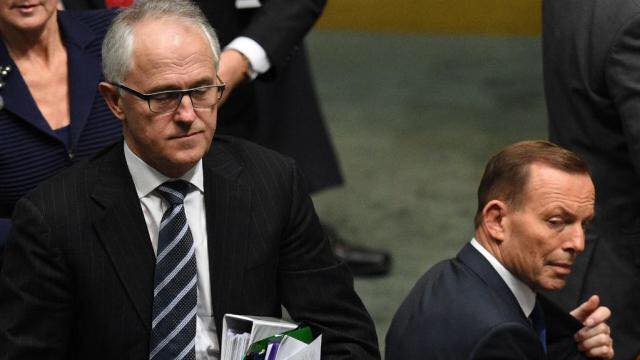
Watching Malcolm Turnbull on energy bills. How long will it be until we decide again that essential public services should never be privatised? Not energy, not education, not housing, not superannuation, not roads, not water, not banking. There isn't one good reason to turn an essential public service into a market to make money, and you're a rolled gold idiot if you wonder why every time we privatise these things, they fail. Making money from these services can't be reconciled with providing the lowest cost, best service. The 'market' doesn't even exist, it's always been a fiction created by those who make disgusting sums of money out of it.
Conspiracy theories and urban myths are both fascinating things. David Grimes took a completely different approach to conspiracy theories (which he doesn’t dismiss out of hand), by ignoring the facts involved and instead looking at the secrecy needed to keep something from becoming known. For example NASA employed over 400,000 people at the time of the moon landings, and Grimes calculated that with that many people in the know of any cover up, the secret would have been exposed in under 4 years. Climate change is very similar, humans don’t keep secrets, particularly when large numbers of people are involved. https://www.telegraph.co.uk/science/2016/03/12/faked-moon-landing-would-have-been-exposed-within-four-years-sci/
It changes how you look at politics I think, if you look past the politicians to the points of view in the community that they represent. Like today in Canberra, could easily be dismissed as politicians just looking out for themselves. But each one of those politicians is fighting for views that many people in the community hold. We can be hypocritical looking at events like today and saying our politicians are hopeless. They represent points of view some of us have, that's their job, if we're divided as a community, they will be in Canberra too. And there are real tensions in the community over those views and what they mean, we're not united. Politicians are us.
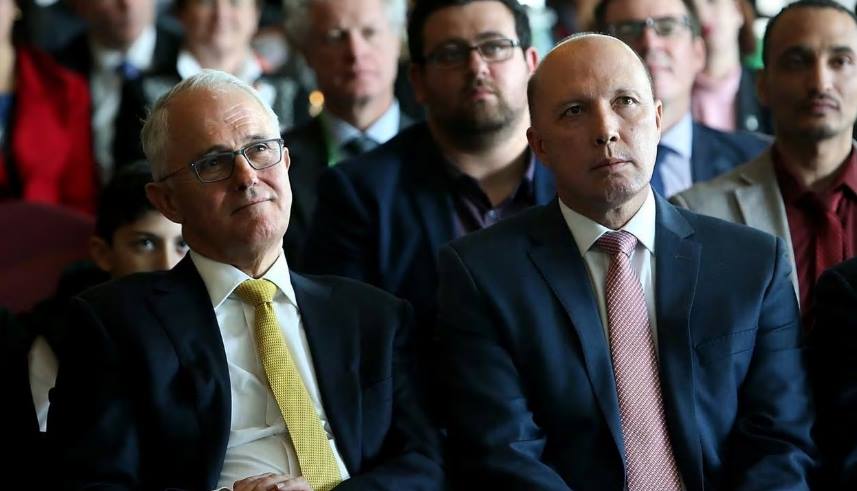
“Our attitude to drought is all soft heart and soft head.” Couldn’t fault a word in it. https://www.smh.com.au/business/the-economy/our-concern-about-the-drought-isn-t-fair-dinkum-20180821-p4zypf.html
Happy Birthday smiley! Hope you and Audrey enjoy more Book Week today. Love you :)
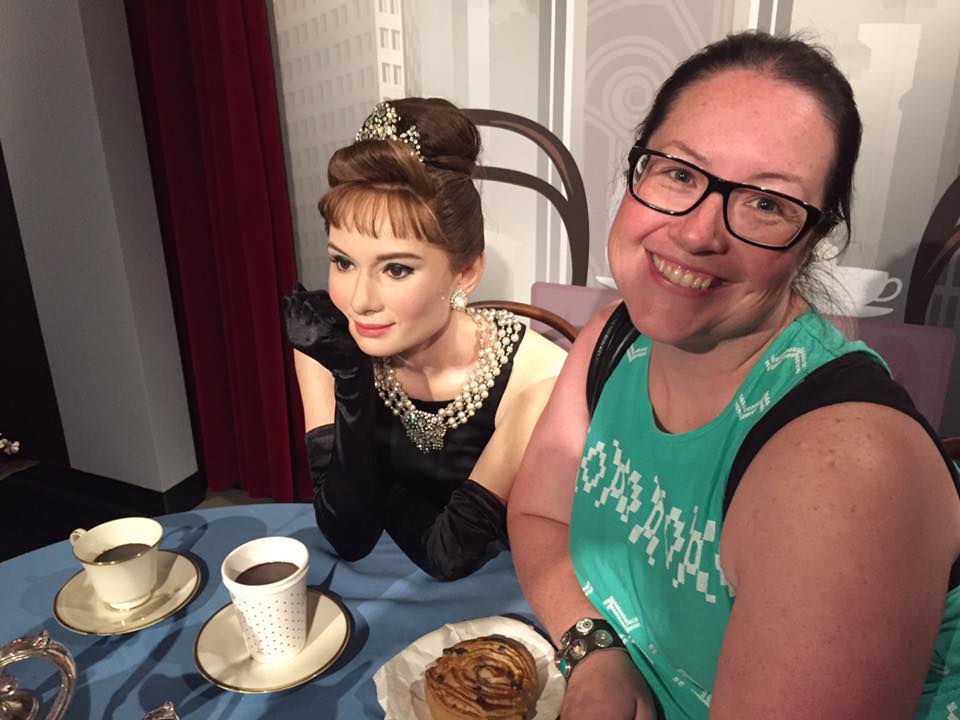
Grief and right emotion. The Stoics are trending right now. They saw sentimentality as a type of disease. Seneca: “...there are certain feelings which claim their own rights. Tears fall, even when we try to suppress them, and shedding them is a relief to the mind. What is it, then? Let’s allow them to fall, but not summon them up. Let what flows be what emotion forces from us, not what is required to imitate others. Let’s not add anything to our genuine mourning, increasing it to follow someone else’s example.” Epictetus: “What you love … has been given to you for the present, not that it should not be taken from you, nor has it been given to you for all time, but as a fig is given to you or a bunch of grapes at the appointed season of the year. But if you wish for these things in winter, you are a fool. So if you wish for your son or friend when it is not allowed to you, you must know that you are wishing for a fig in winter.”
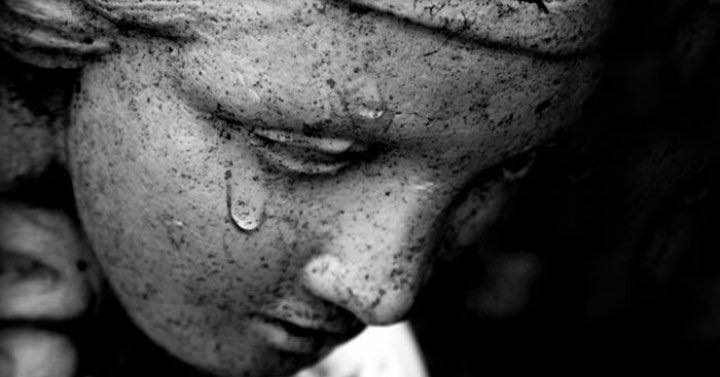
I'm sure you said the support for ideas around design was growing @[100001374621876:2048:Kato]?
Little bit long, but asks a question that I think a lot of men and women ask. What do women really desire? (And mindful of course that there’s no reason they would all desire the same things.) One thing that interests me in this (sometimes pretty stupid) research - I don’t think an MRI is going to answer this question, for example - is the consistent finding that many women may be *less* ‘relational’ in their desire than men; they want to receive pleasure a lot more than they want to give it. Normally that’s seen as a male thing, but porn is evidence that it may be backwards - porn is overwhelmingly images of women experiencing (even if faking) pleasure. And that’s porn made for men, mostly, who are less interested in seeing men experience pleasure. Studies seem to show even women prefer seeing other women, in porn, than seeing men. Also a good discussion here about the difference between ‘rape fantasies’ and the desire which comes from submission. Very different things, often confused.
Happy birthday cuz!!
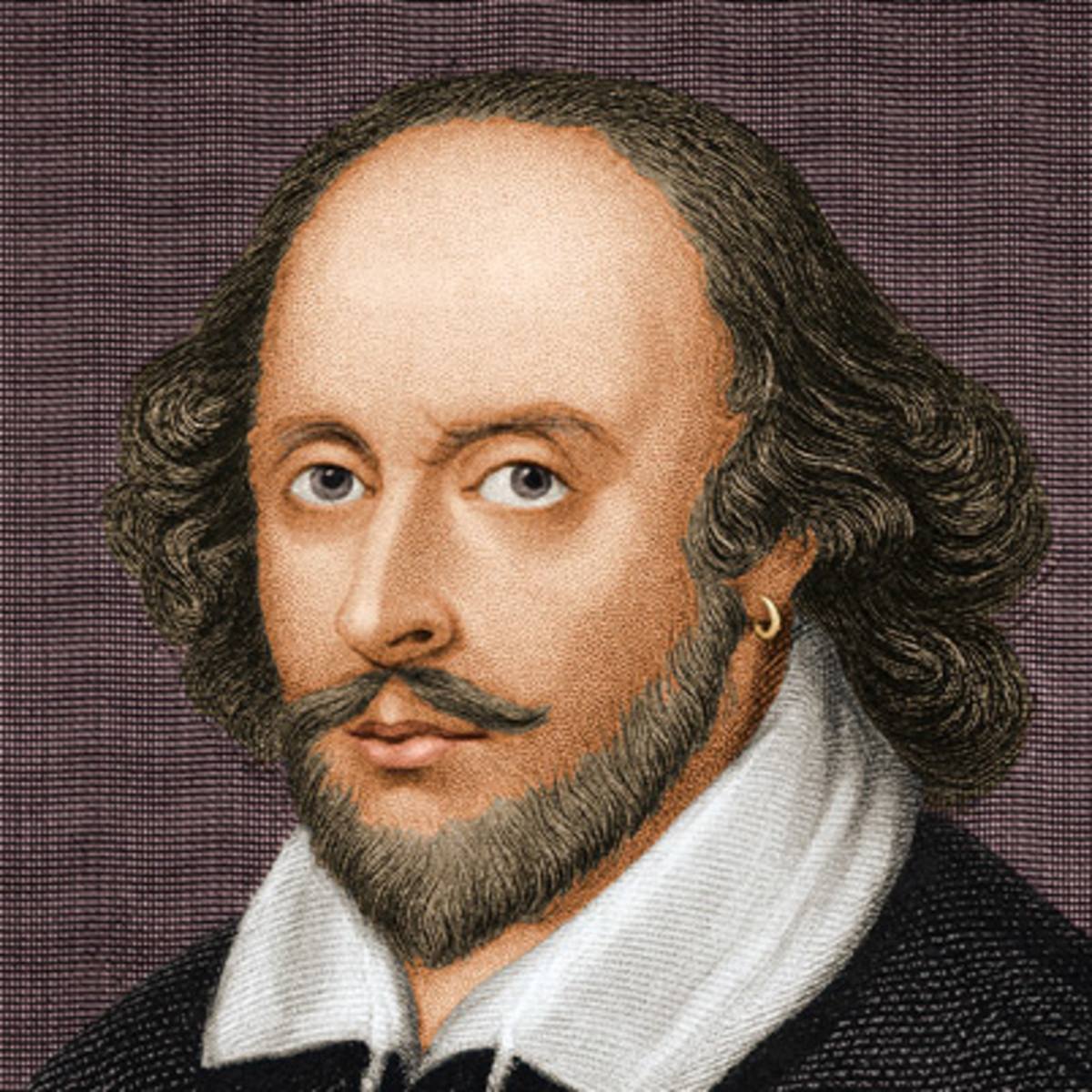
Canberra right now is Shakespearean. Shakespeare based quite a lot of his work on politics. It still frustrates me that people think politicians should all be nice to each other, should stop arguing and fighting. Our understanding of how our own societies work seems so poor. Politicians fight so that we don't have to. As Paul Keating once said, do people prefer fighting in the streets, or in parliament? These fights right now aren't just about individuals, they're about issues that the public is also deeply divided on. Let the pollies slug it out, so we don't have to. (I like the earring on Will.)
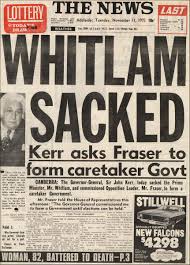
Gough Whitlam was dismissed by the Governor General in 1975 for not being able to pass appropriation Bills through the Senate. Government was running but the big money Bills couldn't be passed, which the GG (bless his idiot soul) decided made the country ungovernable. Twice now in the past year the current government has actually dissolved parliament, because it couldn't manage its own business. Outrageous, corrupt. If you can't govern, you forfeit the right to govern. Come on Peter Cosgrove, that's much worse than 1975.
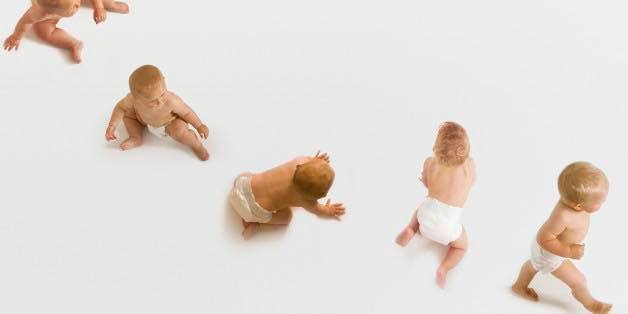
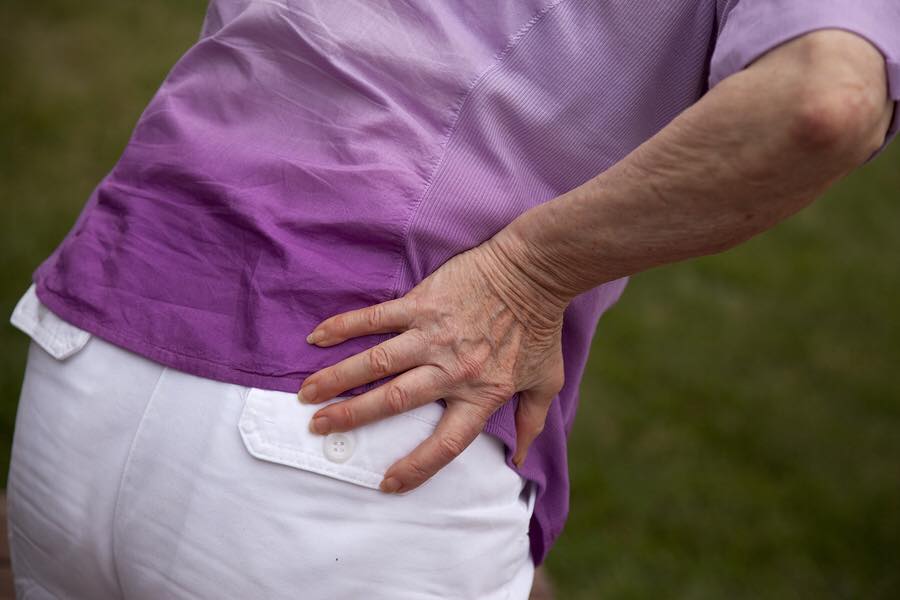
A gap in our education? If you play sport, it’s obvious that you start pretty badly at it, and then with practice you get better all the time. But with the basic physical things we do every day, like stand, walk, run, sit - with those we assume we sort of mastered it in childhood, so it doesn’t need any more work. I think that’s a terrible mistake, and maybe even the single biggest way we end up making ourselves unhealthy. Exercise magnifies the problem, because in sport we know you have to master the basics before you move onto advanced things. But with a lot of our exercise we take some pretty poor skills in even basic things like walking, or lifting, and then magnify the forces hugely. The damage to our body can be enormous, and our bodies are tough so often we don’t get the damage until later in life. Look at all the hip and knee replacements, for example. But not being able to do these basic activities in balanced ways, free of effort, affects everything about our health, not just joints. Ideally, you should be able to as a minimum sit, stand, walk, run, and lift without strain. Without effort, as we call it. Most people can’t do this, which keeps massage therapists, chiros and physios in work. That should include effortless, rhythmic breathing. The root of learning how to do these things is learning how to interact with gravity, rather than seeing it as a force acting ‘down’ on you all day. I wrote about that before a bit, at: http://www.learningmethods.com/posture--the-great-big-rump.htm http://www.learningmethods.com/floating-in-a-sea-of-tissue.htm

Is "told you so" an unhealthy emotion? ;)
It’s a funny video. But I’m going to maybe be a lone voice and say this week *has* been politicians doing their job. We just don’t understand their job.
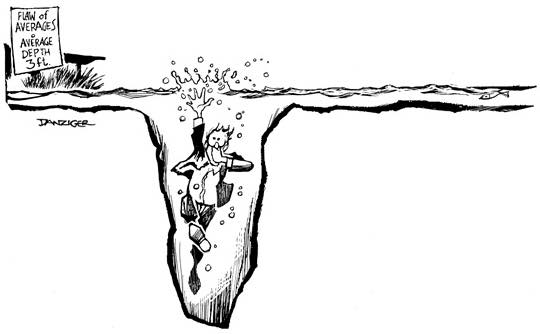
The (F)law of Averages! We misread climbing average life expectancy as meaning ‘everybody is living longer’ (we aren’t). You can see the same flaw in superannuation, how we’re told we need a lot of super because we’re all living longer lives. That lie makes the super industry extremely rich. There’s another very interesting flawed use of averages. Overpopulation. It’s very common to think the world is overpopulated, and getting more so all the time. And that it’s caused by people having more babies - by fertility. Actually that’s backwards, it’s caused by mortality, not fertility. Ted Nordhaus explains it well: “Affluence and modernisation bring falling, not rising fertility rates. As our material circumstances improve, we have fewer children, not more. The explosion of human population over the past 200 years has not been a result of rising fertility rates but rather falling mortality rates.” Population has gone up not because we’ve had more babies, but because far fewer of those babies have died. Population will peak and then come down all by itself, as developing countries become richer.
Fired up the electric for a quick shred.
One of those little keyholes into our amazing world. To divide is both to share, and to drive apart. ‘We are divided’ means we are fighting with each other. But to have peace we need to divide our common goods amongst each other. Demos, the root of the word democracy, and demon (strife, division), have the same root, da - to divide. The law courts and parliaments, where two sides argue, are the core of our peaceful lives. To have peace, you must argue and fight. We are divided, but we also must divide, or share. We move from demon to demos, through argument.
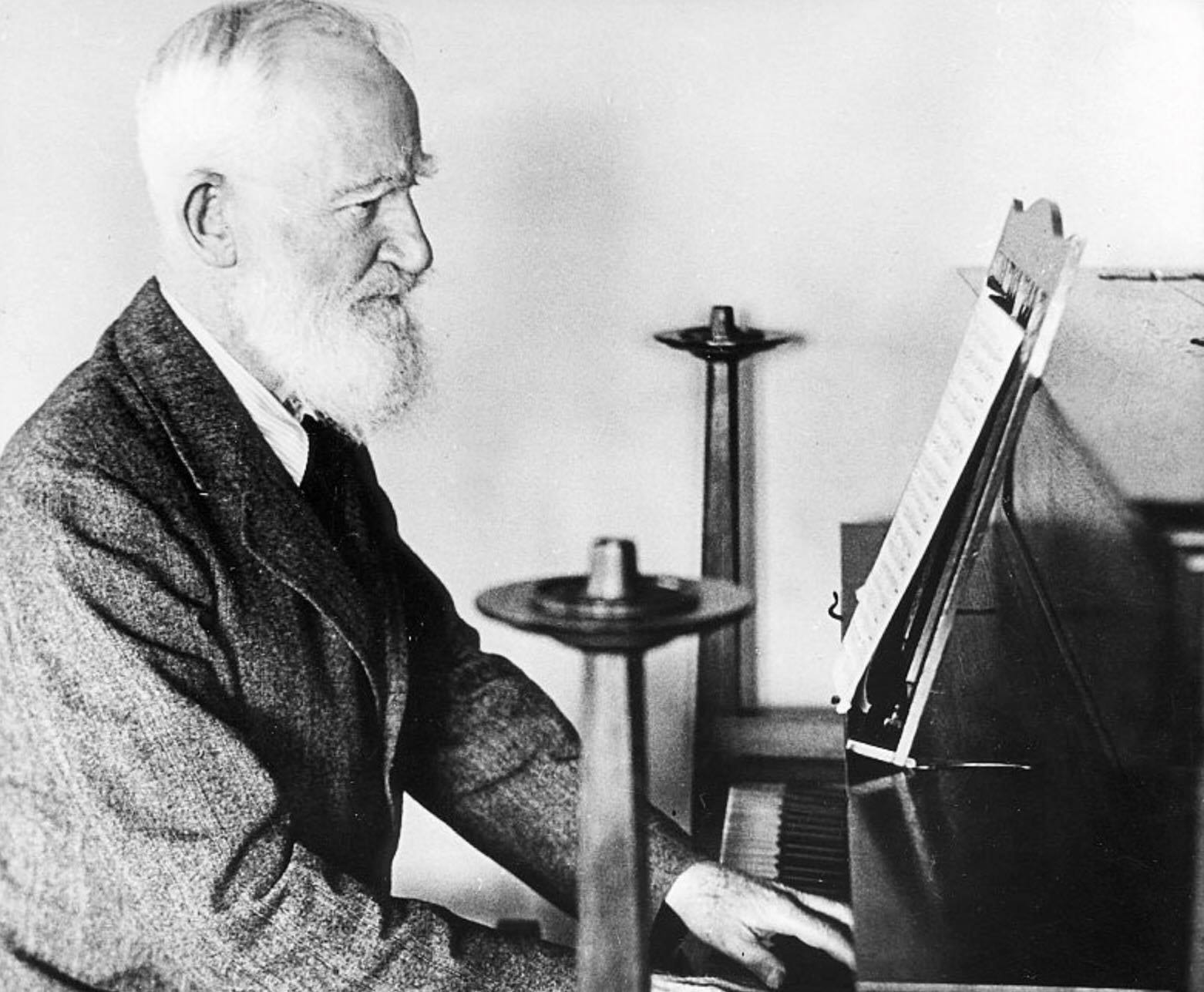
George Bernard Shaw, before he was a famous playwright, was one of the world’s leading music critics. (One of my favourites was him suggesting a steamroller be used on the chests of people coughing at the opera.) One thing Shaw said that always stuck with me was that he was sick of virtuosos on instruments. Shaw believed that instruments should be as easy to play as possible, so that people weren’t subjected to boring demonstrations of technical proficiency. Rock music is appalling for that, who can play the fastest is an idiot obsession, we have generations of musicians with awesome ‘chops’ and no musicality. But I wouldn’t make it a binary thing either, which some do, saying it’s all about feeling and not about skill. Skill will let you express more feeling, they’re not opposite. You see a lot of memes criticising ‘laptop’ music. But if you play with a lot of the modern digital music apps and their software instruments, you see a world Shaw dreamed of. A world where a lot of the pointless technical exercises aren’t needed, where you don’t need to know scales, they’re built into the app for you, where you can throw together an entire orchestra of music in an hour or so. The focus is on the music. Stevie Wonder was doing this stuff decades ago already.
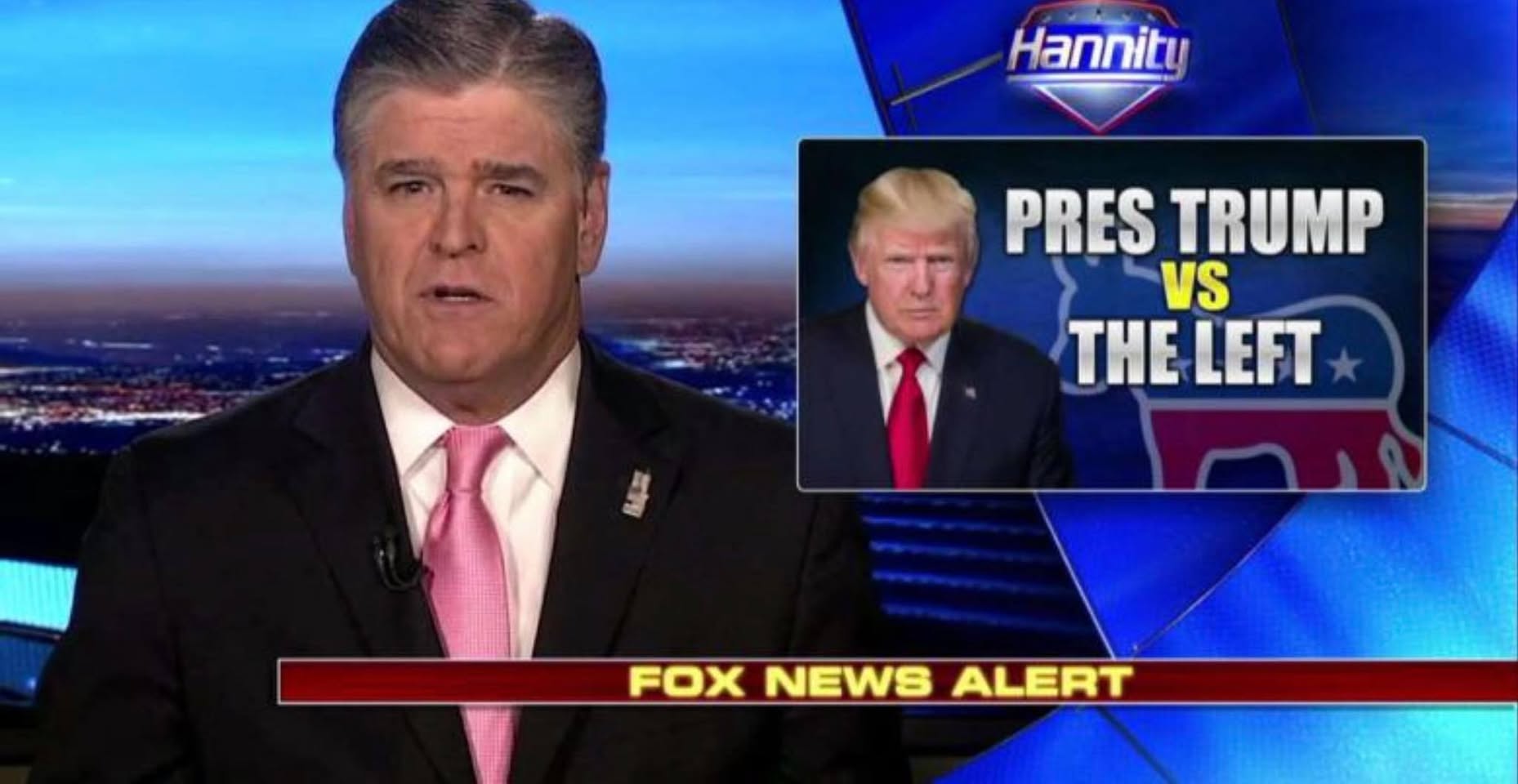
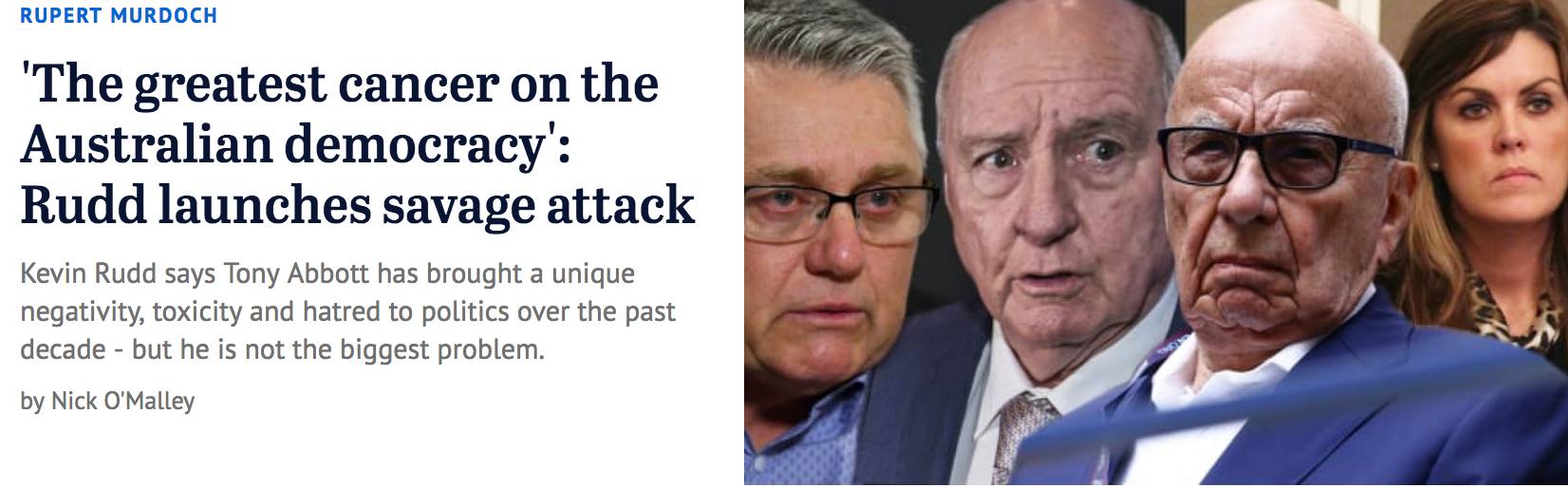
Any country with 'democratic' in its name is usually an authoriarian dictatorship. Any media organisation that uses words like 'fake news' and 'bias' and 'the Left' and 'the Right' isn't a media organisation, it's a political machine. (Not just my opinion, those organisations factually are just political machines. Sky/FOX, 2GB, Daily Telegraph in particular.)
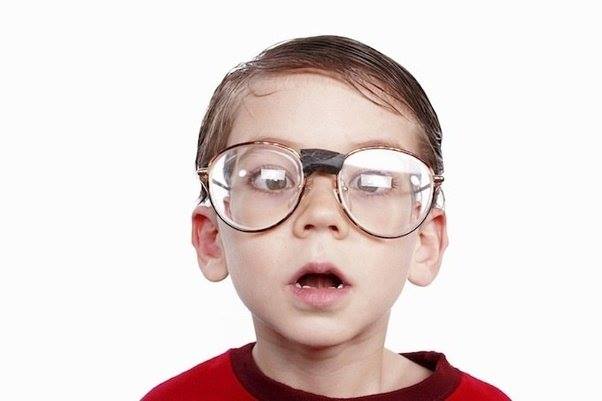
There's no doubt glasses help millions of people to see better. But I think they're a great example of how assumptions shape everything we do. Glasses were invented on the assumption that we see with our eyes. Duh? Well, maybe not as obvious as is made out. We sometimes call it 'eyesight' - there's the assumption right there. You obviously need eyes to see, but that's quite different to believing seeing = eyes. You could say we walk with our legs, but I guarantee if I sawed your legs off and put them on the ground, they wouldn't go anywhere. There are, and have been for many, many years, other ideas and methods for dramatically improving sight, without glasses.
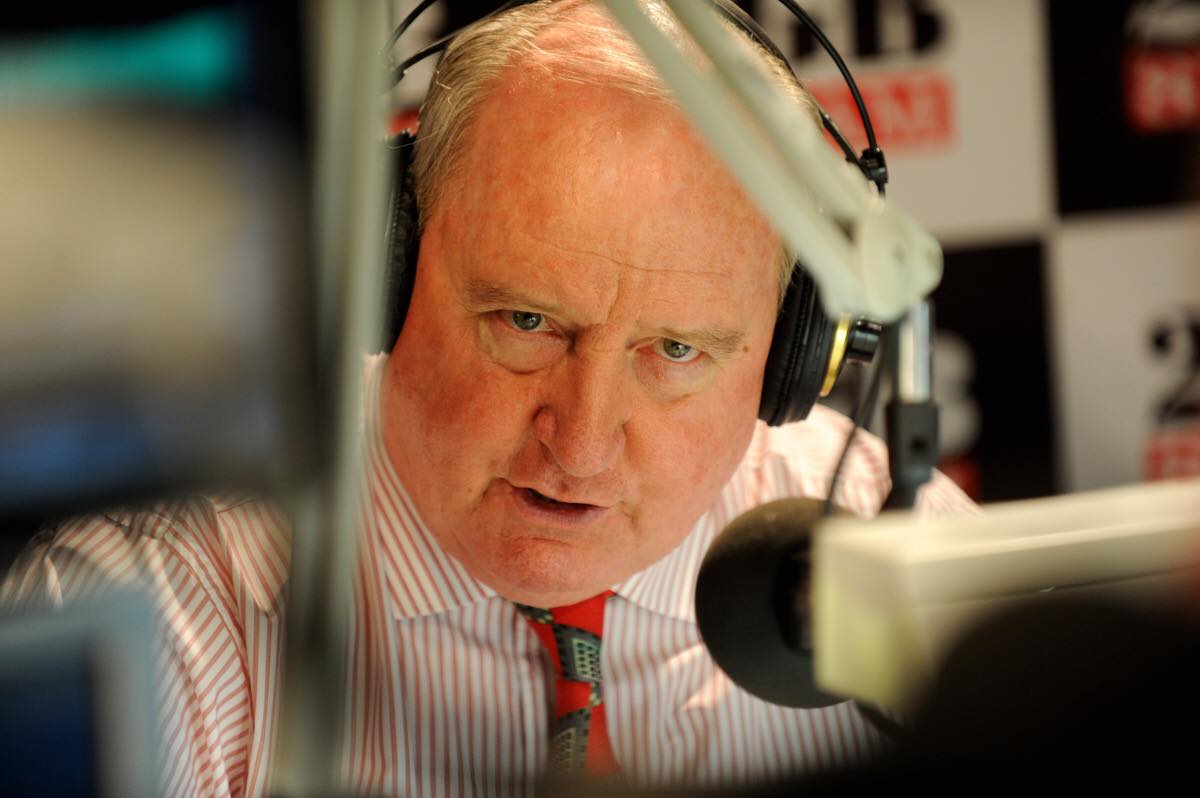
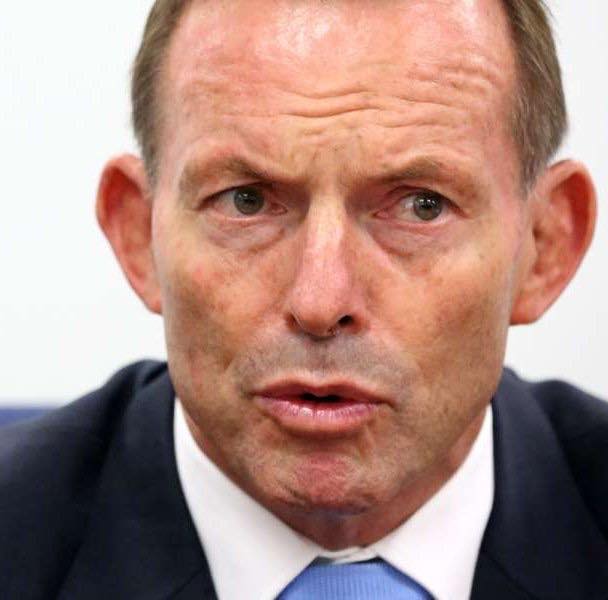
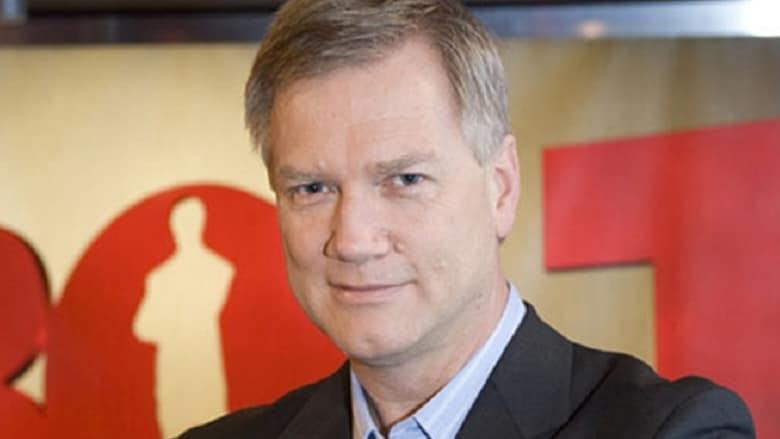
Men like this are helping to break our society. So why do people listen to them? I think it’s the same thing again - stories. They tell simple, emotionally powerful, stories. Stories that give a feeling of resolution to people in their difficult lives. I don’t think the answer is to shut these idiots up (that just triggers their tedious whinging about free speech), it’s to tell more powerful stories to drown out their bullying fairy tales. These men are professional, highly paid whingers, they produce nothing, they sit and talk and complain all day. Australians are supposed to hate whingers.
Happy Birthday Rob! Hope you have a wonderful day.
Happy Birthday Louise :)
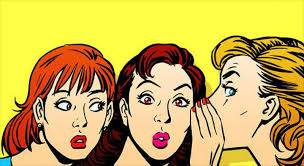
Is gossip the most powerful force in the universe?
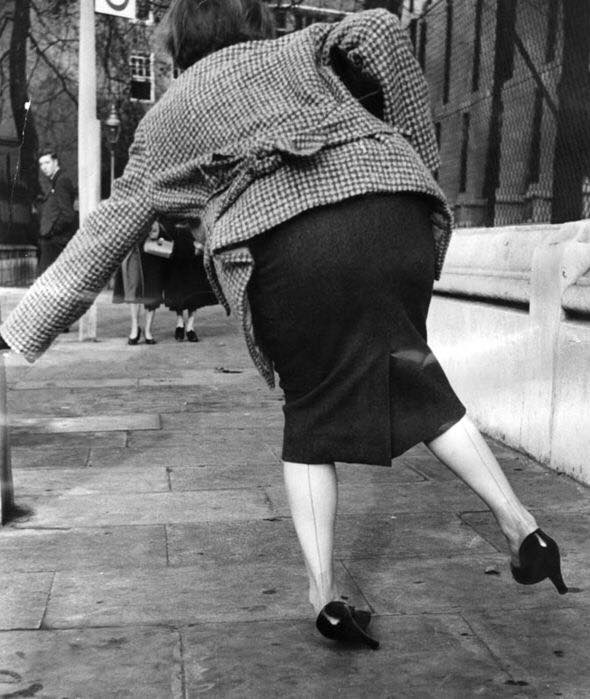
Is all fear really the fear of falling over? Humans need exquisite balance to stay upright, many of us fail and compensate in all sorts of tightly held ways, a lot of them sub-conscious. Falling is one of the greatest risks to our safety, as many older people are acutely aware. As young and healthy and fit people, we can forget just how terrifying it can be to fall. So the fear of falling runs extremely deep in us, as animals. It might seem weird to see all fear as the fear of falling. Fear of spiders, of public speaking, for example - how could they ultimately be the fear of falling? I think because fear is mostly about not being in control of a situation. Of something harming us, that we can’t prevent. To be in control is to be engaged, active in the situation, shaping it the way we need it to be, for us. To be active in that way, you have to be upright and plugged into what’s happening around you, that’s how we’re built. When a situation stresses us, we can lose our poise, which puts us at risk of falling. Our bodies tighten up all over to try to prevent that. That tightening also tightens our breathing, and when the breathing becomes irregular, anxiety and fear start. So that original fear of falling then becomes secondary fears, like fear of spiders, or public speaking, which we think are separate. But it all traces back to that initial fear of falling.
Truth to me is something that resolves a tension we feel. There are big wallop ways to do that, which give you a quick emotional hit. For example, refugees - the two truths that we see most are "they'll come here on our terms only", and "let's embrace them with open arms". Both big sugar rush truths. Big sugar rush truths usually fall over pretty quickly. Like food high in salt and sugar, you get that quick rush, and then you feel hungry or not satisfied not long after. That's how I assess the truth of something, whether it's just a quick emotional resolution, or something more subtle.
Did I miss your birthday? Sorry, hope it was great :)
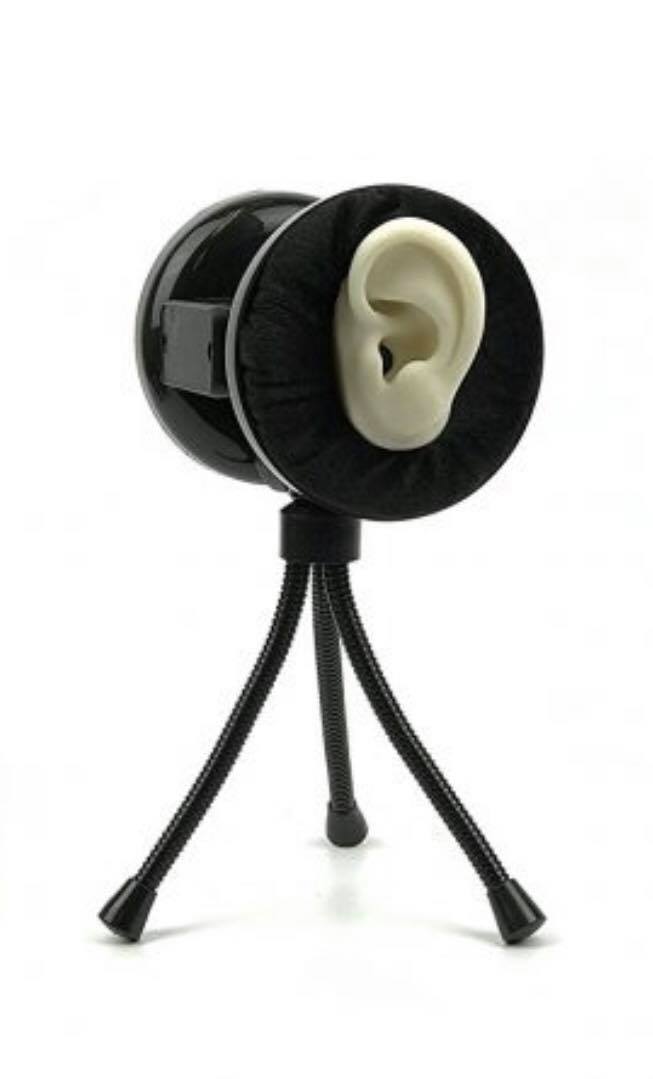
Hands up if you know what this is. (It’s very cool.)
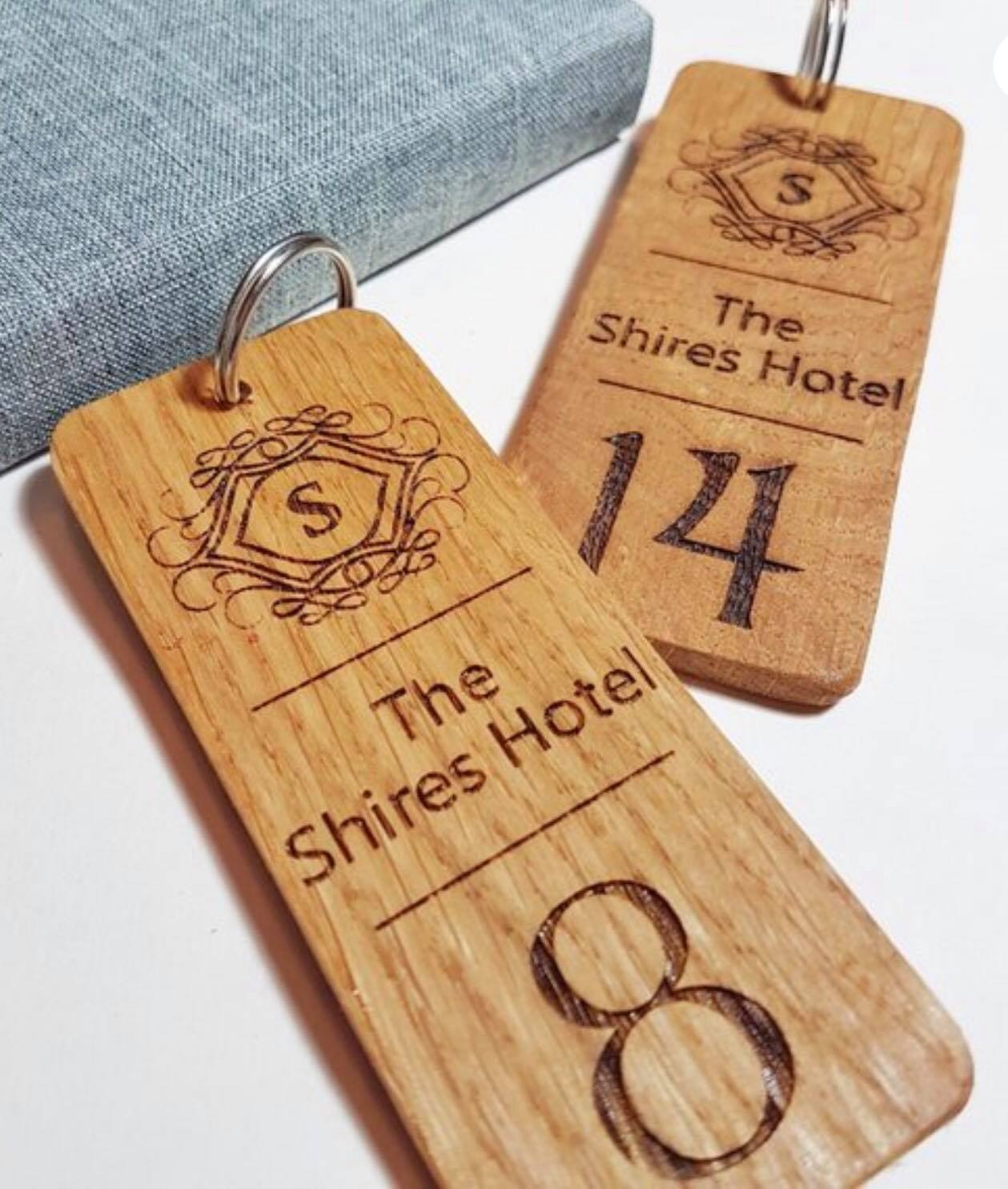
Hotel keys were an example I was once given of how morality and technology are inseparable. Many hotels for years would attach large key rings to their keys. The reason for this was to try to stop people accidentally taking their keys with them when they checked out of a hotel - the inconvenience of carrying the large key around was supposed to prompt people to remember to give it back. Here a moral action - returning what isn’t yours - is embodied in a material object. No amount of asking people nicely to return the keys worked, no matter how moral and nice the people were. If you look around you, thousands of moral actions are embodied in material things in this way, our societies wouldn’t last a day without the material embodiment of moral actions.
An observation from many years of Facebook. (Not being critical here, more genuine curiosity about how things work.) There's not much interaction. People overwhelmingly seem to post about themselves, or their friends and family - updates on what they're doing mostly - or they share some 'cool' thing they've found (funny video, saying, etc.). Often the cool shares are also personal, a way of branding ourselves. The social network is not very social. It's very 'look at me, and I'll look at you'. Like mutual peeping toms. A very weird form of social, where everybody is still just an individual, advertising what they're doing and what they like. Like a dating app where nobody actually dates. Are we vain? Or do we have little to say about anything that isn't ourselves? Or are we reluctant to interact with others, to give a point of view, because we've come to see disagreement or discussion as unpleasant or scary?
@[783412914:2048:Kyle], @[584373168:2048:Peita], @[100001374621876:2048:Michael], you might like this one about music, and musical genius. How we're all a bit genius really, cos music is just sound, and we're all masters of sound. https://aeon.co/essays/you-are-a-remarkable-musical-expert-you-just-don-t-know-it
Hmmm, whom to tag...
It’s a wonder of the modern world, flying. But a disaster at the same time. Flying consumes more than 5 MILLION barrels of oil per day. And it’s growing fast. I don’t think this will change unless we really examine our lust for travel, as I always bang on about. There is no ‘authentic’ tourism, I think we have to accept that our seeing is destroying things at the same time. And understand why, emotionally and psychologically, we can’t be happy where we are, we always need to be somewhere else. Travel is another sugar rush, a contrast experience, other places seem ‘amazing’ because they’re not our places. We use up the contrast quickly, trashing the place, and go looking for new contrasts. If you wear your shoes on the wrong feet you’ll get a contrast experience. We’ve forgotten how to make our own places amazing, and we forget that amazing is only a brief contrast. We don’t occupy space, enrich it, we still have the conquering DNA of our imperial past, we accumulate new places and ‘experiences’. We become parasites on everybody else’s homes.
There are towns in danger of running out of water. Even Sydney has lost alarming amounts from its vast reservoir this past year. (In Australia we tend to think dams somehow magically create water from nothing, in Bathurst they keep raising the dam wall, that’ll fix things.) Yesterday I checked Lithgow’s town supply stats. Capacity is running at 100%. This scheme worked. And hard to see a loser out of it, the mine water doesn’t end up in rivers, and Lithgow is pretty much drought-proof. Just gotta keep Clarence colliery open now! P.S. isn’t Lithgow great? I know you’re all thinking that.