September 2018
Complete text-bearing Facebook records from the export.
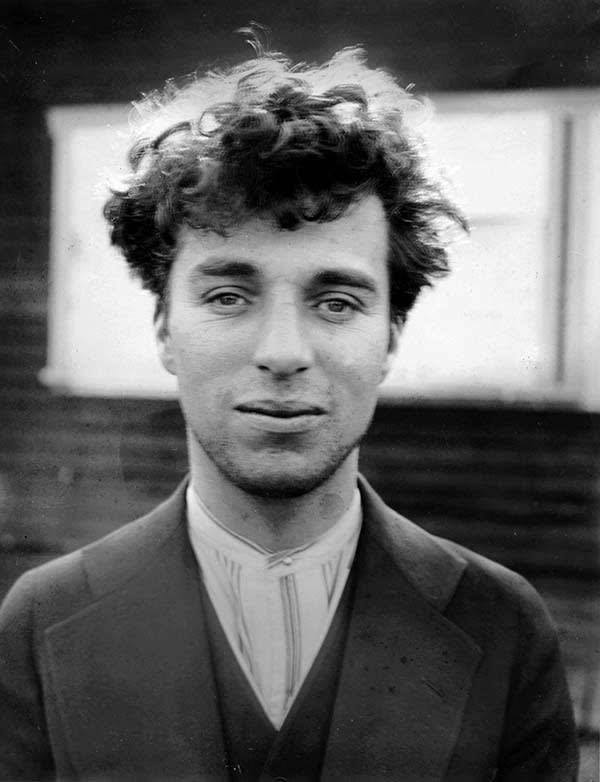
Guess who.
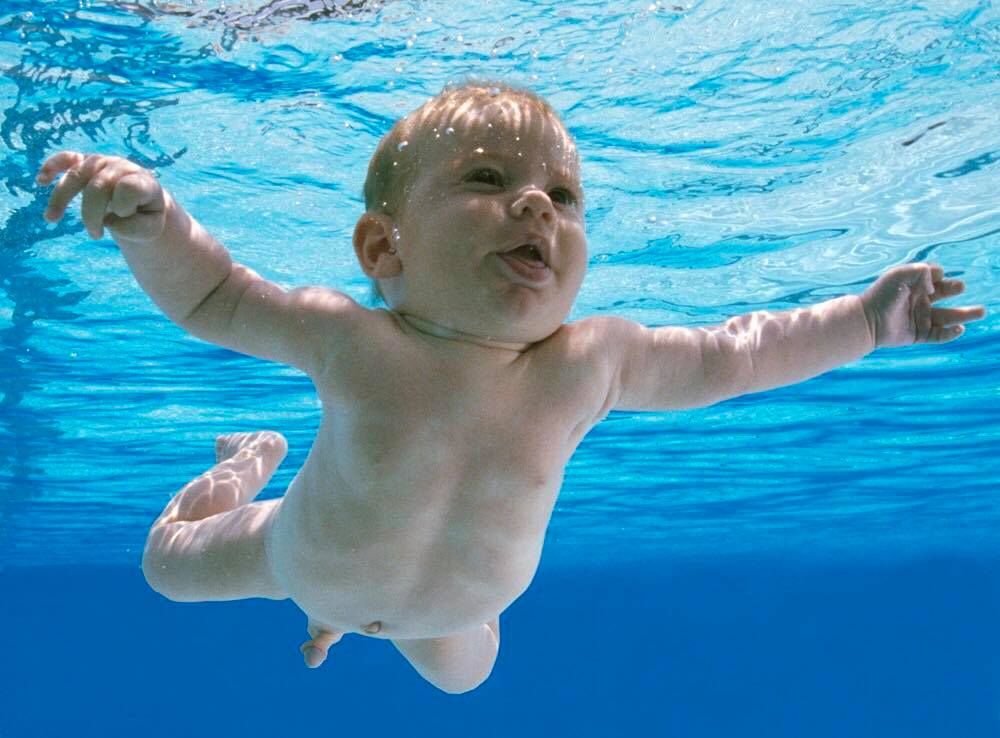
If you float in a pool, you’ll notice that most of the feelings you normally have in your body will disappear. That’s because what we feel in our body is created by the interaction between our bodies and what’s around them. What we feel is forces. Once you know that, that your body feelings in everything you do aren’t really body feelings at all, they’re forces telling you your relationship with what’s around you, you can then use your awareness of these forces to change your entire life. It’s worth trying. In everything you do, whether it’s watching TV, vacuuming, or whatever, try to change your awareness of your feelings. Start to feel them as forces, changed by your relationship with the ground and the activity you’re doing. They’re not ‘your’ feelings, they don’t belong to your body, they’re created by its interaction with what’s around it. *Don’t* try to change the feelings in any way at all, they’re not a thing, you’ll be chasing your own tail. Just gently be aware of the feelings, within your activity. Your body will automatically - you don’t need to do a thing, except be aware - start to change how it does things, to minimise unbalanced forces. It’s like learning to ride a bike, through nothing more than your own awareness, your body will start re-balancing itself, to the forces. You never need to change the feelings in your body as you learn to ride, eventually the body learns and the feelings of unbalancing disappear. Over time you will have fewer bodily feelings, because you’ll be increasingly in balance. All activities will begin to feel like floating in a pool. That will change your health profoundly too, in good ways.
Happy birthday Kiah :)
I once suggested that we get ‘Nanny States’ when we act like children. In a similar vein, libertarianism is a set of desires and beliefs that see institutions, like government or the law, as restricting individual freedom. What I find ironic about libertarianism is that it creates the thing it dreads the most. By acting purely out of self-interest, and making the individual the centre of the universe, it causes the social chaos that then creates States and their laws, to try to mend the chaos. That’s what karma is. Reality will make you live the consequences of your desires and beliefs.
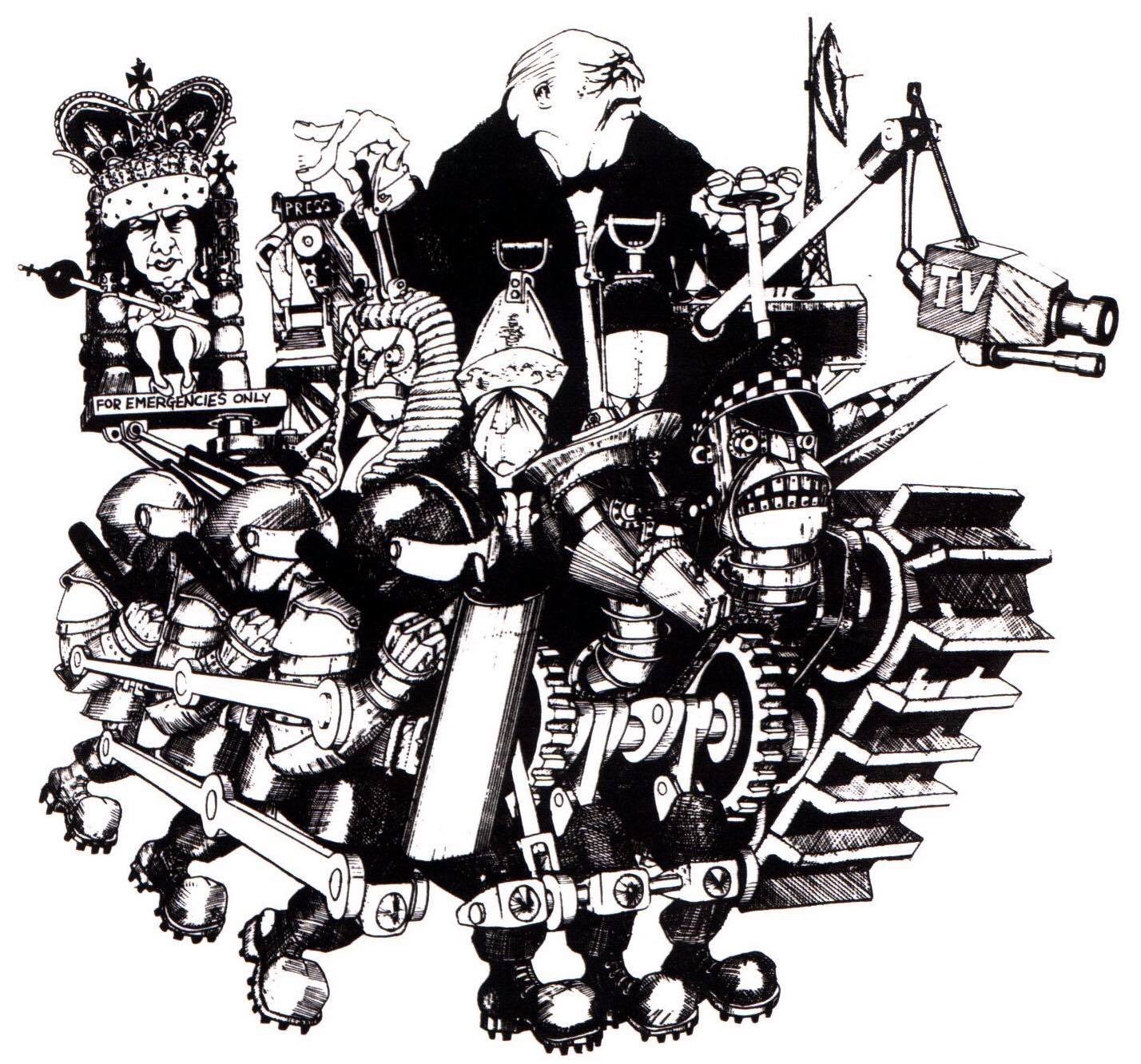
Oldie but still a goodie. Raise a glass to the do-nothing people, our saviours.
I think societies are just a whole lot of stories. And those stories are made up of all of our desires and beliefs. Marshall McLuhan used to say that social scientists should stop worrying about not having much research money, and study ads instead. Advertisers and marketers spend tens of billions every year, researching how people are feeling, what they're desiring etc. They also help shape those desires and beliefs. Watching how something is marketed will give you precision insights into what's really going on out there, in peoples' hearts and minds.

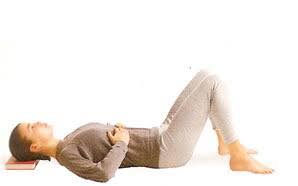
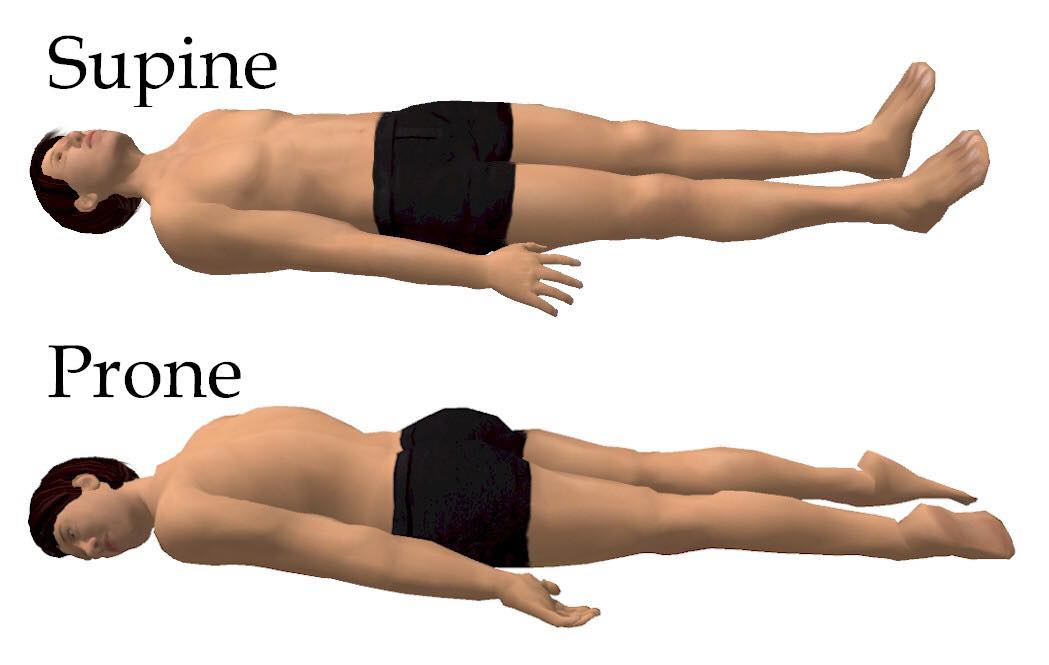
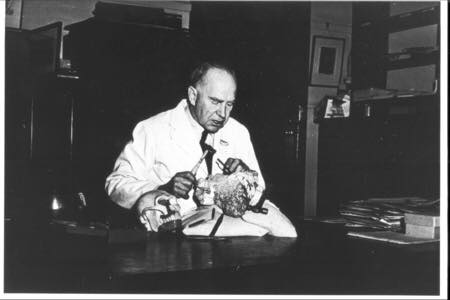
Know how when a gadget plays up, often the easiest way to fix it is to just reboot? Turn it off and on? Reading the work of the remarkable Australian anatomist Raymond Dart made me realise our bodies have an on/off switch too, a way to reboot. It’s pretty remarkable, and simple, have been testing it on myself. If you lay on the floor, preferably on a carpet or rug, in a supine position, or semi-supine (knees up - see the pic, couple of paperbacks under your head), you reboot yourself. Being horizontal like that cancels out the usual gravitational forces we’re subjected to in our daily activities. The effect that has on you is actually far-reaching and is one of the reasons I suspect we sleep every night horizontally too, to do this rebooting. Your breathing normalises to a beautiful smoothness, and any knotted tensions in your body unwind. You ‘unwind’, literally, the torques you accumulate during the day unravel. Because our minds aren’t a separate thing to our bodies, this also starts to unknot tension in your thoughts too. We often have massages or do stretching or other bodywork to try to relieve ourselves of body aches and pains, but usually this doesn’t last long because we’re focusing on bits of ourselves. This horizontal unwinding though is very different, because it unwinds all of you, at once. Lay there long enough, and be aware of your body, and you’ll feel how it’s all connected to itself, and to the world around it, through the floor. You reboot, it changes how you go about daily upright things too, you start to feel the forces directly, and the connections. Give it a good 20 minutes, once or twice a day, the payoff can be enormous. (You can try prone position too, though semi-supine is probably the best one to do the most often. Supine then becomes a great sleeping position.)
Australia often lags other parts of the world in trends. In the US for example there’s a real backlash against school fundraising. Here it’s all still pretty gung-ho, you beaut. Children are so often used as the weak spot to target adults’ wallets, in shops and also in schools. I think there’s too much fundraising in Australian schools, barely a week goes by without some new hit on parents’ pockets. And on top of that, often people have no idea what the funds will even be used for, a gimmick is used to get people in, and nobody actually questions where the money is going.
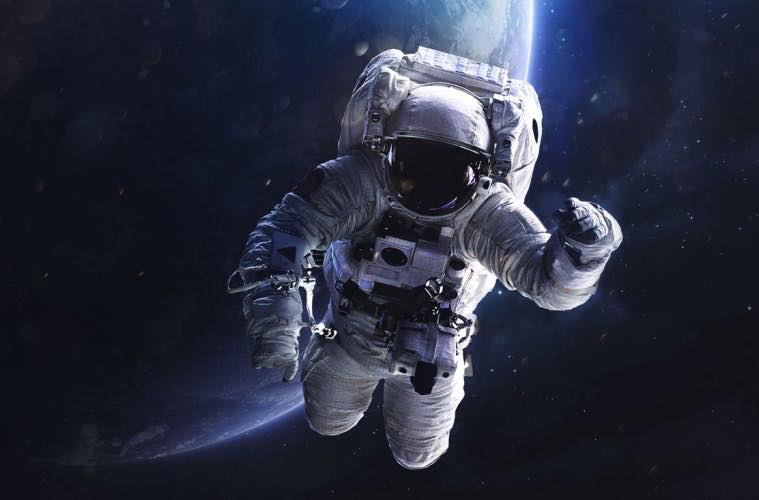
An experiment I sometimes ask people to try. We’re all familiar with astronauts floating in space. What’s much less well known is that there is no actual spot where ‘outer space’ ends and Earth begins. When you stand on the surface of the Earth, you’re still ‘in space’, it’s just that now you have a planet pushing up underneath you. This is another rebooting exercise. Many of us believe that the Earth is dragging us downwards every second, and we have to battle against that to stay upright. Which is very tiring, we feel heavy and we feel the strain of working against that heaviness. It’s not true though, you are still in space, just like an astronaut, and the Earth is coming up underneath you and *pushing* you upwards, every second. So the reboot is, see if you can go about your day in everything you do assuming you are floating in space, like an astronaut (because you are), but with the planet constantly coming up underneath you, and pushing you from underneath. Change your experiential baseline to “here I am floating in space, and there’s that planet underneath me, constantly pushing up into me”. Let go of the holding up stuff, let that pushing up go right through you. It’ll ‘hold you up’ automatically, though there’s no holding here. It’s a pushing. It’s blissful, effortless ease, the ‘weight of the world’ disappears.
I only very rarely post personal things, but I found this old pic of my boy. I swear there isn't a kinder, more gentle person alive. The world generally isn't all that kind and gentle, so more power to him and those like him.
The myth of the middle, the centre, the average, of moderation. The problem with this sort of thinking for me is that the middle, or average, is a myth. Examples. Some people are strongly for same sex marriage. Some people strongly against. What’s the ‘middle’ here - not too fussed about it one way or the other? But that’s not an average of for and against, it’s ‘I don’t care’. A completely separate, distinct position. A moderate drinker is not an average of an alcoholic and a teetotaller, it’s somebody with nothing in common with either of them. A warm day isn’t an average of a hot and a cold day, you can’t find a spot on the thermometer where hot turns into cold or cold into hot, there is no ‘middle’ temperature. Apathetic isn’t the average of Left and Right. An agnostic isn’t the average of a fundamentalist and an atheist. And so on. The point of all this being, nobody lives as an average or middle. Every person has a distinct view. Averages or middles are mathematical constructs that have nothing to do with actual life. Extremists use the fallacy of the middle all the time, to change societies to be more like how they want them. A Nazi sympathiser can demand ‘balance’ in the news, to include Nazi views. That drags everybody further into their sewer.
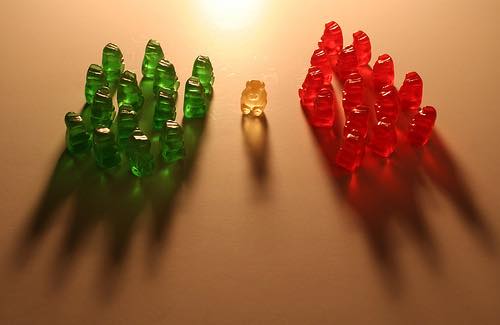
This was such a good article that I'm going to re-post it as a separate thing. Covers a lot of territory I sometimes talk about in relation to politics, where I think peoples' understanding of political strategy is now so minimal, that they look on at what's happening and just can't figure it out. This describes one of the main strategies used, to convince people that there's a 'Left' and a 'Right' and a 'sensible centre'. All bollocks.
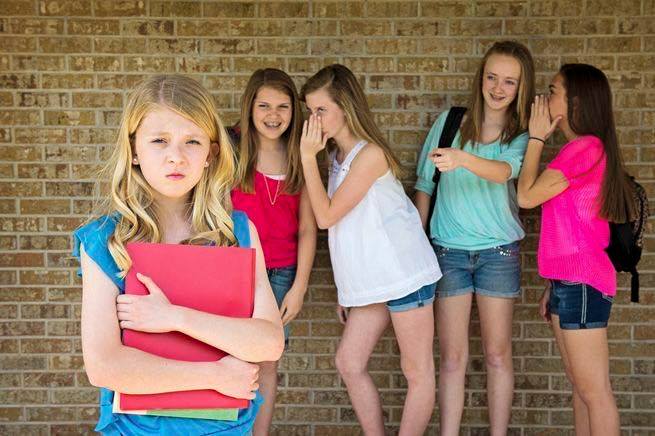
There’s a saying, “speak truth to power”. Meaning telling the ‘powerful’ what’s really happening, rather than stay silent because of their ‘power’. I scare quote ‘power’ because just about every photo you can find of bullying for example (like the one on this post), accurately tells a very different story about power. Power is always a group thing, bullies don’t act as individuals. Powerful managers don’t either, they get away with what they do not because individuals don’t speak truth to them, but because people collectively don’t. For every whistleblower or kid at school or average employee who confronts power, there are a whole group standing and watching on the sideline, saying nothing, and another group egging the bully on. That’s the ‘power’. As another saying goes, bad things happen when good people (plural) do nothing. Power is an empty, cat-kicking, pass-the-buck term we use to excuse our own behaviour.
So...now the book/essay is out. And as most reviewers say, deeply nuanced and researched, as all her work is. And I will guarantee - those who are outraged by her won't read it, as they haven't read anything else she's written, they'll stick to the outrage. A shame. I was at a pub last night and saw her being interviewed by The Project on their big screen. Afterwards the panel were saying what a shame it is that she was critical of female politicians, at a time when we need more women in power. Did we learn nothing from feminism? If a particular female politician is crap, she's crap. Supporting them because they're a woman is exactly the evil men do with other men, that feminism was partly about trying to redress.
Should we be comfortable about people looking like this at 76?
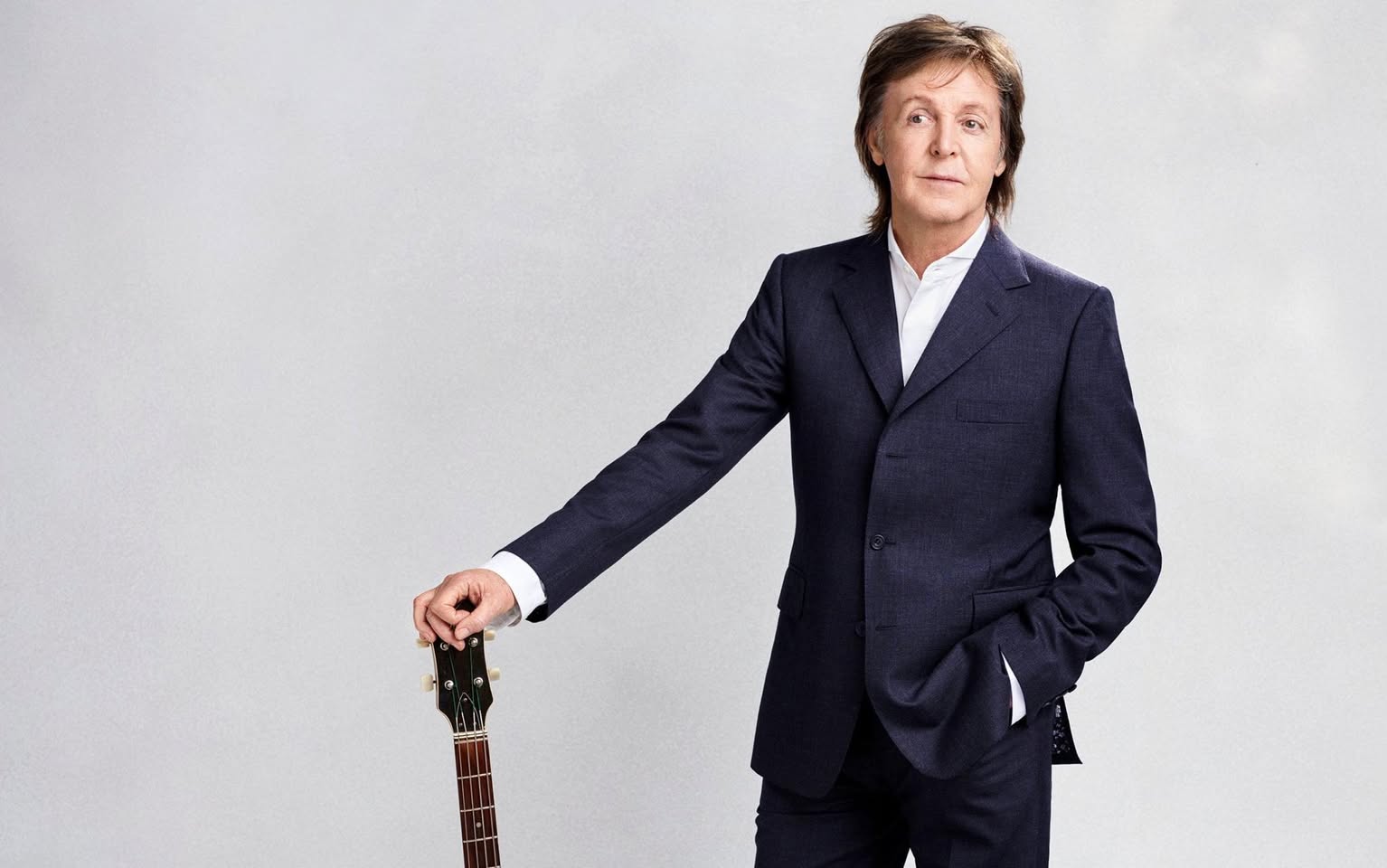
Sharing my experience, an update on just laying on the floor a couple of times a day and observing how my body reacts. I’ve had a handful of niggling problems in the last few years, pains in the shoulders and neck, some sciatica, a sore hip and knee on the right hand side. I spent those years doing all the traditional physio and other bodywork things to try to ‘fix’ those things, with limited success. By laying on the floor I’ve realised what I sort of knew, that these aren’t separate problems, they’re all the same thing. My body has been twisted slightly, through the torques of everyday life, and laying on the floor has started to untwist my body from bottom to top, and all of these problems acquired from earlier life are disappearing. Your body is all connected, and also connected to what’s around you. Laying on the floor allows you to feel the patterns, the connections directly, between the different parts of your body but also of the body and the planet. And at the same time by shifting your relationship to the Earth by 90 degrees, it automatically unwinds you. I see it as a daily re-grounding, getting back to the Earth and rediscovering all the patterns. Then taking them into my upright life, where simple, gentle attention to what I’m doing stops adding new torques to my body.
Happy Birthday Rach! Have the bestest day.
More Dart. Poise, not posture or exercise, will shape your body in the most perfect, healthiest way, while ‘doing’ nothing. You can be poised during exercise too. But the forces on you are enormous even sitting doing nothing, it’s one of the greatest pleasures in life, to become aware of the forces on you and watch yourself come into beautiful, effortless equilibrium with them. You’ll feel amazing, and nothing will make you healthier. (Dart lived to 95.) “Poise, however, is not acquired like physical strength...through the violent performance of exercises and sports, but through restful study, and observation. Poise is a body state achieved by steady and care-free education of the body for balance and the maintenance of balance. Poise is a character of repose or rest in the good body whether it is in the relatively static positions of lying, sitting or standing, or is actually in progressive motion during the activities of life’s daily routine or of sport.”
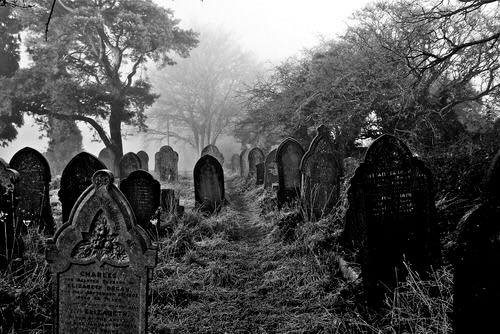
There are 15 people dead for every person alive today. It seems like those nearly 100 billion humans who once lived are gone. But much of what they did in their lives never left us, they shaped our languages, institutions, they built the cities we live in, they invented most of the things we use. Our flesh and blood came from them, they gave birth to us. I remember thinking about this visiting huge cathedrals in Europe that took generations to build. We’re such an individualistic age, seeing everything through the lens of individuals, including life and death. The idea of being an unbroken tradition of life is hard for us.
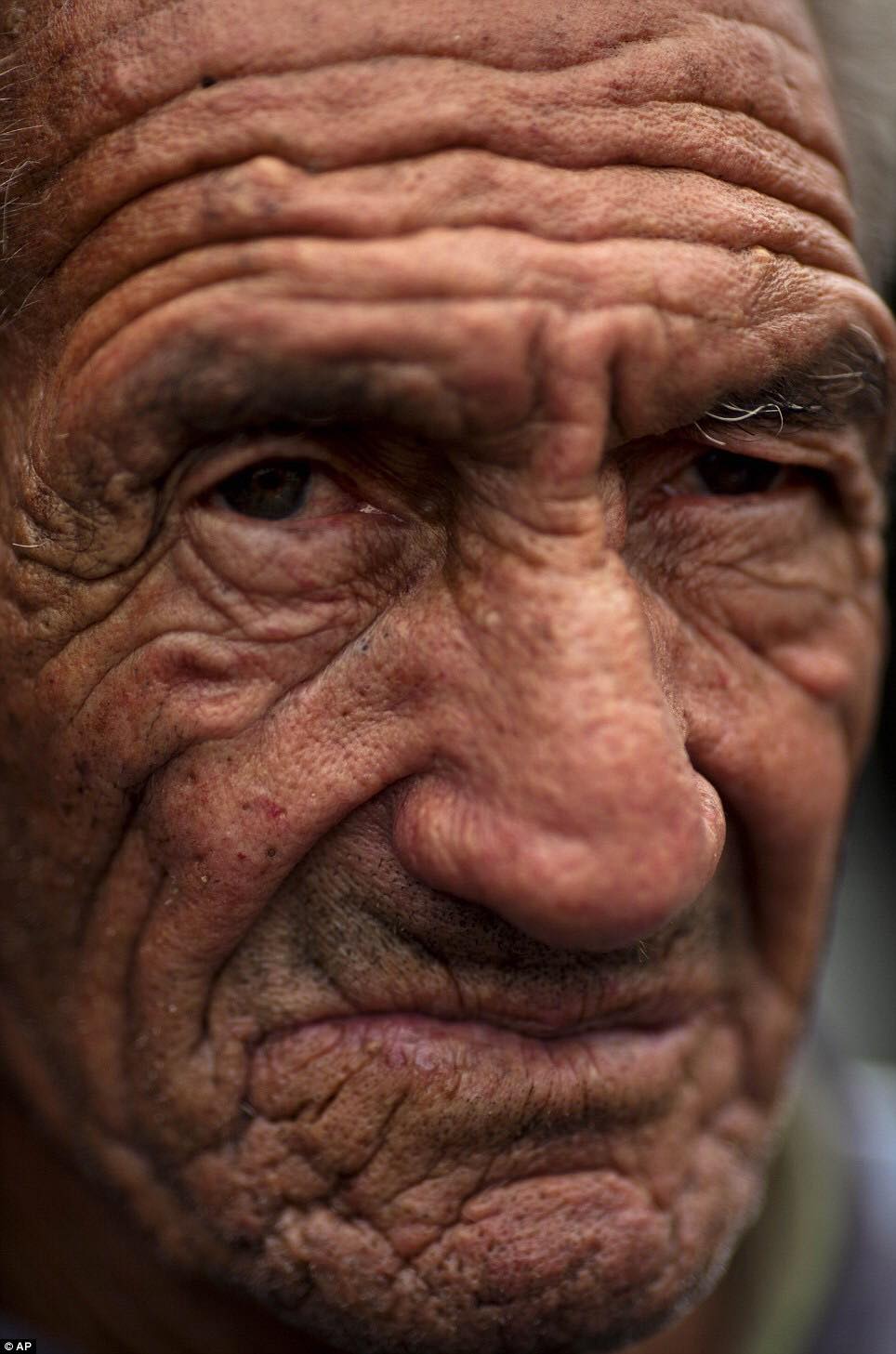
What’s unique about faces is something I learned from Gilles Deleuze. The muscles and tissues there, unlike everywhere else in your body, aren’t there to perform a physical task. They’re there to express emotions. The lines on your face are like the lines in a book, your life story is written there.
Brooks puts a moral conservative spin on these results. But the results are interesting no matter what your framework is. People increasingly have no way to think and talk about what’s the right thing to do, except to default to “each to their own”, or to moral ‘laws’.
It’s a difficult time to be an administrator. Both politicians, and senior managers in organisations, are running roughshod over due process, due processes set up often over generations. Sports stars do the same with their officials. Collective wisdom is in those traditions, being undermined by constant attack of those who administer them. Look at Trump, who targets the whistleblowers of his incompetence relentlessly. At the same time the general public are often on the same side as these bullies, because for decades they’ve been told stories about ‘red tape’, and ‘bureaucracy’, and in the case of sport, of continuous assault on officials (Serena Williams today, for example). That’s why the bullies get away with it. That red tape is the only thing that has ever protected traditions, continuity in what humans do.
If you have Netflix, check out Derren Brown’s ‘Miracle’, a recording of his latest live show. The show itself, as the name says, is about human suggestibility, and miracles, and Brown explores things like faith healing in highly entertaining ways, by actually performing faith healing as part of the show. Not just to say it’s crap, he shows it actually works, but maybe not for the reason people often claim. Here’s one of the striking moments from the show, where he shows how a woman with bad eyes can suddenly be made to see clearly. And then even more funnily, he takes a sceptic from the crowd and renders him unable to read a thing. Brown doesn’t use stooges, which is a common response to the amazing things he does, he’s enormously skilled, and understanding how he does it can teach us profound things about being human.
Not all feelings have names, some of them are too complex to be easily named or even described. But I think they’re the best guide to life, feelings take an entire situation and wrap it up into a package. (The Germans are masters at designing words to capture complex feelings - schadenfreude a famous example, but there are even better ones.) Two feelings I’m always a bit suspicious of, and they may not have names, are the ‘profound’ feeling and the ‘unity’ feeling. The first you see in memes sometimes, or cards, sayings for example that are supposedly profound but are usually just twee. Like profundity is a serious thing, a particular way of feeling and acting. The second, the unity feeling, is as it says a strong feeling of togetherness, like the feelings those for and against offshore detention tend to have, or causes in general, like drought relief or $1 milk. Of course there are profound things (and a better gauge for profundity I think is a feeling of surprise and simplicity) and also unifying things. But I don’t trust these particular feelings in people or groups because as in so many other things, the feeling is often a substitute for the actual thing. People substitute feeling profound or feeling unified, for actually being profound or being unified.

Happy Birthday!
Once upon a time if you had ideas, you wrote a book or article, and published it if you could, and hoped people would read it. Most books are never read. What social media has done is bypass the book, and taken ideas back to their root - conversations. Books that got read started conversations; now you can bypass the book and go straight to the conversation. Even the most technical, esoteric knowledge is a conversation, between specialists. Now to survive, those same specialists need to have conversations with the public, to get them interested in their work and support them. That’s how it should be I think. It’s hard to start conversations. Very hard. People are scared of them, and retreat very quickly.

I find if you ask people how they decide things, they’ll sometimes have a set of rules or a moral code, or often some one-liner like ‘each to their own’. In practice though my guess is people evaluate things in a complex range of ways, which they may struggle to articulate. But even more, that sort of valuation is often embedded in the objects in our lives. That’s the true morality I think that we don’t see. An example - inclusive bathrooms. The bathroom itself is inclusive, it has values built into it. Most of the moral work of our lives is carried out by engineers. That’s the reason I think we don’t have well articulated moral codes any more - we often don’t need them. We’ve habitualised good behaviour in the environments we build.
Ends and Means
I’m not always the best sleeper, and in the early hours of this morning I was reflecting on the concept of ends and means. The one captured in the expressions ‘means to an end’, and ‘the end justifies the means’. Most often people would probably say that the ends don’t justify the means, that just because you want to achieve something important doesn’t mean you can use any means to achieve it. For example are wars (the means) necessary to secure peace (the end)? Are rules (means) necessary to ensure freedom (end)? Is smacking (means) necessary to ensure children grow to be decent human beings (end)? And so on - you could list thousands of examples in pretty quick time. What I was thinking about was the separation of ends and means in the first place. Most of these sorts of ethical or moral questions suppose that ends and means are separate. But what if ends and means aren’t separate in the first place? Both means and ends have values attached to them in this framework, and deciding whether the end justifies the mean is about weighing those two sets of values. Is it worth sacrificing the lives of lots of animals (one set of values) to road kill, for the sake of our ease of transportation (another set of values)? And that, I reckon, is where maybe the flaw in this means and ends thinking lies. When we say ‘does the end justify the means?’, sneakily we’re shifting the values part of the question all to the ends, and forgetting about the means, which have their own values. A whole truckload of modern ethical and moral thinking is maybe caught in this particular hall of mirrors, agonising over whether we should use gene technology to choose the sex of our babies, or whether we should forcibly sterilise people with a disability, and suddenly the means
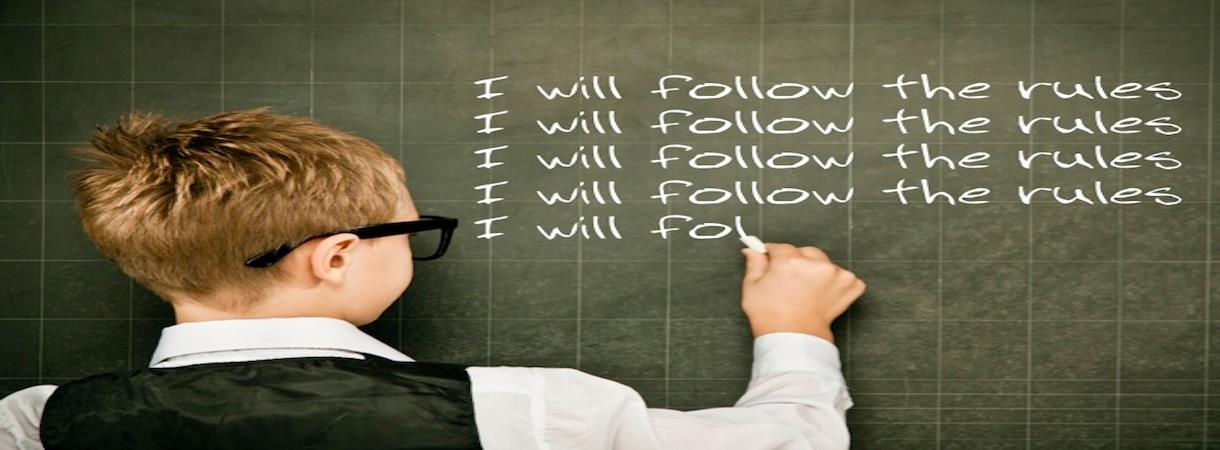
I think it’s tempting to say freedom is the freedom from responsibility. From attachments, ties, obligations. But I reckon that’s another one of life’s paradoxes. The more attached we are, the more obligations we have and more rules we have to follow, the freer we are. I think when people take rules, for example, and say they restrict freedom, they’re freeloading off an environment they live in which already allows them the choice, to break rules. Gandhi’s family said it cost them a fortune to keep him in poverty, and this is similar - it takes a lot of attachments and rules and obligations (a society) to give a person the ‘freedom’ to ignore rules, obligations and attachments. A better test case for those who think obligations restrict freedom is sitting them alone in the wilderness, or in the middle of the ocean. And see how free they feel, for how long.
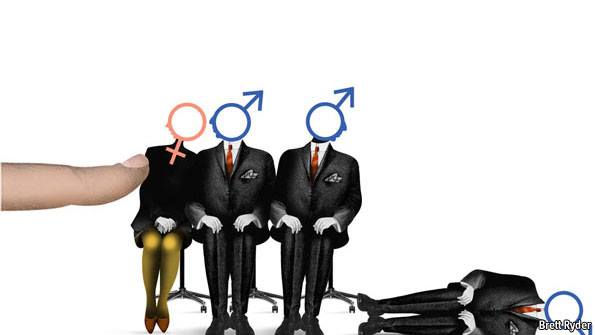
Quotas for women in powerful positions is one of those test cases for different worldviews. Those who believe everything should be decided by 'merit' hate quotas. I think the merit stuff is complete rubbish. The people who use it as an argument nearly always have quotas of their own, but they're just not called that. They appoint people to jobs on the basis of all sorts of personal reasons - good mates, part of a network of private school buddies, a man etc. It's like the idea of free markets in general. A total and utter fantasy. 'Affirmative action' is just action, to counter-balance the actions of others, who act in ways contrary to justice.
I don’t want to alarm people...(click on each to listen)
My first degree was in an area which is hardly even mentioned to young students, but is the cutting edge of nearly all science and engineering. Materials engineering. It’s new materials which have been the real driver of innovation for a long time now, and some of those materials are so amazing that it’s a tragedy the field isn’t better known. I worked on superconductors, which are a bit known (materials with no resistance, so you can conduct electricity without loss of energy). Here’s another superstar modern material. Metallic glass. Stronger than metal, but elastic like rubber. Beyond cool, I reckon. You’ll probably see it on your phone one day where it will allow you to drop it on the ground and it’ll bounce right back to you, without breaking the screen. Great little vid too, explaining it, entertaining.
Hilarious, but also a perfect metaphor for climate change. We’re used to talking about ‘the environment’, as if we live ‘in’ the environment. That’s like a clean room, where you don’t really notice the room. But I think a teenager’s room is a way to understand climate change, because the ‘environment’ isn’t just a box you sit inside, your activity shapes your surroundings, and they in turn shape you. As in this case, where the teenager’s life in the room impacts back upon them, and stops them sleeping well. There is no more environment, there’s just a whole lot of mutually interacting things. Climate change isn’t ‘human impact on the environment’, it’s something very different. It’s humans merging with their environments, so that now they have a whole set of mutual obligations in managing planetary things, without which they will die. The metaphors about us destroying the Earth I think are very wrong, we’re part of the Earth and now we’re so woven into its systems that we have no choice but to be part of how they work. The weather for example is no longer something that just happens, now we change it in what we do, we’re a planet-level actor. We can’t just sit back and enjoy the sunshine, we have to help manage the weather as well.
The reasons people separate are interesting. Here at least something more substantial than the usual adolescent stuff about infidelity being the big deal-breaker. I agree with those who say, why is sex the defining thing, and not the much more important question (as this woman is asking) of the family and commitment to it? Not distributing blame equally here either, the guy sounds a dick, but why do so many couples assume that discussing these things is in some way trespassing on each other’s freedom? They’re not teenagers, although I still think an awful lot of relationships use adolescent ideas in how they understand themselves. We need more grown up ideas.
‘Normalising hidden alcoholism’. Alcoholism is like racism for Australia, so habitual as to be invisible.
“What is society? It could be defined, from our point of view, as each individual’s reciprocal possession, in many highly varied forms, of every other. Unilateral possession, such as that in ancient law of the slave by the master, of the son by the father, or of the wife by the husband, is only a first step towards the social link. Thanks to the development of civilization, the possessed becomes more and more a possessor, and the possessor a possessed, until, by equality of right, by popular sovereignty, and by the equitable exchange of services, ancient slavery, now mutualized and universalized, makes each citizen at once the master and the servant of every other. At the same time, the ways of possessing one’s fellow citizens, and of being possessed by them, grow in number every day. Every new administration or industry which is created sets to work new administrators or industrialists on behalf of those who are administered by them or who consume their products, and who in this sense gain a real right with respect to them, a right which they did not previously have, while they themselves conversely have come, by this new two-sided relation, to belong to these industrialists or administrators. We may say the same of any new opportunity. When a newly opened railway brings produce from the sea to a small town far inland for the first time, the domain of the town’s inhabitants has grown to include the fishermen who are now part of it, and the clientele of the fishermen, correspondingly, has grown to include the townspeople. As a subscriber to a newspaper, I possess my journalists, who possess their subscribers. I possess my government, my religion, my police force, just as much as my specifically human form, my temperament, and my health; but I also know that the ministers of my nation, the priests of my confession or the police officers of my county count me as one of the flock they guard.” Gabriel Tarde
Happy Birthday Megan :)
Happy Birthday :)
With the author’s surname of ‘Gross’ the immature part of me giggled at the title of the article. But on a more serious note, with continued discussion of consent and rape, also on Q&A this week, how do we understand seduction where consent is understood in brutally contractual terms, as ‘no means no’? I keep coming back to that as one of the major problems with the use of consent as a guide, as do Germaine Greer and others. Is seduction still a legitimate activity?
I think this is worth looking at again. There’s a very wide fitness and exercise culture now, but this sort of evidence suggests that we’ve forgotten things about the human body and how it works. The body is stronger, faster and more agile than we realised, and that’s without any training. But we’ve come to see it as like a lump of plasticine that has to be ‘worked’ into ‘shape’. We think we are ‘in shape’, or not. In fact what might be happening is that we’ve forgotten how to let gravity shape us, to use the enormous forces already on us to our own advantage. We are elastic creatures, our bodies absorb these huge forces and store them elastically. We just have to learn to release them, like firing an arrow from an elastic bow. Instead of our effort/body-shaping approach.
“It’s a shame Germaine Greer’s insensitivity on issues of deep vulnerability so often gets in the way of her ability to start public debates about difficult issues.‘ I would rephrase that as “it’s a shame those who criticise Greer for insensitivity don’t actually read what she writes.” For example Greer doesn’t say unwanted sex in marriage is rape, she says if you define rape as absence of consent, then unwanted sex becomes rape. Nice to see the conversation on consent has at least started.
Because I think we focus too much on feelings as isolated things, rather than as always part of a context, we tend to favour ‘good’ feelings over bad. We might see happiness, pleasure, love, warmth etc. as ‘good’ feelings, whereas sadness, pain, anger, depression etc. are ‘bad’. It’s often the things we feel as bad that make the profoundest changes to our lives, which represent something we’re going through that is making us grow, and is changing our lives in the most profound ways. We tend to medicalise the bad feelings, whereas they may be the main window into our lives as they really are. The darkest days of our lives are often the days in which our lives are undergoing their most profound changes.
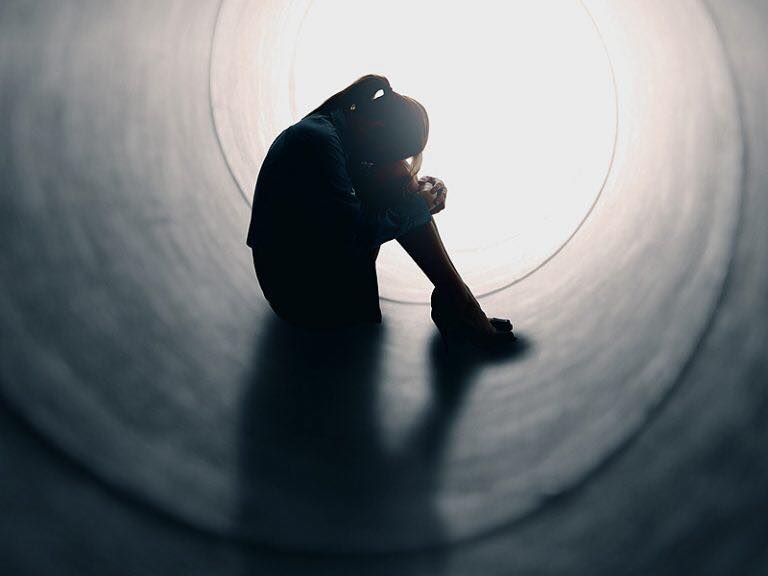
Our ‘lightmare’. It’s not daylight that needs saving, it’s the dark. Not sure wisdom will ever win this one, almost time for Daylight Savings again. Like we needed more light.
Happy Birthday!
Patterns again. Who creates traffic patterns? We do, obviously, but as individuals? It’s much more mysterious than that. Patterns are the path to what some call God. https://theconversation.com/recalculating-by-not-driving-the-optimal-route-youre-causing-traffic-jams-56135
China has 25,000km of high speed rail services. Let that sink in. My bet is the country that commits to building things will win, over the country that commits to cutting taxes. The Anglo countries live a fantasy that by cutting taxes, people will rush out and build us great things, like high speed rail. We’re all still waiting. What those tax cuts usually buy is floating super palaces which a handful of people navigate around the Bahamas. Meanwhile we all sit in our little individual cars, gridlocked. It’s a beautiful contrast of the two societies.

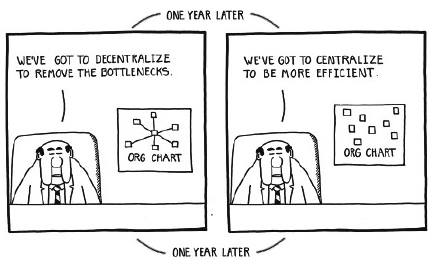
An early Dilbert. About organisations, but I think you can apply just as easily to societies, or anywhere where you have groups. Unifying or centralising also creates bottlenecks, but when you then de-centralise (as in 'market' approaches) you lose economies of scale, and you have to do a lot of work connecting things. There is a third way...
Can you think of a single thing you think, feel or do that is entirely original? I doubt it, humans copy, they imitate, it’s what they do. I think there’s an extension to this, it means that we are always part of a group, the group of like-minded ideas or actions. There are no individuals in the world, the things that define us are collective things. But at the same time, there are no collective things separate to individuals, groups are just collections of individuals. What I think is less seen is that disagreement is a clash of entire ways of living in the world, between groups. If you think smoking dope gives you mental illness, you’re not just having an opinion on a fact, you’re building and sustaining the group of people who agree with you. No idea sits in isolation either, they’re part of an entire framework, a way of living in the world.
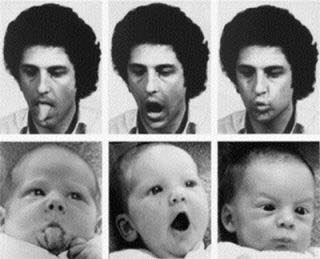
People have probably heard of the 'living wage' idea, where ordinary folk are paid a living income, whether they're working or not. It horrifies those who think businesses keep economies running (or anybody who believes in an economy in the first place). But there are very serious reasons to think that it's ordinary people with money in their pockets - customers - who create jobs and businesses, not the other way around. Pretty obvious really. If I owned a business, I'd need customers who are cashed up. No matter how good my business was, if I have no customers with money, I'm not going to sell anything. My view is the 'economy' as a whole idea is a giant magic trick, designed to funnel money from the vast majority of us, towards a tiny rich minority of us. What if we flip it, and start with people - most of us - having wealth, and willing to spend it with whatever business appeals to us? Sounds much smarter to me.

Farming is an iconic, true-blue Straya profession, and it masks I think that it’s far from a homogeneous thing. There are genius farmers, and appalling farmers. And every type of farmer in-between. Nice to see an article about genius farmers, rapidly increasing profit and the health of their farms, in the middle of a drought.
For me, one of the most destructive oppositions people use is the one between thinking and doing. As if those were opposites. As the famous line says, 'nothing is as practical as a good theory'. You can't do, without thinking, and you can't think, without doing. And as Keynes once said, those who say they're practical people and don't over-think things are always actually using some set of fixed ideas they picked up somewhere in their past. Working in a university is a good example of this. You get all the cheap shots about ivory towers and 'philosophising'. Universities are in the top 3 export earners for the country. There's no difference between thinking and doing.
Some people see selfies as narcissism. I’ve never really believed in narcissism, it’s a pretty empty idea. When people take pathological numbers of selfies, I think it’s not because they’re in love with themselves, but quite the opposite, they have very little confidence in themselves at all, and are using selfies to try to boost that confidence. Selfies are often posed and edited for just this reason. Also women, particularly young women, take overwhelmingly the largest number of selfies. That should maybe ring some alarm bells, because it’s possibly feminism going backwards. To have women so focused on how they appear - that was what earlier feminists fought against, but now it’s literally viral. Narcissism isn’t love of the self, it’s power acting on people, to make them focus obsessively on themselves. We’ve misunderstood that and made it into some personal trait, of self-love. Or at best we see that it means a person is damaged in some way, but we see that damage again as a personal thing, rather than a social thing. I would see FB as this trend in an even broader way, how we have a global platform to interact, and what do we mostly use it for? To display ourselves. It’s important to understand why we do that.

Happy Birthday young man!
Some thoughts about the media and bias. It seems that those who talk about bias often don't actually understand journalism. They will often say journalists should just 'report the facts', equally for both sides of an argument. That's not journalism, and also isn't possible, there are no facts that don't also carry judgments. And it's not the role of a journalist to just relay words from one person to another - they're supposed to analyse and critique. They're not just mouthpieces for the different sides of politics.
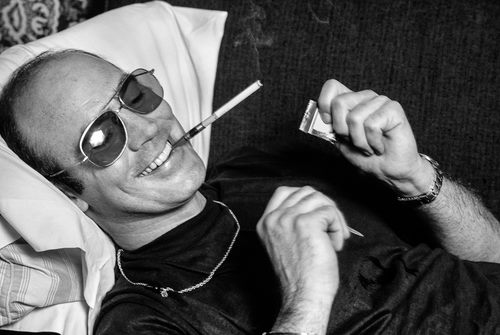
Many would see this as a sad, cynical message. But true happiness in life, for yourself and the people you love, is really about understanding this insight, I think. “We are all alone, born alone, die alone, and—in spite of True Romance magazines—we shall all someday look back on our lives and see that, in spite of our company, we were alone the whole way. I do not say lonely—at least, not all the time—but essentially, and finally, alone. This is what makes your self-respect so important, and I don't see how you can respect yourself if you must look in the hearts and minds of others for your happiness.” Hunter S. Thompson
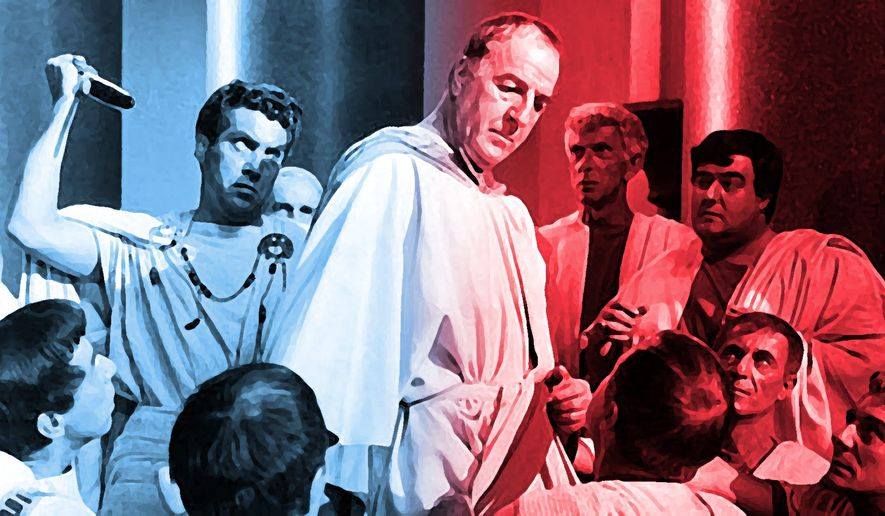
An evening with Shakespeare last night, Julius Caesar. It reminded me how naive and silly our modern ideas of power are, and how much these old works saw it very differently. The play is a meditation on power. The public or the crowd circles the main protagonists the entire time, menacingly, as they debate what they should do 'for the good of Rome'. The crowd will decide the outcome, always. Cassius says it so well, tyrannies are fires caused by 'weak straws', not great and 'powerful' men. All power is in the hands of the crowd. "And why should Caesar be a tyrant then? Poor man! I know he would not be a wolf, But that he sees the Romans are but sheep: He were no lion, were not Romans hinds. Those that with haste will make a mighty fire Begin it with weak straws: what trash is Rome..."
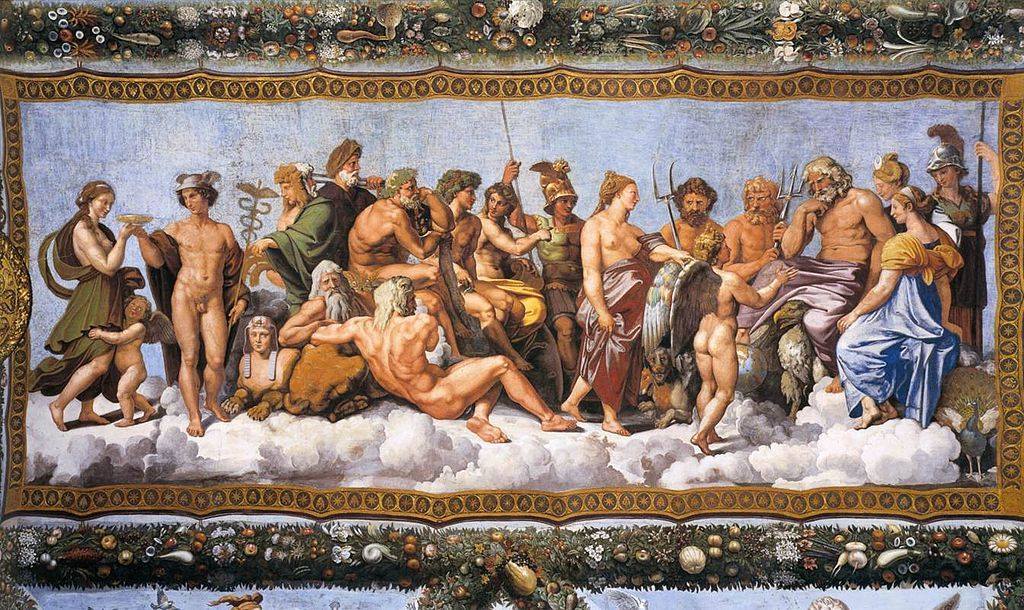
I sometimes wonder if the modern fights between atheists and believers are down to the fact that we talk about God, rather than Gods. Historically we arrived at God - singular - via Gods - plural. Like the old Olympian gods; a separate God of Love, of War, of Beauty, of Fertility etc. These Gods were a fascinating blend of divine and human. What I think was going on there was that people recognised, correctly, that there are a whole range of transcendences in our lives in these different areas. That we don't get to choose what happens in Love, or Beauty, or Fertility, that in many ways it's out of our hands. Over time all of those transcendences were swept up into a single God, but before that they were recognised separately. The transcendences ARE real, too, and it's there I think the atheists and theists could meet again, on common ground. I call those transcendences patterns. Which is why I go on about patterns so much, and why I say they're the path to God. They're like the old Gods - both transcendent (bigger than us) and immanent (part of us), at the same time. You don't have to believe in God(s) or not, to see and talk about patterns.
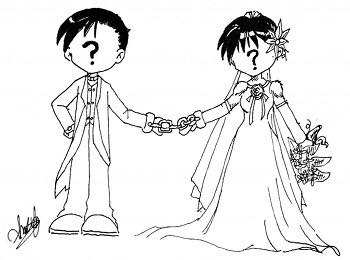
Story on the telly last night about arranged marriages. The idea horrifies a lot of people, but it made me think about whether the idea we personally choose the relationships we have is accurate in the first place? How many of our adult friends are people we met because they’re the parents of our kids’ friends? Our kids arrange a lot of our friendships. And how many of our other friendships were arranged by the fact we went to school with people, or work with them? When you look at it, only very few of of the relationships in our lives are things we personally organised.
Happy birthday lips!
There was a time when being ‘well read’ was a thing. I doubt it is any more, how would it even be possible, and what would it even mean? The vast majority of books that are written are never read, except by their authors. Thousands of books are published every single day. Knowledge has always been bigger than books, books were just a moment-in-time way to carry some of it, to some people. Now books are an individual taste, like blueberries or leather boots, and knowledge comes to you as you need it, via the Net.
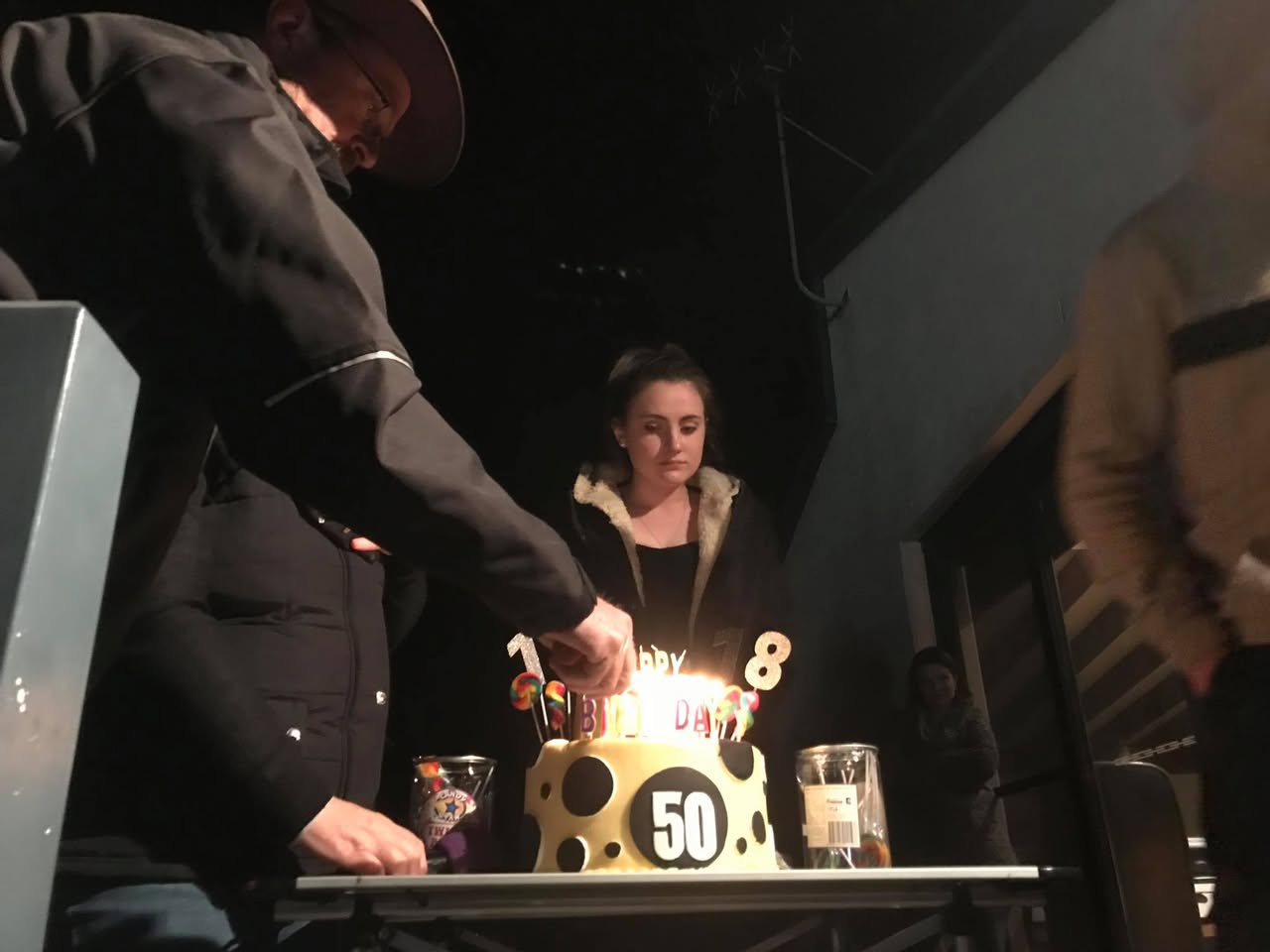
Happy Birthday Dave, Amy and Wade. A beautiful night, we’re all lucky to have such wonderful people in our lives.
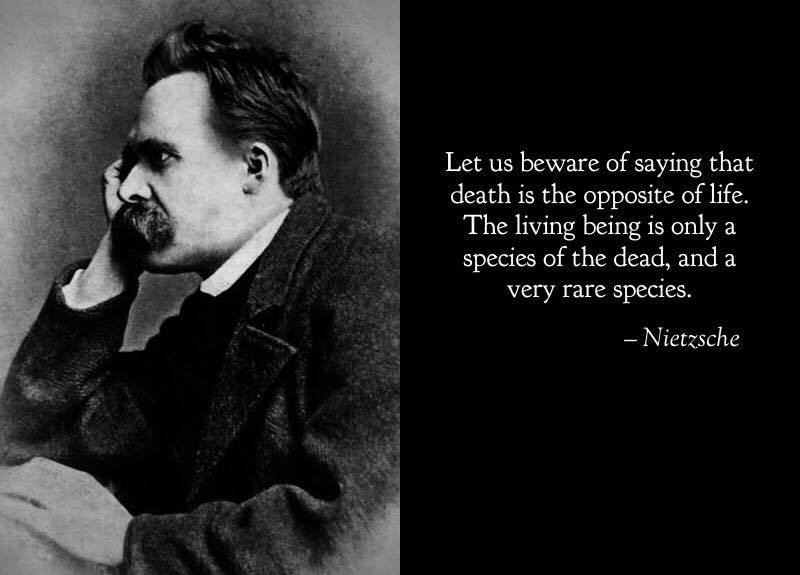
I sometimes say the Germans are wonderful engineers, and terrible philosophers, but Nietzsche is an exception to that, for me. Like Proust, he deserves a whole series of quotes.
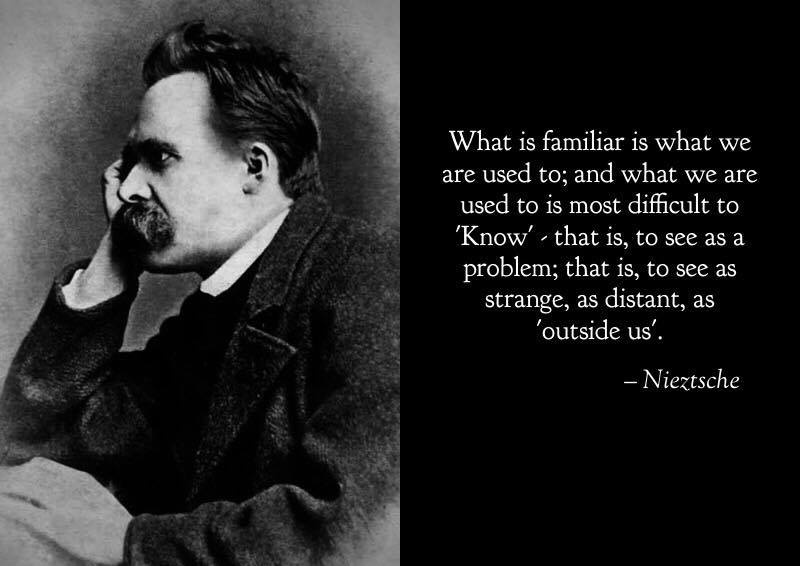
The greatest mysteries of the world are hidden in plain sight, in our everyday habitual lives. Habit will stop us from seeing them, unless we know about habit. The most profound things are the most ordinary things. People are their habits, challenge the habits and you will make them uncomfortable - they won't thank you for it.
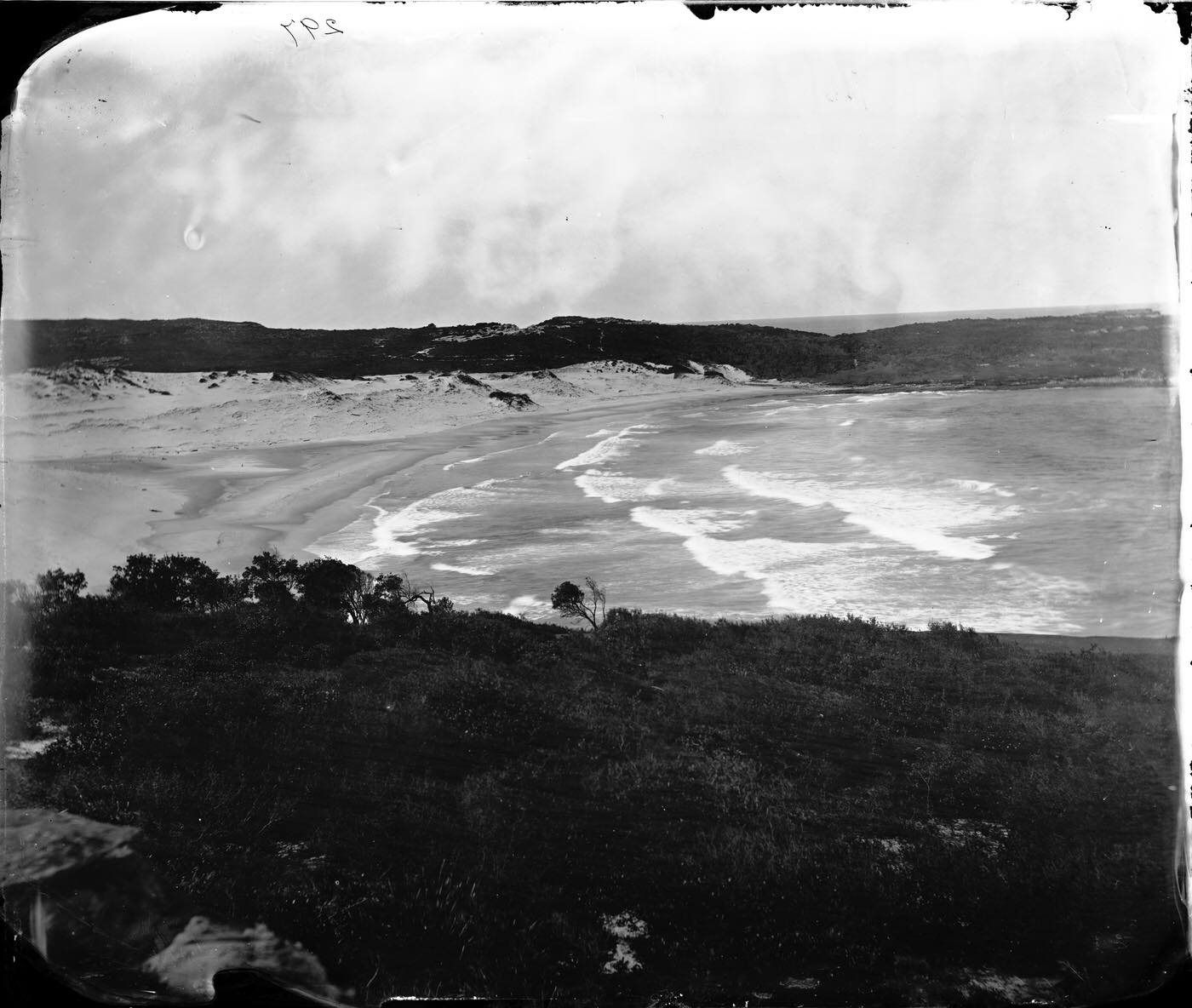
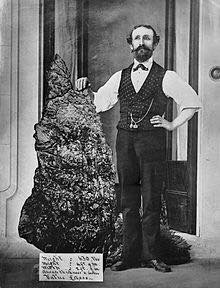
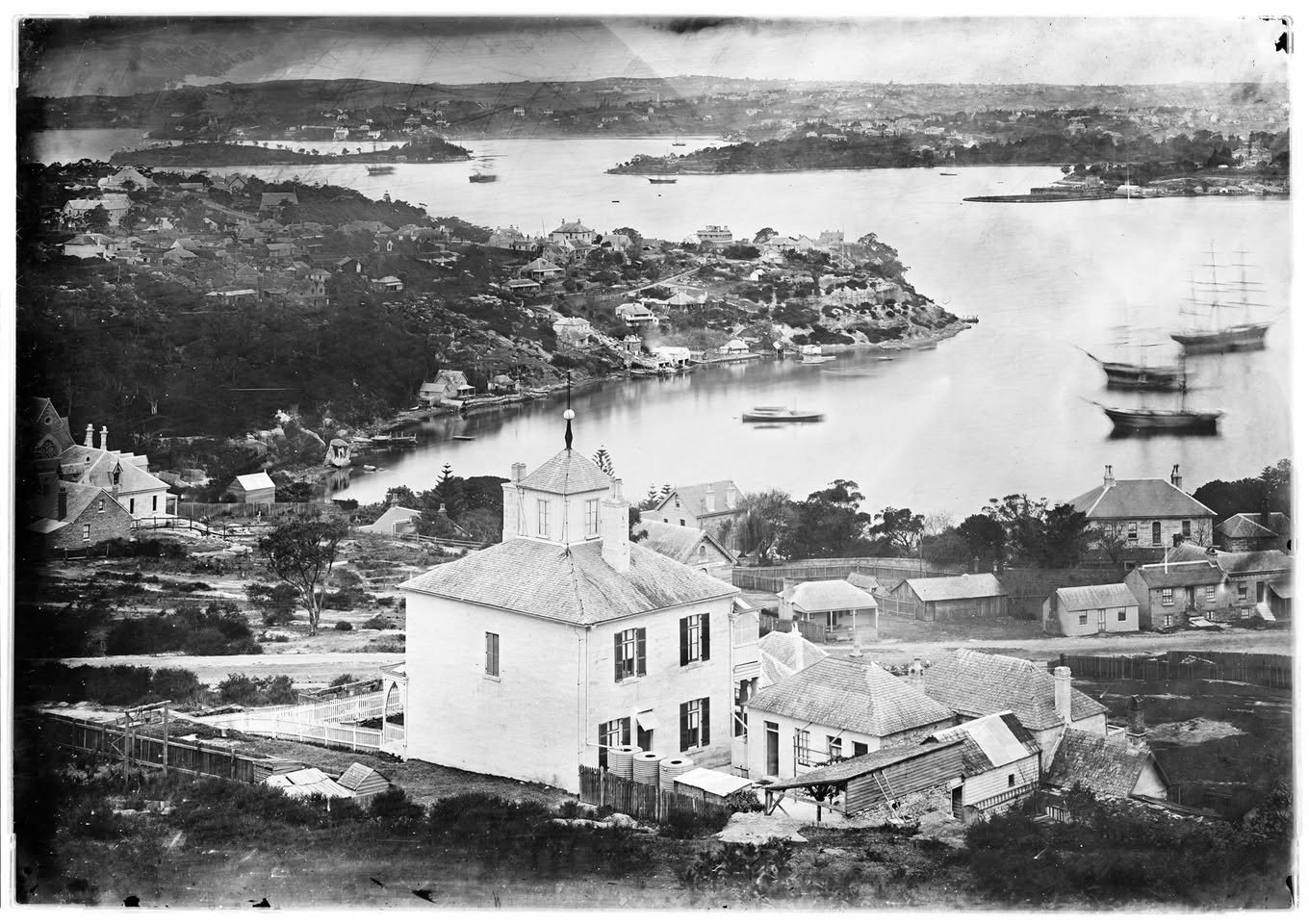
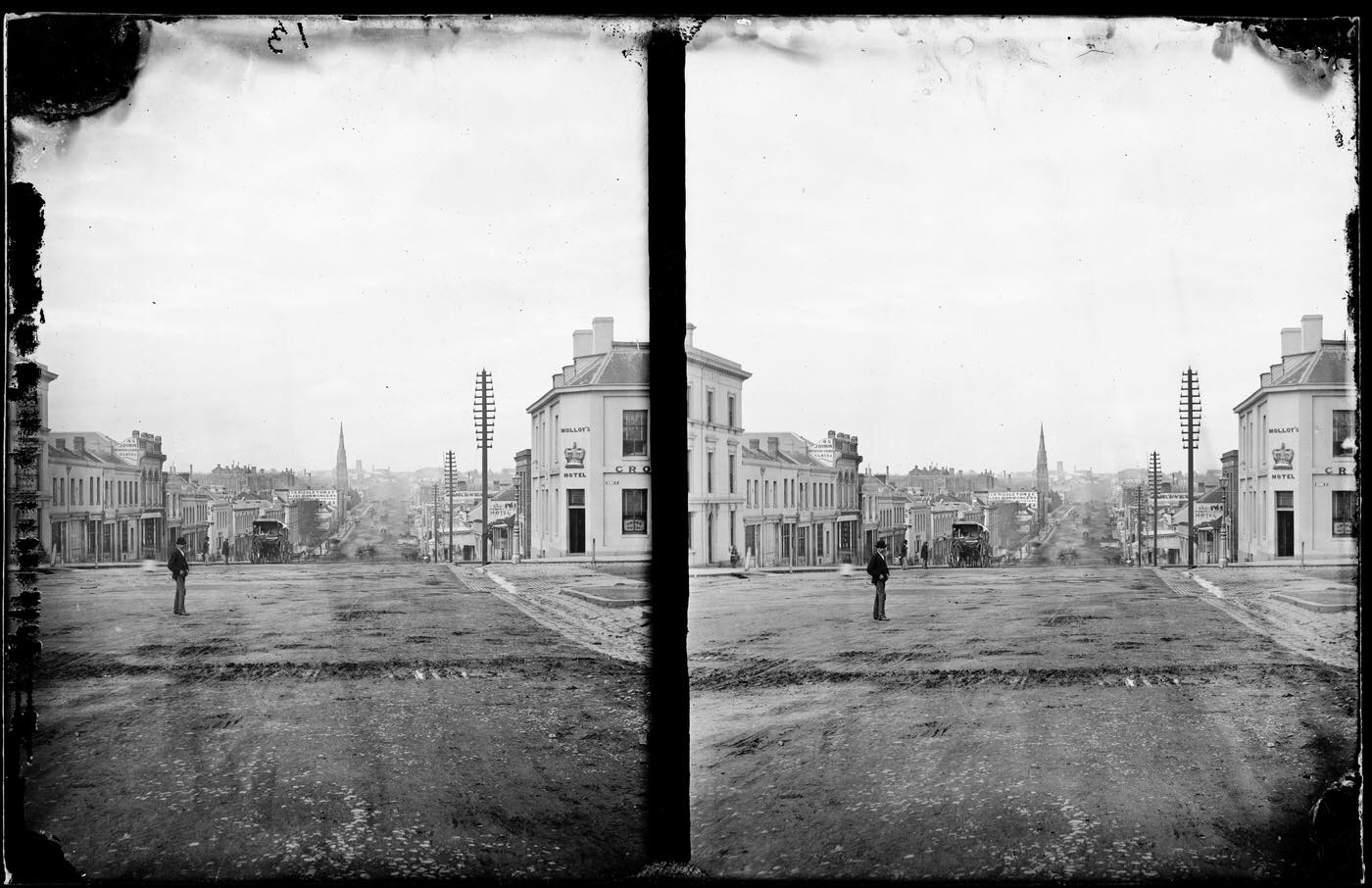
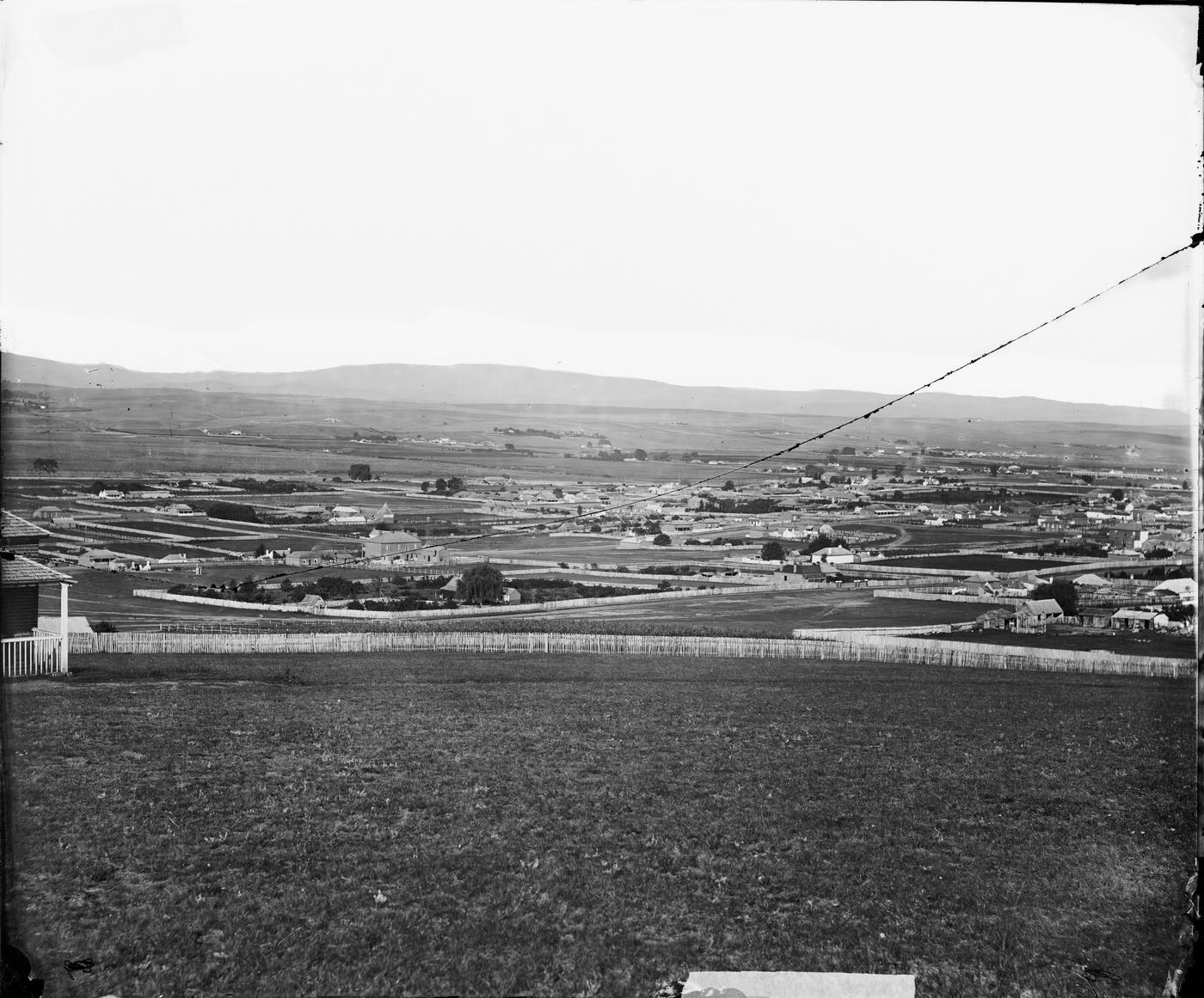
I’ve spent a lot of the weekend browsing the Holtermann Collection. Bernhardt Holtermann was a German immigrant in the mid-19th century, and became famous because of the Holtermann Nugget, the largest gold nugget ever found, in Hill End. But his greatest legacy was what he did with the wealth the gold brought him. His real passion was photography, and he commissioned two extraordinary early Australian photographers - Merlin and Bayliss - to capture life in the Australian goldfields, but also towns, cities and other iconic Australian landmarks. Nobody knew that these pictures had survived. Then in the 1950s, somebody thought to knock on the door of Holtermann’s descendants in Chatswood, Sydney, to see if they had any of Holtermann’s old photos. It turns out their backyard shed housed 3500 of them, all neatly boxed, an unimaginable treasure. These were wet plate photos too, so they had a resolution modern photos can’t get close to - they take your breath away, and transport you back to 1870s Australia. But there was more. Holtermann and Bayliss produced the world’s largest wet-plate photos, up to 1.65m wide, of Sydney harbour at the time, from the tower of Holtermann’s house in North Sydney. These survived too, and all of the photos are now recognised by UNESCO as international historical treasures. A tiny sample below - who recognises the beach? Also Circular Quay, some of the massive Sydney Harbour shot, a stunning stereoscopic shot of 1870s Melbourne, Mrs Macquarie’s Chair and Garden Island, and a panorama of 1870s Bathurst. (P.S. if you ever need to find things, marry a librarian.)