30 September
30 September · 21:29 UTC
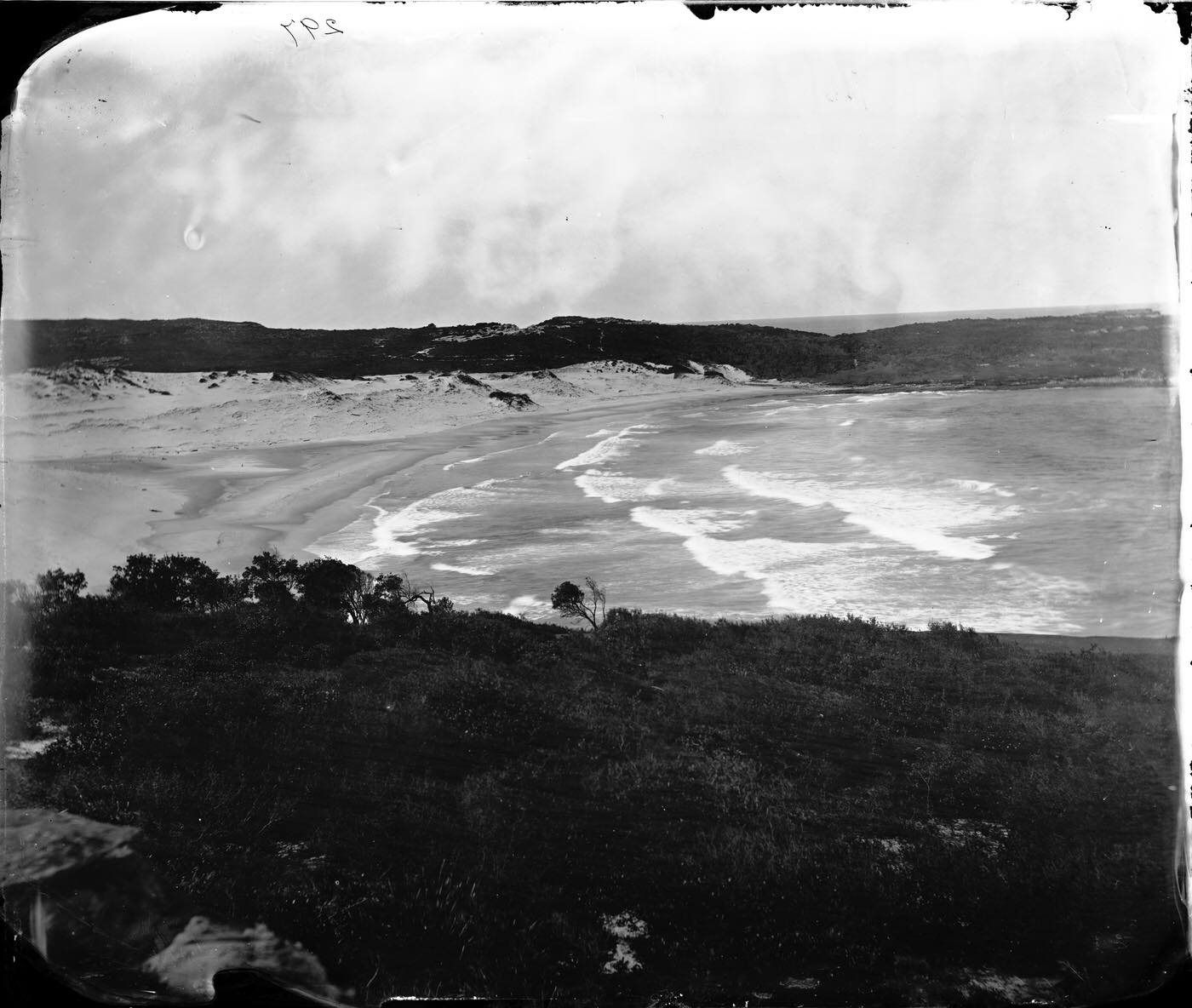
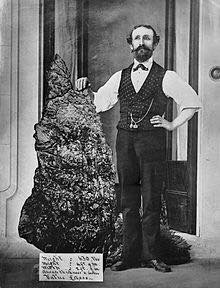
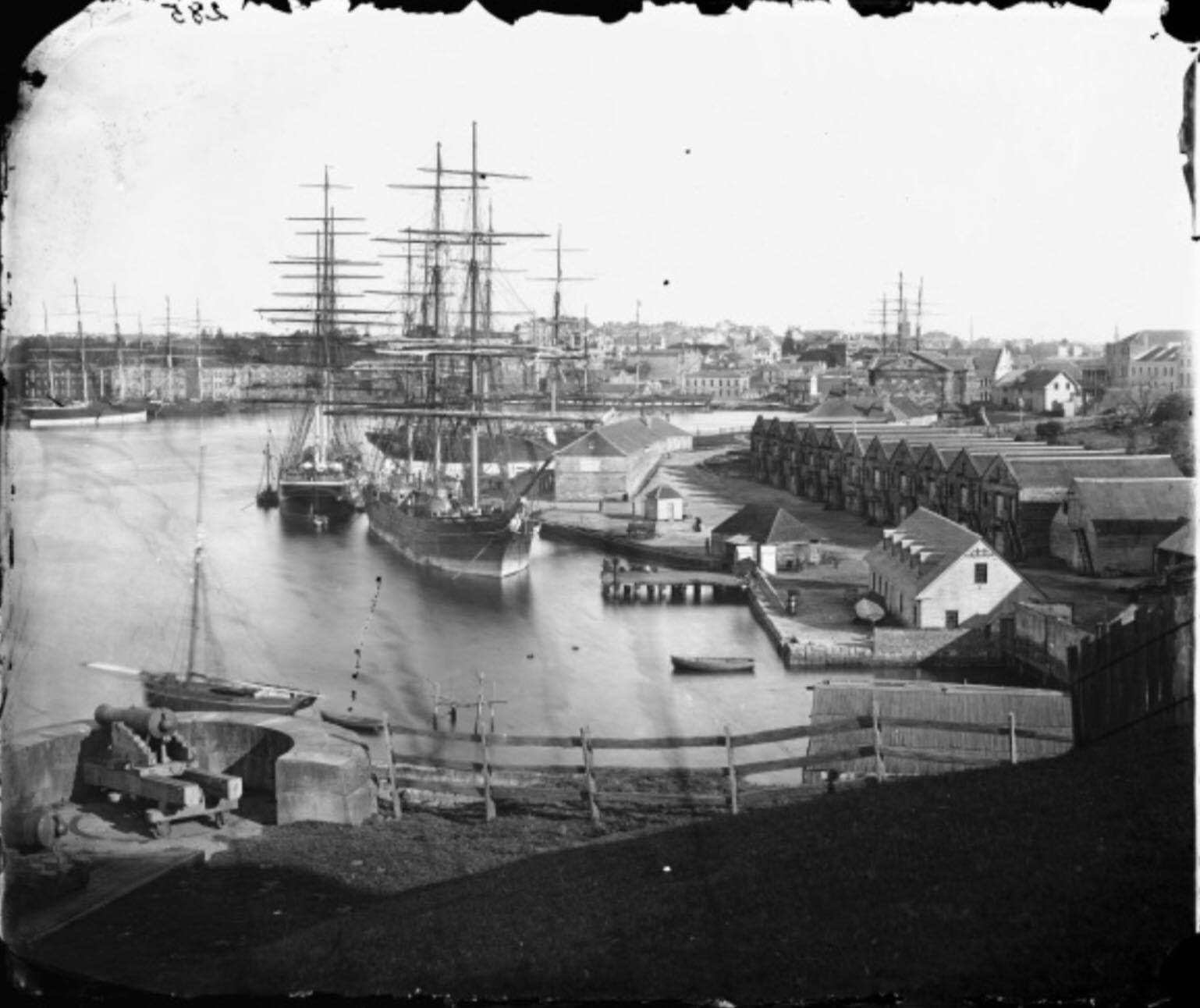
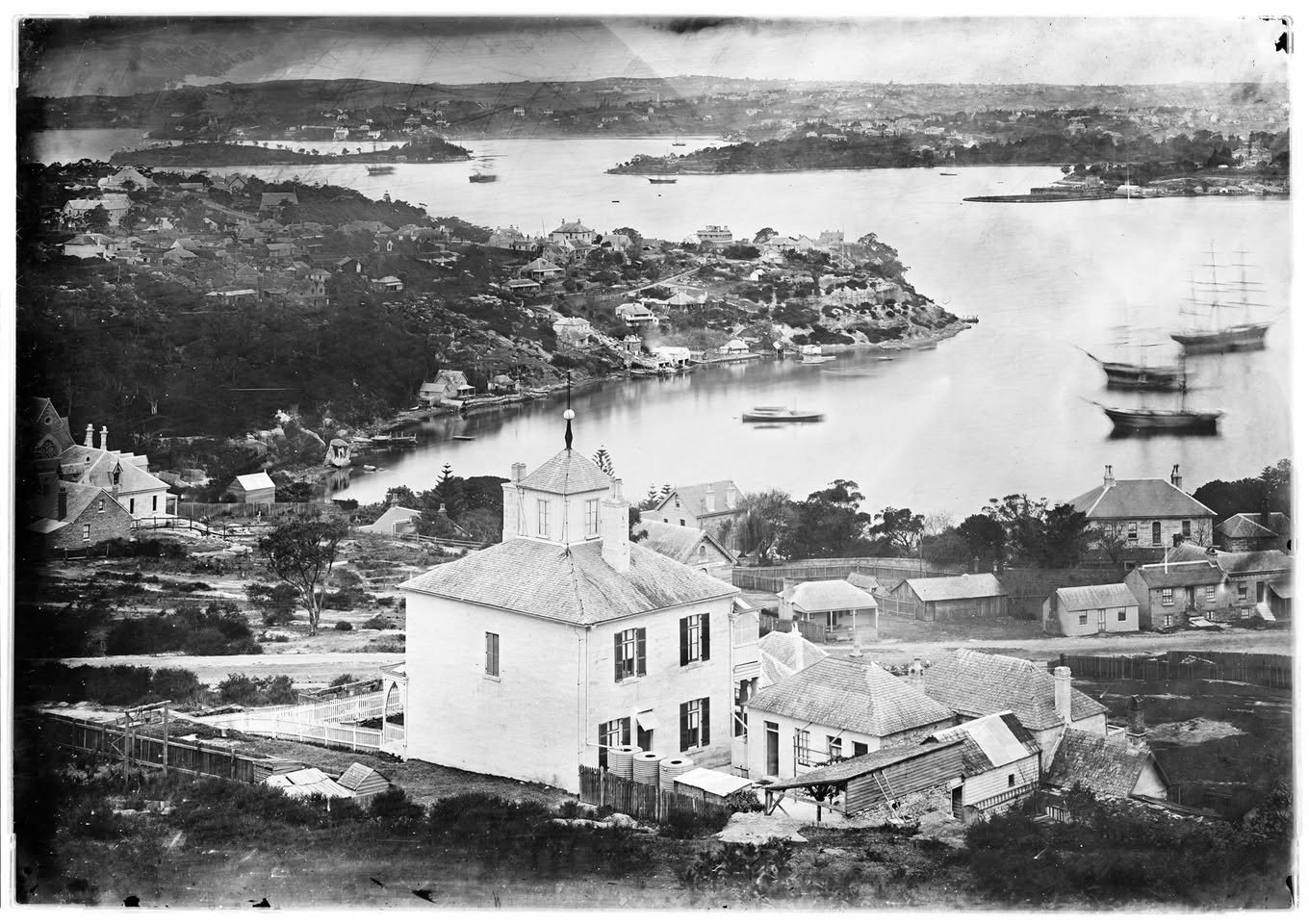
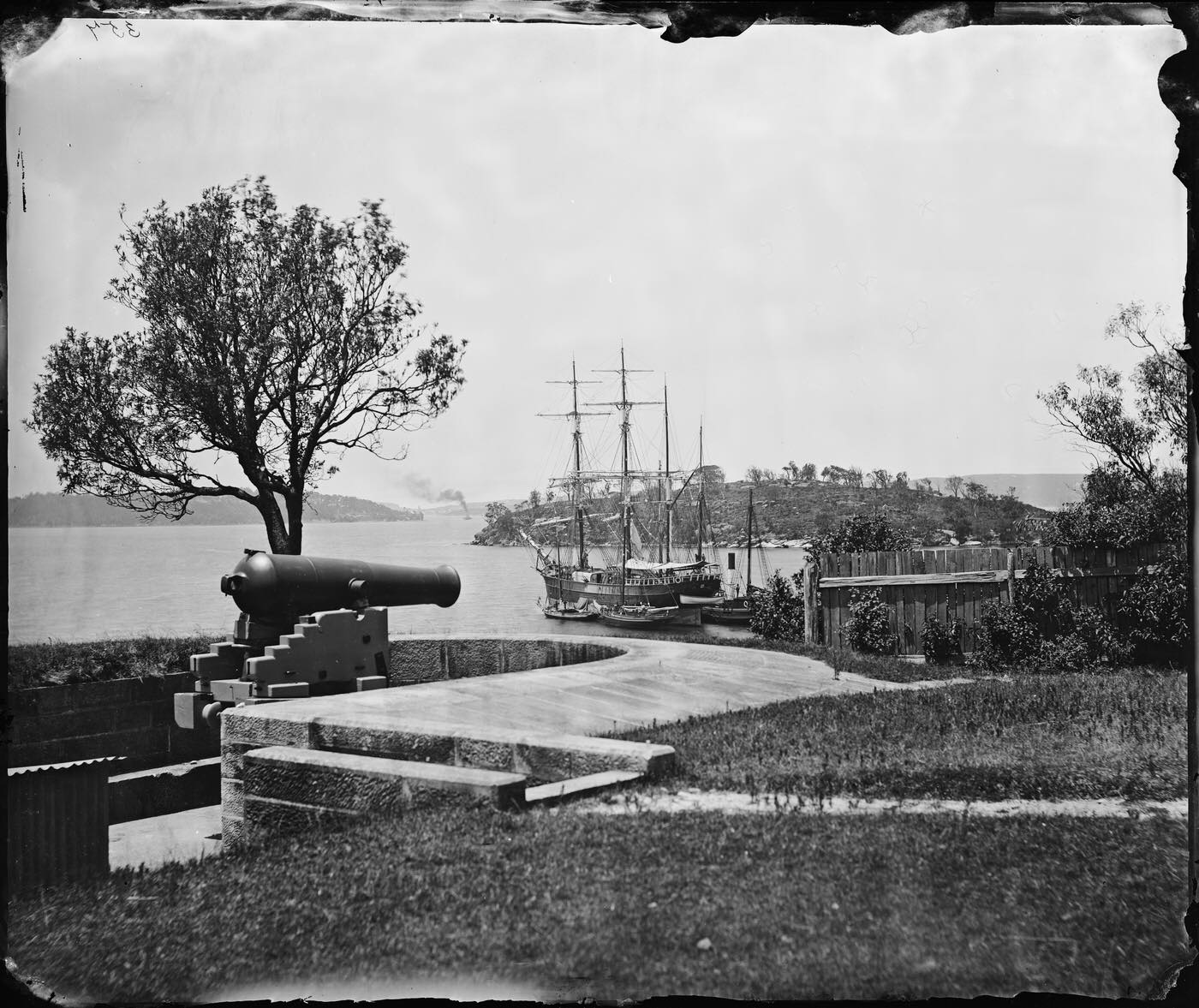
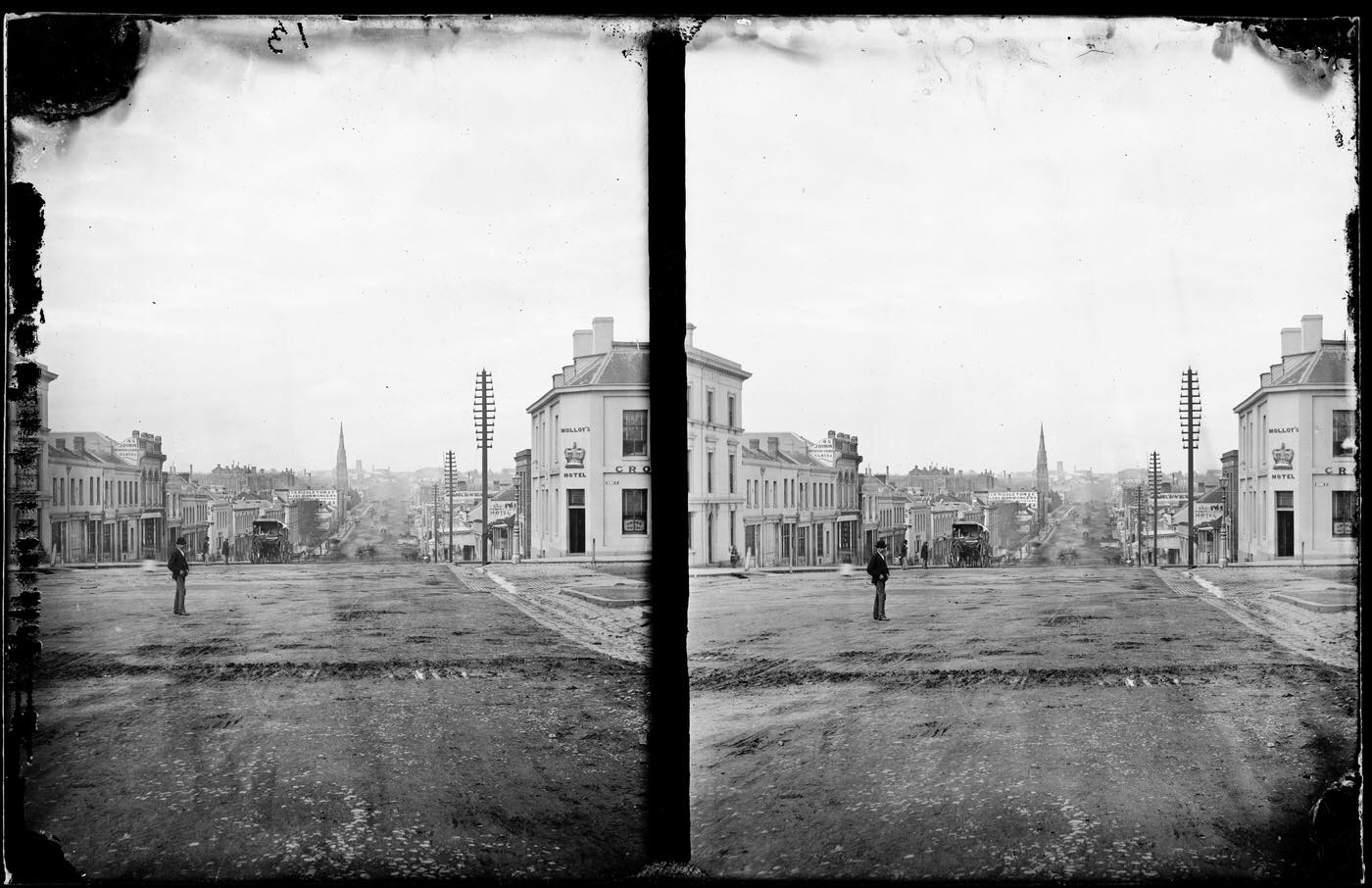
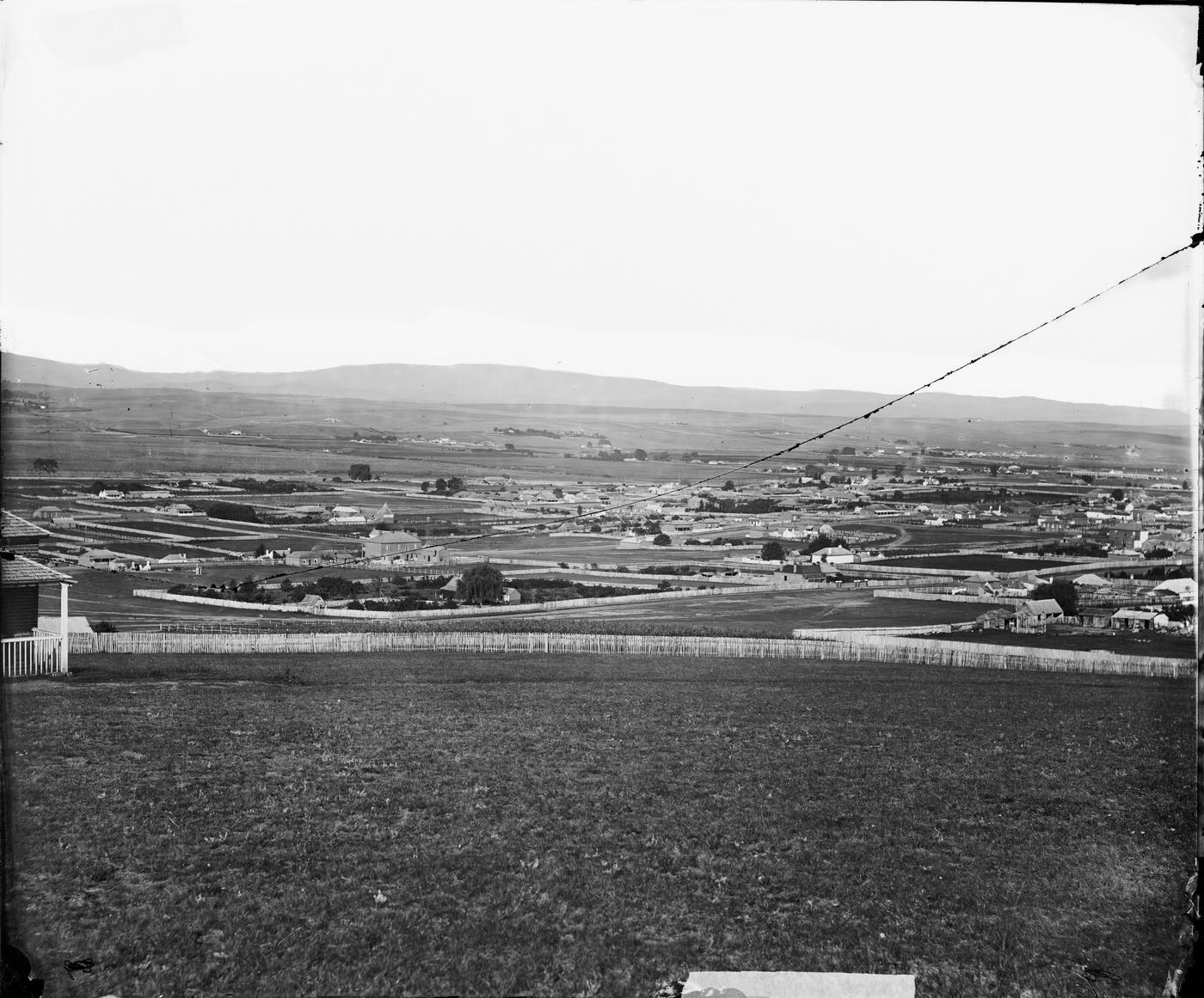
I’ve spent a lot of the weekend browsing the Holtermann Collection. Bernhardt Holtermann was a German immigrant in the mid-19th century, and became famous because of the Holtermann Nugget, the largest gold nugget ever found, in Hill End. But his greatest legacy was what he did with the wealth the gold brought him. His real passion was photography, and he commissioned two extraordinary early Australian photographers - Merlin and Bayliss - to capture life in the Australian goldfields, but also towns, cities and other iconic Australian landmarks. Nobody knew that these pictures had survived. Then in the 1950s, somebody thought to knock on the door of Holtermann’s descendants in Chatswood, Sydney, to see if they had any of Holtermann’s old photos. It turns out their backyard shed housed 3500 of them, all neatly boxed, an unimaginable treasure. These were wet plate photos too, so they had a resolution modern photos can’t get close to - they take your breath away, and transport you back to 1870s Australia. But there was more. Holtermann and Bayliss produced the world’s largest wet-plate photos, up to 1.65m wide, of Sydney harbour at the time, from the tower of Holtermann’s house in North Sydney. These survived too, and all of the photos are now recognised by UNESCO as international historical treasures. A tiny sample below - who recognises the beach? Also Circular Quay, some of the massive Sydney Harbour shot, a stunning stereoscopic shot of 1870s Melbourne, Mrs Macquarie’s Chair and Garden Island, and a panorama of 1870s Bathurst. (P.S. if you ever need to find things, marry a librarian.)