October 2018
Complete text-bearing Facebook records from the export.
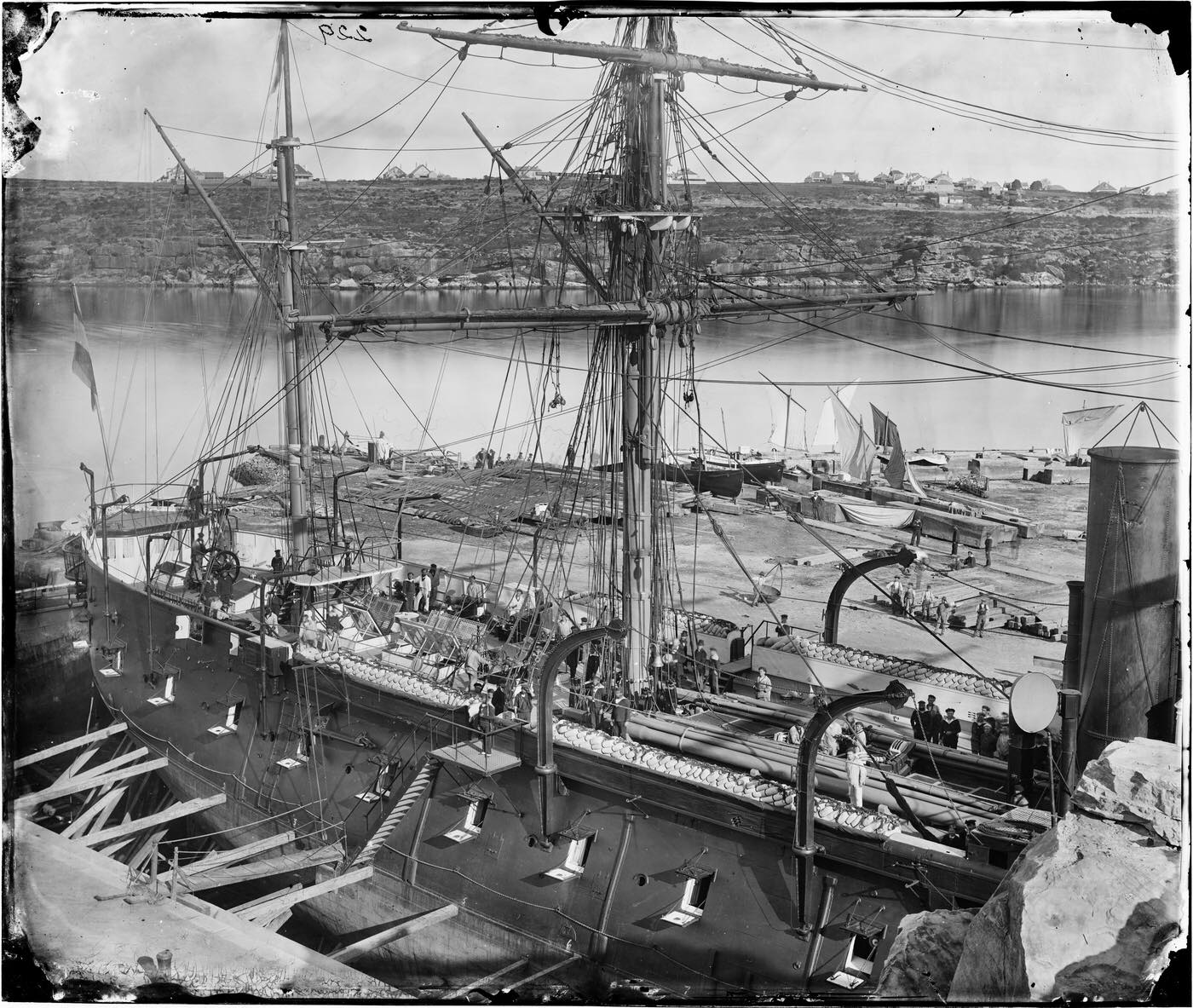
Another beautiful shot from the Holtermann Collection. A French warship in dock on Sydney Harbour, 1873 I think. Look how undeveloped the harbour is.
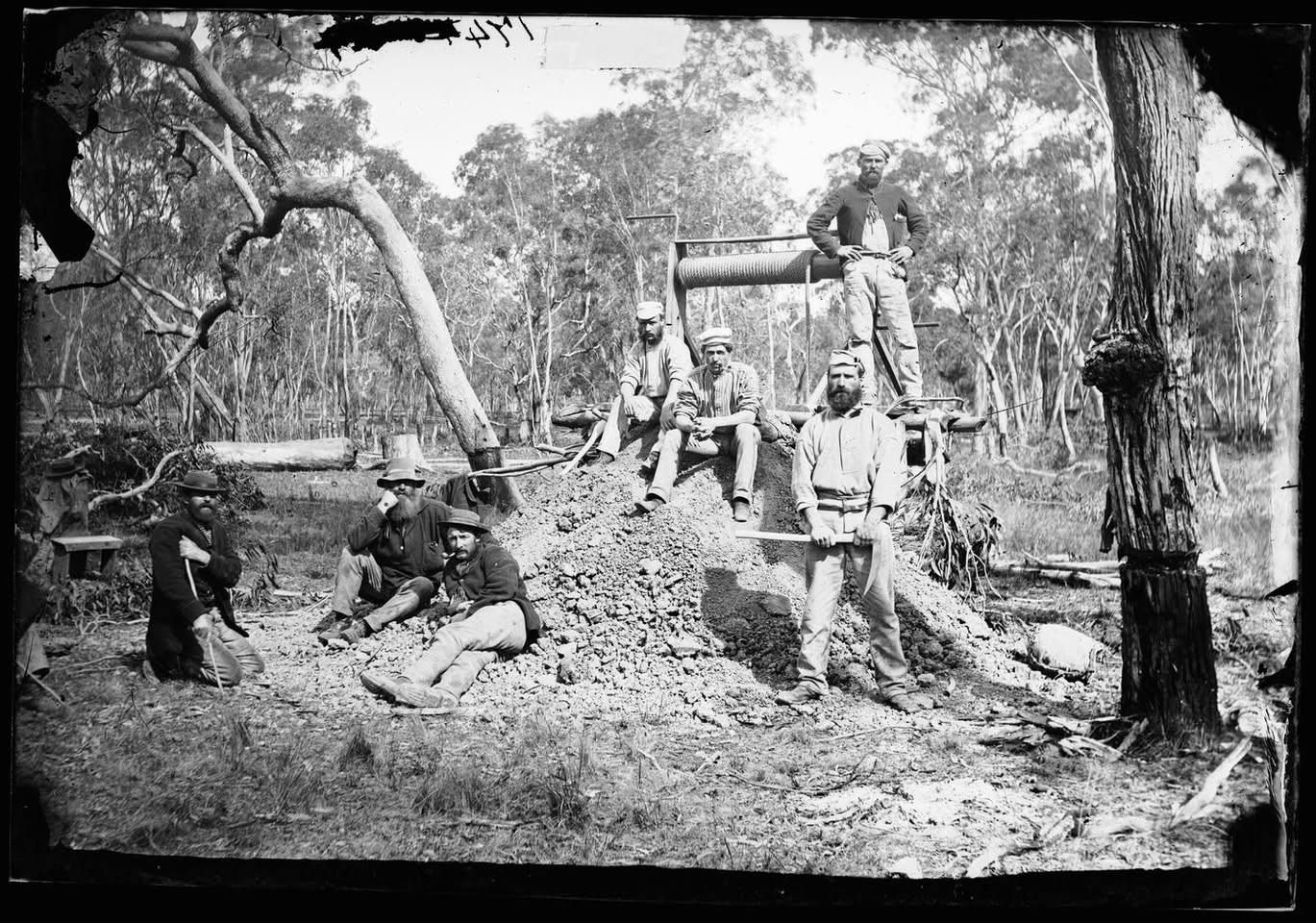
Gulgong, 1870s, more Holtermann. When gold was the get-rich-quick of Australian life. Then we shifted to flogging off houses for way more than they’re worth.
You can’t feel your body. You are your body. One of the greatest things I ever learned. Weight and breathing as examples. Vid re-posted, cos it’s cool. What you feel as your weight, is not your weight. You can’t feel your weight, you are your weight. You feel the forces on you through your contact with the ground. When you feel heavy, it’s because those forces are out of balance. With breathing, you don’t breathe. You are your breathing. Breath is the interaction of forces too, forces from the ground, but also air pressure pushing on you and into you, and the elasticity of your body. That air pressure is about a tonne on you - big, big forces. But you can use it to your advantage, to effortlessly breathe. Just as you can use the forces of gravity to effortlessly sit, stand, lift and move.
Happy Birthday! Beautiful day for it.
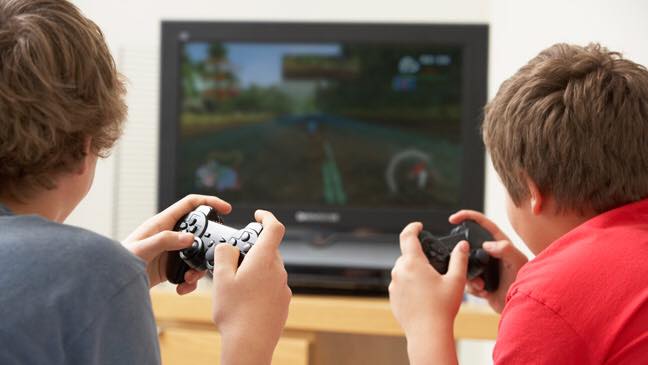
A child could read for hours and we’d all beam and say how wonderful. And yet a few hours on an XBox and apparently the kid needs to get back into the ’real world’ (never defined). We’re very moralistic about our own modern world, we love it and yet we don’t seem to trust or understand it at the same time. Kids playing on XBoxes are *way* more connected to reality than kids reading books. Connected to thousands of other people, for starters, but also physically connected - the networks that support online gaming are vast, physical things, generating not only fun but also jobs for programmers, artists, and even kids in the developing world. Whereas a reader is in total isolation - as ‘virtual’ as you can get. As with most things, reality is ignoring the moralising wowsers and sentimentalists and shaping our world without them. Gaming is a global phenomenon. I once worked on a research project where games were used to solve otherwise impossibly complex equations - what kids are experiencing through gaming is fantastically complex, orders of magnitude more than if they were reading.

Many of my friends work in traditions that tear their hair out over the focus on ‘posture’ and ergonomics. If you’ve ever worked in an office, you’ll have received advice about the best way to sit, or even that you should stand because otherwise you’re killing yourself. All nonsense really. Like my other posts on gravity say, we are floating on the surface of the Earth, there is no need to use any effort to sit or stand. But you have to know how to use gravity to float.
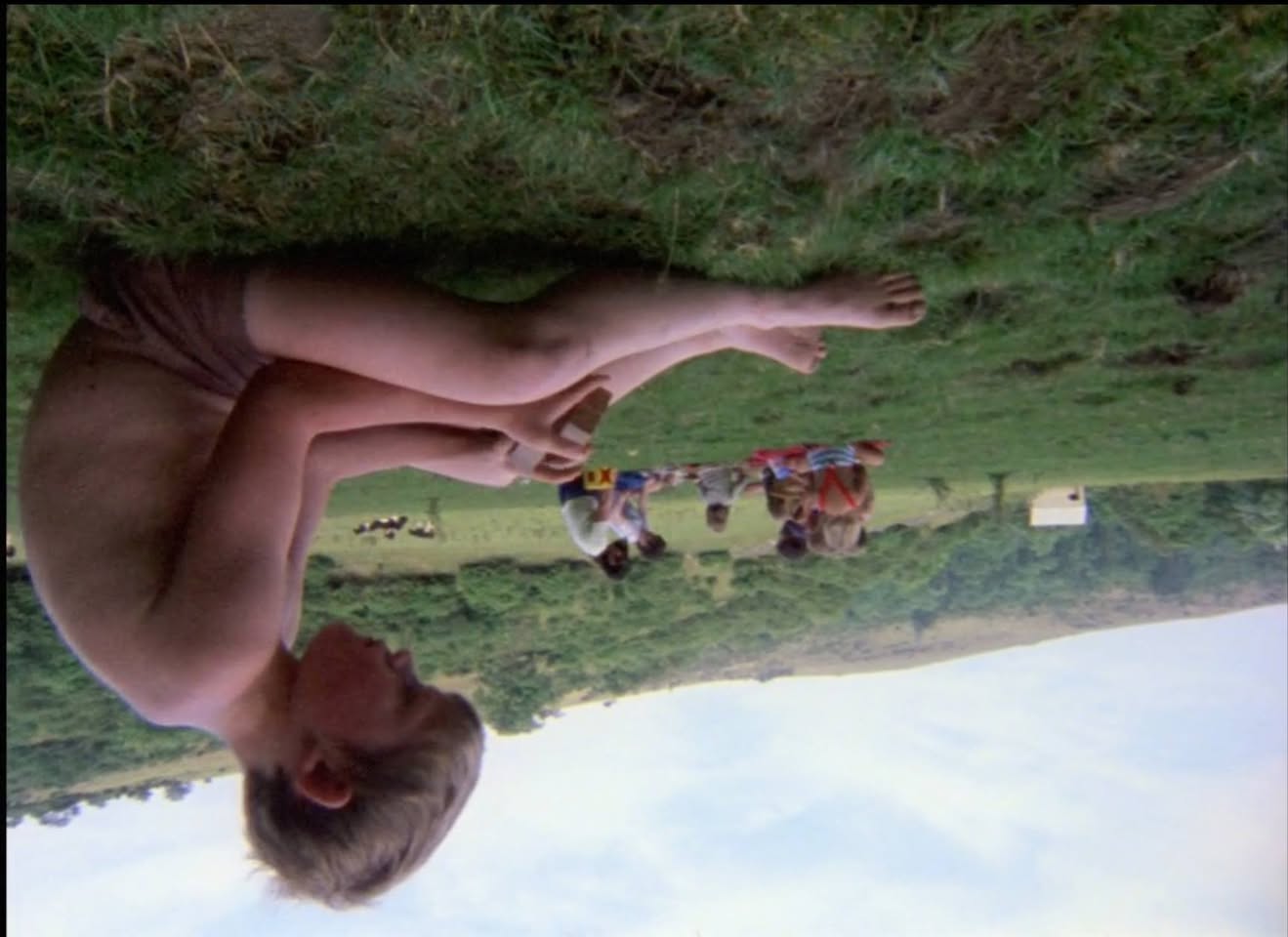
Our orientation to Earth is so much a part of how we perceive and understand things - so habitual - that it's one of the reasons I think we don't immediately see what our relationship with the planet really is. Turn us upside down though, as this filmmaker did, and I think there's at least a different sense of our relationship with the planet? How we're suspended on top of it, like a boat floats on water. We're as much creatures of the sky - space - as we are of the land, but being upright usually hides that from us a bit.
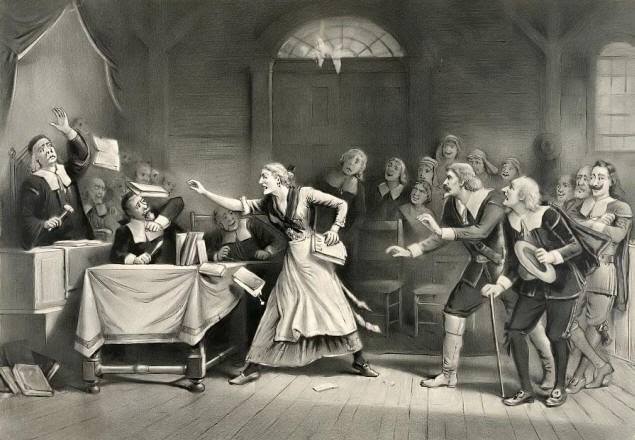
Scene from the Salem witch trials. I love the law, the idea of a 'trial', where evidence has to be presented and then assessed by ordinary people, and against precedents in case law. Humans always have wondered how to decide what is correct or right, and many think they have some quick way of doing it that bypasses some sort of trial - some 'objective' method that removes the need to present evidence and have it weighed. It can't be done, even science uses its own forms of trials to test what is a fact, and what isn't. The law - and I think this is its other main genius - shows us a way to reconcile the specific and the general. Normally we oppose those two things, we say you either have specifics, or general principles. In law those aren't separate, every case (specific) can alter precedent, but precedent (general) also shapes how a specific case is tried.
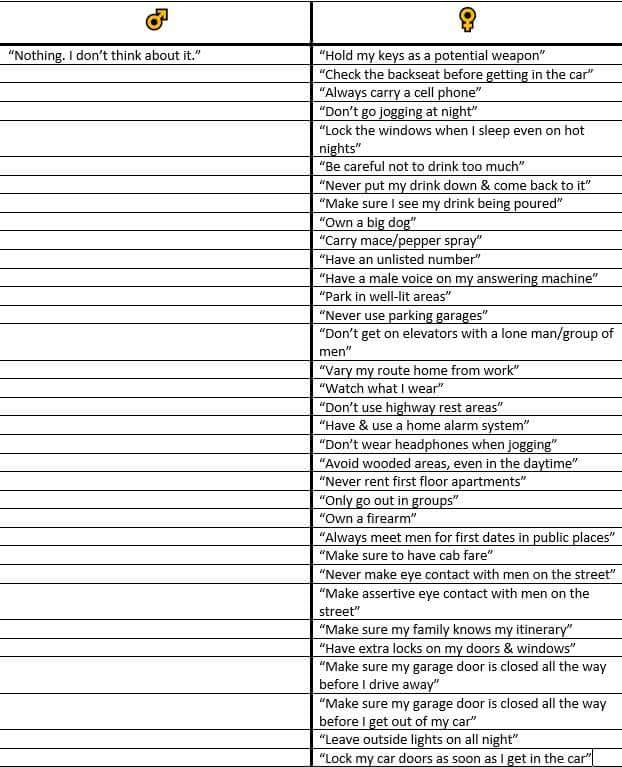
I wondered about posting this, it seems a topic that's difficult to discuss without some degree of hysteria. This image is one I saw on FB, and lists advice to women for how to avoid sexual assault in public places. Some of it seems practical, but at the same time this is the problem I see - it encourages us, men and women, to think of sexual assault and rape as things that strangers commit. That's only true in the minority of cases, overwhelmingly women are sexually assaulted at or near home, by their own partners. And I think what this well-meaning sort of advice does is encourage a degree of anxiety bordering on hysteria about the danger to women, in public places, while distracting us from the biggest problem here, which is domestic violence. Part of addressing sexual assault is for women to not be terrified every time they go outside the house - they're safer going out than staying in, as it turns out. (And domestic violence in turn is hugely correlated with alcohol consumption.) And it's this magnified fear that in turn makes discussions of the topic difficult, because the fear and anger get so intense, it makes real conversation and problem-solving very difficult.
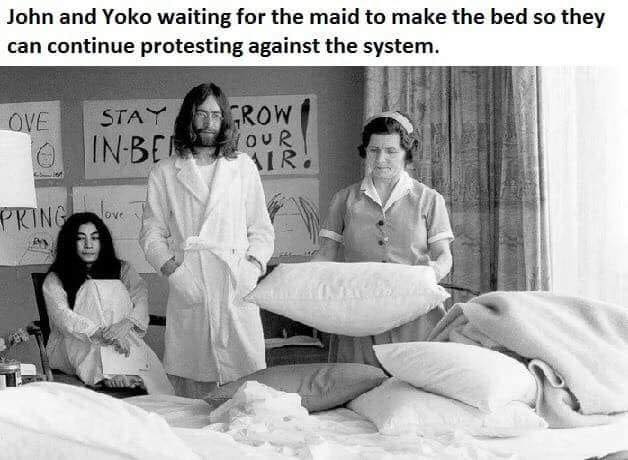
Made me laugh. It’s like a flashback to the beginning of the great boomer swindle. All you need is love. And free education, tax-free super and cheap housing. And put it all on the credit card for the kids to pay off. We are the system.
Morality is usually nothing more than a middle-aged yearning for how things used to be. Thoughts?
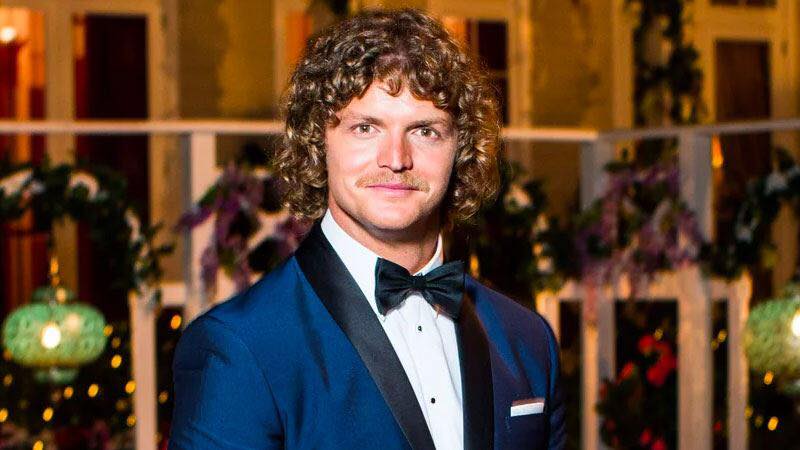
Didn’t watch much of this season of The Bachelor. But am struggling to get why it’s an issue he decided none of the girls were for him. Is it compulsory to find love on the show? Given also a lot of people on it are pretty shady, when you look into their pasts. Ex-strippers, failed models and actors looking to build a public profile etc.
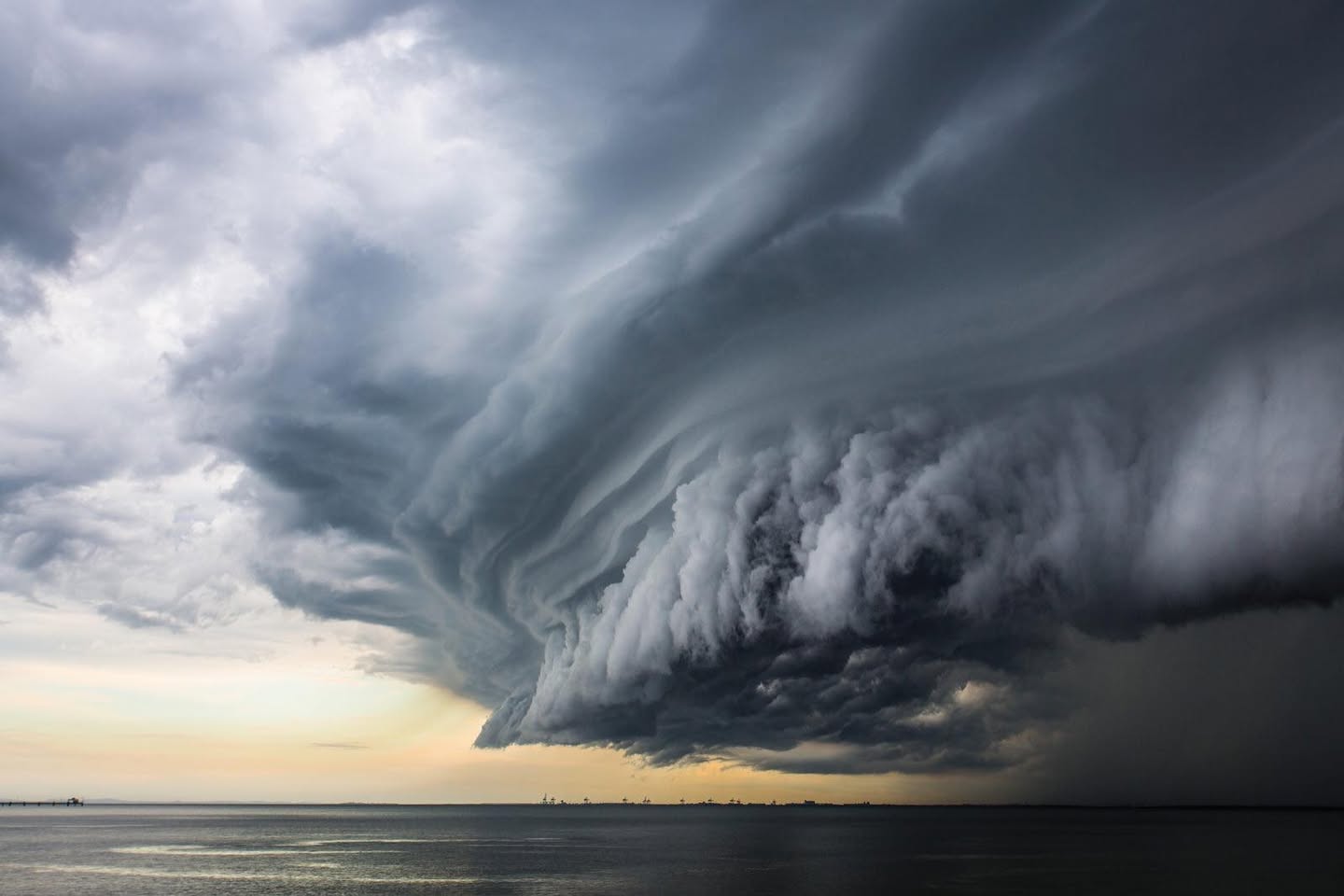
Climate change is usually seen as a scientific thing. Too much carbon dioxide pumped into the atmosphere. But there’s a different way to see it that some are starting to articulate. It’s a problem of morality. One of my main interests. For most of its history humans have granted moral agency to humans only. Not to animals, and especially not to things like rocks or water, or even plants and micro-organisms. Climate change is the outcome. If you treat the non-human world as a means instead of ends, and do it for long enough, climate change is what you get. It’s like treating your spouse as a cleaner for a couple of decades - chances are they’ll respond in ways you don’t like. The agency of the world bites you back, right in the arse. It’s the world saying “hi, still here, pay attention now or you’re dead”. The world is not a means to our ends. It has ends of its own.
More modern morals. Is shopping a moral activity? (I think all activities are.) For example: - does online shopping screw bricks and mortar retail, but keep thousands of cars off the road and save poor people money? - most of our clothes are made in sweatshops, and we throw most of them away into landfill. - does buying imports hurt local business, but benefit developing countries? - is the arrangement of goods in supermarkets encouraging impulse buying? - should we use plastic disposable bags? Etc. etc. I still would be curious for anybody to find a human action or decision that doesn’t involve moral evaluation of some type.

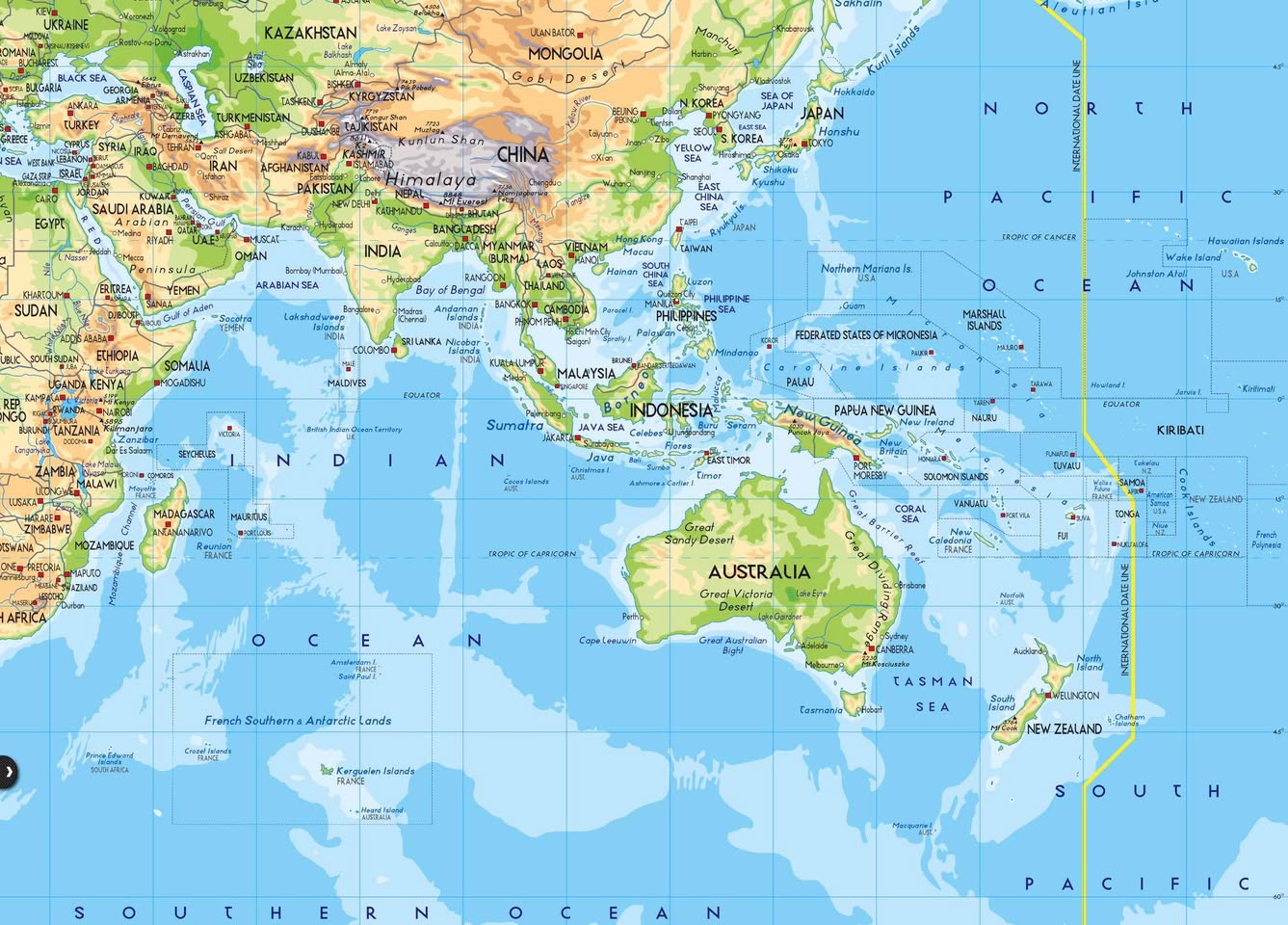
The international date line - yellow on the map - marks the beginning of each day. Ever notice that this time-line is actually a line in space? Space and time are the same, on that line. And everywhere else. Kinda amazing.
Welcome to your newly shifted circadian rhythm. Which is really bad for you, but hey, all that extra time to drink wine after work. And extend those stinking hot and getting hotter summer days. Helps us cull all those fragile old people I guess who can’t deal with heat, on top of their circadian rhythm being shifted twice a year too. Let’s do something smart in Australia for once, like an hour less work, if we want an hour more daylight. Buy an hour instead of buy a bale. Much better for the farmers too. “”The European Commission’s consultation paper said: “Findings suggest that the effect on the human biorhythm may be more severe than previously thought.””
Happy Birthday Den :)
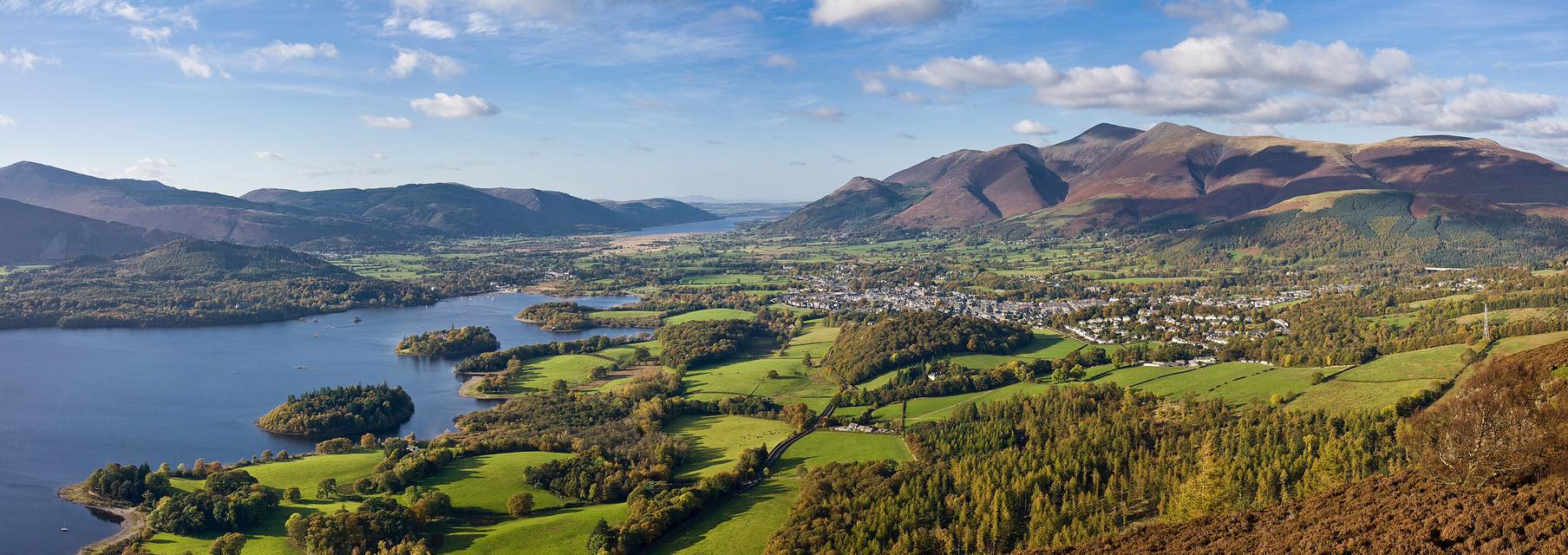
In world terms, the UK was very late to introduce national parks, only in the second half of the 20th century. The reason why is very interesting. There was no untouched land left in the UK, its landscape is entirely man-made. And unlike other countries, which introduced national parks to protect wilderness, in the UK the motivation was very different. Because much of the land was owned by historically privileged landowners, the push for national parks was much more about access to these lands. More a class struggle thing. The idea of national parks reflects our ideas about nature. In many ways the UK model is much healthier, the landscape and humans coexist. It’s why it’s so stunningly beautiful. In much of the rest of the world the landscape is trashed, and national parks are a desperate attempt to save what’s left.
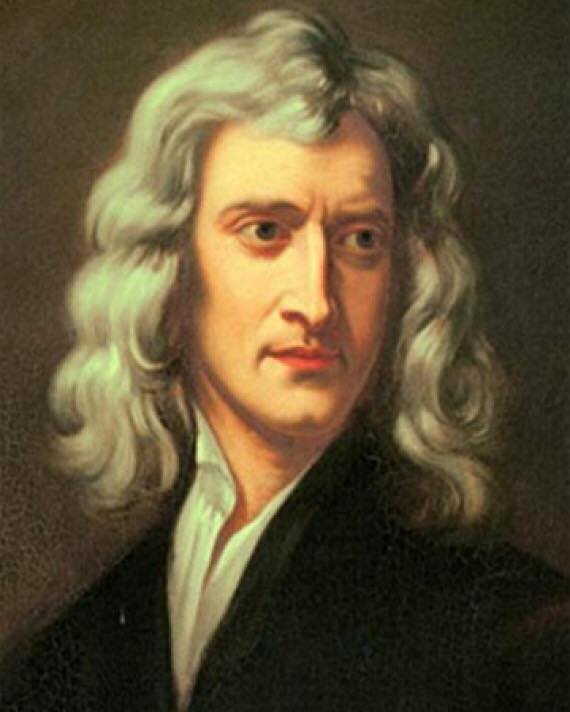
Did you know Isaac Newton thought the ‘forces’ he studied were the actions of angels? Newton would have found our modern separation of science and religion bizarre.
Traffic ‘calming’. A big area of my own studies and research, how non-human things have agency. We like to say they don’t, but our societies wouldn’t function if that were true. We could ask drivers, for example, to drive calmly through our streets. We’ve tried that, it doesn’t work. So we introduce new technologies to calm the traffic. Those technologies have agency - they act in specific ways. They calm our driving. Once you see how agency is distributed across everything we use every day, the world looks entirely different. http://www.mikeontraffic.com/techniques-and-devices-for-slowing-down-traffic-traffic-calming-explained/
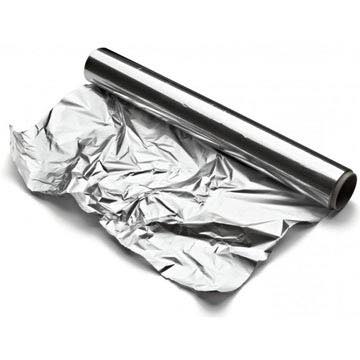
Only recently I suddenly realised I’d never recycled aluminium foil. Quite ashamed of that, aluminium is extremely expensive to make, and it tends to be used once and then goes into landfill. The shame!
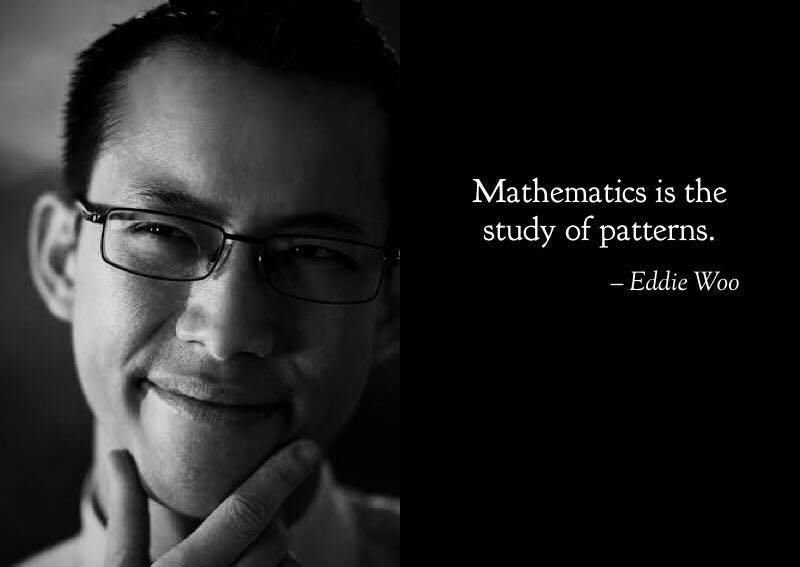
Go Eddie. If maths was taught with this as the core, it’d sing for a lot more people.
The word ‘objective’ has come to mean something true, no matter what anybody thinks about it. But actually the idea of objectivity comes from the law. To be objective means to be able to answer enough *objections* to convince people that something is true. Like in a legal trial. But pick any example - climate change is a good one. I think we’re losing on that because we’re lazy and just say “it’s true!”, thinking that will win the day. You have to always do the hard work of persuading and convincing. Of dealing with peoples’ objections, for as long as it takes.
In the news again today, "make new migrants move to regional areas, to take pressure off infrastructure in the big cities." Yeh, because regional areas have such fabulous infrastructure.
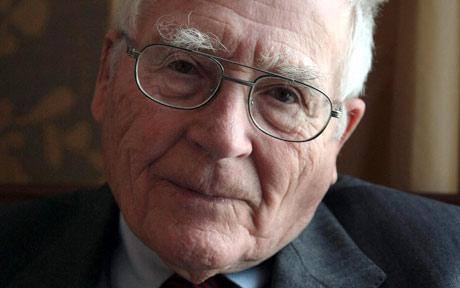
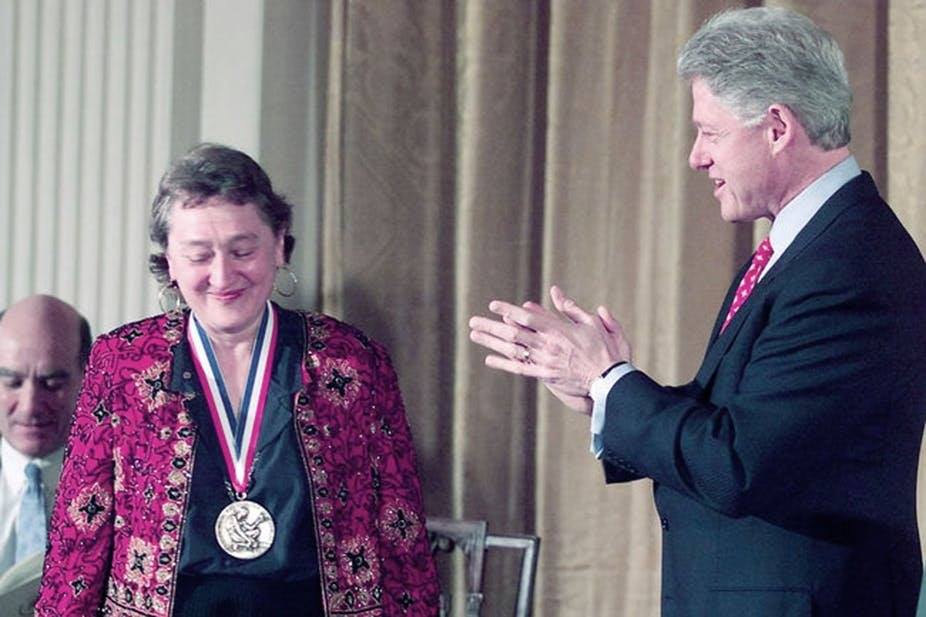
A plug, and background to the climate change debates. James (Jim) Lovelock and Lynn Margulis are arguably the most important scientists since Galileo. Together they formulated the Gaia idea, which some interpret as meaning 'the Earth is alive' (it doesn't mean that) or that the Earth is a 'self-regulating system' (it doesn't mean that either). What Lovelock and Margulis (RIP) did was to take Darwin's idea, that organisms exist in an 'environment', and updated it to show that organisms actually *create* their own environments. The implications are HUGE. What Gaia means is that the planet isn't an environment. Organisms shape the habitable zone, and that then shapes the organisms, at the same time. It's a symbiosis. And ultimately it means, there is no matter, and no spirit or soul. No God, no grand design. But not blind chance either, all those false dichotomies disappear. There are just trillions and trillions of organisms, constantly entering into symbiotic relationships with the planet.
Here’s my vote for why people like Trump and climate change deniers win. It’s a classic example of how the people who want the world to be different see the people they need to convince as simply stupid. How far do you think that’ll get them, in changing those peoples’ minds? The climate change debacle is as much about the complete failure of science education and of scientists to engage well in public debates, as it is about oil companies and Trump. The bad guys respected people enough to know they had to PERSUADE them of their position. And that’s what they’ve been doing, while the other side just calls everybody stupid and hopes for the best.
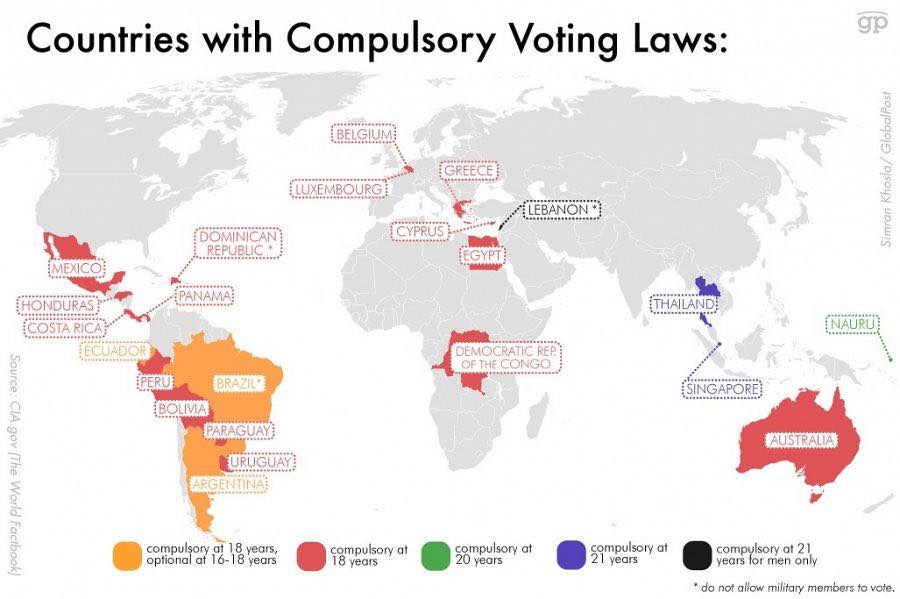
It says a lot that the same people who froth at the mouth about what a terrible restriction on individual freedom compulsory voting is, will at the same time quite happily support draconian laws on flags, welfare recipients, single mothers, family planning, refugees, what can be taught in schools, abortion, euthanasia, and so on. I’m yet to meet somebody who campaigns for individual freedom who doesn’t really just mean their own freedom to do what they like, but not people they don’t agree with.
Walter Lippmann was skeptical about democracy. He thought the idea of a ‘public’ was a myth, that there is no such thing as some collective entity called the public. So he called it ‘The Phantom Public’. John Dewey then came along, and said hang on, there is a public, but it only appears around specific issues. When something isn’t working in a society, people mobilise around that thing and form a public, until that thing is solved. And I think he was right. You can see that every day, how what generates groups is issues, each new issue might generate a new group. Horse racing ads on the Opera House generates a different group to tax cuts for business. Rather than oppose individuals and groups, I think we should always see groups as the way individuals join together to resolve specific issues. Also I think why people seem apathetic in relation to politics in general, but passionate about individual issues.
Some classic examples of political framing - feel free to suggest more. This is how smart politicians shape how people feel, and therefore vote. Use the frame enough and it shapes how people think. Tax cut = "tax relief" Public investment = "spending" Religious discrimination = "religious freedom" Verbally assaulting other people = "freedom of speech" Public service = "bureaucracy" Stripping away protections = "efficiency" Society = "economy" Refugee = "illegal queue-jumper" Converting public services to profit = "small government"
Are we really democratic in our hearts? I talk to people about this a lot. I think nearly everybody prefers living in a democracy, but I’m much less sure it’s well understood what that actually means. My experience is that our ideas about how democracies work are usually adult fairy tales, with almost no connection with reality. We don’t learn this stuff. Interestingly, it’s very common to like democracies, but at the same time to be convinced that most of the people in them are stupid. Usually when they do something like elect Trump or refuse to believe in climate change. Here’s an eye-opening summary though of how ‘the herd’ is way smarter than you or me, if it’s allowed to operate in certain ways. Those ways funnily enough bear a striking resemblance to how democracies were first created. (I also love pictures of crowds, like this one, because look at the faces. Crowds are made up of individuals, each doing their own thing, for their own reasons. People who say individuals and groups are separate things miss this I think.)
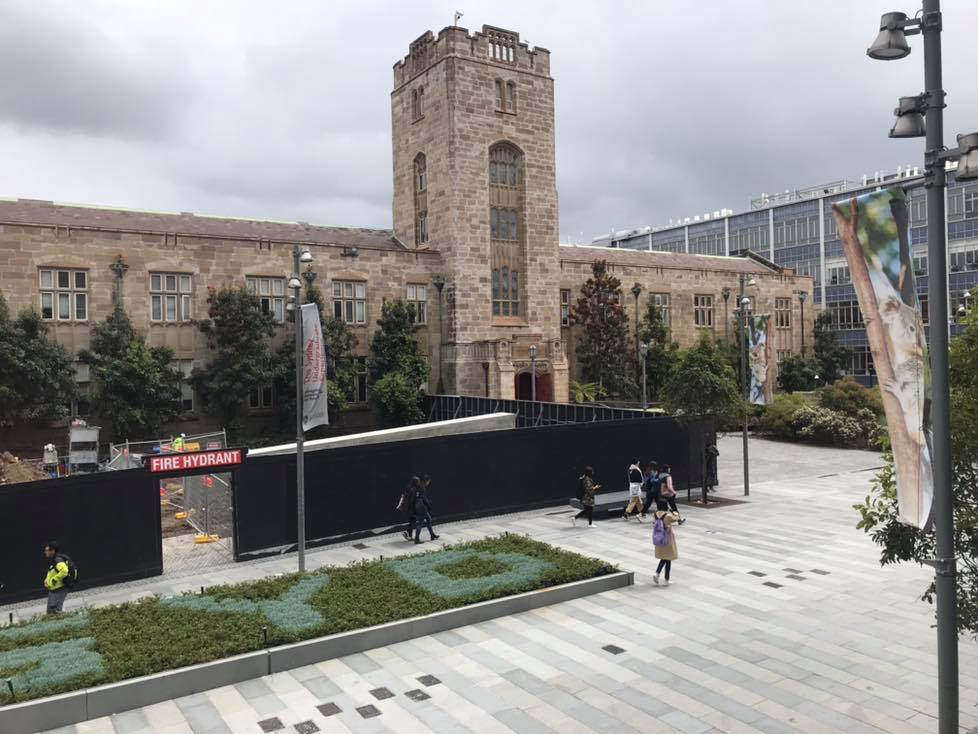
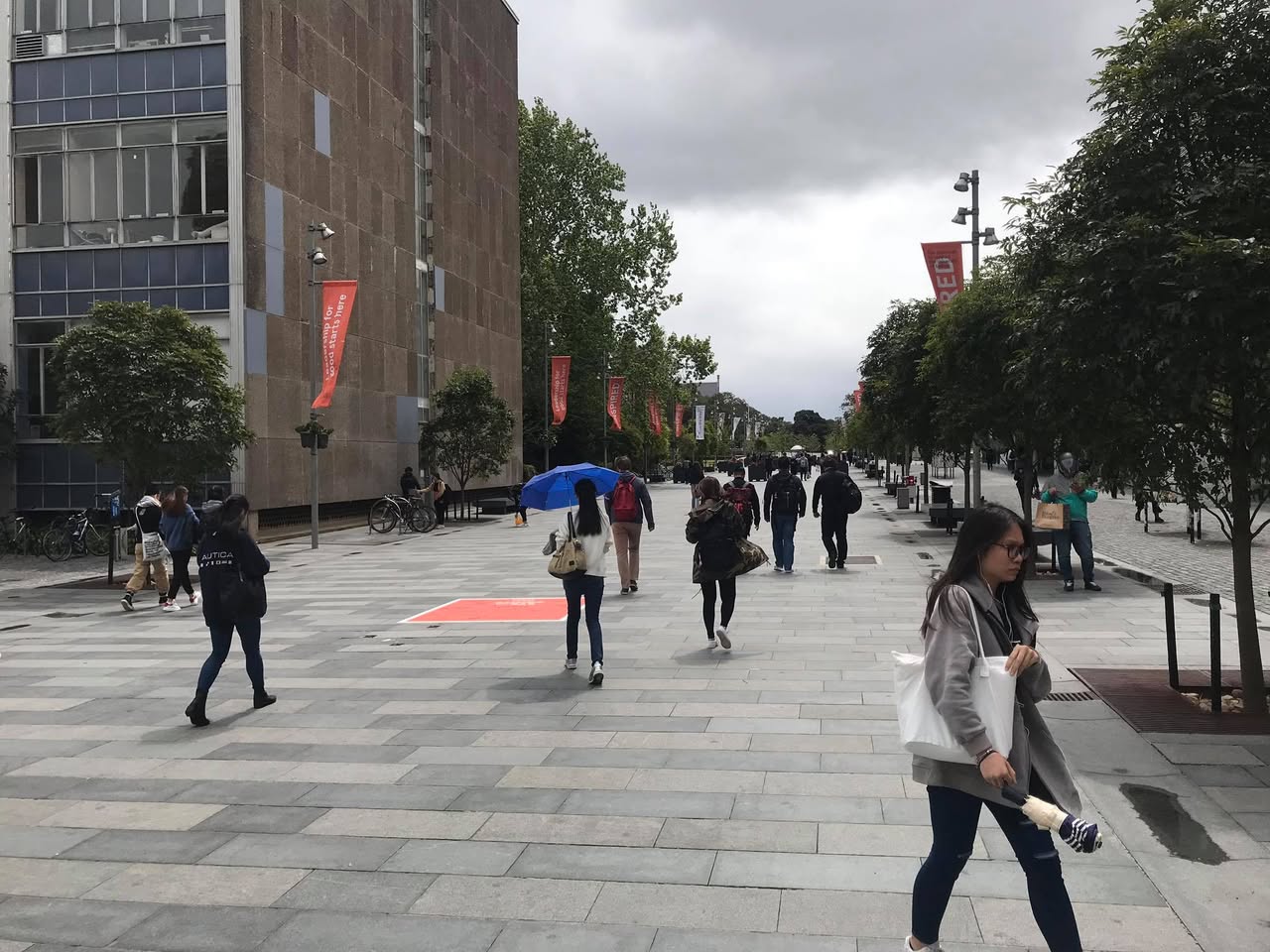
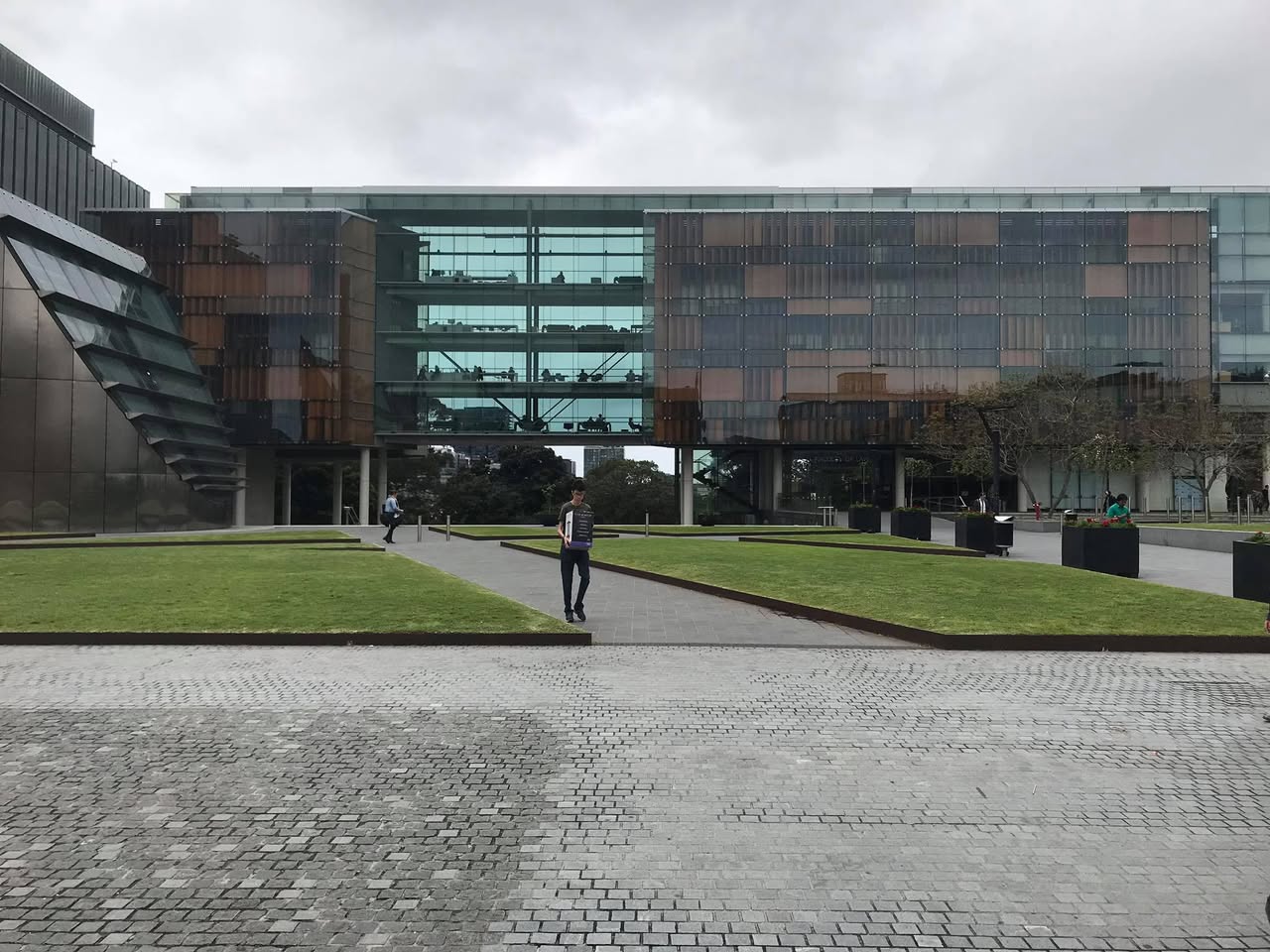
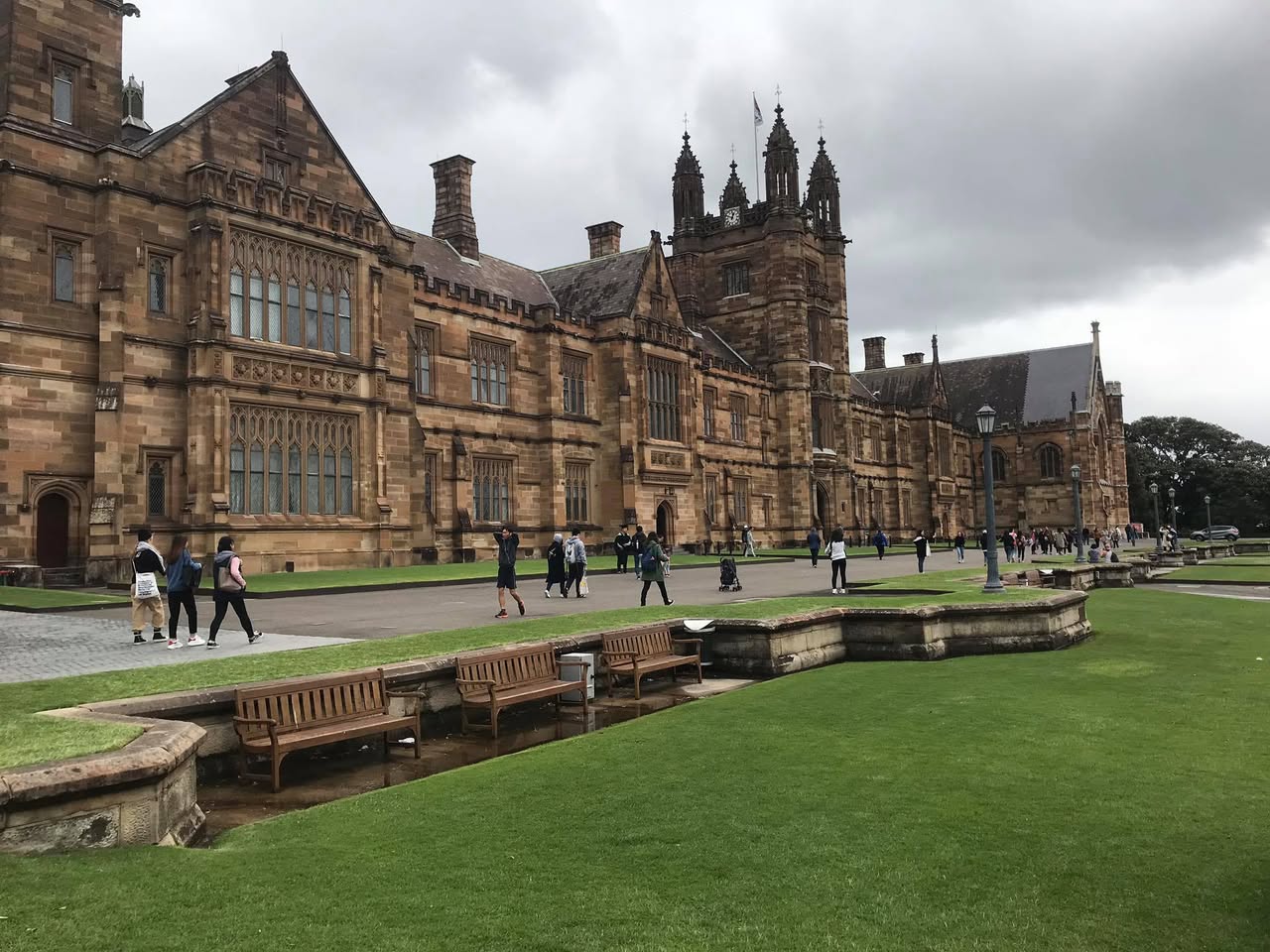
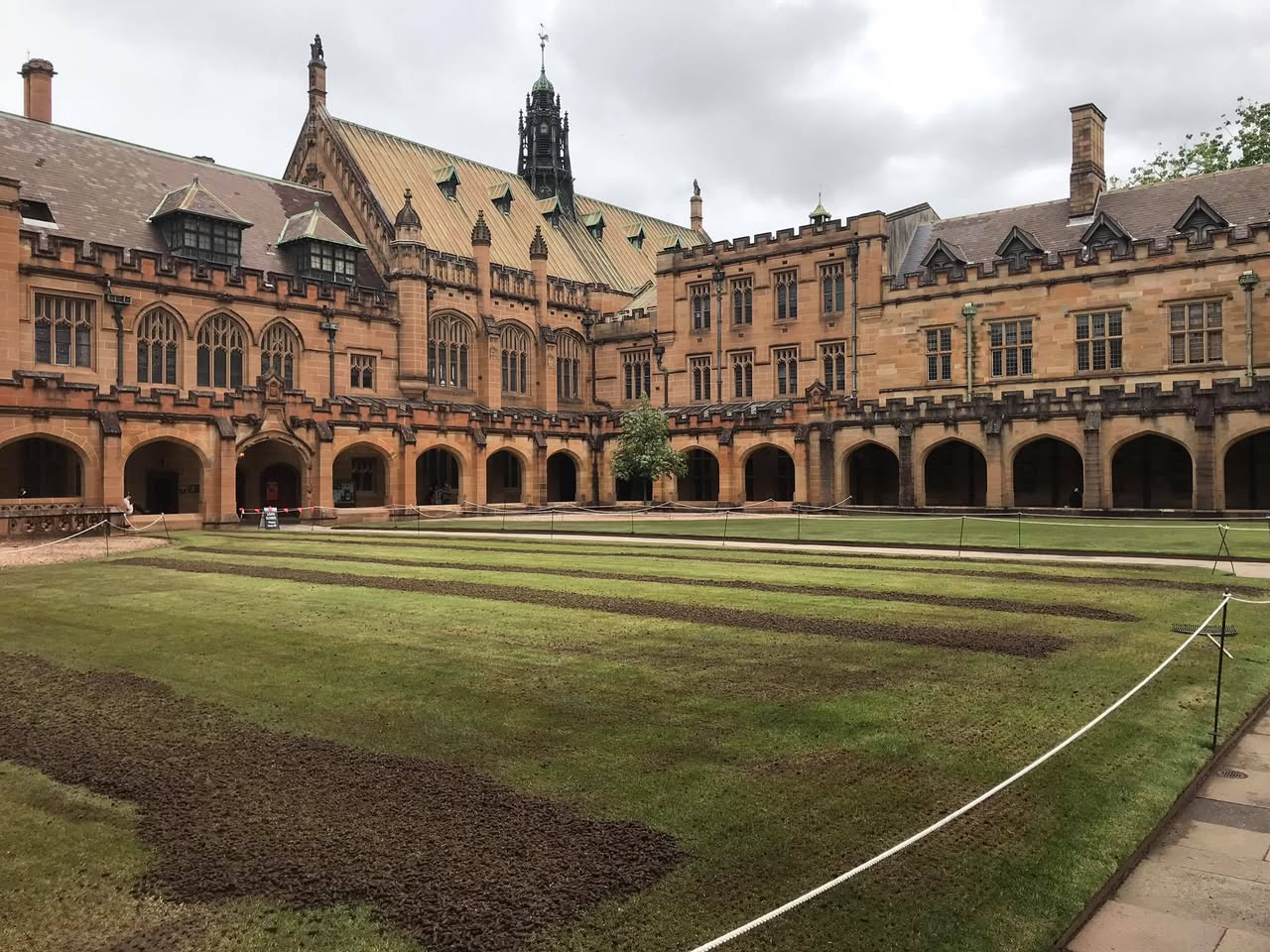
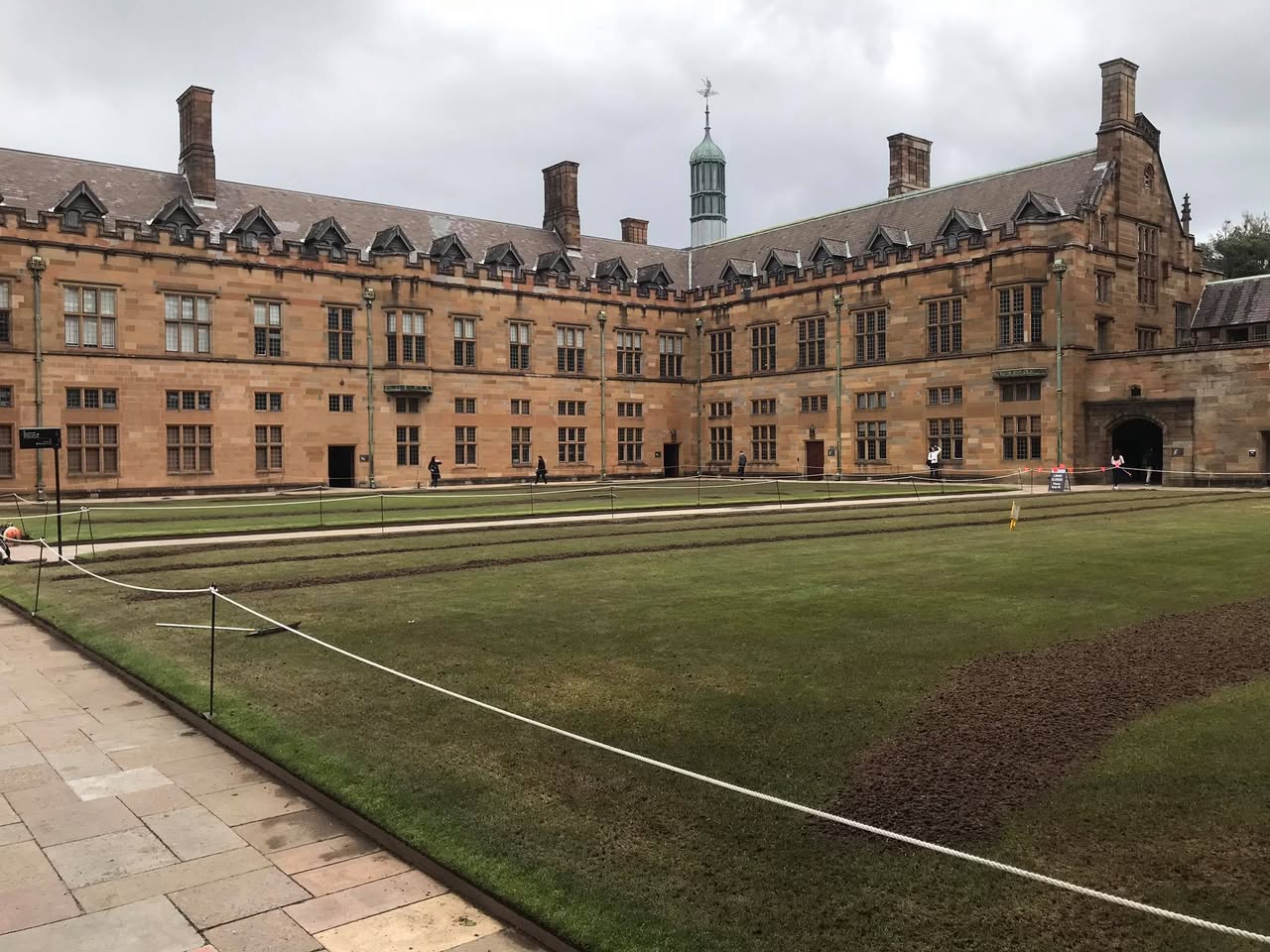
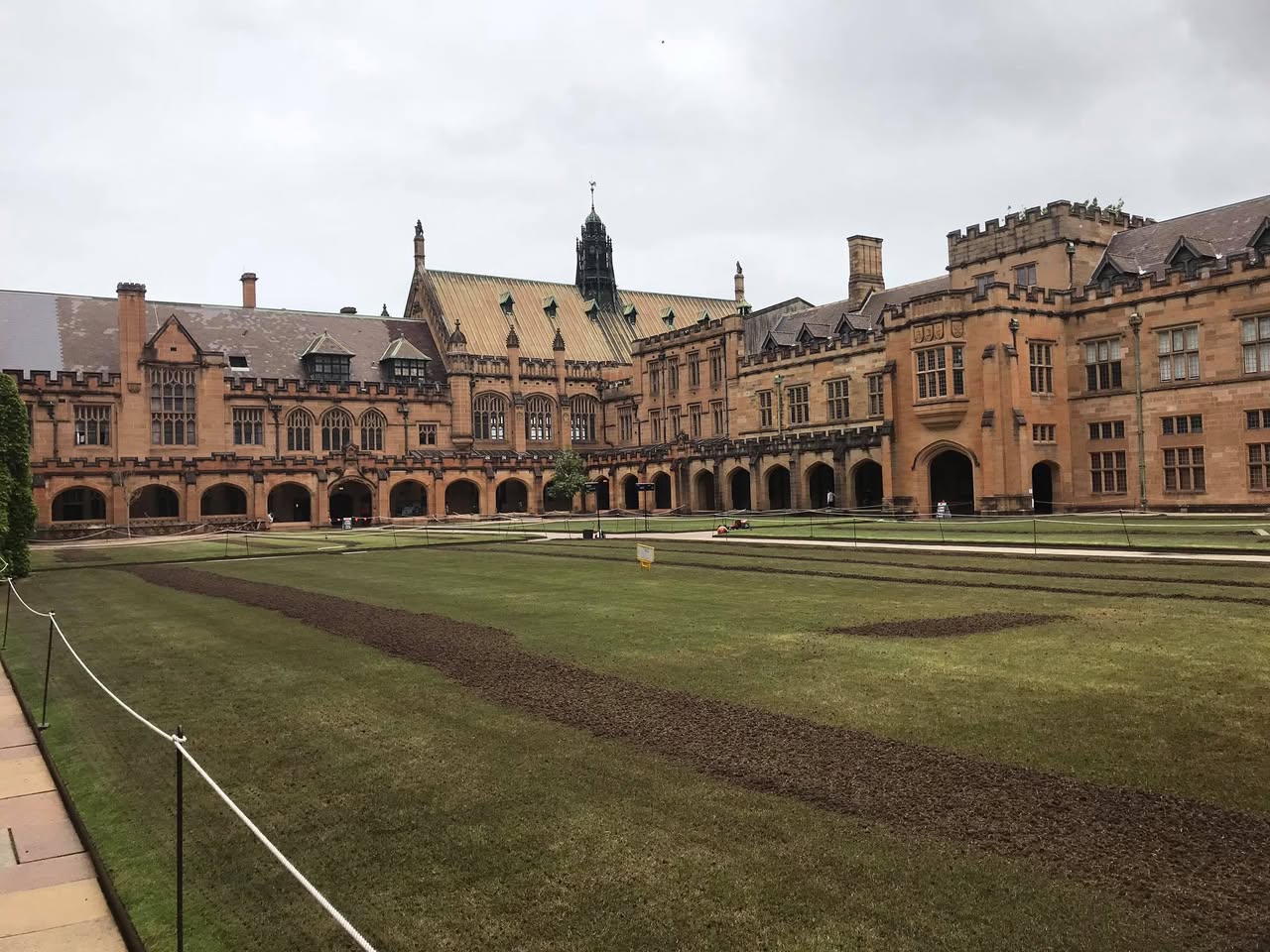
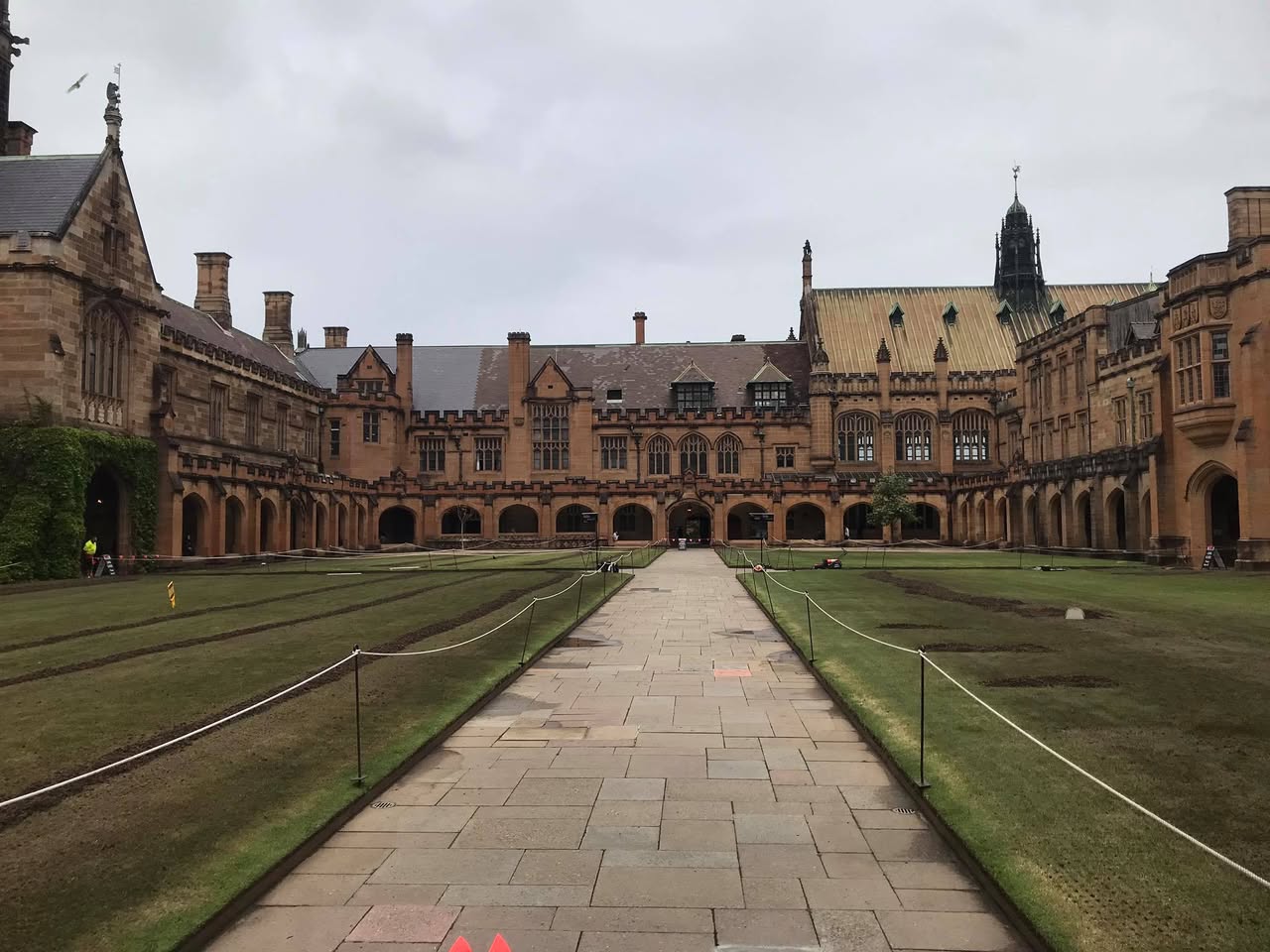
Was here today. Studied there more than 25 years ago, but it felt like I’d only just left. Maybe that’s called getting old.
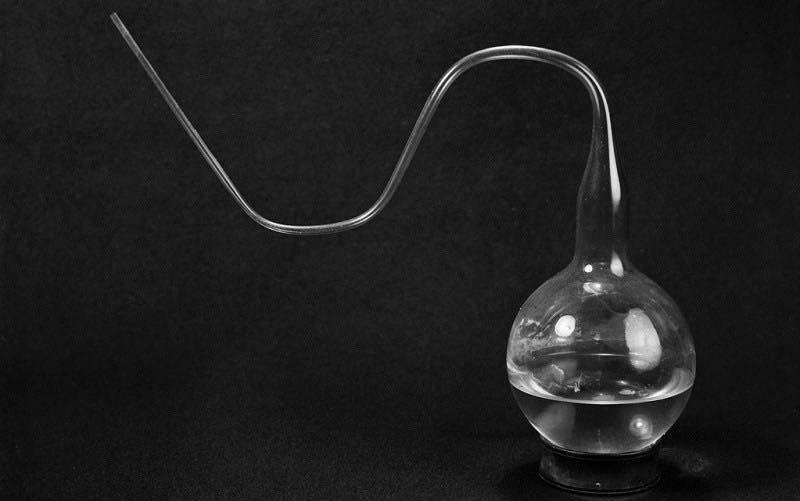
As a kid I used to see ‘pasteurised’ written on milk cartons and wonder what it meant. Louis Pasteur’s story is amazing, he came at a time when society debated whether life was something that was added to a broth in a flask by a vital force - the vitalists like Pouchet - or whether it was just a unique combination of chemicals - chemists like Liebig. Pasteur said, it’s neither. It’s microbes, a whole new type of being. This swan-neck flask was key to the spectacular experiments he did to convince people that microbes existed. The ‘swan’ neck prevents microbes from easily entering the liquid in the flask, so left alone a broth in a flask like this doesn’t go cloudy. But with a straight-neck flask, it does, because the microbes can more easily access the liquid. The rest is history, literally. Germs became new beings we had to take into account.
Happy Birthday Wado :)
Have you heard of the technosphere? Read this, it might blow your mind. We tend to think of ourselves as living ‘in’ nature, but as it turns out, nature changes all the time, and currently the technosphere is the largest part of it. And it currently weighs about 30 trillion tonnes, 8 times more than all living things on Earth. But the technosphere is alive too. https://en.unesco.org/courier/2018-2/unbearable-burden-technosphere
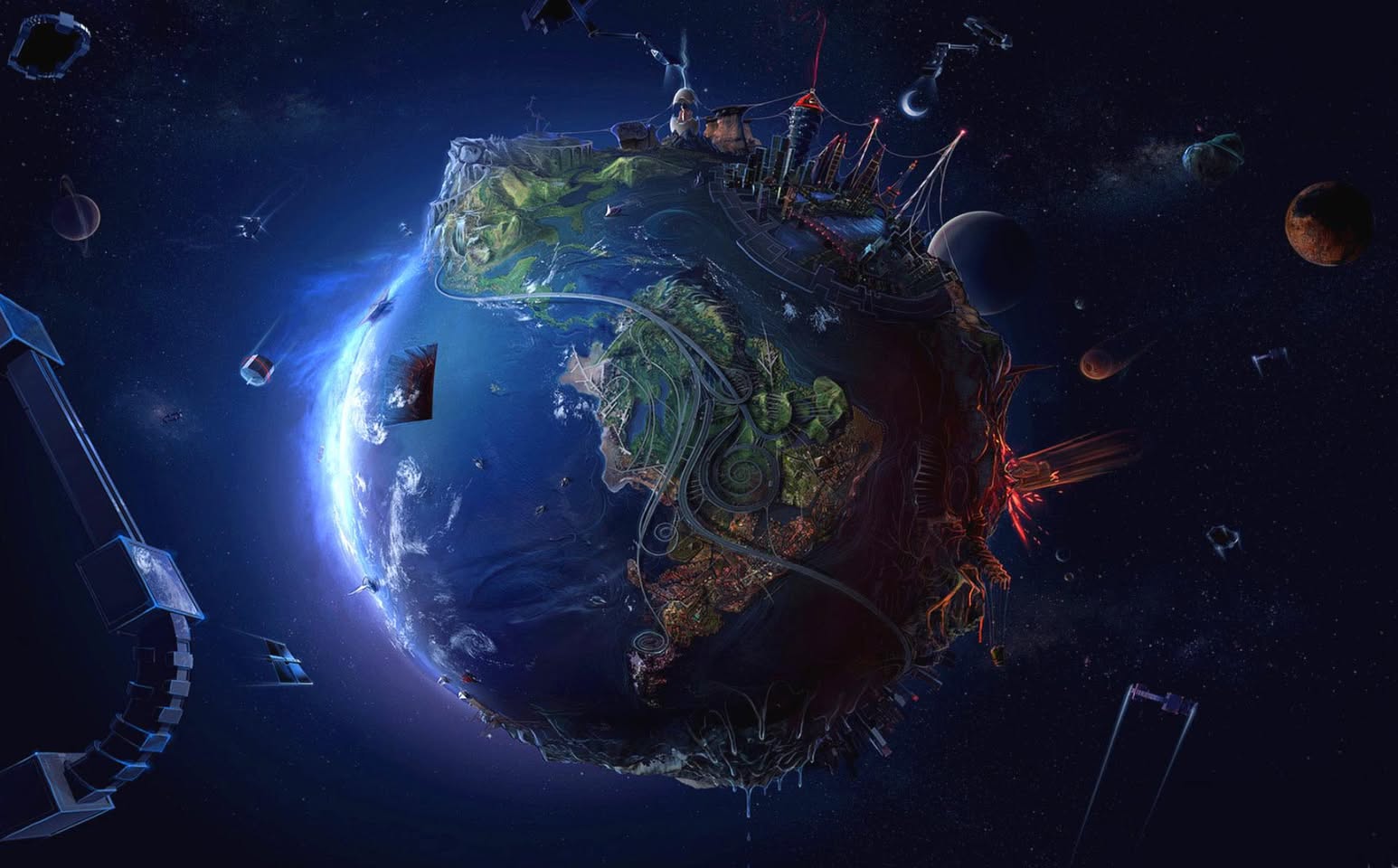
What if people really do know what they’re doing?
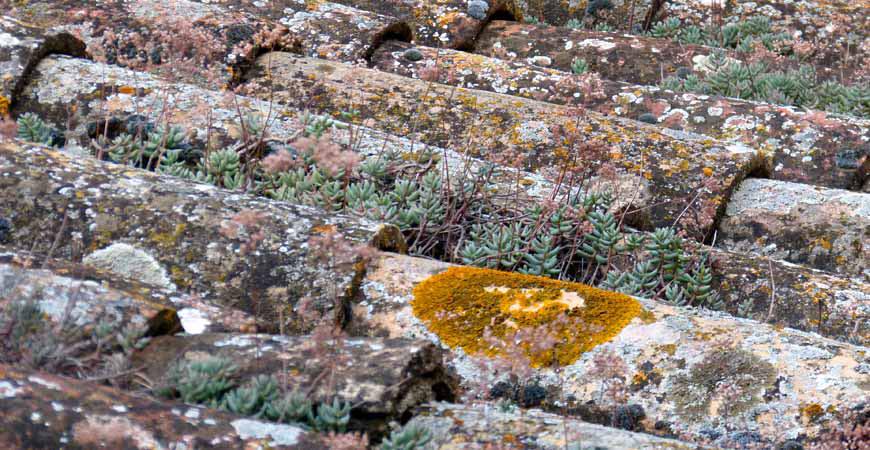
Got lichen on your roof? Lichens are amazing things, that may provide a model for understanding everything in our world. Lichens are not a single organism. They’re a symbiosis of multiple organisms. Evidence is increasingly suggesting that every living and non-living thing is a symbiosis. For example about 50% of the genes in your body actually come from species outside it. Symbiosis is such a different model for understanding everything because instead of starting with separate ‘bits’, like people or plants or rocks or trees, or cars or words or political parties, it starts by saying that everything is already a mixture. Mixtures aren’t separate bits, mixed together. Those bits are mixtures too.
One of the fascinating things about oxygen I think is that it was a deadly poison to earlier forms of life on Earth. So what we see as vital to keep us alive was also what killed billions of other living things in the past. Our pollution today is likely a great boon to some future forms of life. This science also asks the great question - do we live 'in' the atmosphere? The answer is no, organisms create the atmosphere too. What climate science is increasingly showing is that the 'environment' is as much created as the things that live in it. Our technologies are just new parts of that constantly changing process. There is no 'nature', and no 'culture'. It's seamless.
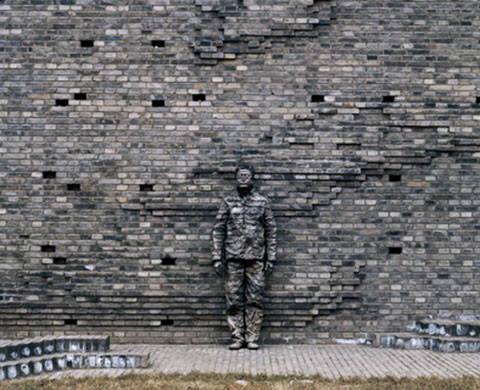
One step towards wisdom? We can't control how others see us. “Even in the most insignificant details of our daily life, none of us can be said to constitute a material whole, which is identical for everyone, and need only be turned up like a page in an account-book or the record of a will; our social personality is created by the thoughts of other people.” Marcel Proust
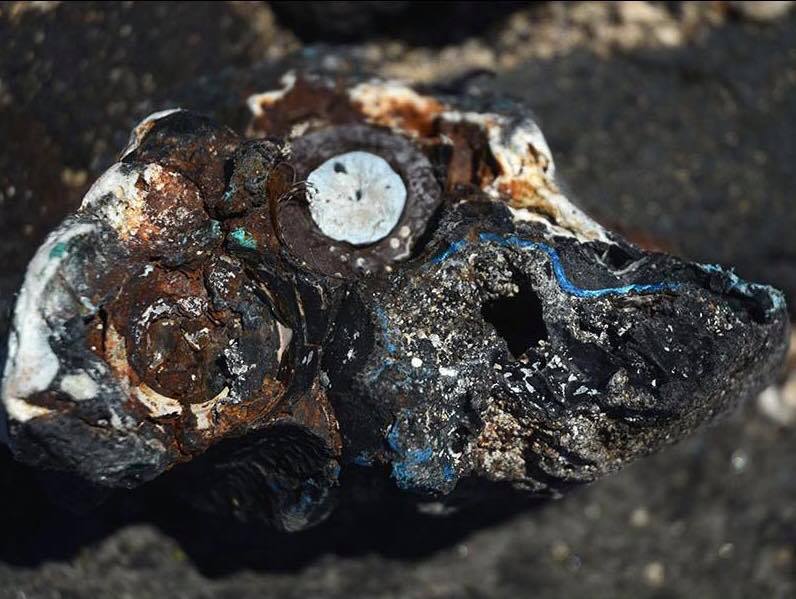
This is a plastiglomerate. A rock that also contains plastic. As a lot of researchers now believe, there is no such thing as ‘nature’, the technologies we use today are as much part of the world as birds and trees.
A theme for me. The big shift that climate change has brought, that I don’t think is well noticed, is that the ideas of nature, and the environment, are doomed. The idea humans live ‘in’ nature, or ‘in’ environments, is what climate change has shown to be wrong. Climate change is not ‘humans destroying the planet’. It’s much more interesting and complex than that. That also undermines one of Darwin’s key ideas, natural selection isn’t about the environment selecting winners and losers.
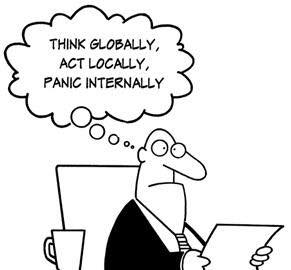
The ‘think global, act local’ phrase is one of those twee things that is supposed to be profound. But is it actually meaningless? It’s another binary, and I think binaries are only descriptions of points of view. The definition of local is the opposite of global, and vice versa. They define each other, and they define a point of view or perspective, they don’t describe actual existing things. I watch ‘global’ tv shows at home in my ‘local’ house. This iPad came from the US and China, but I’m using it in my local, country NSW. It’s why I think the phrase rarely energised anybody to do anything, as this cartoon captures well. It makes no sense.
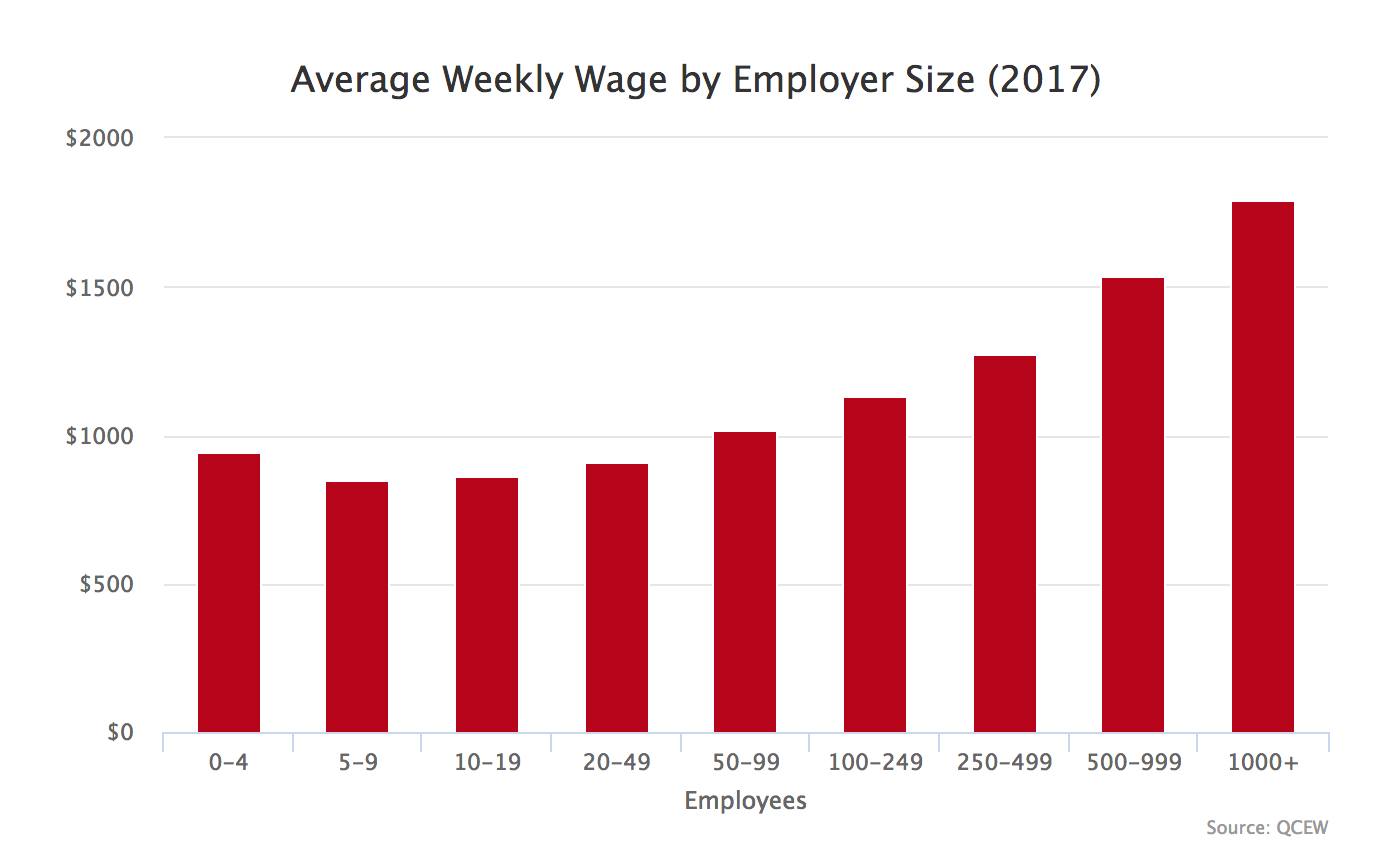
Check out these stats for the US. Small government and small business are both championed by the same powerful people. That's not a coincidence. We tend to fetishise the small and demonise the large, and I think it costs us all. In this case on average workers in the largest businesses are being paid *twice* what those in the the smallest businesses are paid. Plus they're getting additional benefits as well.
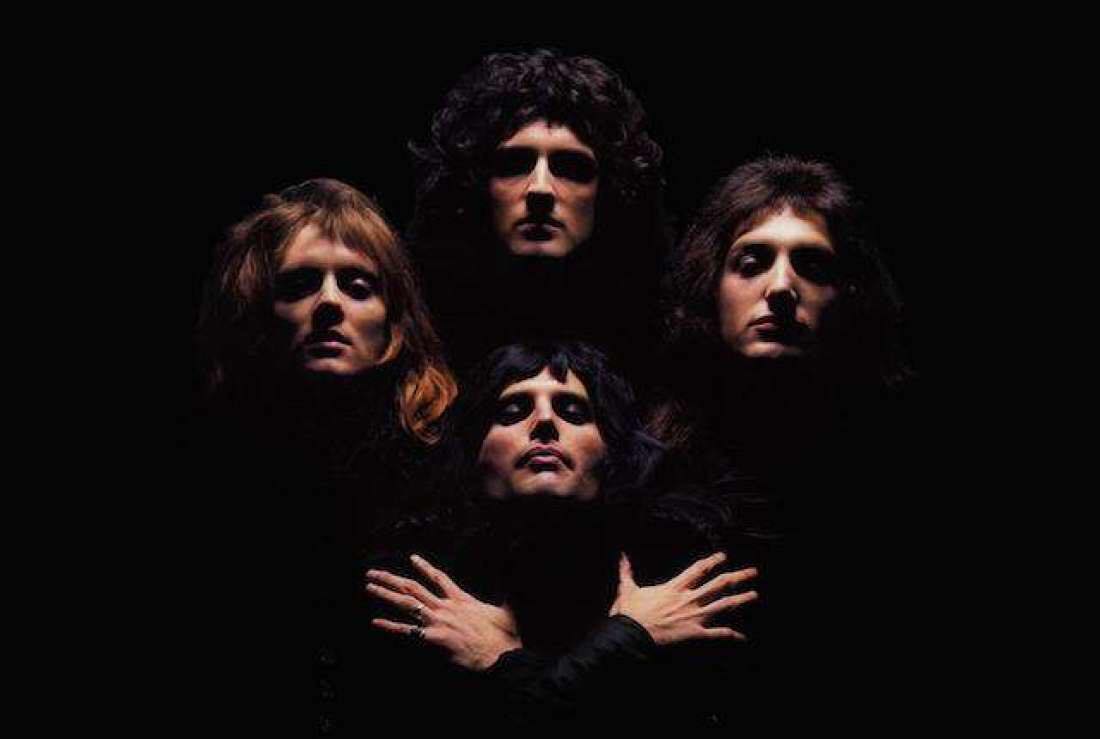
There are two mysteries about Bohemian Rhapsody (the song). What’s it about? And what is it - what sort of music? The consensus on the first answer (only the band know) seems to be that it was Freddie Mercury writing about accepting his sexuality. But the second mystery I don’t see much talked about - there’s an assumption it’s rock-opera, or mock-opera (a bit of a laugh). I don’t think it’s either of those things, and that was part of Mercury’s genius. Bo Rhap is like most Queen, sometimes they get called eclectic, but that would make them just imitators of genres. To me their genre, a bit like the Beatles, was the radio they grew up with, where they heard a bit of everything. Their music is the music of young people who grew up in that way, as one big melting pot. Their tradition is the tradition of all genres, as one seamless whole. In this way I also see The Beatles and Queen as part of the origin of modern mash-ups too.
Wonderful short animation. What a shock, that a female thinker saw the baloney of splitting the world into subjects and objects, and hardly anybody listened. So often the piety of ‘objective truth’ and separate Gods is a male thing. The world is alive, and divine.
Won’t be buying this Trey, listened to the Live Aid tracks and they’ve done what they did with the Milton Keynes release, ‘cleaned up’ the mix and balanced all the instruments and vocals. In the process they’ve stripped the adrenaline out of the performance, and it sounds more like a studio thing than a live thing. The dangers of modern digital audio engineering, where you can manipulate everything, and 9 times out of 10 you should leave it alone.
Sorry, didn’t know it was your birthday yesterday. Hope it was awesome :)
Is there a word for the disappointment of a forecast for severe storms and 20-40mm of rain, and you get no storms and 1mm of rain?
“Do you want to be part of the problem that is causing one of the biggest social issues of our time or do you want to position yourself as part of the solution?” One of the biggest social issues of our time. I remember questioning the epidemic of plastic surgery and other self-image procedures, and it not being well received. Up your bums. Watched Oceans 8 a few weeks ago and the lasting thing from the film for me was the ridiculous, plastic faces of both Bullock and Blanchett. This is a deep sickness.
Glad this is at least being tried. Though I think just banning cars may not fix things. But look at the difference to the quality of life in the city when they’re gone. Our cities and even towns a long time ago now tipped over to serving vehicles rather than serving people. It snuck up on us, what was useful suddenly took over the whole space.
The history of chairs is actually very interesting. Originally chairs were more ceremonial things, reserved for royalty or people in high church office. If you look at some of the old paintings of kings at court for example, they were about the only people sitting in a chair. To this day many in Asia and the Middle East still sit on the ground to do everyday things like eat. The average Westerner finds that very uncomfortable, and that tells another story about how maybe chairs have not been good for us. They’ve maybe helped to weaken us physically. We all spend our formative years at school largely confined to chairs, and physically Westerners are pretty slob-like, unless they exercise. People who sit on the ground to eat rarely need to exercise.
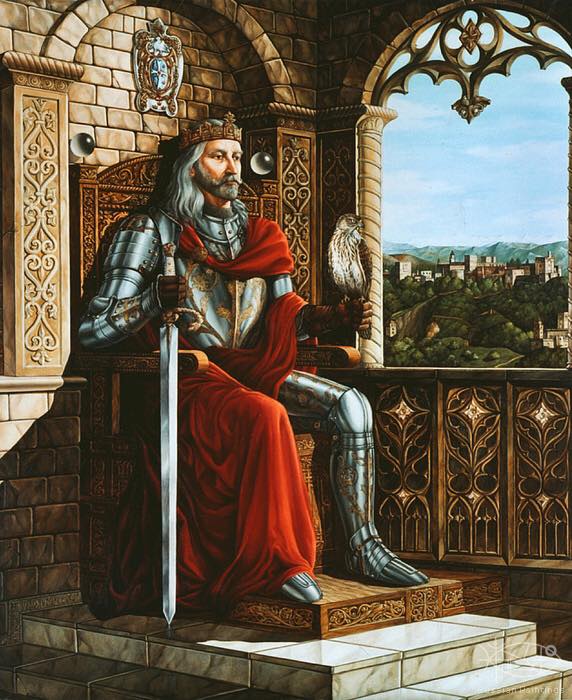
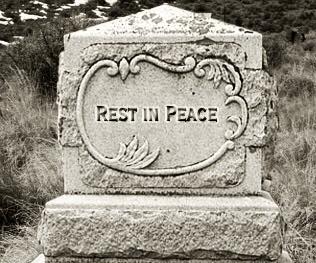
Rest In Peace. Everyday wonders - the origins of that phrase is one of them, I think. For the earliest Christians it was actually dormit in pace - to ‘sleep in peace’. Why is this an everyday wonder? I think I posted about this a bit before, notice the reference to sleep there. There are still religions who argue over whether this phrase is disrespectful, and it’s created confusion over the centuries - what could it mean? Why ‘rest’ or ‘sleep’ - no mention of the soul? I think the wonder here is that the early meaning might be one we’ve forgotten, and it’s amazing. Because we’re so used to saying death is the opposite of life, we see death as the end of life. But life isn’t like that, life is either actual - the stuff you do every day in collaboration with other people and things - or potential - all the things you could do, but don’t. The potential side of you is eternal, it lives forever. You, and your life, are a tiny subset of that eternal sea of potentials, like a car you make out of a giant box of LEGO bricks, but you could also have built a train, plane, house, or whatever. When you sleep, you re-enter this potential state. Eternity. It’s what dreams are, it’s why in your dreams you can do pretty much anything. Dreams aren’t movies playing in our heads, they’re us actually living that potential state. But we have to rest or sleep to do it. And really that’s what death may be, just returning to that dream state, and living it without ‘waking’, which is just having to collaborate with others.
Was reading a book on the weekend, which made the suggestion that rather than have wars between Science and Religion, it's much better to move away from names of things like that and ask instead - what is the 'supreme authority' you see in life, and how does it work? That conversation can open up interesting points of discussion and understanding between people. Also, is there a person who doesn't place something at that 'supreme authority' point, in their existence? The thing that is their ultimate rationale for everything? I doubt it, there's always something, even if it isn't a Being.
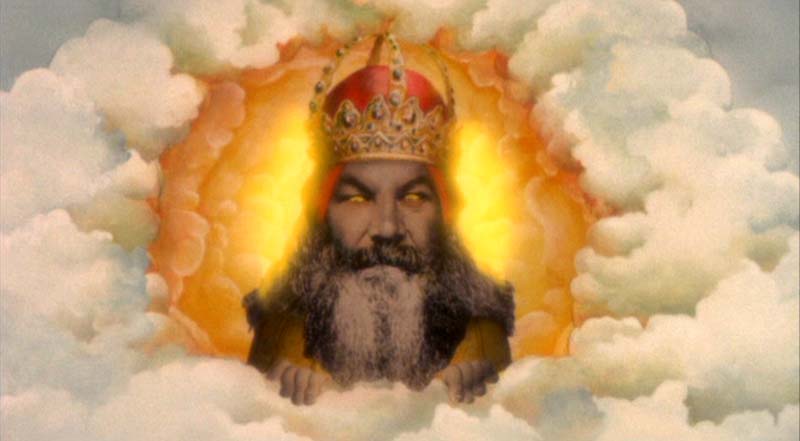
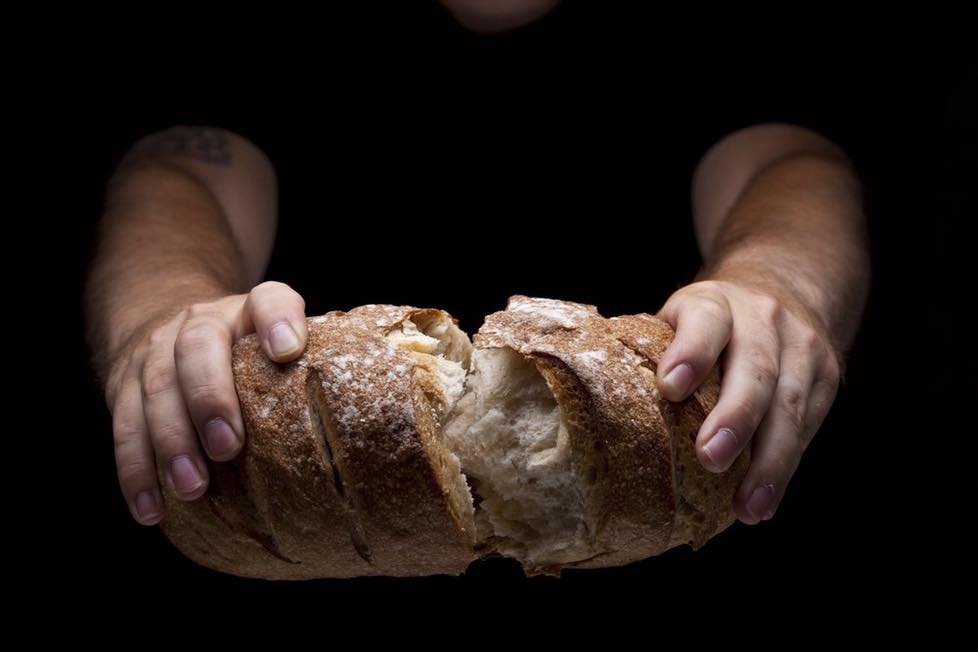
I’m struck every day at the near-panic people feel about our world being a divided place. But to divide is to share, breaking bread is a famous example. I look at the world and see the arguments as just the social process of breaking bread - dividing up society’s spoils. You have to break to divide, it needs strong force or argument. I think we’ve mixed up sharing, and agreement. Society is always about division - sharing. Not about agreement.
I'm loving playing in a mixed netball comp. But I've discovered that it's a brutal game on the body, and coming to it at 50, cold, was a bit of a shock to the system. It's my favourite sport to watch on TV now too, most of the others have been ruined by poor governance, driven by big money. I think for a long time on here, for example, I said cricket was destroying itself - I kind of feel vindicated after recent events. And Formula 1, another previous favourite, is an international joke.

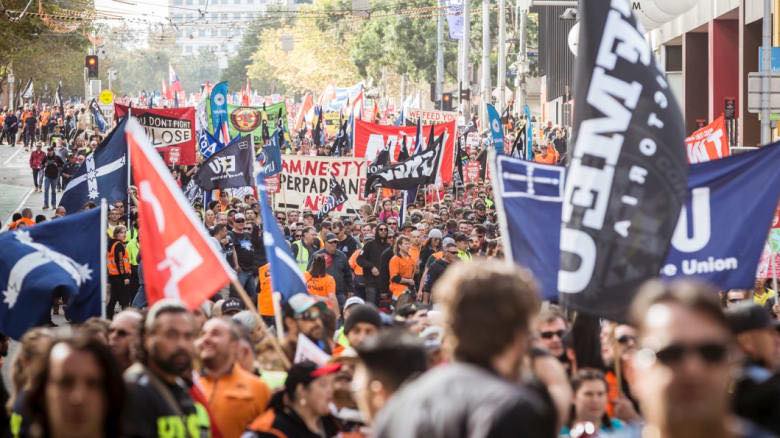
I think it was Bernard Shaw who taught me the only rule of salaries. You get paid according to the power you have. All other rules are lies. Why have workers’ salaries gone backwards? Simple - they’ve lost power. And they’ve lost power because they’ve left unions. Workers with money is businesses with cashed-up customers. Everybody wins.
My trip home every day. First class, quiet comfort, spectacular views. Costs me $2 a trip, can have beer or wine, hot or cold food. Cars nearly destroyed train travel, it’s very sad going past the old unused stations in the beautiful countryside. Now we all lock ourselves up in our cars and yell at each other, crash into each other, sit in traffic jams and breathe in the pollution from other cars. That’s progress.
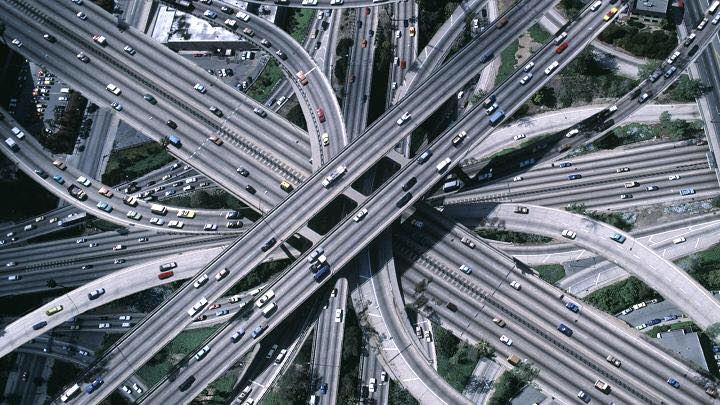
We don’t always see ourselves as a ‘culture’ in the same way we see other cultures. But the defining thing about us I think, as a culture, is that we don’t actually occupy space. We like to move, travel, to go from A to B. Our towns and cities are slaves to our transport, we always want to be somewhere else. We treat the whole world like tourism, as something to be seen, rather than worked and occupied. Our towns and cities are ugly and polluted, our suburbs not much more than garages with accomodation attached. And then we want to ‘escape to the country’ or travel to see beautiful places, because we don’t make our own places beautiful. We don’t occupy space, we’re ‘nowhere’ men and women (a bit in the way John Lennon meant). And we consume other peoples’ beautiful spaces, those who actually occupy their space.
Happy birthday coach!
One of the aims of feminism was to put a brake on broad stereotyping of women. Women are people, people are individually different in all sorts of ways, etc. One of the things I find a bit disturbing in the debates around consent is that we seem to be back at the broad stereotyping, but just in the opposite direction. It’s described as about ‘male violence’. I would place a fairly large bet that no stereotype will give you the real answer to anything. And I have no time for those men’s rights groups either, they’re usually angry, unthinking fellas. I’m an advocate for thinking beyond the big angry binaries in arguments, that’s all.
Maybe labouring consent here, but it's topical (and fun - apple of my armpit!). My view is consent is what we have left, once we remove all the more sophisticated rituals of courtship we used to have. It's another example of society trashing its ancient institutions, and having to fall back on blunt 'permission' in response. http://mentalfloss.com/article/28950/9-strange-courtship-rituals-around-world
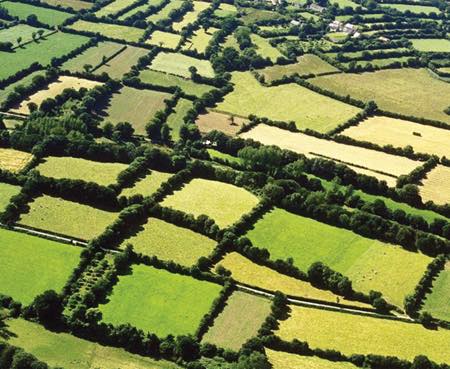
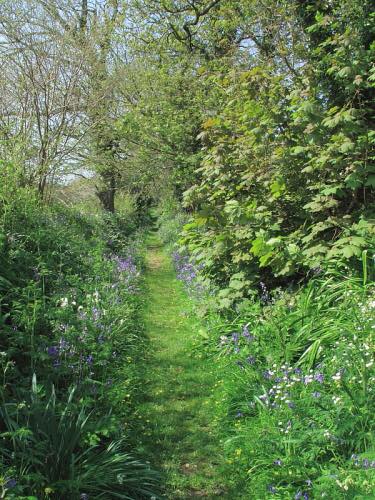
A wonder from the English countryside. The hedgerow. We use fences now, but the hedgerow is way more than just a natural fence. I think it shows an entirely different relationship between people and the landscape. A hedgerow is a symbiotic relationship between people, animals and plants, it creates a border for a field but also habitat and a highway for animals. On our fenced farms, there are no ‘corridors’ of plants to help animals move across the landscape. The English countryside, and its villages, was and often still is like this. A symbiotic relationship between people, the land and other living things. In countries like Australia, we talk about ‘the land’ or ‘bush’ as something over-there, separate to towns and cities. The reason the English countryside is so stunning is that it doesn’t divide towns from landscape. (Alas cars are destroying it too, now, and thousands of kms of hedgerows have been ripped up.)
My vote for the most important thinker alive. Check him out in this interview, it was through studying Latour (he was also one of the markers on my PhD a couple of decades ago now) that I learned more about the world than in any other way. Latour can help you to see the world as alive, enchanted, timeless and eternal, how machines and technologies are as amazing as dragons and fairies. Our 'modern' world (we have never been modern, Latour says) is as enchanted as at any time in history, and way more interesting than even the weirdest fiction could imagine. I think that's what I learned more than anything else from Bruno - stick to what is real, really let yourself understand the details, and wonders will be revealed to you. Ideals (God, objective truth, spiritualism etc.) are just our way of being lazy and not doing the actual work of understanding the world we live in. All that we want from those ideal things is already right here, in the 'real' world. https://www.nytimes.com/2018/10/25/magazine/bruno-latour-post-truth-philosopher-science.html
Happy birthday big man!
Thanks to Robert Coombes for a fun end to the week! His tips are always good to me. And a chance to catch up with a couple of KHS folk, Russ Macpherson and Graeme Hanger.
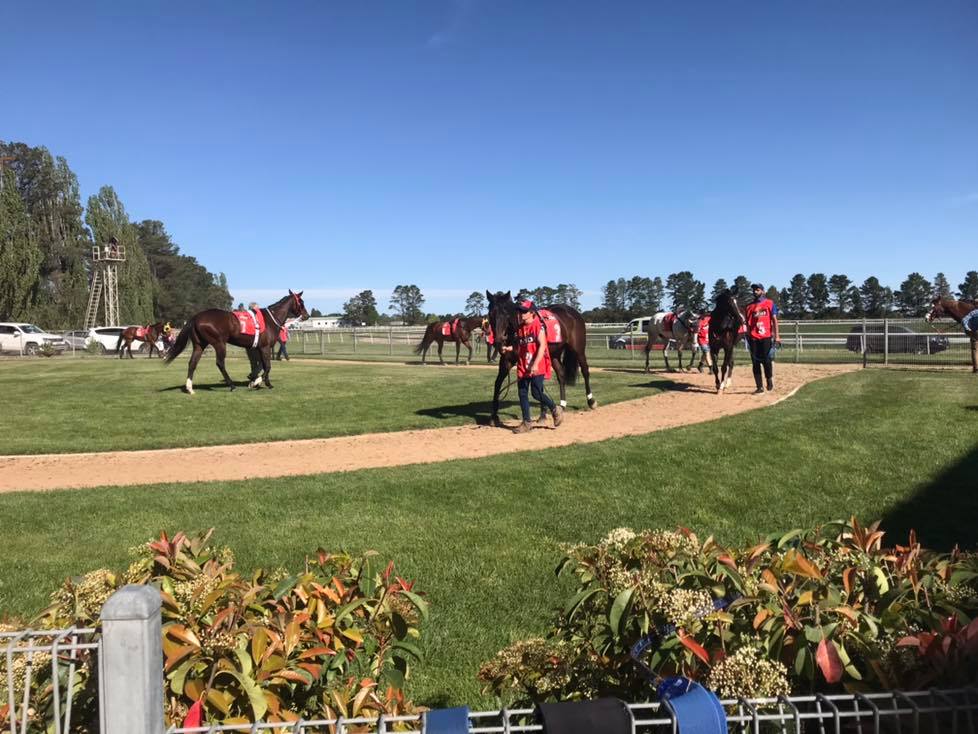
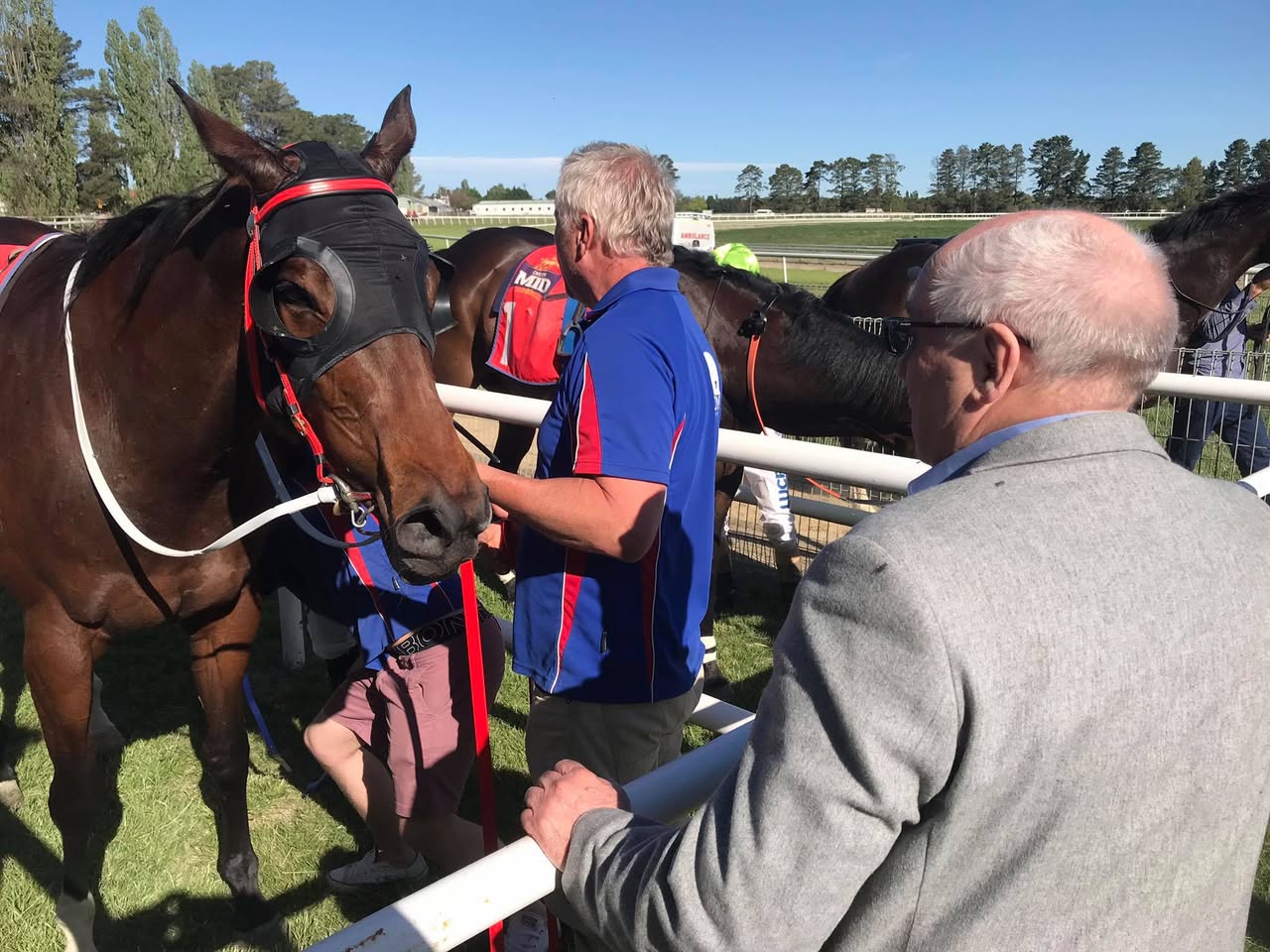
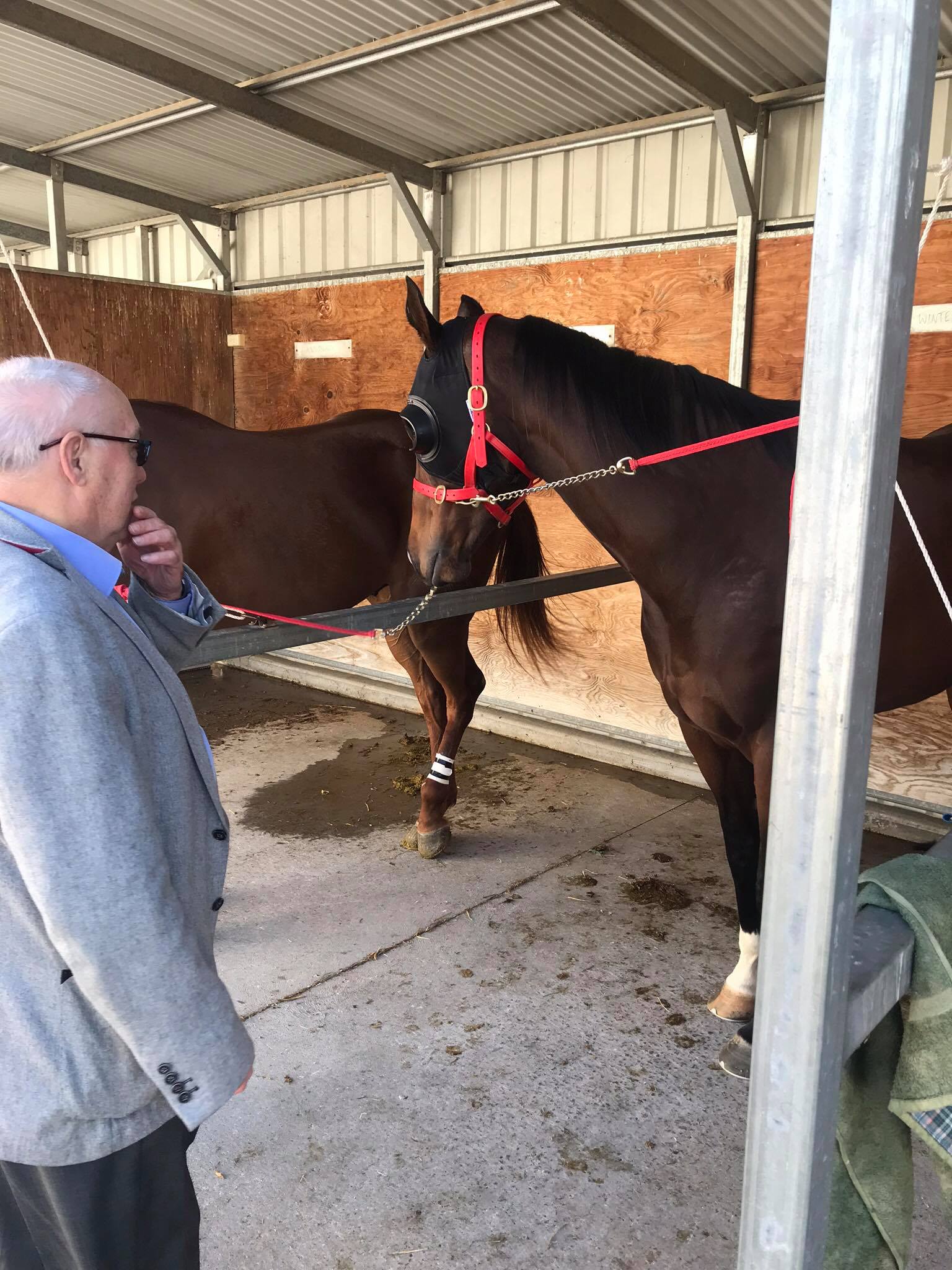
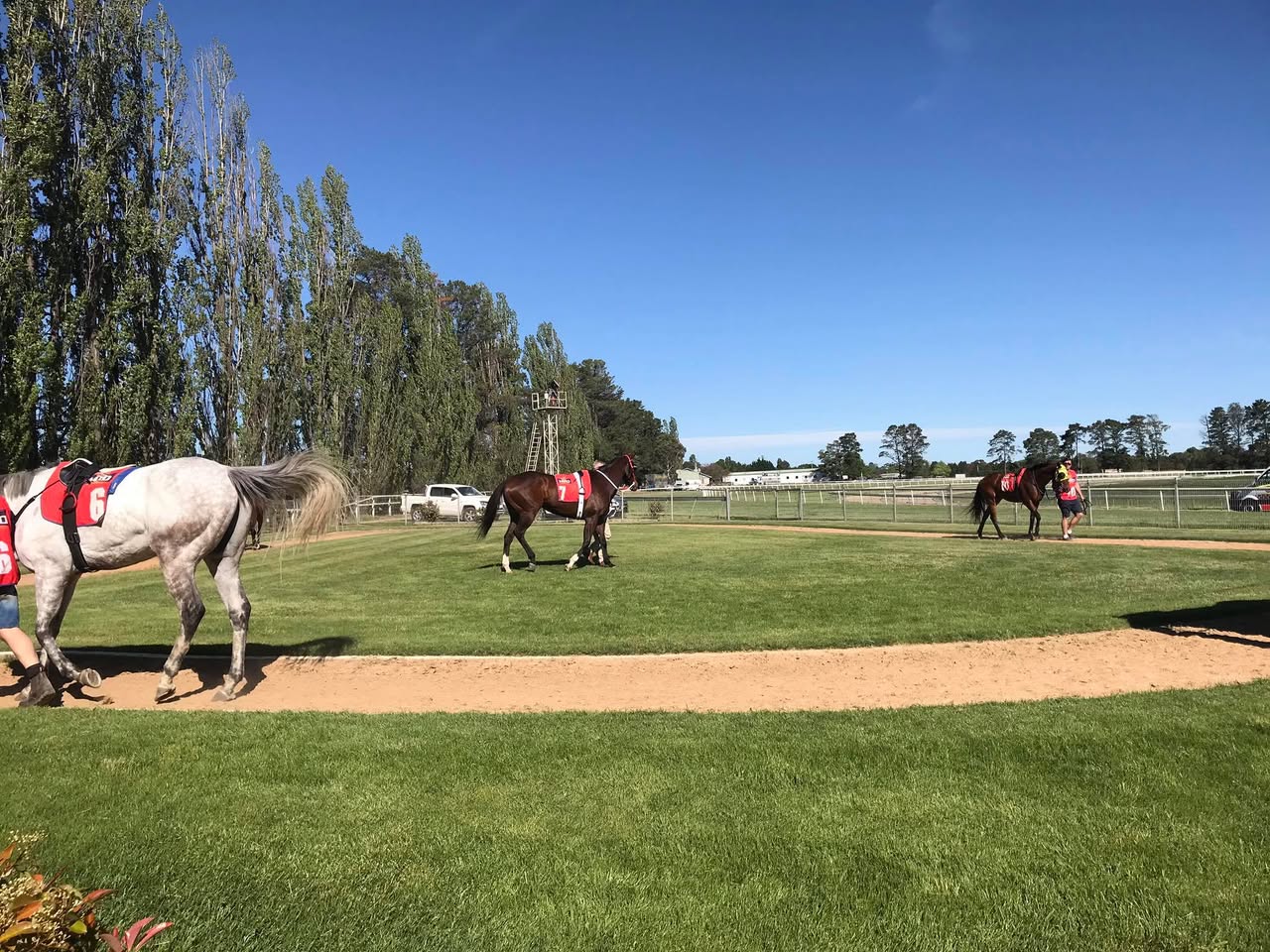
One more Robert.
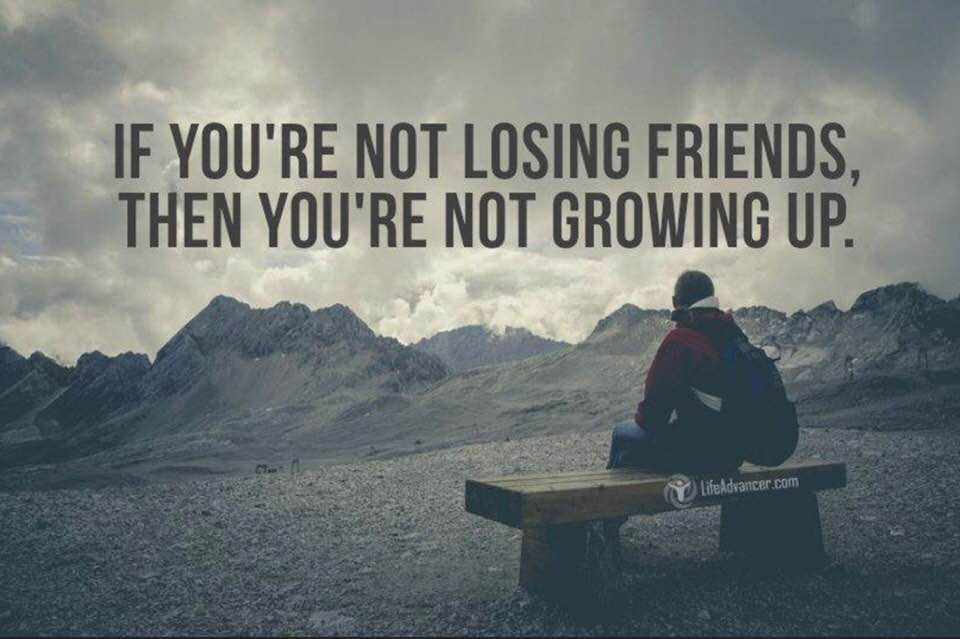
It’s a well-established pattern that people tend to have fewer friends, the older they get. Some see it as a problem, but actually as this site talks about, that’s how life is supposed to happen. Friendship is like a practice run for the really meaningful relationships in your life - for love, and for family and public life. Of course people have friends until every age, but the relative importance of friendship should wane as a person ages. They maybe will have a handful of really close friends, as they get older, but not the teenage model of masses of friends (which has its place, for teenagers - what this meme is referring to I think). It’s not always a popular message, friendship is a bit worshipped in our cultures. It’s another aspect of the consent debate for me, Western interpersonal relationships tend to be superficial and lacking the complexity and nuance of other cultures. So we default so often to friendship, the teenage stage of maturity, because so many of our traditions have been stripped away. Things like courtship, manners (in the broadest sense of that word) - etiquette in general. Mostly replaced by masses of friends, with a bottle of grog in hand. Like an endless teen party. https://www.lifeadvancer.com/get-older-losing-friends/
This story is a nice example of how we build our morals into our machines. They’re not ‘tools’.
Happy Birthday sir.
Bit of Henri Bergson magic. Bergson pointed out that space and time aren’t two separate things, they define each other. For example, something ‘far away’ is space, right? No, said Bergson, it’s also time, because it’s a measure of how long it would take us to reach the thing we think is far away. That’s what ‘far away’ means - how long it would take us to get there. Another way to look at cars, they’ve destroyed our towns and cities because they’ve made all places equally accessible from all other places. Which gives us less reason to invest in making any particular place special, because we can go to any place we want, whenever we want. We’re a culture of no-place, one of the great new problems is where to park all the cars each household now has. We prioritise being anywhere over being somewhere.
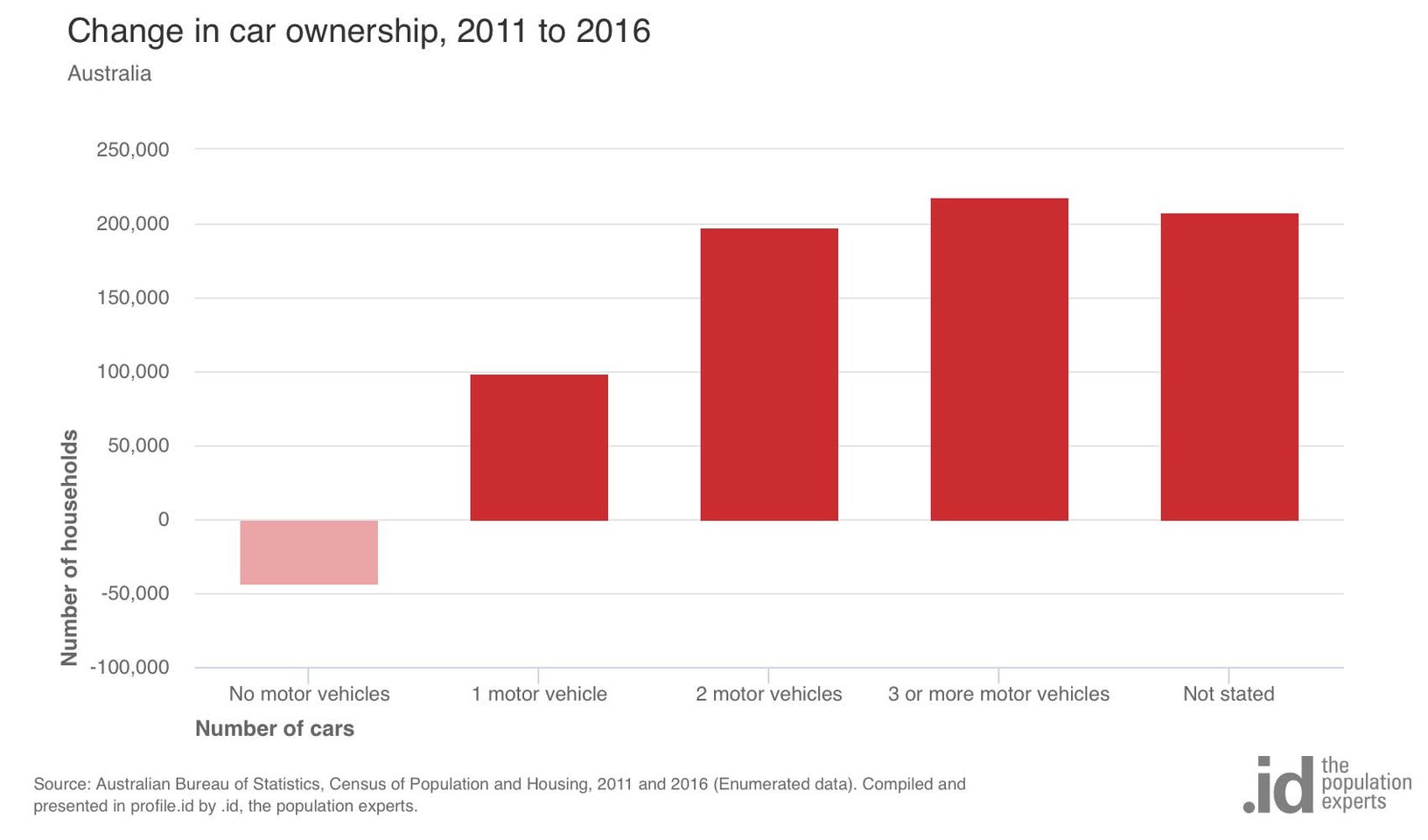
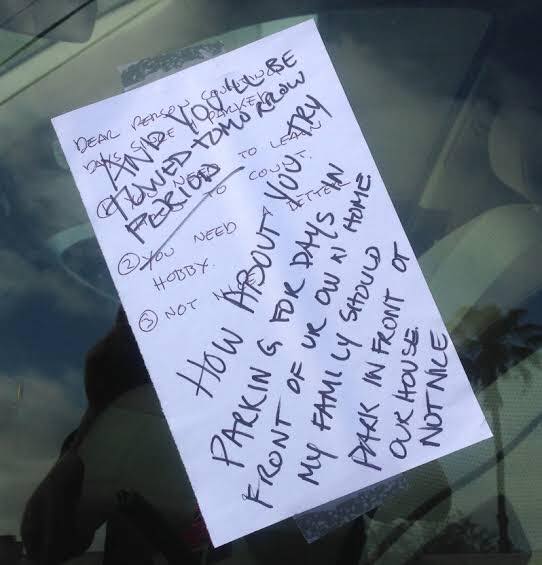
If they were ’just machines’, there would be no unforeseen moral consequences. Machines have so many moral dimensions.
The Da Vinci Code was one of the biggest selling books of all time. The root of the stories is Gnosticism, which is one big reason I think the book sold so well. We say we live in a secular world, but even the most atheist among us usually live as Gnostics; we’re as religious as at any time in history. We maybe don’t always recognise the religion we follow, as religion, but many seemed to feel it in this story. (Nearly every book that has sold more than this one in history is also Gnostic. My two cents - Gnosticism is extremely dangerous.)
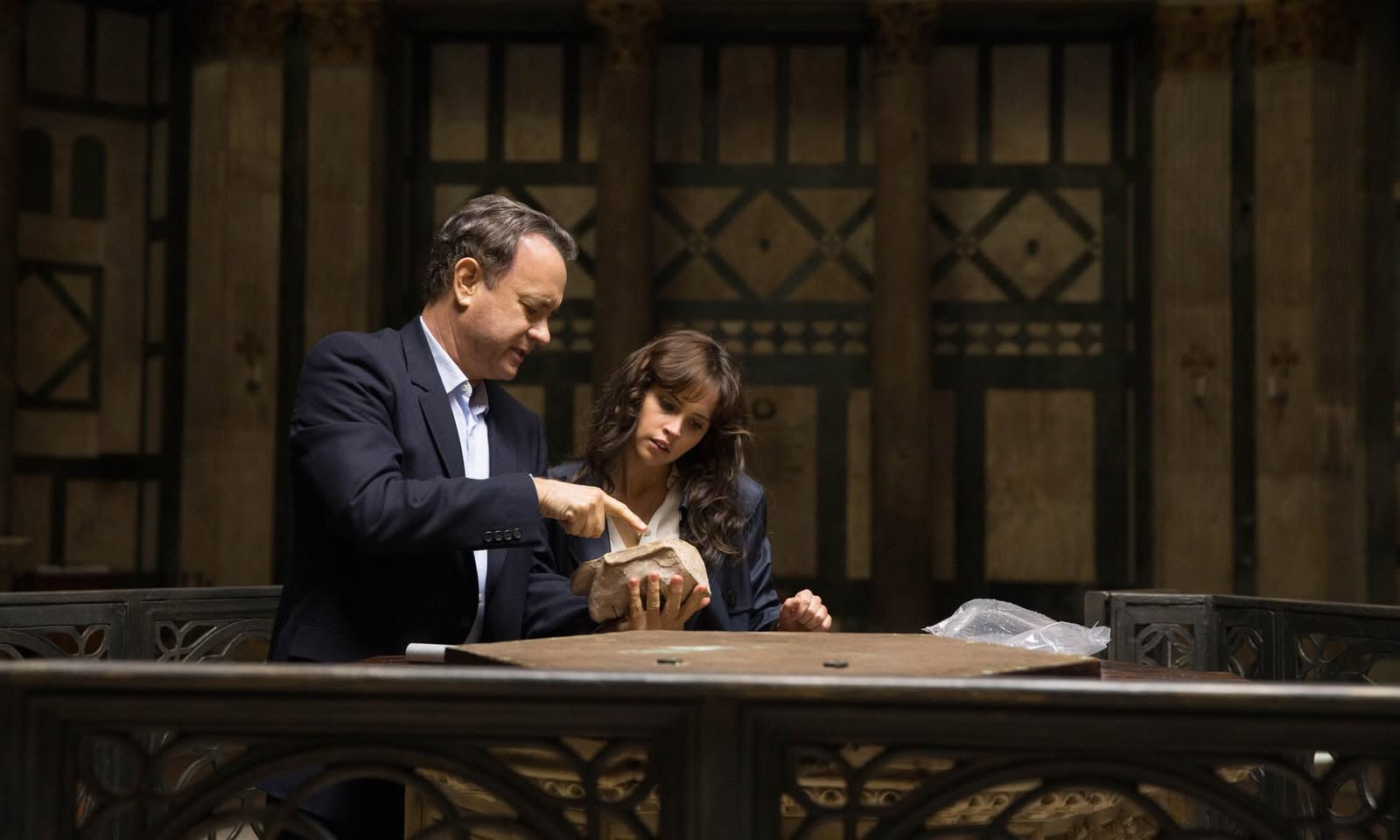
NASA took this beauty from moon orbit in 2015. Some say viewing Earth from space changed how we feel about and experience our planet. But if you live here on the surface, not much has actually changed as a result of these photos. I think because that view is a ‘view from nowhere’. Nobody lives or could live at that viewpoint. If anything it may have made us less responsible, because it encouraged us to feel like we’re not bound by this planet. It’s the ultimate sightseeing travel shot. The culture of no-place. The movie Gravity beautifully challenged that exact shift in consciousness.
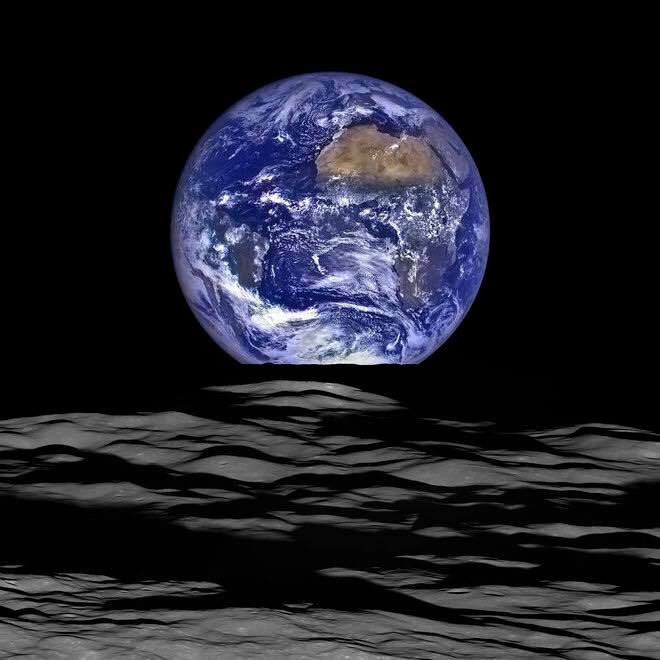
The Thirty Years' War took place in the 17th century. More than 8 million people died, and it's considered one of the most destructive conflicts in history. Triggered mostly by competing ideas of one true religion, it's what happened next that defined our world. Societies were sick of religious war, and swapped religious certainty, for scientific certainty. One absolute for another absolute, God for objective truth. We went on to kill more than 100 million people in secular, scientific wars in the 20th century alone. So just maybe, absolutes are our real problem. Fundamentalism, of all types. Religious and scientific, or whatever else.
Looks like Australian Story is doing an update on Natural Sequence Farming tonight, Peter Andrews' genius. You should have a look at this if you've never heard of it, all the talk of 'drought' never asks the question - *how* are we farming? Not all farmers are the same. Andrews' approach is a total revolution, pure genius - water should be stored in the soil, not in dams, creeks and rivers. And much more. The proof is in these farms.
So...what’s the difference between disagreement, and having actual enemies? One of the things that shocks people I think about terrorism, Trump, Brexit, and climate change, is that there is suddenly no common ground. These aren’t disagreements, this is a return to different points of view being actual enemies of each other. I think that’s a problem of our own making. We got so passionate about ‘peace’ that we forgot to respect the fact that sometimes people just aren’t like us. It’s not just a disagreement, it’s fundamentally different worldviews. The only solution to that is diplomacy, not peace. Too much peace has brought what looks like chaos today, but is really those differences re-asserting themselves, I think. They never went away, we just got rich and arrogant and stopped negotiating. We assumed our way was the best way, and it was just a matter of tidying everybody else up.
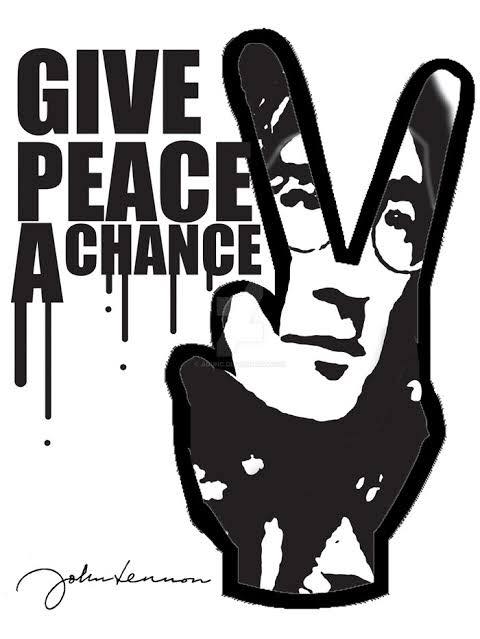
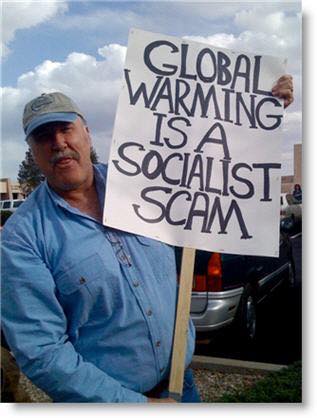
Well, a whole continent agrees with me. Up your bums sun worshippers.
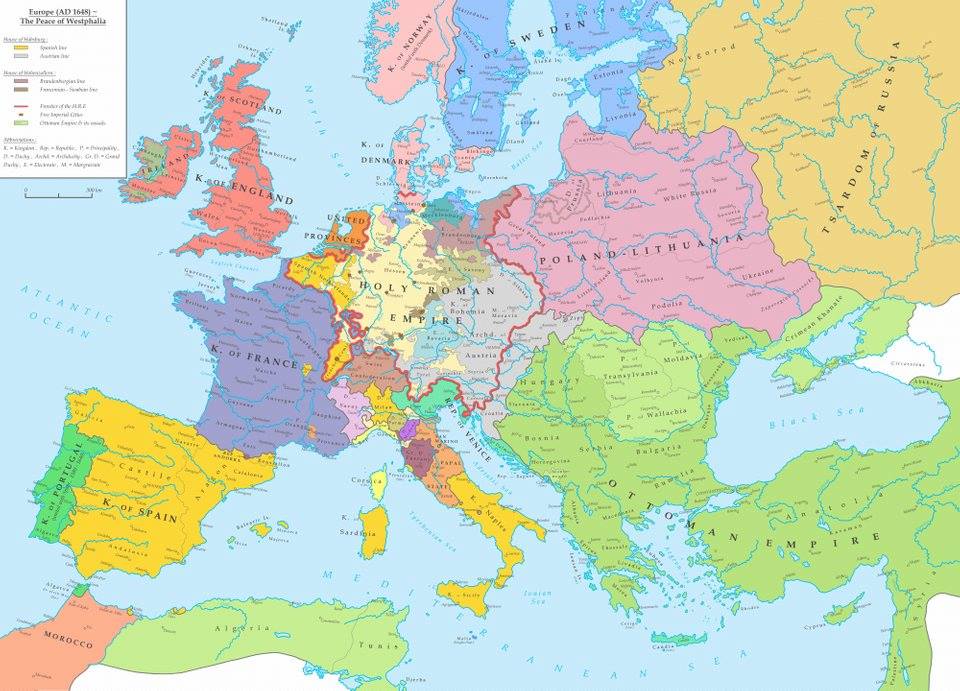
Border protection gets people excited. One of the things I reckon is not said much is that a national border isn't a physical thing. It's a legal thing. All national borders are the result of an agreement, between countries - those lines on the map aren't physical, they represent those agreements. Following on from the Thirty Years' War post yesterday, modern nation-states were formed at the end of that war. They were a diplomatic solution to stop the killing - within each of those new territories (what we now call 'countries'), the people had 'sovereign' right to self-determination, including to practice their own religion - mostly what the Thirty Years' War had been fought over. When people today say that 'protecting our borders' is more important than any international legal obligations we have, I think they're terribly mixed up. The border itself IS an international legal obligation, and nothing more. Without the international legal agreements, we would have no border in the first place.
Life is but a dream. Did you know you’re conscious when you’re asleep? Sleep and death aren’t the off switch. https://www.sciencealert.com/your-consciousness-does-not-switch-off-during-a-dreamless-sleep-say-scientists
I like Harrison, I love Americans. But this is a whole lot of hot air, I think. We don’t need more science, or nature, we need Americans to ditch the Wild West, Puritan fantasy which stops them trusting any institution with more than about 6 people in it. The fantasy that makes too many of them think they need assault weapons to protect themselves from themselves. They hate their own government, so give up with global politics - the Chinese and Russians will step in, because the Americans can’t and won’t. That Puritan ethos is poison, and seemingly indestructible. Speeches will change nothing, institutions will. Protests won’t change anything, strong anger and other emotions won’t either. If Americans joined unions, they’d probably save the world. They won’t do that.
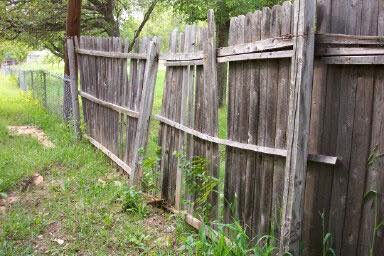
I think one of the truly stupid things about ‘border security’, which is all the rage across the world, is that people say ‘our border’. It’s not our border, anybody who owns a backyard fence knows that any border is an agreement between you and your neighbours. It’s their border too, there’s no such thing as a one-way border. The only way to ‘protect our borders’ is to have agreements with our neighbours.

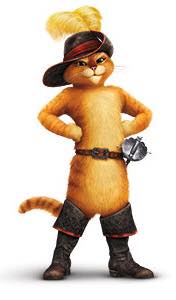
Puss in Boots is one of my favourite stories, and I didn’t realise at first just how profound the story is. For example, we like to rank things in terms of size or scale, like: A snail A person A club A mountain A corporation A country The globe ‘Common sense’ would say those are ranked from smallest to biggest. Puss would say - they’re all exactly the same size.
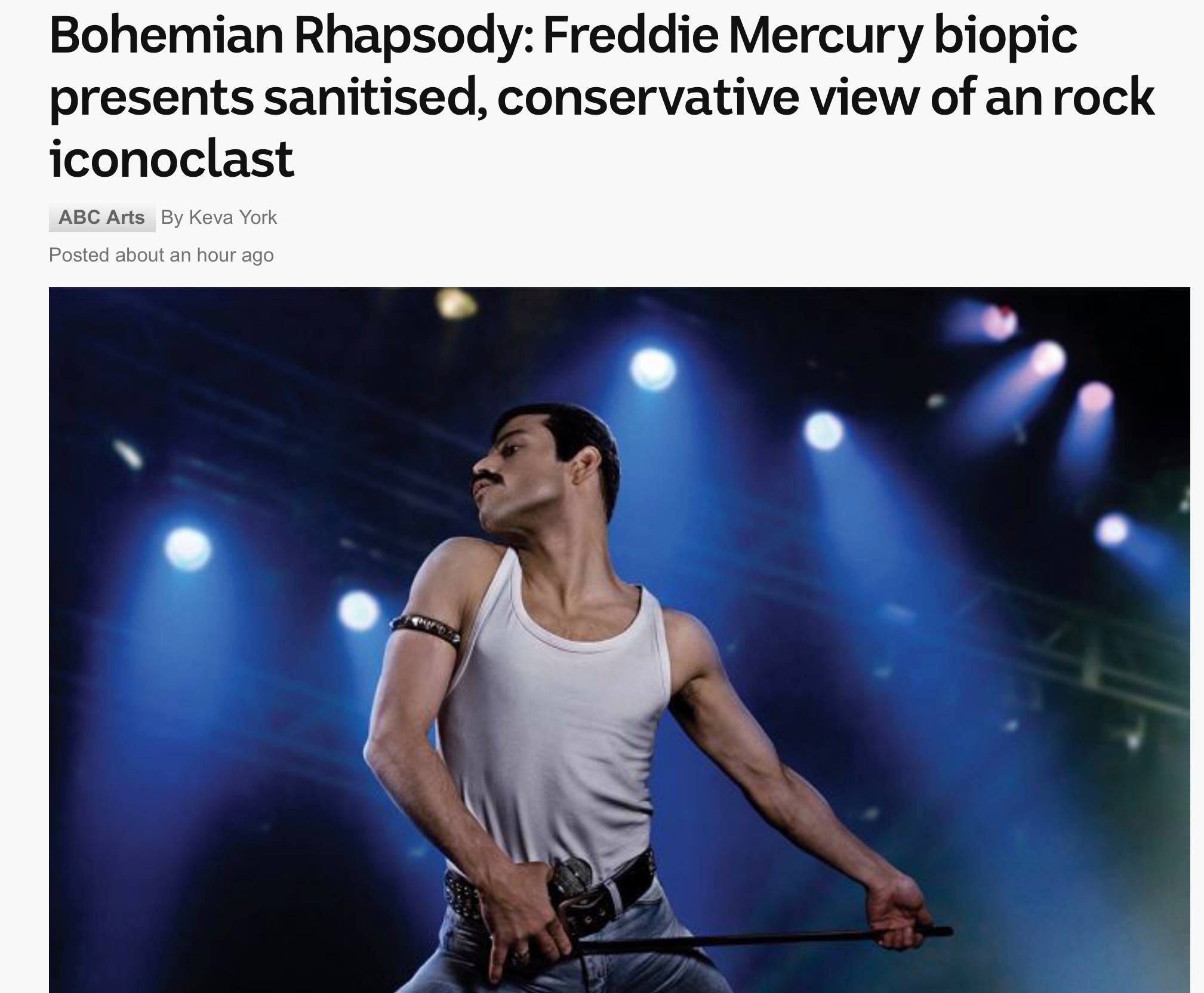
'an rock iconoclast'. Says it all really, about critics. Can't even write. Imagine a film about Winston Churchill that focused on his sex life - people would (rightly) ask - why? I remember the 1980s, when AIDS was seen as a 'homo' disease, and straight people with AIDS were described as 'innocent' victims of the disease. I feel that prejudice is still there, but in more subtle ways. Critics almost universally want this film for example to explore Mercury's 'lifestyle', they see his death as almost defining him, and that death as caused by that lifestyle. (Ironically this is what they accuse the band of doing, as in this review.) The band are much smarter than that, they see the last years of his life and battle with AIDS as irrelevant to the story they want to tell here, about Freddie the man and artist.