November 2018
Complete text-bearing Facebook records from the export.
From The Bletchley Circle. Exactly the sort of thing I mean by patterns, when I rabbit on about them. Patterns are I think, quite seriously, the path to the divine. Transcendent (they go beyond us) but also immanent (we make them), at the same time.
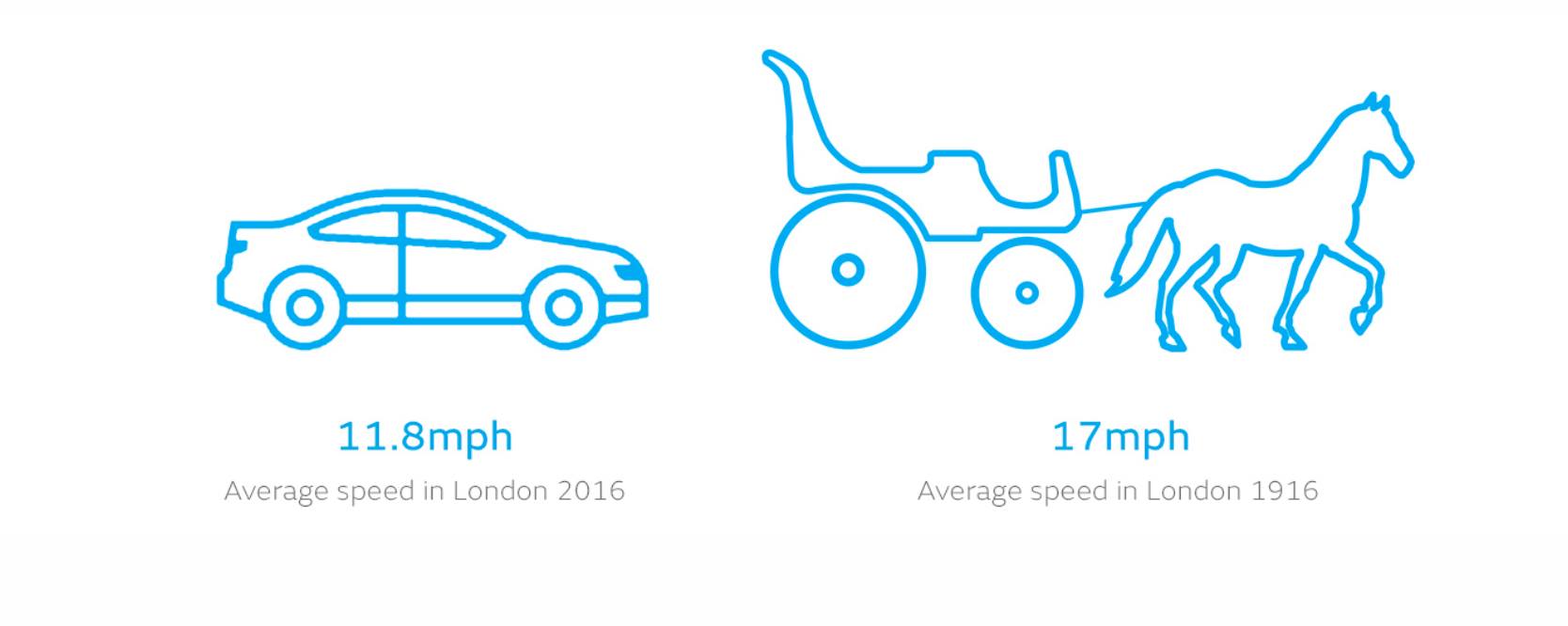
And horse farts might stink, but they won't kill you like exhausts. I think we've reached peak car.
Yeh. Not a word Latour has written should be missed. Also an incredibly funny guy. It’s the scientific purists who are destroying science. Purists do that sort of thing.
Well, I’m not going to argue with that.
Learning to ride a bike is my favourite metaphor for life. When we learn to ride a bike, we don’t try to control things too much, we just get on and wobble away, until we get it. Suddenly we’re riding. I see the trend of ageing to be going in the opposite direction, towards personal improvement, focusing on the body as a body. When you’re younger you rarely think about having a ‘body’, you’re just doing stuff. Trying to shape our bodies and appearance as if they existed in isolation from our activities in the world. It’s a form of subjection, rarely noticed, to become fascinated with your own appearance. That’s where the word ‘subject’ comes from. Peasants were subjects to their kings. Are we becoming subjected to ourselves, our appearance?

I know, I’m a broken record on this. But it’s like Daylight Saving, I think things are changing. Our towns and cities have been ruined by cars, and finally that’s becoming clearer to more people. Have a look at these major cities doing very major things. It will completely transform them.
I don't think we're going to fix this until we understand our obsession with travel, which is becoming clearer to me all the time. I say we're a culture who has separated itself off from connection to place. We're idealists, we live ideals, and that also makes us reject space. All places are just points on a map, to us. We're a culture of sightseeing, who consume the planet to try heal our lack of connection to place. Not saying we don't like our towns and cities, we often do. Liking them is not connection - we like the places we travel to as well. https://theconversation.com/its-time-to-wake-up-to-the-devastating-impact-flying-has-on-the-environment-70953
Happy Birthday you :)
What time is the cake? Happy bday :)
The people who fund climate denial know climate change is real, and they know we're likely doomed. They've been preparing for this for many years, they funded climate change denial to buy themselves time. It will end up being the greatest crime ever committed against humanity, who may not survive.
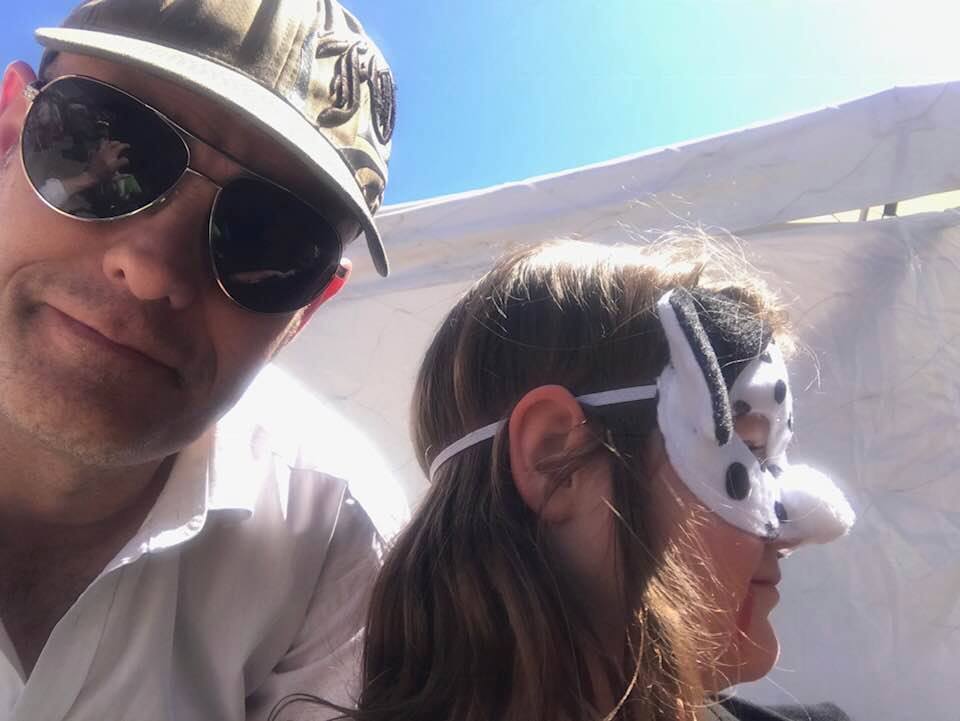
I was undercover, hunting vampire dalmatians.
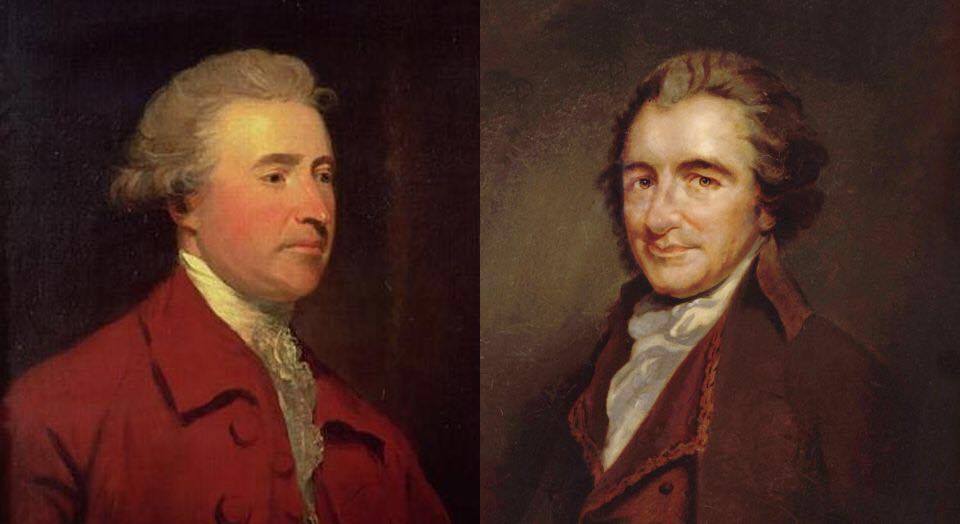
The idea of ‘Left’ versus ‘Right’ came out of the French Revolution, where those who voted to retain great power for the King sat on the right of the chamber, and those to limit that power sat on the left. At the same time one of the great debates in history took place, between Edmund Burke and Thomas Paine. Paine was a rationalist, he thought society should be governed using reason alone. Burke was an institutional person, he saw society’s institutions as the accumulated wisdom of the ages. Paine applauded the French Revolution, Burke predicted it would lead to appalling horrors. (Burke was correct.) Unfortunately for our history Paine’s ideas were the ones that have been more influential since that time, particularly in the US, as we can see with their hatred of institutions. The victory of the idealists, in politics and religion. Today’s atheists are idealists too, they just swap one form of rationalism for another. They all see reason as the way to govern society. I’m a Burkean, not against reason, but all idealism - trying to run society using rational, ideal principles - I think leads to horrors.
It's slaying them at the Box Office, number one film in every country it's opened. And it's worth reading this self-serving, delusional piece to see inside the mind of critics, who can't accept that the masses might be right while the critics are wrong. Their explanation? The fans would have gone anyway, even though the film isn't great (because we critics say so - he reiterates again here that the critics thought it should be a LGBTQIA educational film. Idiots). This is the entire history of Queen, disliked by critics from day one. The critics have never been smart enough to really understand them. In fact I'd say they're the smartest band ever, and bands we usually call smart are normally just trading in second-hand social theory quotes. https://www.forbes.com/sites/scottmendelson/2018/11/05/bohemian-rhapsody-why-even-the-worst-reviews-helped-the-queen-biopic/#77adbffc1ebb
I couldn't recommend Edmund Burke highly enough. Also John Howard's hero, though I think Burke would have found Howard clueless. This description of Burke describes exactly the world we ended up living in, which he predicted. We've destroyed our institutions. Trump is the current flag-bearer of this destruction, though the boomers more generally are mostly to blame. “What is remarkable in Burke’s first performance,” wrote his great nineteenth-century biographer John Morley, “is his discernment of the important fact that behind the intellectual disturbances in the sphere of philosophy, and the noisier agitations in the sphere of theology, there silently stalked a force that might shake the whole fabric of civil society itself. A caustic and simplistic skepticism of all traditional institutions, supposedly grounded in a scientific rationality that took nothing for granted but in fact willfully ignored the true complexity of social life, seemed to Burke poorly suited for the study of society, and even dangerous when applied to it."

On Melbourne Cup day, let's watch Derren Brown predict horse races.
I remember that jumper. And that hair.
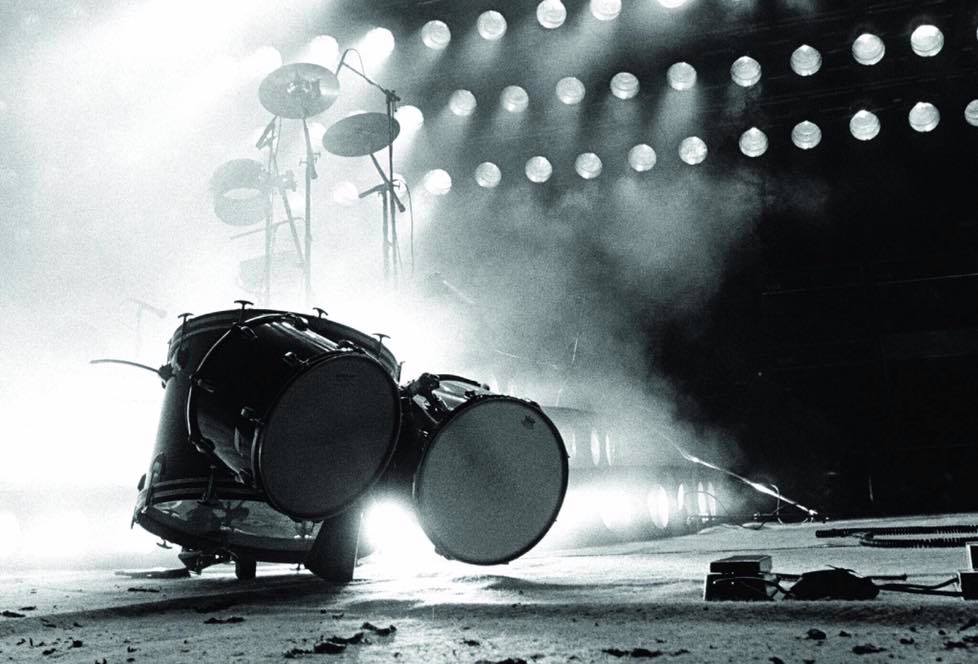
Incidentally, I do like a huge range of music, not just Queen. But I think they’re the greatest rock and pop act in history, and are hugely misunderstood. Even greater than The Beatles - is there an act or band that appeals to a wider range of people? The Beatles for example wouldn't have a hard rock following - Queen does. Queen were also the greatest live act in the world. Be interested if anybody can think of an act with wider appeal.
The Great Super Lie is something highlighted by many more than a decade ago. Super is the financial industry, the messages they constantly give us about needing more super benefit the industry financially. (They’re also one of the peddlers of the lie that ‘we’re all living much longer’, which of course benefits them financially too.) And what’s not always mentioned is what I find the most scandalous part of the whole thing - that these huge super balances are funded largely by the taxpayer, and go to the wealthiest Australians - the tax concessions cost more than the entire aged pension. https://www.smh.com.au/business/the-economy/funds-have-been-peddling-the-great-super-lie-20181106-p50e8j.html
Queen again, I know. Finally, a reviewer gets it. Freddie Mercury wasn’t a person, he was a creation of Farrokh Bulsara. His music was only one part of his creation, he invented an entire life and persona. And the band wanted people to see that, that the ultimate creation was Freddie Mercury himself, not the songs he wrote. You can make your life into a work of art.
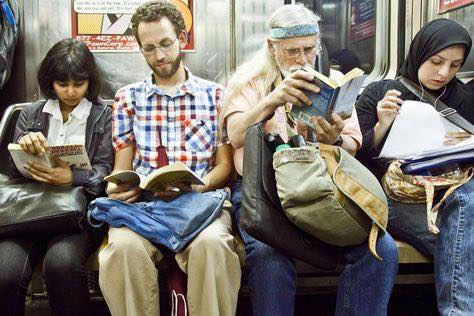
Bloody mobile phones, destroying our social lives.
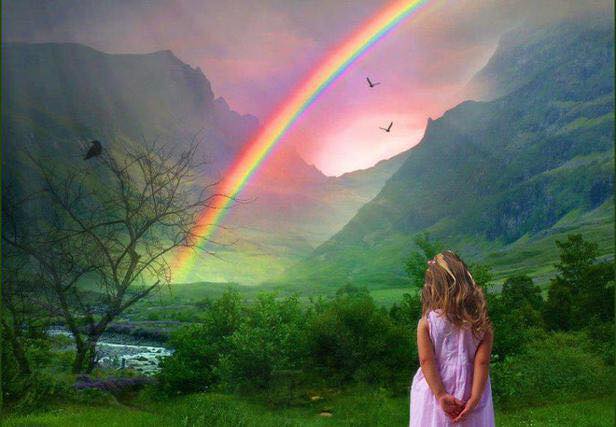
Here’s a mind bender I think, courtesy of psychology and philosophy. If you see a rainbow, that rainbow isn’t something sitting ‘out there’ whether you see it or not. Your act of seeing is part of what produces the rainbow. Take away you, and there is no rainbow. This also extends to everything you see or perceive. The world as you see it, is not the world as it is. Perception is about action, what you perceive is your possible action in the world. A tree looks ‘far away’ to you if your possible action on it is small. To a bee or horse it wouldn’t look like a tree that we see. There are all sorts of other aspects to a tree (or anything else) that we don’t even perceive, because we can’t act on those aspects. We only perceive what we can act upon.
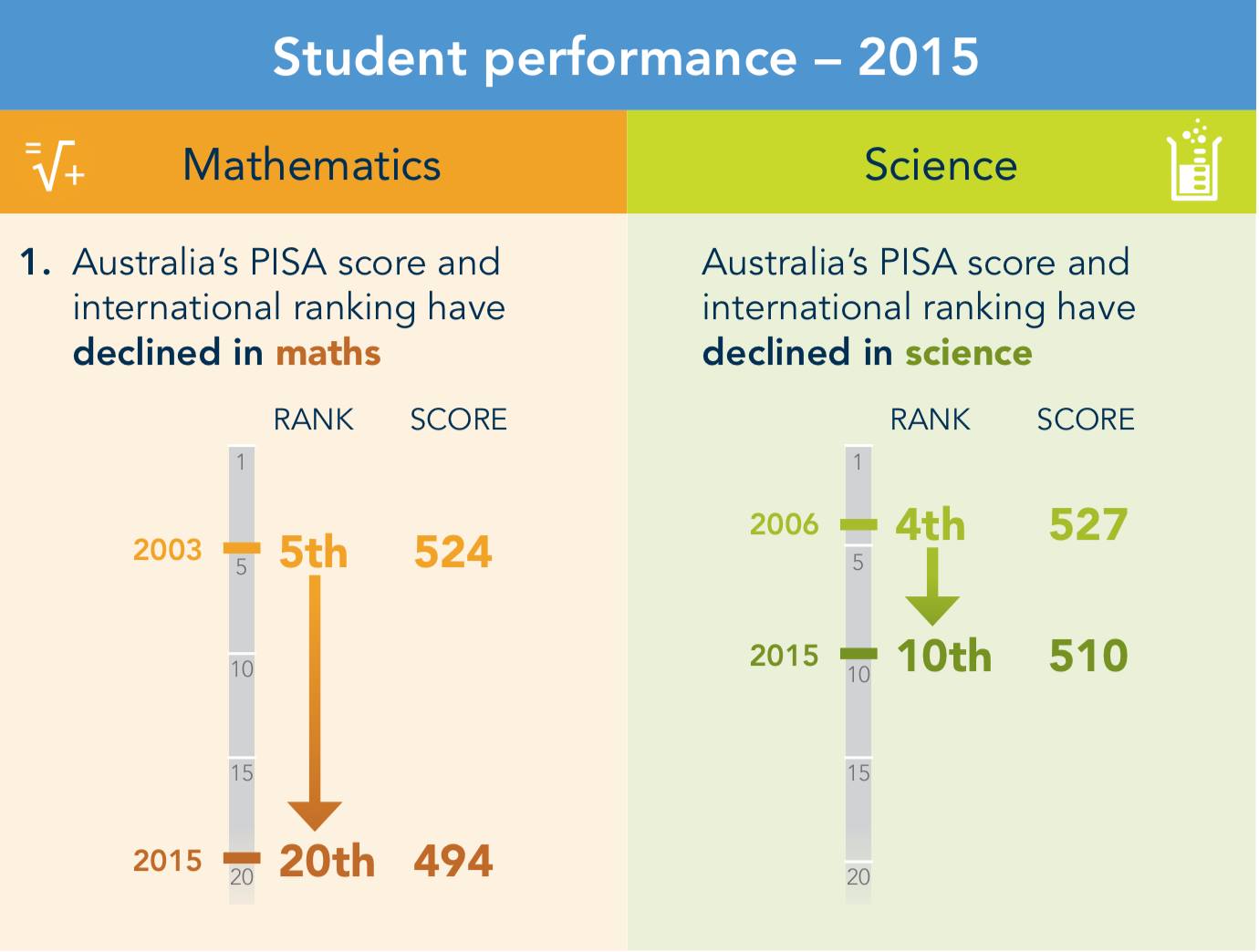
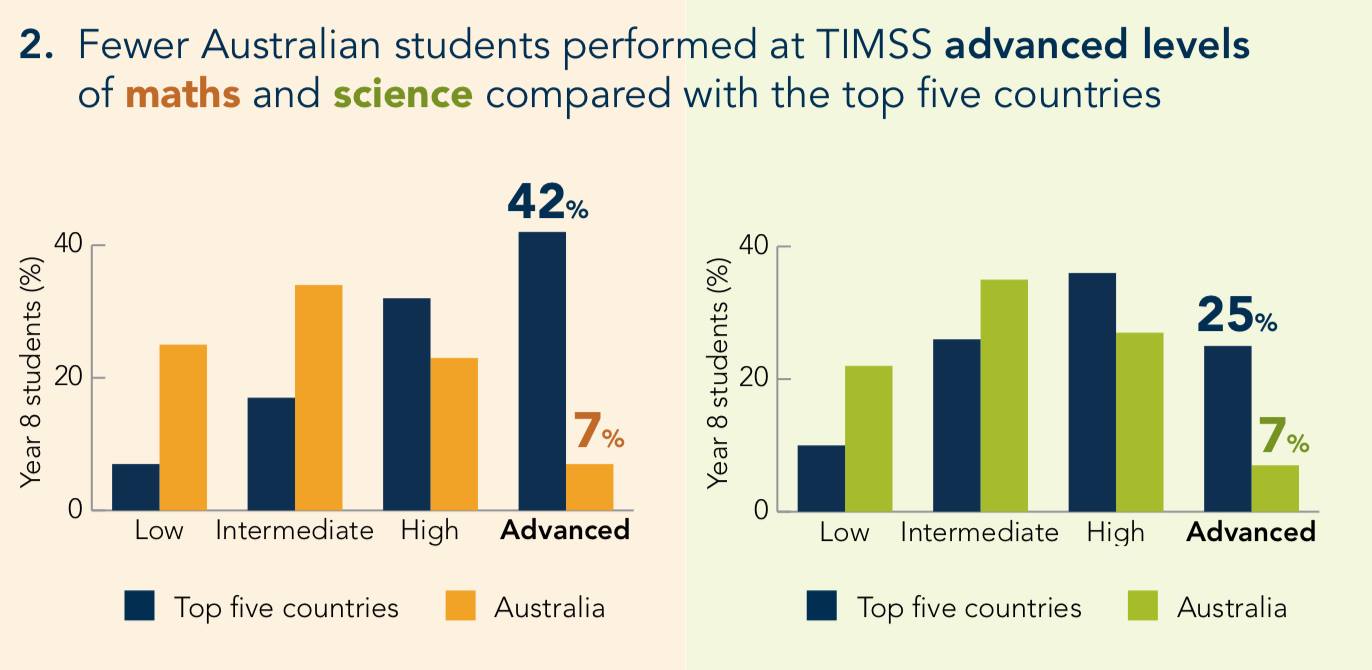
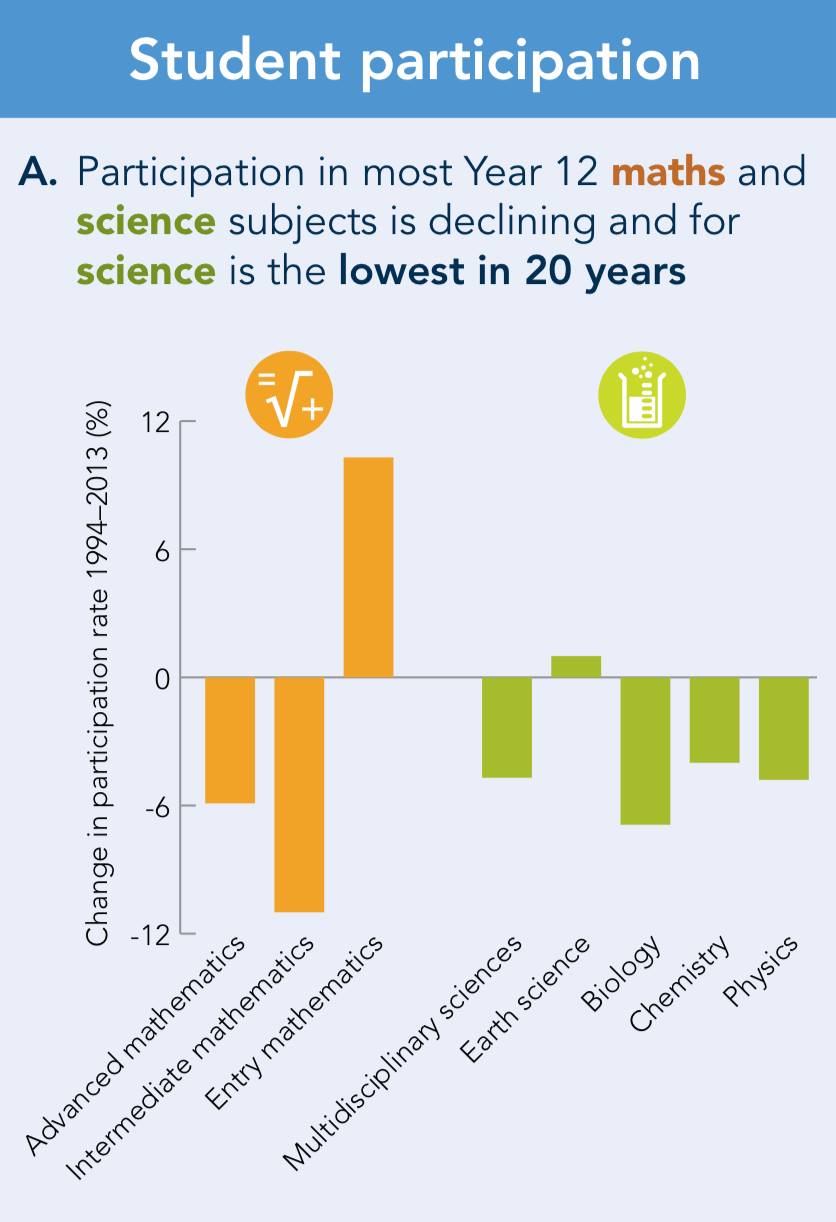
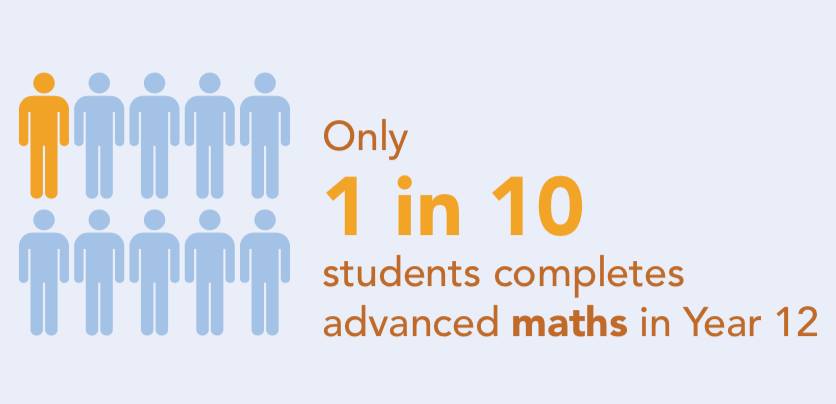
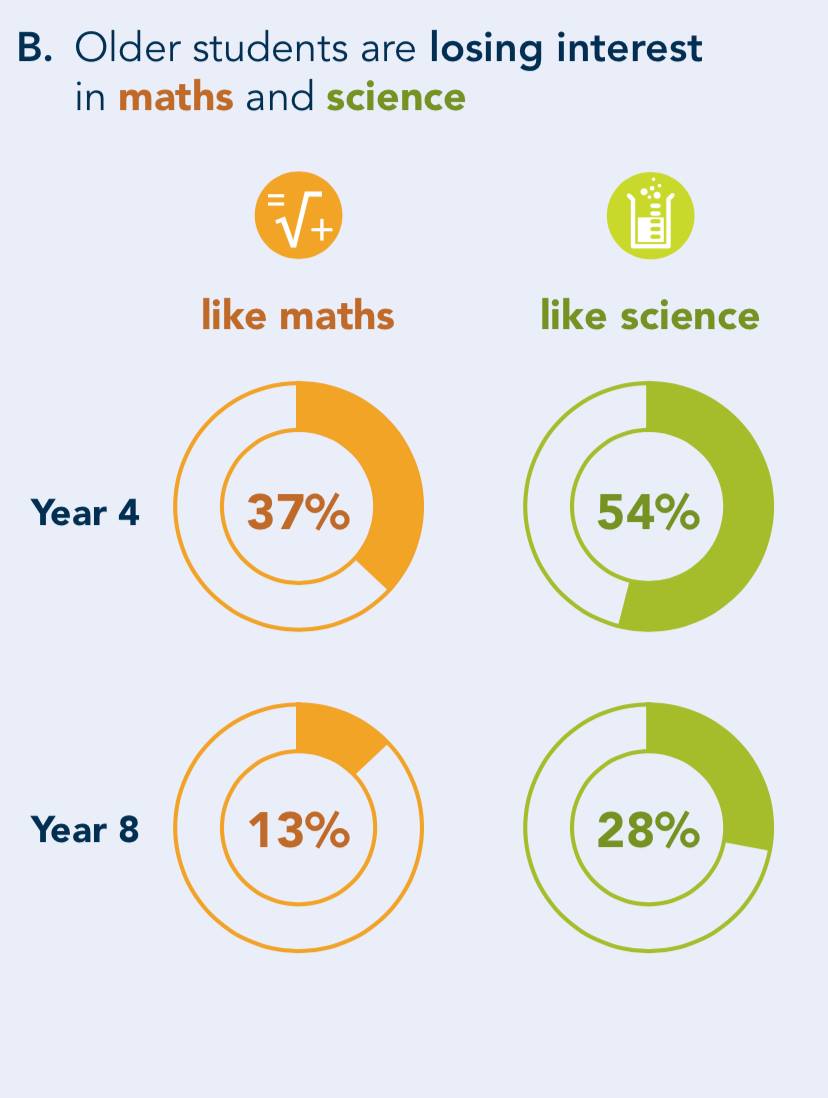
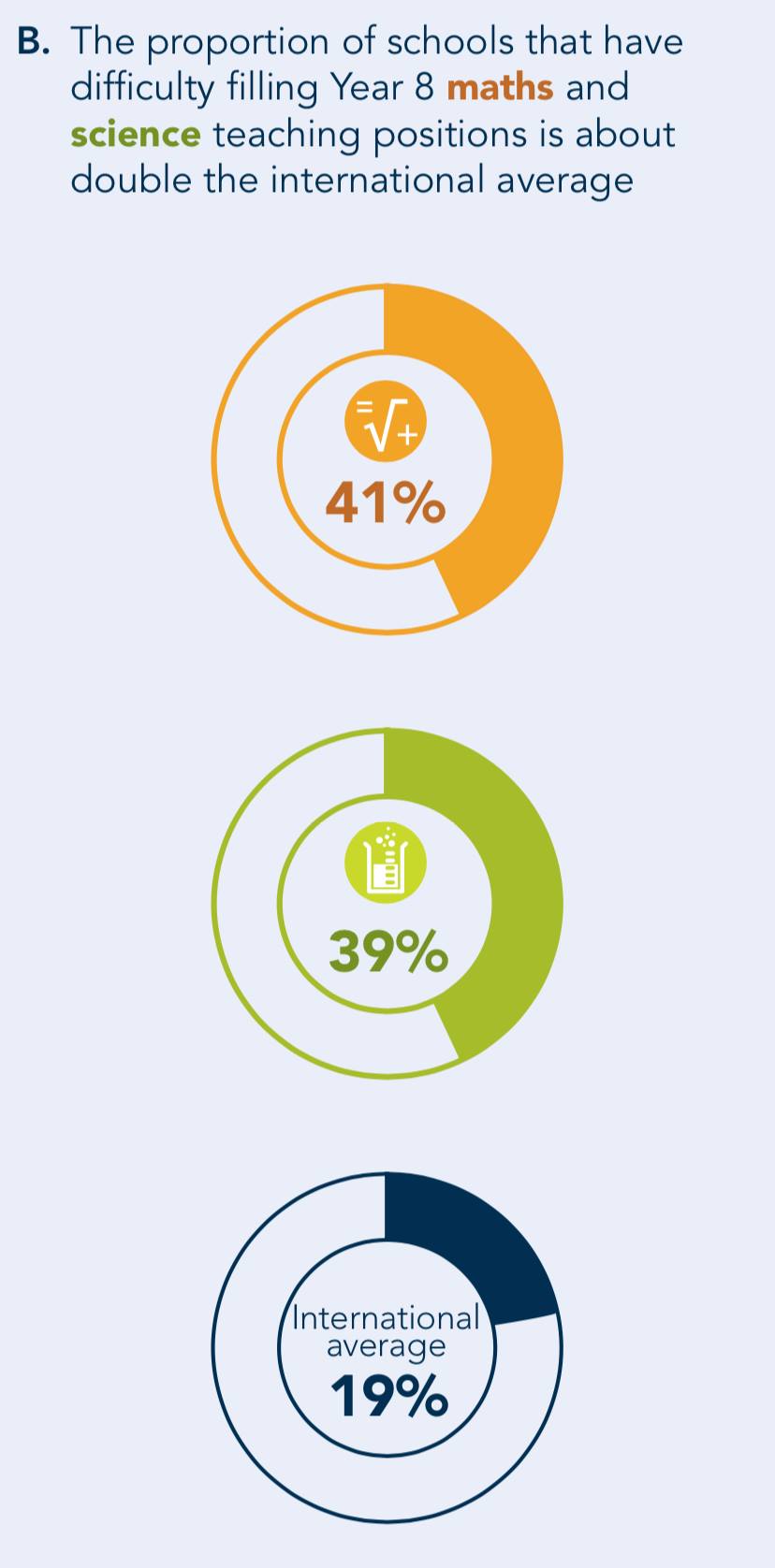
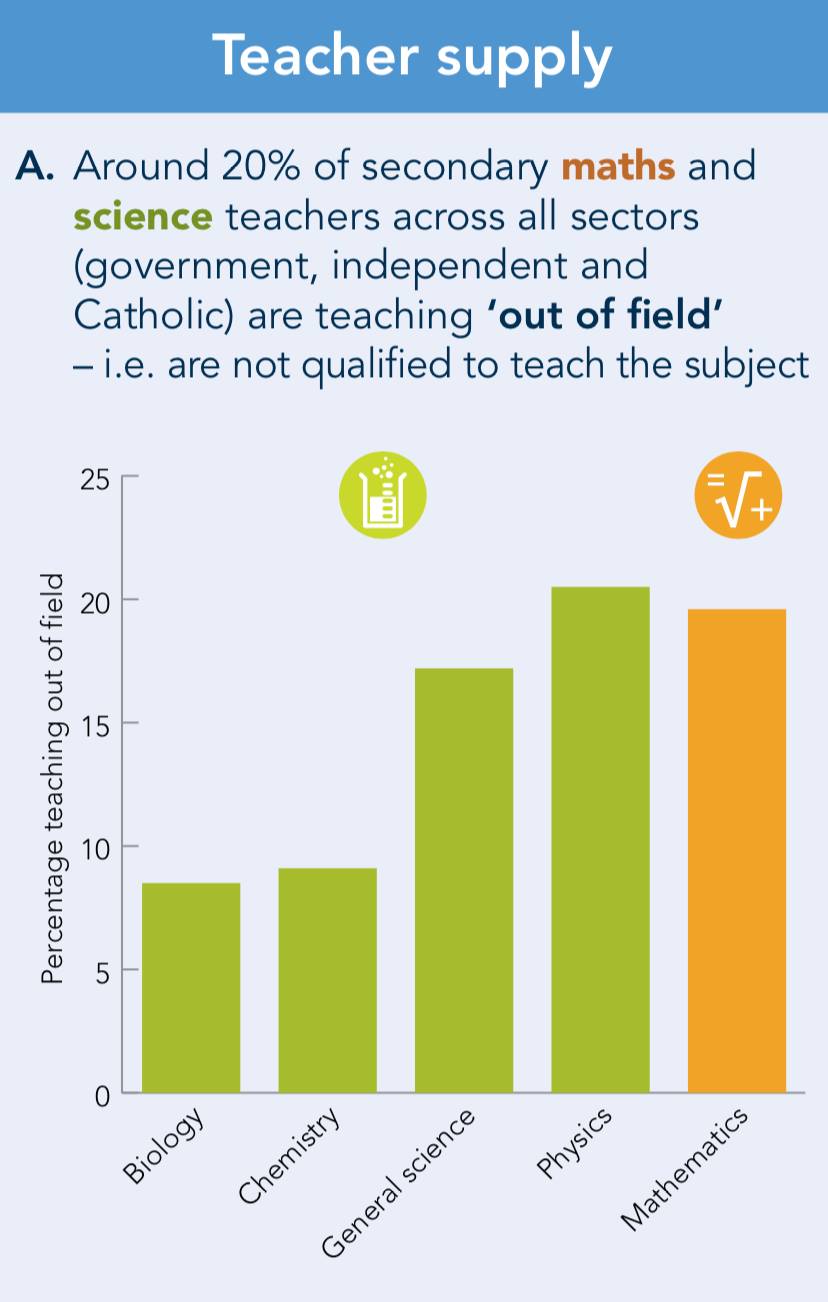
I took a not very common pathway through education in the modern world. I studied sciences, maths and engineering, as well as the humanities, music and art. I worked bloody hard in all of them (still do), and did well in all of them. It never even occurred to me to focus on just one part of the curriculum, I think if you do, you can never really understand anything properly. Now we have appallingly arrogant scientists completely dismissing the humanities as fairy tales, and humanities-trained people dismissing the sciences and engineering as "just numbers". Both sides of the curriculum don't understand the other side, and create caricatures of each other. Meanwhile members of the public say a pox on both your houses, and show little interest in ideas at all and escape into fantasy. And it starts in schools, and continues into universities. The idea of 'ability' is one of the most tragic lies ever allowed into education. Kids are allowed to completely ditch or almost ignore maths and science, for example, if it's deemed they have little 'ability' in it. And the same for the humanities subjects. Usually ability is just an excuse for poor teaching, I haven't met a student yet with apparently no ability in a subject, who didn't suddenly perform wonderfully with proper teaching. But it gets worse, because kids are increasingly allowed to bypass maths, science and the humanities altogether, in favour of 'interest' subjects that 'make them happy'. Our response to the mess is to just run away from it altogether and not even try. Look at some of these numbers, and you can see how this is playing out. If you wonder why outrageously stupid things are allowed to happen in this world, I think here's a place to start.
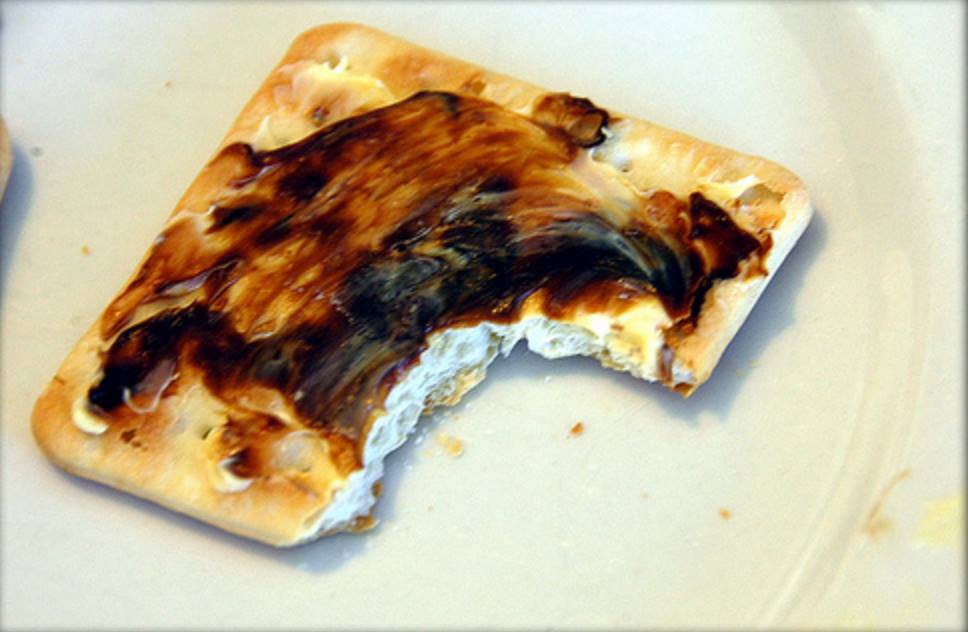
The memories that are the most special for me in life have often been of events that are everyday, ordinary things. For example, coming home from school every day and snacking on SAOs and Vegemite. I can still feel that after school feeling today. It's a more powerful feeling than any of the events that should be more exciting, like overseas holidays or falling in love, which were stronger feelings at the time, but haven't carried across as much into memory - I don't feel them now in the strong way I feel eating SAOs after school. Does anybody else find that it's the things that happened every day, in standard routine ways, that are some of your most precious and strongest, most emotional memories, when you look back?
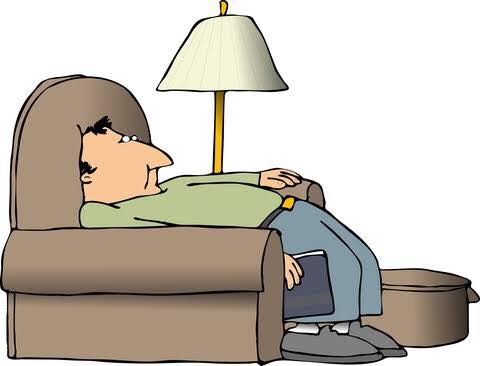
Here’s something I learned a few years ago, that changed my life. An experiment anybody can try. Did you know your body is set up so it automatically follows your attention? Your attention leads, your body follows. So try this - ‘release’ your attention from your body *completely*, out into the world, into whatever you’re doing. And while it’s out there, say while you’re talking to somebody, *at the same time* feel your body following your attention out into space. (The simultaneous bit is important, don’t ‘go down’ into your body to feel it, feel it from within that attention, out in the world.) You should feel your entire body, from toe to top of head, releasing out into space, against what we usually see as gravity, all ‘weight’ being removed as your body elastically releases upwards, and outwards into what you’re doing. Your attention is not ‘you’, you can release it out into space, away from your ‘body’, and your body will always follow it, automatically. Our existential frameworks are wrong, our bodies literally are sucked into the world by our attention - released. Whereas normally we try to effort those bodies into what we do, by taking our attention off what we’re doing and to go inside to ‘make movements’. This also means you can always pay maximum attention to everything you do, and start to become much more aware of the details of things, because you no longer have to deal with your body in any way, or with gravity. It will follow your attention, all by itself. One of the greatest pleasures you will ever feel is that complete removal of what we call weight, and also feeling that body releasing upwards and outwards, all pressure coming off your joints and breathing apparatus etc. It will also vastly improve your performance in sport or any other activity, as you let the body’s enormous elastic potential energy finally do what it’s there for - to fling you into activity, like an arrow being released from a bow, even just standing or talking, but also running, walking etc. Just sitting there now, try it, and feel all of that, it’s one of life’s miracles. It can take a lot of practice, we’re deeply habituated to trying to make movements, or alternatively to letting our body just slump underneath us, because we (wrongly) think we have to fight against gravity. Like this fella in his armchair. It’s an illusion, perhaps the biggest illusion of our lives.
Happy Birthday mud-runner!
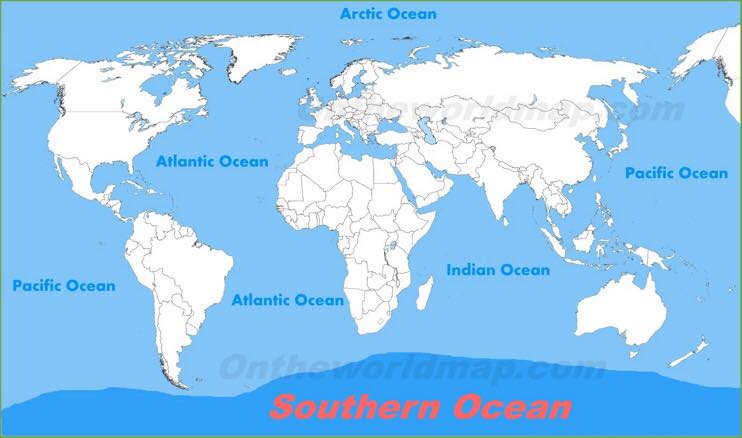
You can see on this map how many oceans there are in the world. One. It’s all the same water. This reminded me again of something we often get backwards, we put a boundary around something to give it a name, and try to manage it. Like countries, or oceans, or people. But then we do something bizarre - to try to get back to the connected wholeness we started with, we ‘add up’ all the little separated bits we’ve made and named. We try to make the ‘international’ community the sum of all countries, for example. Or we say the public or economy are the adding up of lots of separate individuals. They’re not separate, they never were.
Happy birthday Di! Party hard :)
Happy birthday Nell :)
Try this - we should all be much more selfish. We see selfish as evil, and its apparent opposite - selflessness - as good. But isn’t it obviously another false dichotomy? To me this all comes down to one basic misunderstanding. That the self is a separate thing. If you believe that, then of course you end up with a binary between me, and everybody else. And looking after you will seem selfish, and looking after others noble. And by extension we’ll see society as individuals, and groups, and those as two separate things. And then we ping pong between those two idealistic fantasies, of selfish individuals and self-sacrificing groups. If you, your self, is already a social thing, then all of that ping pong goes away. Looking after you and looking after others is the same activity.

Just watching a conservative pollie trotting out the standard "a strong economy gives us the money to do the things society needs" guff. This is how 'the economy' works - it's a political device. It's a trick. Throw any urgent social issue into that trick, and you'll get the same answer every time - "a strong economy will fix it". And guess what - when you actually describe the economy, it's a set of policies and values that favour certain people. It's politics by cunning means. Societies are not machines, societies are not budgets. I think we desperately need to demystify 'the economy' to improve our societies, it's a dangerous, nasty fairy tale.

Happy Birthday good friend :) How are you?
Happy 8th birthday. What a cutie. (Kell did you throw out that shirt of mine?)
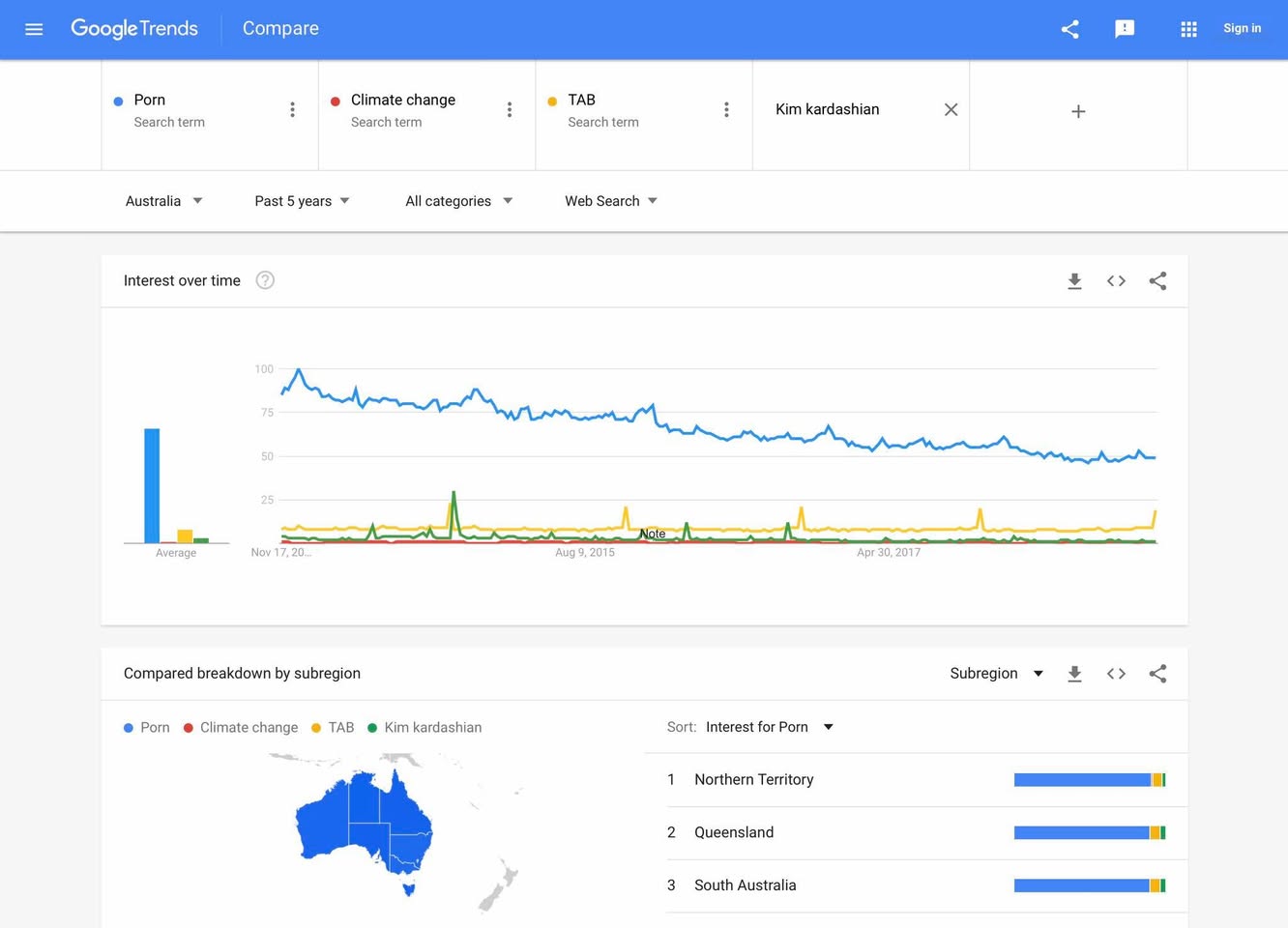
With Google Trends you can glimpse a nation’s soul. I highly recommend it as a substitute for the news, which is curated pap to try to shape how people feel. Google Trends will tell you what they’re really feeling. Here you go Australia, it appears if we want action on climate change, we’ll need to somehow get Kim Kardashian involved, online, naked and shagging somebody, which we can place a bet on at the TAB.
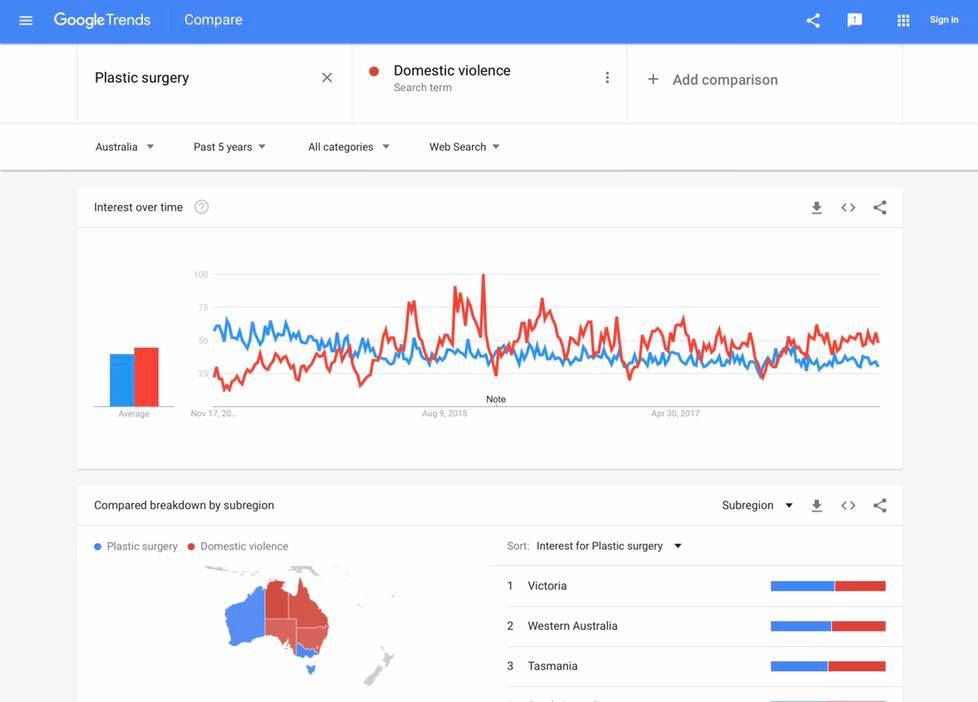
Plastic surgery and domestic violence are also a photo finish.
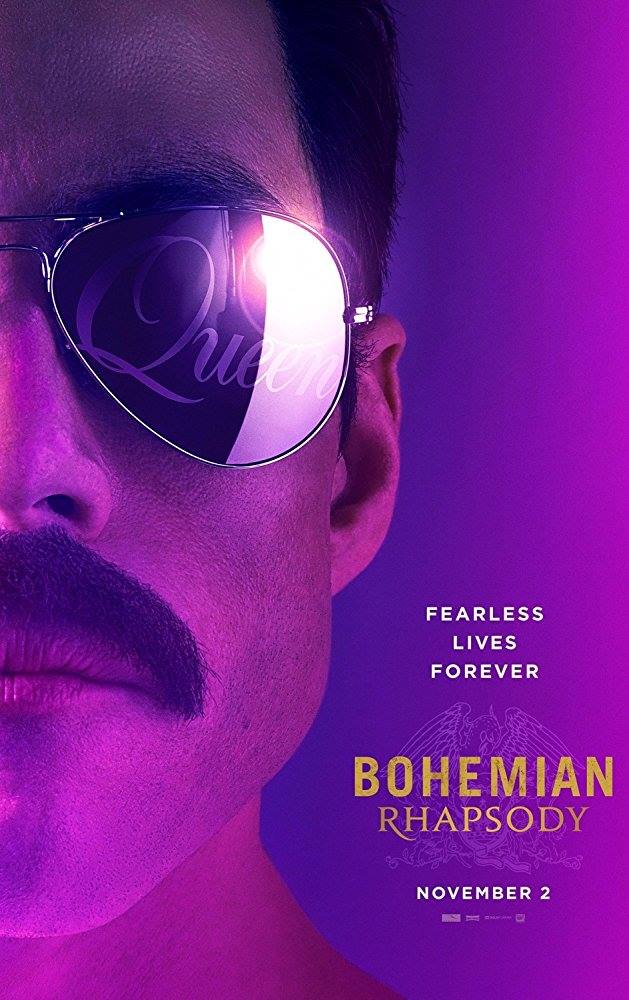
Have now seen the movie. Thought it was great, verged on telemovie in a couple of spots, but it was Queen doing what it knows how to do better than anybody - appealing to the widest possible audience, and entertaining every last one of them. That is, seriously I think, the mark of true genius. Anybody can play to an in-crowd, appealing to everybody is only for the true greats. Watching it reminded me of criticism of some fans and critics about historical inaccuracies in some of the story. But I think they miss the point - many of Shakespeare's historical plays are not 100% historically accurate either, for example. When you write a story (or film), you want to portray the essence of something, even if it means having to re-work the actual timeline of events. That's what they did.
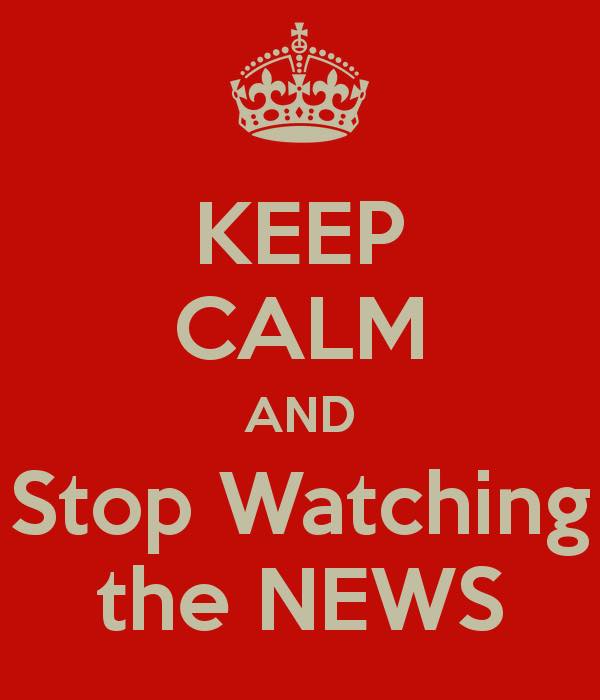
I remember studying news as a genre. It’s designed to look like ‘what happened today’. But of course it isn’t that at all, it’s a tiny selection of events pitched a certain way, to create certain feelings in viewers. All of it is arbitrary - why for example have sport in every news bulletin? And weather? Why not the arts? Or science and technology, or fishing? I do think that once you see news as just a type of story, the world suddenly seems much less like it’s going to the dogs. We need to stop seeing news as ‘how the world is’. It’s a story, that’s all - not fake, just one story, out of millions.
Here are some huge companies. If somebody asked you ‘where’ these companies are, what would you say? If you were asked ‘please take me to Coles, the company’, where would you take the person? The corporate headquarters? One of the shops? The point being, I think we assume big things have an independent existence, that they actually don’t. Corporations, or even governments - they’re not a single physical thing, in some place, though we tend to assume they are. They exist in a distributed way, through thousands or millions of people, and buildings and technologies etc. They’re full of dispersed individuals in lots of different places, they’re not an object. We are part of them too. Or in other words, I think we need to stop seeing society as having two levels. Small and big, individual and business, individual and government, local and global. All fictions.

Relationship anarchists make the point that ‘heartbreak’ has only really become a major thing since the invention of romantic love. The idea that you invest all of your feelings in a single person. Instead they argue for a much wider and richer set of ways to understand the way we interact with each other, some of which are in the graphic.
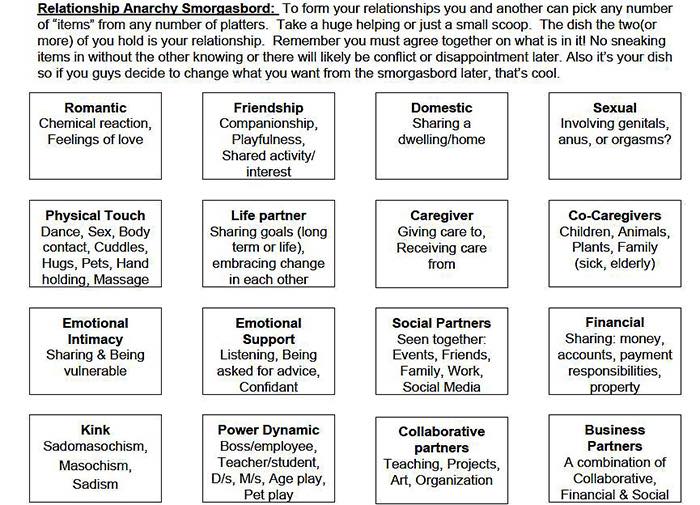
Share your toys, Gladys. Back on selfish, if we say the antidote to selfish is generosity and giving and sharing, I think we’re doomed to fail. All human progress is finding a way to transform something important into ‘what’s in it for me’? The sacrificing ideal is idealistic tosh I think, in love, or in any other way. What’s in it for me is true realism, because it forces you to focus on commonalities between people. Find that thing that unites, rather than flipping constantly between hugging the dolls and giving them away.

Happy Birthday Shaz!!
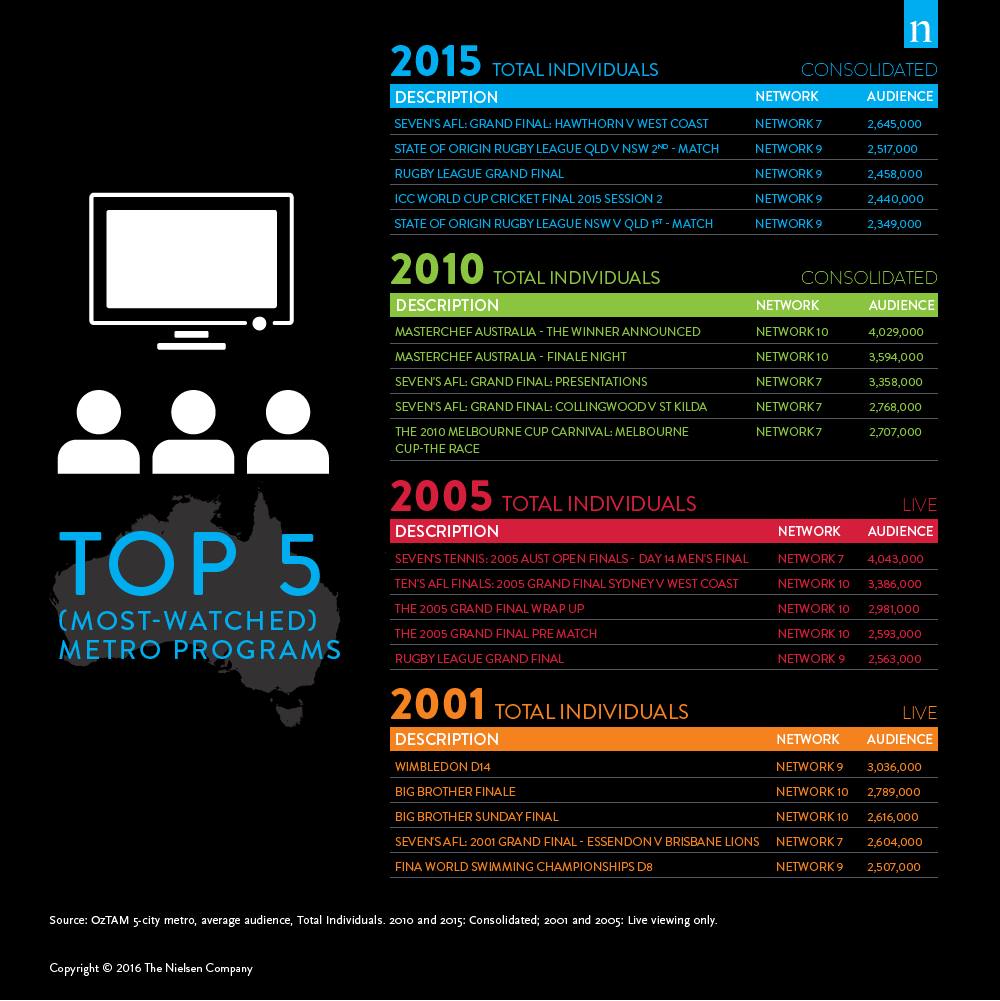
The top TV programs of the past 15 years. Nearly all sport, or if not sport then reality TV competitions. I have a theory that sport or competitions are so popular, because we really do love a contest, a duel, a stoush. We pretend we like peace and love and understanding, but our real passion is competition. And I think that's healthy. I'm one of the few people who watches politics and loves that it's a fight. Politics without a fight isn't politics. The idiots of the world, like Trump, are winning, because the people who should be opposing him are preaching peace, love and understanding, rather than fighting him.
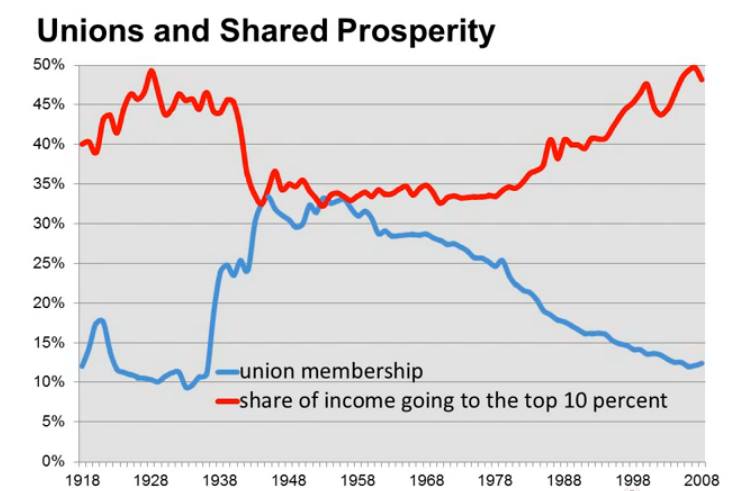
Pictures do tell stories. Unions help workers, and they help business because workers with money are customers. Power gives you money - nothing else does. Nothing. Without unions, workers don't have power. It's a perfect example I think of how fighting and argument create the good societies we want, not noble speeches, sentiment and love.
Returning to anglepoise lamps. My friend David Gorman uses these lamps to help people get a more accurate picture of how their body is supported in space. We tend to carry around an assumption that 'gravity' is dragging us down all day, and we use effort to haul ourselves up against it, in everything we do - like sitting, standing, walking - whatever. And when we get tired we let go, we slump, collapse, 'relax' on a bed etc. So either constantly lifting ourselves up, or letting ourselves drop down. But actually, our bodies are tensegrity structures, meaning we're suspended in a web of elastic tissue. That suspension is similar to an anglepoise lamp, in that notice you can put these lamps in any position, and they'll just sit there. That's their design, the elastic springs absorb the forces and allow the lamps to be suspended in any position in space. With practice you can feel that in your own body, you can feel that support or suspension, in everything you do, without effort. It's hugely liberating. You literally float in your own tissues.

"Every tax concession is an additional burden on those who don’t receive it, so the bulk of this Millennial generation is working to pay for the rorts of the already-rich old people. Those who can least afford housing or anything else are subsidising those who cleaned up on home ownership, concessional superannuation and negative gearing."
Being ‘cool’ at school, or one of the in-crowd, is apparently a very good predictor of problems later in life. It’s the kids at school who are outsiders, who buck the trend and are their own people, who are more likely to have long-term happy and successful lives. It makes sense. Cool is just imitation of being ‘grown up’, meaning during the time you’re supposed to be learning how to be mature - the time you’re supposed to be actually growing up - you’re wasting your time pretending to have already arrived. I see this pattern well into adult lives too, cool is a category that goes across generations. It’s rubbish at any age, immaturity dressed up as something else.
This is my argument against hazard reduction burning. Every year we willingly let ourselves cloak entire communities in toxic smoke, to protect a handful of badly located houses. What’s the greater hazard, losing those handful of houses, or hundreds of thousands or even millions of people breathing this stuff in? Air quality is a silent killer. Coal-fired power stations are also a leading cause of toxic air (if you look at the actual numbers, you might go pale), though it’s complex where a community derives significant money and jobs from that. No simple answers. But it’s your kids breathing it in, and so it needs to be talked about.
Happy Birthday Aussie Dave :)
Our tools shape how we see and think, something I was taught but which isn’t common in many schools or universities. Apart from making us think there is a 3-dimensional thing called ‘space’ (there isn’t) and a 4th dimension called time (there isn’t), perspective drawing is also the root of our idea about ‘putting things in perspective’. But I think even more interesting is those vanishing points, which all perspective drawing has. Those vanishing points are the source of our ideas about truth, God and spirit. They’re well named, they cause us to think that everything that exists ‘in space’ is a projection from some master view, ’outside’ space. The God’s-eye view. All transcendent things exist in those vanishing points, where the world we know literally vanishes into another realm.
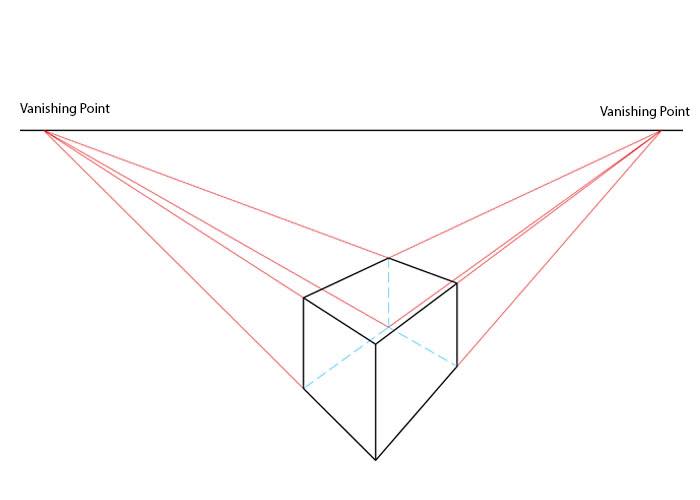
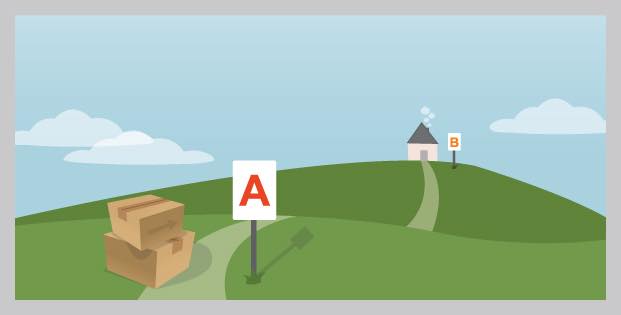
Another example of how perspective drawing fundamentally screws with our experience of the world. Take this standard example, of ‘moving’ from point A to point B. What we call movement relies upon us first isolating points like that - A and B - as if they’re separate things. And then ‘movement’ is us getting from A to B. The problem is, at every moment ‘between’ A and B, and at A and B themselves, we’re living a full context in the world. There are no points. In a 3D perspective space there are points, but there are no points in the actual world. There’s just world, all of it, everywhere we go. We can’t move between A and B, we can’t actually move at all in the way we usually mean, because there is no separate space or points in space in the first place. Sounds a bit abstract, but the consequences are huge. For example, see how your movement or sitting or standing becomes completely effortless, if you give up the idea of moving from A to B. ‘There’ is already part of ‘here’, if I keep my attention here while I’m moving to there, all the way, I don’t strain because I’m not trying to get somewhere - straining - that I haven’t arrived at yet. I’m being at A and B at the same time, in my attention, rather than straining towards B and ignoring all the surroundings at A.
The word is out on sugar now, and it took some years to get there. As in - probably pretty toxic stuff. I notice though that the word is not yet out on fat, which was demonised for many years, and that fear campaign ran deep with people. There’s never been any compelling evidence that saturated fat is bad for you. In fact there’s always been evidence it’s bloody good for you. But we’re not there yet in public consciousness, where very many are still terrified of eating fat. Ironically many low-fat foods are saturated with sugar, and most of the ‘healthy’ unsaturated fats they introduced as healthier fats are as bad for you as sugar.

Lots of press this week about the stress of the HSC, and how it doesn’t matter how well you go, there are always pathways to what you want to do. All true, but aren’t we sending the wrong message about education? To me the implicit message many kids and parents get from this sort of story (and having been a teacher, I know this to be true) is that school is a complete waste of time, and don’t bother trying in the HSC because you’ll be fine either way. The message I think we SHOULD be sending is, yes the ATAR isn’t the be all and end all, but you should work bloody hard and try to do as well as you can. Challenge yourself, change your horizons. Like we’d say to a sportsperson, go hard, you may not win, but see how far you can go. The minute education gives up challenging and confronting people, it’s over. I see most of these stories as a symptom of how little Australia cares about education. Other countries would look on at this ‘it doesn’t matter’ attitude and scratch their heads. You only grow and mature in life through challenges, and learning to cope with them. The HSC used to be one rite of passage between adolescence and adulthood, one of the biggest learnings from it was how to cope with the challenge. Let’s not take that away, otherwise we'll just keep creating more kidults.

Desperate government + election looming = time for immigration and border security beat ups. I’d like to add again to the debate - it’s not ‘our’ border. All countries’ borders are international legal agreements. Just like your back fence is a legal agreement between you and your neighbour. So if somebody tries to oppose ‘our’ border and international obligations, I think it’s best to remember they’re either stupid, ignorant or lying. Or all 3.

The cheapest way to convert your old standard definition TV to HD is to sit further away from it. It’s the same argument here (ignore the headline, it’s not working correctly, it’s about TVs), that the new ultra HD 4K and especially 8K TVs are probably often a waste of money. Ditto for a lot of the resolution people spend thousands for in cameras.
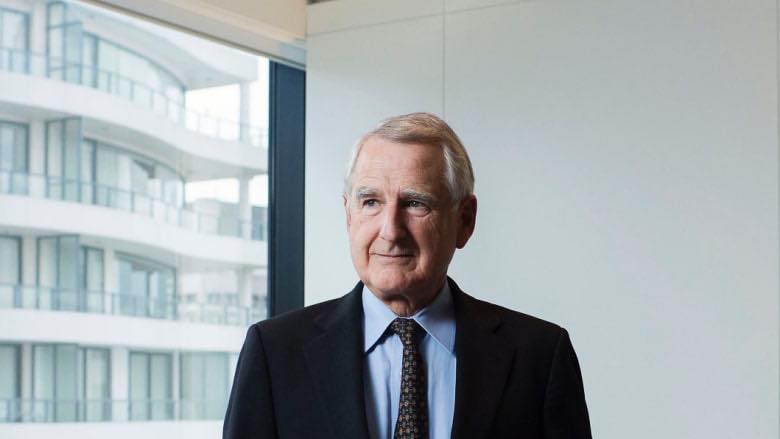
I think there’s a broader message to come out of the banking Royal commission. Management and governance, of every organisation, is broken. The ideas we use to manage and govern organisations are absolutely bloody useless. The same problems recur, and nobody looks at the dumb ideas which are the real cause. Ideas that shonks hide behind, like David Turner (picture), the previous Chairman of the CAB, who pocketed almost $900,000 ‘fees’ per year as chairman at a time the bank was engaging in known corrupt conduct. This stuff is rampant, senior executives being paid outrageous amounts of money, Directors sitting on dozens of boards and pocketing big Director’s fees, all with no connection at all to actual performance of organisations. People hate politicians. Politicians are angels compared to what goes on in management and governance of our organisations. And they get paid a LOT less than these criminals, and have a lot more responsibility and accountability.
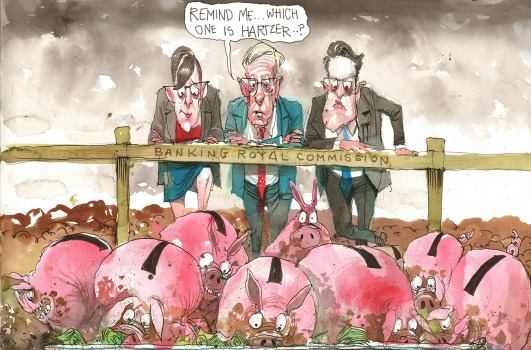
Thank you David Rowe. A picture and a thousand words and all that. I'm not obsessed with banks and finance, but since the time of Jesus and before, major religions have attacked usury. Lending, finance. There are very good, wise reasons for that, it's always the root of most evil in society. But we forget, we forget, every time. This is at least twice in my own lifetime that the finance and banking industry has crippled countries.
Mixed feelings on this one. Of course a death is tragic. But this is a win for those who resist the great tidal wave of Western travellers and missionaries.
Bill Shorten's energy announcement today is a slam dunk. He's a skilled operator, mocked continuously but unionists know about politics. We can't get rid of the current LNP idiots fast enough - their entire energy policy is a series of focus group slogans about baseload, electricity prices and keeping the lights on.
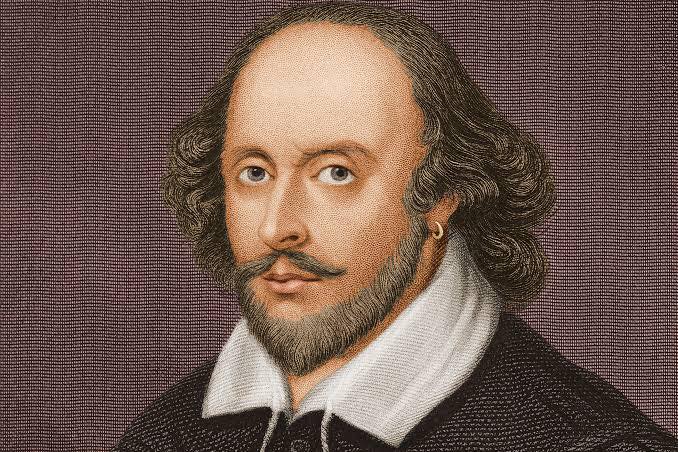
I think Shakespeare is like the Bradman of human thought, something remarkably above and beyond all others. At school you get thrown straight into the plays, which means many find it a torture. But Shakespeare did something that maybe we should teach kids first - he *invented* many of the ways to actually be human that we take for granted. Ways of thinking and seeing the world that are now part of us. One piece of evidence of this is the number of phrases he either invented or popularised. We use these still today and they still shape how we think and see things. Some examples: The game is afoot As good luck would have it Bated breath Be-all and the end-all Brave new world Break the ice Refuse to budge an inch Cold comfort Dead as a doornail Devil incarnate Eaten me out of house and home Faint hearted Fancy-free Forever and a day For goodness’ sake Foregone conclusion Full circle Good riddance Jealousy is the green-eyed monster Hoist with his own petard Heart of gold In my heart of hearts In my mind’s eye Kill with kindness Knock, knock. Who’s there? Love is kind Milk of human kindness Wear my heart upon my sleeve Wild-goose chase
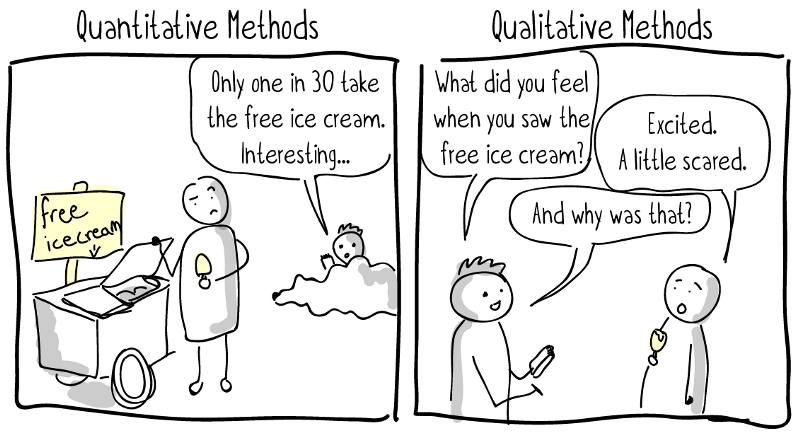
One of my reasons for thinking of Gabriel Tarde as a forgotten genius, is that he completely rejected one of the foundations of modern life. The separation between qualitative and quantitative thinking. Like this example, in our world today the questions on the right - how the person felt, and why - are just as easily quantified as how many ice creams people bought. There's a sort of moral dimension to this false distinction too I think. The distrust of numbers, and seeing them as dehumanising things. Numbers are just a way of studying patterns, they're not a separate domain of reality. They're as human as love, or ice cream. One of the most boring parts of modern life for me is the separation of things into numbers on one side, and warm, 'subjective' humanity on the other. It's nonsense.
John Farnham became such an every mum and gran’s favourite that people sometimes maybe forgot that he’s actually one of the most amazing singers in history. This little bit from Playing to Win. I’ve never heard a singer in any genre that has done this sort of throat-trilling, it’s like what yodellers do, but the trills are at an astonishing speed - for years I’ve wondered how it’s even possible. Anybody heard anything like it anywhere else?
It's not what you say, it's what you do.
Scott Morrison is trying his new slogan - the 'pink batteries', obviously referring to the pink batts scheme. I wonder how widely known it is that the home insulation installed under the stimulus program of Rudd and Garrett was dramatically safer than the usual practice? The stimulus scheme installed insulation in 1.1 million homes. There were 94 reported fires. But before the stimulus, there were on average 70,000 installations per year, with fires in an average of 85 of these. 1,100,000 installations - 94 fires. 70,000 installations - 85 fires. You don't need to be great at maths to smell the spin.

On the theme of political myths, with elections looming....my favourite. If you come out every day and say "debt and deficit and spending" about the other side, and claim you make all the money and they spend it, the vast majority of people who don't have time for politics will be tempted by that nice simple story. It works.
Sacred choral music, Mozart and Kathleen Battle. Yep. https://youtu.be/vY_zGwyH54s
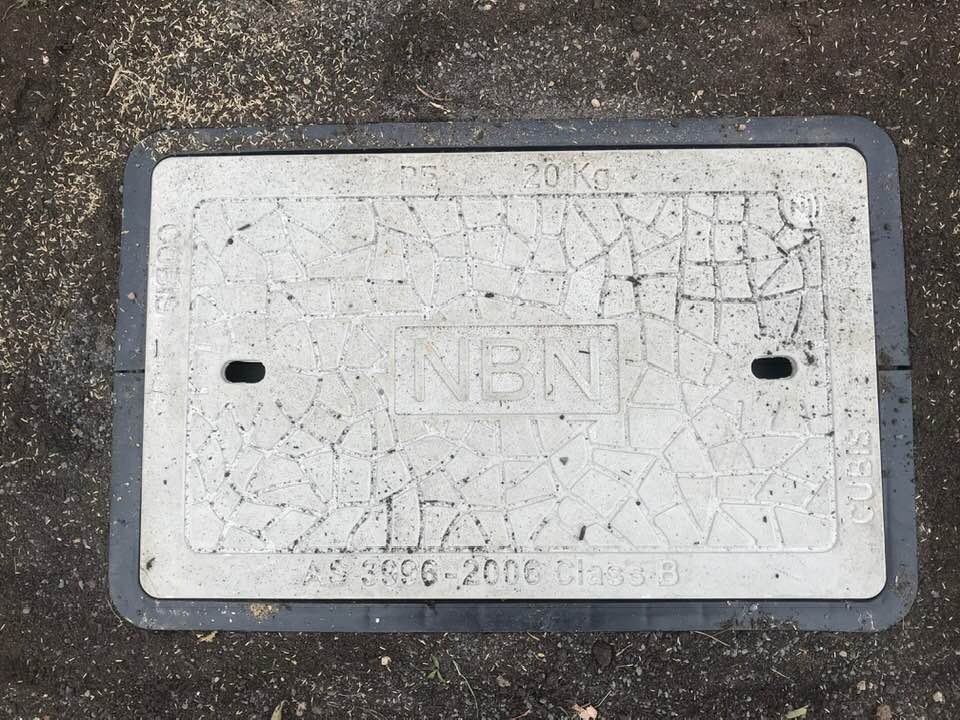
Beautiful view out the front today. Fibre to the Curb. Here’s to all the National Party towns in the electorate that got priority installation and ended up with FTTN. Ha. Schadenfreude, in bucketloads :)