June 2018
Complete text-bearing Facebook records from the export.
The commentary from media personalities, to me, show the way we substitute outrage and sentiment for understanding. Lisa Wilkinson, ffs, who does the tear-jerker puff pieces now on The Project, devoid of any real insight or intelligence and calculated entirely to just make people cry and feel 'serious' feelings. If people would suspend their outrage and instant emotional response for even a short time and tried to understand the complexity of what Greer is saying here - really THINK, hard - they may see this is a more complex issue than our emotional outrage suggests. But I'm not holding my breath. https://www.sbs.com.au/news/germaine-greer-most-rape-is-just-bad-sex
Why do wealthy people tend to be more conservative? Walter Lippmann knew. "Success makes men rigid and they tend to exalt stability over all the other virtues; tired of the effort of willing they become fanatics about conservatism." He also understood the real way to bring about change. "Unless the reformer can invent something which substitutes attractive virtues for attractive vices, he will fail."
A friend showed me this clip, and asked what I thought, apparently it went viral at the time and has really divided opinion. Peterson is a warrior against political correctness. What do people think?
Happy Birthday Goodie!
Sex and gender, one of the big debates of our time. And like most of those debates, I think it’s not really about sex and gender at all, but about who gets to call the shots in society, with more morally and socially conservative groups reacting strongly to a sense of losing their grip. But it’s an interesting topic anyway. The Victorian era was thought to be very prudish, but no time is ever that, desires can’t be boxed up. The Bensons, wow. Are sex and gender the same thing? Is sex itself even a clear category? “Until the early 1950s, a man could have sex with another man without thinking himself in any respect “abnormal”—as long as he steered clear of the feminine dress or behavior that marked a so-called pouf or queen.”
Is it Pete Evans’ looks that make some people hate him? The dietary advice he gives is not really all that dissimilar to something like a Mediterranean diet, and ketosis is now widely accepted as not bad at all (in fact probably very, very good) in medical research. Michael Mosley makes almost the same points as Evans, and people love him. We’ve medicalised food as well as sleep. Both are not doing well.
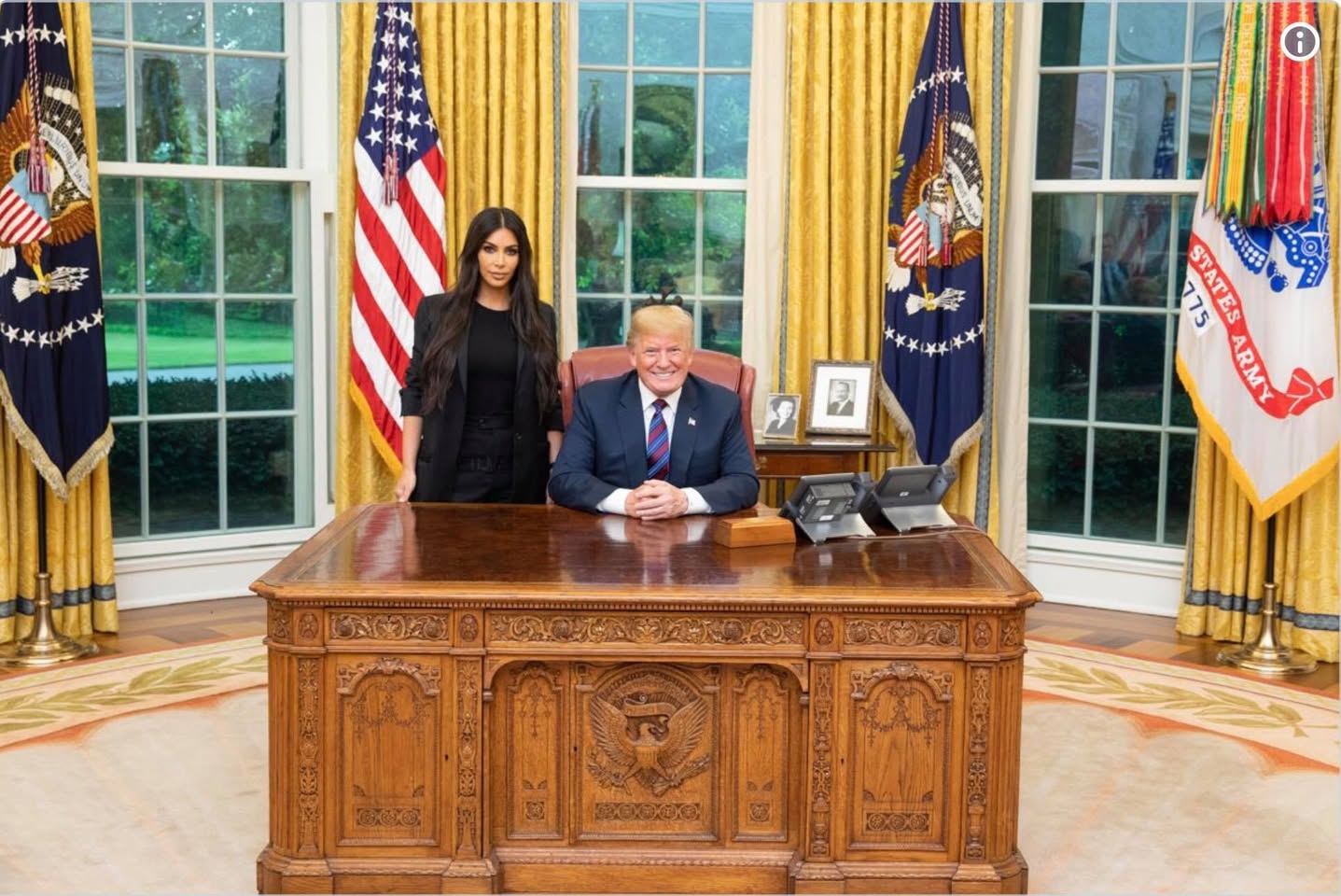
Our public life is becoming a fantasy, like a film set. Celebrities at the front of the church with royalty at the royal wedding, now two TV stars in the White House. (Remembering Ronnie Raygun was also an actor.) I think we’ve become so immersed in fantasy, in films and tv shows, that the nice clean resolution of those stories seems preferable to the messy compromise of real life. People hate politicians, but they love celebrities, life is a big TV set or film. In the US in particular, which has such weak collective political institutions, reality and fantasy have been blurred for much of its history. But many countries are heading down the same path.
Happy Birthday! A teaching Monday, what a way to celebrate ;)
Re-posting this from inside another thread. This, to me, is another big disease of our age. Binary thinking. And as the article says, driven by one thing mostly - anxiety. Anxiety about ambiguity, although I think maybe just plain anxiety too - people are less tolerant of ambiguity when they're anxious. You could think of so many examples of things that get split into binaries in our life. Lefties versus Right. Homosexuals versus heterosexuals. Men versus women. Science versus religion. Climate change versus no climate change. You could keep going with this list all day I think... I also often see what I think is probably the wrong response to this, and that is to say that everything is a 'moderate' mixed amount of each of the two extremes, in a binary. That's back-to-front, the binary artificially split the playing field into two halves in the first place, mixing a moderate amount of the two extremes together won't undo the split. Moderation in that meaning would be like believing in climate change from Monday-Wednesday, and then not from Thursday-Sunday. https://www.psychologytoday.com/us/blog/empathy-and-relationships/201701/when-binary-thinking-is-involved-polarization-follows
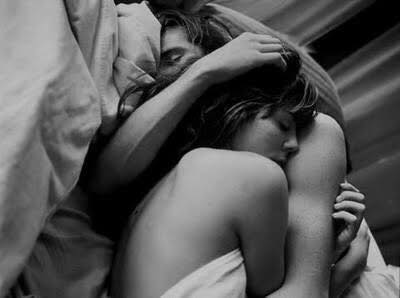
Touching somebody else’s skin has to be one of the most amazing feelings. It’s a softness, but not the softness of a towel or pillow; skin is not actually very soft. We’re feeling them but at the same time time feeling us, feeling them. What we’re feeling isn’t their skin, it’s our body and their body in a zone where the two mix, the feelings aren’t ours or theirs.
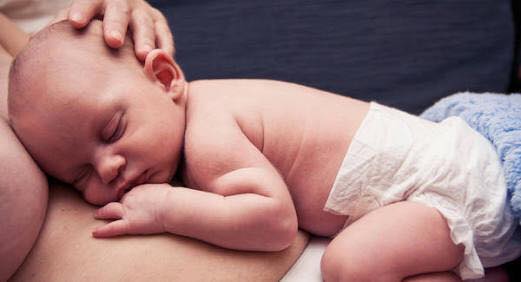
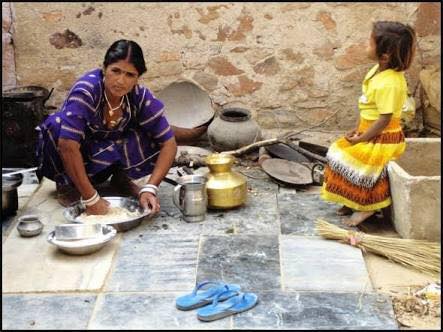
You know how everybody is never sure what to eat these days, what’s healthy and what isn’t? And we keep turning to ‘the science’ for the answers? Maybe we have the framework wrong. For millennia who were the experts on food? Cooks. Home cooks. Usually women, passing learning down through generations. When did our relationship with food start to go wrong? When food was taken over by food manufacturers, chefs and dietitians. It’s always about context, when the problem seems too difficult to solve.
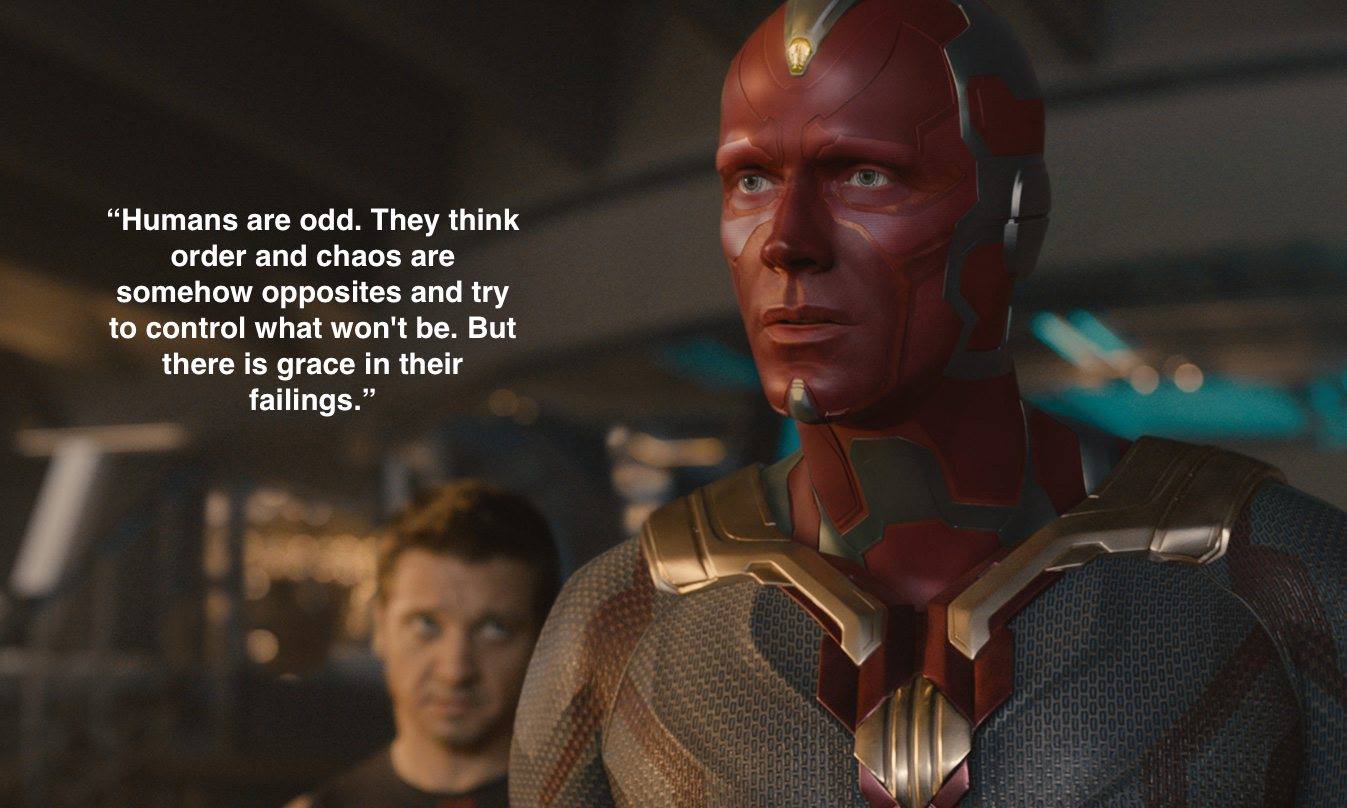
AI is sometimes much smarter than us. Even if it is in a film.
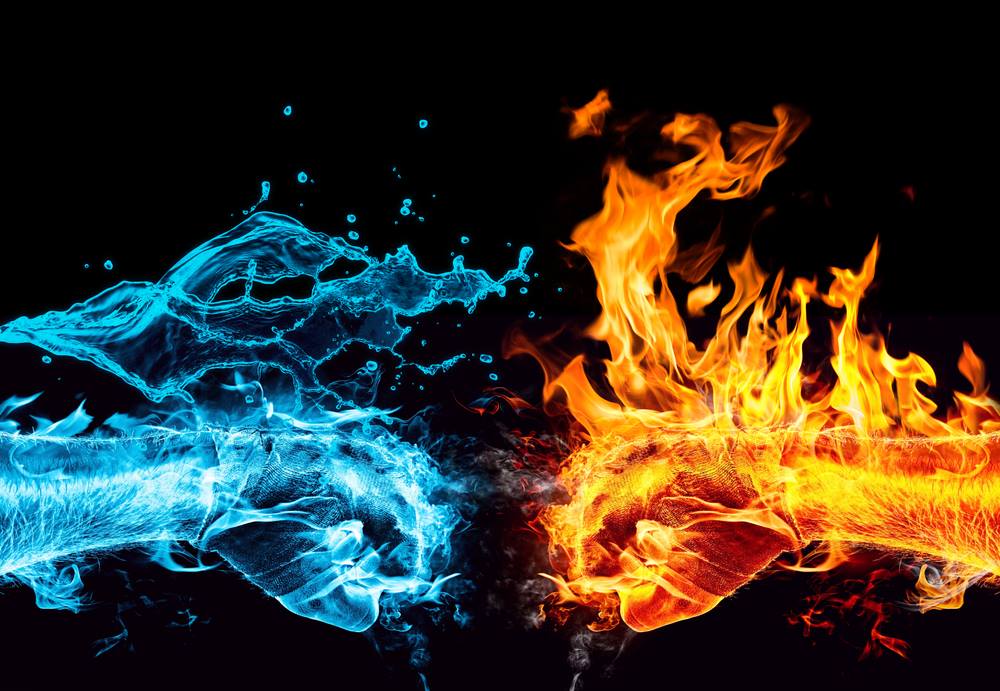
Anybody else work somewhere where half the people are freezing all the time, and the other half are too hot? Or even at home? It raises an interesting question for me. We usually say hot and cold are opposites. But I don't think that's right. If they're opposites, at what point does cold become hot and hot become cold? There is no such point. I think hot and cold are relative terms, they describe (for people) how they feel, not the temperature itself. Which is why half an office or house can feel hot, the other half can feel cold. The temperature is the same.
Is the purpose of language really to communicate? If you say to your partner, “I love you”, and they say “I know, you told me yesterday”, you’d probably think something was wrong. Language is probably always like that I think. On the surface it looks like communication, but actually we’re always trying to *do* something when we ‘communicate’, to achieve some end. Not cynically, not tricking. The best listeners and communicators aren’t really listening to details, they’re listening to what’s ‘really going on’ in the person speaking, what they’re feeling for example. Ditto for FB posts, you can read them as information, but really every time a person communicates something, they’re trying to achieve some end. It can transform communication when you stop seeing it as the transfer of information.
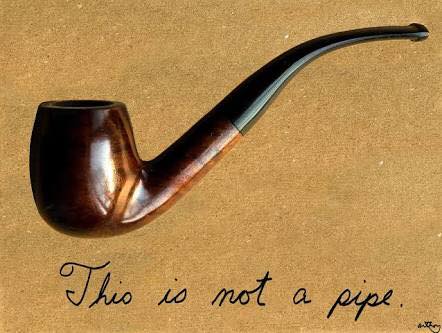
Why I love libraries. One of the only places in society now which is still relatively silent. Our world is so noisy. Motors and engines mostly, the din is constant. But music too, too much music. Music as noise, music is my first love but it’s also so often territorial, repetitive refrains, like a dog marking its territory.
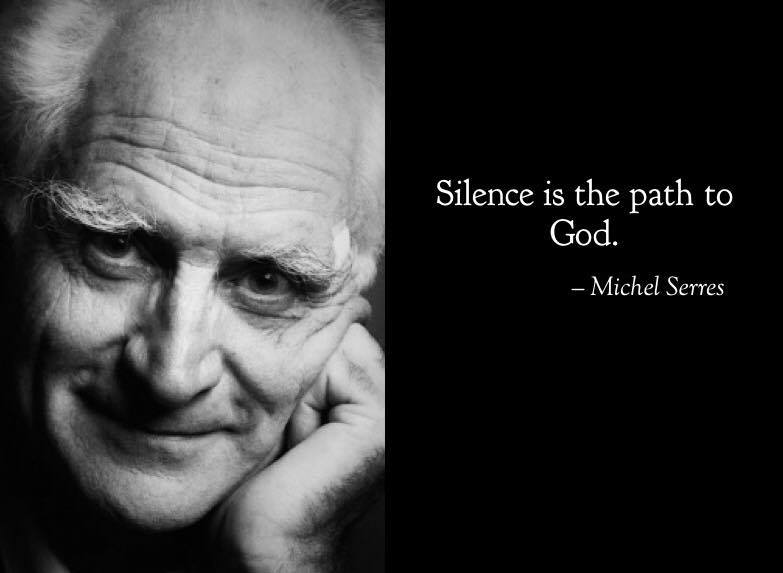
Artificial intelligence is famous, but much more interesting I think is the research in the past couple of decades on collective intelligence. Can groups or even crowds, think? There’s a lot of prejudice against crowds, in fact the word crowd (or mob) is often used as a way to say something is stupid. It turns out crowds or groups are smarter than individuals. They really do think. It’s a mysterious process at first glance, often people refuse to believe it. But it’s real. Every time you use Google, you’re using collective intelligence. Google search works so well because it’s the crowd thinking, not an individual, and not an ‘artificially intelligent’ machine either. Kids who get in trouble for using Google and not ‘actual references’ are being taught badly.
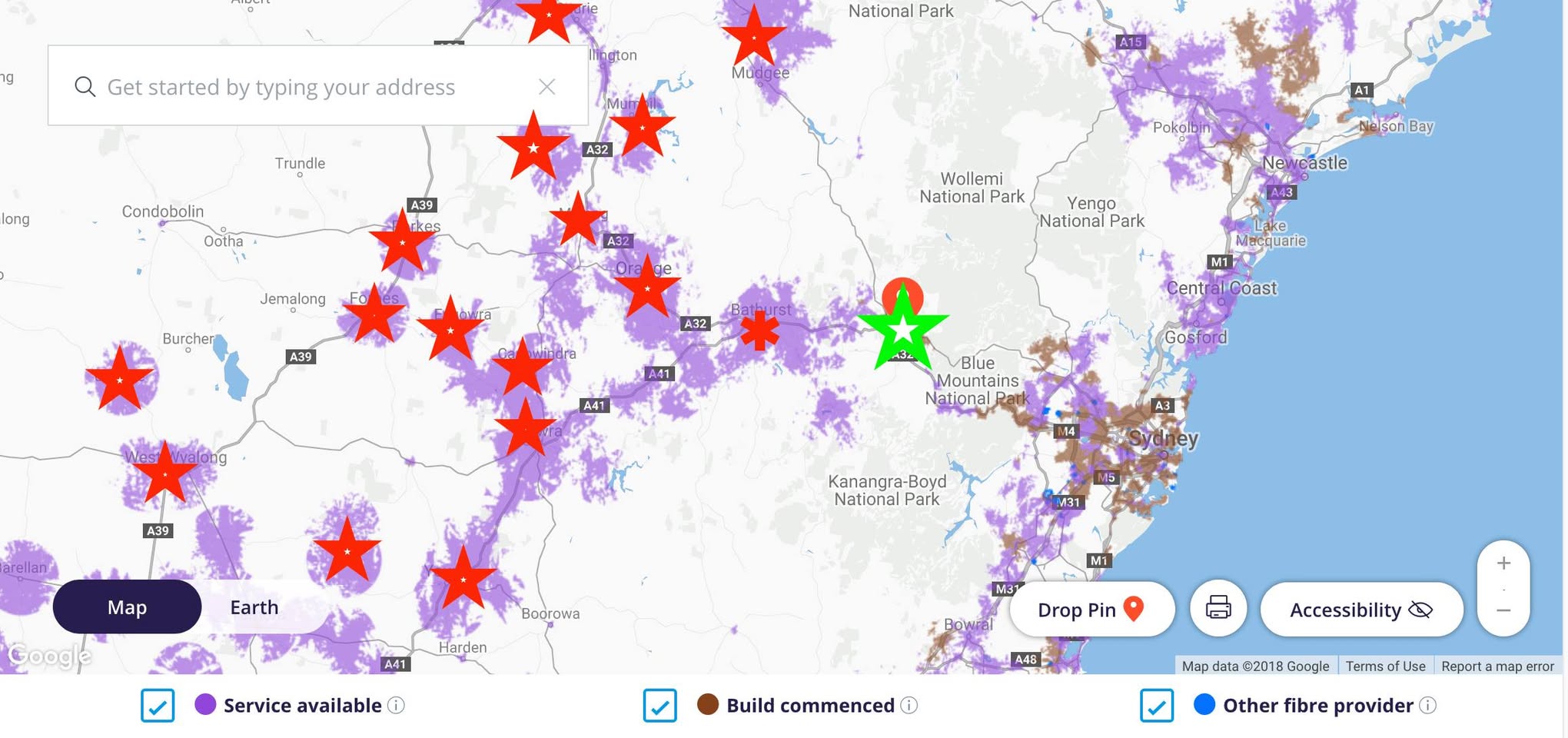
I love politics. Lithgow is the only place in the entire region, and the neighbouring Riverina, that doesn't have NBN yet. And it's just been delayed another year. I looked at the Australian Electoral Commission records for the 2016 federal election. You can get a breakdown by town there, not just by electorate. I've put a red cross on the map below for every town that voted for the LNP at the last election, and a green star for every town that voted for Labor. (Lithgow was the only place.) The purple is places that already have NBN. See a pattern there? The NBN cited 'technical and geographical issues' - what a load of rubbish. Politics, it's how it works. Also why the State and Federal LNP members spend so much of their time in Lithgow, it's the only marginal part of their electorates. And why the local council members in Lithgow who are LNP-aligned spend so much time with these members on their visits. It's interesting that the current mayor of Lithgow, who isn't LNP-aligned, cops a lot of flak in town. Whereas the LNP is royally screwing Lithgow, and yet people love the LNP reps on Council, including the previous mayor. (I didn't vote for any of them I don't think.)
Two important things I’ve learned in life. 1. Always trust feelings. 2. Don’t own feelings. They’re not about you.
The experience of people in solitary confinement often seems to challenge some of our ideas. You’d think being locked in a tiny room, alone, would make a person feel hemmed in. But often it’s the opposite, they never feel more expansive and at one with all of the world as when they’re locked away like this. The silence does a lot of the work, and absence of conversation, our experience of life is so closely shaped by language and its categories. This sort of isolation and silence drives some people mad. But I think we’d all benefit from this sort of detachment and silence, a little bit every day. If you can’t be happy alone and silent, you will never be really happy in any other way.

Happy Birthday :)
Happy Birthday Rob :)
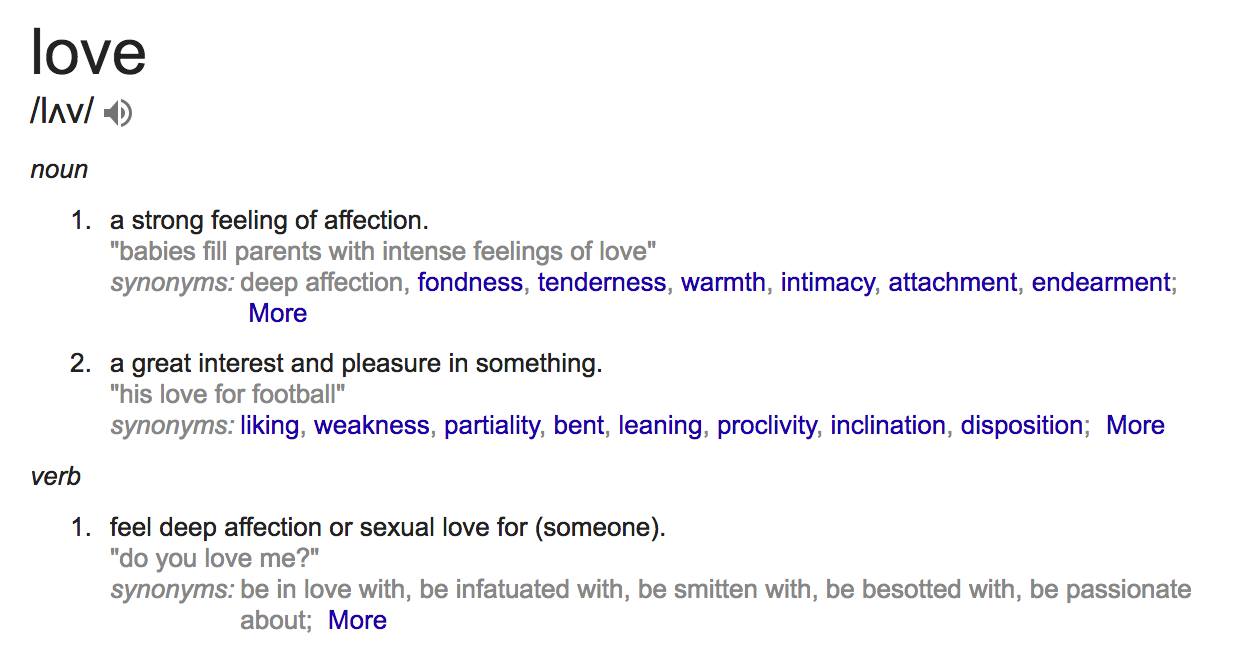
An addition to the post about feelings. This one fascinates me, as people probably know. There isn't one definition here that I think is correct. Love is not a feeling. It is maybe a feeling OF something. That 'something' is equally or more what love is, not the feeling by itself. All definitions of love I've seen make it a stronger version of something else, like passion or affection, or pleasure. Nobody can seem to easily define it for itself. Which is important, I think, there's maybe much more going on with love than we first think (and sometimes, maybe much less too).
Consent is not a simple idea, and it might even be a dangerous one. I liked that this article raised the obvious point that ‘consent’ is not an individual, atomistic thing. Another debate where I think outrage is doing us no favours.
Are you a moral person? If so, how do you decide between good and bad?
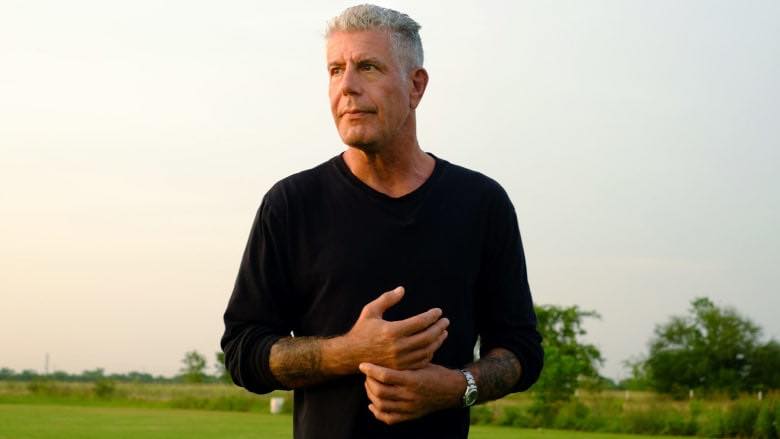
I didn’t know much about Anthony Bourdain. But so often people who have an insatiable ‘appetite’ for life and travel have an emptiness they’re trying to fill.
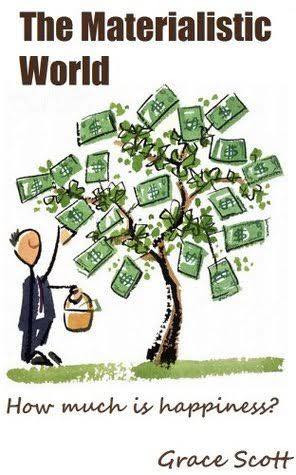
The common thread in these pictures is the criticism of ‘materialism’. Whether it’s people smashing religious icons, or getting back to human relationships and nature in our time, iconoclasts have always attacked what they call materialism. Are you an iconoclast, do you think material things are empty and meaningless? I’m not, I think material things are the foundation of our entire humanity, including the divine.
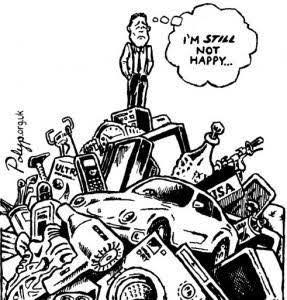
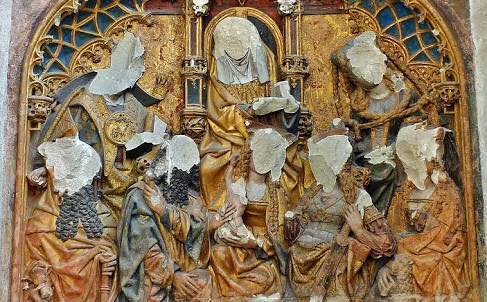
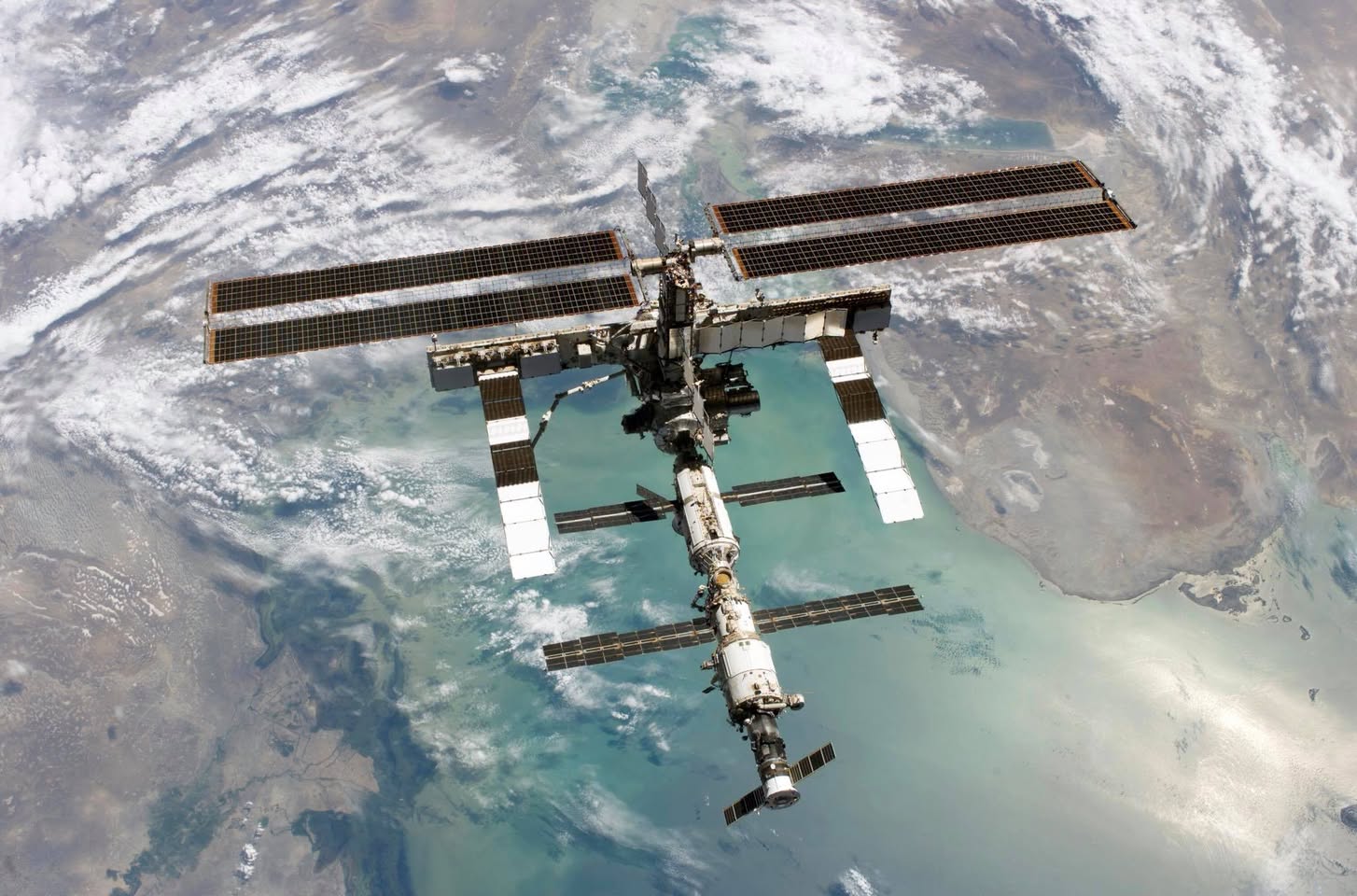
It’s easy to look at the world today and assume it’s falling apart. But that maybe because we only look at how humans act with each other, and don’t look at how the things they build and maintain act to glue society together. Objects and technologies have always been the way societies are mostly glued together, they act as mediators in our human affairs and the cooperation and agreement required to build and maintain them are what creates peace and stability. Here’s an example, the International Space Station. It took the equivalent of 3 million people-years to build, or 26 billion work hours. Compare that with our past - 400,000 people-years to build the Great Pyramid of Giza, 100,000 people-years to build the Coliseum in Rome. We’re cooperating today in ways and at a scale we never have before. We’re just looking in the wrong places for evidence.
Not owning your feelings, an example. You can’t feel your body. Say you have a sore back, and you feel the pain there. Are you feeling your back? No, you’re feeling the feelings of you ‘going inside to feel my back’. If you were watching TV and felt your back at the same time, your back would be functioning entirely differently to when you went inside to feel it, so it would feel completely different. Your back is not an isolated thing that can be felt, it’s part of what all of you is doing at the time. Ditto for the rest of your body. You can’t feel your body, you ARE your body. You can’t step outside it to feel it, feeling it changes the feelings. The feelings you have will always be feelings of what all of you is up to, in your activity, in the world.

I think machines are the most social parts of our societies. Tracey Kidder, an American journalist, spent about a year visiting a major computer manufacturer, observing how a computer was made. He wrote up his experiences in a book called “The Soul of a New Machine”. What Kidder noticed was that every aspect and part of a machine was intrinsically social. One of the engineers said to him they could open a machine made by a rival and read the organisational structure of the other company, by looking at its internal workings. And that extended to every part of the machine, which was a mediating object between hundreds or even thousands of people. Even at the level of the overall function of a machine, it’s all social. Like a photocopier - copying is a social function, what else could it be? Machines are the most concentrated social bits of society, knots of intense social connection.

Spirit, shall we @[584373168:2048:Peita] and @[100001374621876:2048:Kato]? I'd like to use Rowan Williams again as a starter, one of the great religious minds of our age I think. Spirit as kenosis. The Holy Fool: "Yet holiness is not the self’s erasure, but its intensification. Williams is fond of the analogy of a musician’s performance: the musician becomes more gloriously herself as she allows her own ego to become completely transparent to the mind and intention of the composer. The performer’s kenosis is not emptiness but true fullness, a ‘saturation’ in which one self lovingly yields to another. In this act of willed displacement, the self becomes more acute, more distinctive, yet also more expansive and elastic and capable of giving." http://www.melbourneanglican.org.au/NewsAndViews/TMA/Pages/2012/2012-05/In-focus-Rowan-Williams-and-the-%27holy-fool%27-tradition.aspx
More people than ever that I know are suffering from stress, at times myself included. And many say that our world is a stressful place right now, in general. I wanted to share what were for me some hard-won lessons about stress, gained through a lot of years of shitty stuff. They may or may not be useful to others. What it took me a lot of years to understand is that stress, and its usual opposite of relaxation, are like all other feelings. They’re not things in themselves. When somebody feels cold, we don’t say ‘hot’ to them, as if to say ‘get hot’. We tell them to put a jumper on, or go inside. But when somebody feels stressed, we often say ‘relax’. As if being relaxed was something you can do. You can do things that make you *feel* relaxed, but you can’t just relax, it’s terrible advice. But even when somebody does something to feel relaxed, like deep breathing or a holiday, within seconds of being back in their usual environment, they often feel stressed all over again. People take so many sick days and holidays to try to fix stress, but it doesn’t last. This vicious rubber-banding between feelings - stress and relaxation - can go on for years. The way out of the rubber band in my experience is to stop treating stress and relaxation as two feelings. Like all feelings they’re just contrasts between experiences, not things. The answer is the last place people often think to look. Start embracing the feeling of stress, for what it actually is - your body giving you more energy to deal with a difficult situation. Like being on a rollercoaster, that adrenaline rush can actually be very pleasant and powerful, if you understand it. Use the energy to resolve the actual situation, if it can be resolved, or to study it and see if what you're seeing as a problem really is a problem. If those aren't possible, use the energy to get out of the situation, or accept it just for what it is. People who suffer from what they call ‘stress’ are usually focusing on the feelings, and trying to control the feelings. It’s all about framing how you experience the feelings.

Happy Birthday Bruce! Be well.
"Perhaps it is time to change the focus of the conversation and to consider what it is about screens that brings our children pleasure." Heaven forbid. Actual thinking. Outrage is so much faster and easier.
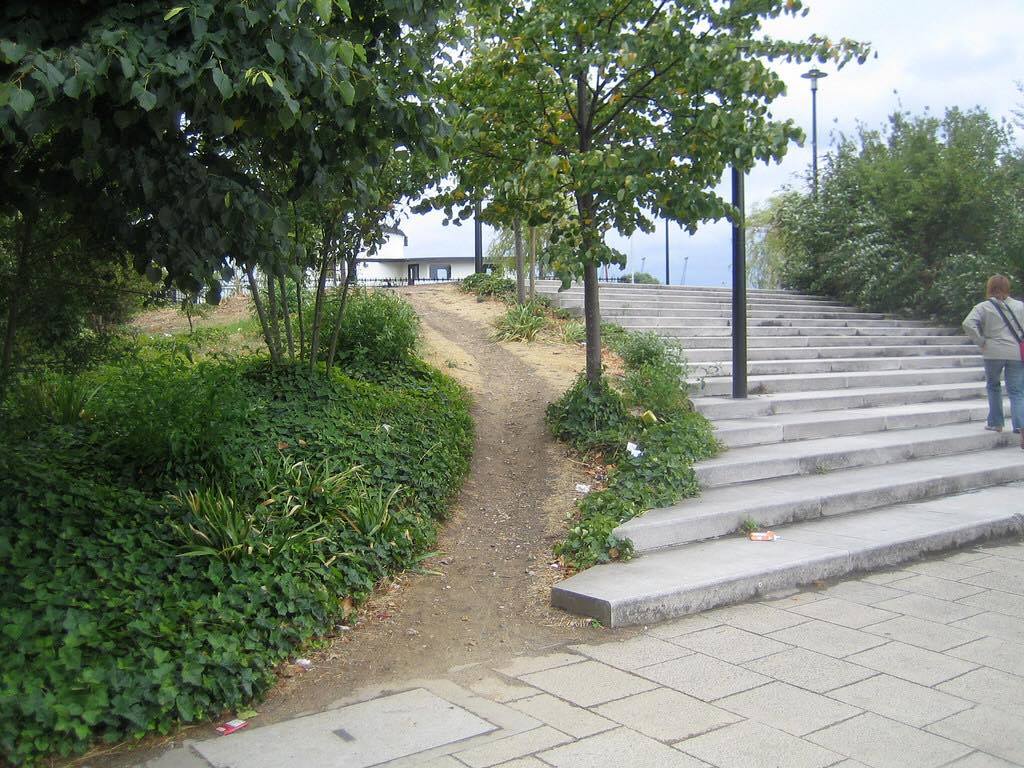
More patterns. A desire path or desire line (wonderful name) is a path people or animals take when left to their own devices. Often they sit right next to existing paths, like this one here. But I’m even more interested in the question that all patterns raise - who or what causes a pattern? No individual does, no group does either. Looks like an easy question, but I think there’s an important mystery in play here - what does ‘we’ mean?
So...the proposed tax cuts seem popular. Because government is unpopular, and the silly myth that tax takes ‘our’ money off us. Around the world there’s been a rush to gut government, often through tax cuts which starve governments of funds. At the same time individuals -you and me - are paying more than ever for housing, health, education, transport and energy in particular. People don’t see the link? The more we gut governments, the more we pay for everything out of our own pockets, and the more society descends into chaos. We need to join the dots, government IS us, and we’re cutting it up into pieces and selling it to small groups of (often foreign, always rich) people, who then screw us.
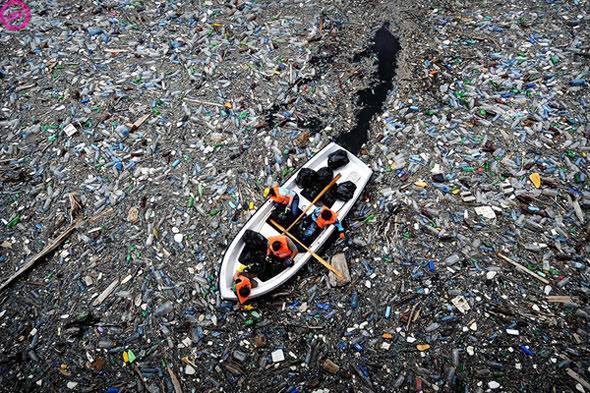
We did this, more patterns. But who is ‘we’? I don’t know anybody who deliberately threw any plastic in the ocean. We can stop using plastic (although bacteria would eat it anyway, eventually), but will we ever understand how we ended up doing this? Who would the ‘we’ be that might understand anyway? And if we don’t know the answer, what’s to stop us doing something similar the next time? I don’t think plastic is the problem, the real problem is that we don’t know how ‘we’ end up creating this, because we is a bit of a mystery.
I posted this a while ago, but it's so interesting it deserves another go. A lovely example of the mystery of how groups of people somehow act in ways that are not explainable using our usual ideas. These people don't get together, they all act completely independently, but the outcome is something way bigger and smarter than any of them. https://youtu.be/iOucwX7Z1HU
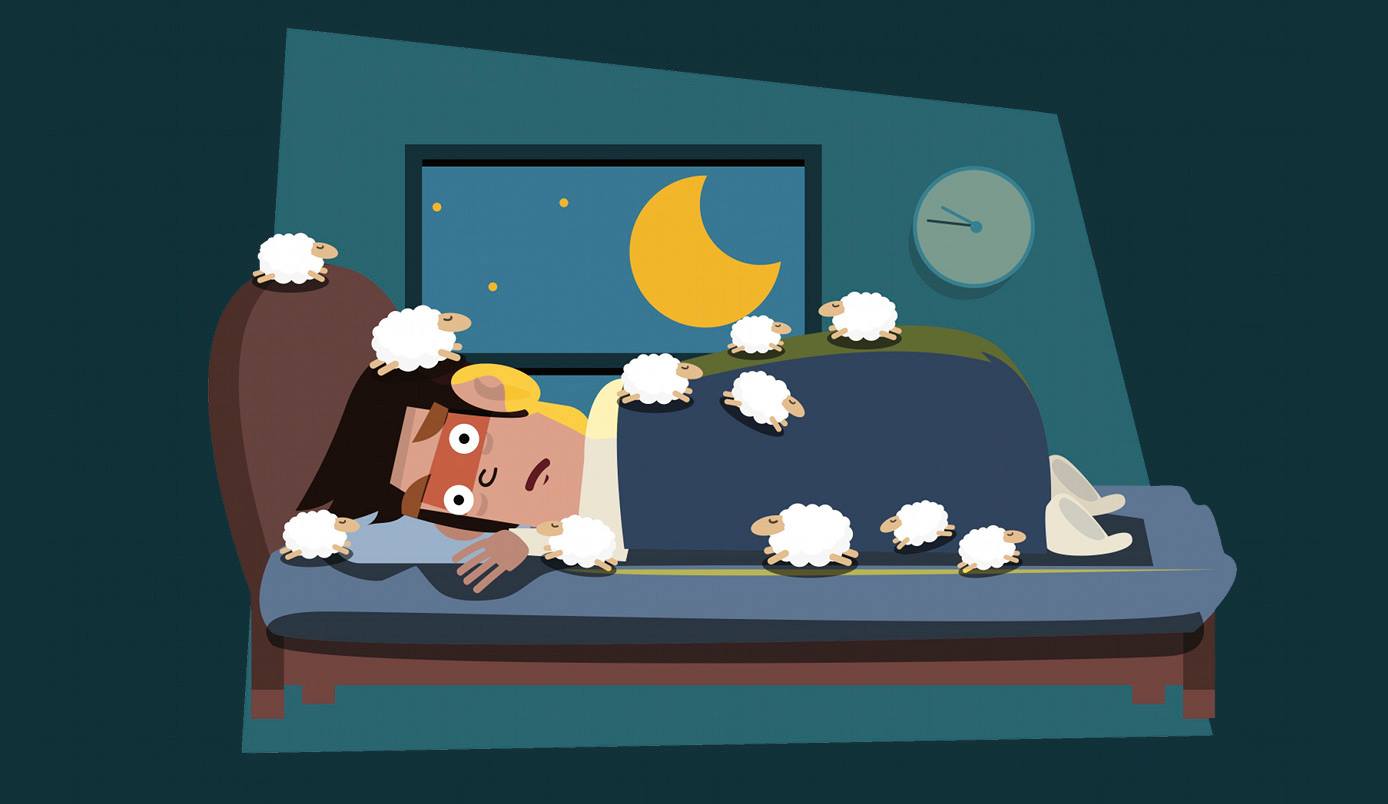
The expression "I can't sleep" is spot-on. That "I" never sleeps, you can't make sleep happen. It's the trying that is the problem, I've found that there are a million ways of trying to sleep, some more sneaky than others - you're sure you're not trying to sleep, but actually you are in some subtle way. Let the bed do the work, just as you let a chair do the work of resting you. You don't sit in a chair and then try to 'rest', you just sit. If you're wound up or anxious, it may take a while for the bed to do its work, and then you need patience - don't wait for sleep. Just rest. Give it time, I couldn't better the late, great Dr Claire Weekes: "Don't be too concerned because you are tense and can't relax. The very act of being prepared to accept your tenseness relaxes your mind, and relaxation of body gradually follows. You don't have to strive for relaxation. You have to wait for it...Let your body finds its own level without controlling, directing it."
Highly recommended.
A group of ordinary people, using nothing more than Google search, give better (much, much better) intelligence advice on real-world complex issues than the best intelligence agencies. And without access to the same intelligence information these agencies have. The crowd knows, we are smarter than you or I. But as always, nobody is quite sure what ‘we’ is and how it works. https://www.npr.org/sections/parallels/2014/04/02/297839429/-so-you-think-youre-smarter-than-a-cia-agent
Tony Abbott once said that Malcom Turnbull ‘invented the internet’ in Australia. Want to know who really invented the internet in Australia? Universities. Universities built Australia’s first internet. And they still have their own network, which they built themselves, and which is orders of magnitude better and faster than anything else in the country. Gigabit speeds (1000 Mbps), while the rest of the country is lucky to get 25 Mbps. The next time some opinionated windbag, in parliament or behind a radio mike, says universities are sheltered workshops, remember their screamingly good internet. And also, that they’re in the top 3 export earners for the entire country. About the only sizeable places in the country who have actually created anything for decades, rather than just flogging off resources, or inflating housing prices for windfall capital gains.
It is a bit scary, the Nazi storm trooper type zealotry coming through the ranks. "Today, a publicly funded national broadcaster crowds out its private competitors and is an indulgence we can no longer afford." We need journalism, you know that stuff idiots call 'bias' and which all those privately-funded media outlets are getting rid of. And the ABC generates more income than it gets in funding.
Were you taught to hate bureaucrats? And politicians? Did you stop to wonder why that narrative was rammed home again and again in news and other places? I did. Always follow the money, as the saying goes. Without bureaucracy we would all be dead. Period. https://www.theatlantic.com/business/archive/2017/10/bureaucrat-welfare-zacka/542547/
Another interesting tidbit for those who sometimes struggle with sleep. By the time a person is 50, it's quite common for them to fall asleep about 9pm and be awake by 3 or 4 am. This trend starts in many in their 40s, and is thought to reflect an evolutionary history of older people keeping vigil at night in dangerous situations. Our sleep didn't evolve in quiet rooms inside warm and comfy beds, so the '8-hour sleep' is probably more an artefact of modern electric lighting and lifestyles. 'Bad' sleepers are much more the norm, in historical terms. Another example of how I think people always need to look at the assumptions behind research, well before they look at the research itself.
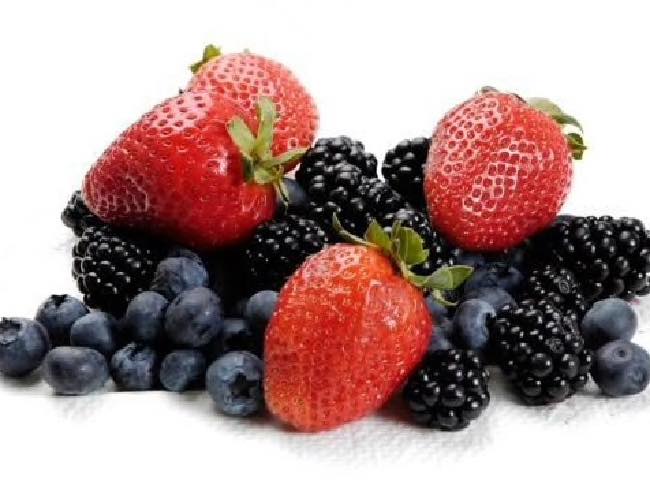
The top 3 grocery items in Australia are (drum roll): 1. Berries 2. Bananas 3. Avocados I bet nobody picked berries at number 1, or that fruit fills all of the top 3 places? I didn’t. Indulge me a little - how do ‘we’ (as a society) decide which things we most want to buy in supermarkets?
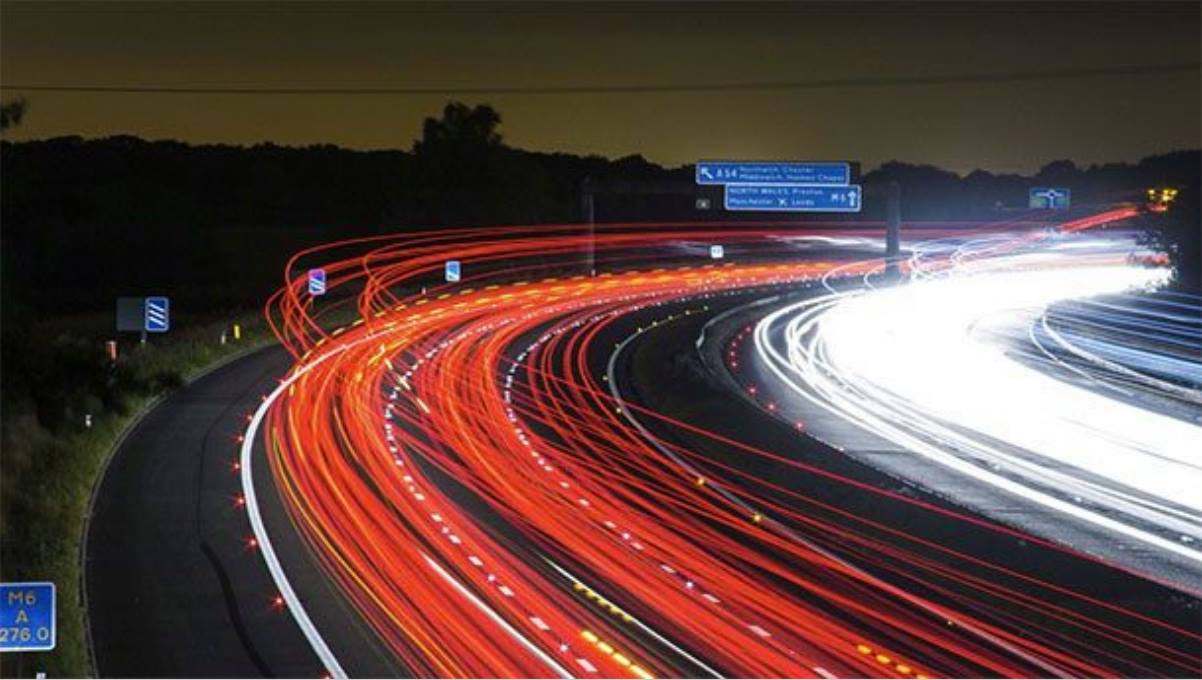
More tribal mind/patterns. After 9/11, many Americans shifted to their cars to avoid planes for travel. This led to a spike in road deaths of about 1600 above the average. Most of those people would still be alive if they'd kept flying. I think a nice example of how patterns of society are created by individuals, but not individually. And not as a group either.
A post just for the two of you, from Rowan Williams again. The "vastly complicated and enticing and frustrating borderland, where physics and philosophy and psychology blend" is the space I work in, in religious ideas. (I'd add theology to the list.) I'm not arguing for divinity (or against it) from inside either of the standard traditions. Williams is closer to my view - you'll notice he says there is no such thing as 'dead matter', for example, and that intelligence is in all things. "...there is something about consciousness that intrinsically leaves the question of the sacred on the table. Consciousness as local yet also relational, as receptive and also creative, as narrative, as having to do with speaking and being spoken about, seeing and being seen, as the generation of symbol, is something that sits, if not comfortably, at least coherently, with that model of the universe that religious people on the whole take for granted, a model of the universe in which intelligibility and intelligence are omnipresent: in which there is no such thing as ‘dead matter’; in which there is always a speaking, an invitation, a summons to engage, which for the theologian is bound up with the nature of creation itself, with the idea that all that we are, as a finite set of systems in the universe, is as it is because it responds to a fundamental communication of intelligence or information – or indeed ‘communion’. Receptivity and co-operation, a sense of limit or incompleteness, symbol and the transparency of symbols – all of these have their natural location in the kind of human discourse that takes for granted what may be called ‘the sacred’ in general, but that I am much happier in calling God, within the context of a doctrine of creation, as making sense against the background of a God whose will or purpose or character it is to share what his life is...this vastly complicated and enticing and frustrating borderland, where physics and philosophy and psychology blend, what I have said so far about this may just make some sense of what many thinkers have wanted to say in the last century or more, which is that a loss of the sense of the sacred, a loss of the sense of being answerable to an intelligible gift, from beyond ourselves, in the long run entails more than simply the loss of God; it may entail the loss of the distinctively human."
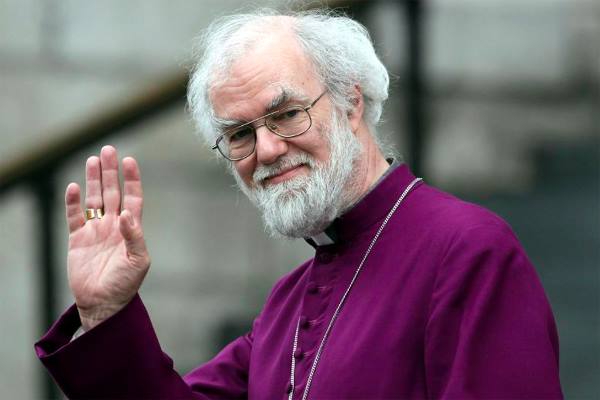
Now the ‘episodic cycle of rage and grief’ is again cycling back to indifference, thinking finally emerges. When nobody is probably listening, having moved on to their next target for outrage. Also in the same edition, from Jenna Price, saying we need to ‘do more than go to vigils’: “But in Australia, the most dangerous place for women is home. And who is likely to kill them? People they know, people they love. Men... Intimate partner violence is the largest single contributor to the burden of disease for women aged 18 to 44. It is not strangers. How we walk is irrelevant. How we live and love in our daily lives, that's what matters.” And from this article: “This is an issue of criminality - and the moment we start playing it as a national gender issue, we risk any real attempt to address the root cause of the problem... Our police are just speaking the truth and instead of copping a national barrage of criticism, we should heed their warning. Of course it is not Ms Dixon’s fault she didn’t make it home safely - and to claim police were saying that is ludicrous.”
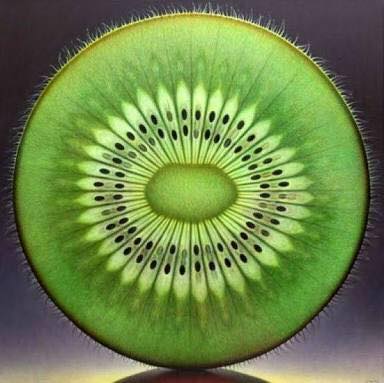
“Do you believe in God?” How did religion end up being thought of as ‘believing in’ things? To have ‘faith’ that what you ‘believe in’ is real? Like some sort of guessing competition. The atheists that oppose religion share exactly the same framework, they just ‘believe in’ different things. What if God and religion weren’t about belief in things at all? What if the patterns we see in society and in nature *are* God? My fascination with patterns - we, and plants and animals and objects etc. - are all directly involved in making the patterns that happen, but no individual or group ‘designs’ them. The pattern happens, but nobody did it. (Sound like God?) Whether it’s traffic patterns or Kiwi fruit or grocery statistics, patterns show us every day that our actions are shaped by something other, which we in turn shape back. We do them, but they do us, at the same time. Patterns are the outcome of each person or thing being implicated in all other things - it’s that implication which creates the pattern. Again, just how God is often described - as being in all things.
Happy Birthday!
Somewhere else today I suggested the big debate over violence against women is being steered in the wrong directions, towards some idea of it being a gender issue. I think it's really about: 1) domestic violence mostly - overwhelmingly violence against women occurs from their intimate partner. Obviously it is mostly men doing it, but is them being male the causative thing, or something more about our domestic relationships? 2) alcohol. Alcohol is linked to more than 73% of all domestic violence events. Gambling too. Regarding 2), more evidence:
Is the washing machine the greatest invention of all time? It’s difficult to think of an invention that has saved more effort.

The opposition between what’s beyond us in some way - transcendent - and what is inherent to us - immanent, is one of the big tensions in history. But, surprise, I think all opposites are fake. Take a company as an example, is it transcendent or immanent? We often talk about corporations as if they’re transcendent things, actual Beings that rule over us. But if you’ve worked in a corporation you know it’s not simple, people like you and me work in corporations, so they’re us in some way. They’re immanent. But they also go beyond us in some ways, nobody within an organisation actually controls it. There’s transcendence there. Language is the same. I’m using these words, but I didn’t invent them, they’re transcendent to me in some way. But I can also shape them myself, have some choice how to use them; they’re also immanent. All things are both transcendent and immanent, at the same time. We often miss that I think, looking for transcendences like ‘God’ or ‘the government’ or ‘capitalism’ that will explain why things happen. Or pretending that all things are just immanent, like the free market fantasies of our time. We love opposites. But they’re a fantasy.
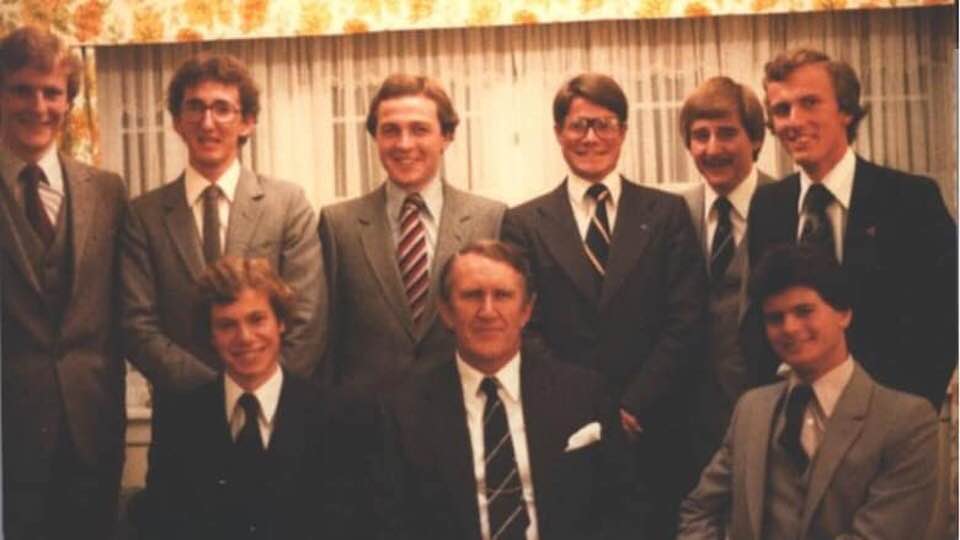
Young Liberals, including Peter Costello, Eric Abetz, Michael Yabsley and Michael Kroger, with Malcolm Fraser PM in 1978. It really does amaze me that more people who like the LNP don’t actually know the people who increasingly run it. Look at them, private school boys, raised with mummy and daddy telling them about wicked socialists stealing their money through taxes and the food out of their polo ponies’ mouths. They’re as far removed from the average plod as it’s possible to be, their obsession is, as we’ve seen this week - tax. Tax makes them less rich. The haircuts, the suits - how observant are we? Isn’t it obvious whose interests people like this will govern in? They have every right to govern for what they want, what irks me is that they’ve managed to convince so many working people, whom they actually despise and screw all the time, that they care about them too. They absolutely, categorically don’t.
I’d be very interested what people think ‘baseload power’ means? It’s a term used lots in debates about energy. (Hint: it doesn’t mean what the people who use it a lot say it means, not even close.)
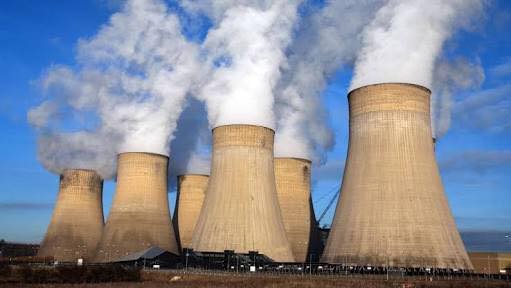
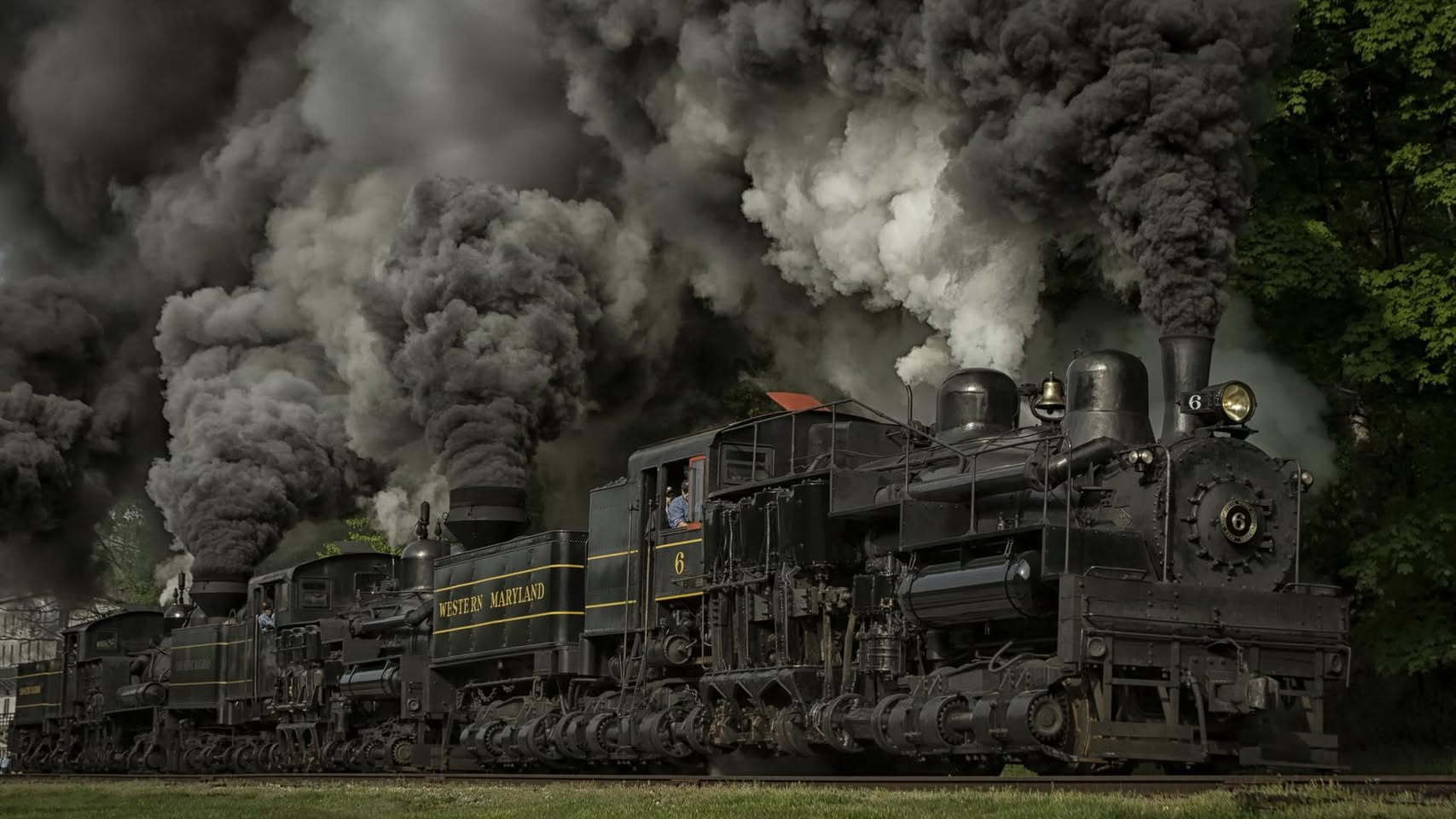
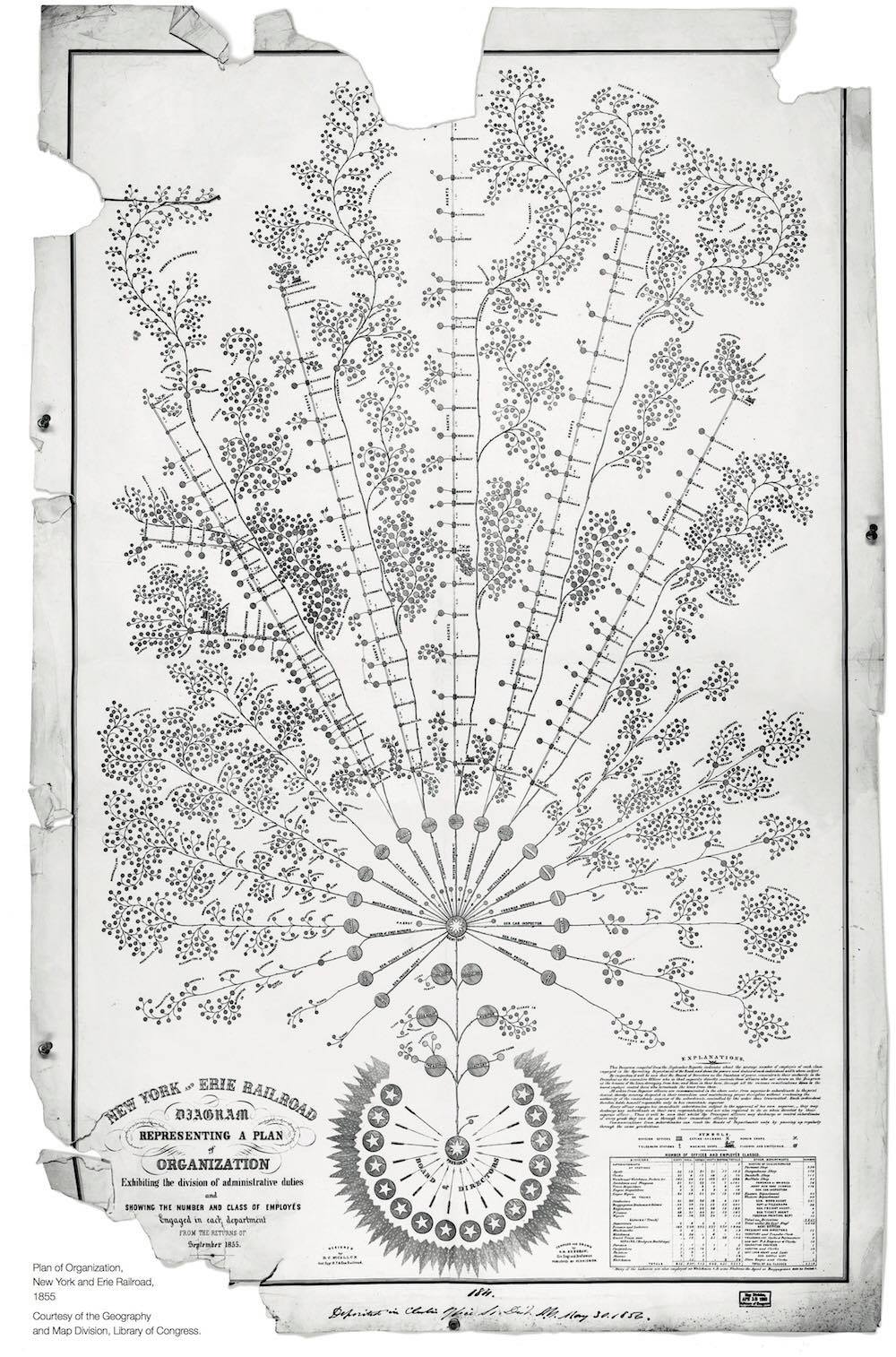
Our politics looks like society is at war, but actually we live in some of the most peaceful times in human history. It’s impossible to understand that paradox I think if you only look at humans. An example - trains. When trains first came to towns, they didn’t just bring transport and freight. The train linked the people in the town directly to people everywhere else. Goods brought into and taken out of town set up relationships between the people in the town and the producers of the goods. Suddenly a fisherman on the coast had a customer in the bush, and the two now had an ongoing tie between them. Etc. I think this is how society is actually held together. Technology isn’t a tool, it’s a complex web of social ties. Here is also the world’s first org chart, which a railway also produced. You can see directly on the chart how those social ties were beginning to be created. All of those people were now connected in an ongoing way, their lives and work were reliant upon each other, and this was just people who worked for the railway, it doesn’t even include the connections into the towns. Humans can’t be understood by only looking at humans. Non-humans are the main way our lives are held together, not as tools, but as the most social part of our societies. It’s why the hysteria over our politicians is so misguided too, our societies aren’t held together by politics, they’re held together mostly by our machines, which are actually just us. That’s why we have peace even though it looks like we’re at war. Too many people are too connected to each other to allow for war.
Offshoot of another discussion. Data and visuals suggesting strongly that today is easily the most peaceful time in human history. Also shows that States or governments - the things many have a passion for destroying today in their hatred of government and politicans - have always historically been associated with massive reductions in violence. Finally the slides ponder why we've become more peaceful over time, and, referring to my other post about trains, assumes again this must be because of something people are doing differently. I don't think it's that, it's because we've built things called 'technologies', that are actually social webs of people. People alone will generally fight to the last person standing, you need objects to bring peace. https://ourworldindata.org/slides/war-and-violence/#/end-slide
Happy birthday Lorelle! Geez why is everybody so young ;)
Bit over posting to FB for now, though I'll still read and comment on it. I'll be posting things of interest to me at my blog instead, just as my own record of thoughts, but visitors welcome, at: doorsausage.blogspot.com
Christopher Alexander, the architect, was one of the first to put me onto patterns as a topic. Alexander noticed that beautiful buildings in history shared some common patterns, basic things like ‘light from two or more sides of the room’, that could be translated from one building to the next without determining the full design. He designed a full ‘pattern language’ that even people with no experience in architecture can use to design beautiful buildings, realising that these patterns aren’t so much geometrical as like a path in a landscape - patterns of activity and life. Most modern buildings come from blueprints, drawn as shown. They don’t allow the design to evolve much during building, it’s a two-dimensional pattern pre-determined on the draughtperson’s table. So the buildings don’t really live. A building is not an object, it’s an interactive, ongoing creation. Patterns of movement and activity and materials determine how a building is built and how it gets shaped over time. Stewart Brand wrote a wonderful book about that.

The bile in the comments, especially from women, what a world. Nothing is allowed to get in the way of incoherent rage and outrage. Looking forward to reading her essay when it’s published.
I think humans are some of the least sentient beings. Our feelings are almost comically simplistic compared to even what a tree feels and can sense. We're so certain that we're the most complex beings in the world because; well, because we say so. And then we watch documentaries about the incredibly sophisticated ways animals, plants and even rocks can sense and feel the most exquisitely small variations in things, and don't stop to wonder if we have it all upside down. It's a tough argument to win, there aren't many deeper prejudices than the one that says humans are the pinnacle of existence. And this isn't an animal rights argument either, because most people obsessed with that would happily decimate most micro-organisms on the planet to get a good vego meal, whereas micro-organisms are likely the most sentient of all things.
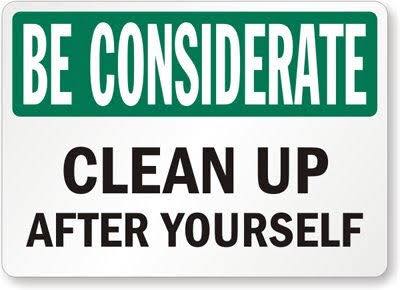
For a long time, the world was divided up into those things with consciousness, and those things without. The first list was very small, the second list huge. A lot of fields are shifting how they think about this now though. I think a much better concept to understand all of this is the notion of agency, which has become a hot topic of research. It doesn’t carry the same human baggage as consciousness. Everything has agency in some way - the capacity to act, to force other things to react in some way. Take this sign as an example. Who is the sign talking to, and who is talking, in the sign? I’ve always thought a workplace with a lot of signs like this is probably a dysfunctional place, because nobody is quite sure how to solve a problem, so they delegate it to a sign. The sign has agency. It may or may not actually work, so its agency may be limited.
Happy Birthday!
I don’t mind Clementine, but feel she tries to turn everything into big goodies and baddies categories. Lazy thinking. Count the number of times she uses the word ‘patriarchy’ in this article, for example. It’s like people who see things like capitalism or socialism, or the Left and Right, as the cause of our problems. Those terms make people feel good because caricatures are so juicy. It’s a very long bow to use a a fascist extremist as evidence of male patriarchy in action. And again I think she’s been unfair to police here, the footage I saw had them quickly settling an ugly situation.
I’m curious if the concept of maturity/immaturity is used less now? As a kid I remember people often assessing a person’s maturity, evaluating peoples’ behaviour according to how well emotionally developed they were. I see that less now, which to me is a bad thing, because what seems to have replaced it is a well-meaning idea that people should just do what feels right to them. I’ve also seen in my life that immaturity can manifest itself in lots of ways - problems in relationships, with money, alcohol, gambling, friendships etc. And with a general lack of resilience, people wallow in sentimentality, emotions are all at 10. And that a person who is immature can easily suck others into the chaos that their immaturity creates, needing to constantly lean on others for support, or try to co-opt them in their problems (get them to drink or shop or eat or gamble with them). The challenge is that by making things about individuals, how does society change this? There used to be mechanisms for chaperoning people through the stages of their life, a lot of which have disappeared. There seem to be so many man-children and women-children now.
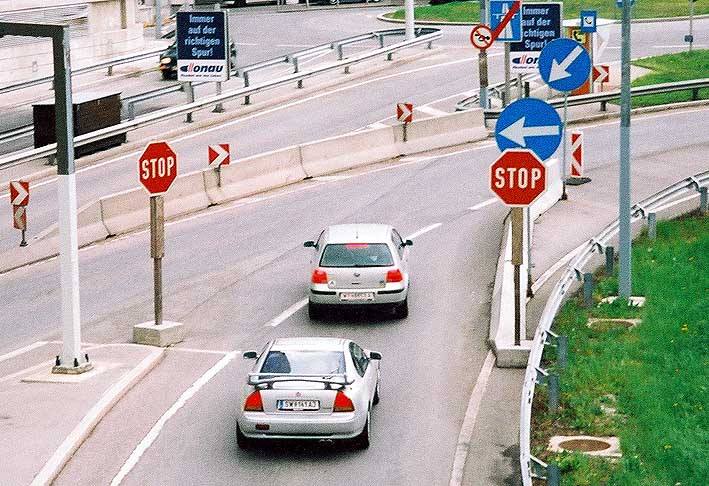
More agency. Who is it saying 'Stop', with a Stop sign? And why do people (mostly) obey the sign? The sign has agency, without it people wouldn't stop. It's not enough all by itself, but it's also not just an 'object'.
I feel like I've posted this one before. But in case not...discuss.
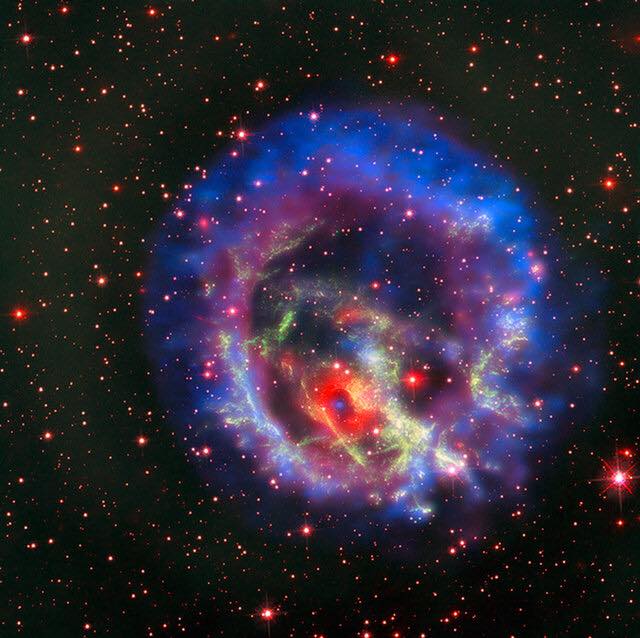
A neutron star is so dense that a piece of it the size of a grain of sand would weigh 500,000 tonnes. If you dropped a single gummi bear from 1 metre above a neutron star, it would hit the star with the force of 1000 nuclear bombs.

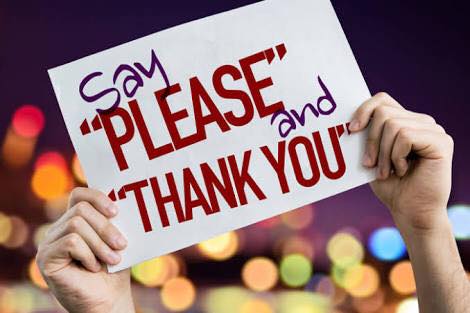
This one seems a no-brainer. But both the Indians and Chinese for example find our use of so many pleases and thank you’s strange, even rude. It’s easy to confuse favours and obligations, please and thank you are about favours, whereas we use them indiscriminately to cover obligations too. We might say to a child ‘please clean your room’, and ‘thank you’ if they do. That’s a mistake, that’s an obligation they have, not a favour they owe us. It seems a small thing but if you unpick it a bit, by confusing favours and obligations we mess up many different parts of our lives. We’re weak on obligations, and we turn favours into obligations and obligations into favours. It confuses children in particular, we load their obligations with the emotional baggage of favours, and vice versa.
'Twas always a fantasy. I'm yet to find somebody who goes actively looking for evidence that they're wrong.
Love Aeon. This topic is one I cycle back to regularly - binary, absolutist thinking. Often linked with high stress, anxiety and depression (which it tends to cause, rather than be caused by it). Splitting things into this or that, no mixtures. In emotions too, sentimentality, everything being either the most amazing thing ever, or a catastrophe. A standing ovation or demanding your money back. Subjects or objects. Body or mind. Nature or nurture. Spirit or matter. Religion or science. Left or Right. It’s the age we live in.
You can find a lot of advice about jealousy along these lines. Nearly all of it is like advice on how to fix your car. Jealousy may in fact be the essence of all love, and the fact we try to ‘cure’ it suggests again that we may not really understand love. The essence of love because jealousy recognises that your partner is fundamentally unknowable to you, and even when they love you, they do so for their own reasons, not yours. Ironically, every tiny thing we introduce into a relationship to make it more special for us will make a jealous person suffer even more, because those special things will be things they can also imagine being offered to somebody else. I don’t think the answer is to try to regulate jealousy, as in these sorts of articles. I think it’s to embrace it, reframe it, recognise that those feelings are pointing to why you loved this person in the first place, because they weren’t you and something about that difference attracted you. You won’t take them for granted, you’ll see them in new ways every day, and that their love for you is an endless reservoir of new things to learn and explore, and you need to be that for them too. A confronting implication of all of this is that if you’re not jealous in your relationship sometimes, it may actually be a more worrying sign. The opposite to what these articles and other advice suggest.
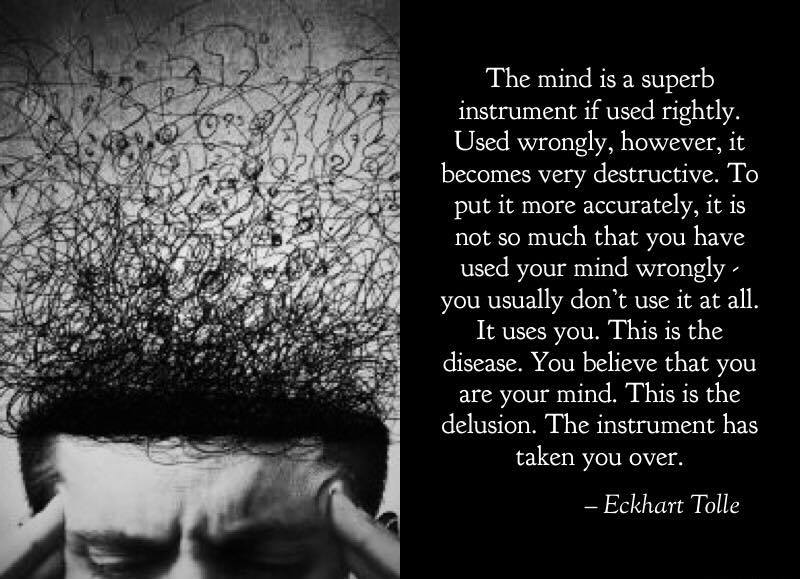
The path to the real meaning of life, God if you like, is a path that leads out of your mind, into the world. A long tradition stretching back thousands of years studied the mind, modern psychology came very late to the party, and brought the wrong drinks.
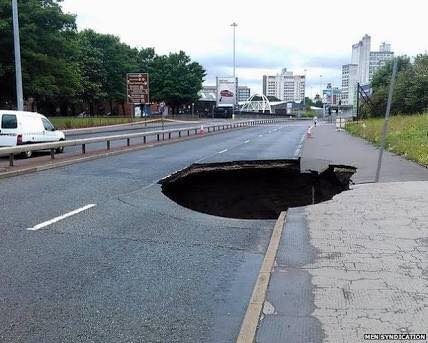
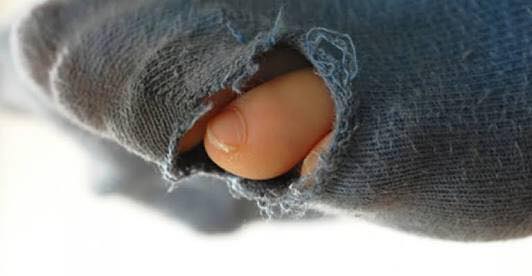
Is a hole a thing? It’s nothing, an empty space, but then why give it a name? A hole in a bucket or donut or sock or road - part of the bucket/donut/sock/road, or its own thing? Is the inside edge of a donut part of the donut, or the hole? This stuff actually has serious implications. Another example would be ‘personal space’, it’s just empty space, but it’s personal?