May 2018
Complete text-bearing Facebook records from the export.
I don’t agree with the always do the same thing one, often the most boring thing in the world is always needing to be doing something different.
Do we really understand what knowledge is? I think a lot of the time, no, and worse a lot of idiot things happen because of that misunderstanding.
Microbes. Smartest things on the planet. No joke. https://www.newscientist.com/article/dn17390-why-microbes-are-smarter-than-you-thought/
Happy Birthday Kath, if you see this!
Marshall McLuhan used to talk about how our technologies shape us. One way that I think is less seen is how our 'writing' technologies shape both how we think, and how we work. For example, tables and spreadsheets. If you work in an organisation, have you ever noticed how many of the decisions and discussions are really nothing more than sorting things into categories, like in a table? Deciding who will do what, and when etc. We've used tables for so long that they've become a core part of our cognitive furniture, and we don't always realise it. 'Thinking outside the box' should also be 'thinking outside the table'. But it goes even further, because we're so used to thinking using documents more generally, that we maybe haven't realised one of the main reasons companies have so many meetings is that it's rare to think outside documents any more. Meetings are where documents are shared and discussed, we think documents give us the 'big picture' of an organisation (another visual technology metaphor, which is quite literal).
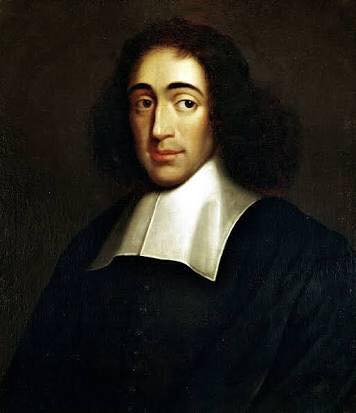
Spinoza has probably the coolest name of any philosopher. But his work isn’t widely known, although some rate him as the greatest philosopher of all time. In his own time he was considered a heretic, although he was a deeply sacred person and thought we misunderstand the sacred. His Ethics is one of the great works of all time. In his spare time he loved grinding lenses, which may have actually killed him at 44, from silicosis. A tiny sample of his ideas: “Those who wish to seek out the cause of miracles and to understand the things of nature as philosophers, and not to stare at them in astonishment like fools, are soon considered heretical and impious, and proclaimed as such by those whom the mob adores as the interpreters of nature and the gods. For these men know that, once ignorance is put aside, that wonderment would be taken away, which is the only means by which their authority is preserved.” “Do not weep. Do not wax indignant. Understand.” “The more clearly you understand yourself and your emotions, the more you become a lover of what is.”
Happy Birthday, and we still think you're ok, even though you live in Queensland :)
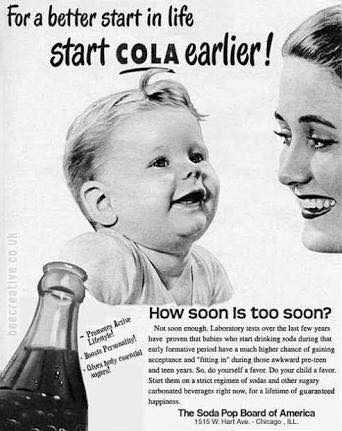
Have been avoiding sugar myself for years now, except in the smallest ways (like birthday cakes). You don't need to do much research to realise it's about as good for you as smoking. But I'm not a supporter of a sugar tax either, I don't think that will work. It didn't work for cigarettes, it just made poor people poorer (they smoke the most cigarettes, and also eat and drink the most sugar). They need to do what people have become too namby-pamby to do - regulate it. It's a biological toxin. Dietitians even are starting to say it (the ones not contracted to the big sugar industry).

It’s maybe a sign that things are starting to swing around that they’re talking about raising the dole, after decades of bashing the unemployed as bludgers. If a bludger is somebody receiving government money while doing no work, the boomers as an entire generation are two laps ahead of the unemployed, and have been this whole time. They’re getting truckloads more from the government than the dole, for nothing. A few prominent boomers in this piece saying exactly this, so it’s not about envy, it’s about corruption and social justice, and making sure societies actually work. Just hoping some other boomers get their snouts out of the trough long enough to take notice. (They may not see it, they may be on one of their regular overseas jaunts, funded by the taxpayer.)
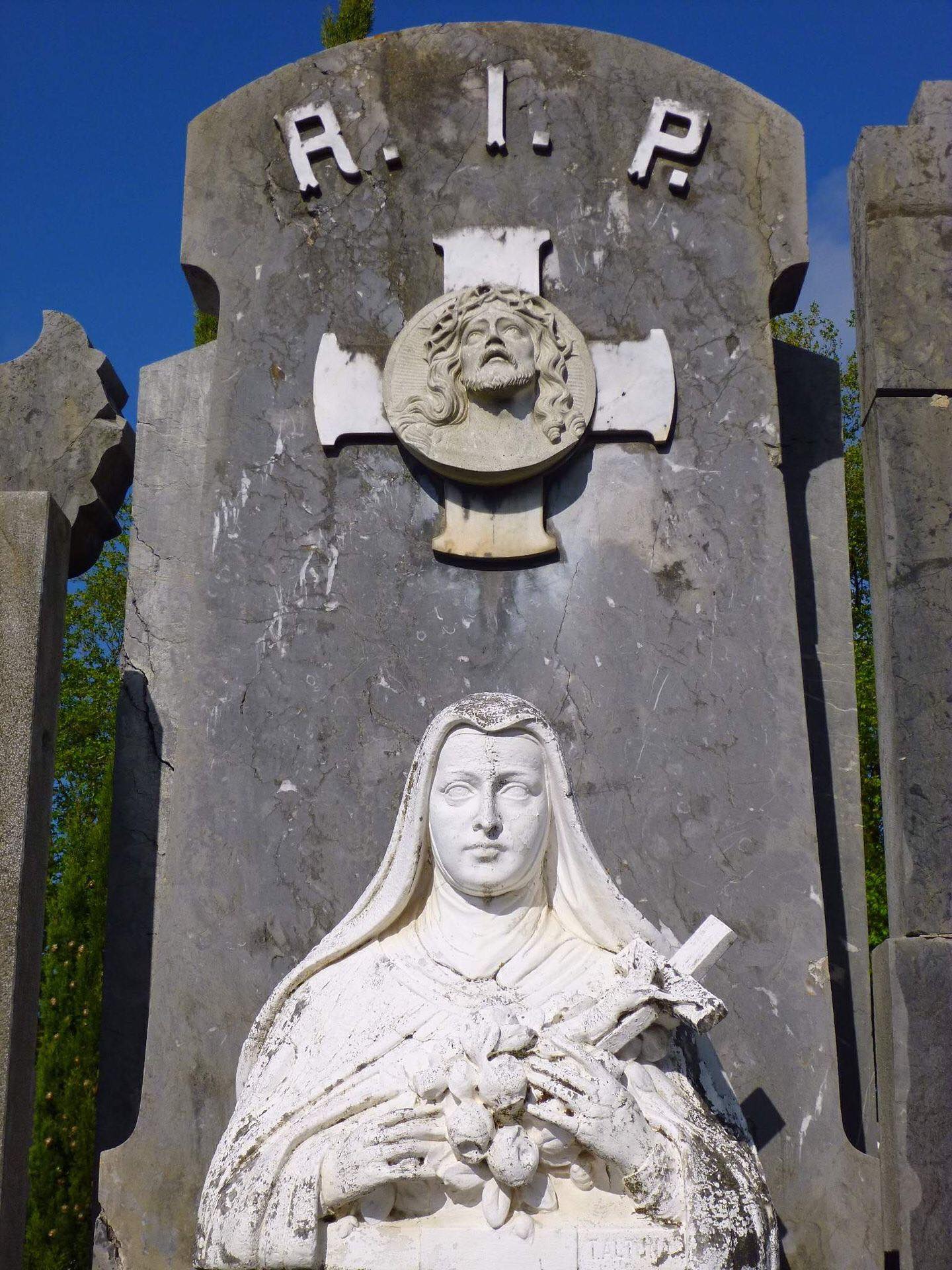
Every night we all ‘rest’, after our days, as we sleep. The traditional Rest In Peace has usually meant our souls and/or bodies resting in peace, for eternity, with Christ or God. But what if there’s a much more literal way to understand this? A way that might unite the ‘religious’ and ‘non-religious’? Why do we sleep? Sleep has been medicalised in our time, and I think that’s sent us backwards in understanding it. I think we sleep because sleep is where we return each night to the vast ocean of possibility out of which we came. Time is literally suspended, we re-enter the eternity of all times, our past never leaves us, we can relive it at any time, for example in our dreams as we sleep. We don’t understand time, it doesn’t flow like a river, when we sleep we experience eternity, literally and directly. Dreams are not movies in our heads. Whereas our days are narrow, focused activities, just one thing out of the millions of possible things we could do. That narrowing exhausts us, it’s hard work, and so every night we return to the eternal, to recharge. Death is just the next step along, a permanent return to the eternal, with no more of that daily narrowing. We already ‘die’ every day, when we sleep, death and life are not separate. We Rest In Peace every single day of our lives, the eternal is right there with us in every moment, even a daydream takes you back into it.
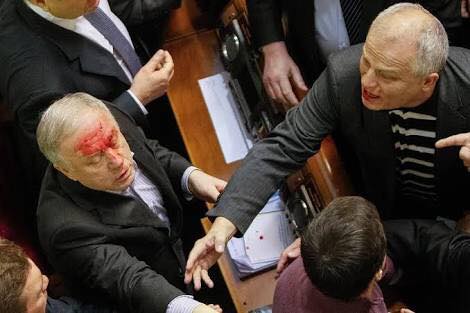
I love parliament, and I despair of people wishing politicians would be ‘nicer’ to each other. Paul Keating once said politicians fight so that people on the streets don’t have to - that’s real wisdom. (The picture shows that they literally do fight, in the parliament of the Ukraine.). In countries where people fight on the streets, there is no real parliament. If your parliament isn’t fighting, if your pollies are being super nice to each other, it just means the real horse trading is going on somewhere else. We shouldn’t wish for happy loves and hugs from politics, we have politics so that we can happy hugs and loves at home. Society has to fight out its differences somewhere, I vote for doing it in parliament. Or as Charles Péguy once said: “Tyranny is always better organized than freedom.” Freedom will always be messy. We’ve lost the stomach for real fighting, and so injustices and inequalities go unchecked. We want happy and peaceful lives, but we also want happy and peaceful politics. You can’t have both. All the differences between us have to be sorted out somewhere, by avoiding doing it ourselves, we just escalate it up to politicians to do for us. Which is fine, but then we shouldn’t be hypocritical and criticise them for fighting.
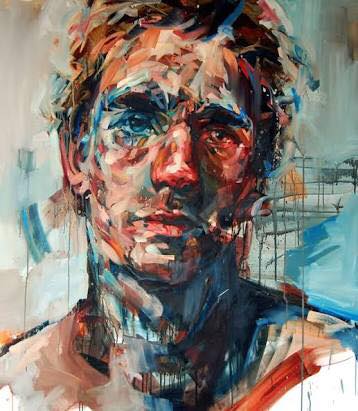
I don’t think we really understand well enough the magic art does. If we see a painting, for example, we often take for granted the resemblance between the art and what it’s a painting of. But actually, it’s quite miraculous, that we can take something like paint, and ‘capture’ something in the paint that is not itself paint, like a human head. How does that magic happen - that an art material can suddenly capture something that isn’t made of that material? Art works with percepts and affects. Percepts are perceptions removed from the context of the person perceiving them, so they then have an independent existence, on the canvas for example. The canvas and paint become the new ‘body’ of that perception. The same for affections - feelings. Art creates affects, feelings removed from the context of the person who felt them and now embodied in the paint and canvas. (Music does the same, it creates percepts and lots of affects, as does sculpture - all art does.) Art creates actual beings of sensation. Which is what allows us to share what we perceive and what we feel, the art makes it shareable. Which is also why I think art is not ‘subjective’, its objective job is to create these shareable beings of sensation. Life would be impossible without that work, we would not be able to share anything about the human experience with one another or learn from each other. Often paintings that are not ‘neat’ are the most powerful, like the one below. There you can see how the sensations are literally now embodied in the paint, sometimes only in small random looking strokes.
How to spot a culture warrior of the alt-Right. Every sentence ends in exclamation marks!! Yes, every sentence!! (alt-Right was apparently short for 'alternative-Right'. But I see that alt-right arrow on a keyboard is a shortcut for 'going forward' too. Not sure where the alt-Right is going forward to, but I'm guessing somewhere like Bermuda, without a lot of taxes.)
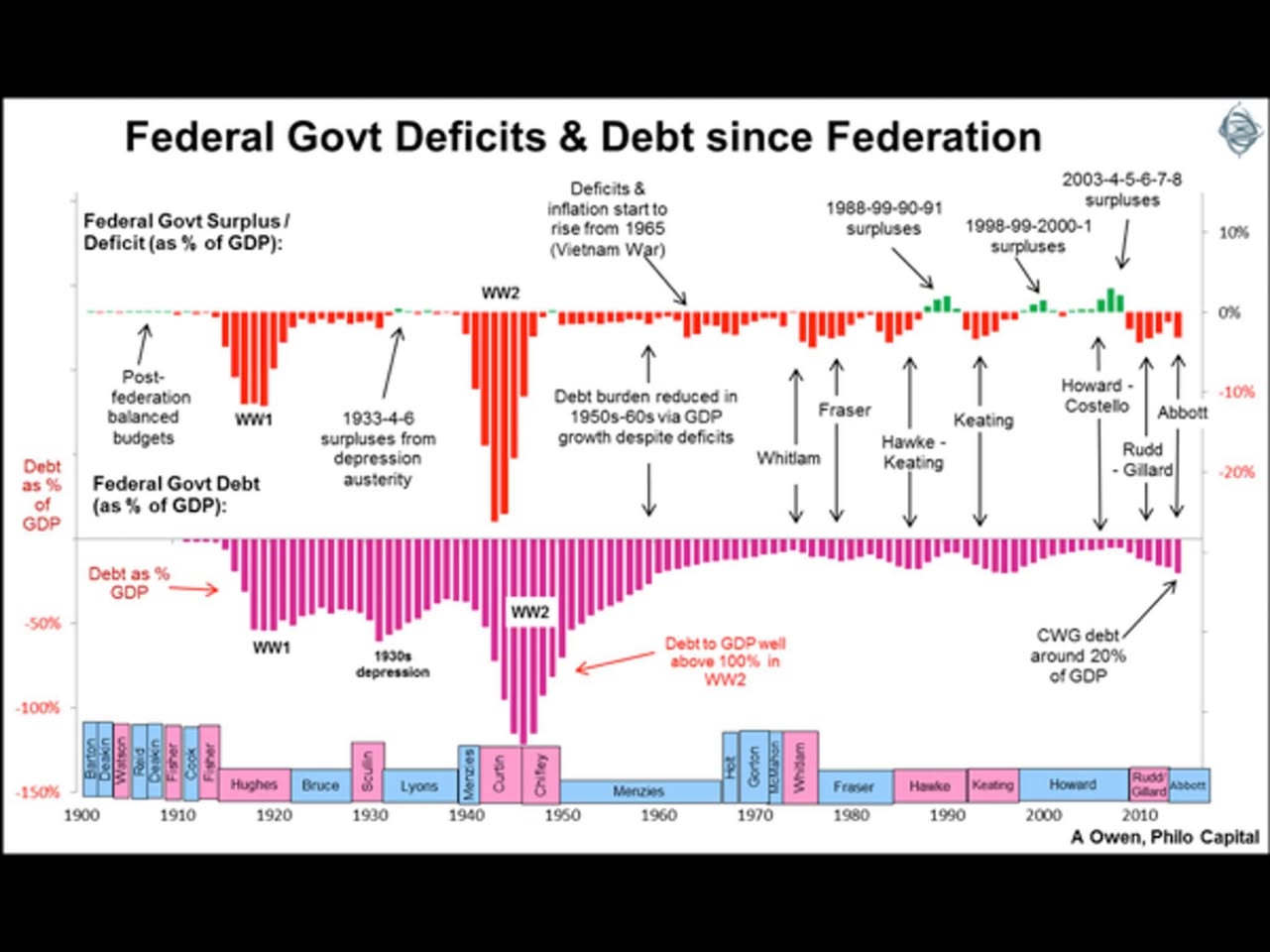
Budget day tomorrow. Know how they say governments should ‘balance their books’ and not have debts and should aim for surpluses? It seems right, because it’s how we as individuals and families have to manage budgets. But government budgets have nothing - literally nothing - in common with household budgets. Look at the graph of Australian government debt over more than a century. If you see the massive debts piled up in WW1 and WW2, and then see them disappear soon after you might think, “we must have paid off the debt”. We never did. Government ran deficits in those times too. And yet government debt all but evaporated. Most developed countries have run deficits pretty much non-stop for more than 300 years. If that seems counter-intuitive it’s because what we hear about government debt and surpluses and deficits is total, utter, crap.
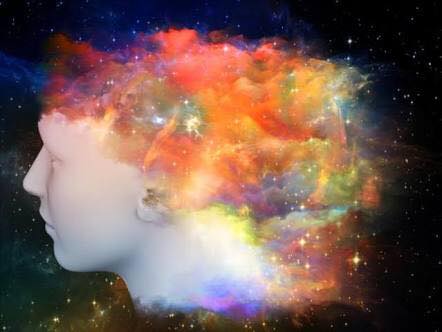
Why do we dream? And what are they? This picture is a bit New Age, and that’s not my thing, but actually it’s a representation of dreams I quite like, because it portrays dreaming as a movement out into the universe, rather than a movement into some private cinema in your head. There are some amazing things about dreaming I’d love to discuss, but first I’d be interested to hear what other people think of dreams? What are they? Are we unconscious in dreams? Are we shut off from what’s around us?
"Historically, the crime of rape is not an offence against women, but an offence committed against men by other men." I think this would be a great piece to use as a springboard for a discussion of consent @[584373168:2048:Peita]?
My view too. If you separate things into work and life, then your life will suffer because you spend most of it at work, and so if you don't like your work - your life sucks. The same as splitting life into work and holidays. If you're living for the holidays, maybe you need a better job.
Budget summary.
People were gushing about this. But I dunno, here’s a thought experiment. If an unemployed person posted “I can’t get a job, would people please donate some money to tide me over”, what would the response be? Serious question, I don’t know the answer, but there’s been a lot of weird stuff sneaking under the crowdfunding radar. This is a type of charity, which is fine, but are we as accepting of other groups of people going through hard times?
Hazard reduction burns. Sorry, yes a pet hate. The ‘hazard’ these burns reduces is mostly the risk of stupidly-positioned homes, in the middle of the bush, burning down if there’s a fire. Property damage. The problem is, they create a far bigger hazard than they reduce - monumental air pollution. Look at Lithgow’s air this morning, every baby, child and adult in town is sucking this crap in, likely shortening many of their lives. Wood smoke is at least as toxic as cigarette smoke, some say it may be up to 30 times more toxic. Over 5.5 million people die prematurely worldwide every year, from air pollution. So...should we just let stupidly-positioned houses burn instead? And get rid of wood fires while we’re at it? Just one wood or coal fire can pollute an entire city block. This shit matters.
Waleed nails it. BUT this was recorded before the budget, and the scale of the tax cuts is more than double what he’s talking about here. $140 billion. It will bankrupt Australia, and in the process ScoMo has now introduced a flat-tax system, which will make all of these problems even worse. The $140 billion will be afforded using projections that are all rubbery, if not outright fairytales, so the tax cuts are locked in, there just won't be any money to pay for them (the same incompetent trick Peter Costello did as Treasurer). So then more government services will be slashed, and you and I will pay more out of our own pockets.
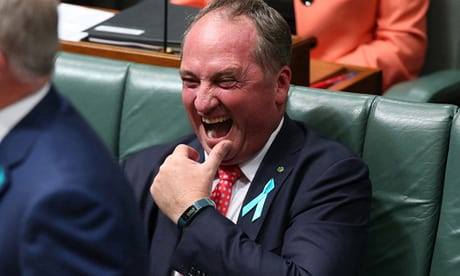
"Governments don't have any money, they only have your money." (Barnaby Joyce, Sky News Live, this morning.) The sad thing is people actually think this is true. The opposite is in fact true.
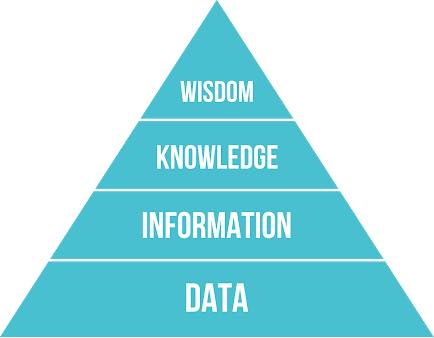
The knowledge pyramid is a famous way of representing how knowledge becomes wisdom. It’s superficially appealing, but is another example I think of how our tools shape how we think. IT people love it because it’s really more of a description of how IT systems work than it is of how knowledge works. At the same time the idea that we live in an era of ‘knowledge explosion’ is also a fantasy, a fantasy that creates a lot of anxiety and also ridiculous ideas about education, such as the one that says education should just be giving students skills to navigate this knowledge explosion.
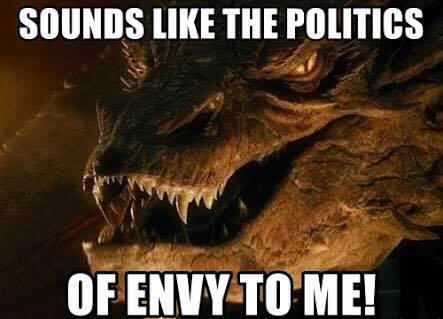
What do people think about “the politics of envy” as an idea?
The cerebral mystique. There’s a lot of it about. “The more we feel that our brains encapsulate our essence as individuals, and the more we believe that our thoughts and actions simply emanate from the bundle of flesh in our heads, the less sensitive we will be to the role of the society and environment around us, and the less we will do to nurture our shared culture and resources – whether in the context of criminal behaviour, creativity, mental illness or any other aspect of human life. The brain is special because it does not distil us to an essence, it unites us to our surroundings in a way a soul never could. If we value our own experiences, we must protect and strengthen the many factors that enrich our lives from both inside and outside, so that as many people as possible can benefit from them now and in the time to come. We must realise that we are much more than our brains.”
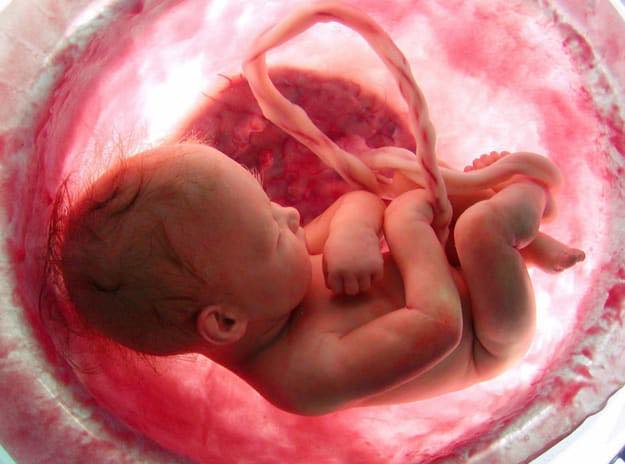
Somebody once taught me that we are born old, and we get younger every day we live. And I understand it now, every baby is the folded times of all of its ancestors, carrying their histories within it. I’m typing with my father’s hands, I see them right now. Our lives are all of the ways we cast off from that history and add new layers to it, moving against time, adding new connections. Which in turn will be folded into our children, who will be born even older than we were at birth.
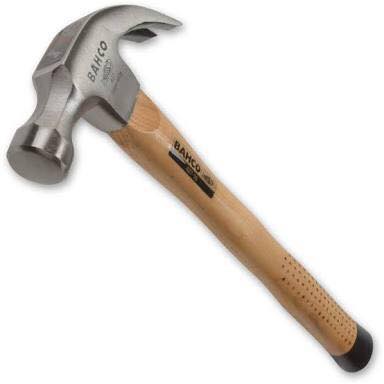
Time is fascinating, so I post about it a lot. We grow up taught that time is like a river, flowing into the future in each present moment, with each present moment then becoming part of the past. It’s not how time works. Check out this hammer. The wood of the handle might be 50 years old. The metal in the hammer head might be a billion years old. The lacquer on the handle, made from fossil fuel derivatives, might be a few million years old. Or in your body, some of the cells replace themselves every few days, others over weeks, others over years, others never at all. So it’s a bit of an illusion, the ‘present’. Whether it’s a hammer or your body, different bits are living completely different times, different presents and pasts and futures. Which is pretty cool.
Interesting.
Anthropologists have been studying how humans use objects. Take a soccer ball as an example. Without the ball the players would just stand around on a field chatting, but with the ball suddenly there’s a hugely complex set of ongoing relationships between them. The ball helps to shape that activity, it isn’t passive. You could try to say the players add all the complexity to the game, and the ball is just a tool, but the properties of the ball have a huge role in shaping the game, using a rugby ball or medicine ball would create a totally different game. Some anthropologists now call objects quasi-objects, used by quasi-subjects. By which they mean the objects and subjects shape each other, continuously. It’s not a coincidence that most of what we call human culture - language and knowledge - emerged at exactly the same time as we started using objects.
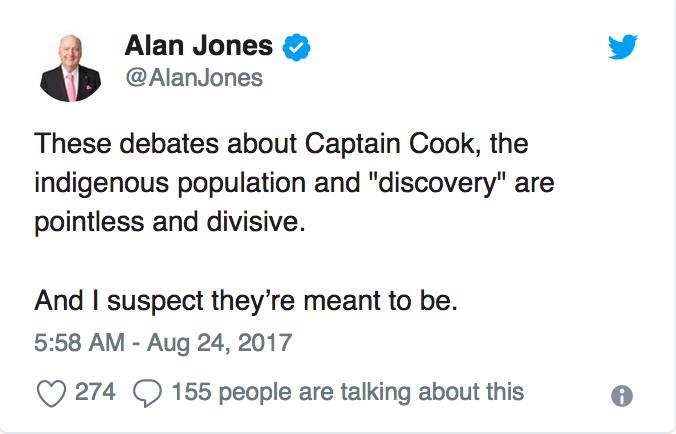
Couldn't agree more Alan. It's obvious Cook didn't discover Australia, he wasn't even the first European here.
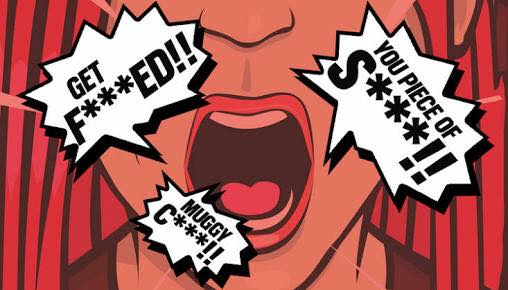
Watching old movies makes me think about how much language has lost power. Paradoxically the proof is in how accepted and even ignored swearing is today - 100 years ago telling somebody you found their behaviour unacceptable would have been a forceful act, now swearing at somebody barely raises an eyebrow. Language has lots its power. I reckon this has happened because social life itself has lost a lot of its sophistication. Language has power when ‘manners’ - social habits - are in place; the manners give you a foundation for the words, just like a Stop sign only works when you’ve already built up driving habits in drivers. Without manners, language has to get stronger and stronger to have the same effect, because you’re working off a zero base of behaviour.
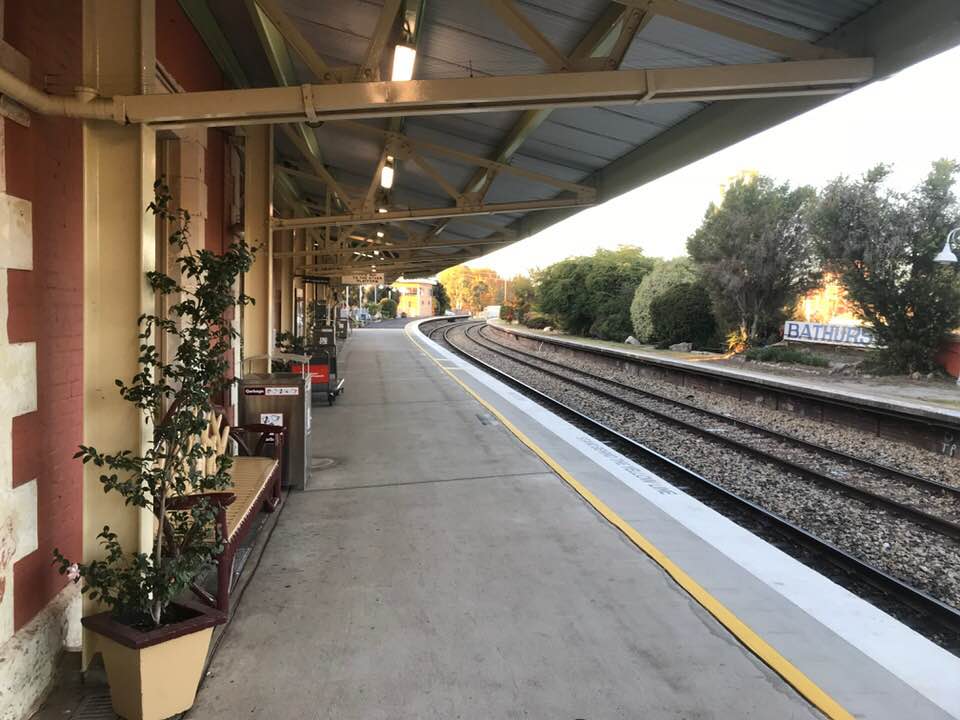
Sitting at the station in the afternoon reminds me of the many beautiful things cars destroyed.
Like a dog returning to its vomit, I’m back at cars. There’s still more to do. We need our networked villages back. Try walking where you live, be it town or city, and just listen, and you’ll notice we’ve become used to the constant noise of vehicles. It’s not just our spaces that have become ruined, it’s the filth in the air and the constant, relentless noise that has destroyed our living spaces. “Larson, an architect by training who now works on futuristic plans to adapt urban centres for the 21st century, said that the overriding mistake of last century was building cities around cars.”
Hapy birthday mate. 500kg of leg lifts to celebrate? ;)
Happy Birthday Sam! :)
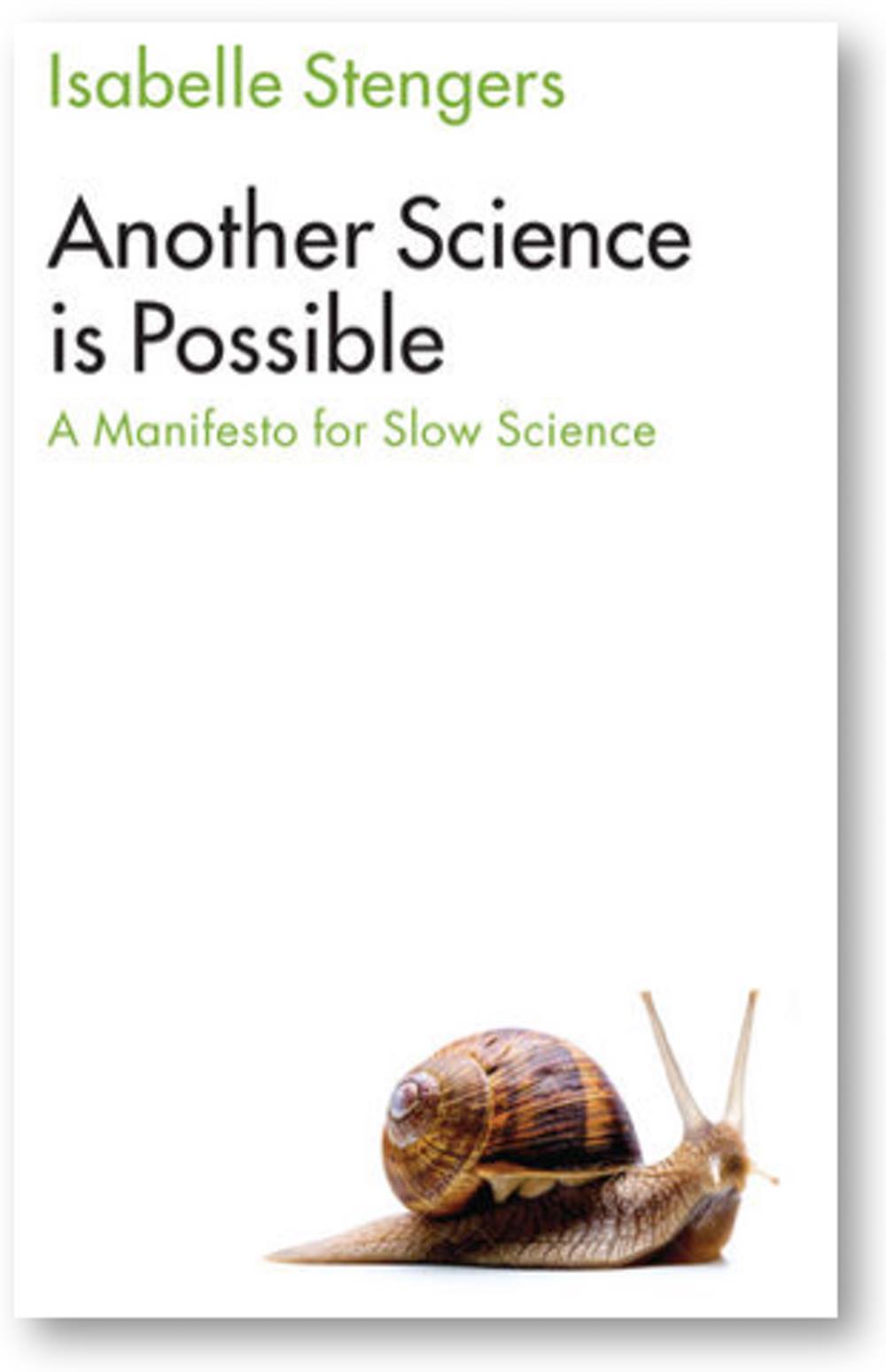
A few book reviews. This one is a must-read if you're interested in science and how it works, and what it needs to do to stay relevant to people. Stengers is a world-class thinker, who in this book looks at how 'fast' science - science driven by publications and status rather than actual relevance to people - is destroying science itself. And how science can only survive if it goes back to having conversations with ordinary people again, not to 'popularise' it but to make it a living, breathing enterprise again. Ordinary people have ideas science needs, science has lost its connection with everyday knowledge.
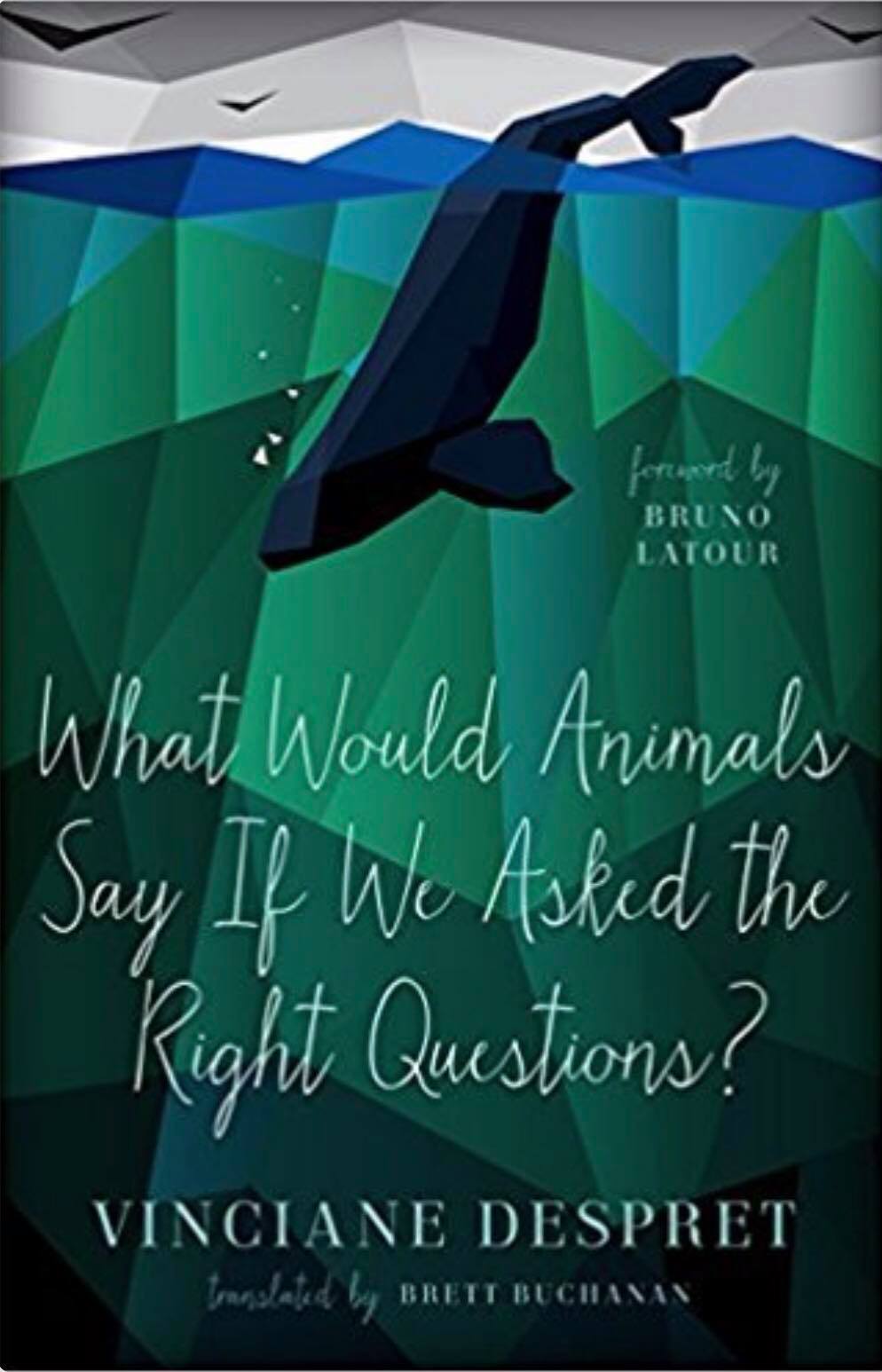
Book recommendation 2. This one is a corker, about how animals are far more interesting than we think. Humans have so often started with the assumption that they are smarter than animals, that animals have limited or no intelligence, or even sentience. Possibly all that is unique about humans, as animals, is their stupendous vanity.
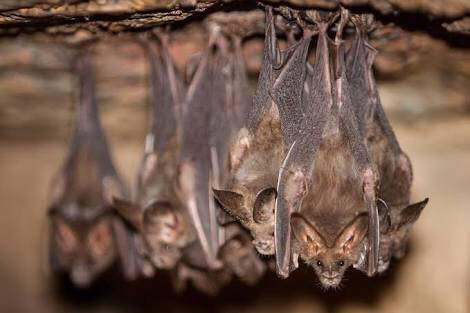
The history of all life on Earth is likely the history of microbes. The animals and plants and fungi etc. we see as living things are likely just created by microbes and act as temporary homes for them. It’s why we and animals and plants get sick from microbes, that’s just microbes continuing to create new life forms. Bats might have achieved something unique. It now seems that the number of microbes they carry, which can be lethal to other species like us, don’t affect them much at all - they may have become one of the first species to find a way to live in a dynamic equilibrium with such a large number of microbes. All species do that, but bats may be the masters. It’s not actually in microbes’ best interest to kill you, they lose a home, but getting the balance right is tricky. Bats might have cracked it better than anything else.
A very good question!
Happy Birthday!! May the Bull be with You.
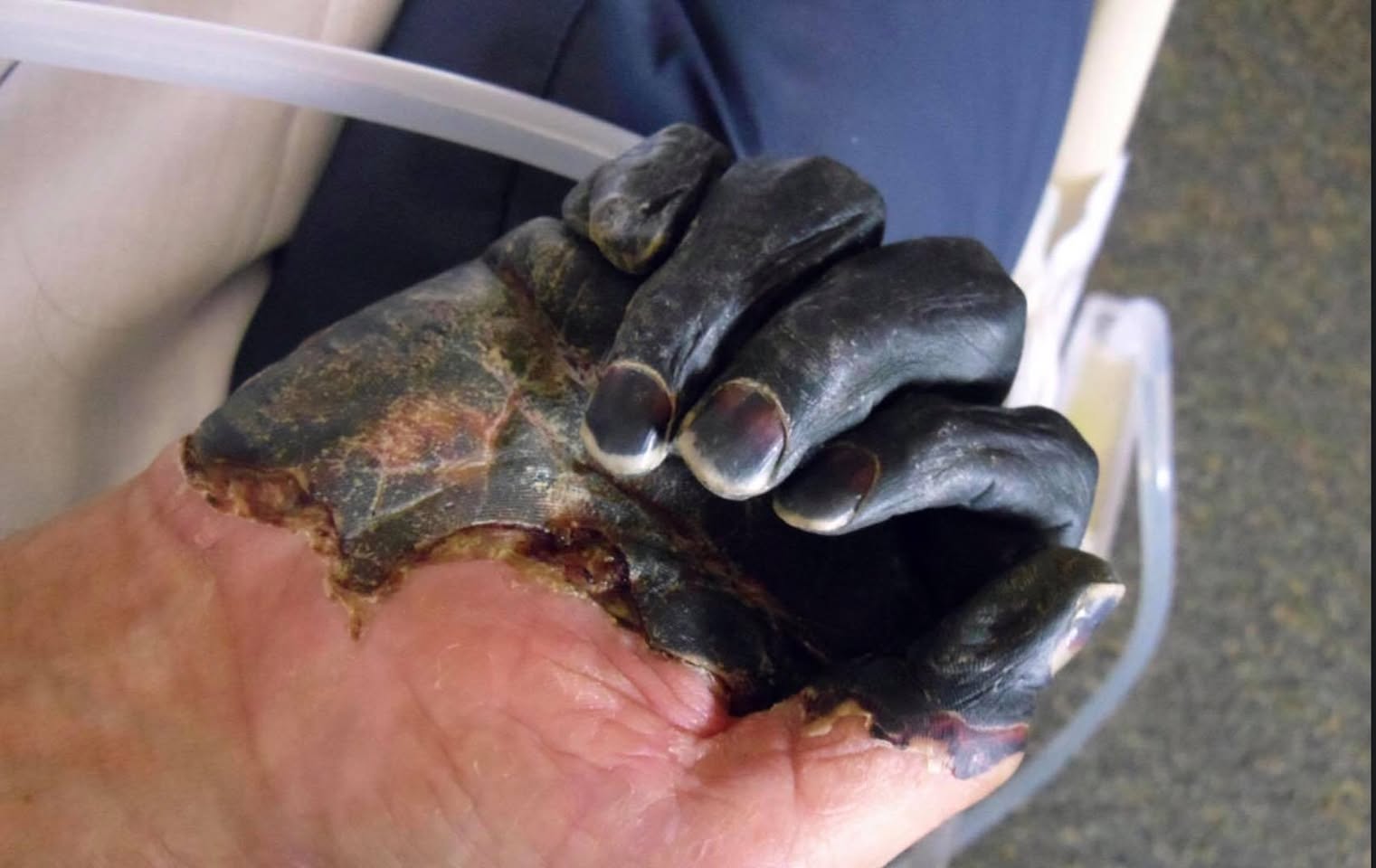
Sorry if you’ve just eaten. This is the Black Plague (it really is black), alive and well in the 21st century. This man had removed a mouse from his cat’s mouth, to stop the cat from choking. The reason I posted this is my passion for microbes, and I suspect seeing something like this is one reason we approach microbes the wrong ways. Plagues destroy all social distinctions. It doesn’t matter how rich or poor or powerful you are, plague will get you. They’re great levellers. But we think plagues are a problem with microbes, and lose sight of the fact it’s the social distinctions that are mostly responsible. Microbes are living things, in fact the only living things (we are just colonies of microbes). The reason they become virulent it’s now thought is not because they’re nasty - they NEED us as hosts - but because we give them the social conditions that favour virulence. Like hospitals or aged care facilities, if a microbe sees many other potential hosts nearby, it will become more virulent because it doesn’t lose much if it kills you, it can easily skip to a new host. Outside those crowded conditions, the same microbes don’t have virulent strains, and cause few problems. So poor social conditions - crowding etc. - create virulent microbes. And then we get epidemics, pandemics and even plagues, which smash those restrictive social conditions; they’re actually a corrective, though you won’t think that if you’re one of the poor victims.
Everybody experienced the Laurel vs Yanny debate now? (It's all Laurel for me.) The explanations given by audio types, where they pull the track apart and show two voices at work here, don't really wash with me. Older people I know hear Yanny, even though their hearing is likely less sensitive to higher pitches, and vice versa. So i think the explanation around hearing pitches is bunkum. Another example of where we base our understanding on the tools we have - in this case audio software - rather than on what might actually be happening.
Boo hoo? I think betrayal is the heart of not just social life, but of all of reality. In love, we hear what we want to hear and project what we want to see, onto the people we love. Friendship the same. A new road through a town is great for the town, but at the same time betrays it by making it easier for passing traffic to drive by. Steel reinforcing in a concrete building makes the concrete flexible but then corrodes and destroys it. After enough days of having delightful guests, everybody can’t wait to go back to their own homes. Etc. etc. etc. Betrayal is the root of everything because difference is the root of everything. I don’t think it’s cynical or bad news to recognise it, what I think it means is that we always have to create things anew, every day. We have to make our love real in practical ways, every day, maintain our roads and buildings, keep ourselves interesting and useful to our friends. Betrayal is a lazy assumption, that things should just keep going how they currently are, without work.
Often great mysteries in life are in simple things. Like the scientific concept of 'mass'. You can define just about anything else in science clearly, but mass is different. The best even scientists can usually come up with is 'stuff'. I think there's something pretty mysterious and profound about why that is. It means this is one of the foundations of modern science, the taken for granted assumption that is then left out of all the theories and facts. So...what does it mean that science decided right from the start to not try to define what mass is?

Proust says we only become moral when we’re unhappy. What he meant by that was that (and I agree) in most of our lives we rarely stop to act or think ‘morally’. We certainly evaluate most situations we’re in, but we don’t think, hmm, time for some moral reflection here, better dust off my moral principles and apply them. Proust says we only set up a distinction between how things are and how we think they SHOULD be - moral thinking - when we’re unhappy with how things are. So that thing we call explicit moral thinking is really just us trying to rationalise things not being the way we want them to be. He’s not a cynic, we all value things, it’s the core of who we are. But those values are not the explicit ‘morals’ people mean when they talk about morality. We don’t really express our values either, we live them - we are what we do, not what we say.
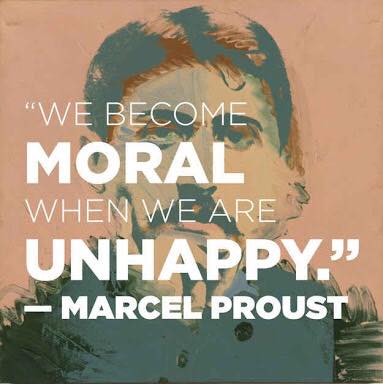
The same set of ideas (betrayal and love), but viewed from another direction. Proust again because there's nobody better for this, I don't think, Peita, Kyle, Kato. He can appear the most heartless cynic, but like all geniuses he's challenging our deepest assumptions, and pointing to something important. He was all for love, affection - all the nice things - he just didn't think we often understood them.
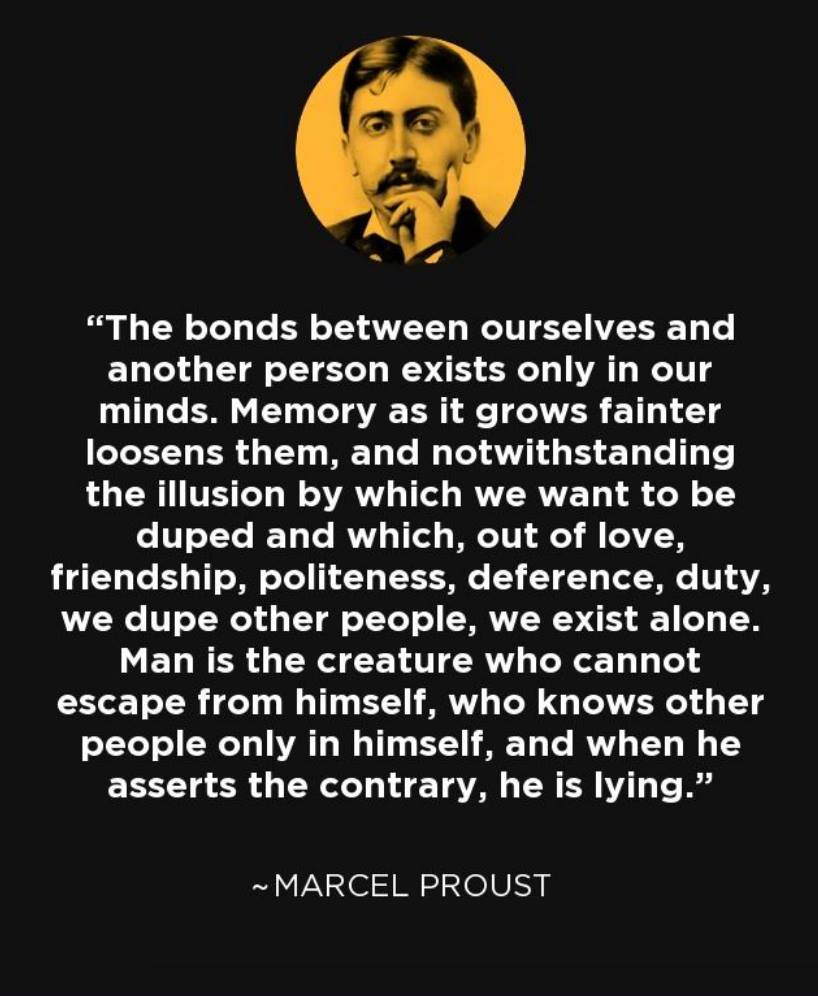
More love, because it’s a lovely topic. Proust is valuable because he allows us to strip away what Greer called the ‘wretched cant’ of love. The self-motivated projections we put onto other people, that are really about us, not them. Another Proustian insight was that each love we feel for somebody else or they feel for us carries a history of desires within it, all of our past loves. And more than that, we even inherit loves from our parents and their ancestors, we learn how to love from them, and so the series of loves that make up our lives go back generations, our relationships are in part still all the relationships they had (which we know about trauma, that it passes down, but we rarely think about love being the same). When we love or are loved, it’s a crowd of people there, not just two. “For what we suppose to be our love or our jealousy is never a single, continuous and indivisible passion. It is composed of an infinity of successive loves, of different jealousies, each of which is ephemeral, although by their uninterrupted multiplicity they give us the impression of continuity, the illusion of unity.”
I thought the speech had some genuinely powerful moments. But overall it seemed self-indulgent, bordering on crass at times, next to the sophistication of some of the rest of the service. I have no doubt some found it refreshingly informal, especially in the US, which has often seemed to misunderstand the difference between formality and tradition. https://www.msn.com/en-au/news/world/the-surprise-star-of-harry-and-meghan’s-wedding-bishop-michael-curry-from-chicago/ar-AAxwOkJ?li=AAgfYrC&ocid=mailsignout
Are you a monarchist or republican? Or something else? And why? I edge towards constitutional monarchy. When we look at kings and queens and their children, we see only a tiny tip of all of the traditions that monarchy embodies. What puts me off republics: loss of a measure of quality outside what humans decide, the loss of tradition and inter-generational thinking. I watched the royal wedding not because I cared about the wedding, but because of the rich traditions on display going back centuries. Those traditions stretch into society far beyond just that top royal level. Republics lose that a bit I think, they focus mostly on power and the present day. And most republics try to reinstate that sort of magnificence and tradition anyway, the US President is as Royal a figure in the US as the Queen is in the UK. But they tend to do it without the same link to tradition and institutions. The Royal Seal of approval is applied to everything from making cheese to making dresses, and represents a marker of quality, quality based on long tradition. A monarchy like we see today stretches to every level of society. And despite its flaws, the whole aristocratic system of Dukes and Earls etc. had at least some sense of mutual obligation built into it, the aristocracy were thought to have some degree of responsibility for those who worked for them (even if they didn’t always observe it). You don’t see much of that from the modern business-driven world. Humans will always have hierarchies, it’s best to have ones with mutual obligation and tradition built into them.
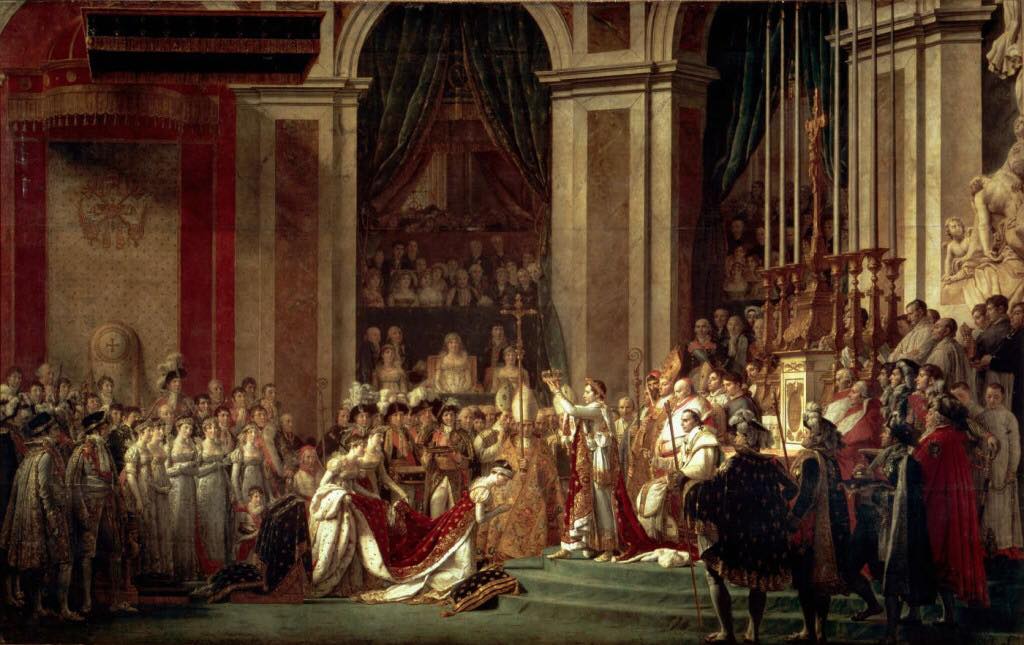
I may be one of the few weirdos who watches the banking Royal Commission, but the guy Westpac put forward today - seriously hopeless. Embarrassing, a train wreck.
Because everybody loves Proust. Another of his insights, both the past and the future exist in the present, not before and after it. They exist in the ‘qualities’ we experience in the present moment - the sounds, the smells, the tastes, the colours etc. Proust said we think qualities are like decoration for the things in the present moment, but actually they’re the way the past and the future occupy the present. Which isn’t actually hard to see I think, as in this quote, we might feel a foreboding, or experience an anxiety (a direct experience of a future to come, or a past that was, respectively). Or we lie to a lover, and that lie is the direct present expression of the future break-up.

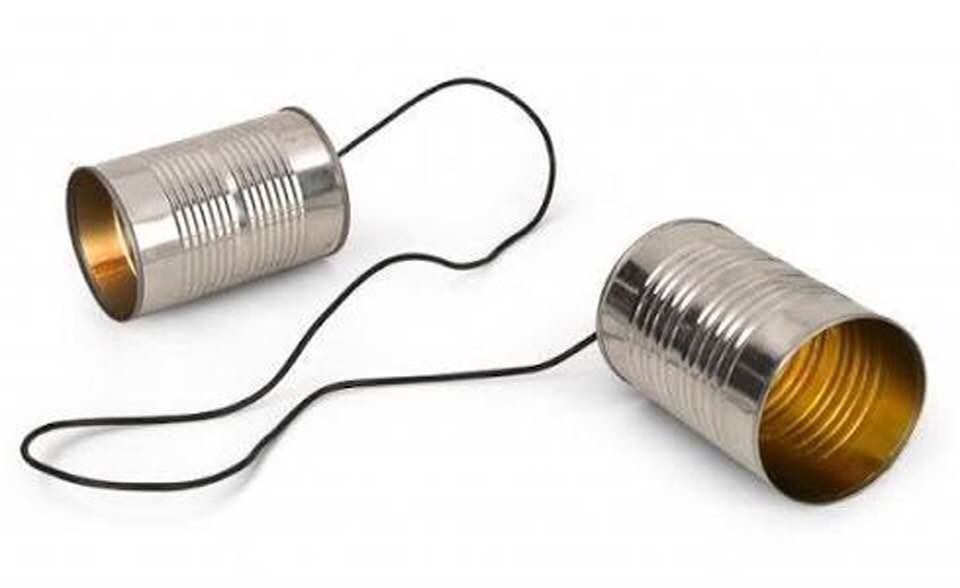
I love the term ‘telepresence technologies’. Like telephones. They don’t just transmit sound, they transmit presence, if you watch somebody talk on the phone they’re animated in a similar way as if the person they’re talking to was sitting next to them, they’re not just hearing sounds. That’s a bit miraculous? How does presence move down a phone line? Maybe we don’t understand presence and the boundaries of a person very well.
Bye Jervis Bay, was nice knowing you.
Is there a morality of marketing Peita? Serious question, it’s easy to judge things like this in hindsight, how does morality enter everyday marketing conversations?
Why do fashions change? Have pondered that for years. And now I think it’s pretty simple, all human behaviour is based on one thing - imitation. Humans imitate, in every walk of life. So this article has an interior designer saying “I guess everyone just got sick of the minimalist trend – I know I did.” That’s how fashions change, people imitate one another, and then those who want to buck the trend go for a contrast from the norm - which is just another form of imitation really. To consciously go against the fashion is itself a type of imitative fashion. I was born in the 1960s, and grew up in the 1970s and 80s. The 60s and 70s were hugely colourful, in clothing and interior design, and in music. Then in the 1980s we moved to pastels, muted colours, and by the 1990s everything looked like a colour TV set with the colour turned right down (the interiors and clothes on Seinfeld). Now in the 2000s we’re at greys and whites, minimalism, and house design has for a while been about the old modernist box, open plan, knock all the interior walls out, minimal ornament or colour etc. But now, as the article says, the counter-imitation is on, and colour is starting to come back. Within a decade I bet home renovation shows will be entering the houses built now, and saying “where’s the colour, where’s the ornamentation? And where are the walls, all this horrible open, loud space?”
I never win this debate, but it’s been a while. HECS. University students pay a contribution for their degree, once they enter the workforce. This is usually justified by saying they tend to get higher-paid jobs, so they should be expected to contribute towards their education. Why I’ve always thought this is rubbish. - what if a graduate doesn’t end up earning more than other people? They still pay the extra tax. - why do many tradies not only pay no HECS, but are also paid while training? University students are not paid for studying. Many tradies earn even more than university graduates as well, often much more. - ditto for elite athletes, whose training is paid for by taxpayers. - anybody who earns more already pays more tax, in a progressive tax system, why single out people who have done higher learning to pay even more tax? HECS is a big middle finger to learning, that’s all. Introduced by my favourite people, the Boomers, who received it all without charge.
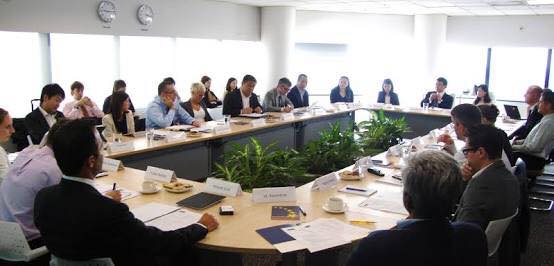
Who hates committees? Pretty much everybody. But committees in some ways are the heroes of modern life, it’s a fascinating history. Particularly after the Great Wars enormous effort was made to develop meeting procedures for not just organisations, but for all sorts of public associations too, like sporting clubs. There was a recognition that people always need to decide things as a group, at every level of society, and to do that they needed rules. Committees do most of the heavy lifting of democracy, in the vast middle ground between parliament and our individual lives. Many of us hate politics and politicians, and yet struggle to find a way to agree with even a handful of people on a committee - is it us that is the problem, not the politicians? Decisions have to be made somewhere, somewhere society’s compromises have to get made.
Patterns appear, and nobody plans them or designs them. So they’re pretty mysterious, but maybe also the secret to understanding society, because society is these patterns. They’re not designed or planned by individuals, or by groups. They just happen. For example: - cities all have the same structure and patterns, no matter the culture - our shopping follows patterns which no one or no group designed - there are patterns of TV viewing, music listening, film watching, car buying....etc. - fashions are patterns - statistics and analytics can find patterns in everything we do. I think we need to understand patterns, where they come from, it’s an amazing story.
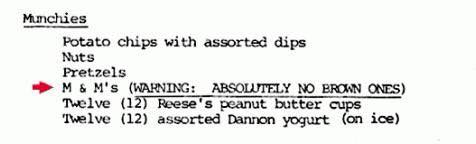
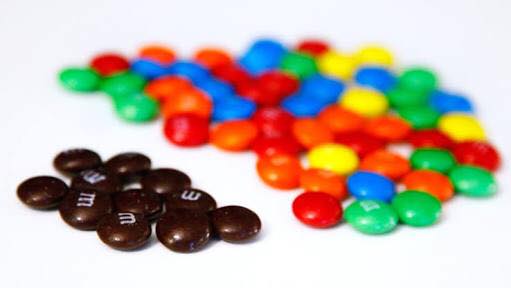
We need more creative thinking in how we manage agreements and disagreements. Van Halen shows us the way. Their famous agreement with promoters specified there were to be absolutely no brown M&Ms in the candy supplied backstage. This story has been used to show that rock stars are cretins, but actually it was a genius thing. They played on stages with millions of dollars worth of equipment, and lights weighing tonnes above their heads. They put that rider in the contract to test if the promoter actually read the contract properly. If there were brown M&Ms backstage, it meant the promoter didn’t have attention to detail, and they were potentially in danger. That’s thinking. There are simple and creative ways to get people on the same page.
The ‘force’ of gravity disappeared from science decades ago. Explained nicely with a bowling ball, and some maggots, thanks @[777634111:2048:Andrew]. It’s one of those examples that I think shows we don’t get ever closer to ‘the truth’, like some single objective endpoint, with each new theory. There’s almost no resemblance between this and Newton’s ideas about force. Every theory carries a framework of assumptions, without which the ‘facts’ can’t exist or make sense. But those assumptions aren’t facts. The real battleground of ideas is the assumptions, not the facts.
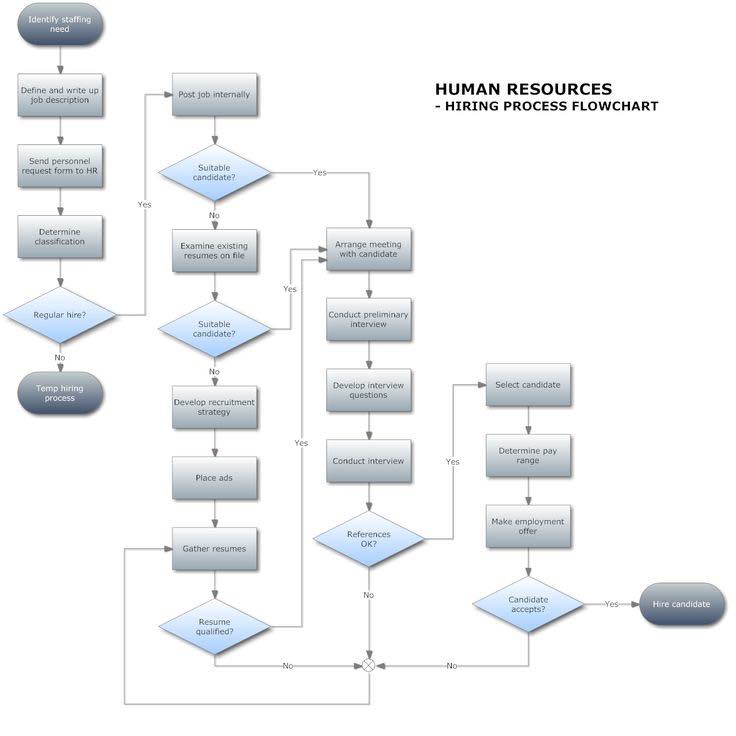
In my experience, organisations nearly all make exactly the same mistakes. (A pattern, if you like.) They try desperately to find a way to get a grasp of everything that’s happening in them, to analyse and control things in some way, but the assumptions they start with mean they always fail, and actually make things worse. Most often they first try to run everything through an org chart. Everything is parcelled off to somebody somewhere in the org chart. This inevitably leads to the organisation doing nothing but having meetings all day, as the work they do crosses all of those org chart boundaries, so splitting it up into those territories means the people have no choice but to constantly meet, to try to reconnect what’s already connected - the actual work. In desperation they then often turn to ‘processes’, as in this flow-chart. There’s a recognition processes cross over the org chart boundaries (they do), but then you get a whole new world of chaos and pain, as people lose any agency or authority over things - the chart takes over. And processes constantly change, so this isn’t a solution anyway, because the second you release a process flow chart the reality will have changed anyway. Another post later about a possible way out of this mess.
Organisations mostly fail because they think there's a 'big picture' that captures the organisation, and they draw up plans and graphs and flow charts and org charts to try to draw that big picture. The problem is - there is no big picture. An example is a better way to explain. You'll often hear senior managers say they shouldn't 'micro-manage', or be 'too operational', meaning they need to focus on the big picture - the strategy and vision and values and culture. But the secret to fixing all of this is to see that in every 'operational' detail, you can find the entire organisation. Unpack it, in the management jargon, and the whole organisation will come tumbling out of that unpacking. It will be the last place people will think to look - they're convinced that you need to zoom out, to take in the big picture, that focusing on details will miss what's really going on. But they completely miss that everything is already there, in every tiny detail, everything is already connected. It's the split between operational detail and strategy and vision and other managment mumbo jumbo that creates the chaos of modern organisations, where the top level sits in endless meetings and retreats, wordsmithing meaningless abstract strategy and vision statements, and the rest of the place sits in more meetings trying to connect these abstract documents with the reality of the actual work of the place. All because of the myth that organisations are split into small things - the specific details of its actual work - and big things - strategies and visions about that work. The details already have the big picture in them. And if you want to see how one of the biggest companies in the world used these ideas to become one of the biggest companies in the world, see: https://www.huffingtonpost.com/charles-duhigg/the-power-of-habit_b_1304550.html
I had a Proust series, now a Whitehead series.
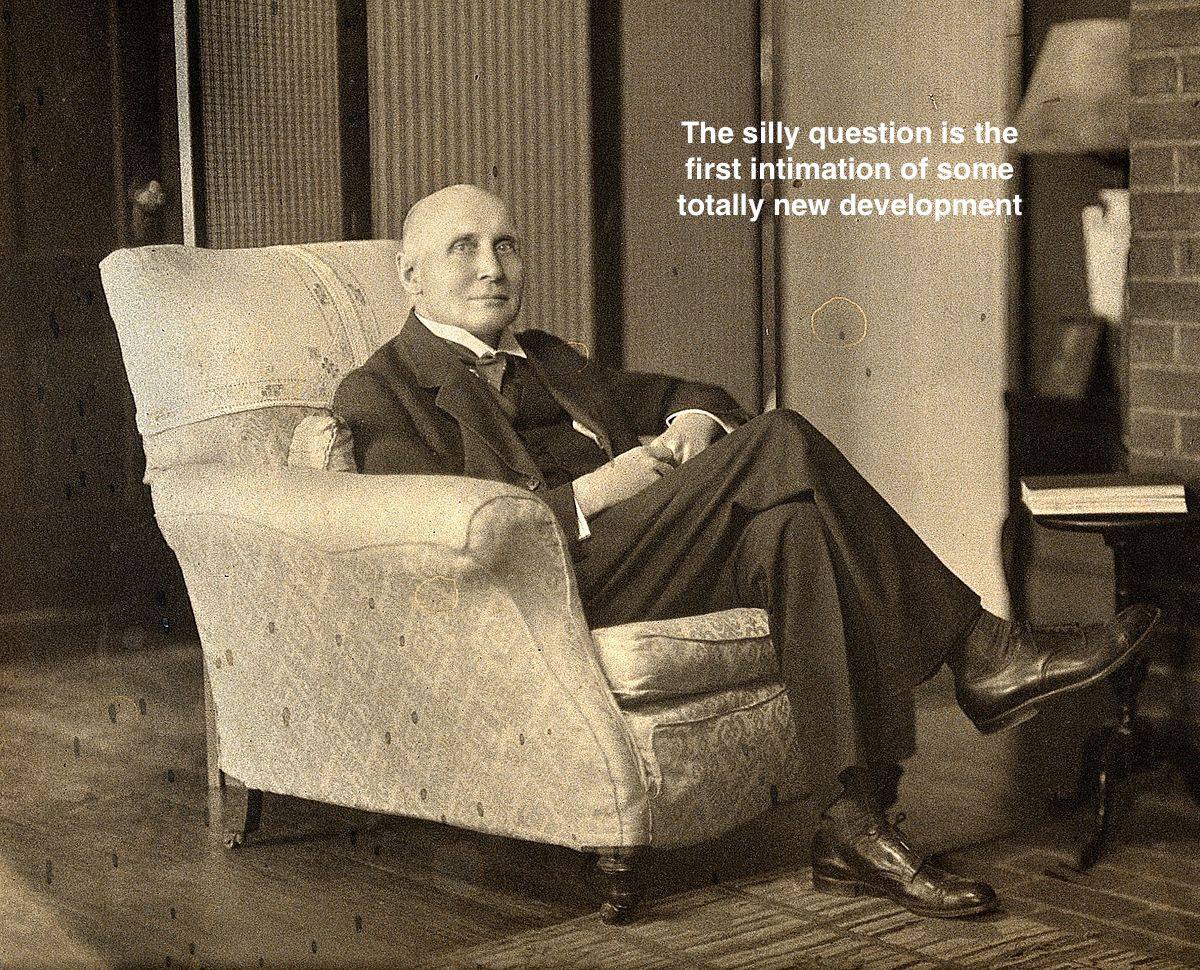
I don’t want to encourage you Kato and Kyle, but...

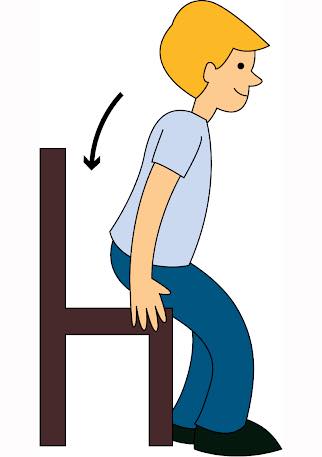
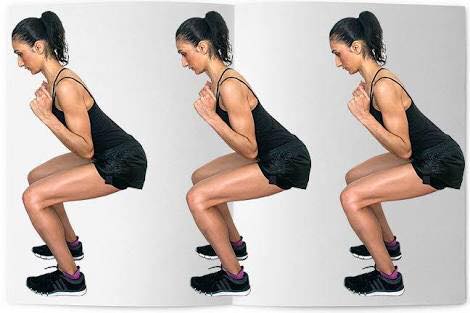
Think yourself fit. Much cheaper and easier than a gym. We each of us have a fair chunk of mass we carry around with us all day, every day. That mass generates lots of sometimes huge forces, doing everyday things that are not even ‘active’ in the way we think of active. Sitting, for example. So we go to the gym to ‘get in shape’, but maybe a better question is - why don’t all those forces every day already have us in shape? I would say - because we don’t use them properly. Just one tiny example. ‘Sitting down’. It’s a really bizarre concept, when you think about it. As in the picture, how can the person go ‘down’, when they’re already on the ground? How can they get any lower than that? Our everyday language and ideas tell us everything we need to know, it’s clear we have a sense of ‘me’ that is just that top half, up towards our head, and it’s this part of us that is going ‘down’ when we sit down. We let that top half drop onto the chair, but our lower half is on the ground the whole time. What would sitting down look like if we didn’t do that? A bit like a squat. People can squat in a sitting position without much problem. Every time you sit in a chair, you can do it like a squat, without letting yourself drop. And there’s a ‘workout’, in an everyday activity. Sitting is really just your body, your whole body, in a different shape, it’s not a going ‘down’.
Neils Bohr, a science giant that many have never heard of. We have so much to learn from him. “The language of religion is more closely related to the language of poetry than to the language of science. True, we are inclined to think that science deals with information about objective facts, and poetry with subjective feelings. Hence we conclude that if religion does indeed deal with objective truths, it ought to adopt the same criteria of truth as science. But I myself find the division of the world into an objective and a subjective side much too arbitrary. The fact that religions through the ages have spoken in images, parables, and paradoxes means simply that there are no other ways of grasping the reality to which they refer. But that does not mean that it is not a genuine reality. And splitting this reality into an objective and a subjective side won't get us very far.”
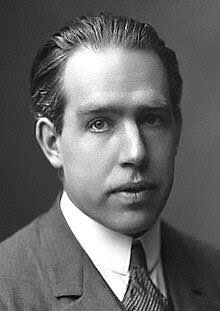
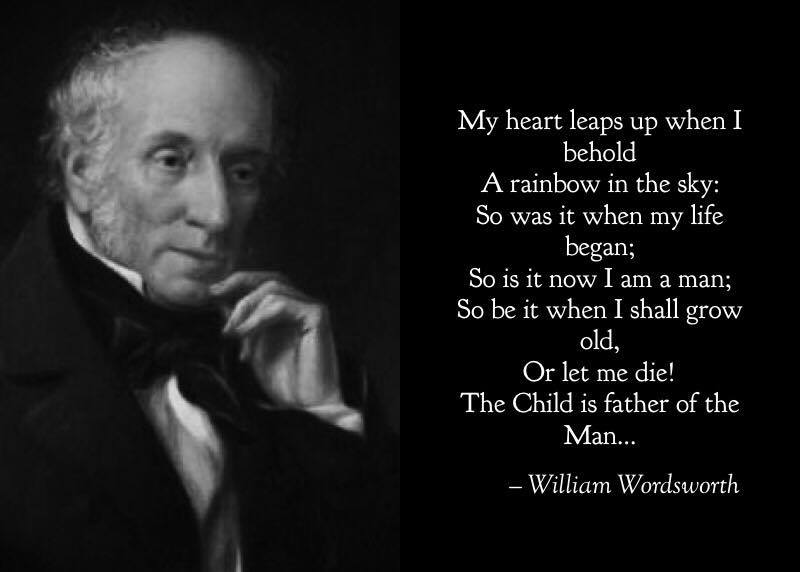
We’re born old, and become young. Who we are as a child gives birth to who we are as an adult. I think we have time all wrong. Children are not really mini-adults, they experience the world in much richer and wider ways than adults do, and they shape our world in profound ways, they don’t wait to ‘grow up’ to do that. How many of your friends for example do you know, through your kids? The kid that was you is still there, as an adult, time doesn’t pass, you just take on more layers.