6 May
6 May · 21:43 UTC
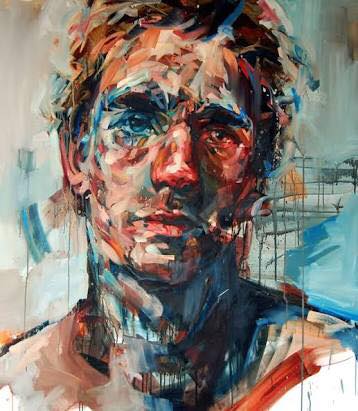
I don’t think we really understand well enough the magic art does. If we see a painting, for example, we often take for granted the resemblance between the art and what it’s a painting of. But actually, it’s quite miraculous, that we can take something like paint, and ‘capture’ something in the paint that is not itself paint, like a human head. How does that magic happen - that an art material can suddenly capture something that isn’t made of that material? Art works with percepts and affects. Percepts are perceptions removed from the context of the person perceiving them, so they then have an independent existence, on the canvas for example. The canvas and paint become the new ‘body’ of that perception. The same for affections - feelings. Art creates affects, feelings removed from the context of the person who felt them and now embodied in the paint and canvas. (Music does the same, it creates percepts and lots of affects, as does sculpture - all art does.) Art creates actual beings of sensation. Which is what allows us to share what we perceive and what we feel, the art makes it shareable. Which is also why I think art is not ‘subjective’, its objective job is to create these shareable beings of sensation. Life would be impossible without that work, we would not be able to share anything about the human experience with one another or learn from each other. Often paintings that are not ‘neat’ are the most powerful, like the one below. There you can see how the sensations are literally now embodied in the paint, sometimes only in small random looking strokes.