21 July
21 July · 22:17 UTC
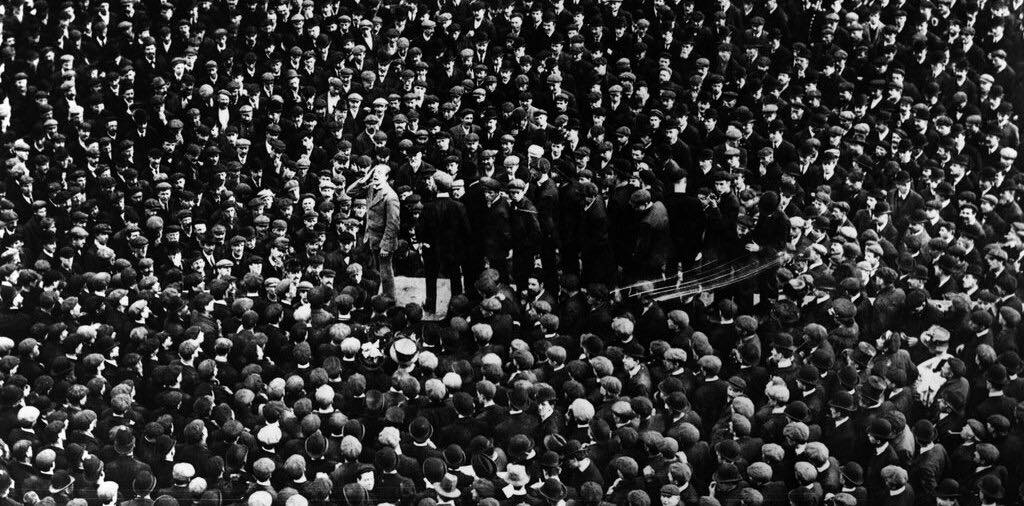
Nabellah Jaffer again, in conversation with extremists. This is a common pattern as well, the fear and caricature of the ‘collective group’, or ‘crowd’, or ‘mob’. This binary thinking is very widespread, even in ordinary society, I think the more de-institutionalised we become, the more ordinary social interaction is replaced with these big binary caricatures - me and my friends, all good; society or the crowd or corporations or government - bad. “‘I sometimes go a bit too far online,’ Tom admitted to me once, before gently asserting that he didn’t have a problem with me. He was invoking a common distinction: between the collective group – which he fears and stigmatises – and the individual member of that group whom he professes to know and like. It is a sentiment that often begins with the words: ‘Some of my best friends are…’ Knowing me has made little difference to Tom’s broader ideology, and to his conviction that immigrants in general and Muslims in particular are the great enemy of our time. Factual debate also makes no impact. When our mutual friends disagree at length with Tom’s extreme opinions, he hardens into polarised opposition. He is quiet but stubborn, retreating into his shell with a wounded air. Of course, all of us suffer at times from confirmation bias – a tendency to favour information that supports our existing beliefs. But Tom does not simply prefer certain facts to others – he seems almost uninterested in them. Instead, he returns repeatedly to cliché...”