July 2023
Complete text-bearing Facebook records from the export.
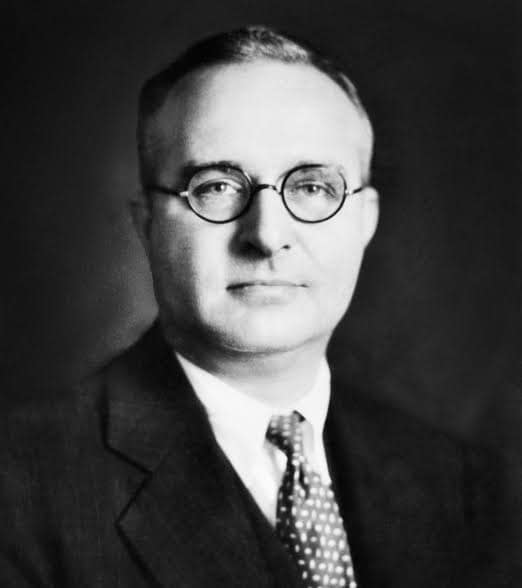
Thomas Midgley was responsible for two of the most damaging inventions in human history. CFCs (that created a hole in the ozone layer), and lead in petrol. The latter was particularly disgusting, because GM, who he was working for at the time, knew lead is highly toxic to humans. They did it anyway. In a stunt Midgley washed his hands in the tetraethyl lead they put in fuels, and sniffed it repeatedly to prove it was safe. What they didn’t say was that he’d just come off treatment for lead poisoning. The men who put it in the fuel at refineries literally went mad, and died. Generations of people ended up with brain damage.
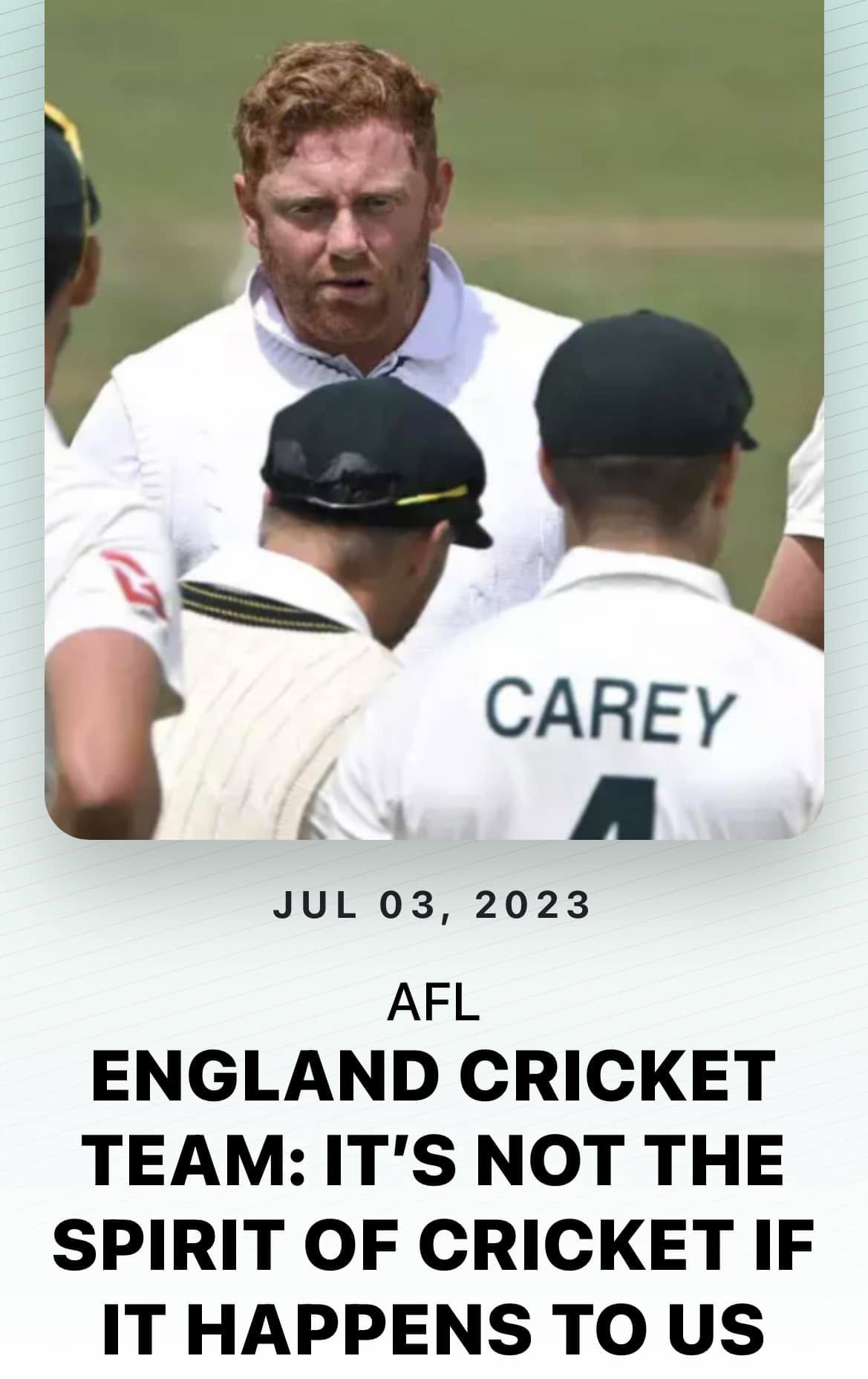
*waves to the MCC*
Last night the English were chanting/singing about Australia being ‘cheats’, and the MCC members even booed and jostled and swore at the Australian team in the dressing room area. Have a look at what England calls it when it does exactly the same thing, Pope running out de Grandhomme from behind the stumps. ‘Great presence of mind.’ Pathetic whining in-breds.
Same Test Match. 2 days earlier.
Been away and just back. And enjoying all of these.
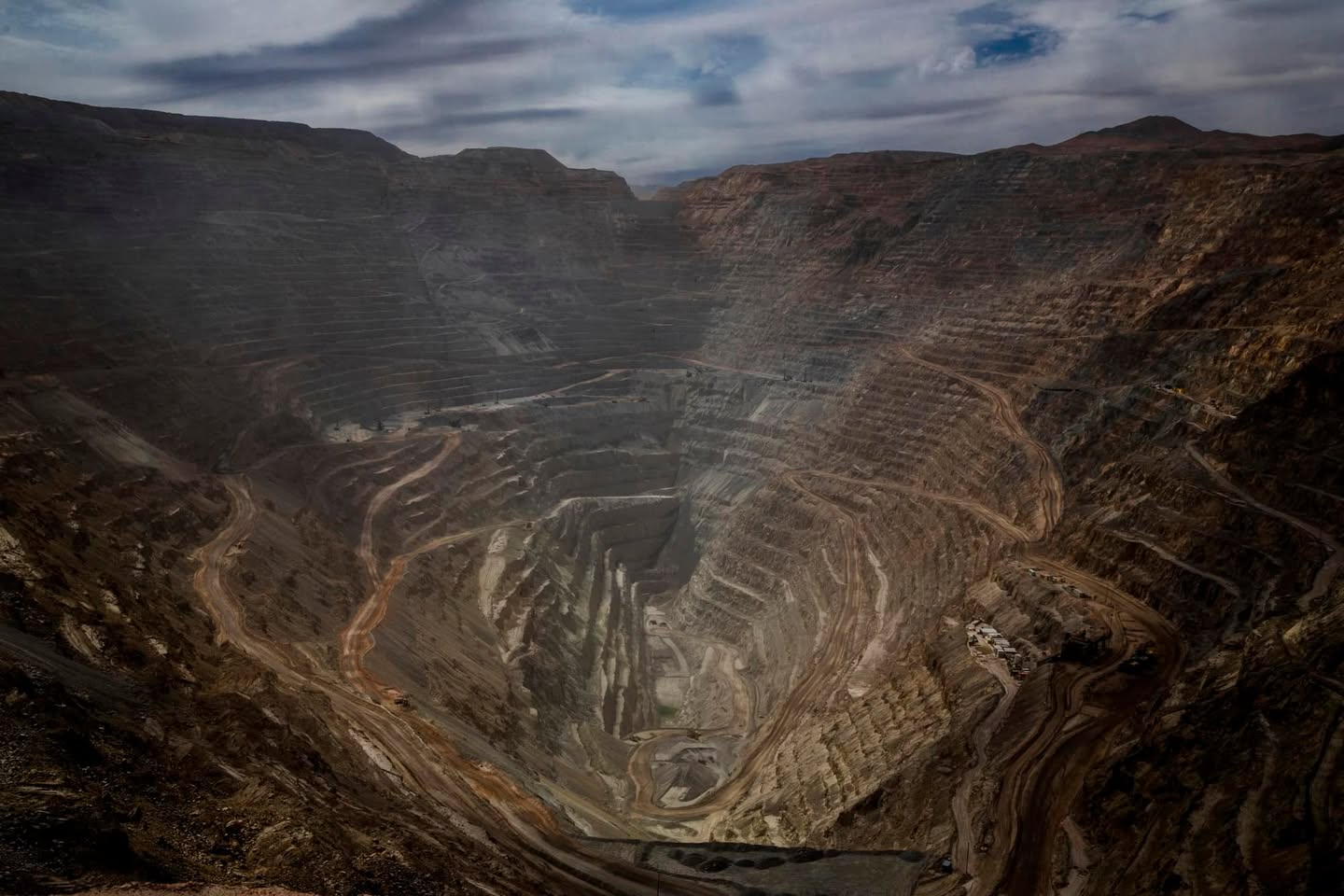
The Chuquicamata copper mine in Chile has been digging this enormous hole in the ground (more than 1100 metres deep) for the past 103 years. They’ve stopped digging down now and are shifting to underground mining. The world is going to need an enormous amount of copper in the next century, and it’s not clear there’ll be enough. The latest research is looking at the sea floor, which has (it appears) enormous reserves. I’m a fan of mining, in my training as a materials engineer I worked closely with both mining and mineral processing engineers. The only mining I criticise now is coal mining, it will need to be shut down. But we’re going to need mining and miners, a lot MORE than we ever had before. There’s a desperate shortage of expertise in this area too. Farming is much more environmentally damaging than mining, something that is not often said. Australia would be infinitely better off closing a lot more unviable farms, and opening a lot more mines.
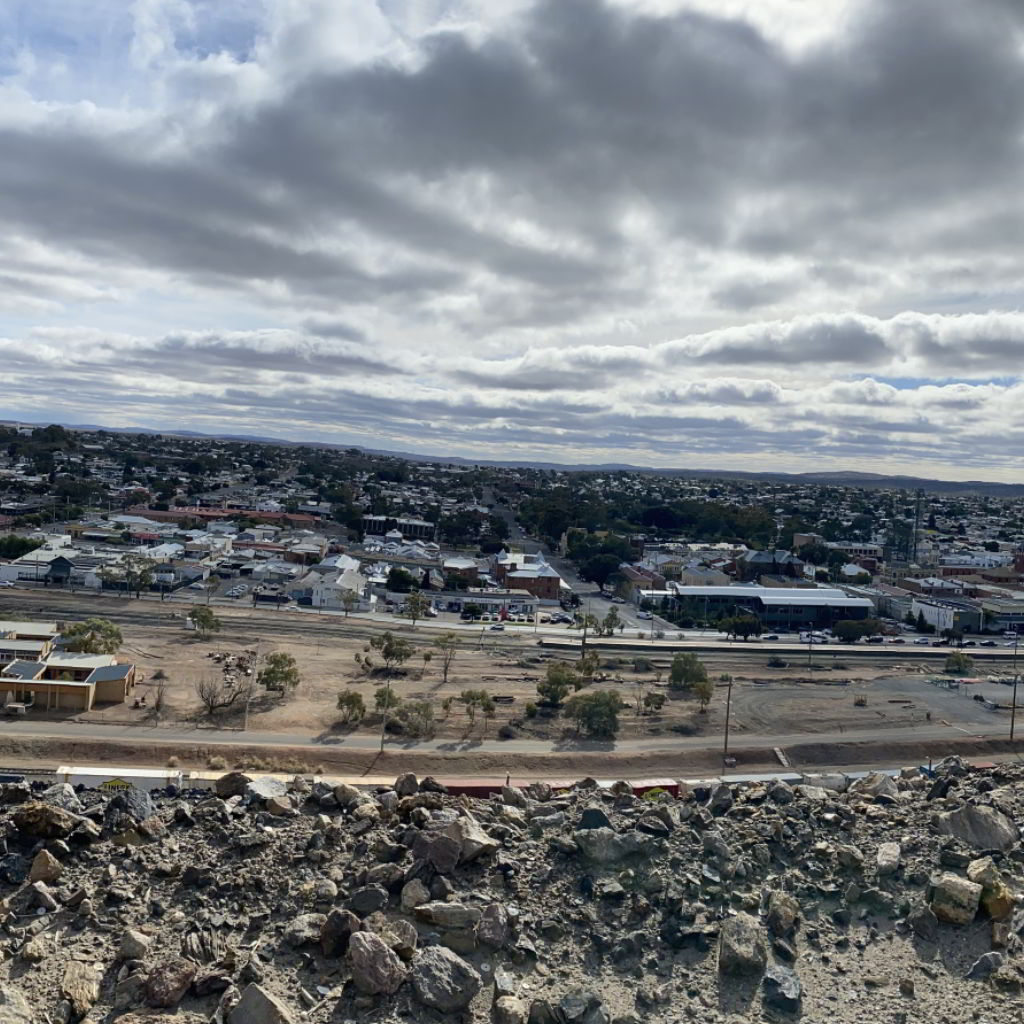
We’re just back from Broken Hill (see, I do travel, occasionally). The Australian ‘outback’ (a stupid term) holds a secret, a mystery. Why I most wanted to go there. Lots of caravans and 4WDs out there. And goats, thousands of goats. All of those dots connect, it’s a tourist destination that we conquer with our 4WDs, or camp in to ‘see the sights’. But it’s really none of those things. It’s the last remnant of an ancient world in a modern land. Like having a time machine to go back billions of years. If you stand quietly there you can somehow feel it. Time and space merge into a single experience. You get a fleeting glimpse into the thing I post about so much, a sense of *place*. A shimmering, almost impossible to define thing, that merger of time and space. Place is space, with time added, I now think. You can’t experience it in Europe, where every square centimetre of land has been worked by humans in annual cycles. The deep past is cut off. But you can feel it in the ‘outback’. I was standing there feeling that, and a couple of Ford Rangers roared up, left the engines running (for no reason except to make ridiculous amounts of petrolhead noise), and got out to take selfies against the view. Then drove off, spitting up sand and rocks. That’s Straya in the outback, that and caravans. Tourists in our own land. And goats, a symptom of our neglect.
Happy Birthday :)
Penrith Solar are superb. This video partly explains why.
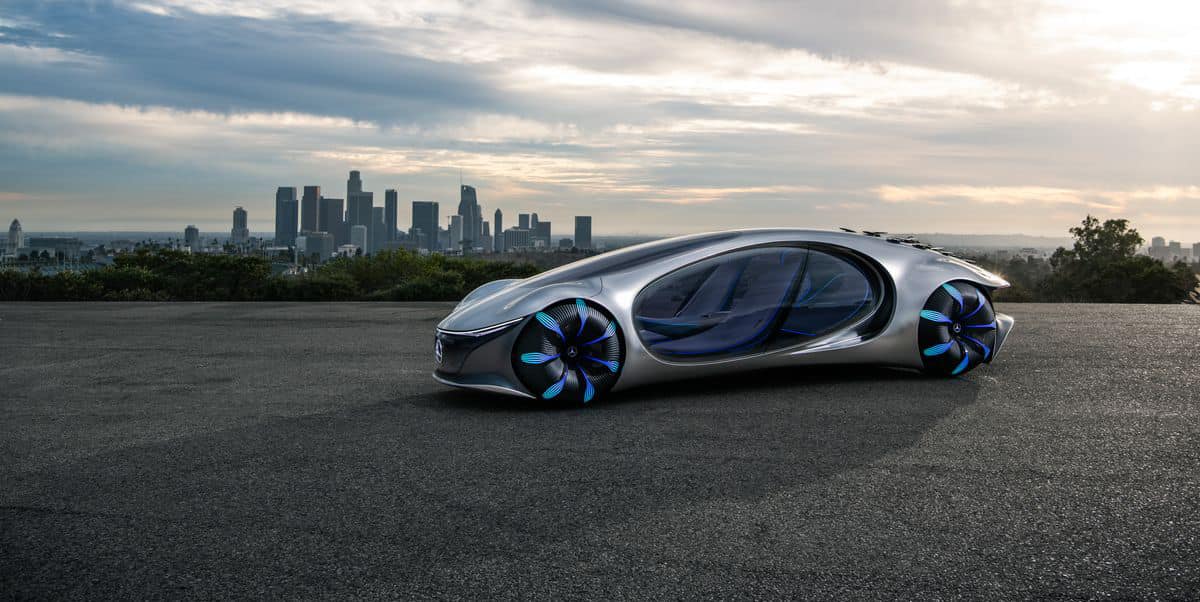
The Vision AVTR is a Mercedes concept car. The AVTR uses four electric motors nearly inside each of its wheels. Each motor and each wheel can operate independently of the others, meaning the car can move sideways like a crab or turn almost within its own wheelbase. The car is driven by a single flat joystick, which the driver presses downwards depending on which direction they want to go including sideways, around in circles etc. The motors produce nearly 500 horsepower. The battery pack uses graphene-based organic cell chemistry, which can also be produced without using any rare earth minerals. And it’s recyclable. Mercedes projects that charging the battery, with a capacity of 100 kilowatt-hours, could take only 15 minutes. A 100 kWh battery would have a range of well over 1000km. The world coming towards us is bitchin’. If you’re open-minded enough to let it.
SBS has a great series right now looking at the fundamental shift in research on Aboriginal Australia. The recognition of a vastly more complex culture than we realised. Here’s a clip (whole series is on SBS catchup), showing one of the most counter-intuitive things. When Europeans arrived here, they saw what looked like a curated English great estate. Few trees, vast open and grassed plains - the whole thing looked like a Capability Brown landscape construction on an aristocratic estate. Because…it was. We often thought early settler paintings and descriptions just reflected their English biases, projected upon ‘the bush’. But we had it backwards. What we call the bush today is the destruction of that created landscape. A total mess. Have a look at the visualisation from soil sampling, how only in the past 200 years was there suddenly ‘the bush’. The civilisation we found here had created a continent-wide landscape garden. Very little of it has survived.
Another short excerpt from the SBS series, where they look at the mapping early Europeans did of the landscape they found here. And how it was nothing like ‘the bush’ we see today. The entire continent was an astonishing landscaped, tended garden. Our arrogance said Aborigines were hunter-gathering savages who lived in what we call the bush. But there was no bush, they shaped the entire continent into a landscaped wonder-garden, of abundance and beauty, which we then destroyed, creating ‘the bush’, a garden gone to seed, growing wild. WE created the bush, it’s like an abandoned block. As ‘the outback’ is abandoned interior land.
Wow, watch the engineers and materials scientists go. If we could re-route our social interest to knowledge and engineering and away from real estate and travel, our lives would be full of wonders.
🤔
🤔
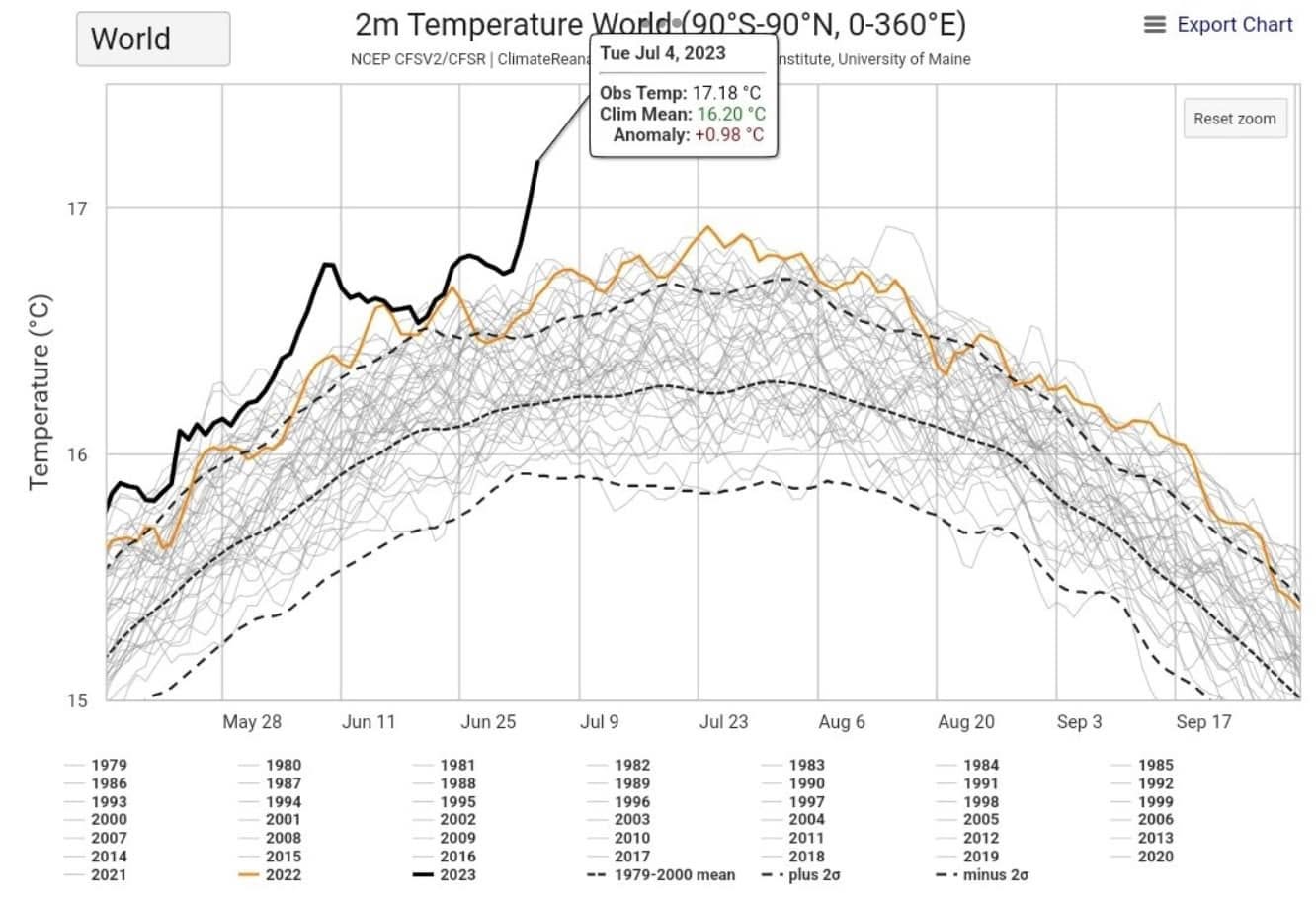
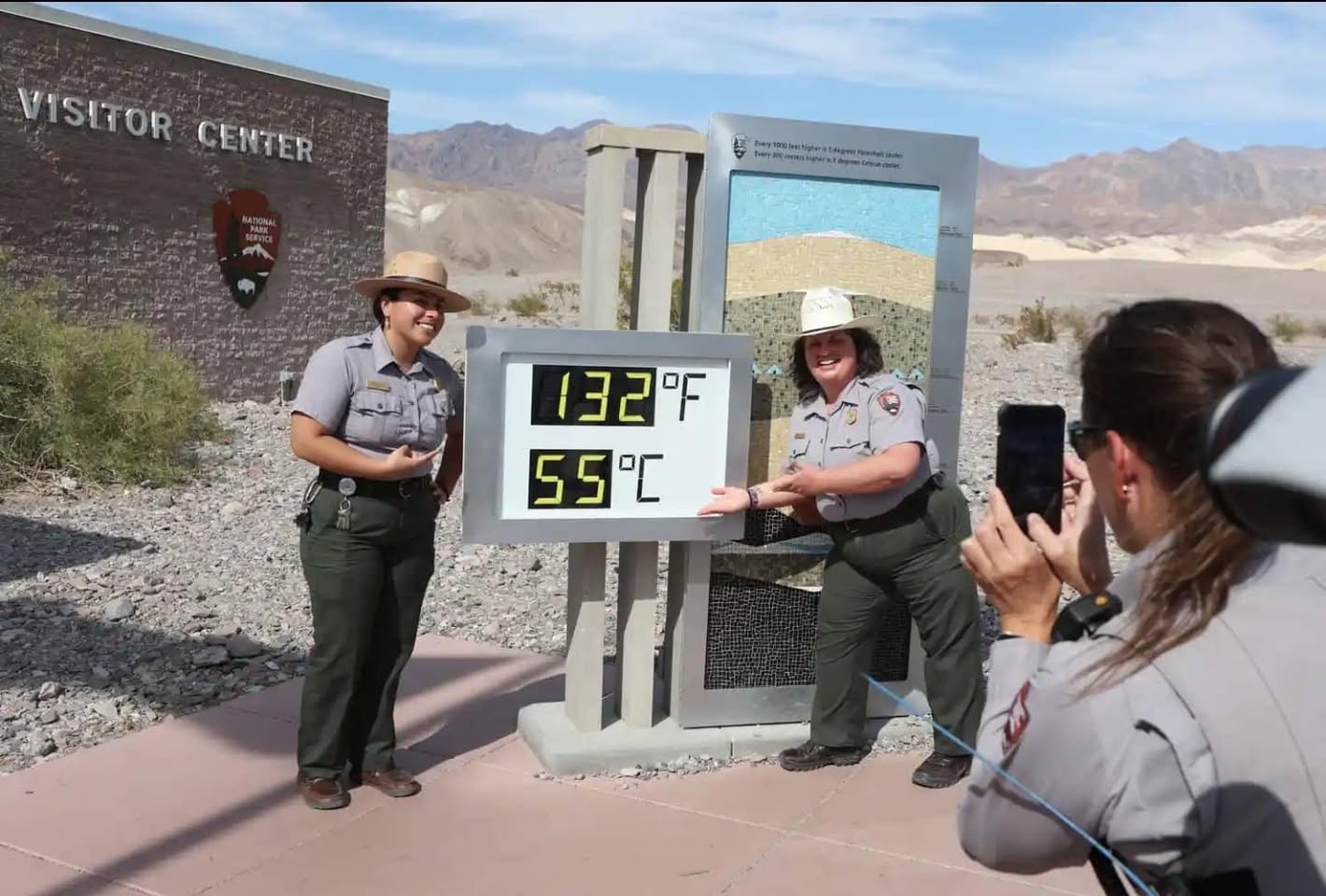
Yesterday was the hottest day ever recorded on Earth. And still heating, fast.
Happy 40th!
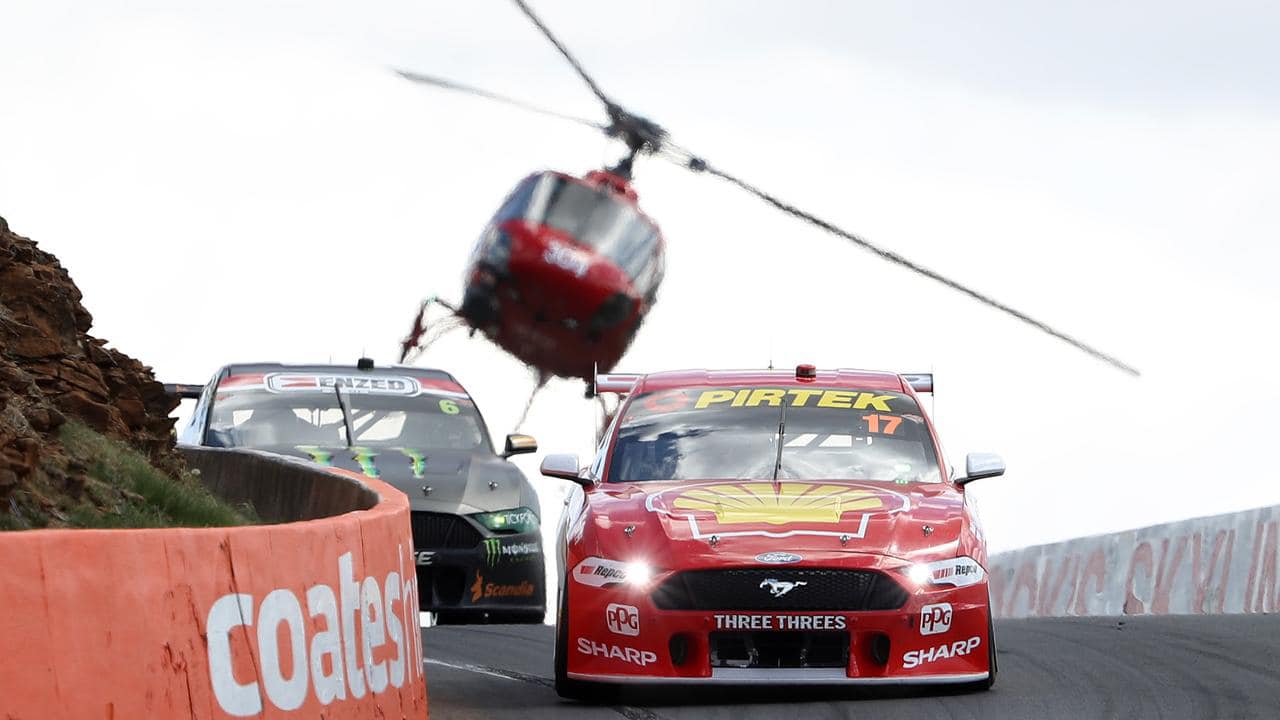
The idea of place is why I’m so critical of travel, which has a very problematic relationship with place. The Bathurst 1000 is another way to explain it. I like this picture because it captures the two aspects in one frame. It’s a highlight of my year, but something that’s been difficult in recent years is deciding whether to go, or whether to watch it on TV. Which would constitute ‘being there’? I think nearly everybody would say being at the track. I’ve done that lots of times, and also watched it on TV. And to me it’s not at all clear which gives me a better sense of being there. In fact in recent years I’d probably say watching the TV coverage is the more likely winner. Going to the track gives me sounds and smells and sights I won’t get on the TV broadcast. But are they more ‘authentic’? Am I closer to being there, at the Bathurst 1000, by physically being there? Watching the broadcast gives me MUCH more. To the extent that when I’m at the track now, I feel like I’m missing out, excluded from much of what’s happening. I don’t feel ‘there’ as much as I do when watching on TV. There are important, so little understood things to know about place which the simplistic body-in-that-location don’t come close to answering. For example, where does a telephone call take place? Try answering that one. (For the Bathurst 1000, I now often watch the start and first few hours at the track, and then go home and watch the rest.)
Fernando Pessoa.
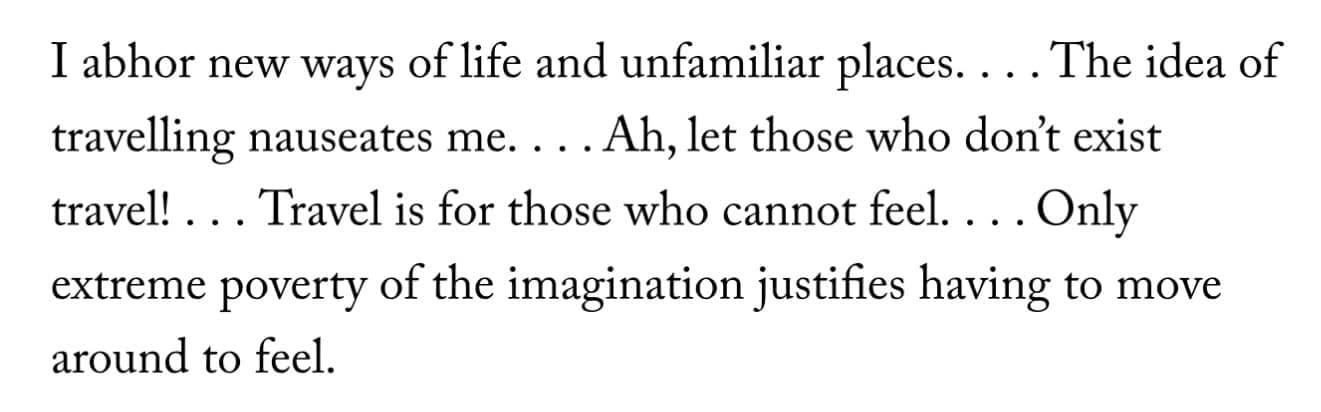
Agnes Callard. I’m sure people think I’m a contrarian, on travel. But travel is just our old imperial cultures, still colonising places. We don’t see it.
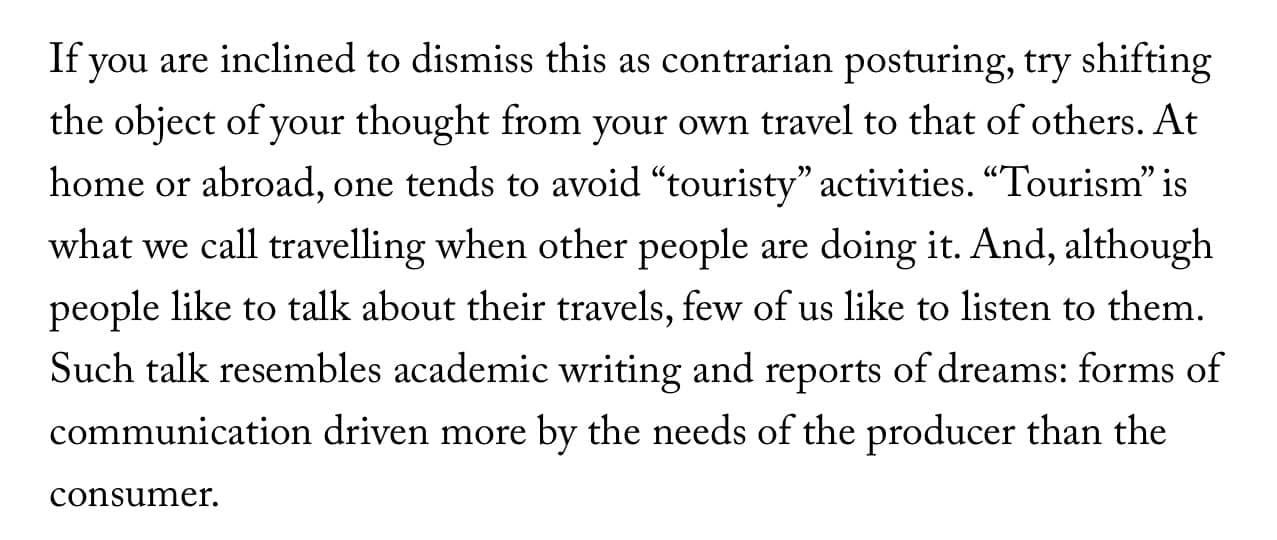
Wilcannia is a famous outback town. Like all outback towns, the history is one of expansion of some empire. Nearly always mining (Broken Hill, Lightning Ridge, White Cliffs) or agriculture (Bourke, Wilcannia to some extent, Lightning Ridge in its earliest days). One of the reasons I question ideas of the ‘outback’ is that we seem to strip away what our presence there mostly is. They’re historically extensions of our imperial cultures, into the bush or outback. They’re frontier towns. Or in other words, there is no real divide between the city and ‘the bush/outback’, that we pretend is there. Frontier towns are created by the cities, to expand their reach into the surrounding landscape. There’s no doubt living in these towns and landscapes is very different to being in a city, because the space is so vast some of its original character still impresses itself on you. But you’re still a spectator to the landscape, the life there is heavily drawn from the same urbanised culture of the cities, just with fewer amenities. Sure with local colour and flavour and eccentricities, but the underlying cultural framework is the same. All regional and remote towns aspire to be cities, underneath, they will grab with both hands all new sources of sustenance from passing tourists or metropolitan governments. Wilcannia a good case in point. The average life expectancy of an Aboriginal man there is 37. They’ve had disastrous Covid outbreaks. The NSW Government refused to isolate the town, tourism had to be allowed to continue. The economy must trump all. We drove through Wilcannia but didn’t stop for long, decided to touch the Earth lightly. It has enough problems, without more tourists. Driving over a Darling River constantly sucked dry by irrigators upstream just reinforced the extractive nature of our culture, even today.
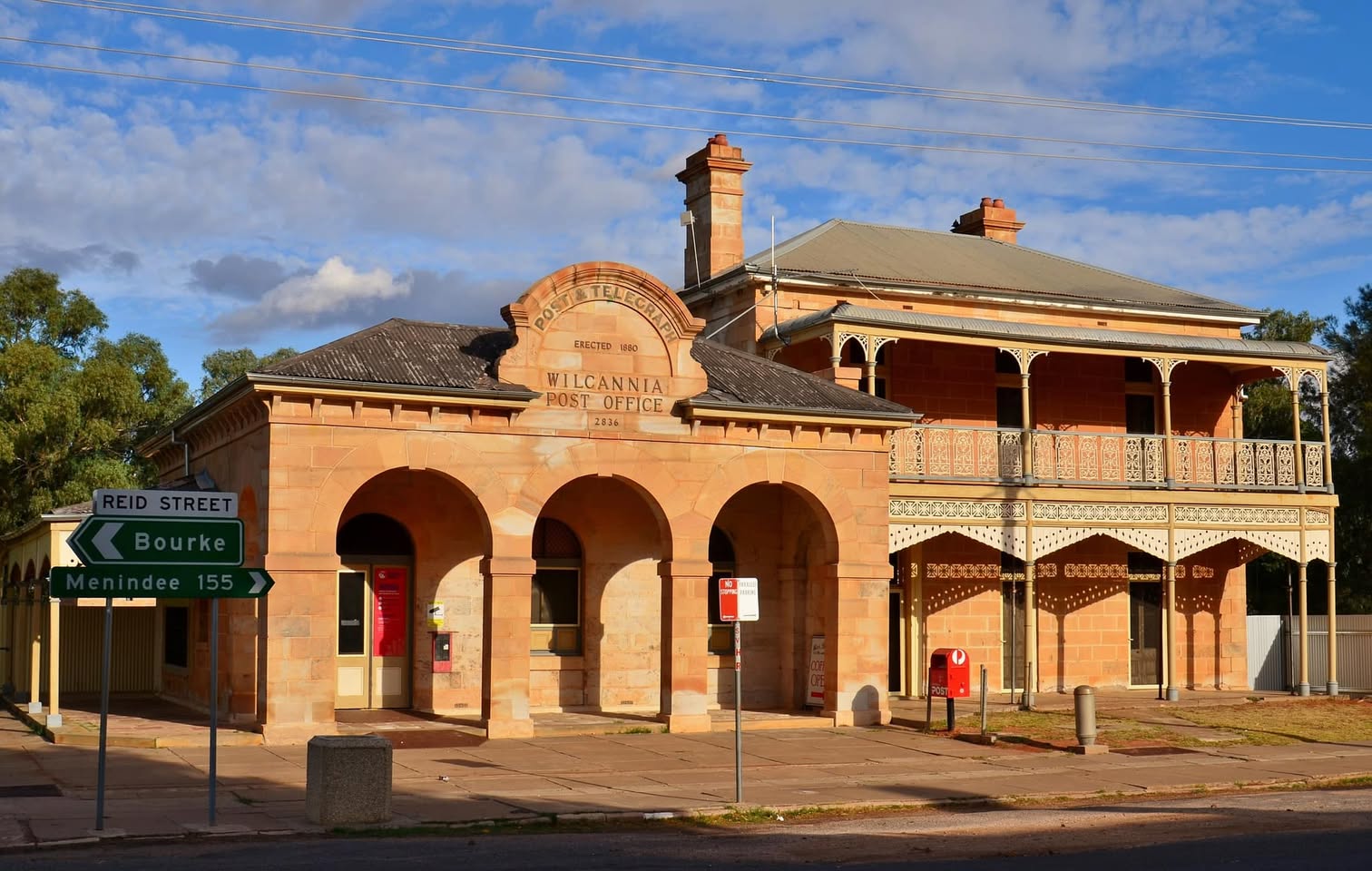
For my US friends, we always have a spare room.

One of the most advanced countries in the world.
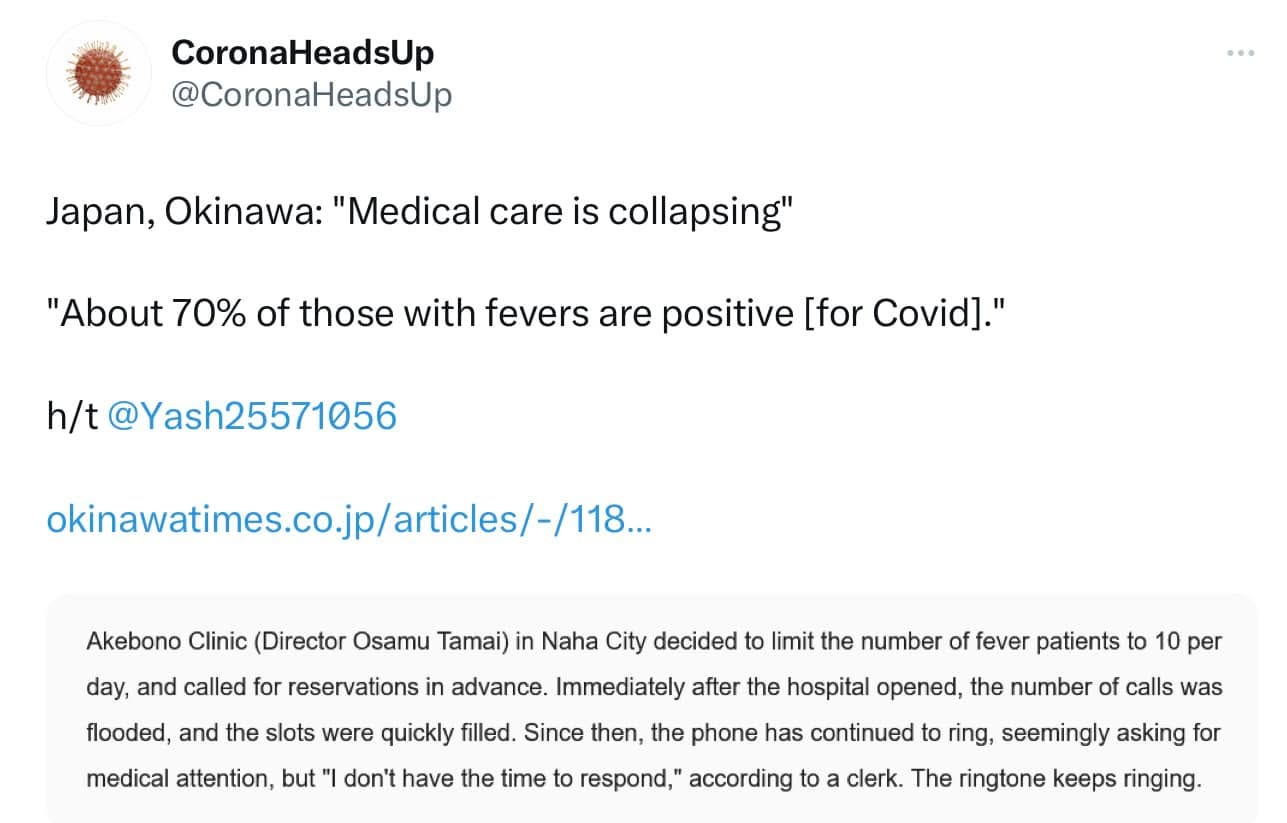
Another way to think about travel. Visiting a place is a relationship with a place, just as humans have relationships. In fact a more complex relationship than human relationships in many ways. There are probably thousands of people in the world you could have an interesting human relationship with, including shagging each other. In reality we tend to settle on one. We don’t reserve the right to sample all of those thousands of people. And yet that’s what we do with travel. We feel it’s our right to have a relationship with all of these other places. Not to just admire them from afar. And worse, when we do ’experience’ them, we destroy them. As with human relationships, the magic rubs off really quickly. The ideal never matches the reality.

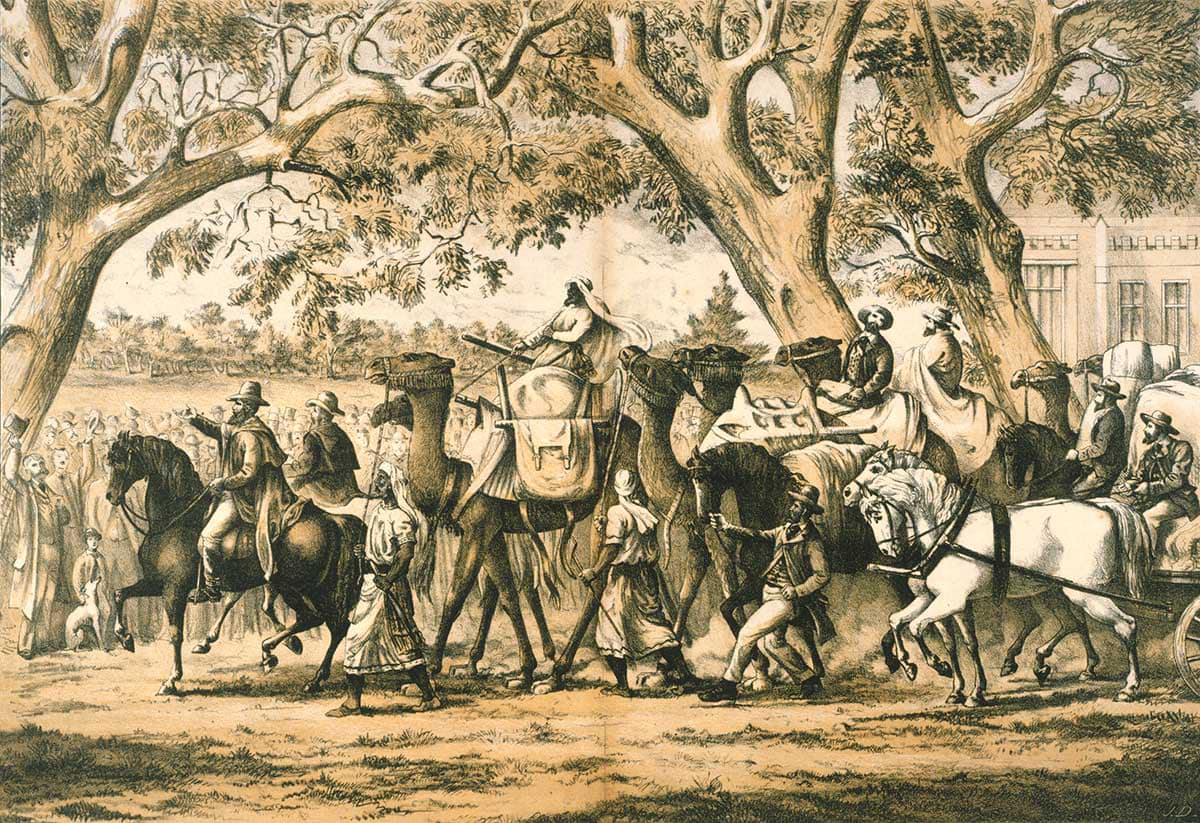
More reflections on travel. Burke and Wills. Neither of course survived their expedition, but what does that say? That travel as we know it is mostly not exploration. Untravelled places are often dangerous, unpredictable. Place has agency. We travel so easily and with such little challenge, because somebody conquered the spaces we travel though, for us. We may think that’s not true for many places we visit, say a country in Europe like France. We never conquered France. But like any country that allows tourism, France allows it only to the extent it doesn’t actually challenge their lives too much. We create special places for tourists, to shield us from them and protect our own lives. As we do for embassies, to allow foreign countries to own territory, inside our own. It’s a precisely controlled space.
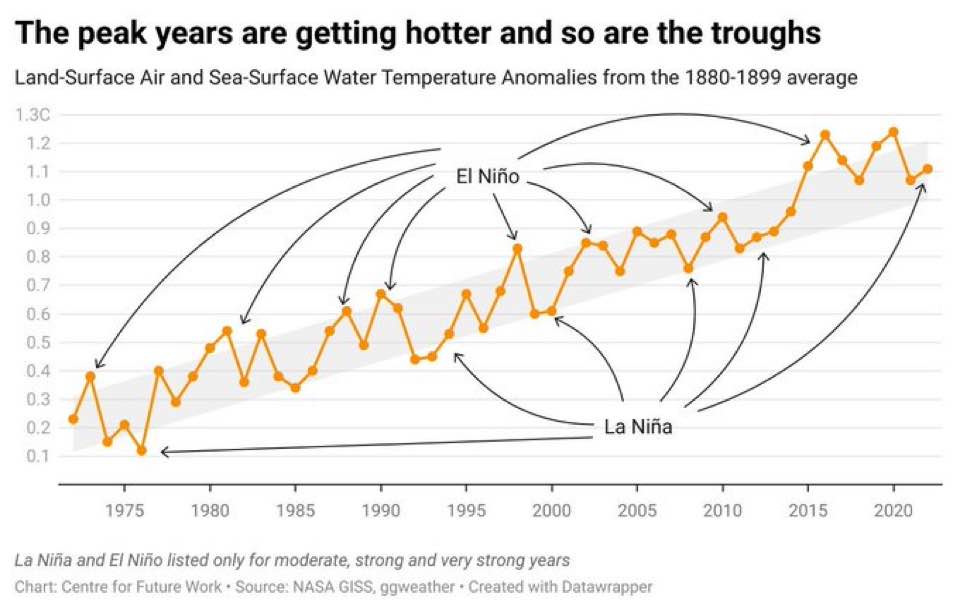
Our La Niña years now are much hotter than the El Niño years of only a few years ago.
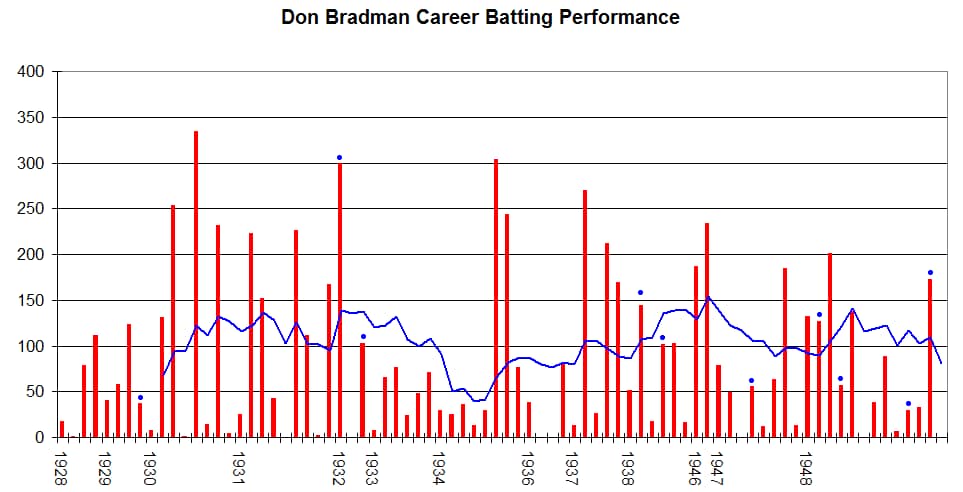
Watching the cricket, how some balls from great bowlers are near unplayable, and how sometimes luck like a ball keeping low is impossible to control for, I always wondered, how did somebody like Bradman manage to escape those things? And then I wondered - maybe he didn’t. Maybe a much better guide to what his real genius was is found in his median score, not his average. His average of course is the famous 99.94. Almost unbelievable. But his median score? Still the highest in history, just over 56. But that’s a big gap, to his average. He got out to those unplayable balls, just like others did. But it’s what he did when conditions were good for batting that set him apart, he made HUGE scores then. 12 of his 80 innings were over 200. His concentration was unmatched. Second place tells the story, Ken Barrington. Median score of 46. But his average was 58.67. That’s a long way from Bradman’s 99.94, but the medians are much closer. That suggests Barrington was almost as likely to make a high score in any given innings, but Bradman would make enormous scores in a handful of innings. It’s those huge scores that sent his average into the stratosphere. His real genius was his concentration, making the most of good conditions. He often commented that he didn’t understand how other batsmen lost concentration.
If you didn’t study much science, a quick summary. Pray.
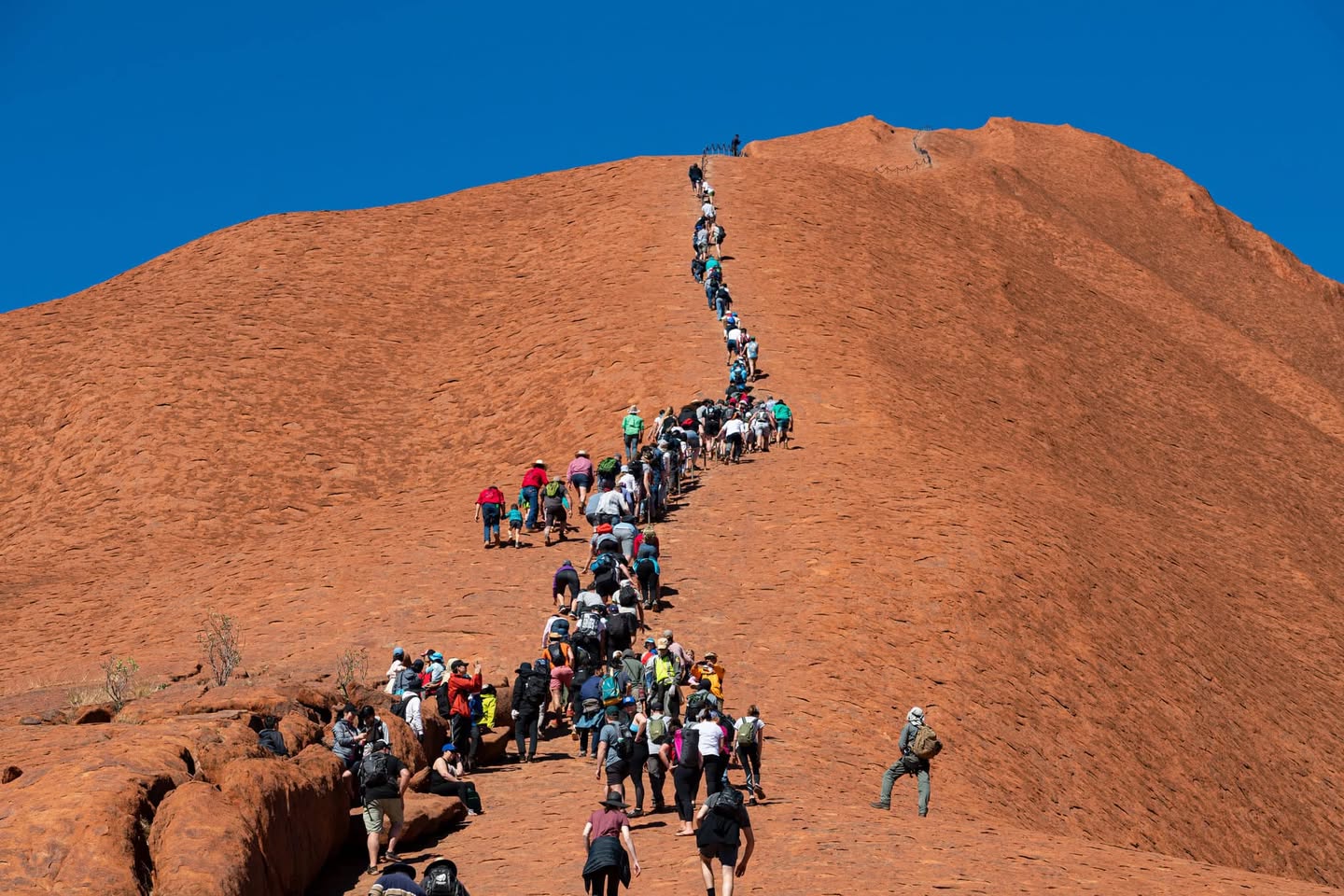
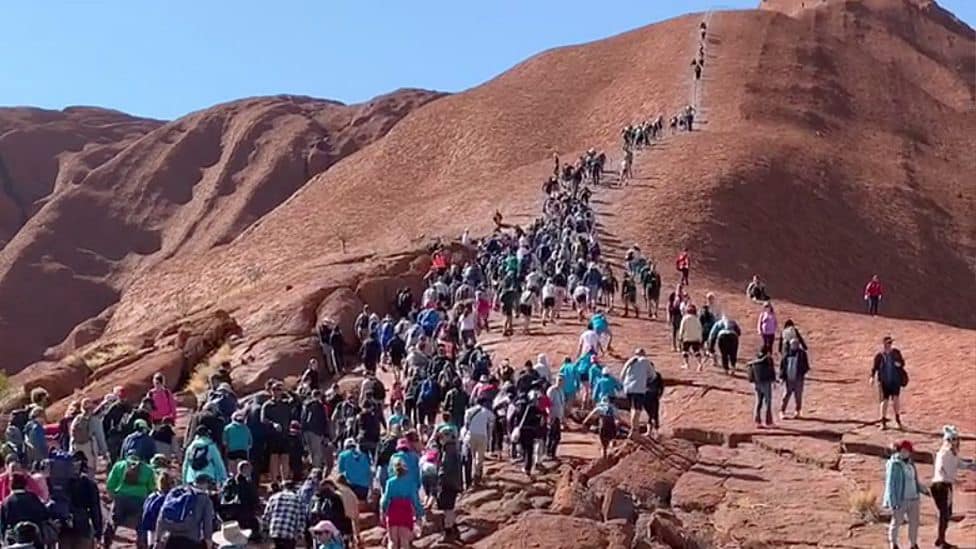
More reflections on travel. I’m aware by the way that travel is a passion for many, so this is a fraught topic. But I put these reflections here to give more context to my criticism of it. You can’t climb Uluṟu now. Banning it was contentious. Most simply, it’s not true that we have a right to visit any place we like. People have no right to barge into your home to view how you live. All places are homes, even if not for humans. Uluru the same. But also anywhere else in the world. All the places we visit are somebody’s or something’s home. Tourism is what we call travel when other people do it. We think *our* travel isn’t tourism. But it all is, sorry. There is no ‘authentic’ travel. You are always, in every instance, barging into a home. Often uninvited. It’s why we build tourist zones, to try to shield us from travellers.
Banning mobile phones in schools is a great idea. Though the real problem is the social media apps on the phones, not the phones. And to take it a step further, the disruption those apps cause to education (huge) is what they do to the adult world of work too. It’s the reason we can’t do basic things like fight a pandemic, or climate change. Adults are as glued to their social media apps as kids are. Adults are more likely to take selfies with social collapse as background, than they are to to do anything about the social collapse.
If you think climate change just means a couple of extra toasty degrees of temperature, believe me when I say we cannot survive it unless something is done, and very fast.
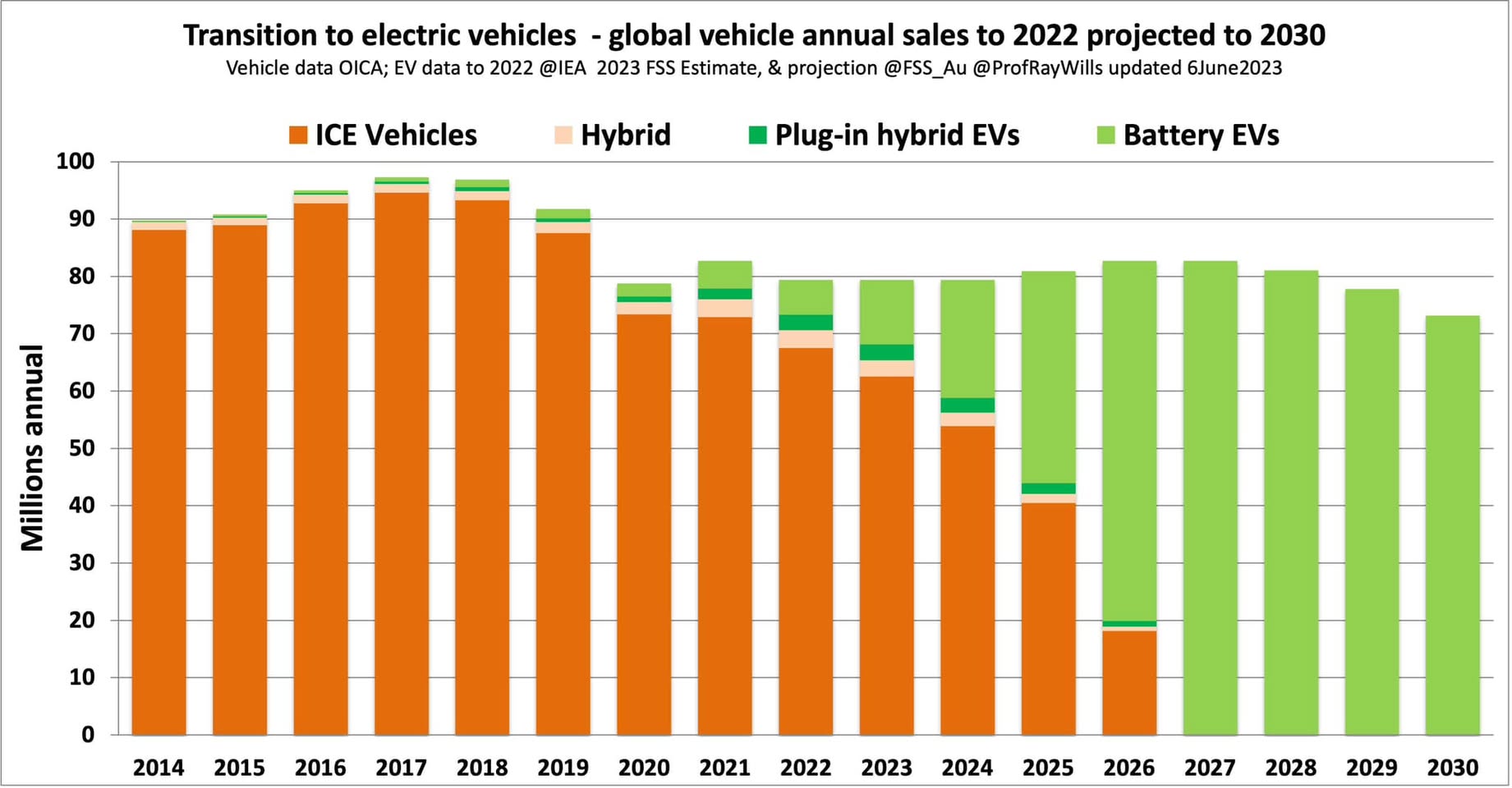
A gigafactory makes electric cars and batteries. China is building one gigafactory per WEEK. The rest of the world every few months. There are over 300 currently being built or in planning.
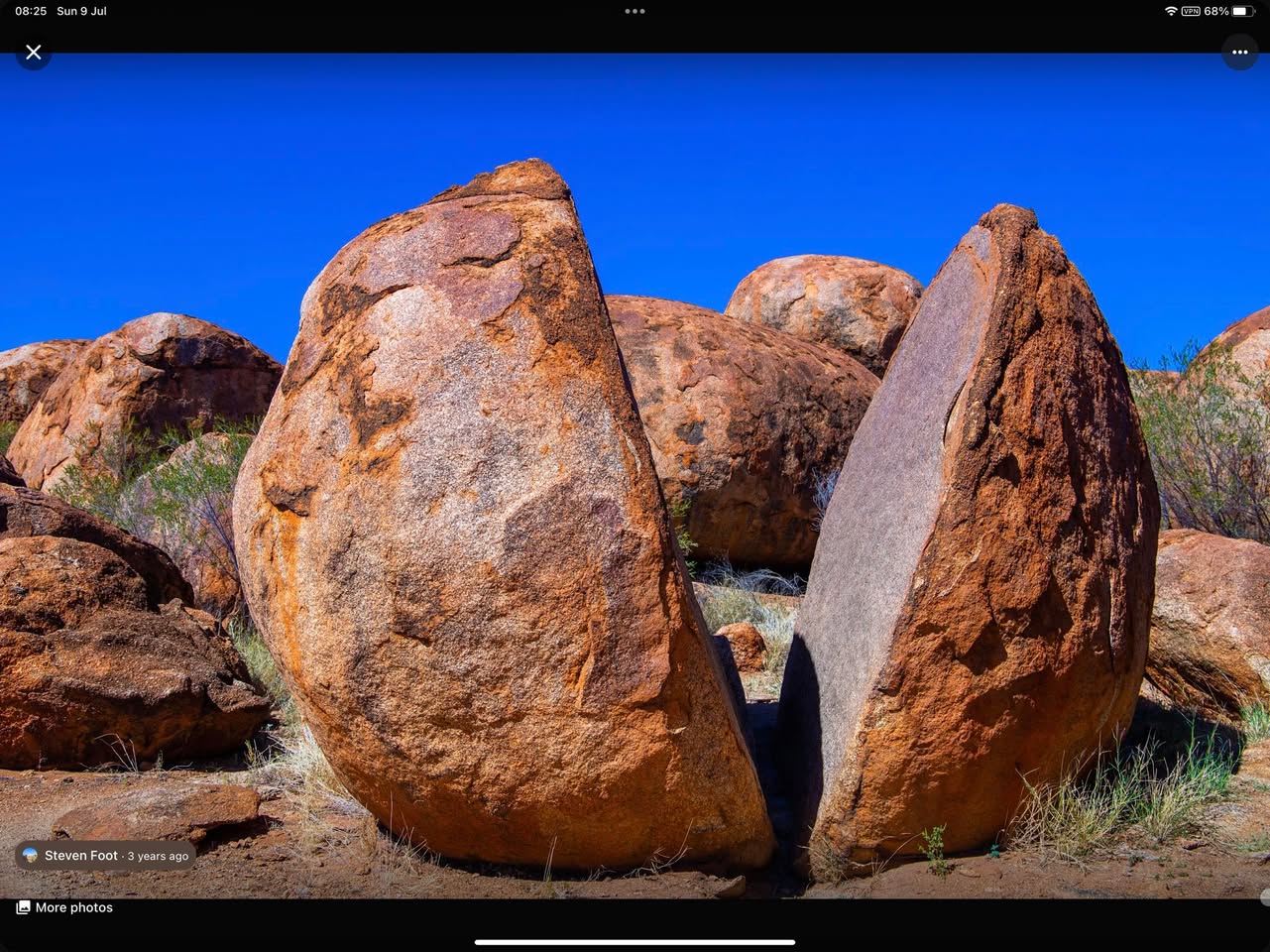
Today’s thoughts on travel come from G.K. Chesterton. I’m a stationary traveller, I travel from my couch. This will seem a laughable thing to a travel culture, but bear with me. Here’s me at the Devil’s Marbles, in the NT, courtesy of Google Maps. Why a stationary traveller? Chesterton said distant things are only appropriately loved, from a distance. That travelling to them violates this love. Examples from human relationships help, say you admire, even love, a celebrity. You imagine being in a relationship with them, having children even, sharing a life. Now this is one time when the distant, the abstract, is more real than ‘the real thing’. Because I can promise you, if you travel to the celebrity’s home to try to pursue this dream of yours, the only place you’ll end up seeing is the inside of a jail cell. You’ll be a stalker. Your abstract from a distance perception of them as a lovable person may be well be true, that may be what they are. But they are DISTANT to you, not just in spatial terms, but in relationship terms. So the most ‘authentic’ relationship you will ever have with them is from a distance. You will not experience any of their amazing qualities if you go to see them, ‘in person’. Tourists are stalkers, of places. The glorious culture of Paris they admire from afar eludes them when they visit, because they’re not part of that culture. They’re forced to be a spectator, in person. There are so many stories of tourists arriving at their dreamed locations, and then standing there and trying to make the experience match their imagining and pictures they’ve seen. Many more will pretend this isn’t true, that their visiting was transformative, ‘amazing’. Most of it is bullshit, PR for their folks at home forced to wade through their travel pictures. Even if it was a strong experience for them, it isn’t the experience of actually occupying that place, as a home. We not only have no right to see lots of places, going there doesn’t give us the experiences we want anyway. It can’t, they’re not our places.
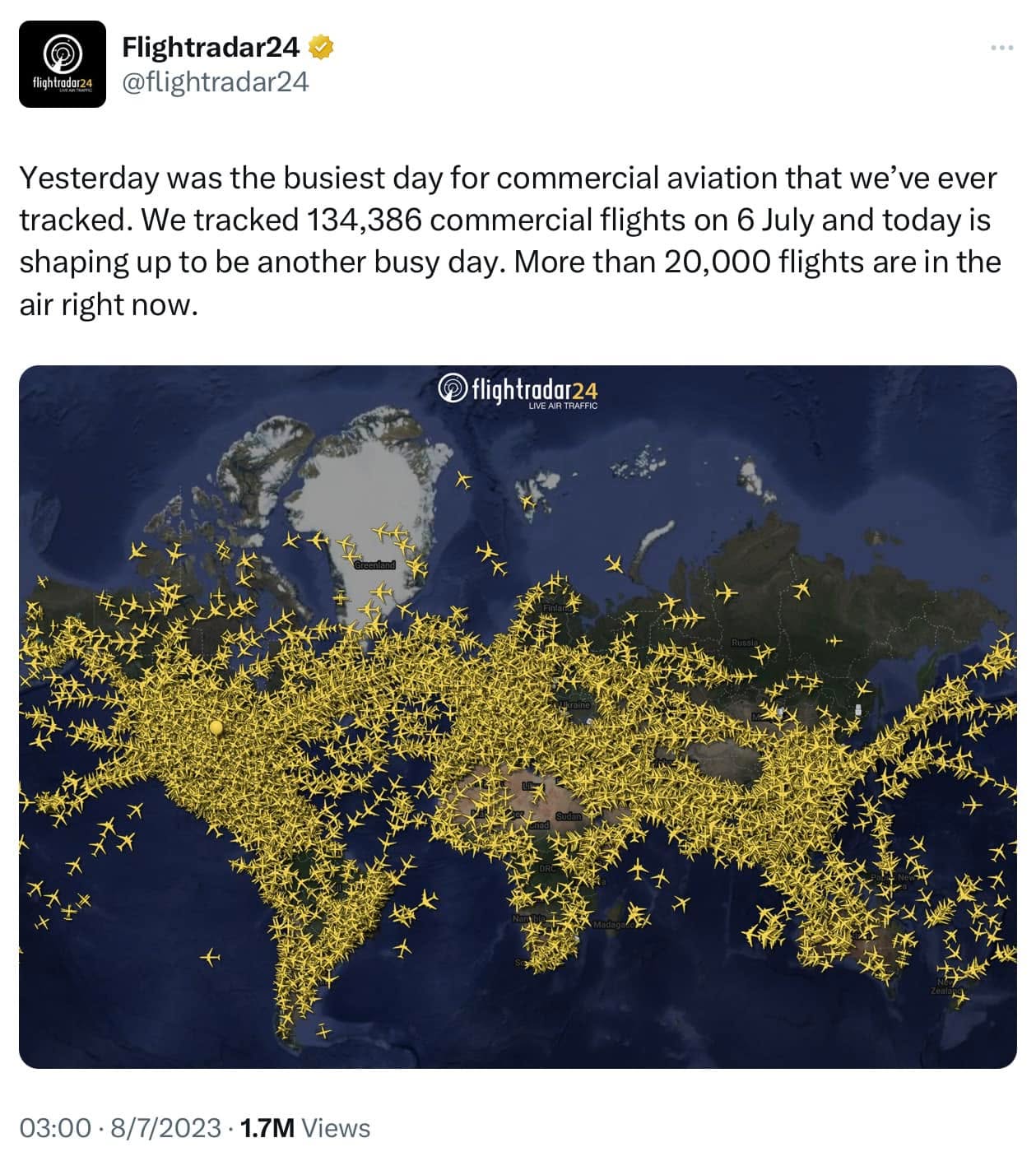
Thoughts on travel #2 for today. The cost, in resources. Nearly 135 thousand flights, per DAY. We burn about 400 BILLION litres of jet fuel, every year, to satisfy our travel lust. If you fly to Europe from Australia, for example, you and every other passenger on that plane burn more than 1 TONNE of fuel EACH, each way. Pardon me again for spitting in the collective soup, but why are we doing this? For ‘experiences’? You don’t need to travel anywhere, to have experiences. This is literally insane, and why I persist with the topic.
Cockburn a good example of our relationship with the outback, and with the bush more generally. It only exists because of mining, it was a place where trains and drivers exchanged when transferring mining ore out of town. The mining only existed because the big cities wanted the resources. Now that operation has long stopped, the town is collapsing, with only a tiny handful of people who like the experience of the big open landscape. The thing is, that experience is still a tourist experience. Still a tourist in our own land. No real connection to the landscape, living on it rather than in it. The towns are utterly dependent on goods and services from the big cities, because they’re just an extension of the big cities, now no longer needed. Remnants of earlier extractive industries, which has always been our main focus everywhere in the landscape - to extract things, whether from mining or agriculture. You name any regional or ‘remote’ (such a telling word) town, and I will bet you its entire existence will be because of some extractive industry. Extracting things from the landscape. The one exception today is tourism, which is what most of these towns fall back on as a last resort, with mixed success. People come to ‘see’ the towns, like living museums. It doesn’t bring the town or anybody else closer to living IN the landscape. We’re still just on it, looking around, extracting things, whether mining ore, sheep, cattle or tourist dollars. The Blue Mountains is like this, a fantasy of some sort of ‘pristine’ nature. Rubbish. It’s a total mess of untended scrub, with creeks and rivers full of resident sewage outflows, and swarming with tourists. There’s no cohesive community there, no actual connection to the landscape. It’s people living city lives, just with a bit more space and more plants and animals. The divide between city and bush is a fiction, people in ‘the bush’ are living the same culture, with just more space and fewer amenities.
I post a lot about why I think travel is a symptom of a sick culture. But not as much about what I see as the alternative. The alternative is both simple and impossibly hard - we need to rediscover what the term ‘home’ means. If you google it, you’ll get thousands of pictures of - houses. But home is not just a house. Home is your connection to the ground underneath you and around you. To the ‘landscape’, which carries unfortunate echoes of the idea of something you just look at, like in a landscape painting. We treat that ground, that landscape, as a resource. To live on, to extract things from. As ‘real estate’ to be owned and sold. Home is not just where you live, it’s where you’re grounded in the entire universe. A place, where you experience and interact with the entire universe. Travel culture always thinks what’s most meaningful is somewhere else, that if it accumulates lots of sights and spaces, it will somehow get closer to reality. But it’s a delusion. Reality, all of it, the entire universe, is found in every place. You have to stop moving and stay though, for a long time, to start to feel it. You won’t find it moving around, ever. Like human relationships, home is a relationship. To place. It develops over time, long times. Not by quick visits. A society that doesn’t understand home is a cancer to everything else. It consumes the homes of others, for recreation. It thinks that ‘experience’ is bringing it closer to something. But it just distances it even more, from anything.
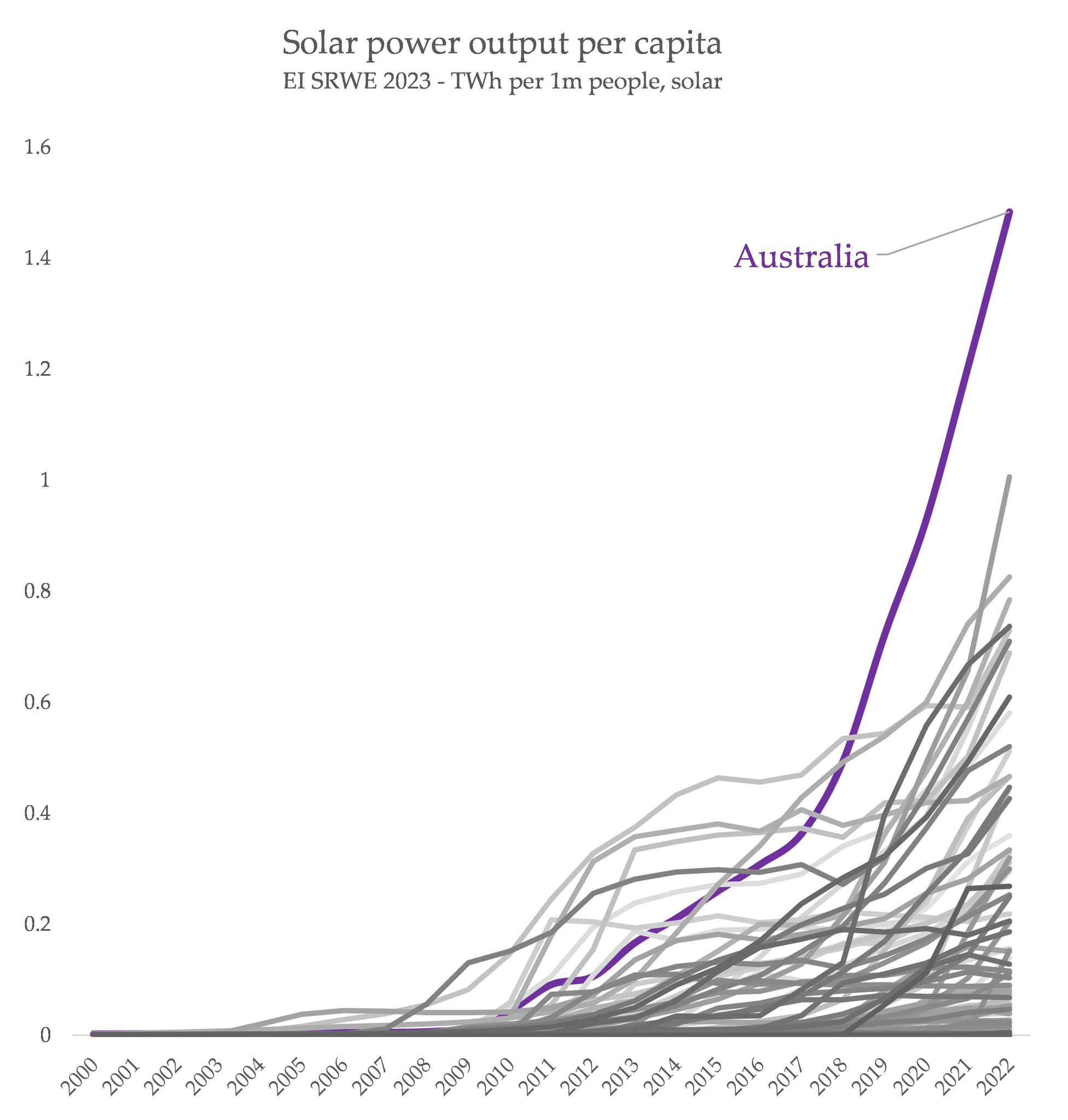
Leading the world. Have been for years. About the only smart thing Australia has done in the past 30 years. (I’m actually all ears if you can think of anything else.) That and control Covid, but we stopped doing that.
New York had 10 inches of rain today. It’s still raining. In local government there’s already no money to fix this sort of damage. It’s only going to get much, much worse.
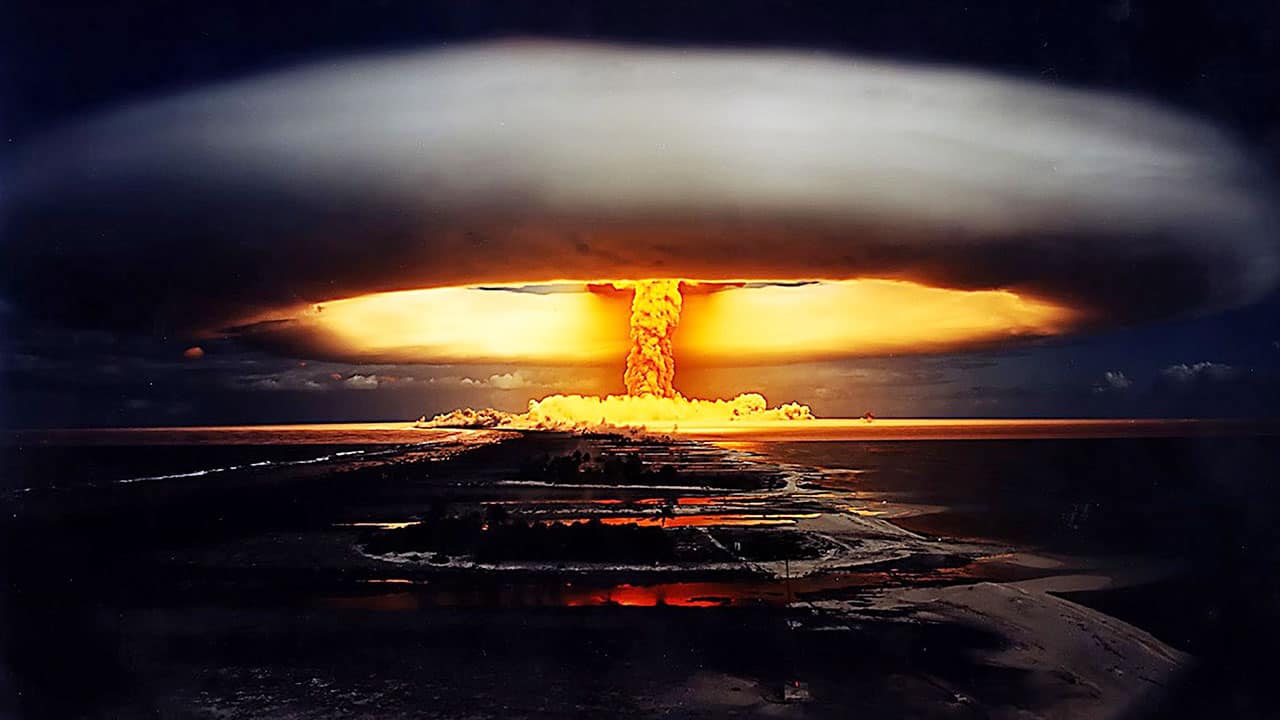
I don’t think it’s widely understood just how much energy human-induced climate change has added to the oceans (which are now releasing it back into the atmosphere, they’re full). In the past 150 years the heat added to the oceans by carbon pollution is the equivalent of 7 BILLION atomic bombs. Right now, every SECOND another 6-8 atomic bombs of heat energy is being added to the oceans. The huge weather events we’re seeing are that energy starting to be released. And this is just the entree, it gets much, much worse from here.
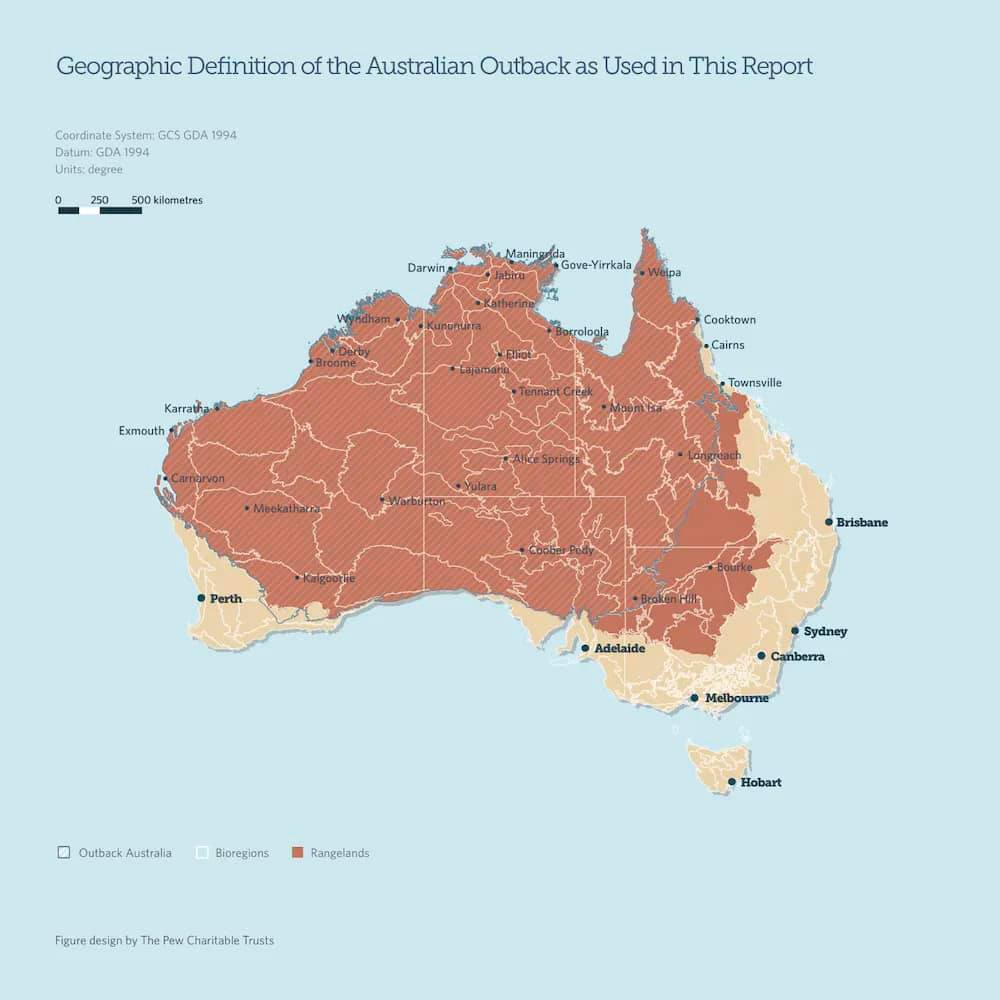
Did you know ‘the outback’ is pretty much the entire country? It’s the weirdest idea, that we refuse to understand. But the secret to understanding our bizarre culture is here, in plain sight.
The appeal of the outback to tourism is that it’s one of the world’s last ‘untouched places’. So if millions of tourists flock to this place, doesn’t it stop being the thing which they go there to see? Travel is like science before quantum mechanics. It can’t understand that going to a place changes that place, fundamentally. The only way to protect what’s special about a place is to NOT go there. You can pretend your trip was different, that you’re not a tourist, all the other people are tourists. It’s delusional. Some will say they need the tourists, for local economies. An own-goal, if you need visitors to even survive, you’re not living in that landscape. You’re a satellite suburb of a city, somewhere. I’m not saying lock up the country. I’m saying we’re not LIVING in this landscape. We’re still just visiting it. The answer is not to turn our own country into a tourist destination. That will destroy it, it is destroying it. Travel culture is a culture that isn’t grounded, anywhere. Even on the coasts.
Happy birthday David!
I’m accepting of this mostly being a place about what people are doing, rather than what they’re thinking or feeling. And that being a tool of community, I get that. Making community visible. Like the old social pages in the local newspaper. That seems to be what FB’s function morphed into. The danger there of course is that communities are sustained by what people are thinking and feeling, not by what they’re doing.
Imagine one of these lethal piles of metallic rubbish hitting you at speed. Exactly the opposite direction to where we should be heading.
Transgender is the topic nobody will discuss, because its proponents are so often aggressive and even violent. But the distinction between sex and gender isn’t rocket science. If your sense of gender is a mismatch with your biological sex, it could be gender dysphoria, a known condition. Or it could just be that you don’t agree with all of the current models of masculinity and femininity. People have always challenged and even rejected those, without creating some new sexual identity called ‘transgender’. I don’t identify with most macho bullshit at all. It doesn’t make me a woman or some other sex. It means I think those cultural and social models are rubbish.
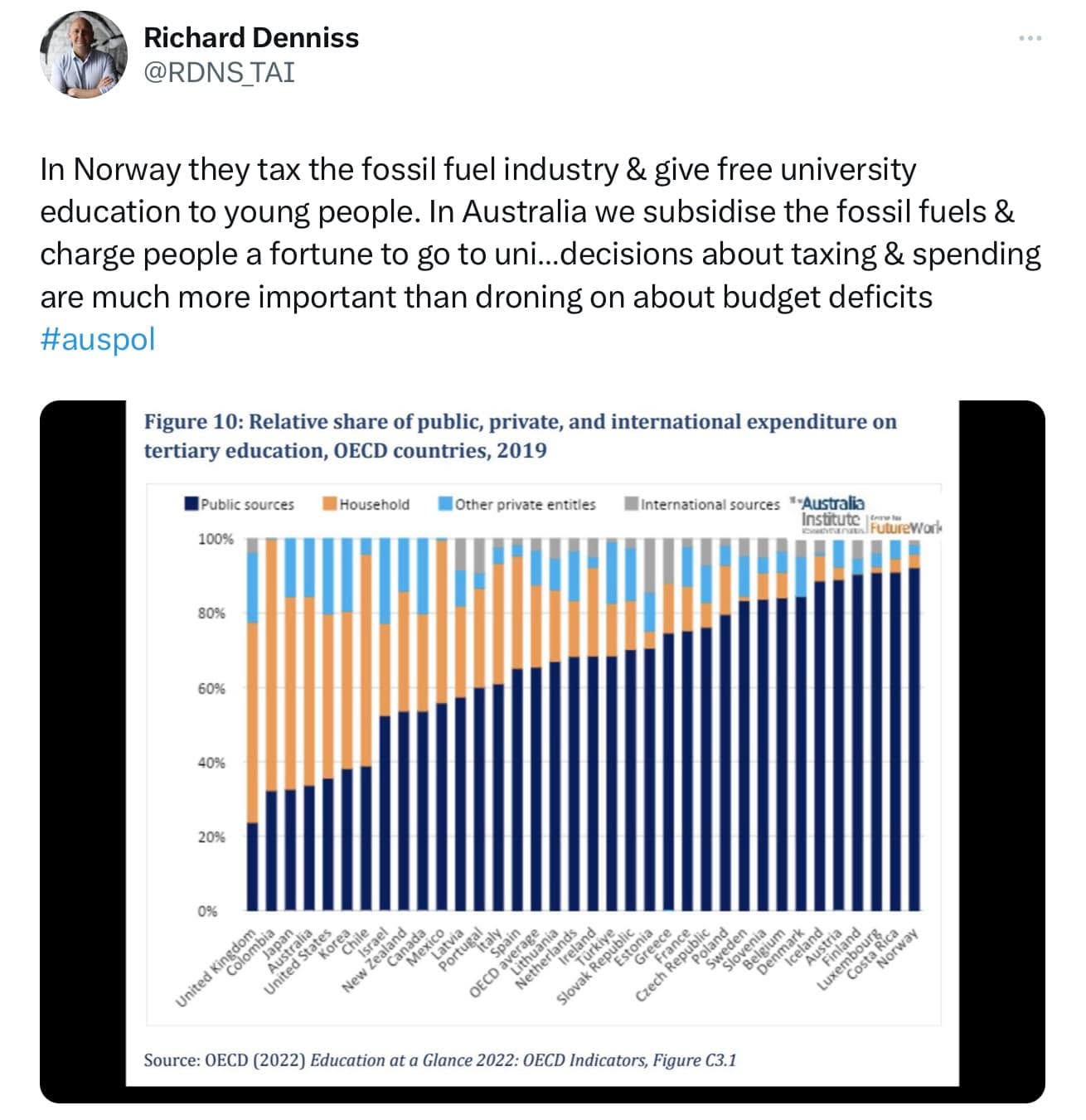
Let that sink in. And look where Australia is on that graph, right at the arse-end. Dumb and getting dumber.
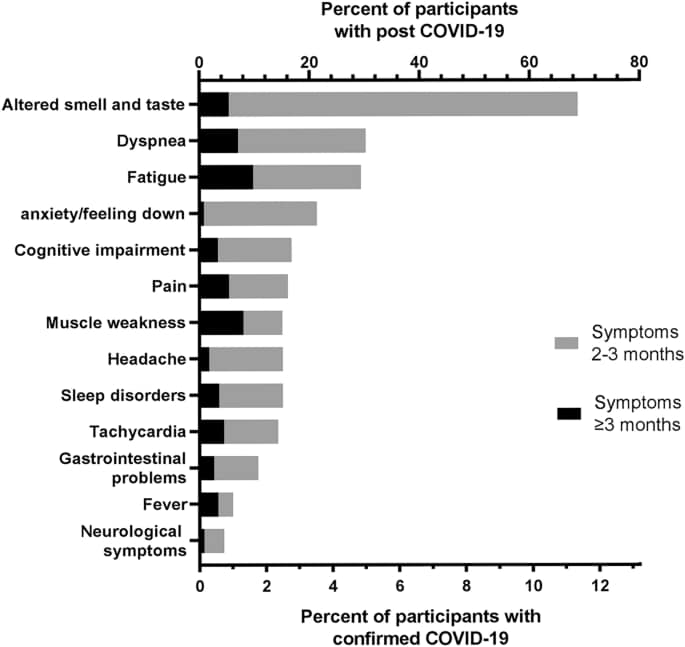
If you’re experiencing any of these symptoms and are confused, this may help.
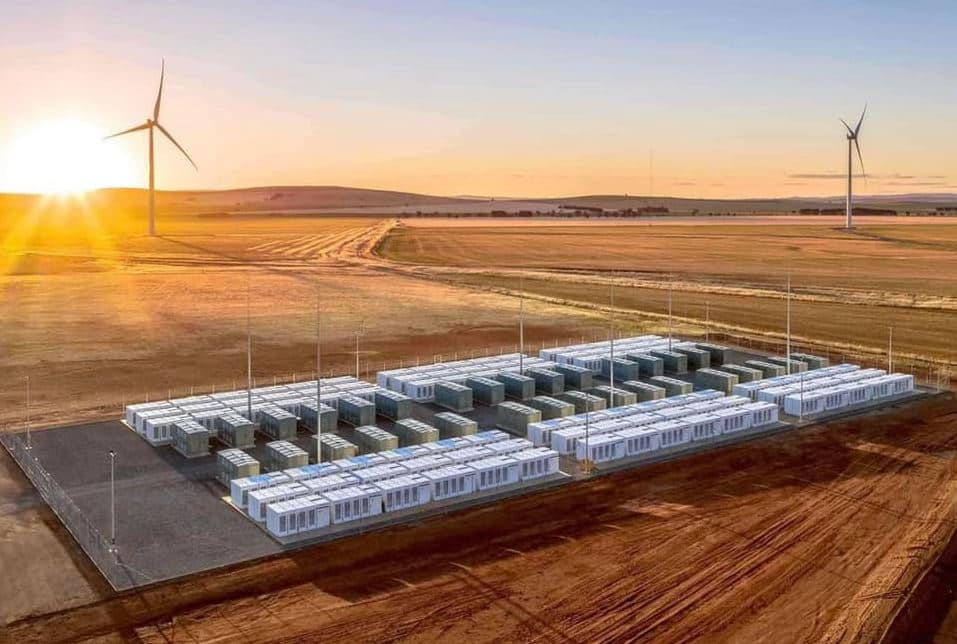
Battery manufacturing is increasing worldwide at over 250% per year. Costs are also plummeting. Together that makes a battery plant profitable inside 2 years, unheard of in energy. The coming battle will be between, do we emphasise battery storage, or new transmission lines, to get the grid to near 100% renewable? Australia is going down the transmission line route, mostly, I think because of historical cosy relationships between political parties and grid operators. Remember ‘gold-plating’ of the NSW grid a few years ago? Most of that gold went into the pockets of the transmission line owners. It also takes a lot of time to build lots of new transmission lines, and they require significant maintenance. Some experts are predicting batteries will make that mostly unnecessary. It’s very fast to add batteries to the grid, and much cheaper. For example the US calculates it would cost them $500 billion to add enough battery storage to make the transition to renewables. That would pay for itself in only a few years. It would cost them $7 trillion dollars to do it with new transmission lines, it would take 20 years, and transmission lines never make money. Bet on batteries. (P.S South Australia’s big battery, shown below, paid for itself inside 3 years.)
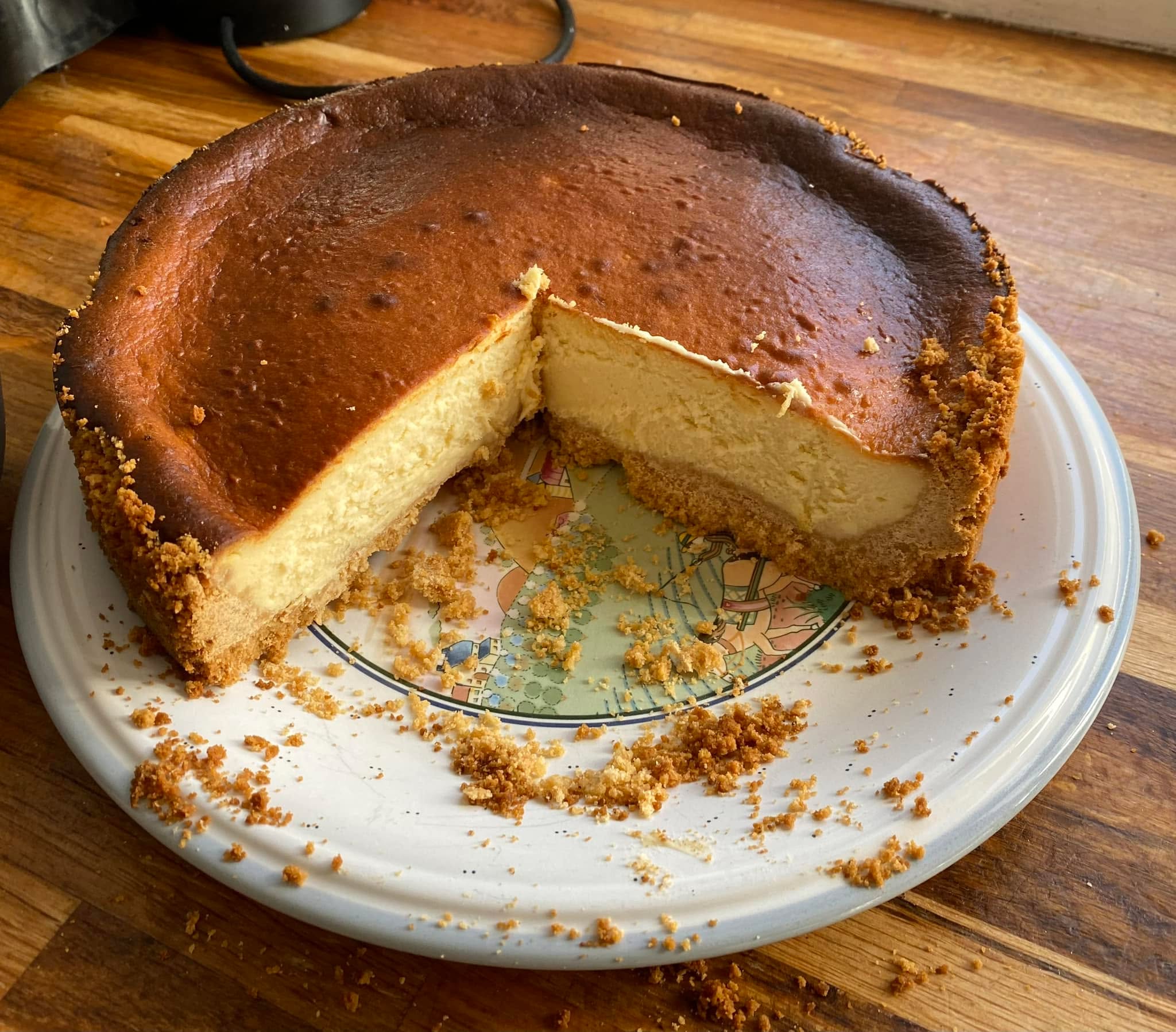
My first go at making a baked lemon cheesecake. With Kell’s chantilly cream, superb if I don’t say so myself. Used dextrose instead of table sugar, much better for you and wouldn’t even notice the difference in taste.
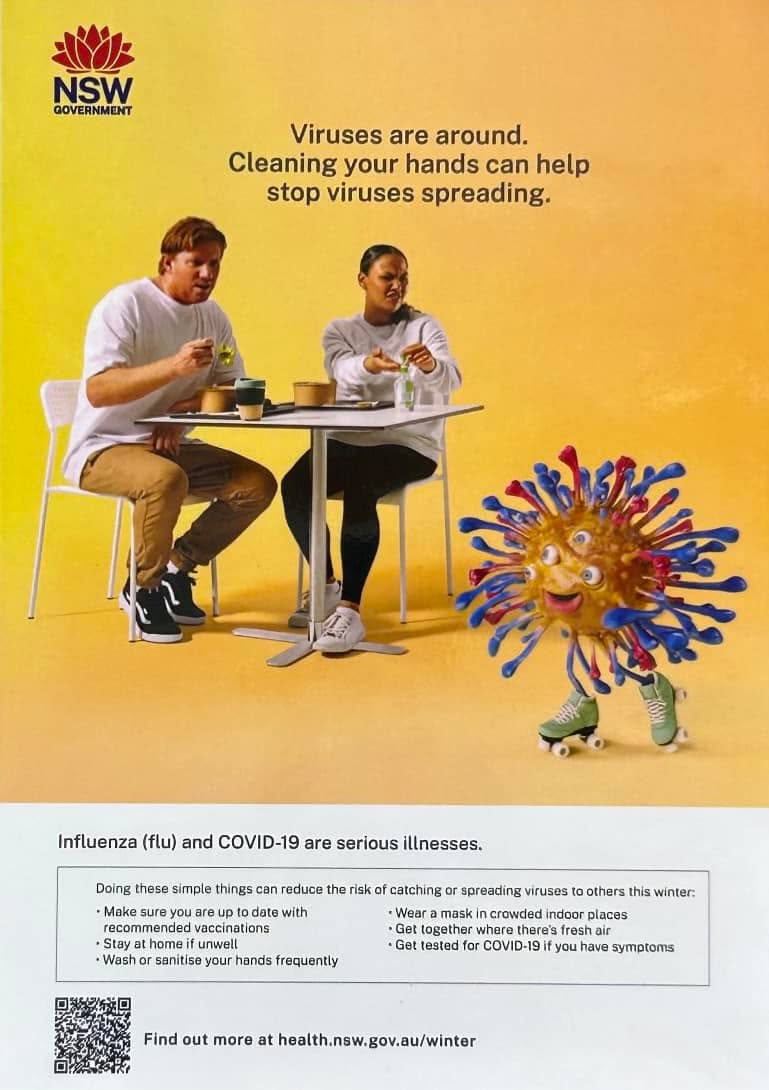
What do you think inspired NSW Health to turn deadly viruses into a colourful cute little thing on roller skates?
What I say about travel even the travel industry says itself. It knows there’s a crisis. It has no idea what to do about it. Travel is Tinder, for locations. Momentary flings, wham bam, thank you…next. If you think your travel is different, that you’re more interested in getting in touch with the ‘local culture’, or with ‘treading lightly on the landscape’, wake up. If 4 million other people did the same as you, and they will, we’re right back at travel destroying the places it goes to see. Should we all just stay home? Actually, mostly yes. That’s what most people have done, for most of history. The reason that doesn’t appeal to us is that our homes are mostly dull and boring. Because we don’t occupy the landscape, enrich it. The places we go to see look amazing because those people DID inhabit that landscape, for generations, enriching it constantly. We go looking for what we lost in our own homes. I won’t give up trying to convince people that by ‘being there’, you’re actually more distant from what you’ve gone to see. You are unavoidably a stranger, at a distance from the people and location. You will appreciate it much more, from afar. You don’t get to root every person you like the look of, or stalk them in their homes. The same applies to locations. It’s time for a lot more spatial monogamy.
Happy Birthday :)
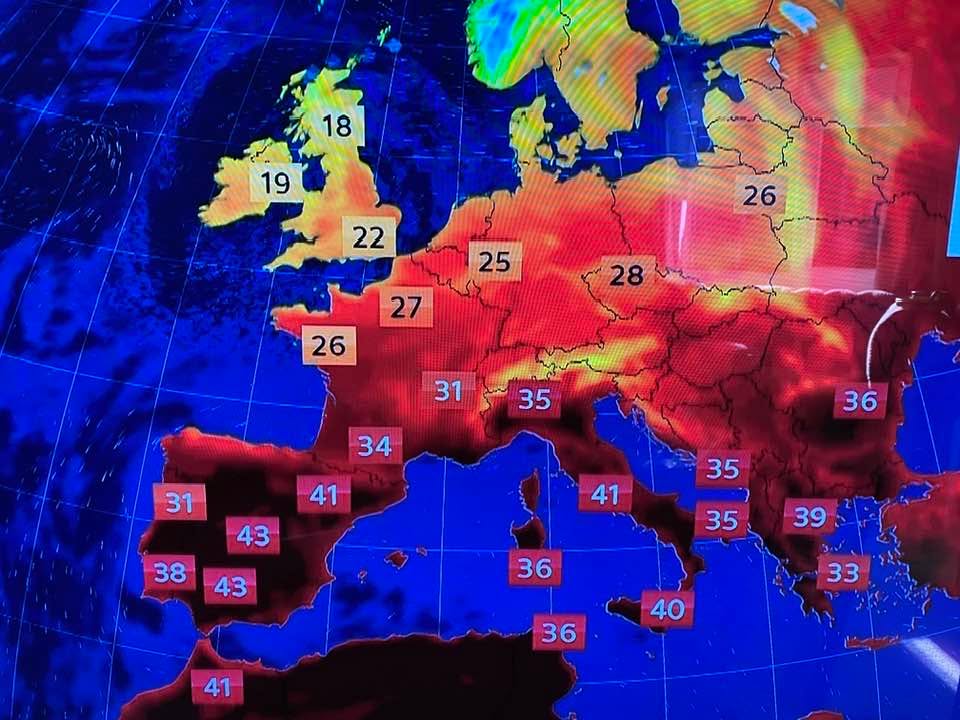
You can listen to people who tell you that climate change is not something unusual, not something humans are doing. Or you can just look at the weather forecast today for Europe, and tell them to shut up.
Flu has killed two children in Australia this month, and is rampant in children in particular. Likely children with immune damage from Covid infection. And now see the UK, just another of a long list of pathogens feasting on the immune-damaged, from Covid. Do people not see this stuff and wonder? Do they not see the disastrous weather patterns worldwide and wonder about climate change? Does anything penetrate ‘having a good time’ life? (Actually I know what does - pathogens, and climate change. But way too late by then.)
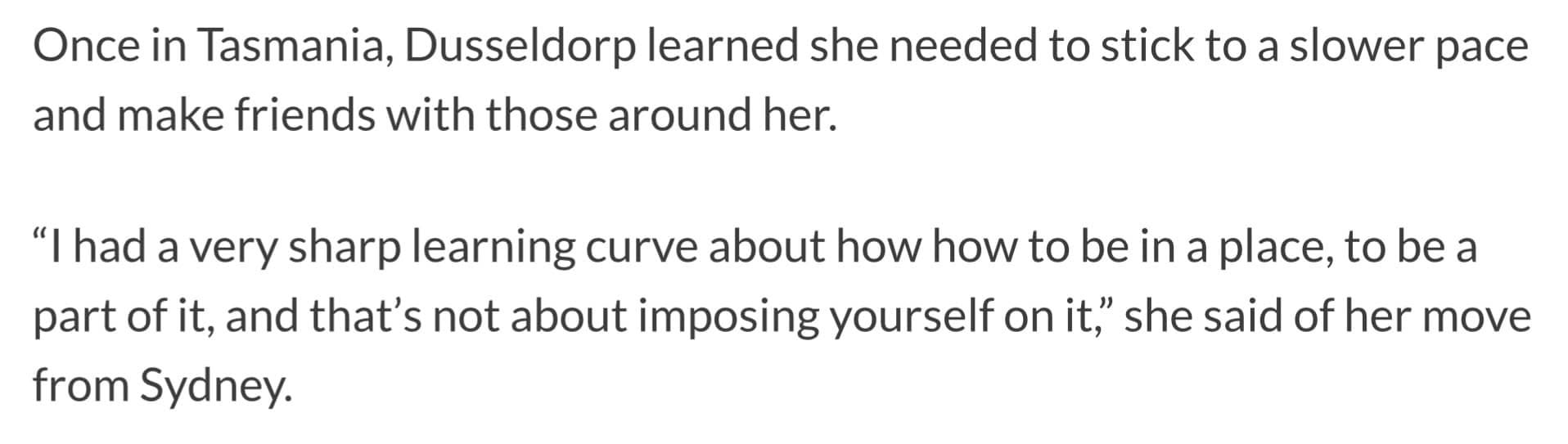
Observations from Marta Dusseldorp, film/TV producer, about how to ‘be in a place’. Exactly what I post about, with travel. Dusseldorp moved from Sydney to Tasmania. This is somebody who actually moved, the long process of ‘being in a place’ that involved. You have no hope at all of doing that, as a traveller.
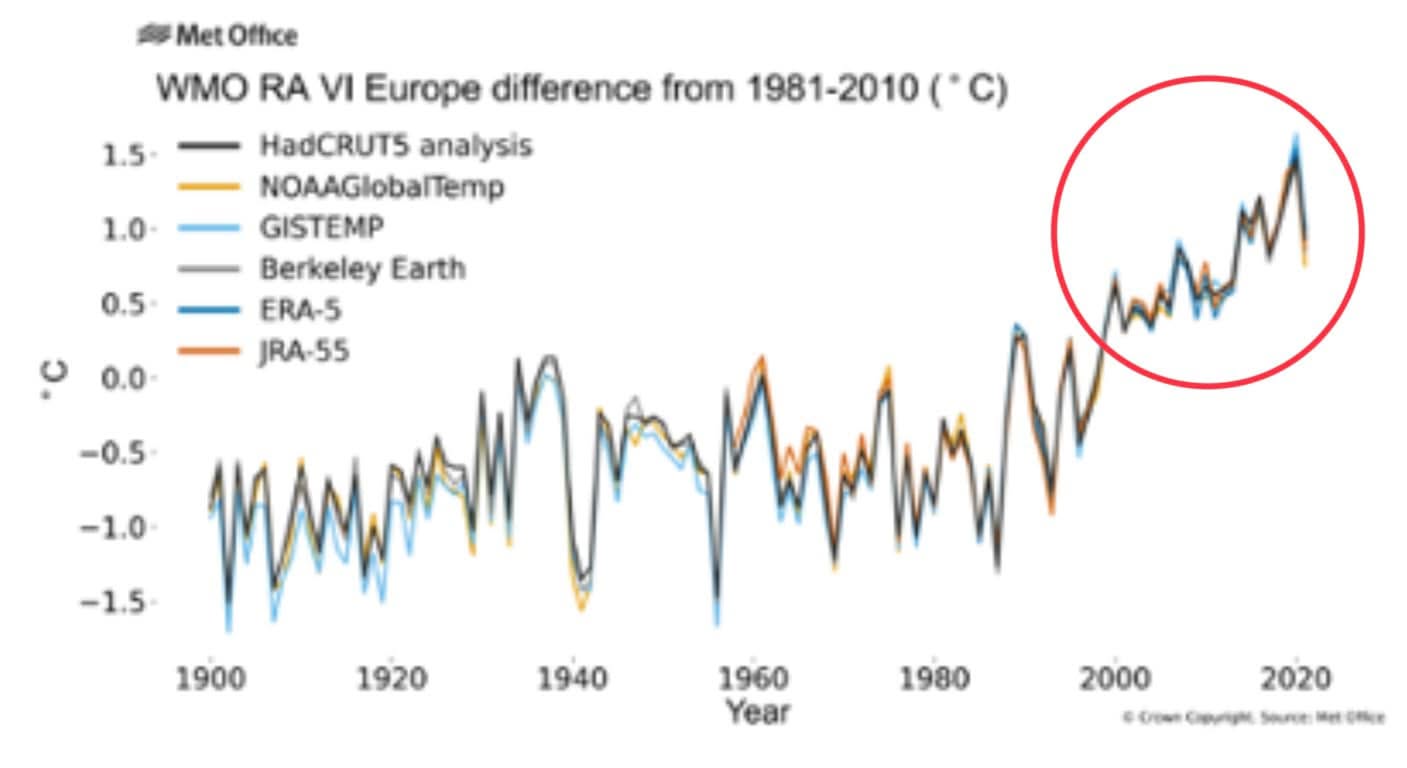
Already hearing the climate deniers roll out their You Tube wisdom, about the European heatwave. That ‘Europe has had heat waves before’. This isn’t a heat wave, it’s a heatING, a permanent shift upwards in temperature. To explain this graph, it shows difference in average temperature, using 1981-2020 as a baseline. The entire 20th century was *below* that baseline.
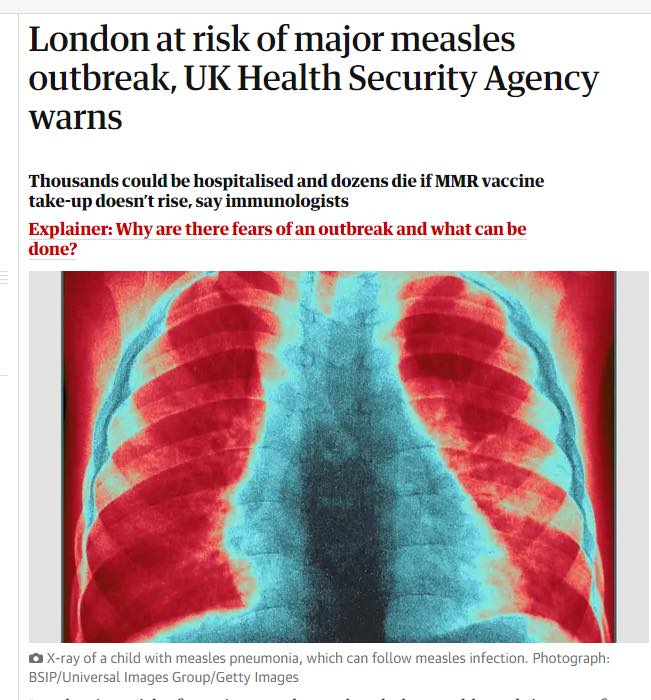
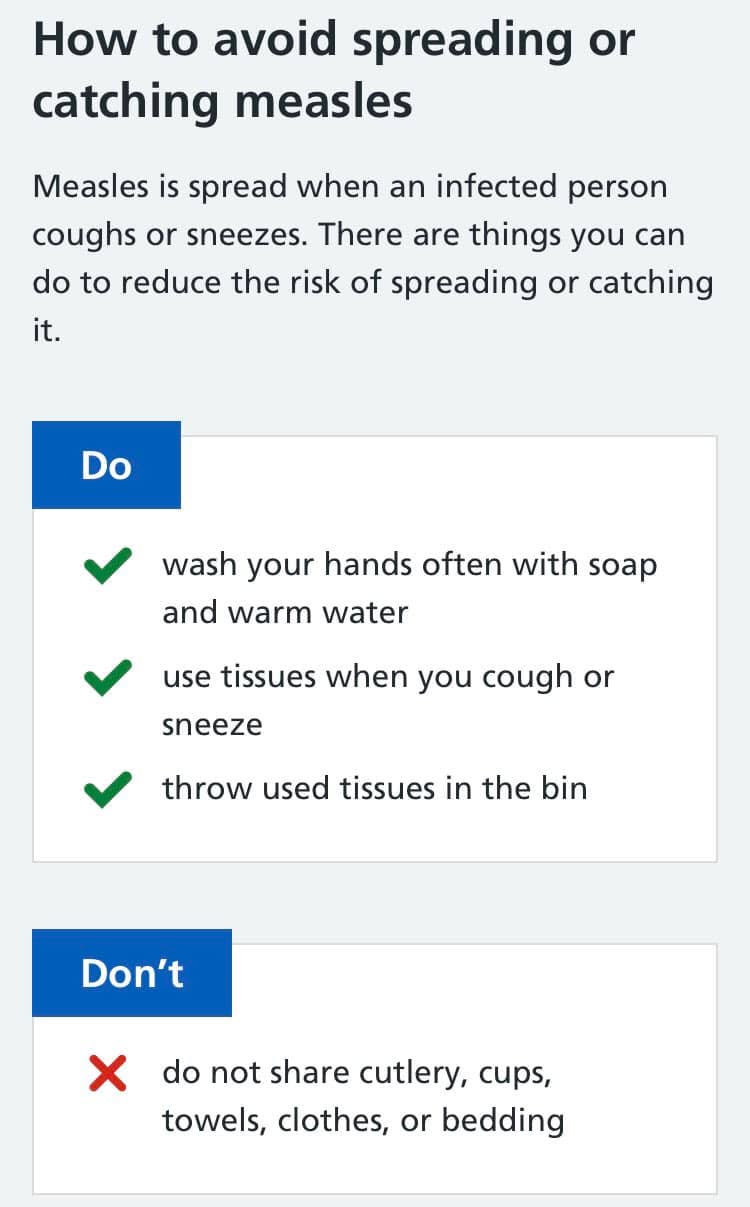
Fucking politicians. Measles advice out of the UK, for the current outbreak there. Nearly all absolutely useless to prevent the spread of measles, it’s just about the most contagious disease we have. They don’t want to say isolate the infected, because that would mean workers not coming to work and kids not going to school.
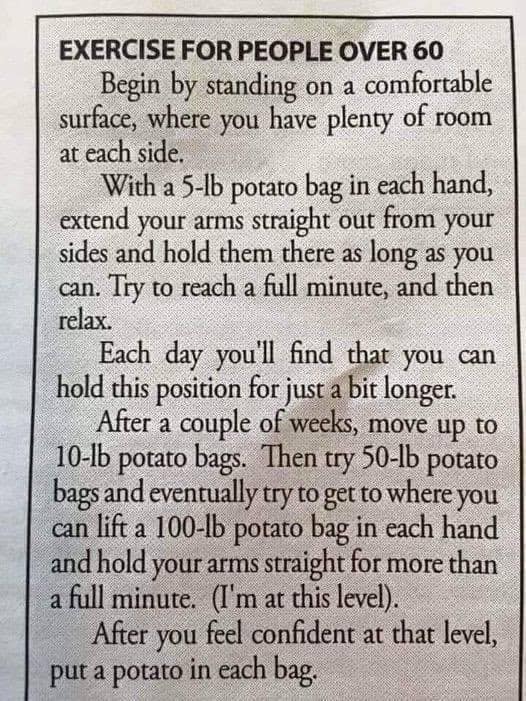
One for your series of oldies posts, Alex 😉
happy birthday Lou!
Word for word what I’ve been saying about cars in Australia, for several years. Notice how Australian life has changed, the Toyota Corolla used to be our most popular car. People considered smart things, like fuel consumption and servicing costs, when buying. Now it’s big SUVs and utes. Status and image have replaced the old adult methods of selecting cars. We’ve become more adolescent across the board.
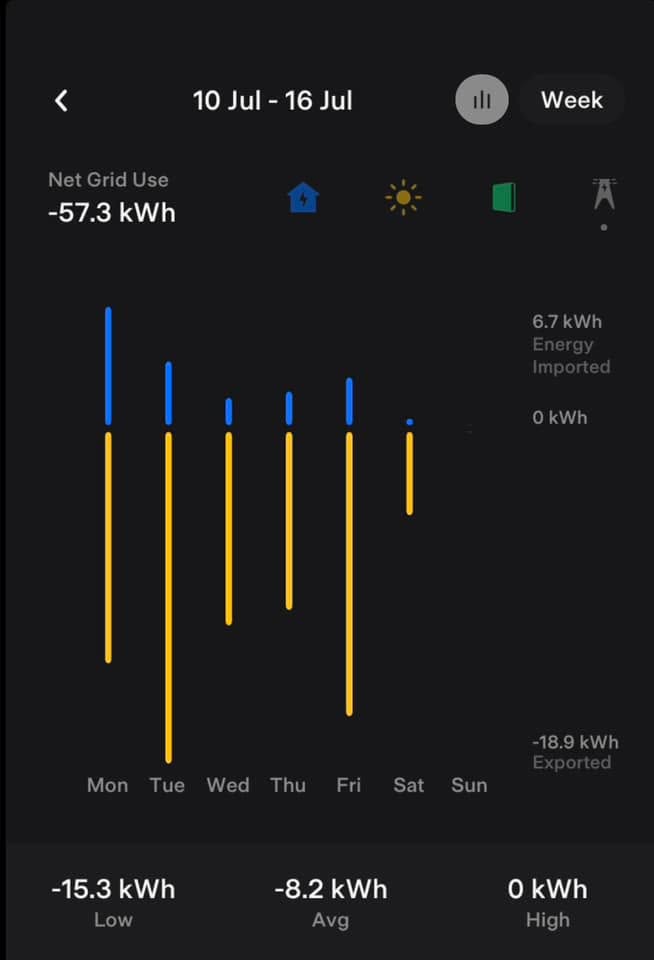
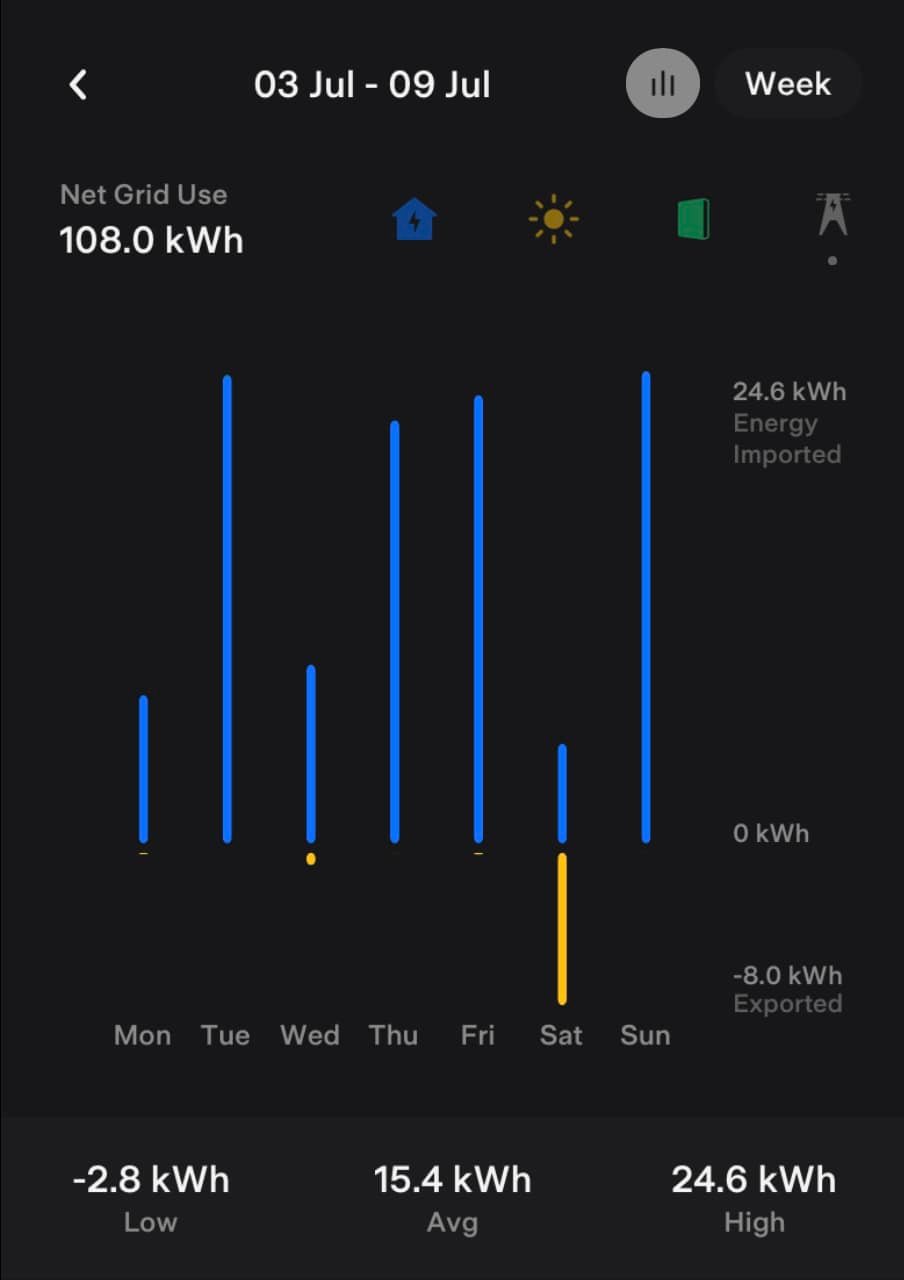
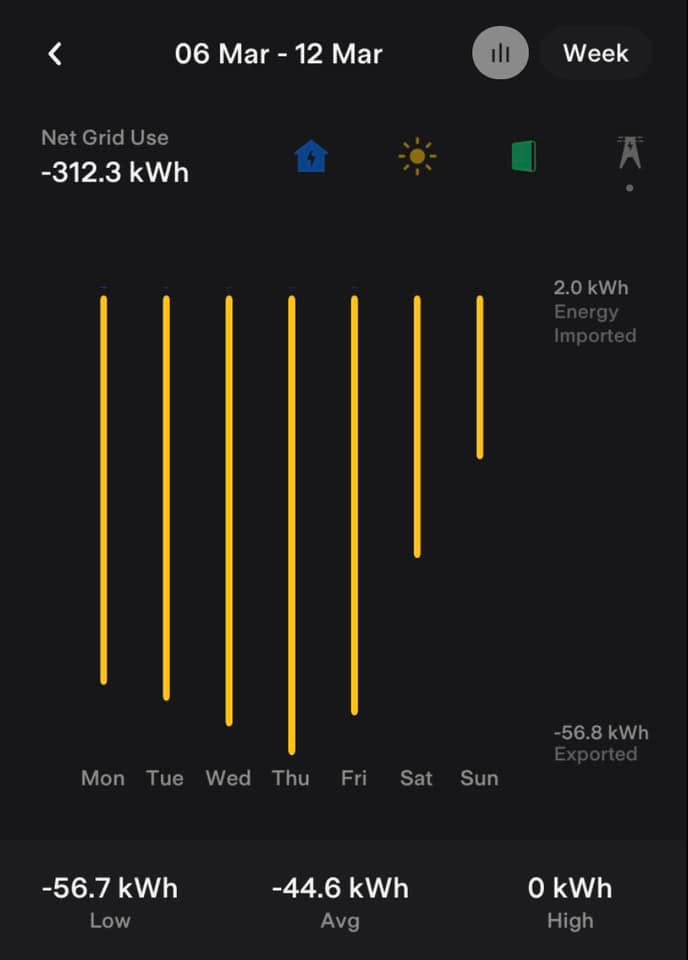
These three figures show weekly energy use in our house, in 3 different weeks. Blue means electricity imported from the grid, yellow electricity exported to the grid, by us. You can see the past 2 weeks have been fundamentally different. The first week of the holidays was very cloudy and dark, and we had to import electricity from the grid. Lots of blue. (Our use during the day is still mostly covered by solar, even on a cloudy day. The imported amounts are mostly evenings, because the battery didn’t get a chance to fully charge during the day. We were also all at home for holidays, mid-winter and heating, so usage was higher than normal.) This week the sun came out, and the yellow (exports) dominate. Then rewind back to March at the beginning of Autumn, and we were importing nothing at all, as we don’t pretty much for every season except winter. All yellow bars. This is the longer-term view that can get missed. The surplus in 3 seasons of the year easily covers any imported electricty in winter. Just as the cost of installing the system is only understood by considering what it costs you over 5-10 years, not when you first install it. It will pay for itself, often inside 3 years without a battery. With a battery a few years longer, but those prices are plummeting, and also you get protection from grid instability in the meantime, and that’s coming, in the next 5-10 years. If you have solar but not battery and there’s a blackout, you lose power like everybody else.
Happy birthday 🎂🎂
Happy Birthday! 🎊
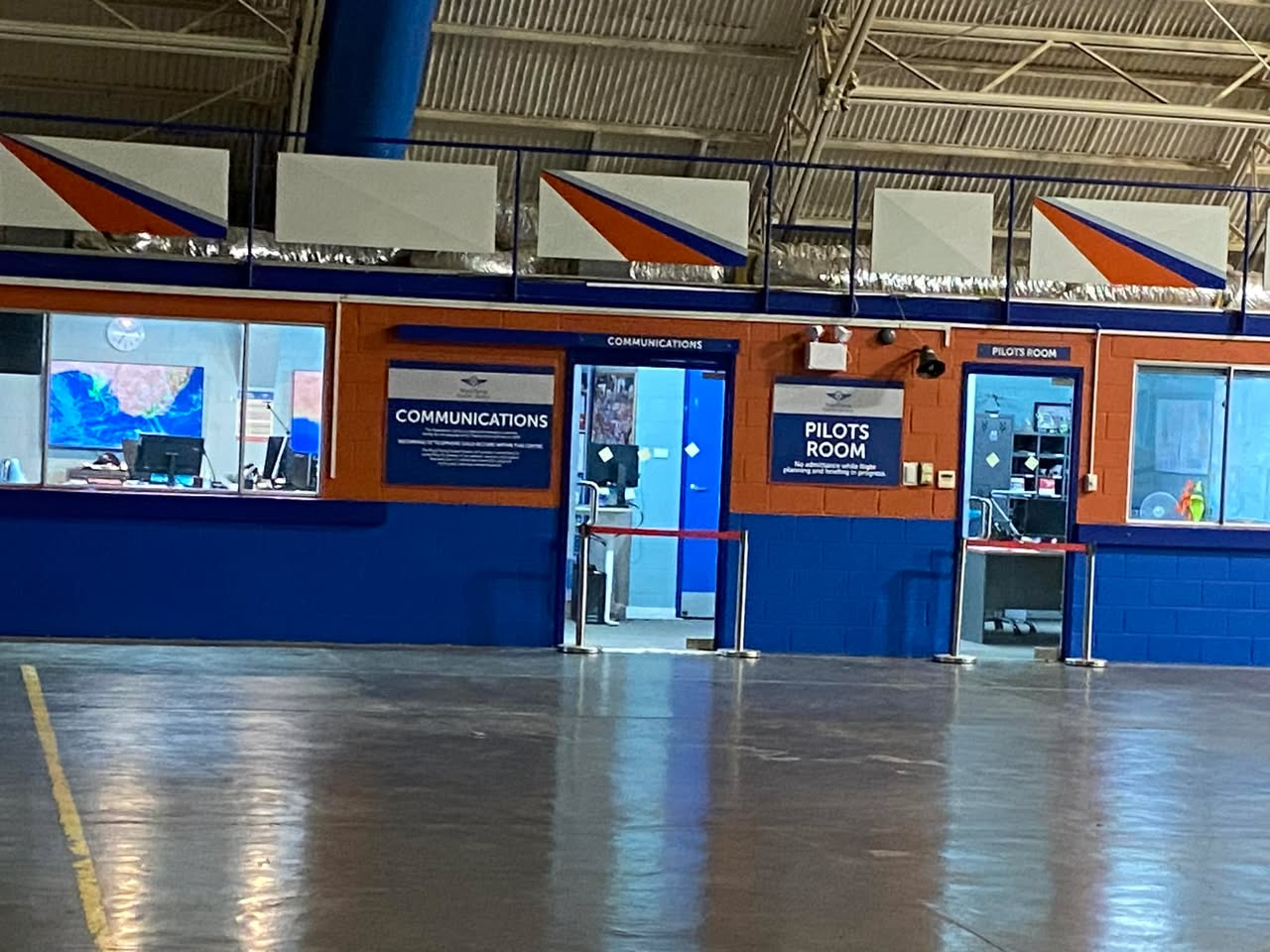
We were in Broken Hill to visit Kell’s sister, who’s a doctor with the Royal Flying Doctor Service. The old hangar is featured in 7’s RFDS series, and you can see the pretend offices they’ve set up for filming. (The hangar used today is next door.) Not usually a fan of Channel 7 drama, but we watched RFDS and it’s actually good. Though a little more dramatic than the real thing, unsurprisingly.
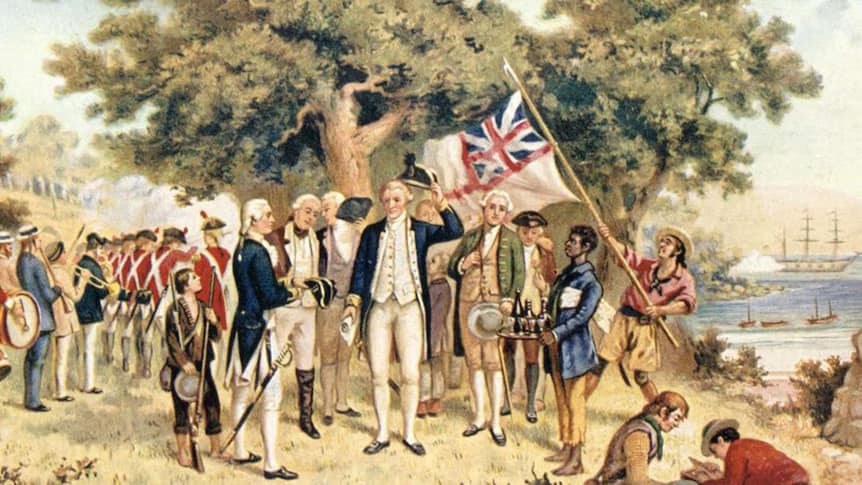
The interesting thing about the Mabo decision of the High Court in 1992 that hasn’t really sunk in widely in Australia, is that it reversed Cook’s claiming of Australia for the Brits. Imagine landing in a country and immediately claiming it as yours, before you’d even set foot in nearly all of it. Incredible cheek. What’s also less reported was that he was told to take possession, ‘with the consent of the natives’. That consent was never sought. All of the modern claims that we’re a European nation and everybody should conform to our way of living ignore that legally, it’s actually still Aboriginal land as well. Mabo puts back in place the ‘consent’ that we ourselves required at Cook’s time, but was never done. What Cook said of the Aborigines he met is very interesting: “The natives of New Holland, they may seem to be the most wretched people on Earth, but in fact they are the happiest people I have ever witnessed.” That happiness didn’t last long.
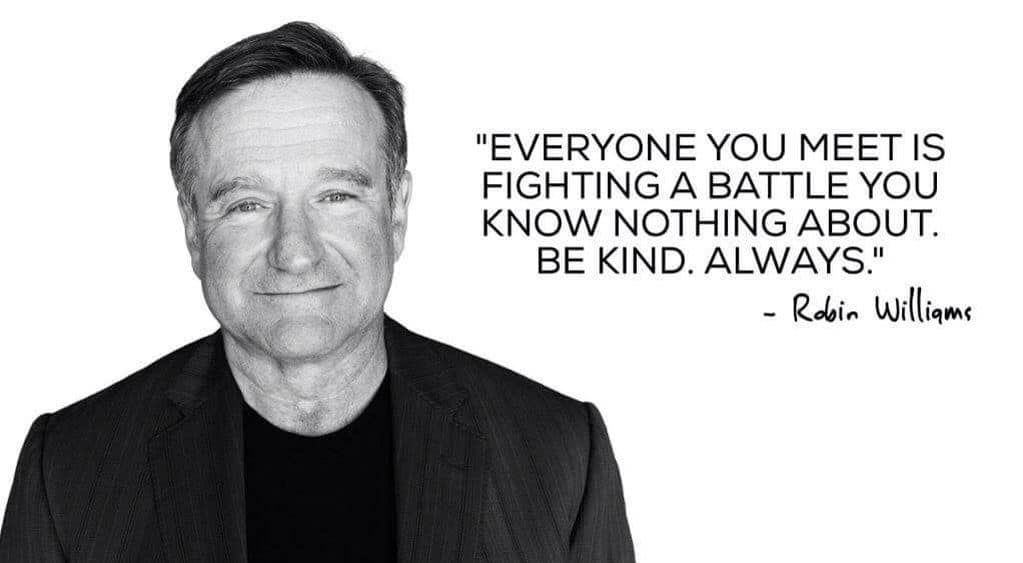
The most important thing you can offer all people as a result of this insight isn’t kindness, it’s honesty. By not talking about things we find difficult in life, others think our lives are nothing but happy, fun times. Fake ‘positivity’. Why social media is so damaging to all people, especially those struggling. It makes them feel even more deficient, more of a loser, more depressed. Our lives now have this ridiculous baseline of fake, permanent happiness, which we all feel we need to live up to. Being sad is human. Being angry is human. Being down is human. Being all of these things is also important, for your emotional health, but also as a spur to fix the world’s problems. I think social media is incredibly damaging (and banal), because it doesn’t get this. (P.S Williams never said this, it’s a quote from the 19th century.)
‘Near’ Lithgow?
Meanwhile in the US…
Not sure how well known it is that these firms structure themselves as partnerships, like a law practice, to avoid key requirements of the Corporations Act, such as annual financial statements, and audit. (Yep, they have no financial statements and they’re not audited.) For example some have 900+ ‘partners’, and there is no annual financial statement for what the firm has been doing. All deliberately designed to basically be a system to make partners extremely rich. These clowns were hired by universities too to ‘advise’ on major change. (University boards and senior managers are as incompetent as consultants are rich - it’s one reason the consultants are rich.) The places never recover, it’s like having leeches attached all over your body that you can’t get off.
At a 2-day training on leadership and management. Not my choice, tried to get out of it. The usual and dominant ideas, that management is about managing people in all sorts of ways, drawn from pop psychology and other areas. I think that’s a total waste of time. Managers are there to manage the work. What somebody thinks or does personally about the work is irrelevant. You’re not there to be the cruise director that keeps everybody socially happy. If people can’t differentiate between the work they’re paid to do and how they get along with other people, teach them that. If they refuse to get it, fire them. I hate workplaces that try to manage personal things, it’s intrusive and never achieves anything either. You’re at work to work. Even with people you don’t like.
I feel that one of the 7 habits of highly effective people would be not to read 7 Habits of Highly Effective People.
If Australia loses the World Cup, I think this picture will explain why. They picked the wrong shooters.

Followers of Trump and Trump himself are gradually discovering that reality is not just what your opinion is. You can get away with that for a while, if you're popular. Reality will find you.
Mark Taylor, still I think our smartest and best Oz cricket captain of the modern era, summed up 'Bazball' brilliantly last night. He described it as playing 5 one-day games on successive days.
Grid-scale batteries coming in a rush now. Three are listed as possibly coming to the Lithgow LGA. Tesla 'megapacks' are common batteries used (as in the pic). 3 MWh (enough to power 3600 homes for an hour). Can be assembled in under 3 months.

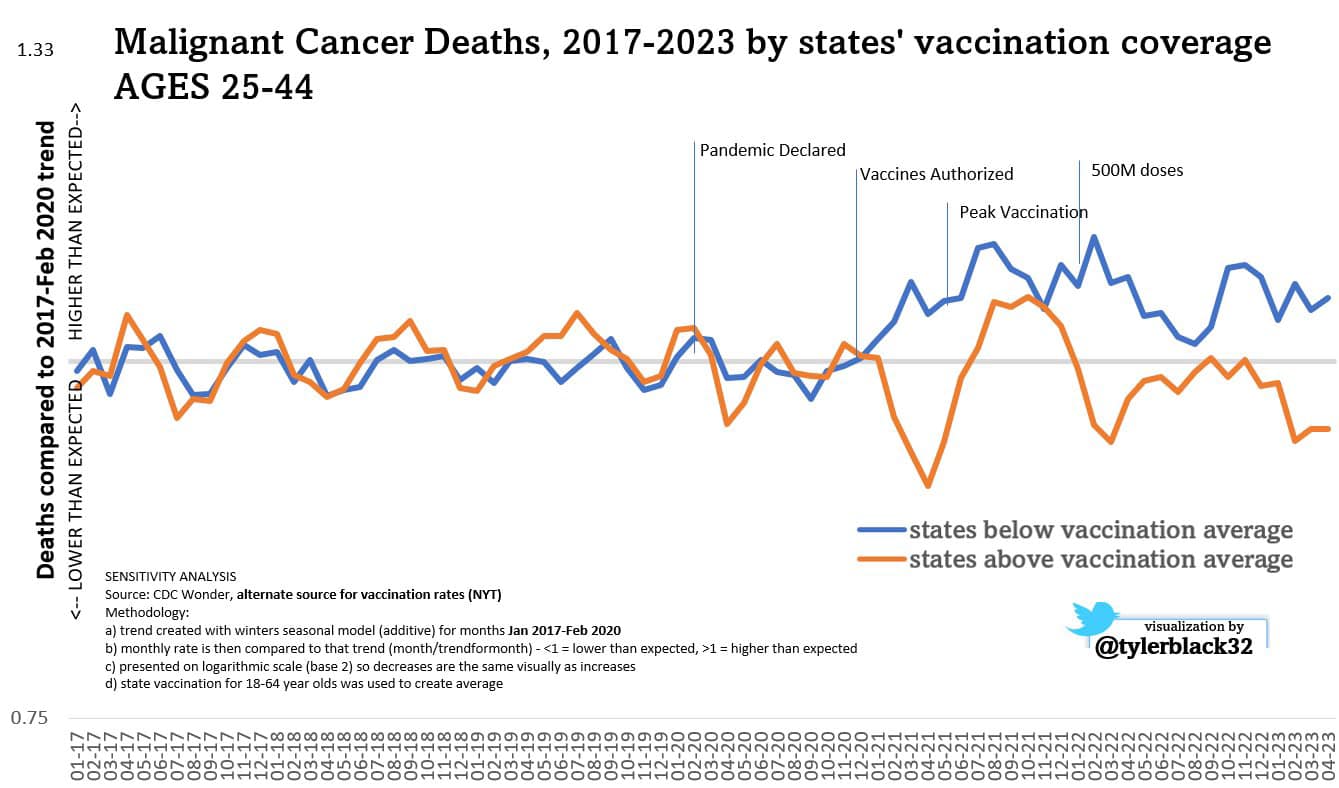
This is so interesting. Where vaccination rates are high, for any disease, deaths from malignant cancer are lower. Cancer is (I’m sure, based on research underway globally for a while) heavily caused by infections. As is heart disease.
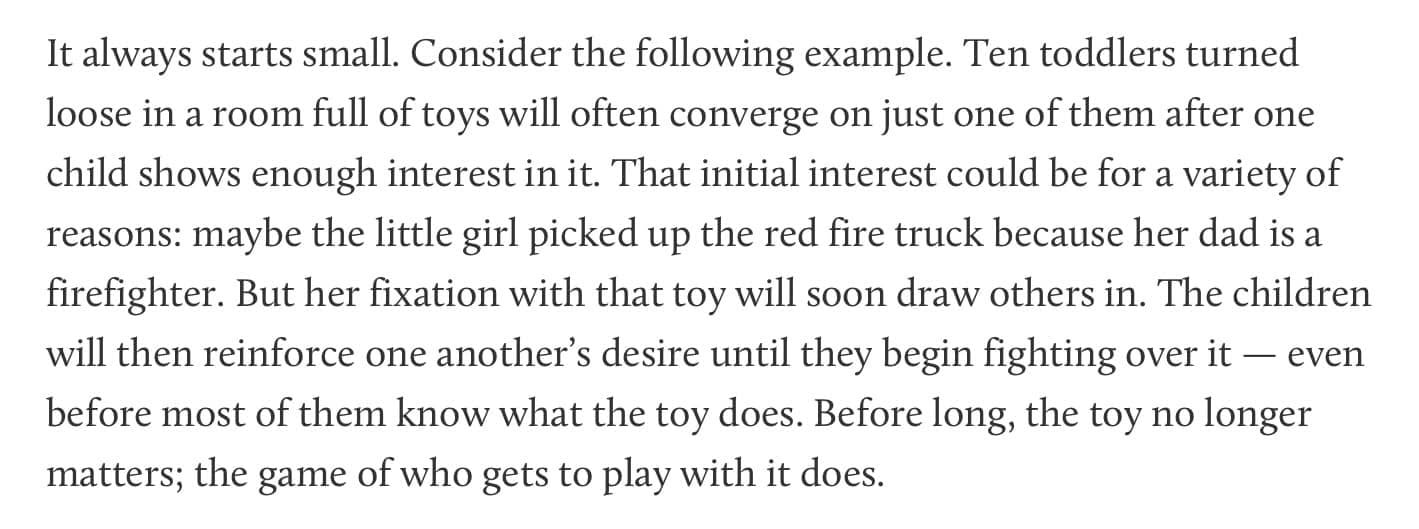
All groups, of whatever size, from a netball club through to a country, operate in exactly the same way. Using imitative desire. To imitate and emulate is both our deepest human passion, and what causes all human behaviour. It’s why posting travel shots online is so popular, those are the red fire trucks of the example below.
So at this stage the best way for England to lose the Ashes, in the deep pain and anguish way (always the best), would be for them to have a couple of good days, like today, and then have rain wash away any chance of a result.
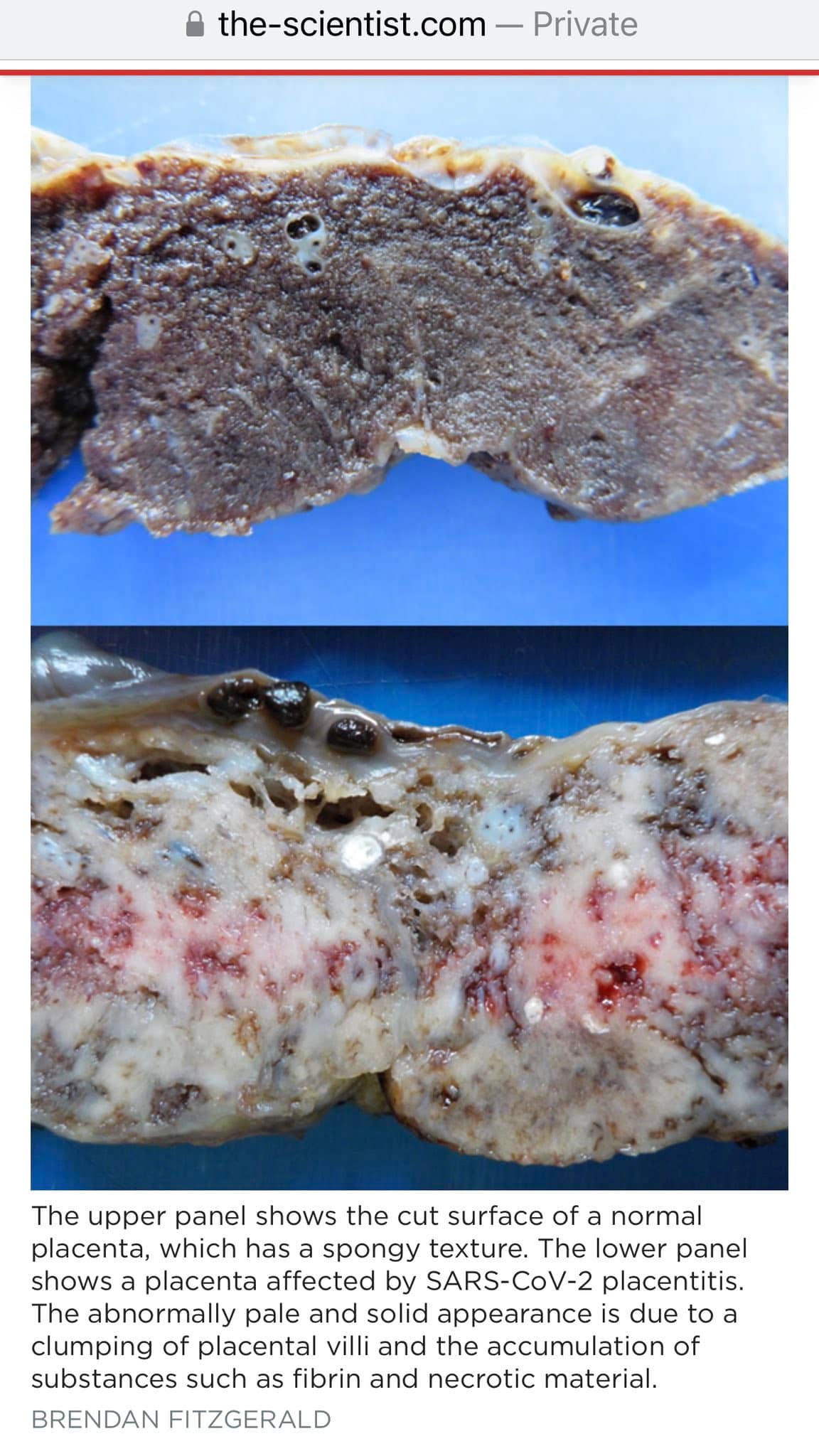
The bottom placenta in the image is profoundly damaged, and is from a woman who had Covid-19 during pregnancy. Covid is a vascular disease, it can attack blood vessels, everywhere.
Spare us all the usual tripe about private hospitals being important to reduce waiting lists in public hospitals. (They don’t.) They exist for one reason only, to make their owners and doctors seriously rich. (The owners sometimes are the doctors.) And they’re not even very good at doing that, as the experience of Lithgow, Bathurst and Orange now bears out.
This article (and the real estate agents in it) don’t even realise the hugely important thing they’ve discovered. That using ‘the market’ as a mechanism to sell things drives prices higher, not lower. The market is a myth, what it really means is unregulated economic transactions. And that doesn’t lead to more ‘efficient’ outcomes (the theory), but actually to the opposite.
Australia’s 4th test Ashes plan is playing out perfectly. Bowl and bat hopelessly, so the English look in complete command. Then let the rain wash out most of the 4th and 5th days. The emotional damage for the English would be immense, the perfect outcome. You don’t just need to win, you need to tap that deep sense of superiority they feel over Australians, and completely destroy them emotionally. Now we just need English rain to follow the script.
Read British journalism when England is doing well in sport, and you get a window into the psychology in play there now. ‘Little Britain’ as some call it. Desperately clinging to old ideas of empire and world domination, and terrified (rightly) that the actual reality of their lives is a long way from that. Every tiny victory in whatever area of life is celebrated as if it affirms everything the country lost long ago. At some point there’ll be a reckoning, when Brits recognise they’re a tiny nation now with only a huge attitude. It’s embarrassing to watch. Meanwhile in Australia, who were always ever only the arse-end of this same long-gone empire, we have nothing at all to fall back on, not even the imperial history. Our politics of the past century pretended we were still a leading edge of that empire, and turned us into a quarry for smart countries instead. Now we have the opportunity to actually become a world superpower through our energy and mineral resources (which previous governments gave away), the old imperial salute the flag bullshit still exerts itself, telling us all that we’re better off doing nothing. The empire must die.
For the cricket tragics, have a look at this clip from 1994. For two reasons. Firstly for the beautiful balance Mark Waugh had in all things. And also because he places the ball on the ground after catching it, in the same way Mitchell Starc did in this Ashes, in a catch that was disallowed.
You can heat your house for about 70% less using reverse-cycle electric. I was amazed when reading this that some people already have reverse-cycle units, but still heat their houses with gas in winter.
I’ve worked with Michael Pascoe on a couple of things, a smart guy. Here he explains why the real problem with housing is that we stopped building public housing. We privatised the process of providing housing to poorer Australians, thinking ‘the market’ would provide for them. It didn’t, it made things much, much worse. As in the earlier article I posted today, the market pushes prices up, in all things. It’s a myth, unregulated things become profiteering, always. Nobody in the market wants to build houses that will drive down prices. Public housing solves this problem.
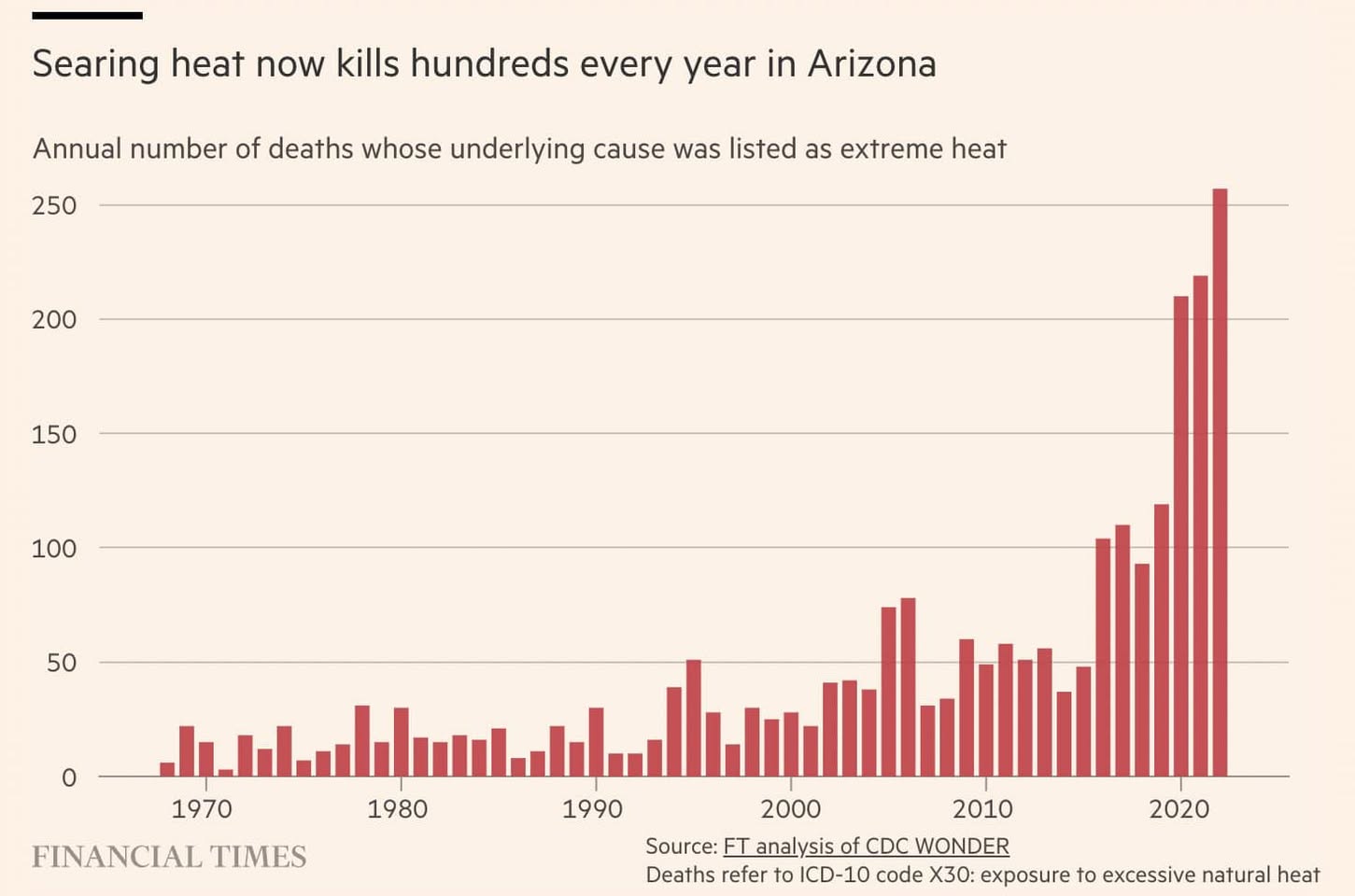
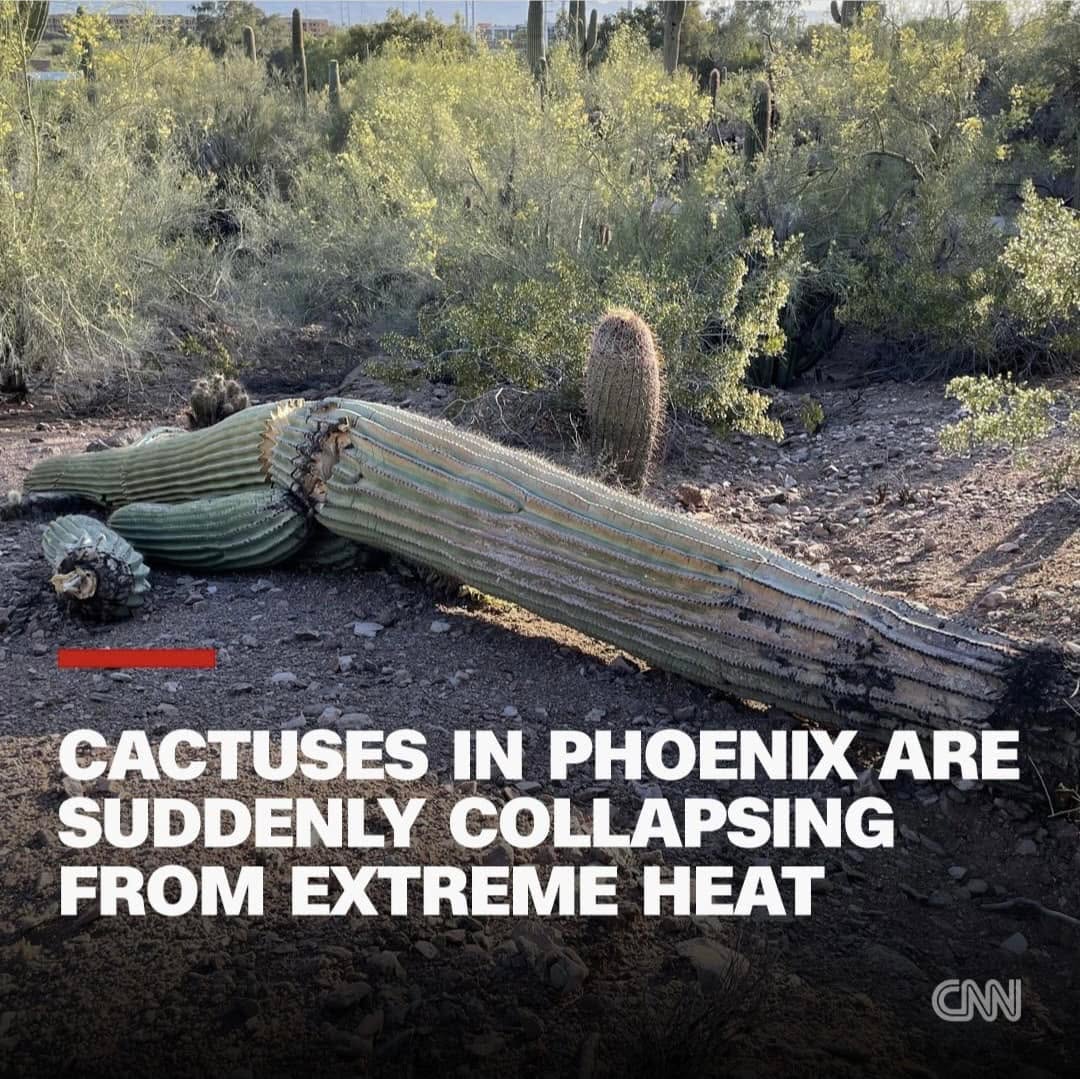
85 people in Arizona suffered severe burns from contact with footpaths that had heated to 180F (82C). 7 of them died. We’re sleepwalking into extinction.
One thing I never did as a manager over almost 20 years, is delegate my work to other people. In nearly every larger organisation now, this is the pattern you’ll see. One of the first things a new senior manager does is invent a ‘deputy’ position that they can dump the parts of their job they don’t like into. In fact every organisational ‘re-structure’ I’ve ever seen was this, on steroids. The entire rationale for re-structures is to make life easier for the people at the top of the org chart. Some of them are even witless enough to say it out loud (been there too, with an ex-supervisor). They invent new positions entirely to park some part of the job they don’t like inside, and that cascades down the whole chart, every manager dumping stuff they don’t like into new positions below them. MBAs are a large part of why this happened. They encouraged and gave excuses to senior managers to basically do nothing. Told them that their focus should be ‘strategic’ i.e. sitting around in meetings with colleagues all day gossiping. That they shouldn’t ‘get into the weeds’ (they have an infinite store of ridiculous analogies). I see it everywhere. Fast food restaurants, and let’s use weeds as an example, where the garden is growing out of control, weeds everywhere, nobody has cut the grass, rubbish hasn’t been picked up. If I was the manager there, I’d be out there first thing to pull the weeds out myself, and pick up the rubbish. Focus on the actual work being done, every day that place looked a disgrace would be an insult to me, as a manager. Can’t wait to retire. Nobody manages anything any more, because organisations are too stupid to even understand what it means. They’ve been captured by all the stupid people who are masters at self-promotion. Entire nations of nothing but teenagers, posturing for social position and status. More likely to be scrolling through Instagram on their phone than managing a single thing. Politics is the same.
We LOVE to imitate, to copy what others do. It’s unavoidable, because it’s based on our deepest desire. To desire what others have, particularly if those others are people we admire. We know kids do this, but all adult behaviour is exactly the same. Take ordinary everyday life. We all wear roughly the same things, with minor variations. Drive the same cars, eat the same foods, watch the same shows, listen to the same bands, travel to the same places. Try not wearing clothes, or speaking nonsense words, if you want to see how much everything we do and see is really a type of copying. It becomes imitative rivalry. For example, travel. There are trending places, that travellers imitate in going to. But then others will try to go some place new, not to escape imitation, but to become the most imitated by others. The reason social media is so dangerous for societies is that it supercharges imitative rivalry. Also why it’s so addictive, imitation is our deepest desire.

Gee that’s gotta hurt 🙂 This is the same ‘spirit of the game’ England who booed Australians on the grounds and even in the dressing rooms throughout the series. Bodyline England. Well deserved agony. Rain didn’t save Australia here, England batted far too long.
Twitter this morning.

More ‘spirit of the game’ from the Brits. It gives you such a warm feeling inside.
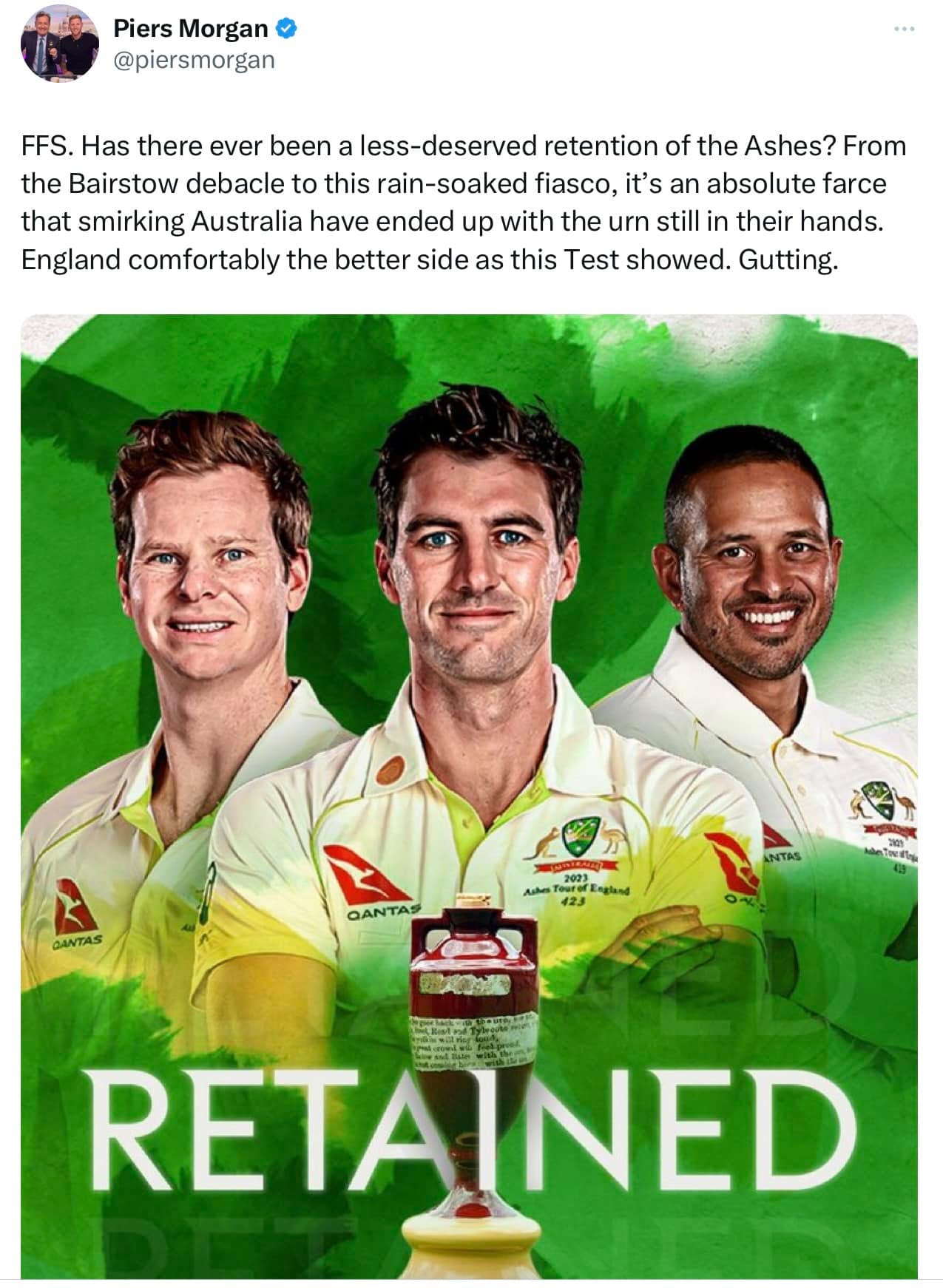
Watching English TV. Lots of talk about whether Australia is happy to ‘win this way’. Lol. Which way is that? Winning more matches? “Australia retain the Ashes after rain prevented play”. The rain won the Ashes! English rain, so the English won. Or something.
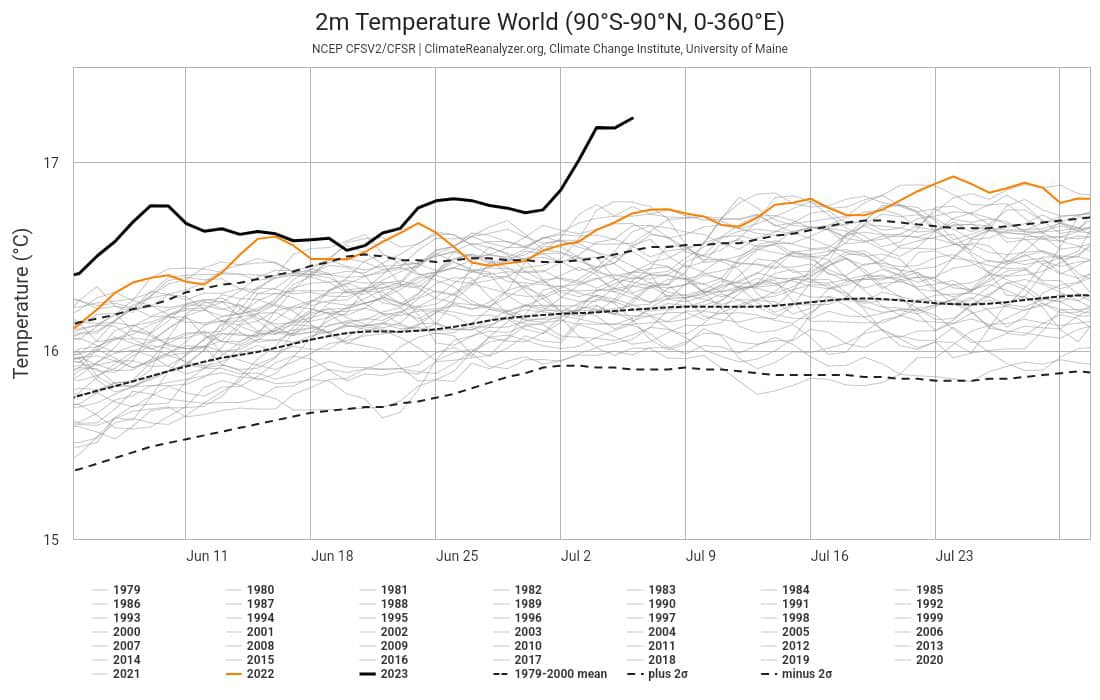
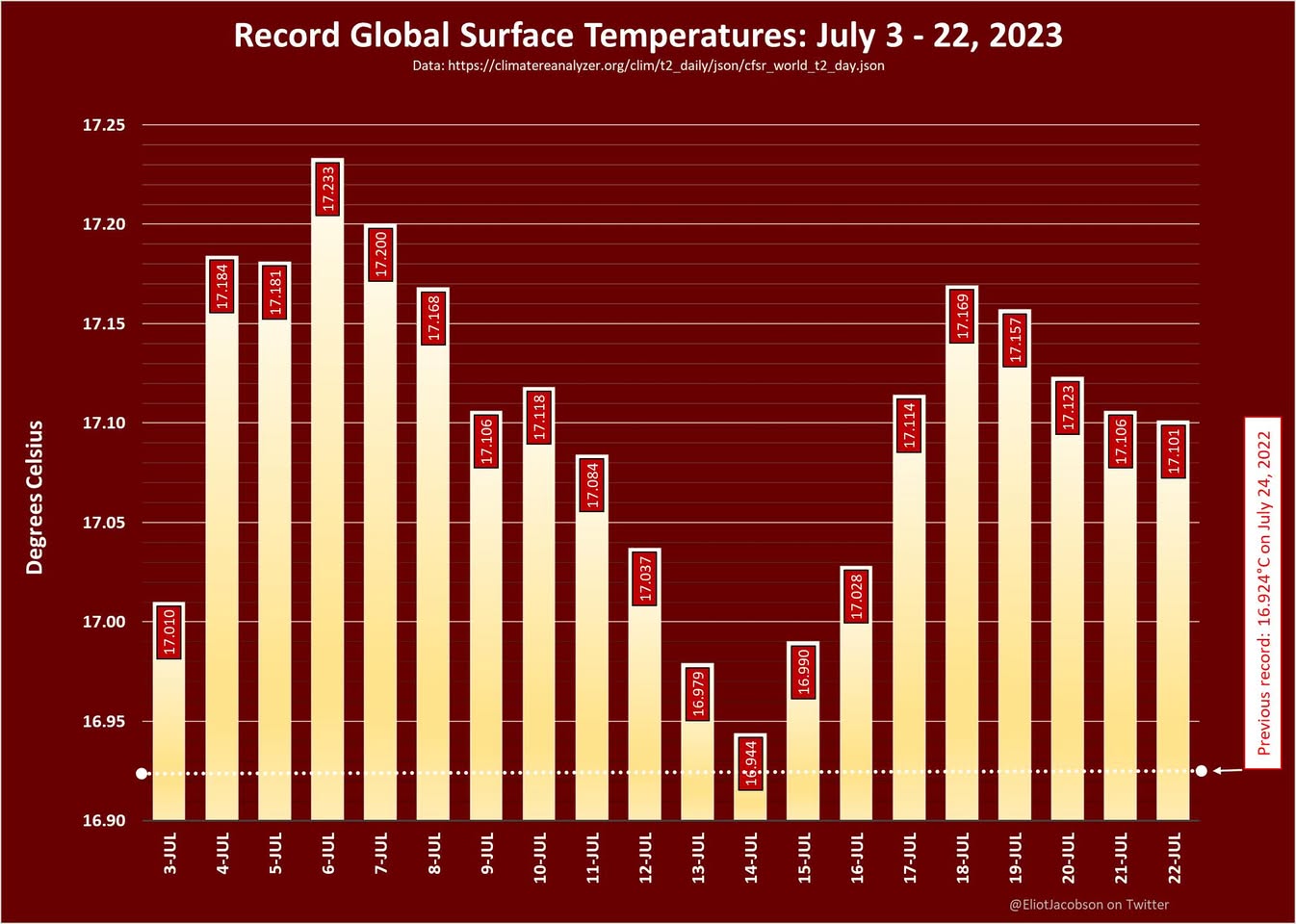
The previous record was the dotted line. The past 20 days are likely the hottest on Earth in 100,000 years.
A tutor at a uni openly admitted yesterday that he had Covid, while sitting in a tutorial room full of students. Wearing a mask, but removing it regularly. I think it’s worth pointing out to people that if you have Covid and knowingly go into public, without taking strong precautions, you can go to jail for up to 6 months under the NSW Public Health Act.
The outrage over the convicts beating the chaps, again, is unabated.
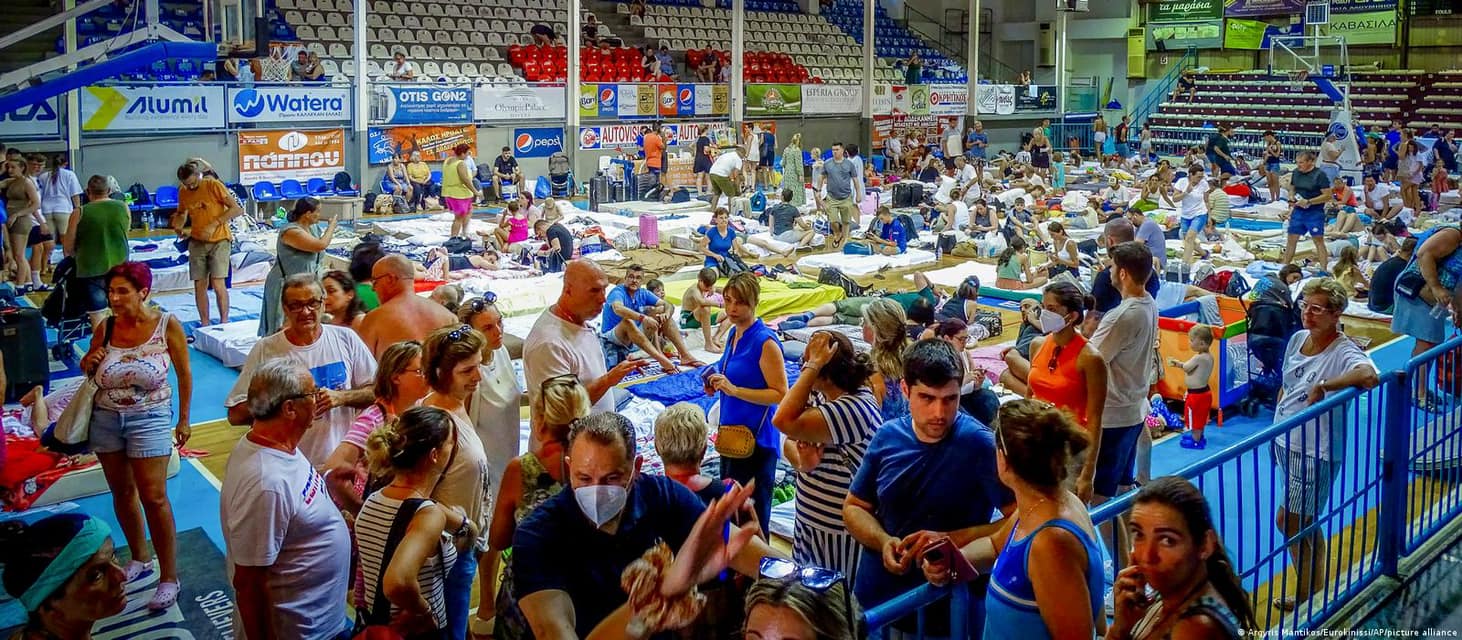
One more for the travel junkies. Rhodes, small island of Greece, is currently on fire, like much of the rest of Greece. Emergency evacuations are underway. Guess how many UK tourists alone were on Rhodes at the time? Over 10,000. Their flights to Athens would have added magnificently to the atmospheric warming causing the fires too. We’re too stupid to survive. But we’ll get some great selfies of it all collapsing.
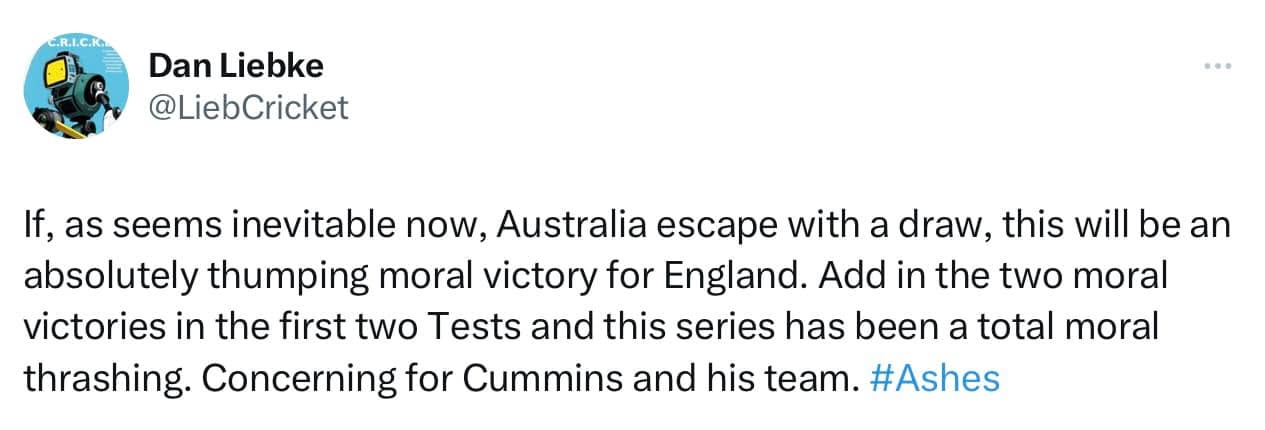
The English lost the Ashes. But if I were them, I’d be much more angry about this.
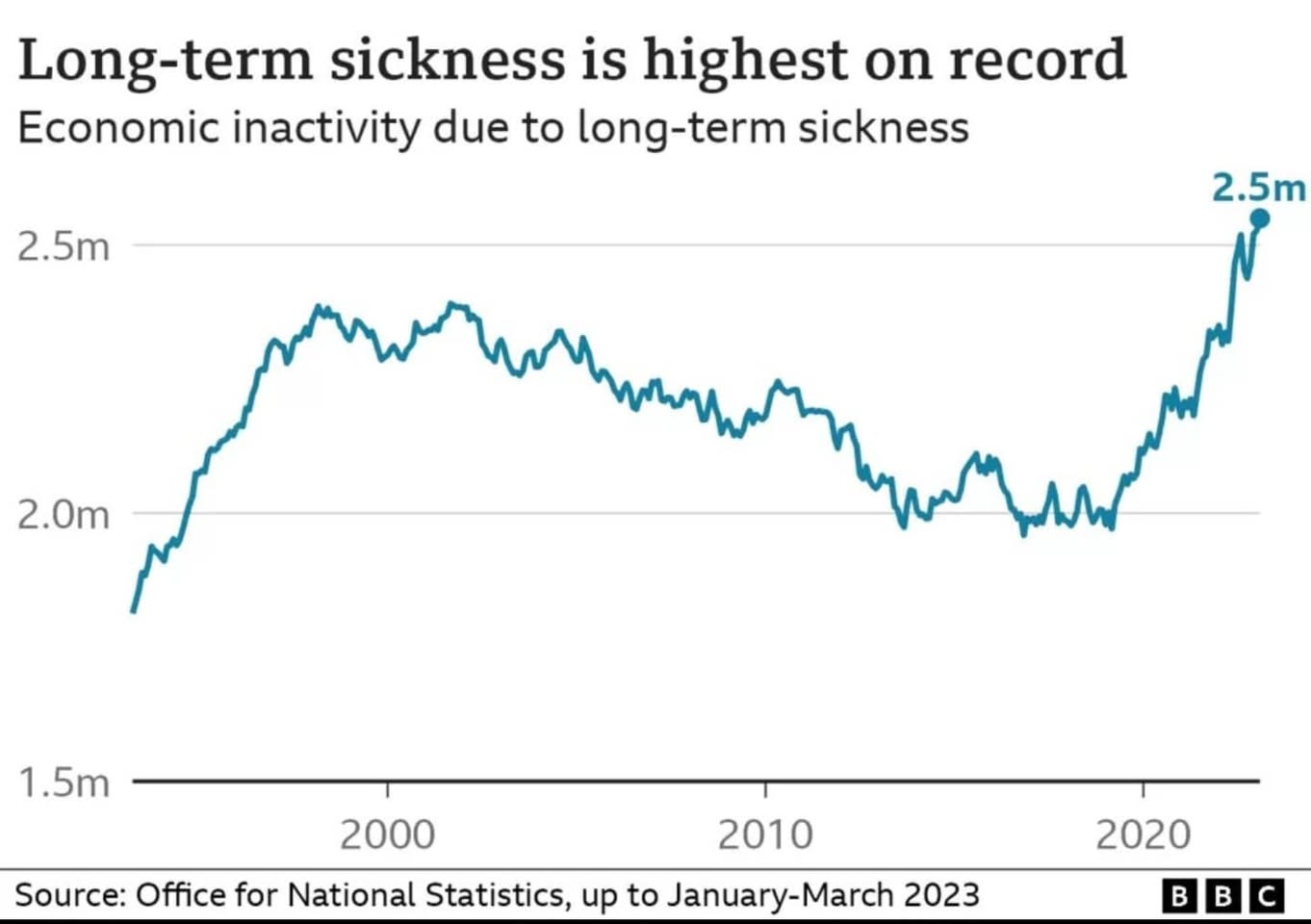
At the vanguard of dumb in our societies…travel.
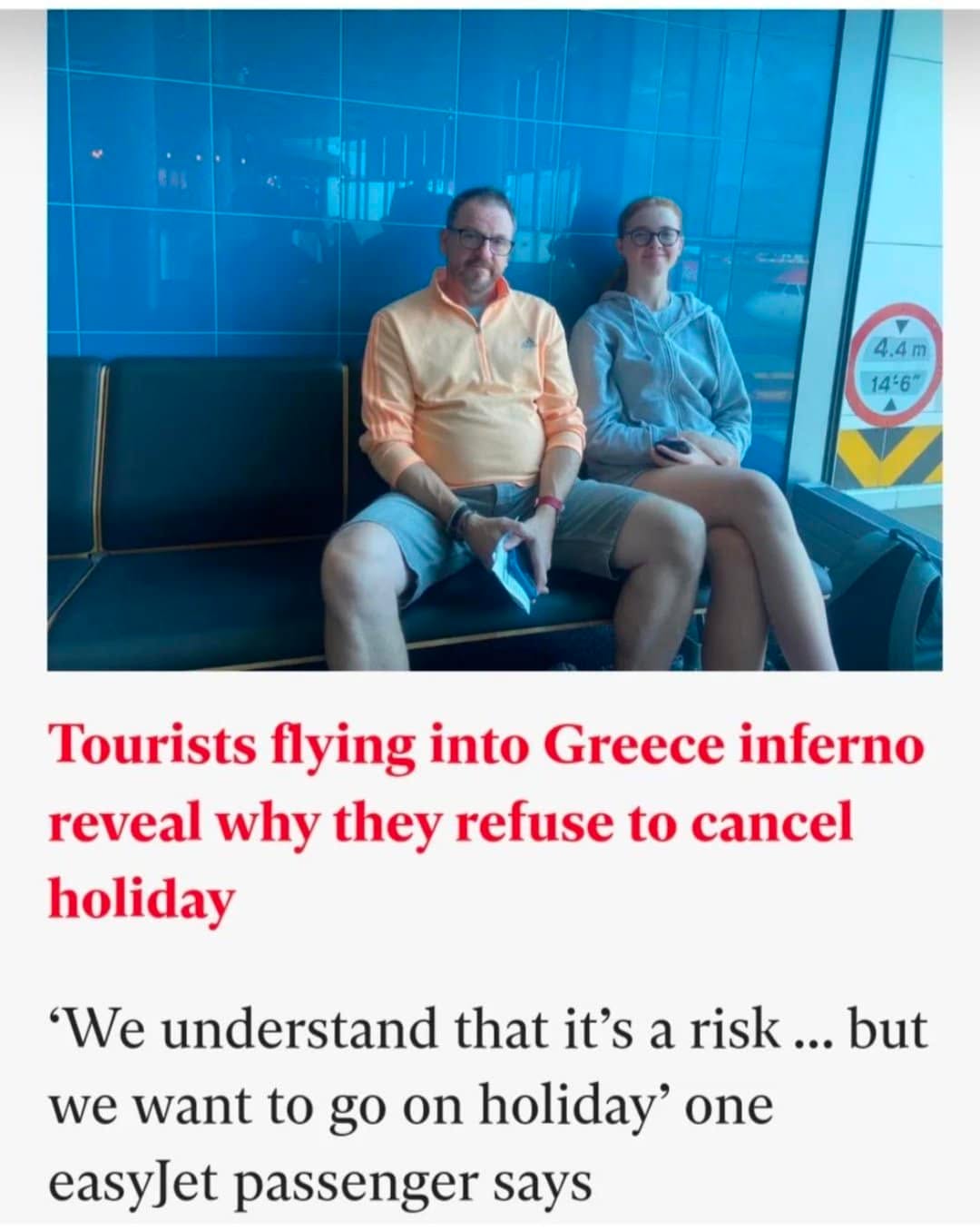
Sharing the details of your personal life and that of your friends and family, on a global platform. Adults, think about what you’d feel now if intimate details of your life had been shared on global platforms for the past 30-50 years? The technology is already here that will make that an extremely dangerous thing to do. Have a look.
Ooops?
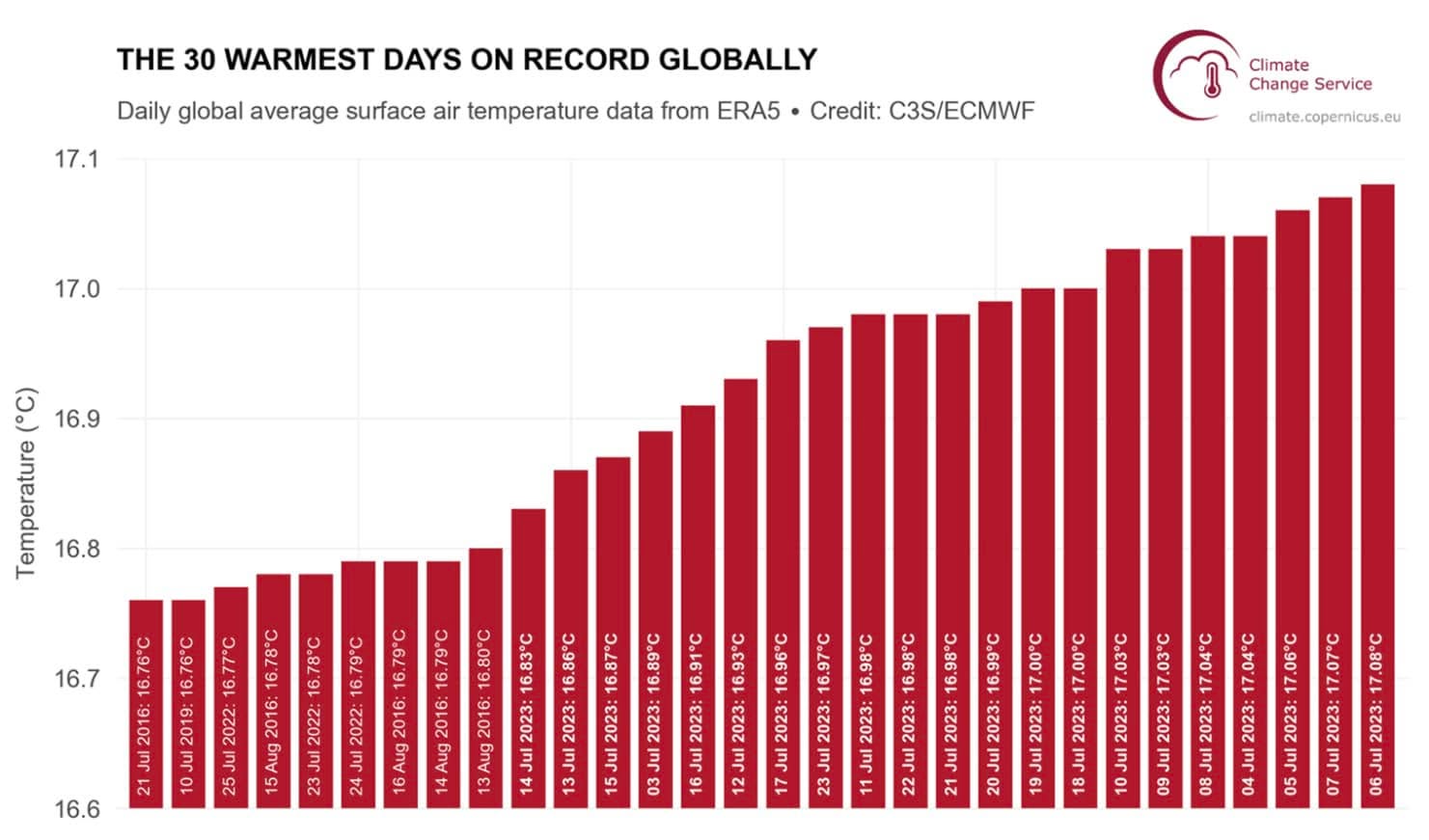
21 of the 30 hottest days on record on Earth happened in July this year. The other 9 have happened since 2016. We’ve reached a tipping point with climate change, things are accelerating so much faster than even the most pessimistic experts expected. Terrible times ahead, the collapse of so much of what we’ve come to think of as normal life. Prepare your own home in any way you can to be a refuge for the heat. But the impact will go way beyond that, to the supply of food and water, disruption of power and transport systems etc. Our systems operate with pretty low tolerances, trimmed away by decades of privatisation. Climate change will sweep those tolerances away.
English journalists now call Bazball 'hit and hope'. Glorious. Saw this comment from them: "Someone clever, somewhere in the world, will work out how to blend Bazball with Australian grit and come up with a magic formula." Australia and the West Indies have done that already for years. India too. It's called playing attacking cricket. The English are trying to play Test matches like they're T20 games.
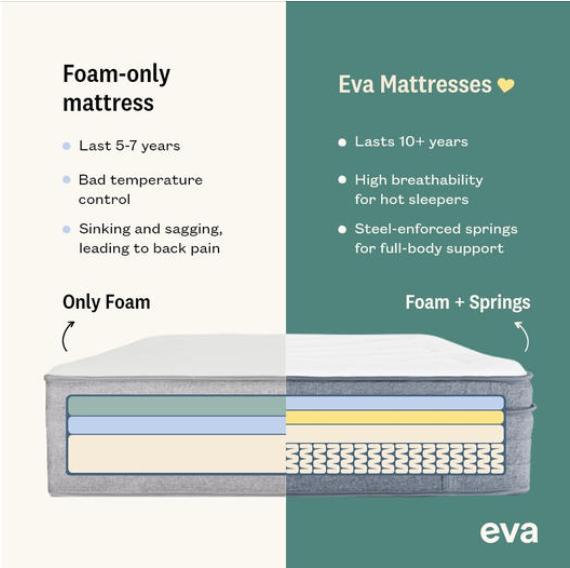
Have a couple of these. Couldn't recommend them enough, easily the best mattresses we've ever slept on. Improved my sleep hugely. We have the Eva brand, but a lot of the mattress-in-a-box companies do the same sort of thing now, I think many of them are excellent.
I know a lot of people doing this with climate change too. They just define the problem away.
Storm in a teacup over this one today. It’s ridiculous this wasn’t done years ago already. The other States will follow, installing new gas now would be like installing somewhere to tie up your horse outside Coles.
I think I cheered almost as loud as the English when Labuschagne got out. Made Boycott look like the inventor of T20.
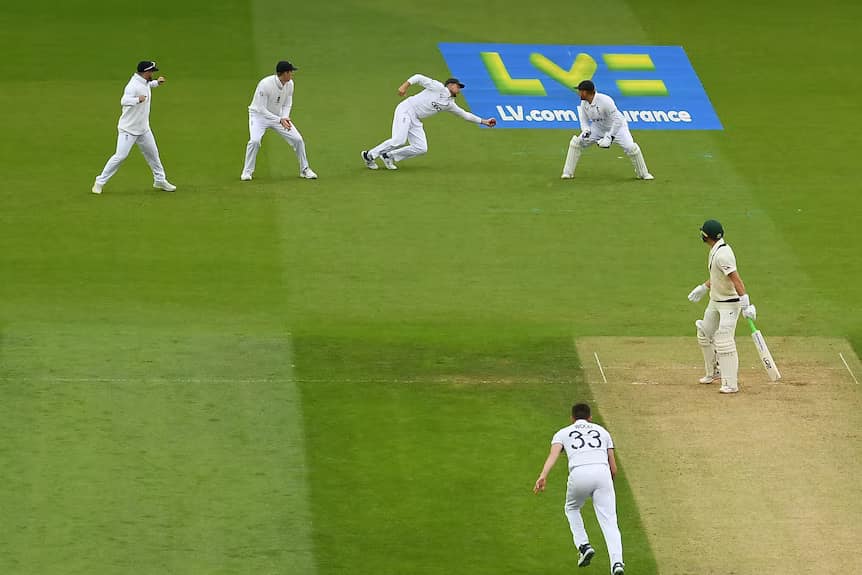
This catch was a bit of a chuckle, in the England define all their failures as triumphs vein. Great catch by Root, but actually a straightforward keeper’s catch. And look at Bairstow, standing there flat-footed like he’s watching the game from the stands. Not sure why Australia decided to play so slowly on day 2. Maybe the light and conditions were challenging. But it plays into the nonsense narrative England are setting up that they’re introducing a new way of playing Test cricket, by scoring quickly. Other teams like Australia have been doing that for a century. Just watch, the English run-rate will come back to the pack over time as they realise playing test matches like a T20 game isn’t a long-term winning strategy. It’s already lost them the Ashes. You have to respect bowling, but then that’s what T20 has done, turned bowlers into ball machines to hit sixes with.
I’d always thought of Andrew Ridgely as the dumb pretty boy in Wham. But it turns out he’s incredibly articulate and interesting.
Wet wall, cause still being determined. 6-8 days of this, 24 hours a day. But it does the job, they have this down to an art. House has ducted gas heating with the big pipe ducts under the floor. Should never have been done, upsets the natural ventilation under the floor. Having them ripped out. Haven’t missed the ducted gas heating, it’s a very wet heat too and filled the house with moisture every winter. Plus gas heating fills your house with unburned gas and exhaust gases, both horrible for your health. Now it costs a fortune to run, haven’t turned it on in years.
See that unusual cool area in the North Atlantic? That’s ‘o shit’ bad news. That’s the spot where ocean currents from the deep south of the world’s oceans bring heat to the far north. The Gulf Stream. The heat is carried in currents near the surface, is released into the atmosphere in the north, and then the cooler waters sink to the bottom and head back south again. That current is thought to be near collapse, much earlier than expected. Melting water makes the water less dense, so it doesn’t sink, slowing and then stopping the current. Some projections say as early as 2025. The impact on weather systems around the world would likely be catastrophic, and the Gulf Stream is a major carrier of nutrients for sea life too.
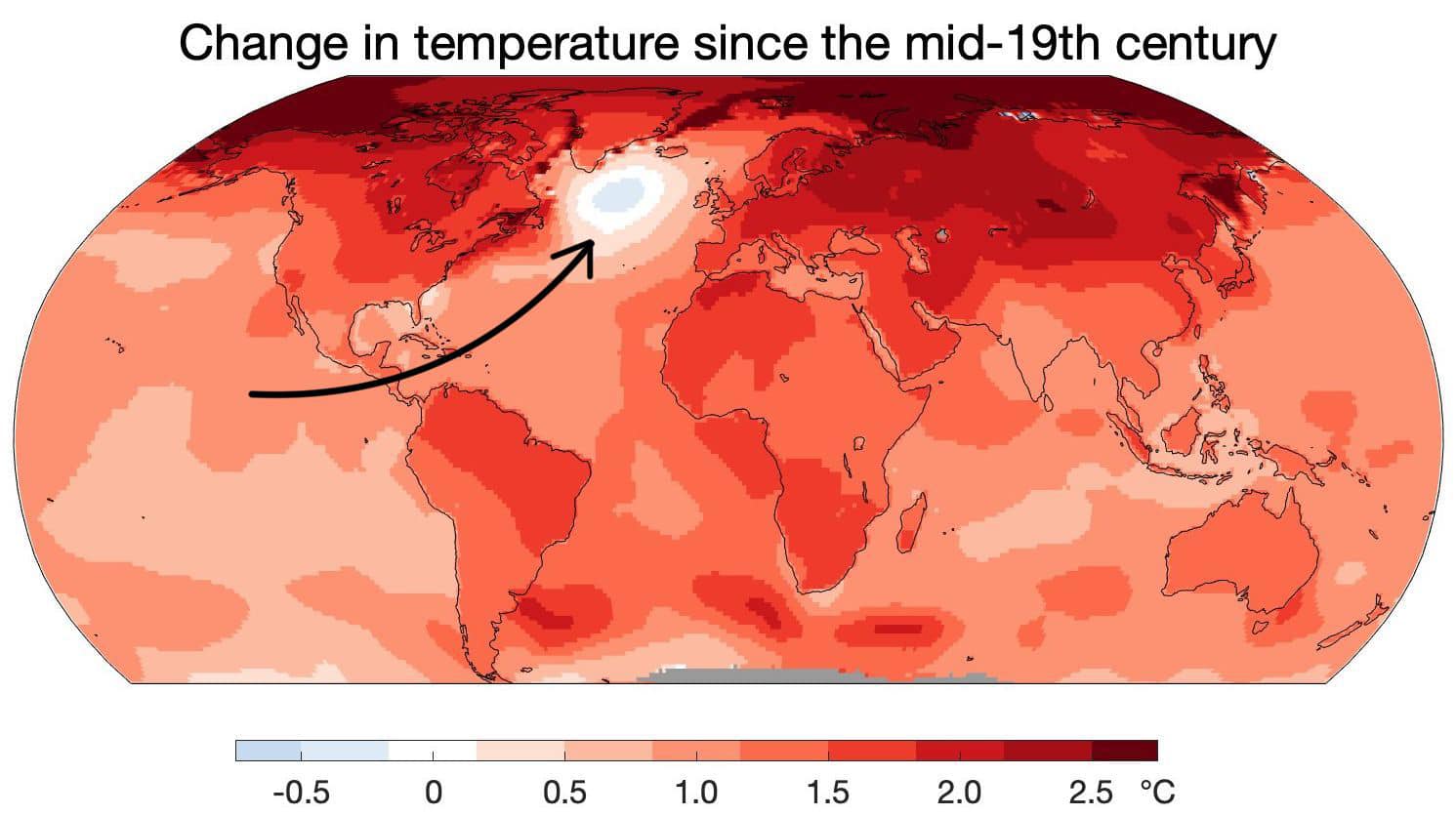
Got that mate who tells you the climate stuff is crap? How confident are you? Were they somebody who even did science at school, let alone did it well? Worth asking.
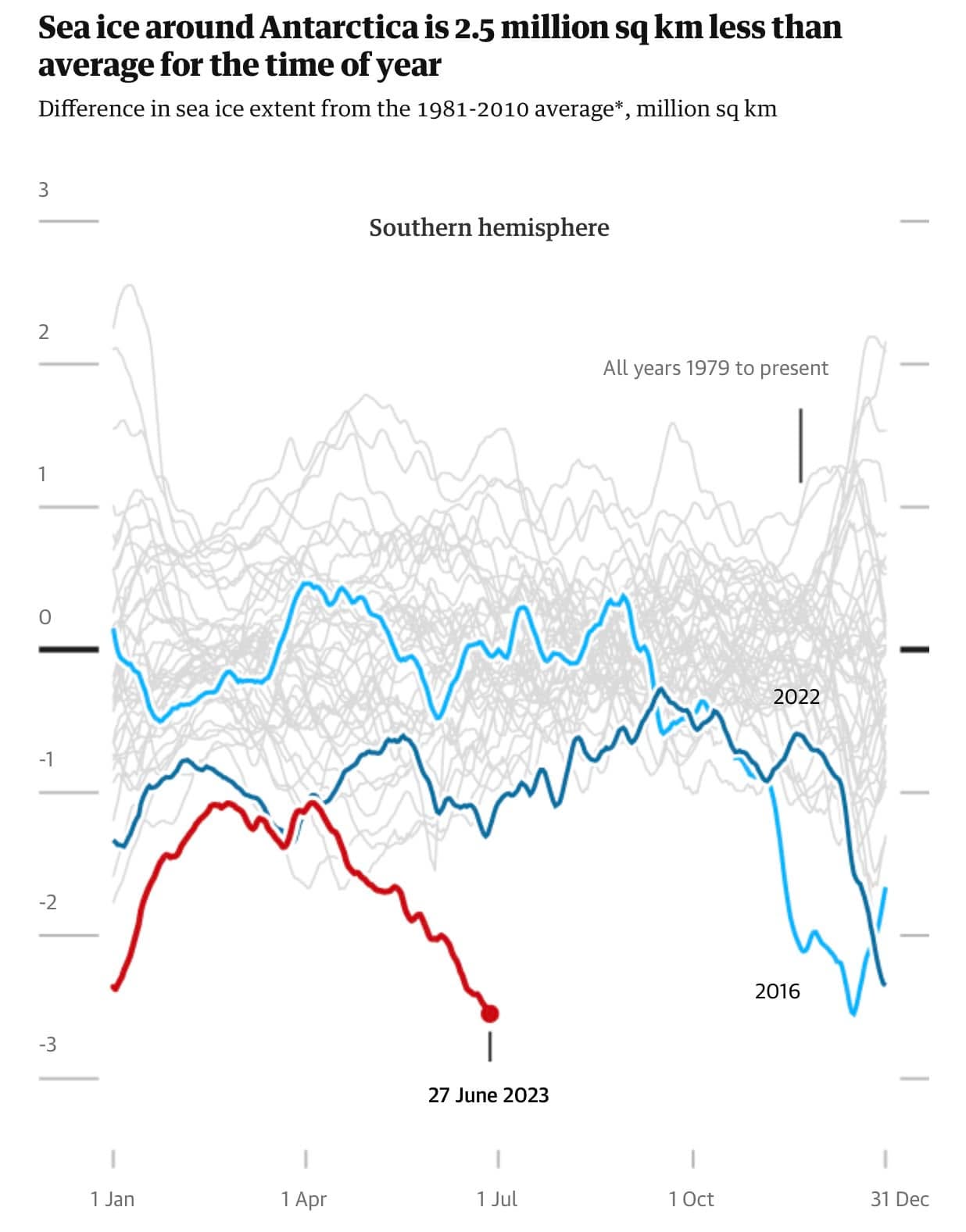
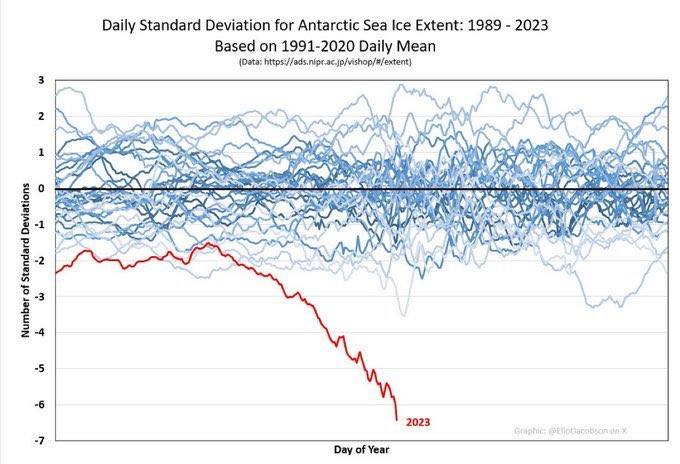
“Unprecedented is a word that gets bandied around a lot, but it doesn’t really get to just how shocking this is,” says Hobbs, a sea ice scientist at the University of Tasmania.
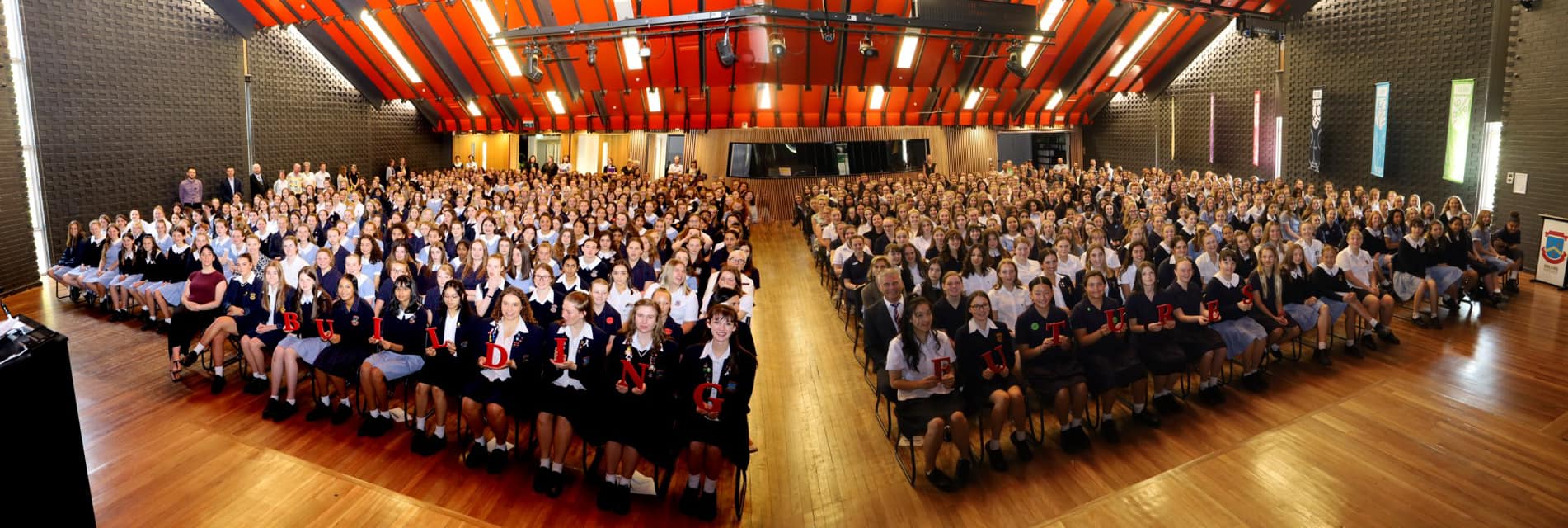
In some ways I have real affection for schools. I worked in them, and was a student in them. But I now realise they’re probably the most stupid thing humans have ever invented, and may yet destroy us all. I’m not exaggerating, bear with me. Look at the photo. An American sociologist brilliantly described schools as ‘a box of strangers’. That’s literally what they are. We throw hundreds, sometimes thousands, of kids who don’t know each other inside the walls of a school for the first 13 years of their life. Only a century ago the exact opposite was the case, not only did many kids not go to school, those that did still spent a long time with adults in their weeks, experiencing adult life. Why does this matter? It matters because without any connection with established adult life and institutions, kids in their box of strangers have to invent their own culture, with their own status hierarchies. The way they do that is almost exclusively using popularity, a brutal, stupid mechanism. And where it will destroy our societies is that they then take this culture they develop in schools, and re-make adult life the same way, when they leave. Social media has dramatically accelerated this transformation of adult life into high school. The same platforms are now used by adolescents and adults, it makes the transition seamless. And that’s the world we have today, where adult problems are ignored, because people have no experience of them, or of the expertise that used to solve them. Our entire culture is high school, it’s not an analogy. Cultures are made, and this is where we make ours. (If you’re unsure of this, find somebody whose favourite music at age 60 isn’t the music they loved at age 16. Just one indicator.)
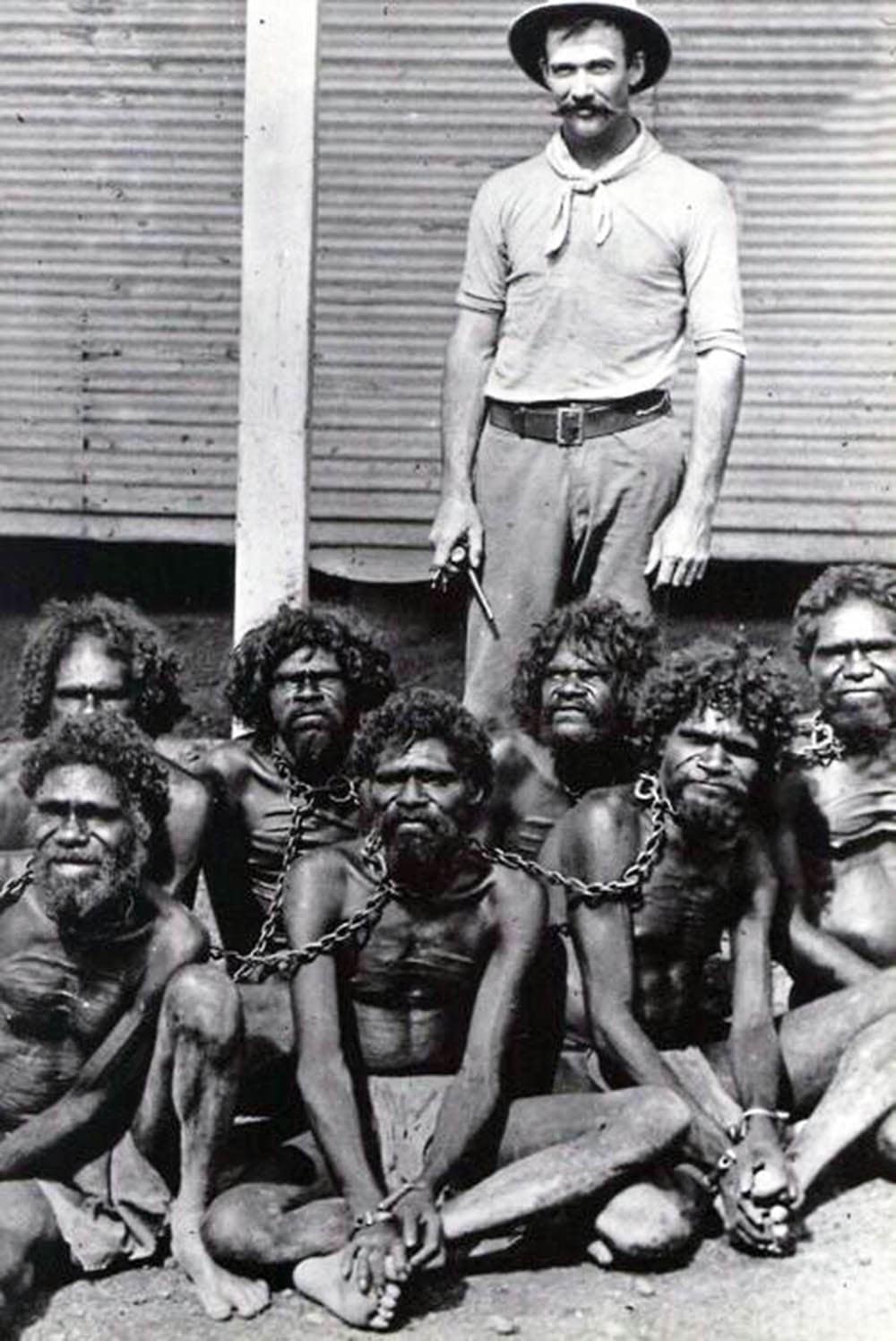
I remember driving through what we call ‘the bush’ one day, and thinking about how empty our landscapes are. Empty of people, and increasingly of plants and animals too. You’ll find handfuls of people living there, and tourists. But mostly empty. It wasn’t empty when we arrived here. This emptiness some sentimentalise as ‘the great outdoors’ was made. Brutally. The people were driven out of the landscape, and often killed. They occupied the land, tended it, turned it into a wonder of the world. The tragedy is we didn’t even replace them with ourselves. We replaced them mostly with extractive industries - mines and farms. To feed and enrich the cities. The bush and outback we worship today, full of dust-bowls, feral animals and plants, dead rivers, and tourists, look nothing like what was here before us.
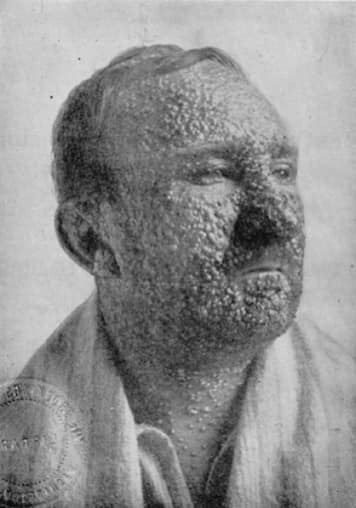
Smallpox was eradicated in 1980. One of the joys of climate change is that victims of smallpox buried in ground that froze, for example in permafrost regions, are now thawing. There are fears smallpox will again circulate in societies. Anthrax has already been released by infected people and animals thawing in the same frozen regions, and has caused infections in humans. The same permafrost contains vast amounts of methane gas, which when released will likely dramatically accelerate global warming. It’s not clear many have the faintest idea of the magnitude of what we’re facing.
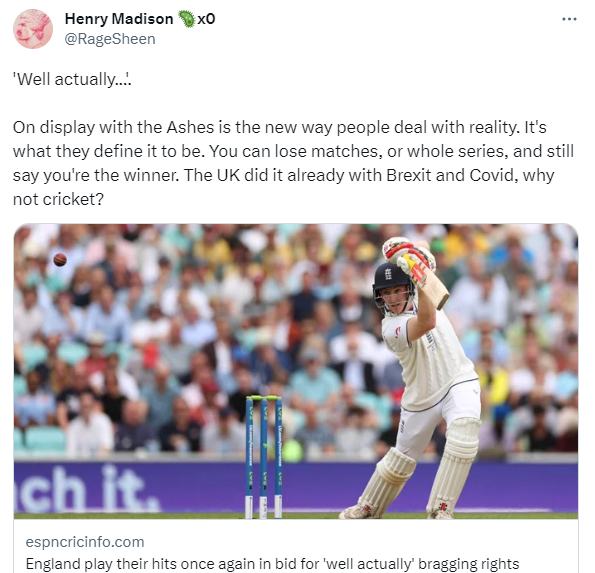
You don’t have to like cricket to find the Ashes interesting, for what it reveals about modern life in the UK. Like Brexit and Covid, the Brits are Trumpian now, making up their own realities, despite the fact none of it matches what’s actually happening. They had a great second innings. Scoring at over 5 runs per over, that’s their new approach. But no team will ever succeed longer-term, doing that, unless it doctors pitches and is up against crap bowling. Much better batsmen than they have never managed it. They didn’t suddenly find a half-dozen batting geniuses, they’re just playing Test cricket like it’s a T20 game. On average in the longer term, that will fail, as it has in this series. The relentless fantasy narratives they’ve come up with to paper over that fact are again modern Britain. Invent your own fantasy realities, and whine like a baby when reality itself pays no attention. If the series ends up drawn 2-2, just wait for the English ‘we actually won this series’ narratives. They’ll invent all sorts of reasons they actually won, when they didn’t.
People who study the way high school shapes our whole culture made an interesting finding. In most cases, your status in high school matches how your adult life turns out as well. With one interesting exception. The high school ‘princess’, high status because of popularity. Women who were princesses in high school often fail in adult life, without the context of the conga line of suckhole friends that gave them that status in high school. Social media however may be giving the high school princess a new lease of adult life, by maintaining that conga line throughout life. A large number of peoples’ friends on social media were also their friends in high school. It’s a technology entrenching high school culture in adult life.

And while on high schools. Not an analogy.
The reality of 'Bazball'. England has played 7 Test series with this supposedly new method. 5 of them have been series played at home. Wins - 4 Draws - 3 if Australia lose tonight, 2 if Australia win Losses - 1 if Australia win tonight. One of the 4 victories was against Ireland, so doesn't really count. That makes it 3 wins, 3 draws. Or 3 wins, 2 draws, 1 loss. Hardly a cricketing revolution, to win only half the Test series you play, with most of them being at home. Bazball is just playing T20 cricket, in a Test match. Other teams haven't done it because they know the law of averages make it a long-term losing strategy.
Gee it helps your bowlers when you get the umpires to switch the ball after only 40-odd overs to a near-new ball that moves and swings everywhere. Fuck the English are talentless spoilers, couldn’t actually win a game of cricket by actually playing cricket. Next they’ll have the breath mints out.
One of the things I most enjoy is watching the disconnect between the bullshit on social media, and reality.
A BBC sports journalist described the 2-2 Ashes outcome as a fair result. But ‘England would have won if the 4th Test hadn’t been washed out’. Let’s play that what if game. The series would have been different if: - England hadn’t won 4 of the 5 tosses - England didn’t so often get to bat in the sunshine and bowl under clouds - England didn’t get to swap for a near-new ball at 40 overs in the last Test, when Australia was plundering the English bowling - Nathan Lyon hadn’t been unavailable for most of the series - Key Australian batsmen hadn’t been in terrible form - England had managed to take more than one wicket in the whole session they got at Australia in the washed-out Test. Etc. Imagine drawing, at home, with all that on your side. As the English say, a clear ‘moral’ victory to the Australians, who managed to retain the Ashes despite that list of what-ifs. Not world champions for nothing. The English have now drawn 3 of the last 5 home series, with Bazball. Home games! An embarrassment.
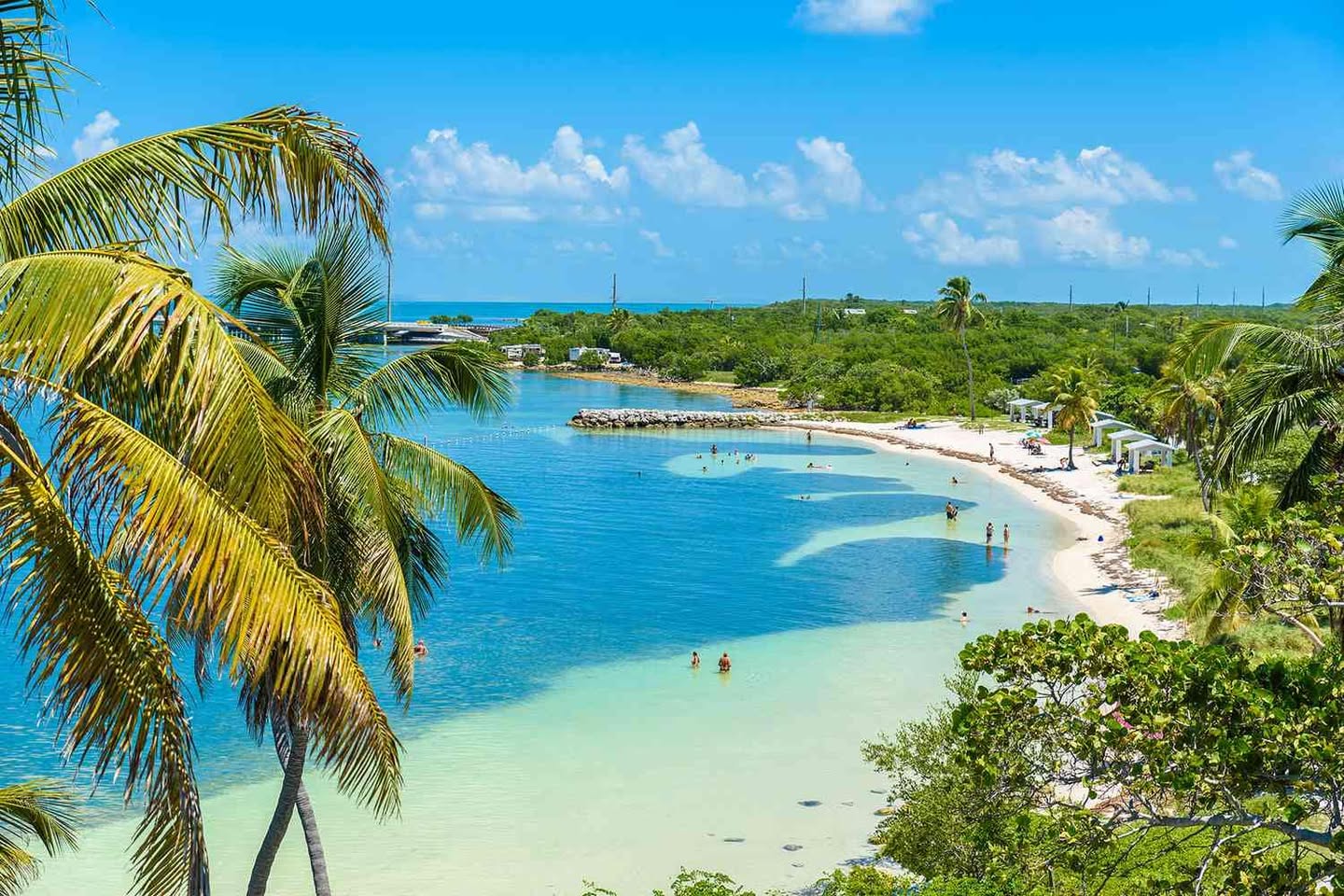
This week the head of the UN said we’ve shifted from global warming, to global boiling. Here’s an example, the Florida Keys. The ocean temperature there this week was recorded at 38.4 degrees C. That’s a comfortable bath temperature.
Happy Birthday :)