June 2024
Complete authored posts and demonstrable self-threads.
This was less than 5 years ago. Now the UK looks set to completely reverse this landslide with even greater force. Nothing changed after Boris won. Nothing will change if/when Labor win. The world is awash with elections and the excitement of their supposed change in 2024. 1/2 https://t.co/6l7vpJHIlZ
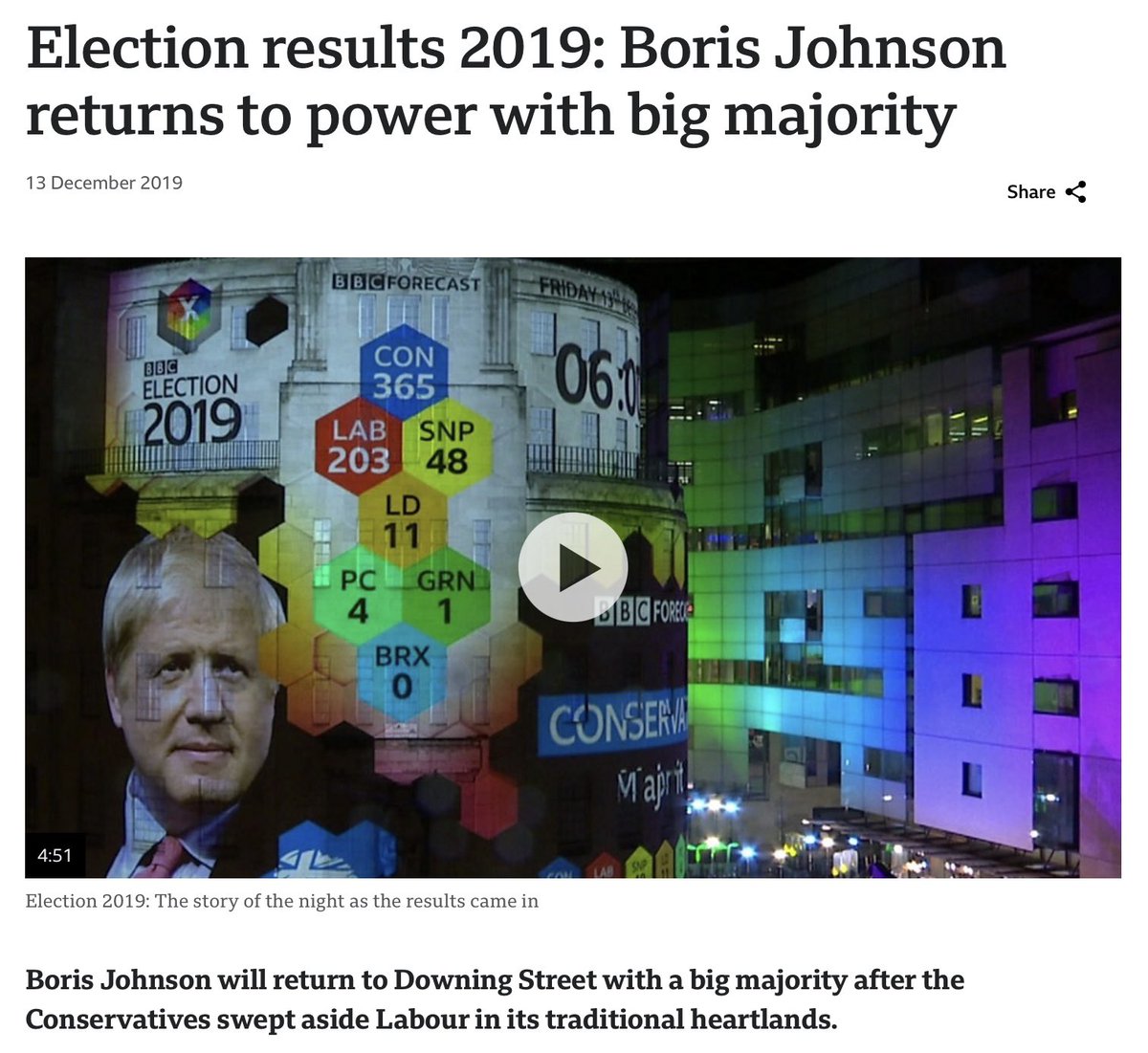
The point of elections now is just to win more elections. They elect ordinary people with no idea how to fix any of our complex problems. The only problem they’ll be focused on is winning more elections. But we’ll keep up this charade. Because we LOVE the team sports. 2/2
'Youth! Youth! There is absolutely nothing in the world but youth!' (Oscar Wilde in The Picture of Dorian Gray.) Wilde inadvertently saw our future. All of our worst problems are not the political problems we think they are. That’s just our youth culture’s inability to see. /1 https://t.co/oyYq5fgUBs
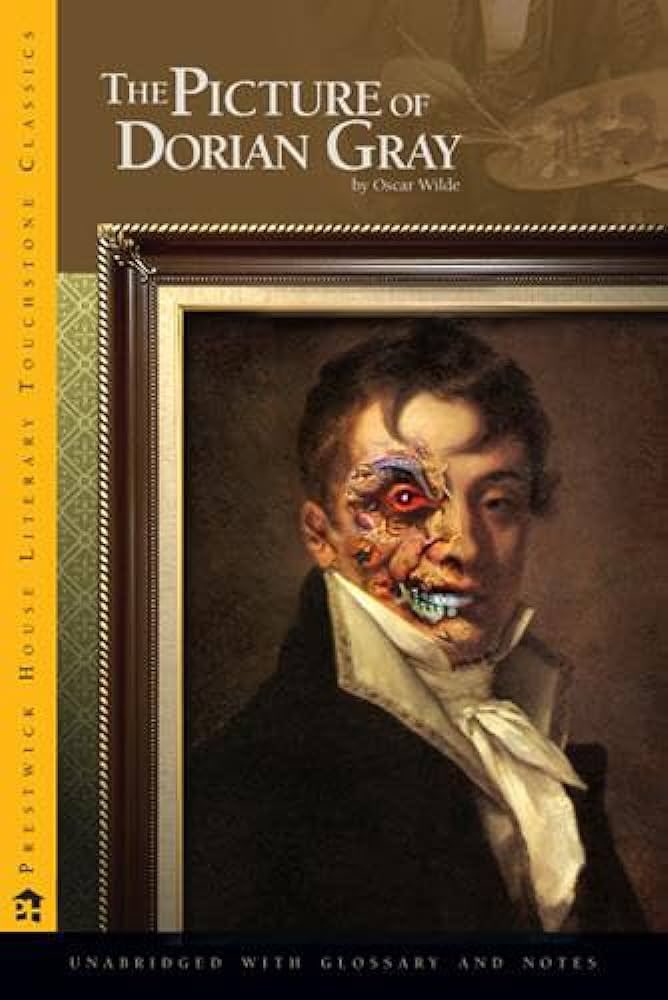
I Tweet about the replacement of adult life with adolescent life. And the mechanism that brought that about, mass high schooling, with the schools separated from adult life. Students only know that high school culture. And then remade adult life with it, when graduating. /2
Wilde wrote a story about a man wanting to live an eternal libertine (adolescent) life, with all of the excluded consequences borne by a painting of him. That painting is now our whole world. /3
The concepts and frames we use for adult life today are ludicrous in their vanity. That we have ‘systems’ of government in opposition, that ‘politics’ drives our world. Ask yourself this, at a more human level. How does a kid leaving school suddenly enter this adult world? /4
How do they go from being the kid negotiating the popularity status hierarchies of school, to suddenly living inside ‘political systems’? We’ve all made that transition. I remember no induction, no training, nothing that marked that transition. And I know why. /5
Because it never happened. That adult world is a fiction. It’s the same culture we experienced at school, with the parts renamed. We make that transition easily, because we never leave school. The adult world is just school, with the bits called other things. /6
Before you question my sanity, ask yourself too whether it’s more sensible to believe humans are really quite simple social creatures, following the same basic social rules. Or instead they reach an age where that all stops happening, and suddenly they act in ‘systems’. /7
I’ve never found an adult environment that acted much differently to being at school. The endless jostling for status and recognition. Cultures are made, in practical ways. Our heads are up in the clouds in meaningless abstractions like ‘capitalism’ and ‘Left and Right’. /8
Unpack all those supposedly adult categories and you find exactly the same social behaviour we learned as kids. They’re just adult teams for us to join and battle against other teams, to boost our own status. To be accepted and recognised. /9
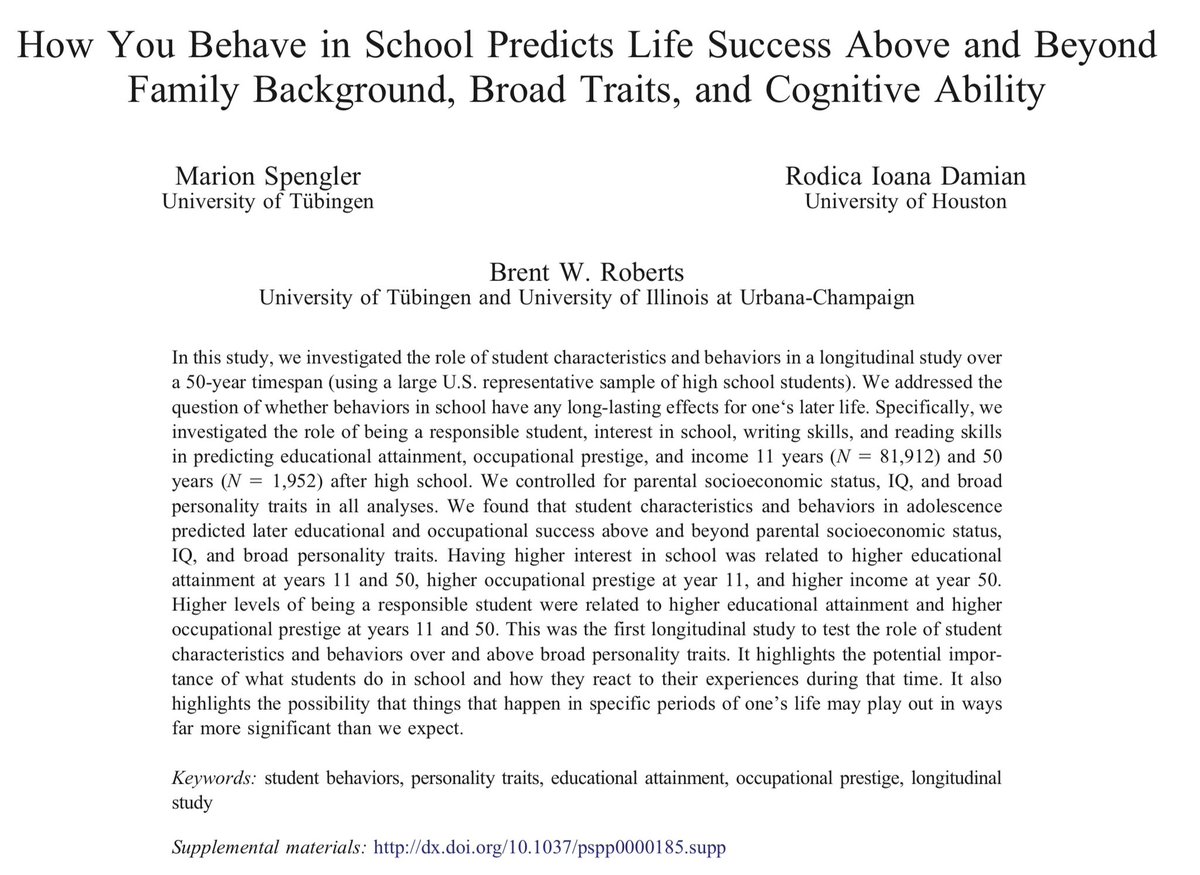
There’s clear research on this. Schools shapes our whole lives. Most of us are still prosecuting our social position at school, throughout our adult lives. Once you know that, the ‘adult’ world reads like a large print book. /10 https://t.co/q6ZWKbQWeC https://t.co/N4A554Q9Ts
It’s much more human to recognise these social behaviours as responsible for all the things we do. Without that, the world looks like a Star Wars movie, with competing goodies and baddies abstractions, like the -isms, and ‘Left’ and ‘Right’ teams. /11
It’s all just ordinary people trying to belong and to boost their own status. Forming teams, and battling other teams. Like we did at school. Our group was our existential home. Adult life doesn’t change that. /12
Go to somewhere like Linkedin, one home of this supposedly separate adult world. And wallow in the humblebrags there. It’s like watching a school playground. /13
We’re human, all too human, as Nietzsche said. Doing the same social things, our whole lives. There used to be a separate adult world. And actual inductions to that world. /14
Here it is. That induction was throwing kids straight into that adult world, to work alongside the adults. Now of course we don’t want kids back down the mines. But the social/cultural difference here is profound. The existence of two distinct worlds. /15 https://t.co/118voIy0Ln
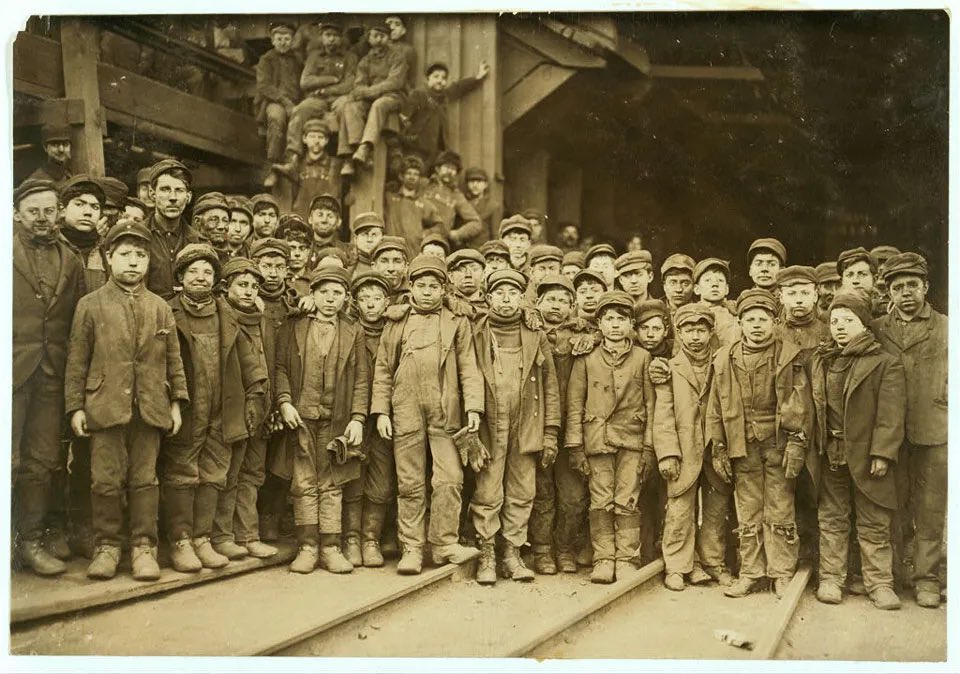
Neil Postman wrote about the collapsing into a single world or culture. Of just adults. What I don’t think he saw though was that we collapsed the adult world, not the child world. Practically, by decoupling schools from adult life. /16 https://t.co/e6ClF3Ehtn

Kids remake societies as high schools when that’s the only culture they know. The team sports, the imitative rivalry of ‘politics’ that dominates our ‘polarised’ societies now? That’s just them becoming giant high schools. How do we not recognise it? /17
And social media’s entire methodology is this same mechanism, of the battle for status, through popularity. Through likes. Forming teams, battling other teams. Look at your ‘grown up’ news today and it’s what you’ll see. You can’t unsee it. /end
Our obsessive travel culture isn’t about ‘seeing the world’. It’s about using geography to feed our imitative rivalry at home. The shift from being there, to being seen there. And even before social media did this, what did ‘there’ even mean? https://t.co/d6b7kNpdnK
DIY public health is going well. In a friend’s workplace, a staff member was testing positive for Covid, but was still at work. When queried, they said ‘there’s nothing to worry about. It’s just Long Covid.’
The wealth and health of Australians improved immensely under ‘lockdowns’. And yet economic commentators still try to portray public health action as a catastrophe. It’s worth checking the think tank affiliations of all who make these arguments. https://t.co/kaAWLKEKAr
More boring team sports. Always the David Speers pile-on. Speers’ Insiders has had nothing to compare with Andrew Bolt, Piers Akerman, Gerard Henderson and Tim Blair, under Barry. https://t.co/0rpR33FbiR
For those persuaded by populism that democracy = elections, 2024 is an orgy of democratic delights. So democracy must be flourishing, hey. Let’s see. /1 https://t.co/sNI98hJP3n https://t.co/Rnzu2pY4Z9
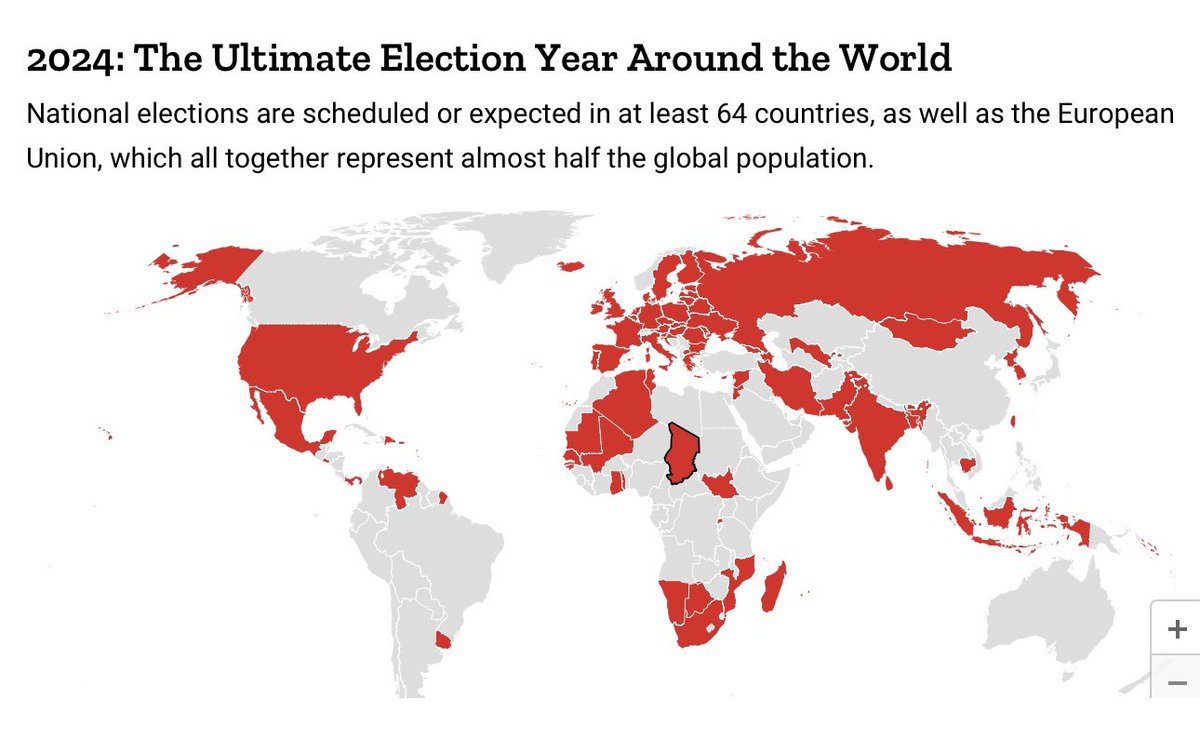
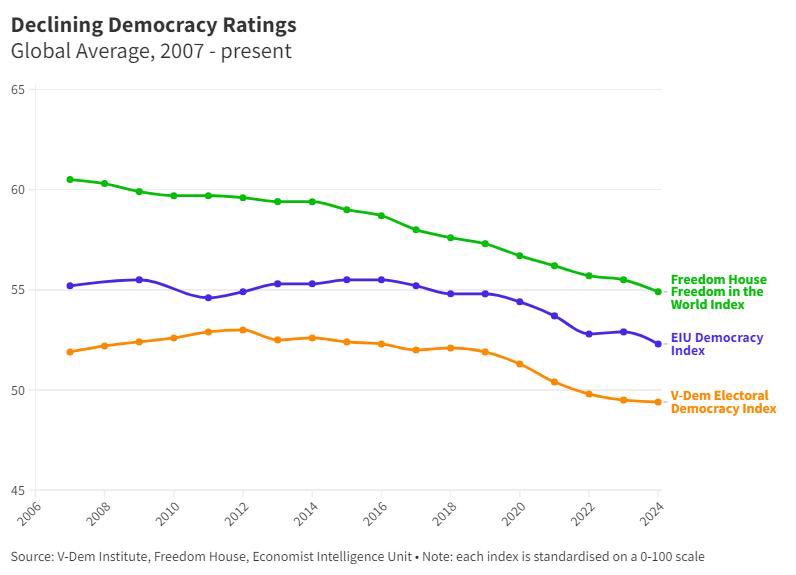
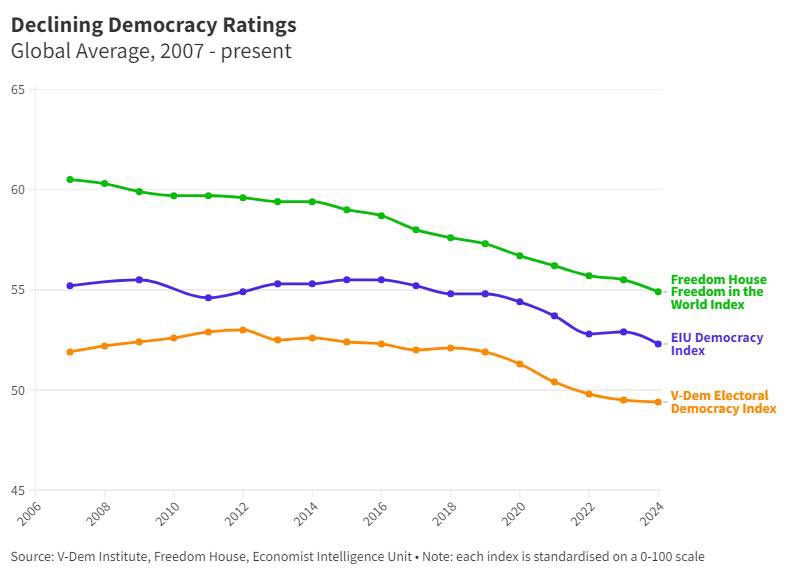
Oops. In steady and quite spectacular decline. Everywhere. It’s almost like all of those elections are making democracy worse. Because they are. Democracy is a couple of thousand years old. Mass elections are only a century old. /2 https://t.co/0Mo5TQdhuf
And despite all the guff about that being ‘people power’, it’s a bit of a democratic train wreck. Because our *ideas* about democracy don’t match the *realities* of how groups of people think, feel and behave. /3 https://t.co/8D8KAtSkGf
Most importantly, no group, of ANY size, thinks or acts. How would that even work? Everybody in the group just spontaneously decides, at the same exact moment, to think and do the same things? There is no such thing as ‘the people’. It’s a counting term, not an agency. /4
We’ve all been in groups, we know how it works in reality. It works socially. People in the group, of whatever size, ‘follow the leader’. A small number (up to about 5%) of the group lead, the other 95% follow. That’s true in a soccer club as much as in a nation. /5
The 95% imitate or emulate the 5%. That creates a team (the group), which then works together, for the team. The same applies in animal herds. They look like all of the animals spontaneously doing the same thing. But there’s always a leader in the herd. /6
Which is why when the herd wants to move anywhere, they use a rough single-file, behind those leaders. In a human society, there are lots of herds, or groups. Each with their own leaders. Or ‘influencers’ today. /7 https://t.co/Lz8wRfR8Lx
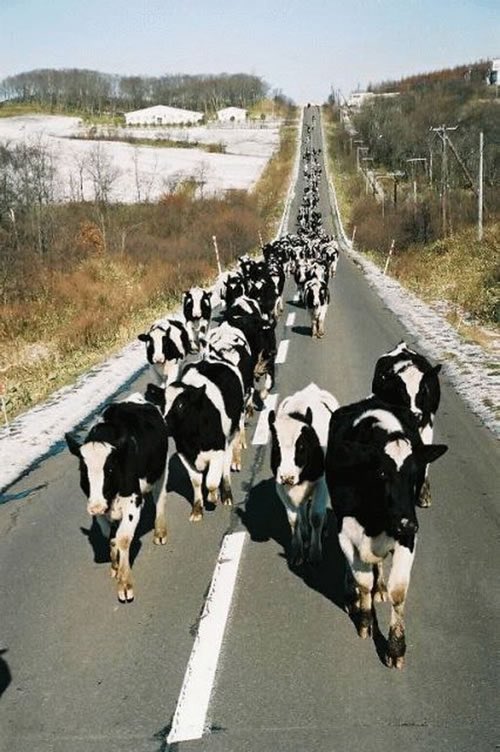
A society looks like the diagram on the right. Not like the picture on the left. Lumpy. Full of groups/hubs. Networked. /8 https://t.co/l3mGSdVsLL
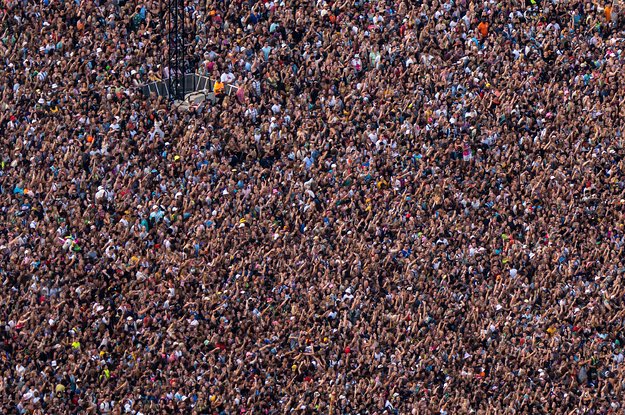
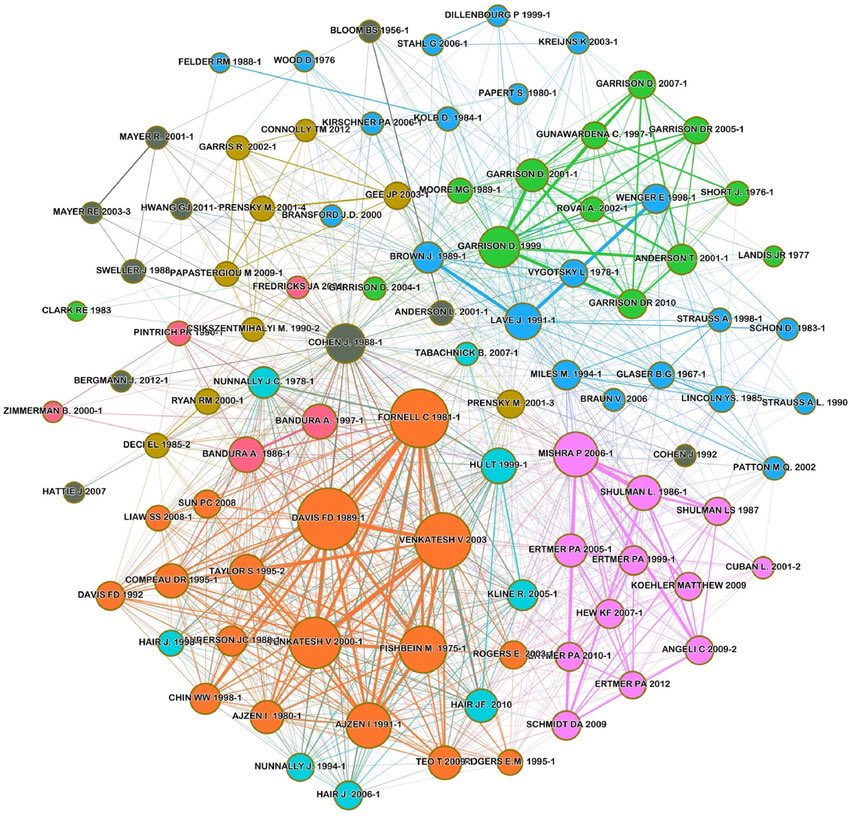
So back to elections, and the spectacular decline of ‘democracy’ everywhere. Elections pretend societies look like the crowd picture, rather than the network picture. Thinking that giving us all an individual say leads to optimum democratic outcomes. /9
Except people just continue to act socially, in their teams, and co-opt the electoral process to the imitative rivalry of those teams. We KNOW this. That’s what political ‘parties’ are. And then we say societies are ‘polarised’, rather than ‘the people’ acting in unison. /10
Of course they’re polarised. It’s the same team sports humans *always* create. What did we expect creating a process where competing teams battle for power would produce? It would be funny if it wasn’t tragic. /11
Democracy isn’t in decline. Our idiot ideas about it are. They don’t match the (social) realities of our lives. The ‘shift to authoritarianism’ is just our usual social status hierarchy games taking over electoral processes. /12
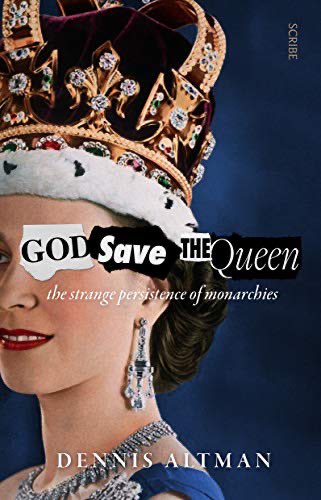
Dave Graeber, Marshall Sahlins and Dennis Altman all see it. Have a read of these books, great thinkers recognising our democratic ideas are bunkum. Because they’re idealisms, totally divorced from how humans think, feel and act. /13 https://t.co/22pxSFK6wz

This isn’t to say democracy can’t be a thing. A governance focus on the collective good of all. But that will never, ever, be ‘the people’ running a country. As I say, that’s like asking passengers to fly the plane. /14
Gabriel Tarde called democracy (as we understand it) a holding pattern between two aristocracies. And that’s exactly what it is. A pause between two hierarchies, where the new hierarchies are being formed. That’s what this graph is showing. /15 https://t.co/6MDuOPx8ae
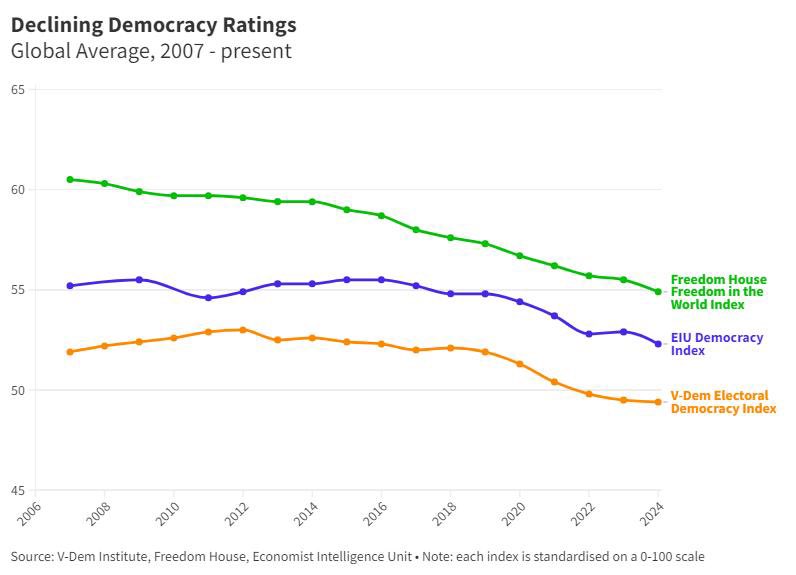
Not a battle between democracy and authoritarianism. Humans always act the same way, in social hierarchies. In history we’re just at different points along a continuum, towards one hierarchy or the next. /end
The penny is dropping that populism is the real enemy. And that 'the market' (a social fantasy, no humans act in that way, they act in teams) is a hopeless way forward. https://t.co/SBZmWBSEjl
We extrapolate the desired collective endpoint (end of pandemic) to individual actions. Which leads a status rush to buy only the best masks, and best air purifiers, and fit-testing etc. We only need to SLOW infections. Maths will do the rest. Or in other words...1/2 https://t.co/8yx8tcByII
...we only need to do SOMETHING. We don't need to find every Covid virion and remove it. Just SLOW the spread in key areas, in hubs, like schools. With even quite basic masks, and windows open. Maths will do the rest. 2/2
(Spoiler: the AI won in a gallop.) Most AI public narratives are based on Hollywood movies people have seen. Most of what is called human intelligence is already just algorithms. Computers do algorithms orders of magnitude faster and better. https://t.co/RoN8CqOelD https://t.co/8vLFyewYob
The man who stacked the Supreme Court says the US justice system has been politicised. If you go with 'whatever is most popular wins', this is where you will always end up. Popularity even determines reality itself. We 'live with' pandemics. https://t.co/vZHSexBWrJ
At least 61% of Australians wouldn't be able to tell the difference between a nuclear reactor, and a sausage factory. https://t.co/yFnlIFuXxr https://t.co/8j8pikKu5Q
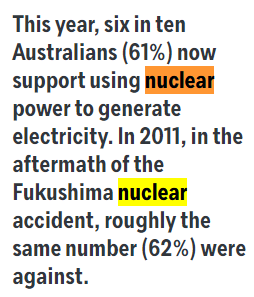
"The Great Compression". Only catastrophe brings about meaningful social change. The data is compelling. And the logic. Without catastrophe, social conformity and imitative rivalry are too strong to allow significant change. /1 https://t.co/QZPwjEyY2I https://t.co/V0XbOKeYJt

This is why I rarely engage in the team sports of debate on social media, or elsewhere. Debates (really imitative rivalry between teams) don't progress issues. In fact no reform of any kind historically has done that. Only catastrophe. /2
Also what I call 'reality-based politics'. Peoples' opinions turn out to be irrelevant to solving anything. Until those opinions get so far removed from reality, that reality smashes a society and forces them to correct course. /3
Like I Tweet about often, the relative peace and prosperity of the past 70 years were historically anomalous. Brought about by the Great Compression of the two world wars, and Spanish Flu. /4
Read the article, we're now at the tail end of the previous Great Compression. Why we're not fighting Covid, or climate change. Our social status games, our team sports, are back in the ascendancy. /5
That's the default state for all societies. The violence of team sports, the imitative rivalry on all issues. Only a new catastrophe will shift it meaningfully. /end
The problems facing us should mean societies are on a war footing. Climate change and a pandemic are both MUCH bigger problems than those we go to war for. We’re not even close to being on a war footing. About our social status hierarchies and their refusal to shift. /1 https://t.co/RFilbTvFmA
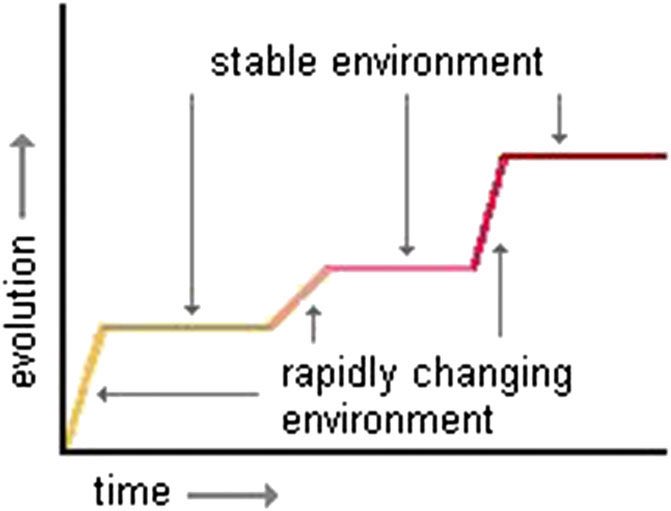
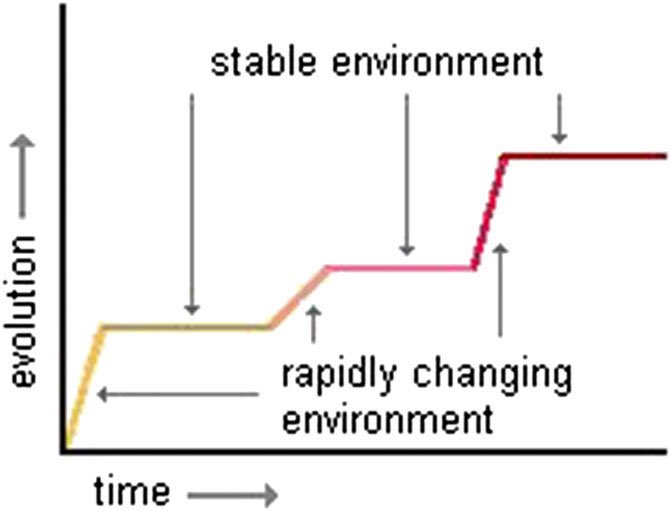
This diagram (link in ALT text) is from a paper on PET - Punctuated Equilibrium Theory. A theory deriving first from evolutionary biology, where some biologists noted that evolution seems to have long periods of stasis, ‘punctuated’ by massive disruptions where change happens. /2 https://t.co/X2XlW8NoKT
And then it was realised that this applies to social relations between humans as well. PET is the working through of that realisation. It’s the thinking I share a lot. That societies only change via catastrophe. Most of the time they exist in a type of equilibrium/stasis. /3 https://t.co/6CNTxb6ekm
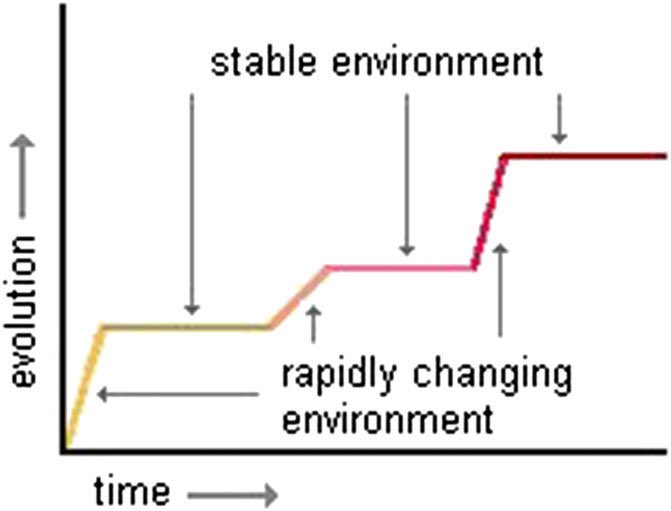
During those times the dominant social hierarchies, what some call ‘vested interests’, control all change, meaning there’s very little of it. Just continuous reinforcing of their status. An appearance of change through the continuous team sports of imitative rivalry. /4
Where various groups battle for status. But this produces no real change, it’s literally sport, applied to all social life. Like all of our elections, which many realise produce no meaningful change. Or climate change and Covid debates. Again, little real change. /5
It’s that continuous debating or team sports between groups that CAUSES the stasis. The unmoving status hierarchies. It’s the team sports that generate the hierarchies. The more of them, paradoxically, the more unmoving the hierarchies become. /6
Until you reach a point where the actual reality we live in is so far removed from our daily team sports, that catastrophes occur. What some come call a ‘Great Compression’. Or PET would call a ‘puncturing’ of the social status hierarchies. /7 https://t.co/QZPwjEyY2I
Those rapid upward lines on the graph. Where suddenly after years, even generations, of social status, massive changes occur. This it seems is how all social change happens. We need these catastrophic events for change to occur. /8 https://t.co/tDy985tLUF
Without them our social status hierarchies, produced and continuously reinforced by our team sports imitative rivalries, are way too strong. That’s us right now. Facing the greatest existential challenges in all of human history. And what are we doing? /9
As good as nothing. A type of gradualism, where a bit of meat is thrown to each group or vested interest, to try to nudge them towards change. It won’t work. We’re already seeing in every area how they’re refusing to really budge. /10 https://t.co/wqIkpZOi2Q https://t.co/FthfqE9bUB
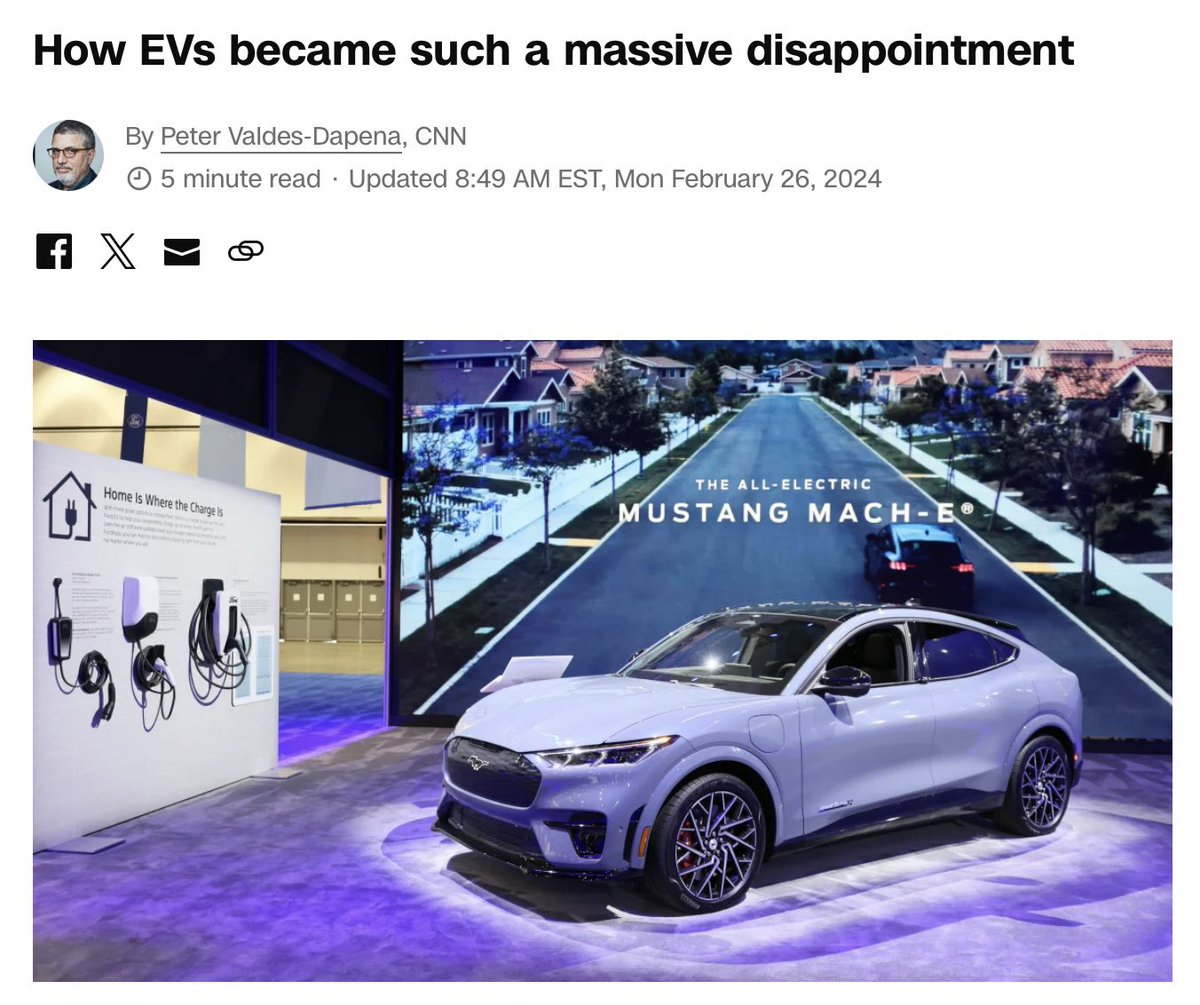
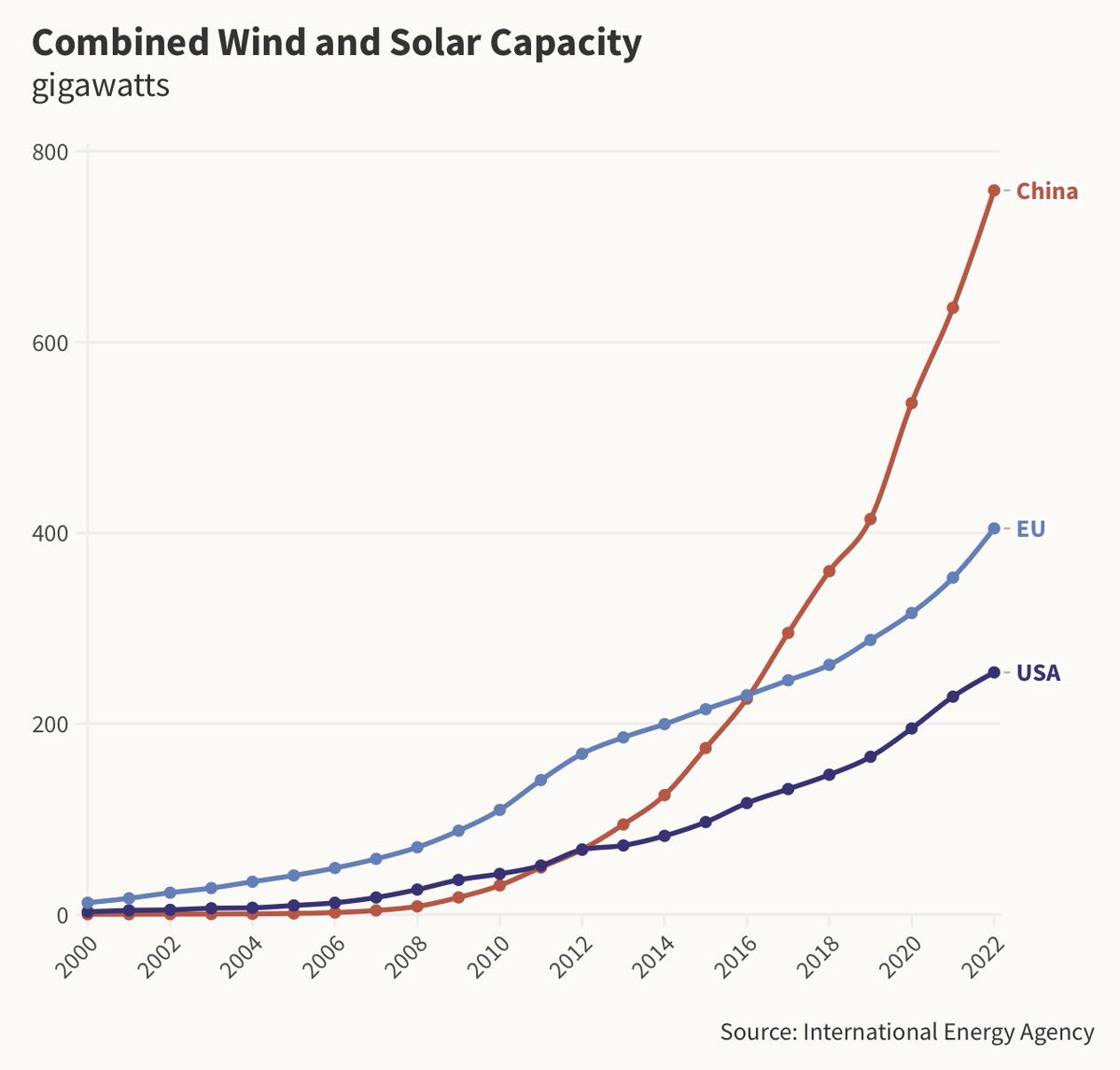
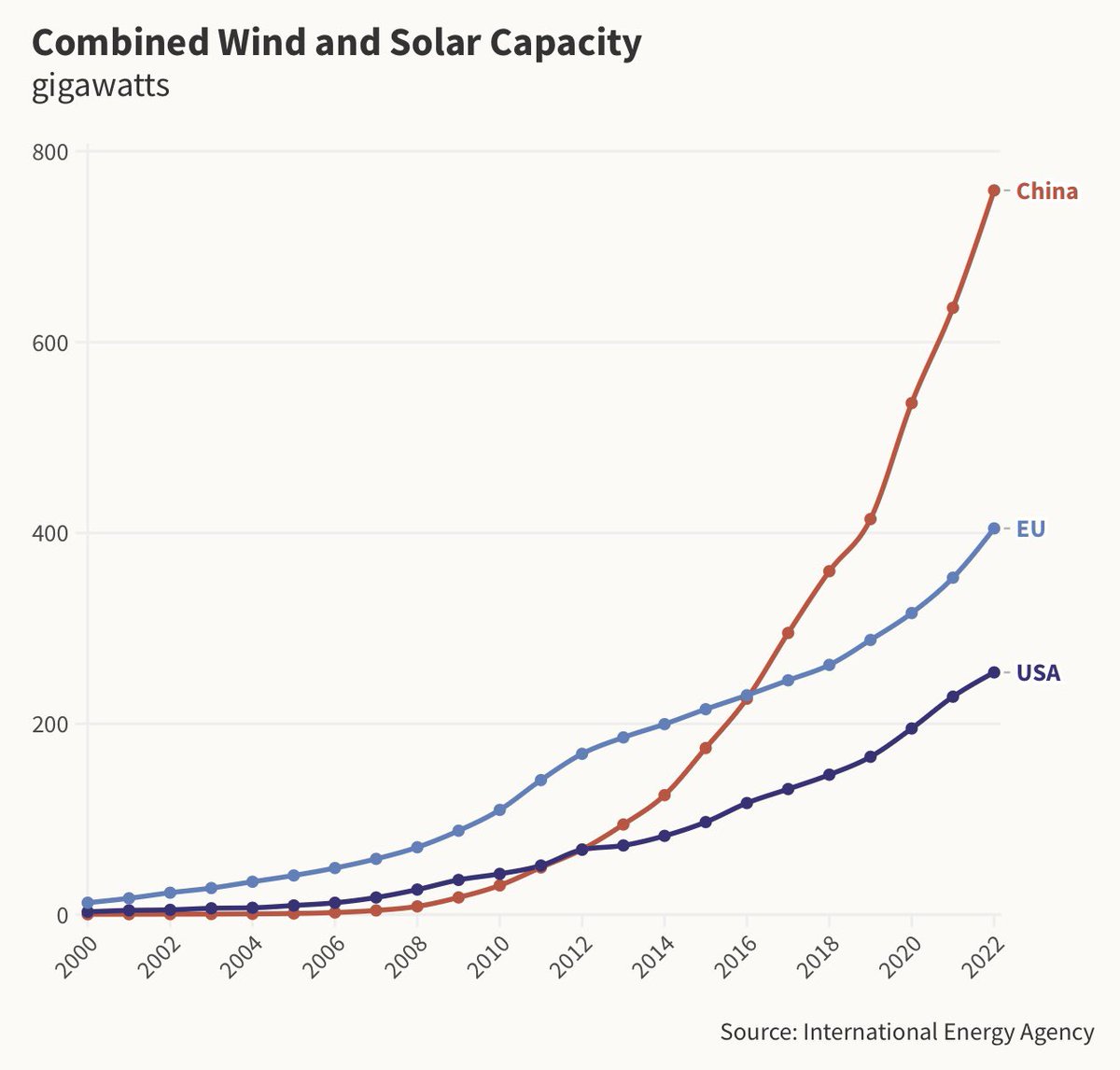
China is interesting here. In many ways it IS on a war footing, on issues like climate change, and has been for some time. How does our team sports culture see that? As them being ‘anti-competitive’, acting against the ‘market’ with ‘subsidies’. ‘Authoritarian’. /11 https://t.co/F2dvdsMBPp
The market and its supposed competition is just code for team sports battles. Competitiveness is the actual mechanism of those battles. Despite their PR about being the major agent of change, economic markets are the greatest engine room of social stasis. /12
Of course they react with hysteria to Chinese economic war. It threatens our status hierarchies fundamentally, a potential punctuated equilibrium. And yet China here is doing the real social evolution. Responding to existential threats with existential action. /13
This massive Chinese investment represents a punctuated equilibrium for our societies. One we desperately need. Our replacement of societies with economies will resist this to our last breaths. Because those economies were only ever social status machines. /14 https://t.co/70goOY793M
Designed to hide the real social team sports at play, behind modern jargon. They were the way old-style social hierarchies recaptured societies from their post-war disruptions. The disruptions where we rolled out massive interventions in areas such as public health. /15
Our ‘lockdowns’ were another disruption in that way, massive investment for the first time in decades in public goods. They had to be resisted at all costs by existing status hierarchies. In economic terms, because economic terms are status hierarchies in disguise. /16
Competition is the imitative rivalry of team sports. A social thing, which we’ve dressed up as a technical ‘economic’ thing. The economy always was intended and brilliantly effective as a massive reinforcement of the status quo. /17
Only massive disruption to those economic fantasies will bring us the changes we now need. Right now the old-fashioned Yellow Peril commies are the only light at the end of the tunnel. /18
The Thwaites glacier may be another. The catastrophes that will punctuate our social hierarchies again, to allow us to evolve. /end https://t.co/1tDkFDD5Vp
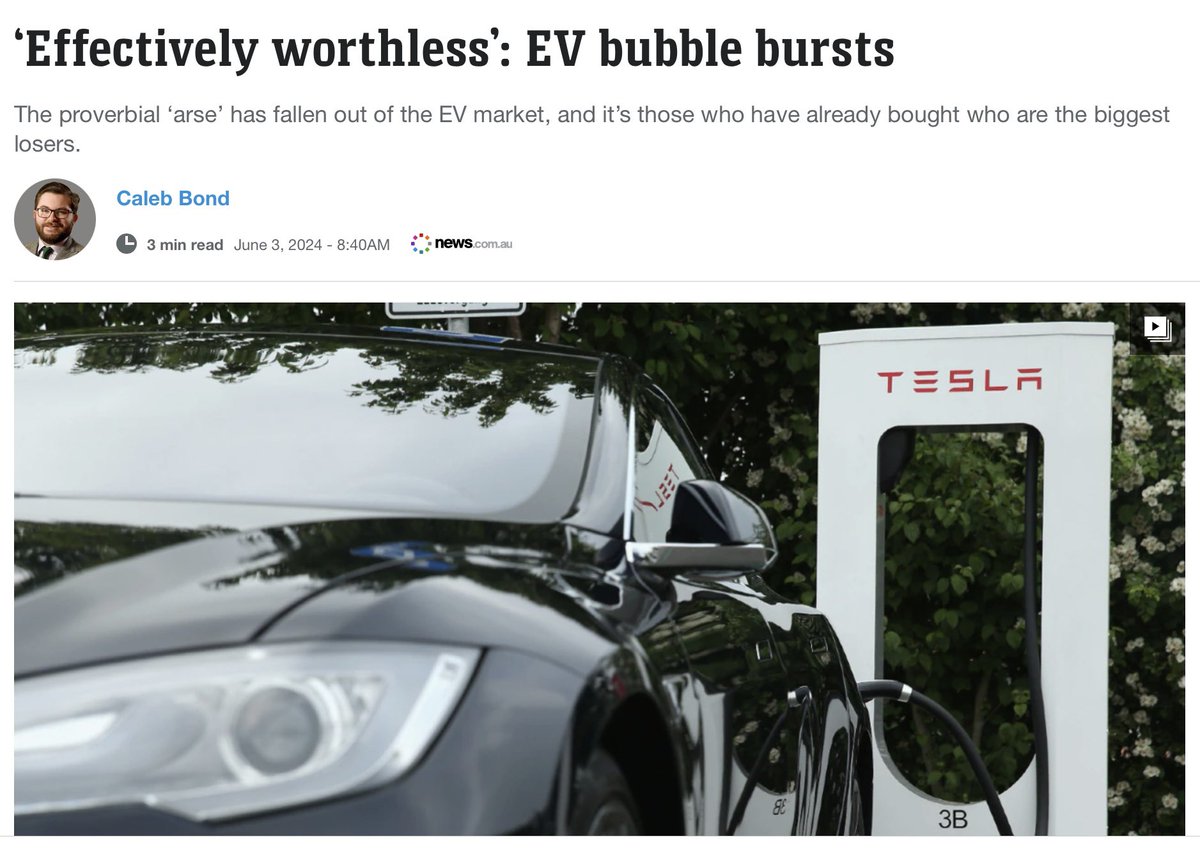
A prominent English motoring journalist counted over 150 successive EV-bashing stories in key UK media outlets. The status quo makes sure these narratives never let up. Only catastrophe will shift them. Flood the Australian car market with cheap Chinese EVs. https://t.co/HQYFGasANO
I'm seriously curious what the staff of our State public health departments make of this ongoing orgy of infections. Because we live in 'open and free' democracies, they're not allowed to say. https://t.co/4V5xIuoLmw
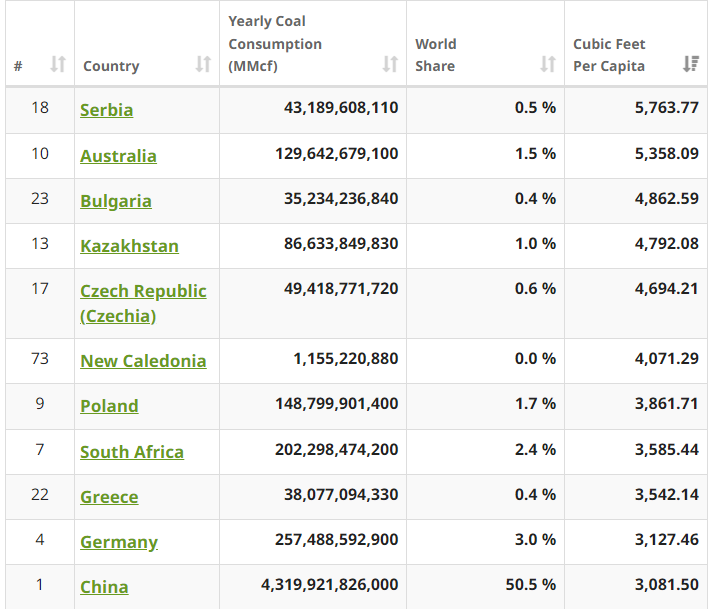
The climate deniers use their own special maths too. Absolute figures when they want to paint China as the great coal eating behemoth. The per capita figure embarrasses Australia. And even Germany. https://t.co/fOaZCQOT0f
Now we just need them to demand (not plead) that government put Covid controls into schools. It's a friggin' union, ffs. 'Pleading'. https://t.co/FwF2lD0K0S
The team sports that drive societies are sometimes actual team sports. But not an analogy, it’s the same basic social mechanism. The LNP and ALP are neck-and-neck in the polls, despite the LNP being laughable. But it’s not about any sort of competence. It’s about the sport. https://t.co/S3eAyRsjaq
More about place, in a culture that lives in maps. The English countryside. A wonder of the world. How does it exist? Well, it’s absolutely NOT a ‘natural’ thing. Place is made. Why this matters. /1 https://t.co/sxrljQevJN
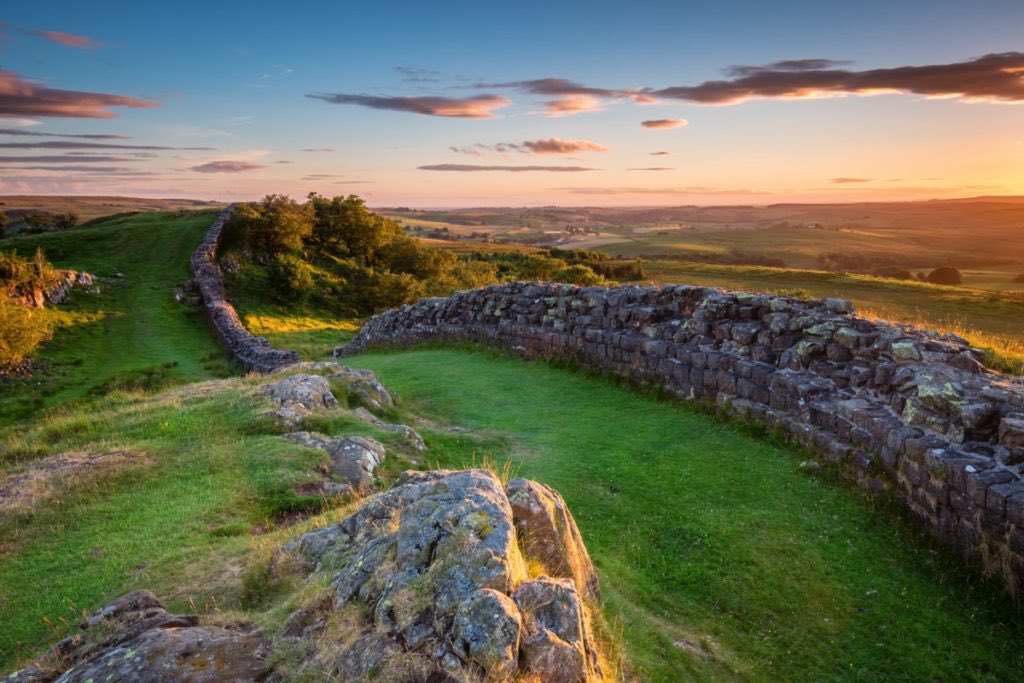
The architect Christopher Alexander called the English countryside humankind’s greatest ever creation. (He was wrong there, Australia is that, but I’ll get to that in a second.) Stendhal said “There is nothing so beautiful, lovable and moving as the English countryside.” /2
Alexander at least knew the English landscape is MADE. Not just some ‘naturally occurring’ thing. Continuously shaped, by human effort. But that’s not enough to understand it. /3
Because that effort is in turn shaped. By regulation. The English landscape is ENTIRELY a creation of human laws. Of continuous, often exhaustive, regulation. /4
Clarkson’s entire hit series shows it. Regulation is one of Clarkson’s pet hates, as a modern libertarian. But the countryside he loves would not exist without it. It’s complex planning laws that hold an incredible number of things in balance, to create the countryside. /5 https://t.co/95Iai3c7Zn

And following my theme of societies only progressing via catastrophe, via punctuated equilibria, the English countryside shows it. It was post-WW2 that heavy regulation of this part of the UK really took off. It took the catastrophe of the war to promote action. /6
Places of ‘outstanding natural beauty’ were regulated into existence, and remain to this day. When you move through the English countryside you’re travelling through its planning regulations. /7
I said Australia is an even greater creation. You need to read Gammage’s book to understand how. Australia’s landscape is the greatest wonder in all human history. There is no second place. /8 https://t.co/mI3dM8t0ps
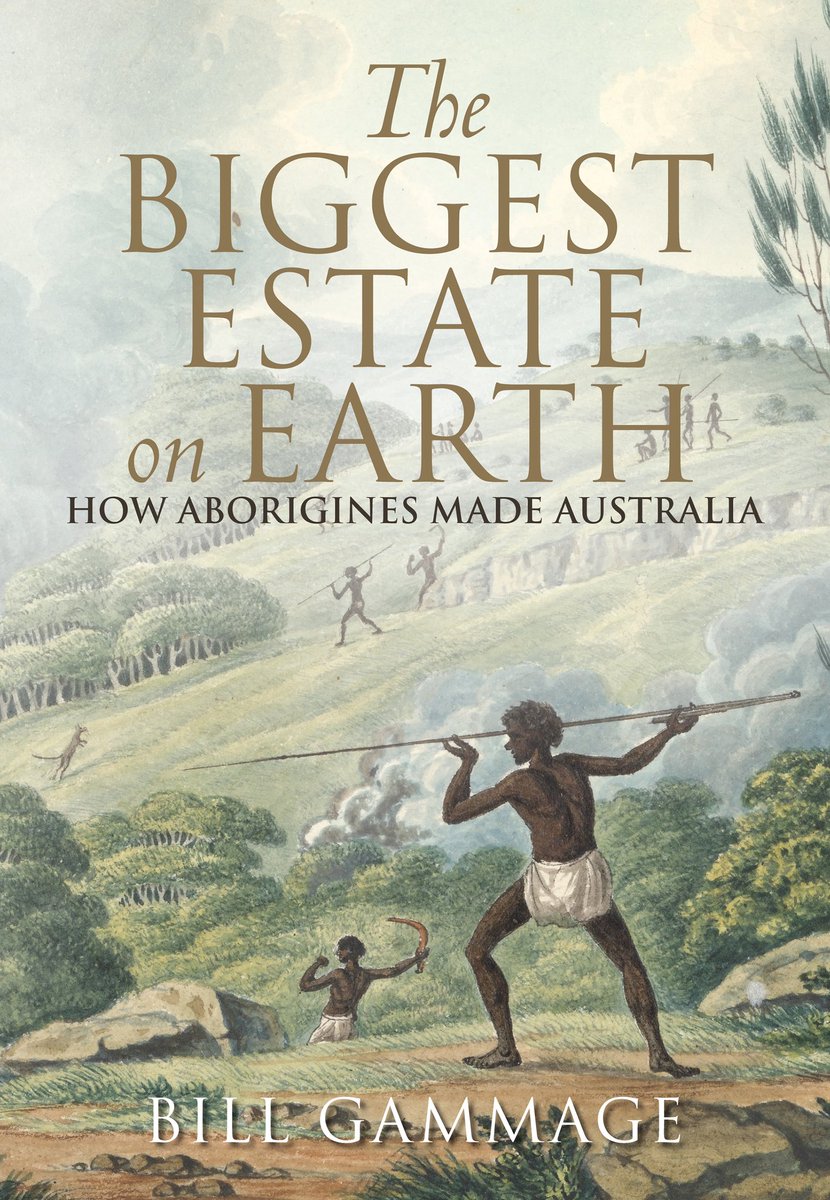
Everything we usually call ‘human history’ is the tiniest footnote piece to what was going on in Australia. Australian Aborigines solved civilisation’s greatest challenge tens of *thousands* of years before the pyramids even existed. /9
As Gammage shows, they were continuously creating the Australian landscape tens of thousands of years before everything we laughingly call human history even began. They weren’t savages hunter gathering. That’s later European revisionism. /10
Europeans had no idea what they’d stumbled into, in Australia. They still don’t. An entire continent, engineered to maximise life. Of humans, and everything else. Read Gammage’s first European settler accounts, what they ACTUALLY found here. /11
It’s the greatest untold story in the world. Now at least partly told. Because also the greatest challenge humans always face. How to exist, and thrive, over LONG periods of time. No other civilisation has ever cracked it. We don’t see the enormity of what was done here. /12
It’s mostly abut place. Understanding what place is, as opposed to space, a lethal concept inherited from maps. An Indigenous Australian said something to a friend of mine that highlights the chasm in our understanding. /13
How if you travel ‘too fast’, like on a modern aeroplane, your ‘soul needs time to catch up’ when you arrive at your destination. Ponder that. What it means. We have no idea, honestly, in our travel cultures. /14
I think it means that place, our connection to the land under our feet, is our deepest existential reality. And we no longer understand it. We’ve been empires accumulating places as spaces for too long. We still do it when we travel. Places on our ‘bucket lists’. /15
It’s too big a topic for one thread. Right now we’re in a climate crisis and pandemic that both result from this ignorance and violation of place. We’re travelling on, ‘seeing the sights’. In the most vulgar violation of everything place means. /16
Our ‘souls’ need to ‘catch up’ because we never put down roots, we never occupy place now. Just space. We don’t understand the basic concept of ‘home’. We think it’s an address. We think the landscape is ‘natural’. /17
We travel in it too, ecotourism. It’s place-porn. Place is made, and sustained. Regulated. /end
I think we need to recognise the literal meaning of the term 'public health'. It means the public being HEALTHY. It doesn't mean 'the public not being in hospital or dying', as Covid minimisers have twisted it to mean. People are SO sick right now. Another example. /1
A mum at work in despair. Her son had Covid a few weeks ago, which meant she needed a lot of time off to care for him. He's now sick again, 3 weeks later, as yet undiagnosed, but high fever, chills, can't sleep. 'He's never sick!', the mum says. /2
This is a disgraceful, criminal absence of the political leadership needed to make public health work. A shameful surrender to cooker politics, of loud noise but actual tiny extent. Aided and abetted by healthcare professionals with libertarian politics. /3
Who are using this disaster as a platform to generate huge followings, prestige, fame and money. It's all populist societies do with disasters. Use them as a platform for popularity. /4
And powered by populist politics, where only votes count for anything. And where winning elections is done only to win more elections. A sociopathic self-referential loop. /end #auspol
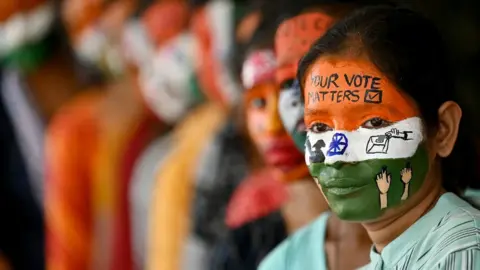
Sweden's V-Dem Institute measures the quality of democracy worldwide. It classifies India as an 'electoral autocracy'. There's a challenge for those who equate elections with democracy. (Note: they're not saying Indian elections aren't 'free and fair'.) https://t.co/47rC8tgI6V
The absolute perversity of travel culture and its press. Where travel destroys locations, then publishes new as yet undestroyed locations for travellers to rush to, to destroy, while whining about travellers ruining the travel experience. https://t.co/2OKDrzSPzD
It’s struck a few people as odd that in rapidly ageing societies, we’re doing nothing to prevent mass deaths of the old from Covid. You’d think old societies would look after the old. Another beautiful window into the actual culture we live in. All societies are social. 1/3
Why doesn’t this anomaly register? Because the old DON’T THINK OF THEMSELVES AS OLD. That literally defines ‘boomer’ culture. Eternal youth. There’s no pushback here because that would mean restricting this culture of eternal youth. 2/3
The travelling, recreational lifestyles that now define end-of-life. We can’t save our fellow old Covid victims because then we can’t travel and eat out and go to gigs. It’s as simple as that. /end
I've been banging this drum. Fixing Covid doesn't mean shutting society down. Mostly it means getting fresh air into schools. Imagine even needing to ARGUE to do that. https://t.co/Q3snh3PwZ5 https://t.co/1zPzqZg4Vm
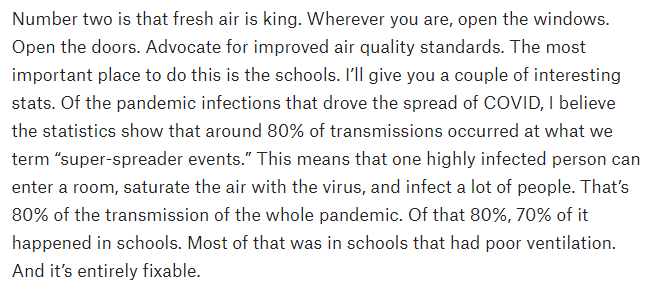
So many goodies in this article. It's like returning to a time when grown-ups ran the adult world. https://t.co/Q3snh3PwZ5 https://t.co/zReLrqNNhc
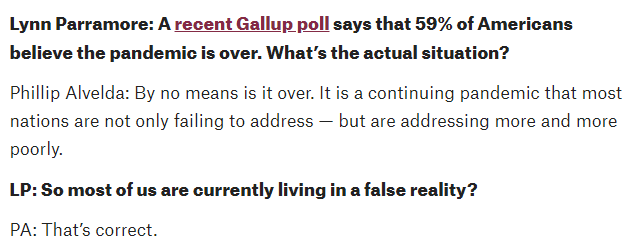
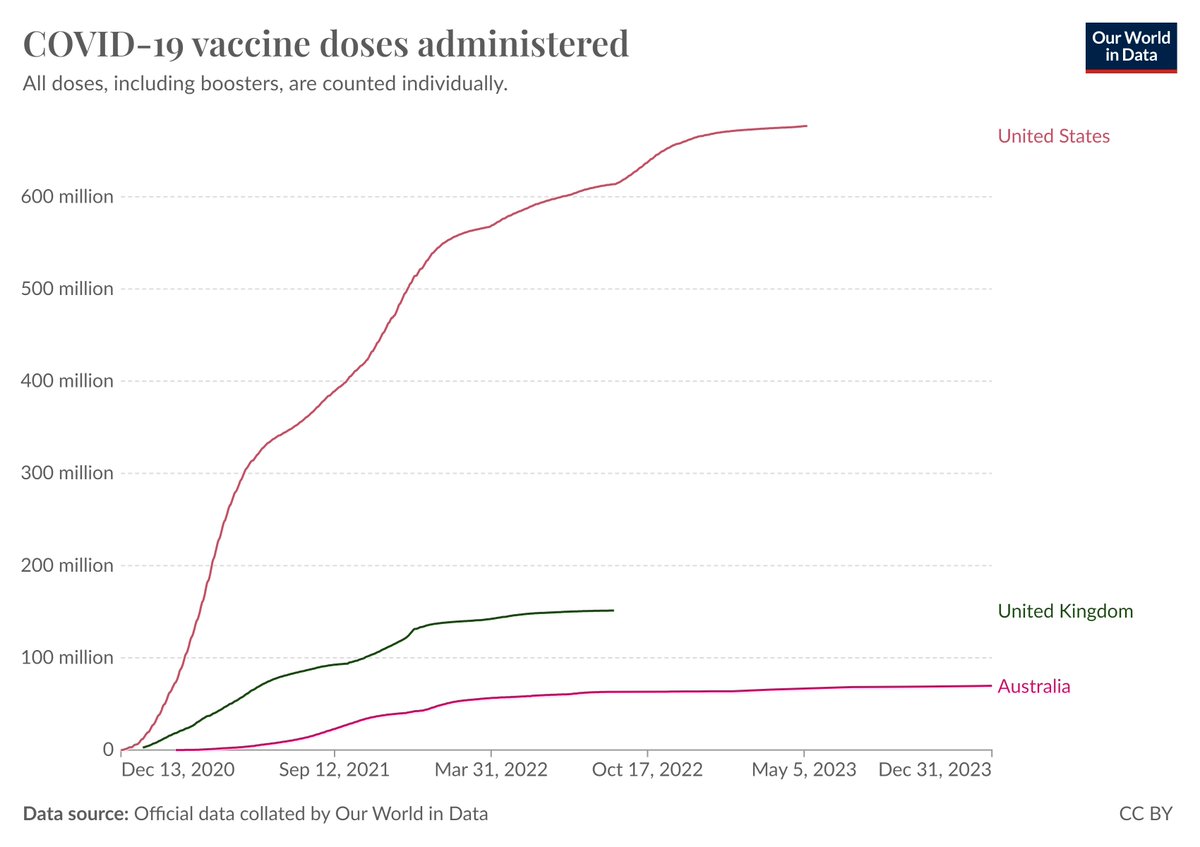
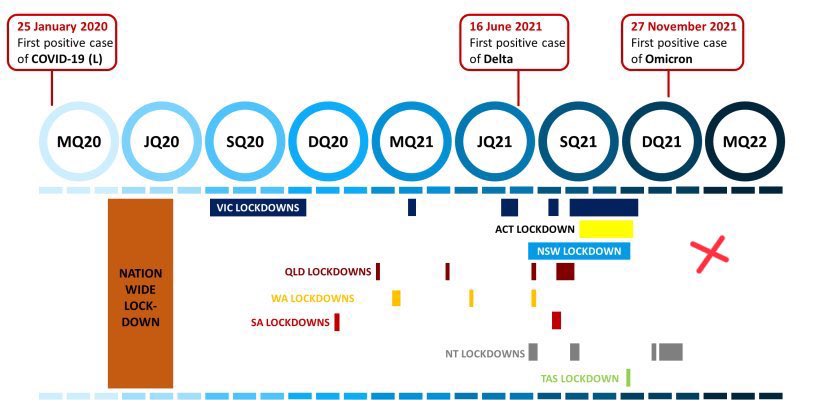
On a cumulative graph, flat means nothing is happening. In Oz's case, since Scott Morrison went to an election pretending the pandemic was over, in early 2022. That was the plan. It's actually deceptive to call our approach 'hybrid immunity', when we're not vaccinating, surely? https://t.co/ETT76BvcF5
Just as many of the old resist Covid action because it interrupts their recreational lifestyles, younger adults with children resisted lockdowns because it meant they had to interrupt theirs too, looking after their own children. ‘Fun’ is the currency of kidult life.
“Booy said the surge in pertussis was no surprise as the population reemerged from almost two years of social distancing and renewed its socialising in large crowds.” Um, all that white space. https://t.co/sPylmvXhSW https://t.co/OQdbUevuYJ
This is interesting. Is using a RAT with mucus blown into a tissue a possibly more accurate test method? @michaelmina_lab ? Or does the negative result indicate lack of infectiousness, which blowing the nose confuses by surfacing virions that would otherwise not circulate? https://t.co/eHJj39jPGn
Many workplaces are relying upon NSW Health’s advice of ‘symptom-free’ people being allowed back at work. Not only is that public health gibberish, it’s also the least practical option. The same workplaces often require a doctor’s certificate, after 2 days. 1/2 https://t.co/eHJj39jPGn
Many can’t even get in to see a GP for weeks. Earlier in the pandemic the same workplaces would use RATs instead. The simple solution - if you’re testing positive, stay home. Covers across not having infectious people in the workplace too. /end
Fabulous. In a nutshell, infection is geographical, meteorological and mobility as well. https://t.co/2BoUfJEqkH
The ridiculous levels of illness in the community right now are coming up against 19th century command and control sick leave policies. The same command and control economy that caused this pandemic. Beginning with the idiocy of the doctor’s certificate. /1 https://t.co/rWdvORk5BY
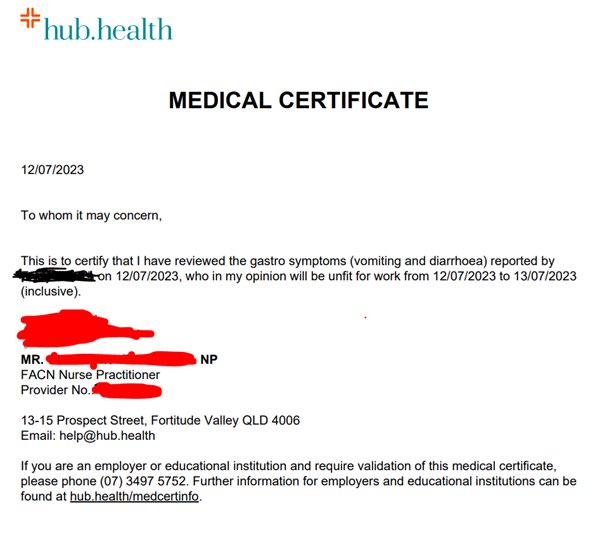
There is not one single way a doctor’s certificate is about the health of either individuals, or the community. It’s employers hijacking the health system to control the leave their staff take. A weapon against ‘sickies’. /2 https://t.co/m3wxvMlV9n
The rationale being that if you want to take more than a couple of days off, get a doctor’s certificate, otherwise we suspect you’re using your sick leave for something else. Who cares? Do we ask holiday resorts to certify that we used our annual leave for holidays? /3
It’s leave, or it isn’t. It doesn’t need to be policed to make sure you’re using the leave for the ‘right’ reasons. If somebody wants to use up all their sick leave going to Spain, then they’ll have to use leave without pay when they’re sick. It’s self-correcting. /4
Never mind the already grossly overworked GPs having to see a conga line of the infected, just to get these idiot certificates signed, for employers. Driving the sick out into the community to spread their illness even further. /5
Now that we have combination RATs for common infections, employers should just pay for those. You can already hear their lobbying groups crying ‘we can’t afford that!’ /6 https://t.co/1Gk6JGZCD9

You know what they can’t afford? Their workforce being constantly sick, and away. The costs of paying for testing are a tiny fraction of that cost. It takes enormous load off the health system. And means you don’t have to drag your sick body to the GP to infect others. /7
Or the common (government-mandated) advice now that you can come back to work when you’re ‘symptom-free’. Another pearler with not one link to either individual or community health. We know Covid for example often has no symptoms. /8
But even worse, in reality people don’t have the sick leave for the continuous torrent of infections disease right now. So what are they doing, in REALITY? They’re coming to work, sick. ‘Symptoms’ are abundant. They can’t afford not to. /9
The new benchmark is ‘if you can stand up and breathe unaided, that’s good enough’. I’m surrounded by horribly sick people every day right now. Coughing and sneezing, weeping eyes, horrendous headaches, dizziness etc. /10
In just this past week I’ve experienced staff in multiple workplaces in tears, through the strain of having to be at work to get paid, but absolutely sick and exhausted. They’re at their wits’ end. They have no way out of this complete insanity. /11
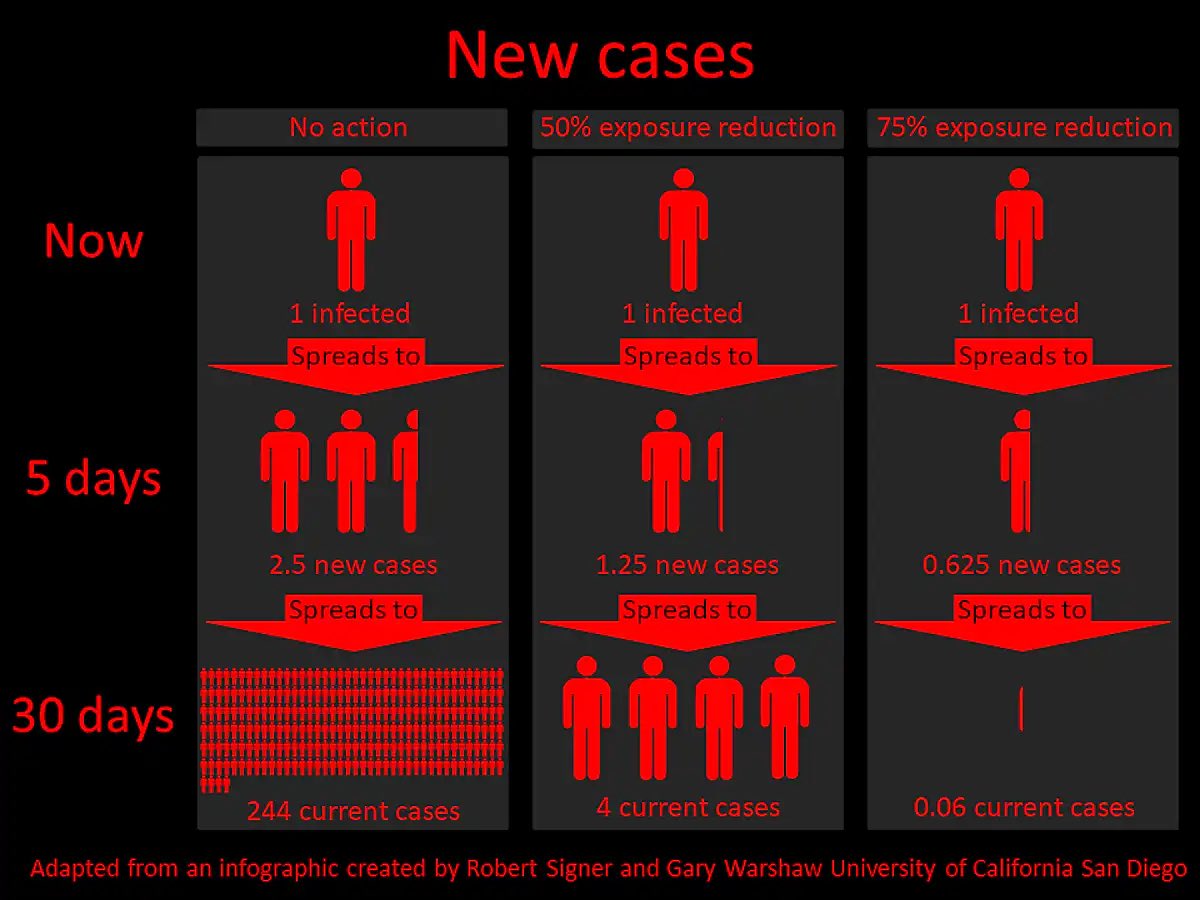
I Tweet a lot that we don’t need to stop any infectious disease. We just need to slow it down, and then maths and reality will stop it. Put testing into workplaces again. That will slow the lot. The benefits to the wider community AND business would be immense. /12
If we’re not going to ventilate critical workplaces like schools in a hurry, then pay for the RATs. Test everybody, every day. If you want a functioning workforce. And increase sick leave allowances in the interim. Better for the business, better for everybody’s health. /end
21 locally transmitted cases of Monkey Pox in Victoria since mid-April?
George picking up on the work I discuss here a lot, about the terrible mechanism that elections are. My only quibble is the idea we need even more 'participatory' democracy. No we don't. We need proper hierarchies of expertise, so we can each get on with our lives. https://t.co/8O7iLep1gV
Those who are most desired are not desired for who they are. But because they are desired by others. Imitative rivalry. We want what others want. https://t.co/VbcRrcsdcv
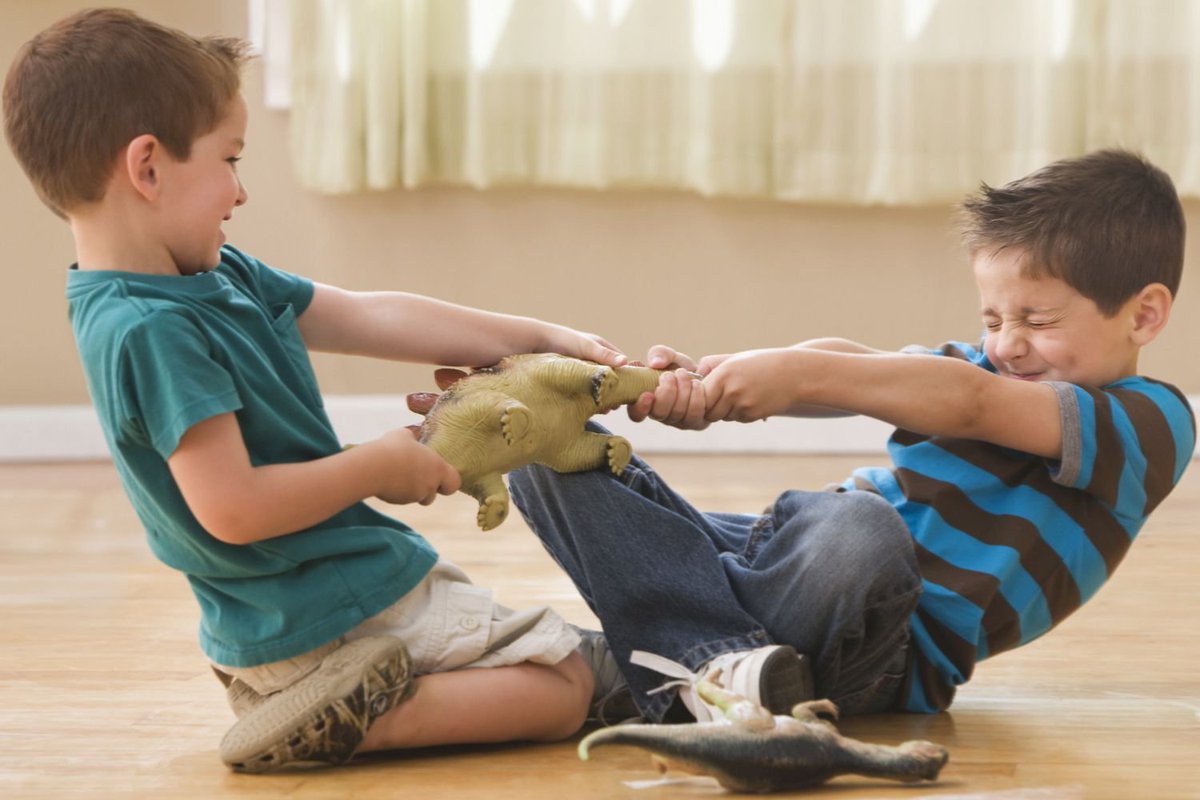
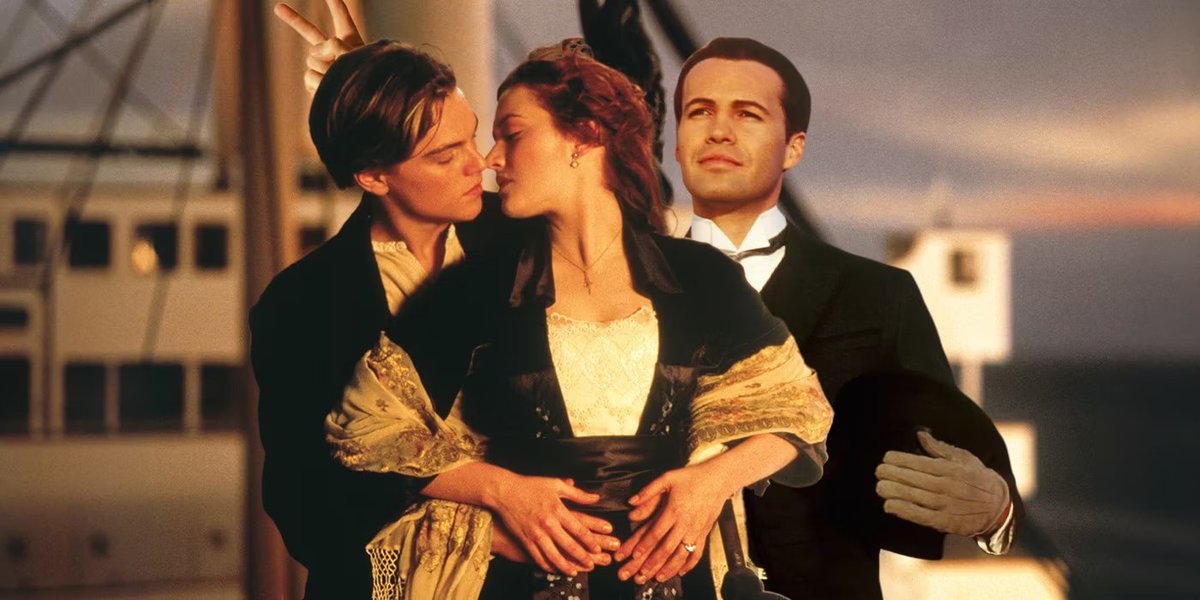
Study what people desire, be it cars or travel destinations, or whatever, and you’ll always find the same pattern. They don’t love the thing. They love that others love it. They want what others have. Acquiring the thing relieves the anxiety of not fitting in. https://t.co/nC6fhKJ4cR
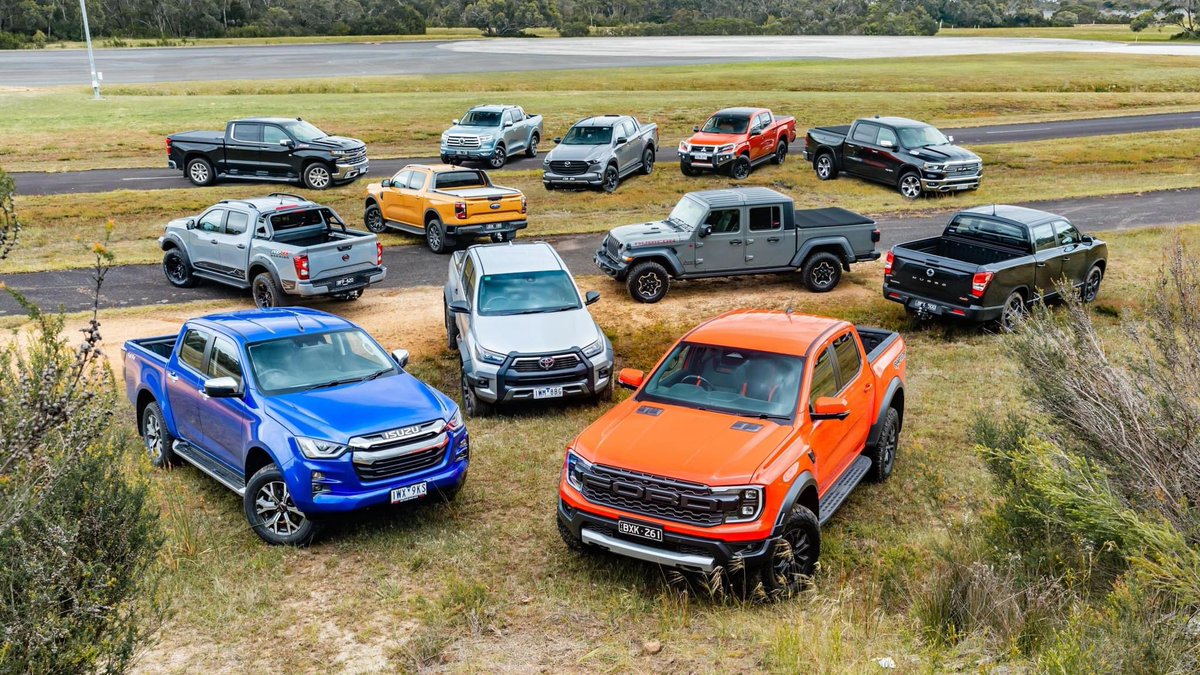
We’re very focused on individual protection, with PPE. And that’s understandable. I always wear respirators myself. But to end the pandemic, we just need to slow spread, to Rt < 1. Even poor masks, in targeted locations like schools, can have huge multipliers. https://t.co/nMgpeszuvI
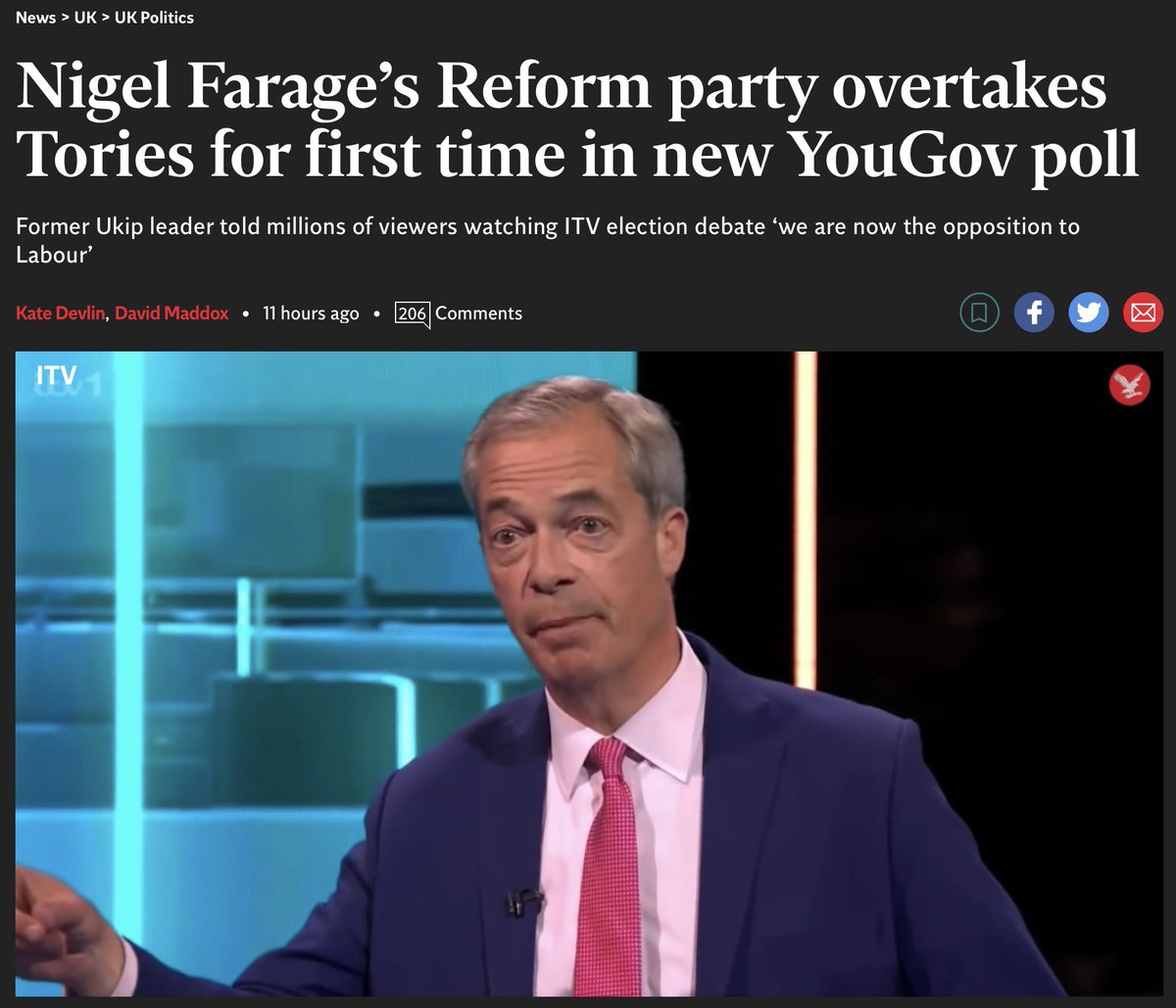
I think all elections are a lethally pointless waste of our time. But I still find them entertaining, even if they change nothing. Sunak’s campaign is a wonder of incompetence to behold. Just like his party. https://t.co/6q5sNyuDOr
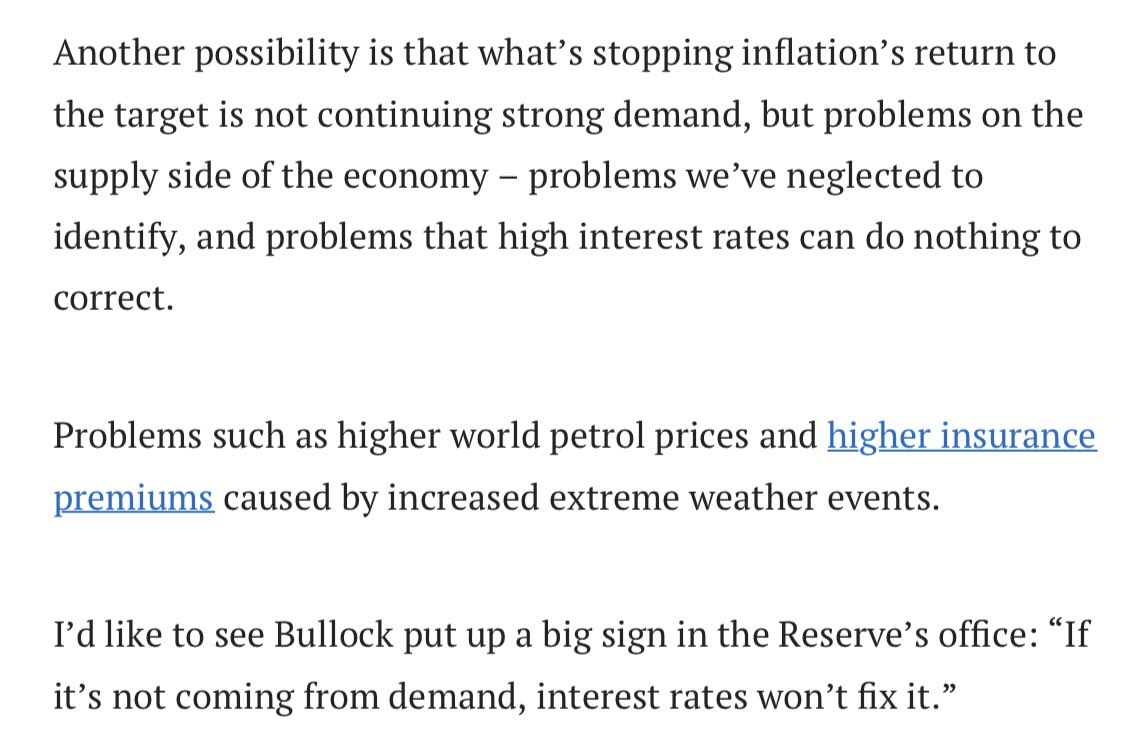
Ross Gittins making the very obvious point here that inflation is much more likely to be caused by disruptions to making things. Not by people spending too much money. People don’t have any money. Economic ideology, destroying lives. https://t.co/EY1OyLhtou https://t.co/gpYRv9ECWz
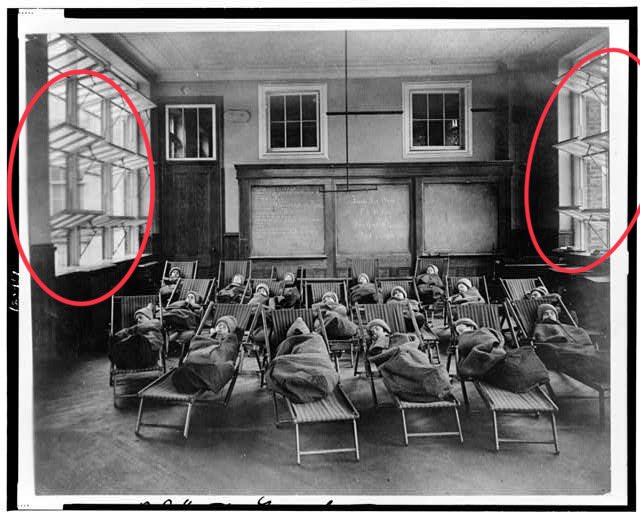
Immunity is thought of as our individual immune systems. But there’s a collective immunity too. The one that prevents pathogens arriving at your individual immune system. Pathogens are organisms, living in environments. Modifications to those environments is easy. And cheap. https://t.co/WeN7dPuV69
Covid disrupted our ‘supply chains’, leading to a cost of living/inflation crisis. Most of these supply chains originate in China, where we outsourced most of our manufacturing. China moved mountains to suppress Covid. We mocked them for doing it. So then it didn’t. 1/2 https://t.co/GSCxRB8Cuk
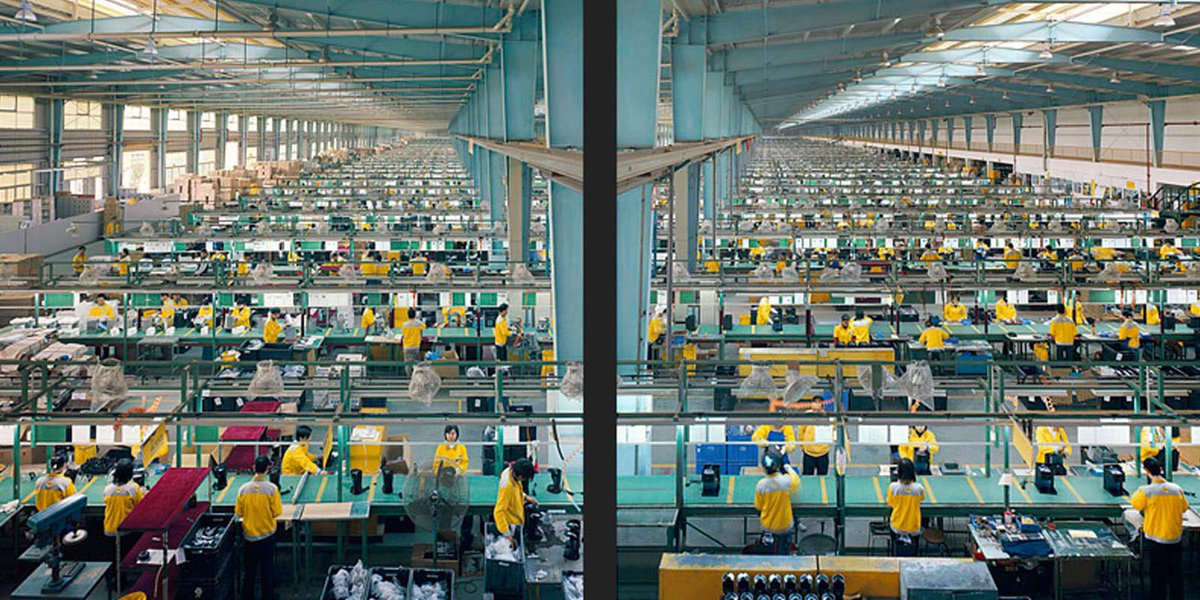
Leading to even greater disruptions to the supply chains. Leading to our cost of living crisis. None of this is rocket science. /end
Exclusive images from the inaugural meeting of ‘Rock Stars Who Give a Fuck about Covid’. https://t.co/JypdJQEnHc
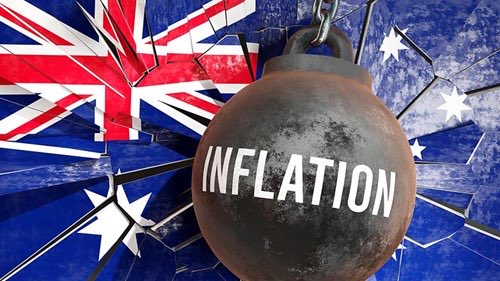
We have a ‘target band’ for inflation. If we move outside this band, the universe implodes, or something. Remember having a target band for Covid infections? Somewhere around zero, or at least IN a band. That was (apparently) oppression. How’s your cost of living? https://t.co/PeQSHil5lJ
Just as the only way to provide cheaper housing is to build cheaper houses and sell them cheaply, the only way to be rid of Covid, is to get rid of Covid. Obvious. ‘Flooding the zone with shit’ at work, that it isn’t.
One for the libertarians. Where lethal viruses invade homes due to the complete absence of control measures outside them, whose freedom are you promoting? Seems a disgusting violation of individual freedom, to me. https://t.co/VGyCrks6Df
Human activity is driven by desire. But we don’t desire the object of our desires. We desire something because somebody else desires it. It’s social, a rivalry. The love triangle is an archetypal form of this mimetic desire. And it extends well beyond. Even to Covid. /1 https://t.co/4qSzStRZXn
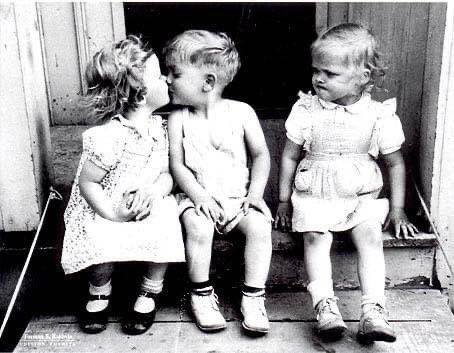
Say the desire is ‘to end the pandemic’. Once a person or group sets that as a goal, immediately it sets up a space for rivalry. Others see this desire, and desire this same thing. But that want is driven by rivalry, rather than the thing. /2 https://t.co/2jnXXeJfST
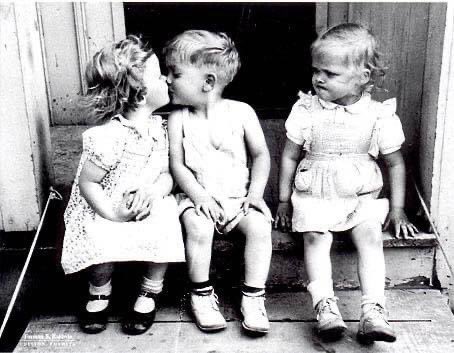
Because somebody else desires it, and so they desire it. Mimetic desire, imitative rivalry. The love triangle begins. With Covid, the initial standard public health mechanism to control the pandemic immediately spawned rival ‘ending the pandemic’ suitors. /3 https://t.co/QJp1n9VY41
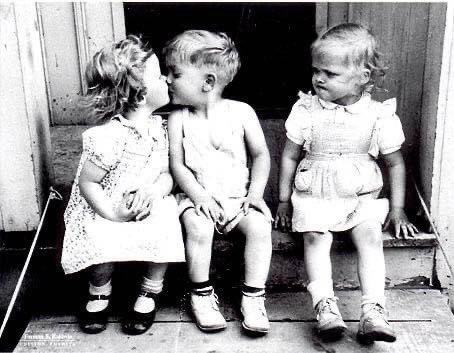
Now the rivalry begins. The boy in the middle (Covid in this analogy) is a bit player. Each team battles for their way to end the pandemic. BOTH teams actually want to end it. That’s what gets missed. The rivalry isn’t about that. /4 https://t.co/kE40OhVrhu
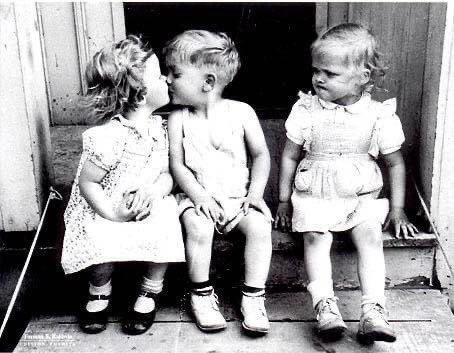
Each just wants to be the one that ends it. But the rivalry will escalate, and meanwhile nothing is done. Just as in a standard love triangle, eventually the supposed object of affection ( the boy here) becomes a bit player. Fodder only for the rivalry. /5 https://t.co/zWW3ECOQdB
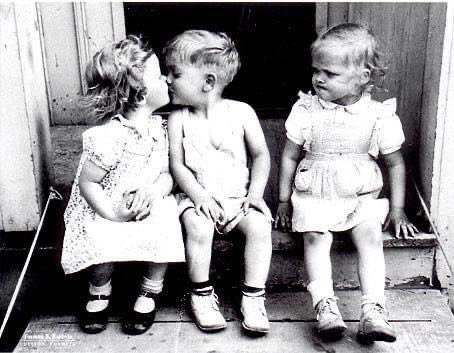
Which is the ‘team sports’ I Tweet about often. As in actual team sports, eventually the game itself becomes secondary. The rivalry is what drives the process. Neither side will back down. So what ends it? /6 https://t.co/gUVYqhoOa6
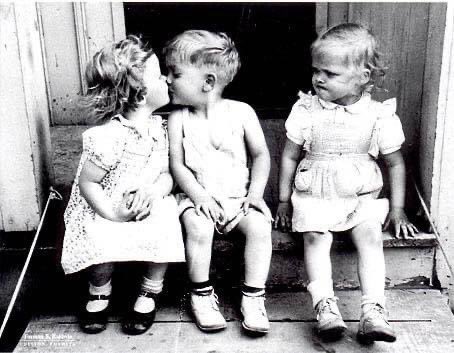
A scapegoat. Something both sides can blame without having to retreat from their position. In love triangles this is tragically often the (supposed) object of common desire. Much domestic violence is this. /7 https://t.co/tlP5iAfhO8
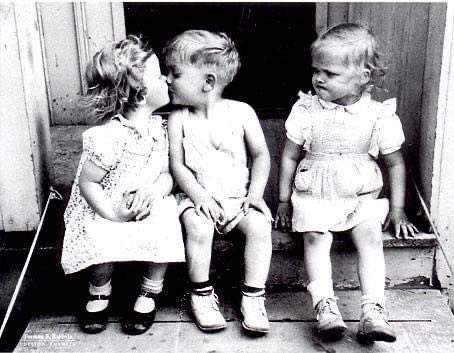
What might a scapegoat be to resolve the rivalry over ending a pandemic? Anything, really. Provided it can be used to defuse the rivalry. A super lethal variant, for example. /8 https://t.co/zuXUhCG1yA
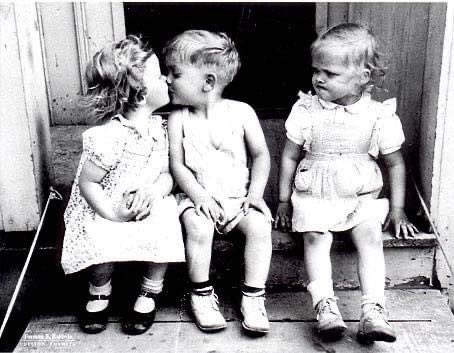
What’s important here I think though is to remember that both sides want to end the pandemic. That’s their desire. What makes that not happen is the continuous re-energising of the rivalry as to how. /end https://t.co/bDpJnafgHw
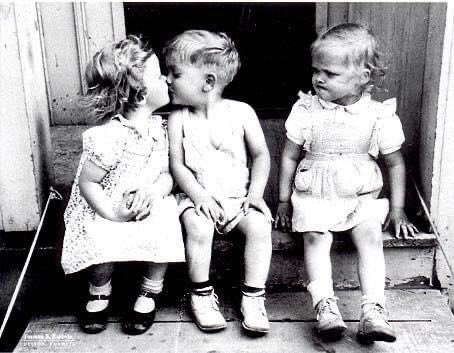
There it is. You just need to slow infections, not stop them. Exponential decay will do the rest. Even baggy blues can be a big part of the toolkit. https://t.co/sr42j1NdBI
Why are required changes not being led in our societies? Because we say they’re market economies. Market economies have no leadership, by design. This is never how people actually behave. So everything is in continuous collapse, unless we ditch the idea of ‘the economy’. https://t.co/0BzJxwio7B
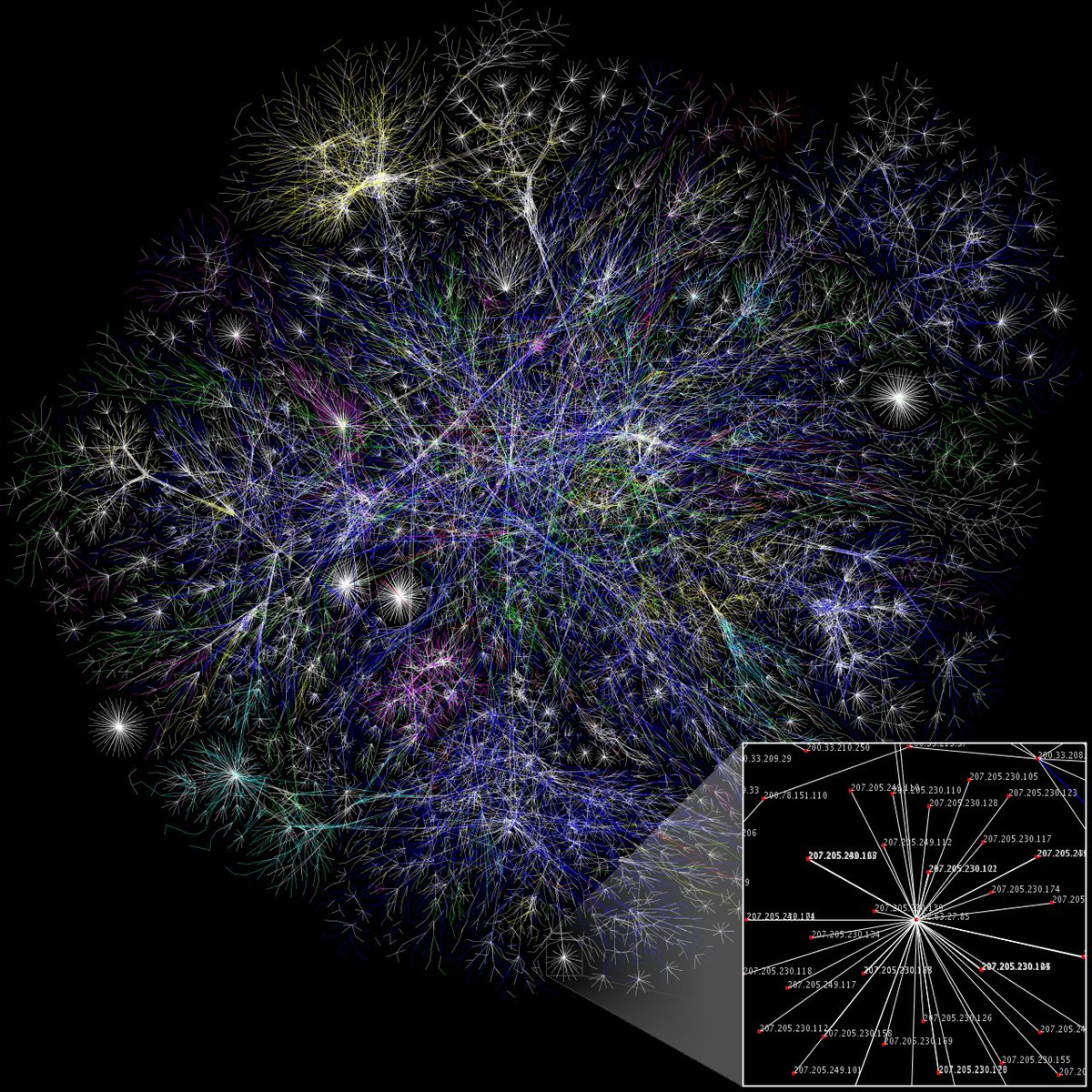
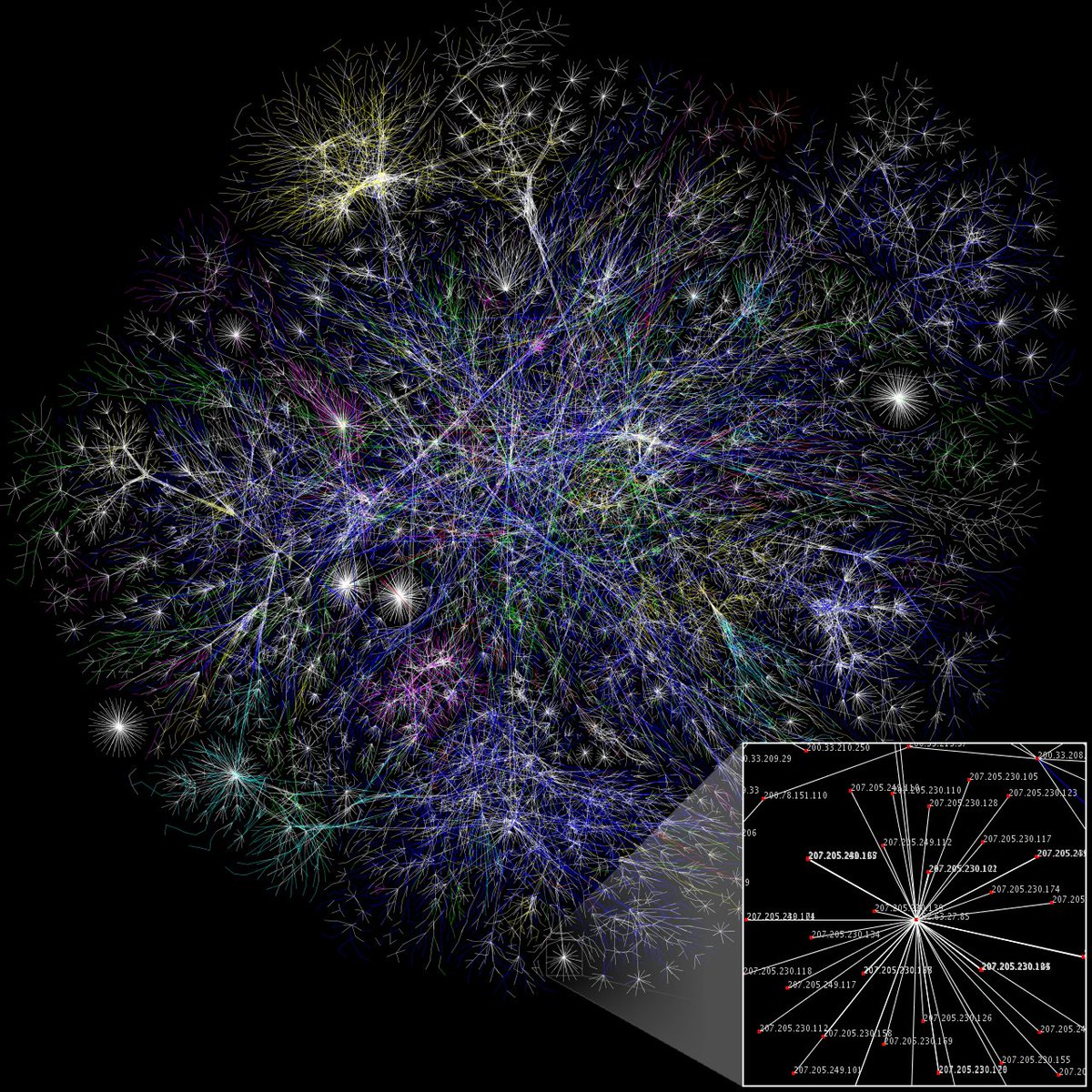
We’re not making progress against our biggest problems because we have the wrong models of the societies we’re trying to change. (Beautiful network diagram of the whole Internet here, from: https://t.co/eyAcgxBXxy) /1 https://t.co/7etz8xC5Fl
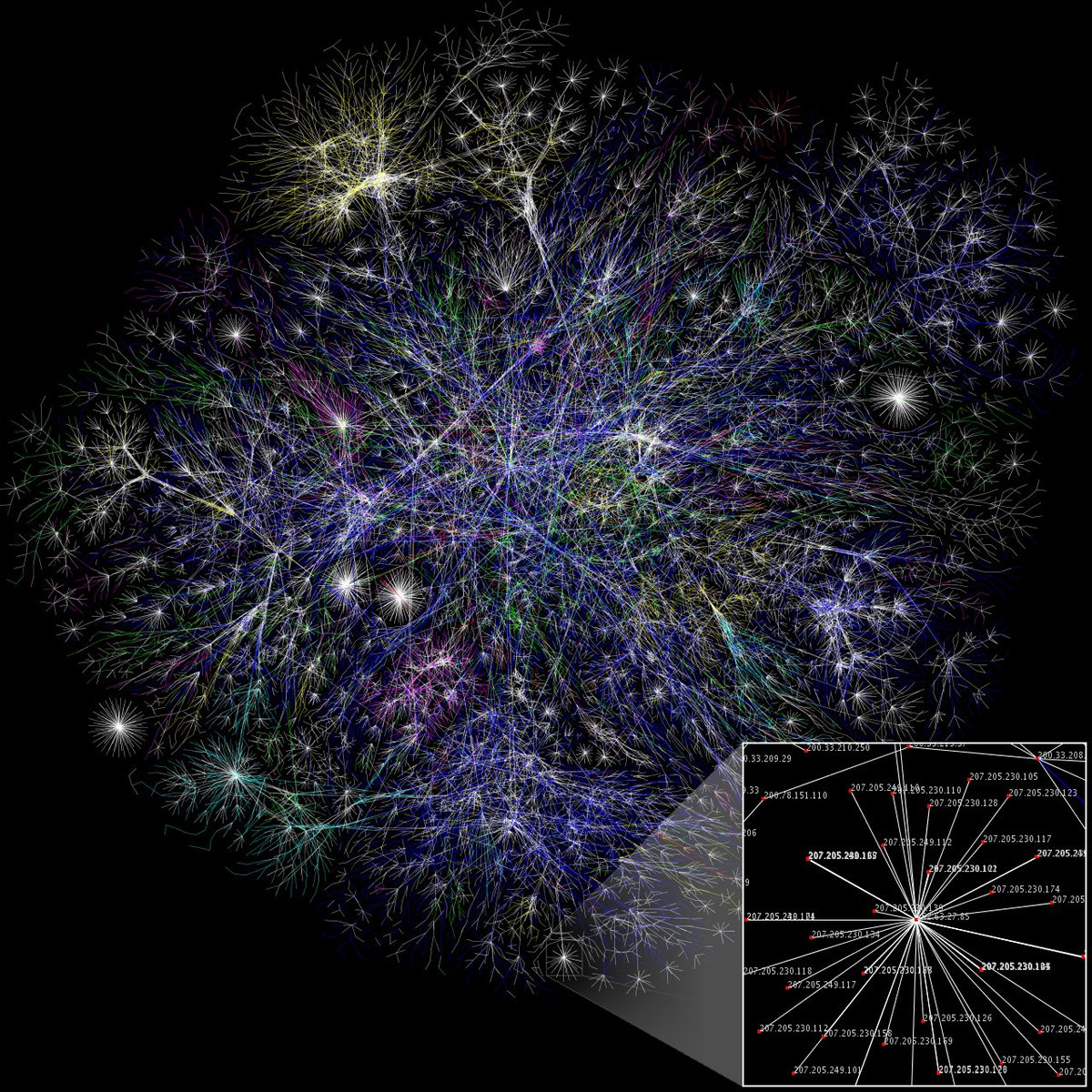
This is how society looks. It’s networked. The model we use in our politics and advocacy usually isn’t this. It’s a fantasy construct of ‘the people’ being some amorphous mass. That we describe as more or less stupid, depending on how badly things are going. /2 https://t.co/CYzZOXMiLi
And we then target political leaders, as representatives of this apparently amorphous mass. That ‘the people’ is a fantasy. BUT it’s a real construct in one way. It’s the version of the population our *institutions* construct and regulate. /3
Only they have some purchase on the entire population, in that way. But even there, it’s not an amorphous mass. Like some crowd at a rock concert singing in unison. And even that crowd isn’t amorphous. /4
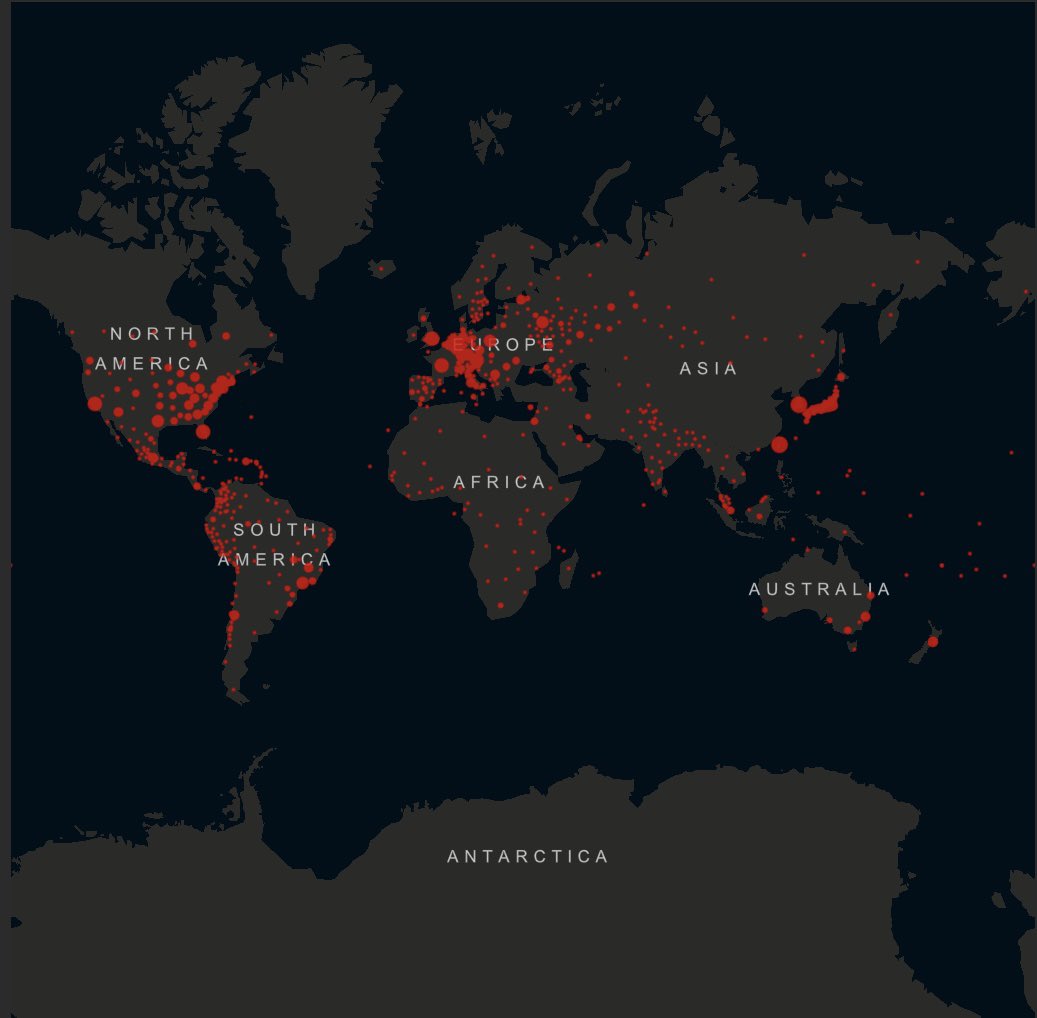
If we take Covid as one of our greatest problems, how does it look, mapped? John’s Hopkins continues to show us. Here it is. And what do you know - it’s the same networked structure. /5 https://t.co/zWTAxPLQgC https://t.co/Cg7nzcWTh7
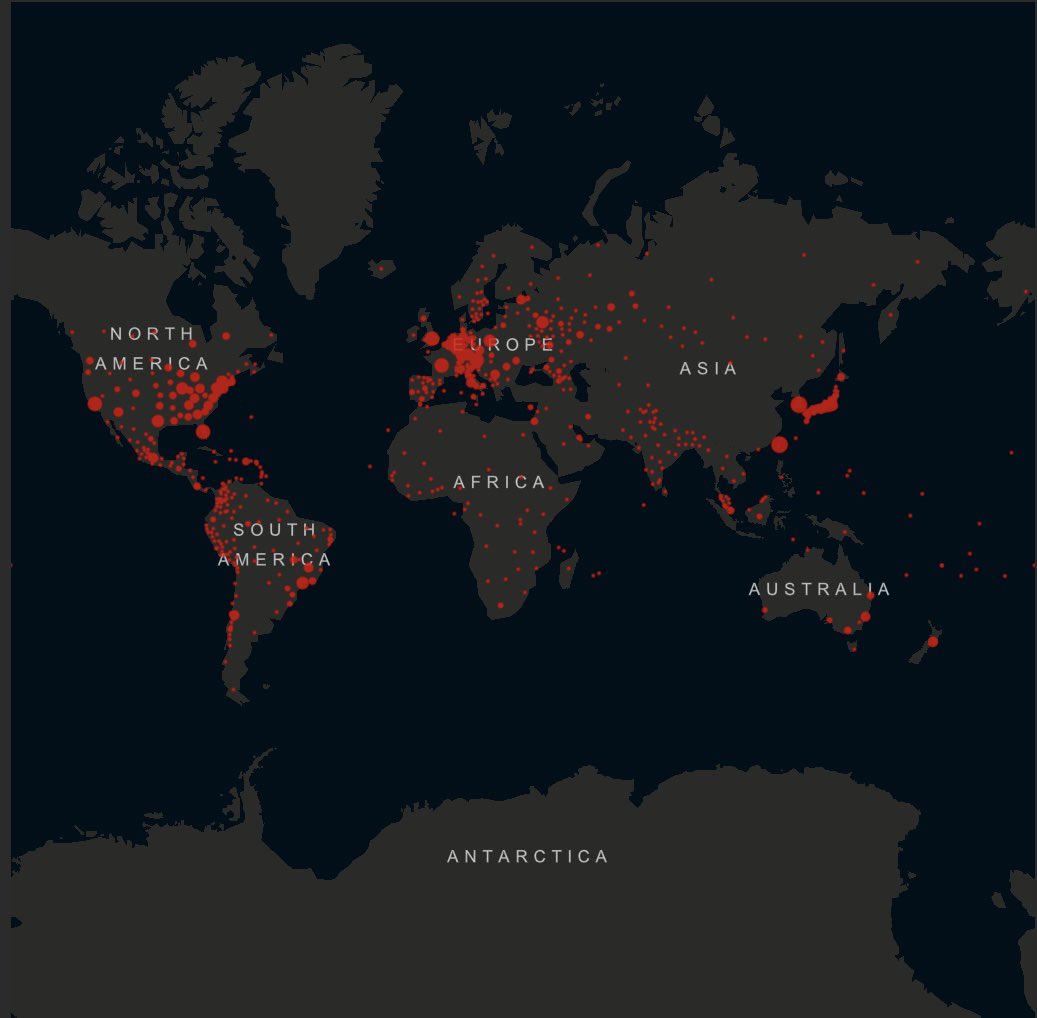
And here’s the ‘a-ha’ key to unlocking things here. Because Covid is this structure *because* our societies are this structure. Humans spread viruses. How humans organise themselves is also how viruses will end up being organised. /6 https://t.co/z2FiJYcj6c
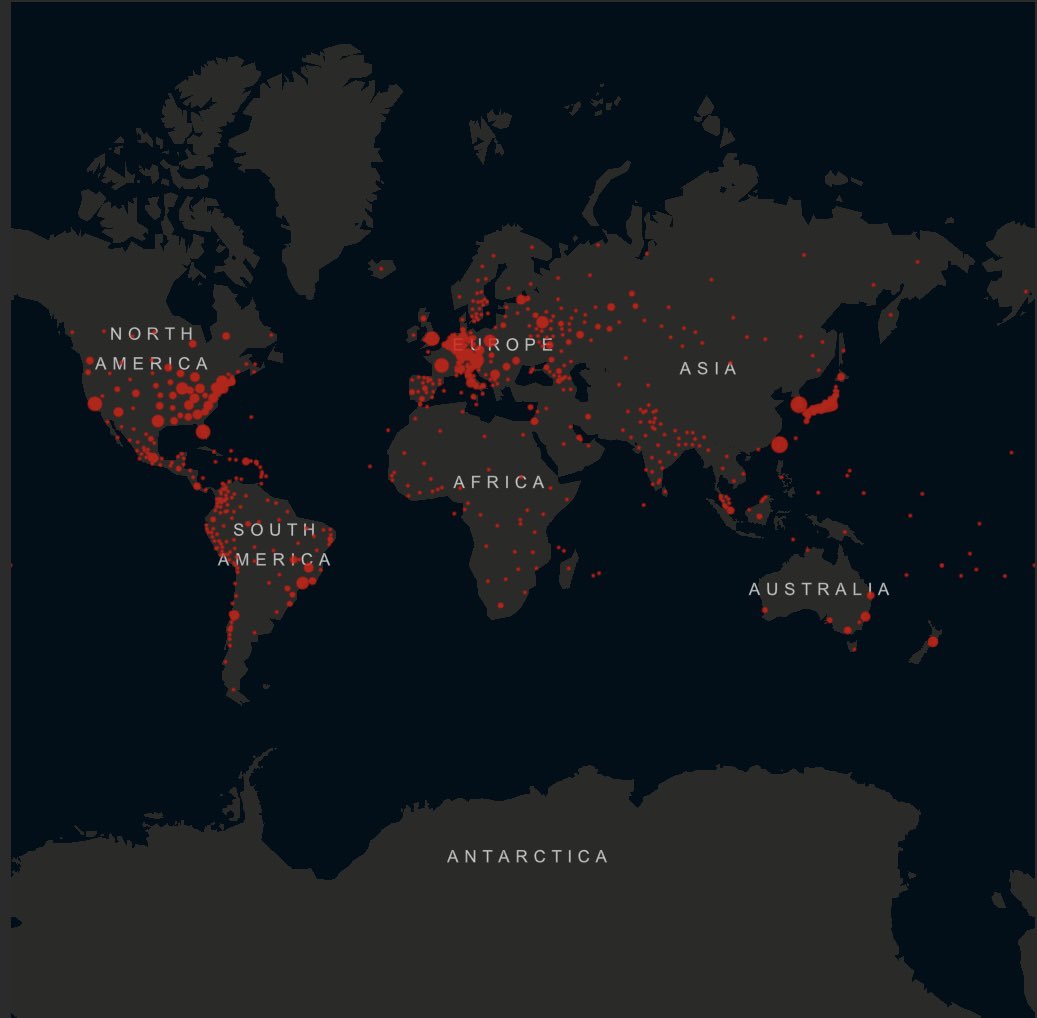
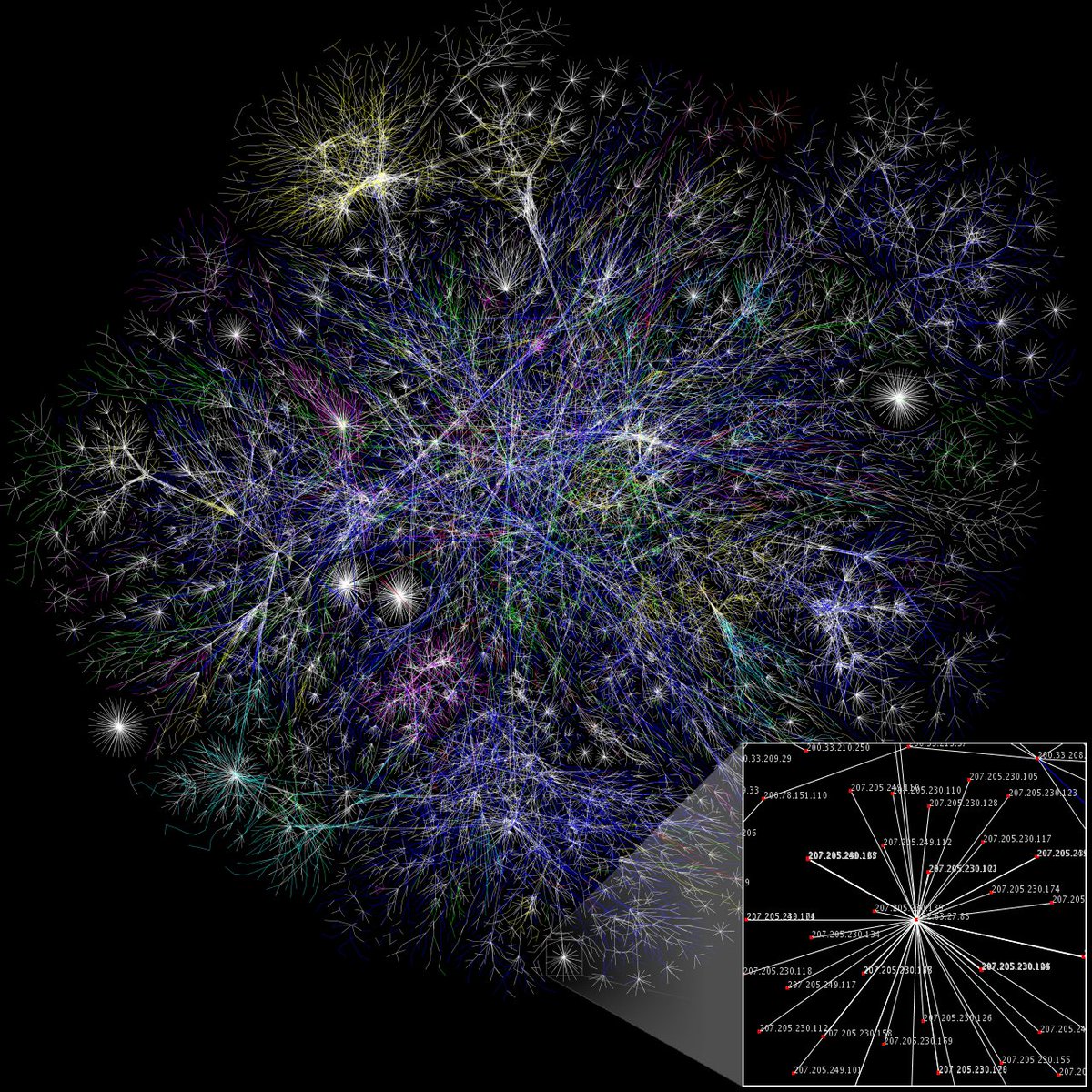
This is actually the best news. Because nobody was ever going to get anywhere, targeting an amorphous mass of people that isn’t even real. But you can change everything, and fast, if you target the networks. And those big dots, the hubs or nodes - target those. /7 https://t.co/enJWCQphvZ
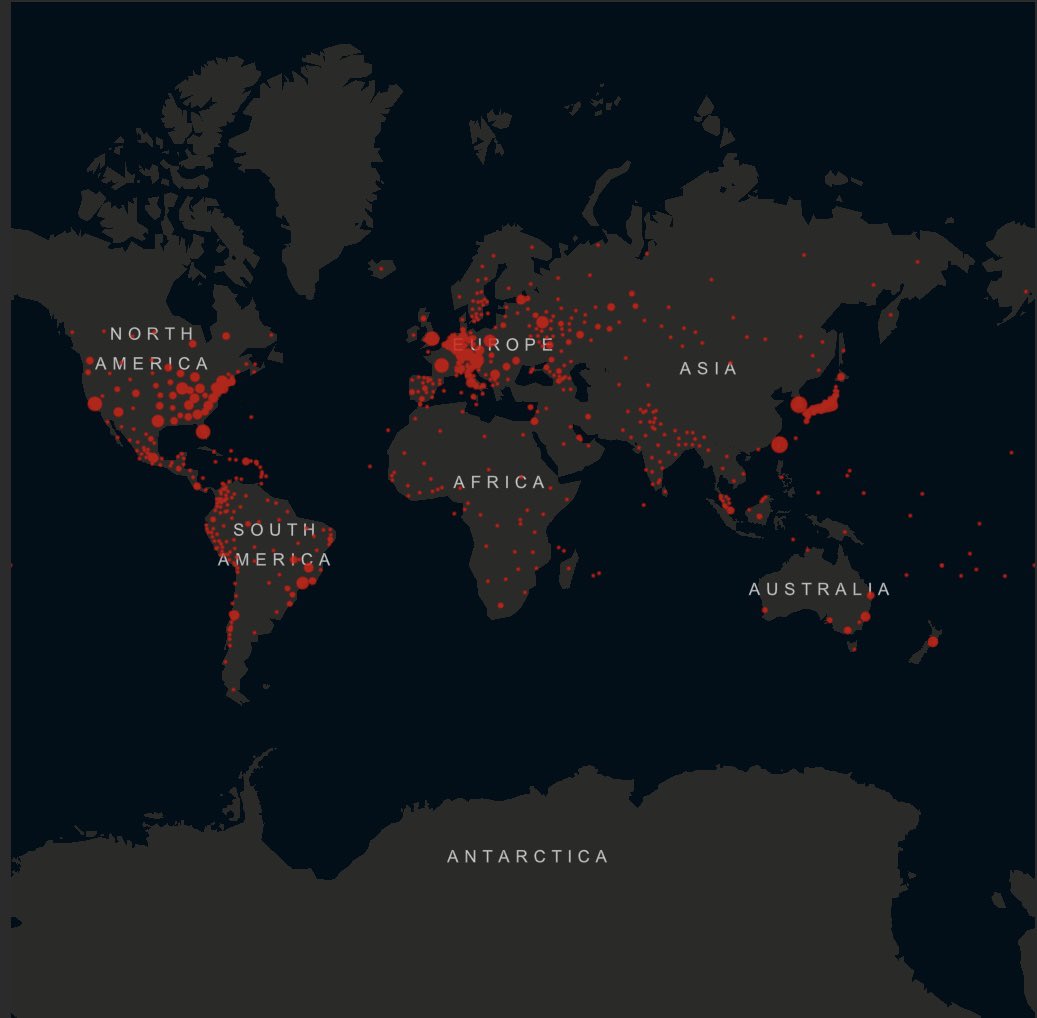
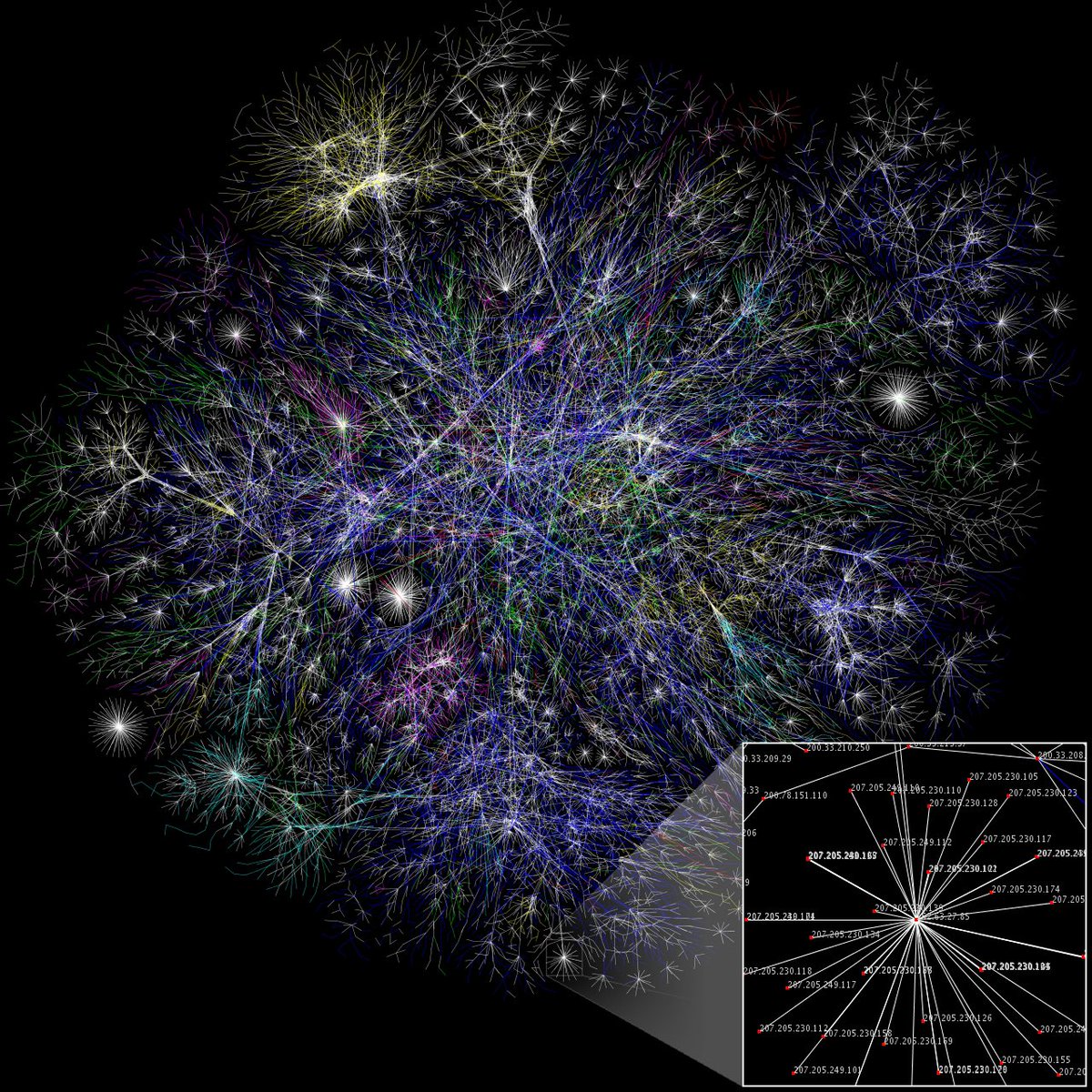
Because those drive everything else. It’s what Barack Obama did with drones, and precision raids on Osama Bin Laden’s house. Unlike his predecessor who did the amorphous thing and invaded entire countries, and never made much of a dent on the terrorism problem. /8 https://t.co/QOZm1mKzSW
Or what’s recently been done to target Putin’s inner circle, shutting off their access to key financial hubs. Ask @EBHarrington how it’s done. /9
Our politicians know this, they spend most of their time cultivating networks of influence. They know where the hubs are. It’s why what seems great for the common good often isn’t top of their list of priorities. Because it isn’t amenable to their networks of influence. /10
We can think like them though. For example, with Covid, I Tweet a lot about how much of its spread emanates from schools. And if you understand schools, you know school principals are critical nodes in these networks. /11
Our best Covid advocacy groups should be engaging with school principals. About the simple things schools can do to slow infections. Remembering we only need to slow them, to smash Covid. Maths does the rest, and fast. /12 https://t.co/Aiov3F8USl https://t.co/AyBrOTqbcT
Appealing to politicians to do all of this has demonstrably failed. Because the networks that put them in power and keep them there aren’t interested in it. But you can create networks that are interested in it. And not just use them to ‘lobby’ politicians. /13
That’s the amorphous ‘the people’ idea again. Thinking politicians are an obligatory passage point to shaping that amorphous mass. They don’t do that. The mass doesn’t even exist. They work with networks. And so should we. Let’s engage school principals. /end
The insight that drives ‘flooding the zone with shit’ politics. Do not engage with the shit. https://t.co/UkwgeeHyMM
#Insiders debating the LNP and ALP condemning The Greens for their stance on Gaza. The usual hot air of all our politics and commentary. The actual reality is whether the Greens pitching to young voters on Gaza is worse than the LNP pitching to old conservatives…1/2
…and the Judaeo-Christian community, and the ALP pitching for the same younger voters the Greens are vacuuming up at speed. It’s all about votes. /end
It’s probably fair to say that even existing seasonal viruses are only that because of crap ventilation in our buildings.
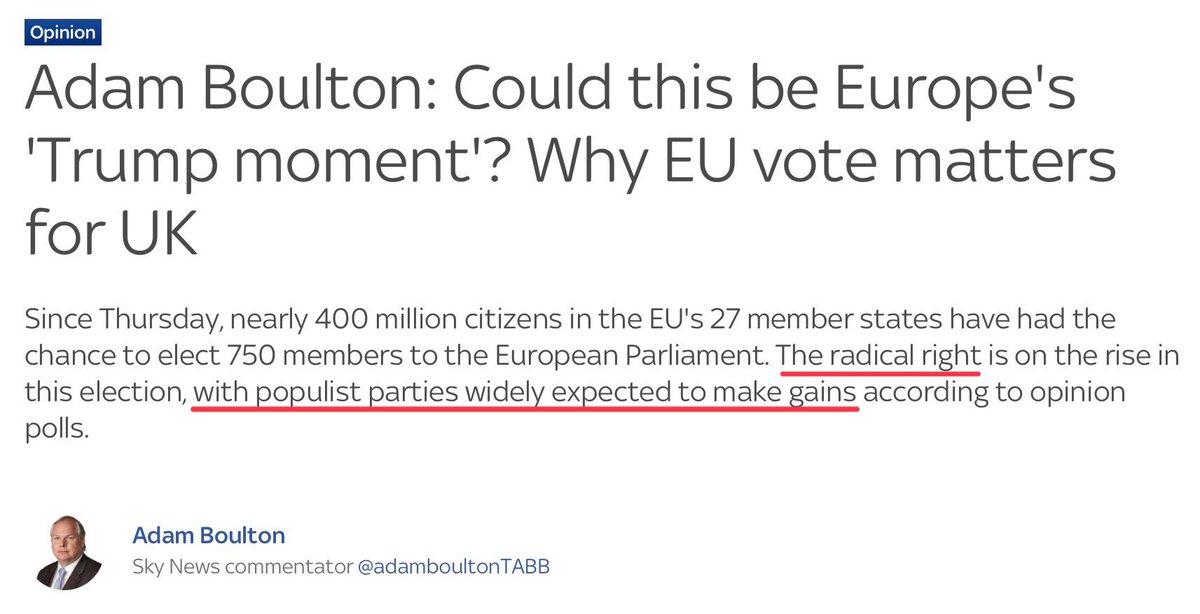
The ‘radical Right’ is just, as the headline also says, populism. When complex problems aren’t being solved by popularity contests (elections), popularity is set to 11 as a last gasp. That’s all fascism is. Popularity is the true enemy of democracy. https://t.co/Fl1SLzYG1a https://t.co/7ZBiRwuRca
And about 70% of the only 38.5% of internet traffic that is human, is streaming video. The internet was conceived as a many-to-many communication system. Like our politics, it ignored basic human social behaviour. And malicious activity almost equals all human activity. https://t.co/4PWihtwlBJ
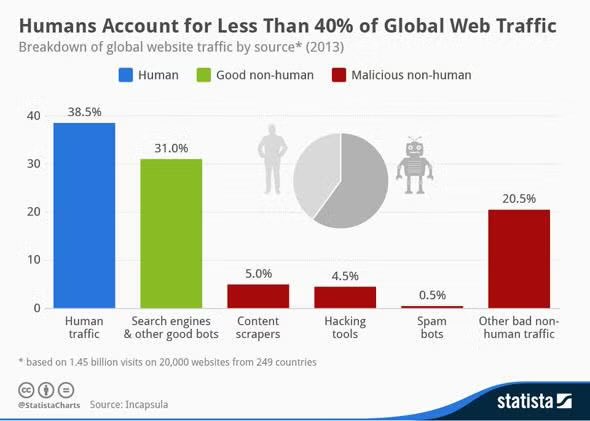
To further break down the 70% that is video streaming. About 35% is porn About 35% is movies. About 15% is TV shows.
See also the t-shirt, ideas map social networks. The ideas are just a currency of team building, irrelevant in themselves. https://t.co/wKKQmHPucr
Collective manias are perfect examples of how human desire is not the desire for something, but the desire for what somebody else desires. Manias are the exponential growth of this process. There’s not one way the object of desire explains the magnitude of the response. https://t.co/lc3StUUgbJ
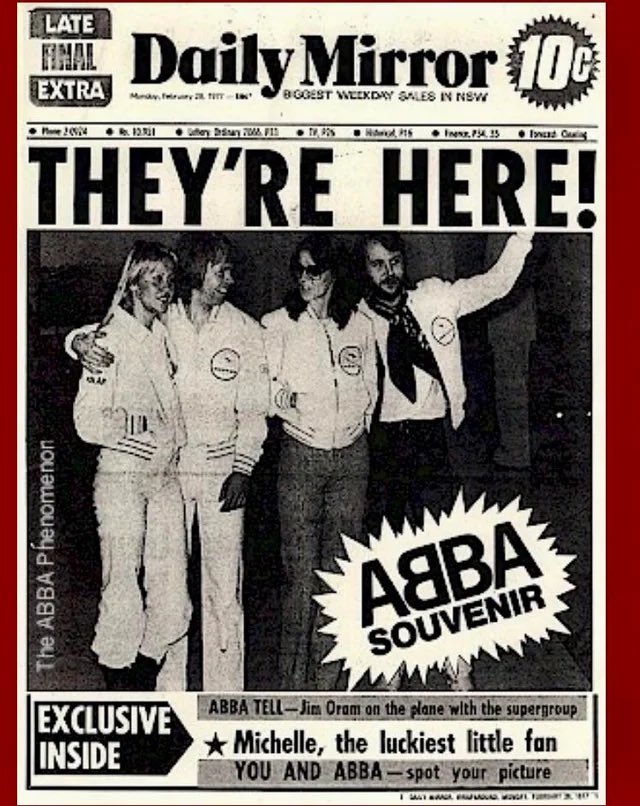
I’m very sad about Michael Mosley, even though I never met him or had a single thing to do with him, and therefore can’t turn his death into a Tweet about myself.
All human activity is just social activity, even political activity. Which means the categories of ‘Left’, “Centre’ and ‘Right’ are meaningless, and need to be replaced with social descriptions. In reality Left-Centre-Right is a continuum of popularity or populism. /1 https://t.co/44UWmmg0l3
‘Left’ is the minimum of popularity in regulating human affairs. Officials and laws and regulations, working inside institutions. ‘Right’ is populism. The replacement of regulatory institutions with popularity-based rule. ‘Far-Right’ is extreme populism, or fascism. /2
Where a ‘Great Leader’, chosen by popularity, is the obligatory passage point for all social transactions. The ‘centre’ doesn’t exist. Even within the old Left-Centre-Right political categories, it always was a completely relative, positional term. /3
Defined *entirely* by where the ‘Left’ and ‘Right’ positions currently are. In reality (socially) it’s always just been people who see themselves as more ‘moderate’. Meaning with a distaste for conflict. With the hubris of seeing themselves as somehow above politics. /4
This continuum is defined exclusively by the degree of popularity used to transact human affairs. The Left/Right binary is meaningless. Team sports, artificially set up to allow the imitative rivalry of teams on each side. /5
Historically the terms are literal, deriving from positions inside a parliament, to the left or right of the Speaker. Which more deeply comes from the idea that contestation between two positions creates better decisions. We use it in law too. /6
There’s a prosecution and defence. The idea being that only contestation between these teams will force the revelation of the true facts. However the popularity continuum is part of law too. This team sports legal mechanism is more ‘Right’, more populist. /7
European legal process are often quite different. Their ‘civil law’ systems are based on foundation texts or codes, which skilled officials interpret for each case before them. That’s a more ‘Left’ process i.e. more about officials and regulations and institutions. /8
Anglo countries use more of a ‘common law’ system, where judges use (and make) case-based precedents, based often on persuading juries of guilt. That’s a more populist process, more ‘Right’. In the US for example even judges are elected, an obsession with popular input. /9
You can reframe all politics and even all law therefore with the much more accurate social continuum of popularity. Popularity is the central mechanism that societies circle around. As schools do, because it’s all culture, social behaviour. Adults disguise this mechanism. /10
With fancy names. But it’s all the same social process, of assembling teams, battling other teams, in the fight for social status. Because this imitative rivalry is so foundational, it also means the ‘Left’ side of the continuum is condemned to always eventually lose. /11
Popularity will out. We want our hierarchies and our status, our Kings and Great Leaders. Take them away and we just reinvent them in other guises. The best the ‘Left’ side of the continuum achieves is forming the checks and balances for populist rule. /12
The Magna Carta was this, with the nobles of the time wanting to restrain unfettered power of monarchs. The concept of ‘noblesse oblige’ is also this, the idea that the privileged have responsibilities to others. /13
The reason our leading people now seem to have such complete contempt for those less fortunate is our surviving welfare mechanisms. While those are present, they feel the idea of ‘noblesse oblige’ is unnecessary. Somebody else is looking out for the little people. /14
Our times are dangerous because they’re also removing these welfare mechanisms. Robodebt, anyone? But not replacing them with any noblesse oblige/mutual obligation for the privileged to look after others. It’s naked feudalism. Except feudal lords looked after peasants. /15
So it’s like a new historical low, of unbridled power, without checks and balances. Populism is surging, that’s what popularity-based governance is. If it’s popular, it wins. It even defines reality, it’s the same movement. Popularity is the key that unlocks all societies. /end
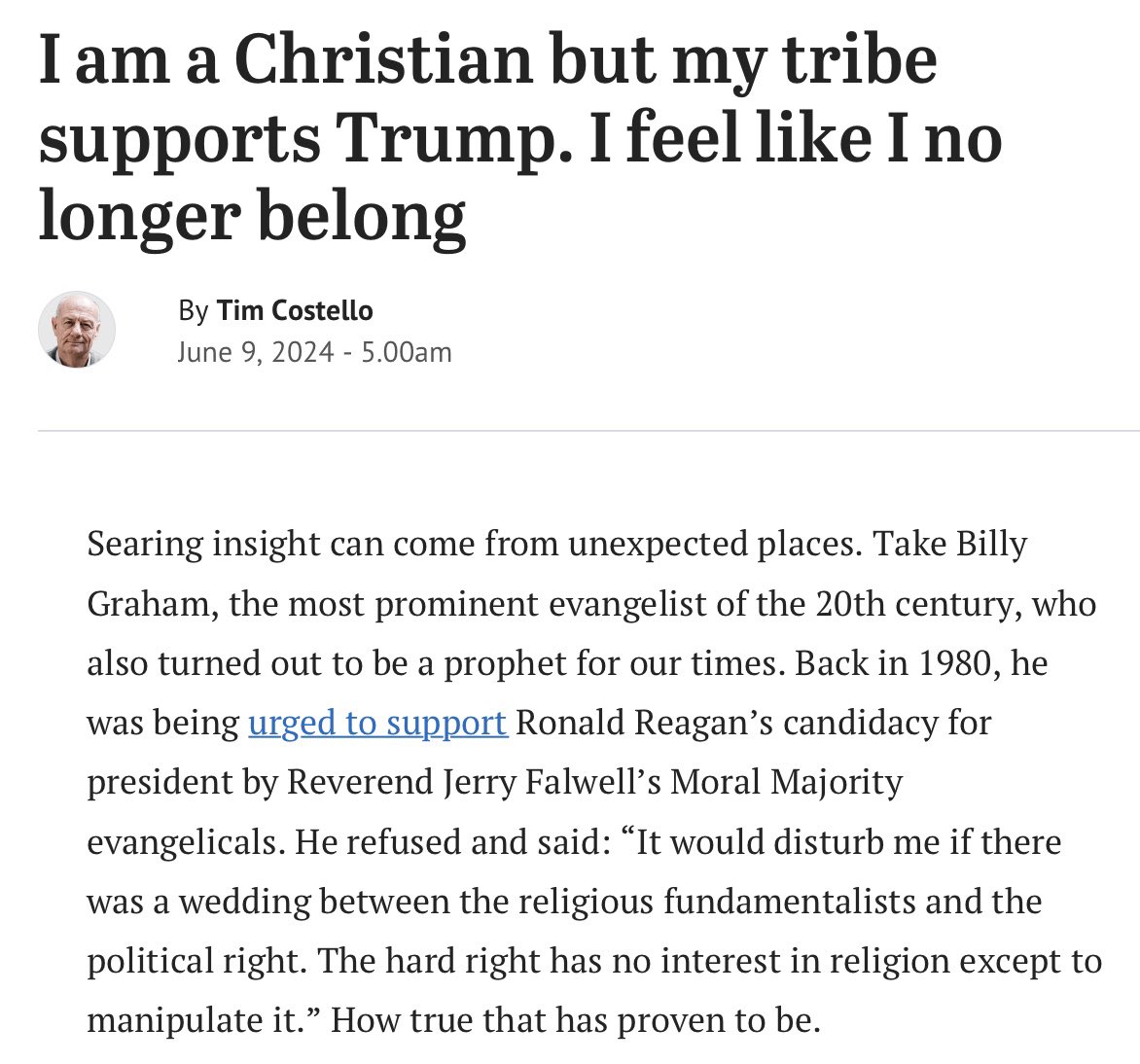
Tim Costello’s piece today. The centrality of popularity-based governance to the problems of our time. Popularity is the beast that all societies must tame, to survive. In the big year of elections, a festival of popularity, it will be ignored. https://t.co/cOPNCgHH8D https://t.co/uskQX80FBV
Windows into populism. People don’t desire things, they desire what other people desire. It’s a social sorting process, to create teams and hierarchies. This is what fads and fashions are. Interior design, as an example. 1/6 https://t.co/MJClrLBvyp
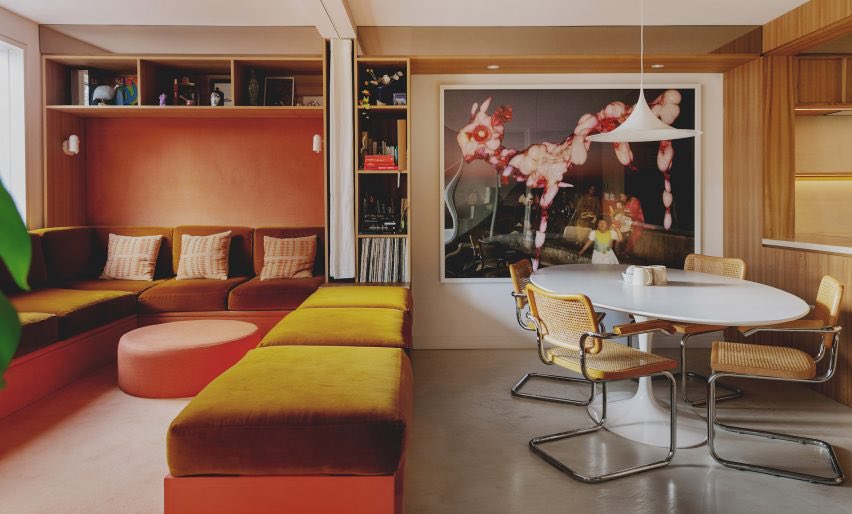
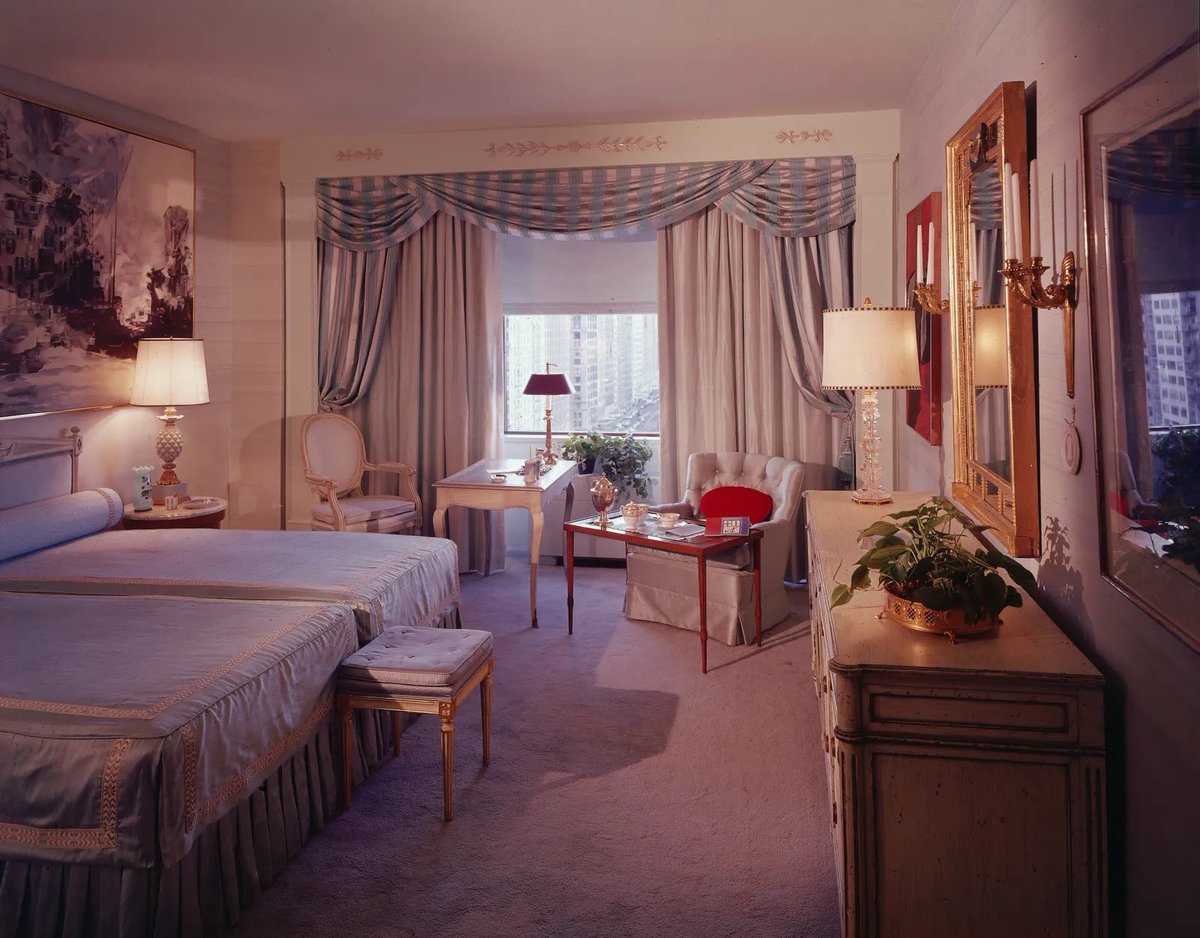

The 1960s/70s had bright, bold colours. Then the 1980s arrived, and we had washed-out pastels, and into the 1990s. Then the 2000s have all been about clinical monochromes. Whites and greys. But…*it’s the same people*. What people ‘like’ is not about the things they like. 2/6 https://t.co/trEUYYVdXU
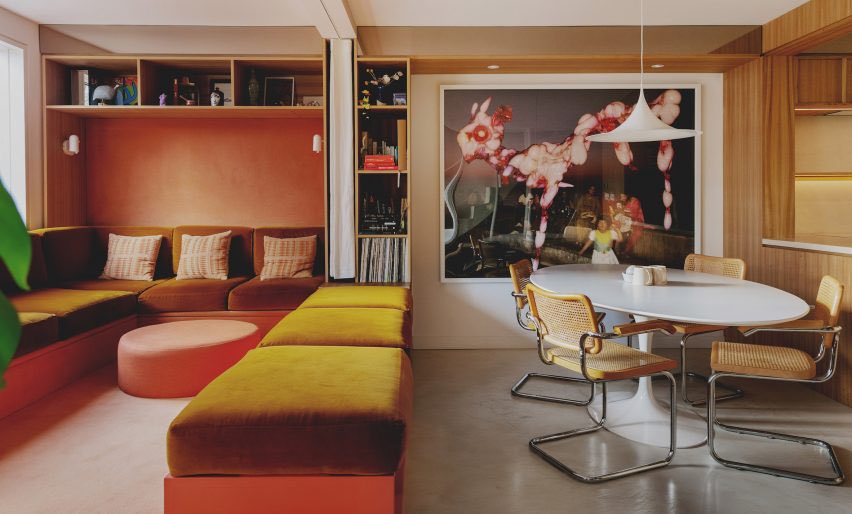
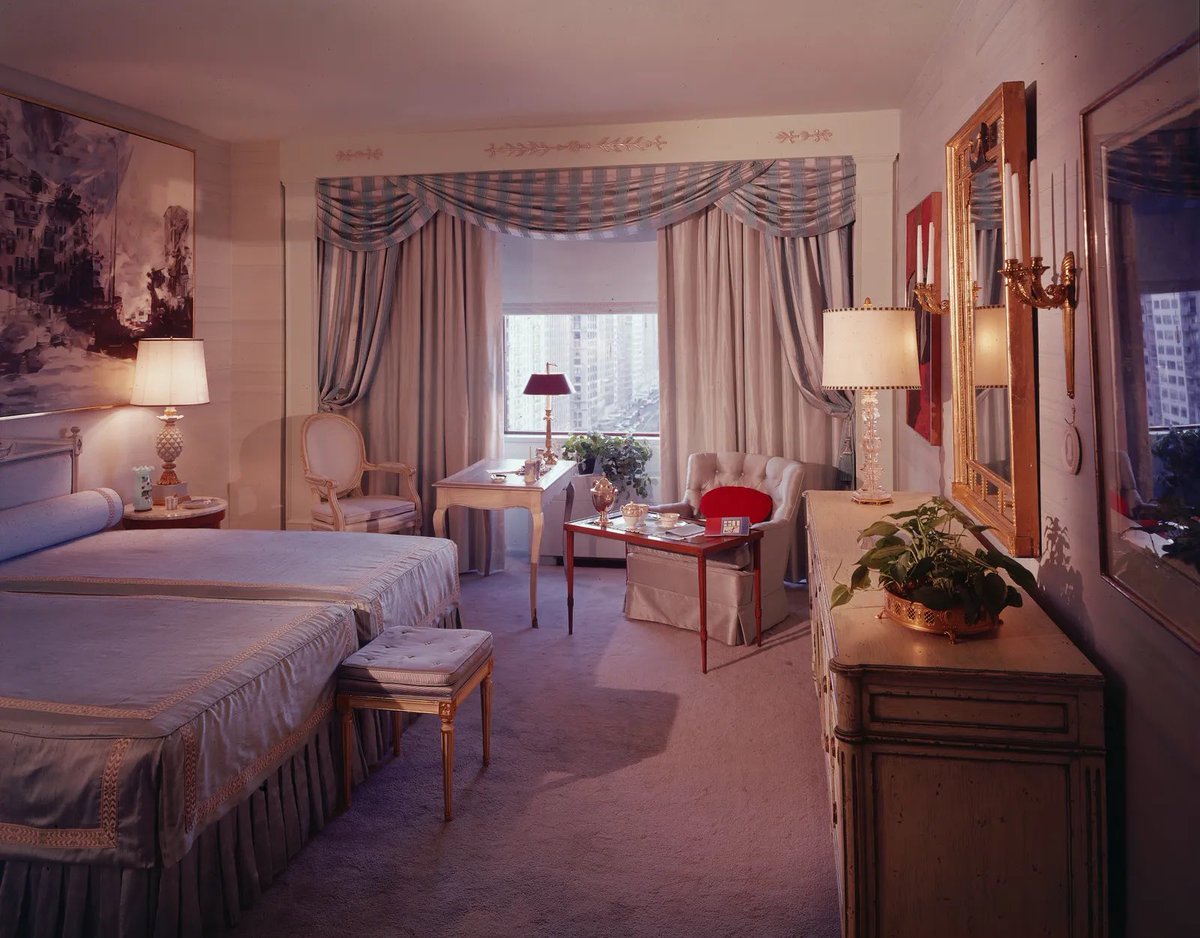

It’s about either being part of the in-crowd, or not. The ever-shifting teams competing for status. During a particular fashion trend, others will be setting out alternatives, to create a new distinguishing team. Not because that fashion is better. It’s not about the thing. 3/6
But because of the endless striving for status. It’s why fashions happen and change. Shifting social hierarchies. Today we say it’s what’s ‘trending’. That’s populist politics too. No actual connection to reality. Just the capacity to get things to trend. 4/6
Early in the pandemic in Australia, doing old-fashioned public health work trended. Then letting it rip trended, and is still trending. In each case it’s not about Covid. It’s about rival human teams, competing for status. 5/6
That’s what we always miss, focusing on the objects of our attention and desire. The real underlying mechanism. Team sports. The battle for status. /end
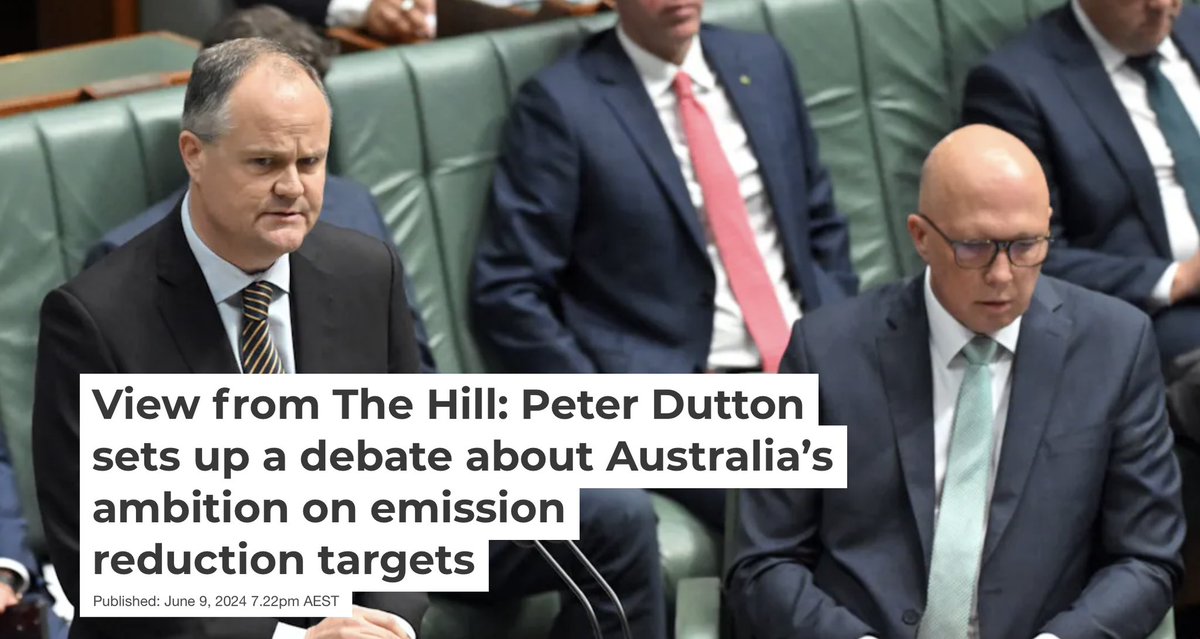
‘Setting up a debate’ is ‘flooding the zone with shit’ politics. Designed to drown out expertise, while energising apathetic voters towards causes they previously had no knowledge of or interest in. But they love a fight. Team sports culture. Populism. https://t.co/f8Qm9BZbOR https://t.co/pBTODuZSs3
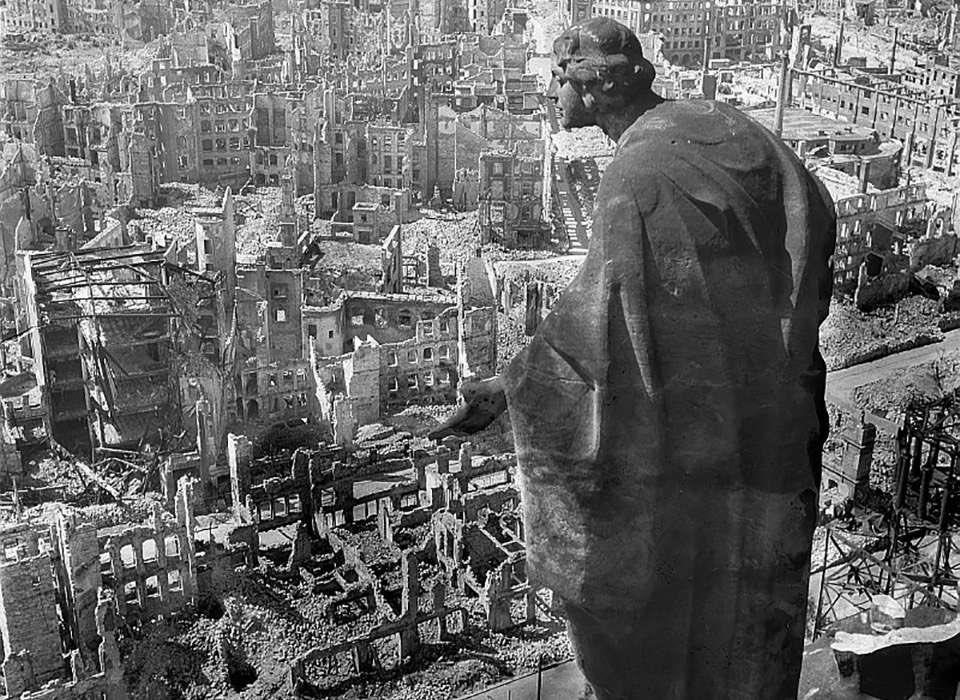
Pretty much the entirety of human history is ‘ok, everybody do whatever you like, and then when that explodes, we’ll come together at last and re-build from the rubble.’ Rinse and repeat. https://t.co/fH2E3g5NzX
Yes, we only need to slow the spread. Plus we need to focus on specific locations, of superspreading potential (schools mostly). https://t.co/OJewDZ1pMb
I haven’t found a Covid minimiser yet who’s engaged in providing essential services. People like Alan, who are, see the collapse underway even without Covid. Choosing to let it rip was collective suicide. https://t.co/1QEDD0Vx5t
“Academics, more than anyone, should understand that the future lies in services, not manufacturing. The good jobs come from what you know, not what you can make.” Ross trotting out the standard economic line. /1 https://t.co/1ntb6pFiYv
The problem with this standard line is that it forgets that somebody still needs to make things. And that China, who’s doing most of the making, started out doing this AS us. We outsourced our own making, to them. Let’s follow the logic here. /2
Using the standard mythology that Ross obviously subscribes to. China is reaching a point of ‘economic development’ where it will also start to shift to services, away from manufacturing. Anybody seeing the problem here? /3
Who’s going to make things, then? Robots? Whose robots? Whose engineers and skilled trades? Civilisations who make things, survive. The Romans didn’t outsource their engineering to Africa or elsewhere. /4 https://t.co/n1E7gxrPEt
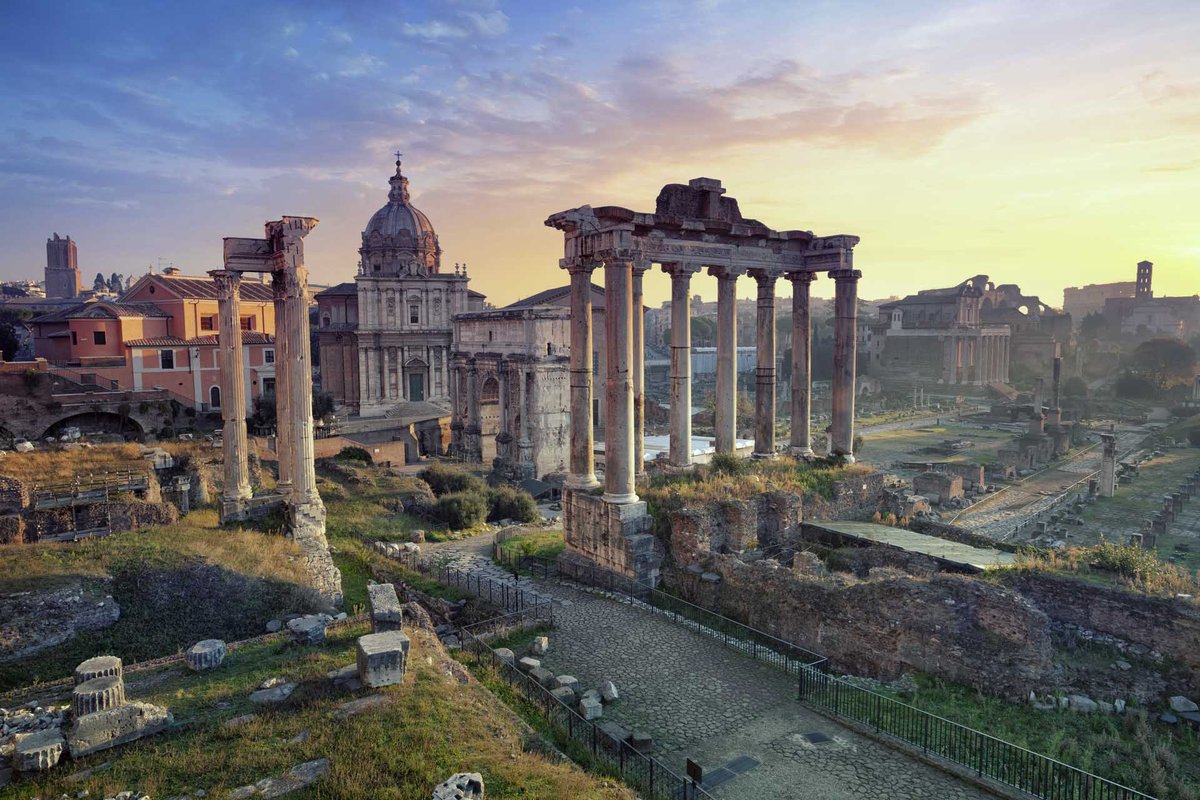
I loved the line from a field archaeologist, about the Romans. How they’re a joy to work on, because they ‘left stuff’. Civilisations who make things survive because Ross and other standard economist have never understood engineering. /5
The point of making things isn’t just to have the things. Making things BINDS humans, socially. The extensive social-technical arrangements needed to create things are the glue that holds societies together. /6
You have to commit to continuously training people to build and maintain things. That work is relatively isolated from the team sports of what we call ‘politics’. You either do it, or the lights go out. It’s intrinsically stabilising. Which is why Rome lasted so long. /7
Or as Michel Serres once brilliantly said, humans build so that the rocks end up mortared together, rather than being missiles humans throw at each other. ‘Infrastructure’ is society. Humans are completely incapable of agreeing on anything. Except infrastructure. /8
No matter the culture, the infrastructure looks more or less the same. Nobody really comments on that. It’s our point of universal and wide agreement. It’s the glue that holds the world together, socially. /9
And we forget the agency it gave ‘working people’, to be craftspeople, some of which survives in our worship of tradies. Tradies that make far more than poor kids with huge HECS-HELP debts, working in ‘services’. /end
(P.S. go back to Ross’ original quote, at the start of the thread. And question why he thinks ‘making things’ doesn’t require ‘knowing things’. Like it’s not highly knowledge-based.) Like I say, economists of this flavour don’t understand engineering.
There was a time I thought Dilbert could be insightful. Its creator appears to think Trump is some form of salvation for the US. Maybe Dilbert was just office-level libertarianism the whole time.
The emptiness of our politics is easily seen by asking what the ‘Left’ and ‘Right’ way of fixing this might be. Or the ‘Centre’ way. https://t.co/XP8pJWffBC
Like I always say. People will rather die than go against the group/team. We never leave high school. https://t.co/L9Nw9z2Ka1
Only disasters shift societies meaningfully. When Hitler was mobilising in the 1930s, the world mobilised at emergency levels to oppose him. Climate change is a much, much bigger problem than Hitler. Why we need the Chinese right now. /1 https://t.co/bDoR7q1AdT https://t.co/8asYfA0L5D
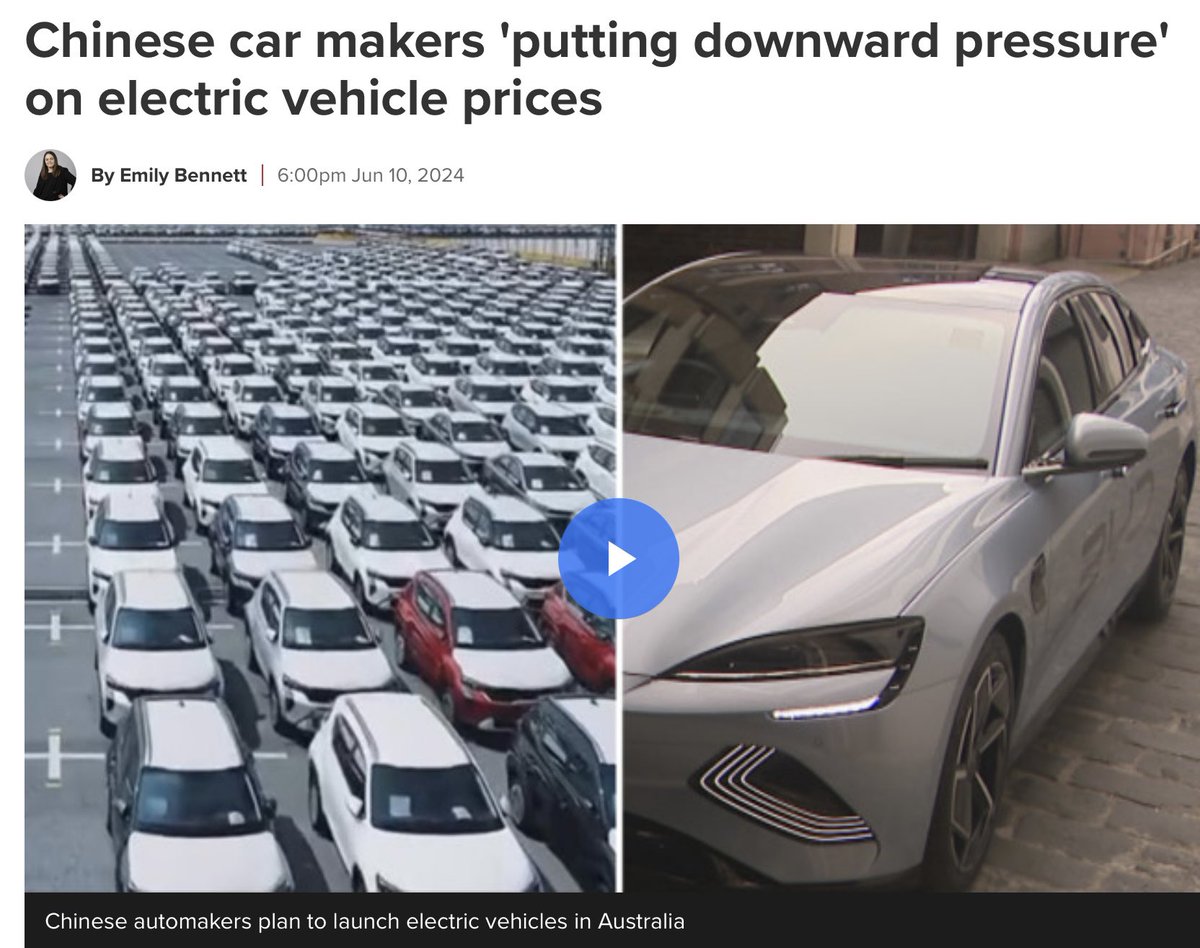
Chinese car makers are beginning to flood Western countries with cheap and high-quality EVs. This is causing enormous angst, particularly in countries with existing ICE vehicle industries. But also others that get their current vehicles from these countries. /2
China has a glut of EVs, after years of heavy government incentives and subsidies to build the industry there. Away from the vested interests of existing carmakers, this is a tremendous opportunity for the world. Part of the disruption we need. /3
The status quo is making clear that it’s doing what status quos always do. Nothing. It will resist every shift. This is how history always works. The status quo will need to be swept away, it will never change of its own will. /4 https://t.co/j5Fn2tJ2qK https://t.co/rG7YoTyVZm
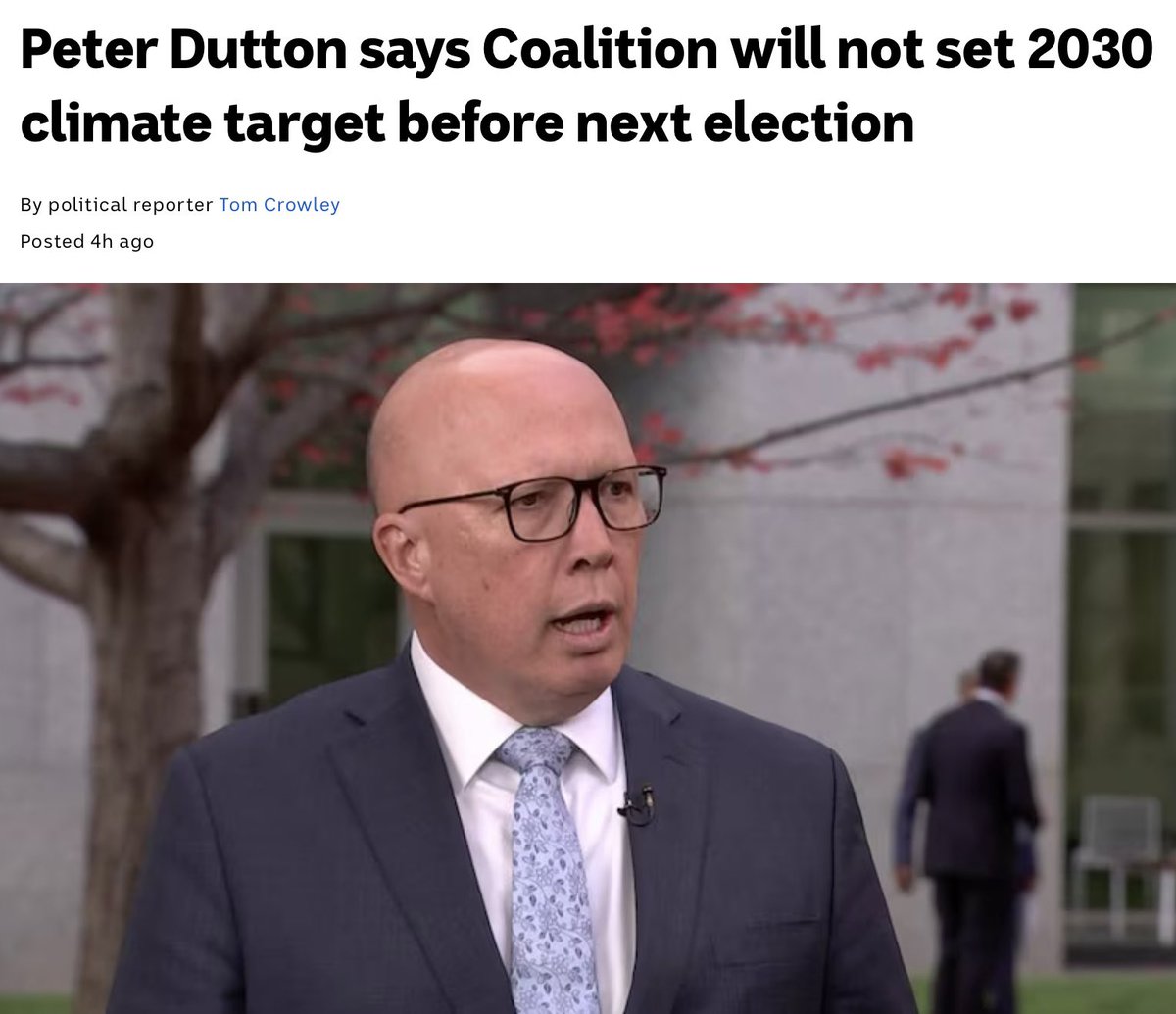
It will try to ‘gradual our way to climate action. The Neville Chamberlain approach, appeasement with the enemy. We know how that worked out. Some hilariously say this is a ridiculous analogy, that it’s not the same level of threat. /5 https://t.co/k7VNrff5HT
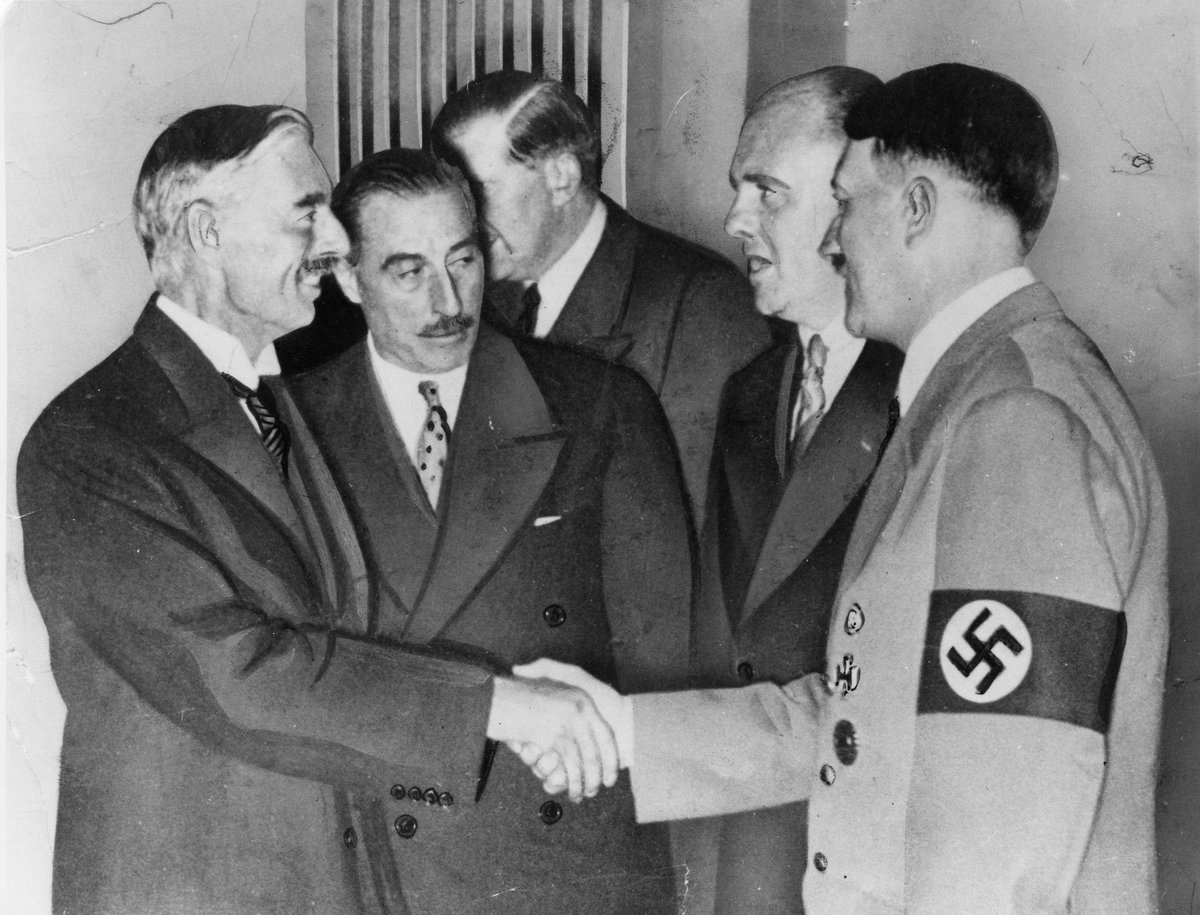
And that’s true. The Third Reich is like a pimple on the arse of the threat climate change poses. Climate change could end humanity. Extinction. Nazis and all. So we need drastic action. We can wait for the catastrophes, or we can disrupt the status quo now. /6
And really disrupt it. Smash it to pieces. It will NOT shift on its own. All the talk of ‘balance’ in our approach is bullshit weasel words. It means do nothing. Appease every vested interest that’s part of the status quo. /7
The only option we have right now that isn’t just waiting for absolutely catastrophic climate change to force our hand, is probably the Chinese. Their leviathan renewables and EV industries. They need to smash our status quo industries, in these areas. /8
Would that create enormous disruption and pain? You bet. But that’s what we need. Nothing else will shift societies. Politics as we conceive it is in la-la land with human psychology. The Industrial Revolution in 1760 wasn’t ‘balanced’ change. /9
It smashed existing arrangements. We have no conception at all in public narratives of either the magnitude of the emergency we’re in the middle of, nor the magnitude of the disruption needed to survive it. It was called a ‘revolution’ for a reason. /10 https://t.co/Zy0s8kwIVi
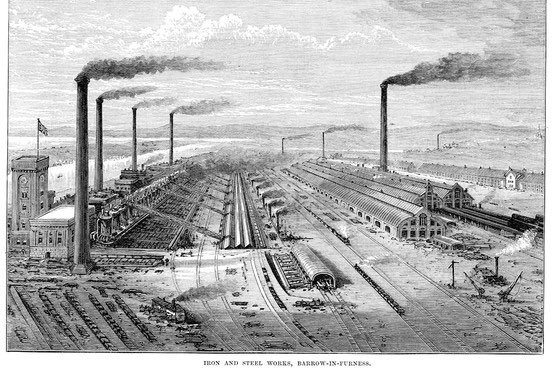
@EdConwaySky talks about this in his work on the materiality of our societies. How a total revolution is required, and we’re not seeing just how disruptive that will need to be. Only one nation has launched any sort of industrial revolution in our time. China. /11
Nobody should care that they’re communist. They’ve already done the heavy lifting on renewables and EVs. We desperately need to use their capacity. And that sounds like a nice ‘balanced’ process again. It won’t be that. It will be a disaster for our status quos. Good. /end
The individual experience of heat exhaustion has a sobering message for us as societies. We can stumble on, thinking we’re fine. While critical life support systems are in terminal decline. This applies at the level of whole societies too. /1 https://t.co/uya2hK6oAo
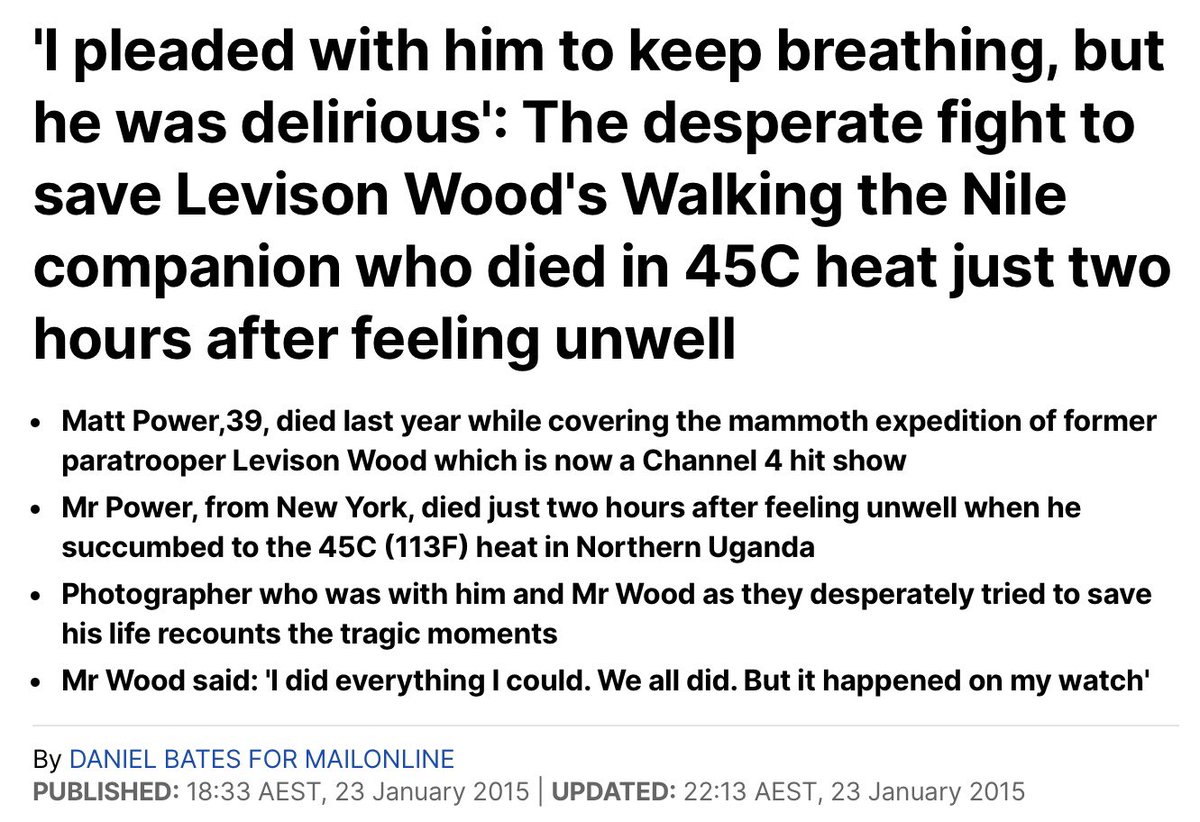
Our social processes are heavily dependent upon us operating within a fairly narrow band of temperatures. Go outside of those, and societies will collapse, as surely as individuals will. We’re already seeing this. /2
Prolonged, chronic underheating and undercooling where people live kills and maims. Slower than extreme temperatures. But it’s just a slowing of the inevitable. Thermoregulation is is a critical individual *and* social process. /3 https://t.co/iNx0lJDzwY https://t.co/AhwLhXHqyU
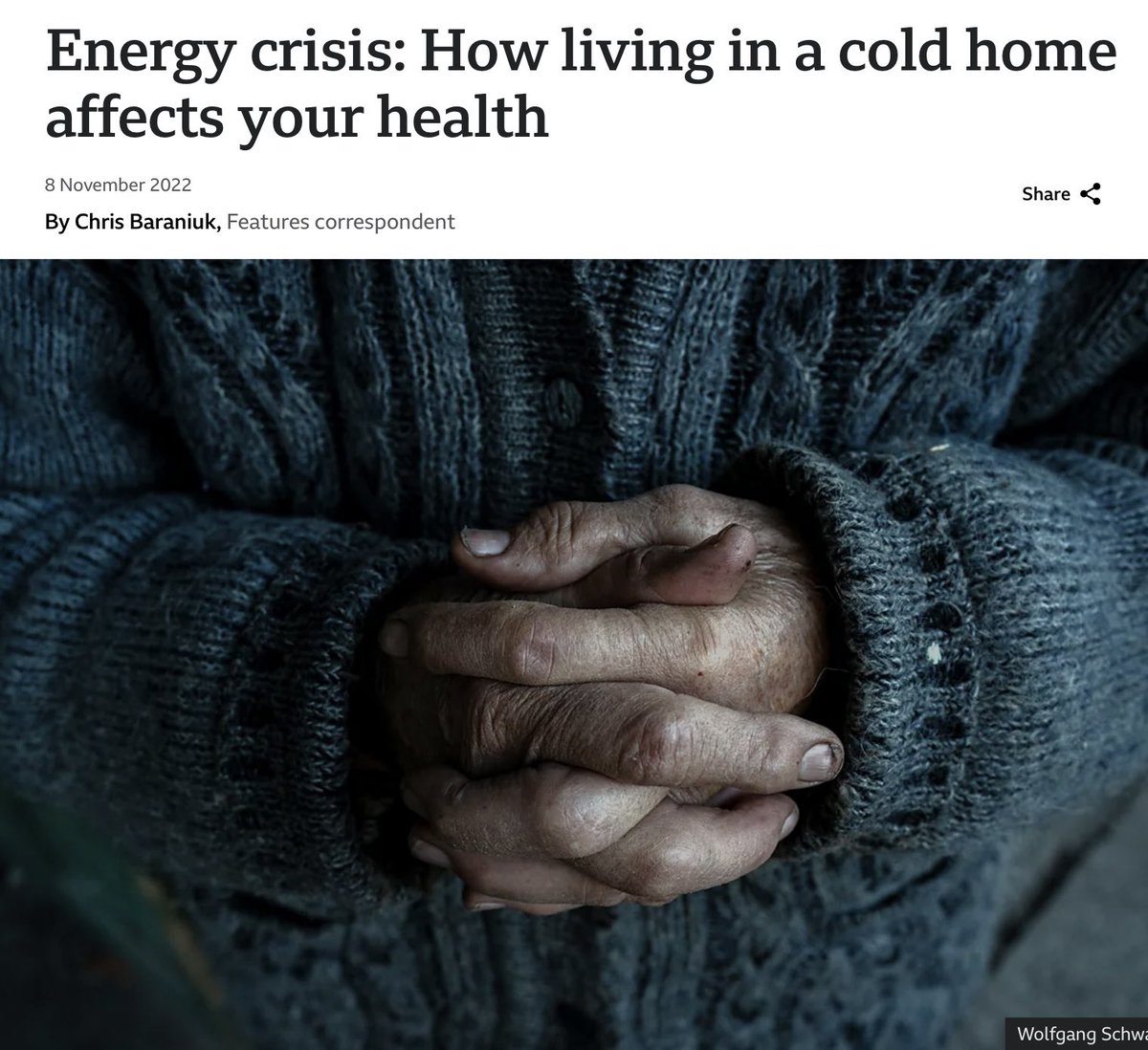
36 million Europeans in 2020 alone were unable to warm their homes adequately in 2020. Many here in Oz are now reverting to wood burning to hide energy poverty. With terrible impacts on air quality and health. /4
Widespread scientific illiteracy doesn’t understand the distinction between temperature and heat either. Why even a fraction of a degree of change in global temperature represents enormous changes in heat flows. /5
And our cooking oceans, where these fractions of a degree of temperature change represent astronomical amounts of heat being released. Outer space is lethally cold. All life as we know it requires thermoregulation, inside a TINY band. /6 https://t.co/DeEDm3IAtj
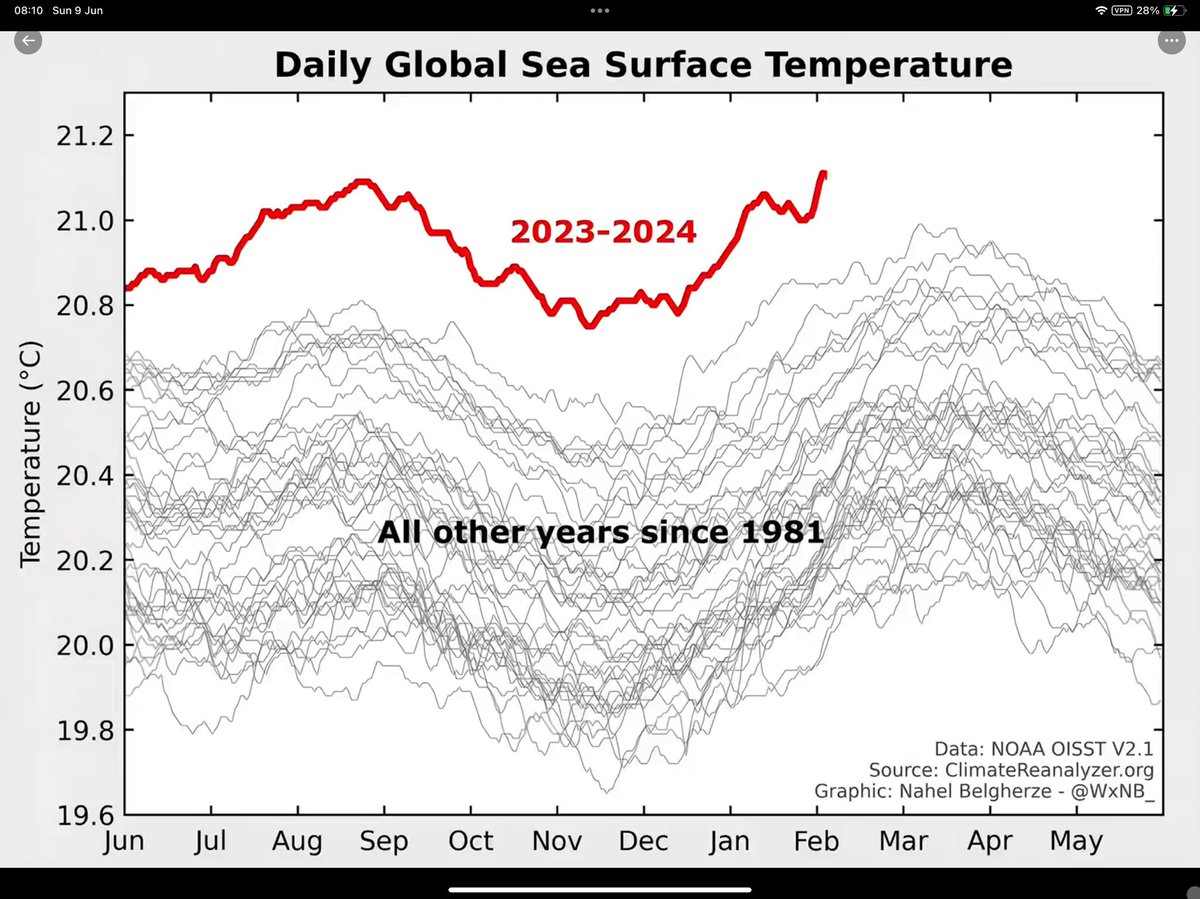
A band we’re fucking with, with abandon. Move outside that band and you’re dead. Individually, and collectively. /end
h/t to @YouAreLobbyLud for the heat exhaustion link
The centrality of engineering to our actual existence isn't on any curriculum. Our infrastructure has precise heat tolerances, just like our bodies. We're already exceeding them. 20% of the infrastructure in the UK already collapsing. 1/2 https://t.co/n7jEtJ6Brw https://t.co/UgCUihvk3X
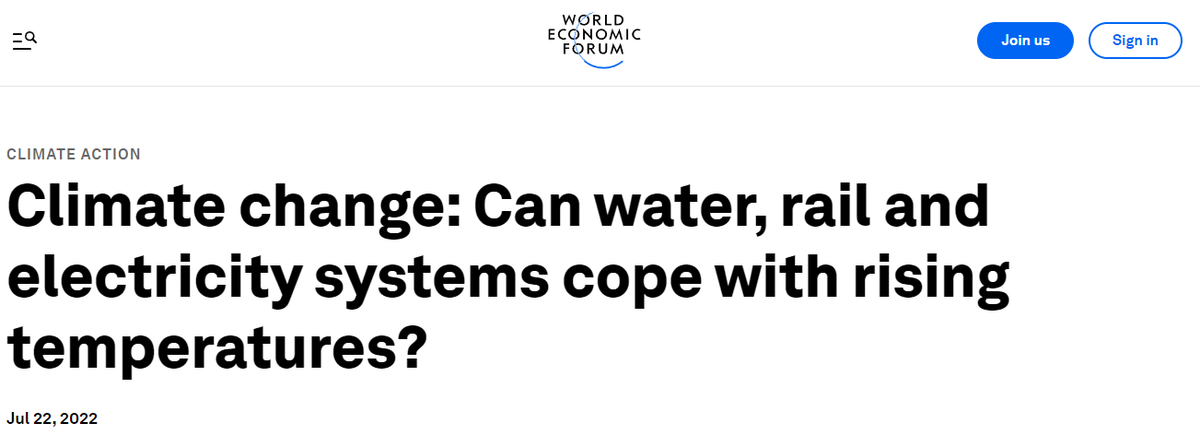
It's a double disaster, because this infrastructure is the only thing keeping *us* cool as well. Human life as we know it exists only within a tiny band of temperatures. Not just biological life. Infrastructure too. /end
Trying to turn it into a cost of living issue. I have almost zero energy costs. I'm not a high income earner. I did it with renewables and EVs. Reminds me of sitting in science class with complete morons. Covid and climate, not an ounce of science in either now. https://t.co/wjwU623p3c
The US has 88,000 tonnes of nuclear waste it can't dispose of. It's adding another 2000 tonnes every year. Some of their enthusiasm for AUKUS is Australia maybe taking some of that waste. Nuclear energy is energy for culture warriors and morons. https://t.co/rjQsVrVqHC
Australia should be the next Saudi Arabia. Not content with gutting revenue from our resources over the past 30 years, the LNP now want us to buy tens of billions of dollars worth of nuclear technology from offshore. And $50+ billion a year in oil to run ICEs. https://t.co/HFZ96Zmhw4
Conspiracy theories are not misinformation or disinformation. They're social groups. The way out of the rabbit hole is through other social groups. All society is social, not informational. https://t.co/EjBQYMtJXr
Climate change is often thought of as a ‘natural world’ problem. It’s much more than that. Our trillions of dollars and tonnes worth of infrastructure is built to tolerances that climate change will often exceed. We can’t afford to maintain it as it is. Let alone upgrade it. /1 https://t.co/DEppAbzhji
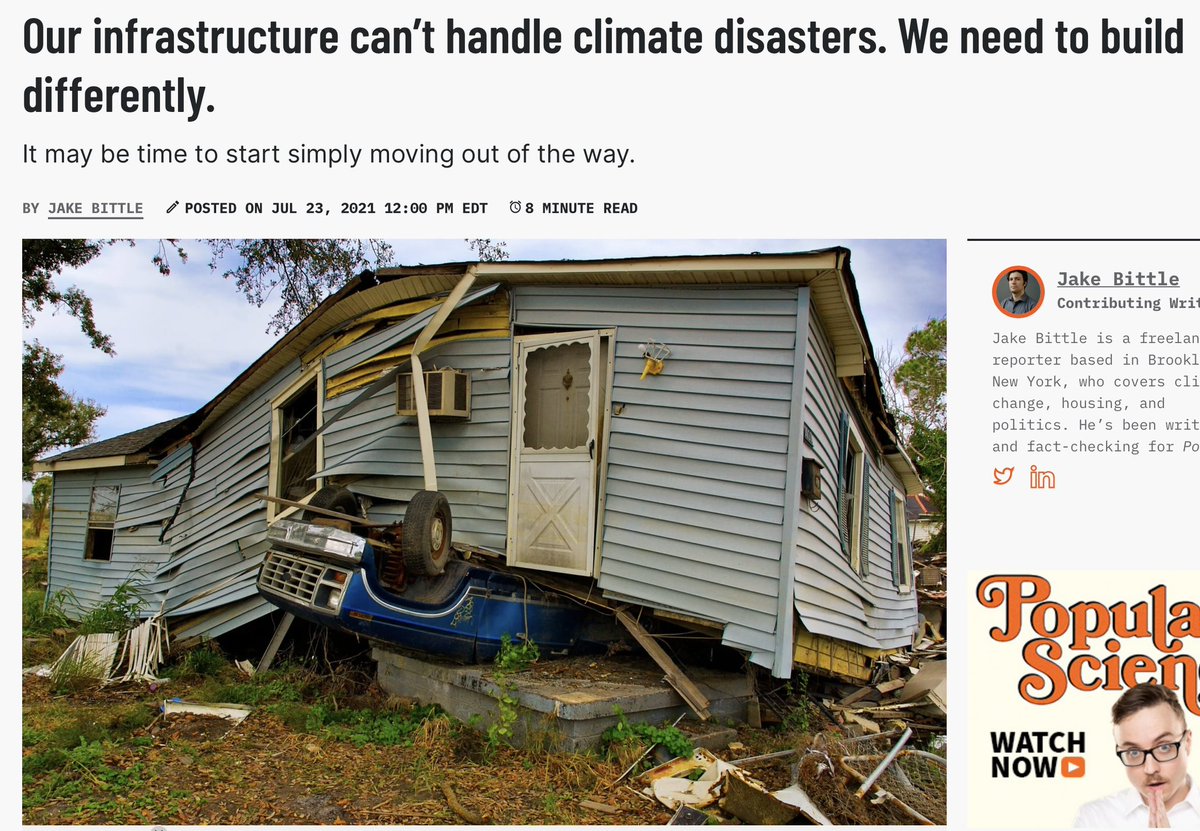
Link: https://t.co/fkZ839gaX4 /end
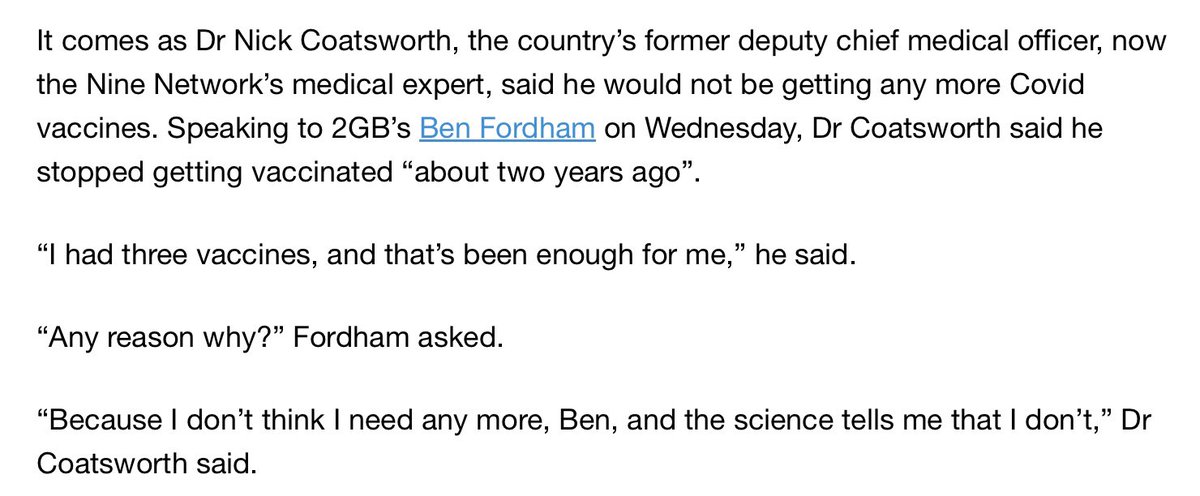
Is vaccine efficacy in the infectious disease curriculum? https://t.co/oN988JEluO https://t.co/YPiJzwVK4g
Michael Mosley’s death was so often framed as him being tragically so close to reaching safety. What I don’t think is recognised with climate change is that the infrastructure we think will shield us from the heat, may not be able to. /1 https://t.co/Kok2YHYJix https://t.co/GDHVXV6J5g
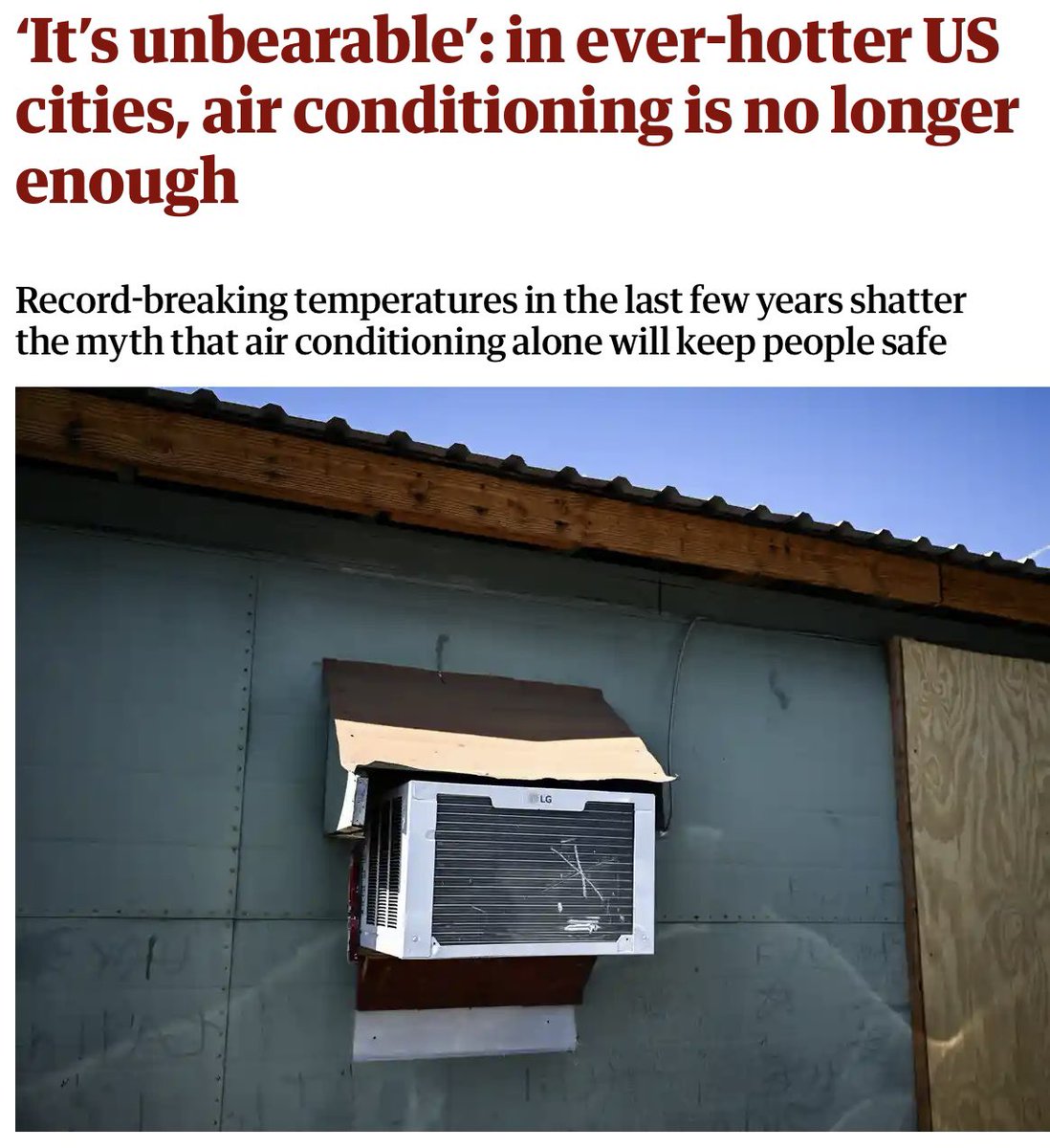
Mosley for example had shade. He was using an umbrella to shield his body from the sun. It didn’t help. Similarly James Lovelock, one of the greatest realists on the impact of climate change, often spoke of us needing to retreat to air-conditioned zones, to survive. /2
But air conditioning is infrastructure. It needs a reliable supply of electricity, itself now heavily under threat from increasing heat. Heat pumps have operating limits too. And no amount of building alone can shield us from the increasing heat. /3 https://t.co/LC05Nq5uq7
It’s not just the human body totally dependent on thermoregulation within a very narrow range of temperatures, to survive. Our societies need to be thermoregulated too. Against extremes of heat and cold. /4
Extremes that are getting greater and more frequent. But it’s the gradual rise in baseline heat that is insidious. Water supplies are increasingly choked with toxic blue-green algae, even in cooler seasons. /5 https://t.co/qDBjbXaG8J
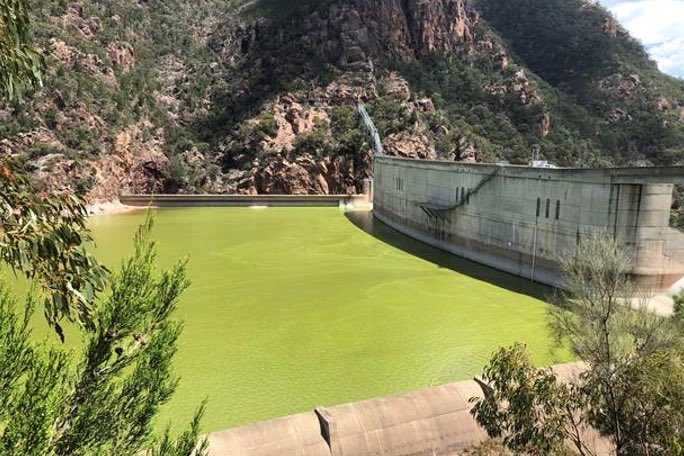
I raise this topic a lot, because it’s our engineering that creates civilisation. Not our politics. Engineering we ignore, as we have with Covid as well. ‘Keeping the lights on’, essential infrastructure. Water, air, safe temperatures, safe and adequate food. /6
Those who work with infrastructure already know the often dire challenges of keeping it running, with rising heat. Designed with tolerances that have already been exceeded. We’ve lived in lifestyle cultures where ‘materialism’ has been a dirty word. /7
We need to return to materialism. It’s the only sane philosophy of life. As Michel Tournier once noted, only materialist cultures prioritise material well-being. Idealist cultures, run on ideas, political or otherwise, create endless rivers of death and blood. /8
They pulverise our material infrastructure, for sport. The team sports of competing idealisms or ideologies. This is what I call reality politics. The need to refocus on our basic material well-being. /9 https://t.co/BhX011YzfZ
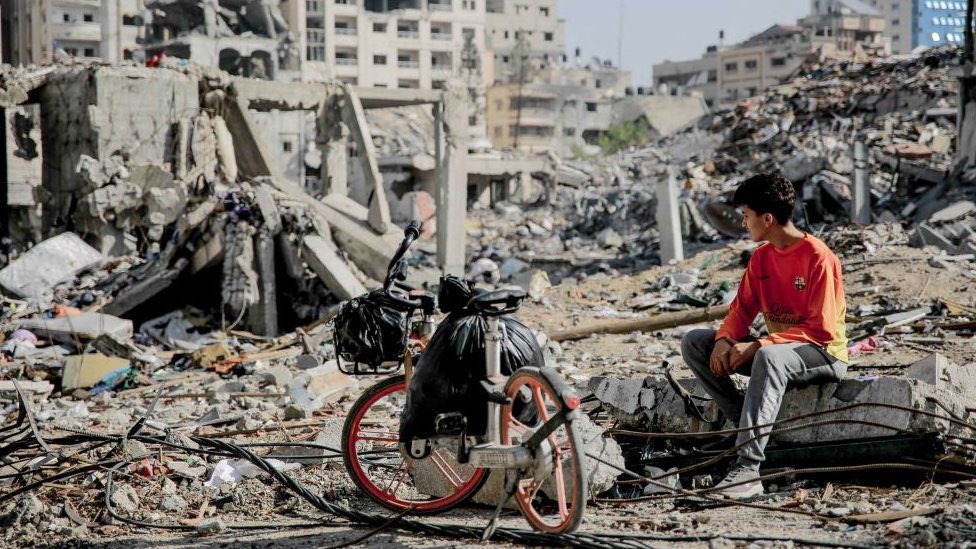
No ideology needed, it’s just in the way. We don’t need to vote for new and improved infrastructure. We just need to build it. I imagine a political party whose sole platform is ‘are there material needs not being met? Yes? Then that’s where ALL the money goes.’ /10
Not one cent for anything else, until all material needs are met. And no ‘Left’ or ‘Right’ frameworks to allocate these resources. There is no Left or Right, for material well-being. They’re childish ideas designed only to maintain our ridiculous team sports societies. /end
Our culture of adolescence worships the present moment. There is no history, no future. Just a lifestyle, of right now. Nowhere is this clearer than with nuclear energy. The wastes need to be stored for up to a million years. 1/5 https://t.co/USRVvccBS9 https://t.co/V72IFKKDHM
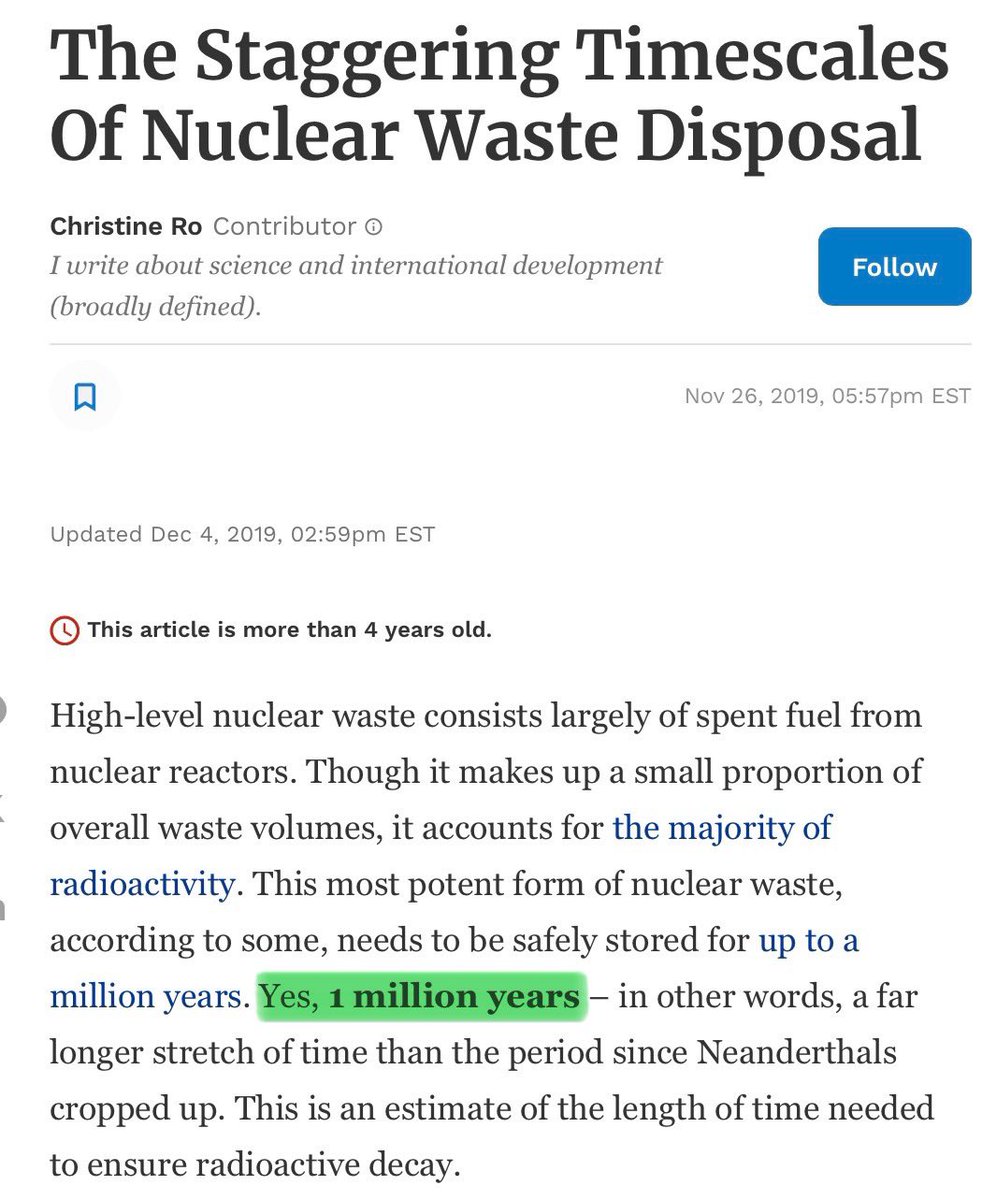
Even lower levels of waste need storing for thousands or tens of thousands of years. What right do we have to bequeath this responsibility to so many future generations? None at all. We can’t even keep our own infrastructure running, inside a single generational lifespan. 2/5
There is no time in our governance, except in our institutions, which by design act across generations. We’re removing those, they get in the way. Project 2025, anyone? I’m not a ‘Greenie’. I’ve worked in nuclear engineering. It’s an insane system of energy production. 3/5
For anybody at all, once you add time back into the equation. Hundreds of thousands of years of responsibility that we have no right to foist upon future humanity. 4/5
Fossil fuels are reflective of this Peter Pan culture we live in. They’re so fabulously energy dense because we’ve burned through several million years of sunlight, in a few centuries. Our adolescent lifestyle cultures are oblivious to both past and future. /end
thank you
Somebody at work was discussing the 'spicy cough' this morning, whether it was worth catching it to get a day off. I said it rendered Linda Ronstadt incapable of speech. How to win friends. Follow for more tips.
It's brilliant, the Germans of course pioneered and mastered it years ago already. Still worth remembering the problem with housing though is not 'supply'. https://t.co/v0jJavtACV
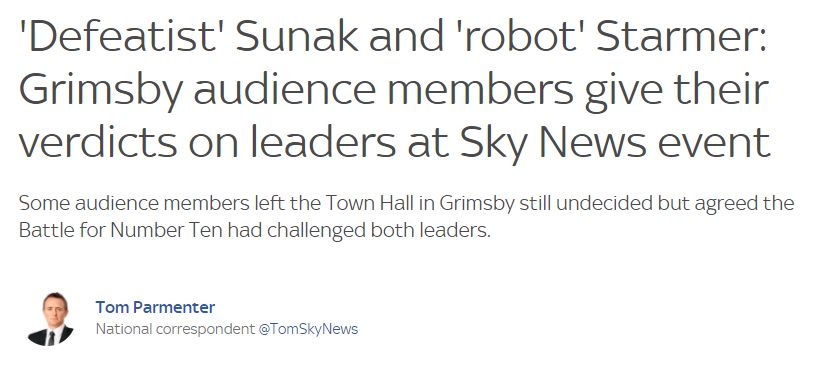
Many audience members said they were 'undecided'. Apparently killing nearly a quarter of a million people in a term isn't decisive one way or the other. Get rid of elections. https://t.co/P08yZVzBX9 https://t.co/VOE5U890vs
All change is led. Not a single mask here, during a clear surge of Covid? School leaders. Why you won't see masks in schools. https://t.co/xevxroPGpX
All change is led. Not a single mask here, during a clear surge of Covid? School leaders. Why you won't see Covid action in schools. This is the viral network hub to lobby. https://t.co/xevxroPGpX
When there’s no leadership, so you have to do it all yourself, in the face of peer pressure to do nothing. These are today’s heroes. https://t.co/qUmp1xfp4J
Hilarious. The local member is a Nat. Was spruiking nukes until finding out one of the first was planned for his electorate. The games begin. https://t.co/OaM5XSmbhM
We shouldn’t fear artificial intelligence. Humans don’t think, they fight each other in teams. Our machines don’t care about the teams. ChatGPT would make better decisions than any government. Right now. https://t.co/emjzPMI7LL
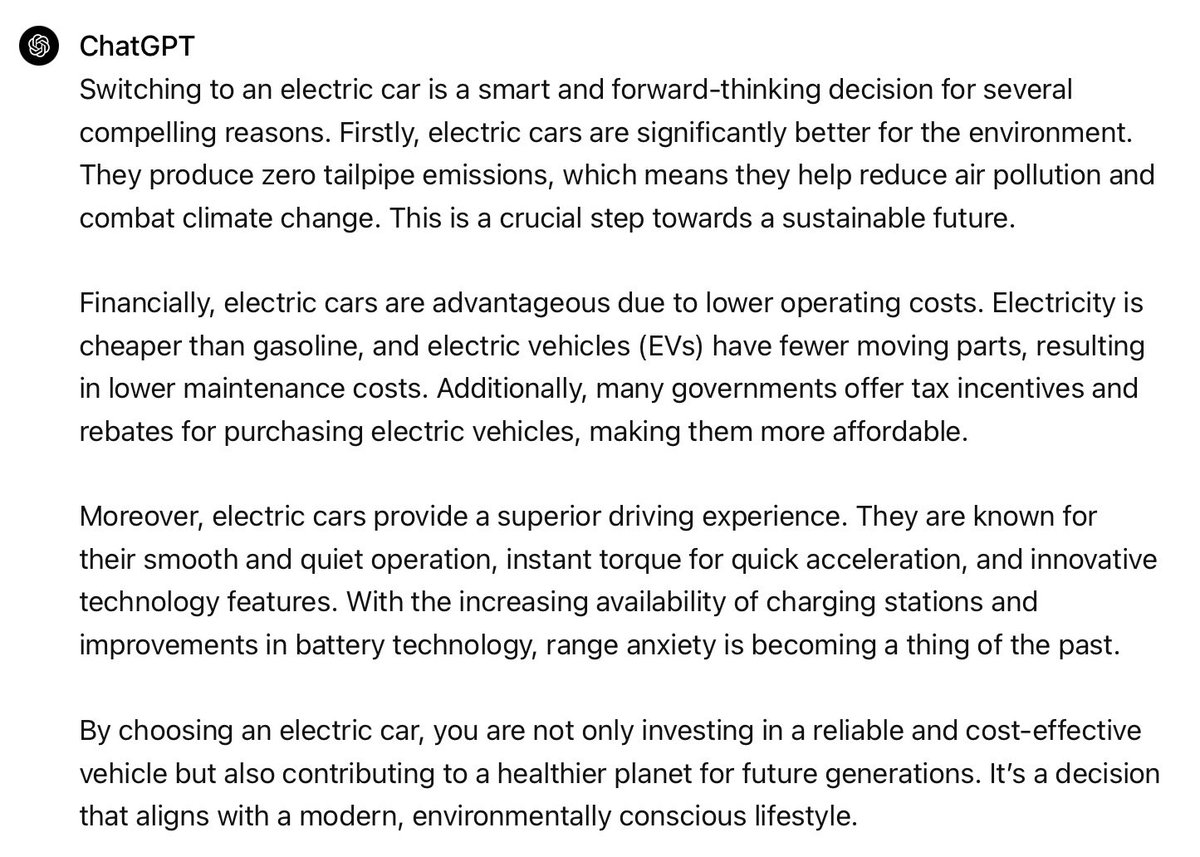
And once again, artificial intelligence knows how to fix our problems. AI is actual thinking. Humans mostly don’t think. They compete for social status, in teams. I vote for AI. https://t.co/xYCu4wFOFm
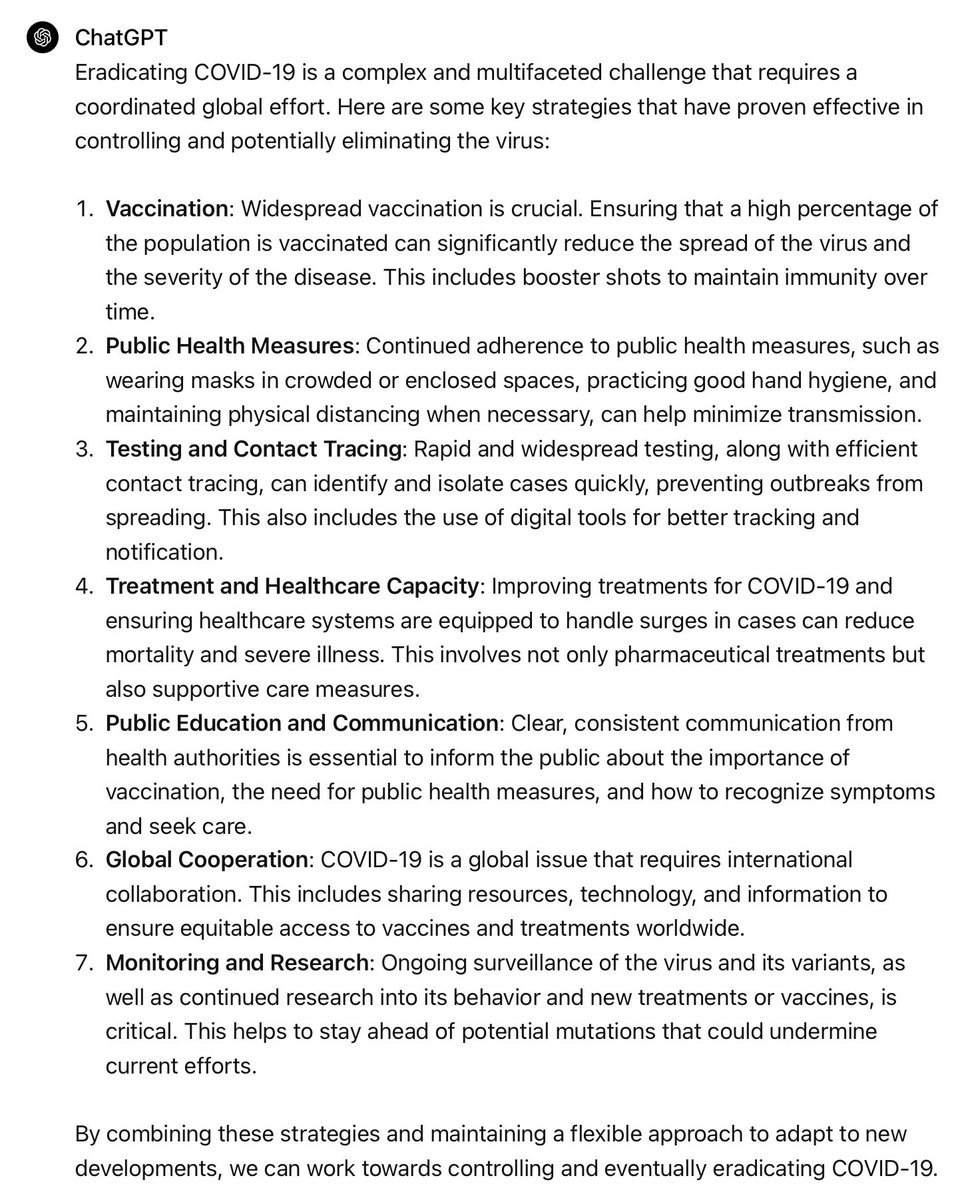
We’re targeting ‘hybrid immunity’ with vaccines that always target old variants. And then nobody gets them anyway. Or, in a nutshell, we’re just letting people get infected all the time, to protect our lifestyles. https://t.co/BjyNCralvD
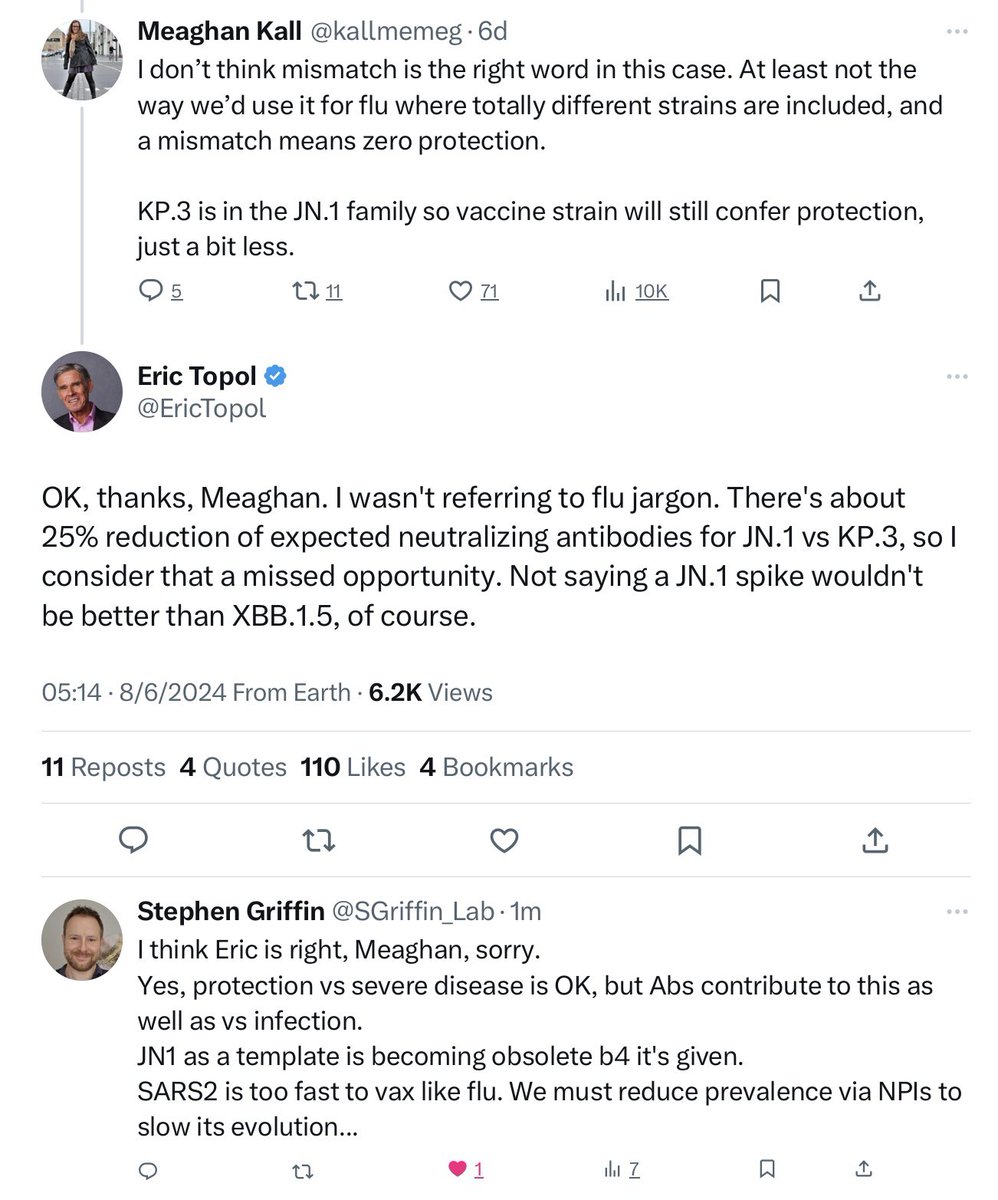
In team sports societies, team leaders will steer the team the way it’s supposed to go. It’s the same as fashion, leaders of the team will signal the next hoops to jump through, for conformity. If challenged, this accelerates. There is no ‘groupthink’. People follow leaders. https://t.co/zRik2f92Nv
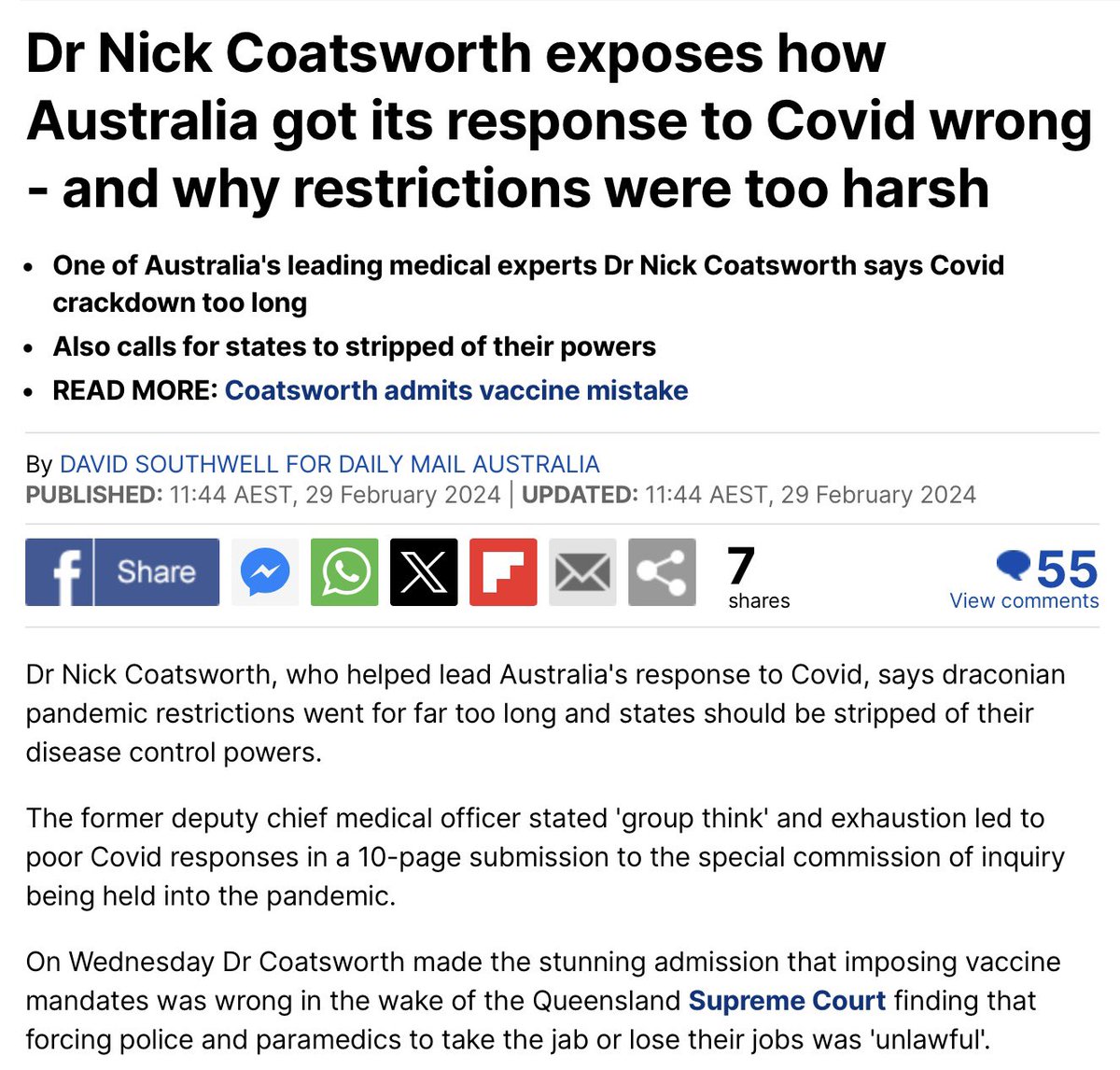
Mic drop. https://t.co/g0qQIsG08C
Conservative parties swapped public policy for populist slogans. Those slogans have now come to life as standalone populist parties, stealing conservative power. https://t.co/DTf2j4752l https://t.co/KKnEpzHCBL
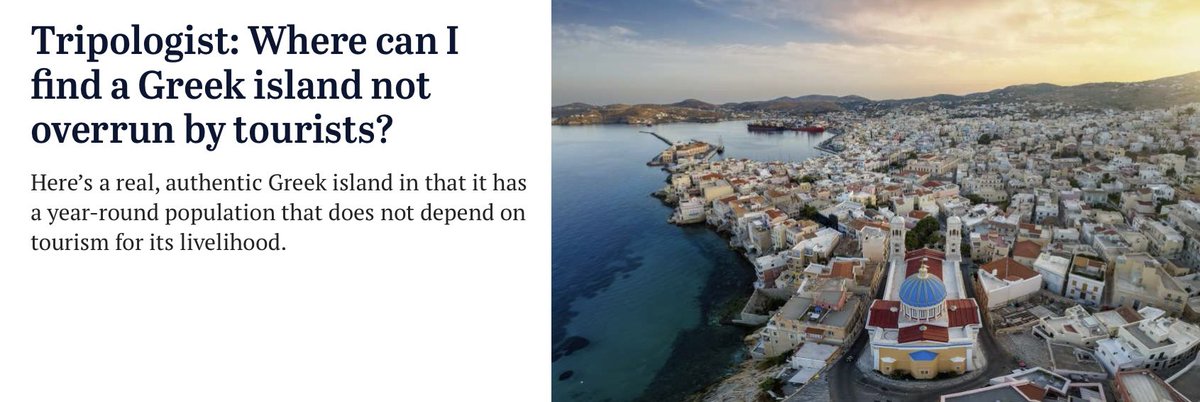
It’s difficult to find a group more lacking in self-awareness and basic cognitive processing, than travellers. https://t.co/1Why6qPSno
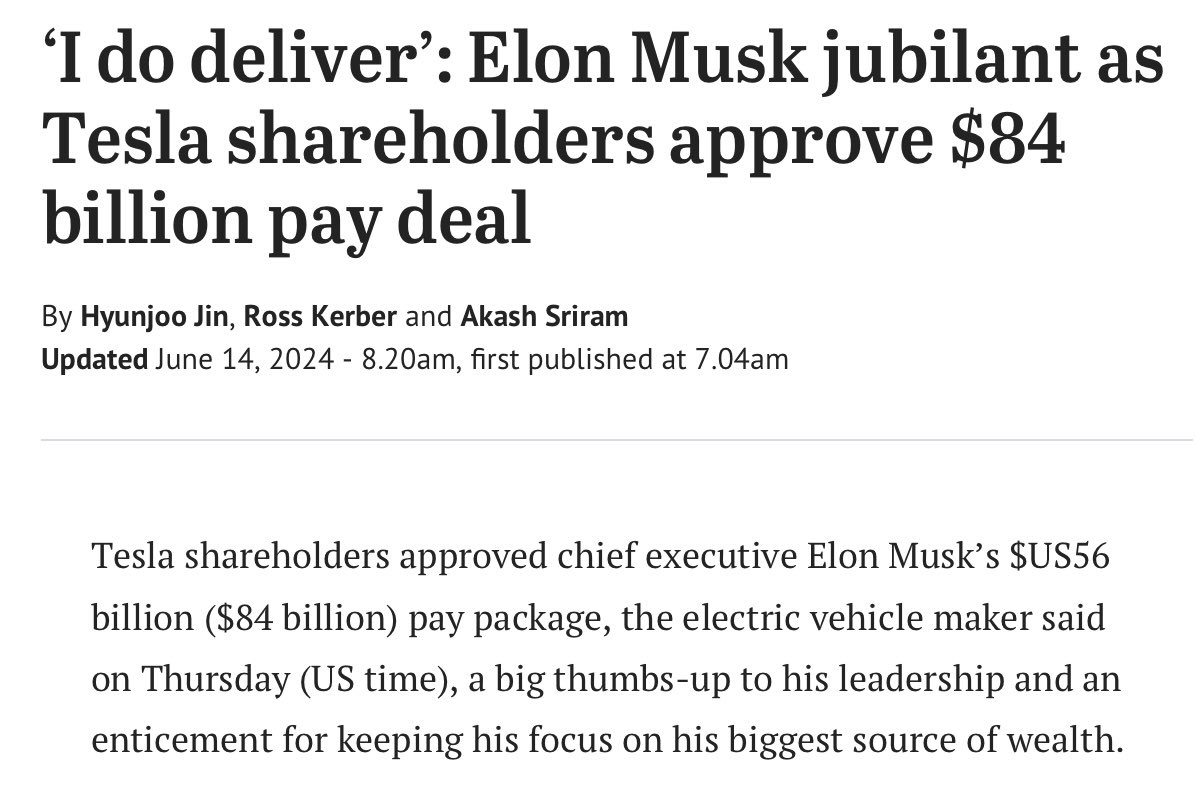
China will now do what Tesla’s Board and shareholders refused to do. Tesla’s EV development is embarrassing in recent years, reflecting a CEO more interested in culture wars. https://t.co/vjtSsNkHpA https://t.co/wAzzGhLz20
Over time I’ve watched many great public personas and thinkers prosecute great causes here. And then fall away, as they recognise that micro-blogging doesn’t change the world. Or they become entranced by the economy of likes, with surging public followings. /1
Sometimes this surge in popularity even shifts their previously held views, as they find the heroin of attention that contrarian ideas gives them irresistible. Or they set up a Substack, to monetise this newfound attention. That’s very on-trend, to monetise disaster. /2
To use social collapse as a stage for individual promotion. That’s what cookers did with the pandemic. And what climate denialists have been doing for decades. In the absence of a public domain, we’ve used catastrophe to generate attention. /3
This thread is motivated mostly by the ongoing complete inaction on the things people come here to discuss. Many good people wonder every day how to progress things that are clearly going nowhere. /4
That’s been a large part of what I’ve posted here over the last few years, understanding that. I write to understand. My view is that we’ve been sold a pup on what democracy is, and what produces change. It’s never, ever, discussion. Never ‘the people’. They don’t exist. /5
It’s a counting artefact, not an agency. No groups have agency. They’re always led, by a tiny number of people inside them. Humans act socially. I won’t elaborate that hypothesis again in this thread. But it’s true. /6
Catastrophes are what shift societies. When their social status hierarchies are smashed. Those hierarchies will NEVER shift on their own. Unless to be replaced by other hierarchies, by catastrophe. The reason we don’t understand this is our history. /7
We’re the people who were born and grew up in the aftermath of the last social Big Bang, the last catastrophic shifts. The two world wars. They forced a collective focus on solving collective problems. To survive. Not through discussion. It was emergency management. /8
That’s when we prioritised public institutions for education, sanitation, public health, scientific research pitched at social problems, progressive taxation. Etc. Those catastrophes are too long ago for collective memory to still have bite. ‘Lest We Forget’. We forgot. /9
Since the late-1970s we’ve been busy doing again what humans have always done in history. Re-building our social status hierarchies. ‘The economy’ is the tool we used. Portraying societies as absent any status, billions of competing, equivalent individuals, in ‘markets’. /10
The great democratic leveller, apparently. Making us all equivalent. Except it didn’t. It just disguised the re-building hierarchies behind economic mumbo jumbo. /11
Mumbo jumbo absent any idea of how humans *actually* behave. *Socially*. The market/economy at every step has authorised the stripping away of the true levellers. Those public institutions we set up post-WW2. And here we are. Micro-blogging in the ruins. /12
Enriching the owners of platforms like this as we go, thinking we’re changing the world. They own the world. They even found a way to monetise our anger at being excluded from that world. That’s all social media ever was. /13
Yes it’s still useful, still enjoyable. They’re not stupid, they make it enticing to be here. And without our functioning public institutions, where else are we going to find information? With those public institutions we didn’t even need this information. We fail to see it. /14
That it’s a window into social collapse, that we’re now having to DIY social processes. That we’ve all had to become semi-expert in public health, and climatology. Sifting through the flood of shit the same owners encourage here, to prevent any real traction emerging. /15
I wish it wasn’t true that catastrophe is all that sweeps self-absorbed hierarchies away. But we’re social animals. We will play the team sports of imitative rivalry as the ship goes down, every time. /16
In this year of an international orgy of elections, of worship to the great fake god of popularity, this message will have as much cut through as…well, it just won’t have any. Drowned out in the festival of backing your team to electoral victory. /17
Followed by 3-5 years of disillusionment that they don’t change the things you want changed, when they’re elected. They’ll just immediately begin planning to win the next election. Not because politicians are evil. But because that’s OUR culture. All of us. /end
The questions we now have to ask. What a society. https://t.co/P2Ly3fRZ1d
You can see here the plan for housing isn’t to make it cheaper. It’s to give people more money so that they can hopefully afford a deposit. ‘The economy’ is mostly overpriced housing, bet on like a game of roulette. If house prices drop, the whole lot goes belly-up. https://t.co/VhShvrCdrO
This hybrid immunity thing seems to hospitalise a lot of people. https://t.co/hM1RCo4pUq
A travel culture won’t understand it. ‘Experiencing’ the theme parks they turn all locations into as ‘the world’. https://t.co/8rGjMAHHSZ
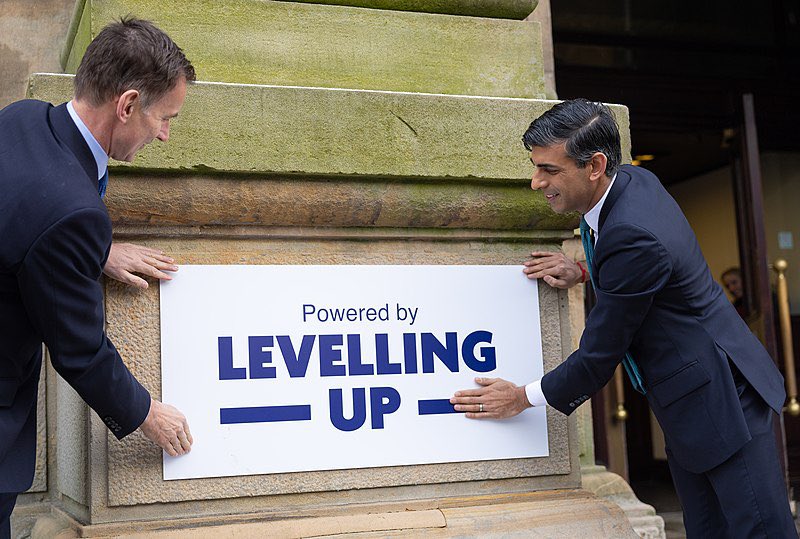
In our modern sloganocracies, ‘levelling up’ is a favourite. The idea that inequality is addressed not by reining in the ultra-wealthy, but by pretending we can make everybody wealthy. It’s trickle-down, but without even any trickling. Just lots of tricking. https://t.co/roGKUEmREN
One of my favourite graphics of the pandemic. On the left we have the cause of the ongoing pandemic. Infections. Lots of infections. It’s why a pandemic is defined by number of infections. Not by hospitalisations or deaths. https://t.co/OmMZgv7Q2M
A Guardian article linked to a WHO page on Florence Nightingale’s ideas on ‘natural ventilation’. Heh, clicking the link… https://t.co/WsJaB5WFFA

This whole thread should call into question the idea of hybrid immunity. By infecting (we’re barely vaccinating), we’re just driving pathogen evolution. Immunity is an asymptotic light at the end of a tunnel that is never reached. Basic biology. We’re living inside slogans. https://t.co/ZbHOGXe2Vh
#Insiders correctly noting that climate change politics is easier when the whole country is on fire. Only catastrophes shift societies in meaningful ways. Without them, it’s just team sports.
Friend who’s a nurse: “I’ve been in the health sector for over 15 years. I’ve never seen the current state of sickness, not even in the initial Covid outbreaks. It’s mind blowing.”
In reality politics, the fact pollies and the public think they’ve put Covid behind them is irrelevant. Like saying you’ve beaten gravity because you jumped off a building, and just haven’t hit the ground yet. You will hit the ground. https://t.co/8sWyZ6Ewot https://t.co/7JvfIkOOXB
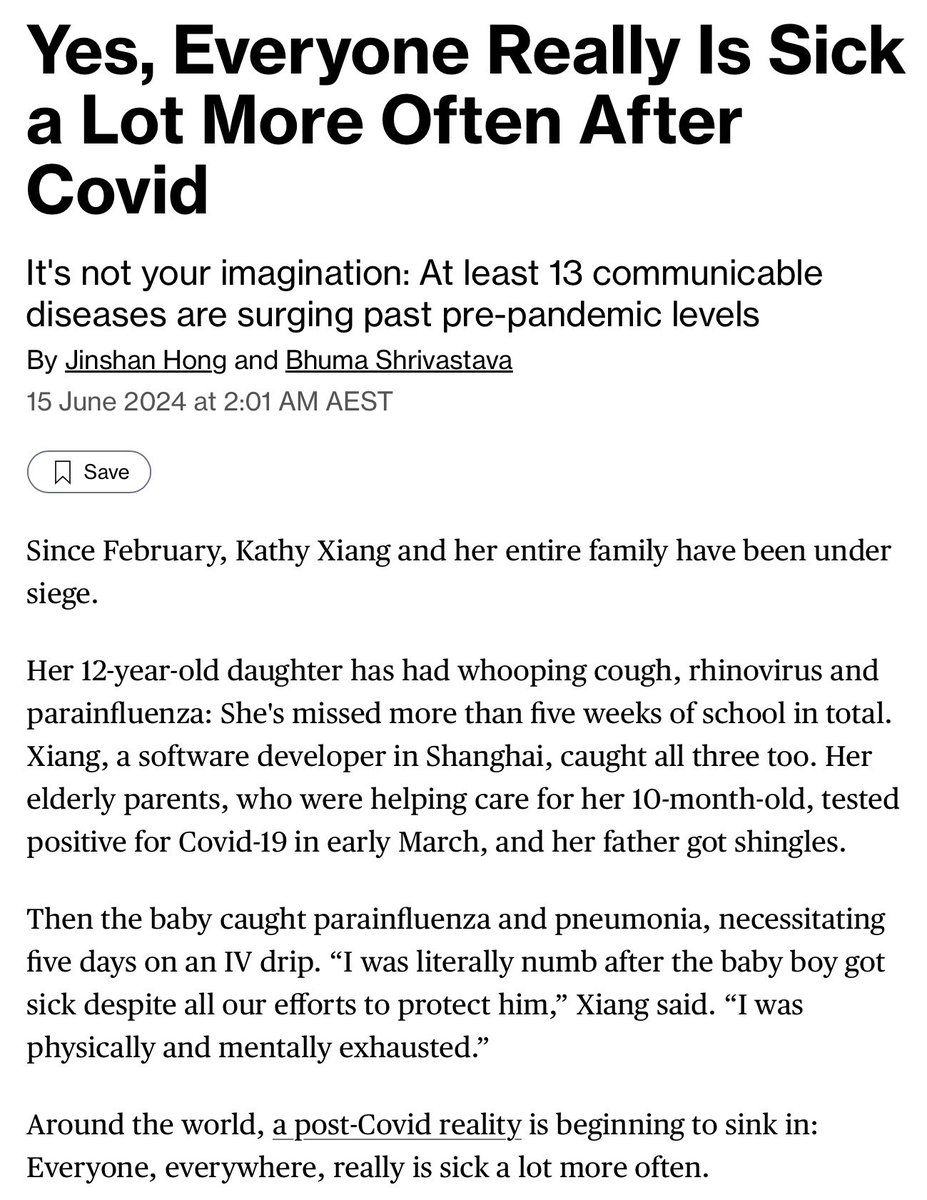
How social change happens. https://t.co/ThCA8OUbP6
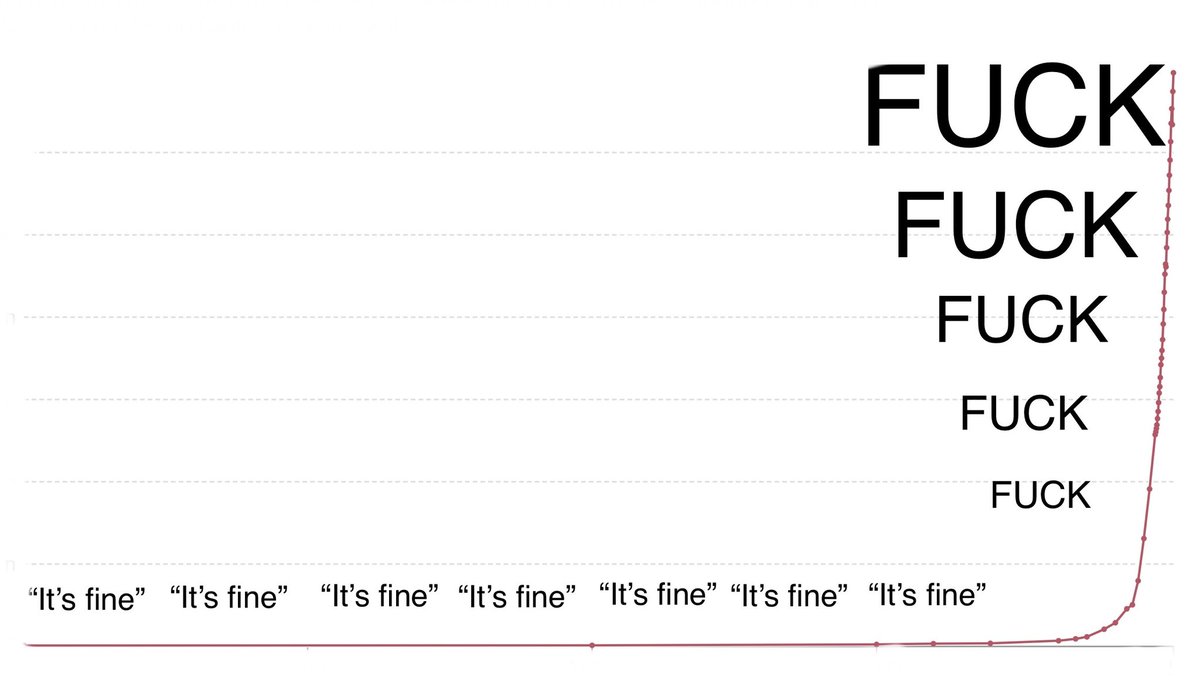
Tweet of the day. Slogans at work. https://t.co/TLgfrCRpoC
Covid minimisers and their followers always use the same argument to say the pandemic is over. ‘Nobody is paying any attention to it.’ This is a very important window into the dynamics of our situation. /1
You can see clearly that their entire framework of assessment for the pandemic is ‘what other people are doing.’ No public health. No science. All social conformity. And to be fair to them, this is how societies work. /2
The problem isn’t that the followers in particular are stupid. It’s that the usual guides to action are either missing in action, or are deliberately bad faith actors. Or both. Politicians are MIA. Influencers are bad faith actors. /3
People will follow the lead of what other people are doing. At every age. And what other people are doing is follow a leader. Or an influencer, in modern terms. To put a mask on for example is to violate the local social group. Like farting in an elevator. /4
It’s a twofold process, acting in unison. Peer pressure regulates how each person behaves, and that pressure is led by an influencer/leader. We shouldn’t be surprised we’re doing almost nothing for either Covid or climate change. /5
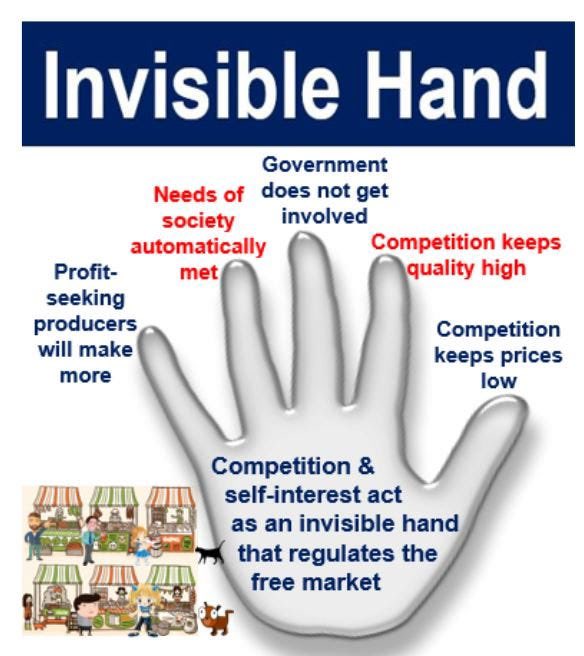
Because ‘economies’ don’t have leaders. By design. They (the fantasy goes) run themselves. Via an ‘invisible hand’. A market. All nonsense of course, because socially nothing has changed. People form teams, behind leaders. /6
What economy politics has done is just gut the official government/State leadership role. It describes it as interference. Which leaves the field wide open to anybody else to run everything. Which is what’s happened. /7 https://t.co/r14SR9vyyK
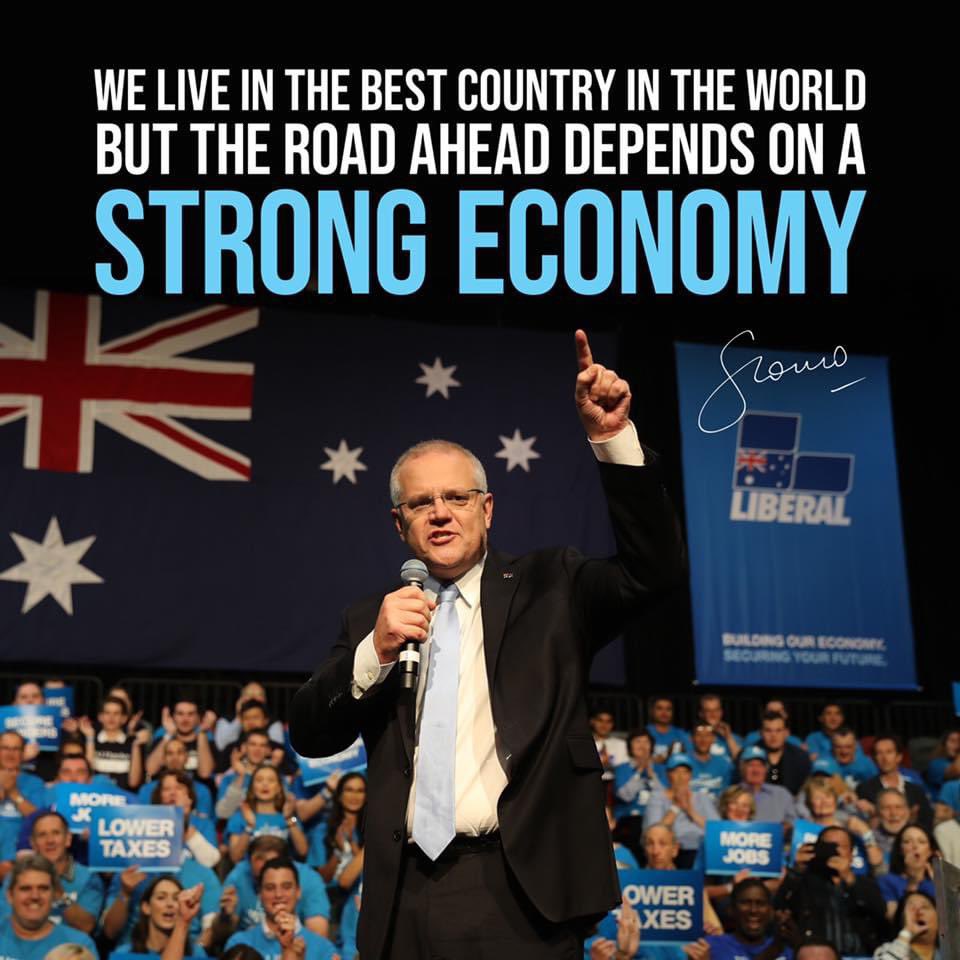
Corporations and social media influencers now run the world. Under cover of nonsense about individual freedom. Humans always act socially. Politics is a hopeless frame to understand anything. /end
I’d prefer a mandated mask, over a mandated infection. The freedom stuff doesn’t understand that, that the refusal to do public health work mandates infection for the population. https://t.co/A2QwnYjn04
I Tweeted a while back that actual stories of the sewer that Covid is will anger minimisers more than anything else. Because they know how damagingly true those stories are. It flushed a lot of dumb anger out of the woodwork. Means it’s working. https://t.co/to6hgZDyqD
It will bewilder and alarm many that Peter Dutton is now the preferred PM, in polling. And that the LNP is neck-and-neck to win the next election. Modern conservatives understand how people think and behave. And how to win elections. /1 https://t.co/9sKCn4oXy9 https://t.co/SrlpdEhCpj
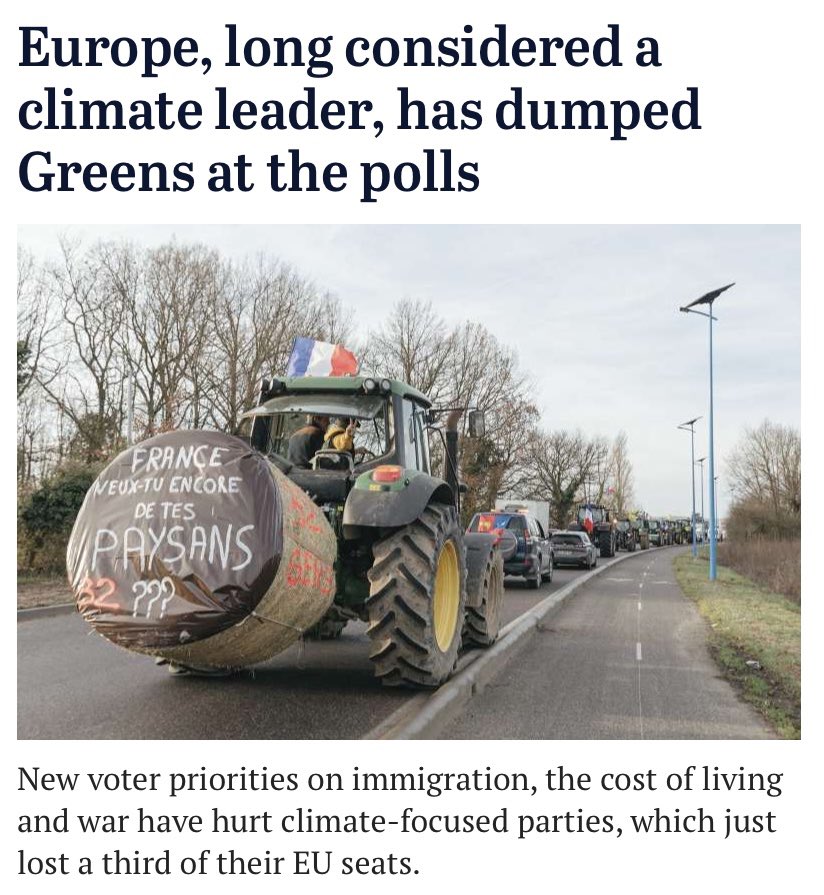
He may not win the next election. But the fact he has no policies and a track record of divisive attack politics should mean he’s not even in contention. The fact the world is being incinerated by fossil fuels should make Greens a shoe-in at every election too. /2 https://t.co/fzKjTQXskQ
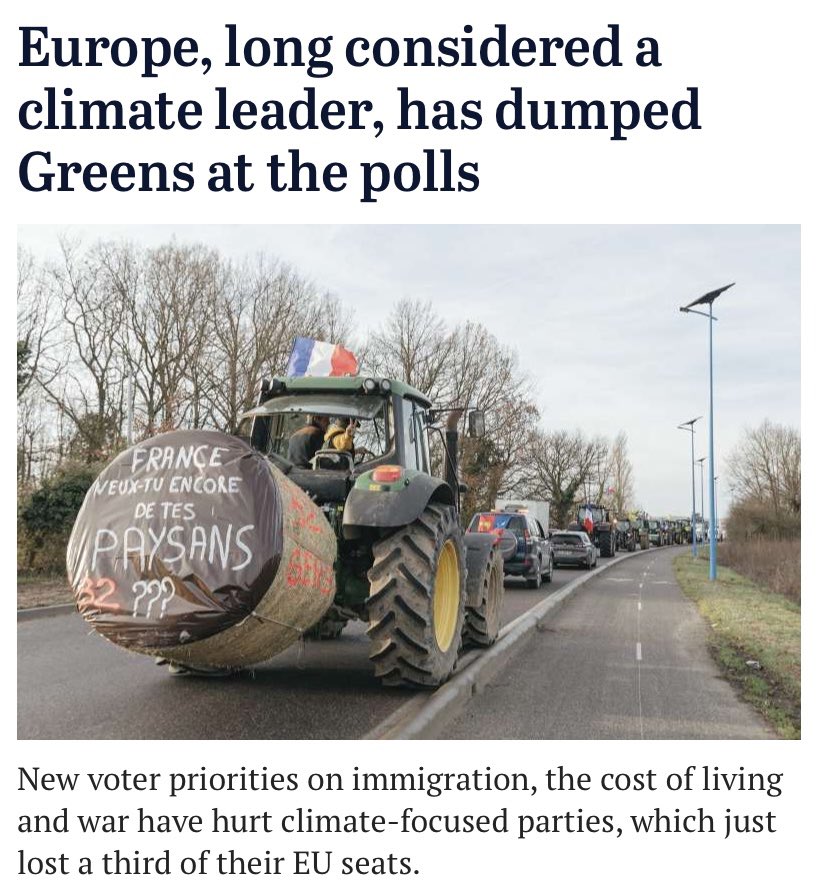
But of course they’re not. Because elections have no relationship whatsoever with reality. They’re popularity contests. And modern conservatives are masters of popularity. /3
Right now for example they’re winning in Europe, the US and polling well here because they’re targeting ‘cost of living’. Let’s look at that. The cost of our lifestyles in the West has always been very high. They’re extremely expensive lifestyles. /4
What’s changed is that conservatives privatised much of that cost, stripping away the public institutions that used to bear it. Just as they privatised a pandemic, and said it was over. It wasn’t over, it was privatised. /5
Each of us individually must now do all the public health work governments and businesses used to do. Just as we have to fund our own health care, and the costs of privatised electricity, transport, medicine, water. Etc. /6
Conservatives and their ‘economy’ (really a code word for removing the State’s role) created the cost of living crisis. By privatising the costs of living. Costs that have always been there. Now they’re using the catastrophe that is for the public, to win votes. /7
The public, smashed by the debts that funded the privatisation of public services, now wants somebody to blame. This is the most basic social psychology. I Tweet about it often. Catastrophe-led change. /8
Human societies don’t change fundamentally, unless presented with a catastrophe. That catastrophe can be entirely human-made. Which is what the cost of living ‘crisis’ is. The conservatives created it. /9
They will now use this crisis of their own making, to win votes. Because only crises shift people. People who were paying no attention to any of the actual causes. Nor were they when the same conservatives confected crises over immigration. /10
What mattered was the perception of a crisis, or catastrophe. That’s what will shift people. Not reasoned argument. It’s why progressives never win, or at least for long. They think good policy speaks for itself. /11
Nobody votes for policy really. Not in any great numbers. They back a team. Like the people whose football teams lose year after year. They still back them. Unless there’s a crisis or catastrophe. That’s all that ever shifts people meaningfully. /12
Here in Oz Albanese, like Biden in the US, came to power promising to ‘end the division’. Like lambs to the slaughter, not understanding what the division is. People LOVE the division. That’s the team sports of populist politics. Team vs team. /13
Dutton, like Trump or Johnson, creates new divisions every day, to continuously energise the teams. Via fake crises, or the reframing of actual crises (like climate change, and Covid). That’s what fires up voters in a popularity contest. /14
They want politics to be that game of football. If one side is useless, they’ll support them just to make it a contest again. Coming to power to ‘end the division’ is a compete surrender to the other team. /15
In the UK, catastrophe has arrived in the form of almost total social collapse. The conservatives there are trying the same tricks again, to try to weaponise that in their favour. This time, the catastrophe is too great. And they’ve been the winning team too long. /16
Teams that win all the time lose popularity. You see it in sports too. People prefer an ‘underdog’. All of it is popularity, the dynamics of it. Because we have a governance system entirely based on popularity. /end
The greatest achievement in all human history was public health, including vaccines. Doubling life expectancies in about a century. It’s a measure of how lethal populism is that even that can become a team sport. To generate social status. https://t.co/BRKhrlatyJ
My advice on anti-vaxers and other cookers is to just block them. Immediately. ‘Flooding the zone with shit’ politics is about them being able to tie you in knots of meaningless gibberish, disguised as conversation. ‘We need to discuss’ is flooding the zone with shit politics.
The discovery of airborne pathogen transmission pretty much began with Pasteur’s swan-necked flask. What prevented transmission was just the shape of the neck. It was open to the air. I wonder if ventilation design makes use of the fact pathogens don’t like corners? https://t.co/0v9ObNQWfJ

‘The economy’ is really just the team sports of imitative rivalry, escalated to a model for all of society. ‘Competition’. Said to be an intrinsic good, we even have bodies overseeing it. All it does is entrench team sports. And reinforce existing status quo hierarchies. https://t.co/OK3ZUl76Hd
We’re dominated by anti-State ‘small government’ politics. The idea that a ‘market’ of competing individuals will always be the efficient way to carry out social transactions. An ‘economy’, replacing a society. Why this is bananas. /1 https://t.co/0TIPSe9Vud https://t.co/P9tR7LgaOG
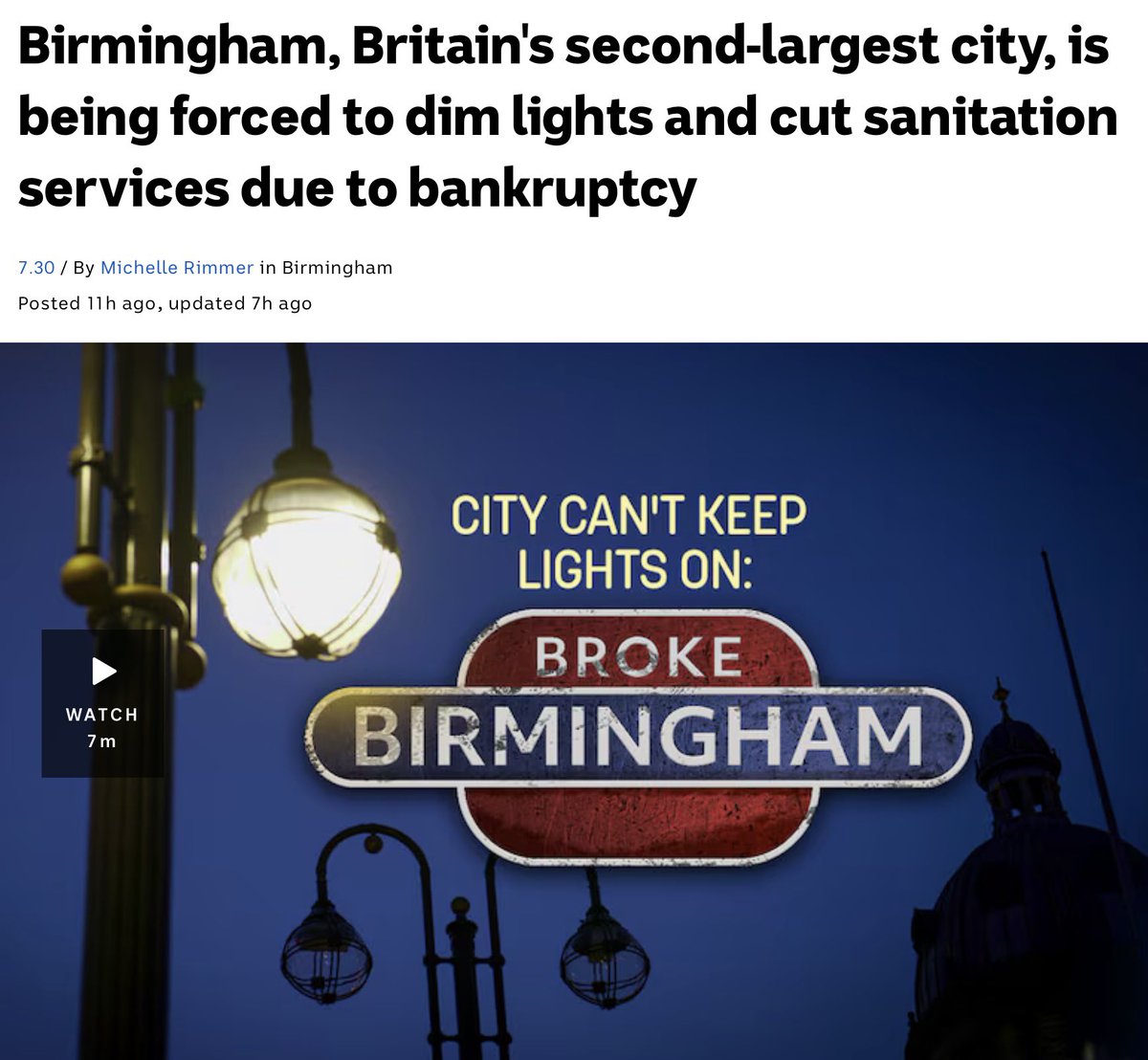
Not for any ’Leftie’ reason about fairness and equity. Not for a ‘balanced’ reason of ‘harnessing the economy for social good.’ But because we’ve forgotten why WE invented States. Us, the people, as we like to say. And to boot, economies are not even real. /2
Birmingham is a victim of this shift, and shows us why we invented government. To create economies of scale, for social transactions. That’s it. We were tired of the bloated inefficiencies and violences of everybody doing everything for themselves. /3 https://t.co/ptBzM8mTBI
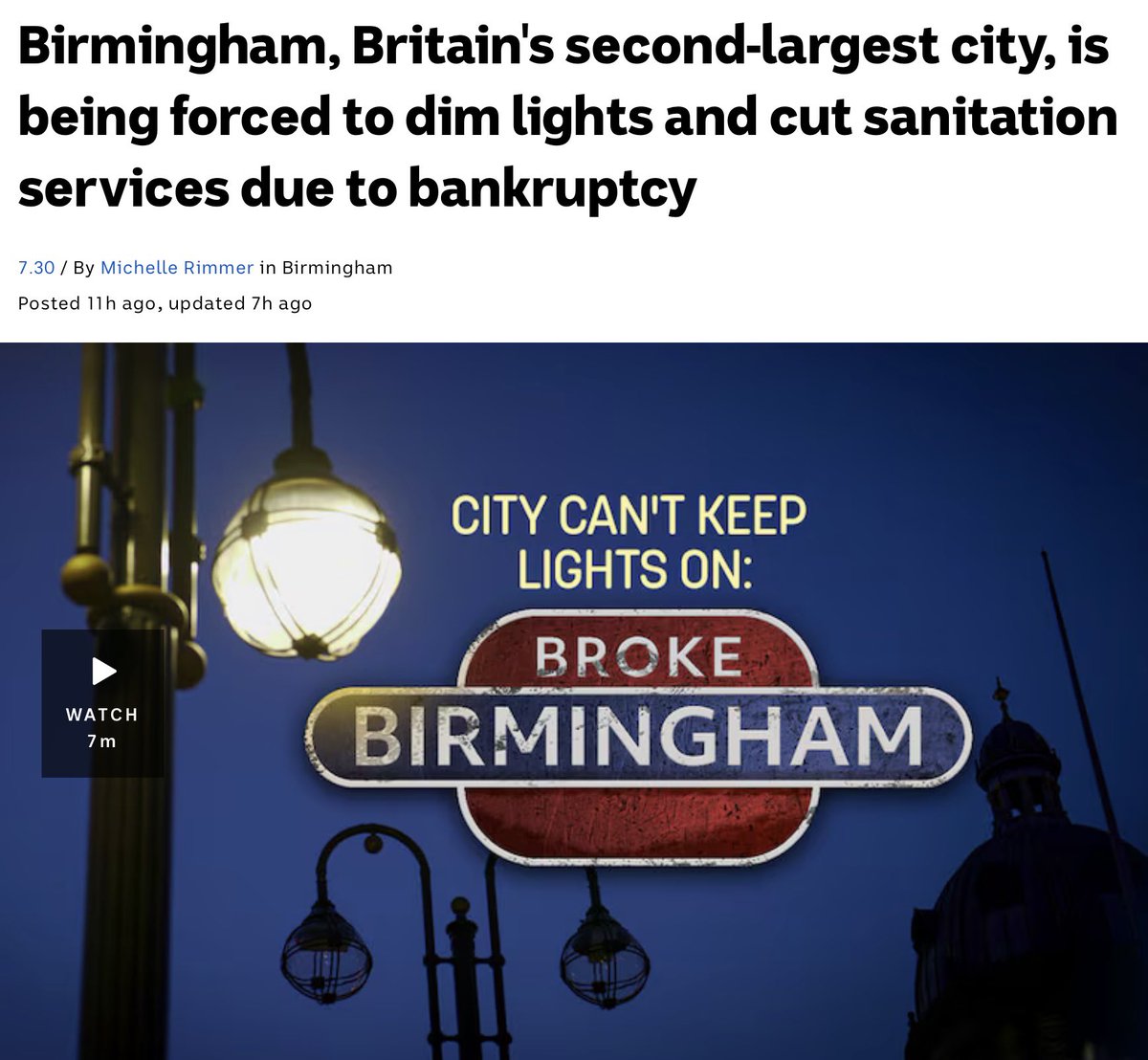
This is what mass privatisations in our era are returning us to, these same bloated inefficiencies of dispersed provision. We’ve destroyed the economies of scale that government gave us. This is the most basic logistics. /4
It’s far cheaper and more efficient to have a single payer - government - provide public services. It’s why we have Medicare. It’s why electricity is now ruinously expensive, when privatised. These are logistical arguments. Not political. /5
Those who go to war against government don’t believe their own spin about it being in the way of the efficient market. It’s in the way of them getting very rich. That’s why they oppose it. They don’t behave in market ways, they never have nor do they intend to. /6
Markets, like economies, are political inventions. A way to disguise the replacement of existing social hierarchies, with other ones. Humans NEVER act in ways, socially, that look like a market. Never, ever, as separate individuals maximising individual return. /7
They form teams, based on imitative rivalry, to create status. In battle with other teams. They imitate one another, inside these teams. It’s why all markets go ‘viral’. Like housing. That’s all monkey-see, monkey do. We want what others have. We act socially. /8
Which leads to brutal inefficiencies, and then violence. That’s why we - yes us, humans - invented government. To be relieved of those inefficiencies, and that violence. To have economies of scale, in our societies. To ease our burdens. /9
The economy is a con. Explicitly designed to strip away all existing leadership, and replace it with a fantasy ‘invisible hand’ i.e. a society that runs itself. Societies never run themselves. People act socially, they battle for status. /10 https://t.co/7A3UJ0dYnT
It’s why small government politics has led us to prohibitive costs of living, and continuing violence globally. The only State-funded thing that still receives enthusiasm is defence spending. To deal with the violence stripping away States causes. /11
The default state of society is always violence. Not because we’re violent, but because we desire, and when desires clash, it leads to violence. We invented the State to provide a mechanism of regulating desires. Without them, we have poverty, and death. /end
We currently have about 55 GW of generation in the electricity grid. What does it currently cost to build a GW of nuclear power? In the US and UK, about $25 billion. /1 https://t.co/j4KxaimtUw
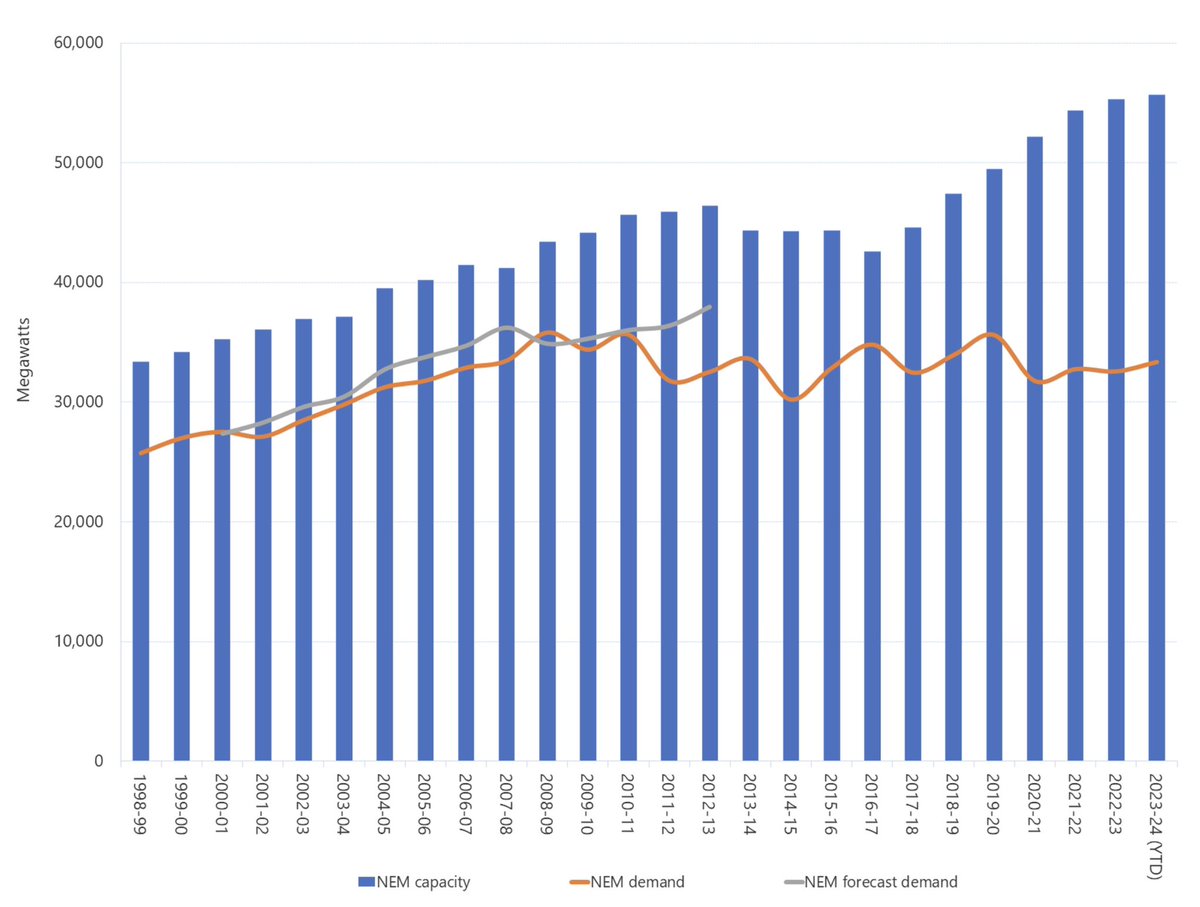
At that price, if we were to replace our generation with nuclear, it would cost over a trillion dollars. Countries like France and South Korea have historically managed to build for a lot less, as low as $2.5 billion per GW. How? /2
By centralising the process in government. By creating vertical integration. By doing all the anti-market stuff the LNP here abhor. And that was also many years ago. Today they might achieve $3-5 billion per GW, at best. That’s still $250 billion or more we’d need. /3
That’s AUKUS type numbers. Yes building out renewables is also very expensive. But private companies will happily do most of that for us, at their own expense. If we just let them. And probably most important of all. /4
We simply don’t have the social licence to leave the waste problem to 100,000-1 million years of human society to follow. It’s cloud cuckoo land levels of ‘externalities’. It commits the entire future of the human race to dealing with that storage. /end https://t.co/USRVvcd9HH
As I try to find anybody at all at work, I remain thankful for my mask. And remember their chuckling about masks.
The LNP is trying to shut Australian renewables down. Companies from other parts of the world are queuing to invest in them. Not satisfied in gutting revenue from resource sales in the past 20 years, now they want to kneecap our greatest strategic asset. https://t.co/X0ZwypE8eb
This would be the same as Saudi Arabia in 1938 saying it wasn't going to drill for oil, it would sell sand instead. The future prosperity of this country and health of the planet being horse-traded for votes. Popularity-based governance did this. https://t.co/FWNdlY6mOV https://t.co/Ff9uyfIeFm
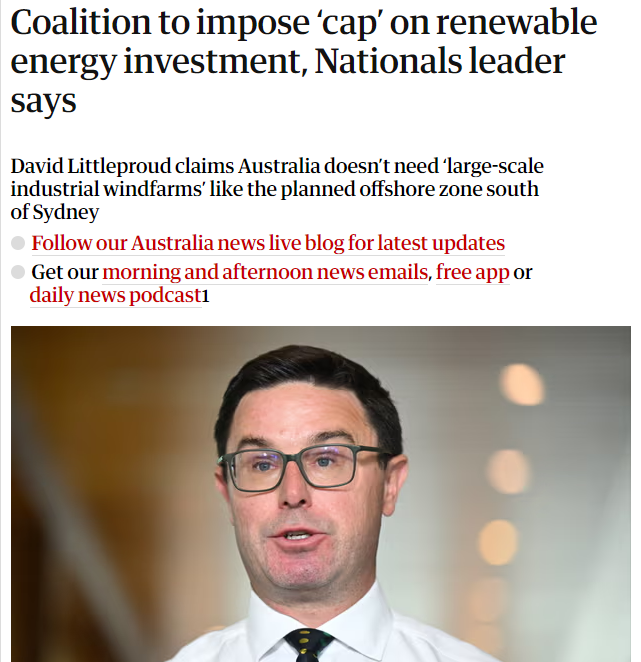
This is where the fossil fuel age in many ways began. Saudi Arabia's first successful oil well, Well 7. The "Prosperity Well". In 1938 it struck major oil. In a way 2024 is 1938, when it comes to energy. And Australia should be Saudi Arabia. 1/3 https://t.co/vycm34Khfq
Think of the wealth this oil gave Saudi Arabia. Right now they make up to a billion dollars per DAY, selling oil. They've been selling oil for nearly 70 years. 2/3 https://t.co/vLECar0m8r
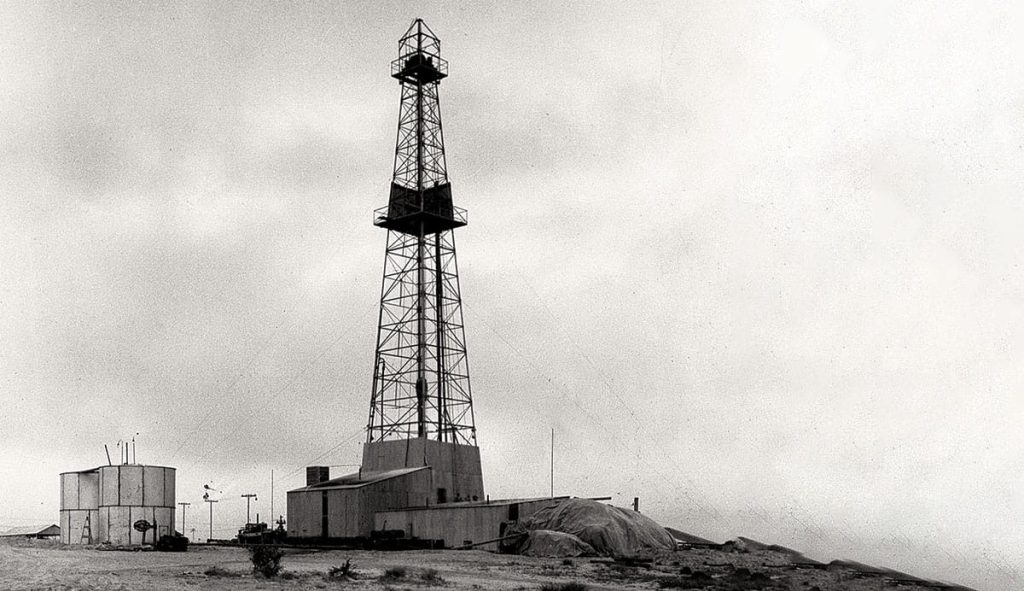
The world right now is 1938, in energy terms. Australia has an enormous share of global renewable energy. We could easily be one of the richest countries in the world. If only there were votes in it. Fuck votes. /end
The incredible inertia of the status quo is already dampening recent efforts in renewable energy and EVs, as prominent examples. You can’t gradually change a status quo. It needs to be disrupted. Smashed. This is a key fact of social life. /1 https://t.co/x8FDdmnK9o https://t.co/o1Y0VyJISX
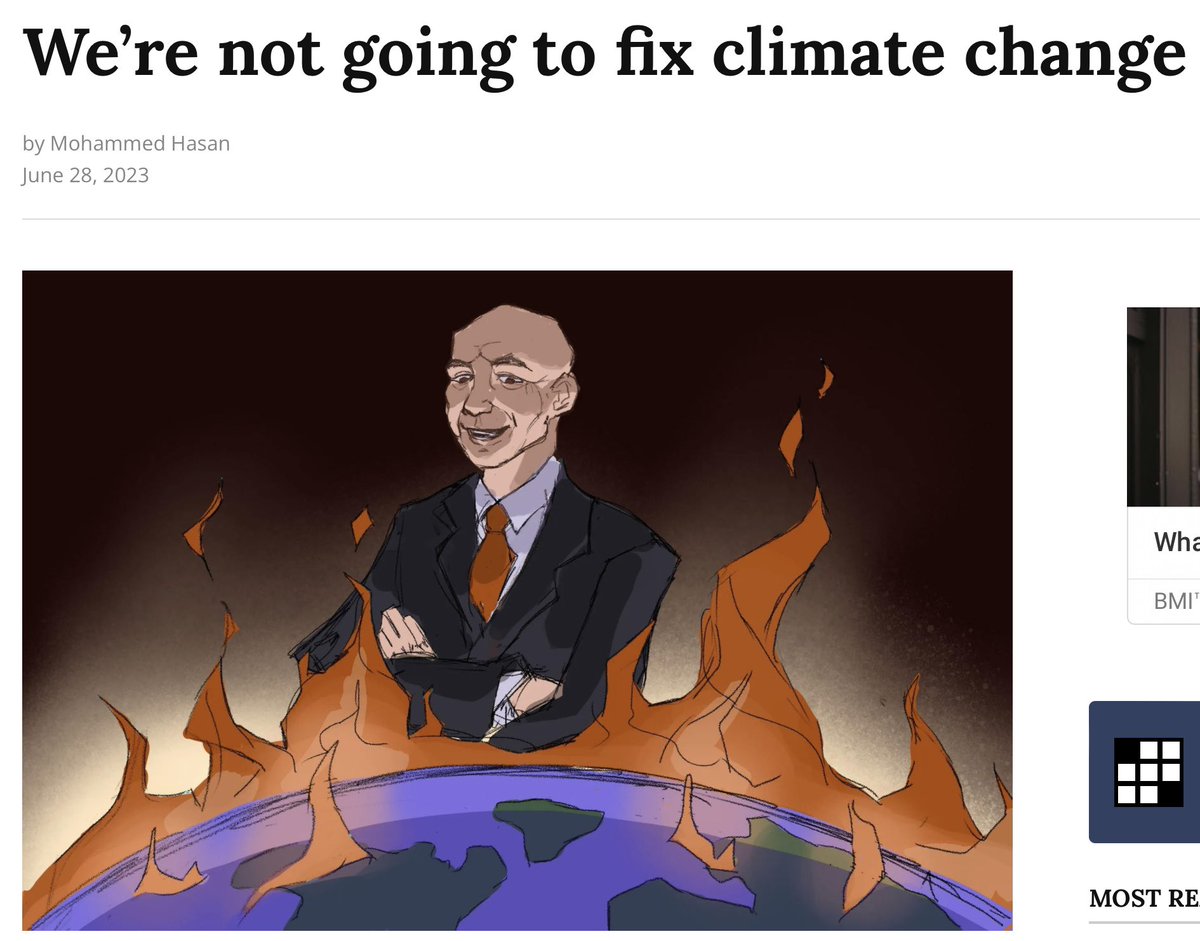
The status quo is really just existing status hierarchies. It’s not just wealth or power or ‘capitalism’ - all the favoured baddies. Underneath that it’s basic social behaviour. Those with status won’t surrender it. It has to be taken from them, usually by disaster. /2
Why I posted this as a diagram of social change. Not just to try to be funny. It’s literally, historically true. Remember Hans Rosling? /3 https://t.co/jTAHsnmunw
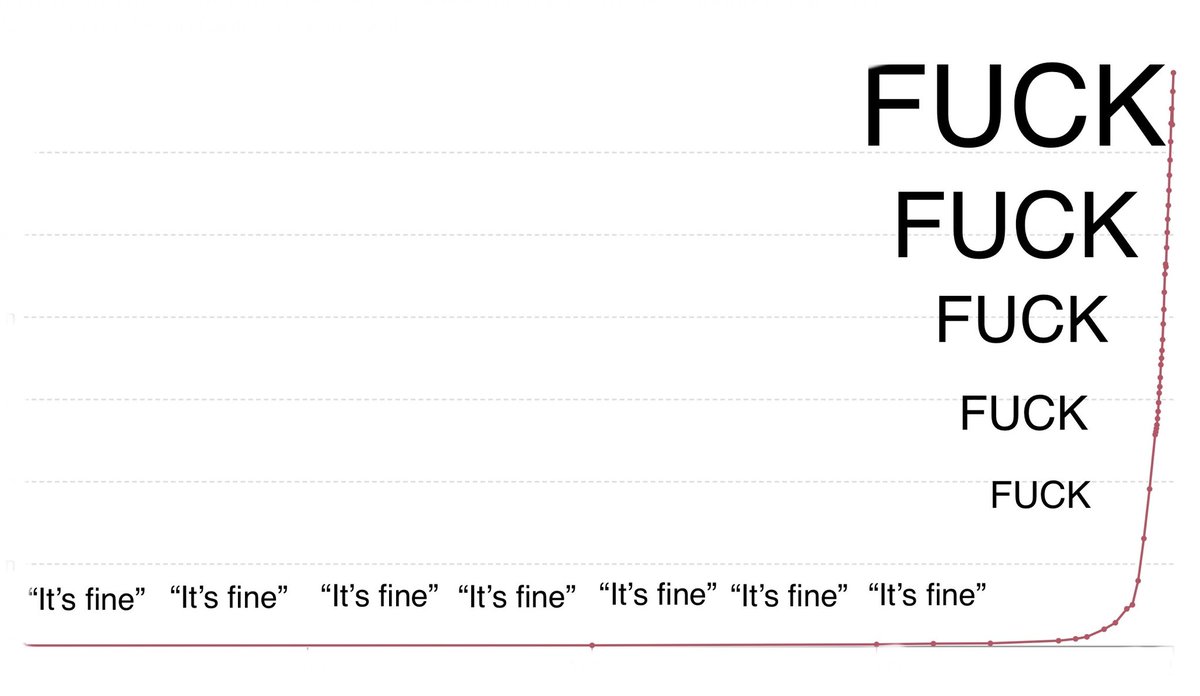
Hans’ passion was to try to show that so much was actually getting better in our lives, over time, globally. That’s also true. We live inside communication systems that favour hysteria as a way to generate attention. /4 https://t.co/sAzQNqQyfp
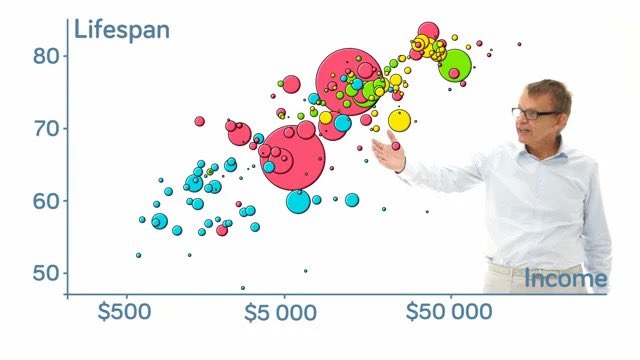
But the trends Rosling examined also owed most of their momentum to catastrophes of various forms. That includes something like the Industrial Revolution, which was also a catastrophe in terms of impact on existing hierarchies. It was called a ‘revolution’ for a reason. /5 https://t.co/2CLbj8WdFt
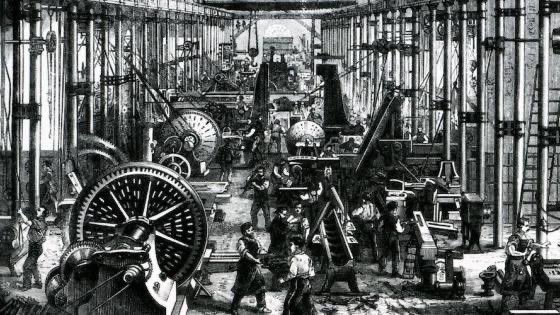
Existing landed England had to be smashed by industrialists, for change to happen. That’s what many of those period drams are about. The birth of new social classes, the ‘nouveau riche’. /6
We won’t plan our way out of climate change in ‘balanced’ steps. As with Covid, ‘balance’ is a word existing status hierarchies use to mean ‘let’s just keep doing what we’re doing’. We’re now reaching the limits of tolerance by existing status groups, for climate action. /7
They tolerated activity on the margins, while they could continue as normal. But now that normal is under threat. Just as it was with Covid action. They will brutally resist that threat. /8 https://t.co/wWaVkTQaX9
I continue to think only the Chinese are able to threaten our status quo enough to force a change. Through their massive investments in renewable energy. You can see Western governments madly trying to tariff that revolution away, right now. We won’t surrender our status. /end
All meaningful change comes from catastrophe. Punctuated equilibria (the status quo). Everything else is just team sports, a caucus race that goes nowhere. https://t.co/RRQFi4NIEx
Coalition of free market fundamentalists launches nuclear building program styled on the Soviets. The ridiculous rabbit holes populist politics takes us down. #auspol https://t.co/neE9lXSDfv https://t.co/YmzICk5awg
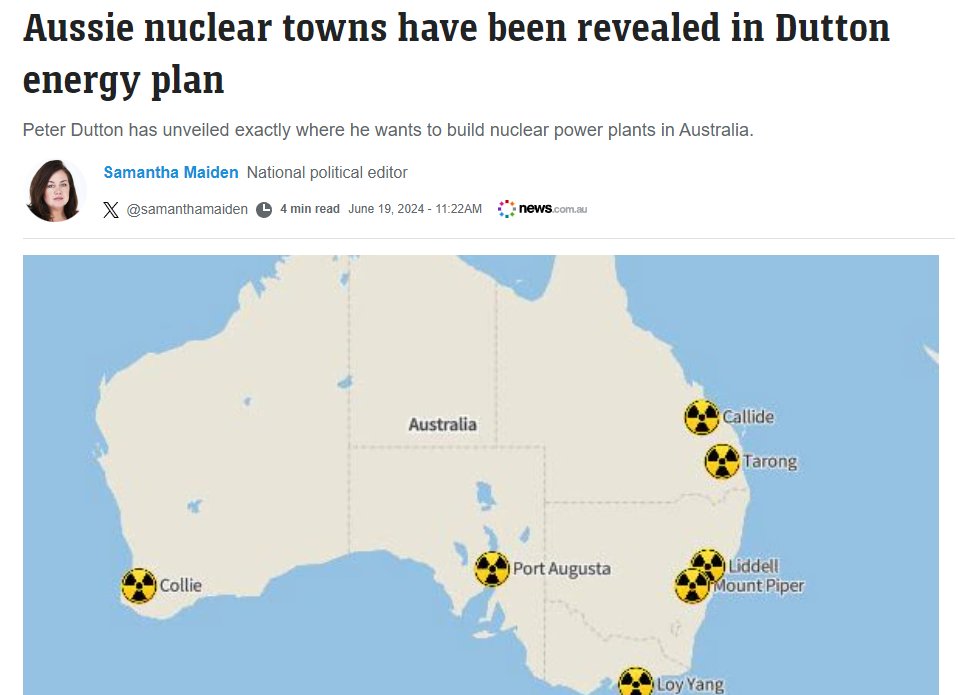
Two more parents gone home from work with kids running temperatures of 41. Another work colleague gone home with aches and pains and sore throat. https://t.co/P8SJVFil63
Democracy as elections deciding what to do will drive humanity to extinction. It's time for governments to lead. Dramatically, fast. As Alan Finkel says. https://t.co/5Ve7yaB348
"We dodged the tourists by being tourists in places without tourists." https://t.co/B9qywDGXC0 https://t.co/KgeeKS0Mm6
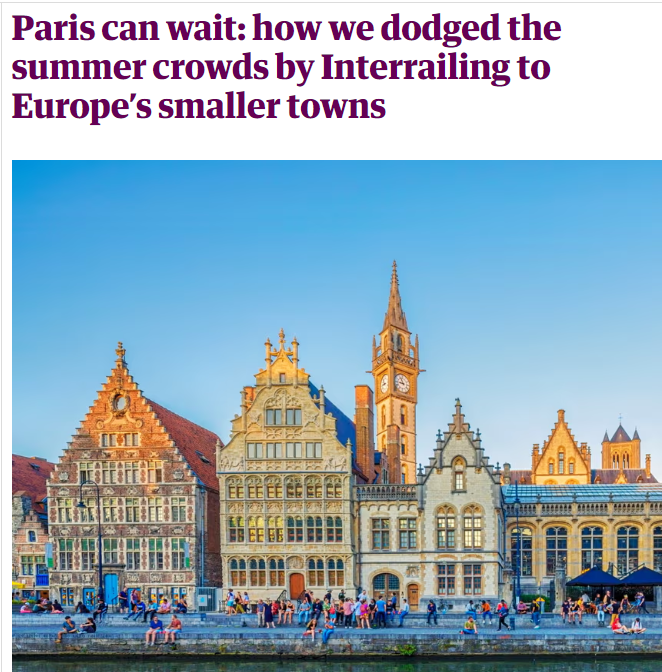
Ever taught science? Any idea at all just how little most people know about it? Here’s a window into that question. Because we vested ultimate power in popular voting, there’s nothing you can do about it. https://t.co/tWxU5NP9qJ https://t.co/bfAakiAEq3
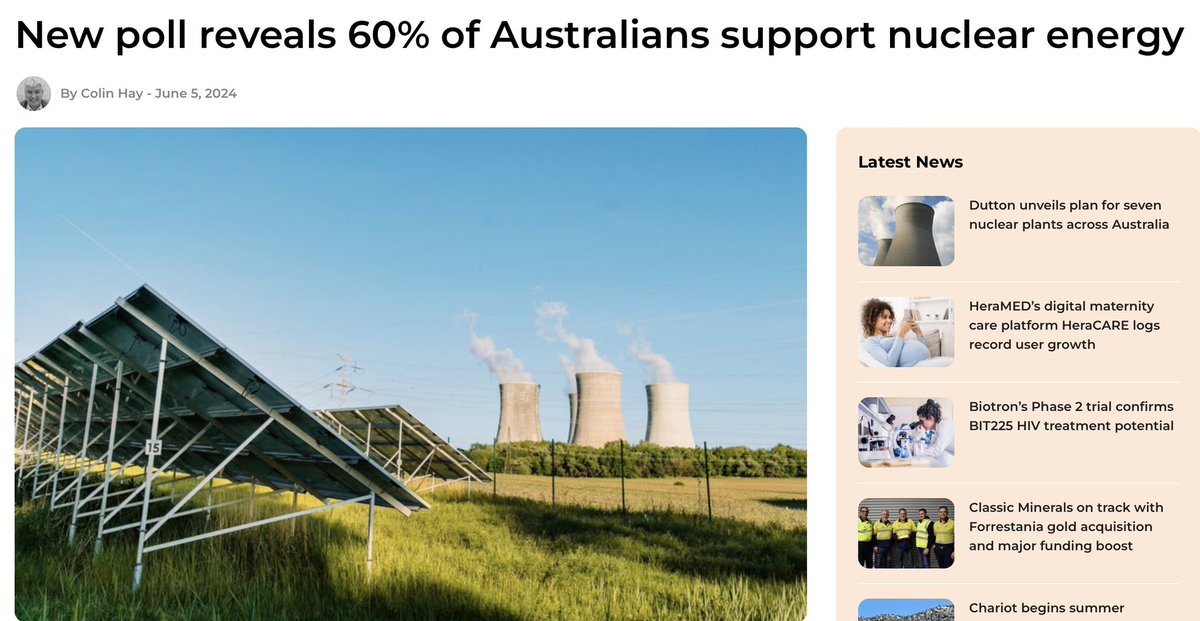
Remember when Labor’s NBN was mocked by the LNP as ‘picking winners’? Let the market decide? The economy is a con. The people who promote it never act like it even exists. Because it doesn’t. https://t.co/d3lWO7s23m
Absolutely. Know what else had no costs, no details and no modelling? ‘Living with’ a pandemic. https://t.co/MB0gLn9ren https://t.co/uz0OAA38bQ
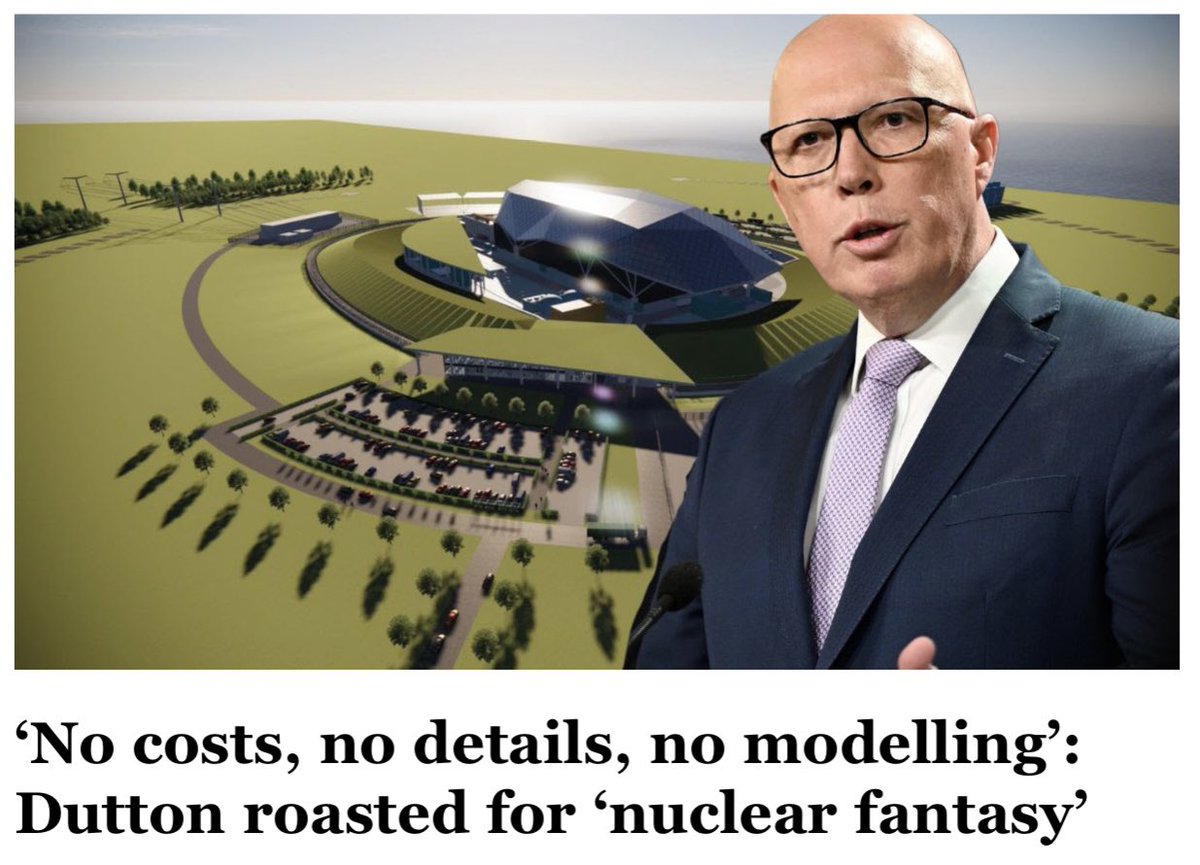
Dutton’s nuclear power play is vintage Tony Abbott. Take an obvious, expert-backed solution to an essential public service, and turn it into a team sport. By offering political product differentiation. Now it’s energy. /1 #auspol https://t.co/OAFf53egNq https://t.co/u4pFVTtjGE
In both cases the alternative is literally laughable, on any objective measure. Experts will tell all and sundry this is the case. It’s not the point. The objective facts are not what this is about. It’s about team sports. /2
Conservatives understand that to win elections, you need to set up each issue as a binary, no matter how implausible. Many if not most voters are never engaged in the details of any idea. They just back their team. /3
The LNP had no team to put on the field, for renewables. At most it had Don Quixote out there railing at windmills. But it knows not enough voters want no climate action. It needed a way to be for that, without using renewables. /4 https://t.co/tUS8KQE0Fr
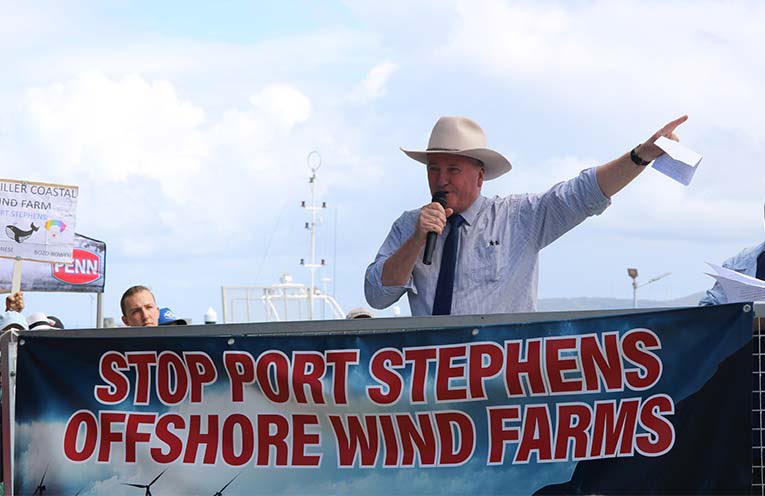
Now it has that. Nuclear. Never mind that it’s a ludicrous idea, objectively, for Australia. That’s not the point. Dutton wants to set up a team sport. Voters don’t engage with how realistic ideas are, they want a battle. /5
We’ve been here again just recently, with the referendum. Where a clear majority were both supportive of and disinterested in the details of change. It didn’t matter. Dutton turned it into a team sport. And won handsomely. Abbott won handsomely on the NBN. /6
The clearly stupid idea won. Because popularity politics isn’t about ideas. It’s about being popular. And being popular is about firing people up, energising them. And you do that with team sports. /7
It was done with Covid too. We’re ‘living with’ a pandemic,. Like not putting out bushfires or cleaning up floods. How was that stupidity allowed to happen? Exactly the same playbook. Turn it into team sports. /8
Call the other team ‘Zero Covids’, and create political product differentiation at every point. Masks vs no masks. Call basic quarantine ‘lockdowns’ and debate that in teams. Etc. /9
Populism is just popularity-based politics. Election-based politics. To win at that game, the playbook is ALWAYS the same. Turn it into a sport, between two teams. Reality will fly out the window in the subsequent games. /10
Because it taps into our deepest social instincts, to emulate others, form teams, and then pursue rivalries with other teams. Imitative rivalry Rene Girard called it. We can’t vote our way out of problems. Voting IS the problem. Popularity as a system of governance. /end
To build means to be hitched to learning, the discipline of reality, building and maintaining, the calm separation from battles of pointless opinions. Just identifying a problem. And building a solution. No Left, no Right. No team sports. https://t.co/n45071fkFw
Peter Stahel understands what Dutton is up to. I fear the ALP don't. And most commentators don't either. We'll wallow in the 'facts' of nuclear, thinking that will win the argument. Always the same mistake. https://t.co/n2PpMZcoXJ
Excellent. But remember Abbott's string and tin can NBN being fact-checked too? It made no difference. Nuclear is a stalking horse. A strategy to mop up votes of those who want renewables, but don't want the ALP. Societies don't run on information. https://t.co/XyNErmxh1V https://t.co/evSaANp5IW
That should say 'who want action on climate change', rather than 'want renewables'.
Simple. There are a lot of voters (including in Teal seats) who want action against climate change, but don't like Labor or The Greens. Dutton's nuclear mirage now gives them a way to vote LNP again. Even though he'll never build a single reactor. It's always team sports. https://t.co/XFCgDcRQcp
One of the weirdest manipulations in the energy debates is the idea of 'baseload power'. The public has been led to believe this means the minimum amount of supply the energy grid needs to be able to supply, 24 hours per day. That's not what baseload means. 1/6 #auspol
Load is demand, not supply. The 'load' on the grid. Baseload power is the minimum amount of *demand* the grid needs, to prevent generators having to shut down clunky coal-fired plants and restart them again. Here it is, from AEMO. 2/6 https://t.co/3rSXq5bUws
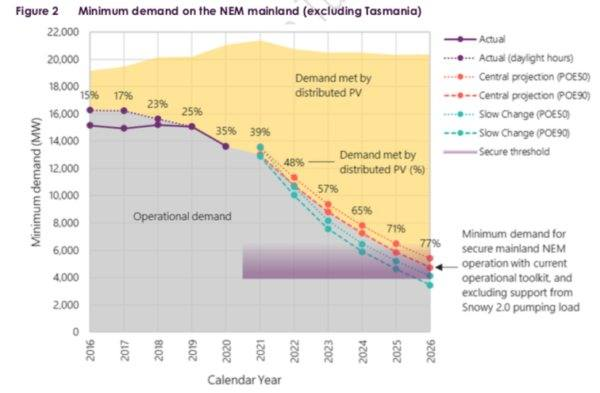
'Operational demand'. And the critical thing, the 'minimum demand for secure mainland NEM operation'. Meaning go below that point of demand (not supply), and the grid becomes unstable. Coal plants are dinosaurs, they don't modulate well to shifts in demand. 3/6 https://t.co/7LhFGQPpLL
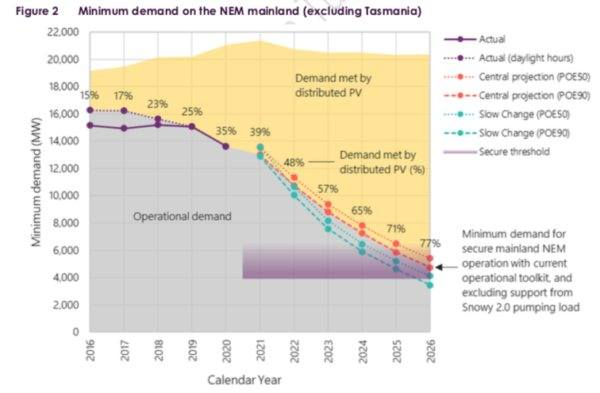
Politically this distortion of the meaning is deliberate, to contrast it with the apparent 'intermittency' of renewables. We need good, solid, 24/7 'baseload' power for 'when the sun doesn't shine and wind doesn't blow'. That's the (nonsense) narrative. 4/6
We need people to be continuously consuming energy, to prevent the dinosaur plants from falling over. That's what it really means. The continuous supply of power with renewables has been not only modelled extensively, it's actually happening in many places already. 5/6
It's not just batteries and other storage. Wind for example blows all day, often even more at night. And it's a grid, if it's not sunny or windy somewhere, it will be somewhere else. 'Firm' it with some gas if you have to, sure. You don't need leviathan generators. /end
New meaningless spin word. 'Reliable'. Solar panels have no moving parts. That's reliable. Nuclear power plants need continuous maintenance to be reliable. They're full of complex tech that can break at any time. https://t.co/0DLwoF8kZw
Another stupidity of the energy debate. ‘When the sun doesn’t shine.’ Most of the time the sun doesn’t shine we’re in bed, using very little electricity. https://t.co/Sth8ZcR0Va
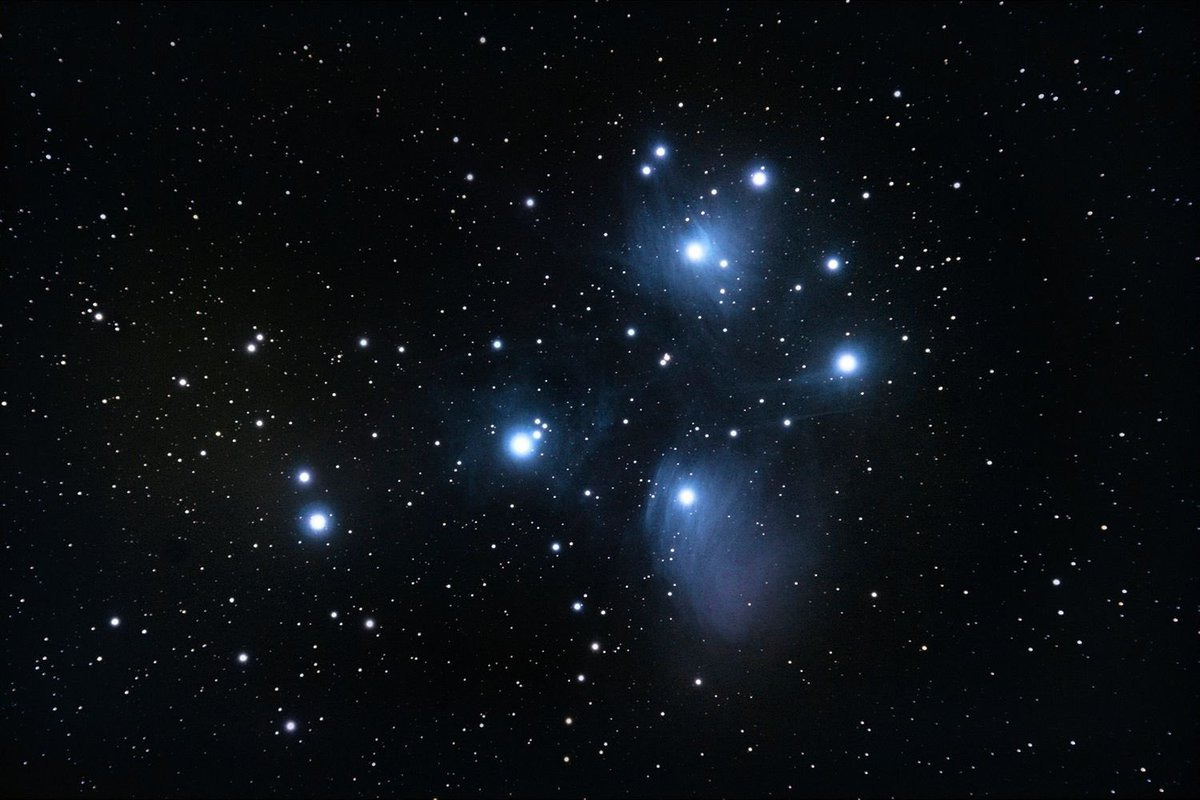
Have to wonder if the social media team at NSW Health were tempted to save time by writing “it’s a shitshow out there”. https://t.co/qteeze9C2J
I sit less than a metre away from somebody at work who had classic Covid symptoms yesterday. Is at home with Covid today. A respirator and air purifier as always makes me about the only person left there to do any work.
Anybody else accumulating staggering amounts of sick leave days, by masking at work? Never been healthier. Nor has my sick leave balance.
Every day, with gas outages predicted and renewables rollout too slow, we’re getting closer to realising we should be electrifying households. As Rewiring Australia said. Direct action at the consumer end, not producer. Also drives down cost of living. https://t.co/sDrf38vdDV
It’s difficult to count the number of ways societies are collapsing now, because we run them as economies (i.e. not at all). No leadership *is* an ‘economy’. Leadership ‘interferes’ with the ‘market’. Or so they say. And here we are, collapsing. https://t.co/AzwhG6rGz7 https://t.co/nVxV1fj9Lm
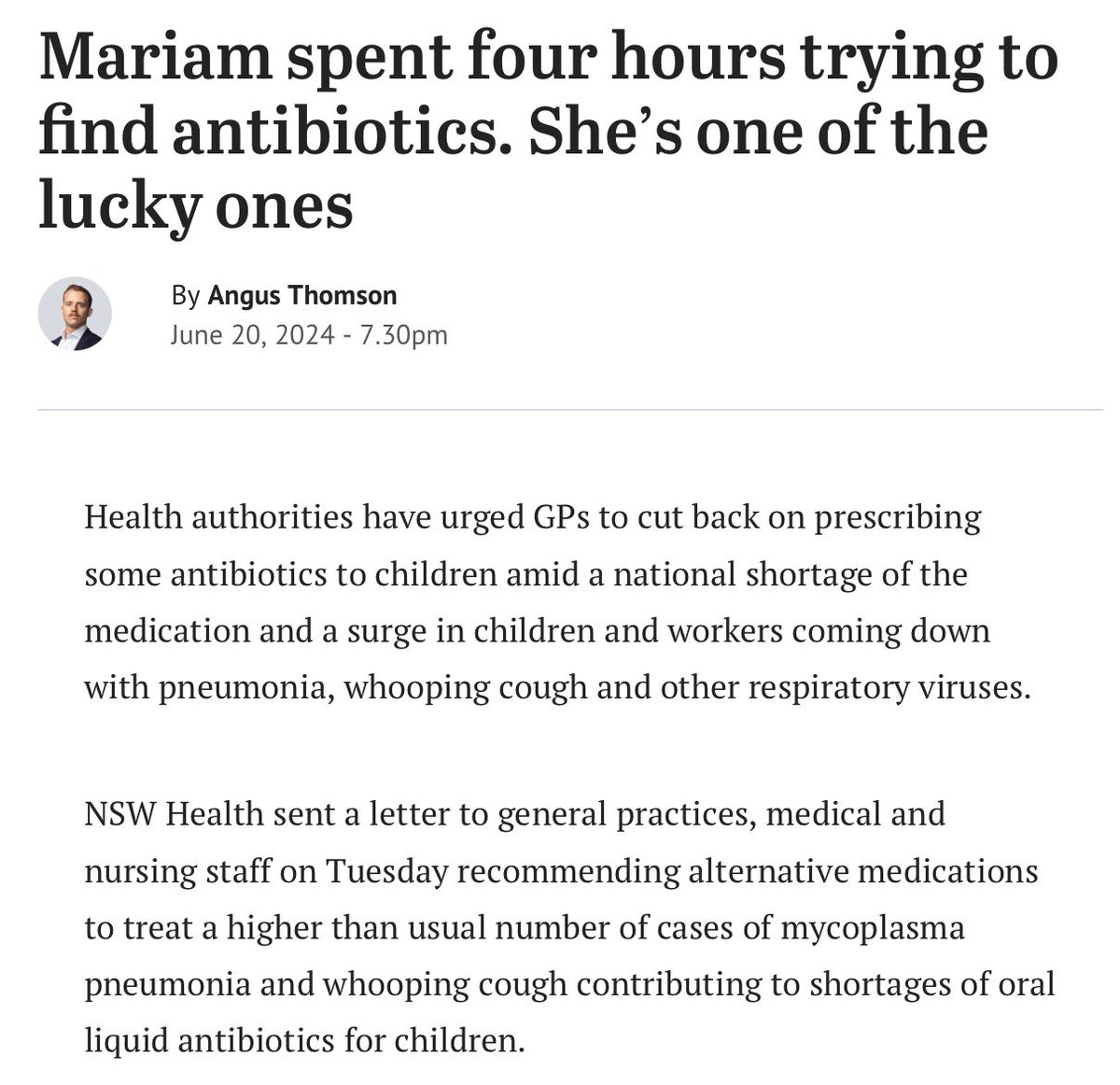
Watch as this unfolds. ‘See? We told you we need to be fracking for more gas.’ And ‘renewables can’t supply baseload power!’ They’ll turn the inaction THEY created into a reason for even more inaction. They will always win, at whatever cost. https://t.co/XZnSoAGRwy
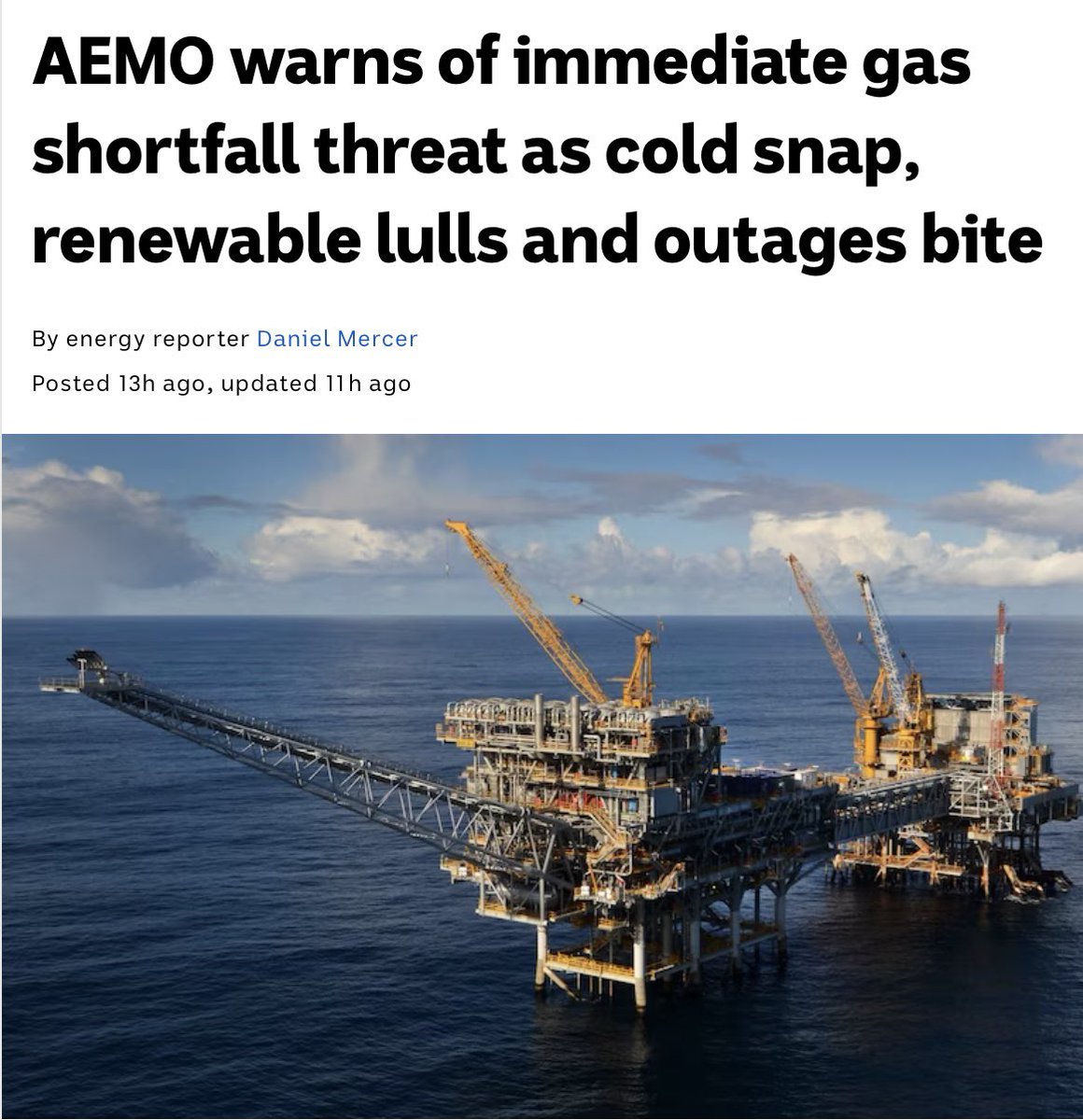
The snide anti-maskers might want to contemplate that now the masked are the only thing keeping society running. Covering the work of those who won’t do basic infection control. https://t.co/5MLBvckDlT
In strategic terms, it’s time to promote and celebrate wellness. Pleading with people to mask and take other precautions hasn’t worked. Humans work on status. Make it about status. Good health is a status. https://t.co/IMSjbTZtJw
Sick and carer’s leave is up between 50 and 60% in the past two months, in NSW. How’s that for ‘balancing’ an economy against Covid? They’re on the same side of the see-saw.
Kim WIlliams on @RNBreakfast this morning, arguing for the importance of reliable media-driven information in a society. Most will agree with him. Societies don't run on information. They run on status.
Person at work today. "We lost World War 1, right?" Societies don't run on information.
Remember when even footy codes cared about infectious diseases? Even now players can't share a drink bottle. https://t.co/hFNM8g1kQn https://t.co/Oozk2ZZlGk
People masking are a live experiment of what workplaces and society would be like, if we had clean air. Amazing the level of sickness we tolerate as normal. And how empowering it is to no longer be sick, for years at a time.
You don’t ’speak truth to power’. Power doesn’t care or listen. You speak truth INTO power. We already won against Covid. It’s the minimisers who lost. A message from Puss in Boots. /1 https://t.co/ZRxHhEwtWG
Pretty much all the narratives about doing more against Covid are reactive. They assume a loss, and plead for a win. But anybody who’s avoiding Covid ALREADY WON. Catching it is no victory at all. /2
Minimisers are positively aroused by narratives that plead for them to do differently. It’s a total victory for them, they’re being spoken to as if they have the power. They don’t. They’re losing every day, by allowing repeated infections. /3
Like Puss in Boots, we need to start speaking as if we’re already the winners. Because we are. Objectively, in reality. If you’re not being infected, you’re winning. You’re healthy, probably the healthiest you’ve been in your life. Nothing is infecting you. /4 https://t.co/tHrpj9YEJR
We would of course love for this to be a lot easier, by not having to do it all ourselves. To not need a triple century, because everybody else threw their wicket away. But if we hit that triple century, we still win. Even though it’s hard. /5
The strong have total belief in what they do. Even if they’re completely outnumbered. To them whether others figure out what needs doing is irrelevant. They just do the right thing. They follow reality. They don’t plead with others, as if those others define reality. /6
They create the reality they want to live in. They don’t give power to the others, by assuming right from the start that the others are the winners. This is what Puss in Boots is about. Not an analogy. It’s about power. How the strong think and act. /7 https://t.co/DfWSZG9DT5
Reframe this whole pandemic. The people who refused to ‘live with’ Covid are the winners. Every day. They’re like the skydivers who remembered their parachutes. The minimisers left theirs on the plane. /8
Speak truth INTO power. Reality is not defined by what minimisers are doing. It doesn’t care what they’re doing. Follow reality, and you win. Even if it’s hard work. Every day. Minimisers will join you eventually, because reality always wins. /9
Celebrate your new health, the best of your life. Make that the status that others have to emulate. Don’t be whiney, pleading for others to do the right thing. They think they win, that way. Be proud, make them resent what you have and they don’t. /10
All societies function via status. Not information or knowledge. Make good health the status thing. Not infection. That’s ridiculous, laughable. Imagine playing for that team. Hilarious. /end
We are already winning. The minimiser position is all bluff. Mock those who worship infection, because it’s truly the most laughable thing humans have ever done. Celebrate being the healthy. https://t.co/LnkWjTR3Ze
If you’re not questioning the existence of ‘the economy’, rather than just trying to re-purpose it, you’re living inside a fantasy. ‘The economy’ and its ‘market’ is just society stripped of government. Exactly why it was invented, as an idea. To replace public governance.
Bad people are always a minority. They win because they think and act like winners. They don’t plead for change, they act as if they are the change. What this means for Covid, and everything else. https://t.co/L11YhcuYXH
That situation where you’re in a group, and somebody offers you a swig out of the same drink. And you don’t really like the idea of getting half a mouthful of their spit, but it would violate the group dynamic not to. Sociality dissolves perception of risk. 1/4 https://t.co/FiKIffb9aJ
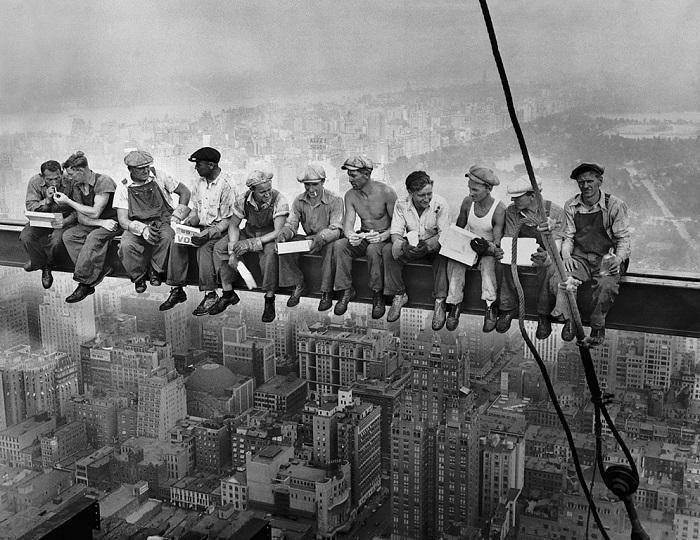
The reason humans invented public health was because we recognised that our most fundamental behaviour, our social DNA, is a pathogen’s best friend. Without public health, our sociality would drive us to an infectious-driven extinction. 2/4 https://t.co/e0eT2NqrCi
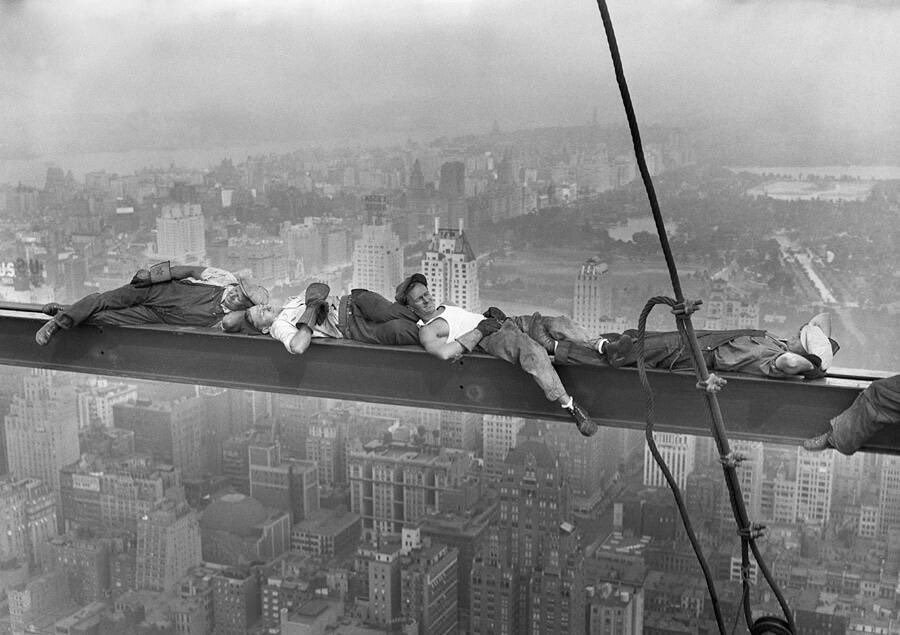
Also why WHS was developed, because without it workers would be killed in much higher numbers, with their social bonds overriding any proper risk management or safety. The idea that we are freer without regulation is a toxic myth. Regulation frees us from our social DNA. 3/4 https://t.co/Akcn6jos5o
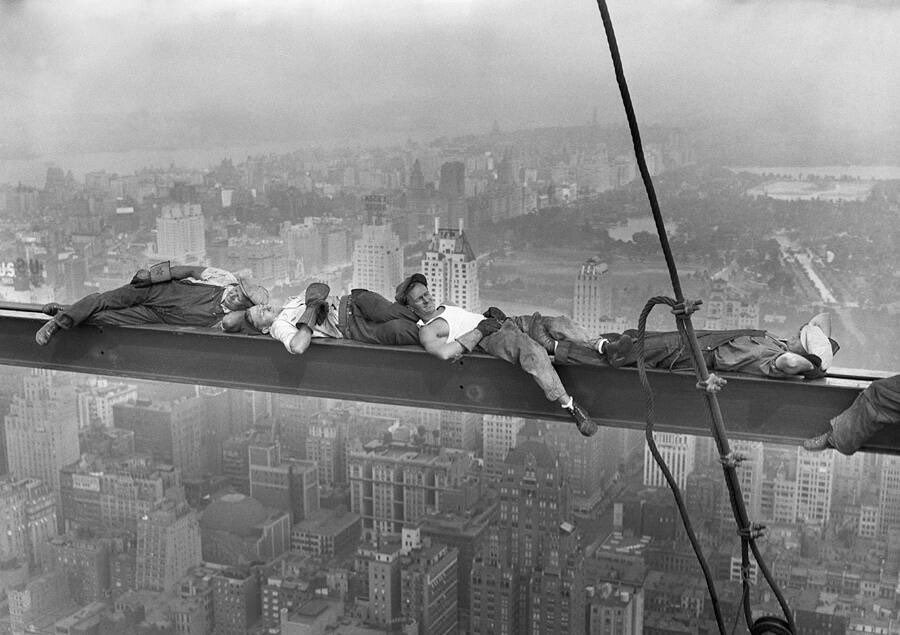
Frees us to be safe from the conformity of being risky. Without regulation, humans are bound, tighter than in any other way, by the oppressive sociality of our relationships. /end
What am I not seeing here? The maximum capacity the nuclear announcements this week could produce is 9.8 GW (1.4 GW for the APR1400, the biggest reactor mentioned, x7). The NEM is currently about 64 GW. Nearly 22 GW of that is coal plants, all going. /1 https://t.co/fLAEY6wu0f https://t.co/zohJGSX9b8
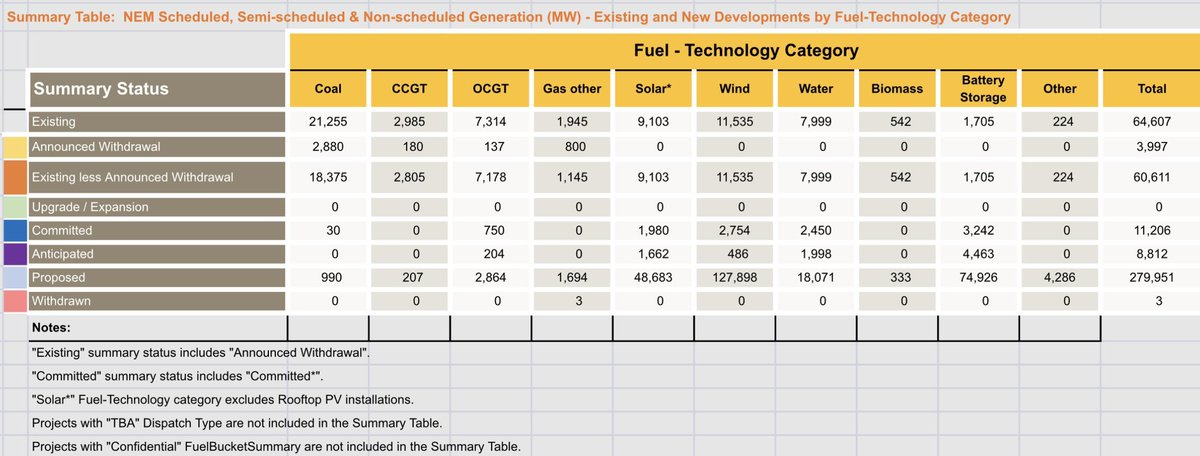
Or is the plan to have more than one reactor on each site? Couldn’t see anything in the blurb. Right now that means even if every one of the 7 was the maximum 1.4 GW model, the nuclear plants won’t cover even half of the retiring coal capacity. /2 https://t.co/JWMOkRrbyy
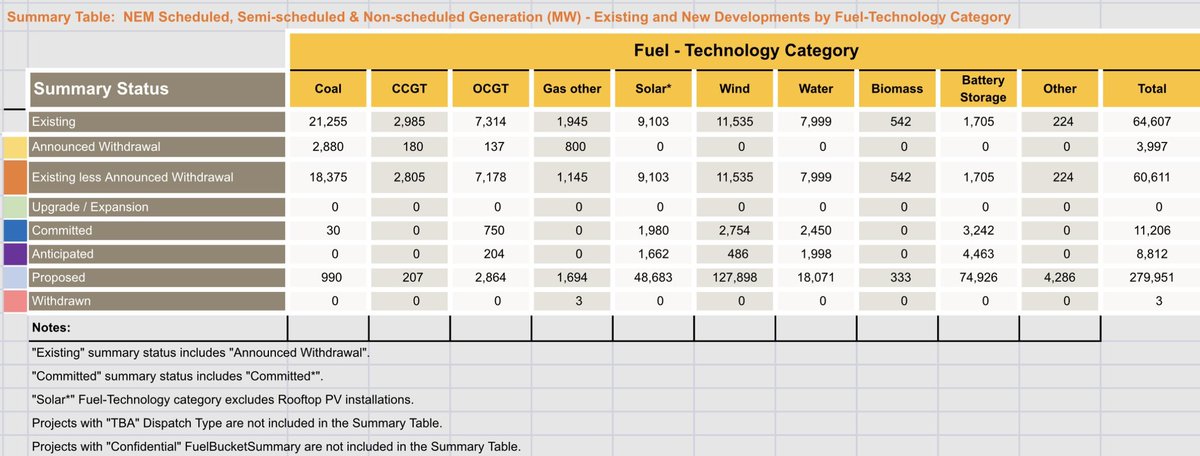
The proposed nuclear capacity will be barely 15% of the current total generation capacity. And that doesn’t take into consideration the nearly 280 GW of new renewables and gas capacity to come. With that, the proposed nuclear capacity is barely 3% of the future total. /3 https://t.co/6NBKwgRueQ
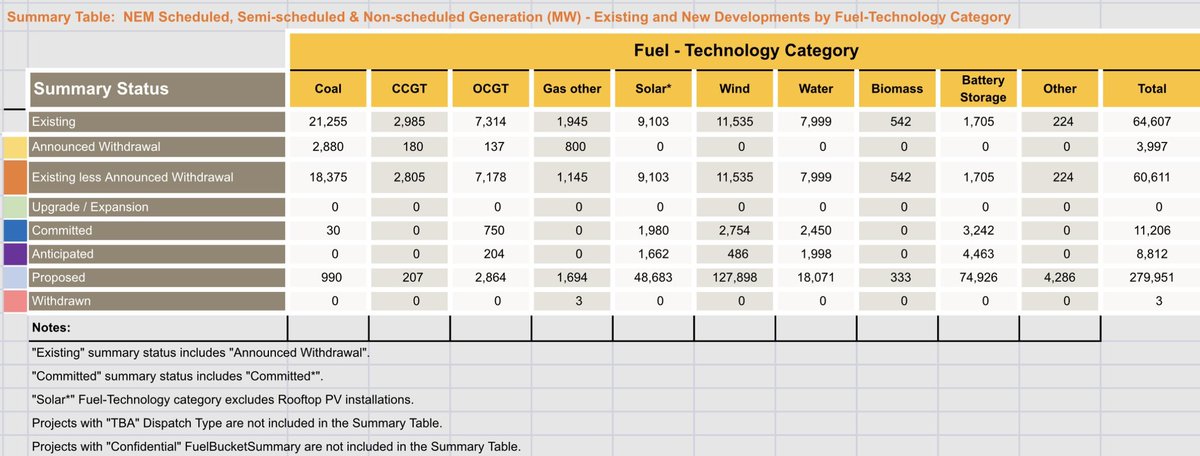
Am I not seeing something obvious (quite possible)? Or is there more than one reactor planned on each site? @MarkOgge ? @simonahac ? /end https://t.co/bhRUnc7u4p
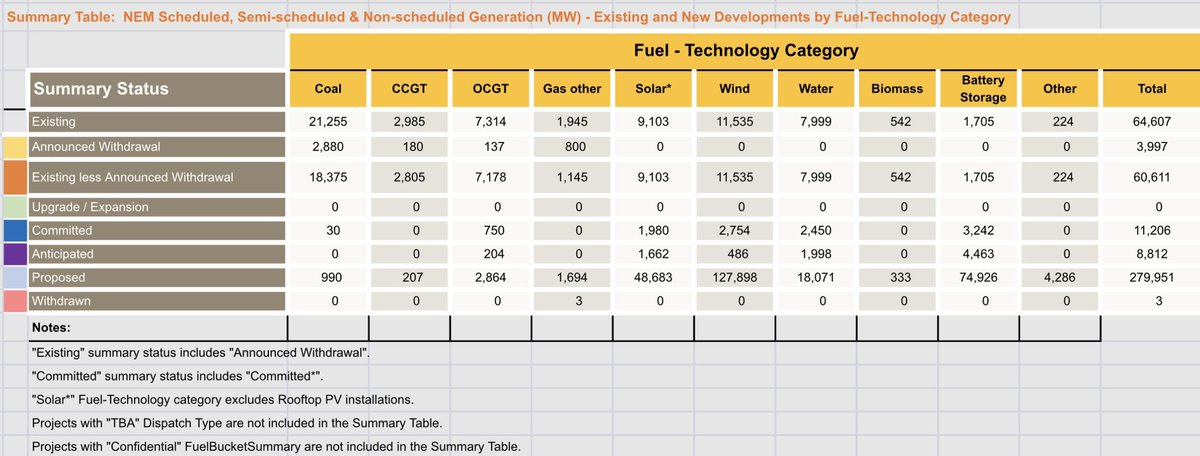
Summarises everything that makes Australian nuclear a total fantasy. A world where the most popular politician once advised rinsing lungs with disinfectant, to kill Covid. We’re not seeing that popularity (electoral) politics is the problem. https://t.co/Xky5udi1BN
Electoral politics could be summarised right now as us choosing the most popular of several pathways to human extinction. Populists have convinced us all that elections ARE democracy. They’re really not, they’re the destruction of it. https://t.co/GVAykE2Jiz
It’s absolutely clear what’s going on here. It’s The Voice Mk 2. Senior LNP politicians have even said it. A stunt designed to create a massive shift in voting intention, in a short time. The most important question here is the one we’re not asking. WHY does this work? /1 https://t.co/t472O587WF
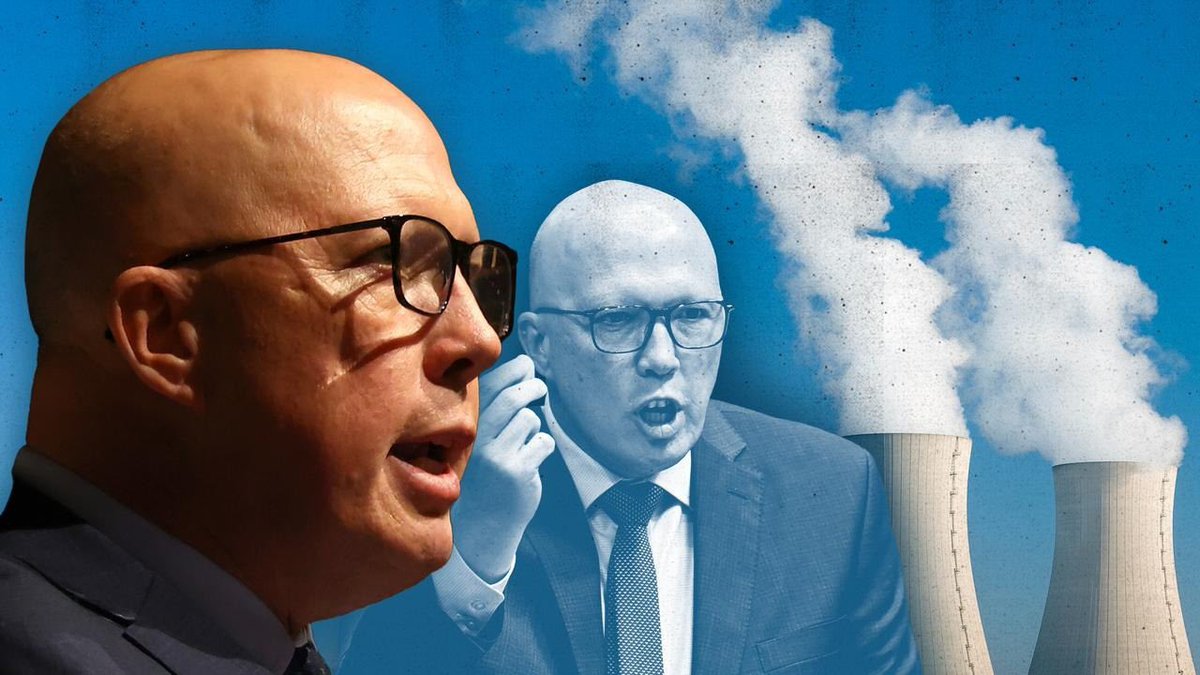
We don’t know yet that it will, for Dutton. But the fact he’s trying reveals that they know the strategy can work. The strategy relies upon the TOTAL disconnect between reality and politics. THAT’S WHAT POPULISM IS. /2
What I Tweet about. How our entire culture runs on popularity now, as a giant high school. Literally, not by analogy. High schools created and extended this culture, across all adult life. Social media dramatically accelerated this shift. The economy of likes. Popularity. /3
The spoils of this game are ultimate power. We set up a mechanism that made the doorway to power the winning of popularity contests. Elections. All of these factors are combining to create social collapse. Dutton doesn’t care he’s trashing Australia’s future. /4
Nothing can get in the way of winning an election. Of winning at the team sports. And once you win, it, what happens then? Nothing. Everything gears up to…winning the NEXT election. It’s a self-referential dumb lethal loop. Nothing but endless popularity. /5
Was just watching Yanis Varoufakis on UK TV talking about the ongoing ‘rise of the Right’ in Europe. As if those idiot political categories mean anything. It’s the rise of populism. All of history and politics is the battle against populism. The SOCIAL dynamic of culture. /6
Whether it’s parenting kids or running a business or country, the *entire* job has always been to do what’s needed and right, and not what’s popular. Those who follow me know that I often reference research that shows all that breaks us out of this bubble. /7
Catastrophe. Natural disasters, world wars. Nothing else breaks the team sports of our social behaviours. Watch European news right now. The continent is in desperate trouble. And what’s the focus? /8
Euro 2024. The soccer tournament. Team sports. Populism turns everything into a soccer tournament. Questions of energy, immigration, climate change, infectious disease. All of it. Elections were an absolute gift to this social mechanism. /end
#Insiders using ‘baseload’ to mean a base level of supply. It’s not that, it’s s base level of demand. That’s what ‘load’ means. Below that level, the grid becomes unstable. An artefact of big dumb generator technologies.
Ted O’Brien on #Insiders arguing for a ‘balanced’ mix of prohibitively expensive and ridiculously cheap technologies, as far superior to a mix of only ridiculously cheap technologies.
Ask Ted #Insiders which nuclear power plants have lasted 80-100 years, or are even projected to.
A penny for @TurnbullMalcolm’s thoughts watching the Ted O’Brien train wreck on #Insiders this morning.
Nuclear power plants are no advance on the hopeless efficiency of coal plants. About two-thirds of the heat goes straight out the cooling tower into the air. The same for ICE vs EV vehicles. Fossil and nuclear fuel technology waste most of the energy they produce. https://t.co/P5W8xLaBG4
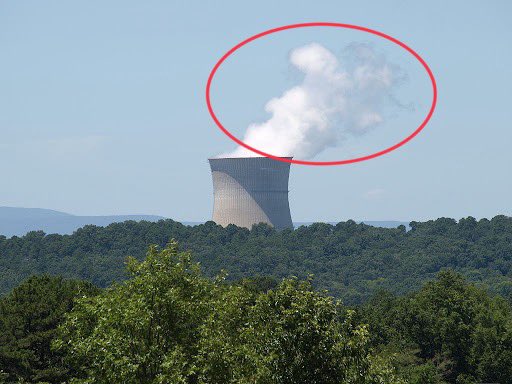
Not only possible. Necessary. Reality has costs, you can’t just choose whatever option suits your lifestyle best. https://t.co/MSrijuwfaz
Remembering that Simpsons episode where the ‘voice of the people’ was allowed to replace experts in the car factory, and the car factory went bankrupt. https://t.co/X0slAJE7Pb
Breathe your best air. There’s a vision for the 21st century. h/t @YouAreLobbyLud https://t.co/BBqrO35iOp
But they don’t stand together. Because groups of people never self-organise. They are led. 5% lead the 95%. It’s belief in ‘the people’ that makes progressive politics lose, over and over again. https://t.co/YsJTadkma4
Peter Dutton is looking for a chain reaction. But not a nuclear one. An electoral one, like he got for The Voice. The latest polling from resolve suggests ‘the people’ see through it, they hate nuclear. But like I always say, people act socially. They follow a team. /1 #auspol https://t.co/M3bedaooRV
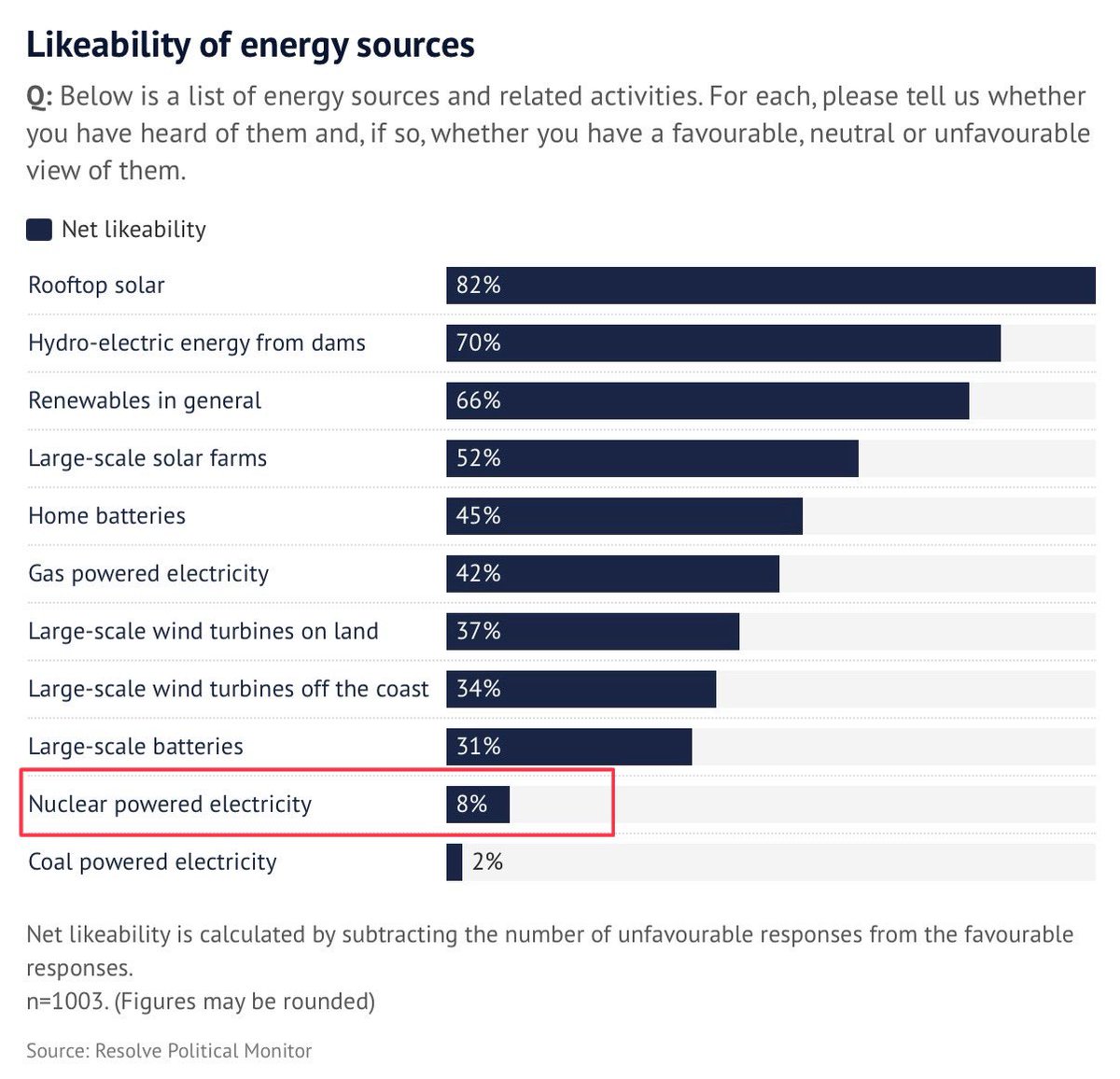
When you add the teams in? Suddenly big support for nukes! Quelle surprise. How much leverage did facts have against climate denialists, for the past 30 years? Or against Covid deniers? And here we are heading down the same road, with nuclear power. /2 https://t.co/LVK77miF6x
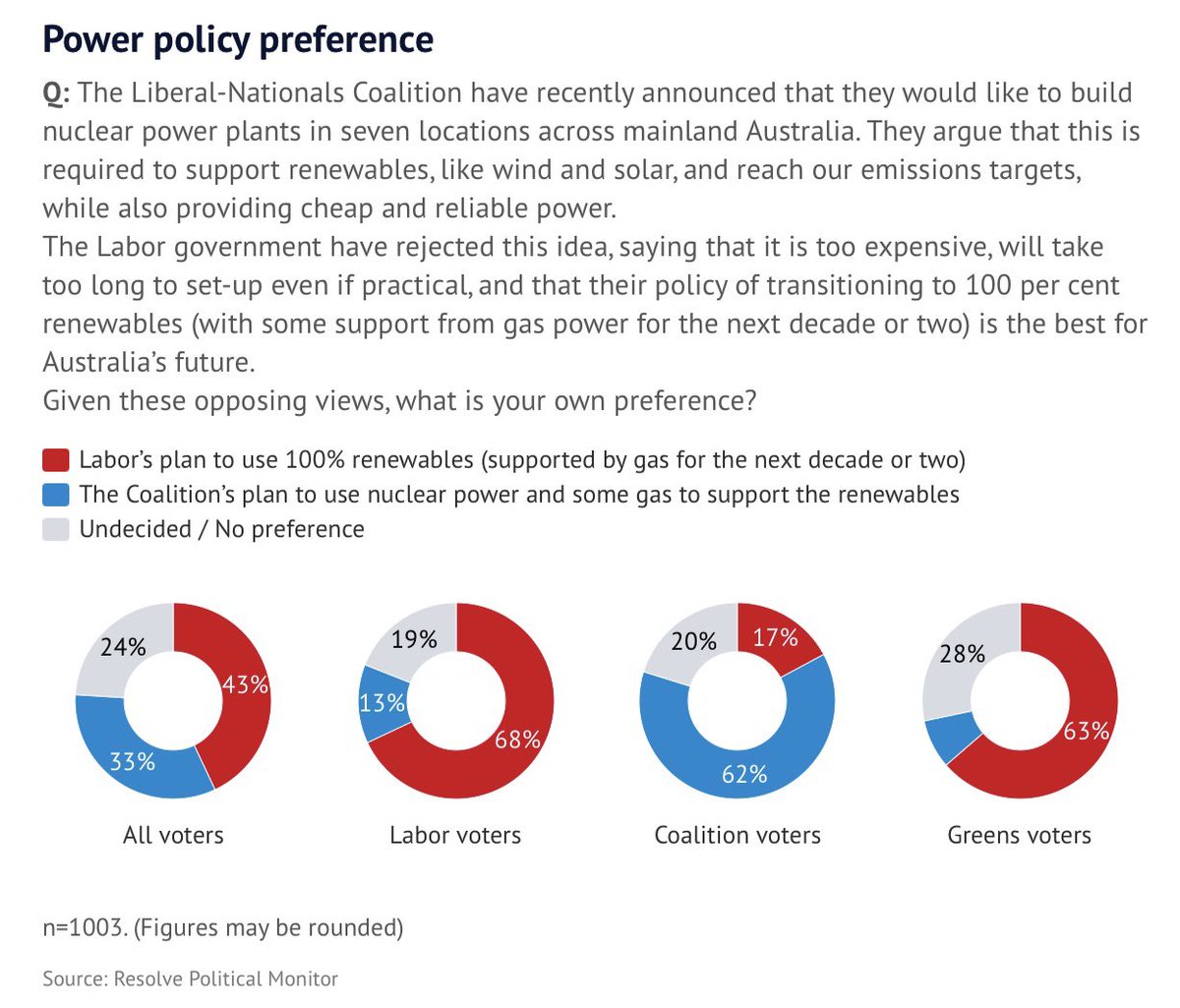
Facts flying in abundance, and counter-facts. Flooding the zone with shit at work, again. Societies don’t run on information. They run on status. People form teams and back their team in status games. In sport, in politics, in business. At school. Everywhere. /3
Dutton knows this. He’s doing with nuclear what worked for him with The Voice. He’s picking a fight. Because he knows fights generate teams, and energise the apathetic to take an interest in things they previously paid no attention to at all. /4
Suddenly everybody is an expert on climate, Covid, and now nuclear. Things that in my youth we left to experts to deal with, and got on with our happy and healthy lives. Until GOP attack politics arrived in Australia. /5
Transforming our most basic social operating system into ‘debates’. All designed to strip away existing hierarchies of expertise, to destroy trust in those hierarchies. And then vacuuming up the newly untrusting behind a populist Great Leader. Works every time. /6
It’s exhausting to now have to engage millions of people with not one idea what they’re talking about in getting even the most basic social infrastructure built. That was the plan. To disrupt, to obstruct. By pretending that’s ‘democracy’. Letting ‘the people’ run things. /7
We live in a representative democracy. It’s designed to NOT require the people to do much at all, except vote. To delegate the work of running the country, to others whose job that becomes. Not any more. With social media now we have social dysautonomia. /8
We’re trying to do our own social heart rate and breathing and blood pressure. We’re letting the passengers fly the plane. It’s just populism. Running a country using popularity as the only metric. Anything can be made popular, it’s just marketing. /9
And it taps into how humans ACTUALLY behave. Dutton knows this. If he destroys trust in the existing hierarchies, like the CSIRO, his flock will follow him off the edge of a cliff. Because they’ll always back their team. /end (Polling from SMH)
He was masterful. I’m so over the pile-on, on Speers. Just more team sports, because he used to be on a team people don’t like. While on that team he was famous for being ‘unpickable’, as to which side he personally supports. https://t.co/Q7XeStLDpY
I love when minimisers say 'nobody is talking about Covid any more'. Like everybody has changed to a different style of coat, or shoes. Reality cares diddly squat for what's trending in our adolescent culture. What we deem worthy of our attention. https://t.co/AxjbmoyRpU
One of the founding myths of our time. Hilariously developed by a social group with vast inherited wealth, for which they never work a day in their life. https://t.co/QpLYbODH9i
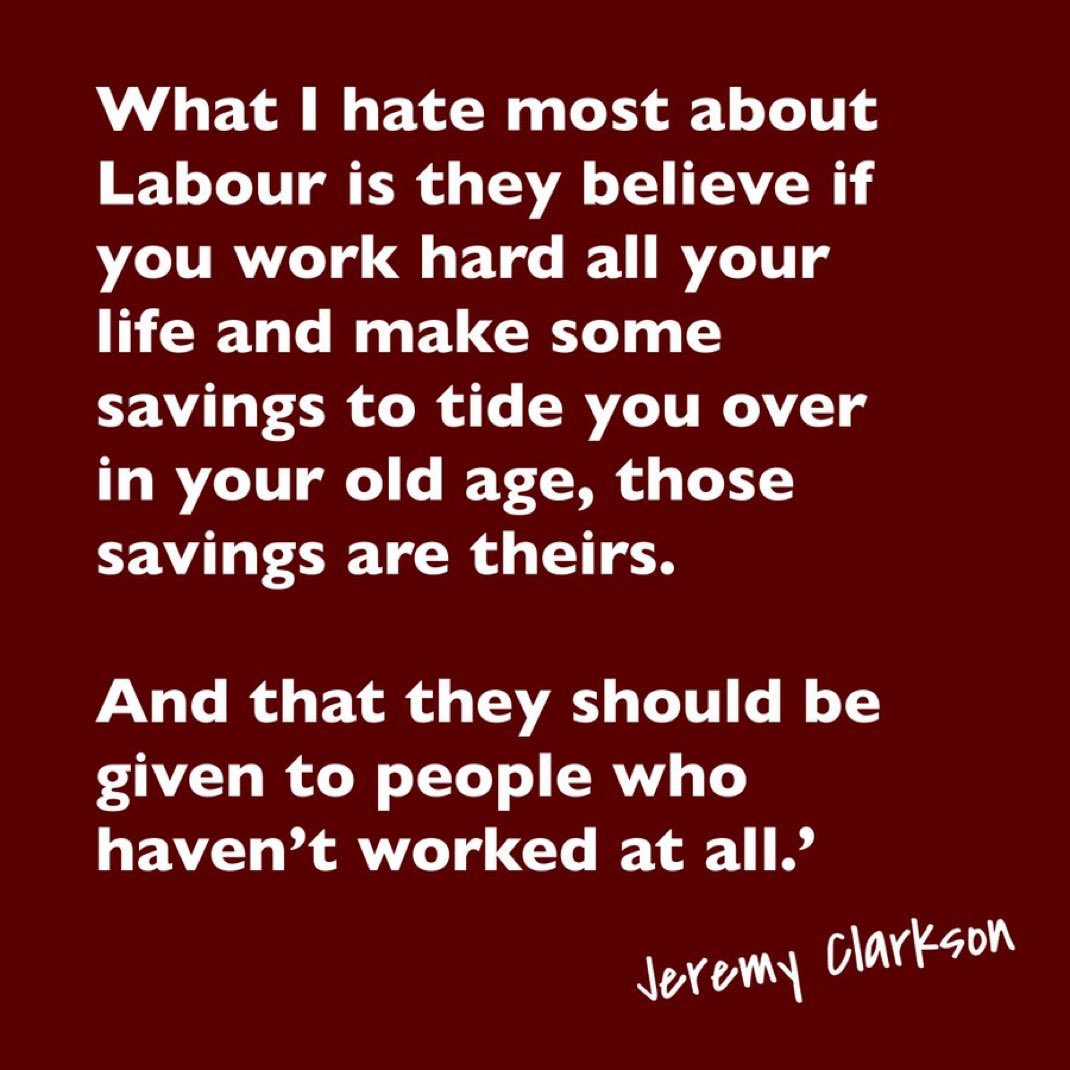
Notice the whole country is talking about nuclear? That was the point. The more outrageously stupid the idea is, the more it gets airtime. It’s sucked the oxygen out of every other public issue. A marginal Opposition with no polices now owns the election narrative.
THE critical thing, for control of Covid. Because it shows that Covid is not some universal house guest that requires the shutting down of society. It’s concentrated in a TINY number of hubs, where it can be easily controlled. Mostly, schools. Already deficient in air quality. https://t.co/D3IroGYkQB
Saul Griffith gave governments not just a renewable energy strategy, when he said target households. He gave them a winning political strategy. They’re too stupid to listen, too entrenched with the status quo interests in big generation and distribution. And there’s more. /1 https://t.co/dRZrQfcYa7
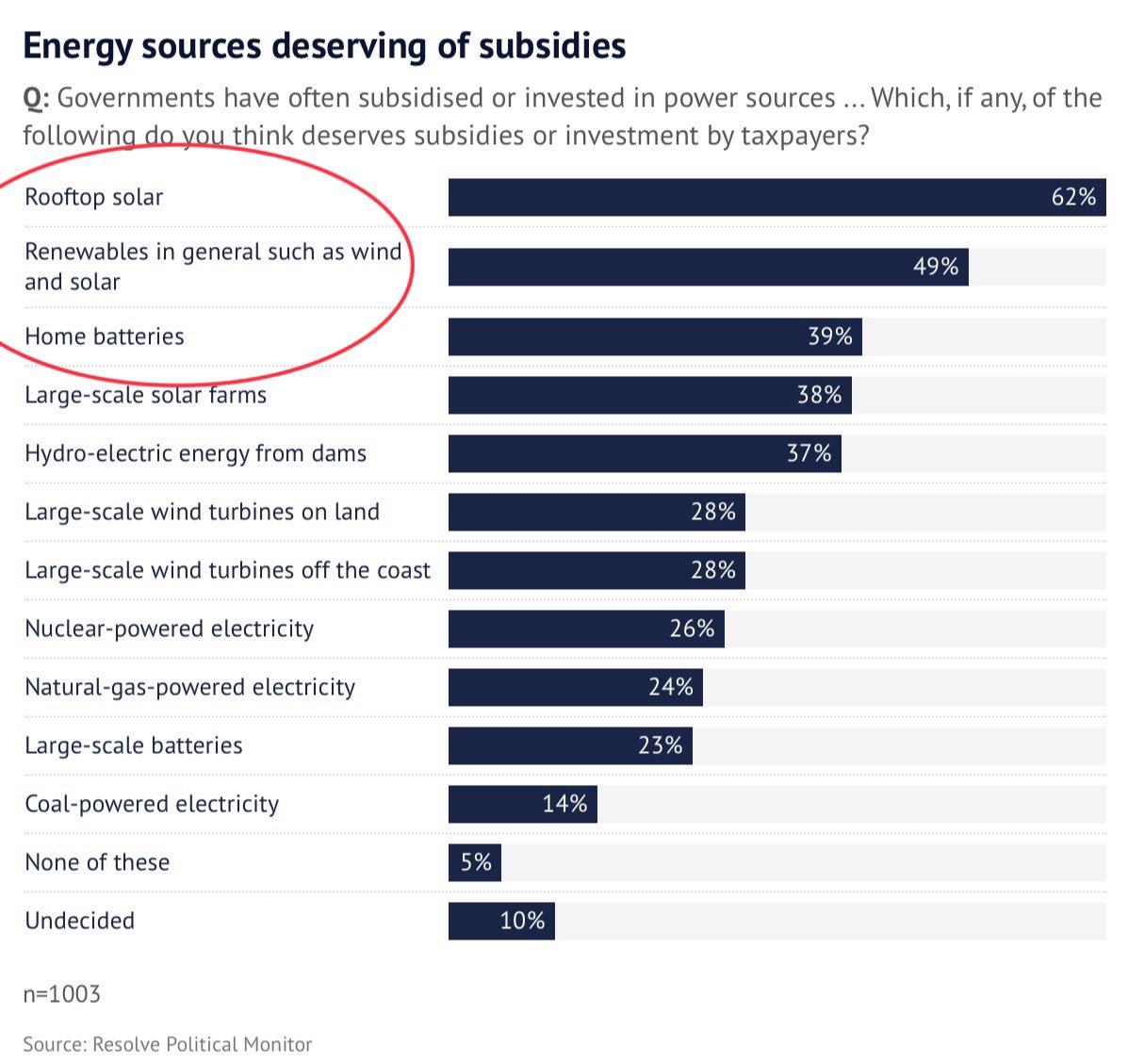
Because this is just another example of how we misunderstand how societies actually work. They’re *networked*. Power systems even use the word, explicitly. And a network is nothing like our usual model of society, of some amorphous mass called ‘the people’. /2 https://t.co/VmNE2NUWea
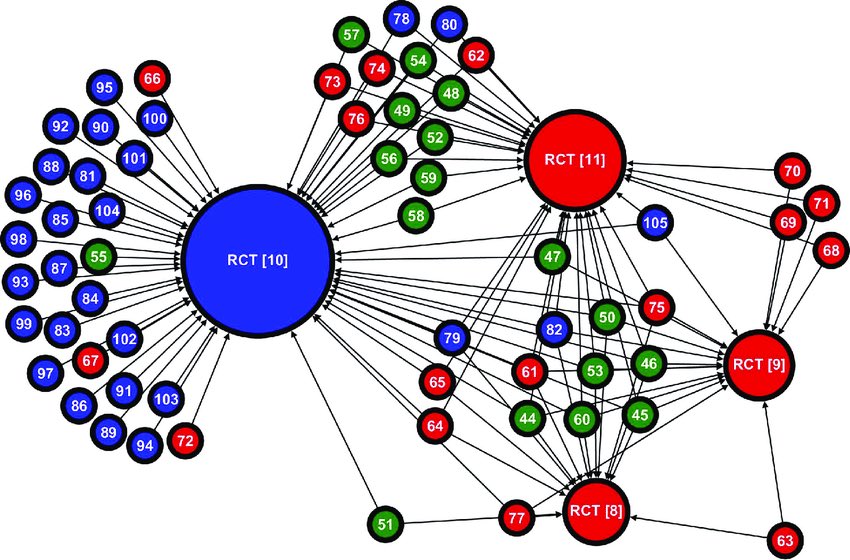
When I had solar installed, I didn’t free myself some tiny % from dependence on centralised generation and distribution. For much of the year now, that dependence is near ZERO. Not because I went ‘off-grid’. But because the system meets most of our energy needs. /3
I don’t want to go off-grid, none of those stupid binaries. The grid is a vital collective tool. But it took 2 days for the installers to dramatically shift the relationship wth the grid, hugely in our favour. Now it works for us. And it pays us. /4
And at the same time, we’ve taken load off it. The load ridiculous political debates about big dinosaur centralised generators never shuts up about. Targeting households fixes local AND global problems. It makes that distinction mostly meaningless. /5
Networks make all local actions global, and vice versa. Or more accurately, they render that distinction meaningless. Just as one person wearing a mask ‘locally’ can prevent thousands of other infections ‘globally’. /6
Or ventilating schools ‘locally’ can prevent Covid spreading everywhere, ‘globally’. Networks pay no attention to our usual distinctions. Society is not amorphous millions of people, who all have to be ‘mobilised’ before global outcomes can be achieved. /7
It’s networked, it’s lumpy. Every node on that network, you and me, has global impacts with what we do, the more so the more networked it gets. The tiniest actions have vast impacts. Mask-wearers are keeping society afloat right now, even though they’re the tiniest minority. /8
One person can infect thousands of others. Preventing spread from just one person can prevent an entire epidemic wave. And this makes the ‘household’ the centre of society. Not business, as economy politics likes to think. /9
The whole concept of the economy came from the household, in ancient Greece. Society is not made of millions of individual households and businesses, added together in millions of tiny blocks. Like Lego. Every household is networked to all of society, with global impact. /10
A ‘healthy economy’ is healthy households. Financially, and in the public health sense. What we call ‘business’ arose from and remains a ‘service industry’, TO HOUSEHOLDS. ‘The economy’ has this all backwards. Making the service industry the centre. /11
Not coincidentally the household is also ‘home’, that concept I say travel culture doesn’t understand. Western economic cultures have no idea about place, about home. Because they came from empires, that accumulated places as resources. Travel is just the latest variant. /12
We need to target households, because that IS our society. Locally *and* globally. Networking topology makes those equivalent, not micro and macro. For energy. For infectious disease. For financial stability, as we discovered in the GFC. For everything. /13
Take aways business, and households remain. Take away households, and what remains? Nothing. ‘Business’ is a fake category. It’s nothing but services for households. They need to be placed at the centre of societies again. /14
It will address their ‘cost of living’, win populist dimwits lots of votes, and fix most of our energy, infectious disease and other problems. Most people catch Covid at home (a hub). From schools (more hubs). From networks. /end
Anthony Albanese can say, ‘do you want to wait 15-20 years for a nuclear fantasy that won’t happen, that we’ll need to mortgage the country to afford, or do you want us to help you make your household all-electric TODAY, to drive your cost of living down, TODAY?’ #auspol
This graph is the ALP’s pathway to complete obliteration of the nuclear fantasy. https://t.co/Rqb5JMy7x2
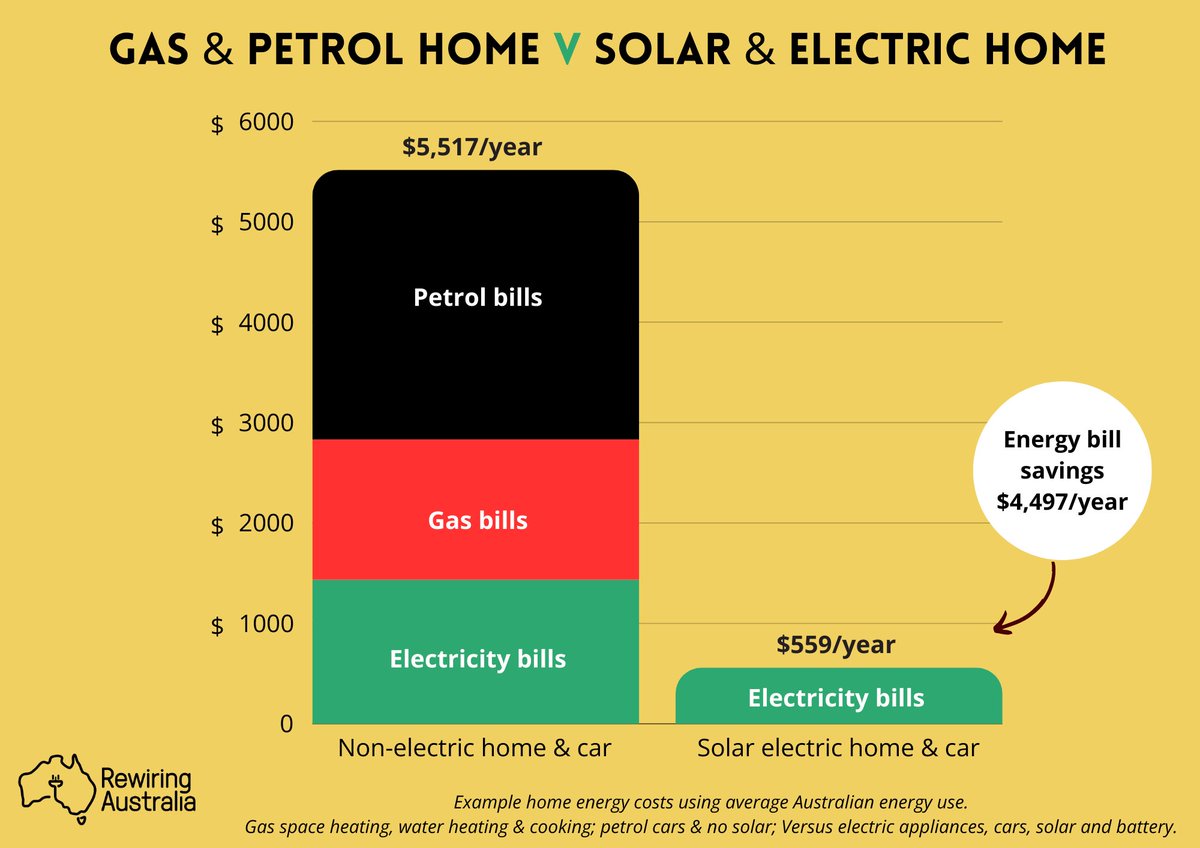
I bought one of these (Xiaomi Pro H) over 3 years ago, to have in my office space at work. It's never registered the need for a filter replacement. Checking, it's still at nearly 50%, after 3 years. My wife uses one in a classroom, a larger space, and has similar performance. https://t.co/uyibwiZTjb
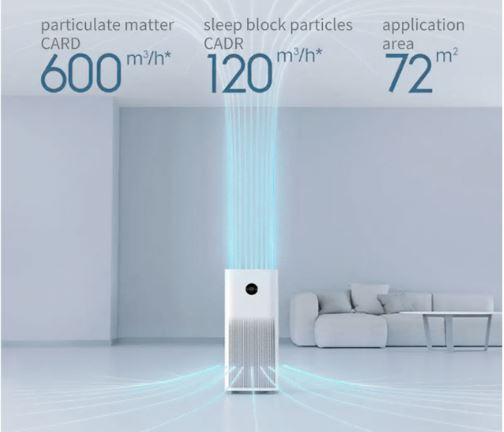
As context, I use mine only in a smaller space (cubicle), and don't run it at full speed (I use low, or medium at most). I'm told running these units for prolonged times at high speed can cause them to fail, but for my space low to medium is fine.
Also the countries that have nuclear built it before they had cheap renewables available. They wouldn't do it again now, most are already switching. And we have no right to commit future generations to waste management, for tens of thousands of years into the future. https://t.co/pRAbIX6cK7
A casualty of America's lack of a conception of a public sphere, is the continuous assault on other countries by get-rich-quick entrepreneurial inventions. At home designed to fulfil the American Dream (of liberation from public squalor). Abroad destructive of civic society. https://t.co/lo4dFZeG4d
I don’t think it’s unreasonable to ask what the projected timeframe is for the fabled hybrid immunity. https://t.co/GXYNStC6nX
Infected co-worker returns to work today, because they’re ’symptom-free’, and ‘we’re following the official NSW Health advice’. Has been away less than a week. The workplace is near empty because of illness. Should mop up what’s left of the still-standing.
Every country making actual progress with renewables and EVs is becoming more ‘authoritarian’, just like the dreaded Chinese. Their patience with the idiot idea that great public policy comes from distilling bullshit from millions of people on social media has now run out. https://t.co/bW9iblNyvX
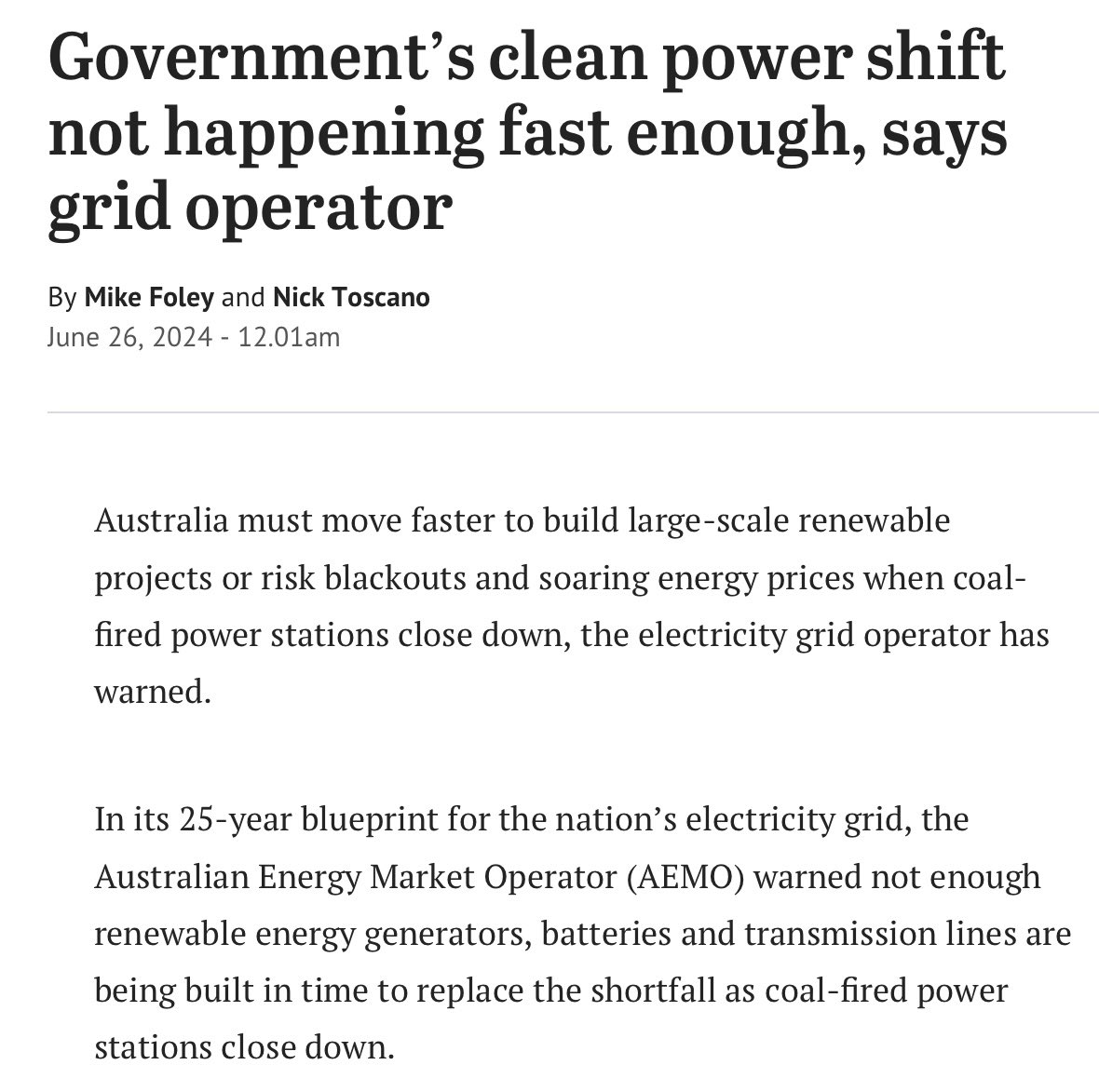
One of the most popular groups running for local government in my area openly describes Aboriginal Australians as primitives, who were ripe for colonisation. It was only WW1 and 2 that suppressed the dumb, violent get-rich-quick settler culture in Australia. It’s now back.
The UK and the US missed the hybrid immunity landing for the maybe 15th time, and are coming around again for another attempt. https://t.co/xa4QaoohBG
It’s time we started thinking of living things as machines. Machines are what Western cultures see as their vast superiority over all previous or co-existing cultures. How many of our glorious machines rival the complexity of any of these extinct species? Not a single one. https://t.co/bskbBE4QvR
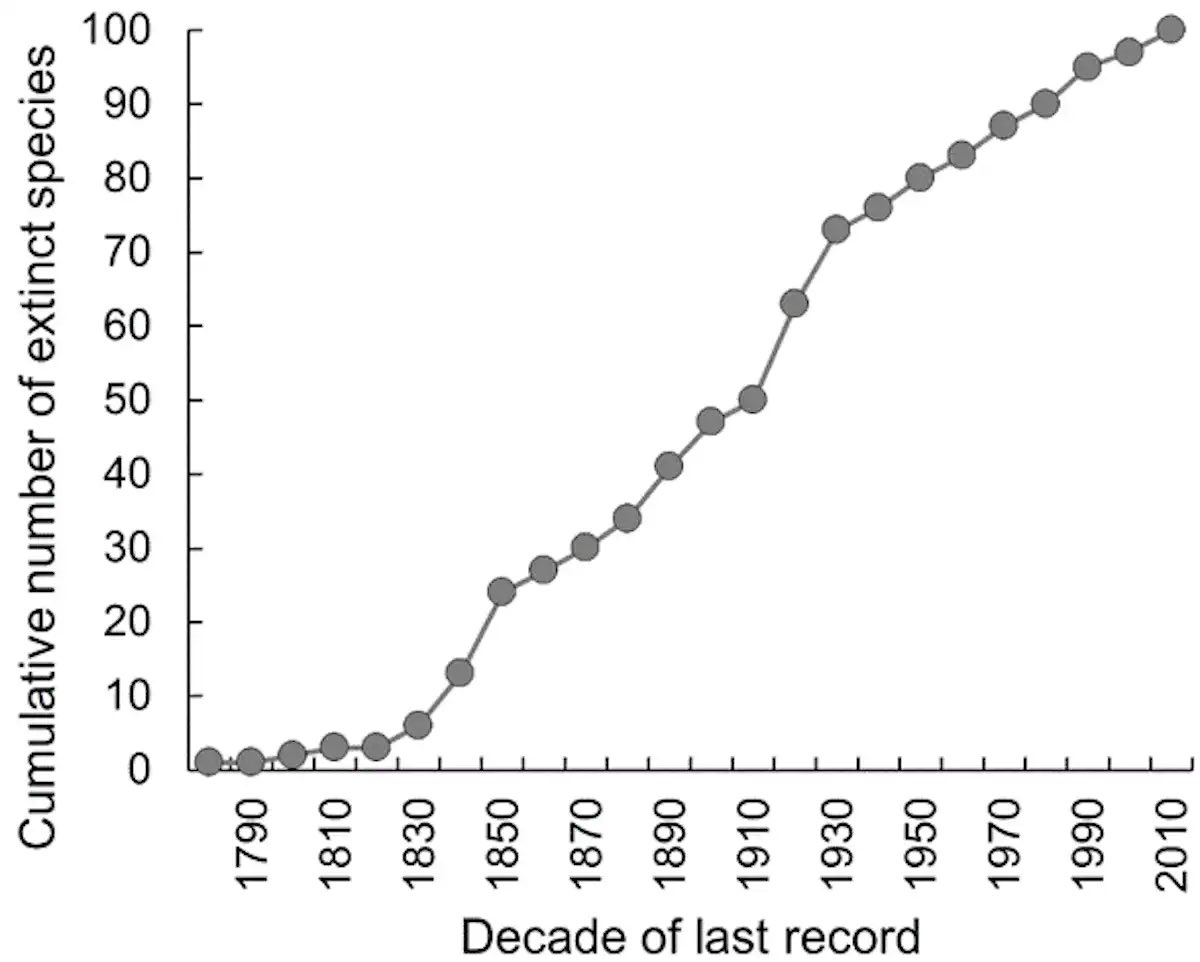
The person who normally sits to one side of me at work has Covid. The person who normally sits on the other has mycoplasma pneumonia. I'm sure this is how life was, pre-pandemic. In somebody's fevered imagination anyway.
National cabinets around the world had the graph upside down maybe. https://t.co/4hFtqaC2bD
My mum, the 80-year-old who got her first Covid infection courtesy of a NSW Health hospital, shared a story today. She went to have coffee with friends. 1/3
The friends have all recently been sick multiple times, all of similar age. Some are ex-nurses. One said to my mum 'you know there's something not right about all this sickness. I think it's Covid.' 2/3
The penny is dropping for some at least. /end
Anybody who tells you they know the long-term impact of Covid infection is lying. There’s not a chronic disease with infectious origin where the pathogen was suspected at the time. Some of those are our greatest killers. https://t.co/QS0OAXbjBH
I am glad Assange is free. But I’m ambivalent about the idea that WikiLeaks was ever really journalism. Information is not journalism. In many ways WikiLeaks shared the modern obsession with conspiracy and debunking.
The ALP is asleep here. GO HOUSEHOLDS. The LNP is circling to take that space now. Leaving the ALP with stalled big renewables and transmission line upgrade delays, while the LNP looks like the only household friend. https://t.co/12CdHey7LG
The other side of this picture is the astronomical amount of wasted time government officials have to spend satisfying the conspiratorial fantasies of many FOI requests. And many are never satisfied. It's a libertarian attack strategy, to bombard departments with FOIs. https://t.co/pswCoWoNWr
Poorly ventilated loud spaces = schools. https://t.co/Mtkv5ixBMb
Are PPE or other Covid mitigations tax deductible in any way?
It's quite legitimate to consider societies as engineering problems. More so in fact than as economic problems. How pilot-induced oscillations in flight have lessons for a pandemic. h/t to @YouAreLobbyLud for a conversation that made me think about this. /1 https://t.co/kyvUJdLvkE
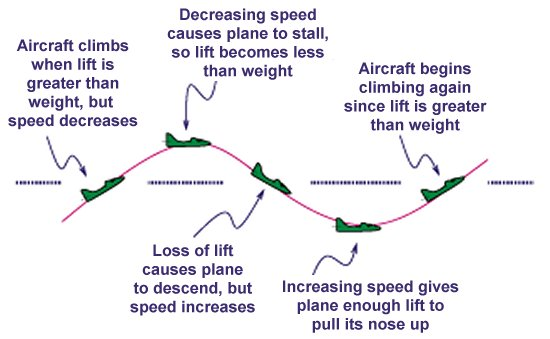
Pilot-induced oscillations are when a plane ends up flying in a 'porpoising' way, as in the diagram. Up and down in repeated waves, like a porpoise swimming. More generally called aircraft-pilot coupling. Because the cause is the 'coupling' of aircraft and pilot response. /2 https://t.co/8Z3szcxDPg
Most simply, a lag in the pilot's response, leading to an over-correction for deviations from the desired level of flight, in turn driving the next deviation, etc. The important thing here is the coupling. The relationship between plane and pilot, which creates the 'wave'. /3 https://t.co/aDMBgum7Fa
There are a variety of things which can create that coupling, not all pilot-induced. But the wider importance of this for a pandemic is the concept of coupling between individual and environment. Creating feedback loops. /4 https://t.co/zzriNQRKjC
I'm sure the shape of porpoising will remind many of the shape of an epidemic/pandemic curve of infections/hospitalisations. 'Waves'. That's not an analogy I don't think. Both are dynamic system phenomena. Coupling. /5 https://t.co/6UPXyGiQ5j
Earlier in the pandemic some noted a bit how this works. As cases rise, individuals respond to the increasing infection they see around them, by reducing their risky behaviour. Then as infections drop, they do the opposite. They take on risky behaviours. /6
In both cases there's significant lag between the outcomes they're seeing (infections, or plane rising or dipping, in flying), and their individual input. Which is why you get this perpetuating wavy outcome. Only intervention will stop it. /7
Regulation. Also an engineering term, to regulate the flow or input or whatever, of something. Again, this isn't just an analogy. Human societies regulate for the same reason. Not to oppress or restrict (libertarian fantasies), but to create social 'level flight'. /8
To dampen the oscillation. This is the incredibly frustrating thing about being stuck in a widespread culture of libertarian politics. That attacks the regulatory mechanisms which create open, free and stable societies. Safe, level flight. /9
Adolescent cultures that see all regulation as restriction. Like being grounded, as a teenager. Regulation enables, it opens up societies to greater freedom. By freeing them from destructive oscillations. /10
The economy is the same. Endless cycles of boom and bust. Because we refuse to regulate. It's an engineering problem, not an economic one. Without regulation, our social plane just keeps crazily flying up and down. /11
We're coupled to our collective infrastructure and lives. We're not separate 'free' agents. That coupling needs to be regulated, to be dampened. To create social level flight. In infectious disease, in economic activity. Everything. /12
Humans acting collectively are physical agents, in that engineering sense. Regulation regulates the physical flows of energy, pathogens, water, food, etc. Economics and its libertarian market fantasies are a terrible guide for societies. /13
It's why and others have said since the beginning of this pandemic - LET THE ENGINEERS FINISH IT FOR US. Not the economists. Definitely not the politicians. They will generate endless waves of rising and dipping 'trending' enthusiasms. And deaths. /end
One of the bizarre things about modern life is how we allow society to be described purely in the terms of one discipline only. Economics. ‘The economy’ is a construct. Not an underlying reality. There are many human disciplines that can describe social life better. https://t.co/ASDfmywLpS
This is populism, not democracy. ‘Majority wins’. Democracy is government for all, including minorities. https://t.co/ZuZWweCNGg
Those who masked and cleaned air and took other precautions are now finding reality come to them. For a while minimisers could mock precautions, in a social non-conformity way. Now they’re sick. Always. And the cautious aren’t. Reality always outlasts teams sports debates.
No human debate determines outcomes in life. Winning debates is irrelevant. Reality ALWAYS determines outcomes. Follow reality, and wait calmly for it to take out those who don’t. Who cares what others think? It’s irrelevant to how it all ends. https://t.co/ZCYR4xyX8n https://t.co/SM7j1paBwo
Every essential decision bogged down in social media-driven adolescent whining about freedom and identity. Governments now forced to act. What’s at stake is infinitely more dangerous than any war. They need to act as if we’re at war. Because we are. https://t.co/BLVtMLUqtg https://t.co/IsEr8Z2e5Q
One of the great Covid minimising tropes was how ‘lonely’ people get if they’re not allowed to mix socially. Our culture is always in plain sight. Sociality is our default. Being alone is the reality of all life. Even when being social. There is no group mind. /1 https://t.co/XOd042zvFZ
We love occasions like this, and why not. They are lovely, and fun. But they’re not our true default. As Proust analysed in his great novel, social behaviour in situations like this is all about emitting ‘signs’. Imitating and negotiating. /2 https://t.co/gTPr3rsFki
Managing your position in a group, your social status. Polite smiles and laughs at other’s stories, so you then have permission to talk about yourself too. Often hard topics are deliberately excluded. Anything that might threaten group cohesion. Politics. Religion. Covid. /3 https://t.co/3IwgV0adJi
This is humanity’s greatest desire, to be social. It would rather deliberately infect itself with novel viruses, than sacrifice social life. But that’s not quite how it works. Beneath the veneer of smiles, this is brutal. The constant battle for status. /4 https://t.co/46IZiGCjTr
Proust of course went on to show how experiences such as love are much more profound both in terms of access to deeper realities, and for personal development. Things that fundamentally challenge sociality. /5
Disasters or catastrophes, that’s all that ever fractures this status game. Collectively that can be wars or plagues or other natural disasters. Individually it can be a broken heart. That forces us to think differently at least for a while. /6
As Proust also showed, that rupture is often not even enough, people repeat the same failed loves over and over. And collectively we repeat the same mistakes. The world wars forced a fundamental shift to our social lives. But that effect is now almost gone. /7
Covid wasn’t enough (yet) to rupture our happy socialising, where the happiness is mostly skin-deep. Our lives are wracked by the constant anxiety over social status, hidden beneath ‘fun’ smiles. Together with climate change though, that rupture will come. /8
In the meantime, loneliness is one of the few windows into a life more free of these social status games. A lonely person is generally most concerned about their lack of status, amongst friends and colleagues. But that’s reality giving them an opportunity to break free. /9
Which they mostly won’t. /end (Picture from: https://t.co/lReqiDCCL6)
Real change doesn't happen inside or outside the tent. It happens because of catastrophes. https://t.co/2mevLiYiZB
That spending raised vast numbers of Australians above the poverty line, for the first time in their lives. The 'debt' they're now paying is with their exhausted sick leave. https://t.co/cczG93qqmP
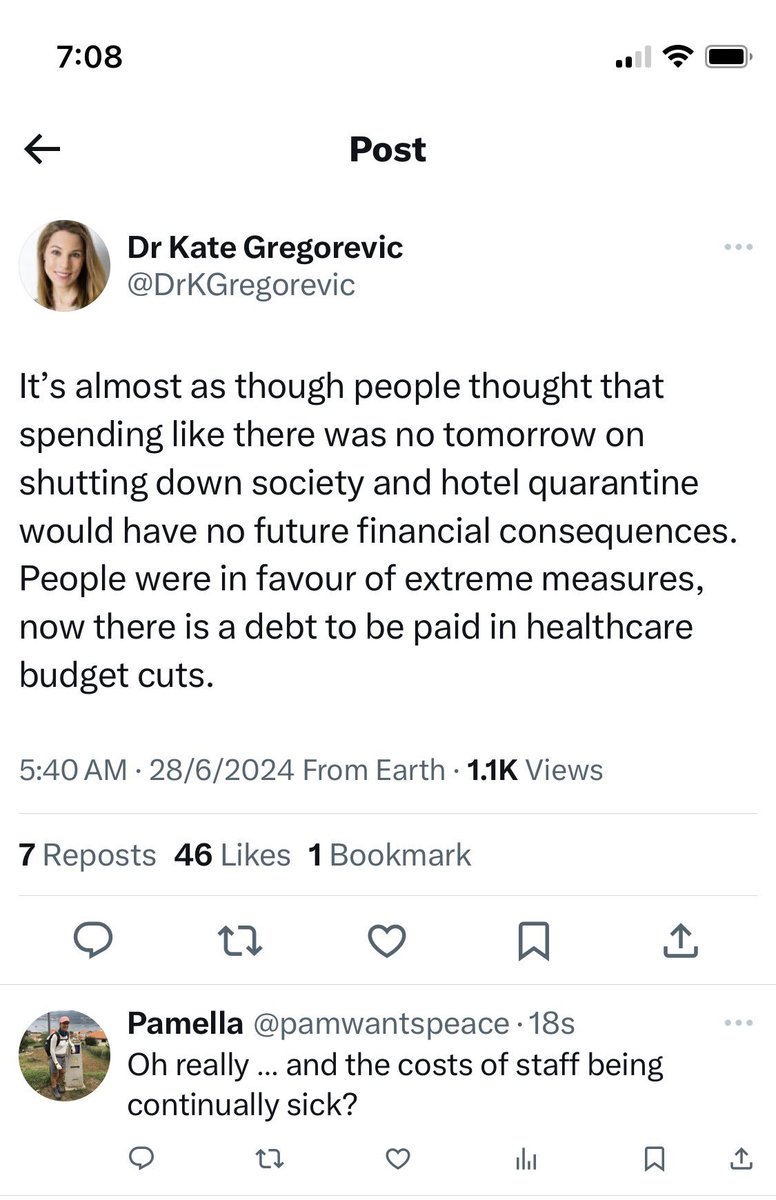
Populism is always the restoration of hierarchies. Led by old men of high status. If we stopped looking at politics through the lens of politics and used a social/historical lens instead, more would be clear. https://t.co/XM678nIXOR
We're entering a new Restoration. In the 17th century, a relatively brief experiment with a republic in what's now the UK, led by a democratic parliament, collapsed with the restoration of a monarchy under Charles II. The same script our populist times are repeating. 1/2 https://t.co/F9hW1DQWCG
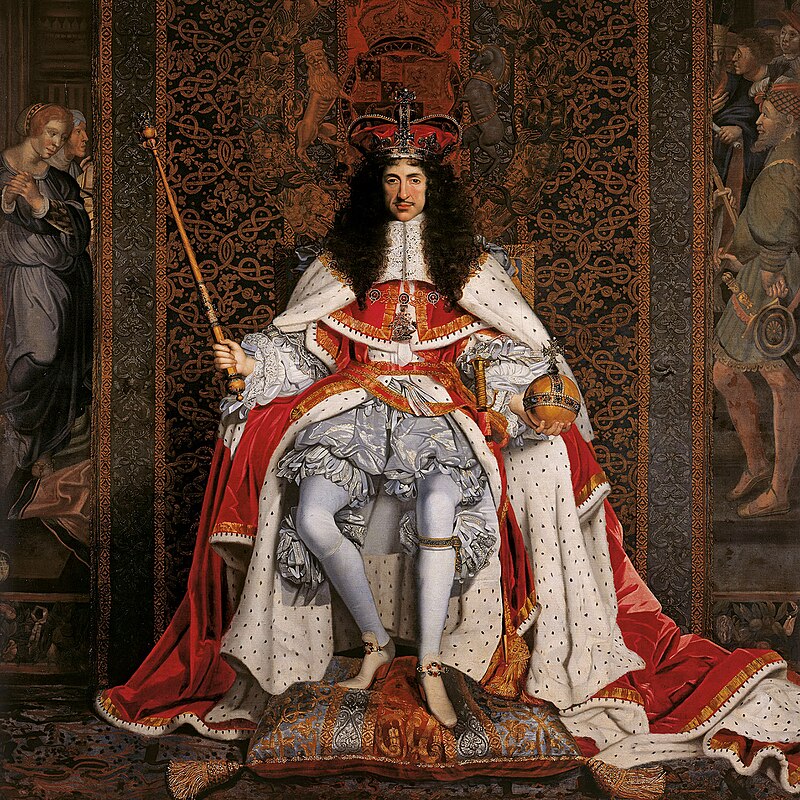
Populism is always the attempt to restore a King. We think these comparisons are analogies or jokes. It's the exact same functional shift we saw in the Restoration. The end of a 'common-wealth', and the restoration of hierarchies, topped by kings. /end https://t.co/0jjUxDrL7E
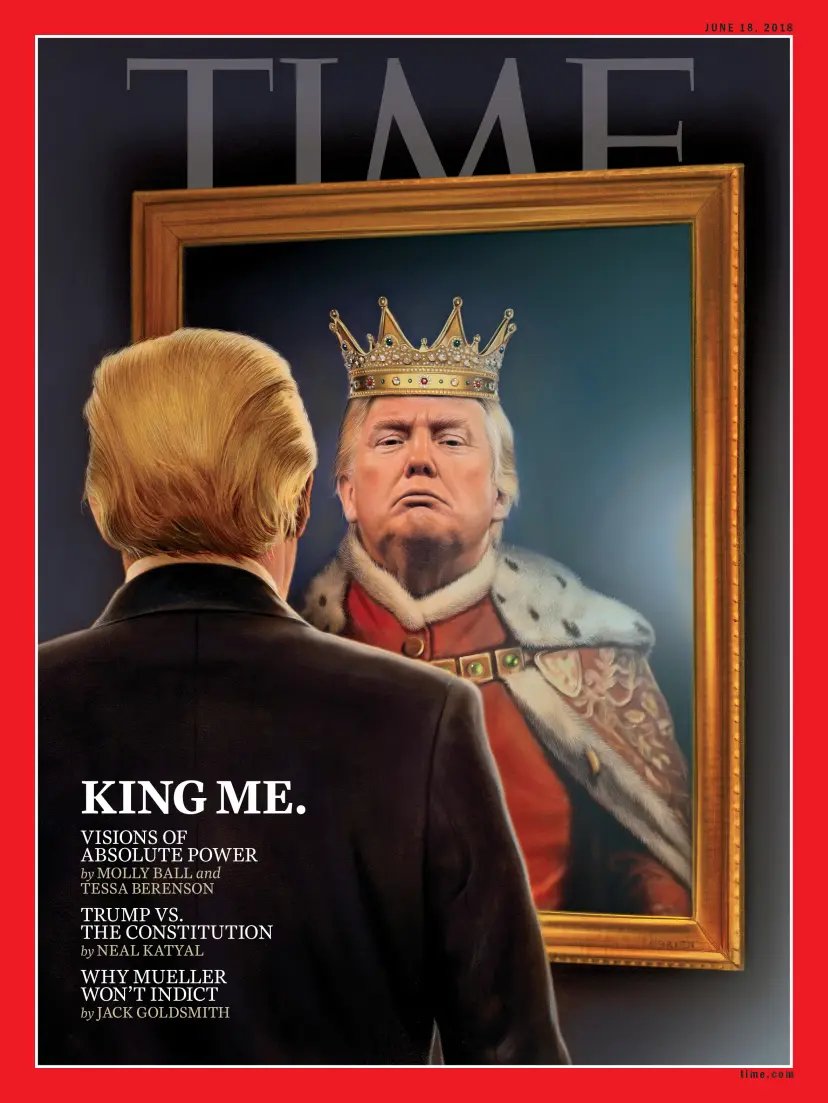
The same culture killing millions of the old with abandon, with Covid, today feasted on signs of age. A culture OF old people did this. Old people who refuse to age. Being old is the gravest sin in an adolescent/kidult culture. Competence, material outcomes? What are those? https://t.co/e8xMewo0mw
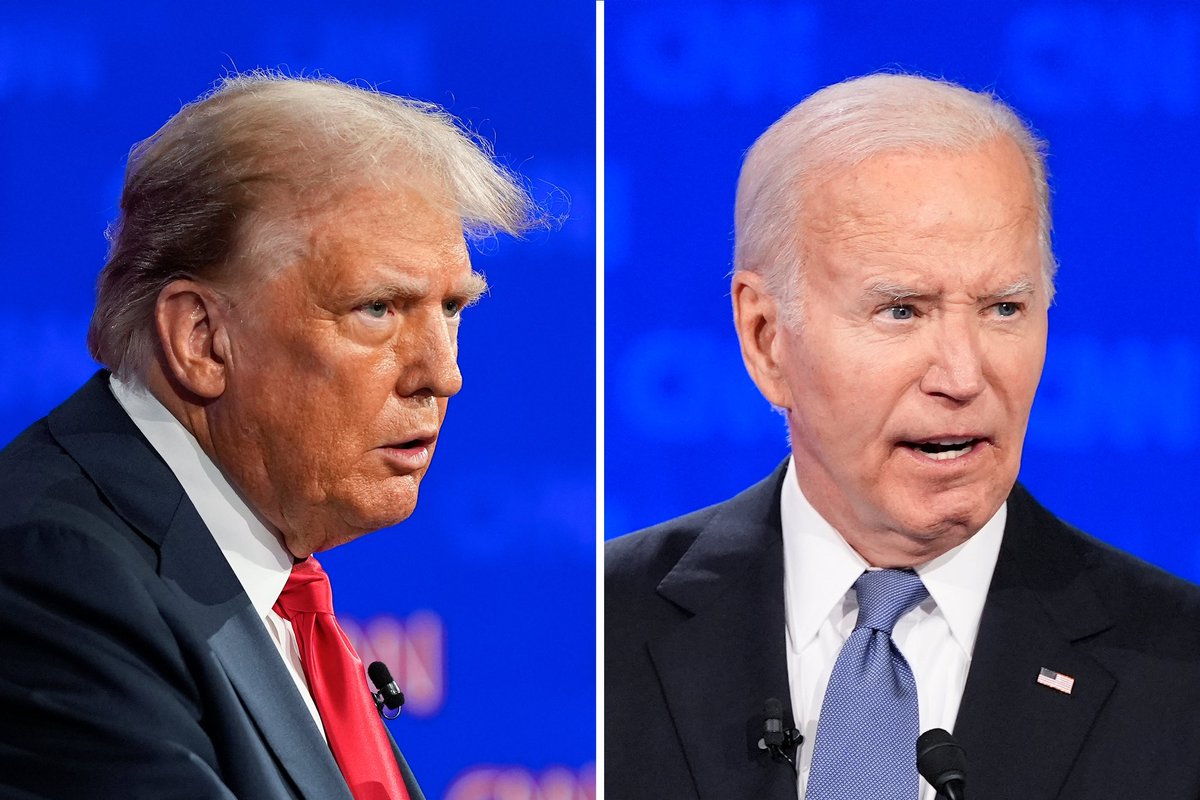
You’re now most likely to catch Covid at home. From your kids, who catch it at school. Most of the young can’t even afford a home, and never will. ‘Home’ as an idea is under assault. By ‘the economy’. The economy is a verb, not a noun. /1 https://t.co/KSAEoxifGX
The economy is an activity of dispossession, and displacement. To allow the accumulation, of people and things. It’s the deliberate destruction not just of actual homes, both for humans and other living things, but of the concept of home. /2
I’ve Tweeted many times about how we replaced the idea of home, with the idea of an address. A geographical reference point, on a map. Maps have always been the great tools of economic empire. We now live inside them. /3
Our obsessive travel culture is this same living inside. We accumulate places on our ‘bucket lists’, the way earlier generations collected stamps. Collection itself is the same disruptive and accumulative culture. It’s why it’s such an obsessive hobby, for many. /4
Our two greatest current emergencies, climate change and Covid, are the spawn of this underlaying mechanism. Of displacement and accumulation. Fossil fuels power it, creating climate change. Displacement of living things created Covid and now spreads it without pause. /5
Aliens observing us would surely ask, where is everybody going? Why are we always going somewhere, and not just staying put? For work or leisure. Mobility is our culture. But with no actual purpose. It’s a purpose in itself. /6
Millions ‘commute’ every day, and end up where they started, having travelled millions of miles. How insane is that? Meanwhile ‘working from home’ is rightly seen as an attack on all of this meaningless movement. Re-grounding. /7
Until we understand why the ‘traditional’ cultures we’ve now displaced made their most sacred thing PLACE, none of this will stop. Until within our own cultures we re-sacralize HOME. Until we understand place again, our deepest thing. /8
We ended up here by being imperial cultures of global exploration and accumulation. Our imitative social DNA (all cultures are run by imitation) then turned this into a cultural form. Which we’re now stuck inside. We do nothing but move around, and don’t understand why. /9
It sort of feels good, necessary even. But it never satisfies, we’re always planning the next trip. Not just in the travel sense, even just ‘what are you *doing’ on the weekend’? Always doing. Movement, activity. Never just being. /10
Never enjoying the sacred experience of being at home. The experience that the longest civilisations in history placed at their centre. The most disgusting violation of this pandemic has been the deliberate driving of infection, into our homes. /11
Now the most dangerous place for most of us. Because governments and business refuse to control infection in public and work spaces. Just one more assault on home, physically and conceptually. /end
Clinton sat Trump on his arse in debates. He still won. The underlying *social* framework of American politics is Pater familias. From the Romans. The oldest male heading a household, granted ultimate autocratic power. https://t.co/fy81WPNlaq
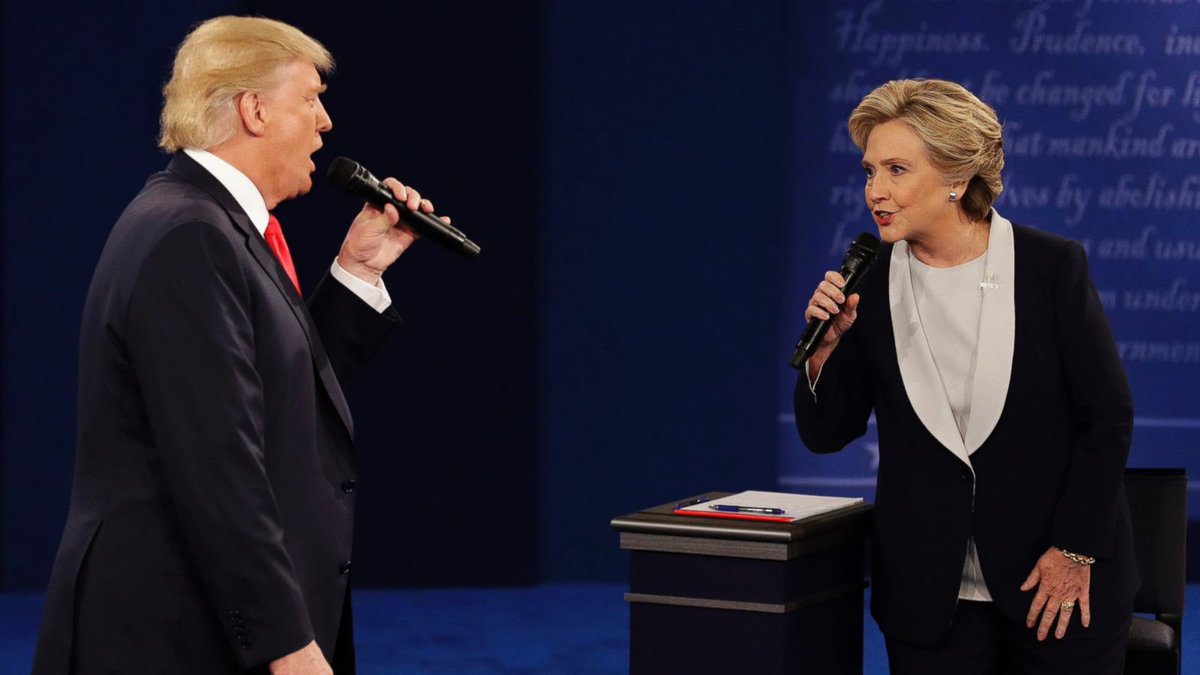
I think the title could be more ambitious. How clean air in schools can end regular Covid everywhere. https://t.co/e1epfEWUSz
The US is approaching end-stage Restoration of a monarchy. King Trump. This is huge, gutting what little regulatory power institutions had left. The post-war shift to public-centred governance. Old hierarchies have restored their own preeminence. https://t.co/TyGQ97TFvs https://t.co/rXcfyhNkf5
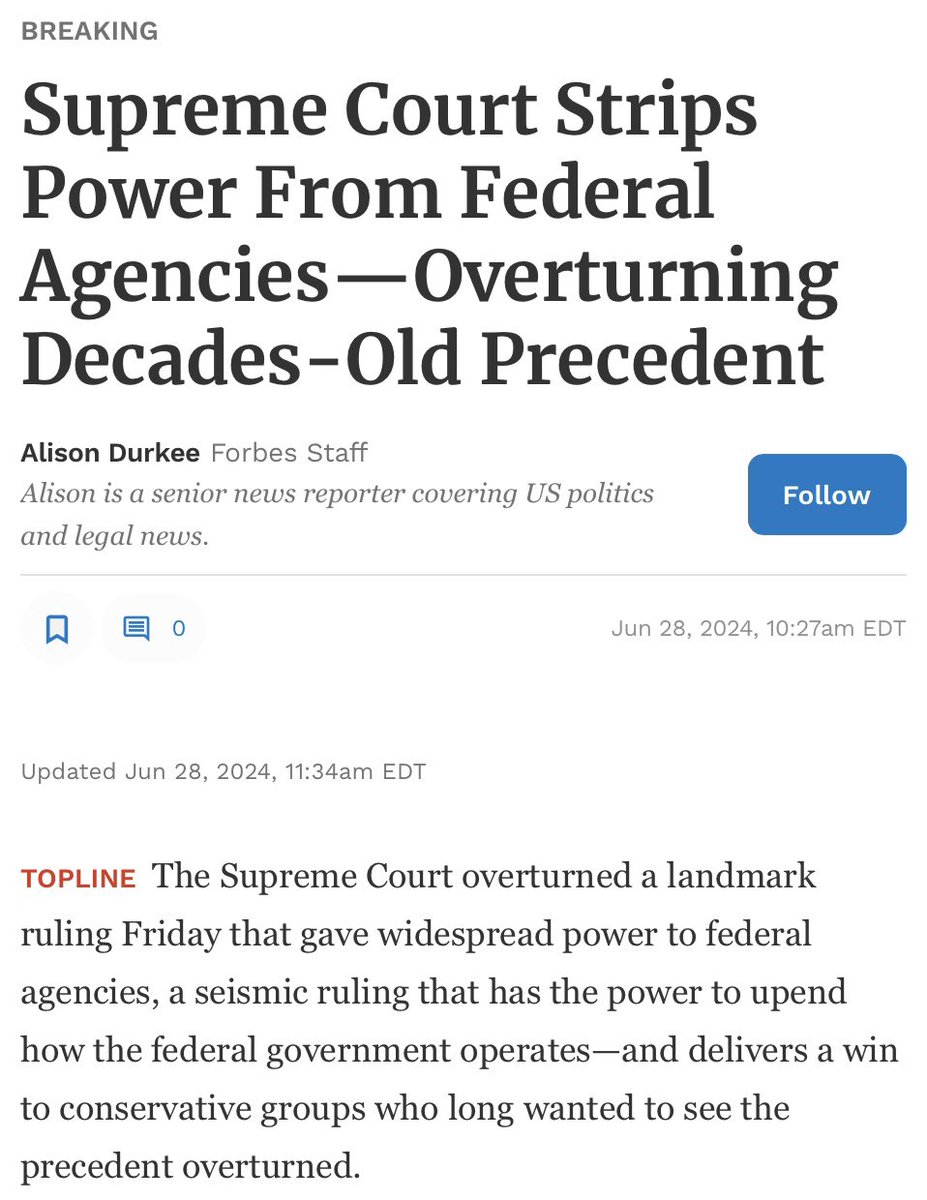
The Supreme Court being used as a battering ram in the US, through expertise-based institutional processes. Church v State never ended. What they may not have thought through is unfettered royal power (Trump) vs the Church. He’s very Henry VIII. https://t.co/BXvO49zYiW https://t.co/I1gnhsRoRI
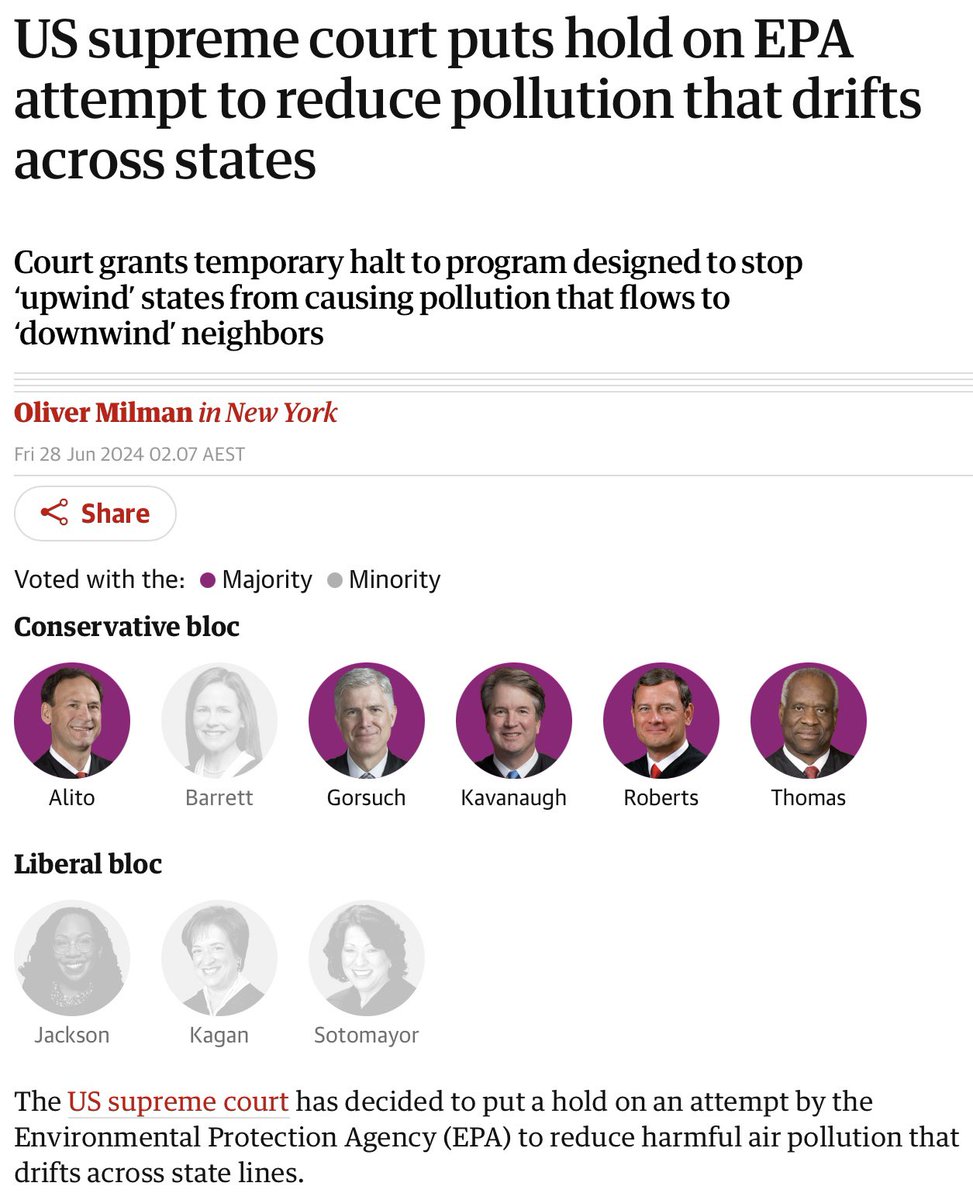
Infection with the passion for the imitative rivalry of team sports culture can be subtle and insidious. Try it on yourself. With actual team sports. See whether you can genuinely wish for the better team on a given day, to win. Rather than your favourite team.
Weekly updates on spread. Just imagine. https://t.co/QI1iZyB4Jn
Check-in at the end of 2024, as to whether this orgy of voting has made one single difference to fixing any of our problems. Voting is causing the problems. Populism. Lots of voting will just make it all worse. https://t.co/MWEalBgBC6 https://t.co/8DSAgP2NPc
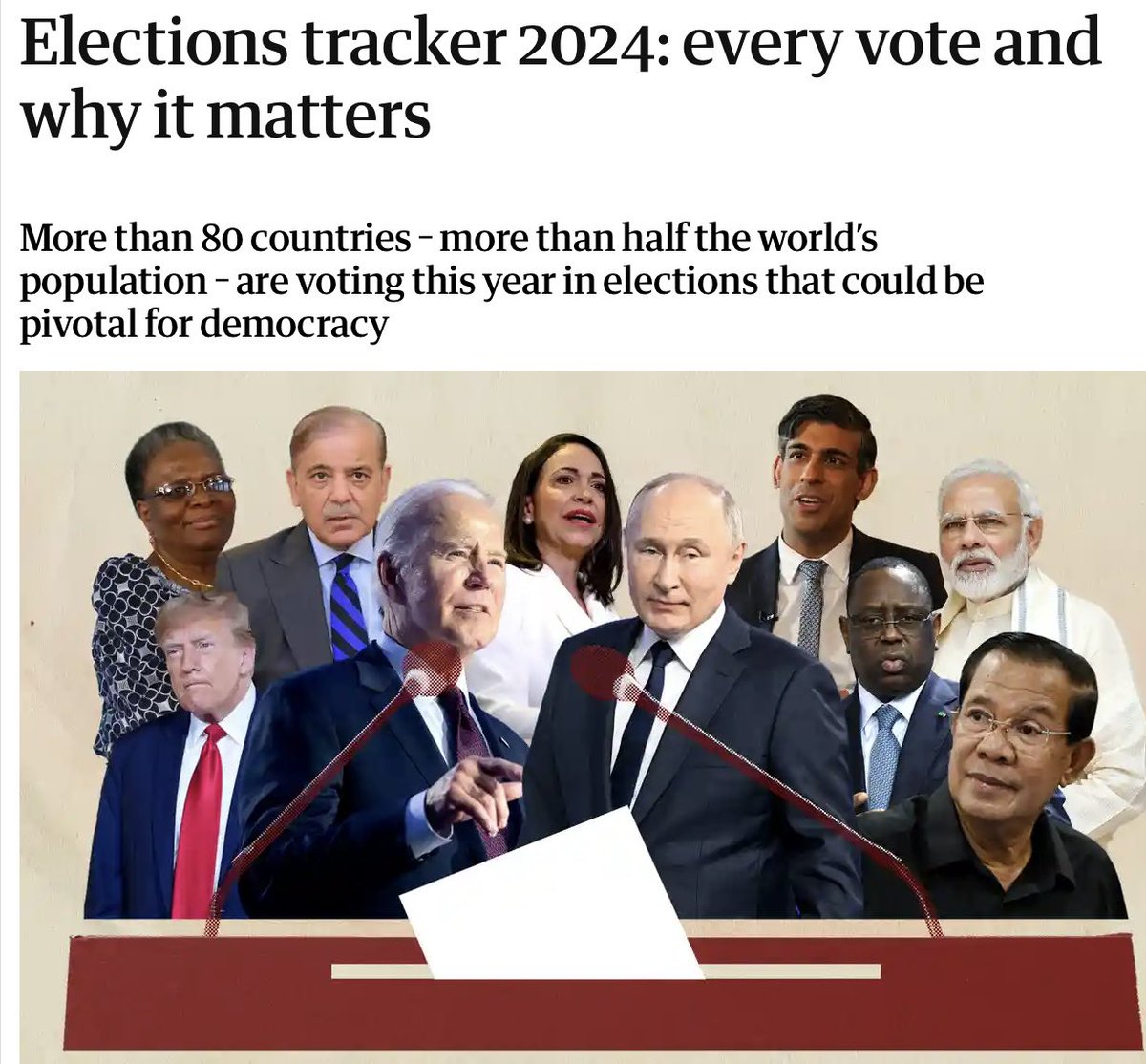

Society has material problems with known solutions. None of those solutions happen because they have to cut through the fog of the completely redundant popularity contests we call elections. All those popularity contests do is weaponise the disasters, for more votes. /1 https://t.co/p4TGCz2BAO
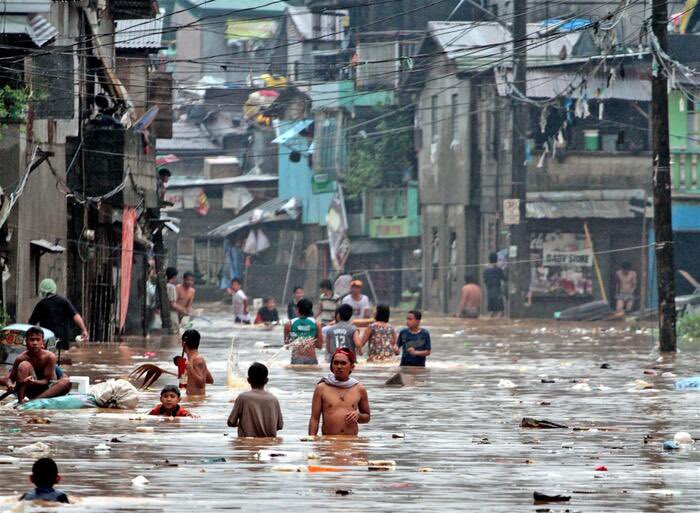
I’ve been watching electioneering in the UK, US and soon Australia. The heated passions, the conviction people have that THE most important thing is that their candidate wins. I don’t think we have any self-awareness at all, at how deeply we’re infected by this process. /2
How many times have we repeated this charade, coming out the other side disillusioned that nothing changed? How many times did we think that next time it would be different, we’ll elect somebody who really will fix everything? /3
How many times did we blame the politicians for this, thinking we just need better politicians? Rather than stand back and think, hang on, maybe this whole process is insane? /4
I scratch my head at the belief that the way to fix well understood material problems, is to say ‘hey, let’s pick the most popular person’. There’s NOT ONE connection between popularity, and material reality. We’re mixing up our social behaviours, and basic engineering. /5
We don’t vote on who’s going to fly the plane. Or who’s going to come and fixed our blocked toilet. We hire people who can fly planes, and unblock toilets. This is obvious. The world’s material problems need material solutions. /6
The parasitic, redundant layer of teams sport popularity games we overlay upon those material problems is *completely unnecessary*. It serves not one purpose. It actively gets in the way of fixing anything. But we won’t see it. /7
Because our deepest way of being human, is social. And that means imitative rivalry. Team sports. All material problems turned into ‘debates’, to allow different teams to slug it out. And so, as I often Tweet about, the material problems become chronic, and then catastrophic. /8
And it’s only then, when the catastrophes sweep away all hierarchies of popularity, that change sometimes happens. I wish there was a way to short-circuit this process. To go directly to the material problems. History suggests there isn’t. /9
We get brief interludes of sanity post-catastrophes, where everybody is focused on survival, and so the team sports is retired. But it doesn’t last. I wish we’d see this enough to moderate our ridiculous passions at election times. It might make the hangovers less painful. /end
(fix*)
The problem with ‘business’ as a concept is that it mistakes means with ends. ‘Business’ is really just services for a community. An economy changes the means (business) into an end. Converting all social life to the ‘job’, and making revenue the only social goal. https://t.co/GD75cBpyDV
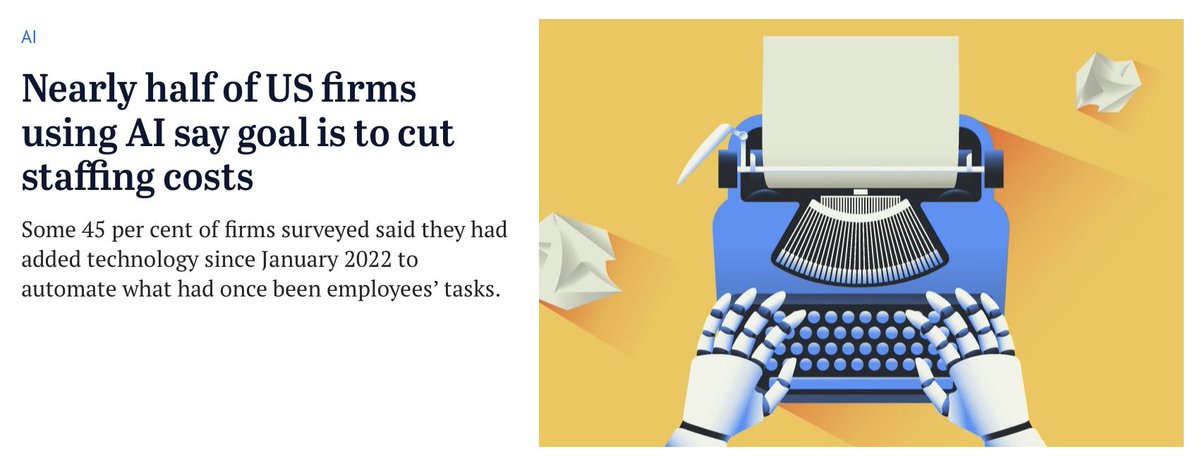
Australia’s energy is a disaster. A perfect example of how popularity-electoral governance is completely incapable of fixing our material problems. Watch all sides rush to household electrification and storage as the only feasible interim solution. 1/8 https://t.co/z4EQeVfSeU https://t.co/3SkzblJrPo
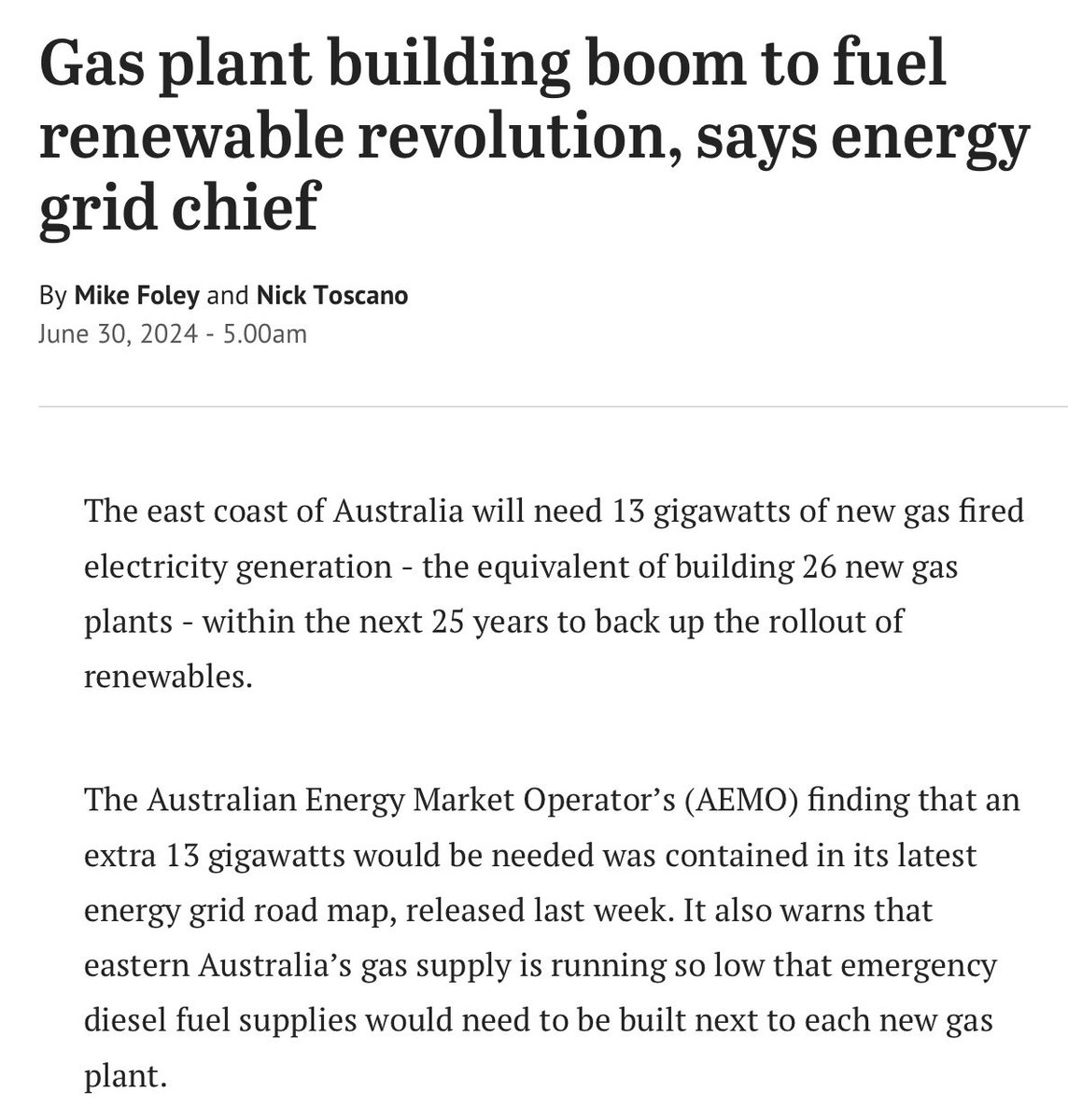
The grid is a beautiful example of networked society. Both political parties and AEMO are stuck in the idea of centralised generation and distribution. That’s old thinking, for a fuel that isn’t decentralised. Yes we still need some big generation and transmission. 2/8
The low-hanging fruit here, as it is for all economic problems, is households. Economy thinking cannot comprehend that, because it sees households as individual consumers in a ‘macro’ market. There is no macro. Or micro. There are networks. The household IS the ‘economy’. 3/8
Electrifying households, as Saul Griffith says here from his Quarterly Essay, fixes the micro AND the macro problems, at the same time. It also drives down cost of living. Everybody wins. We need to ditch the whole idea of ‘the economy’, and replace it with households. 4/8 https://t.co/d0pE0sZaD7
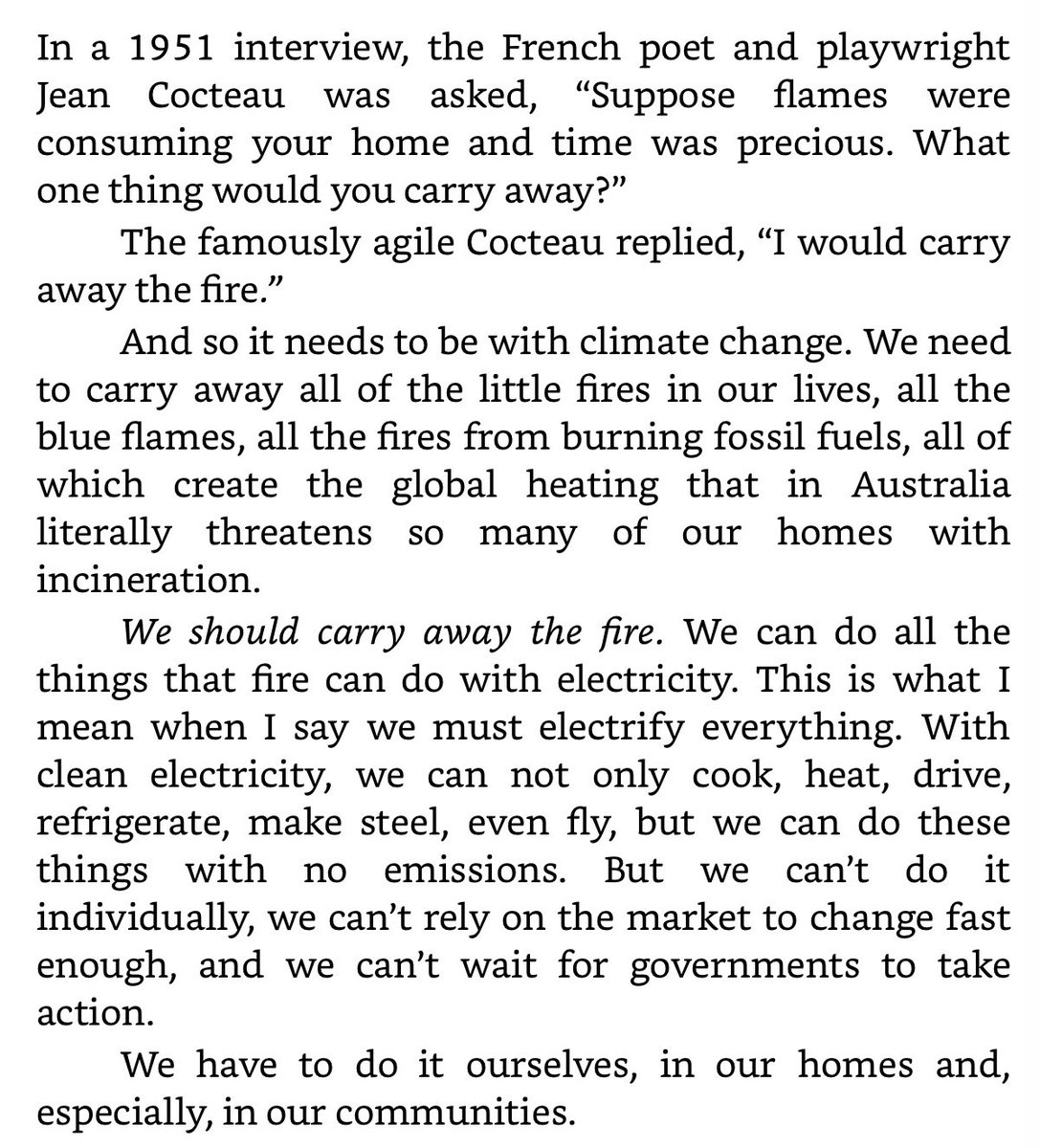
All the other things that happen in our supposed economy are really just support mechanisms and services, for households. ‘Business’ is just that. The economy makes business the driving force of society. That’s a recipe for collapse. 5/8
It mistakes means and ends. ‘Business’ is just the means, towards the ends of happy, healthy and prosperous households. ‘The economy’ always was the con of reversing this obvious truth. Making our own service industries more important than what they serve. 6/8
That reversal makes people who own these essential services very rich. It’s why the economy was invented, as a concept, to disguise that swindle. Go households. People with money is a thriving ‘economy’. Businesses with money but no solvent customers is social collapse. 7/8
That’s what our ‘cost of living’ crisis is. The endgame of swapping means and ends. Making our services dominant over the people they serve. Who now can’t afford them. Insanity, complete lunacy. /end
@AlanKohler, brutal today. The world won't act against climate change, it's going backwards. Only catastrophe shifts human action. Just sayin'. Again. People care about senators crossing the floor. More team sports. Fiddling while the world burns. https://t.co/azYDy7oHHd