More about place, in a culture that lives in maps. The English countryside. A wonder of the world. How does…
More about place, in a culture that lives in maps.
The English countryside. A wonder of the world. How does it exist? Well, it’s absolutely NOT a ‘natural’ thing.
Place is made. Why this matters. /1 https://t.co/sxrljQevJN
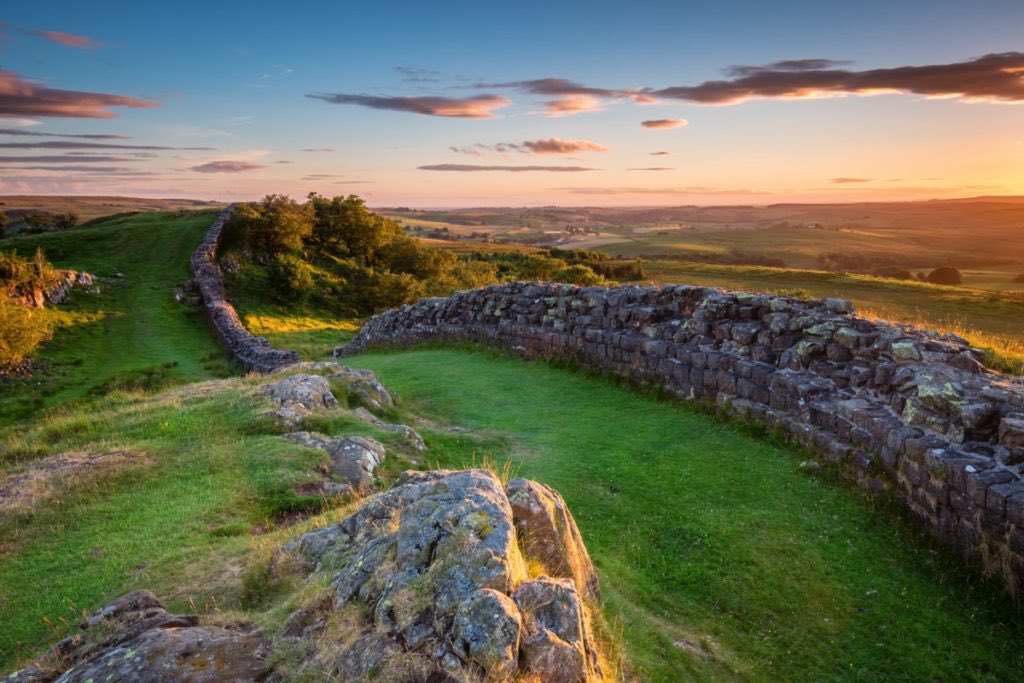
The architect Christopher Alexander called the English countryside humankind’s greatest ever creation. (He was wrong there, Australia is that, but I’ll get to that in a second.)
Stendhal said “There is nothing so beautiful, lovable and moving as the English countryside.” /2
Alexander at least knew the English landscape is MADE. Not just some ‘naturally occurring’ thing.
Continuously shaped, by human effort. But that’s not enough to understand it. /3
Because that effort is in turn shaped. By regulation.
The English landscape is ENTIRELY a creation of human laws. Of continuous, often exhaustive, regulation. /4
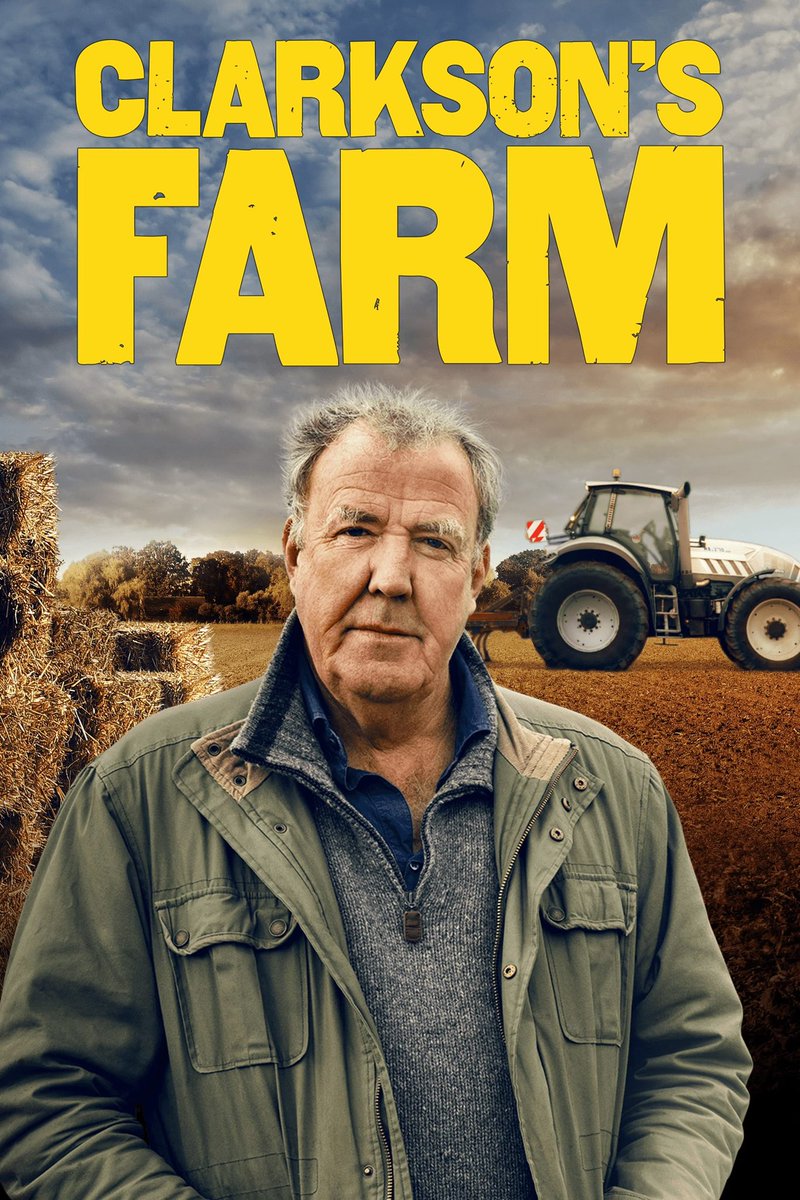
Clarkson’s entire hit series shows it. Regulation is one of Clarkson’s pet hates, as a modern libertarian.
But the countryside he loves would not exist without it. It’s complex planning laws that hold an incredible number of things in balance, to create the countryside. /5 https://t.co/95Iai3c7Zn
And following my theme of societies only progressing via catastrophe, via punctuated equilibria, the English countryside shows it.
It was post-WW2 that heavy regulation of this part of the UK really took off. It took the catastrophe of the war to promote action. /6
Places of ‘outstanding natural beauty’ were regulated into existence, and remain to this day.
When you move through the English countryside you’re travelling through its planning regulations. /7
I said Australia is an even greater creation. You need to read Gammage’s book to understand how.
Australia’s landscape is the greatest wonder in all human history. There is no second place. /8 https://t.co/mI3dM8t0ps
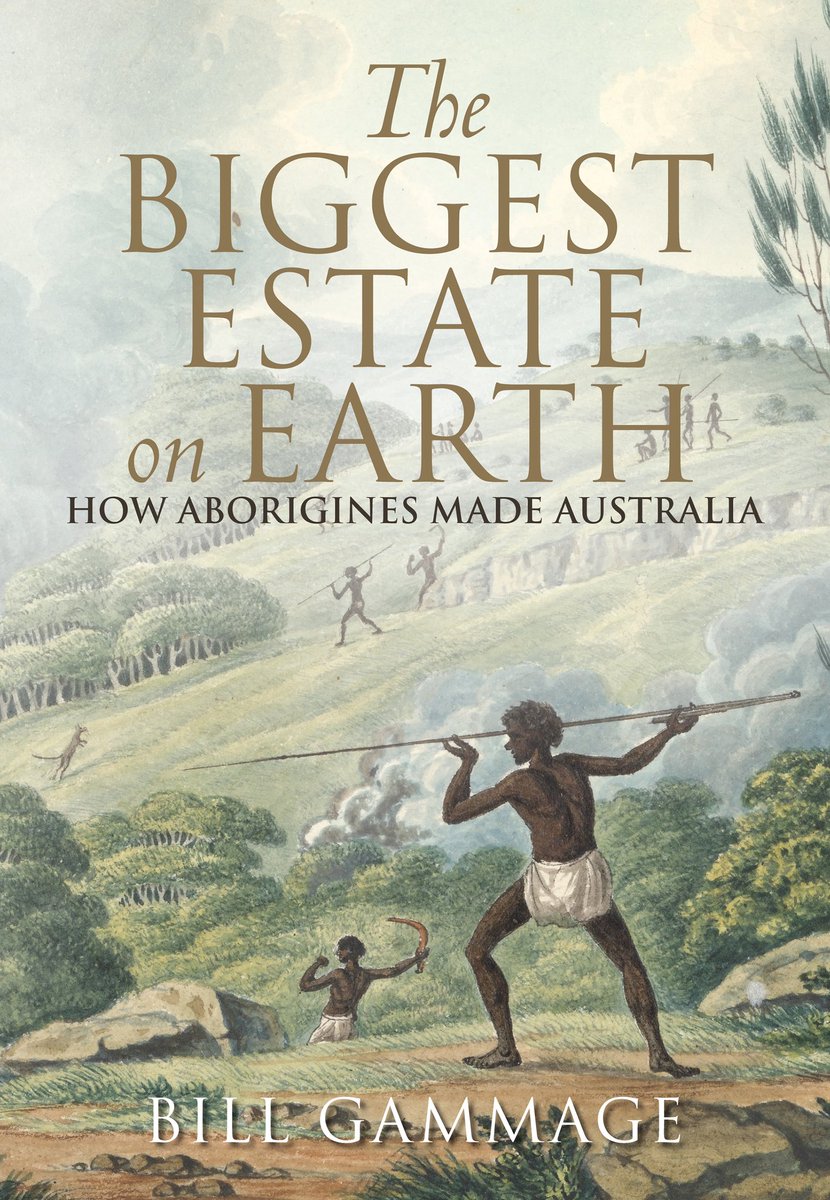
Everything we usually call ‘human history’ is the tiniest footnote piece to what was going on in Australia. Australian Aborigines solved civilisation’s greatest challenge tens of *thousands* of years before the pyramids even existed. /9
As Gammage shows, they were continuously creating the Australian landscape tens of thousands of years before everything we laughingly call human history even began.
They weren’t savages hunter gathering. That’s later European revisionism. /10
Europeans had no idea what they’d stumbled into, in Australia. They still don’t.
An entire continent, engineered to maximise life. Of humans, and everything else. Read Gammage’s first European settler accounts, what they ACTUALLY found here. /11
It’s the greatest untold story in the world. Now at least partly told. Because also the greatest challenge humans always face.
How to exist, and thrive, over LONG periods of time. No other civilisation has ever cracked it. We don’t see the enormity of what was done here. /12
It’s mostly abut place. Understanding what place is, as opposed to space, a lethal concept inherited from maps.
An Indigenous Australian said something to a friend of mine that highlights the chasm in our understanding. /13
How if you travel ‘too fast’, like on a modern aeroplane, your ‘soul needs time to catch up’ when you arrive at your destination.
Ponder that. What it means. We have no idea, honestly, in our travel cultures. /14
I think it means that place, our connection to the land under our feet, is our deepest existential reality.
And we no longer understand it. We’ve been empires accumulating places as spaces for too long. We still do it when we travel. Places on our ‘bucket lists’. /15
It’s too big a topic for one thread. Right now we’re in a climate crisis and pandemic that both result from this ignorance and violation of place.
We’re travelling on, ‘seeing the sights’. In the most vulgar violation of everything place means. /16
Our ‘souls’ need to ‘catch up’ because we never put down roots, we never occupy place now. Just space.
We don’t understand the basic concept of ‘home’. We think it’s an address. We think the landscape is ‘natural’. /17
We travel in it too, ecotourism. It’s place-porn.
Place is made, and sustained.
Regulated. /end