“Academics, more than anyone, should understand that the future lies in services, not manufacturing. The good…
“Academics, more than anyone, should understand that the future lies in services, not manufacturing. The good jobs come from what you know, not what you can make.”
Ross trotting out the standard economic line. /1
https://t.co/1ntb6pFiYv
The problem with this standard line is that it forgets that somebody still needs to make things. And that China, who’s doing most of the making, started out doing this AS us.
We outsourced our own making, to them. Let’s follow the logic here. /2
Using the standard mythology that Ross obviously subscribes to. China is reaching a point of ‘economic development’ where it will also start to shift to services, away from manufacturing.
Anybody seeing the problem here? /3
Who’s going to make things, then? Robots? Whose robots? Whose engineers and skilled trades?
Civilisations who make things, survive. The Romans didn’t outsource their engineering to Africa or elsewhere. /4 https://t.co/n1E7gxrPEt
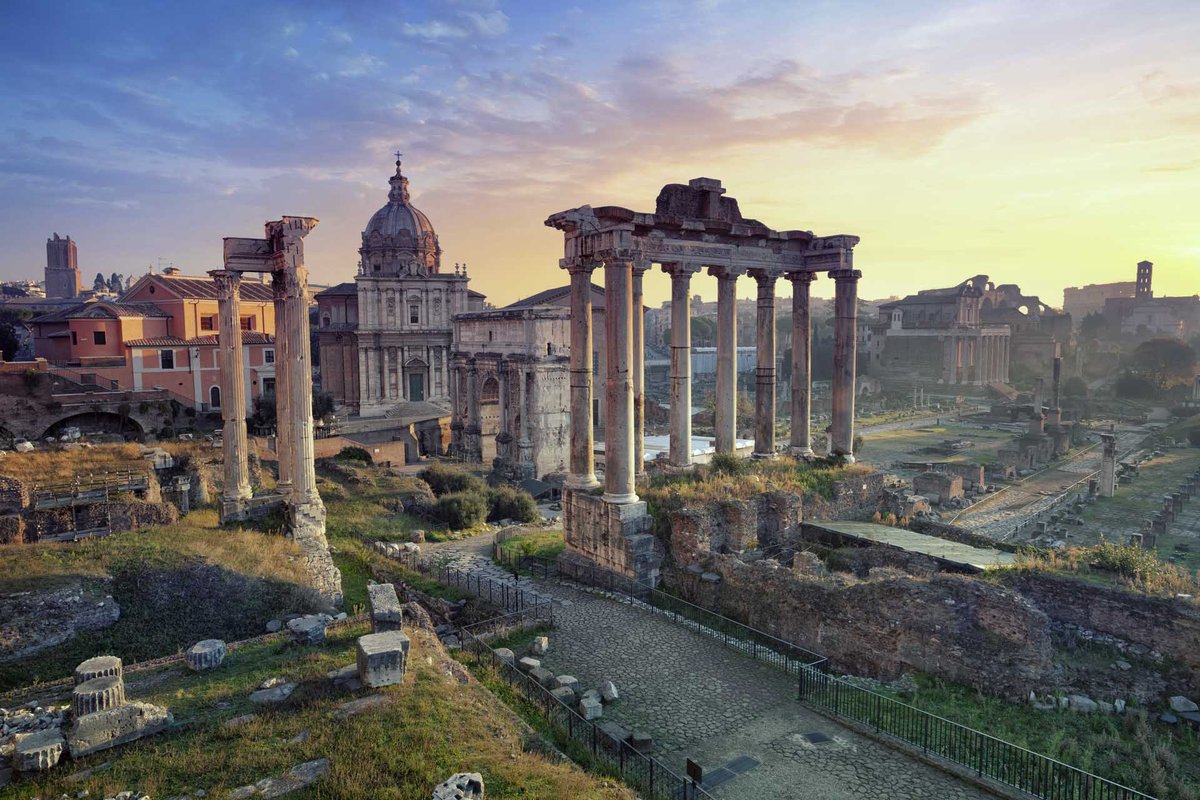
I loved the line from a field archaeologist, about the Romans. How they’re a joy to work on, because they ‘left stuff’.
Civilisations who make things survive because Ross and other standard economist have never understood engineering. /5
The point of making things isn’t just to have the things. Making things BINDS humans, socially.
The extensive social-technical arrangements needed to create things are the glue that holds societies together. /6
You have to commit to continuously training people to build and maintain things. That work is relatively isolated from the team sports of what we call ‘politics’.
You either do it, or the lights go out. It’s intrinsically stabilising. Which is why Rome lasted so long. /7
Or as Michel Serres once brilliantly said, humans build so that the rocks end up mortared together, rather than being missiles humans throw at each other.
‘Infrastructure’ is society. Humans are completely incapable of agreeing on anything. Except infrastructure. /8
No matter the culture, the infrastructure looks more or less the same. Nobody really comments on that.
It’s our point of universal and wide agreement. It’s the glue that holds the world together, socially. /9
And we forget the agency it gave ‘working people’, to be craftspeople, some of which survives in our worship of tradies.
Tradies that make far more than poor kids with huge HECS-HELP debts, working in ‘services’. /end
(P.S. go back to Ross’ original quote, at the start of the thread. And question why he thinks ‘making things’ doesn’t require ‘knowing things’. Like it’s not highly knowledge-based.)
Like I say, economists of this flavour don’t understand engineering.