June 2023
Complete authored posts and demonstrable self-threads.
For those convinced capitalism (or any -ism) exists, can they point to where in legislation or elsewhere it says ‘ok, you must do things in a capitalist way’? If there is a ‘system’ running societies, where is it?
Talking to a family yesterday where fighting has broken out over who made who else sick. Because they’ve had Covid multiple times, they’re not happy to now all be sick again, and the blame game has started. Was it a family gathering? Why was person A there, aren’t they unwell? /1
None of them focus their anger on the real issue here, which is ongoing mass infection. A community under assault from all variety of infectious disease. They can’t admit that’s the cause, because of months of proud ‘living with Covid’ nonsense. So the anger is privatised. /2
Some of them probably even log on to social media to vent their frustration there. That’s its job, to soak up anger that might actually lead to transformational change, and re-route it into endless daily team sports squabbles. Divide and conquer, the libertarians win again. 3/3
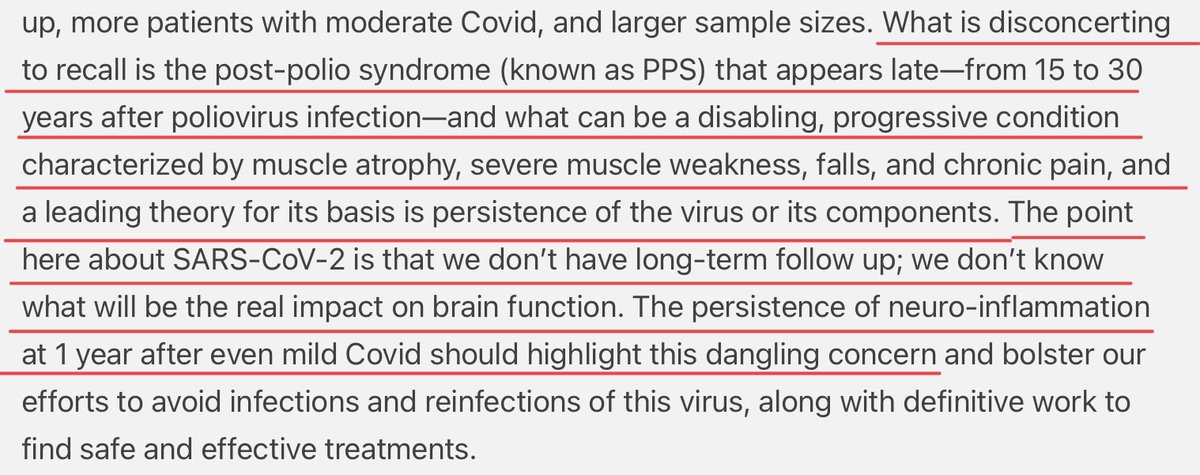
Eric Topol talking about recent studies on brain inflammation following even mild Covid infection. That ‘dangling concern’ about much longer-term impacts is the concern I have about chronic infection. Post-polio syndrome another example here. Demands a risk management approach. https://t.co/npe6SmpOEz
The loud noise from small business over the rise in minimum wages and award rates. There’s always a lot of angst about ‘big business’. Small business is much worse for workers. Has nothing to do with the owners being bad. The model is hopeless as a foundation for any society.
In 1948 Australian workers were finally granted a weekend, two days a week off work. The 8-hour day campaign achieved this around the time of WW1, but not for all workers. 1948 was everybody. What happened next is important for understanding Covid, and politics in general. /1 https://t.co/fuMt4ioEcD
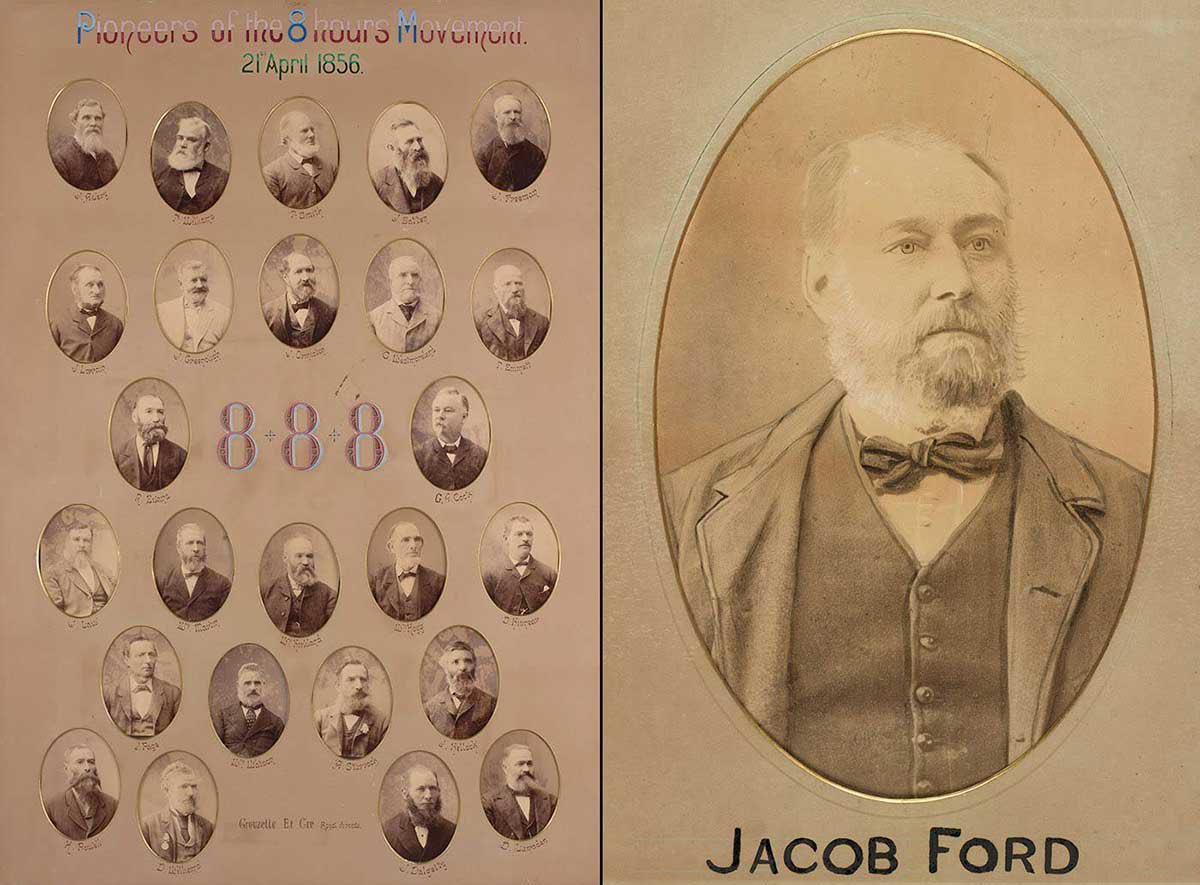
Because less than 40 years later, employers took the weekend back. Some businesses never stopped working on a Saturday morning, but in the late-1980s all of Saturday was lost. Then only a handful of years later, Sunday trading was back too. /2 https://t.co/lJ7dxvpfDB
Now weekend days are almost indistinguishable from weekdays. Traffic is even worse. This is the Covid link, the process of normalisation. Many workers want weekend trading, because they don’t have time during the rest of the work week to shop. /3
Just as they want schools to open until 6pm, for childcare in their busy work lives. Embracing their own servitude to the economy as ‘freedom and flexibility’. Why isn’t there more anger at this stolen weekend, which took more than a century of fight to give to workers? /4
The same reason people ‘live with’ Covid. Normalisation. Humans are social creatures above all else. If everybody else is doing it, it’s normal. Political campaigners understand and are passionate about things like 8-hour days and 4/5-day weeks. Most other people? /5
Will do what most other people are doing. I wouldn’t be surprised at all if many workers, if asked today, wouldn’t even be aware that shops were closed on Saturday afternoons and Sundays, only 40 years ago. All change is led, and by about 5% of the group, of any size. /6
The other 95% will follow the 5%, and mostly by emulating their friend and family networks. Violating those networks is worse than death to them. People can be seriously sick, even dying, around them, but of nobody else is taking precautions, that’s game over. /7
Normalisation is the process of embedding some decision, socially. Making it sticky, something nobody will challenge for fear of standing out from the crowd. All politics is really social. Everything is. Have a good weekend. I hope you don’t have to work. /end
A story about gravity. A little bit of pure science, but with profound implications for everyday life I think. And joy, which true knowledge brings. Nothing restricts a person’s life more, in my view, than a misunderstanding of gravity. And that misunderstanding is endemic. /1 https://t.co/1i2tqTS9uk
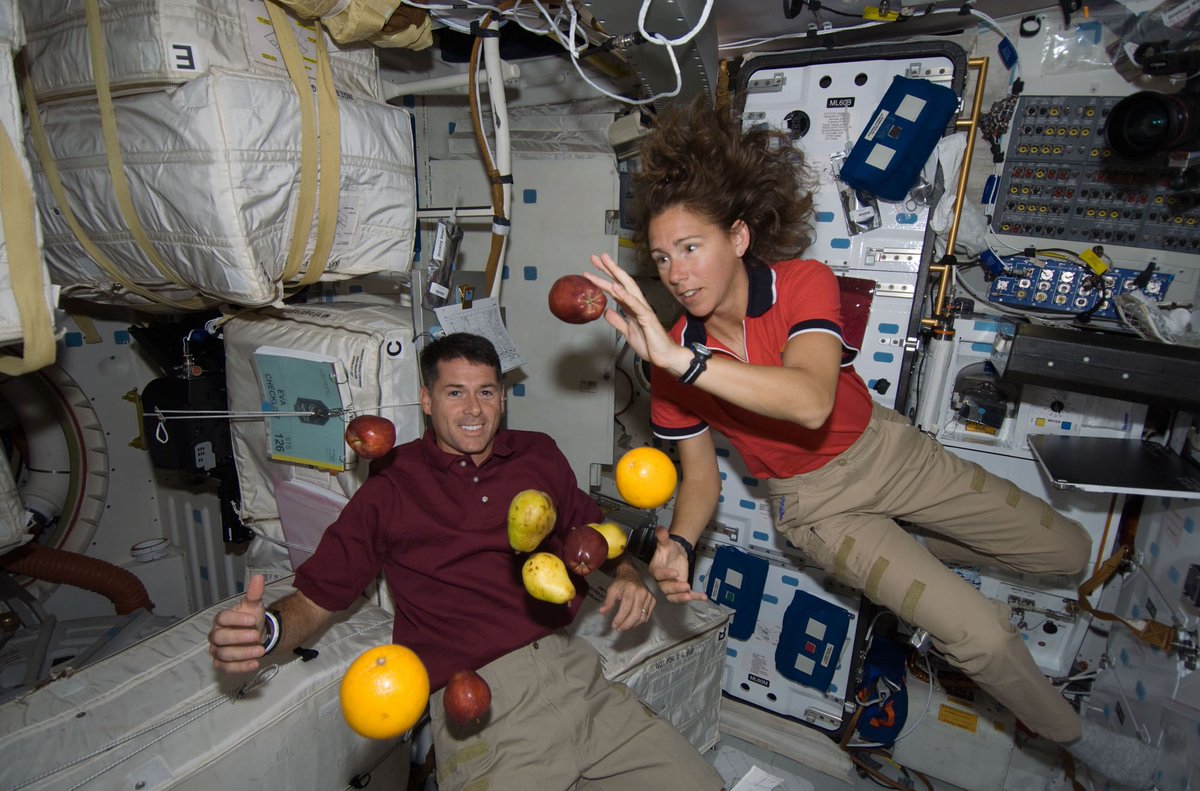
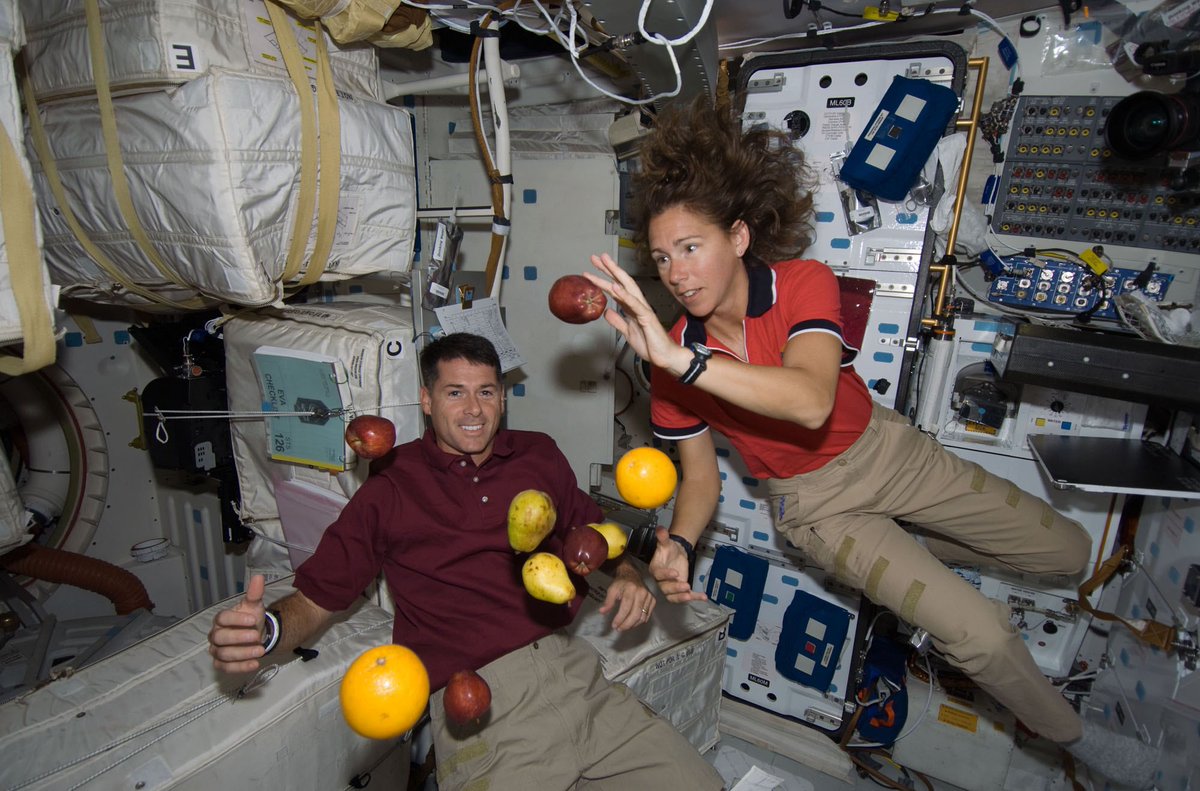
Astronauts doing this in orbit are nearly always described as being ‘weightless’, in ‘zero gravity’. Neither of those things is even remotely true. Gravity in orbit is about the same as it is on the ground. And your weight in orbit is about the same as it is on the ground. /2 https://t.co/7Y2ATWFjTc
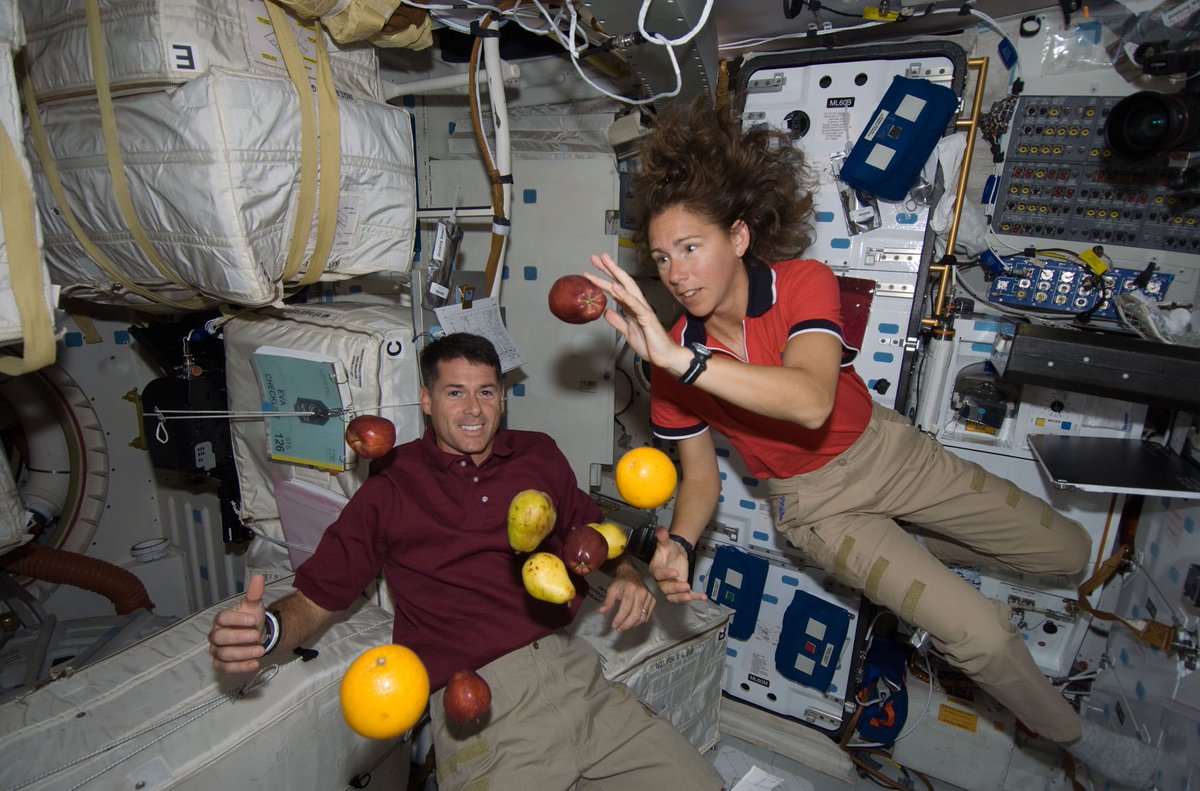
These astronauts are just falling. Like you do right here on Earth, if you jump off a building or out of a plane. The reason it looks like they’re floating inside that space station, is that the space station is falling too, at the same rate. So they don’t ‘land’ on the floor. /3 https://t.co/waf1Xe1Zc3
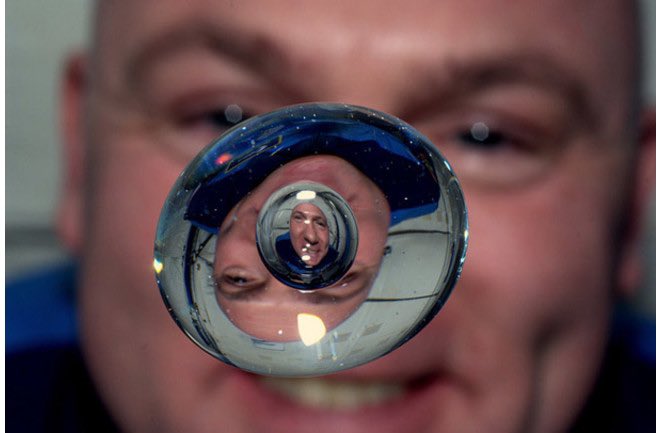
You get the same golly gosh when they play with water in ‘zero gravity’, it just floats there in drops! No it doesn’t. It’s falling, like they are. Water falls in drops. It’s what rain does, here on Earth. The whoa response is because we’re misunderstanding what we’re seeing. /4 https://t.co/lDyX3j66fT
When we see pictures like this, we imagine how cool it must be to be able to float like that. But you already are, here on the ground. All that’s different is that you’re resting on the ground, as you float. Again, the gravity on you is about the same as these astronauts. /5 https://t.co/jKeew1gGHF
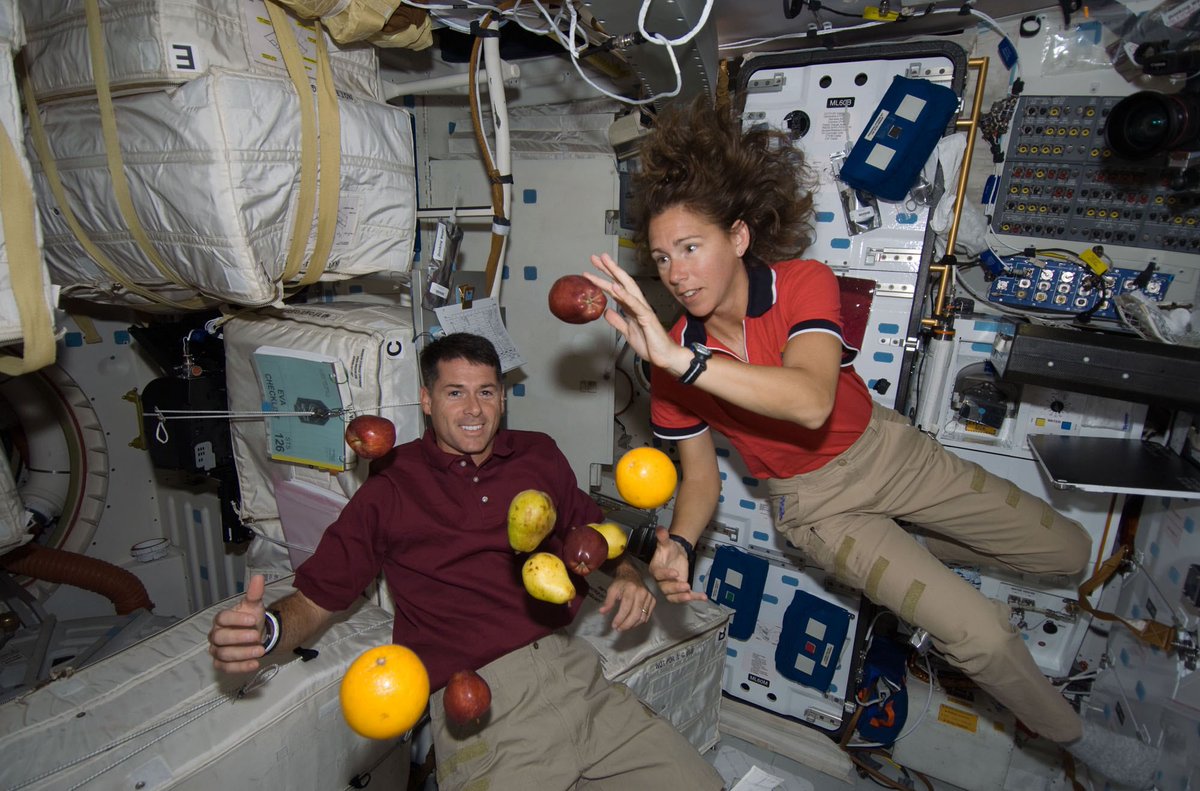
They’re not feeling any weight. You may be, but not because of ‘gravity’. One of the greatest myths of being alive I think, is that contact with the ground then means you’re being pulled down, by gravity. That’s how we’re all taught it. We feel heavy. /6 https://t.co/Epp4KXj0TP
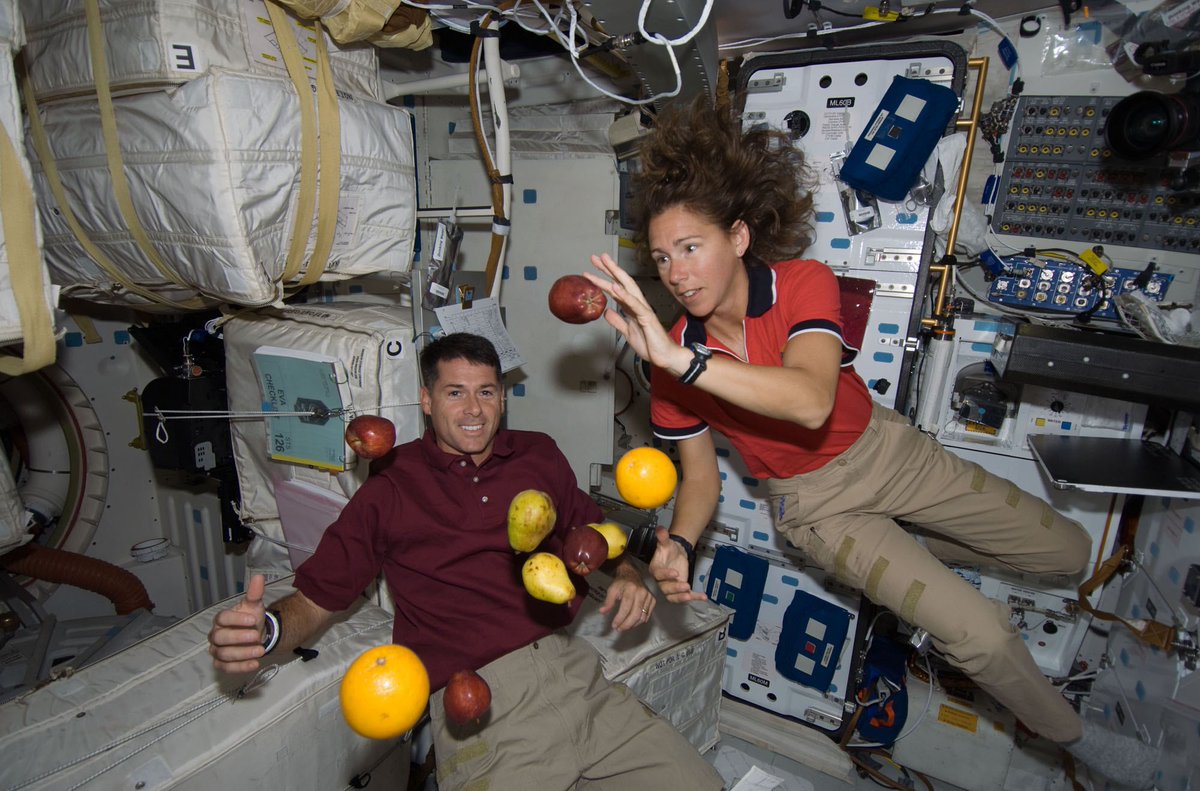
Like it takes effort to act against gravity, to move upwards in any way. Reinforced by everyday experiences like falls, where we ‘fall down’. Actually one of our biggest killers, and even Presidents aren’t immune. But again the astronauts are experiencing the same gravity. /7 https://t.co/zaOY9hw1Bb
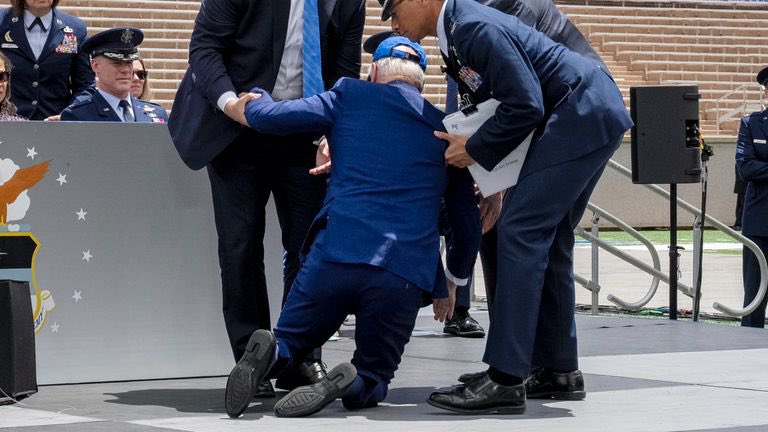
They don’t feel heavy at all. The big smiles tell you that. Our (mis)perception of gravity as a pulling-down force only happens on the ground. Why is that? Well, to be clear, the force is pulling you in that direction. BUT, a huge but, alone that causes no feeling of weight. /8 https://t.co/eIs2nd43TO
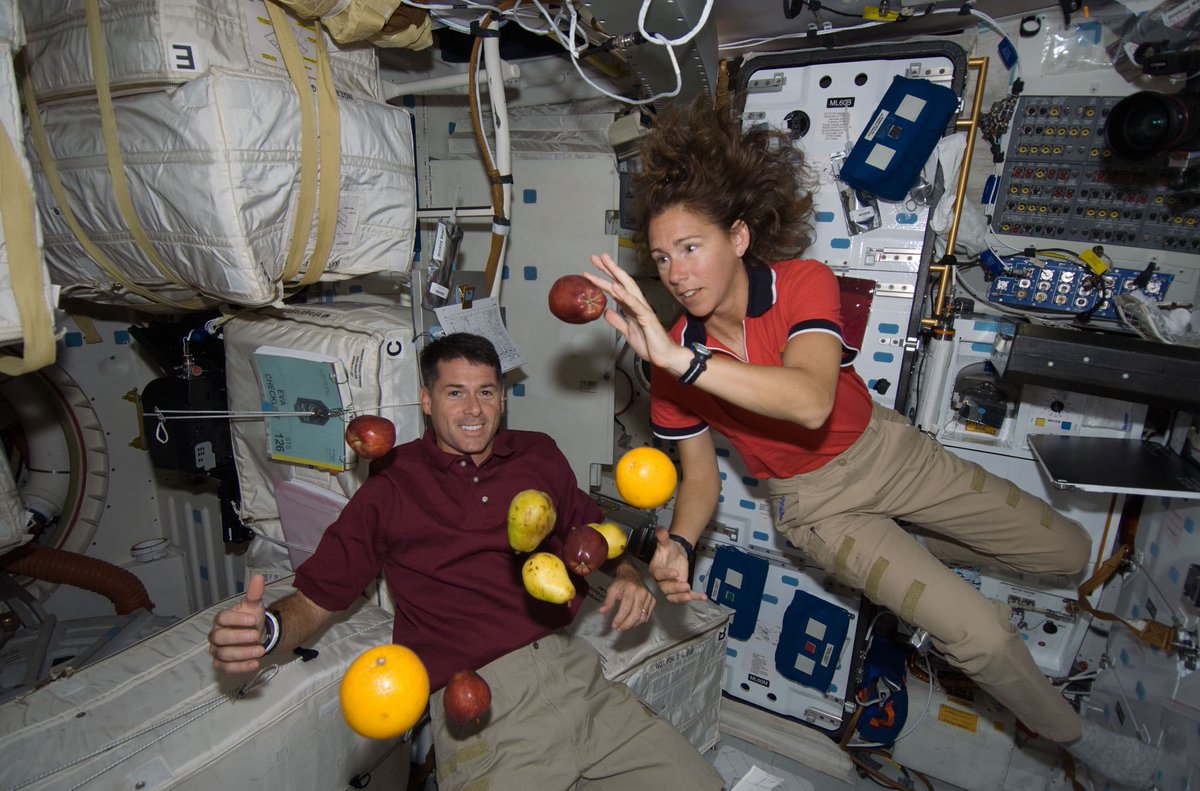
The astronauts can tell you that. Only when on the ground do people suddenly feel weight. And that’s *not* because they’re in gravity, and astronauts aren’t. We know that’s false. Here’s something about the ground many don’t know. It pushes you UP. /9 https://t.co/hKrWQ9Nx7b
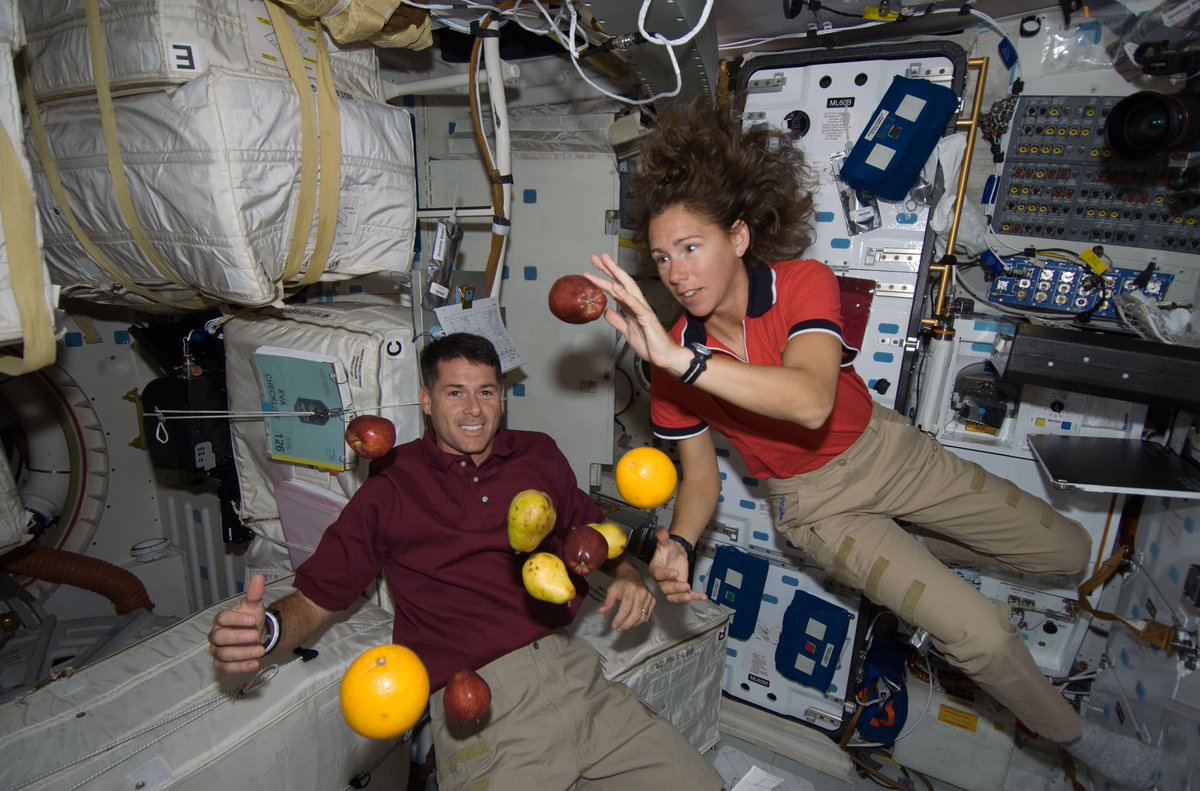
So many feel that contact with the ground as their ‘weight’ pressing down, on the ground. But that’s not what that contact feeling means. The contact feeling is the *balancing* of your weight, and the ground reaction force. That’s why you just stand or sit there, not moving. /10 https://t.co/WM4Bo4abD9
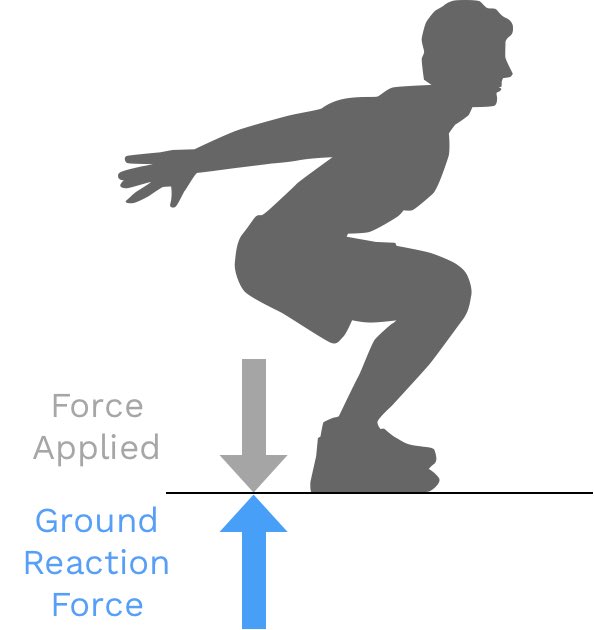
Your weight caused by your mass and gravity, is exactly balanced by the ground reaction force. By the Earth pushing UP, into you. Meaning there is no net pulling. You’re in contact with the ground, but it isn’t (in net terms) pulling you down. /11
You’re floating on the surface of the Earth a little like a boat floats on water, with the upwards buoyancy of the water holding the boat at the surface, balancing the downward force of the boat’s mass. How that feels is different to astronauts, but not in the way we think. /12
We’re not weighted, and they’re weightless. We’re both equally weighted. People who feel ‘weight’ on the ground are just out of balance. Like Joe Biden falling. They move off the upwards support of the ground, by tripping or leaning, and suddenly they ‘fall’. /13
But before they fall, they feel no weight. All the way to the ground as they fall, they feel no weight. When they hit the ground and lay there, they feel no weight. That feeling of ‘weight’ is purely about being off-balance, while on a supporting surface. /14
Take a classic example, ‘getting up out of a chair’. While on the chair you’re supported by the ground, so if you’re balanced, should feel no weight. But between sitting and standing, nearly everybody strains, they feel weight, as they (they think) haul themselves upright. /15 https://t.co/9PnBsTJ6VB
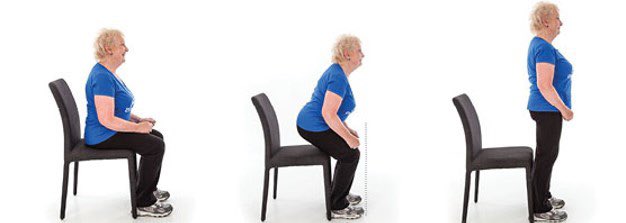
Lugging their weight up, against gravity. But if you stand a little like this lady, where you shift your mass from your bum as the supporting surface, to your feet as a new supporting surface before you stand, you will feel no weight at all. No effort. /16 https://t.co/vjrdatSpdL
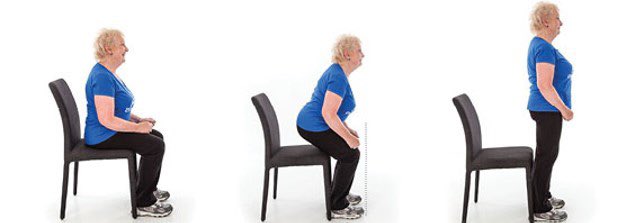
It’s fascinating how the language betrays the misunderstanding too. ‘Sitting down’. But you were already on the ground, your feet don’t move. if you stay over the support of your feet when sitting, your body only changes shape. You feel no ‘weight’ falling into the chair. /17
Feelings of weight are always somebody trying to get to another supporting surface, from inside the supporting surface they’re already on. Dragging themselves from bum to feet, without transferring their body over their feet first. And vice versa. /18
Life is a blissfully free, light experience, when you understand gravity. That contact with the planet under your feet stops feeling like your dead weight pressing down, and feels like what it actually is. You floating, but the Earth coming up underneath you. /19
Both you and astronauts are ‘floating’, but they’re falling, and you’re more like a boat. Try that reframing, which is actually real, not an analogy. You’re as free as those astronauts, but in a different way. A different kid of floating. /20
It’s not just a metaphor to say understanding this removes ‘the weight of the world’ from you. You will feel no weight at all, once you get this, and practice it in everyday life. it’s probably the most liberating experience I can imagine. Understanding always sets you free. /end
Only the most privileged and out-of-touch societies could make staying at home - ‘lockdowns’ - into a disaster. Imagine finding your own home an oppression. It’s not what the people I leave work with on a Friday are thinking. All smiles.
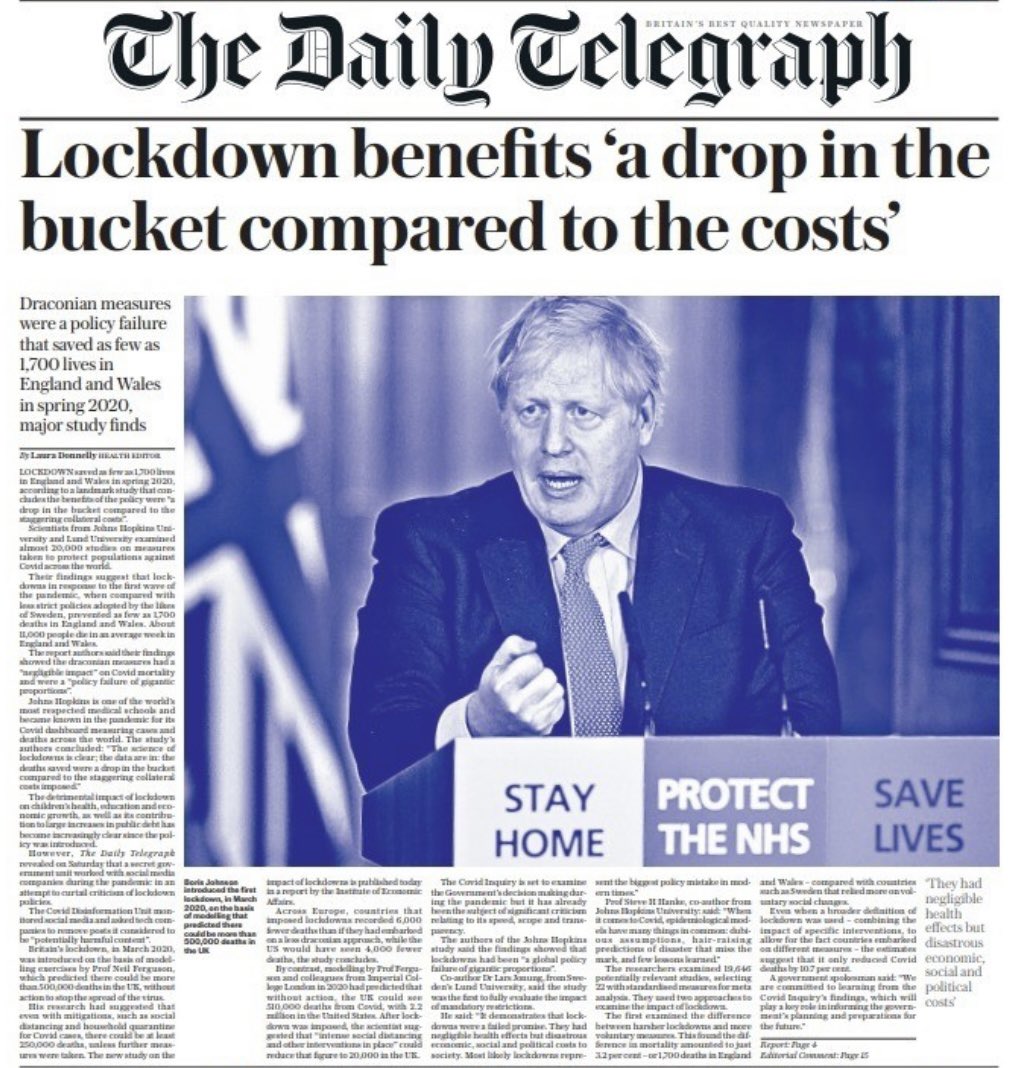
The Torygraph in the UK. Let’s celebrate State-funded lockdowns, and send thoughts and prayers to the libertarian loons who find them offensive. It beats privatised lockdowns we’re now paying for ourselves. https://t.co/p2m9nsMUCl
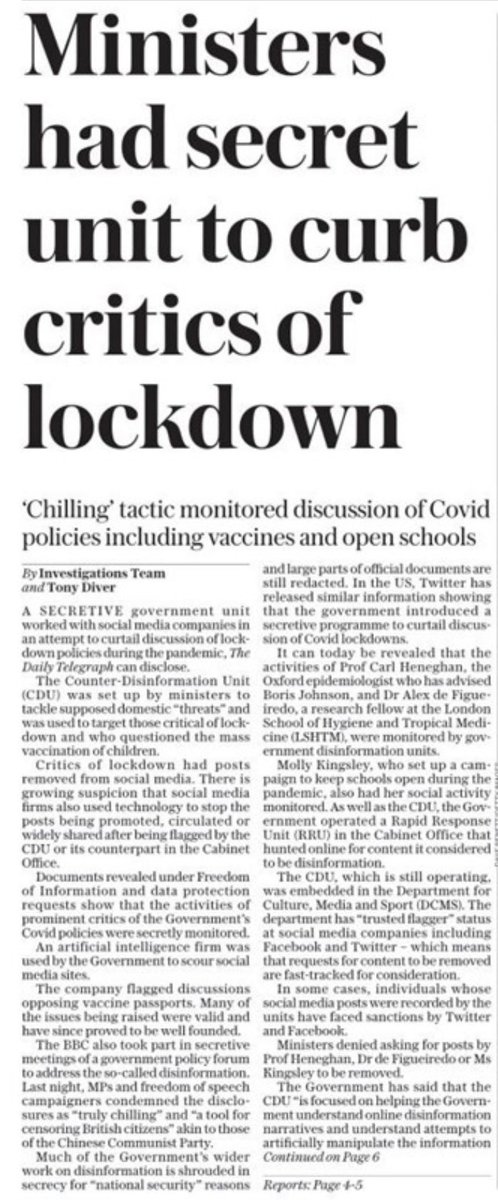
Our pro-child-infection homegrown experts swore this wasn’t the case. That kids caught it ‘in the community’. We will not forget, and what you’ve done to our children. https://t.co/OFO7Xwe4Sf
Beautiful description of the transition from a publicly-funded set of public health measures, allowing significant freedom, to privatised home lockdowns. Paid for by each of us individually. This is all that happened, just another privatisation of a public service. https://t.co/l4KWcJCW1M
More team sports. You can’t unsee it, when you start looking. The trial only happened because those close to Roberts-Smith broke ranks. That’s very rare in social groups. Like people spontaneously wearing masks. This is how all of society works. https://t.co/7cVgDVz3ib
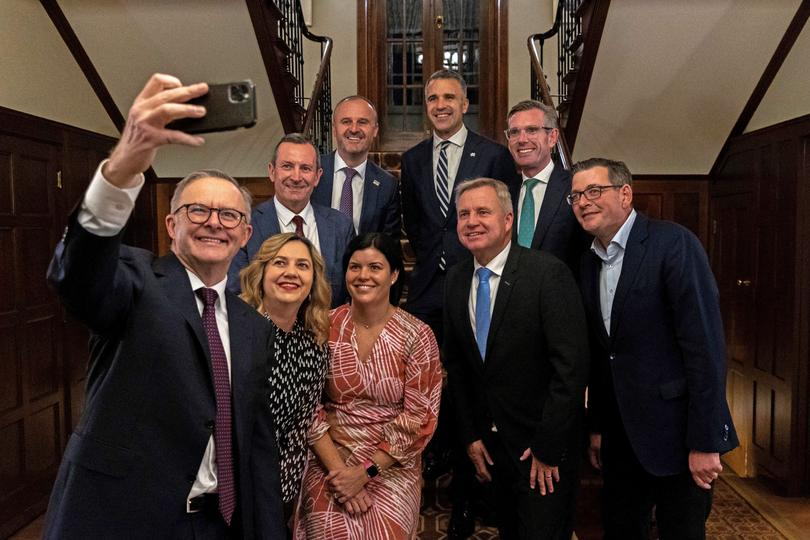
Were you ever able to persuade bullies and the most popular kids in your year to do anything at all, at school? Did they not even acknowledge you exist? Albanese below, before becoming PM. Now he’s the head boy at school. https://t.co/Y0i4aPvdk2
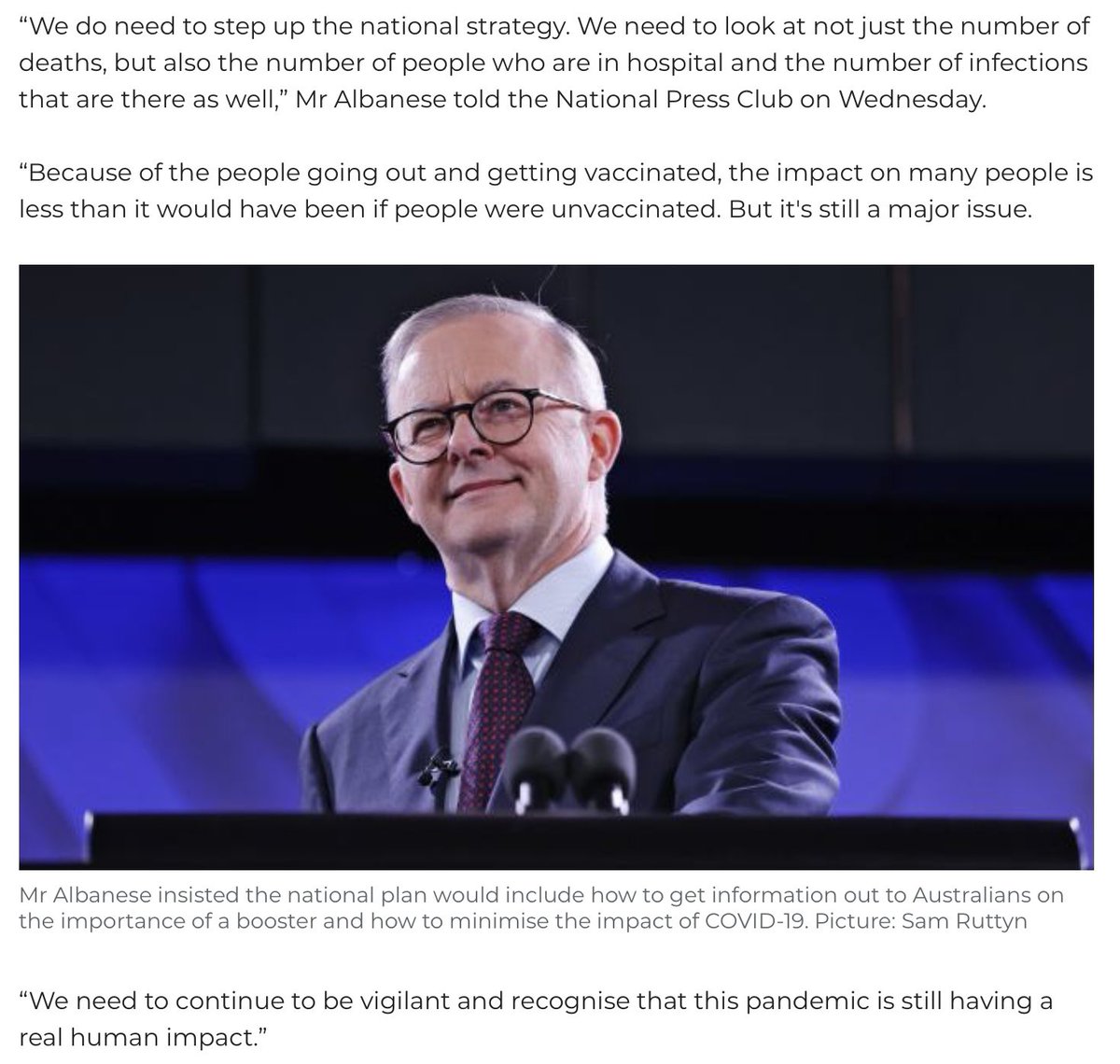
NSW had the same scheme. Not just economic, designed also to normalise mass infection, to break down resistance to sharing infected spaces. Dominic Perrottet spoke openly about breaking down hesitancy. Grooming the population for infection. https://t.co/vsuOSuWsfQ
This is ‘normal life’. Team sports. Nothing creates more passion. All social groupings are really teams. All political parties. All groups in a school playground. All workplaces. Covid minimisers. Covid fighters. Etc. The same social dynamics across all of it. https://t.co/LZODYxUzcv
I’m sure everybody thinks the social collapse facing the UK has an obvious answer. Tax cuts to the wealthy toffs who caused the social collapse. But popular! Way to go, elections. https://t.co/NYwPl6E6F9
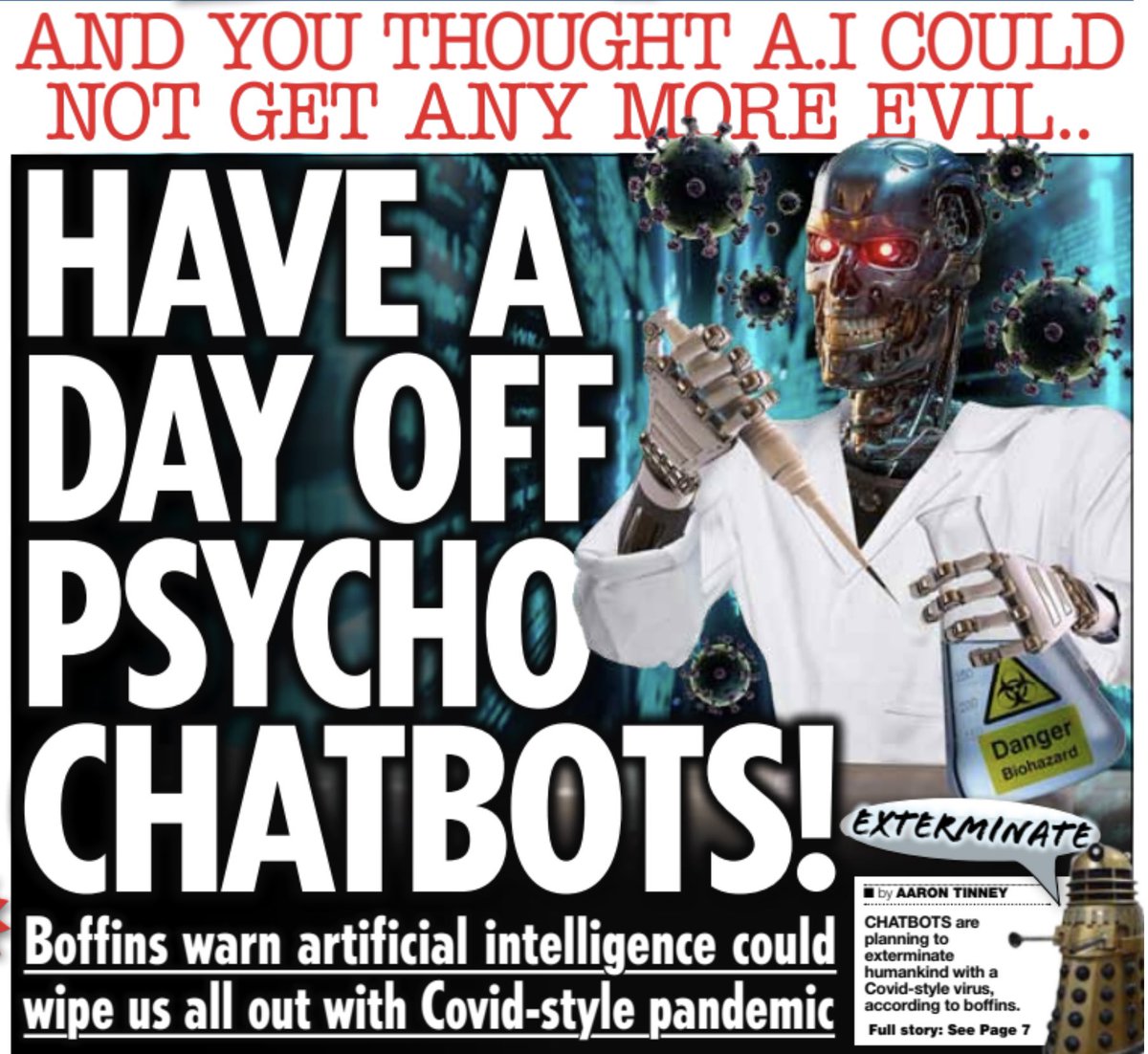
Interesting that the headline implies that Covid is wiping us all out. Not lockdowns. The true psychos who decided to let a pandemic run are flesh and blood elected morons, not bots. https://t.co/kxSVk3Zk51
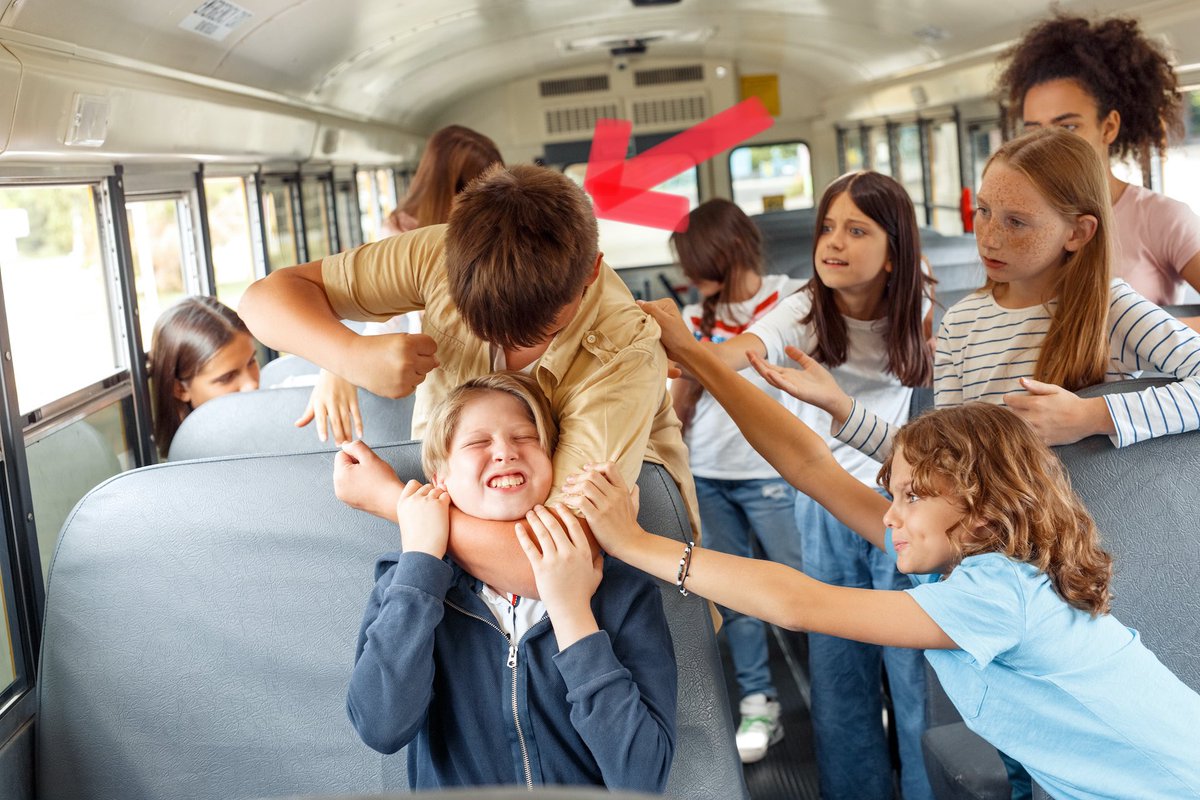
Schools have rules so that the law of the schoolyard (or bus) doesn’t apply in the classroom. That’s the origin of all law, levelling power hierarchies. The de-regulation, small government politician is shown at the red arrow. https://t.co/y6Cf8WZrdm
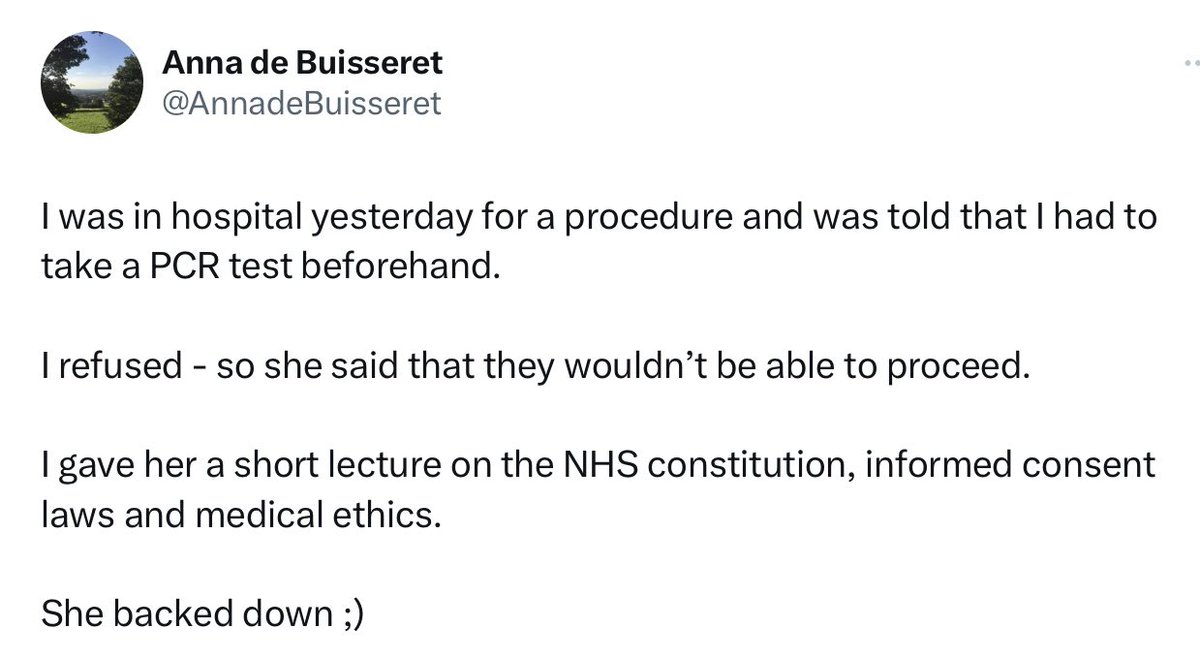
People at the front line of essential public services have to endure this every single day. Magistrates have ‘sovereign citizens’ in front of them quoting chapter and verse from some YouTube clip. Social media is making this the norm. h/t to @KoparaFallsKid https://t.co/MYuhSWOL2d
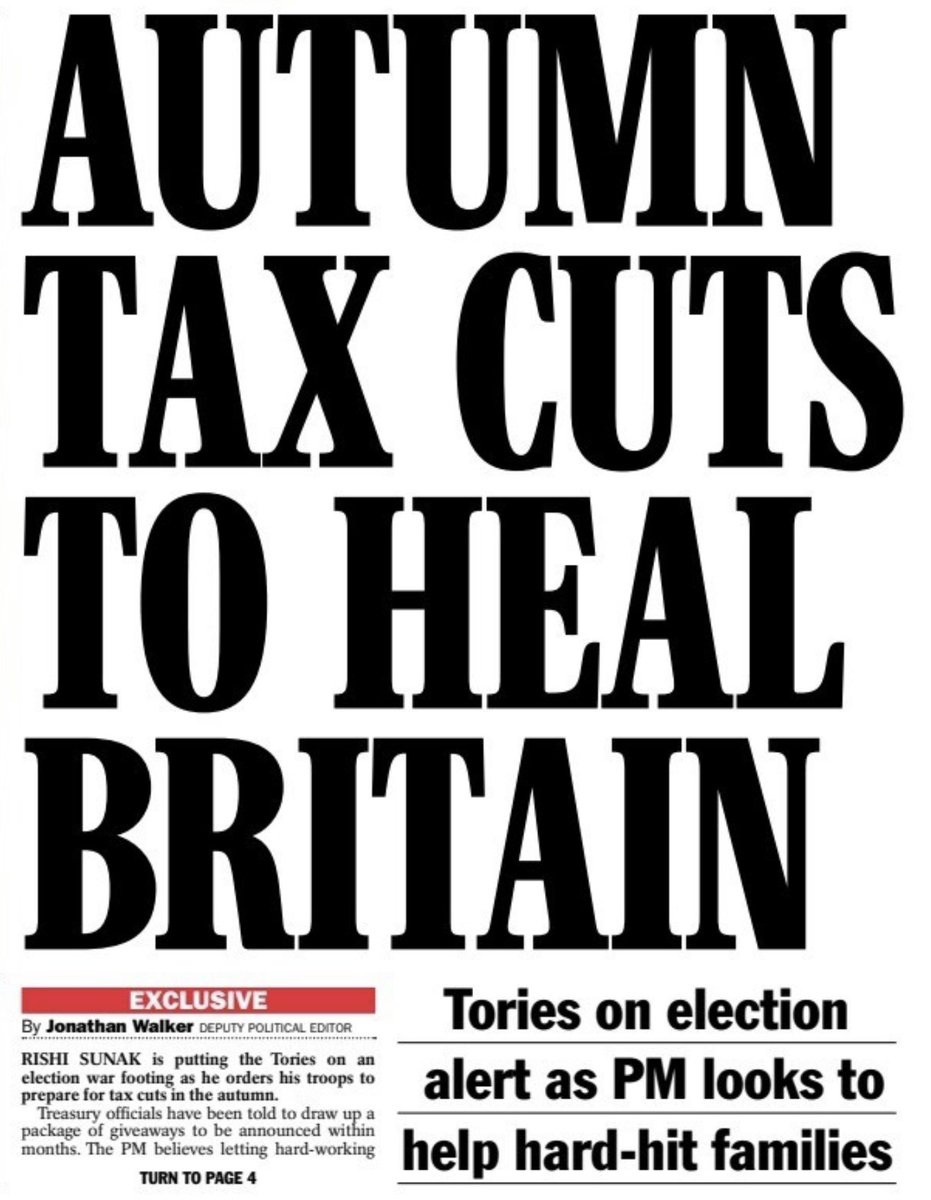
Another who doesn’t understand that lockdowns continue, and now at your own expense. If you have any sick leave left. https://t.co/wu1l1dHbkG
Tell me the story again about how electing people leads to better governance. https://t.co/wiTXgzqvYa
Had some time off this week and missed this update. It’s like watching a poker machine, the numbers spinning week on week. https://t.co/b462vXgNBY
By my rough calculation, these worst train disasters of the past decade killed only about a fifth of the people Australia has killed with Covid, in 2023 alone. Nobody has suggested living with train crashes. https://t.co/8PPnrBfNbC
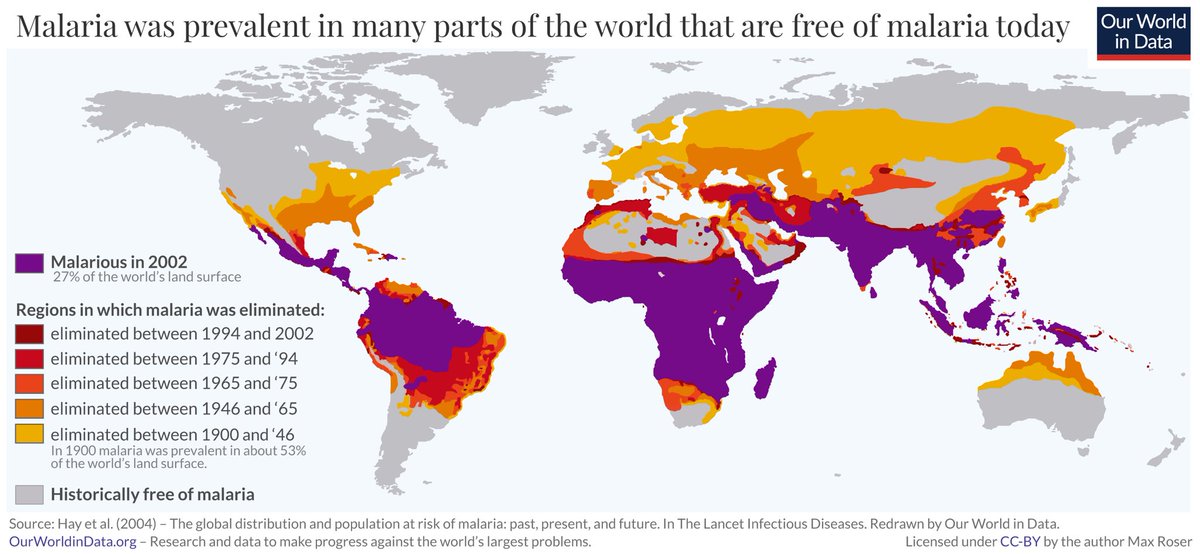
Malaria wasn’t always just a tropical disease. It killed across about twice the area historically than it does now. It was eliminated in richer parts of the world, by public health action, land use and better housing. Not by living with it. @CrabbBrendan https://t.co/1gRSRzut4N
We must challenge the idea that action for the public good needs to be ‘balanced’ against the economy. History will tell you that’s a total misunderstanding. Too many years of dreary sociological and political theory has miscast that revolution as one of greed. /1 https://t.co/cK4oDSKXiI
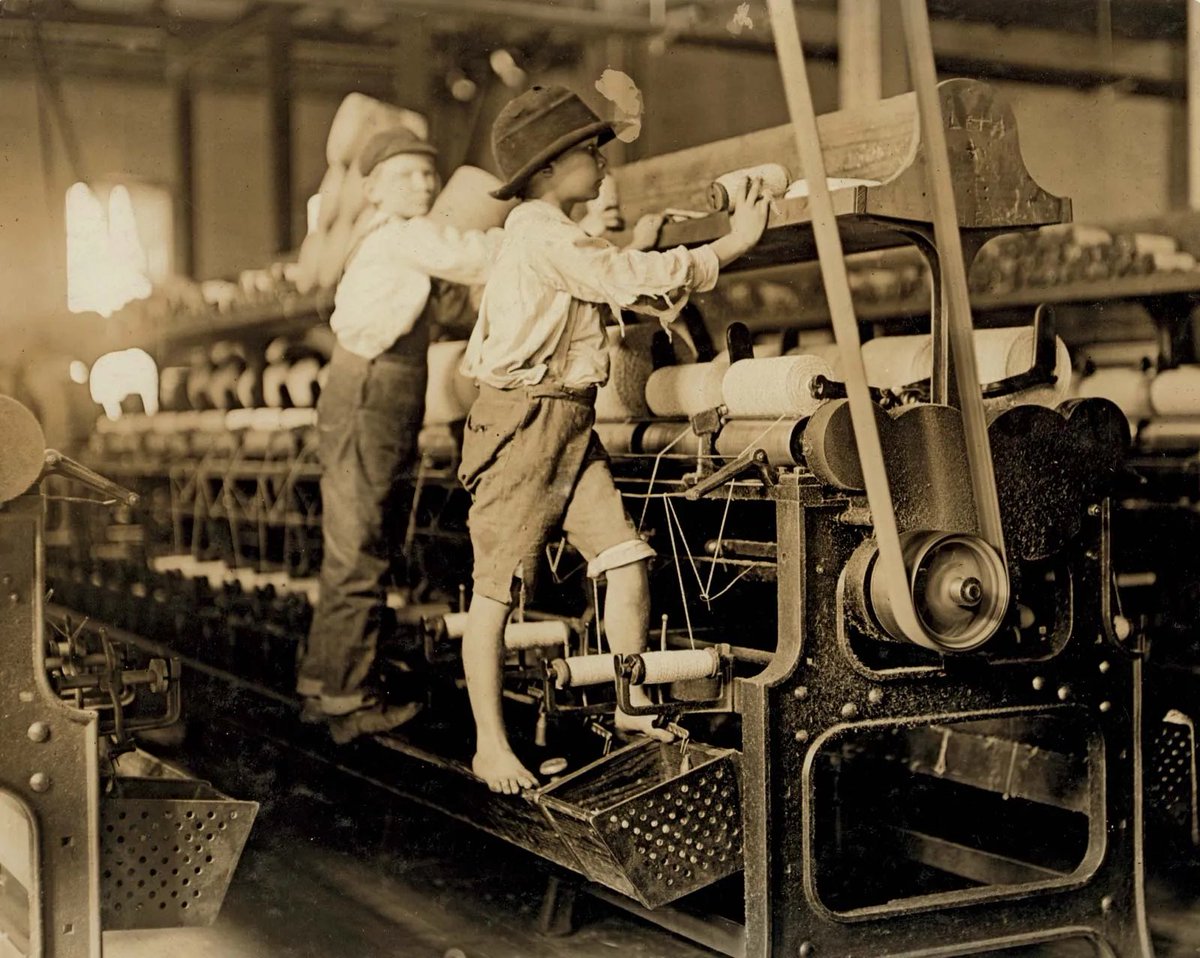
For sure terrible things happened too in those ‘dark satanic mills’. Kids labouring. Terrible or absent WHS. Massive profits for a handful while many still lived in poverty. Etc. But there’s a much deeper story here that gets forgotten. /2 https://t.co/VDapzFS7fl
The reason this revolution happened at all was centuries of barely subsistence living, by pretty much everybody. While some today sentimentalise subsistence living, the amount of drudgery, death, injustice, starvation, child mortality etc. was not fun. /3 https://t.co/xr92YniBoe
We’ve had material abundance for most of our lives, and I think struggle to really understand what living without that is like. We can again sentimentalise it, from within that abundance, by living ‘off the grid’. But we know the grid is there. It’s fake. /4
To suddenly have things in abundance that previously you either didn’t have at all, or you had to work every hour of the day to have even small amounts of, must have been a type of liberation that again we can’t even imagine. /5
To have mass-produced beautiful textiles and yarns, that didn’t require you to find time to do your own spinning and weaving. Electric lighting, sewers, roads. We’ve lost touch with how extraordinary these things would have been. How much easier they made peoples’ lives. /6
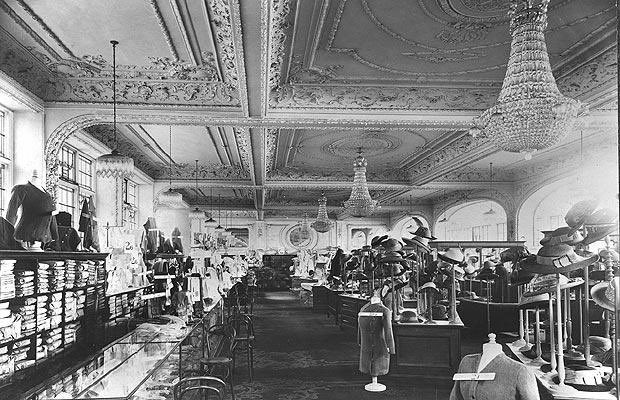
Suddenly there were ‘department stores’, much larger retail outlets to cater for the explosion in consumer goods. We can’t even imagine the wonder that would have been, for people who had suffered centuries of privation. And yes, there were also still many in poverty. /7 https://t.co/IgNEVR4rbL
As Hans Rosling laboured to point out, this revolution had profound impacts on trends in poverty too. After centuries of feudal serfdom where the poor barely budged, suddenly massive shifts occurred in relative prosperity. And yes, the rich still got richer. /8 https://t.co/Uxxcd8mBI6
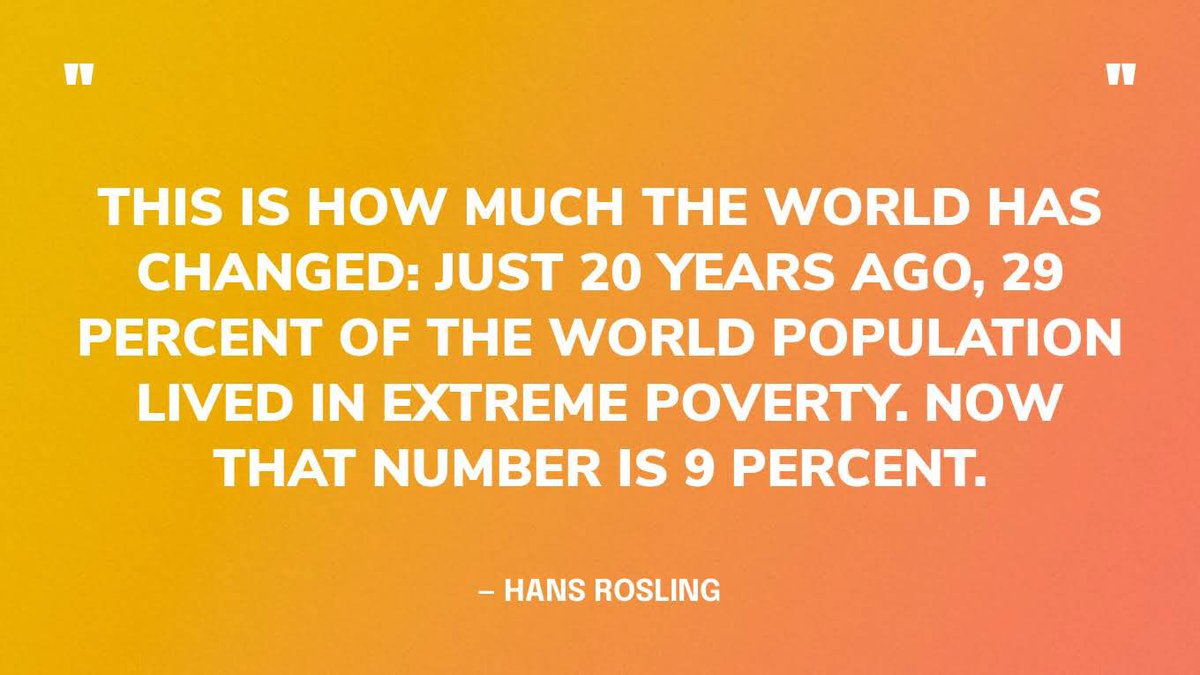
But there’s no way you could say the poor today are living lives that peasants and serfs lived. The rising tide really did lift all boats, profoundly. This is part of what I tweet about, the engineering basis of civilisation. Left to themselves, humans will just squabble. /9
They’ll play the social status games of the schoolyard, their entire lives. But inject engineering into society, along with natural disasters, wars and plagues, and that social gameplay does shift. Very often the engineering is the *response* to disaster. /10 https://t.co/kVcr3KDcop
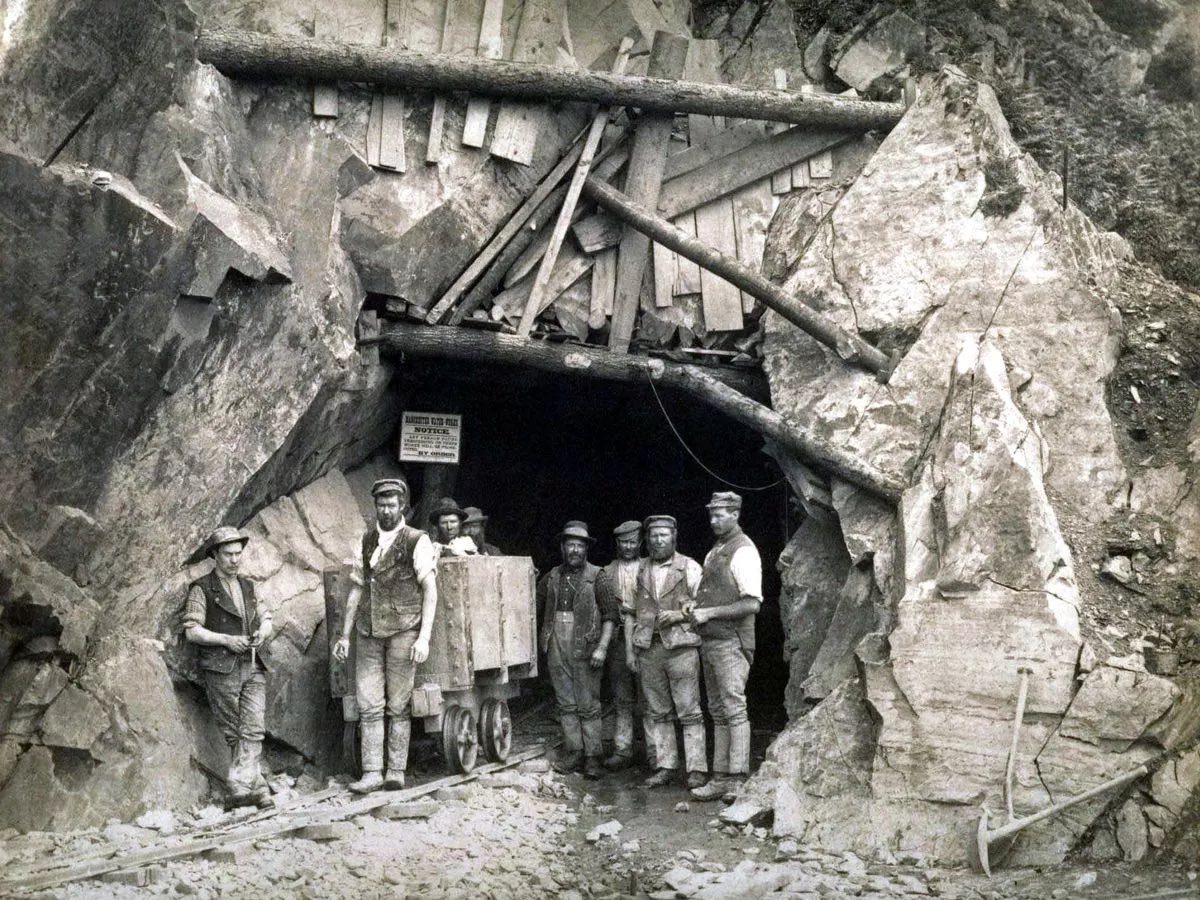
So the point of this thread is this. The famous Industrial Revolution emerged as a response to real social needs, spanning centuries. Driven by men who wanted to be rich. But they got rich by addressing those needs. The idea of ‘balancing’ their work against the public good? /11
It would have seemed absolute nonsense to them. Their work was targeted AT the public good. That’s the only reason they were doing it, and why they got rich. People flocked to consume the output, freer at last from centuries of drudgery and death. So fast forward to today. /12
Many existential emergencies face humans, again. Climate change and Covid, just two of the most prominent. This is exactly the situation that was facing the Victorian engineers. That’s what drove the Industrial Revolution. Public suffering and need. /13
That created an explosion in ‘the economy’ that was unprecedented in history. It created what we call the economy, itself. The response to basic human needs caused that. Right now, we’re at another of those historical inflection points. /14 https://t.co/sHWTVcSf4l
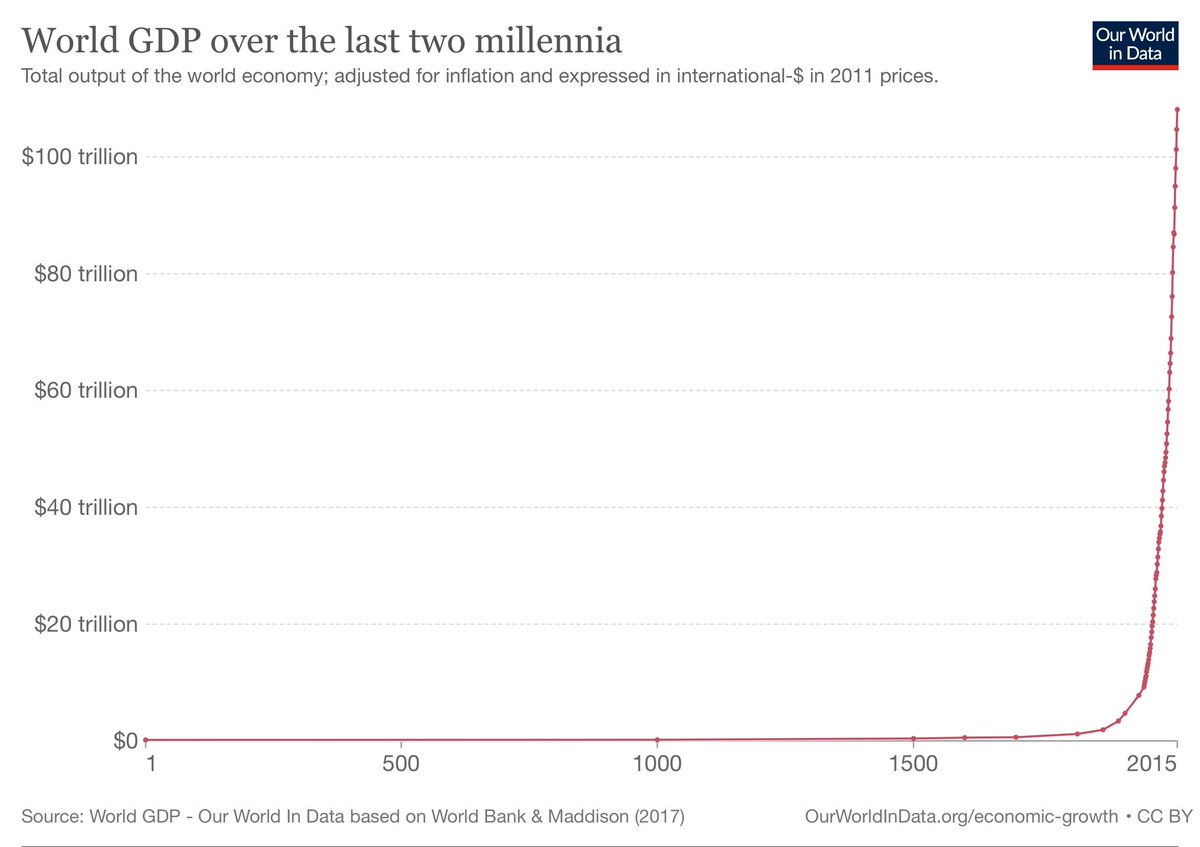
We need another industrial revolution, to address our current social problems. It will drive ‘economic growth’ off the scale, this is the nonsense of talking about ‘balance’. It’s not two things here. It’s one thing. Human wellbeing IS what makes economies thrive. /15
We’re so obsessed with human-human interactions, with the social games of the schoolyard, dressed up as elections and ‘politics’ for adults, that we miss the tectonic plates underlying our societies. The engineering, to address human need. /16
Schoolyard culture will constantly appropriate this material wellbeing for select groups. But material wellbeing isn’t the problem, not ‘capitalism’ (which doesn’t even exist). The problem is the culture that beat up the nerds at school who went on to become the engineers. /17 https://t.co/E6A2X2skS8
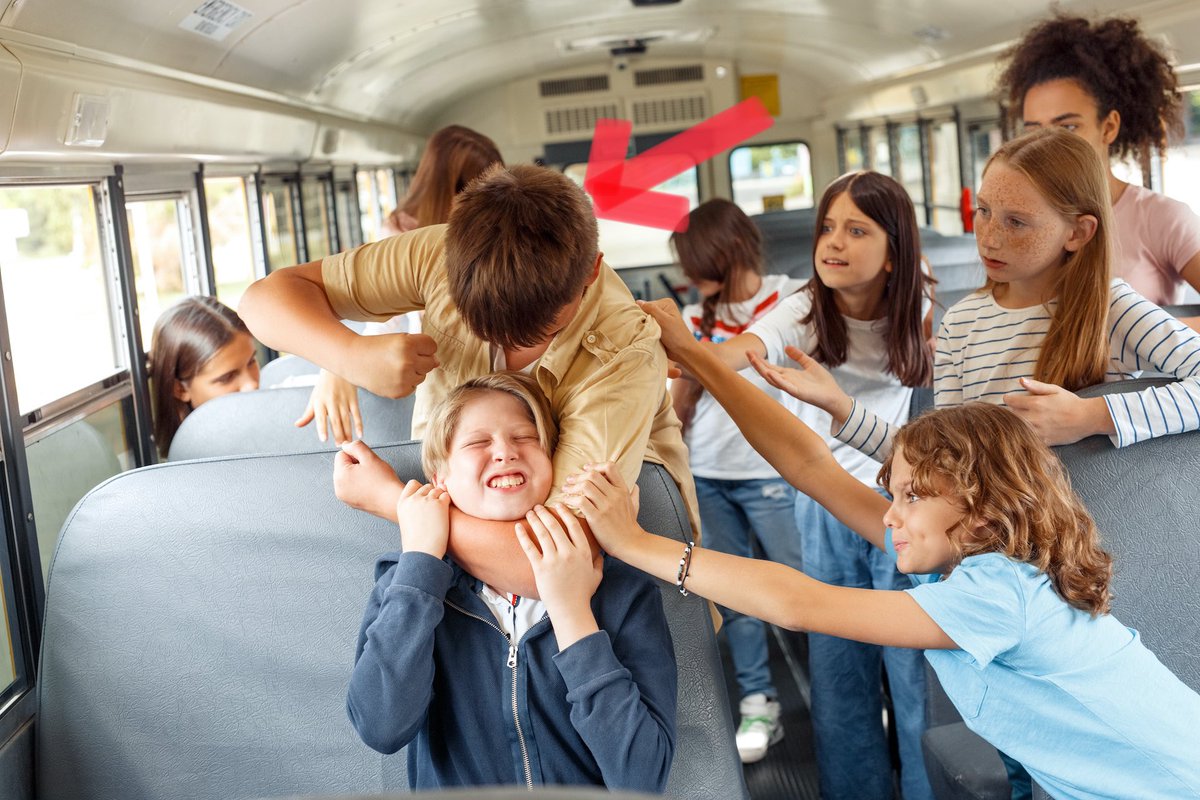
Social media is the worst technology for this point in history, it entrenches schoolyard culture at every stage of life. All of our problems have known, objectively-solvable solutions. We can’t even get to the starting line through the fog of popularity schoolyard politics. /18
The ‘economy’ would boom if we got that tedious daily squabbling and jostling for status out of the way. The boring business-suited blokes in politics droning on and on about the economy don’t understand a thing about it. They’re parasites on the last industrial revolution. /19
They hoarded the wealth that revolution produced, and now don’t want it taken away by the next revolution. They’re dragons sitting on their gold. For the sake of the economy, we need to fight climate change and Covid, now. Brutally. /end
I track the UK news, because what happens there often follows here, as conservative strategists share IP. Australians will know ‘Stop the Boats’ only too well, nothing to do with immigration or boats, everything about winning elections. /1 https://t.co/0MYWSkMkzb
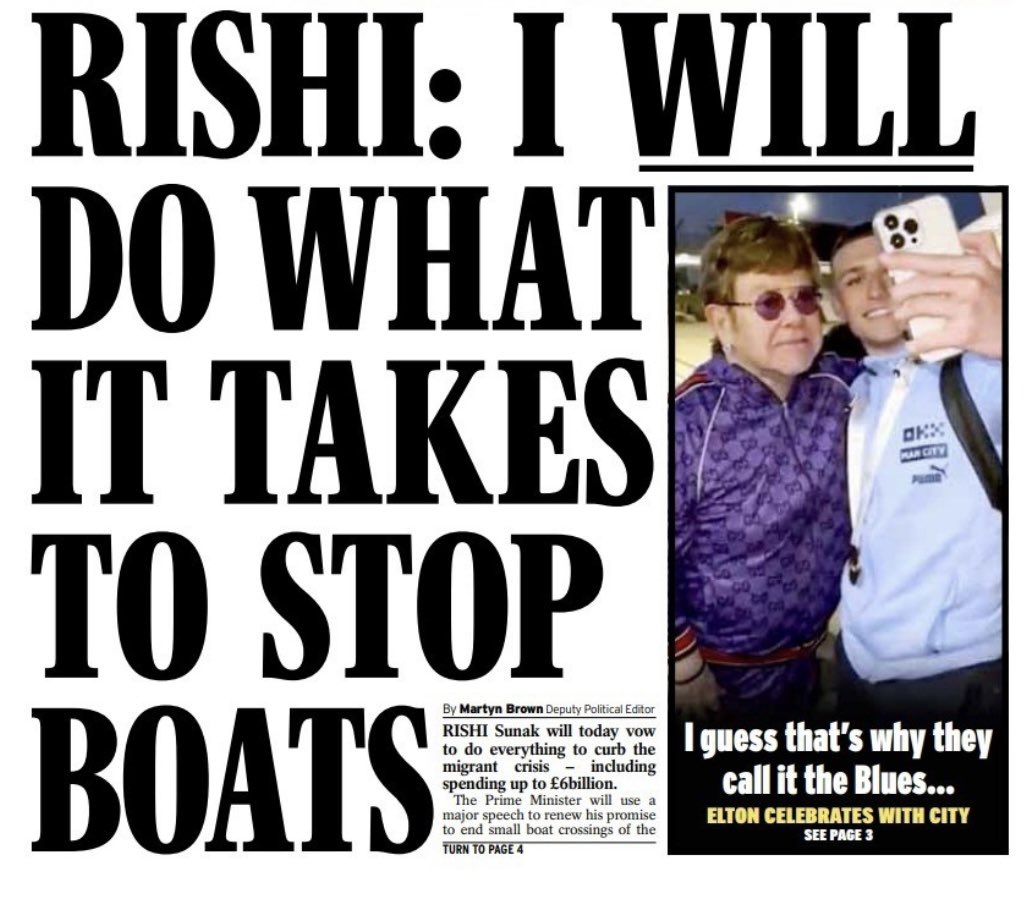
Over at the Torygraph, they maintain a campaign to ensure public health action will never happen again. Progressives should note how relentless these campaigns are - it’s why conservatives win. Say it over and over, and people will believe it, like hysteria over ‘lockdowns’. /2 https://t.co/MIjNl9TPT7
And finally, some warning that we may need public health action ramped up again sooner than we think. Clean air, anyone? I’m sure that mitigates against TB as well. 3/3 https://t.co/EzInUuOjQ0

@ajcdeane and @jennykleeman discussing ‘Stop the Boats’ on SKY Press Preview. Australians endured 20+ years of this spin from conservatives, now borrowed by the Tories to help stave off electoral oblivion. Dog whistling. It morphed into ‘Stop telling people about the boats’.
I think a quick fix here would be $300 billion+ worth of nuclear submarines, and about $200 billion in tax cuts to the top end of town. https://t.co/9UAD5dRXs5
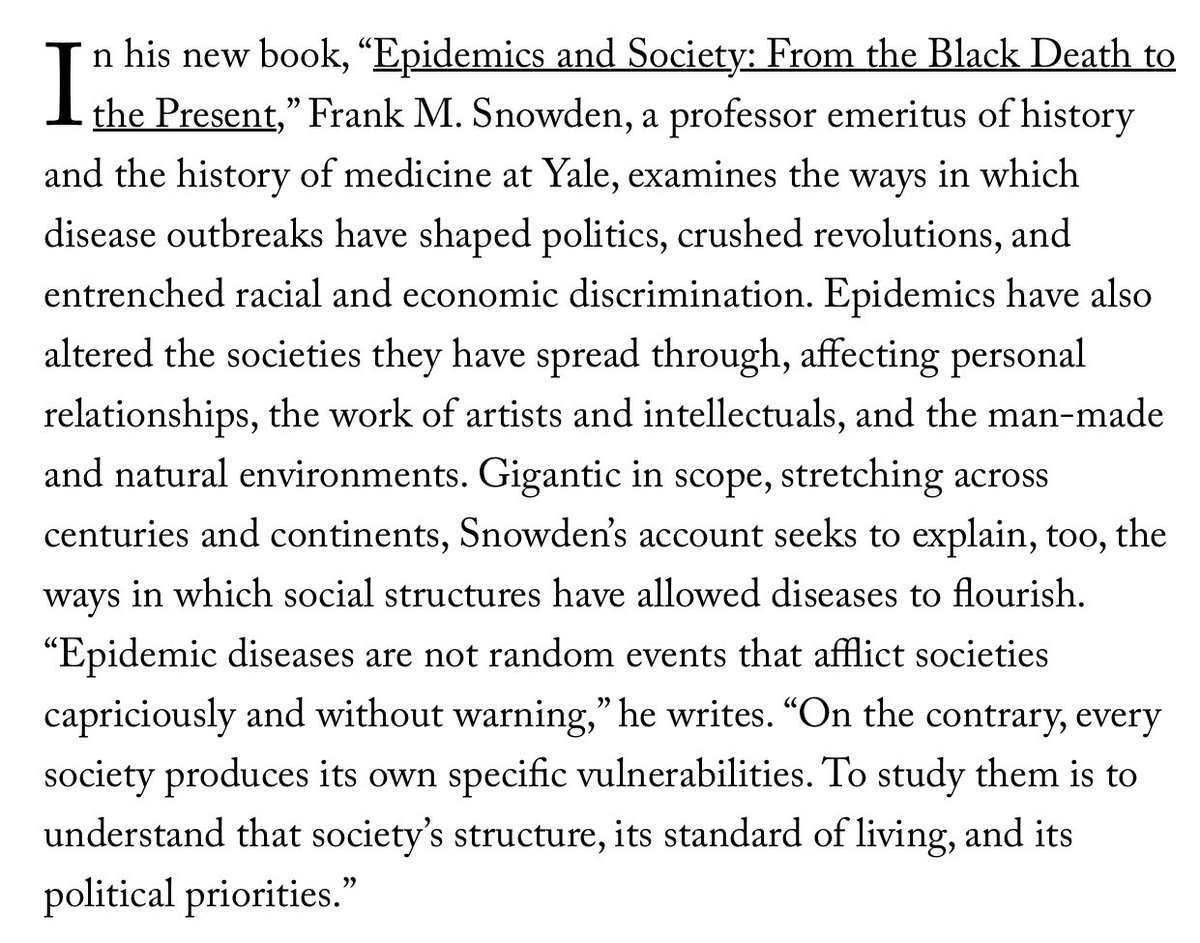
Epidemics don’t happen *to* societies. They’re the revealing of a society’s specific vulnerabilities. Why we rushed ‘back to normal’, to avoid dealing with those vulnerabilities. https://t.co/G0fqeSWUpn
It took a property developer in this piece to finally speak the truth of what’s happening with housing. Amusingly, everyone calling for more supply (as the gas industry does too) is what’s sending builders to the wall, and driving prices skywards. https://t.co/oYYj8QkJYI
Riddle me this. Enormous demand for housing, no supply. But not because there’s no land available, lots of those houses are sitting unfinished, unable to find a builder. Builders are going broke. The fantasies of the economy. /1 https://t.co/8P1ELMIcYE
Enormous thanks to Soheil Abedian for finally spilling the beans on this whole farce, from inside the industry itself. And in the process exposing the fantasy that the economy is. The supply/demand nonsense, markets etc. /2 https://t.co/KIVdi0Qi6z
As he describes so well, if you restrict that to just sale of houses, where there’s big demand and huge prices, it will look like there’s not enough supply. The PM has swallowed that rubbish from the property industry, all of them do. But that’s not the problem. /3
Everywhere along the chain of constructing the house has been making enormous money. Real estate agents, builders, owners selling houses, land owners, building suppliers, conveyancers etc. And they all want more, people always want more. /4
This is where the economy is exposed as a myth. All of this tight interconnection of multiple people and interests is a *social* phenomenon. The reason ‘lockdowns’ alarmed the economy people is because they exposed how profoundly, *socially* connected we all are. /5
The same people who peddle belief systems saying the individual is sovereign, and that markets are made up of billions of separate individuals. Now flattened by the scale of the social inter-connection between all of the elements of the supposed economy. /6
Look at the empirical evidence. Desperate demand for housing, but builders going broke, leaving houses unfinished. It’s not Ukraine, it’s not lockdowns. It’s an unregulated industry collapsing under the weight of what all lack of regulation produces - social hierarchy. /7
There is no economy, only a society. I don’t see us making that leap of understanding any time soon. But nothing will change until we do. We’ll follow the course of history, only the total catastrophic collapse of societies will trigger any change. One funeral at a time. /end
Another favourite. Nothing like actually advertising the collapse of public health in your country. https://t.co/NmhRvrpwLt
Just as renaming feudalism as 'capitalism' hides the historical continuity of societies, in this article substitute 'slaver' for every mention of 'labour hire'. https://t.co/T5KXfL8uMy
A cooker ex-friend constantly asks me 'so what would you do about Covid?' I say: "control the spread, like we do for every other serious infectious disease." Cookers bait you to say 'lockdowns'. They're a bit taken aback when you say 'approach it like mumps or chickenpox'.
Contacted the principal of my kids' school to ask about outside options for some upcoming events. Got the standard response I hear from all schools and workplaces now. "We're following the rules" i.e. doing nothing. This is a gap you can drive a truck through. /1
Now that there are no public health orders, people assume (and are encouraged to assume) it's anything goes. But PHOs are just one component of public health law. I Tweeted the other day as an example that you can still be jailed in NSW for not taking precautions.../2
...if you know you're Covid+. The national Covid-19 control guideline also requires a range of things that aren't being done. It's been knee-capped by politicians in multiple ways, but plenty of powerful public health still in it. /3 https://t.co/cehupSgkPW
The much more serious governance issue is how untenable it is to have your health departments strongly recommending things, that politicians then make non-compulsory, and even mock. That's populism, right there. Elected leaders actively sidelining institutions. /4
They'll say they're 'balancing' this advice against other important priorities. Bullshit. That line completely misunderstands public health, which was set up BY POLITICIANS to do that balancing. Notice that there's been zero balancing going on at all? /5
At every twist in the Covid road, balancing has meant 0% action against Covid, 100% action for the economy. Or what politicians see as the economy, in reality it's just people, and not doing the public health destroys the economy too. That's why THEY invented it. /end
The only action that can stop grants being used as vote-buying slush funds is to end voting. People won’t accept that using popularity as a selection mechanism for leadership is what’s destroying democracies. Until they do, nothing will change. https://t.co/lllsz4Q25R
I’ve looked and I can’t find Dee’s published work in mild, endemic respiratory viruses. Just this pitiable Tweet. https://t.co/UPq1GpClL4
The same libertarians who whined and protested about Covid rules are now excusing their lack of Covid action by saying ‘we’re following the government rules’. Just as they whine about free speech while suppressing the speech of everybody except themselves.
How prepared are you to take on your own friends, to end this pandemic? What created and maintains this pandemic is the social dynamics of friendship, what I sometimes call ‘team sports’. Social conformity. Not politics, or rather that’s all that politics is. /1 https://t.co/goysyGFqt4
We had a lot of decades where allowing each person to hold whatever view they liked was manageable. We could utter platitudes like ‘each to their own’, and get on with life. But we’re now at a point where those beliefs impact lives directly, and immediately. Dangerous beliefs. /2
One of my best friends is now a bitter enemy, because I told them their views are dangerous, killing people and a disgrace. I don’t care that it outraged them, it’s a line-in-the-sand time in history. My own family is being infected because of views like theirs. /3
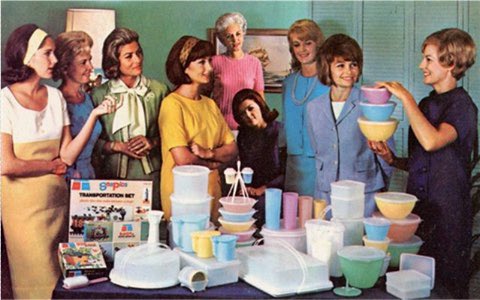
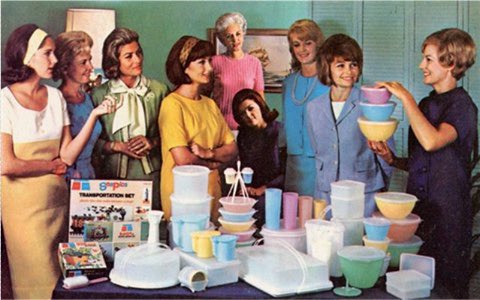
We so often think of political battles as battles between us, the public, and politicians or government. But that’s not true. The reason the most insane things are happening right now is because politicians gamed our *social* behaviours. Like Tupperware-type parties. /4
Most of the work of destroying public health is being done BY the public, on behalf of these politicians. Social media is the secret sauce that insinuates itself into every household, opening the door to poisonous, lunatic beliefs. That’s how home-based selling worked. /5 https://t.co/4BBnO0Ea4Y
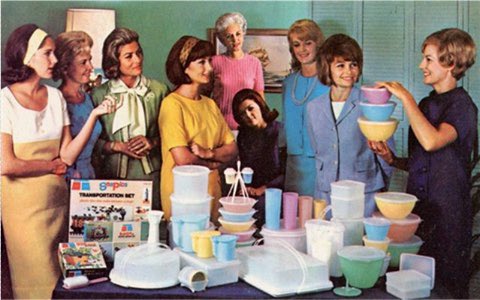
Companies recognised that the most powerful way to break down distrust and reluctance to buy was to have your own friends do the work for them. And that’s what’s happened with Covid as well. A small handful of anti-public health influencers drive the resistance. /6 https://t.co/1jrzVKXnrC
Right there in your own home, via social media. I think unless we’re challenging our own friendship groups directly, something people are understandably reluctant to do, we’re lost. The reason politicians aren’t listening is because your friends aren’t either. /7
And the politicians need your friends’ votes. The bastards have inserted themselves into our social networks, via these platforms, and now they’re flogging anti-climate action and anti-pandemic action to us 24/7, via our own friends. /8
Society is social, not political. We need to take social action. With our own friends. That stuff scales fast. Wailing at politicians goes nowhere. /end
As a P.S. the example of my friend might suggest I mean go to war with your friends. Not at all, they were just an extreme case that needed ‘blocking’ from my life. By ‘taking on’ friends I mean opening up discussion with them, on Covid.
If we want to beat Covid, graphs and data aren't going to do it. All facts need to be inserted into social realities. Libertarians know this, they do the exact opposite of what they say. They target social things. https://t.co/QuLusyUgVG
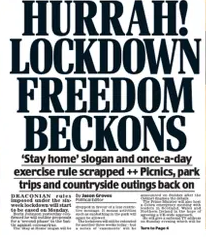
The -ism words are so misleading. Take 'authoritarianism'. Libertarians mean State power. Removing public health measures so that the public is forcibly infected with a virus is the most authoritarian decision possible. The public is left with no choice. It's literal assault. https://t.co/DghISC0U2P
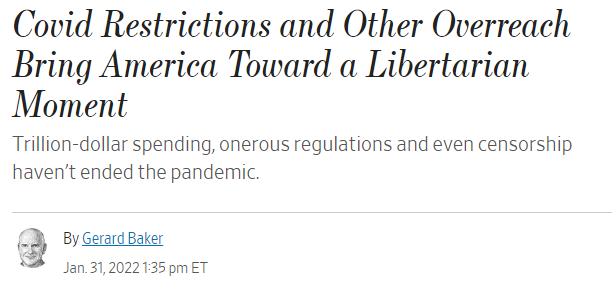
Infectious disease physicians and Covid. One example. There's not a single public health measure mentioned here, apart from vaccination? Like antibodies are the only way to control disease? Is this a territorial thing, between medicine and public health? https://t.co/MLiu6sHu1X
Chesterton got it. To beat Covid we don't need the facts about it to be widely understood, they'll always be interpreted through peoples' social groups and networks. We need to target the social groups. https://t.co/pXk5MtCuG1

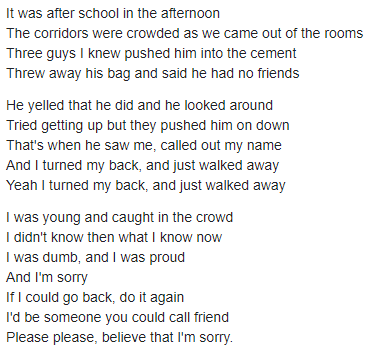
That feeling every day that Covid is a train wreck, and nobody is doing a thing? It's peer pressure. Kate Miller-Heidke's Caught in the Crowd captures it nicely, in this bit. Now nearly everybody is turning their back, and walking away, for Covid. Most know it's wrong. https://t.co/02qGeEbh8J
Cassy O’Connor asking the Covid questions at the Tasmanian Covid enquiry that we all want asked. And the Premier’s squirming non-answer is telling: that National Cabinet decided. No rationale, just group solidarity. A shield for incompetence and irresponsibility. https://t.co/AovdE63FCX
Boom. https://t.co/nng9MV0BmM
Forensic and glorious. https://t.co/CzBkrn7OR7
I think some of our homegrown experts who still actively advocate for child infection should be made to work in schools as casual teachers. There’s a desperate, critical shortage. https://t.co/sWtPgeLG1u
Australian journalists should watch O’Connor’s questioning in full, and hang their heads in shame that they weren’t asking these questions themselves, repeatedly, over the past 3 years. #auspol https://t.co/AovdE63FCX
One of the more staggeringly stupid things the LNP did in Australia over the past 30 years is take our stupendous natural resource advantages, and basically hand them over to foreign mining companies. Many of them should be in jail. https://t.co/wYdI2bJltl
Pathetic populist politicians won’t touch Covid for fear of losing votes. The cookers spooked them, or their own ideology hated every second of public health, with Covid. That ideology hates anything public, it ‘distorts the market’, even when the market says kill kill kill. /1
It’s almost beyond belief that their slavish obedience to idiot ideas about the State comes above even preventing mass death, sickness and disability. That’s what a fundamentalist does, and that’s what they are, fundamentalists. As I say a lot, track it back, socially. /2
Despite all their rhetoric about individual initiative, about ‘having a go’, in reality they’re heirs to fortunes that they do almost nothing to earn, and many of them could barely boil an egg. They’re also vastly outnumbered by every other social grouping. /3
And yet they keep winning elections, because they game them, they make toxic ideas popular. It’s just marketing, something the empires they inherit have a lot of experience in. With Covid, after the emergency measures many countries took, which they call ‘lockdowns’? /4
(Great example of their rhetorical skill, that a basic process of quarantine as old as history was re-framed as locking people up.) After the dreaded lockdowns, we were told it was time to let it rip. Missing the obvious next step, rarely mentioned. /5
After emergency public health measures, we should have reverted to other public health measures, designed for daily ongoing life. And nearly all of these are WHS measures, in business. That’s why they didn’t go there, it’s their key constituency. /6
Any audit of WHS measures taken for Covid in business right now, and even public institutions like schools and the public service, would fill multiple Royal Commissions. Either nothing happening at all, or the odd empty hand sanitiser bottle, not refilled since 2021. /7
Any politician with half a brain, and I’m afraid you might look long and hard for one now, should realise that the way forward with Covid isn’t government-funded lockdowns and actions. It’s to make business take its basic WHS responsibility. And to PAY for it. /8
And all public organisations too, make them follow the WHS law they’re already supposed to be following. And audit the fuck out of it, and put people in jail, until they do it. Yet another ‘socialising the losses’ that we let happen, with nary a whimper. /end
All of the Tweets every day asking why aren't we doing anything about Covid? There is no we. That 'we' was 'the public', dismantled by political libertarians since the 1950s. All that's left is thousands of separate groups, taking selfies. https://t.co/lnX2dHdJM5
Historically what makes economies boom is action against emergencies. It 'stimulates economic activity'. Like after the great wars in the 20th century, or cholera in the UK. Leading to decades of prosperity. The problem is the solution. Fix our disasters, fix the economy. https://t.co/0BpsFNOT3j
Use the 'everything is social' lens. The previous PM set up NC to create a separate group dynamic, and like all groups tending to be loyal to itself. This then decoupled the members from their old groups, like their connections with CHOs and health departments. https://t.co/B6d8tlQwr6
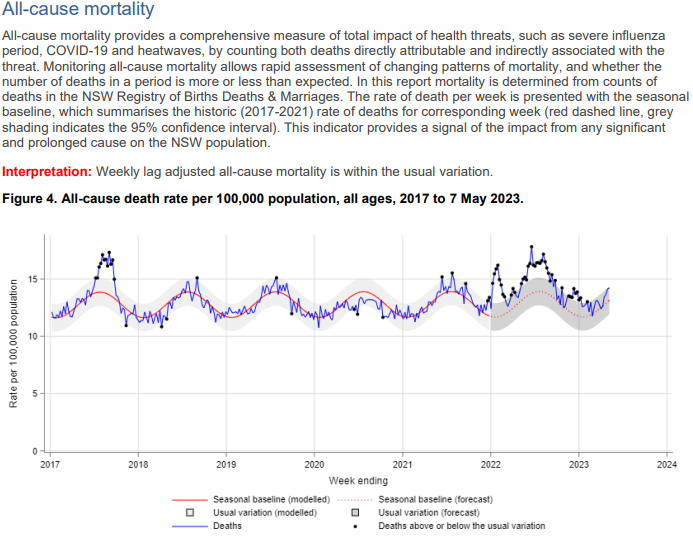
@KarenCutter4 what's the relationship between all-cause mortality and excess deaths? Given the former is here described as being within normal variations? From this week's NSW epi report. https://t.co/krthNCe0U2
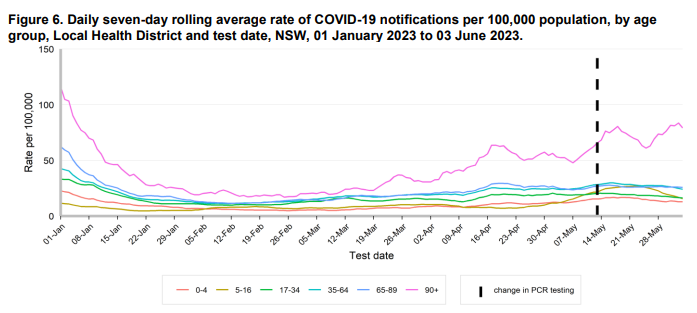
Lucky people over 90 aren't vulnerable to Covid. We're protecting the vulnerable, I read it in the paper. From this week's NSW epi report. https://t.co/gfukhlXLze
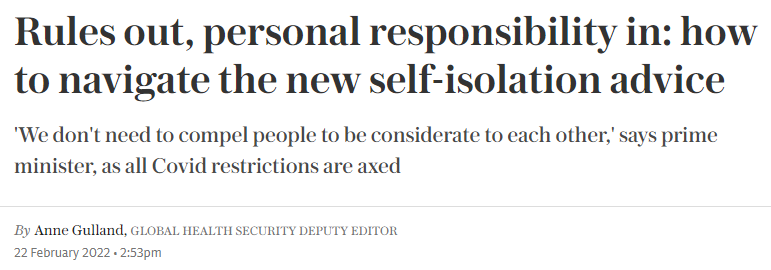
Taking personal responsibility for infection is like taking personal responsibility for traffic. A Boris special from early 2022. Privatising a pandemic. https://t.co/Vs8FlWh873
The only shots Australians are doing now are lined up on a bar. https://t.co/94HzyRmiqx
Why didn’t we act sooner against climate change? The economy wouldn’t allow it. Why aren’t we acting against Covid? The economy won’t allow it. Higher wages? Economy says no. Flexible working conditions? No. Seeing the pattern? A made-up construct to protect the status quo. https://t.co/XVpISyzTP4
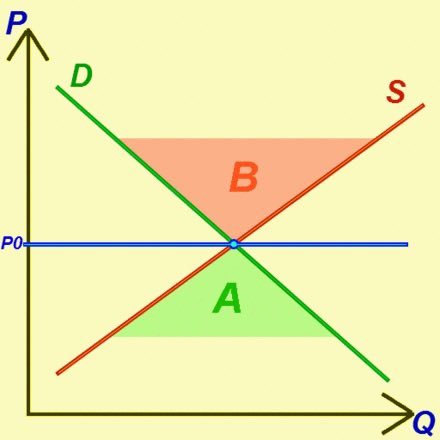
Nearly everybody accepts the economy exists. Nearly everybody doesn’t realise it’s just a graph. That dreaded inflation? An emergency for the economy, because that price point where P0 meets B and A is the equilibrium point of the perfect market. /1 https://t.co/G13tuYS0og
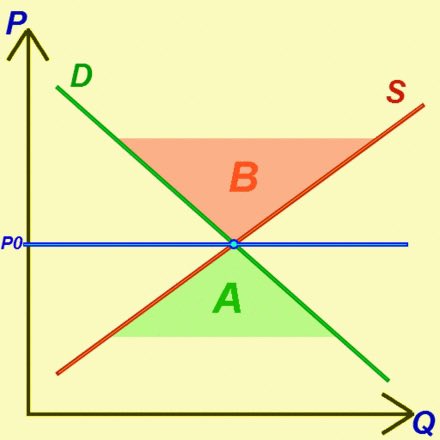
Rising prices - inflation - mean the sacred market is failing. Demand and supply are out of whack, so central banks (the priesthood of monetarism, or market-based societies) will raise the price of money to suppress demand, to drive prices down. Or so the theory goes. /2 https://t.co/jxD1W8rHdH
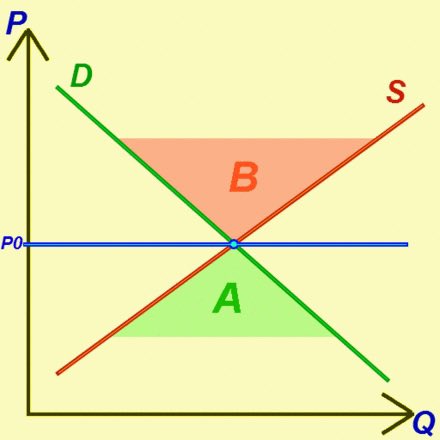
A is excess demand. B is excess supply. A drives prices up, back to P0. B drives prices down, back to P0. Magic! No government or regulation needed, society will run itself, balancing supply and demand, with prices reflecting exactly the balance between supply and demand. /3 https://t.co/apR7eDEKQ4
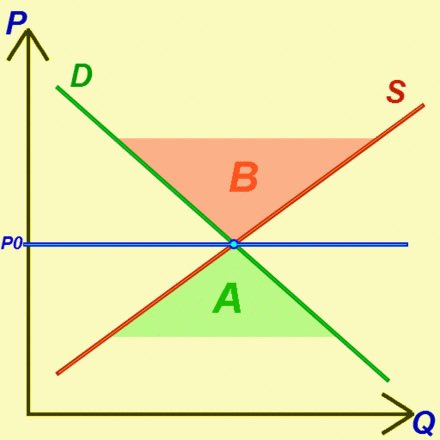
Decades of all-out assault on the public has been driven by this one graph. Society will reach a lovey equilibrium, all by itself if you just stop anything coming between the self-balancing of supply and demand. Like government, and its regulation. /4 https://t.co/xNjvHaBJGs
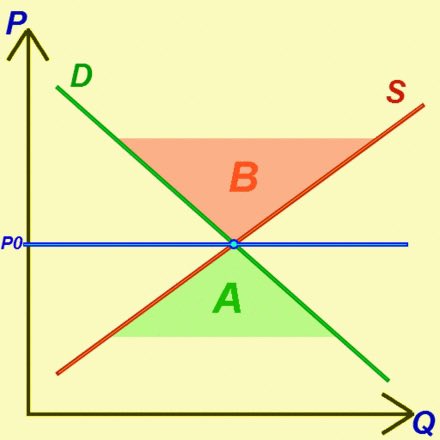
Again this is why inflation is the most sacred emergency, for societies that have been conned into thinking they’re economies. In this lunatic equilibrium view of social life, rising or falling prices always mean (they say) that the graph has been interfered with. /5 https://t.co/0YDA46sS3s
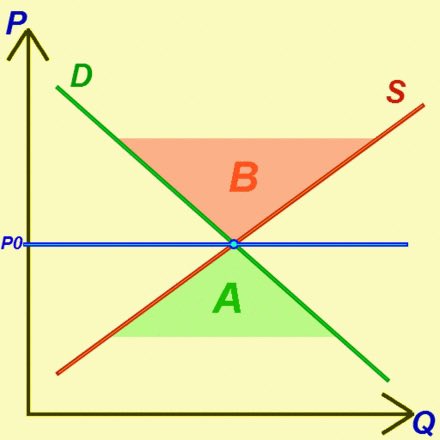
Central banks will bankrupt people and businesses with rising interest rates, to drive everything (they think) back to P0. Back to the self-balancing market. You can’t address the actual supply of or demand for things, because that would be regulation. “Anti-competitive.” /6 https://t.co/j61i2CRwYV
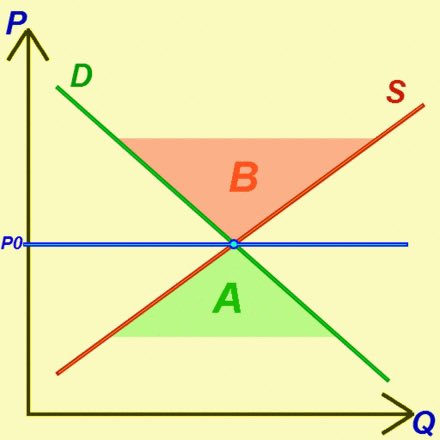
Nope, you just fiddle with the money (why it’s called monetarism), via interest rates, to force the equilibrium to return. It’s staggering nonsense, all of it. An equilibrium that never seems to happen, without intervention. In a system that opposes intervention. /7 https://t.co/U2xifD3ntj
A self-balancing equilibrium system that never balances, is never at equilibrium, without heavy intervention. The only intervention the market loons still allow, with their ham-fisted bull in a china shop single tool of interest rates. Smashing lives and businesses. /8 https://t.co/wc5UXc2FXN
Of course professional economists add whole layers of Ptolemaic epicycles to this nonsense, to try to save it. Nash equilibria. Partial equilibria. Unstable equilibria. Dynamic equilibria. Etc. The key thing for the non-economist to recognise here is the equilibrium itself. /9 https://t.co/x96wb11tgY
The idea that societies self-regulate. No State regulation needed, except an ‘independent’ central bank. This was the con this single graph used to dismantle society’s institutions. Clear away everything, except the market. Except societies are social, not equilibria. /10 https://t.co/5dkdn83v3Y
Without regulation, they do one and only one thing. Always, and at every scale. They form hierarchies. Social hierarchies. Hierarchies driven by social conformity and emulation. The one and only thing that equilibrates those hierarchies is law. Regulation. /11
That’s why humans invented law and regulation. The very thing the market loons oppose fanatically. If you install a power point at home, does it provide you with a stream of electrical energy because we ‘competed’ for the best design? Electrocuting until we got it right? /12 https://t.co/KyfpomqoJK
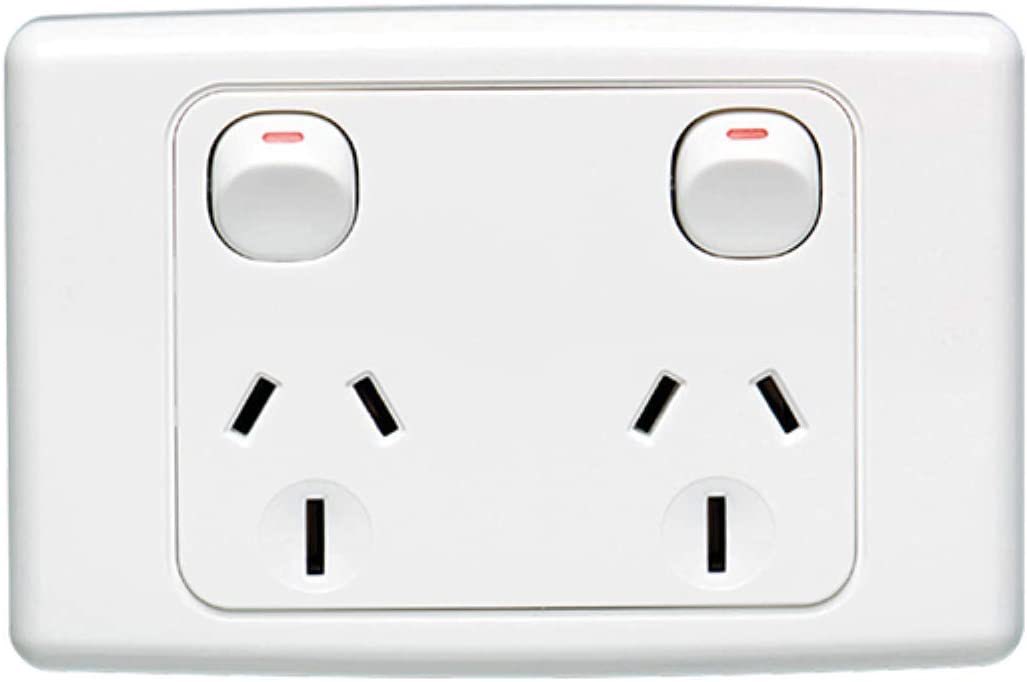
No, we regulated a standard. Which was the most efficient way to give us not only safety, but also to dramatically accelerate the use of power. Efficiency, productivity. We didn’t allow social fads and fashions to determine it. Nor a fantasy market. We regulated. /13
Just as we regulated Covid out of our lives, through public health measures. And the stripping away of those regulations to be replaced with a privatised Covid market of personal responsibility has led to mass infection and death. A real-time test of the rival theories. /14
Regulation is the best thing for an economy, as well as for us, socially. Because there is no economy. Just a society. The equilibrium theorists are just using fancy concepts and maths to do nothing more than entrench a status quo. One they profit from. Look at how it works! /15
Every deviation from business as usual is bad. How stupid are we, that we fell for that? Completely self serving drivel. Without regulation you get hierarchies, driven by social behaviour. The economy/market is just another social hierarchy, favouring those who invented it. /16
These are the true battles of our time. Between regulation (and its associated State), and the market. Which doesn’t exist, except as a graph that never works. /end
Let’s run Covid as a market then. As personal responsibility. I assume zero demand for the infection itself. So the equilibrium point will be zero supply. Elimination.
Almost a tie with the Granville train disaster for deaths this week. Not that the Premier or any other member of National Cabinet would mention it. https://t.co/taLGFAAjiI
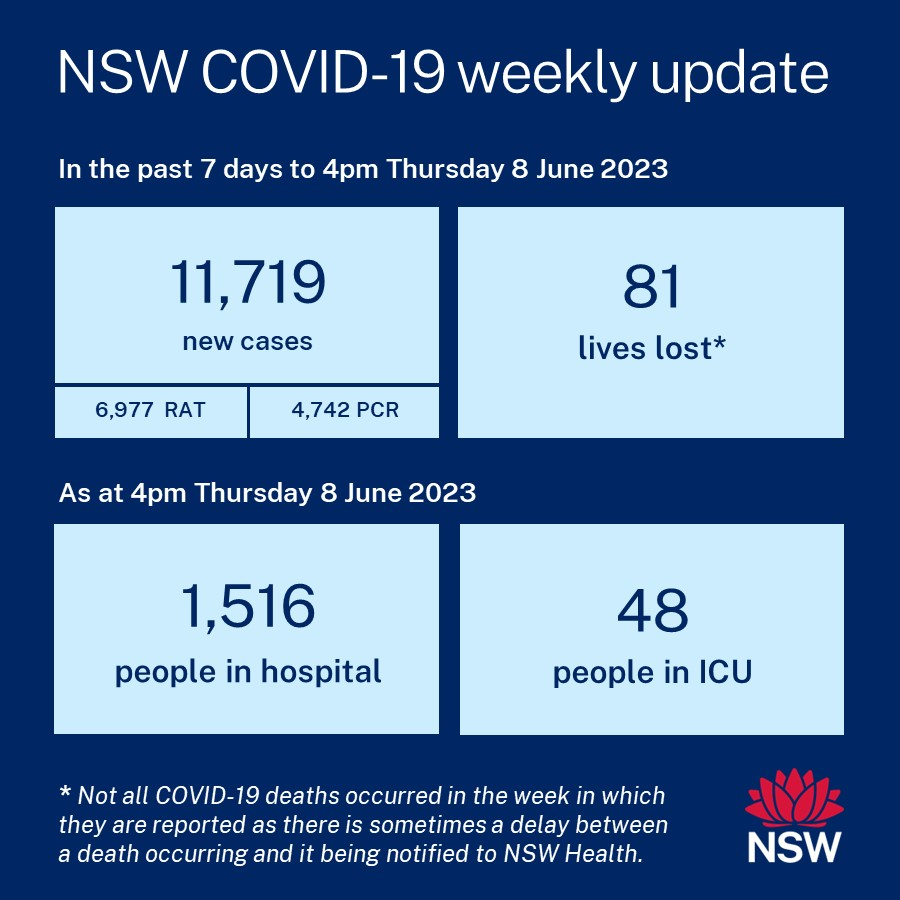
Maybe Brett got tired of reading all the Covid research National Cabinet members found on YouTube. Or "it's ok Brett, we have the Great Barrington Declaration now, we don't need CHOs." https://t.co/zLzN6ICHVb
If you're not sure what's meant by trusting institutions to run countries, this is it. Law is an institution. No amount of popularity can sideline it. Precedents spanning generations, accumulated wisdom. https://t.co/R0LuNT0qgN
"I think we’ve stuck the fork of human frailty into the sparking light socket of social media enough times now to know that it’s not entirely good for us." John Birmingham
Anybody seen a summary or research paper detailing how much AI was used to accelerate SARS-Cov-2 vaccine development? And absolutely not for anti-vax reasons, but because that would be seriously cool, and hope for the future too.
This is SO important. The political narrative is that waves are becoming milder over time. The endemic/herd immunity nonsense. The data says otherwise. https://t.co/txgj3ZL7dU
How can leaders retain their positions when they completely ignore 244 deaths in a week? Deaths that are the direct result of the strategy they chose? https://t.co/rqPpDoIs8h
Always some of the most interesting visualisations, highly recommend a follow. https://t.co/vlTAdKOrsn
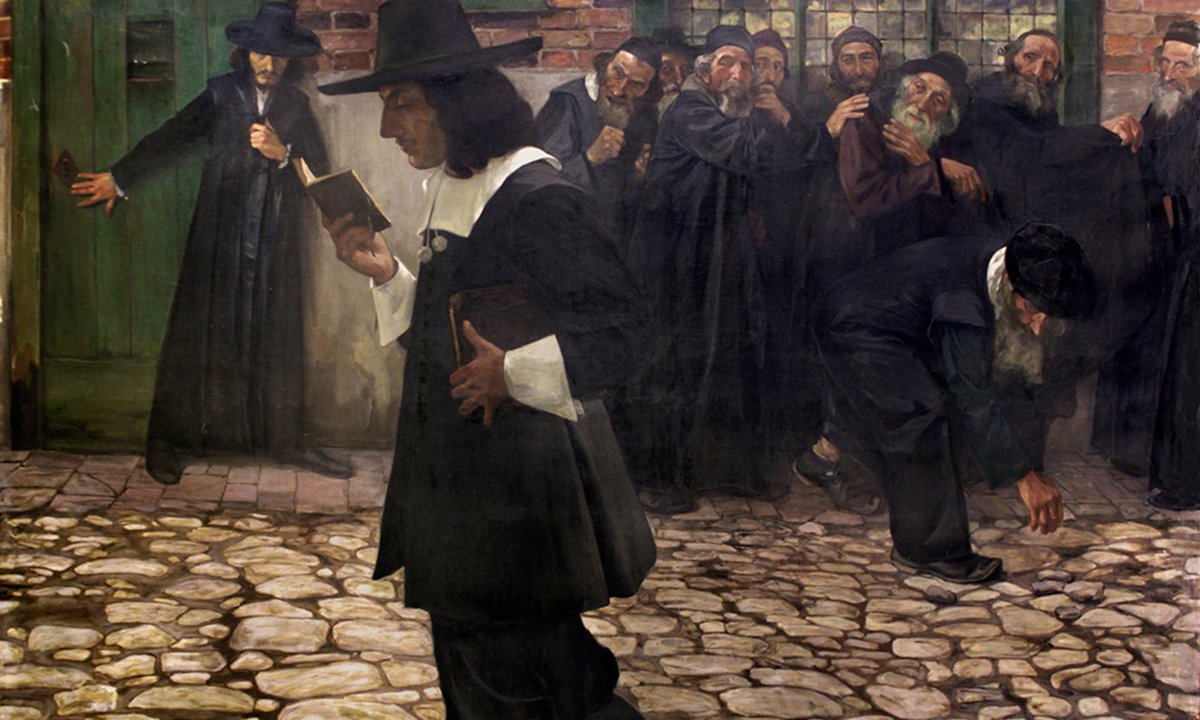
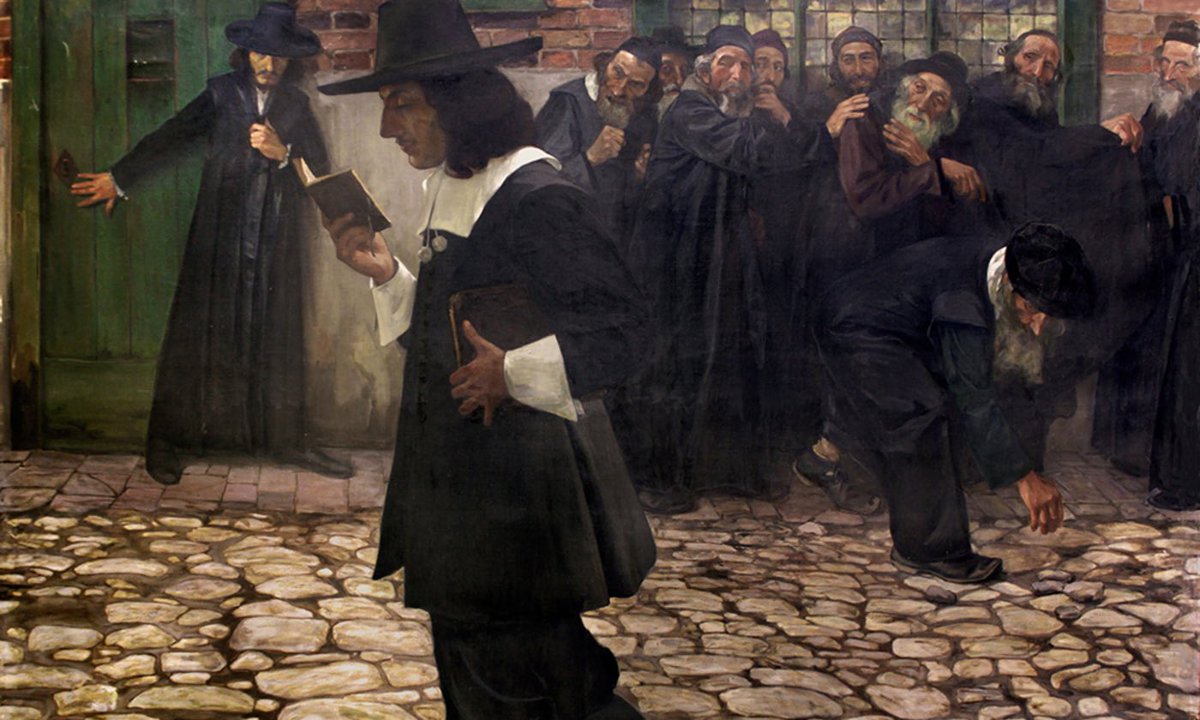
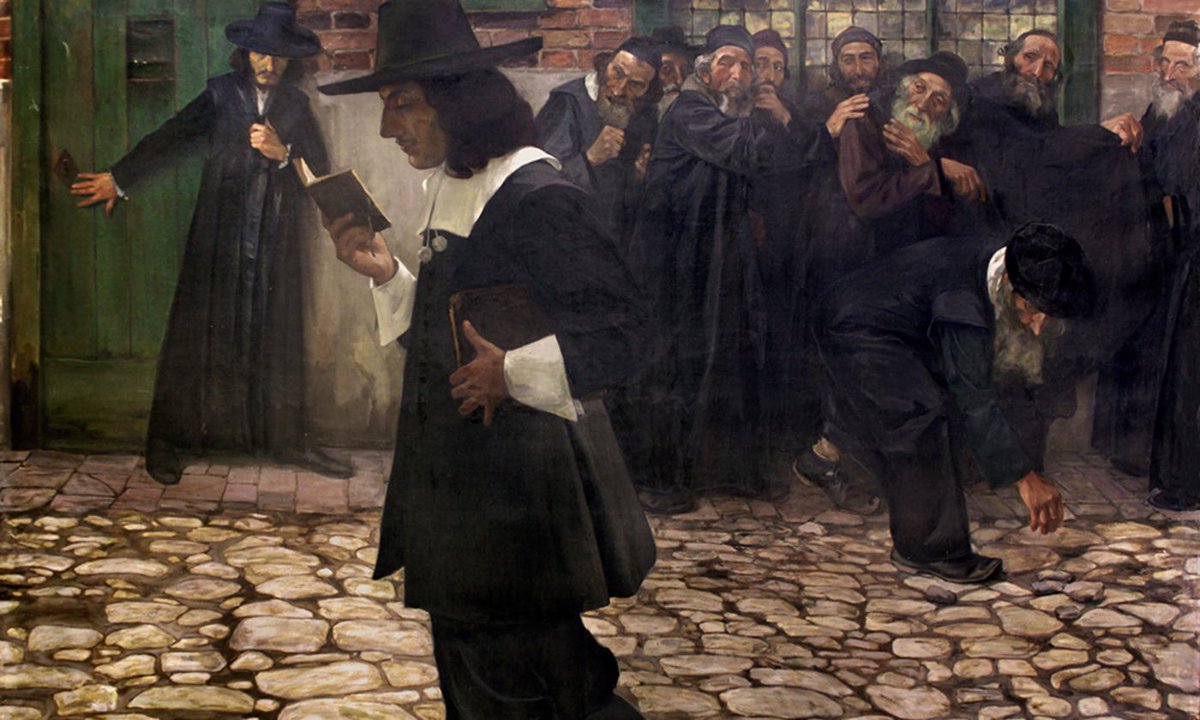
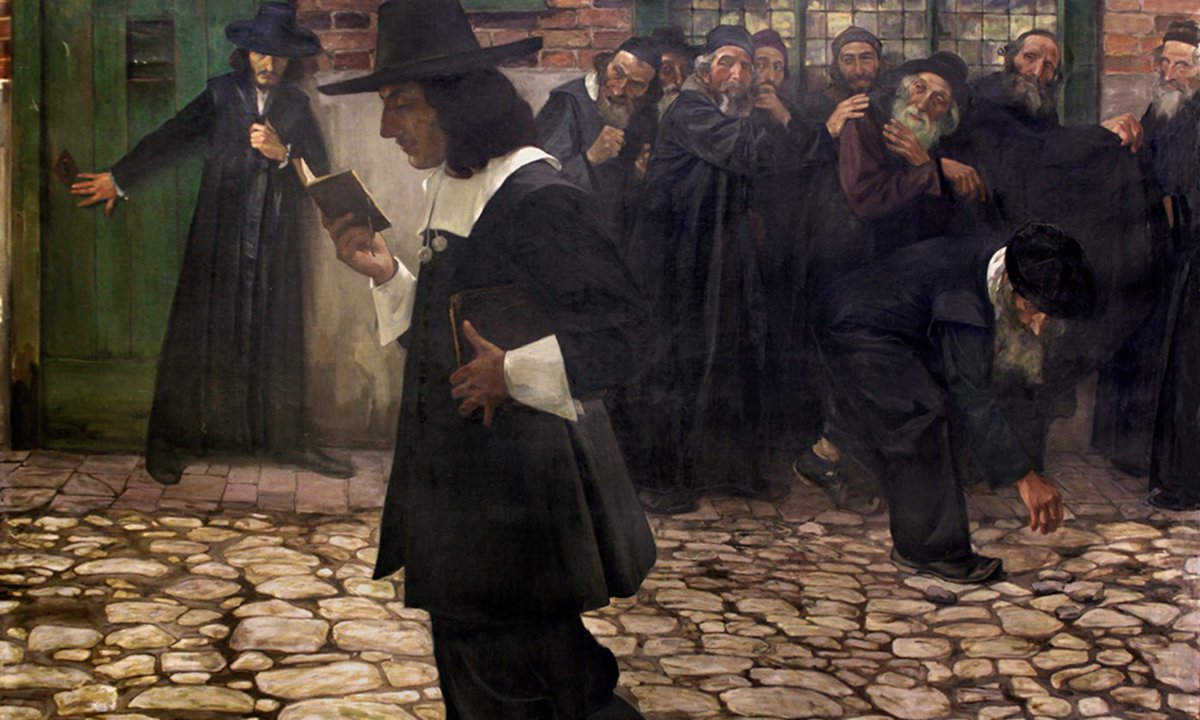
This painting of Spinoza is a deeply profound entire worldview for those despairing of our current situation. Spinoza was excommunicated by his own community for heresy. It’s what the image shows. He was unmoved, also what the image shows. It means much more than it appears. /1 https://t.co/sOYXj3zMft
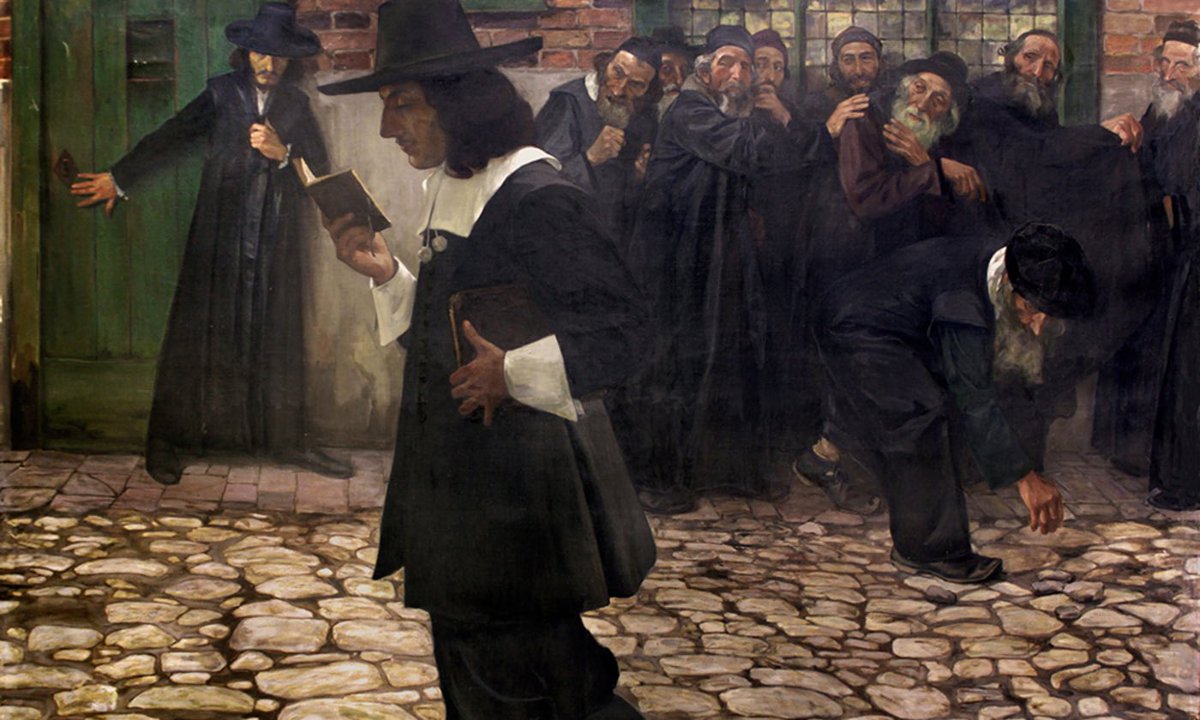
The simplistic view would take some greeting card sentiment from this situation, about standing up for what you believe in. But lots of ignorant and wrong people do that too. Spinoza’s genius and legacy was to do something unheard of. /2 https://t.co/bxm5vNsznF
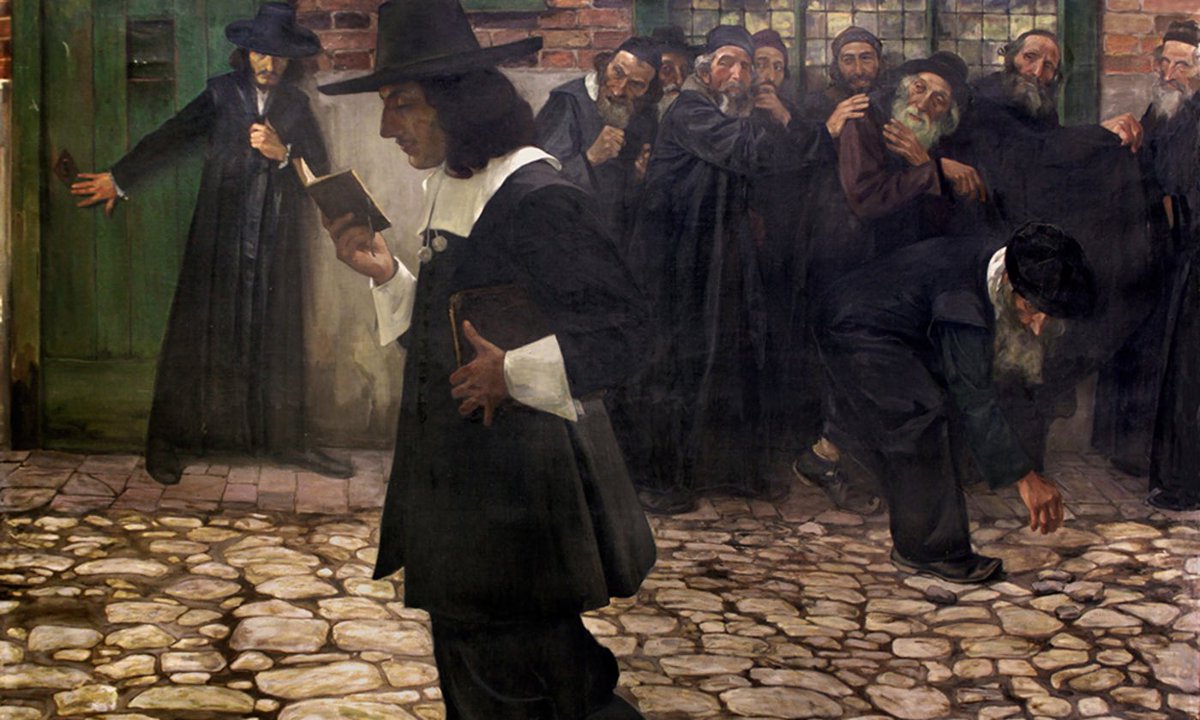
He made understanding, true knowledge, the foundation of all life. Separate to any individual or group. And while nearly everybody thinks the knowledge they have does that already, that it’s ‘objective’, it’s really not. We’ve seen it in this pandemic. /3 https://t.co/QPS4HZizJb
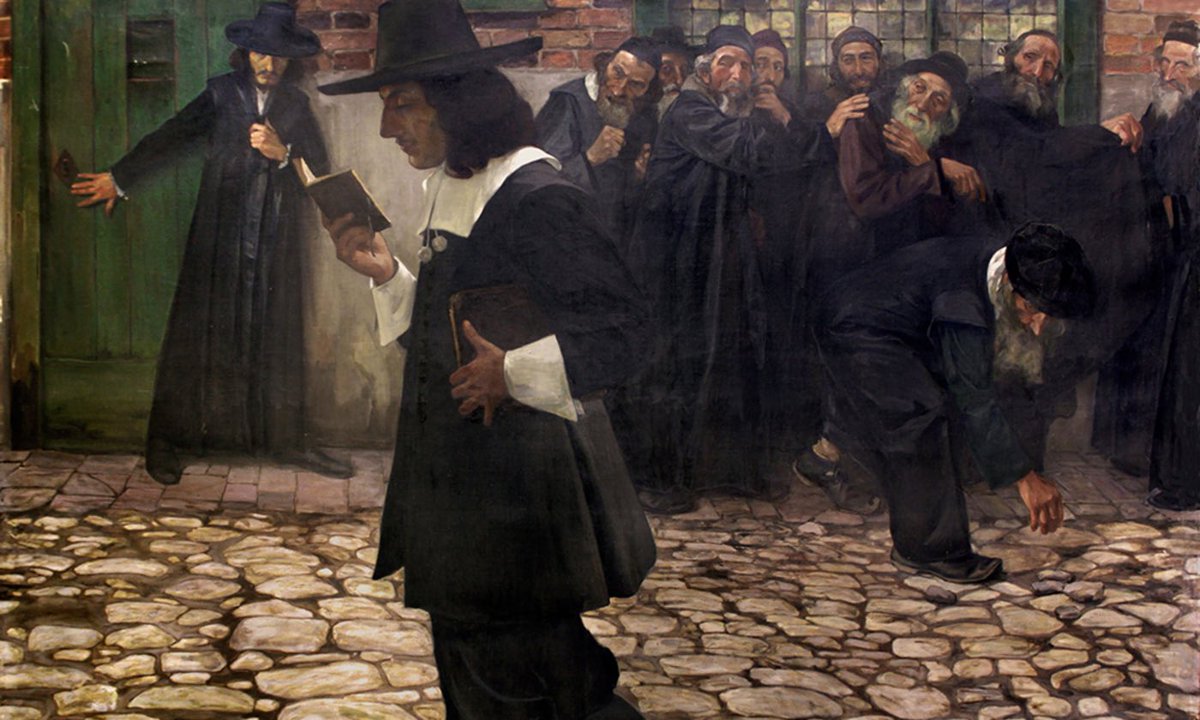
The same facts, entirely different interpretations, depending on the social group. Almost nobody really pursues a truth that would have them excommunicated from their own group. It’s always team sports. That’s what made Spinoza something unique. But he went much further. /4 https://t.co/4YjzExG1WX
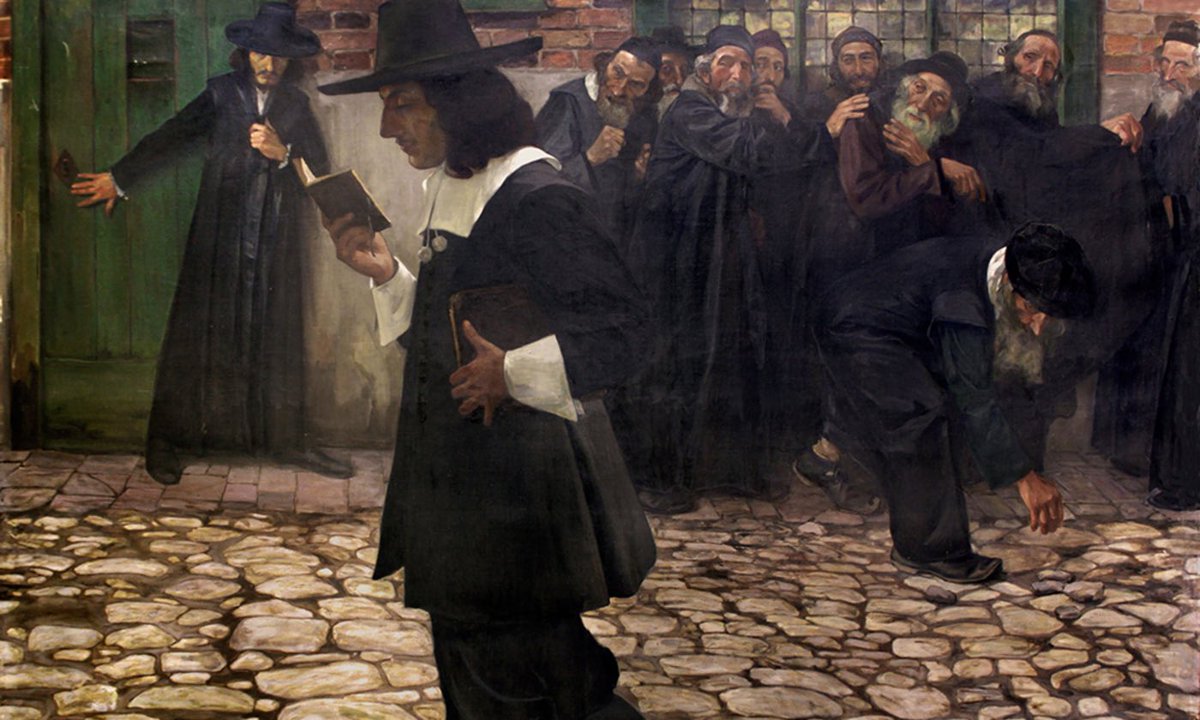
We seem incapable of thinking outside the crowd, the group. We’re social creatures, that’s inevitable. We think to solve the world’s problems, we have to mobilise large groups of people. Always this obsession with groups. But say you get a group to all agree to something. /5 https://t.co/z5LwqgLvzy
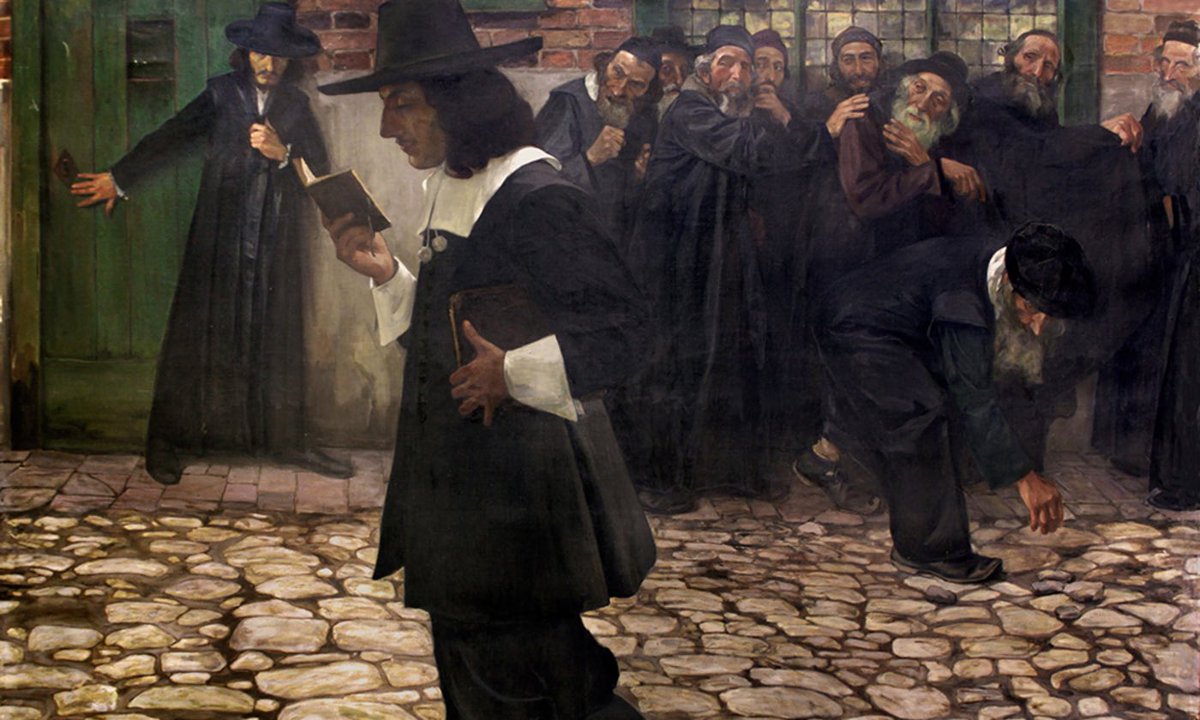
How long does that last? Politicians use strategic tricks to try to get groups to think a certain way between elections. Usually within a term or two people turf them out, no matter what they say or do. What lasts, what has a much longer impact on people? /6 https://t.co/rHDE5qCpCO
True knowledge. When it was discovered cervical cancer was the result of HPV infection, people started getting HPV vaccinations, no questions asked. There was no need to play tricks or exhaust anybody ‘mobilising’ people. Stuff worked, so people did it. But there’s more. /7 https://t.co/gFObQF1Rhj
Because once you have something that works, that is actually true, arrangements have to be put in place to make sure that thing is available, readily and in perpetuity. And that’s where an institution is born. That’s what they are. Social structures that transcend team sports. /8 https://t.co/McuNt9cyO2
Look at any health department. Not set up like a football team, to support this or that group. Set up to organise and deliver health knowledge. That’s why it endures across generations, long after all the team sports squabbles have moved on. And this is Spinoza’s true legacy. /9 https://t.co/J6QKEYKcv8
When you despair of the seeming lunacy of our time, as Spinoza easily could of his, you don’t need to work to convince all of society to be better. That won’t ever happen, they will always turn it into team sports. Stick to knowledge, real knowledge. /10 https://t.co/IjYyI5XS66
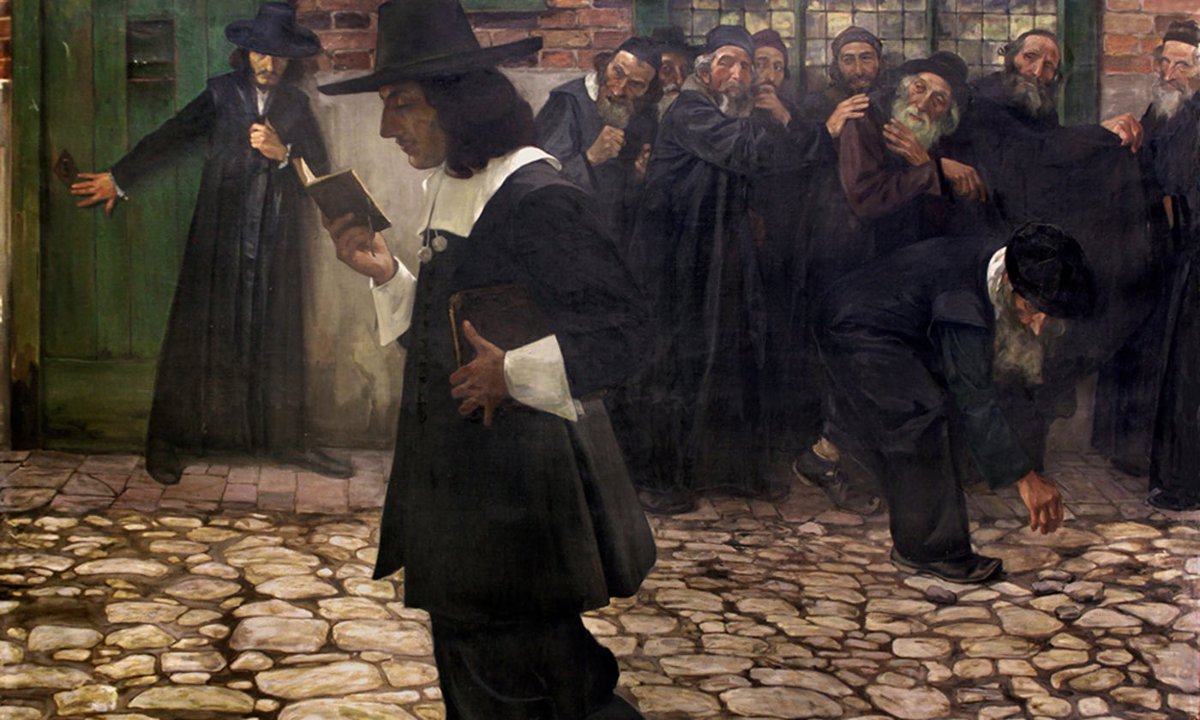
That’s all that will change the world. That can change it. And by doing that alone, you are changing the world. It might not feel like it, because it’s not as immediate as mobilising a crowd. But that mobilisation is fleeting and rigid and dumb. Fads and fashions. /11 https://t.co/4oB0qEPLIJ
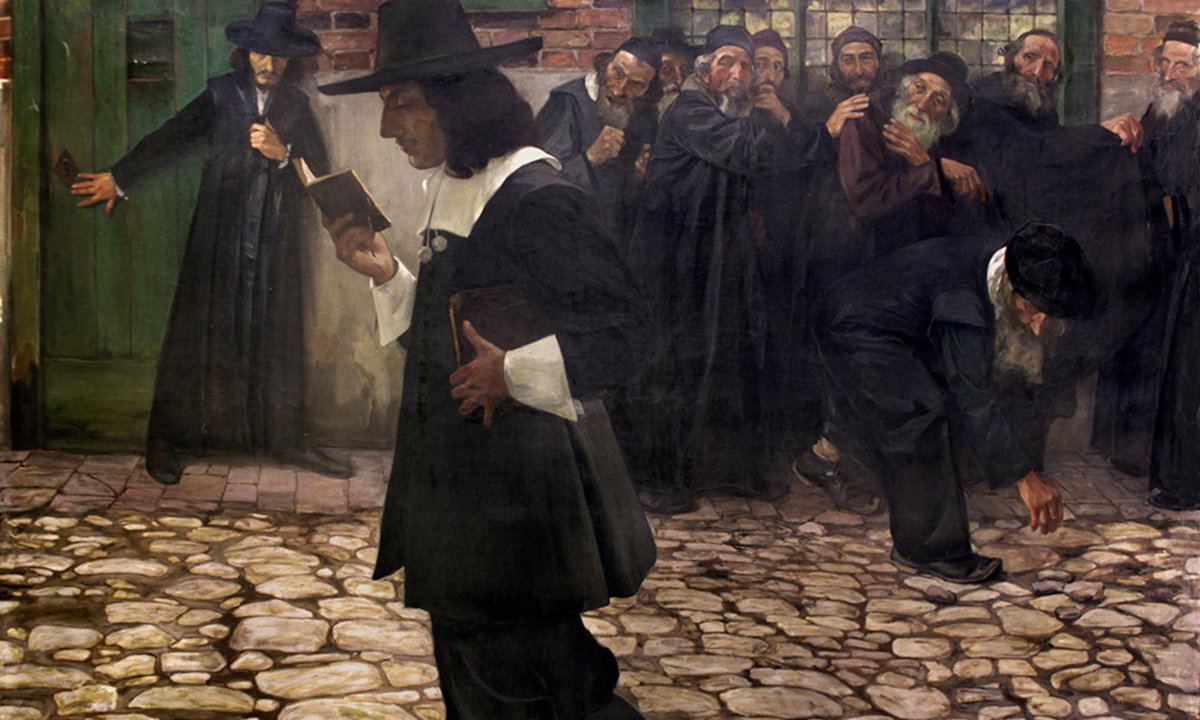
Spinoza even explained how to know when you had really understood something. A feeling of joy. Not anger, sadness, happiness - all of that meant you weren’t there yet. Still too attached to social organisation. Only joy indicates true understanding. /12 https://t.co/QY3Rw0raDG
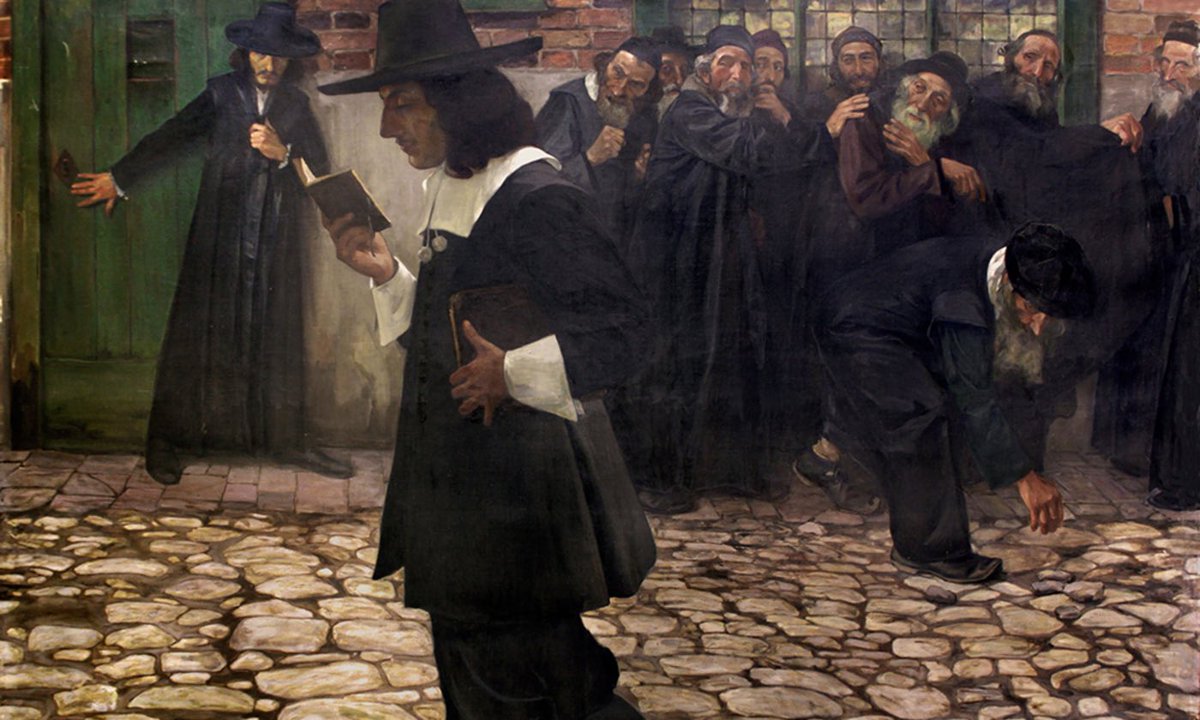
Look at Spinoza in the painting. Calm, inquiring. As the crowd agitates noisily behind him. That’s the model for our times, and all times. It’s not individual, it’s not collective. Knowledge transcends all that. By genuinely knowing, the world changes. It can’t not. /end https://t.co/SrbcLV0QSW
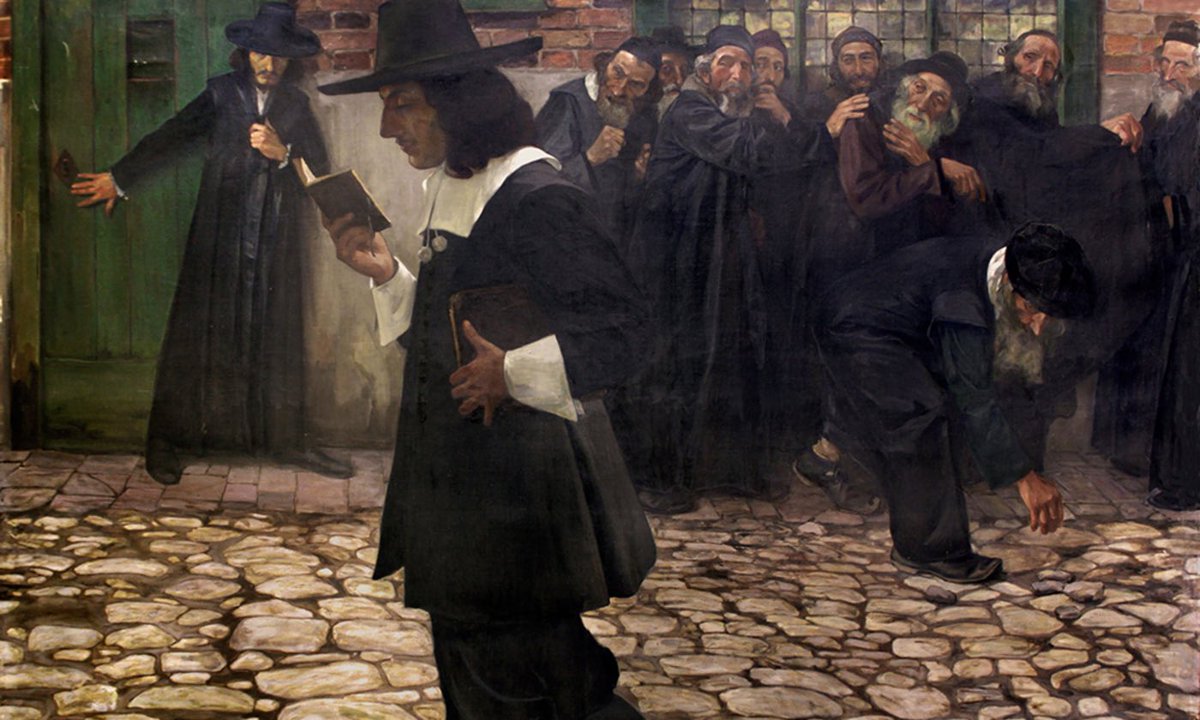
Backwards as always. The shift isn’t people becoming complacent. That complacency has been led from the top. https://t.co/fGkvzfnobR
The greatest populist boofheads of our time, Trump and Johnson, both now being smashed on the rocks of basic due process, which they had gleefully trashed for so long. Morrison already gone here. Institutions fighting back. https://t.co/pLL8wif6vH
Remember the orgasmic populist surge of Johnson’s landslide? When will we learn that popularity is a false god? In just 3 years he went from hero to zero, because he was a lethal, clueless populist. Hundreds of thousands of Brits died on his watch. https://t.co/ntvuaN4OWJ
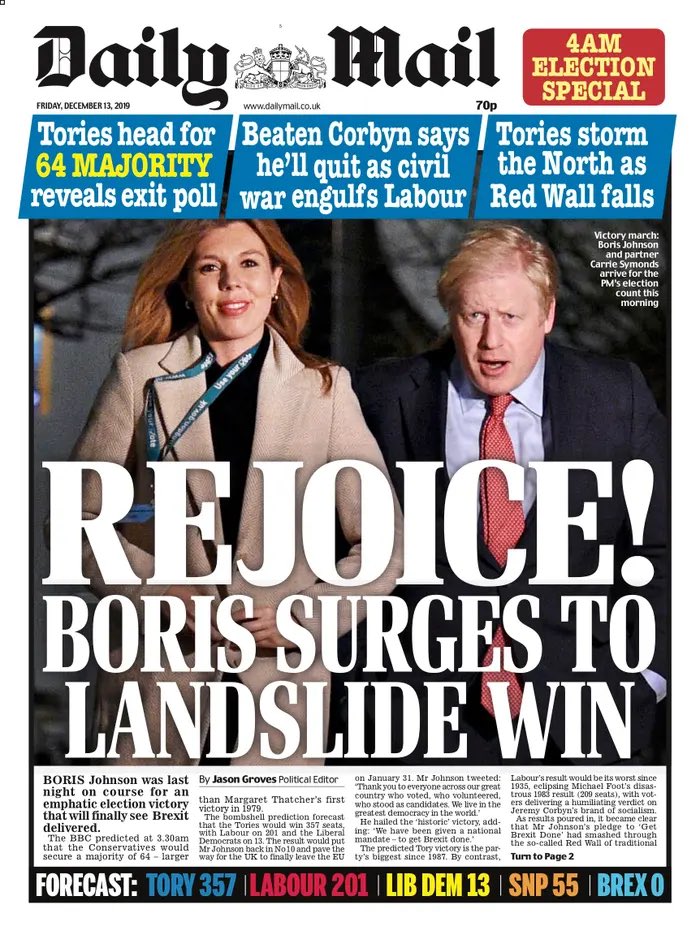
The real cause of inflation is the lack of regulation, across all parts of society. Regulation is what (wait for it) REGULATES society, including prices. All the talk of greed and profits and wages uses the same free market supply and demand myths as explanations. https://t.co/3Qks5jYBK4
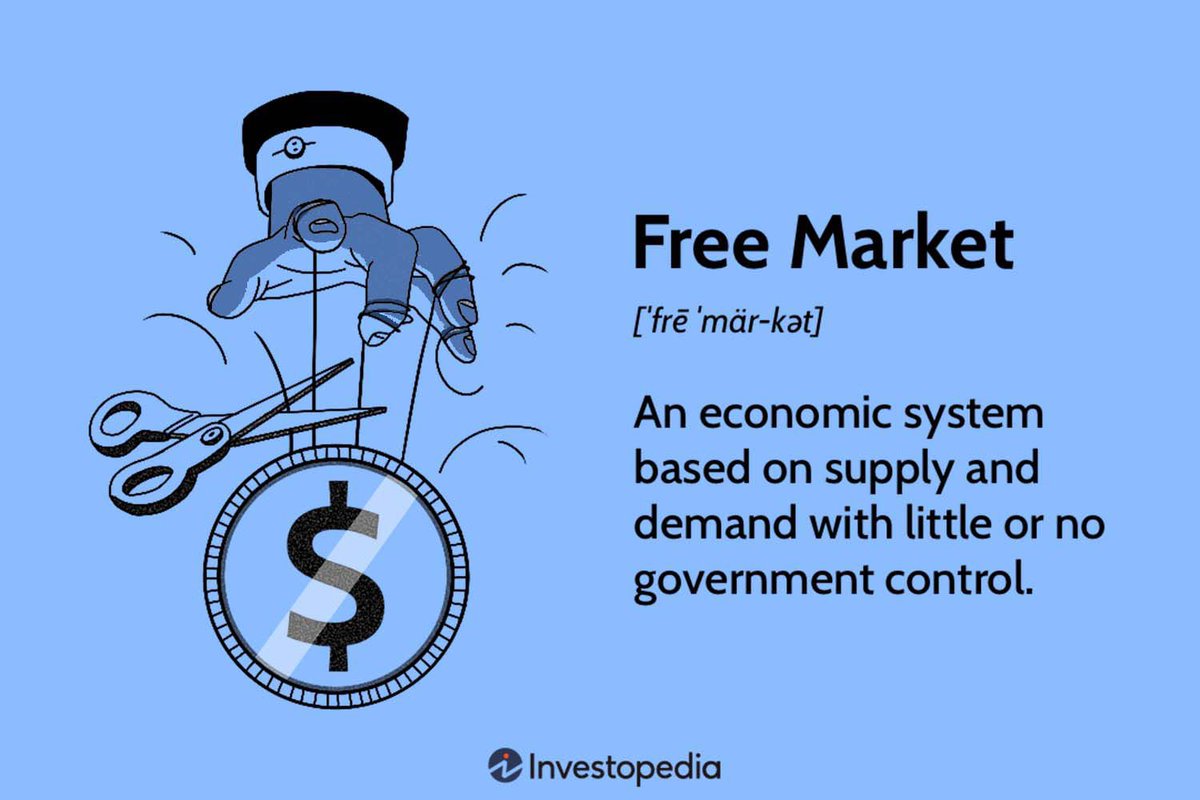
This piece by Tony Wright nearly 6 years ago is a window into why we have inflation now. And not just ‘high gas prices’, it’s a process thing. What does business do, to control costs? It signs contracts. A type of privatised regulation. /1 https://t.co/qAbgTkBTrb
The gas exporter contracts are hopeless for Australia, due to both congenitally and ideologically useless leaders, from both sides. High vis is like a flame to a moth, for modern popularity pollies. But business is here teaching us something critical. /2 https://t.co/RVim3JaVLc
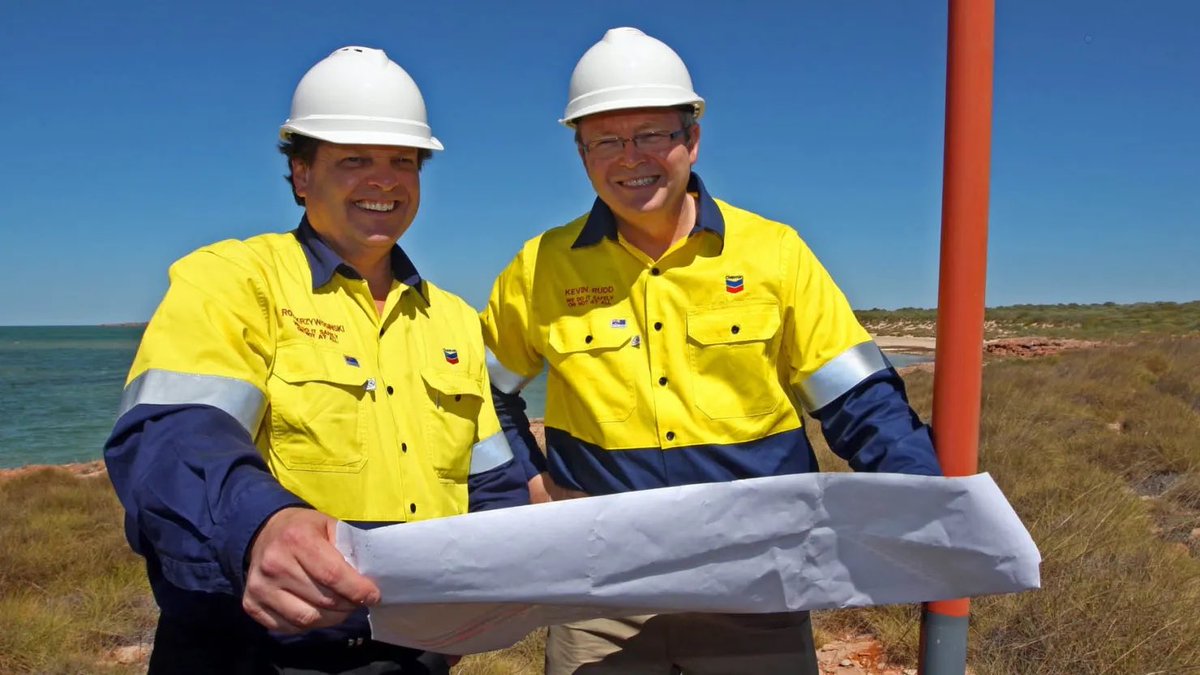
It doesn’t want high prices either, for the things it buys. So it signs agreements, contracts. It regulates supply. In this case very well, and Australia has been more or less giving its gas away, due to idiot politicians. Started by the great anti-regulator, John Howard. /3
Read in Wright’s article, how Howard refused to talk about reserving supply for Australian use, for fear of upsetting the market. The same market the gas exporters completely ignored, in regulating supply and price via the agreements with us. /4
This idiot anti-State, anti-regulation ideology that has dominated Western democracies tries to convince us that the market and business can do it better. But the market and business regulate all the time. They wouldn’t function otherwise. Their gas price is low, and assured. /5
Ours keeps going up, driving prices up anywhere energy is crucial, which is everywhere. Because we *didn’t* regulate. But they did. This is the story of privatisation forever. ‘De-regulating’ just sets up new regulation, in private hands. Nothing functions without regulation. /6
By far the smartest way to regulate is to use economies of scale, and do it centrally, via democratic government. Which then cascades down through all of the nooks and crannies of society, including business. Creating standardised conditions for business. /7
if you don’t do that, and leave it all to the ‘market’, you’ll get a proliferation of competing regulation, all the contracts and agreements set up in private hands to provide basic public services. Each will try to create the best possible terms, for themselves. /8
Meaning prices will inevitably go up. Everywhere. Not because of greed or ‘capitalism’ or any of that nonsense. But for the simple, practical reason that nothing is being properly regulated. The anti-State folk like to paint regulation as oppression. /9
Without regulation, there is no business, no ‘economy’. Business employs thousands of lawyers, to do the regulation needed to keep business running. To create standardised conditions for business. They create controlled ‘supply chains’, to regulate their supply and prices. /10
It’s regulation, everywhere. But because elected fundamentalist nongs in politics think the market is a regulation-free zone, all of this regulation isn’t coordinated at the top level, so over time prices creep up, everywhere. Nothing about supply and demand. /end
Brought to you by…elections. https://t.co/68BpQrAsXm
We ignored the middle ground. Going straight from emergency public health orders and ‘lockdowns’, to doing nothing. It would have been EASY to sell transition measures like ventilation, managing outbreaks, masks as required by case numbers etc. They didn’t because the…/1
…true evil for those who let it rip was the State itself. Not even damage to the economy. It was allowing the State to have any role at all that was the target. As it has been for 70 years, by these same people. 2/2
Life was pretty free pre end-2021 in Australia. Travel was the main sticking point, and dam-busting bomb that broke our public health. But we had purpose-built quarantine facilities at a cost of $1 billion for that. Rapidly abandoned. https://t.co/pa4RAf1iFG
The reason Australia abandoned public health in late-2021 was the same thing that is destroying all democracies. Elections. Scott Morrison wanted a happy, ‘pandemic is over’ vibe to begin 2022, election year. Remember this message? https://t.co/08RmJQrLPx
There should be a special place at eventual Covid enquiries for members of the medical profession who led resistance to public health measures. Accountability will come, they should take no comfort from their early victories. https://t.co/BqxMrpD7rP
In Australia’s black summer fires, I remember almost no real attention to air quality. The pandemic has changed us. Now the US very focused on air quality. Proof again that the anti-public health crowd are a loud hysterical minority. People care. https://t.co/rZmkcpnSdW
Actual problems are what expose populism. Remember Trump in Korea, and the zero progress that resulted in? Populists don’t solve problems, that’s too hard. They invent fake problems that are really just digestible slogans and sound bites. https://t.co/ujU5MJlmCU
One of the great cons of the libertarian public health smashers is that action against Covid is generated by fear and hysteria. In reality most people who followed public health instructions did so calmly and without much complaint. The true fear and hysteria? The libertarians. https://t.co/KTMc8SITd2
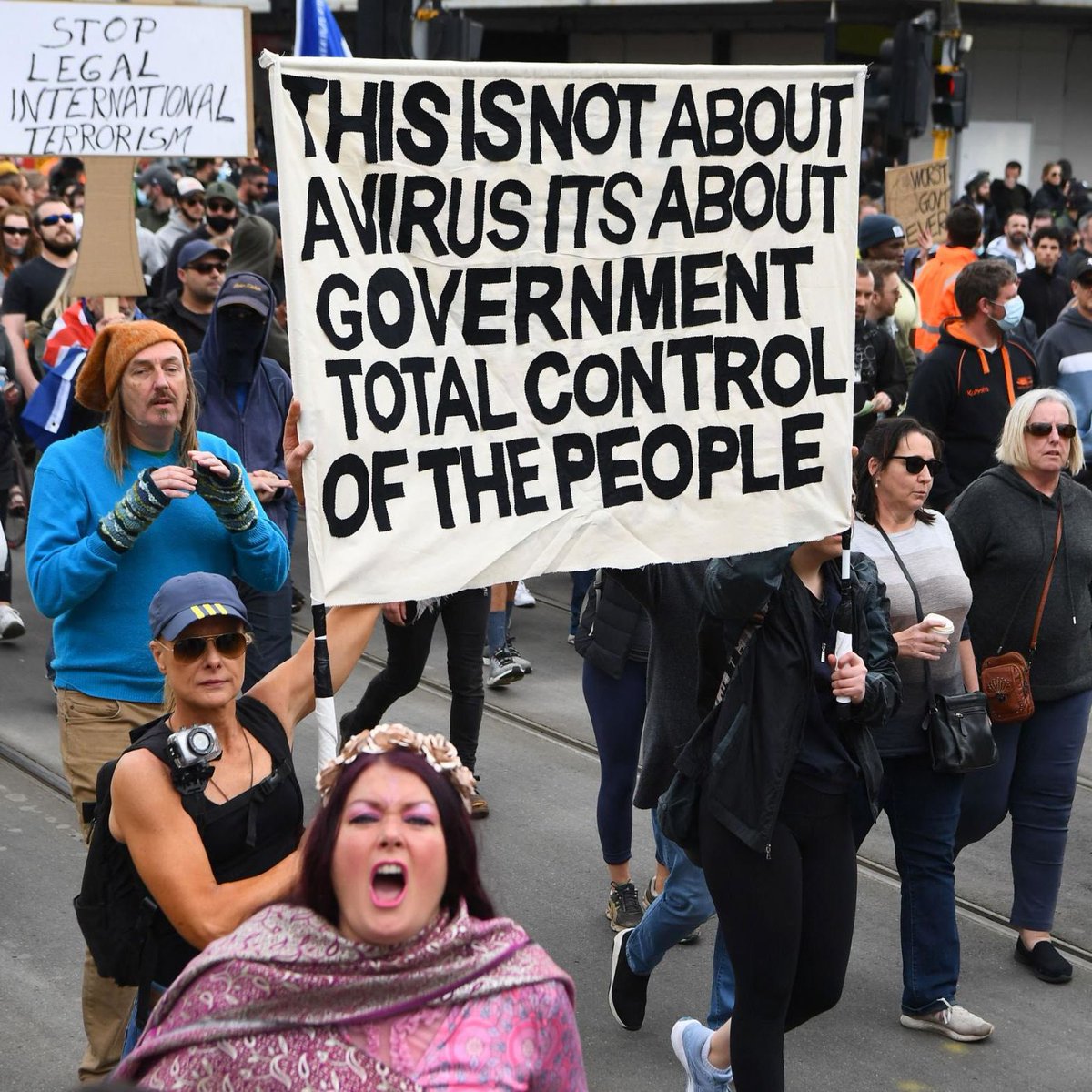
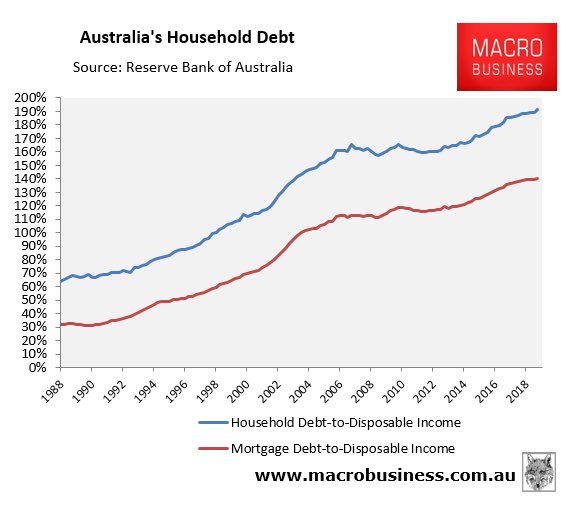
Paying ordinary people enough to actually live will break the economy is an obvious reveal of what the economy is. If you’re prepared to dump the economic mumbo jumbo and actually look. The only way ordinary people were allowed a place in the economy is through monumental debt.
Society is a high school. Not an analogy, an actual cultural fact. This also means you can read all politics through your time in the classroom and playground. Libertarians are that tiny handful of kids who disrupt everybody else and achieve nothing except self-promotion. https://t.co/xDqbMA4DiS
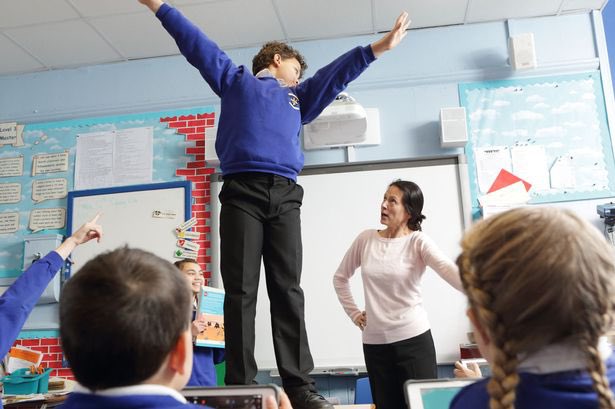
Nobody told me? https://t.co/JhhqfGQQxM
The huge push for public health in the 19th century came before the germ theory of disease. It wasn’t about microbes, it was about sanitation. About crowded and filthy urban environments. This critical report from 1842 was 50 years before viruses were even known. /1 https://t.co/sAKjMq8PnH
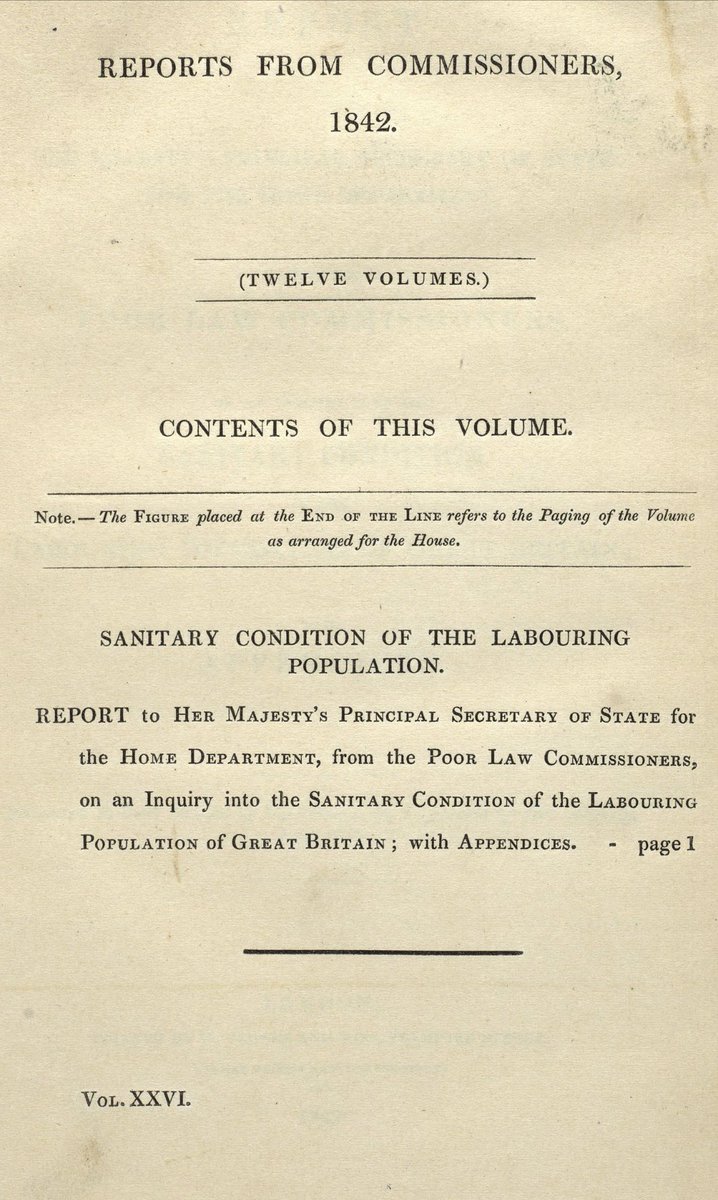
It has a section on ventilation, clean air, particularly in workplaces. Striking that we’ve come full circle, and have to argue again for basic cleanliness in shared spaces. Germ theory then and now re-medicalised what had begun to be seen as a social problem. /2 https://t.co/RUQPmfsxv2
Yes germs cause disease, but like all living things they live in an environment. The best science of infectious disease today collapses the apparent separation. It recognises that how germs behave and evolve is intrinsically linked to the environments they live in. /3
And that it’s a much less complex task to modify those environments, than it is to develop vaccines and treatments for germs. A more difficult task *socially*, but that’s the rub. Infectious diseases are damaged social orders. Not independent entities. /4
A pandemic is a society that is damaged. Fixing that damage fixes everything at once, including the infections and the economic and other social transactions. We’re biological creatures, everything we do is biological. /end
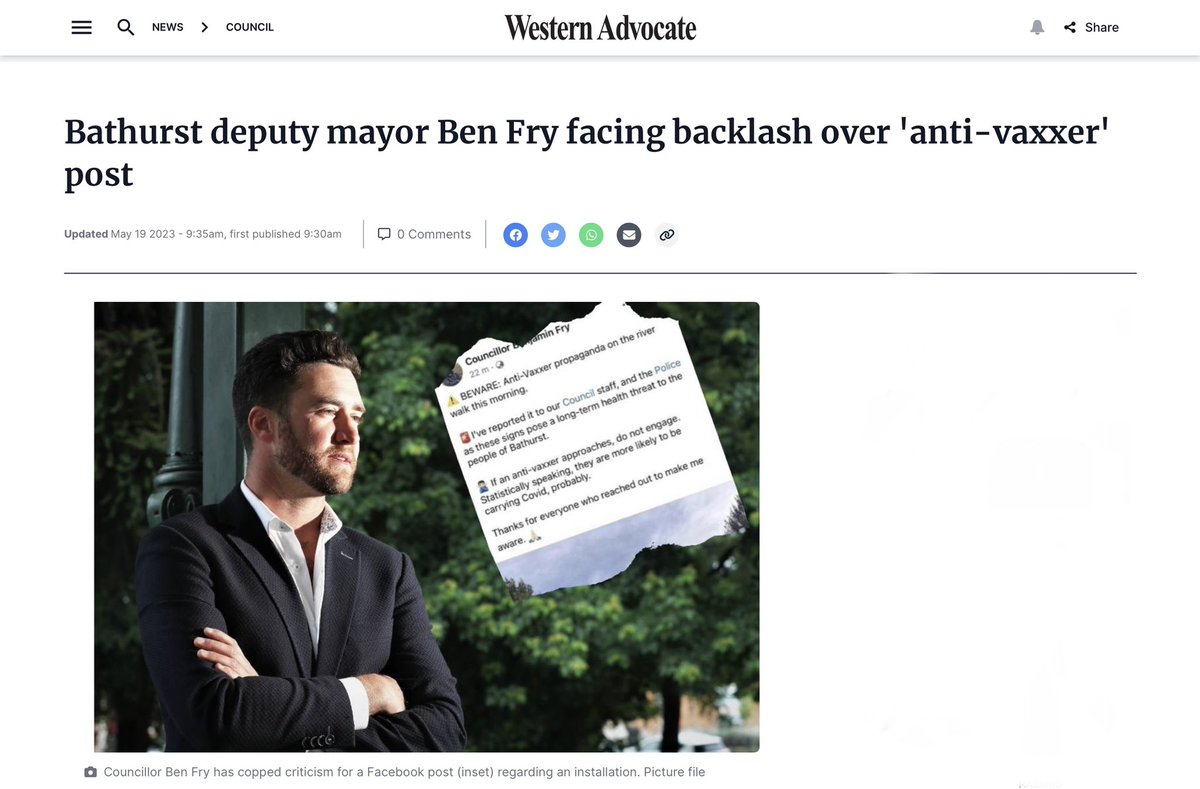
Have seen these displays in two regional towns now. It appears to be anti-vax propaganda, is anybody familiar with it? https://t.co/keKHgLFNtm
If you’re old enough, think back to life before social media. If somebody didn’t know something, what did they do? Often it never came up, they didn’t know what they didn’t know. If it did they could use a library, or Google search etc. Both had levels of skilled mediation. /1
But having lived most of my life pre-social media, I can remember most of the time people didn’t bother. Knowledge was structured by the hierarchies of those who needed to know something, to do their jobs. Very few were interested in questioning outside their own domains. /2
They were happy for others to do their thing, in those areas, if they even knew about them, and just get on with their own lives. They TRUSTED that things were being done, without questioning it much. They delegated responsibility to others, as others did to them. /3
This is how social media has changed us, in dangerous ways. Objectivity in knowledge is social, not experimental. It’s about trust, you can attempt to reproduce others’ work as part of a peer review process, but over time you have to just trust they’re doing reputable work. /4
Otherwise nobody would get anything done, having to constantly repeat what everybody else was doing, to assure themselves it was legitimate. Institutions emerge as a result of this process, we black-box trust in institutions. The CSIRO - yep, they know science. Etc. /5
This is where social media became a wrecking ball. These platforms are not predominantly about social connection or the exchange of information. They gradually replace all of those institutional networks of trust. Authority and influence are separated from institutions. /6
People become more likely to believe a social media influencer, about anything, even the incredibly complex world of vaccine science for example. And this isn’t just them taking guidance from new people in established areas of knowledge. It’s much worse. /7
These influencers make them interested in a whole range of critical social infrastructure areas that they had no knowledge of or interest in at all, before social media. Vaccine science an obvious example, but you won’t find any part of our critical social operating system…/8
…that isn’t now facing a growing wave of social media ‘experts’, challenging its operation. This is stuff that if broken stops society itself from functioning. Ask anybody who works in public administration, the tsunami of bullshit and obstruction they’re now facing. /9
Societies are social, I say that a lot. And the glue that binds all social groups is trust. We imitate and emulate those we trust. Which creates hierarchies. If those hierarchies have no connection to established knowledge, we’re doomed. And that’s increasingly where we are. /10
I don’t think it’s alarmist to say social media needs to be shut down, for societies to survive. Despite all the good things many get from it, its negatives are so damaging and so exponentially fast in doing that damage, that the destruction is accelerating rapidly. /11
Imagine if it were shut down, overnight. If people had to either do the work again of finding things out, from reputable sources, or weren’t constantly fed information about things they have no interest in. How our existing structures would again be allowed to breathe. /12
How forcing people to do the WORK of knowing again would force a push back towards our pre-existing institutional trust mechanisms, the keepers of that knowledge. No populist idiots in social groups promising vast conspiratorial worldviews to short-circuit trust. /13
And no constant promotion of distrust across all of the critical areas of society that people not only trusted, but often had not even any knowledge of, they just enjoyed the benefits of work they knew nothing about. Social media is dissolving societies from the inside out. /end
People will do what everybody else is doing. Society doesn’t run on facts, it works on imitation. Peer pressure. https://t.co/Ibrl46a5Sn
Normalisation is the model we’ve always had for the ‘developing’ world. Endemic disease. Economic politics makes no distinction between countries, it’s a globalised market. So it’s a race to the bottom, for public health. We’re all the developing world again now. https://t.co/cQSuRugyUU
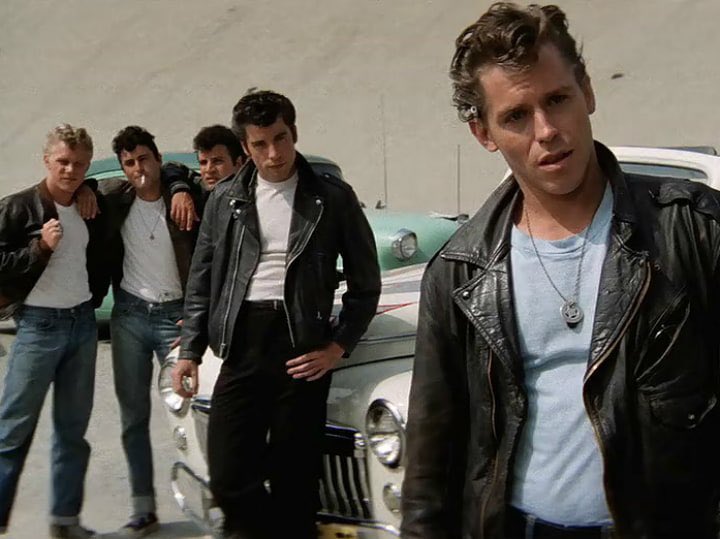
Schools, the breeding ground of our culture. Previously the ‘cool’ groups dissolved when entering adult life and its institutions. Social media allows their social model to continue throughout adult life. That’s all an ‘influencer’ is, Danny Zuko in middle age. https://t.co/M2VLtQ26LJ
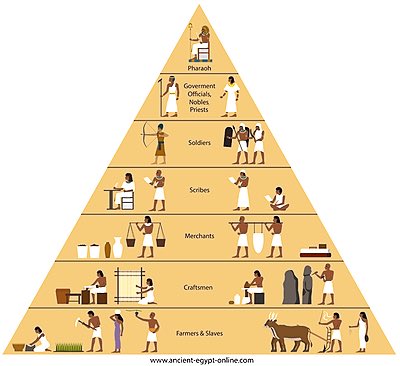
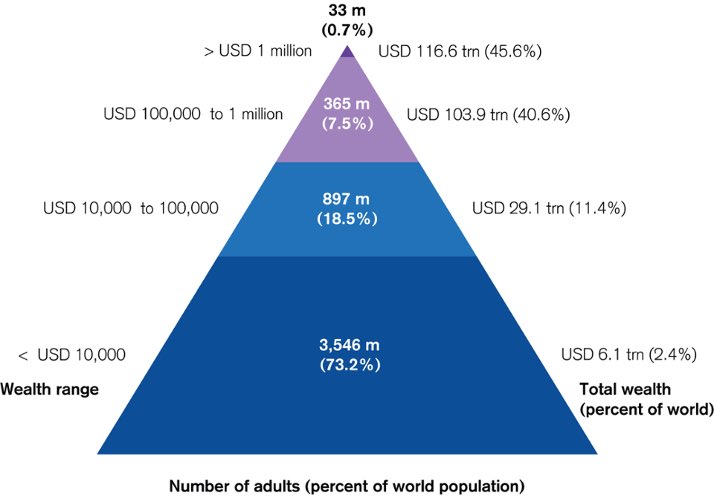
A P.S. I don’t think people get this. Public health was the product of national governments. ‘The public’ itself is. As the economy replaces those with a globalised market, public health disappears too. It was the logical next step. You can’t have public health, without a public. https://t.co/MRyPzRkJnG
If you’re not shedding friends in your 50s, you’re not doing the work you were put on this Earth to do. The only thing that frees humans from the stifling focus on interpersonal social games they first experience in school, is adults refocusing life on actual problems.
So much for the idea that children are so fragile that missing a bit of school will render them mental health wrecks. My kids still laugh when i ask if missing school in ‘lockdowns’ was tough for them. Imagine a world believing that kids will feel trauma, at missing school. https://t.co/L39FdZBKw2
A serious psychological topic. Even more interesting and important is the socio-cultural background, not mentioned. Friendship is a dominant mode of social relationship for adolescents. Schooling has driven it across all age groups. https://t.co/Rr8gULWq2q
Names change, but hierarchies don’t. Democracy’s weakest point is misunderstanding this and thinking it levels the hierarchies. All social systems are hierarchies, because all social behaviour is hierarchical. Status, comparison, emulation. https://t.co/zDfszWFvIz
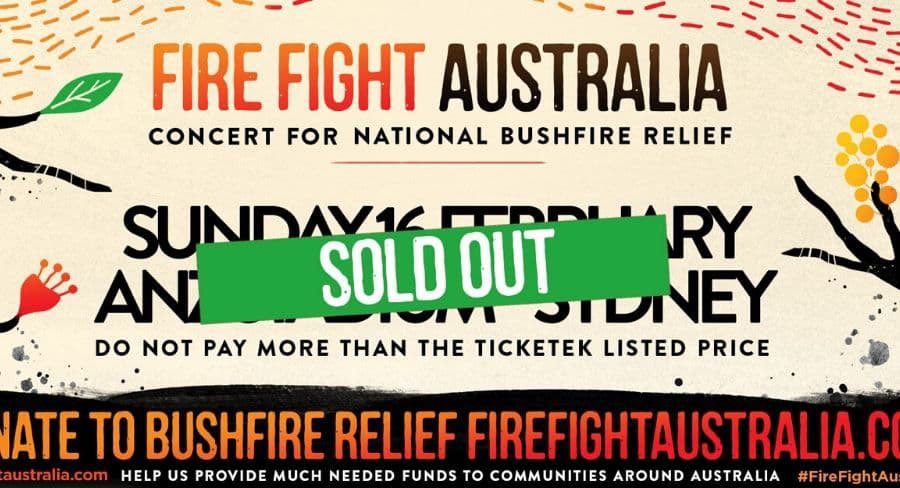
A social media influencer drove Fire Fight. Why has none done the same for Covid? Because Fire Fight was a gig, something teen culture loves. Like Live Aid. Covid action means denying teen culture gigs and travel. It won’t tolerate that. https://t.co/S1nUZmS7gm
Populist politicians are a disgrace. Listening to Albo and Chris Minns eulogise on the terrible bus crash in the Hunter last night. More than 8 times as many people died in NSW last week, from Covid. Week after week. Not a word from them on that.
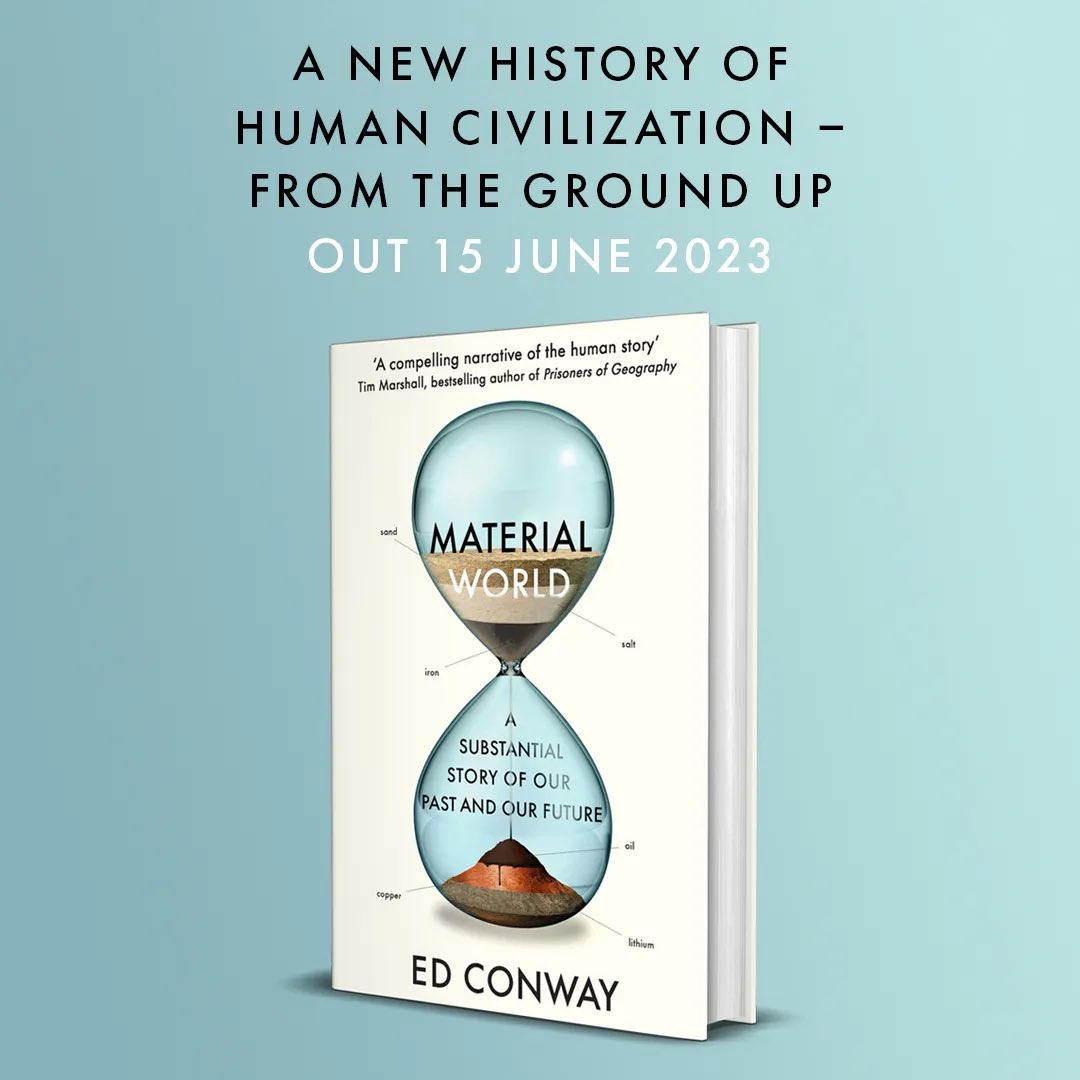
Shameless plug here for @EdConwaySky’s book. Out this week. Part of a big shift we need in our thinking about the world’s problems, away from schoolyard debate and towards material realities. A new industrial revolution, to fix our biggest problems. https://t.co/Vd7AHqlFNp
We can do symbolic disaster. Something where we can make a statement, that is more about us. Provided the disaster doesn’t continue on and require actual thought and action. Like a pandemic. We use disaster as a stage for performative self-expression. https://t.co/334i804Mto
If all you have is a hammer, everything begins to look like a nail. All sides in the inflation debate trapped in the narrow framing of monetarism. Wages, prices, productivity. Prices go up because of wider lack of regulation in society, outside the frame. https://t.co/epZkNKYHsS
If you believe as I do that much chronic disease is inflammatory, and that inflammation has its roots in chronic infection, then this research will come as no surprise. Using vaccines to target inflammation directly. https://t.co/sZABs4UgDu
Stuck in the frames. Do we see that the daily rallying and mobilising behind causes is the libertarian framing, that we’re stuck inside? It’s like we’re all little small businesses of ideas, ‘competing’ daily for customers. A market. /1
Even in resisting the rampant adolescence of society (libertarianism, that’s all it is, in cultural terms, the expansion of high school culture to all of life), we don’t see that our resistance is framed by that same movement. /2
The kids at school complaining because the school bullies stole our lunch. How did that work out at school? Badly? Completely ineffective? Does it change anything if you’re on the pro-mask or anti-mask team? On the pro-ventilation or anti-ventilation team? /3
Notice how every issue is split into a neat binary, like team sports, with the teams defined by that split? That’s high school, still acting in our adult lives. Modern conservatives actively promote this, because they know it prevents action on anything, as people argue. /4
That daily team sports is mostly hot air, floating above social collapse. It’s also incredibly tedious to go from dawn to dusk each day policing whatever set of boundaries your particular binaries set up, seeing who is and isn’t wearing a mask in photos, who is or isn’t…/5
…promoting ‘lockdowns’, and so on and on. If you’ve taught teenagers, you’ll know that tragedy becomes more a platform for self-expression, of their own individual grievances. And that’s all of us, now. The pandemic is just more grist to the adolescent team sports mill. /6
Sportspeople wear black armbands now when the third cousin, twice removed, of some physio that works with the team dies. It’s symbolism everywhere, statements, causes, expressions of outrage and identity. High school. Exhausting and unremitting tedium. /7
Most of the problems we need fixed have very practical, simple solutions. We can’t get anywhere near those, through the fog of the team sports. The word ‘woke’ is thrown about with abandon, the hypersensitive outrage caused by symbolism of some kid, somebody used a wrong word. /8
All sides of these tedious debates are ‘woke’, in that way. All obsessively focused only on the symbolic, performative gestures that constitute their daily sport. Good luck if you’re somebody caught up in it, used as a punching bag by both sides in the sports. /9
Is it that hard to see that as the politics of high school, libertarianism, pulverised us into 8 billion independent islands, that the fastest way to make that even worse is to develop 8 billion separate grievance-driven teams? We have the collective institutions already. /10
To solve all of these problems. Unions, government officials, expert bodies, engineers, etc. All tied in knots by this daily adolescent team sports, that achieves nothing. Social media is the enabling platform for this. Why I often say we’d be better off without it. /end
The black armband sportspeople wear now speak volumes to the culture we're living in. An adolescent culture. We can make a huge drama in the moment about bad things that happen, with us as the key players, the centre of attention. /1 https://t.co/ICFT6FmcQ3
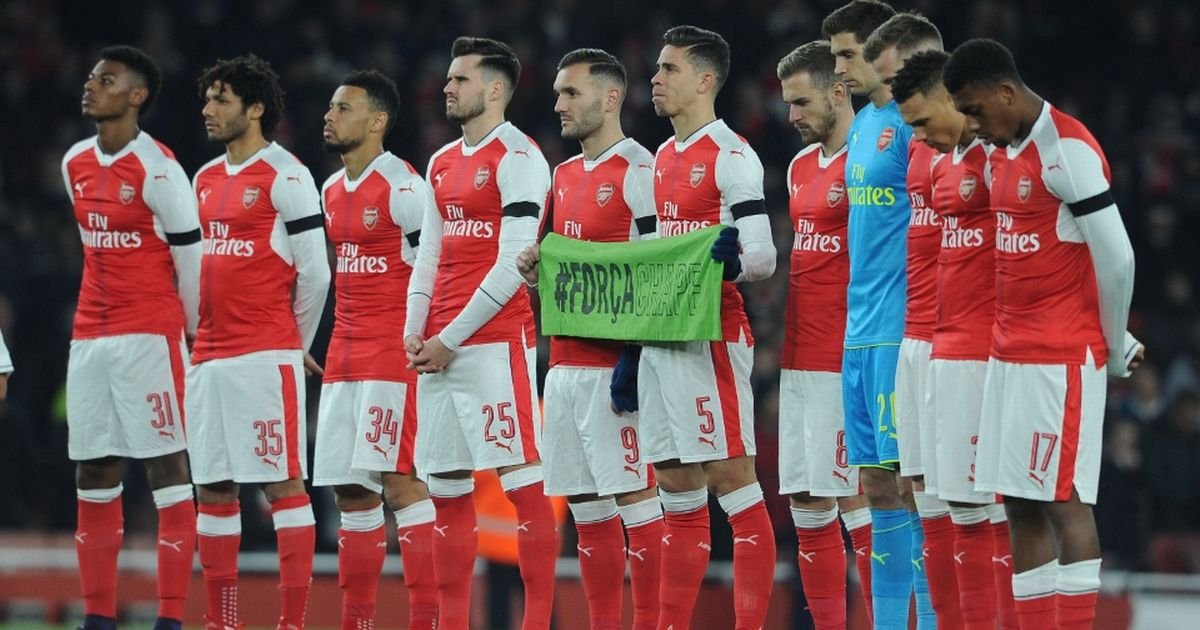
What we can no longer do is have a calm, analytical, protracted response to disasters. Like pandemics. It bores us. An armband is great, because again it's about us. Our 15 minutes of attention, the focus is on us more than the tragedy. /2
But having to make sustained, long-term sacrifices, and calmly analyse what's happening and what needs doing? Not a snowball's chance in hell. It's not dramatic enough, not enough about ourselves. Symbolic gestures that last barely a news cycle, that's all. /3
It's why we have institutions, to have an attention span longer than a news or electoral cycle. An attention span crossing generations, decades or even centuries. All being dismantled by populism, by me politics, ephemeral fads and fashions. High school. 4/4
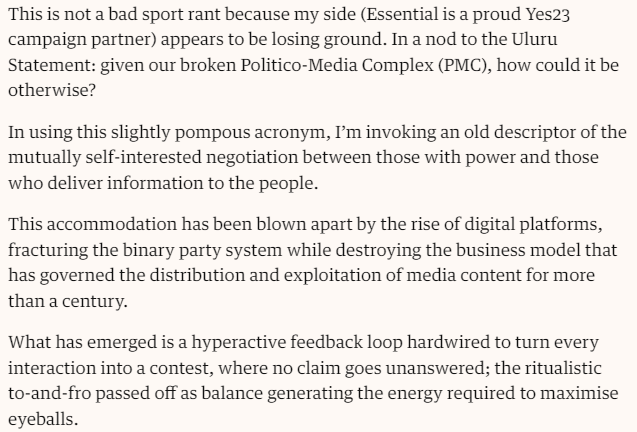
Peter Lewis in the Guardian today. Social media has created a 'hyperactive feedback loop hardwired to turn every interaction into a contest'. I say it a lot, many resist the truth of it because deep down they love the economy of popularity and likes. https://t.co/8FHRDks2Zd
I forget what date Karen said this, but it still makes me chuckle. Nothing beats actual knowledge. https://t.co/axEIGRMvw8
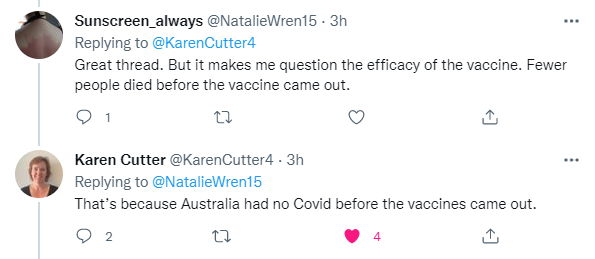
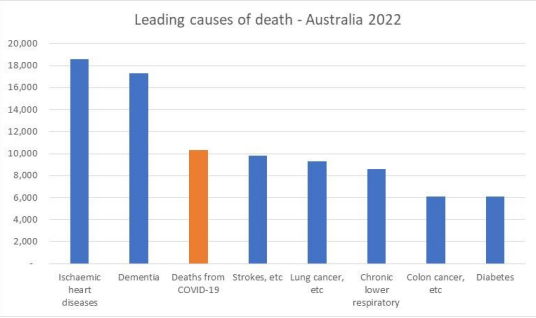
Entering the rankings at number 3 after not being there at all 4 years ago is some achievement. Especially when the direct result of government policy. Imagine being a journalist and this not being newsworthy. Government policy, creating a new leading cause of death. https://t.co/ByAxuBN5CV
It's easy to think ordinary people are ignoring the impact of Covid. But consistently I find they have genuinely no idea of the number of infections and deaths occurring. Genuine shock when you tell them. It doesn't often make them change behaviour, peer pressure is too strong.
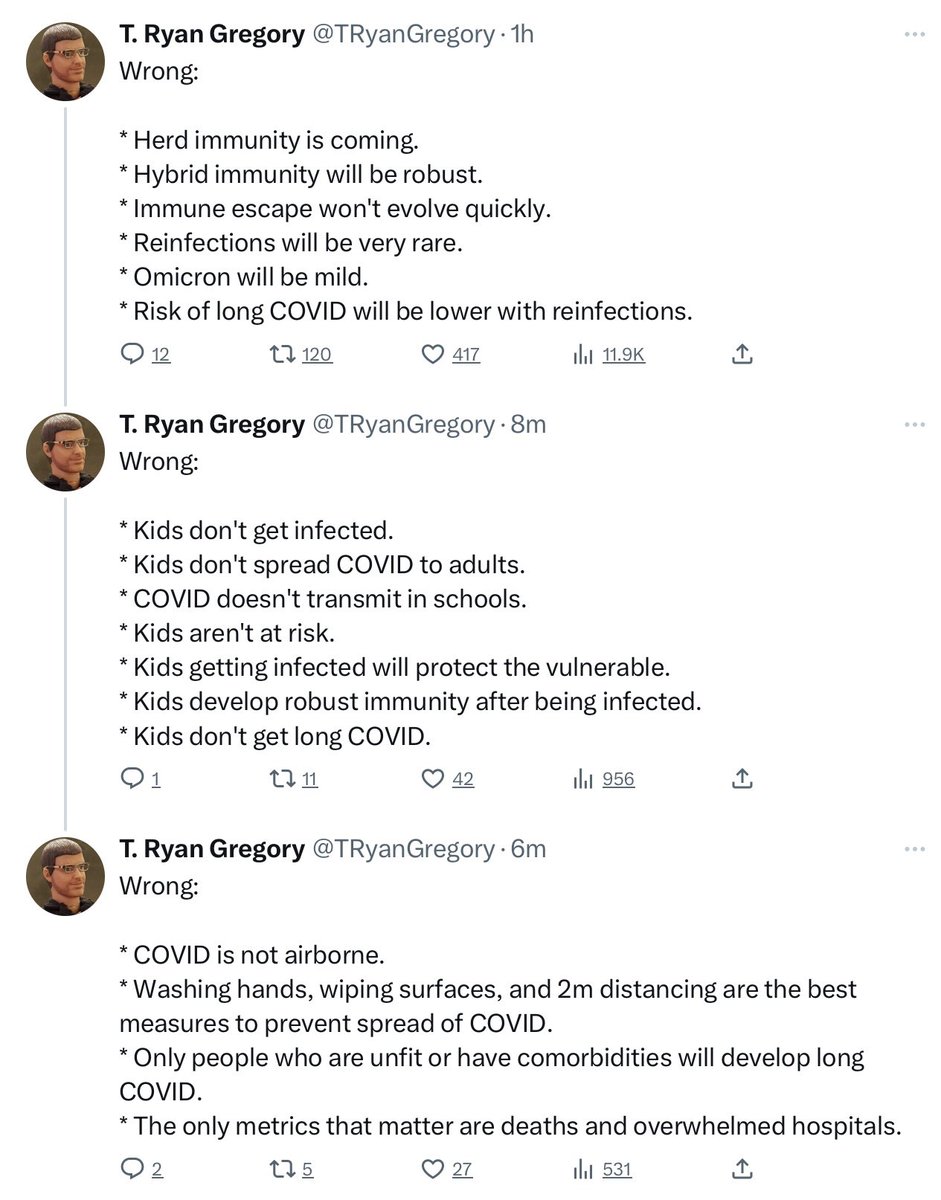
Our national Covid strategy violates every one of these clear scientific facts. As icing on the cake, more than 21,000 people have died in under 2 years, and no politician even acknowledges it. Not even a ‘sorry for your loss’. That would make the disaster politically visible. https://t.co/OUGAH16U0i
Higgins, bus crashes, all just fodder for the daily teenage team sports of politics. None of it actually matters to politicians, what matters is their team, extended out into social media, winning. Likes, and votes. No actual action against problems. https://t.co/DM2zmRoCl2
Politicians will talk about death and other bad things, if they think it can’t be linked back to them, and thus their votes. Selective, strategic attention. If we want them to use any other metric except popularity, we need to stop that being the sole method of selecting them.
We can’t vote our way out of our problems. Voting is the core OF our problems, popularity-based politics. A society that won’t do important things unless they’re popular is like a parent who feeds their kids nothing but ice cream. This should be obvious. https://t.co/0AZwt9fMji
And we're off on another day of elected populists achieving nothing for the country. Critical emergency-level problems to solve, but all we'll get is populist gotcha gameplay for likes on the socials, and votes. https://t.co/xpGaViVmMa
See how the daily teams identify themselves, across politics, the socials, and MSM. The whole thing is a pointless daily teenage game, for likes and votes. Meanwhile urgent national issues sit there unaddressed. https://t.co/cgKGloAyOe
P.S. it's 'misled', not 'mislead'.
Thankfully we went with the evidence-based 'let's let a pandemic virus infect everybody' instead, based on a single page manifesto from a free market think tank. https://t.co/MRHeUr0Wrx
The sudden explosion of AI offerings coming at the same time as makers warning about consequences suggests it's just a product disclaimer to limit liability. They had these things in the pipeline for some time, and waited for launch to release the warnings.
Given we privatised Covid by leaving it to the public to fix themselves, at their own cost, why not do the same for inflation? Everybody refuse to pay more than 95% of the listed price for anything, problem solved.
I don't quote this to put people down, only to illustrate the hopeless confusion of concepts out there in public discussion. https://t.co/RWZYxBiIQY
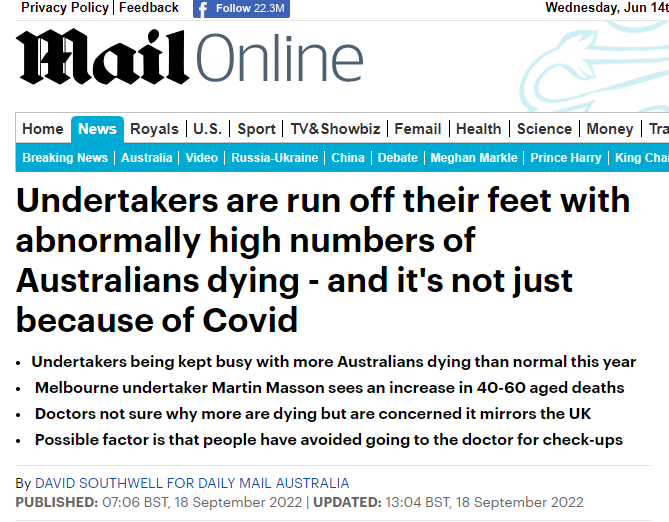
Can't remember how much attention this got late last year. I particularly like the last two dot points, beginning 'doctors not sure why'. https://t.co/DP6aLkCVl9
The risk of repeated reinfection by Omicron while nothing is done to prevent that is 100%. Do we know if that translates to a long-term LC risk of close to 100%, for the entire population? https://t.co/VxhA9zfZMN
You can find Orwellian gems like this everywhere you look in societies now. https://t.co/cNwc0Tx4gg
History shows that people mostly don’t change their minds. Belief systems and the social groupings that rally around them will continue to the point of catastrophe. Only the deaths of the holders of the beliefs brings change. Only one thing bucks this trend. /1 https://t.co/hMz7VqJsJA
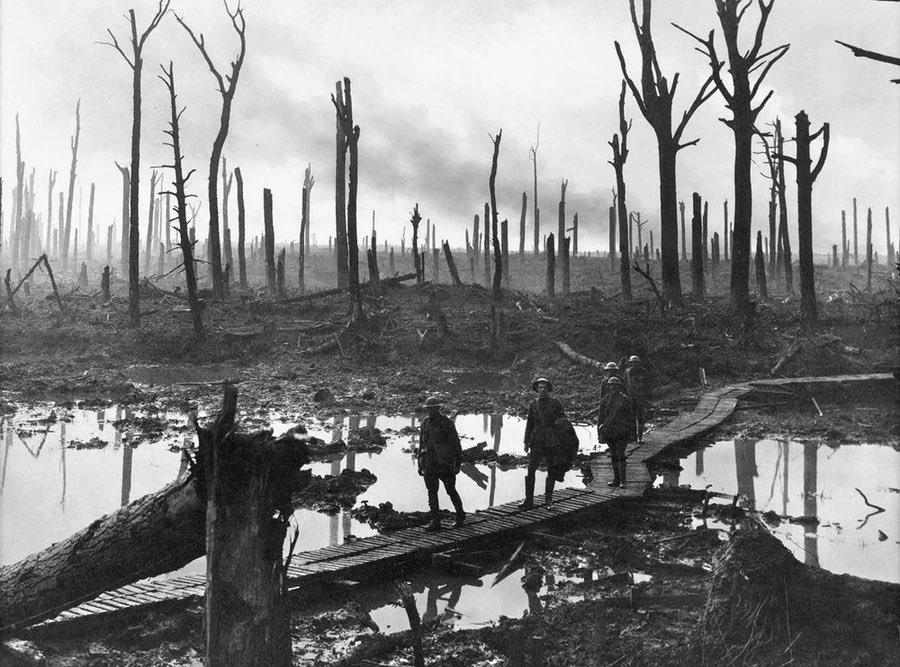
Institutions. I mention them a lot, because they’ve been maligned by decades of libertarian politics. But an institution is the same social groupings, *with knowledge added*. An institution forms around knowledge. Orthogonally to social status games. /2
Every time I mention institutions people pile on with examples of institutional failure, of abuse and oppression overseen by some institutions. As if there always has to be a utopian perfection. There are no utopias, there are just better or worse ways of doing things. /3
You will never, ever, create stable societies using only the social status games between people. The attention span of that sort of collective can be as short as a few minutes, as they cycle through endless fads and fashions. But an institution crosses generations. /4
Sometimes centuries, or even millennia. The Catholic Church a classic example. I’m not a Catholic or even ‘religious’ in the way that term is now used, but I can see there are no real institutions before the 17th century, that aren’t the Church. That’s our foundation. /5
Including science, which amazes many. As Michel Serres says, the monotheism of Western Christianity was the framework inside which the ‘objective truth’ of modern science grew. The positing of a single, virtual truth independent of our human, social affairs. /6
The same science-based believers today who mock the church use exactly the same framing of an independent objective regulator of all things. Whether you call it God or scientific truth, what matters is that its independent of social status games. /7
It was the church who set societies free of endless warring social status games, and on a pathway of institutional progress. They used God to do it. All of that is now hopelessly lost in the Enlightenment fog of whether you ‘believe in God’ as some being ‘up in the sky’. /8
But the introduction of that higher principle, no matter what it is, was the historical genius of the church. Science inherited that, centuries of taming of social status-driven chaos by religion. It brought even kings and nobles to heel. /9
And even more importantly, the nations we all live in today, which battle and war with one another, were descended from a universal Church, during the peace of Westphalia in the 17th century. We were international centuries before were were national. /10
The Church made a universal, international, global institution the foundation of much of the human life on the planet. If you want to know why nations can‘t agree now to act even with global catastrophes, it’s because you can’t unscramble an egg. /11
We have it backwards. Nations aren’t the fundamental unit of collective social life. They were gifts of the church and monarchy, which had lost control of warring parties and used sovereign allocations as appeasement. Only some sort of universal principle can unite us. /12
Knowledge became that, with the decline in belief of a God. It’s why our modern institutions are stuffed full of knowledge-based experts. The same institutions the venal have been assaulting now for the best part of 70 years. Labelling them as ‘bureaucracies’, with contempt. /13
Those bureaucracies gave birth to the greatest genius of all human history. ‘The public’. An entirely administrative construct, a sophisticated and nuanced continuous assessment of social inter-relationship. Not a ‘majority’, a mere count of hands. /14
That’s the nonsense elections have foisted upon us, making us mistake the public with an electoral majority. The public is the product of expertise and data, constantly assessed and analysed. You can’t see it anywhere, it doesn’t exist in that way. /15
It’s the study of how we interact, all of us, every last person. It’s not a number. (It’s lots.) Public health grew from this, the ongoing analysis of how those interactions shape health. Now cast aside in favour of electoral majorities keen to get back to annual ski trips. /16
Knowledge is our only hope. Hitched to our social lives through institutions. That’s all institutions are, schoolyard social groups but with knowledge added. You can find examples of individuals perverting institutional culture. It’s not an argument against institutions. /17
There are no utopias. But institutions give us continuity across centuries, not electoral or news cycles. It’s why the Chinese invented them too, to bring expertise into governance. And why we then copied them. The UN and WHO are often pilloried for their failures. /18
But they’re victims of our having this backwards, set up by nations, to try to create the international, from the national. Like trying to unscramble an egg. Without a higher principle or authority of some kind, nations will always just be large schoolyards run by bullies. /19
Come back to Spinoza, in this picture. He represents knowledge. The crowd excommunicating him in the background, in their social schoolyard status games. Give up trying to mobilise crowds, that only creates fads and fashions. Knowledge, coupled to institutions, is our hope. /20 https://t.co/iVsmwbFTEr
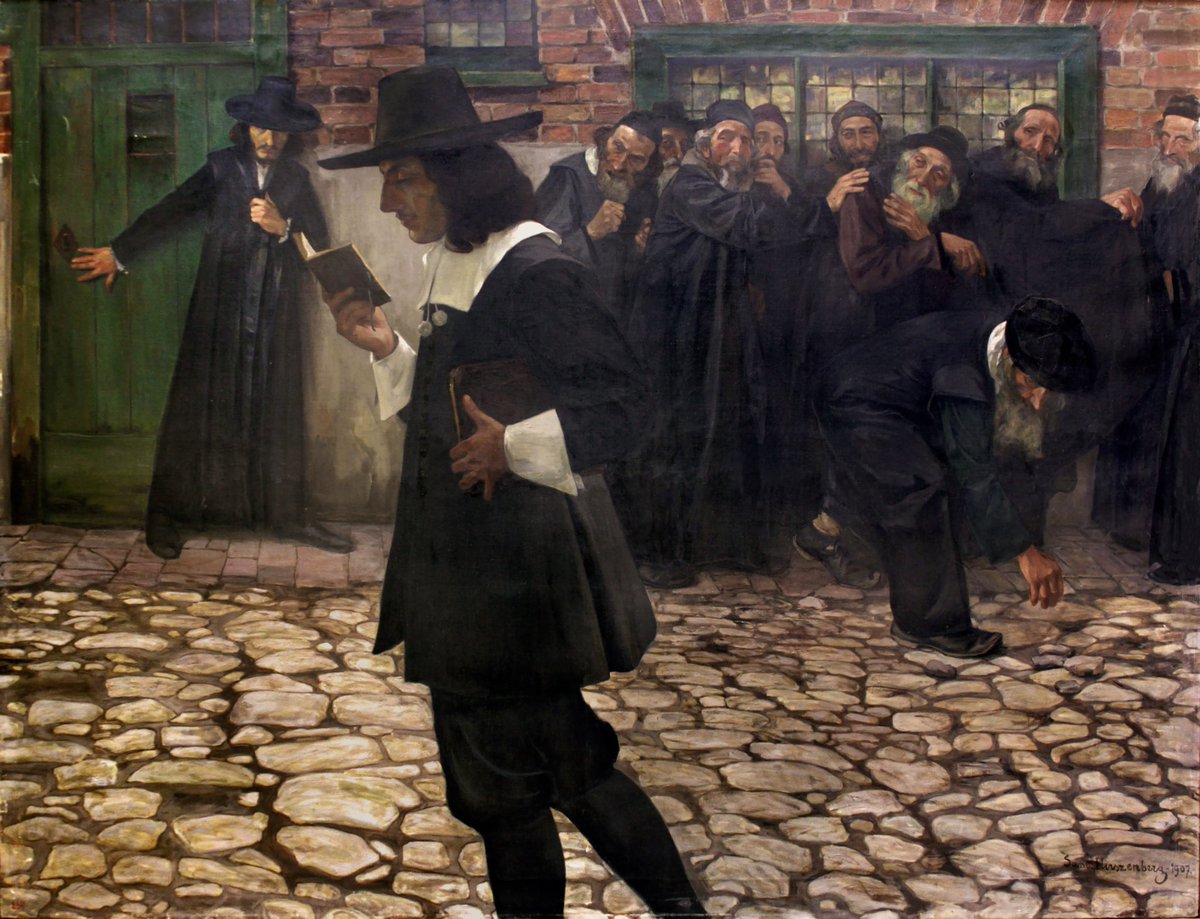
Social media decouples knowledge from institutions, so is a poison in this necessary shift. It mobilises belief in anything, untested in any way by centuries of accumulated knowledge and expertise. As do elections, where being popular is the only test of suitability. /21
We can’t vote our way out of our mess. Only knowledge can save us. /22
My local council has just lifted rates by 50%. In the middle of a cost of living crisis. I don’t blame them mostly, I blame vertical fiscal imbalance. On in non technical terms, higher levels of government hogging revenue, and pissing it away as tax cuts and grants to mates.
The 'Not-Covid' virus seems to be quite nasty.
A highlight of every day is some coughing maskaphobe telling me I'm a germaphobe.
"This indicates that transmission continues to occur in the community despite decreases in case notifications." Latest NSW epi report, about sewage testing data.
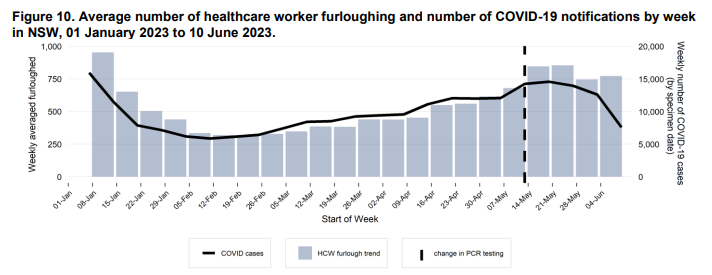
The toll HCW workers pay on our behalf to keep an economy going. How's the economy going, by the way? From the latest NSW epi report. https://t.co/cs7gDuzywv
We wouldn’t have a childhood immunisation schedule in Australia, based on the current advice from some of our prominent health professionals. https://t.co/Z50MC2ELyC
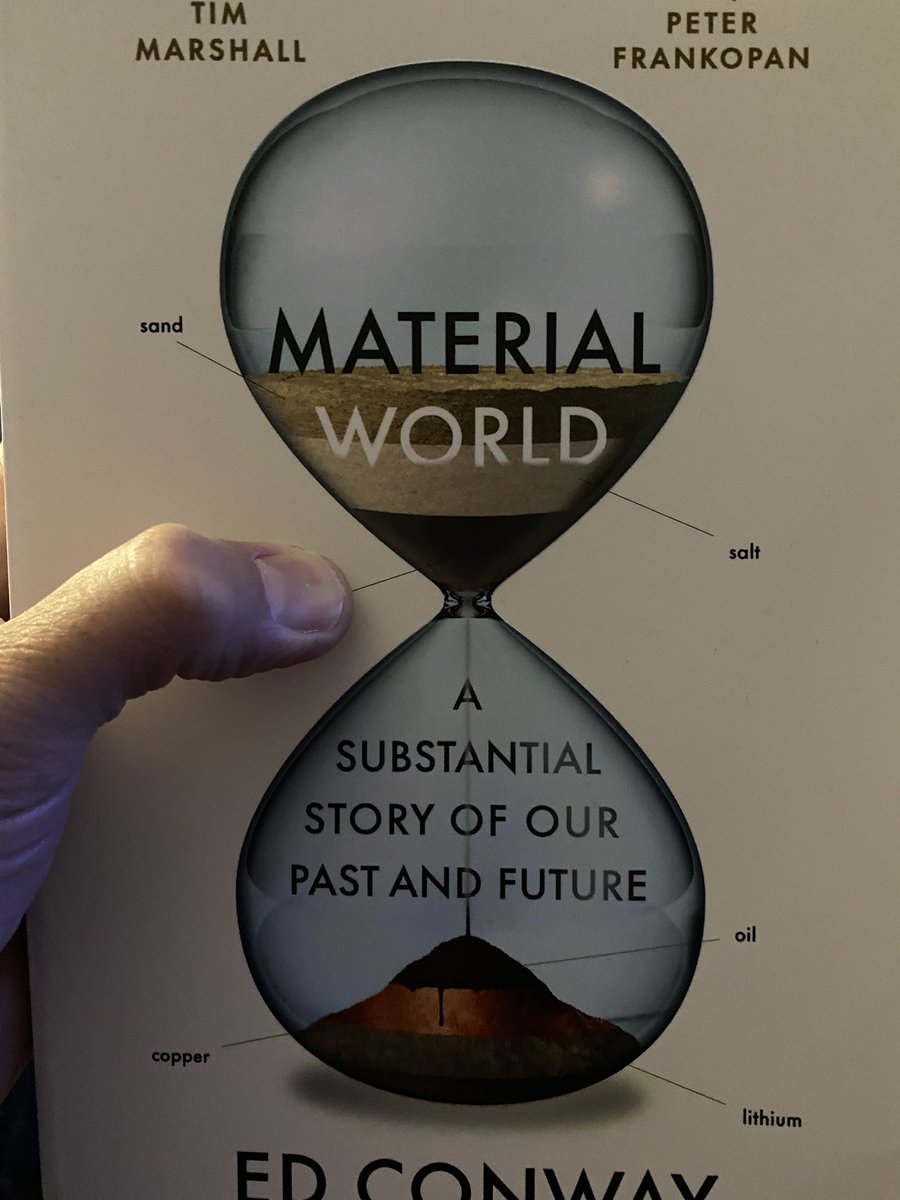
My copy arrived today, looking forward to it @EdConwaySky. A quick dip into it and saw a section on the staggering criticality of semiconductors. Have wondered for a while if that’s the real geopolitics of Taiwan, which makes most of them. https://t.co/GfCcfk3M0x
Humans should always avoid infection. Of all kinds. Amazing it needs to be said. https://t.co/G5x6071EKK
Was listening to a football team doctor talk about concussion in sports today. How they’re using an ‘evidence-based’ approach. Actually the approach needed is a risk-based approach. Ditto for Covid. Not ‘let’s wait and see if it cripples and kills, in the data’. https://t.co/G5x6071EKK
Ignore the economic framing of our social lives. The economy is a deliberately constructed myth, a rationalisation of the status quo. The only thing giving ordinary people a place in it is personal debt. When cheap money goes, the truth is visible. https://t.co/bqlTd1MyaS
No such national strategy will happen. Only catastrophe shifts entrenched patterns of social behaviour. Like Great Depressions. And pandemics, though that catastrophe is going to take longer. https://t.co/TVxWvN93ic
Long periods of cheap money lead to long periods of expensive money (higher interest rates), to curb the inflation caused by the cheap money. We could just regulate our society, but that would upset the fantasy of a self-governing economy regulated only by the price of money. https://t.co/XIEsKtqY5T
Leaders are abandoning the sinking Covid ship, after letting the virus come aboard. https://t.co/98tv7kWJpK
It's not hard to trace the team each person sees themselves as part of, on Twitter. Their followers, likes and replies to their threads will identify them. And sometimes they even set up groups, which makes it even easier. /1
Once you do that tracing what people actually say becomes much less relevant, it's all positioning. It's the team sports I Tweet about, groups at school jostling for dominance. The groups extend out into wider life too, into formal institutions, politics, the media etc. /2
Most of the 'debates' we see here every day aren't about ideas at all, they're about building and sustaining these groupings. Any idea can be co-opted to maintain group unity. Why we've seen ridiculous things like questioning the use of masks for airborne pathogens. /3
Or made-up concepts like immunity debt, and 'living with' pandemic viruses. Etc. It's all positioning, maintaining the group in opposition to other groups, particularly those identified as enemy groupings. This is the social media business model. /4
It literally takes the social structure of the school playground, and extends it through every demographic. The anxious search for identity, allying oneself to this or that group to define who we are individually. The 'media' in social media is the wrong word. /5
It suggests a neutral transfer of information. Social media is group-building platforms, not information-sharing platforms. Information is always socially structured. It's why people are addicted, the information is more gossip than science. Even when it *is* science. /end
Choosing who to lead a complex nation using only popularity as a metric not only gets you incompetence, it gets you sleaze and every other base human behaviour as well. Remember the most popular kids at school? Often sociopaths. https://t.co/OuwtiDKchP
One of the weirdest and deepest misunderstandings in all human thought is the distinction between big and small. Scale. The prejudice that says big things are complex, small things simple. Covid thinking is like this. The bacterium MO-1 is a good stating point. /1 https://t.co/2pw5WVLuwZ
MO-1 is a magnetotactic (orients itself along field lines of the Earth's magnetic field) bacterium with an exquisite supramolecular motility machine to move it along. That's what this diagram shows. There's a tight bundle of 7 flagella (yellow) and 24 fibrils (green). /2 https://t.co/Uhq6Z8Y1mg
All encased in a sheath (blue). The flagella and fibrils rotate anticlockwise and clockwise, respectively, to minimise friction at high speed rotation. Extraordinary engineering. But the wider point here is the prejudice we have that says small things are simple. /3 https://t.co/WVBHF12Tk8
So micro-organisms are thought to be more simple lifeforms than macro-organisms such as ourself. (Of course we'd think that.) And a century or more of atomic theory, where atoms are seen as simple building blocks of larger more complex things, suggests the same. /4
But it's wrong. Incredibly this prejudice survives, despite nearly every empirical example proving the opposite. Micro-organisms like MO-1 have breathtaking complexity. And atoms after quantum theory are mind-bendingly complex, unfathomable things. /5
Zooming out to human societies, you can see this even more obviously. What 'macro' thing (an organisation, an economy) comes even close in complexity to any of the individuals that make it up? To make big things, you SIMPLIFY little things. Dramatically. /6
Humans in an organisation or even any group lend just the tiniest part of their extensive individual complexity, to that group. Their complexity as a person far exceeds any of the 'macro' characteristics of the groups they're part of. /7
We say that individual cases are 'anecdotal', and only complex aggregate patterns tell us what's really going on. Or that economies have macro and micro components, and only the macro is the 'big picture'. /8
But not only is this backwards - the small is always *more* complex than the large. There is also no small, or no large. (Bear with me.) An example, any modern nation. Our prejudice says the nation is the aggregate sum of all the individuals living in it. /9
Added together, like Lego blocks. But spend two seconds on this idea and it all falls apart. What Australia thinks about the Voice to parliament for example is not 1/25 millionth my bit, added to millions of other bits to form a whole. Any Australian has a *whole* view./ 10
Not 1/25 millionth of a view. The referendum will of course count our choices, but they don't add up to whatever the Voice ends up being (or not being). It's a binary choice between two *whole* or 'macro' views. Maybe easier to see with a crowd. /11
We attribute a 'macro' behaviour to crowds, like the people in them all follow some highly simplified script. But they don't, look at any photo of faces in a crowd, like this one from Alex Prager. Each person is doing what they're doing, for their own individual reason. /12 https://t.co/h5LnjcufgR
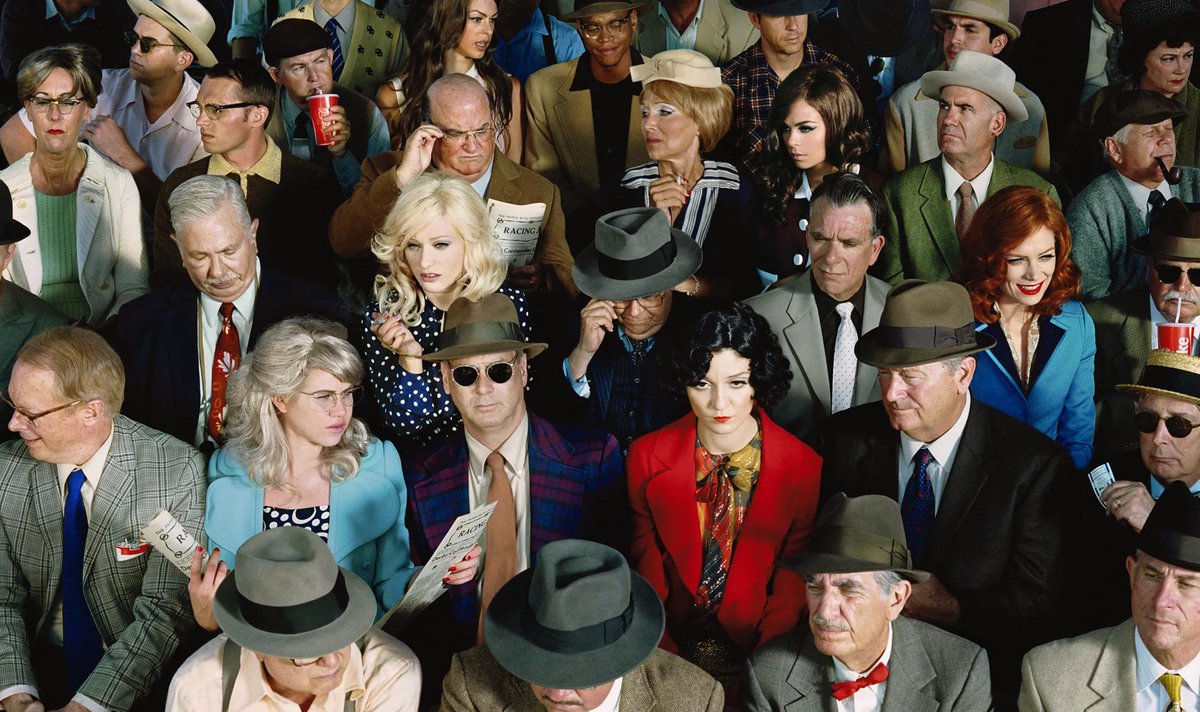
An individual reason that includes their entire global/macro view of how the whole world works. Not a tiny partial fragment of a worldview. An entire worldview. Each contributes to any 'emergent' behaviour for their own individual reasons, shaped by that whole view. /13
That individual macro choice is made at each moment, based on their constant re-assessment of what's happening, from inside the entire 'macro' worldview each has. I'm hoping it's clearer how micro/macro is a myth (but the prejudice is very deep, so maybe it's not). /14
When all of these individuals combine to produce an outcome of some form, it's not not now some separate 'macro' entity, made up of lots of little micro entities. Every individual is doing a macro assessment the whole time, the distinction isn't real. /15
The 'whole is greater than the sum of the parts'. Rubbish. The parts aren't summed at all, this isn't Lego. Each whole is a provisional dynamic achievement. Made by individuals, but thinking 'macro' things. There's no binary here. /16
Similarly when we all speak a language, the words are universal and individual *at the same time*. I didn't invent English, but when I use it the meanings are already universal the moment I say or type a word. I may do other threads on this, it's a tricky topic. /17
But to finish with Covid, and micro-organisms in general. Macro-organisms are likely created by micro-organisms acting a bit like people do in a crowd. All lending just one part of their expansive characteristics, to that organism. We're societies of microbes. /18
More on this later.../19
205 people died of Covid in Australia this week. To get a visual feel for that number, this is about 150 people. Add another 60, a large coach load, and you’re about there. https://t.co/NDGQNFMkCQ https://t.co/A11mTuxhm5
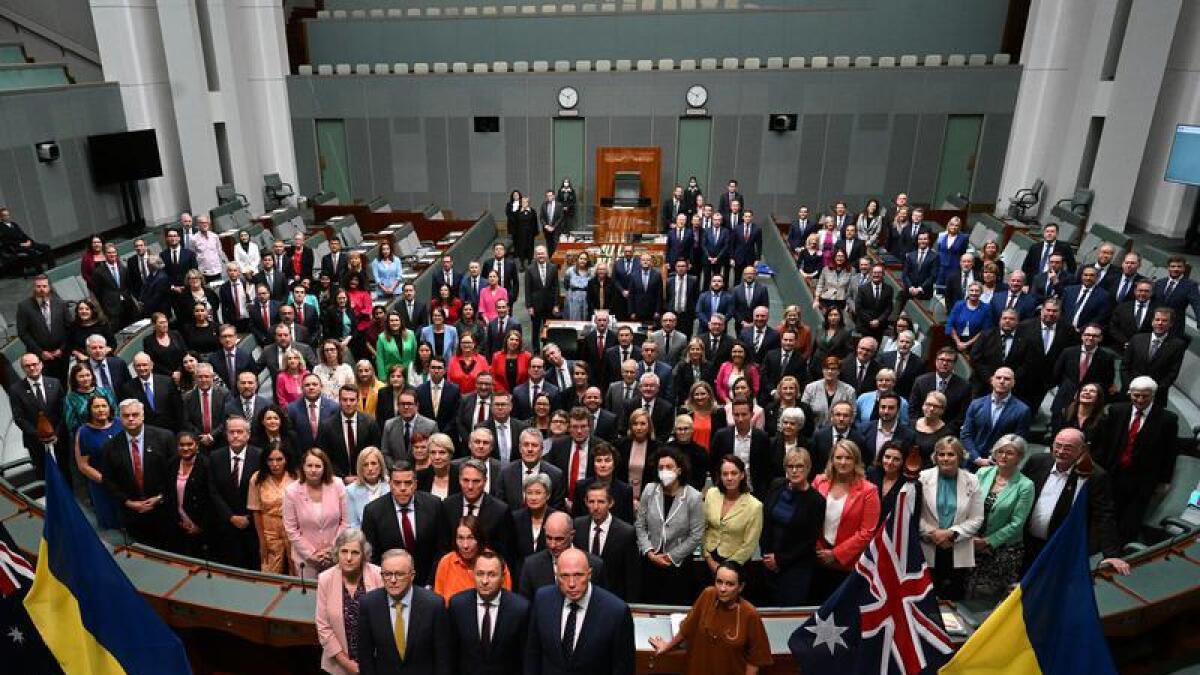
Australia is on track to have easily double the local death toll of Spanish Flu, with Covid. There are many reasons this is a public health disgrace. Starting with the most common objection to the comparison - that ‘we have a lot more people now’. /1 https://t.co/KW44maRlpy
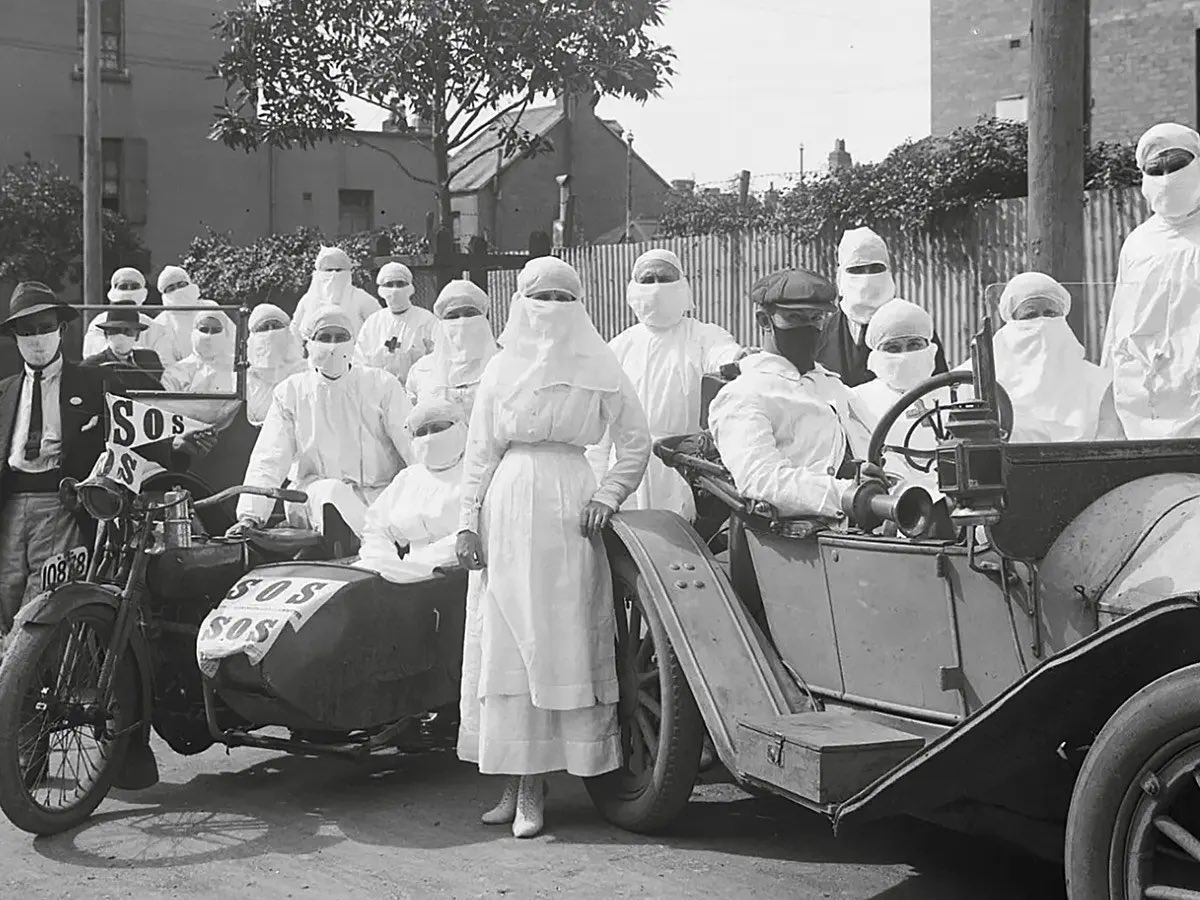
How is that relevant? If an A-380 crashes in China killing everybody on board, is it less of a disaster than if it crashes in Australia? Is the argument that it matters less that we’ll kill at least double the number of people with Covid, because we have ‘spares’ now? /2 https://t.co/QiNgZfLOLA
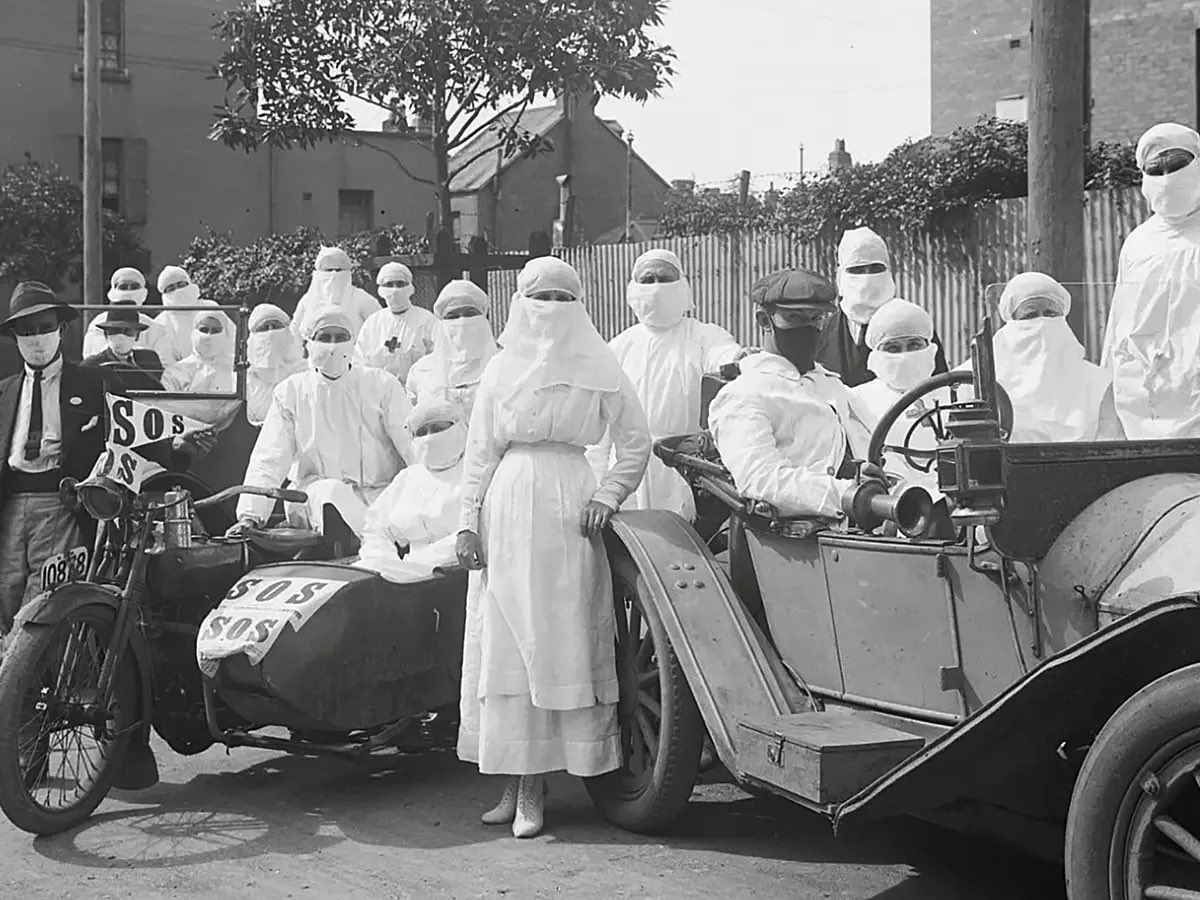
Or that we’re killing smaller proportion of the entire population? Minimising maths is disgusting, again how is that even relevant? Was the recent train crash in India less tragic than one here, because it killed a much smaller proportion of their population? /3 https://t.co/kVcgbjHrJw
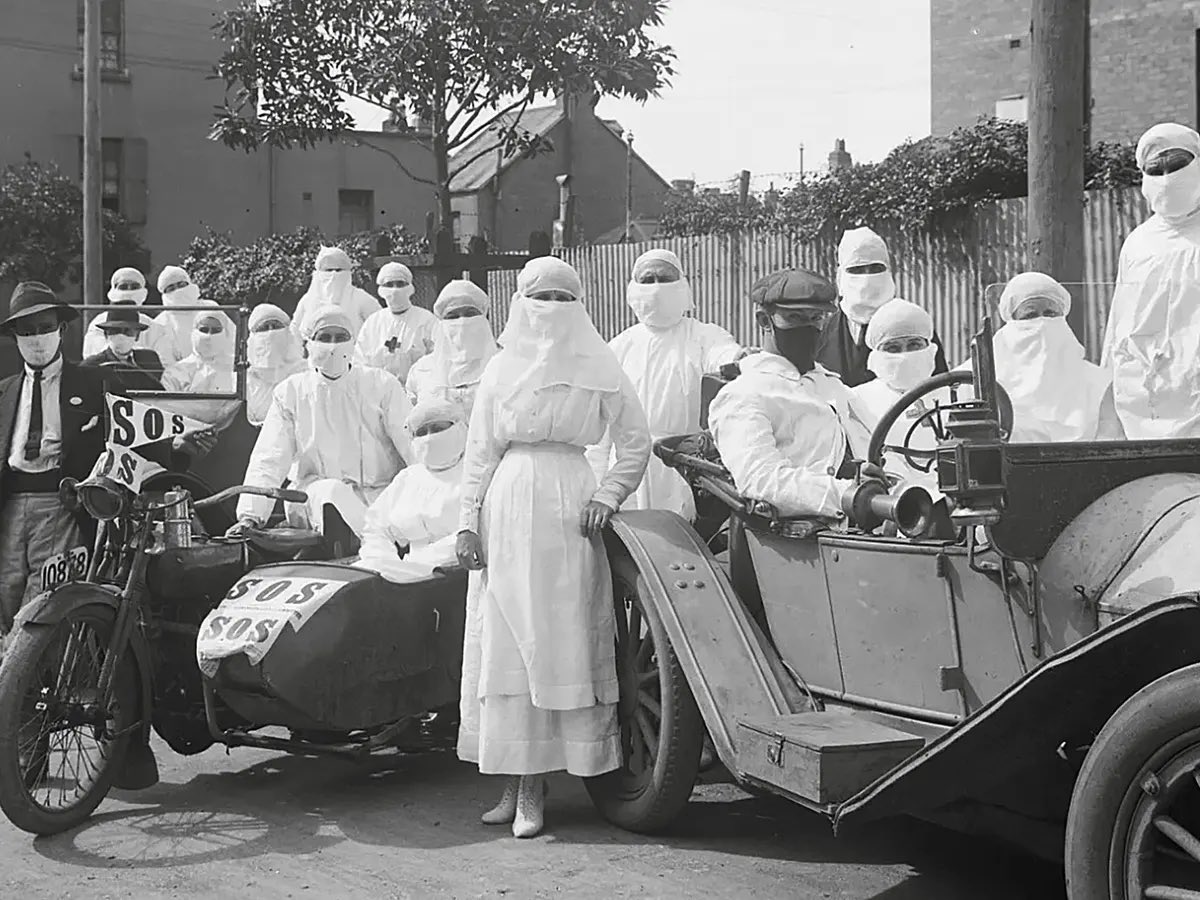
We saw here this week that 10 dead in a bus crash can be considered a solemn tragedy, but 200 dead in the same week from Covid, not. It’s all selective attention, to fit a narrative. What’s ’disgusting’ is the selective attention, not the comparison. /4
Most damningly, we have pretty good vaccines for Covid, we had only rudimentary ones for Spanish Flu. And there were no widespread antibiotics to treat the secondary infections, which killed many. There were also few options for virtual work, and none for online shopping. /5 https://t.co/i7MFiJBbcg
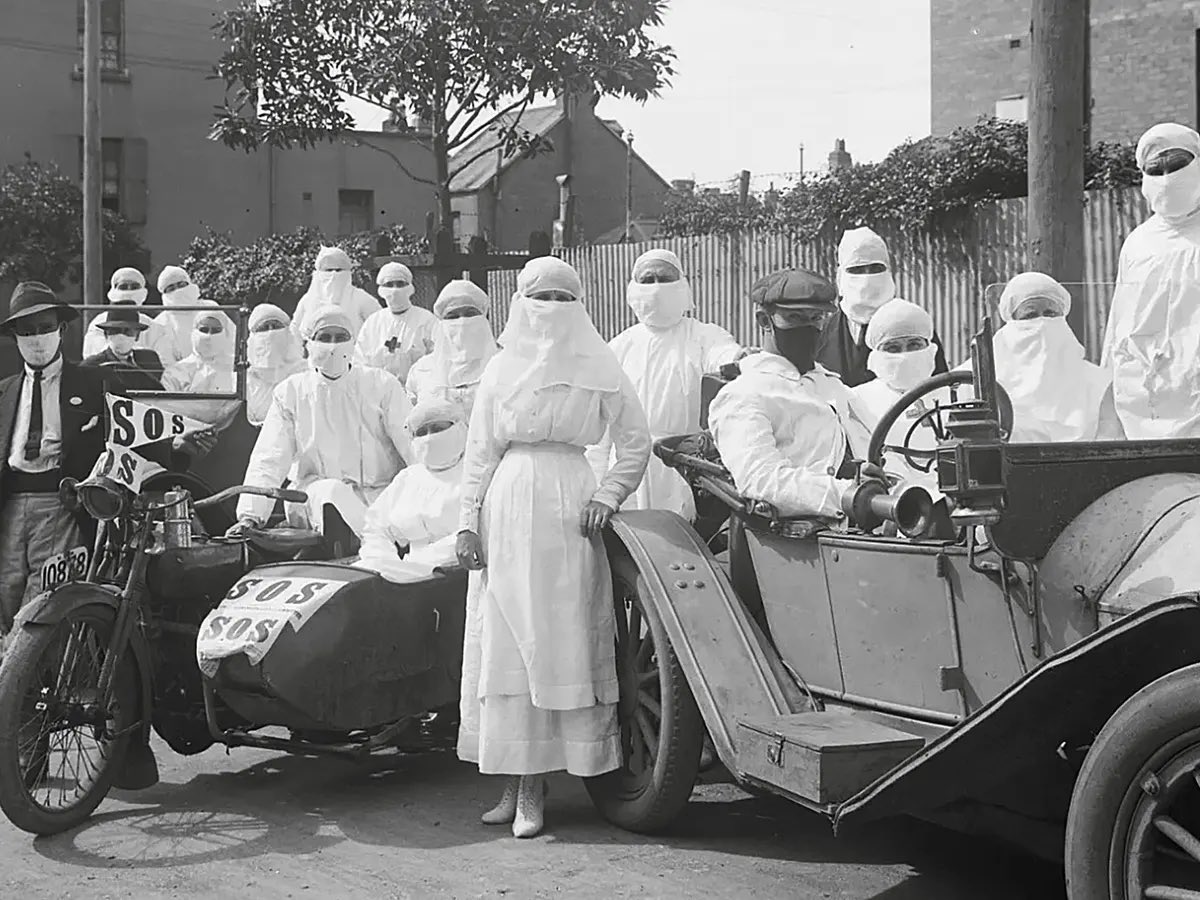
For me the most damning comparison between that pandemic and this one, is the number of people infected. About 40% of the Australian population caught Spanish Flu. Prevention of transmission was a priority. Compare with near 100% infection with Covid, as deliberate policy. /6 https://t.co/0FlydXnE6P
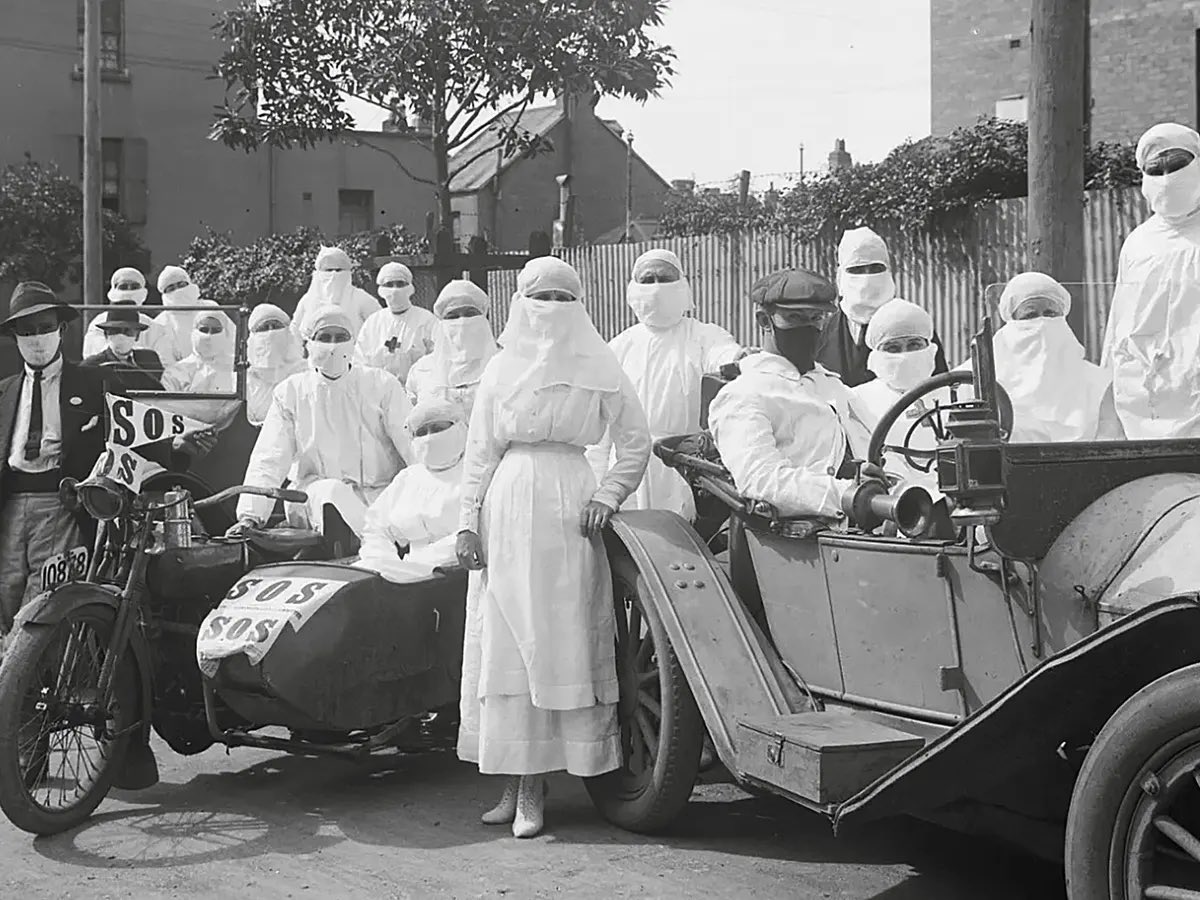
And in fact even the 40% figure was high at that time, the UK and US had closer to 25% of their populations infected. What they would have made of our 100% figure we’ll never know, but their few descendants with lingering sanity are rightly aghast. /7 https://t.co/Mnzlds8XQ7
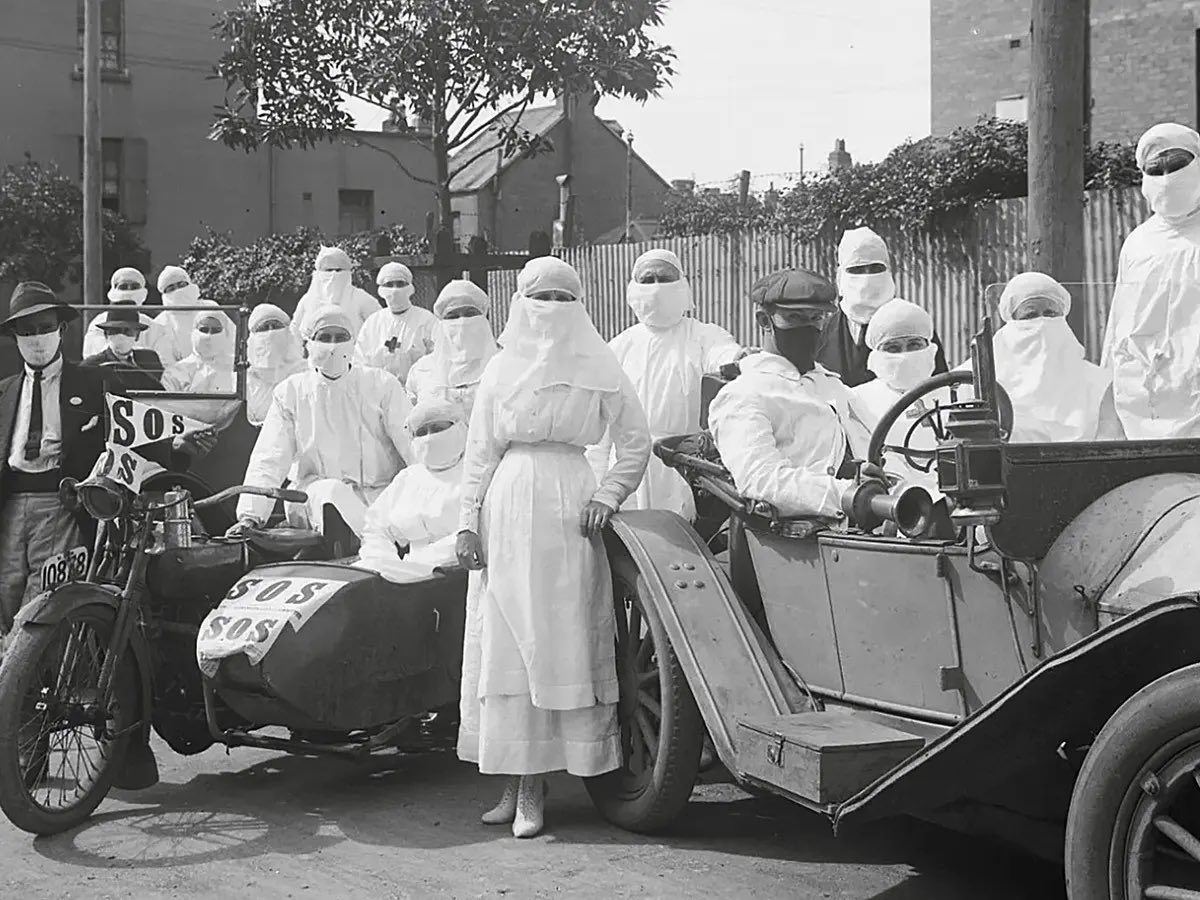
You could minimise this by saying we’re infecting everybody *because* we have much better vaccines, we’re aiming for hybrid immunity. But we’re on track to have easily double the death toll, which again can only be ignored using sociopath mathematics. /8 https://t.co/GMPkzRjmhB
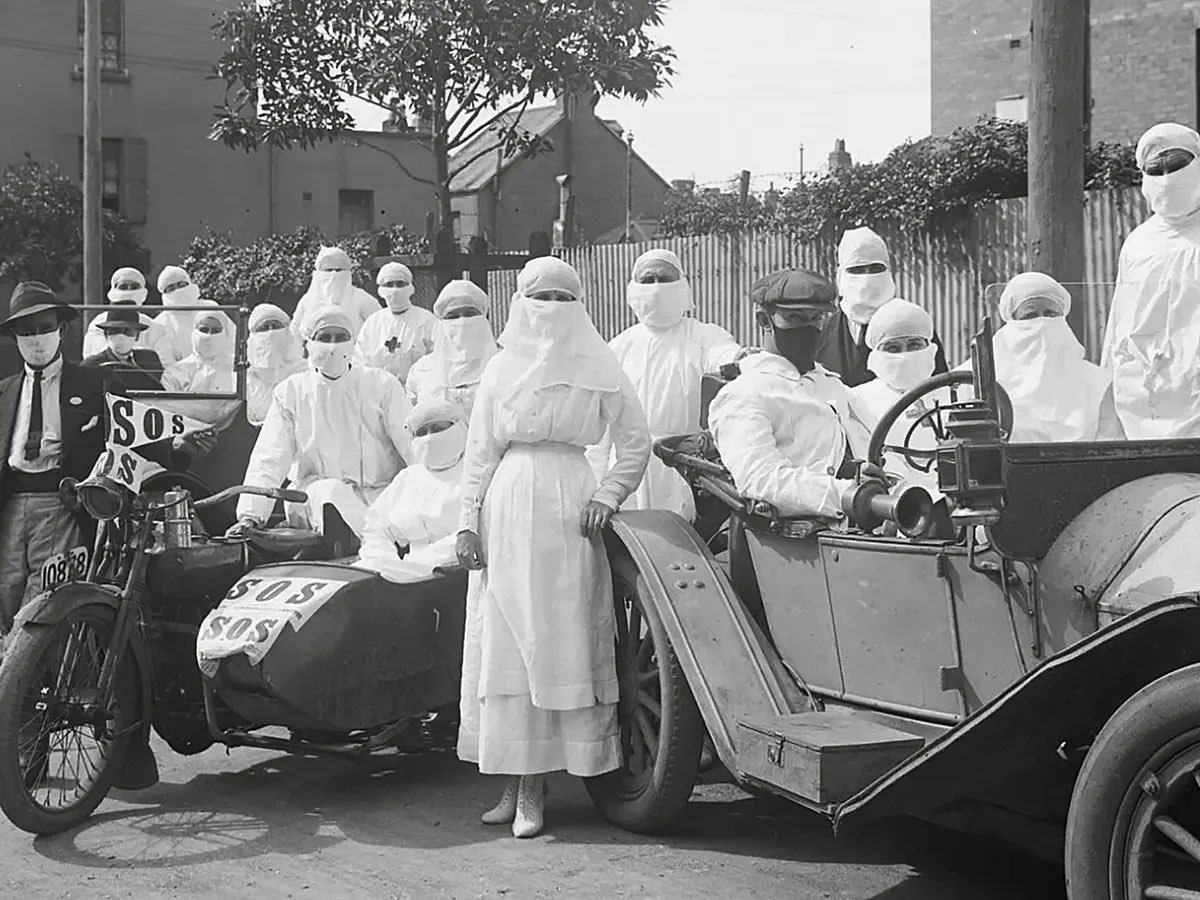
There is one fundamental change between 1918 and now, that explains the difference. We had a public then. We don’t now. Humans invented the public between the late-19th and mid-20th century, in response to catastrophes, like infectious disease and wars. /9 https://t.co/dRkbVDWIub
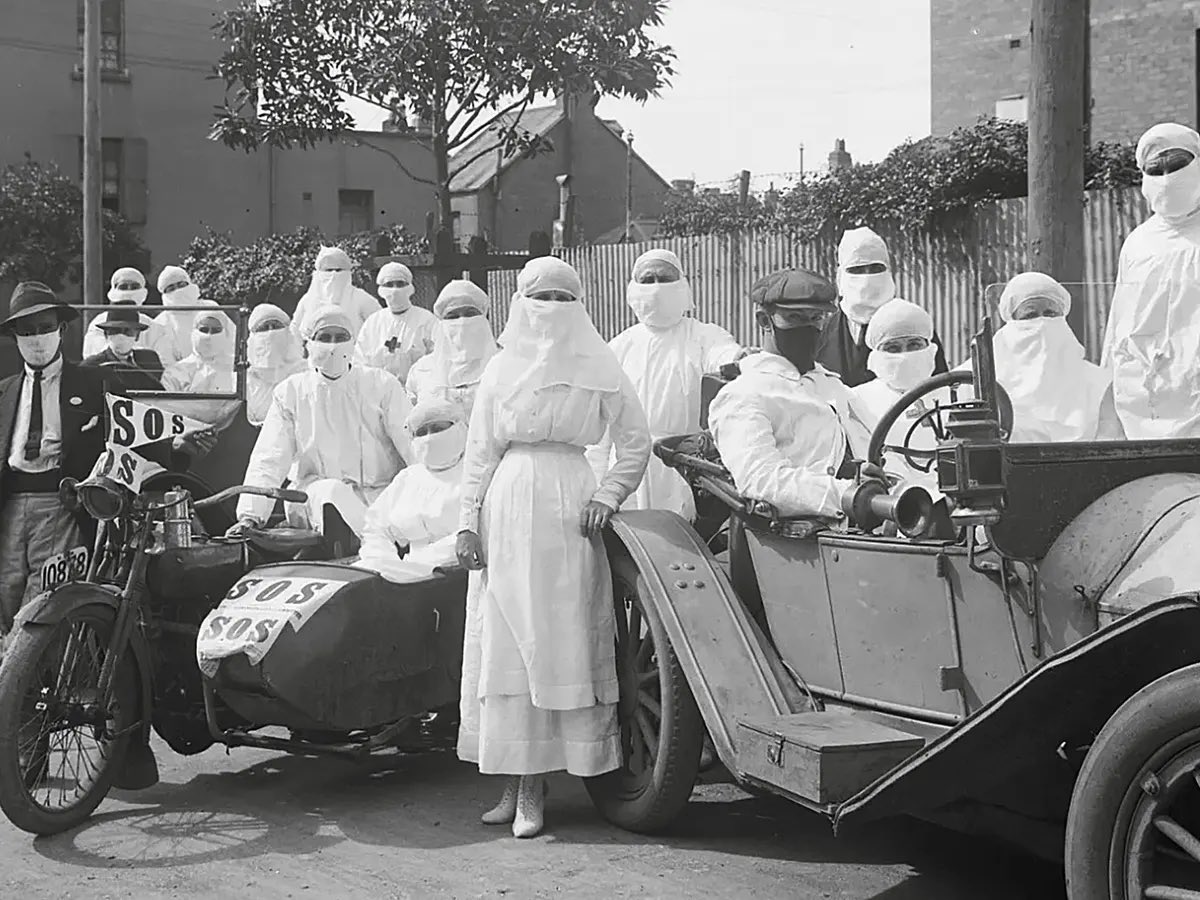
That public was replaced with an economy. With a market. A global market, of utility-maximising individuals. (Of course that never happened, it’s just spin, but that’s the loon theory that justified stripping away anything with ‘public’ attached to it.) /10 https://t.co/mChdVemlK4
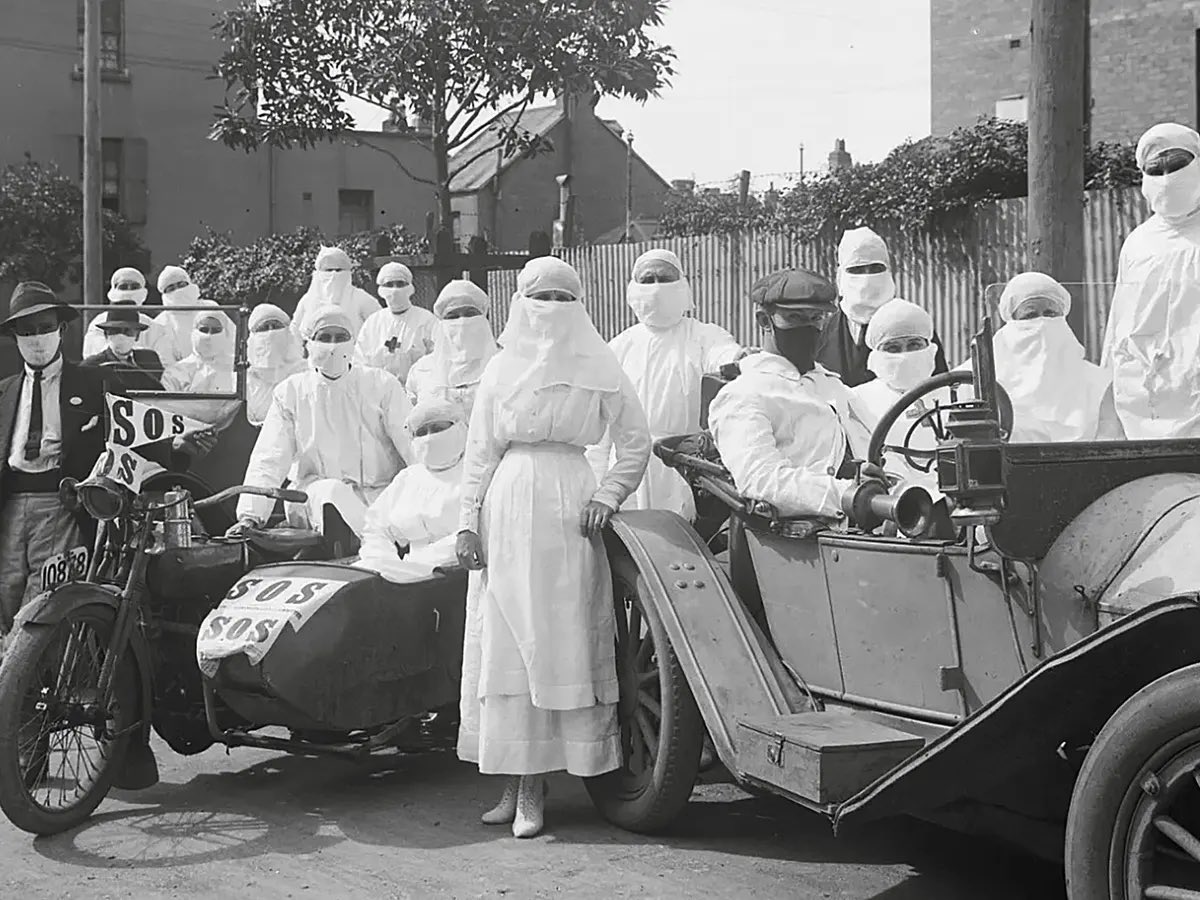
Spare us the pretence that what we’re doing with Covid is scientific in any way. It’s political. It’s the dominant anti-State, anti-public loons of the past 7 decades, celebrating their final victory. Over the corpses of millions of Covid victims. And counting. /end
The populist fanatics who increasingly occupy elected power are bred in online echo chambers. And they return there. They have almost no connection to ordinary people, and no interest in them. But they talk about ‘the people’ constantly, because populists spin that for votes. https://t.co/QBfVkTYoex
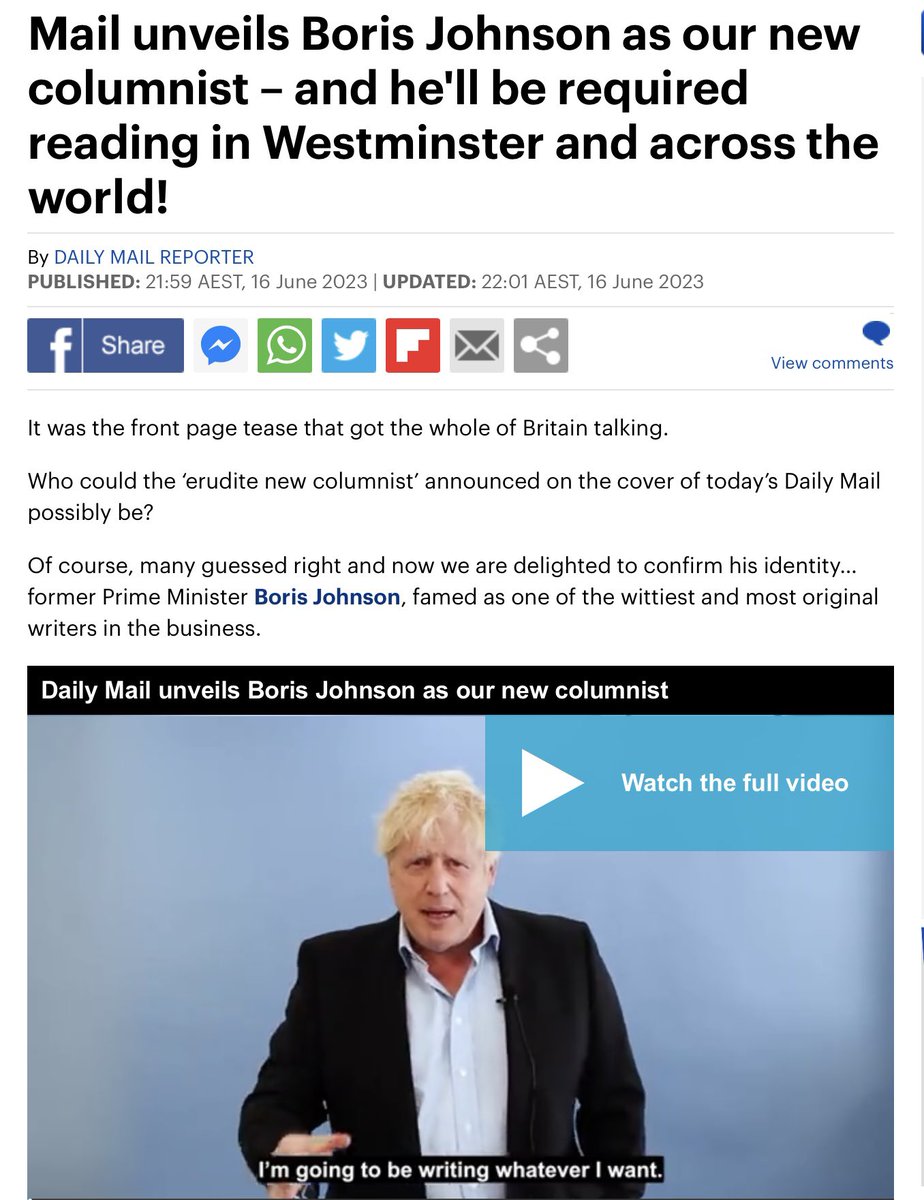
Microbes can colonise just as humans do. It plays out roughly the same way, an initial surge in conflict and death, then a long chronic disabling and killing of the natives in ‘normal’ life. It’s very possible we’re just through the Covid overture. https://t.co/RlGtaD8R1B
I’d say reasonable effort is being made to protect ‘the vulnerable’. The real problem is thinking you can ring-fence them off from the rest of the community. Society is always a mixture, it doesn’t function as separated groups. https://t.co/2lbprVgb1X
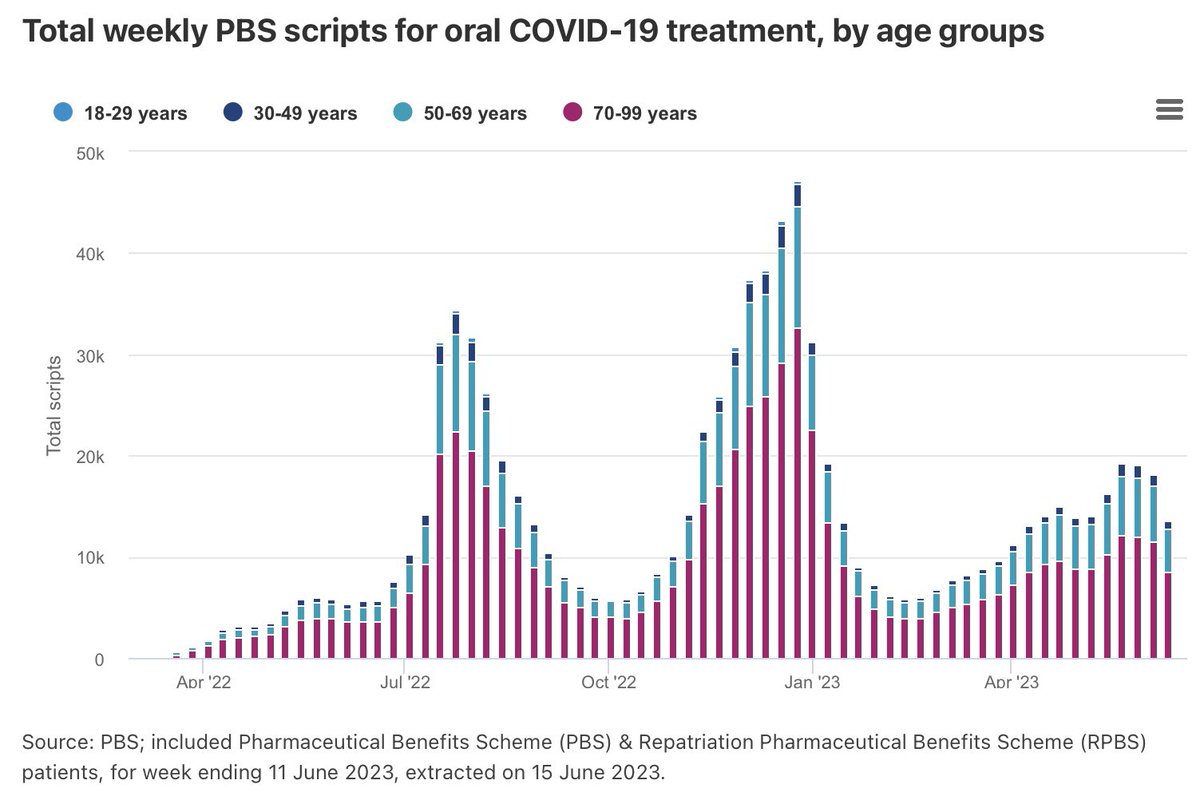
The contrast between the hospitalisation bars and testing line tells a story here? I doubt those working in hospitals see the same dwindling pandemic the public is encouraged to. From: https://t.co/ElN5uJudAs https://t.co/8FPPHsjLO6
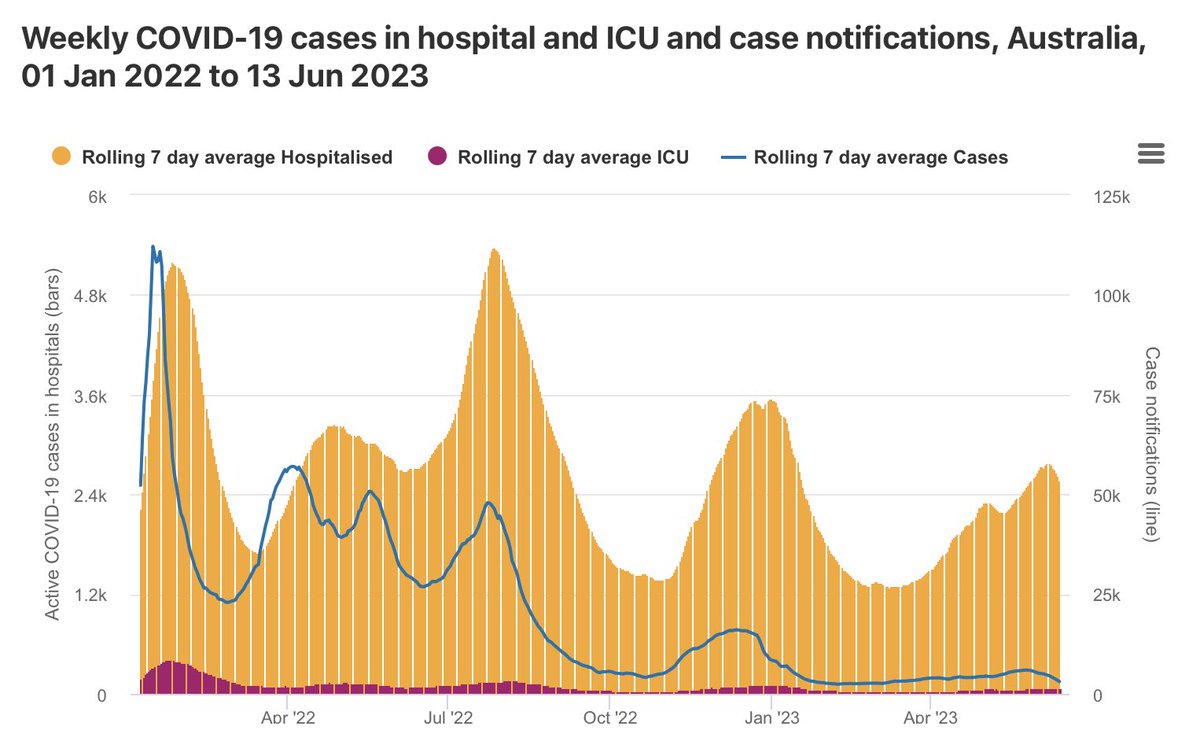
Fantastic to see this recognition. And Our World in Data also deserves some sort of Nobel Prize. The sting in the tail of this story though is that the data ended up having sadly little impact on the course of the pandemic. Information is not enough. https://t.co/KcZ47NRimX
Did you get a gong too @Mike_Honey_ ?
I have no interest in most debates in public life. Most are adolescent identity politics, conservatives and progressives all the same. They reflect cultures who no longer build things, with the calm adult effort and persistence that requires. /1 https://t.co/8I6g6wPsqk
The Victorians are famous for their engineering. The Romans were a role model for that, as were the Egyptians. As the BBC points out here, there are myths surrounding Victorian engineering too, but they’re very instructive myths for today. /2 https://t.co/8I6g6wPsqk
Cultures that build, last. The reason is very simple. Despite our prejudice, born from decades of prosperous and easy living, that engineering is a functional thing, a ‘tool’, it’s actually THE most powerfully social thing humans do. /3
To build and maintain things takes massive social organisation. To train the engineers and workers, and organise their work. To build and maintain supply chains for the work. All of this is intrinsically social work, not ‘technical’. The distinction is meaningless. /4
Most of the unrest and ‘division’ I see in Western societies is traceable back to the fact that we’re just not building anything, any more. We’re bored and frustrated, and like old aristocrats, working on defining ever more refined forms of identity to pass the time. /5
Building things brings calm and discipline to social life. People are focused on an outcome, and finding ways to overcome the challenges to meet that outcome. Not on interpersonal squabbles, on the team sports of the schoolyard. /6 https://t.co/3BSGl6BPPG
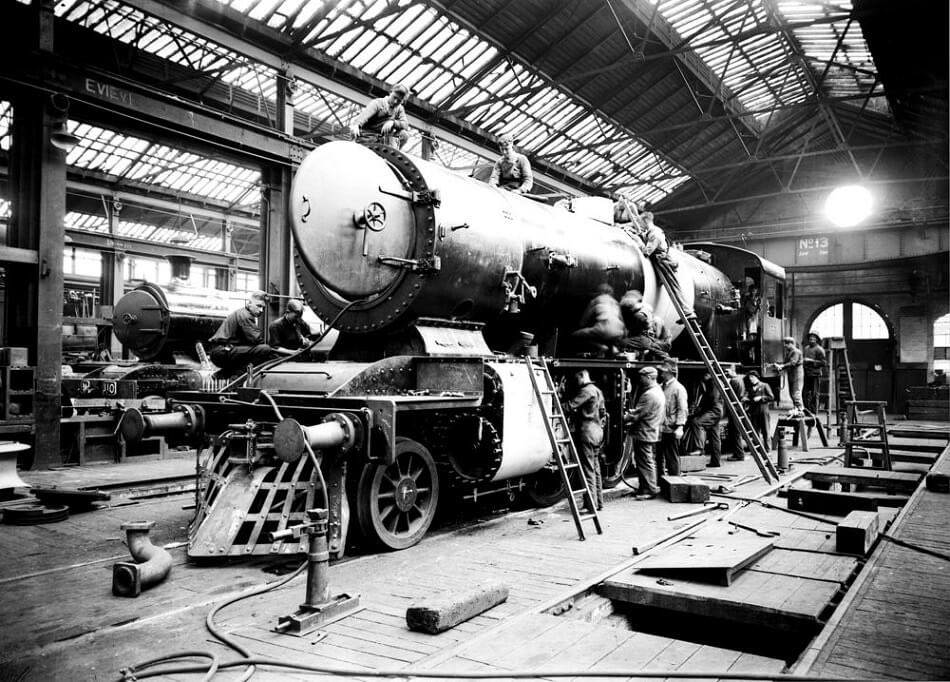
Once built ongoing maintenance brings a level of social organisation that no amount of opinion-based politics can ever muster. You either maintain your infrastructure, or your society stops functioning. No opinion has currency in that conversation. /7
As @EdConwaySky’s marvellous new book talks about, we’ve forgotten the essential materiality of our lives. Spoiled rich societies that for too long outsourced this work to others, including slaves. But we’ve also been doing this work ourselves, and ignoring it. /8 https://t.co/Oo2zjhuD5p
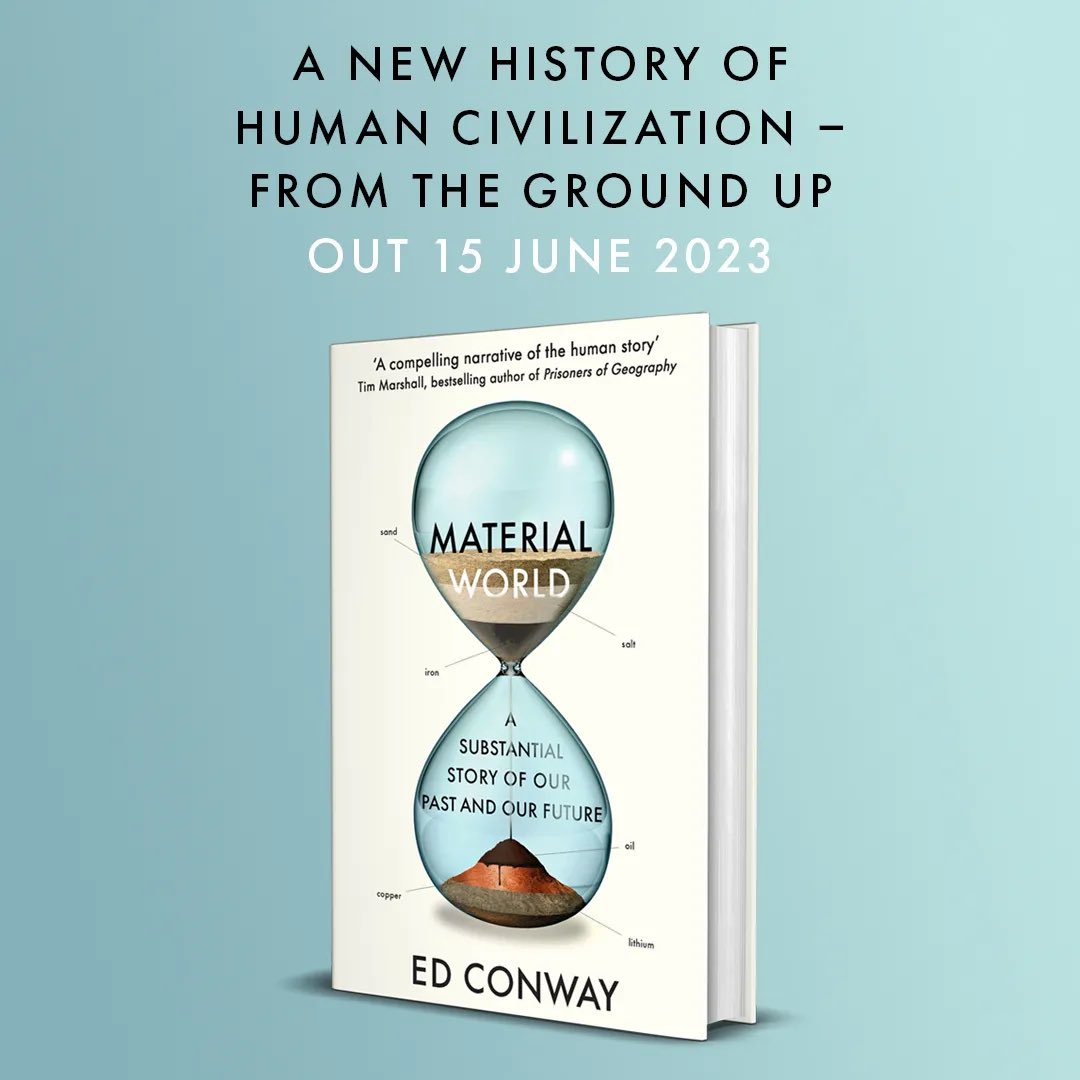
The BBC article touches on why, and people who follow my threads will see overlap. A lot of Victorian engineering also failed, which we hear less about, and it failed mostly when it was driven by populist pollies and entrepreneurs looking for votes and a quick buck. /9
Here’s Mike Casson, who’s studied that time. The culprit? Popularity politics. The stuff Utopia satirises brilliantly again today, with modern infrastructure builds. It’s still going on. See that ‘rational calm’ of ‘civil servants’? /10 https://t.co/g5ftQymW95
That’s what populists take away from us, installing permanent high school popularity contests as adult life. Who remembers Bert? The old guy from the old Public Works department, who was breathtakingly competent and rational and calm. And therefore immediately sidelined. /11 https://t.co/eeaIFXBw9p
That’s our battle still today. Popularity as the foundation of authority in public life. Societies can’t and won’t survive, unless that changes. We’ll just have childish, adolescent eternal debates about this or that bit of our treasured identities, while building nothing. /12
We need a new industrial revolution right now, to fix our climate and Covid woes. The problem is the solution. Enough hot air team sports, who the fuck cares about our opinions. Reality doesn’t. There’s deep satisfaction in returning to building a better society. /end
These leaks give a true insight into the utter contempt modern conservatives have for public anything. I saw a conservative commentator describe this as ‘personal responsibility’. The ultimate entitlement? Some at these Tory lockdown parties received royal honours, via Boris. https://t.co/yNLxRUqZ8h
This is how social media more generally works. It opens to ‘debate’ the entire operating system of societies. Things people have not only no knowledge of, but didn’t even know existed, suddenly become weaponised topics of ‘debate’. It decouples knowledge from social structure. https://t.co/WKEIm9ENgB
Political libertarianism is mostly just private school old boys having a jolly jaunt excising the dreaded State from mummy and daddy’s huge endowments to them. https://t.co/xwogbZYMKs
The more you understand the way societies materially operate, the more you also see politics as the tiniest veneer of pointless hot air getting in the way of things that actually matter. For example, this machine is far more important than any political leader. /1 https://t.co/kly0ynAMTu

I guarantee just about everybody you ask won’t have a clue what it is. Without this machine the world as we know and enjoy it would more or less cease to operate. It’s an EUV lithography machine, that ‘draws’ the ‘circuitry’ on the silicon chips we use in everything. /2 https://t.co/m3oUqJP8IL

One of the most complex and extraordinary machines ever built. Joe Biden recently regulated to try to ensure this technology wouldn’t be shared with the Chinese. (The Dutch make the machines.) Semiconductors (’silicon chips’) are easily the lifeblood of modern societies. /3 https://t.co/qoBqQJEs5s

Remember the long delays buying cars in the past year? A shortage of semiconductors was mostly responsible. Semiconductors are mind-boggingly difficult to make, and the Taiwanese make the most advanced ones. The dominant reason China and the US argue over that territory. /4 https://t.co/g5VBEHwGj5

We’re so saturated in political team sports, in high school culture, that we have no interest in the material reasons for conflict. But about 99% of what actually keeps our societies running has nothing to do with any elected leader. It’s engineering. /5
The modern world is a genuine scientific and technological marvel. What’s more, that all only works by ignoring most of the territorial team sports of politics. The supply and production chains for semiconductors for example cross the globe. This is our true social glue. /6
One of the great tragedies of the modern world is that genius and smarts in general make it happen. But politically genius has no real power at all. If all of the brilliant minds working on the operating systems of our lives refused to support…/7
…the political nonsense of our time, they could bring politicians to heel immediately. Worth pondering, why intelligence has almost zero political power, even though it creates that world and keeps it running. We need much smarter ways for the smart to operate. /end
I love watching netball. And with that in mind, Australia took forever to select a team for the World Cup. You can’t tell, some bizarre choices there.
All history is a tug of war between knowledge and popularity. Not coincidentally also the defining culture of schools. Popularity invented think tanks to replace universities, so that knowledge could also be governed by popularity. Social media accelerates this shift hugely. https://t.co/ZVxWfNEk9S
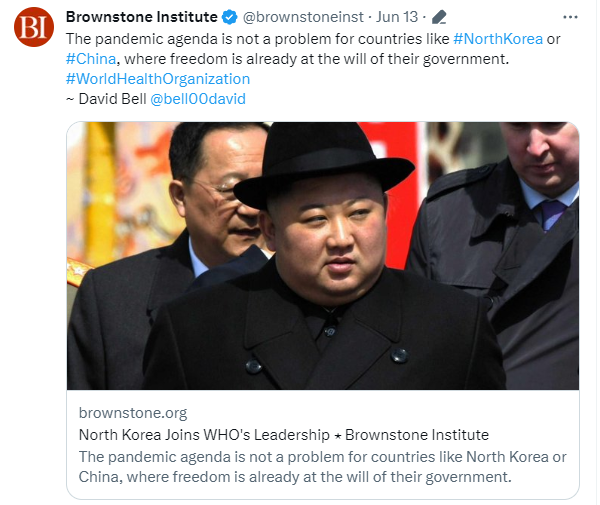
I assume the engine room of medically-trained dumb in some Australian universities immediately fired into gear with their anonymous troll groups, to troll Williams' account. https://t.co/loDaGfnmBW
This is the centrism nonsense that has been progressive politics’ own goal for decades. There is no political centre, it’s a relative position between wherever Left and Right happen to be at any point in time. Right now the centre thinks the pandemic is over. https://t.co/Jc1oST7W2C
You can’t vote your way out of a pandemic. Only further in. https://t.co/81tmHn6jMP
Seeing lots of good people having Twitter holidays. Like fighting some sort of fight achieves something here. I don’t think it does. That’s the bullshit side of social media, the team sports. Knowledge is all that changes the world. Ignore the chattering trolls. https://t.co/XKiB7UB3JI
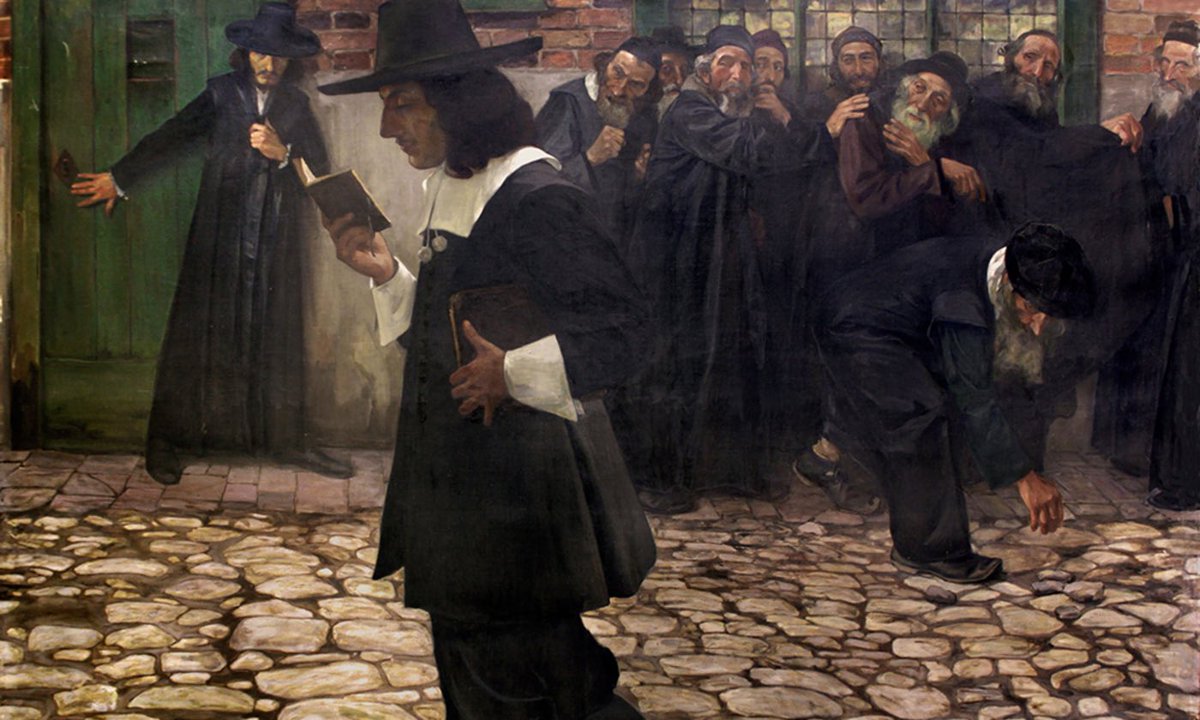
Saul Griffiths and others told the Albanese government this. They listened to the fossil fuel industry instead. Go households. Fix the ‘economy’ and inflation and cost of living, in one go. The economy is households, not businesses. https://t.co/COSPiCiUn3
This sort of stuff always makes us think about ‘authoritarian’ governments. But all societies are controlled, just in different ways. They don’t function otherwise. For example most of our lives in the West are now almost completely controlled by ‘the economy’. /1 https://t.co/pyUuMA5dWV
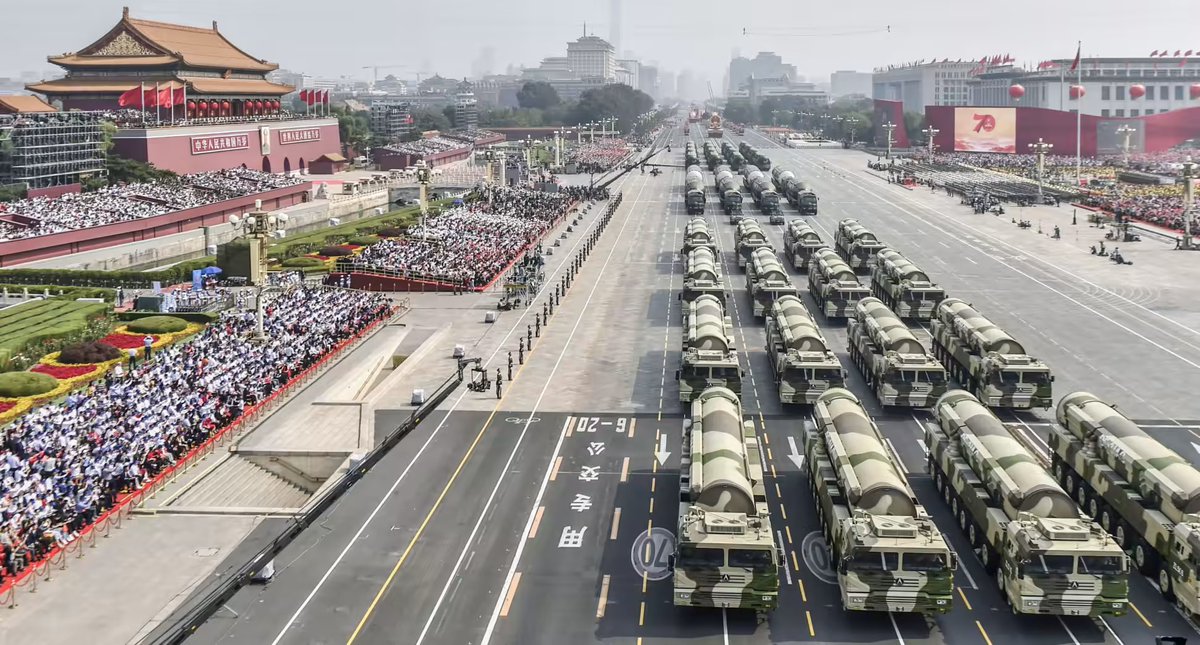
Which its supporters say means freedom, because it’s a ‘free market’. They would say that, but as we see right now, most people only have freedom to do anything in an economy through taking on astronomical personal debt. It’s smoke and mirrors. /2 https://t.co/Ipey7N5My2
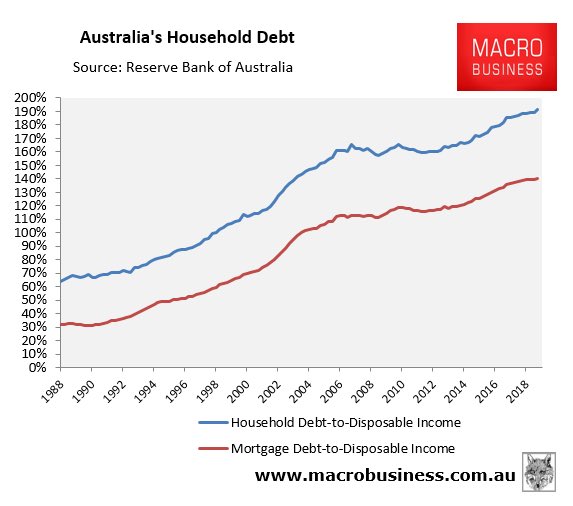
And this isn’t some ‘pro-China’ thread, fuck off with your adolescent team sports. Societies are all more or less the same under the hood, in that they’re social, not political or economic. I personally prefer living under Australia’s social arrangements. /3
Not because they’re capitalist and free while China is communist and authoritarian. All of that -ism stuff is nonsense, grown-up fairytales. Much of the authoritarianism we attribute to China is a society run heavily by custom and tradition. /4
Of course that’s going to look oppressive to us, societies that shredded all of that in favour of eternal adolescent lifestyle presents, where we slaughter our old in privatised aged care homes with Covid while barely batting an eyelid. /5
The whole point of the fiction of ‘the economy’ is to replace all custom and tradition and sovereignty with globalised markets. And custom and tradition in the Chinese style can also be oppressive, again I have less than zero interest in the team sports. But it’s all social. /6
Societies are social. It’s in the name. Not political, or economic, that’s just just social life re-badged in ways to disguise the true dynamics going on. In our case, those dynamics are the social life we learn in schools. The tension between knowledge and popularity. /7
The Romans experienced that too, and their engineers (knowledge) won for centuries, until the populist emperors and their circuses finally got the ascendancy, at which point the empire collapsed. All longevity is knowledge, all popularity is destruction. /8
Adding elections to our democracies only a century ago is destroying them from the inside out now too. We put popularity in the driving seat, as the Roman emperors did. We saw what happened there, it can’t not. Popularity cannot ever run anything that lasts. /9
Too much of what needs doing will always be unpopular. And it also ignores that humans are social creatures, they don’t individually look for things they like, to do, they follow what everybody else is doing. They will do what’s popular rather than survive. /10
That’s the great myth of popularity, that it’s about what individuals like. Popularity is conformity, fads and fashions aren’t about what people like. They’re about them wanting to conform to what others are doing. Like the current craze for puffy jackets. /11 https://t.co/Gzmz92qymV
These are functionally excellent jackets. But that’s not the main reason people are wearing them. They’re wearing them because everybody else is wearing them. That’s what ‘popular’ means, it’s divorced from functionality, from knowledge. /12 https://t.co/Jj5pxdMTo3
All human history is a battle between popularity and knowledge. We all lived it in the schoolyard. The Chinese are experiencing it now, as their young adopt a more populist outlook. We can’t beat Covid, because it’s been made unpopular to do that. It’s not ‘trending’. /13
Nothing to do with freedom, it’s the exact opposite. Conformity. The freedumbs are the most fanatically conformist of all social groups. Even now they’ve won (they think), they’re still here battling for the team. /end
When Covid arrived, standard public health processes kicked into gear. An influenza-based plan maybe, but the public health systems fired up. Then in 2021 they were switched off. How was that done? You're looking at it. That was the true function of Morrison's National Cabinet. https://t.co/PSc0ugxlha
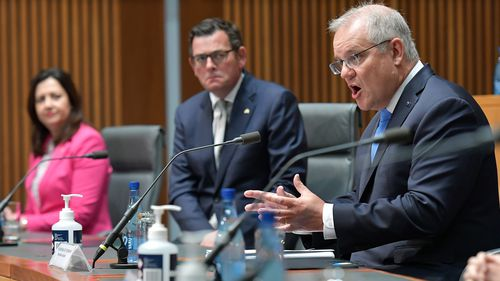
Just to reinforce this, Australia's response to Covid was great public health. But the LNP has an ideological hatred of government. A populist group was their way to bypass the public health built into our federalist system, a wedge between premiers and their health departments. https://t.co/Ys8bw7JonP
Conservatives use a 'flood the zone with shit' strategy to confuse the facts of an issue. But more subtle is flooding the zone with nonsense questions, to create doubt. To make the public feel like they're asking these questions themselves. https://t.co/McL5VTeJZl
Central banks plan to push the prices businesses charge down by bankrupting their customers, so that they can’t afford to buy anything. That is literally what they’re doing. https://t.co/abN741O9pE
The No vote on the voice to parliament seem to be mostly those who are used to voices to parliament carrying big bags of donations.
There really is something hopeless in us not seeing the connection here with the ‘debate’ on the Voice. Donors have had the strongest voice to parliaments for years. In fact as we’ve seen with Covid, they have about the only voice to parliament. https://t.co/lhKtMtIboO
There’s only one way knowledge and expertise has ever had political power. By the invention of a public or civil service. Ask Archimedes. The reason our greatest scientists on Covid and climate are ignored by politicians is that politicians have always ignored knowledge. https://t.co/GraJMFnfb4
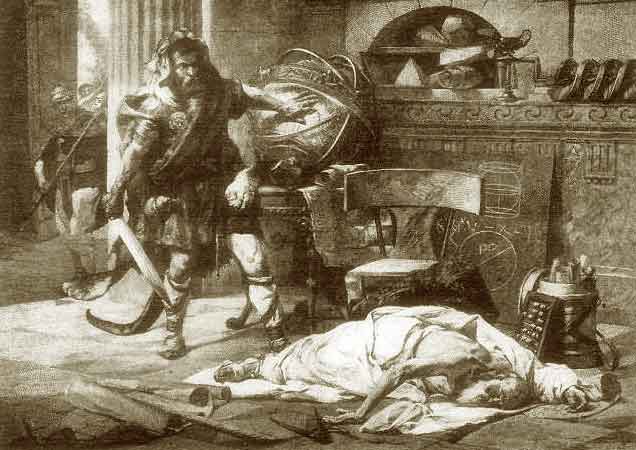
The 'let's let it rip so we get herd immunity' thing we now do instead has empirical evidential provenance of exactly zero. 'Immunity debt', too. No RCTs on any of it, you're more likely to find fairies riding unicorns in your garden. https://t.co/lE4i0KIWkU
Living with water pressure. Fish do it, hey. https://t.co/Jx83RmmLSn
I believe we're not supposed to draw the comparison. But the science increasingly does. You won't find chronic infection if you're not looking for it. Many infectious disease physicians seem to be not much interested. From: https://t.co/wKSvvsRaG0 https://t.co/qlKJfPXHcw
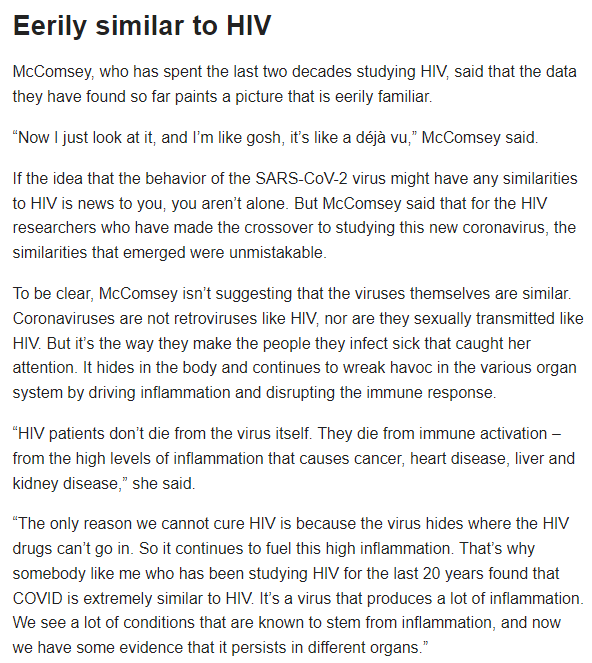
You can't vote your way out of a pandemic. https://t.co/cN8Jyy0UJZ
Silicon Valley is now misnamed, as very little silicon-based hardware is made there. It’s the crucible of modern libertarian politics, in ways that aren’t discussed. A marriage of European science and US ‘fake it ‘til you make it’ hucksterism. This matters, a lot. /1 https://t.co/VKhggkwXS7
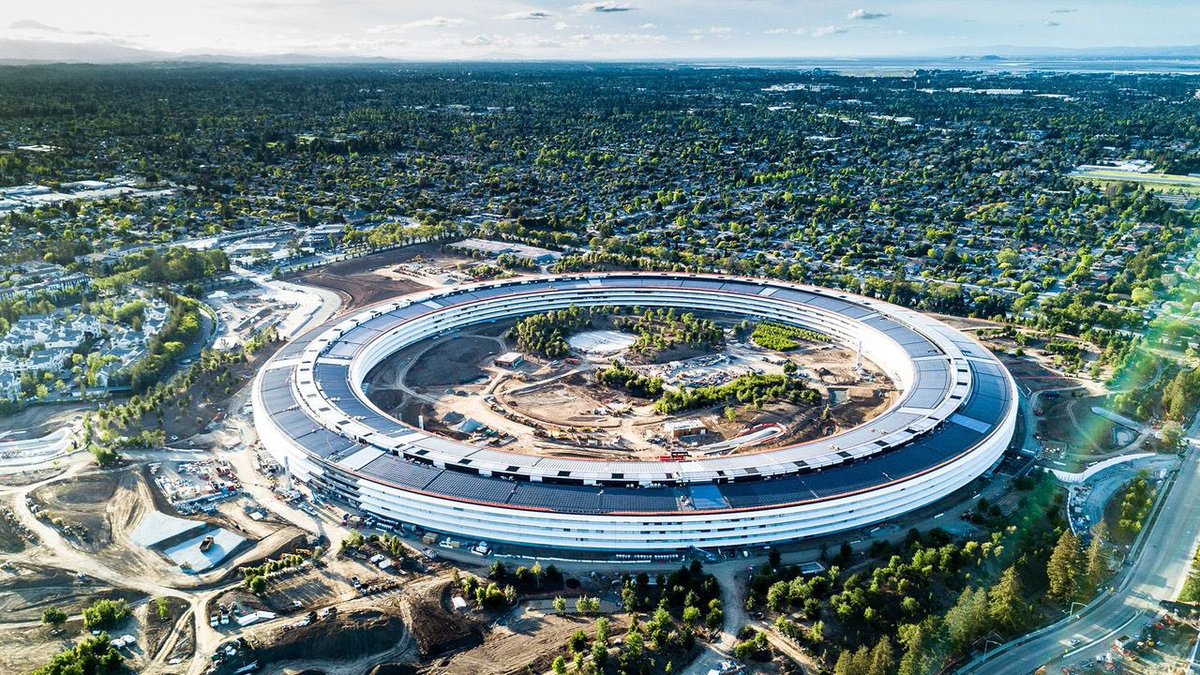
Whether it’s banking or mass communication and media (etc.), the products of Silicon Valley have for decades disintermediated vast swathes of our social and cultural lives. They’ve not just transformed existing institutions, often they’ve replaced them. /2 https://t.co/3VfR9BKv6d
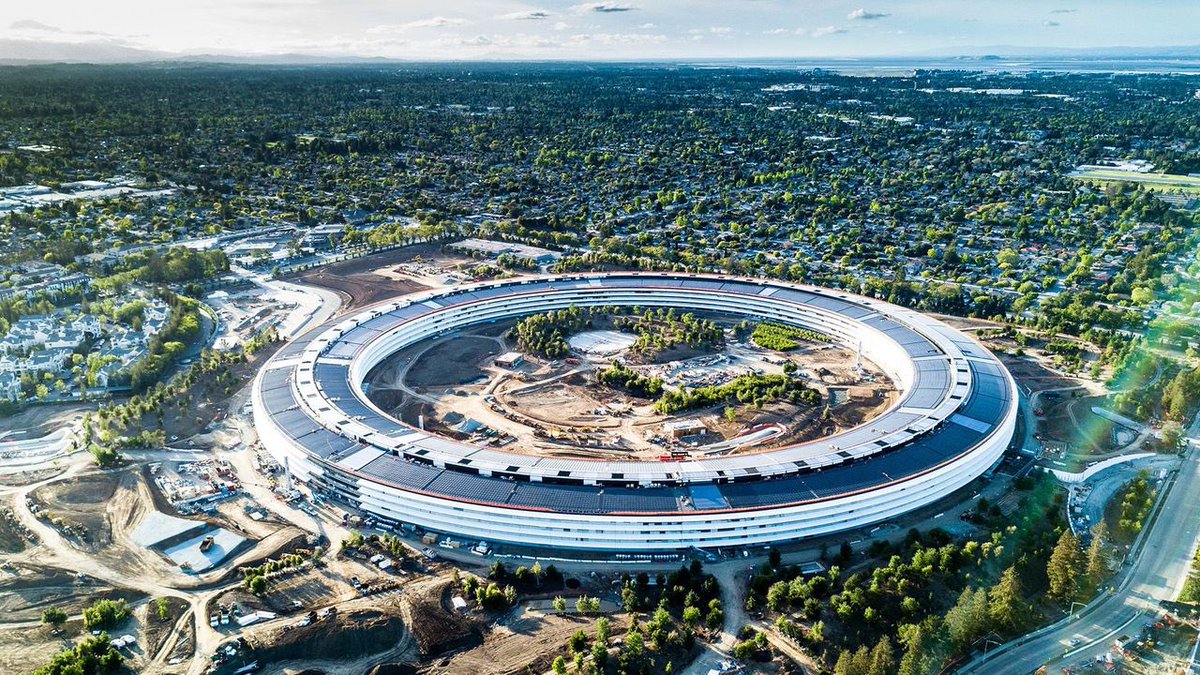
In US cultural framing, this is ‘innovation’. In reality it’s mostly the same American Dream of getting rich, quick. Where Silicon Valley has supplanted existing industries, it’s nearly always then gobbled up all of the revenue of those industries and pocketed it as well. /3 https://t.co/g4sezhRy9t
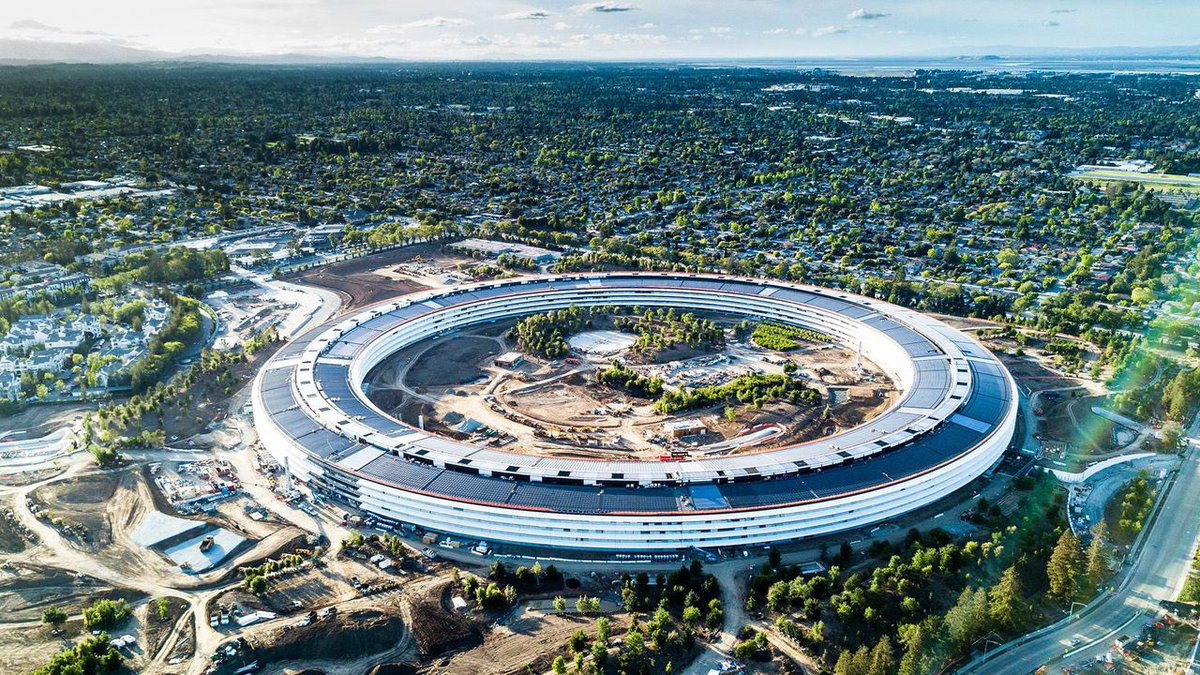
In its earliest days of genuine technological innovation, profound science exported from Europe during WW2 was given room to grow in the venture capital-type environment of the Valley. The same hybrid marriage that sent Americans to the moon, using German rocket science. /4 https://t.co/1QJpWRMof0

But look at Silicon Valley today, and for the past several decades, and the fake it til you make it hucksterism is now overwhelmingly dominant. Everything shifted to much cheaper and easier software, away from hardware, which is now mostly constructed in Asia. /5
Sure companies like Apple still release major hardware innovations. Almost none of it is built in the US. The US no longer has the facilities or even knows how. I think it’s not unfair to say it took that European legacy of advanced science, and just monetised it. /6 https://t.co/6F4TF8nZAb
The US of course also had its own great scientists, many of whom worked together with the European exports on the Manhattan Project at the dawn of this era. War tends to mobilise invention. But people have noticed during Covid that this is a repeated pattern. /7 https://t.co/d6SrreRPp6
Politicians (the popularity end of our knowledge-popularity see-saw societies) will use expertise when it suits their popularity-based ends. Otherwise they not only ignore it, they despise it. Oppenheimer was one to see that bitter truth, too late. /8 https://t.co/wJInXwGLYP
Silicon Valley was a watershed in the decoupling of expertise from social good. Its products today, including this platform, are so often constructed using the framing of disruption. Disruption designed to make people rich, not for social progress. /9 https://t.co/NkQYe1Xs35
Just how rich is historically unprecedented. And is a (not discussed) measure of just how much SOCIAL disintermediation this industry has produced. It’s vacuuming up our common-wealth, inserting itself into every nook and cranny of our lives. /10
That wouldn’t matter so much if it was just doing that because it was providing valuable tools for those lives, but again the hucksterism is easily dominant, has been for years. It’s about replacing that common-wealth with vast piles of concentrated wealth, in the Valley. /11
But this is where I think deeper, slower-acting realities will call all of this out. Take Joe Biden and Anthony Albanese now talking about re-homing advanced manufacturing in Western countries. There’s much to like about that ambition. /12 https://t.co/xqHAQlsZKV
But as the semiconductor industry, the most critical on the planet, shows clearly, you can’t now de-internationalise this. The supply and knowledge chains are now distributed all over the world. Nobody else can really make the most advanced chips except Taiwan, for example. /13
And as @EdConwaySky’s book describes so well, every part of that critical industry is now dependent on a whole multitude of different materials and expertise, spread around the globe. There’s no easy way to re-nationalise it, it would be physically impossible. /14 https://t.co/YUC4mxW74l
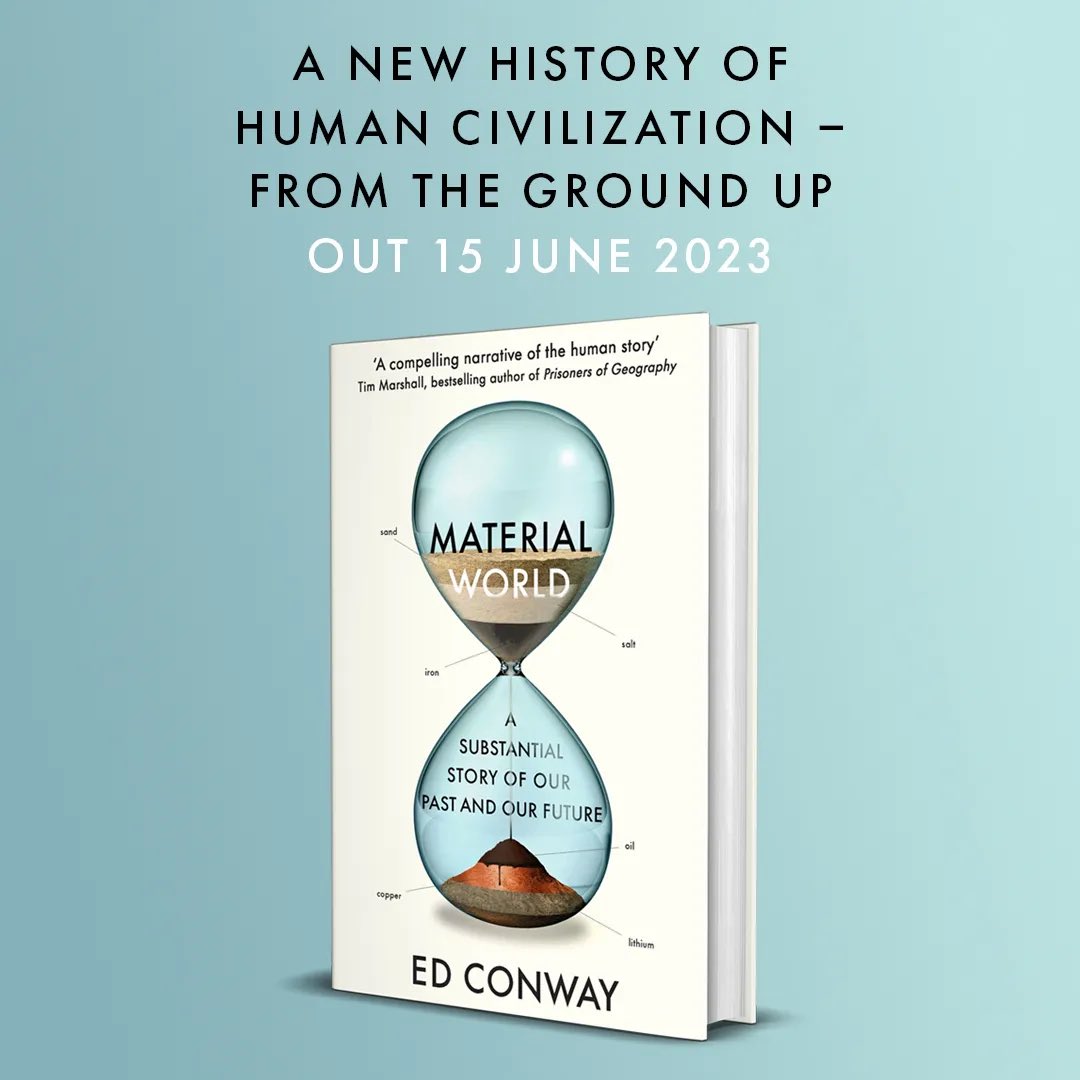
And this is where the knowledge-popularity tension I Tweet about shows something profound maybe happening. I spoke about it in this thread. Popularity-based cultural life has captured our knowledge-based life. But you reach a tipping point. /15 https://t.co/2Y7M7zJb5o
Societies become so socio-technically complex, that the lunatic dreams of libertarian populism of everybody ‘living their best lives’ comes up against the realities of keeping that life operational. /16
You either keep building and maintaining that vast social infrastructure, with its incredibly complex engineering and critical resources, or your society collapses. There’s no choice at this point. Nobody’s opinion will matter. It’s the materiality of our societies that wins. /17
Knowledge may have the final victory over popularity, over populism. Whether it can do that all by itself or whether we need new ways to mobilise expertise itself, against populism, is an open question. But knowledge is the only foundation of stable, long-lasting societies. /end
Like all -isms, political libertarianism isn't real. No humans follow ideologies. It's a social group. It's teenage life, adolescence. Thus its obsession with freedom, a teenage passion. When we cut schools off from adult life, they became the model for that adult life.
After a pandemic of heart disease in the 20th century very possibly caused by the Spanish Flu pandemic and other infections, now we're repeating the same mistake in the 21st century. https://t.co/ykH7NTmE7b
People think it's crazy to suggest ditching elections. (There is serious work in public policy that suggests the same.) But use the empirical evidence. What did winning the entire mainland achieve? The main policy of the federal ALP is to win 2 more terms i.e. more elections. https://t.co/TGBBgh9XVx
Building hybrid cardiovascular immunity in the UK. Are we at the point yet where senior medical figures in Oz advising the government will provide advice that actually relates to human health? https://t.co/iTGzMGbMYv
The only functioning voice to parliament (the fossil fuel industry) won again. The industry captured our political class years ago, it has elected numpties from both sides rabbit on about ‘supply’ i.e. more of what the industry produces and profits from. https://t.co/sI9FH5X1hI
After only just over a year, I think the Albanese government is looking like toast. Yes the polling suggests the Dutton-led LNP is a train wreck (it is), this isn’t to say they’re winning either. Albo’s small target politics means nothing materially meaningful will get done. /1
His driving passion is getting 3 terms in government, not actually doing anything. There’s a lot of tidying up going on, cleaning up LNP mess, all useful. But nothing even close to what’s required to turn us around. It’s always about the framing. /2
Labor won’t move on things that need doing because the LNP already framed everything in ways that prevent that. Anything meaningful will be seen as a threat to the ‘economy’, that fiction designed to protect the status quo. Progressives around the world are the same. /3
Unless they challenge that dominant framing of ‘the economy’, the status quo will remain. But they won’t challenge that, electoral politics won’t allow anything that threatens a vote. We’re stuck in the bog that popularity politics made for us. /4
You can’t address serious issues if you have to do it through the detour of popularity. Imagine running a business or raising kids that way, where nothing was allowed that wasn’t popular. Insanity. As always, we have existential emergencies to deal with, and we won’t. /5
Because standing in the way is that tiny veneer of populism that we call democracy. Elected politicians. If you put them all on a cruise ship and sent them away for 2 years, we might get somewhere. Put our democracy in extended ‘caretaker’ mode. As we do during elections. /6
Notice how the country ‘runs’ just fine during caretaker mode? How do we not notice that’s because politicians NEVER RUN IT. That’s a lie. Their function is as a liaison point with the community. Their delusions of actually running anything creates Trumps. /7
I often argue for reality-based politics. It’s coming at us like a B-double at speed. None of our popularity-based politics has the faintest chance of doing anything about it. We have the climate threat that could end civilisation itself, and what do we do? /8
Our populist pollies infect us all with a pandemic virus, over and over. That should help, hey? I think we’ve already reached peak populism, societies are falling apart. Fuck off with all your Left and Right and other paraphernalia of populism. Only one thing will save us. /9
Actual knowledge, applied immediately. The mechanism to do that? Who knows, we might be screwed. But actually an extended caretaker mode, where the thousands of knowledgeable officials could actually get on with doing practical things, might be our best hope. /10
But the populists will never allow it. In our high school societies, the cool folk will never give up power. History will repeat, only complete catastrophe will bring about needed change. /end
SA Premier on RN this morning parroting talking points from the property industry on housing 'supply'. As all National Cabinet do on gas as well. The surest sign of regulatory capture is the word 'supply'. Where the 'solution' is more of what the industry in question produces.
Reality is always smarter and stranger than fiction. The tragic loss of the Titan echoes with another populist project from the 1980s. Another ultra-rich-funded mission to the Titanic. /1 https://t.co/xijwuj9phl
Jack Grimm was a Texan millionaire who funded a mission to find Titanic. Good on him, but where the story gets delicious is the method he'd proposed to find the wreck. He had a trained monkey, that would point on the map where it believed the wreck to be. /2 https://t.co/lnc22iyPm6
The scientists on the mission reportedly gave Grimm an ultimatum. "Us or the monkey". The monkey was left behind. The name of the monkey? Titan. /end https://t.co/Sfy5EBFeWi
In this movie, when the Earth was faced with a catastrophe, did it hastily run elections in every country to see what was the most popular thing to do? Even Hollywood would see that as ridiculous. But here we are. Trying to vote our way out of climate change, and a pandemic. https://t.co/zhjrsz9dNd
Heaven and Earth was moved to find the source of this continuous avalanche of death in Australia. Finally a drone found the wreckage of the public health system. https://t.co/lN4fKsnsjn
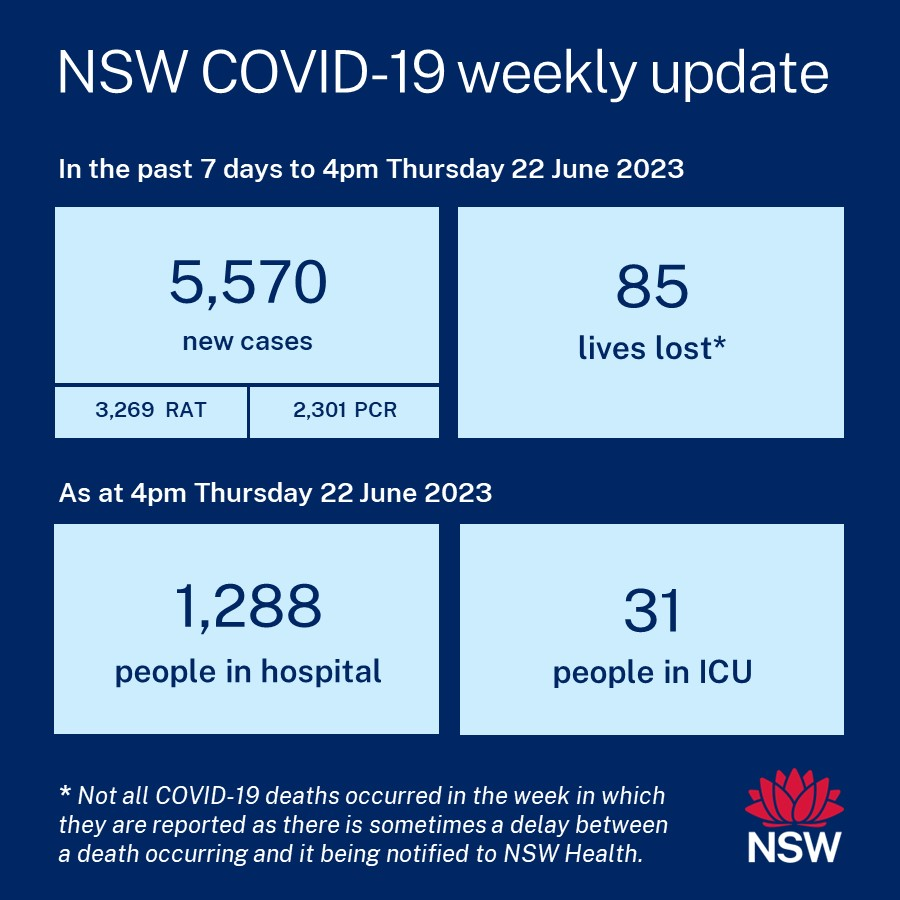
The SA Premier said in SA they limit the number of times landlords can increase rents every year to 1. The dollar limit on that annual rent increase? It's unlimited. Anything else would apparently upset the market and new supply. When your society is replaced with an economy. https://t.co/CHiv2VHTnI
Phew, some of that 278 died last week. That’s OK then. Maybe only 3 busloads this week. But think of the easing of pressure on aged care staffing. https://t.co/TRLX0FaITy
We will quite likely get to this point, where the number of deaths falls away to negligible levels. That’s how all chronic infection-based disease starts, when we relax, thinking the threat is gone. Meantime the pathogens get to work causing decades of morbidity and mortality. /1 https://t.co/cQ2LadrK6x
And it’s insidious, because those chronic deaths won’t resemble the acute phase. So few will make the link, until it’s too late for whole generations of people living shorter and sicker lives. Heart disease in the 20th century seems likely to have been this mechanism at work. /2
We spent most of that century thinking diet and smoking caused it, and/or lack of exercise. Your doctor today will still advise on all of those things as prophylactics. We tend to use physical and chemical models for the body, like it’s one of the machines we make ourselves. /3
But it’s an organism. And as we’re discovering, fundamentally microbial perhaps in every aspect of how it works. All life on Earth began as microbial life, why would it ever cease? It built the ‘macrofauna’ too, it likely IS that macrofauna. /4
Human bodies and other living organisms are microbial cities. None of us living in a city think the city itself is some distinct thing from the people living in it. We know people make cities and make up cities. That’s likely all every living thing on the planet is. /5
A ‘city’ of microbes. Microbes can also be effectively immortal, our own mortality is them building something new, some new trial. ‘Sydney’ is potentially immortal, the buildings within it are mortal. We’re all just microbial experiments, made by microbial property developers. /6
And our prejudice and misunderstanding of scale assumes that microbes are simple life, and we’re complex life. Microbes do things that we would have no hope of ever doing. They built the atmosphere, the only reason life exists on this planet. /7
It doesn’t take a lot to see ‘macro’ anything as a highly *simplified* creation of micro something. The Sydney built environment is no match for the sophistication of the biology of your body, and that body in turn is a much simpler thing than the microbial life that made it. /8
While most now agree processes like endosymbiosis lead to this sort of microbial construction of macro organisms, at the ‘micro’ level, some or even many would draw a line at taking that right up to the full macro level of the macrofauna we know. /9
But why would it stop at the micro level? Why would billions of years of microbial proliferation, still with us today underlying all life, need some distinct ‘macro’ process to sit on top of it? Just look, macro things are always pretty simple, relatively. /10
They have clear boundaries, identifiable shapes and behaviours. Non-living objects the same. But head towards the microscopic level, even of atoms, and shit gets weird spectacularly fast. We still haven’t accepted that lesson from quantum science either. /11
A ‘macro’ object is not complex, it’s simple-as. Compared to the quantum soup it emerges from. Anyway, far too much for a Twitter thread. To return to Covid, infection is dangerous. Infection with anything is dangerous. Microbes are constantly doing property development. /12
To them the killing of a human is like us bulldozing a building to make way for a newer one. They don’t lose any sleep over it. Infection is, I would still wager, the root of much of the disease afflicting humankind. That’s how microbes roll, it’s them building. /13
And again, the longer term disease state will often not resemble the on-ramp of acute infection. That’s how they get away with it. From the overall perspective of life on Earth, it may not matter if humans end up swept away by their gullible ‘living with’ infections. /14
But it does matter, if you’re human. There are smart ways to sustain this ‘macro’ form for a lot longer, if we’re much more careful about infection. The immune system we’re now happy to make the frontline of this fight evolved *because* of the constant microbial threat. /15
To now celebrate immunity as some ‘natural’ process is like cheering on wars. Your immune system is the legacy of millions of years of microbial war. It quite likes not having to be constantly fighting threats. /end
I often think that the perfect way to feel the stranglehold popularity politics has over reality is best seen in the way humans actually argue whether to turn sand, wind and sunshine into renewable, clean energy. Pause and think how insane that is. https://t.co/BfE433PEhw
HG here in the 90s, describing in my view the choice in every election. Get rid of them. https://t.co/EYvdf3VNtq
Most of what Obama describes as democracy here, the mobilisation of ordinary people, ‘self-governance’, is not democracy. No human societies have ever operated that way, and nor will they. It’s the same libertarian framing of his enemies. https://t.co/8aBrXOeAhx
The sad truth of why we find some deaths worth our attention and others not, is that in an adolescent high school-based society, if it’s related to a movie we’ve seen, we’re interested. https://t.co/oc9tMRW4PT
George Monbiot speaking the truth. We need reality-based politics, the meaningless dramas popularly-elected politicians invent to generate votes are a roadblock to our survival. We can’t vote our way out of the mess we’re in. https://t.co/HZR0rW3AOq
Finally a piece recognising that social media is not about information. It’s a social process. No media is the transmission of information. Social media destabilises our existing hierarchies of trust (institutions), and replaces them with influencers. https://t.co/V3HJT7LXa8
Using technology like Google and Apple Maps, you can now see any place on Earth from the comfort of your lounge, at any scale from ground level up to the view from orbit. But at the same time, these same sights are collapsing under the weight of tourists going to ‘see’ them. /1 https://t.co/QAeh2UmS46
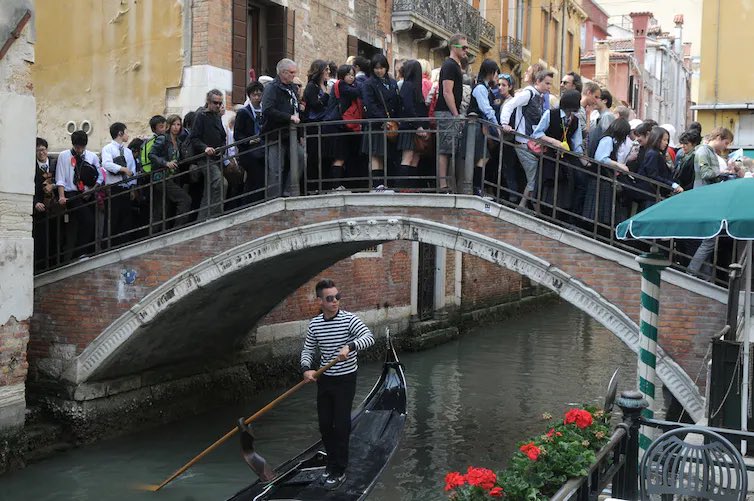
There’s something important about our culture to be understood here. Want to see Uluṟu? Bang, within seconds, you can see it. And you can see it from angles and heights you can never see, if you go there. You can travel every single route to and from there, in moments. /2 https://t.co/BnPh0uFpm7
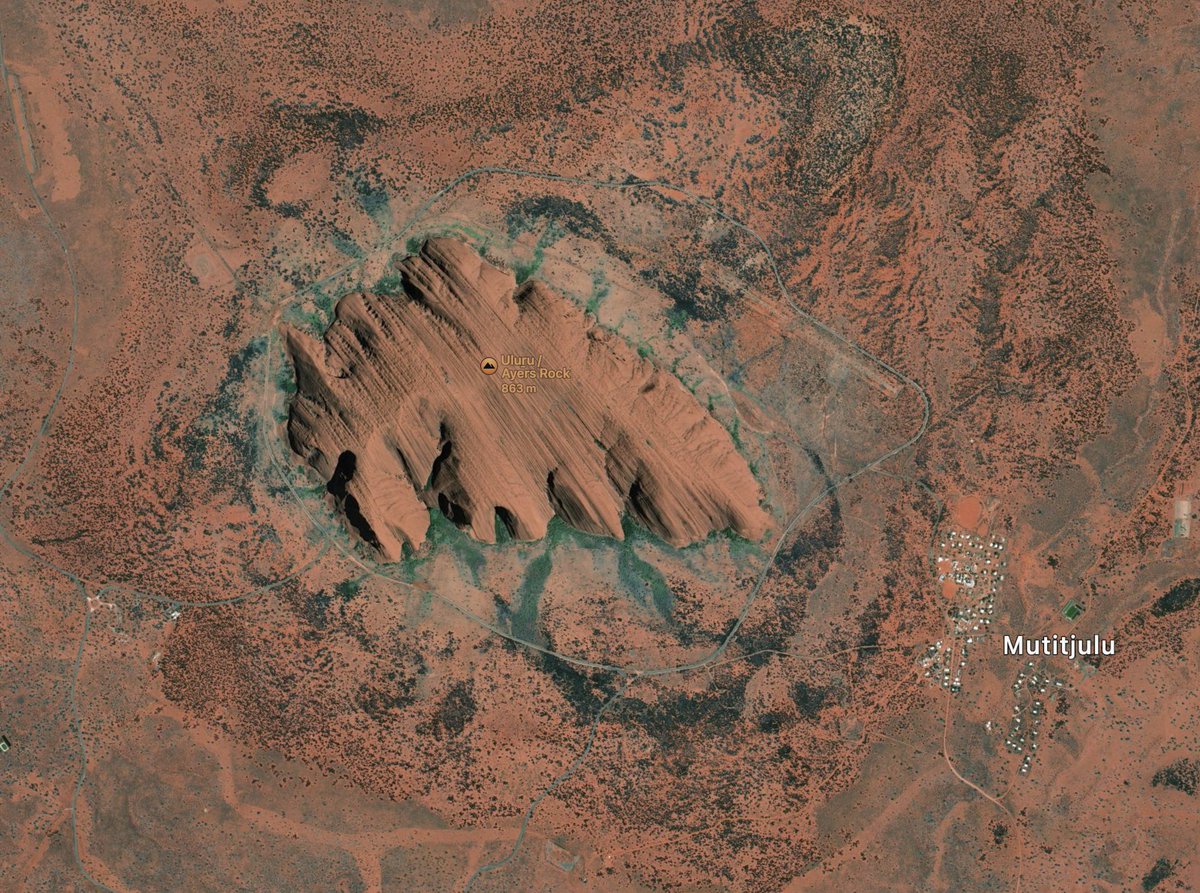
You can pick any point in Australia’s vast inland, points that early explorers lost lives trying to reach, and again be there literally in seconds. You can look at every tree, watering hole, track, rock. Anything. It’s something our ancestors would have found astonishing. /3
I do still find it astonishing. I can spend hours zooming around the world seeing things. Here’s me at the top of Mt Everest, moments after being at Uluṟu. Many die seeing that point. I’m on a comfortable couch drinking a cuppa. Of course there’s an obvious response to this. /4 https://t.co/PYOMxrcA16
That ‘it’s not the same as being there’. Of course it isn’t. But what do people do when they go to these places? Today they spend a lot of their time taking photos, of being there. “Here I am, at X”. Being there is different, but how much different? /5 https://t.co/MRrH0P2P7C
People go to ‘see’ these places. But you can see them from your lounge room, and see a lot more of them from there too. You don’t see more, being there. You see less. Much less. Which leads to the next common response, that people go to ‘experience the culture’. /6
But the culture you’re going to experience there is the culture of being a tourist. You don’t live there. You may run into people who do, and talk to them and sit in their restaurants etc. Some even try to ‘go native’, thinking that’s a more authentic tourism. /7
The locals are heartily sick of that too. They can’t even get into their own local haunts, previously free of tourists. The Venetians are so tired of it that some projections say there won’t be a native population there by 2030. Only tourists. /8 https://t.co/aqYM5TvVMf
There’s something really profoundly weird about all of this. You can see anywhere in the world right now, from the comfort of your own home. Even the most remote places, in an instant. There’s no need to go there, to see it, burning tonnes of jet fuel. /9
And this hypertourism is getting worse, not better. There’s something profound about our culture to be understood here. I suspect this is really about our total loss of understanding of what place means. We replaced place with space. With maps. /10
That pathological obsession for the most ‘authentic’ experience of somewhere else is (I think) the mourning of that loss of understanding. We know the places we live don’t have that sense of magic for most that these tourist places have for them. /11
We’re circling the globe every day to try to find that sense of place again. To accumulate places, like quantity will break through that barrier. (It won’t.) Or feeling like if we’re actually there, in Paris, we’re closer to the authentic ‘Paris’. /12
But it’s a hall of mirrors. You can live in Paris, go native. But then you’re not travelling, you’ve moved. The reason the places we go to see seem amazing, is that the people who made them understood place. They knew how to make place a magical, sacred thing. /13
We don’t know how to do that now. Our suburbs are giant car parks for commuting wage slaves. Place has become an address, a point on a map, connected to every other point, so workers can ‘commute’ to anywhere they’re needed. We’re a culture of movement, not place. /14
Of displacement, of people and things. It’s our old Imperial DNA, still expressing itself. We don’t want to be in place, we want to accumulate things in great spirals of travel out and back. Including tourist sights and experiences. We’re even tourists in our own land. /15 https://t.co/BpRPwOELcA
Isn’t it beyond strange that our relationship to our own country is the same as the relationship we have to all the places we travel through overseas? We’re tourists at home, AND abroad. Always just ‘seeing the sights’. Sights we can see from our couch, any time we like. /16 https://t.co/RR7pQBq1Hh
In the meantime Indigenous Australians have been telling us the whole time we’ve been here that place, the land, is the centre of their lives. We’ve never understood that, and we still don’t. To us Uluṟu is like the Eiffel Tower, or Venice - a tourist attraction. /17
Something to see, to have a selfie in front of, to prove that we were ‘there’, to show others. It’s a pissing contest, who can accumulate the most sights, like collecting stamps. Meantime our landscape increasingly lies in ruins, because we have no actual connection to it. /18 https://t.co/9lDVvCdiLb
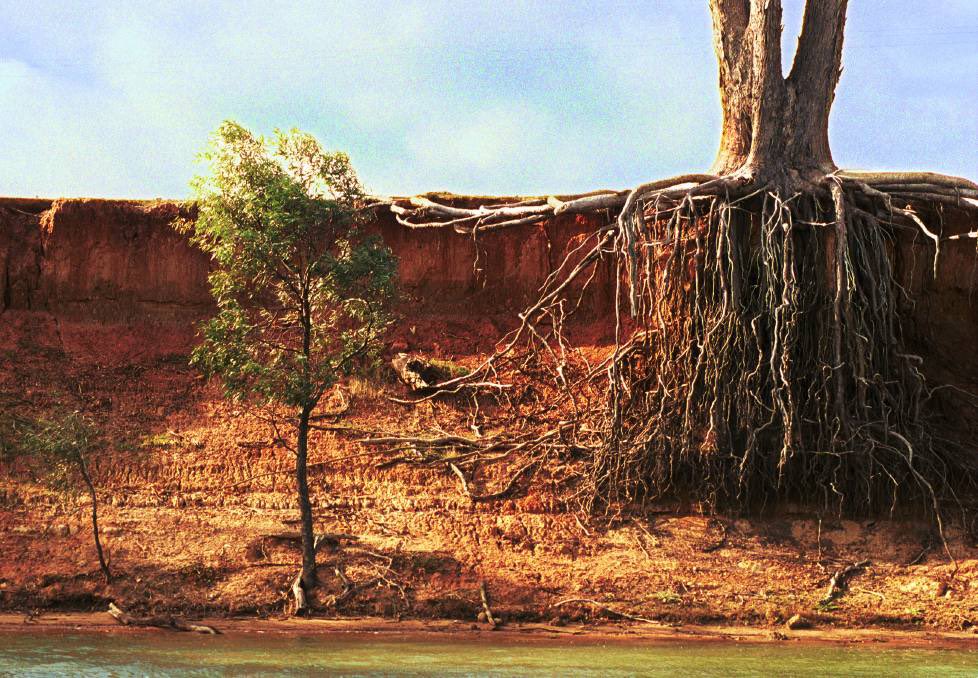
And it’s not an easy connection to put back. We have no idea how to make place. Both science and New Age mumbo jumbo try, but miss it entirely. How to be grounded, in place. That’s our problem. We could try to learn what it means from Indigenous Australians. /19
The now famous culture stretching back tens of thousands of years, a culture most fundamentally of place. You’d think that would be the most important thing to understand, anywhere on Earth. But we sentimentalise it, mock it, scientise it, camp in it, make it numinous. /20
All of that is just us using our misunderstandings to try to get understanding. To try to recover a void in our cultures, of place. Look at how easily politicians weaponise sovereignty and borders, we know our place is fundamental in some way. We just don’t understand how. /21
It has nothing to do with borders or sovereignty, more rubbish imperial DNA still trying to assert itself. We’re still children of empire, we haven’t figured that out yet. I mostly hate travel, because I feel that acutely, that imperial accumulation of meaningless sights. /22
My most sacred place is my home. My place. It’s not an address, a point on a map. It’s where I experience the universe. It’s not local, or global, all that nonsense is imperial baggage that won’t go away. I’m grounded, at home. That place ‘the economy’ despises. /23
Unless it’s real estate to be sold. You need to stop moving, to just be in a place, to start to feel place. Once you do, the universe comes to you, you don’t need to go to it. /end
Housing Minister on #InsidersABC parroting the housing industry talking points on ‘supply’ being the solution to the housing crisis. Electing and maintaining hundreds of MPs to just repeat what donors tell them to say is a waste of public time and money.
Chronic infection and the disease it causes is the biggest elephant in the room in medicine. The chronic outcome very rarely resembles the acute on-ramp. And so it’s nearly always missed. https://t.co/74bm2XvfMU
The whole thread is so important. And the work Paul Ewald has been doing for years on the infectious causes of chronic disease. https://t.co/HuRaIj1Vkd
The frustration of genuine expertise in this pandemic is palpable. But expertise has never translated directly into political action. Even the collective of a university doesn’t. Humans solved this problem though. They developed institutions to embed knowledge with power. /2 https://t.co/VdoTA0L9vF
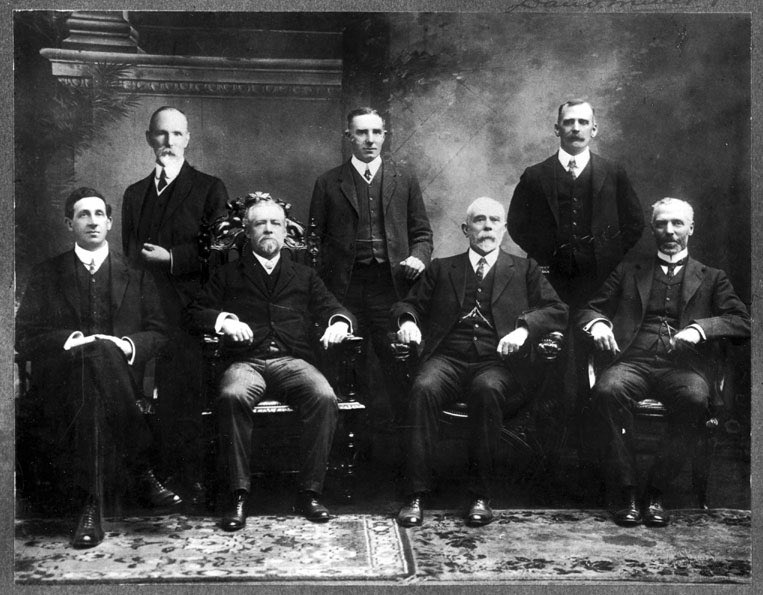
These are the inaugural heads of the Australian Public Service, the APS. Pictured in 1901, at Federation. Public or civil service, the name tells you what you need to know. A large body of expert people providing service to the public. They invented the public in Australia. /3 https://t.co/HFYNNN3qZv
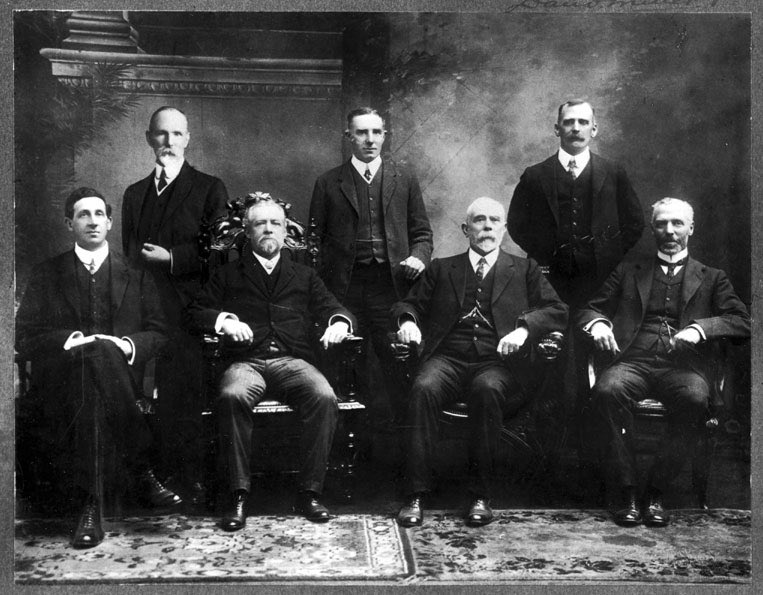
The public is not an enumeration of people, it’s an analytical, data-driven construct, of human interaction. It’s not visible, except in the data. The APS has ‘run’ Australia for over 120 years. Not politicians. The expertise and accumulated knowledge is staggering. /4 https://t.co/1VbA2MS4tS
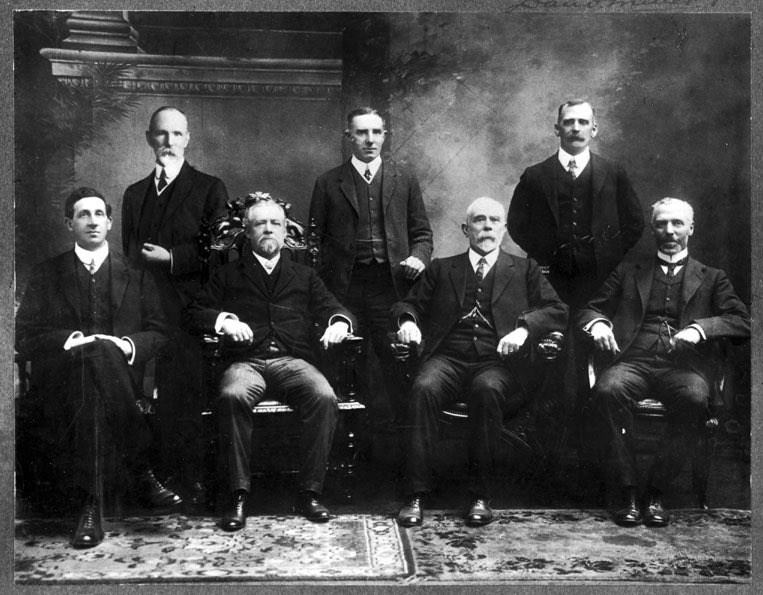
It’s thousands of experts, dedicated entirely to running the country, for the public. It’s all that provides our historical continuity, from one generation to the next. Elected politicians can be furniture salesmen, the idea they know how to run a country is ridiculous. /5 https://t.co/hHGXLaxReu
They couldn’t say a single sensible thing without the briefings from the APS. I Tweeted this only because I see people puzzled every day about why throwing profound Covid expertise into public discussion doesn’t change anything. We’re talking to the wrong people. /6 https://t.co/7edMDIaeCP
Elected politicians from both sides have been working for decades to sideline the APS. You’re honestly wasting your time asking politicians to do things like public health. Most of them don’t even know what it is. Our modern tragedy is an institutional one. /7 https://t.co/CILFBMcZXD
Politicians have NEVER been interested in knowledge. Those who are would always put popularity first, if push came to shove, because that’s how they keep their jobs. Democracy and the public (and public health) are creations of the public service. /end https://t.co/mtKyw5otAV
Musicians are all for a cause, provided it doesn’t cost them money or crowd adulation. They have the capacity to lead change in the way politicians won’t. Their efforts in this pandemic have been non-existent. Society is a high school, led by the boomers, who never grew up. https://t.co/OM37SYTauv
Imagine a 77-year old favourite of the boomers’ parents, playing at Woodstock in the 1960s. The oldest performer at Woodstock was Ravi Shankar, who was 49. (He didn’t like hippies and never did it again.) There’s a serious point here. /1 https://t.co/1vmdFZ4AHS
A 77-year old artist playing at Woodstock would have been born in 1892. That would be the equivalent of Louis Armstrong or Jelly Roll Morton playing there. We have artists at Glastonbury this week approaching 80 years of age. Why I think this matters. /2
None of this is ageism, I should add. If people want to keep playing into their 80s, good luck to them. But we’re talking about headlining music festivals, festivals predominantly (like Woodstock) designed for the young. To me this means unhealthy things. /3
What’s rarely said about the counterculture movement of the 1960s was that it was profoundly anti-establishment. Today the closest beliefs are labelled neoliberalism. It’s strange the bedfellows beliefs keep. And who invented neoliberalism? The same boomers. /4 https://t.co/WrIXCRK1RZ
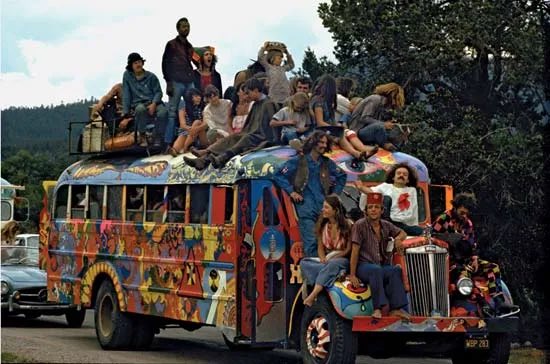
That was the same movement, as it morphed into a highly profitable middle and old age. The richest generation in all of history, by a mile. Anti-establishment beliefs were great business, the boomers dismantled many of society’s institutions, and then privatised them. /5
Most of the corporate behemoths that now dominate our lives in our ‘neoliberal’ societies were set up by boomers, who also profited the most from them. They monetised the wreckage of their earlier anti-establishment assault. I don’t think people see this clearly at all. /6
The wealthiest demographic in our societies, again by a staggering margin, are the boomers, now retiring or retired. That’s a social obscenity, which would have been seen as that by previous generations. If your working, child-raising generation isn’t your highest…/7
…earning generation, your society is toast. We’re all living that perversion now, with young working people not even able to afford (or find) rental accommodation, let alone owning a roof over their own heads. And their wages and savings have been in free fall for decades. /8
So when I see near-80 year olds take the stage at Glastonbury, pardon me for feeling disgust that this particular generation won’t make way for those who came after them. The Peter Pan generation, desperately clinging to their adolescent lives. An eternal lifestyle culture. /9
It’s the clearest way to see the total collapse of a previous progression from child to adult life. Everything has been stalled at adolescence for decades. Society is a high school, as I Tweet about a lot, it’s not an analogy. This is what we’re seeing, right now. /10
This is the generation who did it, still trying to dominate all the adolescent things that they’d have been horrified at their own parents doing. High school was the culture they knew, and they remade the world in its image. They won’t accept ageing, and succession. /11
They vacuumed up nearly all of society’s wealth, and intend to live their adolescent lives to the glorious end, gorging themselves on it. Boomer musicians have been touring the world for the past 10-20 years, vacuuming up tens of millions for a luxurious retirement. /12
This is a social and cultural fact we’re seeing, not my personal gripe or opinion. Elderly people, easily grandparent or great-grandparent age, are headlining music festivals. Stop and think how perverse that is, historically. The total lack of adult stepping aside in play. /13
This topic also elicits howls of protest from boomers and others about them being good people, who’ve done good things. All true, but then that’s true for every generation. But it’s not about how nice they are personally, it’s about intergenerational equity. /14
I think I’m a nice person, but I’m very happy to admit that my comfortable life is also bought at the expense of generations of imperial colonisation and oppression. I can hold those two facts in my head at the same time. I don’t personally oppress anybody. /15
But the culture I live in did, and I benefited hugely from it. So I support everything sensible that culture now does in reparation. Do I see boomers lining up to address the unprecedented intergenerational inequities we see right now? No. This is the cultural bit. /16
This is what the high school culture I talk about looks like, in real time. Adolescent framing of life itself. Living your best life, an eternal lifestyle-based present, denial of ageing and succession. A politics of libertarian obsession, with freedom (teenagers, anybody?). /17
You can watch Glastonbury (stage and crowd) and see the collapse of the distinction between different age groups, right there. I’m sure some will celebrate it as some fight against ageism. I don’t think it’s anything of the sort. There comes a time when you must stand aside. /18
That’s what the circle of life means. Each stage of life is a necessary phase, making way for what comes after. But it’s not the world we live in now. That circle has been completely flattened. In favour of Peter Pan eternal adolescence. Why we won’t fight emergencies either. /19
Climate change and Covid action upsets these adolescent living your best life lives. It can’t be tolerated. We must get back to gigs, to travel, to eating out. To lifestyles. It would take just one prominent boomer musician to say ‘fuck Glastonbury, what about the virus?’ /20
You won’t hear it. Those masses of people can all be infected, so the boomers can soak up the adoration and cash one more time. No leadership, no grown ups. /end
Only a generation ago this would have triggered a Royal Commission and criminal charges. https://t.co/EBBl43szEL
The vulnerable are excluded, not deficient. They’re the road kill of privilege.
One of the idiot things about populism is the obsession with ‘division’. Division is taken to be intrinsically bad. Only happy agreement is good. Which violates the most basic procedures of our democracy. When a matter can’t be decided in parliament? A division is called. https://t.co/irpdeeWlrB
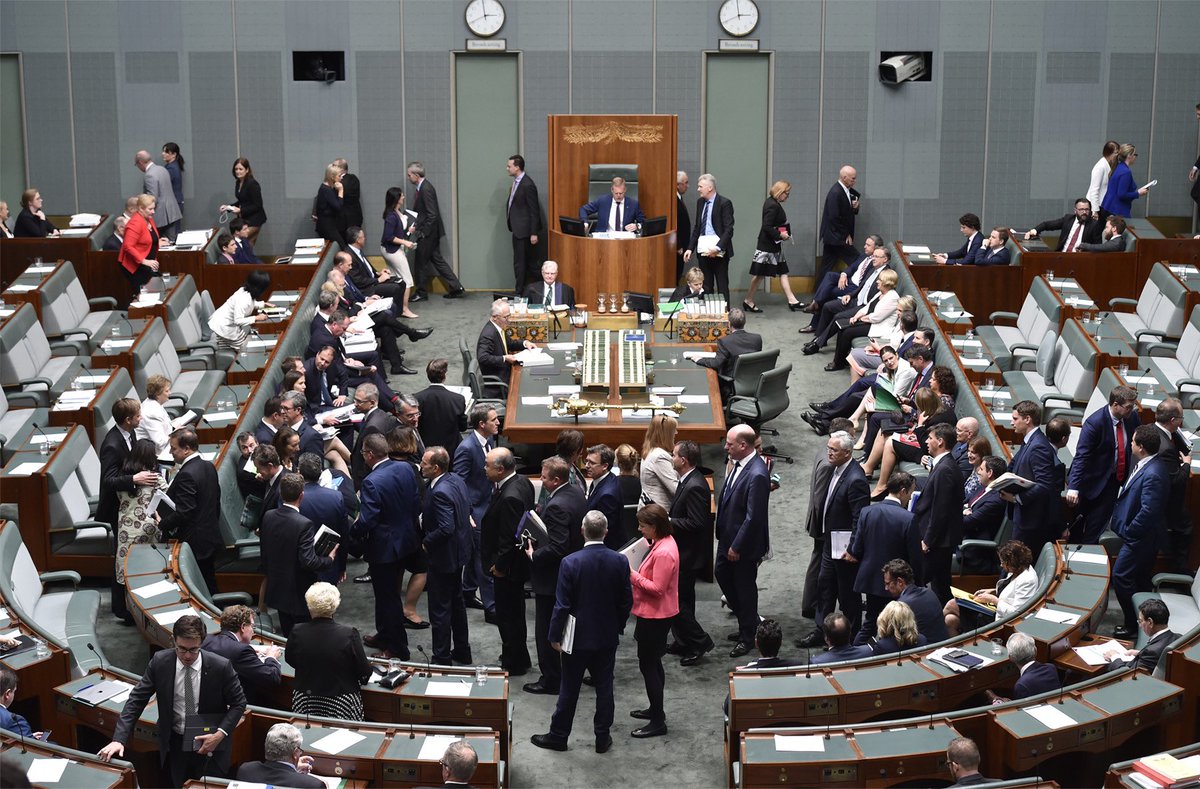
Brought to you by electoral populism, where the most popular person obviously must know how to fix things they know nothing about. https://t.co/BY6JF7KyJC
We’re all vulnerable to Covid. But for the sake of argument, let’s say it’s mostly the old. The largest and fastest-growing demographic in our society. How do you isolate the vulnerable from harm, when they’re the majority of your population? https://t.co/aXjc7Z6uZ2
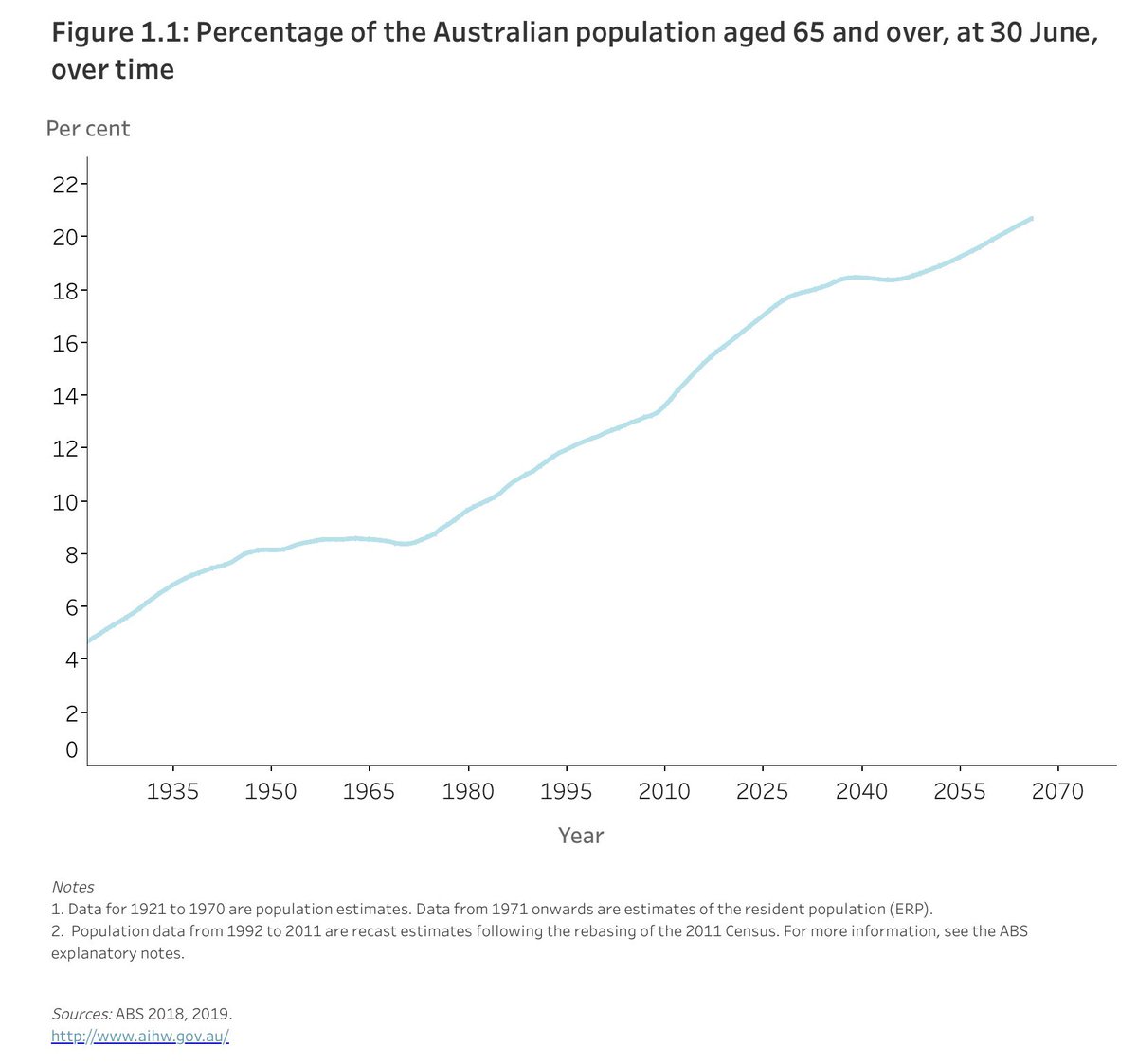
I’ve never enjoyed this sort of crowd. You can’t see or hear anything much, and if you need to go to the toilet, good luck. Canetti thought crowds allow us to discharge our intense dislike of being touched by strangers. It’s never been a dislike I’ve felt limited my life. https://t.co/i4ny5tI2Zm
Teachers chuckle at the contrast between school years where nobody is interested in learning anything, and adult lives at war over ‘facts’. Teachers socialise knowledge, that’s their role. That’s what’s now terminally damaged, because we don’t respect teaching. We’re living it. https://t.co/dJRCnnxvAr
What’s increasingly obvious in this pandemic is that experts are just as clueless about how knowledge shapes societies as people who know nothing at all. Knowledge shapes societies in only two ways. Through teaching, and public administration. Both completely ignored.
What’s that old saying, take care of the pennies and the pounds will take care of themselves? Take care of children, and society will take care of itself. Like the complete opposite of what we’re doing right now. https://t.co/4X3LxSDrYf
Only two things will bring the rapid change we need. Total catastrophe, or removing elections. History suggests the former is the most likely. Those who use popularity to run society will never relinquish it. https://t.co/g9UAZy5Gqb
School. A small handful rule, based on popularity and bullying. Most do nothing to stop them, the kids in the background. This is what elections turned adult society into as well, the same social mechanism. Not an analogy. That kid in the headlock is our public health system. https://t.co/R5XeQDYrMw

Leaders who do this are committing a crime against their own populations. What stops them doing it? Nothing, all they have to do is be popular. That's their licence to do pretty much anything at all. Popularity (elections) need to go. https://t.co/UqZsPF60fH
We can’t vote our way out of our problems. https://t.co/knVXowtgju
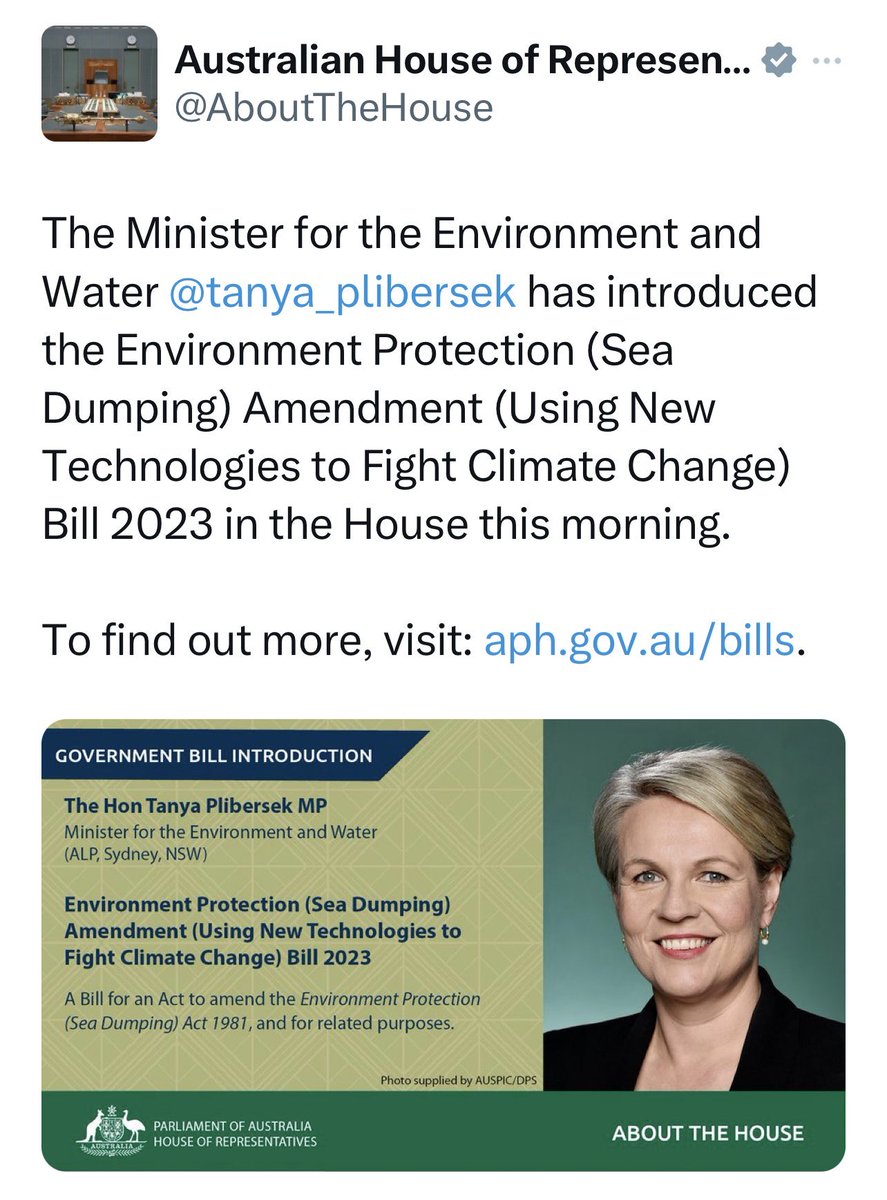
Worth sharing this again. Just one of many studying the damage elections have done to democracy. Libertarians managed to convince nearly everyone that elections *are* democracy. That’s because it’s the way they game the system. https://t.co/GVAykE2Jiz
Calling the economy a myth confuses just about everybody. That’s how deep the framing and normalisation has gone. But the history is very clear, it didn’t exist before the 1930s. You must engage with this history, to beat climate change and Covid. /1 https://t.co/ipigIzxWWC
It was a classic case of the measurement of something gradually replacing that thing. There’s no doubt there are ‘economic’ transactions happening in societies, things being bought, sold, traded etc. That’s what GDP tried to capture. But it was what happened next that matters. /2
Those numbers were then called, as the link describes, ‘the economy’, a new entity. A complete flip from measuring existing social activity, to describing a rival for that activity. Like we have society, *and* an economy. /3 https://t.co/ipigIzxWWC
It’s exactly like saying measuring temperature, rainfall, wind speed etc. describes a new separate reality, rather than just characteristics of the one we already live in. Like weather exists separately to the sun and air and water. I don’t think that sleight of hand is seen. /4
Everybody, all politicians, all journalists, members of the public, now talk about ‘the economy’ as if it’s an actual thing. It never was, it was a bunch of measurements of SOCIAL life, one small component of social life. Extrapolated to become a replacement for that society. /5
You might think that’s over-egging it. I’m sorry, but history tells us that was exactly what happened, up in lights. The people who did it don’t even deny it. They removed society entirely. And replaced it with a ‘market’. A ‘market economy’. This was NOT an economic shift. /6 https://t.co/rbuOCIt5DH
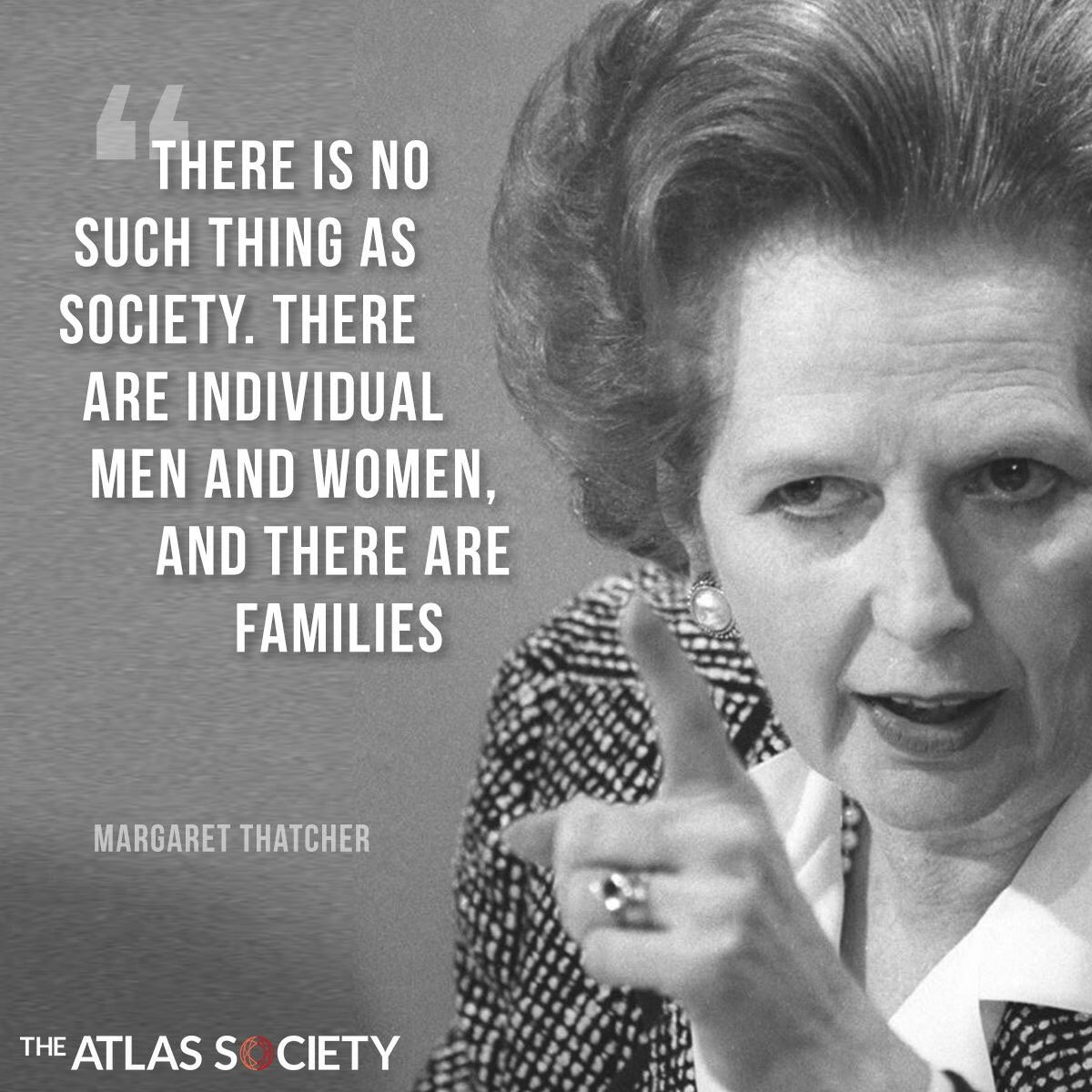
It was a social shift, all things humans do together are social. It was these people doing politics, by other means. If you can redefine society as no longer even existing, you no longer have any obligation to do any of the social things. How is it not obvious? /7
That’s the world we’ve lived in for the past 5 decades. The stripping away of everything social or public, in favour of an economy. A market. Of apparent separate individuals, who do well or not depending on how hard they try, in the market. All complete nonsense of course. /8
Many who promoted this shift don’t even believe it themselves, it’s just spin that allows them to vacuum up all of society’s wealth and authority for themselves. But there are true believers too, who believe this lunacy. And the genius of it, as politics? /9
If you take measures for how one tiny part of society is operating, GDP for example, and expand them to replace all of society, then those who are involved in that part of society win everything. ‘Business’, mostly, and those who own it. /10
It’s a hugely effective way to entrench the status quo. You’ll notice that today, where ‘the economy’ won’t allow anything at all that doesn’t just mean the continued operation of the business-led status quo. We’re ‘living with’ a fucking pandemic, because of ‘the economy’! /11
It was the greatest political strategy in all of history. People can completely dismantle centuries of custom and tradition and social life, and say they’re doing it purely because the economy demands it. An ‘objective’ thing, not their doing. Total bollocks, but they won. /12
Everybody now believes this nonsense. Like societies can’t do a thing, unless the economy allows it. Snookered, checkmate. I Tweet a lot, you won’t defeat climate change, or Covid, or any other modern malady, unless you attack this ridiculous concept - ‘the economy’. /13
Humans do not live in markets, they live in social groups, and behave socially. They always have, and always will. Nothing about market economics is true, it’s wilfully ignorant of social psychology and social anything. It doesn’t care, it’s a strategy, not a theory. /14
The global economy is tanking again now, as it does regularly. Because it’s nonsense. The nonsense gets a bit of a head of steam, usually with cheap money, then it all falls in a heap. And nobody questions whether the framing was the problem. It’s the SAME problem as Covid. /15
Or climate change. The problem of refusing to govern humanity socially, and substituting a ridiculous abstraction that has no connection to how humans work at all. All the economic things that happen are social too, the fads and fashions and booms and busts. /16
The ridiculous fantasies of the economy will tell you those are ‘objective’ phenomena, inelasticity of supply and demand etc., they’ll even draw you graphs. All meaningless mumbo jumbo. Humans act socially, in everything they do. Including when they’re acting ‘economically’. /17 https://t.co/SExwoxCAfh
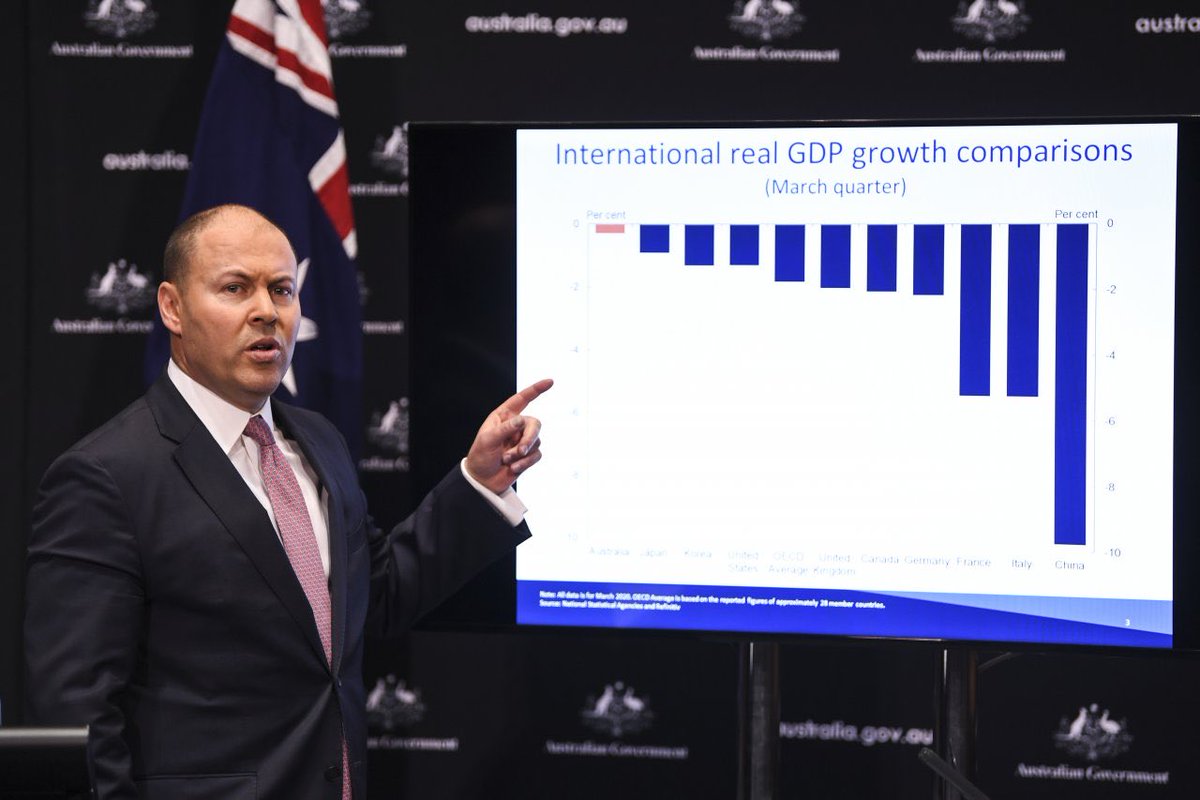
If you don’t challenge and dismantle this lunatic concept, humanity will not survive. We’re at that stage of seriousness. Societies are collapsing. The Earth’s climate and its living things are in disarray. It’s not ‘neoliberalism’, it’s the economy. It doesn’t exist. /end
‘The economy’ did this, in our lifetimes. It’s a strip-mining machine, of common-wealth. https://t.co/9vXTtEL4JA
'Balancing' Covid action against the economy is like trying to lift yourself up by your shoelaces. There is no economy, only people. Unhealthy people means no economic activity. How stupid that this isn't common sense. https://t.co/ByiiNymCi0
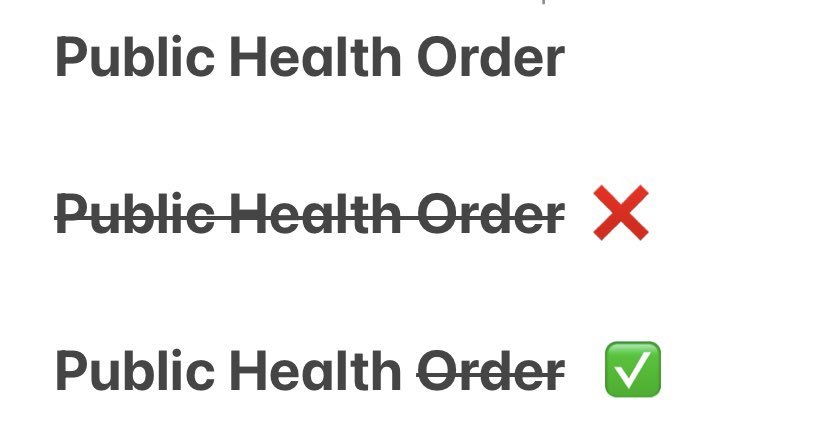
Ever noticed the ‘economy’ doesn’t have any aims, except to grow? Aims would disrupt the status quo, and the actual function of the economy is to protect the status quo. An economy has no vision, no aims, no bucket list. Just growth, of the status quo.
Perversely, people are now LESS likely to stay home from work when sick. For two reasons. One because they’ve run out of sick leave, if they had any. The other because it would be an admission that Covid didn’t go away. The ‘not-Covids’ are coughing away daily at work.
Fascism is just populism in its end stages. Fascist leaders deify ‘the people’, fascism begins as popularity-power. Eventually the same people realise they’ve been had. The resultant anger can be brutal. We don’t understand the terrible dangers of popularity-based politics. https://t.co/KHmxoyfifo
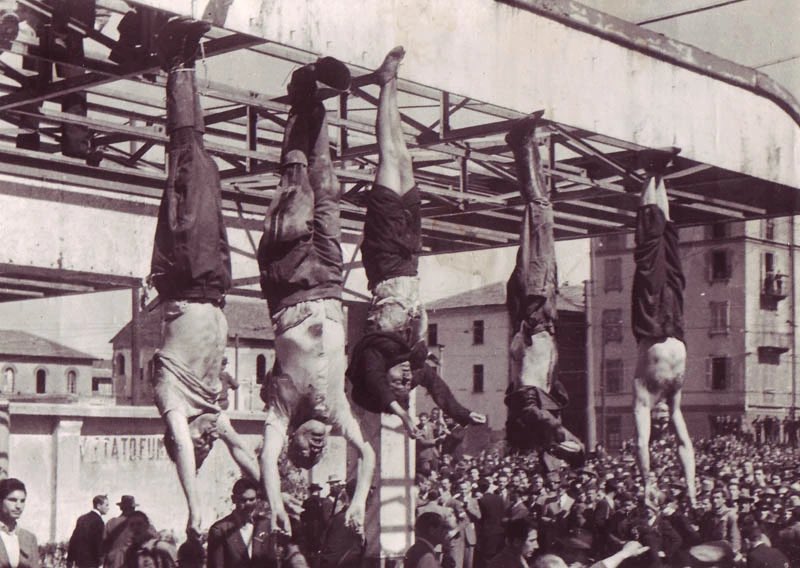
We and other ‘macro’ organisms are just microbial war machinery. Like their tanks, and missiles. https://t.co/poQFA8jKGb
We’re not winning on climate. And certainly not on Covid. None of these problems can be solved with popularity politics. It doesn’t matter who we vote for or the quality of the politician, action will always be focused on the ‘next vote’, not the problem. https://t.co/QYhlvpJOsH
The UK didn't really choose herd immunity as a strategy. They used a market-based mechanism, as fans of the economy do for everything. Herd immunity was just the closest thing they could find in public health that looked like a market. https://t.co/wQh7sfcwb3
Watch the populism machine swing into action now. ICAC will be attacked by politicians, and they and others at the same time will point to wide popular support for 'Gladys'. It's all there in the word - popular. Excuses all sins. https://t.co/0TUEkfH5kQ
When even the ALP lines up to minimise this set of findings today, you can see how elections/popularity give licence to anything at all, that suits elected leaders. People refuse to see it, because secretly they all love popularity games. https://t.co/V453CjGfp1
There it is, the populism get out of jail card. The people/public love me, therefore there's nothing to see here. Pure Trump. Making popularity the locus of ultimate power in a society destroys it. There are no exceptions to that rule. https://t.co/rVMUTbkumq
The politicians who attacked the ICAC findings today and at other times? It’s an independent body, public criticism of it undermines the whole basis of democracy. They should be sacked. If you think that’s too strong, try attacking the police next time you’re fined for speeding. https://t.co/GHzLRGMJpM

Who exposed Gladys? Public servants. Servants of the public. Not of politicians. Would you rather have the country run by servants of the public, or servants of donors and popularity? https://t.co/zm1CKiybSH
There’s no such thing as politics. It’s ordinary social behaviour rebadged with different names. Societies who have abandoned the young to privilege the old are about to face a reckoning. https://t.co/0CFEWYrITb
We don’t recognise populism even when it’s right in front of us. This fascination with Philip Lowe is classic populism. Making it about personalities. What should be in the dock right now is monetarism, the idiot belief system he’s paid to implement. https://t.co/GKJJYOb5l4
Pandemics like all catastrophes expose the skeletons in society’s cupboard. Converting society to a market began decades ago. It took a catastrophe to expose the level of damage that had already done, until then we were still muddling through. https://t.co/FAnqrJCBMf
The fastest, cheapest and fairest way to fix all of society’s problems is to regulate. Decades of anti-regulation political propaganda won’t make us look there for solutions. We’re told removing regulation = freedom. That’s completely backwards. Building can show why. /1 https://t.co/2j1I3PibY8
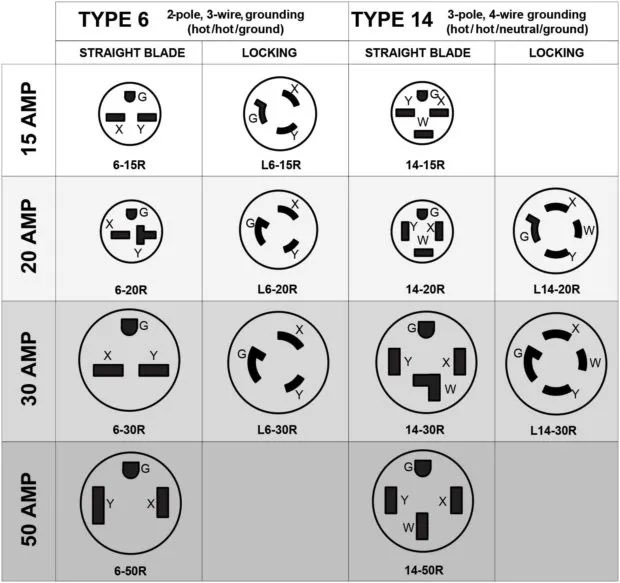
These are standard power plugs. Regulated standards. We regulate in building and engineering not to oppress anybody. We do it because it makes the building and engineering a lot faster, safer, cheaper and easier for everybody. It creates a foundation for action. /2 https://t.co/5G0Gdo9Myb
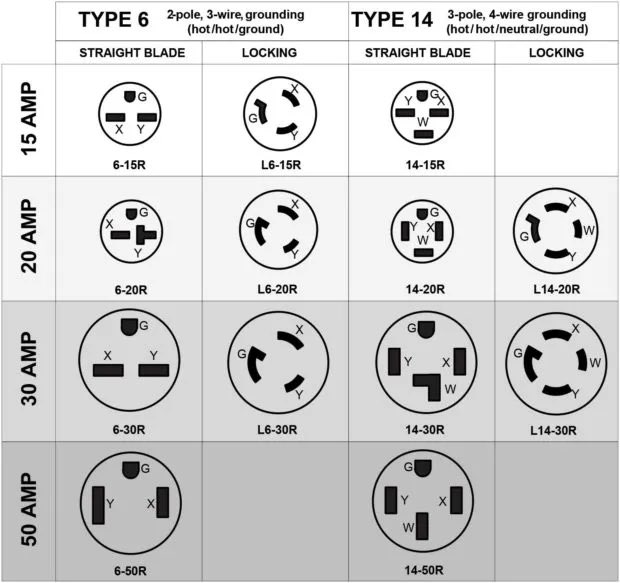
You can go to a hardware store and buy parts and tools that you know will work, because they’ve been standardised, by regulation. That’s all regulation really is, social standardisation. Not to oppress anybody, but to create MORE freedom for everybody. /3
It frees them from having to do constant negotiations over things, to get things to work together. You don’t have to reinvent the world every day, you standardise as much as possible so that becomes a new baseline for everybody to work from. /4
It’s why humans invented legal systems. Again, not to oppress everybody, but to FREE them from constant social battles. It’s an entirely practical, physical, logistical thing. You’ll always find examples of apparent over-regulation. Even in a workplace with too many policies. /5
But that’s not the fault of regulation. Nearly always that’s because the place is already dysfunctional, and people are madly writing policies to try to tame the dysfunction. Regulation needs to work with the practical situation, negotiated compromises. /6
We’ve seen all of this with Covid and public health. Our societies (in Australia at least) functioned at near-normal levels, in the middle of a pandemic, because of targeted public health regulation. Don’t listen to the liars who say we were ‘locked down’ for 2 years. /7 https://t.co/eloOTsEoBr
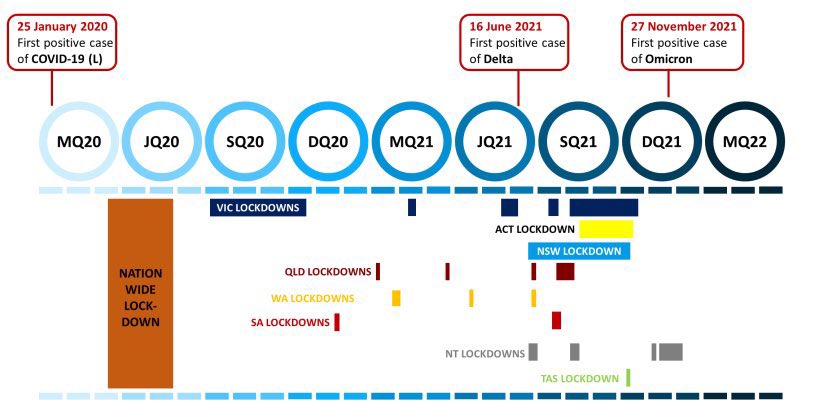
Even the word is offensively stupid. It’s the same anti-State, small government libertarians poisoning societies with their usual propaganda. The old bullies from high school trying to paint themselves as victims of rules and authority. /8
Rather than as what they really are, anti-social bullies. The only freedom they care about is their own, they’re freeloaders on the rest of us, happily gobbling up all the amenities of modern society, while undermining and destroying it with their beliefs. /9
If we want to beat climate change, Covid, poverty, shortage of housing, environmental destruction - any of the big social problems - we need to regulate. It’s fast, it’s the only thing that applies to all of us equally, and it’s fair. The symbol of law is all about balance. /10 https://t.co/4F8XjleaSj
The offensively stupid use of the word ‘balance’ by modern politicians is a long way removed from what it actually means. The whole rationale for law and regulation is to create balance. The scales, right there in the image. Justice is also ‘blind’, independent. /11 https://t.co/TtvMIC6erO
It will call out injustice and corruption, wherever it finds it. Including in ex-Premiers, no matter how much they cling to how popular they are to try to escape it. Like the schoolyard bullies they are. It’s time to regulate. It’s what we elect people to do, in parliaments. /end
From The New Daily. If politicians want independent bodies to stop revealing their corruption, they need to stop acting corruptly. It’s popularity that enables it. Elections. Corruption is inevitable with that mechanism. Trump uses his popularity to ignore every due process. https://t.co/YWmXun16Lk
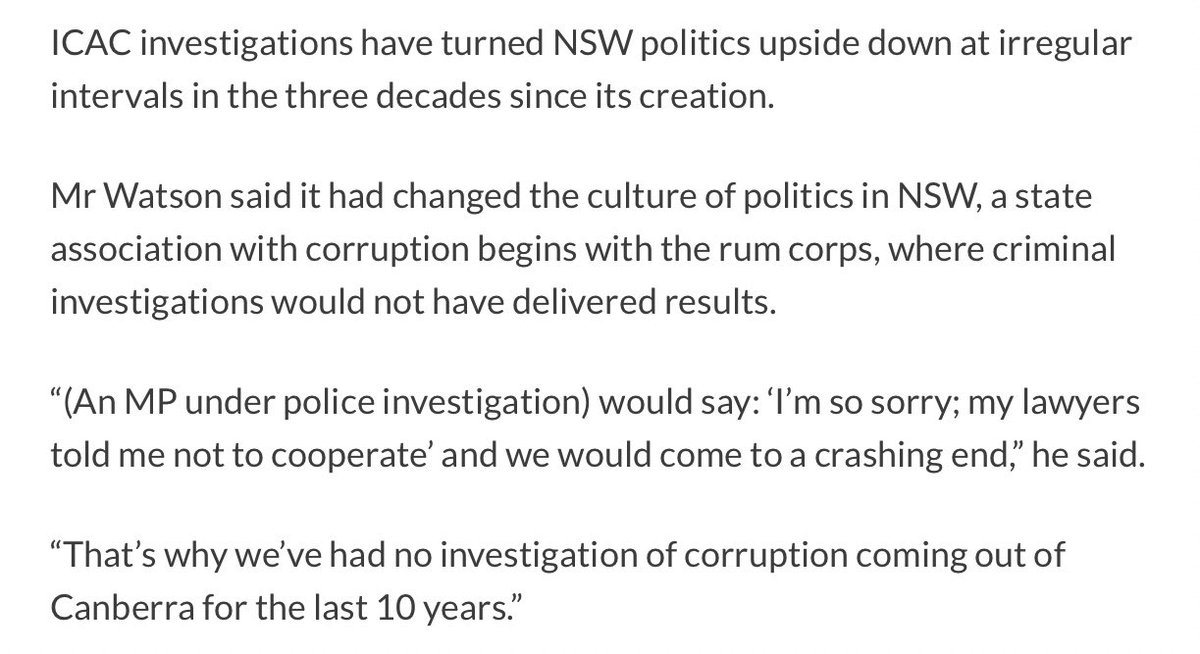
You can't ask the public to demand our public health system be used to fight Covid. Most of them don't even know we have a public health system, or even know what public health is. They know what medicine is, not public health.
I'm sure we've been told for a fortnight that this latest wave is petering out. Nearly into the 3 figures for deaths this week. https://t.co/1KtaWXPiwQ
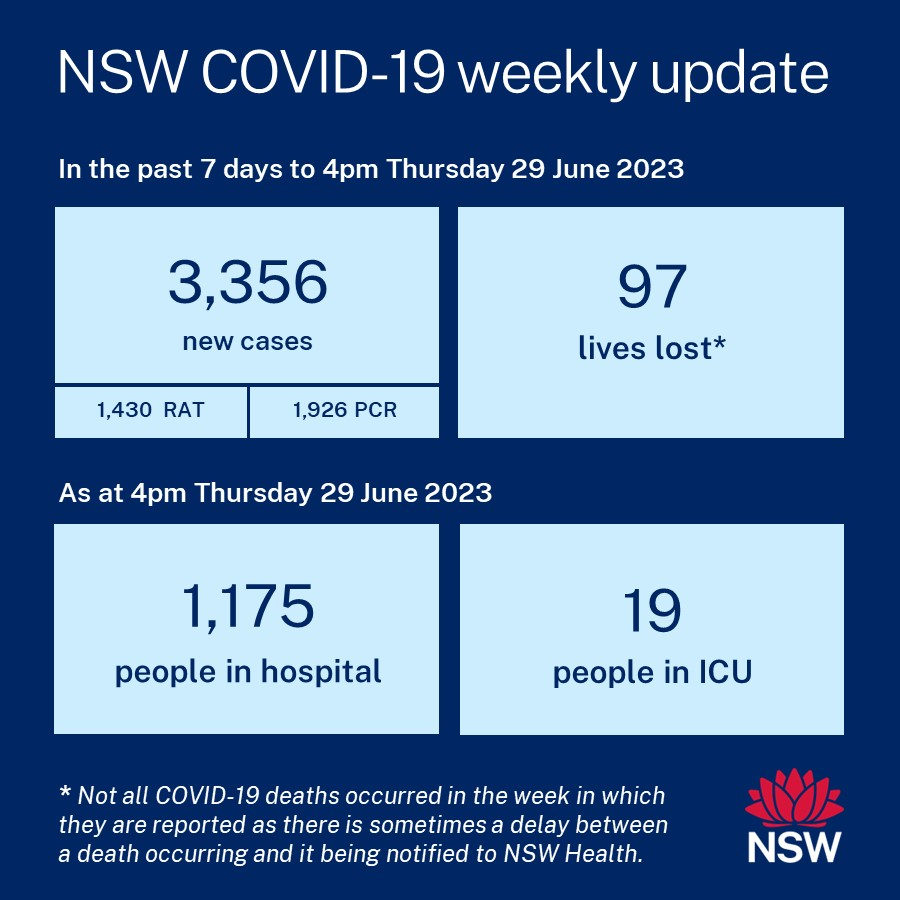
Using modern journalistic interests, that's nearly 100 people who won't be ahead of you in the queue for Taylor Swift tickets. https://t.co/H9myhmGbHa
I Tweeted this yesterday without explanation. Much of the public knows nothing about public health. All it saw was politicians applying public health orders. When the orders were removed they thought the pandemic was over. But orders are just the tip of a public health iceberg. https://t.co/sFgK80NjZ9
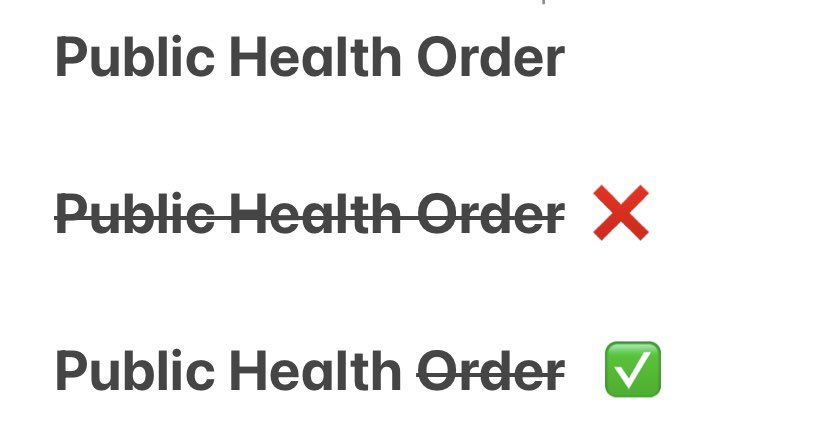
Meanwhile democracies argue whether Bill Gates is putting nanobots in vaccines. https://t.co/1tKbaYHJRz
Maybe there was a typo somewhere in the budget papers, 'renewable infection' instead of 'renewable energy'. I remember innumerates telling me cumulative death curves can only ever go up. No, they can be flat. Like ours was, with public health measures. https://t.co/sMXYnVgyQk
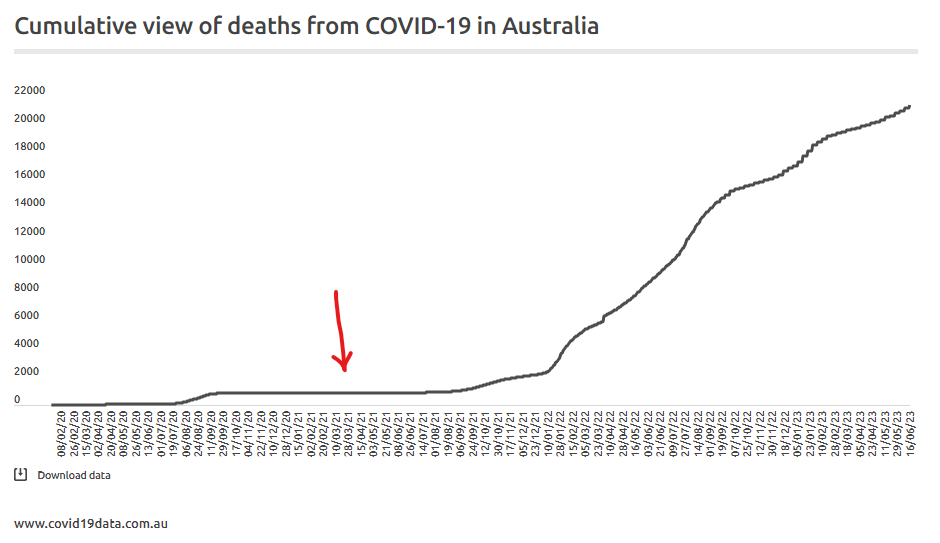
Mysterious. What could make you lose all sense of taste? 🤔 https://t.co/mivCVvEyrt
It's not an open question. The finding has been made, INDEPENDENTLY. No amount of spin or other vote-massaging can change the outcome. Populists really don't get it. https://t.co/tY7kuFZvvs
Imagine this as a graph of the destruction of housing from a bushfire. The emergency that would be seen as, into its second year. But not to worry, it's only dead bodies. https://t.co/2Up4K9mlUY
Steve Price on The Project arguing that Gladys suffered no reputational damage as a result of ICAC, and would easily win a seat again if she wanted. He may be right. Just shows again that popularity is a disastrous way to allocate power in a society. The very next story is…/1
…a puff piece on buying Taylor Swift tickets. Society is a high school, our concerns are the concerns of teenagers. Much of the nation fixated on tickets to a teen-focused pop star, all week. 2/2
Looking to make a legal appeal to a non-legal judgment, nonsensical. Popularity has to go as a mechanism of government, we vote pandemics away and now corruption findings too. Trump! Did we learn nothing? https://t.co/lXQWd2IpwH