The huge push for public health in the 19th century came before the germ theory of disease. It wasn’t about…
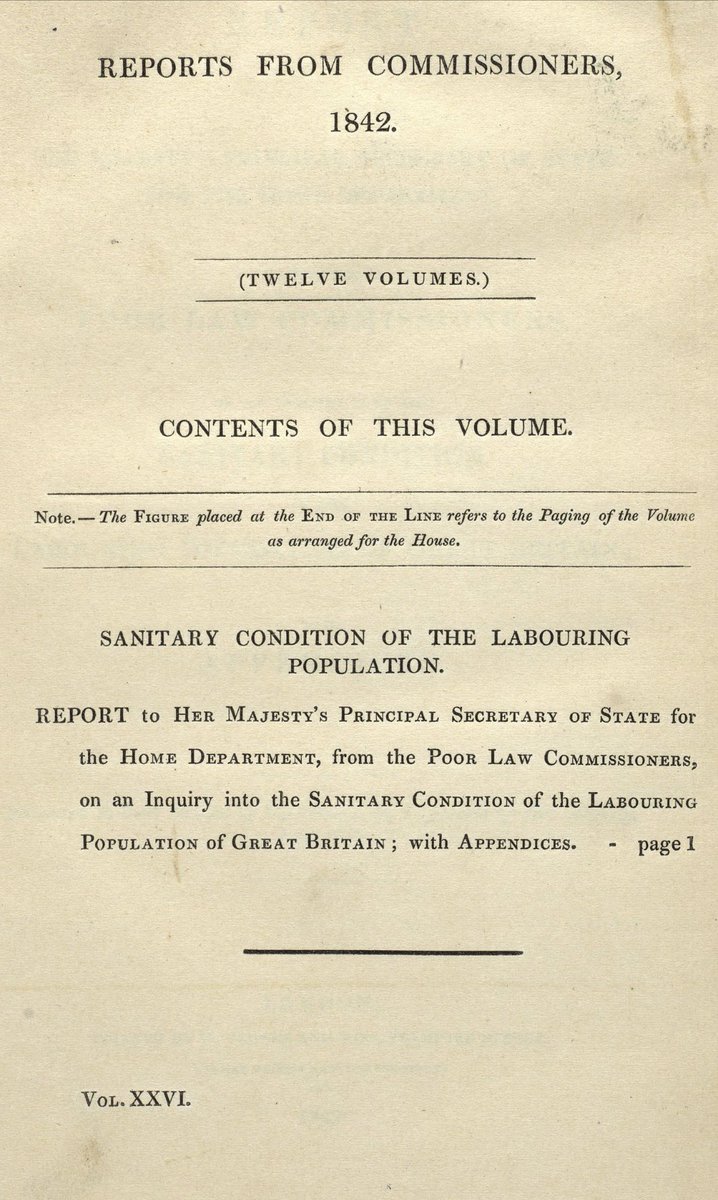
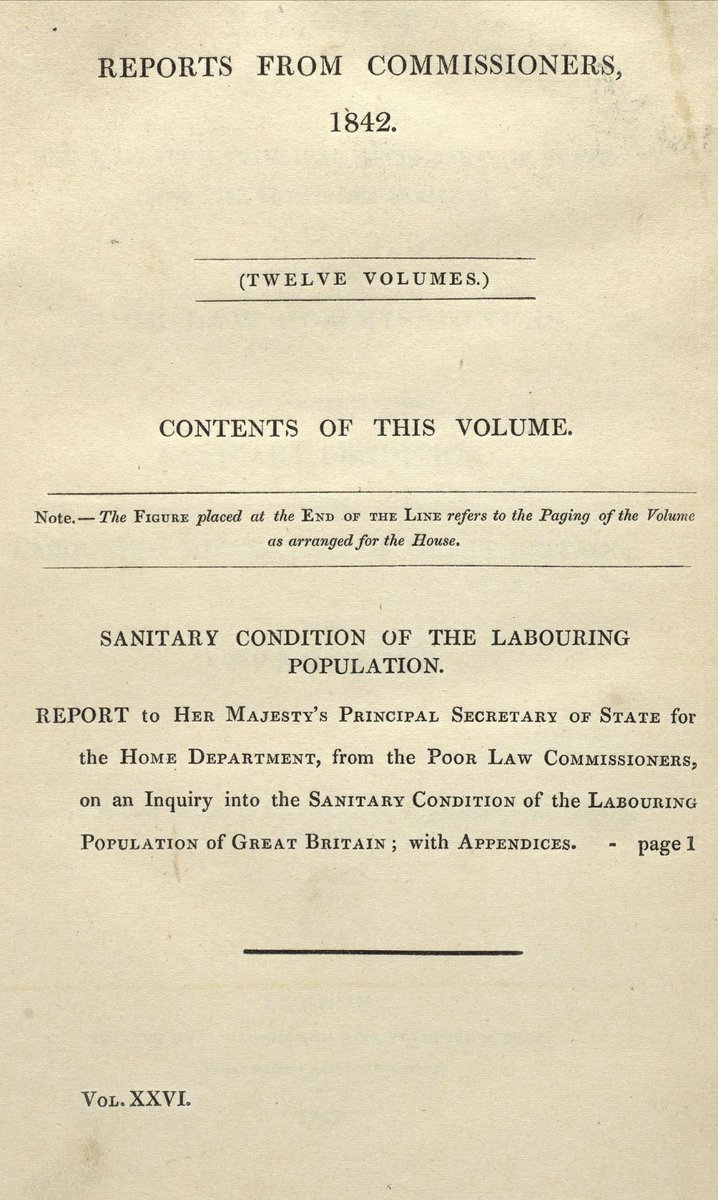
The huge push for public health in the 19th century came before the germ theory of disease. It wasn’t about microbes, it was about sanitation. About crowded and filthy urban environments. This critical report from 1842 was 50 years before viruses were even known. /1 https://t.co/sAKjMq8PnH
It has a section on ventilation, clean air, particularly in workplaces. Striking that we’ve come full circle, and have to argue again for basic cleanliness in shared spaces. Germ theory then and now re-medicalised what had begun to be seen as a social problem. /2 https://t.co/RUQPmfsxv2
Yes germs cause disease, but like all living things they live in an environment. The best science of infectious disease today collapses the apparent separation. It recognises that how germs behave and evolve is intrinsically linked to the environments they live in. /3
And that it’s a much less complex task to modify those environments, than it is to develop vaccines and treatments for germs. A more difficult task *socially*, but that’s the rub. Infectious diseases are damaged social orders. Not independent entities. /4
A pandemic is a society that is damaged. Fixing that damage fixes everything at once, including the infections and the economic and other social transactions. We’re biological creatures, everything we do is biological. /end