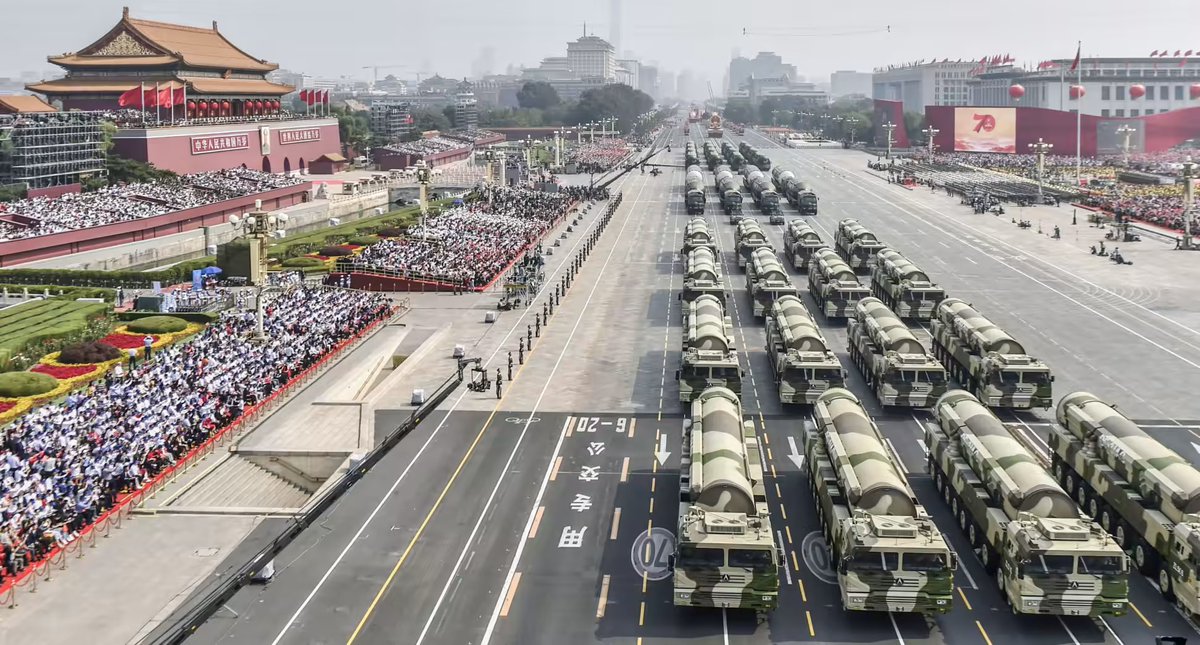
This sort of stuff always makes us think about ‘authoritarian’ governments. But all societies are controlled,…
This sort of stuff always makes us think about ‘authoritarian’ governments. But all societies are controlled, just in different ways. They don’t function otherwise. For example most of our lives in the West are now almost completely controlled by ‘the economy’. /1 https://t.co/pyUuMA5dWV
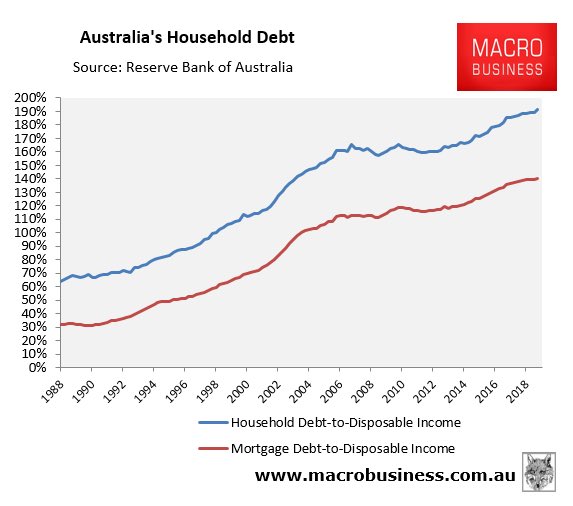
Which its supporters say means freedom, because it’s a ‘free market’. They would say that, but as we see right now, most people only have freedom to do anything in an economy through taking on astronomical personal debt. It’s smoke and mirrors. /2 https://t.co/Ipey7N5My2
And this isn’t some ‘pro-China’ thread, fuck off with your adolescent team sports. Societies are all more or less the same under the hood, in that they’re social, not political or economic. I personally prefer living under Australia’s social arrangements. /3
Not because they’re capitalist and free while China is communist and authoritarian. All of that -ism stuff is nonsense, grown-up fairytales. Much of the authoritarianism we attribute to China is a society run heavily by custom and tradition. /4
Of course that’s going to look oppressive to us, societies that shredded all of that in favour of eternal adolescent lifestyle presents, where we slaughter our old in privatised aged care homes with Covid while barely batting an eyelid. /5
The whole point of the fiction of ‘the economy’ is to replace all custom and tradition and sovereignty with globalised markets. And custom and tradition in the Chinese style can also be oppressive, again I have less than zero interest in the team sports. But it’s all social. /6
Societies are social. It’s in the name. Not political, or economic, that’s just just social life re-badged in ways to disguise the true dynamics going on. In our case, those dynamics are the social life we learn in schools. The tension between knowledge and popularity. /7
The Romans experienced that too, and their engineers (knowledge) won for centuries, until the populist emperors and their circuses finally got the ascendancy, at which point the empire collapsed. All longevity is knowledge, all popularity is destruction. /8
Adding elections to our democracies only a century ago is destroying them from the inside out now too. We put popularity in the driving seat, as the Roman emperors did. We saw what happened there, it can’t not. Popularity cannot ever run anything that lasts. /9
Too much of what needs doing will always be unpopular. And it also ignores that humans are social creatures, they don’t individually look for things they like, to do, they follow what everybody else is doing. They will do what’s popular rather than survive. /10
That’s the great myth of popularity, that it’s about what individuals like. Popularity is conformity, fads and fashions aren’t about what people like. They’re about them wanting to conform to what others are doing. Like the current craze for puffy jackets. /11 https://t.co/Gzmz92qymV

These are functionally excellent jackets. But that’s not the main reason people are wearing them. They’re wearing them because everybody else is wearing them. That’s what ‘popular’ means, it’s divorced from functionality, from knowledge. /12 https://t.co/Jj5pxdMTo3

All human history is a battle between popularity and knowledge. We all lived it in the schoolyard. The Chinese are experiencing it now, as their young adopt a more populist outlook. We can’t beat Covid, because it’s been made unpopular to do that. It’s not ‘trending’. /13
Nothing to do with freedom, it’s the exact opposite. Conformity. The freedumbs are the most fanatically conformist of all social groups. Even now they’ve won (they think), they’re still here battling for the team. /end