Silicon Valley is now misnamed, as very little silicon-based hardware is made there. It’s the crucible of…
Silicon Valley is now misnamed, as very little silicon-based hardware is made there. It’s the crucible of modern libertarian politics, in ways that aren’t discussed. A marriage of European science and US ‘fake it ‘til you make it’ hucksterism. This matters, a lot. /1 https://t.co/VKhggkwXS7
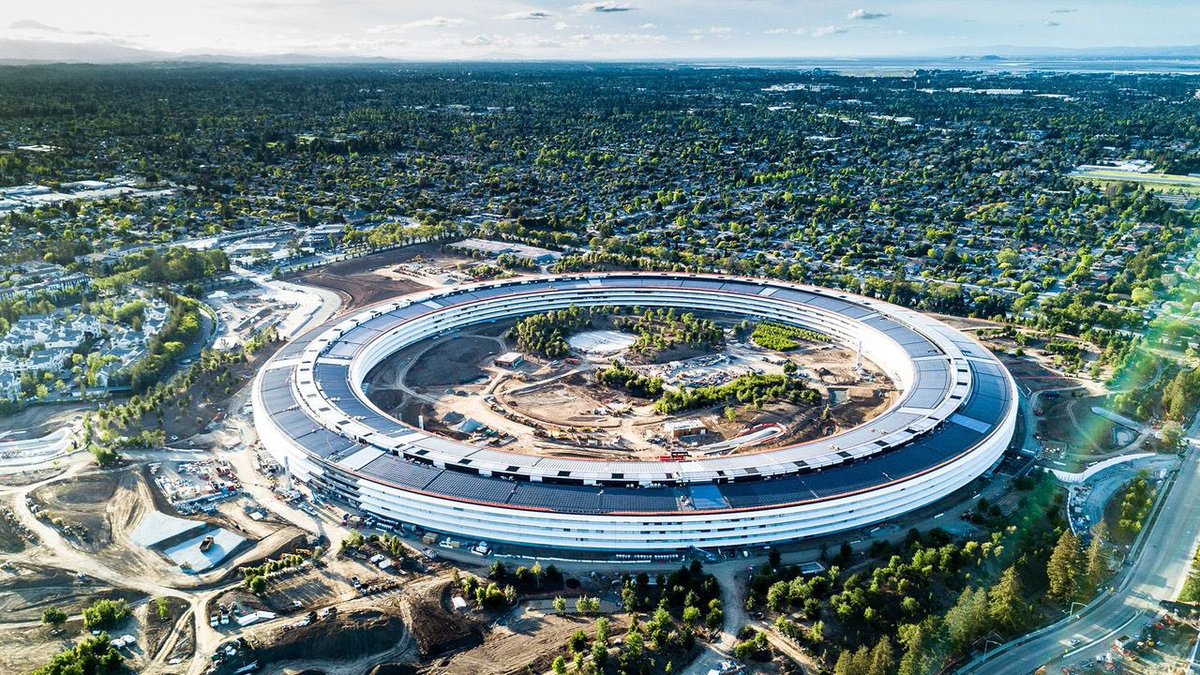
Whether it’s banking or mass communication and media (etc.), the products of Silicon Valley have for decades disintermediated vast swathes of our social and cultural lives. They’ve not just transformed existing institutions, often they’ve replaced them. /2 https://t.co/3VfR9BKv6d
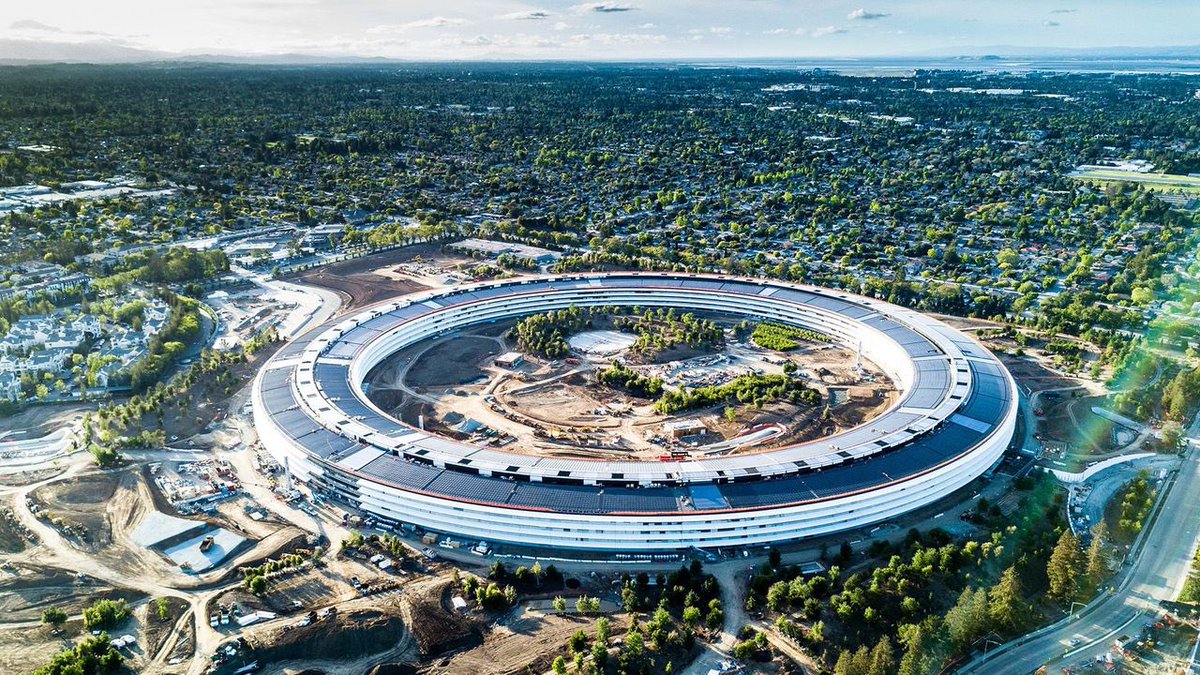
In US cultural framing, this is ‘innovation’. In reality it’s mostly the same American Dream of getting rich, quick. Where Silicon Valley has supplanted existing industries, it’s nearly always then gobbled up all of the revenue of those industries and pocketed it as well. /3 https://t.co/g4sezhRy9t
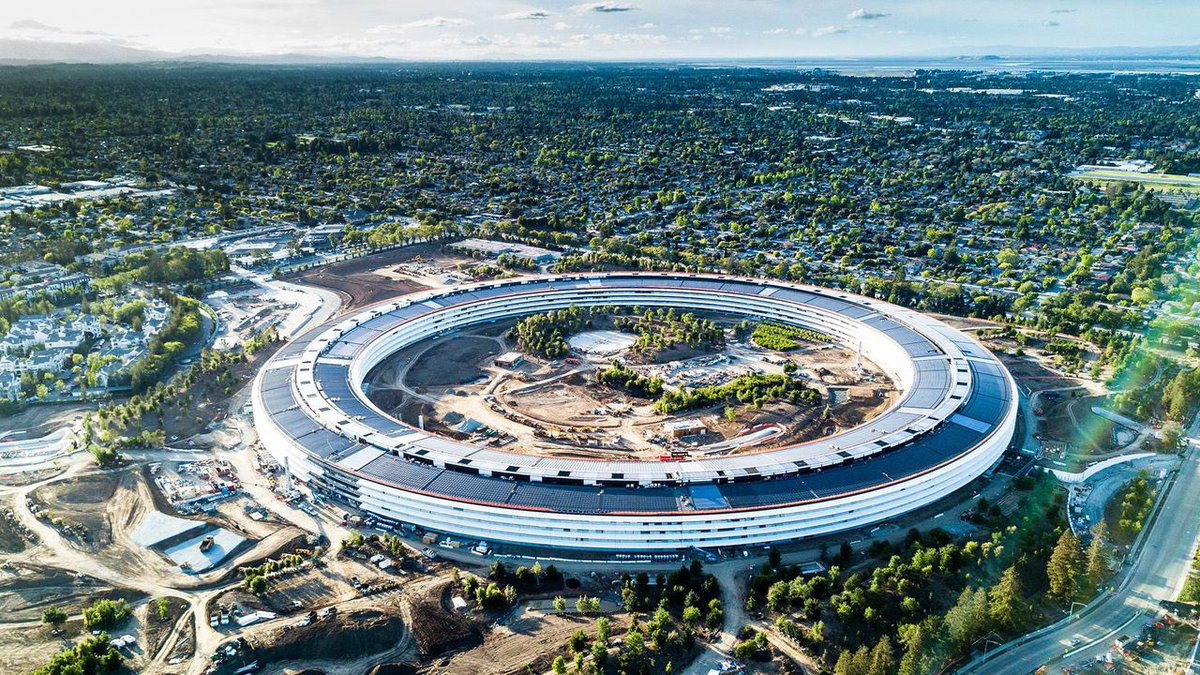
In its earliest days of genuine technological innovation, profound science exported from Europe during WW2 was given room to grow in the venture capital-type environment of the Valley. The same hybrid marriage that sent Americans to the moon, using German rocket science. /4 https://t.co/1QJpWRMof0

But look at Silicon Valley today, and for the past several decades, and the fake it til you make it hucksterism is now overwhelmingly dominant. Everything shifted to much cheaper and easier software, away from hardware, which is now mostly constructed in Asia. /5
Sure companies like Apple still release major hardware innovations. Almost none of it is built in the US. The US no longer has the facilities or even knows how. I think it’s not unfair to say it took that European legacy of advanced science, and just monetised it. /6 https://t.co/6F4TF8nZAb
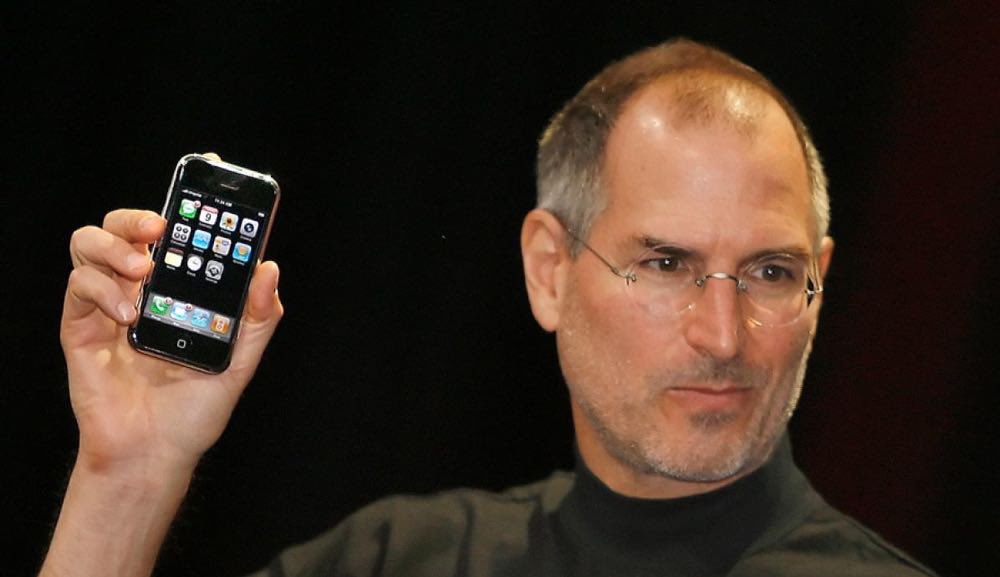
The US of course also had its own great scientists, many of whom worked together with the European exports on the Manhattan Project at the dawn of this era. War tends to mobilise invention. But people have noticed during Covid that this is a repeated pattern. /7 https://t.co/d6SrreRPp6

Politicians (the popularity end of our knowledge-popularity see-saw societies) will use expertise when it suits their popularity-based ends. Otherwise they not only ignore it, they despise it. Oppenheimer was one to see that bitter truth, too late. /8
https://t.co/wJInXwGLYP
Silicon Valley was a watershed in the decoupling of expertise from social good. Its products today, including this platform, are so often constructed using the framing of disruption. Disruption designed to make people rich, not for social progress. /9 https://t.co/NkQYe1Xs35
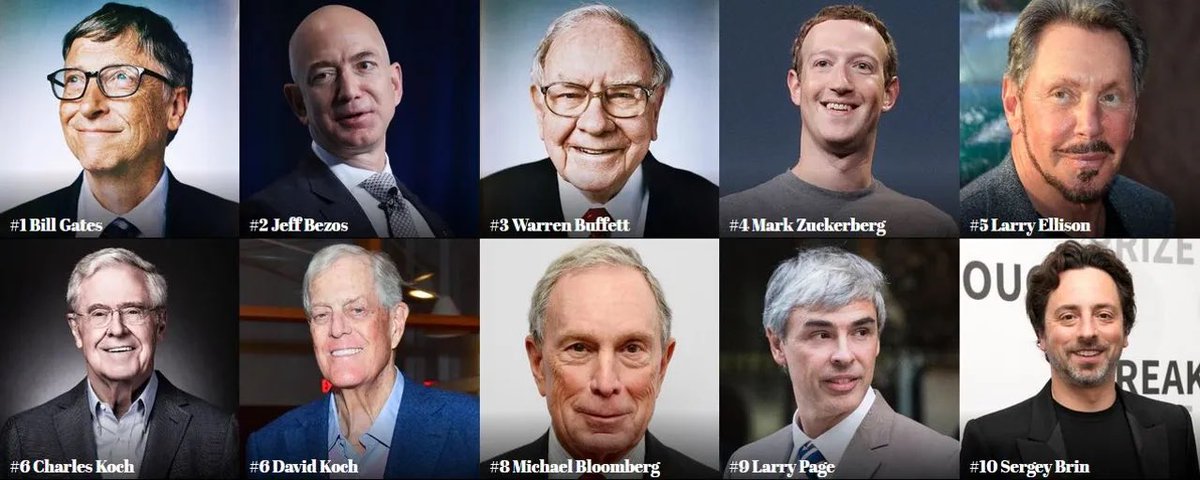
Just how rich is historically unprecedented. And is a (not discussed) measure of just how much SOCIAL disintermediation this industry has produced. It’s vacuuming up our common-wealth, inserting itself into every nook and cranny of our lives. /10
That wouldn’t matter so much if it was just doing that because it was providing valuable tools for those lives, but again the hucksterism is easily dominant, has been for years. It’s about replacing that common-wealth with vast piles of concentrated wealth, in the Valley. /11
But this is where I think deeper, slower-acting realities will call all of this out. Take Joe Biden and Anthony Albanese now talking about re-homing advanced manufacturing in Western countries. There’s much to like about that ambition. /12
https://t.co/xqHAQlsZKV
But as the semiconductor industry, the most critical on the planet, shows clearly, you can’t now de-internationalise this. The supply and knowledge chains are now distributed all over the world. Nobody else can really make the most advanced chips except Taiwan, for example. /13
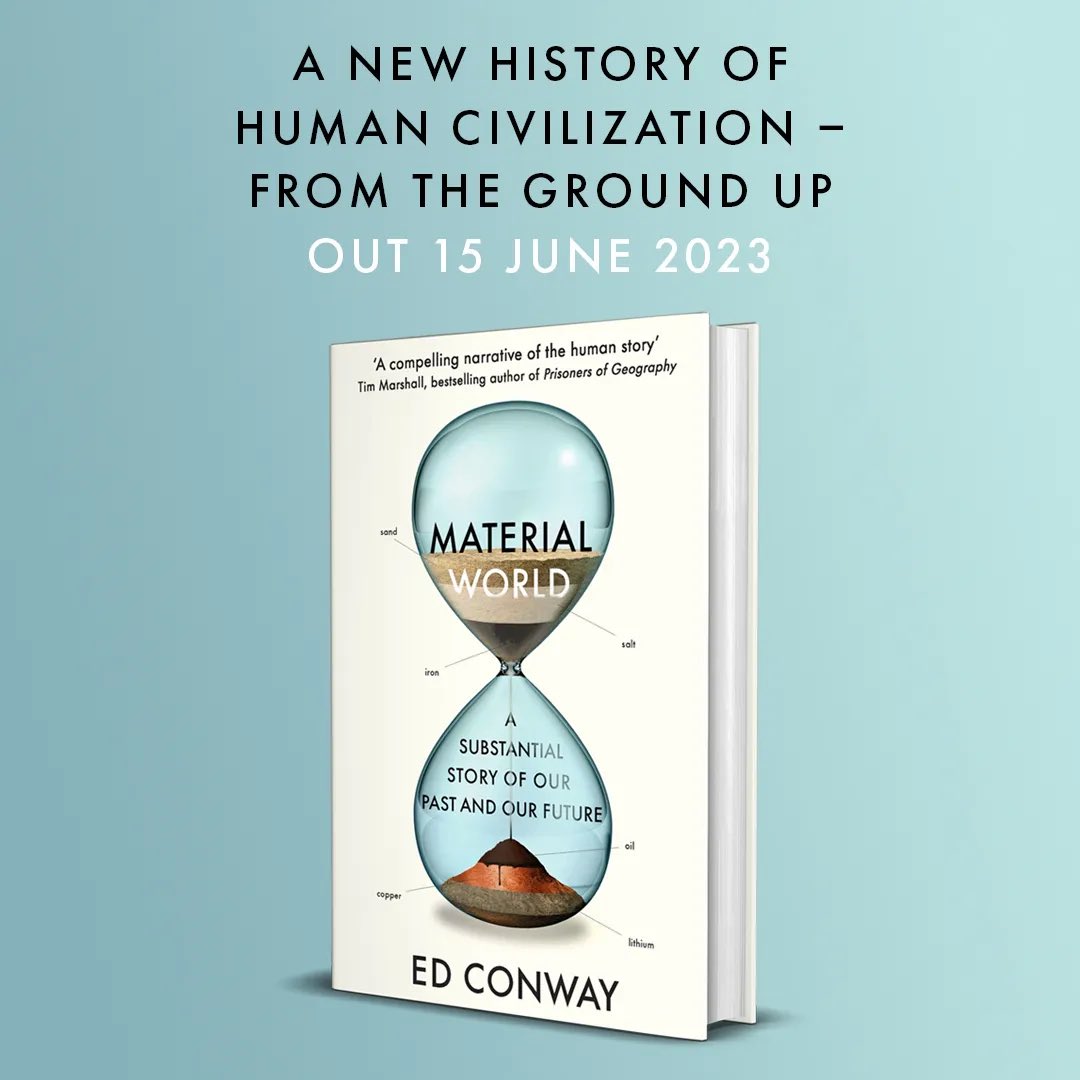
And as @EdConwaySky’s book describes so well, every part of that critical industry is now dependent on a whole multitude of different materials and expertise, spread around the globe. There’s no easy way to re-nationalise it, it would be physically impossible. /14 https://t.co/YUC4mxW74l
And this is where the knowledge-popularity tension I Tweet about shows something profound maybe happening. I spoke about it in this thread. Popularity-based cultural life has captured our knowledge-based life. But you reach a tipping point. /15 https://t.co/2Y7M7zJb5o
Societies become so socio-technically complex, that the lunatic dreams of libertarian populism of everybody ‘living their best lives’ comes up against the realities of keeping that life operational. /16
You either keep building and maintaining that vast social infrastructure, with its incredibly complex engineering and critical resources, or your society collapses. There’s no choice at this point. Nobody’s opinion will matter. It’s the materiality of our societies that wins. /17
Knowledge may have the final victory over popularity, over populism. Whether it can do that all by itself or whether we need new ways to mobilise expertise itself, against populism, is an open question. But knowledge is the only foundation of stable, long-lasting societies. /end