July 2023
Complete authored posts and demonstrable self-threads.
Let’s not count votes. That would be progress. https://t.co/DTAG8vkhMH
The bigger and more roads you have, the greater the traffic. Supply induces demand. Just as building dams increases the demand for water. Supply and demand is the sole explanation market-based thinking has for group behaviour. It’s nonsense. https://t.co/XcHktgEVMo
I’m in remote Australia for a few days. Being there highlights the weirdness of the concept of ‘remote’. Remote from? The assumption being that the real Australia happens somewhere else, and these other places are remote from that real Australia. ‘Regional’ is the same.
And so castles made of sand Fall in the sea Eventually. https://t.co/seuIsSEyEY
The most numerous occupants of Australia’s vast interior now are feral camels, feral goats, boomers towing caravans, and jocks in 4WDs ‘conquering’ it. When you can escape the boomers and jocks, and allow the stillness there to encompass you, you feel a little of deep time. /1 https://t.co/2Mc3wgD6qR
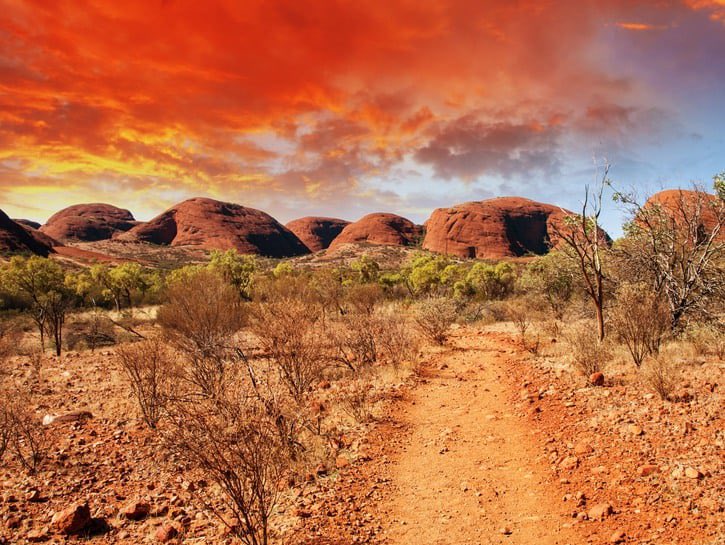
Which then opens the door a bit to an experience of place. One that’s been lost in most nations. A phenomenal presence. Time, billions of years of it, and space merge. The landscape isn’t shaped the way most other landscapes we know are, by seasonal or annual activity. /2 https://t.co/c17FeI4xv5
The spaces of central Australia *are* also times. They express millions of years of events that we have little to no knowledge of. Still in many ways untouched by the whole human civilisational experiment, everywhere. The fauna and flora too, and thus so peculiar. /3
Of course touched deeply by our own First Australian culture, that we’re not enough interested in to really understand. No other culture lasts more than a few thousands years. There’s a mystery here that should drive our passionate curiosity. The entire world’s curiosity. /4
Something remarkable happened year, for tens of thousands of years before the other civilisations we know of even existed. It wasn’t ‘hunter-gathering’, that’s a ludicrous, paternalistic idea. It’s the secret to all human survival. But we’re not interested. /5
We are if it feeds into our team sports, especially now on social media. There are plenty who sentimentalise this mystery, who utter solemn pseudo-profundity about it. And plenty more who dismiss it entirely as archaic savagery. There’s your two teams, there are always two. /6
If you can avoid the 4WDs and boomer caravans, and spend time just standing in these spaces, non-judgementally, you can feel something. That merger of time and space, the spaces are times, acting in you. Deep, deep times. /7
There’s no clear meaning to be had from such a short exposure to these wondrous places. But it opens a door. As the french philosopher Michel Serres noted, the Australian interior is a glimpse into a world we’ve forgotten, and which many have never known. It will change you. /end
This laughable to-do is amplified by the team sports antagonistic model of social media, itself loosely based on team sports. We’re at some sort of peak stupid now, our adolescent societies do nothing except team sports every day now. https://t.co/hsxFhNw2f2
Finished this on my trip. I think everybody should read it to help understand the fundamentally material basis of our culture, being ignored by our obsessions with the daily team sports of politics. I plug it because it’s a theme I Tweet about a lot. /1 https://t.co/QFtGHEFrLO
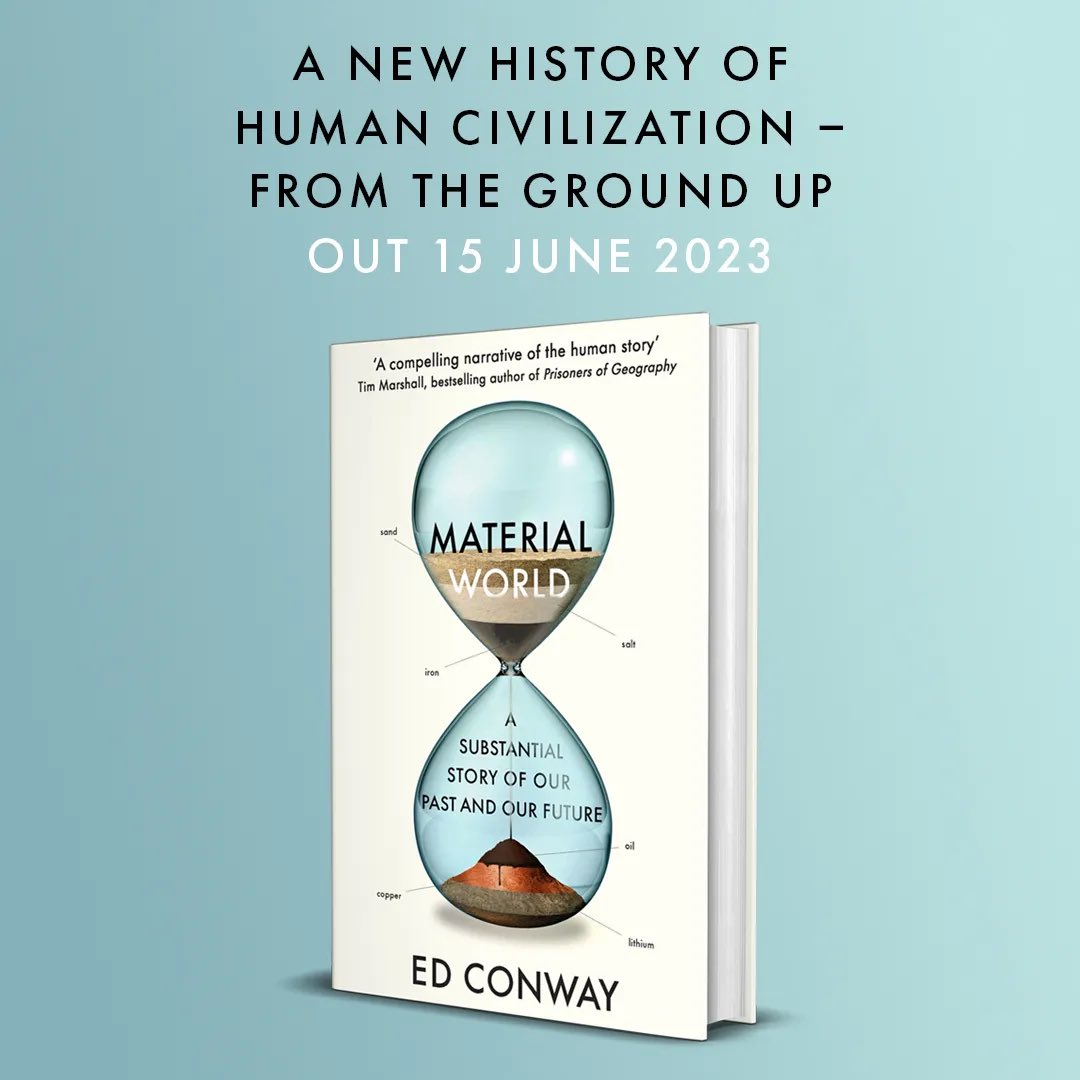
For a long time we’ve had this strange binary between social and technical aspects of our society. Reading @EdConwaySky’s book will show you how at every stage of our civilisations, it’s the material bases of that culture that did the deepest weaving of our social bonds. /2
Towards the end of the book Ed unpacks this with some examples, how trying to unravel the social networks underlying some of our key technologies is almost impossible, as the networks of supply and expertise criss-cross the globe. A literal Gordian knot. /3
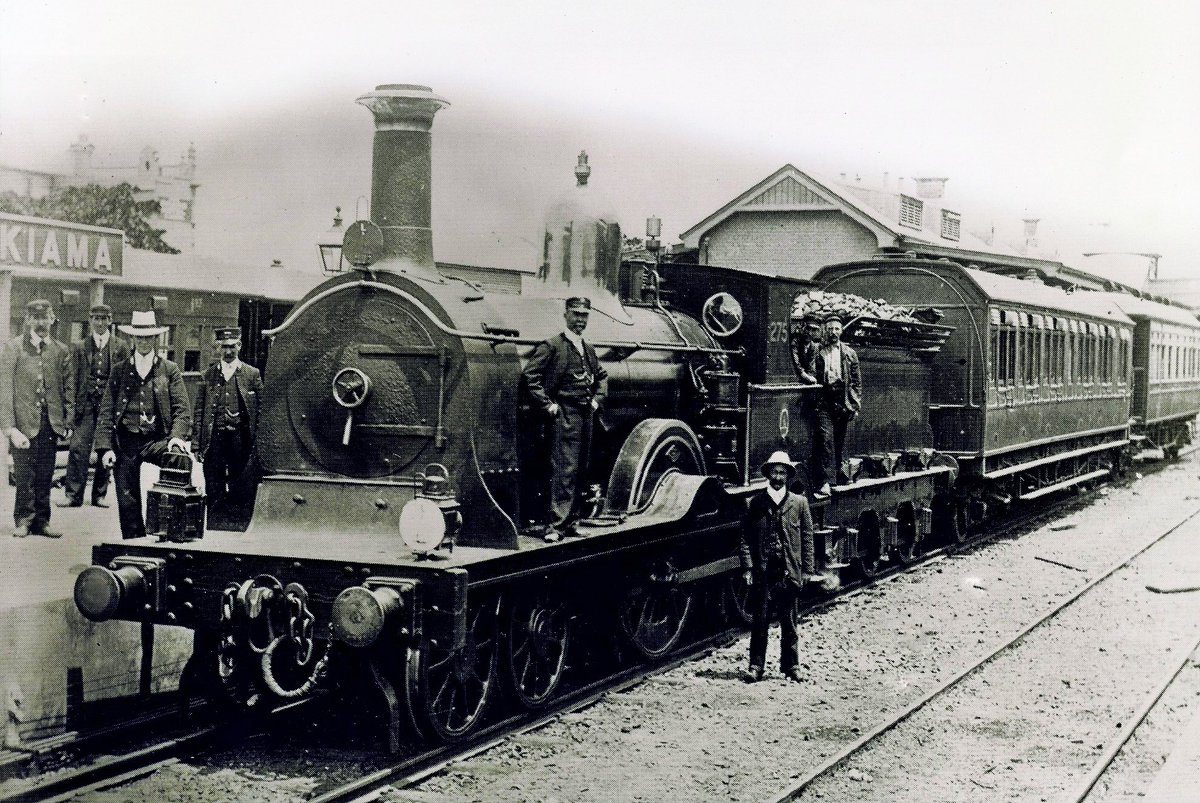
Gabriel Tarde more than a century go made the same point, repeatedly, and was ignored. He used the example of railways coming to a town. How the exchange and trade they brought to a town socially connected that town to everywhere those exchanges came from. /4 https://t.co/B32UTOzxX3
If you drive through what we dismissively call regional and remote Australia, you’ll see it firsthand. How even the smallest town has silos that took the locally-grown grain to markets elsewhere. That was what connected those communities to the wider community. /5 https://t.co/TAUrWTuAXm
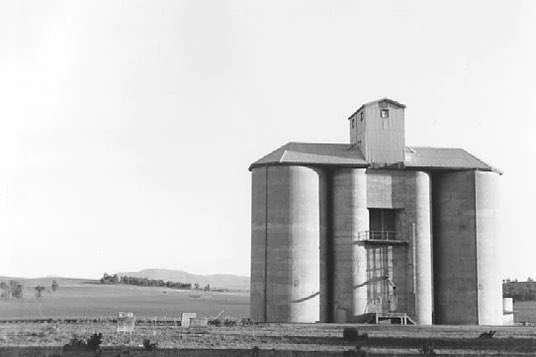
And those communities often disappear, as the silos and other exchange mechanisms cease to operate. This isn’t some economic argument about trade and markets replacing societies. It’s a material argument, that it’s maintaining the material needs of society, that creates them. /6
Again, if you read Ed’s book, you’ll see why he says we need a new Industrial Revolution right now, if we’re to have any hope at all of managing climate change for example. I’ve Tweeted about that before, how we misunderstand the previous Industrial Revolution. /7 https://t.co/M3zWYq9oKj
It was a social revolution, not a technical one. Or rather, those are the same thing, not two things. The enormous social problems we have today are caused by a deficit in *material* development, itself driven by widespread ignorance of the material basis of our culture. /8
The word ‘materialism’ is bandied about by people who like -isms. Like all -isms it’s utter nonsense. To use materials is not only human, it’s the most fundamentally human thing we do. Our societies would cease to exist without material things. /9
Read Ed’s book or any other on the material basis of our cultures, and you’ll feel directly how abstract and hopeless our daily ‘debates’ are in fixing anything. Why I also suggest us ditching any decision-making based on popularity, which is light years away from the…/10
…actual expertise that’s needed to understand and work with our material cultures. All of the fake Left and Right and other binaries we construct in our daily team sports, amplified hugely by social media, miss completely about 99% of what keeps societies running, /11
There is no Left-leaning solar panel or Right-leaning oil refinery. Nearly all of our critical problems can be fixed with no attention to any of that political drivel at all, it’s a useless thin veneer of hot air sitting on top of actual material reality. It’s a roadblock. /end
In reality-based politics, the choice isn’t between acting on Covid, and not acting. We are acting, and will continue to act, hopefully even more strongly. The REALITY of infection forces it, there is no choice. That apparent choice is the fake theatre of electoral politics. https://t.co/MBhyOLfhMQ
I’ve had employers say to my face when pressed on this sort of thing ‘we need to learn to live with this thing’. What THEY mean by that is ‘we need to allow everybody to get infected, there is no other way’. In other words, not living with at all. Total surrender, to infection. https://t.co/lLL5HS3Tld
No -isms exist. They’re not like operating systems for a society, that you install. All societies operate socially. -isms are just the way we label the different social behaviours that emerge. But they’re all social. Societies are all fundamentally the same. https://t.co/ATApxzMR3J
Friend, very fit and strong, collapsed and was taken to hospital, barely breathing and with little detectible pulse. In hospital had seizures and went into cardiac arrest. Is still alive, the cause they now believe was septic shock (staph), also in the heart valves. Uncommon?
Marina Hyde in today’s Guardian nailing what the last Ashes test reveals about the UK today. An overwhelming ‘smallness’ of outlook. Little Britain, as some call it. That’s the libertarian shift in all politics, towards individual outlook and grievance.
Just as we can’t vote our problems away, nor can we discuss or debate them away. Society has two orthogonal movements, one social (our overwhelming focus), the other is knowledge. The social dimension of society will never provide you with truths about anything except itself. /1 https://t.co/uZnI6SY9ZF
Society is social, not political or personal. That remains true. But left to itself social relations provide no forward movement for humans, no human progress. Proust’s brilliant forensic analysis of the Parisian salons noted also the essential emptiness of this world. /2 https://t.co/QIurh2ypZL
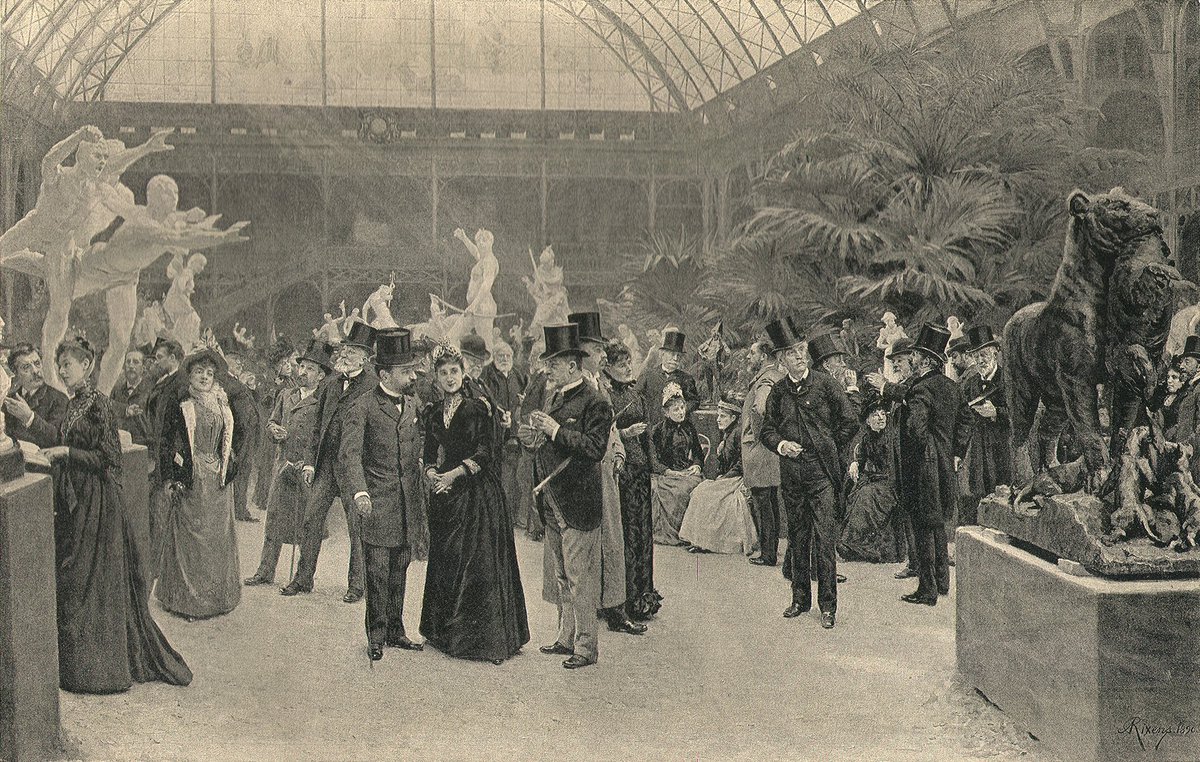
How the incredibly complex ‘signs’ emitted by people in social groups - is she interested in me? Is he giving me the cold shoulder? Etc. - require complex skills to interpret. But that at the end of the day, these signs are ‘empty’, they lead to no human progress. /3 https://t.co/uBpp0YcgB3
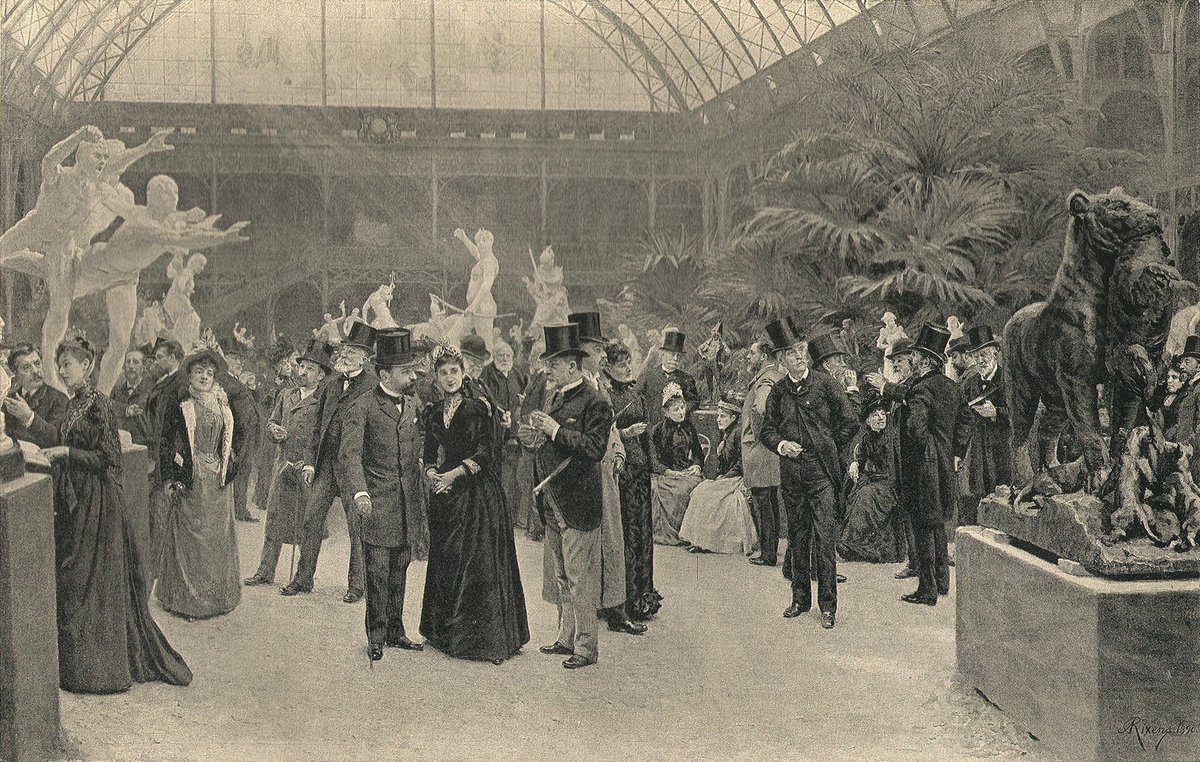
The salon is now social media, the daily venue for this continuous interpretation and promotion of our respective status in social groups. I don’t think people should be under any illusion that this is solving any problems at all. Social relations are vital, they are society. /4
Conversation for example is the driver of most ‘economic growth’. It’s only by acting socially with others that social desires lead to ‘markets’ for goods and services. But this is intrinsically a zero sum game. The ‘economy’ is just code for the status quo. /5
No human problem except the status of individual people was ever solved in the salons, and now on social media. Sure social interaction shifts which person or group becomes rich and powerful, through the dominant fads and fashions of the day. /6 https://t.co/Nx1uEdTeFE
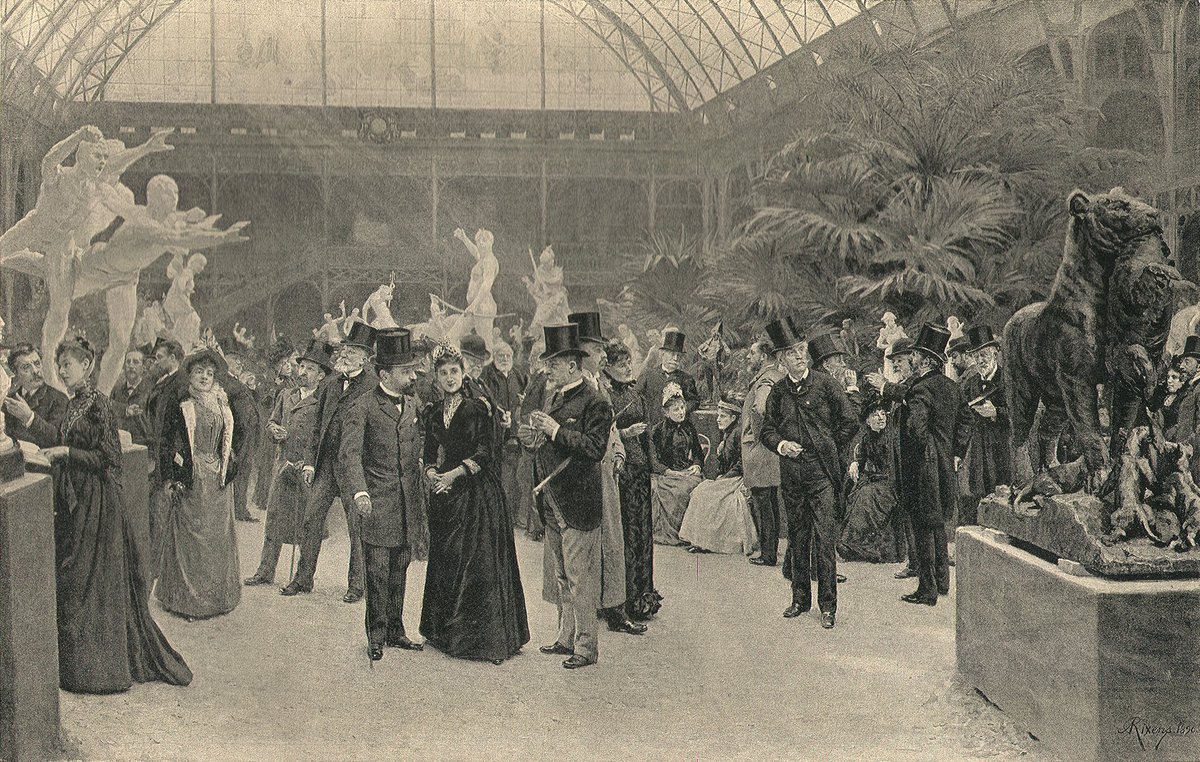
But it doesn’t change anything fundamentally in society. It shifts the deck chairs, that’s all. Only knowledge shifts societies, allows them to progress. (The exception being catastrophes like disasters and war, which can pop the salon bubble, though with mixed outcomes.) /7
And it’s here it gets tricky, because while there are social ways to organise knowledge (universities for example), everything has to be lived socially, but sociality and knowledge are never aligned. There’s an essential tension between them. We’ve seen that in the pandemic. /8
Prominent pandemic minimisers often come from respectable knowledge-based institutions. Others mobilise their own followers using social media. Neither of these social mechanisms guarantees the truth of anything the minimisers say. Science itself is resolutely social too. /9
We don’t see some of the best science, because the social games scientists play suppress it just as social games suppress everything else. As Planck said, science progresses one funeral at a time, it’s a social game as much as anything else. So is everything hopeless? /10
No. Knowledge will out. Through all of the social shenanigans we play, truth eventually asserts itself by the failure of all of its rivals. Vaccines mostly work, and some still resist them, but reality has mostly prevailed there. EVs will displace ICE cars, because they’re…/11
…just much smarter engineering in multiple ways. Social games will run interference in these and all other areas of our lives, but eventually reality will win. It can’t not. Or our societies will collapse, if social games prevail. Just another way of saying reality wins. /12
Our institutions, like universities, are that prevailing over history. As Edmund Burke said, trust custom and tradition because so often it’s a natural selection process - they survive because they worked. Not always and everywhere of course, there are no utopias. /13
Some of the world’s most toxic Covid minimisers for example are employed by universities, and those who have worked at senior levels of them should be doing more to pay attention to that. But overall, unis represent the progress of societies, the injection of knowledge. /14
It’s why the governance of them is much more difficult than business types will ever understand. Knowledge will not be tamed by any social process, including corporate governance. Knowledge must always reserve the right to overturn any social arrangement, if it’s stupid. /15
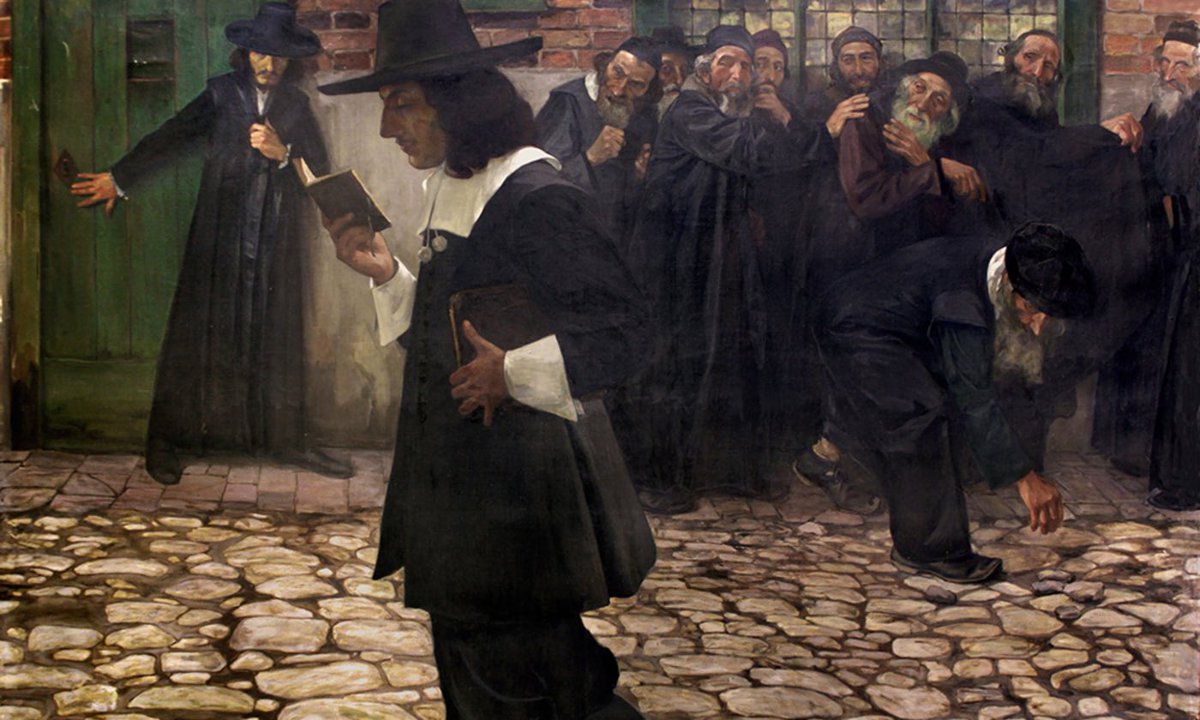
To end with the painting that says all of this so beautifully. /end https://t.co/qNyFH3LMuZ
@samirashackle loved your Guardian long read on hoarding. Maybe hoarders represent an older cherishing of things, now overwhelmed by the sheer volume of consumer goods. Maybe it’s the rest of us throwing so much away who are pathological, it’s historically abnormal behaviour.
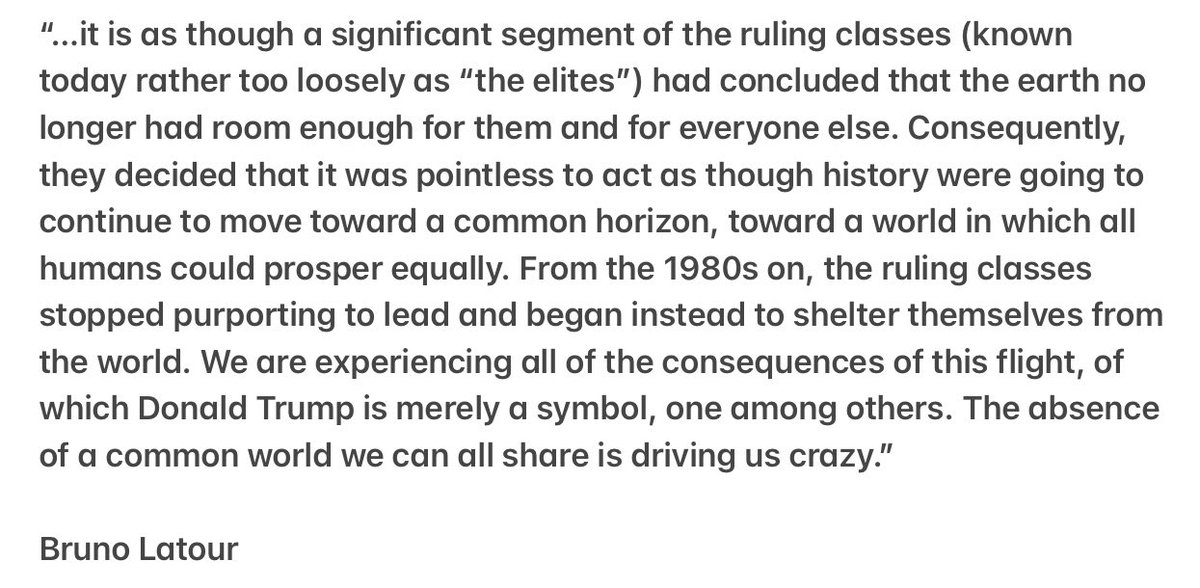
“…it is as though a significant segment of the ruling classes (known today rather too loosely as “the elites”) had concluded that the earth no longer had room enough for them and for everyone else. Consequently, they decided that it was pointless to act as though history…/1
…were going to continue to move toward a common horizon, toward a world in which all humans could prosper equally. From the 1980s on, the ruling classes stopped purporting to lead and began instead to shelter themselves from the world. We are experiencing all of the…/2
…consequences of this flight, of which Donald Trump is merely a symbol, one among others. The absence of a common world we can all share is driving us crazy.” Bruno Latour
We see this with politicians and their donors. But it applies to ALL who lead, including celebrities, and rock stars touring in a pandemic. All mostly shielded from Covid, they don’t share our risks. The common world, the ‘public’, replaced by enclaves, gated communities. https://t.co/60NC5Jmsu9
Shifting the framing of ‘opening up’ to Covid. Previously I said lockdowns didn’t end, they were privatised. We’re now paying for them with our own sick leave. But it goes even further. Because we have long experience of what that really means. /1 https://t.co/Z7ytSGrzpK
At the same time as Australia’s international education performance has been in free fall, the select few have never had more opulence in education. We decided to ‘live with’ this poor educational performance. But not all of us did. /2 https://t.co/TKWc0EJQVZ
Education was privatised, with the public or common system relegated to safety net status. For those who can’t afford to send their kids private. (Hierarchical status games, this is how all groups work.) The privately-educated are still doing just fine. And that’s Covid too. /3
The same few are still shielding from the virus, or at least have the option to do so. Many don’t work so can shield at home. Private schools often have extensive infection control measures, for the kids. This really matters, to unpack this bullshit narrative of opening up. /4
Opening up only ever meant removal of *government* or State measures. The privileged despise the State. They had no intention of ever living with Covid, they had every intention of the rest of us doing that, for them. It’s a charade, looking around as if ‘normal’ life is back. /5
Like tours by fabulously wealthy rock stars, hooray, life is back to normal! Rock stars who retreated to their luxury estates and islands during the early pandemic, and now cocoon themselves with extensive Covid control measures behind the scenes. Like the Davos mob too. /6
We’re ‘living with’ Covid in the same way as we’re living with plummeting educational standards. As in, those who decided that aren’t living with those things at all. They don’t care that we are. They use the State they despise to subsidise their enclaves. /7
Abandon any idea that they see the world as a space of common life or interests. They think they’ll survive climate change because they’ve bought whole islands and built bunkers there. They have Paxlovid at home in case the virus slips by. It’s bog standard feudalism. /8
History’s most common social form, only once interrupted, from the late-19th to mid-20th century, when both natural (Spanish Flu) and human (world wars) catastrophes forced emergency suspension of the feudal structure, to create a ‘public’. A common world. /9
They wasted no time dismantling it again. Since the 1970s, that’s all our politics has been about. Small government, anti-State libertarianism. Just the old feudalism, using new words. Know your place, peasants. /end
Can’t vote our way out of this. Can’t debate or discuss our way out of it. https://t.co/RPsv87QHvs
‘War footing’. What the world should be on right now. What’s confronting us is the greatest existential threat in all human history. There’s almost no sense of urgency, at all. I’m not joking, voting and discussing and debating are criminally negligent approaches to this problem. https://t.co/6ZRrIa1I8I
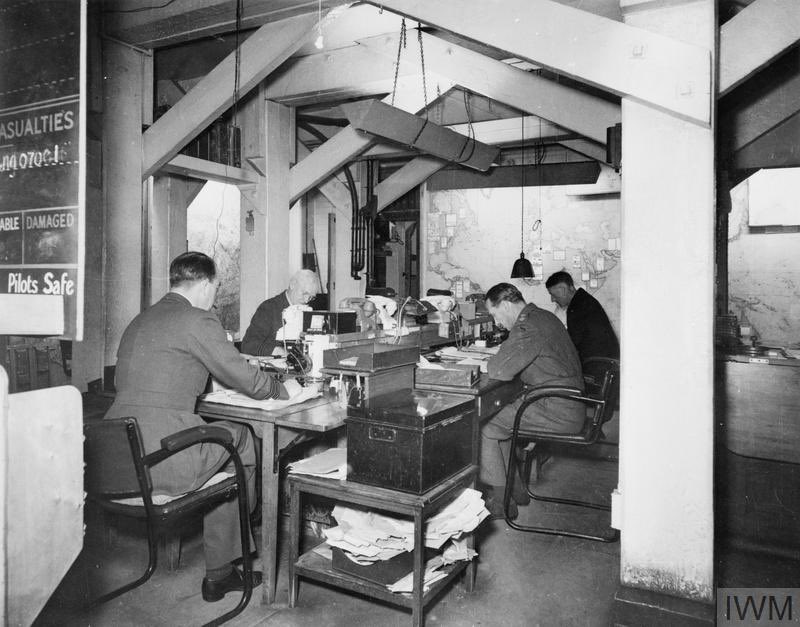
Libertarian beliefs impact society in all sorts of places we don’t think to look. The tidal wave assault on all forms of authority, the destruction of hierarchies of trust. https://t.co/k9Msrc9iDC
We’re a promiscuous culture. Not sexually. We’re promiscuous with place. This is a common sight in the ‘outback’. If we’re not flying overseas to promiscuously consume the places there, we’re doing the ‘big lap’ of our own country. What does a promiscuity of place mean? /1 https://t.co/iwqDqomkgk
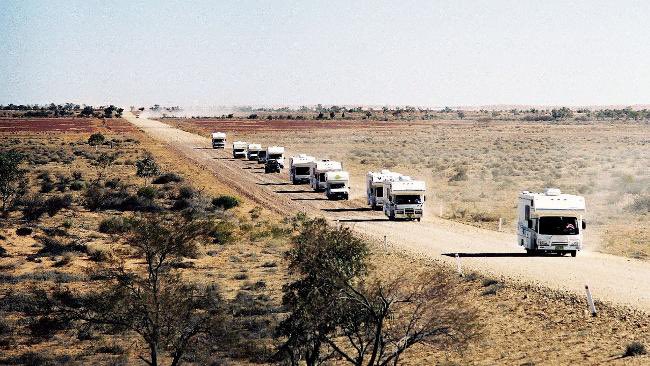
It means we have no conception of what place is. We confuse it with space. With maps. We collect spaces like some collect stamps. ‘I’ve been everywhere, man’. Talk to the grey nomads and other travellers, and this accumulation of places is a passion. But we never unpack it. /2
Few seem to ask, why does visiting lots of places matter? Why are we doing this? Does seeing lots of the country bring us somehow closer to it? I think it’s quite clearly our old imperial DNA, the great imperial voyages were all about accumulating places. /3
And the continuity of that culture is still seen today. The places we travel as tourists to see become ours, we acquire them, as tourist destinations. Their local ‘economies’ become utterly dependent on us, as tourists. That tourism then destroys the place. /4
As we’re seeing now in places like Byron. I Tweeted that I’ve just spent some time in what we (also bizarrely I think) call ‘remote Australia’, or ‘the outback’. Wilcannia was interesting for me. They had terrible problems with Covid there. /5 https://t.co/EkFHcrhjV5
The NSW LNP Government, then Australia’s free market zealots, of course refused calls to limit tourism to the town to control Covid infection there. Nothing can get in the way of ‘the economy’. Aboriginal men in Wilcannia have a life expectancy of 37. /6 https://t.co/GbbSw0wAak
This is the destructive paradox at the heart of travel, of our promiscuity of place. Because we’re not grounded as a culture, still stuck in old imperial models of acquisition and exploitation, right down to the modern forms like property development, we can’t fathom this. /7
Criticise travel and an Australian (and most other Western cultures) will stare at you blankly, like you’re unhinged. Travel broadens the mind! No it doesn’t, it gives you scenic backdrops for selfies of closed minds. We’re still colonising, and we don’t see it. /end
Insight did a program on living longer. All the usual hypotheses, diet, exercise, attitude, supplements etc. Nobody mentioned infection. I would bet avoiding infection is a key to longevity. Most chronic disease is likely infectious in origin. https://t.co/wkMyXPkd41
All-cause mortality and excess deaths seem the main window into public health impacts of Covid now? This week’s NSW epi report. https://t.co/wfu4zV67J2
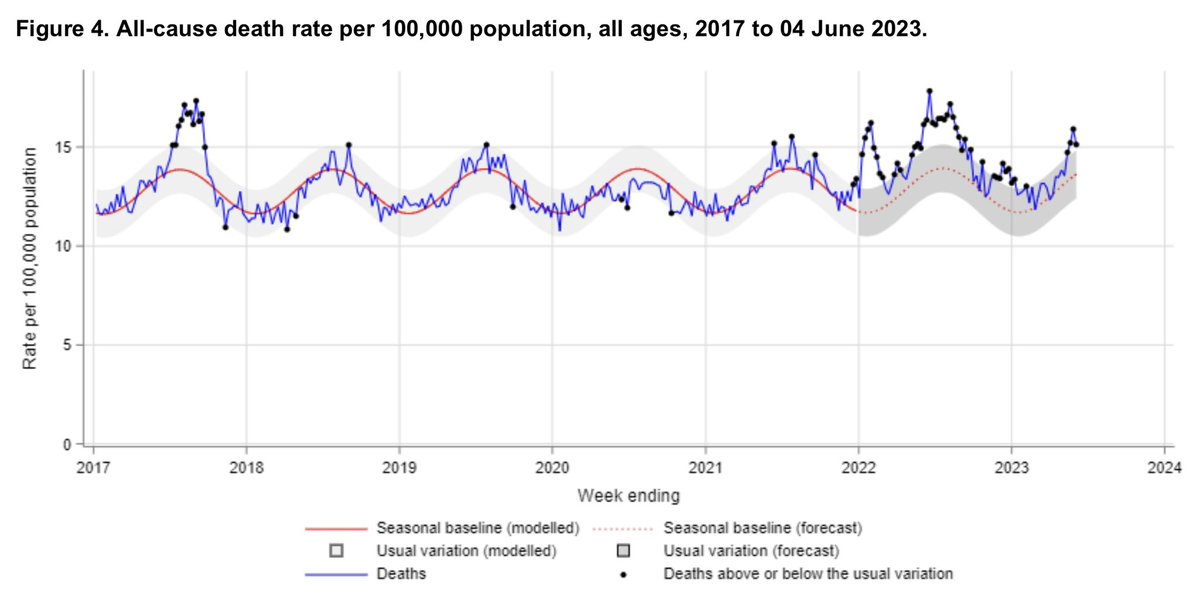
I think the paradigm might shift now, because of Covid. The acute phase of the pandemic may just be the on-ramp to a century of chronic effects. As some hypothesise about the Spanish Flu as well, in the 20th century. https://t.co/H3fTbnlmyB
I won’t bother changing platforms. If this one goes belly up, that’s it for me. Social media is a large part of the problem, and like many I also get a lot out of it. But the world would be a better place pretty fast if the whole lot fell over.
Social brain surgery Social policing Social electrical work Social commercial jet flying Social building scaffolding Social legal representation Social media. Why does that last one not strike us as ridiculous, like the rest of the list?
As we all rush from a platform owned by one billionaire, to one set up by another billionaire. Social media takes a public fractured into millions of individuals, and provides the illusion they’re re-unifying through conversation. A hot air machine. https://t.co/BmK2exelsp
The reason I’m on Twitter was years of frustration with Facebook. Facebook doesn’t discuss, in my experience, you’re firing ideas into a void there mostly. But over time I’ve come to see it a bit differently, and also as a possible parachute if Twitter fails. Some thoughts. /1
I’ve come to realise that FB is mostly used as a community tool, by people I know anyway. Not to discuss ideas, but to reinforce and even extend the strength of their own off-social media communities. Lots of shared ‘here’s what I did today’ type stuff. /2
Mind-numbingly boring in many ways, as content. But then I thought, maybe that’s the wrong way to look at it. They’re not sharing it so much as content. They’re sharing it to maintain and extend real world relationships, to say ‘I’m here, this is a bit about what I’m doing’. /3
I think there’s room for both, on FB. But I’m less critical now of that other type of sharing there, which always seemed like pathological over-sharing. I’ve seen FB used to fight and escape bushfires, to administer a huge variety of community groups and activities. /4
It’s probably the social media platform now with the ‘stickiest’ link back to real life. I’m contemplating inviting the many people I got to know here, as FB friends, just to maintain connection with them if Twitter fails. /5
It would mean revealing my actual identity to those who don’t already know it, so there’s some risk. (I use a pseudonym here only because on a platform so decoupled from ordinary life, you can do damage to that ordinary life by opening it up to the wrong people.) /6
It’s a thought in process. It might also dramatically spice up FB, at least for me, having intelligent people who want to discuss things, rather than just share holiday snaps. /end
The destruction of Twitter just another empirical test (which we shouldn’t need) of the complete emptiness of libertarian ideas. They don’t work. All that nonsense about ‘the people’ driving societies - here it is folks. It’s bullshit. https://t.co/l1ibHs3psF
In some ways Musk is actually correct about social media. Its worst characteristics come from anonymity, from the decoupling from real community life. That enables and excuses sociopathic behaviour. Opinions without consequences, without regulation by basic community life. /1
Unfortunately though if you remove anonymity while changing nothing else, it just exposes people to the sociopaths. Like throwing blood in the water around swimmers at the beach. But my FB thought experiment is partly about this. How to add more real world stickiness. /2
Bringing communities back in to ‘land’, networking people in ways that are more substantial than just shared ideas. Bringing those ideas and the people who agree with them back into their everyday communities. Opinions without real-life community are just hot air. /end
Fascinating ideas. A medium of exchange that rots like potatoes, well worth thinking about. https://t.co/6NTDwbrtmq
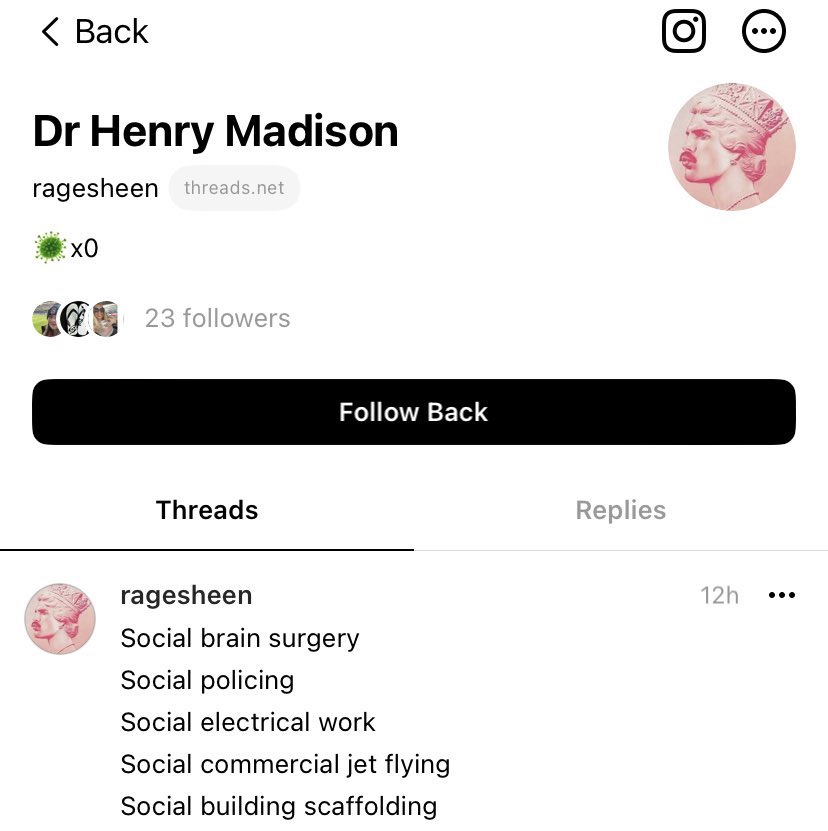
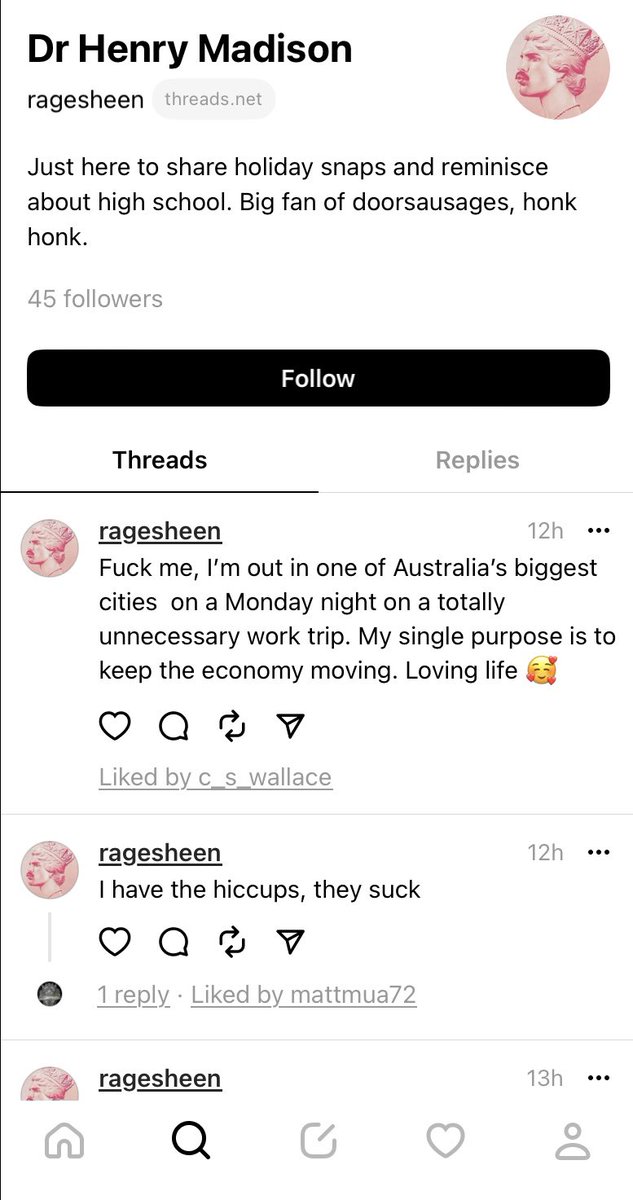
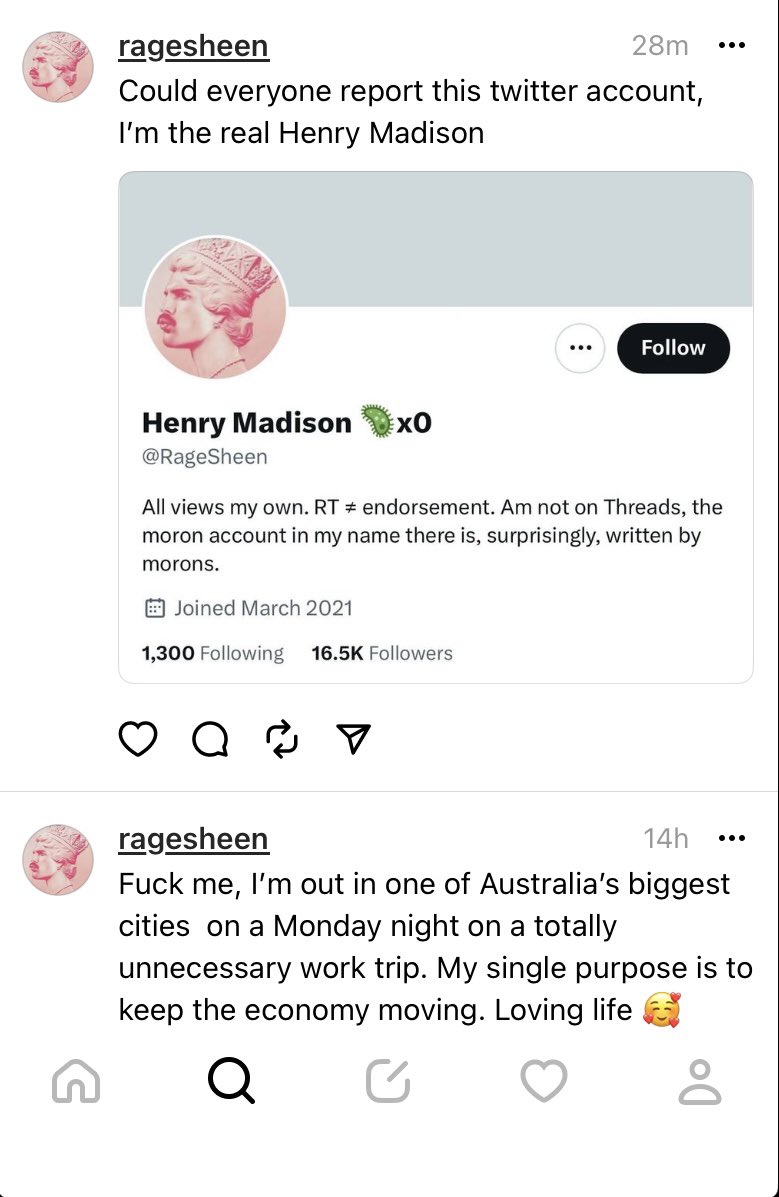
New platform, same shit. This isn’t me, I’m not on Threads. Thanks to @DarylTractor https://t.co/RfMFDfZIHQ
The evolutionary biology I’ve seen applied to Covid here in the past 3+ years seems firmly in the modern synthesis paradigm i.e. evolution = natural selection of random genetic mutations. Besides being wrong, I think it’s created dangerous complacency. https://t.co/V4PcXqKlnW
The real reason ‘lockdowns’ offended the status quo, is that they shifted the locus of control in societies towards homes. ‘Home’ is a concept the economy can’t allow. Note increasing numbers homeless and renting too. Colonialism, now domestic too. https://t.co/8HfWmjedmu
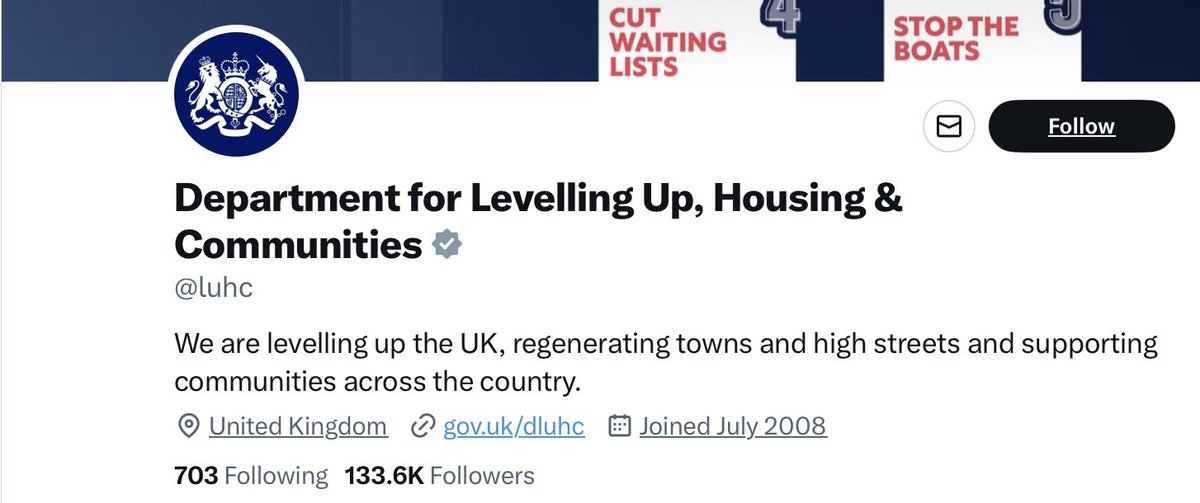
That the Tories in the UK were allowed to simply rephrase ‘trickle down’ as ‘level up’ is a measure of how hopeless the situation is, globally. Orwellian. Makes as much sense as saying the best chance of us all climbing Everest is to cover Tibet in 8km of gravel. https://t.co/RF7Fh9vyYb
If I was a politician and saw what ICAC and Royal Commissions have been finding in the past few weeks, I’d be a bit worried what they’ll make one day of about 200 Australians dying a week due to government policy. https://t.co/EkzORHUfFk
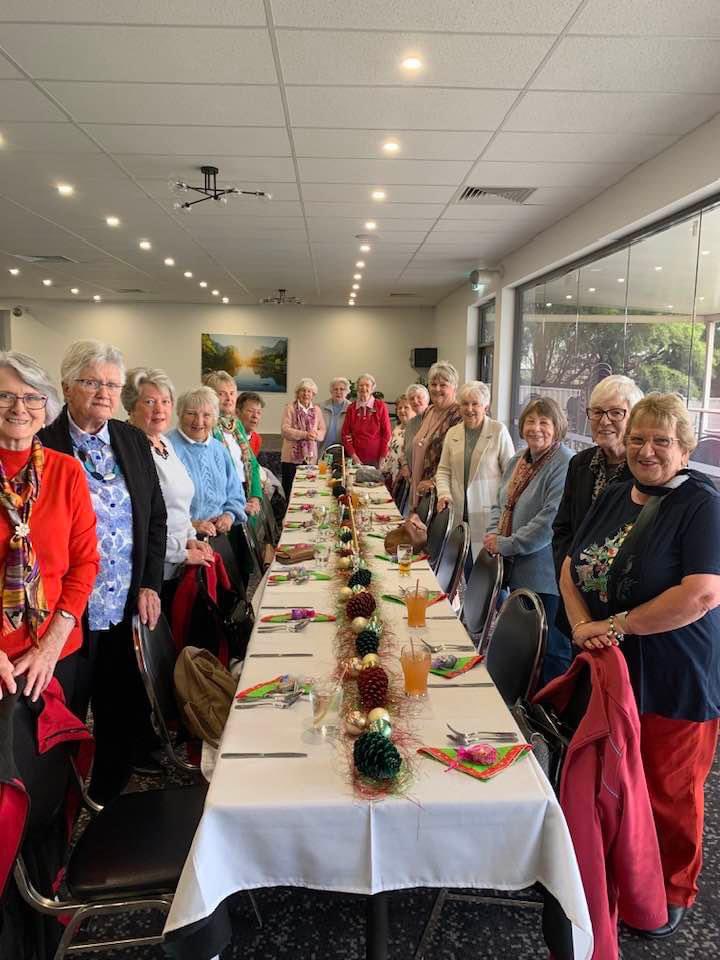
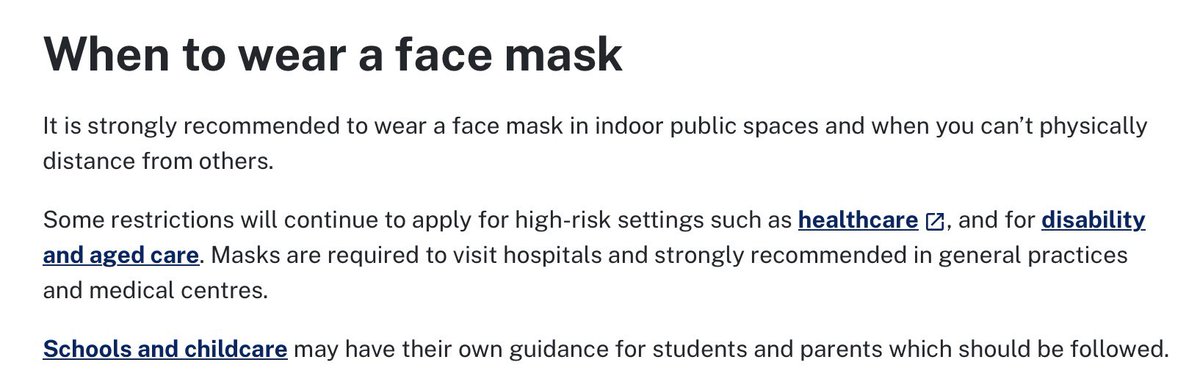
A photo from a regional newspaper. And current NSW Health advice. The gap? Total absence of political leadership in public health. https://t.co/9nWd7OUaJc
It’s not meanness. It’s the actual political belief system of both major parties. Relaxing society with an economy, which makes ‘welfare’ a prime target, because it represents using the State for social ends. Economy politics doesn’t believe in the State. https://t.co/0V05rqqkMc
*Replacing, not relaxing.
If you want to have your ‘economic’ cake and eat it too, here’s how to understand this data. Yes emissions are crazily out of control. But that’s the wrong focus. They’re out of control because we’re still wallowing in the last industrial revolution, centuries ago. /1 https://t.co/7kfh9c5NiN
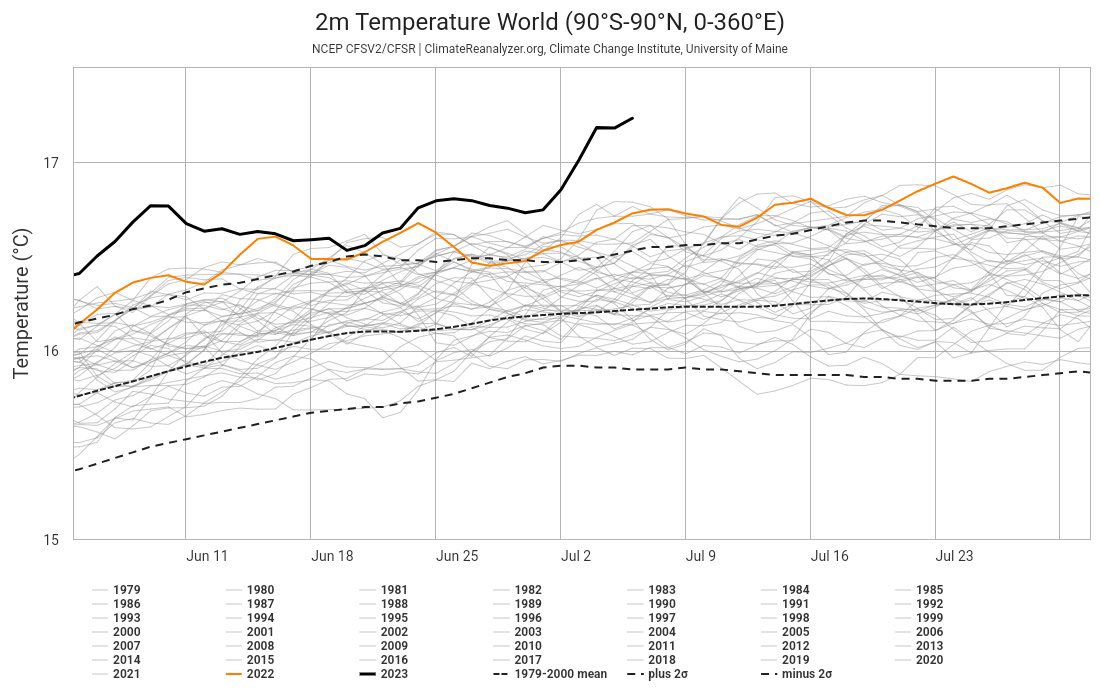
We don’t need to all retreat to living in the wilderness in wooden huts. We need a new industrial revolution, so that our industrial/technological systems match our current requirements. The climate crisis is really just the road-blocking of ingenuity and engineering. /2 https://t.co/yN6wwsutVo
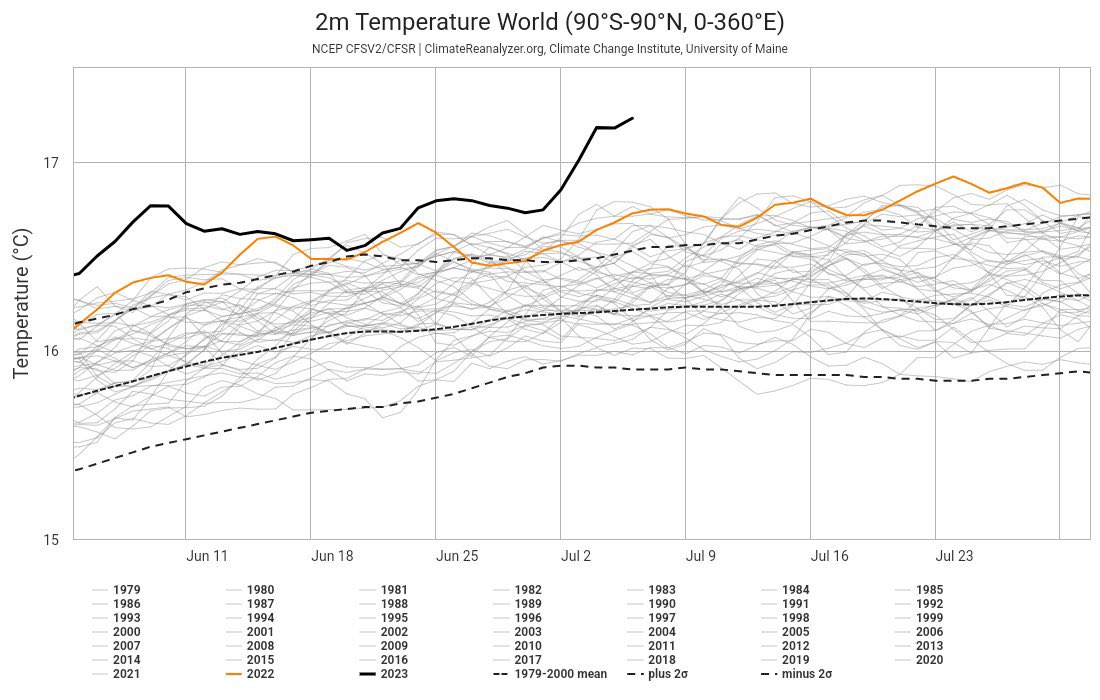
Vested interests used the fruits of the last industrial revolution to make themselves astonishingly rich. The source of all human progress (and wealth) is ultimately knowledge and ingenuity. The knowledge and engineering to fix all of this is all there, being blocked. /3
Blocked by electoral politics, which was gamed by this same status quo to put in place the roadblocks. They spend millions getting their champions elected, to then stall all change. How do we not see this? The electoral system will NEVER be our way out. /4
Engineering is our way out. It’s happening, despite the roadblocks. Not fast enough, but engineering deals with reality, not the endless distractions of electoral politics. It also makes people rich, which helped spur the previous industrial revolution. Everybody wins. /5
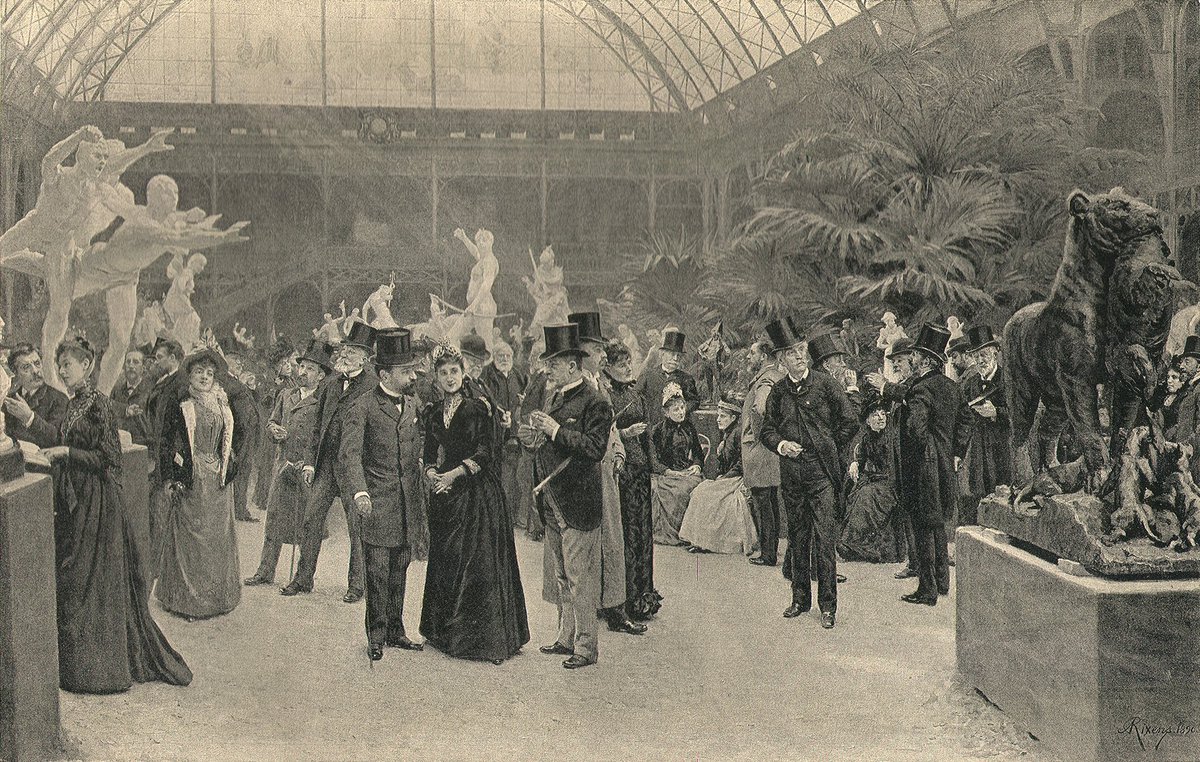
As privileged societies, for decades most of us have been so far removed from the material infrastructure of our lives, that all we see is the team sports of daily ‘debate’. The actual material realities of our lives are miles away from that rubbish. /6
We’re literally aristocrats arguing how many angels fit on the head of a pin, in our 21st century salons - social media. What would calm all of this heated time-wasting ‘debate’ is a return to the basic material realities of modern life. The stuff that ‘keeps the lights on’. /end https://t.co/ckSOjCiWgN
It’s social media on the phones that is the problem, not the phones. And if those apps are a wrecking ball for education (they are), why don’t we realise they’re doing the same thing to the adult world of work too? Why not ban them across the board? https://t.co/6XXQLOmU8i
Refused to go to a full day training session at a Sydney hotel that had no Covid protections, no risk assessment of any kind. When will WHS law actually be enforced?
The only public figures calling for a Covid RC are those who are sure it will focus on all the libertarian nonsense about removal of freedoms. Imagine penning this piece, and not once mentioning the more than 20,000 Australians who died in 2022 alone. https://t.co/Tgww46u8wv
What to do as an individual in a pandemic, when faced with a public sphere that’s collapsed? Maybe a conscientious objection to infection. It would at least force attention on infection, and more importantly on its use as a deliberate strategy. https://t.co/tnxDcWcc0u
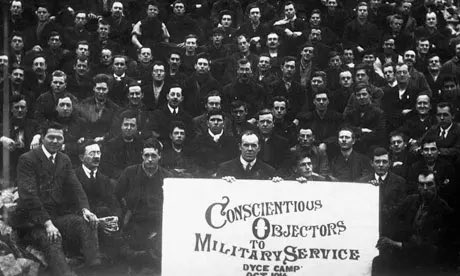
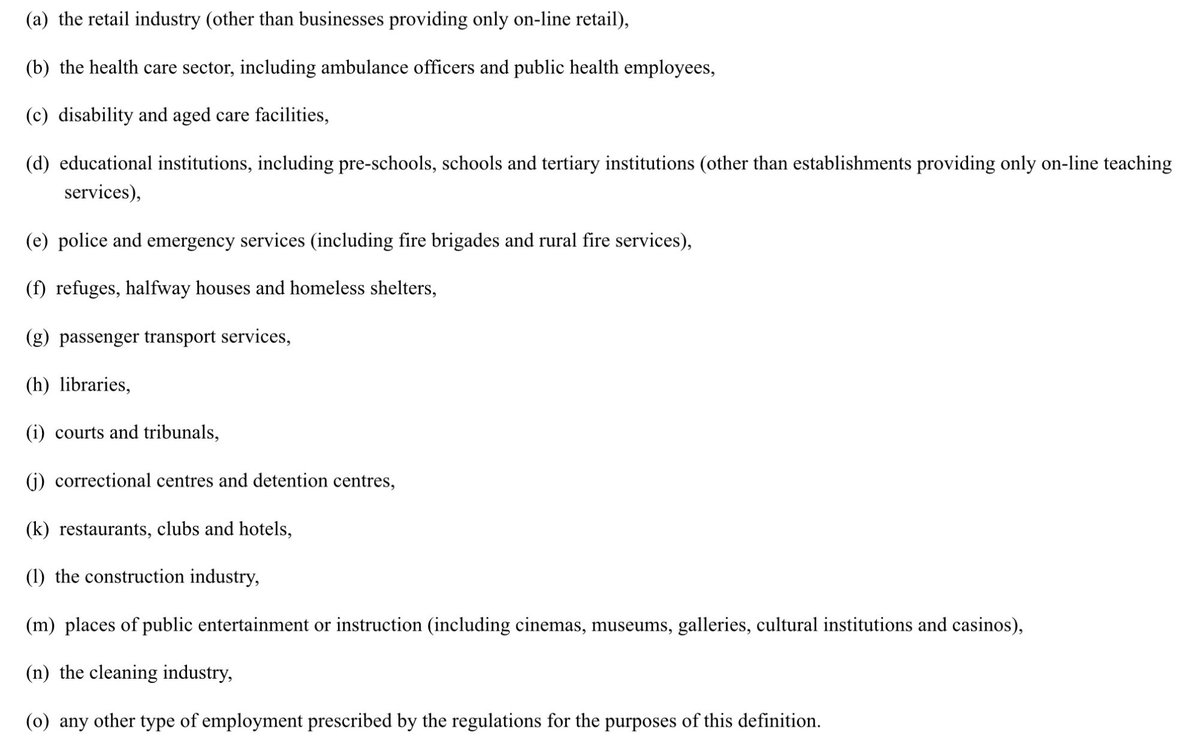
Re-Tweeting the list of occupations in NSW where if you contract Covid, you’re presumed to have caught it at work, for the purposes of workers compensation. You don’t need to prove it. 19B of the Act. Under (o), add cafes, supermarkets, funeral homes and childcare facilities. https://t.co/ZpX4ofMrmA
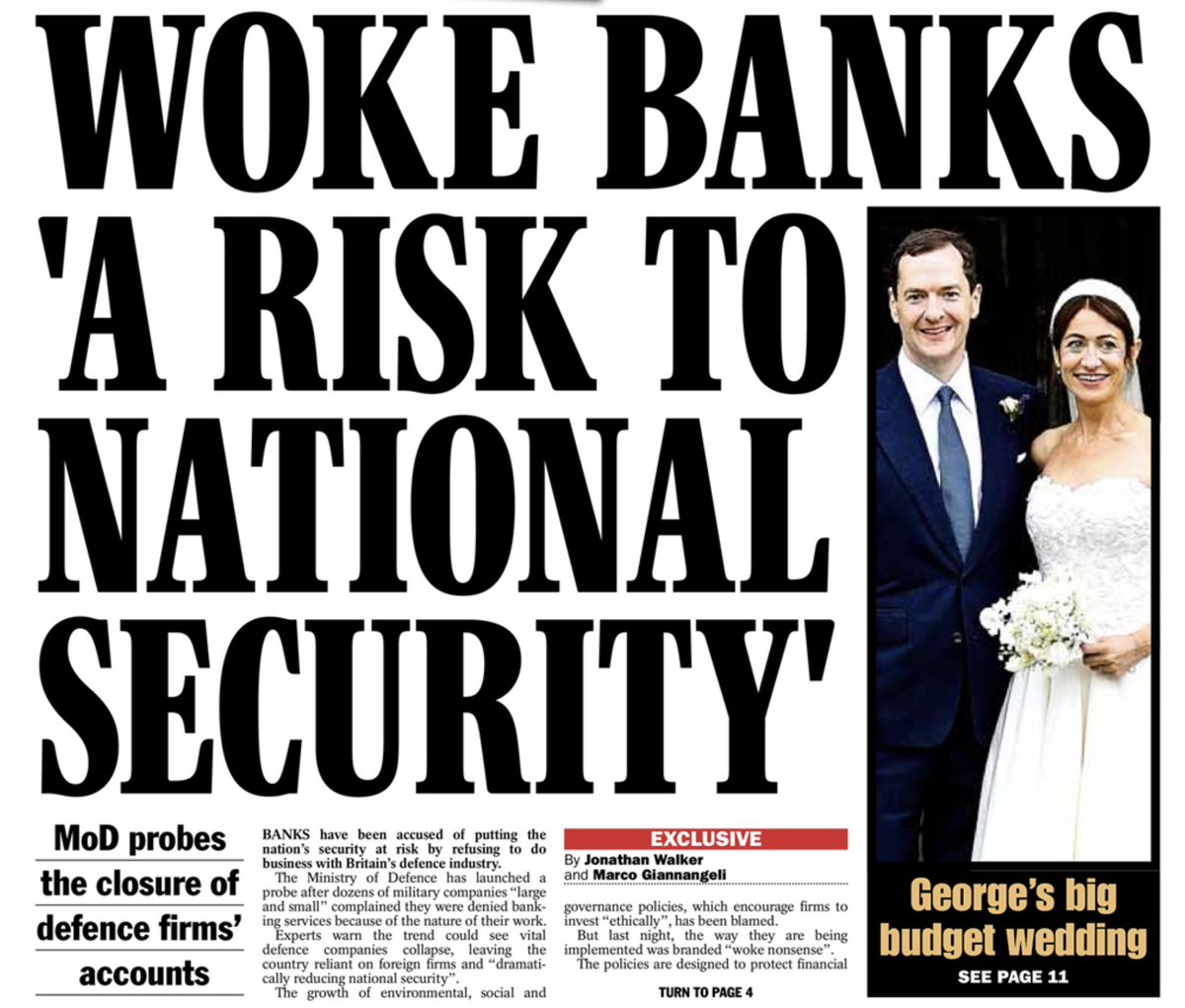
Unbelievable. Channel 9 cuts the coverage of the women’s T20 Ashes match with only a few balls to go, for their Ken and Barbie Today Show Sunday edition.
The strategy the privileged few use is to fund constant, daily outrage. To make people angry, about everything, except their privilege. To steer that anger towards their voting blocs. You’ll notice it when conservatives lose government, a temporary calm. https://t.co/UITSasnVwE
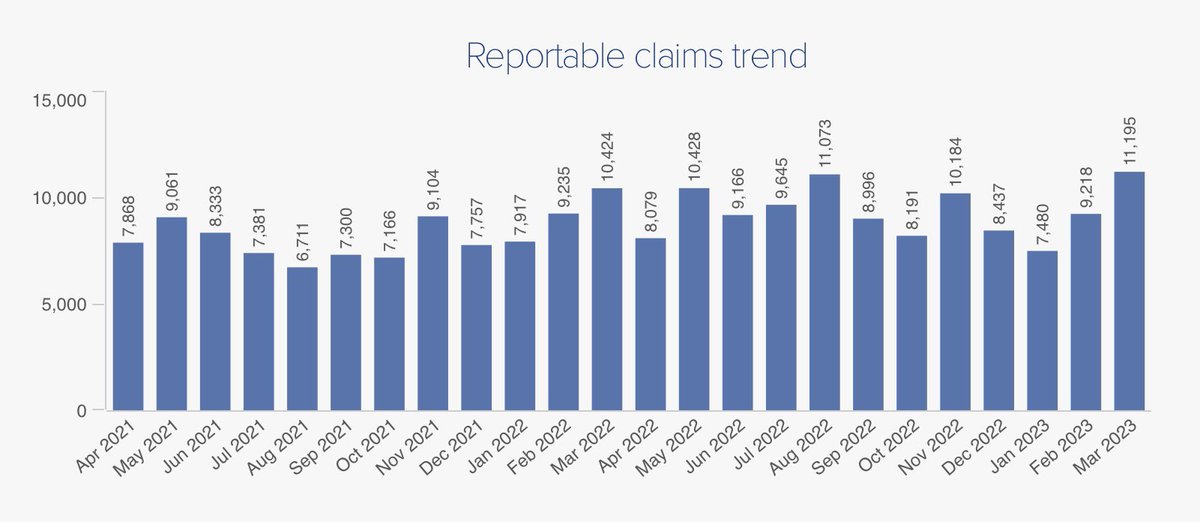
The workers comp claim data (https://t.co/JPUBXNVU7k) suggests NSW workers still aren’t fully accessing workers compensation for Covid injury. As per my earlier Tweet, in many occupations, the worker doesn’t even need to prove they caught it at work, to qualify. https://t.co/kkPsAGwnxn
For those who missed @latingle’s fantastic Quarterly Essay at the time about the deliberate assault on the Australian public service, the week of Robodebt might be the time to revisit it. https://t.co/Wo9VAa1iRG
Saying Covid is a Class 3 Biohazard (more a laboratory classification) isn’t as powerful I think as noting it’s a Category 2, 3 AND 4 condition in the NSW Public Health Act. Being in public with a known Category 2, 3 or 4 condition without precautions can lead to 6 months’ jail.
Crazy. 135,000 flights per DAY. The last estimate I saw said we burn about 400 *billion* litres of jet fuel every year. This is the kerosene-powered resistance to ‘lockdowns’, and you’ll find on social media that travellers feel more entitled than any other social group. https://t.co/mwA6uT0YHb
Until late-2021, community spread was well controlled in Australia. At about the red cross or just before, a handover should have taken place. To WHS, to maintain that control. It never happened, instead we shifted to ‘personal responsibility’. This is the critical gap. /1 https://t.co/3mYwhB57N0
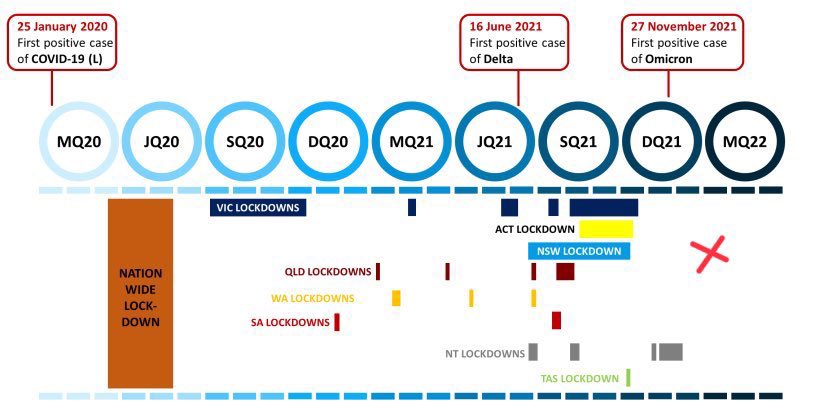
Lockdowns = government emergency action ✅ Personal responsibility = individual response ✅ WHS = business/organisational action ❌ The choice isn’t lockdowns or mass infection. It’s ongoing control, through organisational WHS action. They’re freeloading. 2/2
Heh, no. We never do. All that changes societies is catastrophe, without which social hierarchies would continue until the end of time. Status games, based on imitation/emulation. But reality reasserts itself, that’s what the catastrophes are. https://t.co/ATgcW52Phj
There’s a chasm between what people say, and what they actually do and think. Everybody lies. For example despite the trend for despising politicians, it’s abundantly clear people still look to them to lead. The most fanatical libertarians worship their leaders, like Trump. /1
The same happens with Covid, just look. ‘The science’ and the official public health advice barely changed. Wear masks, avoid crowds, ventilate etc. But the second politicians minimised these things, most people abandoned them immediately. /2
Including those who spend all of their time talking about politicians oppressing us. In fact, those apparent libertarians are the most slavishly addicted to authority of all people. Again, watch what they do, not what they say. They’d probably sacrifice a child for Trump. /3
Teachers (nobody ever asks them about anything) know this, as do good parents and managers. People want to be led, because life is complex and we delegate to others in everything we do. We don’t draw straws for who’s going to fly the plane when we go on holidays. /4
We have hierarchies of expertise and authority in every single aspect of human life. Society is social, this is how all social groups work. Trust is the glue. The reason people say politicians oppress them is the same reason teenagers say their parents do. /5
But they wouldn’t want it any other way. Good leaders lead, they don’t cower behind every momentary focus group finding. Those will always be fickle. /end
The amount of heat added to the oceans by anthropogenic climate change in the past 150 years is the equivalent of exploding 7 billion Hiroshima-sized atomic bombs. 1.5 of them every second, for the past 150 years. https://t.co/pT1KYfOcwM
Zuckerberg quote. Social media will never achieve this, on any platform. Its operational model is libertarian philosophy, that societies function from the ‘bottom up’. They don’t. The platforms erase generations of mediated knowledge and custom/tradition. https://t.co/0Zd3GtsoME
So bored with all politics, particularly churned through social media. Debates on nothing of any actual significance, no problems fixed, no actual causes even canvassed. No consideration of any of the material realities of modern life at all. Febrile hysteria, every day.
The Republicans not only attacking attempts to rein in mis/disinformation, they’re also now going after universities who even research it. Social media is the weaponisation of libertarian lunacy. And we invite into the core of our democracies. https://t.co/EULeeWNyzS
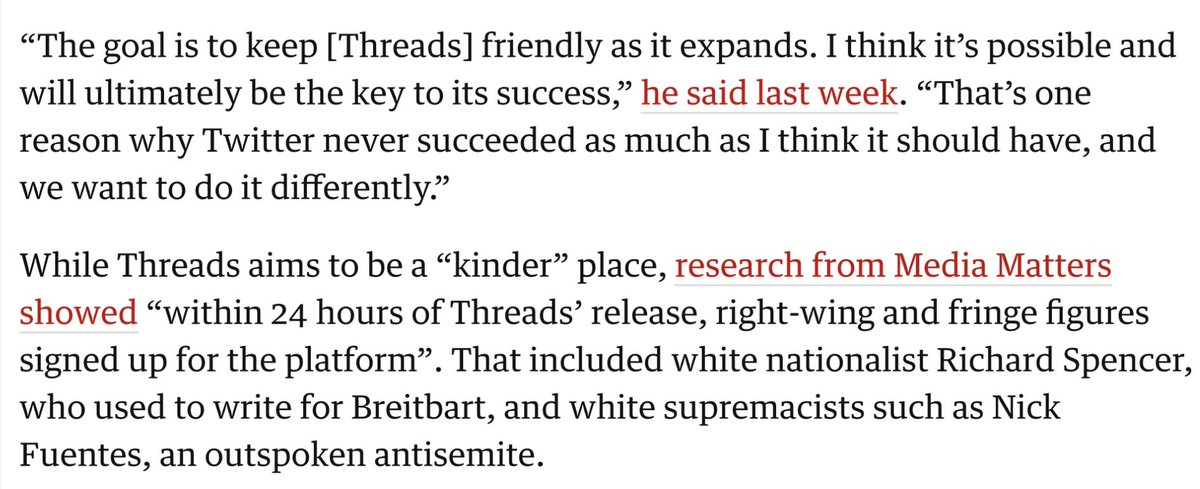
Just another heads-up for anybody on Threads that this account isn’t me. I’m not on Threads. Those going there because they think it’ll be some new dawn? It took all of a day for this bullshit to get started. https://t.co/R9cRGojjLO
The most dangerous mythology of social media is that it’s an unalloyed good for all people to be allowed to express their views on all topics, in public spaces. Mythologies about democracy make this one very popular. /1
Like generations of development of institutional hierarchies of expertise mean nothing, and instead we need to sweep all that away and make every voice equivalent. My favourite analogy is passengers on a commercial airliner drawing straws for who’s going to fly the plane. /2
It’s not even true ON social media, which reproduces the hierarchical structure that its libertarian fans apparently despise. The vast majority of people are not read or listened to, influencers with big followings dominate the conversations. /3
What makes that dangerous is that these platform hierarchies have no necessary relationship to existing hierarchies of expertise at all. Complete bullshit can be and often is the winning narrative, attracting the most likes and followers. Fact-checking and contempt moderation? /4
Added to platforms after the fact, and treating society’s flow of expertise as a flow of information only, minus all of the social relationships that both produce and regulate expertise outside the platforms. It’s meaningless PR, toothless and now openly shut down. /5
Knowledge and expertise are SOCIAL. All of society is social. If you strip mine the ‘content’ and make the platforms the new social arrangement of this content, the platform owners basically own your societies. It’s that serious. /6
I know plenty think this ‘freedom’ is also the freedom to mobilise activism for good too. I call BS on that. There’s no trend towards good causes winning anywhere, through social media. Conversation is not a political force. And it’s not what happens on the platforms anyway. /7
Again, the platforms are intrinsically hierarchical, dominated by influencers and their followers. That’s what social groups always do. There is no such thing as ‘the people’, there are always status hierarchies. I prefer hierarchies based on generations of knowledge. /8
Social media is destroying those, from the inside out. It’s like social heroin, the platforms target our social behaviour, and because societies are 100% social (it’s in the name), they tap into our deepest desires and passions. We can’t disengage. /9
And others point out the way they find information and friendships and support on the platforms. All true. But think about why they had to go there, to find those things. Those are the things the politics of our time took AWAY from them first. /10
The funders of that politics (really just more social status hierarchies) created these platforms to mop up the millions isolated by the fracturing of societies. It’s their way to monetise the wreckage their own policies create. As a thought experiment, try imagining this. /11
The plug pulled on all of these platforms, overnight. People would need to seek out information and expertise from existing institutions again. They would need to re-build social connection with people, outside these platforms. Seems (rapid) progress, to me. /end
And again from Threads. I think you can compare the output from the two accounts to figure out where the BS is here. Not least because the Threads posts mock my longstanding views published to Twitter. https://t.co/5lRaKN8Fq5
Is Twitter malfunctioning again, or have people mostly migrated to Threads? Seems uncommonly quiet.
“…the country's economy struggles to recover from strict COVID-zero policies that ended late last year.” The pandemic is the damaging of the economy by lockdowns. Not of people by a virus. It’s all in the framing. https://t.co/6RYd8fH3Bb
It’s the almost total ignorance of political strategy that gets depressing. This story has dominated the UK all week. The Sun is driving it, a pro-Tory paper. The real purpose of the story is to damage public broadcasting, which the Tories despise. https://t.co/JvlQhYEr4A
Fantastic resource. Also a window into a time not that long ago, when calm passion for knowledge was a hit for kids. Now social media has turned their lives into hysterical battles over their own identity. Identity is a libertarian dead-end. https://t.co/BMadwHv0eh via @YouTube
Travel is the most visible manifestation of a much deeper cultural problem. You can trace it even into science and Covid action, where more than a century after quantum mechanics upended the relationship between knower and known, it still hasn’t sunk in. /1 https://t.co/JvDMXhENB3
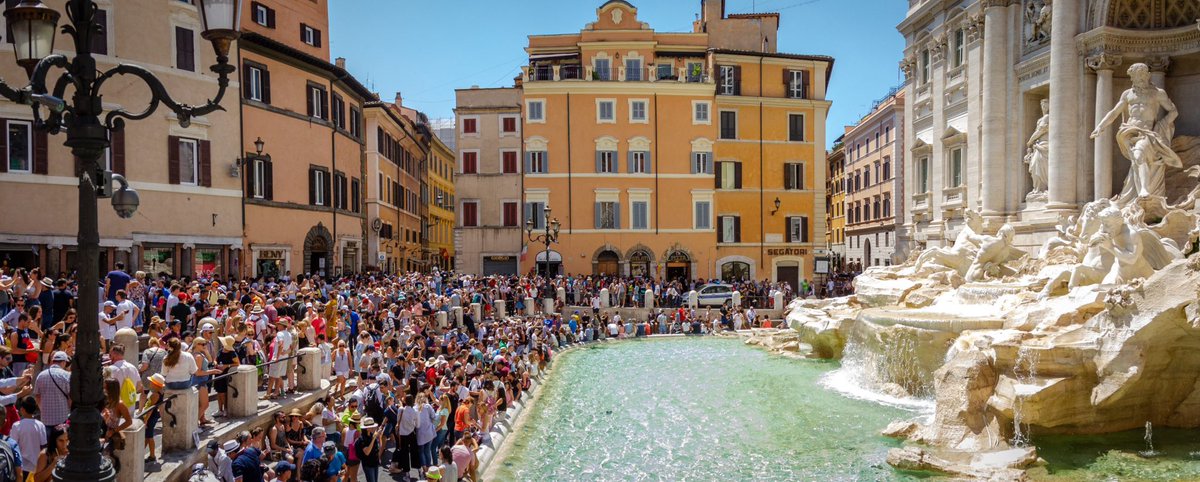
The fundamental message from quantum mechanics was that ‘to know’ was to change the world you were knowing. The idea of subjects observing objects was over. Of reality being this ‘objective’ thing existing independently of humans. Not the end of reality or truth. /2 https://t.co/83rBpbmi89
The replacement of a a binary of subject and object, with a *relational* idea of truth. Not relativism, relationism. The truth is contextual, relational with our means of knowing. So travel? It’s the most everyday, visible manifestation of the denial of that shift. /3
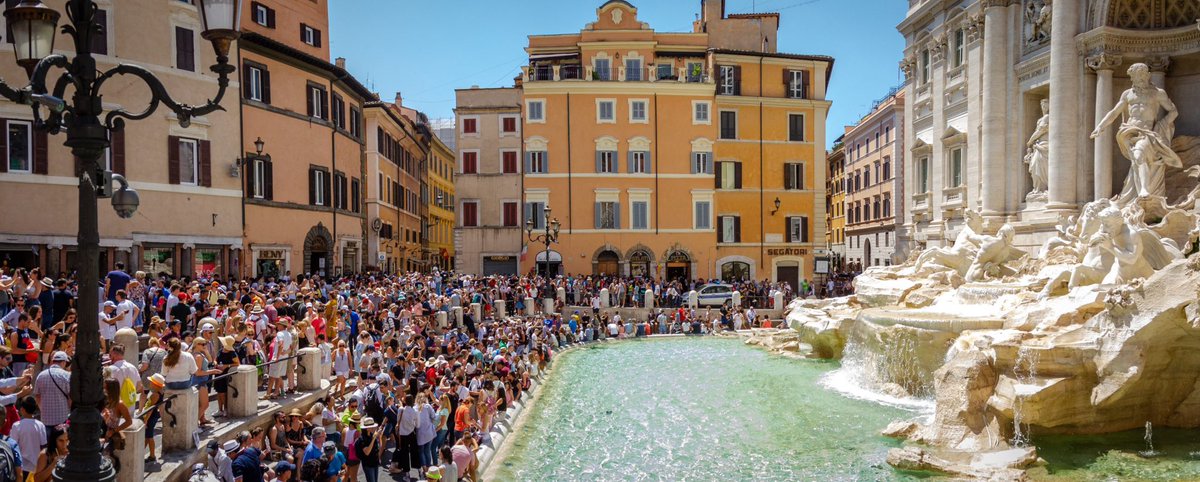
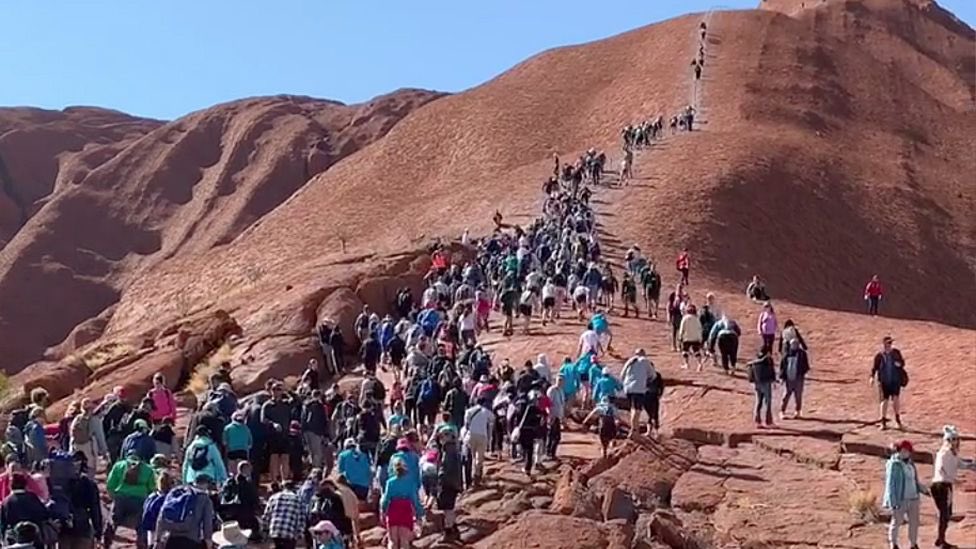
We travel to ‘see’ places’, or to ‘experience’ them. But our travel CHANGES those places. The thing we go to see is altered and even destroyed, by us being there to see it. Like people travelling to the Australian outback to see ‘one of the world’s last untouched places’. /4 https://t.co/asw2eEB1Rs
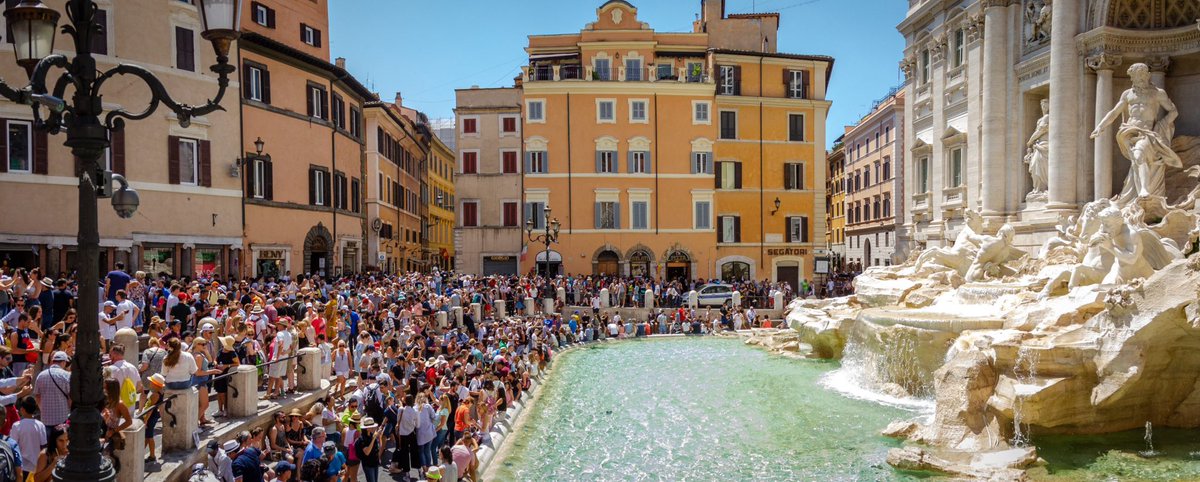
Except if we all travel to see that, it stops being one of the world’s most untouched places. There is no way to fix this paradox, and like all paradoxes it points to a fundamental misunderstanding of how something is framed. To continue with travel as an example. /5 https://t.co/aMVZwmzP1z
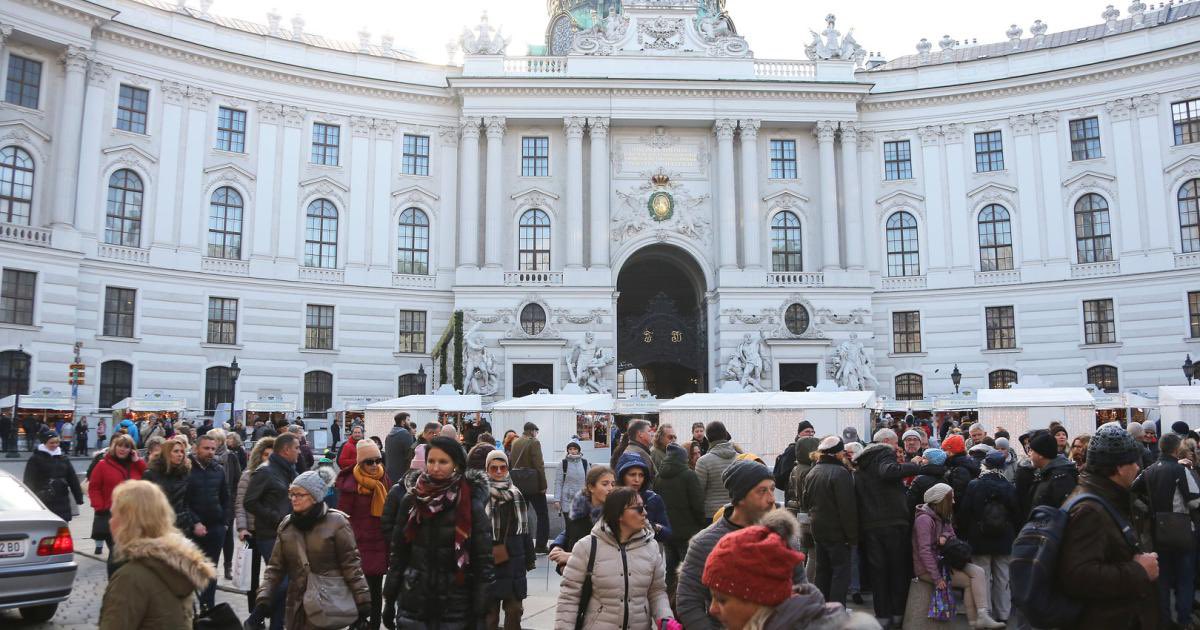
The Vienna you imagine is more real than the Vienna you visit. The image we have of distant places is always going to be more true to life than ‘being there’. When go there, the fact you’re not a part of that place, it’s not your home, creates a distance you can’t remove. /6 https://t.co/rUl0FJzM3I
These are the paradoxes not looking at the underlying belief system leads us into. Living somewhere is a dynamic, interactive relationship. Not a subject looking at an object, which is what tourism is. People try to get around this by some version of going native. /7
By seeking out the non-tourist places to see. Which infuriates the locals, who then have tourists not only in the tourist zones, but also in all of their local places they kept for themselves. You can’t defeat that distance, unless you move there permanently. /8
But then that isn’t travel. It’s emigration. You can’t have your cake and eat it as well. And I think we’ve seen this same cultural blind spot with the pandemic. The great lockdown vs opening up non-debates. The idea that being in our homes is a type of oppression. /9
Of course we’re going to think that, we’re used to trashing the homes of others as recreation, it’s our greatest passion. Zoonotic viruses are themselves generated by the destruction of the homes of other living things. Pandemics are a cultural artefact, we don’t see it. /10 https://t.co/IhVZU5684f
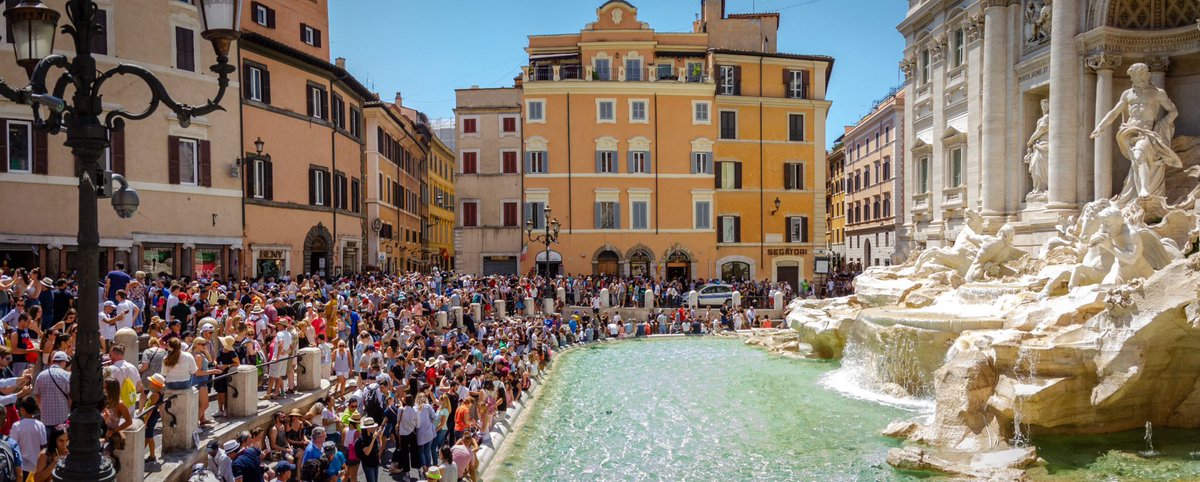
It’s our refusal to be grounded, anywhere, that both creates and sustains pandemics. Moves the pathogens around, and generates them in the first place by ripping apart ecosystems that held different organisms in check, in finely balanced semi-equilibria. /11
The travel industry was of course a hugely powerful and dominant agitator for the removal of public health protections. The world is exploding with tourists right now, their ‘pent up demand’ to get back to trashing other peoples’ homes had to be satisfied. /12
From countries that don’t even make it possible for their own citizens to now own a roof over their own heads. The true story of this pandemic is a socio-cultural one. We’re still those old imperial cultures, accumulating places and resources. /13 https://t.co/eHviEVzsHv
We democratised that a bit, now everybody can do it, hop on a plane and accumulate their own ‘grand tour’ of sights. Meanwhile that empire virus works its way into our own countries now, dispossessing more and more of our own people from their land and homes. /14
It’s called an ‘economy’ now, but really it’s the old empire at work. In the past only poor countries suffered ‘endemic’ disease. Now our own leaders celebrate creating endemic disease locally. The economy respects no national borders, no geography of any kind. /15
In a ‘global market’ everybody is now those poor countries, it becomes a race to the bottom. We will all be forced to live with endemic disease, because that’s what we always did to other countries. All of the inequalities between nations are now *within* nations too. /16
All because we refuse to be grounded. We refuse to give up social media, and allow knowledge to be re-grounded in the institutions which generated it, because we love ‘travelling’ through knowledge as well, devoid of social context. Everything about our culture dispossesses. /17
There’s no trust, no leaving foreign sights alone to be just as they are, no leaving expertise to run other parts of our societies while we get on with our own jobs. Everything has to be displaced, mobilised. Locomotion is all that matters to us. More roads, more flights. /18 https://t.co/Hlt3vVJJzN
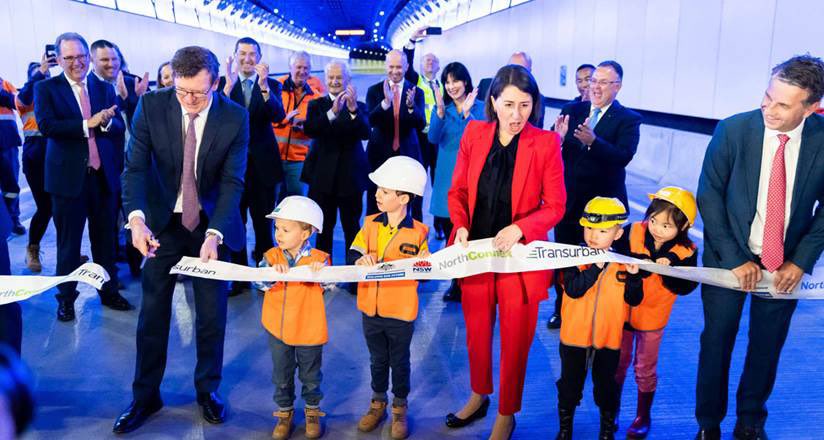
Always moving, never arriving. Accumulating, sights and resources. Classic old empire behaviour, that’s our DNA. We can’t even stop a pandemic, because it would restrict the capacity to drive people from their places, their homes. No ‘work from home’! Home is forbidden. /19
To end the pandemic, to end climate change, and to end most of our most difficult social problems, we need to understand again what home means. Aboriginal Australians have been trying to say that for over 200 years. /end
For travel, the real trip is a virtual, closed loop. The destination was an imagined image the traveller had before leaving, ‘Paris looks amazing!’ And then the photo when they arrive. ‘Here’s me, in Paris’. But ‘Paris’ is the original imagined image, with traveller now added. https://t.co/rnMElImDVD
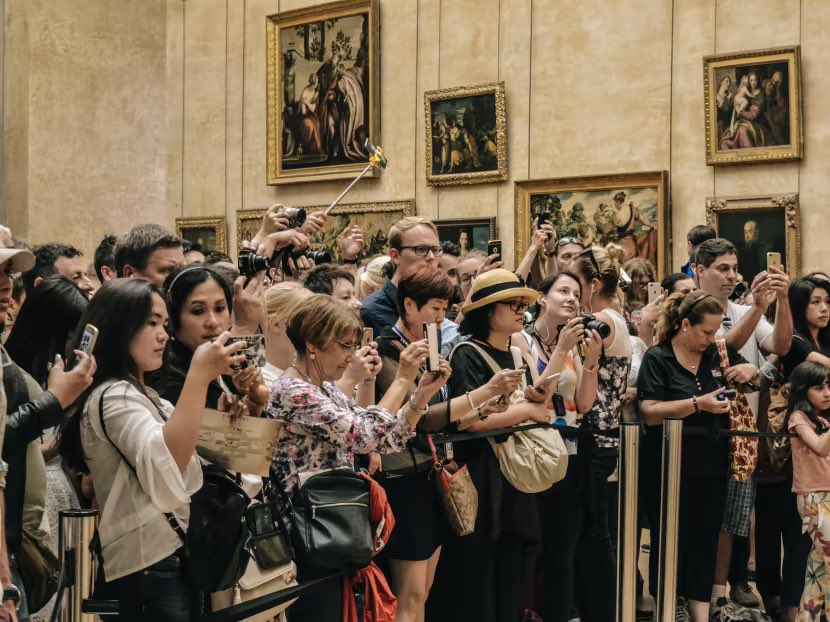
Ask why did work and home become so separate in the first place? Why is our labour and expertise not employed more inside the communities where we live? The ‘economy’ dispossesses, by definition. ‘Markets’ know no geography. https://t.co/eSJj3uejnR
Insurance is the last remnant of risk management employed by economies. As such, it’s one of the best insights into how issues are tracking, in reality. Social media is no guide, point of view is irrelevant. /1 https://t.co/UycMdeRfxS
McLuhan queried why social scientists spent so much time trying to get funding for social research, when advertisers were spending billions doing a lot of it for them. Insurance is the same, conversation and voting will give you no access to reality. /2
Look for where beliefs come up hard against reality. You’ll usually find data there that gives an indication as to how well matched the beliefs are, with reality. Towns repeatedly flooded will destroy the insurance industry, if no other risk management is done, for example. /3
Or insurance will simply be denied, or become unaffordable, as is already happening. One of the reasons actuaries were such important additions to Covid debates. Unlike epidemiology, actuarial analysis has the discipline of people actually losing money. /4
It was where public health really met ‘the economy’, head on. Where the fantasies Covid minimisers wove about living with a pandemic collided with inconvenient truths, like tens of thousands of excess deaths in Australia. And actuaries advise insurers. /5
Have a look at this recent summary. “The guide's authors expected ensuing losses to continue. They said: “As decisions are handed down in the first wave of litigation between insurers and policyholders, this will generate a second wave of litigation…/6 https://t.co/YMeo6snOTy
…as parties seek to resolve gaps and ambiguities. In addition, as losses mount, reinsurers will likely bear a higher proportion of claims as insurers exceed their retentions. This will, in turn, generate further litigation on complex legal issues.” /7
So despite what social media and prominent folk say about Covid, reality is already costing the outcome, based on what’s actually happening. I recommend ignoring all popularity-based politics, and shifting to reality-based politics. Actual outcomes. /end
One of the ideas behind Disneyland was to allow people to experience imagined places, without having to travel. Now decades later, the reverse has happened. We remake tourist locations we travel to, as theme parks. As tourist versions, of those places. https://t.co/pP7KvDbudZ
I have training and experience in advanced science, in the history, philosophy, public policy and administration of science, and teaching it as well. That causes a question to keep pestering me in this pandemic. Why is science not doing more to fight this pandemic? /1
How is it possible or acceptable that we can have prominent scientists and scientific bodies opining on the same topic, the pandemic, in fundamentally incompatible ways? Of course science has disagreement, but pandemics are hardly new phenomena. /2
How is it acceptable to have senior figures in science giving completely contradictory messaging, in public discussions? To say a pandemic is an emergency, requiring ongoing urgent action. Or to say it’s nothing of the sort, something to be ‘lived with’, time to move on? /3
The public would have every right to be furious at the hopeless mess of scientific messaging that’s been going on for the past 3+ years. And it goes beyond science, into the governance of science as well, to the highest levels of government and the WHO. It’s a disgrace. /4
Many of us see why this is occurring, the Covid minimisers in particular who have used this disaster as a platform to build public profiles, and often get rich from them. To further their political beliefs, under cover of science. And the libertarian politics of our time. /5
A huge player in this, the decades-long dismantling of public institutions and their processes. But even where there’s scientific disagreement as to what’s happening and what we should be doing, for example around ideas like hybrid and herd immunity, why has science itself…/6
…not moved to tidy up the extraordinary mess of public policy we find ourselves in, where pandemics are redefined as being about hospitalisations and deaths? Rather than infections, the definition as old as civilisation itself? Why is this not sanctioned, within science? /7
Why are the people creating this deliberate confusion not held to account? We know changing the politics of all of it is beyond science, we saw that with climate change. That’s not its job. But it’s a profession, and it has standards to be upheld. /8
A doctor who freelanced a procedure using a device knocked up in his shed, that then caused harm to patients, would be struck off by medical registration bodies, and likely face criminal charges as well. That same mechanism doesn’t exist for public health, but it should. /9
The vast majority of scientists who see the bullshit going on here could be doing more to call out this lethal charade. Not just on social media, but collectively. @RealOzSAGE tries, more power to them. But it feels like we haven’t progressed an inch post-Oppenheimer. /10
Science has again ‘become death, the destroyer of worlds’. Oppenheimer saw it, and nuclear weapons have killed orders of magnitude fewer people than Covid. The disgust and anger at the lethal stupidity of trying to ‘live with’ a pandemic, where is it? /11 https://t.co/wJInXwGLYP
Enough is enough. Calling it our here individually each day won’t change it. The people in science enabling this disaster need to be held to account, collectively. /end
Pretty please. If you wouldn’t mind. Please still vote for us. https://t.co/dsX21AH0lQ
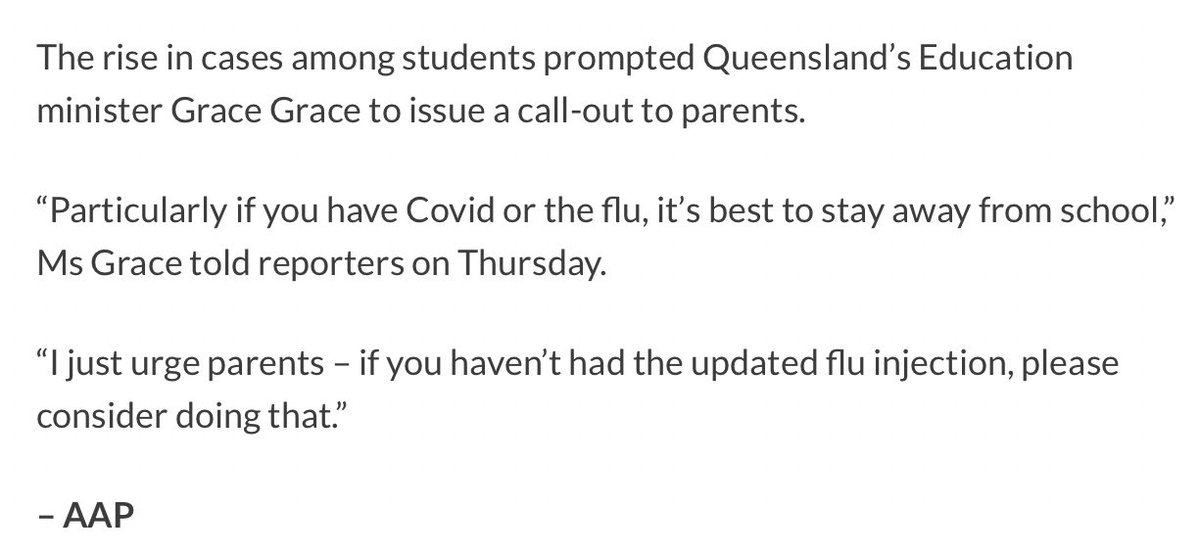
Loneliness appears against a background of assumptions about social activity and friendship. Examine those carefully and they’re nearly entirely adolescent, they reflect that stage of life. What’s being felt is the next stage of life, which we recoil from. https://t.co/vuEoq1sPIs
This story is perfect to highlight what travel cultures don’t understand. We don’t know how to occupy our own landscapes. We live on them, not in them. We travel through them. We have no idea how to live with the platypus, for example. /1 https://t.co/HdFyn67KRa
We might try to make a reserve for them, or a national park, pretending the ‘natural’ world is some separate thing, ‘nature’, that we can have as a gated community somewhere, for flora and fauna. It’s the madonna-whore complex, for landscapes. /2
We either turn them into real estate or mine them for resources, or worship them as ‘pristine nature’, untouched. We don’t have the first idea how to live IN them. How to share our societies with non-humans. That’s not a ‘greenie’ thing either. /3
Most Green politics is heavily about the pristine nature nonsense. As recent research on Aboriginal landscape management shows, that madonna method of isolating national parks turned vast estates of beautifully-tended, productive landscape into dense scrub. /4
That scrub is a mess, which we idolise as ‘the bush’. In reality it’s criminal negligence. I remember scoffing at my grandmother about 40 years ago, a keen gardener, when she commented that the Australian bush looked ‘a mess’. But how spot on she was. /5
Watch this great new series on SBS for a taste of what that research is turning up. And read Bill Gammage’s astonishing book, things most Australians have not the first idea about, the wonder they’re living on, instead of in. Here’s the details. /6 https://t.co/yHHTqJp6WK
https://t.co/YRlWa9wv3y I see Marcia Langton heaps huge praise on this book, and rightly so. To me true reconciliation will only come with First Australians when we understand the sorts of things you’ll find in this book. How they created the greatest wonder in history. /7
Modern Australia, travel Australia, is so fundamentally opposed to the genius of those First Australians, that I find it impossible to see how the two would ever be reconciled. And most countries are infected by the same travel virus, which at root is something much deeper. /8
I did a thread on that this week. We (and most Western culture) are not *grounded*. We have no conception of land, of home. To us it’s just an address, all interchangeable, all itineraries of a locomotive culture that always moves and never arrives. /9 https://t.co/V5dW5teXfV
Bruno’s Latour last work was about this. How societies need to learn how to ‘land on Earth’ again. Like a plane lands, the wording is precise and deliberate. How all of our political headaches have their root in this absence of rootedness. We have no relationship wth space. /10 https://t.co/zaMocRIJvC
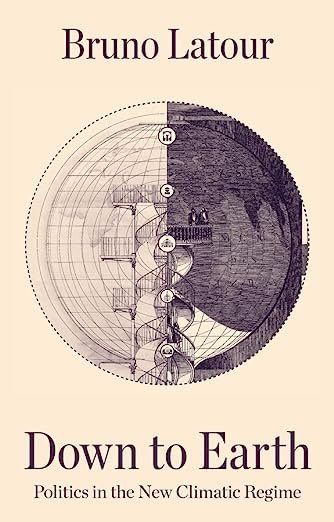
We travel through it, we accumulate it as ‘sights’, as tourists. Travel is central to the culture, its most visible manifestation. We travel so much because deep down we feel that lack of groundedness. It’s like a cry for help, feeling that accumulation of sights will fix it. /11
Our own homes don’t do it for us. We’re endlessly restless there, not at ease. We refuse to just BE, anywhere. We need a constant diet of ‘experiences’ (of other places) to sate our anxiety. Not stopping to think that the wonders we go to see are wonders because somebody…/12
…*inhabited* those spaces. Made them into the wonders they are. They had a RELATIONSHIP with space. They tended it, loved it, enriched it, for generations. Our own suburbs are mostly just car parks for business. Nobody travels to see those. Houses 1-7 in this random sample? /13 https://t.co/9RnVHnBz8j
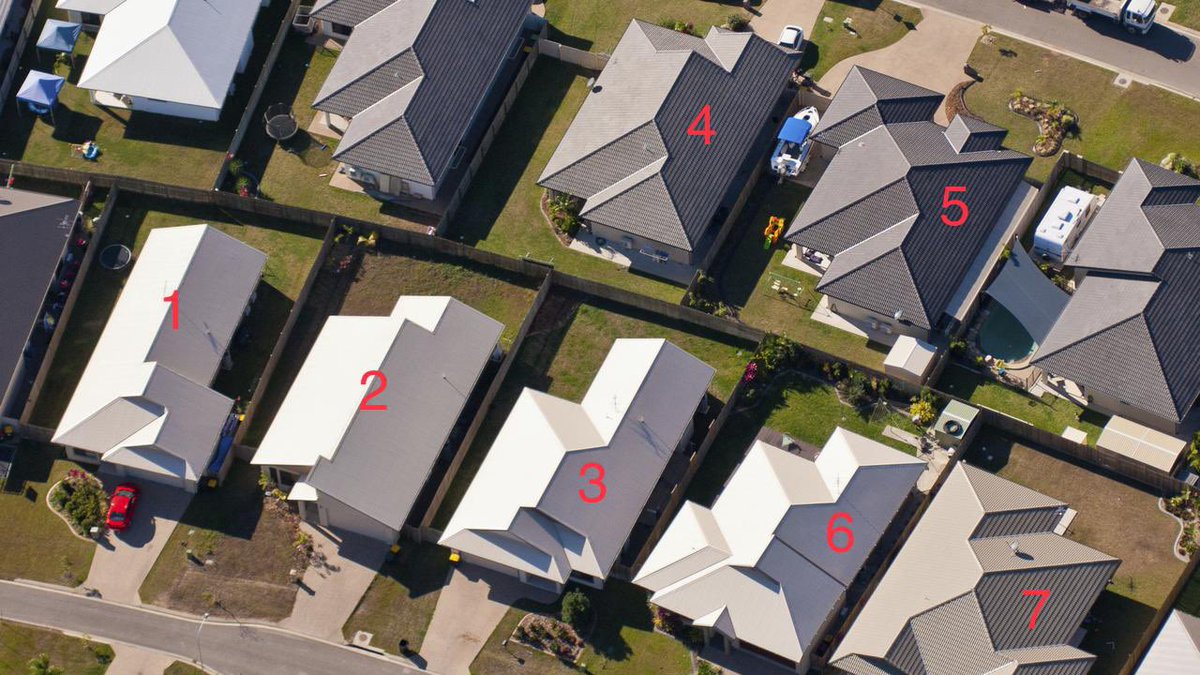
Likely the people occupying those work for completely different businesses, spread far and wide across the landscape, with no unifying thread linked back to where these people are living, only metres from each other. That’s ‘the economy’: dislocation, dispossession. /14 https://t.co/kWdP2QbraI
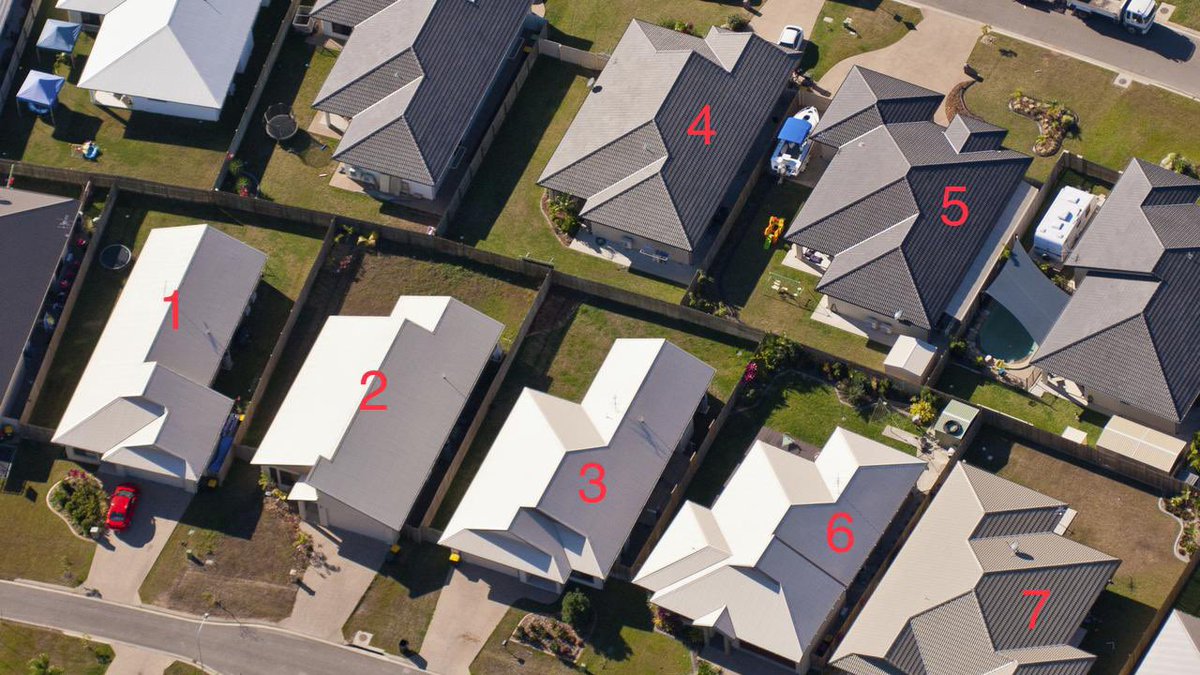
The fancy name we give to our actual culture, of eternal displacement, dislocation and dispossession. Even within nations now you’re lucky to even have one of these suburban homes for your commuting car, the dispossession continues internally. Community is about land. /15 https://t.co/M4UjA6mrLO
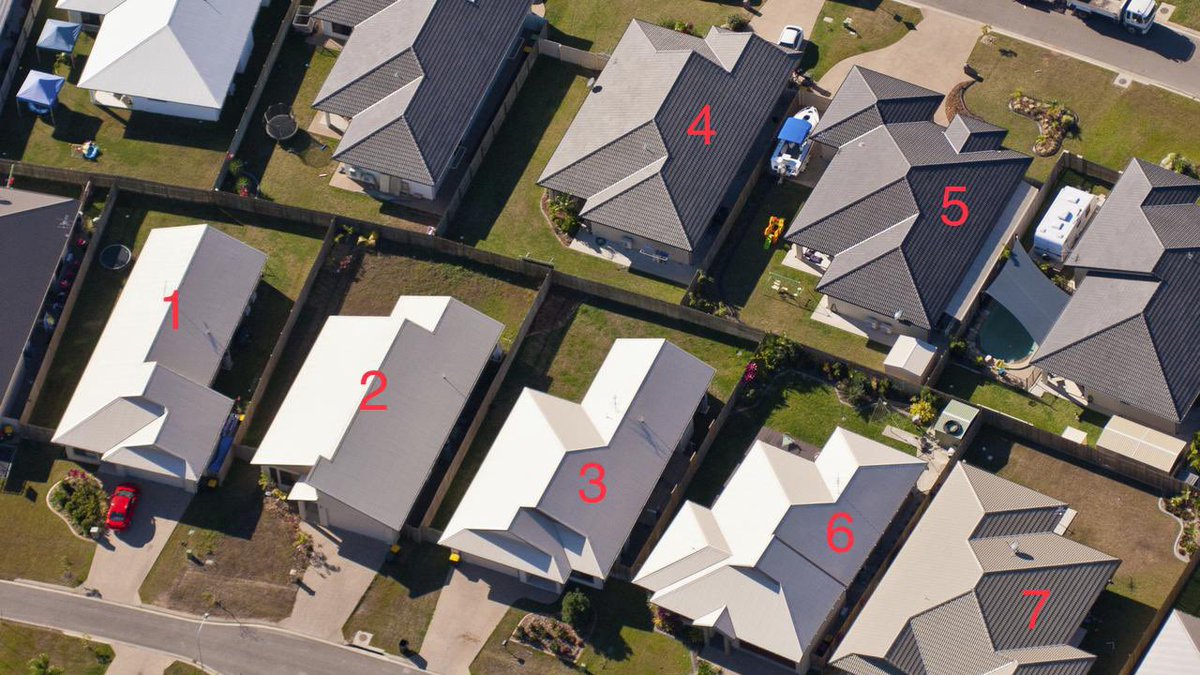
Not real estate, that’s economy-land. About the land you occupy, and the entities you occupy it together with. And not just people; the flora, the fauna, the water, the minerals, rocks. The lot. Not a ‘return to nature’ either. There is no nature, it’s a myth. /16
No hippie living ‘at one’ with nature either, because there is no nature. It’s about actually inhabiting landscapes again, working them, which doesn’t mean giving up modern technologies or comforts, but about integrating those back into land, into community. /17
From inside economy-land, the tiniest progress is being made on this by talk of ‘circular economies’. But its a much deeper, existential thing at stake than recycling. It’s about finding our true homes again, our grounding in existence itself. /18
To stop using space as recreational playgrounds, for travel, and to inhabit it again, to enrich it, make it beautiful. As Gammage’s book wonderfully describes, Aboriginal Australians ‘farmed’ in a way we simply can’t fathom. They used no fences. /19
Instead they enriched the landscape, to make it attractive to both flora and fauna. Then they accessed some of that rich resource for their own use. Everybody won. Everybody had a beautiful home. None of that territorial economy-land, fencing in stock for personal profit. /20
I go on about travel because again it’s the symptom of a much deeper malaise. That malaise is the root cause of pandemics, climate change, and pretty much every other intractable problem we have. 135,000 planes in the air every day, 400 billion litres of jet fuel every year. /21
Nobody is landing. Make that a new verb. Land-ing. That’s the shift we need. /end
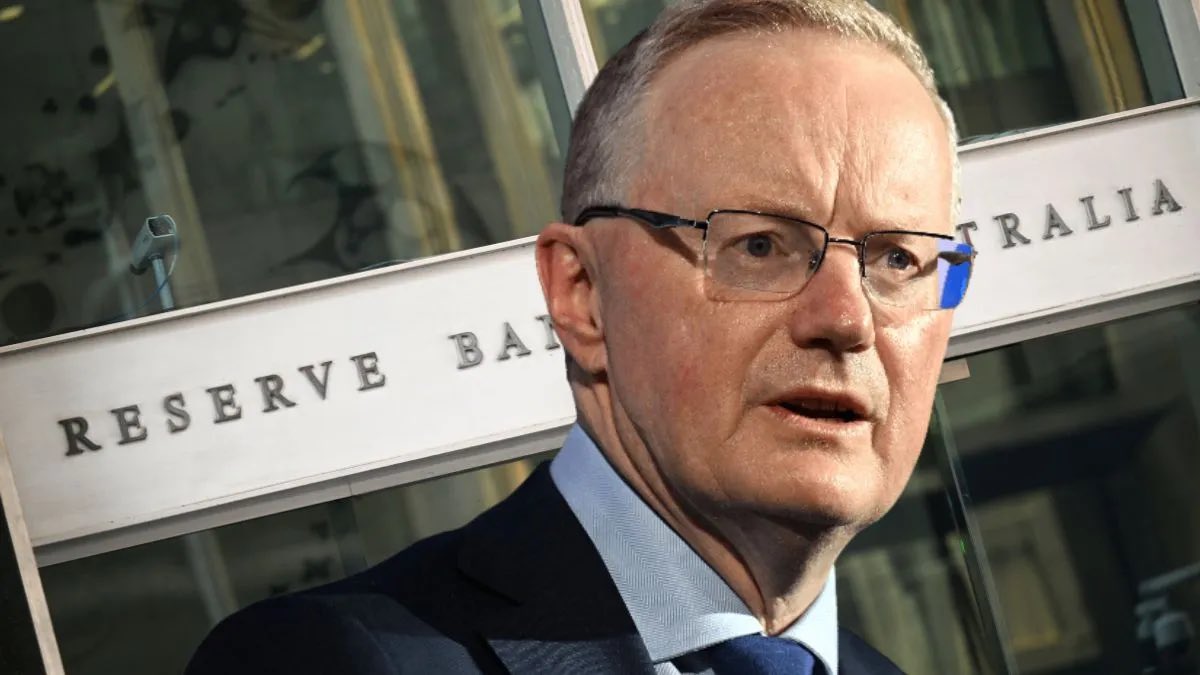
Captain of the good ship monetarism has been replaced with First Officer. Course remains unchanged. Imagine making a bank the core of your society. https://t.co/6SfZienUM4
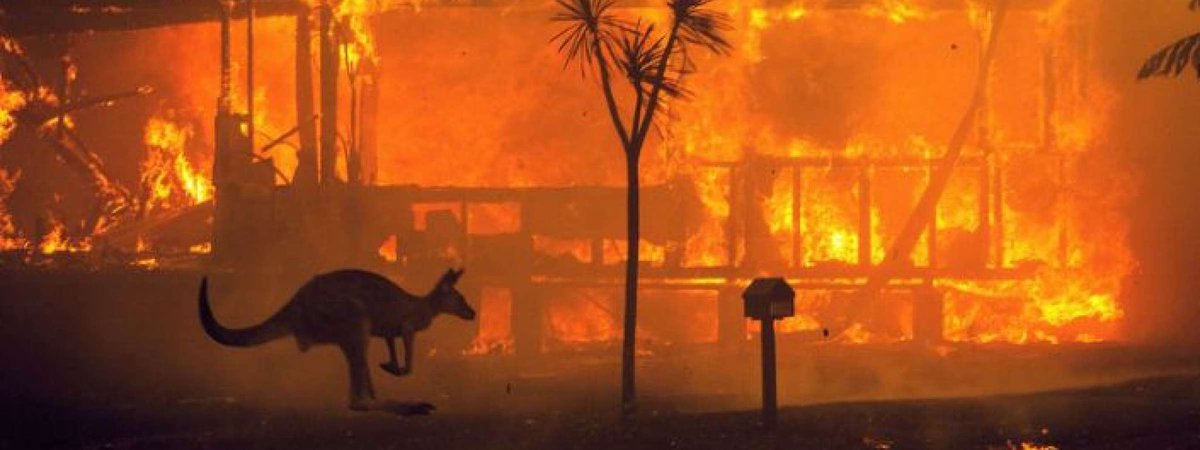
Thinking back to the Black Summer bushfires, I’m sure we’re all relieved we’re back looking after the economy. I think there’s a pandemic in there somewhere too. But let’s talk about interest rates and productivity. https://t.co/eB364kFdSs
Helen’s question is a good one. Ask yourself in what other ways current leaders have your back, and I think it’ll be become clear that Covid is just the latest in a long line of examples of how government has long since given up serving ordinary people. It serves the economy. https://t.co/asOFavUT6F
The use of ‘advice’ by politicians. The advice must always, in every case, match what the politicians already want to do (mostly win votes). If it doesn’t, the advice is ignored, the adviser is sacked, or a more ‘friendly’ adviser is appointed. Or all 3. ‘Independence’, lol. https://t.co/w76Ahg1Fx3
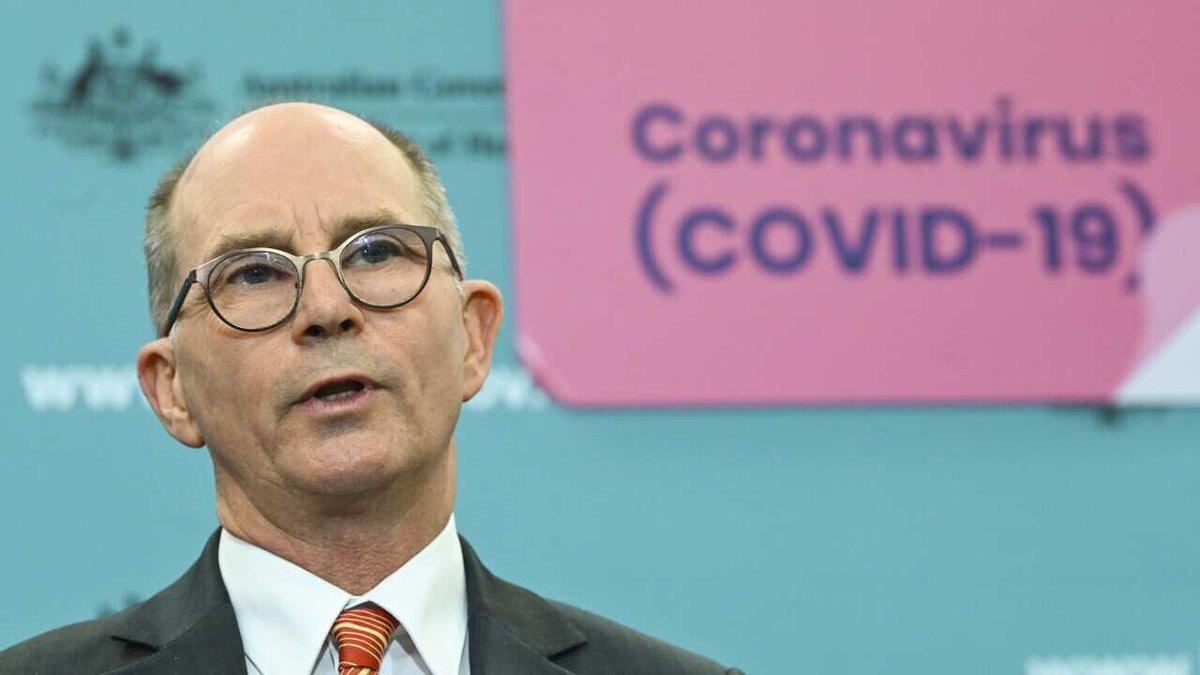
I’m one of many I’m guessing who are coming up on 6 months since my 5th Covid shot. Does that mean we qualify for a 6th, at the 6-month mark?
Can we have on the public record how many Covid infections the loudest promoters of ‘hybrid immunity’ have had?
Which other diseases require vaccination every 6 months for protection? And of those, which had the vaccinations scaled back to deliberately use infection as a protective measure?
Well this is a change. People dropping dead of infectious disease is newsworthy again. https://t.co/fPGHstSWdF
I don’t want to live my life in fear (of public health).
What’s happening in the UK is very interesting. It’s not just because it’s summer and more people are outdoors, and also school holidays. Thoughts? https://t.co/LjvIvnZyTH
The hopeless moderation and regulation of these platforms, the sociopaths who destroy them. Thanks to Twitter, amazingly for acting within a day, on a weekend, to take down an account blatantly posting details of peoples’ personal lives here for shits and giggles. Thoughts. /1
Firstly it’s an impossible task, because it uses a social model that can never work, decoupling information and communication from social life. Pre-social media what you said and how you behaved was regulated by a whole range of social institutions. /2
Anybody who harassed and abused people for sport as is so common here pre-social media would have been reported to regulators and police. And in fact the abuse mostly just didn’t happen, because the opportunity to do it simply wasn’t there. That’s what these platforms do. /3
By stripping away the checks and balances of social life, and putting everything in the one unregulated place. And not just regulation, the way people now interact with each other on social media platforms would have been prevented just by basic social life, in earlier times. /4
The platforms enable and hugely magnify outrageously anti-social behaviour. They were always going to, because their philosophy always was fanatically libertarian. They implement a social model, and idea about how social groups, communities and nations operate. /5
That model is simply wrong, empirically. The idea that groups of whatever size are just ‘sovereign’ individuals, interacting. Free market society. No social group of whatever size has ever operated in that way, and nor will it. Humans always form social hierarchies. /6
Based on emulation and status. You can see it on every social media platform, how despite the hype everything is strongly hierarchical, revolving around a handful of influencers. The same in nations that claim libertarian politics of the economy is what runs them. It doesn’t. /7
Our societies are as hierarchical as they’ve ever been, as social as they’ve ever been. Social media tries to replace all of the social checks and balances societies have developed over millennia to regulate behaviour with algorithms, and moderation teams. /8
It’s like trying to mow the MCG with a pair of scissors. Hopelessly inadequate to the task, and also hopelessly conceived. Just as ‘fact-checking’ has a ridiculous model of knowledge as free-floating facts (social institutions regulate facts). Here’s an idea to maybe help. /9
Instead of treating social media behaviour as individual behaviour (which it isn’t, it’s social behaviour as all behaviour is), when you have somebody acting like a sociopath here, penalise *everybody* they associate with. Their social network, identified by follow data. /10
As many already do when blocking, blocking entire networks rather than individuals. That would send a powerful message, fast. Suspend networks of people for this behaviour. Those who got caught up in that would quickly learn never to associate with particular people again. /11
Use social, group sanctions, for behaviour that is intrinsically social. Rather than suspending individual accounts, then immediately replaced with new burner sociopath accounts, repeating all the same sociopathic behaviour. Worth thinking about. /end
The problem on social media is the same problem democracies have. Prioritising popularity over accuracy/expertise. Quite simple changes to reward structures could shift this overnight. https://t.co/AXA2jAiBjA
Something about the appointment of Michelle Bullock to the RBA Governor role - she’s already over 60. If they want longer-term reform, how long will she be there? Lowe is the same age. Both within a handful of years of traditional retirement. #Insiders
Referenda highlight the stupid bias of the idea that democracy = popularity. If something needs doing, how popular it is with people is 100% irrelevant as a decision-making mechanism. https://t.co/RQK8E0kkHl
Hey travel folk, ‘experience’ climate change firsthand. Your flights will even add a decimal point or two to the warming. https://t.co/2EJx26D8LU
What ‘fatigued’ means here is ordinary people are sick of doing the job leaders are supposed to be doing, for them. They were sold vaccination alone as a way back to ‘normal life’, and it failed because other public health processes are not being led. https://t.co/azY3ubvUrF
Those who want to be activists for Covid action could simply refuse to hop on a plane, to anywhere. That will strongly limit spread of the virus, and also address climate change, in one action. I guarantee the idiot passion to travel will win this one.
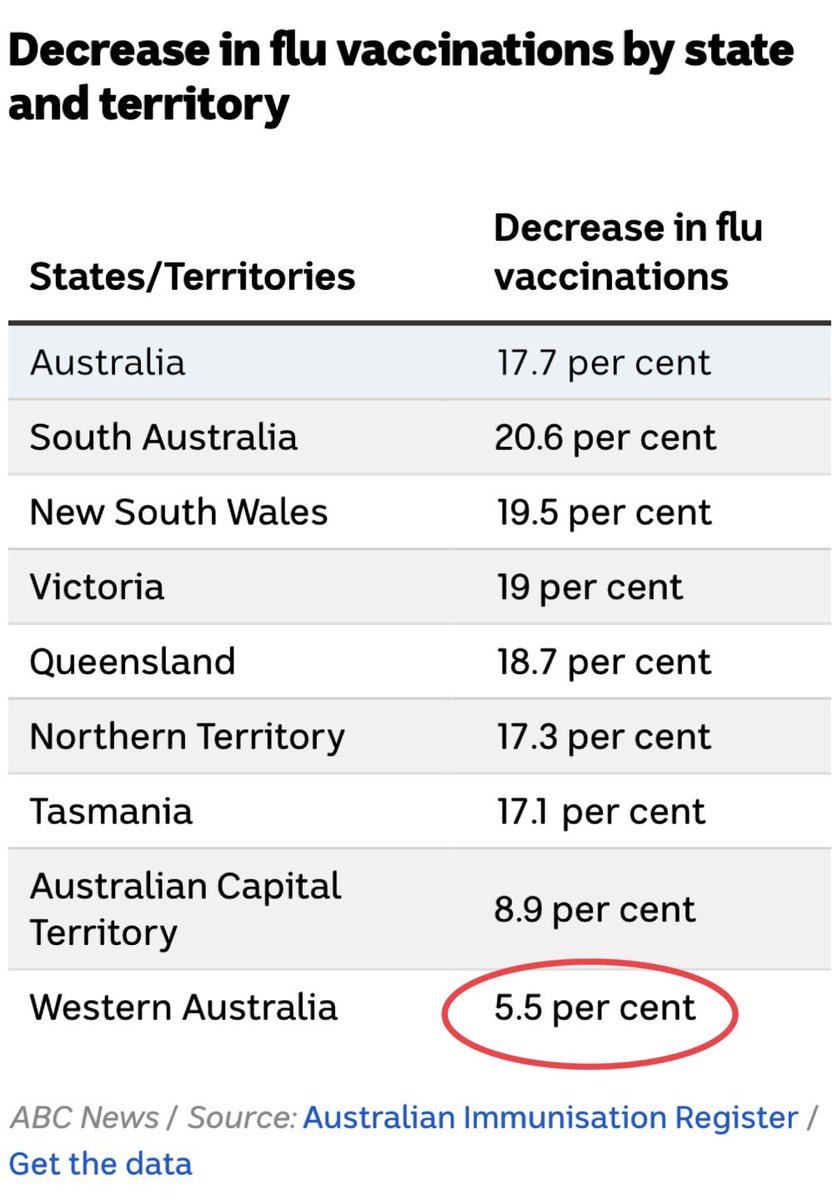
WA provided free flu shots. Public health is about government doing its job. It’s a disgrace that people are having to pay for their own Covid testing, in Australia, and funding their own privatised lockdowns, with their sick leave. During a cost of living crisis too. https://t.co/7xeA7ipuOR
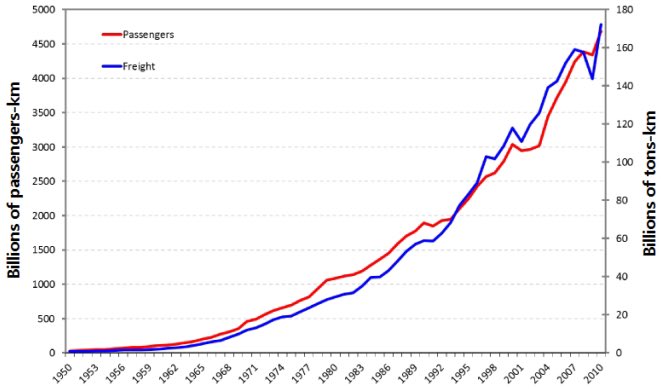
An exponential culture, in every way. Why we won’t fight an exponential pathogen. All economic growth is also exponential. Tackling the exponentials brings the lot crashing down, like a house of cards. (Source: International Air Transport Association) https://t.co/kGvXZ3ASUs
We’re obsessed with ‘being there’. Travel is just one aspect of this wider cultural framework. Our relationship to place carries with it an assumption of what place means, and for us it means ‘being there’. But it’s not actually clear what ‘there’ is, or if it even exists. /1 https://t.co/wUokBjpSfd
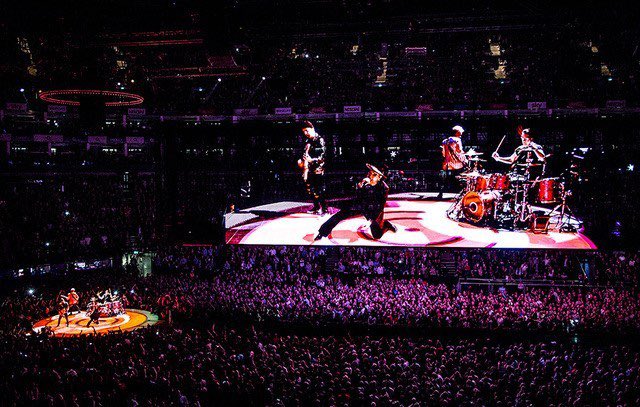
A concert with big screens, almost all shows and sporting events use these now. You go to the concert to be there, and you end up watching much of it on the screen, unless you’re one of a handful near the front. Almost certainly you would see and hear more at home. /2 https://t.co/uDLFW4MsEl
Home watching a telecast of the same event, with multiple cameras, mixed sound etc. What’s important here is the need to have these huge screens at events. It’s an open admission most there can’t see much without it. So who is more ‘there’? Who ‘experiences’ more? /3 https://t.co/b4z0PaKAf6
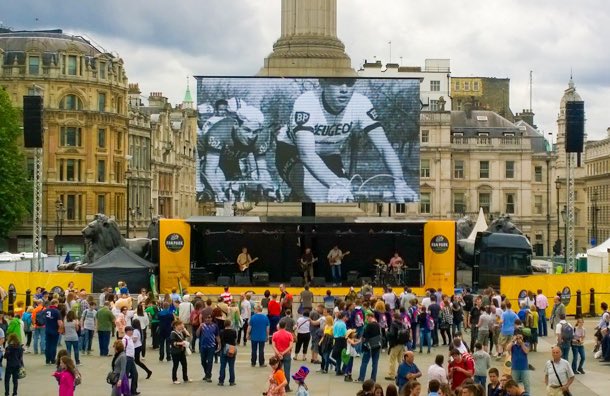
There’s no competition. The people at home with the virtualised event see and hear more, lots more. They experience more of the event, from multiple perspectives. This is where our fundamentalism comes in. /4
Because I bet nearly everybody will say ‘yes but it’s not the same as BEING THERE’. And that’s true, it’s not the same. But in what way is it not the same? In what way is not being able to see or hear most of what’s going on a more authentic way of ‘being there’? /5
Or take travel itself. You can travel anywhere in the world right now, using Google or Apple Maps or their equivalents. Anywhere, places you would otherwise never be able to access, like the peaks of high mountains, or the middle of the Pacific Ocean. /6
And you can experience those places from multiple angles, or elevations, even now in VR. The fundamentalism of place we use says this isn’t authentic ‘being there’. Again though, firstly you could never access many of these places, ever, in-person. /7
And even those you can, why is momentarily having your body in proximity to this place a more authentic ‘being there’ than looking at images and hearing sounds captured there, often from perspectives you can’t even access there in-person? /8
It seems the most obvious thing, that the authentic ‘being there’ is your body in close proximity to somewhere. But that ignores mediation. All of our experience is mediated experience. For example you could meet a celebrity in-person. /9
But an email from them on some topic would bring you infinitely closer to them, to ‘there’, if we mean the essence of who they are. Only a few short lines of text will give you greater authenticity of connection than any number of in-person encounters. /10
A great painting will show much more engagement, reveal much of the true dynamics of a person or place, than a quick photo. It embodies interaction, engagement. And that’s what we forget about place. It’s an interaction, not proximity. A mediated interaction. /11
That mediation can take all sorts of forms. Images, sounds, interpersonal relationships, etc. I like car racing, and can directly compare the experience of ‘being there’ in person, with watching it on TV. Hands down I feel more ‘there’, watching on TV. /12
The number of ways a modern coverage of an event mediates the experience completely dwarfs what you can experience there in person. You go to the track and yes it’s louder, smellier, you feel more adrenaline. But for most of the lap you’re watching the screen. /13
Trying to figure out what’s going on. You see the cars for a few seconds each lap, in-person. Proximity is our fundamentalist passion, the one that drives the entire travel industry. But travelling to a place is mostly a naked, unmediated experience. You don’t belong there. /14
You don’t share any of the mediations locals use to give that place meaning, for them. You’re literally just sight-seeing, the most emaciated form of mediated experience. Yes you can be a traveller who tries to multiply those mediations, by research, by engagement when there. /15
That’s our fundamentalist obsession again though, we’re anxiously, desperately trying to find the most ‘authentic’ presence. We want the Paris we visit to match the Paris of our imagining. But it ends up being a closed loop, between our idea and the location. /16
Why we take selfies there, to say ‘here I am, in that image of Paris we all have’. It’s all much more driven by imagination than experience. I think comparison to human relationships makes this even clearer. We might all desire and admire thousands of people. /17
Most of us don’t try to ‘experience’ all of the people we desire or admire. You’d be locked up for stalking. We admire or desire them, from an appropriate distance. Things we are distant from are only appropriately admired and experienced, from a distance. /18
‘Being there’ in the proximity sense is equivalent to stalking a place. We don’t do it for human relationships, why do we think it’s ok for places? These places are homes. How privileged we are to assume we have a right to just turn up in other peoples’ homes. /19
If strangers wandered into your home right now, I’m sure you’d have something (probably rude) to say to them. It’s our old imperial DNA, ‘the world is my home’. No it isn’t. Proximity is our blind spot, our imperial need to *capture* a place. To ‘be there’, in-person. /20
There are many ways to ‘be there’, many more than just proximity. We realised this for human relationships aeons ago, monogamy is still a pretty dominant model, because promiscuity brings all sorts of complications not conducive to stable societies. /21
We’re incredibly promiscuous, with place. The idea of a monogamy of place is the same as recognising again what ‘home’ means. A commitment to a place, recognising that the grass isn’t really greener everywhere else. That’s our imagination fooling us. /end
Hadn’t watched this until recently. Enjoyed it, social media and electoral politics destroy the world. Smart writers. https://t.co/bj8ZjvRjIN
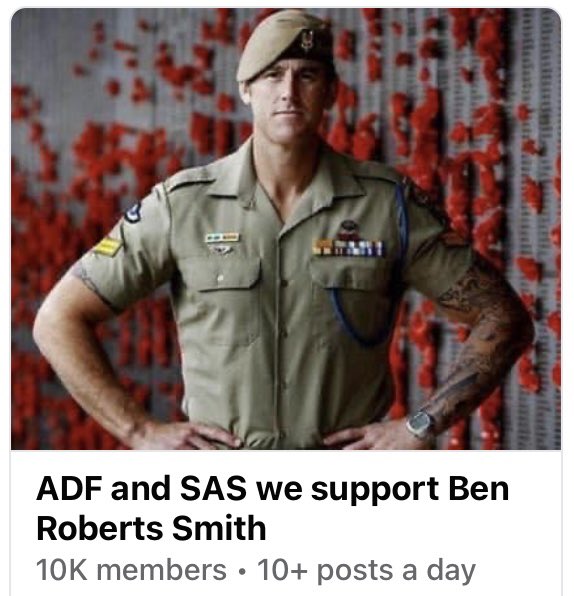
This is an interesting governance problem. 10,000 members of this group. Who knows how many are actual ADF personnel. But clear disrespect for the law here. We’re not a military junta. https://t.co/YwOfNvzaBY
Should those who have managed to avoid Covid infection until now be concerned about imprinting and boosters? There seems to be a need for at least a double dose of newer boosters, for those people to get some meaningful immune response.
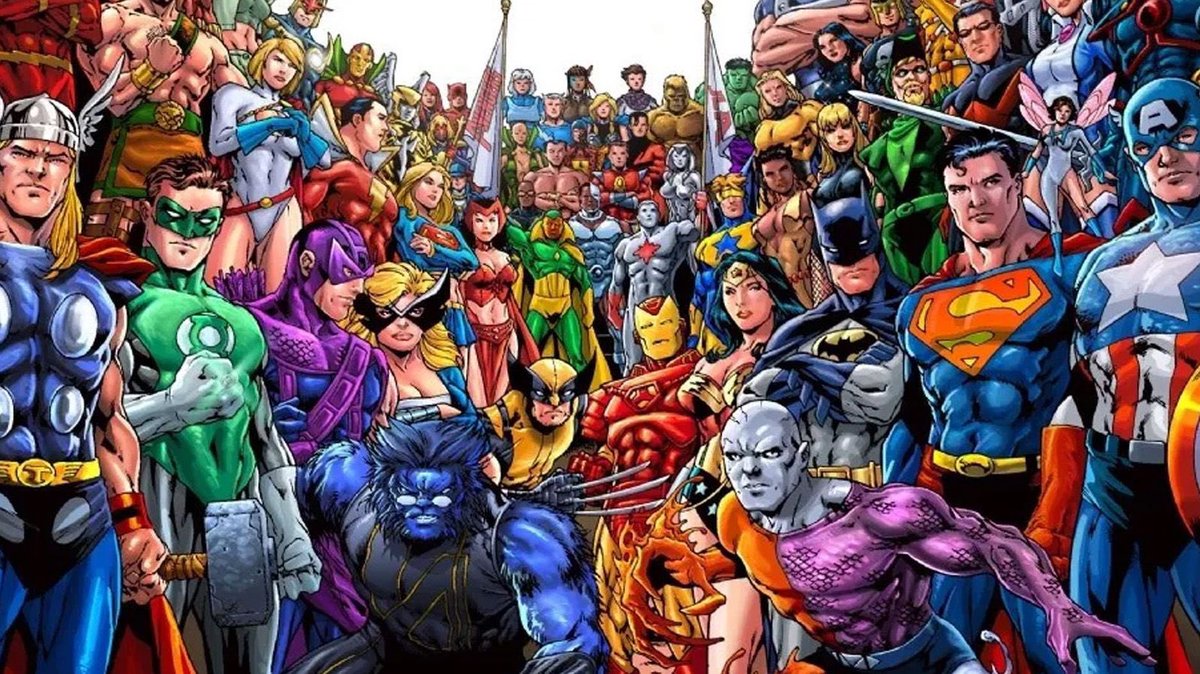
Probably not an accident that modern superheroes were created mostly in the US. Where overcoming evil can’t really be a collective dream, that would be considered communism or socialism. Only super individuals can save us. https://t.co/suiidJhMx2
More suggestive evidence that much chronic disease may have an infectious origin. And that vaccination for one disease may have significant benefit for other diseases, including chronic conditions. https://t.co/ZbkKXfaNag
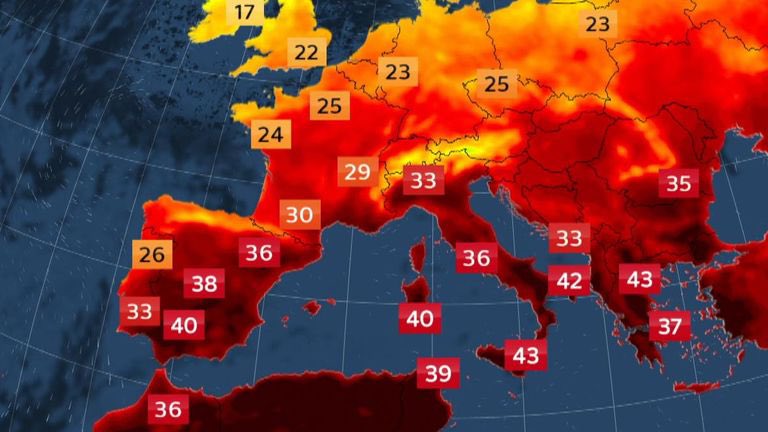
Friends in northern Europe tell me there’s a big push from the rich in southern Europe to move further north, to escape the heat. Reality-based politics, the ‘debates’ on climate change are a sideshow funded by the rich, to mask their withdrawal from collective action. https://t.co/RY1NKd3Qeb
So far so good at the compulsory 2-day training day. Wearing a mask also makes people reluctant to sit next to you, win. https://t.co/gyPe6JbbOu
Commonwealth Games cancelled because of cost. Now for the Stage 3 tax cuts…
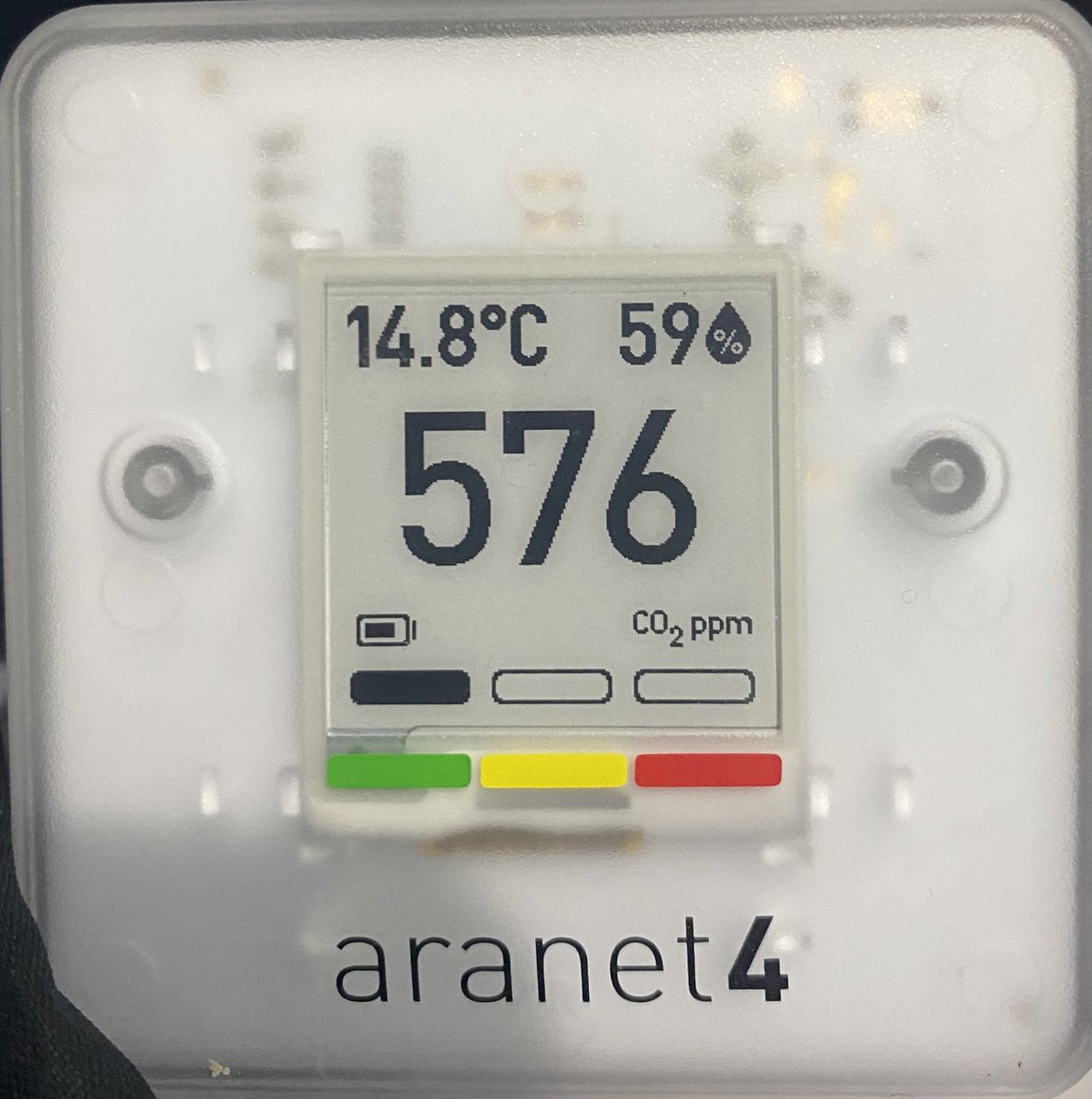
The benefit of air quality monitors is that they make the situation visible. Today I showed the readings to a session convenor, who was actually shocked at the difference between the reading when we arrived and mid-session. It was enough to have them opening doors. https://t.co/EpI5bs8aPr
Battling to get decent ventilation at a shared event brings to the forefront how all of this is a social phenomenon. The resistance you get is for violating social norms. People are literally terrified of varying from ‘what everybody else is doing’. High school, literally. /1
This is the con that allows libertarian politics to win worldwide too. It sells itself as freedom and liberty for the individual. It’s the exact OPPOSITE of that, a total surrender to group status games. Humans have regulation to break open that group psychology. /2
Regulation/law were designed to implement the right thing to do, even if the group involved was currently doing something else. It gives people *permission* to break the ferociously intense social bond of imitating others. You could see that with mask mandates. /3
People wore them and could say ‘yeh, it’s the law, what can you do?’ It gave them an excuse to do the right thing, and to act contrary to the group. That’s how all law works, it’s how it helps societies move beyond the adolescent culture of within-group imitation. /4
Even in schools you have rules, to break open group behaviour. The deregulation libertarians inflict upon societies doesn’t free a single person from anything. It forces societies into permanent slavery to group status games. You literally never leave high school. /5
Unsurprisingly, the adult libertarians who run this schtick are often the same people who dominated social hierarchies in school, the Prom Kings and Queens, the bullies. This is their victory over adult life, which previously overwhelmed their shit. Populism is really this. /6
The capture of adult life, by school life. Popularity as the sole metric of worth and power. The Trumps of the world can get away with doing anything they like, because they’re popular. You can make anything popular, it’s called marketing. /7
Why all the tired narratives about adult life we use, that it’s ‘economies’, battles between ‘Left’ and ‘Right’, ‘neoliberals’ and ‘capitalism’ and ‘socialism’ etc. don’t wash with me. All adult fairy tales, names we give to exactly the same social dynamics we learn at school. /8
Societies are SOCIAL. Always, and in every detail. You can call them economies, or political, or whatever else you like. They’re just banners for different groups playing the same social games. Believers in the economy are just another social group, promoting their group. /9
One thing only is not social, and even then you arrive it only via social means. Knowledge. The orthogonal player in schools too. The thing constantly at war with the social games of school. Ask any teacher, whose jobs it is to take that intensely imitative social clay and…/10
…shape it towards a different future, defined by knowledge. The battle between playground and classroom. That’s our adult world too, we just rarely notice. Why teachers are the key to solving most of our problems, the professionals at SOCIALISING knowledge. /11
And why they’re the most ignored group in all of our problems too. A populist adolescent adult world is never going to listen to teachers. When did the Prom Kings and Queens and bullies ever care what teachers said? They were bitter enemies. /12
Listen to libertarians whine about freedom and oppression. Have you ever heard anything more teenage? It’s like they’ve been grounded (what ‘lockdowns’ literally were for them, and why they responded so viciously). Our societies are now adolescent cultures, throughout. /13
Our oldest people, now the boomers, often live eternal lifestyle lives, refusing to age. The generation that drove this high school culture deep into adult life, and now replaced it with that. Not because they were bad people, but because it was the only culture they knew. /14
Adult life had already been severed from schools when they arrived in them. The world wars had brutalised societies, schools were to be the way we started anew. But it just meant we turned all society into a school. That’s where we all learn our social models. /end
When I hear discussions of the voice to parliament, this is the image that always comes to mind. Another game of popularity politics, to see whose team, Yes or No, wins. No social progress will ever be made using popularity. https://t.co/5DkhQIzldp
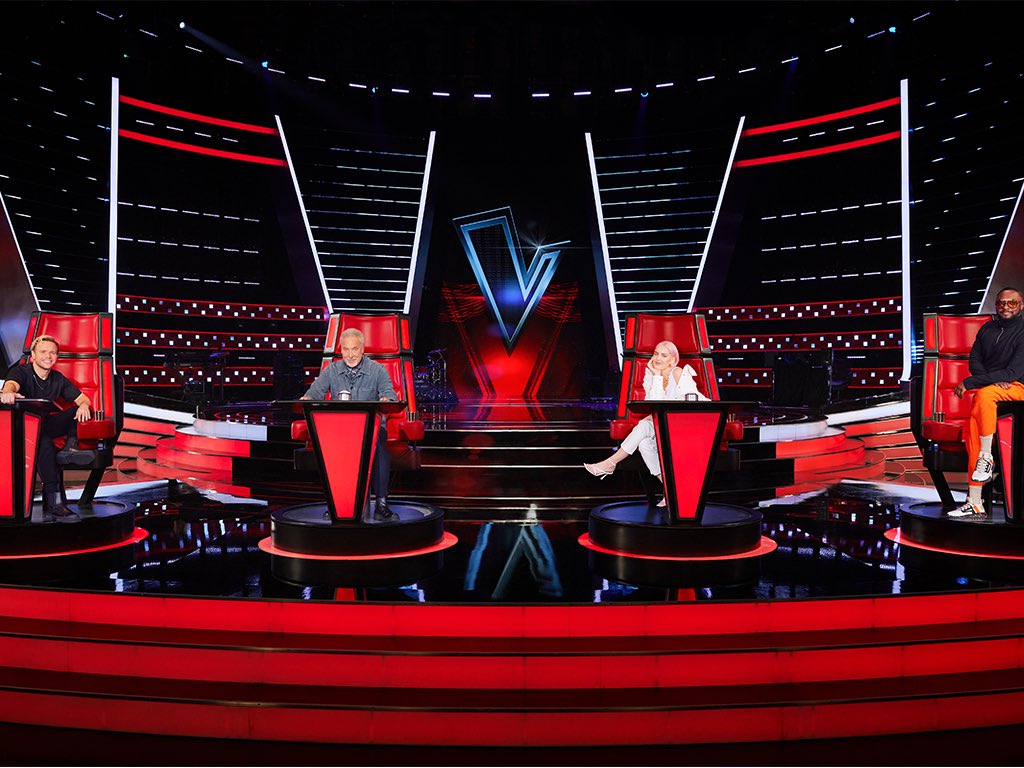
If it goes down, I would hope it forces a rethink on the value of voting to achieve complex and urgent social reforms. But it won’t. https://t.co/pxZM9Dr6Yb
Even without a pandemic air quality in rooms should be an issue. I worked with un-flued gas heaters in hot stuffy rooms as a teacher, with people nodding off. Yesterday’s training hit 2500 ppm, and was still climbing when I got the door opened. https://t.co/xbjHWcFRay
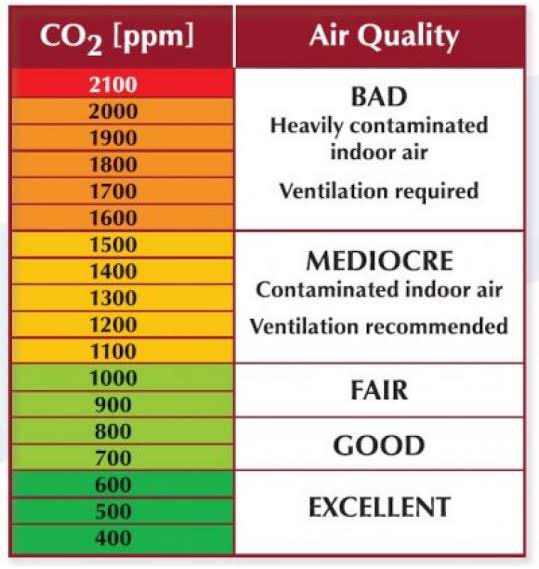
One of the fascinating things about ventilation is how little you sometimes need to do. For example this room is small and has about 30 people in it. Opening the door at the back of the room only 6 inches has kept CO2 levels in the excellent range all day.
I’m not even a fraction as shocked the Commonwealth Games was cancelled as I am we cancelled public health for Covid.
My workplace has pretty good ventilation, regular CO2 readings of around 750ppm. I also mask and have a HEPA filter. Sometimes I wonder about the mask, whether the good ventilation and HEPA filter are enough, at least while sitting at my desk. Thoughts from ventilation people?
Because schools are our culture, what happens in them is the most accurate indicator of where societies are heading. And when they break, society breaks. That’s what we’re seeing right now, but as always teachers are never asked or seen as a solution. /1 https://t.co/92vSeqPFek
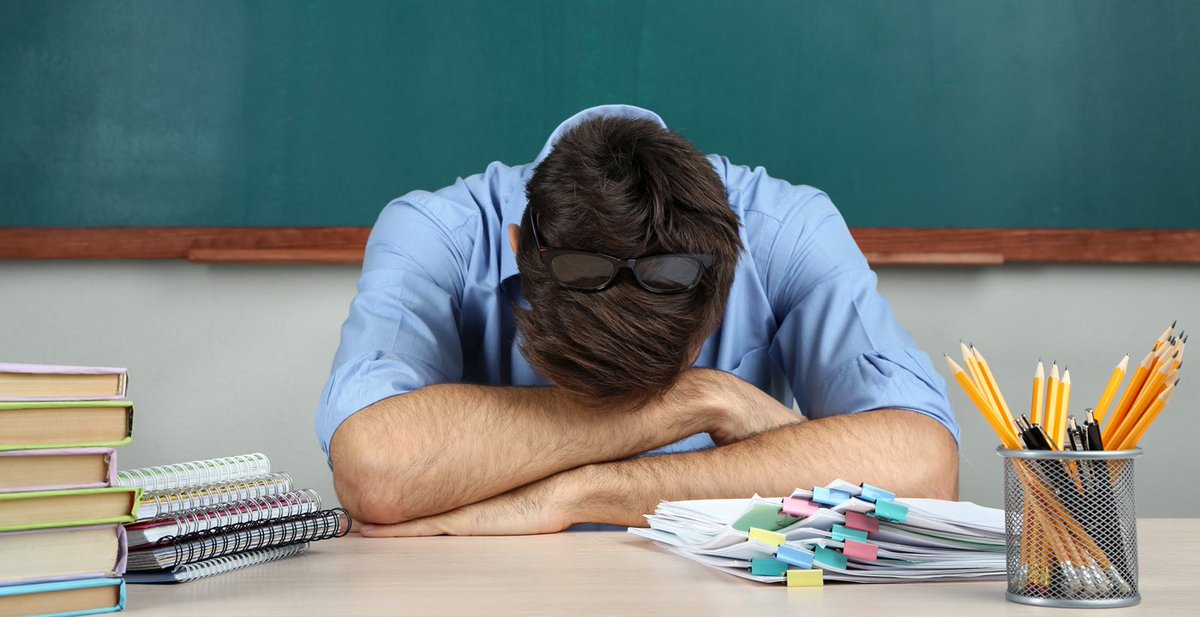
Already 20 years ago and even earlier, teachers could have told you our current disasters were coming. They were struggling to get kids to want to learn a single thing, and managing increasingly outrageous student behaviour was becoming their main job. But it was even worse. /2
Because the things that drive many out of the profession, including me, is the sense that the entire institution is futile. Society stopped investing anything meaningful in education and schooling, and a fish rots from the head. People are just marking time in schools. /3
You’re child-minders. That’s it, the full job. Keeping kids out of parents’ hair so they can be good employees and work. And keeping kids out of the unemployment queues. Society as a whole really doesn’t give a shit now about anything else, with schooling. /4
Or to be fair, it cares about what it cares about everywhere else, in high school society. Status. In Australia for example ‘aspirational’ libertarian politics drove huge numbers of parents to enrol their kids in expensive private schools or selective public schools. /5
Not for the quality of the education there, but because of the status of being there. The best teachers are still in the State schools, just as the best doctors are still in the public teaching hospitals. But that doesn’t sway anything when status is at stake. /6
There’s a lag with education, through to wider social effects in the adult world. We’ve now arrived at the terrible disaster this shift produced. If you want to know why there are so many pig-ignorant, sociopathic bastards here on social media for example? /7
Meet the kids teachers were dealing with in schools 10-20 years ago. They’ve now arrived in the adult world, knowing nothing, and with contempt for everybody who does. Teachers have been living this social collapse for a long time. Nobody bothers to ask them about it. /8
The role of teaching is, and this is no exaggeration I don’t think, to create civilisation. They take unformed precious toddlers from parents, and shape them into some sort of socially-acceptable people, knowing things and able to function in a society. /9
Early primary teachers in particular. Without them, civilisation would be over in very quick time. That’s the actual truth, I don’t care what other jobs people think are important. The thin blue line between civilisation and chaos is mostly in infants classrooms. /10
And they’re overwhelmed, have been for years. All years of schooling are. By kids who don’t want to be there, parents who have no respect for schools or teachers and are too busy working even if they do care. Or are barely adults themselves, children raising children. /11
Teachers bring the first sense of social authority to peoples’ lives. The first to teach people to follow the lead of an adult that isn’t their parents. That authority is mostly gone, because it was cultural and social, connected with wider society. /12
Decades of ‘economy/market’ politics shredded all of that. Teachers have no authority now, they’re supposed to be seen and not heard. Child-minding services for business. In the pandemic nobody once, that I’ve seen, asked teachers about what should be happening in schools. /13
Instead we got paediatricians and infectious disease doctors, who wouldn’t know a school’s arse from its elbow, pontificating ferociously about what schools need to do That’s a mark of the total lack of respect we have for teaching. But that’s now decades-old. /14
Many I know left 20 years ago because that lack of respect was already dominant. And without it, that critical socialising function of teaching, of steering kids towards a knowledge-based respect, a social relationship with knowledge, collapsed. /15
That’s all your anti-vaxers and lunatic conspiracy theory people today. Those are the kids we all saw in schools 20 years ago, and tried to warn people about. In a society whose social and cultural model is derived from schools, if the schools break, guess what breaks next? /16
The societies themselves. Our social chaos now is school chaos, and teachers knew it was coming, have done for decades. Knowledge is all that progresses human societies, and it does that through education. It’s a long, social process to wean people off social status games. /17
That total lack of respect for expertise now is the lack of respect for teaching, scaled up to all of society. No teacher can really believe all the libertarian freedom nonsense, they recognise it straight away as what kids say in schools. It’s their job to defeat it. /18
To say sit down, shut up, and learn this. Using a fantastic array of pedagogies and social skills. Why can’t we see that a society that has no respect for knowledge now is a society that has lost its education? That’s what education does, knits together people and knowledge. /19
Not as two things, but as one thing. It teaches a society to organise itself around knowledge, and not just social status. But it hasn’t done that in decades, alas. And we’re now living in the ruins. /end
The deep links between our schools and our wider culture. For Covid and climate, those who went to exclusive schools increasingly make the decisions, and create enclaves (as their schools were and are) from harm. It's social, not political. The unwashed can die.
From the John Snow Project. You'd expect the Ayn Rand groupies to turn a pandemic into a hospital capacity argument. But a LABOR government? Their primary vote was already dire. Many rusted-ons will never forgive this. https://t.co/zD87aoQg08
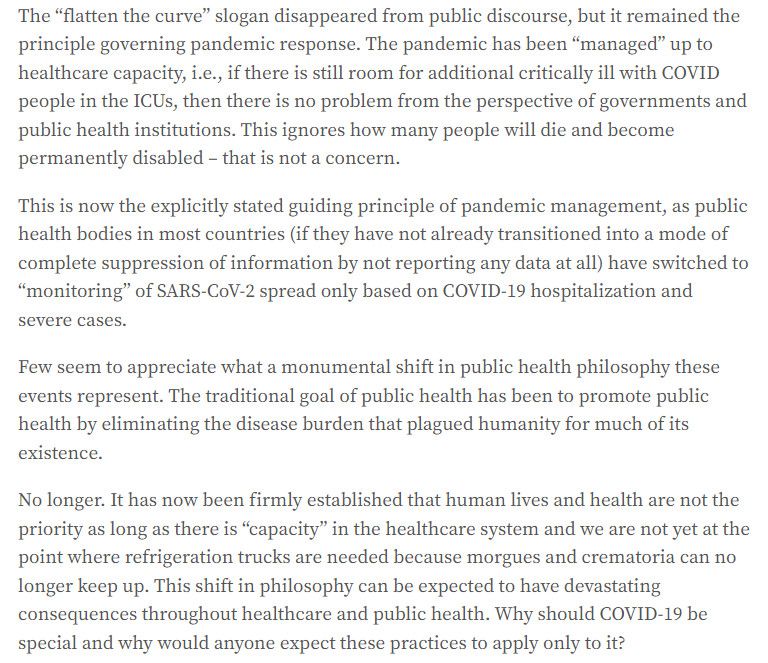
The rot of schools being childcare for the economy then leads to universities and VET being seen as providers of 'jobs for the economy'. The whole educational system corrupted. Unis have been castrated, fighting each other in a 'market' for places. https://t.co/8AzxkzLKc2
One of the findings of the Robodebt RC was that senior public servants failed to act on appalling government decisions. What's enabling the Albanese government's current refusal to do public health for Covid is the non-action of senior public servants. https://t.co/UUayOn1TNR
Our schools become our societies. Look at how precisely current schools (private luxury enclaves, public safety nets) match our society. One leads to the other. It's not a funding model, it's a social model. Comprehensive schooling was a social model. https://t.co/pN9KhiZNeD
Insurance is an individual risk measure. It's all that's left when politicians do no risk mitigation, for climate change or Covid. Watch them line up to blame insurers. As they do central banks, for implementing the monetarism politicians tell them to. https://t.co/QPEj3FjgR9
Like I say. The social segregation of Oz society begins in schools, deliberately engineered by the LNP since John Howard to dismantle decades of public institutional life. They despise the public, because they despise the State. Zealots. https://t.co/bnnyypfn3O
And another. This not a ‘crisis’ for the LNP, this is what was intended. Heavily incentivise the shift to private, and make it an aspirational thing (status). A deliberate engineering of new social and cultural norms for Australia. https://t.co/dYcpsr23Xs
Awkward moment on The Project tonight, where John Cleese mocked the name ‘Waleed’. Aly gave him both barrels, calmly and politely. Said it was an Arabic name, told him how to pronounce ‘John’ in Arabic, and said he’d bet Cleese couldn’t manage that either.
Experts need to think long and hard about why think tanks and consultancy firms have the ear of governments, and universities are completely ignored, except as training providers for the economy.
That feeling of powerlessness in the face of obvious stupidity, that many of us feel for Covid, is what most of the world has felt about us for generations. They’ve had ‘endemic’ disease foisted upon them their whole lives. We are now them too, the economy recognises no nation.
That’s the function of social media. To endlessly distract and divert energy from actual change. It’s owned by billionaires, isn’t this obvious? https://t.co/Whk69lnj3m
Luke Burgis describing Girard’s concept of ‘imitative desire’. This is how societies all work, no matter what ideology they profess to. All that ideology nonsense is a distraction. Will Tweet a lot more about imitative desire. https://t.co/6jDyBRIsSi
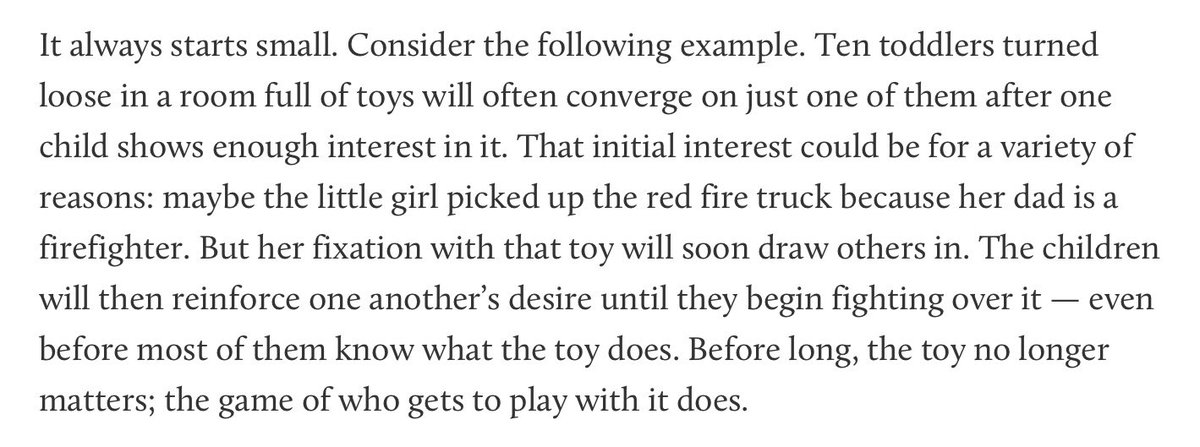
Canaries were ‘the vulnerable’. The issue wasn’t protecting the canaries, it was to recognise that when the vulnerable fall, the rest of us follow. All things fail at their weakest link. It’s why we invented the public, because we used to understand that. One-in, all-in. https://t.co/2Z4tZyE31C
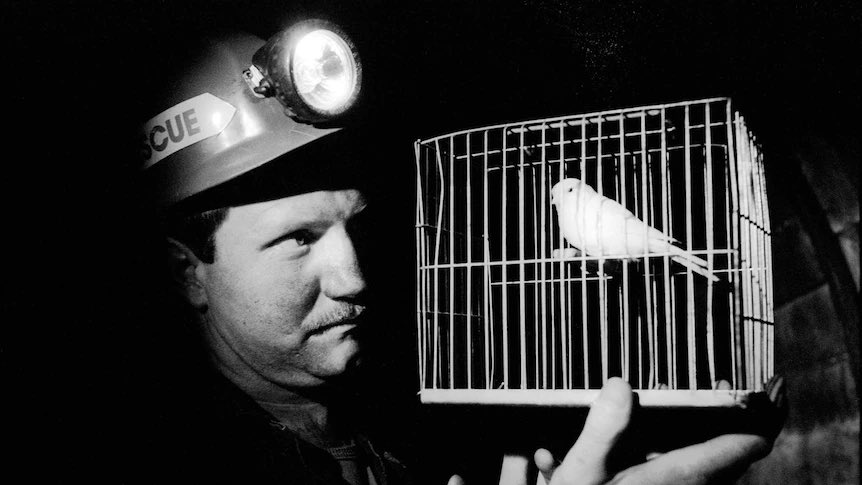
Boom. I try and fail to convince people this is what social media is really about. I need a better haircut. https://t.co/rjTagK3LNE
Laura misses the most important question of all. Whether ‘the economy’ is even a thing, and whether the associated monetarism as a set of beliefs that brought central banks into existence in the first place is as real as unicorns. https://t.co/yvaphQ2Gnl
A delicious own-goal here that isn’t even noticed. ‘The market’ is said to be the most efficient way to manage economic affairs. The data clearly shows house prices are higher when houses are sold through ‘the market’, and lower when they’re not. https://t.co/ydAkQy1kE5
I want to use Covid to reframe how we see social media. And human social life too, at the same time. I want to argue that despite all the talk about ‘division’ in the world, social media is the greatest engine of ‘furious agreement’. Furious as in very angry. /1 https://t.co/mXSjrpPAM6
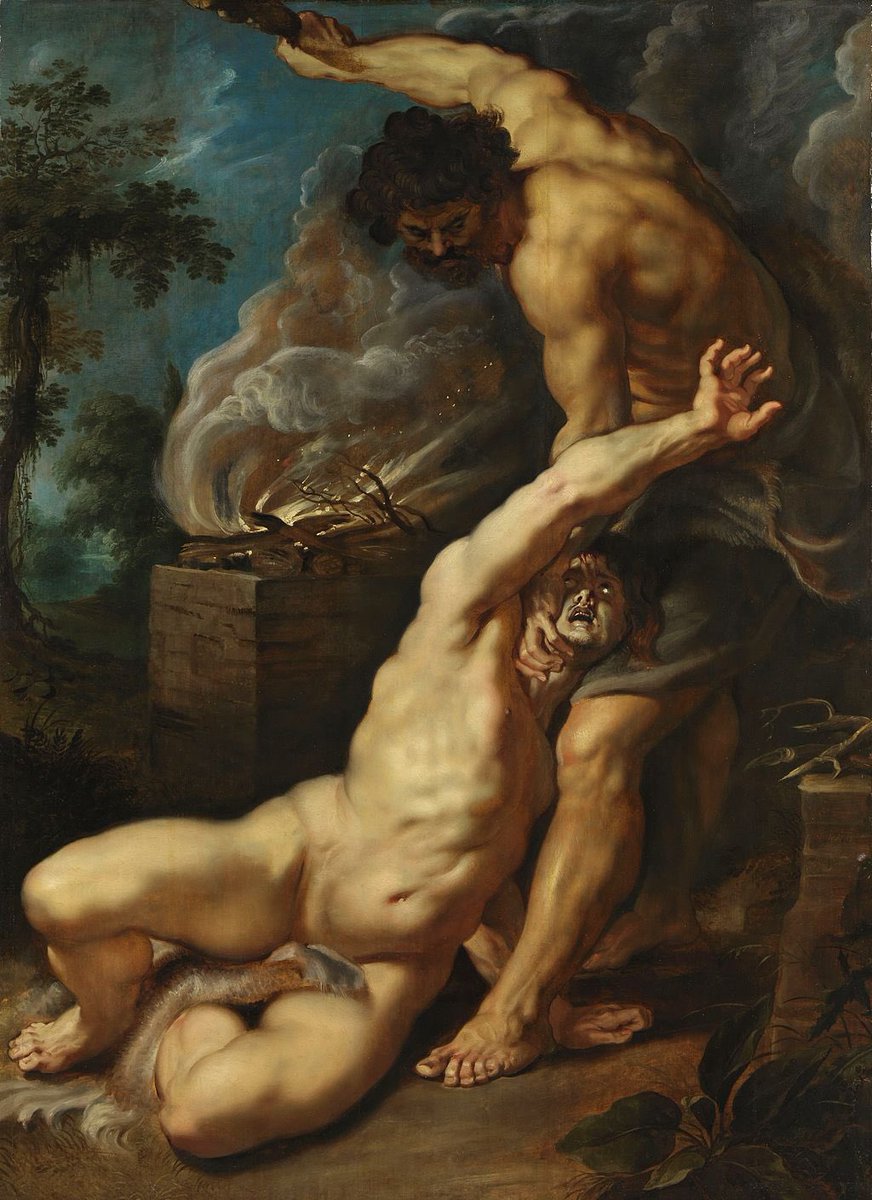
I used Ruben’s Cain and Abel to start the thread, because like Romulus and Remus show too, the foundation of social life is what Girard called mimetic desire. The desire we have for what others have. We imitate others, we emulate them. It’s this that drives our ‘division’. /2
Or in biblical language, we covet, our most fundamental human social act. If somebody else admires something, particularly somebody we hold in high regard, we then want it for ourselves too. Watch kids fighting over toys. That behaviour doesn’t end in childhood. /3 https://t.co/ve3nS7nMm9
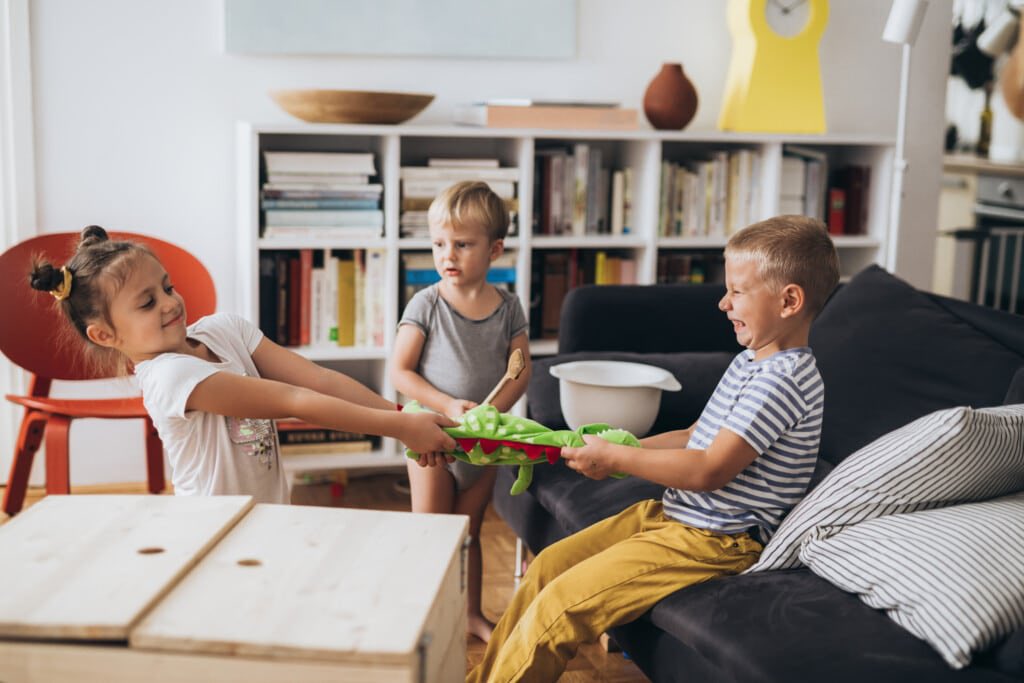
Desire is the engine room of all social life. Hilariously today we think economies are, through banal indicators like inflation and interest rates. Boring men in boring suits tell us that, and we believe it! Ha. Desire is what drives all behaviour, including economies. /4
Mimetic (imitative) desire. We imitate others because we desire what they have. The grass is always greener etc. (I am getting to Covid, promise.) ‘Influencers’ are the modern version of the status that drives these mimetic games. Put a celebrity on a bottle of scent. /5 https://t.co/1PHVyIGYX7
It sells. It’s not the perfume we desire, it’s the high-status person who (allegedly) likes the perfume. We desire it because they desire it, we imitate/emulate them. And don’t think this is just about fashions, this exact mechanism functions in every part of social life. /6
Even in science. Full of fads and fashions, like everything else, fuelled by imitative desire of what the highest status scientists like/desire. At this point some might do the pop psychology here and say ‘see, humans are greedy and superficial and selfish, we knew this.’ /7
But that would be missing most of what’s going on. Imitative desire is also fundamentally useful and sensible, why wouldn’t we emulate those who we see as having some sort of superior grasp of something? It saves us all having to discover everything for ourselves, every day. /8
Where imitative desire becomes dangerous is where we also run into the danger of bad ideas about what ‘democracy’ means. It becomes lethally dangerous when it becomes *reciprocal*. Where instead of this economy of desires revolving around status, all status is removed. /9
Which is what social media platforms do (or try to do). They make every voice equivalent. Nobel Prize winners in chemistry are expected to argue with You Tube chemists. What this does is exponentially amplifies the imitation process. Trickiest bit of the argument right here. /10
Because without status to emulate with our imitative desire, the amount of imitation through reciprocal imitation goes ballistic, to try to re-create the status hierarchies. All of the ‘division’ we think we see in society and social media is this. /11
Millions inventing new ways to differentiate themselves from everybody else, to try to fill the void left by the stripping away of status hierarchies. To go back to the start, I call this ‘furious agreement’, because this is the critical thing to note here. /12
That ‘division’ is NOT disagreement. All imitative desire is founded on AGREEMENT. We imitate because we desire, and we desire because we *agree* that what person X has is what we all want. This is where I’ll bring Covid in to the argument. /13
Because both ‘Covid zeros’ and ‘infinite Covids’ (Covid minimisers) are actually in total agreement. They both want the pandemic gone. Despite characterisations of minimisers as being for pandemics, in reality they think we need to get rid of them. They just disagree how. /14
All the ‘debates’ around Covid are actually furious agreement that it’s a pain in the arse that we need to get rid of. But stripping away the status hierarchies whose job it would normally be to do that, what social media and market politics do, leads to a surprise. /15
What we see as fanatical disagreement is the opposite. Everyone in the debate is in furious agreement. Literally furious, the imitation games are brutal and relentless, each group tries to differentiate itself from every other, to restore an imitative status hierarchy. /16
We see it everywhere with Covid. Like with masks, a seemingly obvious tool in a pandemic, but chosen as just one other way to differentiate some people from others, in the furious agreement to do something about Covid. People want status in these debates, that’s all. /17
That’s the ‘division’ we see. Not disagreement, it has nothing to do with the facts or the science. It’s about social status, who will determine which way we will all defeat Covid. We’re societies who for many decades now pretended status was undemocratic. /18
We strip it away with iconoclastic abandon. All sides of politics do it. We actually believe democracy means all voices are equivalent, we invest ultimate authority in those who can collect the most individual voices, through a vote. /19
All that achieves though is that explosion of imitative desire, to try to restore the status hierarchies we strip away at the same time. People performing every day on social media to try to build up new hierarchies of status, through imitation of the tiniest differences. /20
That’s what ‘identity politics’ is, all sides do it. The invention of microscopically granular new points of difference and differentiation, in these imitative status games. To forge some new status hierarchy, if successful, to replace the void we create ourselves. /21
Again, we are nearly entirely *agreed* on what needs doing, in most things. We’re not doing it because there’s no social hierarchy to drive that change. That’s what social media and political ‘division’ means, the attempt to recreate those hierarchies. Furious agreement. /end
I do a one-Tweet version of my threads. For today’s, do we tweet these facts to share the facts? Or are we really asking why nobody is paying attention to them? I think the latter. We’re looking for (or trying to create) a social hierarchy, to act. https://t.co/1v5eiafKXG
@aparachick
Using my great friend David’s Tweet to do the same reframing. Here on social media we’re not fighting over the facts. We’re fighting to restore a social system that pays attention to them. We are all mostly agreed on most things, that’s not the issue. https://t.co/W94gzI41OV
To debate, you have to first mostly agree. That defines the terms. The function of debate isn’t to resolve the topic, it’s to position you socially in relation to it. The more two sides debate, the more assimilated they become to each other. Tarde on imitation, 1903. https://t.co/RrU3g53xoG
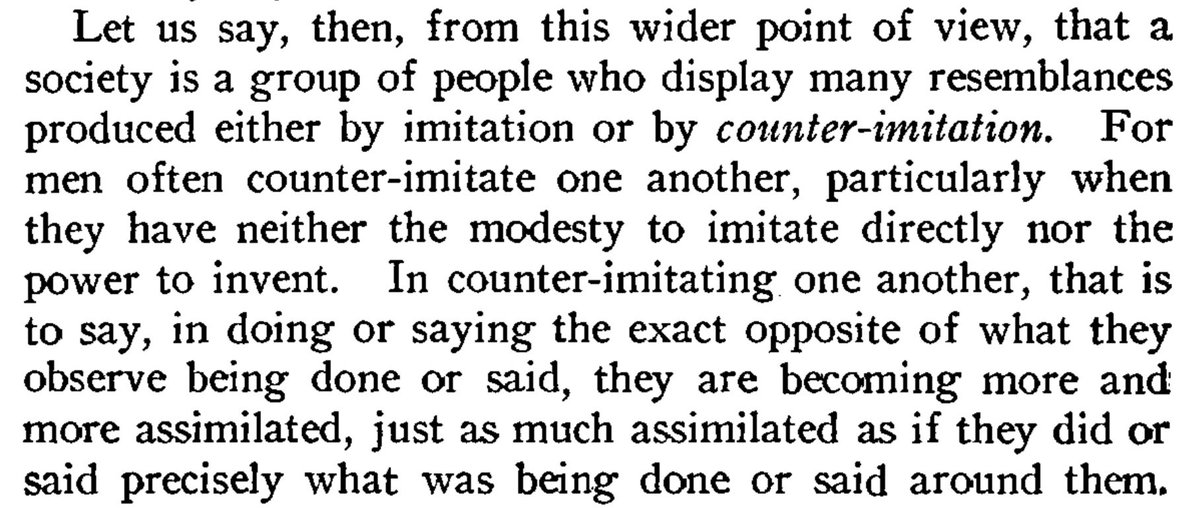
I don’t remember my kids ever having influenza, and two of them are now adults. I don’t remember having it myself more than once in my decades of life. Is there asymptomatic influenza, or mild influenza? Or is this just more perversion of the hygiene hypothesis? https://t.co/D3Ue5yVude
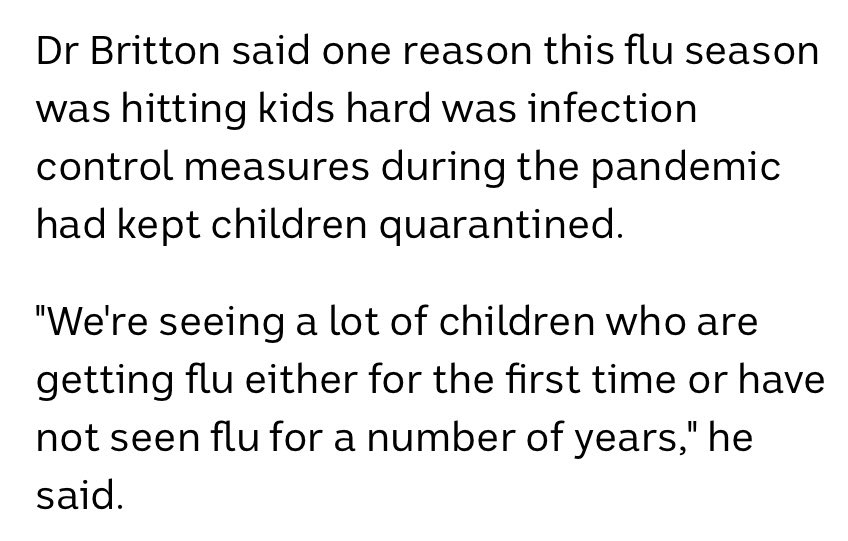
When you Tweet any of the disaster that is Covid, who are you speaking to? So many Tweets in this genre. All speaking to absent leadership that could fix things. So is there a point to it, given we’re speaking into a void? I think it needs reframing. /1
We’ve spent decades doing all of this with climate change. We KNOW it doesn’t work. Even Al Gore’s colourful mega-presentation didn’t budge the dial. Not one notch. We have the wrong model in our heads for how knowledge becomes action. /2
Ask teachers if the intrinsic logic of the knowledge they teach automatically educates and changes their students? They’ll laugh. Their entire profession is a recognition that this model can never work. They spend years persuading, disciplining, persisting, to succeed. /3
They know that knowledge is a social thing, that you need to socialise kids, into knowledge. The first instinct of most kids will be to resist that. To focus on their social world first and foremost. Teachers need years of patient fight to shift the focus of student attention. /4
In the adult world, with Covid, we have zero chance of succeeding by just firing data and graphs at people. The most open-minded may shift their awareness a little, feel some discomfort, but the overwhelming social pressure of their lives will always win. So what can we do? /5
There isn’t a quick or simple answer. By participating in closed dialectical loops with Covid minimisers here every day though, we’re not achieving much except raising our cortisol levels. It’s team sports. We love team sports, we don’t admit it. /6
And we also don’t recognise that we’re mostly in *agreement* with the minimisers. Paradoxically, the most vicious ‘division’ and debate can’t happen, without substantial agreement. In team sports, strict *agreement* is required for the sport to happen at all. /7
Agreement that the sport is our passion, using the same rules. Nearly everything both sides do is identical. The fury and passion isn’t about the sport, it’s about the team. Nobody is suggesting put the football away, they’re arguing who’s better at kicking and passing it. /8
Both sides in these debates agree they don’t want a pandemic. People (if they exist) who actually want a pandemic wouldn’t be debating this here, they’d be off somewhere licking handrails. We are in furious agreement here, the fury requires the agreement. /9
The division and debates are positioning, that’s all. Social positioning, trying to determine which people will determine our way out of this pandemic. Social media is brutal on this topic. Because the social structure we used before to deal with this topic is ruined. /10
That’s why this particular team sport exists. We’re trying to restore a structure that we lost. In the absence of calm authority and expertise-based hierarchy to do this work for us, we *socially* try to restore one here. Has nothing to do with facts at all. It’s ALL social. /11
To me it’s worth remembering that, when you design your next decisive barb against the minimisers, or ‘Covid Zeros’, depending on which team is yours. Actually we all agree to end the pandemic. We just don’t have a social structure to do it. That’s why we argue. /end
In this case the ‘mystery’ seems to be just that he hasn’t revealed publicly what his illness was. Though that in itself is interesting, because ‘I had the flu’ or ‘I had a heart episode’ etc. isn’t particularly explosive in the privacy sense. https://t.co/1qsOqVUwfT
The LNP still on about ‘baseload power’. Baseload means the minimum amount of power we need to USE, to stop us having to turn coal plants off and on daily, which is hugely expensive. There’s so much rooftop solar right now, by 2025 it could collapse that baseload. #InsidersABC https://t.co/C4LWXZAj9m
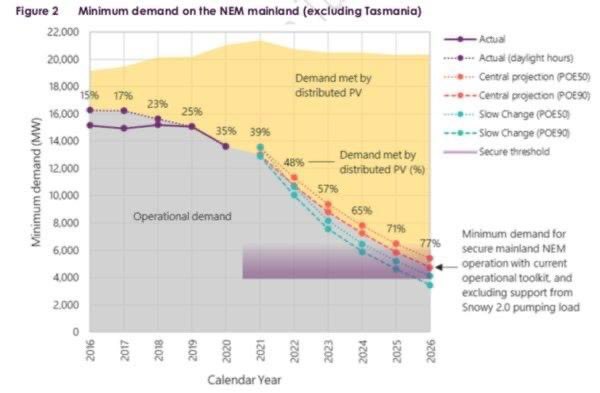
Campbell was Secretary to the DHS during the setting up of Robodebt. Renee Leon ran DHS from 2017-20 when the scheme was mostly operational. The ALP didn’t remove Campbell from that role, she’d long left it? #InsidersABC
Avoid all infections. https://t.co/rztdIqhvXX
All human behaviour is right here. https://t.co/mboIVi1eIx
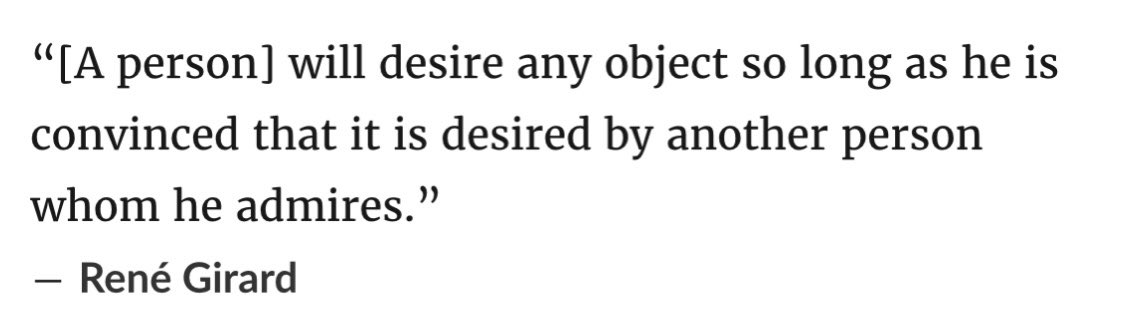
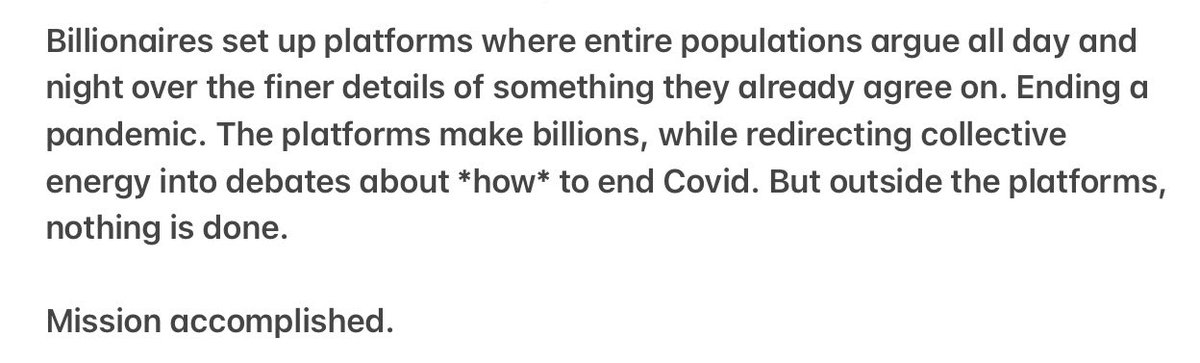
Alan Kohler notes here that climate change isn’t in the RBA mandate. We’ll fix climate change when we recognise it for what it is, a brand new industrial revolution, that will drive down carbon pollution and supercharge the economy. https://t.co/oKcvsYT0pG
It’s the same mechanism for every issue. Turn it into team sports, with two sides. Even on topics where both sides mostly agree. But humanity’s deepest desire is for imitative rivalry, we can’t resist it. We love team sports, in every area of life. https://t.co/Xdjs5qWpXn
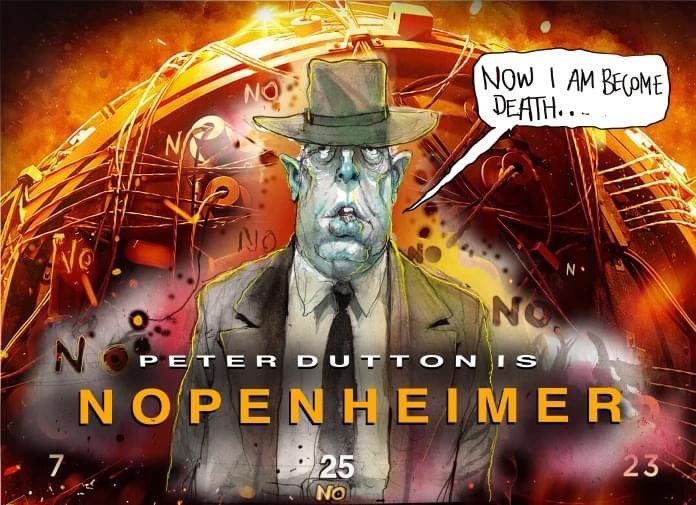
The embarrassment that Australia now is. Friend in a university tutorial, which was cancelled last week because the tutor had Covid. The tutor was there this week, masked. Said ‘I’m still testing positive, but my GP said I’m fine to work, provided I have no symptoms’.
Needed a tradie today for a burst internal water pipe. Turned up in a full elastomeric. Hooray.
Another window into just how out of control tourism is. How many Brits are on Rhodes, as it burns? Over 10,000. https://t.co/RzFZtRJ9sn
That ‘balance’ word again. The populists now dismantling legal systems too, all in the name of balance (meaning they don’t want it at all). Like we’re still ‘balancing’ Covid and the economy i.e. 100% economy, 0% Covid. https://t.co/2JnbswmBwP
You would have to be some kind of stupid to think the delay was anything but political, to avoid the findings being released near the last election. The populists have ICAC in their sights. https://t.co/1leoXZ8NXc
The article doesn’t mention that knowingly going into public with Covid and not taking precautions, in NSW at least, is an offence punishable with up to 6 months in jail, under the Public Health Act. Covid is a Category 2, 3 AND 4 condition. https://t.co/WznSuJ9aDC
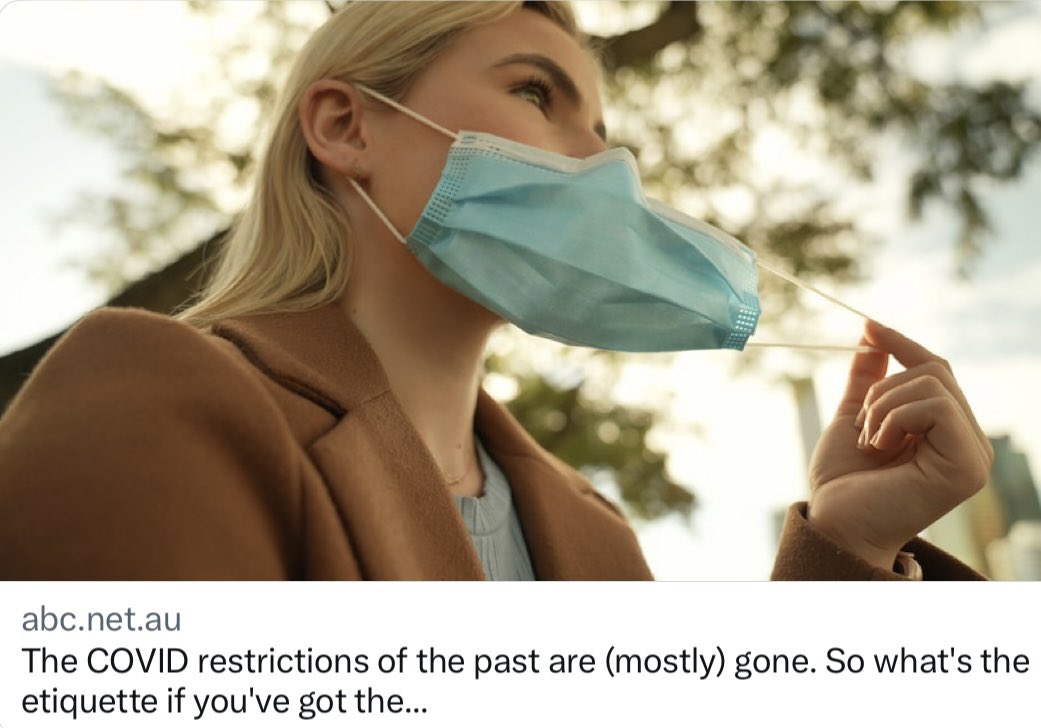
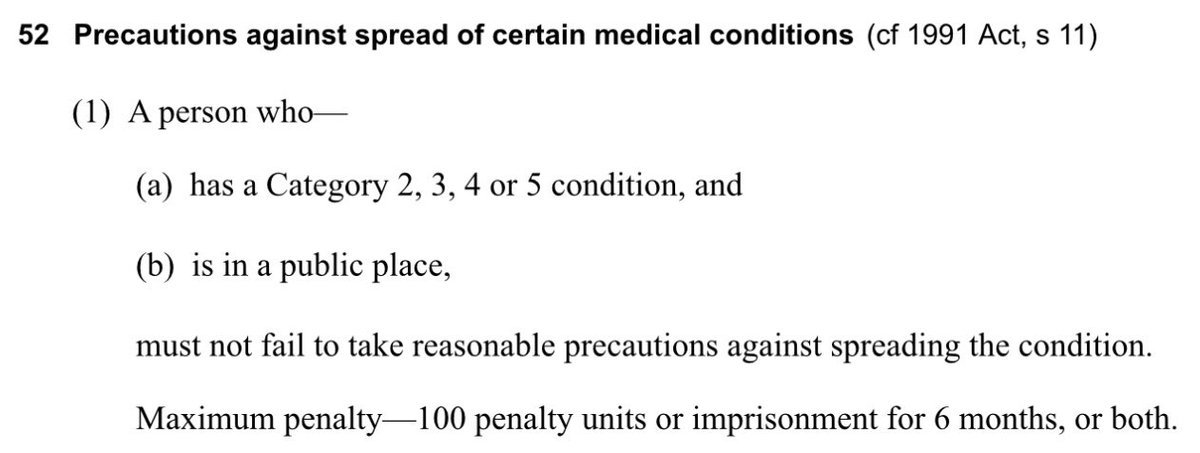
Why are we continuing with ‘normal life’ at all? Why isn’t every country on the planet in full emergency mode, like it would be if it had massive bushfires and floods? The answer is always…elections. Only elections shift things, and they’ve been gamed. https://t.co/ioVuQ7clzG
Maybe our victory over Covid was a moral victory. You know, it won, but we were the more moral party, letting it live. https://t.co/JmaTF4gFRY
Remember when elected leaders, the media and social media not only all failed in Don't Look Up, but actually accelerated the end of civilisation? Did that not resonate? Why do we take to social media every day thinking that will do anything except make it all worse? https://t.co/iMYYHQ2Kgj
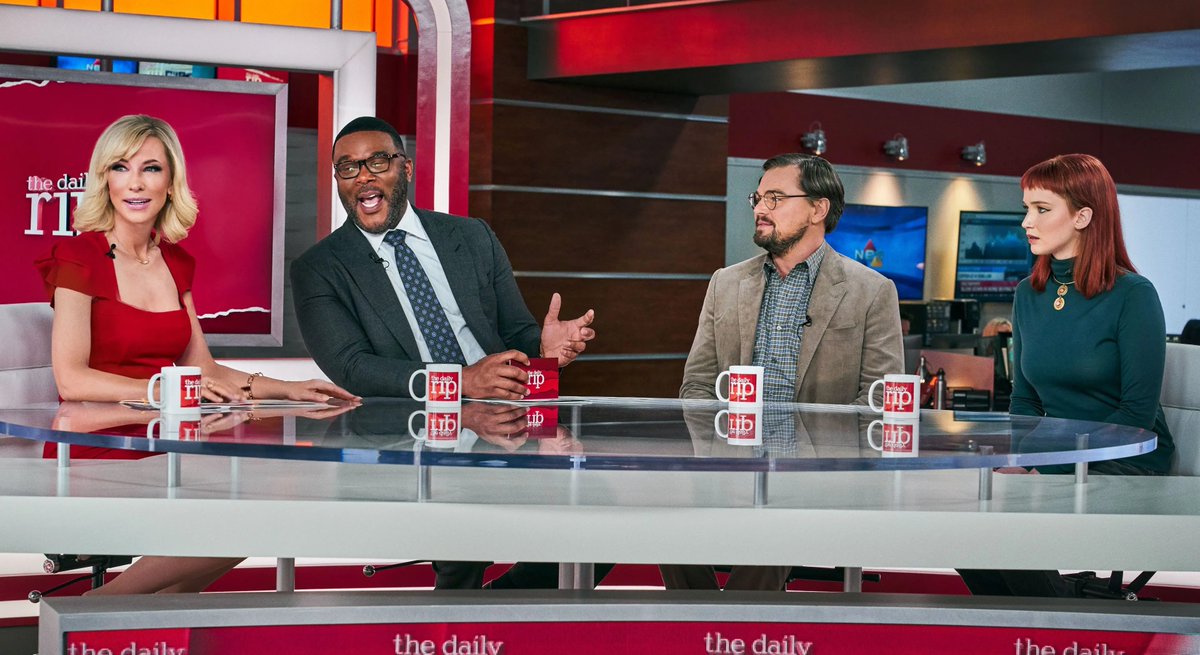
Imitative rivalry at work. Large numbers of Australians didn't change their minds in only a few months. They've shifted to the other 'team' because the issue was deliberately turned into a rivalry by the No side. Nothing is more addictive to humans than team sports. https://t.co/icd7IJv7kq
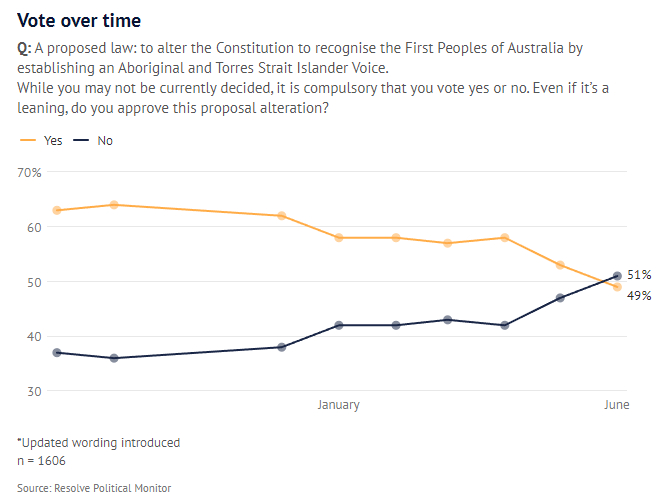
Can you think of one human thought, behaviour, feeling, word/phrase, object or trend/fashion that isn't copied/imitated from somebody else? https://t.co/EPuDKmkI0Z
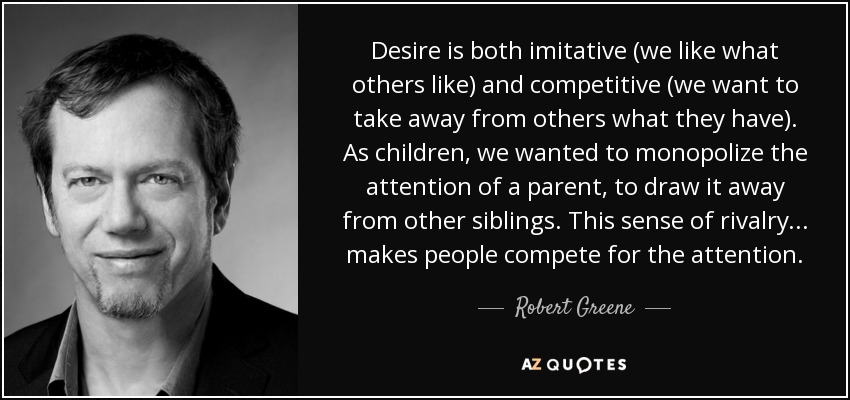
In some countries HIV/AIDS is responsible for more than 25% of all deaths. They’re ‘living with’ HIV. https://t.co/kKHHdOpseR
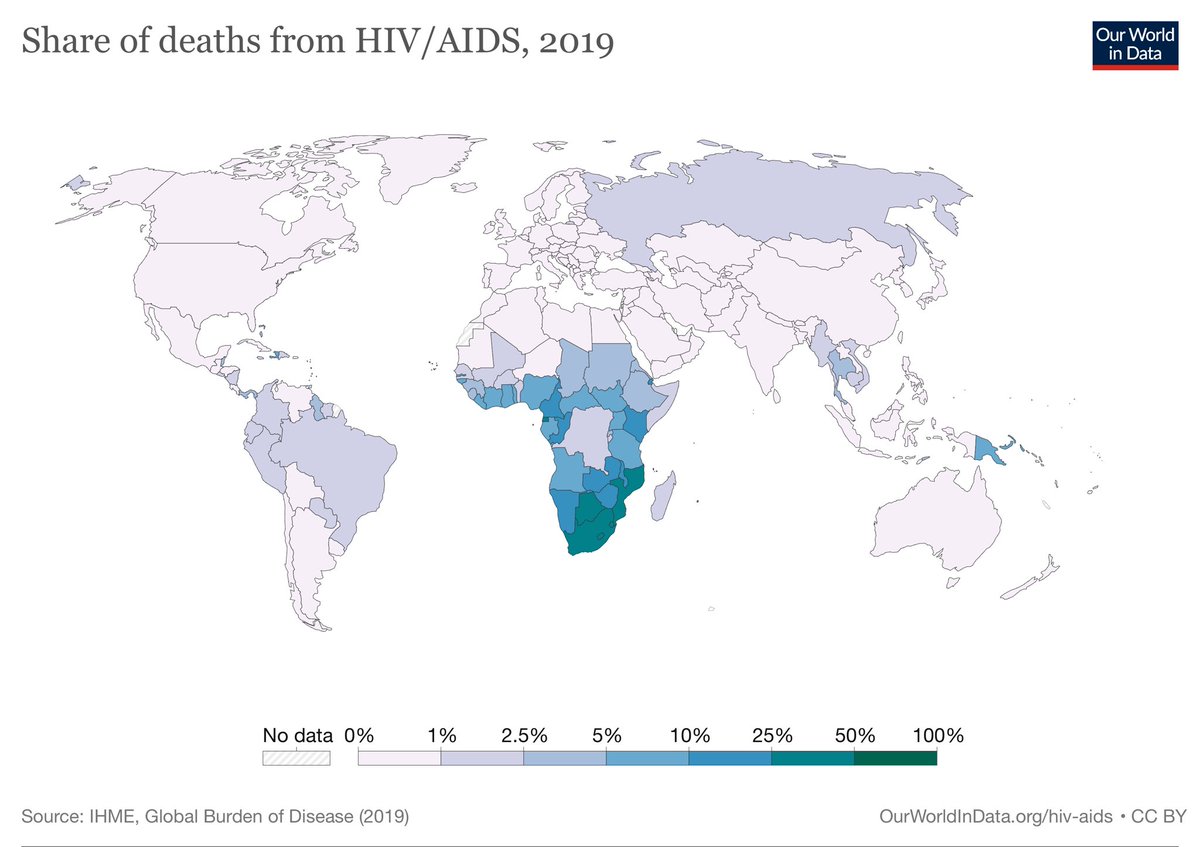
Politicians prattle on about the ‘independence’ of central banks. We also have independent expertise for bushfires, pandemics and climate change. They should be running the responses, with the elected at a respectful distance, as in this photo. https://t.co/gZpcfU4plK
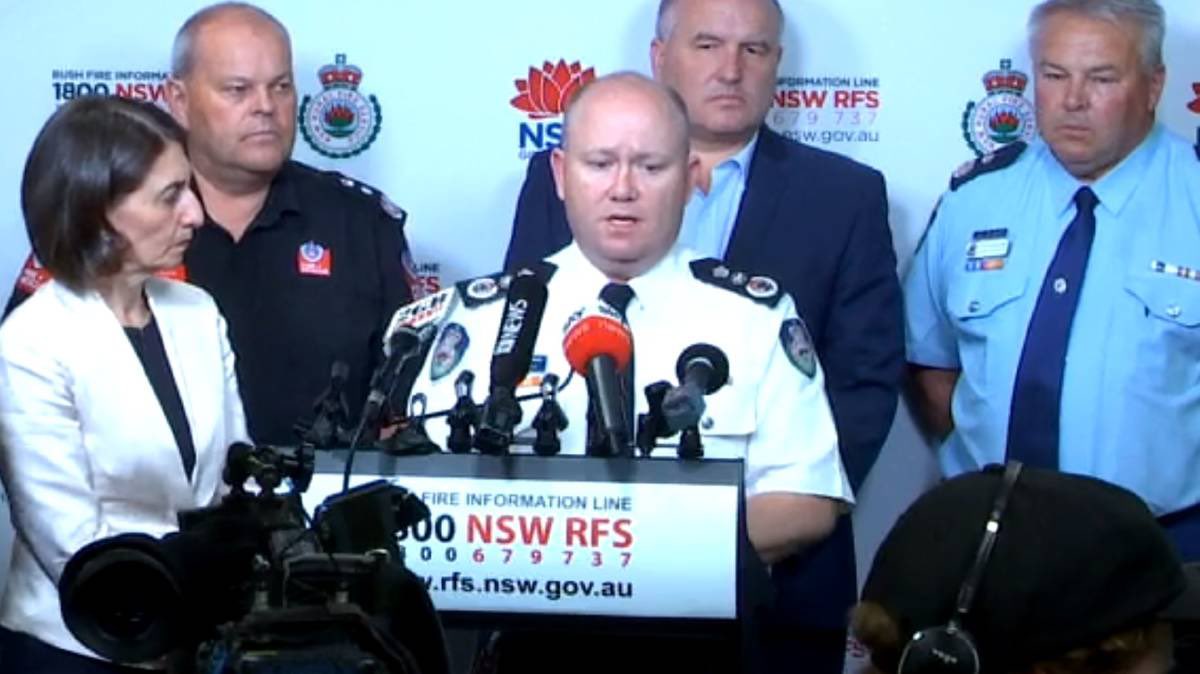
Thinking who we vote for will make a difference to any major problem is like thinking your football team winning will restore the Murray-Darling Basin. Not an analogy. Both team sports with no connection to reality. https://t.co/FFKcQI1ule
State of Origin is an extremely useful tool to help understand why we can’t fix anything, from climate change to Covid. For the rest of the world, any of the soccer competitions are equally as good as examples. Your most popular team sport. /1 https://t.co/pm40UqAm0K
Democracy, as we call it, is ruling a country for the people. All of them. That’s what ‘the public’ means. Res publica, also commonwealth. The difficulty humans had when coming up with democracy was deciding how to actually do that. /2
You can’t sit millions around a table to make decisions every day. In earlier democracies social elites made the decisions, on behalf of the wider public. Today we use elections, to give every member of that public ‘a voice’ instead. /3
That sounds tremendous, noble even, what could be wrong with that? Have Tweeted lots about this, what’s wrong with it is that it ignores how humans interact, socially. It assumes some idealised state where individuals act individually, and then you just add them all up. /4
That’s not how humans interact socially, and nor will it ever be. Humans form status hierarchies, based on imitation. They copy one another, obsessively, and specifically they copy high-status individuals or groups, who then become the keystones of their status hierarchies. /5
Or as I often call it, ‘team sports’. Because that is quite literally the social model, and why team sports are such an obsessive passion for humans. Electoral politics quickly evolved into party politics, and the parties are the teams. And parties serve very useful functions. /6
Not least they allow for the development of wider policy platforms, rather than reaction to each issue individually. But their terrible, fatal flaw is that they emulate the team sports social structure. Humans turned them into teams almost the moment they were invented, /7
So our dominant social behaviour, status hierarchies driven by imitation, to create groups or teams, appropriated this new democratic thing immediately. And it’s controlled it ever since. It takes only a day for imitative rivalry between social groups to develop. /8
We’ve had party politics for a century or more. Football season in the winter is paralleled by party politics season 365 days of the year, where we back our team in exactly (not an analogy) the same way we back our football teams. Elections are the great social grand finals. /9 https://t.co/Lxc8FLTJDi
This would matter less if this social mechanism was focused on reality, on achieving some outcome outside the group. It never, ever is, if left to itself. It will always focus on the team sport, on beating the other team. Luke Burgis says it so well. /10 https://t.co/BRf1yyxElx
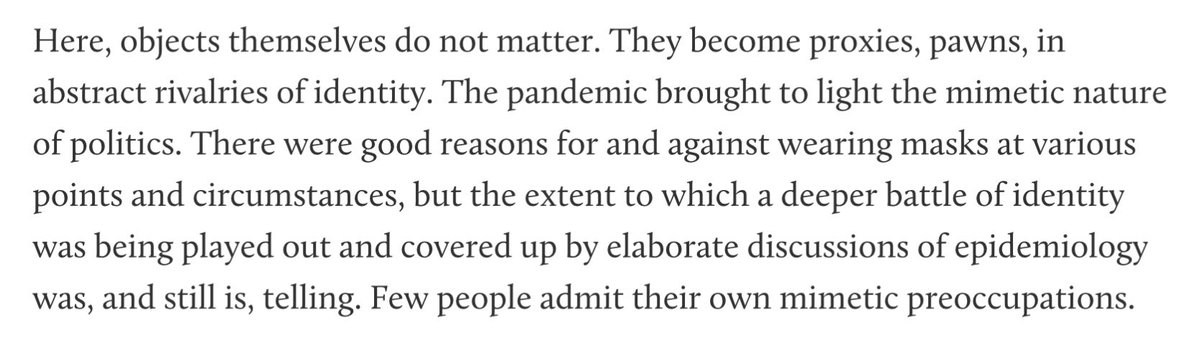
Party politics is literally a sport. Because our democratic ideas were so naively ignorant of how humans act socially, we’ve overlaid a continuous football competition on our democracies, and vested it with ultimate authority. It won’t end well, our societies are collapsing. /11
And people will not budge from this model, because as Burgis says, they not only won’t admit their ‘own mimetic preoccupations’, they LOVE it. Humans have always and will always love imitative rivalry, team sports. Zero Covids and Covid minimisers are new teams that show it. /12
The pandemic is going disastrously, and yet we still engage in the team sports version of it every day, thinking it might be getting us somewhere. Social media makes billions turning social issues into team sports, that’s its function. The perverse thing is, we mostly agree. /13
Nobody wants a pandemic. But team sports politics has turned every tiny, ridiculous issue like masking into months or even years of team sports. Both sides already agree, they don’t want a pandemic. But they can’t resist the team sports. Goya saw it very well. /14
We will keep slugging it out until we sink into the mud beneath our feet, suffocating us. Pandemics and climate change, in our case. But the addictive sport of that imitative rivalry is an almost impossible desire to break. /end https://t.co/lIKGGt0j3j
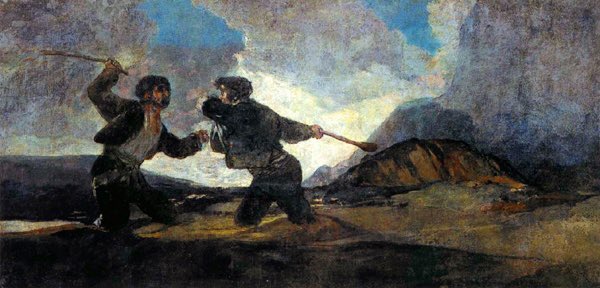
Again the Albanese government has about as much policy ambition as Telly Savalas had hair. https://t.co/d1oSI3VlaX
People post the most intimate details about themselves and friends and family, to global platforms. It reveals how they perceive collective life. The ‘we’ is entirely ‘me’. The hyper-reduction of collective life to the intimately personal. h/t @NobodyImpawtant https://t.co/gHD9ghHFc8
Agreement, ‘but’ qualified to provide differentiation from the original. Imitative rivalry, society’s glue. Social media’s breadwinner. https://t.co/vJ3AZ2ZcNr
Debt-deflation spirals, as @ProfSteveKeen has warned about for years. https://t.co/2yhloGAhnL
Does anybody seriously think that ploughing through 3-year electoral cycles driven entirely by popularity polling is going to progress any of our problems at the speed that’s required? The Albanese government’s vision is predominantly winning elections. It wants 3 terms. https://t.co/qaJoejP6ko
Covid obviously a major cause here. But I think there’s more, the pandemic gave both students and parents permission to separate themselves from institutions they haven’t respected in years. We have a culture based on schooling, and we also hate schooling. Social collapse. https://t.co/pyuNbMnlsE
Covid and climate change are two things the travel industry is a major cause of. Our travel culture needs to ‘come into land’, as Bruno Latour said. It needs to be grounded again. An end to a culture of disconnection, dislocation and dispossession. https://t.co/r5776iBMSO
The 2019 bushfires in Australia produced astronomical amounts of carbon pollution. But globally, we’ve produced more than 100 times that on average, every year for more than 260 years. How did we not notice? Internal combustion. The fire was hidden inside engines, furnaces etc. https://t.co/NTpOqnFJHW
How’s Threads going? The latest grass is always greener fad fading yet?
Everything bad about Covid is a violation of place in some way. All infection is, it's territorial. Privatising lockdowns for example drove infection deep into our homes, probably the most unsafe place we can be for Covid now if we have families living there. A violation.
B A Van Sise. I challenge anybody to demonstrate an entirely original piece of work, or thought, or feeling. Or anything. AI shows again that the most fundamental human act is to copy. To imitate. https://t.co/64pl5uuMXp
One response from the travel-fetishists is that 'humans have always loved to discover'. Like everybody who flies off on holiday is a new James Cook. All the places they travel to were discovered long ago. They mean discovering themselves. Yourself is wherever you are. https://t.co/KKNNazFf37
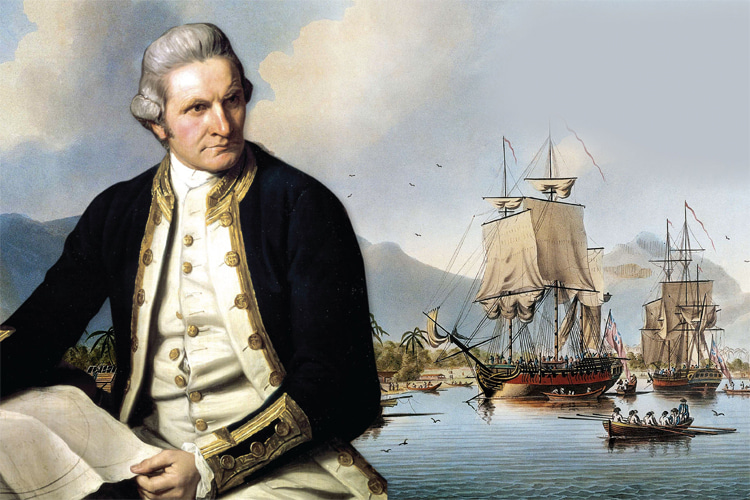
Imitation, again. This behaviour came from the US, and is being copied here. Look at any human behaviour, and you’ll find imitation. Including Covid minimisation. https://t.co/x2OdTy5Rpb
Let’s dissolve both houses of parliament indefinitely. Let the public service run the country, and emergency teams led by experts to deal with Covid and climate change. Have citizen assemblies for public input. https://t.co/T1ybon9Aw1
No daily discussion here or electoral politics anywhere will have any meaningful impact on the global catastrophes we’re living. History is repeating, total catastrophe is all that will rupture the imitative rivalry/team sports. We’ll fight in our teams as the ship goes down. https://t.co/4aYZVd4cy8
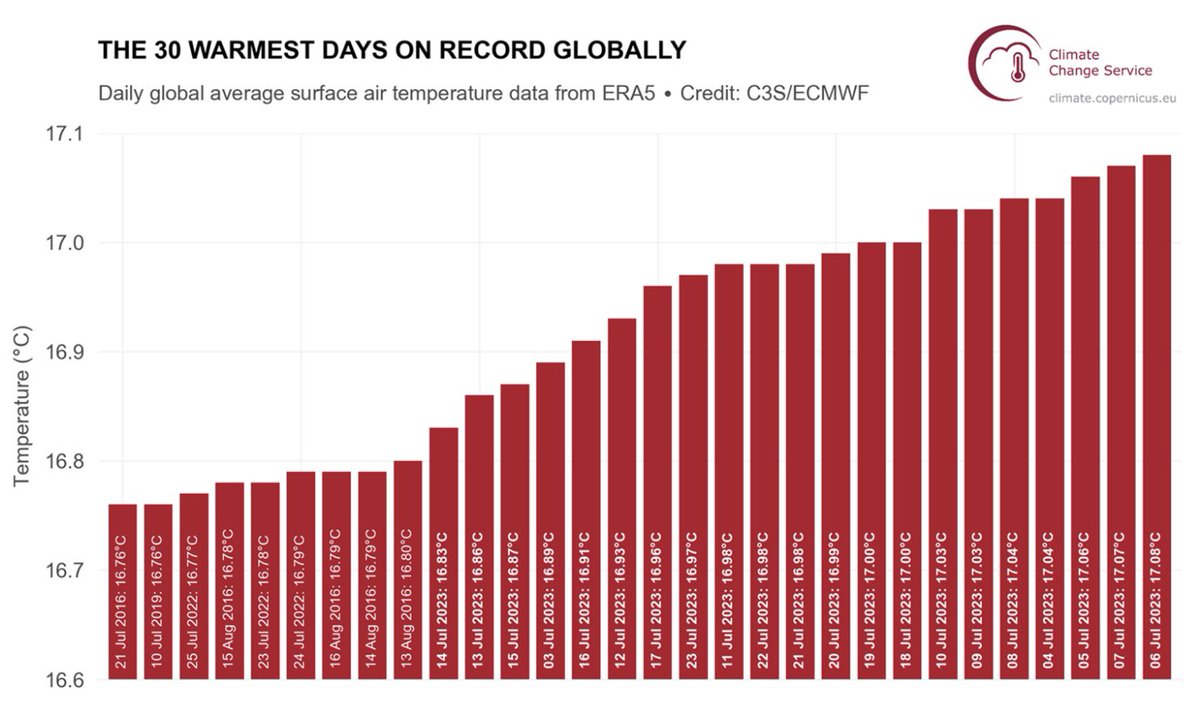
Meanwhile, travel culture still escalates, unabated. Nothing should stem the flow of selfies from a burning and infected planet. We can all ‘experience’ civilisational collapse, I’m sure the travellers will say. Personal growth. https://t.co/U8GnJ68qNv
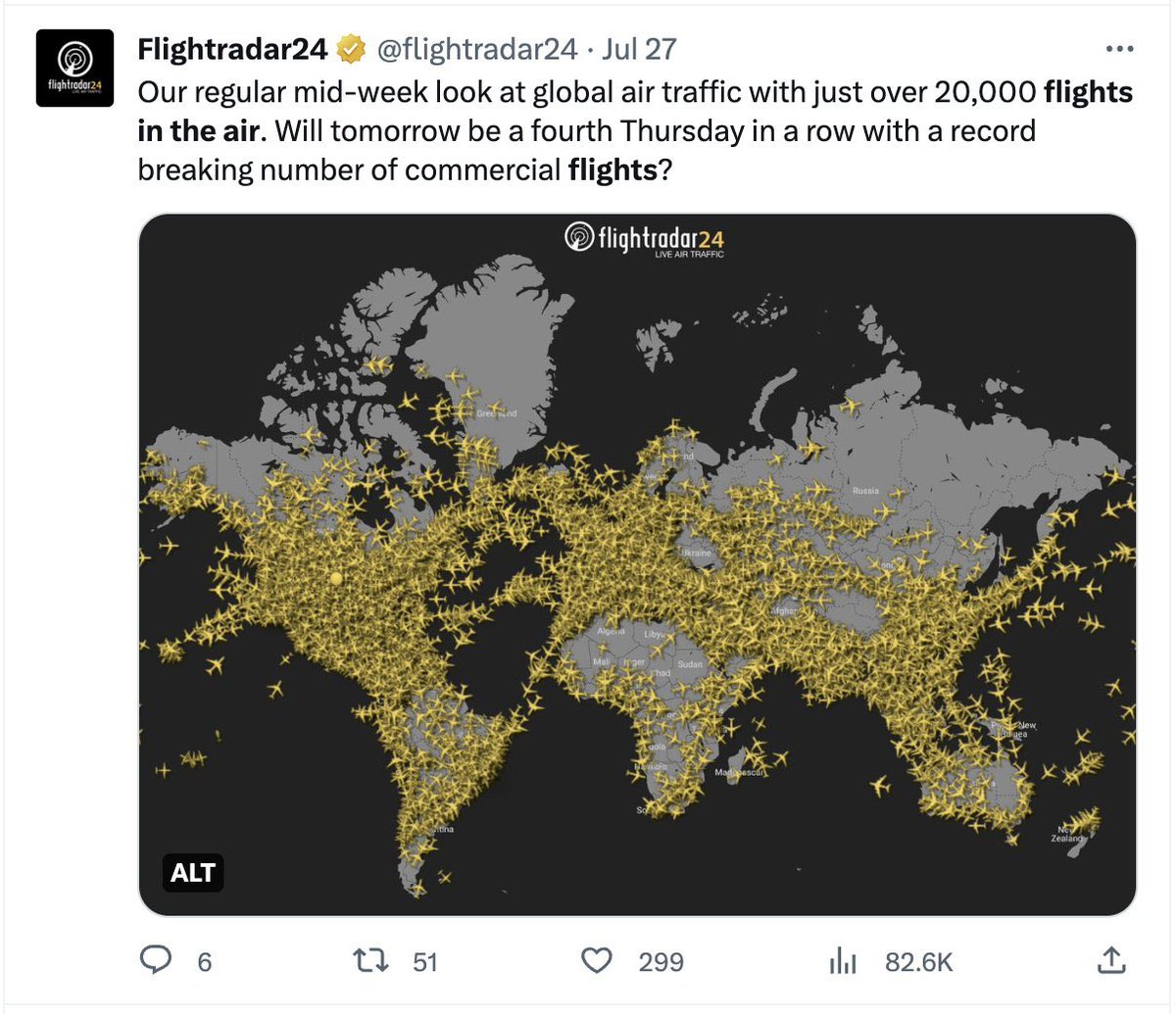
Many conversations in recent times with people retiring. Some have reached retirement age, many are going early. A disturbing sense of foreboding is behind many of their decisions. They see organisations collapsing, flailing with the challenges facing them. Short thread. /1
Nearly every person I’ve spoken to expressed relief to be free of the burden of trying to keep things going with bits of string and sticky tape. And being the constant target of abuse from both internal managers, and customers, reacting hysterically to the collapse. /2
This isn’t enough seen. That a society takes many years, decades, to shift fundamentally. The massive push to de-regulate our societies, to privatise them, has come to a disastrous endgame right now, after 70+ years. There’s no fast or easy way to restore what’s been lost. /3
As the globe has grown exponentially in population, a counter-movement of all-out assault on the collective institutions that are needed to manage that heaving mass of humanity could not have been more disastrously timed. But here we are, trying to fix global catastrophes…/4
…with ‘personal responsibility’. Like trying to put out the Fire of London with a water pistol. it gets even worse, sadly, because as that great fanatical, fundamentalist wave of privatisations and re-regulation unfolded, it entered deep inside organisations too. /5
Expertise continuously outsourced to external consultancies has meant there’s no real succession happening. As the experienced staff retire, there’s nothing left to replace them. Nobody has a clue what to do. The consultants long since gone, to enjoy their big payouts. /6
Other industries have been entirely privatised, and ‘corporate knowledge’ there is entirely at the whim of the longevity of those who bought them. Often today those are cowboy financial institutions, there only for quick ROI. So there’s no build-up or passing-on of knowledge. /7
Infrastructure being run into the ground, look at the electricity generators. Talk to the engineers and maintenance staff there and you’ll hear nightmare stories. The whole infrastructure of social life is collapsing. And the perversion of this? /8
The people who did it TOLD us that’s what they were doing. ‘There is no such thing as society’, they said. And that’s where we ended up. Because there was such a thing as society, obviously, but decades of them doing everything in their power to dismantle it have worked. /9 https://t.co/jh2WmsstfP
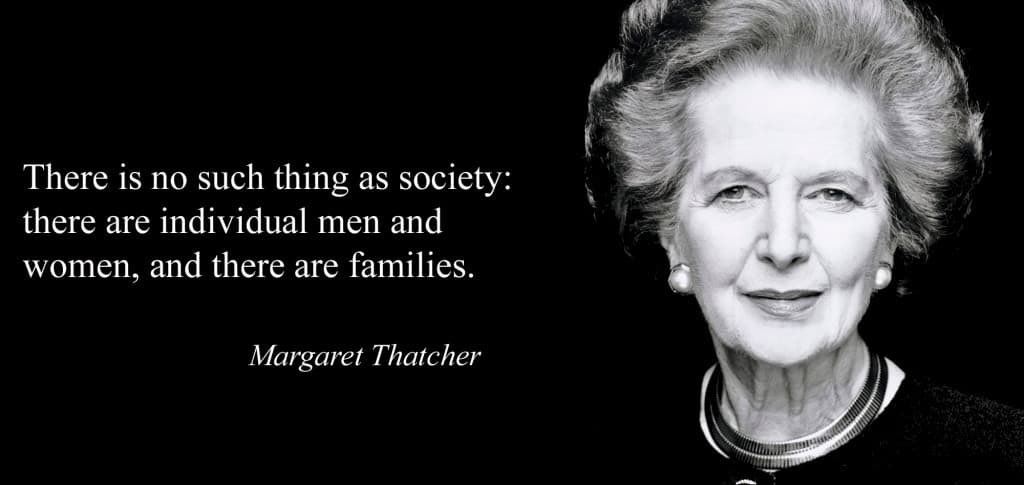
People want a positive message, and apart from the sheer complexity of the technical infrastructure needed to keep societies running now providing some inertia against this wrecking ball idiot belief system, there really isn’t one. The Ayn Rand groupies have stuffed us. /10
It’s going to be a (privatised) roller coaster ride from here, and there are no guarantees we’ll survive with any of our normal expectations of social life intact. The idea that a popularity-based mechanism like elections might save us is ridiculous. /11
We’re so in love with the team sports initiative rivalry of social life that we’ll happily Tweet away as civilisation collapses, convinced we’re mobilising the resistance and setting up support groups etc. The Titanic’s band playing as the ship goes down. /end
And bloody auto-correct in some of those Tweets, sorry, can’t edit it now.
I find myself even less interested in public 'debates' every day I'm year. Which means not triggering the usual topics that fire up responses and followers in the daily team sports. It's an illusion to think those are the pathway to solutions. A very profitable illusion. https://t.co/l7bXHLGSB2
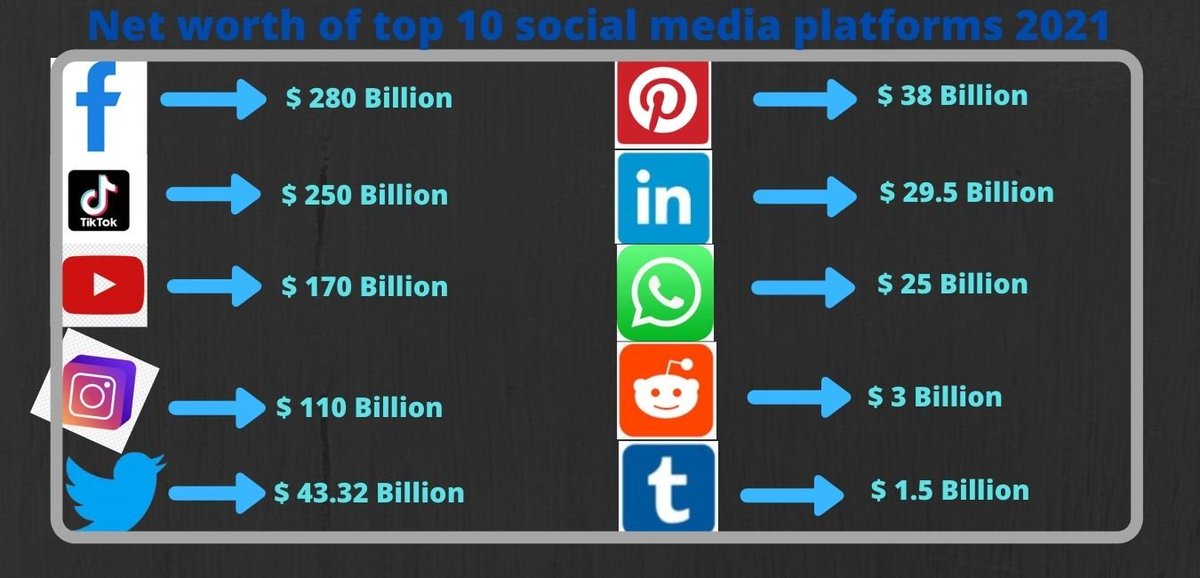
Even the name, "NSW Health", reflects a time when health was a public thing. NSW had (or didn't have) health. Now sitting there unable to do anything because populist elected morons sideline it in favour of their own petty careers, through votes. https://t.co/I7dgNBI9RU
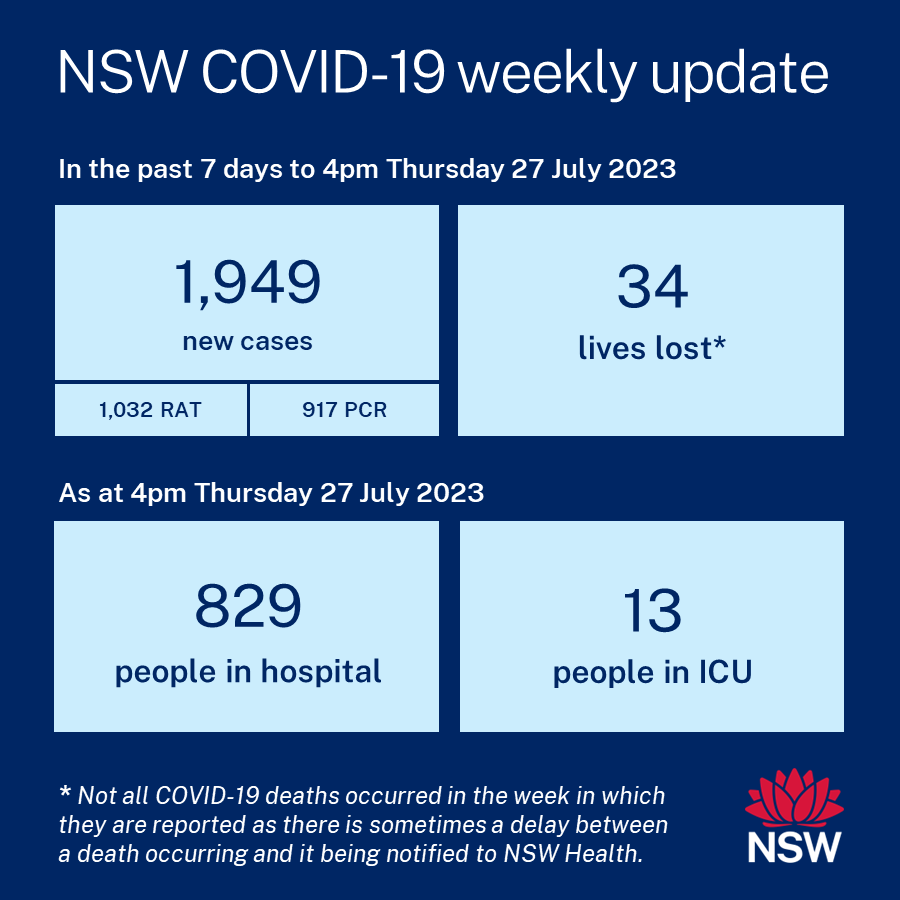
Australians should be able to buy as much vastly overpriced gas they already own from foreign companies as they like. Or something. https://t.co/hHfwsvUkAD
'Well actually...'. On display with the Ashes is the new way people deal with reality. It's what they define it to be. You can lose matches, or whole series, and still say you're the winner. The UK did it already with Brexit and Covid, why not cricket? https://t.co/0V6zlWZJSf
Albo’s housing policy is like his other policies. Flimflam. Liberal-lite, parroting the regulatory capture lines, ‘supply is the problem’. This is modern progressives, come to power, then sand the rough edges off conservative policy to bed it down. https://t.co/ACPpykTWDA
Such a graphic example of populism vs reality politics. Kyle is immensely popular. Why do we think popularity can ever be a mechanism for selecting ultimate authority in a society? It always - there are no exceptions - leads to social collapse. https://t.co/xrwTLQwnFm
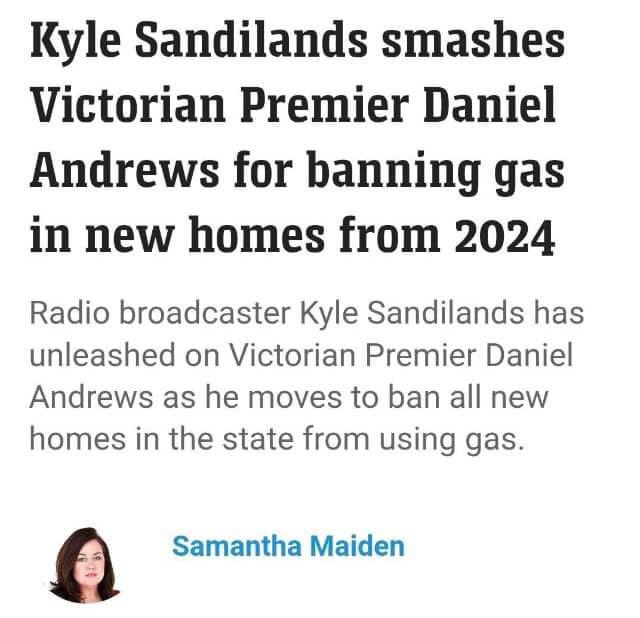
‘Fascism’ is one of those words sprayed around with abandon on social media. The 20th century’s two most famous fascists here. In reality fascism is just populism, in its endgame. Both hugely popular leaders, and came to power using populist methods. /1 https://t.co/ZqYS5hF0Q4
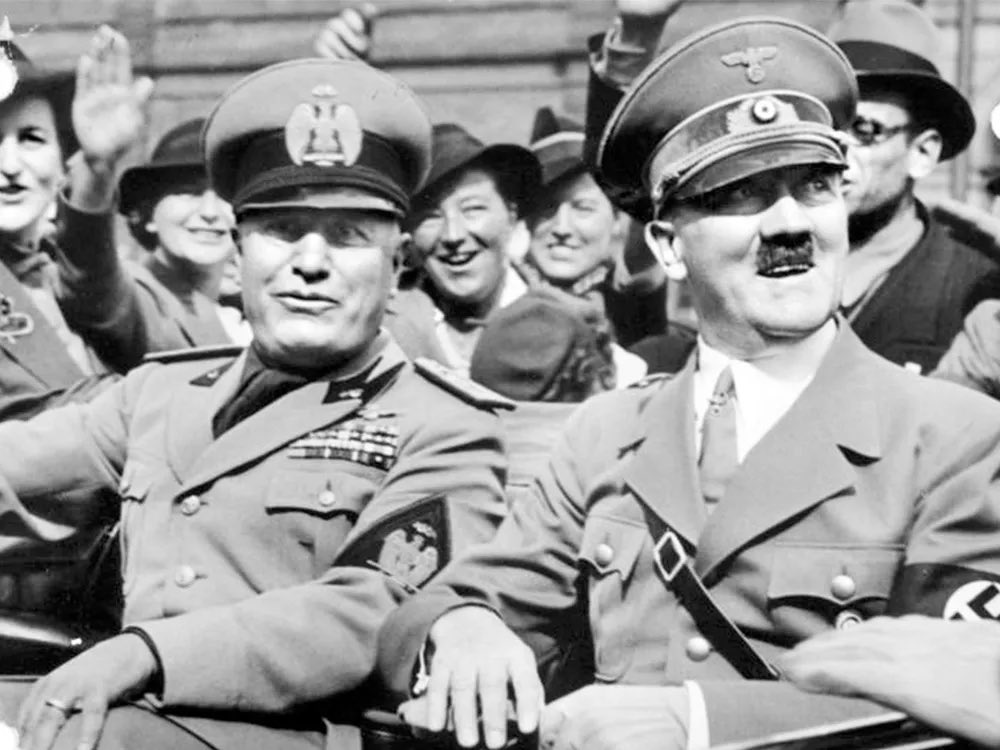
Popularity if pursued for long enough as a governing form leads to what we call authoritarianism. And from there to fascism, which is what populist leaders do when their nonsense schemes begin to fail. Look at Trump, a 100% pure-bred populist. /2.
Inside one term of government (!) his followers were sacking the Capitol. Echoes of Hitler’s Reichstag fire that he used as an excuse to sweep away all due process in Germany. These leaders see themselves as doing ‘the will of the people’. /3 https://t.co/XVRR8mL8zw
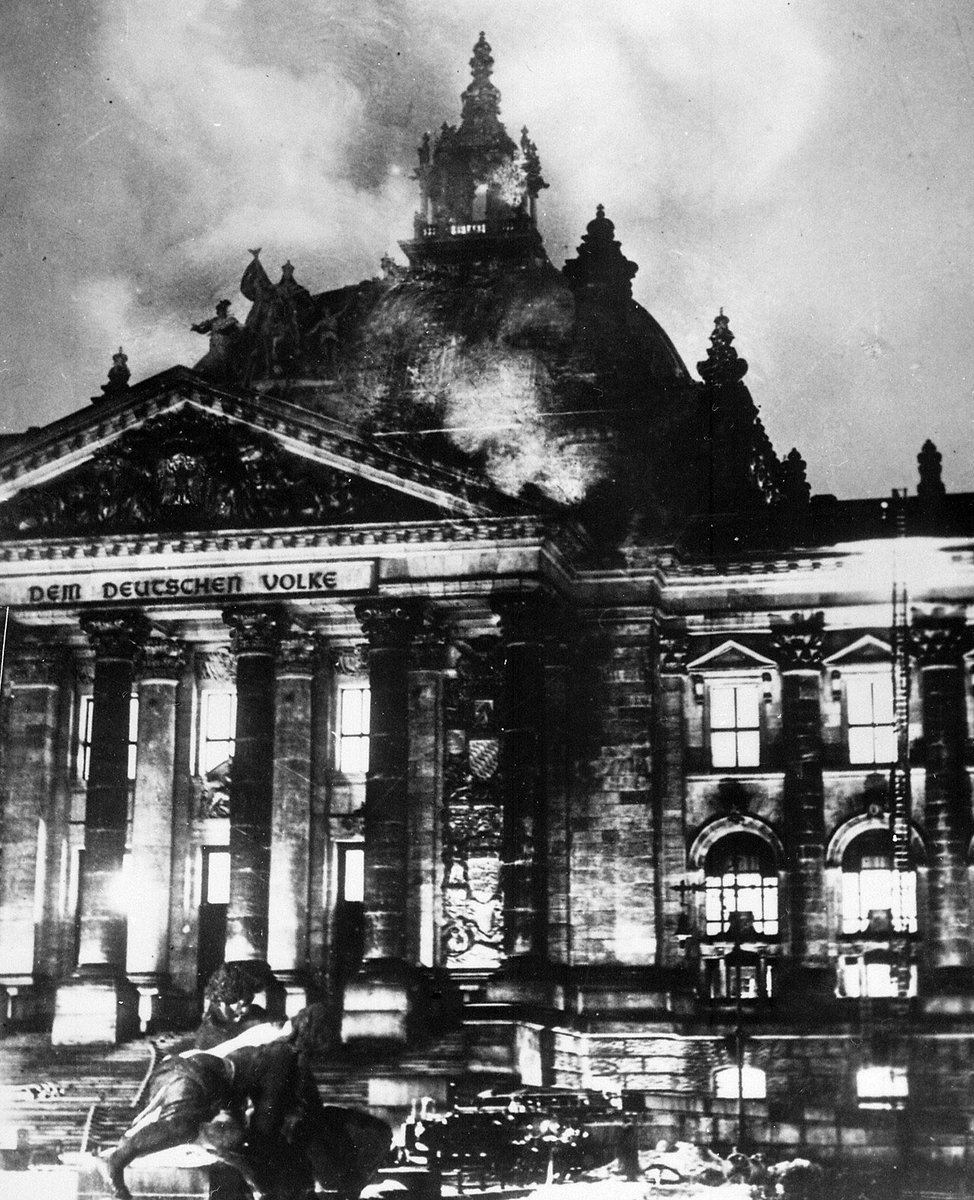
Fascists always talk about ‘the people’. What we never seem to connect though is that’s entirely a construction of populism. The DNA of populism is setting up some fictitious entity called ‘the people’, opposed to existing institutions. It’s the same social movement. /4
Populism is the disease of our time. Not capitalism, socialism, fascism, socialism or any of those other -isms. Populism actually exists, it’s a SOCIAL mechanism for controlling groups. We learn it in high school, the most popular dominate status hierarchies. /5
What we’re seeing now in the West is the result of that high school cultural model sweeping away generations of public administration, set up from the mid-20th century to respond to the catastrophes of two world wars, and a pandemic. That 70-year period was an exception. /6
Now the same populist morons who lorded over people in high school are also running societies. Societies are always, entirely social. Politics is just another name for this. Popularity causes the destruction of societies, as it did for Germany and Italy in the 20th century. /end
We better do lots of voting fast, to fix this. Nothing like a good vote to fix problems. Only the most popular people will know what to do. /s https://t.co/g6HLsVLG9A
If you’re looking on in despair as we do nothing about a pandemic or climate change, I encourage you (again) to stop interpreting adult life as…adult. It’s adolescent. School. Jennifer Senior’s magnificent essay is one more path to understanding. /1 https://t.co/KG0ZBEBHtL
The essay begins with the recognition now that our self-image is nearly always generated in adolescence. And if that period of your life is traumatic, that trauma stays with you. “Most American high schools are almost sadistically unhealthy places to send adolescents.” /2
“Until the Great Depression, the majority of American adolescents didn’t even graduate from high school…teenagers today spend just 16 hours per week interacting with adults and 60 with their cohort. One century ago, it was almost exactly the reverse.” Let that sink in. /3
This is where it gets really interesting for me, and I’ve Tweeted about this a lot. “Something happens when children spend so much time apart from adult company. They start to generate a culture with independent values and priorities.” Listen to James Coleman: /4
“Our society has within its midst a set of small teen-age societies, which focus teen-age interests and attitudes on things far removed from adult responsibilities.” This is a social-cultural mechanism for generating societies. It’s how ours is formed and reproduced daily. /5
Forget politics and -isms and Left and Right. All adult life is adolescent, high school behaviour. That’s where our culture is created, we just give different names for it when we leave school. But it’s the same social mechanisms. Senior has much more to say. /6
“In fact, one of the reasons that high schools may produce such peculiar value systems is precisely because the people there have little in common, except their ages.” Robert Faris: “These are people in a large box without any clear, predetermined way of sorting out status.” /7
Societies are always social, and nothing else. They’re battles for status, through imitative rivalry. Faris: “Absent established hierarchies and power structures…kids create them on their own, and what determines those hierarchies is often the crudest common-denominator…/8
…stuff—looks, nice clothes, prowess in sports—rather than the subtleties of personality.” There it is, absent established hierarchies and power structures. The structures of adult life, which are absent in schools. So kids invent their own, and take them into adult life. /9
So not only do they re-make adult society as a high school, the brutal anxiety of that experience is also fuelling the adult worlds they go on to create. Any of this seem like the world we’re seeing around us right now? And then onto another favourite - popularity. /10
Popularity is what drives high school status hierarchies. And thus now adult life too. It’s why elections are so popular, and team sports, and music stars, and celebrity, and social media with its likes. They all tap into our deepest formative experiences, in school. /11
Faris also makes the interesting point that if you put adults in similar group situations (reality TV for example), separated from the rest of life, the same behaviours happen. A ‘giant box of strangers’. Seniors goes on to say: “one also has to wonder whether high school…” /12
…is to blame; whether the worst of adult America looks like high school because it’s populated by people who went to high school in America. We’re recapitulating the ugly folkways of this institution, and reacting with the same reflexes, because that’s where we were…/13
…trapped, and shaped, and misshaped, during some of our most vulnerable years.” Long brilliant section then tracing the popularity status hierarchies of adolescents in school in their adult lives, and how the same hierarchies tend to reproduce there. And then, social media. /14
“Before Facebook, there was a real discontinuity between our high-school selves and the rest of our lives.” Then Mark Zuckerberg came along. “Social ties that would have gone dormant now remain accessible over time, and all the time.” Says it all. These platforms are key. /15
They provide a seamless transition from adolescent high school life, to adult life. They’re the infrastructure that makes that transformation of high school life into all adult life seamless. I highly recommend this entire essay, to everybody. /16
Every day I hear the frustration here that adult life is dysfunctional, that we’re not doing the most basic grown-up things to manage things like pandemics and climate change. This is why. Until we diagnose why correctly, it won’t shift. /17
Coming here to argue in your team(s) against other teams is the same high school culture. The imitative rivalry takes high school culture (already decoupled from reality), and amplifies the separation even more. Coming here to ‘network’ too - obvious high school behaviour. /18
Forging alliances, status groups. Aren’t we sick of high school yet? /end
Populists first impoverish ordinary people, then use that poverty with staggering hypocrisy as a reason to do nothing to fix other problems facing the same ordinary people. Popularity is the root cause of all of our troubles. High school culture. https://t.co/GBRyrHSxZM
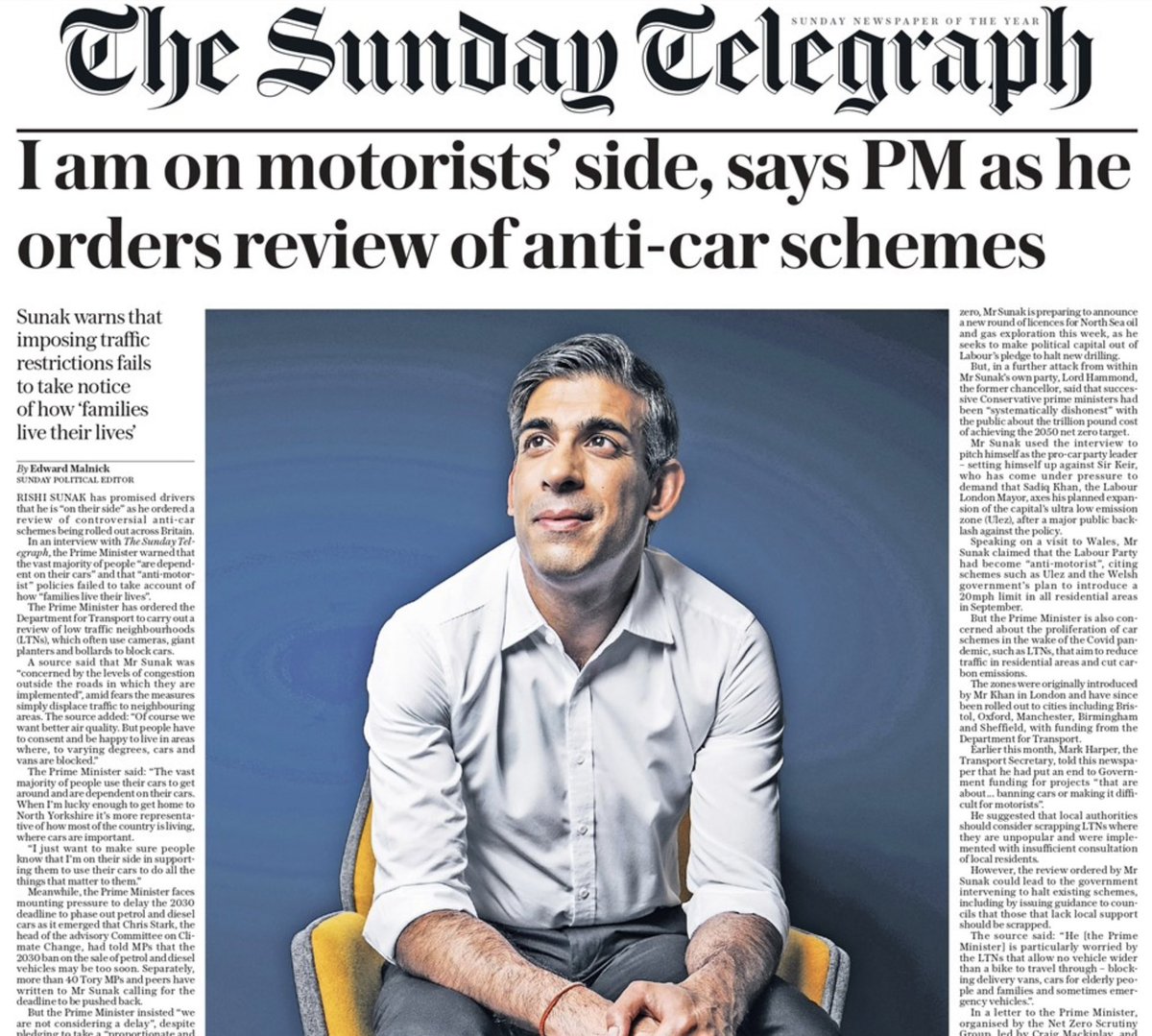
The problem with housing is not supply. Just as it isn’t the problem with gas. That’s spin invented by the housing and gas industries, who want to sell more houses and gas. The problem is the collapse of public housing. And public energy, for energy. #InsidersABC
Now for personal irresponsibility health. https://t.co/lyQxkrcjk3
What’s the data say about effectiveness of RATs past their expiry date? https://t.co/4KTfBWplS0
The bewildered cries of ‘why is nothing being done about Covid?’ are a marker of privilege. For most of the world this is standard, they have ‘endemic’ disease foisted on them all the time. We’re all the developing world now. The Economy recognises no national boundaries.
The genius of Gravity was to replace space, with place. The movie makes you feel the void at the heart of our culture. The absence of place. William Shatner when returning from orbit said the ‘final frontier’ is really the Earth beneath us. All space is cold death. /1 https://t.co/0nJjYBvBKU
Outer space, as wall as place turned into spaces by economies, here on Earth. Real estate. Maps of acquisition. Without all of the mutual ties to the critical zone, the tiniest layer worked by life at the surface of the Earth, we’re dead. /2
Both Covid and climate change are the outcome of this loss of place. The dislocation and decoupling from the critical zone. Our obsession with travel another symptom, where we accumulate places as spaces, like stamps. /end
Expertise has never ‘spoken truth to power’, that’s just chest-beating. The only way ever that knowledge and expertise has ever shaped government is the invention of a civil service. Like this one in Victoria, early 20th century. That’s why public servants were invented. https://t.co/LIowZIZuIg
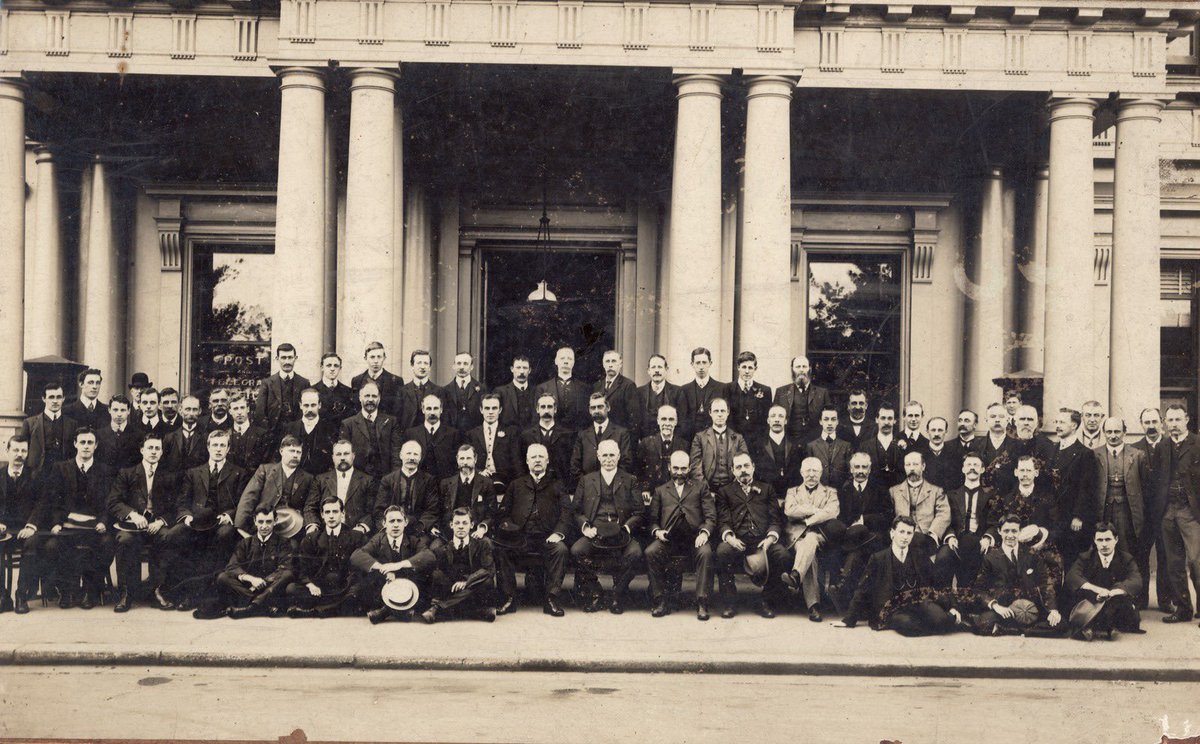
Vonnegut saw it. Until we see that our culture is a giant high school, we won’t understand it. https://t.co/FVhSGaRmEW
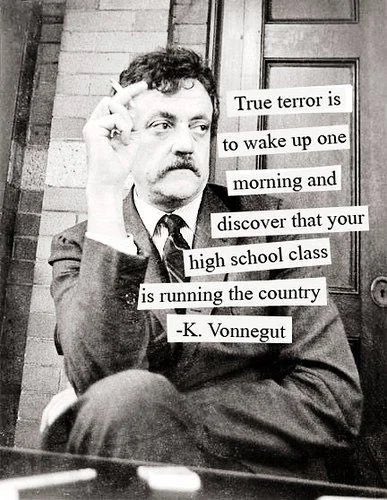
Vonnegut again. Novelists have much smarter things to say than most expertise today, which is narrowly focused and hopelessly naive about social life, human psychology and the basic things that keep societies running. https://t.co/h8c7MqGflP
Total sympathy for Rachael. But I reckon if we were honest about the ways social media is not ever a community, we might understand better what we’ve actually lost. https://t.co/HrfJXLExkF
Should be read in conjunction with this piece by @GeorgeMonbiot on the fundamentally anti-social force that cars are. Which for a party that doesn't believe in society is par for the course. https://t.co/qYwK1ZgA3C https://t.co/9sLMCjfiJp
There is no 'pandemic fatigue'. There's a deliberately engineered resistance to public health. Countries fought wars under much greater privation for many more years, because that behaviour was led. All behaviour is led. https://t.co/67WRPcEtvH
Another perfect example of how 'lockdowns' never ended. They were privatised. When governments surrendered responsibility for housing and energy, both were privatised. The same has now happened for public health. 'Living with' a pandemic means privatising it, not being rid of it. https://t.co/vz2hsLZrsi
Never believe the libertarian schtick about individual freedom. Nobody is more slavishly devoted to their leader than a libertarian. All humans follow social status hierarchies. None more than those who say they don't. https://t.co/Sl9ErhMhQS
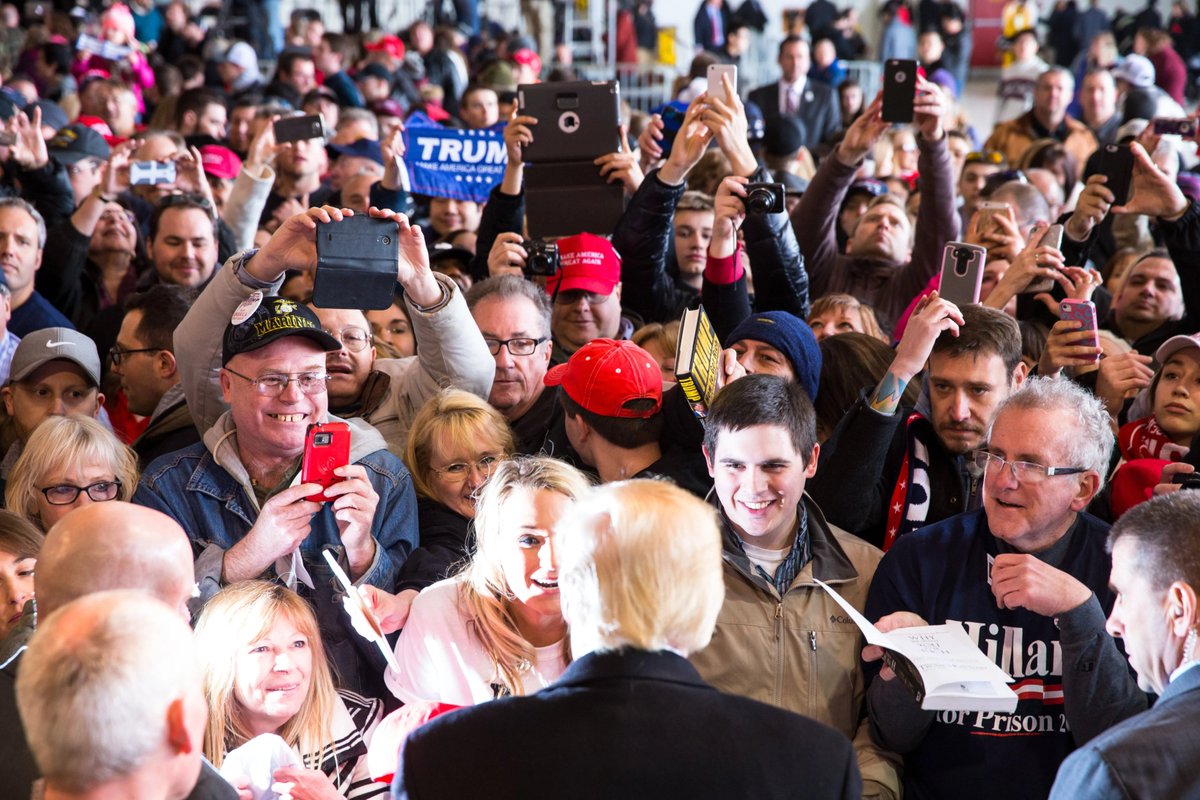
Australia's 'orthodoxy' is attacking cricket. England's Bazball is just T20 cricket, in a Test. Sometimes they'll get lucky, mostly they won't. Law of averages. It already lost them the Ashes. They still choose to believe it's some new thing. https://t.co/YqBDHJCfWd
The headline is accurate, it has nothing to do with science or climate change. It’s electoral differentiation. The survival of civilisation is at the whim of these ridiculous popularity contests. All that matters is beating the other team. Fuck the world. https://t.co/1oTA7ecMRP
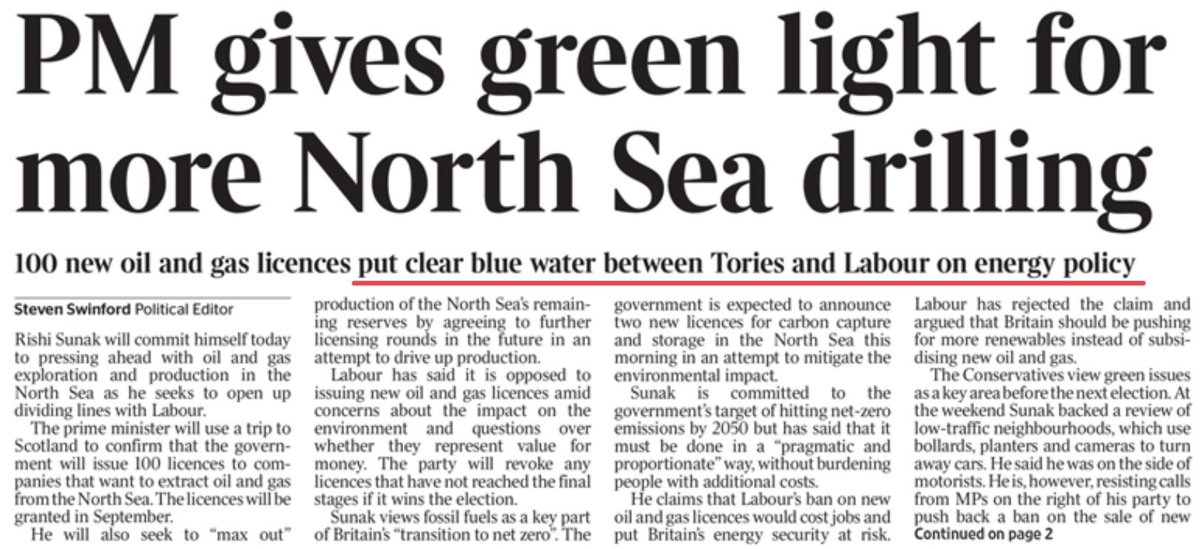
This is how politics is done. You construct a completely fake outrage, with two teams, for and against the alleged outrage. The against team by definition is the team that invented the outrage. Then the fake teams argue the fake outrage. Team sports. https://t.co/WeoHy3LGJ8
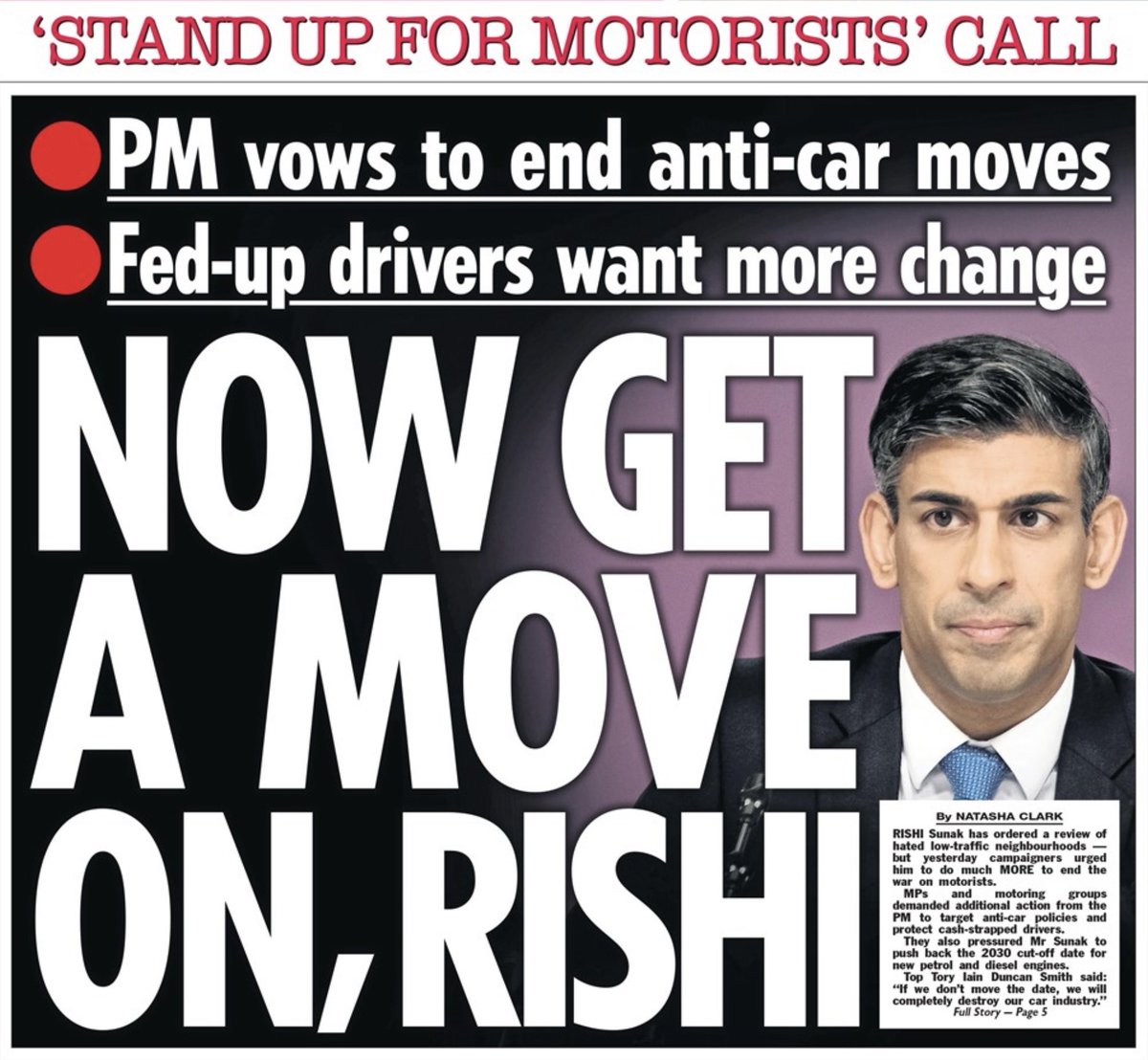
The best description I’ve seen of a school is as a ‘box of strangers’. It’s also a perfect description of social media. To strip away all social structure, and force people to reinvent one of their own. Incredibly dangerous, the gutting of custom and tradition. We’re living it. https://t.co/wb8BpJYm37
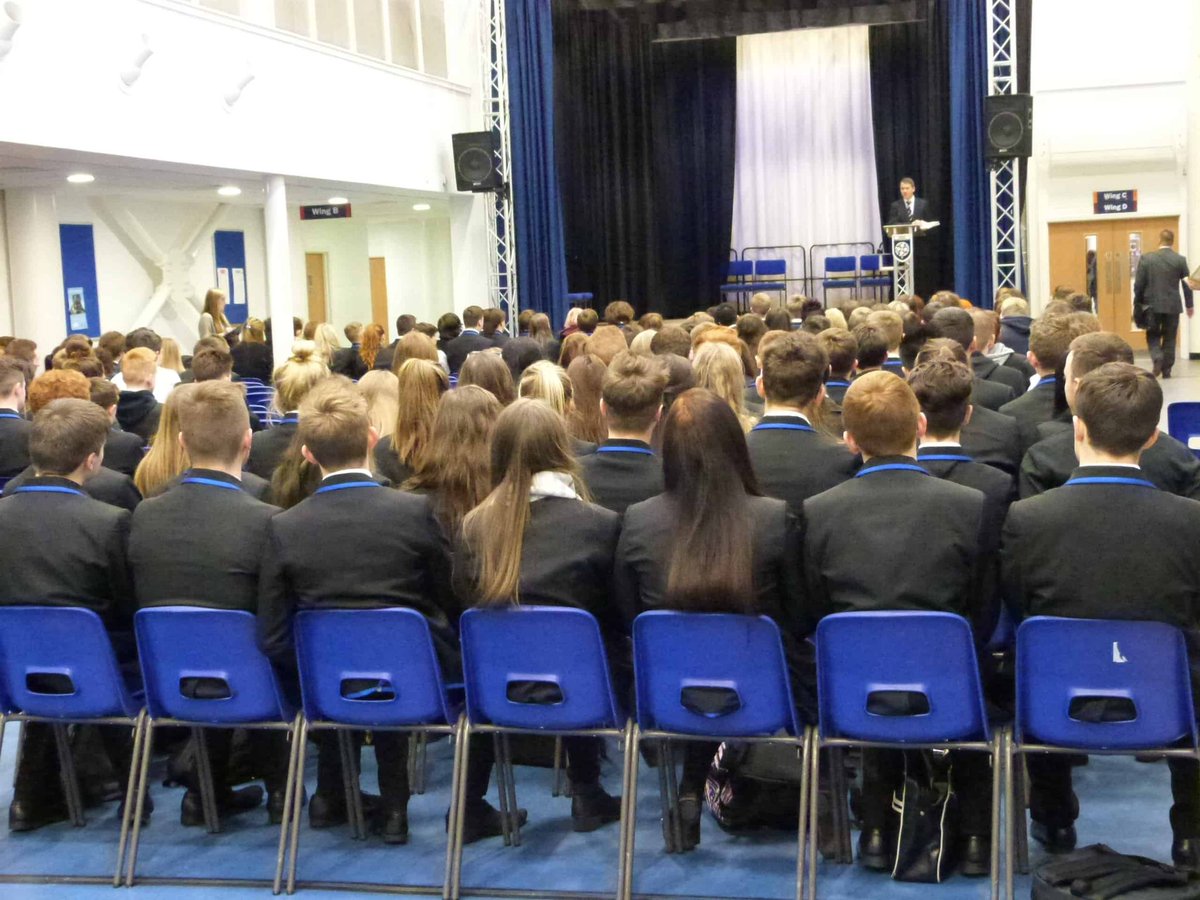
How our relationship to place explains everything. Covid, climate, the lot. My grandparents’ house was demolished this week, to make way for townhouses. (The family sold the house years ago.) A century+ of memories on that land. This common experience has profound meaning. /1 https://t.co/nYFVGEoSbX
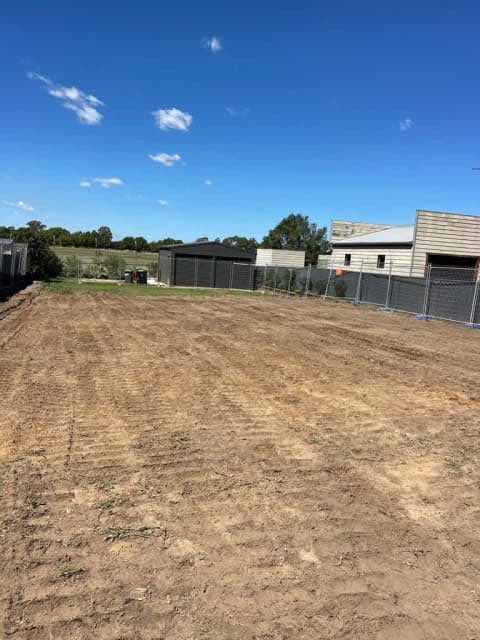
This is how we conceive place. As real estate. No lasting connection to land, that connection can be bulldozed to a tabula rasa inside a day. It’s quite chilling to look at the levelled block (the picture here isn’t it, just one I found online) and think that’s what’s left. /2 https://t.co/8vHGcKvZVT
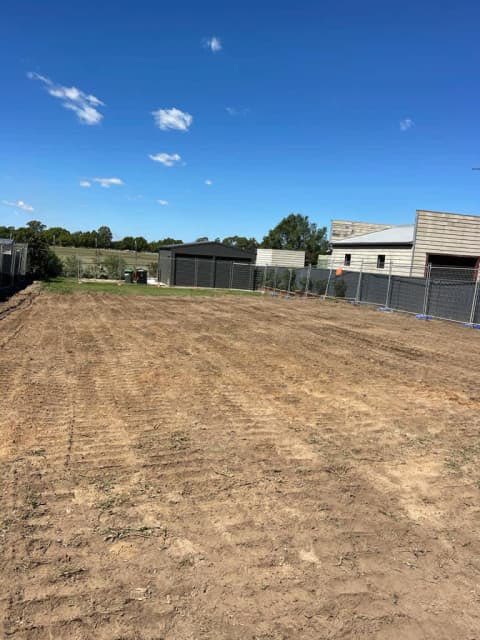
We occupied that space, we turned it into place, for more than a century. That physical place was central to those memories, not just the humans in it. We had a relationship with the land beneath our feet and the built environment we put in place and maintained, on it. /3
The next owners will have no inkling of any of that history, of any of that intimate relationship with place. They have a lovely levelled block, a blank slate to start all over again. In some ways we could say that’s a good thing too, time moves on. /4 https://t.co/FFAK1vj4tH
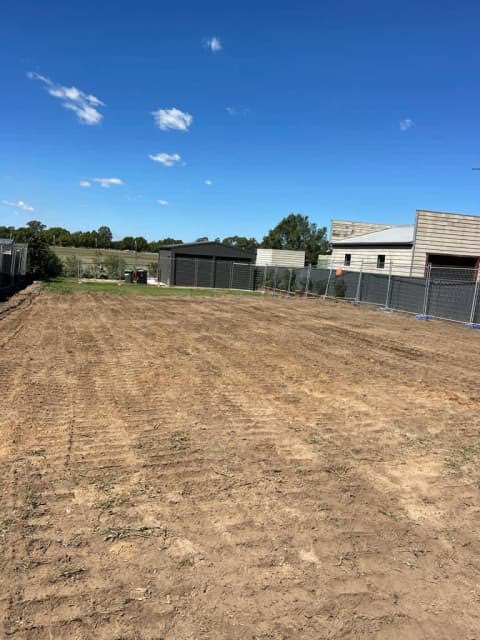
Floodplains have done all of this ‘naturally’ forever, after all. But then before now we weren’t stupid enough mostly to live on those. In any case, this act of real estate expresses our relationship now to place. Totally at the whim of mooney, and social mobility. /5
Hardly anybody really stays in the same place now that they grew up in. We’re expected to make our own homes, spread across the entire planet. There’s a profound discontinuity introduced by this. You get a generation or two of relationship at best, with a particular place. /6
That’s us, still an imperial culture, conquering and acquiring land, not creating any lasting roots with the Earth beneath us, not creating place. Hypermobile, even celebrating our constant dislocation in our travel cultures. What caused climate change, and Covid? /7
This same dislocation. Fossil fuels enabled this constant mobility and dislocation, and pandemics result from this same movement, the destruction and displacement of habitat. The entire time we’ve occupied the Australian continent, Aboriginal Australians have said this. /8
That place is their most sacred thing. They’re in profound relationship with the landscape, it’s not perceived as some separate Euclidean ‘blocks of land’ to be sold and re-sold. We don’t have place, we occupy space, these Euclidean surveyed blocks. We’re not ground-ed. /9
Again this is what Gravity was about. Our conception of place, how our imperial model of acquisition and real estate led to an inevitable dream of flying to the stars as well, into infinite real estate. ‘Space, the final frontier’. Watch that film, the cold death that meant. /10 https://t.co/Jn8oiUfrCl
Bullock’s character is on the knife-edge of survival the entire time, the cold lifeless void of this lauded infinite space is the main character. We share her overwhelming relief to be re-connected to life-giving place back on Earth, as she hugs the ground. /11 https://t.co/At3ZH0aHW8
If you want a revolutionary act in these brutal, lifeless ‘economic’ times, rediscover place. Develop deep connections to whatever place you’re privileged enough to have access to. Question the pathological desire to travel. Just be, and let the connections with place build. /end
What we call ‘home ownership’ is actually house ownership. A product of the real estate industry. An economic construct. Aboriginal concepts of home mean inhabiting place for tens of thousands of years. We’re lucky to make it to 11 years. https://t.co/f9i2vC2opB