How our relationship to place explains everything. Covid, climate, the lot. My grandparents’ house was…
How our relationship to place explains everything. Covid, climate, the lot. My grandparents’ house was demolished this week, to make way for townhouses. (The family sold the house years ago.) A century+ of memories on that land. This common experience has profound meaning. /1 https://t.co/nYFVGEoSbX
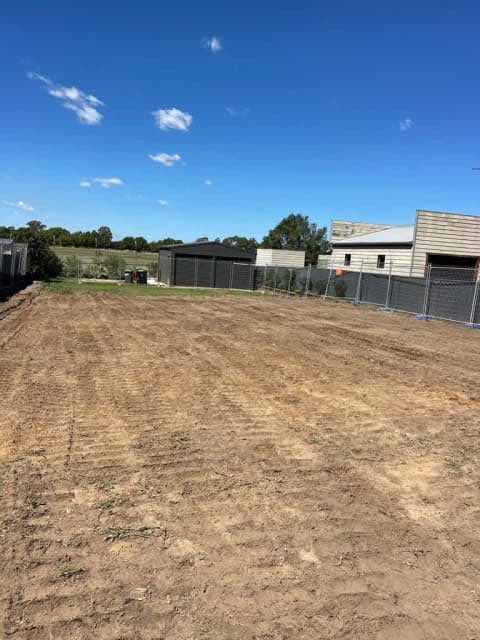
This is how we conceive place. As real estate. No lasting connection to land, that connection can be bulldozed to a tabula rasa inside a day. It’s quite chilling to look at the levelled block (the picture here isn’t it, just one I found online) and think that’s what’s left. /2 https://t.co/8vHGcKvZVT
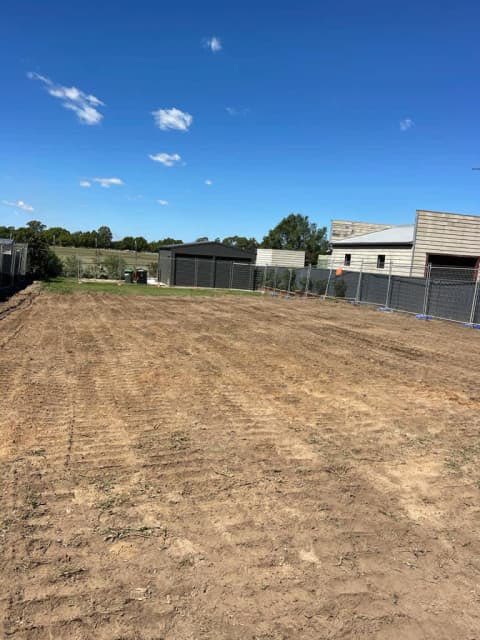
We occupied that space, we turned it into place, for more than a century. That physical place was central to those memories, not just the humans in it. We had a relationship with the land beneath our feet and the built environment we put in place and maintained, on it. /3
The next owners will have no inkling of any of that history, of any of that intimate relationship with place. They have a lovely levelled block, a blank slate to start all over again. In some ways we could say that’s a good thing too, time moves on. /4 https://t.co/FFAK1vj4tH
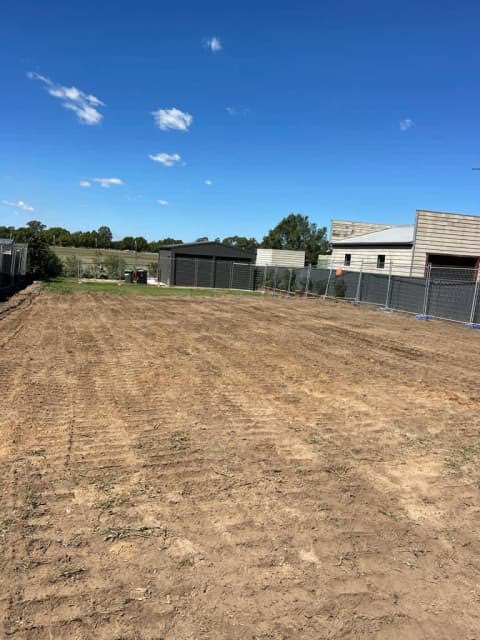
Floodplains have done all of this ‘naturally’ forever, after all. But then before now we weren’t stupid enough mostly to live on those. In any case, this act of real estate expresses our relationship now to place. Totally at the whim of mooney, and social mobility. /5
Hardly anybody really stays in the same place now that they grew up in. We’re expected to make our own homes, spread across the entire planet. There’s a profound discontinuity introduced by this. You get a generation or two of relationship at best, with a particular place. /6
That’s us, still an imperial culture, conquering and acquiring land, not creating any lasting roots with the Earth beneath us, not creating place. Hypermobile, even celebrating our constant dislocation in our travel cultures. What caused climate change, and Covid? /7
This same dislocation. Fossil fuels enabled this constant mobility and dislocation, and pandemics result from this same movement, the destruction and displacement of habitat. The entire time we’ve occupied the Australian continent, Aboriginal Australians have said this. /8
That place is their most sacred thing. They’re in profound relationship with the landscape, it’s not perceived as some separate Euclidean ‘blocks of land’ to be sold and re-sold. We don’t have place, we occupy space, these Euclidean surveyed blocks. We’re not ground-ed. /9
Again this is what Gravity was about. Our conception of place, how our imperial model of acquisition and real estate led to an inevitable dream of flying to the stars as well, into infinite real estate. ‘Space, the final frontier’. Watch that film, the cold death that meant. /10 https://t.co/Jn8oiUfrCl
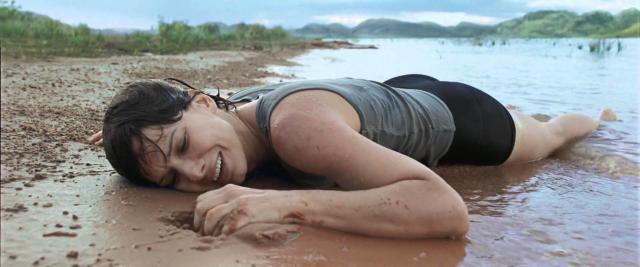
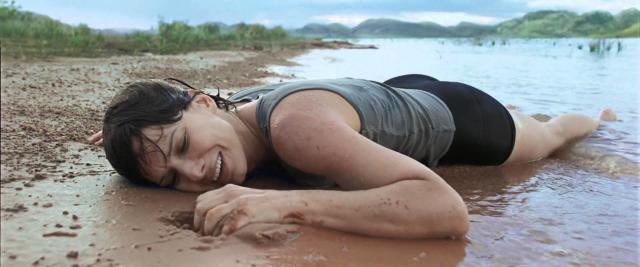
Bullock’s character is on the knife-edge of survival the entire time, the cold lifeless void of this lauded infinite space is the main character. We share her overwhelming relief to be re-connected to life-giving place back on Earth, as she hugs the ground. /11 https://t.co/At3ZH0aHW8
If you want a revolutionary act in these brutal, lifeless ‘economic’ times, rediscover place. Develop deep connections to whatever place you’re privileged enough to have access to. Question the pathological desire to travel. Just be, and let the connections with place build. /end