February 2023
Complete authored posts and demonstrable self-threads.
3% fully vaccinated. Repeated infection, illness and death is the plan for the gap. https://t.co/9vk9Qfj3hy
The previous government knew all of this, but still thought the pressing public policy issue was $120 billion of tax cuts to people who don’t need them. After 30 years of John Howard-instigated assault on all things public, it’s make or break time now. https://t.co/vvVSQLODNo
We’re probably 50 years too late to rescue the public from political libertarians. They have a big head-start, in destroying it. Every day I see people here desperately trying to come to terms with the loss of a public, that whole populations can be infected, with no recourse. /1 https://t.co/TMFZb94CGc
Predominantly as a response I see people trying to mobilise other people to fight it. All very admirable. But the world we’re trying to get back took 150 years to build, and 3 major catastrophes (plagues and wars) from 1850-1950 to give it opportunity to grow. /2
Protests and social media-driven action is not going to replace that any time soon. The libertarians used the lull in existential threat from 1950-onwards to launch their wrecking ball. Everybody now talks about ‘the economy’ (the front edge of that wrecking ball) like they…/3
…talk about trees, or grass. Like it’s an existent thing, rather than what it actually is, a strategically calculated propaganda concept to substitute for society. Even quite progressive people will argue black and blue with you that the economy is the lifeblood of society. /4
It seems a bit doomer, but the reality is we’re now living again in the times most of humanity has always lived, until 1850. That brief 150-year experiment in creating a ‘public’ is over. The old hierarchies have risen to snuff it out. When we Tweet questions here each day…/5 https://t.co/TMFZb94CGc
…along the lines of ‘how can this be happening?’, and posting statistics to show the magnitude of the disaster, who are we speaking to? That old public space that cared about those things, is gone. We’re speaking into a void, hollowed out by decades of deliberate destruction. /6 https://t.co/jsqHO7p2kY
Bruno Latour, speaking here about religion, one of our oldest institutions, but his message was about all institutions. The things that cross generations and maintain societies through millennia, not just individual lifetimes. To this day I marvel at how vicious people are…/7 https://t.co/PfQ9PETVsn
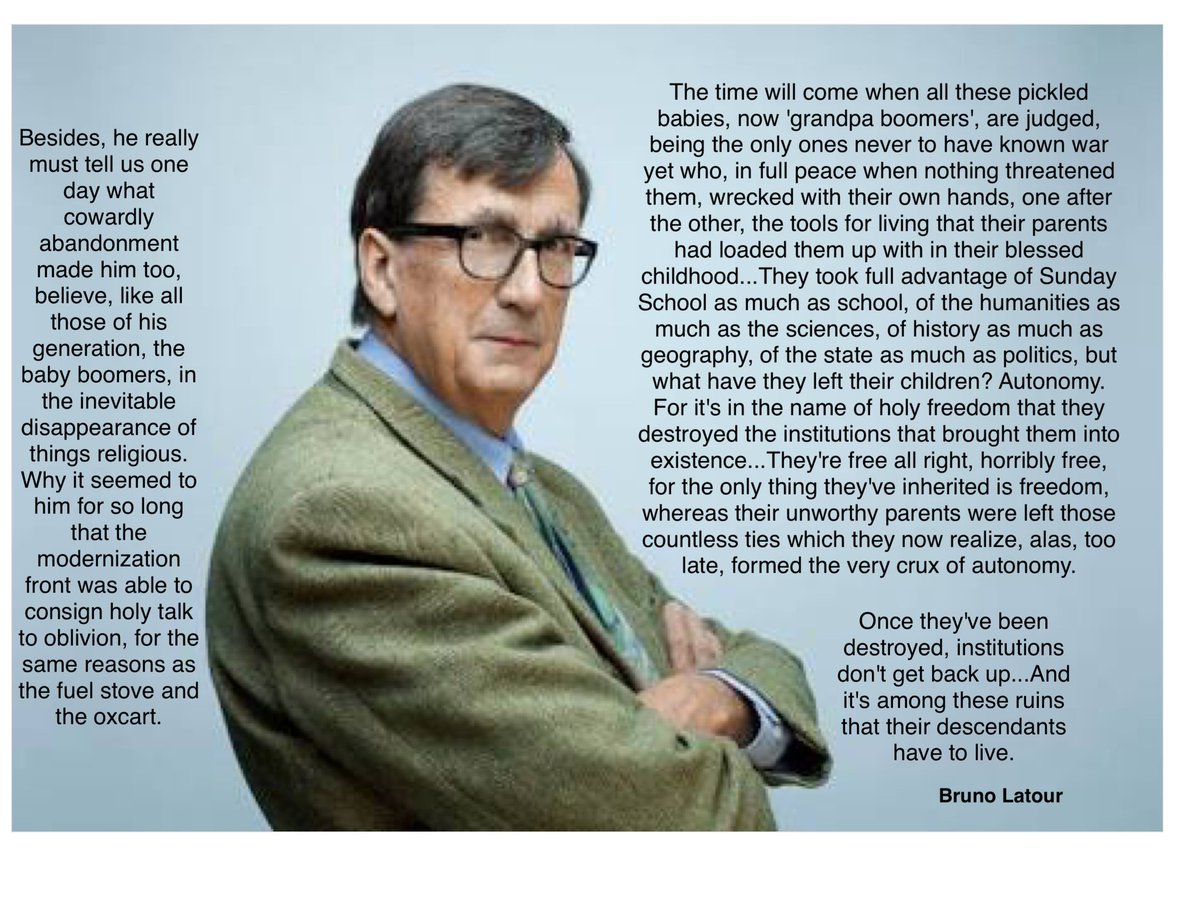
…about religion, for example. You don’t have to be a ‘religious’ person (Latour wasn’t) to recognise its critical role in maintaining societies for the past several thousand years, even with all of religion’s faults. As he says, once the institutional framework of society…/8 https://t.co/WiWYy9ijgs
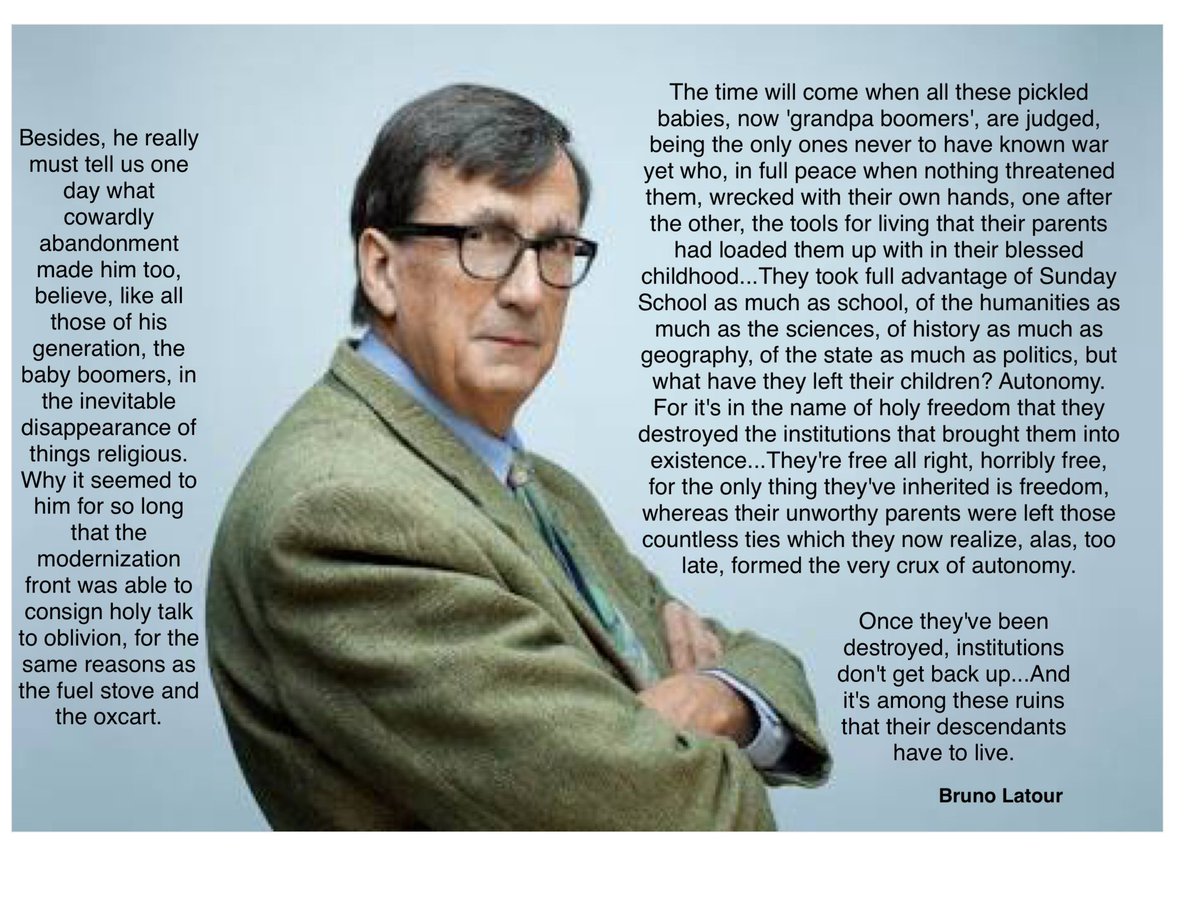
…is destroyed, it doesn’t get back up. It’s not like building a bridge, it’s centuries of emergent customs and traditions. Societies’ autonomic nervous system. I think we have to consider that the great experiment of ‘the public’ may be over. We lost. But…/9
…two things about that. Firstly people found a way to live, even well, for 2000 years without it. It’s not good, but we’re just returning to the lived experience of most humans who have ever lived. And secondly, I think there is one enormously powerful counterbalancing…/10
…force to oppose this loss. Will tweet about that separately in the next day or so. As a hint, engineers may yet save our civilisation. /ends
It’s a measure of the general ignorance of how our democracy is structured that National Cabinet is not widely seen as against the most fundamental principles of our federalism.
Another 86 reported dead from Covid in NSW this week. When I say reported, I mean in the NSW epi report. Not by journalists, ha.
Glorious. https://t.co/tZYILVvLLB
The one hope I see for turning around the deliberate destruction of the public as an idea and practice since the 1970s, is engineering. The socio-technical complexity of the modern world. The Romans hold the key. The longest and greatest of all empires. The most misunderstood. /1 https://t.co/TbsdjkVw9T
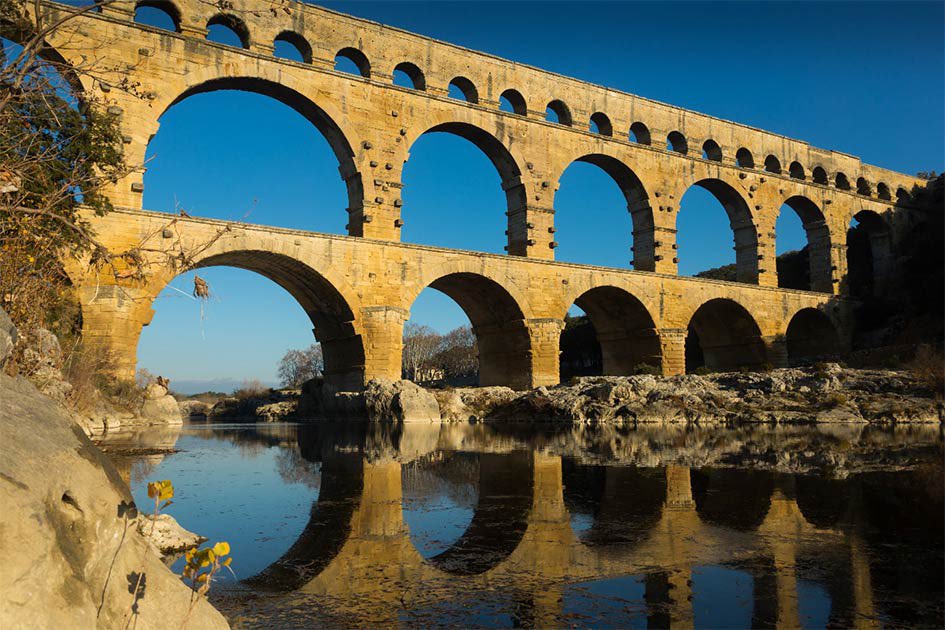
It’s easy to mock the Romans for lacking the sophistication of the ancient Greeks for example, the poetry and literature and music and mathematics etc. It’s there, but not as rich or dominant in the culture. But Rome’s genius was something else. Building things. /2 https://t.co/HRiTivEwms
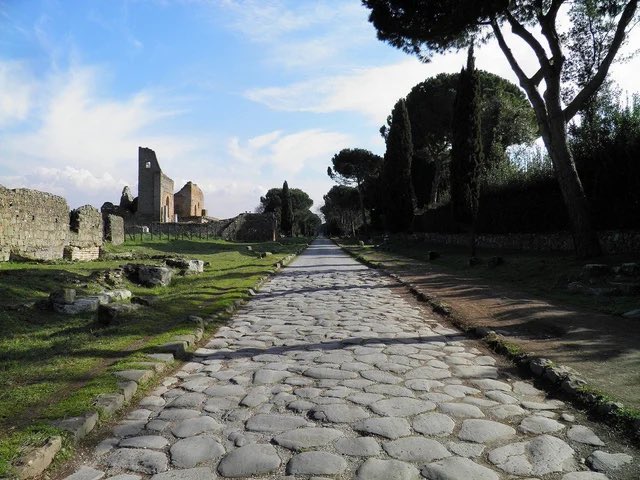
Our modern ideas about technology are the ideas of privileged people. We love gadgets and conveniences, but know almost nothing about the work and expertise that goes into creating and maintaining them. The Romans didn’t just build for functional reasons, to have running…/3
…water and passable roads and heated homes. By making building things the centre of their culture, they discovered the secret to long-term social success. Weaving objects into your social bonds. Roman technologies were the warp and weft of Roman society. /4 https://t.co/k6LCXVsJQz
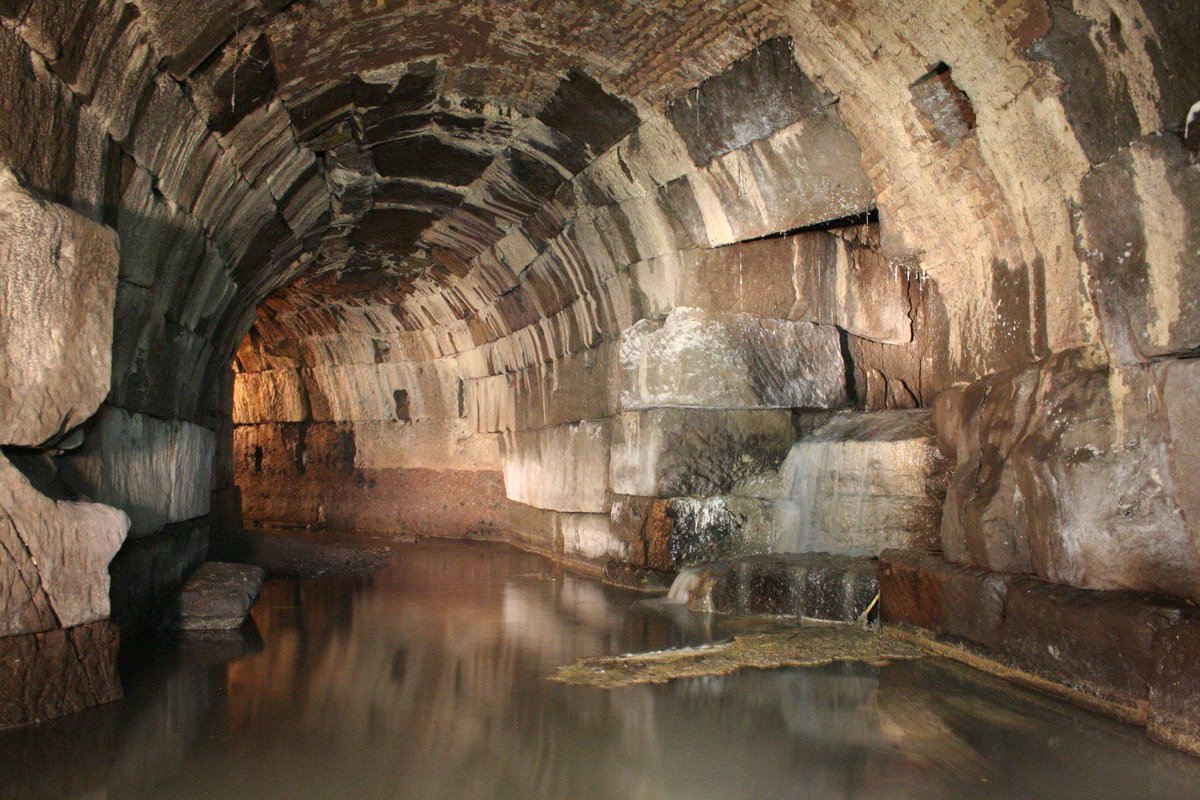
Specifically, when you build something, you build as many if not more social things than technical things. To train and maintain the expertise required is a social act. To maintain the technology itself over time is social, and binds a society to that work. Suddenly life is…/5
…structured, formalised. Not through the decision of any rule or law or power structure, but out of the sheer necessity of building and maintaining the collective objects we all use. Fast forward to today and the ‘technical’ aspects of our society are orders of magnitude…/6
…greater than the Romans. We’re self-obsessed and only look at human-human interactions as social, as political. But the dark matter of society isn’t human at all. It’s technological. Our masses of technologies formalise and structure the work of billions. /7
While we play team sports in our politics every day, the real work of building and maintaining society is nearly all ‘operational’. Building and maintaining sewers, water reticulation, power grids, transport networks, communications networks, etc. etc. etc. /8 https://t.co/C80RcYjEVp
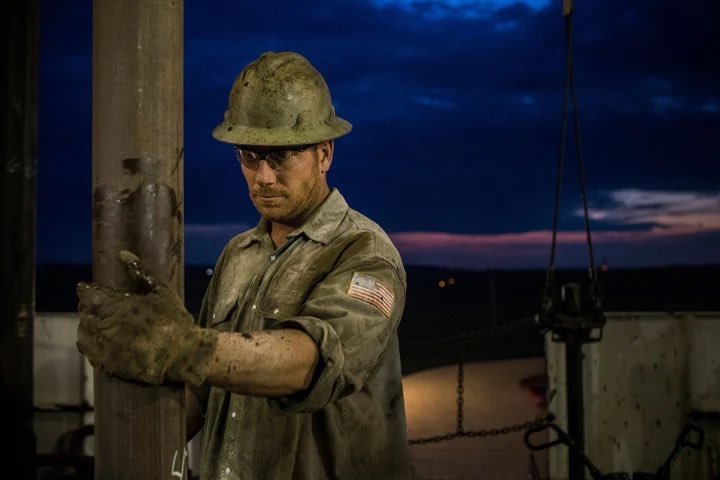
That’s not to downplay human-human activity, all of course vital too. But try to run even a local sporting club without conflict, and it’s so obvious human-human is not even close to being a sufficient foundation for any society. The customers and tradition that really bind…/9
…us together mostly revolve around the objects and technologies in our lives. When you buy a house or apartment, you discover it, how it binds you. With a mortgage, with the ongoing maintenance. The possibilities of life are channelled by the objects we’re engaged with. /10
So while the politics of the past 50 years has been stripping away the public sphere, what the political libertarians doing this haven’t realised is how society is now much more a great machine that needs constant adjustment and maintenance, than a group of people. /11
They can play their ideological fantasies of free individuals all they like, but if they want planes to fly in, and running water, and internet, and sophisticated medicines, they’ll come up against the brutal reality of all of that being intrinsically social and collective. /12
That great mega social machine will break, with their fantasies. That may be what will save us, what will force their retreat. ‘Keeping the lights on’. /ends
Ditch taxpayer support to private health insurance. An abomination in public policy, designed by the LNP to destroy Medicare. https://t.co/z8eoDQSti2
“However, South Australian Premier Peter Malinauskas on Tuesday said parents were loving the consistency of knowing the same rule applied to everyone.” But with Covid, everybody can bring it to school whenever they like, hey Peter. https://t.co/nyWcaTUGET
Thoughts from Spinoza in these difficult times. “The highest activity a human being can attain is learning for understanding, because to understand is to be free…Do not weep. Do not wax indignant. Understand.” https://t.co/OPPPG1tlHf
The foundation of the Westminster tradition is contestation. To force the best outcome, which never comes from agreement. We use it in legal trials too. Imagine the prosecution and defence taking a photo like this - would you feel nervous your representation were colluding? https://t.co/XBcxcakiwL
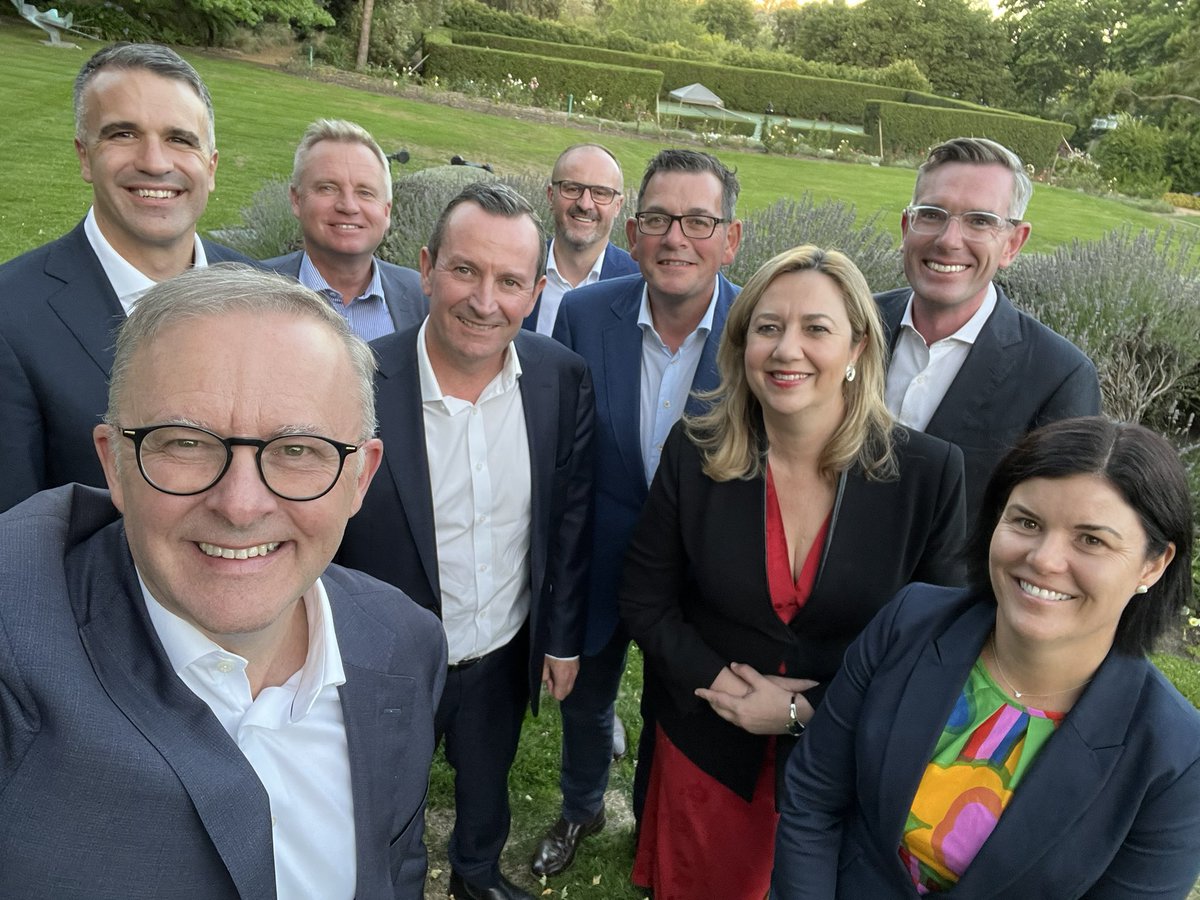
NSW bringing its own save-Medicare strategy to today’s National Cabinet. Kill a few busloads a week, will take the pressure right off the health system. https://t.co/pRIRALlJA4
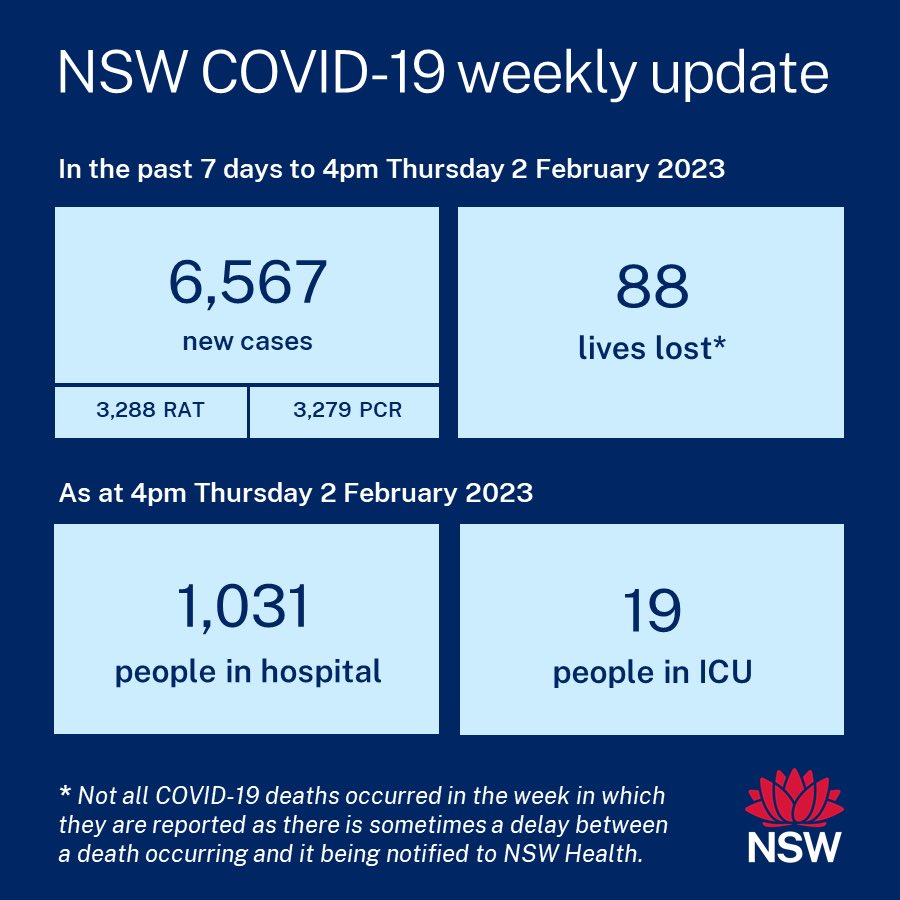
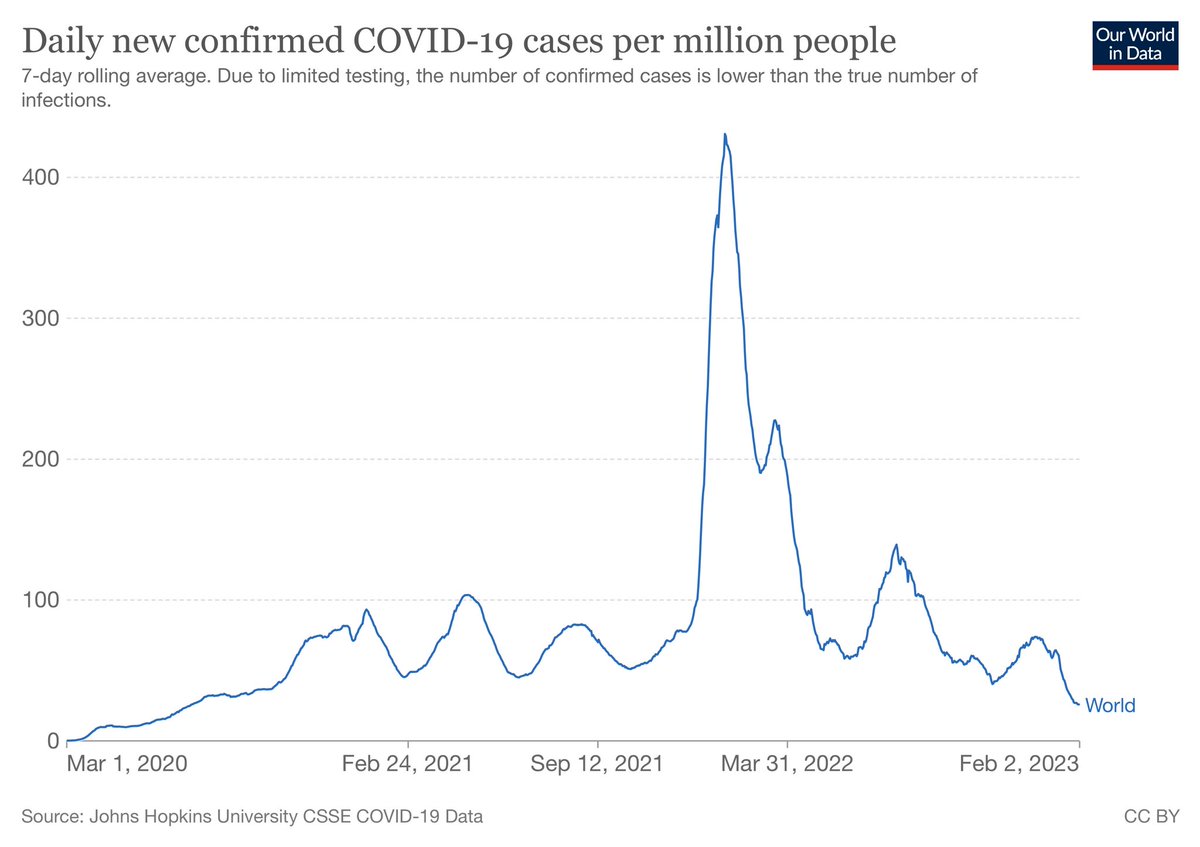
@Globalbiosec has been saying for a long time this disease will always be epidemic, never endemic. Instead government listens to experts whose focus is curating growing social media followings, for fame and profit. https://t.co/dGTbatIbF9
I’m sure we’re all on the edge of our seats waiting to see the latest selfies from National Cabinet.
From what I can figure out, National Cabinet plans to fix Medicare by repeatedly infecting all Australians with Covid.
Arijit’s wonderful thread made me think about how Covid minimisers say our choice is to do everything to stop Covid, or nothing. The idea of just doing something is ignored. The public of public health is not mono-dimensional, there are many somethings possible. https://t.co/bhnASDwjxJ
The endemic epidemic? https://t.co/kfE4aznGcn
Anthony Albanese seems to model himself on Bob Hawke, but to me he seems more like Tony Blair. For both though, longevity was key to their thinking and success. But at what price? Here’s Blair’s 2021 piece outlining his ongoing political thinking. /1 https://t.co/RgvdKUXaWP
I agree wholeheartedly with him that progressive politics globally is an almost terminal mess. That it doesn’t just need to win elections, it has to figure out what it stands for, and why. Politics needs two equally strong opposing sides, and most of the problems we’re living…/2
…right now are the result of 50 years of conservatives having the field almost entirely to themselves. There’s some very good political history written about how that happened, because in the 1960s, the era of Kennedy and massive social change, it felt like the opposite…/3
…was going to happen. That progressive politics was finally on the ascendancy. But conservatives felt that too, and they mobilised and strategised heavily, setting out a program of action that they’re still implementing to this day. They thought genuinely long-term, and…/4
…worked closely with the church too, with its centuries of experience in mobilising populations and mass persuasion. (Just part of the history centres around Billy Graham: /5 https://t.co/DuDrKWQs5S)
They developed extensive ‘framings’ of public issues, frames that shaped all thought and discussion on issues independently of elections. Key amongst these was ‘the economy’, the re-casting of society as a great economic machine, that enabled everything else. To this day…/6
…we’re all still slave to that particular framing. For every critical social question, the answer will always be ‘if the economy can afford it’. The economy was really a projection, of simple household finance beliefs, onto an entire society. /7
One of the key framings conservatives used is based around the ancient Roman idea of the Pater familias. The male head of the household with authority over the extended family. Conservative leadership is designed to resonate with this deep familial authority, to make the…/8 https://t.co/rUO5661HUi
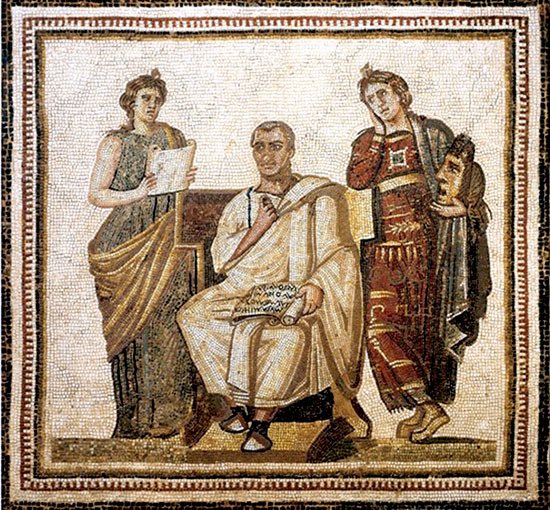
…leader the ‘father’ of the nation. This projection from the family to the nation is also the origin of the idea of the economy, where ordinary household finance of ‘balancing the books’ and ‘living within your means’ now became national principles. /9
Of course as many economists have pointed out, the national finances don’t work like that at all, but politically that’s irrelevant. Those much better ideas haven’t been made to resonate with ordinary people living inside ordinary families, by progressive politicians. /10
So people will slavishly obey the idea that society is just an economy, because how conservatives described that economy is much closer to their own lived experience. Even though it’s a fantasy. And this brings me back to Blair, Albanese and even Hawke and Keating. /11
Blair, Hawke, Clinton and to a lesser extent Keating are the rare standouts in an era dominated by conservative politics. But in each case, how they managed that was also potentially deeply compromising to their own cause. All embraced the economy as a frame for their work. /12
‘It’s the economy, stupid’, as Clinton said. Seeing Jim Chalmers working on ‘values-based capitalism’ recently rang all these bells again for me. It’s difficult not to see all of these leaders as offering not much more than a sort of compassionate conservatism. Captured by…/13
…the framings from the 1970s, and just polishing the rough edges off them. If you read Blair’s essay, you can see it up in lights, indistinguishable from the speeches made by more moderate conservatives today. Seeing ‘technological change’ as some self-propelling force,…/14
…which needs to be steered by a ‘dynamic’ State, responding to individual aspiration and social mobility. All conservative framings, but with a more warm and cuddly vibe. Progressives need to go a lot deeper than just re-clothing conservative framings in this way. /15
Blair is correct that trotting out the old class war concepts of capitalism vs total State control is a dead-end. But his solution of sugar-coating the framings is even more dangerous, because it aligns both sided of politics behind the same movement, which the public has…/16
…complained about for a long time. That it ‘doesn’t matter who you vote for’. If progressive politics wants to dismantle the toxic conservatism of today (which isn’t conservative at all, its success has bred fanaticism), it will need to shift the framing ENTIRELY. /17
To remove ‘the economy’ as the basis of politics. Not to replace all the science and technology which conservatives like you to think is synonymous with it, warning that to reject the economy is to all retreat to Nimbin to sing Kumbaya. Conservatives wouldn’t know how to…/18
…change a tap washer, it’s just more spin. Progressives need to re-energise their great invention from the late 19th century onwards - the public itself. All of society, in interaction. The thing the conservatives explicitly attacked, from the 1950s until today, because…/19
…they knew it was their main threat. John Dewey and Walter Lippman debated this very topic, brilliantly, early last century, the question of ‘what is the public?’ I can highly recommend people revisit this debate, of two brilliant minds. /20 https://t.co/W9RKPxfQDo
The public is a much more difficult thing to understand than we remember. It’s not at all just a count of people, as elections have made us think. Not even close to being that. Until progressive politics understands this concept again, it won’t move forward. /ends
People should read Jim Chalmer’s essay on values-based capitalism. And also Tony Blair’s more sophisticated essay I Tweeted earlier, from 2021. To me they’re interchangeable in the way they conceptualise things - a more compassionate ‘capitalism’. /1 https://t.co/552ceLMSe4
I said in that earlier thread based on Blair’s essay, all this will achieve is making the frames conservatives use even more palatable to the public. It accelerates their destructive power. Imagine if I said somebody was a ‘fat dickhead’, and somebody said ‘oi, that’s rude’. /2
So instead I said ‘ok they’re just a dickhead’. It’s not progress, is it? It’s “sorry, not sorry”. Until progressive politics understands that ‘the economy’ is the trick, the con, the reframing of society as some form of machine, they’ll keep losing. We all will. /3
The economy doesn’t exist. There are ‘economic’ type transactions, but there’s no meta-being that regulates them, called ‘the market’. Society is formed socially. It’s not, has never been, and never will be free-floating individuals deciding how to act in concert with others. /4
As I Tweeted about masks, all groups of people, of whatever size, act using one principle. Social conformity. A values-based capitalism, a steering of the market, is fairies at the bottom of the garden nonsense. All markets are driven by social conformity, they’re not in any…/5
…way a mechanism for automatically selecting the most efficient or otherwise best option, and weeding out the inferior options. Betamax, anybody? Chalmers’ idea that we let the market do its thing, and just try to steer it? Where’s the market for school teachers? /6
For well-paid childcare workers? How will we ‘steer’ those things into existence? By saying we value them? We’ve been saying that forever. The supply and demand of the market, hasn’t it done well, with enormous demand for both of those, and zero supply? It’s all a con. /end
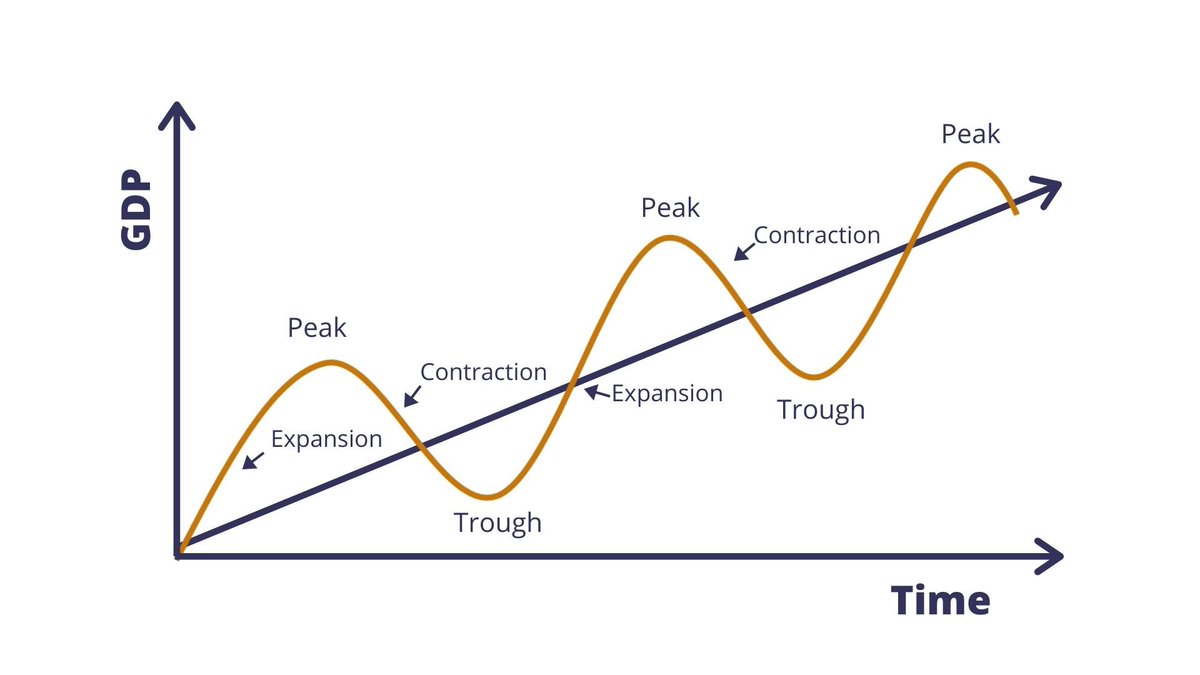
The economy is an exponential growth function, with epidemic waves and troughs of growth, and a continuously rising baseline. The exact same pattern we’re seeing for Covid. The economy caused and perpetuates the pandemic. They’re the same phenomenon. https://t.co/8HYZVvH8uB
I follow Kris’ Tweets every week, because as far as existential threats go, this one could make Lapstone in the lower Blue Mountains the new Sydney foreshore. https://t.co/Z1joRXz2qF
We see these stories every year. People are highly attuned to the quality of their water. Interestingly air quality has also driven previous massive public health interventions. The only new thing we’re seeing today is an assault on public health itself. https://t.co/6mNRi1j0Kg
@InsidersABC is back today. I imagine a weekly political show without politicians, or even talking about politicians. Focused instead on the major issues facing us, and what progress has been made in fixing them. Starve populism of its food.
OK, for those saying Covid is just like the flu. By my rough back of the envelope calculations, this will mean needing to reduce Covid prevalence somewhere between 1000-2000%. https://t.co/UugmGqRvLr
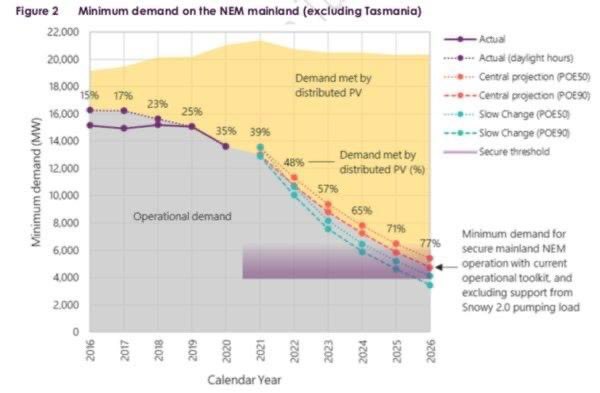
After 30 years of anti-renewables politics, the Oz community has built so much rooftop solar capacity, it’s overwhelmed the grid’s capacity to distribute it. (AEMO graphic.) Oz politics functions via community, not by Left, Right, socialism, capitalism or any other nonsense. https://t.co/ZNa9AIrY8c
11 of 12 Swifts sidelined with Covid. How/when does this all end? Doing nothing, amazingly, isn’t getting us there. https://t.co/XZvKy5Za0L
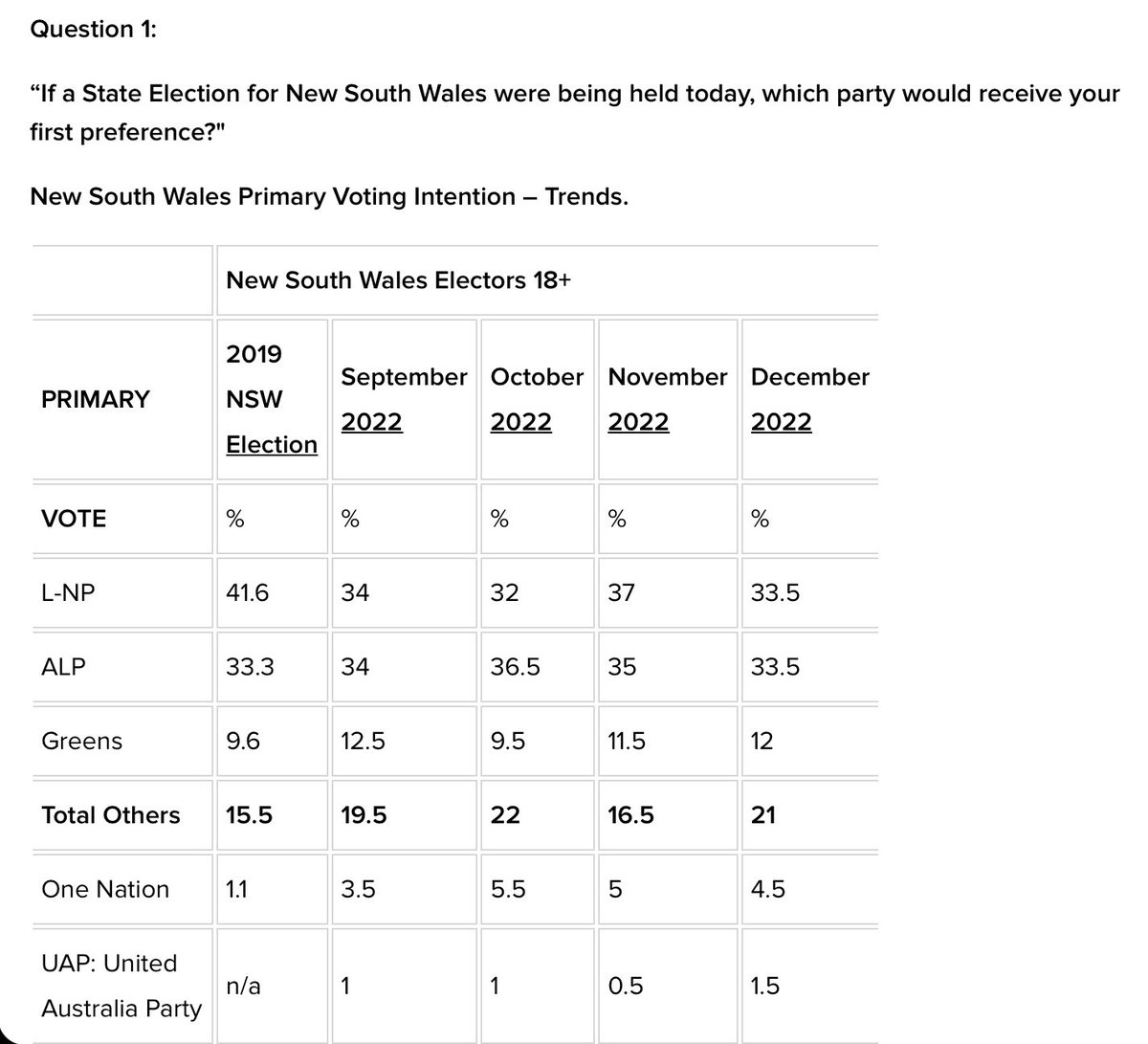
Roy Morgan polling. (Pre Nazi dress up scandal.) Repeat of the federal election. People fed up with the LNP, progressive ALP voters migrating to the Greens. Primary vote pathetic. Populism fracturing the public into multiple competing brands. Like washing powder. https://t.co/bCmWGU9ESO

Except the millions of dead people. https://t.co/xMNDHyZZ2R
Elections enable this insanity, there is no test at all of the competence or even sanity of who’s elected. They’re just popular. https://t.co/9HiriTzBUK
Business puts prices up. We ‘fix’ that by bankrupting customers so they won’t be able to pay the prices. Just as we infect them repeatedly, to pretend-end the pandemic. The economy. A fake substitute for society that protects its most elite members. https://t.co/tghRausuH7
To protect ‘the economy’, we’re infecting the entire population repeatedly with a lethal virus, rather than ask business to pay for the basic WHS they’re already legally required to provide. It’s not ‘lockdowns’ vs do nothing. It’s business doing WHS. It’s the law.
Interesting that @IndependentSage seems to be coming down on the side of ‘probably nothing to see here’, with persistent immune damage from Covid infection. That’s not the view I’ve seen from all members? https://t.co/wKEJ0AYn29
Australia’s top 10 natural disasters in history. In a clear first place and still streaking away from the field, Covid. It only took the lead AFTER we said the pandemic was done, in late-2021. How do leaders not end up in jail for this, given also they’re still doing nothing? https://t.co/Oj181P1I49
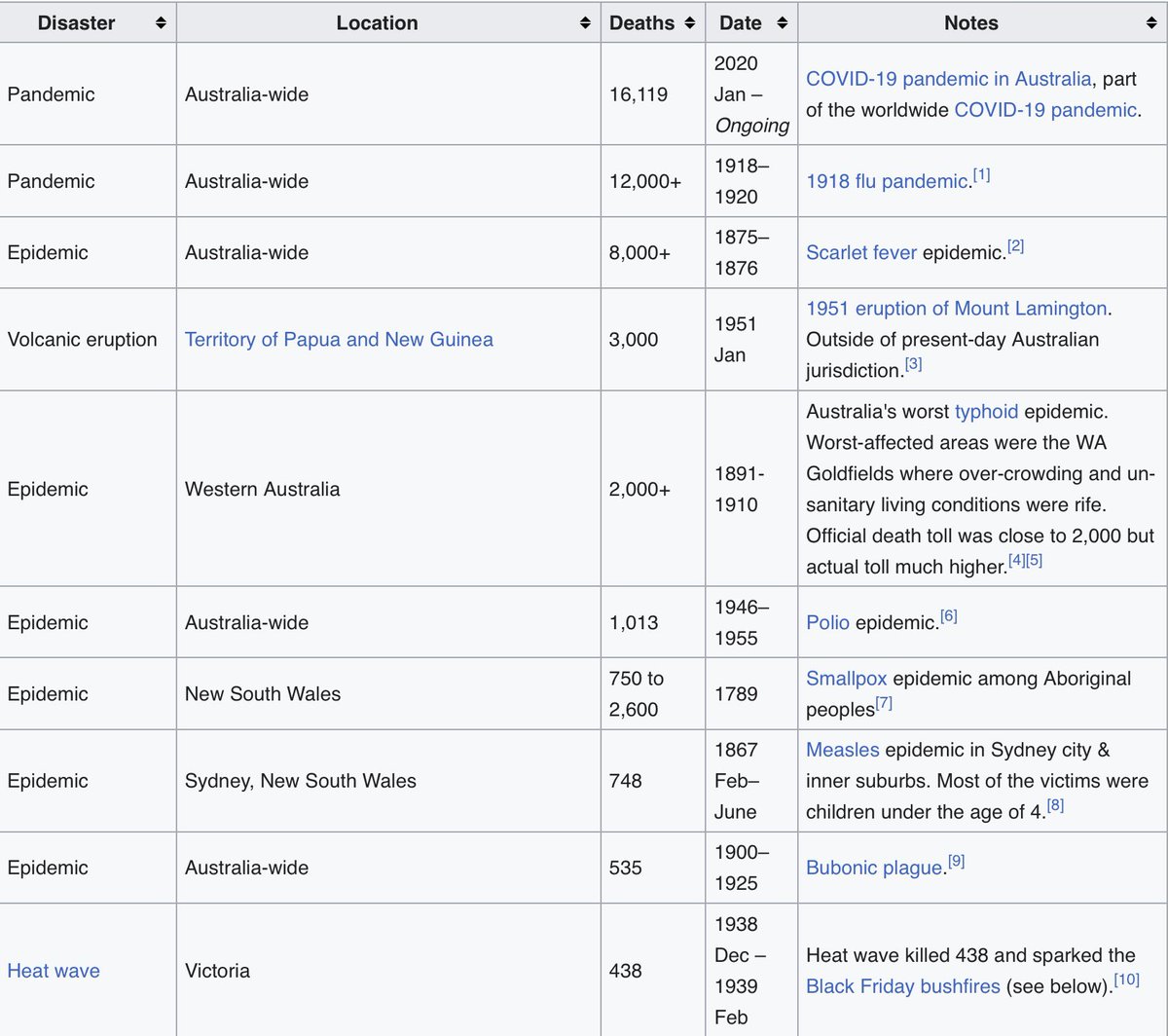
P.S. I like that Wikipedia lists the pandemic’s status as ‘ongoing’. News flash for National Cabinet and it’s idiot Press Gallery flunkies, right there.
@AlanKohler absolutely nailing the true politics we’ve lived. A theology of small government, to hell with society. 50 years in the making, as I Tweet about a lot. https://t.co/PZ14LARdcW
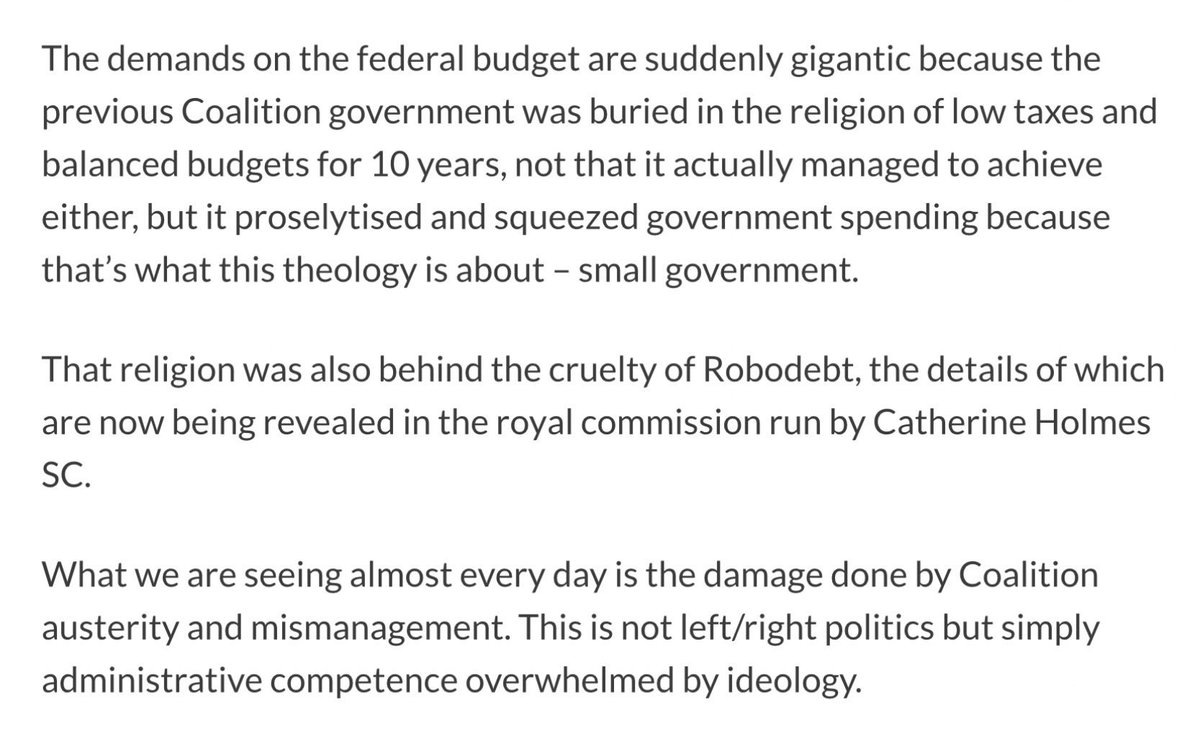
Nothing says ‘we’ve given up’ better. https://t.co/oKAXKltIG1
Orwell would give up I think, reality surpasses fiction. https://t.co/bi02dRVnUl
I don’t work in public health, but if I did I’d be embarrassed and ashamed at what’s going on. https://t.co/Jcq2x5zfbe
This is like private health insurance. The free market works so well that we have to shovel millions (or billions) of public dollars into the privatised option, to try to make it work. And it still doesn’t. https://t.co/kFIfS2ZJ1r
We’re at Yes Minister’s 4th stage of denial with energy as well as Covid. Where the deliberate blockers of essential public infrastructure and administration now use the results of that blocking to argue against fixing the damage, saying it’s too hard, and too late. /1
That was their trick with Covid too, to allow it to spread so far and so fast, that it was then possible to say ‘you can’t put that genie back in the bottle now, we’re all going to have to be infected.’ With energy they say the massive changes needed to electrify the economy…/2
…(after their decades of blocking all of those changes) are now a reason to say it can’t be done, it’s too hard, and too late. 3/3
(For those unfamiliar with the Yes Minister 4-stage blocking strategy.) https://t.co/Ezw9oqy9E6
The same lie that drives “the economy” thinking is what’s also driving our Covid disaster. Old-style butcher shops are one way to expose the lie. Fundamental to the idea of society being an economy, is the idea that people act as individuals, and interact inside ‘markets’. /1 https://t.co/n1IVySMrO7
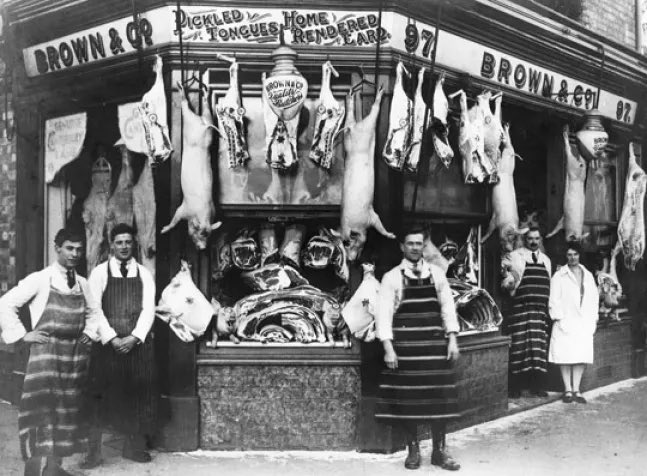
But, and brace yourself, people act SOCIALLY. In everything they do. Including economically. Older shops showed it, people had loyalty to particular merchants because they built a social relationship with them. It was considered the core of doing business. /2 https://t.co/q8qtoJmXhK
And this never went away, because how humans operate hasn’t changed. Take even a Rotary Club, now in decline, but in its day not that long ago, these clubs were about building and maintaining these social networks, for business. My parents were very successful business…/3 https://t.co/lm3OgS4z2A

…people, and I remember a huge part of that work being building and maintaining a whole network of social ties. Not just membership of the local Rotary, but an enormous number of dinner parties at home, and other social events. /4
If you watch shows from the 1960s like Bewitched, you could see that ‘corporate’ entertaining in almost every episode. Drinks and dinner. Business and society were interchangeable. There was no ‘free market’ of exchange going on, just a lot of social schmoozing to build…/5 https://t.co/wE6vEcT2B5
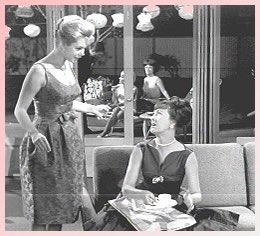
…relationships. And this hasn’t changed today, either. Look at the ‘brand loyalty’ people have to their favourite bank, or energy provider, which the political libertarians desperately…/6 https://t.co/kvfQ5jvoor
…try to break with their ridiculous taxpayer-funded ‘nudge’ strategies, to try to force people to behave like a free market of isolated individuals. None of it works, because people are social. /7 https://t.co/kvfQ5jvoor
Fast forward to Covid, and we’ve seen how ‘personal responsibility’ does nothing, because people don’t think or act in that way. Not that they don’t have responsibility, but that their responsibility is to their social relationships. They won’t wear a mask if it violates the…/8
…current social conformity. Nobody wants to ‘stand out from the crowd’. Despite what the libertarians say, regulations aren’t oppression, they’re PERMISSION. Permission to act differently, socially. To break old social behaviours and create new ones. /9
And the NSW energy scheme is just one example (private health insurance rebates another) that the libertarians actually know this, they’re bad faith actors. They know they have to build behaviours, with strategies, that they don’t spontaneously emerge from individuals. /10
Their ‘freedom’ has always and only meant THEIR freedom, to do whatever they like. They have no illusions about it meaning freedom for the rest of us to do anything at all, they’ll regulate and spend billions of your dollars to make sure you follow their wishes. /end
The new strategy to pretend to be the champion of the poor your own policies screw relentlessly. With climate change, and also Covid, where forcing infected people to work is sold as looking out for the interests of the poor, who would otherwise starve. https://t.co/LFqGlXqNvr
Following what’s going on in Antarctica is more riveting than anything you can stream. https://t.co/mi5L5VrvzV
Easy to blame the institution here, as we do for ATAGI too. The root cause in both cases is total inaction from government, throwing everything onto the institution to manage alone. Libertarians invented monetarism AND ‘live with the virus’. https://t.co/kPBrg7IInF
The great success of populism isn’t to convince millions of people to believe crazy things. It’s to make them believe they should have opinions about those things, where before they’d never even heard of them.
The current drama over interest rates and inflation is another legacy of the neoliberal/libertarian ascendancy since the 1970s. The idea that the money supply is pivotal to economies was N=1 politics trying to turn societies into self-regulating…/1 https://t.co/gtUm23slWs
…markets, what we now call economies, excluding as much as possible any role for the State. It’s entirely political, as all economics is. it used to be called political economy, but they removed the ‘political’ to give an impression of apolitical objectivity. /2
So they fiddle with interest rates in the belief that by tweaking money supply, the self-regulating market (the laughable N=1 fiction) will fix the problems of prices out of control. In actual reality, in the world of political economy, all they’re doing is impoverishing…/3
…the vast majority of the population, to put out the fires of decades of speculative investment, with the top end of town gorging itself on fantasy financial products to make quick bucks. It’s using a sledgehammer to swat a fly, rather than target the speculators, who are…/4
…the darlings of the aspirational N=1 belief system, the people who ‘had a go, to get a go’ (a.k.a. screwed everybody else), we’ll bankrupt most of the population to give the speculators a much smaller pot of suckers to prey upon. Just pause to think about the ridiculous…/5
…assumptions in monetary theory. That the reason prices are going up right now, inflation, is that people have too much money, driving up prices for goods. The ridiculous supply-demand nonsense at the heart of market theory. Who do you know that has too much money? /6
A tip for Jim Chalmers. We don’t need values-based capitalism. Let’s go back to being a common-wealth. It’s already on all of the stationery, a much cheaper transition, all it means is excising the tiny handful of financial parasites from the face of democracies. /end
Douglas Adams’ observations about technology are another way to see how the world we live in is 100% social, and 0% economic, capitalist, socialist or anything else. Nearly everything we don’t understand we attribute to some abstract -ism, or to personal psychology. But…/1 https://t.co/sxDZSQW45z
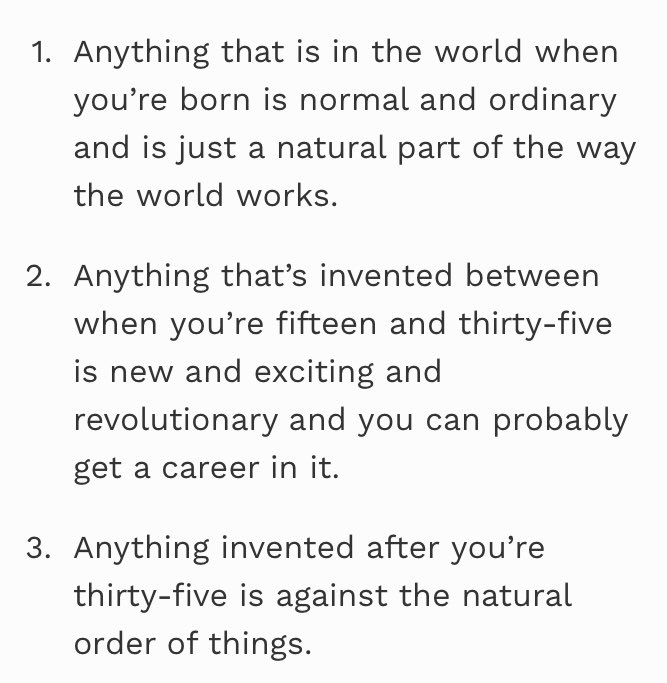
…it’s nearly always neither of those things. It’s social. That includes demographics, which has always explained vastly more politics then economics ever has. Right now for example richer nations are trying to deal with a hugely oversized older generation that adopted highly…/2
…individualistic, anti-establishment ideas in their youth, and then wonder why the establishment (society) they’re now retiring into is falling apart. To this day you can bash the establishment (ATAGI, the RBA, ‘bureaucrats’) and nearly everybody will cheer you on. /3 https://t.co/LLRuT2aqiW
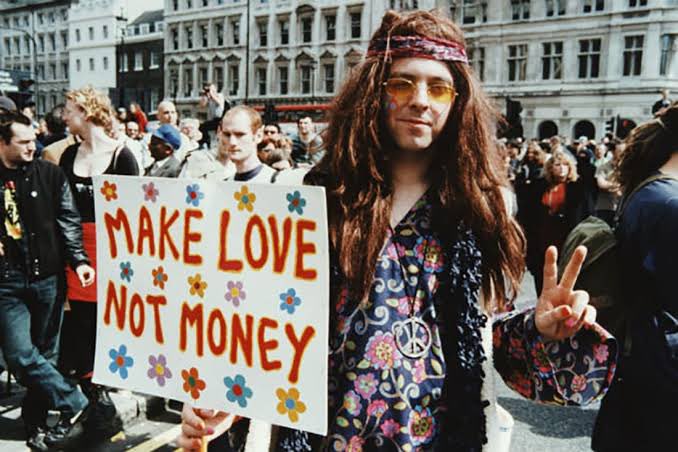
But this isn’t boomer-bashing, it’s explaining socially what we normally explain economically. A huge demographic group will tend to create a society favouring that demographic group, it’s not complex. And today we have millions mobilising behind loon theories of all kinds. /4
That’s social too. It’s pointless making it about facts, people rally around a fact because it’s a totem for a community they’re a part of or want to be a part of. When N=1 politics stripped away much of our community (social) lives, people went looking for something to fill…/5
…the void. Social media gives them a smorgasbord to choose from. The reason millions now believe crazy things isn’t that they’re dumb, it’s that without a collective society to plant their identity into, they have to go shopping for something else. /6
I Tweeted yesterday that populism doesn’t so much spread stupid ideas amongst millions of people, it encourages millions of people to have ideas about things they never even knew existed before. Unfortunately much of it the underlying operating system of our societies. /7
We’re human, all too human, to borrow a phrase from Nietzsche. Always look to social things to explain what’s going on. Nearly always a jostling for status, for identity. Society is a high school (not an analogy). It’s the only cultural model that survived the great…/8
…iconoclasm of anti-establishment politics. Only an eternally adolescent society would ever think letting a pandemic rip was a good idea, so it could get back to socialising and travelling. /end
The most honest assessment from a politician I’ve seen in some time. Though a a cautionary tale to all expert advisers to government, notice the first thing the Minister does is throw the advice under a bus, blaming it for the short and sharp wave that wasn’t. /1 https://t.co/GloWHaG3Oj
The critical question here is, if 2600 Australians lost their lives as a result of this badly managed wave, who loses their job? The CMO, or the Minister? I’ve seen business owners jailed for one death caused by negligence. This is 2600. 2/2
Trying to think of any other job where if as a result of a decision I make, 2600 people die and 4 million are infected in a few months, there are no consequences. This is how elections kill democracy. Politicians get away with this because their only accountability is votes.
The ‘wall of immunity’ seems to divide even sane expert communities. Some say it’s a fantasy, others (including our most senior health advisers) say they’re confident it’s happening and is our way out of the pandemic. Two things about this. /1 https://t.co/oACxojGGGT
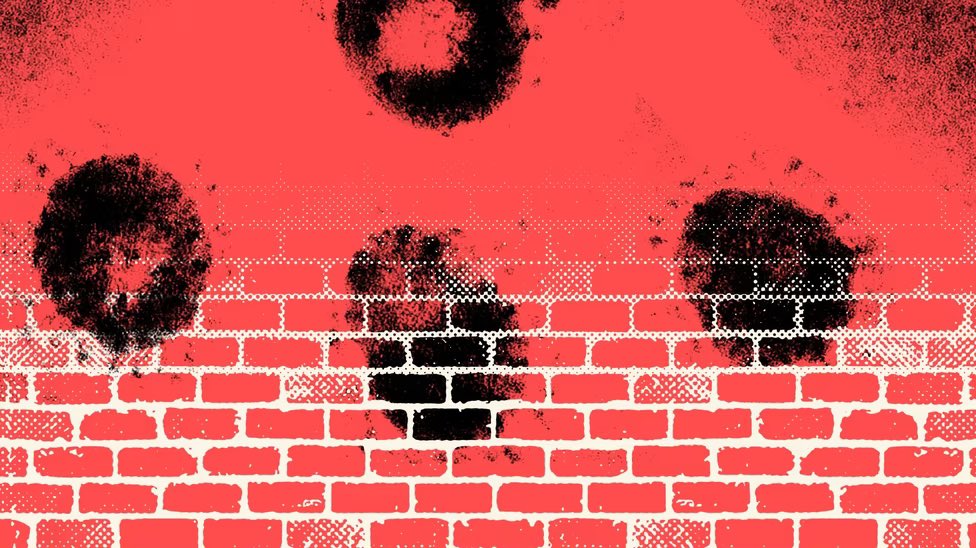
The agency given to microbes/pathogens in most immunity discussion I’ve seen is almost entirely passive. It’s thought a pathogen will just keep acting a certain way, infecting and killing us, unless we build up immunity to it. /2 https://t.co/zYivQTh8Kq
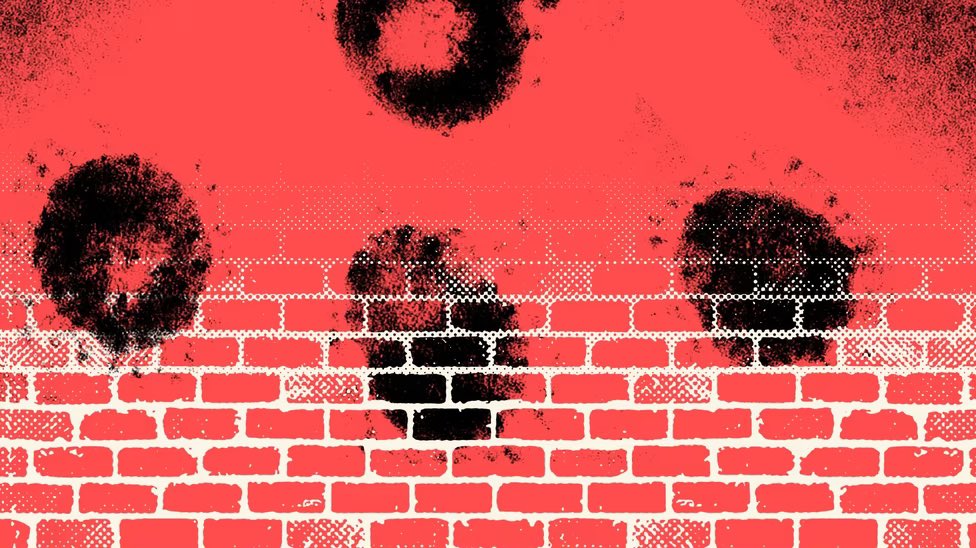
One of the things that appeals to me about Paul Ewald’s work is that he grants pathogens much greater agency. They can behave in a whole range of ways, dependent upon the contextual situation presented to them. /3 https://t.co/30brCwUXaf
This is a much more important reason to look at physical public health measures than just the elimination of pathogens. As Ewald says, we can coexist with pathogens, if we engineer our environments in a way that defuses their evolution towards damaging virulence. /4
He has some interesting examples in his TED talk, and his papers and books are fascinating reading. There will be those in evolutionary biology who question some of the assumptions (evolutionary theory is a hotly contested field), but the basic argument that microbes are…/5
…living things that act in ways that can be shaped by their environments seems pretty sound. So from the point of view of Covid, the sterile propaganda about ‘Zero Covidistas’ misses the point that controlling transmission and our lived environments can shape the virulence…/6
…of this pathogen (potentially). You can believe that we can never escape ‘living with pathogens’, but there a whole range of *ways* of living with them, some much worse than others. Just letting them infect at will while changing nothing in our lived…/7
…environments is spectacularly dumb. The second thing about the wall. To me it shows again how many of the critical problems we face in societies revolve around the same question. The relationship between the individual and the group. Obviously in politics, where modern…/8
…economic/neoliberal/libertarian politics denies even the existence of a collective society. It’s all individuals. And those who oppose this politics often use a ‘yes but’ argument, of needing to balance the needs of both. And in health, there have been tensions between…/9
…medicine (high focus on individuals) and public health (high focus on populations) from the day public health was invented. Some of the most aggressive critics of public health action in this pandemic have been medical doctors. It’s hard not to see that as a territorial…/10
…pissing contest. So unless we come to terms with what the actual relationship between individuals and groups is, all of these problems will remain unsolved. The wall of immunity is a population phenomenon. Immunity itself a more individual one, each person’s individual…/11
…immune system. Ironically the greatest pushers of the wall of immunity model are those with the strongest loyalty to individualised medicine and politics. In another thread at some other time, there’s (I think) a magic key that unlocks all of these debates, across all…/12
…all fields and areas of life, about individuals and groups, that I’d like to Tweet about. In a nutshell, the distinction isn’t even real. The consequences of that are quite amazing, once you pursue it. /end (Picture credit: The Atlantic)
James Valentine on ABC Sydney this morning with Julie Leask, talking about why the public has gone lukewarm on vaccinations. Lots of talk of ‘vaccine fatigue’. But the real reason not mentioned, that political leaders deliberately led a relaxation of public health attitudes…/1
…by the public. To win elections, the previous PM wanted to go to an election with a ‘job done’ message on Covid. State Premiers since then have done the same. Also, Valentine noted the large number of texts from listeners in the anti-vax genre, and wondered why. /2
The answer to that one I think isn’t misinformation, the usual explanation. In my childhood people couldn’t care less what was in a vaccine, you went and had them because the professionals you trusted said you should. The politics of our time attacks that core trust in our…/3
…institutions directly. So it’s not that people now have loon views on vaccines, it’s that they have any view at all on them that is the sad thing. Societies who lose trust as social glue don’t survive. This change was led, all change is led. 3/3
@KarenCutter4 I’m curious if you (can we request actuarial work without a fee still?) could do a quick comparison of the number of estimated cases of influenza in average bad flu years, against the estimated 4 million infections in the past wave?
SKY UK does great work. One of their journalists has Long Covid and filed this excellent story. https://t.co/JuqJKlQwo2
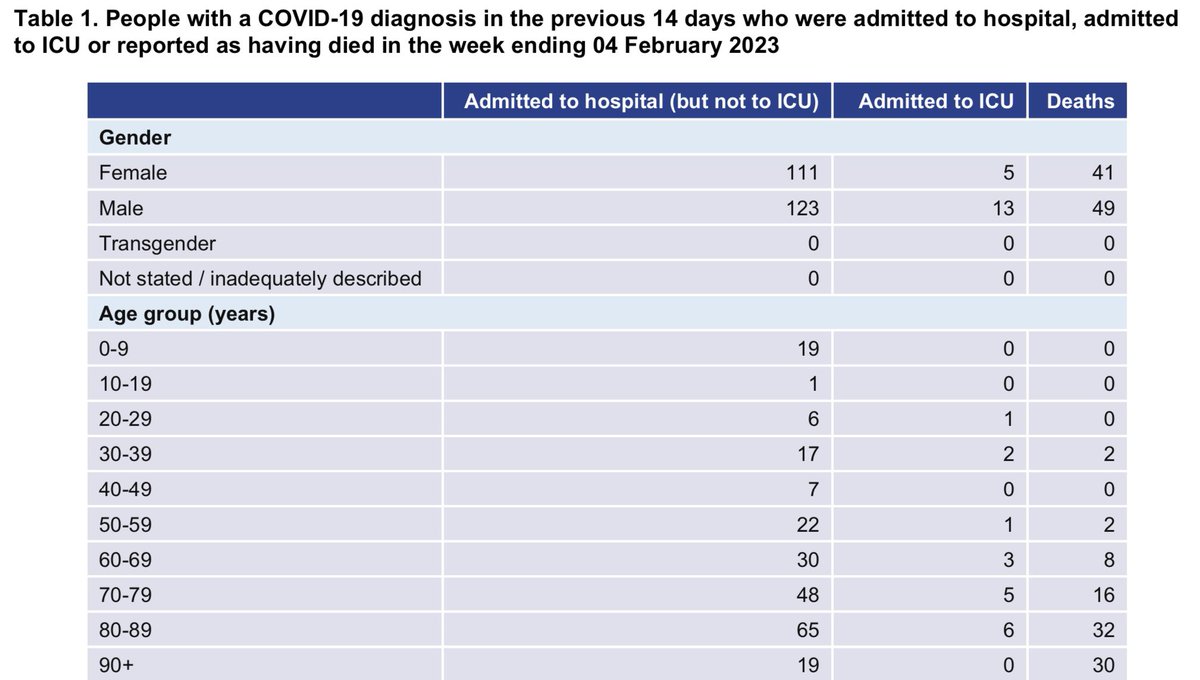
90 dead in NSW this week, according to the epi report. Some quite young. A couple of busloads, that seems to be a sort of baseline of ongoing death. https://t.co/Ulj8PkrBNy
Alan Tudge in his announcement today about leaving politics called the economy the ‘foundation’ of societies. Rubbish. Government is the foundation of all modern societies. You can find nations with minimal economic activity. But you won’t find economies without governments.
We might get somewhere if the response to the collective disasters facing us wasn’t always just using them as a platform to tell everybody else about our individual grievances. That’s part of the libertarian victory too. The worse things get, the more we individualise everything.
As a member of the public, what to do when NSW Health recommends you wear a mask in healthcare settings, and medical professionals who work there say the opposite? https://t.co/ITlBMkPg4q
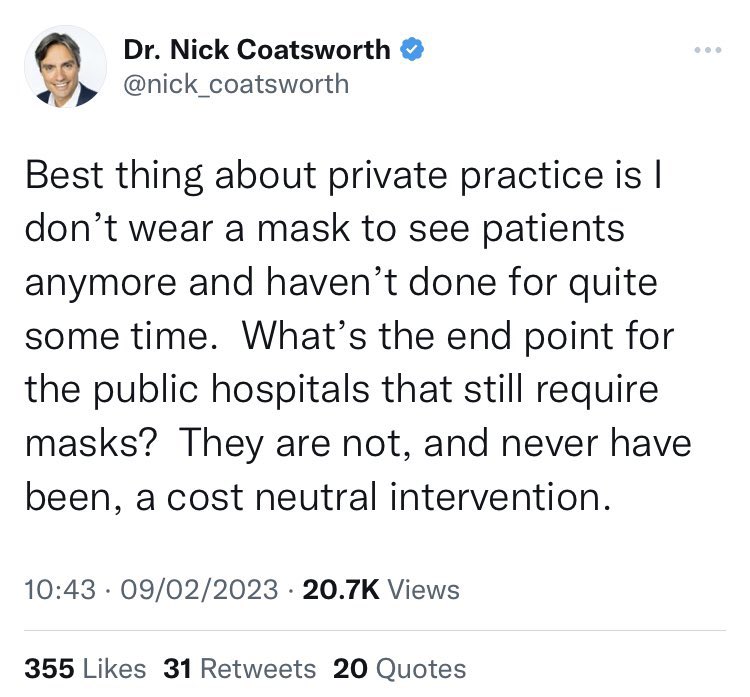
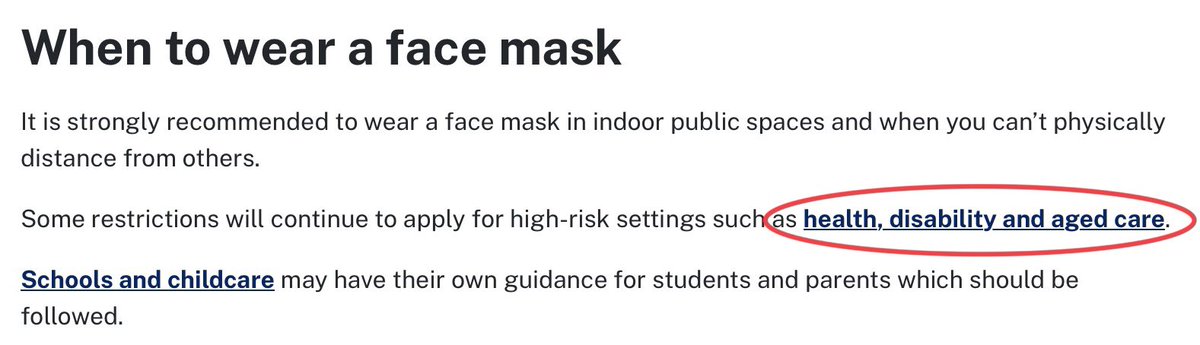
Is this one of those AHPRA things, @YouAreLobbyLud ? Just had this memory publicly expressing doubt about current Covid practice was punishable in some way.
Also Albo’s thing. To be the great ‘consensus-builder’. As if the problems in society are just people being nasty to each other. They’re being nasty to each other because a tiny handful of them are eating all of the bananas. Redistribute the bananas. https://t.co/K3aarU4sAk
I have expert-fatigue. I can’t remember a time in the past year for example where NSW Health wasn’t recommending masking in indoor crowded places. But then the media is full of expert opinion directly contradicting the need to. Social media is destroying our institutions. https://t.co/bPl8GaA7Rs
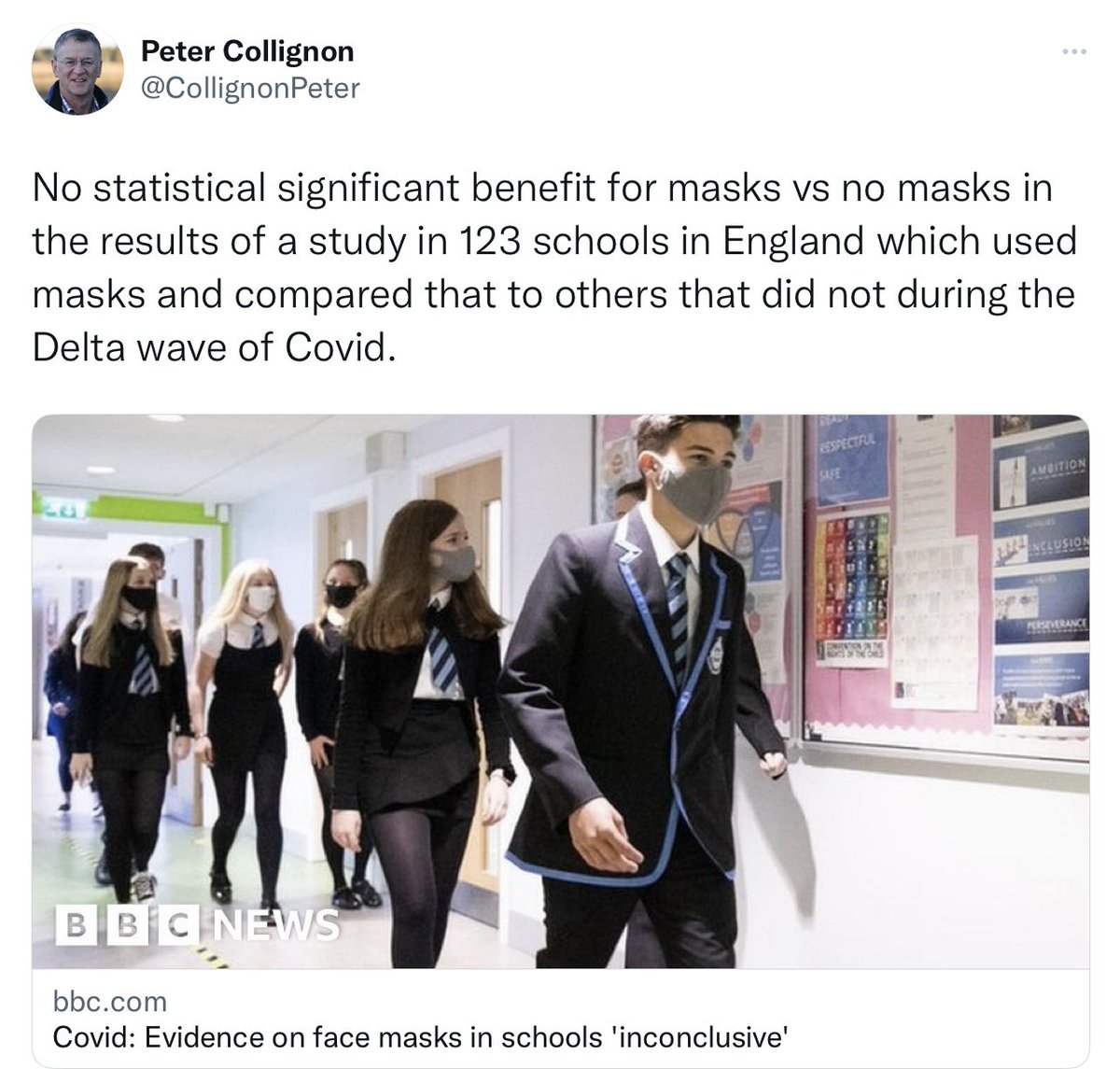
Still going to need the 2 buses. https://t.co/a9ZGy5iekX
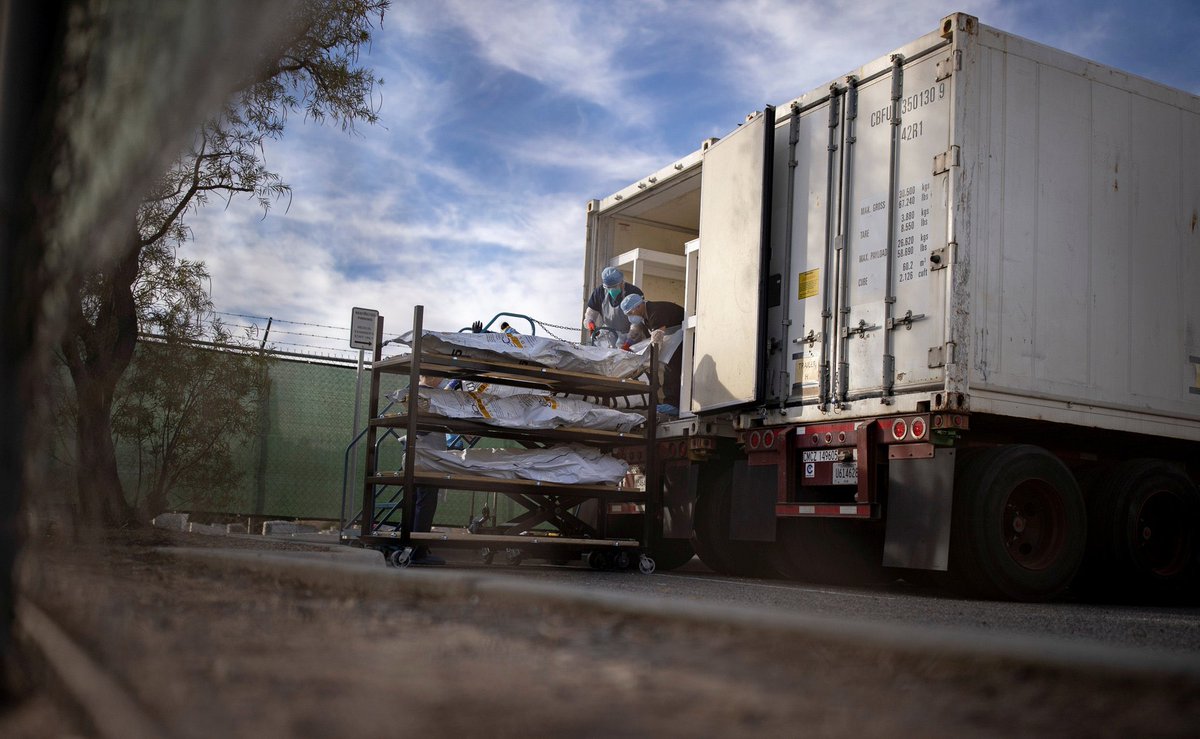
Thanks to @djf0001 for this amazing image from the first year of the pandemic in the US. Over a million body bags since then. You’d have to think the people who physically process those would have a view about living with the virus. (Ivan Pierre Aguirre / Reuters file) https://t.co/TqRTX7wk4O
A close friend who has been casual about Covid for the whole pandemic (has been infected twice) is now experiencing quite dramatic swings in both blood pressure and heart rate. Their doctor ‘puzzled’. I asked if Covid had been discussed. No.
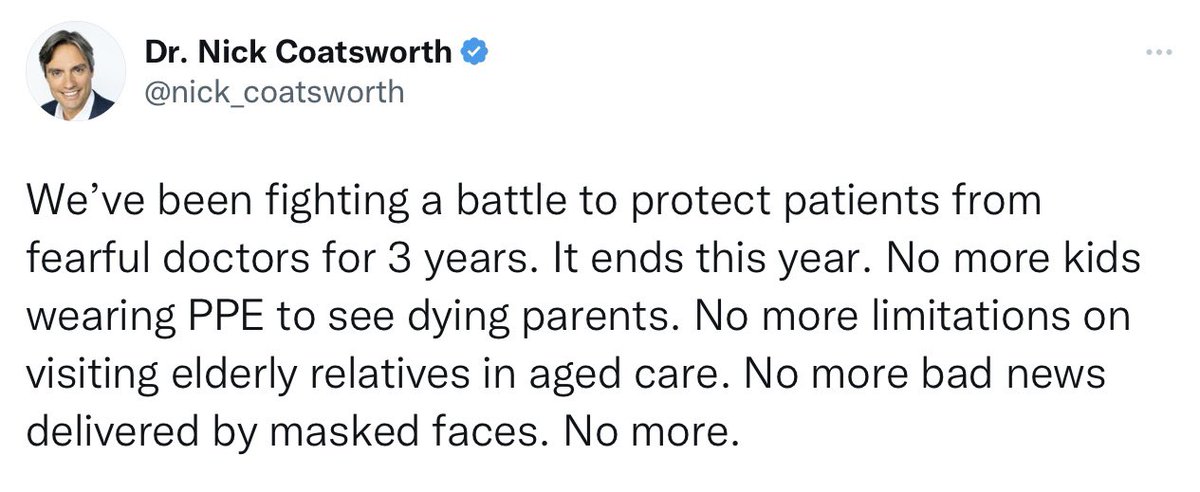
Who’s ‘we’? The 20,000+ who have died because of Covid in the last year alone in Australia, I had no idea they’d died of ‘fearful doctor’. Will have to Google it. https://t.co/JaGPVHA5fD
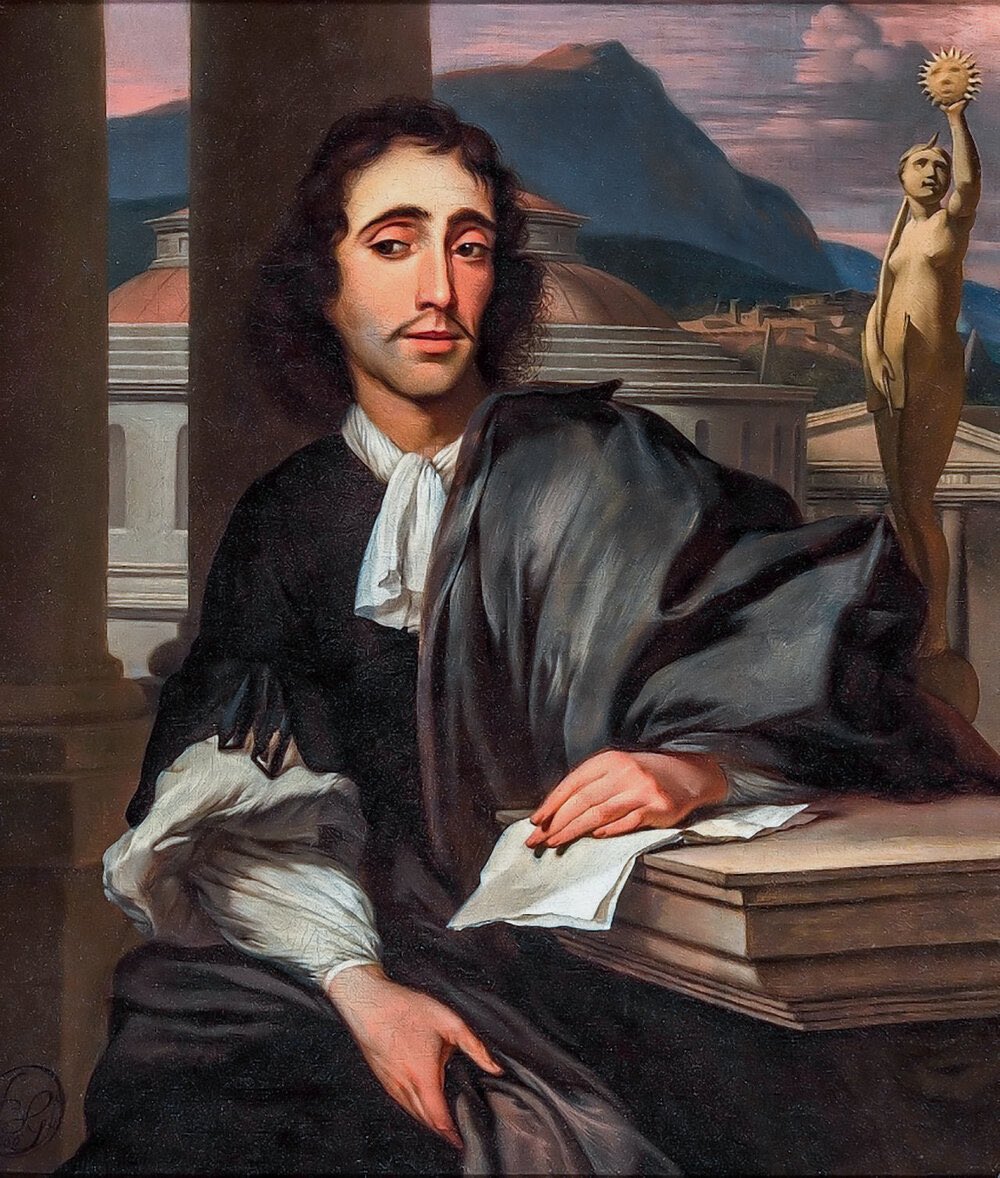
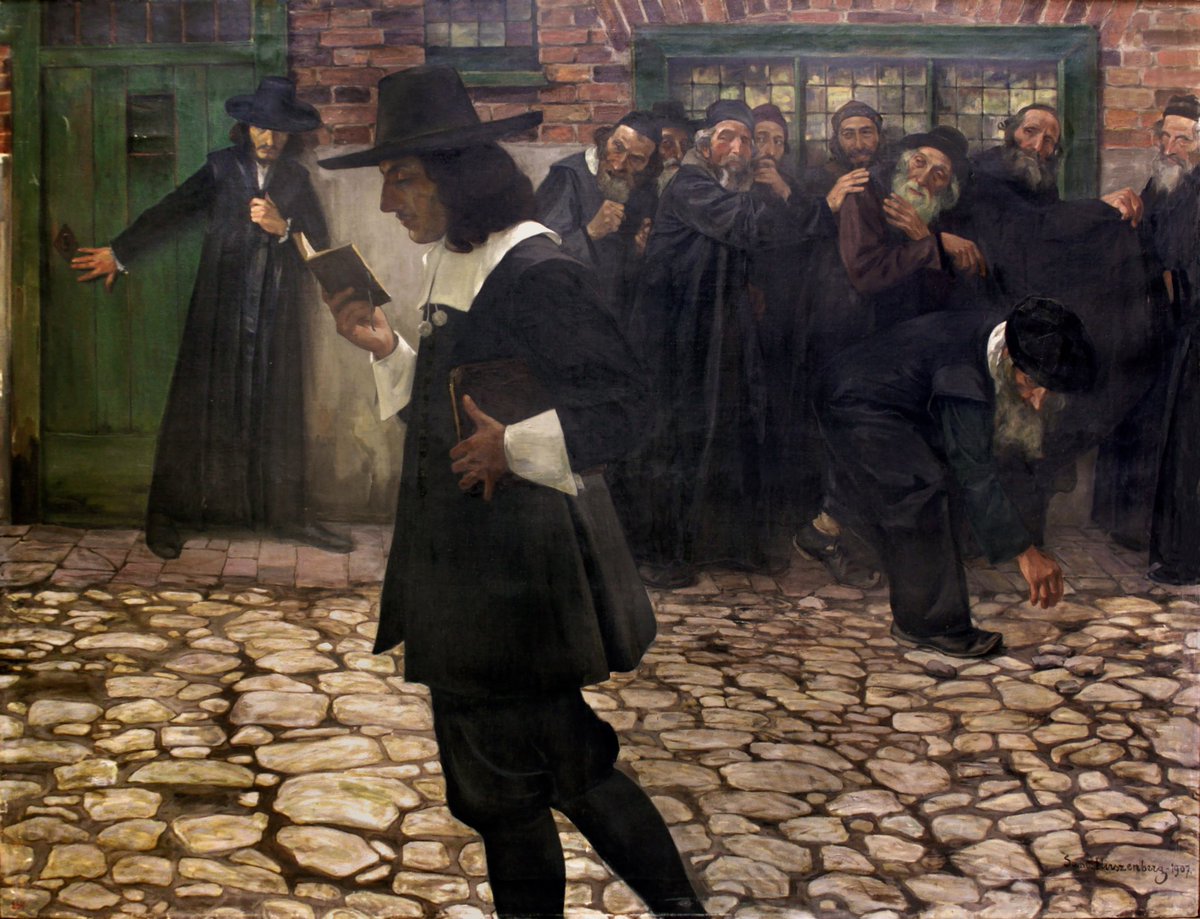
My favourite portrait of Spinoza. His excommunication was brutal, he was never accepted again by his community. But his conviction, that only knowledge and understanding can ever set humans free, remained unmoved. This portrait is such a beautiful meditation on the tensions…/1 https://t.co/1mMK2I4KHU
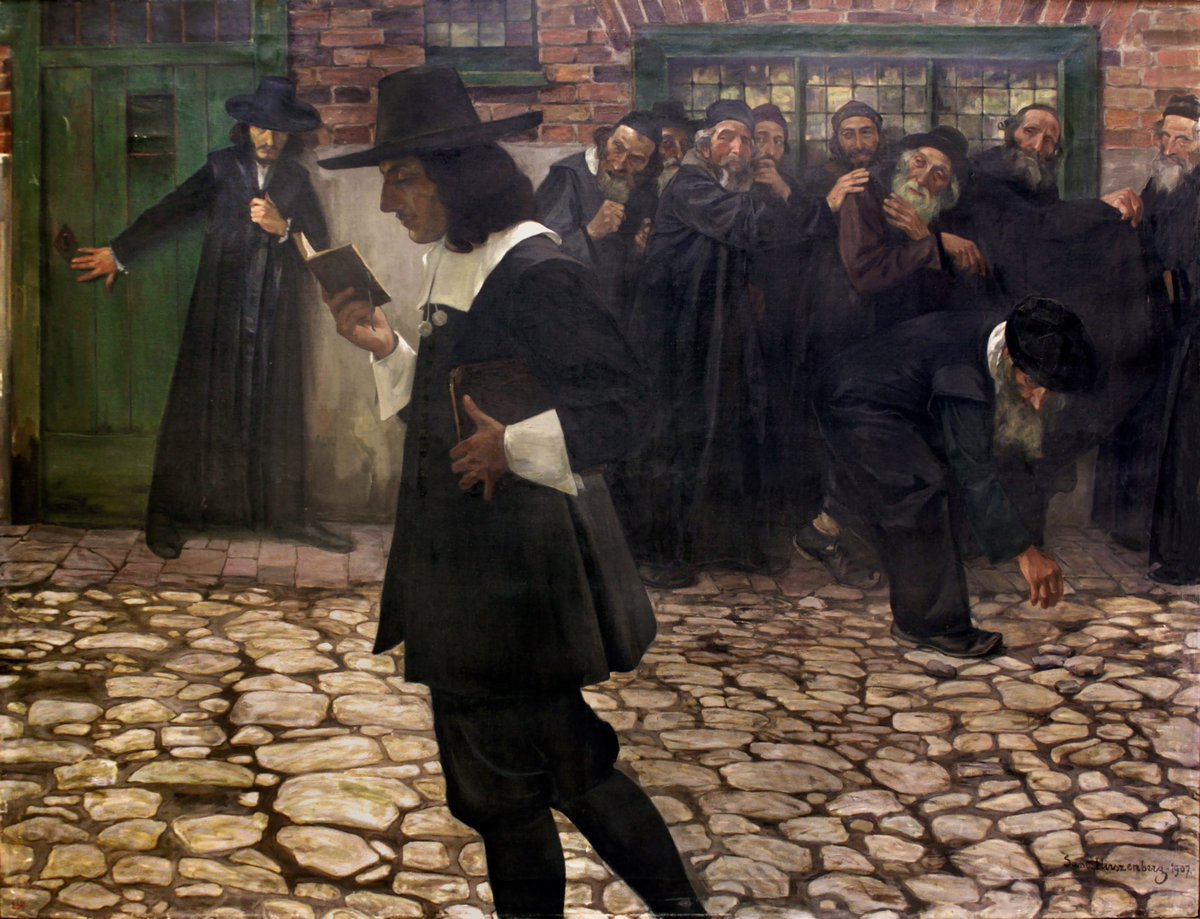
…between social life and knowledge. Spinoza wasn’t just somebody transgressing social norms with other norms, plenty of people do that. And there are plenty of thinkers whose idiosyncrasies are really just rallying calls for a different community. /2 https://t.co/4rpx57TnDx
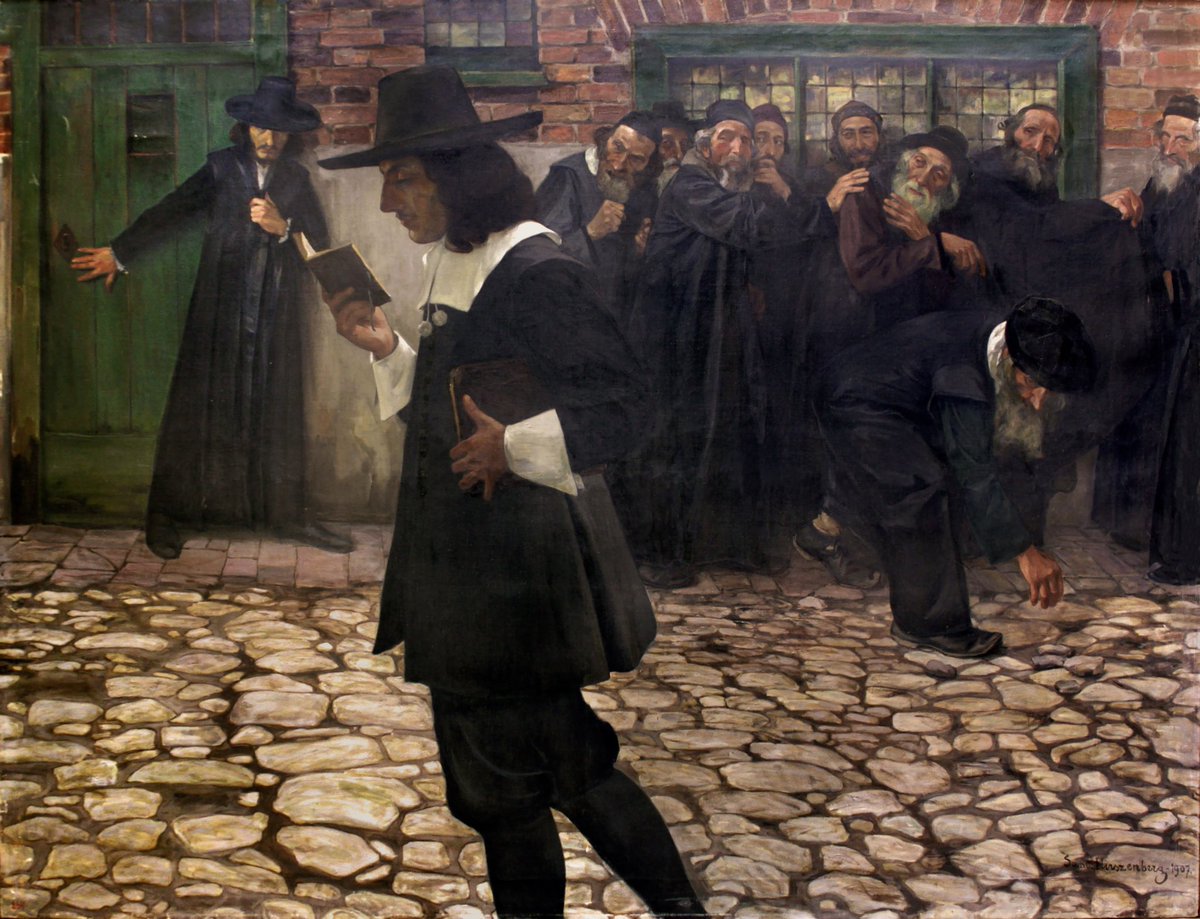
All thought is as social as any other activity. You can see it in the pandemic, with people rallying behind different expert opinions, and different experts building their own empires behind their ideas. That wasn’t Spinoza. His message was always that true understanding…/3 https://t.co/OnmkmNGLYR
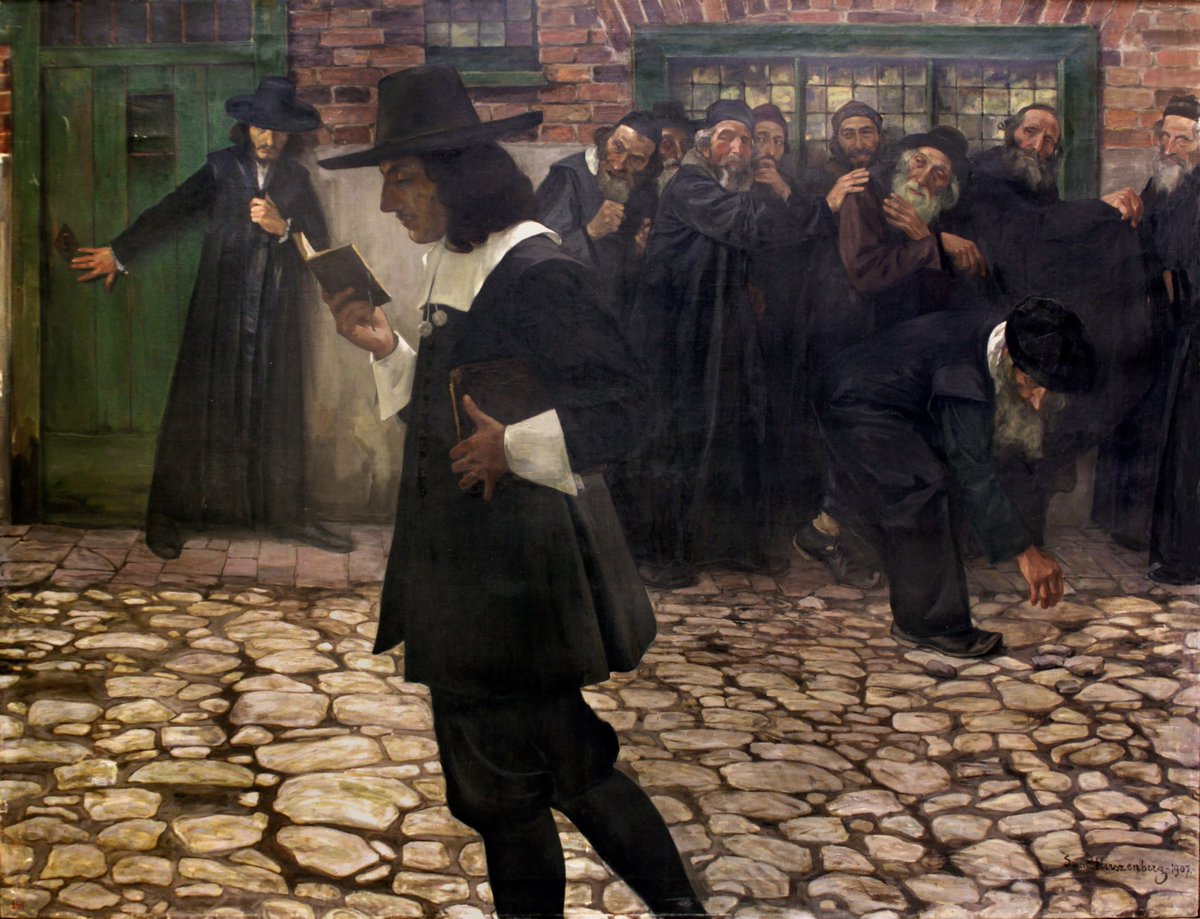
…transcends all of that social team sports. He even had a metric for assessing whether true understanding had been reached. The feeling of joy. Any other feeling relating to knowledge meant you hadn’t yet fully understood something. I think he’s a model needed for our times. 4/4 https://t.co/kGkQKd7B7f
Tim Brooke-Taylor died right at the start of the pandemic. While quite old he was also in a tier of society that usually manages to avoid public health problems. He may be a good entry point to discussing the politics of individuals and groups. /1 https://t.co/RwnlPmgkYG
From those earliest days of the pandemic, specifics of people who have died have been actively suppressed. Journalists have often been denied access to hospitals. In relative terms we’ve heard very, very few stories of individual tragedy, despite there being millions of them. /2
This is the sort of thing we see, although increasingly now not even that, with data suppression too. Data, graphs. It’s easy to say that’s the deliberate suppression of individual details, which might outrage the public. That’s partly true, but I think it’s more complicated. /3 https://t.co/cLB6vpvzuY
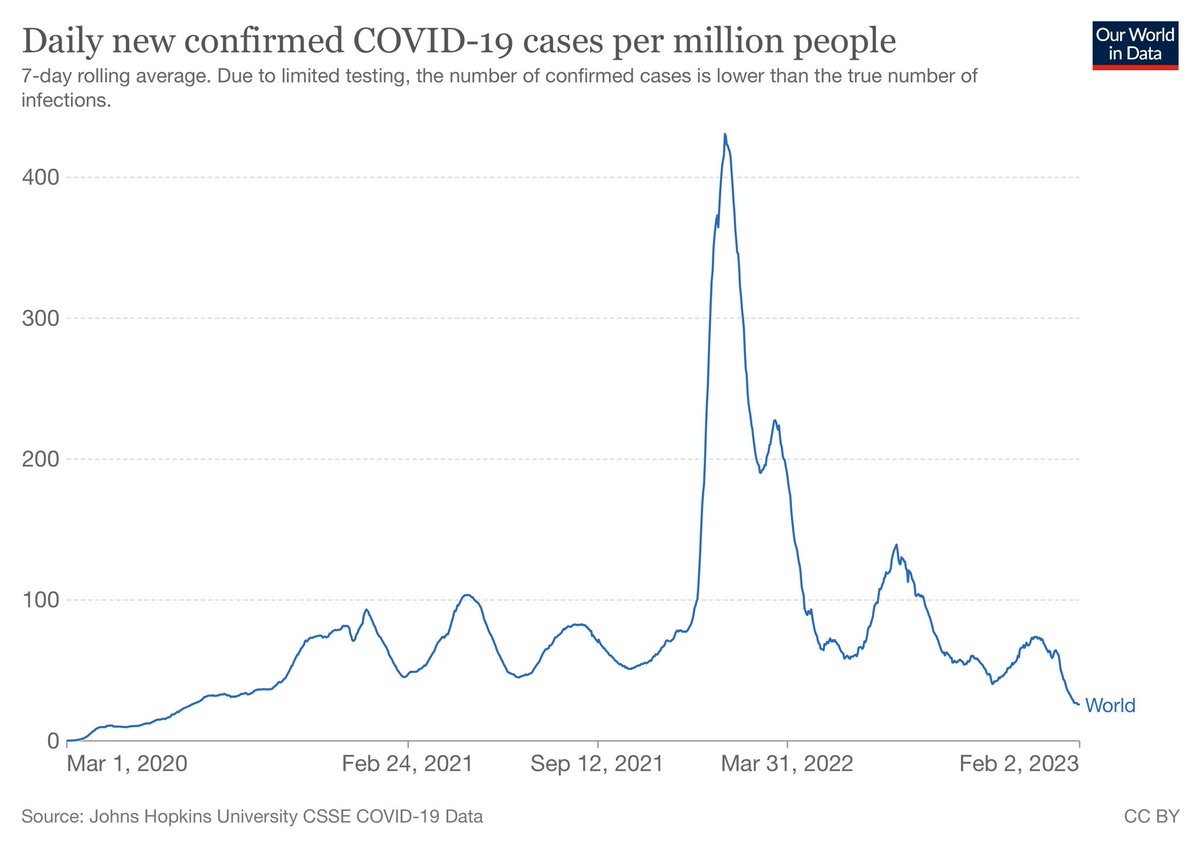
If we put them side-by-side, the individual and the group, there’s no doubt the individual story will tend to be far more powerful in public conversation. Tabloid media know this, only very rarely will they generalise, they’re nearly always highly specific. /4 https://t.co/SlAZay0HqT
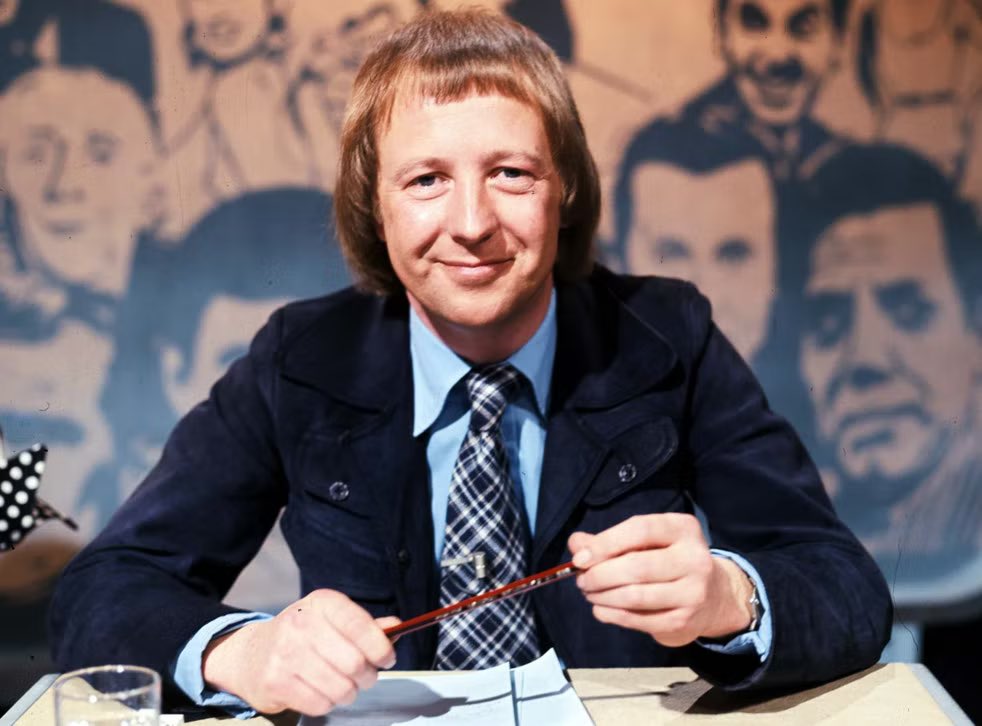
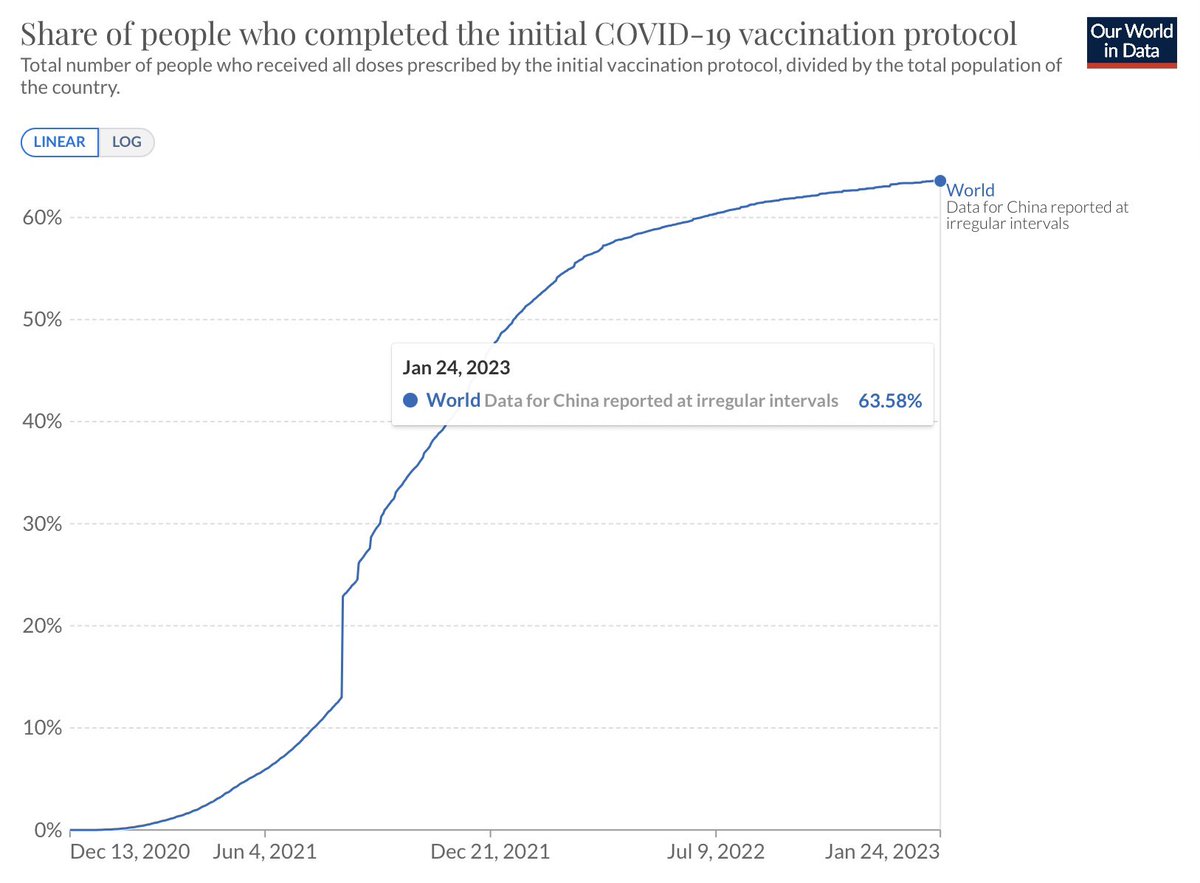
Like this. Not because they (or their readers) are actually interested in the individuals concerned. What tabloids understand is that the distinction between individual and group isn’t real. Their stories resonate because they make millions of individuals think about…/5 https://t.co/XJYqcpuiM3

…their own lives in multiple ways. Like ‘that could be me’, for starters. Despite what pretty much all education will teach you, there’s nothing more universal than the individual. The bad guys know this. It’s why they suppress individual Covid death stories. /6
It’s also why the law focuses on cases. Each case is both intensely personal and individual, and completely universal. Any case decision can change precedent, can drive new universally-applied law. But what about the data? /7
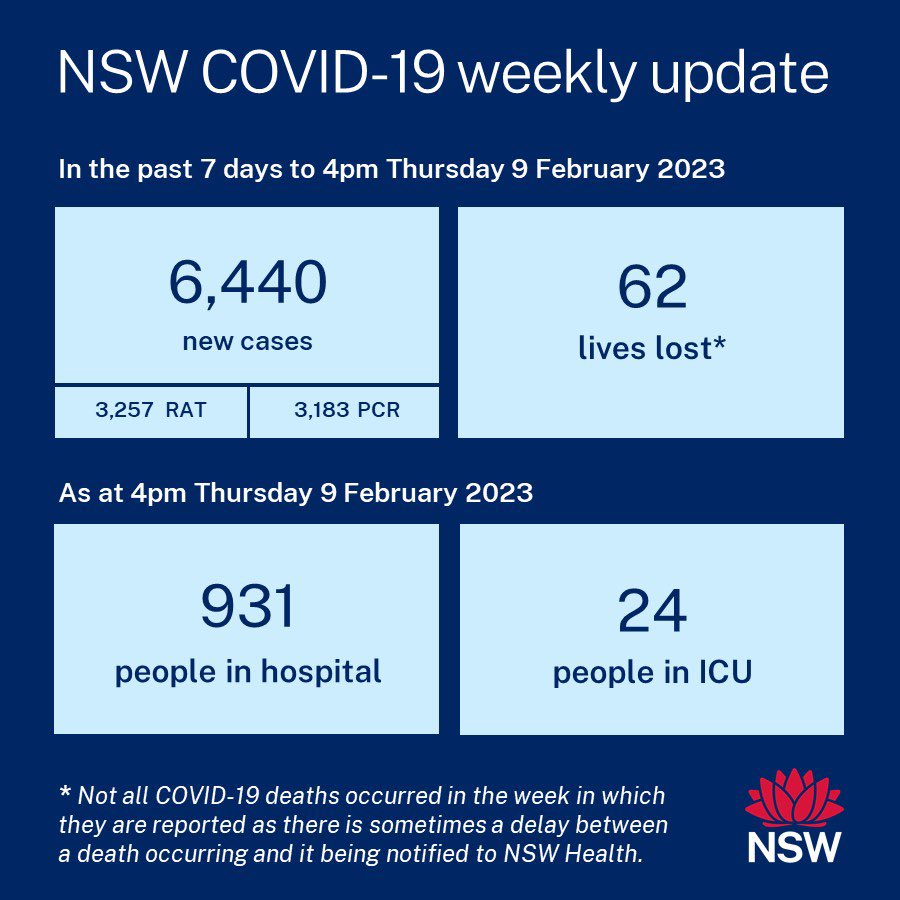
Is this a snapshot of the group instead of the individuals? I reckon most people would say yes there. And that’s how the bad people win. Data is as individual as a tabloid story is universal. When this data is collected, it’s not to try to see what ‘the group’ is doing. /8 https://t.co/VatQh05qL5
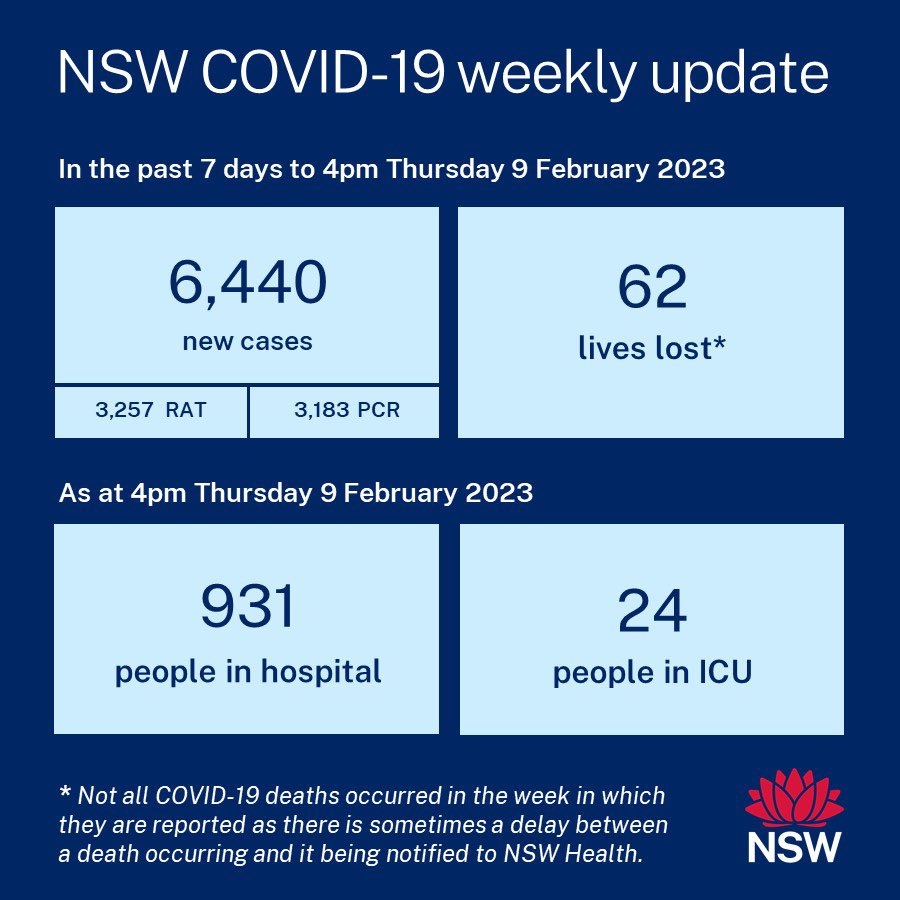
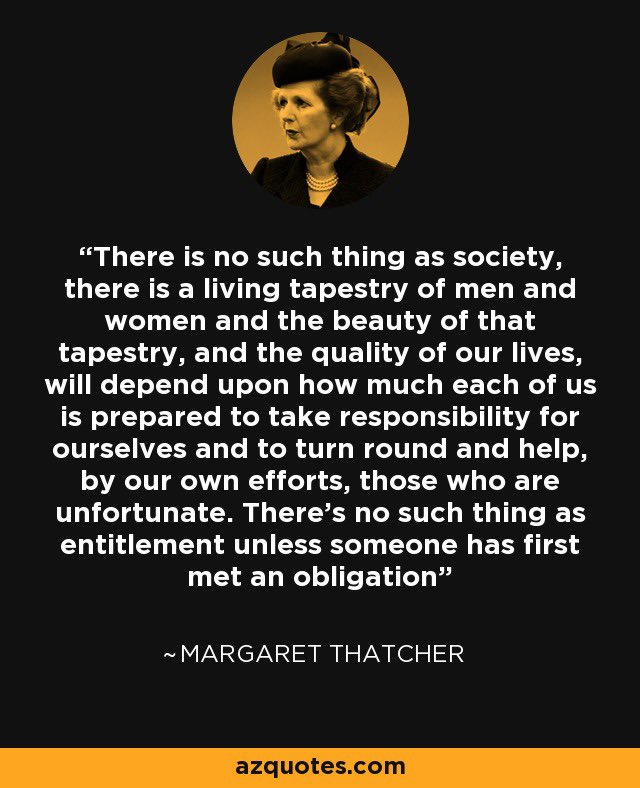
The group isn’t doing anything, there isn’t one. The 62 people who died probably never knew each other, their lives may never have crossed. And I’m not suddenly agreeing with Maggie T that ‘there’s no such thing as society’. /9
We absolutely do live lives mostly structured by collective things. You can’t speak a single word without using a language shaped by millions over centuries. No matter how individual what you say is, it needs to use that collective language. But no group exists. /10
What we think is a group acting, is lots of individuals acting, in distinct ways. We all follow any groups we’re part of, from the smallest to an entire nation, for our own reasons, in our own ways. That produces the collective effects we see in the data. /11
But we never, ever, act as a group, as some miraculously coordinated multi-person agency. And we know it, sit on a committee and tell me when the moment comes when suddenly everybody acts as ‘one mind’. Each member acts for their own ways, for their own reasons. /12
Their actions and decisions may align, for entirely different individual reasons. Why politicians spend most of their time paranoid about losing support from voters and others in their own parties. They know ‘the group’ can splinter any time in myriad individual directions. /13
When we look at data like this, we’re not seeing the actions of some collective entity. We’re seeing what one individual view of the world produces, repeated across millions of individual people. The bad people win because they tell the stories that resonate, individually. /14 https://t.co/utIaiS1G4g
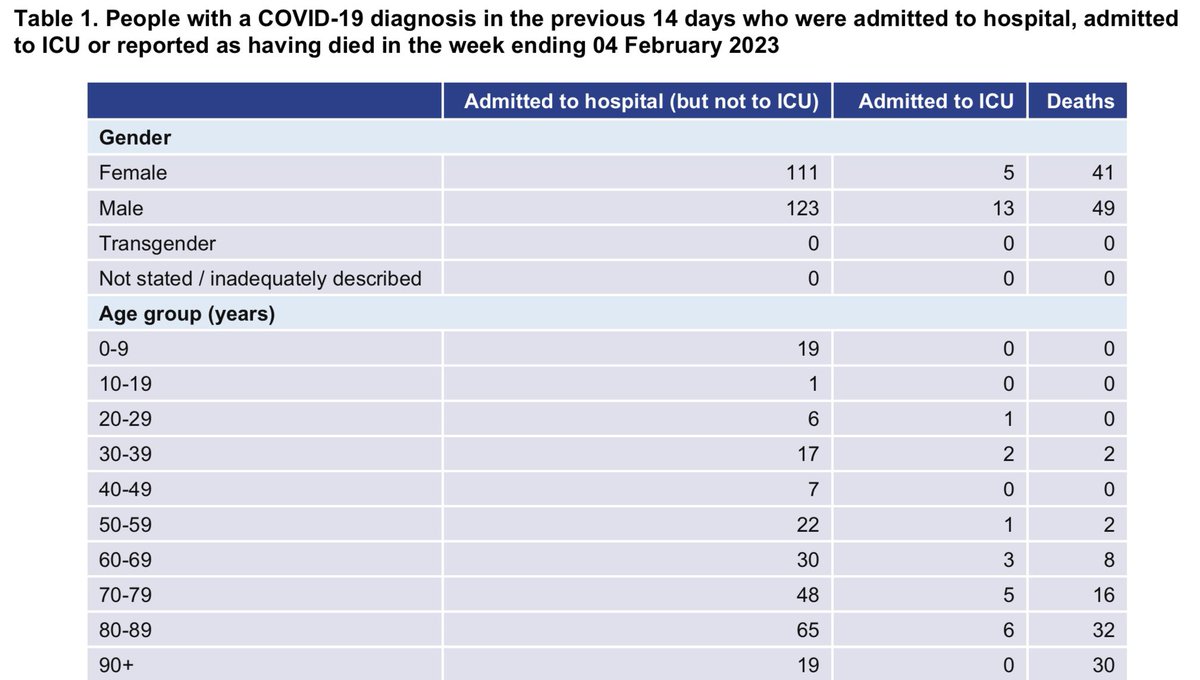
The good people tell ineffectual bland stories about averaged group personalities that aren’t real. ‘Selfish and dumb Australians’. While the bad people tell the individual stories of peoples’ lives impacted by a pandemic, usually in trivial ways like being denied travel…/15
…and dining out. The good people need to go tabloid. Not to get in the ‘gutter’, but to tell stories that create that dynamite resonance of individual and universal. There are millions of them. /end
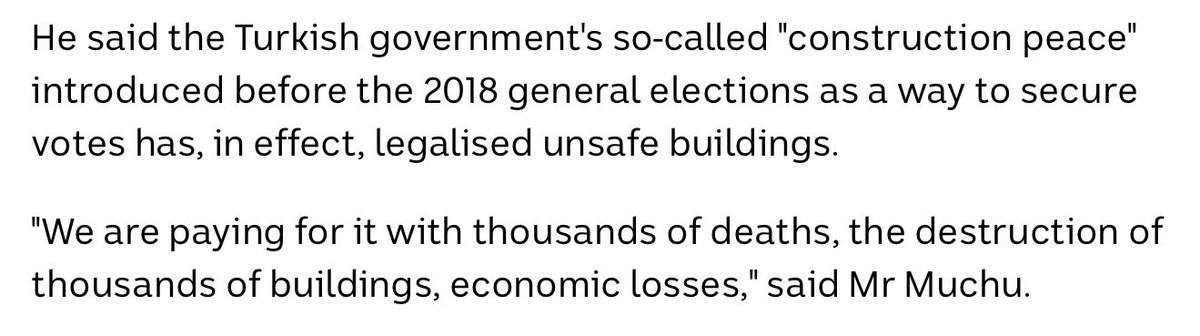
While here in NSW we wait for a March election, to swap out one group of politicians ignoring Covid for another, in Turkey a senior architect points out that elections are responsible for the earthquake deaths there. Popularity can’t solve a single problem we face. https://t.co/y9iOR90FgH
The US continues to be a libertarian abattoir. https://t.co/JjOSzdgoOR
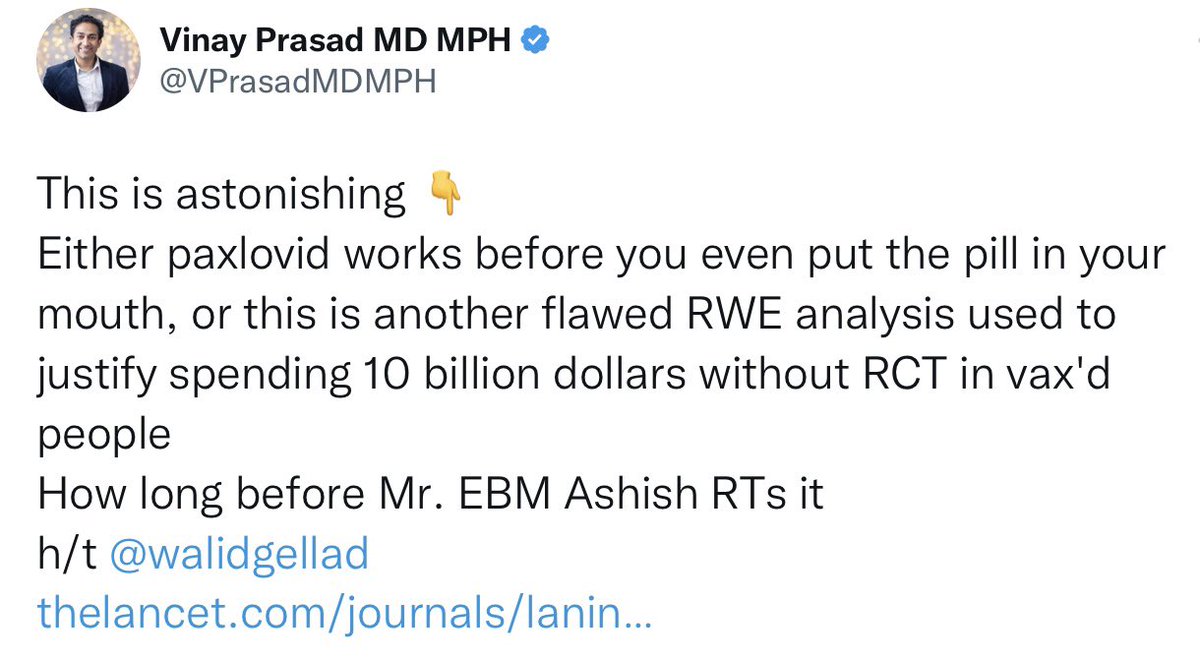
I’m sure one of the Infinite Covids will point out this is yet to be peer reviewed. Because their passion is peer-review. All of their views are rigorously peer-reviewed by their followers, and monetisation algorithms. https://t.co/qNuTKOSBr4
For those unsure about the acronyms Infinite Covids use, RCT = Really Crap Tweet. https://t.co/KkfP84ylkf
How many times do we need to go through the great collective orgasm of elections, with little progress on major issues no matter how many we run, before we realise they’re the problem?
#insiders The Stage 3 tax cuts shouldn’t be much of a problem for inflation, because hardly any Australians will get them, and those that do will shunt them off to accounts in the Caymans.
👇now, what to do about that…🤔 https://t.co/CZ4DLe4S8W
Aussie brains still in lockdown. https://t.co/s6OHpL93Vj
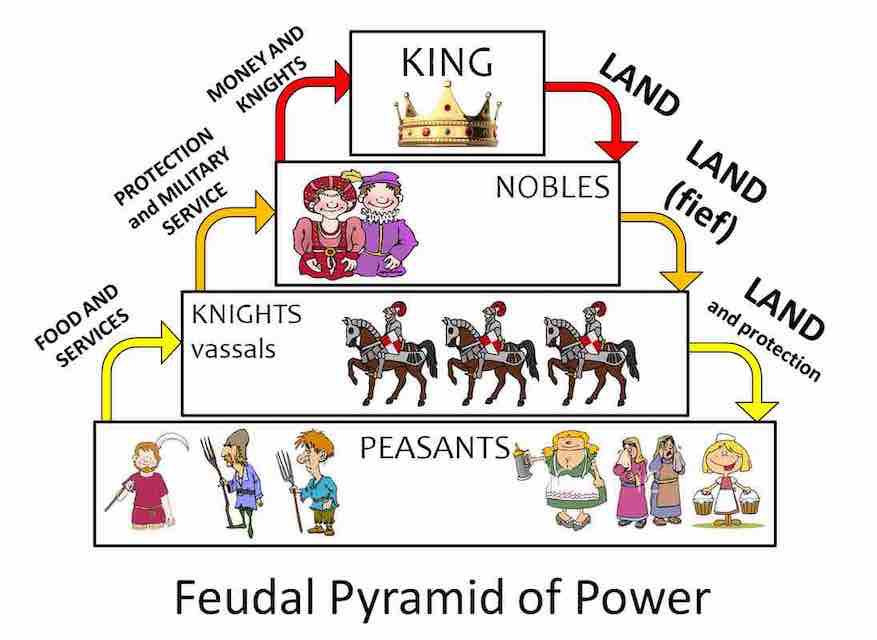
20-21st century ‘neoliberal’ politics is a fancy name for the return of history’s dominant social form. Feudalism. These modern movements exist only to reverse the gains of the late-19th and 20th centuries. Gains only enabled by social catastrophes (Spanish Flu, and WW1&2). https://t.co/hlxHbV1Pg8
Not once in this entire piece is there mention of children being infected by Covid, in their millions. Repeatedly. Lots about disrupted schooling, but not how it could have been avoided with even basic risk mitigations in schools. Disgraceful. https://t.co/e9J0onzYwV
There’s that balance word again. There’s nothing on the other side of the scales at all. It’s 100% economy, 0% Covid. Just as ‘balanced’ action on climate was always 100% action on the economy, and 0% action on climate. It’s standard denial strategy. https://t.co/MaTB8Esyuv
Some Infinite Covids say Covid infection rates in schools simply reflect infection rates in the wider community. That’s probably because the schools seed the wider community. Lovely graphic showing that possibly happening right now. https://t.co/yKj0s87Ajr
The Audit Office of NSW, school attendance trends. Kids were escaping already before the pandemic, the continuing decline in attendance follows the same negative slope. Anybody who’s worked in secondary schools knows missing school is not what damages most kids. Attending does. https://t.co/Cq9eXJ0a8E
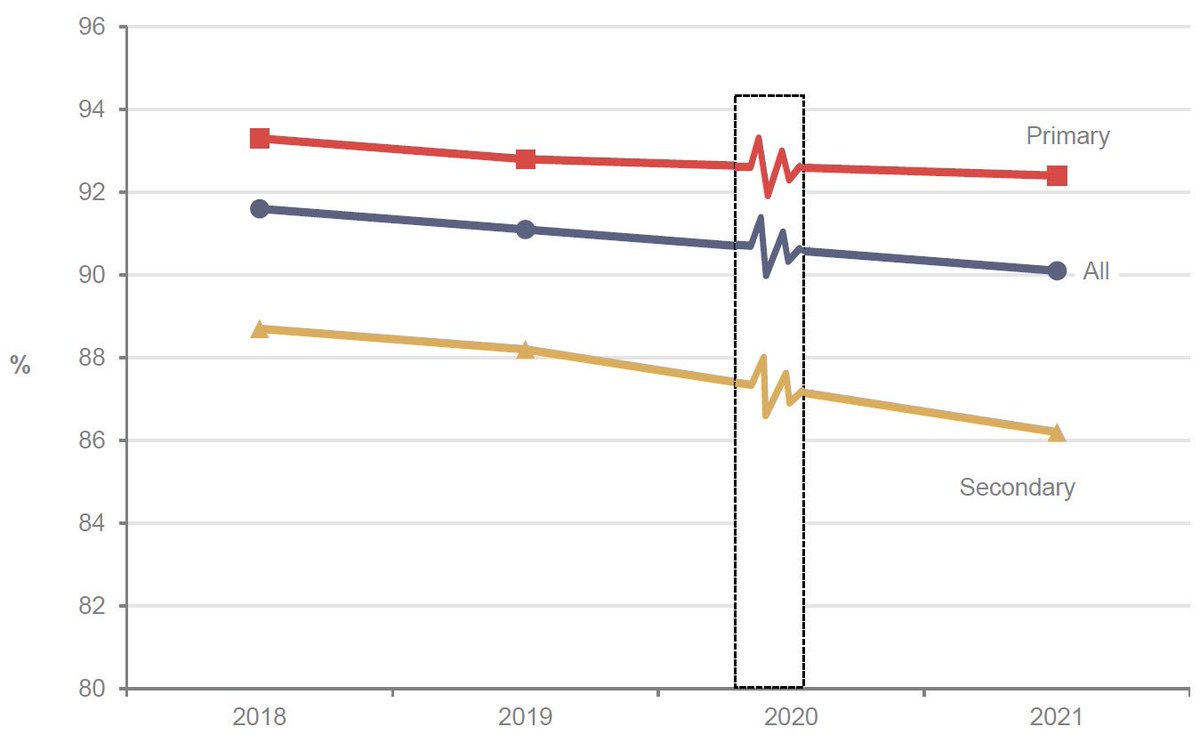
Re-Tweeting this to a more general audience. Look at the calamitous trend in school attendance, driven by ongoing mass infection. This measure of attendance level is one designed to show educational damage, kids away for more than 10% of the time. (This is government schools.) https://t.co/pmPQjBImdR
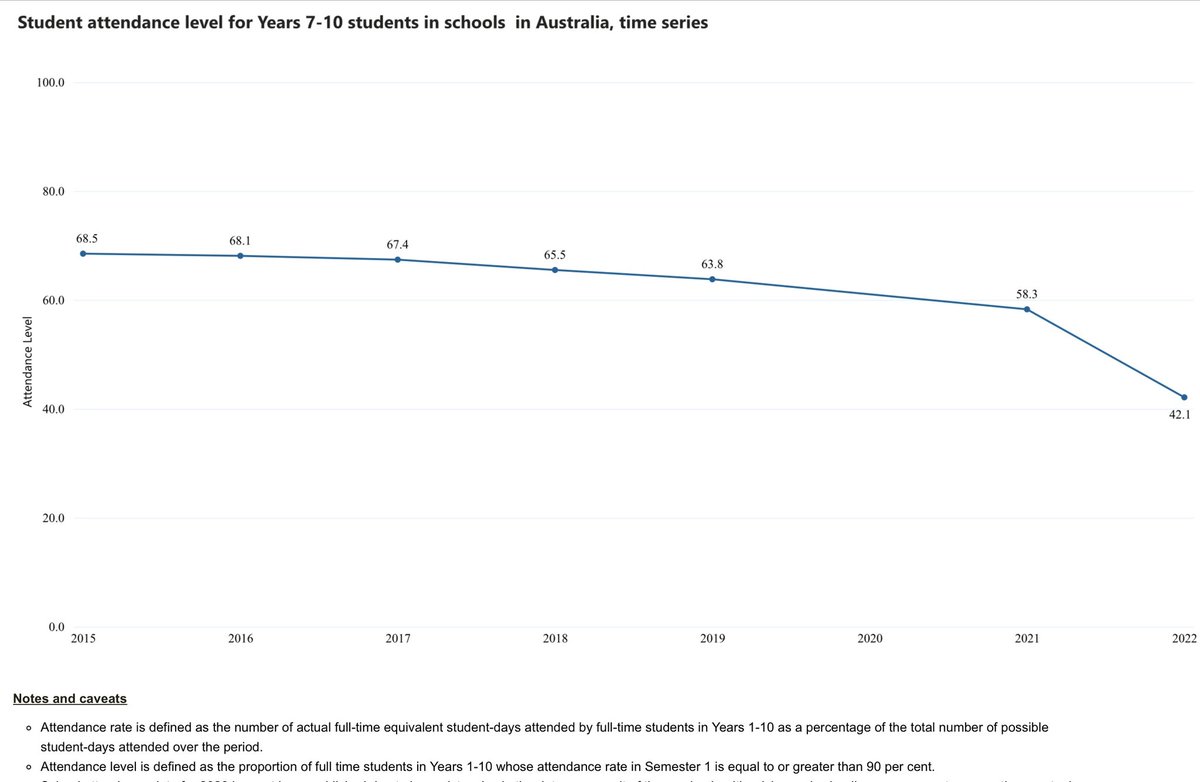
Now that I’ve caught the escaping pet again, the reference link: https://t.co/E0wObxlXJ3
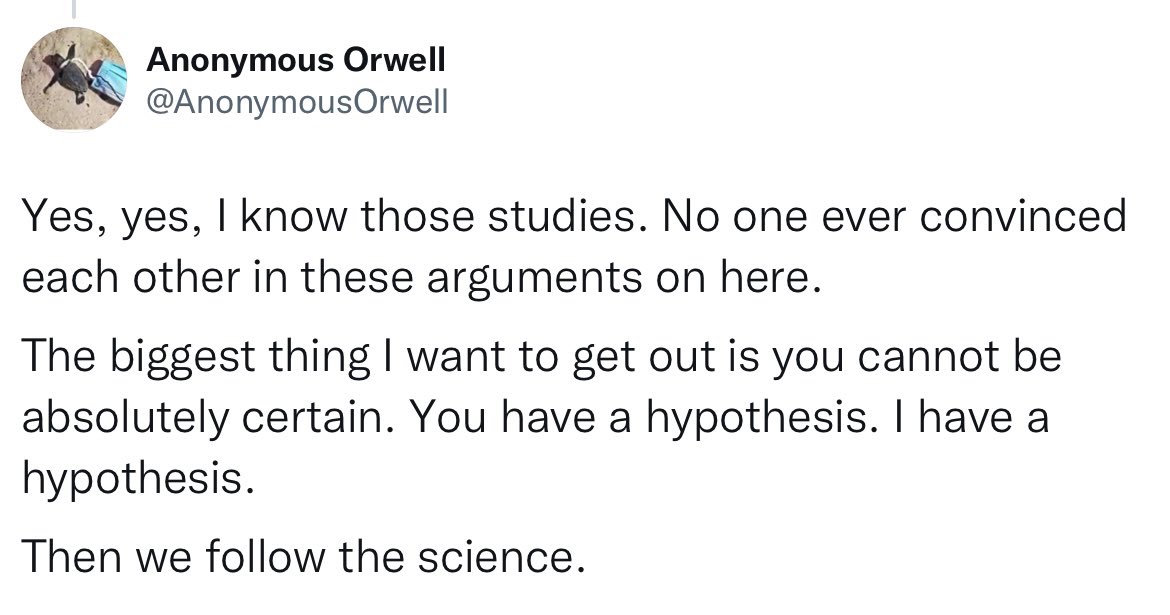
This is what N=1 populism has done. Public administration has never been you and me having hypotheses, then ‘following the science’. It’s been you and me having no idea how any of this works, going about our own busy lives, and letting people who do it for a living, do it. https://t.co/oO62LRFIGe
Two things, here. Another article that manages to avoid mentioning Covid even once. Millions of kids and their teachers being infected, multiple times, doesn’t even come up as a hypothesis. Ask any teacher about Covid absences, the tsunami of them. /1 https://t.co/rPfHfHGou3
Secondly, note the acceptance that attendance was declining even before the pandemic. The idea that ‘lockdowns’ severed students from their beloved schools? Many kids hate school. They were voting with their feet already, before Covid. And our educational performance outcomes…/2
…have been in free fall for a decade. Schools were already broken, now they’re broken and breeding grounds for community spread of Covid as well. It’s decades of ‘there is no such thing as society’ politics which has done this. 3/3
Why economic politics does nothing about continuous epidemic waves. That’s what the economy is, an exponential growth function. It sees no issues with continuous waves of destruction. Bipolar politics. https://t.co/bFtDmZ83tH
Watch for this building push in Australia, to match the UK. Not even ‘stay home if you’re sick’ now. For both workplaces and schools, the sick will be expected to attend to prevent social collapse. https://t.co/vgVXxTWMNf
Feudalism is returning. Has been for 50 years, that’s what the economy is, a political tool to strip away ‘the public’. The public was invented in the 19th and 20th centuries, to deal with disasters. Just as kings invented parliaments centuries earlier, for the same reason. https://t.co/sKN6ytum8C
Attendance rates dropped by over 4% in Australian schools in 2022. (Multiply by number of kids and that’s a lot of kids away.) Attendance level (who was there more than 90% of the time, a key educational metric) fell over 21%.
Acara statistics. Also this is years 1-10. Exclude infants and primary schools and the numbers are even (much) worse.
8,141 Australians died at Gallipoli in WW1. Its a nationally iconic event. 2-3 times that number died from Covid in 2022 alone. It’s barely even mentioned. Incompetent leadership is often blamed for the former. The deaths were led into existence, in both cases. https://t.co/fof1yXU4dH
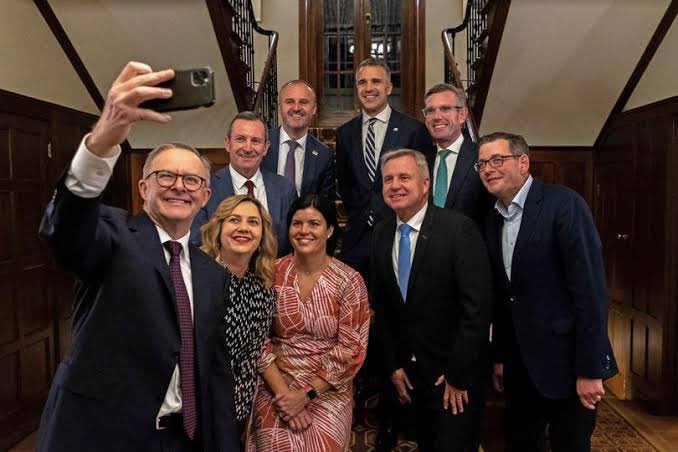
Maybe. Though we’re living in an empirical test of this topic, with Covid. We’re infecting an entire generation of children, without blinking. We don’t have children, because we don’t like them. Adolescent cultures live in an eternal now, not a circle of life. https://t.co/Ki2Ao8ajgW
Elected reps have no answers, they don’t run anything. The answer to the cost of living crisis is to stop living having a price in a market. To reverse the transformation of societies into economies. Which will also restore the public. And public health. https://t.co/i1pUTta2xf
2 parallel movements in our societies. One, the invention of an ‘economy’ as a political weapon to strip away democratic reform of the past 150-200 years. That’s often a depressing story. But the other parallel movement isn’t. Hans (RIP) helps there. /1 https://t.co/dqrrEf1kQA
Look at the phenomenal improvement in both health and prosperity, globally, in the past 200 years. Hans stunned audiences with this data, they usually had no idea of the scale of the changes. So how do these two parallel movements manage to coexist? /2 https://t.co/dqrrEf1kQA
They don’t really, and that’s the other thing I Tweet about. The modern populist shift in politics, which has us focused every day on the team sports of politicians and parties, completely ignoring the real driver of societies now. Engineering. /3 https://t.co/2Y7M7zJb5o
The unprecedented socio-technical complexity of modern life. All the hot air of modern populist politicians doesn’t even touch this complexity, one reason I’m scathing about even having elections. There is not one way using popularity as a measure will ever be adequate to…/4
…the task of managing these socio-technical marvels, our modern societies. Hans calls the birth of these the ‘Industrial Revolution’, as many scholars do. It’ll do as a label. No matter how many ideologies and fanaticisms our elected windbags bring to the table, none will…/5
…ever come close to understanding or managing the actual running of a society in 2023. Those ideologies are the great barrier we need to sweep away. Get rid of all the nonsense about Left and Right and capitalism and socialism and libertarianism, and refocus politics. /6
On basic, operational problems to be solved. That doesn’t mean we will all agree, but our disagreements will be focused on the practical, operational detail of what needs doing. Not sterile centuries-old political debates using concepts that have zero relevance today. /7
Hans shows us the good news. That what appears a total catastrophe in modern life, is really the tiniest handful of blowhards with their zealous ideologies, getting in the way They can’t resist the operational underpinnings of society though. /8 https://t.co/dqrrEf1kQA
And we individually need to drag ourselves away from the team sports, high school culture-driven spectacle of daily politics. What’s happened in the past 200 years is near miraculous, and all that rubbish obscures the view. /end
If you can’t protect a Queen, imagine trying to protect ‘the vulnerable’. https://t.co/i4lGzyvL6b
@KarenCutter4 you ok?
The principal at a local school has followed kids and other staff into isolation this week, as the virus feasts on an entire generation again. Is spending on school ventilation inflationary? Asking for a few million friends. https://t.co/n7hS1LGTZZ
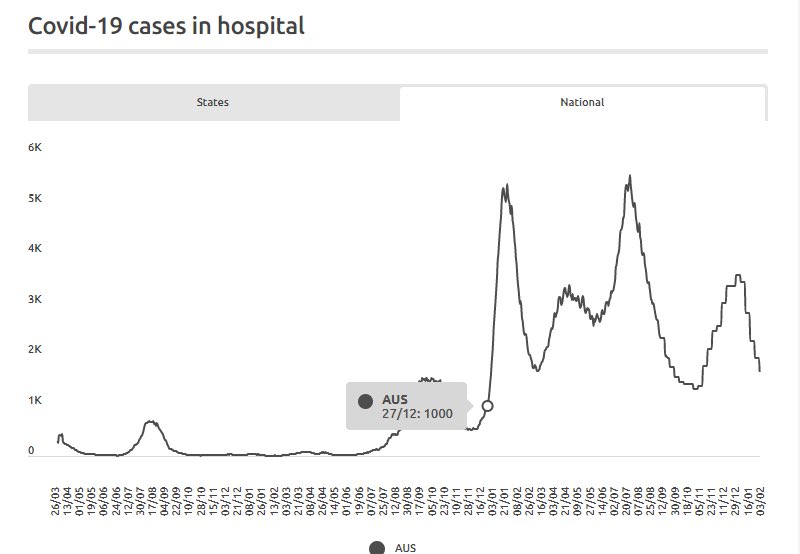
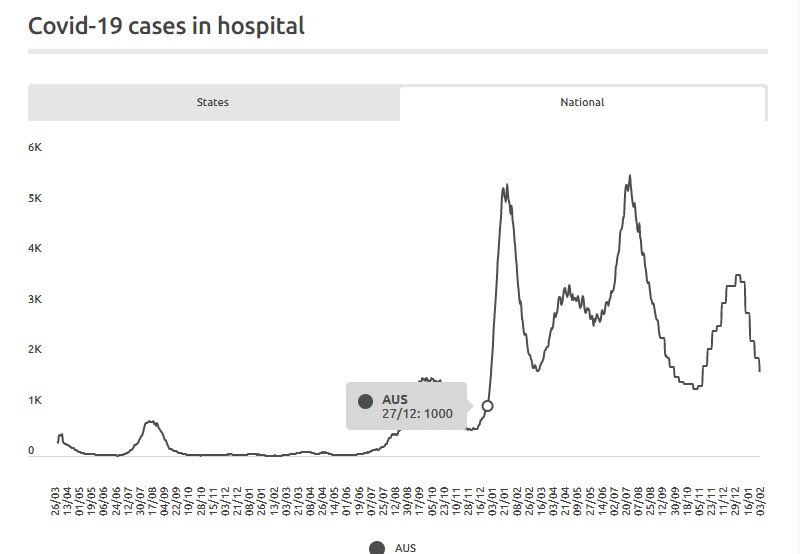
By my reading, there have been more than 1000 Australians in hospital for Covid in Australia every day since 27 December 2021? Graph ends 3 Feb but there are still more than 1000 today, I believe. https://t.co/UNkb5SYh2Q
Asking the vulnerable to take precautions against Covid so the rest of us can ignore it, is like asking the poor to be rich.
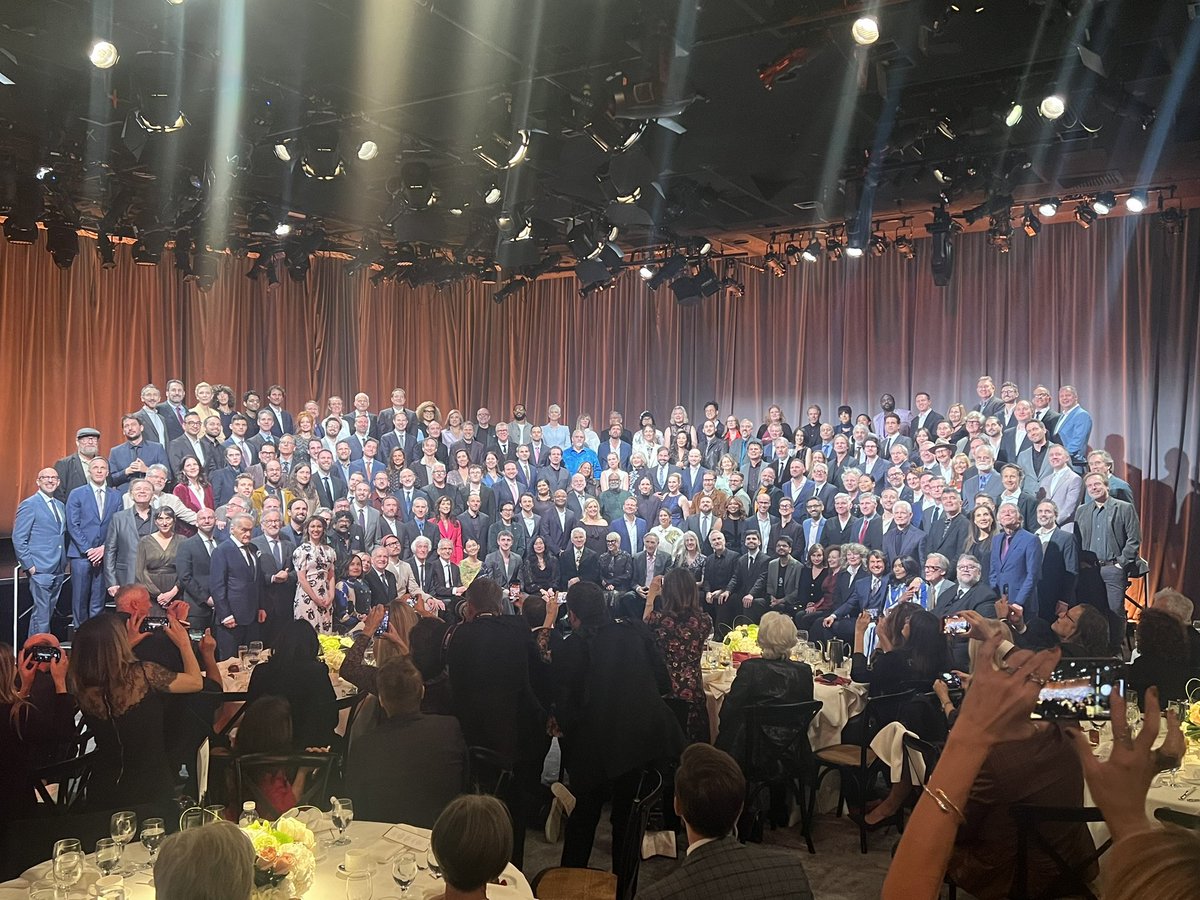
I love that the cream of Hollywood, like the cream of popular music, is leading the community in not giving two fucks about ever ending the pandemic. As always, they’ll back a cause so long as it doesn’t starve them of attention and money. https://t.co/AGJ963HoWt
To go back to this. The spin is that we restricted transmission of Covid while we got everybody vaccinated, to protect the vulnerable. But actually the vulnerable kept right on dying. Politicians had no intention of ever protecting them. And now ‘the vulnerable’ has entered…/1 https://t.co/ouFTimdedN
…the lexicon on both sides of politics, the PM and his Cabinet trot it out across multiple issues now. It’s another example of how conservative framings end up dominating politics, independent of who wins elections. The ALP are too stupid in 2023 to realise that it’s a trap. /2
It’s just the old conservative line about ‘safety nets’ for people who are left behind. They see public hospitals and schools as that, for education and health, for example. Not as comprehensive options for all Australians. Look at the statistics for the shift…/3
…away from public schooling, particularly high schools, under their rules, if you don’t believe me. Cost is now biting and creating some correction. Modern N=1 politics has no ‘public’. It replaces it with minorities and majorities. /4 (https://t.co/aLeWC3QPTy) https://t.co/S2XkUNEm16
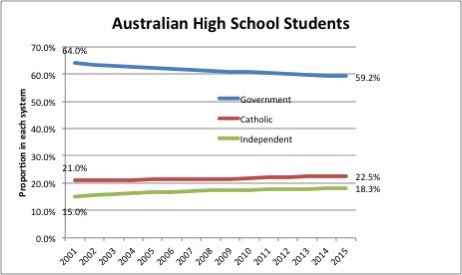
It’s called ‘majoritarian democracy’, for the technical term, which people have been fooled into thinking is the only kind of democracy. Majority rules. It’s not democratic at all, it’s the strongest survive, everybody else (the vulnerable) have to look out for themselves. /5
And worse, it’s their own fault, they didn’t ‘have a go’. How a modern ALP can expect to be taken seriously and rescue its laughable primary vote at upcoming elections, by adopting this openly libertarian rubbish as policy, is beyond me. 6/6
The thing that has struck me throughout this pandemic is just how invisible the cogs of public administration are to nearly everybody. SARS-1 highlights this (bear with me). /1 https://t.co/r2KFCOnLSY
It’s not a huge stretch to assume SARS-2 may share some features of SARS-1. As the article says, people who caught that are often still suffering a decade later. But in this pandemic, the RCT-type arguments assume this is a scientific debate. /2
Public administration isn’t done like that. It uses risk management and an understanding of the complexity of social processes, in multiple dimensions. In the case of SARS-2, the fact SARS-1 has these long-term impacts would immediately trigger a risk management approach. /3
Caution, and an understanding of the complexity of implementing any strategies. It would never wait for definitive scientific proof to act in some way. The public, and the administration that creates and sustains it, has been destroyed in the past 50 years. /4
People line up behind competing experts, when the job of defeating a pandemic is a job for the public administrators who have been sidelined so badly in the past decades, that many are unaware they even exist. It’s a highly specific skill set, enormously complex work. /ends
It’s not accurate to call ours a vax-only Covid strategy. We’re not even vaxing. It’s an economy-only-so-ignore-Covid strategy. ‘Balanced’. https://t.co/576FQxYs8x
Whenever you get exhausted with the political stupidity of doing nothing about Covid, study traffic engineering (I say). Roads are the front line of modern politics, in multiple ways. They’re the real-time proof that the politics we live under are a ridiculous lie. /1 https://t.co/6KGyObEhVA
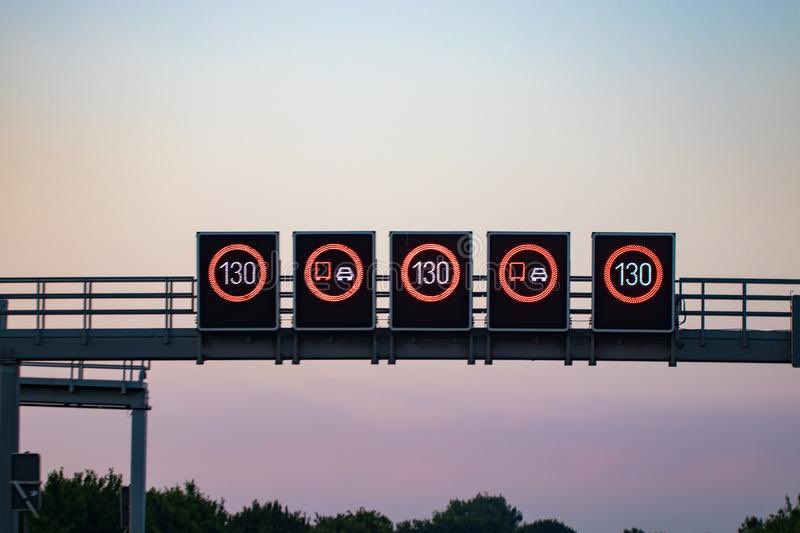
Digital speed and other signage a case in point. Not just there to ‘inform’ the individual motorist. There to shape the *collective* behaviour of traffic. A major cause of traffic jams is drivers failing to follow speed limits. Speed limits are described so often…/2 https://t.co/HjM3szC46u
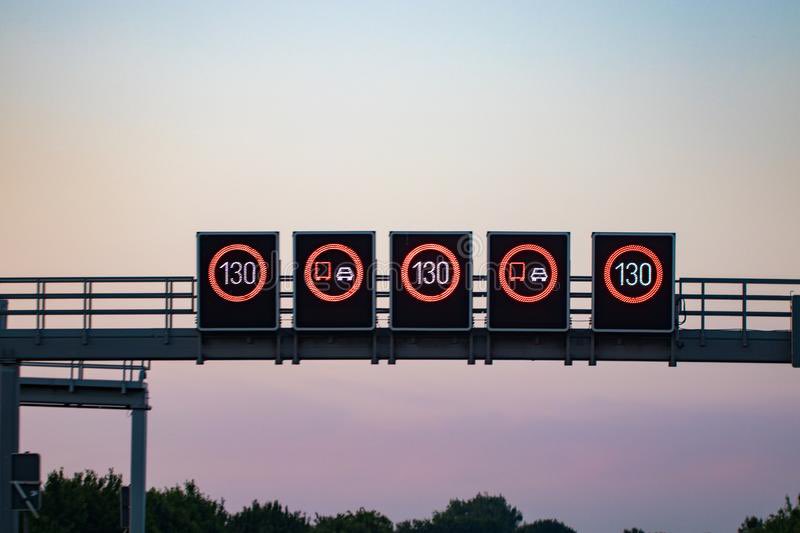
…in political libertarian terms, as a restriction on individual drivers. But the much more important function of a speed limit is to space out traffic. if everybody follows the speed limit, traffic is much less likely to congeal into bottlenecks. /3 https://t.co/Z2BObw14pE
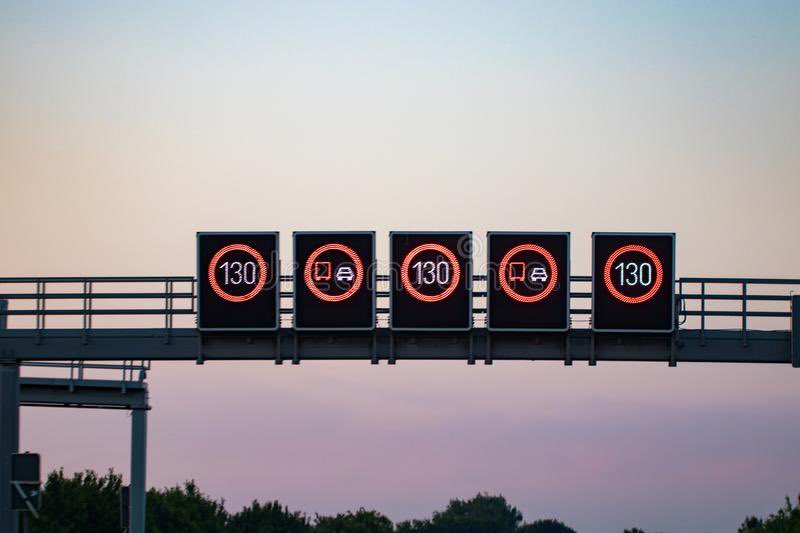
But as George Monbiot brilliantly describes, the culture of roads and driving is political libertarianism at its most extreme and aggressive. And how do we counter it? Mostly with engineering. Like I say for Covid, engineering and N=1 politics collide. /4 https://t.co/qYwK1ZgA3C
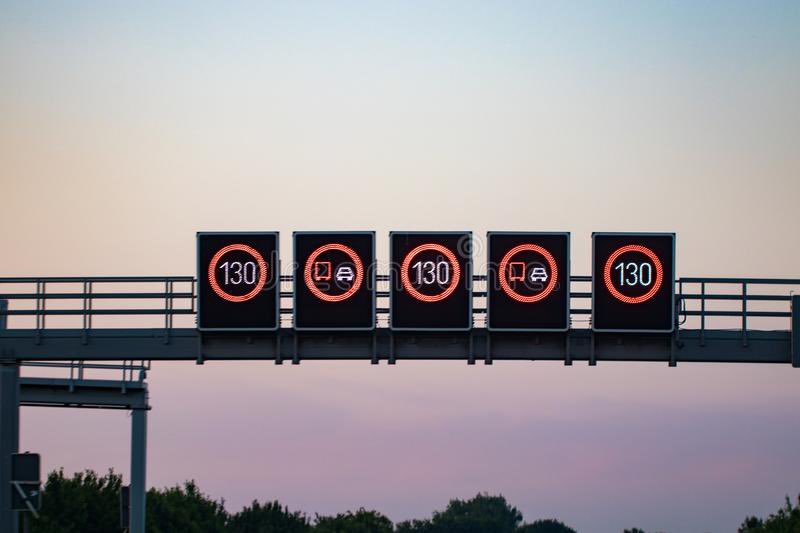
So back to these signs. They use them now so they can change the speed limit depending on the collective traffic conditions. For example if there’s a bottleneck somewhere, rather than let everybody rush up to it at full speed and then slam their brakes on, extending…/5 https://t.co/cBHk54s4LB
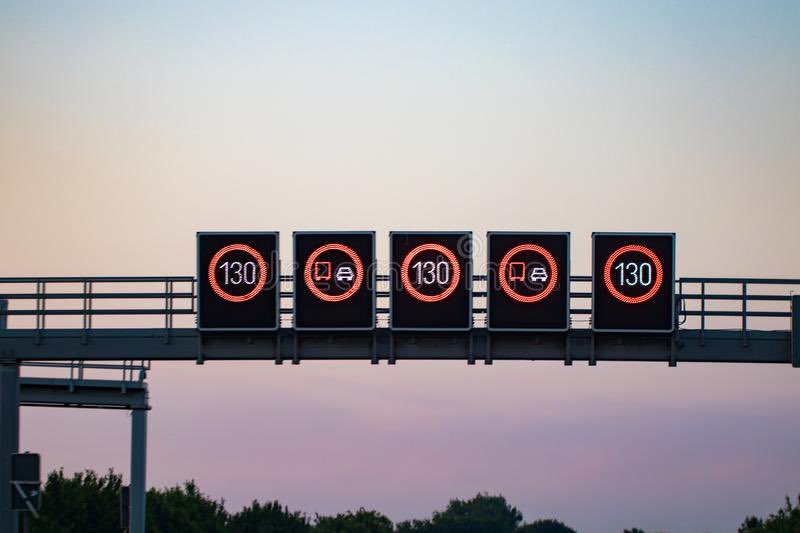
…the size of the bottleneck, they try to slow approaching traffic down long before it arrives at the bottleneck. That way the traffic as a whole doesn’t become a massive traffic jam, everybody keeps moving, just a bit more slowly, while the bottleneck clears. /6 https://t.co/7vFojMmsku
It’s worth reading about ‘jamitons’ and the science and engineering behind all of this, totally fascinating. It might convince us that electoral politics is a ridiculous waste of our time in solving the problems that need solving. /7 https://t.co/l5tYnBiy41
Most of those problems have straightforward ‘engineering’ solutions. We just can’t do them because to get to that point we have to wade through popularity-based politics. Nothing can be done unless it’s popular, and it’s too easy to make what needs doing unpopular. /8
We can’t elect our way out of Covid or climate change, or traffic congestion, or anything else that desperately needs fixing. Election-based politics is the greatest *obstacle* to fixing those things. 21st century technologies are sitting in the garage unused, because we…/9
…insist upon 17th, 18th and 19th century political technology to try to manage it. As I’ve tweeted about a lot, the sheer complexity of what’s in that garage will eventually overwhelm populism. But that’s a sad way to have to force the change. /end
In astronomy large telescopes allow us to peer backwards in time. In politics without constant vigilance, the past always rushes to join us right here and now. https://t.co/n6Je6aIE4t
I still haven’t found a single definition of a pandemic that isn’t based on number and/or extent of infection. Not hospitalisation, severe disease or death. Why are politicians and their enablers being allowed to simply define a pandemic out of existence?
Note this isn’t plan ahead to not get Covid. It’s plan ahead for when you get it, again and again. Public health is officially dead. https://t.co/3PE7UFUddz

Elections are the loophole that has allowed vested interests to access the inner workings of democracy, and destroy it from the inside out. Even ‘free and fair’ elections are openly bought with massive sums of money. https://t.co/NCWDxITphn
If we could just get it down to 1 busload of deaths per week in NSW, instead of 2. https://t.co/ynPAPdYs7R
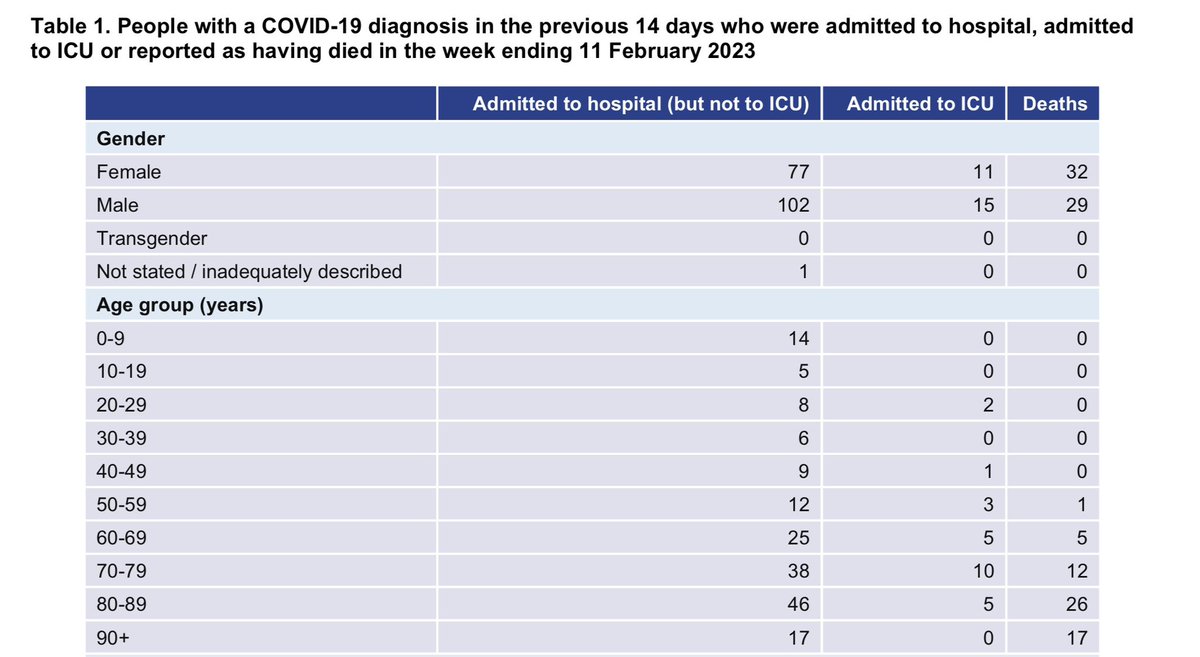
The CMO said death (in this case of elderly folk from Covid) is a ‘sad but unfortunately inevitable event’. Honestly, how is this not just blatant culling of the herd?
The RBA Governor this week, when asked about huge bank profits with cost of living soaring. We need healthy banks was the answer. We need healthy schools. Nothing is happening there. This is what ‘balancing’ the economy against Covid looks like. All economy, no Covid.
More suppression. https://t.co/dL9N3b59gz
Statistics was invented by States (it’s in the name) to try to manage collective problems. But 50 years of anti-State politics has removed even the will to use them. Why they’re not only doing nothing about Covid, but actively shutting down statistics about it too. https://t.co/wSwoeDumb1
Have you noticed that nothing that is collectively important to the survival of society is permitted by the economy? That’s not an accident. It’s a strategic political tool invented by the politics of ‘there is no such thing as society’, to substitute for society.
On the still open scientific question of whether SARS-Cov-2 does permanent damage to the immune system. Where would you draw the circle? If you were in public administration and political leadership, not battling with other academics for followers? I reckon about there. https://t.co/wktoijldmw
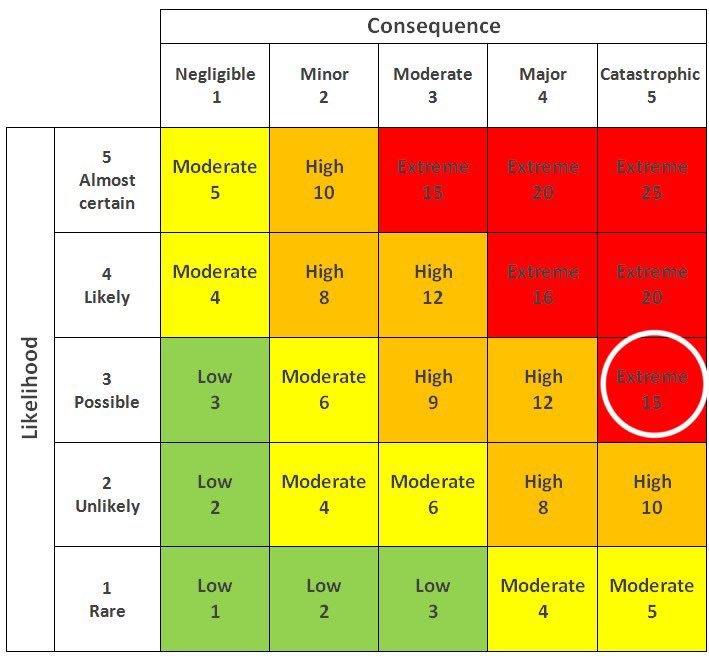
I much prefer this to the smiling maskless selfies of the celebrity Infinite Covids. https://t.co/ruydPsPm1x
Here’s a plan. Stop infecting everybody over and over. https://t.co/5D2mSmfF9O
Politicians in electoral democracies only have 3 skills. Positioning themselves within the hierarchy of their party, managing the demands of their donors, and whipping up popularity. None of that translates to achieving a single thing for the nation. https://t.co/wTkcv6UlQM
To revisit the Doherty modelling National Cabinet commissioned before letting Covid rip in Australia, in late 2021. That time is still critically relevant to today, to decide accountability for the deliberate launch of our worst ever modern mass casualty event, still ongoing. 1/ https://t.co/eFdtpWiIOI
Here are the projections the Doherty group provided National Cabinet, of likely infections, hospitalisations, ICU admissions and deaths, across age groups, with low/medium/high initial ‘seeding’ infections, first at 70% vaccination rates. 6-month projections. /2 https://t.co/AoWKpY3Jzh
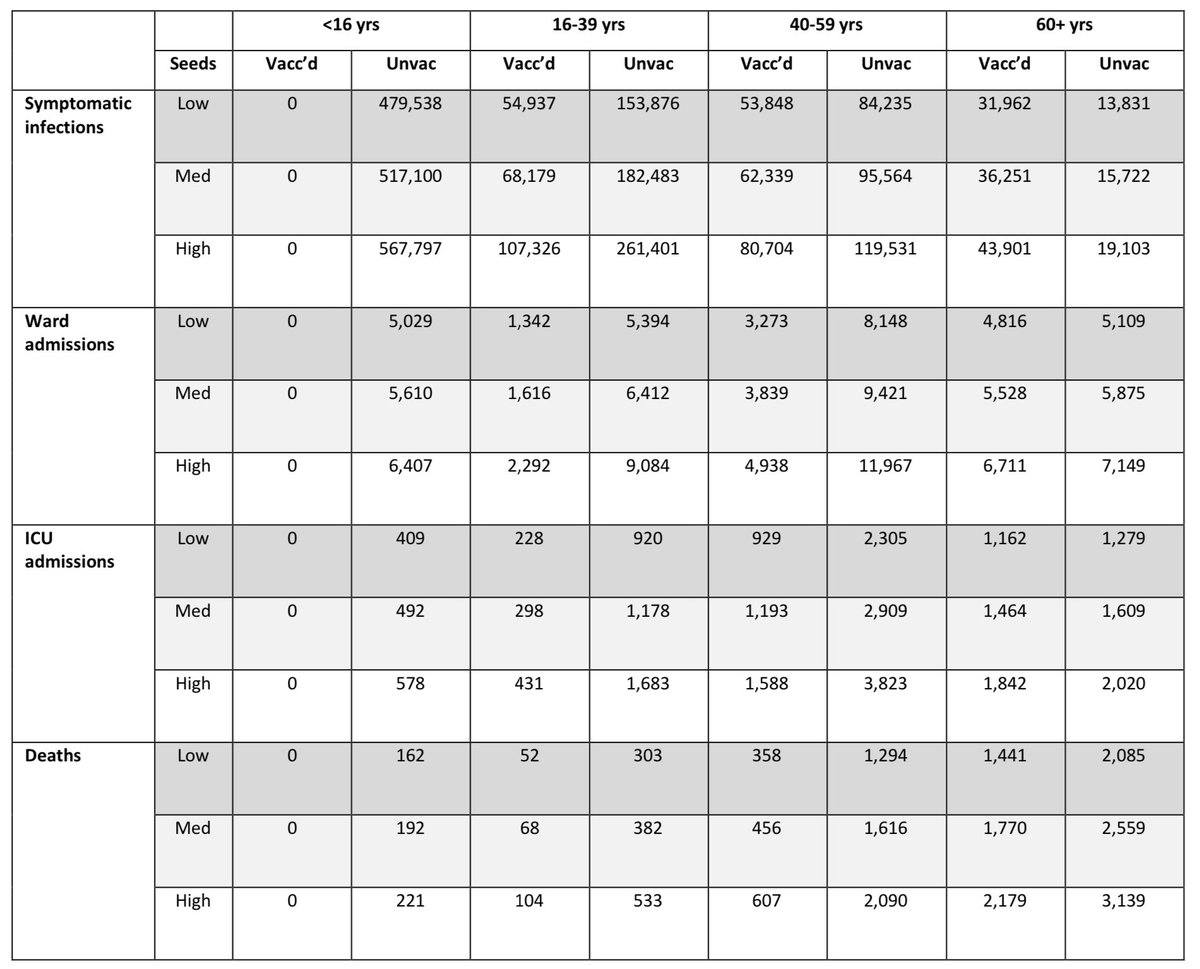
This assumed ‘baseline’ (i.e. minimal) other public health measures, as Cabinet had requested, and partially effective test-trace-isolation-quarantine (TTIQ). Note that the zeroes in the under 16 column mean there were no vaccinations planned for that age group, so no…/3 https://t.co/YwIunRpfvl
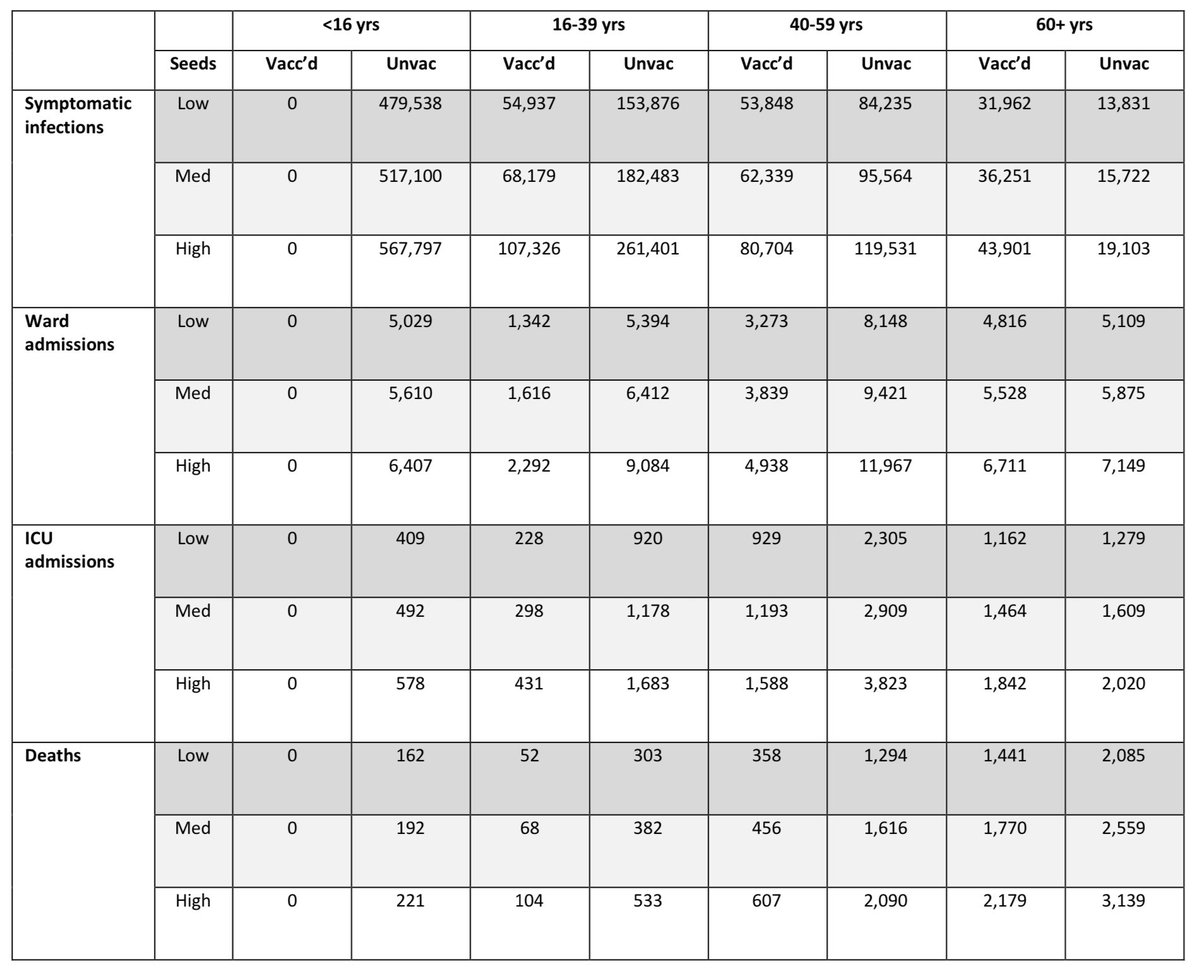
…projected data could be provided there. Just pause and look at the numbers in this table. The huge numbers of infections and deaths, across every age group. Mitigated next in the modelling by the same projections re-run, but this time with ‘optimal’ TTIQ. /4 https://t.co/9u1YylfJ4J
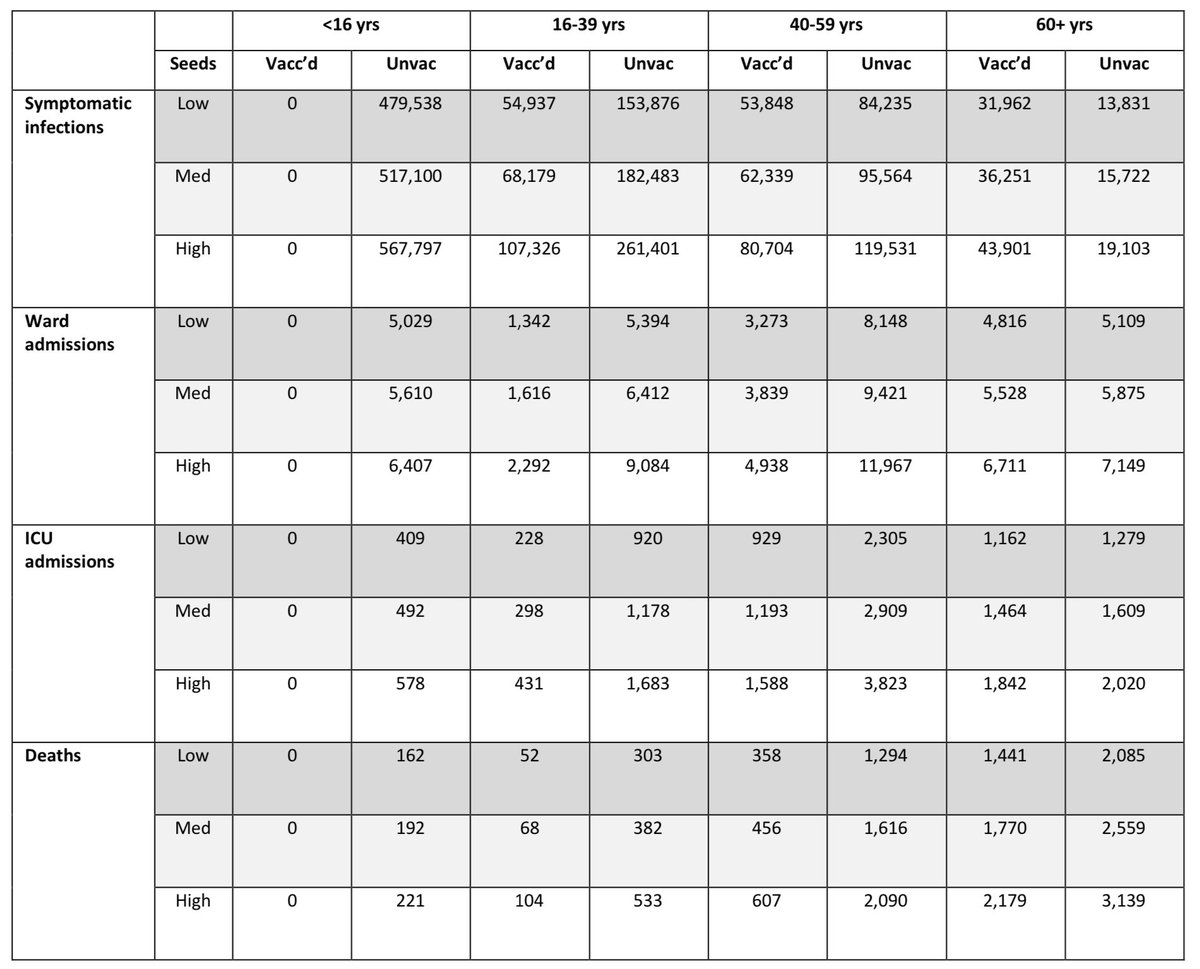
This is the projections with optimal TTIQ, and at 70% vaccination rates. Still numbers that in ordinary times would spell ‘public health disaster’. But there’s much more to this story yet, if you have the patience for it. Because the Doherty group then went on to model…/5 https://t.co/zWRtqPiEff
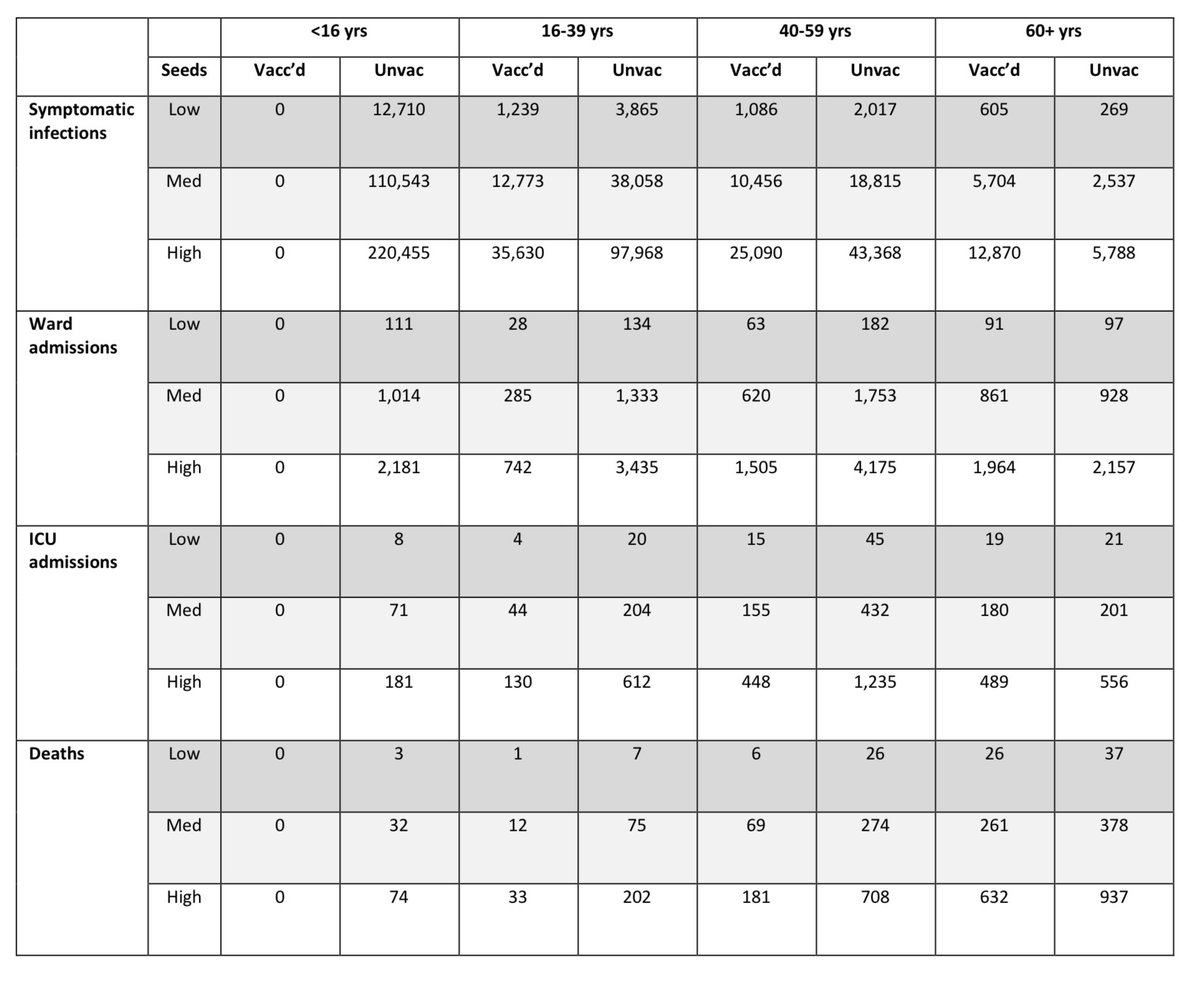
…the same numbers, but this time with 80% vaccination rates. Remembering National Cabinet were pondering what vaccination rate would be the trigger for ‘opening up’. That’s still a LOT of infections (particularly in children), and deaths. But National Cabinet’s focus was…/6 https://t.co/XKXl6XepVW
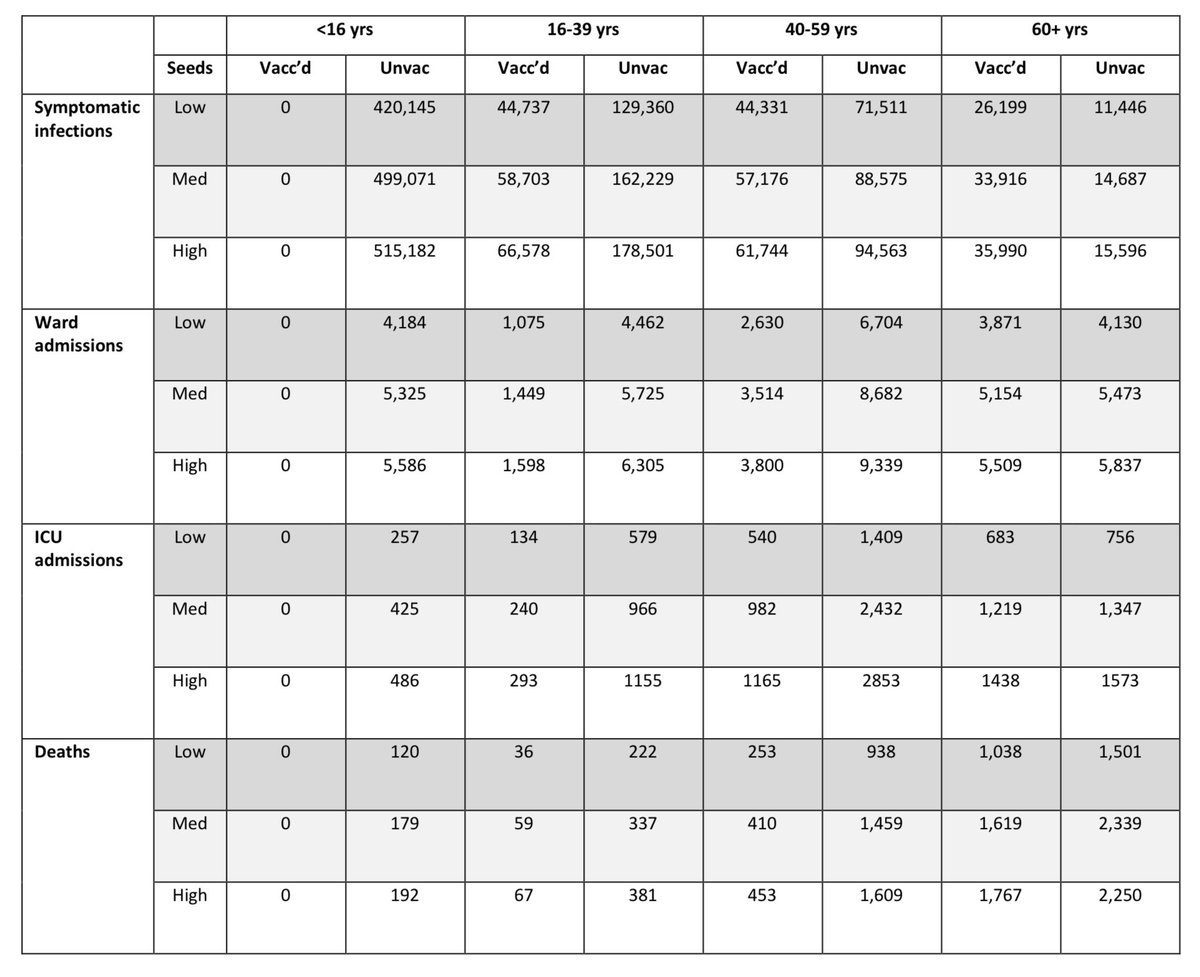
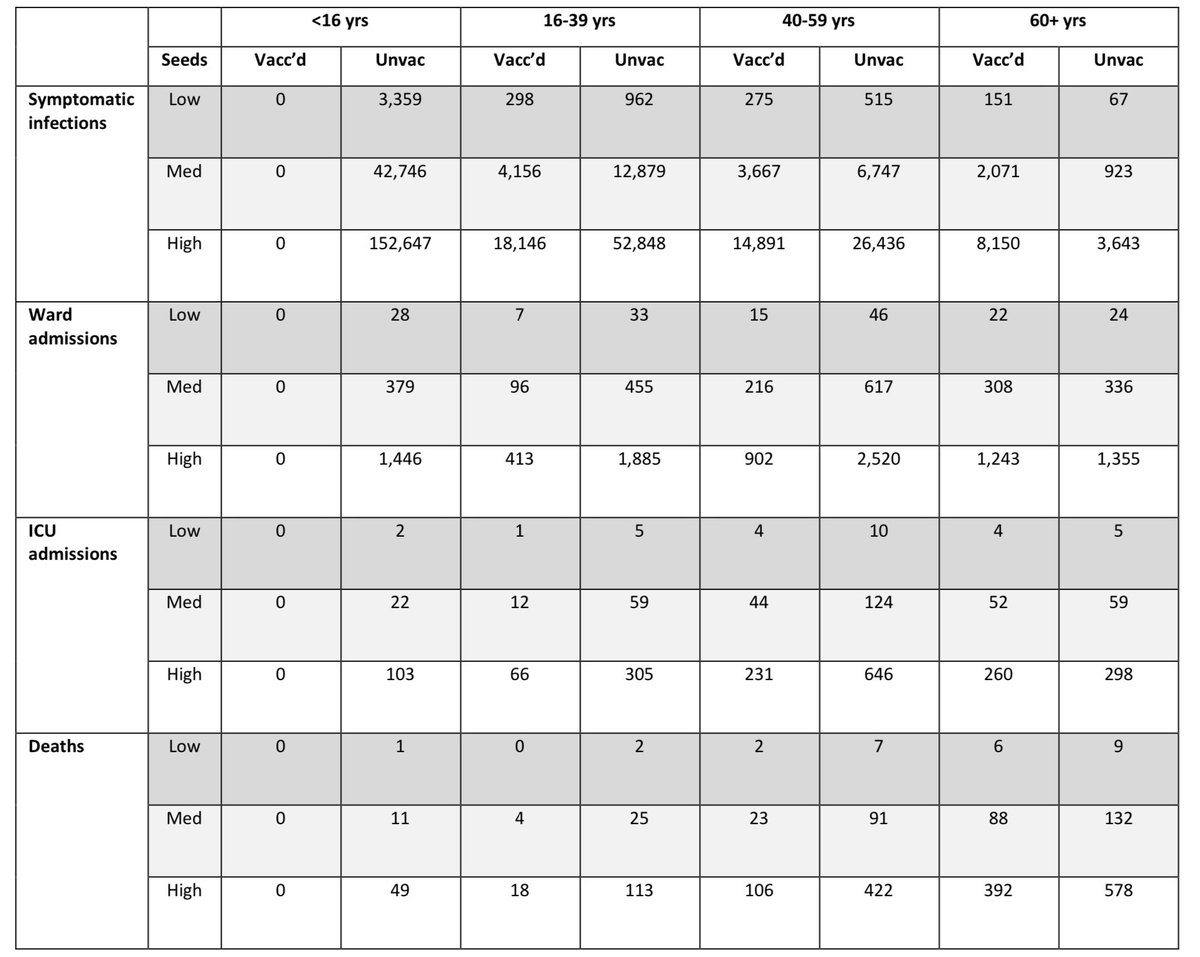
…always going to be the middle of these charts, hospitalisations. Infections and deaths? No interest. The previous Prime Minister had said multiple times that having enough hospital beds was the metric he would be using. We were going to get sick and die, like it or not. /7 https://t.co/13cJdSCnRO
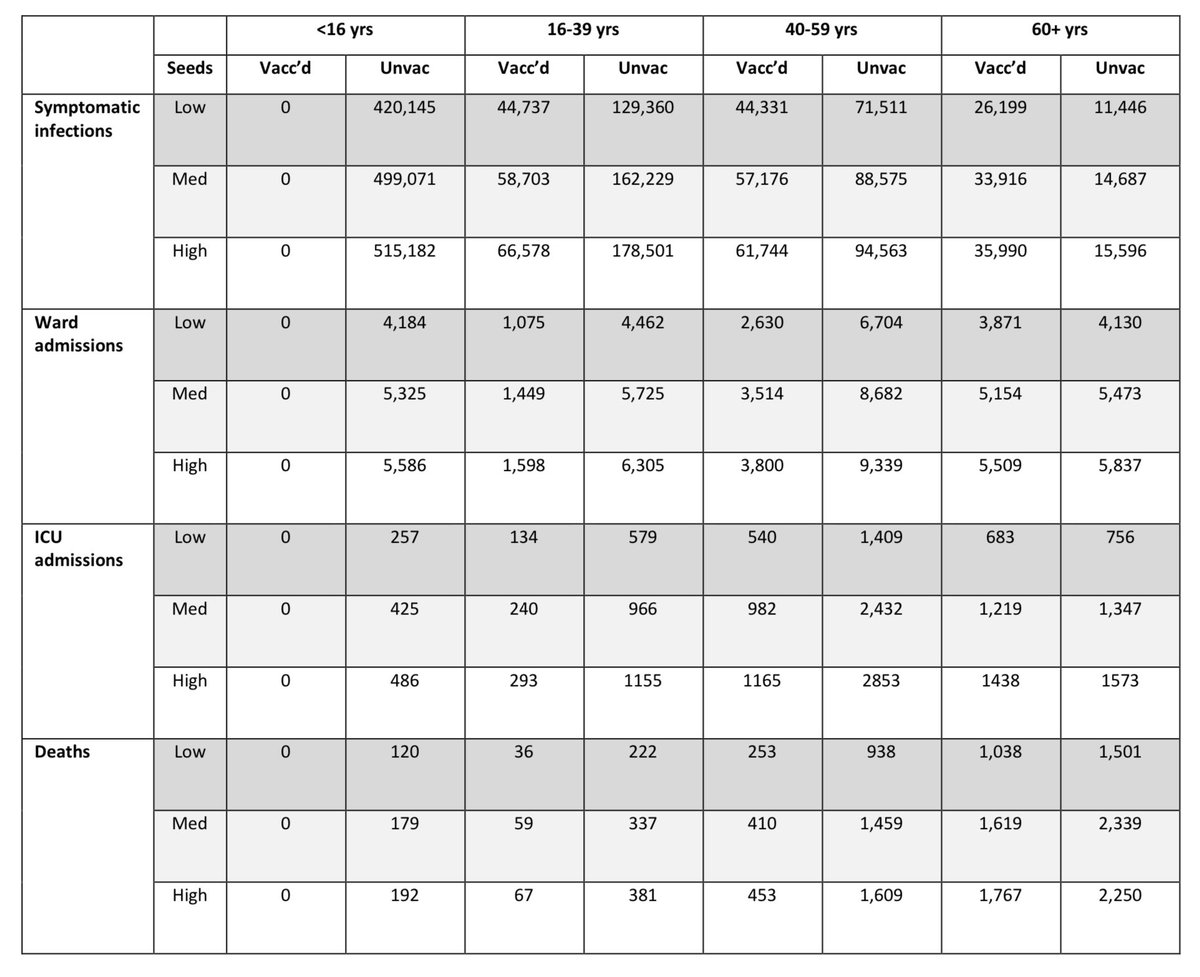
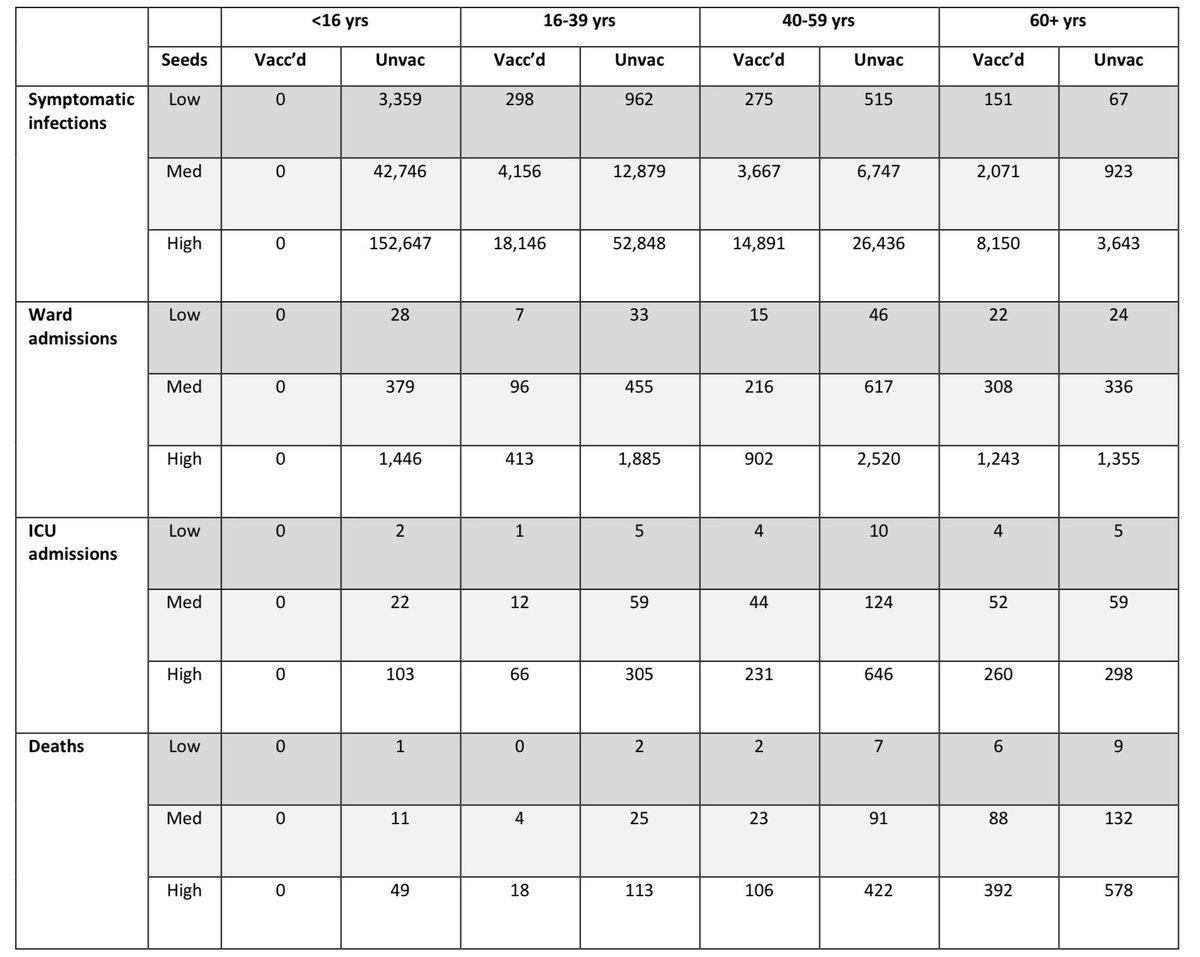
As an aside, I don’t remember ONE media outlet asking any questions around this data, at the time, or since. About the *planned* mass infection and deaths. It was all there, in black and white. And there’s more. Because the assumptions the Doherty group made clear,…/8
…that we should start with a low number of ‘seeding’ infections, that we should use basic public health measures and optimal TTIQ (and even then there would be a very large number of infections and deaths), were ignored by National Cabinet. They let it rip, in late-2021. /9
Driven by a PM looking to an early-2022 poll, and a NSW government which became the Trojan Horse by ditching major public health protections in the last quarter of 2021. The infection and death numbers dwarfed even the worst (dire) projections in the Doherty modelling. /10
Even worse, National Cabinet and NSW let it rip while vaccination rates and had not even reached 70%, nationally, let alone the 80% best-case of the Doherty modelling. Australia’s vaccination rate didn’t pass 80% until late-March, 2022. Many defend that let it rip by saying…/11
…’o that was Omicron, not in the Doherty modelling’. But WA, which resisted the let it rip decision for longer, didn’t have the same explosion of infections and deaths that the let it rip States experienced, even with Omicron, until it too relaxed protections. /12 https://t.co/ObK53OVlO3
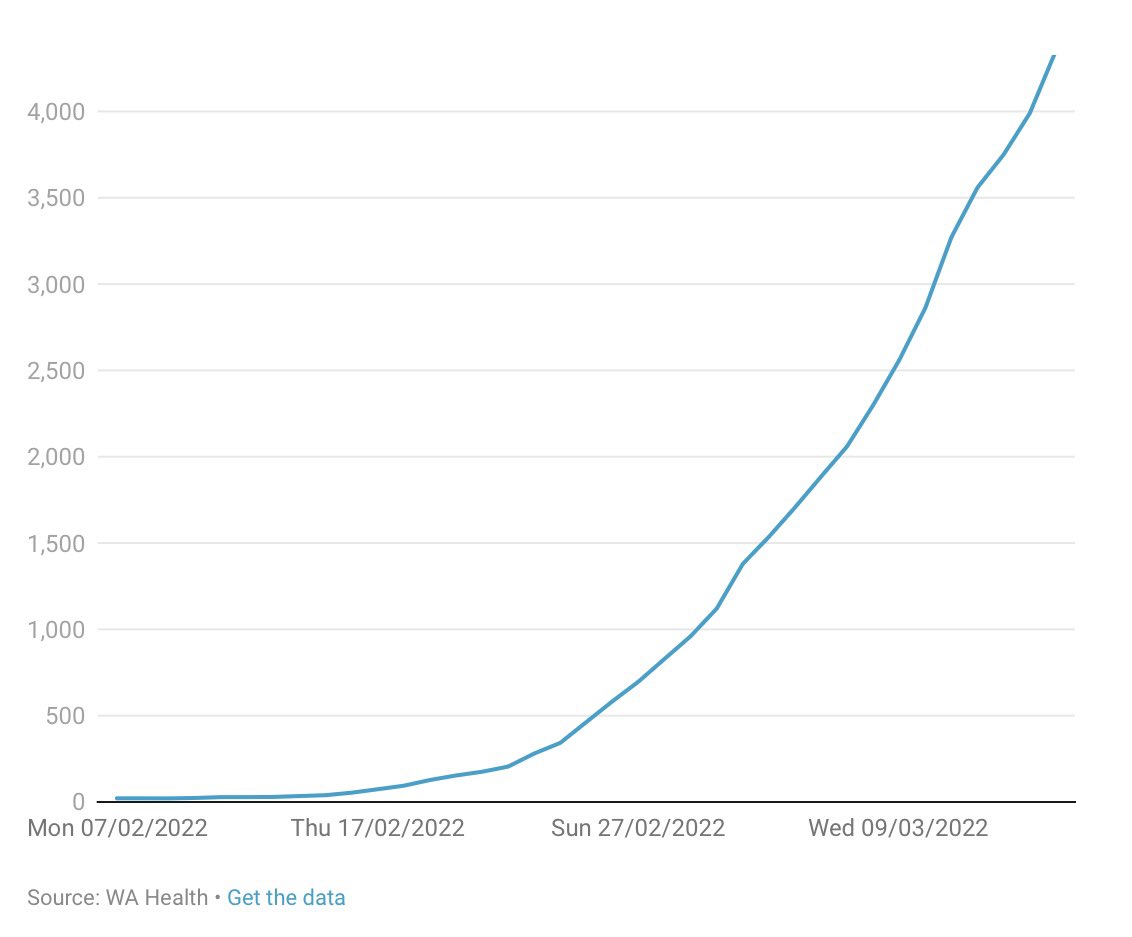
There are important questions to be asked here. If it wasn’t politics, the answers would send people to jail. Over 20,000 Australians died in 2022 alone as a result of the let it rip decision. They’re still dying, hundreds per week. Millions of Australians have been infected. /13
Many, multiple times. The clear cause of this debacle is politicians, and a combination of ideological belief about State interventions, and election-driven actions. But the expert community can’t escape accountability here either. The numbers in the Doherty modelling…/14
…for example should have prompted any expert to say ‘you should not do this’. It wasn’t said, the best we got was ‘if you are going to do this, make sure you have some basic public health measures in place, and do excellent contact tracing and isolation’. /15
None of which occurred, which surprised nobody with even the smallest experience of politics. And to this day other experts stand on the sidelines and cheer on the tsunami of infections and deaths, as we implement a single-page propaganda sheet from a US free-market…/16
…think tank as our national public health strategy. Read it, everything in it is our current ‘strategy’, in every detail. That’s what’s really gone since late-2021 in Australia, we didn’t ‘follow the science’ and then ‘balance’ the science against the economy. /17 https://t.co/Lq5PRpQKue
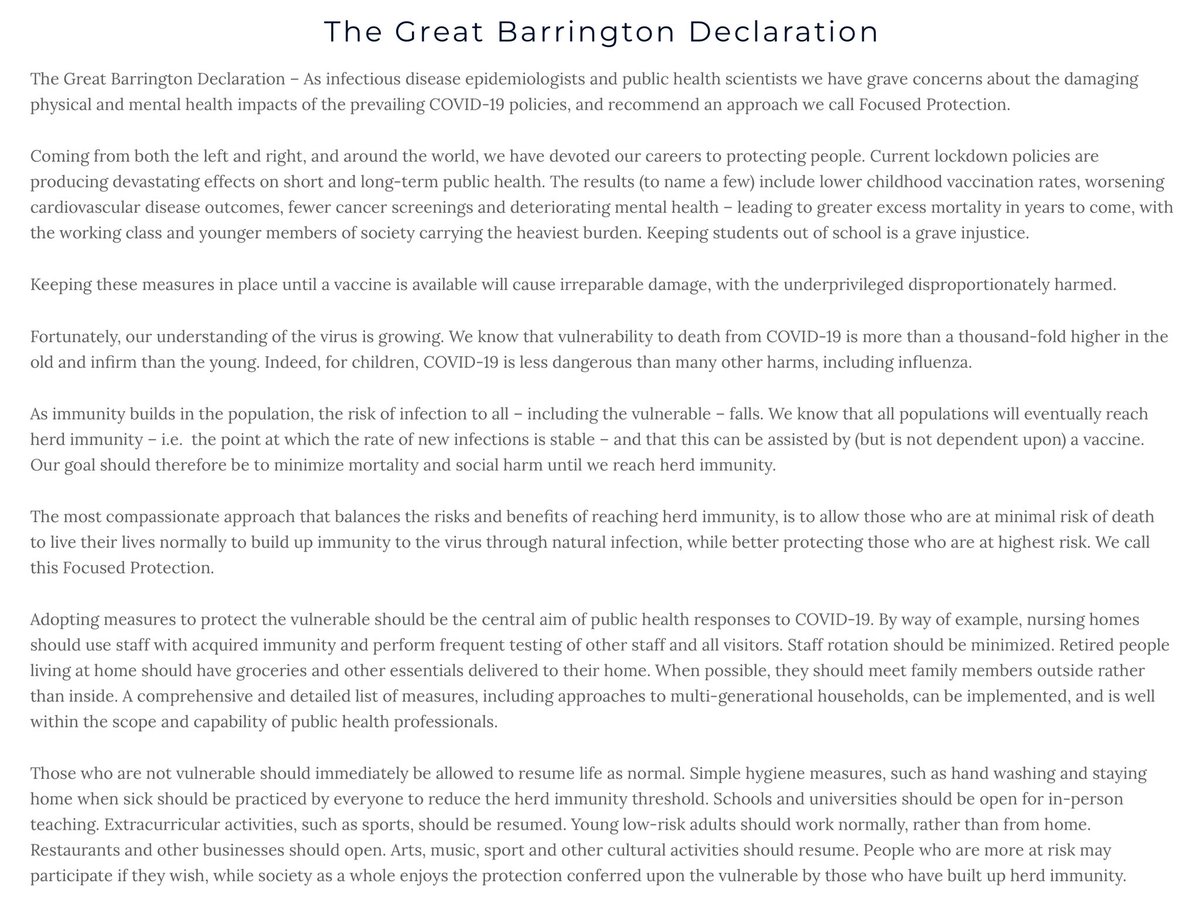
Politicians faked interest in the science until they had a vaccine that it could pretend was the ‘end’ of the pandemic. Since that time political ideology has been our public health response. A political ideology that doesn’t even believe the public is a thing. /18
And the same politicians are not even implementing vaccinations anyway, rates flatlined at let it rip and have never recovered. Just as we should have learned from decades of climate inaction, the ‘balance’ politicians speak about is no balance at all. it’s 100% focus on…/19
…the ‘economy’, and 0% on everything else. What measures remain, for Covid, in this ‘balance’? Anyone? People should be in jail for what’s occurred. I’m not holding my breath that will happen, when ultimate authority is vested in popularity and not outcomes. /end
Tut, we all know now being admitted to hospital isn’t a health concern. Provided there’s enough beds. https://t.co/XYCvUOneaW
Ask politicians why they can’t do more to stop Covid, or to fix the cost of living, and you’ll get the same answer. ‘The economy’. Some people don’t believe the economy is a fiction. But you can define it precisely by all the things it won’t allow. That’s why it was invented.
If the economy was what people say it is, we would have figured out how to run it by now. But it always - always - just creates booms and busts. Because it isn’t what people say it is. It’s spin for ‘unregulated social life’. That’s all it is. /1 https://t.co/QCRHkUjiUE
Monetarism is part of the whole con, invented by political libertarians, just as they invented magical self-running equilibria via supply and demand. In reality society never changed, hierarchies form and vacuum up most of the wealth. /2
But when they invented the idea of ‘the economy’, it now rationalised this social process (feudalism) as something new, something modern, with pseudo-mathematical terms. Now feudalism was ‘the invisible hand’, distributing those hierarchical gains to the most deserving. /3
The most deserving being, of course, the political libertarians who invented the entire con. Without any intervention, this was the natural state of things, a market left free to find its own supply and demand-driven equilibrium. And that equilibrium, astonishingly, is always…/4
…just the current status quo. A miracle! If you want to read the history, look at the work of people like Milton Friedman, a key architect of the whole laughable heist. An adored figure amongst the political libertarians. Their victory is so complete that all sides…/5
…of politics, and all journalists, uncritically talk about ‘the economy’ more than anything else. It’s the Emperor Has No Clothes on steroids, everybody circling something that is a complete fiction. And underneath it all based on the utter nonsense idea, which you’ll…/6
…see everywhere from Covid to energy policy, that ‘the people’ are what lead and drive democracies. What the economy-heist calls ‘the market’. Billions of people just left to do whatever they all individually want to do leads to a magical supply and demand-driven optimum…/7
…state of society. Except there is no society, just a market. That’s not how people have ever behaved nor how they will ever behave. People look to what other people are doing, to decide what to do and how to think. Social conformity. It’s what has always created societies. /8
Just saying ‘conformity’, with our 50 years of libertarian brainwashing, makes people feel like this is a bad thing. That it means we’re all ‘sheep’. But looking to each other as a key to how to think and behave is the only reason we’re all still alive. We act together. /9
It happens all of the time in the fantasy of economic markets. The same libertarians who despise regulation are forced to constantly, brutally regulate with ‘competition policy’ and regulators, to try to undo the constant evolution of every market into the hierarchy…/10
…their whole belief system says shouldn’t exist. Nothing much has changed in centuries, we still live in feudal societies, but we changed the names of things to disguise it. As I’ve Tweeted about a lot, all that changed this constant in history was massive catastrophes,…/11
…most recently in the late-19th and early-to-mid 20th centuries, that disrupted existing hierarchies long enough to allow the creation of a ‘public’ for the first time in history. A politics of the whole interconnected population. But that’s what ‘the economy’ was invented…/12
…to unravel, and we’re living that right now. We will make no progress against Covid, climate or anything else, until this ridiculous fantasy is debunked. The economy will simply say ‘sorry we can’t afford to do any of that’. Checkmate. /end
A one-Tweet summary of my earlier longer thread. If you (the RBA) do all the right ‘economic’ things, and all it does is screw ordinary people, how long until people realise that’s the actual function of the economy? https://t.co/QCRHkUjiUE
While bad people rename the hierarchies that favour them, so that nobody notices nothing has changed, good people sing songs, thinking that changes the world. Nobody’s done a Covid benefit yet. It damages the business model. Life is a high school. https://t.co/j7C2XdMi1t
Hive mind question. I can get a Moderna bivalent 5th dose this week. But the pharmacist rang to say the Pfizer update bivalent (B.4/B.5?) will be arriving second week of March. Risk - I could catch in the 3 weeks (wife and kids in schools). Last dose winter 2022. Thoughts?
Have booked in for Novavax on Wednesday. I couldn’t find definitively persuasive reasons to go with one rather than another, particularly given waiting times and risks in the meantime. And I like the idea of heterologous protection.
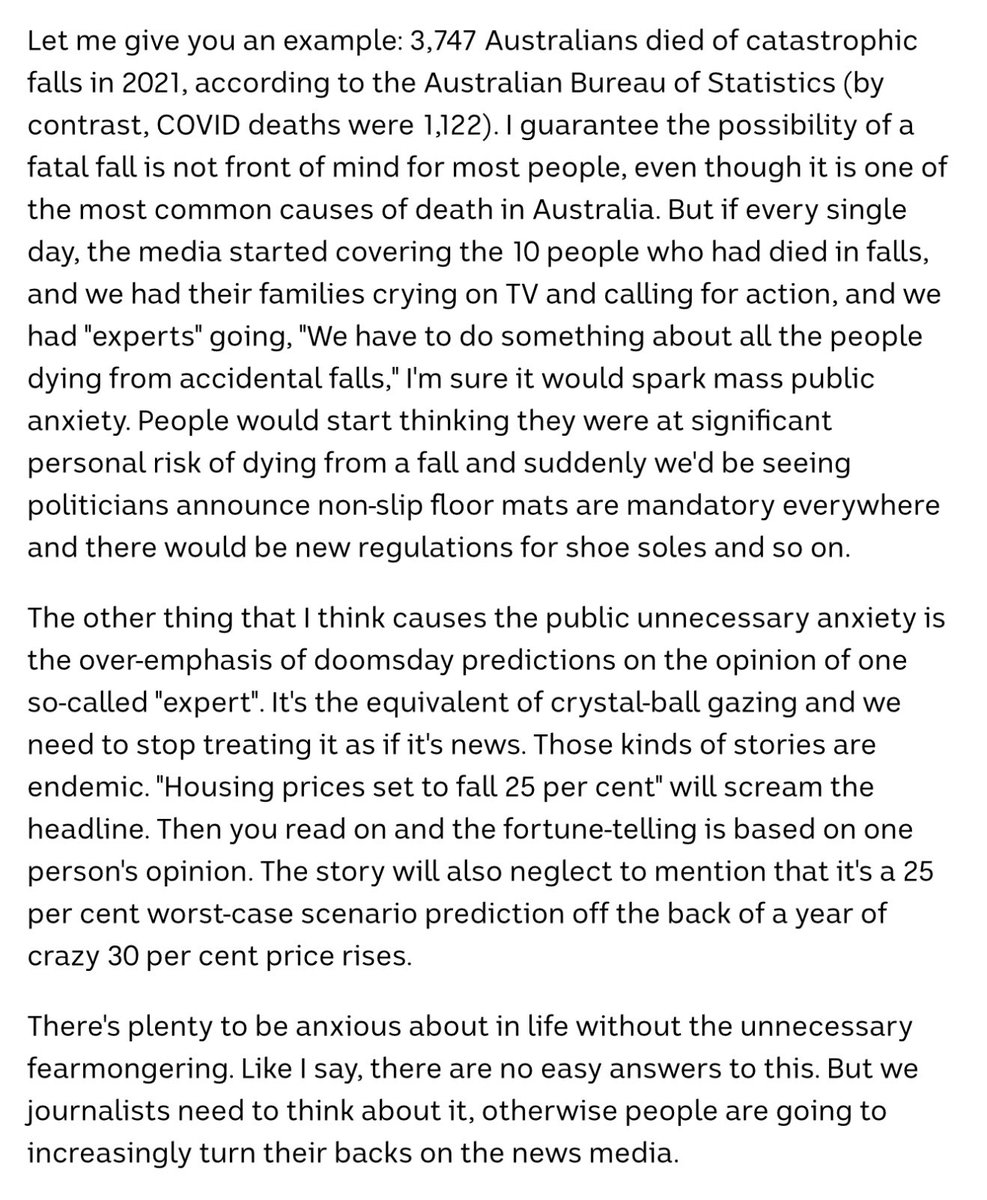
Leigh Sales. Using 2021 numbers (when the ‘fearmongerers’ were still influential), rather than the 20,000 deaths in 2022. I deal with falls as part of my job. Huge effort and expense goes into reducing them. People turn their backs on the news media for views like this. https://t.co/grlaXJin2u
Flu, TB and shingles now too. Vaccinations for other diseases seem to offer quite significant protection against Covid too. https://t.co/RtcfqecmfF
Fascinating that the people who loudly proclaim they ‘do their own research’ so often have identical ideas, expressed in identical language. What are the odds.
The more I read about vaccines, the more important the annual flu shot seems. And for reasons well beyond flu.
Journalists wrote about Covid when politicians disagreed about it. That gossip is all political journalism now is. 20,000 Australians died because of Covid last year, but because all politicians cheered that on, there was no story. https://t.co/myLOinkxLb
The UK deregulating itself back to a collection of hobbits living in caves. https://t.co/8LzDSbeKUW
I’m always touched when the belief system that let Covid spread unchecked to the developing world, and to poor workers in our own societies, now uses the impossibility of them defending themselves from the virus to say the only ‘practical and sustainable’ thing to do is nothing. https://t.co/L7HHX5yo0w
When the 737-Max crashes happened, we didn’t keep them flying until we figured out the truth. We used risk management. Public administration is not science. It uses science, to act, through a risk assessment. Not knowing for sure is a quantifiable action state. https://t.co/1hQHEh1ynb
Something that Covid shows so well is that modern societies who thought they had a base of certainty from which to act, science, have nothing of the sort. Like everything else in life, all truth is contextual. Bertrand Russell’s parable is a way in to this topic. /1 https://t.co/20ZKKymcv6
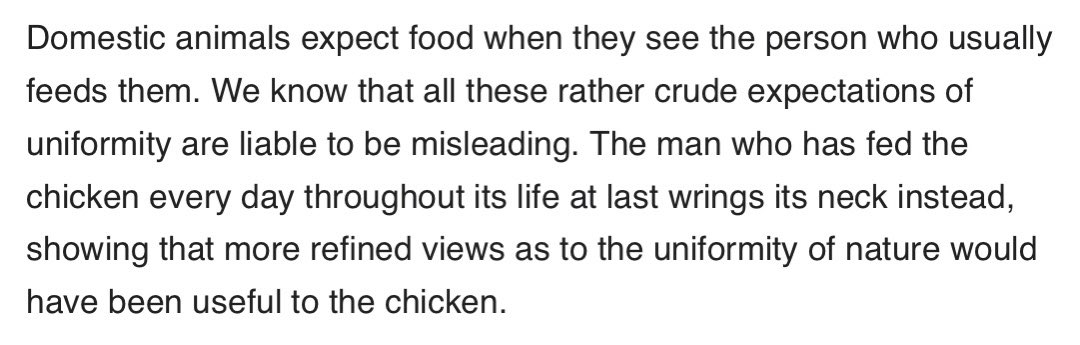
Russell is talking about the ‘problem of induction’ there, something Hume most famously discussed in the 18th century. Induction is the bedrock of science, so in many ways it’s quite astonishing that centuries later his challenge is still unknown by many./2
The idea that we can infer what will happen, from what has happened before. The sun came up in the East every day of my life, so it will again tomorrow. These people look after me (chicken), so I’m safe with them (wring my neck and then eat me). Hume demolished induction. /3
(Worth noting that Einstein attributed some of his key insights on relativity, to Hume.) In any case, for a long time it’s been known that science doesn’t create the sort of certainty we think it does, it’s not its job to be the ultimate arbiter of things. Another more recent…/4
…exploration of this was the famous Duhem-Quine thesis, that it’s impossible to provide a definitive experimental proof of anything, because all experimental set-ups are themselves made up of layers of auxiliary assumptions and hypotheses. Contexts. /5
It was the Enlightenment which desperately wanted science to play this ultimate arbiter role, replacing God. Hume destroyed the idea while the Enlightenment was still underway. But it hasn’t stopped everybody from scientists to politicians falsely using science in…/6
…this arbitration role since. ‘We’re following the science’, in this pandemic, for example. Which turned out to be doing what the person saying it wanted to do, and cherry-picking science that seemed sympathetic. And then just ignoring the science completely. /7
To be clear, the problem of induction and Duhem-Quine’s work do not in any way invalidate science. They invalidate the idea of it being the ultimate arbiter of truth. And this is where our current Covid situation struck me again yesterday. I saw some research suggesting…/8
…that live virus (attenuated) vaccines not only work against pathogens, but have a much greater positive health effect against a range of other infections as well. While vaccines not based on live virus in fact increased mortality risk (the research says) for some groups. /9
Quite an explosive finding. When I see something like that, the first step I take is one I’m sure many take. Rather than try to reason-out the logic and results in the first instance (something I’m not qualified to do, in that field), I tracked the social network that…/10
…this researcher engages with. That gives us an immediate indication of what ‘universe’ or context the ideas are living within. It helps us assess how much we can trust the result. In this case, anti-vax and ‘natural infection’ folk had flocked to these findings. /11
Which isn’t unexpected, to them they’d be dynamite. That in itself doesn’t invalidate the claims, plenty of researchers have all sorts following what they do, for their own reasons. My next step is to assess the degree of engagement of this researcher, with this extended…/12
…social network. If they’re just being discussed at arm’s length, it suggests they’re bystanders and builds trust a bit in their findings. But if they’re actively engaged in the social network, prosecuting claims about natural infection across a whole range of contexts,…/13
…including in political contexts separate to the research, then a seed of doubt is sown, for me. It’s motivated research, the auxiliary hypotheses Duhem and Quine talked about come into play, the context of assumptions the researcher has taken into their work. /14
And those assumptions are the *actual* bedrock of societies. Not facts. Societies are created and maintained by social conformity, by trust, not by rationality. Or rather the rationality in play is to assess degrees of trust, which is an intrinsically social process. /15
All of the positions on Covid map a particular social network *precisely*. And again, this doesn’t mean truth is anything goes, and only the most powerful win etc. It means that the battles we see between different scientific ideas are not battles over the truth of…/16
…particular concepts and data. They’re battles between entire worldviews, the framework that in turn creates the layers of auxiliary hypotheses and assumptions that Duhem and Quine talked about. We rarely talk about these worldviews, each pretending to be talking only…/17
…about ‘the facts’. But no fact exists without a context, without a framework of assumptions. If we could actually talk about those underlying frameworks, we could make progress. What I try to do, when pointing out the entire pandemic is really the creation of particular…/18
…political beliefs about the relationship between individuals and groups. ‘The economy’ is the framework. But I’m not confident we’ll do this, because we’re always drawn back to the team sports of backing our own side, our own social network. /19
And unfortunately the greatest leader of really meaningful change is total natural catastrophe, like wars and natural disasters. Plagues. Only those can significantly re-order those ties of social conformity that create the social networks which create our societies. /end
Super, introduced by Paul Keating, is the most extraordinary transfer of national wealth to ordinary Australians in our history. Which is why the LNP despise it, with passion. The first time in all of history where ordinary people hold most of our wealth. https://t.co/qagYMoGEjC
I’m not a spelling or grammar Nazi. But it’s ‘lightning’. Not ‘lightening’. Lightening is something I’m sure those who’ve given birth to babies can explain better than me.
The Project running a story on kids not wanting to go back to school. A problem of ‘lockdowns’. No, school is a hostile environment for a lot more children than we’ve bothered to understand, and the pandemic made that visible. Just as adults don’t want to return to shit jobs.
Or…we could use risk management and stop infecting everybody, just in case. Nobody loses. https://t.co/Xswy6DoxgC
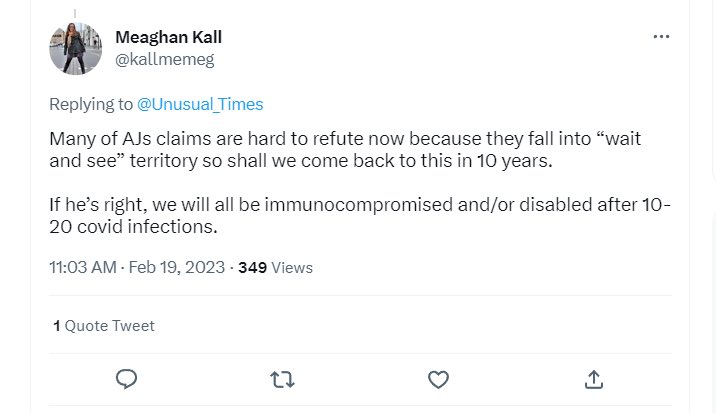
David Coleman, on Q&A last night. ‘It’s your money’ (about super). Most of it is your employer’s money, plus public-funded massive tax concessions. With a legislated time at which it becomes yours, at age 60+. It’s your infection too, remember. Same trick, same strategy. https://t.co/obtMaUkbvM
Blake makes the excellent point in this article that the supposed invulnerability of children to disease is only about a century old. Prior to that most of them died young. Public health achieved that. The thing we’re not doing now. https://t.co/N99jtHZ3ii
Super is about as much ‘your money’ as the aged pension is. Try asking for your aged pension in your 20s and 30s, and see how you get on.
The trivialisation and normalisation of infection. For most of its history public health saw infection as a bad thing. During Covid flu and colds have been used by minimisers to suggest that widespread infection is a legitimate and existing public health strategy. Let’s see. /1 https://t.co/Uo2oER5puN
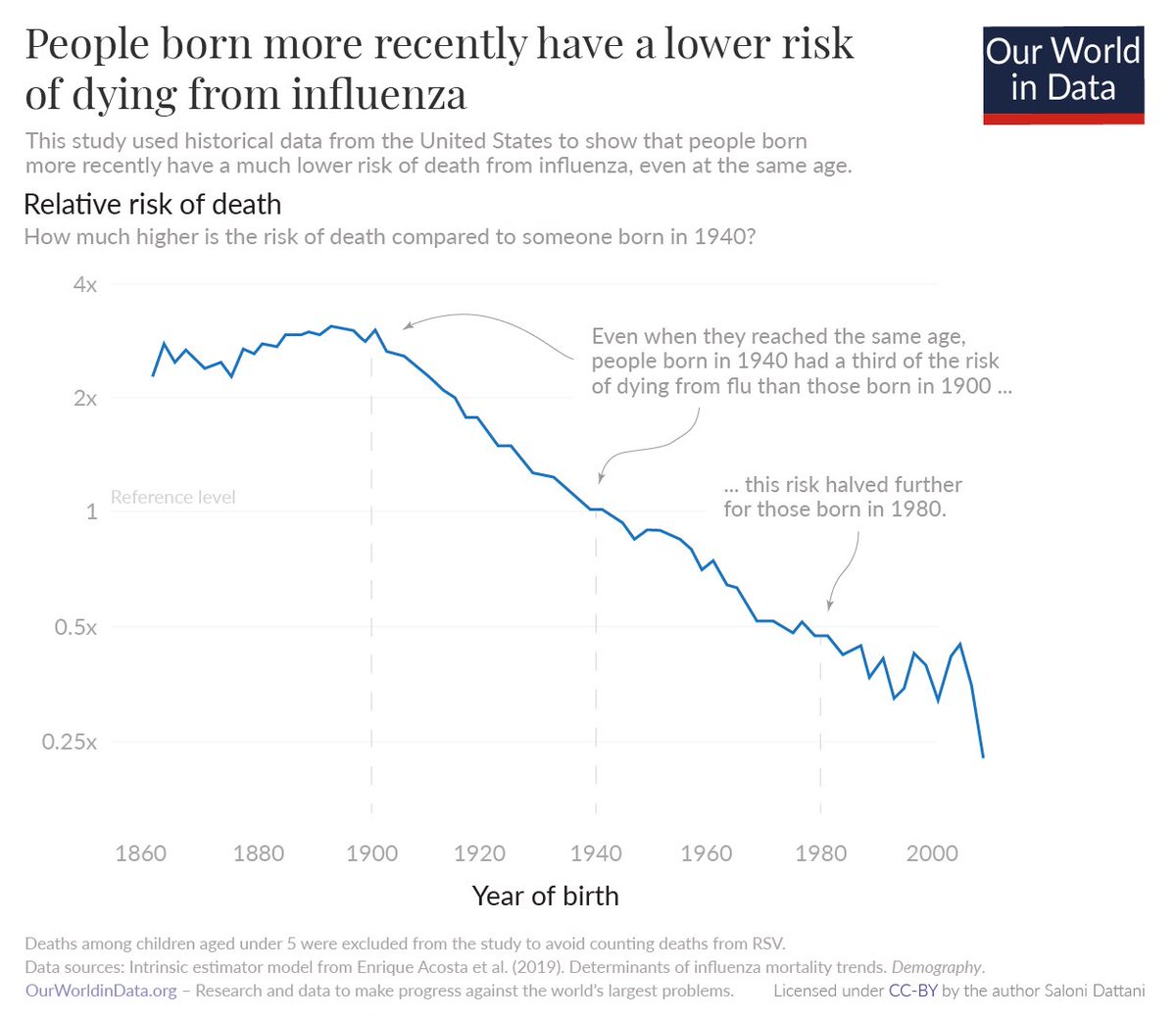
Since the 1930s, mortality has declined rapidly, due to massive public health programs, including vaccination. Influenza vaccination didn’t become widespread until the 1980s, so the bulk of the work in bringing that mortality curve down was other public health measures. /2 https://t.co/FGlXWfnRbz
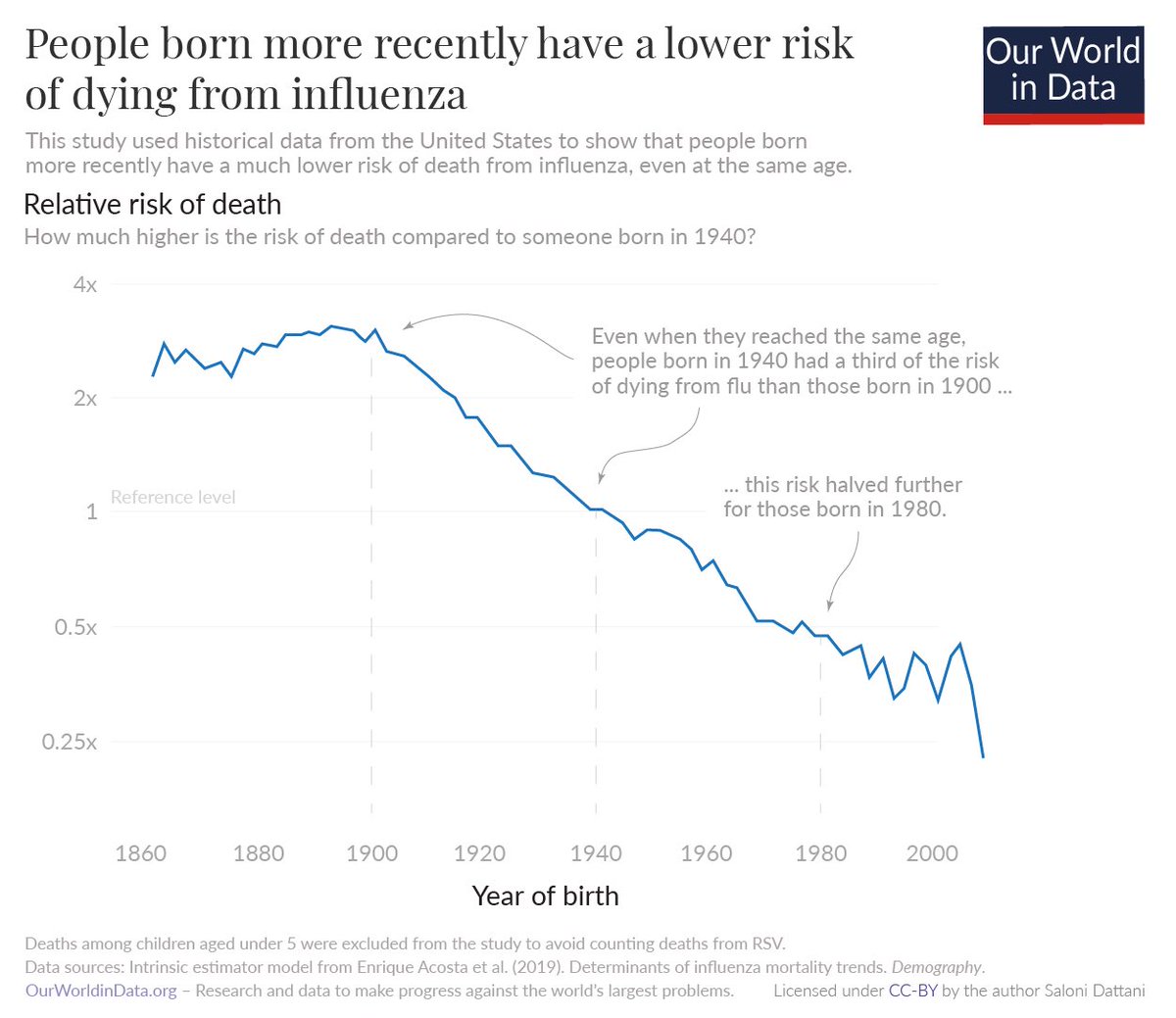
At no time during that century was the strategy to ‘live with influenza’, and to use ‘natural infection’ to do that. The strategy was to prevent people catching influenza, and to use better treatments for those that still did. And to vaccinate for other illnesses, that were…/3 https://t.co/sW47neXIfQ
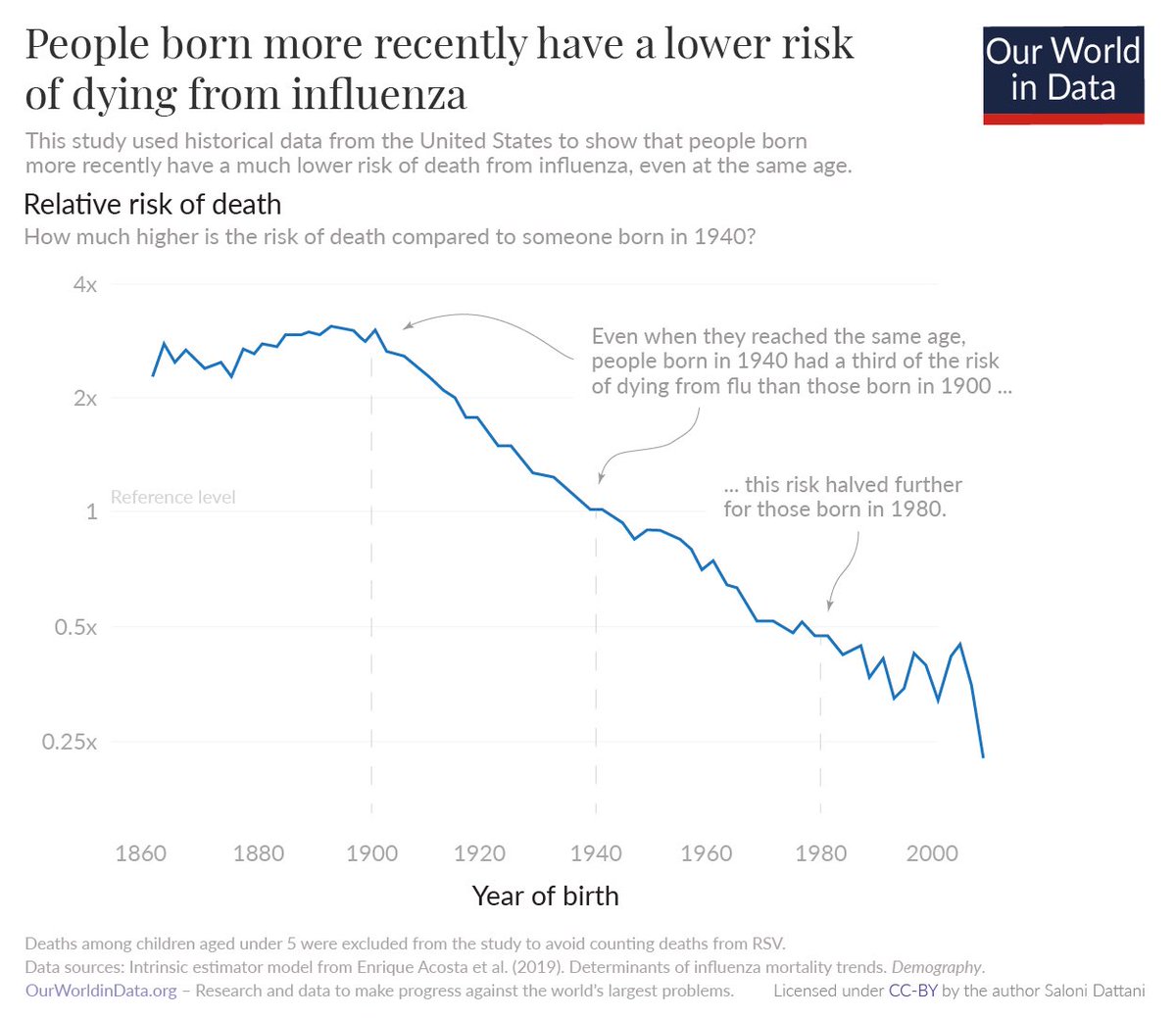
…often the co-morbidities that killed people, with influenza. The weaponisation of infection is entirely political, normalising mass infection has never been a public health strategy, until this pandemic. When the politics of our times, hostile to the idea of the public…/4 https://t.co/wSH1Lf42zO
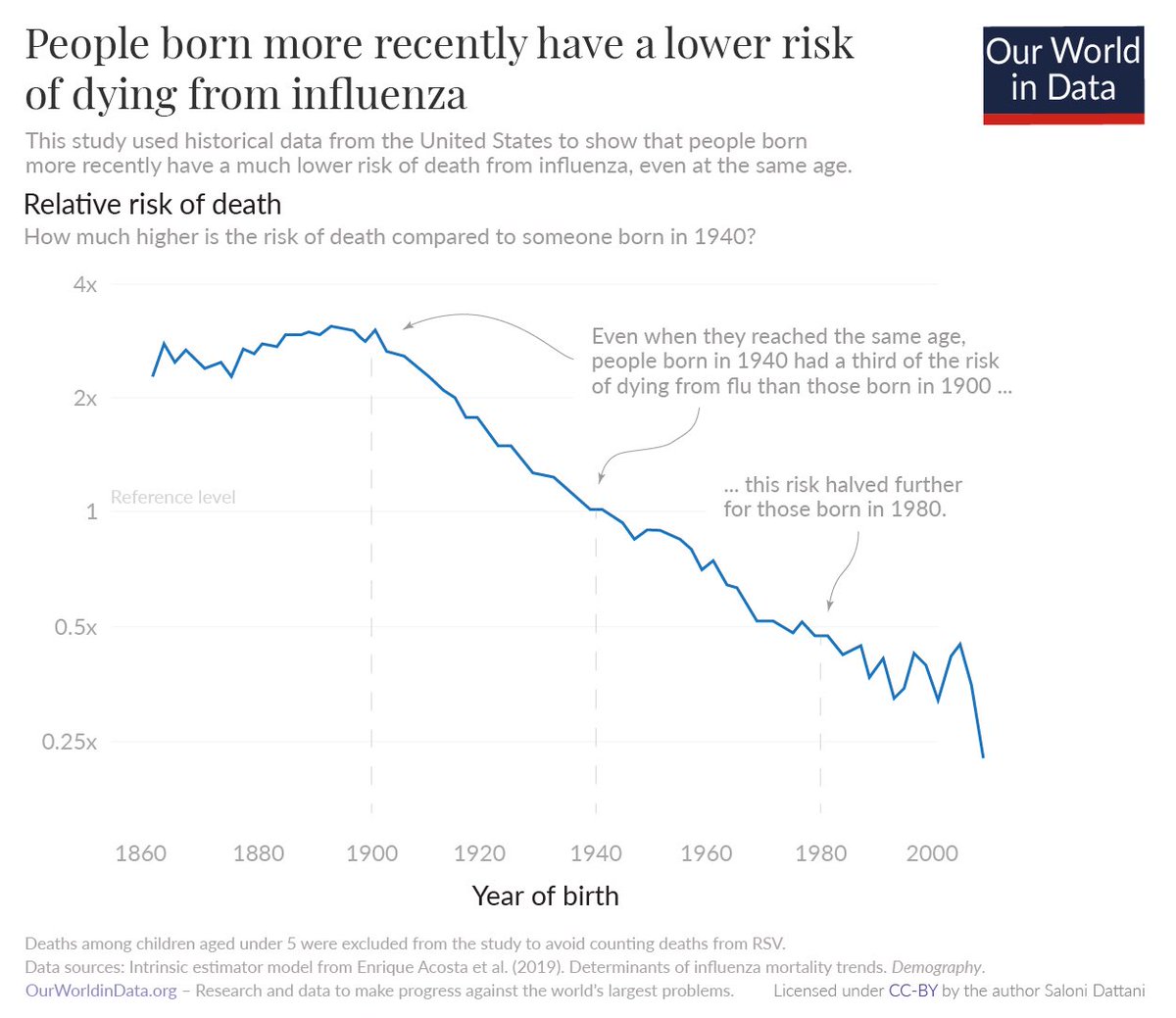
…full stop, decided this was a new way to undermine everything public. Infection is disease, it’s bad. Increasingly it seems even chronic disease. Caused largely by inflammation, itself caused by chronic infection. /end https://t.co/SEsC5e9hJ0
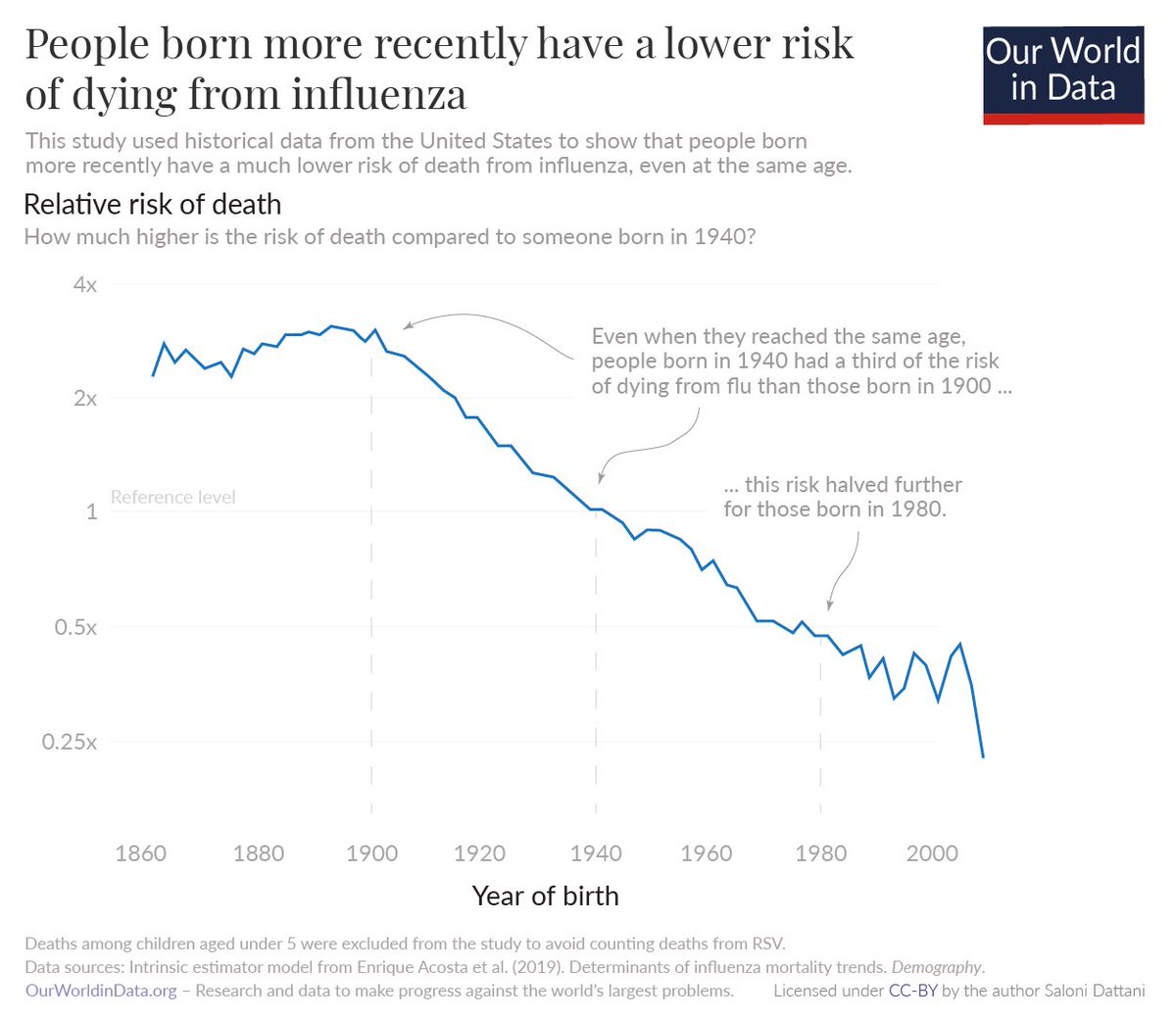
Slogans aren’t public policy. The Infinite Covids were ready to go with ‘get off the golf course’, to get older people back to work. Turns out they’re sick, not retired. They’re living with the virus, at home in bed. https://t.co/lTpDBDrysV
No, it’s always meant reaching an immune threshold where SPREAD was prevented. Look up the definitions, they haven’t changed. Just as a pandemic continues to be defined by number of INFECTIONS. Not hospitalisations, or deaths. https://t.co/7j2IOHWp6V
Rather than mobilising and monetising trolls, could expert Covid minimisers : - show us where ‘immunity debt’ and ‘hybrid immunity’ are in the textbooks? - show us where the same textbooks and even historical practice show the use of herd…/1
…immunity as a tool to battle a pandemic? Not just as an outcome achieved retrospectively. - show us where and when we replaced the definition of a pandemic with number of hospitalisations and deaths, rather than infections? - explain why ‘infect all the kids’ became…/2
…a thing, at the end of the century where vaccinate all the kids to prevent infection became the norm for the first time in history? - show the bits of the textbooks and practice manuals that talk about ‘personal responsibility public health’? Etc. I ask these things…/3
…perfectly prepared to see that some of these things are actually there, to be shown. But I haven’t seen them anywhere yet except on social media and as opinion pieces in traditional media. If they’re so confident of these beliefs, help the rest of us to see why. /end
Democracy is buckling under the weight of damage slogans do. https://t.co/7F6XpS35JE
It does seem a perfect parable of vax-only live with the virus, when your vaccination gets postponed because the vaccinator is infected.
How often have we gone with a vaccination program where the VE against infection and symptomatic disease is so low? Are there other current examples on the immunisation schedule?
Our vaccination strategy with vaccines that don’t stop anything much except severe disease must at least possibly be turning us all into perpetual reservoirs for viral evolution. Keeping the hosts healthy enough to allow the virus to evolve even further. https://t.co/w7Crdchrjd
Was going to comment on some of the minimiser brain farts in Oz today. But I see the rest of the world noticed them, and you can’t better what they’ve said themselves, for ridicule.
If Albo saw some of Australia’s most senior Covid advisers and their professional trolling colleagues online yesterday openly advocating for dirty air, to great international embarrassment and amusement, would he wonder if he’s been backing the right horse? #auspol
The world is too complex for most of our analytical fields to really understand now I think. You have to think like a novelist, as DH Lawrence used to say, only the novel can capture that sort of complexity. My trip to the pharmacy yesterday, short 🧵/1 https://t.co/uKG03n2GUl
I was booked for my 5th Covid shot yesterday at a local pharmacy. After arriving on time, the shot was delayed about 15 minutes, for a reason that made me think about the themes covered in this ABC story. (Journalists write ‘stories’ too, they’re…/2 https://t.co/uKG03n3eJT
…not unlike novelists. George Bernard Shaw described his literary work as a type of journalism.) The reason for the delay at the pharmacist was that an elderly couple had brought their phone bill to the pharmacy, because they didn’t understand it. It obviously had nothing…/3
…to do with the pharmacy at all, but they know and like the pharmacist, he’s a trusted local figure. So they hoped he could help them understand. Echoes of earlier times, when local bank managers and pharmacists and doctors etc. were ‘pillars of the community’,…/4
…beacons of trust that helped shape and steer how the community operated. For many elderly people, this is still how they see community, though the modern world is pretty brutally disabusing them of it in their daily transactions. They want somebody to guide them. /5
It’s an economy of trust, not of dollars. All societies function by trust, the social conformity that shapes all of our collective behaviour is driven by hierarchies of trust. Yesterday’s appalling behaviour by some of Australia’s leading health figures, mocking other senior…/6
…health figures and questioning the value of clean air etc. A perfect example of how trust is destroyed in a society. The public can only look on with disbelief that these are people paid to look after us. But to go back to the ABC article. Online scams. Gotta think like a…/7
…novelist. (h/t to @JohnBirmingham, whose novelist perspective on modern Australian shitfuckery should be compulsory reading). Easy to look at the explosion of online scams as some sort of technical issue. We just need better security, etc. /8 https://t.co/uKG03n3eJT
To me it’s much more than that. This is the world the old couple I saw now faces, what we replaced their world with. The IT industry, with some notable exceptions like Apple, has always proudly followed a libertarian ethos of open and free. Completely ignoring, as Steve Jobs…/9
…knew, how humans actually function. People mostly want something that just works, that they can trust. They used to have that for banking, with the local bank manager, but now the branch is shut down and they have to move online. People who may not even own a computer, or…/10
…mobile phone. I’m not against the shift to more online options, for many it’s also opened up a lot of flexibility in how they live their lives. But it’s how it’s done that matters. As an Apple executive once said when asked why the company had been slow to adopt a…/11
…trending technology, paraphrasing: “it’s easy enough to do it, it’s much harder to do it well”. Much harder to provide something that ‘just works’, seamlessly, which is about much more than bits, bytes and chips. Anyway, standing at the pharmacy yesterday, I could feel…/12
…acutely the clash of two worlds. One that market-based politics forced us to jettison, centred on social networks of trust and community, and replaced by a void at the top, in government and in business, which grifters are now rushing to fill, as social media ‘influencers’…/13
…and online scammers. Nobody knows who to trust is a perfect description of a world where societies are replaced by economies, where each person is an individual unit within an international market, stripped of community touch points. Fighting a pandemic with ‘personal…/14
…responsibility’, torn hither and thither by competing expert opinion in the Twittersphere, as our institutions fracture under constant assault by libertarian fantasy. The institutions people used to trust. We need the novelist’s skill at rejecting the analytical divide… /15
…between the specific and the general, in their stories. Everything universal about life is in every specific detail of it. All the tired old flabby concepts like capitalism and socialism are 30,000 feet away from what’s actually happening out there. /end
45 dead from Covid this week in NSW. The dirty air doesn’t seem to have helped them. https://t.co/Xxqz23oWhe
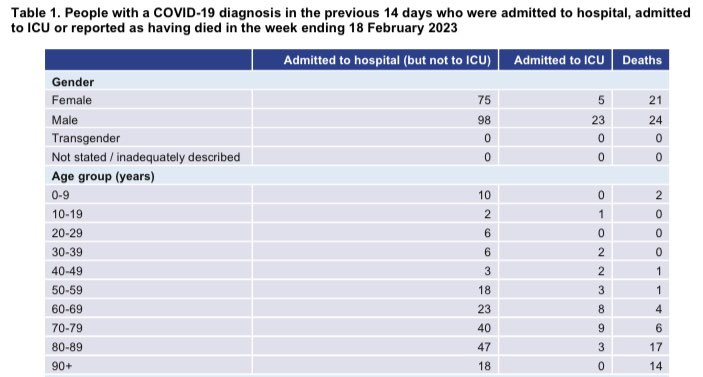
Labor is proposing a statutory tort of invasion of privacy, that will include doxxing. Keep the receipts, people who have to endure that BS on this platform. And a heads up to both the platform, and the doxxers.
In the blue corner we have the actuary. In the red we have the economist and economic politician. Actuary wins with a knock out seconds into Round 1. The economy is a political myth, designed to bypass democracy. Until we fix that, nothing will change. https://t.co/tGwVJPK4um
Thanks @SMpwrgr
Time is on the ‘let’s just define our problems away’ bandwagon. If an ‘agnostic evaluation’ of the science suggests living with a pandemic, it supports what I’ve said, that it isn’t a scientific problem to solve. Scientists can’t fix political problems. https://t.co/UWwy3CRUCV https://t.co/nHTi62svxc
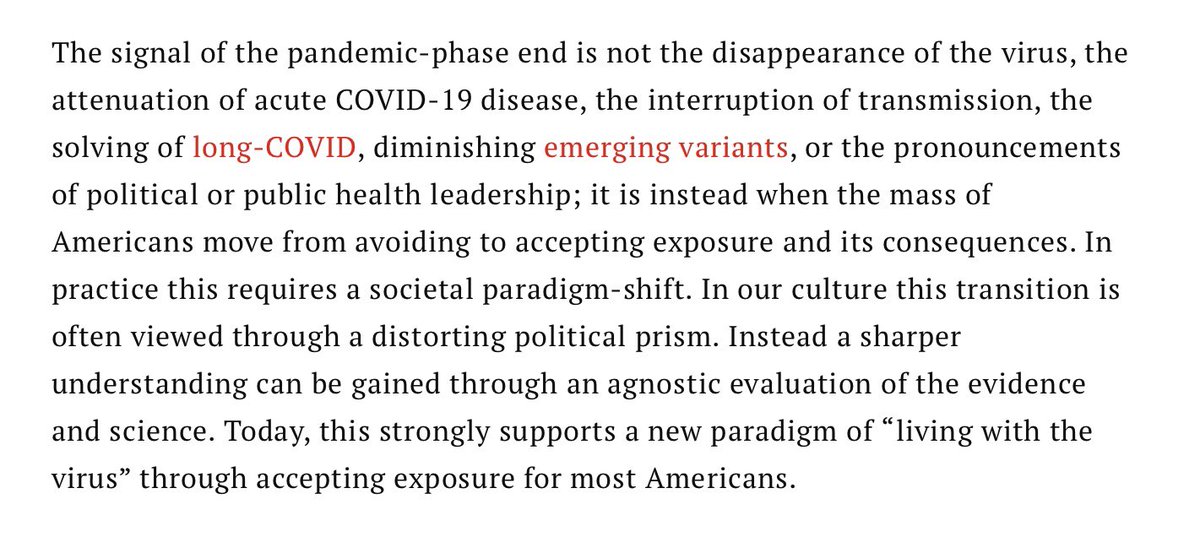
I’m waiting for the AFR’s journalistic scoop, an inside look at OzSAGE’s new HEPA mega factory. https://t.co/uJOMC5wJYK
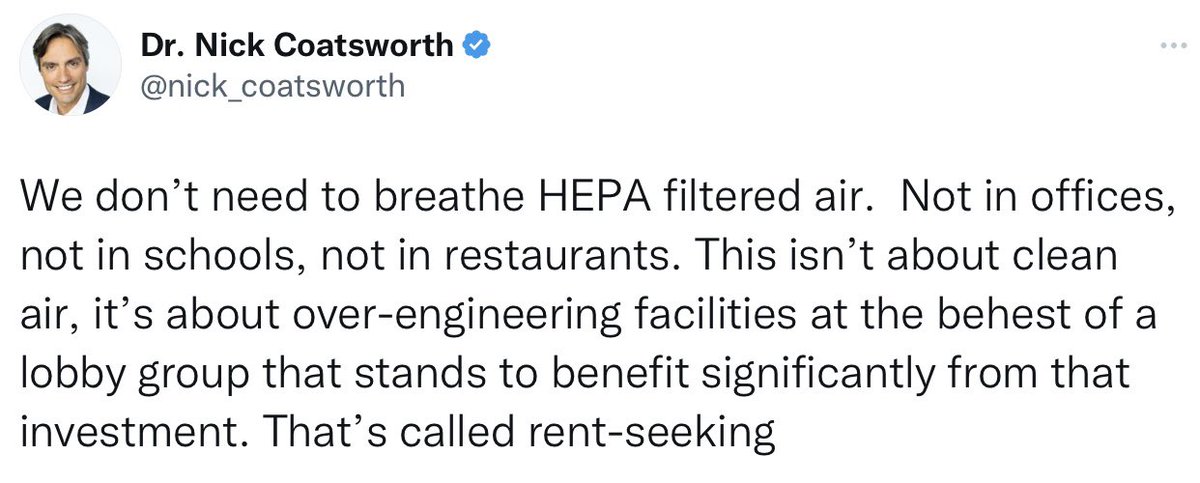
I have less trouble seeing sentience in computer code and animals than I do finding it in modern economic politics. https://t.co/5DHkwHmWs0
That moment of relief when you realise you made the same decision Raina did. https://t.co/FPdOPgx2i5
Over 25% of students persistently absent from school in the UK, due to ‘flu and other viruses’. The virus that shall not be named. https://t.co/SGOOzgRgg4
We can’t do even a basic thing like stopping the rich pillaging super as a form of tax evasion. Because? Always the same reason, it might lose votes. Isn’t voting grand? Democracy’s greatest obstacle. Doesn’t achieve a single thing.
6025 people have died from Covid in NSW since the current Premier was anointed. Election in March, just weeks away. #auspol
We’re all wedged between one group who think vaccines do nothing and another who think they do everything. We need ‘something’ people to run our pandemic response, not everything/nothing people.
The guys who grew up with zero measles, mumps, rubella, cholera, TB, pertussis and varicella are still cheering on infinite Covid. https://t.co/vjjrKTj9Uu
Just as an exercise in social media, if like me you don’t know enough about this topic to know who’s most right, at least trace the network of followers and likes of those who do, and make claims like this. If you want a sense of which universe of belief it’s coming from. https://t.co/ancVdJ6jGm
The death numbers last year and into 2023 would have left the Australia of only 20 years ago aghast. The breaking of Australian society that’s been going on right under our noses is stunning to see in its endgame now. https://t.co/v1rRKUECA6
Because ideas and beliefs precisely map social groups, it’s worth noting I think that both anti-vaxxers and Infinite Covids have converged upon ‘natural infection’ as the way out of the pandemic.
Waleed has written a very interesting piece here that overlaps with some of the things I Tweet about. It sometimes feels like we’re in a new age of puritanism, with the collapse of ordinary community-based political life shadowed by a rapid increase…/1 https://t.co/bJjbngIJww
…in individual moral outrage and personal ‘statements’ (in the action sense too) bordering on the puritanical. Not a surprise, because the N=1 politics whose focus has been the stripping away of the public or community as the bedrock of politics, and…/2
…its replacement with individualism, has left people (as Waleed says) profoundly uneasy about some of the ‘freedoms’ this has liberated. The freedom to be a bigot, for example. More broadly I think this has led to the explosive growth of ‘identity’ politics, as millions of../3
…now semi-isolated individuals are left with nothing to express their political rights with except constantly reinvented individual passions. Across the whole spectrum, Left to Right, this is politics now. What we sometimes call ‘culture wars’. But really there’s no…/4
…culture in play here, nothing collective. It’s tribalism, the fracturing of a national community into smaller and smaller groupings defined around a bewildering array of individual thoughts and feelings. Like an ongoing civil war. All the logical outcome of stripping away…/5
..the ‘commons’ as the basis of politics, and replacing it with an international market full of 8 billion customers. Politics for us has become a battle of brands. We’re trapped in the idiot belief system of market-based politics, living in an economy instead of a society. /6
The puritanism of the moral outrage is people desperately trying to reinstate some form of territorial sovereignty for themselves, now the old community framework which provided that stability before is gone. Nobody really wants to be a free-floating customer of international…/7
…economic politics. The only real sovereignty you have in that worldview is how much money you have, and for most of us that’s not a lot. So we’ve retreated to inside our own bodies and minds, to our ideas and feelings, as a last territorial stand. The impotence we feel../8
…as societies collapse around us it what feeds the puritan outrage, the fury is real but the outlet for it has now shrunk from the national and international to the individual. /end
For those who think electing independents saves electoral democracy from the laughable disaster it is. Exhibit A for the prosecution. https://t.co/jCCiow5YP9
From 22 minutes on, the brains trust over at the Guardian. Firstly not even aware we’re into year 4 of the pandemic. Then all sagely concluding the community ‘won’t support’ further Covid measures, regurgitating a LNP talking point as analysis. /1 #auspol https://t.co/A4CDiC4wgD
That lack of support is led. Just as support for ongoing terrible privation and action in wartime is led. Not one mention of the over 20,000 dead from Covid directly and indirectly in the past year. More regurgitated talking points about that being only the ‘vulnerable’. /2
A professional political class totally divorced from the actual realities of life, whose every fart and whispered gossip gets reported as political journalism by a political journalism that’s descended into slight edits of daily talking posts from the parties. /3
Imagine being one of these journalists, coming off a year where more than 20,000 died as a result of a pandemic that never went away, and not even ever mentioning those deaths. 20,000! You’re on your own, people. /end
h/t @NobodyImpawtant
The rich hybrid immunity killing machine purrs along for another week. https://t.co/RFAGhyMCLH
It’s a good question, anybody know? Contribution caps are quite low ($27K for the concessional tax, $110K if you’re happy to forego it). https://t.co/mYGqEjKL19
Who remembers when a Royal Commission was called because a government decision ended 4 lives? Good times. https://t.co/wJDYMWKRzT
There are about 2900 vehicles for every service station in Australia. But you rarely get a large queue. Understanding that will also be key to rolling out EVs. EVs can charge at home, meaning we already have millions of service stations for those. https://t.co/eVWgscrSoz
Organisations and societies can suffer a form of collective dementia. The ‘live with’ Covid strategy forgets what we did for infectious disease in the 20th century. The destruction of institutions does this, they hold societies’ collective memories. https://t.co/6oUYWakXU0
Sport is always sold as a health thing. But the much more important thing community sport does is train Australian democracy. In some countries, it doesn’t even exist as an activity. It’s where we learn many of our community-building skills. https://t.co/w3mhNuk4we
School kids and their parents driving repeated waves of Covid into the wider community? One Australian minimiser loves to say that spread in schools just matches the wider community. Probably because that’s where the spread starts. https://t.co/1zAMnkFIWV
I’m a broken record, but the thin line between our problems and the solutions to those problems is always the electoral system. It does almost nothing except get in the way, infecting grown up life with high school popularity. https://t.co/N9XmVprk6n
Those confident that democracy = elections, and elections deliver ‘the will of the people’, might explain how we spent a decade with the previous government actively working against the clear public preference to act hard on climate change. https://t.co/aJdWRvNSfH
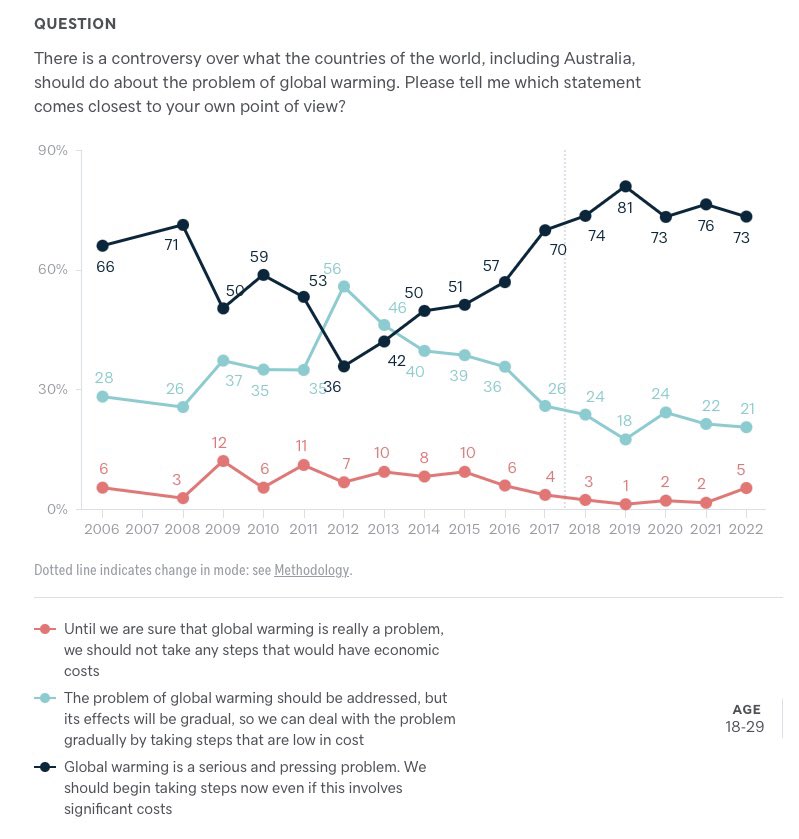
In a week where (astoundingly) leading health figures openly mocked action promoting clean air, it’s worth remembering that all Australian governments have been committed to that since 2015. https://t.co/f4Wd86Iwh1
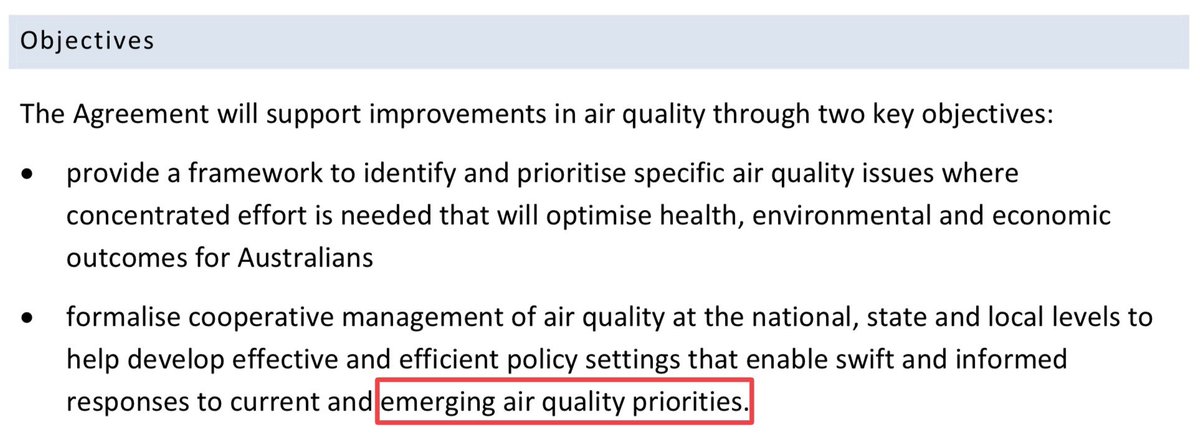
@RealOzSAGE
Amazing that the current work plan under the National Clean Air Agreement was drawn up *during* the pandemic, and yet failed to mention it. Couple of actions I’ve circled in red that could at least have been steered in that direction. #auspol https://t.co/Brlit170xF
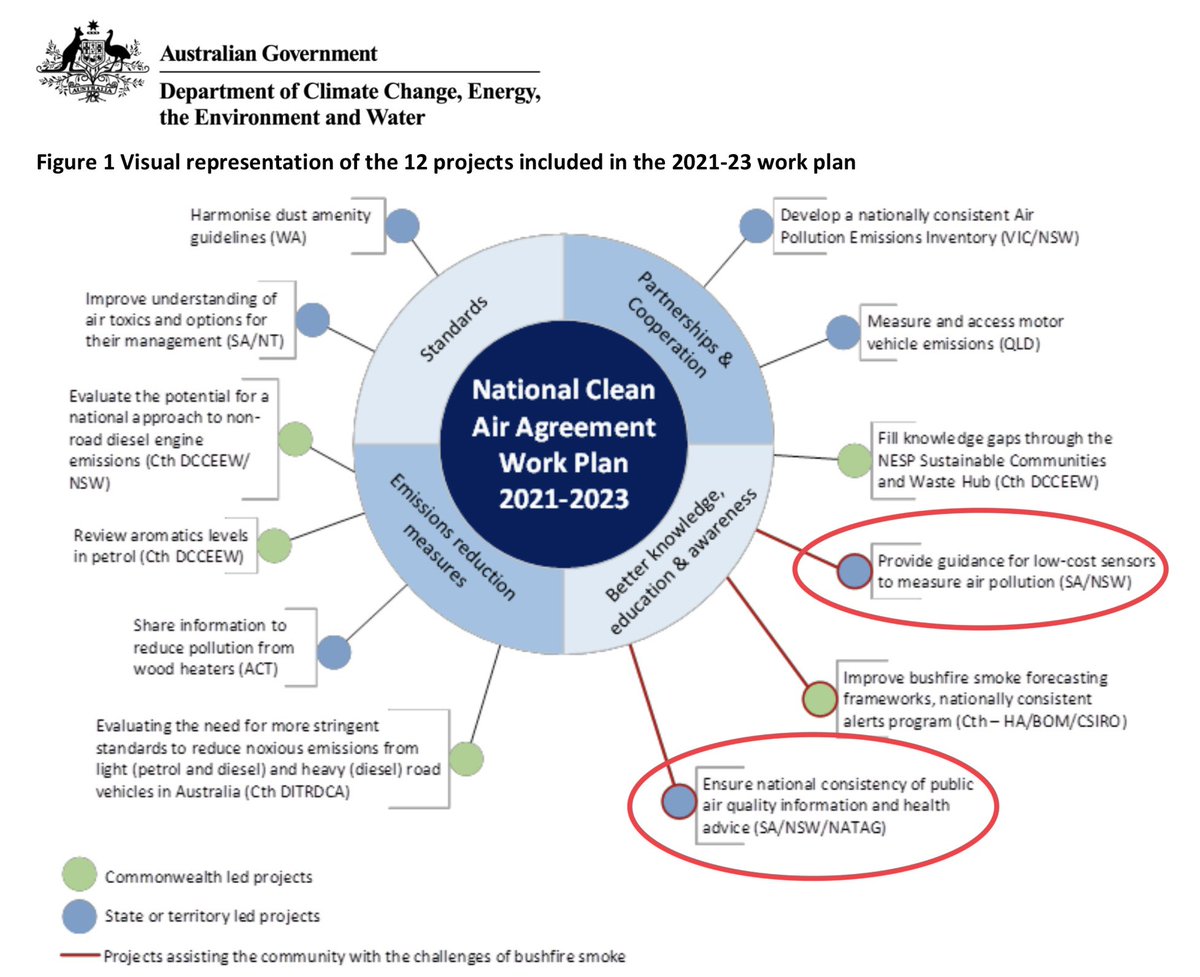
@RealOzSAGE
Suppressing Covid data is authoritarian? I thought it was ‘the end of Covid exceptionalism’? https://t.co/7zRFtjAZ27
If you really believe democracy is about educating the public to run the country, worth scrolling through this trending topic. If you do believe it, I’m also guessing you’re not a teacher. https://t.co/3ingKIIFpy
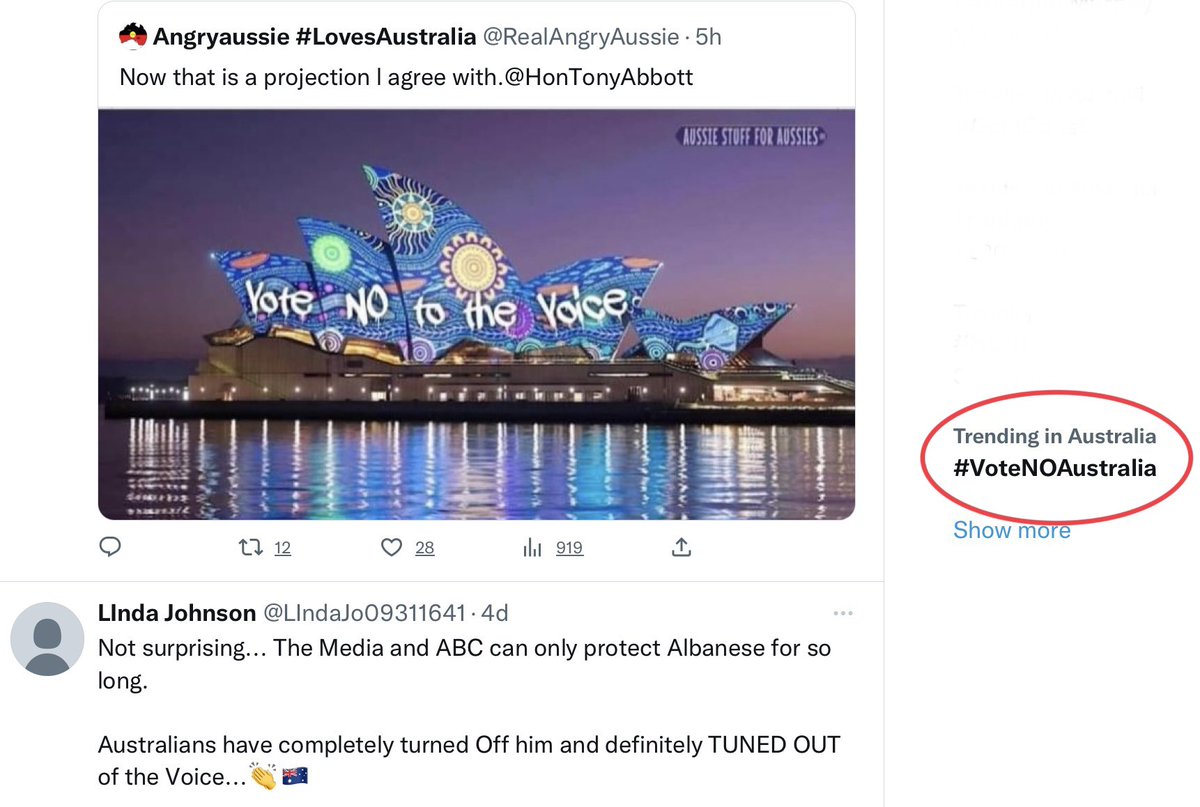
Is there any reasonably current estimate of SARS-Cov-2 antibody levels in the Australian population?
There are 3 masks in this photo, that I spotted. Dr Ryan of course. But the other 2 tell a more interesting story. Parliamentary staff have been required to mask in this pandemic. Like many parliaments, the level of protection for politicians is much higher than…#auspol /1 https://t.co/BHhkqtgWoh
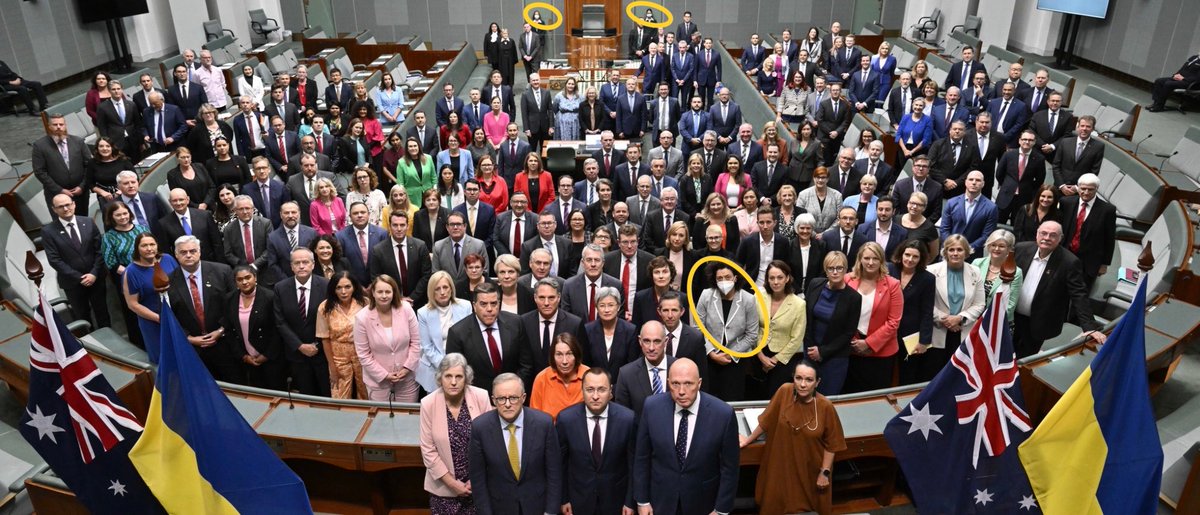
…what most of the public has. And this makes a photo like this in some ways disgusting. The public follow the lead of leaders, despite the freedom narratives that suggest otherwise. Looking at this photo they might think ‘ok, no need to mask now’. /2 https://t.co/NPYkYbFMsS
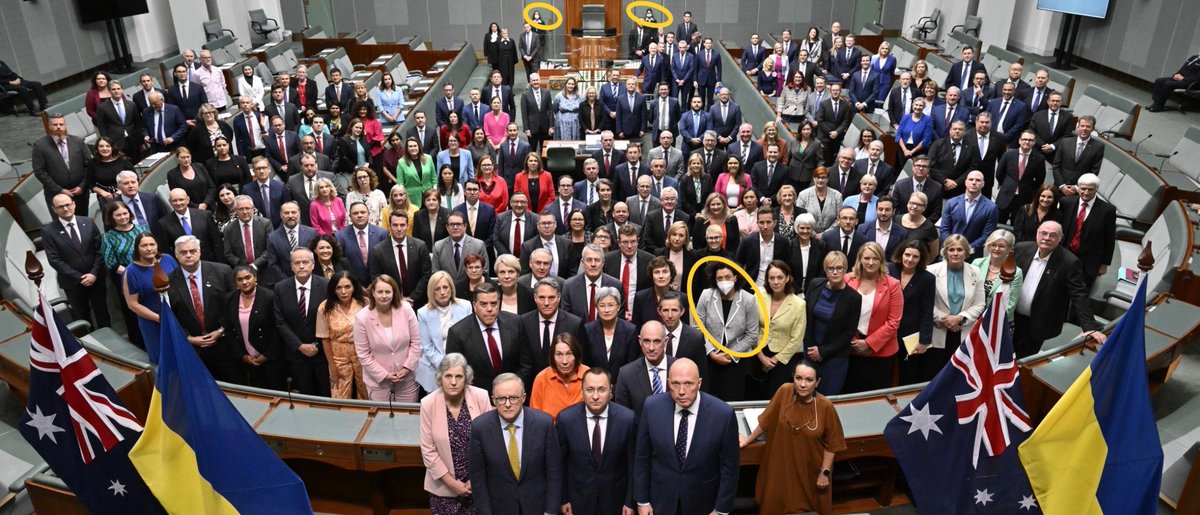
But these politicians are much more protected from Covid in their workplace than you or I. It’s apples and oranges, this is a heavily protected environment. 3/3 https://t.co/iCYzpURw3H
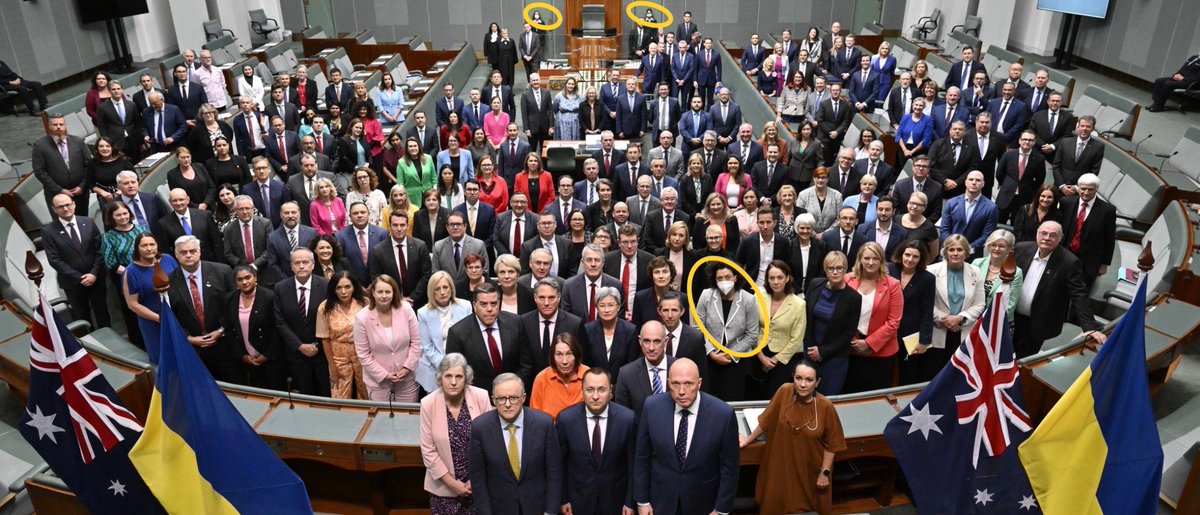
@bmarsalis has there ever been talk of getting the Blue Turtles band back together, with Sting? Even as a one-off, and of course with somebody filling in for Kenny Kirkland. That band kicked arse.
The anti-State crowd want us to believe super was designed to replace the aged pension. It wasn’t, and it wouldn’t work anyway if it was. It’s just one more lie designed to try to dismantle what’s left of public services. https://t.co/uiCi493nYo
Re-using this photo for another reason. These are our ‘elected representatives’. Have a look at the job sheet of a modern democratic government, it’s enormously complex. What specific expertise do elected representatives bring to that complexity? Almost zero. This matters. /1 https://t.co/26T9AP1PHm
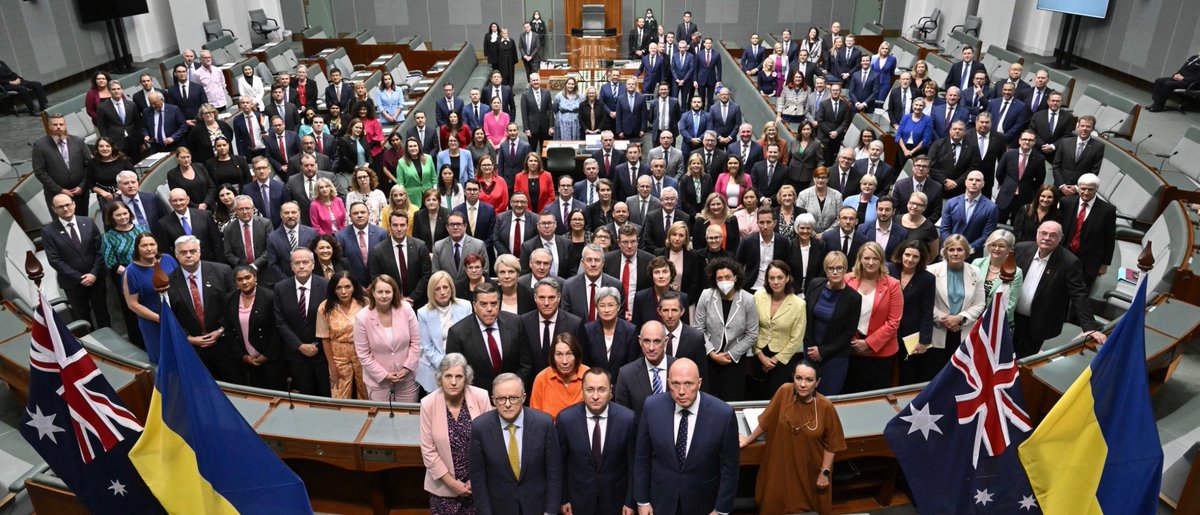
If you hire somebody for a job, competence or expertise in the area of the job is essential. But in politics, you hire somebody based on one measure only - their popularity. Meaning the most complex organisation in every country, its government, is run by people…/2 https://t.co/hqihpWyjyE
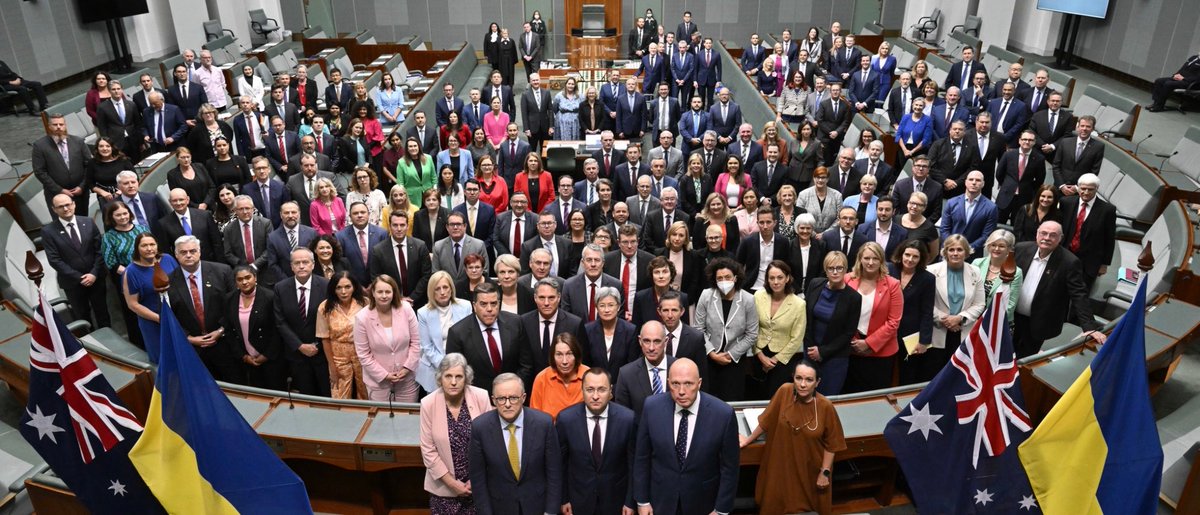
…with next to zero expertise in the actual work. It doesn’t work, and can’t work, and the reality that isn’t often spoken is that they *don’t* ‘run’ anything much. Their officials do that work, thousands of people with the actual expertise in how the country operates. /3 https://t.co/m8nKaPdDhb
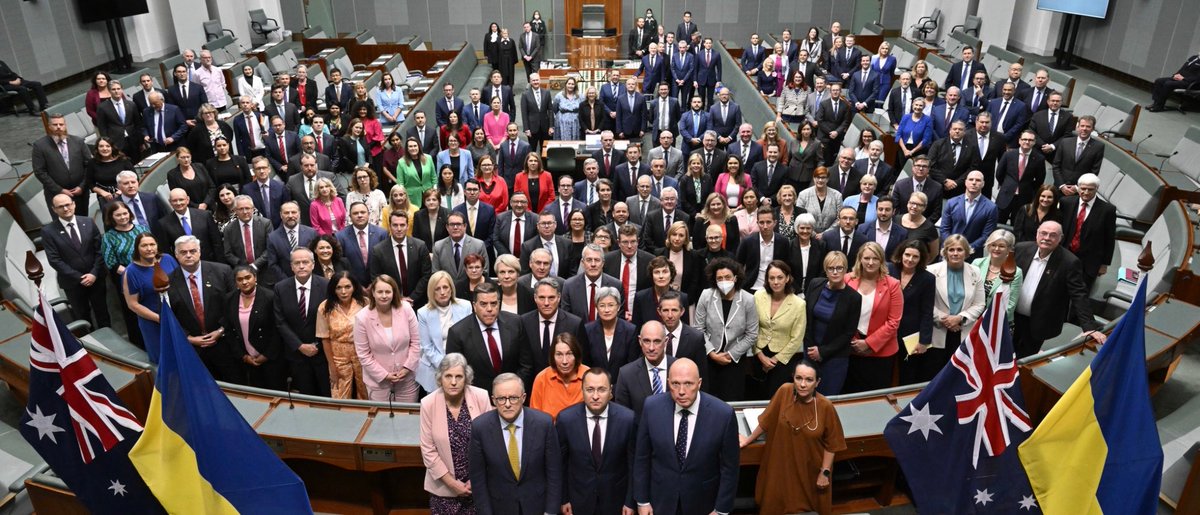
It’s the civil service model we adopted from the UK, who in turn adopted it from the Chinese. A recognition that as nations got bigger and more complex, nothing would work without a large civil service with the skills and knowledge to run the country. /4 https://t.co/tml7oycaW5
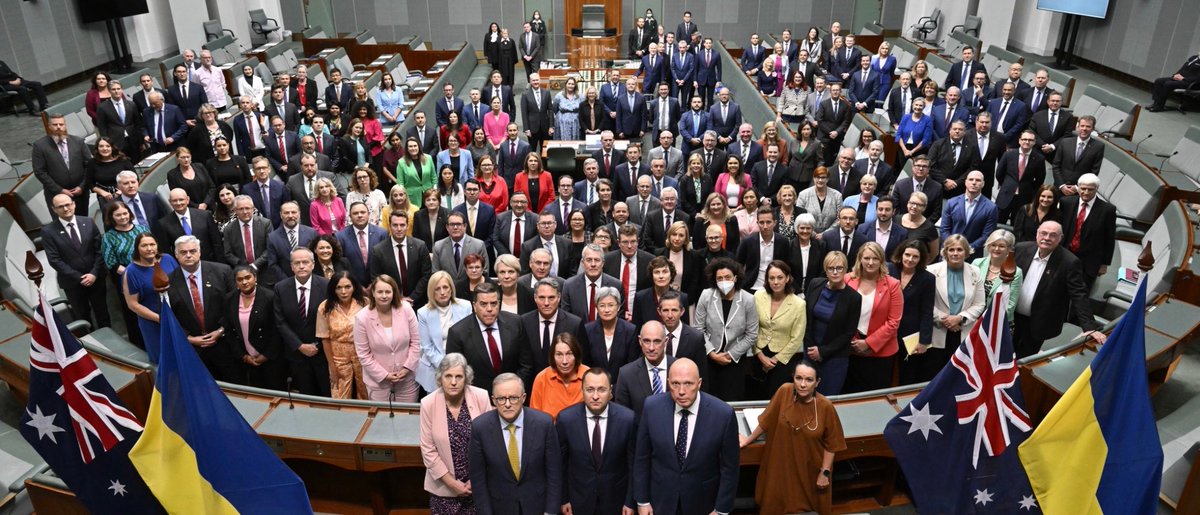
The old days of Kings and nobles making arbitrary and ad hoc decisions was ended by these same Kings and nobles. It was they who *invented* the civil service, together with parliaments, in desperation when the problems they were being asked to solve overwhelmed them. /5 https://t.co/YUJezXFPcs
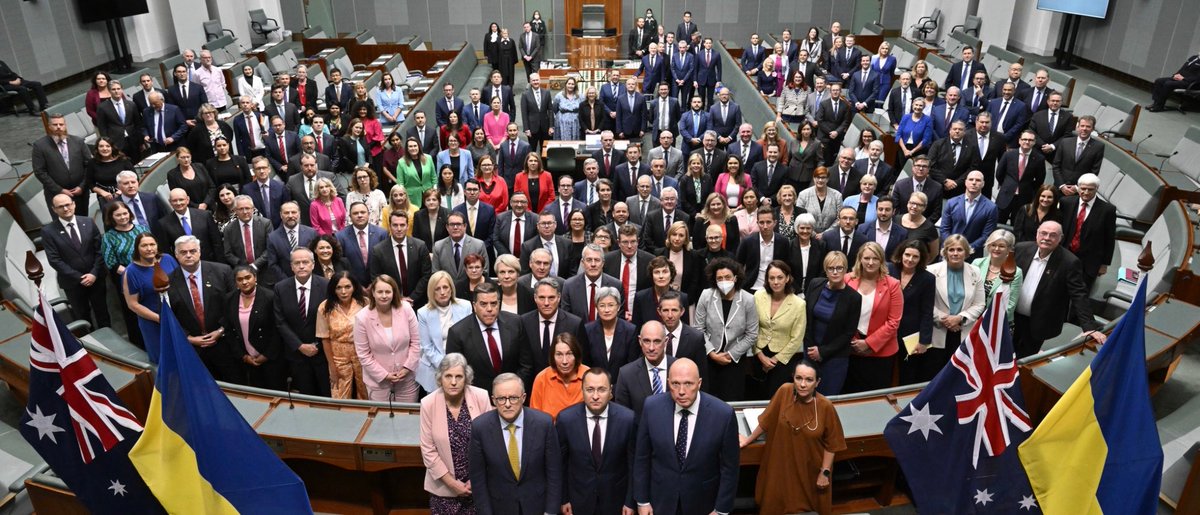
Ask anybody who works for politicians, and they’ll confirm that this is true. Politicians may be lovely, extremely hard-working people. But at the end of the day they’re utterly beholden to the expertise of their officials to be able to do anything at all. They don’t have the…/6 https://t.co/HLyJUmhesS
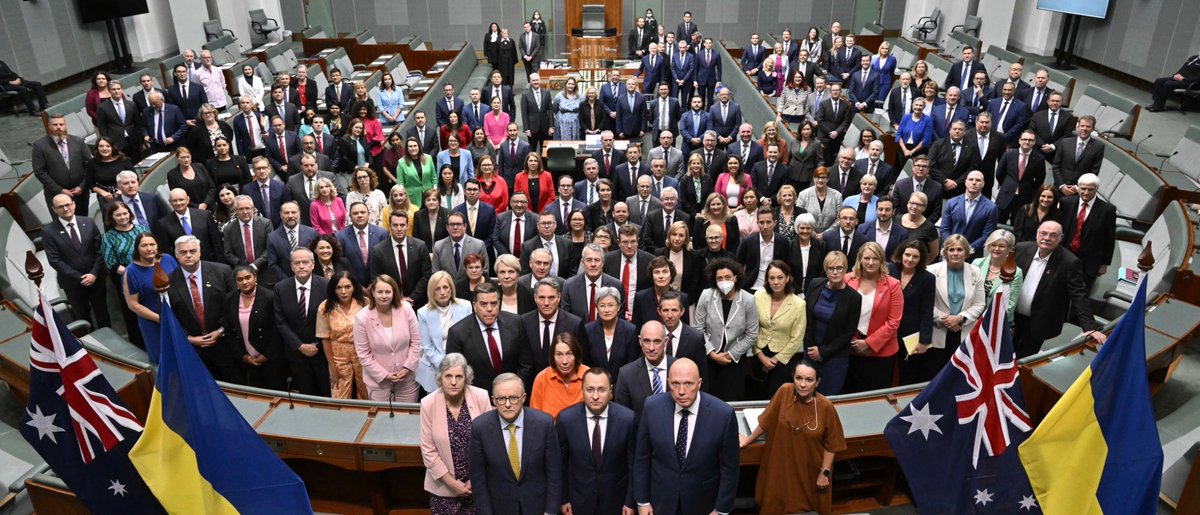
…first idea how anything ‘runs’, without those officials. What’s lethally dangerous to societies is that in the past 30-50 years, a political belief system emerged that ignored all of this, and decided to replace it with the populist idea that politicians DO run the country. /7 https://t.co/76Y4EFFW6k
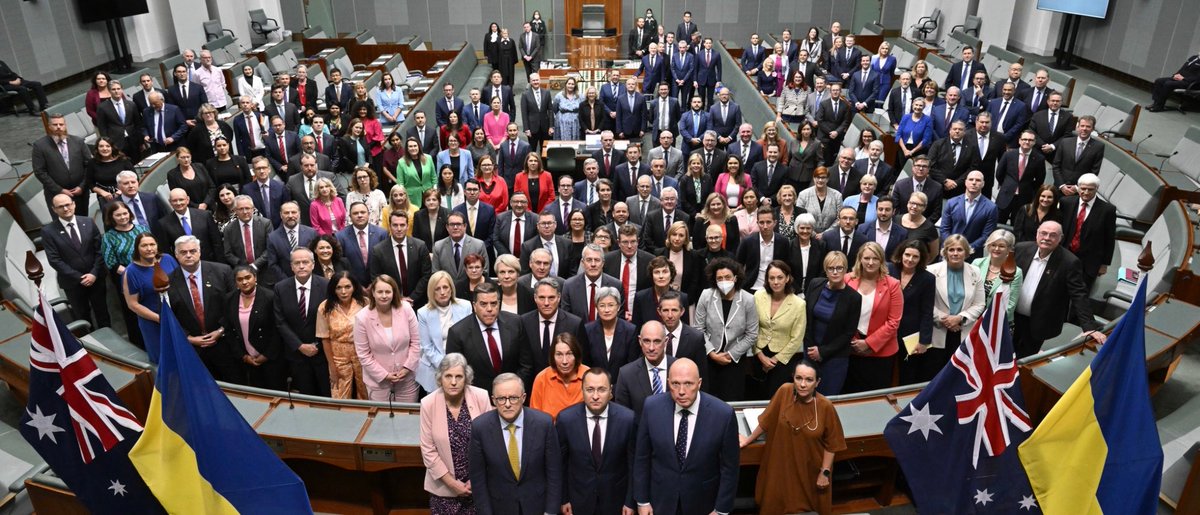
N=1 politics. Neoliberalism. Whatever you want to call it. They fiercely attacked this civil service, labelling them as ‘bureaucrats’, and everybody now lines up behind this venom, nothing fires people up more than ‘bureaucracy’. Replacing it with pliable advisers, who turn…/8 https://t.co/zbvrUvcw1g
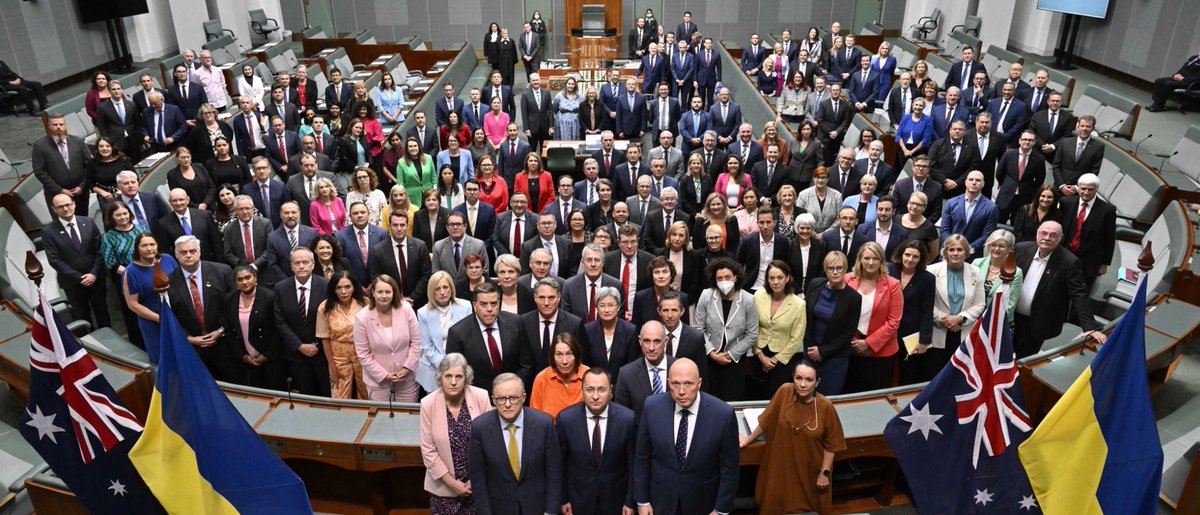
…a blind eye to all due process, all the expertise needed. And we wonder that societies are falling apart. As with public health and Covid, it’s also pig ignorance of the history. It was ‘the elites’ who invented the civil service, and parliaments, and public health. /9 https://t.co/Pv48wQECzO
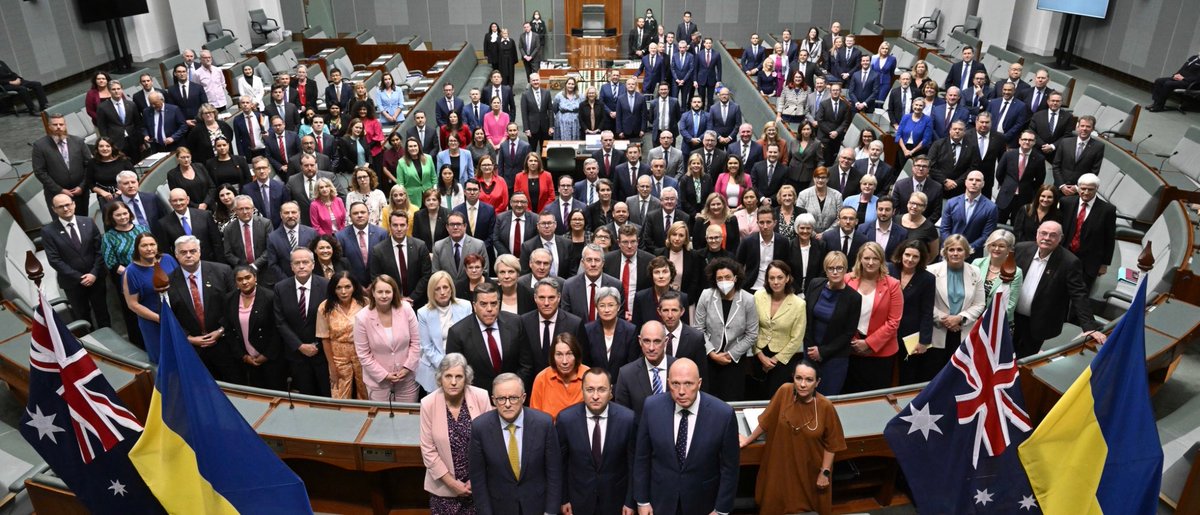
They couldn’t fix any of the problems facing them, without these new bodies. We can’t elect our way out of these problems, because elections just replace one set of people with no idea with another set with no idea, no matter how well-meaning they happen to be. /10 https://t.co/IxLix5X5bs
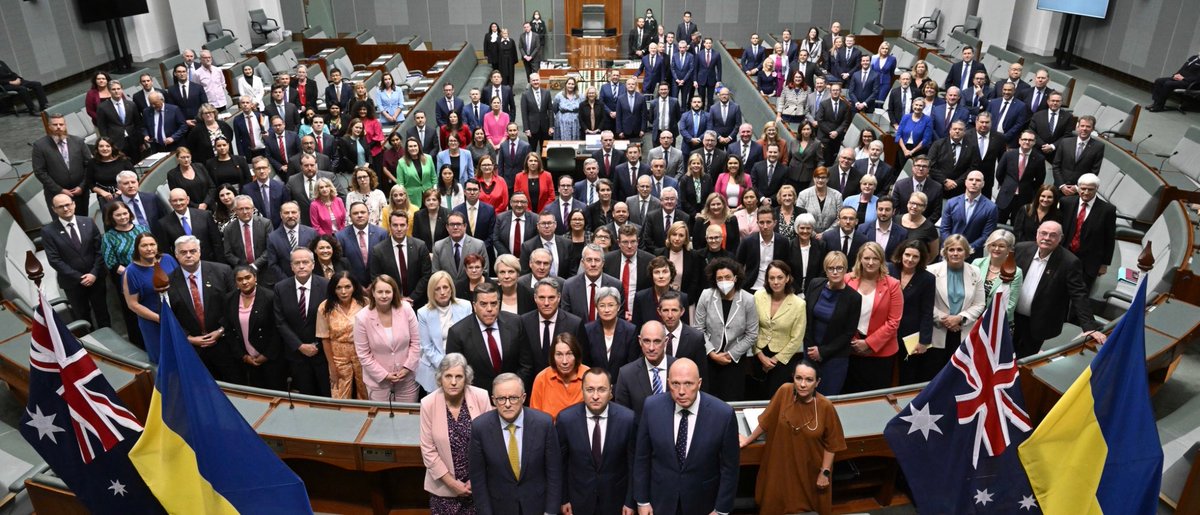
We need expertise-based politics back. Where elected representatives serve their actual purpose, of personifying the process of government for the wider public, being the touchpoint for the public, in government. But not, ever, by ‘running the country’. /11 https://t.co/5MyrJaZtUV
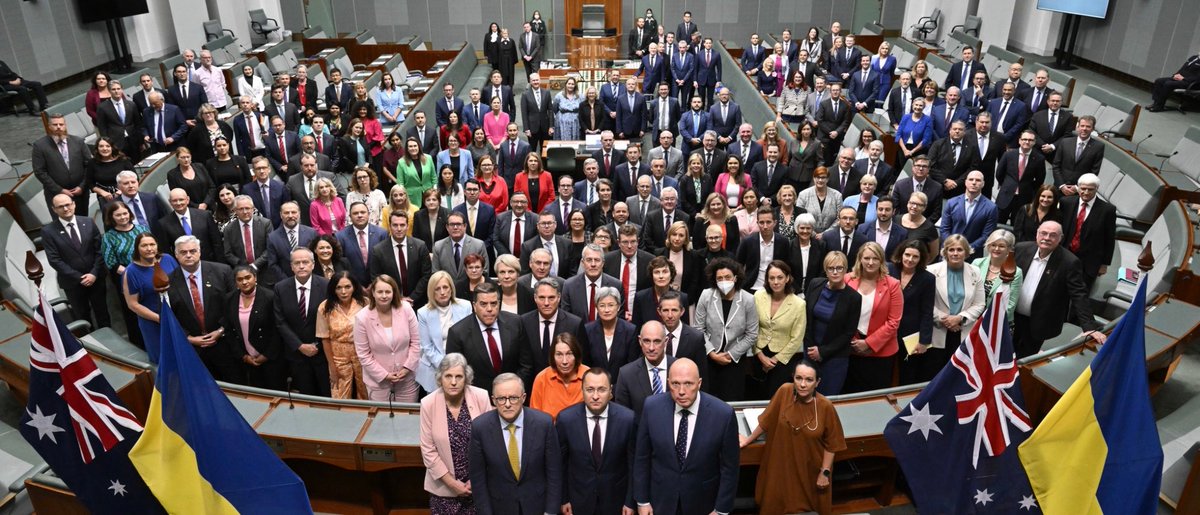
By ‘bringing people along’ with the decisions that need doing, as assessed by that vast expertise working already in government, outside elections. /end https://t.co/oYzwNP0S8N
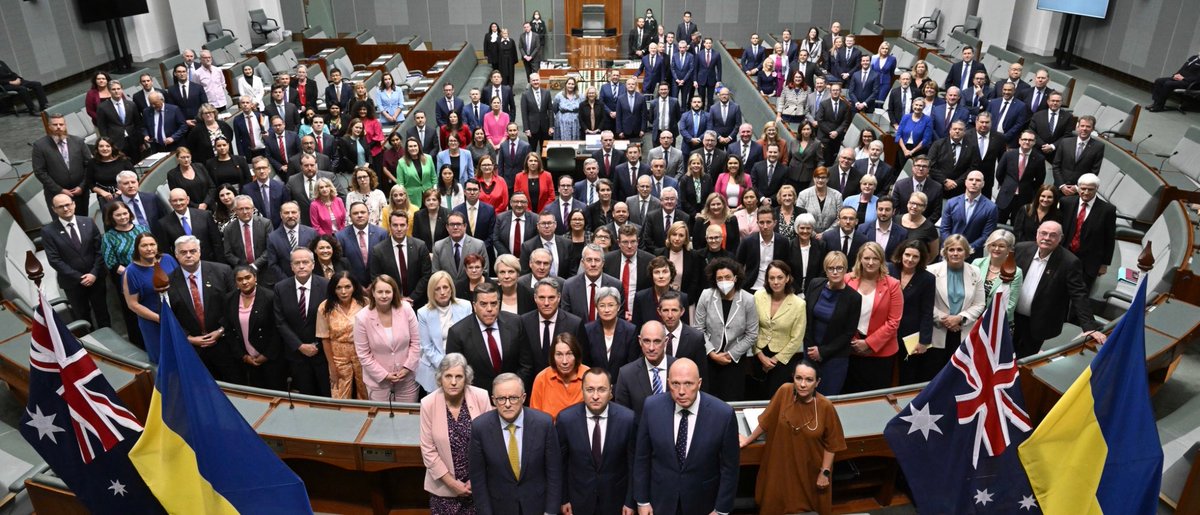
As a leader, admitting vaccines don’t stop transmission in the workforce gives you two options. Stop requiring them, or ramp up other workforce protections. No prizes for guessing which option the NSW Government chose. https://t.co/yq9brfMSAO
Reading the most recent seroprevalence data for Australia shows huge antibody levels in the population, near 100% for spike protein antibodies. When does herd immunity start?
So we’re aiming for herd immunity, to stop the whole population getting repeatedly infected, and we’re doing that by repeatedly infecting the whole population? https://t.co/9YShL8NaEp
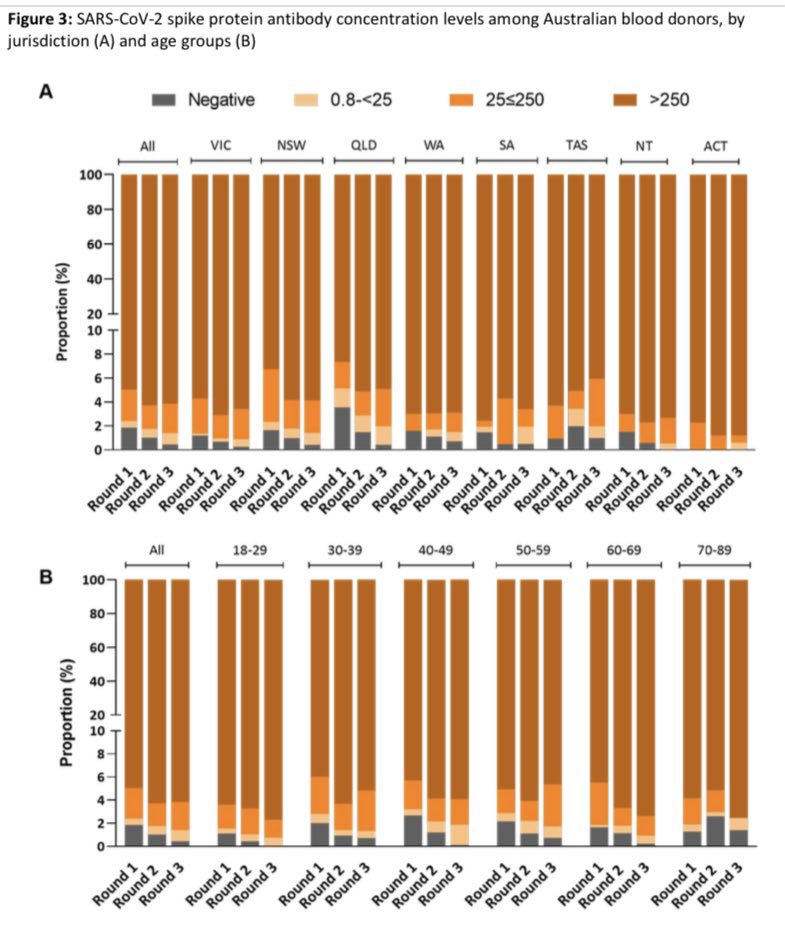
Pieter ignores all of the crap of social media and patiently offers a vital service to the community every single day. If you want to improve ventilation, it’s your way in. https://t.co/gw2BvOUiHK
Shaping up to possible minority government in NSW. Which may be a good thing, neither major party intends to do a thing about Covid. https://t.co/ImEYlKDkbT
You’d think ‘let’s infect everybody in the country’ would have a risk assessment. Running a school fete has a risk assessment. Can we see the risk assessment?
The everything or nothing narrative is still strong, on Covid. The people who want to do nothing say the only alternative is to do everything i.e. shut society down. Actually the answer is what it’s always been for infectious disease. To do something. Lots of somethings.
We’ve left behind the world where this would trigger immediate concern and action. We replaced it with (we say) an economic, global market. All nonsense, it’s still just people, doing stuff. We avoid that reality by replacing it with the fiction of ‘the economy’. https://t.co/iWhlVlu4bj
For the past 50 years, every time ‘the economy’ was used as a substitute for society, this destruction was happening. That was the acute phase. We’re now living the chronic phase. https://t.co/i2lC73WfVv
The economy crowd believe in markets, until they don’t work. Which is always, in epidemic waves. Then regulation, like high interest rates, will be used to restore order. Regulation won’t be used against disease epidemic waves though. That’s ‘balance’. https://t.co/G6PDSOhSoc
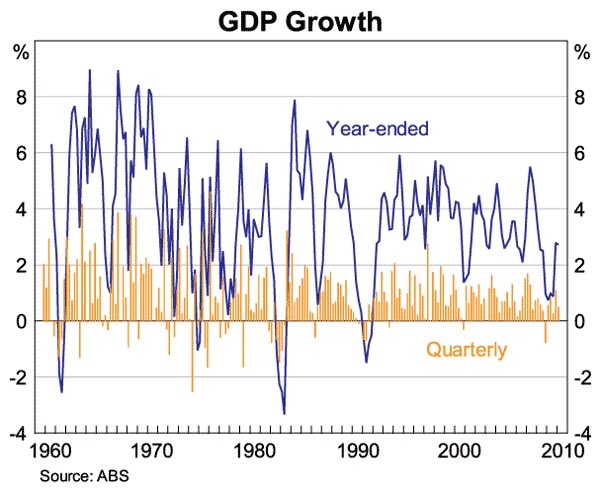
I’d recommend everybody read the national public health guidelines for management of Covid, and compare with what they see actually happening around them. ‘What else could we do?’, minimisers often ask. This, what we’re already supposed to be doing. https://t.co/WCcszljRdw
For believers in ‘the market’ as an actual thing, we currently have a free market of Covid action. Is mass infection and death what the market wanted? People seriously believe that billions of people left entirely to their own market-based choice, will choose disease and death?
I’m hoping the Long Covid enquiry recognises that you can’t fix Long Covid, without preventing Short Covid. No point launching programs for Long Covid if you keep infecting the entire population repeatedly, generating an endless stream of Long Covids.
One to plug into the risk management. If we had any. https://t.co/Yqs0UxAvSo
“Business groups, diplomats and many residents had slammed Hong Kong's COVID-19 rules, saying they threatened its competitiveness and standing as an international financial centre.” There’s that ‘balance’ again. Economy 100%, Covid 0%. https://t.co/79DTdmeLsH
‘The economy’ is just feudalism dressed in supply and demand equilibrium equations. Not an analogy, it’s literally all that it is. https://t.co/xgTn2yXSgH
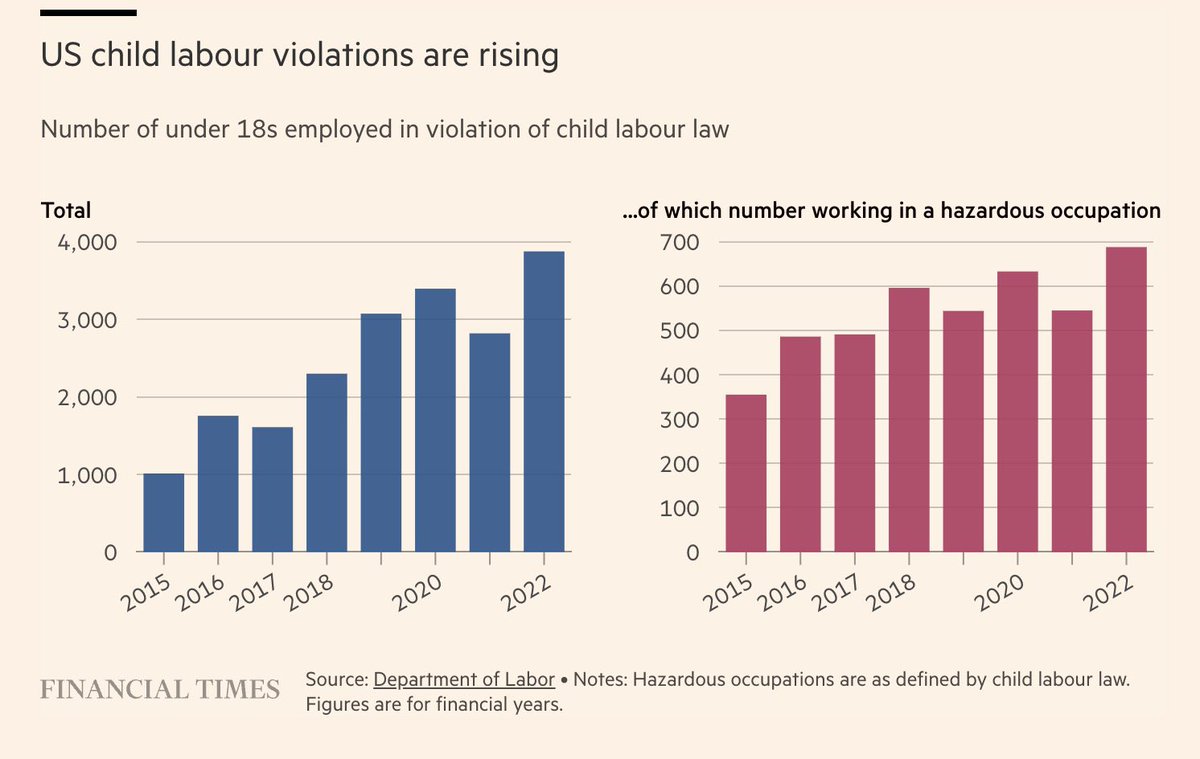
Some think I’m bananas, saying ‘the economy’ is a fiction. Pointing out that humans have traded for millennia. And there surely have been ‘economic’ transactions for as long as history. But that’s *not* ‘the economy’. It’s that ‘the’ that is crucial. And cunning wordplay. /1
The sleight of hand here is to take those trading transactions which humans have always done, and to postulate a new domain of reality that the trading happens inside, called ‘the economy’. Actually that domain is and always has been just society. Economic transactions…/2
…are just a type of social transaction, of which we have a huge variety. The ‘the’ gives it away, as if we live in a society, but sitting alongside or inside it somewhere is this thing called ‘the economy’. Neatly separated out from our other social transactions. /3
It’s a lie, and a deliberate lie. A political ruse. As I’ve Tweeted many times, it was designed as a *substitute for* society. How many politicians or journalists talk about ‘society’ any more? Hardly any. But they all, of all persuasions, talk about the economy. /4 https://t.co/7jkNqH15Uq
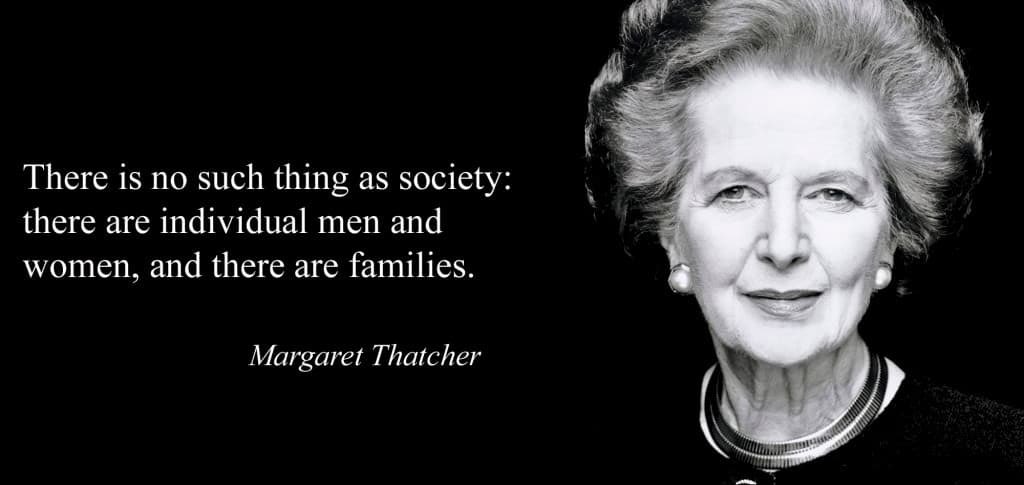
Nothing is allowed to happen now if ‘the economy’ disallows it. And the economy disallows pretty much everything, except (miracle of miracles) the continued enrichment of the people who invented the idea. What a coincidence. Barack Obama tried to counter this monster of spin,…/5
…when he started talking about how the economy was totally reliant upon a whole range of social processes, to function, like roads and other infrastructure. He didn’t get far, because the habituation after more than 5 decades of propaganda is almost complete. /6
Why I also say elections change nothing, because framing society as an economy ties the hands of anybody who is elected. That was the plan. It does all of the politics 24/7, 365 days of the year, without a politician even needing to be there. You can even show people that…/7
…this isn’t even a conceptual argument, that you can historically show, in entirely empirical ways, where ‘the economy’ first emerged as an idea, in the later middle 20th century. Just at the exact moment the neoliberals, libertarians (whatever…/8 https://t.co/TPpgjokolk
…you want to call them, really just representatives of the feudal society massive government intervention interrupted in the late 19th and early 20th centuries, following a plague and two great wars) decided to take back control from that hated new invention - the public. /9
Again, what are the odds? The coincidence! 🙄 Just at the moment they were wrestling control back from the plebs, suddenly an alternative to society appears, called ‘the economy’. A thing that replaces all historical fighting for power and position in society with a set of…/10
…magical supply and demand equilibrium equations, which (again, a miracle!) always defined the current status quo as the optimum or natural equilibrium state. Unless government intervention (that thing which invented ‘the public’) interferes, and pollutes the market. /11
I mean, how dumb are we? That we fell for this? At the same time, the old discipline of political economy magically transformed into ‘economics’, because while economics pre this miraculous turn always saw its work as political, that wouldn’t do when the intent was to hijack…/12
…society completely, and replace it with a biddable fantasy construct. Economics had to be made totally ‘objective’, those equilibrium equations are now how reality is, the ironclad law beyond any politics. It’s a total balls-out con, staggering in its gall and ambition. /13
Until we see this con for what it is, a Trojan Horse constructed by people whose view of the world hasn’t shifted in centuries, the feudal view, to hijack our democracies, we’ll make no progress on anything. Look at how Australia for example killed more than 20,000 people in…/14
…2022, with a pandemic virus, and did nothing. But inflation rising into the high single-digits, an economy thing, is the most solemn emergency. And how politicians talk about ‘balancing’ the economy against public health, I’m not making up this made-up separation. /15
They tell us every day this is what they’re doing. It’s not hidden. The economy is not part of society, society is what the economy can ‘afford’, when it’s done looking after the vested interests who set it up and run it. I’m not confident I’ll shift how people see this con,…/16
…but chipping away at it may make at least a handful of people raise an eyebrow every time this ridiculous trick is used to bypass basic democracy. The ongoing assault on ‘the public’, the 20th century’s greatest invention. /end
Who remembers this happening after our Banking Royal Commission? Me either. As Nick Hanauer says, we can do basic public administration, or we can just leave it and wait for the pitchforks. https://t.co/bZCl5KiHsu
Brought to you by elections. Where the only test of competence or morality is popularity. https://t.co/UXta8OURtP