The ‘wall of immunity’ seems to divide even sane expert communities. Some say it’s a fantasy, others…
The ‘wall of immunity’ seems to divide even sane expert communities. Some say it’s a fantasy, others (including our most senior health advisers) say they’re confident it’s happening and is our way out of the pandemic. Two things about this. /1 https://t.co/oACxojGGGT
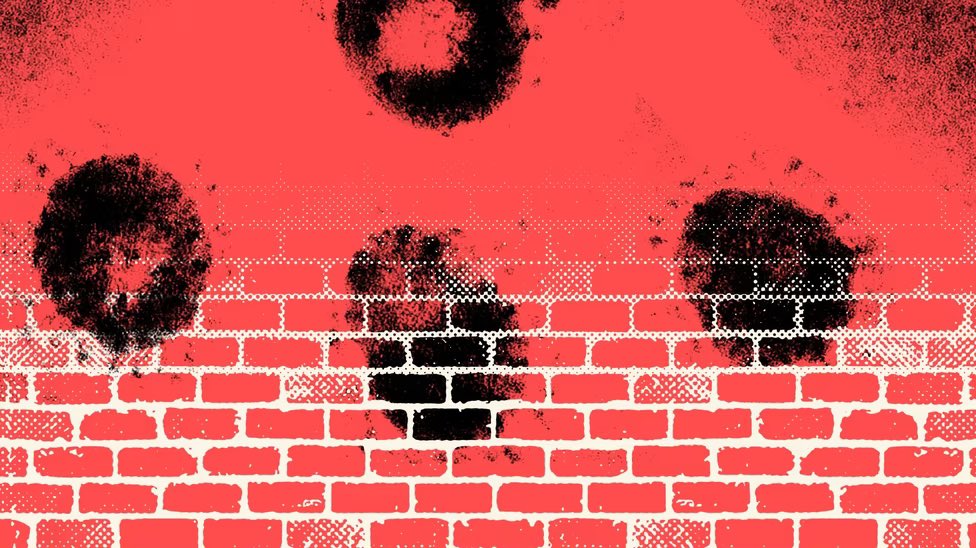
The agency given to microbes/pathogens in most immunity discussion I’ve seen is almost entirely passive. It’s thought a pathogen will just keep acting a certain way, infecting and killing us, unless we build up immunity to it. /2 https://t.co/zYivQTh8Kq
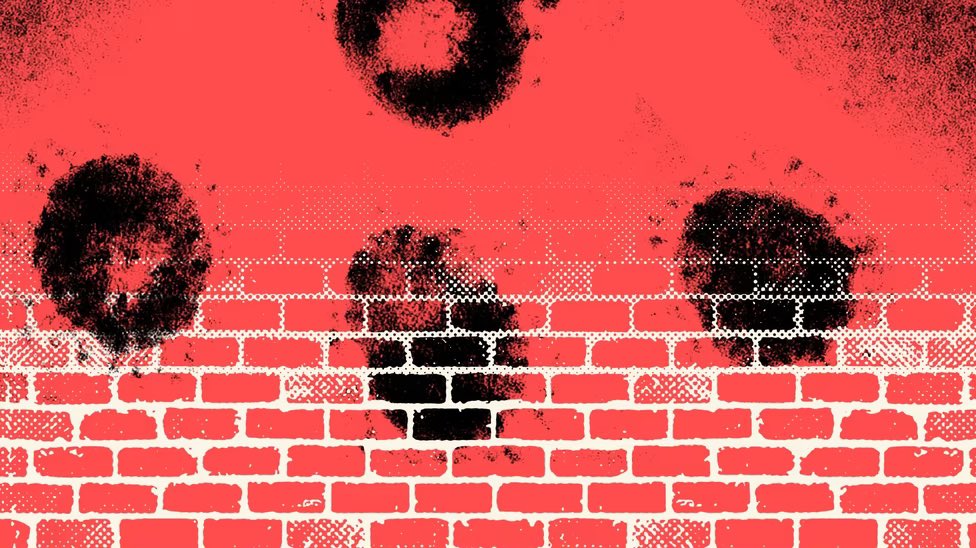
One of the things that appeals to me about Paul Ewald’s work is that he grants pathogens much greater agency. They can behave in a whole range of ways, dependent upon the contextual situation presented to them. /3
https://t.co/30brCwUXaf
This is a much more important reason to look at physical public health measures than just the elimination of pathogens. As Ewald says, we can coexist with pathogens, if we engineer our environments in a way that defuses their evolution towards damaging virulence. /4
He has some interesting examples in his TED talk, and his papers and books are fascinating reading. There will be those in evolutionary biology who question some of the assumptions (evolutionary theory is a hotly contested field), but the basic argument that microbes are…/5
…living things that act in ways that can be shaped by their environments seems pretty sound. So from the point of view of Covid, the sterile propaganda about ‘Zero Covidistas’ misses the point that controlling transmission and our lived environments can shape the virulence…/6
…of this pathogen (potentially). You can believe that we can never escape ‘living with pathogens’, but there a whole range of *ways* of living with them, some much worse than others. Just letting them infect at will while changing nothing in our lived…/7
…environments is spectacularly dumb.
The second thing about the wall. To me it shows again how many of the critical problems we face in societies revolve around the same question. The relationship between the individual and the group. Obviously in politics, where modern…/8
…economic/neoliberal/libertarian politics denies even the existence of a collective society. It’s all individuals. And those who oppose this politics often use a ‘yes but’ argument, of needing to balance the needs of both. And in health, there have been tensions between…/9
…medicine (high focus on individuals) and public health (high focus on populations) from the day public health was invented. Some of the most aggressive critics of public health action in this pandemic have been medical doctors. It’s hard not to see that as a territorial…/10
…pissing contest. So unless we come to terms with what the actual relationship between individuals and groups is, all of these problems will remain unsolved. The wall of immunity is a population phenomenon. Immunity itself a more individual one, each person’s individual…/11
…immune system. Ironically the greatest pushers of the wall of immunity model are those with the strongest loyalty to individualised medicine and politics. In another thread at some other time, there’s (I think) a magic key that unlocks all of these debates, across all…/12
…all fields and areas of life, about individuals and groups, that I’d like to Tweet about. In a nutshell, the distinction isn’t even real. The consequences of that are quite amazing, once you pursue it. /end
(Picture credit: The Atlantic)