Tim Brooke-Taylor died right at the start of the pandemic. While quite old he was also in a tier of society…
Tim Brooke-Taylor died right at the start of the pandemic. While quite old he was also in a tier of society that usually manages to avoid public health problems. He may be a good entry point to discussing the politics of individuals and groups. /1
https://t.co/RwnlPmgkYG
From those earliest days of the pandemic, specifics of people who have died have been actively suppressed. Journalists have often been denied access to hospitals. In relative terms we’ve heard very, very few stories of individual tragedy, despite there being millions of them. /2
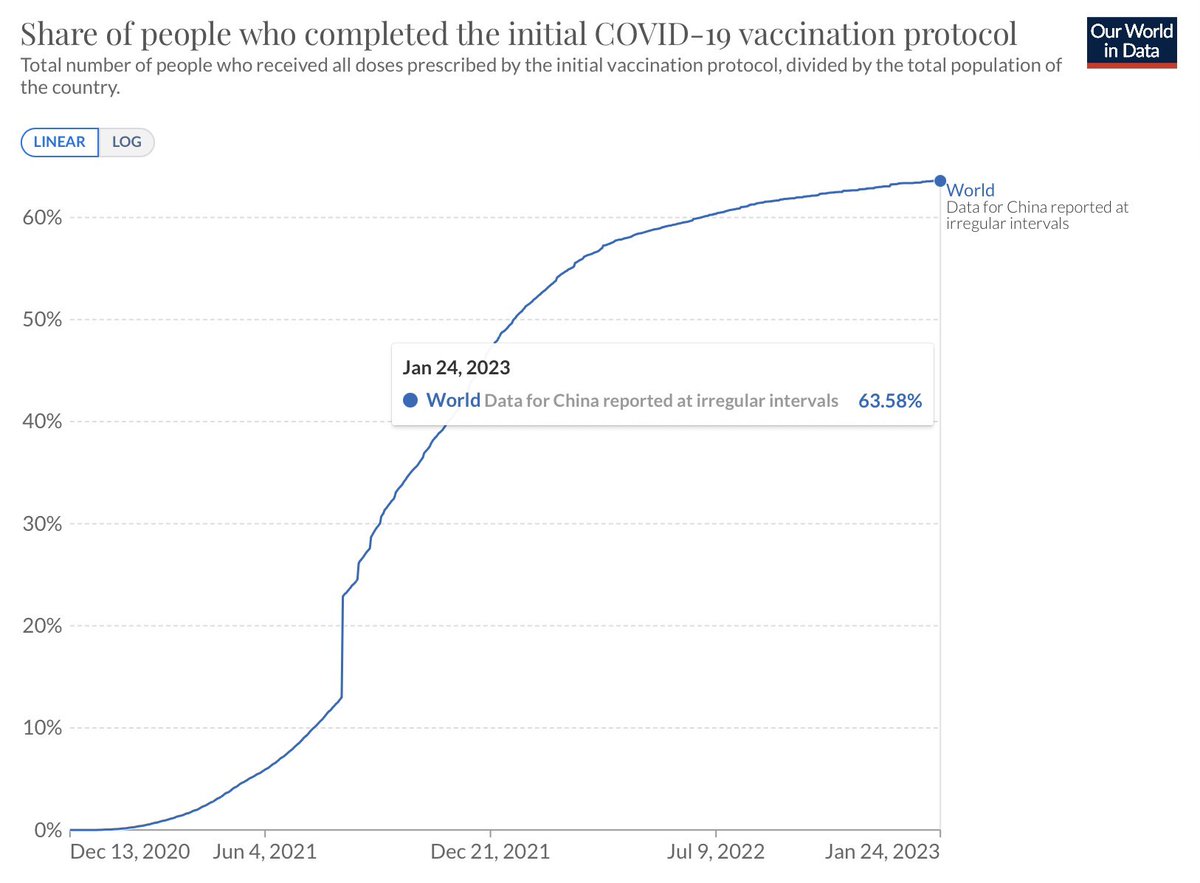
This is the sort of thing we see, although increasingly now not even that, with data suppression too. Data, graphs. It’s easy to say that’s the deliberate suppression of individual details, which might outrage the public. That’s partly true, but I think it’s more complicated. /3 https://t.co/cLB6vpvzuY
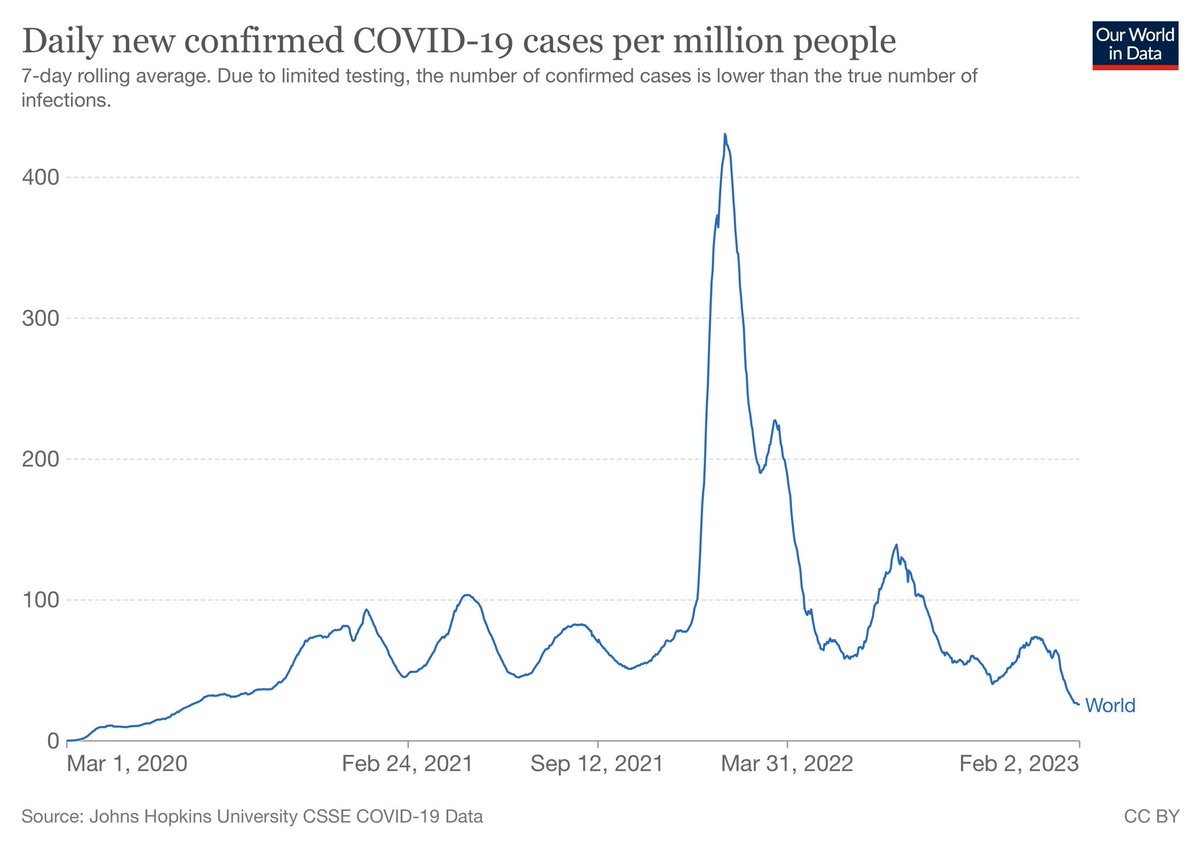
If we put them side-by-side, the individual and the group, there’s no doubt the individual story will tend to be far more powerful in public conversation. Tabloid media know this, only very rarely will they generalise, they’re nearly always highly specific. /4 https://t.co/SlAZay0HqT
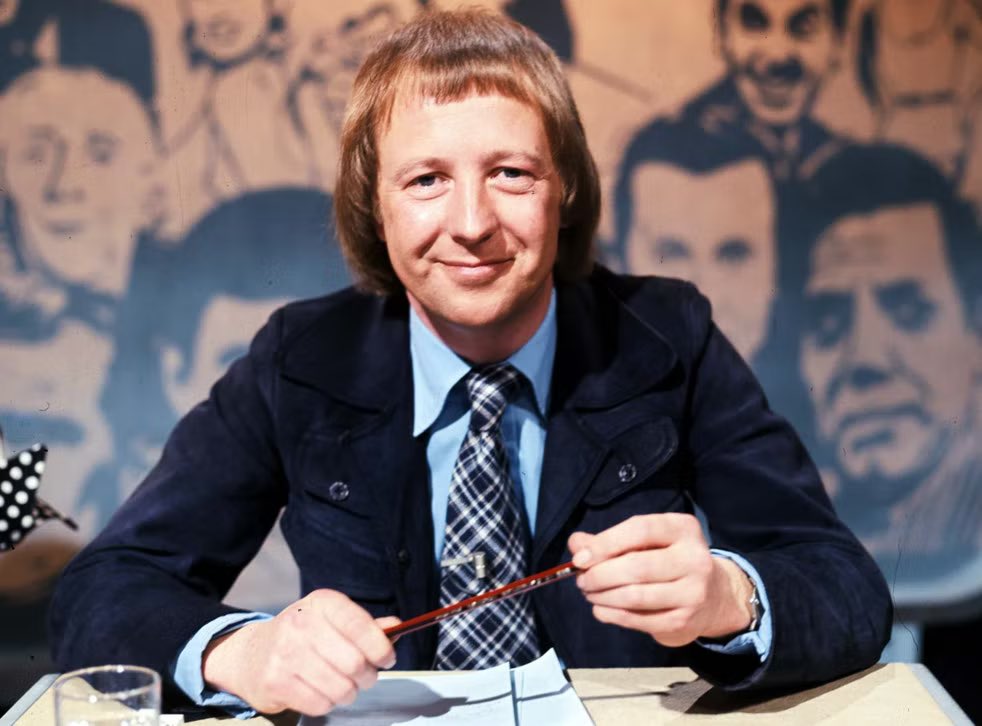
Like this. Not because they (or their readers) are actually interested in the individuals concerned. What tabloids understand is that the distinction between individual and group isn’t real. Their stories resonate because they make millions of individuals think about…/5 https://t.co/XJYqcpuiM3

…their own lives in multiple ways. Like ‘that could be me’, for starters. Despite what pretty much all education will teach you, there’s nothing more universal than the individual. The bad guys know this. It’s why they suppress individual Covid death stories. /6
It’s also why the law focuses on cases. Each case is both intensely personal and individual, and completely universal. Any case decision can change precedent, can drive new universally-applied law. But what about the data? /7
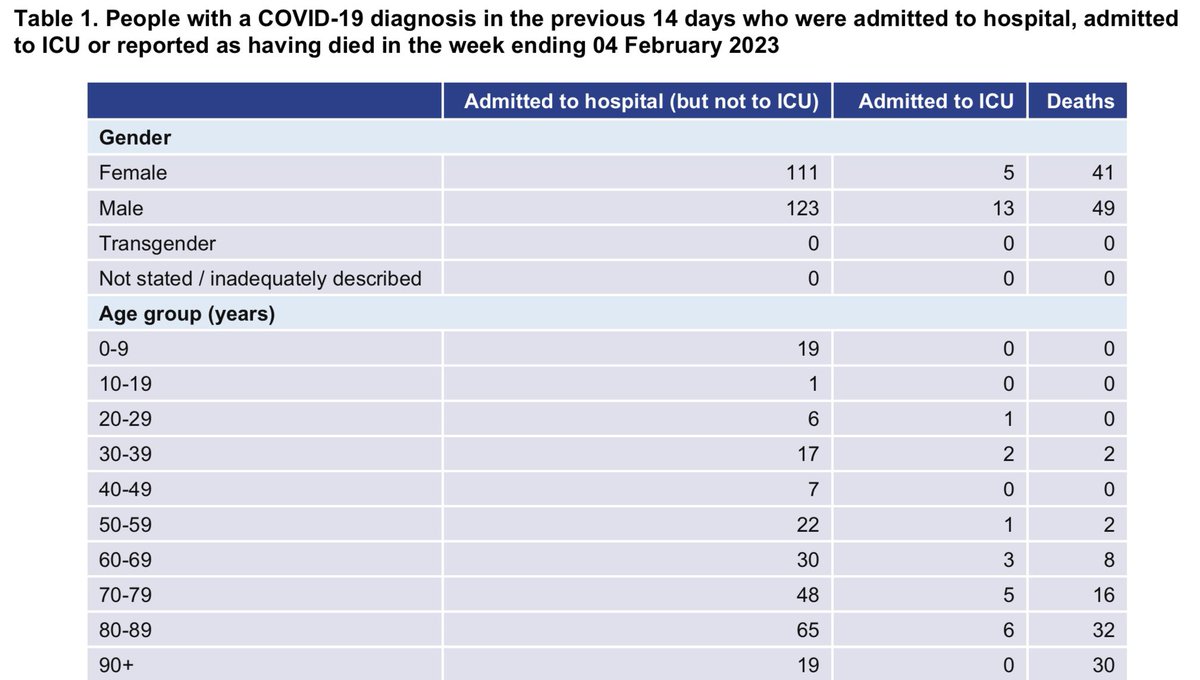
Is this a snapshot of the group instead of the individuals? I reckon most people would say yes there. And that’s how the bad people win. Data is as individual as a tabloid story is universal. When this data is collected, it’s not to try to see what ‘the group’ is doing. /8 https://t.co/VatQh05qL5
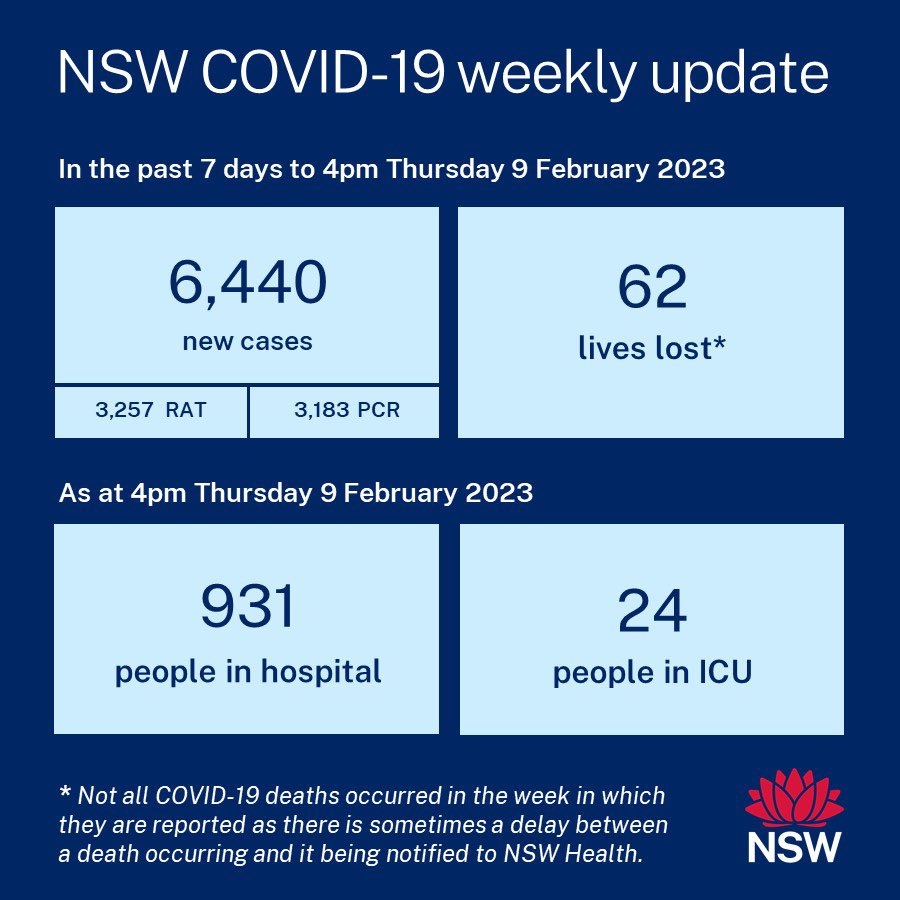
The group isn’t doing anything, there isn’t one. The 62 people who died probably never knew each other, their lives may never have crossed. And I’m not suddenly agreeing with Maggie T that ‘there’s no such thing as society’. /9
We absolutely do live lives mostly structured by collective things. You can’t speak a single word without using a language shaped by millions over centuries. No matter how individual what you say is, it needs to use that collective language. But no group exists. /10
What we think is a group acting, is lots of individuals acting, in distinct ways. We all follow any groups we’re part of, from the smallest to an entire nation, for our own reasons, in our own ways. That produces the collective effects we see in the data. /11
But we never, ever, act as a group, as some miraculously coordinated multi-person agency. And we know it, sit on a committee and tell me when the moment comes when suddenly everybody acts as ‘one mind’. Each member acts for their own ways, for their own reasons. /12
Their actions and decisions may align, for entirely different individual reasons. Why politicians spend most of their time paranoid about losing support from voters and others in their own parties. They know ‘the group’ can splinter any time in myriad individual directions. /13
When we look at data like this, we’re not seeing the actions of some collective entity. We’re seeing what one individual view of the world produces, repeated across millions of individual people. The bad people win because they tell the stories that resonate, individually. /14 https://t.co/utIaiS1G4g
The good people tell ineffectual bland stories about averaged group personalities that aren’t real. ‘Selfish and dumb Australians’. While the bad people tell the individual stories of peoples’ lives impacted by a pandemic, usually in trivial ways like being denied travel…/15
…and dining out. The good people need to go tabloid. Not to get in the ‘gutter’, but to tell stories that create that dynamite resonance of individual and universal. There are millions of them. /end