The one hope I see for turning around the deliberate destruction of the public as an idea and practice since…
The one hope I see for turning around the deliberate destruction of the public as an idea and practice since the 1970s, is engineering. The socio-technical complexity of the modern world. The Romans hold the key. The longest and greatest of all empires. The most misunderstood. /1 https://t.co/TbsdjkVw9T
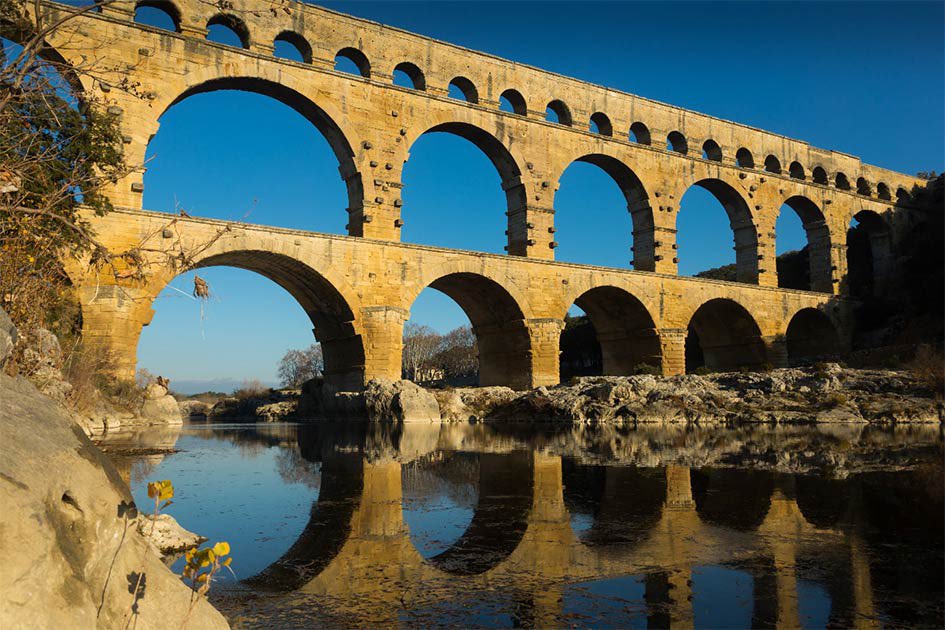
It’s easy to mock the Romans for lacking the sophistication of the ancient Greeks for example, the poetry and literature and music and mathematics etc. It’s there, but not as rich or dominant in the culture. But Rome’s genius was something else. Building things. /2 https://t.co/HRiTivEwms
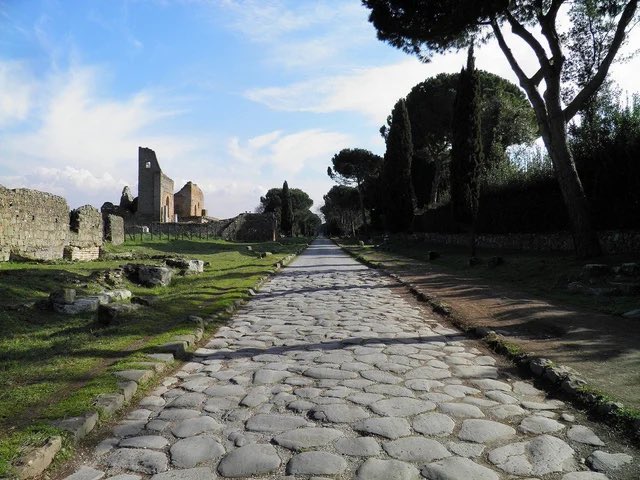
Our modern ideas about technology are the ideas of privileged people. We love gadgets and conveniences, but know almost nothing about the work and expertise that goes into creating and maintaining them. The Romans didn’t just build for functional reasons, to have running…/3
…water and passable roads and heated homes. By making building things the centre of their culture, they discovered the secret to long-term social success. Weaving objects into your social bonds. Roman technologies were the warp and weft of Roman society. /4 https://t.co/k6LCXVsJQz
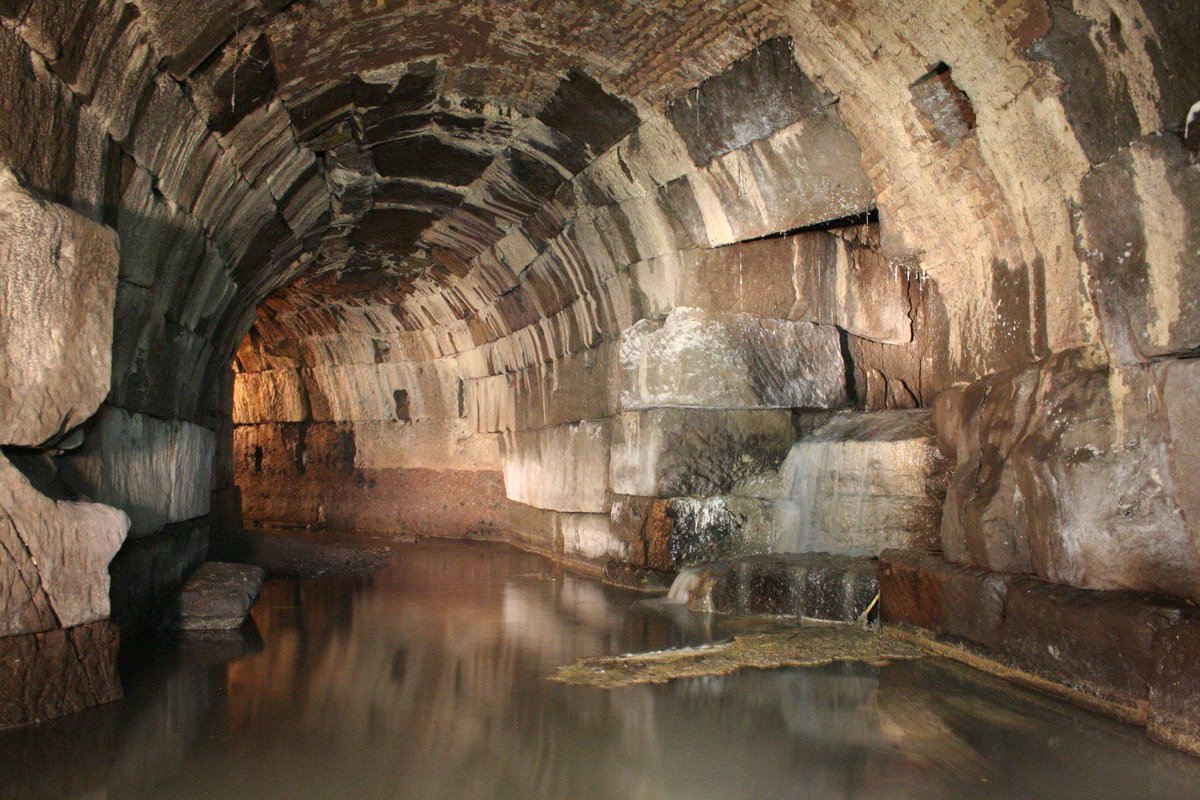
Specifically, when you build something, you build as many if not more social things than technical things. To train and maintain the expertise required is a social act. To maintain the technology itself over time is social, and binds a society to that work. Suddenly life is…/5
…structured, formalised. Not through the decision of any rule or law or power structure, but out of the sheer necessity of building and maintaining the collective objects we all use. Fast forward to today and the ‘technical’ aspects of our society are orders of magnitude…/6
…greater than the Romans. We’re self-obsessed and only look at human-human interactions as social, as political. But the dark matter of society isn’t human at all. It’s technological. Our masses of technologies formalise and structure the work of billions. /7
While we play team sports in our politics every day, the real work of building and maintaining society is nearly all ‘operational’. Building and maintaining sewers, water reticulation, power grids, transport networks, communications networks, etc. etc. etc. /8 https://t.co/C80RcYjEVp
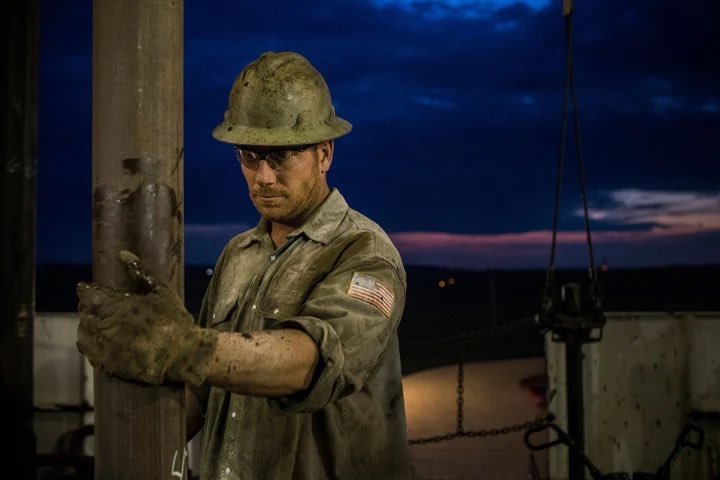
That’s not to downplay human-human activity, all of course vital too. But try to run even a local sporting club without conflict, and it’s so obvious human-human is not even close to being a sufficient foundation for any society. The customers and tradition that really bind…/9
…us together mostly revolve around the objects and technologies in our lives. When you buy a house or apartment, you discover it, how it binds you. With a mortgage, with the ongoing maintenance. The possibilities of life are channelled by the objects we’re engaged with. /10
So while the politics of the past 50 years has been stripping away the public sphere, what the political libertarians doing this haven’t realised is how society is now much more a great machine that needs constant adjustment and maintenance, than a group of people. /11
They can play their ideological fantasies of free individuals all they like, but if they want planes to fly in, and running water, and internet, and sophisticated medicines, they’ll come up against the brutal reality of all of that being intrinsically social and collective. /12
That great mega social machine will break, with their fantasies. That may be what will save us, what will force their retreat. ‘Keeping the lights on’. /ends