May 2025
Complete authored posts and demonstrable self-threads.
Fundamentally important work. An expert consensus to try to overcome our idiot global social media consensus, where infectious disease and health are treated and determined by what’s ‘trending’. https://t.co/q5184pWaKA
The idea we live in nation States is now quaint. Social media has rapidly assumed dominance as the place where we transact every aspect of human life, from the most personal, to the professional and political. Just think of the implications of that. 1/8
The medium is the message. The quality of information on social media isn’t the problem. Societies don’t run on information. Societies are cultures. Social mechanisms. We’ve substituted multi-dimensional cultural spaces developed over millennia, with these platforms. 2/8
And these platforms are owned by a handful of immature idiot billionaires. We’ve handed over our entire societies, to these gold-plated adolescents. You may think this overstates what’s going on. I encourage you to open your eyes. 3/8
Find any aspect of our lives now that isn’t being shifted onto social media as the dominant venue for their operation. The President of the US is the Twitter/Truth Social President. 4/8
The medium is the message. What gets said here is almost unimportant, it’s the substitution of those vastly complex, multi-dimensional cultural and social mechanisms with these mono-dimensional rage-revenue machines that is the story. McLuhan felt the same frustration. 5/8
People blinded by ‘content’. Ignorant of the way that the medium of social exchange itself is what creates societies and the personalities that live in them. We are zombies to these platforms. Reality and expertise now replaced by what’s ‘trending’. Reality as fashion. 6/8
If it trends, it’s real. If it doesn’t, it literally ceases to exist. Covid trended for a while, now it doesn’t so nothing - NOTHING - is being done. The trend is to exterminate it from collective memory entirely. Same as climate change. 7/8
Only institutions staffed by genuine expertise, focused on intergenerational timelines, can resist a society of trends. The very things our social media ‘leaders’ attack with their greatest venom. They know their true enemy. /end
‘The people’ is not a thing. The Republicans also talk of the people, but they act completely differently, using it as a rallying cry to mobilise networks of influence. Progressives just impotently evoke this fictitious ‘people’, waiting for it to rise up. It never does. https://t.co/Zx0G2MmUdf
Think about how perverse elections are. Today Australia waits to hear who ‘wins’ the right to try to deal with its problems. Like a football game. We don’t need the football game. It’s only interested in football, not the problems.
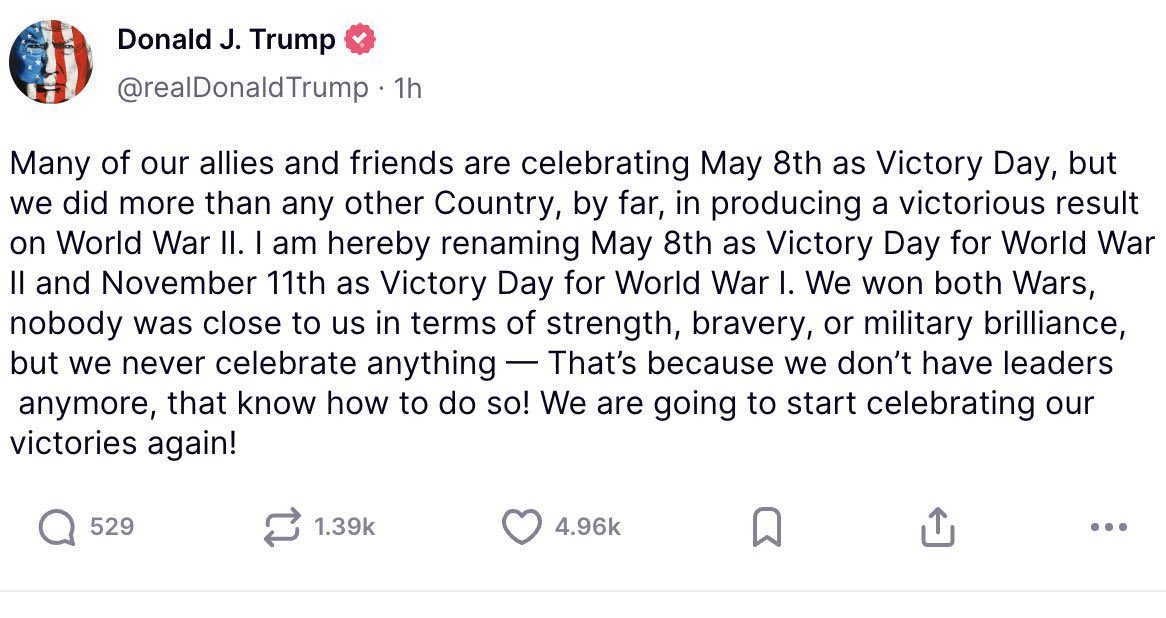
I think 27 million dead Russians probably did the most to stop Hitler. Just as they stopped Napoleon. https://t.co/MSCQIbRjTk
It’s more accurate to say SKY Australia were walloped in the election, the Howard-Abbott-Morrison-Dutton-Joyce LNP is really just a franchise of SKY Australia, one of Murdoch’s sewers. Not an analogy. They say the answer is even more of the same. https://t.co/SFS1vOGDsz
As Paul Ewald said years ago, we need a new germ theory. Infection is the Copernican revolution needed for understanding chronic disease. Not physics, chemistry or even genetics. Biology. It’s the infections, stupid. https://t.co/gnsNMBWDfx
To rebuild the LNP, start by cutting the SKY News Australia feed to every LNP member’s office.
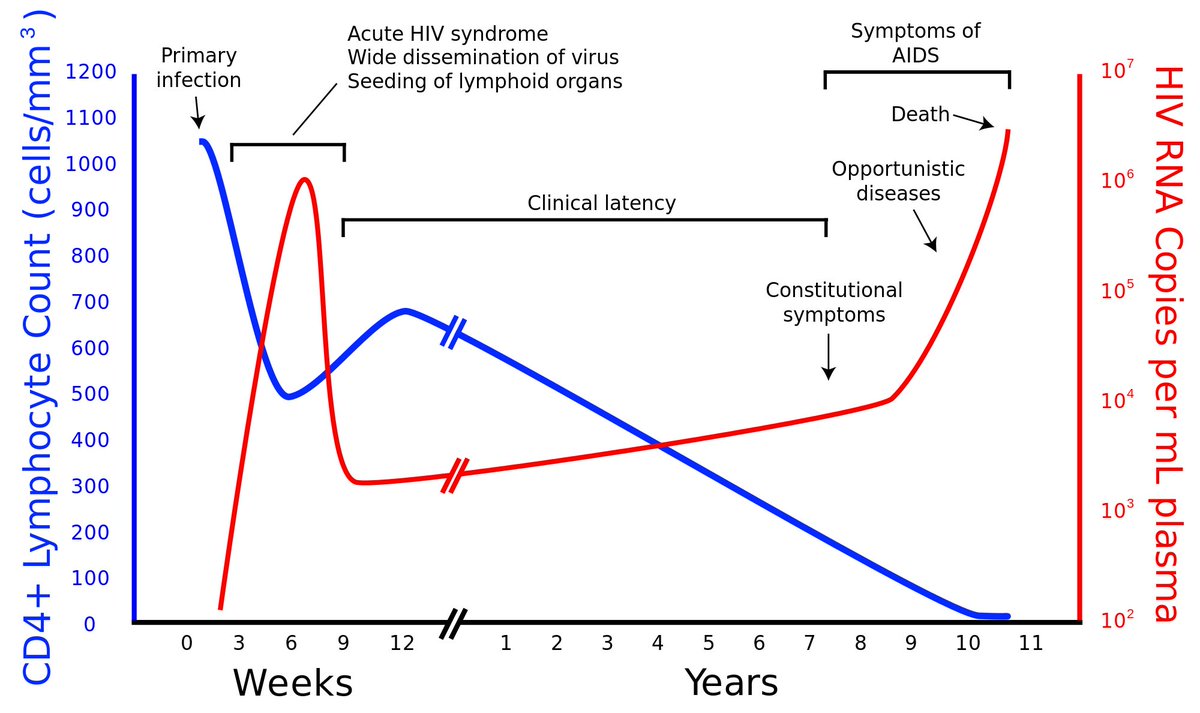
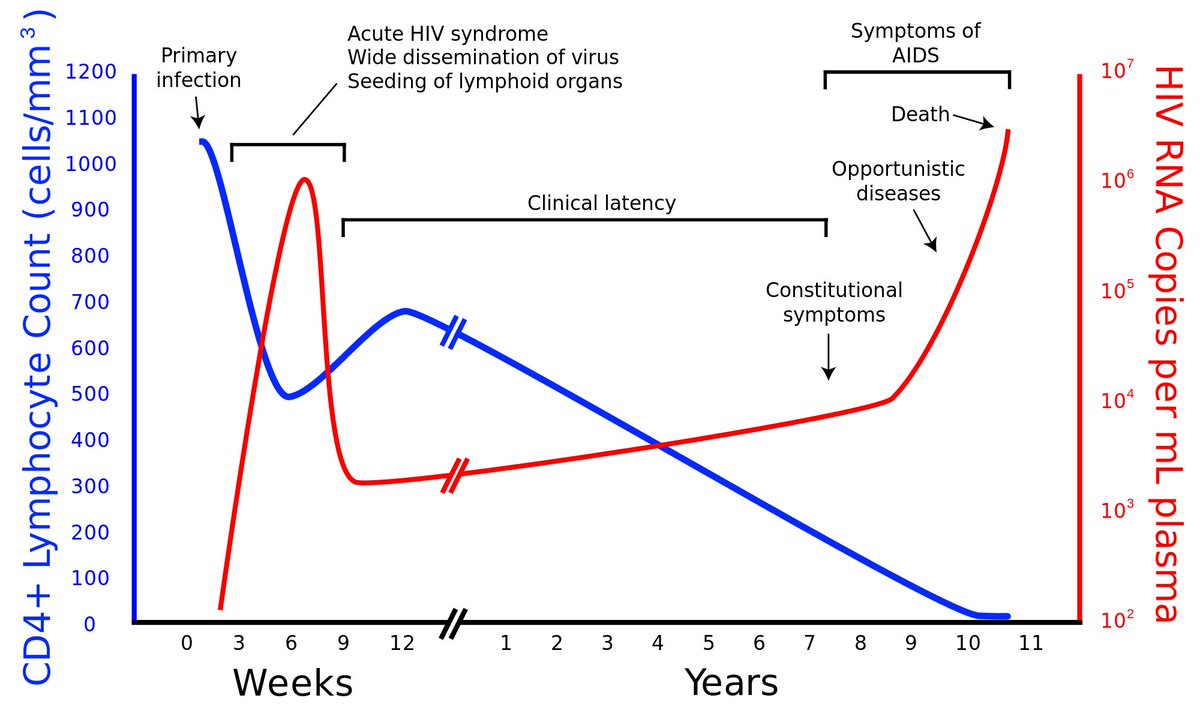
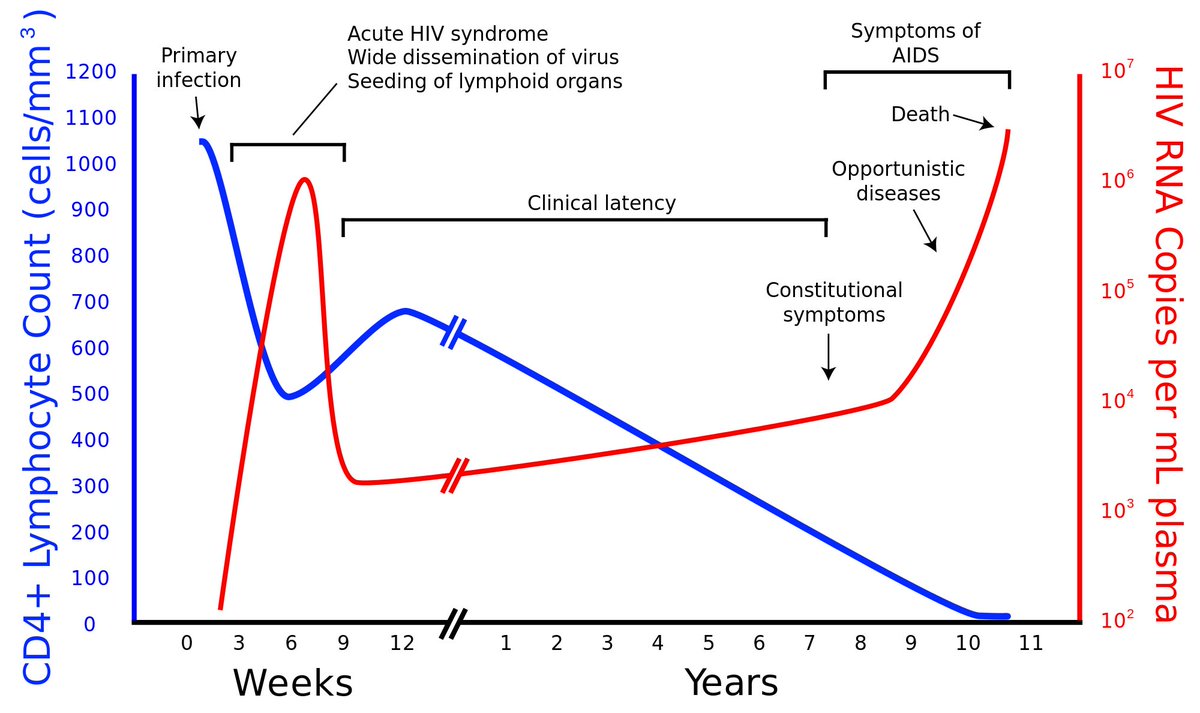
Because everything is a crusade today, trying to assess the chronic long-term impacts of SC2 by looking at the progression of HIV was heavily frowned upon, because diseases are now social movements. But the question remains. Chronic infection follows patterns. /1 https://t.co/I33lVRFv6Q
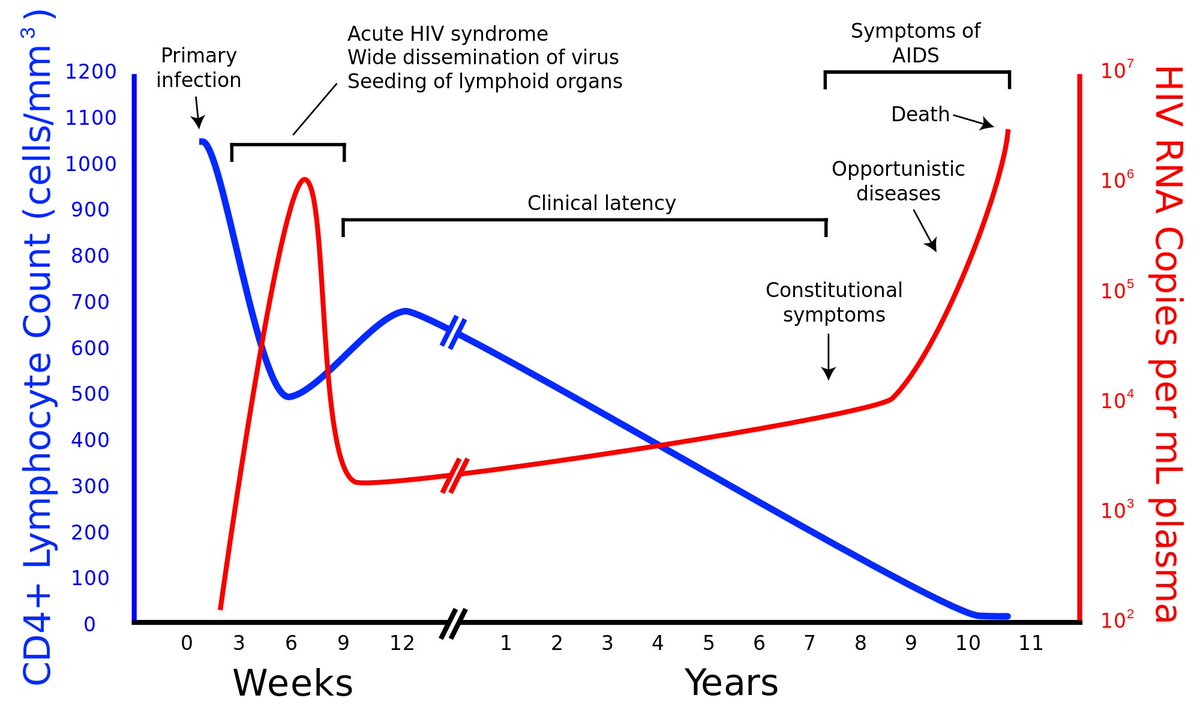
Of course what SC2 does to the immune system may be entirely different to what HIV does to it. That’s NOT the question. The question is - what is SC2 doing in *its* ‘clinical latency’ period, right now? Do we know? Some are trying to figure it out. /2 https://t.co/khgmZvxDpy
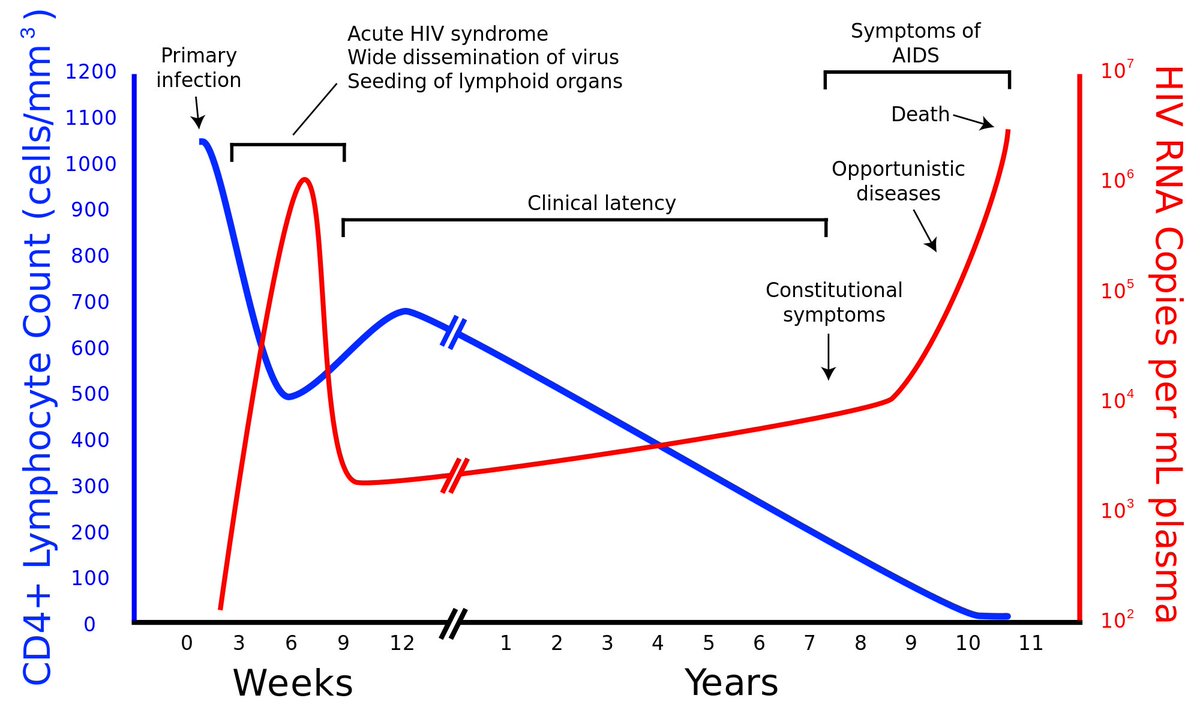
The comparison is about the clinical latency period. And SC2 is already not very latent. ‘Long Covid’ tells us that. It’s not waiting years to fuck with us. If we’d used the same acute impact filters for HIV that we use for SC2? /3 https://t.co/Pu4zM70B4i
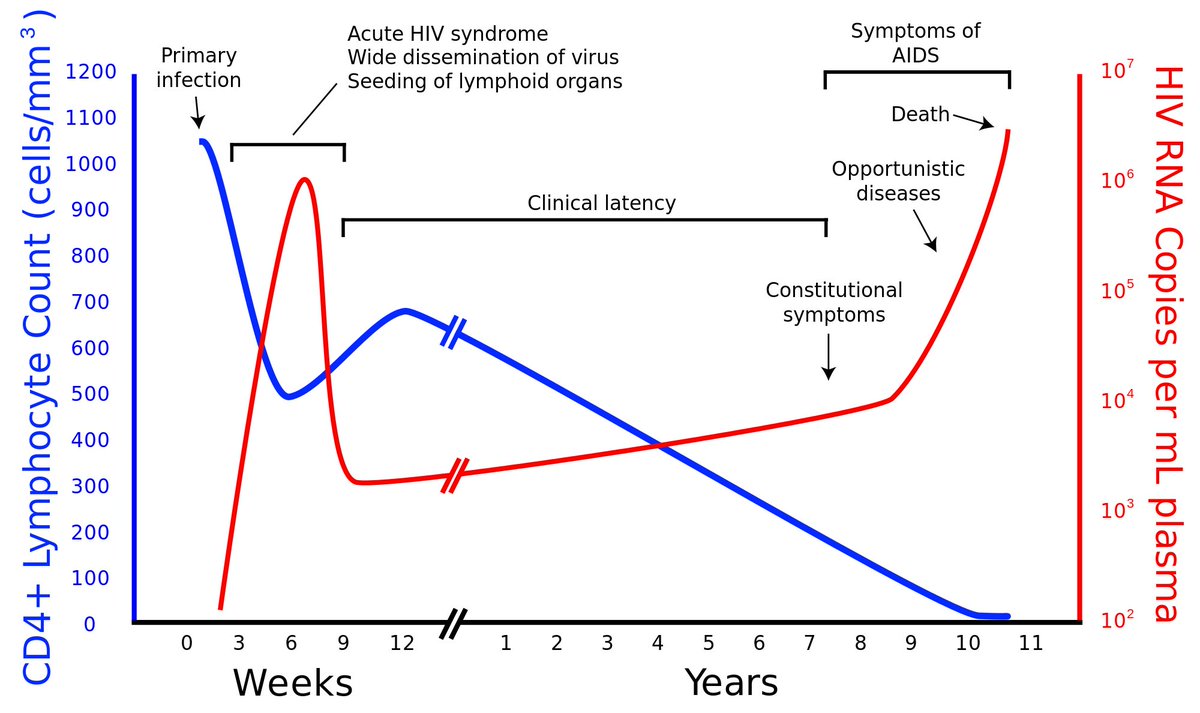
Look at that x-axis. We’d have had 8-10 years of delusional comfort that everything is fine. Then people start dying. That clinical latency period can last decades, for some infections. It’s still a ticking bomb. /4 https://t.co/BCwBYoeJbo
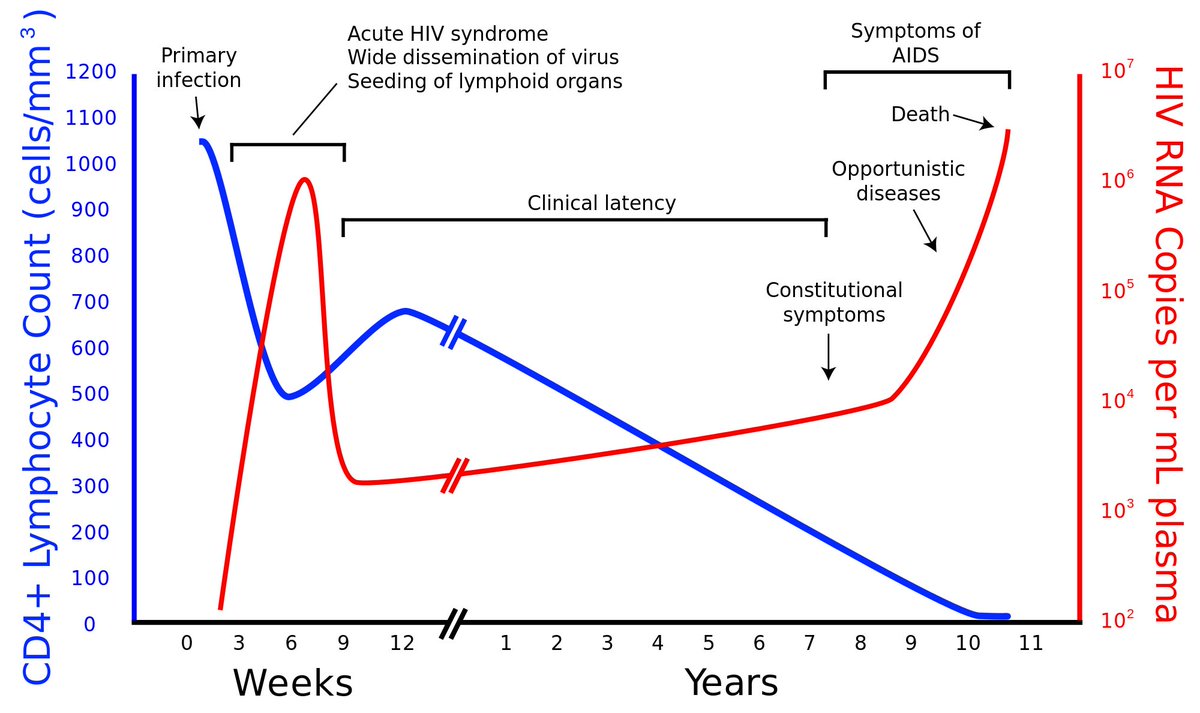
Maybe it’s like chickenpox and shingles, some horrendous longer-term impacts years into the future, but not necessarily life-threatening. The point is, we don’t fucking know. Everything is looked at through the acute impact lens. /5 https://t.co/FX4FCx8ZER
The bare minimum precautionary principle in public policy is not being applied. We’re infecting EVERYBODY, over and over. Including the entire next generation, them worse than anybody else. /6 https://t.co/FmIAlY2vAH
Populist societies run only on what is trending from day to day, social media societies are simply incapable of addressing public issues like this. Everything becomes about acute impact. Not just disease, we all just live ‘our best lives’, for present fun. /7 https://t.co/N8GCVcznl4
Only institutions have a longer-term, intergenerational focus. The things our modern populist politics attacks with greatest venom, as red tape. Activism won’t fix this. Only institutions can. And they only emerge in response to catastrophe. /end
Remembering my life before a wide-acting public health system was replaced by my individual immune system under continuous assault… Health care is now survivalism.
Americans are often very resistant to critiques of ‘populism’. It reveals deep assumptions about how democracy works, and also why American democracy is failing. Popularity does not measure collective good. The most lethally stupid things can be the most popular things.
Saul Griffiths told Labor to go household electrification at the start of their first term. It would have transformed both the energy and political landscape, driving costs down for consumers while the wider grid was upgraded. Energy is power, in both meanings of that word.
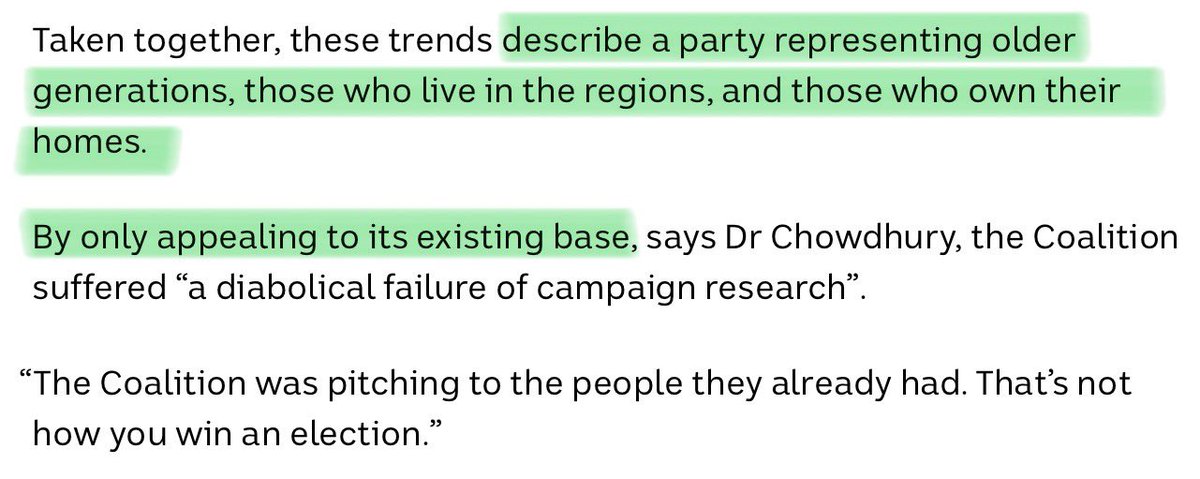
If you try to understand politics politically, everything is a surprise. If you try to understand it socially, as just one more way humans battle for status, it’s an open book. Labor won a landslide because the boomers no longer dominate voting. The old status quo collapsing. https://t.co/gay4zdLbYk
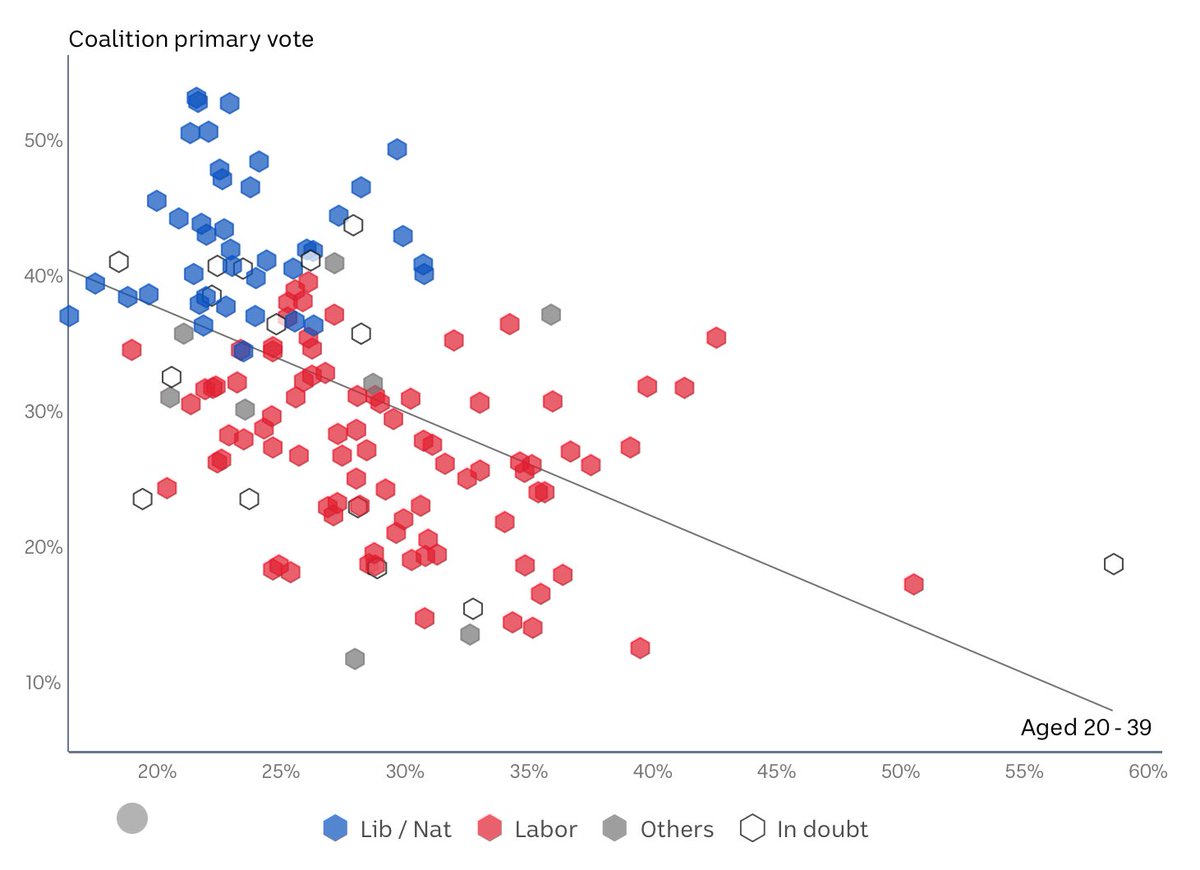
What is often called ‘culture war’ politics, as the LNP plays, is really the transformation of politics into pure social status games. Team sports. Social media at work. Parties become teams, and ditch any attempt to be broad or even have policies. https://t.co/KNjcICzT58 https://t.co/jPSqt6i0pK
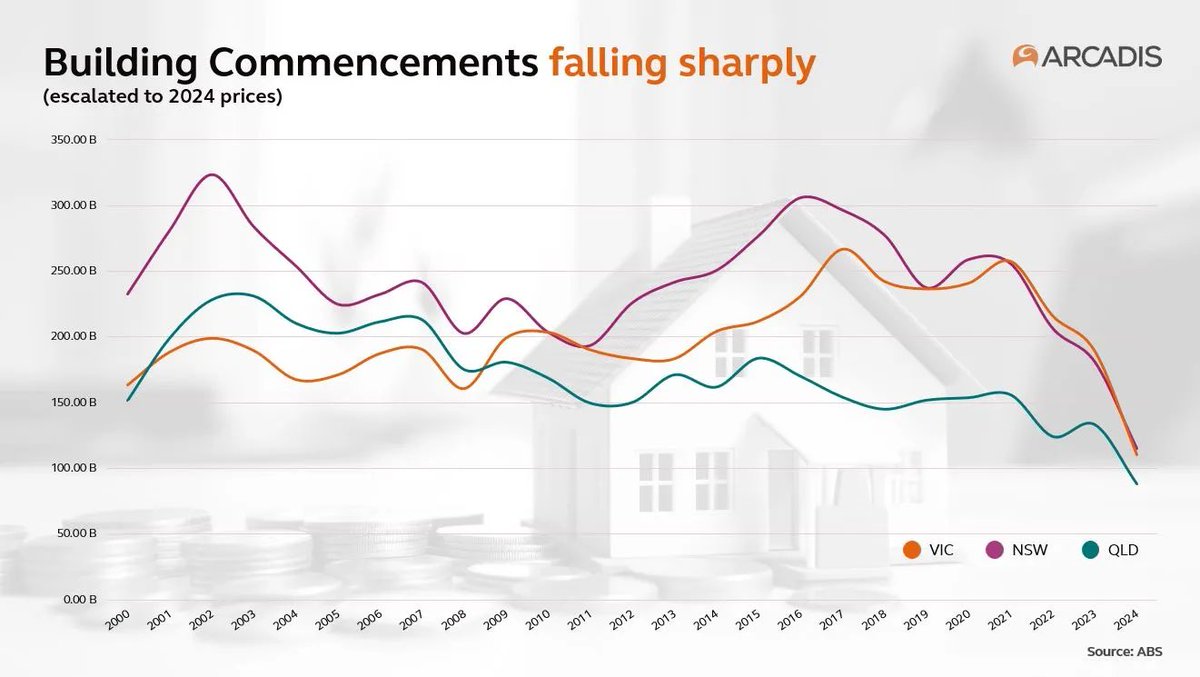
The building industry is falling off a cliff. All that will save it is building public housing, for government, to create affordable homes for ordinary people. Marketisation destroyed housing, energy, health and education. The market is a fiction. https://t.co/wdr1vVZ0op
Actual research on how people behave as groups shows the fallacy of the suicidal idea that ‘the people’ run anything. Hierarchies are unavoidable. “In the teams she studied, there was almost always a team lead…People had roles.” https://t.co/4qNps6w0H6
The idea that democracy is ‘the people’ running nations is like self-organisation theory. That we’ll together spontaneously decide upon the optimum thing to do. It’s also the basis of market-based econo-politics. Democracy and markets, bedfellows! It’s bollocks. 1/8 https://t.co/X6zwDODRRI
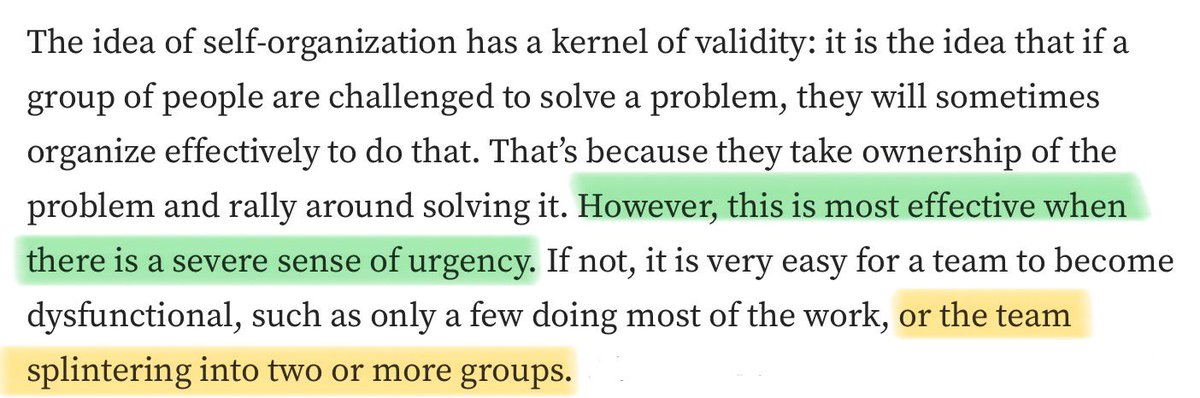
As I often Tweet about, all that drives human groups to work together at all is a threat, a catastrophe. The bit in green. Without the catastrophe, they just play team sports, status games. The bit in yellow. 2/8 https://t.co/4qNps6w0H6 https://t.co/mU0nuZPEkt
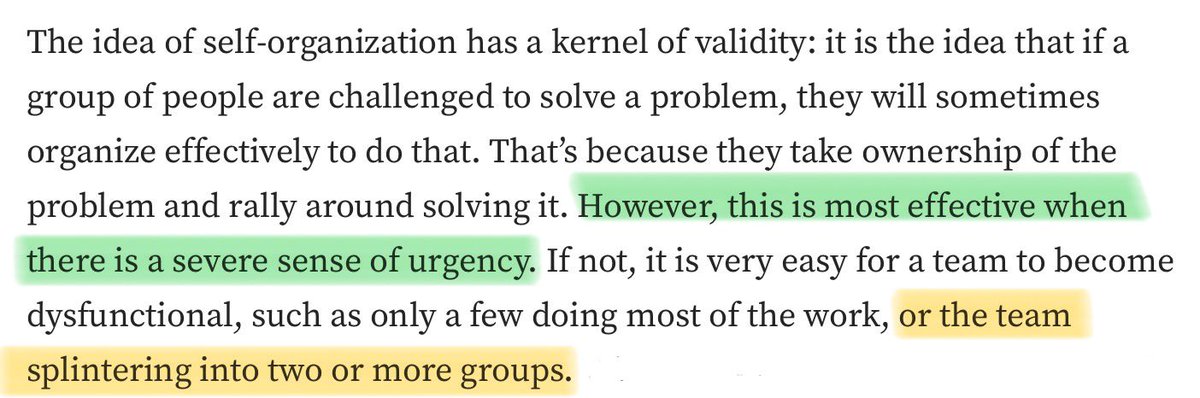
Both those for democracy, and those who oppose it with market-based solutions, share the same idiot fantasy idea of self-organisation. Revealing that State vs markets is just another team sports status battle, with no connection with actual reality. 3/8
Humans will *always* form hierarchies, using status as the glue. They will always strive to attain and maintain a status in relation to other people, because that also gives them an identity. They are then somebody, rather than nobody. It’s staggering this isn’t obvious. 4/8
And this isn’t bad, or even good. It just is. For something to even exist, there must be a scale of value saying X is better or great then Y, all the way down the hierarchy. Without hierarchy, there is no distinction between things, of any kind. There is no-thing. 5/8
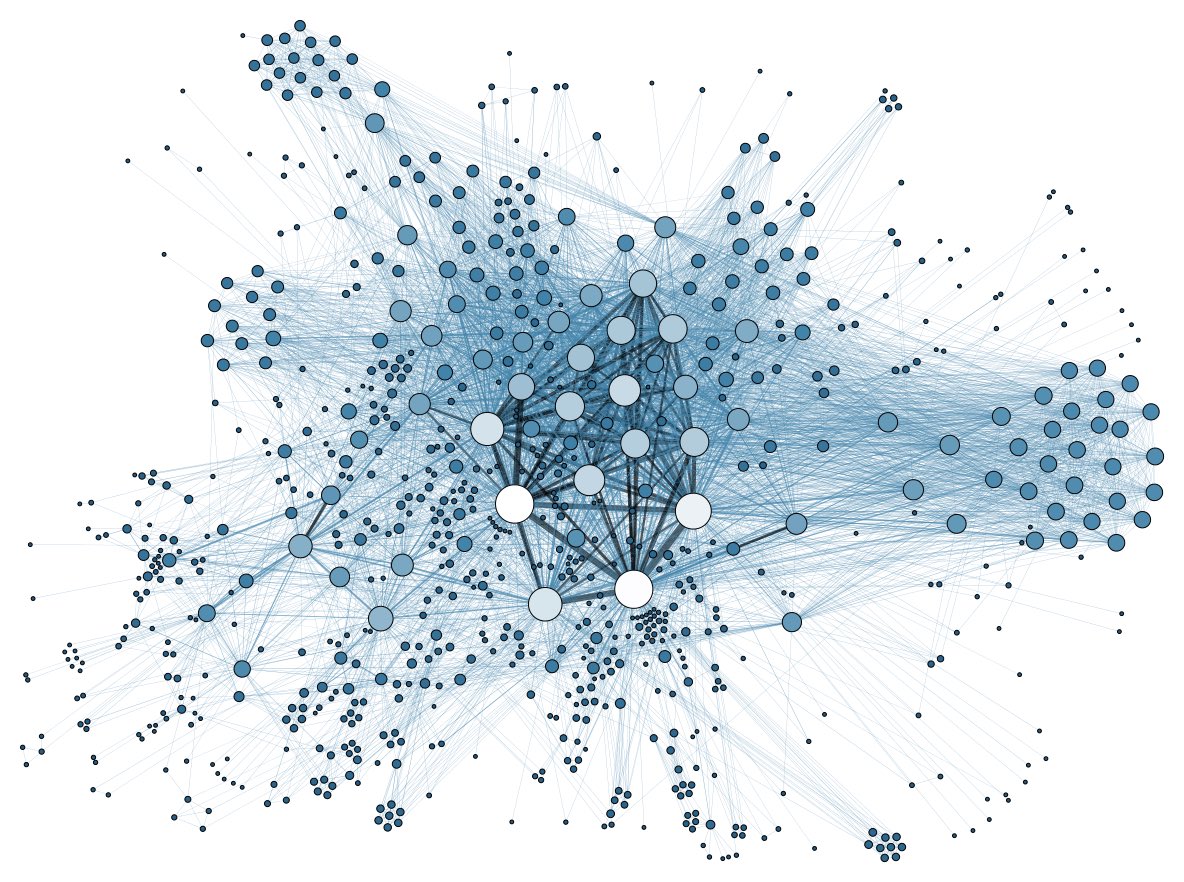
All ideas of ‘the people’ and self-organisation do is allow some social status groups, who pump these ideas, to gain status over others. We never, as individuals, spontaneously act as one group mind and will. Everything is led, in all spheres of life. By about 5% of us. 6/8
5% of plumbers determine best practice for plumbing. The same for teachers, accountants, politicians, hairdressers - everything. It can be a different 5% in each group, it’s not elitism or authoritarianism or fascism. 7/8
The best plumbers are rarely the best hairdressers or politicians, etc. We each have roles in different hierarchies, higher in some than others. Societies are networks, of many hubs (5%) and ‘followers’. Hubs come from threats or catastrophes, which they lead us from. /end https://t.co/kdEOQUwY2I
Meanwhile on the bridge of the SS Stupendous Denial… https://t.co/Ggobni009Z
The macro lens shows everything going so well. We had an election where the winning party’s policies at least resemble the desperate physical, real needs of the community. But if you put the long lens on, we’re still fucked. /1 https://t.co/rsaiUVrLAz
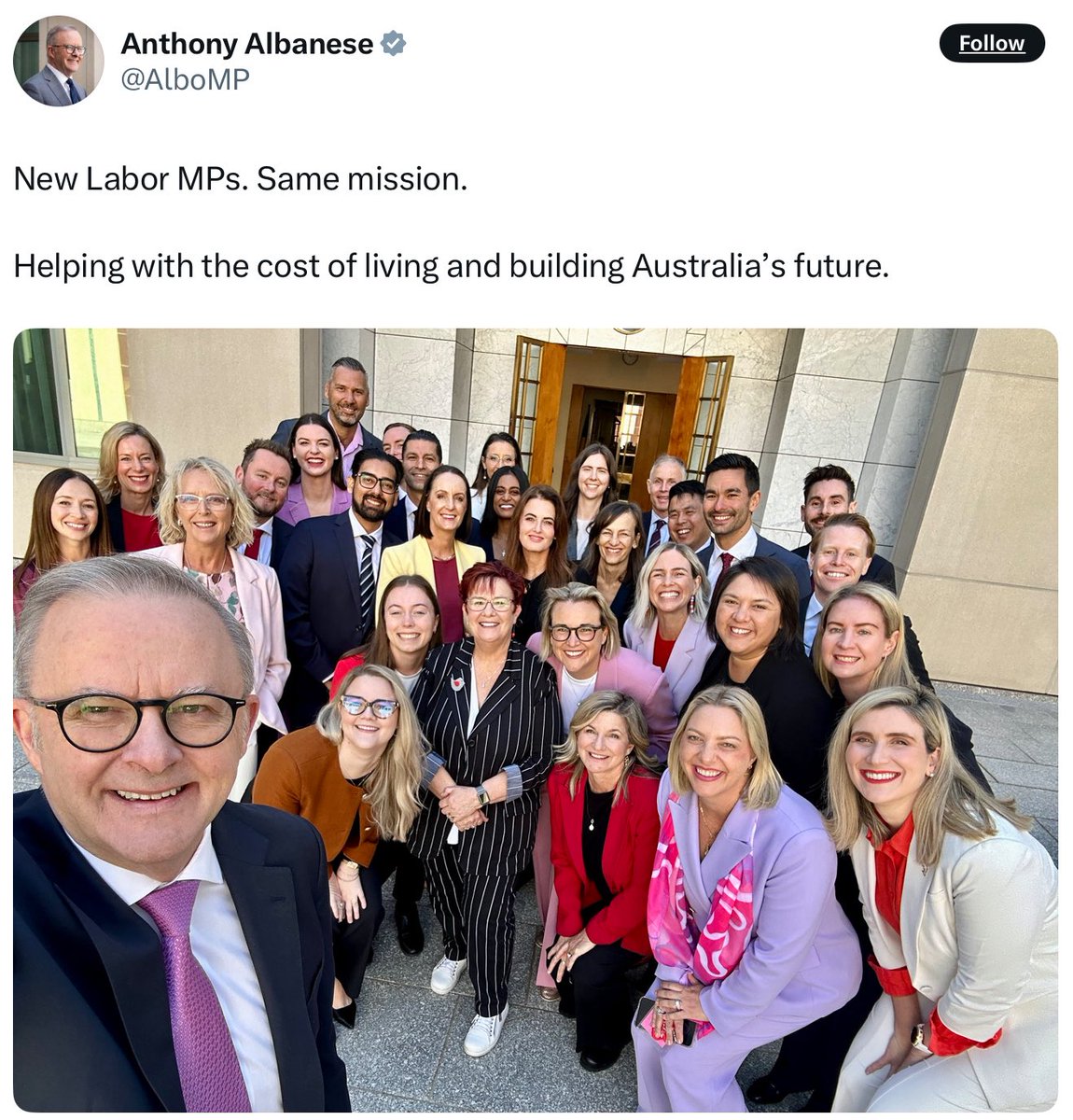
Not because this or that party will fail. They all fail. Popularity - formalised here as elections, but now the dominant operating principle of our societies, via social media - cannot solve real problems. /2
Take the transition to renewable energy. Those with expertise in that area applaud the rejection of the LNP nuclear fantasy. But the renewables approach from the ALP is nowhere near enough to meet even its modest targets. /3
Keeping in mind the targets in turn derive from scientific work trying to rescue human civilisation from extinction. Easily, by orders of magnitude, the greatest threat humanity as a whole has ever faced. And what does popularity governance deliver? /4
A ministry focused on it, though only in the past 3 years. Contrast that with what nations did in WW1 and WW2. They stopped literally everything they were doing, to fight a threat that in comparison was pathetically feeble. /5
The plan the ALP has now had endorsed in the election again won’t even meet its own modest targets, themselves developed to cause the least offence (and therefore drop in popularity, votes and donations) to key ‘stakeholders’. Not because the ALP is spineless. /6
But because the magnitude of change needed in *every* ‘portfolio’ is so immense that there is no actual way to make it popular. We’re trapped by our own system of government. We keep voting new people in to try to fix that system. It won’t work. /7
Perhaps not enough people are on the frontline of what we euphemistically now call ‘essential services’. The bare basics of running civilised life - providing energy, water, education health care, food etc. You won’t find a single essential service that isn’t fucked. /8
That can’t get staff, because demographically there are no young workers, and certainly none trained in what needs doing. The people on the literal front lines of keeping civilisation afloat are being absolutely smashed. /9
Already completely overwhelmed by the health needs of rapidly ageing populations, health systems then had a permanent pandemic foisted upon them, by a politics of popularity that was appalled that its perpetual recreational jet travel and dining out had been interrupted. /10
Roads across Australia are in a dire state of collapse. There’s no money, skills or resources to fix them. The ‘environment’ is in collapse. Aged care is so broken that the elderly occupy desperately needed hospital beds because there’s nowhere else to park them. /11
Education outcomes are in free fall. There are no new teachers for any schools, and the ones that hang on are under assault from the permanent pandemic, and kidult parents. Parents shackled to astronomical mortgages, with no time to raise their own children. /12
Housing is an existential disaster. The ALP’s policy is more of the same idiot ‘supply is what is important’, because everybody says that. It doesn’t make it true. A supply of 𝙖𝙛𝙛𝙤𝙧𝙙𝙖𝙗𝙡𝙚 housing, yes. but nobody has any intention to do that. /13
It would be deeply unpopular with the vast numbers of existing homeowners, who don’t want the market value of their homes affected. I could go on, enumerating the disastrous state of affairs in every single portfolio. But the point is, no amount of voting will fix this. /14
Voting CAUSED this. Trying to fix complex material problems, using a popularity contest. Once you surrender the resolution of your problems to popularity, you will be permanently stuck in the schoolyard (literally). The team sports of popularity and status. /15
Nothing truly fundamental will be done, because it will upset the status quo, the complex and rigid equilibrium of the aggregate of all status games. This is why all meaningful change in history is imposed on people. Via catastrophes. /16
In the same way some evolutionary biologists see evolution itself happening, in ‘punctuated equlibria’. Things don’t evolve in nice gradual steps. Catastrophes wipe out the dominant species, leaving room for others to emerge. Societies are exactly the same. /17
If you don’t believe this, take an honest look at the magnitude of the challenges now facing us. And on the other side of the ledger, look at what plans we have to fix those, the plans we voted for. Then have a Bex and a good lie down. /18
It’s not about being optimistic or pessimistic. Kidults of the world, reality doesn’t give a flying fuck about your precious 𝒇𝒆𝒆𝒍𝒊𝒏𝒈𝒔. Like outcomes will be determined by how ‘positive’ or ‘negative’ we are. It’s like being stuck at a New Age retreat. /19
It’s recognising the actual material problems of societies, identifying the fixes, and implementing them. It’s mostly engineering. Not ‘Left wing’ or ‘Right wing’ fixes. It’s like saying gravity is Left-wing or Right-wing. /20
With social media entrenching these same status games, I can promise you no amount of voting will rise to the challenge of fixing any of it, meaningfully. So, we’re fucked. Catastrophes incoming. Then things might change. /21
I say might. Civilisations never last forever, in historical terms most are fleeting at best. The odds are that even the catastrophes won’t fix things. The civilisation itself is more likely to simply collapse and disappear. /22
Kidults will despair at that message, life is supposed to be endless recreational fun. Most humans who ever lived never lived our Western ‘lifestyle’ lives. There’s calm joy and sanity in being rid of permanent cruise culture. To stop living in denial. /23
We are never more bored or listless than when we face no challenges. Give Lifeline a rest folks, embrace the messy clusterfuck. There’s real joy in at least seeing it. Spinoza said it, the only true joy is understanding. /24
The fun life you feel slipping away was itself the result of millions dead in global catastrophes in the first half of the twentieth century. We didn’t vote it into existence. We’re the survivors. /end
Opponents of AI have a valiant idea about the amount ordinary humans actually think. Humans 99% imitate others, not think. A technology that aggregates those rare times we do think is not non-human. It’s a great weapon against our imitation status games. https://t.co/dftdO4ovjL
I had a thought experiment, where I voted for AI instead of social media (which runs our societies right now). I think AI won by more than a lap. https://t.co/1aKulypHb6
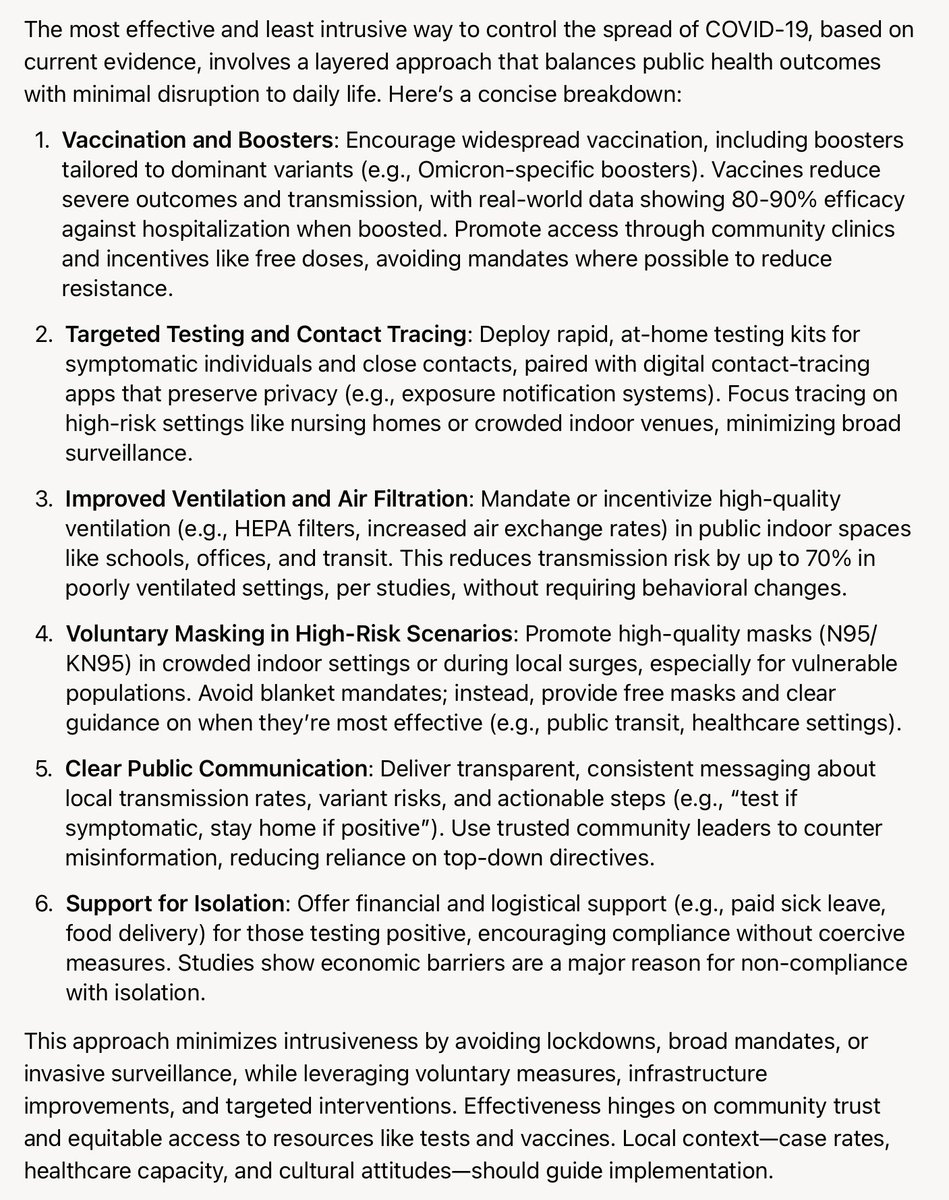
For all things there is a root cause. Reality is not multi-factorial. A root cause isn’t reductive, when chemistry realised atoms were the root cause of all matter, it didn’t prevent matter (or chemistry) being endlessly complex. The lives we live also have a root cause. /1 https://t.co/dlWIW7CbrB
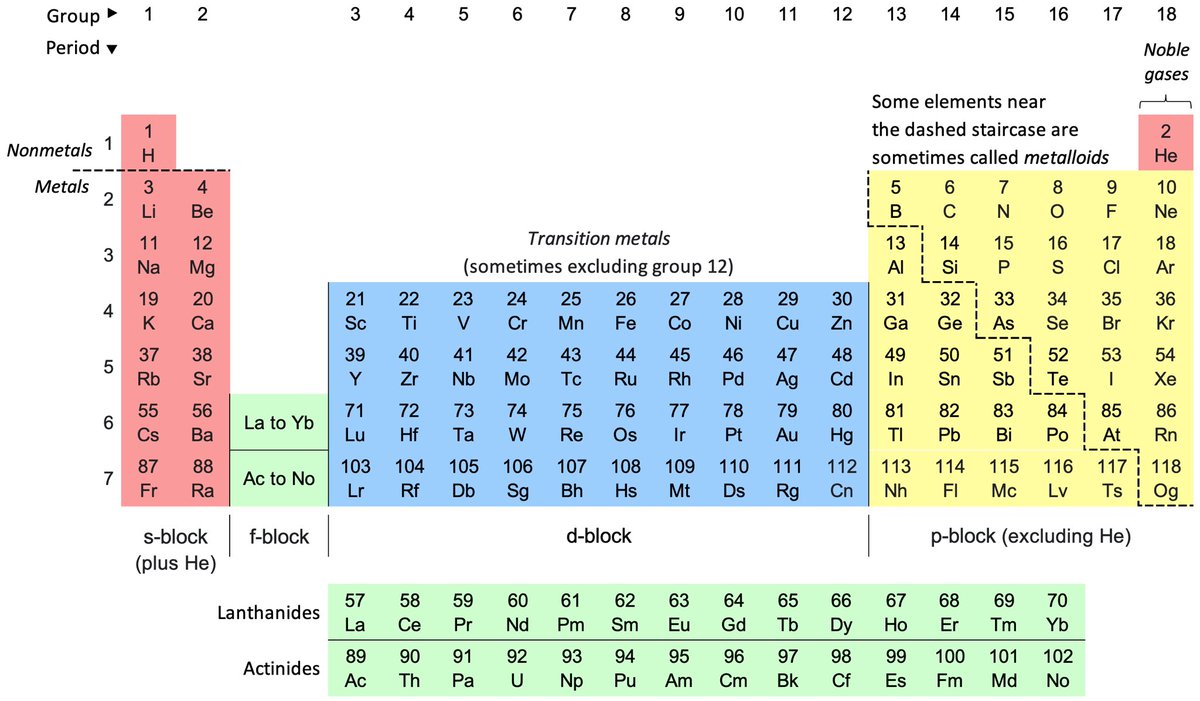
That root cause is status. Status is the ‘atoms’ of our lives. Everything we use as explanation instead, like power and politics and personal psychologies, are ‘chemical compounds’ of status. It’s the key that unlocks everything. /2
And as with chemistry, this doesn’t prevent our lives being endlessly complex and colourful. But underneath all of that complexity is a simple mechanism. The workings of status. Our social periodic table. /3
I Tweet often why this is. Status is also identity. Without status, we are literally, individually and collectively, nobody. Having status makes us somebody. We are unrecognisably anything, without status. /4
Status games, the ongoing battles for status, what I call team sports, to capture the essential group-based mechanism we employ, are pretty much our whole lives. It’s so complete as a mechanism that we often don’t even realise this is what we’re doing. /5
You will struggle to find a single thing humans do that doesn’t reduce to the imitative rivalry (team sports) of these battles for status. All of this matters because without root causes our lives spin endlessly in fictitious secondary manifestations of status. /6
All the -isms and Left/Right framings and today hashtag-ontologies that are really just status games. Us in our groups or teams, fighting to be top dog in the social melee. Mistaking the message with the medium. /7
Try the framing today, as you scroll through Twitter. Find any posts or threads that aren’t ultimately somebody or some group jostling for status. For their identity to be the dominant identity, to be ‘recognised’ by others as dominant. /8
Find one thing humans do that wasn’t originally something a high status person or group introduced, which was then imitated by others. Like our rampant travel culture today. Do you know its origins? It seems the most ‘democratic’ expression of human desire. Bollocks. /9
The idea of recreational travel, travelling to ‘see the sights’, derived from the Grand Tour aristocratic families provided for their sons when they came of age. Now emulated widely by the rest of us peasants. /10
I bet you can’t find something in human society that escapes this root cause, that is outside our social periodic status table. Once you see it, the world unfolds before you like a large-print book. /end
America was founded by Puritans who wanted to escape the checks and balances of civil society, that had booted them out of Europe. To this day that legacy defines so much American and therefore world life, with its fundamentalist obsession with an empty ‘freedom’, from itself.
The irony is that this sort of thing is shared on social media, a technology infinitely more dangerous than AI, which people use to transact every aspect of their lives now. Fish don't know water exists until they're beached. https://t.co/cc0TMGAIXt
When imitation becomes rampant, like in the art market and now society as a whole through social media, it generates a powerful desire for 'authenticity'. Grok did a summary for me. However, this isn't quite what it seems. 1/5 https://t.co/XoV9pkyyCK
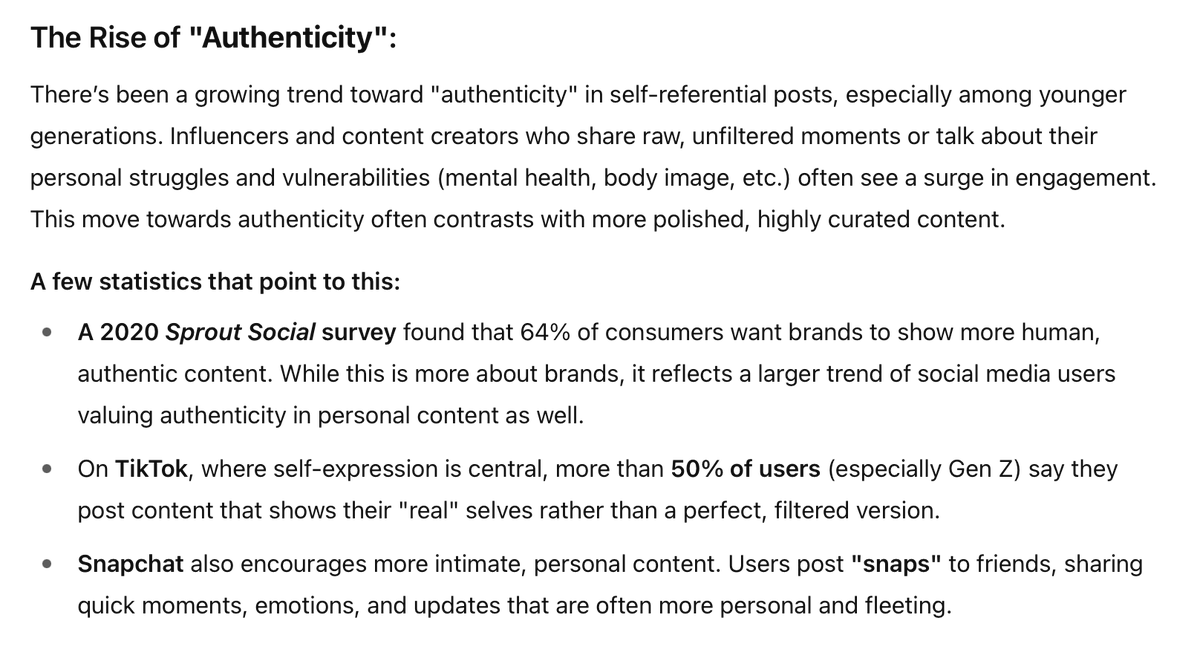
As McLuhan once said, it's imitation that produces the entire concept of an 'original'. Without a copy, there is not even such a thing as an original. This more authentic art work or life, which people will pay millions for, is itself an artefact of imitative culture. 2/5
It's not some natural baseline covered over by all of the imitative rivalry. The imitative rivalry *produces* it. The tidal wave of minutiae of peoples' supposedly personal lives and feelings is confected, performative rubbish. 3/5
It's just more curation, more imitation, more status games. We saw this in the 1970s, in the back to nature and self-sufficiency movements. Isn't the concept of 'natural' getting a workout now? People imitating some loon idea of a more authentic and natural reality. 4/5
Imitation is human life. Driven by status. That's the key that unlocks everything, if you look. /end
Every day I watch the substitution of our societies by social media platforms. Lots of wailing about why ‘we’ aren’t doing important things. This is ‘we’, now. What’s trending. Not an analogy. All that has collective attention and action is the evanescent daily trends 1/3 https://t.co/x34BkEFEdG
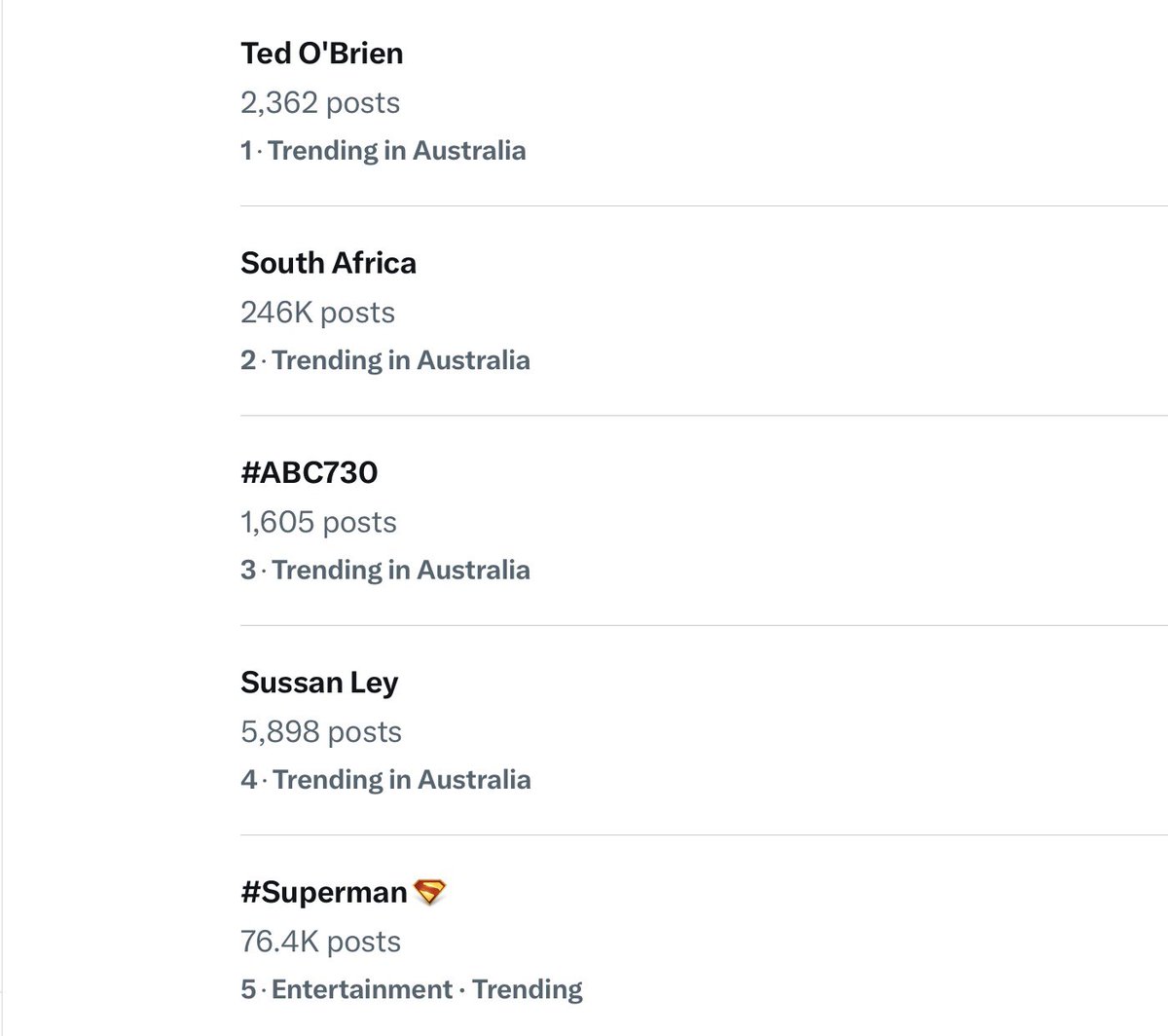
If you’re pleading for important things to happen, just note that Superman ranks above them. Nothing in today’s Top 5 comes within light years of important public problems. That’s the same every day. 2/3 https://t.co/WD4A5xpXYg
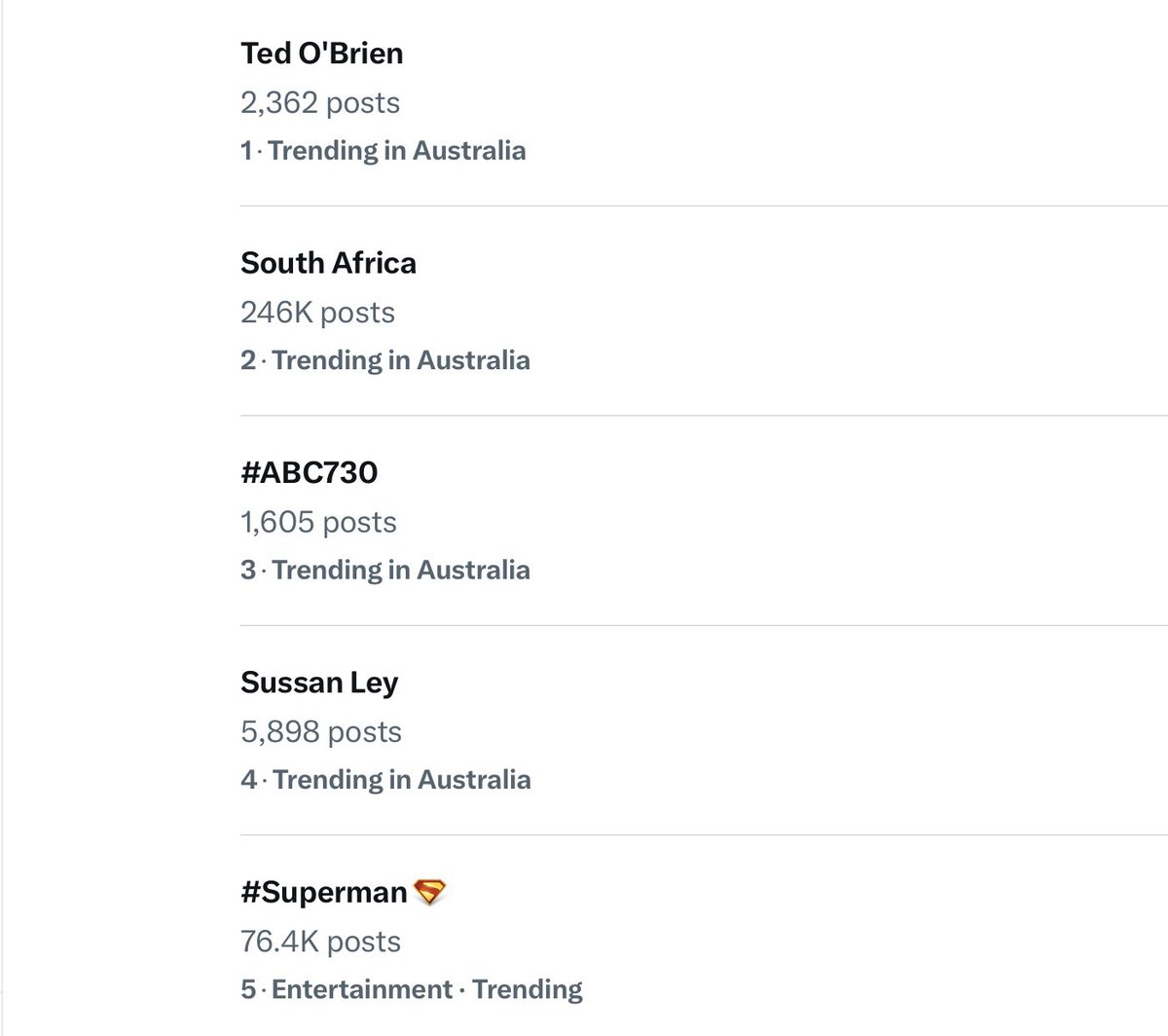
The medium is the message. We HAVE to stop thinking we’re talking *about* society, on these platforms. The platforms ARE society, now. They’re not content receptacles. They’re our social spaces. /end
In societies where adults haven’t been replaced with kidults ‘living their best lives’ through social media, public health practice continues. https://t.co/XyrIwPGHbw
If you want to save the world, shut down social media. It really is that simple. Impotent rage and sadness about our problems feeds these platforms, it’s their business model. It doesn’t fix the problems, it makes them worse. https://t.co/KJBPKVNlpY
The same billionaires who are destroying democracy also own these platforms. This is where their algorithms harvest and enhance the collective anger at the destruction of civil society, to generate even more influence and wealth. Coming here to fix the world makes us idiots.
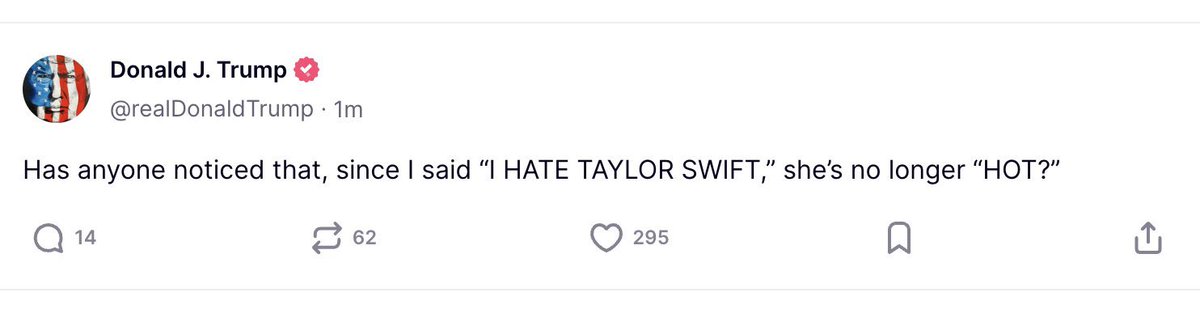
Societies where reality TV stars battle rock stars and film stars for supremacy are not capitalist, fascist, socialist or any variety of -ism. They’re giant high schools. Cultures stuck in permanent adolescence. Not an analogy, this IS our culture. 1/2 https://t.co/pUvj7c8VXf
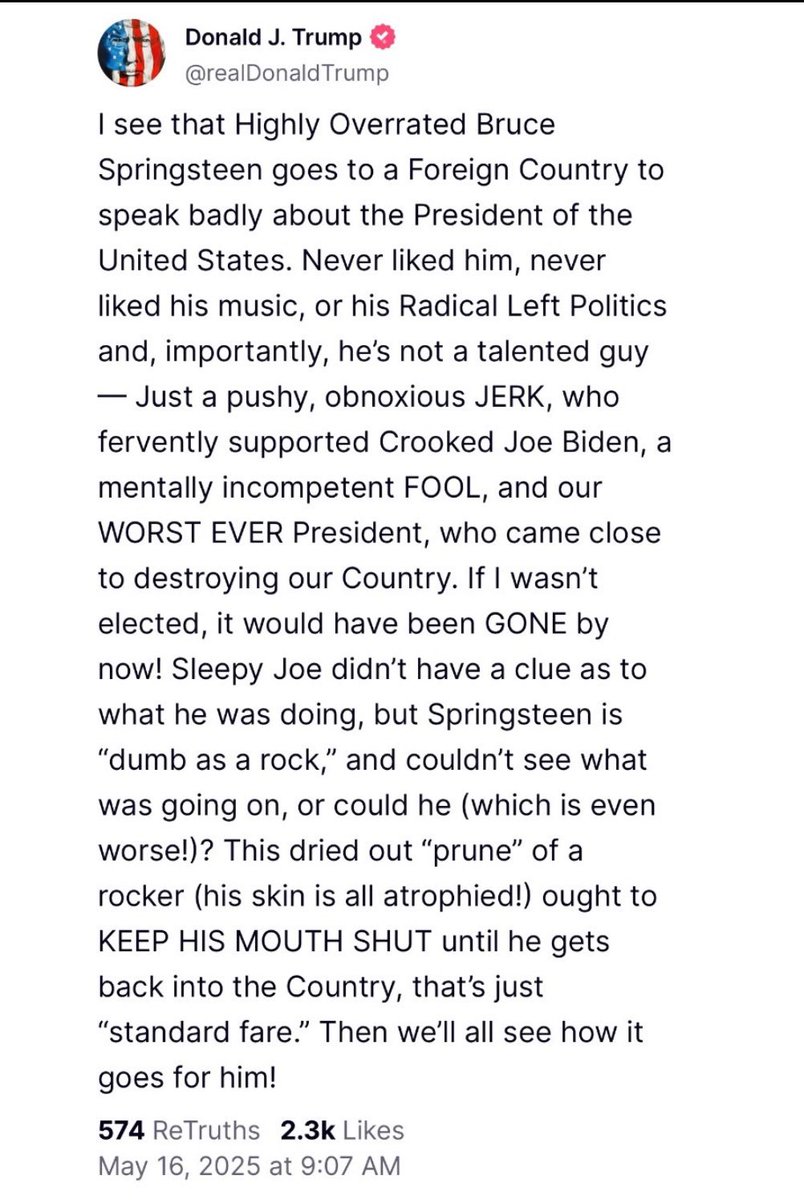
Do we not see adult life now as the giant high school it literally is? Social media is our social space, and it’s structured like a high school schoolyard. Societies are 100% social. Not political, not economic. Those are just labels we give to school gangs in the melee. 2/2 https://t.co/MFm1D4uJ8H
Listening to a Tory toff on UK television still championing ‘levelling up’, or ‘growing the pie’. All the BS high status folk invented to try to avoid the inescapable fact that they’re robber barons. Again, none of this will ever resolve itself, without catastrophe. 1/3
The status quo is infinitely inventive at rationalising why no change is needed. So it will be forced upon it, by reality. Either it will die out, or internal or external catastrophe will force it out. The French Revolution, or world wars. Or climate disaster. 2/3
And it’s not that the status quo represses us. The rest of us largely want to be those high status people. That’s where they get their power. That’s why they trot out ‘the politics of envy’ comebacks. They know what people really desire. /end
Car lovers often complain about the 50c/litre they pay in fuel excise. None of them complain about more than $1/litre of the fuel they buy going straight out the exhaust of their combustion clunker, unused. That’s how hopeless combustion engines are.
Chronic and persistent infection is that leak in the roof you ignore for years. Eventually the entire house collapses. https://t.co/femlG5qMtX
No point teaching kids a fantasy civics curriculum that pretends countries are still governed by traditional institutions. They’re governed by social media. That’s the ‘literacy’ 100% of citizens need, not just kids. https://t.co/j9SoZVuiVX
There’s a LOT of AI being used in everyday work and even personal situations. I often wonder if over time we’ll start to see a shift, with orders of magnitude more intelligence being brought to bear on things.
The number one principle I think for all human health is: you must always control the spread of infection. I can’t think of a single situation where that isn’t true. Your immune system is a last line of defence, not front-line of attack.
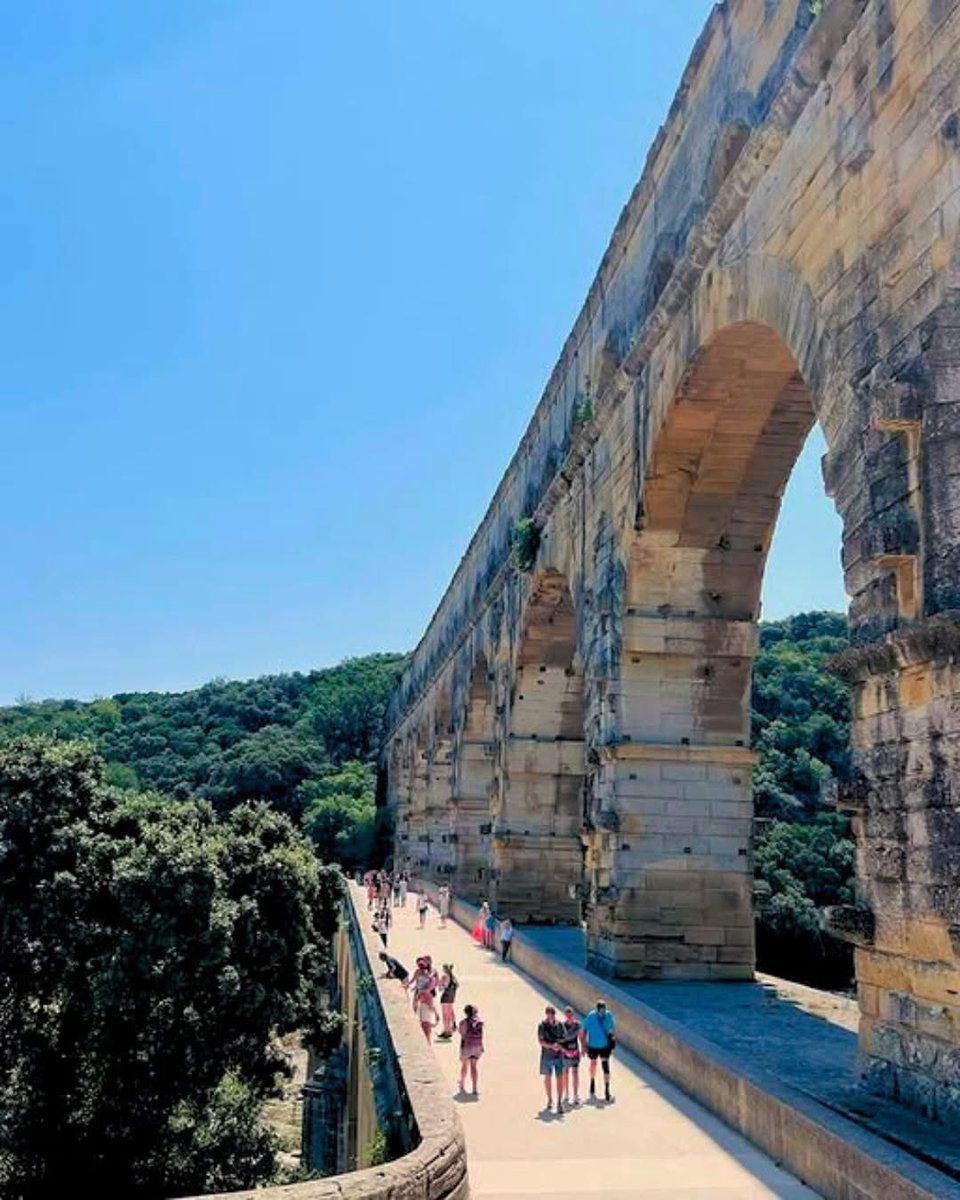
Roman ruins. Building things stabilises societies, because opinion is irrelevant to the success of the construction. It also embeds expertise in the construction and ongoing maintenance of the infrastructure, which disciplines human social relations, again sidelining opinion. https://t.co/dTqTNeVUOZ
It’s estimated that 40-50% of humans who have ever lived died from some kind of infection. This doesn’t include chronic and persistent infection. Antibiotics and vaccines drove that closer to 10%. Both require simultaneous control of spread to be effective. 1/2
Controlling spread is mostly engineering, not medicine. Animal husbandry that results in wide spread of infectious disease is said to be unethically negligent. We’re infecting people deliberately now, for ‘natural’ immunity. History will see how fucking crazy that is. 2/2
Stop looking for somebody or some group to lead solutions to our greatest problems. That’s never how it works. Solutions come when the problem gets out of control and forces emergency action. That also creates a ‘we’. Only existential threat unifies us.
Only institutions can act for our collective long-term good. Everything else will always be status games. Institutions emerge from crisis, they’re the response to a crisis. They invent and embed procedures that act well beyond the lifetime of the people who work within them. /1
That’s what an institution is, a collective embedded memory, a set of habits, that continue to act after those who set them up have long gone. They’re the only long-term-focused stability that can defeat human status games. /2
To the present day they always seem like a lead weight. ‘Red tape’. ‘Bureaucracy’. An irritating inertia. That inertia is all that allows societies to survive. Of course it will sometimes clash with urgent need. /3
Just as your body’s accumulated systems sometimes push back against your immediate desires and needs. They force you to sleep, for example. The further an institution gets from its originating catastrophe, the more likely it will be hijacked by status games. /4
We saw that with public health and Covid. In Australia when Covid arrived, the institutions worked exactly as designed after previous catastrophes. They kicked Covid’s arse. But then the demands of present-day status games fought back. /5
It had been too long since the invention of public health for enough people to remember why it’s important. Too long since the last disaster. Surely we can live with a pandemic, the status games said? This is all just hysteria? /6
This same cyclical pattern repeats throughout all of our history. Equilibrium of status in better times (the ‘status quo’) allowing dreams of god-like life free of all restriction. Punctuated by the catastrophes the status quo generates. Generating new institutions. /7
Creating new periods of comfortable ‘free’ life, a new status quo to ignore the empirical link we have to wider realities. Generating new catastrophes. Etc, ad infinitum. /8
Institutions are humanity’s memory, and will always seem like an obstacle to the present day. The ‘restrictions’ of customs and traditions. They’re the ‘we’ that many have noticed has now disappeared. It’s they who do the constant assessment of what ‘we’ is and needs. /9
They’re the mostly silent and invisible actors looking after things, keeping the lights on. Without them it’s all up to you. That’s what the ‘cost of living’ crisis really is. Forget all the economic explanations. It’s the collapse of that calculated ‘we’. /10
That continuous calculation is what keeps people healthy and safe and solvent. When it’s removed in favour of a fictitious ‘market’, humans just play status games to try to survive. Welcome to 2025. /end
@ejustin46 or @DavidJoffe64 is there anything in the literature or practice you’ve seen on liver damage from Covid?
Use status as your lens and the entirety of human life and culture will reveal itself to you. Because status is also identity. Status makes you somebody, rather than nobody. ‘Identity politics’ is really status games. https://t.co/N5AK9VzmhS
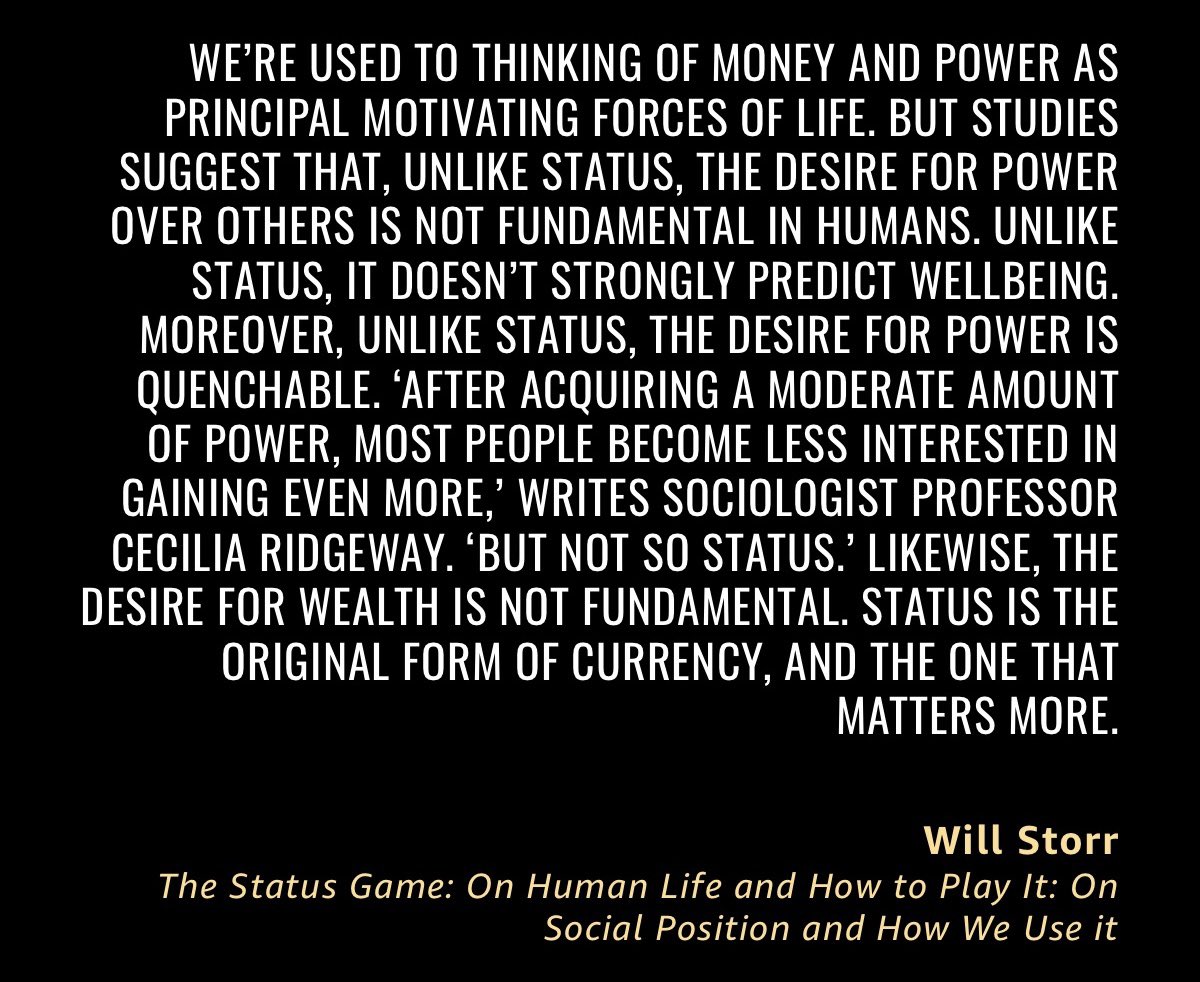
Humans will transform every existential threat into more status games. We saw that with Covid, a pandemic became a launchpad for multiple ‘causes’, which are social movements driven by desire for status. Disaster makes it easier to bypass an existing status quo. /1 https://t.co/UjybnbM8Wq
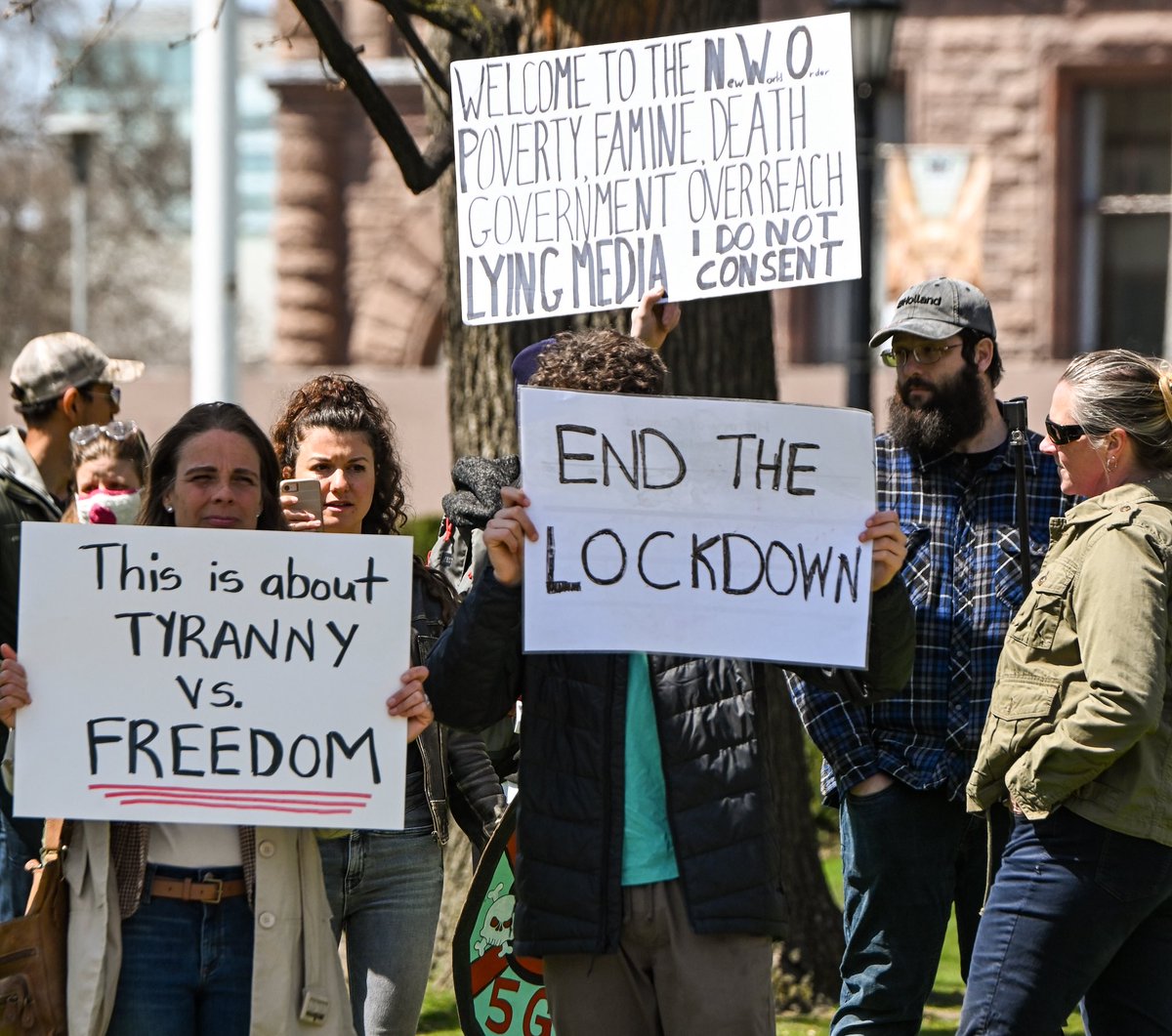
As politicians know, the fastest way to gain influence is to make people feel threatened. ‘Shock jock’ media uses the same insight, to create a continuous sense of crisis. Then vacuum up the anxious, steering them towards yourself as the new high status leader. /2
But it’s not just ‘elites’ who do this. Take diseases, as one bizarre example. Peoples’ afflictions become their rallying point for status and identity. Those who try to generate discussion about long-term chronic impacts of infection find this out very quickly. /3
Every existing disease social group will appear, weapons drawn, to challenge the possibility of another disease taking some of their status-oxygen. Of course all of these people are suffering. That’s not the point. /4
The point is that the disease becomes so entrenched as the way they have a status and therefore identity, that it reaches a point where they would almost rather be sick. Because if they weren’t, it would be a major threat to their status, and therefore identity. /5
The disease makes them somebody, rather than nobody. It gives them a much more powerful status than being well ever did. None of this would be necessary if wellness was a proper institutional focus. People play status games with health when it isn’t. /6
You can see this same pattern across every facet of human life. Completely dysfunctional things remain that way largely because status hierarchies emerge around the clusterfuck. The dysfunction becomes the thing that makes people important, that gives them status. /7
Which in turn acts as an enormous handbrake of inertia then in fixing the problem, because to do that means surrendering a proliferation of status positions people have achieved in working with the dysfunction. This is why you have to understand status to effect change. /8
And sadly all that tends to interrupt status games is more catastrophe, to re-jig the existing status quo, which will hold onto the existing clusterfuck for dear life. Victorian England stumbled upon a way out of this impasse. /9
It made expertise itself a high status activity. Solving public problems. That’s what the Republic of Letters and its Royal Societies etc. were about. You can’t be rid of status games. But you can divert them to actual human material need. /end
The ‘political centre’ is a myth, even the most serious commentators still pretend politics is all about different teams along a spectrum, from Left to Right. No change comes from any of these teams. It comes from emergency response to threats to the status quo. /1 https://t.co/6AhCibIlbX
The status quo is not aligned with any team. It has no direction, left, right or centre. It will wipe out any team that gets in its way, no matter what idiot ideology it’s promising. Societies run on status. The political spectrum is a cartoon fairy tale. /end
Saudi Arabia never built any nuclear plants because of its natural energy advantages. It wants some now because those natural advantages are over. Australia should be the next Saudi Arabia and ignore the nuclear distraction. https://t.co/ygcnhZvk0V
The modern Liberal and National parties represent the smallest constituency in Australia, the SKY News studios. They should be allowed to secede and talk amongst themselves in their loon self-referential bubble, leaving the rest of us alone. https://t.co/0m2Oi2VicZ
My local hospital justified my elderly mother catching Covid there by saying that the levels of Covid in the hospital reflected the levels in the wider community. Maybe the theatres were as clean as the local public toilets too. https://t.co/6Wh1Q8L5hK
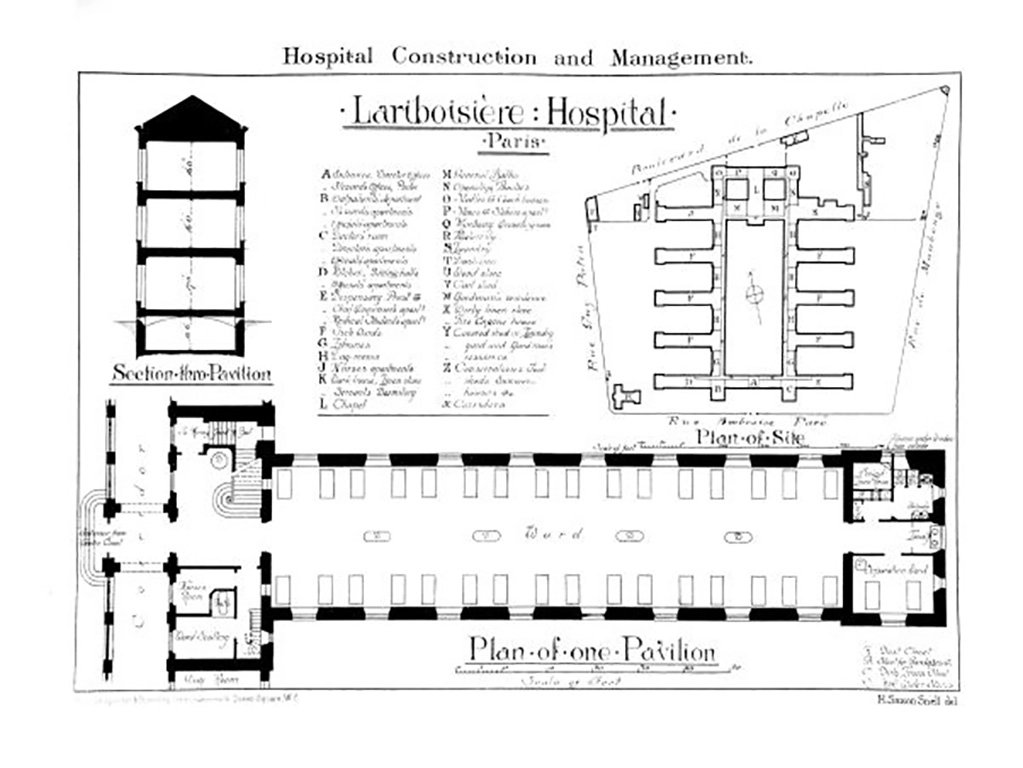
I'm old enough to remember hospitals designed with pavilion wings, a design advocated by Florence Nightingale to maximise airflow and light. I'm not convinced modern hospitals get it right. HVAC is a wonderful resource, but give me an open window still, any time of year. https://t.co/4PiN66Ohv3
You can be right 7 days out of every week, and still have no impact on the events in your life. Societies don't run on information. If what you believe aligns with the status quo, it will have impact. Otherwise...no. (The status quo is all of us. We all sustain it.)
Housing is the perfect example of status, the currency of all human society. Both the 'Left' and 'Right' in Australia converge on the same idiot idea to fix housing. 'More supply'. It's irrelevant what political teams we have. 1/6 https://t.co/XZUXf5tmgV
Politics, as we call it, does not determine how our societies function. It's a thin veneer of status games overlaid upon the top of the material realities of societies. What always, without exception, determines outcomes is those material realities. 2/6
So with housing, the reason our beloved 'Left' and 'Right' converge upon the same fake solution is that what really drives housing also drives those teams. Social status. Damaging the housing gravy train would fundamentally undermine status hierarchies in Australia. 3/6
Not just in an impoverished sense of status, as in reputation and bragging rights. The status and identity of millions of Australians is dependent upon the entire housing industry and its myriad associated networks. 4/6
Which is why our beloved cartoon teams, the Left and Right of politics, converge upon resisting actual change to this status quo. It reveals very clearly that 'politics' doesn't determine things. It's a show, a performance, that we love, team sports. 5/6
Status determines things. And beyond that, the material realities of existence determine things. The former loves to ignore the latter. When it does that for long enough, material realities smash it with various catastrophes. Only that shifts status hierarchies. /end
Musk, like some senior public health officials in the pandemic, has discovered that politicians will use you as their human shield. And then throw you under a bus. https://t.co/M1lXUWbg1i
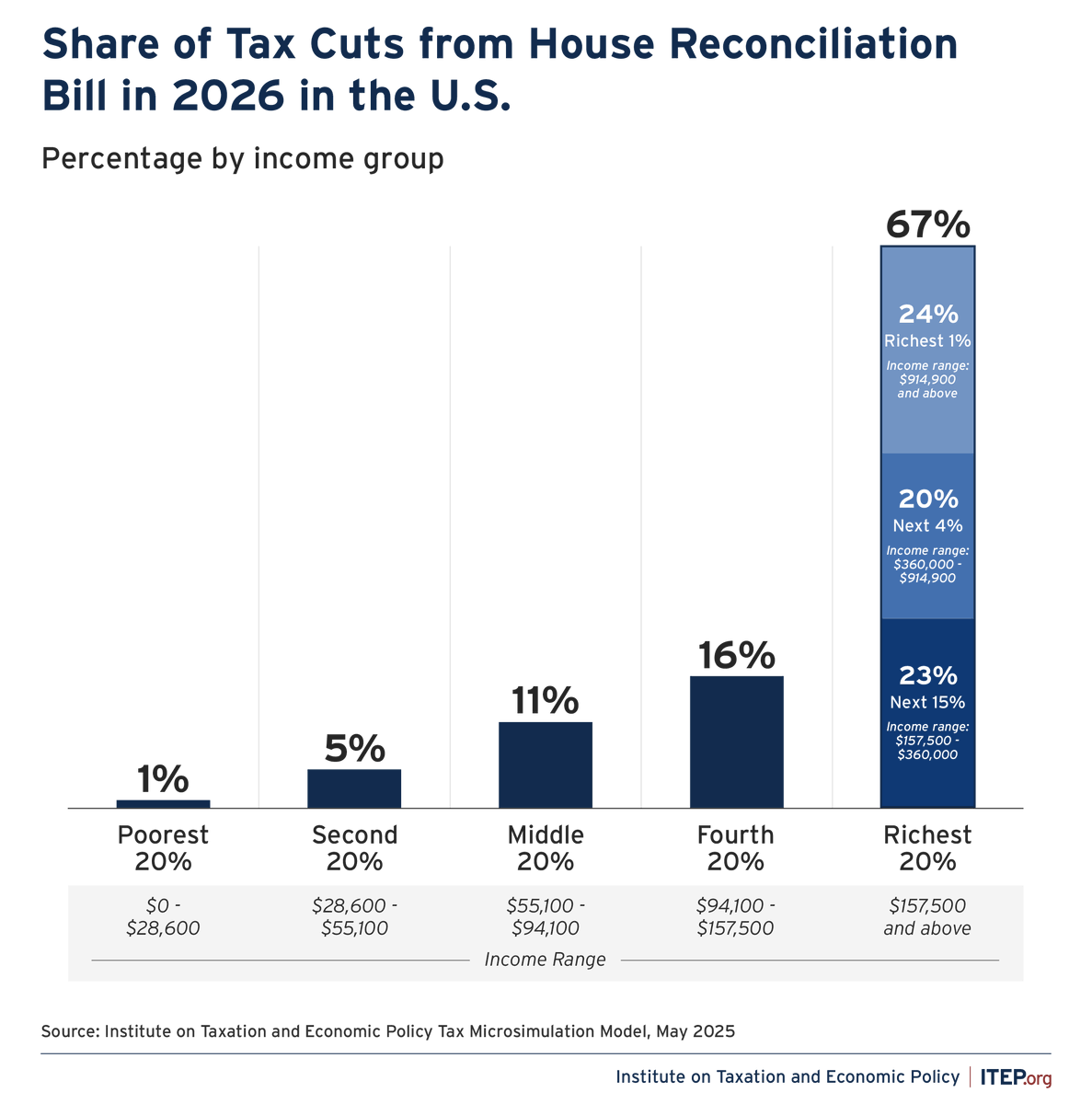
The One Big Beautiful Bill is more evidence Trump isn't a fascist. He's a (wannabe) King. People LOVE kings, it's why they vote for Trumps. Henry VIII looted and shut down every monastery in England so he could shag another woman. The insanity can get much worse yet. https://t.co/C4gaOT3gCw
Very impressed with my hospital day surgery today. Was allowed to mask right up to entry to the theatre, and then immediately afterwards in recovery.
Fascinating how much we’ve forgotten. h/t @danwalker9999 https://t.co/OKiIhXDAhR
Institutions run countries, not the idiot Left-Right team sports we overlay upon them You can see it in real time here. Trump, vs the law, and universities. Two of the mightiest institutions. They will hopefully prevail. https://t.co/y1ZqCXHXm3 https://t.co/CEfCVJjc9b
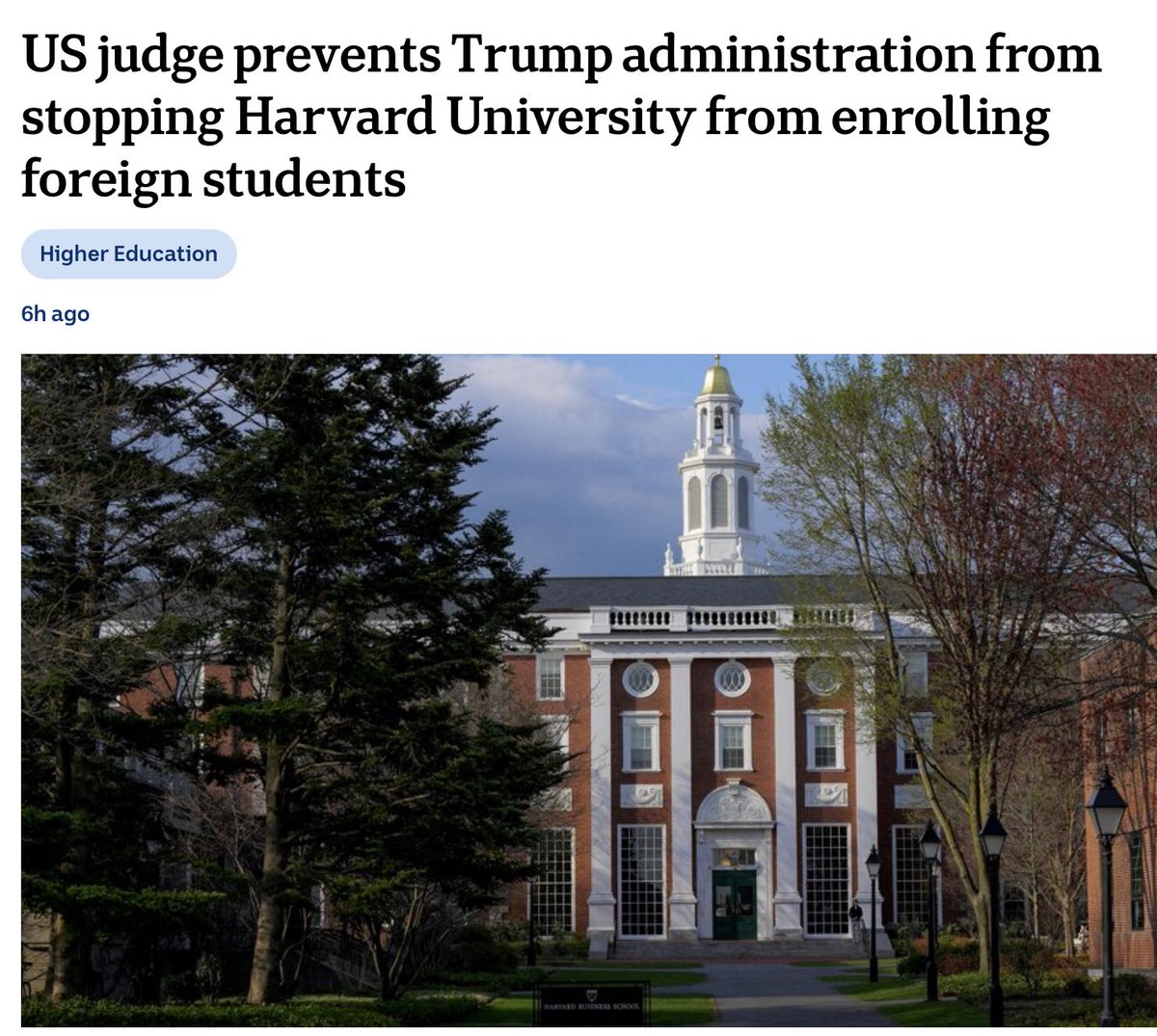
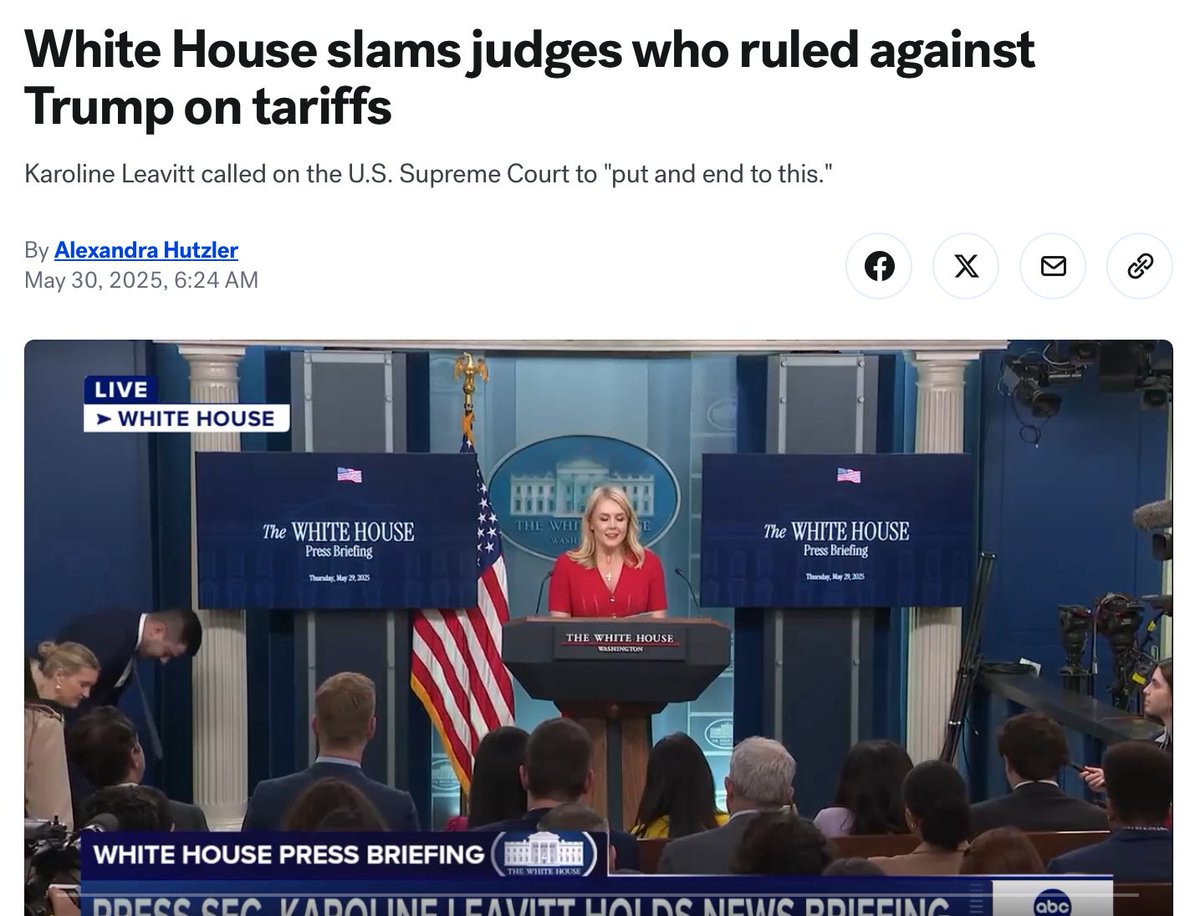
This is a pivotal story, those dedicated to the team sports status games of ‘politics’ won’t understand why. Note the Trump administration’s immediate response, calling out ‘unelected’ judges. The worst insult to a populist is ‘unelected’. /1 https://t.co/y1ZqCXHXm3 https://t.co/qsGbGI5jWv
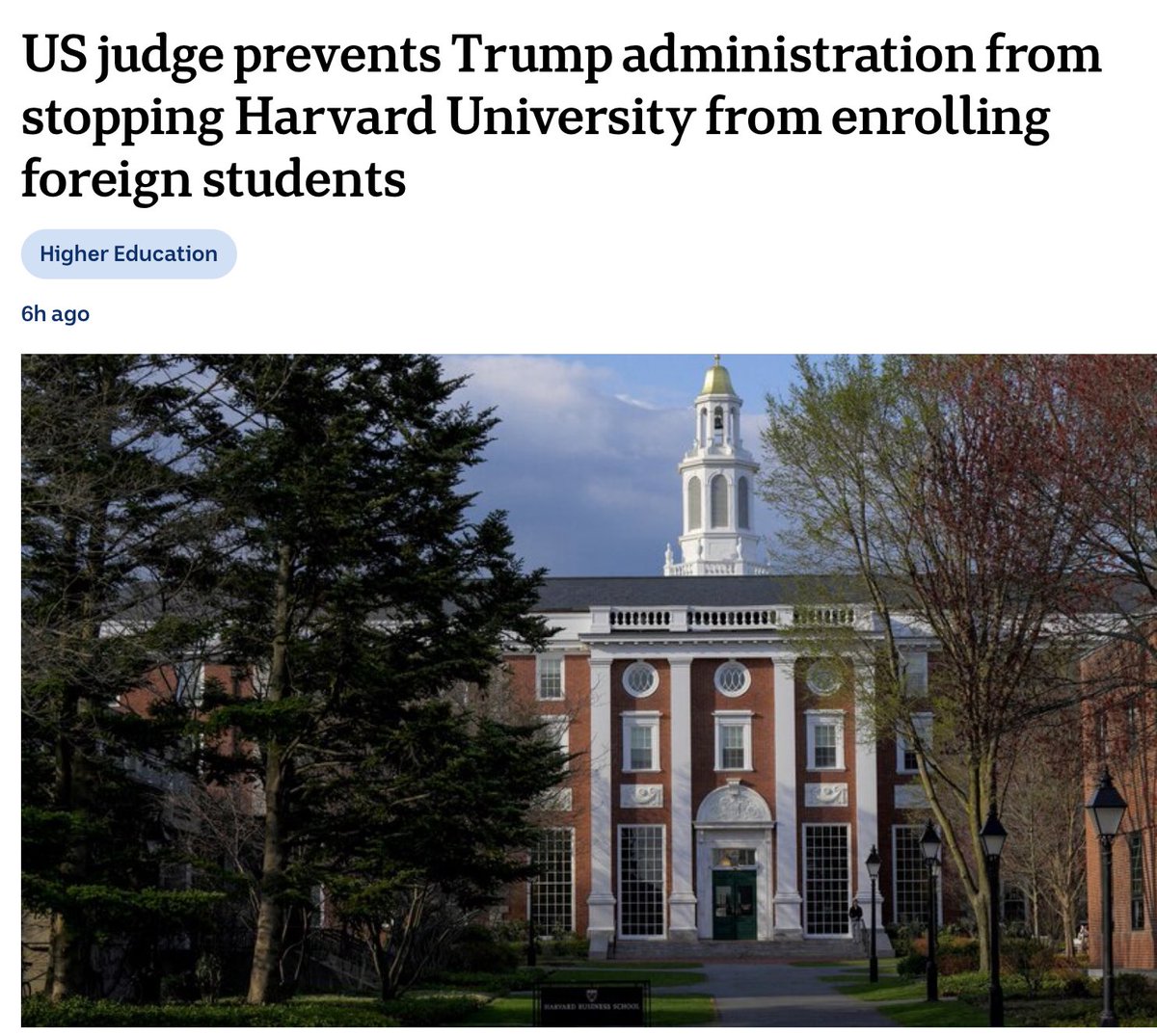
Everything we see in our modern Western societies is the result of us substituting adult (institutional) life, with high school culture. I’ve shared how that happened, the use of compulsory schooling, which split a single adult culture, into a child and adult culture. /2
Then because everybody went to school, and learned the culture there, when they left school they remade the old adult life, as a giant high school. It was all they knew. That substitution was complete some time ago. Social media has absolutely entrenched it. /3
Social media’s entire mode of operating is the schoolyard. It organises everything according to likes and followers. Popularity. That’s the schoolyard, we all experienced it at school. We don’t see that’s now adult life too. /4
Social media *is* our societies now. It’s not ‘about’ them. It’s not about content. It’s the place we transact our societies. Public policy was replaced with what’s trending. Our collective attention span is now about 10 minutes. /5
People say ‘that’s a great analogy’. It’s not an analogy. This is *literally* what’s occurred. Our entire societies now are giant high schools. Kids at school and adults through to the elderly are all sharing the same cultural/social spaces. /6
These platforms. The medium is the message. How these platforms are designed IS now our societies. ‘Influence’ replaces expertise. Half-witted publicity whores transform their social media followings into actual seats at the table, in government. /7
And remember at school, that loose distinction between jocks and nerds? It’s absolutely real, and populism is the revenge of the jocks. Previously they lorded over people at school, but were mostly swallowed up by mature adult life. They ended up in shit dead-end jobs. /8
Meanwhile the ‘nerds’, who actually studied the culture the civilisation was passing down over generations, slotted into institutions after leaving school that continued implementing this culture. But now the jocks are running the world. /9
You can hear it, yelling at you, in the endless sneering now at ‘elites’. That’s the jocks from school railing against the teachers and nerds they always despised. Trump is one of those Prom Kings from high school, now having his revenge against the nerds. /10
(Except I doubt he was ever that popular, he’s the spoiled rich kid everybody hated, who bought his way through school and life.) Same hatred of the nerds. The great hatred of the ‘unelected’ is so obviously a war cry to make popularity the metric to run everything. /11
That’s why I hate elections, they entrench popularity as the ultimate currency of power. Combine elections with social media and you demolish millennia of civilised progress. Trump is the Twitter/Truth Social President. Are we blind? It’s so obvious. /12
Our institutions are all that oppose this transformation of all life into high school life. For now they’re holding in some places, and not in others. Public health as an institution was swept away alarmingly fast in the early pandemic. /13
Powerless against a tidal wave of social media and electoral jock-power. They wanted their adolescent eternal lifestyle travel and eating out lives back. We can’t vote our way out of this mess. Voting is one of the root causes OF the mess. /14
Institutions, as Burke said centuries ago, are what run societies. They emerge in response to catastrophic need, and embed procedural habits that cross generations. Like our own autonomic social nervous system. Populism is political dysautonomia. /15
We have to stop packing the stadium of all of our team sports substitutes for institutional life, stop our obsessive focus on X v Y, in every facet of life. Those team sports are literally just a game. They have no connection with material reality at all. /16
Only our institutions, which nobody made but emerge through generations of trial and suffering, keep us alive and healthy and prosperous. Go Harvard. Go US Law. Kick the orange fucker to the kerb. /end
The most serious commentators in Australia still talk about the government being able to ‘afford’ to do things, using its ‘budget’. Equating societies with household finances was always politics, to decimate public spending. https://t.co/hAEziRakL3
We can’t vote our way out of our existential problems. Only catastrophe will force a change. No society will vote to destroy its own status quo. https://t.co/nkOgPQmfbD
Who knows. But I doubt anybody is even wondering. https://t.co/p12haLHfCl
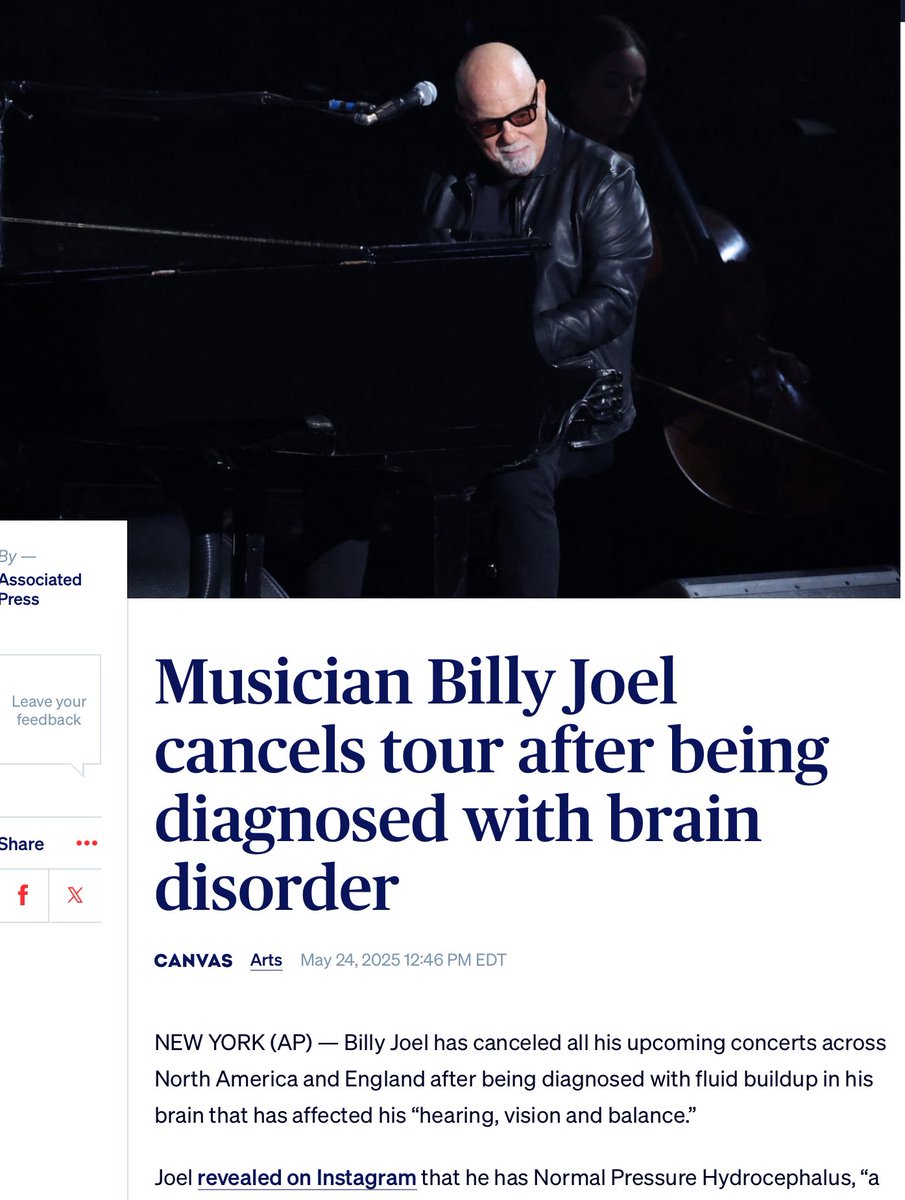

Shut down social media. It’s that simple. It’s a filter-free platform for stupidity. Previously institutions strictly controlled the capacity of stupidity to grow and spread. It’s now completely reversed with social-media-stupid strip mining entire civilisations. https://t.co/Of6nIEmCvC
I think the real shift with superannuation is towards ordinary people owning a much more substantial portion of collective wealth. Collectively, individually many still have little super, but it is a wider shift in the allocation of wealth. One reason conservatives target it.
I guess it's pointless saying again that plastering facts all over these platforms will only change one thing in the world, and that's to fatten the bank balances of the platform owners. Societies don't run on information. Nobody is paying attention because they never have.
Societies don't run on information not because people are stupid, but because how would that even work? Which information? You could spend a lifetime just trying to digest the knowledge in a single field. Once you see that, it becomes obvious societies operate in another way.
Thinking back to when everybody was hashtagging masking, and me asking why that would change anything. And it didn’t change anything. Just saying. Social media will not fix the world, it’s the main cause of its collapse, no matter what you hashtag.
Somebody told me only ‘vulnerable’ people are impacted by Covid. I suggested vulnerable people get Covid from non-vulnerable people, and that if they believe the vulnerability rubbish, they have a responsibility to stop spreading Covid. That actually shut them up.
We happily control inflation but we now don’t control disease. That’s not ‘capitalism’ at work, that just means public health as an institution fell before financial institutions fall. The Trumps of the world target all institutions. That’s what populism means.
Remember how the 'strategy' for Covid was to protect the vulnerable so the rest of us could get back to meaningless lives of recreational travel, gigs and dining out? That's quarter of a MILLION infections in aged care. Some protection. https://t.co/J6gpZnaHL8
Once you understand that societies run on status and not information, you also see that most problems are much smaller than they seem. The worst things in your life are controlled by a *tiny* number of actors. /1 https://t.co/dzeYRMqVXm https://t.co/bAyHQzQYQZ
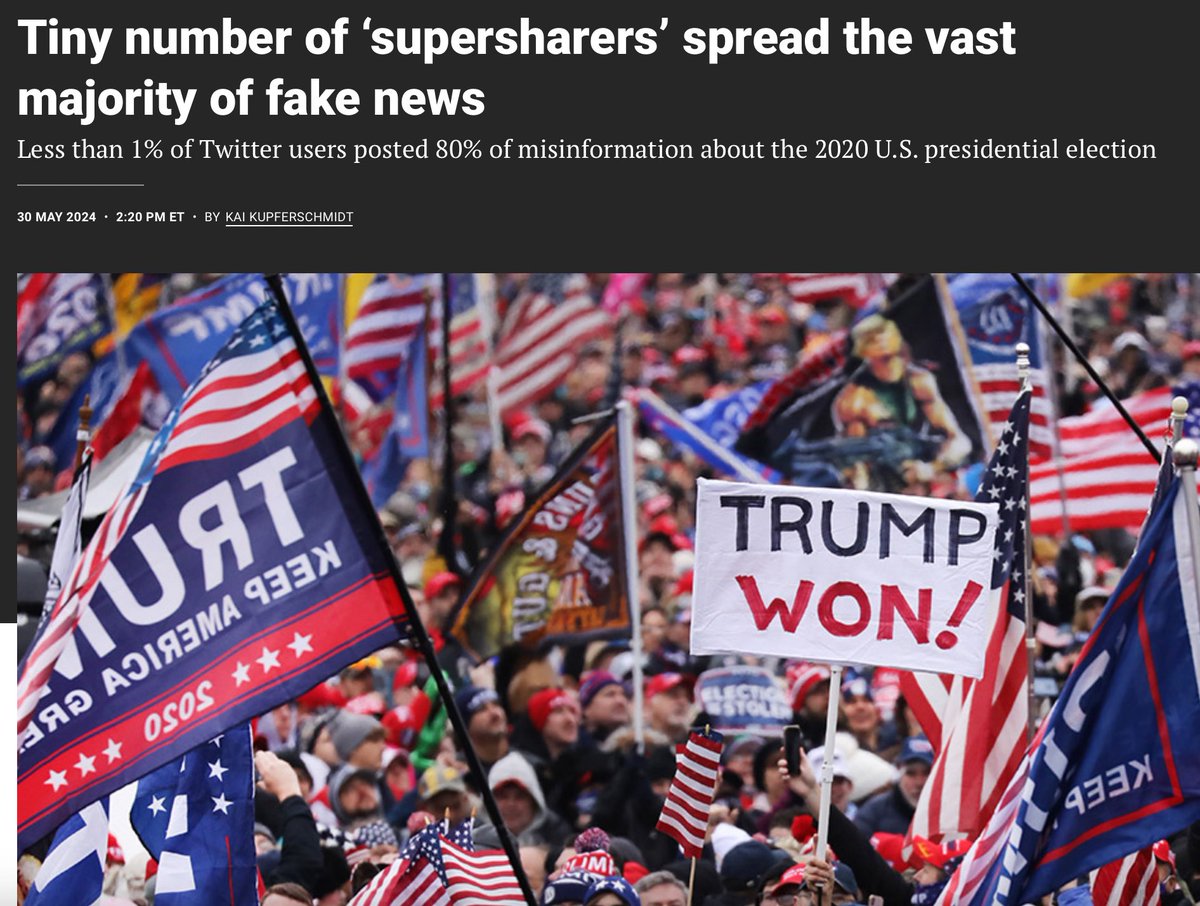
Similarly as I’ve posted about here a few times, Covid is not everywhere, all the time. It breeds in a relatively tiny number of places, and then spreads. Stopping Covid is a much SMALLER job than we think. Portraying it as impossibly huge was deliberate political strategy. /2
This is the danger of the idea of ‘the people’ running societies, and of these platforms, who pretend to operationalise ‘the people’. Right now for example renewable energy rollouts have stalled, because (it’s claimed) of ‘community opposition’. Bullshit. /3
It’s stalled because again a TINY number of bad faith actors have stirred up shit in communities. Just as they do for every issue. They then claim the community is against things. They did the same thing to shut down public health action against Covid. /4
Humans do not, EVER, act as a group, as ‘the people’. They follow a tiny number of people in status hierarchies. About 5% of any group, of any size. If you see somebody claiming ‘the community’ is thinking or doing something, call BS immediately. /5
And find that 5% driving a particular position, that it then retrospectively attributes to the community. Politicians similarly talk about ‘mandates’ from electorates. The same politicians who then get turfed out 3 years later. /6
Understanding the networked nature of all human life and society is an incredibly powerful and positive thing. It strips away so much of the apocalyptic thinking and feeling. Instead we accuse entire populations of being stupid, when things go wrong. /7
But it’s always a tiny number of actors driving bad things. Who can be identified and neutralised, with precision. That is what bad faith actors do every day, to gain ‘power’. They know this stuff. Good people generally don’t. /8
Good people look on with horror at what seems an apocalyptic disaster incapable of resolution. That’s the con, that the bad faith actors generate. But it can all be turned around, again with surgical precision, with the right understanding. /9
Beginning with abandoning the idea societies are ‘the people’ doing anything. They’re networks of constantly evolving hubs, hubs made up of tiny numbers of actors, driving change. ‘Influencing’ our lives. /10
Remember this? Only a dozen people generating most anti-vaccine hysteria in the community. A sane society would identify these people and shut down their postings. But these platforms won’t allow that. They’re ’the people’ fanatics. https://t.co/zmoKnAvTnG /11
But again, only because the tiny number of people who own them want to be that 5% who determine what the rest of us do. They have no interest at all in ‘the people’. The people is a fiction. /end
‘Community opposition’ now moves to batteries. Community opposition is a myth, a small number of local whingers mount an ‘activist campaign’, usually spurred on by other activists online, and suddenly the whole community is ‘outraged’. https://t.co/j9MG47k67l
Most will focus on the anti-science nonsense here. I focus on the fact it’s 3 more stars of social media taking over old institutions. The entire Trump regime is a social media hijacking of institutions. Shut down social media. https://t.co/N6Af4znPTK
‘Community opposition’ is a subset of belief in ‘the people’. Both are myths. There is no such thing as ‘the community’. Every time somebody evokes the people or the community, look for an activism in play from a tiny handful of people. /1 https://t.co/MXUqzFtkdx https://t.co/4sxWz0qsHT
They in turn evoke the people or the community as driving what they, individually, are trying to do. It’s retrospective. We’ve seen an absolute slam dunk illustration of this in the recent Australian election. /2
The narrative everybody, even those for renewable energy, now use is that ‘community opposition’ needs to be factored in. But the entire Australian population just returned a pro-renewables government with an historic landslide majority. /3
As with every urgent problem we now face, there is no widespread problem with people themselves. Just a handful of shit-stirring activists. They’re conning us, it’s a sleight of hand, evoking the people or the community to cover their own self-interest. /4
As with mis- and disinformation, the solution is to identify and then shut down activists. Not to educate or consult with the entire community. To understand networks and status hierarchies. Societies are NOT some amorphous mass called ‘the people’ or ‘the community’ /5
They’re networks of status hierarchies. They look like the picture on the left, not the right. Tiny numbers of people determine outcomes. /6 https://t.co/wwTmpjRMRG
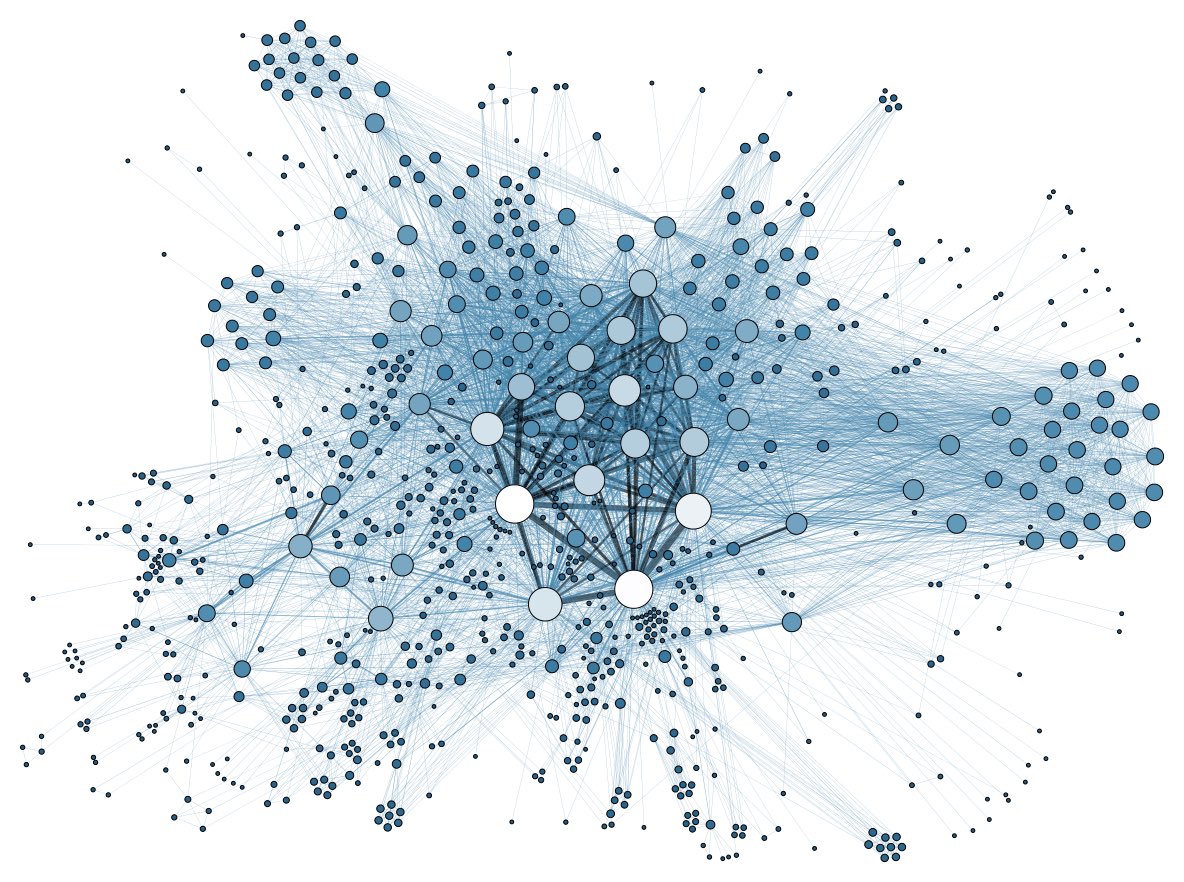
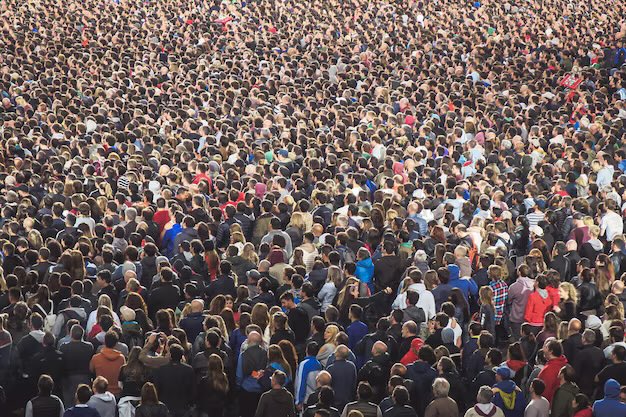
With renewables, again, the Australian community at the election told these anti-renewables activists already. They’d say the same about disease control, if we weren’t blinded by ideas about the people/ the community. FUCK OFF. /end
Social media warriors taking over our institutions. Populists, not fascists. They know making something popular is easy, and gives you the keys to the top jobs in a social media society, where the entire culture is run on popularity. Likes and followers. https://t.co/U5YKVByG9t
We can’t vote our way out of the problems that popularity-based governance causes. Only catastrophe ruptures a status quo. Humans will not surrender status, because to do that is to surrender their identity. https://t.co/lLjy8T6P51
‘So what can we do? is the common question when I suggest humans can’t escape status games. It’s all about that ‘we’. There is no we, in status games. ‘We’ emerges in very specific conditions only. /1
When human groups are under threat. You’ll have seen that all the time in your own life. For example you may barely speak to people in your own town. But if the town is threatened by something, suddenly you find a ‘solidarity’ with your fellow human beings. A ‘we’ emerges. /2
You’ll even have experienced that at school, where the groups you were part of often found a reason to exist as a refuge against threats from bullies or other groups. So, the ‘we’ that used to run things like public health, and now isn’t? /3
I’ve traced that history many times. It emerged from the ruins of the 4 great catastrophes of the first half of the 20th century. WW1 Spanish Flu pandemic The Great Depression WW2. Those created a ‘we’ that we then called ‘the public’. And what was this ‘we’? /4
It was the public institutions we used to repair societies, after that 4-pronged apocalypse. Institutions created and enacted the ‘we’. ‘We’ is a continuous calculation of collective need, by *institutions*. Not the idiot populist idea of ‘the people’. /5
Populism will have you believe that any crowd or social media group you can cobble together is ‘the people’ or ‘the community’. But that’s really just enumeration. Big groups of people together is not a we. It’s just a group of people. /6
It’s the continuous calculation of and response to collective need that is a we. Those institutions just ran, they looked out for us. They gave us that sense, now gone, that somebody, somewhere, was looking after things. /7
We saw it with Covid. When the pandemic started, the institutions already knew what to do, they swung into action. In countries with relatively strong institutions, like Australia and NZ, Covid didn’t stand a chance. It got its arse kicked. /8
But the great Anglo libertarian loon countries - the UK and US - had already had decades of damaging their own institutions, in the post-1970s resistance to the post-WW2 rebuilding. The ‘free market’ movement, really just the restoration of status-driven life. /9
A free market is a fiction, they don’t exist. It’s a blatant con to remove institutional input to human affairs, to allow individuals to play status games again. Look at the phenomenal growth in wealth and influence of a tiny handful of people, since that shift. /10
If you want healthy, prosperous, peaceful lives, you need to live under the guidance of institutions with thousands of skilled staff, continuously assessing collective health and altering course as required. Everything else is just status games. The restoration of Kings. /11
And the only thing that will put those institutions in place, is catastrophe. They’re an emergency response to catastrophe. Nothing else ruptures our status quo. The Catholic Church managed many centuries of probably the only alternative, by targeting status itself. /12
They provided an institution - the church itself - built upon the principle of humans surrendering ultimate status to a non-human power. And a specific non-human (Christ) principle of rejecting status games and scapegoating. /13
Rene Girard saw this, that Christ’s taking of the entire scapegoating mechanism of human status-driven life onto himself, in his crucifixion, was the key to the specific genius of Christian societies. It’s what built them, what held status games at bay for millennia. /14
Of course these status games were then reproduced within the church itself. You can’t be free of status, because status is identity, for social creatures. But you can redirect it, which is what they did. That’s the best you can do. /15
Now in social media societies we’re going in exactly the opposite direction. It’s not capitalism or any -ism at work, it’s rampant, naked status battles. If you don’t address status as the atomic cause of all human thought and behaviour, you will never change anything. /end
It’s organised around status, always has been and always will be. ‘Capital’ is just a status hierarchy of 19th century social theory. https://t.co/g8QeBli6PN
Trump is a wannabe king, not a fascist. As an indication of how the magnitude of the impact of kings can make people confuse one with the other, it’s estimated Henry VIII executed 3% of the entire population of England during his reign. https://t.co/8S46ssnKI2
For every urgent public issue today, social media platforms could identify in less than a day the relative handful of mis- and disinformation hubs on their platforms, driving resistance to action. And shut them down. Fast. Easy. This is where big ideas matter. 1/3
Their ‘content moderation’ processes, if they still exist, relied upon the same idiot idea that everybody needs to be regulated, all at the same time. Why they end up using algorithms. No humans could manage the volume. But it’s also completely misguided. 2/3
It relies upon the same stupid idea that societies are ‘the people’ running things. They’re not, they’re nearly everybody following a tiny handful of people, in each domain of life. Shut down the hubs - there will be tiny numbers of them - the rest fixes itself. /end
Only institutions can save us. Note the usual anger from the populists about ‘unelected’ interference. That’s the real politics of our time, not Left v Right. Institutions v populism. https://t.co/F8RbCjvLPm
Proof that not only is social media our society now, but that it’s an American cultural Trojan Horse. Here’s the opportunity for the rest of the world to switch it off. Which it won’t, because the entire globe is addicted. https://t.co/MOI12rzUVh
I have an American friend who’s a passionate believer in the idea that democracy is about educating and mobilising ‘the people’. I would call this an American cultural disease, except social media has now spread it globally. A synopsis of my counter-arguments, to him. /1
Firstly, despite the almost universal belief that human groups of whatever size act as some sort of agency or entity, like ‘the people’, they just don’t. No group of any size does. We’ve all been in groups of various sizes, we’ve seen this from the inside. /2
The group only ever gives an impression of acting as a single agency when some tiny number of people in it suggest something, which the others then ‘get behind’. A group only exists as a hierarchical following, never as a simultaneous miraculous unanimity. /3
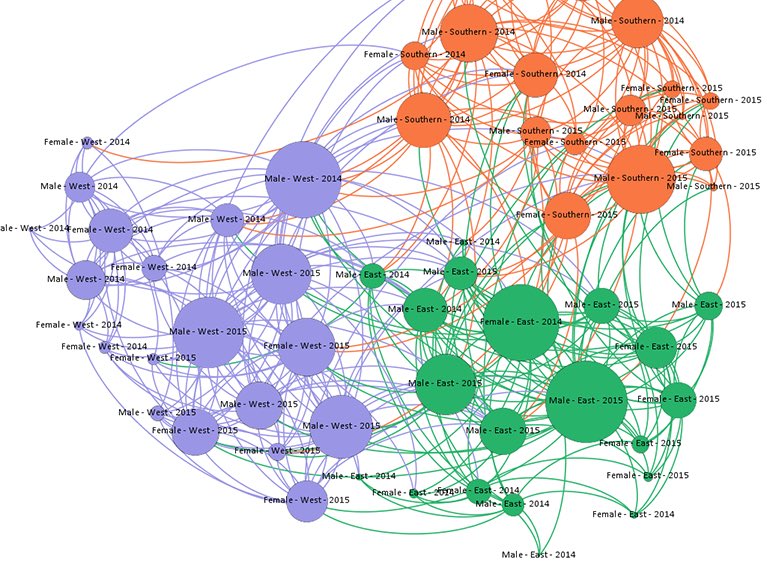
How could we think otherwise? How would it happen that everybody in a group suddenly had the same idea, at the same time? It’s nonsense. Groups are networked hierarchies, always. Society itself is networked fractal hierarchies. They look a bit like this. /4 https://t.co/3PYetaUSaX
A parallel belief that ‘the people’ run democracies is that information does. No society runs on information, ever. Again, how would that even work? Which information? The amount of information out there is beyond anybody to make even the slightest dent in, in their study. /5
My friend passionately every day attempts to ‘educate’ people, to eradicate disinformation and misinformation. And then to mobilise people with their new understanding. It never works, but he’s been doing it his entire adult life. The mythology of it all never dies. /6
I’m pretty much alone in most conversations about this, when I suggest the sign of a healthy society is people knowing hardly anything at all, about anything. Remember the saying, a little bit of knowledge is a dangerous thing? Were we paying attention? /7
Because a little bit of knowledge is all ANY of us can now possibly have, about the staggeringly complex world we live in. We absolutely need all that knowledge. It’s the wonder of our age. But the idea we need everybody to have all of that knowledge? Seriously? /8
See the diagram again. We *delegate* responsibility for that staggering complexity of knowledge, extensively throughout society. So that most of us can get on with living our lives not needing to know it. We’re all part of at least one of the hubs. Knowing something well. /9 https://t.co/brEBIgZ4st
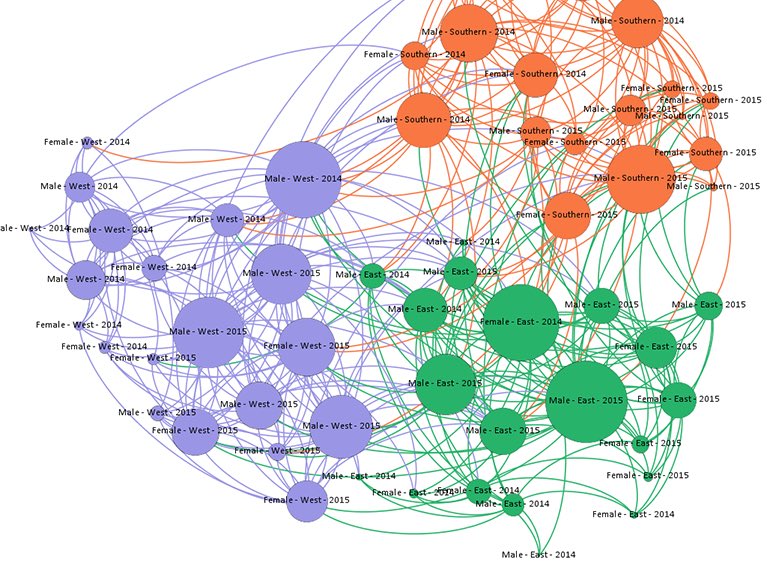
But the idea we all have to know everything about all of them is laughable, dangerous nonsense. Encouraged by populists, because by making everybody an expert in everything, their true mission is carried out. /10
The destruction of *trust* in all of these networked hierarchies. Look at this and other social media platforms, you can be a complete bullshit artist, and post alongside a Novel prize winner, lecturing them on their own field of expertise. /11
Social media IS the toxic implementation of ‘the people’ ideas, across every facet of life. From the most intimate and personal, through to the professional and political. Everybody is now an expert in everything. Apparently. Why society now seems so staggeringly stupid. /12
Humans set up institutions full of millions of skilled people, to undertake the daily churn of the astronomical knowledge-based social lives we live. Populists level these institutions, to be replaced by universal expertise for every individual, through social media. /13
Which is a con, to allow them to then vacuum up millions of ‘followers’ without doing any work at all processing the complexity of peoples’ lives. The medium is the message. These platforms, I say nearly every day, are the way we are destroying civilisation itself. /end
‘Lockdowns’ re-booted societies. They were the fantastic boost to business and workers the status quo would never have allowed. The desperate attempt to demonise them is that old status quo clinging on for dear life. https://t.co/5lpuoClTDr
Trumpian populists don’t get that the institutional checks and balances he’s running aground on *are* democracy. Populists want democracy to be just elections; they can game those. But the rest of us forget where the checks and balances come from. /1 https://t.co/saWRUVj6bs https://t.co/P0UuxjRV3z
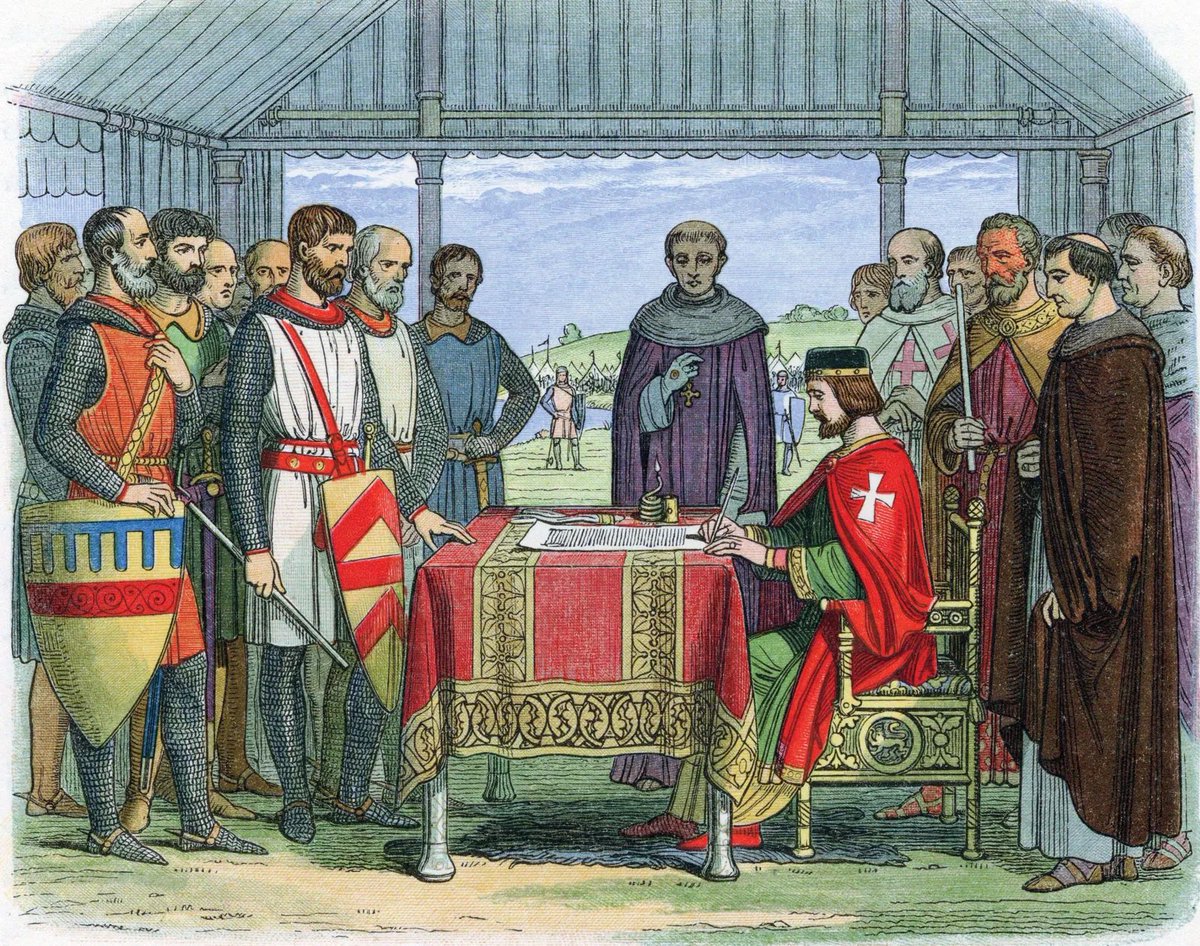
They’re a remnant of the Magna Carta. Which in turn was a truce between a King, and his barons. This is the important bit. Democracy has NEVER been about what we call ‘the people’. It’s been about a battle for supremacy at the very top of human status hierarchies. /2 https://t.co/LETEDbgI9M
Even today, while we should cheer on courts and the law standing in the way of the great tidal wave of orange stupidity, remember why they’re doing it. Not for ‘the people’, an empty, meaningless concept. Existing businesses want certainty back for their trade. /3
That’s the status quo resisting a shift. And let’s face it, that status quo is better than the idiot populism of Trump. But don’t be deceived into thinking this is a battle for ‘the people’. Nothing is ever that. /4
Human societies run on status. Those with high status don’t oppress those with low status, those with low status want to be people with high status. We need to ditch these good versus bad binaries, to stop looking for our own personal Darth Vader in the Death Star. /5
When we do that we really just want somebody else to take that high status position, including ourselves. We want our team to be the winning team, instead of the current winners. All human-centred schemes for governance will become status games. Team sports. /6
Only connection to the empirical *non-human* realities of existence can interrupt these status games. Plagues, natural disasters, ecological collapse. Science is supposed to be the conduit for these material realities, into human societies. /7
Except it’s just as saturated with status games as any other human activity. It progresses one funeral at a time, as Planck said. Right now people trained in science tell us we can live with pandemics, because it boosts their status. /8 https://t.co/daQWgiOwZ2
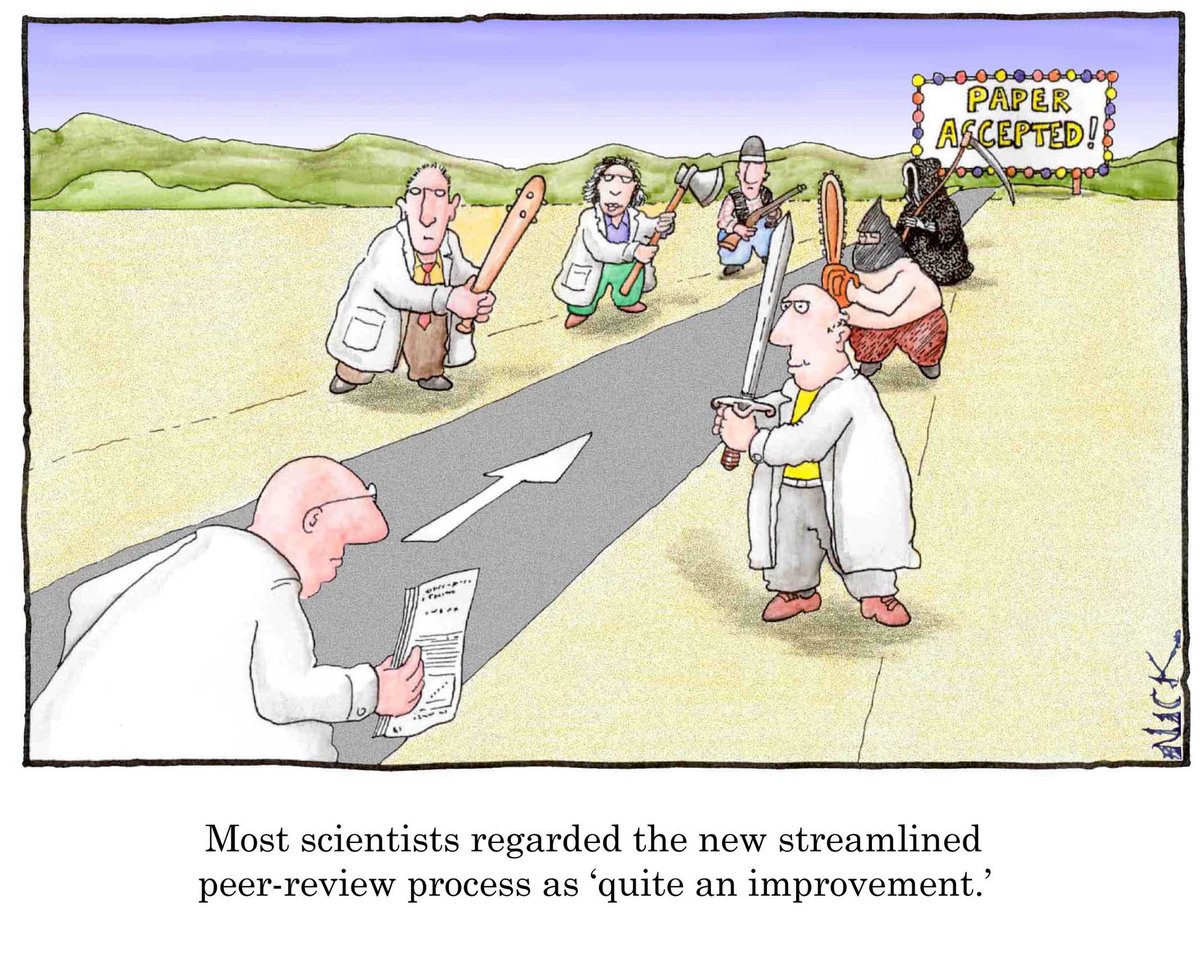
Imagine the Old Testament written today. Where God launches plagues upon our sinning ways. And we shrug and say ‘we’ll live with it, you do you, God.’ That’s how insane societies become when status games are allowed free rein. /9
This is social media society, today. Social media is not about our society, not a place to ‘connect’ or discuss society. It is society. It is where it’s all increasingly transacted. It’s a giant digital high school of likes and followers. /10
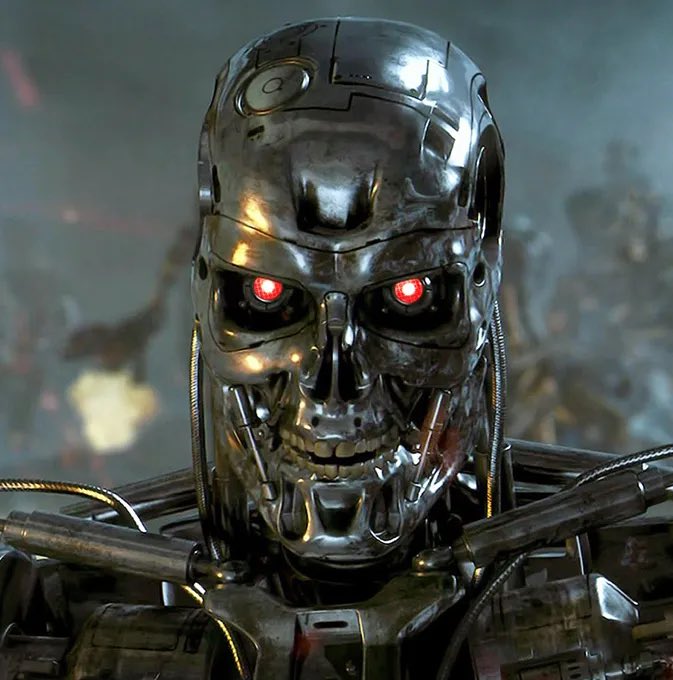
Our stories already imagine a world hijacked by evil machines. We think that’s AI. It isn’t AI. It’s social media. Now replacing our public institutions. Targeting our deepest DNA as social animals. Insanely addictive, because of that targeting. We can’t look away. /end https://t.co/vgIrQLlKOb
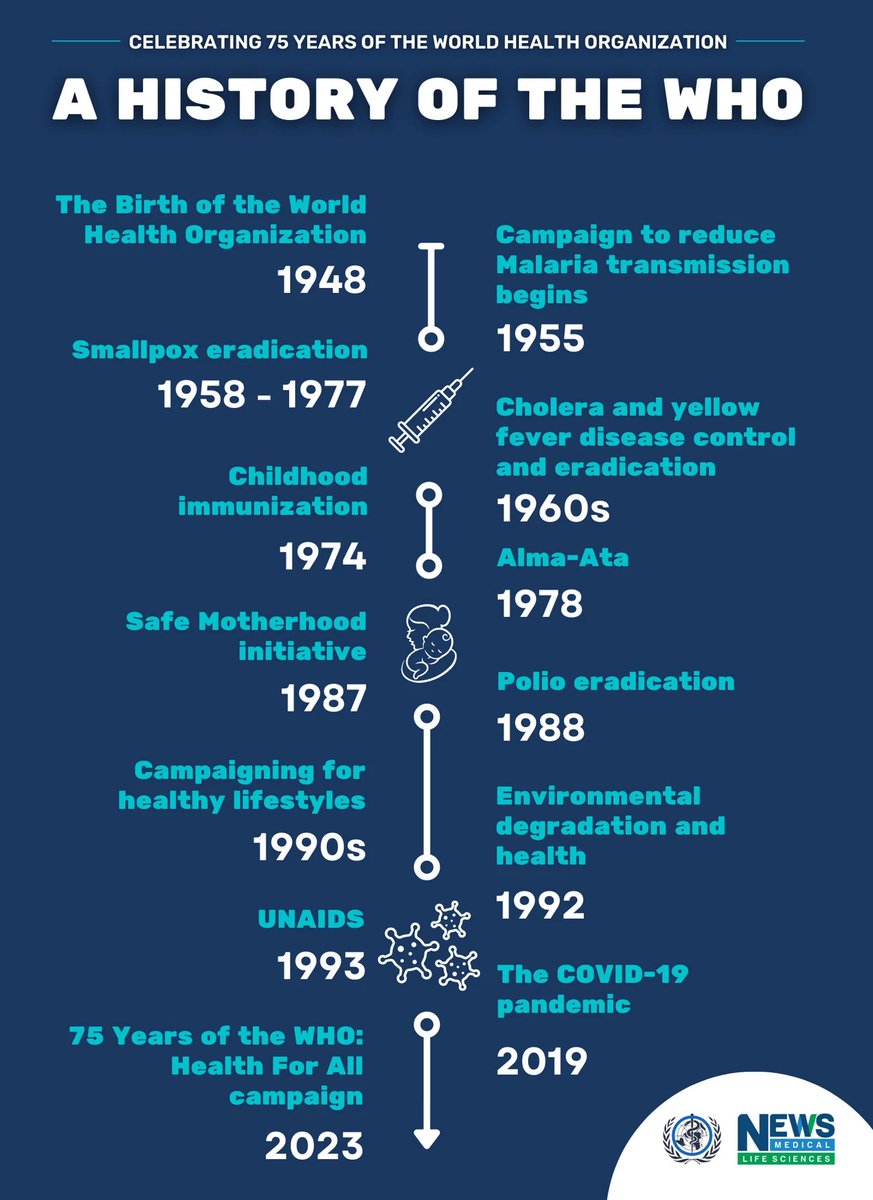
1948. Just after WW2. Public health only became a normalised thing by the destruction of existing status hierarchies in the first half of the 20th century. 2 wars, a pandemic and Great Depression. Status hierarchies now dominate again. Public health is on its knees. https://t.co/RsyQgqNLoR
You can see here the fallacy of ‘the people’, the idea democracies (or any societies) operate by millions of people independently assessing information. They follow others, people they trust. Politicians have vacated that leadership space, because of fear of social media. https://t.co/COFsez3NAw
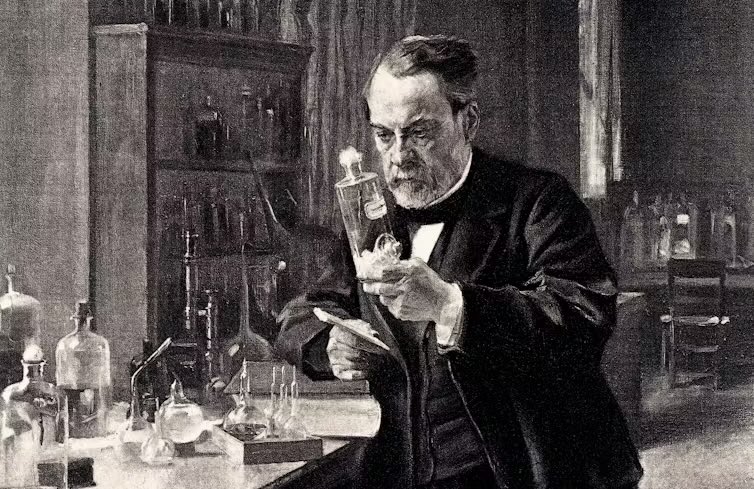
I’m sure Pasteur’s passion wasn’t to celebrate ‘mild’ illness. It was to get rid of illness. Imagine if we had ambition again, not just a passion for boosting our Linkedin profiles. https://t.co/X9X1DpxpPo
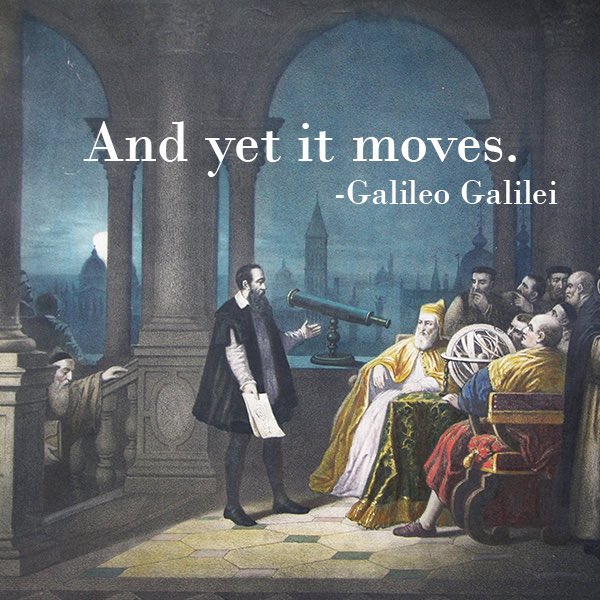
We think politics runs societies. It really doesn’t, it’s recreational team sports overlaid upon material realities. It’s those realities that determine what happens. Every progress is just a response to reality smashing us out of our status game slumber. Galileo knew it. 1/6 https://t.co/oTsPJLvrtu
What I call reality politics. Which isn’t politics at all, humans have a whole variety of Premier League team sports they perform every day, believing they’re shaping reality. They’re just playing status games. The outcome will be largely out of their hands. 2/6
Take the widespread belief that from the 1960s onwards, activist social movements caused massive positive changes to our societies. No, they attributed those changes to themselves, their team. That’s all. What caused the changes? 3/6
That 4-pronged reality apocalypse of the first half of the 20th century. WW1, Spanish Flu, the Great Depression and WW2. Those catastrophes broke existing status hierarchies, allowing massive social change. Reality did it, not humans. 4/6
Track progress in all of those supposed big wins of that time, and you’ll see it’s all unravelling at tremendous speed. The status quo now rules again. 5/6
I don’t come here every day to root for this or that team to win over this or that other team. Who wins those games is irrelevant. Reality wins. Always. It will kill millions of us if we refuse to see it, it has no feelings. /end