Humans will transform every existential threat into more status games. We saw that with Covid, a pandemic…
Humans will transform every existential threat into more status games. We saw that with Covid, a pandemic became a launchpad for multiple ‘causes’, which are social movements driven by desire for status.
Disaster makes it easier to bypass an existing status quo.
/1 https://t.co/UjybnbM8Wq
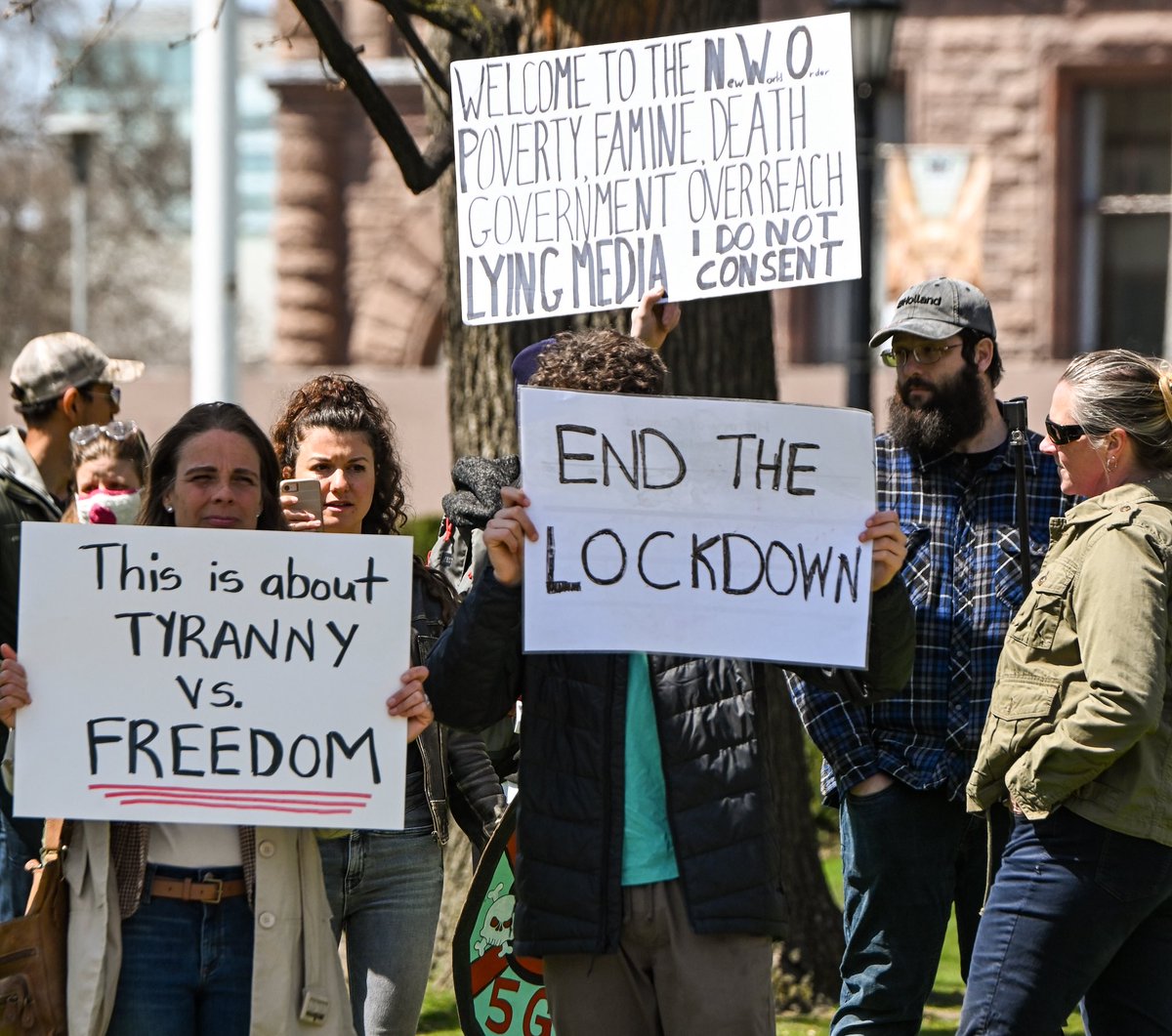
As politicians know, the fastest way to gain influence is to make people feel threatened. ‘Shock jock’ media uses the same insight, to create a continuous sense of crisis.
Then vacuum up the anxious, steering them towards yourself as the new high status leader.
/2
But it’s not just ‘elites’ who do this. Take diseases, as one bizarre example. Peoples’ afflictions become their rallying point for status and identity.
Those who try to generate discussion about long-term chronic impacts of infection find this out very quickly.
/3
Every existing disease social group will appear, weapons drawn, to challenge the possibility of another disease taking some of their status-oxygen.
Of course all of these people are suffering. That’s not the point.
/4
The point is that the disease becomes so entrenched as the way they have a status and therefore identity, that it reaches a point where they would almost rather be sick.
Because if they weren’t, it would be a major threat to their status, and therefore identity.
/5
The disease makes them somebody, rather than nobody. It gives them a much more powerful status than being well ever did.
None of this would be necessary if wellness was a proper institutional focus. People play status games with health when it isn’t.
/6
You can see this same pattern across every facet of human life. Completely dysfunctional things remain that way largely because status hierarchies emerge around the clusterfuck.
The dysfunction becomes the thing that makes people important, that gives them status.
/7
Which in turn acts as an enormous handbrake of inertia then in fixing the problem, because to do that means surrendering a proliferation of status positions people have achieved in working with the dysfunction.
This is why you have to understand status to effect change.
/8
And sadly all that tends to interrupt status games is more catastrophe, to re-jig the existing status quo, which will hold onto the existing clusterfuck for dear life.
Victorian England stumbled upon a way out of this impasse.
/9
It made expertise itself a high status activity. Solving public problems. That’s what the Republic of Letters and its Royal Societies etc. were about.
You can’t be rid of status games. But you can divert them to actual human material need.
/end