The idea that democracy is ‘the people’ running nations is like self-organisation theory. That we’ll together…
The idea that democracy is ‘the people’ running nations is like self-organisation theory. That we’ll together spontaneously decide upon the optimum thing to do.
It’s also the basis of market-based econo-politics. Democracy and markets, bedfellows!
It’s bollocks.
1/8 https://t.co/X6zwDODRRI
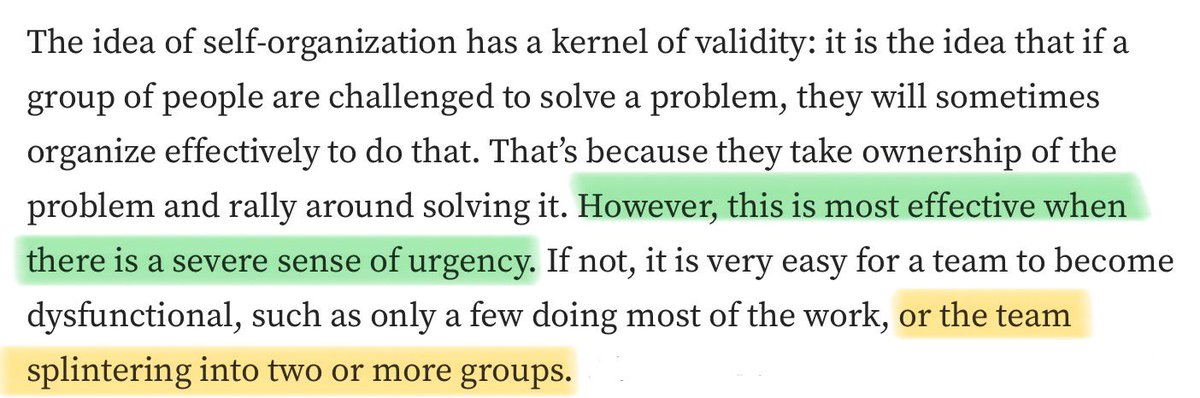
As I often Tweet about, all that drives human groups to work together at all is a threat, a catastrophe. The bit in green.
Without the catastrophe, they just play team sports, status games. The bit in yellow.
2/8
https://t.co/4qNps6w0H6 https://t.co/mU0nuZPEkt
Both those for democracy, and those who oppose it with market-based solutions, share the same idiot fantasy idea of self-organisation.
Revealing that State vs markets is just another team sports status battle, with no connection with actual reality.
3/8
Humans will *always* form hierarchies, using status as the glue. They will always strive to attain and maintain a status in relation to other people, because that also gives them an identity.
They are then somebody, rather than nobody. It’s staggering this isn’t obvious.
4/8
And this isn’t bad, or even good. It just is. For something to even exist, there must be a scale of value saying X is better or great then Y, all the way down the hierarchy.
Without hierarchy, there is no distinction between things, of any kind. There is no-thing.
5/8
All ideas of ‘the people’ and self-organisation do is allow some social status groups, who pump these ideas, to gain status over others.
We never, as individuals, spontaneously act as one group mind and will. Everything is led, in all spheres of life. By about 5% of us.
6/8
5% of plumbers determine best practice for plumbing. The same for teachers, accountants, politicians, hairdressers - everything.
It can be a different 5% in each group, it’s not elitism or authoritarianism or fascism.
7/8
The best plumbers are rarely the best hairdressers or politicians, etc. We each have roles in different hierarchies, higher in some than others.
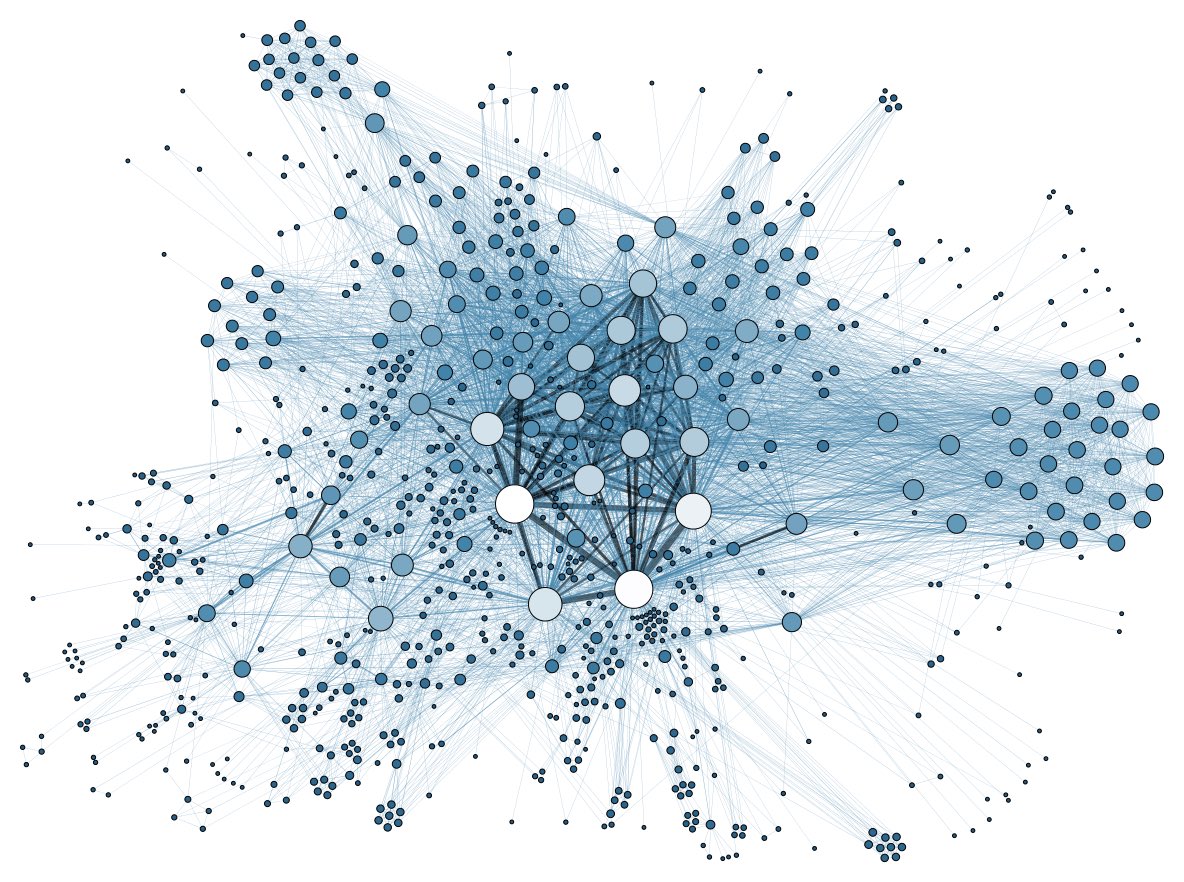
Societies are networks, of many hubs (5%) and ‘followers’. Hubs come from threats or catastrophes, which they lead us from.
/end https://t.co/kdEOQUwY2I