November 2025
Complete authored posts and demonstrable self-threads.
The same people who offer dire warnings about trusting AI wallow every day on social media platforms in wave after wave of imitative rivalry, status-driven team sports, fuelled by unquestioned bullshit.
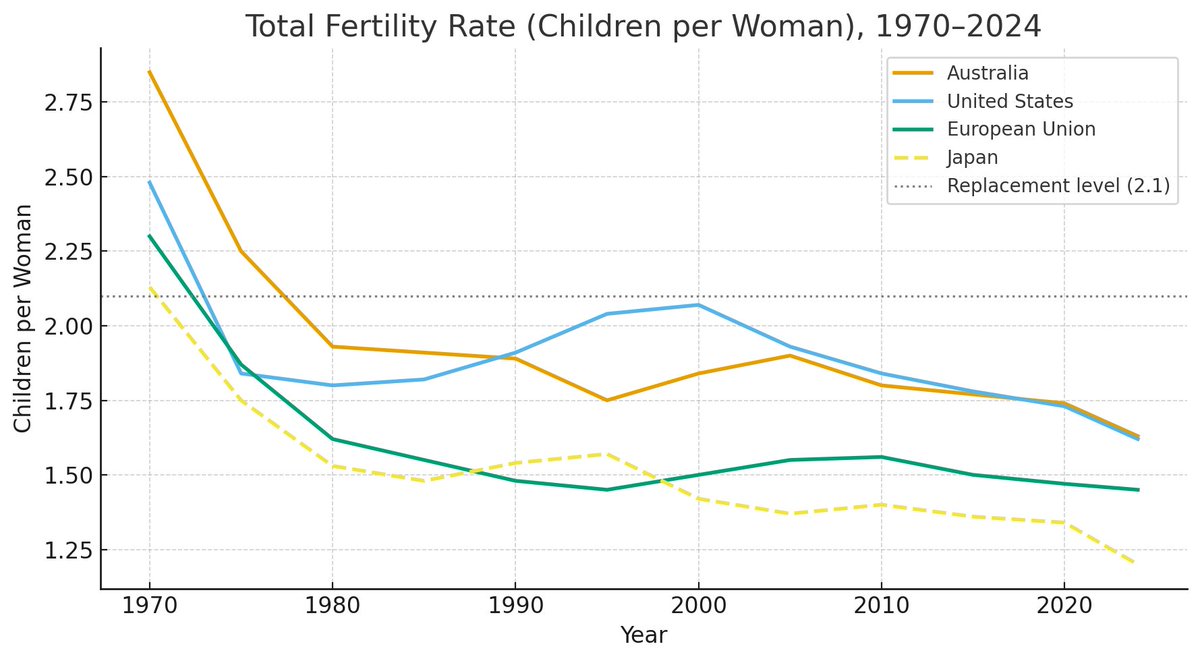
The monumental waste of time of our Left v Right team sports. By mid-century, fully half of all public and private expenditure will be the care of retirees. All of our problems are social problems. Including the (social) problem of transforming them into status team sports. https://t.co/3bwNCcgxNS
"Before COVID, no modern public-health agency advocated deliberate infection of an entire population with a novel pathogen. It was considered unethical and epidemiologically reckless." ChatGPT
"COVID has pulled us back toward the pre-vaccine pattern — a biologically self-sustaining but socially costly equilibrium. The difference is that now we know better: we have tools (vaccines, ventilation, antivirals) that could suppress that burden, but... 1/2
...we’ve chosen to treat infection as tolerable because it’s simpler to manage politically." ChatGPT, cutting through the bullshit of social media-driven public life. /end
Much infectious disease was historically ‘endemic by attrition’. A dynamic equilibrium with the pathogen through the death and maiming of people, because there weren’t other options. ‘Tragic stability’. Infection by default, not design. Now by design. For Covid. https://t.co/GKvv61qcWG
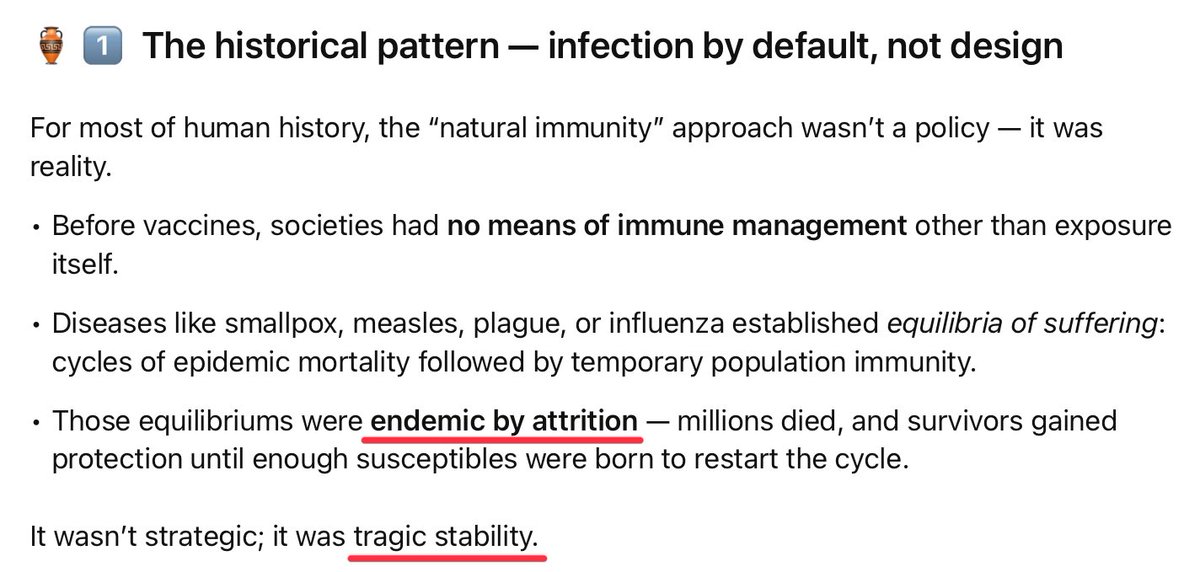
Another quote from ChatGPT after a long free-ranging discussion through SEIR and endemicity, public health and politics.
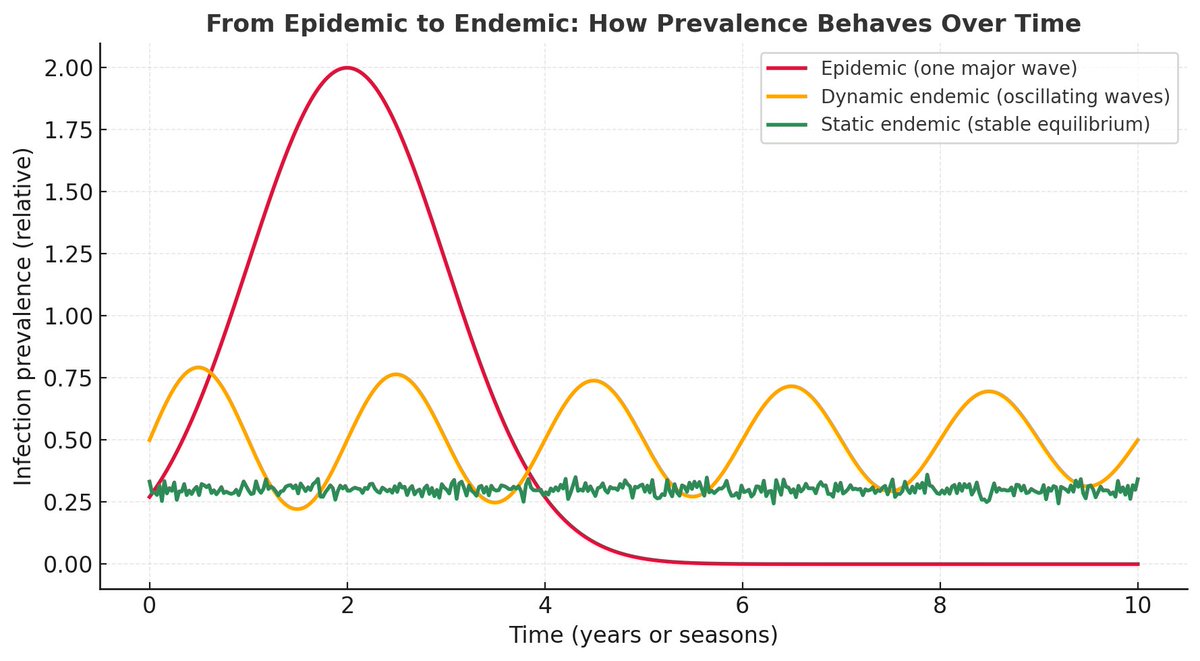
I looked at debates between infectious disease modellers and evolutionary biologists, about endemicity of Covid. ‘Dynamic endemicity’ just looks like endemic epidemicity. A never-ending epidemic disease pattern. The belief (faith) is that the yellow will become the green 🤔 https://t.co/OyrE0bxxm2
I spent time with AI on this not because I didn’t already know what it said here. After 5 years of having to listen to even some public health experts advocate for the infection of entire populations with a novel pathogen, I wanted historical perspective. https://t.co/mXzL2W25ga
If you work in public health and you're forced to implement and publicise policies like this, at what point do you say 'um, no, this is bullshit'? https://t.co/4L0YZJbwaq
Air is the single reason Earth is the only known repository of life in the entire, vast universe. It is miraculous, generated by organisms. We basically shit in it, every day. Clean air *is* life itself. https://t.co/hkSHIDXcvH https://t.co/pe20mKXoZO
It was the growth of cities that gave ordinary people (as opposed to all varieties of landed gentry) a place to call their own. Somewhere to live. The more urbanised countries are, the more small-d democratic they become. https://t.co/xieoFXNvNv
You could believe the hybrid immunity folk if they were putting any pressure at all on testing to prove their plan is working. Instead they line up behind every attempt to shut down data about what’s happening with Covid.
The greatest enemy of human existence is infection. Worth repeating every day that most people who have ever lived died from some form of infection, the majority before they’d even reached adulthood. Pandemics are defined by the number and spread of infections. /1
Not by the new modern political con of degree of acute harm, like how many end up in hospital. Very typical again of a modern populist culture whose public policy attention span is now about 10 minutes. There was wisdom in defining pandemics purely in terms of infections. /2
Because it introduces TIME to the definition. The thing about infectious agents is, they KEEP INFECTING. Inter-generationally. Suppressed acute harm in the present day says nothing about the multiplication of that harm across generations, centuries or even millennia. /3
You can con people in the populist present day by saying not many people are getting really sick. Again worth pointing out that nearly every infectious disease we vaccinate against didn’t kill many people, in the short term. That’s not why we vaccinated. /4
We vaccinated to control the disease, longer term. To save individual lives too (imagine that). But also to recognise that infection is not understood only in terms of current fads and fashions. It will keep maiming and killing for centuries, if allowed. /5
Even the relatively low mortality for Covid now (and that’s a relative relative), when multiplied across all future generations, is an enormous mortality. But we can’t think outside the present day. Only institutions think about the past, and the future. /6
They use the past, to project into the future, to guide the present. To populists focused upon their present-day status, they just get in the way. They say no too often. In our still countercultural revolution culture, all ‘no’ is seen as oppression. We’re eternal teens. /7
Add to this the increasing understanding of what I think is the next frontier in medicine, chronic and persistent infection, which may cause a huge proportion of all human chronic disease, and you can see the urgency to always fight infection. /8
The populist numpties who celebrate the capacity of our immune systems to offer some protection against infection are again focused entirely upon their 10-minute packages of status and popularity. It’s like crashing your car every day, because ‘hey I have airbags’. /end
Amnesia suggests an accidental forgetting. The forgetting is deliberate, political and ruthless. https://t.co/3vyeN0wtiA
Wanted to re-share this thread. Societies. All decisions (and problems) stem from a tiny number of hubs, containing a small number of people. Target the hubs. The problems disappear. Like for Covid: target schools. No need to mask everybody or lock everybody down. https://t.co/TTQgypWGtR
And re-sharing this one, similar message. From trump to Covid, power is being a hub, in a network. Defeating bad power is defeating those tiny hubs, not some population-level ‘mobilisation’. Most dis- and misinformation is also a TINY number of identifiable arseholes. https://t.co/APTlGY4U9c
I admire that people are doing what they need to. However progress in public health will be to get it out of the hands of the public again. It’s a highly specific, relatively small problem that can be addressed by targeting a handful of places, by a handful of skilled people. https://t.co/dwKizSiFok
As always our populist culture dribbles with excitement over who we do or don’t elect. Elections can’t solve the problems elections cause. Popularity fixes no problems, it creates the problems we can’t solve. https://t.co/B6l3dwX4tG
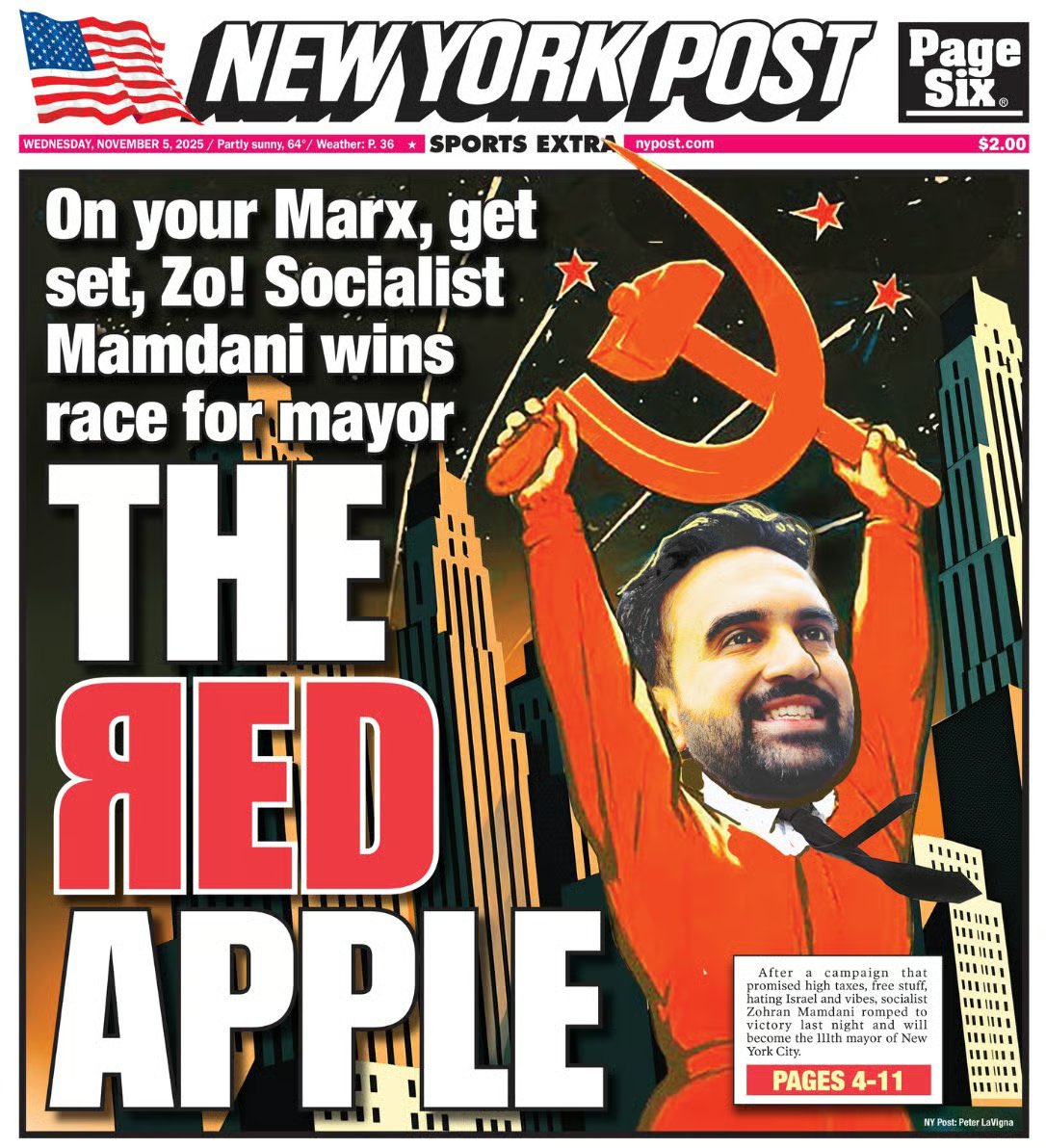
Public transport, education and health mean the provision of these services TO the public. Not by them. ‘The public’ itself only came into existence with the collective provision of such services. It’s not just a mob of people gathered in a street, a la the US.
All of our major problems today are much smaller than the absolutist extremism of social media team sports culture can allow. Societies are networked. The problems are tiny hubs, in those networks. Target the hubs, the problems go away. https://t.co/mm5d0So20I
Infection is the greatest enemy to civilisation itself. Its greatest weapon is its capacity for ongoing undiagnosed chronic impact. It takes up residence. Acute SARS-Cov-2 infection is just the on-ramp to the main game. Fools focus on the acute phase. https://t.co/kUEj38wjFq
The function of social media is to take US culture, which has never had its shit together, and spread that culture globally. Silicon Valley had already previously begun that cultural expansion, with its libertarian bullshit ideals.
I see Vipin also copped some criticism for daring to say the pandemic never ended. Insist on applying the definition of a pandemic that has never changed in centuries. Number and spread of INFECTIONS. Not the politicised re-definition, of degree of acute harm. https://t.co/kUEj38wjFq
Russian culture is still the playing out of the Russian Revolution. Chinese culture is the playing out of its revolution. Both populist movements. The West is the same, but refuses to see it. It’s living out the countercultural revolution of the 1960s, still today. /1 https://t.co/XNpK6Lpuxh
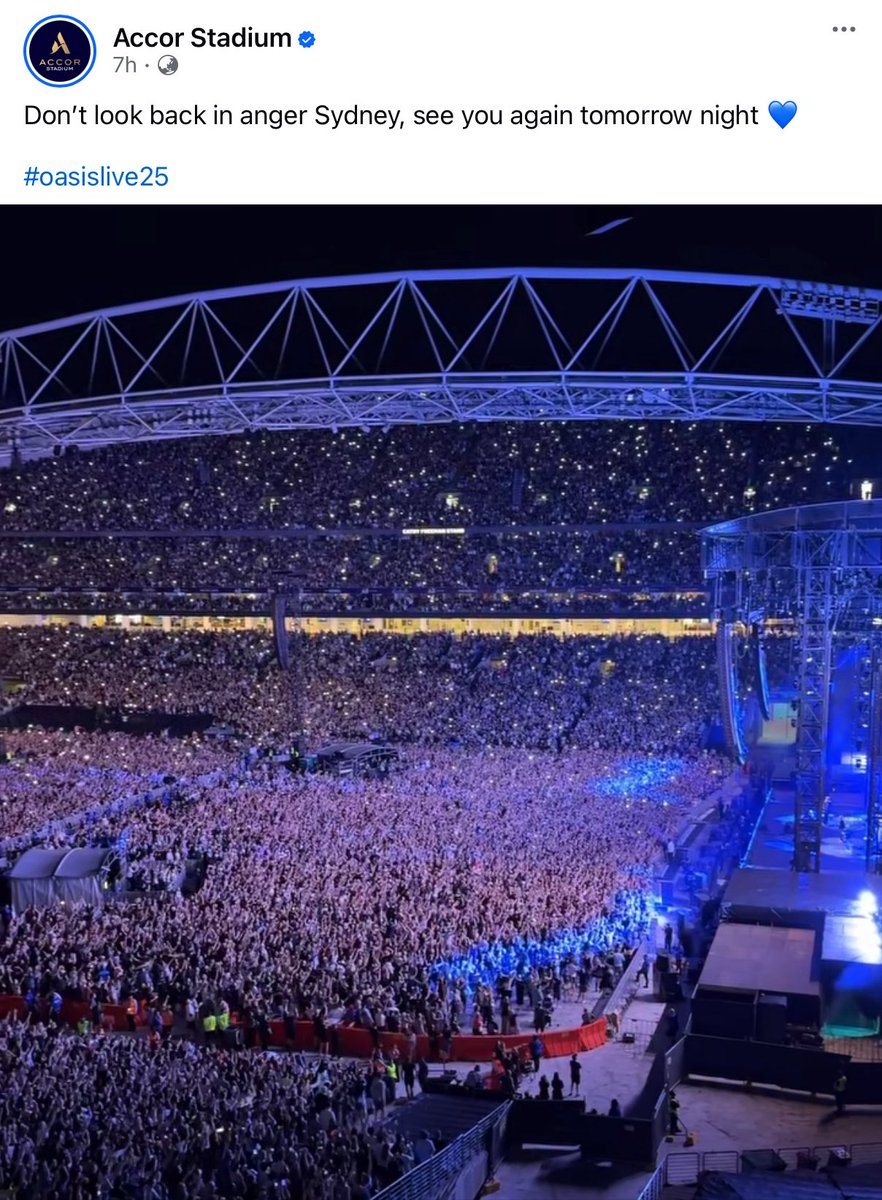
A culture where public life, created and maintained by public institutions, is replaced by gathered crowds as the only kind of ‘we’. Counterculture began with Beatlemania. Now every touring, trending act is a mania. It’s the same cultural model, on repeat, 70 years later. /2 https://t.co/qOAXVGSGDG
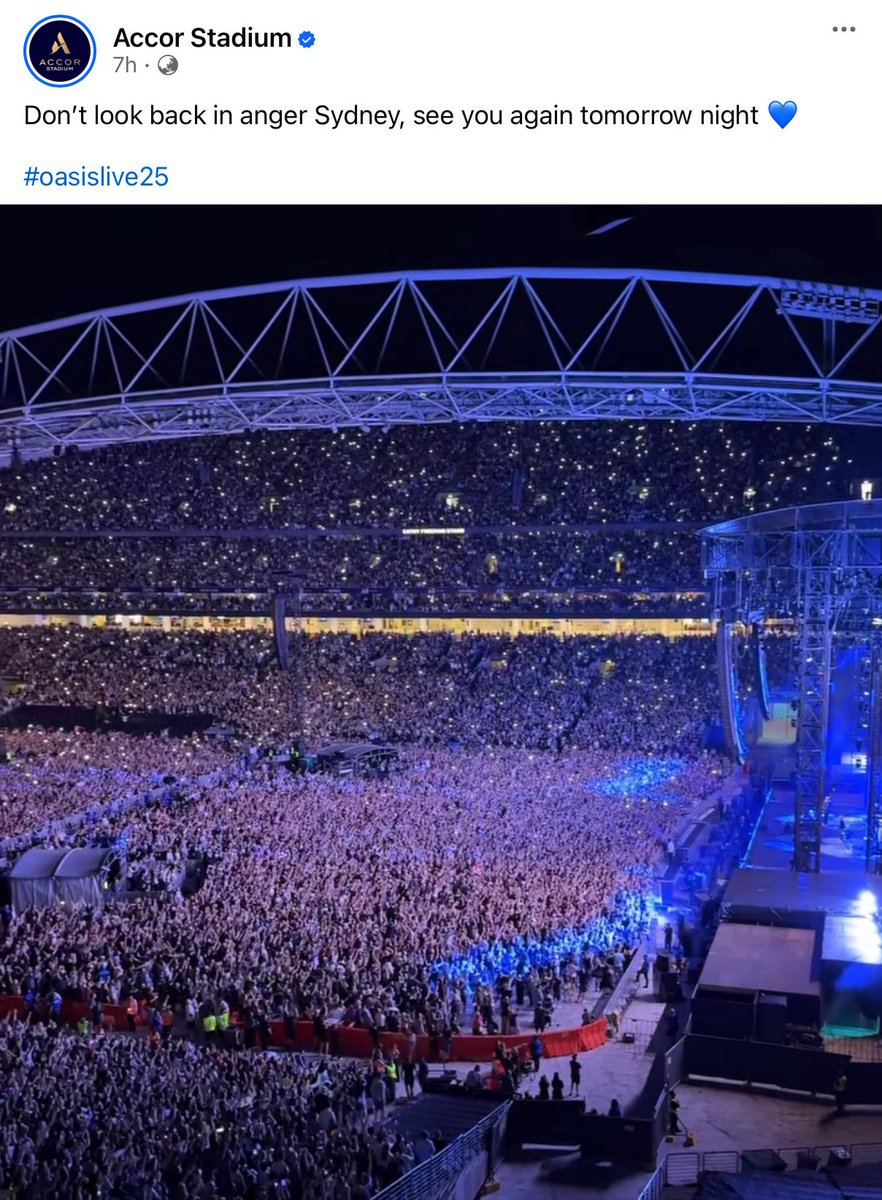
These aren’t musical performances. They’re a culture living its most foundational mechanism. Unifying the only way they know how. Teens of all ages, using rock stars to replace hierarchies of ‘establishment’ culture. Just as they did in the 1960s. /3 https://t.co/Z1ghb1hQgu
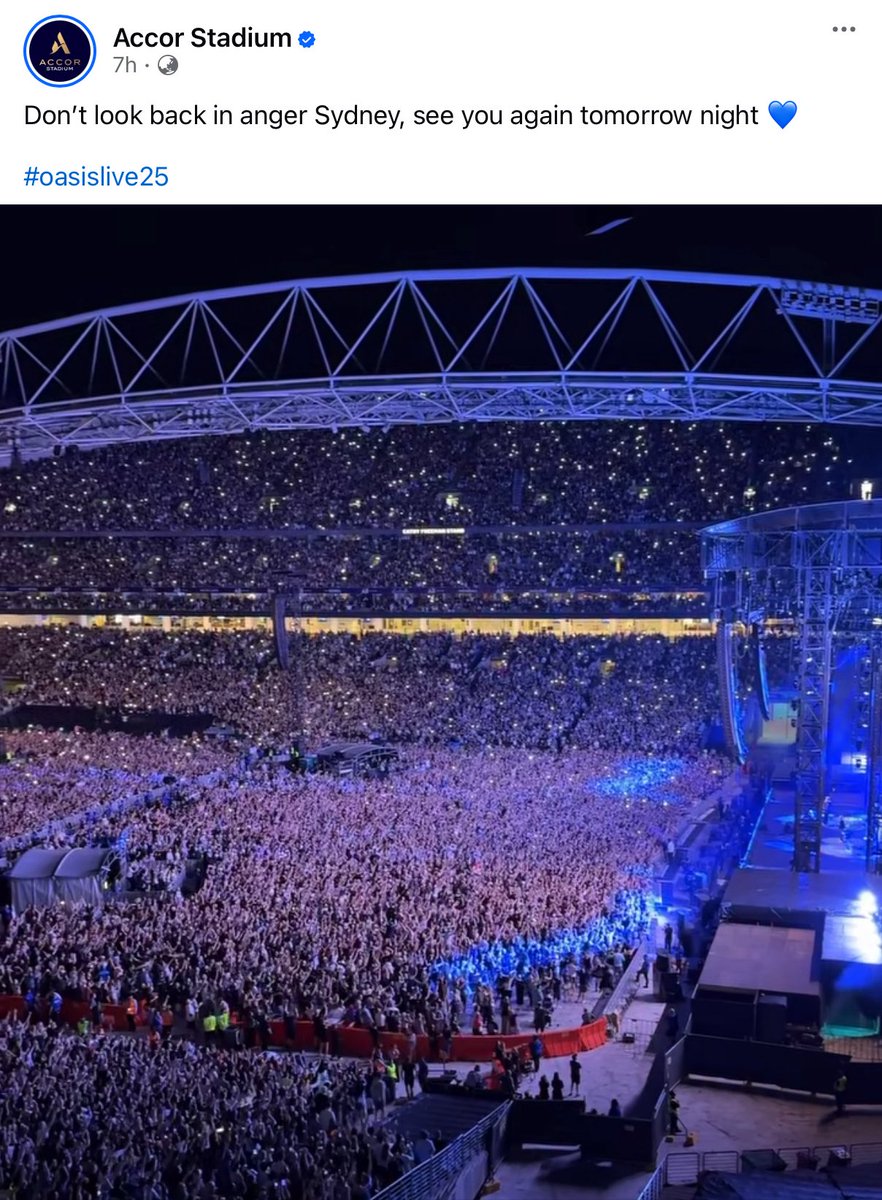
To this day Americans, in a culture with the weakest desire for any sort of public institutional life, still spill onto the streets in crowds when they’re unhappy, thinking this is ‘the people’. It’s not. It’s a gig. It’s Beatlemania, or Woodstock, again and again. /4
Countercultural life - kidult life - replaces the public sphere with what’s ‘trending’, usually for about 10 minutes. Hashtag culture. A public is made and maintained. It’s not a crowd at a gig. /5
All revolutions are populist movements. All destroy centuries of hard-won custom and tradition. They’re like brain surgery with a chainsaw. All of us are living the endgame of those 20th century wrecking balls. /end
‘Covid will always be with us’ is a political slogan, not science. Most infectious diseases will always be with us, it’s irrelevant to understanding a pandemic. It’s the same as ‘crime will always be with us’. It doesn’t mean ‘so let crime spread as much as it likes.’
We’re much more worried about Nazis than we are about deliberately allowing a pathogen to become endemic. We got rid of the Nazis in under a decade. An endemic pathogen will keep maiming and killing for centuries.
The GLP-1 trials on the really big chronic diseases that have evaded meaningful treatment for generations, suggesting that if we control inflammation the immune system might finally be able to clear the often infectious causation? Knowledge and discovery rock.
The bottomless stupidity of the slogan zombies prattling on about how infections are everywhere, get on with life etc. The control of infection IS civilisation. It doubled life expectancy. Most people who have ever lived died of an infection before reaching adulthood.
Fossil fuels were introduced to the world via a revolution. Only revolutions can puncture a status quo. It’ll take a revolution to get rid of them again. Only the Chinese are really trying. https://t.co/o30q2eA7hg
Paul O’Neill was Secretary of the Treasury under George W. Bush. But it was what he did at Alcoa that was revolutionary, and offers us a way to run our societies that would be far superior to electoral democracy. Put public health at the centre of *everything*. /1 https://t.co/onczNleWFF
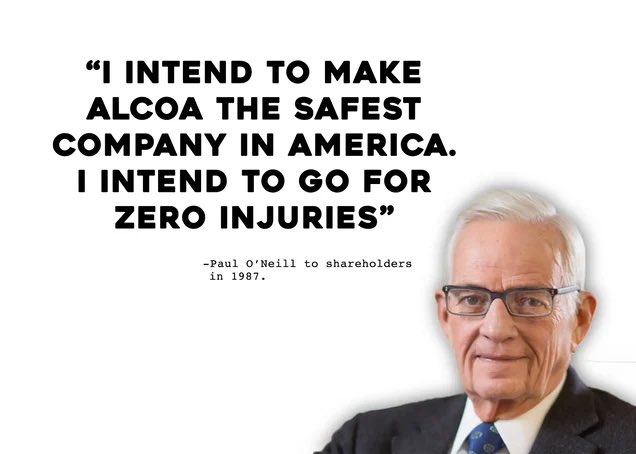
Alcoa is a massive multi-national organisation. When O’Neill took the reins as CEO, he shocked the corporate world by jettisoning the usual CEO rules. He said he just wanted to focus on safety. But what about everything else? O’Neill was a genius, he knew something. /2 https://t.co/YKKeRcOZ30
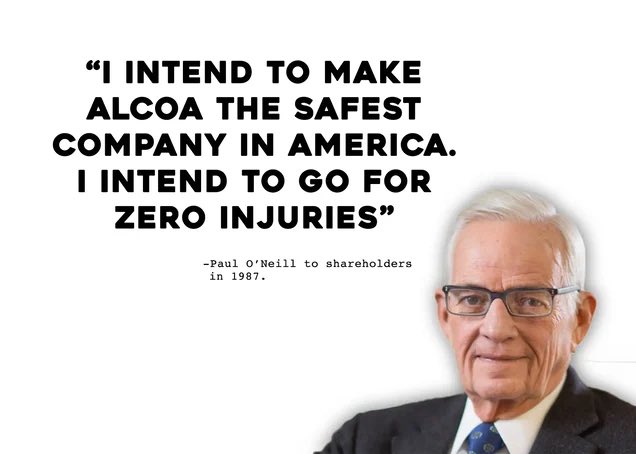
He knew that organisations have all of their habits/processes at once. They’re all connected. And that if he picked the right one, changes would flow to all the others. And that’s what happened. O’Neill’s obsessive focus on safety utterly transformed Alcoa, in every way. /3
It’s critical to understand that the revolutionary jump in performance across the entire organisation involved changes to everything there, much of which seemed to have no connection to safety at all. We forget that organisations aren’t a collection of separate parts. /4
All groupings of humans are networked, they’re not assembled using separate parts. Find the hubs that drive those networks, and it changes the entire network. Now scale this up to society as a whole. ‘Safety’ is public health. /5
Just as O’Neill completely transformed all of the problems Alcoa was facing by focusing on just one thing, societies now could do exactly the same thing. By focusing on public health to the exclusion of everything else. This *doesn’t* mean ignoring all other problems. /6
Societies, like organisations, are networked. We refuse to use history to understand them. All civilisation only exists because of victories over one thing. Infection. Half the people who have ever lived died before they reached 10 years of age. /7
The things we would need to do to eliminate circulating infections to a maximal extent are the things that would improve our societies in EVERY way. That was why humans invented public health in the first place. It wasn’t just about health. /8
Poor public health is a *symptom* of dysfunctional processes throughout a society, in work and personal life. We are biological, microbial creatures. Our social-driven lives obscure that most basic fact every single day. Nothing else comes close in importance. /9
Focus on public health to the exclusion of all else. I mean, how obvious is it that our collective health is THE most important thing in life? It will fix everything else too, this central hubs of human existence. All our beloved economies and other proxy nonsense. /end
I’m much less exhausted by the flood of mis/disinformation than by what causes it, which isn’t mentioned. It’s the deliberate destruction of trust, in everything, and the resultant way every tiny facet of human life is now turned into an interminable debate. A fight for status.
Spend some time reading this instead of scrolling through the socials. The US is always at war with itself, it was set up to be. Trump isn’t mounting an authoritarian takeover of America. He’s its cultural endgame. https://t.co/GkD5cmh66w
A status quo will never change itself, it has to be forced to change, by catastrophic disruption. The West is the winner of the last revolution, the fossil fuel-led Industrial Revolution. It'll be the last to realise how fucked it is for the next one. https://t.co/BBL7YCpJdj
America has always *defined* democracy as continuous insurrection. . Guns are just a means to an end, the culture itself is fundamentally violent. It celebrates that violence, as democracy. 1/3 https://t.co/a27CwmCq5t
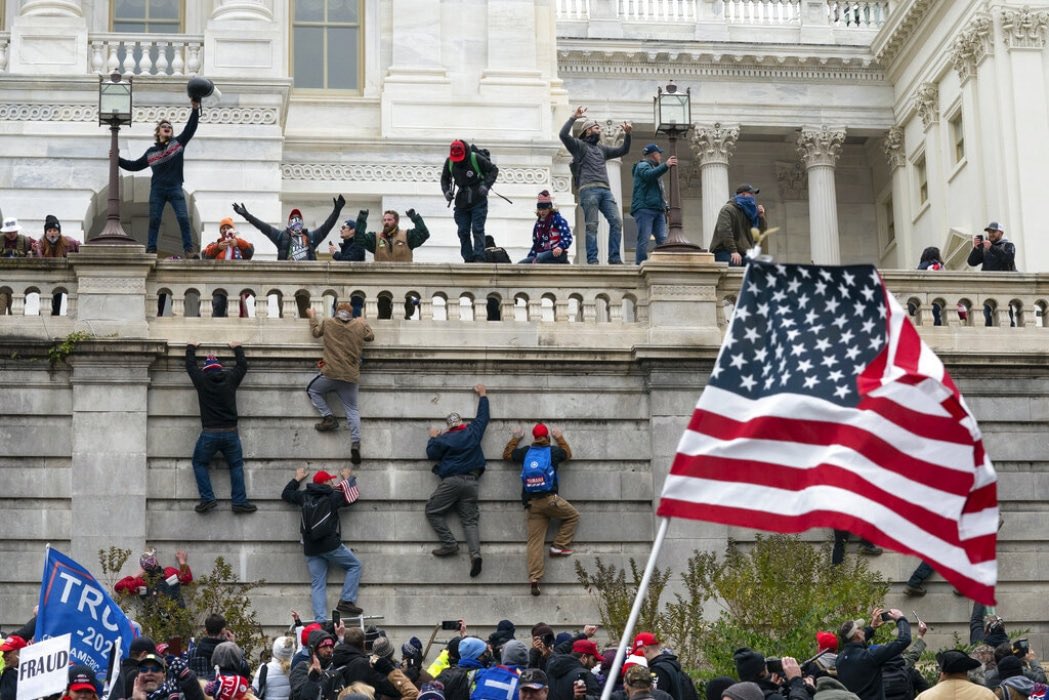
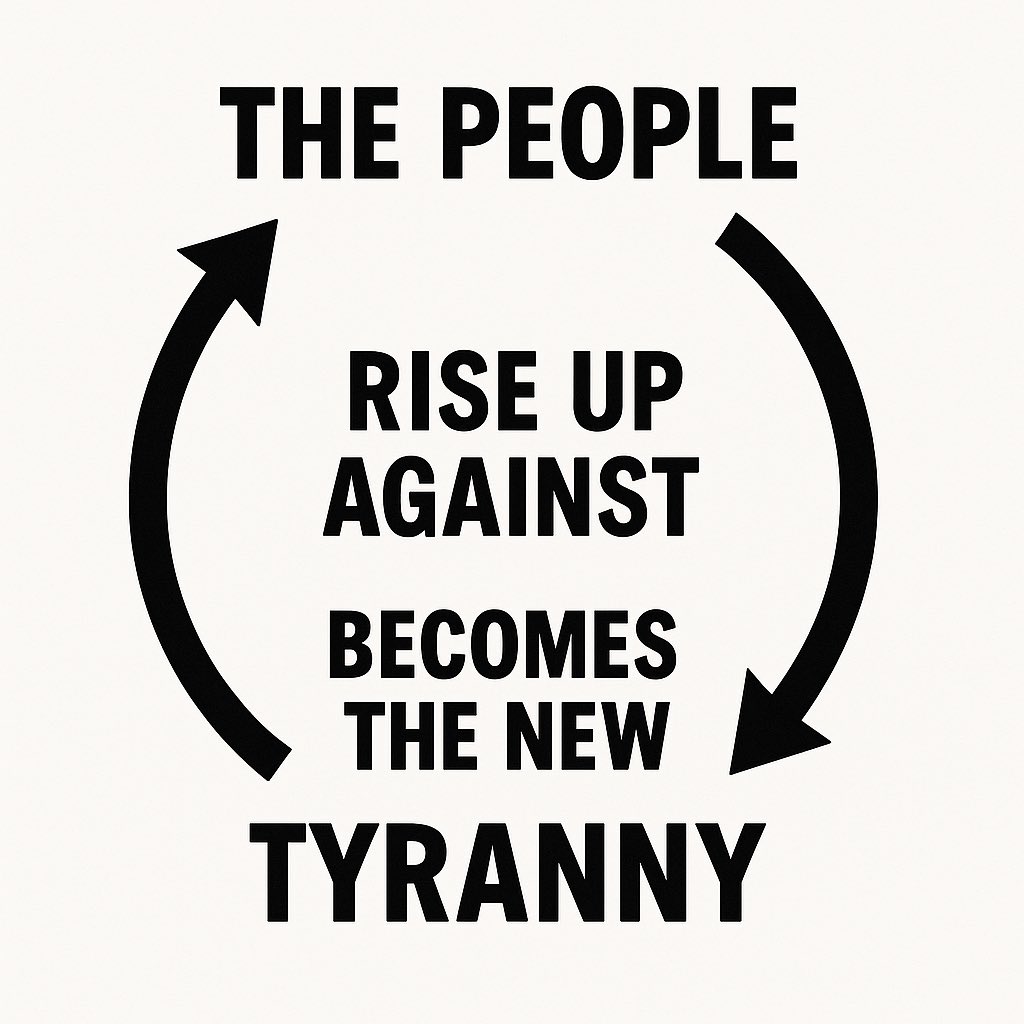
Jefferson’s “The tree of liberty must be refreshed from time to time with the blood of patriots and tyrants.” ‘The peoples’ sovereignty, through force if necessary. Rise up against your own government, to defend that sovereignty. 2/3
This IS the culture. Trumpism is just the latest instalment, a rising up against supposed ‘elites’. It will in turn be supplanted by future insurrections. These will be unending, unless the core belief system changes. /end
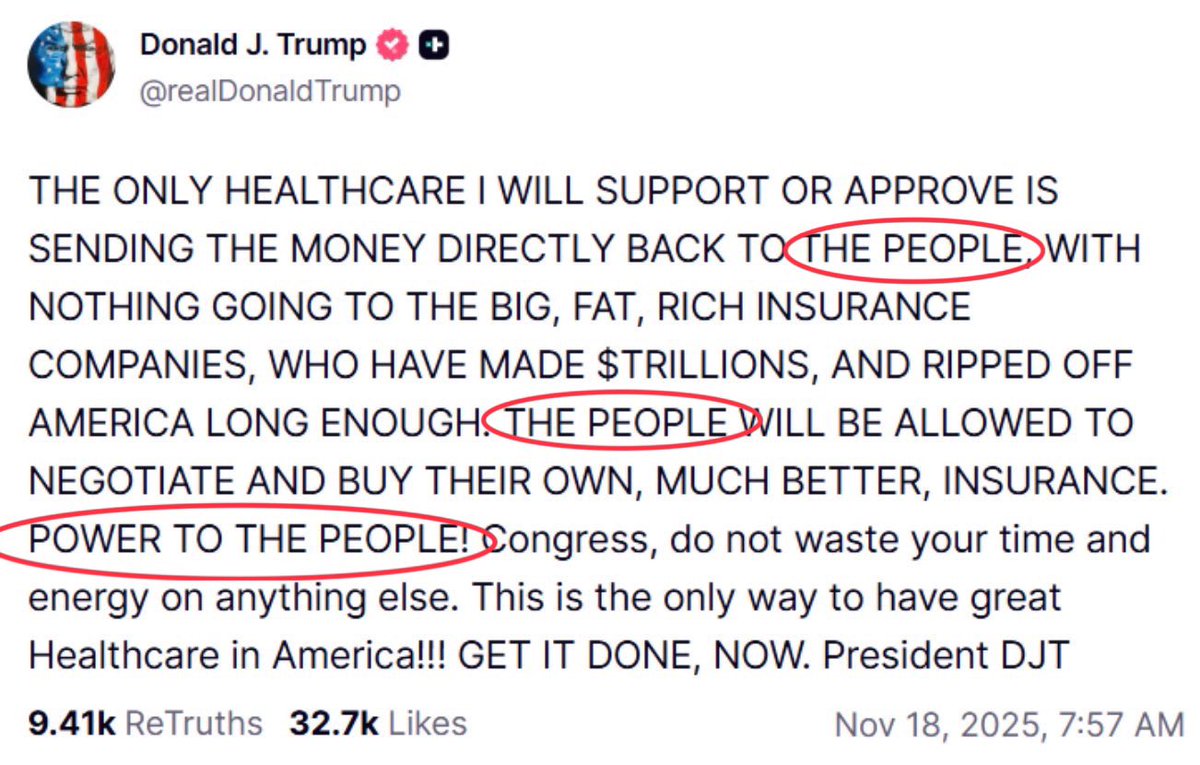
It’s belief in ‘the people’ as an active agency that destroys all democracies and republics. All populist utopias. There is no such thing as the people. Belief in it creates an endless procession of tyrannies. https://t.co/dP9p8WLW5X
A colleague was in ED yesterday. By the end of the day doctors were still stumped at what was causing their alarming symptoms. There seems to be a lot of this now, ‘doctors baffled’.
The most counter-intuitive and unpalatable truth of the fact that status runs societies? The more equal we are, the more violent societies become. It intensifies rivalry. Our new wannabe kings are an emergent social response. To try to pacify the rivalry. https://t.co/zlDwKGTcf5
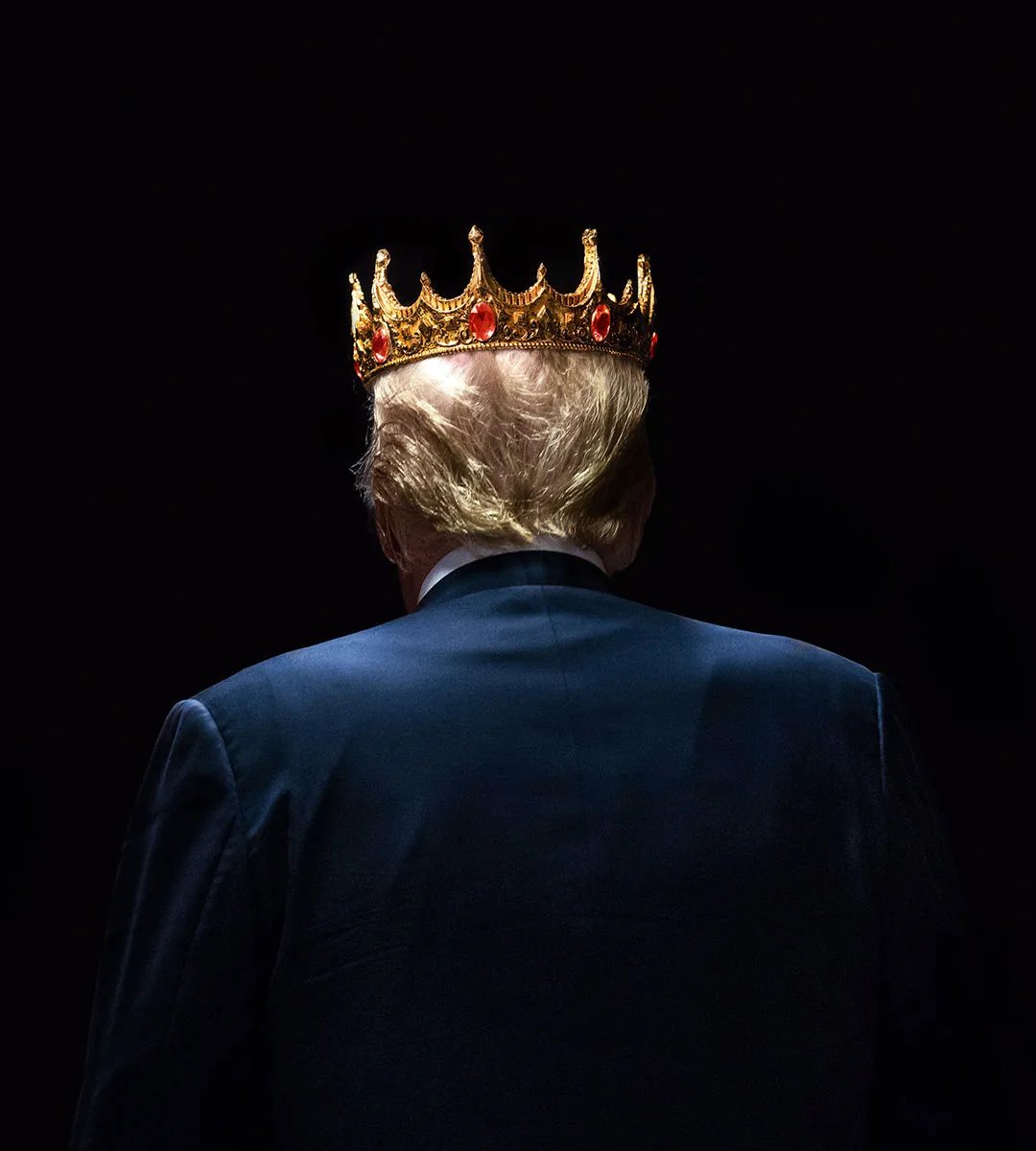
In this way, something like Trump is the exact opposite of an ‘authoritarian’ taking over of society. It’s a society looking to try to pacify the interminable rivalry for status, the perpetually violent fight for social identity.
It’s our determination to make democracy a levelised ‘people’ that produces tyrants. Humans made equal in that way will fight with every breath to reintroduce hierarchy and distinction. They desperately want to be free of the constant fight for status and identity. https://t.co/p5rxnFU1on
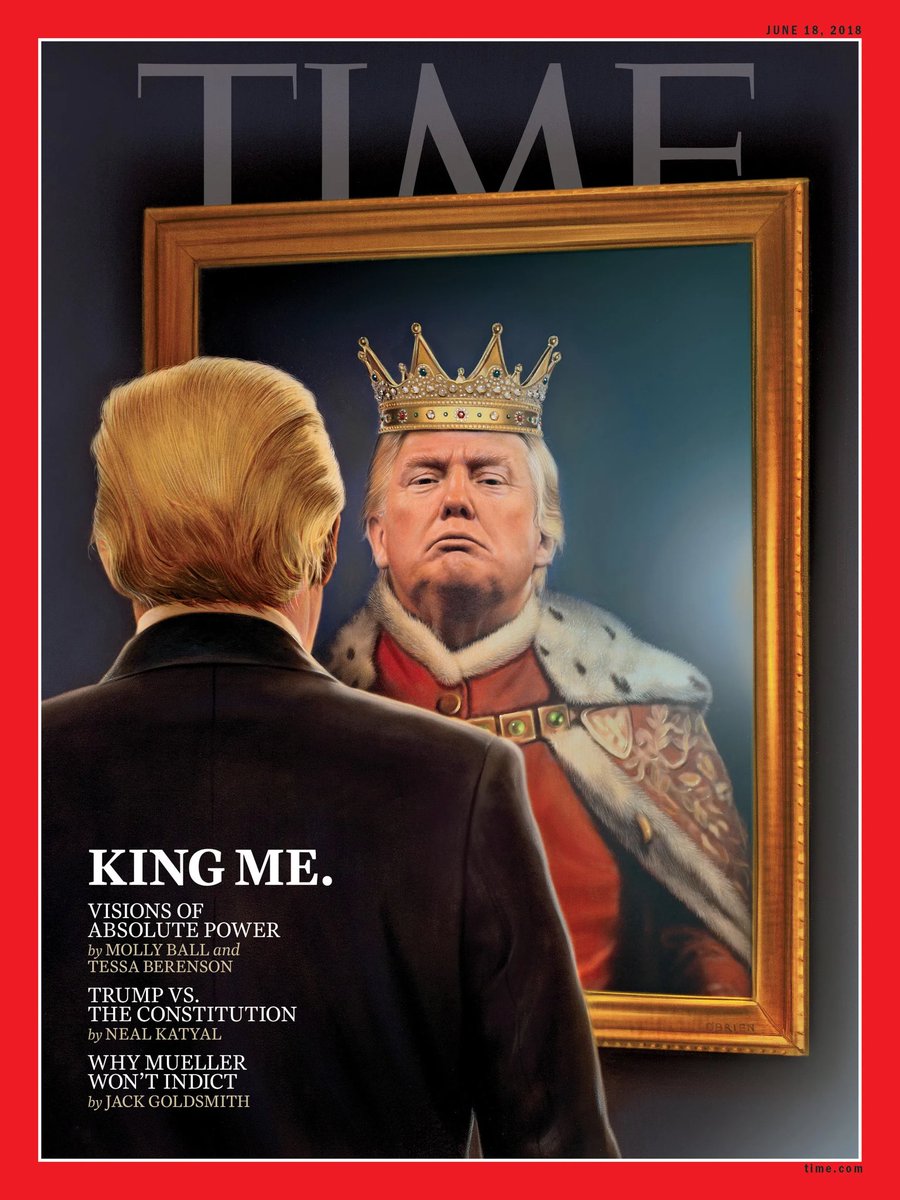
Why aren’t we interested in *why* populism works? And why it’s so toxic to the checks and balances we call democracy? What is popular under populism is the destruction of those same checks and balances. How could ‘the people’ like that? Nothing is more popular. /1
Because ‘the people’ is a fiction. It was never real. It’s a hopelessly abstract idea of how populations live and feel and think. The checks and balances were never about the population either. They were introduced by rival powers to Kings. By his barons. /2
Democracy will continue to fail and collapse while we maintain the fictions that underlie it. While we pretend entire populations are some undifferentiated mass with a single will. While we pretend the checks and balances are there to protect that population. /3
Humans HATE being homogenised. It’s our really bizarre attempt to make a governance system where there is no distinction, no differentiation, no hierarchy, that gives birth to populism. Where people will fight to restore those hierarchical distinctions. /4
It’s our 1960s countercultural revolution that gave us such a fundamentalist hatred of all hierarchy. The anti-establishment revolution. Couple that to a much more longstanding identical hatred at the root of the formation of America itself, and you get a powder keg. /5
Even those who call themselves progressive in the US simply focus their revolutionary, hierarchy-destroying anger elsewhere. Mostly into things like anti-trust movements, fighting ‘oligarchs’. Nothing can be allowed to create a distinction between people. /6
And so millions and millions of people, fed up with the daily pile-on this causes, as people fight each other for status and identity, flock to anybody who can offer them relief from it. Anybody who offers them a stabilised hierarchy again. A King. /7 https://t.co/WshD8HwpuM
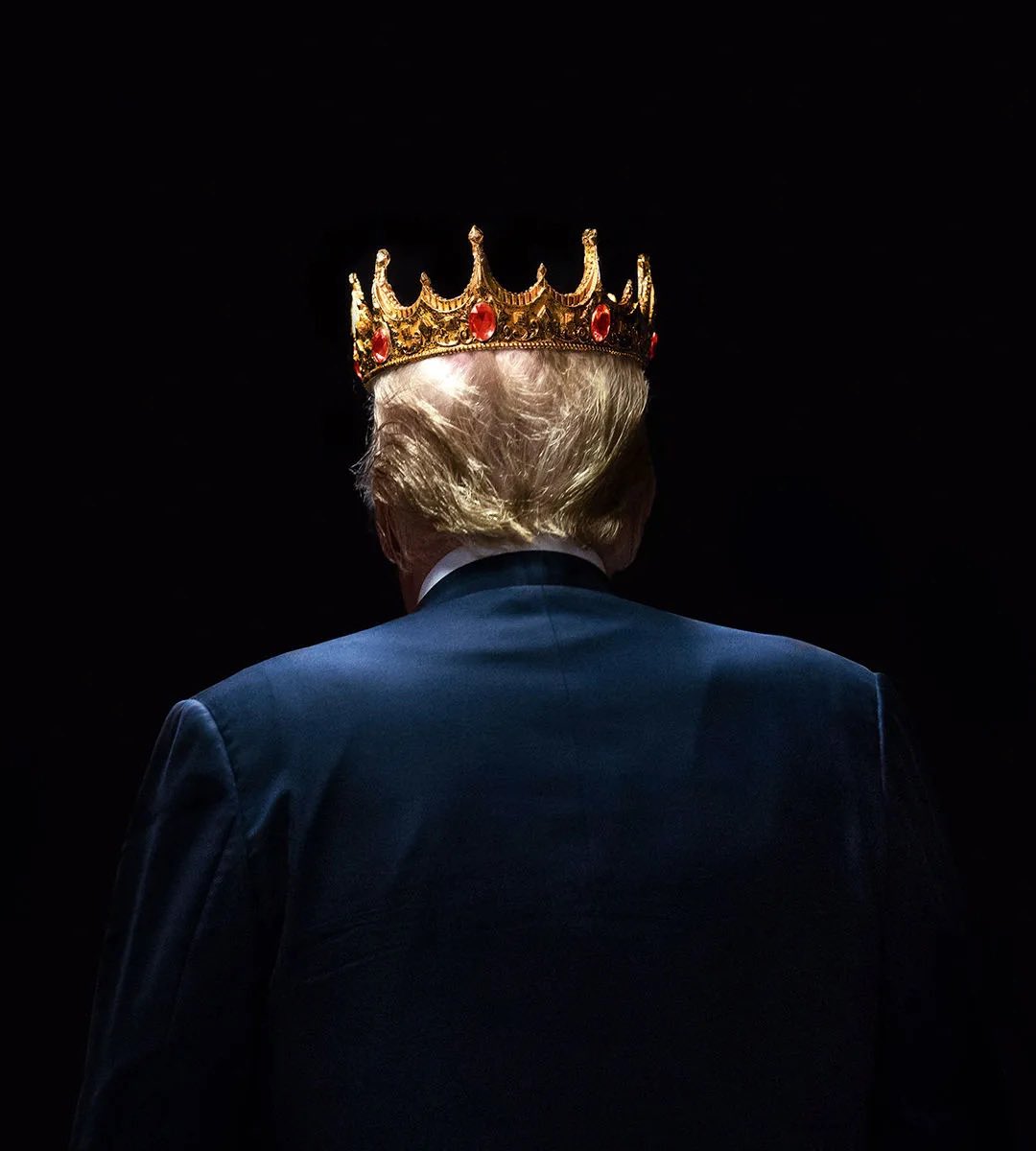
Trump isn’t launching an authoritarian takeover of America. He’s the logical and inevitable endgame of the entire culture. Look around at the populists. They’re often called stupid or dumb, because they don’t understand the complex workings of society. /8
But nobody understands that. Societies wouldn’t work if they had to, the quantity and complexity of the information is too vast. They’re farmers, or teachers, or plumbers, or whatever. That’s what they understand and do. /9
They don’t want to have to come home from work and somehow digest and synthesise the astronomical volume of information needed to keep the entire country running for another day. An ‘informed citizenry’ is a laughable fiction invented by armchair theorists. /10
You can be the most highly educated, intelligent person and not be one millimetre more advanced on your nightly ‘running the country’ homework. The task is astronomically vast, impossible. That this was ever an idea is almost unbelievable. From much simpler times. /11
What is popular under populism is hierarchy. Not because people are sheep and love to be dominated. But because they’re busy, and have an intuitive understanding that societies work by *delegation*. It’s not elitism to recognise expertise is distributed widely. /12
Ultimately hierarchy simply reflects that. Some people are good at some things, others aren’t. That creates hierarchy, in that area. Society is full of hierarchies. Or was. Until social media populism made everybody a supposed expert in everything. /13
Finally the democratic delusionals and their free speech fantasies say, democracy at last! Look at the fucking mess right now. Nothing but eternal fights for status and identity. /end
For every chronic disease, put infection at the top of your list of suspects. Chronic/persistent infection is the new paradigm for all health. It should have been that already years ago. https://t.co/4AflffpMLa
Put public health at the centre of everything we do. It will fix everything else at the same time. No problems (political, economic, social etc.) exist in isolation, they all connect, led by ‘keystone’ problems as the hub. Public health is always the keystone. https://t.co/vjVJ3Hxt5U
Whether it’s weaponising the hygiene hypothesis to suggest all infection is good for you, or using co-evolutionary ‘infection has always been with us’ arguments, infection normalisers are the scientific snake oil attention tarts of the 21st century.
What terrified the status quo about supposed ‘lockdowns’ was that they started to genuinely bite, into the status quo. Catastrophe reboots societies. It’s all that does. It’s their on/off switch. https://t.co/PXtPj7Dy5Y

Most social problems are generated by tiny numbers of people who form hubs in social networks. This account for example is one society could easily choose to shut down, to prevent misinformation on vaccination being spread to millions. And there are even greater benefits. 1/3 https://t.co/292wTDXMwr
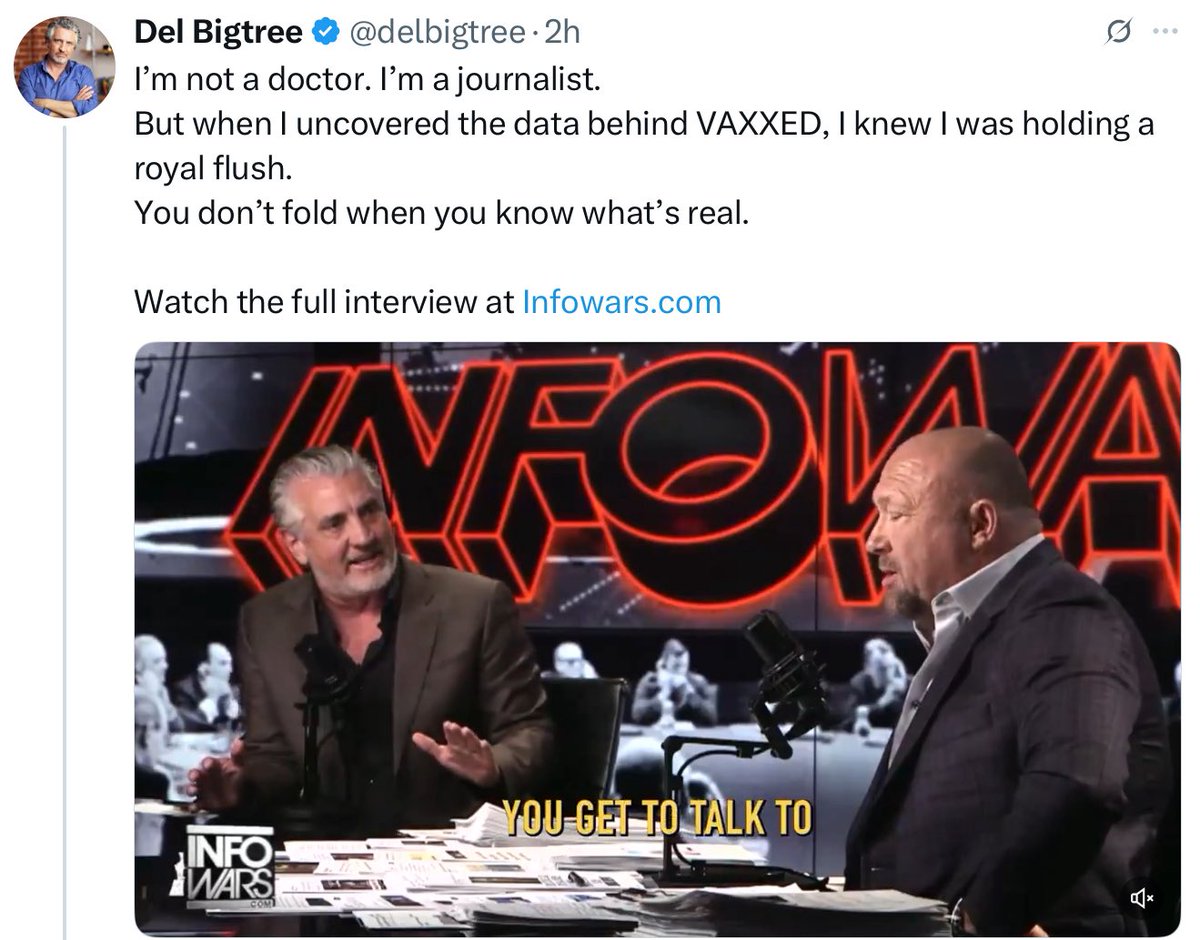
Because anti-vax networks tend to also be anti-climate action, anti-renewables, anti-EV etc. networks. You’re getting massive bang for your buck shutting them down. These same tiny hubs would scream hysterically about free speech. Send them thoughts and prayers. 2/3
The great con of mis/disinformation hubs is to pretend they’re the community, widespread and an unstoppable force. It’s theatre, they’re always a tiny subset of the population. Shut them down, it’s what civilisation does. /end
Progressive politics is determined to turn adult life into a Star Wars film, always with some evil dark force responsible for social ills. Conservatives *are* those dark forces in 2025, but by being hugely popular. They target status, not information. https://t.co/jdFY2clYhf https://t.co/32bLSQm8yP
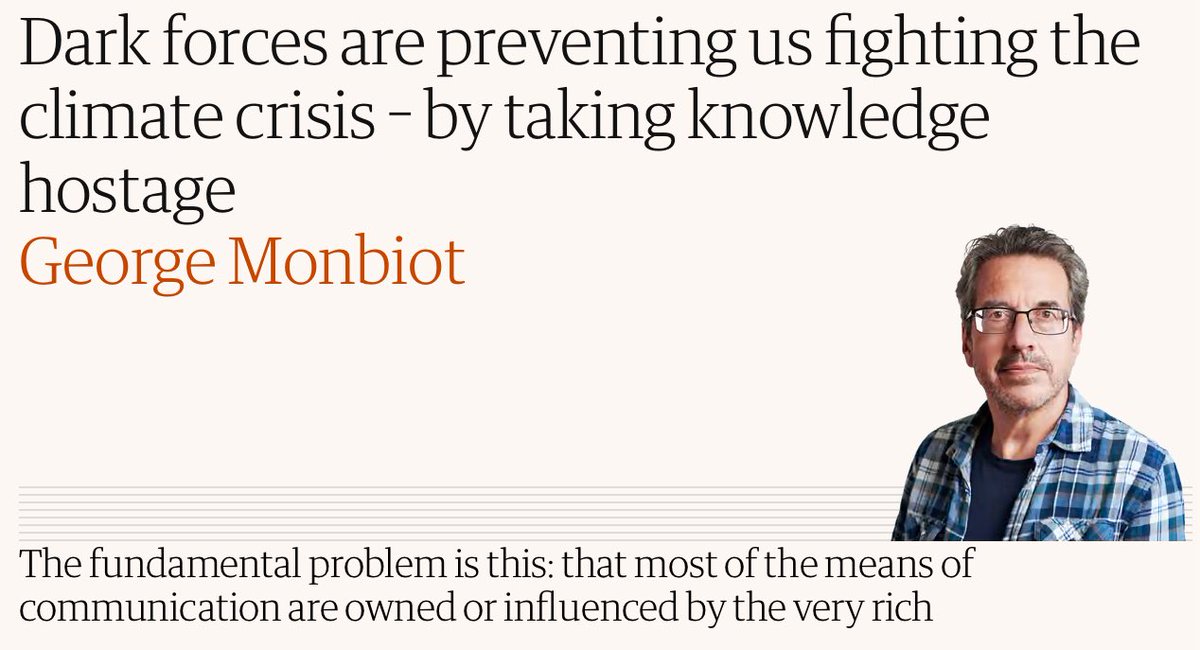
The problem with this narrative is that the 99% want to be the 1%. https://t.co/06mNrHbFyu
Ask any follower of populist leaders what motivates them, and the answer will invariably be that they’re sick of ‘politics’ i.e. people fighting to be top of the status hierarchy. They want a stabilised status hierarchy. They’ll invent one if not offered one. https://t.co/xxz7mfWWxn

This is the turnaround the LNP now hope they can engineer with climate politics too. Economics and engineering knows anti-renewables is an idiot fantasy. But this is populism, they only need to win votes. Likely they’ll let renewables win, while campaigning the opposite. https://t.co/ZKmv1Hx2Q6
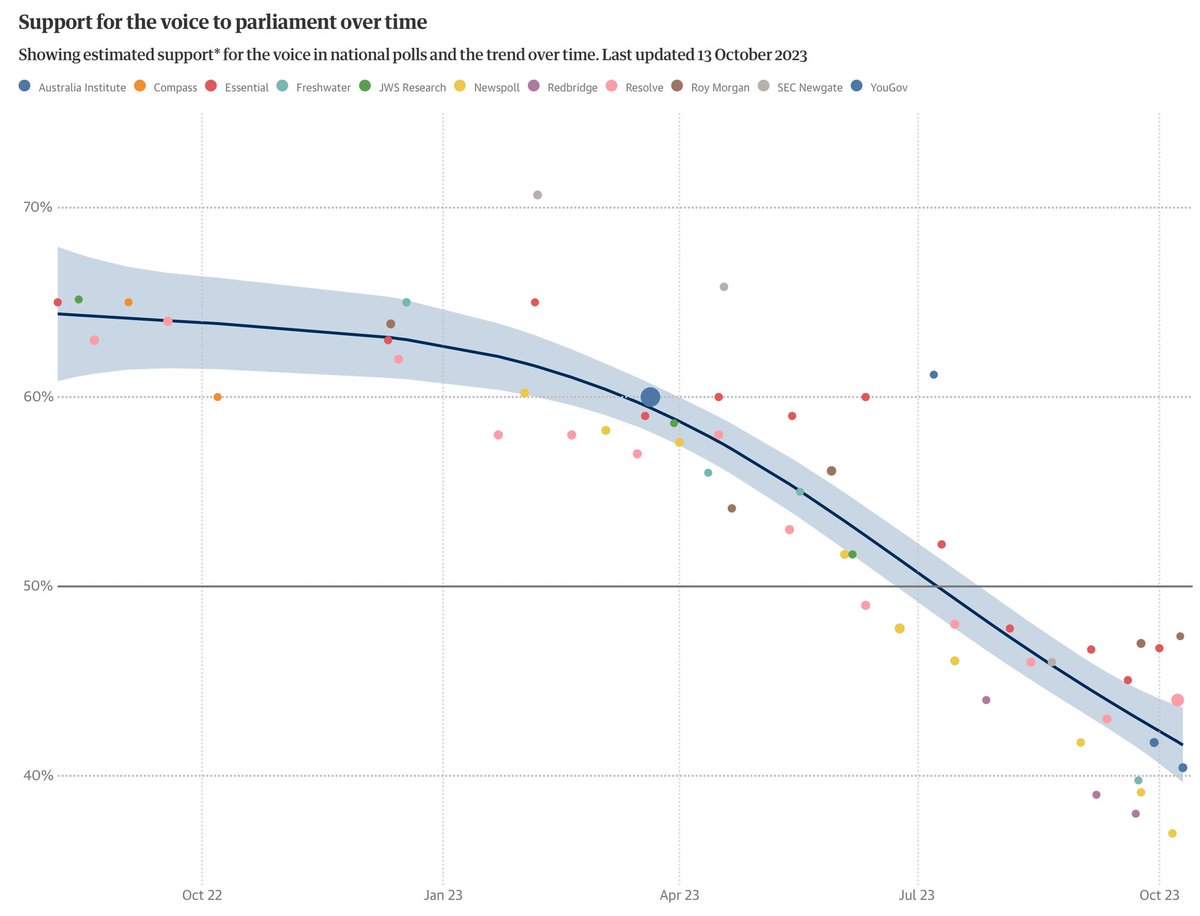
If the ALP wants to head off Voice-like populist climate politics from the LNP, it needs to continue to focus strategically on households. Continue to subsidise power bills, and electrification of home energy use. Really get serious on EVs, not taxing them (ffs). 1/2
Within a framing of ‘investment in the transition’, rather than within a framing of them having ‘failed’, which is nonsense. The LNP can’t play the fiscal high ground, given their alternative is investing astronomically more public dollars into white elephants. /end
Covid ruined Christmas for me. When public health was outsourced to households, every family gathering became the venue of the fake debates on social media, fracturing friendships and families. Public health was invented to delegate disease control *outside* households.
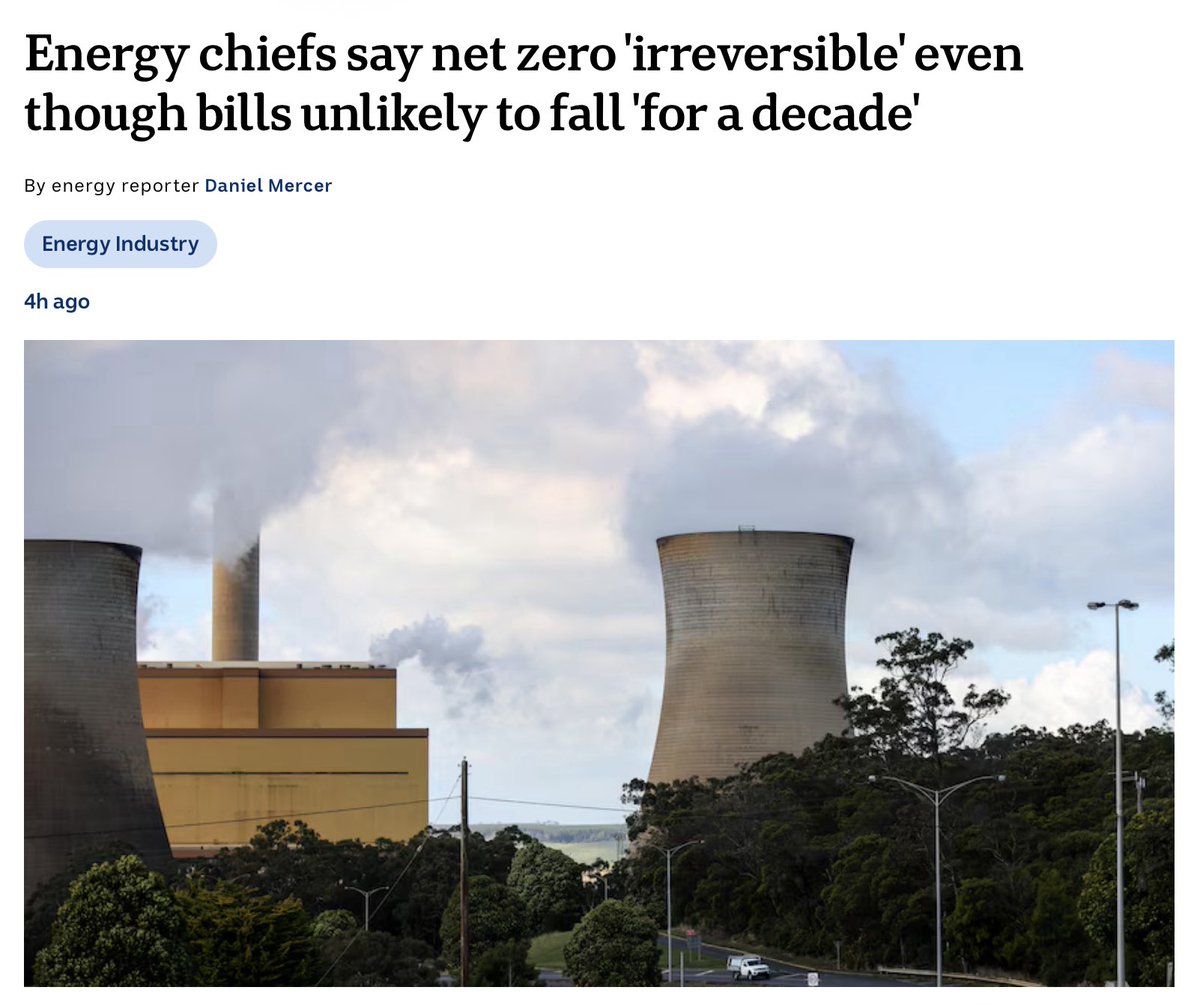
The empirical realities make the LNP’s populist shift on climate action a laughable fantasy. And you can see here the root deeper cause of rising prices. We privatised electricity decades ago. That’s why these costs now have to be paid by consumers. https://t.co/7g4HlpVshH https://t.co/Mav1z7urRm
The media is the message. Social media causes us to believe the solution to problems is to ‘mobilise’ millions of people behind viral trends, like masking. To control respiratory disease we need some mostly invisible targeted action by engineers, in a tiny number of places. https://t.co/VtQpkDfk89
I wanted to re-share this, to emphasise again that our worst problems impact everybody, but solving them means targeting only TINY numbers of people and places - hubs in networks. It’s backwards to target everybody, in mass movements. The task is MUCH easier than that. https://t.co/xs9uVL1sY8
Journalism is just one more of the checks and balances of democracy that actually had its origins in battles between high status members of society, for dominance. The checks and balances we call democracy were never about ‘the people’. https://t.co/k67QkzZuDI
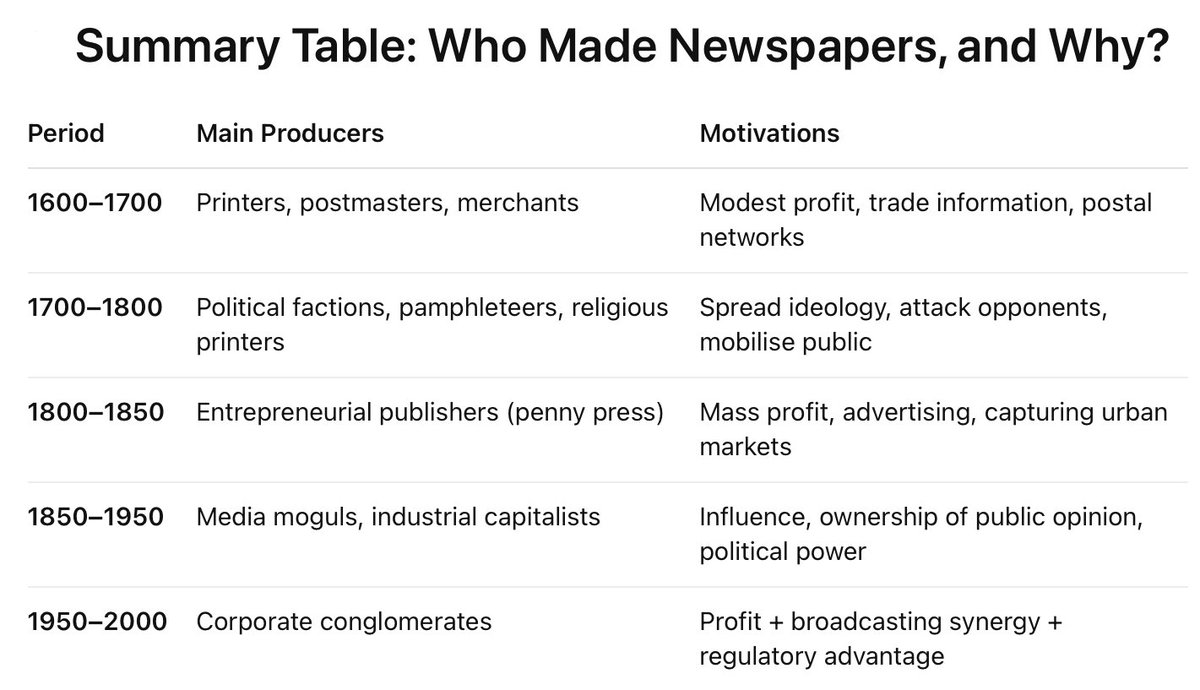
Scroll through through your feed and notice how many posts and threads are arguments. ‘Debates’. This is the medium doing what it does. Converting human social life into endless fighting. Imitative rivalry. Pretending that’s ‘democracy’, when really it’s a business model.
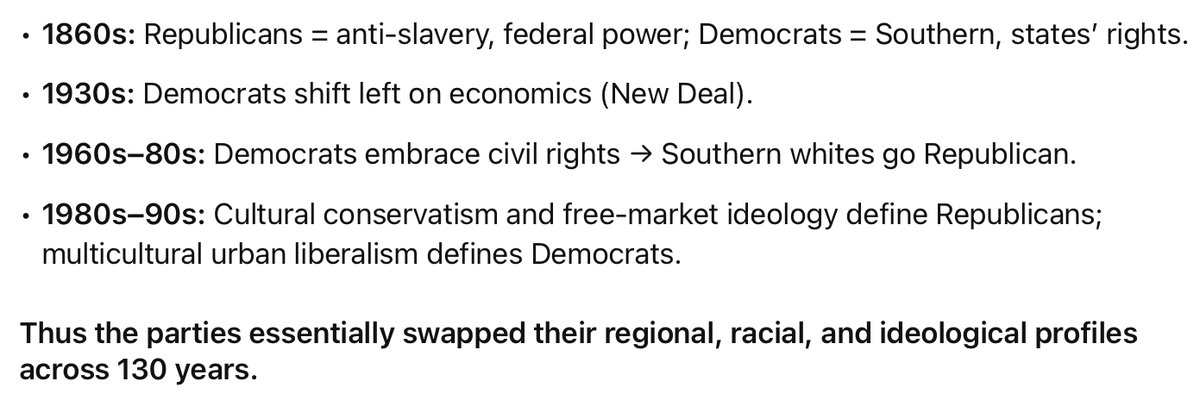
The Republicans and Democrats in the US have swapped ideologies over the course of their history. Societies don't run on politics, they run on imitation/conformity, driven by status. Political parties will happily swap ideologies to follow the current social trends. 1/2 https://t.co/7E0MbhmQo5
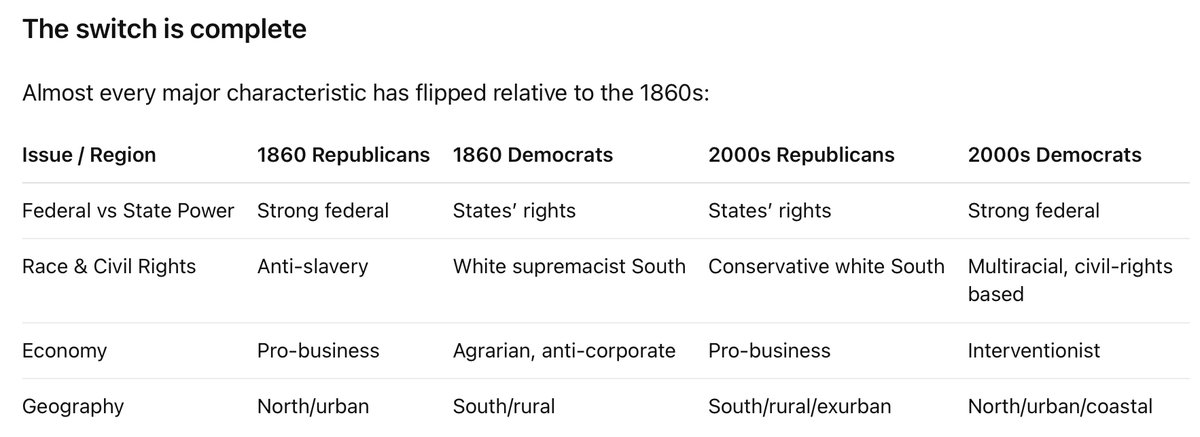
The conservatives in Australia right now are advocating a Soviet-era big government energy policy. All the political framings are meaningless. Conformity and status run societies, beliefs will be happily swapped if it achieves more status. /end
Away from the daily tedium of identity team sports, wonders abound. https://t.co/xw1cqDKou7
Pretty much all public debates are fake, distracting noise hiding the real social games going on. Here again, the Dems and Republicans have completely swapped positions over their history, showing those positions are irrelevant. It's all social status games. https://t.co/EfRxRJh7LB
What's the current Covid vaccine on offer in Australia, and are we expecting any refreshed versions soon?
Democracy is not the rule of the people. It’s the managed rivalry of the powerful. You can’t unsee it.
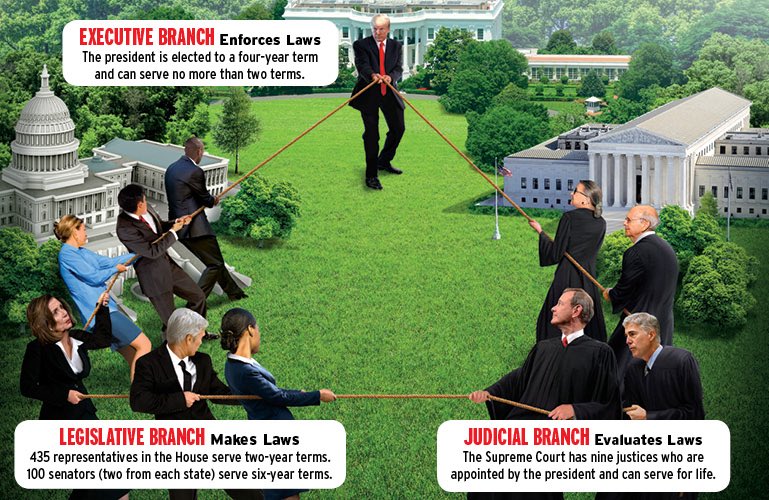
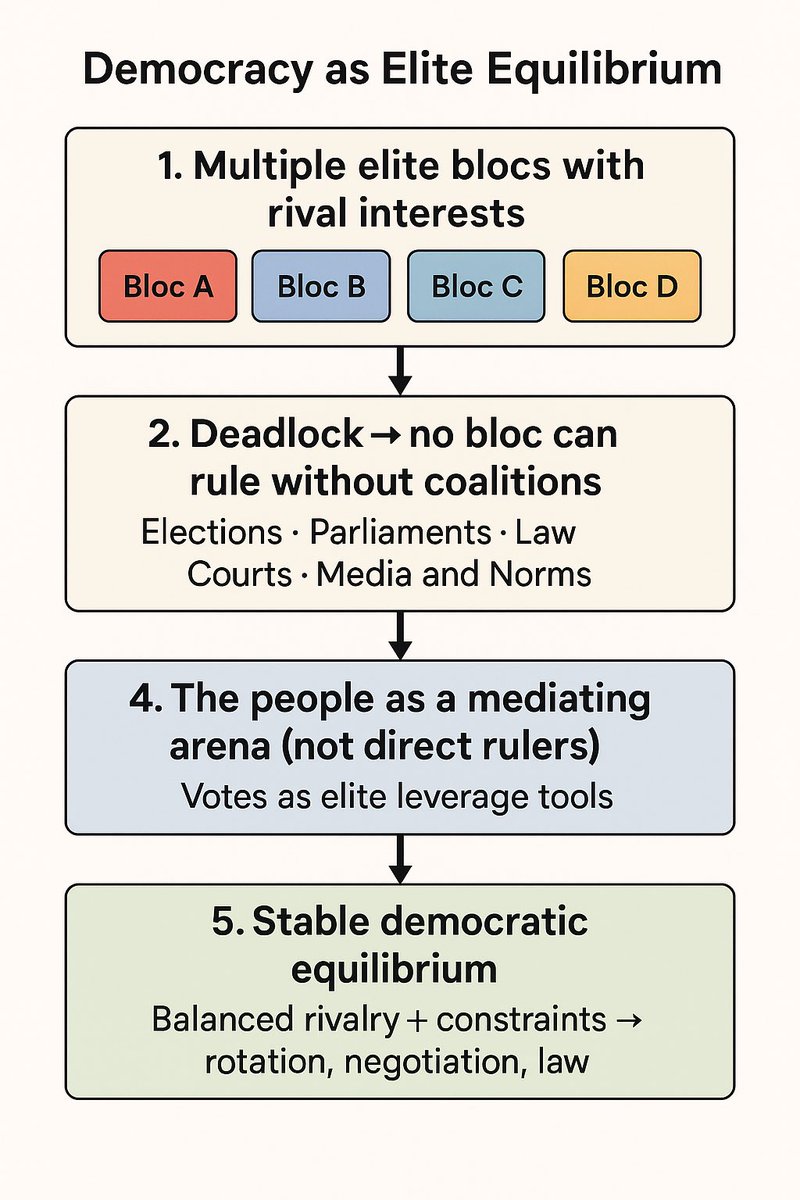
Democracy is not countries run by the people, but the top of status hierarchies holding each other in check by various means, to prevent supremacy being localised in only one group. The executive, legislative and judicial branches are all remnants of old battles between elites. https://t.co/2t5oEf68YQ
Public health never was the public doing health, or even understanding how. It was done for them and to them. And it only happened because high status people felt threatened by the same diseases. The moment they don’t, public health is over. https://t.co/MAZGdLEk0t
The term ‘lockdown’ is just politicised bullshit. Politics is always done with language, and the cynical anti public health fuckers knew what they were doing. To make people believe sheltering from a threat was imprisonment. In the comfort of their own homes! https://t.co/0JDg9cWRvT
This is a cultural disease out of the US, the idea we have to mobilise entire populations to fix problems. It’s why nothing ever happens. Focus on the hubs of these infections. Mostly schools. Proper HVAC like every other building, and sick leave for the infected. https://t.co/POf2P28Enp
The favourite tool of populist tyrants is the fiction of ‘the people’. Hitler loved it too, his beloved ‘Volk’. That doesn’t make Trump Hitler. Progressives who oppose him believe the same rubbish, that ‘the people’ is a thing. ‘The people’ is what breaks democracies. https://t.co/YlCE9X957C
The disgusting term ‘lockdowns’ disguises that emergency Covid action actually lifted huge numbers of people out of poverty. What was ‘locked down’ wasn’t people. It was a status hierarchy that screws people. It freed them. 1/2 https://t.co/8txEBkVAhs https://t.co/LblNSfDd3x
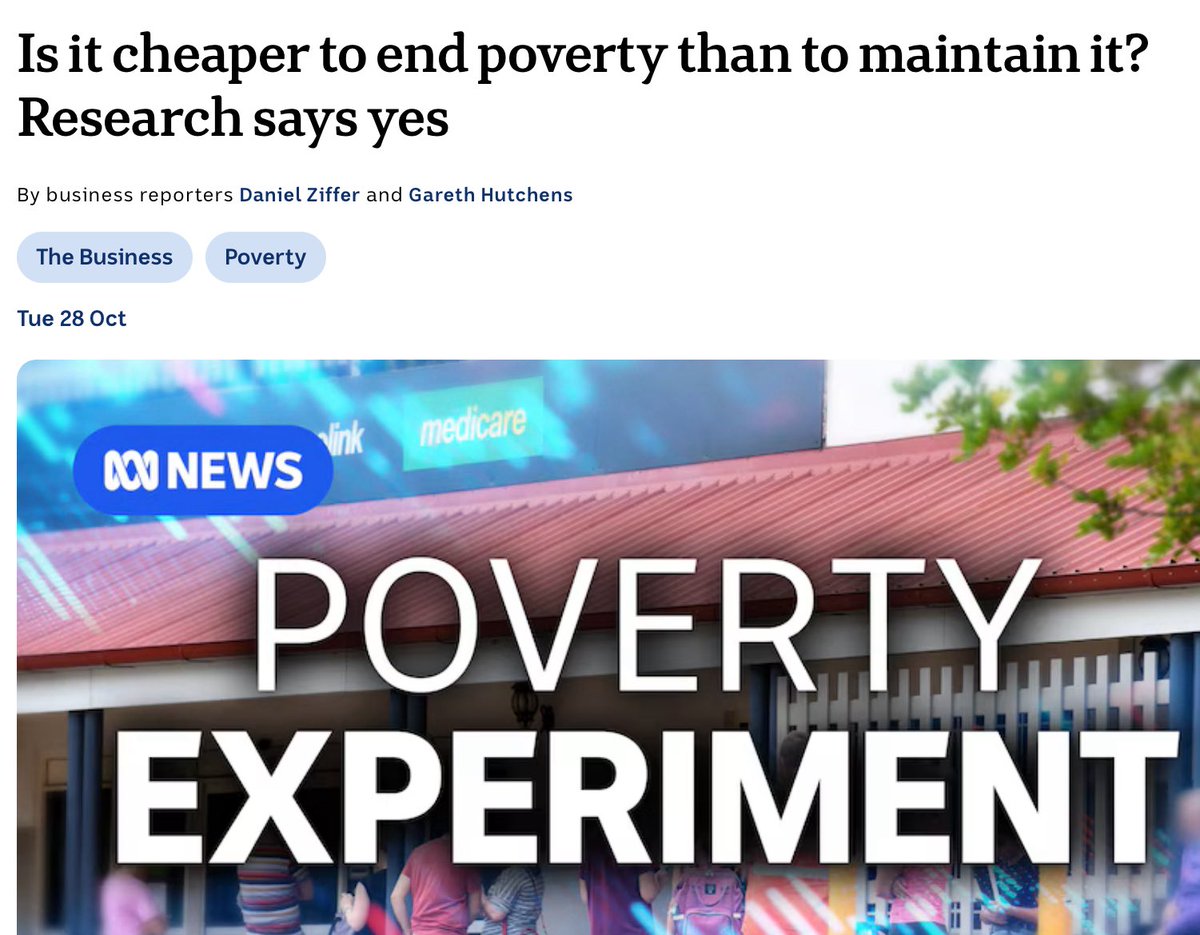
The status quo panicked, it very quickly sensed that this was curtains for the highest status people and groups. The war on lockdowns has continued ever since. /end
I call it the ‘sub quotient’. Look at any social need, and see how much of it would disappear with the sums allocated to these subs. We need to defend ourselves from the only country that keeps our economy afloat. Also the world leader in climate action. Bullshit abounds. https://t.co/o8k38fgIyn
The genius of ditching public health in favour of dining at restaurants and overseas trips is that you can transform even seasonal disease into endemic year-round afflictions. https://t.co/vgxiRwn6kf
This is how disasters are usually managed. Somebody with expertise in the specific disaster leads the response while politicians step to one side. Scott Morrison convened National Cabinet to drive a wedge between Premiers and their expert public health institutions. 1/2 https://t.co/kWOJfQa67p
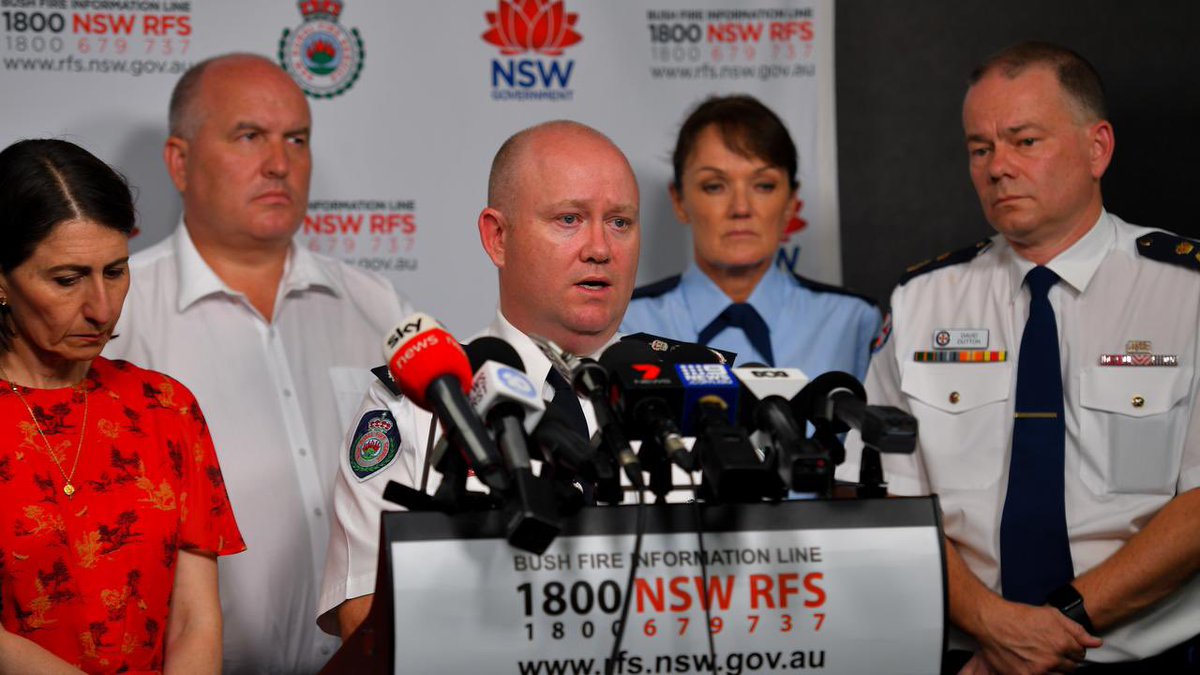
It was very basic people strategy. Create a new ‘team’ (the Cabinet) to instil a camaraderie opposed to the nuanced, State-based public health management. The new team destroyed public health in Australia. /end
The budget has become the great worship day of nations who believe they’re ‘economies’. Not realising that was a political strategy, to undermine government and social life. For a nation with a sovereign currency, a budget is almost meaningless. We are not economies. https://t.co/Zzfp5Ok9Hc
‘Fair trial’ is more democratic checks and balances. But it originated (as all things do) in battles between the highest status members of societies. In the Western case, in the attempts by aristocracies to rein in the arbitrary power of Kings. 1/2 https://t.co/rTdt7sNF80
Democracy is not and has never been a movement of ‘the people’, which is an impossible fiction. It’s the managed rivalry of the highest status members of a society. Under Trump for example, that rivalry is now unmanaged. It’s not an ‘authoritarian’ takeover of democracy. /end
If we really believed the nonsense about democracy being ‘the people’ running everything, the entire world would have been run by Asia and Africa for decades already. We’re actually living the decline of the Anglo empire. Which thinks it’s the global champion of democracy. https://t.co/kM9gsrJeJj
It’s one thing to relish the unveiling of foreign influence on social media, especially with supposedly MAGA accounts. But it’s the belief that ‘the people’ run democracies that allows these idiot platforms to operate in the first place. 1/2
China regulates social media heavily and is called ‘authoritarian’. That’s our own idiot belief system on display. A mostly adolescent society won’t regulate things because teenagers hate being told what to do. That’s us, our entire culture. /end
The idea that AI might take over the world is amusing because another technology already did, and we didn’t even notice. https://t.co/EFGTwkEXiy
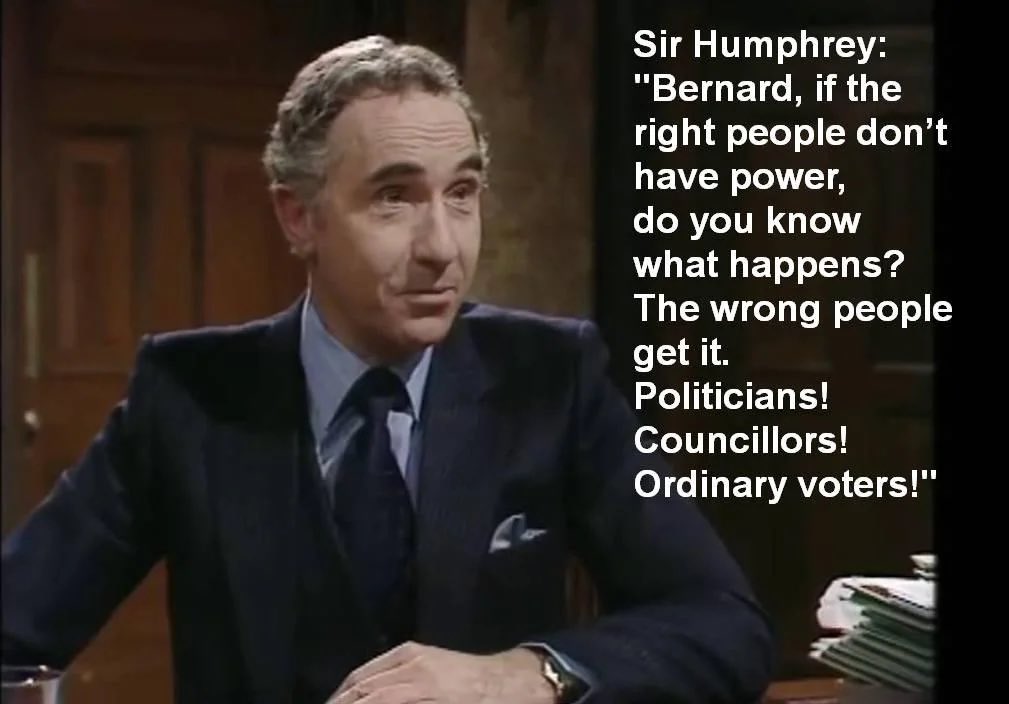
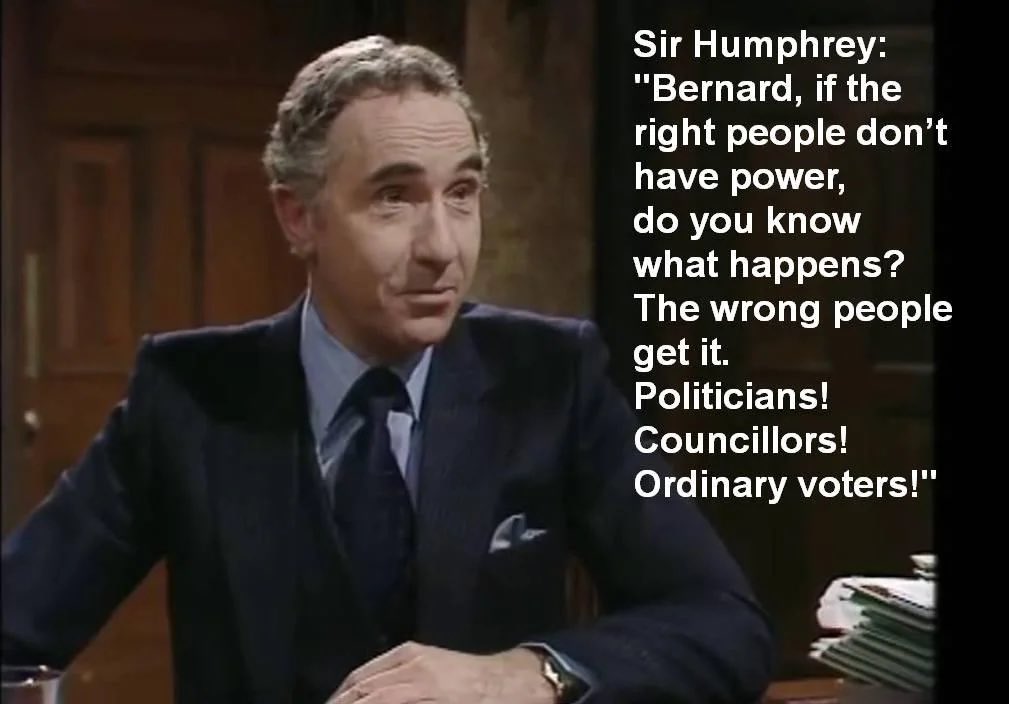
Compare and contrast Sir Humprey here with the revolutionary ‘the people’ narratives coming out of the US and elsewhere. Is Sir Humphrey anti-democratic? Absolutely no. We need to understand the fundamental difference between post-revolutionary societies, and UK society. /1 https://t.co/EJdYWjktLc
The most fundamental characteristic of any society is whether it’s experienced a major revolution. Not whether anybody is Left or Right, or authoritarian, or capitalist, or any of the other trending terms. Revolutions are like asteroids hitting Earth. They smash and level. /2 https://t.co/CDihXUT8Xe
Most major powers in the world today are post-revolutionary powers. China, Russia, the US, France, most Western democracies (the countercultural revolution). They all have equivalent features, which hugely distort our understanding of democracy. /3
Their revolutions destroy centuries of customs and traditions, that stabilise and run societies. In the aftermath of the revolution, desperate measures are required to somehow order the social chaos. So they employ universalist instruments, like written constitutions. /4
And Bills of Rights, declarations of independence, etc. They’re like Old Testament tablets brought down from the mountain, sacred texts of the new republics. Creeds replace custom and tradition. But at that they fail miserably. Always. /5
Customs and traditions are emergent over centuries of human life, they’re what worked before and was adopted as a way forward. Tested by generations of humans in real-world situations. Creeds are abstract idealisms. And so post-revolutionary societies fight. Always. /6
Fight over what the idealisms, the creeds, mean in the daily struggles for existence, in ordinary everyday life. It’s like permanent revolution, everybody evoking ‘the people’ in an attempt to reconcile everyday life, and the creeds. /7
Which never ends because the gap between the creeds and everyday life is so enormous that no amount of debate can ever close it. Only continuous living over centuries and generations can figure out how to fit principles to everyday life. Customs and traditions. /8
So today, we see the US doing what post-revolutionary societies always do. Fight and argue over what their society is even about. Those fights and arguments won’t end, because they can’t. No universal creeds can replace the evolution of custom over generations. /9
The UK doesn’t even have a written constitution. It operates still strongly using custom and tradition, which functions to dampen present-day fads and enthusiasm in favour of long- Revolutionary societies see Sir Humphrey as a ‘bureaucrat. As obstructive red tape. /10
The misunderstanding is fundamental. Sir Humphrey’s civil service is custom and tradition protecting the society from the whims and fantasies of present-day popular tyrannies. Customs and tradition are like societies’ autonomic nervous system. Revolutions destroy them. /11
We’re all mostly living in post-revolutionary societies, still arguing and fighting over how we should live together. That won’t end. Only the UK knows a different kind of life, and populists there try to stage revolutions. They don’t succeed. /12
Populism has damaged UK life though, its customs and traditions. All revolution is populism. It’s just one of the last stable societies to resist it. Populism always prevails in the absence of threat. Revolutions come, and we start all over again. /end
A measure of how debased public life now is, is that we decided a long-term course of action on Covid based on a hunch, that long-term impacts would be minimal. You’d use more risk management to build a public toilet block. https://t.co/1EFKx61aHb
@annabelcrabb here using the common belief that democracy is ‘the people’ thinking and acting, in this case to provide checks and balances on power. Why I think that’s a very dangerous misunderstanding. /1 https://t.co/OCFuRrJxZj https://t.co/Wv8OIlQUBz
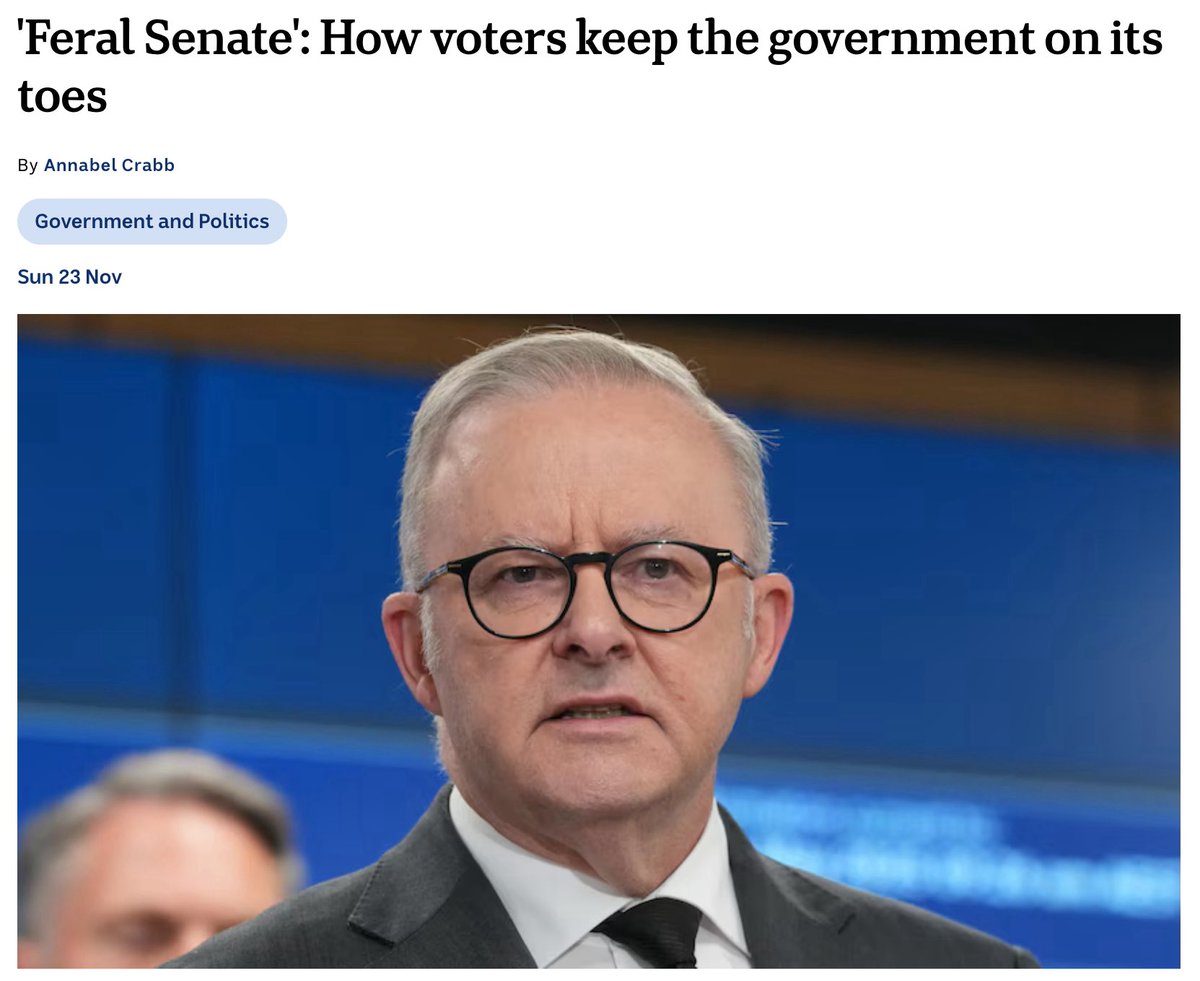
It’s worth pointing out that the Ancient Greeks, inventors of democracy, fiercely rejected the idea of ‘the people’ being anything meaningful at all. The situation Annabel describes, the erosion of two-party team sports into multi-group team sports, is…just team sports. /2
Australian governance didn’t begin with a two-party duopoly. It evolved, to rectify the problems not having the duopoly created. A de-evolution back to pre-two party days is not democratic progress. And this isn’t to defend two-party governance either. /3
All politics is really social, imitative rivalry between social groups, as Rene Girard said. In the absence of mass means of imitation, like social media today, things will tend to settle into a duopoly rivalry. But now we can all copy one another in intimate detail. /4
The number of social teams has proliferated exponentially, as a result. All centred around social status, and the identity it gives team members. And here’s the kicker. What looks like a diversification of democracy, in a minority government, is something more dangerous. /5
It’s the splintering of society into a chaotic collection of rival groups, focused not on collective need but on their rivalry with other groups. As Girard described, mass imitation leads to mimetic crisis. /6
Where mass similarity, through mass imitation, leads to only one thing left over which groups can battle. Rivalry itself. They imitate each other’s violence, towards each other, as on most everything else they’re largely undifferentiated, through imitation. /7
Leading to an exponential cascade of violence, feeding upon itself. Paradoxically, growing ever more similar through mass, continuous imitation leads to a catastrophic outbreak of violence. Who doesn’t see this? Violence not just of acts, but of words and demeanour? /8
How increasingly ‘feral’ societies are, how increasingly lacking in civility and decency? This isn’t ’the people’ doing anything, in that democratic myth framing. It’s a proliferation of social teams, constantly at war with one another, and imitating their rivalry. /9
Look at any social media post by a public institution, for example, the immediate, prolific pile-on it causes. People are locked into compulsive rivalry now. Democracy never was ‘the people’ doing anything. The people is a myth. /10
We think ‘the people’ look a bit like the picture on the left. When in reality it looks like the diagram on the right. Networked, with hubs (team leaders). There is no thinking, acting entity called ‘the people’. /11 https://t.co/9zKuxlViEp
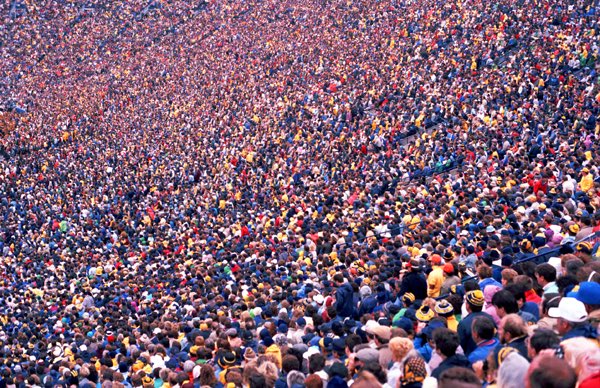
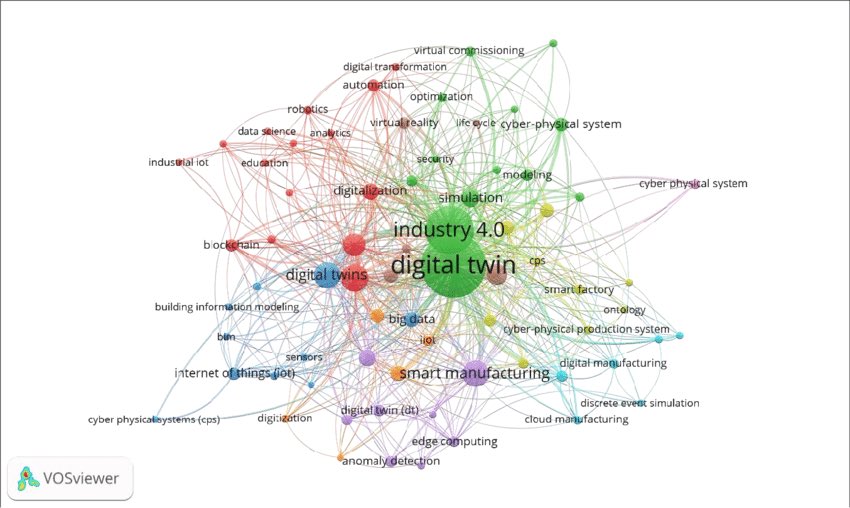
Just a collection of status hierarchies, rivals with one another, constantly shifting through imitation and rivalry. Public policy is now what ‘trends’. Often for about 10 minutes. Even where people agree on everything, they will fight to differentiate themselves. /12
Because differentiation creates status in a society, and from status comes identity. And when we’re all hyper-imitated through social media, again the only thing left to imitate is the rivalry itself. Girard’s mimetic crisis. Uncontrolled violence. /13
But nobody cares, we’re all too infected by the team sports of ‘politics’ to want to step outside it even for 5 minutes to understand what’s really going on. And so history (and Girard) shows, what comes next is catastrophe. The only thing that breaks the pattern. /end
Most of the strident criticism of AI seems to come from those who are habituated to being seen as go-to experts by the wider community. It's just another status thing. Their fear of losing theirs.
We’re so ignorant of basic social behaviour that we attribute the ills of the world to individualist psychology and health. ‘Narcissism’ abounds as a folk diagnosis. Covid brain damage is said to make people act irrationally, etc. All human behaviour is SOCIAL. Start there.
A few years ago I shifted my Twitter contributions away from chronicling the problems societies face, from vomiting ignored facts into the void. Towards what seemed a more useful task, of understanding why nothing is done to fix the problems. That was unpopular. /1
Largely I suspect because problems are what energise the team sport daily battles we see on these platforms. It’s a symbiotic relationship. Crazily, the problems are the fuel for the continued posting. People don’t actually want them to go away. /2
We don’t want to see ourselves as part of the problems we post about. As what helps sustain them. We want there to be a small handful of baddies that we can attack, righteously. /3
People who follow me know that I think all human behaviour is social, and that societies are not economies, nor any of the -isms (not capitalism, socialism etc.). The same quite simple social behaviour explains all of it. Politics, personal and professional life. The lot. /4
I won’t rehash what that simple social behaviour is here again now. I have lots of posts and threads on that already. These platforms dramatically escalate core parts of these behaviours. They’re social heroin. We’re like moths to a flame. /5
Do you really want problems to be solved? Here’s a tip. Start by focusing on the problem, and away from which social team you’re on, and which teams your team opposes. That’s an irrelevant distraction, an unnecessary detour, to process anything through team sports. /end
All of the checks and balances we use to define democracy have their origins in elite rivalry between high status members of societies. A ‘free press’ too, its origin was rival barons of information, competing for status. https://t.co/nMpBcvpafH
Democracy never was ‘the people’. It’s one phase of the rivalry between a society’s elite, where no elite group can attain dominance. A balanced elite rivalry. History is always decided by rivalry between elite status groups. Societies run on status. https://t.co/BvEJWYGRzR
An actual revolution put fossil fuels into our lives. No amount of meetings or agreements or KPIs will get them out. It will need another revolution. The Chinese are building one, maybe it will be enough. Maybe. https://t.co/cCynwDzNaZ
We spent millennia ‘living with’ infection. Which killed most of us. We lost adult life through the massive demographic shift post-WW2. Now we only have the casual, cheerful ‘it is what it is’ fatalism of adolescent philosophy to guide us. It’s no guide. https://t.co/8HHgqgATnH
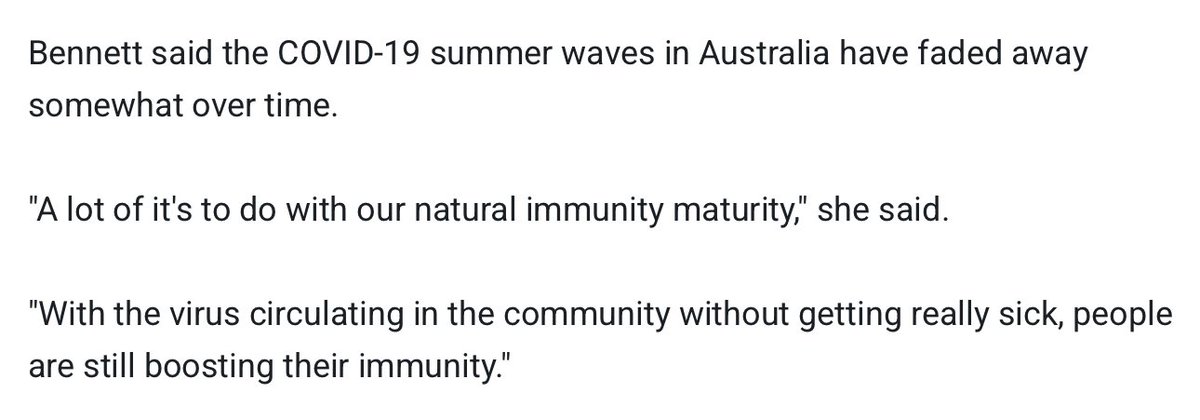
‘Natural immunity maturity’. A friend’s tweenage child just spent a week in hospital with shingles-driven meningitis. All part of the ‘boosting’, presumably. https://t.co/KuK1hc6FEt https://t.co/ZQFLbzWdSy
I’m in the tiny minority who dislike travel. It feels like a violation to me, of my own groundedness and of the people whose homes we invade. As a culture we have no understanding of what it means to inhabit space. We pass through it, we live inside maps. Children of empire. https://t.co/z5rlJPGC8G
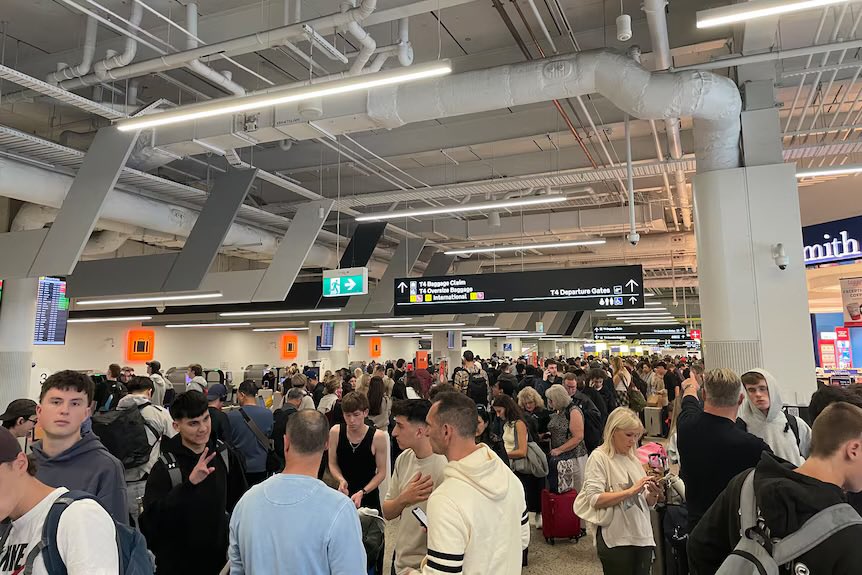
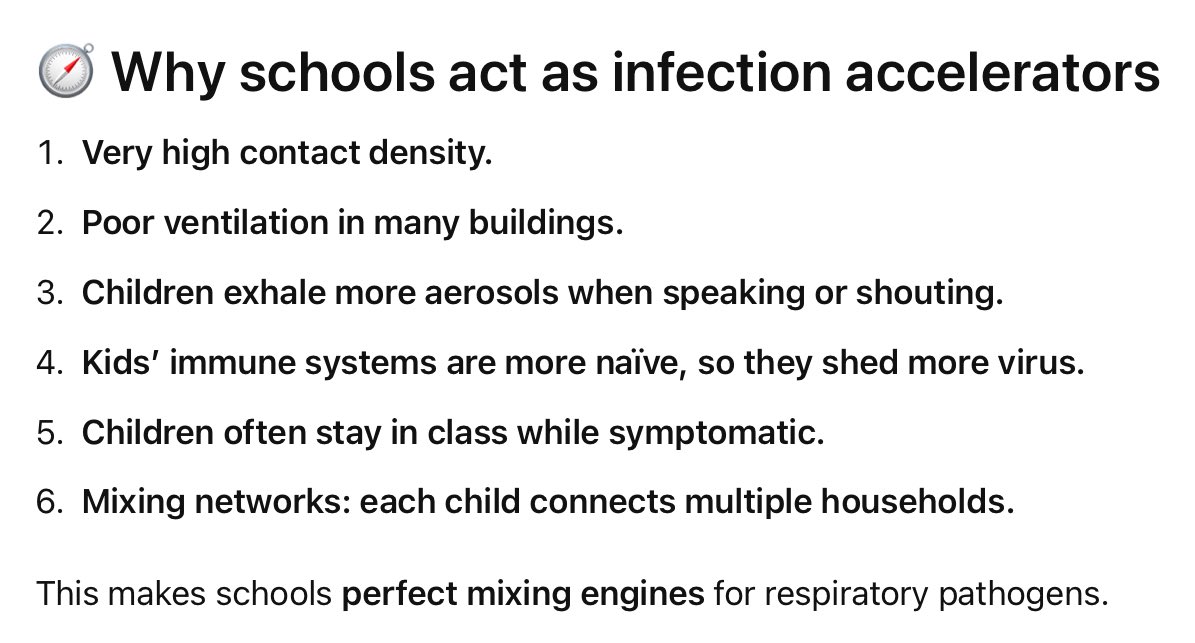
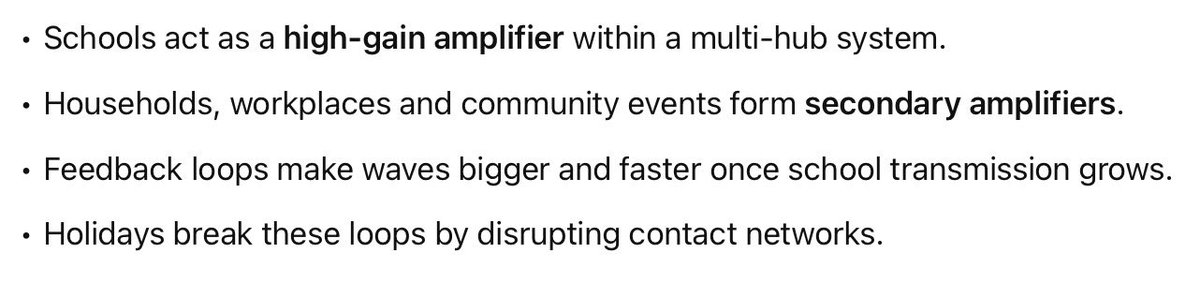
Public health experts hand-picked by politicians tell me that the way to stop people getting lots of infections, is to make them have lots of infections. AI tells me this. Covid is a much smaller problem than the totalising narratives of social media will allow. Target schools. https://t.co/SmaITU8ARX
A P.S. to this story. Kids barely in their teens getting shingles and it becoming meningitis is quite rare. Particularly when the child has had both chickenpox *and* the vaccine against chickenpox, previously. The specialist 'puzzled'. Not one question about history of Covid. https://t.co/1gfa8cwkNI