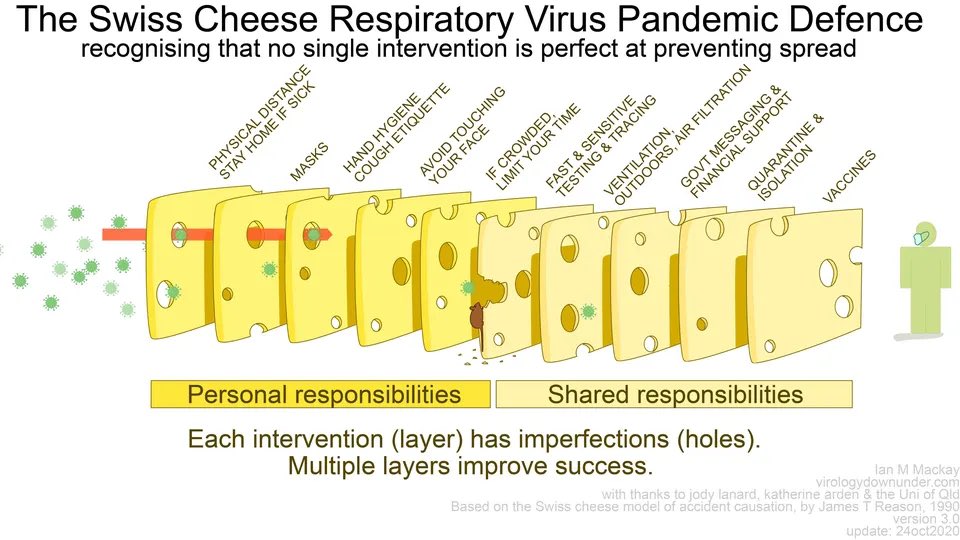
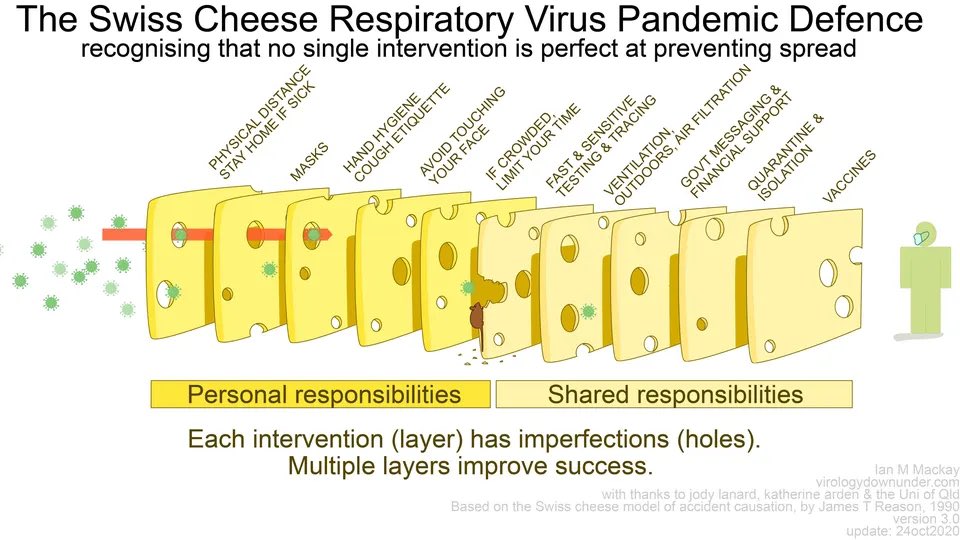
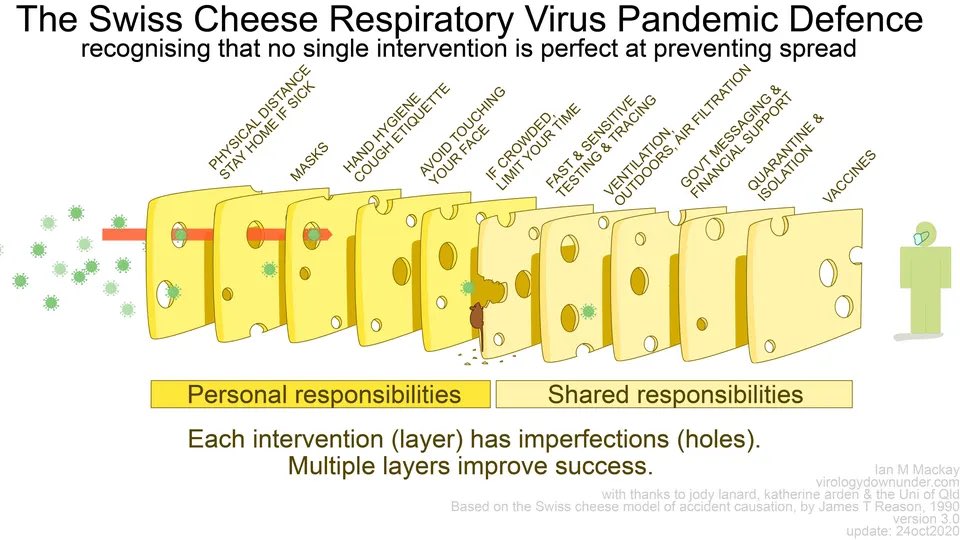
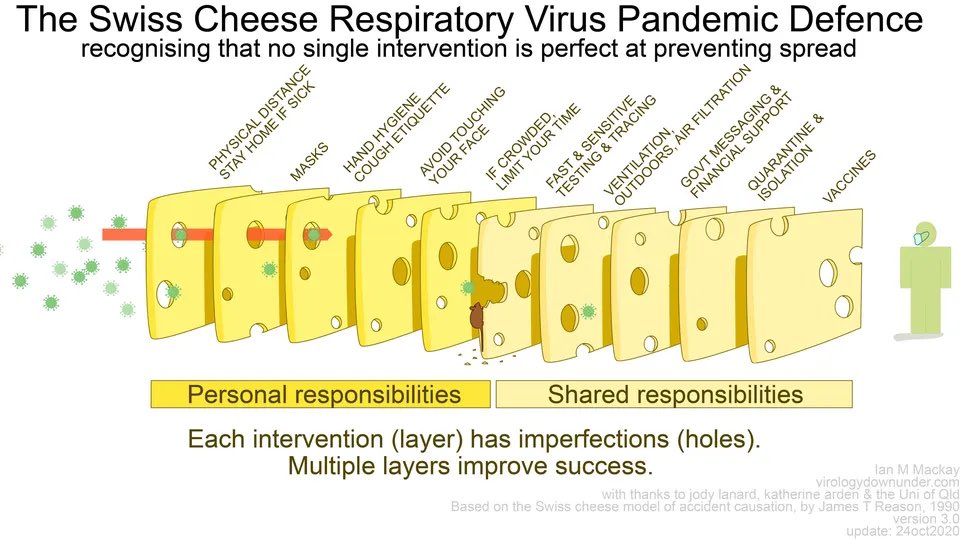
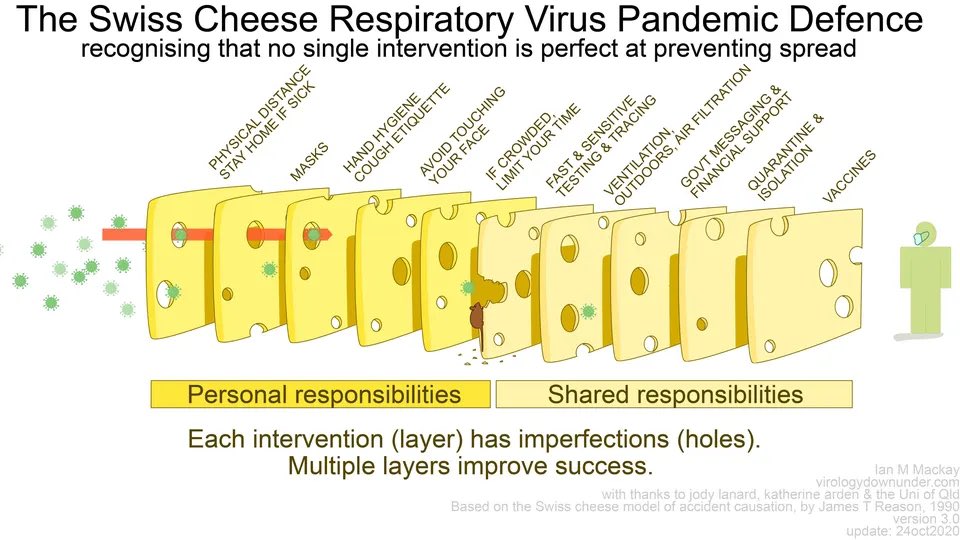
Exploring risk. The RHS of this diagram is now mostly not operating. But neither is much of the LHS, for…
Exploring risk. The RHS of this diagram is now mostly not operating. But neither is much of the LHS, for most. Personal responsibilities crystallise out of shared framings and priorities. There are no easy answers for how to manage a pandemic, from here. /1 https://t.co/nBw7VkfODj
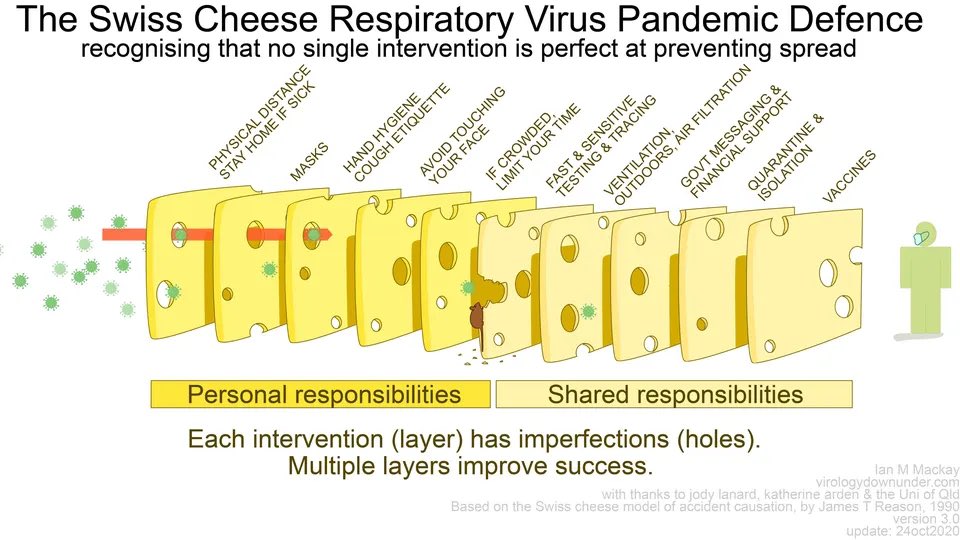
As individuals we can try to add as many slices of personal responsibility cheese as we can afford and maintain. But for how long? A decade? More? The rest of our lives? Recognising also that this creates a profound change in our social arrangements as well. /2 https://t.co/tTM1gEgEMf
Most of our friends and even families are not doing this. So we’re making a decision about whether to alter our relationships, perhaps even permanently. My sense is this diagram made sense at a time when all of the slices of cheese were more or less in place. /3 https://t.co/AmA8lD34cE
I’m less convinced it can operate with only half the slices of cheese, or even less. As above, personal and shared responsibilities are not distinct. The personal and the shared are mutually defined. Some of us do our best to devise our own Covid strategies. /4 https://t.co/3c0r37m6q0
But again, this is akin to a type of survivalism now. You have to confront the idea of creating an almost mini-society of your own, to pull it off. Public health interventions are social interventions, not medical interventions. How many years will people commit to that? /5 https://t.co/vWlFgCjuEe
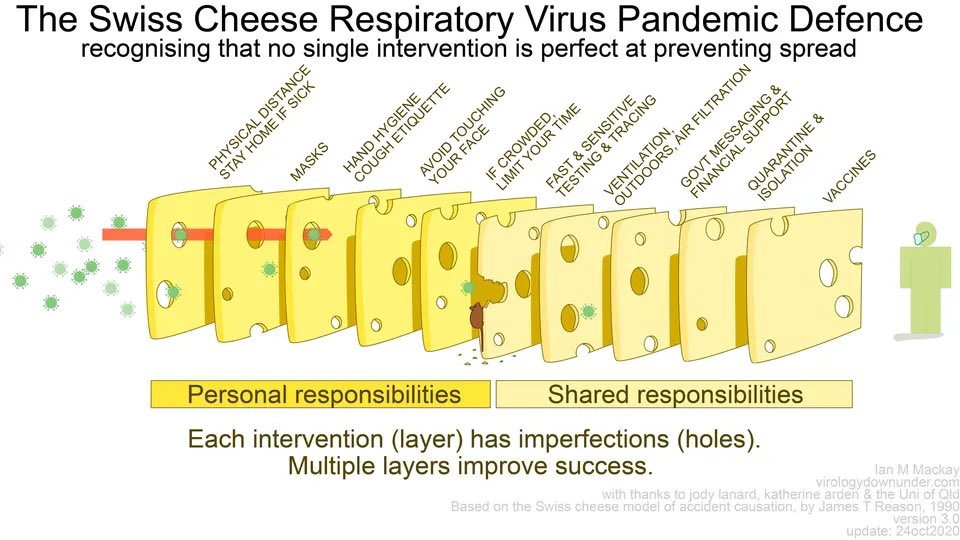
This is also absolutely not to argue for ‘living with the virus’, in that surrendering way. It’s not to suggest there’s any simple answer at all. It’s to suggest that much more is in play here than simple slices of cheese i.e. individual interventions. /6 https://t.co/gzkqzOdYLT
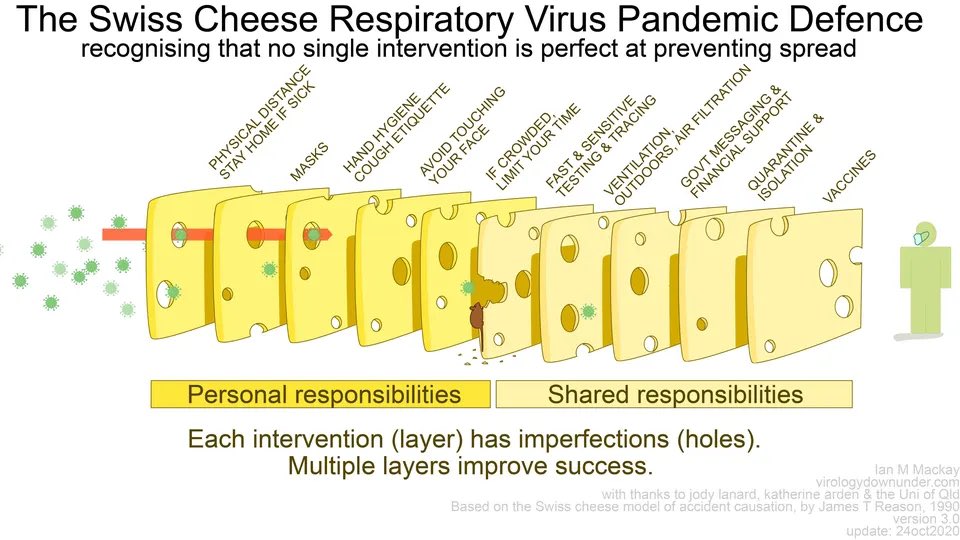
What I see is social media doing what it always does. Taking the slices and turning them into symbolic team sports battles. Is that person wearing or not wearing a mask? Are you for or against clean air? For or against lockdowns? Etc. /7 https://t.co/UZRmHMofwf
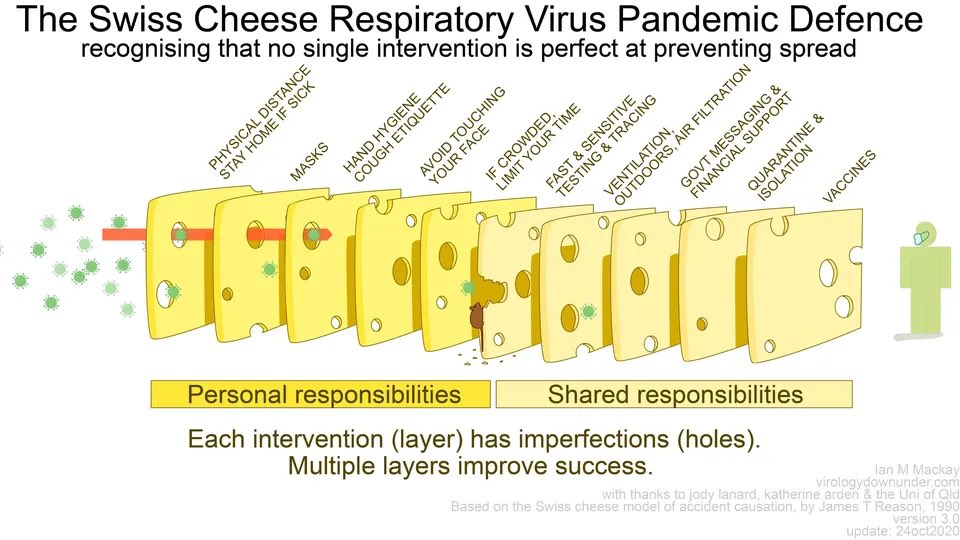
The more the whole edifice collapses, the more strident the symbolic battles become. Nothing is working, so the resultant anger is invested in increasingly furious touchstones for appropriate Covid action, that are just individual slices of cheese broken off from the rest. /8 https://t.co/KRzlBeBIGO
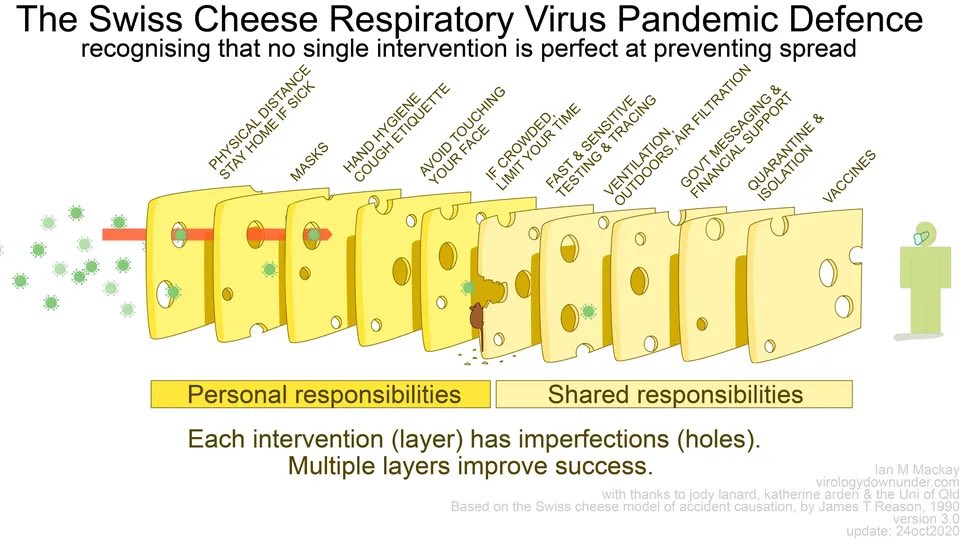
We’re re-discovering what life was like for most of human history, when there was no public sphere to handle collective problems, often invisibly to us. It’s not the same as saying there is no collective life now, though. All life is always collective. /9 https://t.co/ulp9sVOHFO
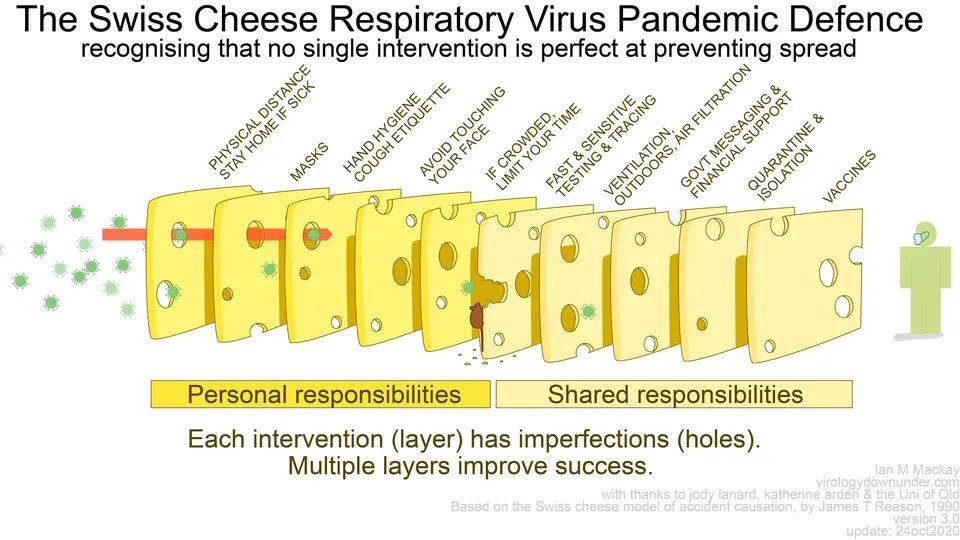
The personal and the shared are mutually defined, not two things. I have solar panels and a battery, for example, for my personal use but which also has collective impact on the country’s power grid. It’s not two things. Our individual acts always derive from shared origins. /10 https://t.co/FkjuPKYjJn
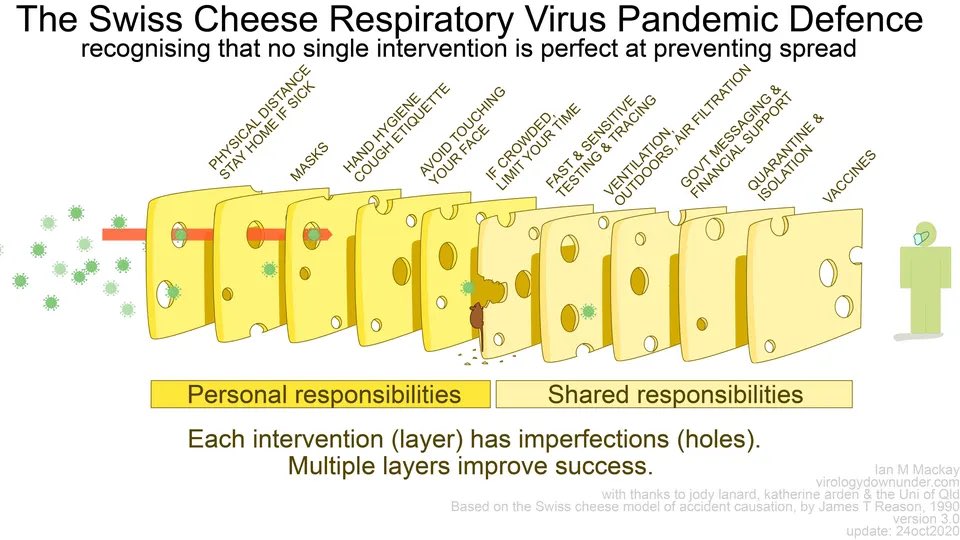
Including the language we speak. What varies throughout history is the degree of coordination of all of our individual/collective acts. If as an individual you avoid Covid infection, you’re possibly saving thousands of lives. You’re interrupting transmission chains. /11 https://t.co/GWmmRMlicq
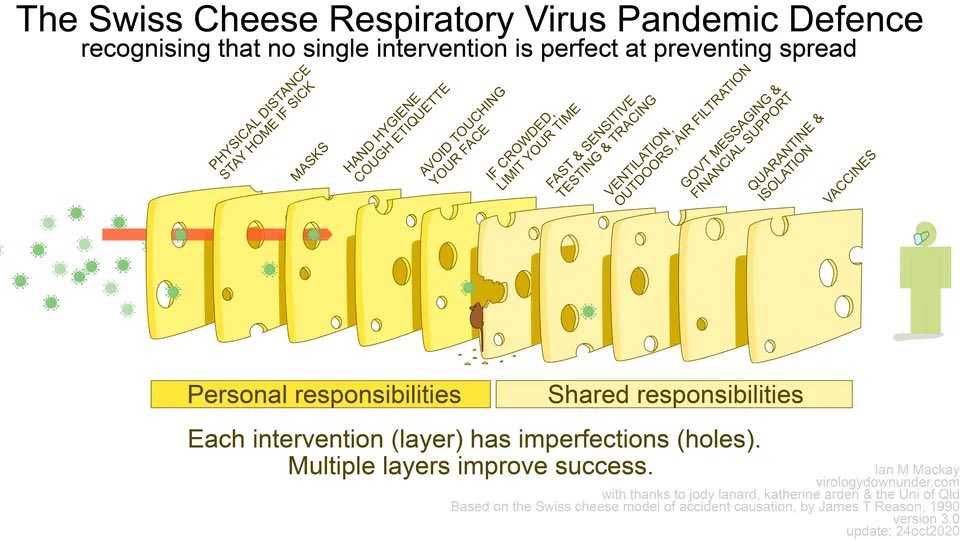
But how long can you keep doing it, alone? Again because it also means re-writing your entire social life. These are the questions that are coming for us all. There are no easy answers. For me, we need to stop the process of team-sporting the individual slices of cheese. /12 https://t.co/P69E5vFrFo
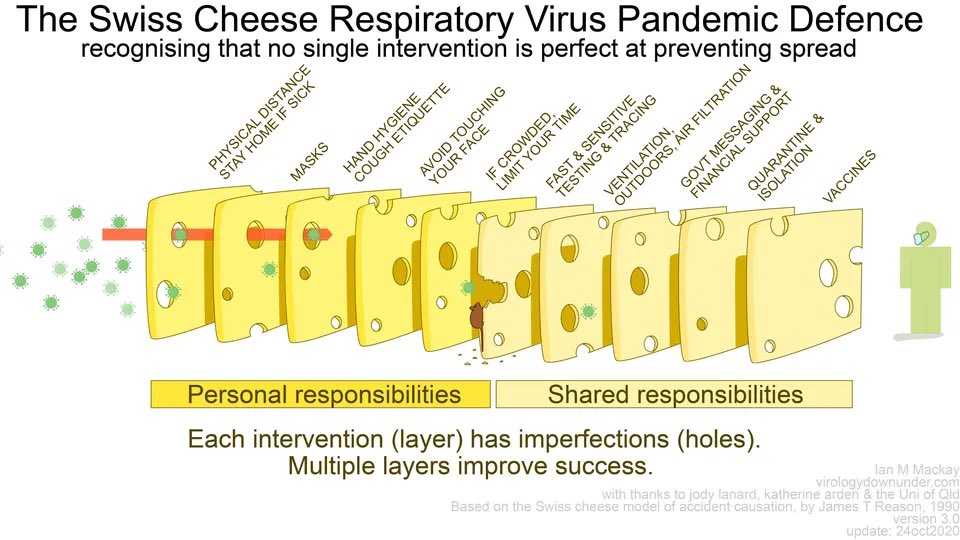
Progress won’t be our degree of fanatical commitment to this or that Covid measure, and the strength of our angry denunciation of those who aren’t meeting a symbolic level of commitment to the same. We’re going to need an appetite for a lot more ‘shit happens’ in our lives. /13 https://t.co/rqdzJJafP8
Because for most of the world’s population, this has ALWAYS been life. Lots of shit happens, that shouldn’t. Our beautiful public sphere that cleared away a lot of that shit is terminal. Only catastrophe put it there, and only catastrophe will likely put it back. /14 https://t.co/AmtL0cXhsv
In the meantime, those who want to keep fighting may need to be more nuanced in how the devise their risk management strategies. Each person’s situation may be quite different, on a whole range of measures. Their health history, work set-up, social relationships, etc. /15 https://t.co/mGT0pjaZi3
Whether they mask all the time, or find ways to create pockets of relative safety that also protect wider social relationships. Whether they devise ventilation strategies with cheap equipment that can be introduced almost invisibly to home and work. /16 https://t.co/xRc0A4ClO2
There is no must-do list of things. Public health was invented to remove the need for this sort of individual calculation of risk, but it’s not realistically going to be re-adopted any time soon, on current trends. We can try, but also plan for when that may not work. /17 https://t.co/tsA8AUHpBC
Above all else, I say we need to stop thinking social media methodology for addressing problems, i.e. constructing teams who then fight ruthlessly over how many angels fit on the end of a pin, will fix anything. Righteousness only makes platform owners rich. /18
This is life in a post-public world. Which is life as it has been for most of human history. The public was a short, gloriously successful project for about 150 years. I for one will keep fighting to save it. But I’ll also think strategically about that failing. /19
About how to shape my life and that of my family for maximum safety without surrendering at the same time to survivalism. I don’t want to live in a bunker, though I will use more elements of bunker life than I would have 20 years ago. /20
It’s how most humans have had to negotiate life not just in history, but also right now, in most of the world. We lose sight of it from inside rich Western democracies. For many even inside these democracies, that’s been life, always. /end