I grew up not far from major coal-fired power generators. I wanted to use them as an example of social…
I grew up not far from major coal-fired power generators. I wanted to use them as an example of social shifts, rather than technological. The engineering case for shifting to renewables is a no-brainer. But it’s the social environment that is now very different. /1 https://t.co/SNsseHMGpw
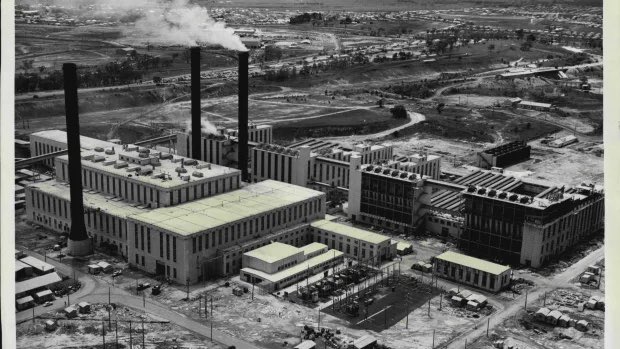
When new coal plants opened, it was a community event. Hundreds flocked to the facility to marvel at the technology. There was no real community interest in how these plants came to be there, people assumed this was what we needed, engineers and others had advised. /2
There was widespread trust in the expertise of power generation, of something that some people were trained to know about and implement. A very standard approach in mid-20th century Australia, with public institutions packed full of expertise, towards social ends. /3
Fast-forward to today and of course we’ve all seen that now energy, like much else, has been turned into a political team sport. Rather than simply asking engineers ‘what would be the most efficient and cheapest way for Australians to have electricity’, and letting public…/4
…works get on with building it, now every new solar or wind farm (for example) attracts fierce community resistance mobilised usually through social media. Despite the engineers and the investors clearly choosing this as their cheapest and most efficient way forward. /5
What’s changed isn’t that now the public is fed misinformation and disinformation. What’s changed is that they have any interest in this at all. When the coal plants were built, they just delegated that to public works, assuming they knew what they were doing. And they did. /6
Societies operate on trust. Not on information. The shift to our culture isn’t about information, it’s about the erosion of all mechanisms of trust, the engineering of distrust and interest in key parts of our social operating systems. Things that shouldn’t concern most of us. /7
It’s not difficult to say ‘build us the cheapest and most efficient electricity generation system’. That will be renewables, it’s why all the energy providers are shifting that way. Instead we have to wade through an ocean of social media-driven bullshit, to get basics done. /8
Why is everybody so angry now? Because nobody is trusted, this is the libertarian fantasy come to life. Everybody is now just a customer of everybody else. It’s also exhausting, as individuals have to transact everything, through fake markets. /9
What’s their ‘best deal’ on electricity, or health care? Whole industries are set up to help them compare the options, most of which are impenetrably (and deliberately so) difficult to understand. All because we gave up on trust as the glue that holds societies together. //10
I think this is a legacy of both English and American historical baggage, of deep distrust in their own institutions, be it nobles and royalty, churches or government. Long European-based histories of conflict, carried forward into modern libertarian politics. /11
Australia managed to escape that baggage for much of its history. But our own conservatives have accelerated its introduction here now too, the all-out assault on public institutions. The corrosion of trust, of sane, distributed expertise, left to do what it knows how to do. /end