Our model of how society works is stopping us from changing it, and helping bad people destroy it. The idea…
Our model of how society works is stopping us from changing it, and helping bad people destroy it. The idea that society is an aggregate sum of thoughts and actions from millions of isolated people is WRONG. A practical example shows it, home solar energy. /1 https://t.co/aTavqWFbVB
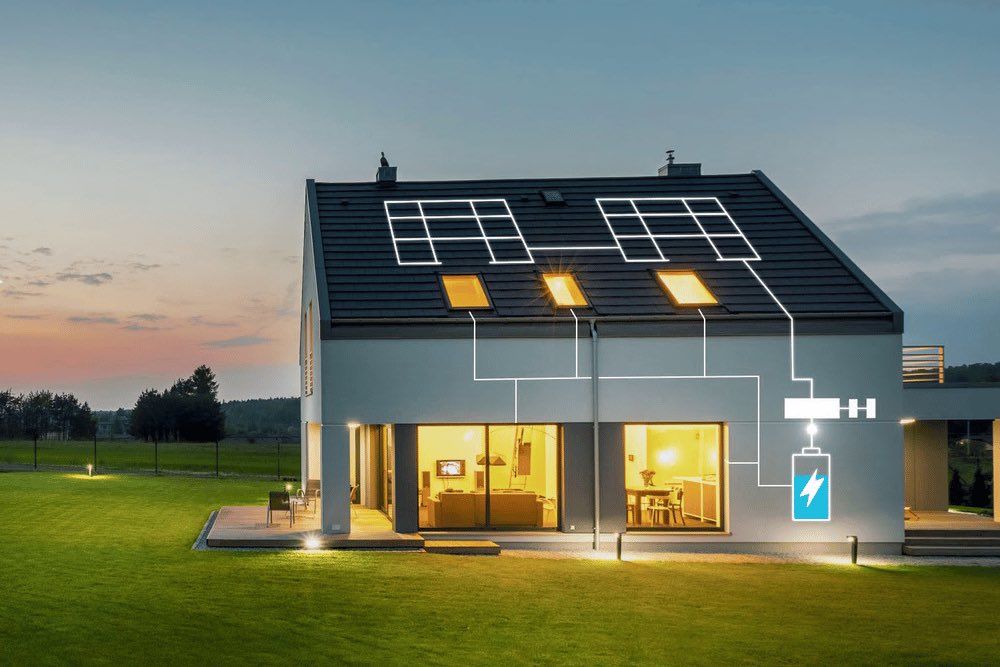
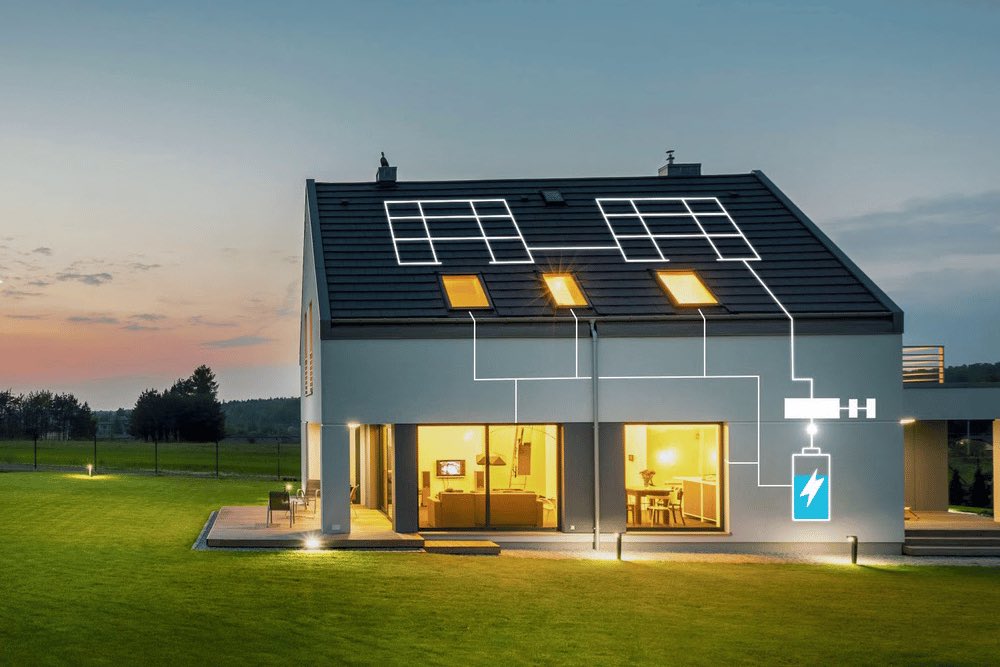
A home solar system is not ‘local’ and not ‘global’. It’s both, at the same time. Your individual energy production is plugged into and feeds the grid, which you draw from as well. You don’t need to aggregate millions of solar householders to have a ‘global’ effect. /2 https://t.co/fvE8BLG1Pu
Societies are not made up of isolated individuals, operating in markets. Never have been, never will be. The whole local/global distinction isn’t even real. We are all, each of us, all of society, refracted in one particular way. Society isn’t the adding up of all of us. /3
I don’t have 1/25 millionth of the view of what makes up Australian society, for example. I have a view of the whole society. Of course that view will be lacking in detail in so many areas than those who work in those areas, and the same applies in reverse to them. /4
We’re not adding up 25 million parts to create a whole. We have 25 million wholes, interacting. Where we act ‘collectively’, it’s because those wholes overlap, a very different physical process to adding up. When two or more people’s *whole* worldview align in some ways. /5
They can never fully align, which is why agreement on anything is only ever provisional. There are too many other aspects of each person’s view of the whole society that won’t align. Studies of voters show this. Most political coalitions too. /6
The Beatles broke up for the same reason, clashing worldviews, whole views. All human groups are the same. Why does this matter? There are enormous implications for swapping the idea of groups and societies being aggregates of individuals, for them being overlapping wholes. /7
Change comes from a change to a whole worldview. Only one person needs to do that, for others to then ‘overlap’ with. You don’t need to mobilise millions. The reason the ‘neoliberal’ (really just high school) worldview wins right now is that it’s a worldview that resonates. /8
We all went to high school, so all of the social and cultural aspects of that worldview resonate automatically with most of us. Popularity must be a good measure of how to do things, because that’s what happened at school. Etc. /9
Being part of a team or group the same. We all had our social teams at school, who we hung out with. Adults swap those now for political parties. The idea of a self-regulating ‘market economy’ gets traction because as adolescents supervision is anathema. And so on. /10
You can change the world yourself, as solar shows. You don’t have to mobilise millions of others. Your home is already all of the world, refracted in one way. Your actions there are simultaneously global, via the grid. /11
Targeting households, as Saul Griffith says repeatedly, isn’t a ‘local’ solution to our energy problems. It’s a global solution, and a much faster and more efficient one, at the same time. Believing those are two different things is what’s stalling the change. /12
The same applies to Covid. The ‘grid’ in that case that makes your individual action also global action is the chains of infection the virus creates. If you cut those off, individually, you’re also cutting some of them off, globally. It’s also an overdispersed virus. /13
Which magnifies the potential ‘global’ effects of your individual actions enormously. If you prevent a superspreading event, you can be creating fundamental change to national Covid outcomes, by yourself. /14
Never believe society is individuals. Believing that is what the bad people want. It’s how they win. /end