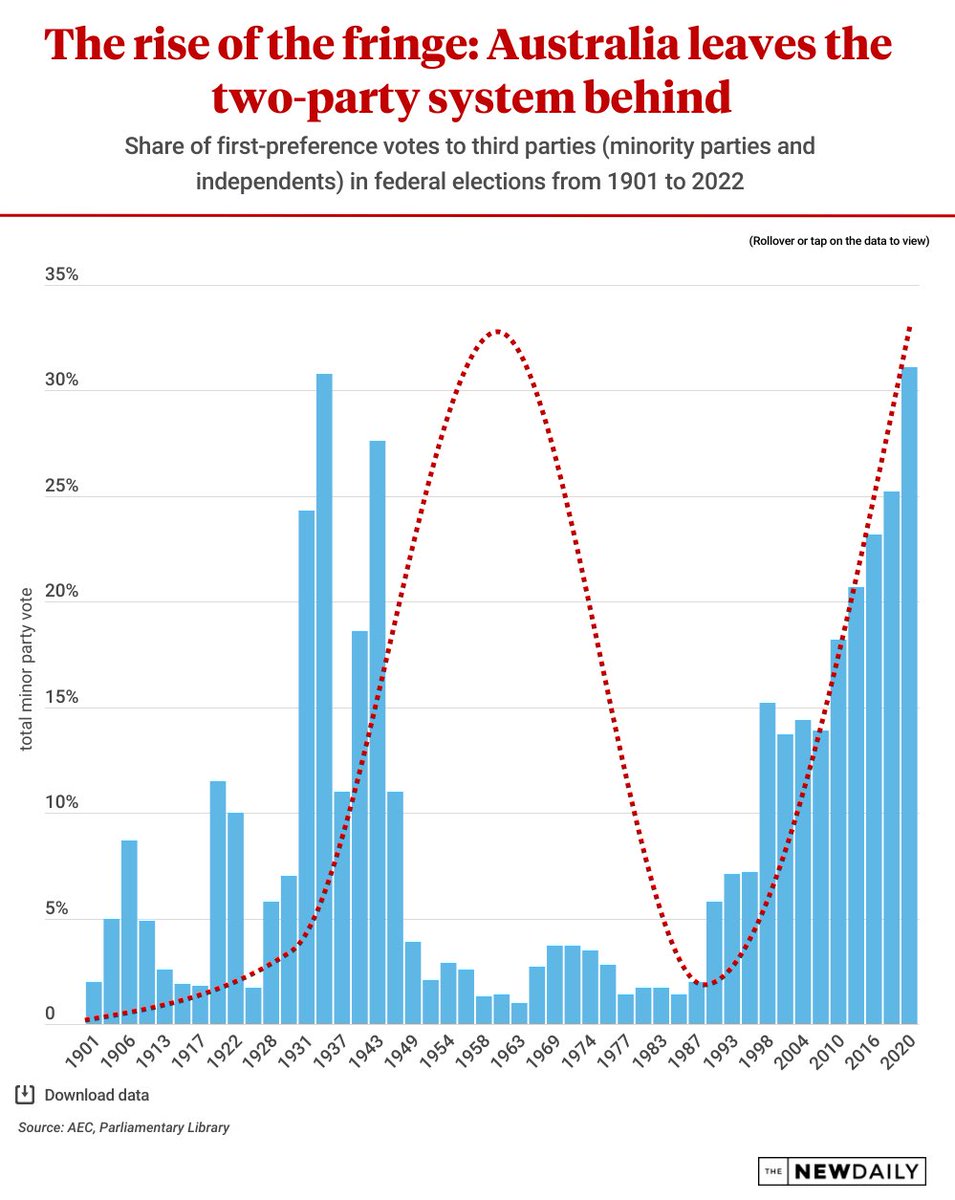
September 2023
Complete authored posts and demonstrable self-threads.
The whole 'MSM' thing is a bit weird. Nobody I know who's young consumes any MSM now, and hasn't for years. It's an older person's obsession, from the days when MSM did constitute a sort of public square. That's long gone. Splintered into millions of fragments by social media.
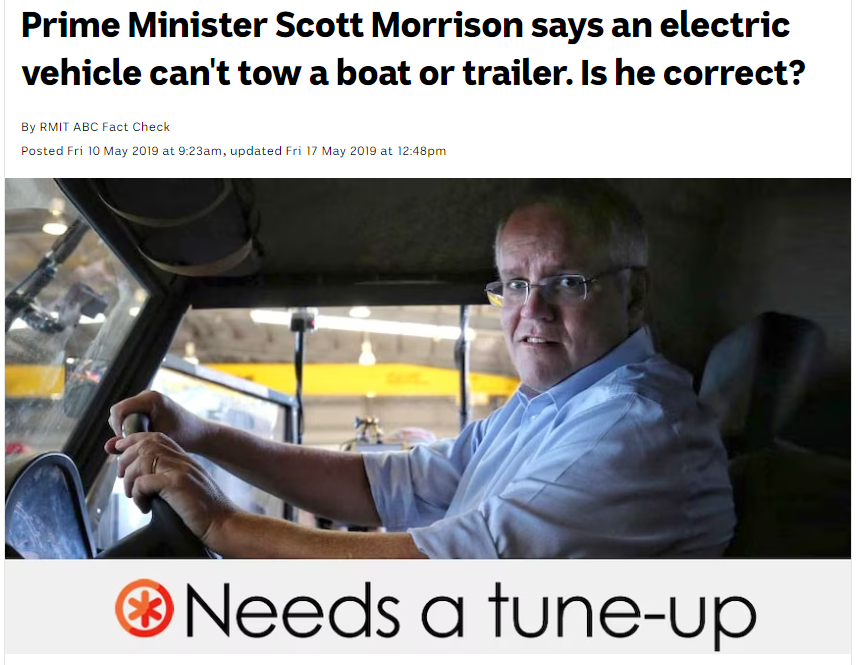
In a libertarian culture it's look out for yourself. Your vehicle, like your home, becomes your world. You want it big. It's a 'get out of my way' car. Europeans tend to have smaller vehicles, because they're more social. Guess which way Oz is heading. https://t.co/ySug7zmj39
Daughter has to attend a consent workshop at uni. 'Names will be taken down, those who don't attend will be followed up'. No sense of irony.
It's a cascading thing I think. Politicians responding to gotcha journalism, pressuring VCs to do something about campus consent culture. Which becomes a VC KPI. Which in turn becomes brutalising compliance behaviour by staff.
RN, the Snowy 2.0 stuck tunnelling machine. A political brain fart project which hapless engineers now need to try to make work. Listen to the gotcha attack, like an opposition leader trying to find a 'black hole' in a government budget. /1 https://t.co/jNz8lMrSxL /1
"So just to clarify, how far in is it now?" "It's about 180m in." "So it was 150m in, and now it's 180m in." "Yeh, of that order, yes." "So it's only moved 15 kilometres." "Err, it's only moved a few tens of metres." /end
Thought you might enjoy this one @Jason_gasdive
The definition of a pandemic has been updated to capture the real human tragedy in play. 'Something that interrupts your overseas holiday.' https://t.co/HZF4VTrp0o
What nobody says when prices skyrocket because of lack of supply, of anything, is that it’s really just extortion. The owner of the scarce supply could just sell what they have left, at usual prices. Economy piffle words allow them to extort people with impunity.
If you could organise public health action into a battle between two teams played out over a season, culminating in a grand final, we might actually defeat Covid.
If you aggregate the number of people who will be maimed and die in generations to come, allowing a novel infectious disease to become permanent (‘endemic’) ranks higher than any historical dictator or genocide for death and suffering.
This the shift ‘the economy’ introduced to societies. To strip away their collective focus, and re-home it in millions of disparate ‘jobs’. Making the public (collective) employees (individual). Employers or ‘business’ then run the entire society. /1 https://t.co/VLqU9NmhWu
This is the real reason we don’t fight climate change or Covid. It’s nobody’s job to do it. Our jobs are about making coffees and stacking shelves. Also why public health action was quickly shut down against Covid, it disrupted the job-economy. /2
There is no ‘public’ in a job-economy. Just a market of individuals. The only power is ‘business’, the employers of jobs. Societies’ entire collective energy and focus is stolen from all collective problems and projects and redirected to ‘jobs, jobs, jobs’. /3
When conservatives use slogans like that, some think they’re preaching a boon for societies. Employment for all! It’s actually a social-political rallying cry, a fundamental shift of social authority to business. There’s no necessary reason society’s labour and resources…/4
…need to be harnessed to what employers want to do. To stacking shelves and making coffees. Those same resources and energies could be used to restore degraded land, and stop pandemics. But there’s no ‘job’ in that. The economy is a trick, a hijacking of our societies. /end
Conservatives shifted from conserving institutions, to conserving the economic status quo. Fundamentally different things. We should all be conservatives under the old definition. To respect the customs and traditions that emerge from suffering and experience.
We don’t have: - social surgery - social jet pilots - social physiotherapy - social quantum computing - social policing - social road construction -etc. And yet we have social ‘media’. It needs to be shut down, or heavily regulated.
Vote Yes because what were doing now isn’t working. If you want to vote No, remember the proposal is for a committee, which should mean nothing will change anyway. Either way, Yes is the only vote that makes sense.
Good on Metallica for at least being open about what’s caused the cancellation. In an adolescent culture what rock stars do shapes society. A large part of the illusion of the pandemic being over has been gigs restarting. It’s a stage-managed fantasy. https://t.co/2TtSHHQtZm
Always look for the untold stories. Like why are we vulnerable to catastrophic bushfires? Yes climate change. But the much bigger reason is that we don’t live in our own landscape, we don’t manage it, we barely interact with it. /1 https://t.co/znHfnOAlX8
We’re European tourists in our own land, still. Most of Australia is classified as ‘the outback’. A meaningless concept, when you unpack it. For us most of our continent is a Crocodile Dundee theme park. Here’s the true genius of Aboriginal Australia, the ‘gap’ to close. /2 https://t.co/86tJKghEve
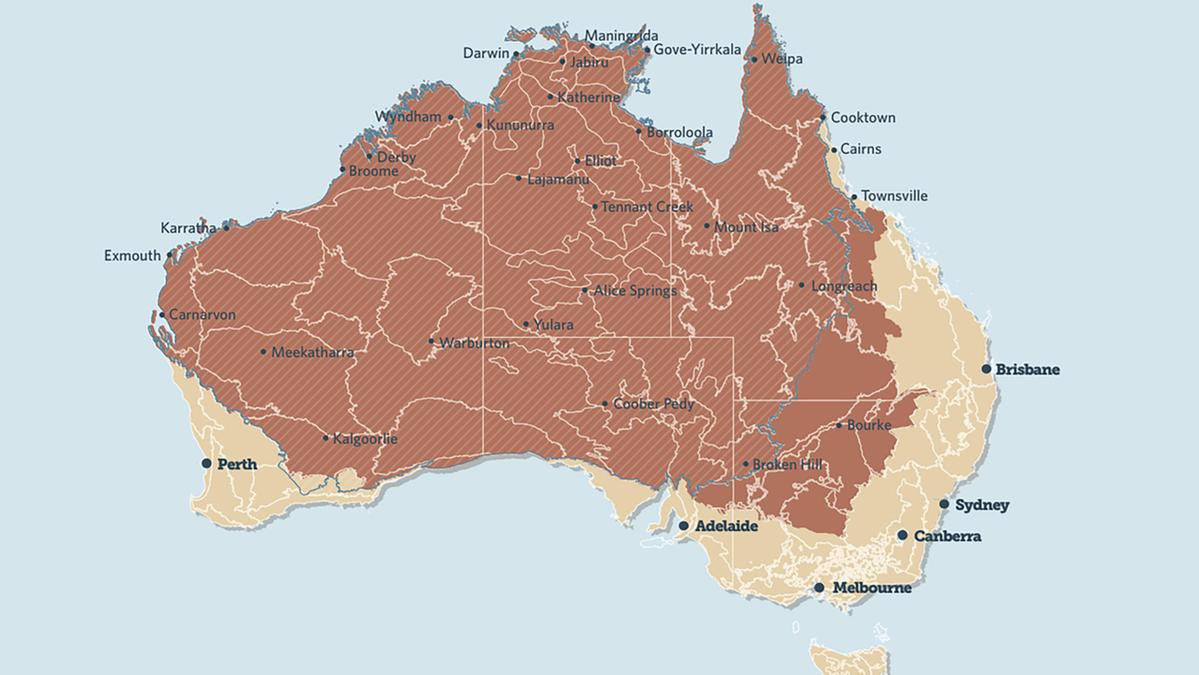
The paternalistic interpretation of how they managed to live here for tens of thousands of years (!!) is that they were ‘hunter-gatherers’. In other words, they did little and just foraged for berries and ate the odd kangaroo, and nature provided. /3
Ironically this paternalistic rubbish is OUR model for now managing this continent. We leave most of it empty, that fabled ‘bush’ or ‘outback’, and what happens? The whole thing collapses, rivers clog and run dry, the flora explodes into catastrophic fires. /4
It’s the clearest empirical proof that Aboriginal Australians actively engineered the landscape. The entire continent. It was a dynamic, engineered equilibrium. Stripped back to the basics, here’s the genius. We only exist because of our land, it feeds, waters and shelters us. /5
We do the feeding and watering thing the same way we do mining. As an extractive industry. Most of our farming is soil and water mining. In historical terms, that quickly leads to total depletion of the ‘resource’, as we see right now. And then what? We have no idea. /6
It’s like a madonna-whore complex, for landscape. We either fence it off as ‘pristine nature’, in national parks, or treat it as a mine. The true genius is finding a way to both get sustenance from the landscape, *and* enrich it for everything that lives in it. /7
That’s what Aboriginal Australians did. It’s the greatest achievement of all human history, tens of thousands of years of achievement longer than any other culture. Nothing is more complex or sophisticated. Our ‘technologies’ are childishly simple by comparison. /8
I strongly encourage everybody to read Gammage’s book, for a window into what that looked like, before we turned most of the continent into a quarry for food stuffs and minerals. It is THE most remarkable story on Earth. Firsthand accounts of what Europeans found here. /9 https://t.co/oPzafjYrDO
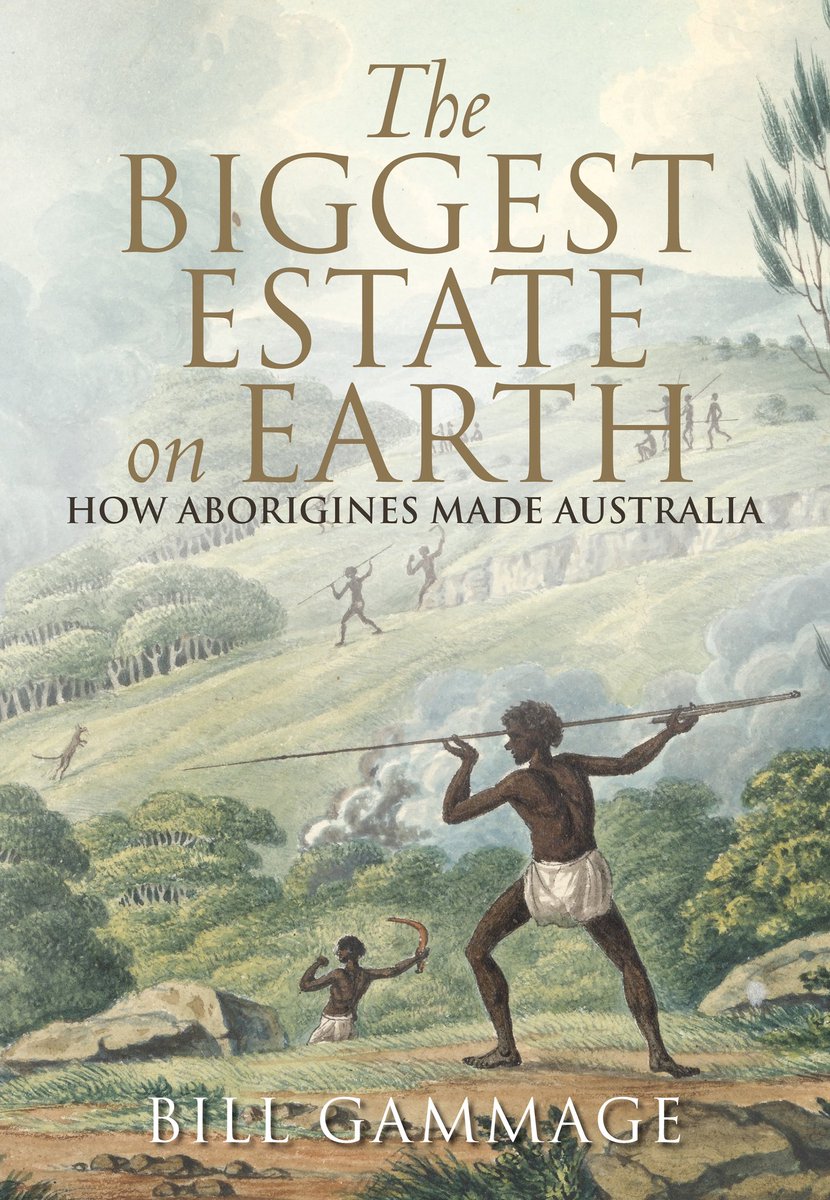
What they found was nothing like what we call ‘the bush’ today. The bush and the outback are that same beautifully engineered landscape left to wrack and ruin. Read the settlers’ own descriptions of the astonishing Eden they found here. /10
They were too prejudiced mostly to understand that the Eden was MADE. They thought it was a ‘natural’ wonder. Within only a handful of years of them treating it as a mine, the whole thing started to collapse. We’re living in the ruins. /end
There is not one way in which fluctuating popularity through whims, fads and fashions is a method societies should use to make major decisions. https://t.co/DfuYIqw3J0
So often the anti-everything (climate and Covid action, referendum changes) people remind me of Homer Simpson's gang assaulting people with sacks full of doorknobs. https://t.co/E6LeAg8uJD
There's a great lesson here in how dog-whistle politics works. Not every person who votes No will be like this, obviously. But every person like this will likely vote No. And that's the critical thing, and why dog-whistle politics was invented. /1 https://t.co/E6LeAg8uJD
The messaging is pitched at this sort of voter, who's normally not engaged at all, or is very disaffected and angry with society in general, and/or has deep prejudices they don't normally share, etc. The messaging gives them permission to express all of their anger. /2
But the surface level of the language sounds polite. The message to the angry is sub-audible to the polite, normally. Like a dog whistle. So both the polite and the angry (and the downright disgusting too) all now have permission to act. The dog-whistling sweeps them all up. /3
If you find the video above repulsive, but you're voting No, a very important question is how you ended up on the same team. Nearly always it means you're deaf to the dog-whistling, even though you may have the greatest intentions. And No may also be a very valid position. /4
But I'd suggest you need to be really sure you haven't been conned here, have a look at the company you're keeping. Does it seem weird you'd be in bed together? It likely means you're not hearing the dog whistle. /end
Letting everybody catch a serious vascular disease, it's no biggie right? We don't have many blood vessels?
Yep. The disease could be controlled, in a nutshell. That's what 'living with' disease has always meant. Only one has ever been eradicated, the rest were controlled. https://t.co/amRWjJ9460
There are two big demand dips for electricity in NSW every day right now, one about 3.30-4am, and the other around 1pm. Supply is always greatest of a day time, because of big solar and wind input. But why is the lowest demand point also middle of the day? https://t.co/Yczyaw1lqo
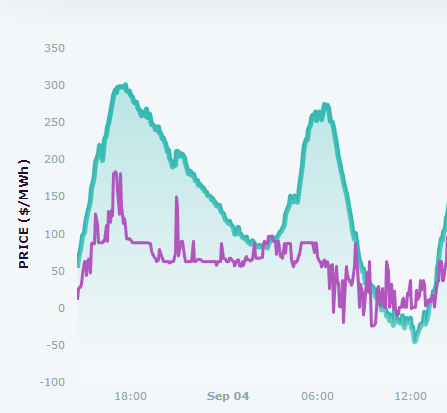
Am increasingly thinking this must be both businesses and households using a lot of solar during the day, and the solar production peaking around 1-1.30pm. Does make me wonder just how many people are working from home.
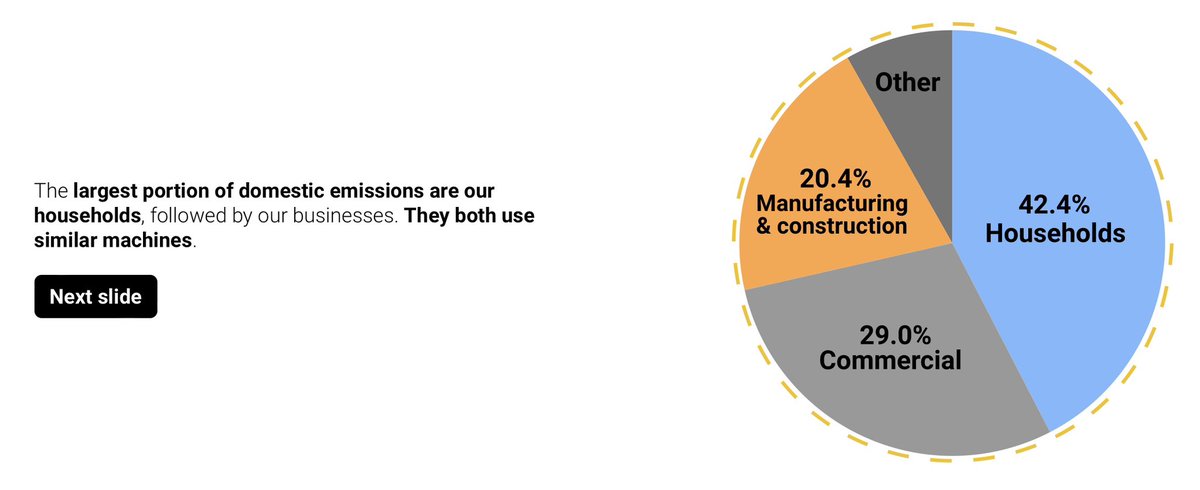
The renewable transition is stumbling. It’s not too late to follow the Rewiring Australia lead and go households, with solar. The biggest emitters in the country. Immediate bill relief for households. Big cuts in emissions. Oz solar is easily the cheapest energy in the world. https://t.co/jepNxzunka
‘Living with’ SARS-Cov-2 means being a host to a parasite. https://t.co/xi3gIBdisD
Nothing about supply and demand has any basis in reality or common sense. There’s no supply of things for which there’s huge demand (affordable housing, teachers, nurses). And huge supply of things for which there’s no demand (Covid, private health insurance). /1
It’s decades of propaganda. The real function of supply and demand is to act as the ‘invisible hand’ in the market, guiding societies without the need for government and regulation. It’s a 100% political concept. It’s failed everywhere it’s been tried, because it’s a fiction. /2
Human desires determine how societies look and function, not supply and demand. Every industry that gets privatised to let the supply and demand market run it becomes more expensive, less efficient, and eventually needs bailing out and regulation. /3 https://t.co/cJPPbN7jIy.
Regulation is not a restriction on societies, it creates them. The same dimwits who parrot slogans about the economy then talk about the ‘rule of law’ to run international politics. The economy is a con. Not only do markets never work, they never actually existed. /4
Regulation is buried deep in every market, to get it to operate at all. Standardisation and contractual certainty and all the things that make markets function are brought into being by regulation. Regulation is also the only way to defeat Covid. /5
The fastest, cheapest, fairest and most powerful way to beat it, to do anything social. We already have public health acts and workplace health and safety acts. They’ll do it. They’re being deliberately sidelined. Regulation or law is both local and global, at the same time. /6
That’s why it works. It makes your individual action global action, and vice versa. Like a speed limit, which not only protects you individually from harm, but also regulates the flow of all traffic, at the same time. Public health orders give every individual permission…/7
…to act in ways that protect both themselves, and everybody else. Without them people won’t do either, regulation is the way humanity invented to give individuals permission to act socially. Which is also the best thing for them, individually. It’s not a binary. /8
That’s what the libertarian nonsense simply doesn’t understand, with its talk of regulation being oppression. Regulation is all that has ever made people free. It’s why we invented it, to short-circuit social status games and provide a framework for collective action. /9
Which then in turn provides enormously greater freedom for individuals, who no longer need to negotiate every single social transaction themselves. How much freer did responsible people free while public health requirements were being enforced? Astronomically. /10
Now they’re trying to do it all themselves, needing enormous energy and costing them a fortune in PPE and other mitigations. We privatised the pandemic, that’s what ‘living with it’ means. We turned it into a market. Like all markets, it’s a total failure. /end
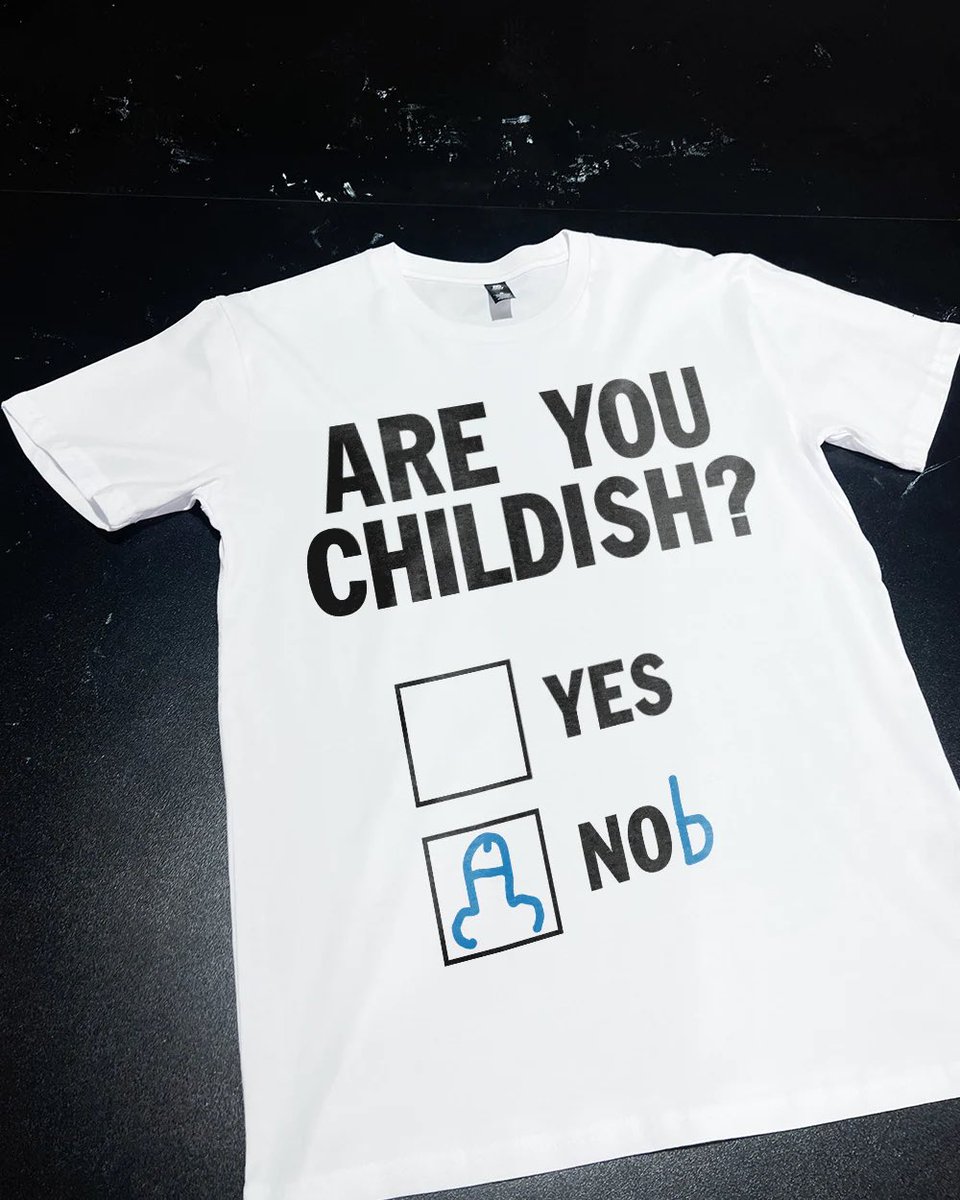
My wife bought me this t-shirt a few years ago. Thinking about wearing it to vote at the referendum. https://t.co/lG1vo4uFSN
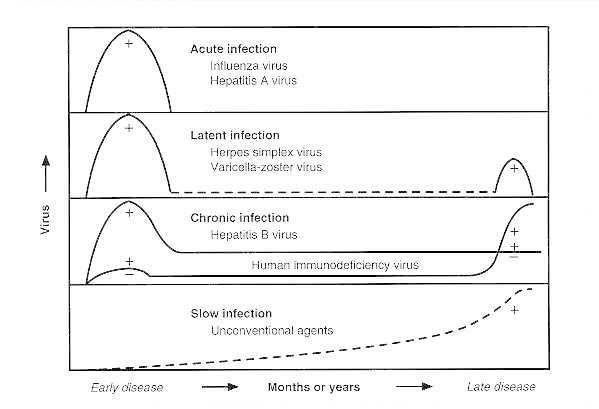
Over time more pathogens in the acute category are being shifted to the other categories. Influenza for example is still debated as an acute illness only (it may not be). From: https://t.co/iQhPyChHnG https://t.co/zERNNz9BE9
Think back to who were the most popular people you went to school with. Now imagine them running an entire society. That's what elections brought to democracy.
Re-Tweeting this in the interests of decoupling elections from democracy. https://t.co/GVAykE2Jiz
The immune system for Covid is the exact equivalent of insurance for climate damage. Both individual risk mitigations for what are actually collective problems. Both are ‘small government’ politics, not science.
It’s actually laughable the number of people for whom the greatest threat facing humanity is government. Probably the greatest achievement of humanity, coordinated and shared action, is now seen as its greatest threat.
If you advertise a dodgy fridge and sell it, consumer law protects the buyer. But you can suggest infecting the entire globe and pretend it’s ‘free speech’. It isn’t, all change is led. Identify this tiny handful of saboteurs and shut them down. https://t.co/3pHpazChni
Jessica rightly noticing that there are no grown-ups left. Society is a high school. https://t.co/GnkIvKFD5R
The very best thing we can do for a health system already under strain with an ageing population, is to let a pandemic run in an uncontrolled way. https://t.co/4ZAf3LHySH
Every indication is that the cooker agenda will drive this inquiry. About ‘whether we locked down too hard’, and similar rubbish. https://t.co/Leefw8EJtZ
I get called a ‘germaphobe’ a lot, wearing a mask. Now I begin each working day with ‘hey germophiles, what’s on today’s infection menu?’ Gets a lot of mileage because so many are away sick it’s always fresh when they come back.
And exactly as expected, the push for an inquiry predicated on concern for damage to the economy. Not on the collapse of public health. The economy is humanity’s most lethal fiction. https://t.co/XDXVSF7i0H
‘The economy’ is a political Trojan Horse deliberately designed to substitute the economic status quo for all of society. ‘Lockdowns’ damaged economies only because they showed the profound SOCIAL interconnectedness of our lives. https://t.co/UX9eRdogHp
It mostly escaped analysis that our ‘economy’ grew in the latest figures, but peoples’ individual financial situation declined again. That’s not an anomaly, that’s the economy doing what it was designed to do, protect the status quo. It’s a con. https://t.co/ZqlsyoeSi3
I, um, got nothin'. https://t.co/qyo7xL1sbV
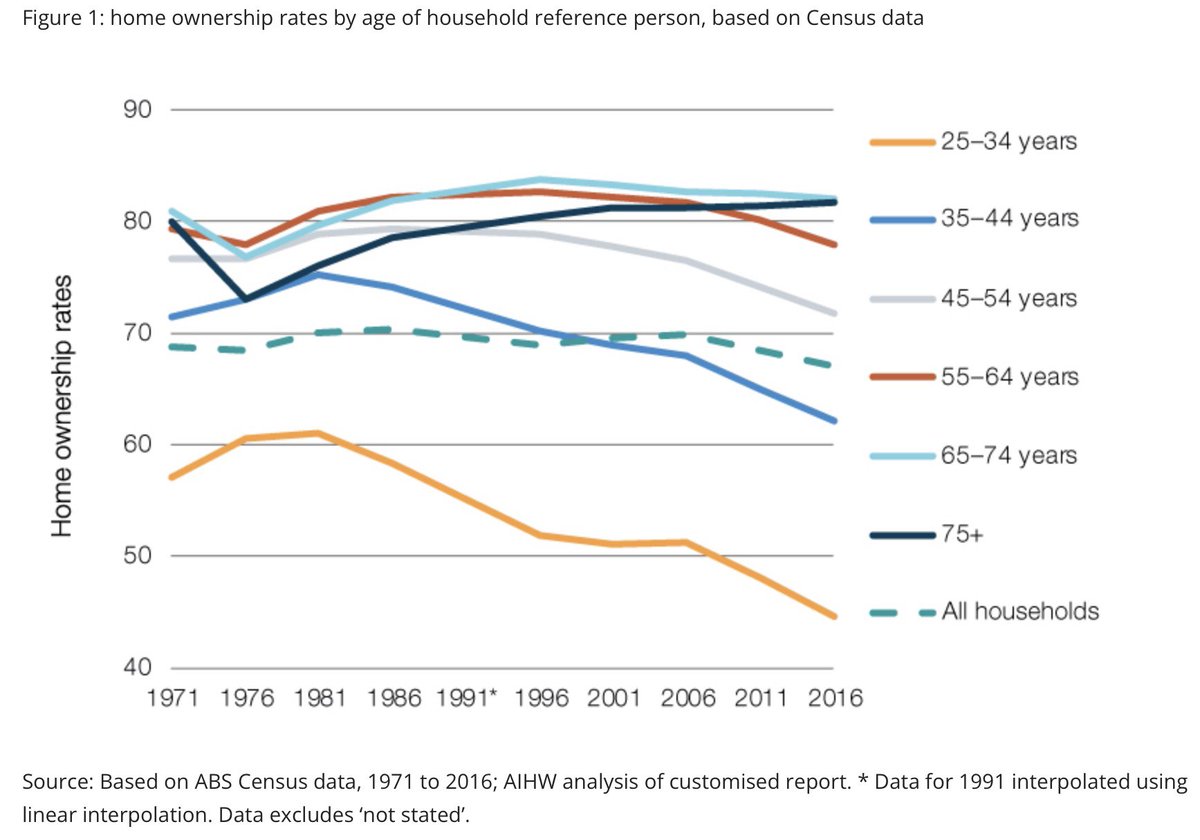
The young in particular should feel some connection with Aboriginal Australia. Being dispossessed of land, and now also infected repeatedly with an uncontrolled pandemic virus. Squattocracy has been our governance model since settlement. (Data from: https://t.co/XaDaKw3yM8) https://t.co/Hg5f6T5woi
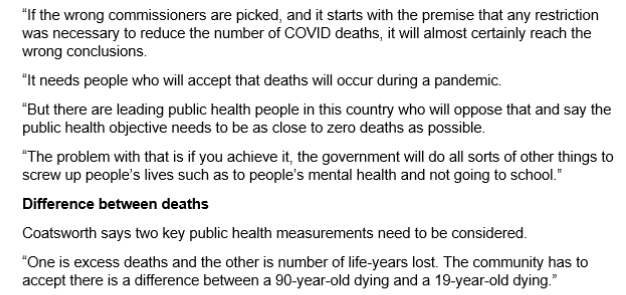
Talk about ‘balancing’ water use in the Murray-Darling basin between economic, social and environmental uses is the same bullshit balance of economy vs climate change, and economy vs Covid. Weasel words. These aren’t separate domains to balance.
The average Australian household spends about 5 times as much on alcohol, cigarettes, take away food, eating out and travel and entertainment than they do on their local parks, roads, libraries, water, sewer and museums. Societies are high schools. Literally.
This was such a ripper I want to ask 2 days in a row what society can't fight a pandemic, and educate its children at the same time? https://t.co/RYMSOgWFfa
Sending the kids home because the school ceilings might collapse on them. Given the Tories, it can't be long until they're all given hard hats and told to get back to school. https://t.co/H8ZCP2f5rD
Worth pointing out every day that 'balancing' the economy against public health action led very quickly to 100% action for the economy, and 0% for Covid. A politician who uses the word 'balance' is lying, always. Climate change already taught us that. https://t.co/Btd1OoDMjg
I often see hybrid immunity advocates say our population immunity is building all the time. Immunity to what, bullshit? https://t.co/37oC1ojCfv
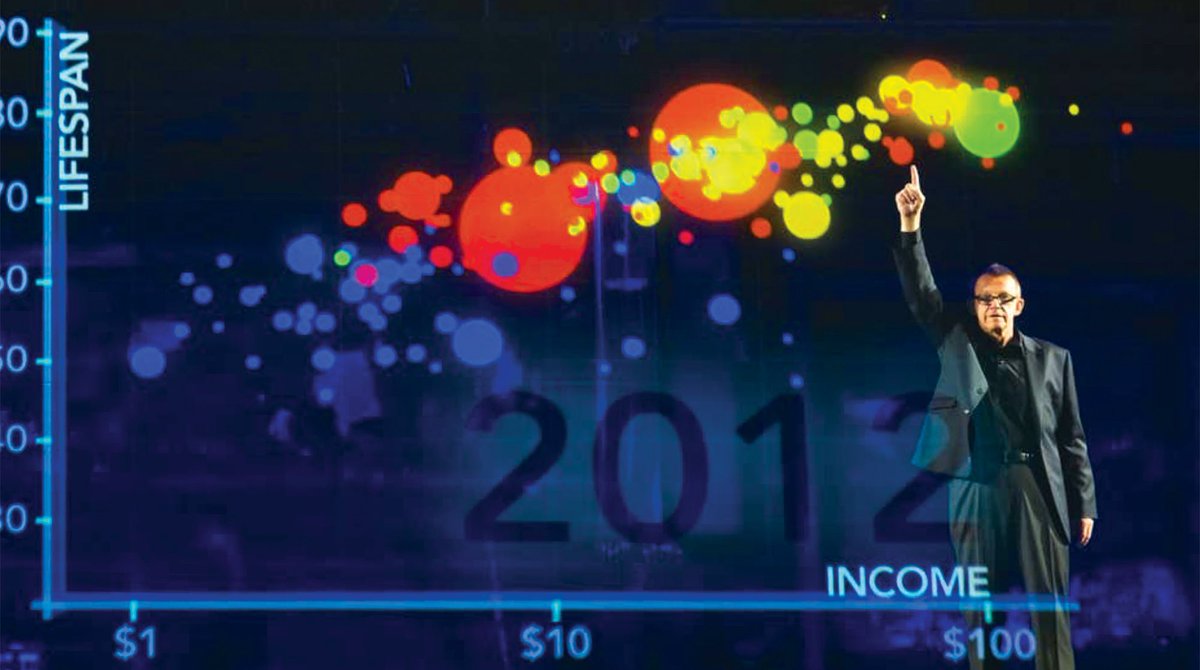
One of the powerful things Hans Rosling did in his life was to get people to take their focus off the daily team sports of politics, and back onto reality. Rosling could show how so much was actually going much more right than we believe when listening to the team sports. /1 https://t.co/JHX2TyYpjk
There are two ways societies actually progress, and neither has any connection with what we call politics. One is catastrophe, like natural disasters (including pandemics) and wars. Catastrophes upend existing social relations, they’re societies’ on/off switch. The reboot. /2
They have the power to overcome entrenched social status. Debate never does. It’s a terrible mechanism, lots of people are maimed and die through these catastrophes. But after they clear the decks, actual change often does occur. Like we saw from the mid-20th century. /3
After a world war, a pandemic, and then another world war. It gave society a good kicking, and huge social progress followed, as entrenched interests were pushed to one side for long enough to allow genuine change. The actual idea of ‘the public’ took off at this point. /4
Have Tweeted lots about how from the 1970s onwards, the old elites that had been pushed aside earlier in the century began to reassert themselves. An all-out assault on everything ‘public’. Today that assault is called ‘the economy’. Markets, nothing but individuals. /5
Have also Tweeted about the second way progress happens. When enough knowledge is embedded in a society, through engineering, science and other knowledge, that the society can only function when that knowledge is maintained. No amount of debate or opinion can do it. /6
I think a lot of what Rosling mapped in his presentations was this. The push for improvement driven by established expertise and knowledge embedded in institutions, which no team sports could really touch without breaking important things they were reliant upon as well. /7
I don’t want catastrophe to fix our current problems, I’d much prefer the incredible socio-technical complexity of everyday life now to do that. But I do know ‘politics’ won’t, which is why I doze off with all the daily team sports. /end
Thanks to @dbRaevn for still doing this. It’s so easy for ignoring the weekly deaths to become normalised. https://t.co/mXE6ag7EyJ
Societies won’t change without total catastrophe. The lives we led pre-Covid were the happy remnants of action taken after 20th century catastrophes. https://t.co/FZxT1R305P
The only recipe for social stability over generations is to build things. Not to have the things, but because building things disciplines human desire and behaviour in a way that debate never can. We will never agree because desire is too evasive. Here’s another Oz secret. /1 https://t.co/cxWGyYelZG
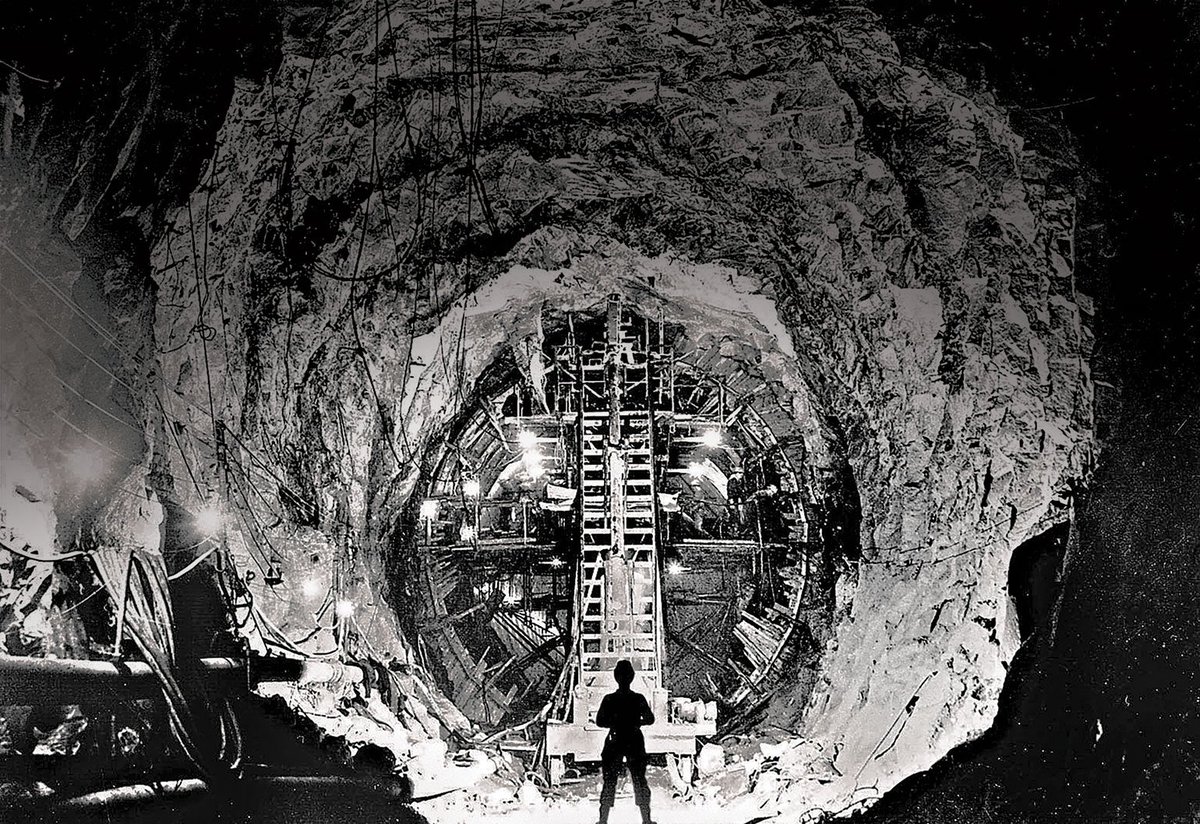
The Snowy Mountains Scheme did something remarkable that wasn’t about electricity, or even water. Something global. The scheme itself by the way was never really about electricity, it was the usual European Australia harebrained fantasy of ‘turning water inland’. /2 https://t.co/zU6l5vk0WR
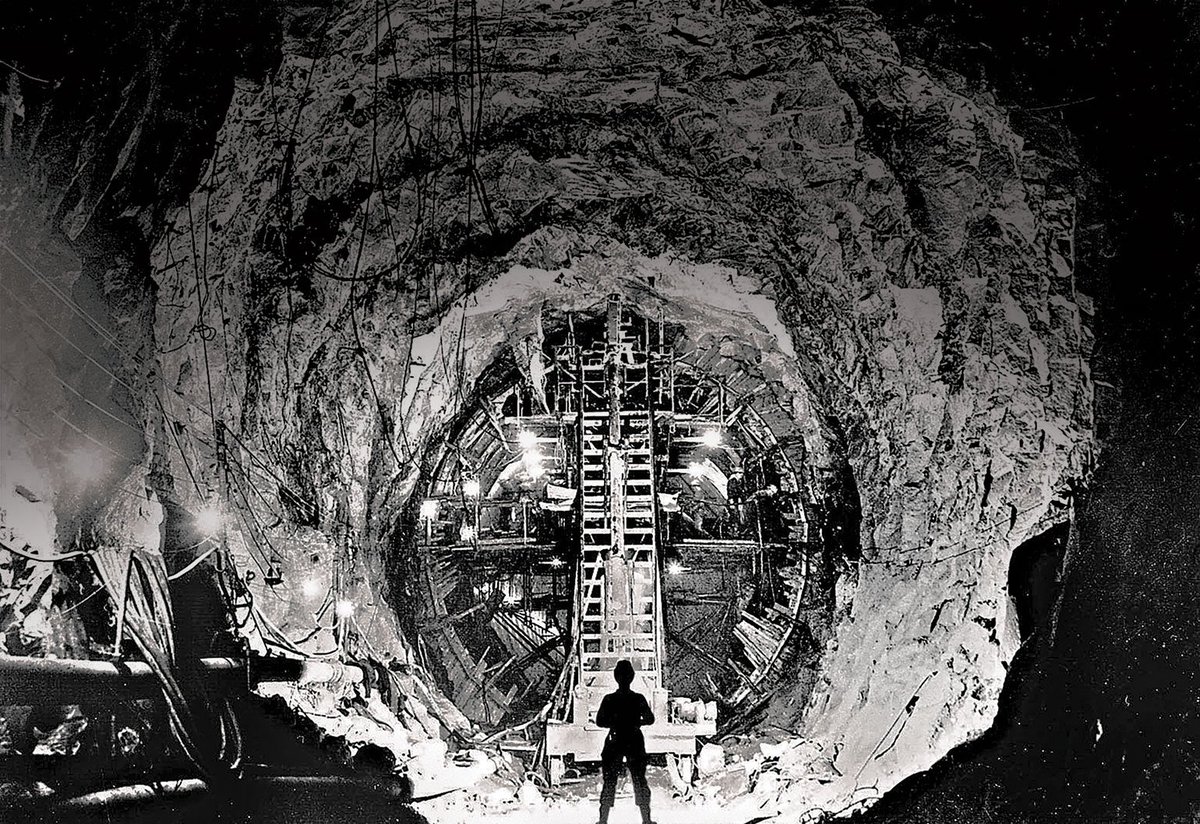
Of redirecting the Snowy River mostly into the Murray Darling basin, so it could be used for irrigation. If you wonder how successful it was, well, no. The Scheme is a white elephant. But something it did achieve is much more important. /3 https://t.co/j7EpJxH3y9
It brought about 65,000 migrants to Australia, mostly from Europe. Refugees from a Europe pulverised by WW2. SBS is running a brilliant doco series on the Scheme right now, I highly recommend it. That influx built post-war Australia, *socially*. /4 https://t.co/UOn8hwI9GQ https://t.co/wLvoKrCR81
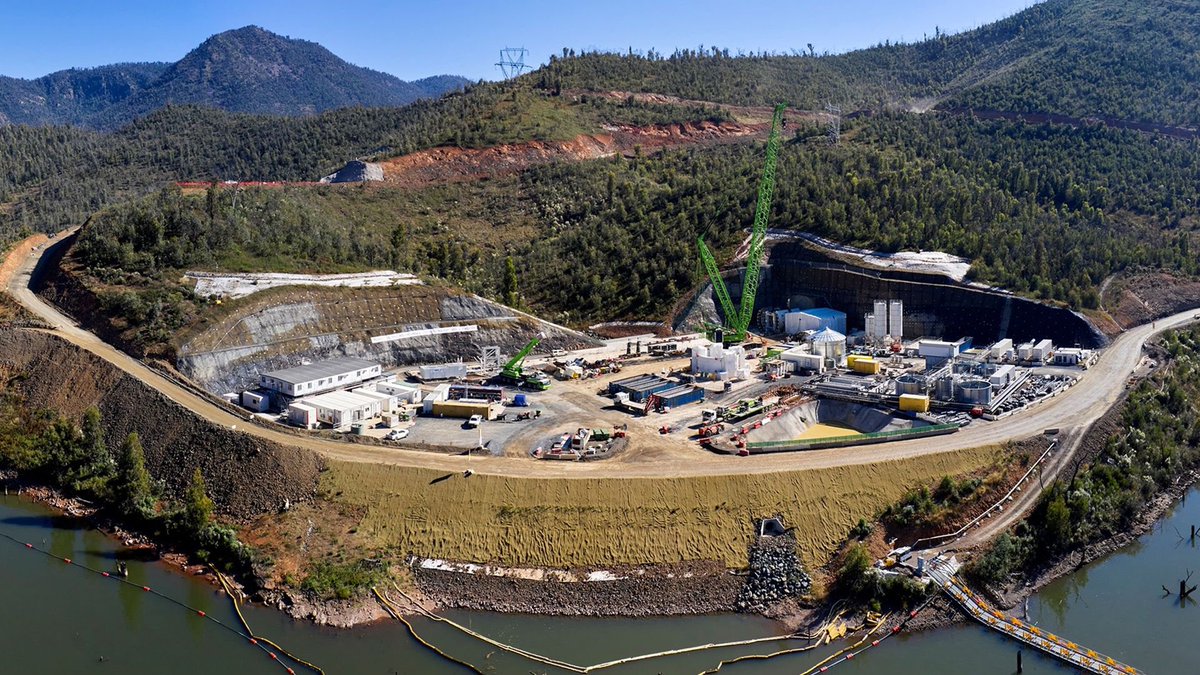
These were the same Europeans who just previously had been at war with each other, who’d blown much of their cities and landscapes to smithereens, killing millions. When they arrived here they could barely communicate with one another, and there were remnant hostilities too. /5
But over the next 25 years of building the Snowy Hydro together, that act of building brought them together. And welded a new Australia together well outside the Scheme, socially. Some of my relatives worked on this Scheme, I experienced that social shift firsthand. /6
There’s profound historical symmetry to what actually happened here. After 6-7 years of territorial warfare in Europe and Asia, with the destruction of so much social infrastructure, suddenly these same cultures were living harmoniously again here in the Snowy. For one reason. /7
They were building things. That act of building transcended all of the cultural differences and hostilities. You can’t engage with reality in that way, to build things, hard things, without putting your usual differences to one side. This is the story of all civilisation. /8 https://t.co/2Y7M7zJb5o
I Tweeted about how this was the main lesson of Roman civilisation, that we don’t usually see. Rome survived for so long, because it built. The act of building is the glue that holds societies together. A a bonus you get the things you build, to make your life better. /9 https://t.co/2Y7M7zJb5o
Aboriginal Australia was the same. Bigots see it as tens of thousands of years of ‘hunting and gathering’, as primitives engaged in a sort of continent level scout jamboree. But Aboriginal Australia was building a continent, and modifying that building that whole time. /10 https://t.co/2DIQQtMz5j
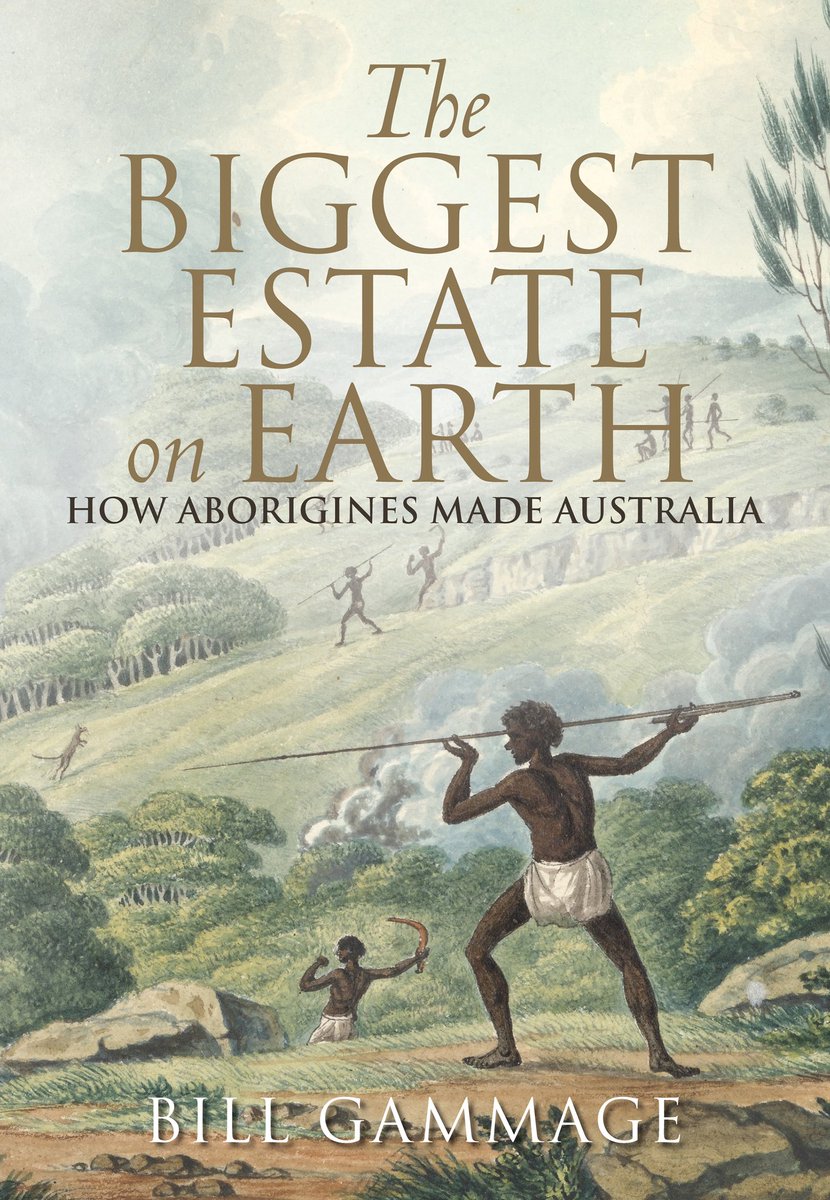
How do you have a culture that lasts 60,000+ years, when other cultures manage 5000 at best? You focus your social lives on the continuous building of things. In the First Australians case, on the continuous enrichment of an entire continent. Fast forward to today. /11
With us here on social media, ‘debating’ (really just team sports), producing nothing except hot air, and billions for the platform owners. Having long outsourced most building of things to China, which we now engage in chest-beating sabre-rattling with. /12
And wondering why our societies are falling apart. It’s simple. Because we don’t build anything. /end
Who remembers Covid vaccination in Australia? Memories. https://t.co/Bz1CX0HQAi
The difference between this referendum and the one in 1967? We have social media now, an institutional home for things that previously were rejected as disgusting, ignorant and absurd. It needs to be turned off. https://t.co/7ryNrNkhHf
As a thought experiment, imagine all social media turned off for a week. Or even two weeks. Seriously, imagine the shift you might see in societies. How it would pan out. It’s not a quick thought experiment, these platforms have insinuated themselves into every facet of life.
What all Covid inquiries will focus on, it’s a stitched-up done deal. The champions of the economy will set up these inquiries, they’re not going to be much interested in anything except their precious economy. https://t.co/yAicnQLzIo
Bad people understand group psychology. Good people think righteousness is a substitute. https://t.co/DZxpfkzv7K
The depth of the total collapse of a public-focused democracy is in plain view. How disgusting the champions of the economy are. Balls-out democracy-hijacking pirates. https://t.co/nLSkvpRejA
The ‘mad Right’ are populists. It’s not about Left or Right, that’s comfortable old politics. Populism - using popularity as the sole metric of what is right - destroys all societies. Schoolyard social games, extended across all adult life. Left to run it becomes fascism. https://t.co/MOaJ3VpxvW
Exactly right. As for the GFC, ‘go households’. This also has a macro effect, because energy is a grid, so both local and global at the same time. Nothing would transform the country faster, including cost of living. https://t.co/CYH7srQnMr
Saul’s work shows something much more important than just how to do renewables. It fundamentally upends nonsense about the economy as a whole. That ‘business’ drives it. Households drive the economy, businesses are just rent-seekers. Try this. /1 https://t.co/78hKknoh2C
It’s simple to challenge the great economy con. If the public (customers) are all cashed-up, anybody can run a successful business, because customers have money to spend. If business has all the money, it has no customers. How is this not obvious? /2
The tedious econo-waffle we have to listen to every day about inflation and fiscal and monetary policy and blah blah blah. All political fairy tales. ‘The economy’ was and still is a ruse to strip common-wealth from ordinary people, and shunt it to business. /3
Give ordinary people that wealth, and business will thrive. It’s win-win. You have to be some kind of stupid to not see it. But then that’s what decades of ‘the economy’ has done, it’s like a mass lobotomy. /end
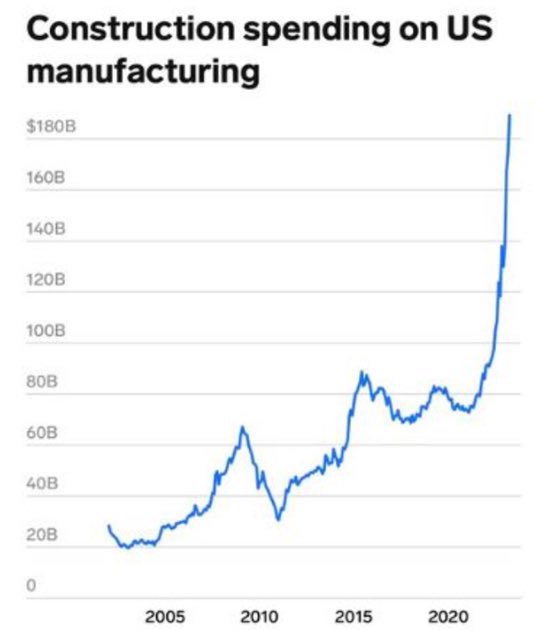
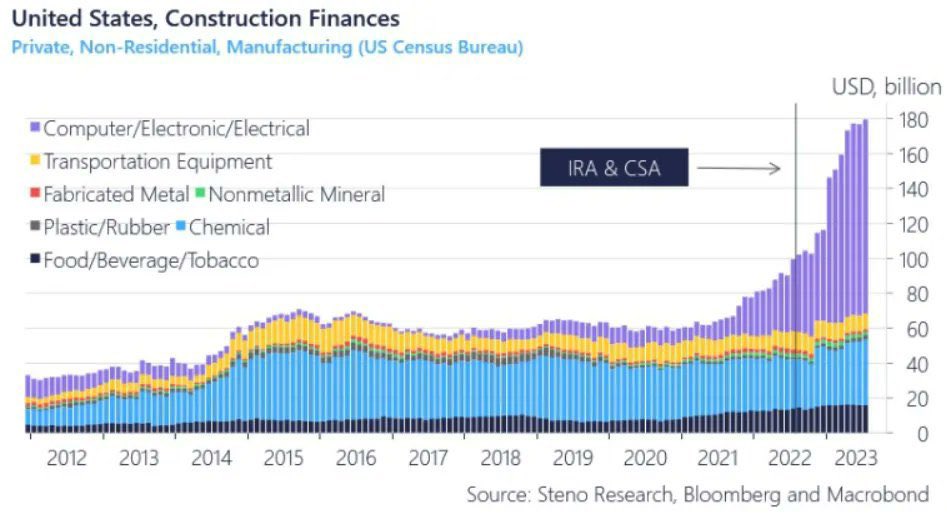
What’s happening in the US is a new industrial revolution. Which is EXACTLY what we need to fix climate change and Covid. No ‘balance’ required, what we call economies have always boomed when we fixed major social problems. Those revolutions *are* the fixing of social problems. https://t.co/VOU8HgwhQk
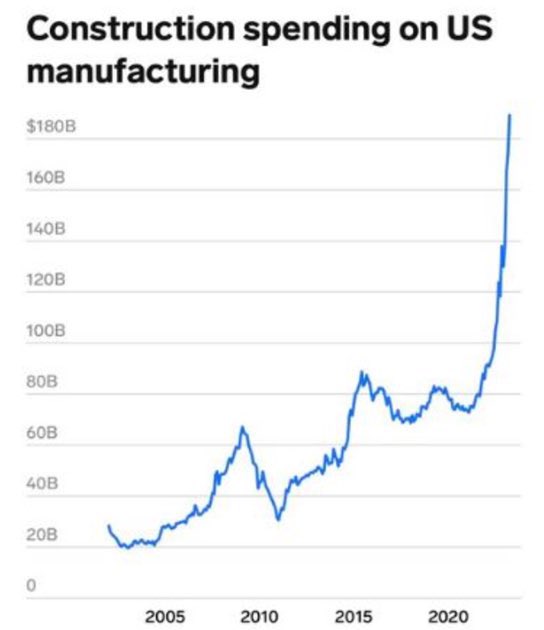
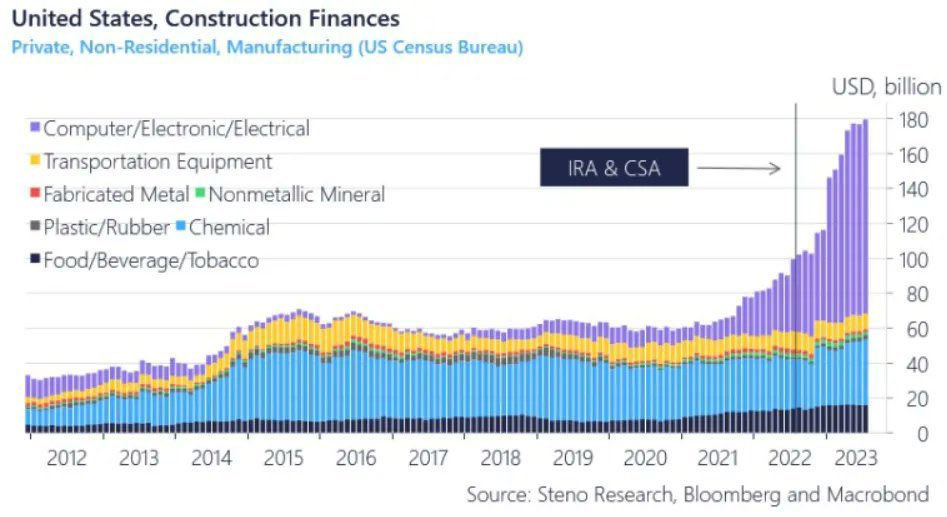
This would make us fabulously rich. Economies boom when they address actual social problems. That's what the first Industrial Revolution did. For a fraction of the cost of a handful of submarines and ridiculous tax cuts. https://t.co/kGDIAh5Nix
Some cavalier physicians have had the ear of governments during Covid. Pre-pandemic barely a third of physicians even bothered to wash their hands, in hospitals. We shouldn't be surprised at the collapse of infection and disease control. https://t.co/M4ATk06msB
I feel the whole living with the virus fantasy hangs by one thread only. The (relative) efficacy of current vaccines against severe disease. If that were to fail what do people think might happen?
What we need is autonomous public health technology, where the human error rate is currently running close to 100%. https://t.co/0BDplc9NPJ
The 4-day working week on The Drum. Business of course sceptical, the ball and chain around the nation’s feet as always. Australian business is lazy, entitled, rent-seeking. Just wants a perpetual lazy status quo with most national income flowing to it.
Joe Biden showing the myth of the ‘economy’. Government intervention makes economies boom. Because economies are really just societies, not markets. https://t.co/Fx75D7Tqk9
The clawback of everything ‘public’ exploded from the 1970s. You can see how they got away with it. Debt kept everything running, while public mechanisms were pulled apart. Debt is what allows the illusion that societies are economies. Once the debt bubbles burst? /1 https://t.co/ez0Oad8y7X
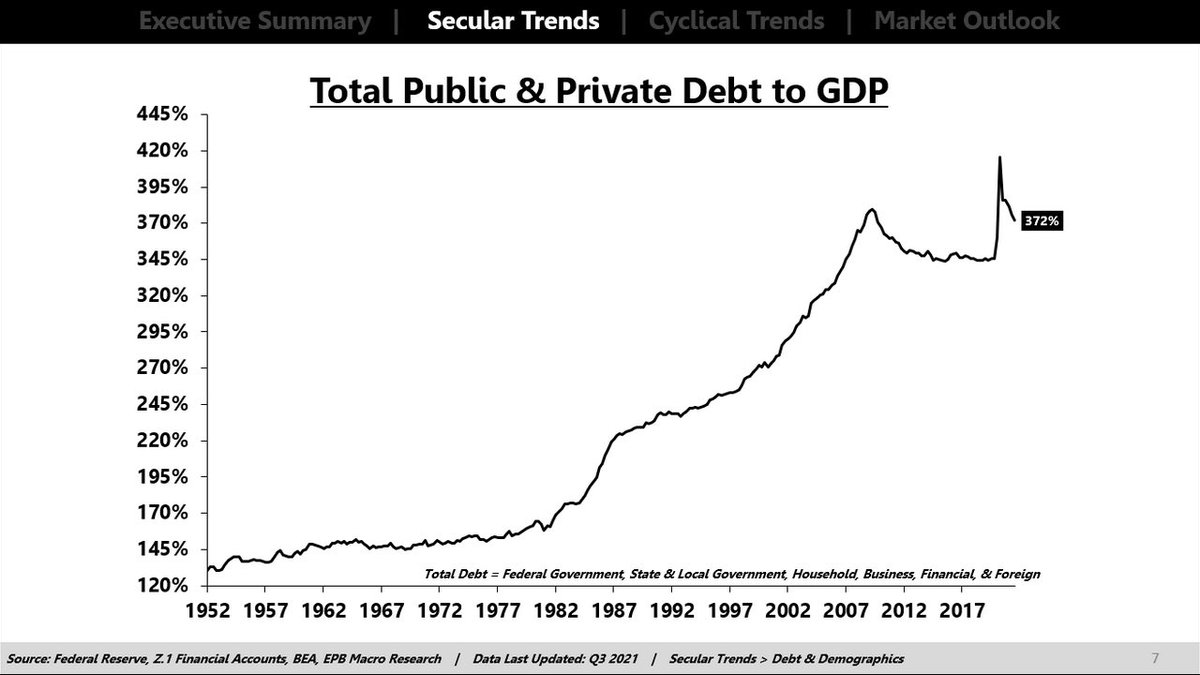
That’s when you see how broken the social fabric is. Like right now. Debt (particularly personal debt) hides that, it gives the illusion that ordinary people are part of society, what by then is called ‘the economy’. As soon as that debt dries up, they’re living in cars. /2
Societies are ALWAYS social. They’re never economies. The economy is a trick to favour a tiny subset of society, by creating a fictitious mathematical construct that rationalises the status quo. Only debt ever makes that seem real. Without it the majority of the population…/3
…is suddenly revealed to have no stake in society at all. There’s a reason old religious traditions were so scathing about debt. We’ve forgotten why. Moneylenders and plagues, deep evils in multiple religious traditions. They knew what destroyed societies. /end
The annual farce where we blanket entire cities and regions with toxic smoke, to protect a relative handful of poorly positioned homes. This is 'closing the gap', we need these burns because the landscape is mostly unoccupied or managed, by us. Eucalypts out of control. https://t.co/Ud96uwfnjx
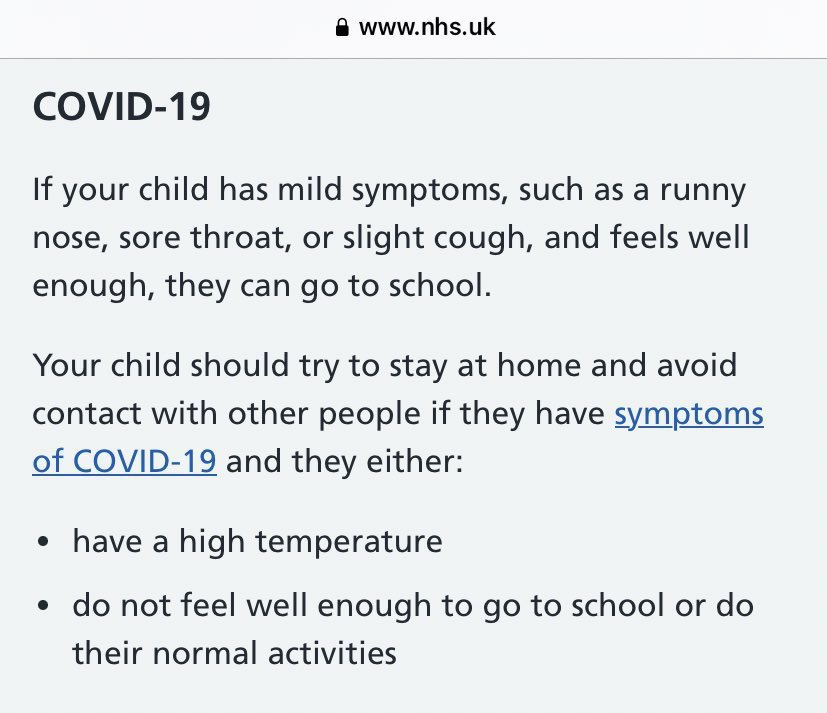
None of this happens. In the UK kids are told to go to school when they test positive. Nobody is isolating (or even testing) anywhere I have any contact with, in any workplace or school, unless they're so sick they can't stand up. (From: https://t.co/OnbLRv0mXe) https://t.co/X7MbxNo8PF
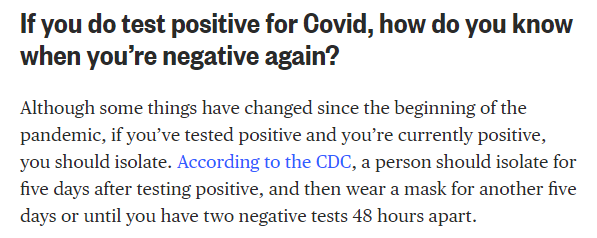
Here's another one for the chronic infection shift in paradigm. No infection is good for you. https://t.co/vM8orgo4B4
If you choose people to lead a country using popularity as the sole metric, you reap as you sow. https://t.co/jF2BCxPjSh
Lawn mowers and other motorised garden tools are now shifting hugely to electric, in sales. A very macho area, like cars. But nobody turned garden tools into a team sport. That's how the wreckers win, they turn issues into team sports. Populism. The Voice is the same. https://t.co/518pbjznkm
The huge disadvantage for regional people with university. A friend has 3 kids to put through uni. Will cost them $200,000 just in accommodation and food. If they lived in a capital city, that cost would be $0. The feds offer a measly $3000 to offset it.
Great thread from Noor. https://t.co/NfxYUgJTfc
Having seen firsthand multiple times how much the obstruction to renewable rollout is laughable ‘local’ objections from people drenched in social media bullshit, I increasingly recognise very little of the Australia I grew up in. /1
Social media is mostly American in origin, and carries a set of deep social beliefs that the platforms implement, about society emerging from the bottom up, with ‘the people’ aggregating all of their opinions into some democratic outcome. /2
The platforms are literal Trojan Horses, driving these underlying assumptions deep into other cultures. The explosion of paranoia and conspiracies, the constant mobilisation of incoherent hysteria. Locals opposing solar farms because the panels will be too shiny. /3
Communities who have lived for decades in the shadow of hideous coal-fired plants spewing filth into the air they breathe now appalled because pumped hydro plants proposed to replace them are unsightly?! It goes on and on. It’s not just that these platforms spread bullshit. /4
Much more damaging is that they encourage people to have ideas about things they’ve never had ideas about before in their life. Things they used to TRUST others to do for them. That’s what representative democracy is, a delegation of most things to other people, through trust. /5
As a kid I remember people felt genuine affection for places like the CSIRO, and innovations that emerged from it into our societies. Now the pathological distrust of all institutions that has characterised much modern US history is pumped into our society every day, here. /6
Through social media platforms. We’re allowing the dissolution of our society, from the inside out. That may sound strong, but if you’ve worked at the front-lines of where these platforms are at war with basic Australian governance, it’s actually an understatement. /7
It’s genuinely frightening to see the fraying of Australian democracy, accelerating every day, through these platforms and their impact on our historical institutions. My hobby horse, societies are social. The engine of social relationships is trust. Platforms destroy it. /8
It’s in their DNA to do that. Representative democracy has *never* been the aggregation of millions of individual views. It’s been the election of a tiny handful of people to represent us, to do the work of government, aided and assisted by thousands of skilled officials. /9
Like all social arrangements, it’s an ‘economy’ of trust. Of trusting people not just to govern us, but to do our science, build our technologies, forecast our weather, manage our natural emergencies, etc. etc. Freeing us up to live our lives in other ways. /10
Social media weaponises the destruction of this entire system. It thrives on assaults on trust. That’s what all the conspiracy theories are. What all the celebrity Covid minimisers do, when they bypass centuries of public health expertise and experience. Trust us, and we’ll…/11
…monetise your likes. It’s this war on trust that really defines the danger and damage these platforms represent. When a society decouples its information and communication systems from all existing hierarchies of trust (its institutions), it’s committing suicide. /end
Like I say, always go to the actuaries, and though them to the insurers. Where politics meets reality. Decades of dismantling public management of social risk and loading it all into individual mitigation like insurance is now collapsing. https://t.co/fBqzkRDLAU
Many blame ‘capitalism’ for our woes, or praise it for what’s best about our lives. Like all -isms, it doesn’t even exist. The private ownership of the means of production through supply and demand markets is mythology. All of it reliant upon public regulation to even exist. /1 https://t.co/nMMJy2FB94
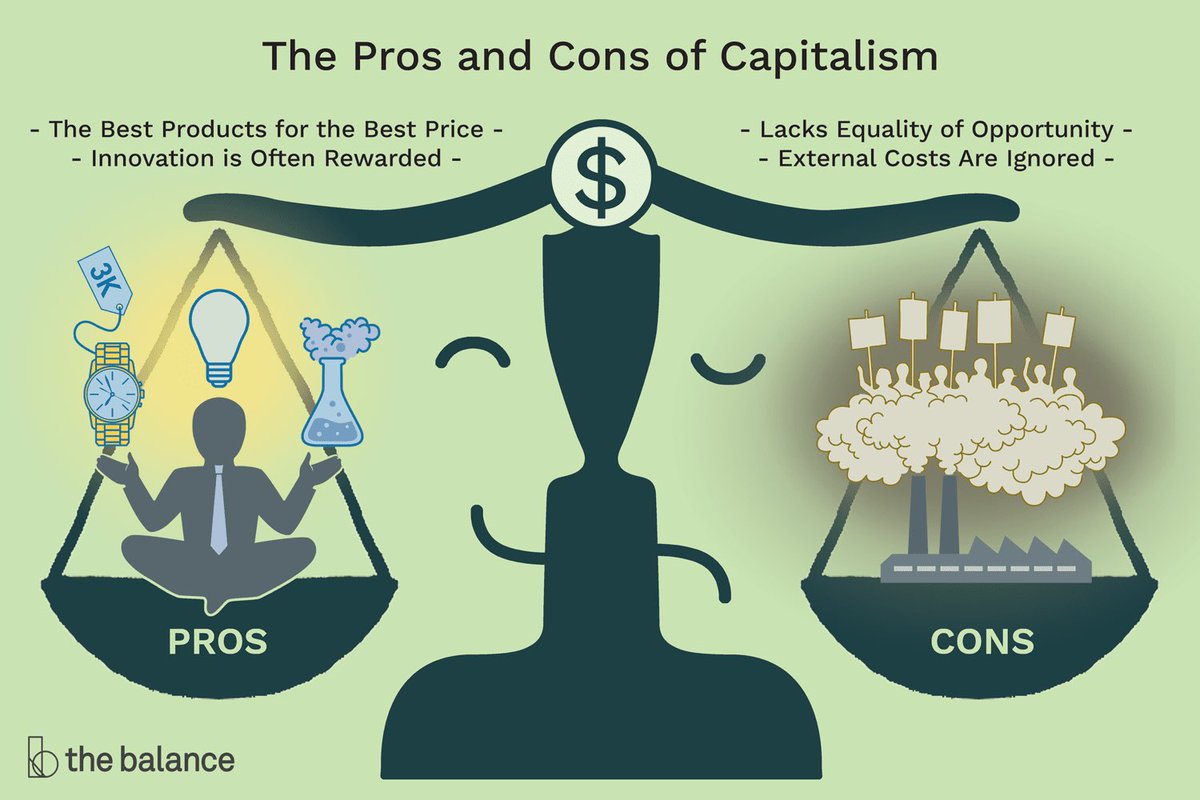
Everything ‘private’ is made that, through regulation. Societies didn’t start private and then have regulation added. Societies are (I say it every day ) ALWAYS social. That’s all they are, 100% social. -isms, politics, Left and Right…all of it is just social groups. /2
Teams, with different names, using the same underlying social mechanisms humans have used since the moment they evolved. ‘Capitalism’ is a team, not a thing. Communism is a team, socialism is a team, Left is a team, Right is a team. Not realities. They’re social groups. /3
They’re the way different groups carve up actual reality, for debating purposes, to define their team in the daily team sports. None of the ‘ideology’ of these groups has any real relationship to reality at all, it’s all just banners to rally the troops under. /4
My reality-based politics is a recognition that reality will always determine outcomes. All of the team sports will at best delay what those outcomes will be. A particular team can go along for a while thinking it’s super clever, because its team is winning. /5
It can bring a lump of coal into parliament and have a merry chuckle at the other team. And then barely a decade later peoples’ homes are unable to be insured, or the premiums increase from $1000 to $30,000. Thats reality-politics. Reality will always win. /6 https://t.co/W0bdOaa4jp
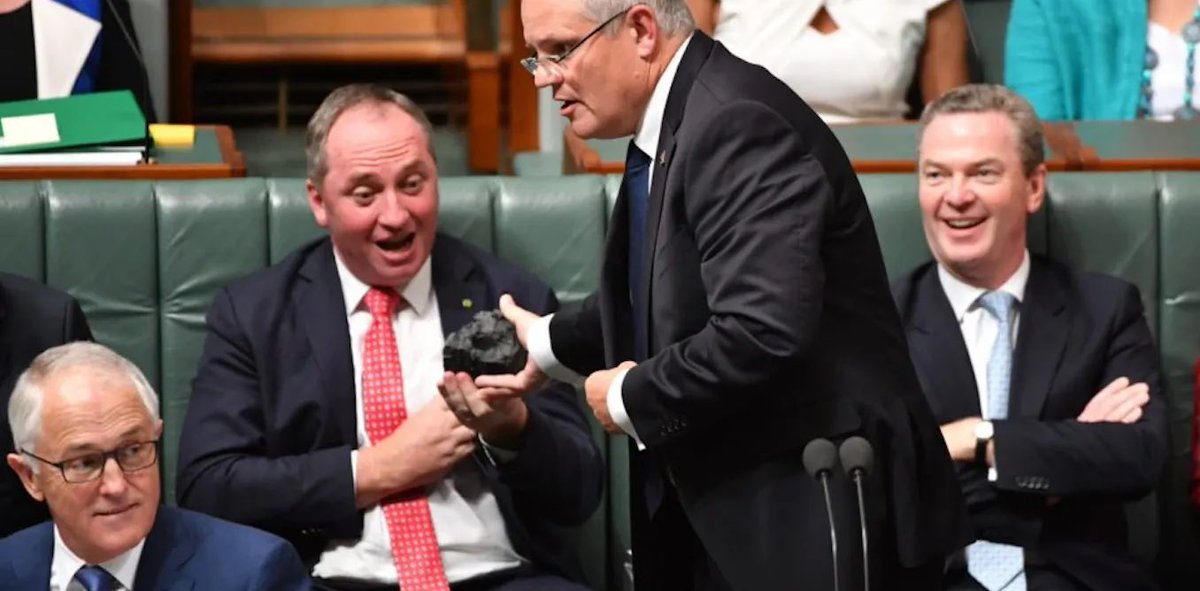
Same with this tedious Yes/No referendum, which the No side strategically turned into team sports, as they do for everything else, be it EVs, refugees, the Chinese, etc. They may get a victory here, and thump themselves on the back. The reality of the ‘gap’ we need to close? /7
It isn’t which team wins. It’s the collapse of an entire continent, that we have no idea how to manage. Aboriginal Australia could tell us how, but we have the laughable idea the ‘gap’ is them not enough progressed towards our meaningless, empty recreational lifestyles. /end
The ‘cost of living crisis’ in social terms is the ‘know your place peasants’ strategy. Not an analogy. We got a shift back to a public focus in the pandemic, that’s all now being brutally clawed back. Feudalism.
I'm not joking when I say we would be better led by AI than by politicians, already with the technology in its current form. Politicians are not required to have any ability apart from being popular. Humanity needs to be on a war footing, to survive. https://t.co/euo0TnrgnB
Have met a few CEOs who have resisted the flexibility in working arrangements the pandemic ushered in. They're quite openly waiting for conditions to 'tighten' so they can reinstate their preferred 'you should feel lucky you have a job' 19th century HR. Meantime, reality bites. https://t.co/uept7uoBRS
You'll never understand housing (or anything) as a market. It's gambling. Bidding up prices, hope of quick capital gains etc. The sorts of measures that address problem gambling may also help with housing. @ProfSteveKeen thoughts? https://t.co/1gJcQQdpQY
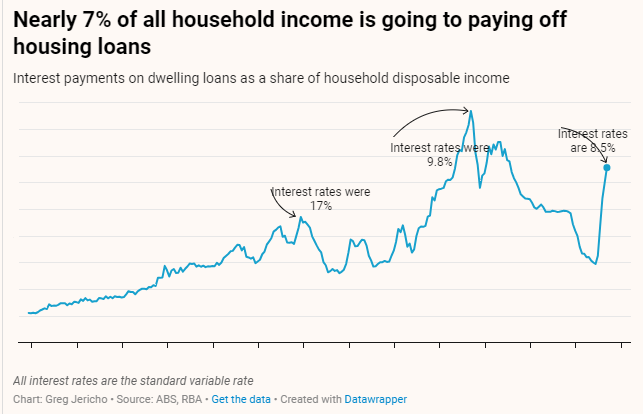
Yes the ALP have been hopeless in many ways. But politics is 99% framing, 1% elections. Once society was reframed as an economy, no electoral victory could save it. Until we stop talking about 'the economy' as an existing thing, nothing will change.
What is the current data/thinking saying about longevity of vaccine efficacy against severe disease? If that does fall off a cliff too, does it mean those with vaccine-only immunity are at increasing risk of severe disease? @ejustin46? @DavidJoffe64 ? https://t.co/mnel1JyArn
The faith in competition is an intrinsic part of the substitution of society with an economy. Scale brings economies of scale. The problem isn’t scale, it’s lack of regulation. Competition is the libertarian ‘invisible hand’ i.e. bullshit. https://t.co/9TKuTaR7Da
Our politics is all symbolic team sports. You need to get ‘into the weeds’ to see what’s really in play. This story is being repeated across multiple communities, big rate increases. But this is a window into a much deeper cultural and social shift. /1 https://t.co/4lzIWijV4N
In very rough average terms, in many if not most communities, household expenditure on personal recreation is as high as 25% of weekly income. Expenditure on local civic infrastructure through rates is about 5% of that weekly income. That’s a HUGE social/cultural stat. /2
Think about what that shows, the shift in our societies towards individual over collective. People pay far more on take away food, booze, dining out, recreational travel etc. than they do on maintaining their local roads, parks, libraries, museums etc. /3
You can’t get a much clearer view of ‘society is a high school’ than that. Recreational lifestyles are adolescent lifestyles, now embedded across the full age range. We should see these financial crises facing local government as the cultural and social crises they are. /4
This is where the rubber of increasing anti-social libertarianism hits the road in our communities. State and federal governments can play low-tax games because particularly in the latter case they have far more revenue-fat to play with. There’s no luxury of that, locally. /5
It’s the only tier of government with a tight geographic link to where people live. Where the accountability for public utility is right in the face of the local community, governed by it. Vertical fiscal imbalance means the vast majority of revenue goes to the federal level. /6
Where it’s spent on extravagances like nuclear submarines and tax cuts to the wealthy. Meanwhile ordinary Australians in their communities are facing massive local rate increases, just so the maintenance of basic social infrastructure can be maintained. /7
It’s Ground Zero of the major shift in Australian society over the past decades, towards a more libertarian model, mostly derived from the US, where individual freedom and lifestyle is given prominence over collective goods. Even more resonant is Covid. /8
Local government was shaped by public health. Water and waste and sewer - all introduced as public health measures. You can play symbolic team sports at the federal and even State level, as politics. But there’s nowhere to hide the reality of public life at the local level. /end
True freedom is the freedom to not have to do anything, or go anywhere. If your society’s obsession is moving around, you’re a prisoner.
This would be an excellent discussion of 'closing the gap'. Australians asking themselves why they have to choke on smoke every year to stop our own landscape exploding. https://t.co/K34gorAOEE
It's still my experience that nothing is more expressive of the unthinking, invisible arrogance and entitlement of Western culture than its assumption of the right to travel as often and as far as it likes.
It’s not normal to hop between countries, all year, every year, whenever the whim takes us. To fly between capital cities like you’re taking a bus down to the library. If we converted monetary prices to energy consumed, we might progress against climate change.
7.6 million people are waiting for basic medical treatment in the UK. Living with the virus. The economy is a fast-track to extinction.
There’s been a surge in demand for private health in the UK. This is classic Thatcherism. Run the public option into the ground and drive people to the private option in desperation.
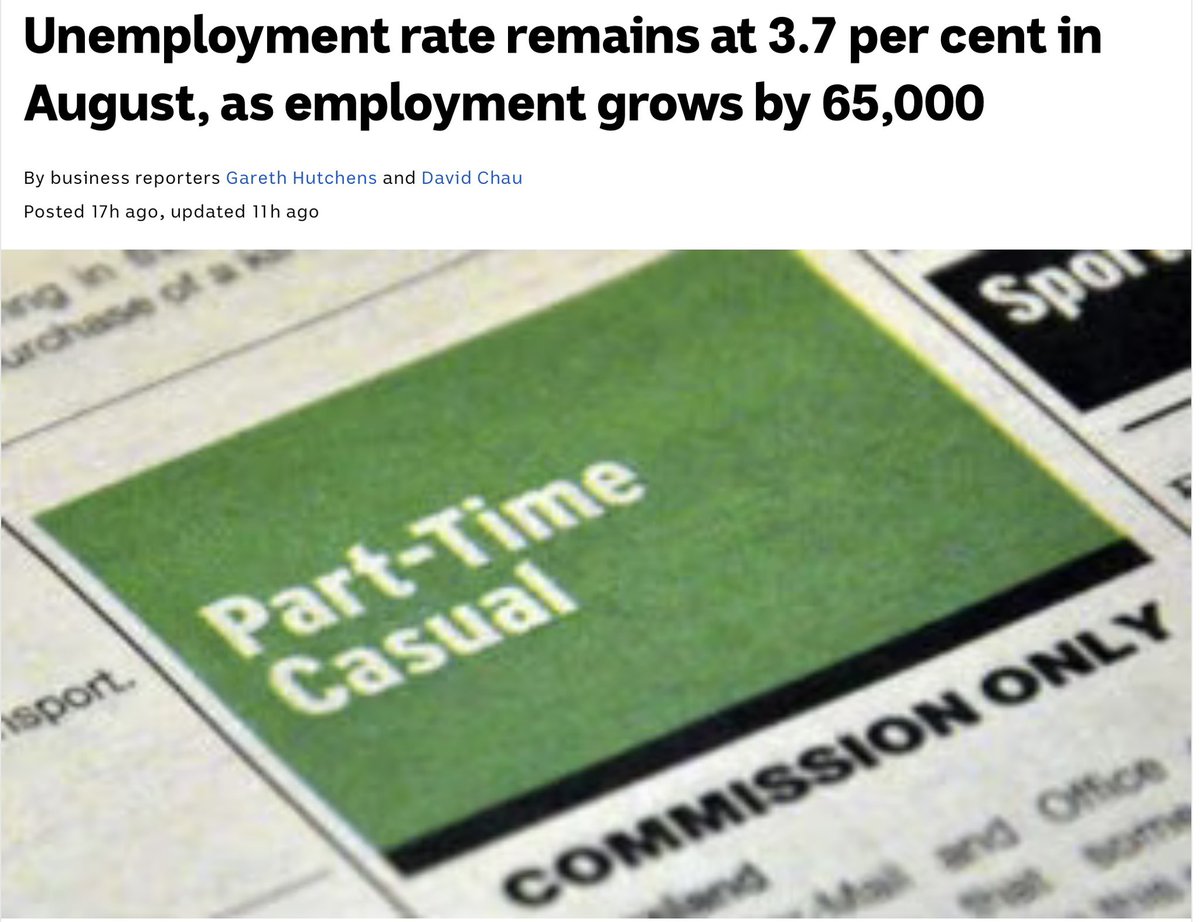
Job numbers are better. (The ‘economy’ is always just a handful of numbers.) The actual SOCIAL reality of that included people taking on extra work, to have enough money to live. The economy has no connection with social realities at all. It’s a political substitute for society. https://t.co/4b8nIDHNvM
I zoned out of both the Yes and No stuff from Day 1. No progress will be made through a popularity contest, though I’ll vote Yes because what harm can an advisory committee do. Here’s an excerpt from the national agreement on ‘Closing the Gap’. This is much more important. /1 https://t.co/gN04JsXFb3

The ‘gap’, no matter how many nice ways it’s contextualised in the agreement, is clearly conceived as Aboriginal Australians being ‘behind’ in some way. And of course by the ‘all Australians’ majoritarian metric (such a repulsive thing), they are. /2 https://t.co/rSGafyZUbj

‘All Australians’ is populist code for the Australia invented in 1788. The one in the Constitution. Why the No case uses the phrase so often, pretending that document was some sort of group hug warm embrace of everybody living on the continent. /3
We won’t understand this issue or even survive, until we flip the idea of the gap on its head. Until it’s not just a laundry list of European and US cultural norms like finishing school, going to university, having access to great health care, etc. Here’s the flip, again. /4
The continent is collapsing. Rivers drying up or already dust. Topsoil washed and blown into the sea. Massive species extinction. We call these ‘environmental’ problems (image is from the ‘State of the Environment’ report: https://t.co/x9wWQ50ckl) /5 https://t.co/embpHlne9N
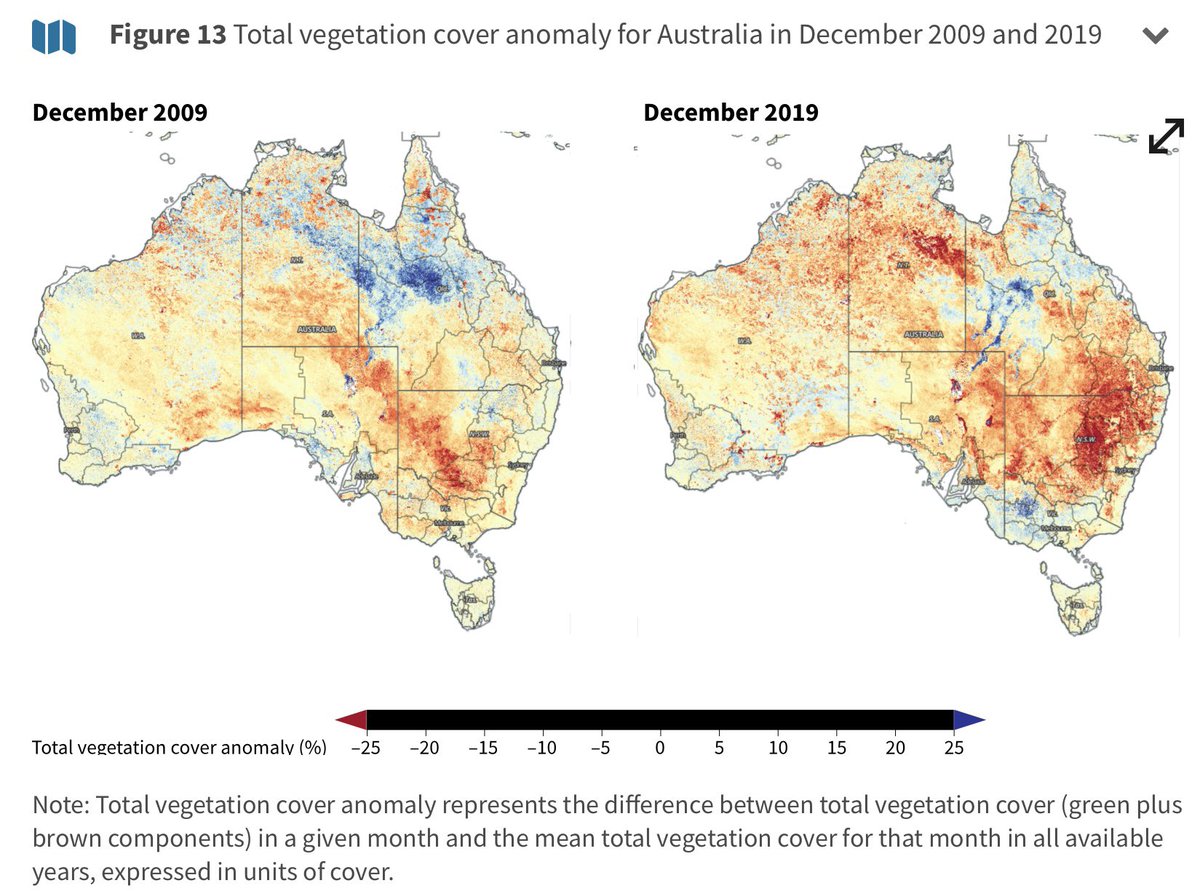
‘Environment’ is another nothing word, like ‘economy’. Meaningless, but said so often that people come to believe it must refer to something. Always a giveaway is that it’s yet another thing we’re supposed to ‘balance’ against the economy and jobs. Balance always means ignore. /6
We’re biological creatures. Without our landscape, we’re dead. It’s that simple. No marvellous modern technologies can change that equation. None can fix the landscape either. The landscape is broken and collapsing because we *have no relationship with it*. THAT’s the ‘gap’. /7
We either use it as an extractive industry, either mining or farming mostly, or we lock it up in ‘pristine’ national parks. Both abominations. We’re about to enter another dangerous fire season, where huge parts of the inhabited parts of Australia might explode into fire. /8
Why? Because we don’t live in or manage that landscape. We huddle the coast and fly in and out on recreational travel. The few non-Aboriginal Australians who live inland are nearly all remnants of early extractive industry, again usually farming or mining. /9
Until we - and it won’t happen, I’m pretty sure - understand that the gap is the gap non-Aboriginals have in understanding the land under their own feet, the country will continue to decline. And our civilisation will decline with it. You can’t eat dirt. /end
If populism (elections) doesn't make you angry, think that we're about to spend several hundred million dollars on a referendum that one party has hijacked as a brand differentiation exercise. It's little more than a massive taxpayer-funded political donation to the LNP.
What I know, because I looked, is that for many diseases we vaccinate against, mortality hasn't historically been high. Public health used to focus on preventing infection and disease. Now it seems to be about...actually, what is it now about? https://t.co/C1flFk24lP
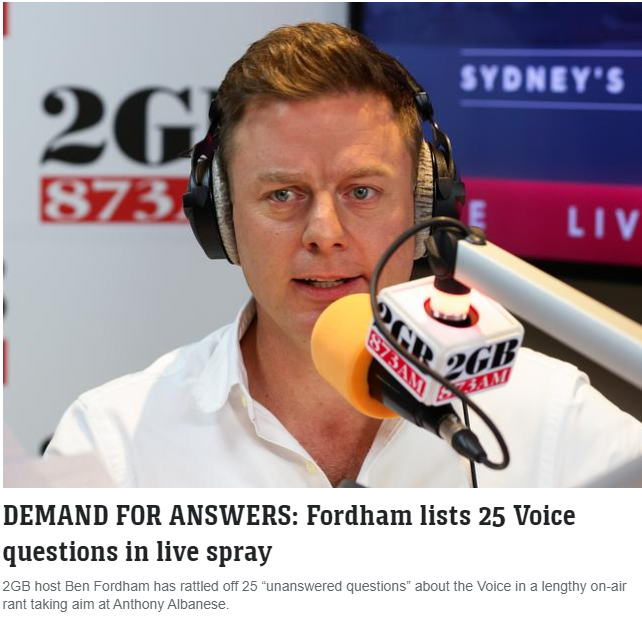
I don't need 25 questions. Just one. Who cares what radio hosts think about anything? https://t.co/sHKwKMLsZz
Such a relief that we're down to a bad flu year level of deaths. /s https://t.co/acHiFRbg1u
I've seen no research that suggests a link apart from dysbiosis links, but as a what-if: what if obesity is caused by a pathogen?
Hmmm: https://t.co/rWbwr40AoH.
Elections and populism more generally are the way all those kids at school who ran brutal status hierarchies maintain control when they enter adult life. They can't believe their luck. Look around and tell me you don't see it.
Guy makes sheep noise at person in mask. 'Why the sheep noise?' 'Because only sheep wear masks.' 'Why sheep?' 'Because sheep all copy each other.' 'That guy is the only person I can see in this whole building wearing a mask.' '...'
“But we will decide who comes to this country and the circumstances in which they come.” The LNP got multiple terms dog whistling the race vote, through Stop the Boats. They see the referendum the same way, as a fast-track back to government. https://t.co/cfgopYlIgR
An an ex-teacher, the tragedy of social media is maybe more visible. We spend 13 years of slow, hard slog socialising children into knowledge. Social media undoes it inside months.
If you don’t want a Nanny State, stop acting like a child.
The real joy of Spring weather, where you can finally open every door and window in the house without refrigerating everything inside. Safe, fresh air all day. That tiny blue line remains the only known life in the universe. Both Covid and climate change are about that blue line. https://t.co/7g8euV4mPs
The biggest lie and founding myth of the economy is that mobility = freedom. Whether it’s our obsession with roads and cars, or travel, the more mobile we’ve become the less free we are. Another way we don’t understand Covid too. /1 https://t.co/Z0QfU4cK3I
The moment we can go anywhere easily, is the moment every location loses any agency it has. The moment place becomes space. The moment a cultural attachment to land, built up and enriched over generations, becomes just a line on a GPS. Our attachment to land is our freedom. /2
Everything else is spin. The place you will always be most free is in your home. The people who are the least free - refugees - do nothing but travel, to find somewhere to stop moving. To find a home. To become re-attached to land. /3
Work-from-home is a hot topic politically because it challenges the foundation of what we call ‘the economy’. The function of the economy is to separate people and resources from their locations. To create a ‘global market’ of ‘free trade’. /4
Including in people. Where nothing can stand in the way of unfettered movement of people and resources, mobilising them towards large centres owned by a tiny handful of people, who accumulate the wealth this mobilisation creates. It’s the old empire method, with new branding. /5
Wales is changing speed limits. It’s sent the economy crowd into fits of rage. Anything that restricts or slows movement is the enemy. We stopped fighting a pandemic because it restricted the shrine loyal workers for the economy worship at - travel. /6 https://t.co/ucHi82MvfH
We need to flip this. Our greatest and only freedom is the freedom to be attached to some piece of land. To not have to go anywhere. There’s a physical thrill that movement creates, no doubt, but underneath that it strips away any agency we all have, it takes away our homes. /7
In the deepest sense of that word. Not the economy version, ‘real estate’. Our place on the Earth. Ask a refugee how excited travelling makes them. Only those with settled homes can enjoy travelling. Somewhere that is theirs, to return to. Nearly all of our trips, for work…/8
…or pleasure, are circular. Return trips. But let that shift to mobility happen long enough, and even that breaks down. People now live in their cars. Which reveals the true function of all of that movement, of all of those roads. /9 https://t.co/Ybpj7A2HhK
To gradually separate us from our places, our homes, so they can join the other vast accumulative mobilisations, towards that tiny number of centres of accumulation of wealth. As we get close to this idiot referendum, it’s worth remembering this. /10
That its really a battle between two cultures. One of endless displacement and mobilisation - an economy - and one of the sacredness of place. Of land. Between servitude, and freedom. /end
You won’t find a better example than the AEC of how competent, inter-generational, expertise-driven public administration is what societies need, more than any elected windbag. https://t.co/sEZLWN03T4
Thousands will assemble to convince each other of something they already agree on, and/or a government that is already on their side. Symbolic non-action, because progressive leaders can’t do strategy. https://t.co/H0xrgP633M
John Lennon described first meeting Yoko Ono. An installation piece in a gallery, where she’d put a large stepladder, with a magnifying glass hanging from the roof. When you climbed the ladder and looked at the roof through the magnifier, there was just one word. ‘Yes’. https://t.co/OvSqGTvrdd
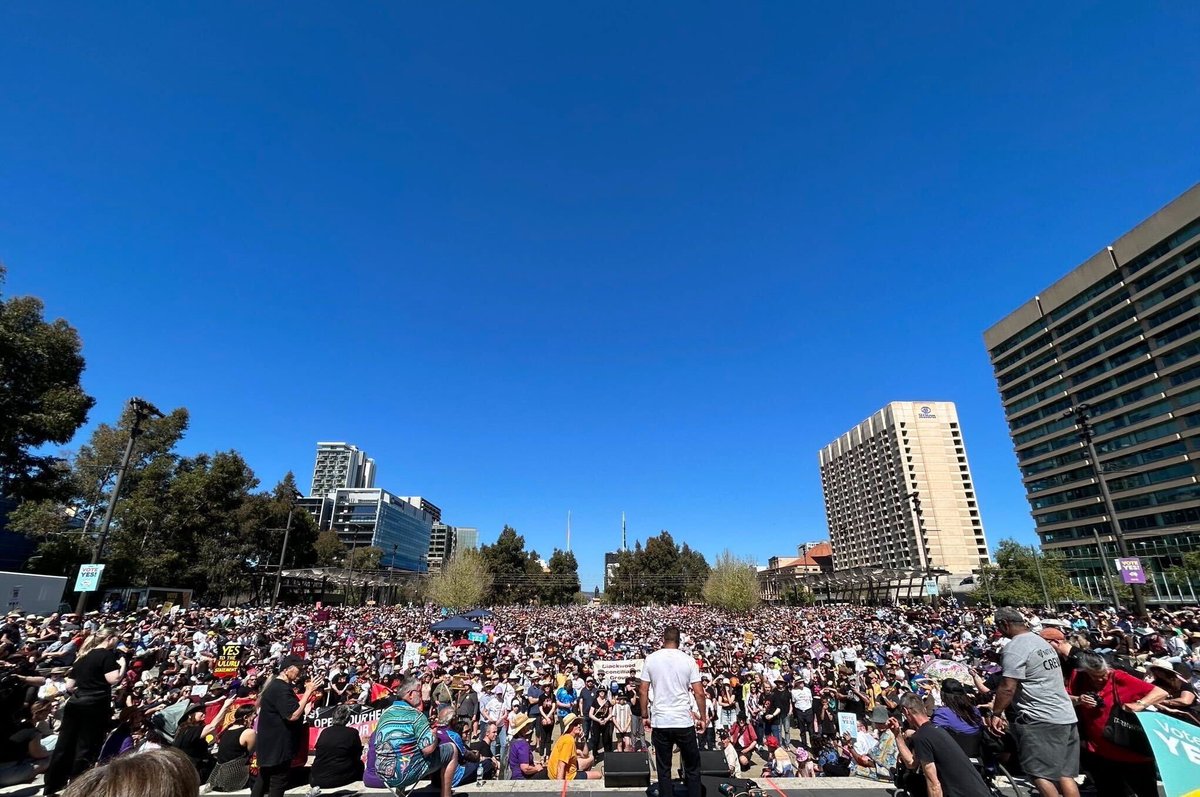
I want to believe that old-fashioned people on the ground shifts politics in 2023. But I suspect it’s only people on social media platforms that really do. https://t.co/PYJIQ7o7g6
Yesterday’s big Yes turnouts aren’t even the main story in the major papers or news sites. Social media is where society is now made, and destroyed. The No campaign knows it. It’s an open door into every household in the country.
The true cause of the passion for travel can be found at home. We don’t even live in our own land, it’s a ‘resource’ to us. We travel to find the magic of place we’re incapable of making ourselves. https://t.co/4fOHTC03gL:~
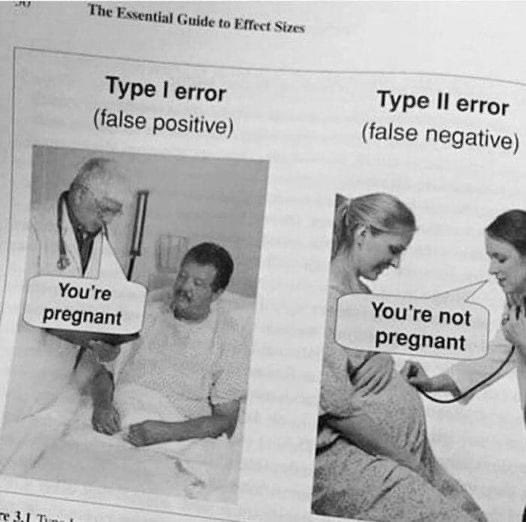
Societies were broken long before Covid, when they were replaced with economies. Huge personal debt hid the damage, and created the illusion there was still a ‘public’ being looked after. The pandemic revealed the Emperor was wearing no clothes.
Self-regulation is the economic equivalent of masturbation. Sometimes it happens, but even then only one party benefits. Banks, energy… https://t.co/GkucSwvRgR
A 'man of the people' (pure populism, 'the people' is their invention). Populists use social media to organise the destabilisation of society. These platforms need to be heavily regulated, or shut down, why do we allow this damage?. https://t.co/eUs5BUMw7Z
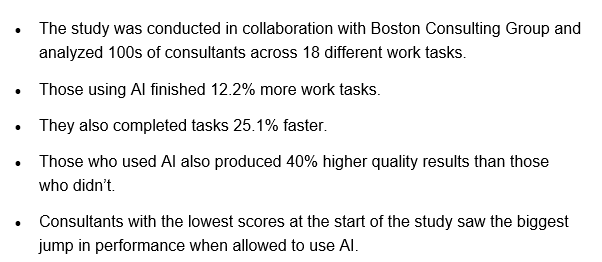
I'm not worried about AI too much, intelligence is in desperately short supply. A study from Warwick, MIT and Harvard in conjunction with the BCG found this. (Source: Ethan Mollick) https://t.co/K8mVez2URL
This is what social media does. Unravels millennia of social progress. It decouples societies from their institutions, which are that history. I'm constantly amazed we don't see it, and that we allow it. https://t.co/eFjYlurAwm
The idea of being at war with your own institutions is one the US and UK are exporting to the world, mostly through social media. Nobody is winning, it's like a lethal social infection. https://t.co/JogeJWxUhh
The real sleeper here isn't the money. It's identity verification that will likely come with it. It's not a bad philosophy in any organisation or system that regulates behaviour. It's a train wreck for X. Throwing all to the wolves. https://t.co/N4PArxEzvy
Listeria, mostly ‘mild’, treatable with antibiotics, tends to only make ‘the vulnerable’ very sick. And yet…many millions and many regulations are used to protect the public from this disease. As they should be. Public health exists, just not for Covid. https://t.co/pzHkmzcveW
The end of Twitter would be no bad thing. If all social media platforms collapsed the greatest obstacle to doing basic repair to our societies would be removed overnight.
Public health is terminal because the public died somewhere in the 1980s. Replaced by a market of individuals, an economy. There is no public in the economy, it would be seen as anti-competitive.
Exactly this. The end of social media is built right into its beginnings. It has a laughable model of what social means, and so it’s always doomed to fail. https://t.co/H1DqJnSIzJ
Some stories ram home the unreality. The debate over Qatar and airfares. In a sane society the air travel debate would be an energy debate, not an airfare debate. Only 2-4% of the world fly internationally. About 1% of the world is responsible for 50% of all airline emissions.
You have to say it over and over to remind yourself you're awake. We infected the entire global population with a novel, pandemic virus. Repeatedly. We're still doing it.
If social media is the answer (to anything), why isn’t it ‘mobilising’ any action at all against any of our greatest problems? Why does it only seem to work like that, for those who cause these problems? No coincidences here.
Everything points to this entrenching everything we did WRONG for Covid. Attacks on federalism are common messages i.e. undermining State bodies that actually run public health. https://t.co/LkN1Qe0Krm
'Living with the mite' is proving as effective as living with the virus. To reframe it all in public policy terms, "let's do fuck all about anything." https://t.co/WyjOjZbQiy
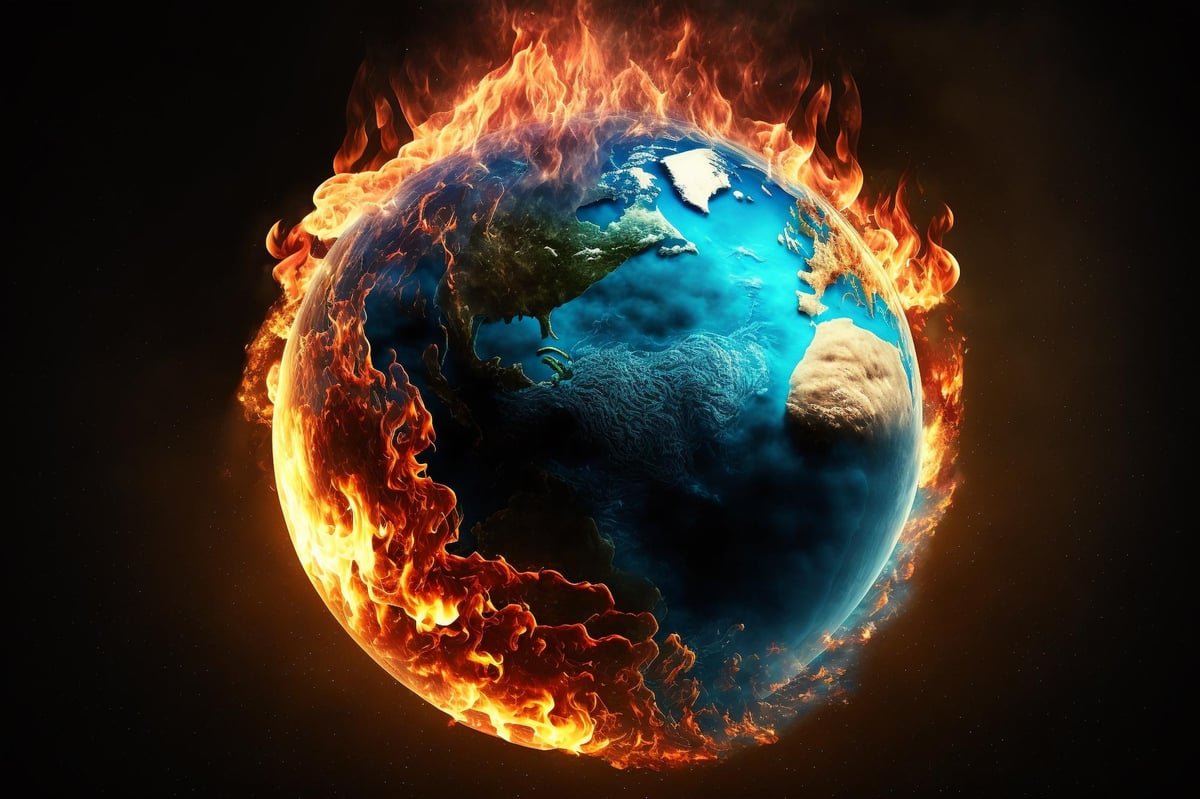
If we incinerate the planet for the economy, it's worth asking what the point of the economy is? Any long-term aims or vision? It has none, except to protect the status quo. There's not one other objective that even its supporters could name. https://t.co/W6bF3xh9PP
Here's what a Health Minister used to look like. Introduced Medicare, and first disability services law, plus offensives against tobacco and alcohol, and a world-leading strategy against the HIV pandemic, now close to eliminated in Australia. https://t.co/MUl9PgeIY3
The cause, again, is elections. We’re going to elect ourselves to extinction. Popularity can’t solve a single real problem. It will derail any solution you do manage to get up. https://t.co/TLdJsWzpRH
You can’t review the pandemic response without being upfront that it’s the greatest public health disaster in Australian history. Ongoing. Here’s my review of our response, a year ahead of the official review report. /1
We began the pandemic with risk management, with caution. The infamous national ‘lockdown’. But this also taught the world something vital about Covid. Who remembers overdispersion? /2 https://t.co/WrFEelUfQL
Australia wiped Covid out. It didn’t just ‘flatten the curve’. It killed Covid stone dead. Complete flatline. It showed that unlike influenza, you didn’t need to restrict spread everywhere. You just needed to jump on outbreaks. ‘Superspreading’ events. /3 https://t.co/5Nsq8uh0ug
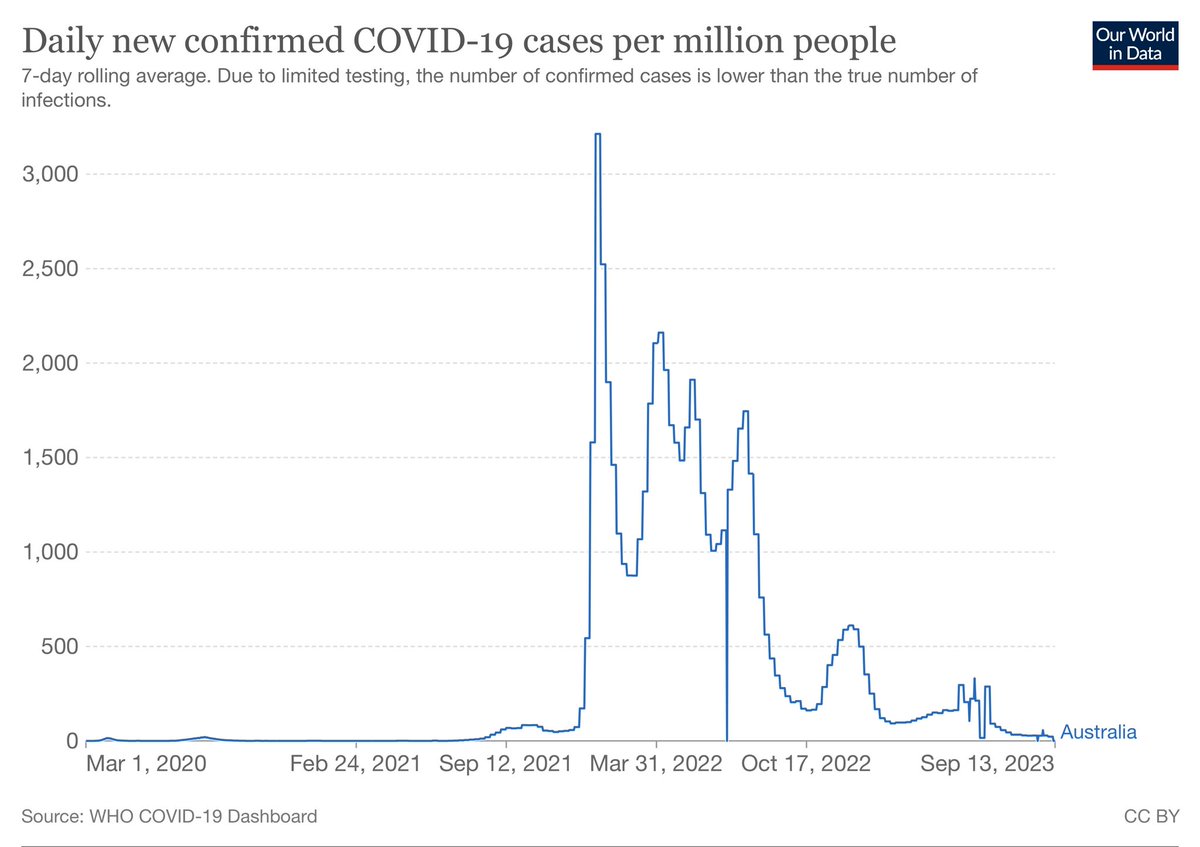
Life was pretty normal for much of the first 2 years of the pandemic, for Australians. We weren’t ‘locked down’ much at all, all that white space was normal life. International travel restricted, but we did that for 7 years during WW2 (and hardly anybody did it anyway). /4 https://t.co/hC5oKAPKUj
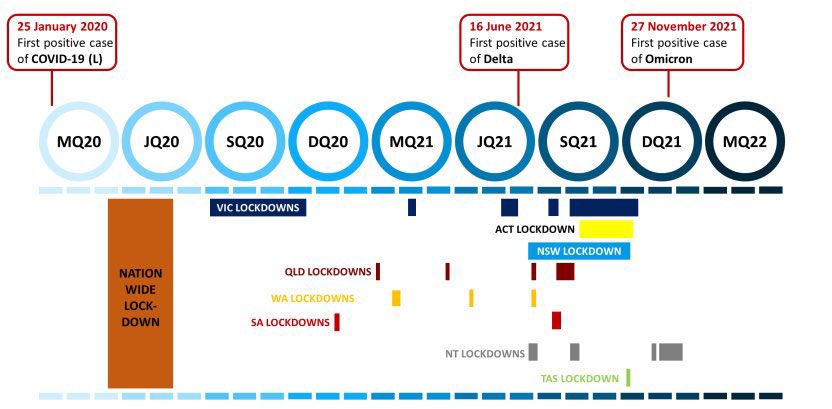
We’d cracked the Covid code. Take basic precautions to restrict spread of the virus, and jump on any outbreaks. No need to lock everybody up, which fevered imaginations think happened, but simply didn’t. Do what we already did for most serious infectious diseases, forever. /5
And then came end-2021. Led by NSW, with a Premier heavily pressured by libertarian wingnuts in her Cabinet, Australia decided to let Covid rip. We exited pretty normal life, and rushed headlong into the mass infection and death we’d seen in the US and UK. /6
This was the beginning of the public health disaster, the greatest in our history. 2022 was a public health slaughter. 20,000 died. People should be in jail for it. Why did this happen? You don’t need an enquiry. Because public health was stopped. That’s it. /7
By a politics that rejects the whole idea of ‘the public’ itself. Of society. The disciples of Maggie, who’d been dismantling every vestige of the public they could manage, since the 1970s. We were told public health would be replaced with ‘personal responsibility’. /8 https://t.co/nsVqhQIzSj
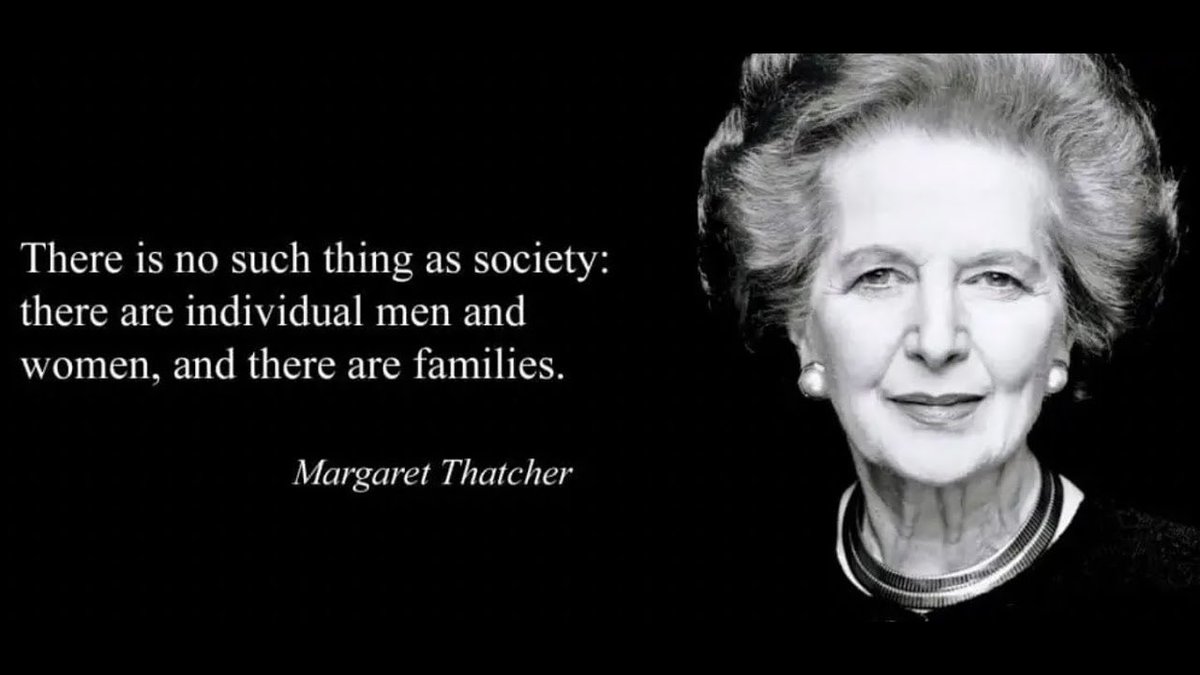
A public health oxymoron. The next step Australia needed to take was to transfer emergency government control back to the community and businesses, to implement Covid mitigations through already legislated WHS. It never happened. /9
Instead each was on their own. Personal responsibility. Like saying you can fix traffic jams with your individual driving. Outrageous nonsense. WHS law has always been one of the strictest in the country. It’s been AWOL in this pandemic. Unions have been accomplices. /10
Instead we were constantly told the country couldn’t afford government to keep paying the nation to be locked down. Except it wasn’t locked down. And business was already required by law to manage infectious disease threats. Except nobody is enforcing it. They’re freeloading. /11
And that’s where we are today. That’s the review, the end. 12/12
Conservative de-coding. ‘Proportionate’ = do nothing ‘Balanced’ = do nothing ‘Pragmatic’ = do nothing ‘Minimises impact’ = do nothing https://t.co/MMqZEpLjdh
Not said here is that ‘angry locals’ nearly always means ‘social media at work’. The loon idea that societies run from the ‘bottom up’ is destroying them. Nothing runs from the bottom, not plumbing, not societies. It’s a populist con. https://t.co/f2AhRv6mvj
It should be absolutely clear now that ‘the economy’ is really a social invention to strip away about 2 centuries of social progress. Under cover of pseudoscientific econo-babble. https://t.co/9szVDV3Ex8
While we keep seeing individuals and groups as two separate things, the libertarians will win. They’re one thing. Groups are made of individuals, individuals exist only because of groups. Groups are one ‘phase’ of individual life. Like water has solid, liquid and gas phases. /1
We create groups to allow us to be individuals, to delegate effort and free up space and time. It’s all individuals, acting sometimes individually (one ‘phase’), and sometimes collectively. We all know this, we’re in clubs and other groups. /2
We know we’re an individual when we’re in those groups. But also that some of our effort when in those groups is loaned to the group, for collective reasons. It makes life better and easier for us and everybody else in the group. /3
If I help out at the local netball club, I’m still the individual doing individual things elsewhere in my life. Nobody is oppressing me, I choose to do this because it enriches my life, as an individual. Even when working with the club, I’m still an individual. /4
Again, individual and group are different social ‘phases’, in the physical science sense of different ways the same entity behaves, at the same time. Not opposing forces, that’s nonsensical. Another example, renewable energy. I have solar panels. They help me, individually. /5
They wiped out my power bills. But I also export some of the energy, to the grid, for others. The panels allow me to be individual and collective, at the same time. There’s no binary here. The binary is a debating trick from politics, not a reality. To define two teams. /end
The Royal Commission into 4 deaths in the pink batt stimulus. Abbott said his government would "focus on ensuring that such a catastrophic policy failure never happens again." In 2022 about 20,000 Australians died under an LNP-led Covid scheme. There will be no Royal Commission. https://t.co/SgzoWS9vDD
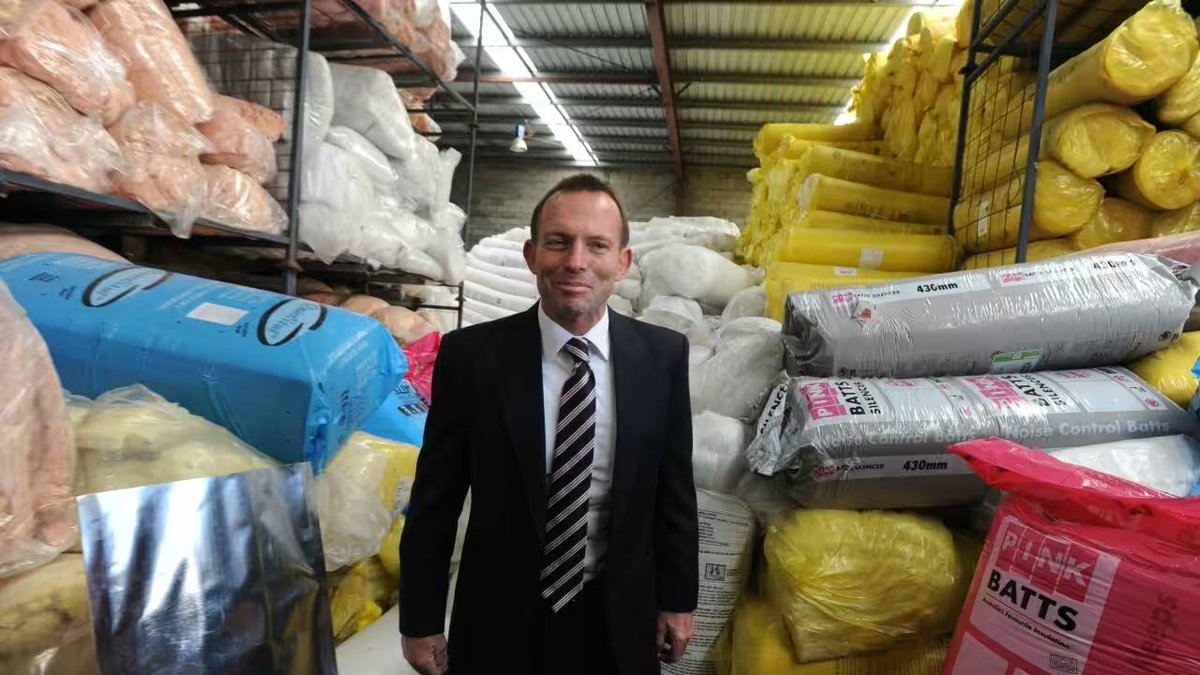
The framing is obvious. The inquiry isn’t about mass infection and death after late-2021. It’s about the ‘sacrifices’ (public health measures). Whether we did too much. https://t.co/MLy7AujZro
You can’t elect your way out of a pandemic. https://t.co/AjQKilSFwJ
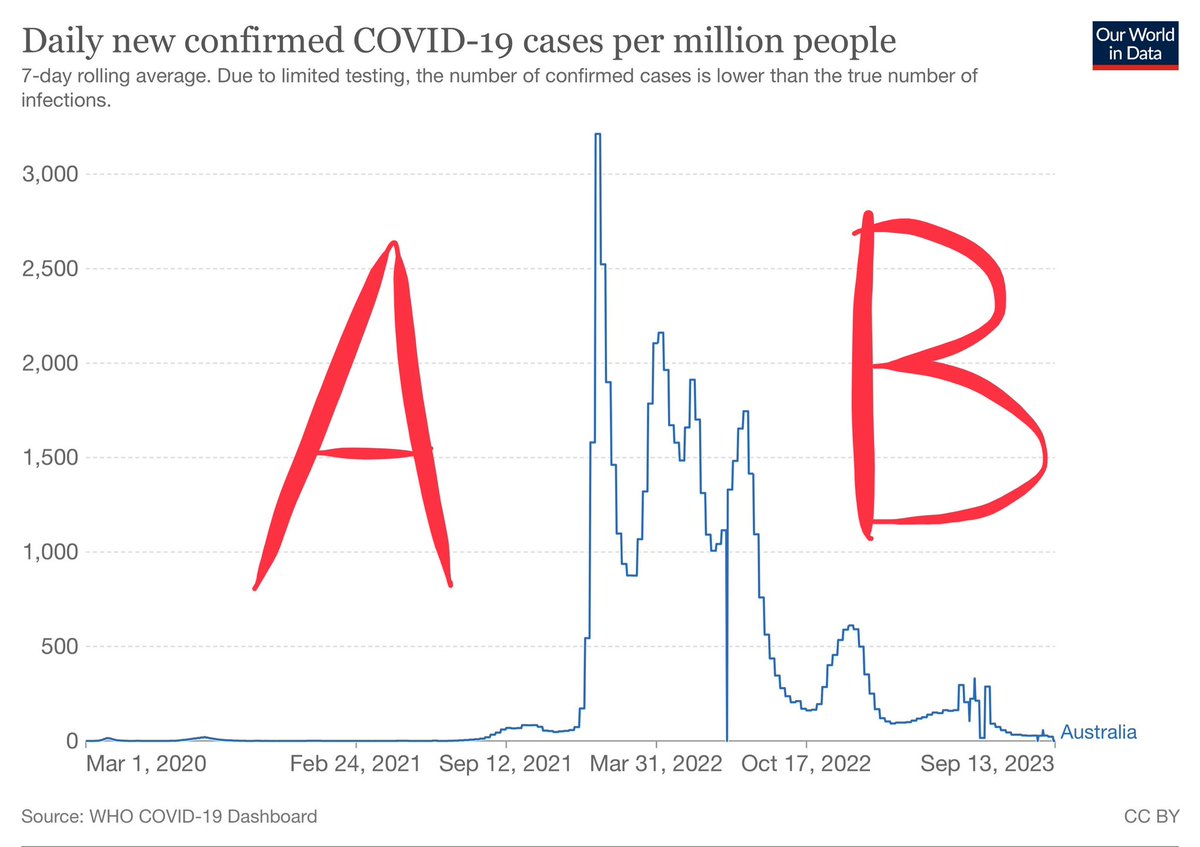
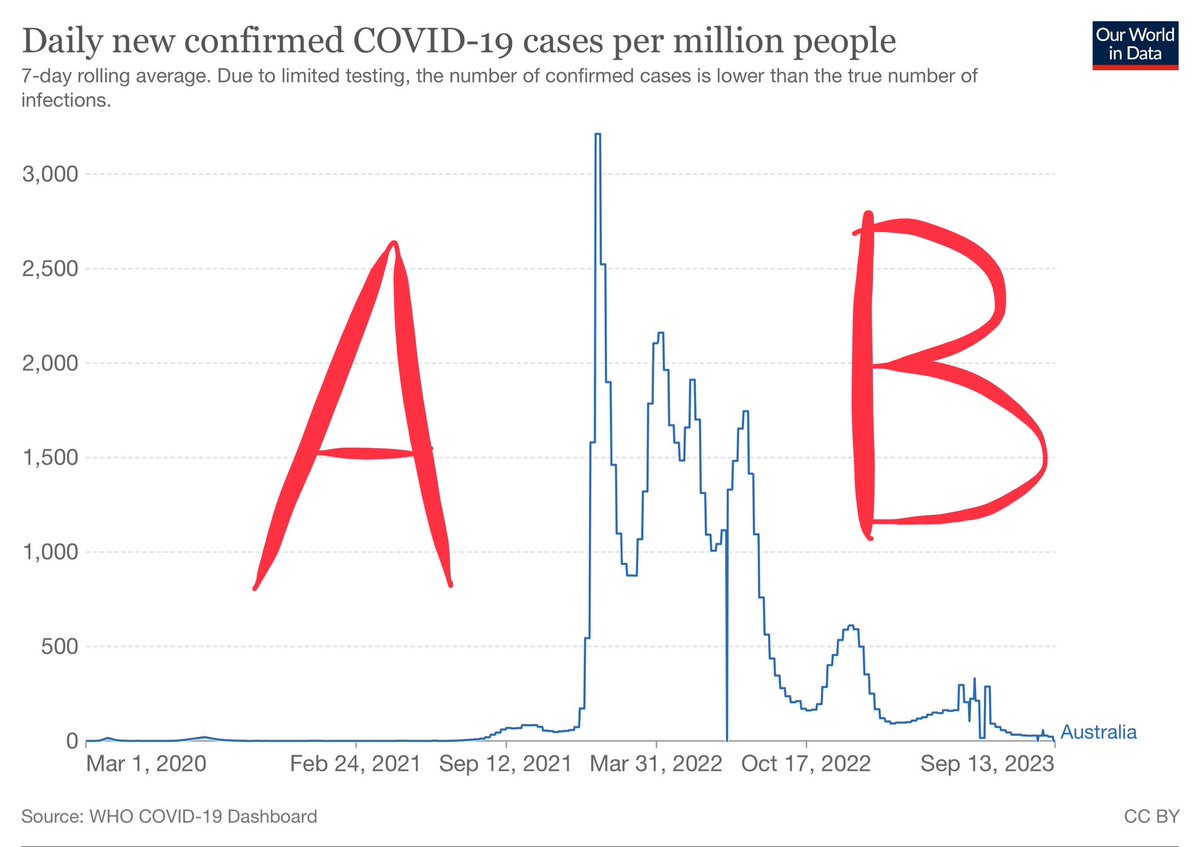
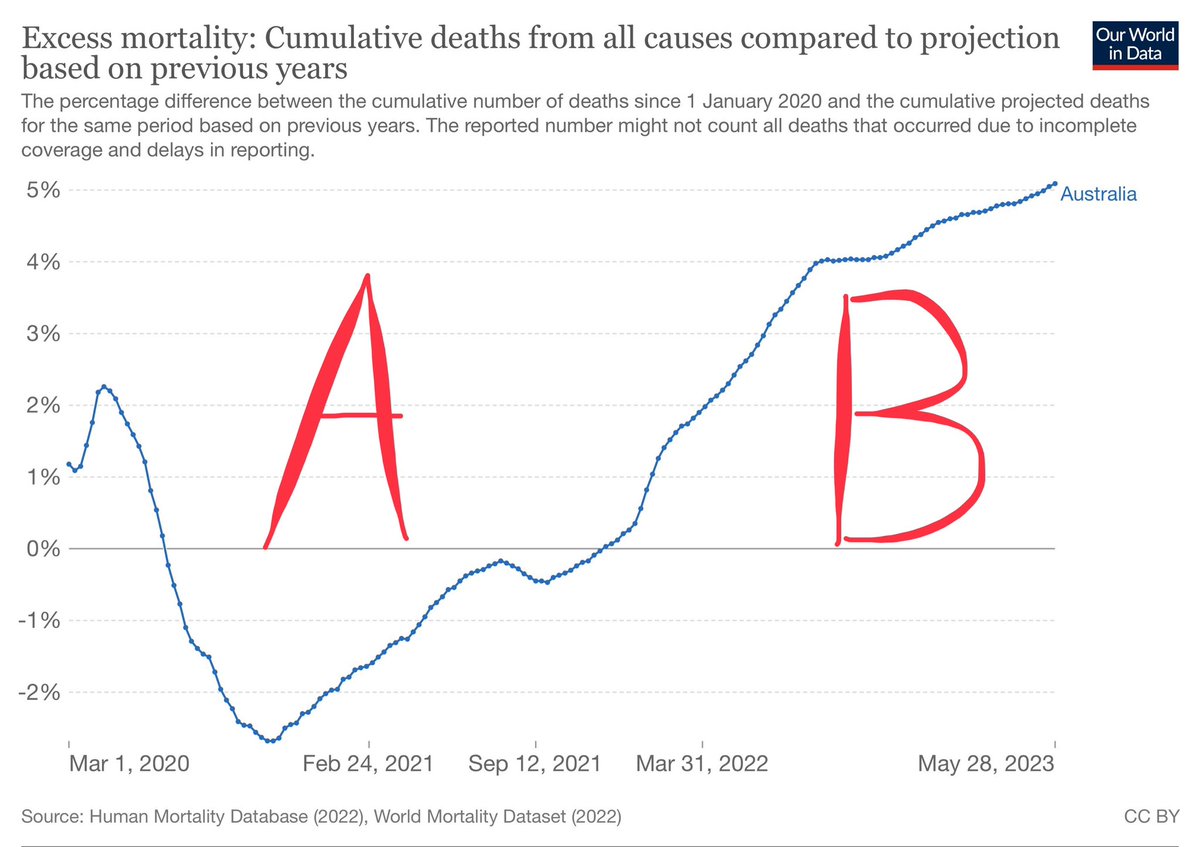
The Covid inquiry will see A as the problem, and B as the solution. It will talk about ‘the things we got right’, without acknowledging those all stopped after A. It absolutely won’t admit that A is the only time Australia admitted it was in a pandemic, and did anything about it. https://t.co/vtfnfU8QMK
I don’t monetise the disaster of the pandemic with my own substack or other subscription-based money-making scheme. That’s all part of the framework of popularity that’s the problem, not the solution.
I’ve had to sit through end of year school speech days this week, where principals extol the virtues of ‘leadership’. No Covid precautions existed for any of the events. True leadership is only EVER doing something that is unpopular. Everything else is groupthink.
It’s my project to convince that popularity IS our entire culture now, our entire politics. A social model developed in schools and then rolled out in adult life. Political parties are popularity-based groups, like we had in school. But there’s something else important here. /1 https://t.co/QmlTYU9usy
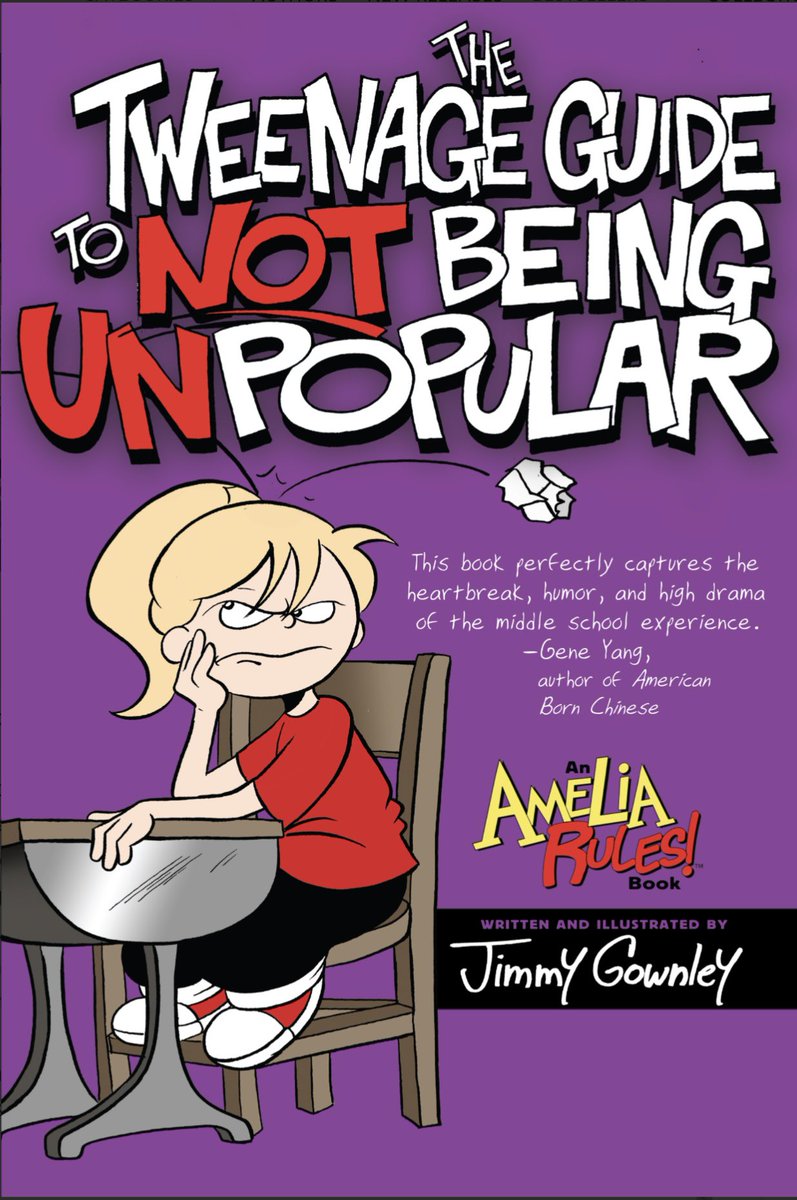
The word ‘popularity’ conveys a feeling that it means everybody being happy, because we assume that what is popular is what people like. That’s absolutely not true. Nothing makes people more miserable than a culture of popularity. It is THE most brutal of all social systems. /2
Only the tiniest handful will ever be popular, in any group, of whatever size, right up to the scale of societies. They will be those everybody else emulates or imitates, in imitative rivalry. Watch that entire economy of likes play out right here on social media. /3
Not even that tiny few, the ‘influencers’ and political leaders, are happy. Their entire lives are re-routed towards continuous maintenance of their popularity. The whole globe will be infected with a pandemic virus, rather than lose votes/likes. /4
We’ll incinerate an entire planet, rather than be unpopular. People would rather die, than do something different to what everybody else is doing. None of this makes people happy, it makes them miserable. The constant attention to being noticed, by not being noticed. /5
That’s the hilarious dilemma of popularity-culture. You will only get ‘recognition’ in that culture, by being the same as everybody else. Be different and you’ll get noticed, but just long enough to be ‘blocked’. It’s a ruthless, rigid conformity. But another trap here. /6
Because conformity, emulation/imitation are unavoidable, the root of all social life. They’re not the problem. It’s a good thing that we look to emulate others, it saves vast amounts of time. Without trust we have no society. The danger is the emulation process being hijacked. /7
That’s what social media does. It destroys trust, it dissolves all of the existing hierarchies of trust, which protected societies by identifying over generations which knowledge and behaviour has positive social outcomes. Which we should emulate, who we should trust. /8
Elections got there first, they shifted from being a simple sorting mechanism for leadership, to being the only rationale for political action. Now parties win elections, so that they can win more elections. Popularity is now both the means and ends. All of life is a school. /9
Culturally, that’s what happened, I’ve Tweeted about many times. The moment we decoupled schools from adult life, we created a new school culture that reproduced itself throughout all life. Children knew no other culture, so they remade the adult world in that image. /10
That’s why our politics now seems so hopeless. Who ever saw the popularity wars at school resolved? Where the bullies and influencers got their comeuppance? It never happened, there was nothing there to make that possible. Only leaving school was an escape. /11
Into the adult world. But now that world has been remade as a giant school as well. So there is literally no escape. Even in schools now teachers struggle to maintain any sort of actual control of what’s going on there. Many kids find school absolutely meaningless. /12
The battle between playground and classroom, which defines not only school but all of life now, has been won decisively in favour of the playground. As I’ve said a few times, only two things can save us. Total catastrophe, to upend the current popularity games. /13
Wars and plagues, historically. People would honestly rather die than go against what everybody else is doing. And the other is the extreme social-technical complexity of our lives now. It can’t be run or operated with popularity. The Roman model. /14
A society glued together by building things and maintaining the things it builds. That’s my best hope for our future, that we will be forced to become that society, or the lights will simply go off. /end
When voting shifts from being a selection process, to a definition of reality itself. That’s populism. https://t.co/iVRcZgVk6A
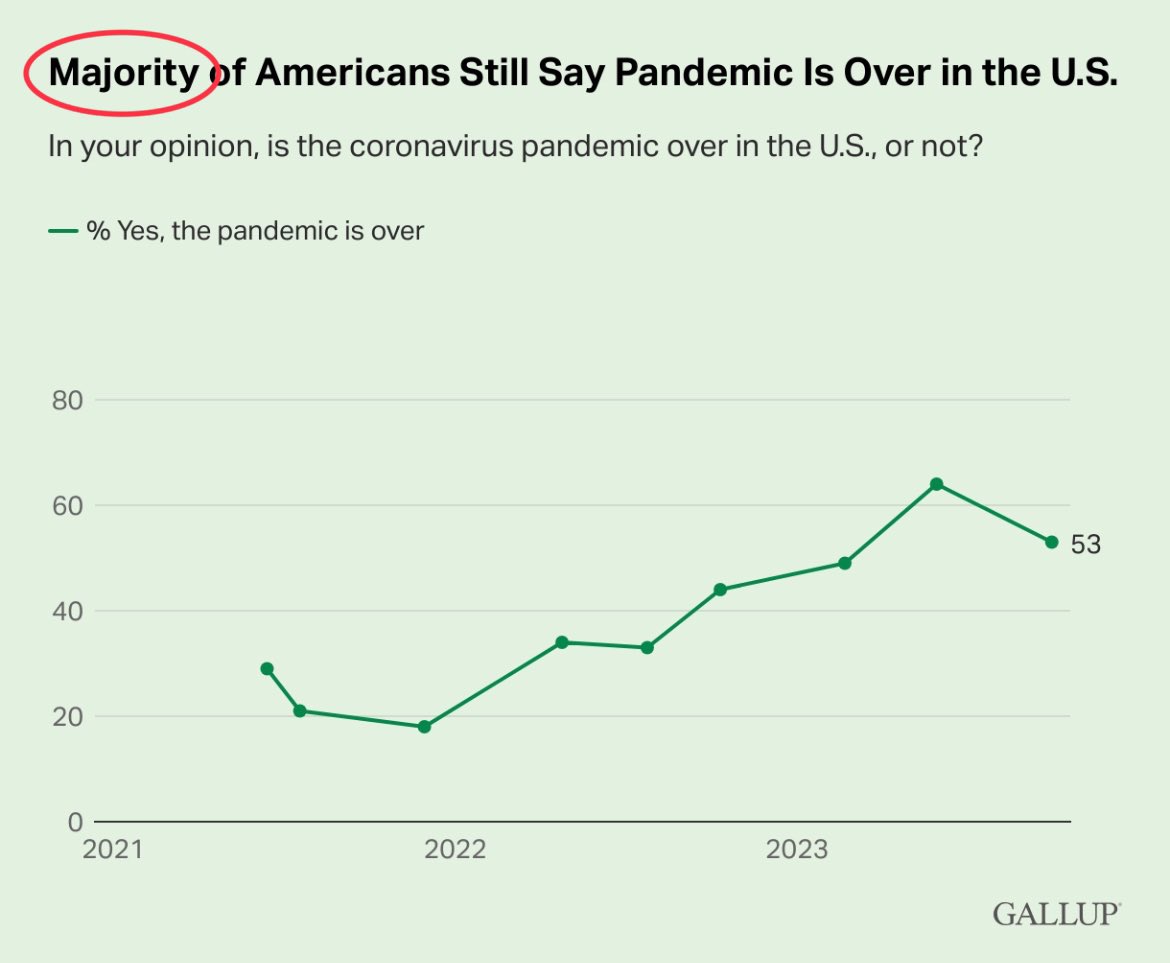
Elections, popularity-run democracies. It doesn’t matter how important something is in reality, if there’s a vote in breaking it, it will be broken. Newton’s law of gravity wasn’t ‘this is the most popular thing an apple does when dropped.’ https://t.co/xtlmDVexyG
#Insiders deciding that school closures are vital in a Covid inquiry. And ‘civil liberties’. 25,000 deaths? Nothing. The entire population infected repeatedly? Nothing. Forcible infection is authoritarian violence, impacts can last a century. A is the answer, B is the problem. https://t.co/9HLb7NEbU1
Many bash #Insiders in a team sports way, it’s too ALP, too LNP, blah blah. Its main problem is that it’s a gossip column for politics, he-said/she-said journalism. Sports commentary, for politics. Tracking what the teams say about reality, rather than tracking the reality.
The comparisons between HIV and SARS-Cov-2 are frowned upon, because they’re such different viruses. But the comparisons are about pathogens with potential long-term chronic impact. They may end up being chalk and cheese. But AIDS took a lot longer to emerge than LongCovid has.
It’s the specifics that tell the universal story of Covid. https://t.co/jCcAZUGgBx
‘Factors’ is really saying ‘we don’t know’. For so much chronic disease that don’t know will be infection. https://t.co/c09cUehbJG
Even if you adopt the economic view of the world, if you see societies as economies, all major problems like climate change and Covid are really just rent-seeking old technologies protecting a nearly 300-year-old industrial revolution, rather than allowing the next revolution.
The ‘housing crisis’ is really just dispossession of land. The type inflicted upon indigenous peoples, and now shifting into the broader population. Under cover, as always, of a fictitious ‘economy’, a ‘market’. Weasel words to hide what’s happening. https://t.co/V5dWum7MHj
Only a week until Daylight Stealing starts again in NSW. A very early example of us defining reality as what we want it to be, rather than what it actually is. It does great harm, and is rarely questioned. I despise it.
@DavidJoffe64 this is a specialist area for you? What’s your view on Daylight Saving and circadian rhythm disturbance? Probably more measured than mine, though the science seems increasingly to be very against doing this?
If you think widespread ignorance of basic science and maths is bad now, talk to your local school about the impossibility of finding maths and science teachers. Societies are in a STEM death spiral, a self-reinforcing implosion. /1 https://t.co/t2H6KZr5mX
The more we can’t find people to teach these subjects (well), the fewer people will leave school with any intention of doing anything science or maths-related. So it’s getting continuously worse. Not helped by decades of a shift of educational focus to ‘job-ready graduates’. /2
I’ve had to teach my own kids a lot of their science and maths, because what they were getting at school was so appallingly bad. Nothing to do with teacher quality. and everything to do with a culture that pays little attention to these subjects. Business studies is booming. /3
Meaningless job-ready subjects that provide about as much educational value as eating cardboard does for you nutritionally. Kids actively encouraged to drop ‘hard’ subjects like science and maths, to ‘protect their mental health’. It’s an ocean of dumb out there. /end
“...there’s the possibility of litigation from this is going to be bigger than things like asbestos was for the insurance industry. So, let’s try to figure this out and solve this problem.” Insurance/actuaries cut through the bullshit of political spin. https://t.co/8ykXzD8vtp
Daylight Saving is on my list of anti-science harmful BS to be eradicated. https://t.co/wJEm15UCkl
A is what the economy crowd are saying should never happen again. And B is the return to ‘normal life’. https://t.co/jcwlFZipyW
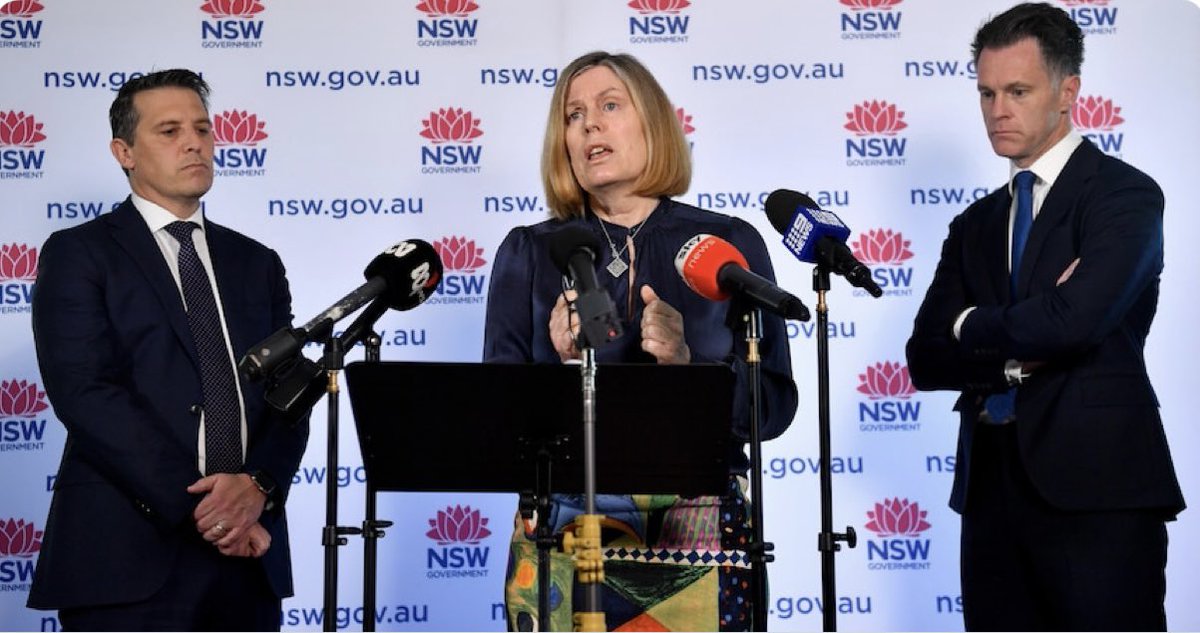
The Men in Black will zap Kerry with the neuralyzer before putting her back in the cupboard. https://t.co/98BXe8X8Ij
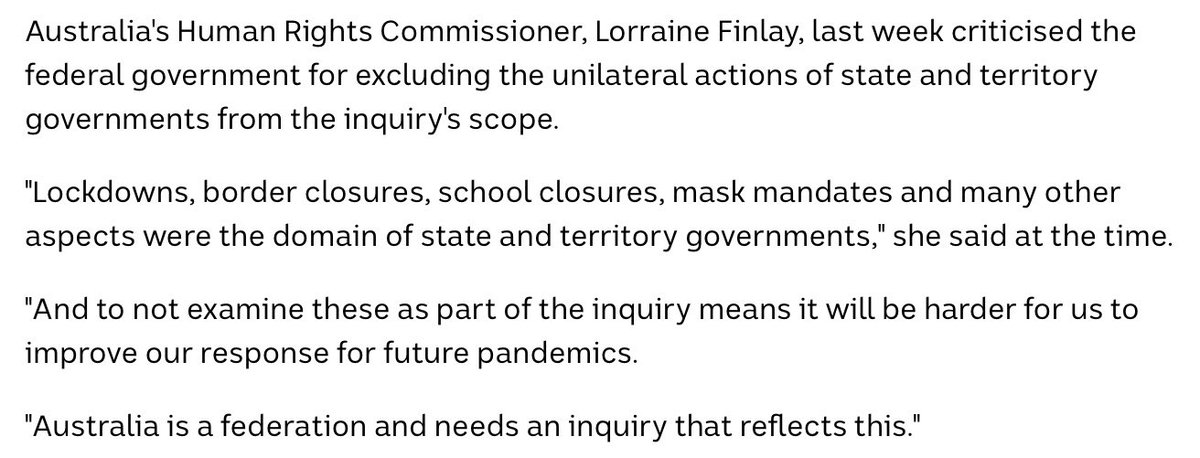
States acting ‘unilaterally’ is actually federalism. Our constitutional system of government. And all those public health measures are…public health measures. Constitutionally the authority of States to apply. https://t.co/wWUt2ZEgGP
The ‘economy’ has been duping us for years. Daylight Saving Time again. It wasn’t invented to save energy (it doesn’t). It was promoted by business (the economy) as a way to give working people a perception of having more leisure time, without cutting working hours.
Another example of how ‘the economy’ is our most lethal hidden infection. On the face of it, the fact we have politicians paying attention to employment rather than leaving it to a fictitious market is a good thing. But…there’s a big but here. /1 https://t.co/m0OvfIlhhY
Firstly the game is given away by the fact that they even use the words ‘labour market’. It’s the same economy framing, Once you’re in the framing, everything else you do inside it makes no difference. But education is the most interesting thing here, for me. /2
Lots of talk at the release of this White Paper about making the education system up to the challenge of providing skilled workers for the labour market. This is the point where it pays to zoom out and look at the framing. (It always pays to do that.) /3
The assumption in the framing is that it’s the role of education to supply skilled workers for the market. To provide ‘job-ready graduates’. There will always be a need for that, no doubt. But the emphasis, the framing, gives a lot away. /4
The clear assumption is that the adult world of work and jobs leads social progress, and education needs to respond by providing skilled workers, for that adult world of work and jobs. The problem with this is it’s completely backwards. /5
As ‘the economy’ as a concept was designed to do, it’s just a way to reinforce the current status quo. In REALITY, what drives both social and economic progress (same thing) is education itself. Knowledge. The cutting-edge businesses use cutting-edge knowledge. /6
School isn’t there to ‘prepare you for life’ (of work and jobs). It’s there to seed a new world, of work and jobs. To change the world, through new ideas. It’s education that should be driving what we call the economy, rather than the other way around. /7
It already does. Innovation is education, it’s new ideas. Knowledge. That’s what makes businesses rich. If you harness education only to provide job-ready graduates for an existing world of work, all it does is entrench the status quo. Exactly what the economy folk want. /8
Right now Australia could be becoming fabulously wealthy by developing its immense renewable energy potential, using technology largely developed in Australia. It’s not, because those who profited from 150-year old innovations in fossil fuels don’t want to lose money. /9
What supercharges all societies and therefore economies is knowledge. Education. This is already true, what we call the economy is just a rearguard action to try to restrain and harness that innovation to protect older innovations. That’s what ‘the market’ is, always. /10
Markets just mean unregulated social/economic activity. Which means those with existing power and wealth dominate. It’s not rocket science. /end
In which an economist repeats the standard mantra that without exorbitant prices, people will want too much of something. Supply/demand, markets. Like housing, where huge prices have reduced demand for houses. Err... https://t.co/QsM10e61Sn
All politics is cultural. The changes John Howard introduced were a fundamental shift to Australian culture. One of the few nations focused on community as the centre of its life is now as rabidly private and individual as the UK and US Howard idolises. https://t.co/661Vt1nqoD
While social media and MSM no doubt will spend the rest of the day salivating over the populist irrelevance of the resignation of a leader, this was pushed to the 'extras' section. We urgently need a reality-based politics. https://t.co/pNBHrq3YL6
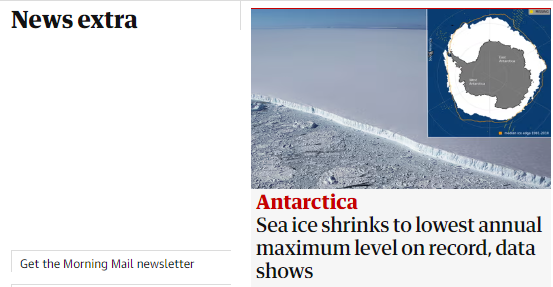
Clean air should be the thing that supercharges a new industrial revolution. All industrial revolutions arise from social problems. The 'economy' booms in industrial revolutions, there's no binary here. https://t.co/h8g80lCyvG
With the Covid inquiry and now Dan Andrews’ resignation, the obsession with ‘lockdowns’ that some still have. Teenagers who were grounded, that’s what they are, and angry about it. Deprived of their recreational lifestyles, and feeling that was some sort of cultural genocide.
The Albanese government needs to GO HOUSEHOLDS, who are smashing records as always. As @GriffithSaul has suggested. Add subsidies for batteries and more appliances. The centralised generation and transmission line focus is old-energy thinking. https://t.co/QTW09a9bmM
Hospitalisations. I think many of us in the community aren’t really focused on that, but more on just how sick so many of the people we know are, and who aren’t getting better. Mostly at home, or even turning up to work, sick. https://t.co/h1Cq2rTDav
Because society is social, and being a contrarian is a social grouping. Which will mean opposing anything perceived as ‘mainstream’. https://t.co/oVaz1jGHkX
Covid minimisers on here continuously telling us about our wonderful and ever-growing immunity. It must be happening somewhere else. I think a lot of the minimisers work from home. https://t.co/rpmRFiuATE
Friend currently at a public health conference. Only one masked. Nearly 50% of presentations on Day 1 cancelled due to mysterious inability of presenters to attend. One speaker referred to a 'post-Covid world'.
This is the actual rationale for a proper CDC. As we do for bushfires, you hand it over to experts so that there's no votes in play. Nobody gets to play politics with public health measures. https://t.co/hxflEbhhCo
Remember all of those bushfire press conferences where the Premier interrupts to stop the chief fire officer talking? Me either. Politicians should have NO operational role in disasters or emergencies. Not one. https://t.co/coejmYiIA1
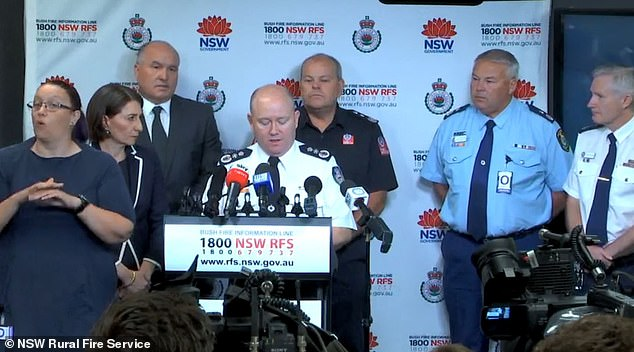
Very few of the original Let it Rip Cabinet left. This is what happens when you give politicians operational roles in emergencies. They weaponise them for a few votes, then they disappear (sometimes in only months), while societies can then spend a century recovering. https://t.co/4kTVS0sIEy
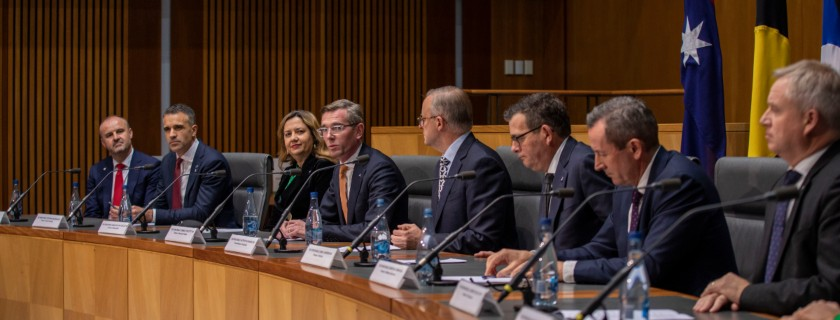
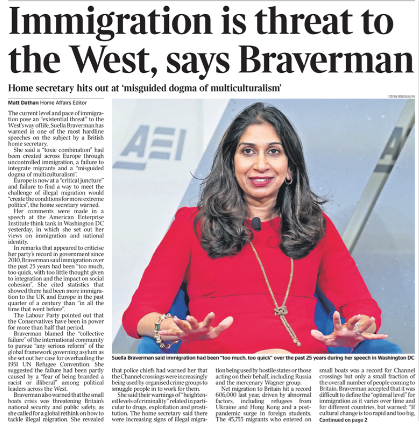
The Tories could just say 'yep, we're going to lose, we've had 13 years.' But populism will never surrender a vote, even if it means completely trashing generations of hard-won social progress. https://t.co/wIBtoUcS4Q
What nobody says is that one member of the family DIDN’T freeze to minimise risk. They filmed it. They even moved around to get better camera angles. That’s our social media world, even emergencies are just great platforms for curated socials. https://t.co/ZZJghkCY5e
If we stop talking about economies and go back to talking about societies and cultures, data takes on completely different meanings. In socio-cultural terms, A is ‘stay home’. That proved to be some form of collective trauma. We have no meaningful attachment to our own land. https://t.co/WoZdNoZZD4
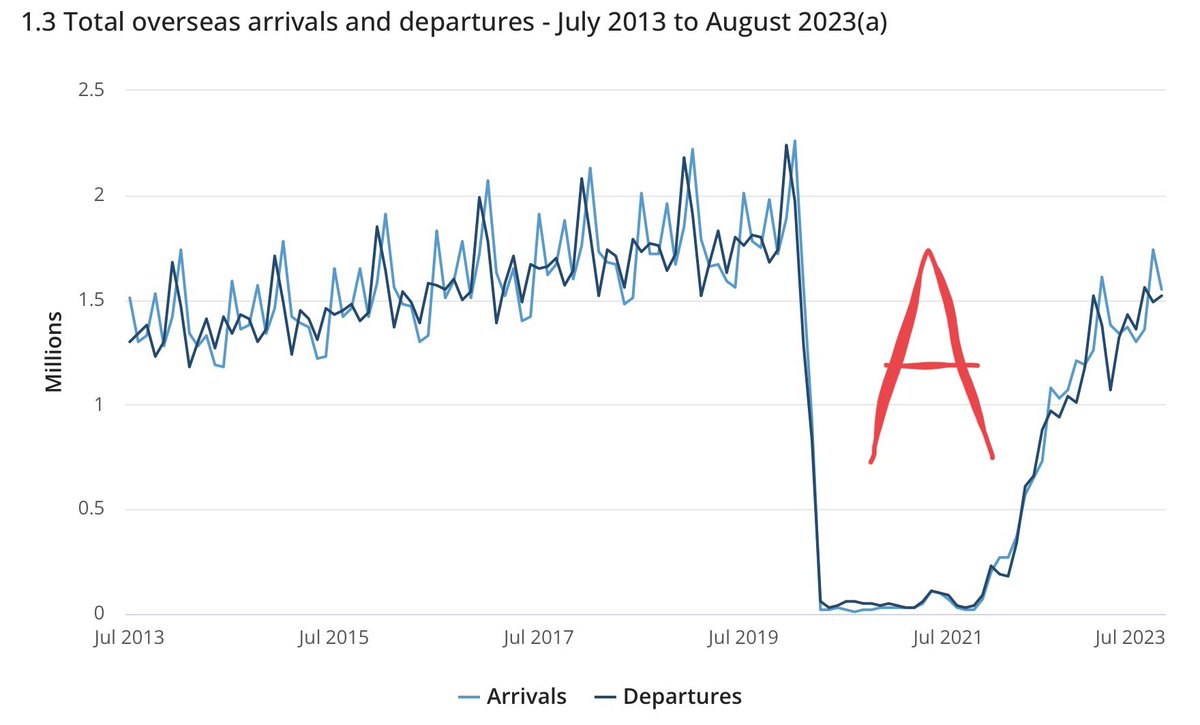
Source: https://t.co/wU7EHx6F9K
About 20 times as many Australians died in 2022 of Covid than died in the Vietnam, Korean and Afghanistan wars combined. On current trends we'll equal Australian deaths in 7 years of WW2, in 2 years of 'living with' Covid. No politician or health adviser even mentions it. https://t.co/1nZJ0lWFdS
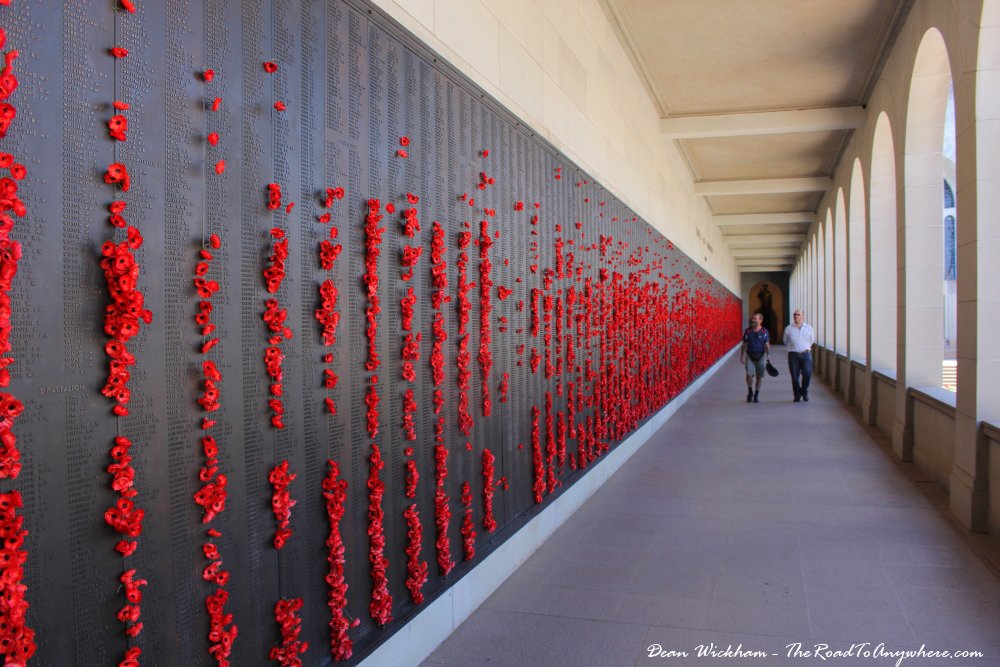
A great insight. In countries like Australia with great public health procedures and history, when a pandemic strikes, the public have almost no experience of the disaster of mass infection. So the disaster they *feel* is the public health measures restricting their lives. https://t.co/xCZiCk2yqq
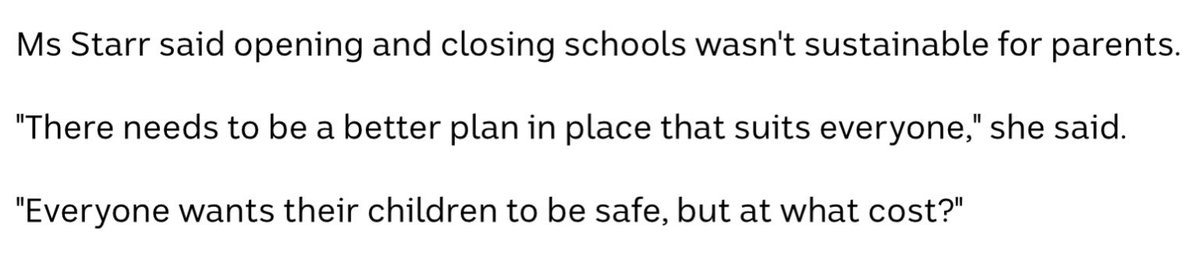
Unpack that ‘but at what cost?’ What can it possibly mean? https://t.co/gpars8ous1 https://t.co/Pxt4b3tXjY
The party of the market, the LNP, blocked the clear trajectory of the ‘market’ with Soviet-style intervention. It’s still doing it. Saul Griffiths bang on here again. GO HOUSEHOLDS. https://t.co/TIYd1U56yx
Politics is a process humans invented to allow stupid people to get in the way of smart things.
Here’s travel in a nutshell. Trash, and move on. Know how to fix this? Stop thinking of place as an experience to be consumed. Stop being promiscuous, with place. We don’t do this with human relationships, so why do we with locations? Because we’re children of empire. https://t.co/cOdwOlVU8X
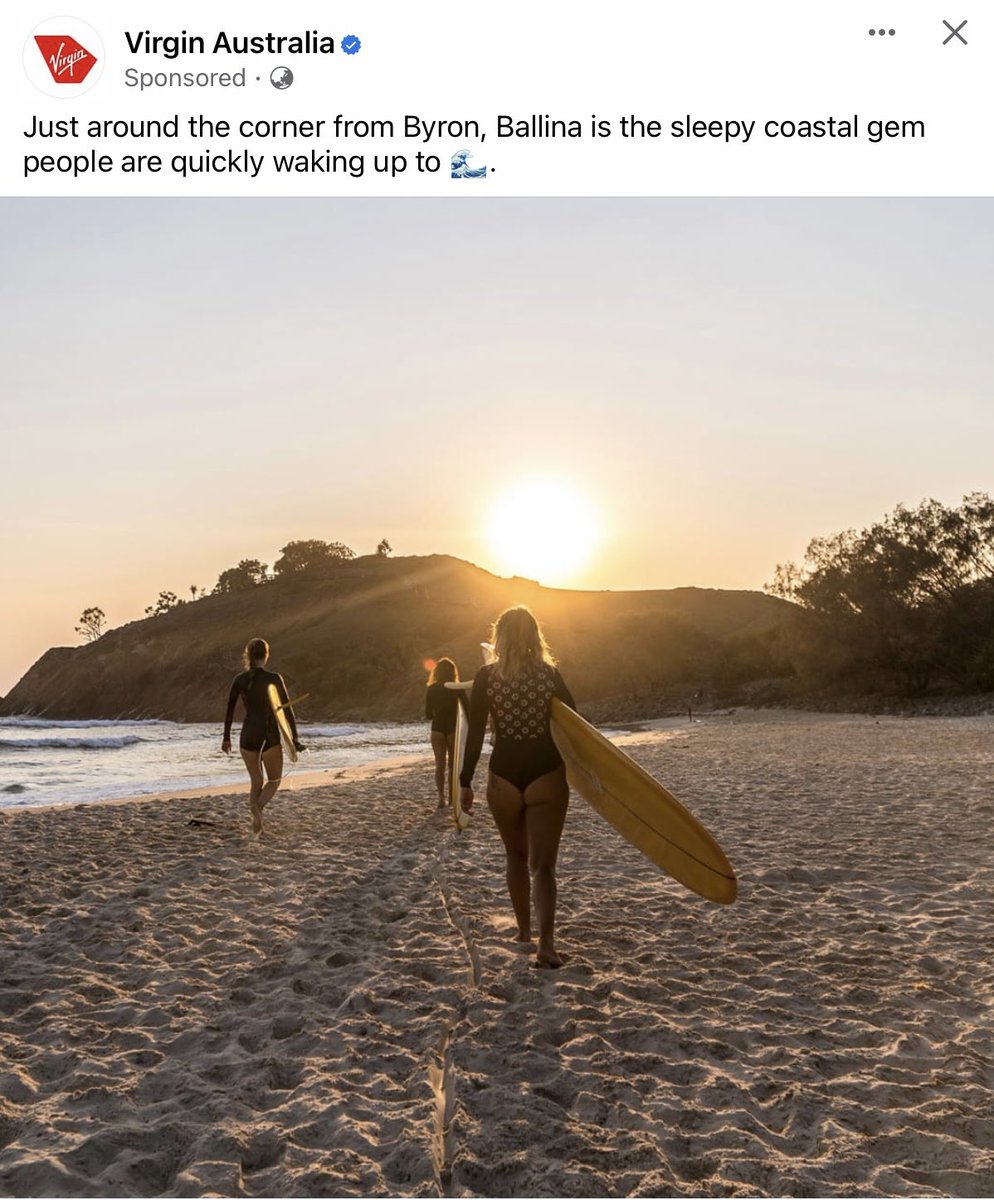
This is such an important anti-minimiser point. 'Covid only kills old people'. Nearly all diseases only kill old people. https://t.co/BpCWUTMfLH
The grand narratives about travel all being part of a timeless human adventure falter a bit when you see that what we call travel today really only began in 1950. The first jet airliner arrived in 1949. A lot of this is down to WW2. /1 https://t.co/wQjQtNk2VQ
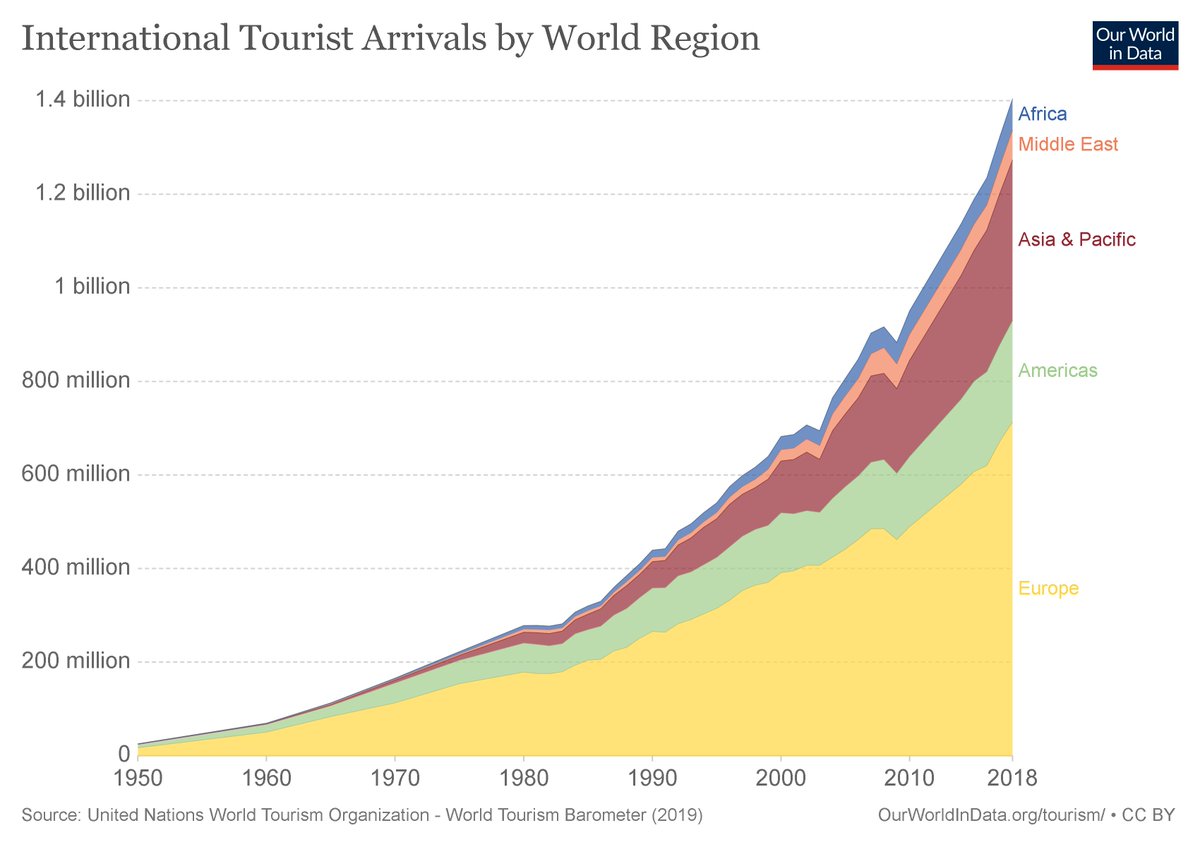
WW2 had created huge industrial capacity that had to be re-purposed when the war ended. Some of it went on to create industrial agriculture. Jet engines were developed in the same war, and commercial aviation seemed an obvious spin-off. And here we are. /2
Here's where you can have fun with the usual supply and demand nonsense. People of course travelled internationally before we had jets. They mostly used boats. But very, very few bothered. Tiny demand. It was a hassle, and you needed months of free time to make it possible. /3
Supply creates demand. True for roads, true for water, and here true for travel. It wasn't that the jet airliner finally satisfied 'latent demand' for international travel. There was no latent demand, you can't desire something that doesn't exist. /4
International travel was and is an *invented desire*. A real desire now, but invented. Not some intrinsic thing about humans. Again it had about 99% to do with re-purposing industrial war machinery, and 1% with tourism. /5
And look at the graph. Who's doing this travelling? Overwhelmingly it's Europeans, still today. Growth in other areas, but this shift to global culture has been heavily driven by Europe. Only about 2-4% of the world population actually do this. /6 https://t.co/Yxwc7fUxO0
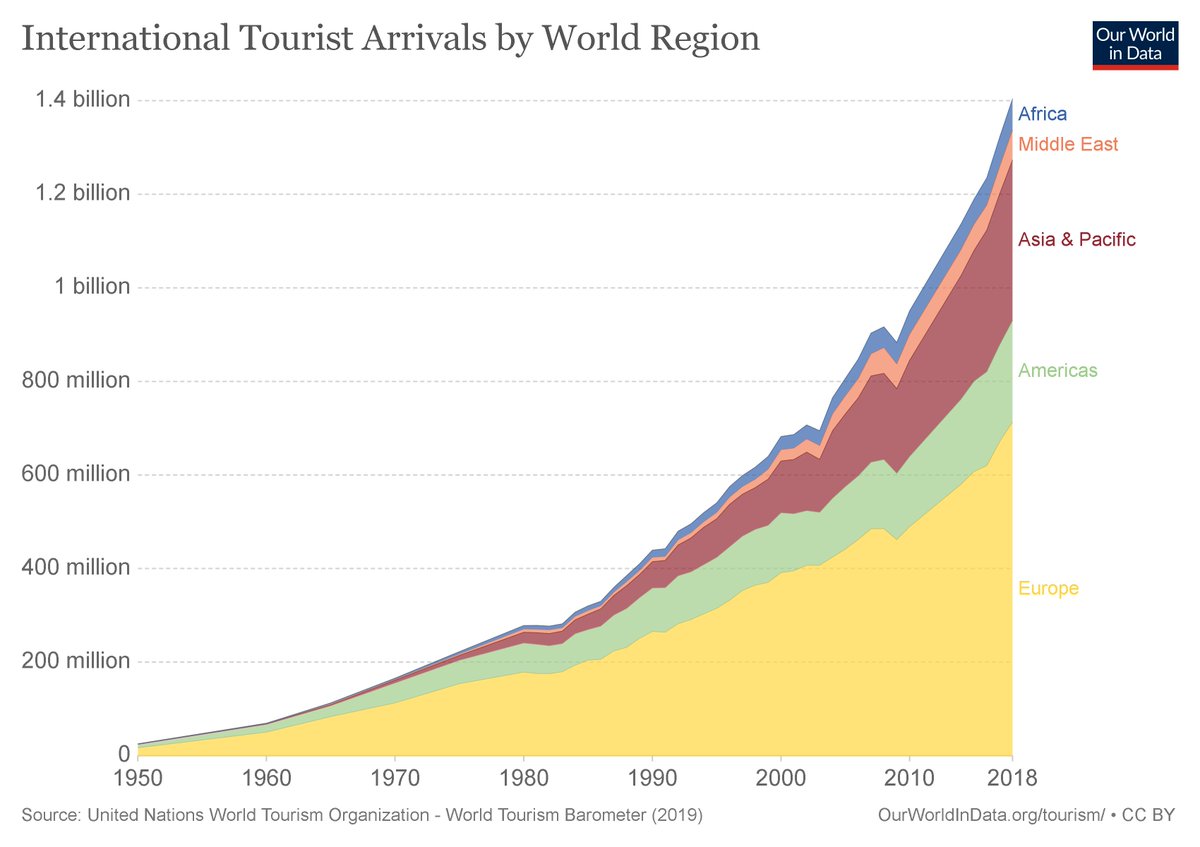
It's a highly elite activity, whereas the travel fanatics will have you believe this is some great latent nomad fantasy shared by all the world's people. Nearly everybody in the world isn't doing it. A fine definition of privilege is people not even knowing this. /7
The Europeans also invented territorial culture. Look at a map of their territory. Most of their history is fights over those borders, over territory. Their wars are nearly always about territory. Most modern empires came out of this place too. /8 https://t.co/d0QuQSHKo3
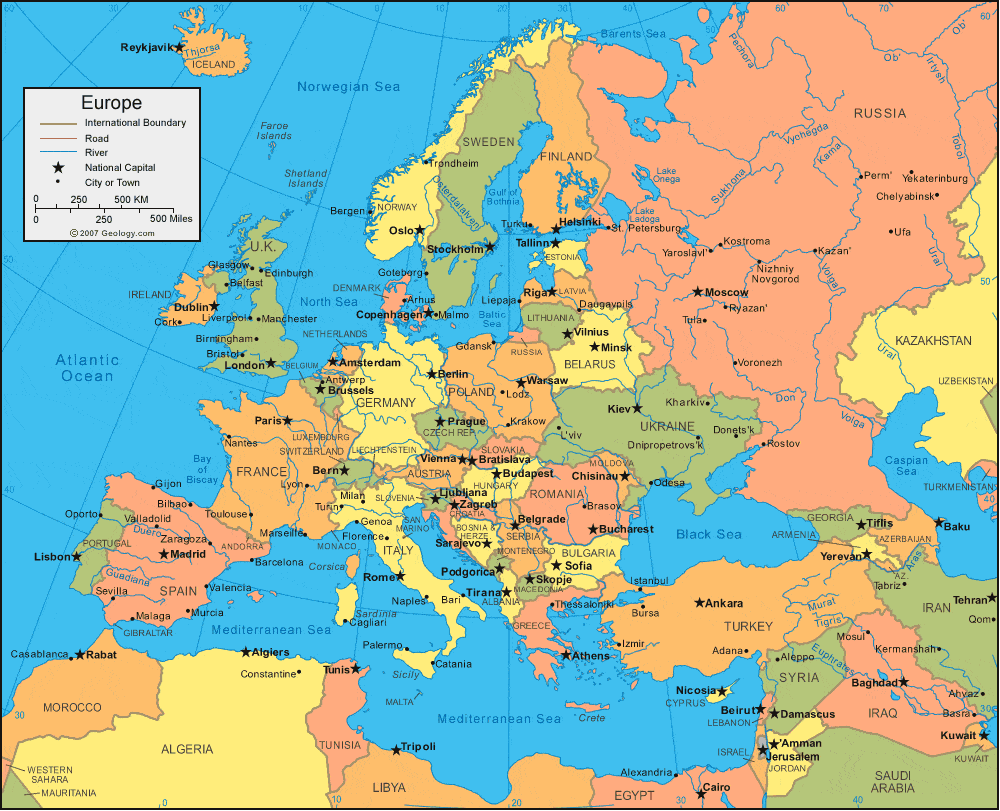
These (mostly tiny) countries have always looked to expand by accumulating territory elsewhere. Travel is that old passion now transformed into recreation. I don't think we can or should ignore how deep this obsession with accumulating territory has been, for Europeans. /9 https://t.co/t5igptartj
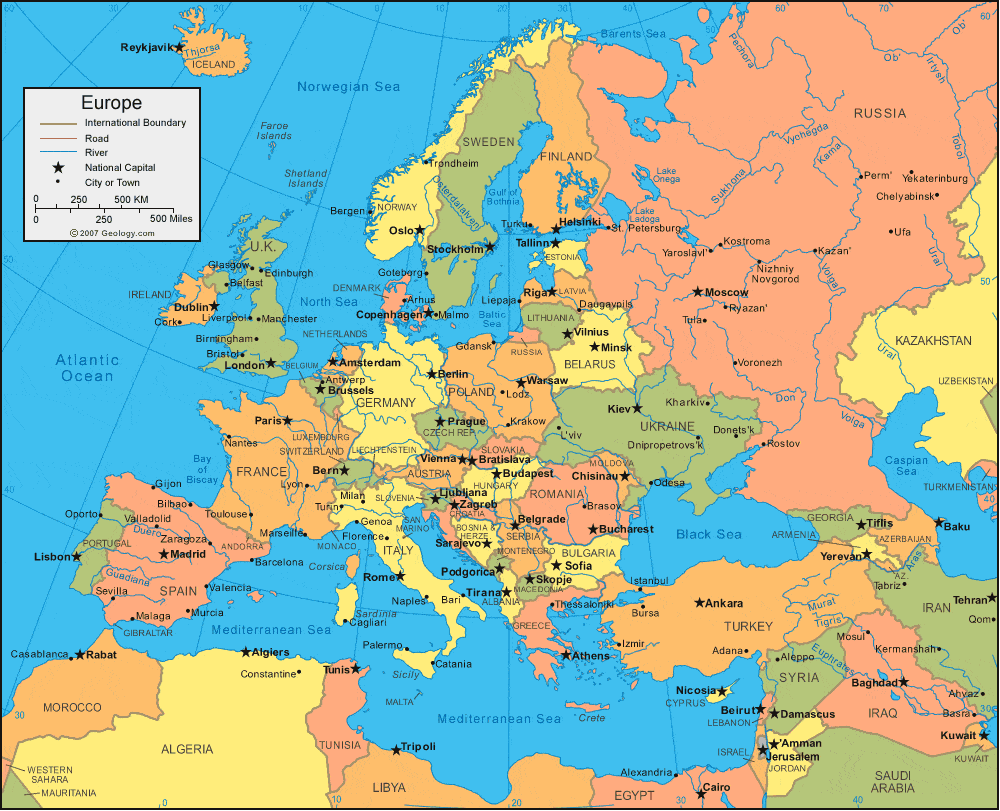
And nor should we ignore this origin of our own passion for travel. This desire is being exported to more and more parts of the world. To me it's the worst aspect of European culture, now spreading globally. To possess places, locations. To accumulate them. /10
A promiscuity of place. Place is a relationship, not an experience. It's peoples' HOMES. We're masters at dispossession, we did it in empires and wars, and now we do it for recreation. You may think that continuity is forced, but look at the number of nations now dependent.../11
...on our 'tourist dollars' to even survive. They've had to turn their original dispossession, through empire and wars, into income. Just one more layer of dispossession. The West will not understand itself until it understands its perverse relationship with place. /12
Always taking off, never land-ing. Never being grounded, anywhere. Trashing its own lands and now everybody else's too. Driving all the other lifeforms who share place to extinction. Until it makes PLACE, its OWN and others', sacred again, it will be a curse on the planet. /end
What relationship does a non-Indigenous Australian have with their land? What transactional activity with it, that isn't some hippie numinosity, real estate sale, extractive industry or tourism? Something that doesn't treat it as a 'resource' or object of worship? https://t.co/HkV6hFeNyy
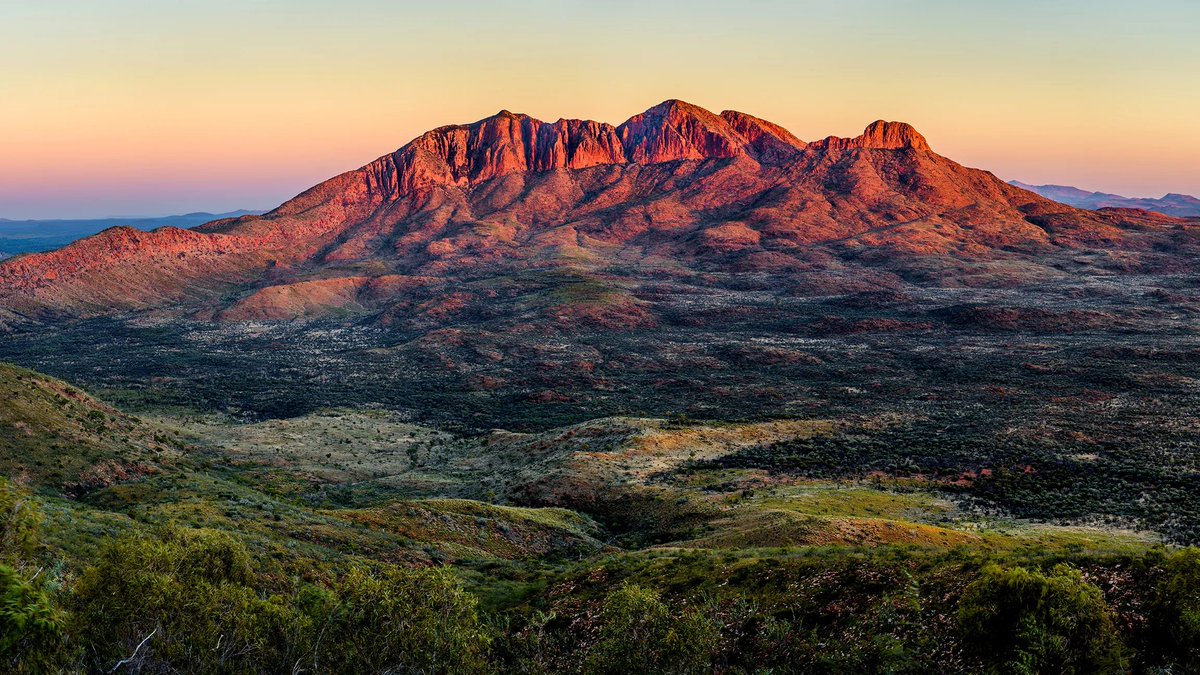
I once coined a term for the social system that replaced what we call democracy. I call it a sloganocracy. When you strip away collective social institutions, all that bonds people together is slogans. Orwell knew it. It would be fun to list them. https://t.co/CJm4vZzmSK
70 years of relative prosperity and peace without existential challenge will make your life feel like endless freedom, and any coordinated emergency government action seem like repression. Societies of spoiled children. A cultural reality, not an analogy. https://t.co/IGAPA9VW96
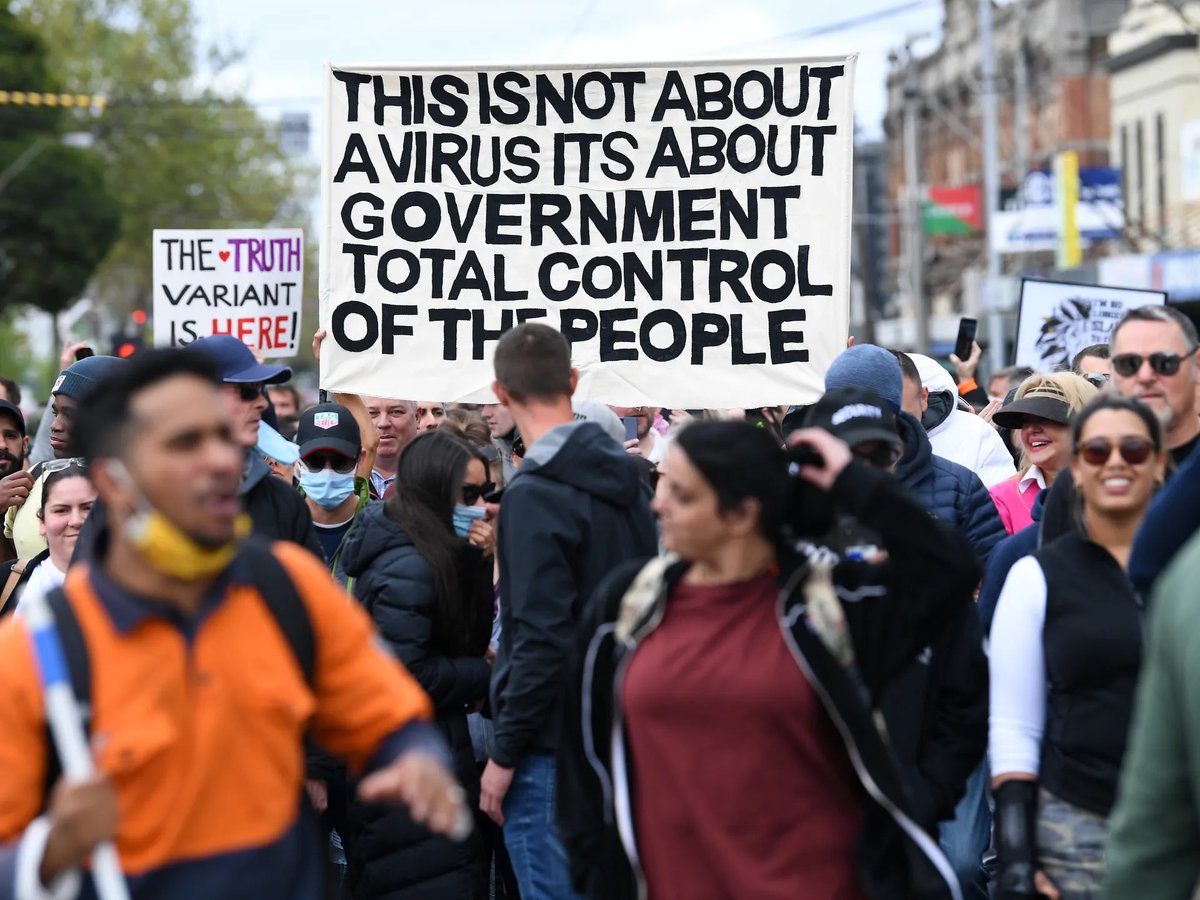
Our model of how society works is stopping us from changing it, and helping bad people destroy it. The idea that society is an aggregate sum of thoughts and actions from millions of isolated people is WRONG. A practical example shows it, home solar energy. /1 https://t.co/aTavqWFbVB
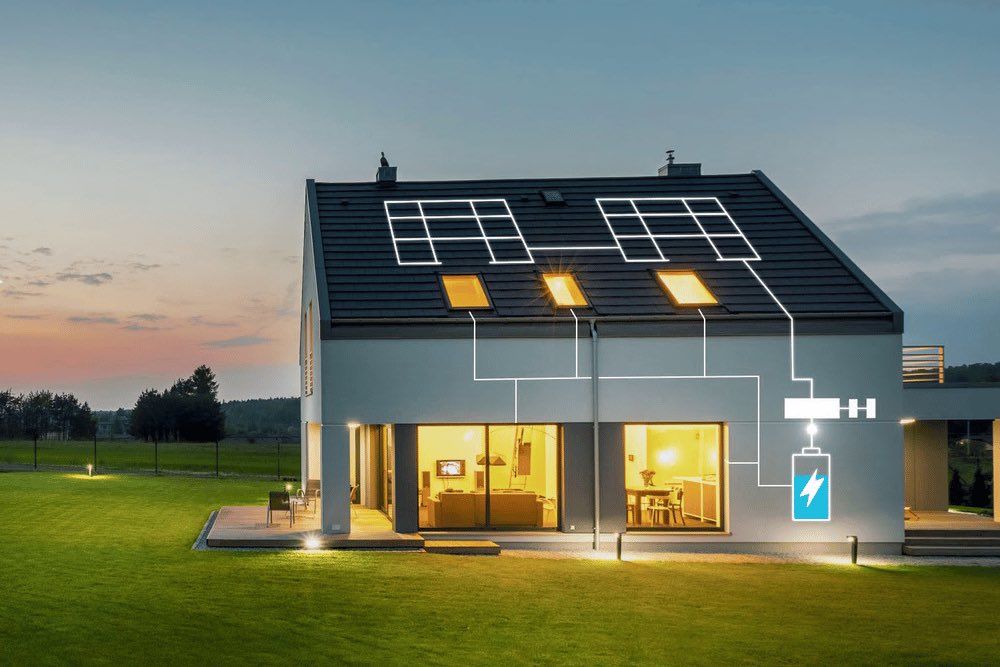
A home solar system is not ‘local’ and not ‘global’. It’s both, at the same time. Your individual energy production is plugged into and feeds the grid, which you draw from as well. You don’t need to aggregate millions of solar householders to have a ‘global’ effect. /2 https://t.co/fvE8BLG1Pu
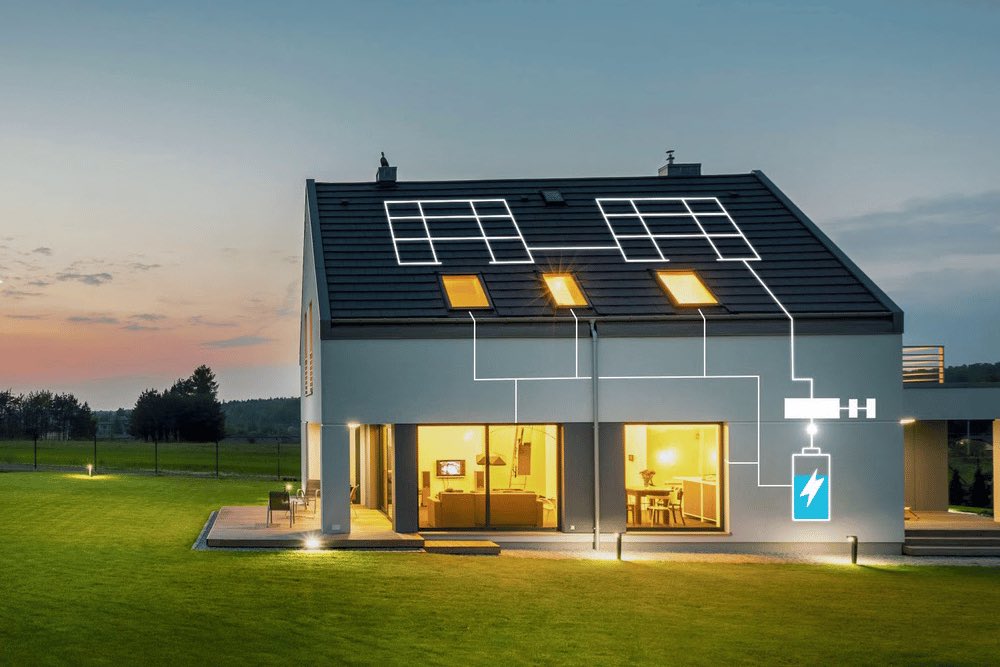
Societies are not made up of isolated individuals, operating in markets. Never have been, never will be. The whole local/global distinction isn’t even real. We are all, each of us, all of society, refracted in one particular way. Society isn’t the adding up of all of us. /3
I don’t have 1/25 millionth of the view of what makes up Australian society, for example. I have a view of the whole society. Of course that view will be lacking in detail in so many areas than those who work in those areas, and the same applies in reverse to them. /4
We’re not adding up 25 million parts to create a whole. We have 25 million wholes, interacting. Where we act ‘collectively’, it’s because those wholes overlap, a very different physical process to adding up. When two or more people’s *whole* worldview align in some ways. /5
They can never fully align, which is why agreement on anything is only ever provisional. There are too many other aspects of each person’s view of the whole society that won’t align. Studies of voters show this. Most political coalitions too. /6
The Beatles broke up for the same reason, clashing worldviews, whole views. All human groups are the same. Why does this matter? There are enormous implications for swapping the idea of groups and societies being aggregates of individuals, for them being overlapping wholes. /7
Change comes from a change to a whole worldview. Only one person needs to do that, for others to then ‘overlap’ with. You don’t need to mobilise millions. The reason the ‘neoliberal’ (really just high school) worldview wins right now is that it’s a worldview that resonates. /8
We all went to high school, so all of the social and cultural aspects of that worldview resonate automatically with most of us. Popularity must be a good measure of how to do things, because that’s what happened at school. Etc. /9
Being part of a team or group the same. We all had our social teams at school, who we hung out with. Adults swap those now for political parties. The idea of a self-regulating ‘market economy’ gets traction because as adolescents supervision is anathema. And so on. /10
You can change the world yourself, as solar shows. You don’t have to mobilise millions of others. Your home is already all of the world, refracted in one way. Your actions there are simultaneously global, via the grid. /11
Targeting households, as Saul Griffith says repeatedly, isn’t a ‘local’ solution to our energy problems. It’s a global solution, and a much faster and more efficient one, at the same time. Believing those are two different things is what’s stalling the change. /12
The same applies to Covid. The ‘grid’ in that case that makes your individual action also global action is the chains of infection the virus creates. If you cut those off, individually, you’re also cutting some of them off, globally. It’s also an overdispersed virus. /13
Which magnifies the potential ‘global’ effects of your individual actions enormously. If you prevent a superspreading event, you can be creating fundamental change to national Covid outcomes, by yourself. /14
Never believe society is individuals. Believing that is what the bad people want. It’s how they win. /end
If we’d had more stories like this in 2020 and 2021, the minimisers would have had a much harder job. But they have rat cunning, they made sure there was no access to hospitals for journalists. https://t.co/EoModUTDxv
Those convinced we can infect our way out of a pandemic don’t think we can inflate our way out of inflation.
I’m a fan of subscription. My TV viewing improved infinitely with paid streaming. You get what you pay for. It also does reduce anti-social behaviour, fewer are willing to pay just to troll. But you should also get a regulated framework of pro-social measures. /1
You won’t get that on X, it’s going in the opposite direction. It’s like paying to be harassed and bullied, and to have your personal data farmed out to all bidders. You already were the product here, now you’ll even pay for that. Libertarian lunacy. 2/2
Popularity-based democracy thinks a shift to independents and third parties is progress. It’s just brand differentiation. A proliferation of popular choice, like chip flavours. It’s still all chips. All churning of fads and fashions irrelevant to what actually needs doing. https://t.co/sM62TwHFPe