I don’t spend much time now appealing to elected leaders to do anything at all. They won’t, the jobs they…
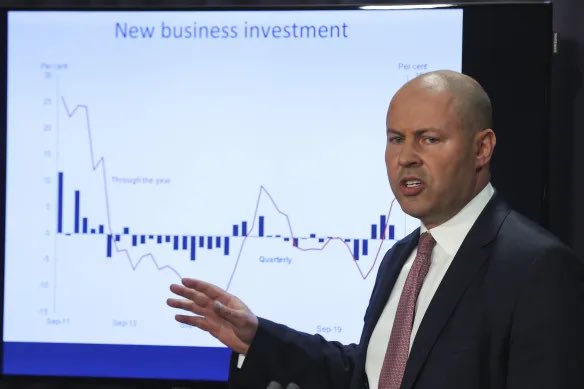
I don’t spend much time now appealing to elected leaders to do anything at all. They won’t, the jobs they take on are little more than following a few economic indicators on a spreadsheet. Go against ‘the economy’ and they’re toast. So what can we do? /1 https://t.co/Ya1czHoSJp
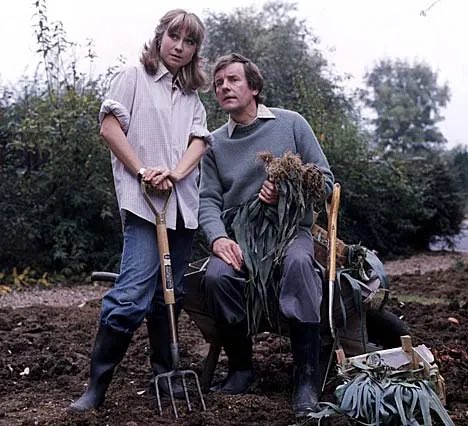
50 years ago, during another crisis and at the birth of the ‘economy’ as we now know it, some retreated to various versions of self-sufficiency. Escaping the social world almost completely. The problem with this approach is, to go ‘off the grid’, you need a grid. /2 https://t.co/CMOWGzGQcc
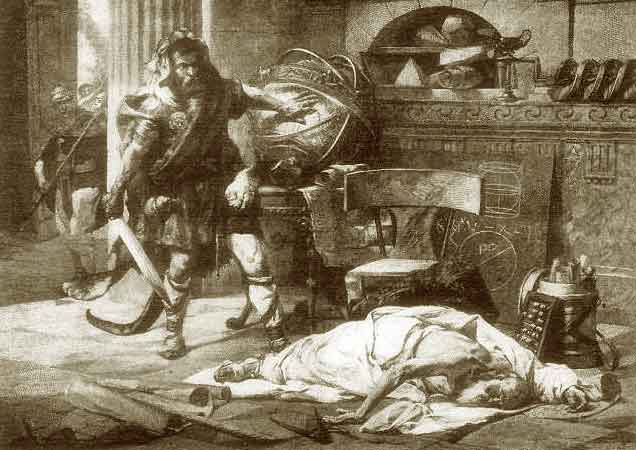
Preppers or survivalists rely upon a wider society to be able to survive, despite their beliefs. They don’t do their thing in the middle of Afghanistan, or Yemen, just as libertarians tend to reside in comfortable, rich social democracies. Sometimes when the stupidity of…/3
…mass uncontrolled infection gets to me, I remember Archimedes, working on his geometry right up until the point where a Roman soldier ran him through with a sword.
Most of us grew up in that incredibly rare time in history where that sort of thing didn’t…/4 https://t.co/VV9KTbshj7
…tend to happen, because we collectively built that miracle of history, ‘the public’. A recognition of the profound inter-connectedness of all of society, and all of the infrastructure that coordinated and maintained that inter-connectedness, what we tend to call the State. /5
Those who follow me will have seen me trace the gradual destruction of that miracle, since the 1950s, using a new invention, ‘the economy’, a strategic ruse designed to reintroduce the much older social pattern from most of human history, feudalism, under cover of…/6
…pseudoscientific gibberish from modern economics about equilibriums and markets. Which, stripped of the mumbo jumbo, is really just ‘leave things as they are, don’t meddle with them’, the perfect recipe for entrenching inequality and existing fiefdoms. /7
In some ways we have to accept that battle has been lost. The fact we’re not even bothering to fight a pandemic, and for decades prior to that climate change, Tier 1 existential threats, gives the game away. We’ve returned to the lives that most of history has experienced,…/8
…until about 1950. We can plead and protest, but we’re talking into a void, the ‘public’ sphere is (probably) terminally damaged. This might sound like fatalism, but for millennia humans lived lives in this void, often happily and achieving magnificent things. /9
How they did that is my secret sauce for where we go next. One of the tricks of economy politics is to introduce a false binary between local and global. We (they say) have our individual sovereignty, and our regional and national sovereignty, and then when you somehow add…/10
…all of those little sovereignties, you get the ‘global’ world. All completely backwards, historically and logically. The binary is another economic myth. Designed to remove resistance to the stripping away of all of your ‘local’ resources, because ‘globalisation’. /11
Actually resources were never local, we all drive cars made everywhere in the world, consume information from all over the world, eat foods from all over the world, buy consumer goods from all over the world, live with people from all over the world. Etc. /12
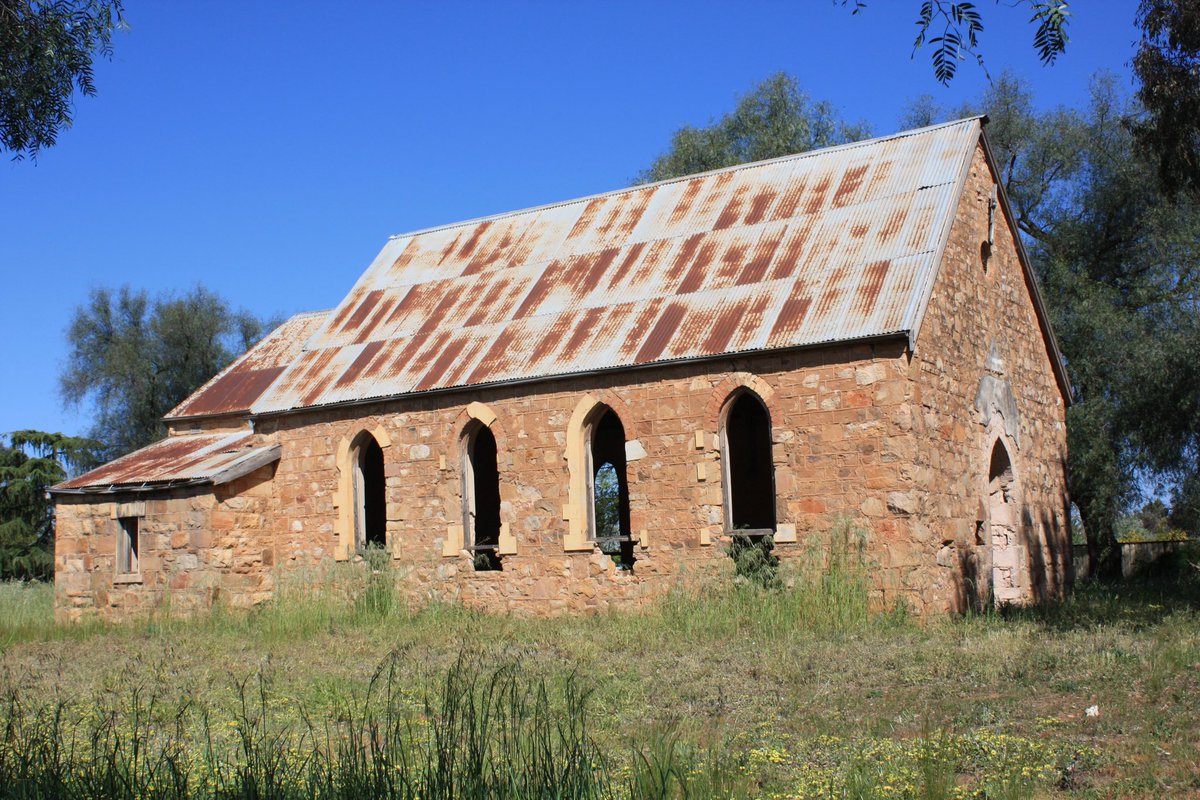
Archimedes and the many generations before us didn’t live in ‘local’ worlds. They lived universally, in touch with the infinite, even the cosmos, every day. The idea of the ‘global’ would have made no sense to them. If you travel through regional and remote Australia, for…/13
…example, something should jump out at you. Often the very first building old communities constructed was the local church. It doesn’t matter if you’re religious or not, what this shows is that communities used to ground themselves in the universal, not the local or global. /14 https://t.co/VzFeaumOCR
Archimedes was grounded in the infinite world of forms, in his geometry. The Holy Roman Empire, the DNA of our current Western societies, was grounded in universalism, in a marriage of empire and church. The nations that now sit in the ‘United Nations’ were themselves…/15
…invented by these universally-focused empires. As to what this all means for your life here today, you can restore that way of seeing life and existence, in your own life. Don’t fall into the trap of thinking you’re just one ‘local’ sovereignty, needing to plea with…/16
…politicians and other (you think) global actors, to create change. In my own life, years ago I decided to live like this, focused on the universal, ignoring the local and the global. My family uses the grid, but we’re heading towards energy-independence. /17
Not to live off-grid (the old local fantasy) - the grid is fabulously useful. But to use its scale. Similarly, even though we’re not high wage earners, we’ve been debt-free for years, because we saved and prioritised to do that. We use banks (the financial ‘grid’), but…/18
…we’re not in hock to them. We all live in a social media world, we know that things ‘go viral’ (except viruses, which are puny things obliterated by sunlight and fresh air - only humans make them go viral). We know that you don’t have to navigate all of these fictitious…/19
…local sovereignties to get global impact. The world can change in a day. If we all think and act universally, in everything we do. If our homes stop being just addresses, and become our sacred connection with the universe again. Addresses are the ‘little boxes’ that make…/20
…real estate developers rich. We travel so obsessively because we lost that connection to place that older communities had, with their churches. We stopped seeing all of the universe existing, in each place. We thought all the big stuff was always happening somewhere else. /21
With Covid and climate change, I think and act universally. Not locally or globally. I know the infection I avoid in myself will then also not infect potentially everybody else in my community, and out into my region, nation and globally. It’s all already connected. /22
What I do ‘at home’ every day is already a universal act. The power I generate myself changes the national and global landscape of energy. The example that gives to friends and families, who are often curious, shapes that same universal world, independent of scale. /23
I’ll continue to call for politicians to do things, but the trap is to assume that’s what really creates change. They have you by the short and curries. They’re much, much more worried about people acting universally, and that then going viral. Instant global transformation. /end