I’ll begin 2026 as I ended 2025, by inviting people to admit that our ideas about how societies work aren’t…
I’ll begin 2026 as I ended 2025, by inviting people to admit that our ideas about how societies work aren’t working. Otherwise change might happen.
All societies are rivalries between various shifting elites. The majority of people are only co-opted to these rivalries.
/1
The dominant narrative that we’re labouring under, that ‘the people’ run societies, and are currently being either victorious (Trumpian populism) or are under assault by authoritarians (anti-Trumpian populism) is farcical.
It’s a Punch and Judy show.
/2 https://t.co/bvhGzRChbJ
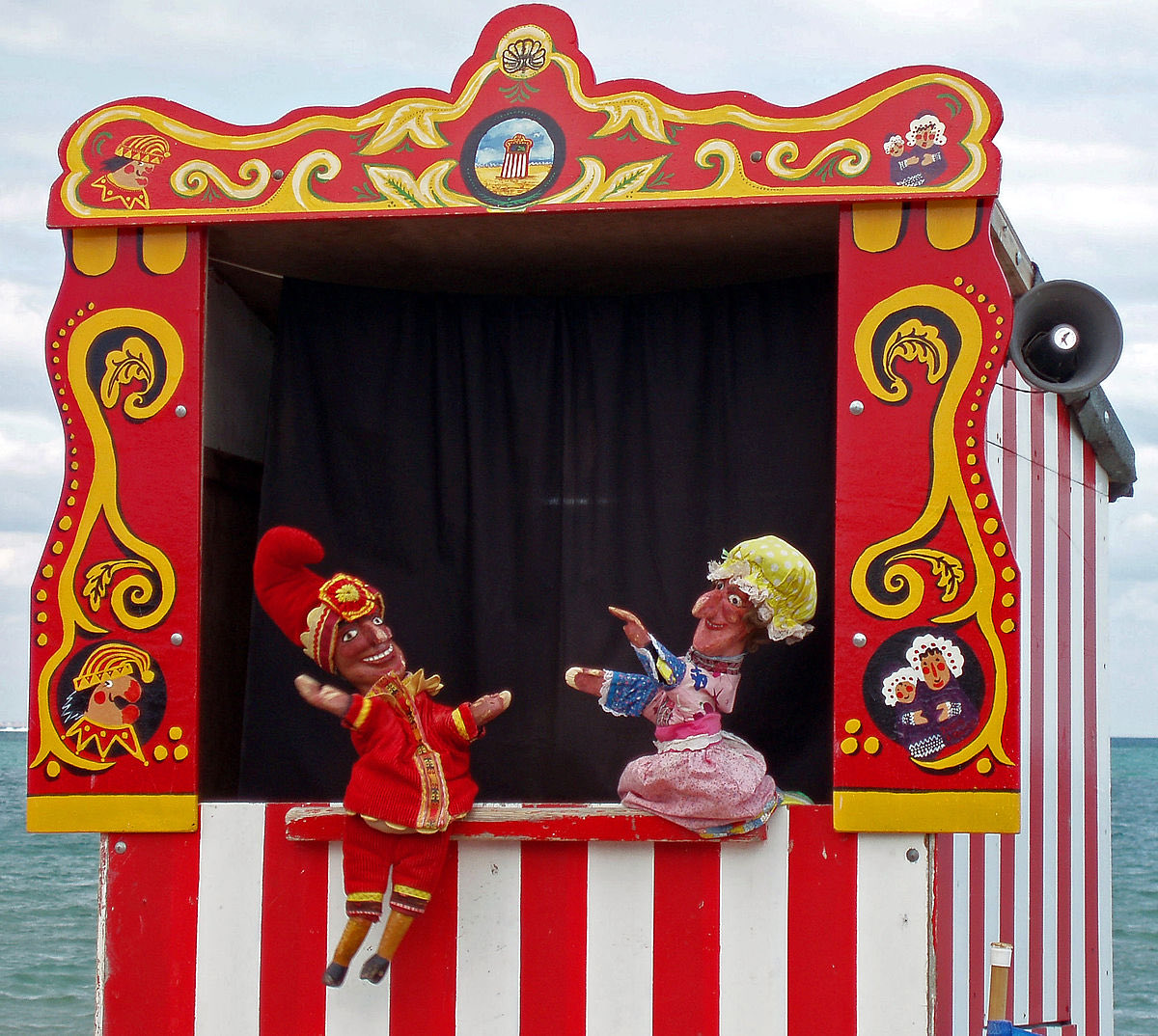
A fake binary or rivalry, because humans always construct those. It’s how the wider population is recruited to elite battles, using these big binary fight metaphors.
As Turchin describes, the US right now, as it does throughout history, has overproduced elite players.
/3
The fractious nature of America today is not as tedious, lazy analyses say, ‘a country divided’. It’s a battle between too many elite rivals for status supremacy there.
Those rivals are co-opting the wider population into their battles, using various narratives i.e. spin.
/4
The tech bros are persuading millions the State oppresses them, and come and live in our tech-driven utopias instead.
They create these platforms, which convince millions more globally they’re practising ‘democracy’ here every day. It’s hilarious, and tragic.
/5
Older elites respond with reference to older institutional forms that support existing status hierarchies.
Meanwhile social media ‘influencers’ enter the fray as new elite players.
/6
Societies are always driven by status rivalry, between elites. The perception that ‘the people (not even a thing, just a counting term) are the driving force of anything is a toxic fantasy.
They attach themselves to one or other of the elite teams. Elites use them as PR.
/7
What does this all mean for the social change that is badly needed? I’ve used Victorian England as an example before.
Meaningful change comes when elites are coupled to collective ends, through what Storr calls ‘success’ status games.
/8
In Victorian England, status came from undertaking massive collective-focused work on public infrastructure.
Engineers were their heroes. Scientists too. The Republic of Letters was focused on improving our collective lot.
/9
Knowledge ran societies, and was celebrated for doing it. But it only happened because status was attached to it first. Existing status hierarchies attached themselves to these innovations.
Nothing will stabilise until the elite rivalries stabilise. Until somebody wins.
/10
And then nothing will improve unless the winners play success games, turning status into the production of things for the collective good. Like the Victorians did.
And the Romans long before them. These patterns repeat throughout history.
/end