If you live in a modern democracy, I think the Magna Carta is necessary reading. Only half-a-dozen pages. The…
If you live in a modern democracy, I think the Magna Carta is necessary reading. Only half-a-dozen pages. The foundation agreement that invented the original checks and balances we call democracy.
Read it and you’ll get a very clear message.
/1
https://t.co/U9EJ1Ubh7G
Those checks and balances are almost entirely the placing of limits on the exercise of power.
But limits defined by the exercise of other powers, by others in a society. It’s a truce between King and nobles. Between a King and his court.
/2
Or in more modern terms, they’re the balancing of power between those at the top-end of status hierarchies.
That provisional balance is what we call the status quo. And here’s the most important bit.
/3
‘The people’, the central concept we use to define democracy today, are not even in it. Except insofar as they’re the property of Kings or nobles.
Democracy never was ‘power to the people’. And no, we didn’t just add that later. Not least because ‘the people’ is a fiction.
/4
Societies never stopped being hierarchies of status. Democracies are that too, and always have been.
Yes constitutions that came after, based on the Magna Carta, sometimes reference the people.
/5
But they simply give ‘the people’ sovereignty, replacing the King, or in constitutional monarches give them a place alongside a monarch.
But ‘popular sovereignty’ is complete nonsense. A literal oxymoron.
/6
You can’t grant sovereignty over people, to people. It’s bootstrapping. A logical impossibility, an absurdity.
It was some activist/revolutionary idea of its day that was really some small number of people wanting to supplant monarchs with themselves.
/7
While then attributing their new power to ‘the people’. The people is always a retrospective attribution, by small numbers of people looking to replace higher-status members of society, with themselves.
Hitter’s ‘Volk’ was literally ‘the people’. They all do it.
/8
Groups of people are not an agency in that way. They can’t be, it’s a logical and physical impossibility.
Groups of people are always led, they’re always status hierarchies. Those lower in the hierarchies emulate those higher, to gain status.
/9
There’s no avoiding that, it’s not a failing. Groups of people couldn’t (and wouldn’t even want to) be a group mind that acts in some miraculous way where there’s an ongoing, instantaneous unanimity of thought and feeling.
/10
That this is how we think ‘democracy’ works shows just how far down the rabbit hole of total lunacy we’ve been, for so long.
And why democracies have consistently and progressively failed, since this lunacy was invented and believed.
/11
Trumpland right now shows it. Trump is the King many Americans secretly or even openly want. They weren’t offered a status hierarchy they liked, so they made their own.
Resistance to status is futile. It’s the root of all human thought and life. We’re social animals.
/12
The ontology of the world requires it. The only way to coordinate and unify the vast differences in types of being that make up the universe, is for some to imitate others, to create always provisional collective entities.
/13
It’s the fundamental differences that are reality, that require the imitation and rivalry that form human societies. But also all non-human societies, even the societies of things or ‘objects’.
If you treat difference seriously, this is always the logical outcome.
/14
Two or more things that are fundamentally different can only align by imitating each other. They can never *be* each other, in the way all of our representational modes of feeling and thought rely upon.
That rely upon some impossible identity at the root of all things.
/15
Only the tiniest handful of thinkers have dared place difference at the root of things, without sacrificing it to some pre-added identity. Like Gabriel Tarde.
And when they did that, they discovered that imitation is the root of all things. It can’t be anything else.
/16
We can only imitate that which is fundamentally different to us. And even that imitation will be full of at first unseen differences which will come to the fore over time and rupture any provisional imitative agreement.
All of reality is ‘Chinese whispers’.
/17 https://t.co/L7N78GoUZA
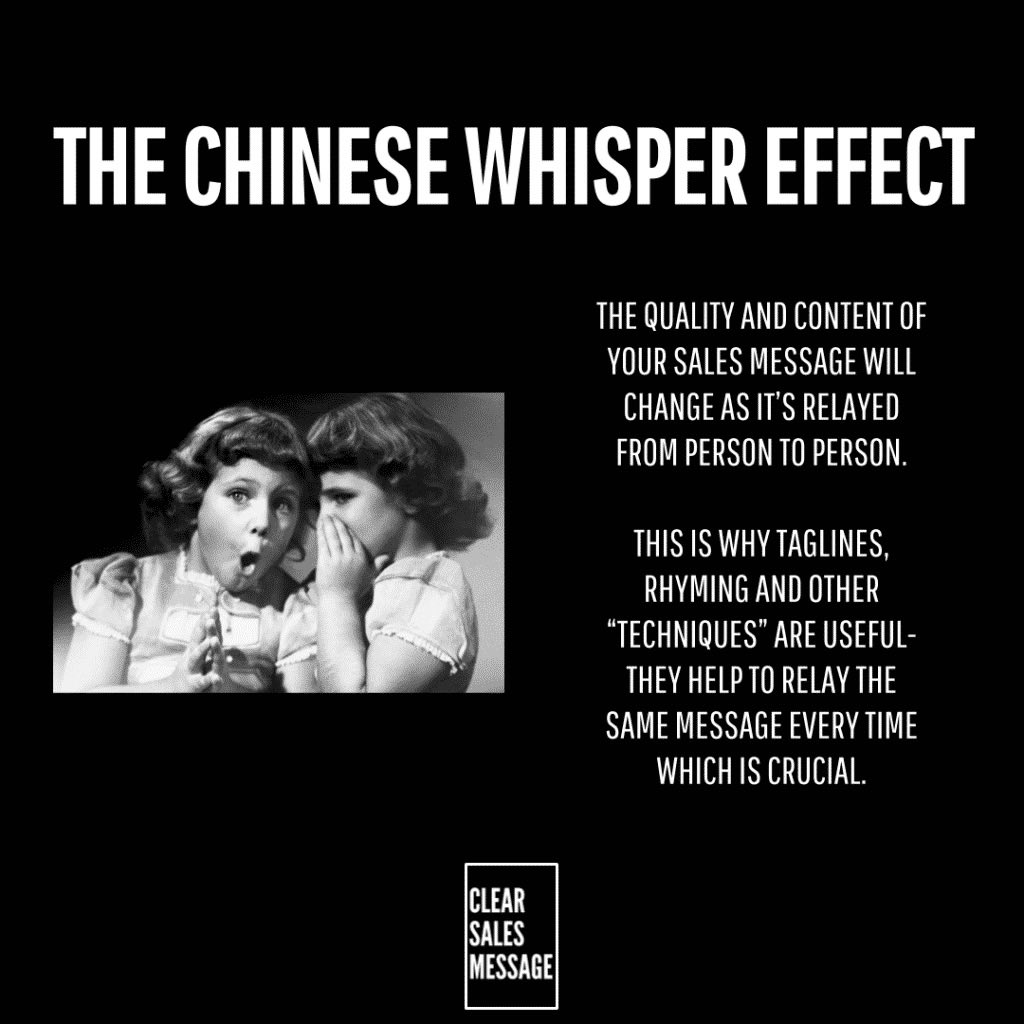
Difference is the engine room not just of human societies, but of reality itself. Pure difference, unsullied by fake identities we place there, to control all other differences with.
Those fake identities crumble as the imitative differences that make them up unravel.
/18
This difference and imitation engine is what leads to status games in human societies. The imitation is always a rivalry.
We imitate to gain and maintain status. To try to protect and enlarge the specific differences that are us and our groups.
/19
That status is the endgame of this eternal interplay of difference and imitation, in human life. We gain actual existence, with this status, it’s an ontological thing.
Social animals cease to even exist, without status.
/end