We all know fashions change. Crocs are in again, for example. Do we think about what that means though, about…
We all know fashions change. Crocs are in again, for example.
Do we think about what that means though, about humans? Just one more sneaky way status rules our lives.
/1 https://t.co/aKjR1X8WQn
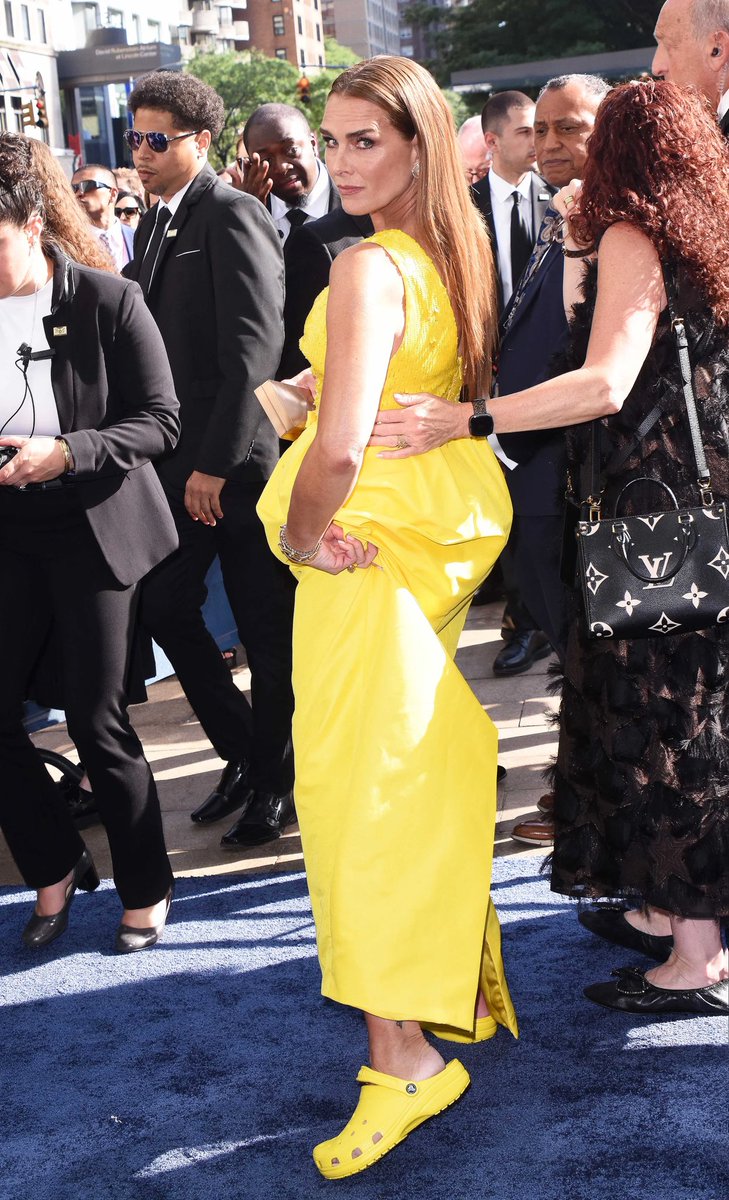
Because it surely shows that what we like, our aesthetic taste, is not the personal choice we say it is.
We like something because other people like it. It has nothing to do with the thing we say we like. /2
Fashions change because the trend moves on. Collectively. Trends are driven by social imitation, the root of all societies.
And that imitation is driven in turn by social status. /3
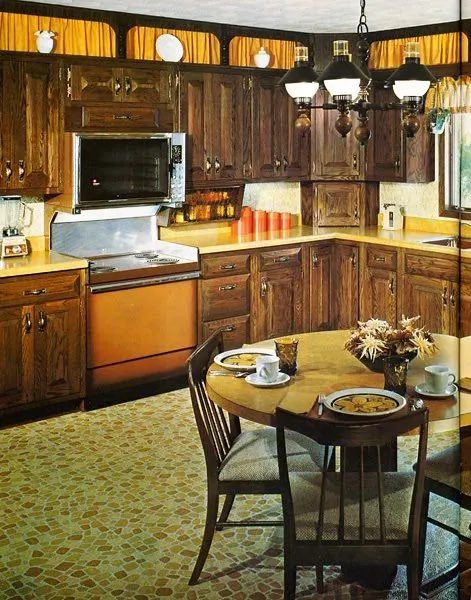
I’m sure this kitchen looked wonderful to many people in the 1970s. I doubt many today would agree, even those who lived through those times.
Did their personal taste change? Or was that taste always just the imitation of what other people were doing? /4 https://t.co/N66S3J5B3f
We truly don’t see how all of human life is the imitation of other people. Right down to our most intimate, personal tastes and desires.
All of our supposed economic and political world uses exactly the same mechanism. It’s all imitative rivalry. Status games, team sports. /5
We are human, all too human. Always immediately disbelieve ‘systems’ views of the world, that say humans live inside economic or political systems.
They don’t. We’re always following the same basic social rules, at every scale of society. /6
We want to belong, to have an identity. To do that we imitate others, to give us membership of their group or team.
A team led by a higher status person that the rest of the group emulate. /7
The populist destruction of a Trump simply makes this mechanism visible again, hidden for so long behind economic and political gobbledygook.
We were never living in economies, or even nation States. Always in groups or teams, struggling for status, and thus identity.
/end