Copying each other is the most fundamental human act. We imitate because that gives us status, in a given…
Copying each other is the most fundamental human act. We imitate because that gives us status, in a given group. It makes us recognisable, to the group. That in turn gives us an identity, we ‘belong’.
Groups clash, their statuses collide. Imitative rivalry (Rene Girard).
/1 https://t.co/V2Pa7G7RPi
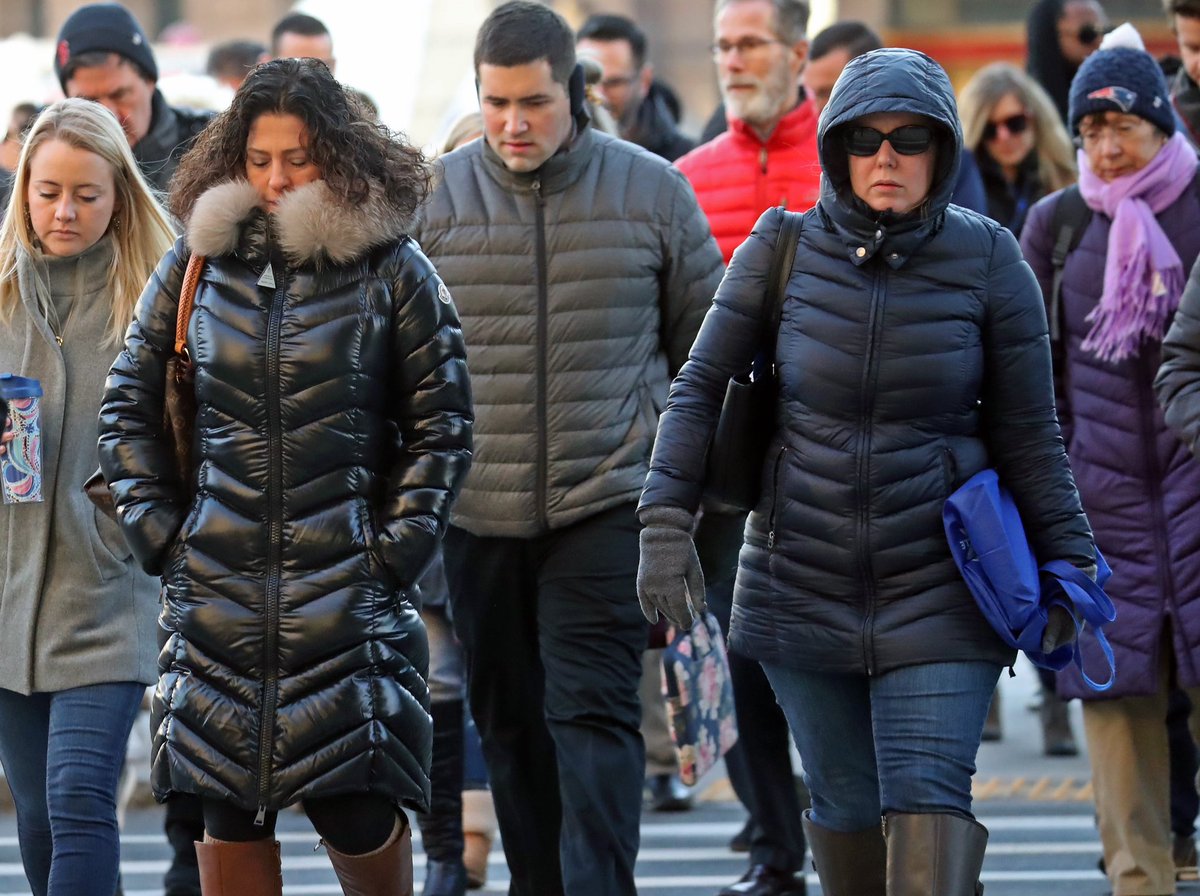
All of the standard explanations we give for the shit that happens in our world really reduce to this status-driven imitation process.
‘Left’ vs ‘Right’ - just two groups, rival statuses. Why I call this basic process ‘team sports’, it’s a competitive rivalry.
/2
Cars, clothes, food, beliefs, body shapes, houses, travel destinations…look around, everything is imitation really.
We like the things we like and do the things we do because we’re copying others, and that gives us an identity, in some group.
/3
We feel like we belong, somewhere. Other groups then clash with us, and our statuses collide and identity feels threatened, so we fight back.
All the political and economic and even psychological and sociological explanations given for how humans behave?
/4
Just more teams, this time deriving from academia. Each set of ideas is something one academic team rallies behind, in conflict with other academic teams.
This then filters through to everyday life, where ordinary people adopt ideas for their own team sport identities.
/5
Social media is this root imitative rivalry, built out into a technological system. It’s why it’s swamped the world with breathtaking speed, and has literally captured our entire societies.
We transact personal, social, political and economic life increasingly on SM.
/6
Things that ‘go viral’ on SM become our actual realities. Complete fantasies like nuclear power for Australia take on an actual reality because the idea of it gives status and identity to its adherents, completely independently of any objective feasibility. /7
It’s explicitly designed ‘as’ a way to seed a new group, the ‘vote for Peter Dutton over Greenies and other renewables and EV wankers, while feeling like we’re doing something about climate’ group.
All of our lives is now this. Look around.
/8
Every single public issue immediately spawns new teams, who go into battle against other teams, for status and identity.
And the more we allow our entire lives to be transacted through these platforms, the more and faster this will happen. /9 https://t.co/KZLjWXSAI2
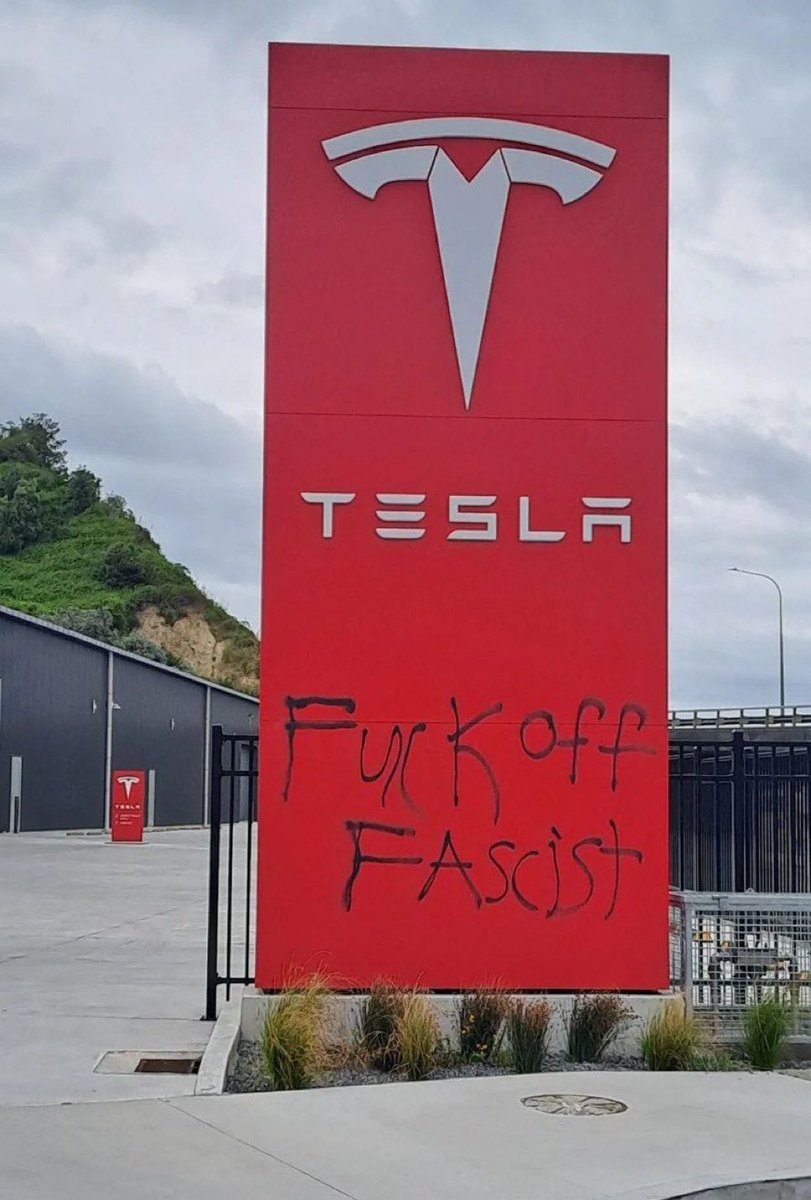
And because it’s imitative *rivalry*, the more we do it, the more violent our world becomes. The more ‘connected’ we are, the more violent we are.
The complete opposite of what platform owners and users say. Owners don’t even believe it.
/10
They know it’s a way for them to take over the world, to achieve ultimate status and identity. How anybody can’t see that in recent politics, with these same owners occupying preferred seating at Trump’s inauguration, over his own cabinet, is beyond me.
/11
I’ve posted many times how humans have tried to solve this ’populist’ problem in history, re-directing these imitative status games towards actual material outcomes for societies.
How to turn status games into ‘success games’, as Will Storr calls them. /12
Where the battle for status in turn progresses human life in general. You can’t be free of status games, but you can channel them.
Victorian England did it, through the ‘Republic of Letters’, where science and engineering became high status activities. /13
Churches and monarchies were earlier attempts to do the same, providing a centralised master status hierarchy as a way to control all other status activity in a society.
That’s how the ‘class’ system evolved. Channelling status games towards practical, material outcomes. /14
Sadly we’re now so far gone down the rabbit hole that elections, the blue ribbon status game events, are seen as a mechanism of change, seen as democracy itself!
Elections don’t change anything much, even less so now they’re hitched to social media. /15
Our social media leader of the free world is now into his second term, more powerful than ever. When existing social media was denied to him in his first time, he built his own.
Doesn’t that tell you what social media is really about?
/end