The 20th century was a century of revolutions. Russia, China. And we had one too, the 1960s…
The 20th century was a century of revolutions. Russia, China. And we had one too, the 1960s ‘counter-cultural’ revolution.
Like Burke I think all revolutions are disasters for societies. They can be the catastrophes I often say bring the only real change. But…. /1 https://t.co/2joexztaPn
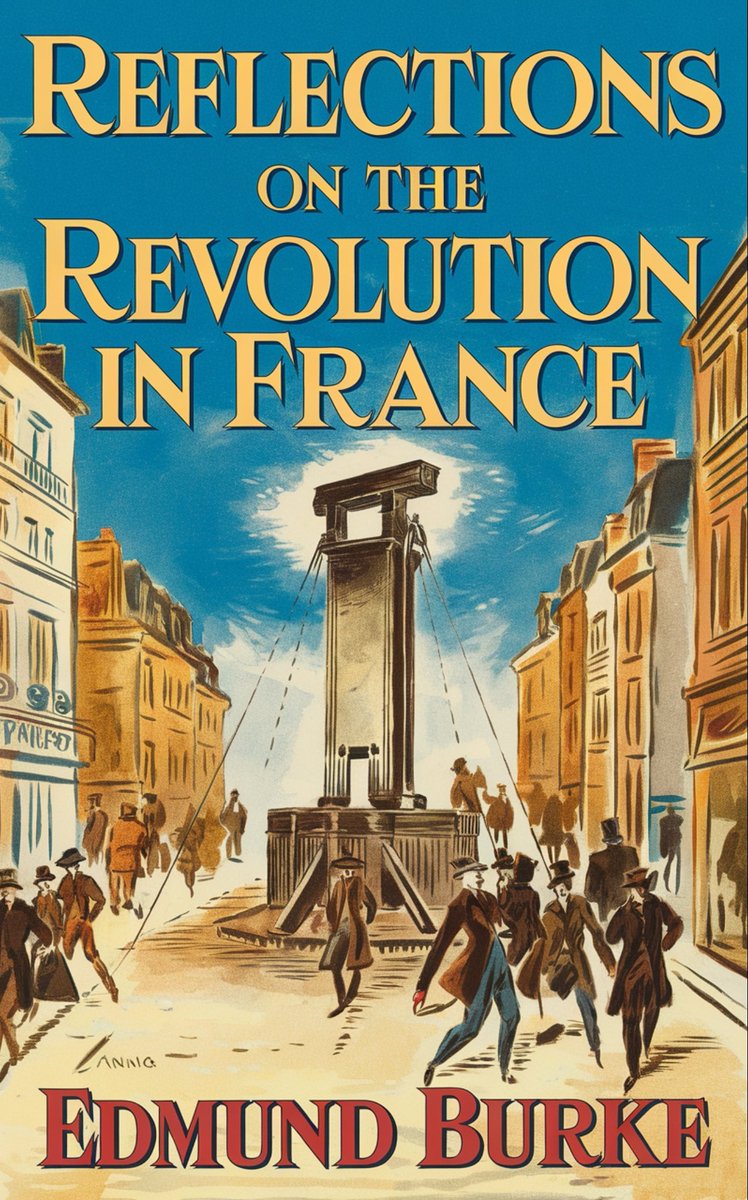
They’re not good change. They can sweep away existing status hierarchies. But they just replace them with new ones. Orwell’s Animal Farm was about that.
Burke’s reflections on the French Revolution of that time were prescient too. What did that revolution lead to? /2
An even greater ‘authoritarian’ status hierarchy than the one it replaced. Napoleon.
We have a harder time seeing this same dysfunctional pattern in our own Western societies, because our revolution seems more benign. /3
Some great new songs, mostly. Sometimes sung in ‘protest’. The Beatlemania revolution.
This revolution was as destructive as the Russian and Chinese revolutions. It’s just taking a lot longer to play out. /4 https://t.co/04LwaqcfvD
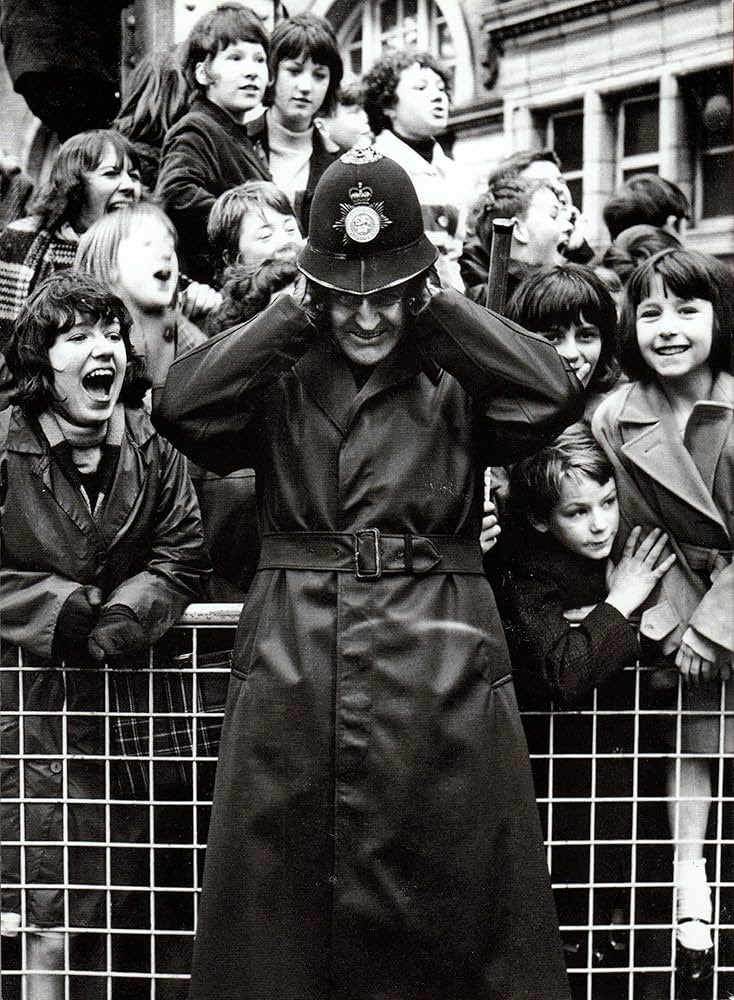
Go back to that time, and it was a critical one for Western countries. We’d just undertaken a massive social re-build after WW2, itself the tail end of a catastrophic 50 years, with WW1, Spanish Flu, and the Great Depression.
We’d invented ‘the public’ in that re-build. /5
A construct, a continuous calculation of collective good. We needed to do that as part of the re-build, on the ruins of the largely destroyed status hierarchies.
Massive innovation and progress in things like public housing, health and education. /6
What did the counter-cultural revolution of the 1960s do with this fertile soil of public life?
It reinstated the old status game society. Now centred upon music in particular. This was a generation of adults coming to adulthood who only knew one culture. School. /7
I’ve posted a lot about that, the transformation of adult life into perpetual adolescent life, via the mechanism of universal schooling. Schooling decoupled from adult life.
So graduates simply re-built the adult world,as a giant high school. /8
Beatlemania was part of that. Brilliant as their songs are, they’re not anywhere near sufficient to explain the magnitude of the ‘mania’ they caused.
They were just riding a wave of cultural and social change. The forging of a new adult world. /9
A high school that goes forever. That’s why music became central to this adult world as well, to the revolution. It was teenagers reproducing what they knew.
To this day this new social model is what we try to apply to all collective problems. It’s a dismal failure. /10
We ‘raise awareness’ (the old protest methodology, really just teenagers complaining). We hold concerts to raise awareness and money. We try to fix poverty by having more concerts.
You can’t unsee this now universal teen culture, for every stage of life. /11
Some of those who forged this culture in the 1960s are still at festivals like Glastonbury, as headlining acts. The perversity of that doesn’t seem to strike anybody.
To return to Burke, why are revolutions so disastrous? /12
Because they completely ignore the actual thing that keeps societies running and safe. Institutions. A very complex concept, but including all of a society’s inherited customs and traditions.
All of the things that ‘worked’, and therefore survived. /13
Not even consciously designed, more emergent from centuries of empirical testing in the ordinary lives of people.
The only things that restrain our otherwise compulsive playing of social status games, to promote our own status and identities. /14
The 1960s counter-cultural revolution attacked the very thing that the post-war rebuild was doing. The ‘establishment’ itself. The young adults of that time had been largely shielded from he horrors of the half century that preceded them.
So they invented their own baddies. /15
Society itself. It’s why this revolution is particularly destructive. It’s society literally eating itself.
The small government libertarian freedumb populist nonsense that dominates our politics today is a direct descendant of that revolution. /16
Many don’t even see the connection, that the same musical acts who sang of revolution and peace are now worth hundreds of millions of dollars each, some even billionaires.
It’s Animal Farm. They created brand new status hierarchies, to destroy the post-war consensus. /17
‘The public’ is now dead as an idea. It existed only for a few decades after WW2, during that re-build.
The ‘revolution’ then re-introduced social status games, but with a nice soundtrack so we don’t spot the same pattern.
/end