Societies don’t run on information. They run on status. It’s very common to think of information or ideas in…
Societies don’t run on information. They run on status.
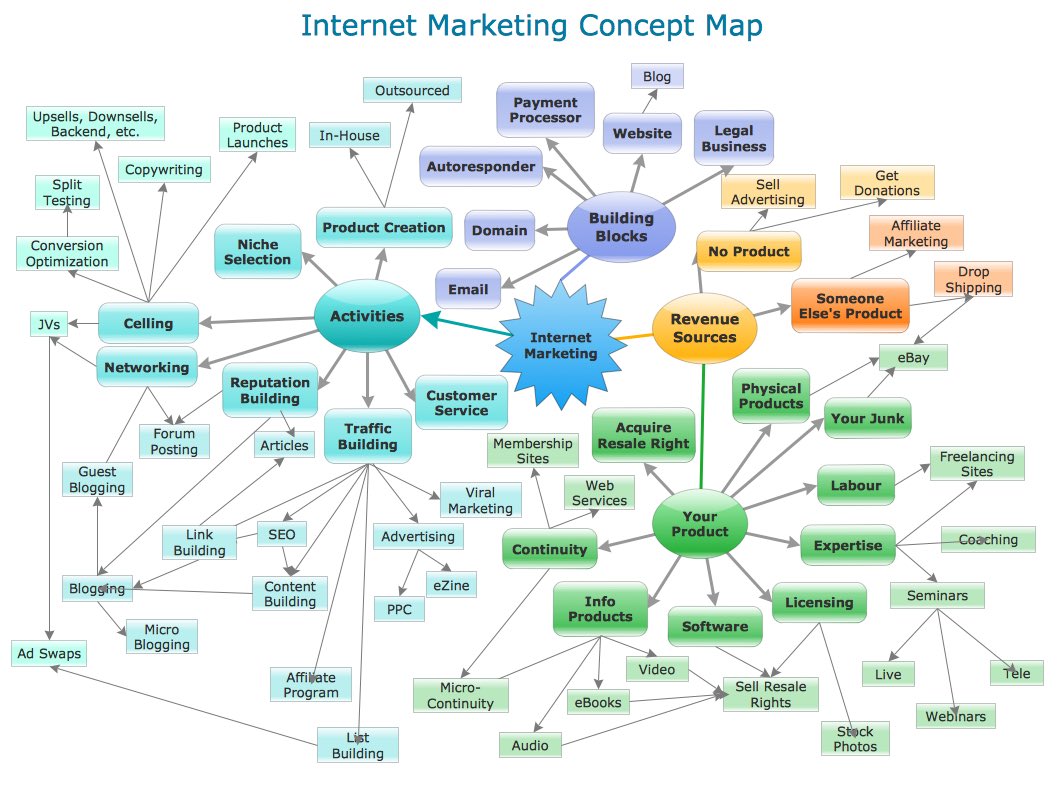
It’s very common to think of information or ideas in this way, as connected semantic bubbles.
(from: https://t.co/k9sdX5FYtW)
But each of those bubbles is a status game. A team, engaged in team sports. /1 https://t.co/3Etdkmg7a0
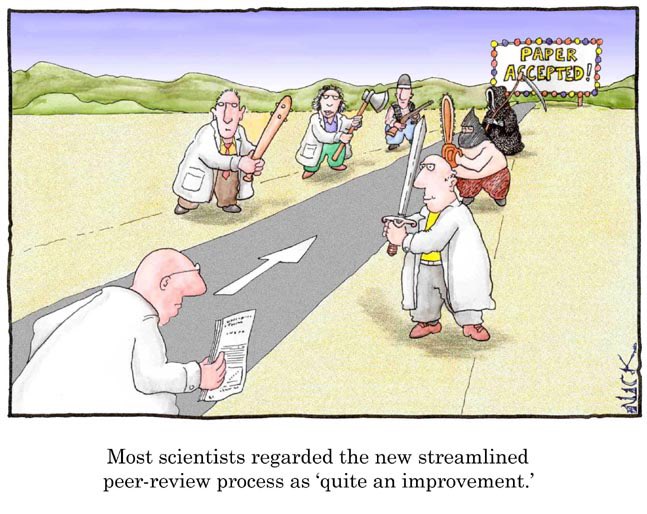
In even the most ‘objective’ of knowledge and information domains, science, the battle for status is the obvious underlying structure.
Planck’s observation that progress in science comes only from the death of the current status hierarchy. /2 https://t.co/FWzj6jbOUq
The world looks like a chaotic and depressing mess right now, to many. In many ways it is. But the structure of that mess is actually extremely simple.
It all looks and feels messy because we don’t have stabilised status hierarchies. /3
The problem isn’t that ‘misinformation’ and ‘disinformation’ are polluting some default peaceful and ordered life.
Societies don’t run on information. They looked a bit like they did only in one period of history. /4
From the end of WW2, until about the late-1970s, with remnants surviving until the end of the 20th century.
When the catastrophic death and destruction of the first half of the 20th century, 2 world wars, a pandemic and a financial crash, smashed status hierarchies. /5
Allowing an historical focus on collective life, for the first meaningful time in history. Driven by the emergency need to re-build that collective life.
Only those catastrophes allowed that focus. By the late-1970s the work was largely done, and status games returned. /6
Today the world seems a chaotic mess because when those status games returned, nothing stabilised them.
Historically monarchies and the church had stabilised these status games. Nothing has replaced them yet. /7
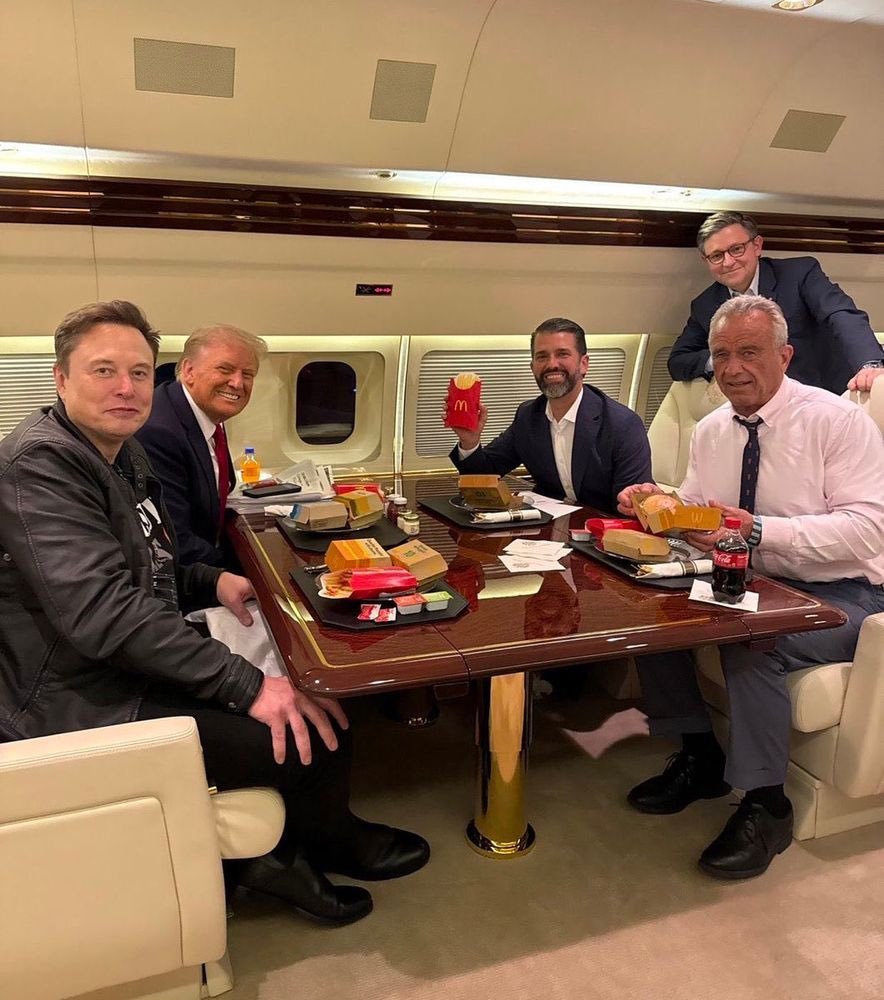
Today the nobles, the barons, the rich and powerful of feudal times and their modern corporate equivalents, both proliferate and battle for position at the top of our status hierarchies.
The Nerd Reich has now stormed the parliaments, and is sitting at the tables. /8 https://t.co/9GMJAHZ8Ik
It won’t work. Barons and nobles have never had either the desire or ability to stabilise whole societies.
Their interest is their own fiefdoms. They have zero appetite for the complexity of whole societies. /9
How do you restore a stabilised status hierarchy? We can’t just anoint new Kings and Popes, those models don’t resonate with enough people now to function.
‘Influencers’ are joining the robber barons to try to fill the gap too. That of course won’t work either. /10
We too often talk of history as if we have some superior vantage point, that can install this or that system, to fix things. It’s not how history works.
New status hierarchies unfortunately come from ongoing fights and battles. From death and destruction. Last man standing. /11
Read history. The history of Kings and Popes is a history of continuous battle and war. Which did lead to a semi-stable hierarchy to structure all of society.
Sociality is violence. Intrinsically. Social media should make that clear. Only status calms the violence. /12
The idea we could use social media to fix the world is (sorry) just tragically funny. Nothing will drive us further away from a stabilised society than the perpetual team sports we see here.
Give up the idea that this is ‘the people’ democratically fixing anything. /13
The people is not and never has been (nor ever will be) a thing. It’s an abstract concept used by the victors of status games to rationalise their victory.
No amount of activism fixes anything, Tha’s just more team sports. The fight for status. /14
Or to be fair, status hierarchies stabilise by lots of fighting. But the ones formed on social media are just insane. Welcome to the new Trump presidency.
We are in history again, people, after a few decades of pretending we were at the end of it. /15
Lots of fighting and bloodshed and catastrophe to come, to stabilise status hierarchies again.
I wish more than anybody it wasn’t necessary. But wish-fulfilment isn’t a way to live.
/end