If you use a social instead of a political or economic lens for society, you’ll see the same patterns…
If you use a social instead of a political or economic lens for society, you’ll see the same patterns repeating throughout history.
Take a classic Agatha Christie story. So often the lynchpin of these was the social mechanism of families clashing over inherited wealth. /1 https://t.co/LRWPJnAvqG
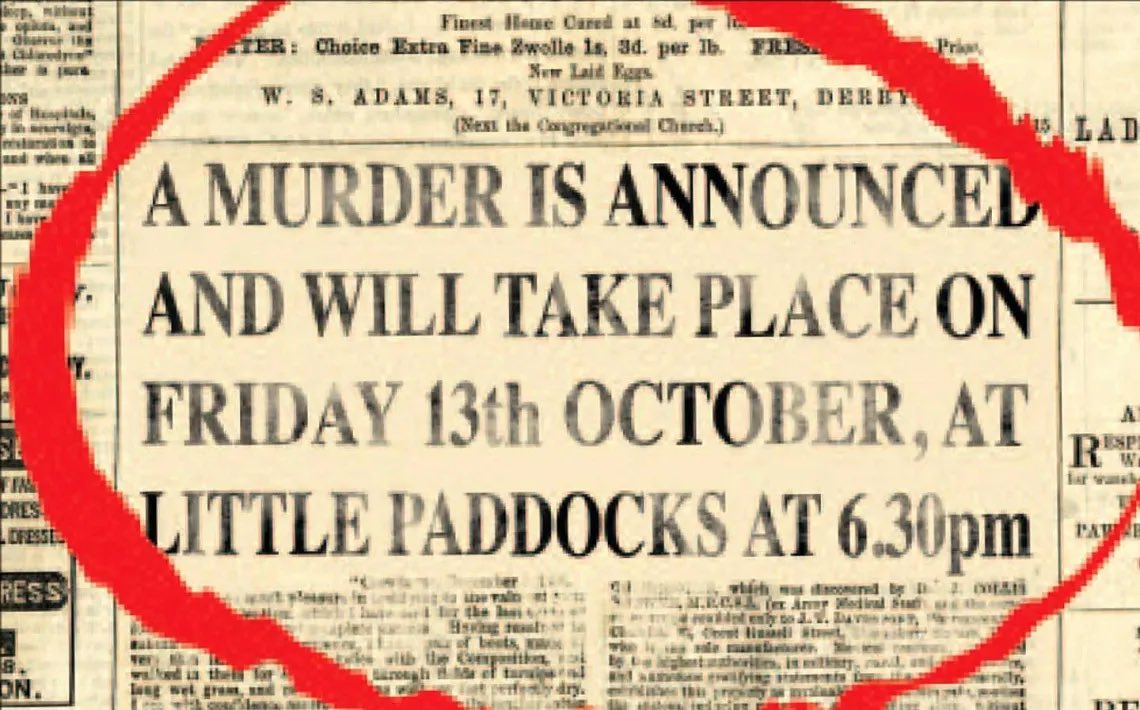
Family members would actively lobby for an ‘allowance’ to live on, from the heir to the family estate.
We’re moving towards that model again now, with most wealth concentrated generationally. /2
With parents ‘helping out’ children to do even the basics, like have somewhere to live.
This is us returning to the status-driven societies Christie was living in, pre-wars. Where status was concentrated in families too. /3
Usually in the first-born male heir. We’re seeing children even murdering parents, for their inheritance.
(There are significant numbers of these stories, globally.) /4
https://t.co/vsIuUhlV3H
The post-WW2 period up to the late-1970s were historically anomalous. Probably the only time in human history where collective life was focused on the collective good.
Only the total devastation of the first half of the 20th century freed us from status hierarchies. /5
Now even those who would deny that’s important to them fight tooth and nail for their identity in status games, every day.
If you don’t ’know your place’, you will invent one. That’s what most social media now is.
/end