When catastrophes disrupt societies, it often triggers a desire to rebuild the world through a mythical…
When catastrophes disrupt societies, it often triggers a desire to rebuild the world through a mythical utopian shift. Often a bucolic ‘tree change’ or ‘sea change’.
Areas of Natural Beauty (AONB) in the UK. How I think they teach us about our current Covid times. /1 https://t.co/nKg1O241hJ
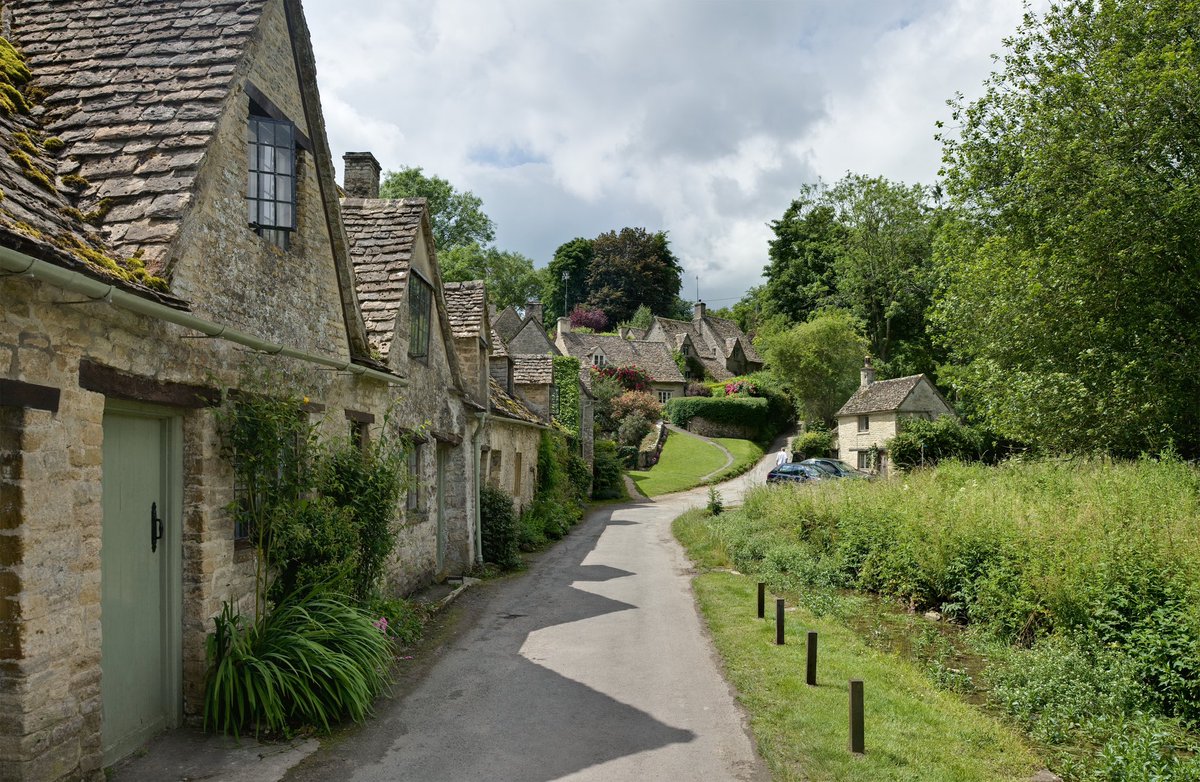
The Cotswolds, designated as an AONB in the UK. Those who follow me won’t be surprised to learn when the AONB idea was invented.
In 1945. At the end of that wave of 3 mega-catastrophes. WW1, the Spanish Flu, and WW2.
(Photo by DAVID ILIFF. License: CC BY-SA 3.0) /2 https://t.co/8E4uFmqkDp
This was the time much of the world was stumbling through the wreckage of their societies, looking to re-build.
It created an enormous yearning for a different kind of life than the one that had led to the catastrophes we’d just endured. /3
AONBs are like mini-national parks. The Brits began eulogising their countryside, like democracies over the centuries often look back to ancient Greece as some sort of foundational utopia.
There are many fascinating things about this. /4
The UK countryside is one of the major tourist destinations in the world now. Millions travel through it every year. It’s become a theme park, an image people live inside.
Which tells the story about how successful this ‘back to basics’ has been. Not one tiny bit. /5
The UK countryside today is overwhelmingly home to the rich, and often the rich from other countries. It’s a status object.
The exact same cultural pattern that led to the great catastrophes in the early 20th century is back, even stronger than ever. The battle for status. /6
Here in Oz we’re seeing the same. There was an exodus to the countryside during the earlier pandemic, as people looked for a bucolic fantasy life.
It’s gentrified a lot of these places now, rendering them unaffordable to locals who have lived there their entire lives. /7
Expensive restaurants and coffee shops draw in the tourists, sometimes with celebrity chefs. The towns are now theme parks, like the UK countryside. ‘Sights’ to be seen and ‘experienced’.
The usual tourism nonsense. Travel inside our own heads. /8
https://t.co/5HDwo3mNUQ
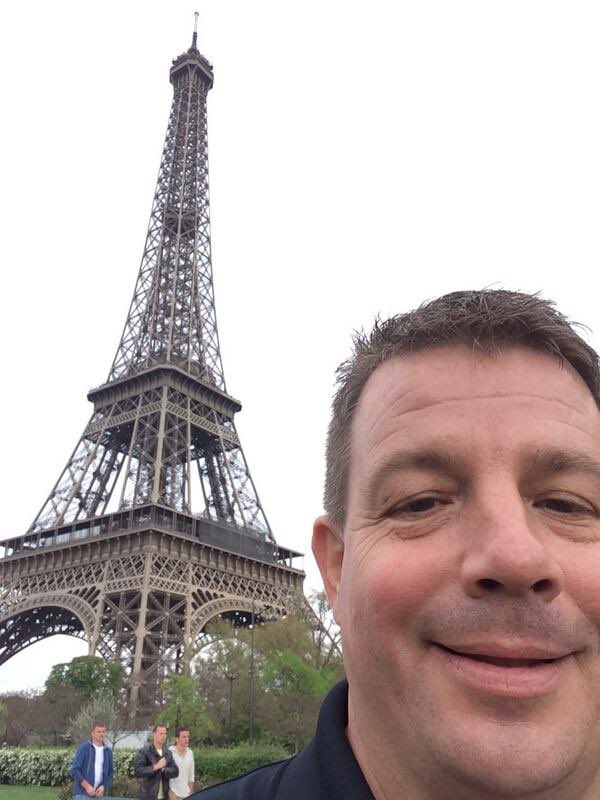
‘Experiencing’ our own idealisms and images, not the locations themselves. Getting lots of selfies to embed that itinerary through our own fantasies.
I think we’re seeing this now with work too. /9 https://t.co/qvOMSsutHu
Anybody working particularly in essential services must have felt the widespread lack of enthusiasm for the return to ‘normal’ life since 2021.
It’s not just the ongoing risk of Covid, which most ignore. It’s that ‘lockdowns’ interrupted habit just enough to do something. /10
To make many of us question what the point of the old normal life was. This is a standard part of the punctuated equilibrium model of societies. First catastrophe punctures old status hierarchies.
Then people question how to live better. /11
Unfortunately status-seeking through imitation is so deeply entrenched in us, that the options we choose to create a new life just reproduce the old one.
AONBs and tree-changes are the old status mechanism, magnified many times over. /12
The end result is higher status people taking over new territory, previously belonging to the quite disadvantaged in the ‘regions’.
They turn old farming and mining communities into the new Tooraks and Vaucluses. /13
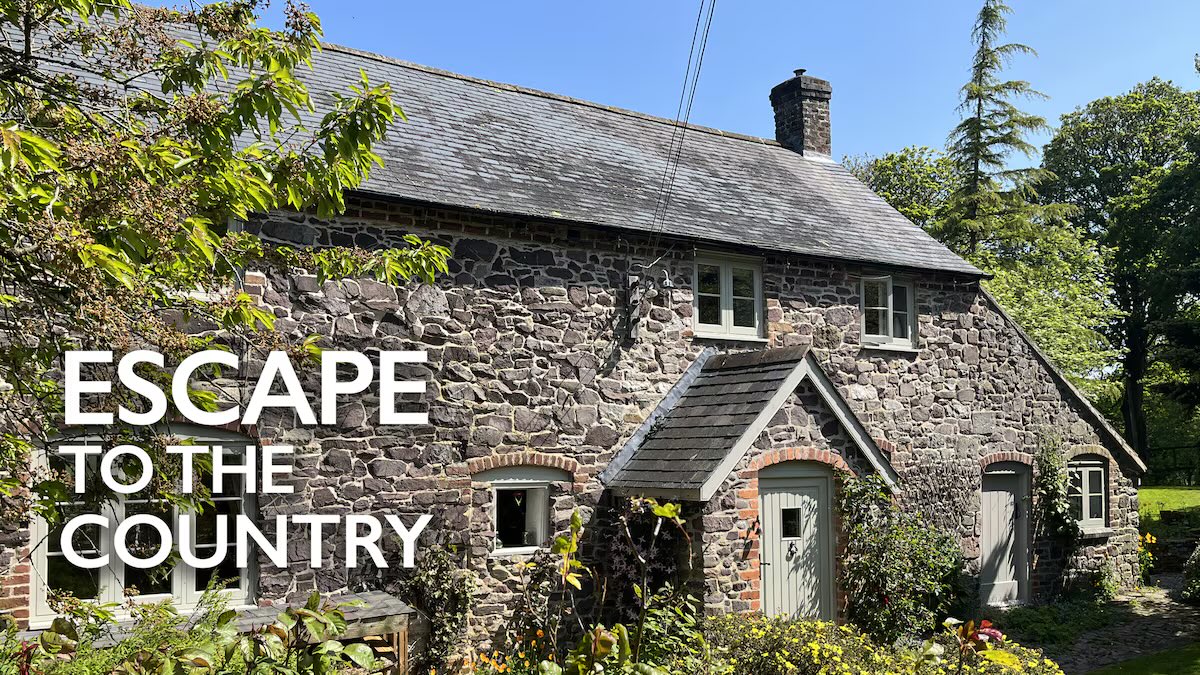
Watch shows like this, it’s all there in the title. ‘Escape to the Country’. Running away from normal life, to make a new life.
But really just extending that old life, into new places. Turning villages into theme parks.
/end https://t.co/79OQ69kVv9