If you read the history of Victorian England, the birth of the modern world, what stands out is how much the…
If you read the history of Victorian England, the birth of the modern world, what stands out is how much the focus of their massive engineering innovation was one thing.
The health and well-being of the public. Engineers change the world, what happened to us? /1 https://t.co/Hvgm3L8QS1
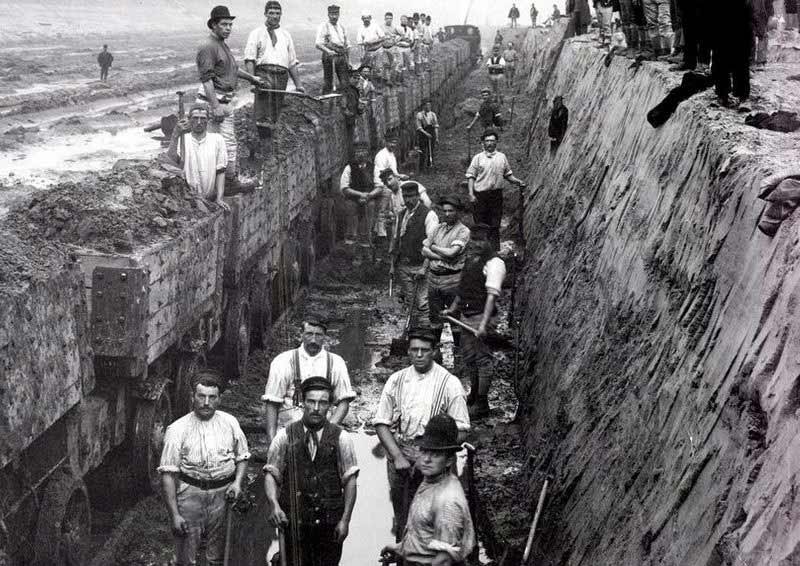
Interestingly the engineering leviathan of the Victorians had its origins in the Industrial Revolution that preceded Victorian engineering.
That revolution was mostly about making industrialists rich. That’s much more like us today. But they didn’t win. /2
To some extent catastrophe forced a greater focus on public engineering, like cholera and the sewage systems and water supply projects.
But it was more than that. Public change was being driven by status. That’s something we don’t understand now. /3
The engineers and scientists of the Victorian era were public celebrities, with enormous status. There were still echoes of the Enlightenment in the culture, the power and status of knowledge.
Hitched to a monarchy that revelled in the glory of huge engineering works. /4 https://t.co/7Dxdss76z5
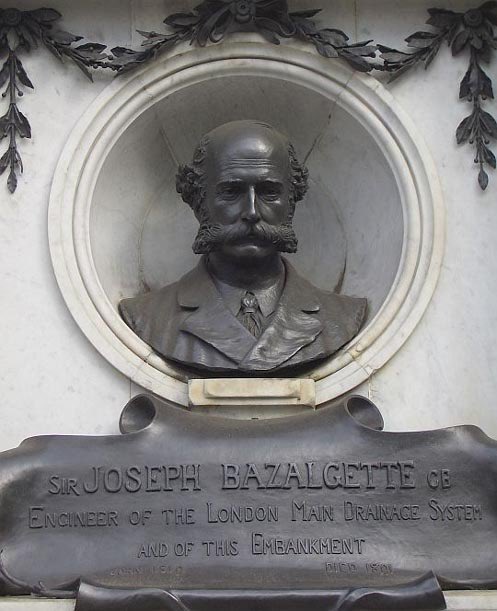
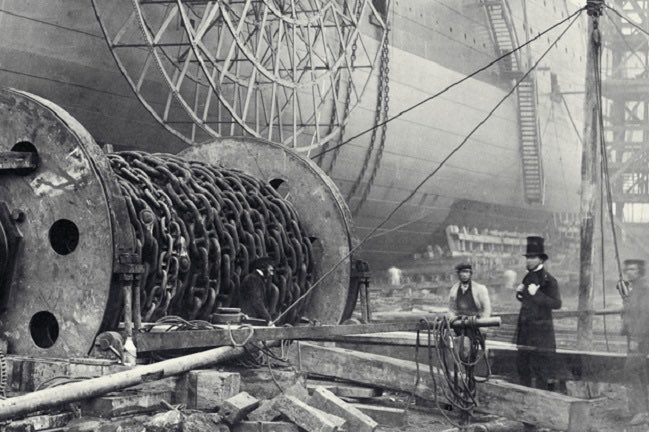
Societies run on social status. Connect that mechanism to public works, and you get astronomically rapid social development. Victorian England really was breathtaking in the scope of its ambition and achievement. /5 https://t.co/iWQEyxtAge
Contrast with today, where we have an even more vast engineering infrastructure and staggering expertise and experience.
But where are the public works? They happen, here and there, mostly in what we now call ‘authoritarian’ countries. /6
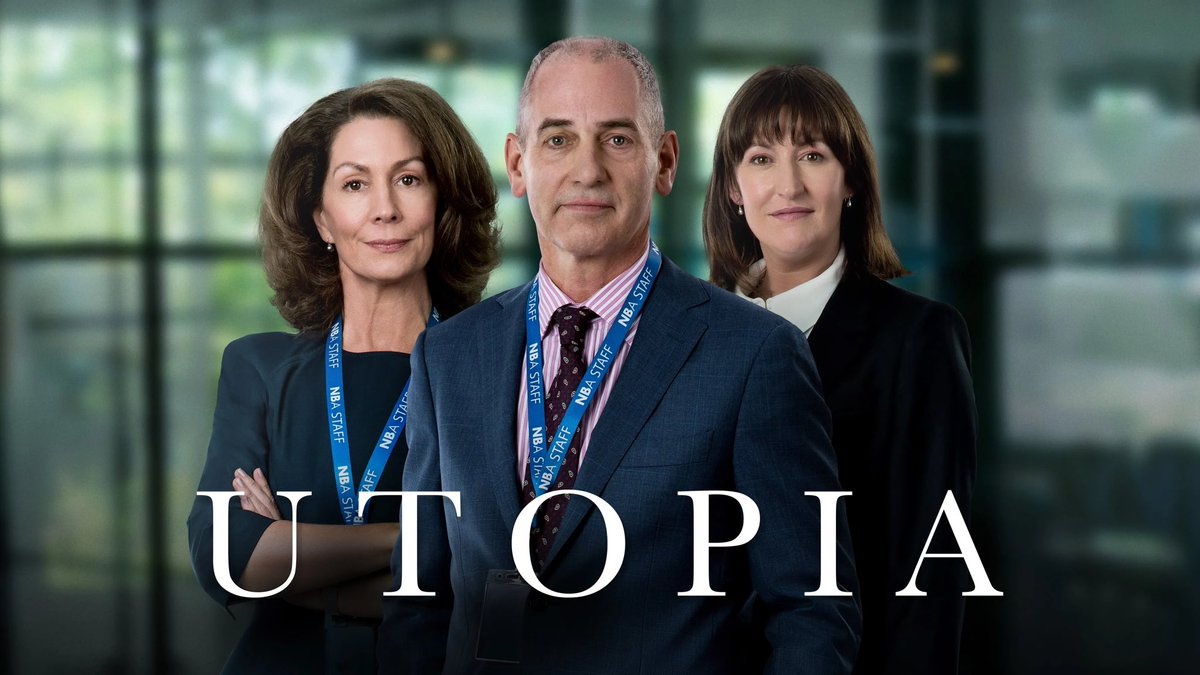
And where remnant pubic institutions in the West still get input into social direction. Plus of course vanity infrastructure projects sponsored by populist politicians, brilliantly satirised by Utopia.
But in general, ‘the market’ now rules. /7 https://t.co/ULaRxfVQRe
Meaning a nebulous idea of just letting everybody do whatever they like, and somehow the best outcomes will spontaneously emerge.
Except of course they don’t. Because the theory is rubbish. Humans never, ever spontaneously organise in that dispersed way. /8
Not in a unified way. As in today’s world, you can build vast industrial empires producing existentially useless products, with no real public benefit. (Like social media.)
Without status wedded to public utility, you get trophy wank projects. And naked profiteering. /9
The market is a fiction that produces nothing. It’s an ideology designed to specifically remove one centralised status hierarchy, the State, and replace it with the architects of the great fiction.
If you don’t provide hierarchy, humans will invent it themselves. /10
To the fiction of the economy and its market, Victorian public works can only look like ‘picking winners’. Productivity commissions and conservative politics love that one.
Like optimum public outcomes will happen by accident, through the magic market. /11
It’s an offensive, laughable fantasy. Billionaires will build rocket ships and bunkers on remote islands, not fresh air and water infrastructure.
It is possible to marry social status to public utility. The Victorians did it. Many Asian countries are doing it now as well. /12
Meanwhile in most Western countries we’re stuck with a dreary ideology of individual freedom-driven social change. What I call a culture of drug gangs, which is the end result, when the battle between disconnected social tribes plays out.
/13
We’re end-of-empire cultures. Drunk on decades of nothing but fun lifestyle living. Can’t build anything, couldn’t decide what to build even if we could.
/end