An important topic. David talks about how ‘we’ are playing with fire, with tipping points. This is where, as…
An important topic. David talks about how ‘we’ are playing with fire, with tipping points. This is where, as with Covid, we need insight into how and why humans think and behave. Which is a social question, not a physical science question. /1 https://t.co/iVpKMi8idO
You see this all through Covid. This space and others flooded daily with scientific data and concepts, to explain the pandemic.
But all pandemics are social phenomena. Because humans are the hosts, and how they behave determines how a pathogen spreads. /2
We get all of this powerful and incontrovertible data, up against a mono-dimensional complaint that ‘we’ aren’t doing anything about it.
There’s no flesh on that ‘we’. It’s just uttered, as if ‘we’ is something that exists and thinks and acts. /3
Michel Serres in the early 1980s dared to ask this exact question. ‘What does “we” mean?’ It’s thrown about with abandon, by politicians, activists, ordinary people here, etc.
For a while I’ve shifted my own Tweets away from the science of Covid and climate, to this ‘we’. /4
Climate change and Covid won’t go away without an understanding of what ‘we’ is. None of our collective problems can be solved without that shift in thinking.
It’s tedious to just tally up daily ‘facts’ and then moan about how stupid ‘we’ are for doing nothing about them. /5
Like one of my favourites, talk about ‘the people’. By politicians and social media fans. As if everybody jostling on social media every day for example is ‘the people’ at work.
My Tweets for a while have tried to show that this concept is a load of bollocks. /6
The idea that social media for example is a daily percolation of ‘the people’ interacting completely ignores what it actually is.
It’s thousands of groups or teams, battling for status, led by influencers. It’s imitative rivalry, foundational human behaviour in history. /7
It’s the battle for our individual identities and sense of belonging, which we prosecute through the membership, explicit or implicit, of teams in battle.
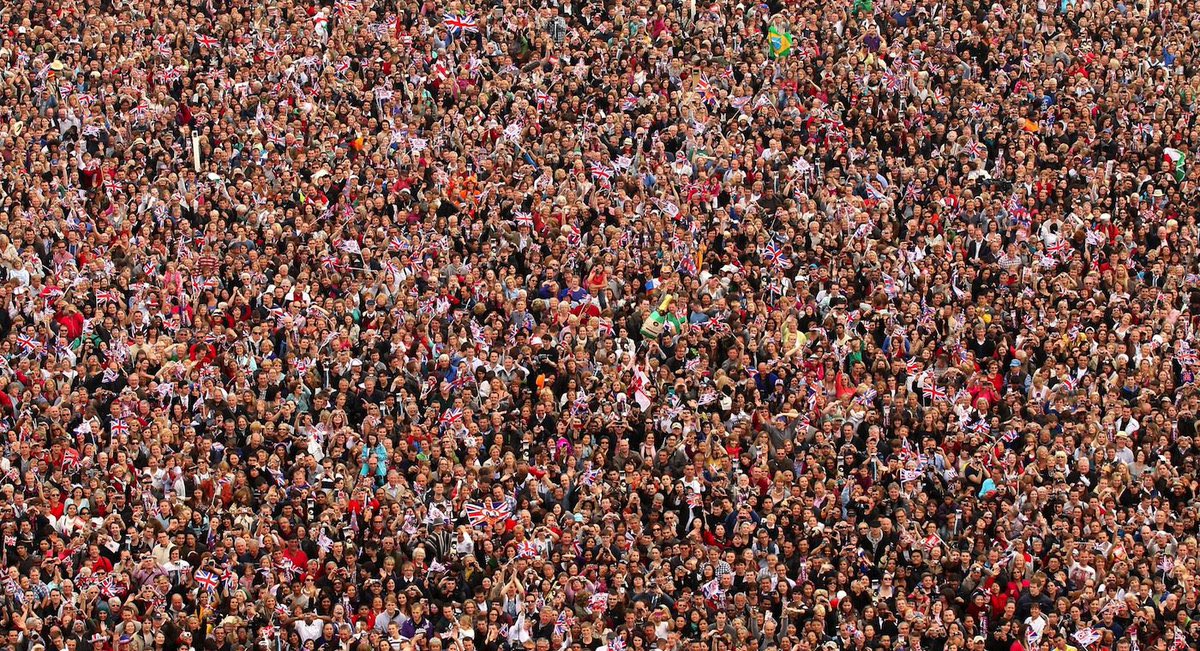
‘The people’ looks like the picture on the right. Not the picture on the left. /8 https://t.co/RwjqGt6FGb
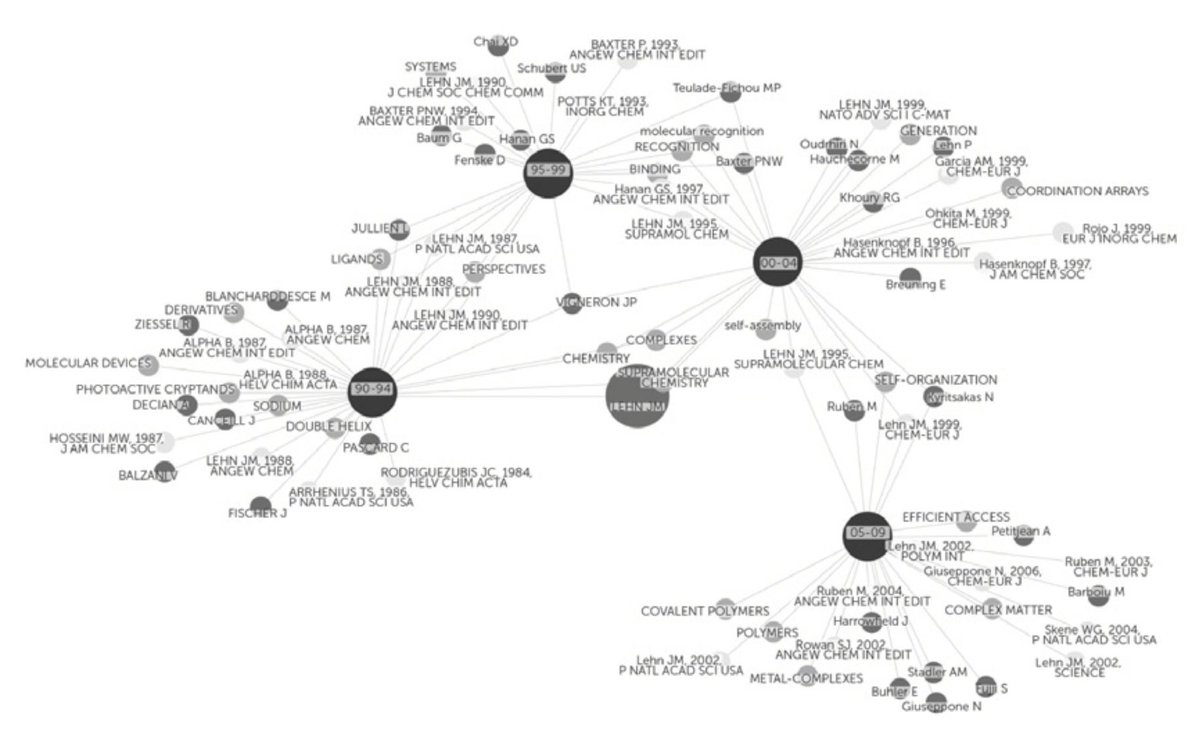
Also why I argued that to tackle Covid for example, we need to address the lumpy, networked nature of our social relations. Covid is bred in a small number of key hubs, and dispersed through the networks linked to these hubs.
Which makes it a MUCH easier foe to defeat. /9
Instead though the narratives are *still* ‘here are the daily facts’, and ‘why aren’t WE doing anything about them?’
There is no we. There is no ‘the people’. Societies are lumpy networks, driven by a handful of key hubs. Even the toxic stuff on these platforms is the same. /10
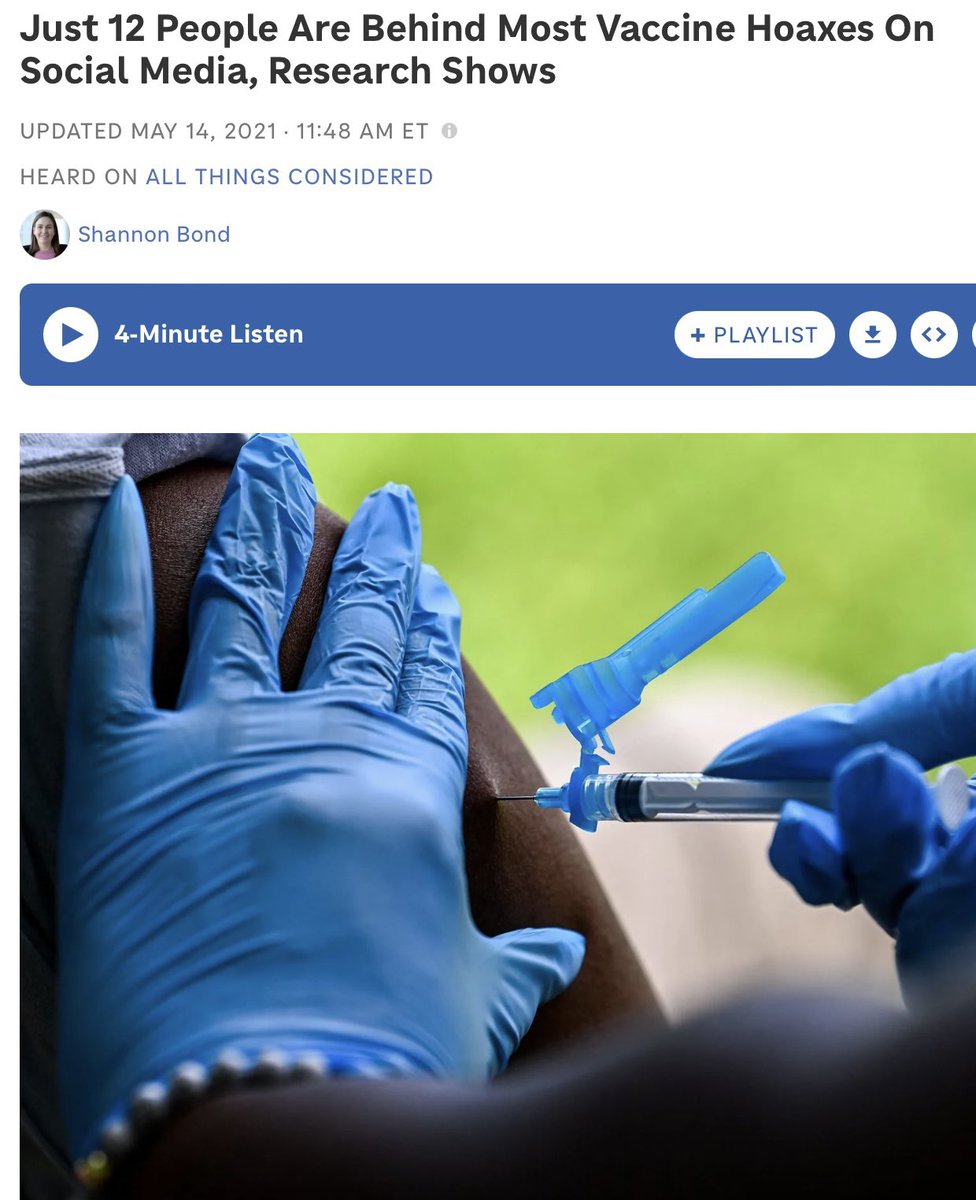
Remember this? How most anti-vax activity is driven by a tiny handful of people? Those are the ‘hubs’ for anti-vax. An entirely manageable problem, when the social structure is actually analysed, rather than a vague hand-waving ‘we’. /11
https://t.co/zmoKnAwrde https://t.co/2PZbiiWcTZ
Similarly I’m certain we could defeat Covid just by targeting the handful of hubs where it breeds. Dominantly schools.
And there’s fantastic work happening there. Though a little too skewed to just providing ‘information’ to these schools, and hoping for the best. /12
That’s another focus for me. Societies don’t run on information. Their lumpy social networks are status networks. That’s what the team sports is about.
You have to target the status mechanisms, to get traction. Engage school principals, for example, critical network points. /13
In a nutshell, societies are always 100% social. All the other ways we have of describing them, the various -isms and modern-day econobabble, are just names for teams in the team sports of group imitative rivalry.
Societies are not any of those things. /14
They’re not economies. They’re not capitalism or socialism or fascism at work. They’re just people. Acting in groups, to create and protect identities. Groups that clash with other groups, trying to do the same thing.
Every ‘culture’ in every country, is only this. /end